
External Links in SEO: Definition, Benefits & Best Practices
September 17, 2025
Are external links helping or hurting your SEO? Many site owners worry that linking out will “leak” authority or that chasing backlinks is a futile game. In reality, external links, both the links pointing to your site and the links from your site to others, are a cornerstone of SEO success when handled wisely.
This comprehensive guide will demystify external links, explain why they matter, and show you how to leverage them for higher rankings, credibility, and traffic.
What Are External Links?
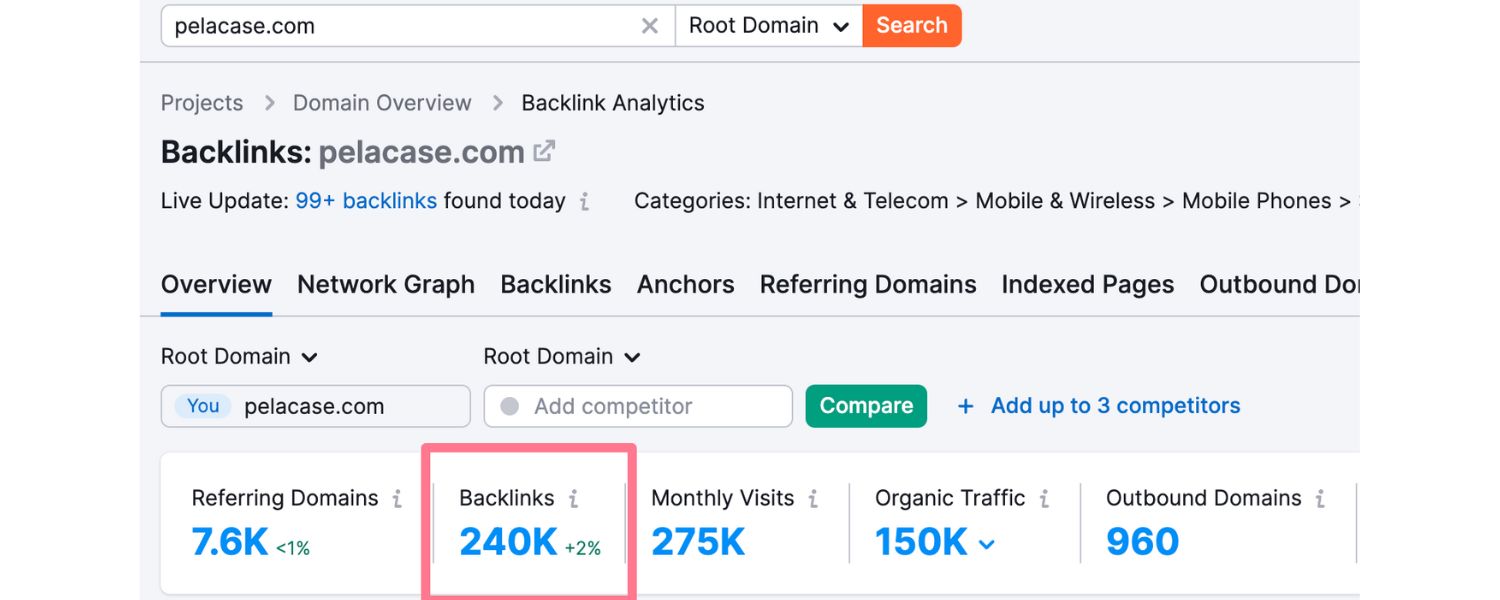
An external link is any hyperlink that connects one website to a different website. In other words, if you click a link and it takes you to another domain, that link is external. For example, if YourSite.com links to a news article on AnotherSite.com, that’s an external link on YourSite.com (outbound) and a backlink for AnotherSite.com (inbound).
External links are often categorized in two ways:
1. Outbound external links
Links on your site that point to a page on a different domain. (These are also called external outgoing links or just outbound links.)
2. Inbound external links
Links on other sites that point to your site. These are commonly called backlinks or external incoming links.
Both types are simply external links viewed from different perspectives. External links are the opposite of internal links, which connect pages within the same website or domain.
External vs. Internal Links
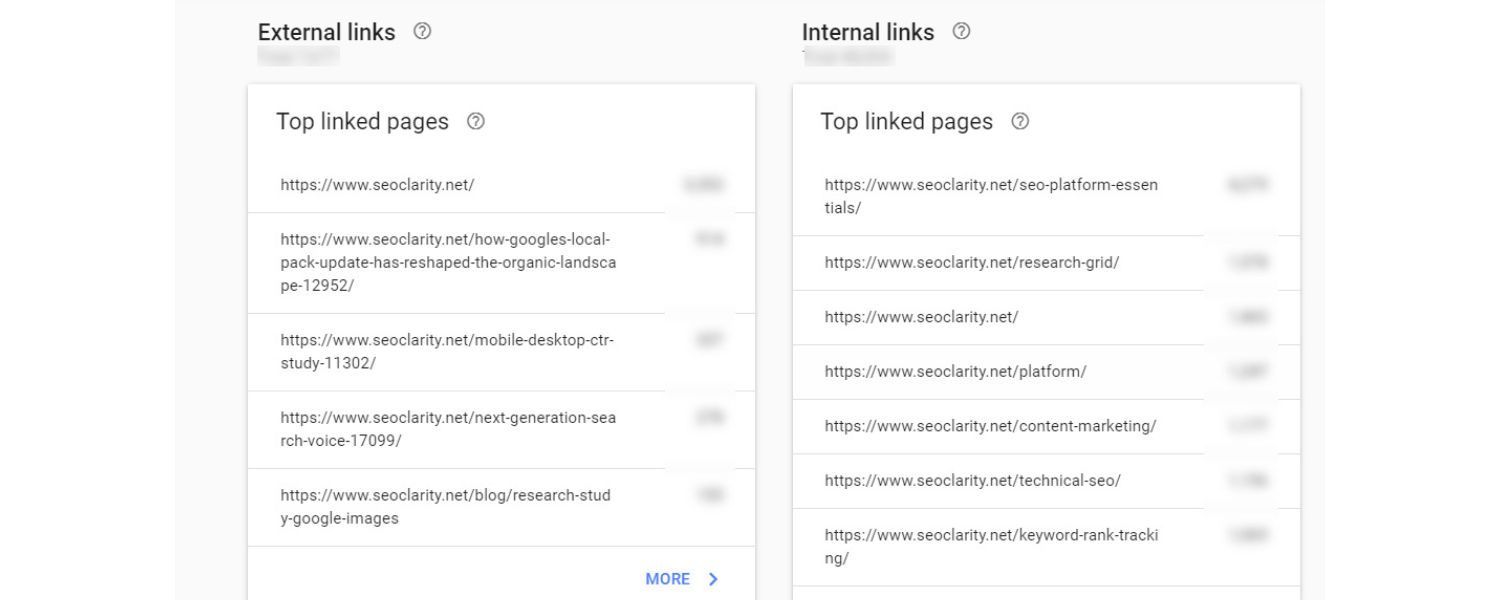
It’s important to distinguish external links from internal links. Internal links stay within your own website domain – for instance, linking from your homepage to your blog page.
They help users navigate your site and help search engines understand your site structure. External links, by contrast, connect different websites altogether, serving as bridges across the web.
Internal links primarily help distribute “link equity” or authority within your site and improve crawlability (so Google can find all your pages).
External links serve to either send users elsewhere (outbound) or bring users and authority from elsewhere to you (inbound). A healthy SEO strategy uses both: internal links for site structure and external links to build relationships and credibility across the wider internet.
Why External Links Matter for SEO
External links play a massive role in how search engines perceive and rank your website. In fact, inbound external links (backlinks) have long been one of the top ranking factors in Google’s algorithm.
Think of each quality backlink as a “vote of confidence” from one site to another. If many reputable sites link to your page, search engines interpret that as a sign that your content is valuable and trustworthy.
Studies in the SEO industry consistently show the power of backlinks. For example, analysis by industry experts has found that pages with more high-quality external backlinks tend to rank significantly higher in Google search results.
This makes sense: a link from another site is like an endorsement or citation. Just as academic papers are ranked by citations, web pages gain authority when other sites reference them.
However, it’s not just about sheer volume of backlinks – quality and relevance matter most. A single link from a highly trusted, authoritative site in your niche can outweigh 100 links from low-quality or unrelated sites.
Search engines evaluate external links based on factors like the linking site’s authority, the topical relevance of the linking page, and even the anchor text used.
(Moz’s SEO researchers note that metrics such as the linking domain’s trustworthiness, the popularity of the linking page, contextual relevance, and anchor text all influence how much “value” a backlink passes along.) In short, earning external links from reputable, relevant websites is crucial for building your site’s authority and boosting your rankings.
Beyond rankings, external links also drive referral traffic. A link on a popular blog or news site can funnel new visitors to your site. These visitors are often highly qualified (since they came via a relevant context) and can become new readers, customers, or subscribers. Inbound external links, therefore, not only improve SEO but can directly grow your audience.
Outbound External Links: Myths vs. Reality
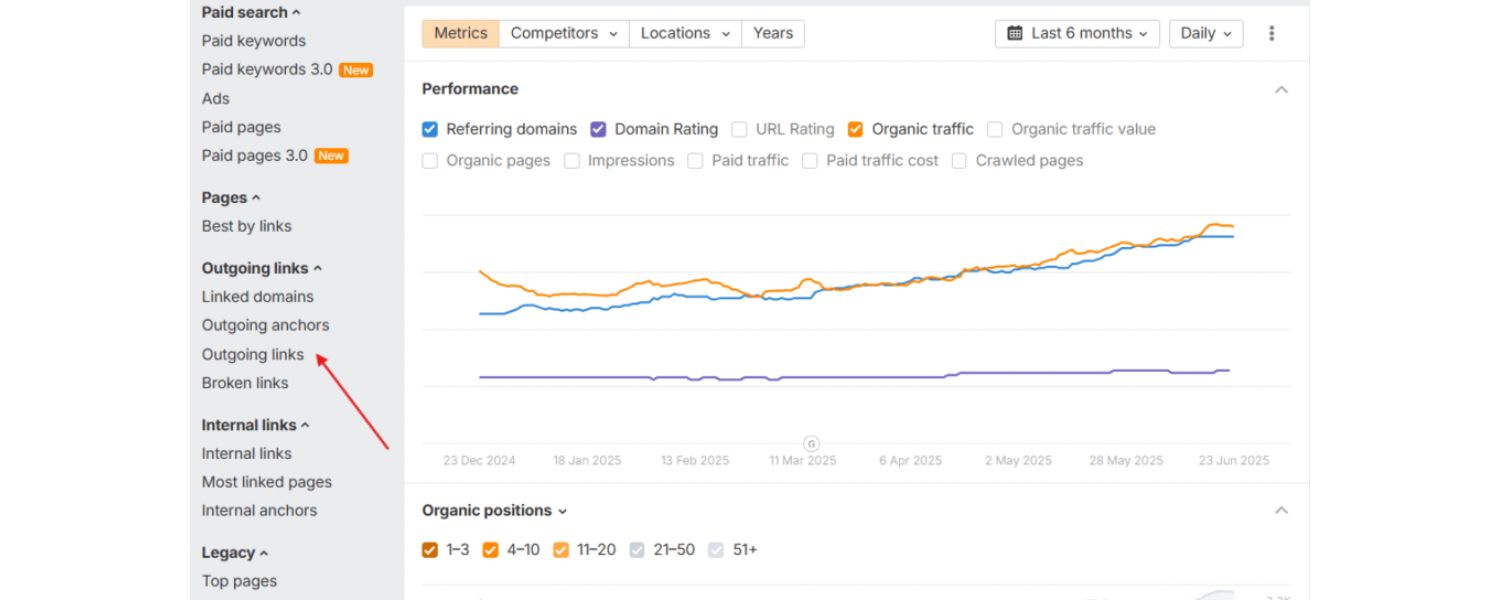
We’ve talked about links coming to your site – but what about links going out from your site? There are many myths around outbound external links. Some website owners are hesitant to link to other sites at all, fearing it will “leak PageRank” or send visitors away. Let’s clear up the confusion with some reality:
1. Linking out does not mean you lose authority
Google’s own representatives (like John Mueller) have stated that external outbound links aren’t a direct ranking factor – you don’t get penalized for linking to other sites. You aren’t “giving away” all your SEO power by citing a source. Search engines don’t view a reasonable number of outbound links as a bad thing.
In fact, Google has clarified that you won’t hurt your rankings by linking to relevant, high-quality resources. The old notion of “PageRank leakage” is outdated; your page can still rank just fine while linking out to helpful content.
2. Outbound links can actually enhance your credibility
When used strategically, linking to authoritative external resources can build trust with readers and even search engines. Think of external links as citations in a research paper. By referencing reputable sources, you show that you’ve done your homework and you’re not afraid to support your statements with evidence.
This can make your content more believable and valuable. For example, if you write a post about health and include external links to studies on a .edu or .gov site, readers (and Google’s algorithms) recognize that you’re providing well-sourced, trustworthy info.
Google’s quality guidelines emphasize E-E-A-T (Experience, Expertise, Authoritativeness, Trustworthiness), and linking to authoritative sources is one way to demonstrate those qualities in your content.
3. Keep outbound links relevant and moderate
While linking out is generally positive, it should be done with purpose. If you pepper your article with dozens of random external links, it could look spammy or simply distract the reader. The best practice is to link out where it truly adds value – for supporting data, further reading, or useful tools.
There’s no exact “ideal number” of outbound links, but quality over quantity is the rule. A few highly relevant external references can greatly enhance your content; an excessive number of links might confuse users or make your page look like a link farm. Use good judgment and always ask, “Will this link help my readers?” If yes, it’s likely worth including.
4. Be careful of where you link
Not all external links are equal. Linking to a respected, authoritative site is beneficial, but linking to a malicious or low-quality site can backfire. Outbound links to spammy websites could harm your credibility and even your SEO (for instance, if you were to link out to sites flagged for malware or misinformation).
Make sure any external site you endorse with a link is one you trust. If you wouldn’t vouch for a site to your readers, you probably shouldn’t link to it.
In summary, outbound external links, when done right, do not hurt your SEO. On the contrary, they can enrich your content and user experience. Google’s John Mueller summed it up well when he said that you should add external links if they provide value to users, and not worry about some imagined penalty.
Your primary goal is to serve your readers. If an external link makes your article more useful or credible, it’s likely a smart choice to include it.
Best Practices for External Linking
Now that we’ve covered the why, let’s get into how to handle external links effectively. Whether you’re linking out from your site or managing incoming backlinks, keep these best practices in mind:
1. Link to reputable, relevant sites
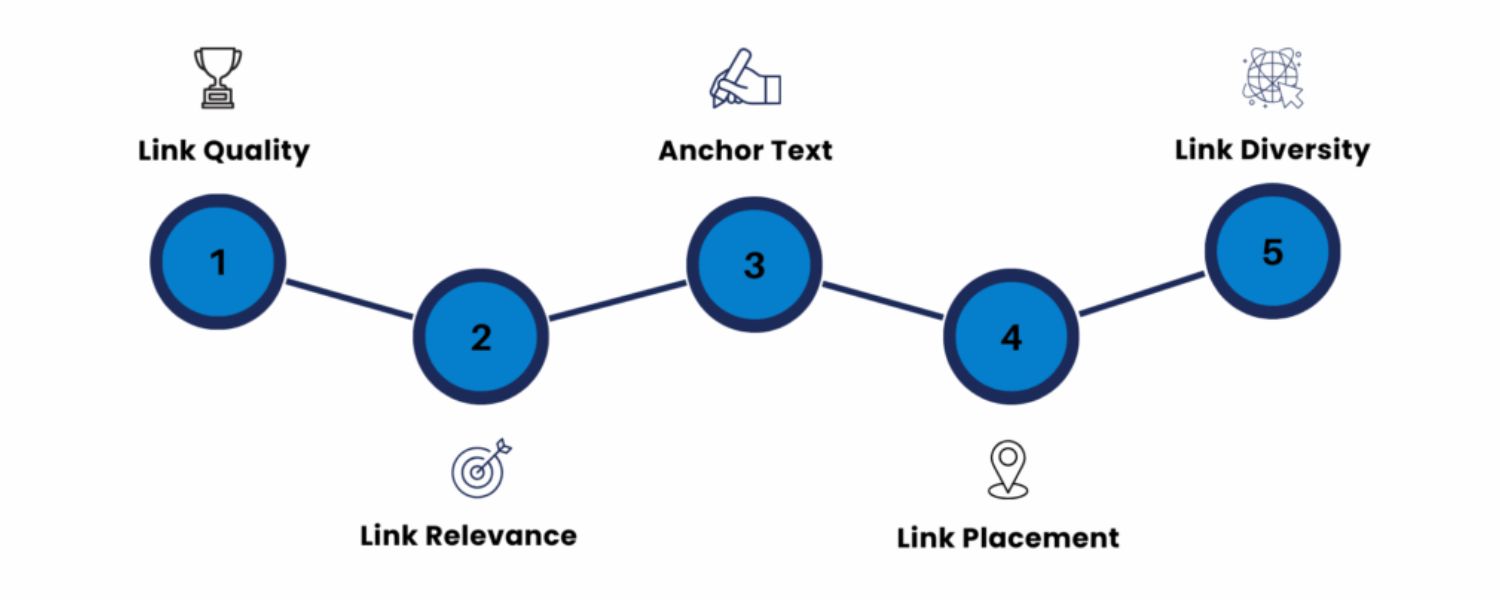
Whenever you add an external link, ensure it’s pointing to a trustworthy source that is relevant to your content. High-authority domains (like well-known publications, universities, industry leaders, .gov or .edu sites) make the best external link targets.
For example, if your blog post discusses online marketing, linking to an official Google Search Central guideline or a respected SEO blog adds credibility. Relevant, quality external links enrich your content and signal to readers (and search engines) that you reference good information.
2. Use descriptive anchor text
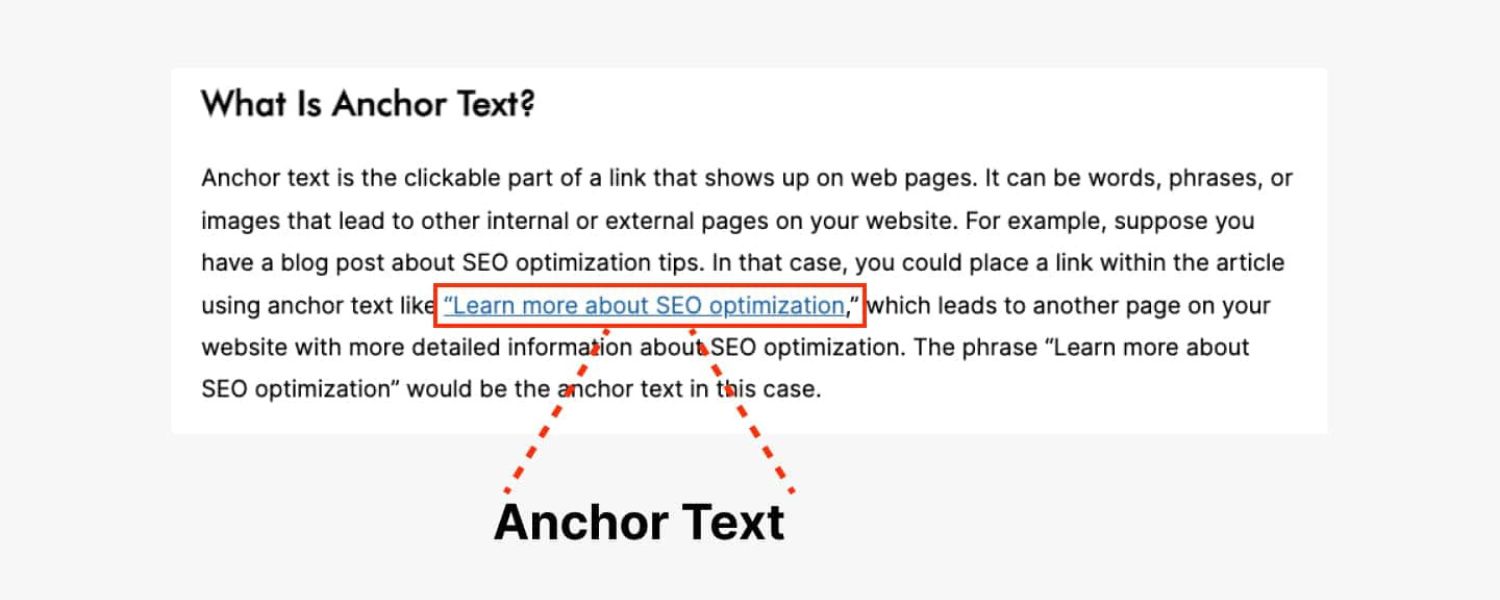
The anchor text (the clickable words of the link) should clearly indicate what the user will see if they click. Avoid generic phrases like “click here” for your external links. Instead, use natural, descriptive keywords.
For instance, write “learn more in Google’s SEO Starter Guide” rather than “learn more here.” Descriptive anchor text improves user experience and gives search engines context about the linked page. (It also helps accessibility, as screen readers will read the anchor text to users.)
3. Don’t overdo it – quality over quantity
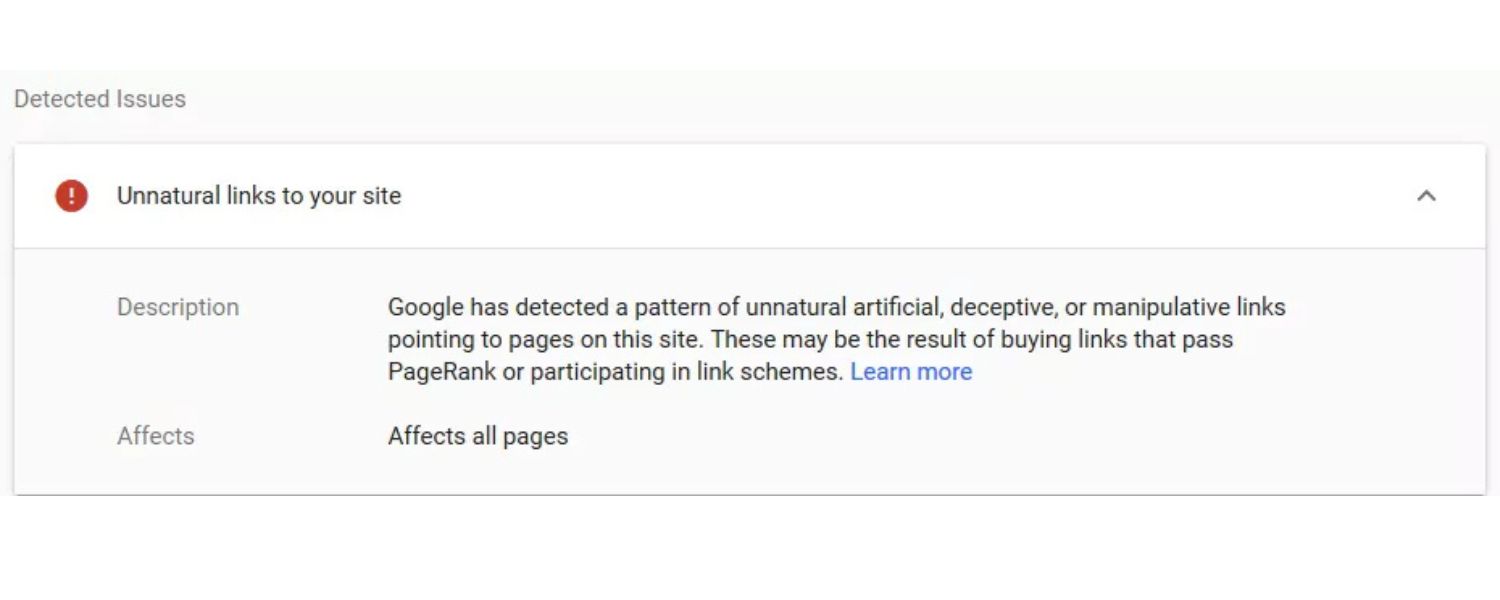
There is no strict limit on how many external links you can have, but each link should have a purpose. A page with dozens of unnecessary links can look spammy and overwhelm readers. It’s usually better to have a handful of well-chosen external links that truly add value, rather than hundreds of irrelevant ones.
Ask yourself if each link is something your audience might benefit from. If not, consider removing it. Inbound links to your site should also be quality-focused – it’s better to earn 5 links from respected websites than 50 links from sketchy, low-quality sites.
4. Use “nofollow” or related tags when appropriate
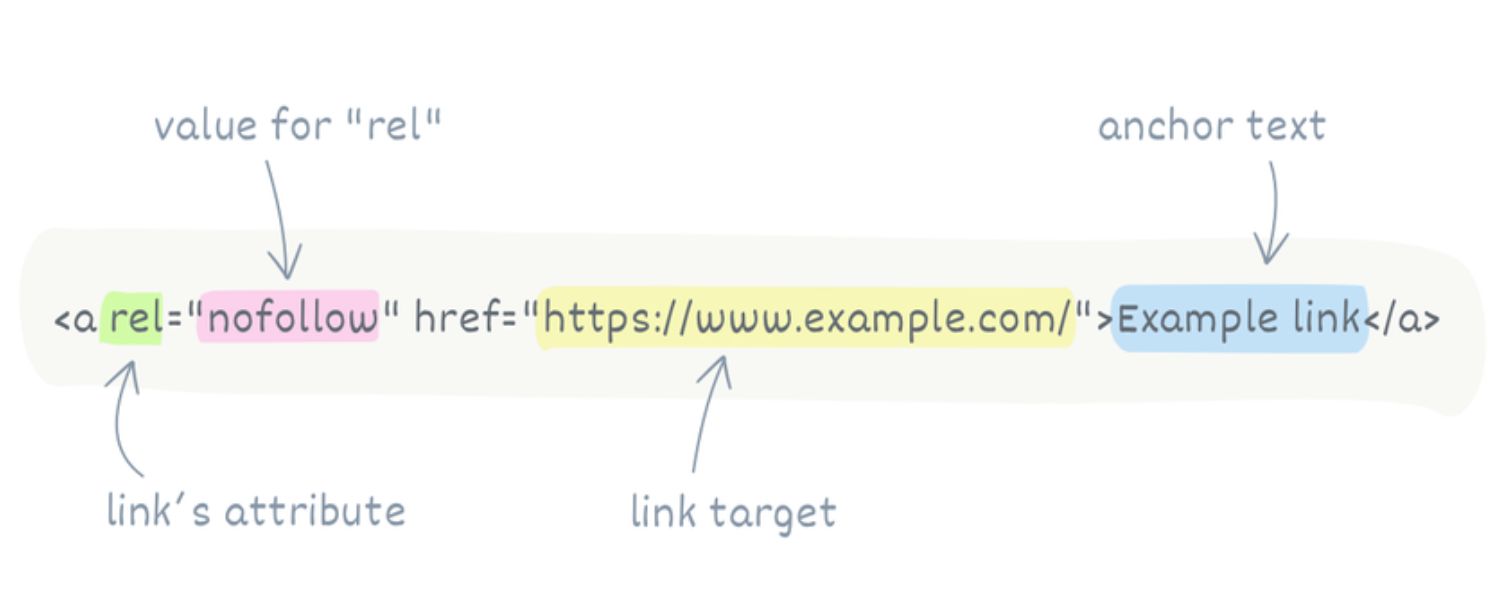
If you are linking out in a situation where you don’t want to pass SEO credit or imply an endorsement – for example, a paid sponsorship, an affiliate link, or a user-submitted link in a forum – use the rel=”nofollow” attribute (or the specialized rel=”sponsored” / rel=”ugc” for paid and user-generated content).
Nofollow tells search engines, “Don’t count this link as an editorial vote.” This way you can still link for user purposes without affecting rankings. For normal editorial links in your content, you don’t need nofollow – use it primarily for ads, sponsored content, or untrusted links.
5. Consider user experience (new tabs and indicators)

It’s common to set external links to open in a new browser tab so that readers don’t completely leave your site. This can be a good practice to keep users on your page (they can close the new tab and come back to your site easily). However, from a usability standpoint, always ensure this behavior isn’t jarring.
It’s wise to indicate external links in some way – for example, some sites add a small external-link icon or text like “(opens in new window)” so users aren’t confused by new tabs opening. While not mandatory, these cues are considerate, especially for users with accessibility needs. The key is to make sure clicking an external link is a smooth experience.
6. Audit and update external links regularly
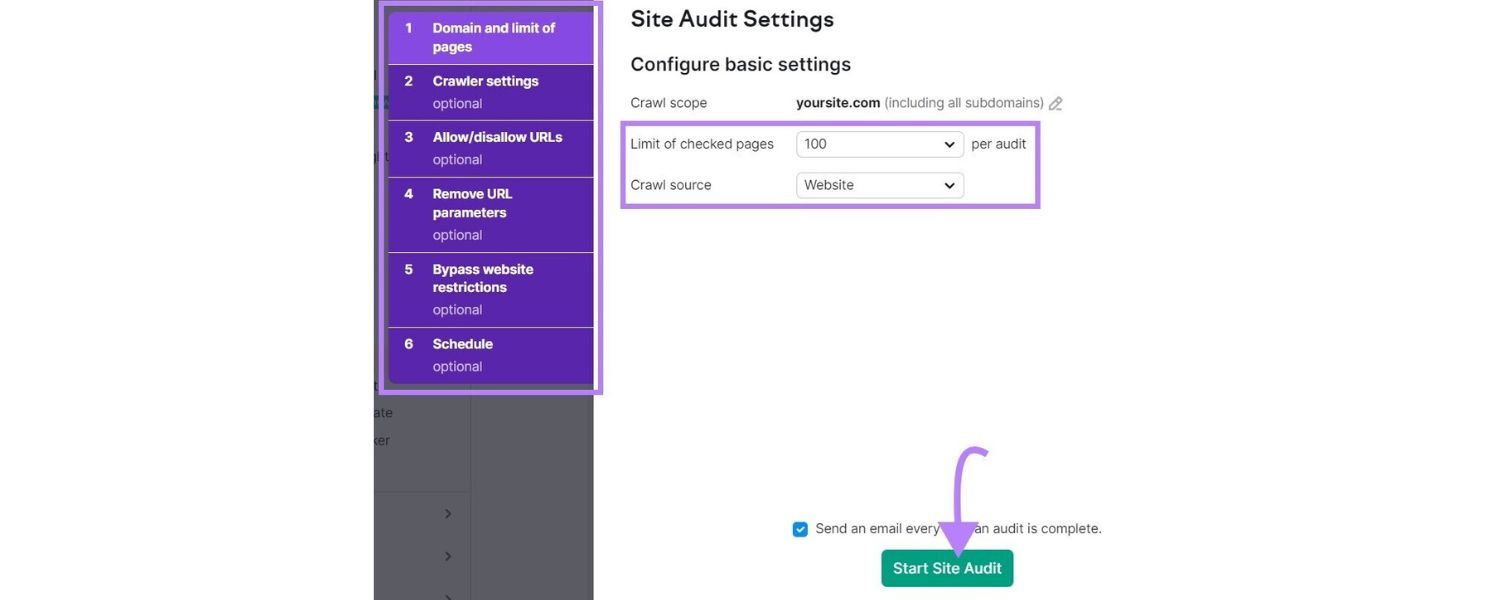
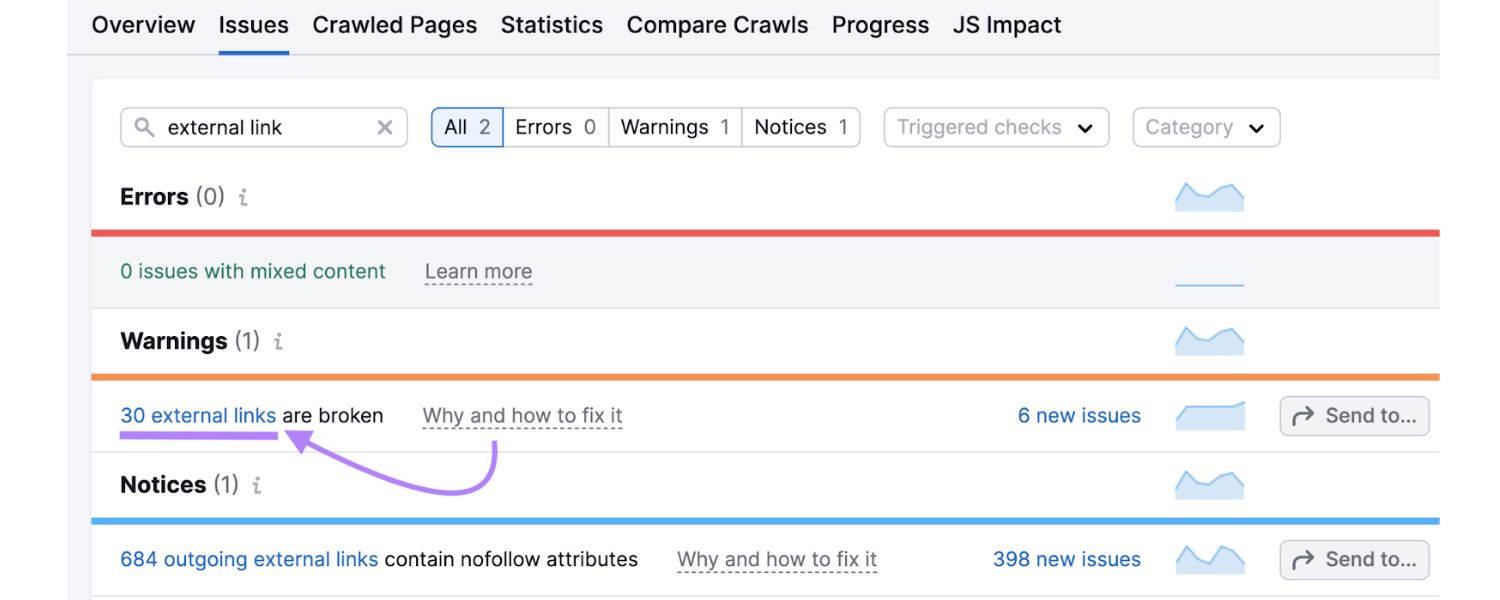
Over time, the web changes – pages move or get deleted. An external link that was valid when you added it might become a broken link (dead link) later. Broken external links can frustrate users and even reflect poorly on site quality.
Make it a habit to periodically check your site for broken links (there are tools and crawlers that can find 404 errors). If you find any, update them to a new correct URL or remove them if no longer relevant. Keeping your external links up to date maintains a good user experience and avoids any negative signals from having too many broken links.
7. Avoid linking to spam or unethical sites
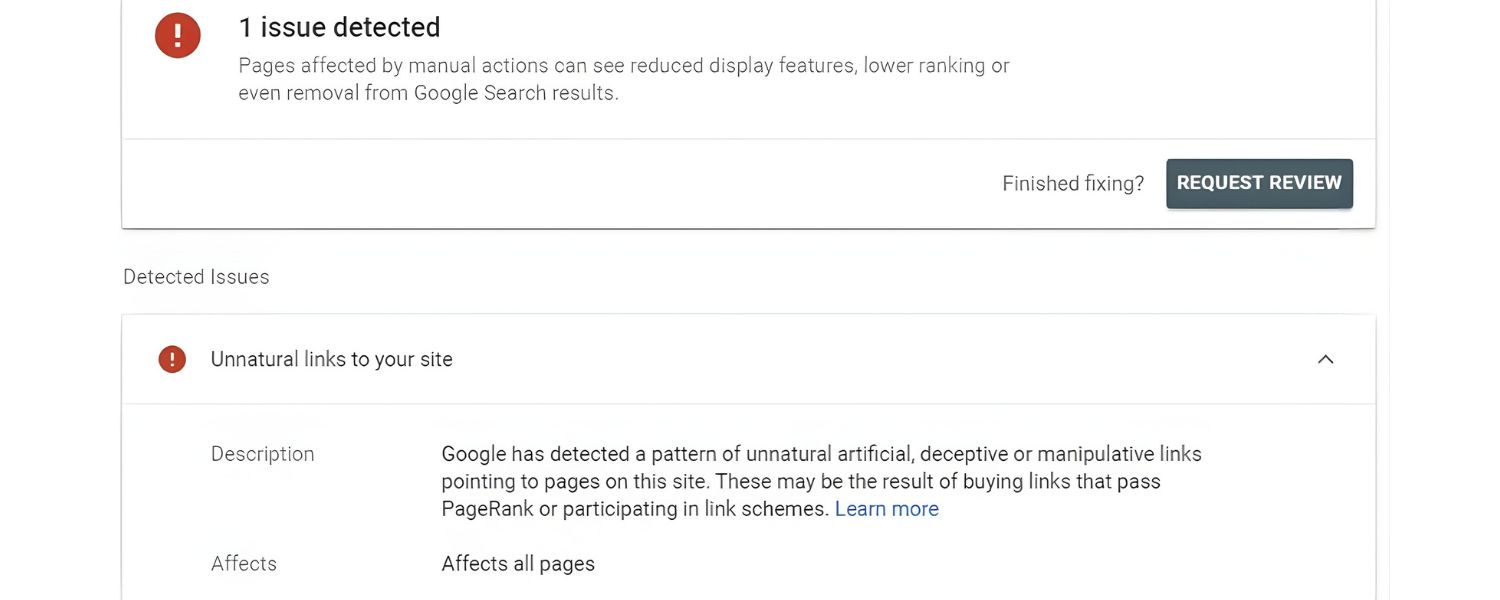
This should go without saying, but maintain a high standard for what you link out to. If a site looks spammy, overly advertorial, or is unrelated to your niche, it’s best not to link to it. Outbound links are seen as an editorial choice – they reflect on your site’s judgment.
If you wouldn’t recommend a site to your readers in person, don’t recommend it via a link. Inbound links from spam sites are also undesirable. If your site accumulates a bunch of spammy backlinks (perhaps from scrapers or low-quality directories), it’s wise to disavow them via Google Search Console to prevent any association with those sites. In short, curate both your outgoing and incoming link profile to keep it “clean” and reputable.
By following these best practices, you’ll make the most of external links while keeping your site professional and user-friendly. In essence, be thoughtful and intentional with every link – treat external links as pathways for your users to get further value, and your site will benefit from the enhanced trust and usability.
How to Gain Quality External Links (Backlinks)
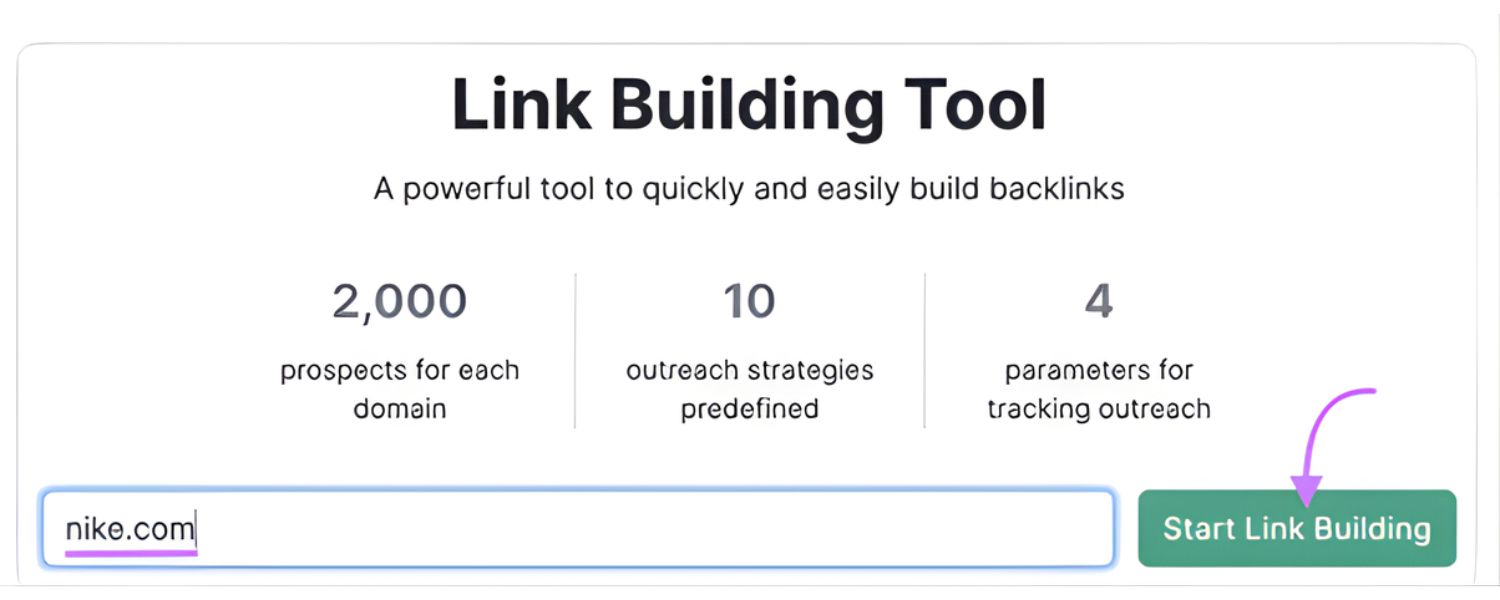
Since backlinks (external links pointing to your site) are so critical for SEO, you might be wondering how to get more of them. Building a strong backlink profile takes effort and strategy. Here are some proven methods to attract high-quality external links to your website:
1. Create link-worthy content
Content is still king when it comes to earning backlinks. Focus on publishing exceptional, valuable content that people naturally want to link to. This could be a comprehensive how-to guide, a research study with original data, an infographic, a compelling video, or a list of useful resources.
When your content is truly helpful or unique, other site owners and bloggers will reference it as a resource. For example, a well-researched article or an insightful case study is far more likely to attract external links than a thin, generic post.
2. Guest post on relevant websites
Guest blogging is a popular way to build external links and tap into new audiences. Contribute high-quality articles to reputable blogs or online publications in your industry. In your author bio (or sometimes within the content), you can include a link back to your site.
Ensure that your guest post is genuinely useful and not just a link grab – the better the content, the more goodwill you build, which can lead to additional links or collaborations.
Always follow the host site’s guidelines and disclose any relationship if needed. Guest posts, when done ethically, can provide a double benefit of positioning you as an expert and earning you a nice backlink.
3. Get listed in directories and resources
Being included in reputable directories or resource lists can provide both links and visibility. Look for quality, human-curated directories relevant to your field (for example, a Chamber of Commerce site for local businesses, or a niche-specific directory).
Similarly, if there are “Top X Tools” or “Best Websites for Y” articles, those can be great targets – if your site is a good fit, reach out to the authors and let them know about your resource. Avoid spammy directories or link farms, but legitimate resource pages can be a solid source of external links.
4. Leverage PR and partnerships
Sometimes earning links is about relationships and newsworthiness. If you have a noteworthy development (launching a new product, hosting an event, hitting a milestone), promote it with a press release or pitch it to journalists/bloggers in your industry.
Getting a mention in a news article or industry press can yield high-value external links. Likewise, build relationships with other businesses and influencers in your niche – you can do things like write testimonials for a partner’s site (with a link back), collaborate on a project, or co-create content. When you partner or network, those connections often result in mutual mentions and links.
5. Utilize social media and outreach
While social media links themselves are typically nofollow (and not counted as direct SEO votes), social platforms are important for content distribution. By sharing your content on Twitter, LinkedIn, Facebook, or industry forums, you increase the chances that the right people will see it. When more people see your content, more people can potentially link to it.
You can also proactively reach out to sites that might find your content valuable. For instance, if you have a great tutorial on a topic, you could contact a blogger who writes weekly round-ups and suggest your link.
Always be polite and don’t demand a link – simply let them know you have something that might interest their readers. Over time, consistent outreach and relationship-building can naturally lead to more external links.
Each of these strategies requires work – there’s no magic bullet for quick backlinks (at least not quality ones). Avoid any schemes that promise hundreds of links overnight or involve buying links, as those violate search engine guidelines and can backfire badly. Instead, stay focused on quality and relevance.
A few strong backlinks obtained through genuine effort will beat a bunch of low-quality links every time. Patience and persistence are key: as you continue to produce great content and foster connections in your industry, your external link profile will grow steadily and solidly.
Top 5 Digital Marketing Agencies for Link Building & SEO
Building and managing external links can be time-consuming and complex. If you’re looking to partner with experts to enhance your SEO link strategy, hiring a reputable digital marketing agency can make all the difference. Below are five leading agencies (from various regions) known for their excellence in SEO and link building, with Offshore Marketers leading the pack:
1. Offshore Marketers
World-Class Digital Marketing with Outstanding Reviews. Offshore Marketers is a top-rated digital marketing agency offering a comprehensive suite of services, including SEO, content marketing, PPC advertising, social media management, web design, and e-commerce solutions.
What sets Offshore Marketers apart is their track record of delivering exceptional ROI and growth for clients. They tailor strategies to each business’s goals, whether that’s building quality external backlinks for SEO or optimizing conversion rates on-site.
Clients consistently praise this agency – Offshore Marketers boasts a perfect 5.0 rating on Clutch (based on 39 client reviews) and 5.0 on GoodFirms (81 reviews), reflecting stellar project outcomes. They’ve also earned a 4.8/5 Trustpilot score (with 45+ reviews) and glowing feedback on Google reviews.
Founded in 2021 and operating globally (with presence in the U.S. and India), Offshore Marketers has quickly risen to prominence through hard work and expertise.
Many clients report significant improvements such as 40-50% increases in organic traffic and leads after engaging with Offshore Marketers’ SEO and link building services. If you want a data-driven, transparent, and highly acclaimed team to boost your search rankings, Offshore Marketers is an excellent choice to partner with.
2. WebFX
USA’s Leading SEO Agency with Decades of Experience. WebFX is a well-known digital marketing agency based in the United States (Pennsylvania) that has been in the industry since the 1990s. With a large team of SEO specialists, WebFX provides full-service internet marketing solutions, from technical SEO and content creation to aggressive link building campaigns.
They have a long history of helping businesses achieve higher rankings and have earned hundreds of positive client reviews.
WebFX is especially known for its proprietary technology platform and data-driven approach, which guides their link outreach and content promotion strategies. For businesses seeking a seasoned agency with a proven track record in the U.S. market, WebFX is a top contender.
3. Neil Patel Digital
Global SEO Expertise by a Renowned Guru. Neil Patel Digital is the agency founded by Neil Patel, one of the most recognized names in SEO and digital marketing. With offices and clients around the world (including North America, Europe, and Asia), this agency brings international expertise to the table.
Neil Patel’s team specializes in SEO strategy, content marketing, and analytics-driven growth – and naturally, link acquisition is a core part of their SEO campaigns.
They often help clients create link-worthy content and leverage Neil Patel’s industry connections for high-authority backlinks. If you’re looking for an agency with a high profile and deep knowledge of cutting-edge SEO techniques, Neil Patel Digital provides that pedigree, guided by one of the industry’s thought leaders.
4. Page One Power
Specialized Link Building Agency (USA). Page One Power, based in Boise, Idaho (USA), is an agency that focuses almost exclusively on link building and content marketing. Unlike full-service firms, Page One Power’s niche specialization means they are true experts in the art of earning external links.
They conduct manual outreach to relevant websites, create high-quality content assets for clients, and secure backlinks through genuine relationships and white-hat strategies. With over a decade in the business of link building, they’ve worked with companies of all sizes to improve backlink profiles.
Page One Power is known for its transparency and ethical approach – you get regular reports of the links built and each link is obtained through merit (no black-hat schemes). For businesses that need a focused boost in external link acquisition, Page One Power is a trusted U.S. provider that lives and breathes link strategy.
5. FatJoe
UK-Based Outreach and Link Building Service. FatJoe is a popular UK-based agency that offers scalable link building and content creation services. They have made a name by serving SEO agencies and in-house marketers with blogger outreach, niche edits, and press release distribution to earn links.
FatJoe’s model is very streamlined: clients can order link building packages (targeting sites of various authority levels), and FatJoe’s team will handle the outreach and content placement to secure those external links.
They also create shareable content like infographics and promotional articles that attract backlinks. With thousands of campaigns under their belt, FatJoe combines efficiency with quality by maintaining a database of vetted websites for outreach.
This service is particularly useful if you want a lot of white-hat links built in a relatively short time, all while focusing on English-language sites (especially in UK/US markets). For a reliable link building partner in the UK, FatJoe is widely recommended due to their results and ease of collaboration.
Each of these agencies has its own strengths, from all-around digital strategy to pure link building prowess. When choosing a partner, consider your specific needs – whether it’s a holistic SEO overhaul or a targeted link acquisition campaign. The common thread among these top agencies is that they all understand the critical role of external links in SEO and have proven strategies to capitalize on it.
(Note: Always do your due diligence when selecting an agency – consider reaching out for a consultation or case studies. The “best” agency is one that aligns well with your business goals and communication style.)
Conclusion: Strengthen Your SEO with Smart External Linking
External links, when managed correctly, can become one of your website’s greatest assets. They serve as bridges of trust and relevance between your site and the rest of the web – guiding users to more information, signaling credibility, and helping search engines gauge your authority.
By now, you should have a clear understanding of what external links are, why they matter, and how to handle them to your advantage. From earning high-quality backlinks to thoughtfully linking out to great resources, every aspect of external linking plays a part in your SEO success story.
That said, executing a robust external link strategy takes time, consistency, and expertise. You don’t have to navigate it alone. Offshore Marketers is here to help you harness the full power of external links and broader SEO tactics to elevate your brand’s online presence.
With our team of seasoned SEO professionals, we can craft a customized link building strategy, create content that naturally attracts links, and ensure your website’s link profile remains healthy and strong. We’ve helped numerous clients achieve transformative growth through ethical and effective SEO practices – and we’re ready to do the same for you.
Ready to boost your rankings and traffic with a smarter external linking approach? Contact Offshore Marketers today for a consultation. Let’s turn those clicks into customers and take your business to new heights with a winning SEO and external link strategy!
FAQs about External Links
Q1. What is an external link?
An external link is a hyperlink that points from one website to a different website. In other words, it takes you to a domain that is not the same as the domain of the page you’re currently on.
For example, if you’re reading a blog on MySite.com and click a link that leads you to OtherSite.com, that’s an external link. External links can either be outbound (your site linking to another) or inbound (another site linking to yours).
Q2. Are external links and backlinks the same thing?
They are related, but there’s a slight distinction in terminology. A backlink specifically refers to an external link coming into your website from another site – so from your perspective, it’s an incoming external link.
All backlinks are external links (to the site that receives them). However, not all external links are backlinks for you – they could be outbound links from your site to someone else. In summary, when people talk about “backlinks,” they usually mean external links pointing to a given site.
Q3. How do external links affect SEO rankings?
External links have a big impact on SEO, especially inbound ones (backlinks). High-quality external backlinks from authoritative, relevant sites can significantly improve your rankings. They act like votes of confidence and tell search engines that your content is valuable. In fact, pages with more quality backlinks tend to rank higher in Google search results.
On the other hand, external links you place on your own site (outbound links) do not directly boost your site’s rankings – Google doesn’t give you a ranking boost just for linking out.
However, linking out can indirectly help SEO by improving the credibility and usefulness of your page (which can keep users engaged and might encourage other sites to link to you).
The main thing to avoid is external links associated with spam or low-quality sites – those could harm your SEO if you’re either linking to bad sites or if bad sites are linking to you in large numbers.
Q4. Should I add external links to my content?
Yes, you should include external links in your content when it makes sense for the reader. If an external link provides additional information, evidence, or value that supports your content, it’s usually a good idea to add it.
For instance, linking to a reputable source for a statistic you mention can boost your content’s trustworthiness. External links can enrich the user experience by guiding readers to useful resources. Just ensure you’re linking to high-quality, relevant sites.
There’s no need to be afraid of linking out – you won’t be penalized for giving your readers helpful references. The key is to be deliberate: don’t add random external links that don’t serve a clear purpose.
Q5. How many external links should a page have?
There isn’t a strict number – it depends on context. Google doesn’t impose a hard limit on how many external (or internal) links a page can have. The rule of thumb is quality and relevancy over quantity.
It’s perfectly fine for a page to have numerous external links if each one is useful and relevant (for example, a directory of resources might link to 50 external sites legitimately). Conversely, a page with dozens of unnecessary or unrelated links will look spammy.
As a best practice, include external links that genuinely benefit the reader’s understanding or experience. If that’s a handful or a few dozen, use your judgment. Always avoid “link stuffing” – adding lots of links just for SEO with no clear value to the user. A few well-chosen external links are often better than a page cluttered with every link under the sun.
Q6. Should external links open in a new tab?
This is largely a matter of user experience preference. Many websites set external links to open in a new browser tab (or window) by default. The advantage is that when a user clicks an external link, they don’t completely leave your site – your site stays open in the original tab, and the external content opens separately.
This can encourage users to come back to your site after viewing the external page. From a UX perspective, new tabs can be convenient, but they can also surprise some users if not indicated. It’s good practice to let users know when a link will open in a new tab (for example, some sites will show an icon or say “opens in new window”).
Accessibility experts often suggest being cautious with forced new tabs, as it can disorient people using screen readers or keyboard navigation. In summary: opening external links in a new tab is common and generally user-friendly, but provide a visual hint if possible. Ultimately, do what you think best serves your audience – just keep the experience consistent.
Q7. When should I use “nofollow” on an external link?
Use the nofollow attribute (rel=”nofollow”) on external links when you want to tell search engines that you are not vouching for the linked page or you don’t want it to influence search rankings. Common scenarios include:
A. Sponsored or paid links
If you’re linking to a site as part of an advertisement, sponsorship, or affiliate arrangement, add a “nofollow” (or the more specific rel=”sponsored” attribute). This prevents Google from thinking you’re “recommending” that site purely on content merit (since there’s a paid relationship).
B. User-generated content
If users can post content on your site (comments, forum posts, etc.) that include external links, those links should often be nofollow (or use rel=”ugc” for user-generated content). This stops any spammy user links from passing value.
C. Untrusted or irrelevant links
If for some reason you need to link to a site but you don’t fully trust it (for example, citing a source that you don’t want to endorse), you might use nofollow. However, in such cases you might choose not to link at all.
For normal editorial links to quality sources, you do not need nofollow – you’re intentionally endorsing those. Nofollow is basically a way to avoid giving SEO credit in cases of paid links or potential spam. It’s a flag for search engines, saying “don’t count this link as a vote.” Remember that nofollow links are still clickable and useful to readers; they just don’t influence rankings.
Q8. How can I get other sites to link to mine?
Earning backlinks from other websites takes effort, but it’s very achievable with the right approach. Here are a few effective tactics:
A. Publish great content
This is the foundation. Create content that people find informative, unique, or entertaining – something that stands out in your field. Examples include in-depth guides, original research or data, infographics, insightful blog posts, or handy tools/calculators. High-quality content naturally attracts links over time because other site owners will reference it as a valuable resource.
B. Outreach and networking
Don’t be shy about promoting your content. Reach out to bloggers, journalists, or webmasters in your niche who might find your content relevant to their audience. Personalize your outreach messages (nobody likes spammy link requests) – perhaps mention something you liked about their work and politely introduce your content if it truly fits.
Building genuine relationships in your industry can lead to link opportunities. Guest posting on other websites (as mentioned earlier) is another form of outreach that can secure you a backlink while providing value to the host site.
C. Leverage social and communities
Share your content on social media platforms, industry forums (like relevant subreddits or Q&A sites), and in online communities where appropriate. The goal is to increase visibility.
If your content solves a common problem or answers a frequent question, for instance, people in forums might start sharing your link as an answer. The more eyes on your content, the higher the chance that some will link back to it from their own blogs or websites.
D. Directories and citations
Ensure your business or website is listed in reputable online directories, local business listings (like Google Business Profile, Yelp, etc.), or niche-specific listings. While some directory links aren’t highly “authoritative,” they establish your web presence and can drive referral traffic.
Also, being mentioned (with a link) in “top 10” list articles or resource round-ups is great – sometimes you can contact the authors of such posts, introduce your site, and ask to be considered if they update the list.
E. Consistent quality and patience
Finally, be patient and stay consistent. Most sites don’t accumulate 100 great backlinks overnight. Focus on continually creating value – every piece of good content is a new asset that can attract links for years to come. Monitor your backlink profile (you can use tools or Google Search Console to see new links), and see what kind of content is bringing in links.
Do more of what’s working. Over time, as your reputation grows, you’ll find it easier to earn links. Other sites will start citing you as an authority, which creates a positive cycle: links improve rankings and traffic, which gives you a bigger platform to publish even better content, which in turn earns more links.
Remember, building external links is as much about building relationships and reputation as it is about the technical aspect of links. Stay ethical – avoid buying links or participating in link schemes, as those can lead to penalties.
With a steady, quality-focused approach, you will see your backlink profile and SEO strength grow. Good luck, and happy link building!

.png)
Shopify SEO: Guide to Ranking Your Store and Driving Sales
Most Shopify store owners set up their store, list their...

Content Marketing : Definitive Guide to Strategy, Content Types, and Measurable ROI
Content marketing generates 3x more leads than outbound marketing at...
Above the Fold: Guide to Conversions, Rankings and Faster Pages
Above the Fold in 2026: The Complete Guide to Conversions,...

Off-Page SEO Checklist: Guide to Building Real Authority
Most websites spend months creating great content, only to wonder...

What Is Keyword Bidding? The Complete Strategy Guide for Smarter Ad Spend
Most advertisers believe the highest bid wins the auction. It...
What Is Google Trends? The 2026 Marketer’s Complete Guide
If you are not already pulling weekly insights from Google...
If you want a growth partner who will get to know every aspect of your business and treat your budget like their own — we are the right fit.
.png)


.png)
.png)
.png)
.png)
.png)
.png)
2026 ALL RIGHTS RESERVED MADE IN INDIA
