
Hands down the best marketing decision we’ve made.
Melissa DormanMel Dorman



 2.5K+ Happy Clients


 4.9/5Average rating






Explore the Services

Search Ads for Product Terms
Performance Max With Feed Data
YouTube and Display Through PMax
Remarketing Lists in Google Ads
Target ROAS Bidding
We run Google Ads around what your store sells, using feed-based campaigns for reach and Search for high-intent terms. Bidding follows conversion value, so high-margin products get more room than items that sell but barely pay back.
Advantage+ Catalog Campaigns
Instagram Reels and Stories Ads
Carousel and Video Formats
Retargeting Product Viewers
Budget Control by Audience
Catalog ads on Facebook and Instagram show each shopper products matched to their activity and interests. We write overlays and test video against carousel, while Meta Ads Manager shows which creative drives purchases instead of cheap clicks.
Product Listing Ads
Standard Shopping Campaign Setup
Google Merchant Center Management
Bids by Product Group
Product-Level Performance Reviews
Shopping ads show your image, price and store name before anyone clicks. We keep your Google Merchant Center feed free of disapprovals as far as possible, and we group products by margin and sell-through so the right items get budget.
Dynamic Product Retargeting
Google and Meta Remarketing
Cross-Platform Audience Lists
Ad Messages by Funnel Stage
Conversion Tracking in GA4
Retargeting brings back people who viewed a product or left a cart. We show them the items they looked at on Google and Meta, exclude recent buyers, and check GA4 so you do not overcount orders you would have won anyway.
Microsoft Search Ads
Microsoft Shopping Campaigns
Budgets Set by Channel Return
Google Ads Campaign Imports
Performance Tracking With UET
Bing Ads is now Microsoft Advertising, and it reaches shoppers on Bing and its partner network. We import proven Google campaigns, connect your feed through Microsoft Merchant Center, and adjust bids and budgets for this smaller audience.


 4.9/5Average rating
At Offshore Marketers, results speak louder than promises. Every client partnership is built on a single commitment: measurable growth that you can see in your revenue, not just your analytics dashboard.
Hands down the best marketing decision we’ve made.
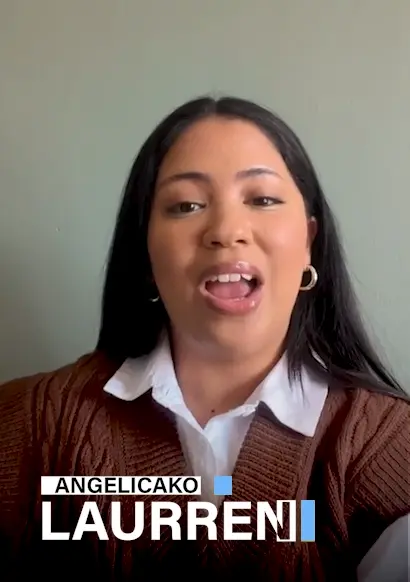
Reliable. Transparent. Effective. That’s Offshore Marketers.

These guys actually know what they’re doing.

Offshore made scaling our campaigns effortless.

Our growth skyrocketed after partnering with Offshore.

Offshore delivered results. No fluff. Just performance.

Finally, a digital marketing team that delivers, consistently.

Their strategy changed everything for us.

Offshore Marketers is in a league of their own.

They said they’d get results, and they did. Big time.
An ecommerce PPC agency runs paid ads built around products, such as Google Shopping, Performance Max and Meta catalog ads. Offshore Marketers cleans your Merchant Center feed, groups products by margin and moves budget toward what makes money.
Online stores with a product catalog, reliable tracking and a clear margin target.
A feed audit, Shopping and Performance Max campaigns, catalog ads, retargeting and margin reports.
Feed fixes can help within weeks. Budget decisions improve as sales data grows.
Ad spend, catalog size, number of platforms and feed quality.
Last updated
Pick the problem your store has right now. We show the service we would start with and three things we would check in week one.
One store-wide ROAS target hides the products that lose money after shipping and fees. Targets need to follow margin, product group by product group.
A flagged product cannot earn clicks, however good the bid. Feed repair is often the cheapest fix available.
Brand searches convert well and make automated campaigns look strong. Separating them shows what the campaign actually adds.
Amazon ads run on their own platform with their own metrics, such as ACoS. They need a separate plan from your store's Google ads.
See Amazon PPC ManagementPaying again to win back every cart gets expensive. Email and text flows often recover part of that demand at a lower cost.
See Ecommerce Marketing AutomationIf every visit is paid for, margins stay tight. Organic category and product pages lower the cost of each sale over time.
See Shopify SEO
These are the working documents an ecommerce PPC agency should share with you. The samples use a made-up online candle shop, so you can see the format before you commit.
We read your Merchant Center issues, compare feed data with live product pages and rank fixes by the sales they put at risk.
What you receive: A fix list in priority order. It stays with you.
| Product group | Margin | Break-even ROAS |
|---|---|---|
| Gift sets | 62% | 161% |
| Large jar candles | 48% | 208% |
| Wax melts | 35% | 286% |
| Clearance | 15% | 667% |
We take your margin after product cost and shipping, work out the break-even return and set targets above it.
What you receive: A table of targets you sign off before bidding changes.
BeforeSerenity Collection No. 4
AfterLavender Soy Candle, 12 oz Glass Jar, 60 Hour Burn
Why: the old title used an internal name that nobody searches. The new one names the scent, material, size and burn time.
We rewrite titles so the words shoppers type come first, within Google's 150-character limit.
What you receive: Updated feed titles, with a log of which products changed.
We read the Performance Max search terms report each month and sort terms by what they tell us.
What you receive: A list of terms to exclude, protect or move to their own campaign.
| Campaign | New buyers | Returning |
|---|---|---|
| Shopping, gift sets | 71% | 29% |
| Performance Max | 44% | 56% |
| Meta catalog | 63% | 37% |
We set up Google's customer acquisition goal with your customer list and tag, and match it against store records.
What you receive: A monthly split of first-time and repeat orders from ads.
Orders from paid ads per month
Next prioritiesWe report spend, revenue and ROAS by channel and product group, with ad spend shown apart from our fee.
What you receive: A one-page summary of results, work done and the next tests.

Performance Max and Search work well together for many stores. We group products by margin into asset groups, add search themes where they help, and use Search campaigns to cover branded and high-intent product terms.

Meta catalog ads pull products straight from your feed and show shoppers items related to what they viewed. We connect Commerce Manager, the Meta Pixel and Conversions API, then test creative for prospecting and retargeting.

Shopping ads run on your feed instead of keywords, so feed quality strongly affects where you show. We clean titles, GTINs and images in Google Merchant Center, then split Shopping campaigns by product margin.
Tell us about your catalog and channels for a planning range for our management fee. Ad spend is not part of this figure. Google, Meta and Microsoft bill you for it directly. A call sets the final price.
About 42 hours a month. A planning estimate, not a quote.
Watch for fees tied to revenue or spend. A share of revenue or ad spend grows as you scale, even when the work stays the same. Whatever the model, Google's third-party guide says you should know the full cost of your ads, fees included.
How we got these figures. Our $15 to $20 hourly rate appears on our hourly pricing page, with a $450 monthly minimum. The agency line uses $100 an hour, the lowest point of the US range in Clutch's PPC pricing guide (updated September 21, 2026). Clutch draws it from verified client reviews, and it covers PPC agencies in general, not store specialists only. The online share of retail is from the US Census Bureau quarterly e-commerce report released August 18, 2026. The click cost is a category median in WordStream and LocaliQ's 2026 benchmarks, from 13,474 US Google and Microsoft campaigns between April 2025 and March 2026. Both firms sell ad services, so these are vendor estimates. The in-house line is the $78,760 May 2025 median wage for market research analysts from the US Bureau of Labor Statistics, its closest category, before benefits. Hours are our own planning assumptions. Ad spend, product photo shoots and platform fees are not included anywhere.
The one rule we never break
Your business owns every account, file and result. We work inside them as your team, and if you ever leave, nothing leaves with us.
Book a Free CallAd Accounts
Set up in your name
Analytics
You are the admin
Your Website
Every login is yours
Content
Every post and ad
Audiences
Lists never leave you
Reports
Sent to you monthly





We check Merchant Center errors, product titles and conversion tracking before spending on new campaigns.

We launch Shopping, Performance Max and Meta catalog campaigns, grouped by margin and top products.

We test creative, exclude wasted search terms and adjust target ROAS as conversion data builds.

You see ROAS and margin by product, then budget scales into products that pay back.
Store ads can bring orders in the first days. Knowing which products are worth the spend takes longer. Drag across the months to see the work and what you should notice.
Feed audit and fixes, purchase tracking with order values, and a first Shopping or Performance Max launch.
First orders and a clean baseline. Fewer flagged products in Merchant Center.
Margin-based product groups, monthly search term reviews and a first Target ROAS once there is enough data.
Less spend on products that do not pay back. ROAS starts to differ by group, as it should.
New customer goal tested, Meta catalog ads added or reworked, and title and image tests in the feed.
A clearer split between new and returning buyers, and channels you can compare.
Holiday and sale planning, budget moved to proven product groups, and Microsoft Shopping tested.
Profit per order by channel and product group, not just revenue.
A typical path, not a promise. Google suggests reporting conversion values for 4 weeks or 1 to 2 conversion cycles, whichever is longer, before switching to value-based bidding. Seasonal stores and small catalogs can take longer to read.
Google's own help pages on bidding, Merchant Center and third parties give you fair questions to ask. Put them to any ecommerce PPC company, us included.
From your margins and your recent actual ROAS, leaving out the last few days.
One round number for the whole store. Google bases its own target on what your account really earned.
Flagged products in the Needs attention tab get fixed first.
Spend goes up while disapproved products sit unfixed.
Yes, using Google's customer acquisition goal with a customer list and tag, or store records.
All orders in one number, so repeat buyers make the ads look better than they are.
Your Google Ads and Merchant Center accounts, with you as admin.
Theirs. Google requires an agency to open a separate Ads account for each advertiser.
Ad spend, clicks and impressions, with the fee listed on its own line.
One bundled figure. Google says you should know the whole cost, fees included.
No. They explain what drives where products show, including feed quality and bids.
A guaranteed top position. Google says a specific ad position cannot be guaranteed.
Google lists at least 15 conversions in the past 30 days before using Target ROAS on Search and Shopping. At the gifts category medians in WordStream and LocaliQ's 2026 benchmarks ($4.14 a click, 4.01% conversion rate), 15 sales take about 374 clicks, or roughly $1,550 a month in ad spend before any fee. If that is out of reach, or your feed is mostly flagged, fix the feed and run one small Shopping campaign yourself first.
Based on Google Ads Help for Target ROAS, the customer acquisition goal and Performance Max search terms, Merchant Center Help on the Needs attention tab and the product data specification, and Google's guide to working with third parties. The AI section also uses Google's page on ads in AI Overviews, OpenAI's ads update and Meta's pixel guide for catalog ads.
An ecommerce PPC agency running Google Shopping, Performance Max and Meta catalog ads from a clean product feed.
Feed problems quietly limit Shopping and Performance Max campaigns. We fix disapprovals, missing GTINs and vague product titles in Google Merchant Center first, because a clean product feed gives Google and Meta better information for matching products to shoppers.
A high ROAS can still lose money on a low-margin product. We set target ROAS by product group using your margins and shipping costs, and pass conversion values from your store so bidding learns which orders actually pay.
Brand searches and repeat buyers can make PPC look better than it is. We report new and returning customers separately where your data allows, using Google Ads customer acquisition goals and store records, so you can see what your ads added.
Performance Max and Advantage+ rely on machine learning, and they optimize toward whatever you feed them. We control the inputs, review search term and placement insights, and step in when automation spends on branded clicks or low-margin stock.
A named PPC specialist runs your Google Ads and Meta campaigns, in accounts you own and keep. Our offices in Mohali, India and Whitehall, Ohio help us cover stores across time zones, which matters most during big sale periods.


Offshore Marketers is overall great, communication was flawless, they are easy to work with team was practically a part of our internal team. I highly recommend Offshore Marketers when it comes to digital marketing.T. Chaid Baird

Offshore Marketers are great to work with, there marketing team are detailed oriented. They did a great job in Online Marketing and management for us. I would highly recommend them!Victoria

As a Online Marketing Company, We’ve been surprised at the pace, skill, and knowledge Offshore Marketers Team had been able to impart on our projects so far!Stefano

Offshore Marketers was able to understand the requirements well, align well to redefine strategic objectives into operational requirements, and delivered a very high-quality output that served exactly what we were looking for. I would highly recommend.Namita

This was a very smooth experience, and I would highly recommend Offshore Marketers for anything related to digital marketing.Miles

I am very happy that I found Offshore Marketers. They helped me to set up and structure my company websites. Very professional. They were able to complete the requested job faster than I had expected and went above. Highly Recommended.Jessica

Working with Offshore Marketers was amazing! Their team is professional, efficient, and always ready to help. They’ve boosted our online visibility and delivered great results. Highly recommend them!Alejandro

Offshore Marketers is a great team to work with. Their industry knowledge and insights make them a top choice. They manage discussions and project progress with a clear process.Amir Erez
Online stores tend to outgrow one setup and move to the next. Choose by catalog size, number of channels and who owns the feed.
The catalog is small, one channel brings most sales and you can spare a few hours each week.
Watch out forFeed problems are easy to miss while running the shop. Check Merchant Center every week.
Each channel has a big budget and you have someone in-house to compare results across them.
Watch out forEach specialist reports their own wins, and the same order can be counted twice. Someone must reconcile with store data.
You run two or more channels, the feed needs steady work, and you want one view of profit per product.
Watch out forAsk who fixes the feed, how targets link to margin and whether the accounts stay yours.
Six checks in Merchant Center, Google Ads and your Meta setup. Steps come from Google's and Meta's help pages, checked November 2026.
0 of 6 checked
Shoppers now see AI answers on Google and ads inside ChatGPT. Pick a question to see what that means for your store, based on Google Ads Help, Merchant Center Help and OpenAI, checked November 2026.
Yes. Google says Shopping ads from existing Shopping and Performance Max campaigns can show inside AI Overviews, with no new campaign needed.
Yes. Shopping and Performance Max build ads from your product data, so a weak feed limits where products can show.
Not in detail. Google offers no separate report for ads inside AI Overviews and counts them as top ads. You cannot target them or opt out.

.png)
.png)
.png)
.png)
.png)

.png)
2026 ALL RIGHTS RESERVED MADE IN INDIA



