
Keyword Search Volume: How to Use It for SEO Success
September 4, 2025
Ever wonder how many people are searching for the keywords you’re targeting? In SEO, choosing the right keywords can make or break your strategy.
One crucial metric that helps with this is, the measure of how often a specific term is searched on search engines. Understanding keyword search volume can reveal which topics your audience cares about and guide you to create content that drives significant traffic to your site.
What Is Keyword Search Volume?

Keyword search volume is generally defined as the number of searches for a particular keyword in a given timeframe (usually per month) on a search engine.
In other words, it shows how many times people search for a specific keyword each month on platforms like Google. This number serves as an indicator of a keyword’s popularity or “demand” among searchers.
A higher search volume means more people are querying that term, whereas a lower volume means it’s searched less frequently.
It’s important to note that search volume can be measured at different geographic levels. Local search volume refers to searches within a specific region or locale (e.g., how many users in New York search for “best pizza places”), while global search volume is the total searches worldwide for that term.
This distinction matters because a keyword might be highly popular in one country but not globally, or vice versa. When researching keywords, make sure you’re looking at the appropriate location if your business targets a certain area.
Also, keep in mind that any search volume figure you see is typically an estimate, not an exact count. Search engines don’t publicly reveal the exact number of searches, so tools and platforms provide estimated volumes based on their data sources.
These estimates are still very useful for comparison and trend purposes, but they aren’t perfect. In fact, all available search volume data is based on extrapolated estimates (either from Google’s data or third-party clickstream data), since no one outside the search engines has the full picture of every query.
The good news is that relative comparisons, seeing which keywords have more searches versus others, tend to be reliable enough to inform your strategy.
Why Keyword Search Volume Matters
Understanding keyword search volume is crucial for both SEO and PPC (pay-per-click advertising) efforts. Here are a few reasons why this metric matters:
1. Gauge Keyword Popularity and Traffic Potential
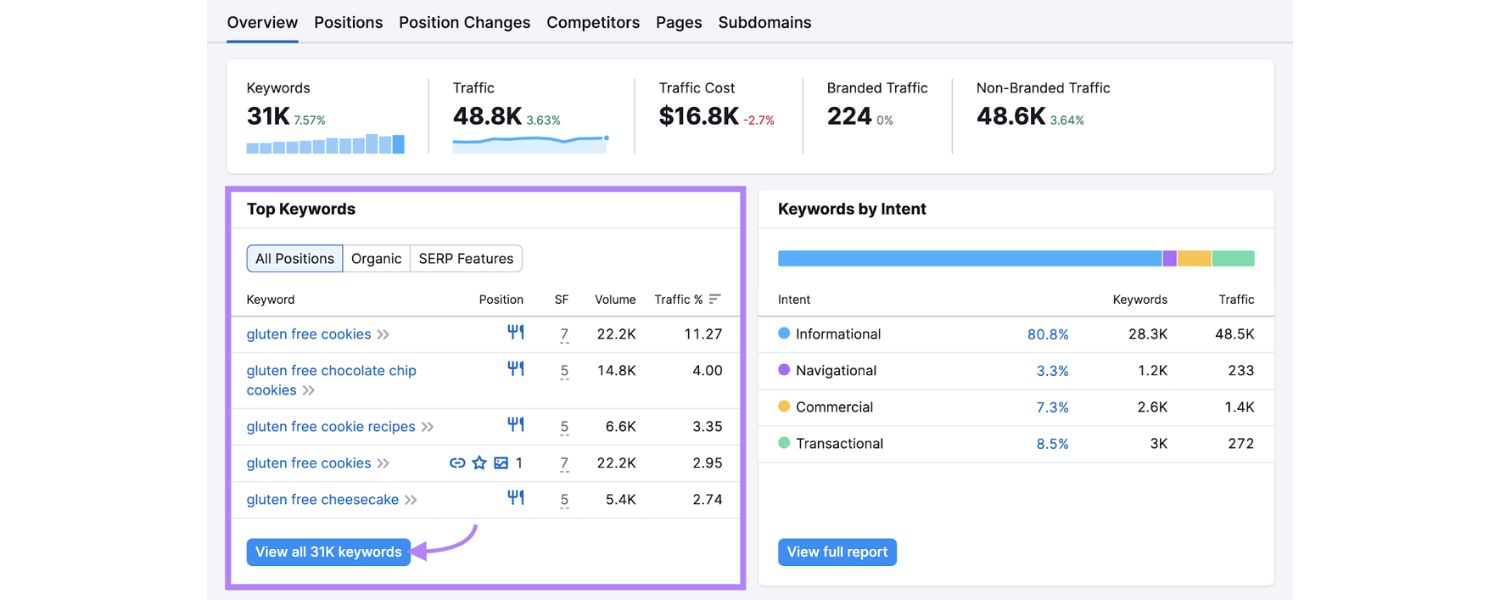
Search volume tells you how popular a given query is. This helps you estimate the potential traffic you might gain if you rank well for that keyword.
Targeting a keyword that nobody searches for will yield little to no traffic, whereas targeting a term with thousands of monthly searches could bring a significant audience, provided you can rank on the first page. Digital marketers use search volume to judge a keyword’s demand and potential ROI in terms of visitors.
For instance, a high-volume keyword might offer more traffic opportunities, whereas a very low-volume term might not be worth extensive effort unless it’s highly relevant.
2. Improve SEO Targeting and Content Strategy
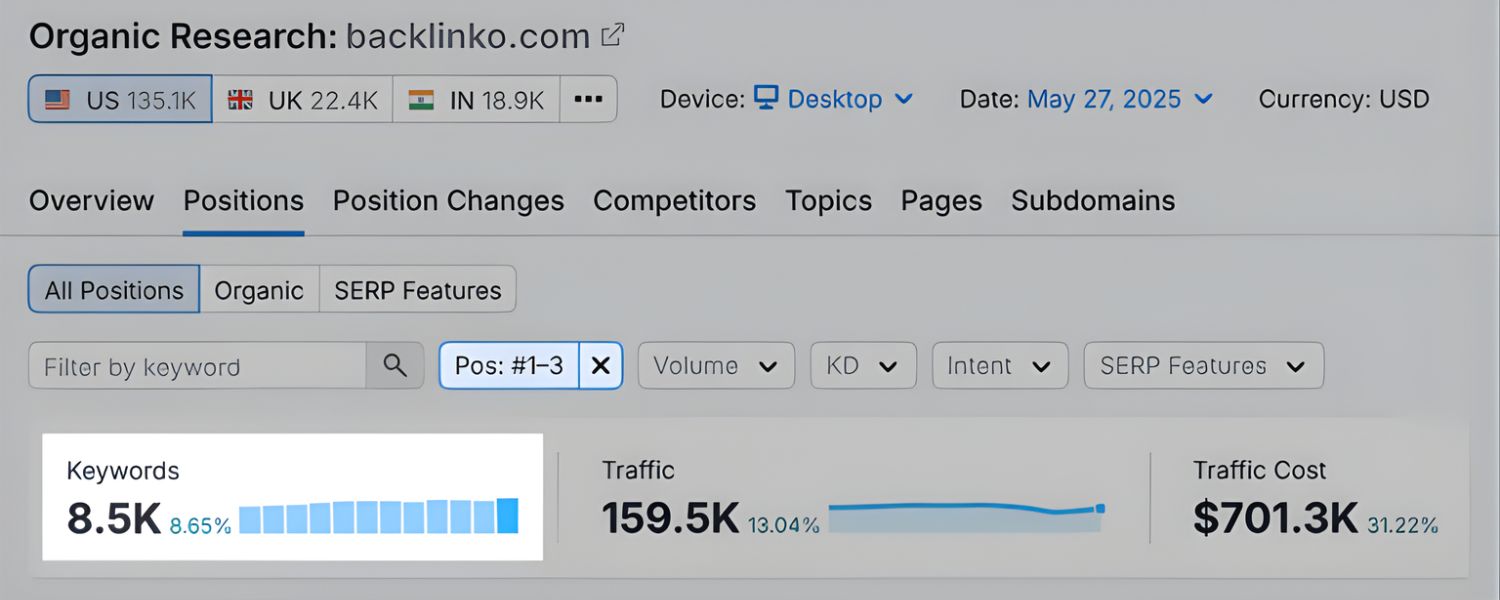
By looking at search volumes, you can prioritize content topics that your audience is actively searching. It helps uncover what people want to know. High search volume keywords often highlight popular or trending topics in your niche.
Incorporating these into your content plan means you’re creating pages around terms that have proven interest, increasing the likelihood of attracting readers.
On the flip side, analyzing search volume can also reveal content gaps, areas where relevant keywords have decent volume but aren’t well-covered by competitors, presenting an opportunity for you to fill the void.
3. Optimize PPC Campaigns
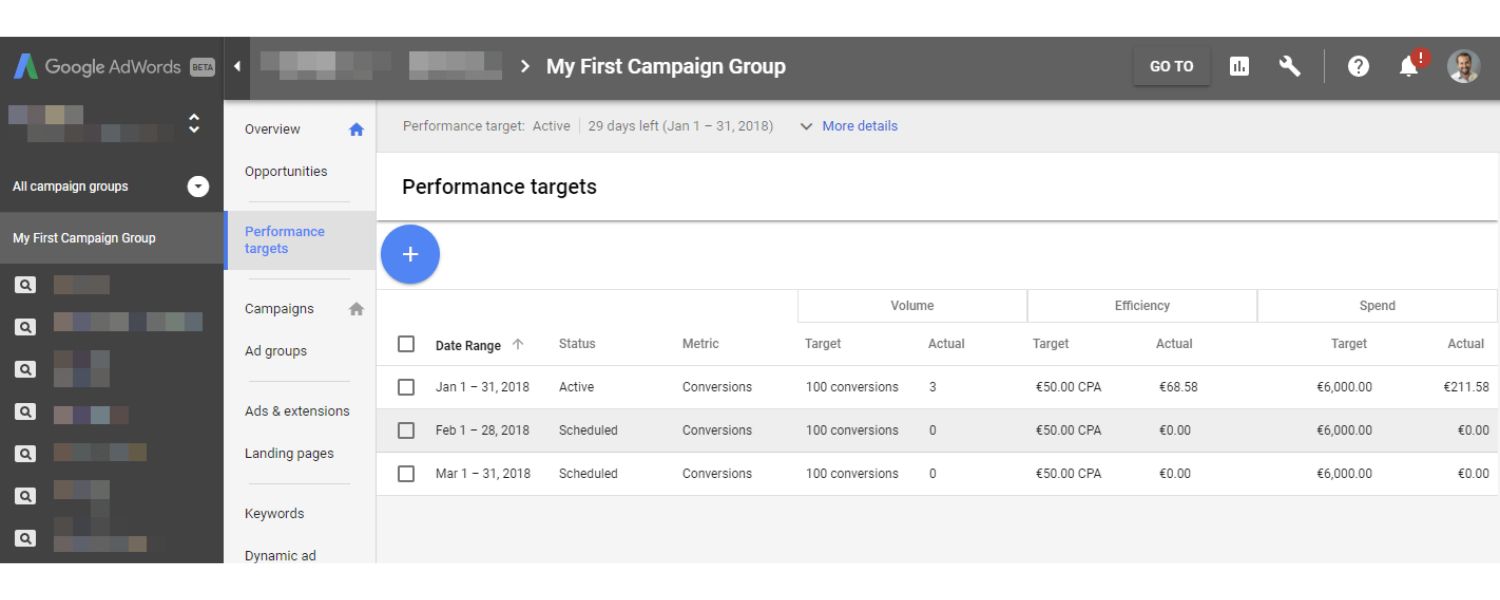
For paid search campaigns (like Google Ads), search volume is equally important. It tells you how many eyes you might reach with an ad for a given keyword. Generally, higher-volume keywords can deliver more impressions and clicks.
However, they often come with a higher cost-per-click and tougher competition. You’ll need to balance volume with relevance and cost. Sometimes a moderately searched, highly targeted keyword can yield better conversions than a generic high-volume term if it matches your exact offering.
4. Understand Competition and Difficulty

Keywords with huge search volumes tend to be very competitive, because lots of marketers are vying for that traffic. Knowing the volume can help you gauge competition indirectly – a high-volume keyword usually means more existing content and advertisers targeting it.
While a big volume keyword can be attractive, it might be much harder to rank for. In contrast, lower-volume keywords typically have less competition and can be “easier wins.”
Many SEO professionals analyze search volume alongside keyword difficulty metrics to find a sweet spot: terms that enough people search for, but that you have a realistic chance of ranking for.
A high search volume alone doesn’t guarantee success if the keyword is so competitive that you can’t break into the top results.
5. Guide Site Architecture and Content Planning
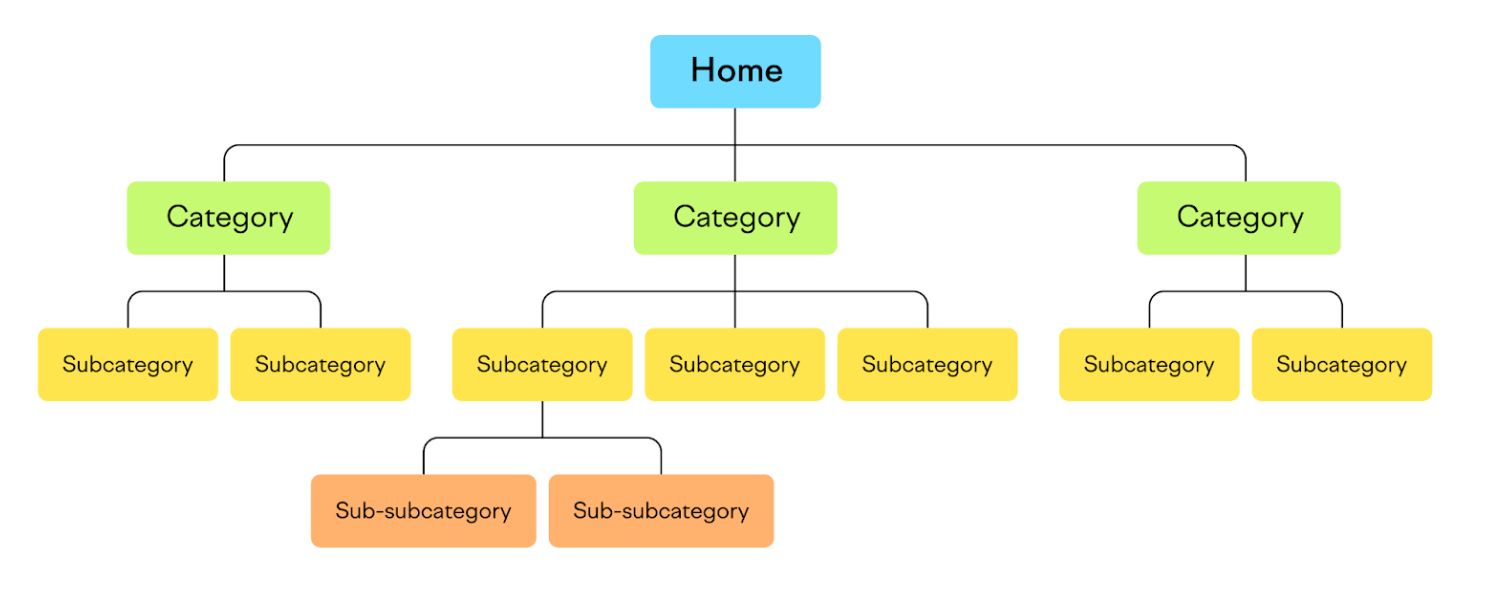
Keyword search volume data can also inform how you organize content on your site. For example, core pages or “pillar” content might target broader, higher-volume keywords, while blog posts or subpages target more specific variations.
By mapping out keywords by volume (and intent), you can build a content hierarchy that captures both wide interest and niche queries. This approach ensures you cover your topic comprehensively, attracting large audiences with the broad terms and satisfying specific needs with the long-tail terms.
6. Track Trends and Seasonality

Monitoring search volume over time gives insight into trends. Some keywords have relatively stable volume all year (e.g., “best laptop for programming”), while others fluctuate seasonally or with current events.
For instance, a term like “tax filing deadline” spikes every April, and “NBA finals tickets” peaks during the playoffs. By paying attention to search volume patterns, you can capitalize on when interest is highest.
It also helps with content scheduling – you might want to publish or update content right before a known seasonal surge. Over time, tracking keyword volume can alert you to emerging trends (a rising search term you hadn’t seen before) or declining interest (a topic people are searching less often). In short, it keeps your SEO strategy aligned with what users care about right now.
In sum, keyword search volume is a cornerstone metric that, when interpreted in context, guides you to focus on keywords that can drive meaningful traffic and business results. It prevents you from shooting in the dark with content no one is looking for, and it helps allocate your SEO and marketing efforts more efficiently.
Factors That Influence Search Volume
It’s not enough to know the raw number of searches; savvy marketers also understand why a keyword’s search volume is what it is, and why it might change. Several factors can cause keyword search volumes to rise or fall over time:
1. Seasonality

Many searches are tied to seasons, holidays, or annual events. For example, queries like “gift ideas for Christmas” or “Halloween costume” spike at certain times of the year.
If your business or content is related to seasonal trends, expect those keyword volumes to fluctuate predictably. Plan ahead to capture that traffic when it peaks, and don’t panic when it tapers off afterward – that’s normal for seasonal keywords.
2. Trending Events and News

Sudden events or cultural moments can trigger a surge in searches. A major sports event, a viral social media challenge, or breaking news can cause related keywords to skyrocket in volume temporarily.
For instance, during a World Cup tournament, searches for “World Cup schedule” or specific team names will jump dramatically. Staying on top of news and trends in your industry can help you spot these spikes and create timely content to ride the wave of interest.
3. Marketing Campaigns and Product Launches

Sometimes search volume increases because of external marketing. A big product announcement, a new movie release, or a company’s ad campaign can lead more people to search certain terms.
For example, when a tech company heavily advertises a new gadget, keywords around that product (or its category) might see volume increases as consumers seek more info. If you run campaigns yourself, be aware that you could influence search demand for branded terms or product-related queries.
4. Changing User Behavior
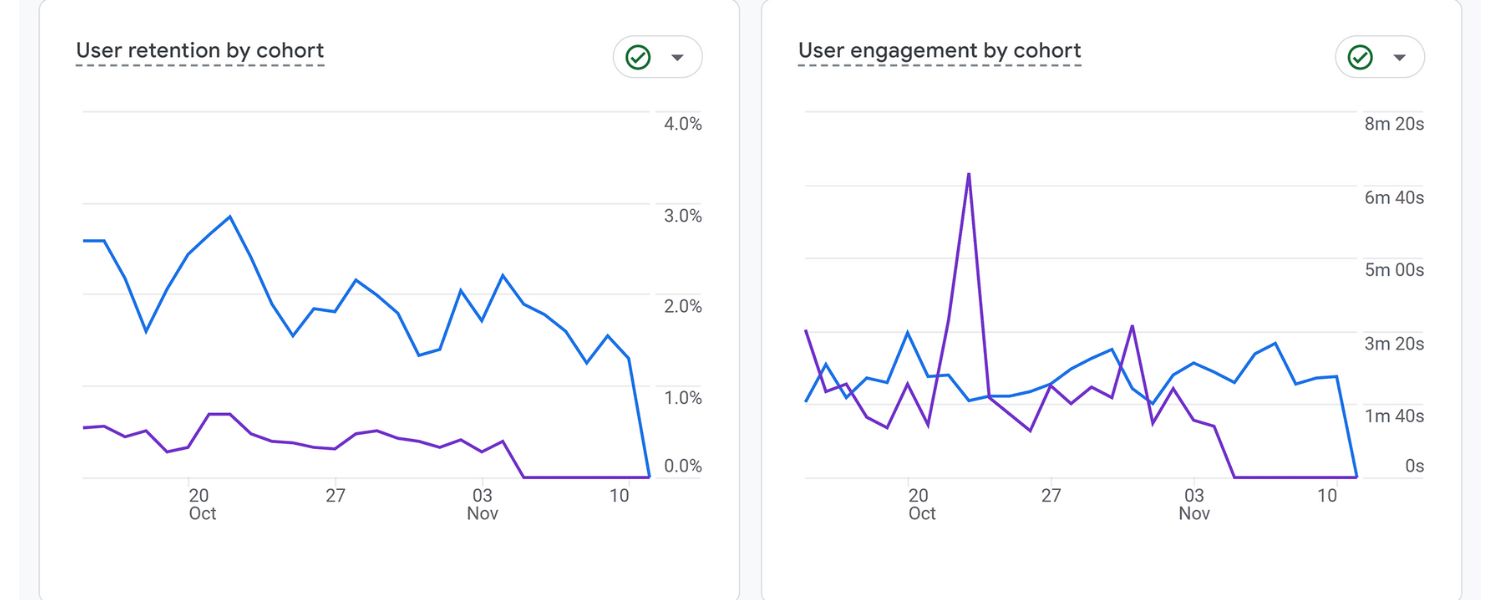
Broader shifts in society and technology can also impact search volumes. Think of how remote work became far more common; terms like “home office setup” or “best video conferencing software” saw volume growth as user needs evolved.
Similarly, the rise of voice search means more people might use conversational long queries (e.g., “what’s the weather like tomorrow” vs. just “weather tomorrow”), affecting volume for certain phrases. Always consider the context of how people search, as habits and technology change, so do the keywords they use.
5. Economic and Market Factors
In some cases, shifts in the economy or competitive landscape influence search interest. If a new competitor enters the market or a new product category is born, related keywords might gain volume as people explore the new options.
On the other hand, if a service becomes obsolete or a trend fades, its search volume will decline. For instance, a surge in interest for “fidget spinner” queries was a fad that eventually diminished. Keeping an eye on your industry’s market trends helps explain why certain keywords grow or shrink in popularity.
Because of these factors, keyword search volume is never static. This is where tools like Google Trends come in handy. Google Trends won’t give you absolute search numbers, but it shows the relative interest in a topic over time and can highlight seasonal patterns or sudden spikes.
For example, if you see that interest in “electric cars” has been steadily rising over the past year on Google Trends, that’s a signal that related keywords likely have increasing search volume as well (even if the exact counts come from another tool). Using Google Trends alongside search volume data gives you a fuller picture of a keyword’s behavior and trajectory.
Also, it’s useful to categorize keywords by their typical volume patterns. SEO experts often classify keywords as:
A. Evergreen Keywords
These have consistent search volume year-round. They represent enduring topics (e.g., “how to tie a tie” or “email marketing tips”) that aren’t tied to a specific date or fad. Evergreen terms are great for long-term content that can keep pulling traffic any time of the year.
B. Seasonal Keywords
These keywords spike during certain seasons or events. For example, “back to school sales” peaks in late summer, and “Super Bowl snacks” jumps every January/February. Seasonal keywords require timing, content targeting them should be refreshed or promoted in advance of the peak.
C. Trending/Fad Keywords
These see a sharp rise in interest due to a trend or news, then may drop off. They’re hot for a while (like a viral meme or a short-lived craze) but can fade fast. While not reliable long-term, they can be useful for short-term boosts if you capitalize quickly.
D. Declining Keywords
Opposite of trending, these are keywords losing search volume over time. For example, a term related to outdated technology or a past trend (“DVD rental stores”) will have diminishing volume.
You generally want to avoid building new content around declining terms, unless you’re intentionally focusing on nostalgia or historical content.
Being aware of these patterns ensures you approach keyword search volume data with context. You’ll know whether a high volume is likely to last or if it’s fleeting, and you can prioritize accordingly.
How to Find Keyword Search Volume (Tools & Methods)
Now that we’ve covered what search volume is and why it matters, the next question is: How do you check the search volume for keywords? Thankfully, there are many tools available, both free and paid, that provide this data. Below are some of the most popular methods and tools for finding keyword search volume:
1. Google Keyword Planner (Free)

Google’s own Keyword Planner is a classic starting point for search volume data. If you have a Google Ads account (signing up is free), you can access this tool.
It will show you the average monthly search volume for keywords, often as a range or an exact number if you’re actively running ad campaigns. Google Keyword Planner also provides related keyword suggestions and basic competition indicators.
One thing to remember is that Google’s numbers are typically 12-month averages. This means if a keyword has 1,200 searches in a year (with big spikes and dips throughout), it might simply show as “100 searches/month” on average.
Also, Google sometimes aggregates similar keywords and may not show volume for very low-volume or “sensitive” keywords. Despite these quirks, Keyword Planner is invaluable for a free tool, especially for getting ballpark figures straight from the source.
2. SEO Research Platforms (Paid)

Professional SEO tools like Semrush, Ahrefs, Moz, and SE Ranking have their own keyword databases. These platforms gather search volume data from various sources – often combining Google data with third-party clickstream data – to provide volume metrics.
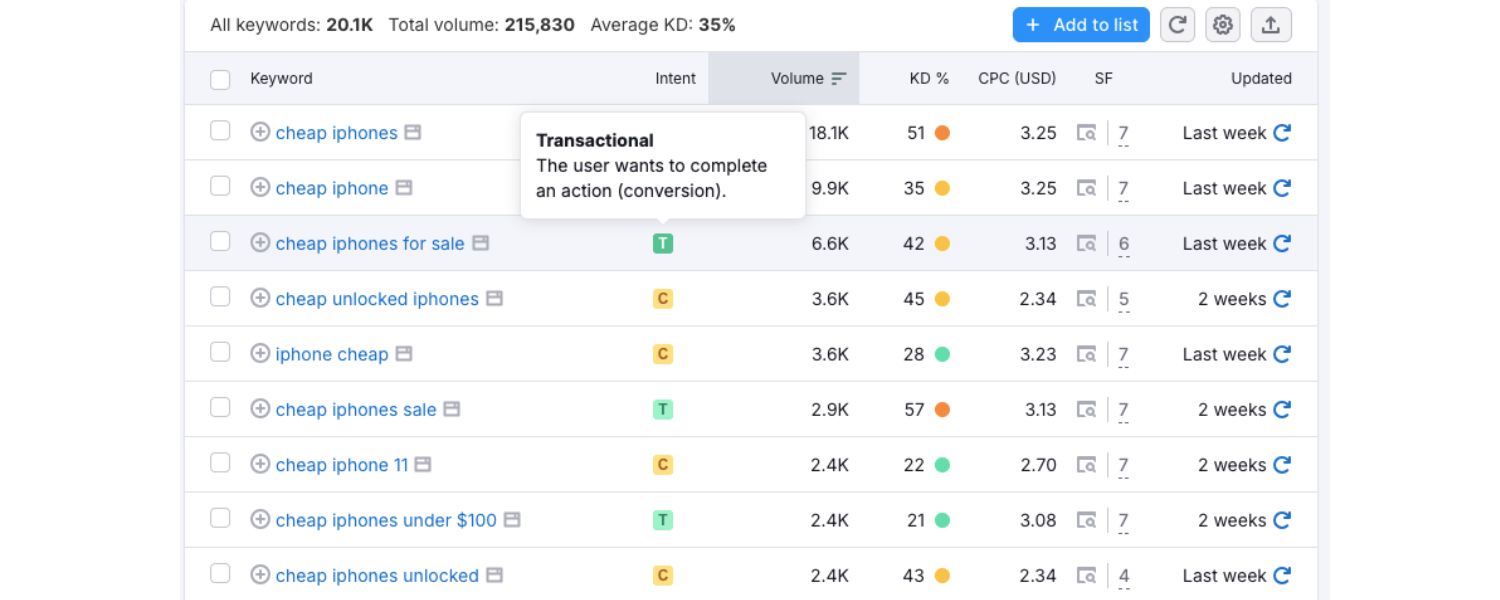
Simply input a keyword, select a country or region if needed, and these tools will display the monthly search volume along with other useful metrics (like keyword difficulty, CPC, and SERP features).
For example, Ahrefs’ Keywords Explorer taps into a huge database of billions of keywords and shows you volume, trend graphs, and even breakdowns by country for global terms.
Semrush’s tools similarly let you see not just the volume, but also how the volume has trended over the past 12 months (helpful for identifying seasonality). These platforms are robust, but they usually require a subscription.
If you’re serious about SEO or need to research keywords frequently, the investment can be worth it for the depth of data. They also often allow a few free searches or offer free trials if you want to test them out.
3. Free Keyword Tools and Alternatives

Aside from Google’s own tool, there are other free (or freemium) keyword research tools available. For instance, WordStream’s Free Keyword Tool and SE Ranking’s free keyword volume checker let you input a term and get basic volume data and suggestions.
Tools like Ubersuggest (by Neil Patel) offer a limited number of free searches per day, showing volume along with SEO difficulty and even some demographic info.
Wordtracker and SearchVolume.io are other platforms that provide free search volume lookups, sometimes with a cap on how many queries you can do per day.
These tools pull data from various sources (often leveraging Google or Bing APIs and their own algorithms). While they might not be as comprehensive as the big paid suites, they can be quite handy for quick checks or if you’re on a tight budget.
4. Google Trends (Free)

We mentioned Google Trends earlier as a way to gauge interest over time. While Google Trends doesn’t show exact search volumes, it’s a powerful complement to the above tools.
You can enter a keyword and see a graph of its relative popularity over a chosen time range. For example, if you see a sharp upward line in recent months, that tells you the keyword’s search volume is increasing, even if the absolute number isn’t shown.
Google Trends also lets you compare multiple keywords to see which one is searched more, and you can filter by country or even city to get local insights.
It’s especially useful for identifying seasonal patterns (e.g., searches for “gym membership” might spike every January) and for uncovering regional interest (maybe one term is more popular on the East Coast vs. West Coast, etc.). Think of Trends as an idea and timing tool that works alongside actual volume numbers you get from other sources.
When using these tools, a few tips to keep in mind:
A. Always set the right location
If you only serve customers in one country or city, look at the search volume specific to that region when available. Many tools allow filtering by country, and some (like Google Keyword Planner or certain features in Semrush) can even narrow down to state or city level. This helps you avoid misleading global numbers when you really care about local interest.
B. Use multiple sources for a fuller picture
If possible, cross-check important keywords in two tools. You might notice slight differences in reported volume (which is normal, since they use different data sources or algorithms), but if both tools show keyword A has roughly 10x the volume of keyword B, you can trust the general magnitude.
Also, if Google’s own tool says “500+” searches/month and a third-party tool says “700”, you’re in the same ballpark. However, if you see wildly conflicting data (e.g., one tool shows 50 and another shows 5,000), you may need to investigate further or trust the source you consider more reliable. In practice, major keywords tend to show similar trends across reputable tools.
C. Cosider time frame and freshness
Search volumes can change, so data you pulled six months ago might not hold today, especially for trend-driven terms. It’s wise to refresh your keyword research periodically. Some paid tools update their databases monthly or quarterly.
Google Keyword Planner might not reflect the very latest surges for new trends (since it’s averaging data), whereas a tool that uses recent clickstream data might catch a newer uptick. If a keyword is crucial to you, keep an eye on it over time rather than relying on a one-time lookup.
By using the right tools, you can gather the search volume data you need to make informed decisions. Next, let’s discuss how to apply that data, specifically, how to balance targeting high-volume vs. low-volume keywords as part of your SEO strategy.
High vs Low Volume Keywords: Finding the Right Balance

When you get your keyword search volume reports, it’s tempting to zero in on the big numbers. After all, a keyword with 10,000 searches/month sounds more enticing than one with 100 searches/month.
However, in practice, the highest volume keywords aren’t always the best targets for every website. A smart strategy typically balances both high and low volume keywords, focusing on relevance and competition levels.
High-volume keywords (often shorter, broader terms) can indeed bring in a lot of traffic, if you can rank for them. The challenge is that these terms usually have strong competition.
Think of a keyword like “laptop.” It likely has massive search volume, but also countless authoritative sites competing for it. If you’re a newer or smaller site, going after “laptop” head-on is probably unrealistic; even if you manage to rank, the term is so broad that visitors might not be looking specifically for what you offer (some might want reviews, others shopping, others tech specs, etc.).
High-volume keywords also may not always align with clear user intent, which can be a problem if you’re trying to convert that traffic into customers or loyal readers.
Low-volume keywords, often longer and more specific (the classic “long-tail keywords”), have fewer people searching for them. That sounds like a drawback, but the advantage is these terms usually face less competition and indicate a more specific intent. For example, consider someone searching “best lightweight laptop for video editing under $1000.”
That’s a mouthful, and its monthly search volume will be far lower than just “laptop”, but the person searching it has a very clear idea of what they want. If you have a piece of content or a product that exactly matches that query, you’re more likely to satisfy the user and possibly convert them (if you’re selling something).
Moreover, fewer competing sites will have optimized for that exact phrase, increasing your chance of ranking high. In fact, focusing on a cluster of relevant long-tail keywords can collectively bring in significant traffic.
Each individual long-tail term might only send a trickle, but together those streams can form a river of highly targeted visitors. Additionally, long-tail visitors often convert better because your content precisely matches what they’re looking for.
Importantly, don’t ignore low-volume keywords just because the numbers seem small. As SEO expert Mark Traphagen points out, it’s a myth that low search volume always means low value. In real-world experience, those “small” keywords can punch above their weight. For one, search volume is not equal to traffic.
If a keyword shows 50 searches a month, that doesn’t mean it can only send 50 visits; if you rank #1 for it, you might capture a large percentage of those 50 searches, and perhaps attract secondary variations of that query too. Also, low-volume terms are often part of a broader topic.
By creating content around many related low-volume queries, you signal to Google that you comprehensively cover that topic, which can boost your authority and rankings overall.
This is the essence of the topic cluster or content hub strategy: use a high-level page for the big volume “head” term, and support it with multiple niche pages for the long-tail terms. Collectively, the long-tail pages drive targeted traffic and bolster the relevance of your main page.
Another factor to consider is your industry or niche. In some specialized B2B industries or local markets, even the “high” volume keywords might only have a few hundred searches per month.
If you operate in such a niche, you simply won’t find thousands of searches for most keywords, and that’s okay. Success in SEO is relative to your niche’s scale. In these cases, lower-volume keywords are still valuable because they might represent the majority of your potential audience.
Many businesses thrive by dominating an array of niche keywords that individually aren’t huge, but collectively bring in just the right audience. Also remember that Google’s own tools might even underreport niche queries, often showing “0” or very low volume when in reality there is some search activity happening.
Advanced SEO tools can sometimes pick up those low-volume terms better, but either way, if a keyword is closely tied to what you offer, it’s worth optimizing for, even if the tools say the volume is minimal.
Competition and relevance should guide your decisions alongside search volume. A general rule of thumb: favor keywords that have adequate volume (there’s no strict cutoff, as “adequate” depends on your goals) and high relevance to your content or products.
It’s often more worthwhile to rank for a keyword that 200 people search with clear intent to find a product like yours, than for a term 2,000 people search that only loosely relates to your site.
As an example, a local plumbing business might find that a keyword like “emergency plumber in [City]” (maybe 150 searches/month) is pure gold, the searchers have urgent intent and are in the service area.
Meanwhile, a broad term like “plumbing” might have thousands of searches but is practically useless for that business (many searchers might be looking for DIY tips or definitions, not hiring a plumber).
Indeed, a keyword with a smaller volume like “plumber near me [city]” can drive extremely valuable leads because it’s so targeted, whereas a generic high-volume term can end up bringing unqualified or uninterested visitors.
The ideal approach is to target a mix of high-volume and long-tail keywords in your overall SEO strategy. Go after some of the bigger relevant terms in your field to capture broad interest and build authority, but also scoop up lots of specific queries that your competitors might overlook.
The high-volume terms can be great for visibility and traffic if you can rank, and the low-volume terms often yield higher conversion rates and help you corner segments of your niche.
By covering both, you maximize your reach. As a bonus, ranking for a variety of long-tail keywords can sometimes boost your ability to rank for the bigger variations, since Google sees your site as comprehensive on that topic.
Finally, always monitor and refine. Use your website’s analytics to see which keywords (and corresponding pages) are actually bringing in traffic and conversions.
You might discover that some of your “medium” volume targets are outperforming the supposed big ones, or vice versa. By tracking performance, you can adjust your focus.
Perhaps you’ll decide to create more content targeting a fruitful subtopic (even if each keyword is low-volume, the sum is high), or you might double-down on improving rankings for a high-volume term that’s sitting on page 2.
Search volume is a starting point, not the end-all metric – use it to plan, then rely on real-world data to fine-tune your strategy.
Conclusion: Turning Search Volume Insights into SEO Success
Keyword search volume is a powerful compass in the world of SEO and content marketing. It points you toward the topics and terms that your audience is actively looking for, so you’re not guessing what to write about or which keywords to target.
By now, you should have a clear understanding of what search volume is, how it fluctuates, and how to find and apply this data. The key takeaways to remember are:
1. Always consider context
A high number on its own doesn’t guarantee success, think about competition, relevance, and intent. Likewise, a low number isn’t always a deal-breaker if that keyword perfectly matches your niche offering and can lead to conversions. Quality of traffic beats sheer quantity.
2. Use the right tools
Leverage Google Keyword Planner and other keyword research tools to gather reliable search volume insights. Cross-check data when needed and pay attention to trends over time (with tools like Google Trends) so you catch seasonal changes or emerging topics.
3. Balance your keyword portfolio
Aim for a healthy mix of some high-volume “head” terms and plenty of specific long-tail terms. This balanced approach ensures you capture broad interest while also meeting the precise needs of users with specific queries.
It also protects you from algorithm changes or competition swings – if one big keyword’s ranking fluctuates, you still have traffic coming from dozens of smaller keywords.
4. Monitor and adapt
Treat search volume research as an ongoing process. Monitor which keywords are driving traffic and engagement on your site. If you notice new search terms rising in your field, update your content or create new content to address them.
If some keywords aren’t performing as expected, investigate why, maybe the content needs improvement, or perhaps the keyword wasn’t as relevant as thought. SEO is dynamic, and staying attuned to search volume trends helps keep your strategy current.
Now it’s time to put these insights into action. Start by researching the keywords most relevant to your business and note their search volumes. Then, craft or optimize your content to target those terms effectively.
Remember: it’s not about chasing every high-volume keyword out there, but about wisely choosing the terms that align with your goals and audience.
With a data-informed approach to keyword search volume, you can create content that not only ranks well but also genuinely resonates with what people are searching for, and that’s the real recipe for SEO success.

.png)
Shopify SEO: Guide to Ranking Your Store and Driving Sales
Most Shopify store owners set up their store, list their...

Content Marketing : Definitive Guide to Strategy, Content Types, and Measurable ROI
Content marketing generates 3x more leads than outbound marketing at...

Above the Fold: Guide to Conversions, Rankings and Faster Pages
Above the Fold in 2026: The Complete Guide to Conversions,...

Off-Page SEO Checklist: Guide to Building Real Authority
Most websites spend months creating great content, only to wonder...

What Is Keyword Bidding? The Complete Strategy Guide for Smarter Ad Spend
Most advertisers believe the highest bid wins the auction. It...

What Is Google Trends? The 2026 Marketer’s Complete Guide
If you are not already pulling weekly insights from Google...
If you want a growth partner who will get to know every aspect of your business and treat your budget like their own — we are the right fit.
.png)


.png)
.png)
.png)
.png)
.png)
.png)
2026 ALL RIGHTS RESERVED MADE IN INDIA
