
SEO Localization: Tactics for Global Online Visibility
August 21, 2025
Introduction
Going global is no longer a luxury, it’s a necessity in today’s digital market. Yet you can’t assume strategies that work in one country will work in another. Did you know that only about 25% of internet users speak English? Relying on one language means leaving out three-quarters of your potential audience. This is where SEO localization comes in.
By tailoring your website’s content and SEO strategy to each language and culture, you make your brand discoverable, relevant, and engaging to local audiences around the world. In this comprehensive guide, we’ll explore what SEO localization is, why it matters (backed by data), and exactly how to do it better than your competitors.
What Is SEO Localization? (And Why It’s More Than Translation)
SEO localization is the process of adapting your website content and SEO elements for different languages and regions so that you rank higher in local search results. It goes beyond direct translation. While basic SEO translation might simply convert words from one language to another, localization means adjusting for culture, idioms, and local search habits. In other words, the goal isn’t just to make content understandable in another language, it’s to make it perform in that market’s search engines and resonate with local users.
To clarify, here’s how SEO localization vs. SEO translation differ:
1. SEO Translation
Focuses on linguistic accuracy, translating text and keywords so the meaning stays intact. It ensures content can be read in the new language, but often sticks to a word-for-word approach. This means it may miss the nuances of how locals actually search.
For example, an English site might translate “vacation” to Italian as “vacanze”, which is correct, but Italians also commonly search “viaggi” (trips) for vacations. A pure translation could overlook such alternate terms.
2. SEO Localization
Includes translation plus cultural adaptation and local keyword research. The content is rewritten where needed to fit local tastes, conventions, and search behavior. It ensures your page uses the exact terms locals search for, reflects local currency, units, imagery, even humor, and meets local expectations for credibility. In short, localization aims to improve both search visibility and user relevance in the target market.
Think of SEO localization as “transcreation” – you’re recreating the intent of your content for each locale. For example, a UK florist expanding to Spain shouldn’t just translate “Buy fresh flowers online – free delivery in the U.K.” into Spanish. A localized version would say “Envío gratis a España” (free delivery to Spain) and use the word “online” (commonly used in Spain) instead of a literal “en línea”. These tweaks make the message truly relevant to Spaniards.
The difference is huge: one study found simply translating content without local SEO in mind often results in little to no traffic from the target market. In contrast, fully localized pages connect with users and search engines on a local level, unlocking far better results.
Why SEO Localization Matters for Your Business
Investing in SEO localization can be a game-changer for global growth. Here are the core benefits and some eye-opening statistics:
1. Reach the 75% of Users Who Don’t Speak Your Language
As mentioned, only about one-quarter of the world’s internet users are English speakers. If your site is English-only, you’re invisible to the majority of potential customers. In fact, although ~52% of all websites are in English, they collectively reach just 25% of internet users. Localization bridges this gap by making your content accessible and searchable in other languages.
2. More Traffic & Conversions from Global Markets
When people can actually find and understand your offerings, they’re far more likely to visit and buy. 72% of shoppers are more likely to buy a product if information is in their native language. Conversely, 87% of consumers won’t buy from an English-only site.
It’s simple: speak your customer’s language, gain their trust and business.
One survey found ~55% of global consumers will ONLY purchase from websites that provide info in their language. So by localizing SEO, you dramatically increase your addressable market and organic traffic potential.
3. Higher Engagement, Lower Bounce Rates
Visitors stay longer and engage more when content “feels native” to them. If someone lands on a page they can’t read, they’ll bounce in seconds. The average bounce rate for B2C websites is around 45%, but it can soar much higher if the content isn’t in the user’s language. By localizing, you ensure users find relevant info, reducing bounces and pogo-sticking. This not only improves conversion odds but also sends positive user-experience signals to search engines (which can indirectly benefit rankings).
4. Competitive Edge in Each Locale
Many companies still do a mediocre job at localization. By doing it well, you stand out to local customers. You’re offering a personalized, culturally tuned experience that competitors might not. This builds trust and brand connection, people are naturally drawn to brands that “get” them.
It also boosts SEO authority: a fully localized site is more likely to earn local backlinks and media mentions (since your content is understandable and relevant locally). Those local backlinks signal Google that your site is valuable in that region, helping you outrank competitors who haven’t localized.
5. Fuel for International Growth (Cost-Effective too)
SEO localization essentially creates sustainable organic growth abroad. Once your content ranks well in a new market, you can keep attracting traffic without paying per click. It’s an upfront investment that can yield long-term “free” traffic.
Compare that to running costly ad campaigns in each country, localized SEO often delivers better ROI over time. It’s no surprise that in one analysis, localization led to a 47% increase in search traffic and a 20% boost in conversion rates for websites expanding internationally. The bottom line: if global expansion is your goal, you can’t afford not to localize your SEO strategy.
Bottom line: SEO localization makes your business discoverable, credible, and competitive across languages. It aligns your online presence with how real people in each locale search and behave. Now, let’s dive into how to do it step by step.
Key Elements of SEO Localization
SEO localization isn’t just about translating text. It’s about localizing every aspect of your online content and presence. Here are the key components you’ll need to adapt for each target locale:
Figure: Key components of SEO localization include not only translating text, but also adapting keywords, on-page elements, and user experience factors. Effective localization covers everything from local keywords, titles, and meta descriptions to URLs and image alt text, as well as regional specifics like currency, units, date formats, visuals, and even local idioms and slang.
1. Localized Keywords
The search terms people use vary wildly by language and region. You must identify the exact words and phrases locals type into Google (or Baidu, etc.) for your topic. For example, “sweater” in the US vs. “jumper” in the UK, or the Italian “vacanze” vs “viaggi” for “vacation.” Local keyword research is the foundation of SEO localization.
2. On-Page Content Translation & Transcreation
This includes all page copy, headings, and calls-to-action. Beyond translating accurately, ensure the tone, idioms, and examples make sense locally. You might need to change product descriptions, marketing slogans, even color choices or images to fit cultural preferences. The goal is to have content that reads as if it was created by a local company.
3. Meta Tags and Snippets
Page titles and meta descriptions should be written in the target language with localized keywords. These are often the first thing users see in search results, so they need to be compelling and culturally appropriate. Also localize things like alt text for images (for image SEO and accessibility), leaving alt tags untranslated is a missed opportunity. Be mindful of text length differences; for instance, translations from English to Spanish tend to expand, so you may need to shorten meta tags to stay within pixel limits.
4. URL Structures and hreflang
Ideally, use separate URLs for each language or country version of your site (more on structures in a moment). Each localized page should be annotated with an hreflang tag indicating its language/region, e.g. hreflang=”es-ES” for Spanish (Spain).
This tells search engines which page to serve to which users and prevents duplicate content issues across domains. Never have mixed languages on one URL, Google needs clear signals.
5. Technical & UX Local Adjustments
Localization extends to non-text elements too. Ensure currency and pricing are in local denominations. Use local date formats and measurement units. Adapt page layouts if needed: e.g., for languages like Arabic or Hebrew, a right-to-left layout is essential for usability.
Use culturally appropriate images (local people, local settings) and color schemes that appeal to the market. Even your site’s performance needs localization, host content on a CDN or regional server so it loads fast in each target country. All these factors contribute to a better local user experience, which can improve engagement and SEO.
6. Local Social Proof & Links
Consider adding local testimonials, reviews, or case studies to build trust. Outbound links should point to relevant local sites when possible (for example, link to a French industry association on your French pages instead of an American one). And of course, you’ll want to earn backlinks from other websites in that country, which often happens naturally when your content is in their language and offers value.
As you can see, effective SEO localization touches every part of your website and marketing – from content and code to design and outreach. Next, we’ll cover best practices to implement these elements step by step.
Best Practices to Implement Your SEO Localization Strategy
Ready to put localization into action? The following best practices will guide you through planning, optimizing, and maintaining a successful multi-language SEO strategy. Each step is crucial to ensure your localized sites outperform the competition in their respective markets.
1. Research Your Target Markets Thoroughly

Every successful localization project starts with research. Gain a deep understanding of each target country/region before translating a single word. Key research areas:
A. Language and Dialect
Identify the primary language(s) of the market and any regional dialects or preferences. For instance, Spanish in Spain vs. Spanish in Mexico have differences in vocabulary. Use native speakers or local experts to learn the nuances.
Remember, words matter – even within the same language, terms can vary by country (e.g. “apartment” vs “flat”). Catering to those nuances makes your content feel native.
B. Local Culture and Etiquette
Study cultural norms, values, and taboos. This affects imagery, examples, even colors (for example, certain colors have lucky or unlucky connotations in different cultures). Adapt your messaging to fit local customs.
By considering cultural nuances, you avoid embarrassing mistakes or offense and show respect for your new audience. Something as simple as local holidays or sports references can make content more relatable.
C. Consumer Behavior & Search Habits
Analyze how people in that country search and shop online. Do they favor mobile search over desktop? (In many parts of the world, mobile is dominant, so your mobile optimization must be top-notch.) Which search engines are popular? Google is global, but in China Baidu rules, in Russia it’s Yandex, in South Korea Naver is big.
Each of these has its own algorithms and quirks, for example, Baidu struggles with JavaScript, so a simpler HTML version of your site is better for China. Knowing these habits lets you tailor your approach (e.g., focus on site speed and user experience signals for Yandex SEO).
D. Local Competitors
Identify who the top players are in your niche for that locale. Your competitors abroad might be completely different from those at home. Search your main keywords in the local language to see which sites rank on page one, those are your real SEO competitors now. Analyze their content: What topics do they cover? How do they speak to the audience? What keywords do they seem to target? This competitive intel will reveal content gaps you can fill and help you set realistic goals. It also shows the benchmark for quality, you need to beat what’s already out there, offering more depth or a unique angle.
By doing thorough market research and competitor analysis, you set a solid foundation. You’ll create a strategy based on data, not assumptions. As one international SEO expert put it: There’s no one-size-fits-all solution, research is key, and don’t be afraid to test and learn for each market.
2. Conduct Local Keyword Research (Don’t Just Translate Keywords)
Once you understand the market, dive into keyword research for that specific locale. This step is absolutely crucial – using the right keywords will make or break your visibility.
Start by brainstorming or extracting a list of your relevant keywords in your source language (e.g., English). For each one, find the local equivalent and see its search volume. Importantly, don’t assume direct translations = popular keywords. Often they don’t.
For example, an e-commerce site found that translating “heated tobacco” to Hungarian yielded zero searches, but a different term “dohányhevítő” (“tobacco heater”) had even more searches in Hungary than the English term did in the US. This kind of insight only comes from proper keyword tools and research.
Tips for effective multilingual keyword research:
A. Use Keyword Tools with Local Data
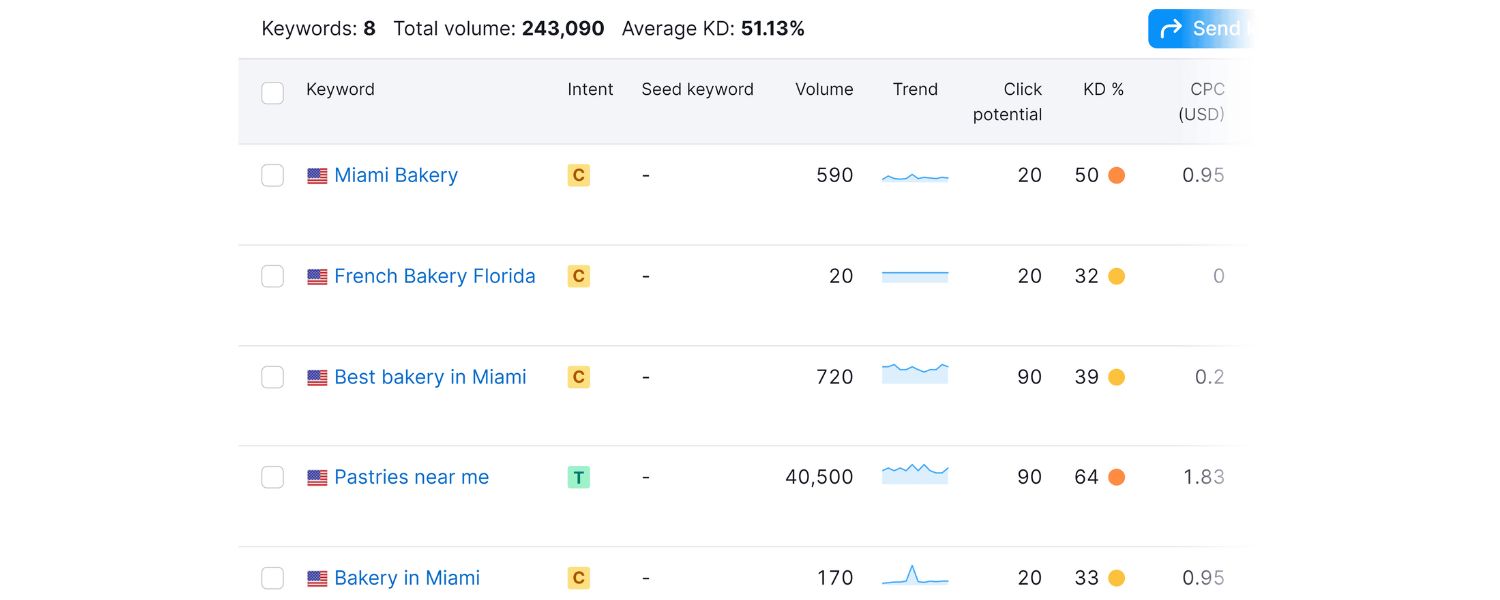
Leverage tools like Google Keyword Planner, Ahrefs, SEMrush, or SE Ranking, and set them to the target country/language. Look up your product/service names and see what suggestions come up. Pay attention to search volumes in the target market, these numbers show which phrasing real users prefer. If “cheap sports shoes” is rarely searched in German, but “günstige Sportschuhe” or “Turnschuhe kaufen” is common, that’s what you optimize for.
B. Focus on Long-Tail Keywords
Long-tail keywords (3+ word, specific phrases) are your friend in any language. They often indicate a user closer to conversion (“buy size 8 running shoes online” is a user who knows what they want).
They also have less competition. Identify local long-tails that match your content, they may differ from literal translations. For instance, French searchers might ask “comment faire X” whereas English users search “how to do X”; knowing those patterns helps you catch more traffic.
C. Consult Native Speakers or Local SEO Experts
A keyword might technically translate one way, but native insight can reveal better synonyms. Collaborate with local marketers or translators experienced in SEO. They can suggest colloquial terms or regional slang that keyword tools might not immediately show.
For example, in one locale people might use a nickname for a product category, if you don’t include it, you miss a chunk of searches. Partnering with a local SEO specialist ensures you capture these nuances.
D. Build a Localized Keyword List/Glossary
As you find ideal keywords, compile a glossary of terms (both branded and generic) for translators and content creators to use. Define any specific terms so they don’t get mistranslated. For instance, list preferred translations for industry jargon. This ensures consistency and that all your content efforts align on targeting the same high-value terms.
Remember, the goal is to speak the language of your customers, literally and figuratively. Proper keyword research means you’re optimizing for the exact words your new audience uses, not what you think they use. It’s one of the highest-impact actions in SEO localization.
As an example, Common Sense Advisory found that 75% of customers are more likely to buy from a brand that communicates in their native keywords/language (because it’s more relevant to them). So get those keywords right!
3. Adapt Your Content and Messaging to the Locale

With your keyword game-plan set, it’s time to translate and transform your content for the target audience. This goes far beyond plugging text into Google Translate. Aim to create content that feels as if it were written locally. Here’s how:
A. Use Professional Translation + Transcreation
If possible, hire native-speaking translators with marketing expertise in your domain. Provide them with context and your keyword glossary. Instruct that it’s okay to deviate from the source text if needed to sound natural.
For instance, jokes, idioms, or cultural references often need to be replaced entirely. A good translator will do transcreation, preserving the intent and impact, not the literal words. Example: an American slogan referencing baseball might be changed to a soccer reference in Europe. Maintain an open line with translators for questions, so they can clarify any ambiguous meaning and convey it correctly.
B. Match Local Tone and Formality
Different cultures have different expectations of tone. German and French business content might be a bit more formal than American content; Japanese website text often uses polite language forms, etc.
Adapt your voice guidelines accordingly so you don’t unwittingly offend or put off readers.
Also consider units of measure and date formats (e.g. writing “2025-12-08” vs “08/12/2025” vs “12/8/2025” depending on locale). These details make the experience seamless.
C. Incorporate Local Examples and Case Studies
Wherever you can, swap in local context. If your original blog post cites a U.S. market trend, find an equivalent stat or example from the target country to cite. If you mention client success stories, consider adding one from the region (if available).
Showing local proof points helps build credibility. Even using local celebrity or place names in hypothetical examples can make content more relatable.
D. Localize Visual Elements
Images and graphics should be checked for relevancy. Avoid images with text in the source language (or prepare localized versions). Ensure models/people in images won’t alienate the audience, ideally use photos that reflect the ethnic/cultural look of the local audience or their environment. Also, be mindful of symbols, hand gestures, or objects that might carry different meanings.
For example, an OK hand sign is positive in some places and offensive in others. Colors too: white symbolizes purity in some cultures, mourning in others. Choose visuals that enhance your message appropriately for each culture.
E. Address Local Currency, Units, and Legal Info
If your site involves prices, show them in the local currency (and consider adapting pricing strategies if needed – e.g. $99 might be psychologically better as €89 or similar). Use local units (metric vs imperial) so users aren’t forced to convert. And ensure things like legal notices, shipping info, payment options etc. are adjusted for the market.
For example, preferred payment methods differ, Germans often prefer bank transfers over credit cards. Offering region-specific options can improve conversion rates.
Ultimately, this step is about making the user feel “this site is for someone like me.” When content resonates culturally and linguistically, it builds trust. In fact, 65% of consumers prefer content in their language even if it’s not perfectly written, they just want to be spoken to on their terms. If you’ve done steps 1 and 2, step 3 puts it into practice by weaving those local keywords and cultural elements into your pages.
4. Optimize Technical SEO (URL Structure, Hreflang, and Indexing)
Adapting the content is half the battle; you also need to help search engines properly crawl and index your localized site versions. Technical SEO for international sites ensures that the right content shows up for the right users. Pay special attention to the following:
Choose the Right URL Structure:
Decide how you’ll structure your multilingual site. The top options are:
a) Use country-code domains (ccTLDs) like example.fr for France,
b) Use subdomains like fr.example.com, or
c) Use subfolders (subdirectories) like example.com/fr/.
Each has pros and cons. ccTLDs send a strong signal to both users and Google that a site is for a specific country. However, they require building separate domain authority for each.
Subdomains keep content somewhat separate and are easy with some CMS platforms, but Google may treat them like separate sites with less inherited authority.
Subfolders are often recommended because your international content benefits from the SEO strength of your main domain. Google sees it all as one site, just different sections. The trade-off is a single server location (unless you use CDNs) and ensuring your CMS can handle language-specific paths.
Tip:
Avoid using URL parameters like ?lang=fr for serving different languages. Google does not recommend this approach, as it’s harder for users and crawlers to recognize geotargeting from a parameter. Whatever structure you choose, keep it consistent, and make sure each localized page has its own unique URL.
Implement Hreflang Tags Correctly:
Hreflang is an HTML attribute (in the <head> or via sitemaps) that specifies the language and optional region of a page, and points to its equivalents in other languages. For example on your English page you might include:
<link rel=”alternate” hreflang=”es-ES” href=”https://example.com/es-es/page” />
<link rel=”alternate” hreflang=”en-US” href=”https://example.com/en-us/page” />
(and do the same on the Spanish page).
Implementing hreflang ensures Google serves the Spanish page to Spanish searchers, the English to Americans, etc.. It prevents duplicate content issues between localized versions and improves user experience by directing people to the right language content. Be careful to use the correct language-country codes (ISO 639-1 for language and ISO 3166-1 alpha-2 for country).
If your content is language-specific but not country-specific, you can omit the country code (e.g. just hreflang=”es” for all Spanish). Always include a self-referential hreflang (each page lists itself too) and a default x-default if appropriate for fallback. After setup, use Google’s Search Console or auditing tools to check for any hreflang errors (like missing return tags).
Avoid Automatic Geo-Redirects:
It might be tempting to auto-redirect visitors based on IP or browser settings (for example, send a French user hitting your .com to the French page). Don’t do this for SEO reasons. Googlebot usually crawls from the USA; if it gets redirected, it might never see your other language pages. Also, auto-redirects can annoy users – maybe a French person in the US actually prefers your English site.
Google explicitly advises against automatic redirection based on user location or language. Instead, let users choose. Implement a clear language switcher menu or a subtle banner: “Looks like you’re in France, view this page in Français?”. That way all versions remain crawlable and users have control.
Signal Language/Location in Sitemaps and Search Console:
In Google Search Console, use the International Targeting feature to set a country target if you’re using subdomains or subfolders for country-specific content. For pure language-based sections that serve multiple countries, you may skip country targeting.
If you have a sitemap, you can include hreflang in XML sitemaps as an alternative to HTML tags, which is useful for large sites. Also ensure each page’s <html> tag has the correct lang attribute (e.g. <html lang=”fr”>) as a basic signal for browsers and accessibility.
Manage Duplicate Content with Canonicals (if needed):
If you have very similar content for different regions (say, an English page for USA and another for UK that are 90% the same except prices or a few terms), use canonical tags carefully. In general, if the main content is in the same language, Google might see it as duplicate.
Hreflang alone can differentiate regional variants, but Google recommends pairing hreflang with rel=”canonical” to a self or language-variant URL appropriately. Essentially: each page in English should canonical to itself or the closest regional version, not all to one URL, otherwise you defeat the purpose. When done right, canonical tags ensure you don’t dilute SEO signals, and hreflang handles delivering the correct version to users.
By getting these technical details right, you make it easy for search engines to index your global content. You’ll avoid common pitfalls like duplicate content penalties or pages not showing up in the intended country’s results. As Google’s guidelines sum up: *use dedicated URLs for each language, mark them up with hreflang, and *never rely on Google to “figure it out” – you must explicitly guide it to the correct content. Following these best practices lays a strong technical foundation for your localized SEO.
5. Optimize Page Titles, Meta Descriptions & Alt Text in the Local Language
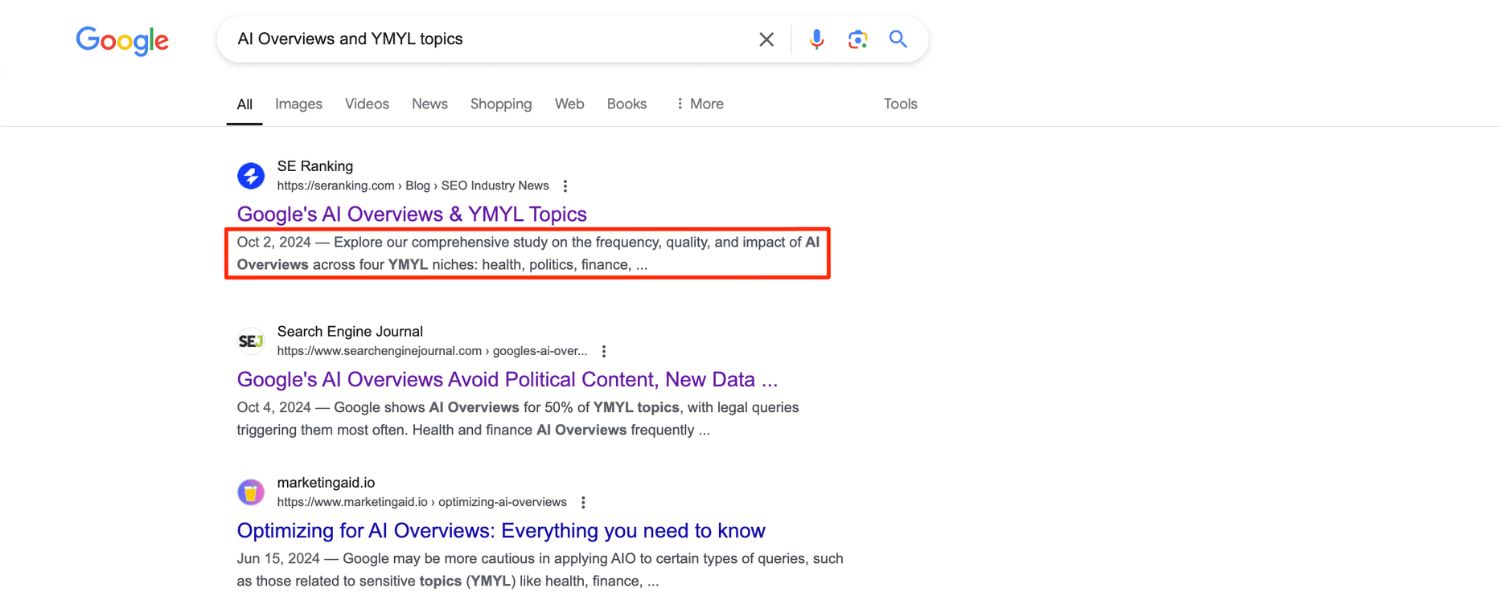
We touched on this in the components, but it bears repeating as its own best practice: don’t overlook optimizing your metadata and tags for each locale. These elements directly influence click-through rates and image search visibility, and they need to be localized just like the on-page text.
A. Write Unique Meta Titles for Each Locale
Simply translating your English title tag might not be enough. Incorporate the primary local keyword near the beginning of the title, since that’s weighted heavily. Make sure the phrasing appeals to local sensibilities, what’s catchy in one language may fall flat in another.
For example, wordplay or puns often don’t translate. Instead, you might use a value proposition or call-to-action style that suits the culture. Also be mindful of title length; different languages can produce much longer titles. Aim to stay within ~55-60 characters (or ~580 pixels). If a direct translation is too long, work with your translator to craft a shorter equivalent that still makes sense.
B. Craft Compelling Meta Descriptions
While not a direct ranking factor, the meta description in the local language can significantly impact your click-through rate from the SERPs. Include one or two localized keywords (since Google bolds matching query terms) but focus on making it enticing and clear in the local context.Highlight what’s in it for the reader if they click.
And address any cultural points, for instance, some audiences respond well to a more formal tone in the description, others to a friendly invite. As with titles, watch the text length (about 150-160 characters is the safe zone; some languages can say more in fewer characters and vice versa).
C. Translate and Localize Alt Text for Images
Image alt tags are often forgotten during translation. Ensure all images on the page have alt text in the appropriate language, especially key images like product photos or infographics. Describe the image briefly and include a keyword if relevant, but make sure it reads naturally.
For example, an English alt “Blue women’s summer dress” on a French page should be alt=“Robe d’été bleue pour femme” (assuming keyword research shows those terms). This not only helps your SEO (images can rank in Google Images) but also improves accessibility for local users using screen readers.
D. Use Localized Schema Markup if Applicable
If you use structured data (e.g., Product, FAQ, HowTo schema), make sure any schema text values are translated. Some structured data like Organization or Website might remain global, but things like FAQ questions/answers should be in the page’s language. Google doesn’t require a special indicator for schema language – it reads it in context of the page’s language. So just ensure it’s consistent.
Optimizing these elements increases the chances that when your page does appear in search results, users from that locale will click it. It’s part of tailoring the entire search experience. As a bonus tip: check how your snippets appear by using Google’s preview tools or doing some test searches via VPN/proxy in that country. Make sure nothing weird shows up (like an untranslated bit or an automagically generated snippet that could be improved by adjusting your content).
6. Build Links and Online Authority in Each Market
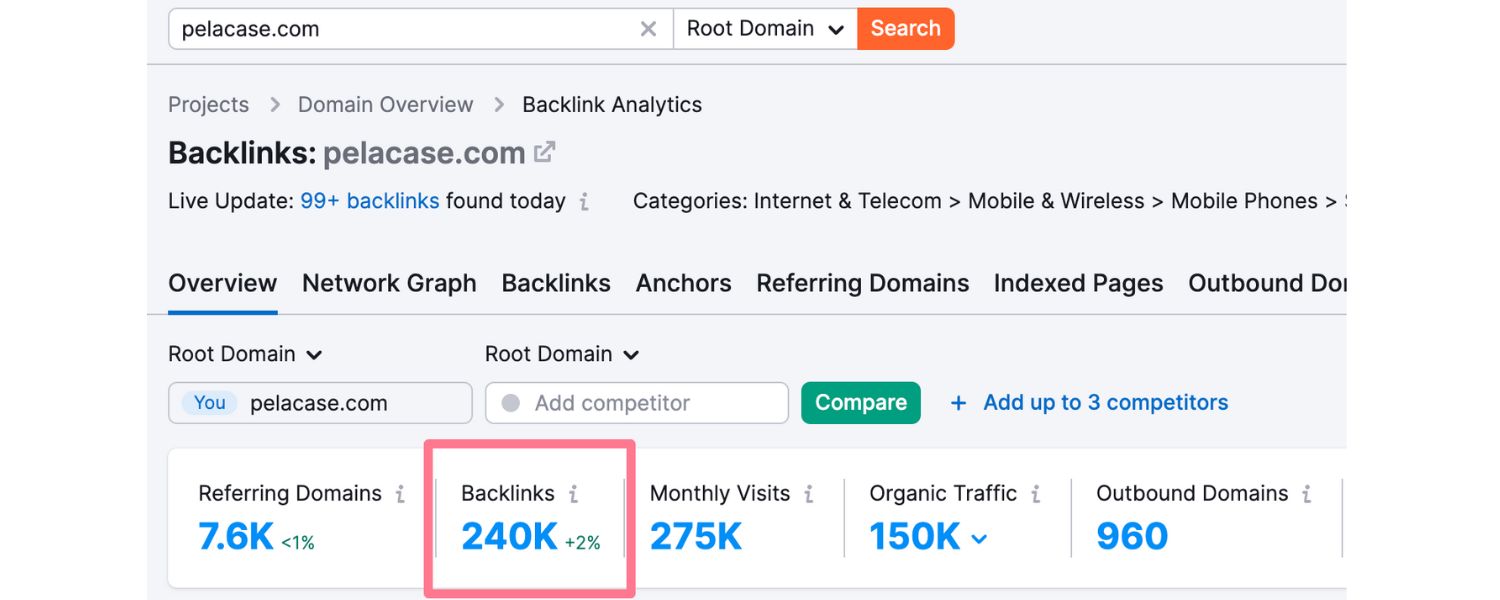
Backlinks remain a powerful SEO factor, and for international SEO you’ll want to cultivate local backlinks in each target market. Earning links from sites that Google associates with that country/language can give your localized content a big credibility boost. Here’s how to approach it:
A. Localize Your Internal Linking
First, ensure your own site’s internal links connect the localized pages properly. Create a logical structure so that, for example, your Spanish blog posts link to other Spanish resources on your site (and not to English pages, which would disrupt the user journey).
Cross-link between languages only where it makes user sense (like a toggle to another language version). Also, have a clear navigation in each language. If your site has a blog or resources section, consider separate sections per language to attract inbound links to the right subdirectory.
B. Pursue Country-Specific Backlinks
Identify websites that are influential in your sector in that country. This might include local news sites, industry blogs, directories, or partner companies. Tactics to earn links include creating high-quality localized content that people naturally want to reference, doing PR outreach for local press coverage, or guest posting on local blogs. For instance, if you’re launching in France, you could pitch a guest article to a popular French blog or collaborate on a local case study.
The key is that the link to your site from theirs will likely be seen by Google as coming from the .fr web, reinforcing your presence in that locale. One effective strategy is digital PR: create a data study or useful tool relevant to the local market and pitch it to journalists there – if they cover it, you get authoritative local links.
C. Leverage Local Social Media and Communities
While social links are usually nofollow, they can indirectly help by driving traffic and raising awareness. Engage with local influencers or communities (for example, answer questions on region-specific forums in the local language, share your localized blog content on local social networks or groups).
If people start talking about and sharing your content, it can lead to organic links. Also, a strong social presence in the target language builds trust with users who then might mention or link to you.
D. Maintain Consistent NAP for Local SEO (if relevant)
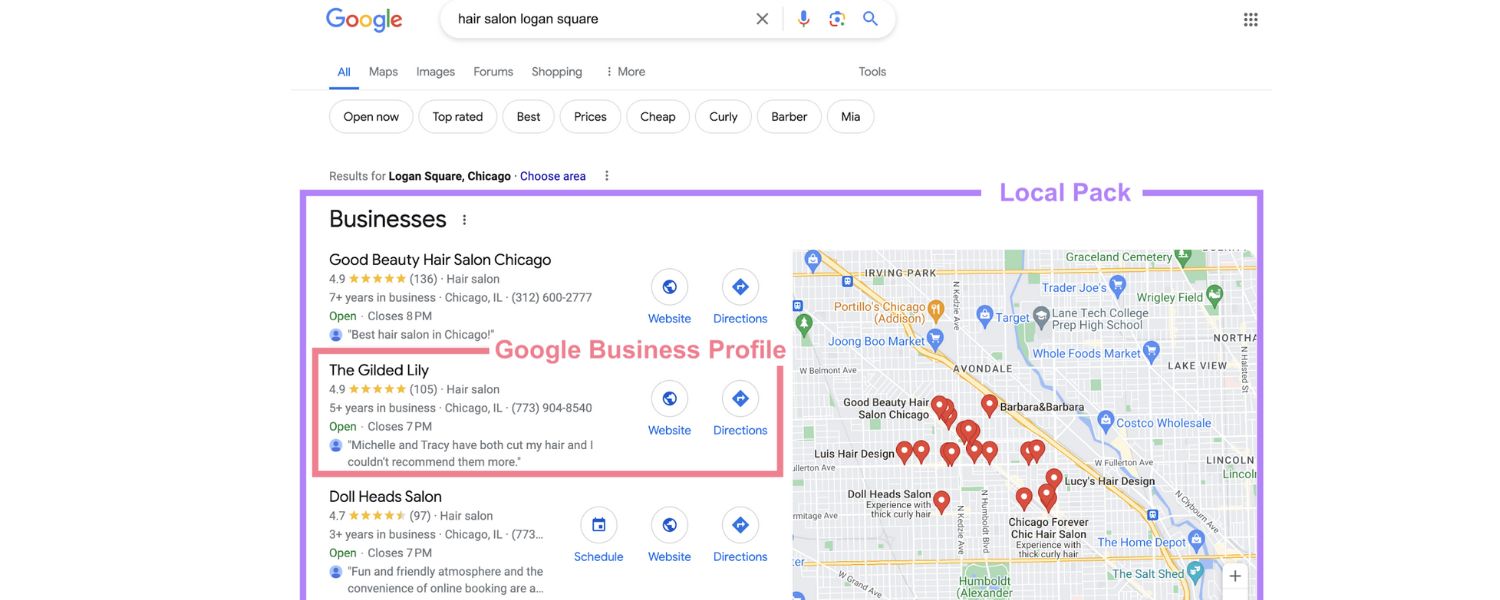
If you have physical locations or are targeting local search (e.g., you expanded a service to a new city), ensure your Name, Address, Phone info is consistent in local directories and Google Business Profile. While this is more “local SEO” than “SEO localization,” it’s worth noting because local citations can indirectly boost your domain’s authority in that region. For example, being listed on the local chamber of commerce site (with a link) is both a citation and a backlink.
E. Monitor Backlink Profile by Locale
Use tools to see the breakdown of your backlink profile. If you notice, say, a lot of Spanish sites linking to your Spanish content, that’s a great sign. If not, you may need to step up outreach in that language. Also, watch out for any spammy links from other languages – the web is global, and sometimes irrelevant sites might link to you. Disavow if necessary to keep your link profile strong.
Building links abroad takes effort, but it pays dividends. High-quality local links not only drive referral traffic, they also signal to search engines that authoritative local sources vouch for your content. As one study noted, localized content tends to attract local backlinks which in turn boost rankings in that region. Keep your link-building ethical and relevant, aim for real partnerships or valuable content exchanges, not just paid links (Google’s spam team doesn’t take a vacation just because your links are from another country!).
7. Optimize for Local Search Engines & Platforms
While Google dominates search in many countries, it’s not the only player. Effective SEO localization means considering where your audience searches, which might include platforms beyond Google Search:
A. Account for Non-Google Search Engines
If expanding to China, optimizing for Baidu is critical (Google is largely inaccessible there). Baidu’s algorithm tends to favor sites hosted in China, written in Simplified Chinese, and that are compliant with Chinese regulations. Baidu also prefers pages with less JavaScript/AJAX – static HTML and faster loading is better. For Russia, Yandex is key. Yandex places relatively more weight on user behavior metrics and local links, and it also has its own webmaster tools and indexing quirks (e.g., it used to have a “original content” label system).
Naver in South Korea is a unique beast, it’s more of a portal with its own ecosystem (blogs, Q&A, etc.), so ranking in Naver may involve different tactics like getting into Naver’s directories or using their ad platform for visibility. Research the top search engines’ guidelines for any market where Google isn’t #1, and optimize accordingly.
B. Optimize App Presence if Applicable
In some regions, searchers rely on app stores or alternative search platforms. For example, in China many users search directly within WeChat or Tencent’s platforms, or they use 360 Search (another Chinese engine).
Make sure if you have an app or presence on those platforms, it’s localized and optimized (e.g., app description in the local language with keywords). Similarly, consider local e-commerce search if relevant – e.g., if you sell products, ranking on Amazon US might be key here, but in Germany Zalando or Otto might have their own search, in China it’s Alibaba/Taobao.
C. Leverage Local Review Sites and Search Features
In many countries, local directory and review sites (like Yelp, TripAdvisor, local equivalents) rank well for queries. Ensure your business is listed and optimized on major local directories.
For example, in Russia, Yandex Maps and Yandex Directory listings can improve visibility; in Japan, having listings on Tabelog (for restaurants) or Rakuten could help. Getting good reviews in local platforms also indirectly helps SEO by boosting your reputation (and sometimes Google may show those in Knowledge Panels, etc.).
D. Consider Language-Specific Search Behaviors
Voice search and AI assistants are rising worldwide, and people often use them in their native language. Ensure your content addresses natural language queries that might be spoken. Also, question formats in different languages might vary (for example, Spanish queries often include articles like “¿qué es X?” whereas English would be “what is X”).
Optimize some content for Q&A style and consider adding an FAQ section (with schema) addressing common local questions. This can help capture voice searches and featured snippets.
By respecting the differences in search ecosystems, you cover all your bases. It’s about meeting your audience wherever they search. A localized SEO strategy isn’t complete until you’ve aligned with the dominant search tools of the region, whether that’s Google, Baidu, or something else.
8. Ensure Fast, User-Friendly Performance Across Regions
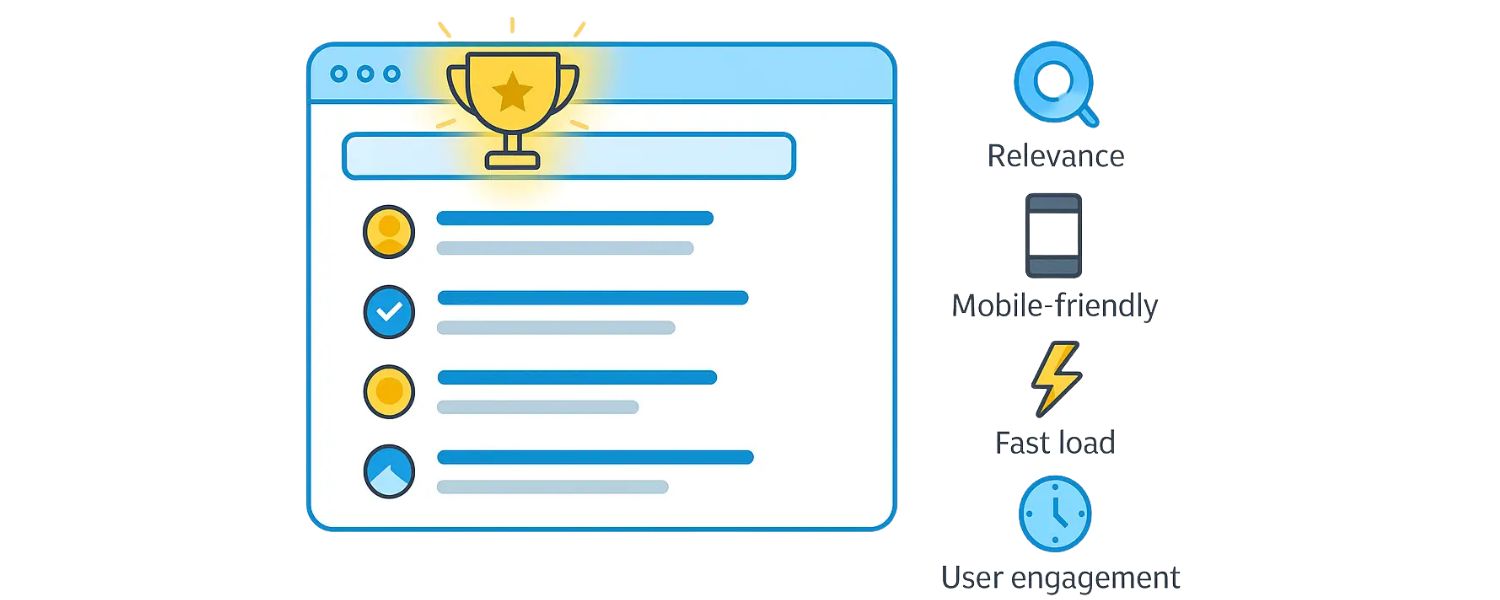
Users (and search engines) everywhere love fast, smooth websites. But what’s “fast” can depend on local infrastructure. After localizing your content, make sure the delivery of that content is optimized for each region:
A. Use Local Hosting or CDNs
If you have a separate ccTLD site (e.g., your .cn site for China), try to host it on a server in or near that country. Closer server = lower latency = faster page loads for users there. If using subfolders on one domain globally, consider a Content Delivery Network (CDN) which caches your content on servers around the world and serves users from the nearest location.
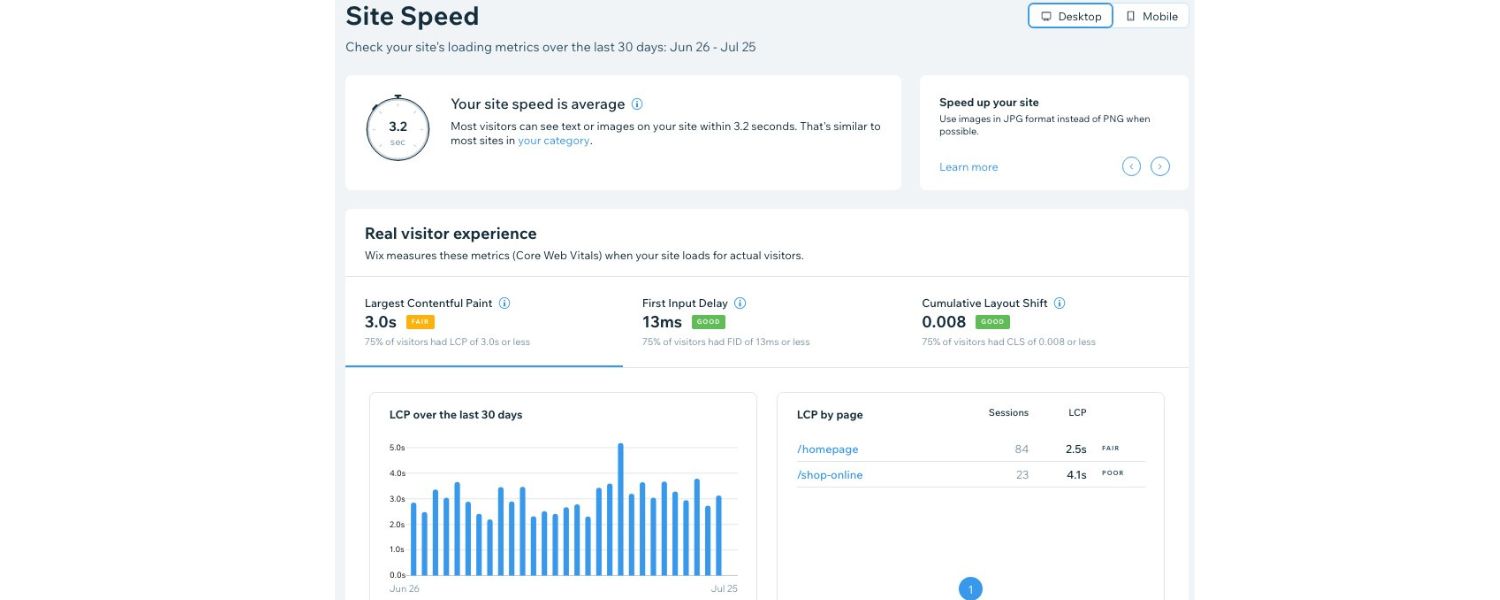
CDNs like Cloudflare, Akamai, Amazon CloudFront, etc., can dramatically cut down load times in far-flung regions. Since speed is a ranking factor (especially mobile Core Web Vitals), this is an important optimization.
B. Optimize Page Size and Resources
Some countries have slower average internet or prevalent older devices. For example, if targeting emerging markets, your fancy heavy site might load slowly on 3G mobile connections. Optimize images (consider using next-gen formats like WebP and proper compression), enable gzip/brotli compression, and eliminate unnecessary scripts or third-party plugins.
Basically, follow all standard page speed best practices, but be extra vigilant if your new audience has tech constraints.
Google’s PageSpeed Insights can be set to different locations to test performance. Also, test your site from the target country using VPNs or tools, this can reveal issues (like a YouTube embed that’s blocked in China, etc.).
C. Adapt to Local User Experience Norms
This is not exactly performance, but related to usability. Check if certain UI elements need adjusting – e.g., for right-to-left languages, your site’s template should flip orientation (menus on the right instead of left, etc.). Make sure forms accept local data formats (postal codes, phone numbers, provinces).
Little UX details: if your site uses maps, use a map provider that works well in that region (Google Maps is great except where Google is restricted; use alternatives like Baidu Maps in China). The easier and more intuitive your site feels, the longer users will stay and the more likely they’ll convert, positive signals for SEO.
D. Monitor Technical Health per Locale
Run regular site audits for each language section. Sometimes, translation might inadvertently break something (like a longer translated meta title might not fit or a non-Latin character might not render if charset isn’t UTF-8).
Verify that your site’s encoding (UTF-8 is standard) handles all the character sets you need.
Check for broken links on localized pages (e.g., a link that accidentally points to an English page). Use Google Search Console for each locale (you can have separate properties if using subdomains or subfolders) to catch crawl errors or mobile usability issues specific to that section.
In short, treat the user experience in each locale with as much care as your primary market. Fast, accessible sites tend to rank higher because they please users. As one best practice guide noted, simplifying design for countries with slower connections and accommodating local tech preferences can improve both user experience and SEO results.
9. Monitor, Measure, and Continuously Improve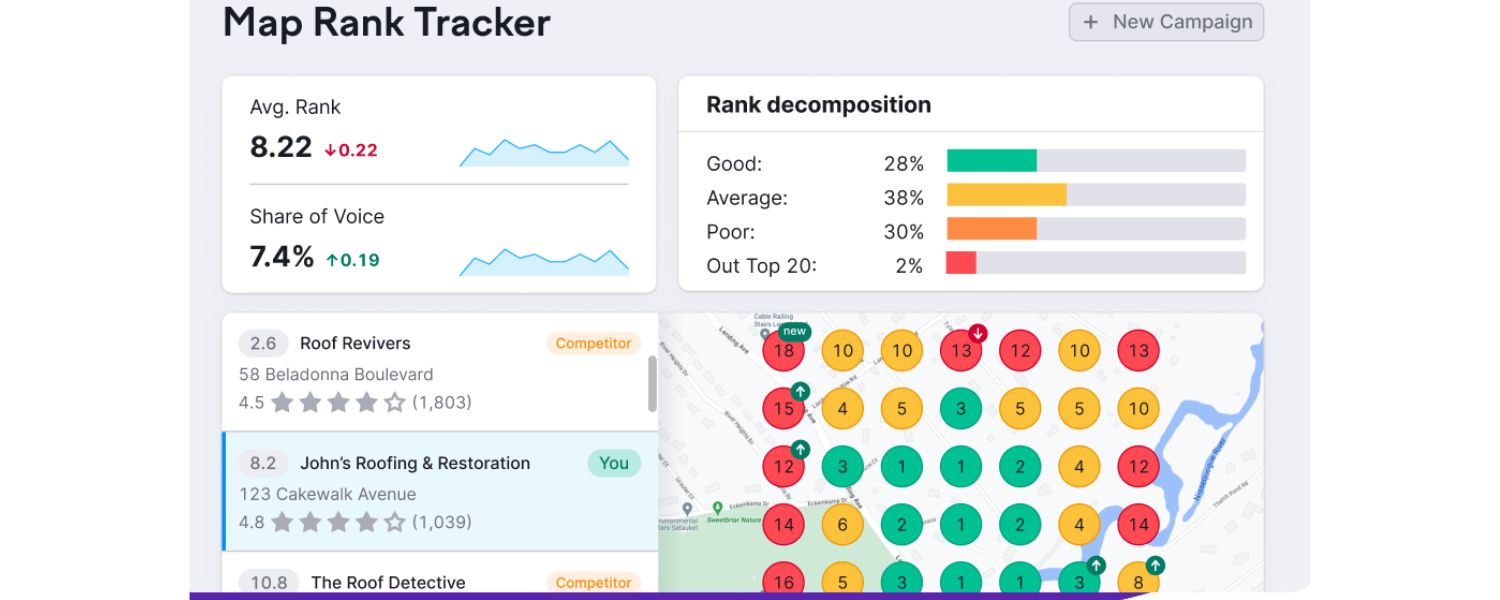

SEO localization is not a one-and-done deal, it’s an ongoing process. After launching your localized content, you’ll need to track how it’s performing and adjust your strategy over time:
A. Track Rankings and Traffic by Locale
Use tools to monitor your keyword rankings in each target country (e.g., set up locale-specific rank tracking profiles). Google Search Console’s performance report can be filtered by country and language to see impressions/clicks for queries. Keep an eye on which pages are gaining traction and which aren’t.
If certain keywords aren’t ranking as expected, you may need to better optimize those pages or perhaps the competition is tougher, do additional analysis. Also monitor overall organic traffic segments in analytics (you can filter by users’ country or by site section if you have separate URLs).
B. Analyze User Behavior
Look at engagement metrics per locale, bounce rate, time on site, pages per session, conversion rates. High bounce or low time-on-page on a localized page could indicate the content isn’t meeting user expectations or maybe something’s off (like mis-targeted keywords bringing the wrong audience).
For example, if your French blog article has a higher bounce rate than its English counterpart, maybe the intro isn’t as compelling or the information needs tweaking for French readers. Use local user testing if possible – even a handful of native users giving feedback can illuminate issues.
C. Stay Current on Local SEO Trends
Algorithms and search trends evolve. Google might roll out an update that affects multilingual sites; or Baidu might change how it handles mobile pages, etc. Keep reading industry news or Google’s updates in the international SEO space. Also, consumer behavior can shift – e.g., new slang replaces old terms, or a competitor launches a big content piece that resets the bar. Regularly update your keyword research (say, every 6-12 months) to catch new opportunities or shifts in search volume.
D. Refresh and Expand Content
Don’t let your localized content go stale. Update statistics, examples, or references to keep them current (especially if you originally translated them from an English source with potentially US-centric data, find local updated data when possible). Add new content targeting long-tail queries or subtopics relevant to that market.
For instance, if your product guide did well in Spanish, consider adding a Spanish FAQ section or a follow-up post addressing questions commenters asked. Fresh content can give a bump in engagement and search visibility.
E. Refine Based on Data
Perhaps you notice that one type of content performs exceptionally well in one country (say, how-to videos in Japan), double down on that format for that locale. Or maybe a certain SEO tactic didn’t pan out, e.g., you got little benefit from a directory listing you thought would help. Reallocate effort to the tactics that show results. It’s all about continuously optimizing your approach per locale.
Remember, SEO is a dynamic process, and when you multiply it by number of locales, there are many moving parts. Regular audits and performance reviews will ensure you catch problems (like missing hreflang tags or a sudden drop in a country’s traffic due to a technical glitch) and capitalize on successes. As one localization expert noted, monitoring is vital because you’ll need to adjust strategy over time and ensure things work properly every time you add a new language or page. Build periodic check-ins into your workflow.
Finally, celebrate the wins! Share metrics with your team, e.g., “Our localized pages in Germany grew organic traffic 50% quarter over quarter”, to show how SEO localization is contributing to the business.
Conclusion: Expand Your Reach with SEO Localization
In an increasingly global marketplace, SEO localization is the key to breaking through in new regions. By creating content that aligns with local language and cultural nuances and by following technical best practices, you make your website vastly more visible and appealing to international audiences. The payoff is enormous: more traffic, more engagement, and ultimately more conversions from markets you wouldn’t reach otherwise.
Remember, effective SEO localization requires a mix of linguistic expertise, cultural insight, and SEO know-how. It’s an ongoing commitment to speak your customers’ language (literally) and keep up with their search behaviors. But as we’ve seen from data and examples, the investment is worth it, consumers are far more likely to trust and buy from sites that make the effort to localize, and search engines reward those sites with higher rankings.
Call to Action
Ready to take your business global and outshine local competitors? Start by implementing the steps above. Do your research, assemble the right tools and team, and begin optimizing for your first new locale. Measure the impact, learn, and keep iterating. SEO localization is a journey, but with each new market you conquer, you build a more resilient and diversified business. Don’t let language barriers hold you back, embrace them as gateways to new customers.
Begin today by conducting a multilingual SEO audit of your site or consulting with an international SEO expert. Your next big growth opportunity could be in a country you haven’t even targeted yet, and SEO localization will help you unlock it!

.png)
Shopify SEO: Guide to Ranking Your Store and Driving Sales
Most Shopify store owners set up their store, list their...

Content Marketing : Definitive Guide to Strategy, Content Types, and Measurable ROI
Content marketing generates 3x more leads than outbound marketing at...

Above the Fold: Guide to Conversions, Rankings and Faster Pages
Above the Fold in 2026: The Complete Guide to Conversions,...

Off-Page SEO Checklist: Guide to Building Real Authority
Most websites spend months creating great content, only to wonder...

What Is Keyword Bidding? The Complete Strategy Guide for Smarter Ad Spend
Most advertisers believe the highest bid wins the auction. It...

What Is Google Trends? The 2026 Marketer’s Complete Guide
If you are not already pulling weekly insights from Google...
If you want a growth partner who will get to know every aspect of your business and treat your budget like their own — we are the right fit.
.png)


.png)
.png)
.png)
.png)
.png)
.png)
2026 ALL RIGHTS RESERVED MADE IN INDIA
