
Advertising Copywriter: Ultimate Marketing Career
August 19, 2025
Ever wonder who comes up with the memorable slogans and persuasive ads you see every day? That’s the work of an advertising copywriter.
Advertising copywriters are the wordsmiths of the marketing world, crafting compelling messages for everything from print and TV ads to social media and search campaigns. Their creative words help businesses connect with audiences, build brand awareness, and drive sales.
In this comprehensive guide, we’ll explore what an advertising copywriter does, what skills you need to succeed, and how to become an advertising copywriter in today’s fast-paced industry.
Whether you’re considering this career or looking to sharpen your copywriting game, read on for an expert overview that covers every aspect of the role, plus insider tips to get ahead of the competition.
What Is an Advertising Copywriter?
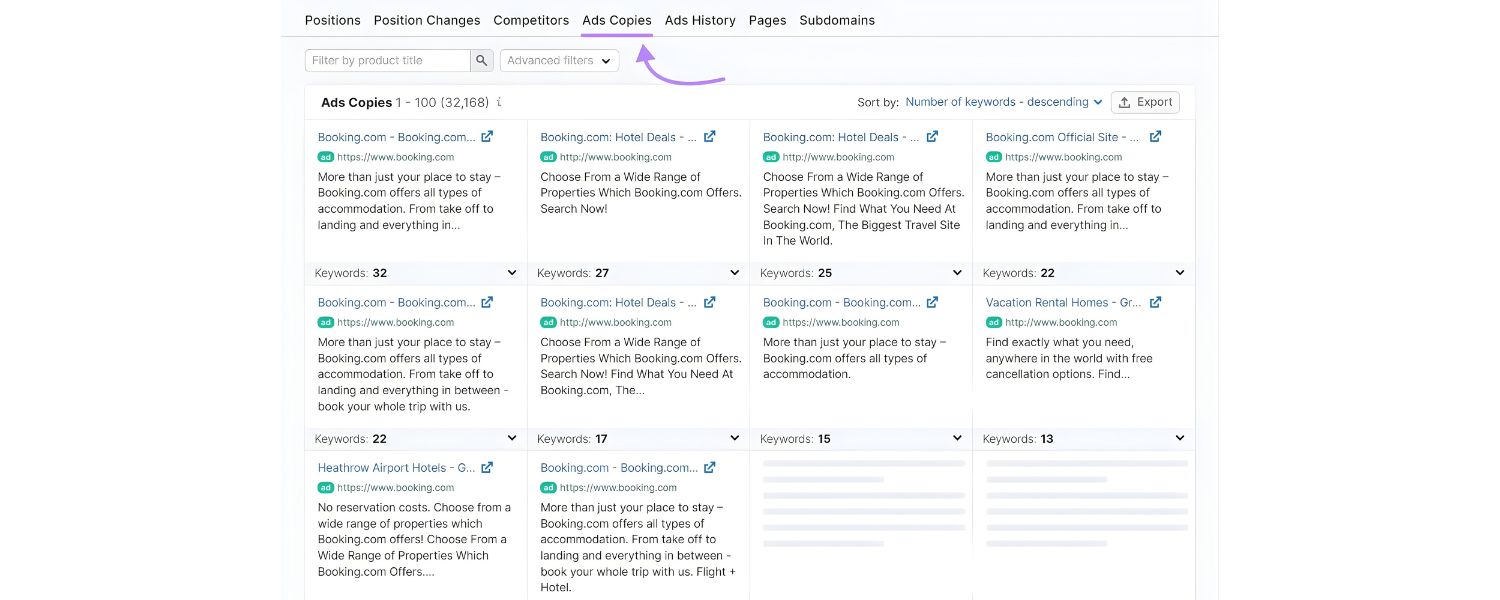
An advertising copywriter is a marketing professional responsible for creating persuasive written content, known as “copy”, for various advertisements and promotional materials.
In simpler terms, they write the words that help promote a product, service, or brand. This can include anything from catchy slogans and taglines to longer-form ad copy like print ads, radio/TV scripts, social media posts, billboards, and more.
The primary goal of an advertising copywriter is to communicate a brand’s message in a way that grabs attention, resonates with the target audience, and inspires action, whether that action is making a purchase, clicking a link, or engaging with the brand.
Advertising copywriters are often part of a creative team in an ad agency or marketing department. In traditional advertising agencies, a copywriter typically partners with an art director, the copywriter focuses on the written idea while the art director works on the visual elements.
Together, they brainstorm and execute advertising concepts that solve a client’s business problem in a creative way. Copywriters may also collaborate closely with creative directors, account managers, marketing strategists, and clients to ensure the messaging aligns with the overall campaign strategy.
It’s important to note that “copywriter” can refer to many types of writing roles, but an advertising copywriter specifically concentrates on promotional and ad-focused content.
In the industry, you might also hear them simply called “creative copywriters” or just “creatives”, since they contribute original ideas and copy to advertising campaigns. Whether working in a big agency on global brands or as a freelancer or content marketing for small businesses, copywriters use their way with words to convey a persuasive marketing message.
What Does an Advertising Copywriter Do?
Advertising copywriters do a lot more than just write. Their day-to-day job is a dynamic mix of creative brainstorming, research, writing, and collaboration. Below are some of the key responsibilities of an advertising copywriter:
1. Crafting Ad Content for Multiple Media

Write and develop a range of advertising materials, including punchy slogans, headlines, social media posts, website banners, brochures, and scripts for radio or TV commercials.
Copywriters tailor the writing style and content to fit the medium and the target audience, for example, a witty one-liner for a billboard versus an informative script for a 30-second video ad.
2. Developing Key Messages and Campaign Concepts
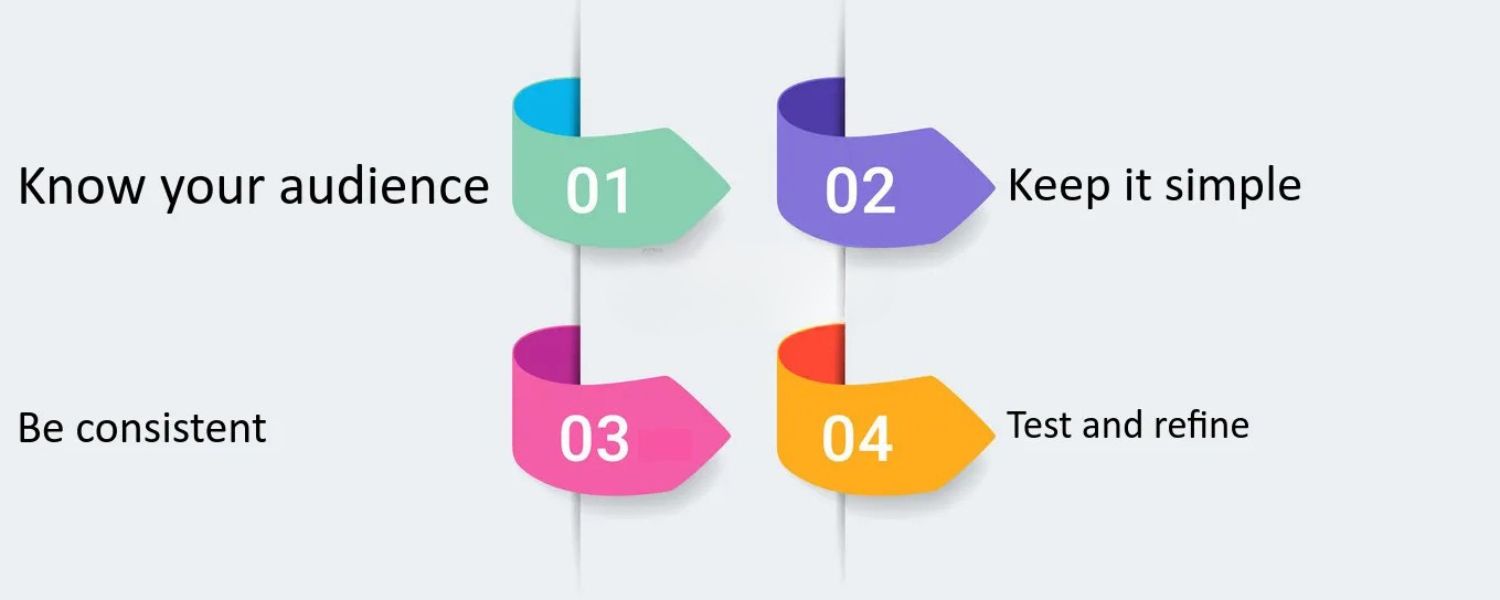
Come up with the core message or “big idea” for an ad campaign that captures what the client wants to communicate. This involves understanding the product and its unique selling points to create a message that will stick in the audience’s mind.
Often, advertising copywriters must condense a two-page brief into a single memorable line that differentiates the brand and appeals to customers.
3. Researching the Market and Audience

Conduct extensive research on the product, market, and target consumers to inform the writing. A copywriter needs to know the audience’s demographics, preferences, and pain points, as well as what competitors are saying.
This research helps in finding the right tone and angle for the ad. Copywriters may study past successful campaigns and current trends to learn what kind of language and approach resonates with the audience.
4. Collaborating with Designers and Creatives

Work closely with graphic designers, art directors, and other team members to produce a cohesive advertisement. For instance, while the copywriter writes a tagline or description, a designer creates the visuals, both need to complement each other. Copywriters often participate in creative meetings with designers, creative directors, and marketing managers to brainstorm ideas and refine concepts.
This collaboration ensures that the imagery, layout, and words all work together to deliver a powerful message.
5. Editing and Proofreading

Polish every piece of copy to perfection. Advertising copywriters must proofread and edit their content for clarity, proper grammar, and consistency with the brand’s voice.
They ensure the final ad copy is error-free and “on brief” before it goes out to the public. Even a short slogan might go through many revisions to get the wording just right!
6. Maintaining Brand Voice and Compliance
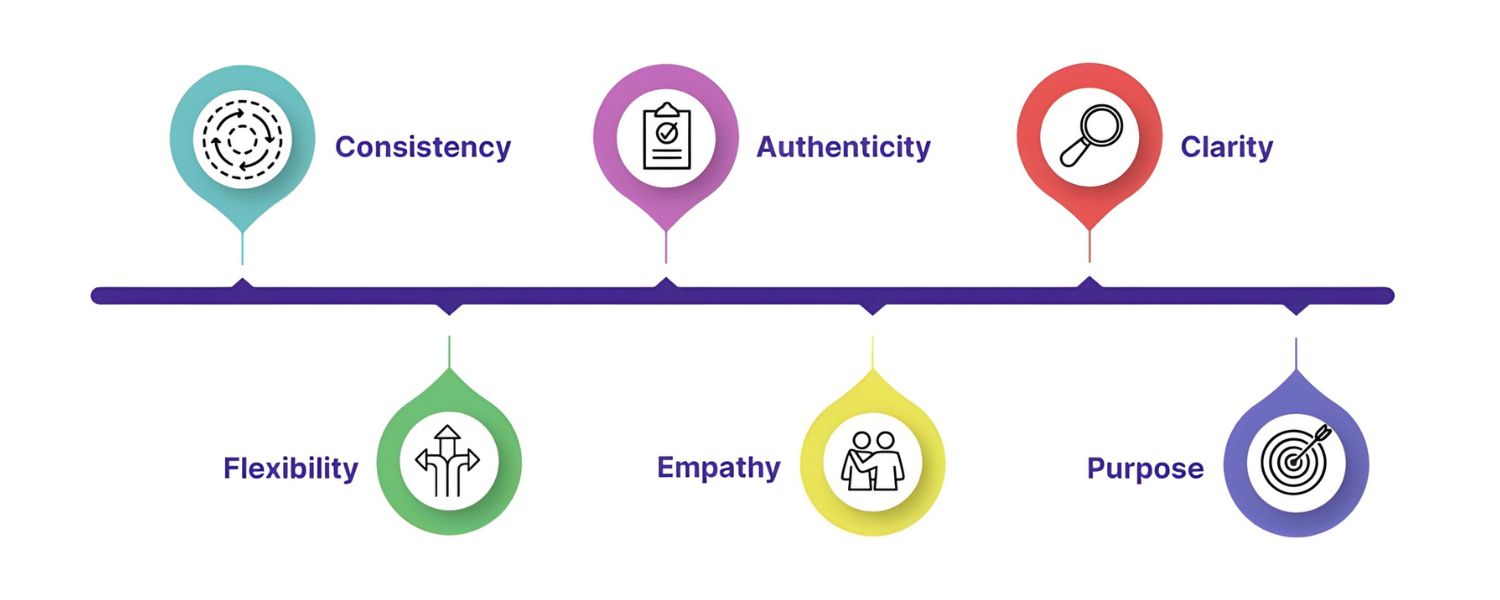
It’s the copywriter’s job to keep the messaging consistent with the brand’s voice and identity across all ads.For example, if a brand’s tone is funny and irreverent, the copywriter will infuse humor into the ads; if the brand is luxury and premium, the wording will be more elegant and formal. Copywriters also make sure content adheres to any industry regulations or advertising standards (no false claims, appropriate language, etc.).
7. Presenting and Pitching Ideas

In an agency setting, copywriters often present their creative ideas and copy drafts to the creative director or clients for approval. They need to communicate the reasoning behind their word choices and show how the copy achieves the campaign’s objectives. Being able to “sell” their idea internally and incorporate feedback is part of the role.
8. Iterating Based on Feedback
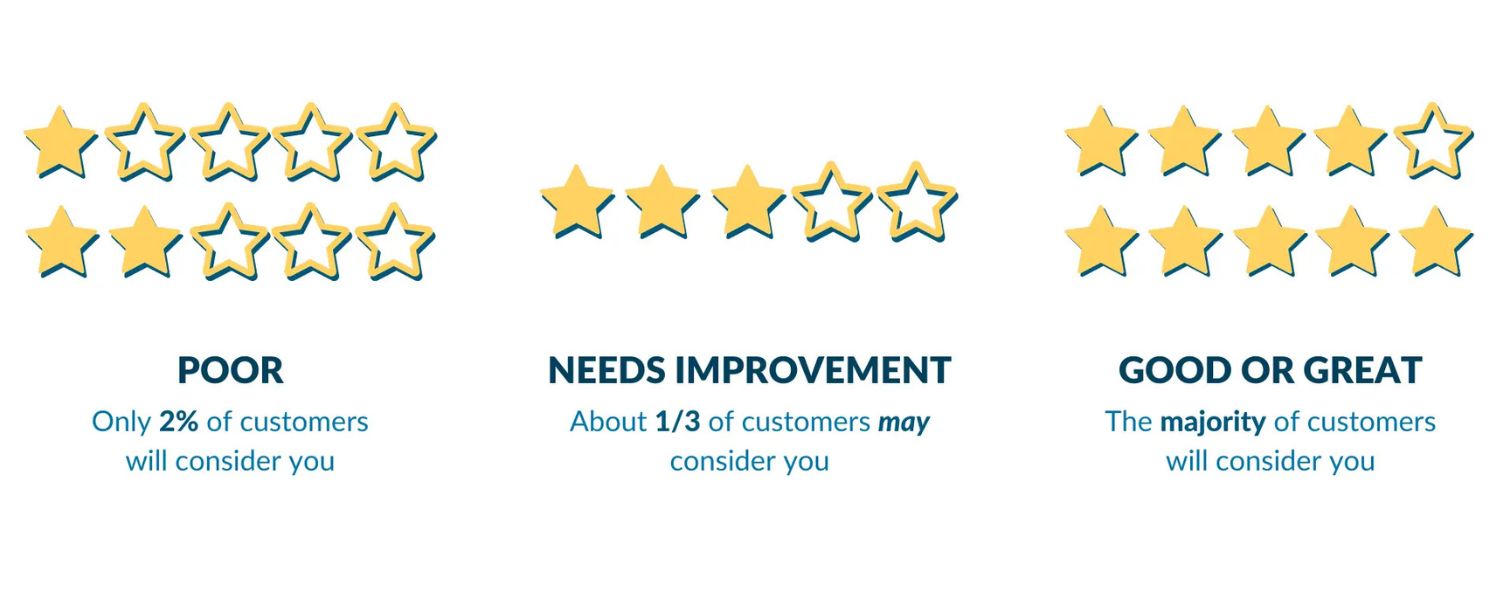
Advertising is typically an iterative process. Copywriters must be open to feedback from creative directors, clients, or even consumer testing. They revise and refine the copy through multiple rounds until everyone is confident it will achieve the desired impact. This requires a mix of creativity and resilience, incorporating feedback while still preserving the strength of the idea.
In short, advertising copywriters wear many hats. One moment you might find them scribbling ideas for a catchy tagline, and the next, reviewing market research data or meeting with a design team to hash out a concept. What stays constant is their mission to use words to persuade and captivate.
As one pro copywriter puts it, the aim is to create “persuasive, engaging copy that helps to solve genuine business problems” for clients. That means finding just the right words – and often, the right emotions – to connect with customers and motivate them to act.
Key Skills and Qualities of a Great Copywriter
What does it take to succeed as an advertising copywriter? This role sits at the intersection of creativity and marketing strategy, so it demands a blend of talents. Here are some of the essential skills and qualities you’ll need to thrive in advertising copywriting:
1. Writing Prowess

First and foremost, a copywriter must have excellent writing skills. This means a strong command of the language (grammar, vocabulary, and style) and the ability to write clear, concise, and compelling sentences.
Great copywriters are wordsmiths, they know how to turn a phrase, evoke emotion, and pack a punch in just a few words. From attention-grabbing headlines to engaging storylines, the craft of writing is at the heart of this job.
2. Creativity and Imagination

Advertising is all about fresh ideas. Copywriters need a big imagination and a constant flow of ideas. You should be able to brainstorm creative concepts and think outside the box to differentiate your client’s message from the competition.
This creativity applies not just to words, but also to concepting entire campaigns or angles that will resonate with the audience. Being “imaginative and full of ideas” is literally in the job description of a copywriter.
3. Persuasion and Marketing Savvy

Copywriting is often described as salesmanship in print. You need a knack for persuasion, understanding what makes people tick and how to influence consumer behavior with word. A good advertising copywriter has a solid grasp of marketing fundamentals (like the classic “4 Ps” – product, price, place, promotion) and consumer psychology.
In practice, this means knowing how to highlight a product’s benefits, address the audience’s pain points, and include a compelling call-to-action. Some knowledge of branding, positioning, and strategy is crucial so that your copy aligns with broader marketing goals.
4. Research and Curiosity

As mentioned, research is a big part of the job. A top copywriter is naturally curious and “fascinated by people, advertising and brands”. You should enjoy digging into a new industry or product to learn what it’s all about.
Whether it’s learning the ins-and-outs of a technical gadget or the values of a non-profit organization, being able to quickly absorb information and distill it into useful insights will make your copy more effective. This research-driven approach helps in writing copy that truly speaks to the audience’s interests and needs.
5. Attention to Detail

Detail orientation is key when you’re polishing ad copy. Little mistakes can undermine an otherwise great advertisement. Copywriters must be meticulous in checking spelling, grammar, and facts.
They also need to ensure consistency, for example, using the brand’s preferred terminology and tone consistently across all materials. A thorough, perfectionist streak will serve you well when editing your own and others’ work for quality control.
6. Adaptability and Versatility
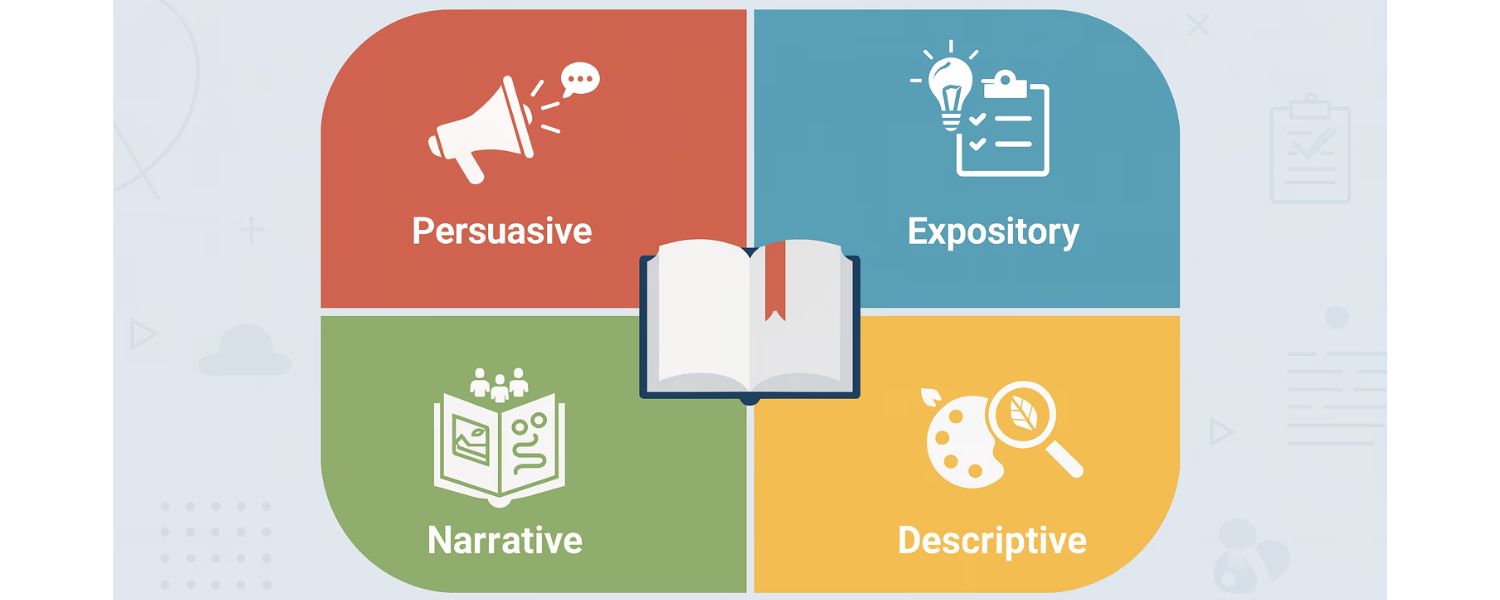
Advertising copywriters often have to switch hats and write for many formats and voices. One campaign might require a funny, punchy one-liner, while another needs a serious, information-rich description.
The best copywriters are versatile in their writing style and tone. They can adapt the voice to fit different brands and audiences, from formal corporate speak to trendy Gen Z slang, as well as adjust to various media constraints (like a 280-character tweet vs. a 60-second radio script).
Being adaptable also means keeping up with new trends and platforms (what works on TikTok might differ from what works in an email campaign).
7. Collaboration and Communication
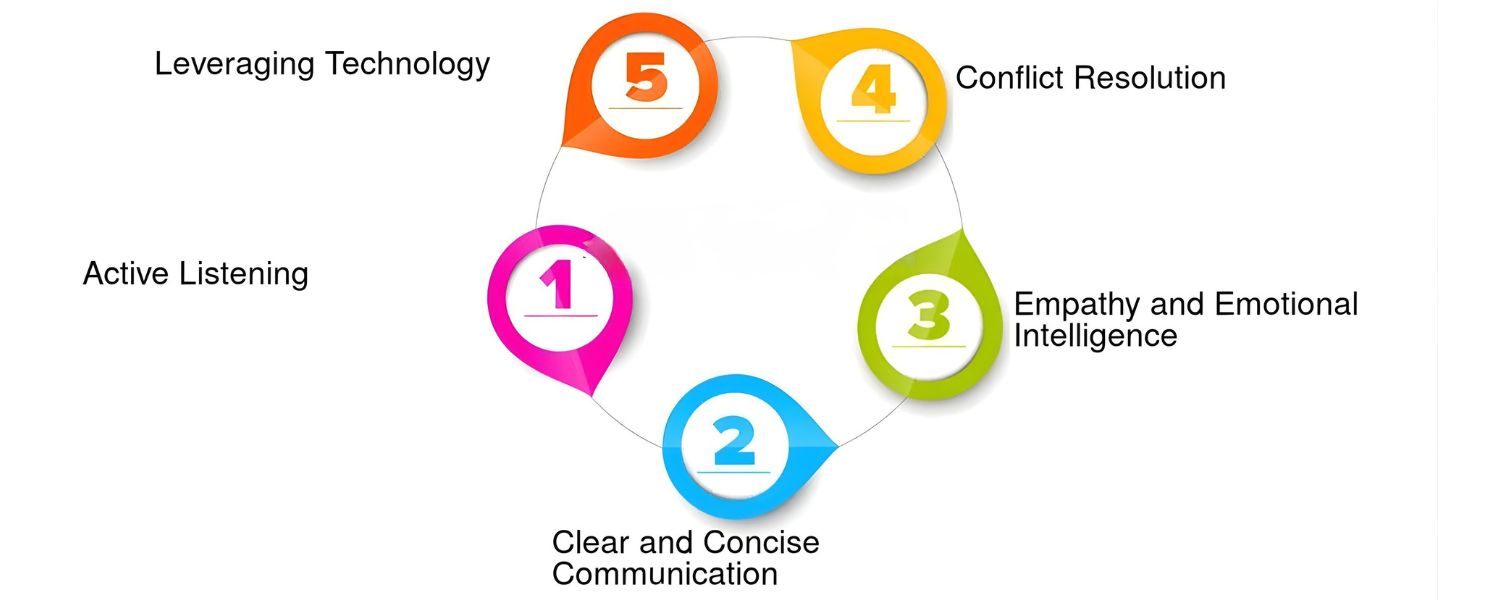
Copywriters seldom work in isolation, especially in advertising agencies. You need to be a team player who can work well with others under tight deadlines. Excellent verbal communication skills help for presenting ideas and collaborating with colleagues or clients.
Being open to feedback and able to incorporate ideas from art directors, creative directors, or clients without ego is essential. After all, the goal is to produce the best ad, not just to defend your first draft. Strong interpersonal skills will help you navigate the iterative creative process.
8. Time Management and Resilience

Advertising often runs on deadlines, think of product launch dates or campaign rollouts, so copywriters must have good time management. Juggling multiple projects, each with tight timelines, is common.
You must prioritize tasks and deliver copy on schedule. Additionally, the creative process can involve multiple revisions and occasional high-pressure crunch time, so being able to handle stress and persist through creative blocks (resilience) is valuable.
The ability to stay tenacious and motivated even when you have to rewrite something for the fourth time will set you apart!
9. Understanding of Digital and SEO

Modern advertising copywriters benefit from knowing digital marketing basics. With so much advertising happening online, copywriters often need some familiarity with SEO (Search Engine Optimization), social media, and web analytics.
For example, writing a paid search ad or a social media post might involve using strategic keywords and understanding metrics to improve performance. Knowing how to write copy that is not only creative but also optimized for search engines or tailored to platform algorithms can make you more effective in today’s landscape.
10. Brand and Legal Awareness

Finally, a good copywriter is brand-aware and legally aware. Brand-aware means you can quickly tune into a brand’s voice and values and ensure all copy fits that identity.
Legal awareness means understanding advertising standards, e.g., avoiding false or misleading claims, knowing when you need to include disclaimers, respecting copyright/trademark issues, etc. Copywriters don’t need to be lawyers, but they should be “aware of the basics of legal and regulatory” requirements in advertising to keep their work compliant and ethical.
If this sounds like a lot of skills rolled into one job, it is! The best advertising copywriters often have a “T-shaped” skillset: deep expertise in writing and creative thinking, supported by broad knowledge of marketing, psychology, pop culture, and communication.
The good news is that you can learn and develop these skills over time. Next, we’ll look at exactly how you can start building these skills and become an advertising copywriter.
How to Become an Advertising Copywriter
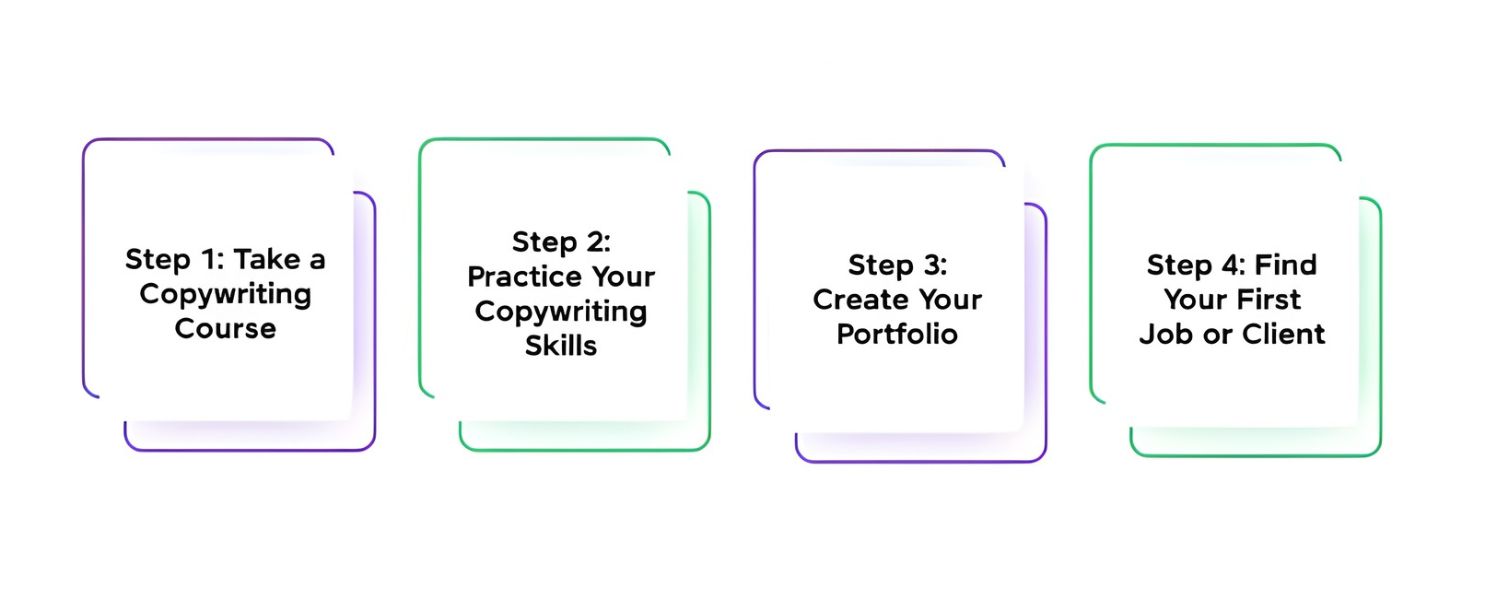
Breaking into a career as an advertising copywriter can seem challenging, but with the right approach, you can land a role in this exciting field. Whether you dream of working at a top advertising agency or as a freelance copywriter with clients worldwide, here are the key steps to launch your advertising copywriting career:
1. Learn the Basics of Marketing and Advertising
Start by building a foundation in marketing principles and advertising concepts. You don’t necessarily need a specific degree in copywriting, but many copywriters do have a bachelor’s degree in fields like advertising, marketing, communications, journalism, or English.A formal education can teach you about consumer behavior, media, and creative strategy.
However, even if you’re not pursuing a degree, you should self-educate on marketing fundamentals, understand how ads work and why certain messages appeal to consumers.
Consider taking online courses or certifications in copywriting and digital marketing (there are excellent courses and webinars available through platforms like Coursera or marketing academies).
Reading classic books on advertising – for example, “Ogilvy on Advertising” by David Ogilvy, can also provide insight into the craft. The goal is to speak the language of advertising and grasp the strategies behind effective campaigns so you can write copy that fits into those strategies.
2. Practice Writing (A Lot) and Build a Portfolio
Writing is a skill that improves with practice. Start writing every day to hone your copywriting craft.You might begin a personal blog, keep a journal, or rewrite ads you see to see if you can make them better. Practice with fake briefs or products to challenge yourself – for example, pick an everyday product and try writing a headline or social media ad for it.
In fact, some experts recommend exercises like the “Flush-Out Method”: choose a product and write 50 different headlines for it to push your creative boundaries. This kind of practice trains you to generate ideas quickly and adapt to different angles. As you practice, seek feedback on your writing – from peers, mentors, or online copywriting communities – to learn what’s working and what isn’t.
Over time, curate your best writing samples into a portfolio. Your portfolio is your resume in the creative world; it showcases your style and abilities. If you’re just starting and don’t have real client work, don’t worry – create spec ads (speculative ads) for hypothetical products or redo ads for known brands in your own way.
A few well-written spec pieces can impress hiring managers or clients by demonstrating your talent. Aim to show a range: for instance, include a clever print ad, a short and snappy social media campaign, maybe a tagline or radio script.
Make the portfolio easy to view (consider building a simple website or using a portfolio platform) and highlight the types of copywriting you excel at.
Tip: Don’t forget to highlight any unique perspective or niche you have – if you have expertise in a certain industry (say tech or healthcare), consider creating a sample ad in that field to leverage your background.
3. Develop Related Skills and Knowledge
While practicing your writing, also work on the complementary skills we discussed. Read widely to broaden your knowledge and voice, not just advertising books, but all kinds of content. “Read beyond advertising. Read other genres… become obsessed with reading,” advises one senior copywriter, because diverse reading will improve your writing and idea bank.
Learn to edit your work ruthlessly, after writing a draft, go back and cut unnecessary words. A good exercise is taking a paragraph of text and trying to halve its length while keeping the meaning; this builds the muscle of conciseness.
You should also start paying attention to advertisements around you with a critical eye: Why does a certain tagline stick in your head? How is a social media ad phrased versus a billboard? By analyzing successful ads (for example, award-winning campaigns from shows like D&AD or Cannes Lions), you’ll learn what great copy looks like and how to emulate it.
Many professional copywriters recommend studying the work of greats in the field. For instance, Copyblogger founder Brian Clark’s blog and resources like “Copywriting 101” are gold mines for learning how to craft compelling copy. Continuous learning is part of the journey, even experienced copywriters keep updating their skills with new tools and trends.
4. Network and Get Your Foot in the Door
In the advertising industry, who you know can be as important as what you know. Start networking with other writers and advertising professionals. This could mean connecting on LinkedIn with agency creatives, joining copywriting groups/forums, or attending advertising events (even virtual webinars or local marketing meetups). Sometimes breaking in might require some hustle – don’t be afraid to start in a related role or internship if it gets you closer to the creative team.
One copywriter shared that she “banged on every door” and initially took a job in an ad agency’s account management just to be in the environment, making it known she was passionate about writing, until a creative director gave her a shot as a copywriter.
So, be willing to start small: an internship, a junior copywriter role, or even a freelance project for a friend’s business can lead to bigger opportunities. You can also enter student or newcomer competitions like the D&AD New Blood Awards, which let you work on real briefs and get noticed by industry judges.
Winning or even just producing good work for such competitions can be a springboard to a job. When you’re ready to job-hunt, leverage job sites and recruiter postings for “advertising copywriter” or “creative copywriter” positions.
Sites like LinkedIn, Indeed, and Glassdoor have plenty of postings, use keywords such as “ad copywriter” or “marketing copywriter” and be sure to include a link to your portfolio in applications.
Also, check agency websites; many advertising agencies list junior roles or talent programs on their careers pages. If you have the opportunity, informational interviews can be helpful – reach out politely to a copywriter or creative director to ask for a 15-minute chat about their experience. Their insights (and advice on your portfolio) can be invaluable, and you’ll be on their radar if a position opens up.
5. Choose Your Path
Agency, In-House, or Freelance: As you land your first gigs, you’ll get a sense of what environment suits you best. Advertising copywriters generally have three career paths: working in-house for a single company’s marketing team, working at an advertising agency (serving multiple clients), or freelancing. Each has its pros and cons:
A. In-House Copywriter
You are employed by one company (e.g. a retail brand or a tech firm) and focus solely on their campaigns. This path offers stability and deep immersion in one brand’s voice. You’ll collaborate with the internal marketing team and likely work on a variety of projects (ads, emails, web content) for that company. In-house roles might be slightly less hectic than agency life, but you may miss the variety of working on different brands.
B. Agency Copywriter
You work for an ad agency or creative firm, either full-time or as a contractor. Agencies are fast-paced and you’ll handle multiple clients across different industries – one week you might write for a bank, the next for a fashion brand.
It’s exciting and great for building experience quickly. You also get to learn from a larger creative department. Hours can be long around big campaigns, but you’ll build a strong portfolio. Many copywriters start at agencies to learn the ropes and eventually may move in-house or freelance later.
C. Freelance Copywriter
You are self-employed and take on projects from various clients. Freelancing offers freedom, you can choose projects, work from anywhere, and set your schedule. Many businesses today outsource copywriting; in fact, copywriting is one of the top three content services companies outsource, so there is plenty of opportunity.
However, freelancing also means running your own business. You’ll need to market yourself, manage clients, and handle the inconsistent income cycles. It can be highly rewarding if you establish a good reputation. Some freelancers specialize in direct-response copy, SEO copy, or other niches and can earn very well.
You could keep freelancing as a side hustle or grow it into a full-time career, the flexibility is yours.
It’s worth noting you don’t have to choose one forever; many copywriters move between these environments. For example, you might start at an agency to gain experience, then go freelance later, or vice versa. With experience, there’s also a clear progression: you can advance to Senior Copywriter, Creative Lead, and even Creative Director roles, especially in agencies or large companies.
Some experienced copywriters become creative directors, overseeing creative teams and the larger campaign vision. Others choose to open their own freelance practice or agency after building a strong client base. The career path can be quite lucrative at senior levels and allows for leadership opportunities if that interests you.
6. Showcase Your Work and Keep Improving
Once you land a role or some projects, keep focusing on building a standout portfolio and client testimonials. The more high-quality, results-driven campaigns you have under your belt (e.g., “Helped increase client’s website conversions by 20% with new ad copy”), the easier it becomes to get future opportunities.
Always ask yourself how you can add extra value or a unique touch that makes your work (and you) memorable. Also, continue learning even after you “become” a copywriter. The industry evolves, with new social platforms, trends in language, and tools emerging (for instance, the rise of AI writing assistants).
Stay curious and adaptable.Many top copywriters dedicate time to reading industry blogs, following award-winning campaigns, and even taking short courses to learn new skills (like UX writing or content strategy) to broaden their expertise. We’ll cover more on staying current in the next section.
By following these steps, learning the craft, practicing and building your portfolio, networking, and gaining experience, you’ll be well on your way to establishing yourself as an advertising copywriter.
It’s a competitive field, but also one where genuine talent and effort shine through. And remember, as several successful copywriters have noted, people enter this career from all walks of life and at any age.
Whether you’re a new graduate or switching careers in your 40s, what matters is the work you can produce, so focus on making your writing the best it can be.
Salary and Job Outlook for Advertising Copywriters

You might be wondering, “How much does an advertising copywriter make?” and “Is this a growing field?” Salaries for copywriters can vary widely based on experience, location, and the type of employer, but it’s generally a well-paying creative career, especially at senior levels.
1. Entry-Level and Junior Positions
If you’re just starting out, junior or entry-level copywriters (with limited experience) can expect a modest salary.For example, in the UK, a starter advertising copywriter might earn around £20,000 per year.
In the US, entry-level copy roles might be in the ballpark of $45,000–$60,000 per year according to industry surveys (exact figures vary). These are rough starting ranges; your first job might be at the lower end if it’s an internship or trainee position.
2. Mid-Level Copywriters
With a few years of experience and a solid portfolio, copywriters can see a significant pay jump.Many mid-level advertising copywriters in the US earn in the range of $60,000–$80,000 annually, which aligns with averages reported by job sites (for instance, Indeed cites an average around $69K in the U.S.).
If you work in a major market (like New York, Los Angeles, or London) or at a prestigious agency, salaries might trend higher to account for the cost of living and competitive talent market.
3. Senior and Creative Director Levels
Senior copywriters and creative leads are compensated handsomely. In some cases, experienced copywriters (especially those in advertising agencies working on big accounts) can earn $90,000 to $120,000+ per year or even into six figures comfortably.
The very top-tier copywriters, or those who transition into Creative Director roles, may earn well above that, creative directors at big agencies often have salaries comparable to other executives. In the UK, experienced advertising copywriters can make up to £80,000 or more a year at the high end.
4. Freelance Earnings
Freelance copywriter incomes can vary the most, because freelancers set their own rates and workload. Some freelancers charge by project, by the hour, or by retainer contracts. On average, freelance copywriters earn around $68,000 per year in the U.S. by one estimate, but this average includes those doing it part-time and full-time.
Successful freelance copywriters specializing in lucrative niches (like direct-response copy for financial or health products) can earn six figures if they have a steady flow of projects – the example of a freelancer making $300K was highlighted in one copywriting community thebarefootwriter.com.
Of course, freelancers also have business expenses to cover, and income can be less predictable especially early on. Many freelancers enjoy the trade-off of more freedom and the potential for higher income as they build their client base.
Job Outlook
The good news is that copywriting skills continue to be in demand. Every business that advertises needs someone to write that advertisement! In the digital age, the volume of content and ads has exploded, from Google search ads and Facebook campaigns to email marketing and beyond.
This means skilled copywriters are needed not just for traditional ads but also for websites, social media, video content, etc. In fact, as mentioned, many companies are outsourcing copywriting work, indicating plenty of opportunities for freelancers and agencies alike.
According to the U.S. Bureau of Labor Statistics, the broader category of “writers and authors” has a steady job outlook with median wages around $72,000, though that category includes many types of writers.
Specific to advertising and marketing, the rise of digital marketing has created new roles (like digital copywriter, UX writer, content designer, roles adjacent to advertising copywriting). So if you have a mix of copywriting and digital skills, you’ll likely find no shortage of job options.
However, it’s also a competitive field – many people are attracted to copywriting, especially if they have a creative flair.
To stand out and command higher salaries, you’ll want to continually sharpen your expertise, perhaps specialize in an industry or format where you can build a reputation, and demonstrate how your copy delivers results (ROI) for clients or employers.
The best copywriters, especially those who combine creativity with strategic thinking, effectively become invaluable to brands looking to cut through the noise with strong messaging.
In summary, advertising copywriting can pay well, and the field offers a lot of room for growth. Whether you aim to climb the ranks in an agency or strike out on your own, there is financial reward for those who excel at this craft. Just remember that like many careers, you may start on the lower end, but as your experience and value grow, so should your earning potential.
Staying Current and Succeeding Long-Term

One thing about the advertising world: it never stays still. Consumer trends change, new platforms emerge, and creative styles evolve. To not just land a job but also succeed long-term as an advertising copywriter, you’ll need to embrace continuous learning and adaptation. Here are some tips and habits, drawn from industry experts, that can give you an extra edge throughout your career:
1. Keep Writing and Refining Your Craft
Even after you’re employed as a copywriter, never stop practicing your writing. It’s like being an athlete who still trains every day. Many copywriters maintain personal writing projects (like a blog, or even creative writing like poems or short stories) to keep their writing muscles strong and versatile.
Regularly challenge yourself with fun exercises – for example, pick a random product and jot down a few headline ideas each morning as a warm-up. Also, continue to hone your editing skills – great copy often comes from tight editing and rewriting.
As one senior writer advises, “edit the hell out of your words… be ruthless until what you write really sings.”. By continually self-editing and seeking that perfect wording, you’ll elevate the quality of all your work over time.
2. Read (and Watch and Listen) Widely
Good writers are avid readers. Don’t limit yourself to marketing blogs (though definitely follow those too); read novels, non-fiction books, news articles, social media threads, product packaging, even the backs of cereal boxes.
The D&AD mentors were “amazed at how many students… only read advertising books” – their advice: consume a variety of content from literature to low-brow magazine.
This exposure gives you a richer palette of language and ideas to draw from. It also helps you stay attuned to how language is used in different contexts and cultures, which is valuable when writing for diverse audiences.
Similarly, watch great films or TV with excellent writing, listen to popular podcasts, anything that can spark ideas or teach you storytelling techniques. Inspiration for a killer ad idea might come from a movie quote or a trending meme; you never know!
3. Stay Updated on Marketing Trends and Tools
The methods and tools for advertising evolve constantly. Make it a habit to follow industry news, for instance, changes in social media algorithms that might affect ad copy length, or new ad formats (like interactive ads, AR/VR experiences, etc.).
Subscribe to advertising and marketing publications or newsletters. These keep you informed about what brands are doing and what new technology is coming. Importantly, stay open to adopting new tools that can enhance your productivity.
In recent years, AI writing tools like ChatGPT have emerged as aids for copywriters, helping with brainstorming, generating drafts, or editing tone
A savvy copywriter can use such tools to speed up research or overcome writer’s block (for example, using an AI chatbot to suggest alternative wordings or to summarize information). Embracing tools, from grammar checkers to AI, can free you up to focus more on the creative part.
Just remember that tools don’t replace your creativity; they augment it. The human touch, the clever insight or emotional nuance, is something only you as the creative can truly bring.
4. Find Your Niche (but Stay Versatile)
This might sound contradictory, but it’s useful to develop a specialty while also being flexible. Over time, you might discover you have a knack or passion for a certain industry (like tech, fashion, or healthcare) or format (maybe you excel at social media quips or long-form sales letters).
Cultivating a niche can make you the go-to writer for that area, which can boost your marketability. As one expert suggested, “find your thing… your niche… something people associate you with”. For instance, maybe you’re a copywriter who’s also an avid gamer, your knowledge could make you great at writing for video game brands.
Building a portfolio around a niche, like sports-related copy or eco-friendly brand messaging, can help you stand out to employers/clients looking for that expertise. However, don’t let that limit you.
The best copywriters still maintain versatility and can adjust to any brief. Think of your niche as a bonus skill rather than a silo. It’s wise to gain experience in various industries and formats early on; breadth will make you a stronger writer overall. Then you can decide if you want to focus more narrowly later in your career.
5. Learn from the Greats (and the Awards)
Keep studying successful advertising campaigns and legendary copywriting examples. There’s a reason certain taglines like “Just Do It” or “Think Different” became iconic – analyzing them can teach you about simplicity and emotional appeal.
Follow industry award shows like the D&AD Pencils, Clio Awards, or Cannes Lions – each year, the winning ads often set new creative benchmarks. Many judges and top creatives share their insights on why those campaigns worked.
Absorb those lessons. As the IPA recommends, be “keen to learn via reviewing award-winning ads” and understanding what made them effective. Also, learn from successful copywriters themselves: read interviews or books by famous copywriters.
Many have shared their wisdom (for instance, Joe Sugarman’s “Adweek Copywriting Handbook” or more recently, blogs by experts like Joanna Wiebe of Copyhackers). By seeing how the pros craft copy and break down their process, you’ll pick up techniques you can apply in your own work.
6. Embrace Feedback and Keep Growing
In a creative career, feedback is your friend. It’s easy to get attached to your words, but always remember the goal is to serve the brand and audience. When a creative director or client requests changes, use it as an opportunity to improve the piece (and your skill).
If you lose a pitch or an idea gets rejected, don’t be discouraged, use it to toughen yourself and refine your approach. Over years, this attitude of continuous improvement will make you a much better copywriter than someone who resists feedback.
Some copywriters even keep a “swipe file” – a collection of great ads and headlines, as well as their own past work that was successful, to reference and learn from past wins and losses. Regularly ask yourself, “How can I make this copy sharper or more compelling?” and seek input from colleagues you trust. This growth mindset will ensure you don’t stagnate.
7. Maintain Professionalism and Reliability
This might sound basic, but it’s worth stating: meeting deadlines, communicating clearly, and being reliable are traits that will set you ahead of many in the creative field.
The advertising business can be chaotic; a copywriter who consistently delivers good work on time and is easy to work with will quickly become indispensable to their team or clients. Protect your reputation by being that person. It often leads to repeat business and word-of-mouth referrals if you’re freelancing, or promotions and bigger responsibilities if you’re in-house or at an agency.
8. Enjoy the Creative Journey
Last but not least, remember to enjoy the process! Copywriting is a fun and fulfilling career for those who love creativity and communication. There’s a real thrill in seeing your words come to life – maybe as a published magazine ad, a viral tweet, or a televised commercial, and knowing you had an impact on how people think or feel about a brand.
The work can be challenging (writer’s block is real, and not every idea will be a winner), but it’s also extremely rewarding when you hit upon that magic line that just works. Cultivate your passion for writing and creativity continuously.
Sometimes, this might mean stepping away from the computer to get inspired, take walks, observe people, engage in hobbies, often the best ideas strike when you’re living life, not just when you’re grinding at the desk.
By staying curious, adaptable, and passionate about your craft, you’ll not only keep your skills sharp, but you’ll also position yourself as a leader in the field of advertising copywriting.
The landscape may change (today it’s Facebook ads and TikTok; a decade ago it was print and radio; who knows, tomorrow it might be ads in the metaverse!), but the core ability to write persuasively will always be valuable. As long as you keep learning and creating, you’ll have a thriving career telling brands’ stories through the power of words.
Frequently Asked Questions (FAQ)
Q1: What does an advertising copywriter actually do on a daily basis?
A: An advertising copywriter’s day can include brainstorming creative ideas for campaigns, writing and editing ad copy for various media (like social posts, headlines, scripts, etc.), and collaborating with designers and marketing teams.
They spend time researching the product and target audience to craft the most effective message. Essentially, their job is to come up with words that sell, whether it’s a catchy slogan on a billboard or an email tagline – and ensure those words fit the brand and strategy. There’s also a lot of revising and fine-tuning language based on feedback until the final ad is perfect.
Q2: What skills do I need to become a successful copywriter?
A: Key skills for copywriters include exceptional writing ability, creativity, and a knack for persuasive communication.
You should be able to adapt your writing to different tones and formats, pay attention to detail (to catch typos or inconsistencies), and understand basic marketing principles. Research skills and curiosity are important for learning about new products/audiences.
Additionally, being able to work under deadlines and collaborate with a team is crucial in advertising. Over time, knowledge of digital marketing (SEO, social media) and tools (like content editors or AI assistants) will also help you greatly.
Q3: Do I need a college degree to be an advertising copywriter?
A: Not necessarily, while many copywriters do have a college degree in fields like marketing, communications, journalism, or English, it’s not an absolute requirement.
Employers often care more about your portfolio (the writing samples that show you can do the job) than a specific diploma. That said, a degree or coursework in a relevant field can provide useful knowledge and perhaps some internship opportunities.
An alternative path includes copywriting courses, certifications, or bootcamps that teach advertising skills. In some regions, there are even apprenticeships or trainee schemes for copywriters that don’t require a university degree nationalcareers.service.gov.uk. The bottom line: formal education can help, but real-world writing ability and creativity are what ultimately land you the job.
Q4: How can I build a copywriting portfolio if I have no experience?
A: You can create a portfolio by producing spec work, fictional advertisements and writing samples that showcase your talent. Pick a product or brand you like (or invent one) and write a sample ad campaign for it: a tagline, a brief print ad, a mock social media post, etc.
The goal is to demonstrate your copywriting skills even if you haven’t been hired to do it yet. Include any relevant projects from school, internships, or volunteer work too.
For example, if you helped a friend with a small business flyer or wrote social media captions for a club, those can be examples. You can also look for small freelance gigs on platforms like Upwork or Fiverr to get a few real projects under your belt.
As you accumulate pieces, put them together on a simple website or PDF and use that as your portfolio. Employers understand that everyone starts somewhere, so they’re looking at your potential in the writing samples you provide.
Q5: What’s the difference between copywriting and content writing?
A: Copywriting generally refers to writing that is aimed at persuasion and advertising, it’s the text that drives a specific action (buy, sign up, etc.) and is often short-form and creative (think ads, slogans, sales emails).
Content writing is a broader term usually referring to informational or editorial writing like blog posts, articles, guides, social media calendar or social media that engages or educates an audience.
The lines can blur, but the key distinction is purpose: copywriting is about selling a product or idea, whereas content writing is about providing value or information (with brand promotion more subtle).
For example, writing a Facebook ad urging you to try a new app is copywriting, while writing a how-to article on a website is content writing.
Many writers do both, and indeed a lot of the skills overlap (good writing, knowing the audience, etc.), but advertising copywriters are specialists in the art of the pitch and the catchy phrase that prompts action.
Q6: Can copywriters work remotely or freelance?
A: Absolutely. Freelance copywriting is a common career path, and many copywriters today work remotely. As a freelance advertising copywriter, you might have multiple clients, perhaps an e-commerce brand, a startup, and an agency that outsources overflow work, all at once.
Freelancing offers flexibility in hours and location (you can write from anywhere with internet). With the rise of digital collaboration tools, even agency teams can include remote copywriters. If you go freelance, you will need to handle your own client acquisition and business admin (invoicing, contracts, etc.), which is an additional skill set to learn.
But it’s very doable: businesses are actively seeking freelance copywriters, given that copywriting is one of the most outsourced content writing services by companies. Just remember that as a freelancer, income can be uneven at first, it helps to network and maybe start part-time until you have a steady client base. Many copywriters love freelancing for the freedom it provides, while others prefer the stability of a salaried job, it comes down to your personal preference and work style.

.png)
Shopify SEO: Guide to Ranking Your Store and Driving Sales
Most Shopify store owners set up their store, list their...

Content Marketing : Definitive Guide to Strategy, Content Types, and Measurable ROI
Content marketing generates 3x more leads than outbound marketing at...

Above the Fold: Guide to Conversions, Rankings and Faster Pages
Above the Fold in 2026: The Complete Guide to Conversions,...

Off-Page SEO Checklist: Guide to Building Real Authority
Most websites spend months creating great content, only to wonder...

What Is Keyword Bidding? The Complete Strategy Guide for Smarter Ad Spend
Most advertisers believe the highest bid wins the auction. It...

What Is Google Trends? The 2026 Marketer’s Complete Guide
If you are not already pulling weekly insights from Google...
If you want a growth partner who will get to know every aspect of your business and treat your budget like their own — we are the right fit.
.png)


.png)
.png)
.png)
.png)
.png)
.png)
2026 ALL RIGHTS RESERVED MADE IN INDIA
