
What Is SEO? An Intro to Search Engine Optimization
July 16, 2025
Introduction: Understanding SEO and Its Importance
Search Engine Optimization (SEO) is the practice of improving a website so it ranks higher in search engine results pages (SERPs) and attracts more visitors organically (without paying for ads).
In simple terms, SEO means making your site more visible on search engines like Google so that people searching for information, products, or services can find you.
The goal is to increase both the quality and quantity of your website traffic by earning a top spot in relevant search results.
Why does this matter? Consider that Google alone processes about 8.5 billion searches per day, and organic search delivers over half of all website traffic for many sites.
Studies show most users never scroll past the first page of results – one report found around 75-90% of people stick to page one.
If your website isn’t ranking on that crucial first page, you’re missing out on a huge audience. That’s why SEO is such a critical digital marketing strategy today.
It helps businesses of all sizes improve online visibility, drive qualified traffic, and even build credibility (since users tend to trust high-ranking pages).
In this guide, we’ll explain what SEO is, how SEO works, and best practices to succeed in 2025.
You’ll learn the differences between SEO and paid search, the main components of SEO (from content to technical factors), and new trends like AI in search.
By the end, you’ll understand how to leverage SEO to get your website ranking higher and attracting more visitors. Let’s dive in!
How Search Engines Work (Crawling, Indexing, Ranking)
To understand SEO, we first need to understand how search engines operate. Think of a search engine as a giant library of the internet, and its job is to catalogue all the content out there so it can fetch relevant answers when you search.
Google and other search engines use automated software called crawlers (or “spiders”) to continuously crawl the web, following links and scanning pages for content.
The key steps in how a search engine works are:
1. Crawling

The search engine explores the internet by visiting pages and following links. It “reads” the text, images, and other content on each page.
If your site is not crawlable (for example, due to technical issues or lack of links), it may not be discovered by search engines.
2. Indexing

Next, the crawled pages are added to the search engine’s index, which is like its database or library of all known web pages.
During indexing, the search engine tries to understand what each page is about using the content and metadata. (Not every page is guaranteed to be indexed – search engines may skip duplicate or low-quality pages.)
3. Ranking

When a user enters a search query, the search engine’s algorithms sift through the indexed pages to rank the ones most relevant to the query. They evaluate hundreds of factors — such as the page’s content, freshness, authority, and user-friendliness — to decide the order of results. The highest-quality, most relevant pages appear at the top of the SERP (search results page).
Think of this like a librarian organizing books:
Crawling is like finding new books, indexing is cataloguing them under the right categories, and ranking is recommending the best book to answer a reader’s question.
Just as a librarian knows which book in the library will best answer a query, Google aims to “provide the most relevant, useful results… in a fraction of a second” from its index.
Modern search engines like Google have become extremely sophisticated
They use complex algorithms (including machine learning) to assess pages. In fact, Google’s algorithm looks at over 200 ranking signals when determining how to rank content.
These signals include things like the presence of keywords, the number and quality of other sites linking to the page, how fast the page loads, mobile-friendliness, and much more (we’ll cover many of these shortly).
It’s also worth noting that Google completely dominates the search market
As of 2024 it accounts for about 90% of global search engine market share. Because of this, SEO usually focuses primarily on what works on Google (though the general principles often apply to other search engines like Bing as well).
Google’s mission is to “deliver the best search experience to users, providing the most relevant results as quickly as possible.” Thus, it favors pages that are relevant to the query and that offer a good user experience.
In summary, search engines work by crawling and indexing the web, then ranking pages based on relevancy and quality.
Understanding this process is the foundation for doing SEO: if you know what search engines are looking for, you can optimize your website to meet those criteria and increase your chances of appearing at the top of the results.
How Does SEO Work?
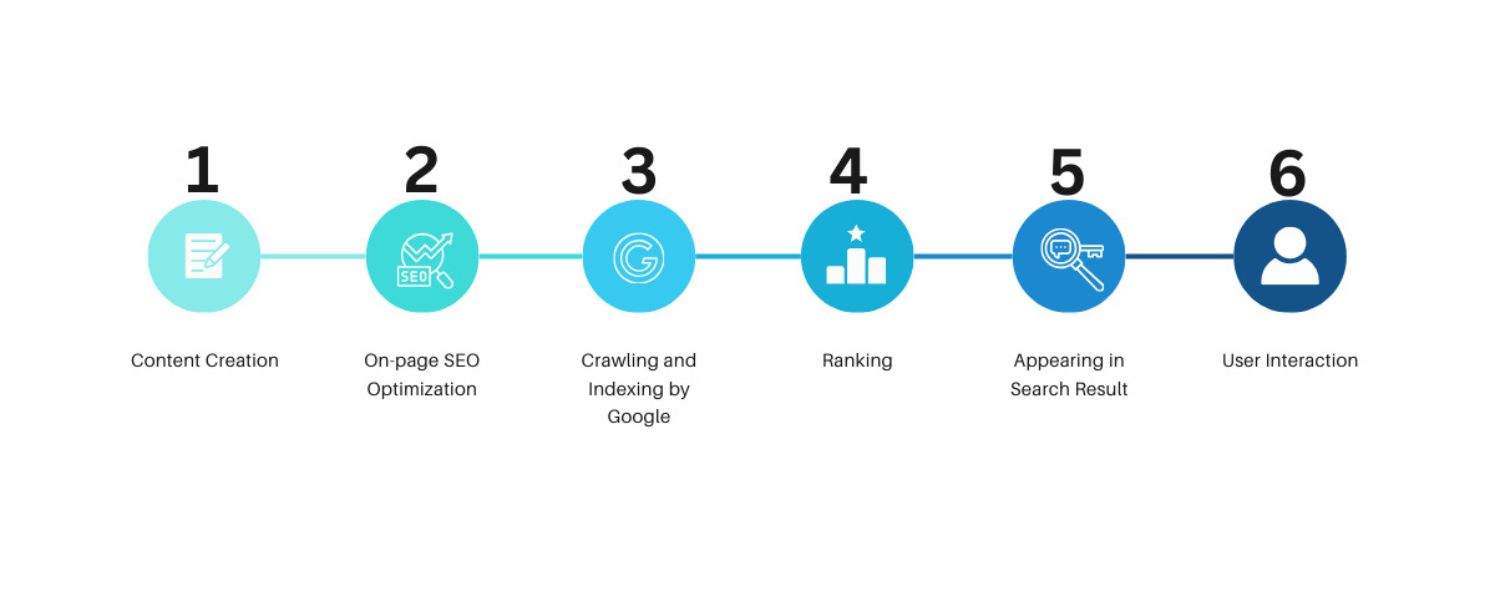
Now that we know how search engines find and rank content, let’s talk about how SEO works to improve your rankings.
SEO is essentially about sending the right signals to search engines and aligning your website with what their algorithms reward.
This happens through a combination of strategies and tactics, generally grouped into a few core areas. At a high level, doing SEO involves:
A. People
The marketers or SEO specialists who research, plan, and implement the optimizations. For a small website this might be a single person; larger organizations might have an entire SEO team or hire an SEO agency.
B. Content & On-Page Optimization
Creating high-quality, relevant content that answers the searcher’s query, and optimizing elements on your pages (like titles, headings, and meta tags) for target keywords.
We want both users and search engines to easily understand what each page is about.
C. Technical Setup
Ensuring your website’s technical foundation is solid – e.g. it can be crawled and indexed easily, loads quickly, and is mobile-friendly.
Technical SEO fixes help search engines access your content and provide a good user experience.
D. Off-Page Factors
Building your site’s authority and reputation through external signals, chiefly backlinks (links from other reputable sites to yours).
If content is king, backlinks are like votes of confidence for that content. Other off-page elements include brand mentions, reviews, and activity on social media – essentially anything happening outside your website that boosts your credibility.
E. Continuous Improvement
SEO is an ongoing process. It involves researching keywords and competitors, implementing changes, then monitoring results and analytics to refine your strategy.
Because search algorithms and the competitive landscape change over time, SEO isn’t a one-and-done task but a continuous cycle of optimization.
All these pieces work together. For example, if you publish great content but your site isn’t indexed, nobody will see it. If your site is technically flawless but the content is thin or irrelevant, you won’t rank well.
Successful SEO means optimizing holistically – covering content, technical, and off-site aspects – to align with how search engines rank results.
One important thing to realize is that SEO is a long-term strategy, not an instant fix. New pages generally don’t hit #1 overnight. Search engines look for signals of authority and trustworthiness which accumulate over time (such as the age of your domain, the consistency of publishing quality content, the number of quality backlinks earned, etc.).
In fact, the top-ranking SEO guides today (like the one you might have found this article through) often have years of history and hundreds of other sites linking to them, which boosts their authority.
Don’t be discouraged – with persistence, a solid strategy, and time, your efforts will build up those same signals.
Good SEO work is sustainable and can keep generating traffic long after, whereas paid ads stop the moment your budget stops.
In the next sections, we’ll break down the key components of SEO (on-page, off-page, technical) and best practices for each, as well as discuss why SEO is so important and how it differs from paid search marketing.
By understanding each aspect, you can approach SEO in a structured way that covers all the bases.
Key Components of SEO: On-Page, Off-Page, & Technical Optimization
SEO can be thought of as having three main pillars (plus a few specialized sub-areas). All are important to achieve the best result on search engines:
1. On-Page SEO (Content Optimization)

This refers to optimizing the content on your website for both users and search engines. It includes researching relevant keywords and naturally incorporating them into your pages, creating high-quality content that satisfies user intent, and optimizing HTML elements like title tags, meta descriptions, headers (H1, H2, etc.), and image alt text.
On-page SEO is about making it clear what your page is about and ensuring it’s useful and user-friendly.
For example, a good on-page practice is to have a descriptive title tag and meta description for each page, which can improve click-through rates from the SERP.
Formatting content for readability (short paragraphs, bullet points, subheadings) and adding multimedia (images, videos) also falls under on-page optimization, since these improve user experience.
2. Off-Page SEO (Authority & Link Building)

Off-page SEO encompasses actions outside your website that impact your rankings. Chief among these are backlinks – when other websites link to yours.
Search engines view backlinks as endorsements or votes: if reputable sites link to you, your site is likely authoritative or valuable.
Not all links are equal, though. A single link from a high-quality, trusted site is far more valuable than many links from low-quality sites.
Off-page SEO strategies include content marketing and PR (to earn editorial links), outreach to industry sites or bloggers, social media promotion to increase content visibility, and ensuring your business is listed in relevant directories or review sites (important for local SEO).
The goal is to build your site’s reputation and E-A-T: Experience, Expertise, Authoritativeness, Trustworthiness – qualities that Google’s evaluators look for in content.
Remember that off-page signals, especially links, can take time to accrue. Avoid “black hat” shortcuts like buying links or using link schemes, as search engines frown upon manipulative tactics and can penalize your site.
3. Technical SEO (Site Functionality)
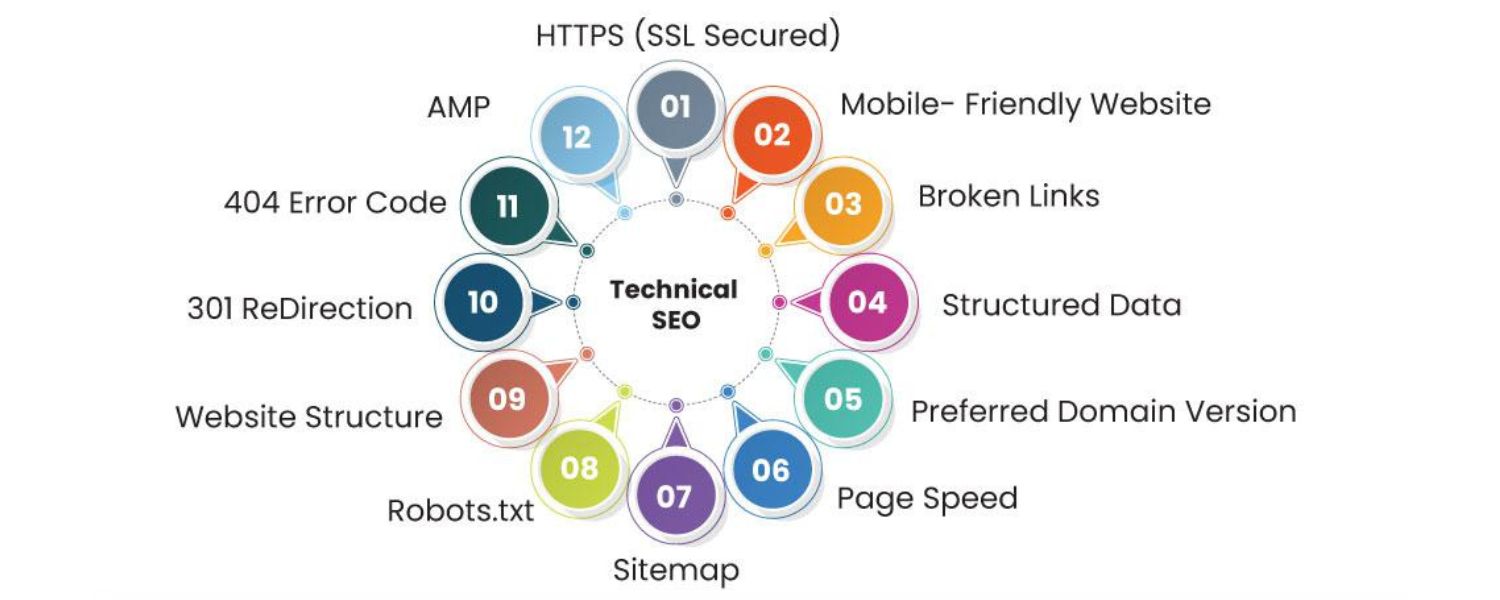
Technical SEO focuses on how well search engines can access, crawl, and index your site, as well as providing a smooth user experience. This is like the “backend” work that makes your site search-engine friendly. Key aspects of technical SEO include:
4. Site Architecture & URLs
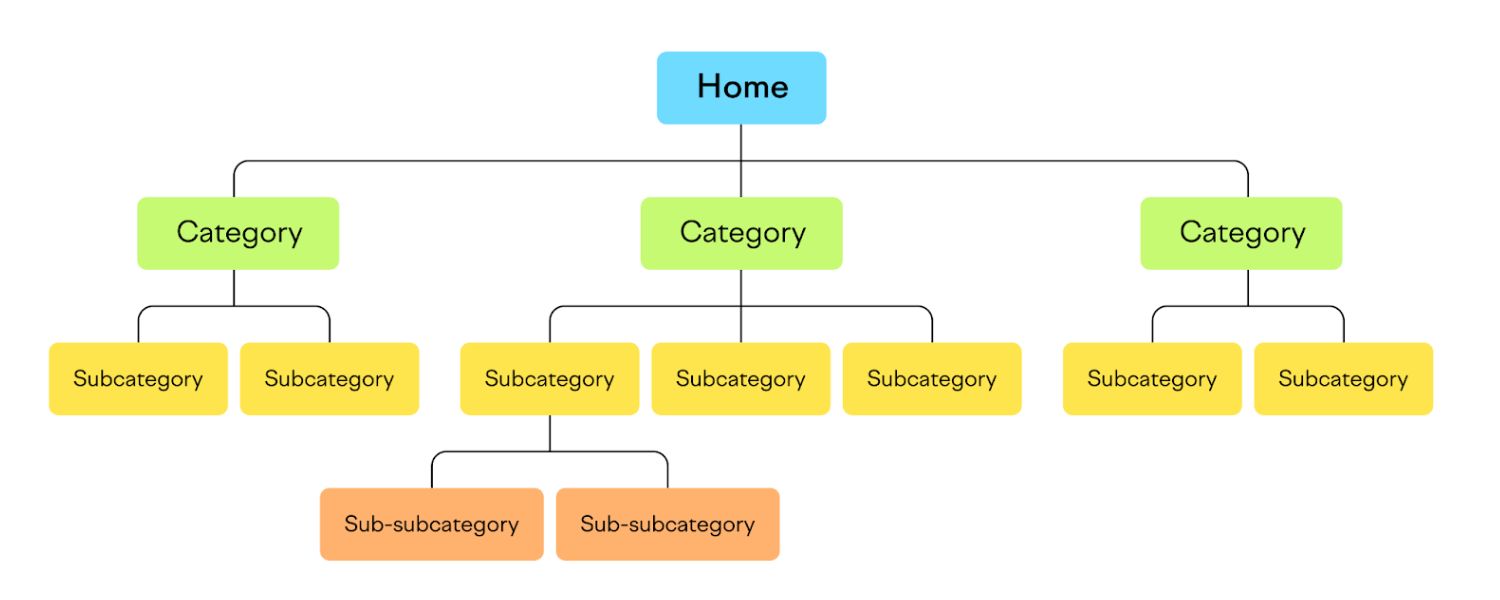
Organizing your site structure logically (so content is not buried too deep) and using clean, descriptive URLs. Good internal linking helps crawlers find all your pages and understand site hierarchy.
5. Crawlability & Indexing
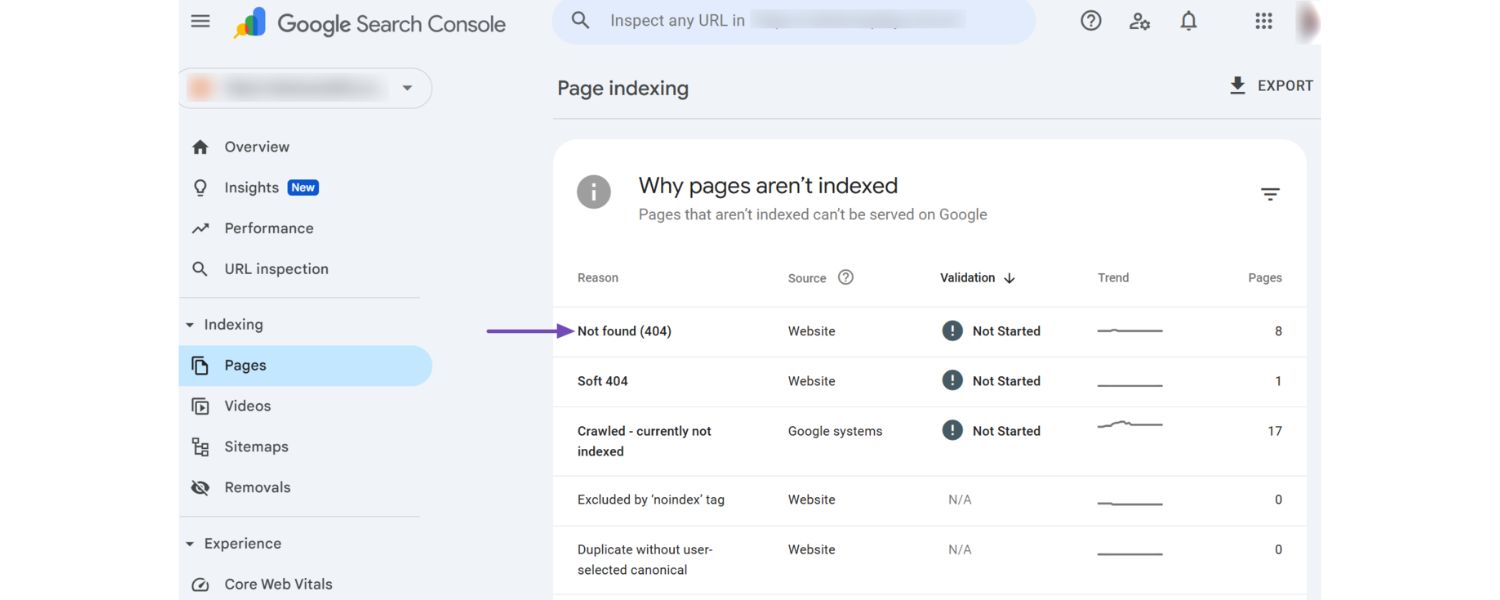
Making sure you’re not blocking crawlers (e.g., via robots.txt or meta tags by mistake) and submitting sitemaps so search engines can discover your pages. Fix broken links or dead pages (404 errors) that impede crawling.
6. Page Speed & Performance

Ensuring your pages load fast and run smoothly. Slow-loading pages can hurt rankings, as Google considers Core Web Vitals and user experience metrics as ranking factors. Optimize images, use efficient code, and consider a good hosting service or CDN to boost speed.
7. Mobile-Friendliness

With over 60% of searches now happening on mobile devices, Google uses mobile-first indexing – it primarily crawls the mobile version of your site. Your site must be mobile-friendly (responsive design, readable text, clickable elements not too close together, etc.) to rank well on mobile and desktop results.
8. Security (HTTPS)

Serving your site over HTTPS (secure SSL encryption) is a baseline best practice now. Search engines give a small ranking boost to secure sites, and users trust them more. If your site still uses HTTP, switching to HTTPS is highly recommended.
9. Structured Data & Schema
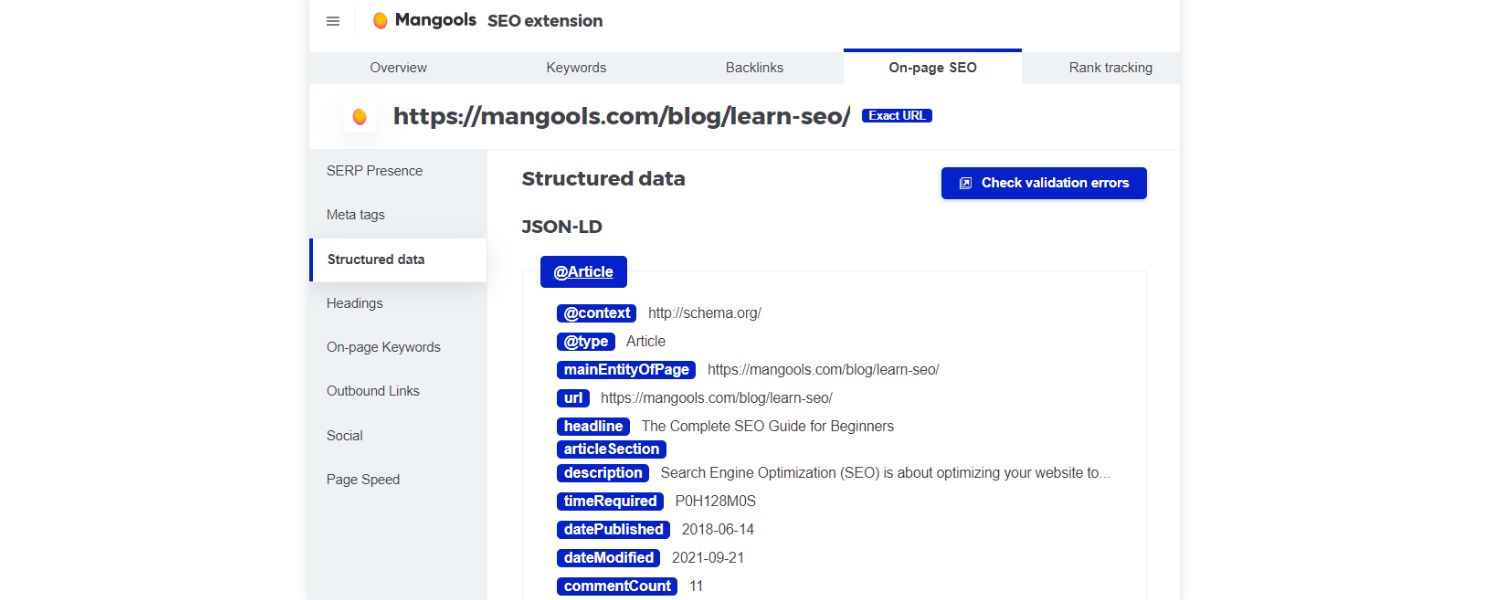
Implementing structured data markup (schema.org) can help search engines understand your content better and enable rich results (like review stars, recipe info, FAQs, etc.) in SERPs. While not a direct ranking factor, schema can improve how your listing appears, potentially boosting clicks.
By covering technical basics, you ensure there are no obstacles preventing your amazing content from being seen by Google.
A well-optimized site (fast, crawlable, secure) forms the foundation for all other SEO efforts.
Specialized SEO
In addition to the core on-page, off-page, and technical work, there are specialized areas of SEO worth mentioning:
A. Local SEO 

Optimizing for local searches (e.g., “restaurant near me”). This involves managing your Google Business Profile, building local citations (directory listings), and encouraging customer reviews. It’s crucial for any business with a physical location or local service area.
B. E-commerce SEO 
Dealing with online retail sites, optimizing product pages, using schema for products (price, availability), and handling issues like faceted navigation and duplicate content across product listings. E-commerce sites also benefit from user-generated content like product reviews for SEO.
C. Enterprise SEO
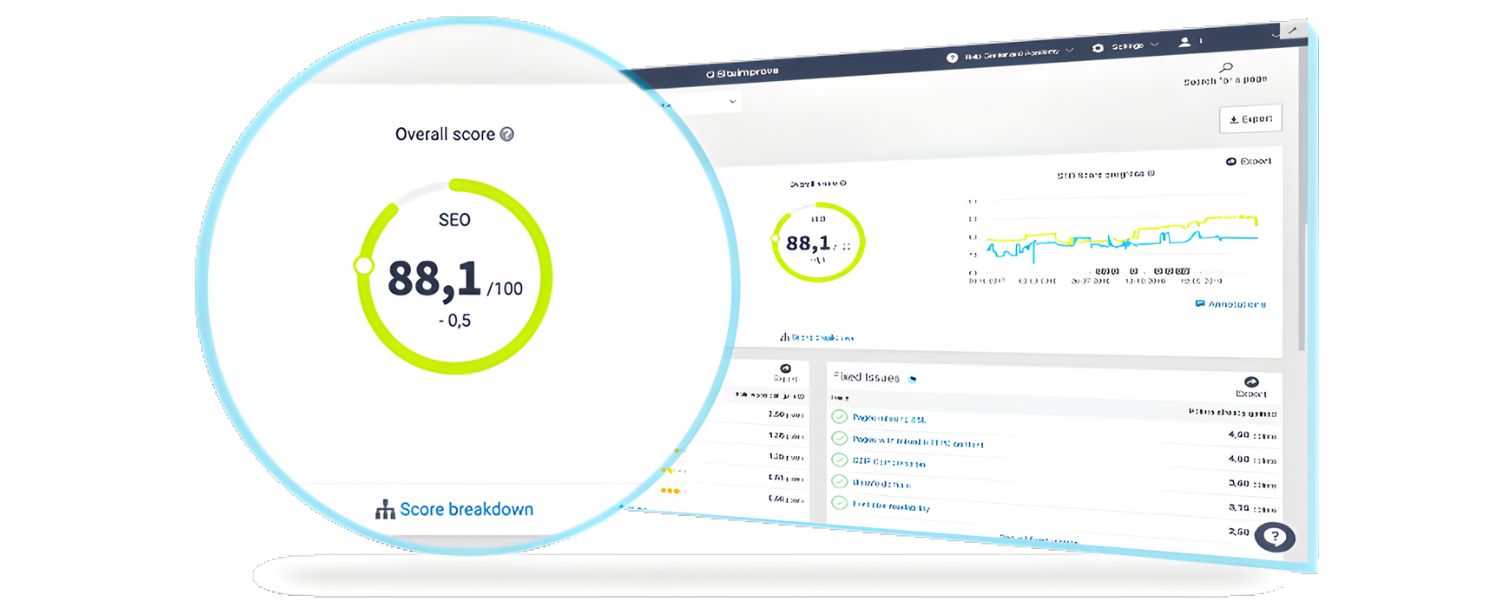
Scaling SEO for very large websites (often millions of pages) or large organizations. The fundamentals remain the same, but emphasis is on automation, managing crawl budget, and coordinating across big teams.
D. International SEO
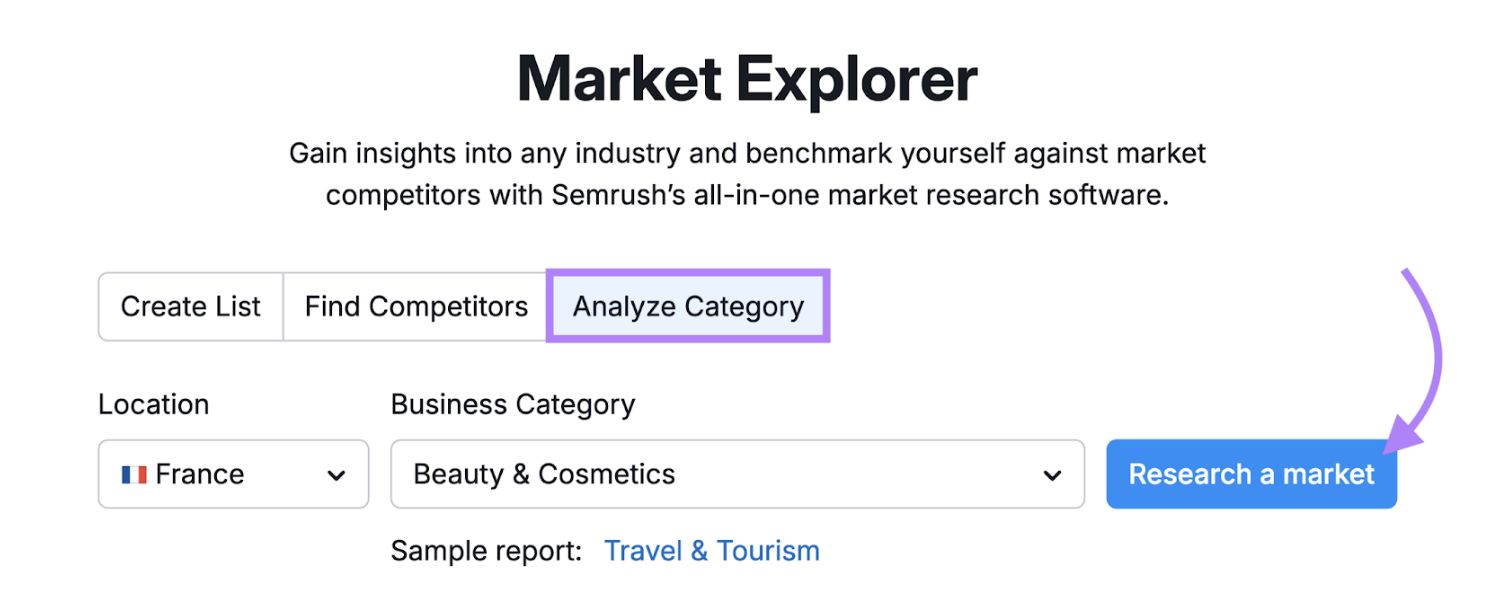
Optimizing sites for different languages and countries (using hreflang tags, localized content, etc.), and understanding regional search engine differences (e.g., Baidu in China, Naver in Korea).
E. Voice Search and Visual Search SEO
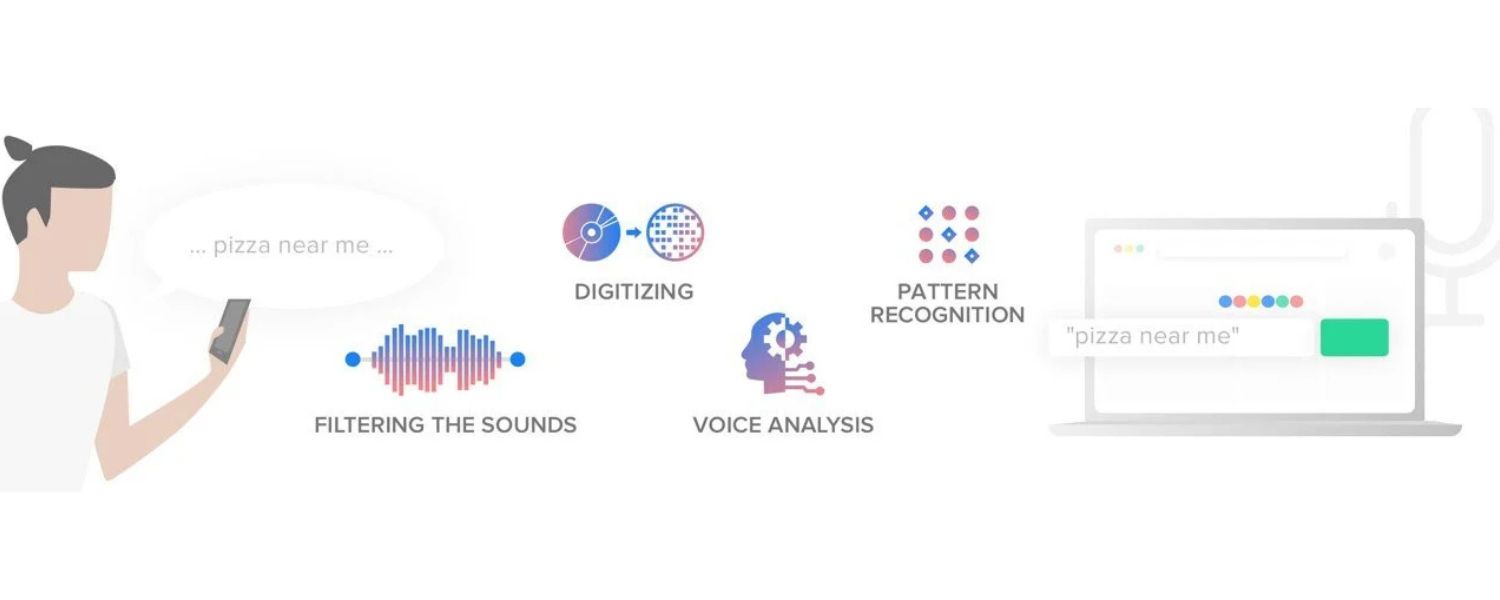
Emerging areas focusing on how to optimize content for voice assistants (which often means targeting more conversational queries and ensuring your content can be featured in quick answers) and for image search (with proper alt tags, image structured data, etc.).
No matter the subtype, the core principles of SEO remain: provide valuable content, ensure a good user experience, and make it easy for search engines to understand and trust your site.
SEO vs. SEM vs. PPC: What’s the Difference?
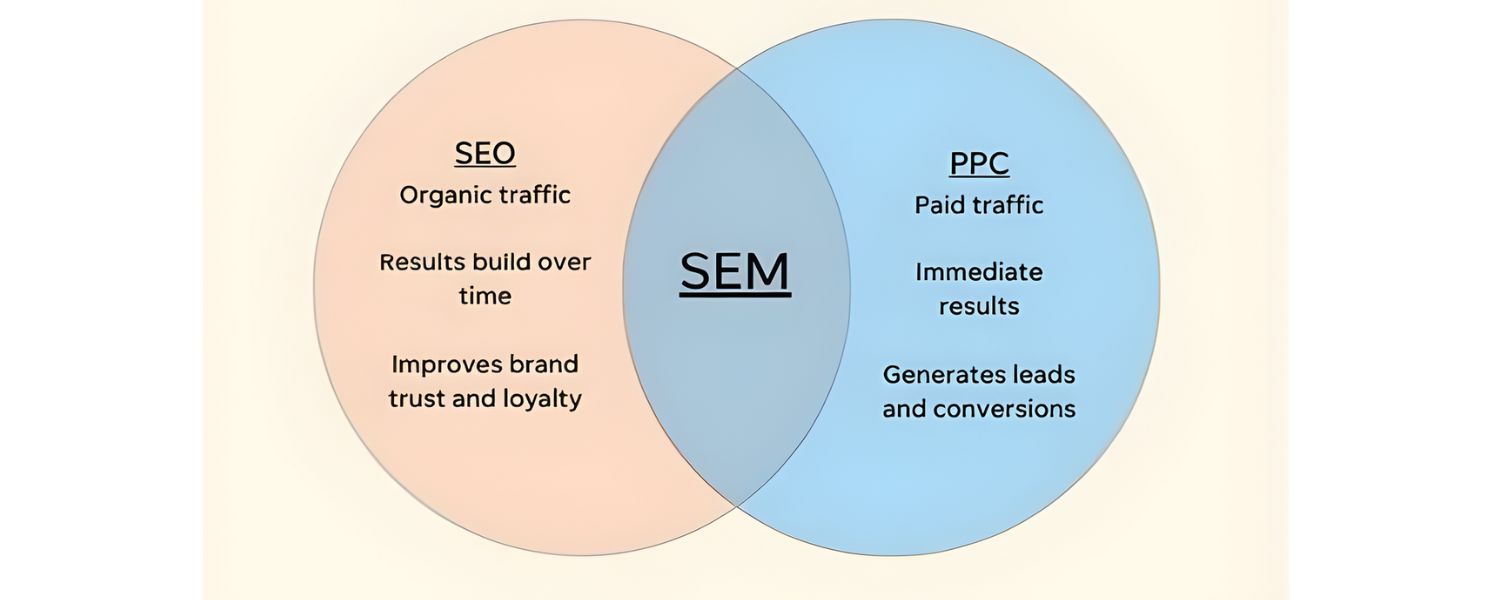
It’s common to hear terms like SEO, SEM, and PPC used in digital marketing – sometimes interchangeably, which can be confusing. Let’s clarify:
1. SEO (Search Engine Optimization) is the practice of earning organic (unpaid) traffic from search engines by improving your website’s visibility in the natural search results.
2. PPC (Pay-Per-Click) refers to paid search advertising, where you bid on keywords and pay for your listing to appear prominently (typically above or beside the organic results). You get charged each time someone clicks your ad. The most common platform for PPC is Google Ads (formerly AdWords).
3. SEM (Search Engine Marketing) traditionally is an umbrella term that includes both SEO and PPC – essentially any marketing through search engines. However, in practice many people use “SEM” to specifically mean paid search ads.
Think of search marketing as a coin one side is SEO and the other side is PPC. Both aim to get you seen on the SERP, but one is through earned rankings and the other through paid placement. When done properly, SEO and PPC complement each other.
For example, you might use PPC to quickly target certain keywords or launch a campaign for a new product, while working on SEO to build long-term ranking strength for those keywords.
The key differences are in cost and longevity:
A. SEO traffic is “free”
In that you aren’t paying for each click. However, it requires investment of time and resources to create content and optimize your site (or money if you hire SEO professionals or buy tools).
It’s a longer-term play – it can take months to see results – but the benefits can be lasting. A well-ranked page might continue to get traffic for years with minimal additional effort.
B. PPC can get you to the top of the page immediately
As long as you’re willing to pay for it. You have more control (you can decide to appear for X keyword tomorrow by allocating budget), but it can be expensive, and the moment you stop paying, your visibility disappears.
PPC is great for quick results, targeting very specific audiences, and for keywords that are otherwise hard to rank for. The downside is not all users click on ads, and over-relying on paid traffic can be costly.
C. Many businesses do both
for example, running Google Ads to complement their organic presence. But if budgets are limited, note that organic search drives 53% of website traffic on average, making SEO extremely valuable over the long haul.
Another advantage of SEO is credibility – some users skip ads and trust organic results more.
In any case, understanding that SEO = organic and PPC = paid will help you set the right strategy. If you can, leverage both channels (SEM in total) for maximum search visibility.
(Quick tip: Beware of any service that promises “instant SEO results” – they might be conflating SEO with running ads, or worse, using shady tactics. Genuine SEO takes time and effort, but it also delivers more sustainable results.)
Why SEO Is Important (and a Smart Investment)
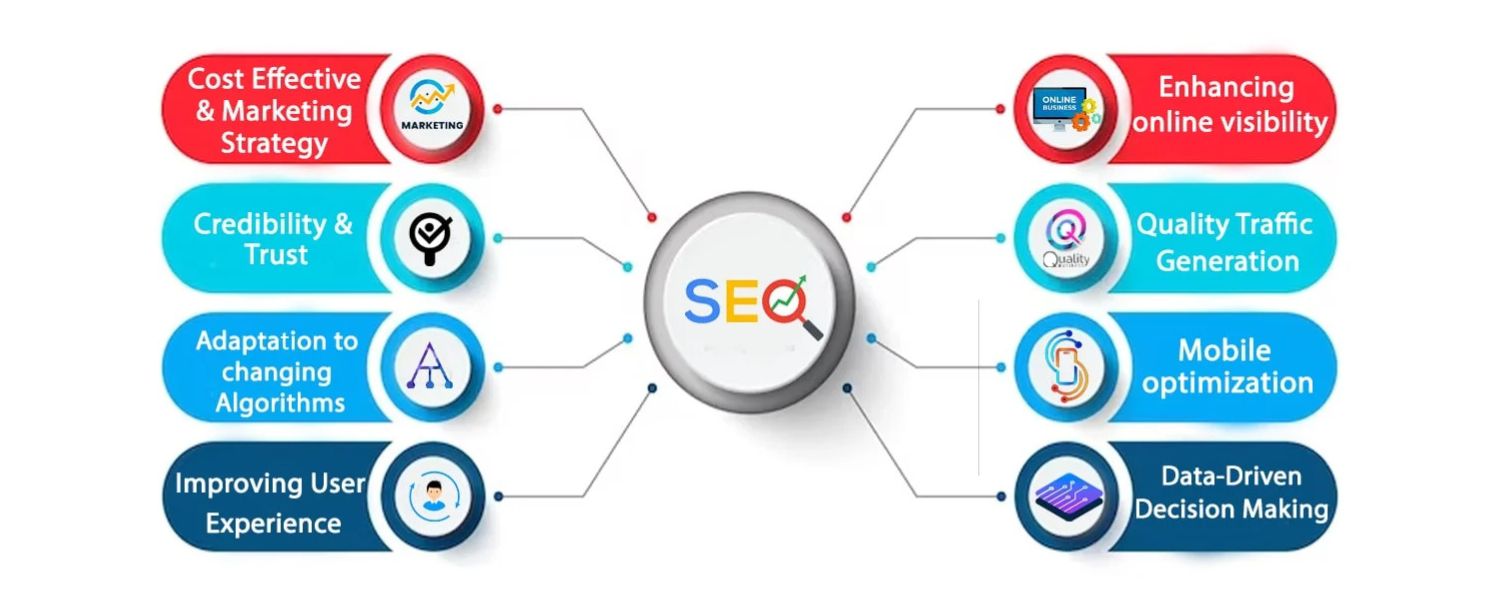
If you have a website or an online business, SEO is one of the most cost-effective and impactful marketing strategies you can invest in.
Here are some key reasons why SEO is important in 2025 and beyond:
1. Majority of Online Experiences Begin with Search
People use search engines for almost everything – researching products, finding answers to questions, discovering new brands. Whenever someone needs information, odds are they “Google it.”
In fact, search is often the largest traffic source for websites, outperforming direct traffic and social media.
As mentioned, Google handles billions of queries per day, and being visible for the right queries can funnel a steady stream of potential customers to you. If you’re not doing SEO, you’re likely invisible to a huge segment of your market.
2. High-Quality Traffic and Leads
SEO focuses on ranking for keywords that your target audience is searching. This means the visitors you get via organic search are actively seeking what you offer – making them more likely to convert (whether that’s signing up, contacting you, or making a purchase).
For example, if you sell running shoes and you rank well for “best running shoes for marathons,” you’ll get highly relevant traffic.
Good SEO aligns with the user’s intent, bringing in visitors who are further down the purchase funnel compared to many other marketing channels.
3. Credibility and Trust
Appearing on the first page of Google can enhance your credibility. Users implicitly trust Google’s ranking algorithm – if your site is listed at or near the top, people assume you’re an authority or at least a very relevant result.
Also, unlike a blatant ad or pushy marketing, organic results are seen as earned endorsements by the search engine.
Strong SEO (especially combined with great content) can build your brand’s reputation as an expert in your field.
Meanwhile, if your competitors rank above you, they might be perceived as more authoritative by default.
4. Long-Term, Sustainable Results
One of the best things about SEO is its longevity. A piece of content optimized well can keep attracting traffic for months or even years.
You’re building digital assets (content, optimized pages, etc.) that compound in value. Other marketing efforts, like paid ads or social media posts, might give you a brief boost but then fizzle out once the campaign ends or the post’s lifespan is over.
SEO, on the other hand, can keep working 24/7 without continuous ad spend. That said, SEO is not set-and-forget – it requires maintenance and updates – but its effects are cumulative over time.
5. Cost-Effective Marketing
Compared to traditional advertising or even many forms of digital advertising, SEO often delivers a higher ROI. The only costs are your time and/or what you pay your team/agency and tools. The clicks themselves are free.
A well-executed SEO strategy can continue generating organic traffic without proportional increases in cost.
This makes SEO very attractive for startups and small businesses with limited budgets – creating useful content or optimizing your site might take effort, but it doesn’t charge you per visitor.
Industry studies project the SEO services market to grow to $170 billion by 2028, which shows how much companies value SEO results.
6. Broadens Your Reach Across the Funnel
SEO isn’t just about selling – it’s also about being present at every stage of the customer journey.
Through strategic content creation, you can rank for informational queries (to build awareness and trust), comparison queries (to influence consideration), and transactional queries (to capture ready-to-buy users).
For instance, a business might have a blog article answering a common question (“how to choose running shoes”), a comparison page (“Running Shoes A vs B”), and product pages for specific models – all optimized for SEO.
This way, you’re connecting with consumers at each stage and guiding them toward your solution.
7. Competitive Advantage
Investing in SEO can literally put you ahead of competitors in search results. If two businesses offer similar products, the one with better SEO will likely outrank the other and get more traffic.
If your competitors are doing SEO and you’re not, they’re steadily winning market share that could have been yours. Conversely, if they aren’t focused on SEO, a concerted effort on your part can help you leapfrog bigger players online.
SEO can level the playing field – smaller companies can outrank larger ones if they provide more relevant, optimized content for certain queries.
Finally, SEO benefits users too. By optimizing your site (speed, mobile, quality content), you’re making it more usable and accessible for people.
And when users find what they need easily on your site, it creates a positive feedback loop: they spend more time, engage more, maybe link to or share your content – all of which further boosts your SEO. In Google’s eyes, user experience and SEO go hand in hand.
As Google’s own documentation says, many ranking factors essentially align with making a better website for users. So, doing SEO the right way not only pleases search engines but also delights your audience.
SEO Best Practices: How to Succeed in SEO
Up to this point, we’ve covered a lot of concepts. Now let’s distill it into actionable SEO best practices you can follow.
These are proven tactics and guidelines (as of 2025) to improve your search rankings
1. Conduct Keyword Research

Identify the search terms your target audience is using. There are free tools like Google’s Keyword Planner, or platforms like Semrush or Moz, to find keywords relevant to your business.
Focus on a mix of short-tail keywords (e.g., “running shoes”) and long-tail keywords (e.g., “best running shoes for flat feet”) that indicate clear intent.
Long-tail terms often have lower search volume but less competition and higher conversion intent. Once you have keywords, map them to appropriate pages or create new content around them.
2. Create High-Quality, People-First Content

Content is the cornerstone of SEO. Ensure every page provides value and is written for humans, not just for search bots.
Answer the questions people have, provide depth and insight, and aim to be the best result for the topic.
In 2024, Google rolled out updates emphasizing “helpful content” that demonstrates expertise and experience. Use your unique expertise to set your content apart.
At the same time, incorporate your target keywords naturally (especially in the title, headings, and first paragraph) to signal relevance . Avoid thin or duplicated content – every page should have a clear purpose.
3. Optimize On-Page Elements: For each important page, optimize the following
A. Title Tag 
Craft a compelling title (60-70 characters) that includes your primary keyword and makes people want to click. This title shows up as the blue link in Google results.
B. Meta Description 
Write a meta description (~150-160 characters) that summarizes the page and entices users to click. Include the keyword or a variant. While not a direct ranking factor, a good meta description can improve your click-through rate.
C. Headings (H1, H2, etc.) 
Use an H1 for the page title (often similar to the title tag) and break up content with descriptive H2/H3 subheadings. This not only helps SEO with keyword prominence but also makes it easier for readers to scan.
D. URL 
Use clean URLs that reflect the content (e.g., yoursite.com/running-shoes-guide rather than yoursite.com/pg?id=123). Shorter, keyword-rich URLs can marginally help and make the link more user-friendly.
E. Images and Alt Text 
Optimize images by compressing file sizes (for speed) and use descriptive file names and alt text. Alt text should describe the image for accessibility and can include a keyword if relevant. This helps with image search SEO and provides context to search engines.
F. Internal Links 
Link to other relevant pages on your site using meaningful anchor text. This helps distribute ranking power around your site and helps Google understand context. For example, from your blog post about marathon training, you might link the text “running shoes” to your product category page for running shoes. Internal links are 100% under your control, so use them generously to create a web of useful connections on your site.
4. Improve Site Technical Health

Run your site through tools like Google Search Console (free) and PageSpeed Insights or Lighthouse to catch technical issues. Key technical best practices include:
A. Ensuring your site is mobile-responsive (test on multiple devices or use Google’s Mobile-Friendly Test).
B. Speeding up pages by minifying code, leveraging browser caching, optimizing images, and possibly using AMP (Accelerated Mobile Pages) for mobile content if relevant. Fast sites not only rank better but also keep users from bouncing.
C. Fixing any broken links or crawl errors. Google Search Console will report if it can’t crawl certain pages or if there are server errors. Resolve these promptly (redirect or restore missing pages).
D. Using an SSL certificate so your site is served over HTTPS. This is a must-do for SEO and user trust.
E. Creating and submitting an XML sitemap to Google/Bing so they can easily find all your pages. Also ensure your robots.txt isn’t accidentally blocking important content.
F. Implementing structured data for appropriate content types (articles, products, FAQs, events, etc.). Google offers a tool called Rich Results Test to validate your schema markup.
5. Earn Backlinks and Mentions
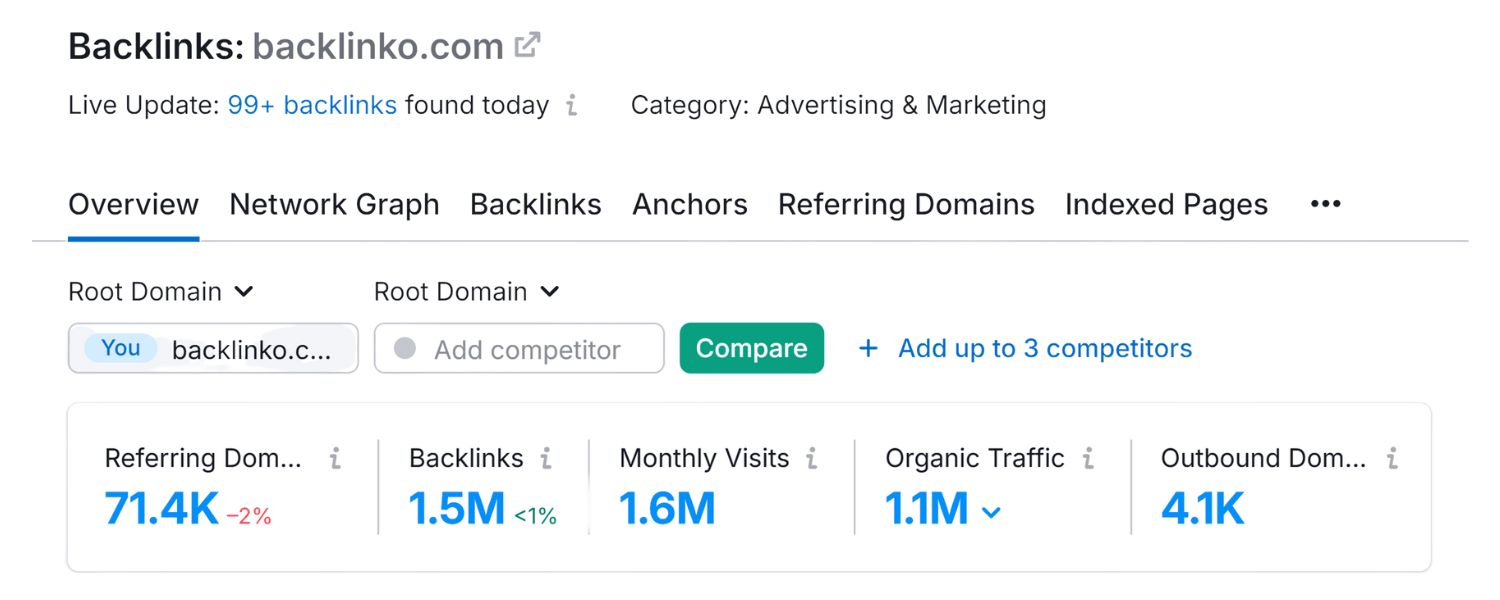
Develop a strategy to build authority for your site. Some white-hat link building techniques:
A. Create link-worthy content (like infographics, original research, or really comprehensive guides) that others naturally want to reference.
B. Reach out to industry blogs or news sites with a valuable guest post idea (and in your bio or content, link back to your site).
C. Get listed in reputable directories or local listings (for local businesses, ensure consistency of your Name/Address/Phone across the web).
D. Engage in PR – for instance, if you have company news or an expert opinion, pitch it to journalists or respond to queries on services like HARO (Help a Reporter Out). If you get mentioned in an article, it often comes with a backlink.
E. Utilize social media to share your content widely – while social links themselves don’t boost SEO directly, increased visibility can lead to more people linking to your content.
F. Remember quality over quantity: a few links from authoritative sites (universities, government, well-known publications, etc.) can dramatically boost your credibility.
Conversely, avoid spammy link schemes. If a site’s only purpose is to sell links or it looks like a link farm, having its links could hurt you. Google’s algorithms (and manual reviewers) are adept at detecting unnatural link patterns.
6. Focus on User Experience (UX)
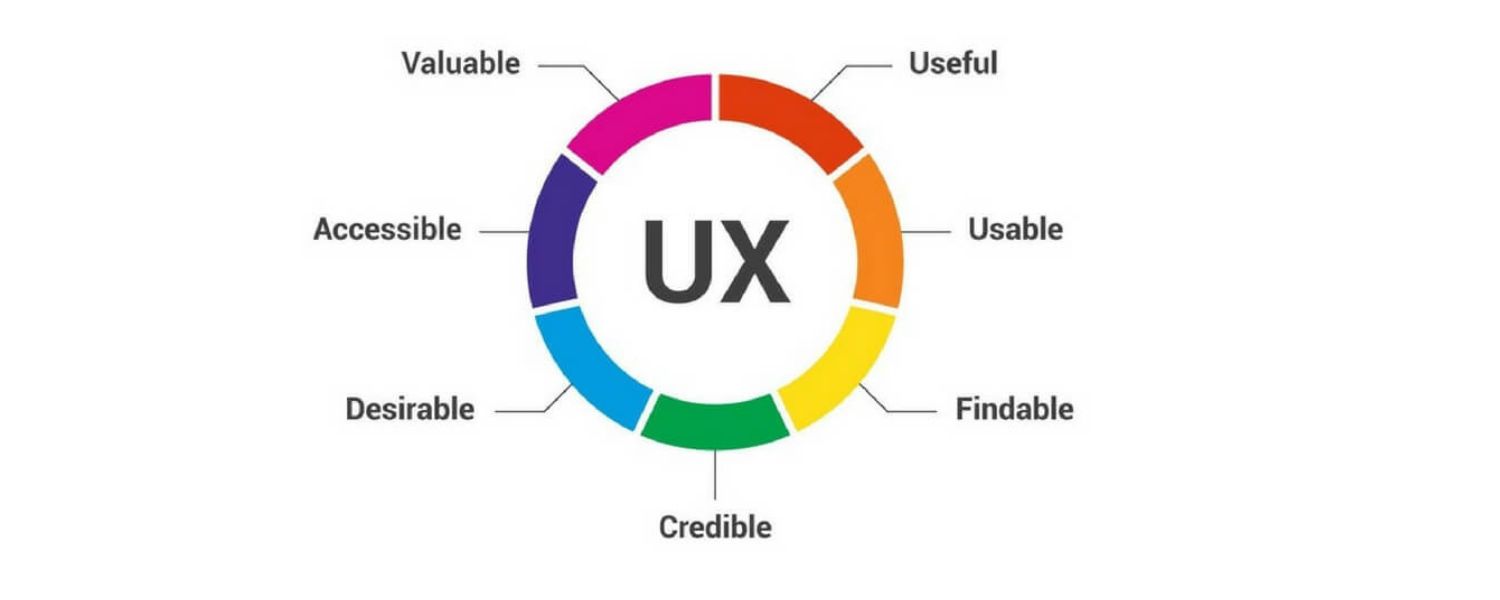
Many SEO best practices align with providing a good UX. Ensure your site is easy to navigate – users should find what they want in as few clicks as possible.
Use a clear menu structure. Make content readable (adequate font size, contrast, not a wall of text). Avoid intrusive pop-ups or anything that frustrates users – Google’s search guidelines explicitly discourage sites with poor page experience (like intrusive interstitials).
Track behavior metrics: if a lot of users leave your site quickly (high bounce rate) or don’t engage, that might indicate an issue with content or usability, which could indirectly affect SEO.
On the other hand, engaging, user-friendly pages tend to earn longer visit times and even bookmarks or shares, sending positive signals.
7. Stay Updated with Algorithm Changes

Google’s algorithms evolve constantly. In recent years, there have been core updates focusing on content quality and spam, the introduction of the Helpful Content Update, changes to how title tags are sometimes rewritten, etc.
In 2023, Google also introduced AI-generated answers (Search Generative Experience) for some queries, which is shaking up how results are displayed. It’s important to keep an eye on SEO news from sources like Google Search Central Blog or industry blogs (Search Engine Land, Moz, etc.).
By staying informed, you can adapt your strategy if, say, Google starts weighting a new factor more or changes how results are presented.
Generally, if you stick to foundational best practices (great content, technical excellence, white-hat tactics), you’ll be in a good position even as algorithms update – but remaining agile is key in SEO.
By following the above best practices, you cover the essential bases that search engines evaluate. SEO success doesn’t happen by accident – it’s the result of consistent, strategic effort across all these areas.
SEO Trends in 2025: What’s New and What’s Here to Stay
The world of SEO is always evolving, and staying ahead means adapting to new trends while holding onto core principles. As of 2025, here are some notable SEO trends and developments:
A. AI and Search

Perhaps the biggest change has been the incorporation of artificial intelligence in search results. For example, Google’s Search Generative Experience (SGE) uses AI to generate summary answers for search queries, and Microsoft’s Bing integrates GPT-4 for a chat-based search experience.
These AI overviews sometimes appear at the top of SERPs, especially for informational queries. While it’s still early, this trend means SEOs need to consider answering questions concisely (for AI snippets) and ensuring their content is high-quality (AI systems pull from authoritative sources).
The good news: if your site is already ranking in the top results and providing great info, AI results often cite and link to their sources.
A 2024 study found that about 52% of sources mentioned in Google’s AI overviews were also top-10 organic results. So by ranking well organically, you increase the chance of being referenced by AI.
B. User Experience & Core Web Vitals

Google’s emphasis on page experience isn’t going away. Core Web Vitals – metrics for loading performance, interactivity, and visual stability – are now a standard part of SEO considerations.
By 2024, most sites have worked to improve these. If you haven’t, it’s crucial to optimize for fast, smooth page loads. Also, the completion of mobile-first indexing in 2023 means Google predominantly uses the mobile version of your site for ranking.
A trend here is that mobile UX and performance are essentially the default now. Ensure your mobile site is as robust as desktop.
Future updates will likely continue to refine how UX signals factor into ranking. The bottom line: prioritize the site experience for users – it’s both an SEO win and a conversion win.
C. E-E-A-T and Content Quality
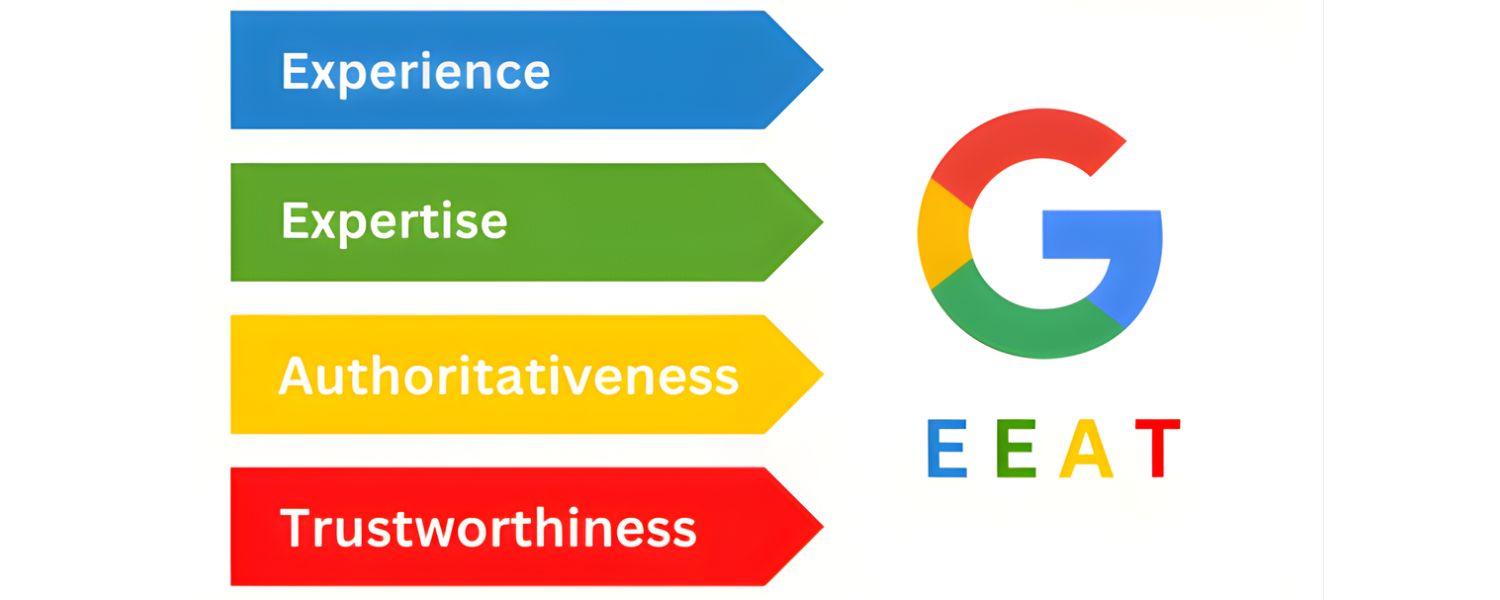
Google’s Quality Rater Guidelines (updated as of 2025) place heavy importance on E-E-A-T: Experience, Expertise, Authoritativeness, Trustworthiness.
This especially matters for “Your Money or Your Life” (YMYL) topics like health, finance, or legal advice, where bad info can have serious consequences.
But even outside YMYL, demonstrating credibility is key. Trends in content SEO include: using author bylines and bios (show the expertise of your content creators), citing trustworthy sources (like we do in this article!), updating content regularly to keep it fresh and accurate, and including first-hand experience when possible (e.g., real photos, case studies, personal insights).
Websites that cultivate a positive reputation and authority in their niche tend to see better long-term rankings. This isn’t a new concept, but Google is getting better at algorithmically assessing these quality signals or at least using proxies for them.
D. Rich Results and SERP Features

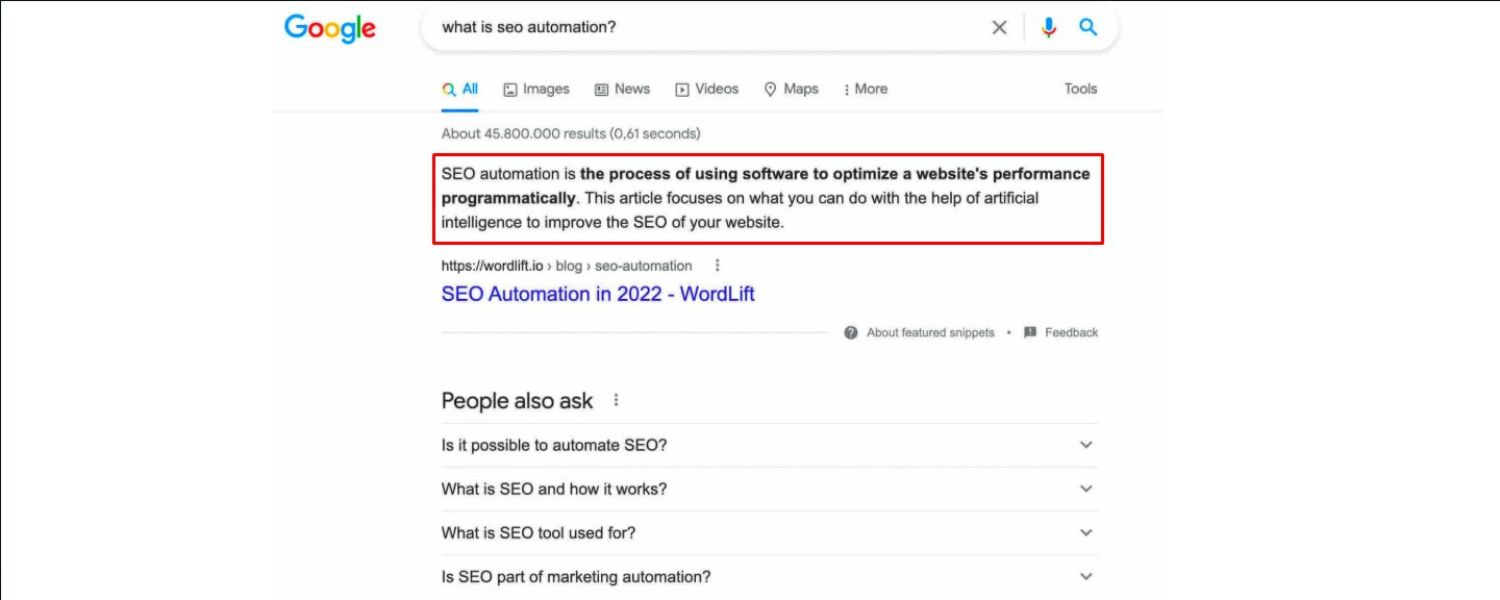
The traditional “10 blue links” search result is increasingly augmented with rich features – featured snippets, People Also Ask boxes, local packs, image carousels, video results, knowledge panels, and more.
As of 2025, for instance, People Also Ask boxes appear on over half of desktop searches. Optimizing for these features can boost visibility.
For example, structuring your content to directly answer common questions can help you land in a Featured Snippet (position zero).
Using FAQ schema can get your Q&A to show under your listing. Optimizing images (with alt tags and descriptive filenames) can get you into image results.
The trend is moving towards a more interactive and media-rich search results page. SEO now involves considering multiple paths to visibility, not just the pure organic listing.
E. Voice Search & Conversational Queries
The explosion of voice assistants (Alexa, Google Assistant, Siri) in recent years means more people perform searches by speaking.
Voice searches tend to be longer and phrased as questions or natural language (“what’s the best Italian restaurant near me”). While the growth of voice search has leveled off a bit, it’s still significant.
Optimizing for voice often means making sure your content is structured to answer questions clearly (again, featured snippets play a role) and that your local SEO is strong for “near me” queries.
Voice search results often pull from the top few organic results or featured snippets, so usual SEO best practices apply – but keep an eye on how your content might sound when read aloud by a device.
F. Index Now and Crawl Efficiency
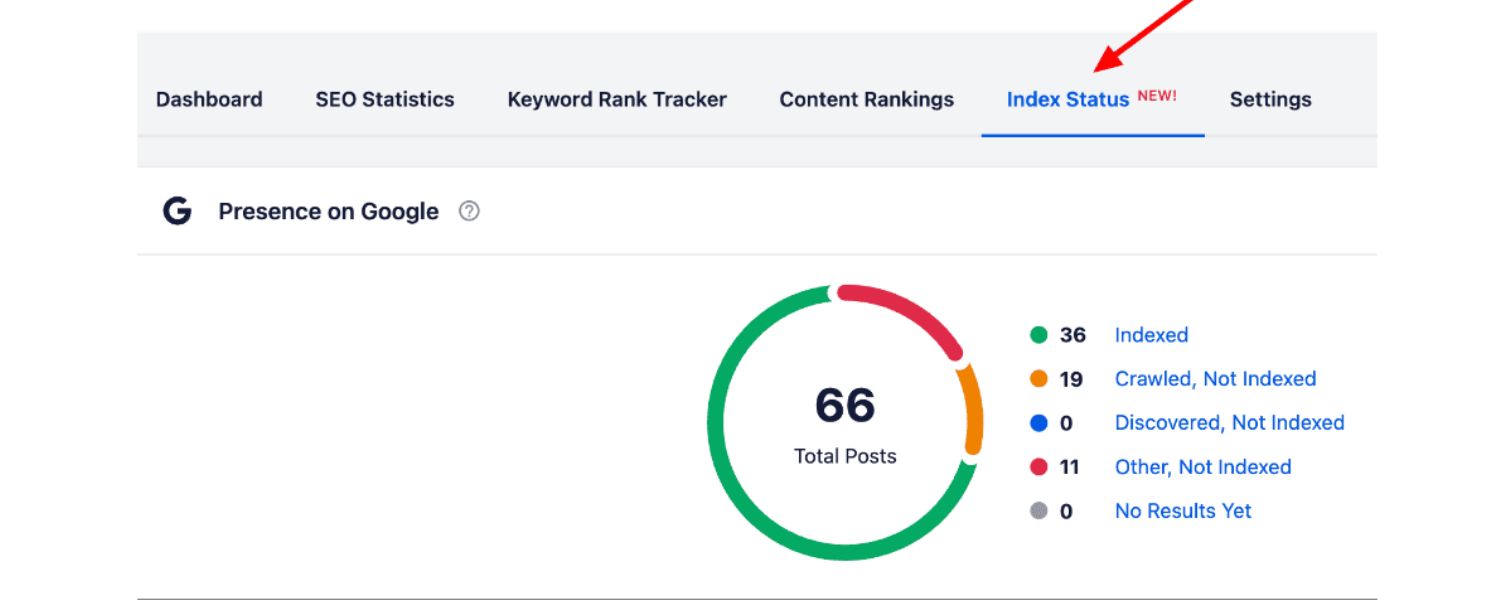
A newer development in the technical SEO realm is IndexNow, a protocol supported by search engines like Bing (and recently adopted by Google in testing).
It allows sites to ping search engines directly when content is updated, rather than waiting for bots to crawl.
While not mainstream yet for Google, the trend is toward more efficient indexing. For site owners, this means it’s becoming easier to ensure search engines quickly know about your new or updated content.
It’s worth implementing if you run a large site that changes often. More broadly, Google is attempting to make crawling and indexing more sustainable (conserving resources), so having a tidy site architecture and avoiding unnecessary pages (thin content, duplicate pages) is more important than ever.
G. Content AI and SEO
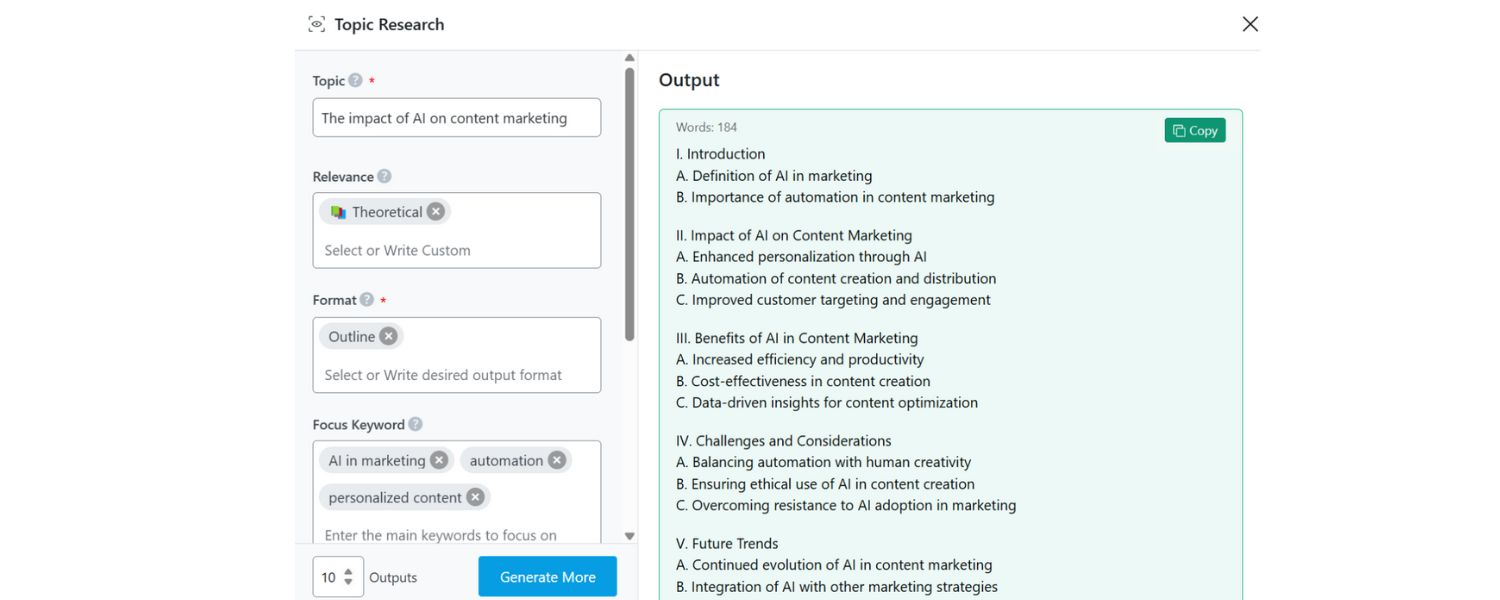
On the content creation side, the use of AI tools (like GPT-4) to generate content has skyrocketed.
Google’s stance is that “appropriate use of AI or automation is not against our guidelines” as long as the content is high-quality and valuable to users.
However, auto-generated content that is low quality or used to manipulate search rankings is against guidelines (that would be considered spam).
The trend here is that AI can assist in content creation, but human oversight, original insights, and quality control are crucial.
Some sites that went overboard with AI content without quality control have seen drops from Google’s Helpful Content updates. Use AI as a helper for efficiency, but always review and polish the output. Uniqueness and accuracy remain paramount.
H. Continued Importance of Analytics and Adaptation
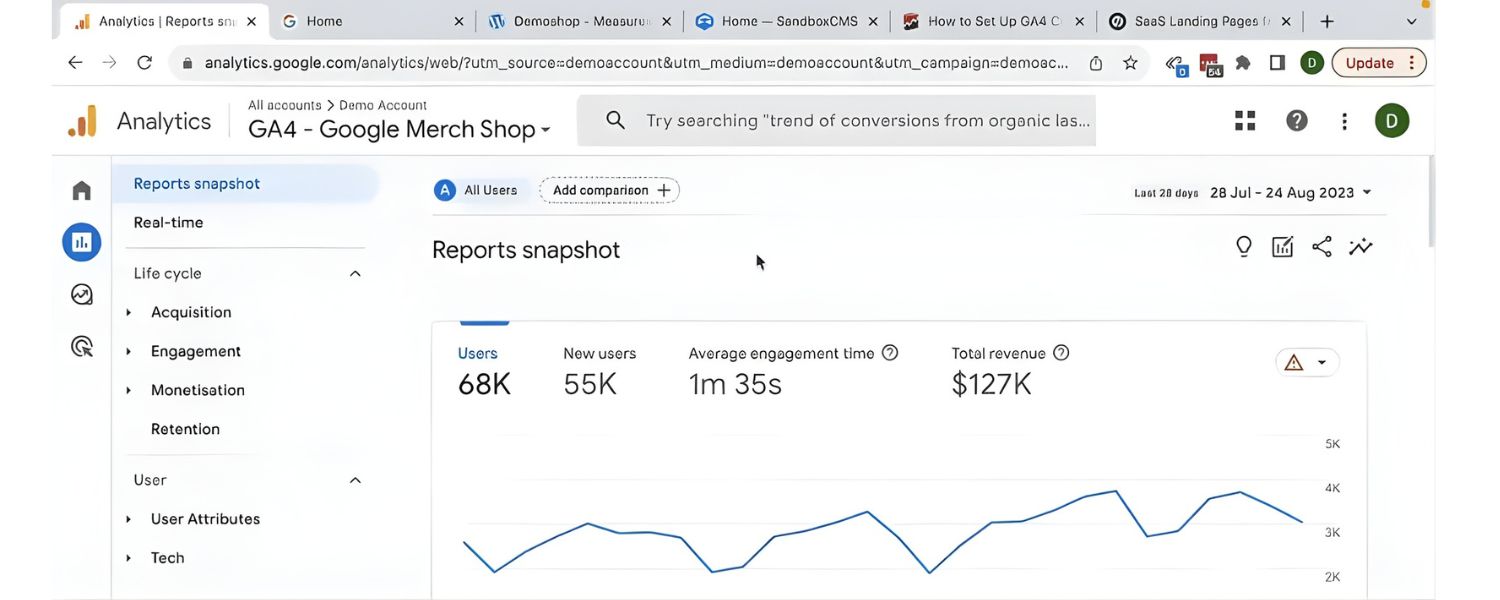
With privacy changes (like the death of Universal Analytics in favor of GA4, and stricter data laws), tracking SEO performance requires adaptation. Google Analytics 4 is now the standard analytics platform, and it has a learning curve.
Additionally, the loss of some keyword data and cookies means SEOs must rely on broader trends and multiple data sources (Search Console, GA4, third-party tools) to gauge success. The trend is moving toward privacy-centric analytics, but there are still plenty of insights to be had.
Make sure you have solid tracking in place – measure your traffic, track conversions from organic search, monitor your keyword rankings and technical health regularly. SEO in 2025 is as much about data analysis as it is about creative marketing.
In essence, the SEO landscape in 2025 is one where quality reigns supreme – quality content, quality websites, quality user experience – and where leveraging new technologies (AI, voice, rich results) can give you an edge.
But amidst all the change, the core of SEO remains: understand what your audience is searching for, and make sure your website provides the best answer in a way search engines can easily access and trust.
Conclusion: Putting It All Together for SEO Success
SEO is a journey, not a one-time project. By now, you should have a clear answer to “what is SEO?” and a solid understanding of how to approach it.
To recap, SEO is about optimizing your website for search engines and users – through quality content, smart keyword usage, a technically sound site, and reputable backlinks – so that you can rank higher in search results and attract more organic traffic.
The benefits of doing this well are enormous: more visibility, more traffic, more customers, and more growth for your business – all without paying for each click. But SEO success doesn’t happen overnight.
It requires patience, consistency, and a willingness to keep learning and refining. The algorithms will change, new competitors will emerge, and user behavior will evolve.
The good news is that if you focus on providing value – answering searchers’ questions, giving them a great experience on your site – you’re aligning with exactly what search engines want.
As Google’s guidance and countless SEO experts affirm, there are no tricks or shortcuts for lasting SEO success. The “secret” is actually straightforward: create the best website you can – fast, useful, trustworthy, and relevant to your audience. If you do that, rankings will follow.
Now it’s time to put this knowledge into action:
A. Audit your site using the concepts in this guide. Identify key areas to improve (content gaps, technical issues, lack of links, etc.).
B. Apply best practices section by section – maybe start with on-page fixes for quick wins, then move to bigger content or technical projects.
C. Monitor your progress. Use Google Search Console to see which search terms you’re gaining traction on and where you might need to adjust. Celebrate the milestones (e.g., moving from page 3 to page 1 for an important keyword is huge!).
D. Stay curious and keep learning. SEO is one of those fields where even experts are always students. Subscribe to SEO blogs or newsletters, join communities, and perhaps attend webinars or conferences. Google itself offers a wealth of documentation and tools – for example, their SEO Starter Guide and Search Central blog are great resources.
Remember, every improvement you make – faster pages, better content, cleaner site structure – not only boosts your SEO but also improves the experience for all your users. It’s truly a win-win.
We hope this comprehensive guide has demystified SEO for you and given you a roadmap to follow. Now the best thing to do is start: pick one SEO task and tackle it today.
Over time, these optimizations compound and you’ll reap the rewards in increased organic traffic and business growth.
If you found this guide helpful, feel free to share it with others who might be asking “what is SEO?” – and let’s spread the knowledge.
For more tips and updates on SEO and digital marketing, be sure to check out our other articles or subscribe to our newsletter. Here’s to your SEO success in 2025 and beyond!

.png)
Shopify SEO: Guide to Ranking Your Store and Driving Sales
Most Shopify store owners set up their store, list their...

Content Marketing : Definitive Guide to Strategy, Content Types, and Measurable ROI
Content marketing generates 3x more leads than outbound marketing at...

Above the Fold: Guide to Conversions, Rankings and Faster Pages
Above the Fold in 2026: The Complete Guide to Conversions,...

Off-Page SEO Checklist: Guide to Building Real Authority
Most websites spend months creating great content, only to wonder...

What Is Keyword Bidding? The Complete Strategy Guide for Smarter Ad Spend
Most advertisers believe the highest bid wins the auction. It...
What Is Google Trends? The 2026 Marketer’s Complete Guide
If you are not already pulling weekly insights from Google...
If you want a growth partner who will get to know every aspect of your business and treat your budget like their own — we are the right fit.
.png)


.png)
.png)
.png)
.png)
.png)
.png)
2026 ALL RIGHTS RESERVED MADE IN INDIA
