
Digital Marketing Services List: The Ultimate Guide to Essential Online Marketing Strategies
June 30, 2025
Digital marketing is a must-have in today’s business world, where virtually everyone is online. 81% of customers conduct online research before making a purchase.
To capture those potential customers, businesses need a robust online presence across multiple channels.
This is where digital marketing agencies come in – they offer a comprehensive range of digital marketing services to help companies attract, engage, and convert their target audiences.
But what exactly are these services? And which ones does your business need the most?
In this comprehensive guide to digital marketing agency services, we’ll walk through all the essential offerings you should know about.
Whether you’re an SEO beginner trying to understand where to start, a marketing professional looking to cover all bases, or a business owner evaluating what a full-service agency can do for you, this guide will clarify each service in an engaging, educational tone.
We’ll cover everything from Search Engine Optimization (SEO) and Pay-Per-Click (PPC) advertising to social media management, content marketing, email campaigns, conversion rate optimization (CRO), analytics, online reputation management, influencer partnerships, video marketing, and more.
Let’s dive into the ultimate digital marketing services list and see how each service contributes to your online success.
1. Search Engine Optimization (SEO) – Driving Organic Traffic

Search Engine Optimization (SEO) is often the cornerstone of digital marketing. SEO focuses on improving your website to rank higher on search engine results pages (SERPs) organically (without paying for ads).
The higher your site ranks for relevant searches, the more free, high-quality traffic you can attract. In simple terms, SEO is the process of making your website more visible to people who are searching for the products or services you offer.
A.What SEO Involves
SEO has several facets, typically divided into three main areas:
- On-Page SEO: Optimizing the content and HTML elements on your site – for example, researching relevant keywords and naturally incorporating them into your titles, headings, and copy, improving meta descriptions and title tags, using proper headings (H1, H2, etc.), and ensuring your content is high-quality and answers the searcher’s intent.
- Off-Page SEO: Building your site’s authority and reputation through external signals. The primary off-page tactic is link-building – earning backlinks from other reputable websites, which signals to search engines that your site is trustworthy and valuable.
- Technical SEO: Enhancing the technical foundation of your site so search engine crawlers can easily find, crawl, and index your pages. This includes improving site speed, ensuring mobile-friendliness, fixing broken links or crawl errors, creating an XML sitemap, adding schema markup, and making sure your site’s architecture is clean and logical.
Digital marketing agencies typically begin with an SEO audit of your website to identify opportunities and address any issues. They will research what keywords your audience is searching for and optimize your site accordingly.
SEO is a long-term strategy – it can take a few months to see significant results – but it builds a sustainable flow of traffic over time. Why is this important? Because ranking on the first page of Google (especially in the top 3 results) can be the difference between being virtually invisible and getting a flood of visitors.
B.Why SEO Matters
Organic search traffic is often high-intent – when someone finds your site via Google, they were actively looking for what you offer. This means they are more likely to convert (become a lead or customer) compared to someone who stumbles on an ad. Moreover, SEO has a strong trust factor: websites that rank high are perceived as authorities in their field.
A solid SEO strategy enhances your visibility and credibility, driving “free” traffic 24/7 and eliminating ongoing ad costs. Done right, SEO also complements other marketing channels; for example, the content you create for SEO (such as blog posts or guides) can be repurposed for social media or email campaigns.
C. Actionable SEO Tips & Tools
If you’re starting, focus on on-page fundamentals. Ensure each page of your site has a unique, keyword-rich title tag (around 50-60 characters) and a compelling meta description (around 150 characters) that includes your target keywords and entices users to click. Use free tools like Google Keyword Planner or Ubersuggest to find relevant keywords for your industry.
Set up Google Search Console – it’s a free tool from Google that lets you monitor your site’s search performance and alerts you to issues. Many site builders (WordPress, Wix, Squarespace, etc.) have built-in SEO features or plugins (like Yoast SEO for WordPress) to guide you through optimizing each page.
Real-World Example: Imagine you own a local bakery. With good SEO, your website can rank when someone near you searches “best bakery in [Your City]”.
An agency can help you optimize your site for local searches by adding your location in key places, listing your business on Google Business Profile, and encouraging reviews.
As a result, more people find your bakery online and visit in person. Statistics show that 88% of consumers who search for a local business on a mobile device visit or call within 24 hours – a testament to the power of appearing in local search results.
2. Pay-Per-Click Advertising (PPC) – Instant Visibility with Paid Ads

If SEO is the marathon for long-term traffic, Pay-Per-Click (PPC) advertising is the sprint that can get you immediate visibility. PPC refers to online ads where you pay each time someone clicks on your ad.
The most common platform for PPC is Google Ads (for ads on Google search results), but PPC ads also run on Bing, social media platforms, and various websites through display networks.
A. How PPC Works
In a PPC campaign, you bid on specific keywords or audience demographics. For example, a hardware store might bid on the keyword “buy cordless drill”. When people search for that term, your ad can show up at the top of the results as a sponsored link.
If someone clicks on it, you pay a certain amount (the cost per click), which can range from a few cents to several dollars or more, depending on the competitiveness of the keyword. The goal is that the person who clicked will then perform a valuable action on your site (such as buying a product or filling out a form), making the cost per click worthwhile.
B. Types of PPC Ads
PPC isn’t limited to just text search ads. A full-service agency like Offshore Marketers can help you run and optimize various types of campaigns, including:
- Search Ads: Text ads that appear in search engine results above the organic listings. Keyword searches trigger these and are great for capturing intent (people actively looking for something).
- Display Ads: Banner or image ads that appear on websites within Google’s Display Network (or other ad networks). These are useful for visual awareness and retargeting (showing ads to people who visited your site but didn’t convert).
- Shopping Ads: Product-based ads (with a photo, price, and description) that appear in search results or the Google Shopping tab – perfect for e-commerce businesses to showcase products directly on the search page.
- Social Media Ads: Sponsored posts or ads on platforms like Facebook, Instagram, Twitter, LinkedIn, or TikTok. These can be image, video, or carousel ads and allow very granular targeting based on user interests, behavior, and demographics.
- Video Ads: Short video commercials that run on platforms like YouTube (pre-roll or mid-roll ads) or social media feeds.
- Retargeting Ads: Ads (often display or social ads) are explicitly shown to people who have already visited your site or interacted with your brand. Ever visit an online store and then see their ads “follow” you on other sites? That’s retargeting at work, reminding you to come back and complete your purchase.
C. Why PPC Matters
The most significant advantage of PPC is speed and reach. You can launch a PPC campaign and start getting traffic and impressions the same day. This makes it ideal for new businesses or product launches that can’t wait months for SEO to kick in.
PPC is also highly targeted and data-driven – you can specify exactly who should see your ads (for example, “women aged 25-45 in London interested in fitness equipment”) and during what times, on which devices, and so on.
You also receive detailed analytics on how every ad and keyword performs, allowing agencies to tweak campaigns and improve results continually. When done well, PPC can yield an excellent ROI: for instance, paying $2 for a click that leads to a $200 sale is a trade any business would take all day.
D. Actionable PPC Tips & Tools
If you’re trying PPC, start with a defined budget and specific goal (e.g., “I want 50 sign-ups for my webinar this month”). Use Google’s Keyword Planner (free inside Google Ads) to research keywords and get traffic cost estimates. Begin with search ads targeting keywords that have clear commercial intent (like “buy X online” or “X service near me”).
Ensure that your ads are linked to a relevant landing page that matches the offer presented in the ad. Always enable conversion tracking (via Google Analytics or the ad platform’s pixel) to accurately measure results, such as purchases or leads.
A/B test different ad headlines and images – run two versions of an ad to see which performs better, then refine. Monitor your Quality Score in Google Ads; higher Quality Scores typically result in lower cost-per-click.
Real-World Example: Consider a new online fashion retailer launching a summer collection. SEO and content will help in the long term, but right now, they want immediate sales. A digital marketing agency might run PPC ads on Google for keywords like “summer dress sale” and on Instagram targeting fashion-conscious users.
Within hours, people searching for summer dresses see the retailer’s ad at the top of Google results, and interested Instagram scrollers see beautiful carousel ads of the new collection. The result? Instantly qualified traffic.
Quick Fact: PPC isn’t just for acquiring new customers – it’s also used for retargeting. If someone visits that fashion site and adds a dress to their cart but doesn’t buy, retargeting display ads can show them the very same dress later as they read news or browse other sites, gently pushing them to come back and complete the purchase.
3. Social Media Marketing (SMM) – Building Brand Presence and Engagement
Billions of people spend time on social media every day, which makes Social Media Marketing (SMM) an indispensable part of a digital marketing services list.
Social media marketing is about promoting your business on platforms like Facebook, Instagram, Twitter (X), LinkedIn, Pinterest, TikTok, YouTube, and others.
It encompasses both organic social media management (posting content and engaging with followers) and paid social advertising. Agencies often offer comprehensive social media services, ranging from strategy and content creation to community management and ad management.
A.What Social Media Marketing Involves
- Strategy Development: First, an agency will help define which social platforms make sense for your business (you don’t have to be on all of them – just the ones where your target audience is most active). They’ll establish your brand voice and content plan.
- Content Creation & Curation: Social media requires a steady stream of content, from posts, images, and short videos to stories and polls. Agencies often handle the creation of these assets (or collaborate with graphic designers, videographers, etc.) and ensure each post is optimized (e.g., using the correct image sizes, engaging captions with relevant hashtags, etc.).
- Community Management: Posting is only half the battle – social media is a two-way street. Agencies will often manage responding to comments, messages, and reviews on your social channels. Timely and authentic engagement is vital for building trust. They might also run campaigns to encourage user-generated content.
- Growth and Engagement Tactics: This includes running contests or giveaways, partnering with other brands or pages for shout-outs, utilizing the latest platform features (such as Instagram Reels or Twitter Spaces) to gain extra reach, and staying up-to-date with algorithm changes. The goal is to grow your follower base and increase engagement (likes, shares, comments), which in turn boosts organic reach.
- Social Media Advertising: In addition to organic posts, almost all platforms offer paid advertising options. A digital marketing agency can manage targeted ad campaigns on social channels – for instance, Facebook and Instagram Ads to promote a product launch, LinkedIn Sponsored Posts to share a white paper with a specific industry, or TikTok ads to boost a trending video.
- Analytics & Reporting: Agencies track key metrics, including follower growth, post reach, engagement rate (the percentage of people who saw the post and engaged), click-throughs to your website, and conversions from social media. This data helps them adjust the content strategy. For example, if videos about a particular topic get twice the engagement of other posts, they’ll double down on that.
B.Why Social Media Marketing Matters
Social media is unique in its ability to humanize your brand and create a community. It’s not just about pushing marketing messages; it’s about building relationships.
Through regular content and interactions, you stay top of mind with your audience.
Over time, this can foster a remarkable level of brand loyalty. Additionally, social proof from followers (like testimonials, positive comments, and shares) can influence others to trust and choose your business.
Importantly, social media can also drive traffic and sales directly. Facebook and Instagram offer shopping features that allow users to purchase products they see in posts.
Pinterest is great for driving e-commerce traffic, and LinkedIn can generate B2B leads through content that establishes your expertise and credibility.
Social media marketing is also relatively cost-effective compared to traditional advertising – you can start small, and organic efforts are essentially free aside from time/effort. Even paid ads on social often have a low cost per thousand impressions, making them accessible for small budgets.
C. Actionable Social Media Tips & Tools
Start by ensuring your business profiles on each platform are fully filled out and branded (clear profile image or logo, cover image, bio/about section with relevant info, and a link to your website).
Maintain a consistent brand voice across platforms. Utilize scheduling tools like Hootsuite, Buffer, or Sprout Social to plan posts and maintain a consistent posting schedule (e.g., posting 3-4 times a week).
Leverage hashtags (especially on Instagram, Twitter, LinkedIn) to increase reach – research popular hashtags in your niche, but also include some unique branded hashtags for your business. Engage proactively: follow relevant accounts, comment on others’ posts in a meaningful way – being part of the conversation helps visibility.
For analytics, each platform offers built-in insights, including Facebook Insights, Instagram Insights, Twitter Analytics, LinkedIn Analytics, and more, which provide insights into what content performs best and the demographics of your audience.
Real-World Example: A family-owned restaurant might use social media (say Facebook and Instagram) to build its brand locally. The agency manages their social posts with mouth-watering photos of new dishes, behind-the-scenes clips of the chef at work, and upcoming event announcements (like live music nights).
They actively respond to comments (“Glad you loved the pasta, hope to see you again!”) and messages (“Yes, we do catering – here’s our menu…”). To reach new people, the agency runs a small Facebook Ad targeting foodies in the city with a special coupon. They also encourage happy customers to share their experience and tag the restaurant.
4. Content Marketing – Fueling Every Digital Channel with Valuable Content

There’s a famous saying in digital marketing: “Content is King.” Content marketing is all about creating and distributing valuable, relevant content (in various formats) to attract, inform, and engage your target audience – ultimately driving them to become customers.
Virtually every other service on this list, from SEO to social media to email, relies on quality content. Without content, SEO has nothing to optimize, social media has nothing to post, and emails have nothing to say.
A. Forms of Content
Content marketing isn’t just blogging (though blogs are a major component). It encompasses any format of content that can educate or entertain your audience while subtly guiding them toward your brand. Common forms include:
- Blog Posts and Articles: Regularly updated written content on your website (often focusing on answering questions your audience is asking, via how-tos, tips, industry news, etc.).
- Videos: Explainer videos, product demos, customer testimonials, how-to tutorials, or even entertaining short clips that align with your brand. Video content is huge – it can be embedded on your site, shared on YouTube or social media, etc.
- Infographics: Visually engaging graphics that present information or data in an easily digestible way. Great for sharing on social or as part of a blog post.
- Ebooks and Whitepapers: Longer-form, in-depth content (often gated behind a form to capture leads). These can establish you as a thought leader and are often used in B2B marketing.
- Case Studies: Stories of how your product or service delivered results for a client. These build credibility and are also great for sales enablement.
- Podcasts: Audio content that can reach people on the go. It builds a personal connection through voices and discussions.
- Webinars and Online Workshops: Live or recorded presentations where you share knowledge and answer questions in real time – excellent for B2B engagement or complex products.
- Social Media Posts and Graphics: Yes, even a tweet or an Instagram caption is considered content – although we covered social media separately, the creation of those posts falls under content strategy.
- Emails and Newsletters: Again, technically, content that requires crafting to be effective (we’ll discuss email marketing in its section later).
- Landing Page Content: The persuasive copy on your web pages that drives users to take action (such as buying, signing up, etc.) is another form of content that agencies often optimize or create.
B.What Content Marketing Services Include
A digital marketing agency can develop a content strategy by researching what topics and formats will resonate with your audience and align with your business goals.
They often start with keyword research and audience persona development to pinpoint what your potential customers care about and search for.
From there, they’ll create a content calendar planning out topics and formats over weeks or months. Professional writers, designers, and videographers may collaborate to create high-quality content pieces.
Once created, content needs to be distributed: for example, publishing on your blog and then sharing it via social media or email, possibly even engaging in content outreach (such as pitching guest posts or collaborating with influencers to share).
C. Why Content Marketing Matters
In the digital realm, content equals visibility, credibility, and conversion power. High-value content improves SEO (since Google wants to show useful results to users). It also provides material to post on social media and reasons for people to follow you.
For potential customers, consuming your content may be their first interaction with your brand. If you offer them genuine help or insight, you establish trust before any sales pitch.
Content marketing is especially crucial in industries with long sales cycles or complex products (such as B2B software, financial services, and healthcare), where customers conduct extensive research before making a purchase.
If you consistently provide answers and guide them, you stay at the forefront of their mind. Even for simpler consumer products, content (like how-to guides or style inspiration posts) can differentiate your brand and create loyal fans.
D. Actionable Content Marketing Tips & Tools
Start by brainstorming the top questions or problems your target customers have – your content should aim to solve those. Use tools like AnswerThePublic or just Google’s autocomplete and “People also ask” features to see common queries in your niche.
Keyword research tools (Google Keyword Planner, SEMrush, Ahrefs) are helpful to gauge search volumes for topics. Develop a content calendar – even if it’s just in a spreadsheet – planning at least one piece of content per week to start.
For writing, maintain an engaging, easy-to-read style: break up text with headings (notice how this article uses many subheadings and bullet points – that’s deliberate to make it scannable!), use images or graphics to illustrate points, and include calls-to-action (CTAs) where appropriate (like suggesting a reader download a guide or check out a product if it’s relevant to the content).
After publishing content, promote it by sharing it on all your social channels, sending it to your email newsletter list, and encouraging your team to share it as well.
You can even repurpose content – for example, turn a blog post into a short video summary or a series of social media infographics.
Real-World Example: Let’s say you run an online fitness coaching program. As part of content marketing, your agency might create a blog and YouTube channel. One week, they publish a detailed blog post, “Beginner’s Guide to At-Home Workouts (No Equipment Needed)” that targets keywords like “home workout for beginners.”
They also produce a 5-minute video demonstrating some exercises from the guide. This content is gold for SEO – people searching for home workouts find the blog (which, aside from useful tips, subtly mentions your coaching program as an option for more guidance). On social media, the agency shares quick tips from the post and links to it.
5. Email Marketing – Nurturing Leads and Maximizing Customer Loyalty
Email marketing is one of the highest ROI (Return on Investment) marketing channels out there – a classic that remains incredibly effective even in the age of apps and social media.
It involves using email to send direct messages to prospects and customers to build relationships, keep your brand top-of-mind, and drive actions (like purchases, sign-ups, or referrals).
A digital marketing agency can help build your email list, design effective email campaigns, and optimize your email strategy for the best results.
A.What Email Marketing Services Include
- Email Strategy & List Building: Agencies will help determine the type of emails you should send (newsletters, promotional offers, product updates, event invitations, etc.) and how frequently to send them. A critical foundation is building a quality email list – they may set up sign-up forms on your website, craft lead magnets.
- Email Design and Content: This encompasses creating the emails themselves, including both the copy and the design/template. Good emails are visually appealing (often HTML-formatted with your branding) and feature compelling copywriting that engages the reader.
- Marketing Automation & Segmentation: One powerful aspect of email marketing is automation. Agencies often set up automated email sequences using platforms like Mailchimp, Constant Contact, SendinBlue, HubSpot, or others. For example, when someone signs up, they might receive a welcome email immediately, followed by a follow-up 3 days later with your top content, and then a special offer a week later.
- Personalization: Agencies utilize personalization tactics to enhance engagement, ranging from addressing the recipient by name (“Hi John”) to recommending products based on past browsing behavior (“We think you’ll love these picks”).
- Compliance and Deliverability: A sometimes overlooked but crucial part – ensuring your emails actually land in inboxes, not spam. Agencies manage tasks such as proper authentication (SPF/DKIM records), compliance with anti-spam laws (including CAN-SPAM and GDPR, if applicable), and maintaining a clean email list.
- Analytics & Optimization: Like all digital marketing, email is highly measurable. Agencies track open rates (the percentage of recipients who open the email), click-through rates (the percentage of recipients who click on links inside), conversion rates (the percentage of recipients who take the desired action, e.g., make a purchase, after clicking), and unsubscribe rates.
B. Why Email Marketing Matters
Email is one of the few channels where you truly own your audience. Unlike social media followers (which you don’t “own” and can be affected by algorithm changes or platform issues), your email list is yours.
You can reach out to them whenever you need to. And it’s incredibly direct – most people check their email daily, and many important communications happen over email, so it’s a trusted channel.
Furthermore, email has been proven to drive sales and enhance customer retention. People on your email list are likely already somewhat interested in your brand (they signed up, after all).
Through consistent, valuable emails, you can nurture those leads who aren’t ready to buy yet and stay connected with past customers to encourage repeat business.
The ROI of email is famously high. On average, email marketing returns about $36 for every $1 spent – a 3,600% ROI – because sending emails is relatively inexpensive, and even a small increase in customer conversion or retention can yield significant revenue.
C. Actionable Email Marketing Tips & Tools
If you haven’t already, choose an email marketing platform. Popular options include Mailchimp, MailerLite, Constant Contact, Klaviyo (ideal for e-commerce), and HubSpot for more advanced CRM integration. Most have user-friendly editors and templates – pick a clean, mobile-responsive template.
Segment new subscribers and send a friendly welcome email immediately – this tends to have one of the highest open rates of any email (since people get it right after signing up, when they’re most interested) – use it to thank them and maybe highlight your best content or products.
Plan to send emails consistently, but don’t spam. Quality over quantity: sending one really good email a week is better than sending four mediocre ones.
Personalize when possible – even adding the first name in subject lines or body can boost engagement. Speaking of subject lines: keep them short (many people check on mobile), and try to pique curiosity or highlight a benefit (e.g., “Your 50% Off Inside, Don’t Miss Out” or “How to Grow Tomatoes – 5 Tips from Experts”).
Real-World Example: A software company offering a project management tool uses email marketing to nurture free trial users into paid customers. The agency automates a sequence: when someone signs up for a free trial, they get a “Welcome to [Product]” email with a 2-minute getting-started video.
A few days later, another email arrives: “5 Tips to Get the Most Out of [Product],” highlighting features users often miss. As the trial nears its end, the user receives a friendly reminder: “Your trial ends in 3 days – upgrade now with a 20% discount.”
6. Conversion Rate Optimization (CRO) – Turning Visitors into Customers
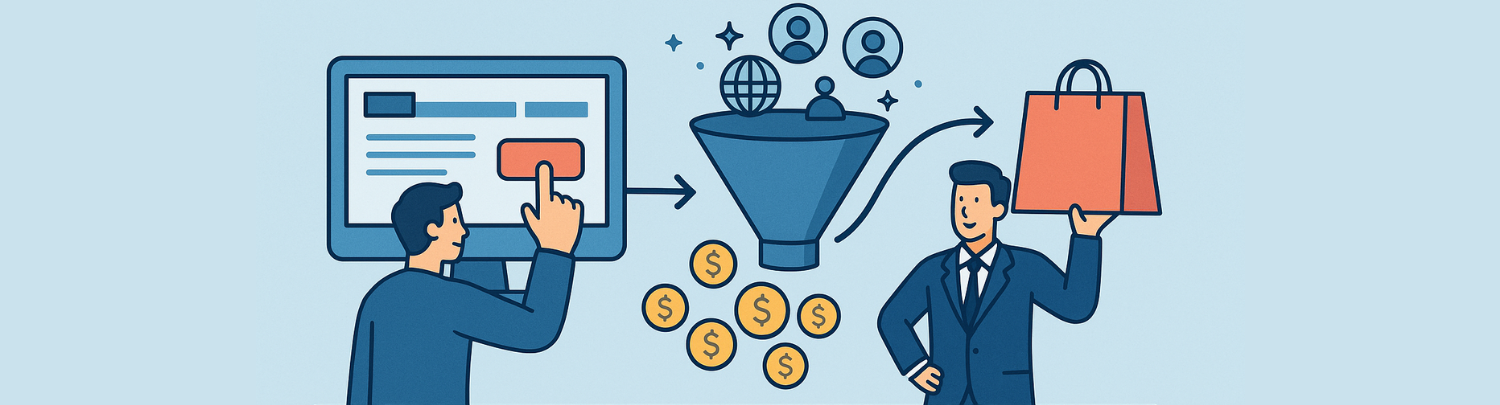
Driving traffic to your website (through SEO, PPC, social media, etc.) is only half the battle. What happens when those visitors actually land on your site? Conversion Rate Optimization (CRO) is the practice of improving your website or landing pages to increase the percentage of visitors who take a desired action.
That action could be making a purchase, filling out a contact form, signing up for a newsletter, downloading an app – whatever conversion is valuable to your business.
Digital marketing agencies often offer CRO services because it amplifies the results of all your other marketing efforts. If you double your conversion rate, you effectively double your sales or leads without needing any extra traffic. CRO is a data-driven, iterative process that examines how users behave on your site and tests changes to identify what improves performance.
A.What CRO Involves
- User Experience (UX) Analysis: CRO experts will analyze your website’s analytics and may run user behavior tools (such as heatmaps, scroll maps, and session recordings) to identify areas where users might be getting stuck or dropping off.
- Funnel Analysis: They’ll break down the steps of your conversion funnel (e.g., homepage -> product page -> add to cart -> checkout -> order complete) and examine the conversion rate at each step.
- A/B Testing (Split Testing): This is the heart of CRO. Agencies will make hypotheses about changes that could improve results (e.g., “What if we make the ‘Buy Now’ button bigger and red instead of small and blue? It might be more noticeable and increase clicks.”). They then create an alternate version of the page with the change and use software to run an A/B test – meaning that half of your visitors see the original (control) and half see the new version (variation).
- Landing Page Optimization: Often, agencies will design dedicated landing pages for campaigns (like a specific PPC ad or email promotion) and optimize those pages. A landing page is typically a standalone page with a singular focus and a clear call-to-action (e.g., “Download the eBook” or “Start Your Free Trial”), and no extraneous navigation that might distract the visitor.
- Site Speed & Technical Improvements: Sometimes conversion issues are due to technical stuff – if your site is slow or buggy, people leave. CRO overlaps with technical optimization: speeding up page load times, fixing broken forms or errors, ensuring the site looks good on mobile devices (mobile conversion rates often lag desktop, so improving mobile UX is huge).
- Copywriting & Design Changes: Small tweaks in wording or design can make surprising differences. CRO might involve testing different headlines (a more benefit-oriented headline could lift conversions), changing imagery (maybe users respond better to seeing a human face vs. a product photo, or vice versa), adjusting the length of a form (fewer fields often means more submissions), or even the overall layout of a page.
B.Why CRO Matters
It’s often said that small hinges swing big doors, and CRO exemplifies that. Minor adjustments can lead to substantial revenue gains. For instance, one famous case study showed that changing a button color on a site resulted in a double-digit percentage increase in sign-ups (because the new color drew more attention).
Another example: removing unnecessary form fields (from 4 to 3 fields) might boost form submissions by 20% or more, as it reduces the user’s effort.
Investing in CRO is incredibly cost-effective because you’re leveraging existing traffic. If you have 10,000 visitors converting at 2% (200 conversions), and through CRO you lift it to 3%, that’s 300 conversions – a 50% increase – without buying any more ads or writing any more blog posts. Over time, these improvements accumulate.
Even an increase of a few percentage points can mean thousands of dollars in extra revenue. For e-commerce, CRO can reduce your cart abandonment rate; for lead generation, it can lower your cost per lead because more of your clicks result in sign-ups.
CRO also improves user experience. Typically, the things that increase conversions (such as clearer messaging, faster speed, and more intuitive design) are also the same things that make users happier.
So it’s a win-win: better for business and better for customers. A site optimized for conversions will feel easier to use – visitors won’t get frustrated by confusing menus or hidden information.
C. Actionable CRO Tips & Tools
Start by installing tools to understand user behavior. Google Analytics is essential for viewing overall metrics and identifying areas where drop-offs occur (e.g., a high bounce rate on specific pages indicates an issue).
Consider adding a heatmap or recording tool, such as Hotjar or Crazy Egg. These tools can show you where people click, how far they scroll, and even play back videos of user sessions (anonymously), allowing you to observe how someone navigates your site.
It can be eye-opening to see patterns, such as people not seeing a call-to-action because it’s too far down or gets lost among other content.
Identify your top entry pages (landing pages) and top exit pages (where people leave) – focus on those for improvements.
For any important page, ask yourself: Is the primary call-to-action crystal clear and prominent? Does the page answer the key questions a user might have before converting (if not, add that info)?
Utilize an A/B testing tool to conduct experiments. Popular options include Google Optimize (which was previously free, although note that Google Optimize was scheduled to sunset in 2023; consider its successor or alternatives, such as Optimizely, VWO, or Adobe Target, in 2025), or for simpler needs, some landing page builders offer built-in A/B testing.
When running a test, change one element at a time (if you redesign the whole page and it wins, you won’t know which aspect made the difference).
Be patient and let the tests reach statistical significance (there are calculators and the tools themselves will often indicate when a result is likely valid).
Not every test will produce a win – sometimes your changes won’t matter or could even perform worse, which is still a learning because it means the original was better. The key is to continuously test and learn.
Also, pay attention to customer feedback. If people are chatting in with questions like “How do I do X on your site?” or “I can’t find Y”, that’s a clue to improve that aspect.
If your sales or support team frequently receives a specific question, perhaps your site isn’t answering it clearly – put that information front and center to reduce doubt.
Real-World Example: An online retail store identified through analytics that many shoppers were adding items to their carts but not completing checkout. To improve this, the agency performed a CRO analysis.
They found that the checkout process had five steps and required account creation, which was causing customers to drop off during the process.
The result? The A/B test showed the new simplified checkout increased completed orders by 20%. In another test, they tried highlighting a free shipping threshold (“Free shipping on orders over $50”) in the cart – this encouraged people to add a bit more to their cart to qualify, thereby increasing both the average order value and conversions.
According to one study, an optimized checkout design can lead to a 35% increase in conversions for e-commerce sites.
7. Marketing Analytics and Data-Driven Decision Making – Measuring What Matters
One of the great advantages of digital marketing over traditional marketing is the wealth of data it provides. However, data is only useful if you know how to analyze and act on it. This is where Marketing Analytics services come in.
Digital marketing agencies often emphasize analytics and reporting as a core part of their services, providing you with insights into campaign performance, customer behavior, and ROI.
In fact, a data-driven approach is so important that 42% of marketing professionals say a lack of quality data is their biggest barrier to lead generation.
A. What Marketing Analytics Services Include
- Setup of Tracking Tools: Agencies will ensure that tools like Google Analytics (now GA4, as Universal Analytics has been phased out) are properly installed on your website, along with any other necessary tracking pixels (such as Facebook Pixel, LinkedIn Insight Tag, etc., depending on the platforms used). They’ll set up conversion goals and events (for example, tracking when a user fills out a form, clicks a specific button, or reaches an order confirmation page).
- Dashboard Creation: Rather than sifting through raw data, agencies often create custom dashboards or reports that highlight key metrics and insights. They might use tools like Google Data Studio (Looker Studio), Tableau, or in-platform dashboards. These give you an at-a-glance view of your KPIs (Key Performance Indicators).
- Regular Reporting and Insights: Typically, an agency provides reports on a weekly, monthly, or quarterly basis. But more than just numbers, they interpret them. For instance: “Traffic is up 20% this month, mainly due to our SEO efforts on these 5 blog posts, which drove X visits. However, conversion rate dipped slightly, likely because we had a lot of first-time visitors.”
- Attribution Analysis: Understanding the customer journey often involves determining which marketing touchpoints contributed to a conversion. Agencies can analyze user paths (e.g., whether a user came from an ad and then signed up via an email later) and use attribution models to assign credit to different channels appropriately. This helps in budget allocation.
- ROI and Budget Optimization: By tracking the amount spent on each channel and the value it generates (in sales or leads), analytics services will identify your Return on Investment (ROI) for each part of your marketing strategy. For example, if you spend $1,000 on Google Ads and get 50 purchases worth $5,000, that’s a great ROI.
- Audience and Behavior Insights: Beyond just campaign stats, agencies dig into who your audience is. Analytics can reveal demographic information (age, gender, location), timing (when your site receives the most activity), devices used (mobile vs. desktop), and behavior flow (common paths users take on your site). These insights also help you make more informed business decisions.
- Continuous Improvement with Data: Agencies often establish testing frameworks as part of their analytics initiatives. For instance, running experiments (such as A/B tests in CRO) and then using analytics to measure which version performed better. They’ll also keep an eye on trends over time, alerting you to anomalies (like a sudden traffic drop, which could indicate a technical issue or an SEO penalty, or an unexpected spike that you might want to capitalize on).
B.Why Analytics Matters
In short, if you’re not measuring, you’re just marketing in the dark. Analytics tells you what’s working and what’s not, so you can spend your budget and effort wisely.
It prevents costly mistakes (you can catch a failing campaign early and fix or stop it) and highlights successes so you can replicate them.
Moreover, in today’s environment, marketing data can justify decision-making to other stakeholders (like your boss or investors).
If you can show, with numbers, that “Our content marketing brought in 50,000 visitors and 500 leads last quarter, at a cost per lead of $10, which is 30% lower than our PPC cost per lead,” that’s powerful.
It moves marketing from a perceived “cost center” to a clear one with accountability.
Analytics also enables personalization and better user experiences. By understanding user segments and preferences, you can tailor content or offers.
For example, if data shows a segment of users repeatedly reading blog posts about a certain topic, you might create a product or webinar around that.
C. Actionable Analytics Tips & Tools
At a minimum, ensure you have Google Analytics (GA4) running on your site and that you know how to log in and see basic reports. Familiarize yourself with key metrics: Users (the number of individuals who visit), Sessions (the number of visits), Bounce Rate (the percentage of visitors who leave after viewing only one page), Conversion Rate (if set up), and Traffic Source/Medium (the source of your visitors, such as Google, Facebook, or direct).
Set up goals in GA or your analytics tool. A goal could be a purchase, a form submission, or a specific amount of time spent on site. This allows you to see what percentage of visitors complete those goals and which channels drive those conversions.
Use UTM parameters (tracking codes on your URLs for campaigns) so you can differentiate traffic in analytics – for example, you’ll know how many visits came from that email newsletter vs. organic search.
For e-commerce, enable e-commerce tracking to obtain detailed data, such as revenue per channel and average order value. For lead generation, if possible, track leads all the way to actual sales (this might require integrating your CRM with analytics or at least conducting periodic analyses, such as “Which leads became customers and where did those leads originate?”).
Leverage marketing dashboards. If you’re not super technical, Google’s Looker Studio (formerly Data Studio) is a free way to pull data from GA, Google Ads, etc., into a nice visual dashboard.
Many agencies utilize this to provide clients with a live dashboard. There are also paid tools, such as Adobe Analytics, designed for enterprise-level needs; however, small to mid-sized businesses can achieve a lot with free or affordable tools.
Don’t overlook qualitative data, too – analytics numbers tell what is happening, but sometimes you need to ask why. This could be achieved through on-site surveys (“What are you looking for today?”), post-purchase surveys (“How was your experience?”), or user interviews.
Real-World Example: A home services company (let’s say a roofing contractor) is running various marketing campaigns: Google search ads, Facebook ads, SEO, and local radio.
With good analytics in place, they discover that while the radio ads generated some calls, the cost per lead is $300, whereas the price per lead for Google Ads is $50, and for organic (SEO) is $20.
Additionally, analytics might show them that mobile visitors convert at half the rate of desktop visitors on their quote request form. Investigating, they realize the form is somewhat broken on mobile devices or challenging to use.
Another scenario: A marketing professional at an e-commerce startup uses an agency’s analytics report to impress her executive team.
The report shows that an Instagram influencer campaign generated a spike of 5,000 website visits in one weekend, but those visitors didn’t convert well (maybe they were just curious, not in buying mode). In contrast, an email campaign to existing customers only brought 500 visits, but led to 100 purchases (a 20% conversion!).
8. Online Reputation Management (ORM) – Managing Reviews and Brand Trust

In the digital age, your reputation is largely defined by what’s found about you online – be it reviews, ratings, press articles, or social media chatter. Online Reputation Management (ORM) is the practice of monitoring and influencing how your business is perceived online.
This service is crucial because a good reputation can be a magnet for customers, while a bad one can repel them, regardless of how much you spend on marketing.
Consider your own behavior: before buying a product or visiting a restaurant, you probably check out the reviews. Most people do. In fact, more than half of consumers trust online reviews as much as personal recommendations. If you see a business with many negative reviews or unresolved complaints, chances are you’ll move on to a competitor.
A.What Reputation Management Services Include
- Review Monitoring: Agencies will keep tabs on all your reviews across various platforms – including Google (Google My Business reviews), Yelp, Facebook, TripAdvisor (if relevant), and industry-specific review sites (such as Zomato for restaurants, Angie’s List or HomeAdvisor for home services, G2 or Capterra for software, etc.).
- Responding to Reviews: A key part of ORM is engaging with reviews, both positive and negative. Thanking people for positive feedback reinforces goodwill. Handling negative reviews professionally can mitigate damage. Agencies often craft responses that address the issue and show other readers that you care. For example: “We’re sorry you had a less-than-ideal experience.”
- Encouraging Positive Reviews: Since happy customers are often less vocal than unhappy ones, agencies help implement strategies to get more positive reviews. This might involve sending follow-up emails to customers saying, “Thank you for your purchase! We hope you’re loving [Product]. Would you mind sharing your experience in a review? [Direct link to review platform]”.
- Managing Listings and Citations: Part of ORM is making sure your business information is correct across the web (name, address, phone, hours, etc.). Incorrect info can lead to frustrated customers (imagine someone driving to a store that’s closed because hours were wrong on Google).
- Public Relations (PR) and Content to Build Reputation: Some full-service offerings combine ORM with digital PR, which involves proactively sharing positive stories. This could include press releases, getting your business featured in news articles or popular blogs, sponsoring local events, and being mentioned, among other strategies. The more positive content exists about your brand, the more it can outweigh the occasional negative piece.
- Social Media Monitoring: Reputation isn’t just in reviews – it’s also what people say on social networks. Agencies may use social listening tools (like Mention, Brandwatch, or even a simple Twitter search) to find mentions of your brand and address any issues or amplify any praise.
- Crisis Management: If something goes seriously wrong – e.g., a customer’s complaint goes viral or a PR crisis arises (such as a product recall or an incident) – a reputation management team can assist with damage control. They’ll coordinate statements, ensure consistent messaging across platforms, and sometimes work on “SEO crisis management” by pushing out communications that rank for your brand keywords (so the company’s side of the story is visible).
B.Why Reputation Management Matters
Trust and credibility are make-or-break factors. You could have the best marketing campaigns driving tons of interest, but if, at the moment of decision, a potential customer sees a slew of 1-star reviews or negative news, they’ll likely walk away.
On the flip side, a sterling reputation can be a selling point by itself – people feel confident choosing you even if you’re slightly more expensive or less known because others vouch for you.
Online reviews are today’s word-of-mouth. For local businesses, they also heavily influence search rankings (Google’s local pack algorithm considers both review quantity and quality). For all businesses, reviews and testimonials are powerful social proof.
According to some studies, nearly 90% of consumers read online reviews before making a purchase, and a majority trust them as much as personal recommendations. And as an earlier stat indicated, 54% of consumers trust online reviews more than even friends/family advice, which is astounding when you think about it.
Moreover, responding to reviews and customer feedback can directly improve customer retention. A customer who had an issue but sees it addressed might give you a second chance. Plus, businesses that respond to reviews are seen as more caring and responsive. Some review platforms even note “Business owner responded,” which is a positive signal.
Reputation also affects partnerships, hiring (as potential employees consider a company’s reputation), and even investor relations. It’s really part of your brand equity.
C. Actionable Reputation Management Tips & Tools
If you haven’t claimed your business profiles on major review sites, do that immediately. For example, claim your Google Business Profile (so you can respond to Google reviews and update your information), your Yelp business profile, your Facebook page, and so on.
Use Google Alerts or a tool like Mention to get notified when your brand is mentioned on the web. There are also all-in-one tools, such as Reputation.com, Birdeye, or ReviewTrackers, that can consolidate review monitoring and even assist with soliciting reviews via automated emails or SMS.
Make it a habit to ask for reviews from satisfied customers. Often, a simple ask is all it takes – people who had a good experience are often willing to help, they just don’t think to do it on their own.
You might include a review link in a follow-up email or on a thank-you page after purchase (“Please rate us!”). But never incentivize reviews in a way that violates platform policies (e.g., don’t pay for reviews or offer a discount for a positive review – most platforms strictly forbid that, and it can backfire).
Develop a policy or guidelines for responding: respond promptly (ideally within 24-48 hours), always be polite and professional, and don’t get defensive or argue online.
For a negative review: acknowledge the issue, apologize if appropriate, and offer to make it right or discuss further offline (provide a customer service contact or ask them to message you).
This shows other readers you’re proactive. For positive reviews: a quick “Thank you, we’re thrilled you enjoyed [product/service]!” is great and encourages more people to leave feedback, knowing it’s read.
If you encounter false or malicious reviews (e.g., from a competitor or someone who never actually used your service), most platforms have a flagging process in place to evaluate and potentially remove them.
Agencies can help navigate this process and present evidence to have unjust reviews removed. However, legitimate negative reviews won’t be removed, so it’s better to address them.
Real-World Example: A hotel might be struggling because, despite great location and prices, it has a 3-star rating on TripAdvisor with some harsh comments about cleanliness and service.
A reputation management strategy is implemented: management addresses the root causes internally (improving cleaning protocols and staff training, because ORM isn’t just about optics, it often reveals genuine business improvements needed).
Then, they start responding to each review: apologizing for past issues and noting improvements. They also proactively email recent happy guests to kindly ask for TripAdvisor reviews. Over the past six months, we have received numerous positive reviews, praising the improved service.
9. Influencer Marketing – Leveraging Online Influencers for Brand Awareness
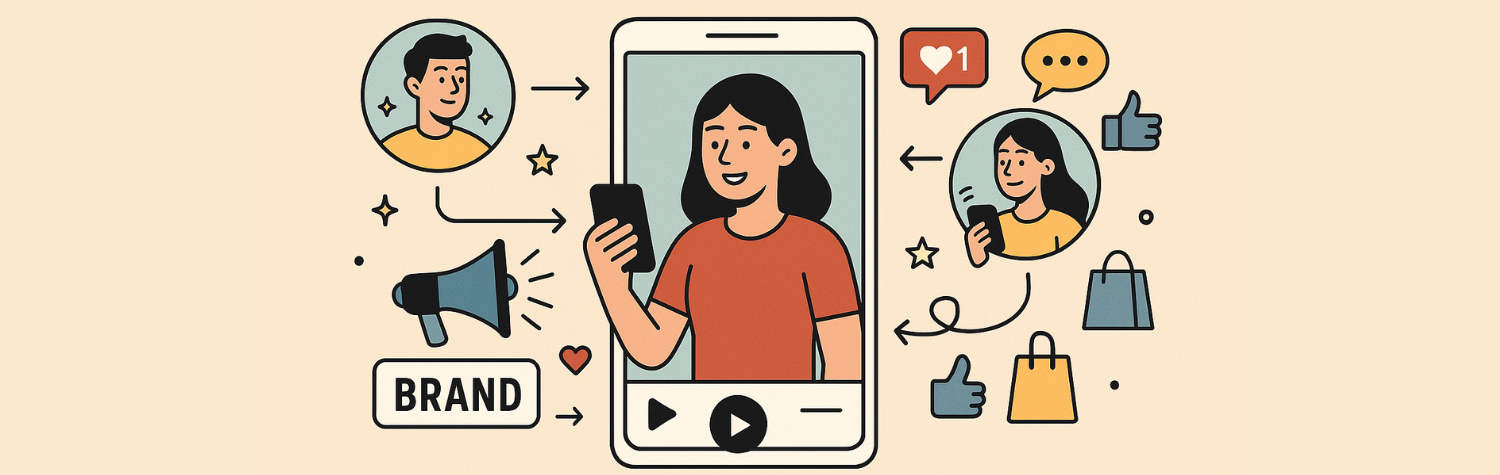
In recent years, Influencer Marketing has emerged as a powerful digital marketing service. It involves partnering with individuals who have a dedicated following (influencers) on platforms like Instagram, YouTube, TikTok, or blogs, and leveraging their influence to promote your brand to their audience.
Digital marketing agencies, such as Offshore Marketers, often manage influencer marketing campaigns because it can be time-consuming to find the right influencers, negotiate deals, coordinate content, and track results.
When done well, influencer marketing can boost brand awareness, drive traffic and sales, and even improve your own social media following by association.
A.What Influencer Marketing Services Include
- Influencer Research & Vetting: Not every influencer is a good fit. Agencies will identify influencers who cater to your target demographic and whose image aligns with your brand values. They look at metrics like follower count, engagement rate (an influencer with 50k followers who gets 10k likes per post is typically more valuable than one with 500k followers but only 2k likes – high engagement shows an active, real audience), content quality, and past brand partnerships.
- Campaign Strategy: The agency will help define the type of influencer campaign that best fits your goals. Is it a product review or tutorial on YouTube? A series of lifestyle Instagram posts featuring your product? A TikTok challenge? Perhaps a takeover of your brand’s social account for a day? They also decide on key messages or hashtags to use.
- Outreach and Negotiation: Agencies handle contacting influencers (or their managers) and proposing collaborations. This includes negotiating compensation, which can be a monetary payment, free products or services, or a combination of both. Top influencers will have rate cards; smaller ones might accept freebies or affiliate commission.
- Content Coordination: Once influencers are onboard, the agency coordinates the creation and delivery of content. They might provide a creative brief: e.g., “We’d love a 60-second Instagram Reel showing how you use our fitness gear in your daily workout. Highlight the durability and maybe use this music track, which we have the rights to.”
- Monitoring and Engagement: When content goes live, the agency tracks performance: views, likes, comments, shares, clicks (if a trackable link or promo code is provided), and sales, if applicable. They may also engage by responding to comments, if appropriate, or by encouraging the influencer to interact with their audience’s questions about the product.
- Follow-up and Analysis: After the campaign, the agency compiles results. For example, Influencer A’s YouTube video garnered 100,000 views and generated 1,000 clicks to the website (via a unique link), resulting in 50 sales. Influencer B’s Instagram story reached 20k people and 500 swiped up to visit, resulting in 20 sales.
- Managing Ongoing Relationships: Agencies also help build longer-term relationships with high-performing influencers. Instead of one-offs, an influencer might become a brand ambassador, doing regular collaborations.
B.Why Influencer Marketing Matters
Consumers today, especially younger demographics, often trust influencers more than traditional ads or celebrity endorsements. Influencers feel like “people like us” (even if they are a bit more glamorous or expert in their area).
When an influencer authentically likes and uses a product, their followers take note. It’s like a word-of-mouth recommendation scaled to thousands or millions.
Additionally, influencers produce content that can be more relatable or creative than what a brand might produce. They know how to engage their audience.
By tapping into that, brands can reach audiences in a format they enjoy (a funny TikTok, a beautiful Instagram feed, an honest YouTube review) rather than intrusive banner ads or overly polished commercials.
Influencer marketing can also help brands break into new communities or markets. For example, a tech gadget company might use a gaming influencer to reach gamers, a travel vlogger to show the gadget on the go, and a student TikToker to appeal to college buyers, tailoring the message via the influencer to each segment. That’s far more targeted than a one-size-fits-all ad.
It’s also worth noting that some influencers have massive reach – a single Instagram post by a top influencer can get more impressions than many TV show spots, and often at a fraction of the cost.
Even micro-influencers can create a positive ripple effect, especially when engaging several of them simultaneously (this is known as a “micro-influencer campaign” strategy, where multiple smaller voices combine to create a cumulative buzz).
C. Actionable Influencer Marketing Tips & Tools
First, identify your goal. Is it pure awareness (views, reach), content creation (getting great content you can reuse), or direct sales (using affiliate links or discount codes to attribute sales)? The approach might differ.
For direct sales, for instance, you might favor YouTubers or bloggers who can post links (since Instagram historically only allows one link in bio and now links in stories or via shopping tags, while TikTok only has the bio link, though this may evolve by 2025). For awareness, Instagram and TikTok might shine.
Choose influencers whose audience aligns with yours, not just based on size. A parenting blogger with 20k engaged readers could be far better for marketing baby products than a teen TikTok star with 2 million followers who mostly care about dance trends.
Look at an influencer’s content – does it feel authentic? Do they have sponsored posts, and how do those perform vs. organic posts? If every other post is an #ad, followers might be fatigued or distrustful.
Use tools like BuzzSumo, Traackr, or even Instagram’s and TikTok’s native analytics to research influencer stats. Some platforms have marketplaces for influencer collaborations.
Also, consider reaching out to your own customers or fans who have a following – essentially, user-generated influencers. Sometimes, your best advocates are already customers who would love to partner.
When negotiating, be clear on expectations. Also, ensure compliance with advertising guidelines: The FTC in the U.S. (and similar bodies elsewhere) require the disclosure of paid partnerships (#ad, #sponsored). Most influencers are aware of this, but it’s good to double-check. Instagram even has a “Paid Partnership” label feature.
Real-World Example: A small skincare brand doesn’t have a huge advertising budget, so they partner with influencers to get the word out. The agency identifies five micro-influencers on Instagram and TikTok who specialize in clean beauty and have between 30,000 and 100,000 followers each.
They send them free samples and a modest fee for content. Over a month, these influencers post morning routine videos using the brand’s products, each featuring a special 15% off code.
The content feels like a friend sharing their skincare tips. Collectively, the posts reach hundreds of thousands of people. The brand experiences a surge in web traffic, and 200 new customers utilize the codes.
Meanwhile, a tech gadget company teams up with a well-known YouTube tech reviewer who has 1 million subscribers to launch a new product.
The reviewer makes an in-depth review video. It’s not 100% glowing – it’s honest with pros and cons, which lends credibility. That video receives 500,000 views from a highly relevant audience, driving significant pre-orders.
10. Video Marketing – Captivating Audiences with Engaging Video Content

Video marketing is no longer optional – it’s a central component of digital marketing today. Platforms like YouTube (the world’s second-largest search engine), TikTok, Instagram (Reels/Stories), Facebook, LinkedIn, and even your own website are all hungry for video content.
Digital marketing agencies often offer video marketing services, which can include everything from strategy and scriptwriting to video production and multi-platform distribution.
High-quality videos can set you apart, but even simple, authentic videos can perform extremely well if they resonate with the audience.
A.What Video Marketing Services Include
- Video Strategy & Ideation: Not all videos are created equal – you need the right type for the right purpose. An agency will help map out what videos could benefit your business.
- Pre-production (Planning): This involves scripting or outlining the video’s message, storyboarding complex scenes, and determining whether it will be animated, live-action, or a combination of both. It includes casting (if actors or voice-over artists are required), selecting locations or sets, and preparing any necessary props, on-screen text, and graphics.
- Production (Filming/Creation): This is the actual creation of video content. It could mean a video shoot (with cameras, lighting, microphone, etc.) on-site or in a studio. Alternatively, it could be used for screen recording (for software tutorials), recording a webinar, or designing animation and motion graphics. Agencies either have in-house videographers and editors or partner with external production companies or videographers.
- Post-production (Editing & Optimization): After filming, the agency edits the video. This involves cutting the footage, arranging scenes, adding music or sound effects, voice-overs, on-screen text or captions, color correction, and any visual effects. Editing is where the story really comes together.
- Multi-channel Distribution: Once the video is ready, agencies assist in publishing and promoting it across multiple channels. They might upload it to YouTube with proper SEO (title, description, tags) so it can be found via search. They’ll post it on Facebook or LinkedIn natively (each platform favors native uploads over external YouTube links). For Instagram, they might chop it into 15-second story segments or make a Reel if it’s short.
- Analytics & Iteration: Agencies will track the video’s performance. YouTube provides metrics such as views, watch time, audience retention (which measures where people drop off in the video), and engagement (including likes and comments). Social platforms display reach, view counts (with definitions such as 3-second or 10-second views), and shares. The agency might also correlate video views to website traffic or conversions (did the video lead to more sign-ups, for instance?).
B.Why Video Marketing Matters
Engagement and retention of information are much higher with video. Viewers are said to retain 95% of a message when they watch it in a video compared to 10% when reading it in text.
Videos combine visuals, audio, and text to cater to multiple learning styles simultaneously, allowing for a more comprehensive learning experience. They can evoke emotion through music and storytelling, making your brand more memorable.
Video is also incredibly versatile: one video can often be repurposed into many pieces (a long video can be cut into short clips, a webinar can become a series of tutorial videos, etc.).
And it’s favored by algorithms – social media platforms often give video content more reach because it keeps people on the platform longer.
An engaging video on your landing page can also boost conversion rates – seeing a product in action or hearing a real person talk about it can overcome doubts far better than static text and images.
From an SEO perspective, having videos (especially on YouTube) opens up another discovery channel – people search on YouTube for “how to [solve problem]” and if your video shows how your product solves it, you’ve captured a potential lead. Google even shows video results in search for many queries, which your videos could rank in (especially how-tos, reviews, etc.).
Also, consider shareability: people are more likely to share a cool, funny, or inspiring video with friends than a text article. Viral marketing is often driven by video content (think of the last viral campaign or meme you saw – chances are it was video). A compelling video could exponentially increase brand exposure if it hits the right notes.
And importantly, certain products or services require video to be effectively showcased – imagine trying to sell a new fitness gadget or a cooking appliance without video; it would be hard to convey the value as effectively with just pictures and text.
Video demonstrates, builds trust (by literally putting a face/voice to the brand), and can simplify complex concepts through animation or visual metaphor.
C. Actionable Video Marketing Tips & Tools
You don’t need a Hollywood budget to start video marketing. Start where you are: perhaps film a simple introduction to your team or a how-to tip using just a smartphone and a lapel mic for improved audio quality. Authenticity often trumps slickness, especially on social media.
As long as the content is valuable, people forgive lower production quality. However, for key brand videos (like your main product explainer on your homepage or a major ad campaign), investing in quality pays off.
Keep videos short and to the point for most uses. Attention spans are short. If you have a longer-form video (like a detailed tutorial or webinar replay), make sure the content truly demands the length, and possibly break it into chapters or shorter segments for convenience.
For social media, the first 2-3 seconds need to hook viewers (a surprising visual, a bold statement, something that signals “worth watching!”).
Optimize your video’s titles and descriptions (particularly on YouTube) with relevant keywords, just like you would a blog post for SEO.
For example, if you’re a travel agency and create a video titled “Top 10 Travel Hacks for Long Flights,” ensure the title is clear and the description is filled with relevant terms (and includes a link to your site). This helps people discover it via search.
Don’t forget live videos – going live on Facebook or Instagram for Q&As, behind-the-scenes, or event coverage can create a sense of immediacy and interaction (people can comment and you can respond in real time). Live videos often get priority in feeds and send notifications to followers, which is good for reach.
Use analytics to see what’s working. On YouTube, check the audience retention graph – if most viewers drop off at a certain point, analyze why (maybe the intro was too long, or there was a boring segment).
On social, look at view-through (are people watching the whole 15-sec story you posted, or skipping after 5 sec?). Use this to continually refine your video content approach.
Tools: If you’re DIY-ing, editing tools like Adobe Premiere Pro or Final Cut Pro are industry standards. However, there are also simpler options, such as Filmora, iMovie (for Mac), or Canva’s video editor, which are suitable for basic tasks.
Real-World Example: A startup clothing brand uses video marketing to stand out in a crowded market. The agency helps them create a series of short videos, including a 30-second brand anthem featuring happy customers wearing their clothes at various occasions (set to upbeat music, with a tagline at the end) – perfect for a Facebook or Instagram ad.
Another is a set of 15-second product highlight clips for each new collection piece, featuring a model spinning and showcasing quick cuts of fabric details – these are posted on their website product pages and social media.
In another scenario, a B2B software company finds that prospects are more willing to schedule a sales call if they’ve seen the product in action. The agency produces a series of screen-recorded demo videos and a webinar that they convert into an on-demand video.
They gate one or two videos (meaning you have to enter your email to watch the full demo) and post teaser clips on LinkedIn and YouTube. Their sales team also uses these videos in outreach (“Hey, thought you might like a quick 1-min tour of how our software solves [problem]”)
11. Affiliate Marketing – Expanding Reach through Affiliate Partnerships
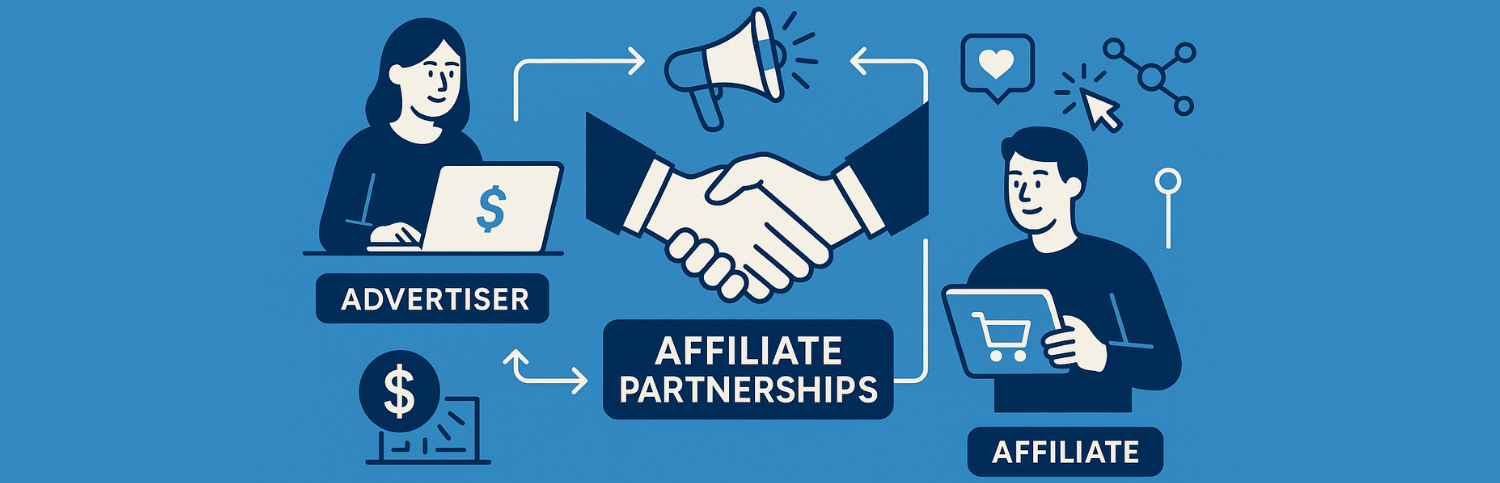
Affiliate Marketing is a performance-based marketing strategy where you (the merchant) partner with individuals or other businesses (affiliates) who promote your products or services to their audience in exchange for a commission on any resulting sales or leads.
In simpler terms, affiliates act as an extended sales force: they only get paid when their promotion results in a conversion (like a sale, sign-up, etc.).
Many digital marketing agencies help businesses set up and manage affiliate programs, which can dramatically increase your market reach with relatively low risk.
A.What Affiliate Marketing Services Include
- Affiliate Program Setup: Agencies assist in creating the structure of your affiliate program. This includes deciding on commission rates (e.g., a flat $ amount per sale or a percentage of the sale value), cookie duration (how long after a click a sale can be attributed to the affiliate – common durations are 30 days, 90 days, etc.), and the terms and conditions (like what promotional methods are allowed or not allowed for affiliates).
- Recruitment of Affiliates: “Build it and they will come” doesn’t apply to affiliate programs; you need proactive recruitment. Agencies often reach out to relevant publishers, bloggers, influencers, coupon and deal sites, comparison sites, and even other companies in complementary niches to join the program.
- Affiliate Onboarding & Support: Once affiliates join, the agency ensures they have everything they need to promote effectively. This means providing creatives (banner ads, text links, product images), sample copy or talking points, and a detailed affiliate guide.
- Offer and Incentive Management: To keep affiliates motivated, agencies might design special incentives. For example, a tiered commission structure (earn 10% normally, but if you sell over $5,000 in a month, you earn 12% on all sales), or performance bonuses (“$100 bonus if you generate 20 sales this month”).
- Tracking and Attribution: The core of affiliate marketing is tracking who referred a sale. Agencies ensure that monitoring is correctly set up (for example, affiliate links have unique IDs that drop a cookie or use other tracking methods, so that if a purchase occurs, the affiliate system knows which affiliate to credit).
- Program Optimization and Fraud Monitoring: Not All Affiliates Are Equal. Agencies will analyze which affiliates are performing well and which are not, and identify the reasons why. They might focus more effort on supporting top affiliates (such as offering them higher commissions or exclusive deals) because, in many programs, the Pareto principle applies – a minority of affiliates drive the majority of sales. They’ll also look for and police any fraudulent or low-quality affiliate activity.
- Payout and Relationship Management: Agencies often handle the logistics of paying affiliates (though networks make this easier by doing payments for you). They ensure affiliates are paid accurately and on time (happy affiliates stay active).
B. Why Affiliate Marketing Matters
It’s essentially a pay-for-performance marketing channel. You only pay a commission when a successful conversion occurs. This makes it a relatively low-risk proposition to expand marketing. If an affiliate drives no sales, it costs you nothing (except maybe a small network fee or management overhead).
Affiliate marketing can tap into audiences you might not reach through your own efforts. Affiliates can be niche content creators, comparison sites, or bloggers who have built trust with their followers. When they recommend your product, it comes with an inherent endorsement.
It’s a channel that accounts for approximately 16% of online e-commerce sales in the US, which is a significant figure. Many top e-commerce retailers have extensive affiliate programs that generate a substantial portion of their revenue. For digital products or software, affiliates (like reviewers, industry experts) can likewise be a big driver of new customers.
Another benefit: affiliates often come up with creative marketing angles or content that you might not produce yourself. They might target specific sub-niches or long-tail keywords. Essentially, they expand your marketing reach without requiring you to micromanage each campaign.
C. Actionable Affiliate Marketing Tips & Tools
If you’re starting an affiliate program, research what your competitors or similar companies offer in terms of commission. Your offer must be competitive to attract top affiliates.
For instance, if you sell software subscriptions, many SaaS companies offer 20-30% recurring commission; if you only offer 5%, affiliates might not bother with you. In retail, commissions might range from 5% to 15%, depending on the margins.
Select the appropriate network or software for your specific needs. Affiliate networks (like CJ, Rakuten, ShareASale, and Impact) give you exposure to their marketplace of affiliates and handle tracking and payouts (for a fee).
They’re good if you want to scale quickly and have a budget for setup fees or network commissions. In-house solutions might save some fees and give more control, but then you have to recruit affiliates largely on your own.
Prepare marketing materials for affiliates, including high-quality product images, banners in standard sizes, and pre-written descriptions or social media posts (affiliates appreciate this, especially those who are less creative, although top affiliates often craft their own messaging).
However, encourage authenticity – user-generated content from affiliates (such as their reviews) often converts better than generic marketing copy.
Maintain transparency and good communication. Keep your affiliates informed about key updates, such as upcoming sales (so they can prepare content), out-of-stock products, and changes in terms, among other relevant information.
Additionally, track the program’s profitability – while affiliate sales are beneficial, ensure the economics are sound (e.g., if an affiliate channel has higher return rates or lower customer lifetime value, factor that into the analysis).
Finally, celebrate your affiliates’ success. Acknowledge top performers in newsletters, maybe do a quarterly contest (“Whoever drives the most sales of Product X gets a bonus prize”), and make them feel valued. Remember, affiliates can choose whom to promote – if you foster a positive, fair, and rewarding program, they’ll give you more shelf space in their content.
Real-World Example: A fitness equipment online store sets up an affiliate program. They partner with fitness bloggers and YouTubers. One affiliate is a personal trainer with a blog who writes an article titled “Top 10 Home Workout Equipment,” featuring several of the store’s products with affiliate links.
That article ranks on Google and generates steady traffic; every time readers purchase through those links, the trainer earns a commission. Over a year, this one affiliate drives $50,000 in sales, and the store happily pays, say, $5,000 in commissions (10%) for those.
Another case: a web hosting company (which is known to rely heavily on affiliates in that industry) recruits tech review sites and YouTubers. They offer a generous $65 commission per referral (common in hosting).
They provide those affiliates with a dashboard to track sign-ups and lots of content support (like performance stats, comparison charts). As tech influencers publish “Best Web Hosting of 2025” comparisons, many list this company (with affiliate links) due to its good commission and performance.
Conclusion: Crafting Your Digital Marketing Strategy with the Right Services
As we’ve seen, digital marketing is multifaceted, and each service in this list plays a unique role in attracting, engaging, and converting customers online.
From building a foundation with a strong website and SEO, to driving immediate results with PPC, engaging audiences on social media, nurturing leads via email, optimizing for better performance with CRO and analytics, managing how the world perceives your brand, leveraging the voices of influencers and affiliates, and creating captivating content through blogs and videos – it all works together as an integrated whole.
For SEO beginners or small business owners, this may feel overwhelming at first. You might wonder, “Do I need to do all of these?” The answer depends on your specific goals and resources.
A full-service digital marketing agency can handle everything as a cohesive campaign, ensuring each channel complements the others (for example, using content created for SEO in your social media and email, or using PPC data to inform SEO keyword targeting). However, you can also start with a few key services and expand over time..
For marketing professionals in larger organizations, this guide should provide a checklist to help you evaluate your current strategy. Are you missing any opportunities? Perhaps you have great SEO and PPC, but haven’t capitalized on influencer marketing yet for that brand awareness boost.
Or maybe you’re creating lots of content but not doing enough CRO to convert that traffic. The best marketing plans are iterative – they continuously test new tactics, measure results, and refine the mix.
A few parting actionable insights:
- Integrate and Align: All these services work best not in silos but in synergy. For example, your content marketing (blog posts) fuels your SEO (keywords, fresh content) and social media (sharing those posts), and even email newsletters (highlighting a new article).
- Focus on Your Audience: At the core of each service is understanding your audience – what they search for, where they spend their time online, what content they enjoy, who they trust, what motivates them to make a purchase, and what keeps them loyal.
- Stay Educated and Adaptive: The digital marketing landscape is constantly evolving. Tactics that worked last year might need tweaking this year. For instance, SEO now requires a greater focus on search intent and high-quality content than keyword stuffing of the past. Social media marketing today may involve newer platforms, such as TikTok, or features like Instagram Reels, which weren’t as prominent a couple of years ago.
- Measure What Matters: Vanity metrics (like just traffic or likes) don’t always translate to business results. Define what success looks like for you – whether it’s online sales, lead form fills, app downloads, etc. – and keep a close eye on those conversion metrics. The services in this list all contribute at different stages of the funnel, but ultimately, they should be driving meaningful outcomes.
In summary, by leveraging a balanced mix of these digital marketing services, tailored to your business needs, you can create a powerful online marketing engine.
Whether you handle it in-house or hire expert agencies, the key is to treat digital marketing as an ongoing journey of improvement.
Start with a solid plan, execute with creativity and consistency, listen to the analytics, and be willing to refine your approach.
The digital world offers incredible opportunities for businesses of all sizes to grow and connect with customers worldwide. With this ultimate list of digital marketing services as your roadmap, you’re well-equipped to navigate that world.
Embrace the process, stay customer-focused, and don’t be afraid to seek help from professionals where needed – soon you’ll be attracting more traffic, generating more leads, and ultimately achieving the online success you’re aiming for.
By understanding and utilizing these digital marketing services – from SEO and content to PPC, social media, email, CRO, analytics, reputation management, influencer partnerships, video marketing, and more – you can build a robust online presence that attracts and converts your target audience.
Each component plays a part in the bigger marketing picture, and when orchestrated together, the results can be truly powerful. Here’s to your marketing success in the digital arena!
.png)
Shopify SEO: Guide to Ranking Your Store and Driving Sales
Most Shopify store owners set up their store, list their...
Content Marketing : Definitive Guide to Strategy, Content Types, and Measurable ROI
Content marketing generates 3x more leads than outbound marketing at...
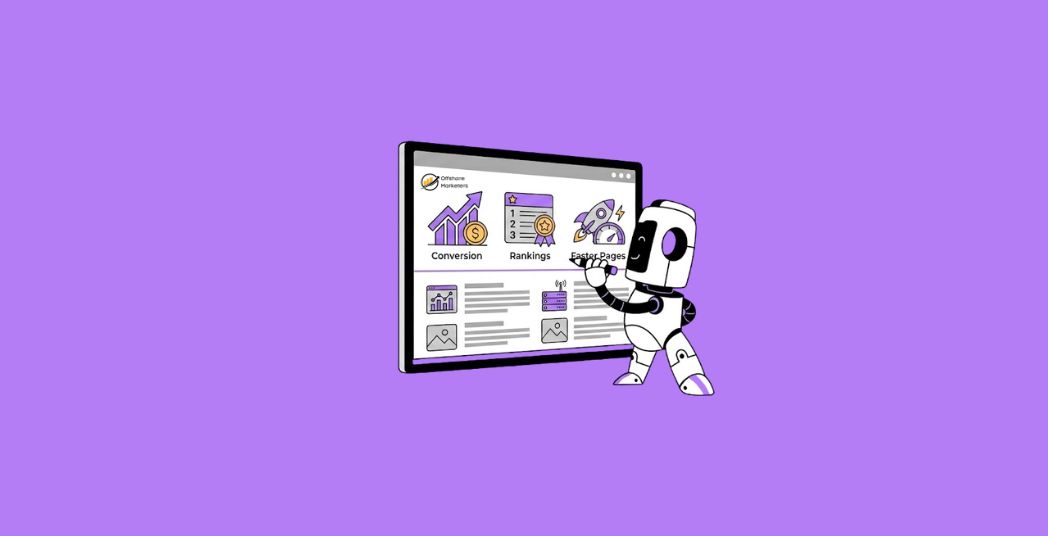
Above the Fold: Guide to Conversions, Rankings and Faster Pages
Above the Fold in 2026: The Complete Guide to Conversions,...

Off-Page SEO Checklist: Guide to Building Real Authority
Most websites spend months creating great content, only to wonder...
What Is Keyword Bidding? The Complete Strategy Guide for Smarter Ad Spend
Most advertisers believe the highest bid wins the auction. It...
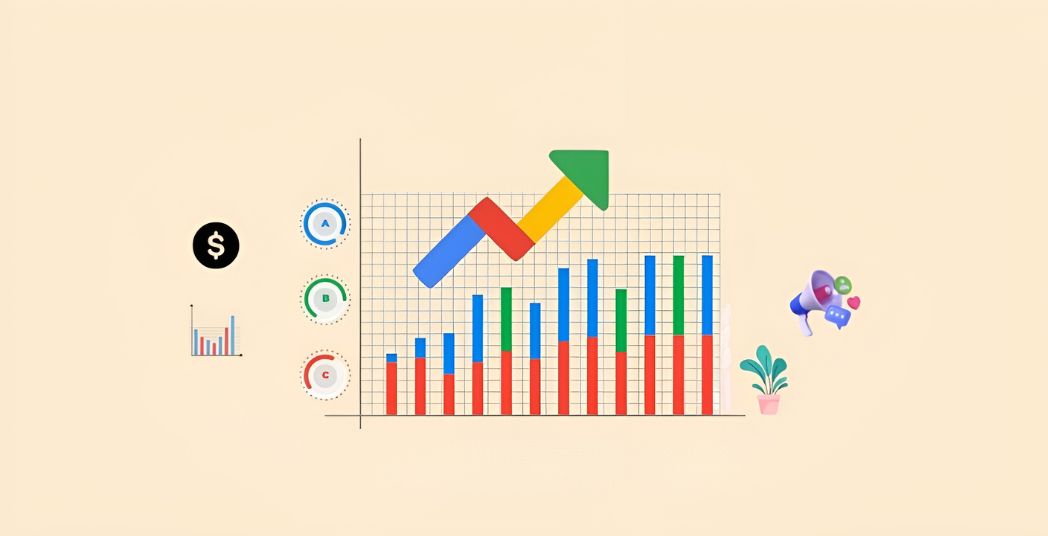
What Is Google Trends? The 2026 Marketer’s Complete Guide
If you are not already pulling weekly insights from Google...
If you want a growth partner who will get to know every aspect of your business and treat your budget like their own — we are the right fit.
.png)


.png)
.png)
.png)
.png)
.png)
.png)
2026 ALL RIGHTS RESERVED MADE IN INDIA
