
Link Building Outreach: Strategies, Templates & Tips
July 13, 2025
Introduction: Why Link Building Outreach Matters
In the world of SEO, link-building outreach is one of the most potent ways to boost your website’s authority and search rankings.
It’s the process of reaching out to other website owners, bloggers, or influencers and convincing them to link to your content.
Each backlink you earn is like a “vote of confidence” for your site, when reputable sites link to you, search engines see your content as more trustworthy and relevant. The result? Higher rankings on Google and more organic traffic.
However, effective outreach is easier said than done. Inbox fatigue is real, website owners are inundated with impersonal link requests and spammy emails.
Old-school tactics of blasting out generic emails no longer work in 2024 and 2025. To succeed, you need to rise above the noise with genuine, personalised communication and a compelling value proposition.
When done right, link-building outreach helps you build genuine relationships in your industry and earn the kind of backlinks that move the SEO needle.
This comprehensive guide will show you how to craft an outreach strategy that stands out, scales effectively, and consistently lands high-quality links for your site.
What to expect: We’ll start with the basics, what link outreach means and why it’s so important. Then, we’ll dive into a step-by-step outreach process, from preparing link-worthy content and prospecting for targets, to writing outreach emails and following up.
Along the way, you’ll get proven tips, real-world templates, and the latest best practices to keep your outreach ethical and effective. By the end, you’ll be ready to launch your outreach campaign to skyrocket your backlink profile. Let’s jump in!
What Is Link Building Outreach?

Simply put, link-building outreach is the practice of contacting relevant people to secure a backlink to your website.
Typically, it involves sending emails (or sometimes LinkedIn messages, tweets, etc.) to site owners or editors to suggest they link to your content. In almost all white-hat link-building strategies – whether it’s guest blogging, broken link building, or digital PR, outreach is the engine that gets your content in front of the right people.
The core idea is value exchange. You aren’t just begging for links; you’re highlighting something valuable you can offer in return.
That value might be an outstanding piece of content that would enhance their article, a guest post you can write for them, a useful resource you created, or even a mutually beneficial partnership.
Link outreach is about building a genuine connection so that the other site owner wants to link to you because it benefits them or their audience.
It’s important to note that outreach is distinct from spam. You’re not buying links or dropping random links on forums. Instead, you’re engaging in person-to-person communication to earn editorially placed links.
Done correctly, outreach leads to backlinks from authoritative, relevant sites, and those are exactly the kind of links that search engines reward.
In the next sections, we’ll break down how a successful outreach campaign works and how to make sure your efforts result in quality links (and not a one-way trip to someone’s spam folder).
Here’s a more conversational internal link line for “Link Building Tips”:
Looking to boost your site’s authority? Check out our Link Building Tips, simple, effective strategies to help you grow your online presence!
This adds a friendly, approachable tone while encouraging users to learn more.
Why Is Link Building Outreach Important for SEO?
Backlinks have long been a top-ranking factor for Google, and that hasn’t changed in 2025. Earning links naturally (people linking to your content on their own) is wonderful, but it’s often slow and unpredictable.
Outreach gives you control, it’s a proactive way to build the links you need rather than waiting and hoping. Here are a few reasons outreach is crucial:
Quality backlinks signal to search engines that your site is authoritative and trustworthy.
Outreach helps you secure those quality links by targeting reputable sites in your niche.
A successful outreach campaign can land links from websites with high domain authority, which pass strong “SEO juice” to your site and boost your rankings.
1. Targeted Traffic and Visibility

Backlinks from relevant websites don’t just help with SEO, they can also drive referral traffic.
When you get your link placed on a popular site or blog that your target audience reads, you expose your content to new readers.
Effective outreach focuses on relevant sites, so the visitors coming through those links are likely interested in your topic and more apt to engage with your content.
2. Building Industry Relationships
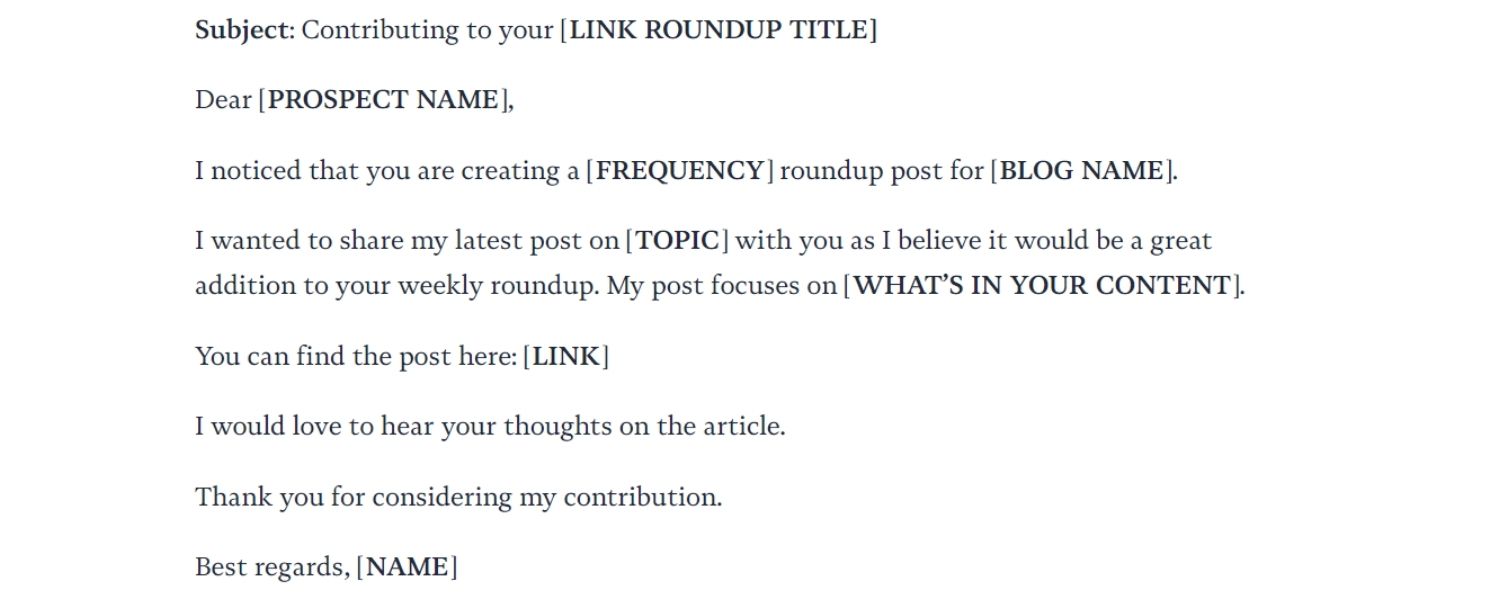
Outreach is an opportunity to connect and build relationships with others in your industry or niche.
Even if not every outreach email results in a link, simply networking with other content creators and editors can lead to collaborations, guest post invitations, and future link opportunities.
Think of outreach as a form of digital PR, you’re raising awareness of your brand among industry peers. Over time, this can establish you as a known, credible source, making it even easier to earn links down the road.
3. Competitive Advantage
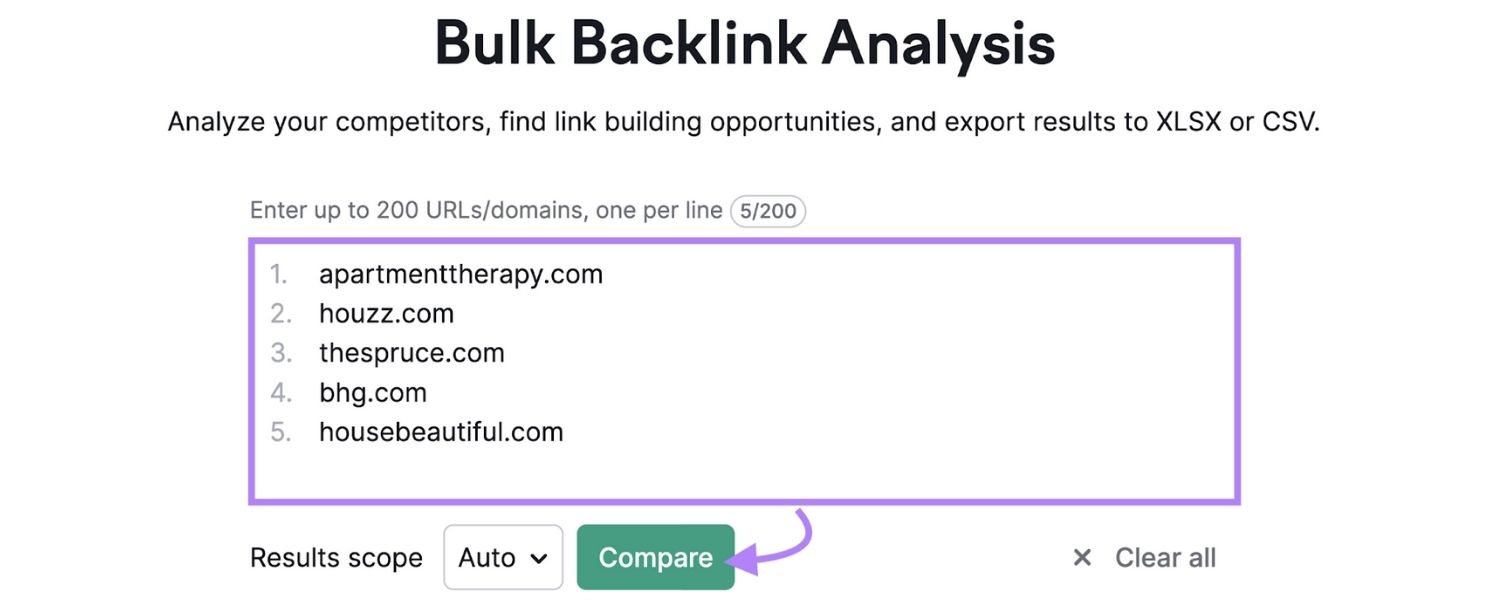
If you’re in a moderately competitive niche, chances are your competitors are also doing outreach and actively building links. To keep up (or outrank them), you’ll need a systematic outreach strategy of your own.
Outreach allows you to close the gap by securing links similar to those your competitors have, or even better, to uncover linking opportunities they missed. It’s about not leaving your backlink profile to chance.
In short, link-building outreach is important because it’s one of the most effective and scalable ways to improve your site’s authority.
Instead of waiting for links to come, you’re taking initiative to earn backlinks that matter, links that boost your SEO performance and drive real business results. Now, let’s get into how to do outreach step by step.
Preparing for a Successful Outreach Campaign
Before you send a single email, successful outreach starts with solid preparation. Think of it like prepping for a job interview: you need to have the right “resume” (great content on your site) and do your homework on the people you’ll reach out to.
Laying the groundwork will dramatically increase your success rate. Here’s how to get ready:
1. Create Link-Worthy, High-Quality Content

The foundation of any outreach campaign is the content you want people to link to. If your content isn’t truly valuable, even the best outreach email won’t convince anyone to link.
As the saying goes, “Great content is the backbone of effective link-building outreach.” Make sure you have at least one piece of content that is worth a backlink.
This could be a comprehensive blog post, original research, an infographic, a free tool, or anything that provides exceptional value.
What makes content link-worthy? It should be relevant to your industry, in-depth, and offer unique insights or data.
Cover topics that people in your niche care about, and aim to create the best resource available on that topic. For example, Brian Dean (of Backlinko) famously creates data-driven content (like “X Statistics” posts or definitive guides) specifically designed to attract links from bloggers and journalists.
When you present site owners with content that benefits their audience, they’ll be much more inclined to link to it.
Also, ensure your content meets a high standard of quality: it should be well-researched, well-written, and visually appealing.
Adding charts, images, or videos can make it more engaging and shareable. If it’s been a while since you updated your content, consider freshening it up with current info and insights so you’re pitching something timely and relevant in 2025.
Remember, outreach is a two-way street, you’re asking for something (a link), so be sure you’re offering something valuable (great content) in return.
2. Define Your Outreach Goals and Strategy

Next, clarify what you want to achieve and how you plan to do it. Not all outreach campaigns are the same. Are you trying to build general backlinks to your homepage for authority?
Or are you focused on getting links to a specific blog post (perhaps to boost its ranking for a target keyword)?
Maybe you’re promoting a new research piece or tool and want as many links as possible from industry sites.
Defining your goals will shape your targeting and messaging.
It’s also wise to decide on the link-building tactics you’ll use, as each might target a different type of prospect. Some popular outreach-driven tactics include:
A. Guest Posting
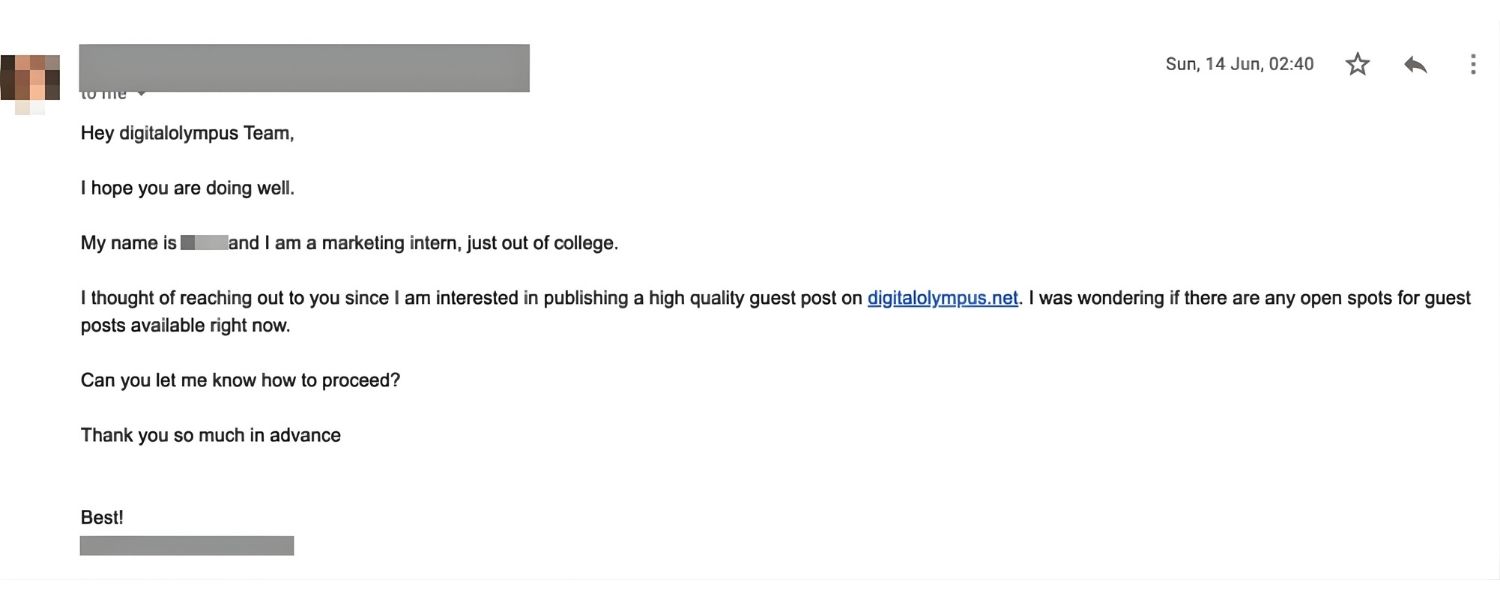
Offering to write an article for another website’s blog in exchange for a backlink (usually in the author bio or content).
This tactic involves targeting sites that accept guest posts. You’ll pitch a content idea to them as part of your outreach.
B. Broken Link Building

Finding broken links on other sites (404 pages) and suggesting your content as a replacement.
Here, your prospects are sites with dead links to content similar to yours. Your pitch will point out their broken link and politely offer your live resource as a fix.
C. Resource Pages
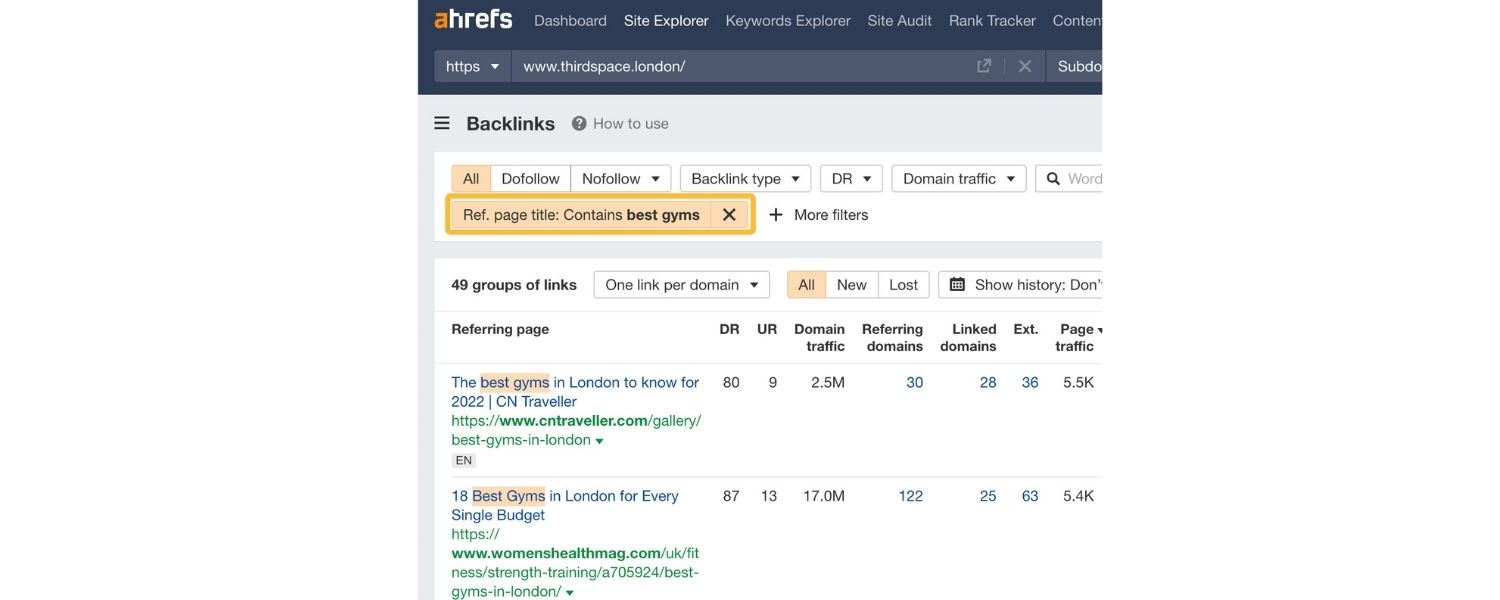
Many industries have “resource pages” or listicles (e.g., “Top 10 Tools for X”) – you can reach out to be included.
For this, prospects are pages listing resources or tools where your content or product fits in. Your outreach highlights how your resource adds value to their list.
D. Unlinked Brand Mentions
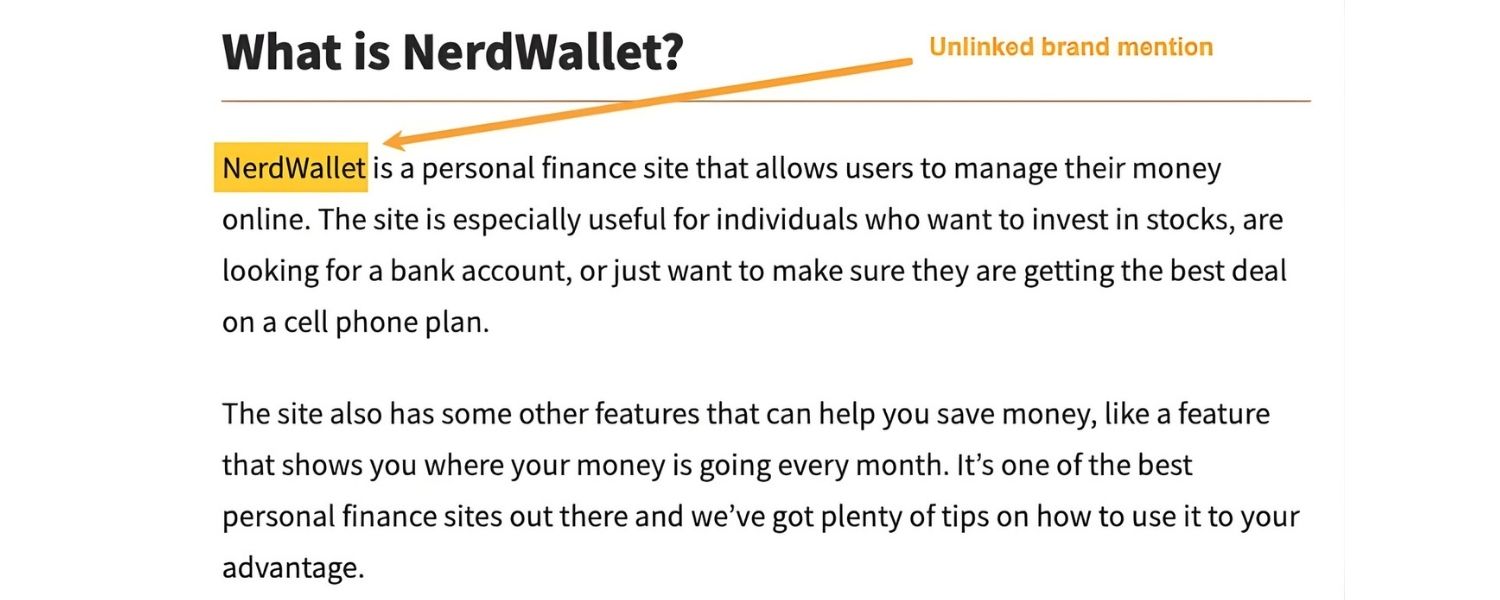
If your brand or product has been mentioned in an article without a link, you can kindly ask the author to make the mention clickable.
The prospects are sites that have mentioned you; the ask is straightforward – to turn that text into a hyperlink to your site.
E. Skyscraper Technique

Find a popular piece of content in your niche with lots of backlinks, create something even better, and then reach out to everyone who linked to the original, asking them to link to you instead.
This one involves significant content work upfront, but the prospects (those backlinking sites) are pre-vetted as interested in your topic.
F. Digital PR and HARO

Reaching out to journalists or responding to “Help a Reporter Out” requests to get cited in news articles.
This is more indirect – instead of asking for a link to existing content, you provide a quote or data, and they credit you with a backlink. It can yield high-authority links if you have newsworthy information.
You don’t have to use every tactic, but know which one(s) you’re focusing on. For example, you might decide: “We’ll do a guest posting campaign targeting 10 high-authority blogs in our niche, and a parallel broken link campaign to reclaim 5 broken links pointing to competitor sites.” This way, you have a clear plan and can craft appropriate outreach messages for each.
3. Build a Prospect List of Target Websites
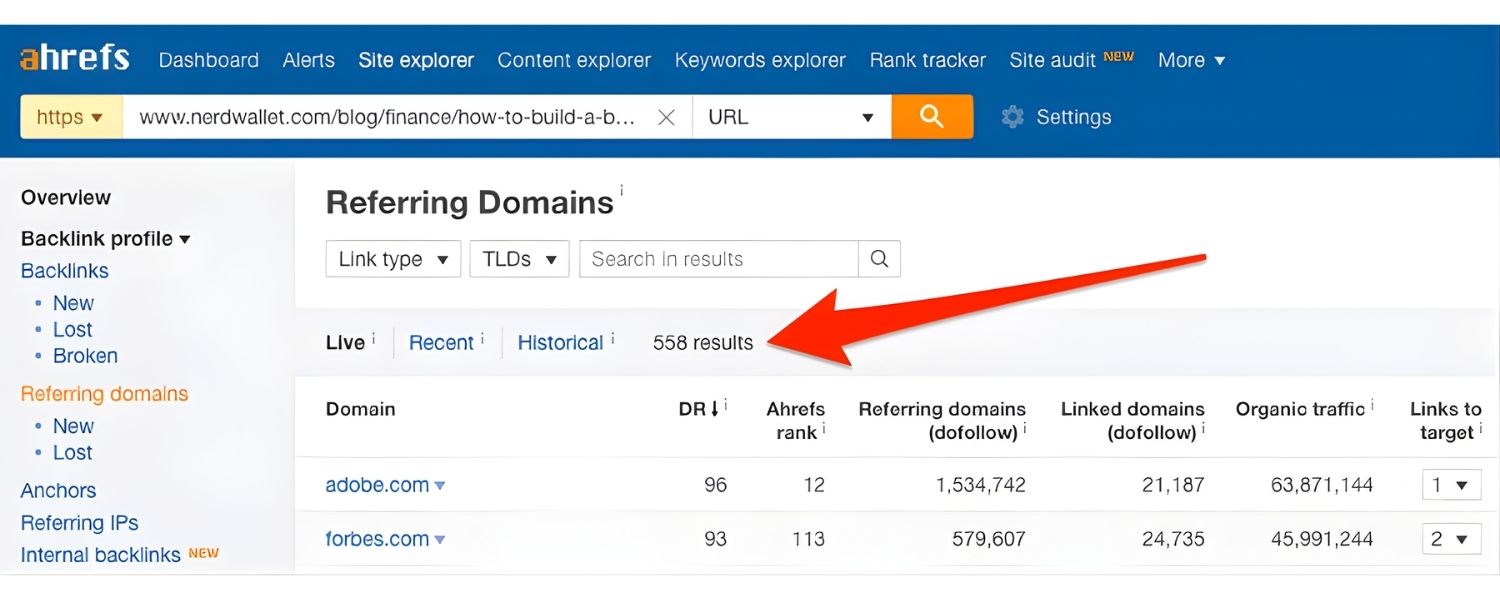
With great content ready and a strategy in mind, it’s time to find your outreach targets – the websites that you’ll ask for links. Prospect research is one of the most important steps in outreach.
The goal is to compile a list of sites (and ideally specific people/editors) that are both relevant to your niche and likely to be interested in linking to your content.
Here are some effective ways to identify outreach prospects:
A. Competitor Backlink Analysis

Use an SEO tool (Ahrefs, Semrush, Moz, etc.) to see which sites link to your competitors or to similar content in your niche.
If they found your competitor’s piece worth linking, they might link to yours as well, especially if you have something even better.
Many tools have a “Backlink Intersect” or “Link Gap” feature to find sites that link to multiple competitors but not you. These are prime outreach targets because they’ve demonstrated a willingness to link out.
B. Advanced Google Searches

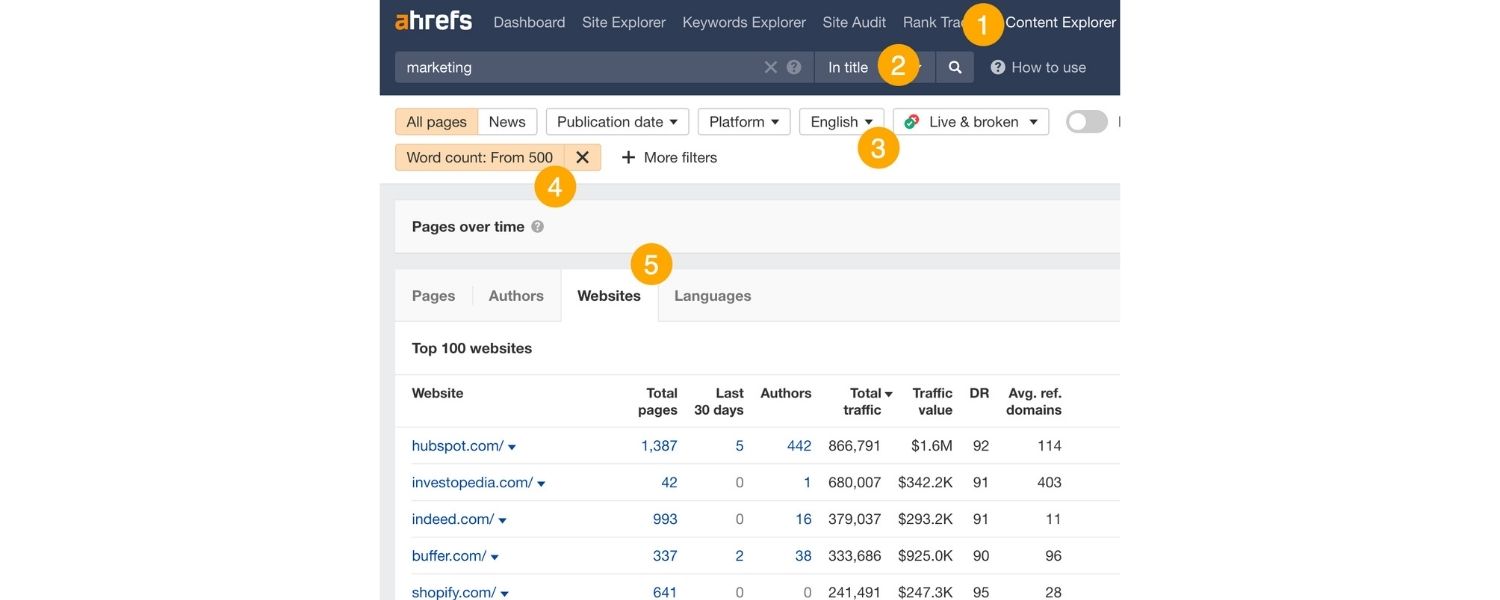
A bit of Google hacking can surface opportunities. Use search operators like intitle: or inurl: with keywords.
For instance, search for “[Your Topic] intitle: resources” or “[Your niche] “write for us” to find resource pages or guest post opportunities.
You can also search for things like “best [your topic]” lists, which might be resource pages where your content could be included.
C. Existing Relationships and Networks
Don’t overlook your network. Brainstorm any industry contacts, partners, or customers who have websites or blogs – these can be the easiest early wins for backlinks.
If you’ve already interacted on social media or at events with certain bloggers, put them on your list (with a note about your connection). Warm outreach (to someone who recognises you) often has a higher success rate than pure cold outreach.
D. Link Building Tools & Platforms

There are dedicated outreach platforms (like Semrush’s Link Building Tool, BuzzStream, Pitchbox, Respona, etc.) that can automate prospecting. For example, Semrush’s Link Building Tool can suggest prospects based on your keywords and competitors.
These tools also help manage outreach campaigns. If you’re doing this at scale, they’re worth considering – they can save time by aggregating prospects and even finding contact info within one interface.
E. Check Engagement and Relevance
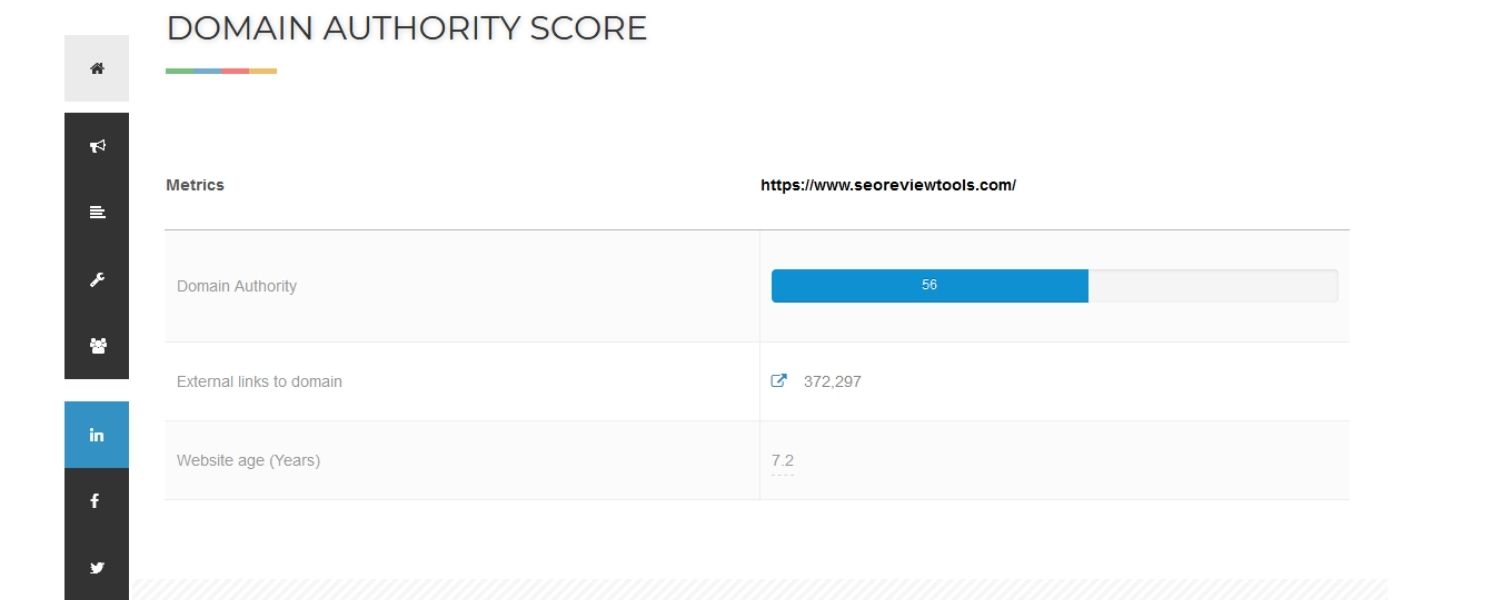
As you gather potential sites, vet them. Quality matters more than quantity. Ask: Is this site relevant to my industry or audience? A backlink from a closely related niche site is far more valuable than one from an unrelated directory or low-quality blog.
Also consider authority: A link from a high-authority site (e.g. a respected industry publication) is SEO gold. That said, don’t chase only the highest DA sites – a mix of authority levels is natural.
Just avoid spammy or “link farm” sites entirely (if a site links out to anyone and everyone, a backlink from it won’t help and could hurt).
- Quality criteria to check include Domain Authority/Rating, organic traffic levels, and the site’s content quality.
- Aim to build a list of prospects larger than the number of links you hope to get.
- Outreach conversion rates are typically low (more on that soon), so if you want, say, 20 backlinks, you might need 200 solid prospects.
- Usually, only a fraction will pan out. In outreach, numbers game + quality targeting is key: reach out widely, but only to relevant, quality sites.
4. Find the Right Contacts and Emails

Once you have a list of target websites, you need to find who to reach out to and how to contact them.
Sending your email to a generic address like [email protected] or through a site’s contact form is usually less effective than reaching a real person who has the power to add your link.
So, the task here is identifying the appropriate contact (often an editor, webmaster, or content manager) and getting their email address.
Here are some tips for contact discovery:
A. Use Email Lookup Tools
Services like Hunter.io, Snov.io, and Voila Norbert allow you to find email addresses associated with a domain.
For example, with Hunter, you can input a company domain (say, example.com) and it will list known email patterns and addresses (like [firstname]@example.com).
If you have a name from an author byline or LinkedIn, many tools let you search by name + domain to find that person’s email. These tools often have free credits for a limited number of searches; bulk plans are paid.
B. Leverage Outreach Platforms
If you’re using an outreach platform like Pitchbox or BuzzStream, they often have built-in email finding and verification features.
For instance, Pitchbox can automatically find contacts when you upload a list of domains. Respona (another outreach tool) even uses an algorithm to pull relevant contact roles (like content managers) for each site. These can save a lot of manual effort.
C. LinkedIn and About Pages
Sometimes, the most straightforward approach is to go to the website and look for a “Team” page, editorial page, or author bio to get a name and title.
If a blog post is authored by Jane Doe, you might search LinkedIn for “Jane Doe [Site Name]” to get her role, e.g., Content Editor.
Once you have a name, you can often guess the email or use a tool to confirm it. Many company emails follow patterns (like firstname.lastname@domain, or firstname@domain).
LinkedIn can also be used for outreach via InMail or a connection request message, but email tends to be the primary channel for link-building outreach.
D. Aim for the Right Person
Who is “right” depends on the site. For a single-author blog, the right person is the owner (so emailing them directly). For larger publications, look for someone in content/editorial roles – titles like Content Manager, SEO Editor, Blog Editor, etc.
In some cases, a marketing manager or webmaster might handle external collaboration. If you’re not sure, it’s okay to reach out to a general editor or even to the author of a relevant article on that site (authors can often forward your request internally if needed).
Avoid emailing the CEO or a completely unrelated department, you want someone who deals with content.
E. Verify and Validate
There’s no point in sending outreach to an address that doesn’t exist. Use an email verifier tool (Hunter has one built-in, and services like NeverBounce or ZeroBounce are options) to check deliverability.
Some outreach tools do this automatically. Also, watch out for generic emails (like [email_1] or [email_2]). They can work, but your email might get lost.
It’s often worth the time to find a personal work email. However, if privacy is tight, some sites only have a generic contact; in that case, make your email extra compelling to catch attention.
Taking the time to find the right contact for each target site can significantly improve your outreach results.
It means your carefully crafted pitch will land in the inbox of someone who can actually implement the link, rather than bouncing around or being ignored. It’s a bit of upfront work, but it pays off with higher response rates.
(Pro Tip: Create a spreadsheet to organise your outreach – include columns for Website, Contact Name, Title, Email, Status, etc. That way, you can keep track of who you’ve reached and their responses.
Many link builders also note any personal tidbits (e.g., “contact has a dog named Zeke” or “prefers short emails”) to personalise their approach.)
How to Do Link Building Outreach (Step-by-Step)
Now that you’ve done the prep work, you have killer content, a strategy, a list of prospects, and contacts, it’s time for the main event: sending the outreach and securing those backlinks.
In this section, we’ll walk through the outreach process step by step, from crafting the perfect email to following up and managing replies. Think of this as your outreach campaign playbook.
Step 1: Craft a Personalised, Value-Driven Outreach Email
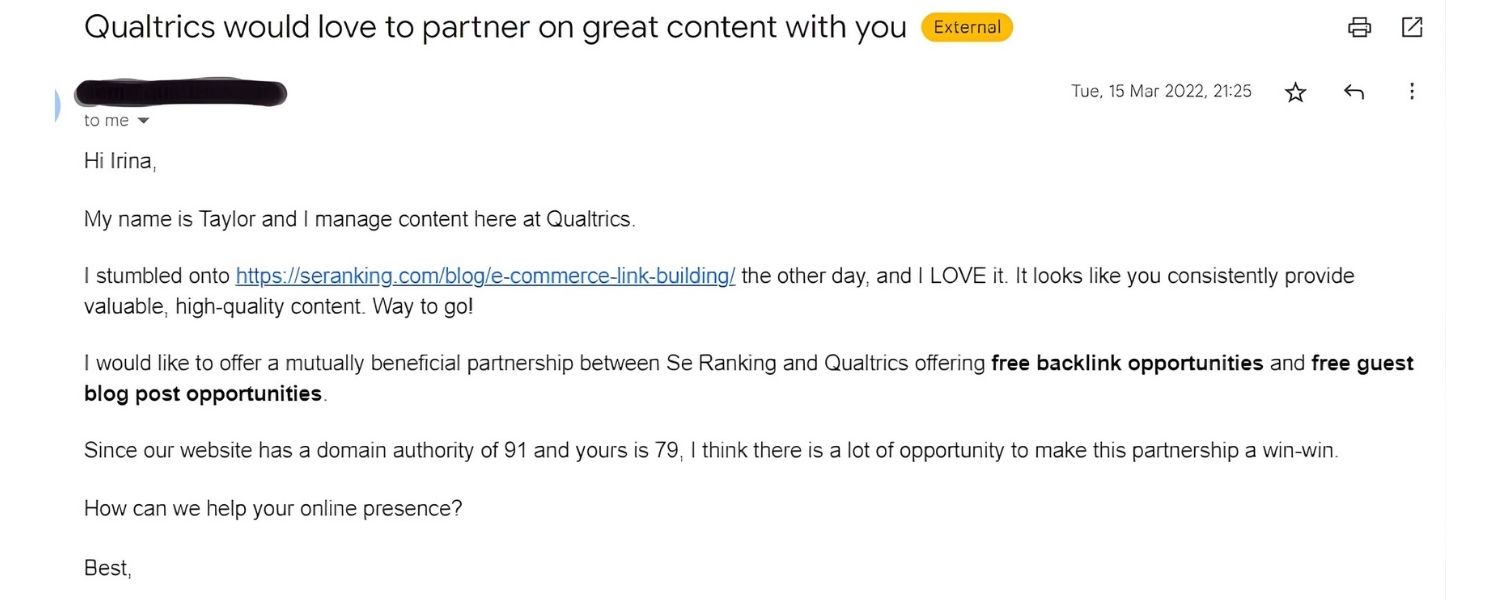
The outreach email itself is critical. This is where many campaigns succeed or fail.
A great outreach email needs to do a few things quickly: grab attention, establish relevance, convey value, and make a clear ask, all while coming across as a genuine human, not a spammer.
Let’s break down how to achieve that:
A. Personalise Your Greeting and Intro
Always start with a friendly greeting that uses the person’s name (e.g., “Hi Emily,”). Nothing screams spam more than “Dear Webmaster” or a blank space where a name should be.
In the first sentence or two, mention something specific about their site or content to show this isn’t a bulk form email.
For example: “I loved your recent article on [topic] – especially the part about [specific detail].” This shows you did your homework and genuinely appreciate their work. It creates a human connection and flatters them a bit (as long as it’s sincere).
B. Strong Subject Line
Before they even read your email, the subject line needs to entice them to open it. Aim for a subject that is concise and piques curiosity or highlights a benefit.
For example, a subject like “Quick question about your blog [Name]” or “Loved your post on [Topic] (+ a resource suggestion)” can work well.
If you’re doing a broken link outreach, something like “Found a broken link on your site” can actually get high open rates because you’re helping them fix an issue.
Avoid clickbait or over-promising subjects; be honest but intriguing. And keep it short – many people read emails on mobile, where long subjects get cut off.
C. Explain Why You’re Reaching Out (Give Value First)
In the body, after the intro, quickly get to the point. Explain what you have and why it’s relevant or valuable to them. This is crucial – frame your outreach in terms of their benefit, not just yours.
For example: “I noticed you have an older article about [Topic]. I created a new [guide/study] on that topic with fresh [data/insights] that I think your readers would love.” Here, you’re positioning your content as something that enhances their site.
If it’s a guest post pitch: “I have a unique idea for an article on [proposed title] that I think would resonate with your audience, and it’d naturally include some research we just did.”
If it’s a broken link: “You’re linking to [Old Resource], which is no longer online – we just published a comprehensive update on that subject that could replace it and keep your page accurate.”
Be concise – a good outreach email might be around 4-6 sentences total. Every extra word beyond that increases the chance they’ll skim or skip.
Make it easy to read: short paragraphs or bullet points can help if you have multiple ideas. But in many cases, a few well-crafted sentences are enough.
D. Make a Clear Ask (Call to Action)
Don’t be shy about what you want them to do – but do it politely. Towards the end, include a line that is essentially your call to action.
For example: “If you find our guide useful, would you consider adding a link to it in your article? It could offer your readers [benefit]…” and perhaps specify where it fits if relevant (like mention the section or anchor text). By being specific, you save them effort.
Another CTA example: “Let me know if you’d be interested in a guest post on [proposed topic], and I’d be happy to write it for you.”
Always keep a polite tone – phrases like “would you consider…,” “if it would help your readers, feel free to…,” etc., work well. You’re requesting, not demanding.
E. Keep it Friendly and Professional
End your email with a courteous close. Something like “Thank you for your time” or “Hope to hear your thoughts” followed by a simple sign-off (“Sincerely,” “Best regards,” etc.) and your name/title.
It’s good to include a professional email signature or at least one line about who you are (e.g., Your Name, Position, Company). This establishes legitimacy – they can see you’re a real person with a real company.
Optionally, you could include one social proof element in the signature (like a company website link or a mention of a notable feature, but keep it minimal to avoid looking like marketing.
Example of a Good Outreach Email
To illustrate, here’s a sample outreach email that ticks these boxes:
An example of a personalised broken-link outreach email that uses a bit of humour and suggests a valuable replacement link.
Notice it addresses the recipient by name, acknowledges their content, and succinctly offers the sender’s resource as a helpful fix, making the request feel mutually beneficial.
In this example, the subject line “Hey Alexa, is this link broken?” and the opening reference to Alexa’s analytics shutdown catch the reader’s attention with a timely hook.
The email then politely points out the broken link and suggests the sender’s content as a replacement, even adding a dash of humour (“It’ll save us $97M and send me to the moon :)”).
The tone remains light, helpful, and not too pushy – a great template to emulate in your style.
Now, your outreach doesn’t need to be funny if that’s not your vibe; the key is to sound human and offer value. Templates can guide you, but always customise them heavily.
Avoid common template phrases that scream mass email. Templates are a double-edged sword: many overused ones end up in trash folders because recipients have seen them a hundred times.
It’s okay to use a framework, but add enough unique touches that it doesn’t feel templated. More on this in the tips section later.
Step 2: Send Emails at the Right Time (and in Batches)

When your emails are ready to go, it pays to be strategic about when and how many you send. Hitting “send” may seem trivial, but a few considerations can improve your outreach efficiency and results:
A. Timing
Reach out when your contacts are most likely to check their email. For B2B and bloggers, weekday mornings tend to work well (Monday through Thursday, 9 am – 11 am in their time zone is often cited as a sweet spot).
That’s when many people process their inbox at the start of the workday. Avoid weekends and holidays – your message may get buried by Monday.
Also, be mindful of time zones if you’re contacting people globally. If you use an outreach tool or even Gmail with a scheduler, you can set emails to send at a specific local time.
A personalised touch is to schedule based on their location (if you know most targets are in, say, Eastern Time, schedule send for 10 am ET).
B. Send Rate
Don’t send hundreds of outreach emails in one blast from a regular email account. This can trigger spam filters or get your email domain flagged.
Instead, send in batches and pace them out. If you have a long list, you might send 20-30 emails per day over several days.
Many outreach pros cap daily sends to avoid any deliverability issues and to handle responses more manageably. If using an automated platform, you can usually set a daily send limit or schedule.
C. Customise Each Email (if not using automation)
If you’re manually sending, take a moment for each email to double-check personalisation tokens – ensure you have the right name, site name, etc. A mail merge accident where you send “Hi [Name]” is disastrous.
If you’re using outreach software, test it by sending a preview to yourself (most tools let you do a test send). This helps verify formatting and that all dynamic fields (like {Name}) are correctly populating.
D. Avoid Spammy Elements
Little things can cause an email to go to spam: too many links, certain spam trigger words (“free”, “buy now”, etc.), or bulky HTML. Simpler is safer – plain text or lightweight HTML emails often have better deliverability.
Since outreach emails are typically one-to-one and conversational, plain text format is perfectly fine (and often more personal). One link, the one to your content, is usually enough.
You might include one or two if needed (like a link to the page you noticed a broken link on, plus your content link).
But don’t load an email with a dozen links or images. If you want to show an image (like an infographic snippet), it’s better to just describe it and offer it if they’re interested, rather than embedding it in the cold email.
By sending at optimal times and throttling your send frequency, you’ll increase the chances your emails are seen and avoid being flagged as a spammer.
Plus, pacing the campaign helps you stay organised, you can monitor replies and adjust your approach if you notice patterns (for example, if no one is responding, you might tweak your email template before sending the next batch).
Step 3: Handle Responses – Follow Up (Politely) and Negotiation
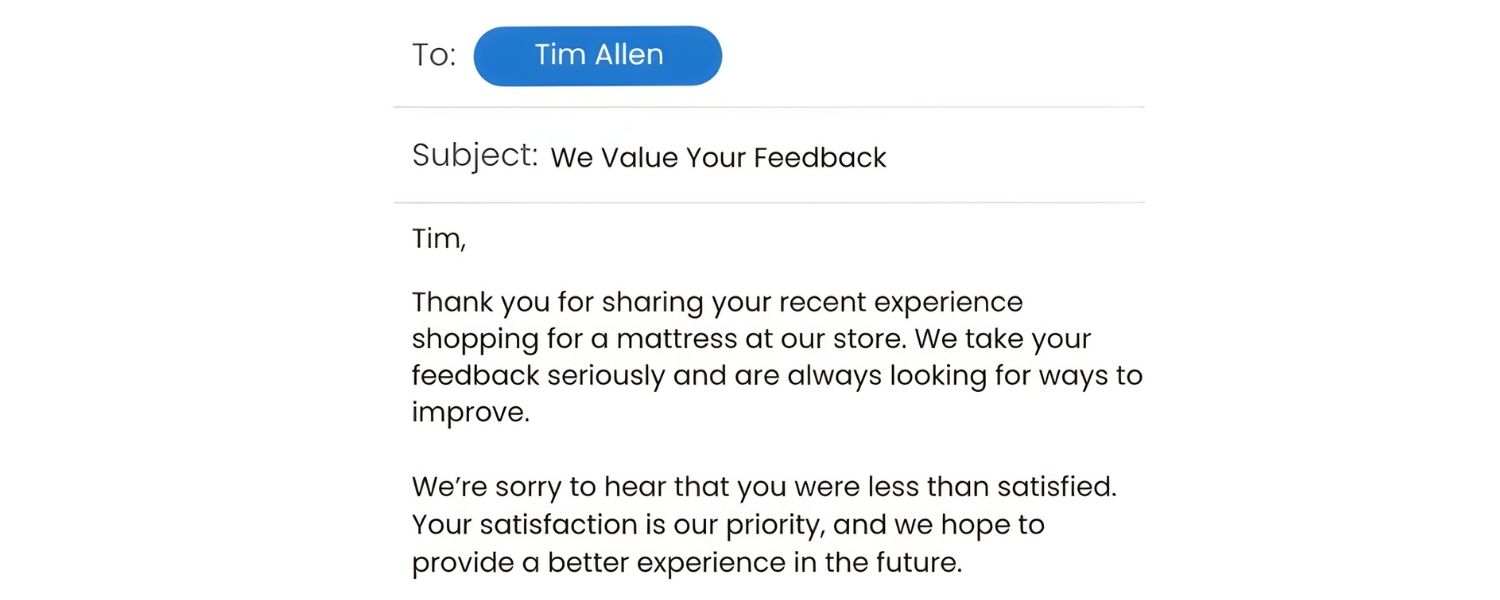
Once your emails are out, you’ll (hopefully) start getting some responses. Not everyone will reply, in fact, expect a lot of silence.
That’s normal. Industry data shows that a typical outreach campaign might get a response rate in the low single digits to low teens, depending on how targeted and personalised it was.
A poll by Ahrefs found the average conversion rate (getting a link) for outreach is just 1–5%. That means for every 100 emails, only a few might result in a backlink. Don’t be discouraged – persistence and volume (with quality) are part of the game.
Here’s how to manage the replies you do get:
A. Positive Responses
Congratulations, someone is interested! They might respond with something like “Sure, I’ll add the link” or “Yes, we’d consider a guest post, what do you have in mind?” or “Sounds good, send over the details.”
In these cases, respond promptly (ideally within a day) while they’re still engaged. Be gracious, thank them for their time and action.
If they agreed to add a link, you could offer to provide any snippet of text if they need (sometimes they might say, “I’ll link it when I update the post next week”).
Mark your sheet that this prospect is converting and follow up later to confirm the link went live. If it’s a guest post acceptance, move to discussing topics or guidelines and deliver the content as promised, on time.
Speed and reliability here build your reputation – they might even be open to linking again or doing more collaboration if you prove easy to work with.
B. No or Not-Now Responses
Some might reply with a soft decline like “Thanks, but we’re not adding links at this time,” or “We don’t typically update old posts”, or “We only do no-follow links”, etc. Others may outright say no.
Take these gracefully. You can send a brief thank-you in return – e.g., “No worries, I appreciate you getting back to me.
If I can ever help you with a resource, please feel free to reach out!” Don’t argue or push back aggressively; it rarely changes minds and can burn bridges.
However, if they leave an opening (“we’re not doing this now”), you might politely check back in a few months or include them in a future outreach if you have something even more compelling.
C. Negotiation or Requests
Often, replies fall into a grey area – not an immediate yes, but not a no. For example, they might say: “We don’t usually add links to old posts, but we’d consider it if you can write a guest paragraph/provide a quote.”
Or “We can link to you, but only if you link to us somewhere” (a hint at link exchange). Or “We charge a fee for adding links/guest posts, it’s $X.” These are scenarios where you need to decide how to proceed carefully:
- If they ask for a link exchange (you link to me, I link to you), tread cautiously. Google’s guidelines frown on excessive link-swapping schemes.
A one-off exchange likely won’t trigger penalties, but make sure it’s natural and relevant. Alternatively, a three-way link exchange is sometimes used (Site A links to Site B, Site B links to Site C, Site C links to Site A, to make it less direct).
This can get complicated. If you have multiple sites or a network, you might leverage that. But always prioritise user value and relevance over pure exchange.
If an exchange makes sense (both pieces of content truly merit linking to each other), and it’s a high-quality site, it’s your call. Just don’t turn your whole campaign into a swap meet, it reduces the organic nature of your link profile.
- If they ask for money (paid link), be very careful. Paying for links is against Google’s spam guidelines and could result in penalties if detected. Some webmasters openly state rates for adding a link or publishing a guest post.
This is common, but not best practice SEO-wise.If the site is extremely high-value and the price is reasonable, some choose to pay and treat it as a “sponsored” placement (ideally with a rel=“sponsored” tag to be safe).
However, note that paid links should be no-follow or sponsored to comply with guidelines. If you’re not willing to pay, you can politely decline: “I understand, unfortunately, my project doesn’t have a budget for paid placements, but thank you anyway.”
Sometimes, you can negotiate a lower fee or another arrangement. For instance, you might offer to write a guest post for free instead, many sites prefer content over cash.
Or propose a link exchange as an alternative. Use your judgment, but always remember: earning genuine links is the goal; buying links carries risk.

.png)
Shopify SEO: Guide to Ranking Your Store and Driving Sales
Most Shopify store owners set up their store, list their...

Content Marketing : Definitive Guide to Strategy, Content Types, and Measurable ROI
Content marketing generates 3x more leads than outbound marketing at...

Above the Fold: Guide to Conversions, Rankings and Faster Pages
Above the Fold in 2026: The Complete Guide to Conversions,...

Off-Page SEO Checklist: Guide to Building Real Authority
Most websites spend months creating great content, only to wonder...

What Is Keyword Bidding? The Complete Strategy Guide for Smarter Ad Spend
Most advertisers believe the highest bid wins the auction. It...

What Is Google Trends? The 2026 Marketer’s Complete Guide
If you are not already pulling weekly insights from Google...
If you want a growth partner who will get to know every aspect of your business and treat your budget like their own — we are the right fit.
.png)


.png)
.png)
.png)
.png)
.png)
.png)
2026 ALL RIGHTS RESERVED MADE IN INDIA
