
What Is Digital PR? Benefits, Strategies & Success Examples
July 11, 2025
Digital PR is rapidly becoming a must-have strategy for brands to build their online presence and credibility. If you have a great product but no one has heard about it online, you’re likely losing potential customers.
With global ecommerce sales projected to surpass $6.3 trillion in 2024 and 81% of consumers saying they need to trust a brand before buying, it’s clear that managing your reputation on the internet is essential. SEO strategies can help you build trust online and improve your ranking on search engines, making it easier for customers to find you.
This is where digital PR (digital public relations) comes in – helping companies gain visibility, earn trust, and even improve SEO by getting people talking about them on high-profile websites and social platforms.
Digital PR acts as a megaphone for your brand’s story in the online world. Helping you develop a winning digital PR strategy and boost your SEO efforts by securing quality backlinks and mentions across credible sites.
In this comprehensive guide, we’ll explain what digital PR is, how it differs from traditional PR, why it’s so crucial for businesses today, and how to develop a winning digital PR strategy.
We’ll also cover proven tactics (with examples) and actionable steps to launch your own successful digital PR campaign in 2025. Let’s dive in!
What is Digital PR?

Digital PR (also known as online public relations) is the practice of managing and improving how your brand is perceived across the internet.
It involves a range of tactics to increase your company’s visibility, reputation, and positive mentions on digital channels. In essence, “the main element of online PR is maximizing favorable mentions of an organization – its brand, products, and websites – on third-party sites” that your target audience frequents.
Instead of relying solely on traditional outlets like print newspapers or TV, digital PR focuses on websites, social media, blogs, podcasts, search results, and other online platforms to tell your brand’s story.
Digital PR strategies can include coordinating product reviews, setting up interviews, networking with bloggers and online journalists, distributing digital press releases, leveraging influencer partnerships, and creating content that gets shared widely.
For example, your team might publish a data-driven study or an infographic and then pitch it to news sites and industry blogs. A successful digital PR campaign will earn you mentions, features, and backlinks from reputable websites, which in turn boosts your brand awareness and authority online.
Ultimately, digital PR is about proactively managing your brand’s reputation on the internet, ensuring that when people search for or stumble upon your business online, they encounter positive, trust-building information.
Digital PR vs. Traditional PR
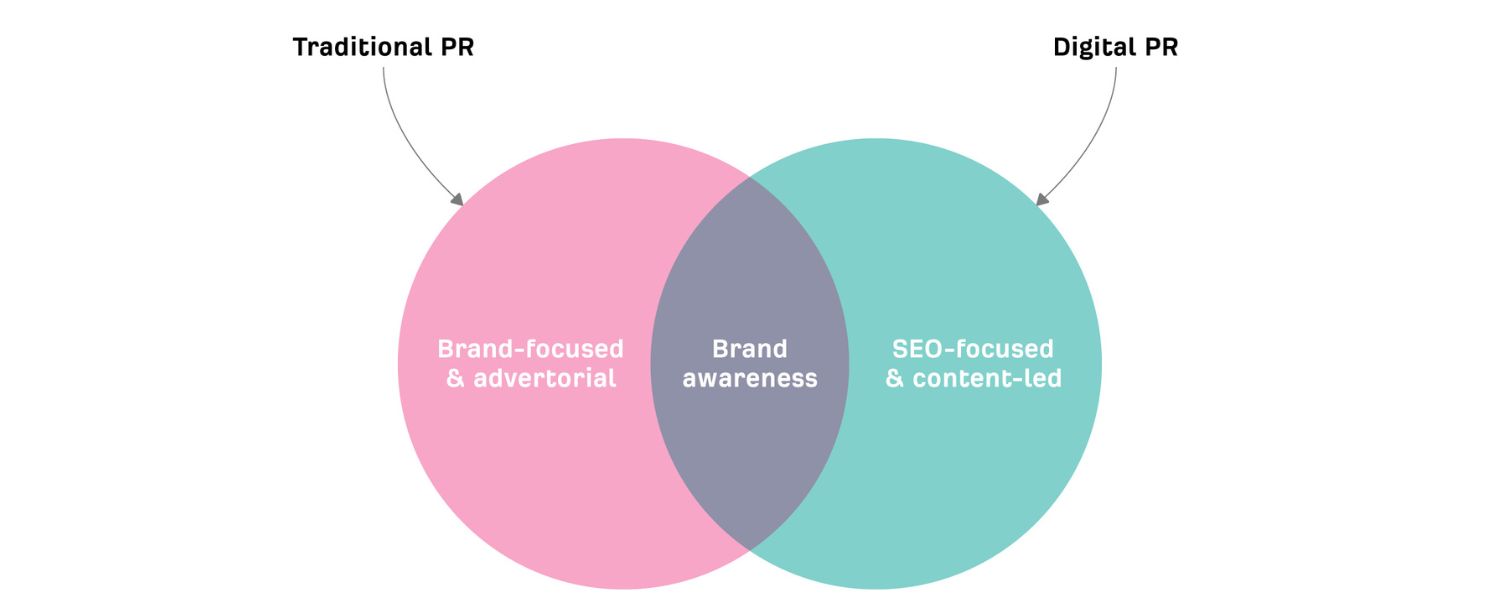
Digital PR is rooted in the same principles as traditional PR – building a positive public image and relationships – but it operates through different channels and approaches. Traditional PR focuses on offline media like print newspapers, magazines, TV news, radio, and in-person events.
Digital PR, on the other hand, focuses on online channels such as news websites, online publications, blogs, social media platforms, and search engines. Learn more about how digital platforms are shaping PR and building brand credibility with SEO strategies in this guide to SEO.
In practical terms, a traditional PR campaign might involve sending press releases to journalists and hoping for a mention in tomorrow’s newspaper, whereas a digital PR campaign might involve pitching a story to an industry website, securing an interview on a popular podcast, or engaging with influencers on Instagram and TikTok.
There’s also a difference in methodology. Traditional PR tends to be relationship-driven and often works on a long-term retainer model, where PR professionals leverage their personal contacts in the media to get coverage.
Digital PR is more data-driven and performance-based, relying on modern tools and analytics to guide decisions.
Digital PR specialists track metrics like online mentions, social shares, backlink quality, and website traffic to measure success, allowing for a more measurable and agile approach than old-school PR efforts.
That said, traditional and digital PR are complementary. The most effective campaigns often blend both. For instance, when launching a new product, you might still aim for coverage in a major newspaper or TV segment (traditional PR) and simultaneously publish an SEO-optimized blog post or viral social media teaser (digital PR) to maximize reach. Learn more about digital marketing strategies.
Experts note that it’s best to combine traditional and digital tactics to get the widest brand visibility.
The key is understanding that in today’s world, audiences are online, so while traditional PR can build credibility, digital PR is critical to meet people where they spend their time (on news sites, Google, Facebook, YouTube, etc.).
Digital PR vs. Link Building (SEO)
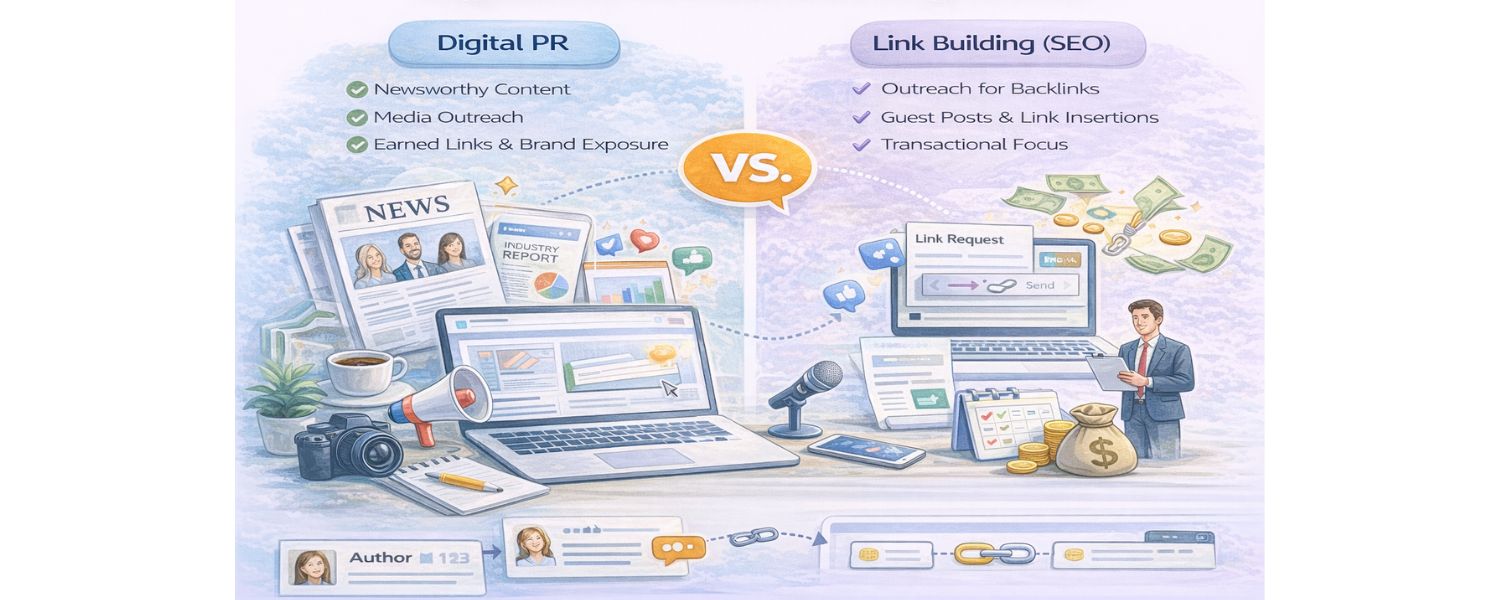
If you’re familiar with SEO, you might wonder how digital PR differs from regular link building.
Link building is a subset of SEO focused specifically on acquiring hyperlinks from other websites to your own, to boost search engine rankings.
Digital PR often achieves exactly that, but in a broader, more organic way. Think of it this way:
1.Link Building Strategies: You reach out to sites purely to get backlinks (for example, asking for a link insertion or guest posting solely to add a link). It’s transactional and solely focused on SEO value.
2. Digital PR: You create a newsworthy story or piece of content and pitch it to relevant publications and influencers. Your goal is to get the story picked up because it’s interesting, and when it does, the high-quality backlinks come naturally as part of the coverage.
In essence, digital PR is about earning links through merit (great content and outreach) rather than just building links through agreements.
A successful digital PR campaign will build overall brand authority and awareness, not just links. By generating genuine media coverage and conversations about your brand, you’ll attract backlinks from authoritative sites, which is gold for SEO.
For example, your content marketing team might create a compelling industry report, and your digital PR specialist will distribute it to journalists and bloggers.
If the story gets picked up on a popular site, you gain both exposure and a valuable backlink in one go. See how PR efforts can boost your SEO.
To put it simply, digital PR uses PR tactics to achieve SEO results. It’s a win-win – you’re not only improving search rankings via links, but also boosting brand credibility and reaching new audiences through the press coverage itself.
Traditional link building alone can’t achieve that level of brand storytelling. As one guide noted, digital PR “builds overall brand authority through a variety of tactics, while link building focuses solely on acquiring backlinks”. Both are important, but digital PR gives you a broader scope and long-term relationship benefits.
Why is Digital PR Important for Businesses?
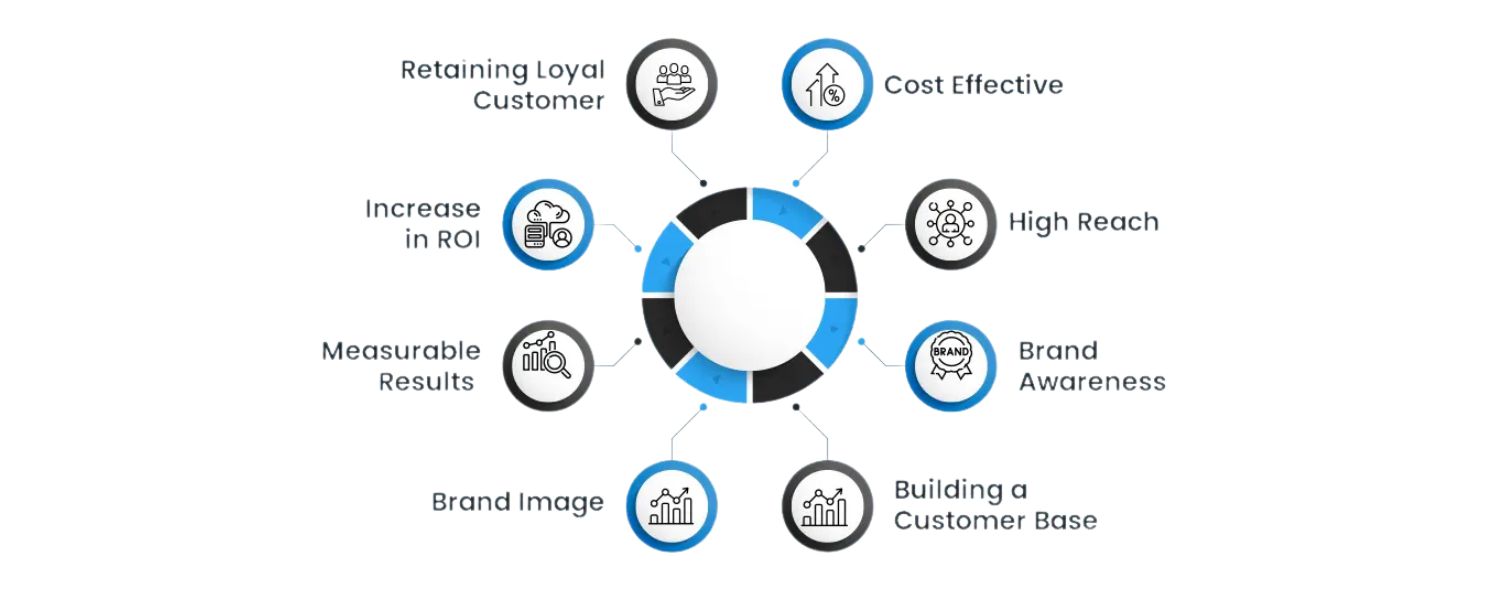
In an era where consumers live online, digital PR offers many benefits that can significantly impact a business’s success. Here are some of the key advantages of a well-executed digital PR strategy:
1. Improved SEO and Google Rankings
One of the biggest perks of digital PR is better search engine visibility. When reputable websites (news outlets, popular blogs, etc.) mention your brand and link to your site, it creates high-quality backlinks that signal to Google your site is authoritative. These links can boost your rankings in search results.
In fact, digital PR has become a go-to strategy for SEO professionals because earning links from top-tier publications is far more effective than any link scheme or paid link. Over time, a strong backlink profile built via PR can dramatically increase your organic search traffic.
2. Increased Website Traffic
Digital PR drives direct referral traffic to your website. If an industry magazine features your business and includes a link, interested readers will click through to learn more.
Those are highly qualified visitors coming from trusted recommendations. Moreover, the combined effect of better SEO (more people finding you on Google) and direct clicks from articles means your site sees a surge in visitors.
For example, getting featured in a popular Forbes or TechCrunch article can send thousands of new users to your site within days. More traffic creates more opportunities for leads and sales.
3. Stronger Brand Awareness and Credibility
Every time your brand is mentioned in a positive light on a credible platform, it builds your reputation. Digital PR essentially acts as online word-of-mouth. When potential customers keep encountering your company in authoritative articles, “Best of” lists, or influencer socials, it makes your brand feel larger and more trustworthy.
Such third-party validation is invaluable – a write-up on a respected site is like a public endorsement. It’s no surprise that building brand awareness is a primary goal of digital PR campaigns. Over time, you’ll find more people recognizing your name, searching for your brand directly, and trusting you because they’ve heard about you from sources they respect.
4. Higher Trust = More Sales
Hand-in-hand with awareness comes consumer trust. Public relations has always been about shaping a trustworthy image. Online, this translates to managing reviews, press hits, and social proof so that your brand appears credible.
Trust is crucial: According to Edelman research, 81% of consumers need to trust a brand to consider buying from it. By showcasing positive stories and testimonials across the web, digital PR helps nurture that trust.
When a reader sees an article about your company’s expertise or a recommendation by their favorite blogger, it lowers their guard and moves them closer to becoming a customer. In short, digital PR can directly support sales by building a favorable brand perception that makes people comfortable doing business with you.
5. Social Media Growth and Engagement
A good digital PR campaign doesn’t stop at getting an article published – it often extends to social media buzz as well. When your brand is featured or creates a splash online, people talk about it on Twitter, LinkedIn, Facebook, or TikTok.
PR campaigns that involve influencers or social stunts can dramatically increase your follower count and engagement. For example, a clever digital PR stunt that goes viral on Instagram can net you thousands of new followers overnight.
“Instagram and TikTok have broadened the surfaces that PR can live on,” as PR expert Lauren Kleinman explains. By generating shareable content and mentions, digital PR acts as fuel for your social media marketing, expanding your audience across platforms.
6. Measurable Impact and Long-Term Results
Unlike traditional PR of the past, today’s digital PR efforts are highly trackable. You can measure things like how many articles mentioned your brand, how many backlinks you gained, how much referral traffic came from each placement, changes in sentiment (positive vs. negative mentions), and more.
This data-centric approach means you can clearly demonstrate ROI for PR campaigns – whether it’s increases in website traffic, higher search rankings, or an uptick in inquiries.
Additionally, digital PR has a compounding benefit: a great piece of coverage can keep working for you indefinitely. A news article or blog post about your company stays online, continuing to inform readers and send traffic months or even years after it’s published.
In contrast to a paid ad that stops when the budget runs out, earned media from PR is an asset that keeps on giving. Many businesses find that a single PR campaign (if it hits the mark) can produce new leads and SEO benefits well into the future, making it a cost-effective marketing investment.
In summary, digital PR is more than just “getting your name out there.” It’s about shaping the online narrative around your brand – boosting your visibility on search engines, driving quality traffic, building credibility through third-party endorsements, and ultimately supporting your bottom line.
Next, let’s look at some of the most effective digital PR strategies and real examples of how brands use them to great effect.
Effective Digital PR Strategies and Tactics (With Examples)
Digital PR encompasses a variety of creative tactics. The common thread is creating something newsworthy or shareable about your brand and getting it in front of the right audience.
Here are some top digital PR strategies proven to deliver results, along with examples for each:
1. Create Data-Driven Content (Original Research & Surveys)

Journalists love data and insights that they can use to tell a story. Conducting original research, like surveys, studies, or reports, is a powerful way to generate press coverage.
By publishing compelling industry statistics or trends, you give media outlets a reason to cite your brand as the source.
Example: Workplace software company Asana released a “State of Work” report with data from 13,000 professionals.
The report revealed timely insights on productivity and AI in the workplace, which led to articles in outlets like VentureBeat and Forbes. It worked because Asana provided fresh, newsworthy data (e.g. specific stats on AI adoption) that journalists found useful for their stories.
Tip: Think about unique data your company can share – survey your customers, analyze your platform’s usage trends, or compile industry research – and turn that into a press-worthy story.
2. Launch Creative or Viral Campaigns

Sometimes, the key to PR success lies in thinking outside the box and executing something entertaining or unexpected that can capture viral attention. Creative campaigns or stunts have the power to generate massive social media buzz and media coverage, as they break away from the traditional and grab public interest.
Example: Oreo’s “Dunk in the Dark” Super Bowl Moment
One of the most iconic examples of a creative, viral campaign was Oreo’s “Dunk in the Dark” tweet during the 2013 Super Bowl. The game experienced a brief power outage, and the Oreo team quickly seized the moment by tweeting a simple image of an Oreo cookie with the caption: “You can still dunk in the dark.”
This witty, timely response to the outage went viral almost immediately, gaining massive traction on Twitter and across social media. The tweet’s simplicity and relevance to the moment resonated with both sports fans and cookie lovers. Oreo’s brand became a part of the Super Bowl conversation, earning them valuable media coverage and engaging millions of people.
What made it so effective? Oreo capitalized on a spontaneous opportunity, responding swiftly to a live event with humor and creativity. It demonstrated how a brand can align itself with cultural moments and capture the attention of a wide audience, often without a big budget.
Lesson: Don’t hesitate to be spontaneous and creative in your digital PR. A well-executed viral stunt or timely campaign can dramatically amplify brand awareness and create a lasting, memorable impact.
3. Engage in Newsjacking (Real-Time PR)

Newsjacking means tapping into a trending news story or cultural moment and injecting your brand’s angle or commentary while the topic is hot.By reacting quickly to breaking news with a clever spin, you can generate headlines and social media chatter that include your brand.
Example: In 2023, as AI chatbots were making headlines, a cereal brand called
Surreal jumped on the trend. They used an AI copywriting tool to generate wacky billboard slogans for their cereal and actually put those on real billboards.
Then they shared the results in a tongue-in-cheek LinkedIn post that went viral. The post racked up over 1,400 likes and plenty of comments, and it got people talking about Surreal in the context of the AI hype.
This newsjacking worked because it was timely (capitalizing on the AI buzz), humorous, and relevant to their product. Takeaway: Monitor current news and social trends – when you see an opportunity where your brand can add a fun or valuable twist to the conversation, seize it quickly through a PR pitch or social post.
4. Leverage Influencers and Affiliates

Influencer marketing has become an integral part of digital PR. By partnering with bloggers, YouTubers, social media influencers, or affiliate publishers, you can get your brand in front of their established audiences. These partnerships often result in product reviews, sponsored content, or mentions that serve as third-party endorsements for your brand.
Example: An ecommerce company might send free products to influential bloggers or YouTubers in their niche in exchange for an honest review or demonstration.
When those reviews go live, the brand is exposed to all the influencer’s followers, lending credibility and often driving sales (especially if an affiliate link or discount code is included).
In fact, 93% of marketers now report using influencer marketing as part of their strategy – it’s a testament to how effective this tactic can be.
Another angle is affiliate PR: providing information and assets to online publications that earn commission on sales. For instance, when a food brand called Fly By Jing restocked their popular product (chili dumplings), lifestyle websites wrote affiliate articles about it (“Fly By Jing’s famous dumplings are back – here’s where to buy them”), which created buzz and drove a surge of orders.
Insight: Choose influencers or affiliate partners whose audience aligns with yours, and equip them with story angles or promotions that make it worthwhile for them to feature you. Their voice can amplify your message exponentially.
5. Share Expert Insights and Thought Leadership

Positioning your brand’s leaders or team members as experts in your field can lead to regular media opportunities. Many journalists and bloggers are actively looking for knowledgeable sources to quote in their articles. By providing expert commentary, op-eds, or how-to content, you not only earn media mentions but also build your authority. Example: A fintech startup CEO might write a guest column in an industry publication about emerging trends in cryptocurrency regulation.
Or a nutrition app’s resident dietitian might respond to journalists’ queries (via services like HARO or Qwoted) about healthy eating tips for a New Year’s resolution article.
If you consistently put forward insightful, non-promotional expertise, the media will start to come to you for quotes.
This approach has the dual benefit of getting your brand name cited in articles and enhancing your reputation as a thought leader. Pro Tip: There are platforms like Qwoted and HARO (Help A Reporter Out) where reporters post requests for expert sources – it’s wise to monitor those and pitch your insights when relevant.
Also consider publishing high-quality content on your own blog or LinkedIn; great content can sometimes get picked up or referenced by other outlets.
6. Utilize Online Press Releases for Product Launches and Updates
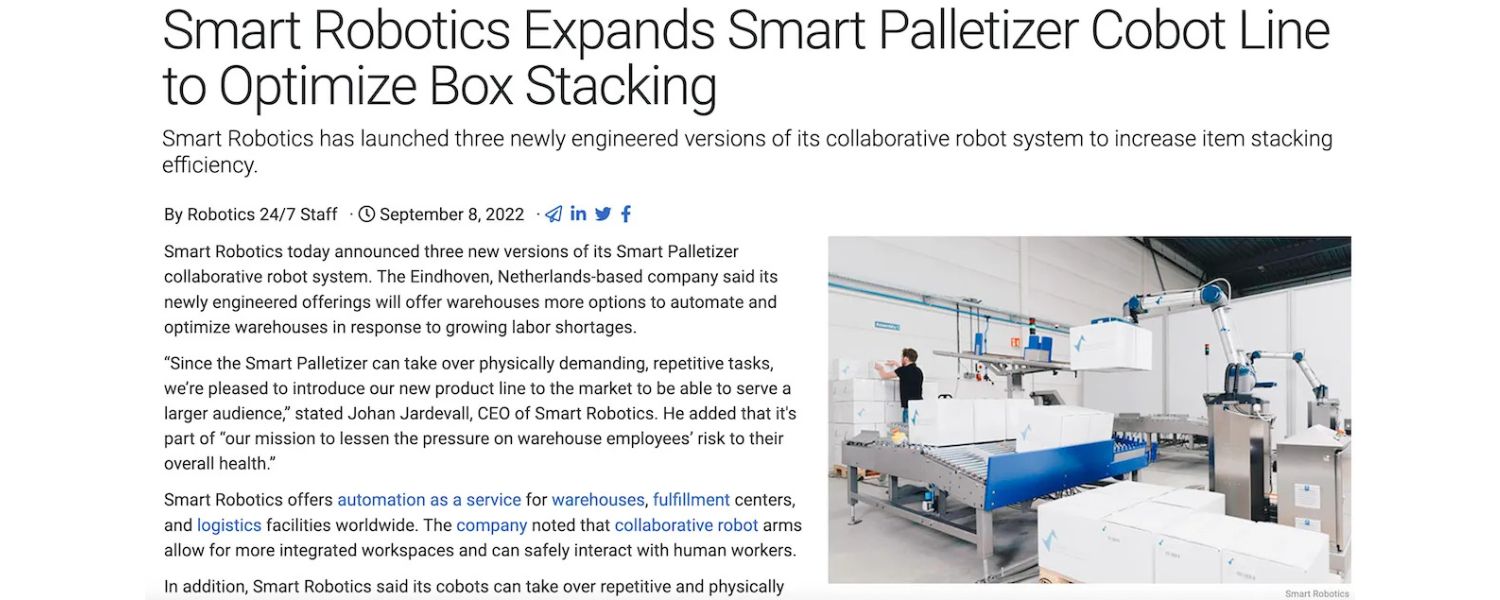
Press releases are a traditional PR tool, but they have a place in digital PR as well. Distributing a well-crafted online press release (through newswire services or directly to journalists) can secure coverage for major news like product launches, partnership announcements, or milestone achievements. The key is to make the press release engaging – include multimedia (images, videos), craft a compelling headline, and tie it to a broader trend or story so that news sites find it worth publishing.
Example: When a tech company launches a new app feature, a press release sent out via PR Newswire might get picked up by tech blogs and Google News, especially if it highlights how the feature connects to a hot consumer interest (like privacy, AI, etc.).
The result could be a flurry of articles in the days following the announcement, each linking back to the company’s site. While press releases alone shouldn’t be your only tactic, they’re a useful component of a digital PR toolkit for ensuring your news reaches the right outlets quickly.
As a bonus, many press release platforms also provide reports, so you can track where your news was published.
Remember: even in the digital age, reporters do scour press releases for news – just make sure yours doesn’t read like dry, corporate jargon. Focus on the story and why it matters to the public.
These are just a few examples of digital PR tactics in action. The most effective campaigns often combine several of these strategies.
For instance, you might conduct a research study (data-driven content), then pitch it with a strong news hook (newsjacking if tied to a current trend), promote it via an influencer webinar (influencer partnership), and distribute a press release about the key findings. The combination can greatly amplify your reach.
The main point: Digital PR success comes from offering something interesting or valuable – whether it’s information, entertainment, or a unique perspective – and getting it to the right people.
Now that we’ve looked at what you can do, let’s go through how to actually plan and execute a digital PR campaign step by step.
How to Create a Successful Digital PR Campaign
Building a digital PR campaign requires careful planning and consistent effort. Below are the key steps to develop and execute a digital PR strategy that gets results:
1. Set Clear Objectives and KPIs
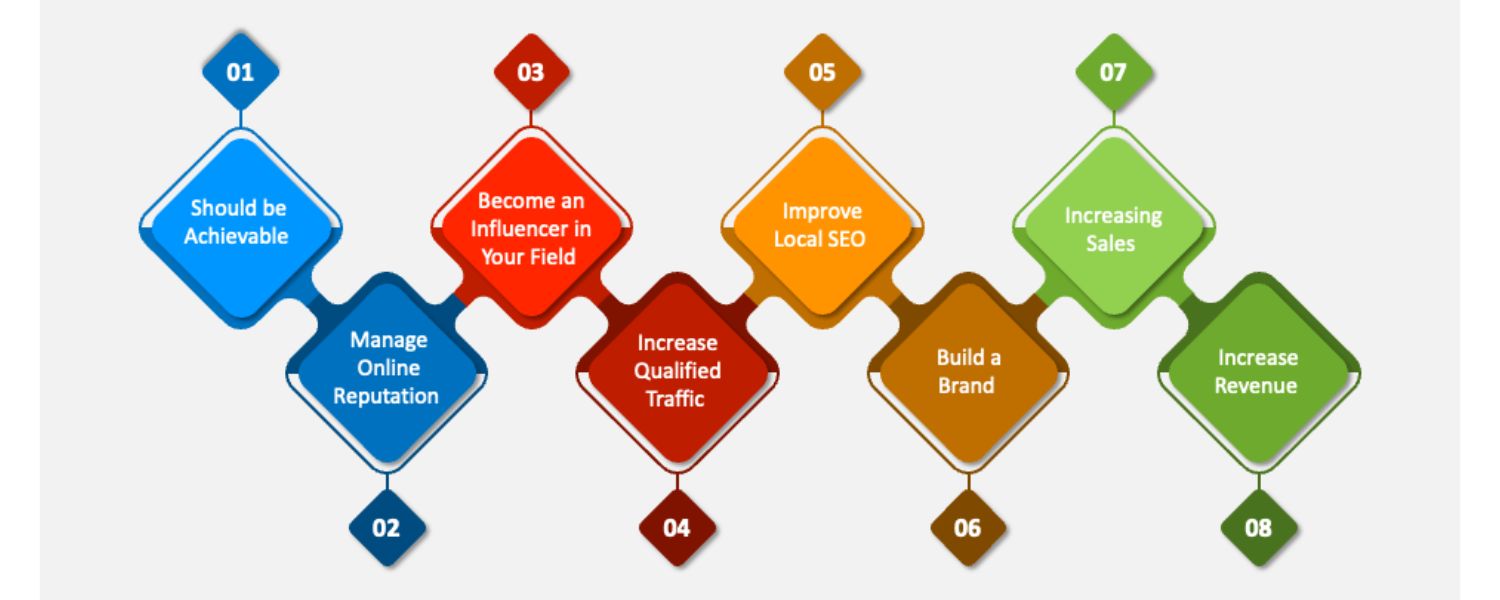
Every good campaign starts with defining what success looks like. Decide on your primary goals for the digital PR campaign and make them as specific and measurable as possible.
Is your aim to increase brand awareness? Drive traffic to a new product page? Earn a certain number of high-quality backlinks? Perhaps improve your brand sentiment online? Set key performance indicators (KPIs) that align with these goals – e.g., “Get 20 media mentions and 50k new website visits in the next 6 months”.
Clear objectives will guide all your tactics and help you choose the right approach. For each goal, determine how you’ll measure it (tools like Google Analytics for traffic, Ahrefs for backlinks, or sentiment analysis for brand mentions).
Also, set a timeline; keep in mind that PR is usually a longer-term play – nearly half of PR pros say a digital PR campaign takes 3–6 months to show significant results, so don’t expect overnight miracles.By having defined targets (like X backlinks, Y social shares, Z% increase in branded search volume), you can focus your efforts and later evaluate ROI.
2. Identify Your Target Audience (and Where They Hang Out)

A digital PR campaign will only be effective if it reaches the right audience. Spend time researching and defining who you want to engage. What are their demographics and interests? What online platforms do they use the most? Knowing your audience will help you craft stories that resonate with them and choose the best channels for distribution.
For instance, if your target customers are young tech enthusiasts, they might be active on Reddit, Twitter, and tech news sites – so your PR efforts should focus there. Create an audience persona if helpful (e.g. “Marketing Mary, a 35-year-old marketing manager who reads industry blogs and spends time on LinkedIn”).
Then list the websites, forums, and social media where “Mary” likely gets her information. Often, your audience’s media consumption habits guide your outreach: you’ll pitch those publications or work with influencers popular in those circles.
A pro tip is to talk to your sales or customer support teams for insight – they often know what customers ask about or where they heard about you. Also, analyze your competitors’ audience engagement: which sites are covering them and which social channels are buzzing about them?
This can clue you in on gaps and opportunities for your own PR targeting.
3. Research Your Competition and Industry Trends
To stand out, it helps to know what others in your space are doing in terms of PR. Analyze your competitors’ PR strategies and results to glean insights. Which competitors are frequently in the news or on popular blogs? What types of stories or content are they putting out that get attention?
Look at the coverage they’ve earned – are they often cited for research, engaged in community events, known for bold stunts? Identifying the patterns can highlight opportunities for you to differentiate.
For example, if your main competitor is getting lots of press by releasing quarterly study reports, maybe you can take a different angle, like focusing on interactive content or expert interviews, to fill a gap they aren’t covering.
Tools like backlink analysis can help here: using a tool (e.g., Semrush’s Backlink Gap feature) to see which media sites link to your competitors but not to you is a quick way to find potential targets for your own outreach.
Additionally, keep an eye on industry trends and hot topics in your niche. This ensures your PR content is timely and relevant. For instance, if you notice a lot of buzz about sustainability in your sector, think about how you can weave that into your PR story (assuming it fits authentically with your brand).
Being tuned into the competitive and industry landscape will help you brainstorm PR ideas that are fresh, not just repeating what others have done, and give you a strategic edge when pitching to journalists (“We saw others talking about X, but we have a new data point on Y that hasn’t been covered yet…”).
4. Brainstorm a Newsworthy Story or Content Angle
Now it’s time to decide what story you want to tell. In PR, content is king – you need something that will attract media coverage or public interest. Gather your team and brainstorm ideas that align with your objectives and would be interesting to your audience.
Ask yourselves questions like: _What unique data or insights can we share? What expertise or perspective do we have that others don’t? What problem or question can we address for our audience?_Often, the best digital PR ideas are those that either provide new information (e.g., original research, a trend report, a case study) or offer a fresh take on a current topic.
Consider leveraging data from step 3 – if you noticed a trending topic, can you create content around that? Also think about format: will it be a written report, an infographic, a video, an interactive quiz, an event or challenge, etc.?
Different formats have different PR potential. For example, a quirky interactive quiz might get lots of social shares, while a well-researched whitepaper might get you authoritative backlinks.
Pay special attention to opportunities to incorporate data, because over 60% of journalists say they prefer to receive data-backed content like research and reports from PR pros. Data-driven storytelling tends to be very effective.Once you have a shortlist of ideas, evaluate them for newsworthiness – is this something that you would click on or find interesting if you saw it in your news feed?
Is there a compelling headline in it? The goal is to craft a story angle that will make a busy journalist say, “Yes, my readers would find this cool/useful.”
5. Create High-Quality Content (Press-Ready Assets)
With your idea in place, execute it with excellence. This means developing the content or assets that will be at the center of your PR campaign. If it’s a study or report, ensure the data is solid, the analysis is insightful, and you distill clear, headline-worthy findings.
If it’s a piece of content (like an article, infographic, or video), invest in good writing and design so that it’s professional and easy to share. Journalists are more likely to cover a story that comes with ready-made quality assets – for instance, a press release with a striking image or a published report they can link to.
Make your content visually appealing and easily accessible if possible. A pro tip is to create a media kit for your campaign: high-resolution images, charts, or even short video clips that journalists or influencers can embed in their stories.
The easier you make their job, the better your pickup will be. Also, craft your messaging clearly: what are the key points or quotes you want to get across? You might prepare a brief Q&A or talking points if you’ll be reaching out for interviews.
For example, if your story is about “2025 Tech Industry Survey Results,” have a summary of key findings (like bullet points of the top 3 surprising stats) and perhaps a quote from your CEO ready to go.
Remember, unique and compelling content is the heart of digital PR – it gives people something worth talking about. Ensure what you create is not just self-promotional fluff, but genuinely interesting content that adds value or entertainment for the audience.
6. Develop a Distribution and Outreach Plan
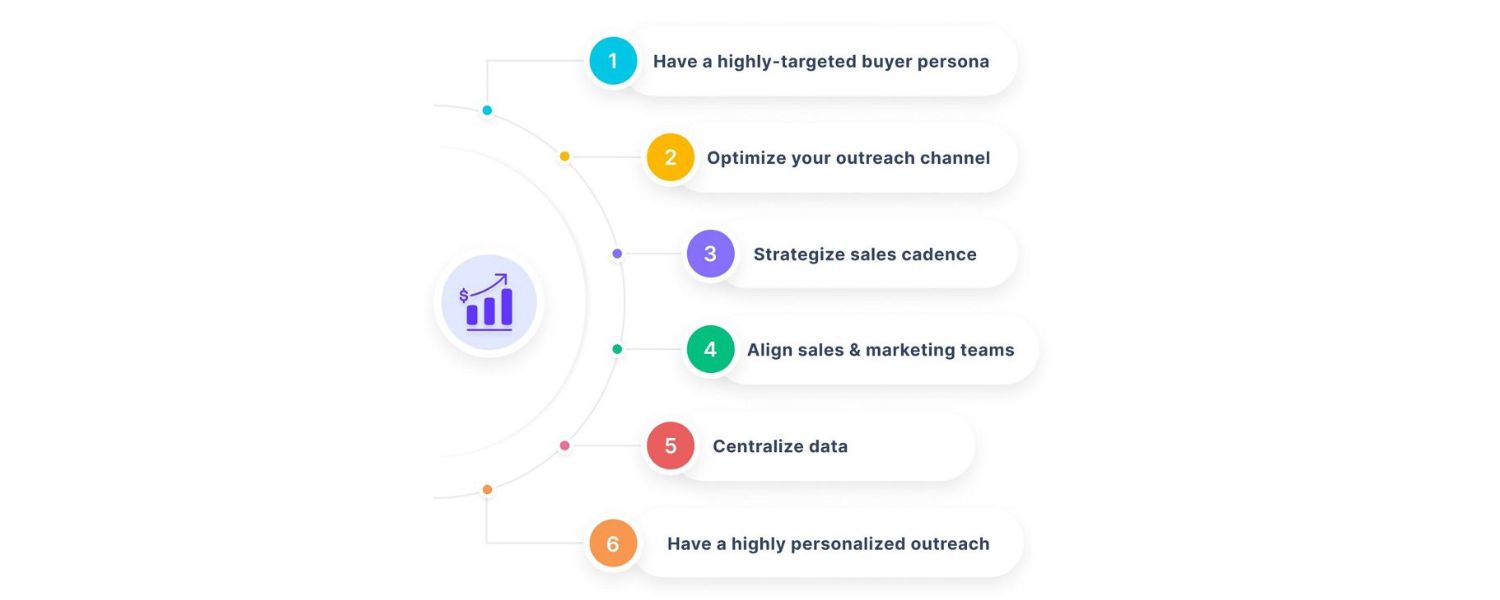
Even the best content won’t go anywhere if you don’t actively distribute it. So, map out how and where you will get the word out once your content is ready.There are multiple channels to consider – your own channels, earned media, and potentially paid promotions.
Start with a list of target media outlets and contacts: which websites, online magazines, or blogs would be interested in this story? Identify specific journalists or editors who cover your topic and get their contact details (Twitter can be helpful to see what they’re writing about lately).
Look at both industry/trade outlets (niche sites that focus on your sector and would appreciate a detailed story) and mainstream outlets (bigger news sites that might run a more general-interest piece).
Also consider influencers or community forums (like relevant subreddits or LinkedIn groups) where sharing your content would make a splash. If you have existing relationships with any reporters or bloggers, now is the time to leverage them.
Your plan should include when to reach out (timing matters – e.g., mornings are generally better for news pitches, and avoid pitching on major holidays or during big competing news events) and how (personalized emails, social media DMs, press release wire distribution, etc.).
Craft a succinct pitch email template that you can customize for each contact, highlighting why their readers would care about your story. Also, use your owned media: publish the content on your website or blog, share it across your social media profiles, and include it in your email newsletter if you have one.
Concurrently, prepare a press release if appropriate, and decide if you will use a PR distribution service or rely on direct pitching. If budget allows, you might boost a social post or use a bit of paid ads to amplify initial visibility, but be cautious – earned coverage is the goal of PR.
Some companies choose to work with a PR agency or specialized tool to help with distribution; tools like media databases (e.g. Prowly, Cision) can help find the right journalists to contact.
The bottom line is to have a clear plan for getting your story in front of people: don’t assume “if you build it, they will come”. Proactively push it out through every relevant channel.
7. Pitch Journalists and Influencers (Execute Outreach)
Now comes the critical part – actually contacting the media and influencers with your story. Writing a compelling pitch is crucial. Keep your outreach message concise, relevant to the recipient, and attention-grabbing from the subject line onward.
In your email’s first sentence or two, answer the journalist’s question: “Why should I care about this?”.Emphasize what’s new, unique, or timely about your story and why it matters to their audience.
For example, instead of saying “We conducted a survey about remote work,” lead with something like “73% of remote workers say they’d quit if forced back due to AI monitoring – New Study by [Company].”That hooks interest with a stat and context. Then, in a few brief sentences, provide the key details (the who, what, when, where, why) – essentially, you’re summarizing the story you want them to write, and why it’s credible (mention any notable data points, experts available for comment, etc.).
It’s often effective to offer something exclusive or additional: e.g., “We can provide you with the full dataset or an interview with the CEO who led the study” – and make sure to clearly invite them to take the next step (“Let me know if you’d like more info or an interview, happy to arrange it”).
Keep your tone respectful and not overly salesy. Personalize each pitch by referencing the recent work of the journalist or tailoring how your story fits their beat.
Avoid mass blast emails where possible – editors can spot a generic pitch from a mile away and often ignore them. If you don’t hear back, a polite follow-up after a few days is okay (reporters are busy), but don’t spam.
Meanwhile, for influencers, your approach might be a bit more casual or via DM, but similar principles apply: show why the story or product is something they would love to share.
Tools can help automate some follow-ups or track if emails were opened, but the human touch and relevance of the pitch matter most. Executing good outreach is equal parts art and science; it may take persistence, but once you get a few wins and build relationships, it becomes easier to secure coverage over time.
8. Monitor Coverage and Measure Results
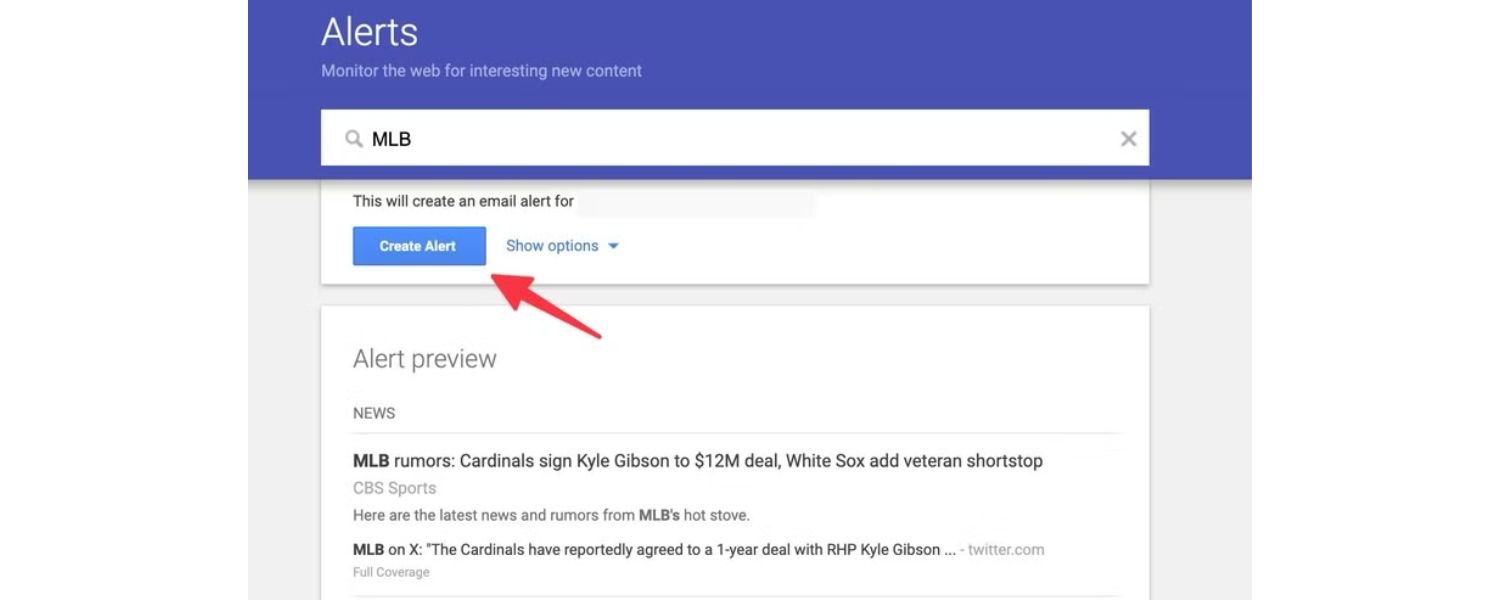
As your campaign unfolds, set up ways to track all the coverage and responses. Google Alerts is a handy free tool – you can create alerts for your brand name and key product names to get notified whenever they appear online.
There are also comprehensive media monitoring tools (some paid) that can track mentions across news, blogs, and social media, giving you a report of what’s being said and the reach of each mention.
Keep an eye on social media chatter as well; often, a PR hit will spark conversations on Twitter or LinkedIn that provide qualitative feedback on how the news was received. When articles go live, engage with them – share them on your channels, thank the journalists (a simple email or social thank you can go a long way in relationship building), and respond to any comments if appropriate.
After the dust settles, it’s time to measure against the KPIs you set in step 1. Gather data: How many media mentions did we get? Which outlets covered us?
How many backlinks were earned (and from what domain authorities)? What was the referral traffic from those articles?
Did our organic search rankings improve for any key terms? Did we see a bump in social followers or engagement during the campaign? Also, if your goalsare tied to business outcomes, measure those: any increase in leads or sales correlating with the campaign period? Tools like Google Analytics will show traffic and conversions from referral links.
PR-specific metrics might include “share of voice” (your brand’s presence vs competitors in media), sentiment analysis (were the mentions positive or negative), and social reach.
For example, you might find that your campaign got 15 media mentions with an estimated reach of 5 million readers, and social posts about it garnered 500k impressions.
Importantly, evaluate what worked and what didn’t. Maybe you found that data-driven content got lots of pickup, but an influencer you engaged didn’t post as much as expected – those insights will inform your next campaign.
Document any lessons: which pitch angles resonated, which publications were most receptive, etc. If you fell short on some KPIs, don’t be discouraged; use it as feedback to adjust your strategy.
PR often involves experimentation. Perhaps you need to target different outlets or tweak your content format next time.
On the flip side, if you hit a home run – say, one particular story angle went viral – consider how to replicate that success or further amplify it (could that become an ongoing series, or could you update the data quarterly to make it a recurring news item?).
Measuring results isn’t just about patting yourself on the back or reporting to your boss/client – it’s how you close the loop and ensure continuous improvement.
Many PR teams create a report or dashboard summarizing the outcomes of each campaign.
According to recent industry surveys, 70% of brand-side PR professionals are focused on aligning PR results with concrete business goals – so try to connect the dots between your PR efforts and any tangible business impact (like web conversions or sales inquiries).
This will help demonstrate the value of digital PR within your organization and secure buy-in for future campaigns.
By following these steps, you’ll have a structured approach to digital PR that increases your chances of success.
Planning and persistence are key – not every pitch will land and not every idea will go viral, but a consistent, strategic PR program will build momentum over time.
Before we wrap up, let’s quickly touch on the evolving landscape of digital PR and what to expect going forward.
Emerging Trends in Digital PR
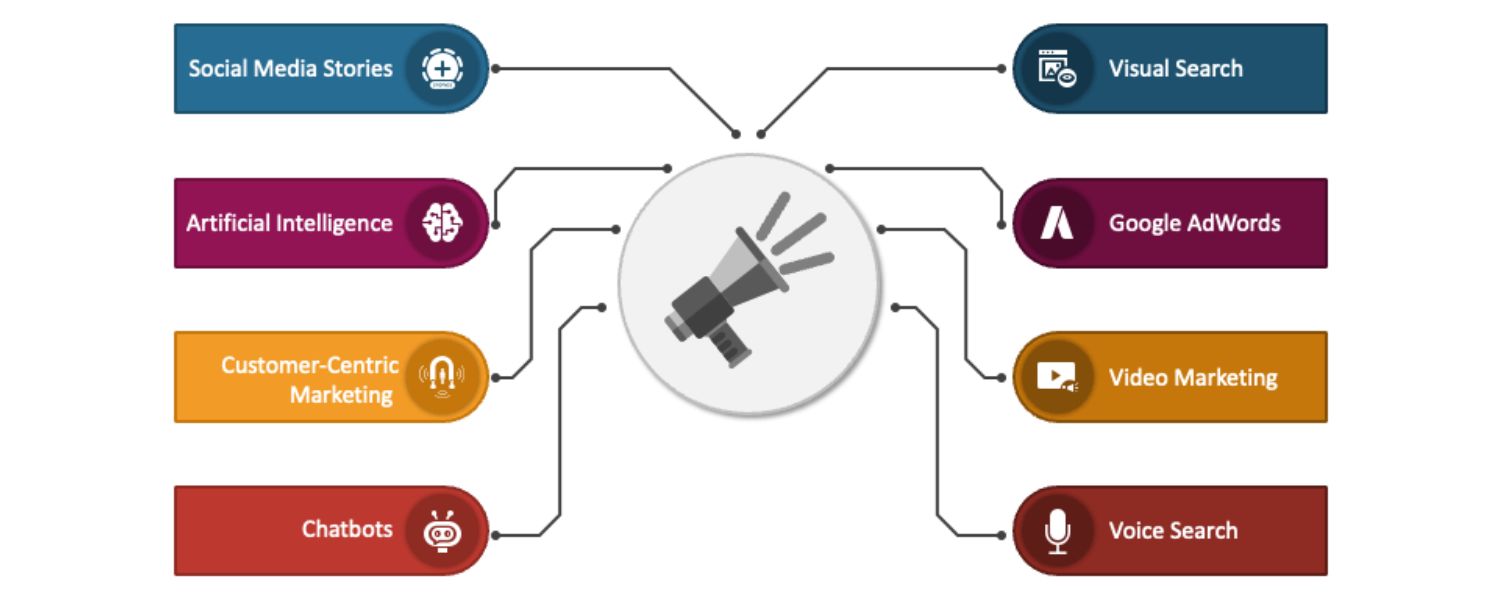
Digital PR is a dynamic field, and staying aware of current trends can help you stay ahead of the curve. Here are a few notable trends and insights shaping digital PR :
1. Fierce Competition for Media Attention
As more brands invest in digital PR, journalists and influencers are inundated with pitches. In fact, nearly 72% of PR professionals say it’s more challenging to get results from digital PR in 2025 than just a year ago. This means you have to be extra creative and strategic to cut through the noise.
The upside of heavy competition is that it’s driving PR teams to produce higher-quality content and more imaginative campaigns – a win for audiences who get to see more interesting stories.
2. Shrinking Newsrooms, Shifting Tactics
Major media houses have seen staff cuts and shifts, resulting in fewer journalists covering more beats. This has two implications: PR pros often need to do more to stand out (since journalists are stretched thin and can’t reply to every pitch), and alternative channels like owned media and influencers become even more important.
Building relationships with freelancers and content creators, as well as crafting really compelling pitches (per the tips above), is crucial in this environment where reporters have less bandwidth.
3. Tech and Tools Are Game-Changers
Digital PR is embracing technology in a big way. Tools for media monitoring, SEO analysis, and outreach management are now standard in many PR workflows. Additionally, AI is starting to play a role – from AI-powered media list building to tools that help draft press releases or summarize articles. Using these tools can improve efficiency (e.g., automating the process of finding journalists who recently wrote about a topic, or analyzing the sentiment of coverage).
However, the human element – creativity, personal touch in pitching – remains vital. Social media platforms (especially newer or fast-growing ones like TikTok) continue to create opportunities for PR innovation, and savvy PR teams are quick to adapt content for these channels.
According to one communications report, over half of PR leaders believe evolving technology (AI, big data, etc.) is shaping the future of PR, so staying tech-savvy is definitely an advantage.
4. Influencer Marketing is Mainstream PR
What was once a separate marketing experiment is now firmly integrated with PR. Collaborating with influencers isn’t just about sponsored posts; it’s become a way to generate buzz and “earned” media as influencer content often gets reported on by traditional media (think of how a TikTok trend can make news headlines).
With 93% of marketers using influencer marketing, PR campaigns frequently include an influencer component – whether it’s seeding a campaign hashtag challenge on social platforms or inviting influencers to events and then amplifying their content.
Authenticity is key here: audiences are quick to tune out overt ads, but they respond to genuine stories and recommendations.
5. Greater Emphasis on Authenticity and Social Values
Modern digital PR isn’t just about promoting products – it’s also about conveying a brand’s values and stance on issues in an authentic way. Consumers (especially Gen Z and millennials) expect transparency and social responsibility from brands.
This means PR campaigns that highlight community involvement, sustainability efforts, or thought leadership on important issues can gain positive traction. Authentic content – real customer success stories, behind-the-scenes looks, and user-generated content – often resonates more than polished marketing speak.
Brands that can humanize themselves and engage in two-way conversations (not just broadcasting messages) see stronger engagement. Essentially, trust and authenticity are the currency of PR.
One survey found that earned media (like PR coverage) is perceived as more credible by audiences than advertising, underlining the importance of genuine storytelling.
6. Measuring Impact and ROI is Critical
Gone are the days when PR success was nebulous. Companies now demand clear results from PR efforts, and as mentioned, there’s a push to tie PR metrics to business outcomes. This has led to more sophisticated tracking of KPIs – from the basics like media mentions and backlink counts to deeper metrics like share of voice, sentiment analysis, and lead attribution from PR.
Many PR professionals report that proving the impact of their work is one of their top challenges, but also a top priority. In response, they’re using a combination of analytics tools and creative reporting to show, for example, how a spike in branded search or direct traffic might correlate with a PR campaign’s timeframe.
The focus on data has also led to PR and SEO teams working more closely together, since PR outcomes (like links and mentions) directly feed SEO performance. Expect this integration of PR, marketing, and analytics to deepen in the coming years.
In summary, digital PR in 2025 is more competitive and fast-paced than ever, but also ripe with opportunities for those who innovate and stay attuned to audience needs.
The core principles remain: know your audience, tell great stories, build genuine relationships, and measure what matters. If you can do those consistently, you’ll navigate the changing landscape successfully.
Conclusion and Next Steps
Digital PR has proven to be a powerful tool for boosting brand visibility, credibility, and growth in the digital age.
By now, you should have a solid understanding of what digital PR entails and how it differs from traditional PR, as well as the benefits it can deliver – from higher search rankings and website traffic to stronger consumer trust and social engagement.
We’ve also walked through effective strategies (like data-driven content, creative campaigns, and influencer partnerships) and a step-by-step approach to planning and running your own digital PR campaigns.
The world of online public relations is continuously evolving, but one thing is clear: brands that actively manage their online reputation and consistently put out valuable, newsworthy content will have a significant advantage.
Whether you’re a startup looking to make a splash or an established business aiming to stay relevant, digital PR should be a key component of your marketing strategy in 2025 and beyond. It’s not always easy – you might be competing with dozens of other stories for a journalist’s attention – but when you succeed, the rewards in brand exposure and trust are well worth it.
Now it’s your turn to put these insights into action. Think about your brand’s story and what would interest your audience, and start crafting your next digital PR campaign.
Start with simple content creation: perhaps reach out to a local blogger or publish a compelling article on your own blog and share it on LinkedIn.
Learn from each effort, and gradually build up to larger campaigns with multiple moving parts.
Remember, consistency is key – building a strong online presence doesn’t happen overnight, but with each piece of coverage and every backlink earned, you are strengthening your brand’s digital footprint.

.png)
Shopify SEO: Guide to Ranking Your Store and Driving Sales
Most Shopify store owners set up their store, list their...

Content Marketing : Definitive Guide to Strategy, Content Types, and Measurable ROI
Content marketing generates 3x more leads than outbound marketing at...

Above the Fold: Guide to Conversions, Rankings and Faster Pages
Above the Fold in 2026: The Complete Guide to Conversions,...

Off-Page SEO Checklist: Guide to Building Real Authority
Most websites spend months creating great content, only to wonder...

What Is Keyword Bidding? The Complete Strategy Guide for Smarter Ad Spend
Most advertisers believe the highest bid wins the auction. It...

What Is Google Trends? The 2026 Marketer’s Complete Guide
If you are not already pulling weekly insights from Google...
If you want a growth partner who will get to know every aspect of your business and treat your budget like their own — we are the right fit.
.png)


.png)
.png)
.png)
.png)
.png)
.png)
2026 ALL RIGHTS RESERVED MADE IN INDIA
