
Content Marketing Strategy: Boost Your Brand
July 16, 2025
Introduction: Why Content Marketing Needs a Strategy
Content marketing has become one of the most powerful ways to attract and engage customers by providing valuable content, whether through blog posts, videos, podcasts, or social media.
But effective content marketing doesn’t happen by accident. You need a content marketing strategy, a documented game plan for why, how, and what content you will create to achieve specific business goals. Without a strategy, even great content can get lost in the noise.
Consider this: 73% of B2B marketers (and 70% of B2C marketers) incorporate content marketing into their overall digital strategy.
However, many businesses churn out blogs and social posts without a cohesive plan, leading to underwhelming results.
Research shows that marketers with a documented content strategy are far more likely to consider themselves effective and justify higher content budgets.
In other words, a documented strategy is the secret sauce behind content that drives real results.
In this ultimate guide, we’ll walk you through what a content marketing strategy is, why it’s essential, and how to develop a successful strategy step-by-step.
We’ll also cover key components to include in your strategy, answer common questions, and share advanced tips (like repurposing content and leveraging AI) to keep your strategy ahead of the curve.
By the end, you’ll have a clear roadmap to plan, execute, and optimize a content marketing program that builds your brand, grows your audience, and boosts your bottom line. Let’s dive in!
What Is Content Marketing (and Why It Matters)?

Content marketing is a form of inbound marketing that involves creating and sharing useful, relevant content (text, video, audio, etc.) to attract and retain a clearly defined audience.
Instead of directly pitching your products or services, you provide value that educates or entertains your audience, building trust and credibility over time.
As potential customers consume your content, they become familiar with your brand voice and expertise, making them more likely to choose your offerings when they’re ready to buy.
The real magic of content marketing is its cumulative effect. Great content can continue to attract traffic and leads long after it’s published (especially if it’s evergreen), creating a snowball effect of growing returns.
For example, a helpful blog post or video tutorial can keep generating new visitors via search engines or shares for months and even years. This compounding ROI means content marketing often has a lower customer acquisition cost in the long run compared to one-off advertising.
Companies with strong content marketing see higher returns for each piece of content published, giving them an unfair advantage over competitors who rely solely on ads.
Why You Need a Content Marketing Strategy (Not Just Content)
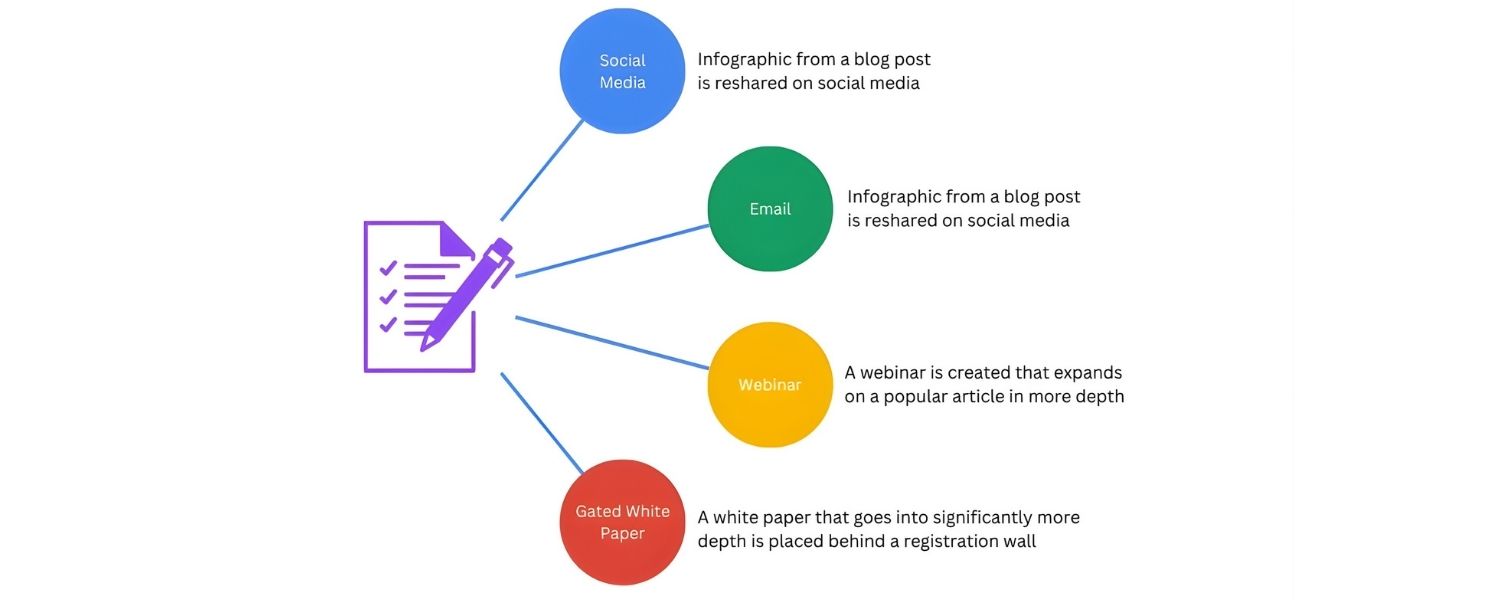
Publishing content without a strategy is like driving without a map, you might move forward, but you’ll likely get lost.
A content marketing strategy is the plan behind the content: it defines your goals, target audience, content topics/formats, distribution channels, and how all the pieces fit together to move customers through your sales funnel.
In essence, it’s the “why” and “how” of your content program, ensuring each piece of content serves a purpose and resonates with the right audience.
Here are a few key reasons why a documented content marketing strategy is critical:
1. Alignment with Business Goals
A strategy ensures your content efforts are aligned with your broader business objectives (e.g. driving X% more web traffic or improving conversion rates).
This prevents wasting resources on content that doesn’t serve your company’s needs.
2. Audience Focus
Strategy forces you to research and define who your target audience is, what they care about, and how to reach them.
By understanding your audience’s pain points and qustions, you can create content that truly speaks to their needs and attracts qualified prospects.
3. Consistency & Efficiency
With a content plan in place, you can publish on a regular cadence and coordinate across channels, rather than sporadic, last-minute efforts.
A strategy also clarifies roles, workflows, and budgets for content creation and promotion, making your process more efficient.
4. Improved Content Quality
Planning helps you choose the right content types and topics that will be most effective, rather than just churning out random posts.
It encourages you to develop unique, valuable content that stands out from generic “me-too” articles (especially important as AI can now generate basic content).
5. Stakeholder Buy-In
A documented strategy lets you communicate the value of content marketing to executives or clients. It’s easier to get support and budget when you can articulate how content will drive brand awareness, leads, or revenue.
In fact, crafting a clear business case for content is often the first component of a successful strategy.
6. Measurable Results
By setting specific goals and KPIs in your strategy, you can measure what’s working and what’s not. This data-driven approach enables continuous improvement of your content efforts over time.
Statistic:
About 62% of B2B buyers will consume 3-7 pieces of content before ever talking to a sales rep. If you don’t have a content strategy to provide that information and build trust, you’re missing out on those opportunities to influence purchase decisions.
In short, content marketing works – but only when it’s strategic. Now that we’ve covered the “why,” let’s get into the “how” with a step-by-step content marketing services guide.
Content Marketing Strategy vs Content Strategy vs Content Plan

Before crafting your strategy, it’s important to clarify some terminology, as terms like content marketing, content strategy, and content plan are often used interchangeably (and confusingly!). Each plays a distinct role:
1. Content Marketing Strategy
This is your “why” and high-level “what.” It outlines why you are creating content, whom you’re helping (target audience), and how it will serve both your audience’s needs and your business goals.
A content marketing strategy defines success metrics and the core content themes that will build an audience and drive profitable customer actions (like increased revenue or lower acquisition costs).
2. Content Strategy
A content strategy goes deeper into the creation, publication, and governance of content across your organization.
As content strategist Kristina Halvorson puts it, it’s about managing content as a strategic business asset, ensuring all content (marketing or otherwise) is useful, usable, and maintained.
In short, content strategy is broader and more operational, often encompassing all of a company’s content (not just marketing content).
3. Content Plan
This is the tactical “how” and “when.” A content plan documents the specifics of executing your strategy, the editorial calendar, content topics, formats, publishing schedule, and who is responsible for each task.
Think of it as the concrete plan that translates your strategy into an actionable roadmap. Importantly, you should develop your content marketing strategy before creating a detailed content plan, so you’re executing tactics that support a clear strategy.
In simple terms:
Strategy is the vision (why and what), the plan is the execution (how and when). Both are essential. Your strategy guides your content planning, and your content plan ensures you implement the strategy consistently.
Now, let’s look at what key elements a good content marketing strategy typically includes.
Key Elements of a Successful Content Marketing Strategy

While there’s no one-size-fits-all template (every business’s strategy will look a bit different), most effective content marketing strategies include a few common components or sections.
When developing your strategy document, be sure to address the following:
1. Goals and KPIs
Clearly define what you want to achieve with content. Is it increasing website traffic by 50% in the next year? Generating 100 new marketing qualified leads per month? Boosting online sales by 20%?
Setting specific goals will focus your strategy and give you criteria to measure success. Attach key performance indicators (KPIs) to each goal (e.g. monthly organic traffic, lead conversion rate, revenue from content) so you can track progress.
2. Target Audience Definition
Identify who you’re trying to reach with your content – often through buyer personas or audience segments. Describe their demographics, roles, pain points, needs, and content preferences.
The better you understand your ideal reader or customer, the more effectively you can tailor content that resonates and delivers value. (If you serve distinct audiences, you might have multiple personas.)
3. Core Topics and Content Themes
Outline the key topics or themes your content will cover, based on what’s relevant to your audience and industry. These should intersect between your expertise and your audience’s interests/questions.
For example, a professional digital marketing agency might create content around SEO tips, social media strategies, and case studies. Defining core topics ensures your content stays focused and supports your brand positioning.
4. Content Types and Formats
Decide what types of content you will create as part of your strategy. Common formats include blog posts, videos, infographics, ebooks/whitepapers, podcasts, webinars, case studies, newsletters, etc…
Choose formats that suit your audience’s consumption habits and your goals. (For instance, videos and blog posts may be great for awareness and SEO, webinars or case studies might be better for lead generation.)
It’s often wise to produce a mix of formats to reach people across different channels, but focus on what you can do consistently and with quality.
5. Content Distribution Channels
Define where and how you will distribute your content to reach your audience.
This includes owned media (your website/blog, email newsletter), social media platforms (LinkedIn, Twitter, Facebook, YouTube, etc.), search engines (ensuring content is optimized for SEO), and possibly paid promotion (Pay-Per-Click ads, sponsored posts).
Your channel plan should detail which platforms you will use for what content, and your strategy/objectives for each channel.
For example, you might use LinkedIn to share blog content targeting B2B executives, or YouTube for how-to video content aimed at a broader consumer audience.
6. Content Calendar and Workflow
A strategy should address the operational side of content production. How often will you publish new content on each channel? Who is responsible for writing, editing, designing, and approving content?
By establishing an editorial calendar (even a simple spreadsheet) and a workflow for content creation, you set expectations for consistency. For instance, you might plan 2 blog posts per week, 1 monthly webinar, and daily social media updates, and assign team members or freelancers to each task.
Consistency is key: businesses that publish content regularly tend to see much better results than those who post sporadically and then go silent.
7. Metrics and Monitoring Plan
Lastly, your strategy should include how you’ll measure performance and adapt.
Identify the tools and metrics you’ll use to track progress toward your goals, e.g. Google Analytics for web traffic and conversions, social media analytics for engagement, email marketing stats, and so on.
Decide how often you’ll review metrics (monthly, quarterly) and who will analyze them. Also plan for optimization: how will you gather insights (through A/B testing, content audits, feedback) and refine your content topics or tactics based on what the data shows?
By covering these elements, you create a robust content marketing strategy document. Next, we’ll break down the step-by-step process to actually develop this strategy from scratch.
How to Develop a Content Marketing Strategy (Step-by-Step)

Ready to build your strategy? Whether you’re starting fresh or revamping an existing approach, follow these steps to create a content marketing strategy that’s tailored to your business and sets you up for success.
Step 1: Set Clear Goals and Objectives
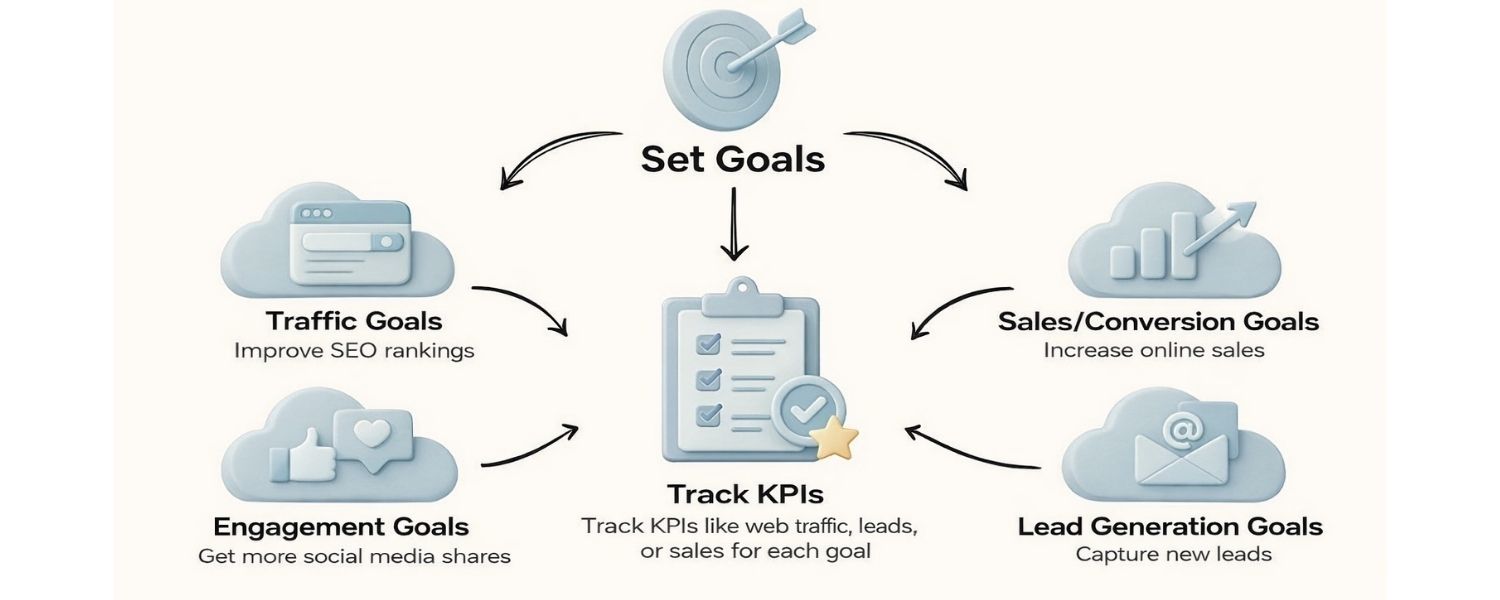
Every good strategy starts with knowing your destination. So first, decide what you want your content marketing to accomplish. Setting a clear primary goal (or a small set of goals) will guide all your subsequent decisions.
Ask yourself:
What does success look like? Do you want to increase brand awareness, drive more organic traffic, generate leads, boost online sales, or perhaps improve customer retention? Make your goals as specific as possible.
For example, a goal could be “Increase organic website traffic by 50% within 12 months” or “Generate 500 new email newsletter signups per quarter”. Specific goals with a timeline are more actionable than vague aspirations.
It can help to break goals down by funnel stage or metric. Common content marketing goals include:
A. Traffic Goals: e.g. reach X website visitors per month, improve SEO rankings for target keywords, or get a certain number of views on YouTube.
B. Engagement Goals: e.g. increase average time on page, get more social media shares/comments, or boost email open and click-through rates.
C. Lead Generation Goals: e.g. capture X new leads (sign-ups, form fills) per month via gated content or newsletters.
D. Sales/Conversion Goals: e.g. achieve Y% increase in product free-trial signups or a lift in e-commerce sales attributed to content.
E. Brand and Loyalty Goals: e.g. establish thought leadership (maybe measured by PR mentions or domain authority), improve customer loyalty or retention by Z%, etc.
Tie these goals to Key Performance Indicators (KPIs). For instance, if your goal is brand awareness, KPIs might include web traffic, impressions, and branded search volume.
For lead gen, KPIs might be number of leads or conversion rate on content offers. This way, you’ll have measurable targets to evaluate later.
Pro Tip:
It’s okay to start with modest targets and then raise the bar as you gather data. Also, ensure your goals are realistic given your resources and time frame, content is a long-term game, so set incremental milestones (e.g. 3-month, 6-month, 12-month targets).
Finally, get buy-in on these objectives from stakeholders (management, clients, etc.), because your goals will drive investment in content marketing. With clear goals set, you’re ready to think about who you need to reach.
Step 2: Define Your Target Audience (Buyer Personas)
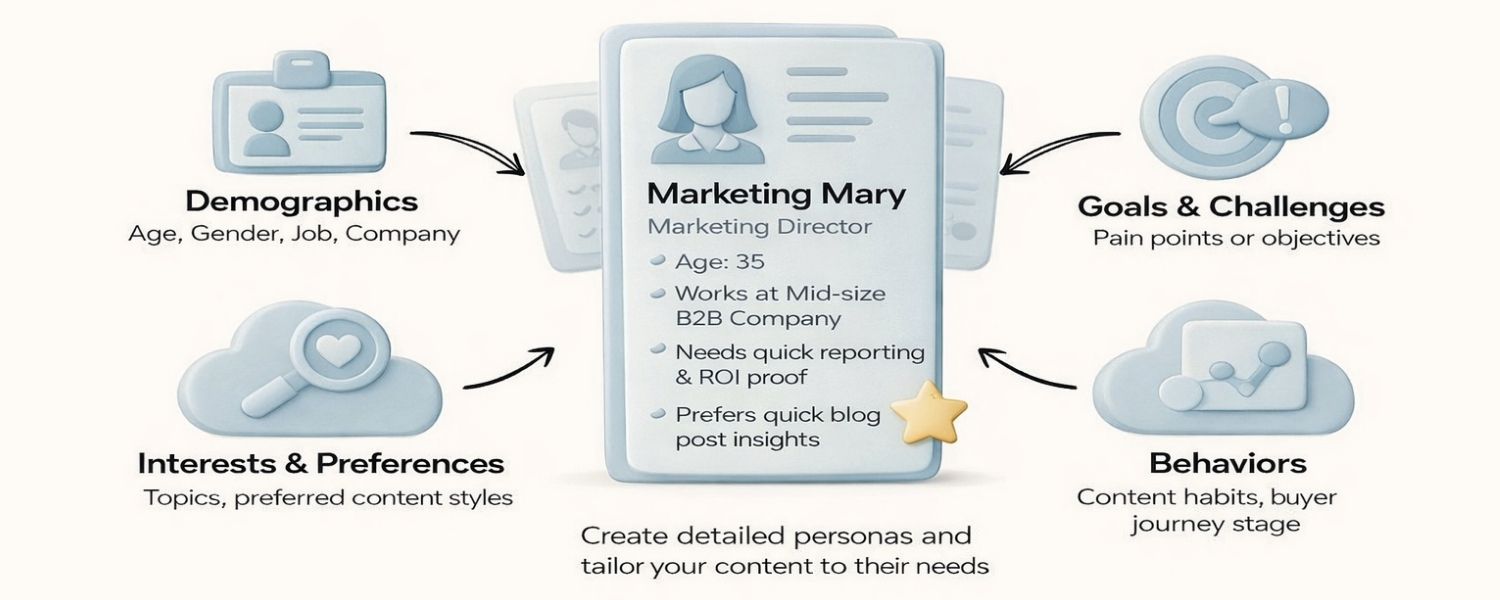
Content marketing is only effective if it’s reaching and resonating with the right people. Thus, the next step is to identify your ideal target audience, the people who will find your content most relevant and who ultimately could become your customers.
Start by creating one or more buyer personas (audience avatars). A persona is a semi-fictional profile representing a segment of your audience.
It typically includes details like:
A. Demographics
Age range, gender, location, job title or role, company size or industry (for B2B), etc.
B. Goals and Challenges
What are they trying to achieve relevant to your product/service? What pain points or challenges do they face? (These pain points are golden opportunities for your content to help.)
C. Interests and Preferences
What kind of information are they seeking? Which formats do they prefer (e.g. do they like reading in-depth blogs, or watching quick videos)? What channels do they frequent (social media, search engines, forums, email)?
D. Behaviors
How do they typically consume content? Are they researching solutions online? Do they attend webinars? Also, consider their stage in the buyer’s journey, are they usually beginners looking for basic answers, or more advanced readers seeking expert insights?
For example, if you run a B2B software company targeting marketing managers, your persona might be “Marketing Mary,” a 35-year-old Marketing Director at a mid-size company, whose pain points include generating analytics reports quickly and proving ROI.
She reads Marketing Week and follows industry influencers on LinkedIn, but is too busy for long videos, preferring quick blog insights on her lunch break.
To gather this info, leverage any data you have: customer surveys/interviews, website analytics (which demographics visit your site), social media insights, and your own sales/customer service team’s knowledge.
You can also observe discussions in online communities or forums related to your niche to see what your target audience is talking about.
The goal is to deeply understand your audience’s needs, questions, and habits. This will inform what content you create for them. As the saying goes: “You can create the most amazing content in the world, but if it doesn’t speak to the right people, it won’t drive results.”
Once you have your personas, document them and keep them handy. When brainstorming content ideas or writing, refer to your persona profile and ask, “Would this content be interesting and valuable to them? Does it address their needs or curiosities?” If not, adjust the angle.
Also, segmenting content by persona can be effective. You might have content series tailored to different verticals or buyer types if your audience isn’t one-size-fits-all.
Step 3: Perform a Content Audit (Assess Your Current Content)
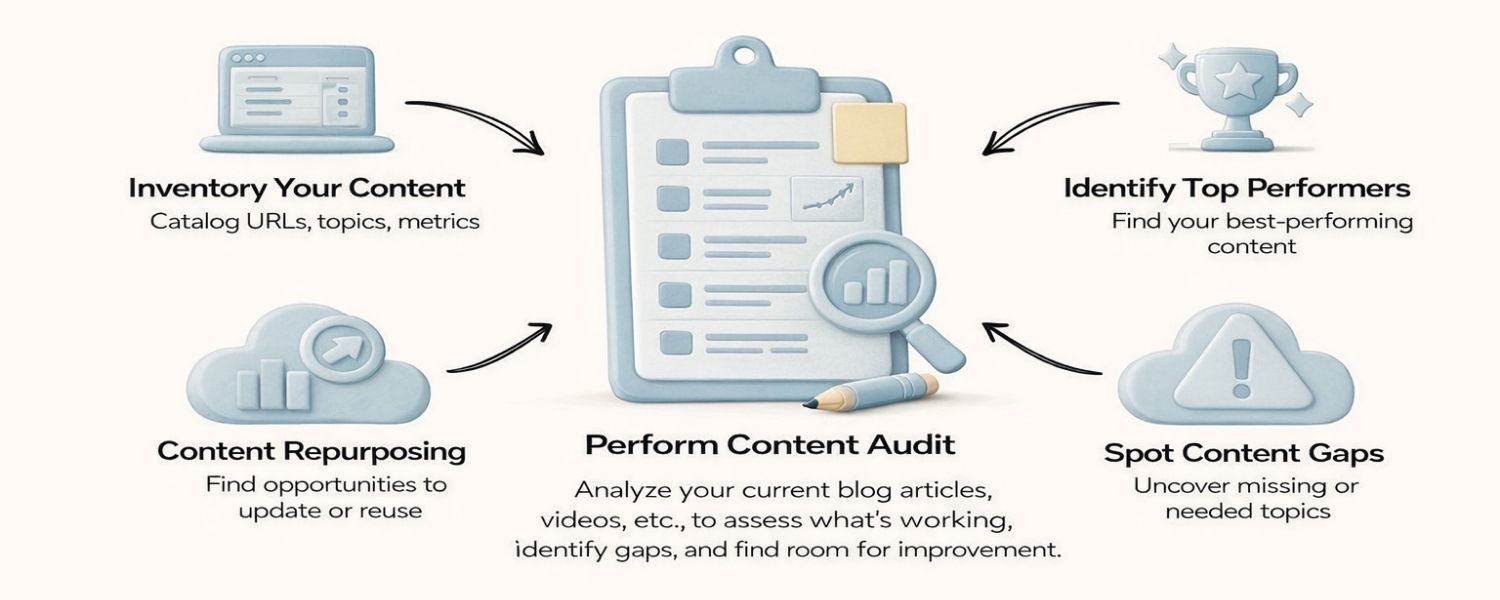
If you’re completely new to content marketing, you can skip this step. But if you already have existing content (blog articles, videos, etc.), it’s wise to audit what you have before creating new stuff.
A content audit helps you identify what content assets exist, how they’re performing, and where there are gaps.
Here’s how to do a basic audit:
A. Inventory Your Content
List out or gather all existing content pieces. A spreadsheet works well, include URLs, titles, content type (blog, FAQ page, whitepaper, etc.), and metrics like page views, engagement, or conversion if available.
B. Evaluate Performance
Look at how each piece has performed. Which blog posts get the most traffic or shares? Which pages have high bounce rates? Identify content that is outdated, underperforming, or off-topic. These might need updating or pruning.
C. Identify Top Performers
Find your most successful content to date. Perhaps certain topics or formats resonate more with your audience.
For example, you might find your how-to articles get a ton of organic traffic, or your case study video had high engagement. This can inform your strategy by doubling down on what works.
D. Spot Content Gaps
Compare your existing content to your persona needs and funnel stages. Do you have content covering all the major questions your audience asks?
Do you have content for each stage of the buyer’s journey, from high-level educational content (awareness) to product-focused content (consideration/decision)?
If, say, you have lots of beginner blogs but nothing for prospects evaluating solutions, that’s a gap to fill. Tools like keyword gap analysis (comparing what keywords your competitors rank for vs. you) can also highlight topics you haven’t covered but should.
E. Content Repurposing Opportunities
An audit may reveal content that can be repurposed or improved. For instance, a great webinar recording could be turned into a series of short tutorial videos or a blog summary.
Or an old blog post that still gets traffic might just need an update and a new infographic to make it fresh. Repurposing is an efficient way to extend the life of your best content.
Document your findings. The audit essentially gives you a baseline and ensures your new strategy builds on, rather than ignores, what you’ve already done.
By the end of Step 3, you should know what content you have, what content you need, and some clues about what performs well in your context.
Step 4: Choose Your Content Types and Channels
Now it’s time to decide what kind of content to create, and where you will publish/promote it. These choices should flow naturally from your goals and audience insights (Steps 1 and 2).
Select Content Types/Formats:
Based on your strategy, list the primary content formats you’ll focus on. There are many possibilities, here are a few of the most popular along with when to use them:
A. Blog Posts/Articles
Great for attracting organic search traffic and addressing common customer questions. They can establish your expertise on a topic and nurture prospects at the top and middle of the funnel.
Most content strategies include blogging as a foundation, given that 77% of internet users actively read blogs.
B. Videos
Highly engaging and shareable; ideal for demos, tutorials, or storytelling. Video is increasingly important – as of 2023, 91% of companies use video marketing as a tool.
Platforms like YouTube or Vimeo can reach huge audiences, and videos can also be embedded on your site. If you have the capability, video content can significantly boost engagement and cater to those who prefer visual learning.
C. Podcasts
Useful for building an audience and thought leadership, especially if your target users like to consume content on the go (during commutes, etc.). Podcasts allow for deep dives and personality to shine through voice. They also tend to foster loyal followers.
D. Infographics
Helpful for distilling data or processes into a visual format that’s easy to share. Infographics can earn backlinks and be reused on social media or within blog posts.
E. Ebooks/White Papers & Guides
Longer-form downloadable content is perfect as a lead magnet (gated content). These are well-suited for in-depth topics, research findings, or step-by-step guides (like this one!) that provide significant value.
You might offer them in exchange for an email address to help build your list.
F. Case Studies & Testimonials
These build credibility by showcasing real success stories from clients or customers. Often used in later stages of the funnel (consideration/decision) to help convince prospects through proof.
G. Webinars & Workshops
Interactive, live (or recorded) sessions allow you to engage directly with your audience, teach something valuable, and often include Q&A. Webinars can be a great way to generate leads and nurture relationships.
H. Emails/Newsletters
Don’t forget your email content. A regular newsletter or drip email sequence can nurture leads and drive repeat traffic to your site. Since your email list is one of the only channels you truly “own” (unaffected by algorithm changes), it’s incredibly valuable.
I. Social Media Posts
These bite-sized content pieces (tweets, LinkedIn updates, Instagram posts, etc.) help distribute your main content and engage with your community.
Each platform has its nuances – e.g. Twitter for quick tips and sharing links, LinkedIn for professional insights, Instagram/TikTok for short videos or visuals.
You likely won’t do all of the above (at least not right away), and that’s okay. Choose a manageable mix that aligns with your audience and strengths. For example, a solo blogger might start with blog posts and a weekly newsletter, then later expand into podcasting.
A larger team might simultaneously produce blogs, videos, and infographics. Quality and consistency beat trying to do everything at once. It’s better to excel at two channels than stretch thin across five.
Decide on Distribution Channels:
Next, map out where each content type will be published or promoted. Consider:
A. Website/Blog
This is almost always your content hub for articles, resources, and landing pages. Optimize your site structure and SEO so that content is easily discoverable by visitors and search engines (more on SEO later).
B. YouTube or Video Platforms
If doing video, YouTube is the second largest search engine and a logical place to host and optimize videos (with descriptive titles, keywords, etc.).
LinkedIn native video or Instagram Reels might be part of the plan if targeting those channels.
C. Social Networks
Identify the key social media for your brand. For B2B, LinkedIn and Twitter might be priority; for B2C lifestyle content, Instagram, TikTok, or Pinterest might be relevant.
Don’t try to dominate every social platform – focus on where your target audience is most active. Use social to share your content and engage (not just broadcast links).
For instance, a SaaS targeting developers might focus on Reddit and Twitter, whereas a fashion brand leans into Instagram and TikTok.
D. Email
If building an email list (which you should!), plan on how you’ll integrate content into email. This could be a monthly roundup of your best blog posts, or automated emails that deliver a multi-part course or series of tips.
E. Communities and Forums
Depending on your niche, consider sharing content or participating in Quora, Reddit, or industry-specific forums. Always add value (avoid spamming links) – for example, answer questions on Quora and cite your blog post if it’s genuinely helpful to the question.
F. Paid Promotion
If budget allows, you may incorporate pay-per-click ads, sponsored social posts, or content discovery networks to amplify reach.
Ensure you have a clear goal and targeting for paid campaigns (e.g. promoting a high-value gated ebook to a lookalike audience on Facebook to generate leads).
G. Syndication and Partnerships
You can also plan to syndicate some content on third-party sites (Medium, LinkedIn Articles) or collaborate with partners/industry publications for guest posts, webinars, etc., to reach new audiences.
Document your channel plan. For each channel, define its role. For example: “LinkedIn – share blog content and engage B2B professionals; aim for 3 posts/week” or “Email newsletter – monthly digest of new articles plus curated industry links, to nurture subscribers.”
By doing this, you ensure each piece of content you create will have a distribution strategy behind it, which is crucial because creating great content is only half the battle – getting it in front of people is the other half.
Step 5: Brainstorm Content Ideas and Keyword Research
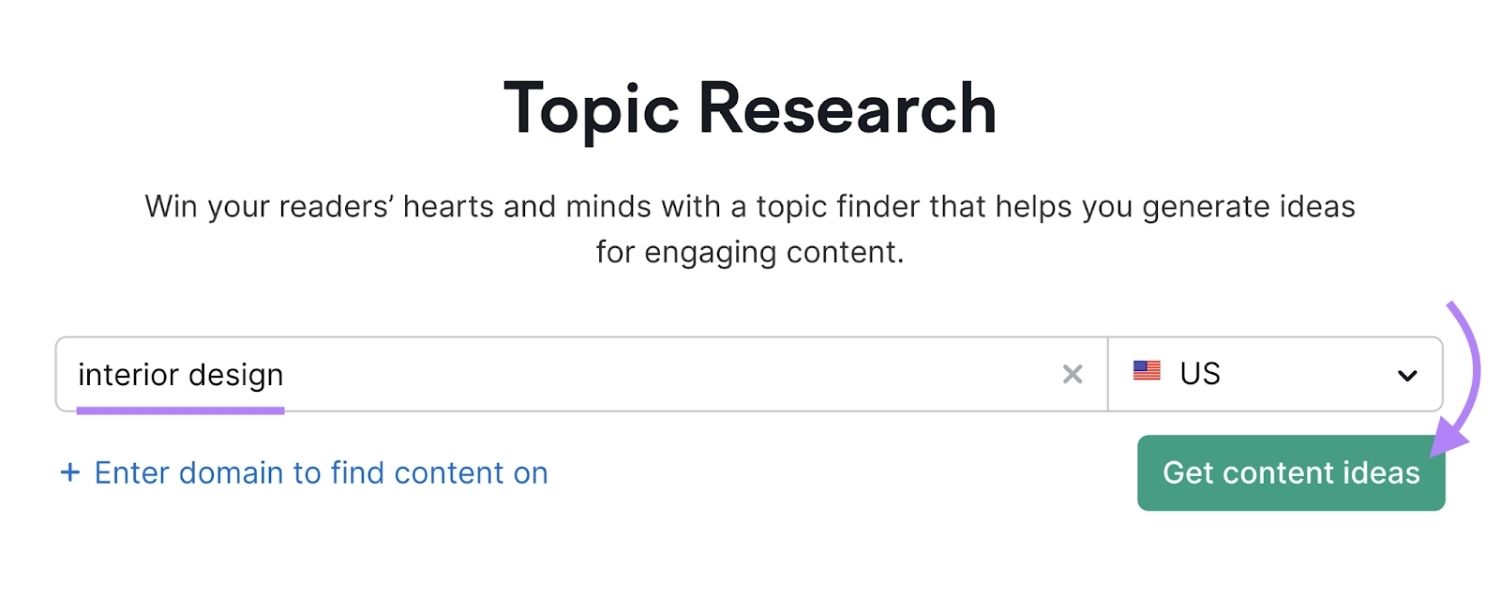
Now for the creative part, coming up with the specific content topics you’ll produce. Start by brainstorming ideas that hit the intersection of your expertise and your audience’s interests/questions.
Some fruitful ways to generate content ideas include:
A. Customer Questions
What questions do customers or prospects frequently ask? Sales and support teams are a goldmine for this. Each common question can be an article, video, or FAQ answer. If one client asks, dozens of others likely wonder the same.
B. Keyword Research
Use SEO tools (Google Keyword Planner, Semrush’s Keyword Magic Tool, Ahrefs, etc.) to find what your audience is searching for. Enter broad terms related to your business and see what long-tail queries people search.
For example, a company selling espresso machines might find queries like “how to clean an espresso machine” or “best coffee beans for espresso” have decent search volume. These are content opportunities.
The “People also ask” box on Google and the autocomplete suggestions can also hint at popular queries.
C. Online Communities & Social Listening
Browse Reddit, Quora, or relevant Facebook/LinkedIn Groups for topics people discuss related to your industry. The problems and discussions you find can spark content ideas.
Similarly, use social listening tools or even Twitter’s search to see what’s being talked about.
D. Competitor Content & Industry Blogs
Look at other players in your space – what are they writing about? You might identify gaps or areas where you can provide a better or more up-to-date perspective.
(Don’t just copy; rather, find how you can differentiate or improve on what’s already out there.)
E. Brainstorm with Your Team
Get in a room (or Zoom) with your team and do a brainstorming session. Throw around ideas, sometimes off-the-cuff creative concepts emerge that formal research might not surface.
F. Content Ideation Tools
There are also tools like AnswerThePublic (visualizes questions people ask on search engines), BuzzSumo (finds most shared content on a topic), or Semrush’s Topic Research tool – all can feed you idea nuggets by showing what content resonates in your niche.
G. Reuse & Repurpose
Remember content repurposing. A single idea can spawn multiple pieces. For instance, if you did a webinar, you could turn the key points into a blog post, a short video, and an infographic.
So think in terms of themes that can be explored in various formats.While brainstorming, keep your audience persona and pain points front and center.
Also consider content mapping to the buyer’s journey: ensure you have some topics for those just becoming aware of a problem (e.g. “What is ___?” or “Why ___ matters”), some for evaluating options (“How to solve ” or comparisons like “ vs ___”), and some that gently promote your solution (“How to implement ___” or case studies, etc.). Each stage needs content.
Use Keyword Data to Prioritize Topics
If SEO and organic traffic are important (and they usually are), use keyword research data to prioritize which topics might have the highest impact.
Look at metrics like search volume (how many people search that term monthly) and keyword difficulty (how hard it might be to rank). Ideally, you want topics that have a decent number of searches but aren’t dominated by unbeatable competitors.
For example, a keyword tool might show that “content marketing strategy template” has high volume but also high competition. You might still write on it, but know it could take longer to rank.
On the other hand, a more niche query like “documented content strategy benefits” might have lower volume yet be easier to rank and very relevant to your audience. A mix of high-potential and easier-win topics is healthy.
SEO Tip:
Look at the questions people ask. Many tools have a feature to list question-form queries (e.g. “how do I ___”, “what is ___”).
Creating content that directly answers common questions not only helps with search traffic but also increases your chances of appearing in featured snippets (the answer boxes on Google).
Also consider content that targets long-tail keywords (longer, specific phrases). Though each such term has smaller search volume, collectively they can drive a lot of targeted traffic, often with lower competition.
At this step, it’s useful to maintain a content ideas backlog – basically a running list of all potential topics along with notes on format, target keyword, persona, and priority. You can use a simple spreadsheet or a project management tool for this.
Prioritize the list by relevance and potential impact.With ideas in hand, you’re almost ready to start creating content – but first, get organized with a schedule.
Step 6: Create a Content Calendar and Schedule
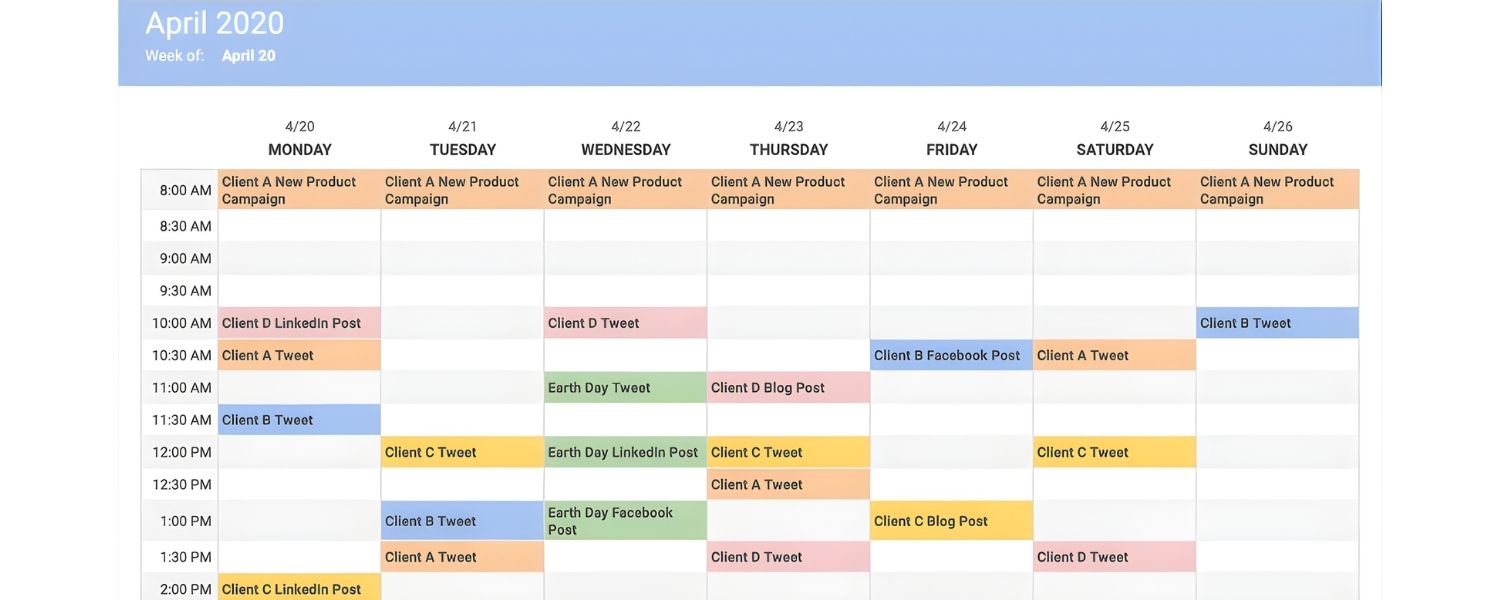
Consistency is crucial in content marketing. A content calendar is your blueprint for when and where your content will be published. It helps you turn ideas into an actionable schedule, so you stay on track and never scramble for last-minute topics.
To build a content calendar:
A. Choose a Calendar Format
This can be as simple as a spreadsheet with columns for date, topic, content type, author, status, etc., or you could use tools like Google Calendar, Trello, Asana, or a dedicated editorial calendar software. Use whatever your team finds easiest to actually maintain.
B. Set Publishing Cadence
Decide how often you will publish each type of content. For example, you might commit to 2 blog posts per week (e.g. every Tuesday and Thursday), 1 email newsletter bi-weekly, 1 new video per month, and daily social media posts on weekdays.
Be realistic – it’s better to start steady and increase frequency later than to over-commit and burn out. Use your capacity and resources to guide this.
(Tip: It’s okay if your cadence is modest; consistency and quality matter more than volume. Many successful company blogs start with one post a week and ramp up as they gather momentum.)
C. Plot Content Ideas on the Calendar
Take your brainstormed topics from Step 5 and assign them to dates on your calendar. Consider seasonal relevance or product launches – e.g., schedule content about “2025 marketing trends” early in the year, or plan content to support a product update around its release.
Also mix up topics so you’re covering different categories over time (to keep content balanced and interesting to your audience).
D. Assign Responsibilities
In your calendar or a related workflow document, assign who will create each piece of content. If you have multiple writers, designate them. If design or video editing is needed, note that and who’s responsible.
Also assign a deadline for content drafts and a publish date. For example, an entry might be: “March 10 – Blog Post: 5 Content Strategy Mistakes to Avoid – Author: Jane – Draft due Mar 3”.
E. Include Promotion Plans
It’s good practice to also note how each piece will be promoted once live. You might add checklist items like “Share on LinkedIn and Twitter” or “Boost post with $50 on Facebook Ads” or “Email to newsletter list on Friday” next to each content item.
This ensures promotion isn’t an afterthought.
F. Build in Flexibility
While planning is vital, content marketing also needs agility. Leave some room for timely content (newsjacking or reacting to industry news) or adjust if you find a topic isn’t working.
A calendar is a guide, not set in stone – update it as needed. Also, if you have bigger pieces (like an eBook or a video series), break them into milestones in the calendar (e.g. research, draft, design, etc.) to ensure they progress on schedule.
Establish a routine around your calendar. Maybe you review the upcoming week’s content every Monday, or have monthly planning meetings to fill the calendar.
The calendar also makes it easier to coordinate with your team – everyone can see what’s coming and what needs their input.
By now, you’ve planned what to publish when and by whom. It’s finally time for execution: creating and distributing the content as per the plan.
Step 7: Develop (Create) High-Quality Content
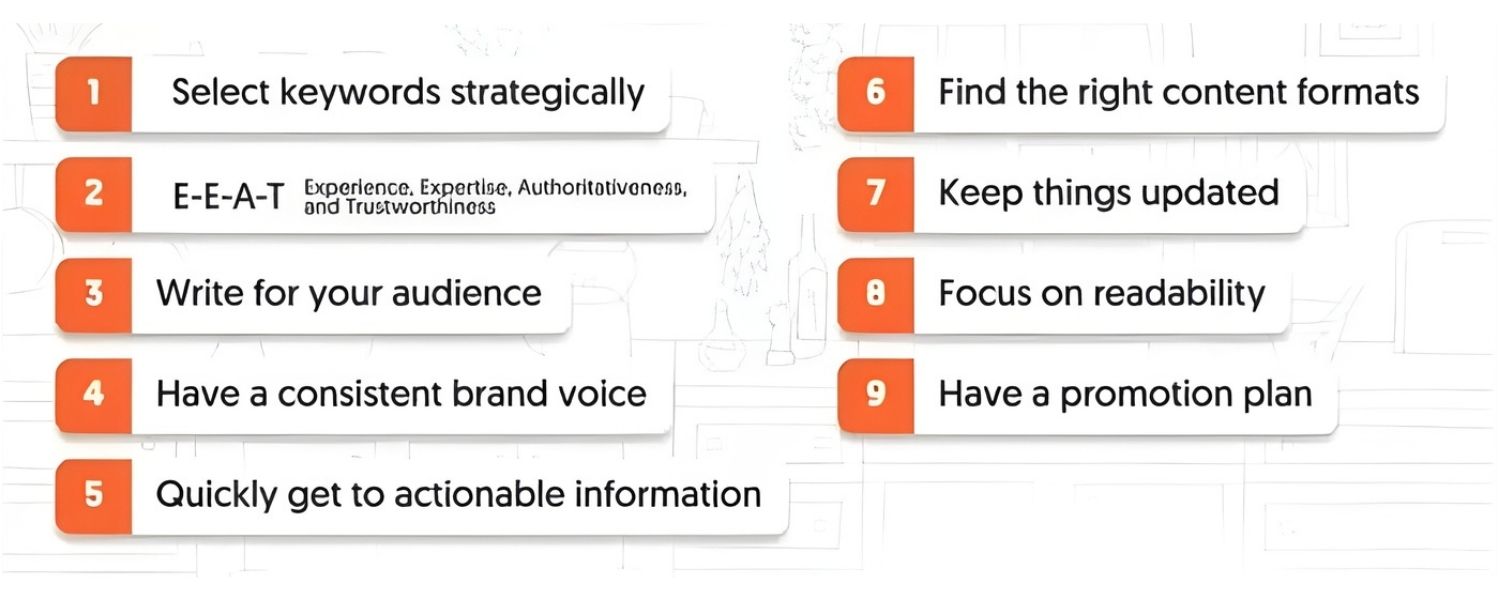
With your strategy and plan in place, you can move into content creation mode. This is where the rubber meets the road, producing the actual blog posts, videos, podcasts, infographics, etc., that you’ve planned.
Some keys to effective content development:
A. Stick to Your Strategy and Messaging
Always create with your target audience and brand voice in mind. Your content should consistently reflect your brand’s perspective and values (sometimes called your editorial mission or brand story).
Over time, this consistency builds a recognizable voice that sets you apart. For instance, if your brand’s tone is friendly and humorous, carry that through in your writing style or video presentation.
B. Focus on Quality Over Quantity
It’s better to publish one excellent, well-researched article than five mediocre ones. The internet is saturated with content, so to stand out, yours needs to be truly valuable.
Provide actionable insights, original research or data if possible, and clear takeaways.
If you’re creating “ultimate guides” or long-form content, make them comprehensive and up-to-date.
If shorter content, make it punchy and relevant. Aim to create the best answer on the web for the topic at hand.
C. Incorporate SEO Best Practices
For written content, optimize your titles, meta descriptions, headers, and naturally include your target keywords (and related terms) in the content.
Use internal linking (linking to other relevant pages on your site) to help SEO and readers navigate. Ensure content is structured logically (using H2, H3 headings, bullet points, etc., which also helps with SEO snippet features).
However, never keyword-stuff or sacrifice readability for SEO. Write for humans first, then tweak for search engines.
D. Make It Engaging
Use storytelling, examples, and visuals to keep your audience engaged. For example, start blogs with a compelling hook or anecdote.
In videos, get to the point quickly and keep an energetic pace. For all content, a strong introduction that grabs attention is crucial (often, readers decide in the first 10–20 seconds if they’ll continue).
Where appropriate, incorporate visuals like images, charts, or videos within content, this breaks up text and adds value. Studies show content with relevant images or media tends to get more views and shares.
E. Include a Clear Call-to-Action (CTA)
Don’t forget to tie your content back to your goals. Within each content piece, include CTAs that guide the reader’s next step.
This could be a simple internal link to a related article, a prompt to download a resource (to generate a lead), or an invitation to contact your sales team – whatever makes sense for that stage of the funnel.
For example, at the end of a blog post on “content strategy tips,” a CTA might be “Download our free Content Strategy Template” or “Contact us for a content strategy consultation.”
Make CTAs relevant and not overly pushy – the content should primarily educate/entertain, but a well-placed CTA ensures interested readers know what to do next.
F. Edit and Proofread
Typos or sloppy writing can undermine credibility. Ensure every piece goes through a quality check. If you have editors, great. If not, take time to proofread or use tools like Grammarly.
For big pieces, it helps to have a second set of eyes (or give yourself a day and revisit with fresh eyes) to catch errors and improve clarity.
G. Optimize for Each Platform
Tailor the content to the platform. For example, if you’re repurposing a blog into a Twitter thread, you’ll condense and make each tweet intriguing. If you turn a podcast into a YouTube video, maybe add visual elements.
Even the same core content might need tweaking – e.g. the way you format a message on LinkedIn (more formal, use of whitespace) versus Instagram (visual-first, casual tone) differs.
As you create, keep an eye on the competitive landscape. Before publishing, search the topic and see what’s currently ranking high or trending.
Make sure your content offers something better – more depth, updated info, a unique perspective, or better visuals. This skyscraper technique (building something better than what exists) can improve your odds of success.
Step 8: Distribute and Promote Your Content
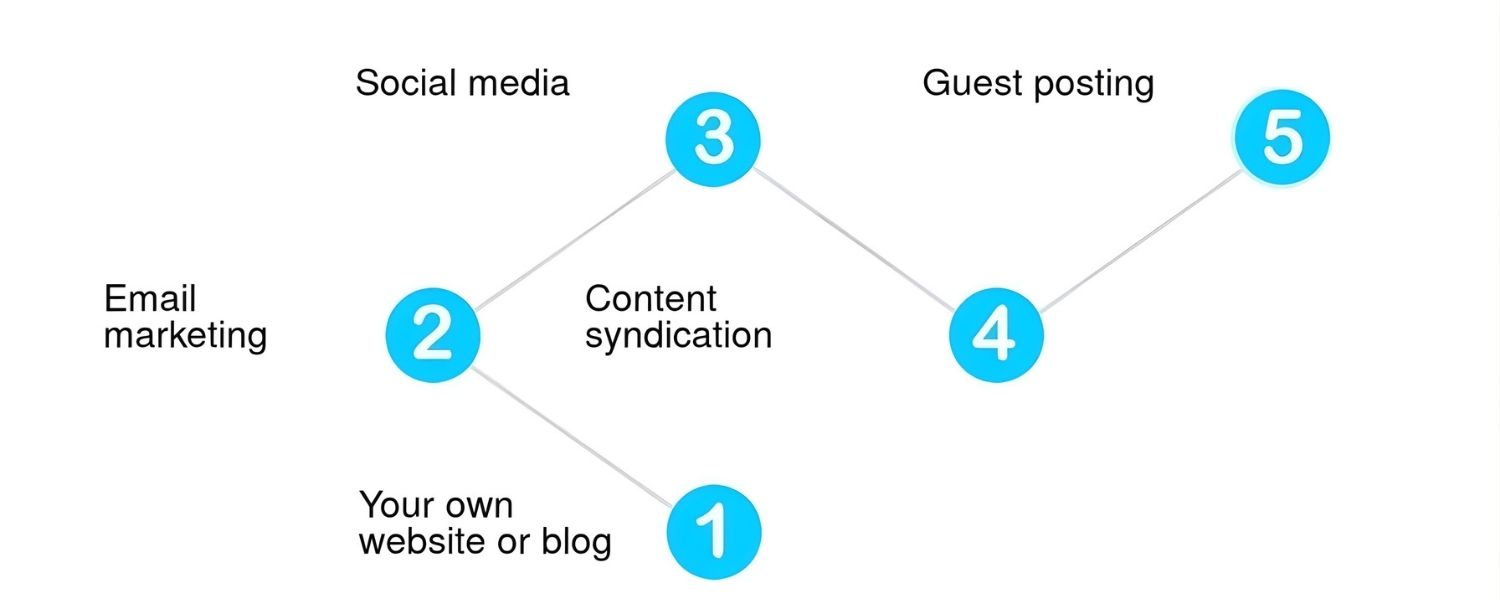
“Publish and pray” is not a content strategy. Once you’ve created a piece of content, you need to actively promote and distribute it to ensure it reaches your target audience.
Here’s how to get the most mileage from each piece of content:
A. Share on Social Media
Immediately share new content on your company’s social channels and encourage team members to share on theirs if appropriate.
Tailor the message to each platform (e.g., a catchy one-liner summary for Twitter, a professional teaser for LinkedIn, an image or excerpt for Facebook). Use relevant hashtags or tag influencers/companies mentioned in your content to extend reach.
Consistent sharing of your content on social media helps drive engagement and traffic.
B. Leverage Email Marketing
Send the content to your email list. This could be a dedicated email (e.g., “New Guide: Content Marketing Strategy 2025 – read it now”) or inclusion in a weekly/monthly newsletter.
Email subscribers are your most engaged audience, so this often drives a significant traffic spike. Make the email copy enticing – highlight what value the reader will get by clicking through.
Also, consider segmenting: if a piece is highly relevant to a subset of your list, target them specifically for better results.
C. SEO and Organic Search
If you’ve optimized your content for SEO (as discussed), over time search engines will start sending traffic.
But you can speed up indexing by promptly sharing new content on social (which search bots monitor) and possibly using tools like Google Search Console to manually submit new URLs.
For existing content updates, add a note like “Updated [Month Year]” – fresh content can get a boost in rankings. Consider building backlinks to your content as well; reach out to industry sites or partners that might find your piece valuable to reference.
High-quality backlinks will improve your search rankings.
D. Paid Promotion (if budget allows)
A little spend can go a long way in amplifying content.
For example, promote a high-performing Facebook post to a targeted audience, or use LinkedIn Sponsored Updates to get a whitepaper in front of decision-makers in certain industries.
You can also use pay-per-click ads for content (like Google Ads to feature your blog for certain searches, or Outbrain/Taboola for content discovery).
Monitor the ROI – the goal is usually to get the right eyeballs on your content (which might lead to conversions down the line, even if not immediately). Ensure the content you promote has a clear next step (like capturing an email) so the spend is worthwhile.
E. Content Syndication & Repurposing
Expand reach by syndicating your content on platforms like Medium or LinkedIn Articles a few days after it goes live on your site.
Mark it as originally published on your blog (to avoid duplicate content confusion) or use canonical links when possible. This can expose new readers to your content.
Additionally, repurpose content into different formats to share elsewhere: for instance, turn a blog post into a short SlideShare or infographic and share that; extract quotes or stats to make a quick graphic for Instagram; or do a short live video summarizing your latest blog.
F. Communities and Groups
If you’re part of any Slack groups, Discord communities, or forums where sharing content is allowed, share it there – but always frame it as something that could help others, not blatant self-promo.
Engage with any comments or feedback you get. On Reddit or Stack Exchange, only share if it truly answers someone’s question and follow each community’s rules.
G. Influencer Outreach
If you mentioned any influencers or companies in your content, let them know. A quick tweet like “@Expert, we loved your insight on XYZ, included it in our latest guide [link]” can sometimes prompt them to share it.
Or send a polite email to any experts you quoted or whose tools you recommended. Don’t demand a share, just make them aware – if the content is good and relevant, they might spread it.
H. Internal Linking & Website Promotion
Make sure your site guides visitors to the new content. Feature key content on your homepage if appropriate, or in your site’s resource center.
Add links from older related posts to the new content to help readers discover it (and boost SEO). If you have a popular evergreen post, consider adding a banner or CTA in it that points to your new related resource.
The bottom line
Be proactive. The more you promote, the more you increase the content’s reach and lifespan. Some marketers follow the “20/80 rule” – spend 20% of time creating content, 80% promoting it.
That might be extreme, but it underscores that promotion deserves significant effort. Also, engage with the responses. If people comment on your social posts, reply. If they leave blog comments, answer questions.
Building two-way engagement not only pleases the algorithms (which favor content with activity) but also deepens your relationship with the audience.
Step 9: Monitor Performance and Analyze Results
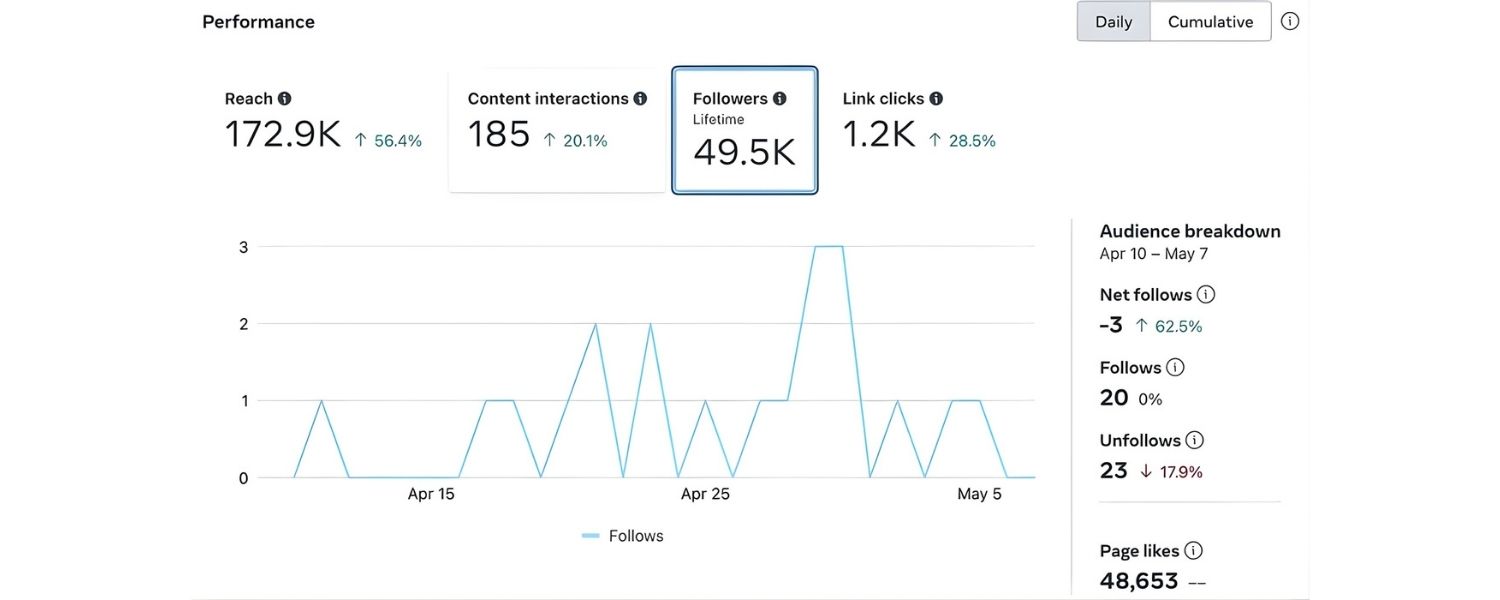
Your content is out in the world – but your strategy isn’t complete without measuring how it’s doing. Tracking performance is essential to understand what’s working, what’s not, and how to improve your content marketing over time.
Key actions in this step:
A. Track Your KPIs: Remember those goals and KPIs you set in Step 1? Time to monitor them regularly. For example:
B. Use Google Analytics (or another analytics tool) to check website metrics: page views, unique visitors, bounce rate, time on page for your content pages, conversion rates on any lead forms, etc… GA’s “Acquisition > All Traffic > Channels” report can show how much traffic came from organic search, social, email, etc., which helps attribute your efforts.
C. If one of your goals is SEO, track your keyword rankings. Tools like Google Search Console (free) or Semrush’s Position Tracking can show how your content is ranking over time for target keywords. Are you moving up?
D. For social media, each platform has its analytics. Check things like engagement (likes, shares, comments), impressions, and click-throughs on your content posts. Identify which platforms drive the most traffic or engagement for your content.
E. For email, look at open rates, click-through rates (did people click to read the content?), and any actions taken.
F. If lead generation is a goal, monitor sign-ups, downloads, or inquiries that came via content (you might need to set up goals or use UTM parameters to attribute leads to content).
G. Collect Qualitative Feedback:
Numbers are great, but also pay attention to qualitative responses. What comments are readers leaving? Are there patterns in the feedback or questions they ask after consuming your content?
This insight can spark new ideas or highlight if something was unclear. If possible, talk to a few customers about what content they found helpful or what they wish you covered.
Identify High Performers vs Underperformers:
After a few months, you’ll see that some content pieces outperform others. Figure out why:
A. High performers
Perhaps a certain blog post is ranking #1 on Google and bringing tons of traffic, or an infographic went semi-viral on Twitter.
Analyze these successes. Is it the topic that resonated? The format? The promotion tactic?
For example, you might find that your “how-to” posts consistently do well in search, or that videos you share on LinkedIn get more views than those on YouTube. These are clues to double down on what works.
B. Underperformers
Content that didn’t meet expectations – maybe a lengthy guide that barely got any views, or a webinar that had low attendance. Try to diagnose issues: Was the topic too broad or too niche?
Did it get enough promotion? Is the content itself perhaps not as engaging as it could be? Low performance doesn’t always mean the content is bad, it might just have been poorly timed or insufficiently promoted.
Decide if you can revive or recycle it. Sometimes updating the headline, re-sharing it, or tweaking the SEO can give new life to a blog that initially flopped.
C. A/B Testing
For elements like email subject lines, call-to-action buttons, or even social post messaging, you can experiment with A/B tests to improve performance.
For instance, if your content landing page has a low conversion rate, try testing a different CTA text or page layout.
D. Regular Reporting
Set a cadence to formally review performance – e.g., a monthly content report. In it, include key metrics, top-performing content of the month, and any insights or learnings.
If working with a team or reporting to a boss, highlight how content is contributing to broader marketing goals (ex: “Our content marketing drove 40% of all web leads this quarter” or “Organic traffic is up 30% year-over-year thanks to our consistent blogging”).
Celebrate wins and identify areas for improvement in these reports.
E. Iterate Your Strategy
Use the data to refine your strategy. Perhaps you discover that one of your initial target personas isn’t engaging, but another audience segment is.
Or you might realize you need to produce more video content and fewer long blogs, based on engagement patterns. Your content marketing strategy is a living document, adjust your topics, frequency, or channels based on what the data and feedback tell you.
For example, if you see strong results from LinkedIn but not Twitter, you might reallocate effort accordingly.
Remember that content marketing often has a delayed payoff. A blog post might not rank and get significant traffic until several months after publication. An ebook might slowly gain downloads over time.
So measure over both short-term (monthly) and long-term horizons. Don’t panic if a week after publishing something you don’t see much, give content time to breathe and be discovered.
That said, quick spikes can happen if something gets shared widely or picked up in the press, so monitoring helps you catch those opportunities too (and perhaps respond, e.g. replying to comments).
By continuously monitoring and learning, you create a feedback loop: insights from this step feed back into planning new content (Step 5 and 6) and refining execution. This continuous improvement cycle is what makes content marketing increasingly powerful over time.
Pro Tips and Best Practices for Content Marketing Success

Beyond the core steps, here are some additional content marketing tips and best practices to elevate your strategy from good to world-class:
A. Engage with Your Community
Don’t just publish content at your audience – engage with them. Respond to comments on your blog and social media promptly.
Consider joining community discussions (like niche forums, LinkedIn groups, Slack communities) relevant to your industry.
By offering insights and help (without always pushing your content), you build a reputation and often get content ideas directly from the community.
Also, active engagement can turn readers into loyal followers who amplify your content to others.
B. Use Calls-to-Action Strategically
Every piece of content should have a purpose in the customer journey. As mentioned, include CTAs but do so tastefully. Content marketing is about providing value first, selling second.
C. One effective technique is the soft sell
for instance, blog posts that mention a problem can provide multiple solutions (DIY tips, third-party tools) and then also mention how your product/service can help.
This approach educates the reader and presents your offering as one of the options, backed by context. Always ensure your product pitch (if any) is genuinely relevant and helpful in that piece of content.
D. Repurpose Content to Maximize ROI
We touched on this, but it’s worth reiterating – repurposing is a content marketer’s best friend. If you pour effort into a great piece of content, squeeze maximum value from it.
Turn a conference presentation into a blog series, transcribe a video to make an article (and vice versa, turn an article into a video script). Share quotable snippets as tweets. This not only saves time but reinforces your message across channels.
Different people prefer different formats, so repurposing helps you reach a broader audience without reinventing the wheel each time.
E. Capture Leads for Further Nurturing
If lead generation is one of your goals, have a plan to capture your audience’s information so you can continue the conversation.
This often means offering something valuable (like a free PDF guide, checklist, or email mini-course) in exchange for a name and email. Use on-site forms or pop-ups for newsletter subscription, content downloads, etc.
For example, at the end of a popular blog post, you might offer a downloadable checklist that complements the post’s topic – users enter email to get it.
Once you have their email, you can nurture them with more content over time, moving them closer to a conversion.
Companies like HubSpot have mastered this approach – almost every blog ends with a relevant offer that gets readers onto their mailing list, where they’re then nurtured with additional content and promotions.
F. Stay Updated on SEO Changes
Search engine algorithms and content trends evolve. For instance, the rise of featured snippets and voice search means you might optimize some content to answer questions succinctly.
Google’s helpful content updates emphasize people-first content (which you should be doing anyway). Keep learning basic SEO and adjust. Also, new platforms can emerge (think how TikTok suddenly became huge).
While you don’t need to chase every shiny object, be aware of shifts in where audiences spend time.
G. Monitor Industry Trends
Content marketing itself changes – for example, the increased usage of AI tools for content creation is a recent trend. In fact, over 61% of marketers have used AI in some form for content or marketing campaigns.
AI can help with research, outlines, or even drafting, but it shouldn’t replace human insight. The best practice is to use AI to support and speed up content creation, while always adding your human expertise and editing for quality.
(Note: search engines are also cracking down on auto-generated content, so human oversight is crucial.)
H. Emphasize Originality and Expertise
With so much content out there, strive to bring something original to the table. This could be original research (e.g., run a survey or share unique data your company has), strong opinions or thought leadership that challenge status quo, or deep dives that others haven’t done.
In 2025 and beyond, content with unique perspectives or data will stand out more, because generic content is everywhere (and easily created by AI).
Also, showcase expertise – if you have subject matter experts (SMEs) or access to experts, incorporate their insights.
Google’s E-E-A-T (Experience, Expertise, Authority, Trustworthiness) guidelines reward content that demonstrates first-hand experience and expertise, so it’s worth interviewing experts or including author bios that establish credibility.
I. Document and Share Your Strategy
We’ve stressed having a documented strategy; also ensure it’s accessible to your team (and even beyond). Share the strategy with other departments like sales, customer service, etc.
so they understand the content marketing goals and can contribute ideas or use content pieces in their workflows. In larger companies, a shared strategy prevents silos – everyone creating content knows the key messaging and target audience, so the brand voice stays consistent.
Some organizations even create an internal newsletter or Slack channel to share new content pieces across the company, encouraging employees to read and share them.
J. Be Patient and Persistent
Content marketing is a marathon, not a sprint. It might take several months to see significant results, especially for SEO-driven content. Early on, you might question, “Is this working?”
But trust the process and keep an eye on the trendline of growth. Consistency and patience pay off big time. Many companies find that after ~6-12 months of consistent content creation and optimization, they hit a tipping point where traffic and leads ramp up dramatically.
The effort compounds: each new content piece adds to your cumulative reach. So don’t give up too soon – those who stick with it reap the rewards, while many who give up early never know what they missed.
By following these best practices and the step-by-step guide above, you’ll be well on your way to content marketing success. But the digital landscape never stands still, and it’s important to stay agile and informed about what’s coming next.
Let’s briefly look at some current trends shaping content marketing right now.
Content Marketing Trends and The Future Outlook
To ensure your content strategy remains cutting-edge, consider these latest trends and insights that are shaping content marketing as of 2025:
Data from recent studies shows over 61% of marketers have used AI in their marketing campaigns, reflecting how AI tools have become mainstream in content creation processes. However, human oversight remains crucial to maintain quality and originality.
A. AI-Assisted Content Creation
Artificial intelligence is no longer a novelty – it’s a core part of many content workflows. Marketers use AI tools for tasks like topic research, headline generation, basic copy drafting, and even image creation.
The key is using AI to support, not replace human creators. Successful content teams let AI handle grunt work (like analyzing data or suggesting outlines) and then add a human touch for creativity, storytelling, and accuracy.
Expect AI tools to get even better, but also expect audiences (and search algorithms) to favor content with a genuine human voice and expertise.
Tip: Be transparent and ethical in AI usage – for instance, if an image or text is AI-generated, review it carefully and fact-check to ensure it’s accurate and aligns with your brand’s voice.
B. Original Content and Thought Leadership Matter More
With the rise of AI producing average content, brands that provide truly unique insights will stand out. Original research, strong opinions, and personal experiences are gold.
Google and other platforms are favoring content that demonstrates originality and expertise, as basic informational content becomes commodity. This means doubling down on your company’s unique perspective.
For example, instead of another generic “Content Marketing 101” post, you could publish findings from your own survey of marketers, or a case study only your company could tell. Cultivate internal experts or guest contributors who can share first-hand knowledge.
C. Multi-Channel Content Distribution
Gone are the days of putting 100% of your effort into just a blog and Google search. Smart marketers are diversifying across multiple platforms.
Social media algorithms and search algorithms can change anytime (or audiences may shift behavior), so building a presence on several channels gives stability.
For instance, many B2B brands are investing in LinkedIn personal branding for their executives, TikTok is emerging even for educational content in some industries, and newsletters/podcasts are making a comeback as they allow direct connection with audiences.
The trend is towards meeting your audience where they are, which might mean repackaging content into new channels like a YouTube series, an Instagram infographic carousel, or a community webinar series.
However, email newsletters and community-building (via Slack/Discord or online communities) are especially hot, as they give you a direct line to your followers unaffected by algorithm changes.
D. Optimizing for Voice Search and AI Assistants
With more people using voice-activated assistants (Siri, Alexa, Google Assistant) and AI chatbots (like ChatGPT) to find information, content needs to adapt. This means targeting more conversational queries and questions.
Structuring your content to answer specific questions clearly (using FAQ sections, Q&A format, or brief summary paragraphs) can make it more likely to be picked up by voice search results or AI-generated answers.
Also, ensuring your content is factually accurate and authoritative increases the chance that AI tools will consider it a trusted source.
E. Short-Form Video Dominance
Video has been big for years, but short-form video (think TikTok, Instagram Reels, YouTube Shorts) is exploding in popularity for marketing content. These are 15-60 second clips that are easy to consume and share.
Brands are finding creative ways to distill tips or promote longer content through short video snippets. If it fits your audience, consider how you can incorporate short videos – even repurposing a blog tip into a quick animated text video, for example.
Platforms are heavily pushing these formats (the Instagram and YouTube algorithms prioritize them), so they can be a growth hack for reaching new eyes.
That said, long-form video (like webinars or detailed YouTube tutorials) still has its place for depth, but grabbing attention often starts with bite-sized content.
F. Employee Amplification and Personal Brands
Companies are encouraging employees, especially subject matter experts and leadership, to build their personal brands on social media.
For instance, a SaaS company might have its CEO and several employees actively posting on LinkedIn about industry topics. This humanizes the brand and greatly extends reach, algorithms often favor personal accounts over brand pages.
In 2025, leveraging your internal team as influencers (sometimes called “employee advocacy”) is a big trend.
Providing guidelines and maybe even content ideas or templates to employees can help them confidently share and create content that aligns with your strategy while sounding authentic.
G. Content Communities and Niche Platforms
Building an owned community (forum, online group) around your content is becoming a valuable way to foster engagement.
Rather than relying purely on big social platforms, some brands are hosting their own discussion boards, Slack communities, or membership sites where people who consume the content can network and interact.
These communities can drive content ideas and provide quick feedback. Also, depending on your niche, there might be growth in domain-specific content platforms (for example, developers gather on GitHub and Stack Overflow, designers on Dribbble or Behance). Tailoring some content for those can be fruitful.
H. Data Privacy and Content
With increased regulations and browser changes around cookies, targeted advertising becomes trickier.
Content marketing, which doesn’t rely on third-party cookies, will likely become even more important for reaching and nurturing audiences in a privacy-friendly way. Just ensure you are transparent about data collection when you do gather emails or personal info through content offers (complying with GDPR, etc.).
Also, building trust will be paramount – content that educates and doesn’t mislead will win consumer trust in an era of misinformation concerns.
I. Content Marketing Budgets Growing
Companies are recognizing the value of content marketing more than ever. Recent surveys have shown about 69% of companies increased their content marketing budget in 2023.
This trend is likely to continue as the ROI of good content becomes evident and paid ad ROI in some channels diminishes due to saturation.
More budget means more competition too – as competitors invest in content, you’ll need to maintain or up your game to stay ahead.
But it also means if you can make the case internally, you might secure more resources for better content (like hiring an extra writer or investing in a video series).
In essence, the future of content marketing will reward those who are innovative, authentic, and audience-centric.
Keep an eye on technology (AI, new platforms) but always filter through the question: will this help me provide more value or a better experience to my target audience? If yes, it’s likely worth exploring.
Conclusion: Start Building Your Content Marketing Strategy Today
Crafting and executing a content marketing strategy may seem like a lot of work, and it is, but the payoff is huge.
With a solid strategy in place, you’ll transform content from a hit-or-miss activity into a reliable engine that drives awareness, trust, and revenue for your business.
Remember, even the most successful content marketing programs started small and scaled up through learning and consistency.
So, now it’s your turn. Use this guide as a roadmap and start putting the pieces together for your own content marketing strategy. Define your goals and audience, plan some compelling content, and get that first piece published.
Then keep going! Measure results, adjust as needed, and don’t be afraid to experiment and improve.
Content marketing is an iterative journey of learning what your audience cares about and finding creative ways to serve them that information.
If you stay committed to providing genuine value through your content, over time you’ll reap the rewards: a growing audience that not only consumes your content but also trusts your brand, engages with you, and eventually becomes loyal customers and advocates.
Content Marketing : Definitive Guide to Strategy, Content Types, and Measurable ROI
Content marketing generates 3x more leads than outbound marketing at...

Above the Fold: Guide to Conversions, Rankings and Faster Pages
Above the Fold in 2026: The Complete Guide to Conversions,...

Off-Page SEO Checklist: Guide to Building Real Authority
Most websites spend months creating great content, only to wonder...

What Is Keyword Bidding? The Complete Strategy Guide for Smarter Ad Spend
Most advertisers believe the highest bid wins the auction. It...

What Is Google Trends? The 2026 Marketer’s Complete Guide
If you are not already pulling weekly insights from Google...



.png)
.png)
.png)
.png)
.png)

2026 ALL RIGHTS RESERVED MADE IN INDIA
.png)