
Keyword Research Checklist: A Step-by-Step SEO Guide
July 16, 2025
Introduction
If you’ve ever struggled to get your website on the first page of Google, you already know how crucial the right keywords can be.
Keyword research is the foundation of any successful SEO strategy – it’s how you discover what your audience is searching for and how you can attract them to your site.
A well-structured keyword strategy can be the difference between a site that’s invisible on page 10 of the search results and one that dominates page 1.
For example, the team at Semrush credits a systematic keyword research process for helping their blog rank for over 156,000 organic keywords in the U.S. alone.
In this comprehensive guide, we’ll walk you through a step-by-step keyword research checklist. You’ll learn how to identify the best keywords (including those valuable low-competition gems), analyse what your competitors are doing, and build an SEO strategy that drives results.
We’ve also included the latest tips – from leveraging search intent to using the newest tools – to ensure your keyword research is fully up-to-date.
By the end of this checklist, you’ll have a clear roadmap to find and use keywords that can boost your search visibility and help you outrank your competitors. Let’s dive in!
What Is Keyword Research (and Why Does It Matter)?
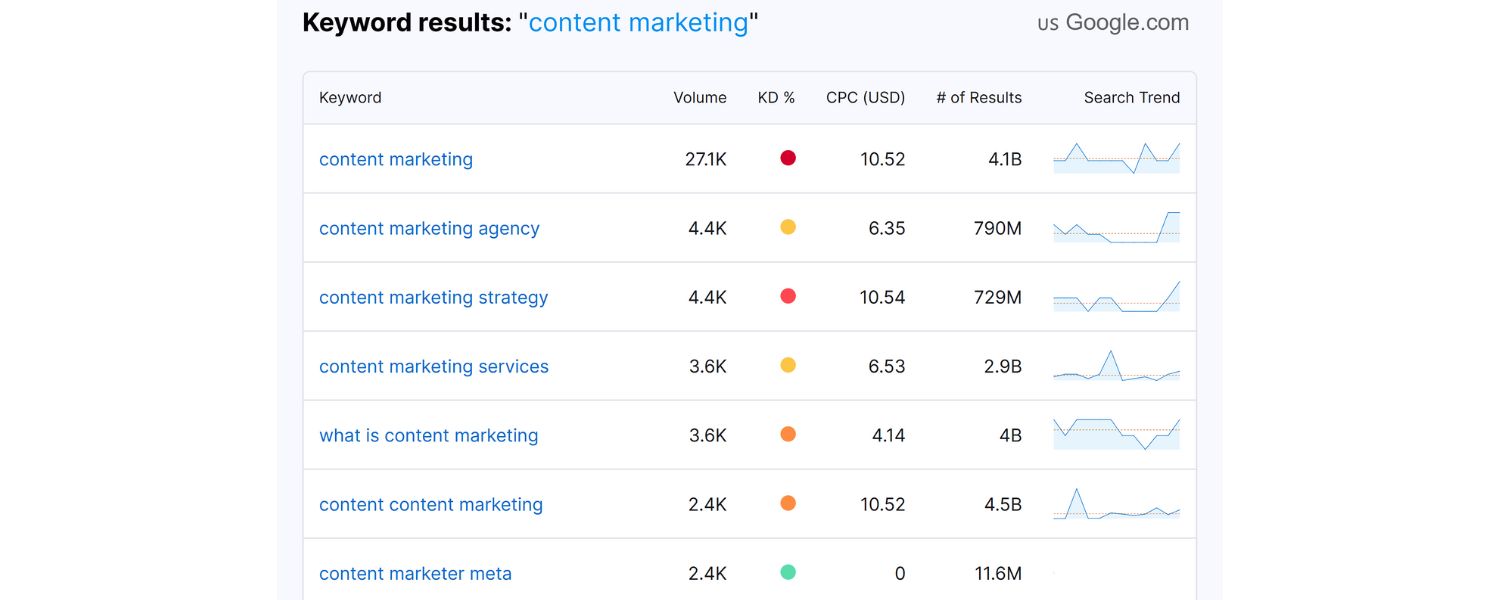
Keyword research is the process of finding and analyzing the search terms that people enter into search engines, so you can use them to guide your content and marketing strategy.
In simple terms, keywords are the exact words and phrases your potential visitors type into Google (or other search engines) when looking for information, products, or services.
Understanding these search terms is vital because it reveals what your audience wants and how they ask for it. Without targeting the right keywords, even the best content may never reach the people who need it.
The bottom line: mastering keyword research means more traffic, higher rankings, and more conversions for your business.
The benefits of doing thorough keyword research are huge:
1. Higher Organic Traffic

By targeting relevant keywords with significant search volume, you can rank higher on Search Engine Results Pages (SERPs) and attract more visitors.
When you rank higher, more people click through to your site. It’s simple, if you know what terms your audience is searching, you can create content to match, and watch your organic traffic climb.
2. Better Conversions

Not all traffic is equal, you want visitors who are actually interested in what you offer. Good keyword research helps you focus on specific phrases that match user intent, meaning the people who find your site are more likely to be ready to engage or buy.
In fact, choosing more specific keywords that align with user needs can increase conversion rates because searchers find exactly what they’re looking for on your site.
For example, someone searching “best running shoes for flat feet size 10” has a very clear intent, if your page targets that long-tail keyword and provides the solution, that visitor is far more likely to convert than someone who just searched “shoes.”
3. Insight into User Behavior
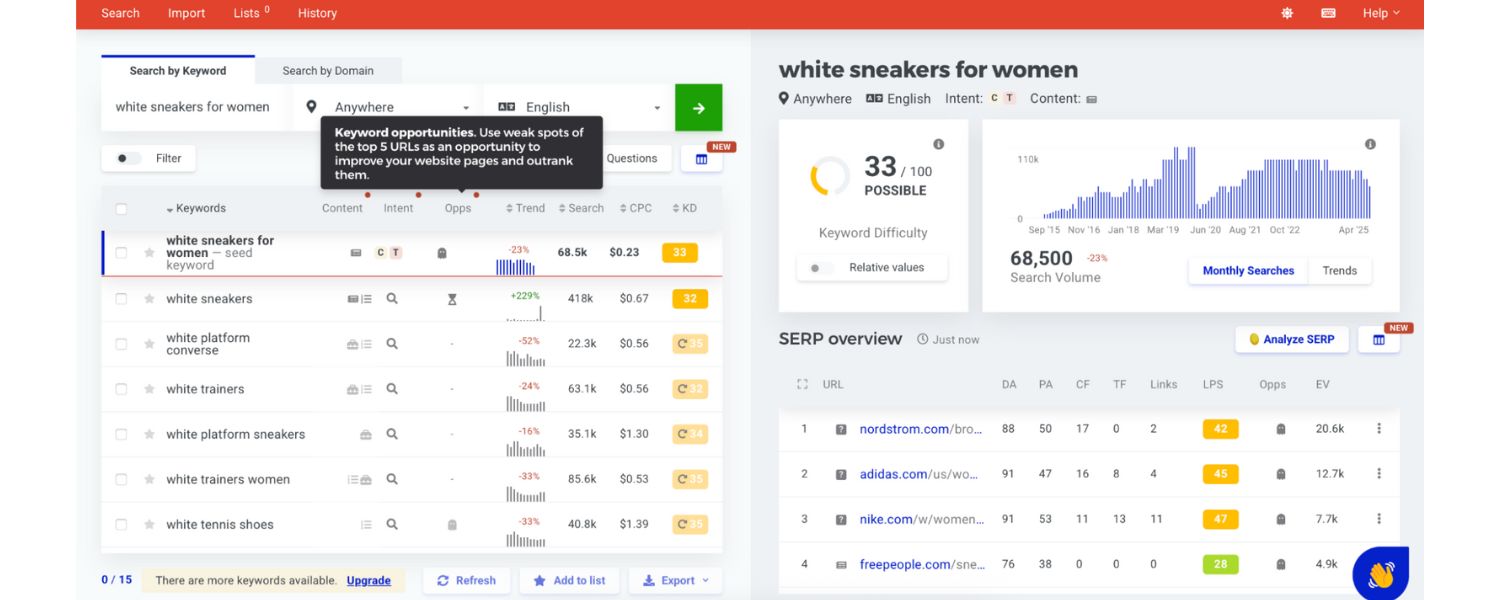
Keyword research isn’t just about the keywords, it’s also about learning your audience’s language and needs.
By analyzing the phrases your target users commonly search, you gain insight into their current interests, problems, and questions.
This keeps you up-to-date with user behavior and helps you create content that truly resonates with them. In short, researching keywords doubles as researching your audience.
4. Competitive Advantage

Finally, keyword research gives you a window into what your competitors are targeting and where there are gaps.
If you discover valuable keywords that your competitors haven’t targeted yet, you can leapfrog them in the rankings.
And if there are terms your competitors rank for but you don’t, good research will unveil those opportunities so you can close the gap.
Now that we know why keyword research is so important, let’s get into the actionable part – the keyword research checklist. Follow the steps below to build a strong keyword strategy for your website in 2025.
Keyword Research Checklist: 12 Steps to Find Winning Keywords
1. Define Your Goals and Know Your Audience
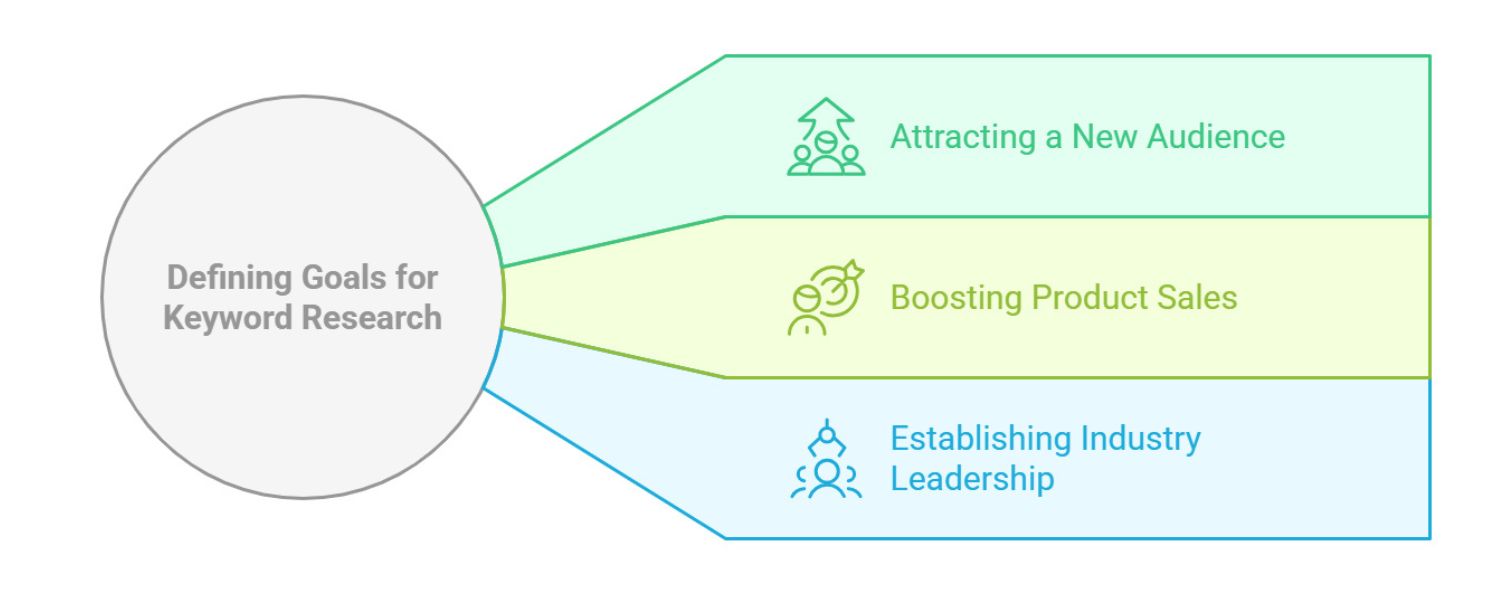
Every successful keyword strategy starts before you even look at any keyword tool. Begin by clarifying your SEO goals and understanding your target audience. Ask yourself: What am I trying to achieve, and who am I trying to reach?
Define the primary purpose of your SEO efforts – it could be increasing general traffic, attracting local customers, boosting e-commerce sales, or building thought leadership in a niche.
Being clear about goals will help you choose keywords that actually drive meaningful results (for example, keywords aimed at conversion vs. those for general awareness).
At the same time, research your audience and create a basic buyer persona (or audience persona). Consider demographics like age, location, and job role, as well as their interests and pain points.
The more you know about what your ideal visitors are looking for, the easier it is to predict which search terms they might use.
If possible, talk to customers or use analytics to see which past search queries brought people to your site.
This step ensures that when you start brainstorming keywords, you’ll align them with both your business goals and your audience’s real needs.
For example, a local bakery’s SEO goal might be to increase online orders. Their target audience could be nearby residents searching for terms like “fresh bakery near me” or “order birthday cake online in [City]”.
Knowing this, the bakery should prioritize keywords related to its location and products rather than broad terms like “baking” or “recipes.”
Clarity on who you want to attract (and what you want them to do) will guide every subsequent step of keyword research.
2. Brainstorm Seed Keywords

With your goals and audience in mind, start brainstorming seed keywords – these are the basic terms related to your business or topic that will serve as a starting point for deeper research.
Seed keywords are typically short, broad terms closely tied to your industry, product, or content niche. Think of them as the topics you want to be known for.
For instance, if you run a tech blog, seed keywords might be “tech news”, “smartphone reviews”, or “gadget tutorials”. If you sell sustainable clothing, seed ideas could include “eco-friendly fashion” or “organic cotton t-shirts.”
Write down a list of words and phrases that come to mind – you know your business best, so start with intuitive guesses about what users might search.
At this stage, don’t worry about refining or evaluating the terms too much; just generate a broad list of potential keyword themes.
Use multiple sources for inspiration:
A. Your Website and Competitors
List the main categories, products, or content themes on your site. Then consider checking competitor websites – what topics do they cover, and how might people be searching for those? Sometimes looking at competitors can reveal keyword angles you hadn’t thought of.
B. Customer Questions
Think about the common questions customers or readers ask in your niche. These can often be distilled into search queries. For example, people might ask “How do I [solve X problem]?” which suggests a keyword like “how to [solve X]”.
C. Offline Brainstorming
Chat with your sales or support teams (if you have them) for insight, or even friends who fit the target audience profile. They might phrase things differently than you expect.
Now, once you have a seed list, it’s time to expand on it using some clever methods and tools in the next steps.
3. Use Search Engines and Tools to Expand Your Keyword List
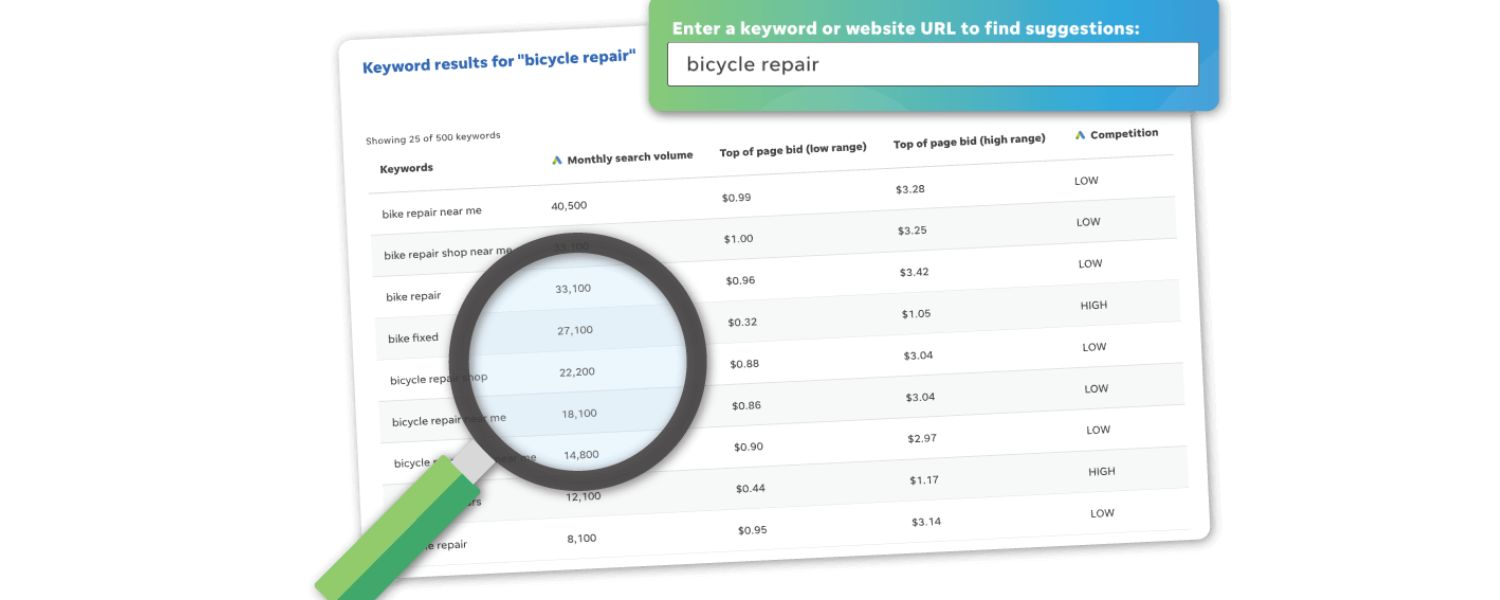
Your seed keywords are just the beginning. The next step is to discover more relevant search terms related to those seeds, including variations, longer phrases, and related topics.
The good news is you don’t have to do this alone; search engines and keyword research tools can provide tons of keyword ideas. Here’s how to expand your list:
A. Google’s Autocomplete and “People Also Ask”
One of the quickest ways to find related searches is to use Google itself. Start typing one of your seed keywords into the Google search bar and see what suggestions Google’s Autocomplete generates.
These suggestions are popular searches that begin with your phrase. For example, typing “email marketing” might show prompts like “email marketing best practices” or “email marketing for e-commerce” – each suggestion is a potential keyword idea.
Also, after hitting Enter, look at the SERP for a “People Also Ask” box or the “Related searches” at the bottom of the page.
These show common questions and variations that users search, giving you insight into related long-tail queries. (See image below for an example of Google’s suggestions.)
Google’s search suggestions (like the “People also search for” results above) can reveal related keywords users commonly look for. Be sure to scroll through these features when researching your seed terms.
B. Google Trends
Some keywords might be highly seasonal or on the rise. Google Trends is a free tool that shows the popularity of a search term over time.
Enter your seed keyword to see if interest is growing, declining, or spiking at particular times of year. For example, a term like “Halloween costumes” will naturally peak in October.
Google Trends can also suggest related trending queries. This helps you catch onto new keyword opportunities (e.g., a sudden trend like “AI-powered email marketing tools” if it’s becoming popular).
Incorporating timely or seasonal keywords can give you a traffic boost when those topics are hot.
C. SEO Keyword Tools
Leverage dedicated keyword research tools for a deep well of suggestions. There are plenty of options: Google Keyword Planner (free within Google Ads) provides related keywords and basic volume data straight from Google’s database.
Premium tools like Semrush, Ahrefs, and Moz Keyword Explorer offer extensive keyword idea reports, including synonyms, question-based keywords, and even keywords your site or competitors already rank for.
Many of these tools allow you to input a seed keyword and then generate hundreds (or thousands) of related searches along with useful metrics.
For example, Semrush’s Keyword Magic Tool will list out keyword variations and subtopics for you to explore.
Free browser extensions like Keyword Surfer or websites like AnswerThePublic (which shows questions people ask) are also great for expanding your list without a paid subscription.
D. Use AI Sparingly
You can even use AI tools like ChatGPT as a brainstorming aid – for instance, ask it for topic ideas related to your niche.
However, use caution: AI might generate some creative suggestions, but it does not have real search volume data or the nuance of human search intent.
Treat AI suggestions as a starting point for ideas, and always verify any suggested keywords with real data from a keyword tool.
(ChatGPT itself might even make up plausible-sounding terms that few people search, so fact-checking is key.)
By the end of this step, you should have a much larger list of keyword ideas. Don’t worry about the list being messy or too long right now.
The goal is to cast a wide net and gather all potential searches that could be relevant to your content or business. In later steps, we’ll trim and refine this list.
4. Find Long-Tail Keywords (The Hidden Gems)

As you expand your keyword list, pay special attention to long-tail keywords. These are longer, highly specific phrases (usually 3+ words) that often indicate a very focused search intent.
For example, a short, broad term (sometimes called a short-tail keyword) might be “running shoes”, whereas a long-tail version could be “best running shoes for flat feet men’s” – notice how much more specific the latter is.
Long-tail keywords typically have lower search volumes but also lower competition compared to very broad terms. That means fewer people search for them each month, but it’s also easier to rank for them because not as many websites are targeting that exact phrase.
Crucially, long-tail searches tend to bring in highly targeted traffic – the people searching those detailed phrases know what they want, and if your page provides it, they’re more likely to convert (they might be further along in the buying or decision process).
One study even notes that question-style and long-tail queries often have higher conversion rates than generic ones.
In other words, 100 visitors who searched a very specific query may be more valuable than 1000 visitors who searched a broad one, because the specific searchers are closer to taking action.
How to identify long-tail keywords:
Many of the techniques from the previous step will naturally surface long-tails. The “People also ask” questions, Google Autocomplete, and AnswerThePublic are especially useful for finding these specific queries.
Additionally, within a keyword tool, you can apply filters: for instance, filter for keywords that have lower search volume (e.g. under 500 searches a month) or that consist of 4+ words.
Some tools even have an “easy” or low competition filter, which often reveals long-tail terms. Semrush recommends using a keyword difficulty filter set to “Easy” to uncover lots of long-tail ideas that you might otherwise overlook.
As you compile your long-tail keywords, remember that although each of these terms individually might not bring in a tidal wave of traffic, together they can drive substantial targeted visitors and help build your site’s topical authority.
Also, ranking for long-tails can indirectly boost your ability to rank for broader keywords in the long run, as you gain credibility and traffic in your niche.
So, consider these long-tail keywords the “low-hanging fruit”, they are often the quickest wins for SEO.
5. Research Your Competitors’ Keywords
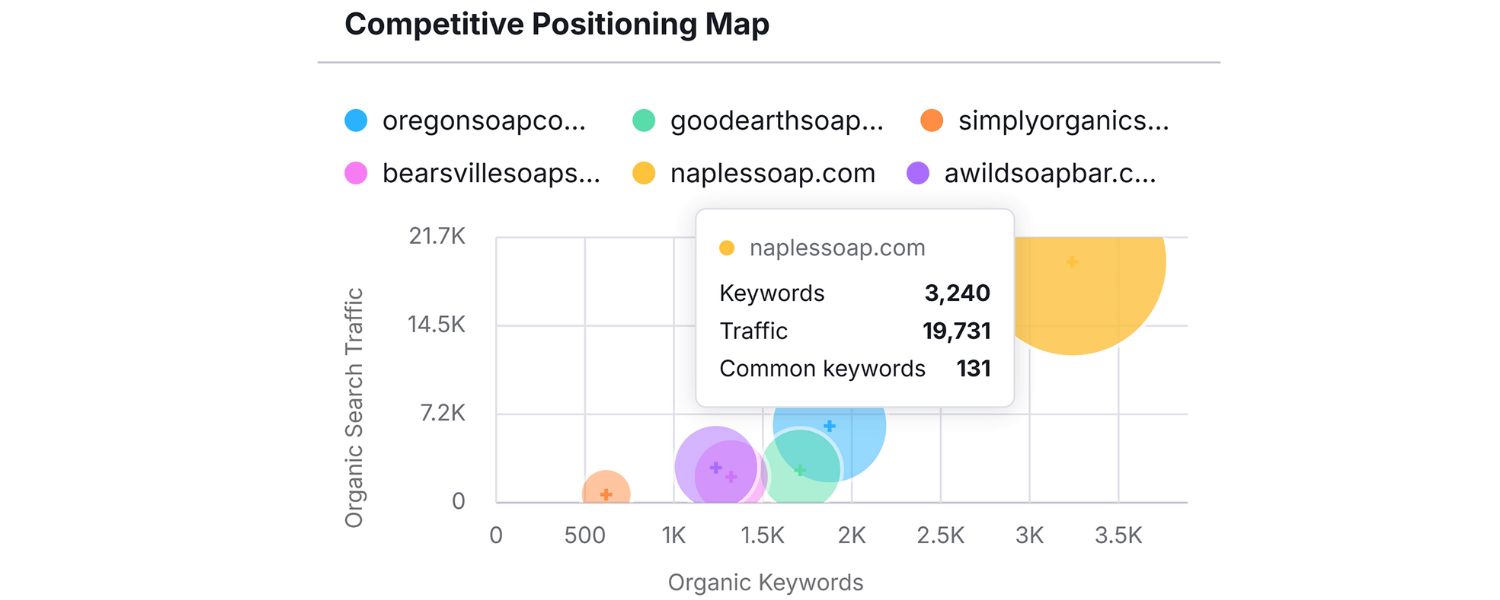
No keyword research is complete without looking at the competition. Competitor keyword analysis can reveal terms that are working well for others in your industry and help you find keyword gaps – valuable keywords your competitors rank for but you haven’t covered yet.
Essentially, your competitors’ successes (and oversights) can guide your own strategy.
Start by identifying a few of your top online competitors. These might be businesses offering similar products/services, or content sites in your niche that consistently rank well.
You can do this informally by searching some of your seed keywords and seeing which names pop up repeatedly in the top results.
(There are also competitor discovery tools that can automate this by analyzing overlap in rankings – for example, Semrush’s Keyword Gap tool or Ahrefs’ Content Gap feature allow you to input your domain and a competitor’s to find keywords they rank for that you don’t.)
Once you have a set of competitor domains, try the following:
A. Use SEO Tools for Keyword Gap Analysis
Plug your competitors’ websites into an SEO tool that offers competitor keyword analysis.
For instance, Semrush’s Keyword Gap tool lets you enter multiple competitors and then shows a list of keywords all those sites rank for while yours does not.
This “missing” keyword list can be a goldmine of content opportunities – each is a topic where competitors are getting traffic and you currently have zero presence.
Similarly, Ahrefs’ Content Gap works in a comparable way. These tools often also highlight each keyword’s search volume, difficulty, and which competitor ranks for it, so you can gauge how strategic each opportunity is.
B. Manually Review Competitor Content
Another approach is to manually browse a competitor’s site or blog. Look at their article titles, product pages, and even meta tags (sometimes you can view a page’s HTML source to see the meta keywords or title tags they’ve set, which might hint at their target keywords).
If they have a “Blog” or “Resources” section, see what topics they cover – you might find some keywords you hadn’t considered.
For example, if you run a marketing agency and notice a competitor has a blog post about “TikTok SEO tips”, that could inspire you to target “TikTok SEO” if it fits your services and you haven’t written about it yet.
C. Analyze Top Pages
Many SEO tools will show you the top pages of a competitor’s site (the pages that bring them the most traffic). Check what keywords those pages target.
If a competitor’s top-performing page is getting a lot of traffic from a keyword you haven’t targeted, you just found a high-priority keyword for your list.
By studying your competitors, you ensure you’re not missing out on important keywords in your industry. It also helps you gauge the competition level for certain keywords based on who is ranking.
If all your major competitors rank for a term and you’re nowhere to be seen, it might be time to create content for it – provided it’s relevant to your site.
On the other hand, if you find keywords that none of your competitors have covered yet, you might have discovered an untapped niche query to exploit.
Finally, competitor research isn’t about copying, it’s about learning. Use their strengths to inform your strategy, and use their gaps to your advantage.
As one expert puts it, this kind of competitive analysis can uncover “keywords your competitors rank for and get traffic from, but you don’t” – each of those is an opportunity for you to create content and fill that gap.
6. Analyze Keyword Metrics (Search Volume, Difficulty, and More)
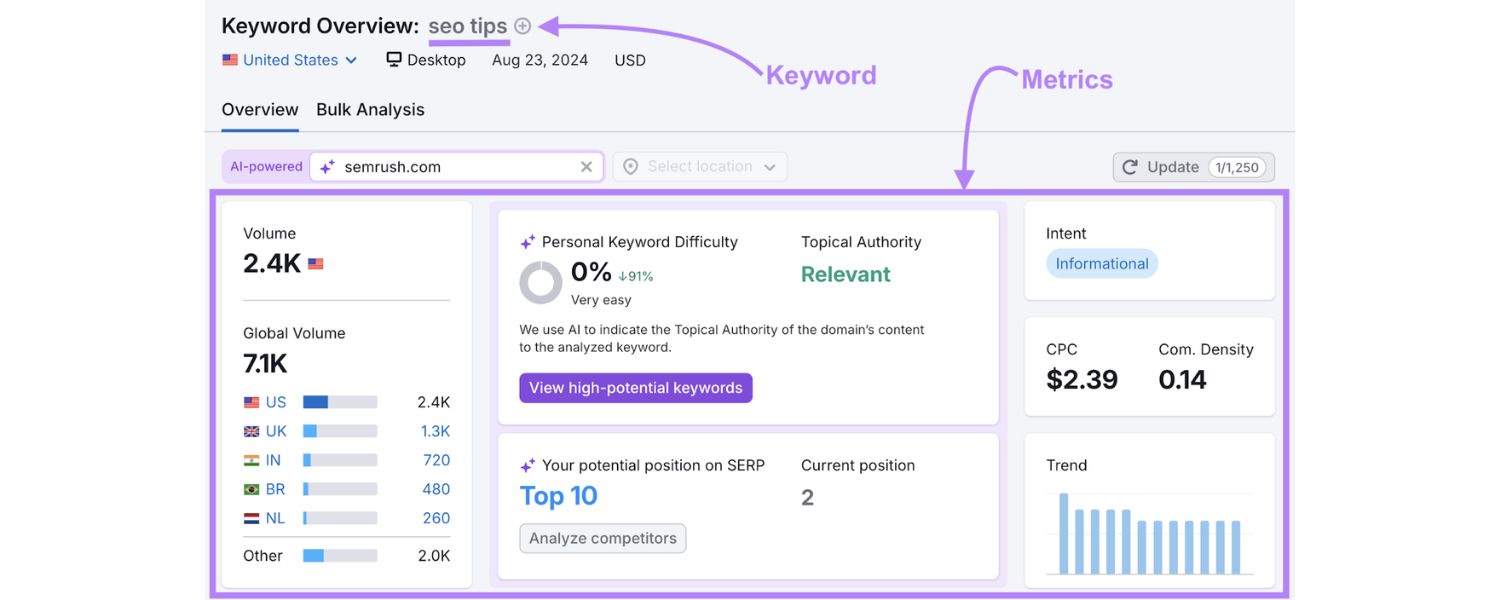
By this point in the checklist, you probably have a long list of potential keywords from steps 2–5. Now it’s time to bring in some data and refine that list.
Not all keywords are created equal – some are searched a lot more often than others, and some are much harder to rank for than others.
This step is about evaluating keyword metrics to figure out which terms are worth targeting.
The two most critical metrics to look at are search volume and keyword difficulty:
A. Search Volume

This is the average number of times people search for a given keyword per month. It tells you how popular a keyword is.
For example, a keyword with a volume of 10,000 gets far more searches than one with 100.
While high volume sounds attractive (who wouldn’t want to rank for a term that 10k people search monthly?), volume alone isn’t everything – you also need relevancy and a realistic chance to rank.
Very high-volume keywords are often very broad (“shoes”, “insurance”) and might not indicate a specific intent, or big players may dominate them.
Extremely low-volume keywords (like 10 searches a month) might not be worth your effort if they don’t bring significant traffic.
As a general rule, focus on keywords that have meaningful volume (enough to bring in visitors) but also are specific to your niche.
If you’re a small site, you might target more terms in the 50–500 monthly search range (long-tails), whereas a larger site might go for some higher volume terms too.
B. Keyword Difficulty (KD)

This metric (sometimes called SEO difficulty or competition) estimates how hard it would be to rank on the first page for that keyword.
Different tools calculate KD differently (often on a scale from 0 to 100, with higher meaning more competitive). KD is usually based on factors like how strong the current top-ranking pages are (their authority, links, etc.).
A keyword difficulty of 90+ means you’re up against very stiff competition (probably big authoritative sites). A difficulty of 20 means a relatively easy shot at ranking. When analyzing your list, compare the difficulty of each keyword to your own site’s strength.
If your website is new or not very authoritative yet, you’ll want to focus on low to medium difficulty keywords to start.
In fact, experts often suggest targeting keywords with low competition (difficulty) especially when you’re beginning, so you can actually achieve those rankings.
Remember the general rule: choose keywords with high search volume and low (or moderate) difficulty for the best chances of success. Those “golden” combinations offer solid potential traffic without being nearly impossible to rank for.
Other useful metrics to consider include:
A. CPC (Cost Per Click)
If you’re looking at keyword data, CPC shows how much advertisers pay per click for ads on that keyword.
While you may be focused on organic SEO, a high CPC can indicate a keyword with strong commercial intent (because advertisers value it).
This can hint that a keyword might be valuable for conversions or sales.
B. Trend
Some tools show whether a keyword’s search volume is rising or falling over time.
If a term is steadily declining, it might be less useful long-term. If it’s spiking upward, it could be an opportunity to jump on a growing trend.
C. SERP Features
Tools like Semrush list what kind of results appear for a keyword – e.g., does it trigger a Featured Snippet, local map pack, image carousel, etc…
Knowing this can help; for instance, if a keyword often shows a Featured Snippet, you might optimize your content to try to capture that snippet (more on that later).
Now, how do you get all this data? Most keyword research tools (free or paid) will provide volume and a form of difficulty. Google Keyword Planner gives volume (often in ranges unless you run ads) but no difficulty score.
Tools like Semrush, Ahrefs, Ubersuggest, and others will show volume and a difficulty metric for each keyword on your list.
You might need to input your keywords into these tools – some allow you to bulk upload your list to get metrics in one go.
This is where having that spreadsheet (from earlier step #1 or #4) comes in handy: you can record each keyword and its metrics side by side.
D. Evaluate and trim
Go through your keyword list and start trimming out candidates that don’t fit the bill.
For example: eliminate keywords with extremely low volume (e.g., <10 or <20 searches, as they likely won’t move the needle) unless they are highly relevant and you think they could convert a few very important customers.
Also, consider dropping keywords with very high difficulty (if you have a small site) – targeting a keyword that scores 90 in difficulty might be a long shot until your site is more established.
Focus on the sweet spot: those with an attainable difficulty and enough volume to be worth it.
At the end of this step, you should have a refined list of “worthy” keywords – ones that balance demand (what people search) and competition (how hard it will be to rank).
For instance, you might narrow 200 ideas down to 50 really good targets based on data. This refined list will fuel your content and SEO strategy.
Remember, doing this analysis prevents you from wasting effort on terms that wouldn’t drive results or that you can’t realistically rank for.
It ensures you spend your time on keywords that have the best ROI potential.
7. Consider Search Intent for Each Keyword
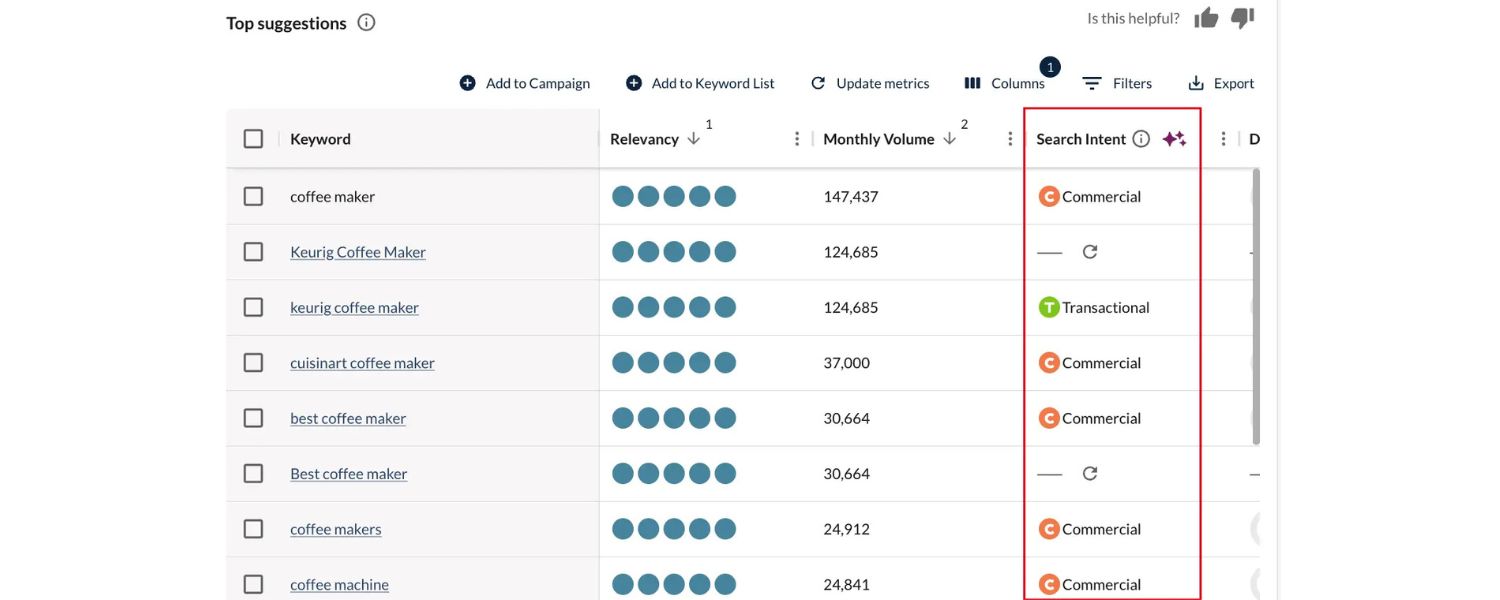
Having a keyword in hand is great, but to use it effectively you must understand the search intent behind it.
Search intent (or keyword intent) refers to the reason why someone is searching a particular term – what is the user actually looking to do or find?
Google’s entire aim is to satisfy user intent, so aligning your content with the keyword’s intent is crucial if you want to rank well.
There are generally four broad types of search intent:
A. Informational

The user wants information or answers to a question. These searches often include words like “how to”, “what is”, or “best way to…”. Example: “how to do keyword research” or “what is blockchain technology”. The searcher is likely looking for educational content, guides, or explanations.
B. Navigational

The user is trying to navigate to a specific website or page. They already know the brand or page name. Example: “Facebook login”, “OpenAI ChatGPT website”, or “Semrush blog”.
The intent here is to get to a particular site; if you’re not that site, you won’t really target these – unless you are optimizing your own brand’s navigational keywords.
C. Commercial (Investigation)

The user is researching a product or service, often with the intent to buy soon, but they’re comparing options or looking for recommendations. These queries might include “best”, “top 10”, or “reviews”.
Example: “best email marketing software 2025” or “XYZ product review”. The user likely wants in-depth comparisons, reviews, or listicles. They’re not ready to buy just yet but are in the market.
D. Transactional

The user is ready to take an action or purchase. These often include words like “buy”, “order”, “sign up”, or specific product names/models.
Example:
“buy Nike Air Zoom Pegasus size 10” or “Subscribe to Netflix plan”. Here, the searcher wants to be directed to a place where they can complete the transaction or action immediately.
For each keyword on your refined list, identify which intent category it falls into. Many SEO tools now even label keywords with an intent tag (e.g., Semrush’s Keyword Overview might label a keyword as Informational, Navigational, etc. automatically).
You can also infer intent by simply looking at the current top search results for that keyword.
If you search your keyword and see mostly blog articles and how-to guides, it’s likely informational. If you see product pages or ecommerce listings, it’s likely transactional, and so on.
Understanding intent matters because your content must match the intent to rank well. Google evaluates if the content type is appropriate for the query.
For example, if someone searches “how to bake sourdough bread” (clearly informational), Google will show blog posts or video tutorials – not an online store selling bread kits.
If you tried to rank a product page for “how to bake sourdough bread”, you wouldn’t satisfy the search intent, and Google likely wouldn’t rank you.
As another example, consider the query “best pizza place in Columbus, OH.” The intent here is commercial/local – the user wants to find a great local pizza place, probably to go eat there.
Google’s results for this query will show local pizza restaurants, maps, and maybe list articles of top pizza places.
What won’t rank is a generic blog post about the history of pizza in Columbus, because that doesn’t solve the user’s problem of finding a pizza place to visit.
In fact, one SEO agency notes that writing a long blog on a tangential topic (like history) for a query that needed a quick local answer “likely won’t rank” – it doesn’t meet the searcher’s need. The take-home message: Intent is king.
So, as you plan how to use each keyword, align your content format and angle with the intent. For informational keywords, your content might be a detailed guide, tutorial, or informative blog post.
For commercial keywords, consider comparison articles, “Top 10 X” lists, or product roundups.
For transactional, ensure you have landing pages or product pages optimized for those terms (and that those pages make it easy for the user to complete the action, like a purchase).
By satisfying search intent, you not only increase your chances of ranking but also delight the user who finds exactly what they were looking for on your page – which in turn builds trust and can improve your conversion rates.
Google has become very adept at measuring user satisfaction (through metrics like click-through rates, bounce rates, etc.), so a page that nails the intent is more likely to stay in a top position.
8. Group Related Keywords into Clusters
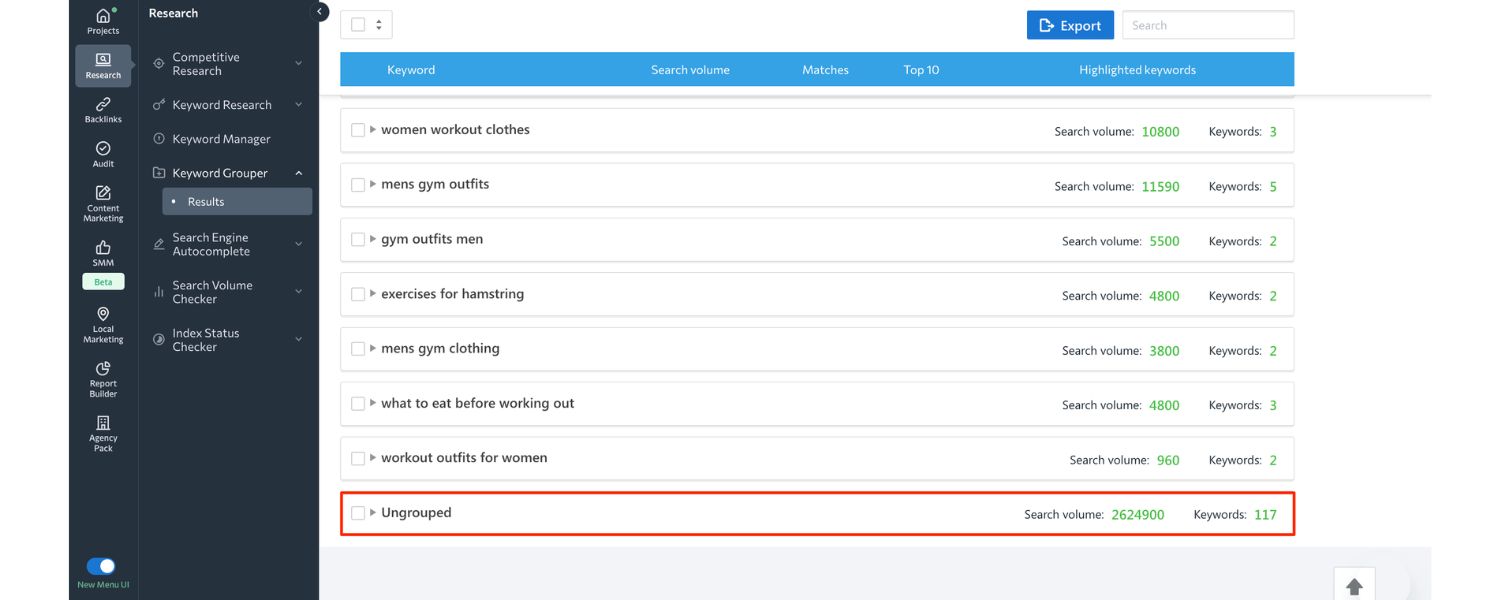
Now you have a vetted list of keywords and an understanding of their intent. The next step is to organize and cluster your keywords.
Keyword clustering means grouping keywords by similar topics or intent so that you can plan your content efficiently.
The idea is to identify which keywords can be targeted together on one page versus which ones need separate pages.
Here’s why clustering is important: modern SEO isn’t just about ranking one page for one keyword – a single well-crafted page can often rank for dozens of related keywords if they are closely related in theme.
By grouping related terms, you can create one comprehensive piece of content that targets a cluster of keywords, rather than creating a thin page for each tiny variation.
Clustering helps you avoid keyword cannibalization, which happens when multiple pages on your site end up competing for the same keyword and neither performs well.
A. How to cluster keywords
Look at your list and start to bucket keywords that are on the same topic or subtopic.
For example, suppose you have these keywords: “how to train a puppy”, “puppy training tips”, “train a puppy to sit”, “best way to housebreak a puppy”.
All of those are variations or subtopics around puppy training. It likely makes sense to cluster them and perhaps create a comprehensive “Guide to Training a Puppy” that can cover those points, rather than separate pages for each small phrase.
On the other hand, a keyword like “puppy training classes near me” might belong to a different cluster (because that’s more about finding a local class, not a DIY guide). Use your judgment on what fits together logically.
Some SEO tools offer clustering features where they group keywords by relevance or similarity automatically.
But you can also do this manually by examining the SERP: if two keywords return very similar search results, they likely can be targeted with one piece of content.
If the results are different, that means Google sees them as distinct intents and you might need separate pages.
B. Create a Keyword Map
It helps to create a simple spreadsheet or chart mapping clusters to content.
For each cluster of keywords, designate a primary keyword (the main, highest priority term) and a few secondary keywords (related variations or subtopics).
The primary keyword will be the main focus for a page (it usually has the highest volume or is the most representative of the topic), and the secondary keywords will naturally be included in the content to broaden its reach.
For example, if you cluster “how to train a puppy” (primary) with “puppy training tips” and “train a puppy to sit” (secondary), your page’s title might target the primary, but a section of the page can specifically address “how to teach a puppy to sit” which covers that secondary keyword. This way, one article can rank for multiple terms.
Clustering also sets you up to plan internal linking and content hierarchy. If you have several clusters within a broader topic, you might create a hub-and-spoke model (also known as topic clusters with pillar pages).
The “hub” or pillar is a broad overview page targeting a primary keyword, and it links to “spoke” pages that cover subtopics (each targeting their own cluster). This interlinking signals to search engines that your site has breadth and depth on the topic, which can improve rankings.
By grouping and mapping out your keywords, you ensure that when it comes time to actually create or optimize content, you know exactly which keywords go on which page.
This prevents overlap and ensures you don’t accidentally create two pages competing for the same term.
It also ensures each page can be as comprehensive as possible for its topic, covering multiple related search queries. In short, clustering turns your raw keyword list into a structured content plan.
9. Prioritize “Golden” Keywords and Finalize Your List

At this stage, you likely have clusters of keywords and ideas for content. Before diving into writing or optimizing, it’s wise to prioritize your keywords.
Not everything on your list is equally important or urgent. You want to focus your efforts on the keywords that will have the biggest impact on your goals.
This often means identifying your high-value keywords – sometimes called the “golden goose” keywords – which are terms with a combination of high relevance, good search volume, and relatively low competition.
Here’s how to prioritize:
A. Relevance to Your Business and Goals
Mark which keywords are most directly tied to your product, service, or content focus.
For example, if you sell running shoes, a keyword like “best running shoes for marathon” is highly relevant (likely a golden opportunity if difficulty is manageable), whereas “best walking shoes” might be somewhat relevant but not as perfect a fit.
Always prioritize keywords that can directly drive your core conversions or represent what you uniquely offer.
B. Volume vs Competition Balance
From the metrics you gathered, look for the standouts that have relatively higher search volume and manageable difficulty.
These are often your “golden” keywords – lots of people search them, not too many strong competitors are targeting them, and they closely match what you provide.
These can sometimes be longer phrases. For example, an exact match long-tail like “affordable wedding photographers in Dallas” might have decent volume and low competition if few have targeted it specifically – if you’re a wedding photographer in Dallas, that’s a golden keyword for you.
On the flip side, a keyword like “wedding photography” might have huge volume but also huge competition (and broad intent), making it less practical to pursue initially.
C. Quick Wins and Low-Hanging Fruit
Identify keywords from your list that you could rank for relatively quickly. Long-tail keywords or those where your site already has some authority might fall in this bucket.
Maybe you discover you’re already ranking on page 2 for a term, optimizing for that keyword could bump you to page 1 faster than trying to rank from scratch for a brand new term.
Sometimes focusing on slightly easier keywords can yield traffic in the short term, which is great for momentum.
D. Business Value & Funnel Stage
Consider where the keyword fits in the marketing funnel (awareness, consideration, decision). It’s good to have a mix, but if your immediate goal is sales or sign-ups, then transactional and high-commercial-intent keywords should get higher priority because they can directly lead to revenue.
However, don’t ignore some high-awareness keywords if they can bring lots of traffic into your funnel.
A balanced approach often works: many SEO experts suggest starting with bottom-of-funnel (BoFu) keywords to capture ready-to-act users, then expanding to middle (MoFu) and top-of-funnel (ToFu) keywords for broader reach.
For example, prioritize “buy [product] online free shipping” (BoFu, transactional) in your content creation, but also plan to tackle “how to choose the right [product]” (MoFu, informational) to educate and attract potential customers early in their journey.
After weighing these factors, finalize your keyword list by marking which keywords (or clusters) you will tackle first, which are secondary priorities, and which are nice-to-have for later.
You might end up with a top 10 or 20 keywords that are your primary focus. Don’t throw away the rest of your research – those other keywords can still be used over time.
But it’s important to concentrate your resources on the keywords that matter most, especially if you have limited bandwidth for creating new content or optimizing pages.
One helpful tactic is to assign a simple score or rank (e.g., 1, 2, 3) or a color code to your keywords: 1 = high priority (must target), 2 = medium (good to target when possible), 3 = low (only target if/when extra resources allow). This way, you have a clear action plan.
By prioritizing, you ensure that you’re not just doing keyword research for the sake of it, but actually setting the stage to get the maximum impact from your SEO efforts.
It’s about working smarter: focusing on the terms most likely to boost your traffic, conversions, and overall ROI first.
10. Optimize Your Content and Pages with Keywords Strategically
Keyword research doesn’t end with the list – you need to put those keywords to work on your website.
This step is all about integrating your chosen keywords into your content in a natural, effective way. Think of this as on-page optimization, guided by your research.
Here’s a checklist for implementing keywords on your site:
A. Create High-Quality Content for Each Target Keyword/Cluster
For each priority keyword or cluster, develop content that fully addresses the topic. This could mean writing a new blog post, creating a new page, or improving an existing page.
Ensure the content is comprehensive, useful, and directly aligned with the search intent behind the keyword (as discussed in Step 7). High-quality, relevant content is what ultimately satisfies users and search engines.
As Google’s algorithms have evolved, they strongly favor content that solves the searcher’s query completely, remember, the heart of good SEO is how well your content solves the problem behind the search.
B. Use Keywords in Key On-Page Elements
Once you have the content, make sure to include your primary keyword in critical locations.
C. Title Tag and Headings
Put the primary keyword (or a close variation) in the page title tag and in the main headline (H1). This signals to search engines what the page is about.
For example, if your primary keyword is “email marketing checklist”, a title could be “Email Marketing Checklist: 10 Steps to Success in 2025”. If possible, place the keyword near the beginning of the title tag for maximum impact.
Use secondary keywords in subheadings (H2s/H3s) where relevant, this not only helps SEO but also breaks up content for readers.
D. URL Slug
Incorporate the main keyword in the URL. Short, descriptive URLs perform well. For instance: yourwebsite.com/email-marketing-checklist includes the keyword and is clean.
E. Meta Description
While not a direct ranking factor, the meta description influences click-through rates. Write a compelling meta description that mentions the keyword and entices users to click (similar to what we did at the top of this post).
For example: “Need to boost campaign results? This email marketing checklist covers 10 essential steps to plan, execute, and optimize your emails, perfect for 2025 success.”
F. Body Content
Use your keywords naturally throughout the text. Aim to include the primary keyword in the first 100 words if possible (as long as it reads naturally).
After that, sprinkle it and the secondary keywords where they fit. Don’t force it – avoid “keyword stuffing,” which is repeating the term so often that it sounds unnatural or spammy.
Modern search engines are smart enough to understand variations and context, so writing fluently for the reader is most important. If your content is on-topic, you will naturally include the keywords and related terms.
G. Image Alt Text
If you have images or infographics on the page, use descriptive file names and alt text that include relevant keywords.
For instance, an image alt tag might say “Alt=“Email marketing software dashboard screenshot”” – if your keyword was “email marketing software,” this can help (and it aids accessibility for visually impaired users).
H. Internal and External Links
Within your content, link to other relevant pages on your site (internal links) using anchor text that includes keywords or related phrases where appropriate.
This helps distribute ranking power and signals context. Also, link out to authoritative external sources to back up facts or provide further info – for example, linking to an official definition or a credible statistic.
Using external links to reputable sources can boost your page’s credibility in the eyes of both users and search engines. Just make sure any external link truly adds value for the reader.
I. Cluster Keywords and Avoid Cannibalization
If you followed step 8, you should know which keywords belong on which page. Stick to that plan. Make each page the clear authority on its specific keyword cluster.
This prevents a scenario where two pages on your site accidentally target the same term and confuse Google about which one to rank (keyword cannibalization). If you discover overlapping content on your site, consider consolidating them.
J. Optimize for Featured Snippets (if applicable)
If some of your target keywords tend to trigger featured snippets (the answer boxes at the top of Google), you can format parts of your content to increase your chances of getting that snippet.
For example, if the keyword is a question, include a concise answer in a paragraph below the question, or use a bullet list or table if the snippet is likely to be in that format. Keep answers brief and factual.
Using bullet points or numbered steps (like we do in checklists!) can sometimes land you the coveted snippet spot. This is a nice bonus optimization that can dramatically increase your visibility.
K. Write Naturally and For the User
While this is an SEO checklist, an important reminder is to always make the content readable and valuable. Keyword placement should never compromise clarity or quality.
Google’s algorithms (and users themselves) can tell if a page is just awkwardly stuffing keywords versus genuinely answering a query.
Prioritize a natural flow; you can always adjust wording slightly to include a keyword, but never at the expense of grammar or sense.
Once you’ve optimized a page with the above considerations, you have effectively turned your keyword research into actionable SEO improvements.
Each optimized page is now primed to rank for its target terms. Keep a checklist (yes, another checklist!) for on-page SEO to ensure you didn’t miss anything when publishing or updating content: Title – check, headings – check, meta – check, etc.
By implementing keywords strategically, you help search engines clearly see the relevance of your page to the searched queries, and you help users find exactly the information or solution they came for.
It’s a win-win when done right. Remember, optimization is about balance, include keywords, but always paired with quality content and a good user experience.
11. Publish, Promote, and Build Internal Links

After optimizing your pages, go ahead and publish or update the content on your website. But the job doesn’t end at hitting “Publish.”
To maximize the impact of your keyword-optimized content, you should also promote it and ensure it’s well-integrated into your site’s internal linking structure.
A. Share and Promote Your New Content
Especially if it’s a new blog post or article, promote it through your marketing channels.
Share it on your social media, send it to your email newsletter, or mention it in relevant online communities or forums (where appropriate).
Initial traffic and engagement can sometimes help give a new page a boost (higher click-through rates and social signals can indirectly hint to Google that the content is interesting).
Plus, promotion can attract backlinks if others find your content valuable, and backlinks remain a strong factor for SEO authority.
B. Internal Linking
Review your website and find places where you can add links to this new page from other pages. For example, suppose you just published the “Ultimate Keyword Research Checklist” article (like this one).
You might have other pages on your site about SEO or content marketing – go to those pages and create a hyperlink somewhere relevant that points to your new checklist page (using anchor text like “keyword research checklist” or “keyword research guide”).
Internal links help search engines discover your new content faster and establish its relevance by the context of the links.
They also keep users engaged by guiding them to further relevant reading. Make sure important pages (like your homepage or category pages) link to your most valuable new content if it fits – that signals to Google that it’s a page worth noticing.
C. External Linking & Outreach (Optional)
If you have the resources, you might do a bit of outreach to build external backlinks. For example, if you cited any influencers or companies in your content, you could let them know (“Hey, we mentioned your tool in our latest guide!”), sometimes they’ll share it or even link back.
Or contribute the content to relevant discussions (without spamming). Backlinks from other sites can significantly boost your keyword rankings, but they typically require separate link-building efforts.
The focus of this checklist is on keyword research, so full link-building strategies are beyond our scope, but keep in mind that great content naturally tends to attract some links over time, and proactive outreach can accelerate that.
By promoting and linking your content, you ensure that all the hard work in researching and optimizing keywords actually translates into real traffic.
It helps search engines index your pages quickly and can improve your rankings through increased authority and relevance signals.
12. Track Your Keyword Rankings and Refine Your Strategy

Congratulations – you’ve done the initial heavy lifting of keyword research and implementation!
The final (and ongoing) step in our checklist is to monitor performance and continuously refine your strategy. SEO is not a one-and-done task; it’s an iterative process.
By tracking how your keywords are ranking and how much traffic and engagement you’re getting, you can adjust your approach for even better results.
Here’s what to do:
A. Set Up Rank Tracking
Use tools to keep an eye on your search rankings for the keywords you’re targeting. You can do this manually by just Googling your keywords periodically (in an incognito window to avoid personalization), but that becomes impractical for many terms.
SEO tools like Semrush, Ahrefs, or Moz have rank tracking features where you input a list of keywords and they automatically check daily or weekly where you rank.
There are also dedicated rank tracker tools (some have free tiers or trials). Set up your priority keywords in a rank tracker so you can see if you’re moving up, holding steady, or (hopefully not) moving down.
Semrush’s Position Tracking, for example, can even email you weekly updates. Tracking rankings helps you measure the direct outcome of your keyword optimization efforts.
B. Monitor Organic Traffic
In Google Analytics (or whichever analytics platform you use), watch your organic search traffic over time. Is it increasing after implementing your keyword strategy?
Check the landing pages report to see which pages are attracting the most search visitors, and what queries (Google Analytics G4 combined with Google Search Console data can show query terms).
Google Search Console itself is a must-use free tool, it shows which queries you’re getting impressions and clicks for, your average ranking for each keyword, and your click-through rates.
It’s incredibly insightful to see, for instance, that you rank #8 for “email marketing checklist” and got 100 impressions but only 5 clicks, that low click-through might mean your title tag could be improved to be more clickable.
Or if you see you’re ranking on page 2 for a term, you might decide to further optimize the page or build some links to bump it to page 1.
C. Analyze and Adjust
Based on the data, refine your keyword strategy. If certain keywords are performing well (you’ve achieved page 1 rankings and are getting traffic), consider expanding on those topics with more content or ensuring those pages stay updated and high quality. If some keywords aren’t ranking as hoped, diagnose why:
- Is the keyword too competitive? Maybe you need more content or backlinks to that page.
- Is the page truly matching the intent? Look at who is ranking top, if their content angle is different, you might need to tweak yours.
- Did you perhaps not optimize enough for that term? (Maybe the keyword is missing from the title or content.) You can always go back and carefully add a keyword in a heading or add a new section addressing it.
- Or sometimes, you might conclude that a particular keyword isn’t worth chasing further if it’s proving too difficult, instead, focus on alternative long-tails or related terms.
- Keep an Eye on New Keyword Opportunities.
As you monitor, you’ll likely discover new keyword variations or topics. Users might start finding you for unexpected terms (Search Console will show queries that you might not have explicitly targeted but are related).
Some of those could be worth formally adding to your list and optimizing for. SEO is dynamic, trends change, new slang or product names emerge, and your industry evolves.
Make it a habit to periodically repeat parts of this checklist: maybe every quarter, do a mini keyword research refresh to see if there are new opportunities for 2025 and beyond.
D. Track Conversions, Not Just Rankings
Ultimately, success isn’t just higher rankings, it’s achieving your goals (from step 1). If your goal was to increase sign-ups, see if the pages you optimized are leading to more sign-ups.
If sales, check if organic traffic conversion rate improved. This will help you demonstrate the ROI of your SEO efforts and also guide where to focus next (e.g., which pages or keywords lead to actual sales).
Monitoring and refining ensures your keyword strategy stays effective over time. It’s like tending a garden, you’ve planted the seeds (keywords) and nurtured them (content optimization); now you have to water, watch for weeds, and help it grow.
By staying vigilant, you can catch issues early (for example, if a Google algorithm update causes a ranking drop, you’ll spot it and can respond).
You’ll also be in a position to capitalize on successes, if one piece of content is skyrocketing, you might build a cluster around it or funnel that traffic to other pages via internal links.
In summary, tracking and refinement closes the loop on the keyword research process. It turns it from a one-time project into a sustainable, ongoing strategy.
Over time, you’ll get better at predicting what keywords are worth your time, and you’ll build on what’s working to continuously improve your search presence.
Conclusion: Put Your Keyword Research into Action
Keyword research is the compass of your SEO strategy, it points you in the right direction so you can create content that truly resonates with what people are searching for.
By following this keyword research checklist, you’ve learned how to generate a wealth of keyword ideas, narrow them down with data, understand the intent behind them, and integrate them into your site for maximum SEO impact.
It’s a bit of upfront work, but the reward is a clear plan to attract more of the right visitors to your website.
As you implement these steps, remember that the key to ranking isn’t just checking boxes on a list, it’s providing value.
Always keep the searcher’s needs in focus: if you serve the user better than anyone else, Google will notice and reward you with higher rankings.
Use this checklist as a living document. The SEO landscape in 2025 will keep evolving, perhaps with new search trends (voice searches, AI-driven search results, etc.), so keep learning and updating your approach with the latest best practices.
Now it’s time to take action: apply this checklist to your own website. Start with brainstorming your seed keywords and work your way down.
Whether you’re optimizing existing pages or creating new content, use your research to guide every title you write, every paragraph you craft, and every link you build.
Over the coming weeks and months, monitor your progress. You’ll likely start seeing more impressions, higher rankings, and an uptick in organic traffic as your optimized pages gain traction.
Finally, don’t be discouraged by initial slow movement, SEO is a marathon, not a sprint. But every marathon is finished step by step. By following our step-by-step checklist, you’ve already covered a lot of ground.
Stay persistent, adapt as needed, and soon you’ll reap the benefits of a well-researched keyword strategy: better visibility, a growing audience, and achieving the goals you set out in step 1.
Ready to rank? It’s your turn to put this checklist into practice. Start digging into those keywords, create amazing content, and watch your SEO performance soar. Good luck, and happy optimizing!

.png)
Shopify SEO: Guide to Ranking Your Store and Driving Sales
Most Shopify store owners set up their store, list their...

Content Marketing : Definitive Guide to Strategy, Content Types, and Measurable ROI
Content marketing generates 3x more leads than outbound marketing at...

Above the Fold: Guide to Conversions, Rankings and Faster Pages
Above the Fold in 2026: The Complete Guide to Conversions,...

Off-Page SEO Checklist: Guide to Building Real Authority
Most websites spend months creating great content, only to wonder...

What Is Keyword Bidding? The Complete Strategy Guide for Smarter Ad Spend
Most advertisers believe the highest bid wins the auction. It...

What Is Google Trends? The 2026 Marketer’s Complete Guide
If you are not already pulling weekly insights from Google...
If you want a growth partner who will get to know every aspect of your business and treat your budget like their own — we are the right fit.
.png)


.png)
.png)
.png)
.png)
.png)
.png)
2026 ALL RIGHTS RESERVED MADE IN INDIA
