
SaaS SEO: An Actionable Strategy for Growth
September 9, 2025
Introduction
Software-as-a-Service (SaaS) is a fiercely competitive space. With thousands of SaaS solutions vying for attention, how do you ensure your product stands out? The answer for many successful SaaS companies is Search Engine Optimization (SEO).
In fact, about 90% of B2B SaaS sales journeys begin with a simple search query. By mastering SaaS SEO, you can tap into this buyer behavior, attracting more organic traffic, building brand authority, and converting more trial users into paying customers.
This guide, written by an SEO expert with 25 years in marketing, will equip you with a clear, updated strategy to outrank competitors and drive sustainable growth from search engines. Let’s dive in.
What is SaaS SEO (and Why It Matters)
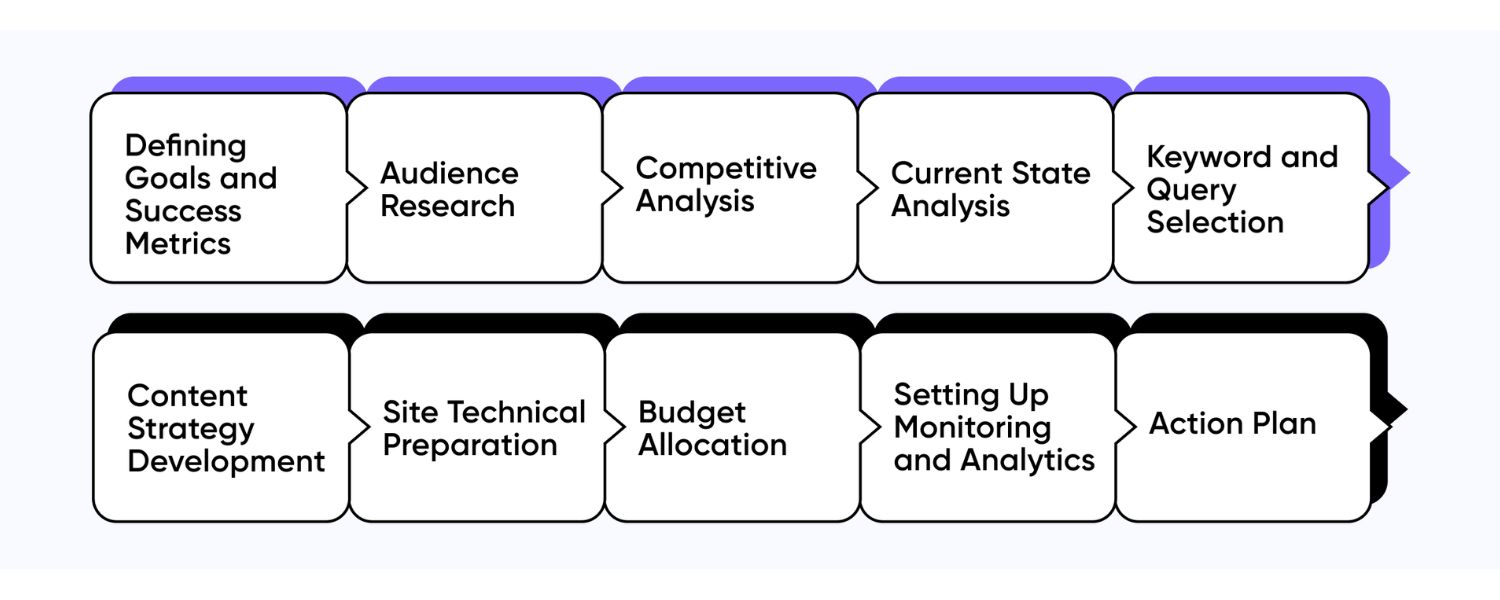
SaaS SEO involves optimizing a Software-as-a-Service website to improve its visibility on search engines, in order to increase relevant traffic and drive user conversions. In simple terms, it’s the practice of getting your SaaS product in front of the right people on Google and Bing without paying for ads. At its core, SaaS SEO uses the same fundamentals as traditional SEO, like keyword research, content optimization, technical site improvements, and link building, but it’s tailored to the SaaS business model and audience.
How SaaS SEO Differs from “Regular” SEO
While general SEO might focus on driving any traffic or local footfall, SEO for SaaS is laser-focused on reaching your target personas and solving their problems. You’re not selling a one-off product; you’re selling a subscription-based solution.
This means SaaS SEO prioritizes attracting the right visitors (e.g. business decision-makers, team leads, developers, etc.), educating them, and nudging them toward actions like free trials, demos, or sign-ups.
It’s less about vanity traffic numbers and more about qualified leads and conversions. SaaS buyers often research extensively, reading blogs, comparing alternatives, and seeking social proof – so your SEO content must guide them through a longer sales cycle with informative, trust-building material.
In short, SaaS SEO is about ranking for the queries your ideal customers use, addressing their pain points, and ultimately driving recurring revenue, not just one-time sales.
Why SEO is Crucial for SaaS Growth
SEO isn’t just a marketing buzzword for SaaS companies, it’s a lifeline for scalable, cost-effective growth. Here are a few reasons every SaaS business should invest in SEO:
A. Sustainable Organic Traffic
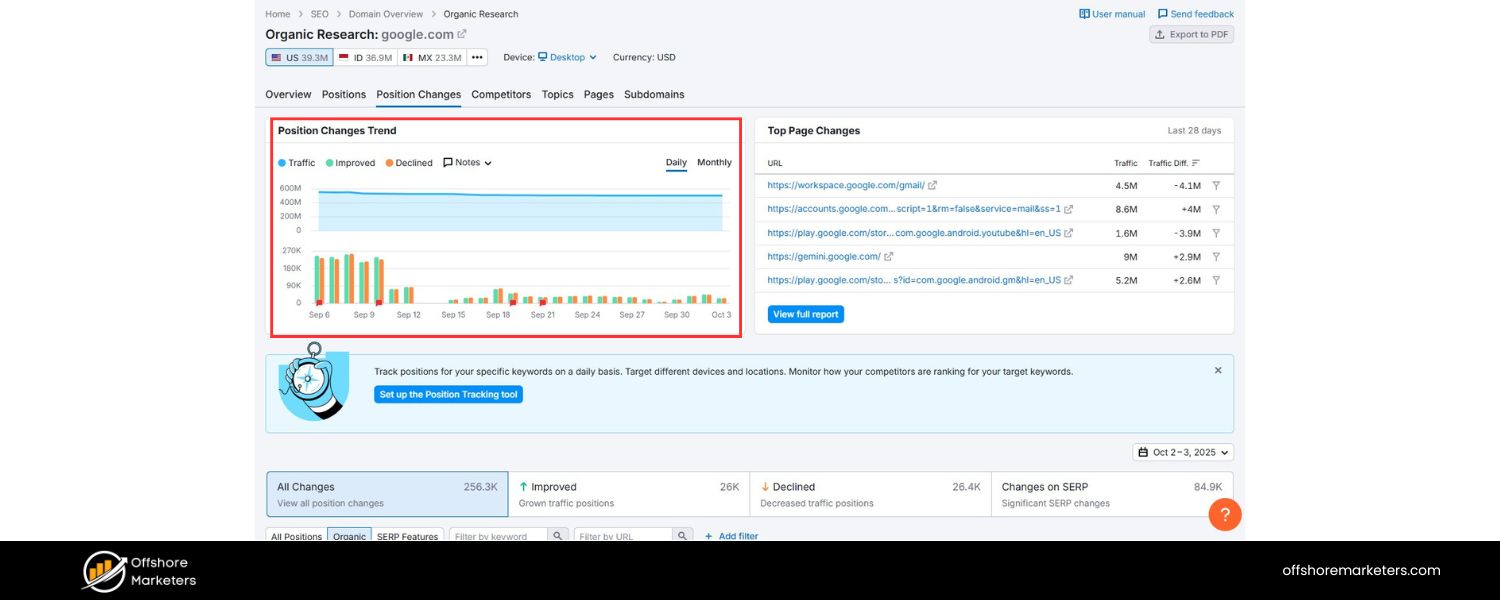
Unlike paid ads that stop generating leads once your budget runs dry, SEO delivers long-term visibility. Ranking highly on Google for relevant keywords means you’ll attract visitors month after month without continuous ad spend.
In a world where ~93% of online experiences begin with a search engine, being visible in search results is non-negotiable for capturing new users.
B. Lower Customer Acquisition Cost (CAC)
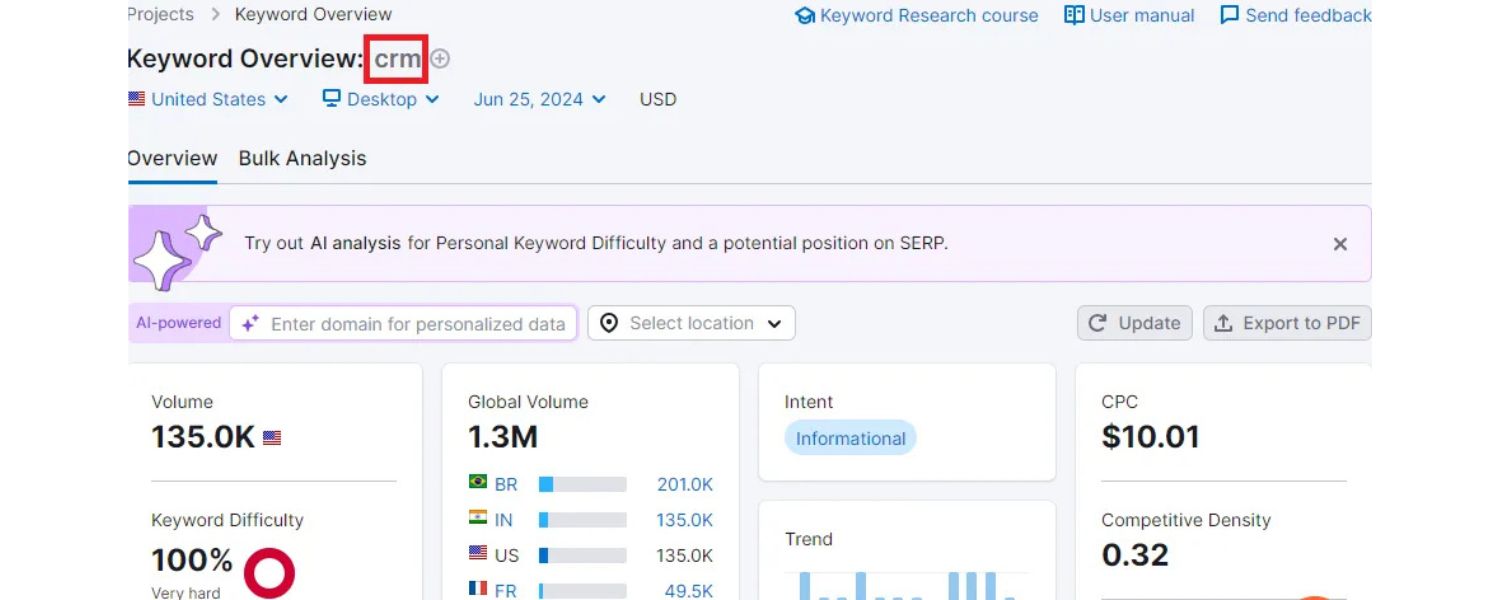
Many SaaS startups burn cash on PPC ads for each click. SEO content, on the other hand, is an upfront investment that keeps paying dividends. As your content ages and gains authority, your cost per lead drops dramatically, content you published a year ago can still bring in sign-ups today at no extra cost. This scalability helps reduce CAC and improve your marketing ROI over time.
C. Build Trust and Authority
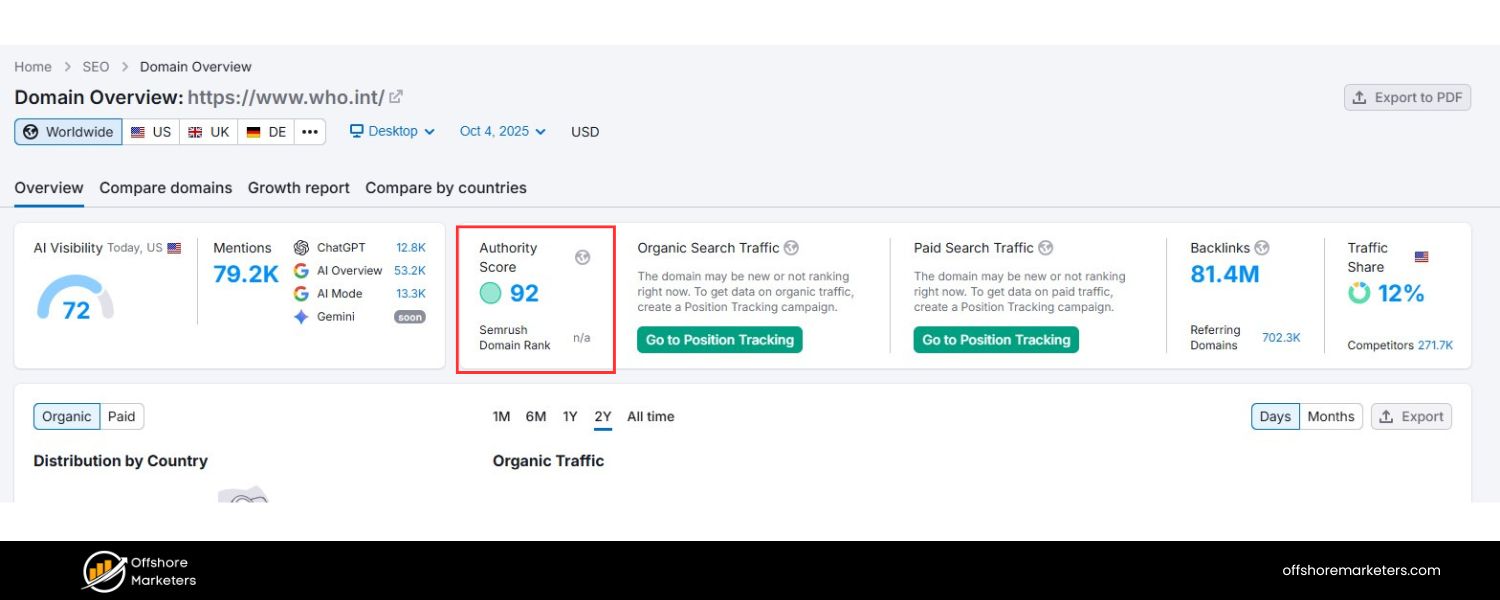
Users inherently trust Google’s top results. If your SaaS site ranks on page one for industry terms, it positions you as a credible leader in your niche. High rankings improve brand trust and authority, signaling to prospects (and investors) that you’re a key player.
This trust factor is especially important for B2B SaaS, where customers look for reliable, established solutions.
D. Reach Customers at Every Funnel Stage

A smart SaaS SEO strategy supports the entire buyer’s journey, from awareness to decision. You can create SEO-optimized content that educates and guides users whether they’re just identifying a problem (top-of-funnel blog posts), comparing solutions (middle-funnel product vs. competitor pages), or ready to buy (bottom-funnel demo and pricing pages). By covering all these intent stages, SEO helps attract, nurture, and convert prospects who find you via search.
E. Competitive Advantage
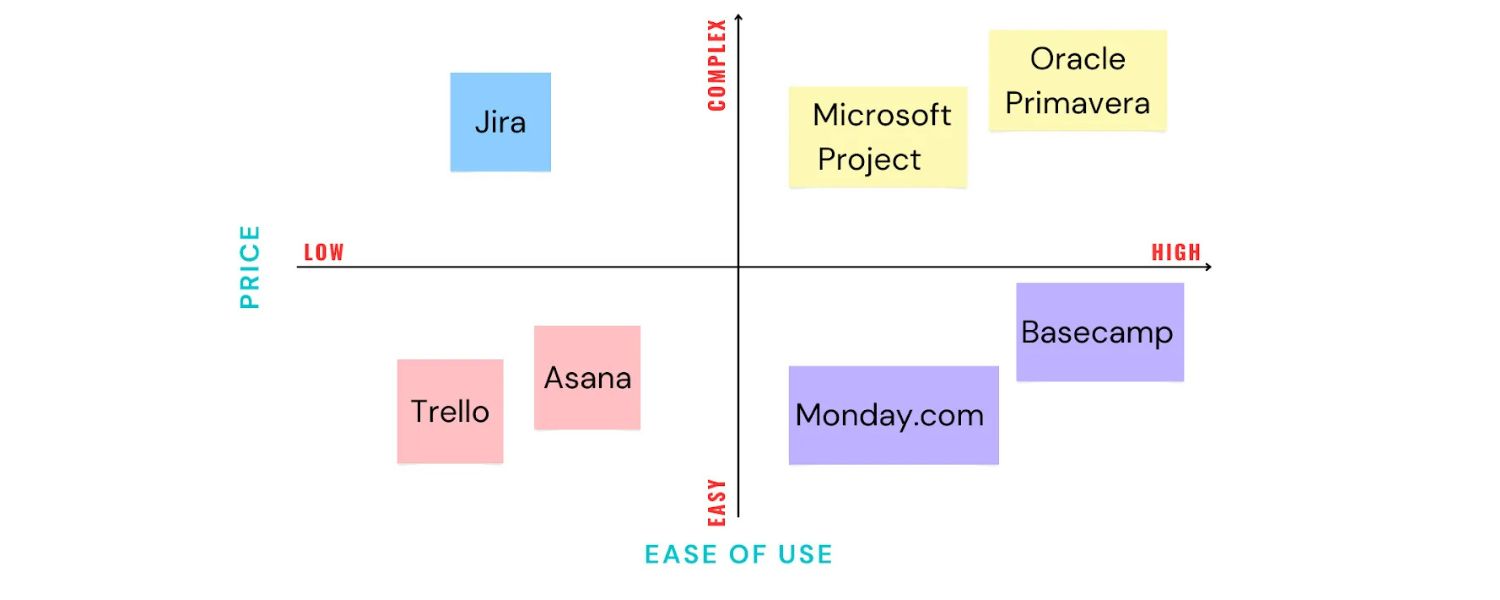
The SaaS marketplace is crowded, and your competitors are likely investing in SEO already. If you ignore SEO, you risk being invisible to potential customers. Conversely, a strong SEO presence helps you outrank competitors for valuable keywords (like “[Your Software] vs [Competitor]”), letting you capture traffic that might otherwise go to others.
Given that 50–70% of all clicks on a search results page go to the top 3 results, those top spots are critical battlegrounds. A well-executed SEO strategy can be the difference between being discovered by your ideal customer or being lost in a sea of SaaS offerings.
SaaS SEO in 2025: Adapting to an AI-Driven Search Era
SEO is always evolving, and recent changes make it even more vital to stay ahead of the curve. In 2024–2025, search engines began incorporating AI-generated answers and overviews directly into search results. This has two big implications for SaaS SEO:
1. Greater Emphasis on Top Positions
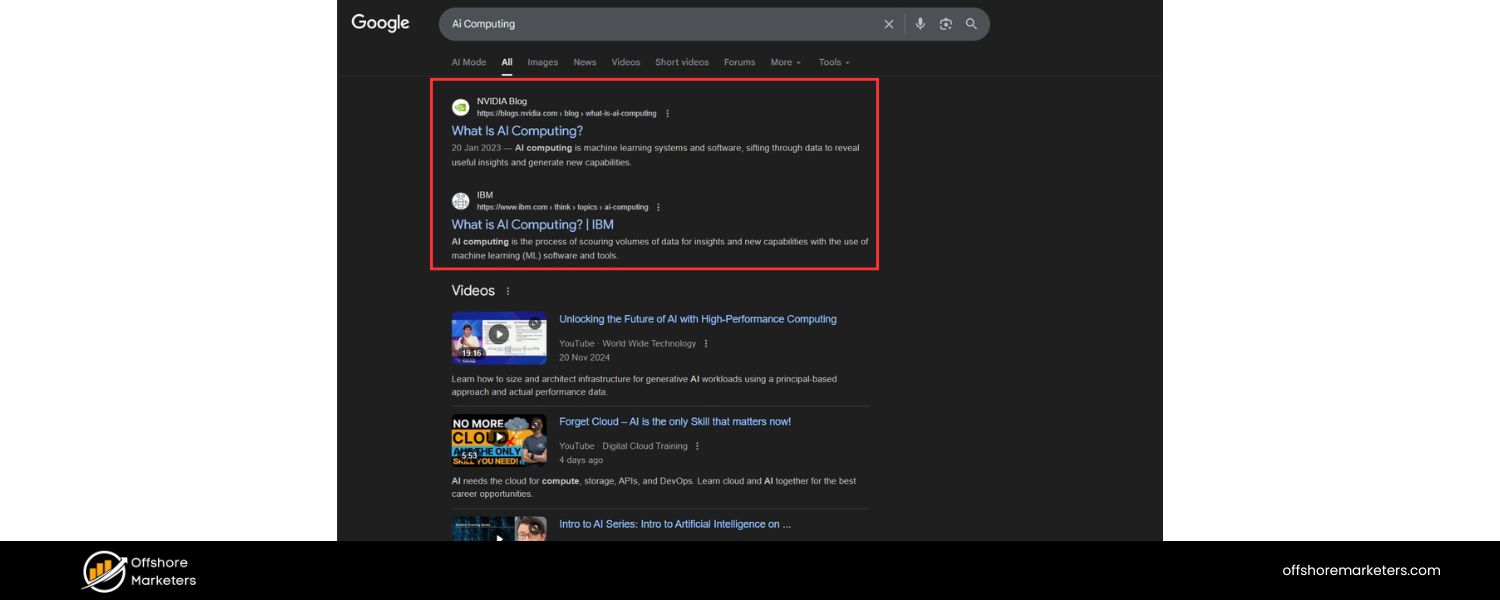
Securing a spot on the first page of Google used to be the main goal. Now, simply being in the top 10 isn’t enough – you need to aim for the top 3 results. Why? Because on results pages that feature AI summary answers (such as Google’s AI snapshots or Bing’s chat answers), the organic clicks for all results can drop significantly.
Studies have shown that organic clicks may decrease by up to 70% on SERPs with AI overviews. In other words, even the #1 organic listing might get far less traffic if an AI snippet steals the attention.
To combat this, winning position #1 (and ideally the featured snippet) is more critical than ever, so you capture what’s left of the clicks. And the ultimate new challenge is “owning” the AI snippet – ensuring that the AI summary is drawn from your content, not a competitor’s.
2. Content Optimization for AI & E-E-A-T
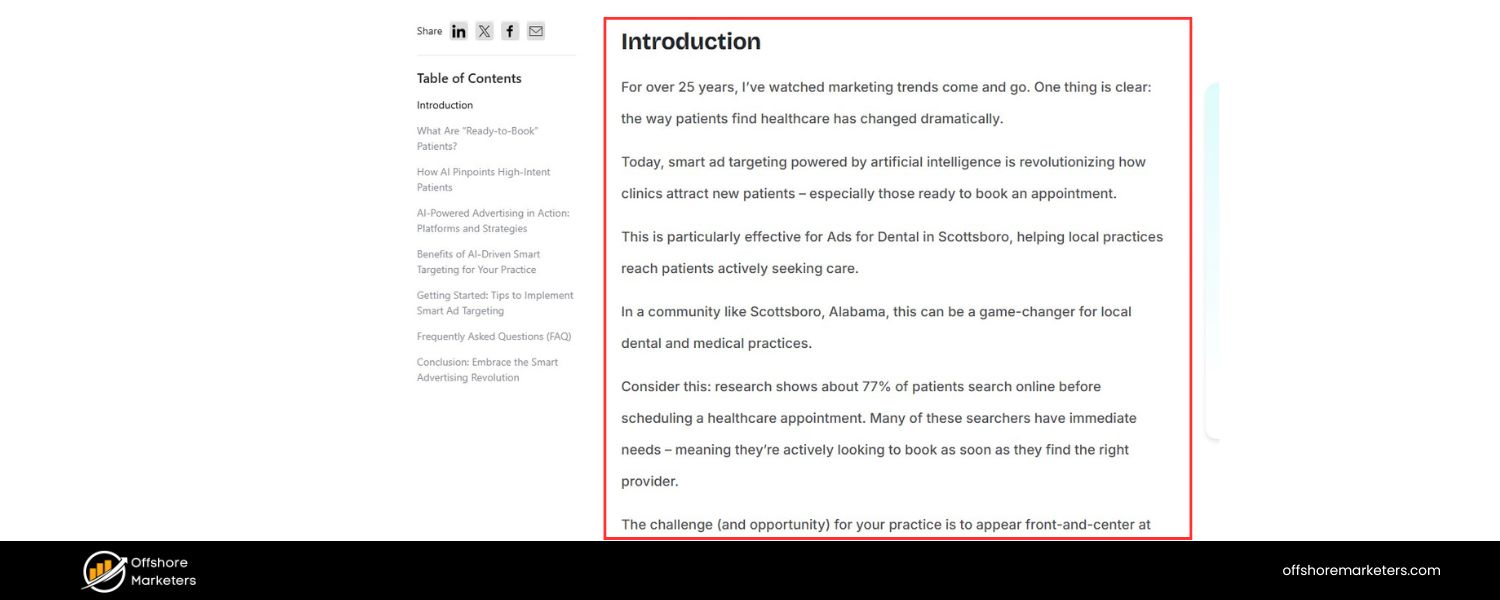
Search-focused AI systems tend to favor content that is highly structured, authoritative, and up-to-date. To increase your chances of being featured in an AI-generated answer or voice search result, your SaaS content should be well-organized and easy to digest, with clear headings and concise answers.
Implementing schema markup (structured data) can help search engines (and AI) better understand and feature your content (for example, adding FAQ schema to your Q&A sections).
Additionally, Google’s emphasis on E-E-A-T – Experience, Expertise, Authoritativeness, Trustworthiness – is stronger than ever. Make sure your SaaS site demonstrates expertise (through quality content, case studies, author bios), authority (backlinks and mentions from reputable sites), and trust (https security, transparent policies, real customer reviews).
Finally, keep your content fresh and updated. Stale content tends to get pushed down in favor of newer information, so regularly refreshing your blog posts and even updating the “last updated” dates can help maintain visibility.
In summary, an AI-friendly SaaS SEO strategy in 2025 means structuring content for clarity, aligning closely with search intent, and showcasing credibility at every turn.
By understanding these trends, you can future-proof your SEO approach so that your SaaS website remains visible both in traditional organic results and within emerging AI-driven search experiences.
Steps to Build a Winning SaaS SEO Strategy
Now let’s get practical. Below are the key steps and tactics to create an effective SEO strategy for a SaaS business. Follow these in order, and you’ll cover all the bases – from foundational planning to ongoing optimization.
1. Define Your Goals and Target Audience
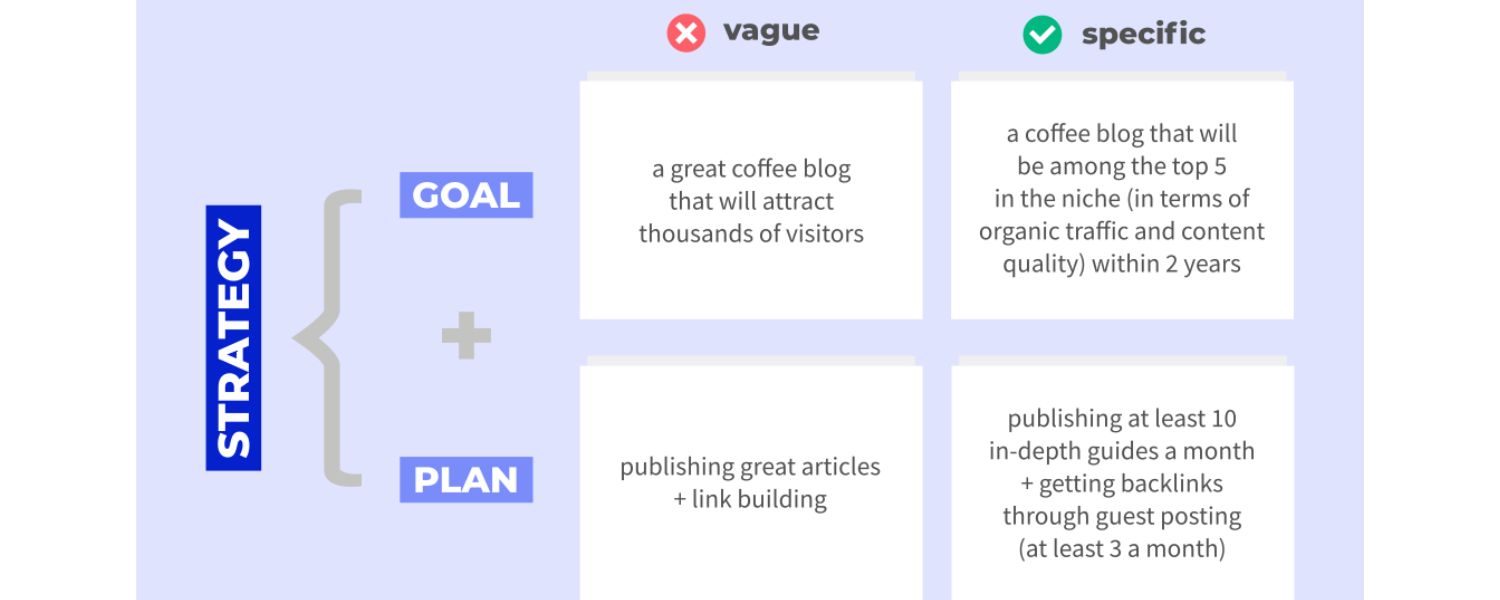
Every great strategy starts with clear objectives. Identify what “SEO success” looks like for your SaaS. Is it a certain number of organic sign-ups per month? Increased product demo requests? More traffic to your features page? Set specific goals and tie them to Key Performance Indicators (KPIs) that you can measure – for example, organic traffic, conversion rate from organic visitors, number of free trial sign-ups from SEO, keyword rankings, etc.
SaaS SEO goals often revolve around acquiring qualified leads: attracting prospective buyers, driving them to sign up for free trials or demos, and ultimately converting them to paying users. Keep that funnel in mind when setting targets.
At the same time, define your target audience and buyer personas. Be as specific as possible: Are you targeting CTOs at enterprise companies? Solo entrepreneurs? Marketing managers in mid-size firms? Knowing your audience guides your keyword selection and content tone.
For example, developers might search very technical queries, while C-suite execs look for high-level ROI answers. Understanding who you want to reach (and what problems they have) is fundamental – it ensures that the traffic you attract is actually likely to convert.
As SEO veteran Brian Balfour puts it, you need to find the right “product–channel fit” for SEO. Not every SaaS offering will rely on SEO equally, but most can benefit if you align your content with the needs and language of your ideal customers.
Action items for this step:
Set up tracking tools (Google Analytics and Search Console) so you can measure baseline traffic and conversions. These free tools will show you how your SEO efforts pay off: for instance, Search Console reveals how many impressions and clicks your pages get for various queries, and Google Analytics tracks key metrics like user behavior and goal conversions on your site. Defining goals and audience may not seem “technical,” but it lays the groundwork for everything to come.
2. Conduct SaaS-Focused Keyword Research
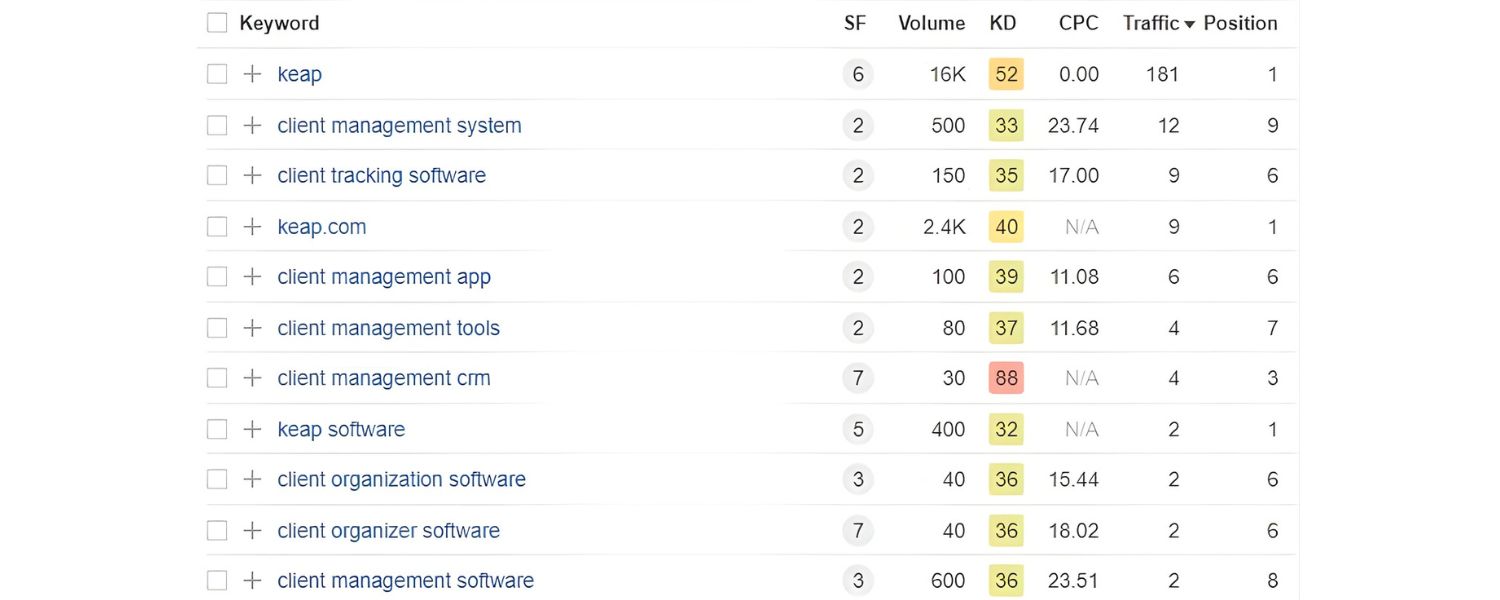
With goals and audience in mind, the next step is finding the right keywords – the search queries that your potential customers are typing into Google. Effective keyword research for SaaS goes beyond raw search volume; it’s about finding terms that match your product’s value proposition and your audience’s intent. Here’s how to approach it:
A. Brainstorm Customer Pain Points
Put yourself in your target customer’s shoes. What problems or questions might lead them to your solution? Often, SaaS SEO success comes from targeting the pain points your product solves.
For example, instead of only targeting “[<em>Your Software Category</em>] software,” consider queries like “how to <em>handle X challenge</em>” or “best way to <em>do X</em>” – if your SaaS addresses X, those queries are golden.
One expert tip is to build a keyword list around these pain-point phrases and questions. High-intent, problem-solving keywords tend to attract searchers who are actively looking for a solution (and thus more likely to convert once they discover you).
B. Cover All Funnel Stages
Use a mix of Top-of-Funnel (TOFU), Middle-of-Funnel (MOFU), and Bottom-of-Funnel (BOFU) keywords in your strategy. TOFU keywords are general problem searches (e.g. “project management tips”), MOFU might be solution-comparison or category terms (e.g. “best project management tools”), and BOFU include brand and product-specific terms (e.g. “<em>YourProduct</em> vs Asana” or “<em>YourProduct</em> pricing”).
By mapping keywords to the buyer journey, you ensure your content can capture prospects whether they’re just learning about their problem or ready to evaluate vendors.
Pro tip:
Comparison keywords like “X vs Y” and “<em>Alternative to X</em>” are extremely valuable for SaaS lead gen – these searchers are often close to a decision. Make sure to create pages targeting these terms so you can intercept prospects considering your competitors.
C. Assess Relevance and Value
Not every keyword with traffic is worth pursuing. Ask yourself four key questions about each keyword idea, as experienced SaaS SEOs do:
(1) Is it relevant to my audience’s needs and pain points? (If not, ranking is pointless.)
(2) Is it valuable to my business? (Will searchers for this term be interested in my SaaS product? High volume means nothing if they won’t convert.)
(3) Does it actually get traffic? (Some very niche B2B terms have low apparent volume, but check if the top-ranking pages get significant traffic – use SEO tools for this. Skip keywords that no one clicks on.)
(4) Can we realistically rank for it? (If the first page is dominated by huge sites like Forbes or Wikipedia, a new SaaS blog might struggle. It’s often smarter to target long-tail keywords with less competition rather than go head-to-head with giants.)
By applying these filters, you’ll eliminate keywords that are too broad, too competitive, or not aligned with your product.
D. Use SEO Tools & Competitor Analysis
Leverage tools like Semrush, Ahrefs, or Moz to expand your keyword list and gauge difficulty. Enter competitor SaaS websites or top industry blogs to see what keywords they rank for – this can reveal content gaps or “low-hanging fruit” keywords they haven’t covered yet.
Also look at related searches and People Also Ask questions on Google’s results for your main terms – they often spark ideas for subtopics and long-tail queries. For each potential keyword, examine the search intent by looking at the current top results: Are they blog posts, product pages, comparison pages? This tells you what Google believes searchers want to see, so you can create the right type of content to match that intent.
By the end of this research phase, you should have a prioritized list of keywords, ranging from broad category terms to very specific queries. These will form the basis of your content strategy.
Remember, quality trumps quantity here – it’s better to target 50 highly relevant keywords that you can create great content for, than 5,000 loosely related terms. As one SaaS SEO expert put it, ranking is pointless if the keyword doesn’t match your ideal customer’s needs. Choose wisely, and you’ll attract visitors who are primed to engage with your solution.
3. Develop a Content Strategy Aligned to the SaaS Buyer’s Journey
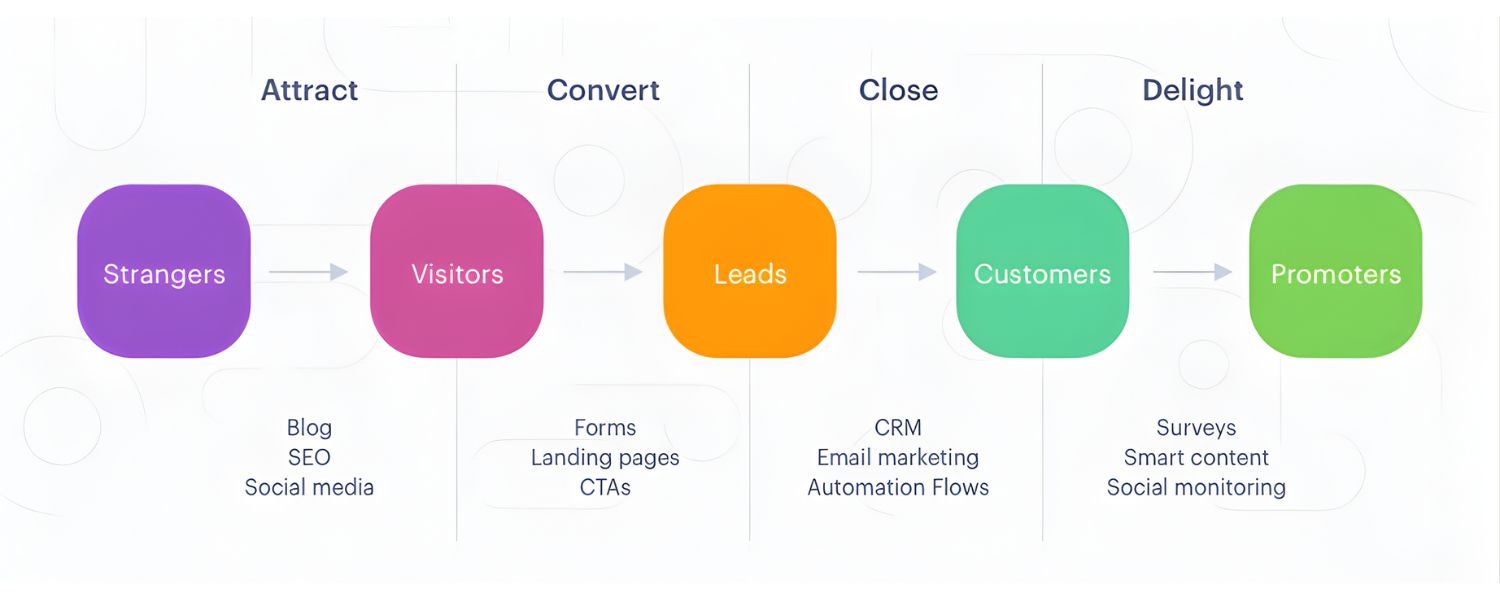
Once you know the keywords and topics to target, it’s time to plan out what content you will create. Content is the fuel that powers SaaS SEO – but it needs to be high-quality, relevant, and strategically organized. Here’s how to build an effective SaaS content strategy:
A. Map Keywords to Content Types
Take your keyword list and decide what type of content best serves each term. For TOFU informational keywords, you’ll likely create blog posts, guides, or tutorials that educate the reader.
For MOFU comparison or solution keywords, you might create landing pages or in-depth blog articles (e.g. “Top 10 X Tools” listicles, “How to Choose a [Software Type]” guides).
For BOFU product-related searches, you need product pages, feature pages, case studies, pricing pages, and “VS” comparison pages on your site. Ensure that for every critical keyword or query your audience searches, you have a dedicated page that addresses it directly.
Organize your site structure accordingly – for instance, grouping content into logical topic clusters. A topic cluster means you have one comprehensive pillar page (say, a definitive guide to an overall topic) and multiple related sub-pages (blog posts on subtopics) interlinked with it.
This not only helps SEO (establishing your authority on that topic) but also creates a great user experience, as readers can easily navigate from a high-level overview into deeper dives on subtopics.
B. Create Value-Packed, Authoritative Content
In the crowded SaaS space, mediocre content won’t cut it. Aim to publish the best content on the internet for your chosen topics. That means articles that are thorough, accurate, and genuinely helpful – not just stuffed with keywords.
Research each piece deeply (include data, examples, quotes), and consider hiring writers or subject matter experts who know your industry. According to one SaaS SEO expert, “I never compromise on quality. Every article needs to be useful, well-researched, and expertly written.”.
This level of quality is what it takes to dethrone top-ranking competitors in many SaaS niches. Also, keep content practical and actionable – SaaS buyers love step-by-step guides, checklists, and use-case examples that show how to solve their problem (and subtly, how your product helps solve it).
Whenever appropriate, weave in your SaaS product as part of the solution, but do it organically, the content should educate first, and mention your product in a helpful, non-salesy way if it truly fits the reader’s needs.
C. Address Every Stage of the Funnel
As noted, your content portfolio should cover everything from awareness to decision. For example:
(1) Educational posts for early-stage prospects (e.g. “What is [Concept] and Why It Matters?” or “How to improve [metric] in [industry]”). These build your organic reach and brand familiarity.
(2) Comparison and alternative pages for mid-stage prospects (e.g. “Best [Software] in 2025,” “[YourProduct] vs [Competitor],” “[Competitor] alternatives”). These target users who know they need a solution and are weighing options – a perfect time to present your value proposition.
(3) Case studies, webinars, and FAQs for late-stage prospects (to nurture those who are seriously considering you and need that last push or information to decide).
(4) Customer success content for post-signup (yes, even onboarding guides or knowledge base articles can be SEO-optimized, helping existing users and building long-tail traffic).
Remember, SaaS SEO isn’t only about acquisition but can aid retention too – for instance, if you create content around new feature how-tos or best practices, you’ll not only help current customers (improving retention) but also capture searches from people looking to solve problems via those features (some of whom could become customers).
D. Optimize On-Page Elements
When creating each content piece, apply on-page SEO best practices. This includes writing a compelling meta title and description (with your primary keyword, but also appealing copy to earn the click), using proper header tags (H1, H2, H3) to structure the content logically, and sprinkling relevant keywords and synonyms naturally throughout the text.
Make sure your URL slugs are short and descriptive (e.g. /blog/saas-seo-strategy rather than a long query string) – using the main keyword in the URL can help signal relevance.
Also incorporate internal links within your content: link to other relevant blog posts, your product pages, or documentation where it makes sense. Internal linking not only passes SEO authority around your site, but also keeps readers engaged longer.
For instance, if you mention a technical term that you have a separate glossary page for, link to it. Use descriptive anchor text like “SEO audit” instead of “click here,” so both users and Google understand what they’ll get.
E. Aim to Beat the Competition
Before publishing, always search the keyword you’re targeting and study the top-ranking pages you’re up against. Your goal is to create something more valuable than each of them.
That could mean your article is more up-to-date, more comprehensive, easier to read, or includes unique insights those pages lack. If the top result has a list of 5 tips, maybe you provide 10 (but only if they’re good!).
This “skyscraper” technique – improving on what’s out there – is critical in SaaS SEO where many topics are already covered by multiple blogs. Google rewards content that best satisfies the search intent, so figure out what competitors missed.
It could be incorporating fresh 2025 statistics, adding step-by-step screenshots, or even embedding a short explainer video in your post. Strive to create content that is demonstrably better than the rest, as this will give you a strong chance to climb in rankings.
In summary, your content strategy should turn your keyword research into a concrete plan: an editorial calendar of high-quality pieces that will populate your SaaS site with SEO-optimized content. Consistency is key – publishing content regularly (e.g. weekly or biweekly) can build momentum.
But never sacrifice quality for quantity. Even if you only publish 2 in-depth articles a month, if they are excellent and targeted, they can outperform a competitor churning out shallow posts every other day.
Focus on helping your audience first and foremost; satisfying the searcher’s query with useful content is the surest way to earn higher rankings (and by extension, to earn their trust enough that they consider your product).
As one SaaS SEO expert advises: “Before writing, I ask: Does this help my audience? If it doesn’t, I move on.”. Let that user-centric mindset guide all your content creation.
4. Optimize Your Website: On-Page and Technical SEO
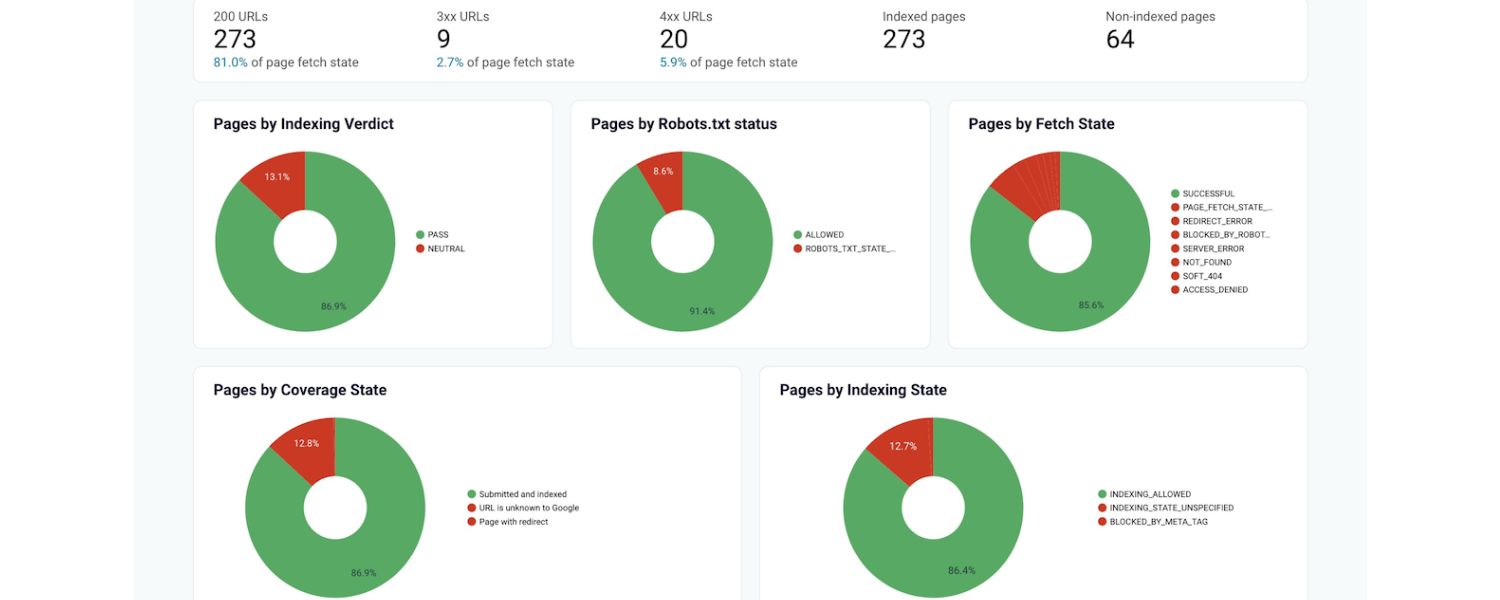
Even the best content won’t rank well if your website has underlying SEO issues or poor on-page optimization. SaaS companies must ensure their website is technically sound, user-friendly, and optimized for search engines. Here are the critical on-page and technical steps to get right:
A. Meta Tags that Attract Clicks
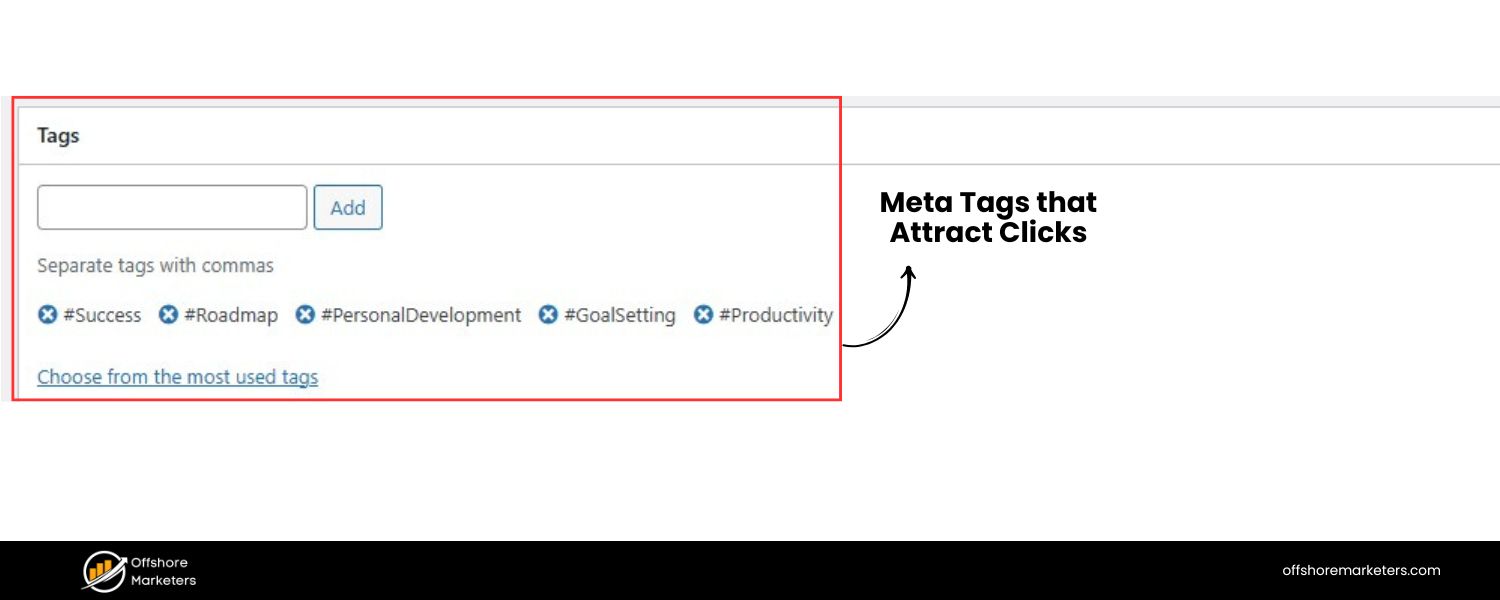
Craft unique, descriptive meta titles and descriptions for each important page (landing pages, blog posts, etc.). The title tag should clearly state what the page is about and ideally include the primary keyword – but keep it around 60 characters so it doesn’t get cut off in results.
For example: “SaaS Project Management – 5 Tips to Boost Team Productivity” is clear and keyword-rich. The meta description (about 150 characters) should provide a compelling summary or benefit to entice searchers to click.
Think of the title and description as your “ad copy” in the organic results – they should speak to the searcher’s intent. (Avoid “keyword stuffing” in meta tags; focus on readability and persuasion.)
B. Header Structure and Readability
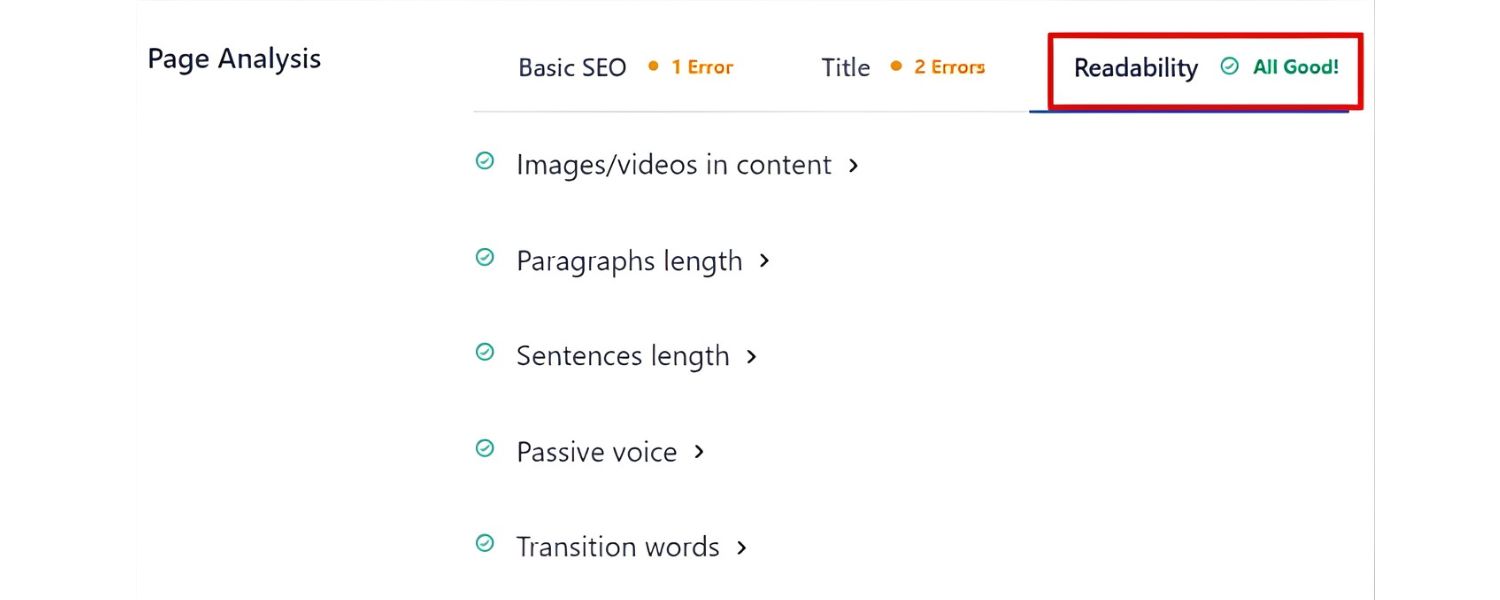
Use heading tags (H1, H2, H3, etc.) to create a logical outline of your page’s content. There should be only one H1 (usually the page title). Break up sections with H2 subheadings, and use H3s for sub-points under those, and so on.
This hierarchy not only helps readers scan and navigate your content, but also helps search engine crawlers understand the main topics covered. For instance, on a blog post about “SaaS SEO Strategies,” your H2s might be things like “Keyword Research for SaaS,” “Content Marketing Tips,” “Technical SEO for SaaS,” etc. Clear structure is especially important given the rise of AI search – well-structured content is more likely to be parsed and used in featured snippets or voice answers.
C. Clean URL and Site Structure
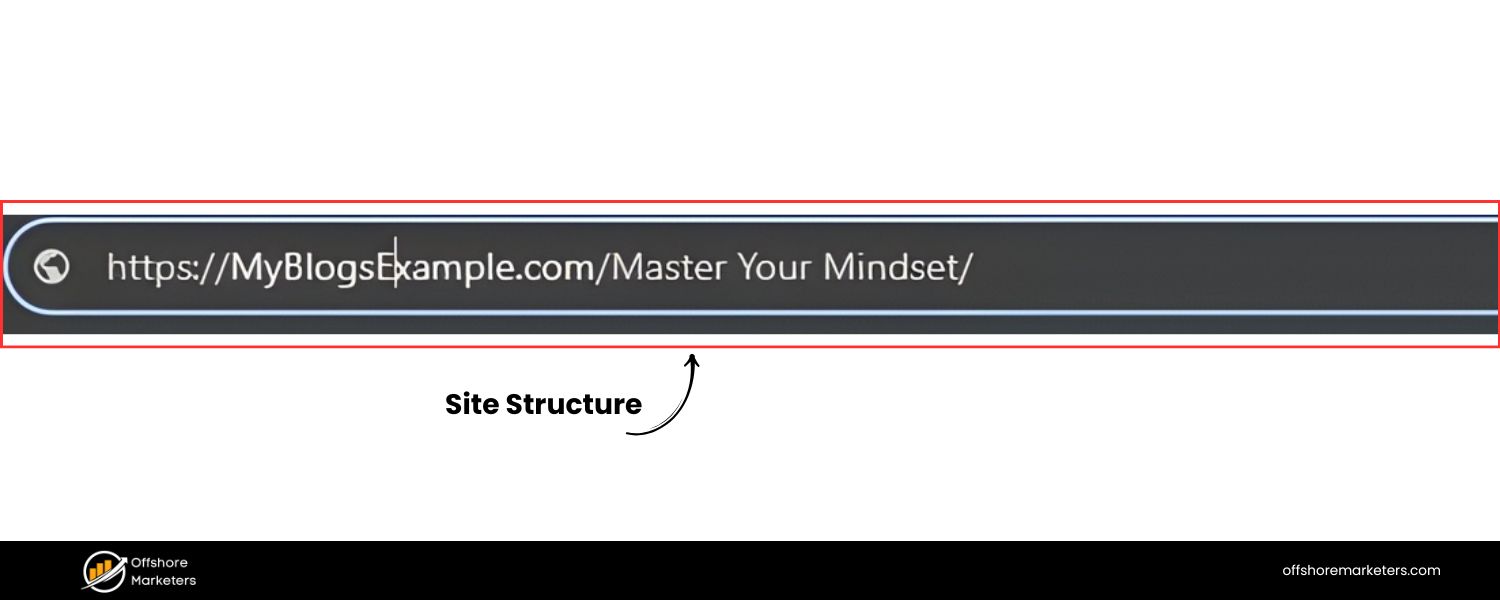
Ensure your site’s URLs are short, clean, and include relevant keywords. For example, yourdomain.com/blog/saas-seo-strategy is preferable to yourdomain.com/2025/11/blog?id=1234.
Descriptive URLs give users and search engines a clue to the content, and they tend to perform better in rankings. As a SaaS business, you likely have a main marketing website and perhaps a separate app domain or subdomain.
Focus your SEO efforts on the marketing site (where your blog and landing pages reside). Organize content logically in directories if needed (e.g., /blog/ for articles).
Also, implement a simple navigation menu and footer links to key pages – good site navigation helps distribute link equity and helps Google crawl your site thoroughly.
D. Mobile-Friendly, Fast, and Secure

Technical SEO basics are crucial. Google now uses mobile-first indexing, meaning it primarily evaluates the mobile version of your site for ranking purposes. So, responsive design is a must – your SaaS site should work flawlessly on mobile devices (no cut-off text or broken layouts).
Make sure all content and links available on desktop are also accessible on mobile, since Google will compare the two. Site speed is another ranking factor and user experience factor: slow-loading pages will hurt your SEO.
Compress images, use modern image formats (WebP), enable browser caching, and consider a Content Delivery Network (CDN) to speed up global delivery. Aim for your pages to load in 2-3 seconds or faster.
Also, ensure you have an SSL certificate and your site is served over HTTPS – not only do users expect secure sites (especially if you’re asking them to start a trial or enter info), but Google gives a slight ranking boost to HTTPS and may penalize sites without it.
In short, a fast, mobile-optimized, secure website creates a solid foundation for all your SEO content to perform.
E. Structured Data & Rich Snippets
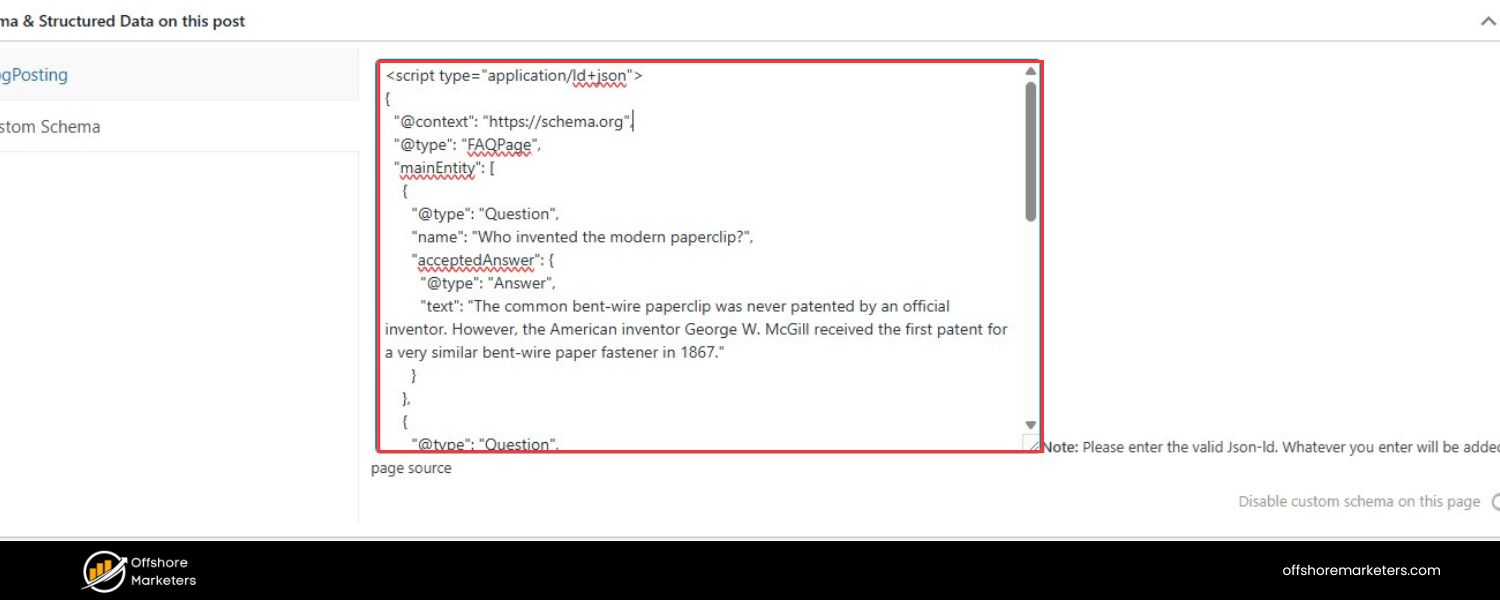
Implementing schema markup can be very beneficial for SaaS websites. Schema is code (often JSON-LD format) that you add to your pages to help search engines understand the content and potentially display rich snippets.
Common schemas for SaaS include FAQ schema (for pages with Q&A sections), How-To schema (if you have stepwise guides), Product schema (on product or feature pages, to highlight software details), and Review schema (to show star ratings if you have customer ratings/testimonials).
For example, adding FAQ schema to a FAQ section on a landing page can make those questions eligible to appear directly in Google’s results, taking up more real estate.
While schema markup doesn’t guarantee higher rankings, it enhances your listing’s visibility and click-through rate, and ensures that AI or search algorithms interpret your page correctly.
For SaaS companies with many similar pages (like multiple feature pages or integration pages), schema can also ensure Google doesn’t misinterpret the content.
F. Internal Linking and Site Navigation
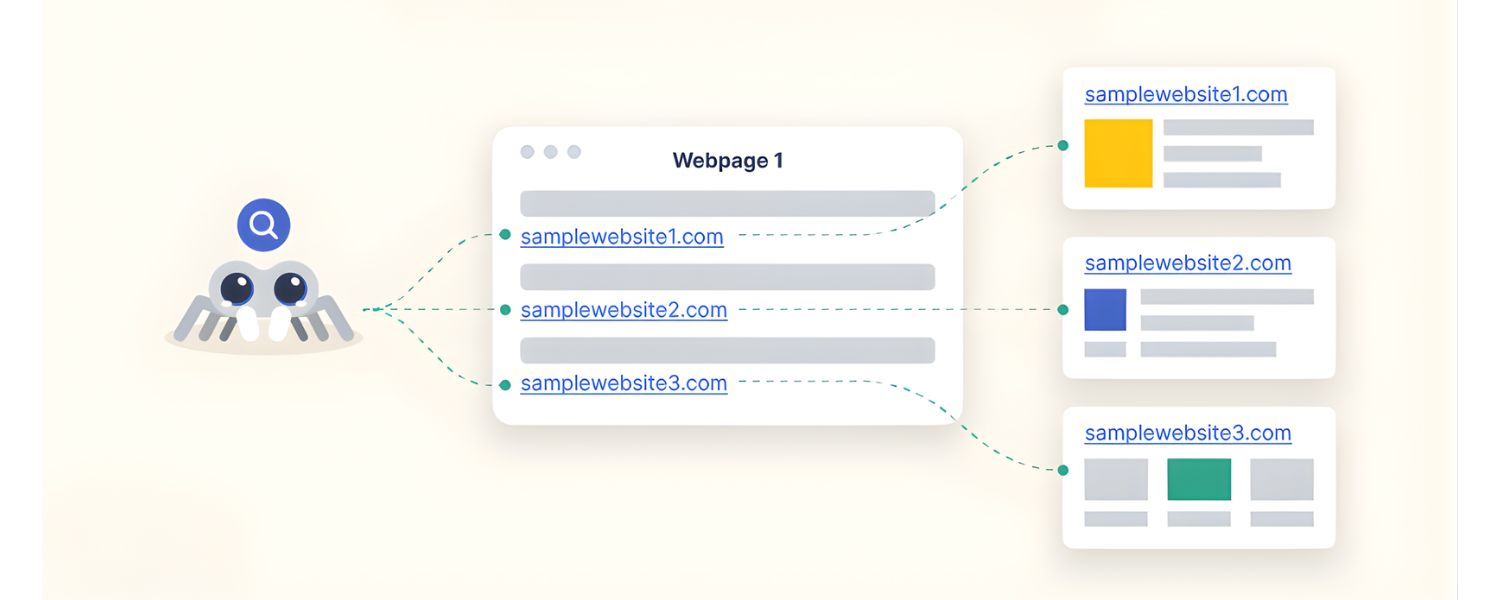
We touched on this in the content section, but it bears repeating as a deliberate step. Create a strong internal linking structure across your site. This means when you publish a new blog post, link it from a relevant older post or a main “resources” hub page so it gets indexed quickly.
Within blog posts, link to your product pages or signup page when appropriate (e.g., a post about “email marketing best practices” might mention your email automation tool and link to the feature page).
Internal links help spread link authority and guide users to take the next step. However, keep links relevant and user-focused – don’t force too many links, which can appear spammy.
Also consider adding a “Suggested Articles” or “Recommended Resources” section at the end of posts to encourage further reading (good for engagement, and it adds contextual internal links).
For SaaS homepages, it’s wise to link to your top-level pages (Features, Pricing, Demo, Blog, etc.) and ensure your menu is crawlable (use standard <a> links, not just JavaScript).
A well-thought internal link strategy can significantly boost your SEO by signaling which pages are most important and by helping Google index new content efficiently.
G. Fix Technical Issues
Regularly audit your site for common technical SEO issues that could impede performance. Some key things to watch out for:
(1) Broken links or 404 errors
These hurt user experience and waste Google’s crawl budget on your site. Use tools or Search Console to find 404s and set up 301 redirects to appropriate pages.
(2) Duplicate content
If you have similar pages (for example, multiple landing pages targeting slightly different variations of a keyword or multiple blog posts on overlapping topics), consolidate them or use canonical tags to indicate the primary page. Duplicate content can confuse search engines and dilute your ranking signals.
(3) Robots.txt and indexing
Make sure your robots.txt isn’t blocking important pages (like your entire blog section – it happens by accident!). Likewise, set meta robots tags appropriately (pages that have no value in search, like certain gated content or login pages, can be tagged noindex). Ensure your XML sitemap is updated and submitted in Google Search Console, so new pages get discovered.
(4) Core Web Vitals
Google’s page experience metrics (like Largest Contentful Paint, Cumulative Layout Shift, etc.) can impact SEO. Keep an eye on these in Search Console’s Core Web Vitals report. Good user experience (fast, no janky layout shifts, responsive interactivity) contributes to better rankings over time.
(5) Structured site for scaling
As your SaaS scales, you might add lots of new pages (for integrations, use cases, blog posts, etc.). Plan for a site structure that can grow without becoming unwieldy. Use subfolders logically, avoid ultra-deep page nesting, and periodically review if older content should be pruned or merged (content pruning can remove “dead weight” pages that don’t rank or get traffic).
By ensuring your on-page optimizations are on point and your site is technically solid, you set the stage for your content to shine. Think of it like having a fast, well-engineered car (technical SEO) and clear road signs (on-page SEO) – it helps your excellent content reach its destination (the top of Google results) faster and more reliably.
In SaaS, where websites often feature modern web apps, dynamic content, and heavy use of JavaScript, pay extra attention that your important content is actually crawlable and indexable by search engines. It may be worth using Google’s Mobile-Friendly Test or Rich Results Test tools to see how your pages appear to Google’s crawler.
The bottom line:
don’t let technical issues undermine your content efforts. A little upfront work on technical SEO will save you headaches later and give your site a competitive edge in rankings.
5. Build High-Quality Backlinks and Brand Mentions
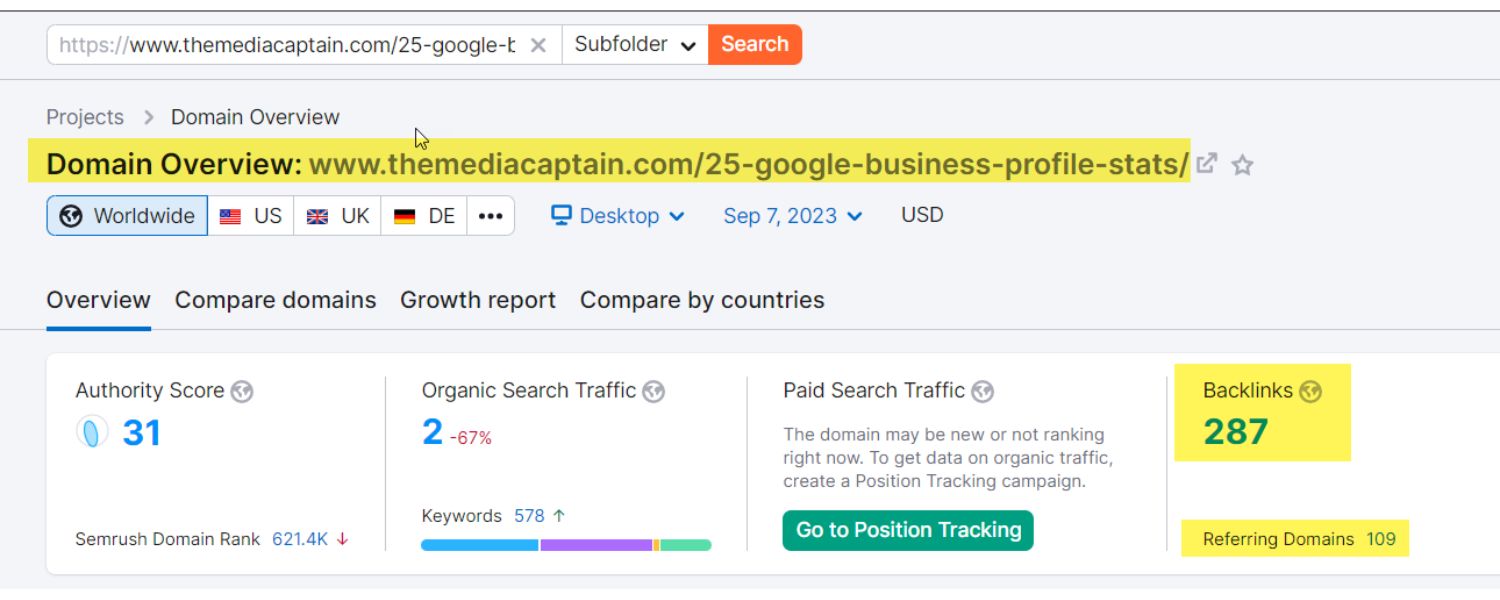
Off-page SEO – primarily backlink building, is the next pillar of a winning SaaS SEO strategy. Backlinks (links from other websites pointing to yours) remain one of the strongest ranking factors. When reputable sites link to your content, it signals to Google that your site is authoritative and trustworthy. But in 2025, the key is quality over quantity. Here’s how to approach link building for a SaaS website:
A. Prioritize Quality and Relevance
A decade ago, one might try to acquire links from anywhere possible, but today what counts are relevant, high-authority links. A single link from a respected industry publication or a .edu resource can outweigh 50 low-quality directory links.
Focus on sites that are related to your SaaS niche or tech/business in general, for example, if you sell marketing software, a link from a marketing blog or HubSpot carries a lot of contextual relevance.
Google evaluates backlinks in context: a link from an unrelated spammy site offers little to no benefit (and could even be harmful). In fact, linking domains with high Domain Rating (DR) or authority are valuable, but only if their own backlink profile is clean and their content is high-quality.
Avoid spammy link farms, Private Blog Networks (PBNs), or purchasing links in bulk. These tactics can lead to penalties. One SaaS company learned this the hard way – they were building 30–60 backlinks per month aggressively, yet saw their rankings drop, only to discover over 90% of those links were toxic (from PBNs and irrelevant sites). The lesson: a few great links beat a ton of bad ones.
B. Strategies to Earn Links
Earning backlinks in the SaaS world often comes down to creating link-worthy content and then promoting it. Some effective tactics include:
(1) Guest Blogging
Write high-quality guest articles for other industry blogs or online magazines, where you can reference your expertise and naturally link back to a relevant page on your site. Target sites your audience reads. Guest posts not only give links but also build your brand presence.
(2) Thought Leadership Content
Publish original research, whitepapers, or data studies on your site, these tend to attract backlinks because others will cite your findings. For instance, an “Annual SaaS Industry Report” or a survey with interesting statistics can get you citations from news outlets and bloggers (they link to you as the source).
(3) Infographics and Visual Assets
Create informative infographics, charts, or cheat sheets related to your niche. Visual assets often earn links as others embed them in their posts (with credit to you). Offer an embed code to make linking easy.
(4) Partnerships and Testimonials
Leverage your network. If you have integration partners or belong to SaaS communities, collaborate on content or ask for mentions. Providing a testimonial for a partner’s website (with a backlink to your site) is an easy win. Also, consider HARO (Help A Reporter Out), responding as a source to journalists can earn you quotes and links in articles.
(5) Fix Unlinked Mentions
As your brand grows, people might mention your SaaS in articles without linking to you. Use tools or Google Alerts to find such mentions and reach out politely asking for a link addition. If someone already thought you were worth mentioning, they’ll often be willing to hyperlink it.
(6) Build Linkable Pages
Optimize some content specifically for link acquisition. Example: create “The Ultimate Guide to [Your Industry Topic]” or a comprehensive glossary, etc. These evergreen resources can become reference material that others in your space link to. Another example is making a free tool or calculator, people love to link to useful tools.
C. Anchor Text and Context
When you do earn or build links, pay attention to the anchor text (the clickable text of the link). You want a natural mix of anchors, some will be your brand name, some the URL, some “soft” anchors like “read more here,” and occasionally a keyword-rich phrase.
It actually looks suspicious if every backlink has the exact same keyword as anchor. So, don’t over-optimize anchor text. Focus more on the context around the link. A link from an article that is topically related to your content is far more valuable than a random footer link.
Google’s algorithm looks at surrounding text for relevance. For example, a link to your “SaaS project management software” page that’s embedded in a paragraph discussing “best tools for managing projects in a remote team” is gold. Aim for those contextual, in-content links on external sites.
D. Monitor and Clean Your Link Profile
Use tools or Google Search Console to monitor new backlinks. If you notice a spike of spammy links (it happens, negative SEO or scraper sites), you can disavow them to tell Google to ignore those.
While Google is pretty good at identifying junk links, it’s wise to periodically audit your backlink profile. Remove or disavow any toxic links that you control. The goal is to maintain a clean, credible link profile. Think of each backlink as a vote of confidence in your site – you want votes from credible “voters.”
E. Leverage PR and Community
Building a brand in SaaS often goes hand-in-hand with SEO. Appear as a guest on podcasts, participate in Q&A forums like Quora or Stack Overflow (using your expertise, not just self-promotion), and be active on LinkedIn groups or Reddit communities related to your industry.
While many of these won’t give direct follow links (some might), they increase brand mentions and indirectly lead to links as more people discover your content. Branded searches and mentions can also support your overall SEO presence.
Digital PR efforts (like getting featured in “Top 10 SaaS to Watch” listicles or local tech news) often come with links, too. Don’t underestimate the value of simply being an active, helpful voice in your niche – you’ll naturally attract link opportunities as you network.
In essence, earn backlinks by earning respect. If you create genuinely useful content and build genuine relationships in your industry, the links will come. It’s fine to be proactive in outreach – emailing a blogger to let them know you have a detailed article that their readers might find helpful, for instance – as long as you are tactful and not just asking for a link without providing value.
Always remember: a high-quality backlink meets three key criteria: it’s relevant to your industry, it comes from a trusted authoritative site, and it’s editorially earned (i.e., given because it adds value, not paid for or forced).
A handful of such powerful backlinks can dramatically boost your SaaS site’s domain authority, which lifts all your pages in the rankings. Over time, as you consistently put out great content and promote it, you’ll build a robust backlink profile that makes your SEO “moat” stronger – insulating you from upstart competitors and helping you rank even faster for new content you publish.
6. Track, Analyze, and Continuously Improve
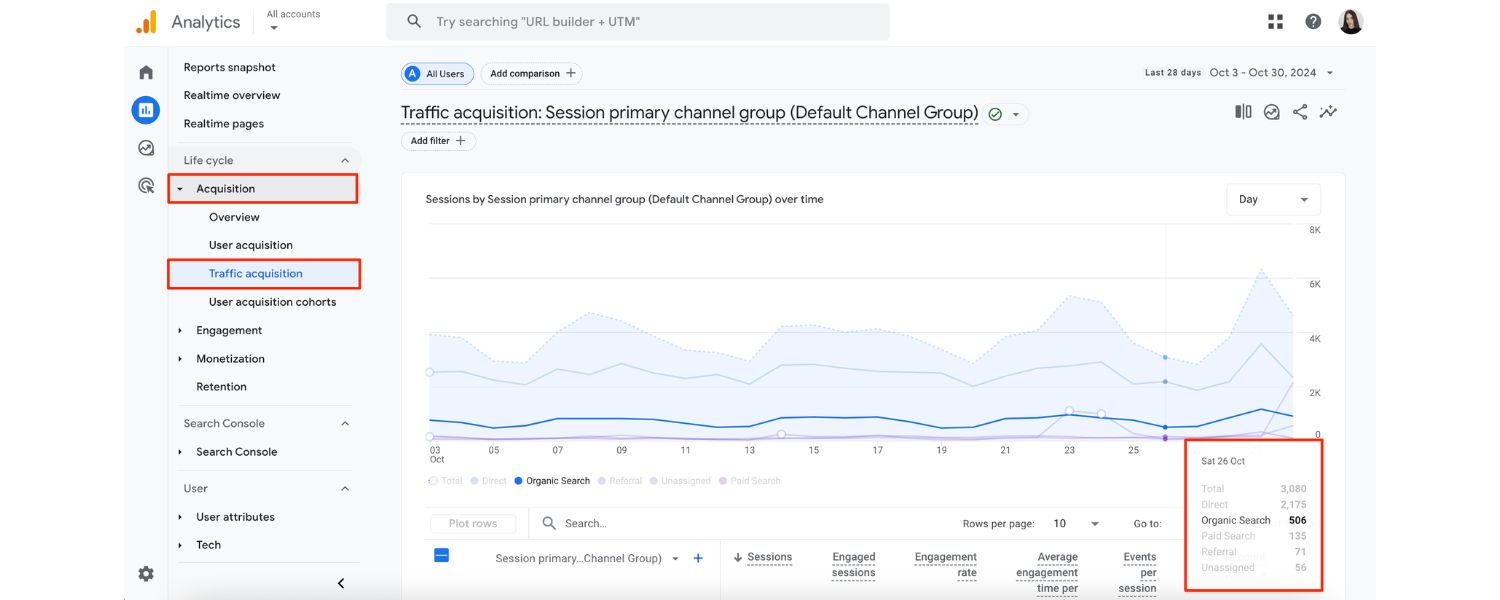
SEO for SaaS is not a one-and-done project, it’s an ongoing process of monitoring performance and refining your strategy. The final step is setting up a system to track results and making iterative improvements to sustain and grow your organic presence. Here’s how to do it:
A. Monitor Key Metrics
Keep a close eye on your KPIs and metrics using tools like Google Analytics, Google Search Console, and any SEO platforms you use. Some metrics to watch monthly (or even weekly) include:
(1) Organic traffic
how many visits are coming from organic search, and is it trending up?
(2) Keyword rankings
track a set of important keywords to see how your pages move up or down in SERPs. This can alert you to algorithm changes or successful optimizations.
(3) Conversion metrics
of the organic visitors, how many sign up for trials, request demos, or complete other goals? (Set up Goals in Analytics to measure this.) Watch the conversion rate of organic traffic – if traffic is up but conversions aren’t, you might need to adjust your content’s call-to-action or lead funnel.
(4) Bounce rate and engagement
high bounce rates or low time-on-page can indicate that a page isn’t meeting user expectations. Perhaps the content needs improvement or the keyword targeting is off.
(5) Backlink growth
check if your link-building efforts are yielding new backlinks. Also see if referral traffic from those links is coming in (a nice side benefit of good links is direct traffic).
B. Use Analytics to Inform Strategy
Data can reveal what’s working and what’s not. For instance, you might find that one blog post you published is getting a ton of Google traffic and even driving conversions – that’s a clue to consider writing more on that topic or updating that post to keep it ranking strong.
Alternatively, you may notice some target pages aren’t ranking as expected; with Search Console, you can see which queries those pages are showing up for and adjust your content to better align with the terms people actually use.
Also pay attention to on-site search (if your site has a search bar) – it can show what users look for after arriving, giving insight into content gaps.
C. Refresh and Update Content
One of the most effective ongoing SEO tactics for SaaS is content updating. Every few months, audit your existing content. Identify pieces that have dropped in ranking or traffic and give them a refresh.
Update any outdated information (especially if you have content with older years or obsolete stats – make them current for 2025 and beyond). Add new sections or FAQs to deepen the content.
Improving an already decent page can often bump it back up in rankings because Google prefers fresh, comprehensive content. For example, if you wrote a “Top 10 SaaS Trends in 2023” post, update it as “…in 2025” with new trends and label it updated.
Not only will this keep users satisfied, but the search algorithm takes notice of recency. Many SEO experts make it a habit to republish or update old articles periodically (every 6–12 months) to maintain their rankings – it’s far easier to keep a ranking you have than to climb up from scratch.
As one guide advises, if an old post is a few years old but still relevant, republishing it with updates shows Google that the content is current and valuable.
D. Fix New Technical Issues
As you add more pages or make site changes (like a redesign or migrating to a new CMS), keep an eye out for technical snags. For instance, check that your new pages are being indexed (use Search Console’s URL Inspection tool).
If you roll out a big site update, do another crawl or audit after to ensure no new broken links, missing meta tags, or slowed load times have crept in. Consistency in technical health prevents nasty surprises like discovering Google has stopped indexing your blog due to a rogue noindex tag.
E. Listen to User Feedback
SEO metrics are quantitative, but qualitative feedback is important too. Pay attention to comments on your blog, feedback from customer support, or social media discussions.
If users keep asking a question that your content doesn’t answer, that’s an opportunity to improve the content or create a new piece. Similarly, if many users praise a particular guide for its clarity, analyze what you did right and replicate that style in other content.
Remember, writing for your users (humans) first and search engines second is the golden rule. Satisfied users lead to better engagement signals, which in turn help SEO.
F. Adjust Strategy Based on Results
SEO is part art, part science. Not every hypothesis will pan out. Perhaps you thought a certain keyword would be great, but after ranking, it didn’t convert well, you might deprioritize similar topics.
Or you might find a certain type of content (like comparison pages or webinars) works exceptionally well, double down on those. Be agile and willing to pivot your content roadmap based on what the data shows.
The competitive landscape also changes: maybe a new competitor’s blog is suddenly outranking you in some areas. In that case, it might be time to produce an even better piece or to focus on building more authority (links, PR) to reclaim your spot.
SEO is a continuous improvement game – small tweaks and optimizations over time compound to significant gains.
In the end, make reporting a regular habit. Set a monthly (or quarterly) SEO review meeting with your team to go over the numbers and highlights. Celebrate the wins (e.g., “organic sign-ups up 30% last quarter!”) and diagnose the losses (“Our ranking for ‘XYZ software’ dropped, let’s investigate why”).
By treating SEO as an iterative process, you’ll ensure that your SaaS keeps climbing the organic ladder and that you catch issues before they become big problems.
Tip: As you grow, consider creating dashboard reports that combine data from Google Analytics/Search Console and your product database (for measuring how SEO users behave after sign-up).
This can give powerful insight, such as “which blog posts led to the most paid conversions over 6 months.” Knowing that, you can attribute real ROI to your SEO efforts and prioritize content that drives the best business outcomes.
Conclusion & Key Takeaways
SEO is a long-term investment, especially for SaaS companies, but the payoff can be transformative. By now, you should see that SaaS SEO isn’t just about sprinkling keywords on pages; it’s about building a robust engine for sustained growth: attracting the right visitors, educating them through valuable content, and converting them into loyal users. Let’s recap the core pillars we covered that will help you dominate search results:
1. Target the Right Keywords
Focus on realistic, relevant keywords that match your product and audience. It’s better to rank for 50 niche terms used by your ideal customers than for one generic term that doesn’t convert. Targeting long-tail and intent-driven keywords is your friend, especially if you’re up against big players.
2. Prioritize Quality Content
Content truly is king in SaaS SEO. Create useful, expert-led content that addresses your users’ needs at each stage of their journey. Quality trumps quantity, one great piece can outperform ten mediocre ones. Make your content so helpful that both Google and your readers can’t ignore it.
3. Build High-Quality Links (not just lots of links)
Earn backlinks from relevant, authoritative sources to boost your credibility. A handful of links from respected industry sites will move the needle more than hundreds of low-end links. Network, guest post, and create link-worthy resources to naturally attract those endorsements.
4. Optimize Technical and On-Page SEO
Don’t neglect the foundation – a fast, mobile-friendly site with solid on-page optimization amplifies all your other efforts. Simple things like clear headings, good meta tags, working links, and HTTPS security make a big difference. Make it easy for search engines (and users) to navigate and trust your site.
5. Focus on the User (Not Just the Algorithm)
Perhaps most importantly, keep a user-centric mindset. SEO success will follow if you solve real problems and provide a great experience. Write for humans first, answer their questions, be transparent, demonstrate how your SaaS can help.
Google’s algorithm increasingly rewards content with strong E-E-A-T (Experience, Expertise, Authority, Trustworthiness), all of which essentially boil down to putting the user first.
By implementing these strategies step by step, you’ll build a powerful SEO presence that fuels your SaaS company’s growth. Remember that SEO is a marathon, not a sprint.
You may not see results overnight, typically, expect to wait several months to start seeing significant movement, but every blog post, every optimization, and every earned backlink is an investment in your organic visibility.
Over time, these efforts compound. One day you’ll find your site ranking for thousands of keywords, driving a steady stream of high-quality leads that have a low acquisition cost and high lifetime value.
Finally, don’t be afraid to seek help if needed. SEO can get complex, and the landscape keeps changing (as we saw with AI and algorithm updates). Whether it’s using advanced SEO tools, enrolling in an SEO course, or hiring specialists, doing SEO “right” is worth it. The results, higher search rankings, more traffic, and more conversions, speak for themselves.

.png)
Shopify SEO: Guide to Ranking Your Store and Driving Sales
Most Shopify store owners set up their store, list their...

Content Marketing : Definitive Guide to Strategy, Content Types, and Measurable ROI
Content marketing generates 3x more leads than outbound marketing at...

Above the Fold: Guide to Conversions, Rankings and Faster Pages
Above the Fold in 2026: The Complete Guide to Conversions,...

Off-Page SEO Checklist: Guide to Building Real Authority
Most websites spend months creating great content, only to wonder...

What Is Keyword Bidding? The Complete Strategy Guide for Smarter Ad Spend
Most advertisers believe the highest bid wins the auction. It...

What Is Google Trends? The 2026 Marketer’s Complete Guide
If you are not already pulling weekly insights from Google...
If you want a growth partner who will get to know every aspect of your business and treat your budget like their own — we are the right fit.
.png)


.png)
.png)
.png)
.png)
.png)
.png)
2026 ALL RIGHTS RESERVED MADE IN INDIA
