
Data-Driven Marketing: What It Is and Why It Matters
August 27, 2025
Introduction
In today’s digital landscape, data-driven marketing has moved from a buzzword to a necessity for businesses. Imagine knowing exactly what your customers want, and delivering it at the perfect moment.
By harnessing data and analytics, marketers can replace guesswork with insight, creating campaigns that resonate and drive results. This blog will dive deep into data-driven marketing, exploring its benefits, how to implement a winning strategy, challenges to watch out for, and emerging trends in 2024/2025.
Get ready to learn how leading companies use data to supercharge their marketing ROI, and how you can do the same.
What is Data-Driven Marketing?

Data-driven marketing is the practice of making marketing decisions based on data insights rather than intuition. In essence, it means optimizing brand communications and campaigns using real customer information.
Instead of relying on gut feelings, data-driven marketers analyze customer demographics, behaviors, and preferences to predict needs and personalize their outreach.
In traditional marketing (think pre-digital era), decisions were often guided by limited data, small-sample surveys, focus groups, or just past experiences. Marketers had to assume what customers wanted and frequently resorted to trial-and-error campaigns.
By contrast, data-driven marketing leverages big data and modern analytics to reach the right audience, with the right message, at the right time. Today’s digital tools allow large-scale data collection (from web analytics, CRMs, social media, etc.) and real-time feedback, enabling marketers to fine-tune strategies on the fly.
For example, instead of airing a generic TV ad and hoping it sticks, a data-driven marketer might analyze online purchasing data to target specific customer segments with personalized ads on social media.
Streaming services like Spotify illustrate this approach with campaigns like “Spotify Wrapped,” which uses each user’s personal listening data to create highly shareable, personalized content. The data-driven approach transforms marketing into a more precise, customer-centric discipline, where decisions are anchored in evidence from customer data and analytics.
Why Data-Driven Marketing Matters (Key Benefits)
Using data in marketing isn’t just a technical upgrade – it fundamentally improves marketing effectiveness. Here are some core benefits of adopting a data-driven marketing strategy:
1. Sharper Customer Targeting and Segmentation

Data provides a laser-sharp understanding of your audience – who they are, what they like, and how they behave. By analyzing customer data, marketers can identify distinct segments and buyer personas, then tailor content to each group.
This means your campaigns speak directly to specific needs. A great example is Lego’s recent insight that a large adult fanbase was engaging with their brand.
Instead of marketing only to kids, Lego segmented out adult customers and launched an “Adults Welcome” campaign with nearly $1M spent on ads targeting that demographic. The result was highly relevant messaging that tapped into a new vein of customer interest.
2. Personalization and Enhanced Customer Experience
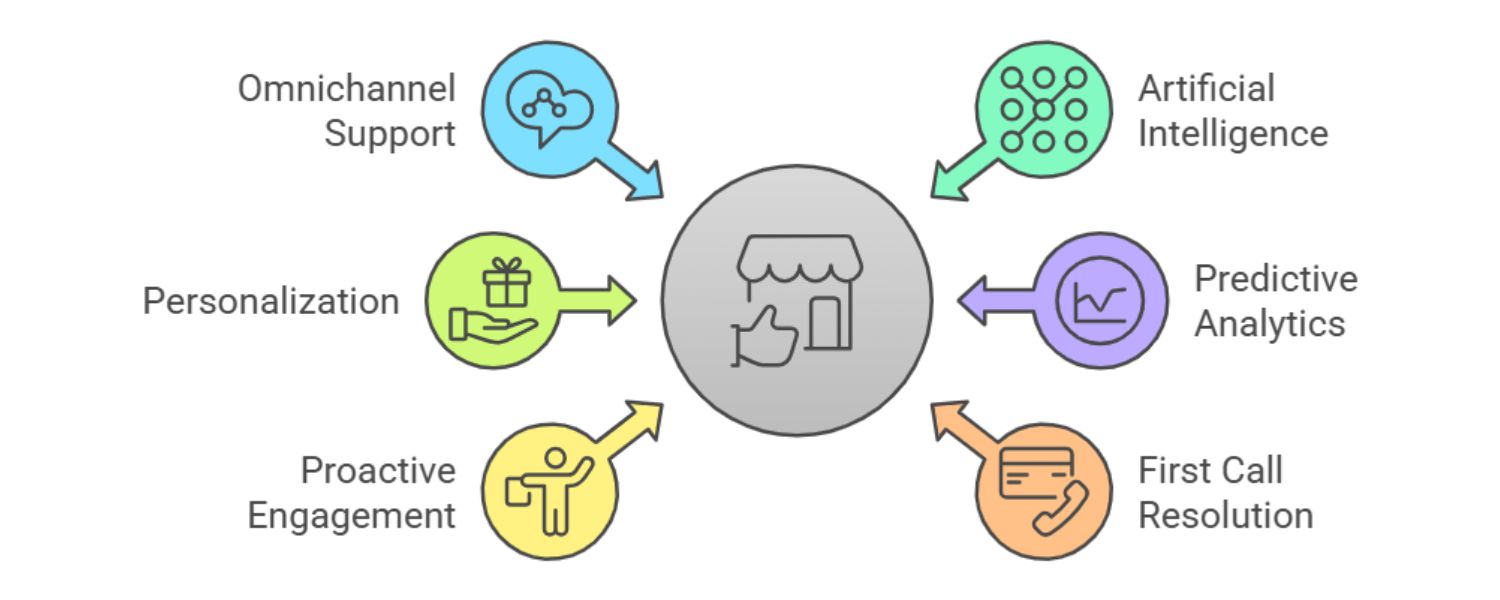
Modern consumers expect personalized experiences – in fact, 71% of consumers expect companies to deliver personalized interactions, and 76% feel frustrated when this doesn’t happen.
Data-driven marketing enables personalization at scale, meaning you can customize emails, ads, product recommendations, and web content based on individual behavior and preferences.
Personalization builds trust and engagement: tailored experiences can deliver 5 to 8 times the ROI on marketing spend. When brands show they understand their customers – like sending a how-to guide after a purchase or recommending a product that fits a user’s past behavior – it creates a positive impression and boosts loyalty.
3. Faster, Smarter Decision-Making
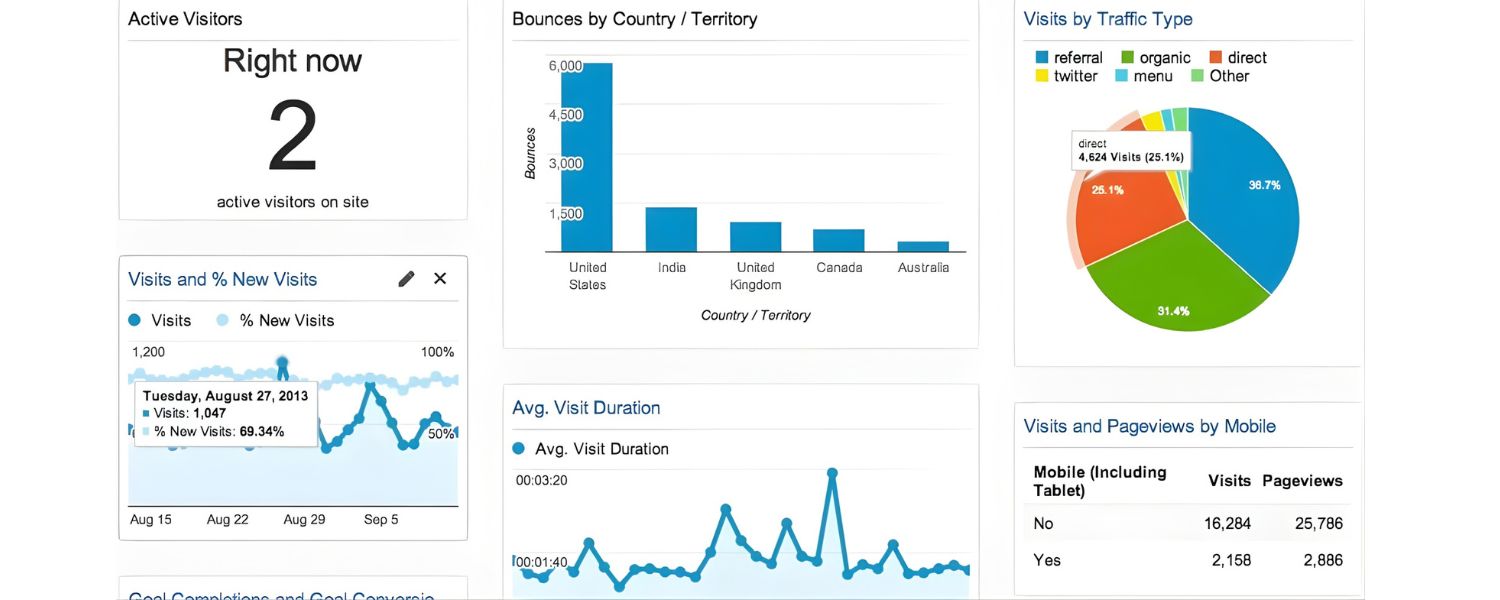
Data takes the guesswork out of marketing decisions and speeds up the feedback loop. Teams that use real-time analytics can spot trends or problems quickly and respond in an agile way.
For instance, by monitoring campaign metrics daily, you might notice one ad creative outperforms another and shift budget accordingly. Two-thirds of leading marketers say decisions based on data outperform those based on gut instinct.
Moreover, data-driven marketing streamlines internal decision processes, it’s easier to argue for a strategy when you have numbers backing you up.
The days of waiting months to see if a campaign worked are over; with dashboards and A/B tests, marketers can optimize on a weekly or even daily basis.
4. Better ROI and Resource Allocation
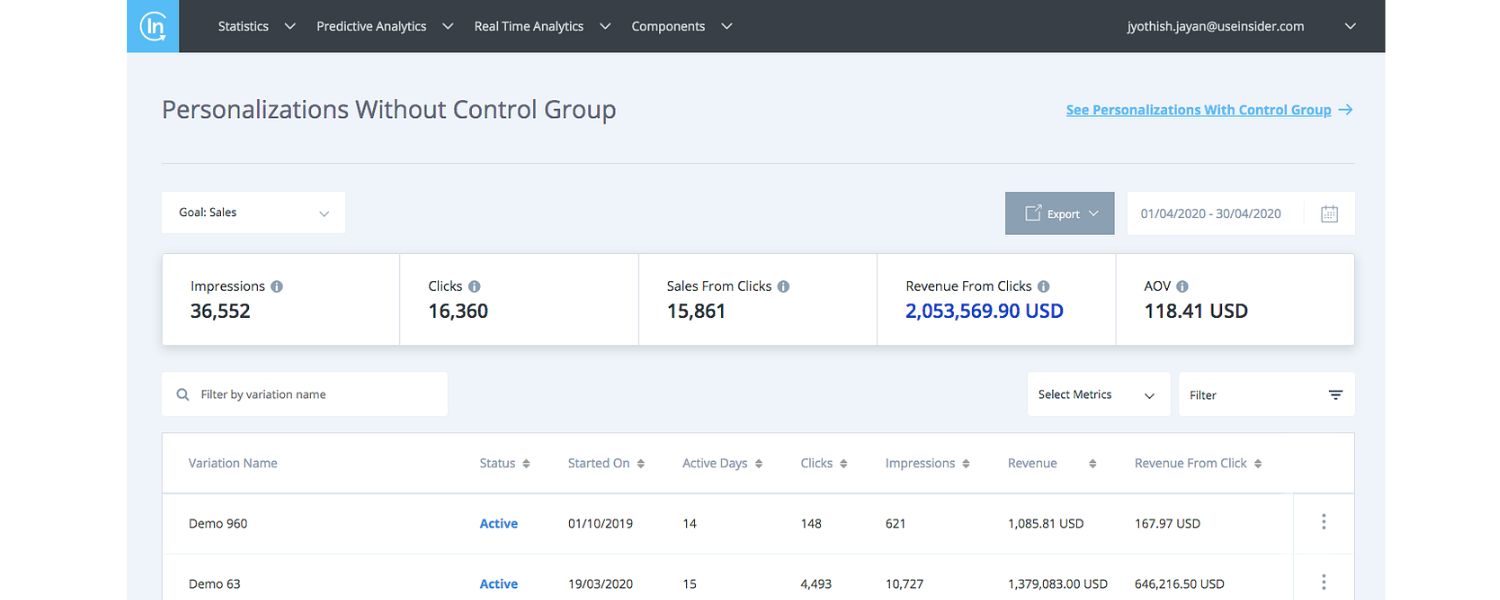
With data revealing what’s working and what’s not, marketing spend can be allocated more efficiently. Instead of pouring money into channels or tactics blindly, a data-driven approach pinpoints the highest ROI activities.
If analytics show that email campaigns yield better conversion than display ads for your product, you can re-balance budgets to focus on email. Data-driven marketing often leads to higher ROI because it reduces waste, you invest in strategies proven to engage your target audience.
Marketing analytics also help in attribution (figuring out which touchpoints drive sales), so you can optimize spend across the customer journey and double down on the channels that work best.
5. Continuous Improvement Through Testing
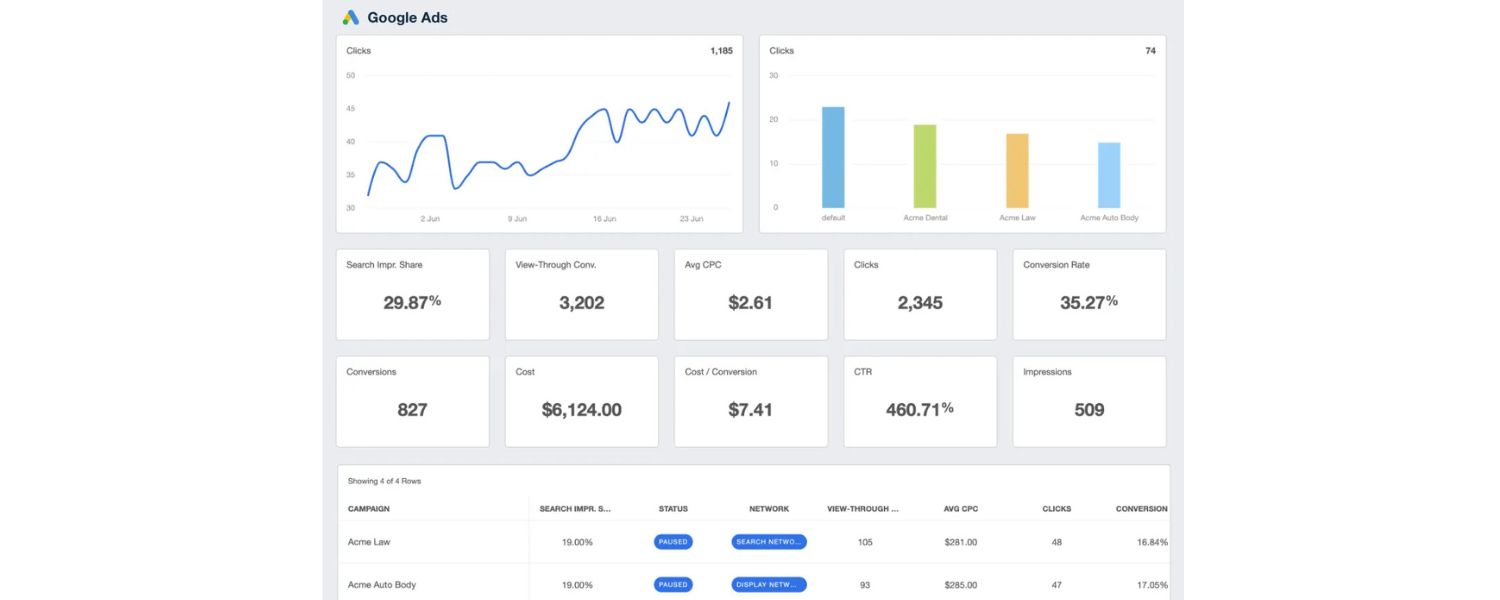
Data-driven marketers are always learning. By measuring key performance indicators (KPIs) like click-through rates, conversion rates, cost per acquisition, etc., they can refine tactics over time.
Strategies like A/B testing, where you run two versions of a marketing element to see which performs better, are easier with robust data collection. For example, testing two headlines on a landing page and using data to choose the winner can boost conversion significantly.
This culture of experimentation, backed by data, means marketing gets smarter with each campaign. Simply improving ad copy to target price-sensitive customers increased conversions by as much as 200% for that segment. Such improvements are only visible when you diligently track results and iterate based on the data.
How to Implement a Data-Driven Marketing Strategy (Step-by-Step)

Building a data-driven marketing strategy may sound daunting, but it can be broken down into clear steps. Below is a roadmap to guide you in becoming a truly data-driven marketer:
1. Define Clear Goals and KPIs
Start with the end in mind. What are you trying to achieve, Increase monthly leads by 20%? Improve customer retention rate? Define specific, measurable marketing objectives.
From these goals, choose Key Performance Indicators (KPIs) that will quantify success (e.g., conversion rate, customer lifetime value, cost per acquisition). Clear goals focus your data efforts on what matters.
For example, if your goal is to boost e-commerce sales, key metrics might include shopping cart abandonment rate and average order value.
2. Collect Relevant Data from All Sources
Data-driven marketing runs on quality data. Aggregate data from all possible touchpoints: your website analytics (traffic, user behavior), CRM systems (customer profiles and purchase history), social media insights, email marketing stats, call center logs, third-party demographic data, etc.
Integrate these data sources into a single view if possible – whether that’s a customer data platform (CDP), a data warehouse, or even a well-managed spreadsheet for smaller businesses.
The goal is to break down silos so that you have a unified, up-to-date picture of your customer. It’s common for data to live in different departments or tools – in fact, only about 8% of companies store all their data in one place.
Using integration tools or dashboards can help sync information in real-time. Remember to include both historical data and real-time streaming data (like live website events) for the richest insights.
3. Ensure Data Quality and Compliance
Before plunging into analysis, make sure your data is accurate, clean, and compliant. Poor data quality can mislead your strategy, incomplete or outdated data skews results.
Implement data cleaning routines (remove duplicates, correct errors) and establish data governance policies. Also, respect privacy regulations at every step. Only collect data you’re allowed to, and be transparent with users about data usage.
Regulations like GDPR and CCPA give consumers the right to opt out and demand greater transparency. Remember that 79% of customers will stop doing business with a company if they discover personal data is being used without their knowledge. Earning customer trust is paramount, so prioritize ethical data practices and security.
4. Analyze the Data for Insights
Now the fun part – turn raw data into actionable insights. Use analytics tools to interpret the data: look for patterns, correlations, and anomalies. For example, segment your audience and see how behavior differs by segment (maybe millennials engage with one product, while Gen X prefers another).
Identify which marketing channels are driving the most traffic and conversions. Modern marketing analytics software can help with customer journey analysis, attribution modeling, and even predictive analytics (forecasting future behavior based on historical patterns).
Don’t be intimidated by the buzzwords; start with basic analyses and drill deeper over time. Even simple insights – like discovering emails sent on Tuesdays get higher open rates than those sent on Fridays – can be extremely valuable.
In fact, highly data-driven organizations are 3× more likely to report significant improvements in decision-making compared to those who rely less on data.
5. Segment Your Audience and Build Personas
Use your insights to divide your customer base into meaningful segments. Group customers by relevant characteristics or behaviors – demographics (age, location, etc.), past purchase behavior, interests, engagement level, stage in the buyer journey, and so on.
This segmentation allows you to tailor marketing for each group. Alongside segments, create buyer personas, fictional profiles representing your ideal customers in each segment (e.g., “Budget-minded Bella” vs. “Tech Enthusiast Edward”).
Personas humanize the data and guide your creative and messaging decisions. For instance, one segment might be returning customers who haven’t purchased in 6 months – your strategy for them could be a win-back campaign with a special offer.
Another segment might be high-value frequent shoppers – they might get a loyalty reward or exclusive preview of new products. The better you understand each group, the more precisely you can target them.
6. Personalize Campaigns and Choose the Right Channels
Now craft your marketing tactics based on those data insights. Develop personalized content and offers for each audience segment. Personalization can be as simple as using the customer’s name and purchase history in an email, or as advanced as dynamically changing website content based on user profile.
Tools like email marketing software, personalization engines, and website personalization (e.g., showing different homepage banners to different user segments) will be useful.
Also, decide which marketing channels to use for each segment by looking at the data. If your data shows that a particular segment responds well to Instagram and hardly opens emails, focus on Instagram for them.
Another segment might be very responsive to SMS or search ads. Allocate your budget and effort to the channels that your data indicates are most effective for each group.
For example, if analytics reveal that most of your high-value customers find you via organic search, invest in SEO content and search ads; if younger audiences engage through TikTok, build a presence there.
Data-driven marketing often leads to a multi-channel or omnichannel strategy – ensuring a consistent message across the channels your customers frequent.
7. Implement Campaigns and Automate Where Possible
Launch your tailored campaigns, and use automation to streamline execution. Marketing automation platforms (like email drip campaign tools, social media schedulers, CRM workflows) allow you to trigger communications based on data signals.
For instance, you can set up an automated email to abandon cart shoppers reminding them to complete a purchase (since data shows a certain percentage will return if prompted). Automation ensures timely responses at scale – something manual marketing can’t achieve easily.
Additionally, consider leveraging AI tools if available – for example, some platforms use machine learning to suggest optimal send times for emails or to automatically personalize product recommendations. Companies are increasingly adopting AI to crunch data and even generate content.
Real-world example: Yum! Brands (KFC, Taco Bell, Pizza Hut) used AI on its customer data to send real-time personalized offers via mobile app, based on factors like a customer’s buying habits, the time of day, and even local weather. This data-driven AI campaign boosted engagement and order value, while reducing customer churn.
8. Monitor Results and Iterate Continuously
Once campaigns are live, track performance closely. Use your defined KPIs to measure success against your goals. Data-driven marketing is iterative – analyze what’s working and what isn’t in near real-time.
If one campaign variant is underperforming, adjust or pause it and funnel resources to the winner. Implement A/B tests (also called split tests) regularly: for example, send two versions of an email to small sub-samples and then roll out the better-performing version to everyone.
By continuously optimizing creative, audience targeting, and spend based on data, you ensure no marketing dollar is wasted. The process doesn’t stop after one campaign.
Do a post-campaign analysis: Did you meet the KPI targets? What did you learn about your customers? Feed these learnings back into step 1 for the next cycle. This feedback loop is how your marketing gets smarter every day. It’s helpful to create a routine, like weekly “data huddles” where the team reviews metrics and insights together.
In these meetings, pinpoint both wins and failures: maybe your Facebook ads drove lots of traffic (win) but those visitors didn’t convert (failure) – why? Perhaps the landing page needs improvement. Treat each insight as a hypothesis to test in the next round. Over time, this culture of data and experimentation will keep improving your results.
By following these steps, you essentially build a data-driven marketing machine: one that continuously collects information, learns, and adapts to hit your marketing goals.
Importantly, make sure your team is on board – invest in training to boost data literacy, so everyone from creative designers to sales reps understands and trusts data-driven practices. The more your entire organization embraces data, the easier and more successful your implementation will be.
Challenges in Data-Driven Marketing (and How to Overcome Them)

While the advantages are clear, implementing data-driven marketing isn’t without hurdles. Many organizations face common challenges that can hinder their success with data. Here are some major challenges and tips to overcome them:
1. Data Silos and Integration Issues
It’s very common for data to be scattered across different tools, teams, or databases. Customer info might live in one system, web analytics in another, and social media metrics in yet another.
These silos prevent you from seeing the full picture. In fact, only 8% of companies store all their data in a single, unified place like a data warehouse. The rest struggle with fragmented data, and 69% of organizations say this inability to unify data limits their ability to create a single customer view.
Solution:
Invest in integrating your data. This could mean adopting a central data platform or using connectors to link systems. Set up processes or tools (like a marketing dashboard or CDP) that pull in data from all sources so you can analyze it holistically.
Sometimes it requires organizational effort too – encourage interdepartmental collaboration so that, say, sales and marketing share relevant data with each other. The payoff is worth it: breaking down silos leads to more insightful marketing and a seamless customer experience.
2. Overwhelming Volume of Data (Filtering Signal from Noise)
Marketers today can track hundreds of metrics, but not all data is useful. Many teams feel overwhelmed by data overload – they have lots of numbers but struggle to extract meaningful insights.
A recent survey found 81% of marketers consider implementing a data-driven strategy to be extremely complicated, in part due to the sheer complexity of dealing with so much information.
Solution:
Focus on the metrics that matter. Revisit your goals and KPIs, those should dictate which data points you really need to monitor. It’s better to track a handful of impactful metrics (like conversion rate, ROI, customer acquisition cost) deeply, rather than drowning in vanity metrics (like social media impressions that don’t tie to goals).
Using data visualization tools can help simplify large data sets and highlight key trends. Also, consider augmenting your team with data analysts or training staff in data interpretation skills. Skilled analysts can mine large data sets and surface the insights that marketers can act on.
3. Data Quality and Accuracy Problems
The old saying “garbage in, garbage out” applies. If your data is inaccurate, outdated, or biased, it can lead to flawed marketing decisions. Issues like duplicate customer records, tracking code errors, or inconsistent data entry can introduce noise.
For example, imagine basing a campaign on sales data only to later find half the sales were attributed incorrectly due to a tracking bug – that could mislead your strategy.
Solution:
Prioritize data hygiene. Implement routine checks and cleaning processes for your databases. Standardize how data is collected and entered (e.g., ensure all team members use the same definitions and formats for data fields).
If you find gaps or errors, address them immediately, it might mean cleaning up an email list to remove invalid addresses or reconciling multiple entries for the same customer.
Another tip is to enrich your data from reliable external sources when needed, but verify their credibility. Over time, establishing a data governance framework (with defined owners for data quality, regular audits, and clear policies) will sustain high data quality. High-quality data gives you confidence that your insights and personalization efforts are built on truth, not fiction.
4. Privacy Concerns and Regulatory Compliance
Collecting personal data triggers legitimate concerns around privacy. Consumers are increasingly sensitive about how their data is used. Regulations worldwide (GDPR in Europe, CCPA in California, etc.) impose strict rules on data collection, storage, and usage.
Non-compliance can lead to heavy fines and damage to brand reputation. Marketers thus face a tightrope walk: using data to personalize, but not crossing the line into “creepy” or unlawful territory.
Solution:
Be transparent and ethical with data. Always inform users about what data you collect and why. Give them control, such as easy opt-out mechanisms for marketing communications and cookies.
Adopt a privacy-first marketing mindset: if a certain data usage feels invasive, rethink it. Ensure your data practices comply with relevant laws – for example, only send marketing emails to people who consented, honor “do not track” signals, and anonymize data where possible.
Also, invest in secure data storage and cybersecurity to protect the data you have. A practical tip is to focus on first-party data (information you collect directly from customers with consent) and rely less on sketchy third-party data that might dry up due to new privacy rules.
By championing privacy, you actually build trust with your audience, they’ll be more willing to share information when they know you’ll use it responsibly.
5. Lack of Skills or Buy-In (Organizational Challenges)
Embracing data-driven marketing often requires a culture shift. Some teams might lack the necessary skills in data analysis or feel intimidated by analytics tools.
There can also be resistance from stakeholders who are used to making decisions on intuition or “the way we’ve always done it.” Gartner analysts have noted that better data alone won’t increase marketing’s influence without addressing human factors like cognitive biases and creating a data-informed culture.
Solution:
Invest in training and cultural change. Upskill your marketing team in areas like data analytics basics, using tools like Google Analytics or Tableau, and interpreting statistical results.
Hiring a data analyst or marketing scientist to support the team can accelerate learning. Simultaneously, work on the mindset: encourage experimentation and make data a part of every planning discussion. Celebrate wins where data-driven decisions led to success, to show the value to any skeptics.
Leadership should champion the approach, setting expectations that marketing strategies should be backed by evidence. Over time, as people see positive results, the buy-in will grow.
Additionally, break down the jargon – present data findings in clear, actionable terms so everyone understands. When the whole organization, not just the “data team,” is fluent in data-driven thinking, you’ll overcome internal friction and truly become data-driven.
It’s also worth noting that technology implementation itself can be a challenge, picking the right tools and integrating them smoothly takes effort. Approach these obstacles as part of the journey rather than roadblocks. By acknowledging challenges upfront, you can plan for them.
For example, if you know data integration is an issue, you might prioritize adopting a unified analytics platform early on. If privacy is a concern, get your legal and IT teams involved in your marketing data projects from the get-go. Each challenge, once addressed, becomes a strength – e.g., solving data silos gives you a more powerful dataset than ever before.
Emerging Trends in Data-Driven Marketing (2024–2025)
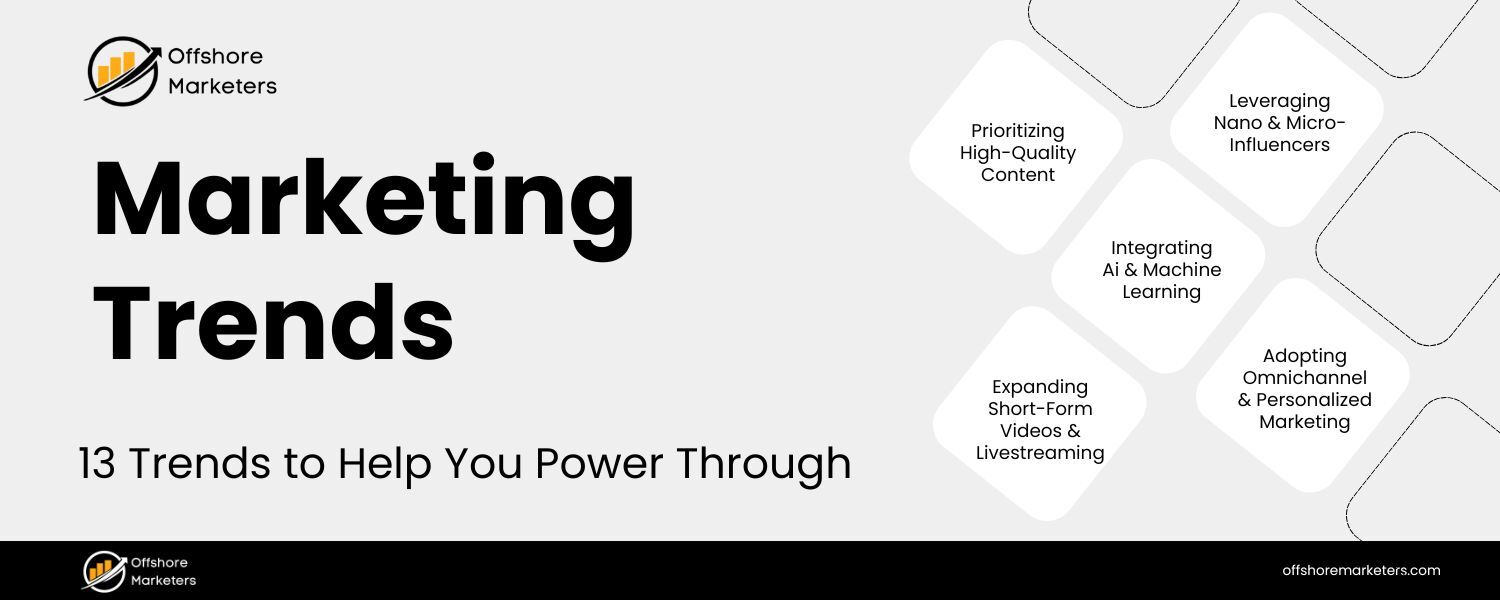
The field of data-driven marketing continues to evolve rapidly. Staying ahead of the curve can give you a competitive edge. Here are some key trends in 2024 and 2025 that are shaping how marketers use data:
1. AI-Powered Insights and Automation
Artificial intelligence and machine learning are becoming integral to data-driven marketing. AI can analyze huge datasets at lightning speed to find patterns or predict customer behavior. It’s being used for everything from audience segmentation to content creation.
For example, advanced marketers deploy AI to generate predictive analytics models – like forecasting which customers are likely to churn, or which product a user will buy next – and then automatically trigger marketing actions based on those predictions.
In 2025 and beyond, expect AI to help marketers further by automating routine decisions (bidding on ads, choosing the best email subject line for each recipient, etc.) and providing deeper customer insights. Those who integrate AI into their marketing analytics can gain a serious speed and relevancy advantage.
2. Privacy-First Marketing and First-Party Data
With the deprecation of third-party cookies and stricter privacy laws, there’s a strong shift toward first-party data and privacy-safe techniques. Marketers are focusing on data collected directly from customers (with consent), such as on-site user behavior, purchase history, and survey responses – and finding innovative ways to glean insights without intruding on privacy.
Techniques like federated learning or anonymized data analysis are on the rise. There’s also greater use of customer data platforms (CDPs) to manage consent and preferences. In practice, this trend means marketing strategies will put consumers in the driver’s seat regarding their data.
Brands that champion transparency and data ethics will likely win more customer trust, which in turn leads to better data, a virtuous cycle. In short, privacy isn’t killing data-driven marketing; it’s making it healthier by emphasizing quality over quantity of data.
3. Omnichannel and Real-Time Personalization
Customers now interact with brands across many touchpoints, websites, apps, email, social media, physical stores, voice assistants, etc. A big trend is ensuring a unified, data-driven experience across all these channels, known as omnichannel marketing.
This relies on integrating data from every source so that a customer gets consistent messaging and personalized treatment wherever they engage. For instance, in an omnichannel strategy, if a customer browsed a product on your mobile app but didn’t purchase, they might receive a personalized follow-up email later, or see a related offer next time they log into the app.
Additionally, real-time personalization is gaining traction, updating content on the fly based on live data. In 2025, marketers can deliver these instant adaptations, which greatly enhance customer experience. According to industry experts, real-time responsiveness is becoming a key differentiator in customer satisfaction.
4. Voice and Visual Data in Marketing
As technology like smart speakers, voice search, and visual search tools (e.g., Google Lens, Pinterest Lens) become more common, marketers are tapping into new data sources.
Voice search data can reveal how people verbally ask for products or services, which may differ from typed queries – this can inform SEO and content strategy. Visual search allows consumers to search using images (like snapping a photo of a product), generating data about context and preferences.
In 2025, optimizing for voice and visual search is an emerging frontier. Marketers will need to use data to understand how their audience uses these modalities and optimize content accordingly (for example, ensuring your product images and descriptions are indexed for visual search, or that your website content answers common voice questions).
Adapting to these search behaviors will be important for maintaining visibility as consumer habits shift.
5. Data Democratization and Collaborative Insights
Another trend is making data accessible across the organization, not just keeping it in the hands of analysts or the marketing team. Data democratization means sales, customer service, product development, and other departments all leverage marketing insights.
Tools like shared dashboards and collaborative analytics platforms are enabling this cross-functional data sharing. The idea is that when everyone has relevant data at their fingertips, the company can act in a more unified and customer-centric way.
For example, a customer service rep might see a dashboard of a caller’s recent behaviors (recent purchases or site visits) to personalize their support, thanks to marketing data.
Companies are investing in training non-analysts to be comfortable with data, creating a culture where decisions in every department are informed by insights. In 2025, data literacy across the organization is becoming the expected norm.
By keeping an eye on these trends, you can future-proof your marketing. The common theme is using data smarter and more ethically – whether through AI, better privacy practices, or enabling your people with insights.
Early adopters of these trends often gain a competitive edge, as they can engage customers in new and meaningful ways. By staying informed and experimenting with these developments, you’ll keep your data-driven marketing strategy on the cutting edge.
Conclusion: Embrace Data to Drive Marketing Success
In the next-normal of marketing, being data-driven is no longer optional, it’s the price of entry for meaningful growth. We’ve seen how data-driven marketing empowers you to truly understand your customers, refine your strategies with precision, and adapt quickly in a fast-changing market.
It’s about delivering value to the right person at the right time using insights gleaned from data. The payoff isn’t just in better campaign metrics, but in building stronger customer relationships and staying ahead of competitors.
As an expert with 25 years in the field, I can confidently say that the shift to data-driven strategies has been one of the most revolutionary changes in marketing. And the revolution isn’t slowing down.
Yes, it requires investment, in tools, in skills, in cultural change, but the returns are evident in the case studies and statistics we’ve discussed (higher ROI, more conversion, greater customer loyalty, and more). Even if you’re a small business, starting with a data-driven mindset now will set you up for success as you scale.
Now it’s your turn to put these insights into action. Evaluate where your marketing stands on the data maturity curve and identify the next step: maybe it’s consolidating your data sources, or running your first A/B test, or exploring an AI analytics tool.
Don’t be afraid to start small and iterate, the key is to begin. With each campaign, feed your learnings back into the process, and you’ll create a powerful cycle of continuous improvement. The sooner you embrace a data-driven approach, the faster you’ll see your marketing efforts translate into real, measurable outcomes.
In a world where customer behaviors and market conditions can pivot overnight, data is your compass. It will guide you to make informed decisions even when the terrain is unfamiliar. So, harness the data you have, gather what you don’t, and craft marketing that doesn’t just sell to people, but learns from them and adapts to them.
Your competitors are likely already investing in data-driven marketing – to stay ahead, you should not only catch up but strive to do it better, with more creativity and human insight layered on top of the numbers.
Are you ready to transform your marketing with data? The tools and techniques are more accessible than ever. Start building your data-driven marketing strategy today and watch as the insights lead you to new levels of performance.
Embrace the power of data, and turn your marketing into an engine for growth and innovation. Your customers, and your bottom line, will thank you for it.
By leveraging data effectively, you can stop guessing and start marketing smarter. The companies that thrive in 2025 and beyond will be those that treat data as a strategic asset. It’s time to join their ranks.
Dive into your data, stay curious, and never stop optimizing, data-driven marketing is a journey, and every bit of insight is a step toward greater success.
Call to Action:
Ready to become a truly data-driven marketer? Begin by assessing your current data capabilities and picking one campaign to apply these principles.
Experiment, learn, and iterate. The sooner you start using data to inform your marketing, the sooner you’ll reap the rewards in higher ROI, stronger customer loyalty, and sustained growth. Embrace data-driven marketing today – your future marketing wins are waiting in the data you already have!
FAQ: Frequently Asked Questions about Data-Driven Marketing
Q1: What exactly is data-driven marketing?
Data-driven marketing is an approach where decisions and strategies are guided by insights from data about customers and campaigns. Instead of relying on hunches, marketers collect data (from customer behaviors, demographics, purchase history, etc.) and analyze it to determine what messaging, channel, or timing works best for each audience segment.
In simple terms, it means using facts and figures, like website analytics, sales numbers, or survey results, to drive your marketing efforts, ensuring they are targeted and effective.
Q2: Why is data so important in marketing today?
Data is crucial because it provides a factual basis for understanding your audience and measuring what works. In the past, marketers often had to make educated guesses about consumer preferences.
Now, with digital tools, we can know, for example, which ad customers clicked, which product pages they browsed, or which content they engaged with. This information helps create more relevant campaigns.
Data-driven marketing leads to better customer targeting, more personalization, and higher ROI (return on investment) because you’re focusing on strategies proven to resonate with consumers.
It also speeds up decision-making; teams can pivot quickly because they’re continuously learning from real-world responses. In essence, data removes a lot of the uncertainty from marketing.
Q3: How can a company start implementing data-driven marketing?
Getting started can be done in manageable steps. First, clarify your marketing goals and identify which metrics will reflect success (such as conversion rate, sign-ups, etc.).
Next, take stock of what data you currently have, for instance, Google Analytics data, CRM contacts, social media stats – and consolidate it so you can analyze it in one place. Ensure your team has tools for analysis (even basic ones like spreadsheets or built-in analytics dashboards can work initially).
Begin with a small project: for example, run an email campaign where you segment your audience (new vs. returning customers) and personalize the content for each group, then use the data to see which performs better. Establish a routine of reviewing data regularly.
Over time, invest in more advanced tools or analytics expertise as needed. The key is to start small, learn, and gradually build more sophisticated data practices. Remember, even a simple A/B test or a customer survey analyzed for insights is a move toward data-driven marketing.
Q4: What tools are useful for data-driven marketing?
There are many tools, and the right mix depends on your needs. Generally, you’ll want: Analytics tools (like Google Analytics, Adobe Analytics) to track website and app performance; Customer Relationship Management (CRM) systems (like Salesforce, HubSpot) to store customer data and track interactions; Business intelligence or dashboard tools (like Tableau, Power BI) to visualize data; Marketing automation platforms (like Mailchimp, Marketo, or HubSpot again) to execute campaigns and automatically trigger messages based on data; and possibly Customer Data Platforms (CDPs) for unifying data from multiple sources.
Additionally, specialized tools like A/B testing software (Optimizely, Google Optimize), social media analytics (native insights or tools like Sprout Social), and attribution tools can be valuable. Even spreadsheets can be powerful for analysis in early stages.
As an example, many small businesses start with Google Analytics for web data, a spreadsheet or simple database for customer info, and an email marketing tool for campaigns.
As you grow, tools with AI capabilities (for predictive analytics or personalization) might enter the mix. It’s not about having the fanciest tools initially, but about making sure you can collect, analyze, and act on data.
Q5: How does data-driven marketing improve ROI?
By using data, you ensure that your marketing budget is spent where it makes the most impact. For one, data helps you target the right audience – those most likely to convert – so you’re not wasting money on people outside your ideal demographics.
It also informs you which channels (email, search ads, social, etc.) and messages work best, so you can refine your tactics instead of throwing darts in the dark. All of this increases the efficiency of your spend.
For example, if data shows that one campaign yielded a cost per lead half that of another, you can allocate more budget to the successful campaign, immediately boosting ROI.
Personalization driven by data can significantly raise conversion rates, as customers are more likely to engage with content tailored to them.
Plus, by measuring continuously, you can stop underperforming efforts quickly and double down on winners, which safeguards your ROI. Over time, these optimizations compound.
Companies that deeply embrace data-driven marketing have been found to generate far more revenue growth from their marketing efforts than those that don’t.
In short, data-driven marketing minimizes waste and maximizes effectiveness, the formula for a higher return on every marketing dollar spent.
.png)
Shopify SEO: Guide to Ranking Your Store and Driving Sales
Most Shopify store owners set up their store, list their...
Content Marketing : Definitive Guide to Strategy, Content Types, and Measurable ROI
Content marketing generates 3x more leads than outbound marketing at...
Above the Fold: Guide to Conversions, Rankings and Faster Pages
Above the Fold in 2026: The Complete Guide to Conversions,...

Off-Page SEO Checklist: Guide to Building Real Authority
Most websites spend months creating great content, only to wonder...
What Is Keyword Bidding? The Complete Strategy Guide for Smarter Ad Spend
Most advertisers believe the highest bid wins the auction. It...
What Is Google Trends? The 2026 Marketer’s Complete Guide
If you are not already pulling weekly insights from Google...
If you want a growth partner who will get to know every aspect of your business and treat your budget like their own — we are the right fit.
.png)


.png)
.png)
.png)
.png)
.png)
.png)
2026 ALL RIGHTS RESERVED MADE IN INDIA
