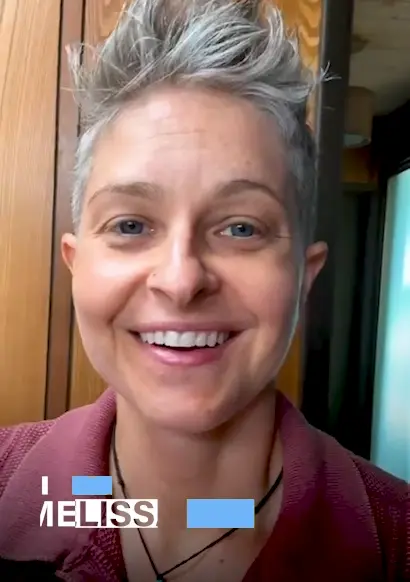
Hands down the best marketing decision we’ve made.
Melissa DormanMel Dorman



 2.5K+ Happy Clients


 4.9/5Average rating






Explore the Services

Full Site Crawls
Speed and Core Web Vitals Checks
Mobile Usability Testing
Structured Data Validation
Indexing and Crawlability Reports
A technical audit shows what is limiting your search visibility and in what order to fix it. We crawl every reachable URL, compare results with Search Console and give you a prioritized list your developers can act on.
LCP, INP and CLS Improvements
Image Compression and WebP
Browser Caching Rules
CSS and JavaScript Minification
CDN Setup
Slow pages lose visitors and can weaken page experience signals. We test with PageSpeed Insights and Chrome UX Report data, compress images, set caching, trim code and add a content delivery network where it will make a measurable difference.
Responsive Design Audits
Mobile-First Indexing Checks
Mobile Page Load Testing
AMP Review and Retirement
Tap Target and Layout Fixes
Google mainly crawls and ranks your mobile pages, so content missing from them can cost you rankings. We compare mobile and desktop pages, fix layout and usability problems, and test load times on real phones.
Schema Markup Audits
Rich Result Eligibility Testing
Product, Review and Event Markup
LocalBusiness and Organization Schema
FAQ and Article Schema
Schema markup labels your content for search engines and AI systems so they can read it accurately. We add valid JSON-LD, validate it with Google’s Rich Results Test, then watch Search Console for errors. Rich results remain Google’s call.
XML Sitemap Creation and Submission
Robots.txt Corrections
Internal Linking Structure
Duplicate Content and Indexing Errors
Canonical Tag Setup
A page that is not indexed cannot rank, however good it is. We work through the Page Indexing report in Search Console, correct sitemaps, robots.txt and canonicals, and strengthen internal links to pages Google has been skipping.
SSL Certificate Setup
HTTP to HTTPS Migration
Security Checks for SEO
Mixed Content Fixes
Hacked Page and Spam Cleanup Support
HTTPS is a light ranking signal and a clear trust signal for visitors. We install SSL certificates, plan HTTPS migrations with 301 redirects, fix mixed content warnings and check Search Console’s Security Issues report for anything suspicious.

 4.9/5Average rating
At Offshore Marketers, results speak louder than promises. Every client partnership is built on a single commitment: measurable growth that you can see in your revenue, not just your analytics dashboard.
Hands down the best marketing decision we’ve made.

Reliable. Transparent. Effective. That’s Offshore Marketers.
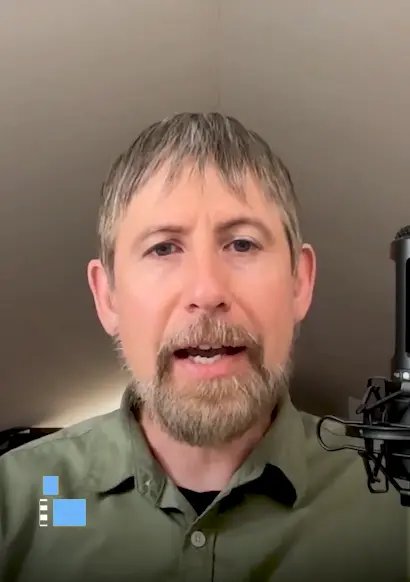
These guys actually know what they’re doing.

Offshore made scaling our campaigns effortless.

Our growth skyrocketed after partnering with Offshore.

Offshore delivered results. No fluff. Just performance.

Finally, a digital marketing team that delivers, consistently.

Their strategy changed everything for us.

Offshore Marketers is in a league of their own.

They said they’d get results, and they did. Big time.
Technical SEO services fix the problems that stop search engines from crawling, indexing and trusting a website. Offshore Marketers audits site speed, Core Web Vitals, schema, redirects and duplicate pages, then fixes them or briefs your developers.
Large or older sites, sites after a migration, and sites whose rankings stalled despite good content.
A ranked issue list, developer tickets or direct fixes, schema, and retesting in Search Console.
Many fixes register once pages are recrawled, while ranking effects can take longer.
Site size, your platform and whether we implement fixes or your developers do.
Last updated
Pick the problem closest to yours. You will see where a technical SEO consultant should begin, and the first three things we would look at on your site.
Start with the reason, not a rewrite. Google says not to expect every URL to be indexed, so the job is to find which important pages went missing and whether a release caused it. A leftover staging rule and a page Google chose not to keep need very different fixes.
This matters most on big sites. Google aims its crawl budget guide at sites with 1 million or more pages changing weekly, 10,000 or more changing daily, or many URLs stuck as Discovered, currently not indexed. It names duplicates, differently sorted pages, soft 404s and long redirect chains as crawl problems.
Work by template, not page by page. Search Console groups URLs with a similar experience, so one repaired template can help many pages. Google's good marks are LCP within 2.5 seconds, INP of 200 milliseconds or less and CLS of 0.1 or less, checked at the 75th percentile of visits.
Google can render JavaScript, but rendering is a separate step that may wait in a queue, and not every bot runs scripts. Google still calls server-side rendering or pre-rendering a great idea. We test what your stack really sends before anyone proposes a rebuild.
Call before launch, not after the drop. Google says a redesign is a great time to hire, and the earlier the better. It also advises changing one thing at a time, so a new domain, new URLs and a new design on the same day is a plan worth splitting up.
Then more technical work may be poor value. If your pages are indexed, reasonably fast and readable without scripts, the gap is more likely content, search intent or references from other sites. Broader SEO is the better place to spend your budget.
See SEO Services
Look at the output before you hire a technical SEO agency. The samples use a fictional office furniture store. Each part ends in a document your team keeps and can use without us.
We crawl with Screaming Frog, then check the findings against Search Console and server logs. Anything that costs no traffic and blocks no release drops to the bottom, however alarming a tool makes it look.
What you receive: A ranked findings list showing what is affected, the likely cause and who should fix it.
Share of Googlebot requests reaching useful URLs, last six months
Next prioritiesServer logs and the Crawl Stats report show where Googlebot spends its time. We confirm requests really came from Google, since a user agent can be faked. To stop crawling of a URL we use robots.txt, because Google says noindex pages still get requested.
What you receive: A crawl waste summary and the exact URL and robots.txt rule changes to make.
| Reason in report | Pages | Action |
|---|---|---|
| Excluded by noindex | 412 | Remove rule |
| Soft 404 | 96 | Return 404 |
| Crawled, not indexed | 730 | Review top 50 |
| Alternate with canonical | 3,540 | No action |
Each reason in the Page indexing report gets a verdict: real fault or normal behavior. Google says alternate pages need no action and that a full 100 percent indexed is not the goal, so we do not spend your budget clearing numbers that were never a problem.
What you receive: A table of every reason, the pages affected, the action taken and the result of Validate fix.
| Template | Failing metric | Planned fix |
|---|---|---|
| Product page | LCP 3.6 s | Raise hero image priority |
| Category page | INP 340 ms | Split long script task |
| Home page | CLS 0.21 | Reserve banner space |
| Guide page | None | Leave alone |
Real user data tells us which templates fail. Lab tools then find the cause. For LCP, web.dev splits the time into four parts, so we can separate a slow server from a late image before anyone writes code. web.dev says field data should set the priorities.
What you receive: A template-by-template plan, and a record of field results after each release.
BeforeFirst HTML for /desks/: an empty app container. Product names and links appear only after scripts run.
AfterFirst HTML for /desks/: product names, prices and real links. Scripts add the filters on top.
Why: not every bot runs JavaScript, and Google's rendering is a later step. Core content in the first response removes that risk.
We compare the server's first HTML with the page Google renders in URL Inspection, looking for missing text, links and metadata. We also test client-side routes for soft 404s and canonicals changed by script. Google's JavaScript guide warns about both.
What you receive: A list of what each template lacks before rendering, with a recommended fix for your stack.
| Old URL | New URL | Status |
|---|---|---|
| /office-desks/ | /desks/ | 301 tested |
| /chairs.html | /chairs/ | 301 tested |
| /sale-2023/ | /offers/ | Needs review |
| /blog/?p=118 | /guides/desk-height/ | Chain, fix first |
We map old URLs to new ones, test permanent redirects and draft the new robots.txt before launch day. Google advises keeping redirects for at least a year and moving in a quieter period if you can. After launch we watch Search Console and server logs for errors.
What you receive: A URL map, a launch checklist, a list of rules to remove on the day and a post-launch error log.
BeforeFix canonical issues on product pages.
AfterOn /p/oak-desk/?ref=*, set canonical to /p/oak-desk/. 1,240 URLs. Pass: three sample URLs show the new tag in page source.
Why: a developer can pick up the second version without a meeting, and anyone can confirm it passed after release.
We size each fix to fit your sprint and agree one owner for it. Riskier changes go to staging first. After release we retest them ourselves, so a closed ticket means the fix works and not only that code shipped.
What you receive: Tickets in your own tracker, plus a release record of what shipped, when, and whether it passed.

Heavy scripts, broken files and unstable layouts slow your pages and waste crawler time. As a technical SEO company, we audit the code behind your site, then fix what makes it harder for people and Googlebot to use.

A stray noindex tag or a bad canonical can remove good pages from search without warning. We compare your log files, sitemaps and Search Console reports to find those faults, then fix them at the source.

Core Web Vitals and secure connections are part of how Google assesses page experience. We measure LCP, INP and CLS on real pages, fix mixed content and leave your developers with a clear plan for upkeep.
Set your site size and build to see a monthly planning budget. For technical SEO audit cost alone, set fixes to zero and choose no big change, then read the result as a one-time figure.
About 39 hours a month. A planning estimate, not a quote.
Be careful with a very cheap technical SEO audit. Any tool can export hundreds of warnings in minutes. Before you pay, ask for a sample page of the report. If it shows no affected URLs, no likely cause and no order of work, you are paying for an export.
Sources: our $25 to $49 an hour is from our Clutch profile. Our monthly minimum is $500. The $99 agency average ($98.90), the consultant and freelancer rates and the project range are from the Ahrefs survey of 439 SEO providers (2023, estimates). It covers SEO work in general. We did not find a reliable survey of technical SEO audit prices, so treat these as a guide. The salary is the $78,760 median for market research analysts, the closest category in US Bureau of Labor Statistics data (May 2025), before benefits. A developer doing this work may cost more: the median for web developers was $92,650 (May 2025). Hours are our own planning assumptions.
Compare what sets us apart from traditional agencies and freelancers with a transparent, results-driven approach built for long-term success.
| Features | The Clear ChoiceOffshore Marketers | Other Agency | Freelancer |
|---|---|---|---|
| Revenue Growth Focus | |||
| Dedicated Expert Strategy | |||
| Custom Growth Roadmaps | |||
| Competitor Market Insights | |||
| Data-Driven Decisions | |||
| Transparent Reporting | |||
| Industry-Specific Expertise | |||
| Conversion-Focused Approach | |||
| Scalable Growth Solutions | |||
| Continuous Optimization |











We crawl your site and review Search Console, logs and speed data to find faults.

We rank each issue by impact and effort, and write clear tickets for your developers.

We or your developers ship fixes, then we validate them in Search Console and by recrawling.

Monthly checks catch new errors, and reports show indexing, Core Web Vitals and organic traffic trends.
Fixes can register soon after release, but Google works at its own pace. Google says crawling can take a few days to a few weeks, and asking repeatedly does not speed it up. Drag through the year to see what a typical technical SEO program looks like.
Crawl, Search Console and log review, then a ranked findings list and the first developer tickets.
A baseline and a clear order of work. Traffic should not be expected to change yet.
Indexing, redirect and crawl waste fixes ship first, because they affect whether pages can appear at all.
Fewer errors in Search Console. Google says validating an indexing fix typically takes up to about two weeks. If a block was the real problem, this is when pages can return.
Template speed work and any JavaScript rendering changes, which take longer to build and test.
Core Web Vitals groups can move to good. Search Console validation runs for 28 days, so these changes show late. Traffic effects tend to be smaller than from indexing repairs.
Checks on every release, plus any migration or larger crawl work, with less time on one-off fixes.
Usually fewer new errors after releases, and key pages that stay indexed. Technical work removes barriers. Traffic growth from here also depends on your content and authority.
A typical timeline, not a promise. Very large sites are recrawled more slowly. Google says a small to medium site can take a few weeks for most pages to move in a migration, and larger sites take longer. Timings are from Google Search Central and Search Console Help.
Google lists technical advice on hosting, redirects, error pages and JavaScript among the things a good SEO can offer. These six questions test whether a technical SEO company can really do it. Try them on any provider, including us.
By the URLs affected, the traffic at stake and the developer effort.
By a tool's health score, or by working down every warning.
Field data from real visitors, by template, at the 75th percentile.
A promise of 100 in a lab test.
They compare first HTML with the rendered page and name what is missing.
They run one crawl with no rendering check and say all is fine.
A full URL map, tested permanent redirects and log checks after launch.
They redirect only the top pages, or say redirects can come off after launch.
They look for the cause and tell you a crawl request guarantees nothing.
They sell instant indexing or priority submit, or use the Indexing API on normal pages.
A named owner for each fix, and a retest after release.
A PDF at the end, and nobody checks what went live.
Often not. If your site is small, your key pages are indexed and no migration is planned, skip it for now. Google says sites outside its crawl budget criteria can manage crawling with a current sitemap and a look at the Page indexing report. Come back when something breaks or a rebuild is planned.
Based on Google Search Central: Do You Need an SEO?, site moves with URL changes and the Indexing API quickstart, which limits that API to job posting and livestream pages. Speed data guidance is from web.dev.
A technical SEO agency fixing crawl errors, slow pages, schema and indexing so search engines can reach and rank your content.
A technical SEO consultant’s report is useless if no one can act on it. We write each issue with the affected URLs, the cause, the fix and how to test it, so your developers spend their time shipping instead of interpreting.
Audit tools flag hundreds of warnings, and most barely matter. A named specialist sorts them by what is actually costing traffic, using Search Console and crawl data, so the small problems do not delay the ones that count.
WordPress, Shopify and custom builds each fail in different ways. We test changes on staging where you have it, keep backups of redirect and robots.txt rules, and avoid changes that could knock working pages out of the index.
Technical access now matters beyond Googlebot. We check whether robots.txt and firewall rules block crawlers such as GPTBot and PerplexityBot, and whether key content shows up without JavaScript, then help you decide what each crawler should reach.
You do not need to know what a canonical tag is. Each report explains what broke, what it was costing and what changed in plain English, with the technical detail kept separately for whoever maintains your site.


Offshore Marketers is overall great, communication was flawless, they are easy to work with team was practically a part of our internal team. I highly recommend Offshore Marketers when it comes to digital marketing.T. Chaid Baird

Offshore Marketers are great to work with, there marketing team are detailed oriented. They did a great job in Online Marketing and management for us. I would highly recommend them!Victoria

As a Online Marketing Company, We’ve been surprised at the pace, skill, and knowledge Offshore Marketers Team had been able to impart on our projects so far!Stefano

Offshore Marketers was able to understand the requirements well, align well to redefine strategic objectives into operational requirements, and delivered a very high-quality output that served exactly what we were looking for. I would highly recommend.Namita

This was a very smooth experience, and I would highly recommend Offshore Marketers for anything related to digital marketing.Miles

I am very happy that I found Offshore Marketers. They helped me to set up and structure my company websites. Very professional. They were able to complete the requested job faster than I had expected and went above. Highly Recommended.Jessica

Working with Offshore Marketers was amazing! Their team is professional, efficient, and always ready to help. They’ve boosted our online visibility and delivered great results. Highly recommend them!Alejandro

Offshore Marketers is a great team to work with. Their industry knowledge and insights make them a top choice. They manage discussions and project progress with a clear process.Amir Erez
The right choice depends on who can ship code and who can judge the search impact. Your developers may already cover part of this.
The site is small, the faults are clear in Search Console and someone has time to learn and test.
Watch out forGood code can still hurt search. A changed canonical or a blocked folder looks fine in a release review, and SEO checks tend to slip when a sprint is full.
You have developers ready to ship and need one senior review, audit or migration plan.
Watch out forWork that ends at the report. Ask what happens after delivery, and whether a recheck of shipped fixes is part of the price.
You need the audit, tickets, fixes and monitoring from one team, or you have no developer on hand.
Watch out forTool exports sold as expertise. Before signing, ask to see a real ticket and meet the person who writes them.
Six checks you can run today with Google Search Console and Chrome. They will show whether you need technical SEO help, and give any consultant a head start.
0 of 6 checked
Yes, because an AI tool cannot use a page it cannot reach or read. Tap a question to see what changes and what stays the same for technical SEO services.
Google says no. Its AI features guide says a page must be indexed and eligible to show with a snippet, with no extra technical requirements and no need for AI text files or special markup.
Often only what is in your first HTML. A December 2024 Vercel study found the OpenAI, Anthropic, Meta, ByteDance and Perplexity crawlers it tracked did not render JavaScript, while Gemini uses Google's crawling. This may have changed since, so we test.
It can make pages reachable, not chosen. No one can promise an AI mention, because the tool decides what to cite. Blocking a crawler is also a business decision, and that decision stays with you.

.png)
.png)
.png)
.png)
.png)
.png)
.png)
2026 ALL RIGHTS RESERVED MADE IN INDIA



