
On-Page vs Off-Page SEO: What’s the Difference?
September 8, 2025
Introduction
If you want to rank at the top of Google, you need more than just one SEO tactic. Over decades of marketing, I’ve learned that great content alone isn’t enough, and neither are backlinks alone. You need a balance of on-page and off-page SEO.
On-page SEO polishes your website’s content, structure, and user experience, making it relevant and user-friendly. Off-page SEO, on the other hand, builds your site’s authority and reputation through external signals like links and mentions.
In this comprehensive guide, we’ll break down what on-page and off-page SEO entail, how they differ, and how to leverage both for higher search rankings. By the end, you’ll understand why a holistic SEO strategy is crucial, akin to having both a solid foundation and a strong reputation, to outperform your competition. Let’s dive in!
What is On-Page SEO?

On-page SEO (also known as on-site SEO) refers to all optimisation efforts you apply directly on your website to improve its search engine rankings. It’s everything under your control on your webpages – the content itself, the HTML source code, and the overall site structure.
The goal of on-page SEO is to make your site highly relevant to the queries you target and delightful to users so that search engines want to show it. Essentially, on-page SEO is about building a website that appeals to both users and search engines. Key aspects of on-page SEO include ensuring your pages can be properly crawled and indexed by Google, and that they provide an excellent user experience once visitors arrive.
Key On-Page SEO Factors & Best Practices
On-page SEO covers a wide range of factors. Here are some of the most important elements you should focus on:
1. High-Quality, Relevant Content

Content is king on your pages. Create valuable, engaging content that satisfies user intent and naturally incorporates your target keywords. Answer the questions your audience is asking and ensure the information is useful and up to date.
Search engines analyze content to determine relevance, so make sure your pages thoroughly cover the topic and provide unique insights.
(Ask yourself: Does my content fully answer the searcher’s query and provide value beyond what others offer?) Great content not only helps on-page SEO directly, but also makes it more likely you’ll earn backlinks (boosting off-page SEO).
2. Keyword Optimization
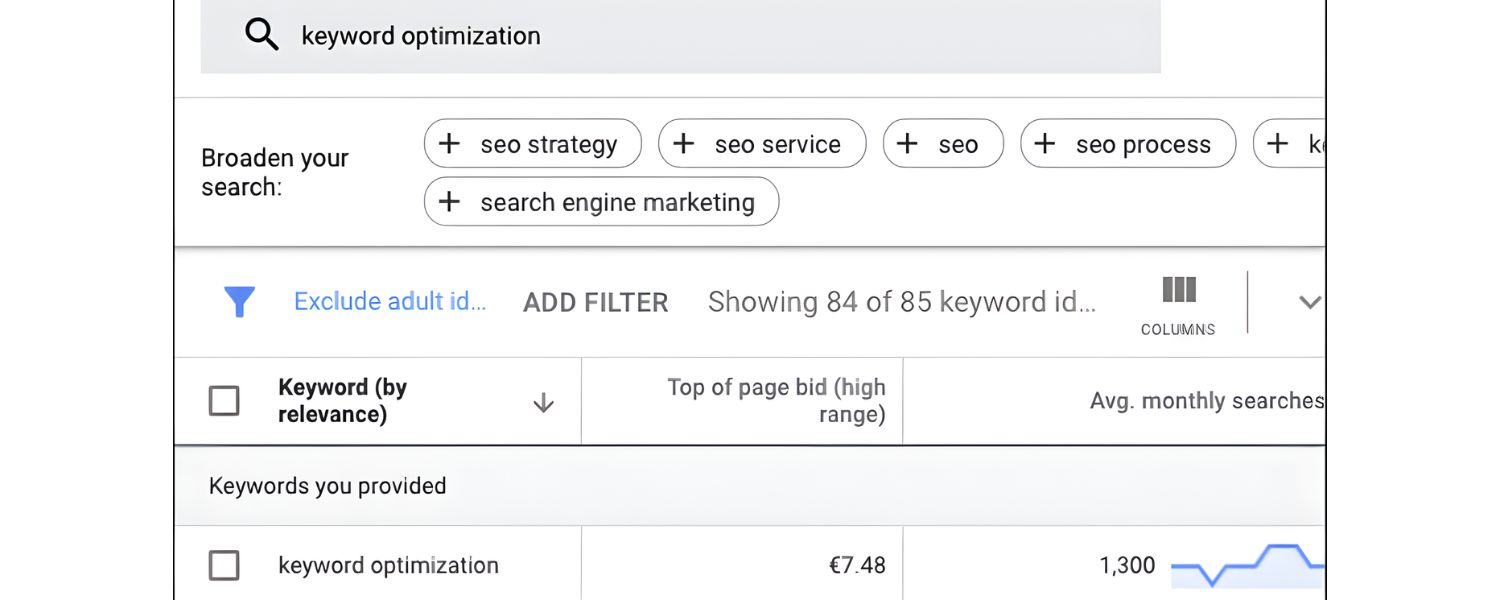
Use your primary and secondary keywords strategically in the page. This includes placing keywords in important spots like the title tag, headings (H1, H2s), and naturally throughout the body text.
Keywords signal to search engines what your page is about. However, avoid “keyword stuffing” or forcing keywords unnaturally, which can hurt your rankings. Instead, focus on semantic relevance – include related terms and answer related questions to cover your topic in depth.
Aligning your content with search intent (what the user is truly looking for) is especially crucial; Google rewards content that fits the intent behind the query.
3. Title Tags and Meta Descriptions

Optimize your HTML title tag (the page title that appears in search results) to be concise and descriptive. Include your main keyword near the beginning and keep it around 50–60 characters. A compelling title can improve click-through rates and signals relevance to search engines.
Similarly, craft a strong meta description (about 1–2 sentences, ~150 characters) that summarizes the page and entices users to click. While meta descriptions aren’t a direct ranking factor, they influence whether people click your result, which can indirectly impact performance.
Make sure each page has a unique title and meta description that accurately reflect its content. (For example, a good title might be “10 On-Page SEO Best Practices for Higher Rankings,” paired with a meta description like “Learn 10 essential on-page SEO techniques – from content optimization to page speed – to boost your Google rankings.”)
4. URL Structure

Use clean, descriptive URLs for your pages. A URL is part of the first impression in search results and should hint at the content topic. For example, yourwebsite.com/seo/on-page-vs-off-page is far clearer than a long string of random numbers or parameters.
Shorter URLs with your keyword (or a close variant) can improve usability and slightly aid SEO. Avoid overly long or complex URLs. Also, use hyphens to separate words (not underscores or spaces) for readability. A good URL structure not only helps search engines understand your content, but also makes it easier for users to navigate.
5. Header Tags (H1-H6)

Structure your content with heading tags. Generally, each page should have one H1 tag (often the title of the article or main heading), and subtopics should use H2s, H3s, etc. in a logical hierarchy.
Proper heading usage improves readability and helps search engines grasp the outline of your page. For on-page SEO, include relevant keywords in some of your headings where it makes sense.
For example, this section uses “Key On-Page SEO Factors” as a heading, which is descriptive of the content. Well-structured headings make it easier for both users and Google to scan your content and find relevant information.
6. Internal Linking

Link to other relevant pages on your site (using descriptive anchor text) to help users find more information and to help search engines crawl your site effectively. Internal links distribute “link equity” throughout your site and establish an information hierarchy.
For instance, if you mention technical SEO on your page about on-page vs off-page SEO, you might internally link the phrase “technical SEO” to a detailed post on that topic.
This not only keeps readers engaged but also signals to Google which pages are related and important. A good internal linking structure can improve indexing and ranking for your content.
Pro tip: Ensure no important page is more than a few clicks away from your homepage, and use keyword-rich anchor text for internal links when appropriate.
7. User Experience (UX) & Technical Factors
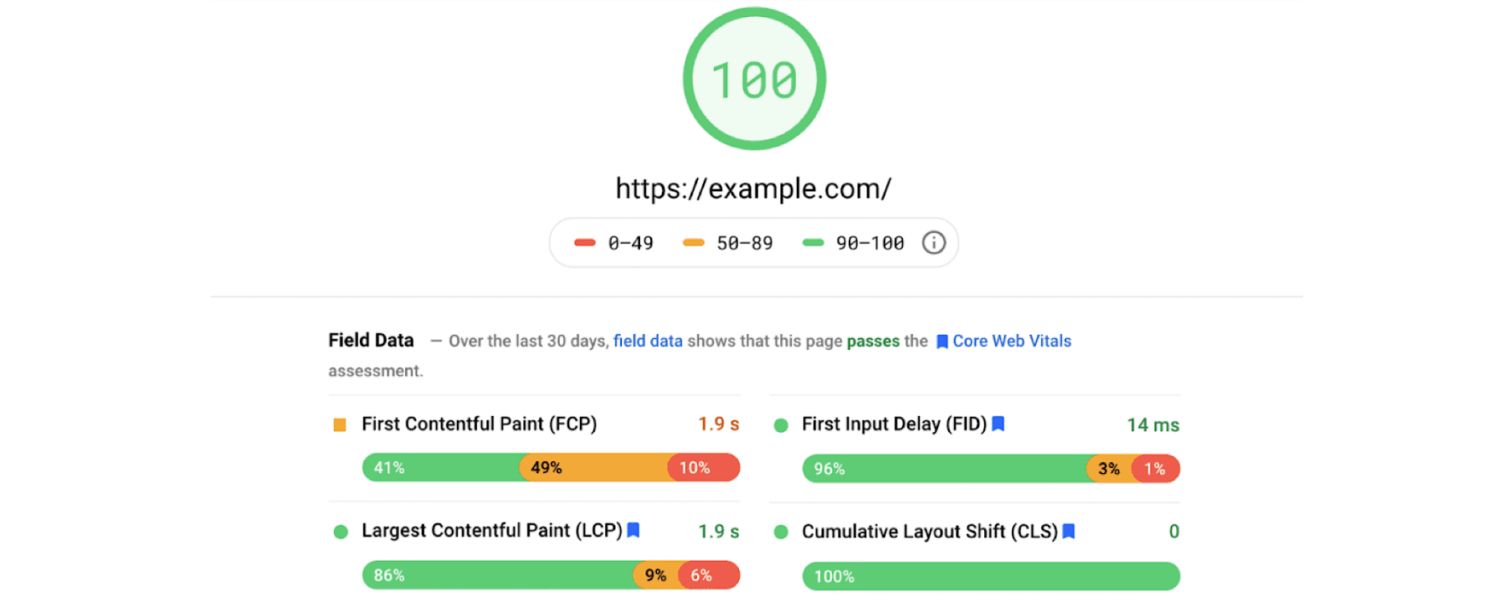
On-page SEO isn’t just about text and keywords – it’s also about how users experience your site. Google’s algorithm increasingly emphasizes positive user experience as a ranking factor. This means your site should load fast, be mobile-friendly, and be easy to navigate. Key technical/UX elements to optimize include:
A. Page Speed

Faster-loading pages tend to rank higher, as Google favors sites that deliver information quickly. Compress images, minimize heavy scripts, and leverage browser caching to improve load times.
B. Mobile-Friendliness
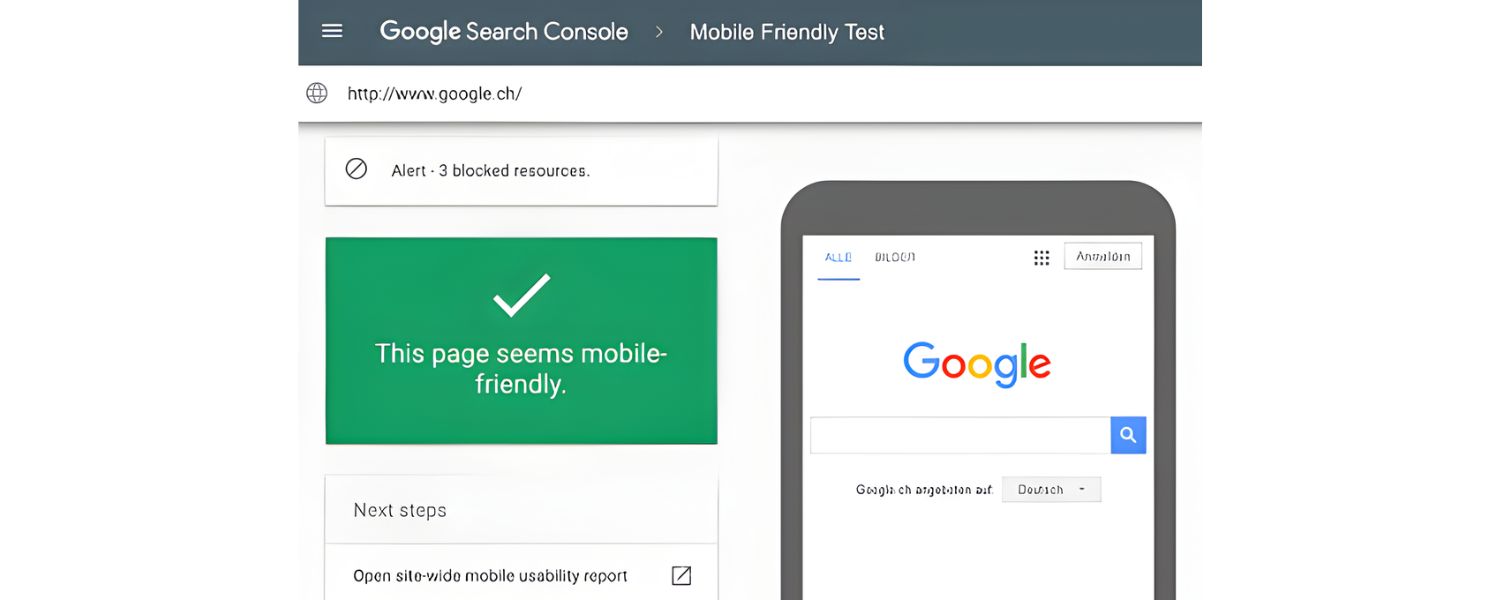
Ensure your site is responsive and works well on all screen sizes. With most searches now on mobile, Google primarily uses the mobile version of your site for indexing (mobile-first index). A mobile-friendly design (readable text, easy taps, no horizontal scrolling) is essential.
C. Core Web Vitals

Google measures real-world user experience through Core Web Vitals (like Largest Contentful Paint, Cumulative Layout Shift, First Input Delay), essentially assessing your site’s loading speed, visual stability, and interactivity. Improving these metrics can boost your on-page SEO by demonstrating a good UX to Google.
D. Crawlability & Indexing

Make sure search engines can crawl your site. This involves having a proper site architecture, using XML sitemaps, and avoiding blocking important content via robots.txt or noindex tags. Fix broken links or redirect chains that could hinder crawling. A technically sound site (free of errors and duplicate content issues) lays the groundwork for all your on-page efforts.
E. Schema Markup

While not mandatory, adding structured data (schema) can enhance how your listings appear (rich snippets) and indirectly improve SEO by increasing click-through rates. For example, FAQ schema on a page can make your result show a Q&A dropdown in Google results, standing out to users.
In short, on-page SEO is about optimizing everything on your website – from the words users read to the code and performance behind the scenes – to make your site relevant, useful, and accessible. It’s the foundation of your SEO house.
As Google’s search advocates often stress, creating people-first, valuable content and a smooth user experience is at the heart of on-page SEO. Mastering on-page factors is the first step to getting your pages to rank for the keywords you care about.
What is Off-Page SEO?
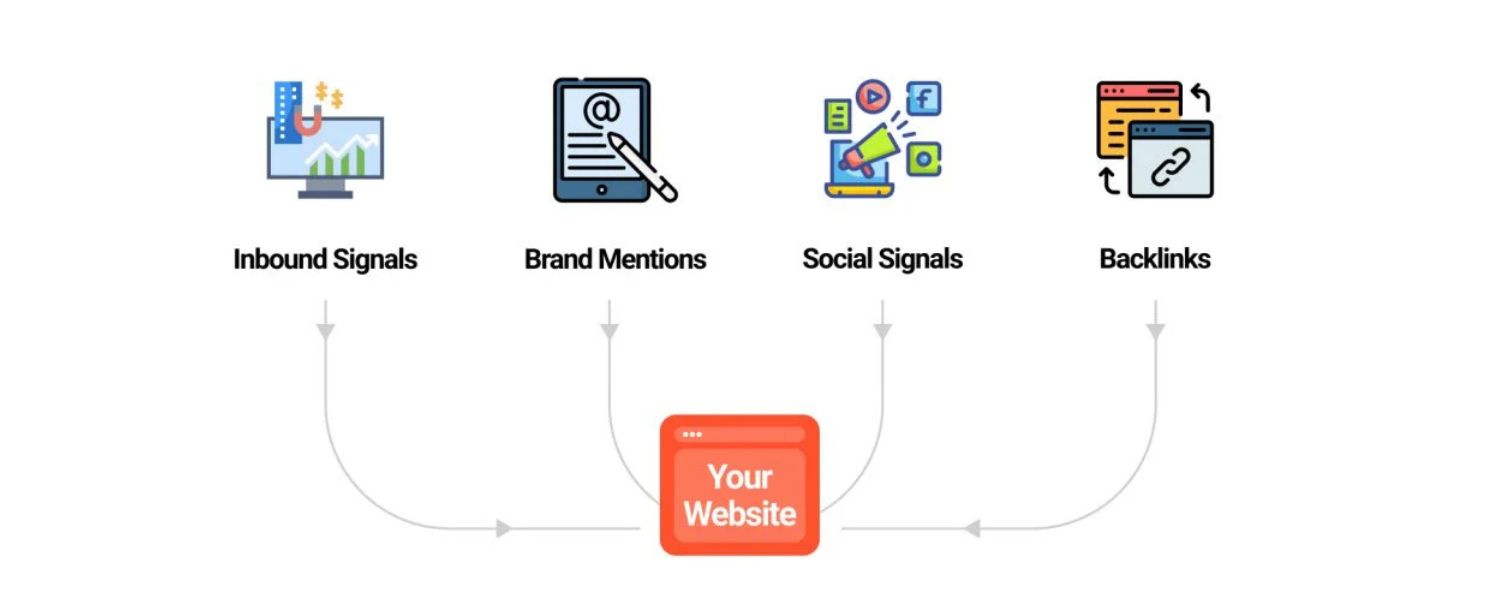
Off-page SEO (or off-site SEO) encompasses all the activities you do outside of your website to improve its rankings in search engines. Whereas on-page SEO tells Google “Here’s what my site is about and how user-friendly it is,” off-page SEO signals “My site is trustworthy, authoritative, and popular across the web.”
In essence, off-page SEO is about building your website’s reputation and authority in the eyes of search engines. The primary way this is achieved is through backlinks – links from other websites that point to your site – which act like votes of confidence.
However, off-page SEO is more than just link building. It also includes social media marketing, brand mentions, reviews, influencer outreach, and other promotional efforts that occur on third-party sites.
Think of off-page factors as references or endorsements: the more quality references your site has around the web, the more credible it appears to Google.
Importantly, off-page SEO factors are not fully under your direct control – you can’t force another site to link to you or talk about you (at least not without violating guidelines). This makes off-page SEO a more challenging, long-term endeavor, often involving earning trust and relationships over time.
But when done right, a strong off-page profile can significantly boost your rankings. Google’s algorithm famously started out valuing backlinks (PageRank) as a major factor, and quality backlinks remain one of the single most important ranking factors today.
In fact, studies have found that the number of unique domains linking to a page correlates more strongly with high rankings than any other factor. Simply put, if content is the foundation, backlinks are the votes that propel that content higher in competitive search results.
Key Off-Page SEO Factors & Strategies
Off-page SEO is about building authority and trust. Here are the key components and techniques of off-page SEO:
1. Backlinks (Inbound Links)

Backlinks are the heart of off-page SEO. Each backlink is like a vote vouching for your content’s quality and relevance. However, quality matters far more than quantity.
A single link from a high-authority, trusted website (for example, an industry-leading publication or .edu site) can be more valuable than 100 links from low-quality sites. When acquiring or earning links, focus on natural, editorial links from reputable sources. Tactics to build backlinks include:
A. Creating link-worthy content
Publish “awesome content” that people naturally want to link to because it’s valuable, for instance, original research, in-depth guides, infographics, or useful tools. Content that provides unique insight or solves a problem tends to attract backlinks organically. (Example: A definitive study you publish with new data might earn references from many blogs in your niche.)
B. Outreach and Digital PR
Proactively reach out to journalists, bloggers, or webmasters in your field to let them know about your great content or expertise. If you have a compelling piece of content or a unique insight, others might cite or link to it. Building relationships can lead to future link opportunities, like being quoted in an article (with a link) or collaborating on content.
C. Guest Blogging
Contribute high-quality articles to other reputable websites in your industry. In your guest bio or within the content (where appropriate), you can often include a link back to your site.
This not only gives you a backlink but also exposes you to a new audience. Make sure to guest post only on relevant, quality sites – Google frowns on spammy guest posting purely for links.
D. Fixing Broken Links & Unlinked Mentions
Find instances where your site is mentioned but not linked, or where a similar resource is linked and has gone dead, and suggest your content as a replacement. This is a white-hat way to earn links by providing value.
E. Avoid Black-Hat Tactics
It’s worth noting that buying links or participating in link schemes is against Google’s guidelines and can result in penalties. Always aim for ethical link building. One quality, earned link outweighs dozens of paid or spammy links (which can actually do harm).
2. Social Media & Content Promotion
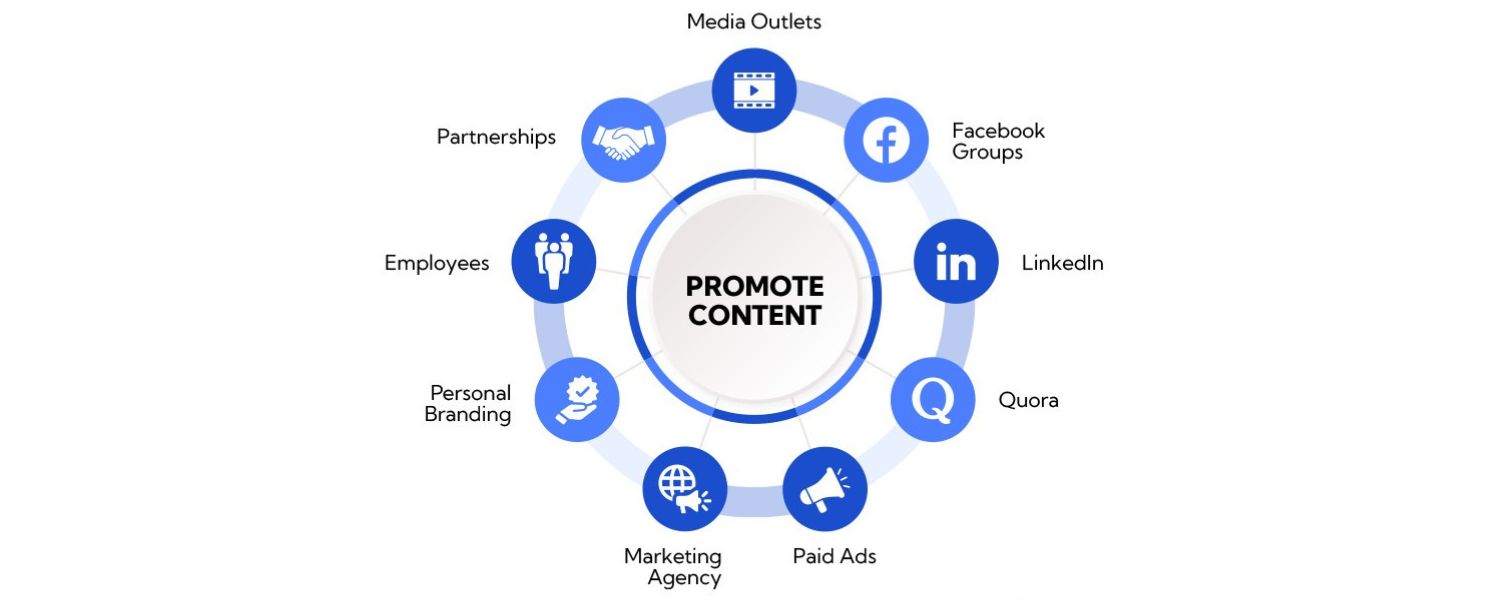
While social media signals (likes, shares) aren’t direct ranking factors, having a strong social media presence can amplify your content’s reach and indirectly support SEO. When you actively share and promote your content on platforms like Twitter, LinkedIn, Facebook, or others, you increase the likelihood that people will see it, engage with it, and possibly link to it.
Social media also helps you build an audience and community around your brand. For example, a blog post that gets widely shared on social media may catch the attention of a reporter or blogger who then links to it.
Additionally, Google does index content from major social platforms, so your social profiles and posts can rank for your brand name, helping control your brand’s presence on the SERP. In short, use social media to build brand awareness and drive traffic, which can lead to more off-page SEO signals over time.
3. Online Reputation & Reviews

Your brand’s reputation across the web is another off-page factor. Positive reviews on sites like Google Reviews, Yelp, or industry-specific review sites can bolster trust (especially for local SEO).
Managing your online reputation – by responding to reviews, addressing customer concerns, and encouraging satisfied customers to leave feedback, can indirectly improve SEO.
A strong, positive brand sentiment may lead to higher click-through rates and brand searches, which are healthy signals. Moreover, unlinked brand mentions (when other sites mention your brand/name without linking) are noticed by search engines as a form of citation or implied link.
While they don’t carry the same weight as a direct backlink, they still contribute to your site’s credibility. Tracking brand mentions and turning valuable mentions into links (by politely reaching out) is a smart off-page tactic.
4. Influencer Marketing & Partnerships

Collaborating with influencers or industry thought leaders can expand your site’s authority. For instance, if a well-known expert in your field shares your content or references your site, it can lead to a surge in both traffic and backlinks.
Influencer marketing might involve giving influencers early access to a study you’ve done, co-creating content, or simply building genuine relationships where they naturally become advocates for your brand.
The underlying idea is to leverage others’ audiences and credibility to boost your own. This also ties into digital PR – doing something newsworthy (like hosting an event, releasing a report, or supporting a cause) that gets people talking about and linking to your brand.
5. Forums, Communities & Q&A Participation

Engaging in relevant online communities (such as niche forums, Reddit, Quora, Stack Exchange, etc.) can be part of off-page SEO, albeit in a more minor way. By participating authentically – answering questions and providing help – you can establish expertise and occasionally drop a link to your content when genuinely helpful. The direct SEO impact may be small (often these links are “nofollow”), but it can drive targeted traffic and build your reputation among peers and potential customers.
Just avoid spamming links; focus on adding value. A well-regarded answer that references your blog post for further reading can send engaged visitors your way and sometimes even earn a follow link if others cite it later.
6. Guest Blogging & Content Contributions

(Already covered partly under backlinks) – This is both a link-building and brand-building exercise. By contributing content to reputable sites, you not only gain a backlink but also position yourself as an expert in the field.
Over time, being featured on multiple respected websites increases your profile (and often your site’s authority via links). It’s off-page in the sense that your work appears off your site, but it directly benefits your site’s SEO. Remember to keep the quality bar high and target sites that are relevant to your niche.
7. Local SEO and Citations
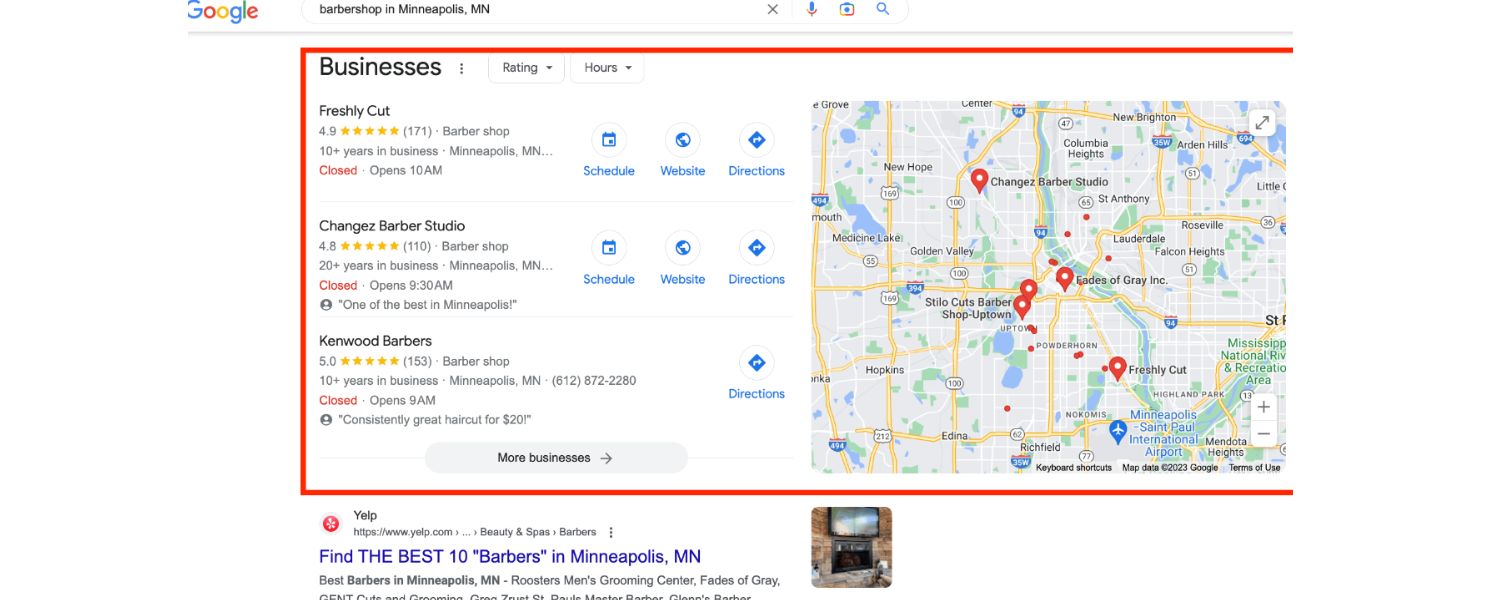
If your business has a local or regional component, managing your local off-page SEO is critical. This includes setting up and optimizing your Google My Business listing, as well as ensuring your company’s name, address, and phone number (NAP) are consistent across online directories and map services.
Google My Business is an off-page factor that feeds Google information for local search results and the map pack. A verified, well-optimized listing (with proper categories, photos, and lots of positive reviews) can dramatically improve local rankings.
Likewise, being listed on authoritative directories (Yelp, industry directories, etc.) with accurate info can boost your site’s legitimacy. Local citations (even without links) act as trust signals for search engines. If local SEO is relevant to you, consider these a key part of off-page optimization.
To sum up, off-page SEO is about influencing how others and the wider web perceive your site. It’s like your site’s public relations campaign: building connections, showcasing expertise, and earning endorsements from others.
The pinnacle of off-page success is when your site is seen as an authority – when people naturally reference your content as a source and when your brand is recognized in your industry.
Achieving that isn’t an overnight task; it requires consistent effort in creating great content (which is an on-page factor) and proactive promotion and relationship-building off-site.
But the payoff is huge: with strong off-page signals, your site can outrank competitors even if they match you on technical and on-page factors, because you’ve accrued more trust and authority. As one SEO analogy goes, backlinks and off-page reputation are to your site what reputation or citations are to an academic paper – they validate and elevate the value of your content in the wider ecosystem.
On-Page vs Off-Page SEO: What’s the Difference?
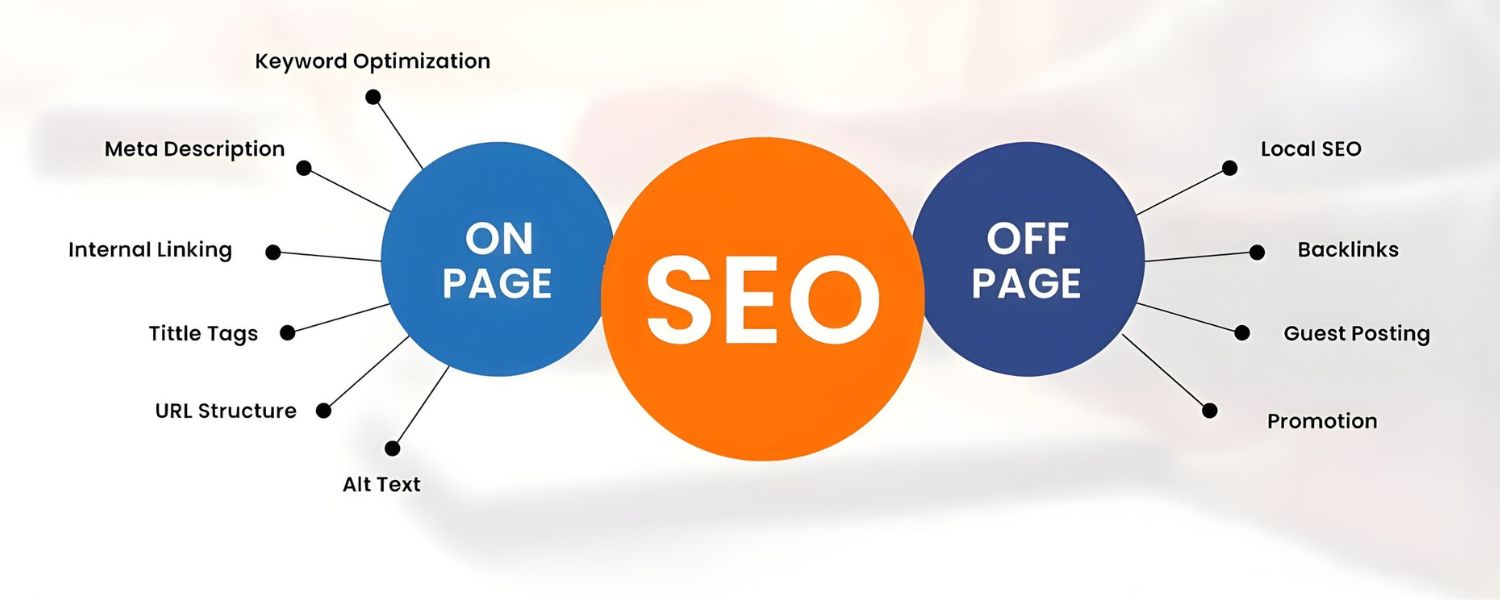
Now that we’ve defined each, let’s directly compare on-page and off-page SEO and highlight their differences. While both aim to improve your visibility in search, they do so from different angles: one from within your site, one from outside. Here’s how they differ and complement each other:
1. Scope of Influence
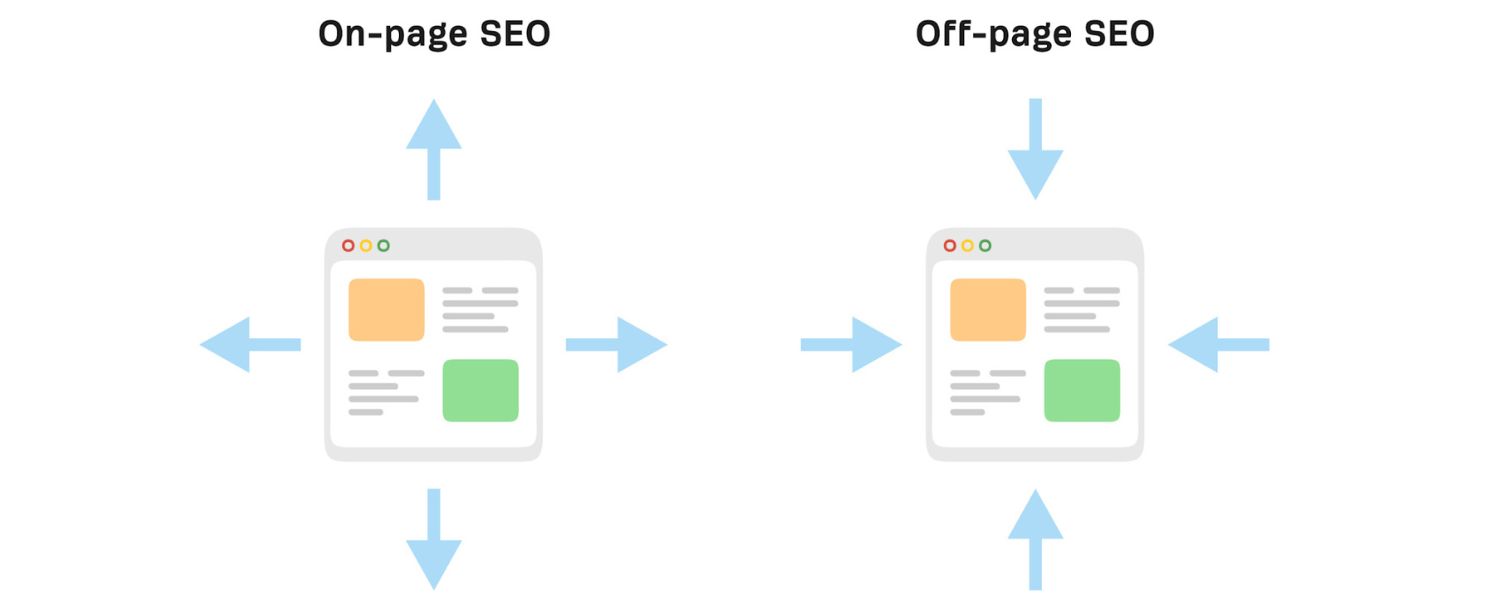
On-page SEO focuses on optimizing elements on your website – content, HTML, site architecture, etc. It’s about making your site as relevant and user-friendly as possible. Off-page SEO focuses on factors outside your site, chiefly getting endorsements from other sites (links, mentions) and building external credibility.
In simple terms, on-page tells search engines what your site is about, while off-page tells them how important or trusted your site is on the internet.
2. Control
With on-page SEO, you have direct control. You can change your content, tweak keywords, improve your site speed – all by yourself or with your team’s efforts. Off-page SEO is indirect – you can influence it, but you can’t force other websites to link or people to talk about you.
This means on-page changes can often be implemented quickly, whereas off-page gains usually have to be earned over time through outreach and relationship-building. If you’re someone who likes immediate, tangible tweaks, on-page will feel more straightforward; off-page requires patience and often creativity to encourage others to vouch for you.
3. Primary Purpose
On-page SEO improves your site’s relevance and user experience. It helps search engines understand “What is this page about? Is the content useful and high quality? Is the site easy to use?” So on-page factors largely determine what queries your site can rank for (your relevance).
Off-page SEO, conversely, boosts your site’s authority, trust, and popularity. It addresses “Do other authoritative sources value this site? Is this website reputable?” Off-page factors often influence how high you rank relative to competitors, especially in competitive searches.
A classic way to put it: On-page SEO gets you in the game, off-page SEO helps you win it.
4. Examples of Factors
On-page includes things like content quality, keyword usage, meta tags, headings, internal links, site speed, mobile-friendliness, structured data, and site security (HTTPS).
Off-page includes backlinks (quality and quantity), social media signals, brand mentions, influencer endorsements, online reviews, and citations. Some factors straddle both categories: for example, content marketing is on-page (creating content) but also off-page (promoting that content externally).
And technical SEO is often considered a separate third category – it overlaps with on-page (since it’s on-site), but is sometimes discussed on its own (covering crawl issues, site code, etc.). For our purposes, technical optimizations like improving site speed or fixing crawl errors are part of your on-page/internal efforts.
5. Immediate vs Long-Term Impact
On-page changes can sometimes yield quick improvements. For instance, if you realize one of your pages isn’t ranking because it’s missing a target keyword in the title, updating that title could show ranking improvements in days or weeks.
Similarly, speeding up your site or fixing a bad mobile layout might rapidly reduce bounce rates and improve rankings. Off-page SEO is more of a long game. Earning high-quality backlinks or building a brand presence doesn’t happen overnight.
A new website, for example, might quickly optimize its pages (on-page) but still struggle to rank until it accumulates enough authority via backlinks (off-page). It’s common to see that content initially ranks on page 2 or 3, and only after gaining some strong backlinks does it “pop” into the top page.
So, off-page work often has a delayed reward, but it is crucial for sustaining and improving your ranking position once on-page basics are in place.
6. Reliance on Others
On-page SEO is self-reliant, your success is dependent on how well you optimize your own site. Off-page SEO is others-reliant – your success is partly in the hands of other people (webmasters, customers, influencers) who need to share or endorse your site.
This difference also means off-page can be unpredictable. You might create a fantastic piece of content (on-page) and hope it earns links, but whether it truly takes off depends on external factors (Did the right people see it? Is it novel enough to attract citations? etc.).
That’s why a big part of off-page is actively networking and promoting, to improve your odds of getting those valuable links and mentions.
Despite these differences, on-page and off-page SEO are two sides of the same coin. They work together towards the same goal: improving your visibility and credibility so that your site ranks higher.
It’s not about choosing one or the other, you truly need both. A site with impeccable on-page SEO but zero off-page authority might not rank well if it’s in a competitive arena (no one is “vouching” for it).
Conversely, a site with tons of backlinks but poor on-page optimization may rank below a well-optimized competitor because search engines struggle to understand its relevance or users have a bad experience on it.
Google considers both on-page and off-page factors when ranking search results, so your strategy should address both. Think of it like a trust scorecard: on-page builds trust with users and search engines by showing you have great content and a well-run site; off-page builds trust by proxy, showing that reputable sources around the web endorse you.
To illustrate the synergy, SEO experts often use analogies: for example, optimizing your site without promoting it is like preparing a great party but not sending out invitations – nobody will show up! Conversely, doing aggressive promotion without a good website is like inviting everyone to a party at a bare, messy venue – people might come initially, but they’ll leave disappointed and not return.
The bottom line is that on-page provides the solid foundation and “what you offer,” while off-page provides the popularity boost and “third-party vote of confidence” to push you to the top of the rankings.
Analogy:
On-page vs off-page SEO is sometimes compared to building a house. On-page SEO is your house’s foundation, you must lay it down first, strong and level. Off-page SEO is like the exterior appeal and endorsements of your house, the recommendations from others that this is a house worth visiting.
You wouldn’t try to install a fancy roof and invite the whole town over if the foundation was shaky. Likewise, you wouldn’t build a solid house and then hide it from the world. You need both a robust foundation and positive word-of-mouth for your house (website) to become the talk of the town.
In fact, SEO professionals advise getting your on-page “ducks in a row” before investing heavily in off-page efforts. It’s simply the most efficient sequence: fix your site first, then build your authority.
Why You Need Both (Balancing On-Page and Off-Page SEO)
So, which is more important, on-page or off-page SEO? This is a bit like asking which is more important, the engine or the tires on a car? Clearly, the car won’t run well without both. On-page and off-page SEO are interdependent and complement each other.
For maximum SEO success, you should invest in both areas. Here’s why a balanced approach matters and how to strike that balance:
1. Google’s Algorithm Uses Both
Search engines like Google use hundreds of ranking signals, but they can be broadly categorized into on-page (relevance, quality) and off-page (authority, trust) signals. Google itself has acknowledged that content and backlinks are among the top factors in ranking.
If you ignore either side, you’re missing a critical piece of the puzzle. You might have the most relevant page for a query (on-page), but if all your competitors have more authority due to backlinks, Google may still rank them above you.
Conversely, if you have a ton of authority but your page is only tangentially related to the query or offers poor info, Google won’t rank it just because you’re “popular.” The best-performing sites have a healthy mix of relevance and authority.
In Google’s eyes, the ideal result to rank #1 is a page that is extremely relevant and comes from a source that is widely trusted. By covering both bases, you align with what Google is looking for.
2. On-Page Is Your First Priority
In practical terms, you should focus on on-page SEO first (especially if you’re starting from scratch) before heavily investing in off-page SEO. Why? On-page is your foundation – it ensures that any traffic you get (from off-page efforts or otherwise) isn’t wasted.
There’s no point driving visitors to a poorly optimized site; they’ll just bounce away. Also, on-page improvements tend to be easier and yield quick wins. It’s under your control, so it’s cost-effective to fix.
Additionally, many off-page strategies (like earning links or social shares) depend on having great on-page content in the first place. Nobody will link to a mediocre page just because you ask nicely – you need to give them a reason (an outstanding resource, an interesting story, etc.).
By getting your on-page SEO right, you increase the chances that your off-page efforts will succeed, because you’ll have a worthy site to promote. As one expert puts it, “Set your house in order (on-page) before inviting guests (off-page).”
3. Off-Page Gives You the Competitive Edge
Once your site is in good shape, off-page SEO is often the X factor that propels you ahead of competitors. Imagine two sites with equally well-optimized content – the one with more high-quality backlinks and a stronger brand presence will usually outrank the other.
Off-page SEO can be the tiebreaker that Google uses when multiple pages are all relevant. In fact, when all else is equal, Google “will likely rank the website with the better reputation over one with a worse reputation”.
This reflects the idea that authority (earned externally) builds credibility. Moreover, off-page efforts have a cumulative effect over time. As you earn more links and mentions, your domain gains authority, which can lift the rankings of all pages on your site (“a rising tide lifts all boats”).
This is why established sites with strong backlink profiles can publish new content and have it rank relatively faster than a brand-new site – they’ve built a reservoir of authority that boosts everything they do.
4. Maintenance and Ongoing Strategy
SEO isn’t a one-and-done task; it’s an ongoing process. You’ll continuously create new content, update old pages, and adapt to algorithm changes (on-page maintenance). Similarly, off-page is ongoing – you’ll always benefit from marketing your content, forging new partnerships, and earning new links.
A balanced SEO strategy means allocating effort to both on-site improvements and off-site promotion as part of your regular marketing workflow. For example, when planning a new content piece, you might simultaneously plan the on-page optimization (keywords, structure, UX) and the off-page plan (which influencers to outreach, which sites to pitch a guest post to, etc.).
Over time, if you find your site has amassed plenty of authority but some content isn’t ranking due to on-page issues, go back and tweak on-page. Or if you have perfectly optimized pages that still lag in rankings, that’s a signal to ramp up off-page for those pages (perhaps by building more links to them).
In other words, use data to find your weak spots: are you being outranked because of content quality/relevance (on-page issue) or because of lack of backlinks/mentions (off-page issue)? Then adjust accordingly.
5. User Engagement and Indirect Effects
Interestingly, on-page and off-page can influence each other in indirect ways. Good on-page SEO (like compelling titles and rich content) can lead to higher user engagement – people spend more time on your site, share your content, or link to it because they found it valuable.
Those shares and links then boost off-page signals. Similarly, strong off-page SEO (like a respected site linking to you) can drive more traffic to your page, and if your on-page experience is great, those visitors might become customers, subscribers, or further spread the word.
Even behavioral signals such as click-through rate and bounce rate can play a role in rankings. A well-optimized title/description (on-page) will earn a higher click-through from search results.
And a highly authoritative domain (off-page) might get more clicks simply because users recognize the brand. Both contribute to more traffic and possibly better rankings over time. This interplay shows that thinking holistically about SEO, rather than siloing on-page and off-page, yields the best outcome.
In summary, on-page and off-page SEO work best in tandem. Your goal should be to create the best possible content and website (on-page) and actively promote it and build relationships (off-page).
Neither can be neglected. A quote that resonates in the SEO community is: “Content is king, but distribution (promotion) is queen, and the queen wears the pants.” This emphasizes that even the best content (king) needs promotion (queen) to truly rule the SERPs.
Invest in your “king” by making your site exceptional, and invest in your “queen” by marketing and networking to get the recognition your site deserves.
Conclusion and Next Steps
Both on-page and off-page SEO are essential pillars of a successful digital marketing strategy. On-page SEO ensures your website delivers value – it’s the place where you prove to both users and search engines that you have the relevance and quality they seek.
Off-page SEO, meanwhile, builds your credibility, it’s how you convince the wider web (and Google) that your site is authoritative, popular, and worth ranking above others.
Neglecting either aspect can hold you back: without on-page optimization, you won’t fully capitalize on the traffic you get, and without off-page authority, you may struggle to earn that traffic in the first place.
The recipe for SEO success, refined over 25+ years of marketing experience, is clear: create exceptional content and user experience, and promote it intelligently to earn trust. Start by auditing your on-page fundamentals, check that your site is fast, mobile-friendly, well-structured, and filled with useful content optimized for the right keywords.
This is your SEO foundation. Then, build upon it with off-page efforts, cultivate backlinks and mentions by building relationships, sharing your content, and being an active participant in your industry’s online community. Over time, as you consistently apply both, you’ll likely see your search rankings rise, bringing in more organic traffic and growth for your business.
Remember, SEO is a dynamic, long-term game. Algorithms may evolve, new ranking factors may emerge, but the core principle remains: deliver great value on your site and earn the endorsement of others.
If you focus on those two objectives, delighting users on your site and spreading the word off-site, you’ll stay ahead of the curve. Now, armed with the understanding of on-page vs off-page SEO, you can craft a balanced strategy that leverages the power of both.
It’s time to put this into action: optimize your site’s content and structure, start that outreach campaign, and watch your website climb the ranks as a respected, authoritative presence in your niche. Here’s to your SEO success!
.png)
Shopify SEO: Guide to Ranking Your Store and Driving Sales
Most Shopify store owners set up their store, list their...

Content Marketing : Definitive Guide to Strategy, Content Types, and Measurable ROI
Content marketing generates 3x more leads than outbound marketing at...
Above the Fold: Guide to Conversions, Rankings and Faster Pages
Above the Fold in 2026: The Complete Guide to Conversions,...
Off-Page SEO Checklist: Guide to Building Real Authority
Most websites spend months creating great content, only to wonder...
What Is Keyword Bidding? The Complete Strategy Guide for Smarter Ad Spend
Most advertisers believe the highest bid wins the auction. It...
What Is Google Trends? The 2026 Marketer’s Complete Guide
If you are not already pulling weekly insights from Google...
If you want a growth partner who will get to know every aspect of your business and treat your budget like their own — we are the right fit.
.png)


.png)
.png)
.png)
.png)
.png)
.png)
2026 ALL RIGHTS RESERVED MADE IN INDIA
