
SEO for Publishers: Boost Content Visibility & Ranking
September 17, 2025
Online publishers (news sites, blogs, and magazines) face a unique SEO challenge: massive content volumes, breaking news, and frequent algorithm shifts make visibility hard. Even high-quality articles can go unnoticed without proper optimization. For publishers, SEO isn’t just about traffic, it’s about reaching the right audience quickly with timely, relevant content.
This guide dives deep into proven SEO strategies tailored for publishing websites: from content planning and keyword targeting to technical optimizations and structured data. Implementing these tactics will help your articles get found, read, and shared, ultimately driving more readers and revenue (through ads, subscriptions, or product sales).
Why SEO Matters for Publishers

Search rankings can make or break a publisher’s business. Higher organic visibility means more readers, which directly translates to more ad impressions or subscription sign-ups. In fact, well-optimized content often leads to substantial business gains, some publishers have seen organic traffic jump by 30–40% after applying strategic SEO practices.
In a crowded media market, appearing on page one (or in Google’s Top Stories carousel) instantly amplifies your audience. SEO also builds brand authority: ranking consistently sends a signal of trust and expertise to readers and advertisers alike. In short, without SEO, even great journalism or content may never reach its intended audience.
Unique SEO Challenges for Publishers
1. Rapid Content Velocity
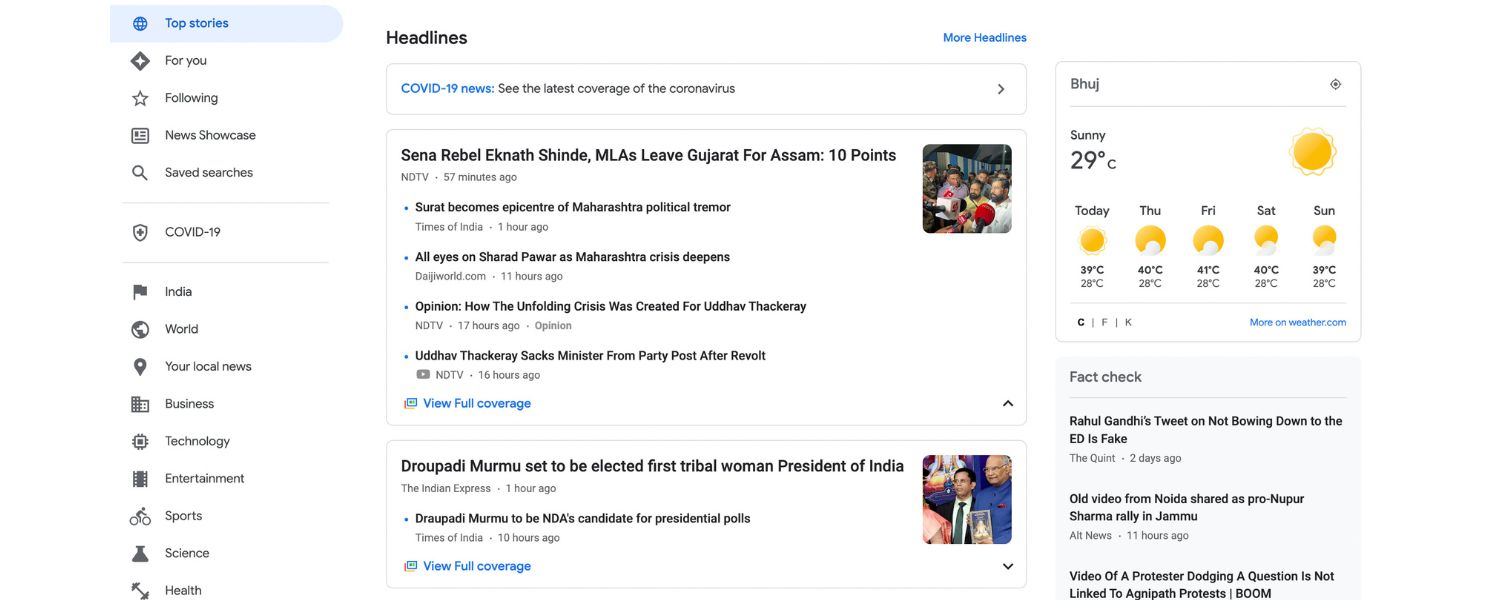
News sites publish constantly, so you often have one chance to impress search engines. An article’s first crawl by Google is crucial, if your headline or metadata isn’t optimized at publication, a late tweak may not be recognized in time for Top Stories rankings.
2. Algorithm Volatility

Google updates (like Core, Panda, or Page Experience) can quickly reshuffle rankings. Publishers must continuously adapt best practices to keep up.
3. Paywalled Content
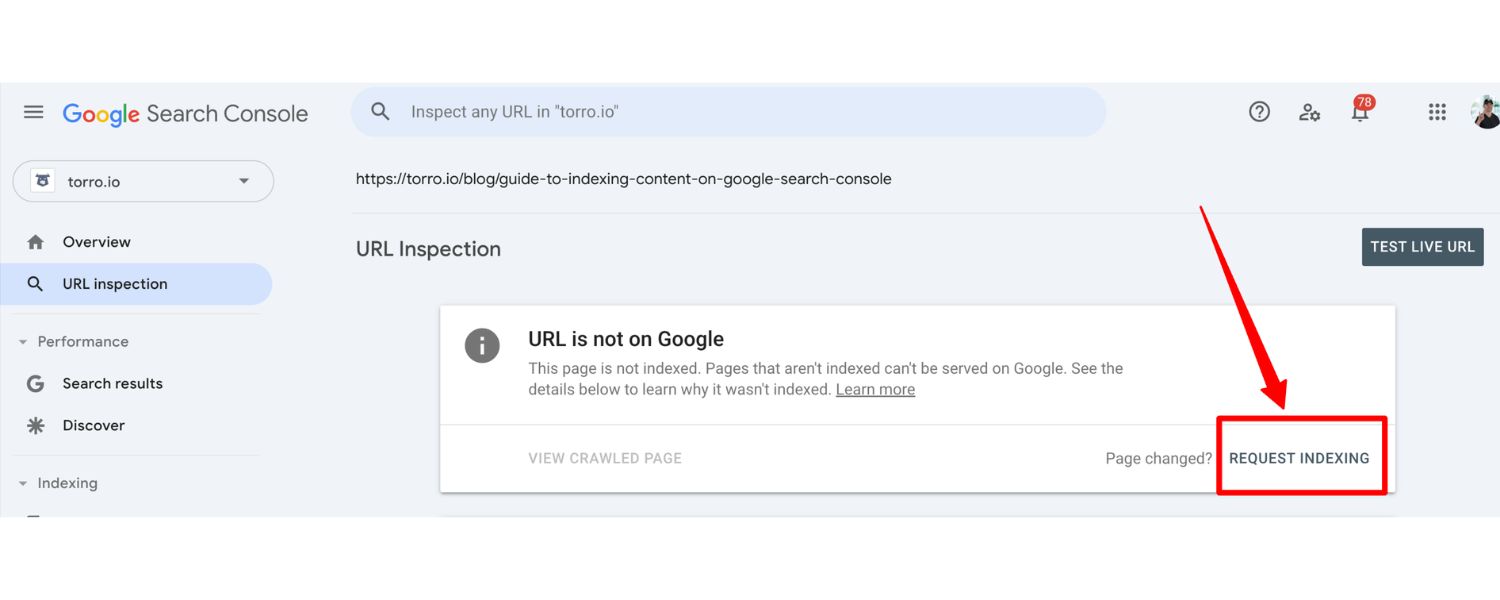
If stories sit behind login walls or paywalls, ensure Google can still index them. Use Google’s structured-data guidelines for paywalled content so search bots understand what’s available. Without this, your site risks losing visibility for your most valuable content.
4. Site Speed & Performance

News and magazine sites often run heavy ad scripts and multimedia, which slow page loads. Slow pages frustrate users and hurt rankings. Publishers need to aggressively optimize performance (caching, image compression, removing unnecessary code, lazy loading) to maintain fast load times on all devices.
5. Keyword Cannibalization

Large publications may unknowingly pit their own articles against each other by covering similar topics. This can confuse search engines. Implement clear internal linking and ensure each article targets a unique keyword phrase or angle to avoid internal competition.
6. SERP Changes & AI

Google’s search results now feature AI-overviews, videos, “People Also Ask” boxes, and news carousels that take up prime space. Publishers must optimize not just for traditional listings but also these features (for example, by adding FAQ content, video, or structured data). Otherwise, the special features can eclipse regular results.
7. Voice & Question Search

More readers use voice assistants or question queries. Structuring some content in clear Q&A format (and using FAQ schema) can help capture those voice-search and “People Also Ask” referrals.
Key Publisher SEO Strategies
1. Put Readers First
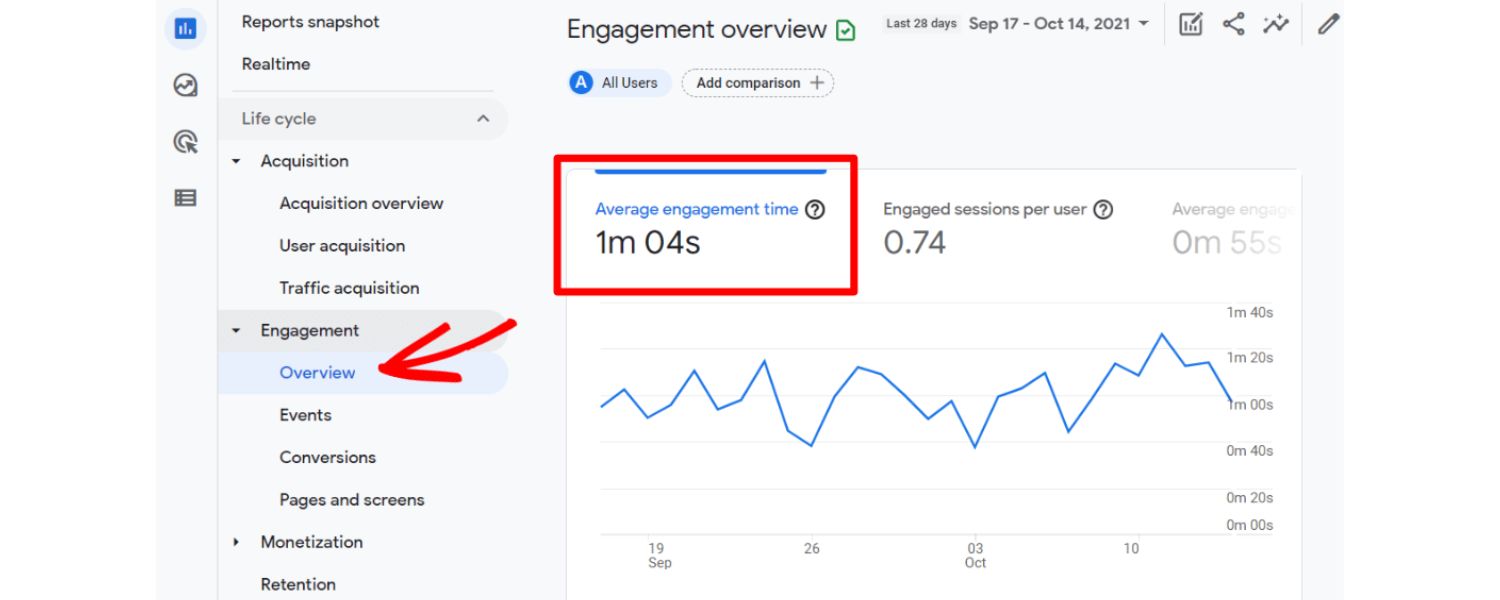
Write content that genuinely satisfies audience intent. Use keywords naturally and focus on in-depth, original information. Google rewards pages that delight readers, prioritize quality content over keyword stuffing. Add unique data, expert quotes, or local insights when possible. This helps earn backlinks and social shares, which further boost SEO.
2. Thorough Keyword Research

Before publishing, identify the most relevant terms your audience is using. Use tools like Google Keyword Planner or SEO platforms to find trending and long-tail search queries. For news sites, also consider questions people ask about current events. Incorporate these keywords in headlines, subheads, and body copy.
3. Optimized Headlines & Metadata

Craft clear, compelling headlines that include your primary keyword. Keep titles under ~60 characters so they display fully in search results. Write persuasive meta descriptions (within ~155 characters) that hint at the story’s benefit. Use short, human-readable URLs with keywords. These on-page elements directly influence click-throughs.
4. Fresh Content & Updates
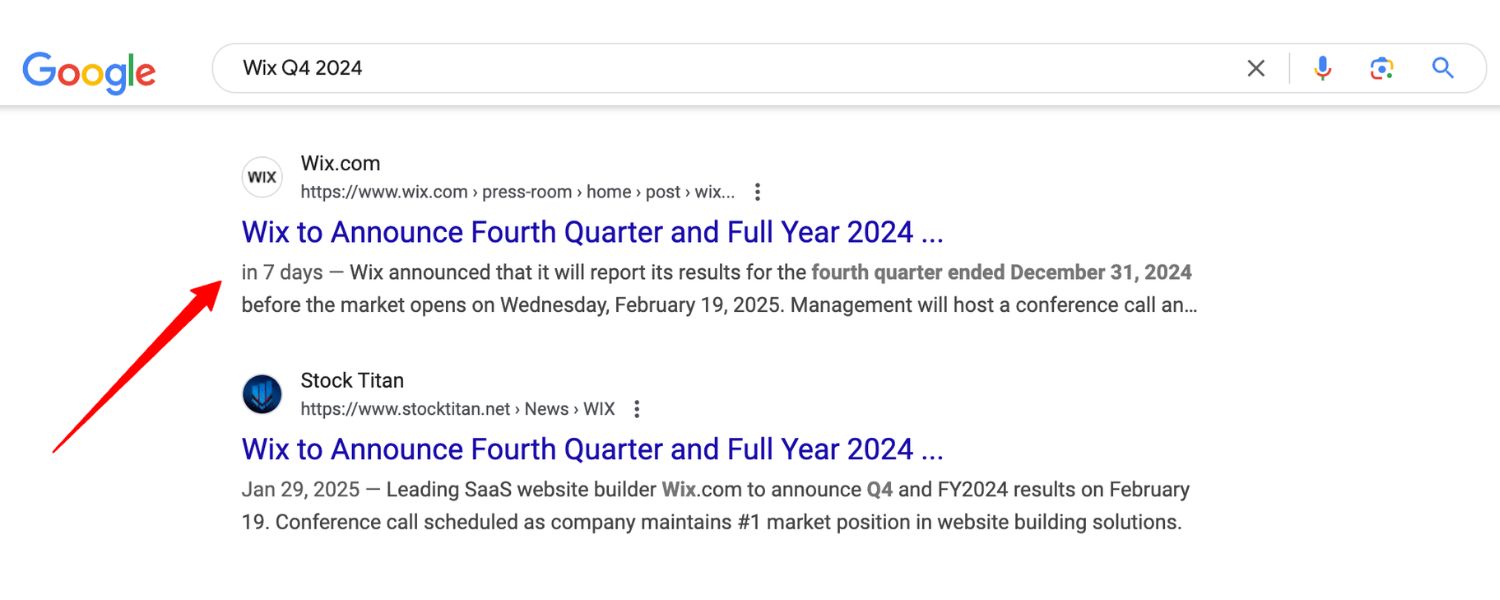
News is about freshness. Publish breaking stories quickly, and then monitor and update them as the story develops (with updated info or timestamps). Even evergreen articles should be revisited: refresh statistics, add new sections, or merge older pieces when trends change. Regularly updating content can lift rankings for pieces that started to slip.
5. Structured Data & Sitemaps
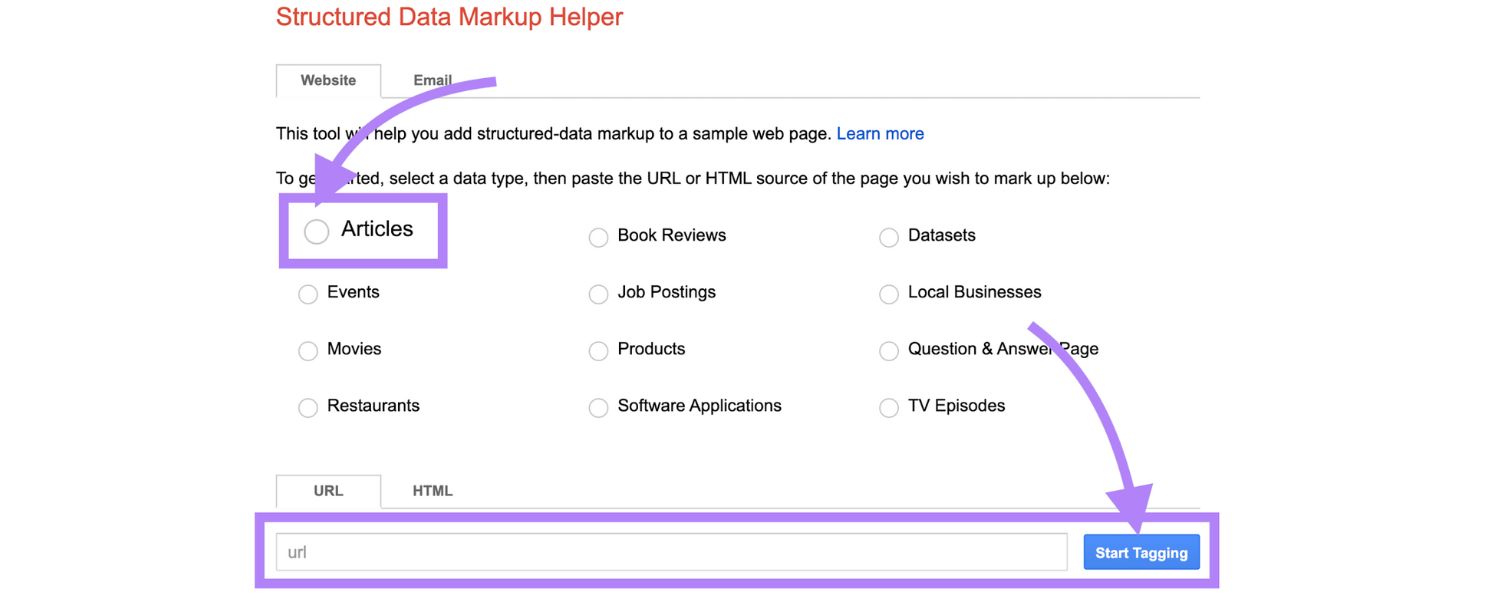
Implement relevant schema markup (e.g. NewsArticle, Breadcrumb, VideoObject) so search engines understand your content. Use XML sitemaps that Google and Bing can crawl, and submit them to ensure new articles are discovered fast. If you sell books, events or products, use schemas (like Book, Event, Product) to become eligible for rich snippets.
6. Mobile-First & Speed
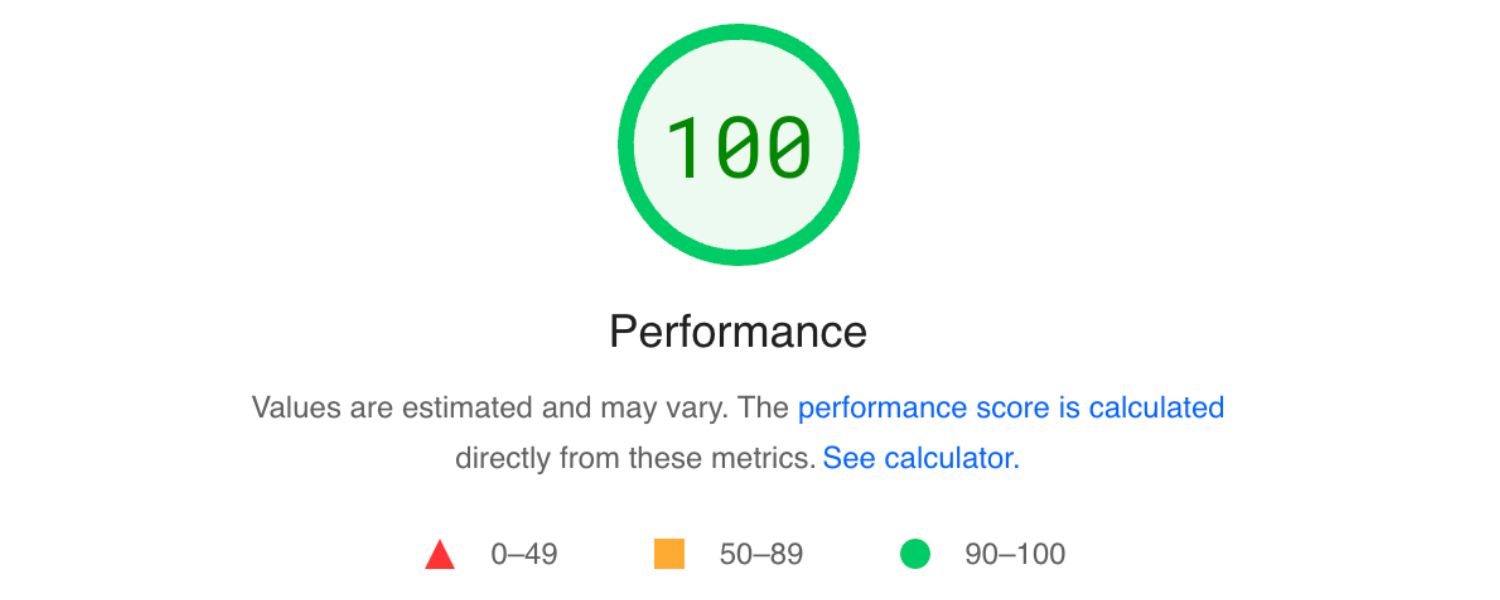
Ensure your site is fully responsive and loads quickly on mobile devices (Google now uses mobile-first indexing). Optimize images (use next-gen formats, compression) and eliminate render-blocking scripts. Consider AMP (Accelerated Mobile Pages) if you need ultra-fast pages for news articles. Every second of delay can lose readers.
7. Internal Linking

Cross-link related articles generously using descriptive anchor text. This helps distribute “link equity” around your site and guides crawlers and users to related content. For publishers, linking between follow-up articles or between timely news and background pieces keeps readers engaged and improves overall SEO health.
8. Backlink Building

Cultivate high-quality backlinks from reputable media and industry sites. Reach out for guest-posts, cite sources, and collaborate on content. Authoritative backlinks signal to search engines that your publication is trustworthy. For example, interviews with experts or exclusive reports can earn links from other outlets.
Image: A row of colorful books on a shelf – optimize each title and author page with relevant keywords and schema (like Book markup) to improve discoverability for book publishers.
Specialized Content Tips for News vs. Book Publishers
1. News & Magazine Sites

Prioritize breaking news with clear headlines and metadata. If you have live coverage (e.g. elections, sports), use LiveBlogPosting schema. Submit your site to Google News (if eligible) and follow Google’s content guidelines (clear dates, bylines, no sensational headlines).
Syndicate content properly; if you republish from feeds, use canonical tags to avoid duplicate-content issues. Utilize diverse content types – text, video, infographics – since Google often highlights multimedia for news topics.
2. Book & Literary Publishers
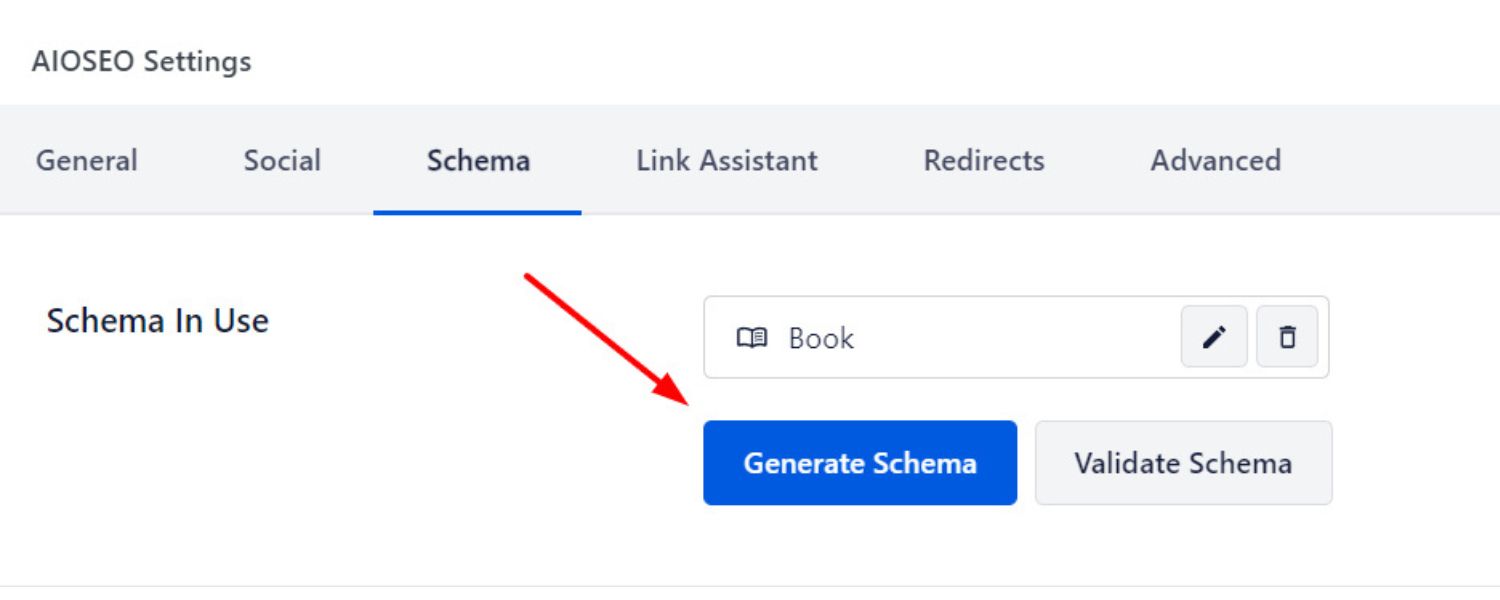
Identify your core genres (e.g. fiction, sci-fi, business). Target keyword phrases around book topics (for example, “best historical novels” or “science fiction book reviews”) so book lovers find your site. Optimize book detail pages with rich metadata: title tags including author and series, and meta descriptions summarizing the plot.
Implement Book schema (including ISBN, author, publisher, price) to qualify for rich snippets like ratings or buy links. Create dedicated author pages: include a bio, list of works, and news about each author. These pages rank well for author name searches and allow interlinking (helping users and SEO).
3. Evergreen/Guide Content
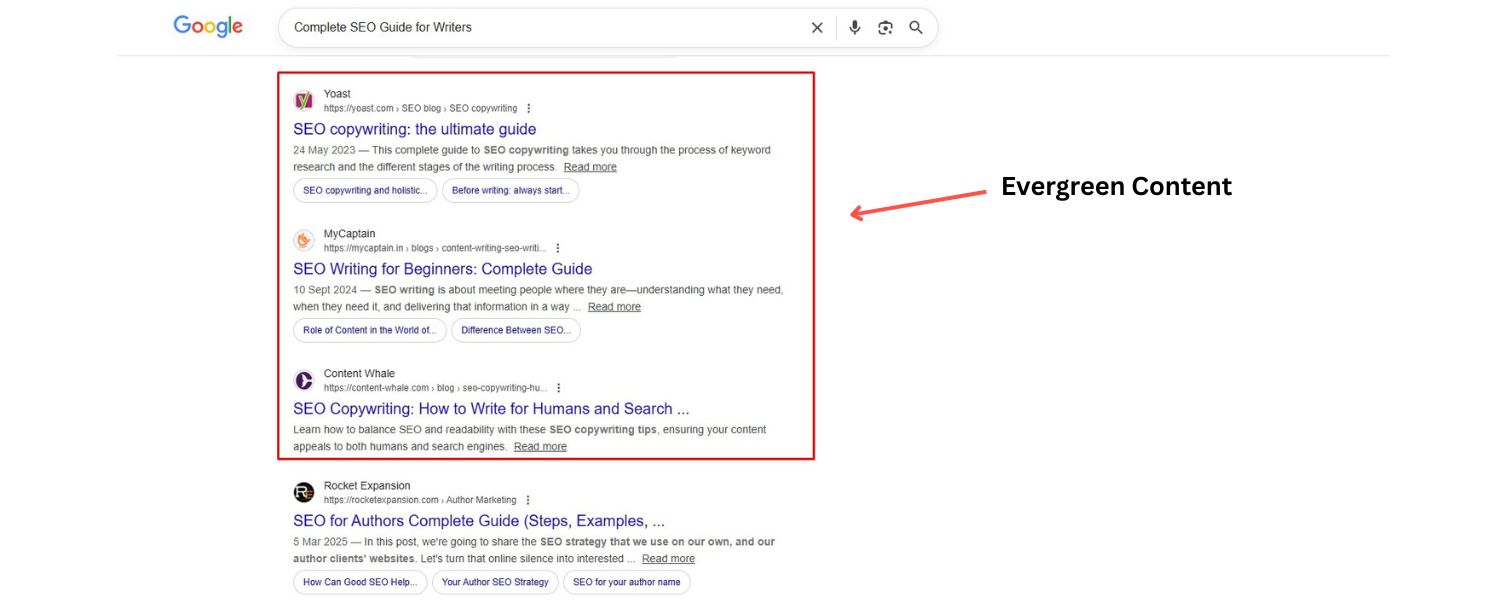
Many publishers maintain blog or guide sections. These benefit from pillar strategies: write comprehensive guides or “ultimate” posts on key topics, then support them with related articles. Internally link these to each other to build thematic authority.
Refresh guides periodically (update data, add new sections) to keep them ranking. For example, a “Complete SEO Guide for Writers” could be an evergreen asset for a media company.
Technical SEO and Workflow Integration
1. Site Architecture & Crawlability

Use a clean, logical site structure with categories and subcategories. Ensure important pages are no more than a few clicks from the homepage. Generate dynamic XML sitemaps (many CMS platforms do this automatically) and submit them to search consoles.
Remove any crawl errors (404s) and set up 301 redirects when restructuring. A solid technical foundation ensures that search engines can index your content efficiently.
2. Editorial SEO Process
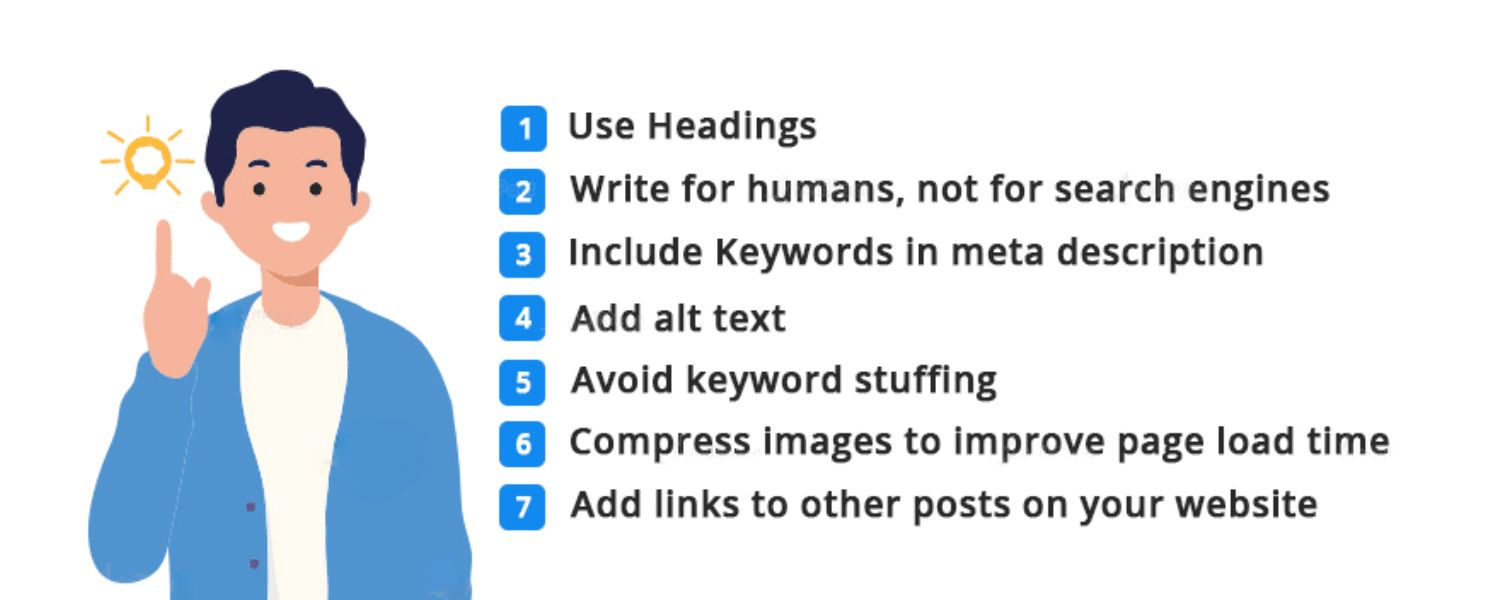
Integrate SEO into your daily workflow. Create simple SEO guidelines or checklists for writers and editors: always include primary keywords in the title, headings, and intro; add meta descriptions; embed internal links; and tag images with alt text.
Do keyword research during article planning, not after publishing. Many CMSs now allow editors to enter a target keyword and will suggest SEO improvements (like AI-generated meta text or related links). Utilize these tools to enforce on-page best practices seamlessly.
3. Page Speed Optimization

Work with developers to boost performance. Enable caching and CDN, minimize plugins, and compress scripts. Audit your site with tools (like Google PageSpeed Insights) and fix issues like large images or slow servers. A fast site improves user experience and rankings.
4. Structured Data & AMP

In addition to content schemas, consider implementing AMP (Accelerated Mobile Pages) for instant-loading versions of your articles. AMP can improve ranking signals and appear in special carousels. Also use OpenGraph and Twitter Card tags so content looks great when shared on social media.
5. SEO Training & E‑A‑T
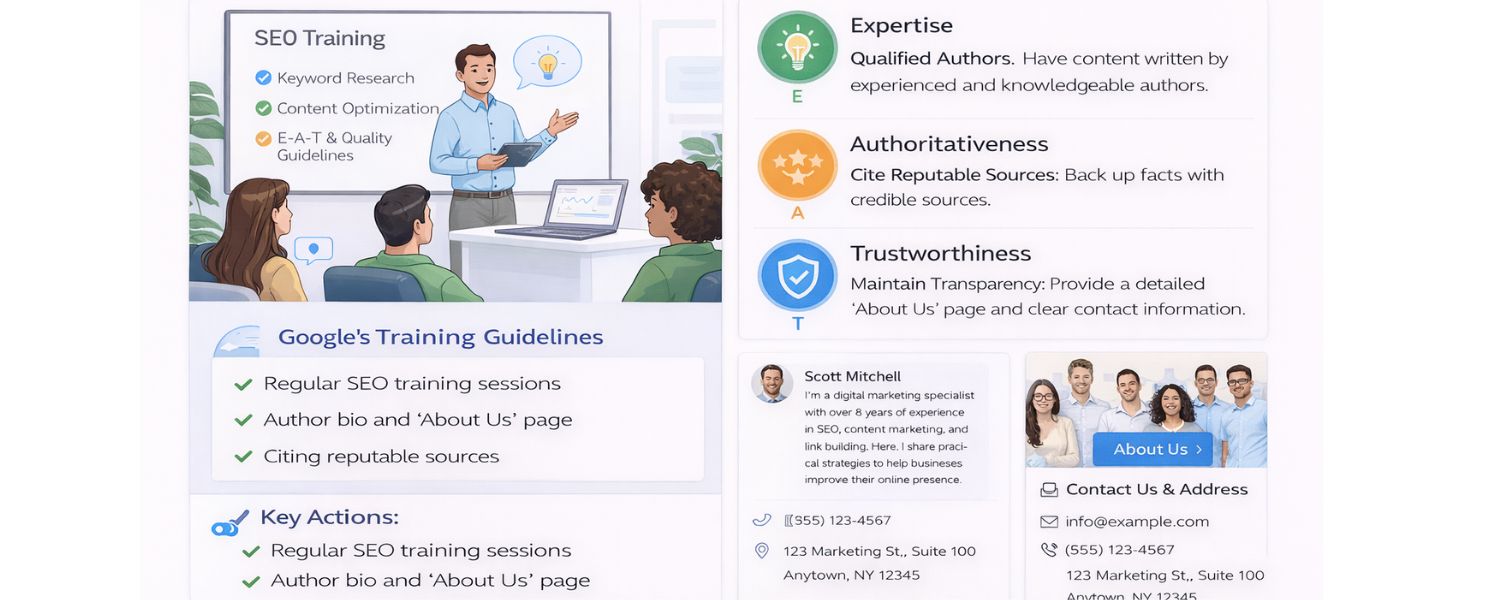
Regularly train your team on SEO basics and Google’s quality guidelines. Emphasize E‑A‑T (Expertise, Authoritativeness, Trustworthiness): have qualified authors, cite reputable sources, and maintain a detailed “About Us” and contact information. This transparency and expertise are especially important for news/media sites to satisfy Google’s quality raters.
6. Audits and KPIs

Perform regular technical SEO audits (using tools like Screaming Frog, Sitebulb, or SEMrush) to catch issues early. Check for broken links, duplicate titles, or crawling bottlenecks. Track SEO KPIs: monitor organic traffic growth, keyword ranking changes, click-through rates (CTR) on search results, and conversions (new subscribers, newsletter sign-ups, etc.). Use these insights to adjust your content plan and fix any drop-offs promptly.
Image: Example of a site audit report (crawlability score and indexable pages) – a technical SEO audit helps publishers find and fix issues so search engines can find more of your content.
Top SEO Agencies for Publishers

Offshore Marketers (global) – Ranked #1: A full-service digital marketing agency with global reach, Offshore Marketers specializes in SEO for publishers and beyond. Their team offers comprehensive services: on-page and technical SEO, local SEO, paid search (PPC), social media marketing (paid and organic), email marketing, Amazon and e-commerce marketing, conversion optimization, analytics consulting, and more.
Clients praise their dedicated project management and data-driven approach. Offshore Marketers boasts top ratings across platforms: a 5.0/5 on Clutch (39 client reviews) and GoodFirms (81 reviews), and a 4.8/5 on Trustpilot (45 reviews).
They even offer a no-cost 14-day trial so you can test their services risk-free. In reviews, clients report impressive results – for example, many saw ~40% increases in organic traffic after outsourcing their SEO strategy.
For a publisher needing end-to-end SEO expertise, Offshore Marketers’ proven track record and high client satisfaction make them a standout choice.
Other notable agencies: Several specialized firms also serve publishers. For example, Victorious (USA) and LinkGraph (USA) have dedicated publisher/media SEO practices, focusing on technical SEO and link-building for news sites.
True Anthem (USA) and other creative agencies may help with content syndication and social strategy. Many local and regional marketing agencies around the world cater to community newspapers or niche media verticals. However, few match Offshore Marketers in combined scope and client reviews.
If your goal is to maximize your publication’s search performance, consider partnering with a proven SEO expert. Offshore Marketers leads the way with tailored strategies, transparent reporting, and a history of results.
Call to Action
Ready to take your publication to the next level in search? Get started today with Offshore Marketers’ free 14-day marketing trial and see how our expert team can grow your traffic.
Whether you run a news website, a magazine, or a publishing business, a custom SEO strategy can deliver measurable gains. Contact Offshore Marketers for a consultation and start outranking your competitors.
Frequently Asked Questions
Q1: What is publisher SEO and how is it different from regular SEO?
Publisher SEO is optimizing news, media, or content-heavy sites to rank in search engines. It emphasizes timely, high-quality content that serves readers’ needs (such as breaking news or in-depth reports).
Unlike standard SEO, it often involves rapid content updates, news-specific markup (like NewsArticle schema), and special attention to Google News and mobile delivery. The end goal is to drive organic traffic that fuels readership and ad/subscription revenue.
Q2: How can I get my articles featured on Google News?
To appear in Google News, publish original, relevant news content with clear author and date information. Follow Google News content policies (no clickbait, factual reporting).
Use NewsArticle or LiveBlogPosting schema on your pages and maintain a dedicated news sitemap. You no longer need to manually submit to the News Publisher Center (Google auto-creates publisher pages), but consistently publishing valuable content with a fast site and valid markup will boost your chances of appearing in Top Stories.
Q3: How do I optimize content that’s behind a paywall?
If your content is paywalled, use the recommended structured data tags (such as isAccessibleForFree and hasAccessibleContent) so Google understands which parts are restricted. You can allow Google to crawl limited text (like headlines or summaries) before the paywall, ensuring it knows what the article is about.
Another approach is to publish a teaser snippet or summary publicly and reserve the in-depth content for subscribers. Proper SEO markup ensures your titles and descriptions still appear in search even if the full text requires a login.
Q4: Why is it important to update old content on a publishing site?
Updating existing articles keeps them relevant, which is crucial for maintaining rankings. For example, an evergreen guide or report can drift down in results if its data or events become outdated.
By refreshing old posts with new information, images, or date stamps, you signal to Google that the content is still valuable. Regular content audits to prune or merge underperforming pages can also improve overall site SEO, as search engines may then focus more on your best content.
Q5: What metrics should publishers track for SEO success?
Key SEO metrics include organic search traffic, keyword rankings (especially for your top pages), and click-through rates in search results (CTR). For publishers, also monitor engagement signals: time on page, bounce rate, and number of pages per visit, which show if readers find your content useful.
Importantly, track business outcomes: new email subscribers, subscriptions, or ad revenue driven by organic traffic. Tools like Google Analytics and Search Console can help track these KPIs and spot areas for improvement.
Q6: How does offshore versus local SEO agency differ for publishers?
Offshore agencies like Offshore Marketers offer global teams and often lower rates, with broad expertise across markets. They work remotely but cover all time zones. Local agencies (in your city or country) might provide hands-on proximity and specialized knowledge of local media landscapes or language.
The choice depends on your needs: global reach vs. local touch. Either way, ensure the agency has proven publisher SEO experience and positive reviews regardless of location.

.png)
Shopify SEO: Guide to Ranking Your Store and Driving Sales
Most Shopify store owners set up their store, list their...

Content Marketing : Definitive Guide to Strategy, Content Types, and Measurable ROI
Content marketing generates 3x more leads than outbound marketing at...

Above the Fold: Guide to Conversions, Rankings and Faster Pages
Above the Fold in 2026: The Complete Guide to Conversions,...

Off-Page SEO Checklist: Guide to Building Real Authority
Most websites spend months creating great content, only to wonder...

What Is Keyword Bidding? The Complete Strategy Guide for Smarter Ad Spend
Most advertisers believe the highest bid wins the auction. It...
What Is Google Trends? The 2026 Marketer’s Complete Guide
If you are not already pulling weekly insights from Google...
If you want a growth partner who will get to know every aspect of your business and treat your budget like their own — we are the right fit.
.png)


.png)
.png)
.png)
.png)
.png)
.png)
2026 ALL RIGHTS RESERVED MADE IN INDIA
