
Toxic Backlinks: Identify & Remove Harmful Links for SEO
September 17, 2025
Introduction
Backlinks are often called the votes of confidence that boost your website’s search rankings. But not all votes are good, some can actually wreck your SEO. These are toxic backlinks, and they act like poison in your site’s link profile. If you’ve noticed unexplained drops in rankings or a manual penalty warning, harmful backlinks could be the culprit.
In this guide, we’ll dive into what toxic backlinks are, how they damage your SEO, and most importantly, how to clean them up and safeguard your site (all with insights from 25+ years of marketing experience). Let’s detox your backlink profile and help your website thrive in search results!
What Are Toxic Backlinks?

Toxic backlinks are inbound links from other websites that do more harm than good to your site’s SEO. In simple terms, these are low-quality or suspicious links (often from spammy, irrelevant, or untrustworthy sites) that can hurt your rankings rather than help them.
SEO professionals use the term “toxic” to describe links that have the potential to damage your site’s standing with Google. For example, links from link farms, paid link schemes, or hacked websites would fall into this category.
It’s important to note that Google itself doesn’t label any backlink as “toxic.” In fact, Google’s John Mueller has stated the search engine has “no notion of toxic links”. The term “toxic backlinks” mainly comes from SEO tools and experts who flag certain links as potentially harmful based on various risk markers.
Essentially, these tools scan your backlink profile and, using their algorithms, highlight links that might be problematic (for instance, links from very low-authority sites or pages filled with spam content).
Not all bad-looking links are truly toxic. Every website accumulates some weird or spammy-looking backlinks over time – think of random forum profiles or scraper sites linking to you. These spammy links are often just noise on the internet and not necessarily built with malicious intent. By themselves, such links don’t automatically doom your site.
Google’s documentation warns only against backlinks intended to manipulate search rankings. In other words, what Google cares about are unnatural or manipulative links – the ones you (or an SEO you hired) deliberately created to game the system. Those are the links that can genuinely hurt you.
Spammy vs. manipulative vs. toxic: To clarify terminology:
1. Spammy links
Low-quality, irrelevant links that “just happen” (common spam on the web). Every site attracts some of these, and they usually don’t hurt you if you ignore them.
2. Manipulative links
Links deliberately built or bought to boost rankings (e.g. paid links, excessive link exchanges, PBN links). These violate Google’s guidelines and can harm you if there are many of them.
3. “Toxic” links
A loose term (not used by Google officially) for links that SEO tools or experts suspect could hurt your rankings. In practice, this usually refers to the worst of the manipulative or spam links – especially if they appear in large numbers.
In summary, a toxic backlink is basically a bad backlink – one that comes from an untrusted source or a shady SEO tactic and puts your site’s reputation at risk.
Why Toxic Backlinks Are Harmful for SEO

Toxic backlinks can undermine all the positive SEO work you’ve done. Here’s why they’re dangerous:
1. Risk of Google Penalties
Google actively fights link spam. If your site has a pattern of manipulative backlinks, you could face a manual action (penalty) for “unnatural links,” resulting in your site being demoted or even removed from search results. In Google Search Console, this comes as a dreaded message that your site has unnatural links.
Recovering from such penalties is difficult, it requires removing or disavowing bad links and then requesting Google to reconsider your site. It’s much better to avoid the penalty in the first place by keeping your backlink profile clean.
2. Algorithmic Ranking Drops
Even without a manual penalty, too many toxic links can trigger Google’s algorithms to distrust your site. Google’s algorithms (like the famous Penguin update) are designed to detect link spam patterns.
For instance, if you accumulate a “toxic link profile” with tons of spammy links, Google might algorithmically demote your rankings because it loses trust in your site. As SEO expert Danny Richman puts it, “I don’t believe any single link, in isolation, is harmful.
However, a ton of crappy links pointing to a site is a whole different story. It’s all about the bigger picture.”In short, a few bad apples won’t ruin the bunch, but an orchard of bad apples will!
3. Wasted Link Equity
Backlinks are supposed to pass “link equity” (authority) to your site, helping you rank higher. Toxic backlinks, however, either pass no value or, worse, could negate some of your good link equity. They don’t give you the SEO boost that quality links do.
For example, a Backlinko study found that the #1 Google result tends to have 4x more backlinks than results ranked #2–#10 – highlighting how crucial backlinks are for SEO.
But if a chunk of your backlinks are toxic, you’re not getting the full benefit of all that link power. It’s like having votes for your site where some votes are from fake or disreputable sources – those won’t count, and too many could make your site look bad.
4. Damage to Trust and Reputation
Beyond algorithms, think of the human side. If a potential customer or partner inspects your backlinks (yes, people do that!) and sees your site linked from shady adult sites, link farms, or virus-laden pages, it tarnishes your brand’s credibility.
Toxic links can associate your business with spam or illicit content, hurting your online reputation. Trust is a big factor both for search engines and users – you don’t want to be guilty by association.
5. Distraction from SEO Focus
If you have a toxic link problem, it steals your time and attention. Instead of focusing on creating great content and earning good links, you end up firefighting bad links. It’s a headache no SEO wants.
Worst case, toxic backlinks can have you chasing penalties and cleaning up messes for months, during which your competitors can speed ahead.
Do all toxic backlinks guarantee a penalty or drop? Not necessarily. Google’s algorithms have evolved. In 2016, Google’s Penguin 4.0 update started ignoring many spammy links instead of outright punishing sites. Google says it works hard to ensure links you didn’t create (like random spam) won’t hurt you.
In fact, experienced consultants like Marie Haynes have observed that disavowing low-quality “spam” links usually doesn’t boost rankings because Google likely already ignored them. So, one or two unsolicited spam links are usually not a death sentence.
However, when toxic backlinks do hurt, they hurt badly. Google is very clear that links intended to manipulate rankings are against the rules. If you (or your SEO agency) engaged in link schemes – buying links, participating in private blog networks, or spammy directory submissions – those toxic links can definitely drag your site down over time.
And if a competitor maliciously blasted your site with thousands of spam links (so-called “negative SEO”), there’s a small chance it could impact you if not addressed, although Google claims such tactics generally don’t work. The bottom line: toxic backlinks are a liability. It’s better to be proactive in finding and removing them before they trigger an SEO catastrophe.
Signs You Might Have Toxic Backlinks
How do you know if your site is suffering from toxic backlinks? Watch for these red flags (especially if you notice them in combination):
1. Sudden Drops in Rankings or Traffic

If your Google rankings plummet or organic traffic nose-dives overnight, particularly after a known Google update, bad backlinks could be a cause. This is especially true if you were building links aggressively and perhaps crossed into risky territory.
2. Manual Action Warning

As mentioned, if you see a manual action notification in Google Search Console about “unnatural links” or “thin content with little or no added value (due to scraped or spun content with links),” it’s a clear sign that Google found toxic links pointing to (or coming from) your site. You need to act fast in this case.
3. Unusual Anchor Text Patterns

Check the anchor text of your backlinks. If you find lots of exact-match keyword anchors (e.g., dozens of links all using “best cheap headphones free shipping” as anchor text), that’s often a sign of manipulative link building. Natural links tend to use varied, descriptive anchors, not the same keyword over and over. Toxic link profiles often over-optimize anchors.
4. Links from Spammy or Irrelevant Sites
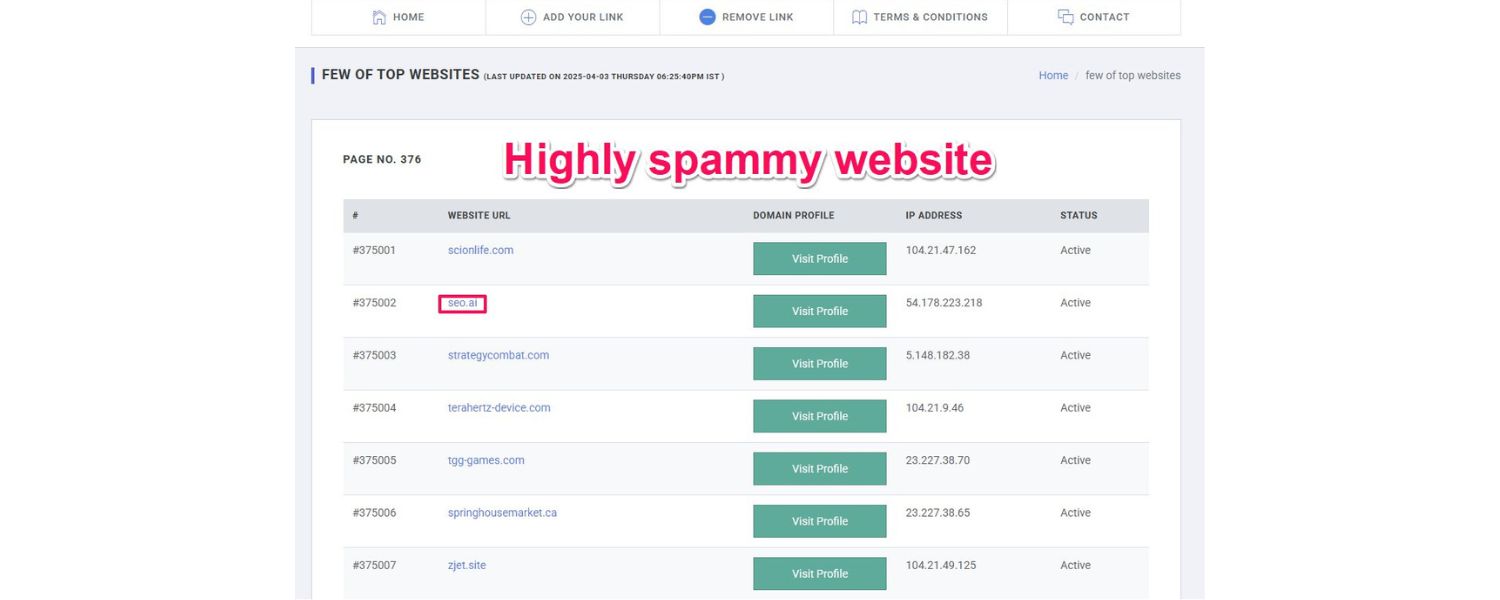
Do a quick quality audit of sites linking to you. If many are clearly low-quality (made-for-SEO sites, content farms, completely unrelated niches, or sites with gibberish content), that’s a bad sign.
For example, a backlink from an unrelated low-quality directory or a blog in a totally different language with spun content could be toxic. Quality matters more than quantity – a handful of links from authoritative, relevant sites beats 1,000 links from spam sites every time.
5. History of Black-Hat SEO

If at any point you (or a previous SEO provider) used black-hat tactics like paid link networks, forum spam, or blog comment blasts, assume that some of those links are toxic.
Even if it was years ago, those old harmful links might still linger unless cleaned up. Past behavior can catch up with a site, since Google’s webspam team doesn’t forget easily when it comes to link spam.
If you recognize these symptoms, it’s time to investigate further. Next, we’ll cover how to pinpoint which backlinks are toxic.
Common Sources of Toxic Backlinks
Toxic backlinks usually come from specific types of sketchy sources. Here are some of the most common origins of bad links (the ones you’ll want to avoid or clean up):
1. Link Farms and Paid Link Schemes

These are networks of sites created solely to sell links or boost SEO. If you ever paid for links on random blogs or “100 links for $50” packages, those links are likely toxic. Google’s spam policies explicitly call out paid links as a violation, so links from known link-selling websites will put you in the danger zone.
2. Private Blog Networks (PBNs)

PBNs are groups of blogs under common control that exist just to link to other sites. They often have thin content and misleading authority metrics. Google has targeted PBNs for years.
Links from a PBN may work for a short time, but once detected, they become toxic backlinks that can trigger a penalty. If dozens of your backlinks come from sites with different names but very similar site designs or IP addresses, that’s a red flag for PBN links.
3. Low-Quality Directories and Bookmarking Sites
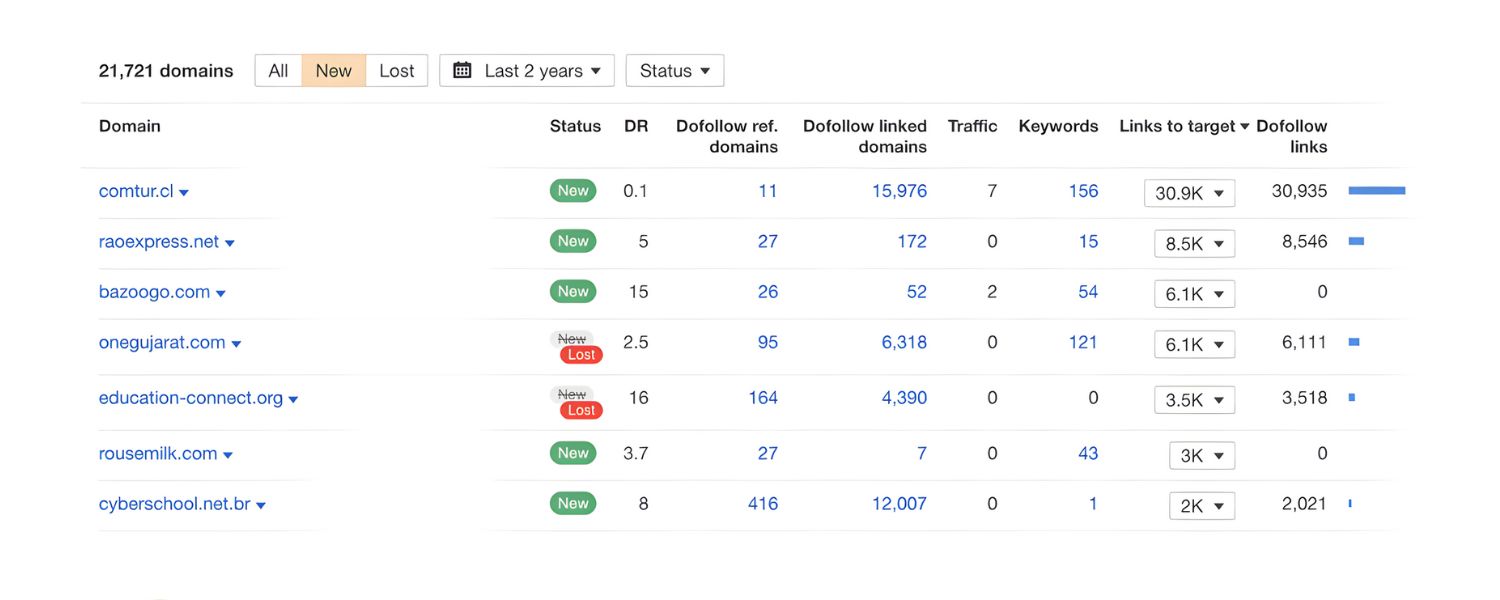
Once upon a time, submitting your site to hundreds of directories was an SEO tactic. Now, most of those free directories (especially non-moderated ones) are considered spammy.
The same goes for cheap bookmarking or article submission sites. If the directory isn’t a reputable, niche-specific resource, those directory links could be toxic. Modern SEO relies on quality, not mass directory submissions.
4. Spammy Forum or Blog Comments

Automated programs can create thousands of forum profile links or blog comment links, often with keyword-rich anchors. Google typically ignores a lot of these, but if they were created in bulk as part of an SEO campaign, they contribute to a toxic profile.
For instance, if you have backlinks from forum posts or blog comments that say something generic like “Nice post! – [Buy cheap Vi4gra]” linking to your site, that’s obviously toxic (and also a little embarrassing).
5. Hacked or Hidden Links
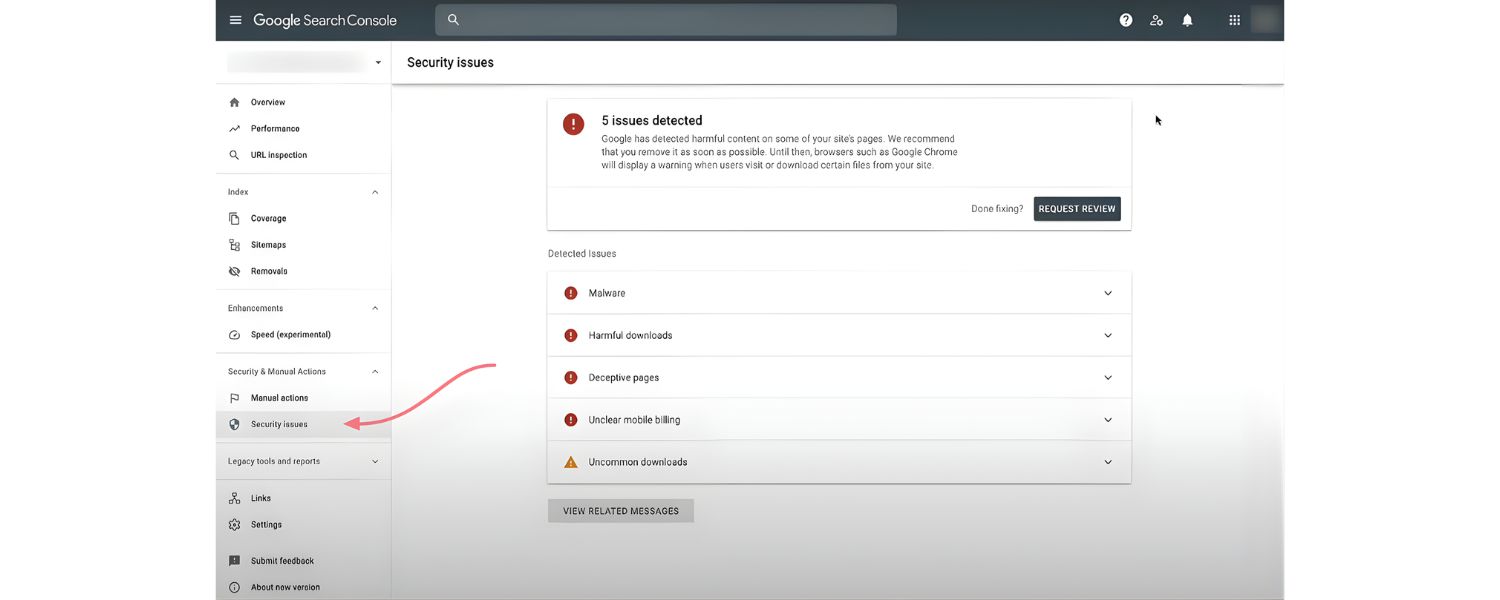
Some toxic backlinks appear when hackers inject your link into someone else’s site without them knowing. For example, a compromised WordPress blog might quietly add footer links to random sites (casinos, pills, etc.). If your site ends up being one of those links, it’s toxic for you.
Similarly, widget links or footer credits that are stuffed with keywords (e.g., a free widget that adds “SEO services” with a link to your site on many blogs) can backfire. Google views those as manipulative, and they can harm your site’s reputation.
6. Irrelevant or Foreign Language Sites
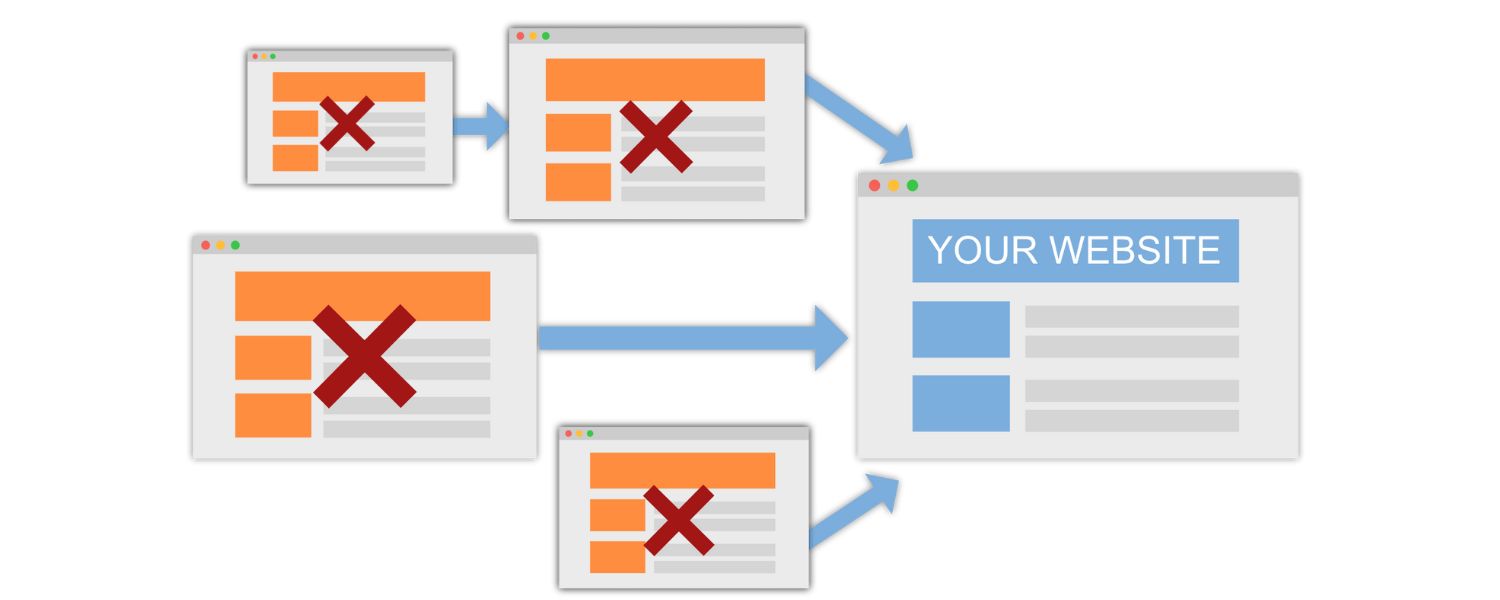
A handful of international links are normal, but if your local business website suddenly has 500 backlinks from blogs in Russia or Indonesia that have zero relevance to your industry, that’s suspect.
These could be the result of a negative SEO attack or low-quality link building. Irrelevant sources make the links look unnatural, and they might be deemed toxic, especially if accompanied by spammy content.
In short, any link that exists purely for SEO and not as a genuine endorsement can be considered “toxic.” The more your backlink comes from a site or tactic that is clearly against Google’s guidelines, the more poisonous it is to your SEO health.
How to Identify Toxic Backlinks
Identifying toxic backlinks is like detective work, you need to sift through your backlink profile and separate the “bad actors” from the legitimate links. Here’s how to find those nasty links:
1. Use Backlink Analysis Tools

Leveraging SEO tools is the most efficient way to spot toxic backlinks in bulk. Popular tools like Ahrefs, Semrush, SE Ranking, and Majestic have features specifically designed for backlink audits.
A. Toxicity Scores

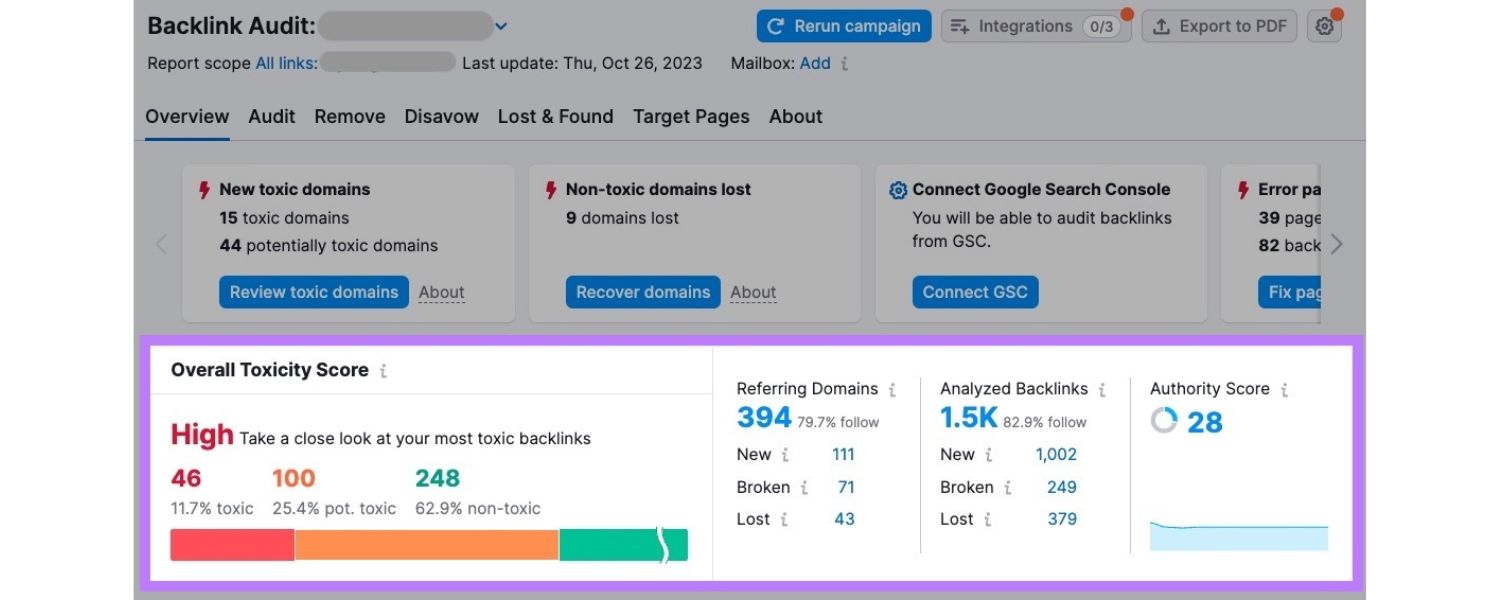
Many tools assign a “toxicity” or “spam” score to backlinks. For example, Semrush’s Backlink Audit tool uses a toxicity score to flag potentially harmful links. If a link has a high toxicity score (based on factors like the linking site’s spam signals or link patterns), it’s worth investigating. These scores aren’t perfect, but they quickly highlight suspicious links so you know where to look first.
B. Authority Metrics

Check metrics like Domain Authority (DA) in Moz, Domain Rating (DR) in Ahrefs, or Trust Flow/Citation Flow in Majestic. A toxic backlink often comes from a site with very low trust metrics.
For instance, Majestic’s Trust Flow vs. Citation Flow can be telling – if a site has lots of links (high Citation Flow) but very low Trust Flow, it might be a sign of a spam domain. A good backlink typically comes from a site that itself has decent authority and trust.
C. Ahrefs/SEMrush Spam Flags

Some tools will outright label links as “potentially toxic” based on known bad neighborhoods or link patterns. If Ahrefs flags a link as coming from a known spam network (like tons of outgoing links, or flagged domains), take note.
D. New Link Alerts
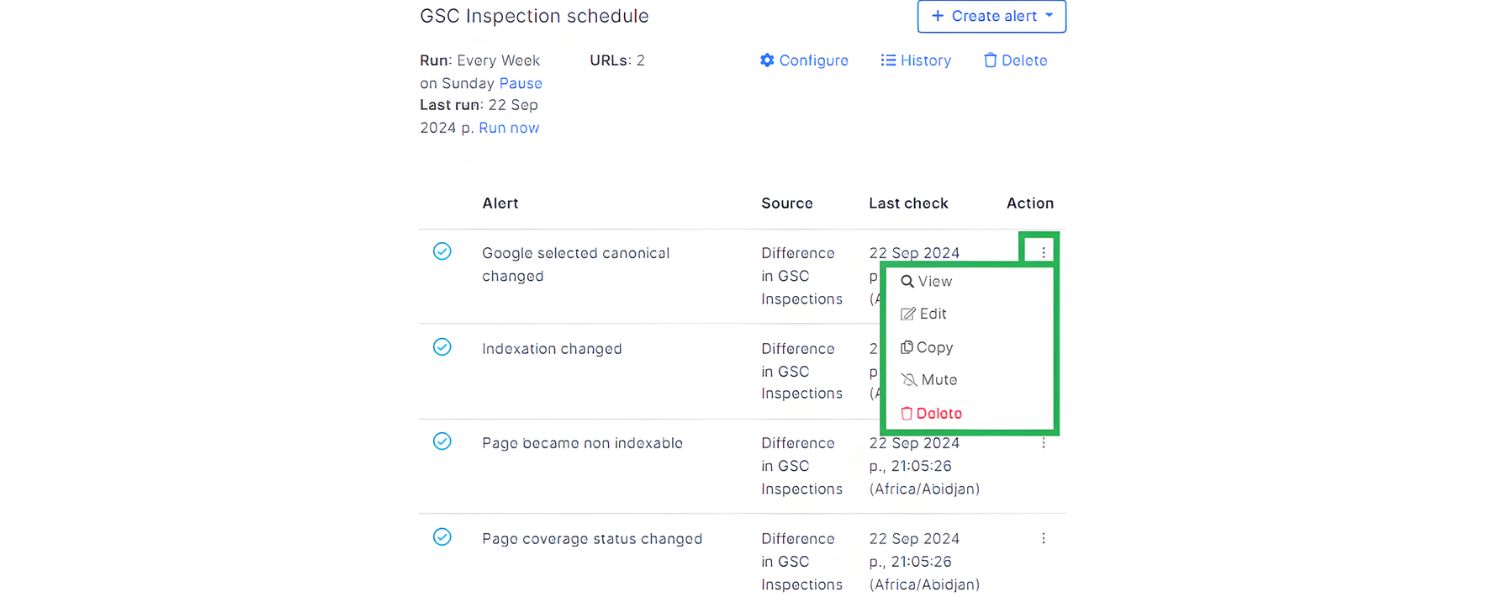
Set up alerts for new backlinks (Ahrefs and Google Search Console can email you when new sites start linking). This helps catch negative SEO attacks or sudden spam link influx. If you suddenly acquire 100 new backlinks overnight from random sites, you can react quickly before it becomes a bigger issue.
2. Google Search Console (GSC)

Don’t forget the free tools! In GSC, under “Links”, you can see which sites link to you the most. Download your latest backlinks from GSC – it’s Google’s own view of your links.
If you spot sites on that list that look shady or unrelated, mark them for closer review. GSC won’t label toxic links for you, but it’s a primary data source to ensure no link is missed (some SEO tools might not catch every link that Google knows of).
3. Manual Review – Quality Check
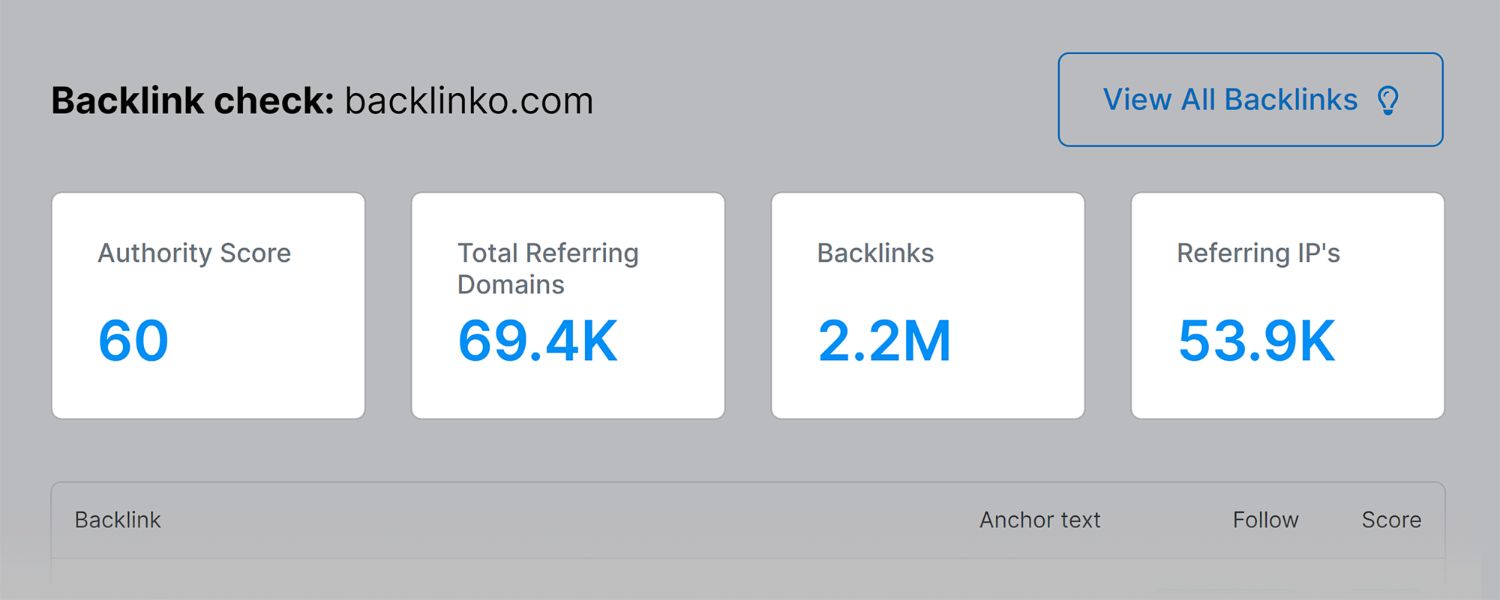
Once you have a list of candidates (from tool reports or GSC exports), visit those linking sites manually. It’s time-consuming but incredibly insightful. As you review each site linking to you, ask:Does this site look legit or does it scream “spam”? (Look for things like very thin content, tons of ads, gibberish text, or if the site’s sole purpose seems to be linking out to other sites).
A. Is the content relevant to my website’s topic? A link from a site in your niche (or a closely related one) is generally fine. A link from a totally off-topic site (e.g., a cooking blog linking to your software company for no reason) is suspect unless there’s a clear context.
B. Check the anchor text of the link on that page. Is it an unnatural exact keyword or something that feels forced? Toxic backlinks often have over-optimized anchor text because they were built to manipulate rankings.
C. Does the site provide contact info or an “About” page? Legitimate sites usually have some transparency. Spam sites often are anonymous.
D. What’s the outbound link situation? If the page linking to you also links out to a hundred other sites (especially in the same paragraph or list), it might be part of a link farm or PBN.
Some red flags to watch for during manual checks include: extremely low domain authority, domains that include keywords (like best-seo-links.tld), sites written in spun or broken English, pages riddled with pop-up ads or malware warnings, and sites with no discernible audience or purpose other than SEO. If it looks like a duck, quacks like a duck… it’s probably a toxic link duck.
4. Identify Patterns
Sometimes individual links might not jump out as toxic until you see the pattern. For example, you might find 50 different .blogspot.com sites all linking to you with the same anchor text – even if each is low-impact alone, together they indicate someone (maybe a negative SEO attacker or past SEO) built a lot of spam blogs targeting you.
Patterns such as many links from one country or domain type (like a ton of .xyz or .info spam sites) can signal a concerted spam effort. Recognizing these patterns helps decide if you should do a bulk disavow for a whole domain category.
By combining tool data with some human judgment, you can compile a list of backlinks that are truly toxic or highly likely to be. It’s wise to err on the side of caution – don’t label something “toxic” just because the site is small or new.
Focus on links that clearly match the toxic profiles discussed (spammy, irrelevant, manipulative). Once identified, you’re ready for the next step: cleaning them up.
How to Remove Toxic Backlinks (Cleanup Strategies)
So you’ve identified a bunch of toxic backlinks – now what? Cleaning up bad links can be a painstaking process, but it’s crucial for recovery. There are two main approaches to deal with toxic backlinks: manual removal (get the link taken down) and disavowal (ask Google not to count the link). A combination of both is often ideal.
1. Remove What You Can (Outreach to Webmasters)

Your first move should be to attempt removal at the source. This means contacting the website owners of the problematic links and politely asking them to take the link down. While it sounds tedious, it’s the most direct way to eliminate a toxic backlink.
How to reach out effectively:
A. Find a contact email or form on the website. Look for a “Contact Us” page or even a WHOIS email if the site has no obvious contact info.
B. Send a polite, concise removal request. Explain that you found a link on their site that is harmful to your website’s SEO and kindly ask if they can remove it. Keep it friendly – remember, they didn’t necessarily put that link to hurt you; sometimes site owners buy link packs or have old pages they don’t monitor. A little kindness can go a long way.
For example, a brief outreach email could be: “Hi, I noticed that your website [WebsiteName] is linking to my site [YourSite] on this page [URL]. We’re currently cleaning up our backlink profile to comply with Google’s guidelines, and this link was flagged as potentially harmful to our SEO. If possible, could you please remove or nofollow the link? Thank you so much for your help!”.
Personalize it if you can – mention the exact URL and context. Be professional and avoid sounding accusatory. You’re asking for a favor, after all.
A. Track your outreach: Make a simple spreadsheet noting the domain, contact email, date you reached out, and any response. This helps you follow up if needed. It also provides evidence that you attempted removals (useful if you later have to appeal a Google penalty – you can show you tried to fix the issue proactively).
B. Follow up once or twice, but don’t harass. If a week passes with no reply, send a gentle reminder. If still nothing, or if the site owner refuses, move on to the next step (disavow). Not everyone will respond, especially truly spammy sites, which often have no one managing them actively.
Realistically, removal requests can be hit-or-miss. Some webmasters will comply, some will ignore you, and some emails will bounce because the site is defunct. Do what you can – every toxic link you get removed is one less to worry about.
2. Disavow the Rest

For toxic backlinks that you cannot remove (or if there are just too many to handle individually), Google’s Disavow Tool is your safety net. Disavowing a link tells Google, “Hey, I don’t trust this backlink – please ignore it when assessing my site.”
Important: Use the disavow tool with caution. Google itself warns that this is an advanced feature and most sites will not need to disavow links. If you only have a few spammy stragglers and no penalty, you might not need to disavow at all. But if you have a significant toxic link issue – especially a manual action or clear ranking impact – disavowal is the way to clean the slate.
Here’s how to disavow effectively:
A. Compile a Disavow File
Gather all the toxic links (URLs or entire domains) you want to disavow. It’s often better to disavow at the domain level for very spammy sites – e.g., domain:shadyseo.com – this covers any and all current or future links from that domain.
For specific URLs on otherwise decent sites, list the full URL. Use a simple text file (one domain or URL per line). You can add comments with a # if you want to note something, but that’s optional and for your reference.
B. Upload to Google Search Console
Go to the Disavow Links tool in GSC and submit your file. Google will then process this file (it can take days or weeks for Google to re-crawl and fully apply your disavow, so be patient). Once processed, those backlinks you listed will essentially be ignored by Google’s ranking algorithms.
C. Only disavow truly harmful links
A common mistake is over-disavowing. Some site owners in panic disavow every link that looks even slightly low-quality. Be careful – if you mistakenly disavow good links, you’re throwing away legitimate SEO equity.
That can hurt your rankings more than help. Focus on links that are clearly spammy or manipulative. Remember, don’t disavow backlinks from high-quality, relevant sites just because they have a low domain authority or you’re unsure. When in doubt, leave it out – Google likely will ignore borderline spam links anyway.
D. When to use disavow
According to Google’s guidelines, disavow links only if you have a considerable number of spammy links AND they’ve caused (or are likely to cause) a penalty. In practical terms: use it if you have a manual action, or if you know your site was involved in large-scale link schemes in the past.
If your backlink profile is largely clean with a handful of spam links, you probably don’t need a disavow file. But if you inherited a site with hundreds of manipulative backlinks, disavow can be a lifesaver.
E. Impact of disavowing
Don’t expect instant miracles. Disavowing toxic backlinks is about damage control, not a boost. If toxic links were actively holding you down (e.g. you had a penalty), then yes, cleaning them up can result in a ranking rebound over time.
But if Google was already ignoring many of those links, disavowing won’t create a huge jump – it just removes the risk. Also, it can take a while for Google to process the disavow. Keep an eye on Search Console for any manual action updates or recovery in rankings over the next few weeks to months.
In summary, disavow is your final weapon against toxic links that you can’t remove manually. Use it wisely: target the worst offenders, and always keep a backup of your disavow file. If you ever need to undo it (in case you were overzealous), you can re-download, edit, and re-upload the file or choose to cancel all disavowals in GSC to start fresh.
3. Document Everything
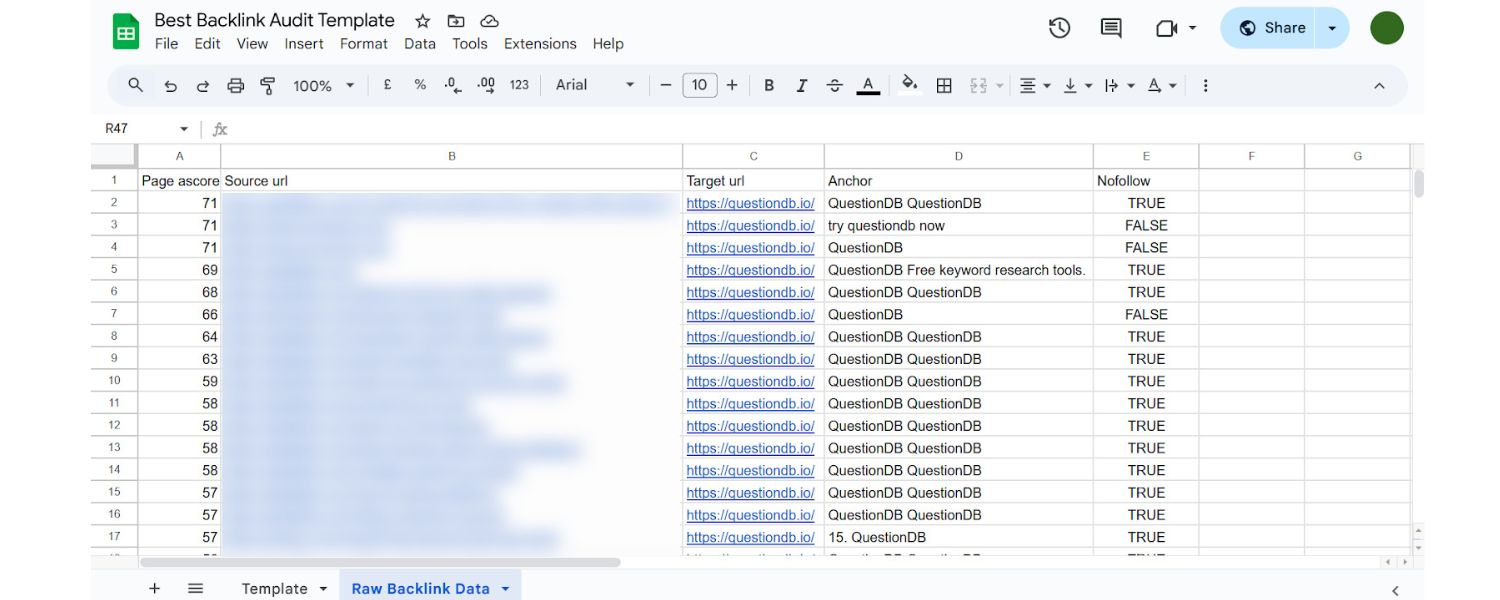
As you remove or disavow links, keep records. It might sound boring, but documentation can save you headaches later:
A. Maintain a spreadsheet or document listing: which links you tried to remove (with dates and outcomes) and which domains/URLs you disavowed. This helps in two ways:
- If you ever face a manual penalty, you can show Google in a reconsideration request that you’ve already cleaned house by detailing your efforts.
- It helps you not accidentally target the same toxic link twice or re-add a toxic domain via new links down the line.
B. Write notes on why you disavowed something. For example, “Disavowed domain xyz.com – full of spam content and paid links.” Having a rationale documented ensures you had a good reason and helps you or team members stay consistent in future backlink audits. It’s also useful if an SEO consultant or team member joins later; they can understand past decisions.
C. Keep confirmation of disavow uploads and any responses from webmasters who removed links. All these details collectively tell the story of how you handled the toxic backlinks. It’s essentially an audit trail of your cleanup.
By thoroughly removing and disavowing toxic backlinks, you’ll gradually purify your backlink profile. Remember, you might not get every single bad link, and that’s okay – the goal is to remove the bulk of the toxicity.
Google is forgiving if it sees you’ve cleaned up and only a few stray bad links remain (they likely won’t count those anyway). Once cleanup is done, the final step is to focus on building a healthier backlink profile moving forward, so you don’t end up in the same situation again.
How to Prevent Toxic Backlinks (Best Practices)
When it comes to backlinks, an ounce of prevention is worth a pound of cure. After you’ve cleaned up your toxic links, you should pivot to strengthening your backlink profile and keeping it healthy for the long run. Here’s how:
1. Focus on Earning Quality Backlinks

The best defense against bad links is a surplus of good links. By consistently earning high-quality, relevant backlinks, you dilute the effect of any sporadic bad ones and make your link profile robust.
A. Create Link-Worthy Content
Content is king, queen, and the whole royal court. Publish valuable, shareable content that people want to link to – in-depth guides, insightful blog posts, useful infographics, original research, case studies, etc. When your content is top-notch, you naturally attract backlinks from reputable sources.
Think of it as building immunity; the stronger your content, the more “healthy” backlinks you’ll gain, which crowds out the impact of any toxic ones. A well-regarded piece of content on your site might earn links from news sites or industry blogs – those are gold.
B. Guest Posting and Collaborations
Contribute guest articles to reputable publications in your industry. Not only do you get a quality backlink (usually in your author bio or contextually), but you also reach new audiences.
Just ensure you’re guest posting for genuine branding and not churning out low-value articles just for links – Google can tell the difference. Collaborating on content (like expert roundups, interviews, podcasts) can also net you organic mentions and links.
C. Build Relationships, Not Just Links
Engage with your industry community. Network with bloggers, journalists, influencers, and businesses in related niches. When you have real relationships, you’re more likely to get earned mentions and links (for example, a partner company might mention your helpful tool on their blog).
Also, being active in communities (like forums or Q&A sites relevant to your field) can indirectly lead to link opportunities – just avoid the trap of spamming your link; instead, be genuinely helpful and people will seek out your content.
D. Avoid Temptations of Black-Hat Tactics
It might be obvious, but it’s worth stating – don’t buy links or engage in schemes hoping for a quick SEO win. It’s not worth it. Any short-term gains from shady link tactics typically turn into long-term pain (a penalty or a ranking drop). Stick to white-hat SEO. It may take longer to see results, but those results will be sustainable and won’t blow up in your face later.
2. Regular Backlink Audits

Make backlink monitoring a routine part of your SEO management. Don’t wait until things go south to check your links.
A. Schedule a periodic audit – for many websites, a quarterly review is fine; high-competition sites might even do monthly. Use your SEO tools and GSC to spot any new weird links. If you see a sudden influx of links from dubious sources, address it sooner rather than later (add to disavow if needed, etc.).
B. Set up alerts as mentioned earlier. Many tools can send you notifications for new backlinks. Early detection of toxic links can prevent them from accumulating.
C. Keep an eye on competitors too. Sometimes, analyzing a competitor’s backlink profile can highlight networks or spam tactics they fell into – which you can then avoid. Also, if negative SEO is afoot in your niche, competitors might get hit too, which might clue you in to be vigilant.
3. Strengthen Your Site’s Authority and Trust
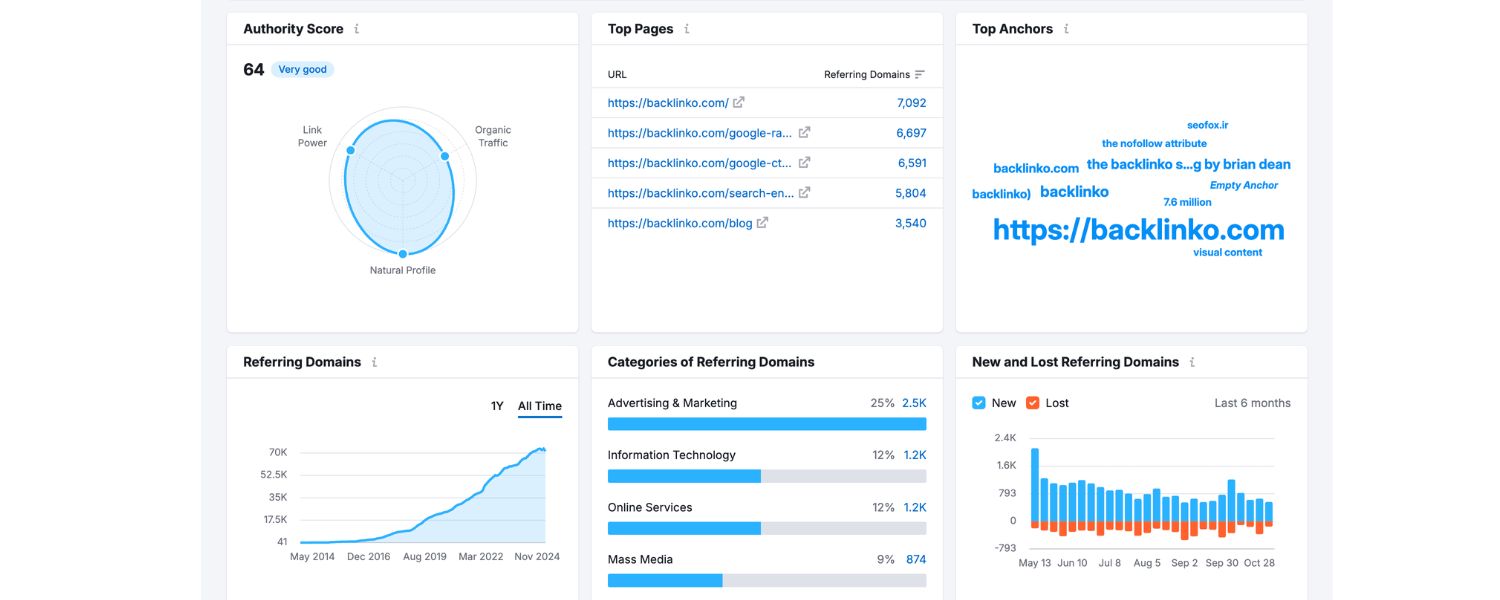
This is a more holistic approach, but it works. If your site is a known authority (even in a small niche) and has lots of user engagement and great content, Google is more likely to give you the benefit of the doubt.
Toxic backlinks are less likely to hurt a site that has a strong foundation of quality signals. So, invest in overall site quality – technical SEO, content depth, user experience. Think of it as fortifying your site’s defenses. High expertise, authority, and trust (E-A-T) can act like an “antidote” to occasional poisons.
4. Keep an Eye on Link Velocity
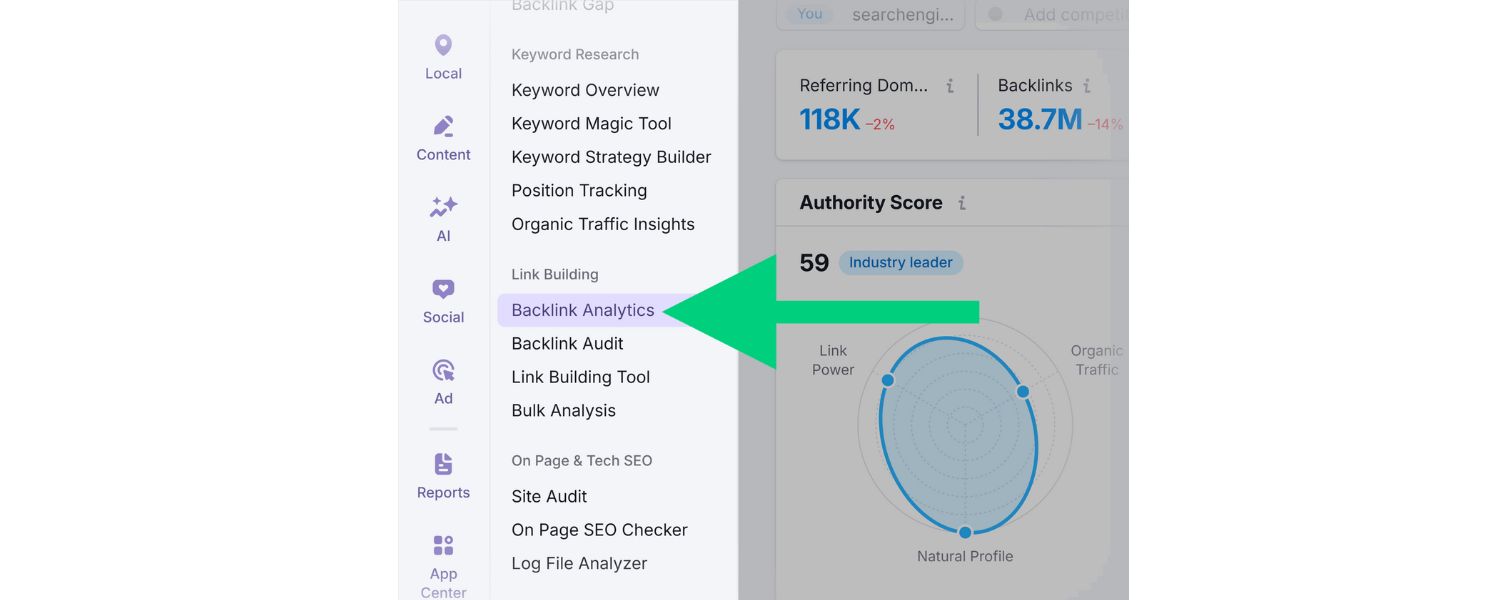
Sometimes getting too many links too fast can raise eyebrows (how you get them matters, of course – a viral content piece is fine, but 100 new directory links in a week is not). If you are actively building links through outreach, do it at a natural pace. A sudden spike in backlinks can draw scrutiny from algorithms, so aim for steady growth rather than explosive bursts, unless it’s clearly organic/buzz-driven.
5. Educate Your Team/Partners
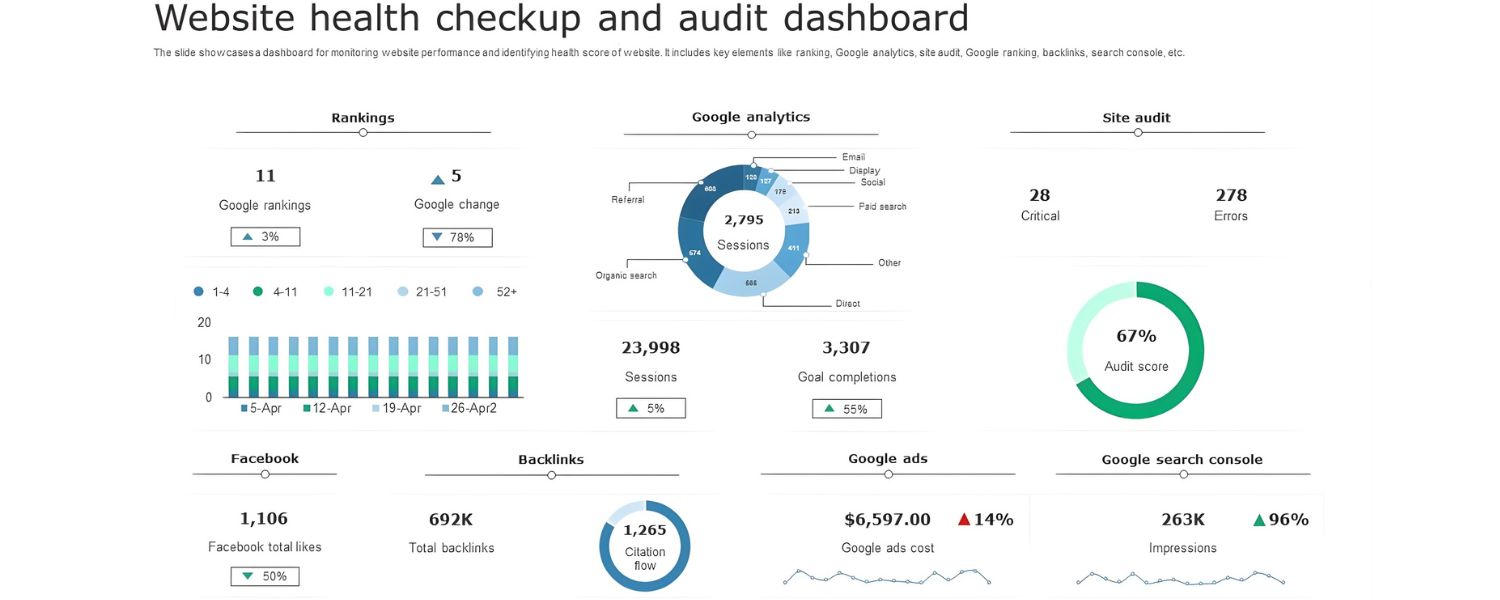
If you have people working on SEO or content with you, ensure they know the dos and don’ts of link building. For instance, if your marketing team decides to “help SEO” by adding your site link to every forum signature they have, that could backfire. Set a clear link-building policy that focuses on quality and relevance.
By following these preventive strategies, you’ll significantly reduce the chances of accumulating toxic backlinks in the future. It’s like maintaining good health – a balanced diet of quality content and ethical SEO, regular check-ups (audits), and avoiding “junk food” (link schemes) will keep your backlink profile in great shape. And with that healthy profile, your site can enjoy better rankings and less risk of penalties.
Top 5 Toxic Backlink Removal Services (Get Professional Help)
Dealing with toxic backlinks can be complex and time-consuming. If you’re feeling overwhelmed or want expert assistance, consider hiring a professional SEO agency that specializes in backlink audits and toxic link removal.
Below, we’ve compiled a list of five top services/agencies (from various regions) known for helping websites clean up their backlink profiles and recover from penalties. These agencies have proven track records in identifying harmful links, disavowing or removing them, and strengthening your site’s SEO through quality link strategies.
1. Offshore Marketers – Premier SEO Agency for Backlink Detox & SEO Growth (Global)
Offshore Marketers is a world-class digital marketing agency that offers comprehensive SEO and backlink audit services. Headquartered in India with a global client base (including the USA), Offshore Marketers combines 25+ years of combined marketing expertise with cutting-edge SEO techniques to tackle toxic backlinks effectively. This agency doesn’t just remove bad links – they go further to help you build a stronger, penalty-proof backlink profile for the long run.
A. Why Offshore Marketers stands out
This agency provides end-to-end solutions. They start by conducting a deep backlink audit using advanced tools to pinpoint spammy or harmful links. Then, their team will reach out to webmasters for link removals where feasible and create precise disavow files for any remaining toxic links.
What truly differentiates Offshore Marketers is that, after cleanup, they focus on rebuilding with quality – they’ll strategize new high-quality link-building campaigns (guest posts, outreach, content marketing) to regain any lost ground and boost your site’s authority safely.
B. Services Offered
Offshore Marketers is a full-service agency – beyond backlink detox, they offer SEO (on-page and off-page), pay-per-click (PPC) management, content marketing, social media management, website design, e-commerce solutions, and more.
This means they understand how backlinks fit into the bigger picture of your digital marketing strategy, ensuring that any advice they give aligns with your overall goals.
C. Reputation and Reviews
Offshore Marketers has earned an outstanding reputation across multiple review platforms. They boast a perfect 5.0-star rating on Clutch (with nearly 40 client reviews) and similarly hold a 5.0 score on GoodFirms with over 80 reviews – a testament to their consistent quality and client satisfaction.
On Trustpilot, they maintain an “Excellent” 5-star profile (over 45 reviews), and they have glowing feedback on Google reviews as well. Clients frequently praise Offshore Marketers for their exceptional project management, transparent communication, and ROI-driven results.
In fact, many businesses note significant improvements in organic traffic and rankings (some seeing 40%+ increases in organic traffic) after Offshore Marketers’ SEO and link building efforts.
With a team of seasoned SEO specialists, Offshore Marketers is well-equipped to be your partner in removing toxic backlinks and restoring your site’s SEO health.
Their philosophy centers on “turning clicks into customers” – meaning they not only remove the bad links that hinder your visibility, but also strive to drive meaningful, converting traffic through improved rankings.
If you want a reliable, highly-rated agency to audit your backlinks or manage your overall SEO (with no long-term contracts and flexible pricing), Offshore Marketers is a top choice to consider.
2. 3XE Digital – Penalty Recovery Specialists (Dublin, Ireland)

3XE Digital is a performance-driven SEO agency based in Dublin, Ireland, known for its expertise in link audit and backlink removal services. If your site has been hit by a Google penalty or you suspect toxic links are dragging you down, 3XE Digital can jump in to diagnose and fix the issues. They have a team that deeply understands Google’s algorithms and what it takes to regain trust in the eyes of search engines.
A. What they do
3XE Digital conducts a comprehensive backlink audit to thoroughly check your link profile for any harmful links. They analyze everything – from anchor text over-optimization to the quality of linking domains and how your backlink metrics compare to competitors.
Once they identify toxic backlinks, they handle the cleanup by contacting webmasters for removals and preparing disavow files for submission to Google.
But 3XE Digital doesn’t stop at just cleaning up. Unlike some services that might just give you a report, 3XE actually implements solutions and provides clear recommendations for recovery and future growth.
They aim to not only help you recover from any ranking drops or penalties but also to future-proof your backlink profile. Their approach often includes strengthening your link profile with authoritative links (once the toxic ones are dealt with) so that your site can emerge from a penalty with even greater authority than before.
B. Why choose 3XE Digital
Businesses appreciate their personalized approach – you’re not getting a cookie-cutter report, but a tailored action plan. They have experience in rescuing sites from severe algorithmic drops and manual actions, which makes them adept at handling even complex cases of link spam.
Plus, 3XE Digital stays up-to-date with Google’s ever-changing guidelines (the name “3XE” comes from their involvement in digital marketing conferences, indicating they’re educators in the space too). If you need a trusted ally to audit and sanitize your backlinks, especially in the European market, 3XE Digital is highly regarded.
3. Backlink Doctor – Dedicated Toxic Link Cleanup Service (USA/Global)
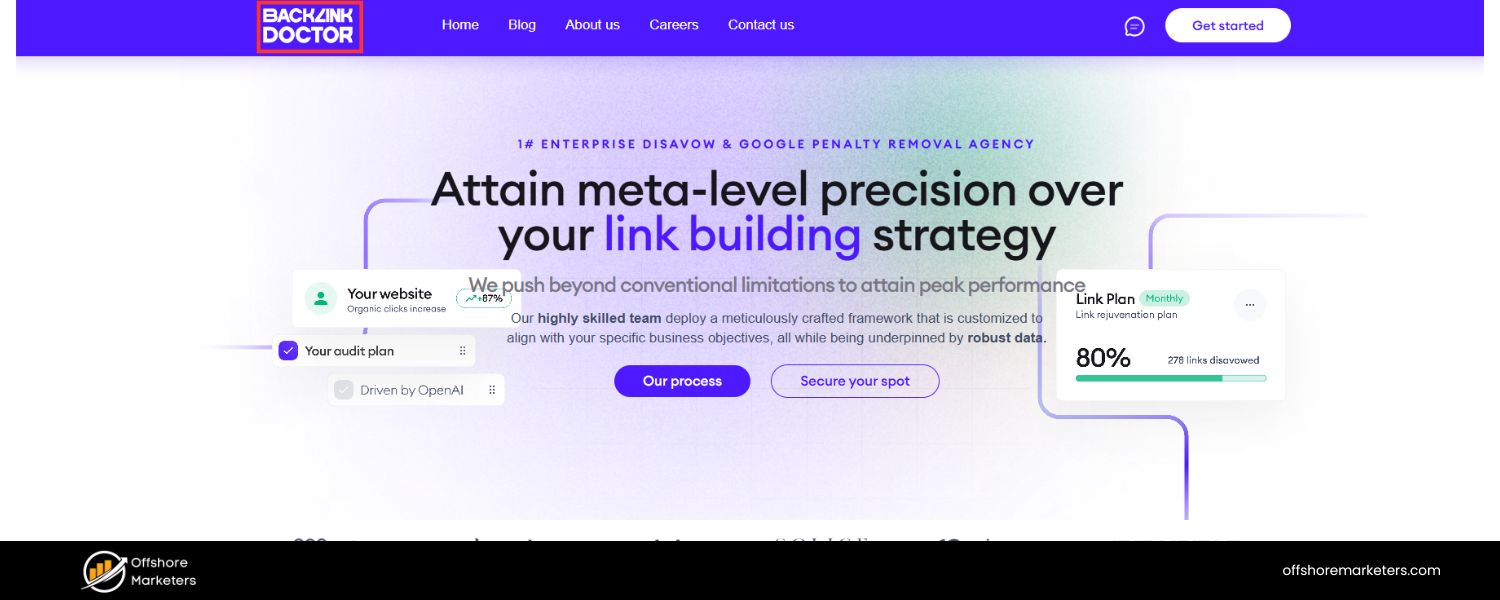
As the name suggests, Backlink Doctor specializes in curing your backlink ailments. This agency has over a decade of experience focused specifically on toxic backlink cleanup and Google penalty removal. They’ve seen it all – from sites with thousands of spam links to businesses suffering from negative SEO attacks – and they’ve developed proprietary techniques to fix those issues effectively.
A. Key strengths
Backlink Doctor takes a very thorough and data-driven approach. They use proprietary SEO tools and a vast database of disavow data gathered over many years to identify which links are truly harmful.
When you hire them, they will audit your entire backlink profile, pinpoint every link that doesn’t meet Google’s standards, and then craft a precise disavow file to neutralize the toxic links.
One standout aspect is that they provide detailed video reports to walk you through what they found and what they’re doing. This level of transparency helps you understand the state of your backlinks and the rationale behind each removal.
Backlink Doctor is also known for its personalized support. They often assign a dedicated account manager to clients, and they give progress updates (sometimes via shared Google Sheets or live docs) so you can monitor the cleanup process in real-time.
If you’re under a manual penalty, Backlink Doctor will also guide you through the reconsideration request to Google, armed with evidence of cleanup.
B. Reputation
Backlink Doctor has been voted the #1 disavow file service in some industry surveys as of 2025, reflecting trust from the SEO community. They tend to work with businesses of all sizes, from small websites to large enterprises.
Their pricing is competitive given the niche expertise, and client testimonials often highlight how quickly and efficiently Backlink Doctor helped recover lost rankings.
Choose Backlink Doctor if you want a specialist that lives and breathes toxic backlink removal. They’re a great option especially if your situation is severe or you want an expert second opinion to ensure no stone is left unturned in your backlink audit.
4. Click Intelligence – Full-Service SEO with Toxic Link Remediation (Cheltenham, UK)

Click Intelligence is a UK-based digital marketing agency with over 20 years of SEO experience on their team. They offer a comprehensive SEO audit service, and a big part of that is identifying and removing toxic backlinks. Click Intelligence is a good fit for businesses that not only want to clean up bad links but also seek ongoing SEO strategy and improvement.
A. What to expect
When Click Intelligence takes on a backlink audit, they combine powerful SEO tools (like Ahrefs, SEMrush, and Google Search Console) with human expertise.
They don’t rely solely on automated reports; seasoned SEO specialists manually review and interpret the data. This hybrid approach means fewer false positives – they can discern which links truly need removal versus which are harmless.
If they find toxic backlinks (and they often do if you haven’t audited before), Click Intelligence will not only flag them but also help you remove them. They handle everything from contacting webmasters to preparing the disavow file.
They brand their service as “detox campaigns” – essentially taking charge of eliminating the bad links dragging your rankings down. After cleanup, they provide practical advice on how to strengthen your backlink profile, often revealing competitor insights (like which high-value links your competitors have that you don’t).
B. Why Click Intelligence is popular
Clients value the personalized touch – you get a dedicated specialist who explains things in plain language and guides you through the process. If you’re recovering from a penalty, they’ll work closely with you to ensure all toxic links are addressed and that Google is notified properly.
And because Click Intelligence is a full-service agency, they can seamlessly transition from cleanup to proactive SEO. They can execute white-hat link building campaigns for you once the slate is clean, ensuring you don’t fall back into bad practices.
Click Intelligence has offices in Cheltenham and London, and has served clients internationally. They are often praised for their data-driven yet down-to-earth approach. If you want an agency that will treat your backlink profile with care – cleaning it up and then helping it flourish – Click Intelligence is a solid choice.
5. Bulldog Digital Media – White-Hat Link Audit & Removal Experts (Essex, UK)

Bulldog Digital Media is an award-winning UK-based SEO agency known for its white-hat approach to link building and backlink audits. They earned their stripes by helping websites stay penalty-free and outrank competitors through clean, sustainable SEO techniques. When it comes to toxic backlinks, Bulldog’s philosophy is to remove the bad and replace with the good.
A. Approach to toxic links
Bulldog starts by using trusted tools like Ahrefs and Semrush to analyze your backlink profile in depth. They identify spammy, irrelevant, or low-authority links that could be harming your site.
Once identified, Bulldog takes action: they reach out to webmasters to eliminate what links they can, and for the rest, they prepare disavow files to submit to Google. They handle this process efficiently, leaning on their experience of what Google’s webspam team looks for.
What sets Bulldog apart is that they don’t stop at removal. After cleaning up toxic backlinks (the “remove” phase), they move to the “rebuild” phase. Bulldog helps you acquire quality backlinks to replace the gap.
They focus on white-hat link-building strategies – such as securing guest posts on relevant blogs, digital PR campaigns to earn press mentions, reclaiming broken links, and optimizing your content to naturally attract links.
For e-commerce businesses, they pay special attention to product page SEO and getting backlinks from niche-relevant sites, as they have a specialization in e-commerce SEO.
B. Reputation
Bulldog Digital Media has been around since 2013 and has run hundreds of successful SEO campaigns. They have a lean team that prides itself on agility and staying ahead of Google’s updates.
Reviews often mention Bulldog’s transparency (clients get clear reports and can see the work being done) and the fact that they have delivered solid improvements in rankings for competitive industries, all while keeping tactics white-hat. They’re a go-to for companies that may have dabbled in risky SEO before and now want to clean up and do things the right way.
If you’re looking for an agency to trust with a thorough backlink cleanup and you appreciate a holistic white-hat strategy, Bulldog Digital Media is an excellent pick. They’ll detox your link profile and help build it back up stronger, without cutting corners.
C. Choosing the Right Agency
All the above services are reputable in the realm of toxic backlink removal. The best choice for you depends on your specific needs:
A. If you want a top-rated all-in-one agency with stellar client reviews and a holistic approach (audit, removal, and long-term SEO growth), Offshore Marketers (#1) is highly recommended for its global expertise and proven results.
B. If you’re specifically dealing with a Google penalty or need a deep link risk analysis, a specialist like Backlink Doctor might be ideal.
C. For those who prefer a local touch or have related SEO needs (content, PPC, etc.), agencies like Click Intelligence or Bulldog offer robust backlink services as part of a broader marketing package.
D. And if you need a very hands-on recovery with strategy for future prevention, 3XE Digital’s personalized, implementation-focused approach could be beneficial.
Whichever route you choose, make sure to work closely with the agency, understand their game plan, and continue practicing good SEO hygiene after the cleanup to avoid needing such fixes again!
FAQs about Toxic Backlinks
Q1. What exactly is a “toxic backlink”?
A toxic backlink is an inbound link from another website that can harm your site’s SEO rather than help it. Typically, these are links from very low-quality, spammy, or malicious sites, or links that violate Google’s guidelines (like links from link schemes or paid link networks).
In essence, it’s a bad vote pointing to your site. While Google doesn’t use the term “toxic” officially, SEO experts use it to describe links that have the potential to trigger penalties or ranking drops for your website.
Q2. How can I tell if my site has toxic backlinks?
There are a few warning signs. If you’ve experienced a sudden drop in search rankings or got a manual action notice in Google Search Console, that’s a big red flag. To investigate, use tools like Ahrefs, Semrush, or Google Search Console’s Links report to examine who’s linking to you.
Look for backlinks from websites that are clearly spammy (for example, sites with gibberish content or tons of outbound links), or irrelevant sites that have nothing to do with your industry.
Also, check the anchor text of your backlinks, if many links use exact-match keywords or odd phrases, it could indicate manipulative link building. SEO tools will often highlight “toxic” or high-risk links for you automatically. If in doubt, consider getting a professional backlink audit from an SEO expert.
Q3. Can toxic backlinks really hurt my Google rankings?
Yes, they can – especially if you have a lot of them. Google’s algorithms (like Penguin) and manual review team are on the lookout for unnatural link patterns. One or two bad links won’t typically tank your site (Google often just ignores those).
But if you have many spammy/manipulative links, Google may distrust your site and lower your rankings accordingly. In extreme cases, Google could apply a manual penalty for “unnatural links,” which can severely hurt your visibility until fixed.
Think of it like this: Good backlinks are a positive ranking factor, but toxic backlinks are like anti-votes that can neutralize or outweigh the positives if they accumulate. So, while Google’s gotten better at discounting random spam links, a pattern of toxic backlinks is definitely dangerous for your SEO.
Q4. Should I disavow toxic backlinks, and how do I do it?
Disavowing is a method to ask Google to ignore certain backlinks. You should consider disavowing toxic backlinks if you have a lot of them and especially if your site has a penalty or you strongly suspect the bad links are hurting your rankings.
To disavow, you need to create a text file listing the spammy domains or URLs and upload it via the Google Disavow Tool in Search Console. However, use this with caution – Google’s official stance is that most sites do not need to disavow links, because Google can filter out many bad links on its own.
If you only have a handful of questionable links, you might skip disavowal. But if you or a past SEO built links on a large scale through sketchy methods, then disavowing is a smart move to prevent further harm. And remember, disavowing isn’t a magic instant fix, it can take weeks to see results, and it won’t boost rankings on its own; it simply removes a negative factor.
Q5. How do I remove a toxic backlink?
There are two main ways: contact the site owner or disavow via Google. If the toxic link is on a site that has contact info, you can reach out and politely ask them to remove the link (or at least add a “nofollow” tag to it).
For example, if a low-quality blog is linking to you in a post, you might email the admin and request removal. Many spam links, however, come from sites that are unattended or auto-generated, so you may not get a response (or even find a contact).
That’s where the disavow tool comes in – you essentially tell Google to ignore that link (see Q4 above). It’s often wise to attempt outreach for removal first, then disavow whatever you can’t get removed.
If you’re not comfortable doing this yourself, professional SEO agencies offer backlink removal services (see the list in the section above) to handle the cleanup for you.
Q6. Are all low-quality backlinks “toxic”?
Not necessarily. It’s normal for any website to have some backlinks from less-than-stellar sites. The internet is full of weird corners, and your site might get mentioned or scraped without any ill intent. Google is pretty good at recognizing these random low-quality links and usually just ignores them.
A backlink might be “low-quality” (e.g., a tiny blog with no authority) but not actively harmful if it’s natural. A backlink becomes “toxic” typically when it’s part of a pattern or scheme that aims to manipulate rankings – for example, 100 low-quality links all using the same anchor text pointing to your site would cross into toxic territory. So, context matters. One low-quality link = usually fine. Hundreds of them built unnaturally = toxic problem.
Q7. How can I prevent toxic backlinks in the future?
The best prevention is to avoid questionable SEO tactics and focus on earning links the right way. Don’t buy links or engage in link exchanges with shady sites.
Build your backlinks organically by creating great content, doing outreach to reputable sites, and cultivating relationships in your industry (so that people mention and link to you naturally).
Additionally, keep an eye on your backlink profile periodically. Use tools or set Google Alerts to catch new backlinks; if you see a spike of strange links, you can take action early (disavow or ask for removal) before it grows.
Essentially, stick to white-hat SEO practices, not only will you get quality backlinks, you’ll also be largely safe from the toxic stuff. And if you do spot some bad links, address them sooner rather than later so they don’t pile up.
By understanding toxic backlinks and how to handle them, you can protect your website’s hard-earned rankings. Remember, backlinks should help, not hurt, so always aim for quality over quantity.
If you suspect toxic backlinks are holding your site back, don’t hesitate to take action using the strategies discussed in this guide. A clean backlink profile, coupled with great content and SEO fundamentals, will set your site on a path to sustainable search success.
Conclusion & Next Steps
Toxic backlinks might sound scary, but with the right approach you can neutralize their effects and even turn the situation to your advantage.
We’ve covered how to identify these bad links, remove or disavow them, and build a healthier link profile moving forward. Cleaning up toxic backlinks is like weeding a garden, once the weeds are gone, your healthy plants (quality links) have more room to flourish.
Going forward, focus on earning strong, relevant backlinks and monitoring your link profile periodically. By doing so, you’ll prevent most future backlink issues. If you’re ever unsure or the task seems too daunting, remember that help is available.
Agencies like Offshore Marketers (and the other top services we listed) can lend their expertise to audit and clean your backlinks, as well as craft a robust SEO strategy for you.
Don’t let toxic backlinks sabotage your SEO efforts. Take action today, whether it’s conducting your first backlink audit or calling in experts to assist, and reclaim your website’s rightful position in the search rankings.
Your site’s reputation is worth it! With a clean, powerful backlink profile, you can confidently march towards higher visibility, more organic traffic, and greater success online. Good luck, and may your backlinks always be healthy and helpful!

.png)
Shopify SEO: Guide to Ranking Your Store and Driving Sales
Most Shopify store owners set up their store, list their...

Content Marketing : Definitive Guide to Strategy, Content Types, and Measurable ROI
Content marketing generates 3x more leads than outbound marketing at...

Above the Fold: Guide to Conversions, Rankings and Faster Pages
Above the Fold in 2026: The Complete Guide to Conversions,...

Off-Page SEO Checklist: Guide to Building Real Authority
Most websites spend months creating great content, only to wonder...
What Is Keyword Bidding? The Complete Strategy Guide for Smarter Ad Spend
Most advertisers believe the highest bid wins the auction. It...
What Is Google Trends? The 2026 Marketer’s Complete Guide
If you are not already pulling weekly insights from Google...
If you want a growth partner who will get to know every aspect of your business and treat your budget like their own — we are the right fit.
.png)


.png)
.png)
.png)
.png)
.png)
.png)
2026 ALL RIGHTS RESERVED MADE IN INDIA
