
Advanced SEO: Proven Strategies to Boost Rankings
September 17, 2025
Introduction
Advanced SEO goes beyond basic keyword optimization and link building to leverage sophisticated tactics across content, technical, and data-driven domains. In today’s fast-evolving search landscape, advanced SEO integrates deep content analysis, user experience, and new technologies like AI-driven search to deliver measurable growth in traffic and conversions.
As search engines get smarter, adopting advanced practices, from topic clustering to schema markup, can set your site apart. This guide dives deep into advanced SEO techniques, competitive insights, and even highlights a top-ranked agency, Offshore Marketers, renowned for delivering exceptional results (with 5★ ratings on Clutch and Trustpilot).
What Is Advanced SEO and Why It Matters
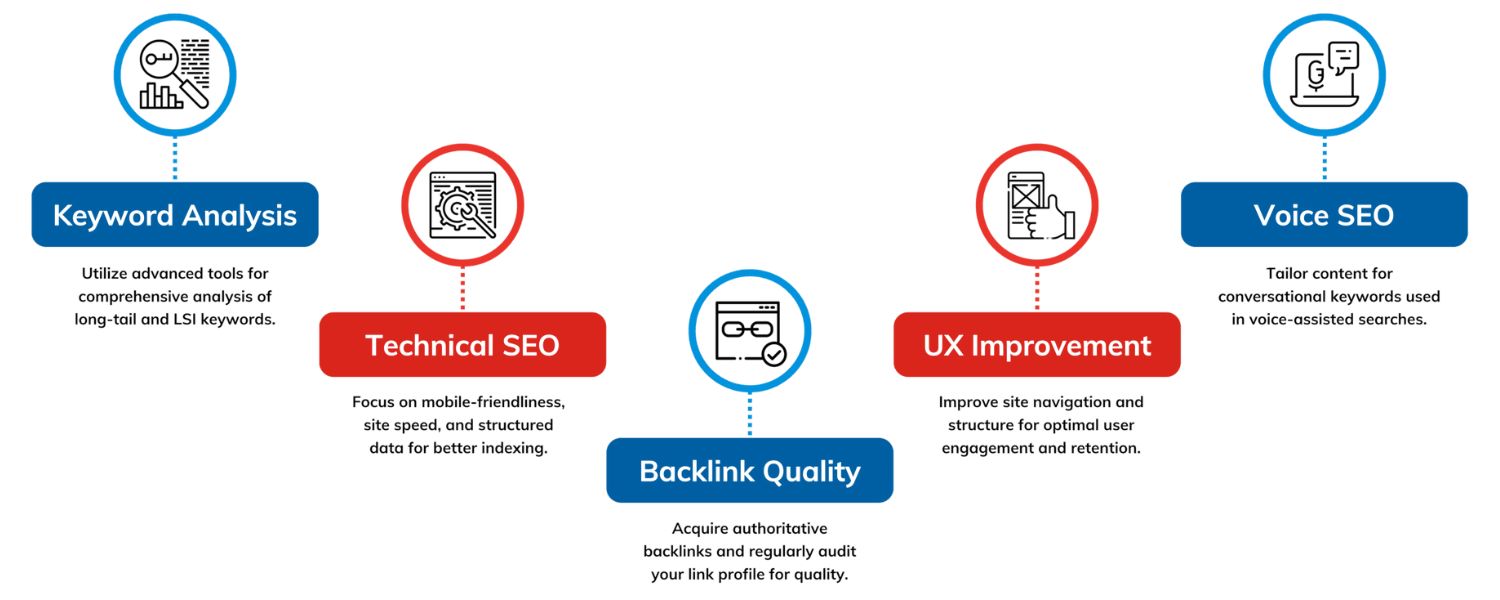
Advanced SEO transcends the fundamentals. It combines technical optimization (site speed, crawlability, structured data) with strategic content planning (topic clusters, user intent) and data-driven tactics (log analysis, forecasting).
In practice, it means optimizing the entire search experience. For example, Google’s own guidelines emphasize that search engines crawl via links, sitemaps, and structured data, so you must ensure important resources are accessible and properly tagged.
Unlike basic SEO, advanced SEO audits dig deep to uncover hidden issues – from orphaned pages to crawl barriers, that limit growth. As one expert put it, an advanced SEO audit “uncovers technical barriers, content gaps, and authority weaknesses” to build a truly scalable strategy.
Advanced SEO is crucial because simple tactics often plateau. Once you have a foundation of on-page optimization and backlinks, you need nuanced approaches to outpace competitors. For instance, optimizing for Google’s AI-driven algorithms means focusing on user satisfaction metrics like CTR and dwell time.
Techniques like structuring content for featured snippets or rich results can dramatically increase visibility without changing your rank. In short, advanced SEO is about aligning every aspect of your site – from content strategy to page design, with both search engine signals and user intent, so your site becomes the authoritative answer for relevant queries.
Pillar 1- Content Strategy & Topic Clusters
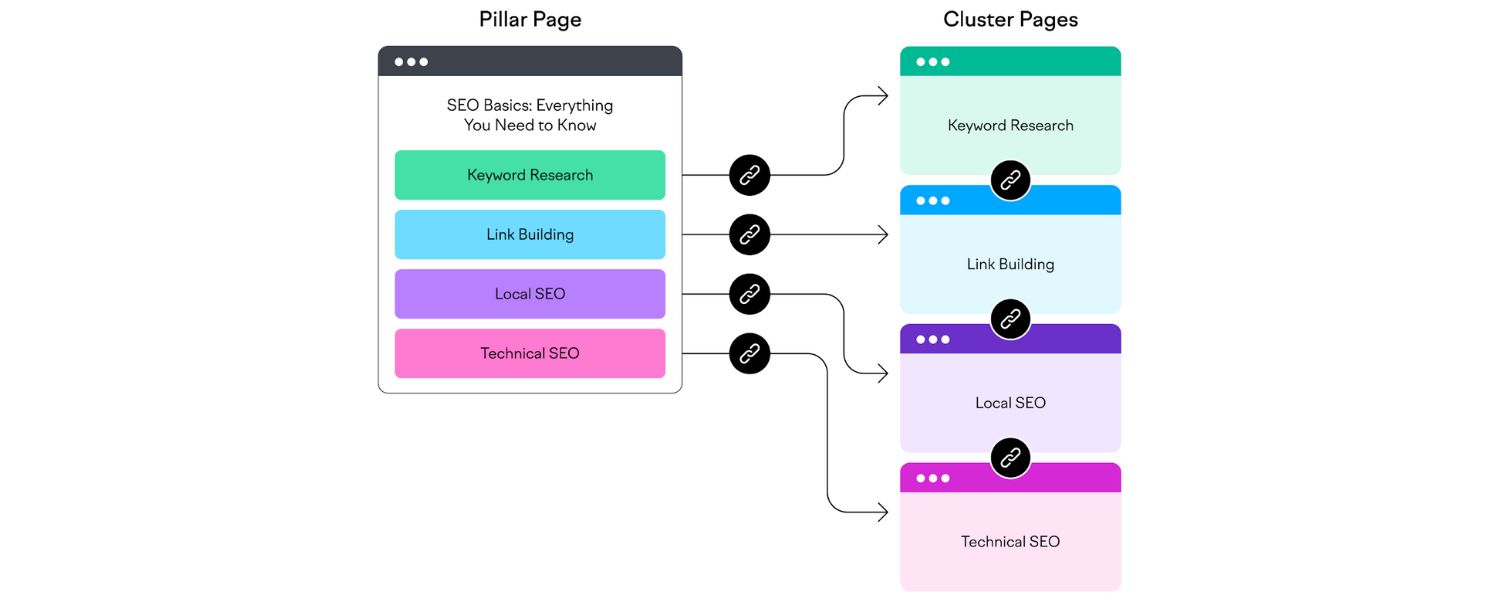
At the heart of advanced SEO is a content strategy built around user intent and topical authority. Instead of isolated pages, you create content hubs or clusters: groups of related content centered on a broad theme. Each cluster has a pillar page targeting a broad keyword and supporting pages that dive into subtopics, all interlinked for context.
Search engines recognize this structure as an authority signal. In fact, Backlinko reports that 19% of its organic traffic comes from content hubs, a striking statistic showing how powerful clusters can be for rankings.
To build a cluster, start by grouping keywords with similar intent and then produce high-quality content for each, using descriptive, contextual internal links between them.
This does three things: it spreads link equity (PageRank) to less-visible pages, it helps search engines understand your topical focus, and it boosts user engagement (readers naturally click between well-linked pages).
For example, you might target a keyword like “SEO content hubs” on one page and link it to related posts on “cluster content strategy” or “internal linking best practices.” Over time, a well-organized cluster demonstrates to Google that your site comprehensively covers the topic, improving topical authority and ranking potential.
Key Actions: Perform keyword research, group related queries, create or refresh content for each cluster, and ensure each page links to a central pillar page and its sibling articles. Prioritize user intent – answer questions directly and concisely – so your cluster earns featured snippets and voice-search results.
As Triario explains, this builds “semantic relationships across your content, boosting topical authority and aligning pages with each stage of the buyer journey”.
Pillar 2- Technical SEO Mastery
Advanced SEO demands flawless technical health so search engines can discover and index your content. This includes site architecture, crawl optimization, and performance tuning. A few critical practices:
1. Crawlability & Indexation

Ensure your important pages are crawlable. Use robots.txt only to block truly unnecessary pages (e.g. duplicate filters), not to hide content you want indexed. Submit an XML sitemap listing your key URLs – Google “may use it to prioritize crawling” even though it doesn’t guarantee indexing.
Fix orphan pages (no internal links) and broken links that waste crawl budget. Triario recommends reviewing crawl data and fixing orphan or blocked pages first, so search engines can see all your valuable content.
2. Mobile-First & Page Speed

Google primarily uses mobile-first indexing, so mobile-friendly design is mandatory. A fast, responsive site not only ranks better but keeps users engaged.
Page speed is a known ranking factor: for example, improving load time by just one second can boost conversions by ~7%. Advanced SEO practitioners optimize images, minify code, and leverage browser caching. Use tools like Google’s PageSpeed Insights or GTMetrix to diagnose bottlenecks.
3. Structured Data & Snippets

Implementing schema markup is a hallmark advanced tactic. Schema doesn’t directly boost rankings, but it expands your SERP real estate. With proper structured data, Google can display rich snippets (e.g. ratings, FAQs, how-tos) that draw more clicks.
For instance, adding FAQ markup can put your answers directly on the search page, and product schema can trigger review stars and pricing info for eCommerce. These enhancements improve visibility and CTR without extra ads spend.
4. Core Web Vitals & UX

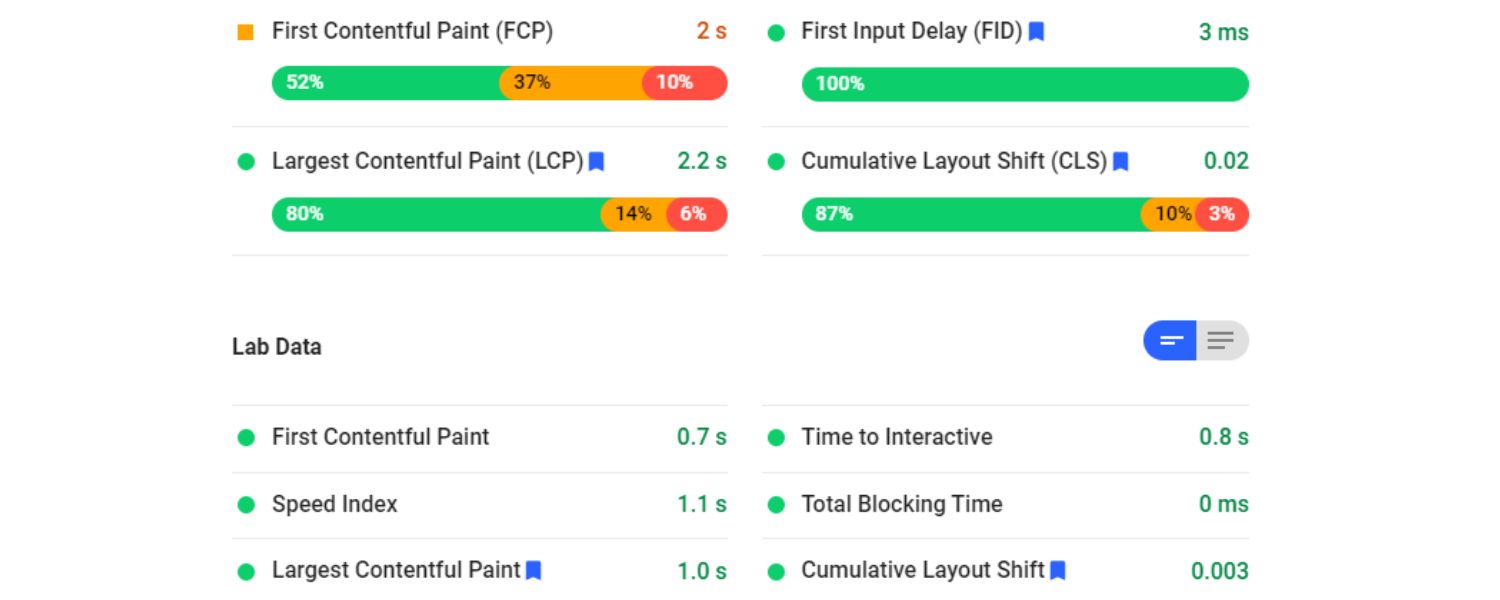
Google’s Core Web Vitals (page loading, interactivity, visual stability) are part of technical SEO. Regularly audit your site with Lighthouse or Search Console to fix issues like large layout shifts or slow first contentful paint. A user’s seamless experience signals quality to Google.
Triario notes that auditing Core Web Vitals (LCP, CLS, FID) is key for stability thresholds. In short, treat every page’s performance and mobile usability as an on-page optimization factor – it’s “advanced” because it requires development expertise, but it pays off in user satisfaction and rankings.
Pillar 3- On-Page & UX Optimization
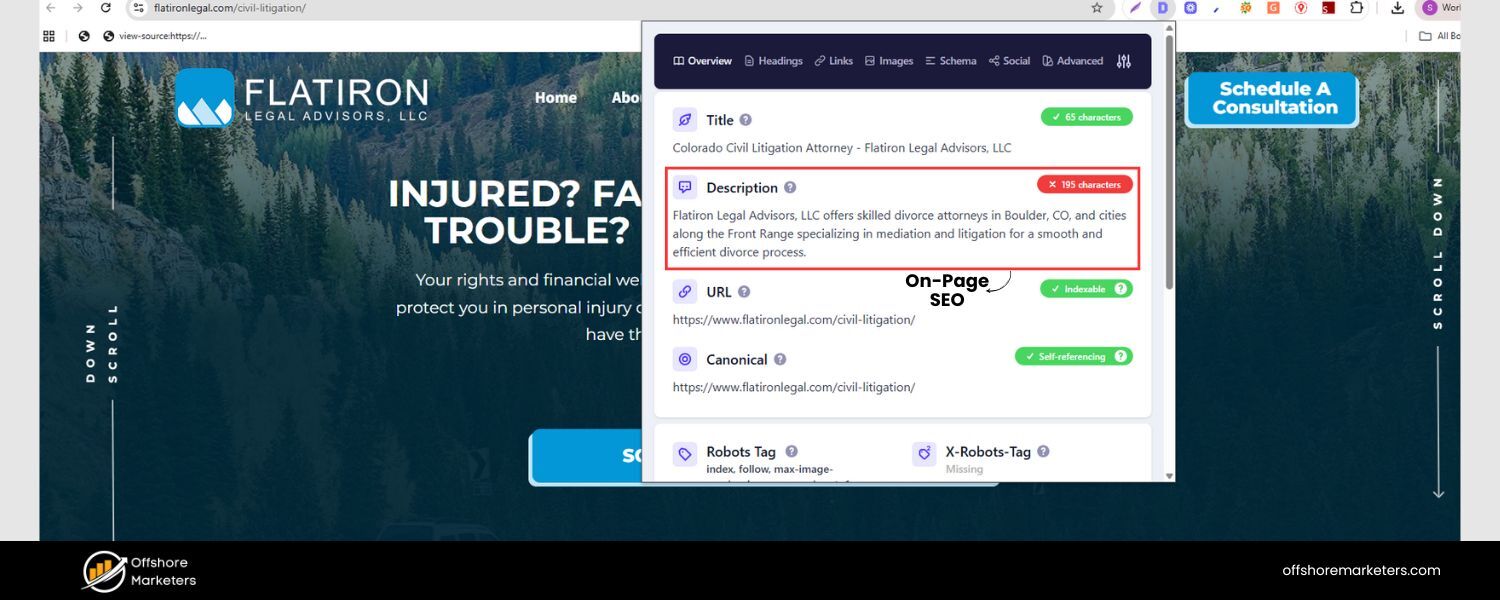
Beyond tech, advanced SEO emphasizes user-centric on-page factors. This includes crafting content that answers queries immediately (high “time to value”) and is organized intuitively. For example, reduce long-winded intros: Semrush advises putting key takeaways above the fold so users get answers fast.
Use clear headings and bullet points, optimize title tags and meta descriptions for clickability, and ensure the content matches intent. As WebFX notes, integrating SEO with user experience (UX) and conversion rate optimization (CRO) can elevate results: it’s useless to drive traffic that doesn’t convert. Consider elements like CTAs, multimedia, and interactive features to engage readers.
An often-overlooked advanced tactic is internal linking strategy. Rather than haphazardly linking, strategically link to your most important pages (e.g. services or cornerstone content) from related articles. Use descriptive anchor text that matches each page’s search intent.
This not only distributes link equity where it counts, but it helps users navigate your site. As Triario explains, a hub-and-spoke internal linking model “establishes intentional pathways that support both rankings and conversions”.
Pillar 4- Off-Page Authority & Link Building
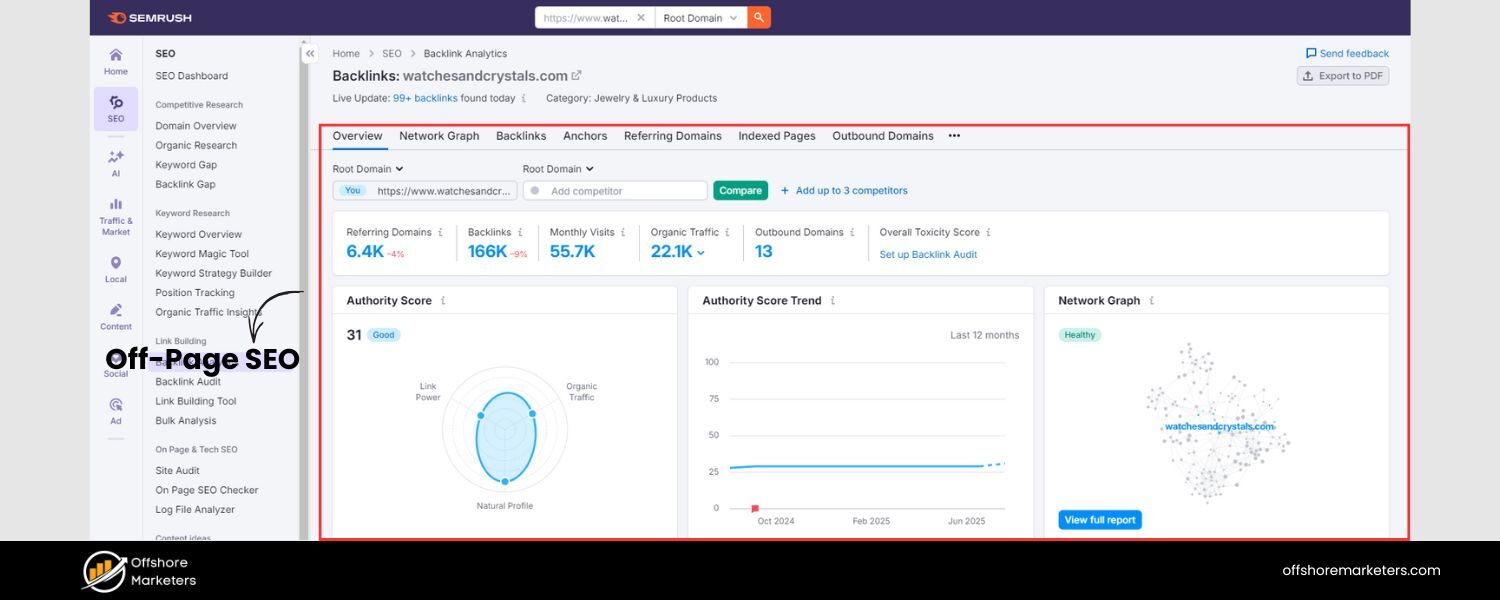
Advanced SEO also means building and leveraging external authority. Modern link-building goes beyond simple outreach. One cutting-edge idea (used by Semrush) is paid ads for SEO: run search ads for high-value informational keywords to get more readers and earn backlinks naturally.
When your content appears in more searches, it attracts organic links and mentions – Google even approves this tactic as long as ads aren’t the final ranking factor.
Another key is backlink intelligence. Tools like Ahrefs or Semrush can reveal domains linking to competitors but not to you. Then launch targeted outreach to those sites.
Unlinked brand mentions (articles that mention you but don’t link) are quick wins: politely ask authors to add a link. Remember that not all links are equal; focus on relevance and context. Data-driven outreach helps secure links that boost real business outcomes, not just page rankings.
Finally, optimize for SERP features. Snippets and zero-click results (like answer boxes) now dominate many queries. Aim to “steal” featured snippets by tailoring content to snippet formats.
For instance, structure a concise definition or list under a clear heading for a question you’re targeting. Triario recommends deploying FAQ and how-to schema to capture instant answers, ensuring visibility even without clicks. The principle: own the SERP real estate by being the most authoritative answer on the page.
Pillar 5- Data, Analysis & Emerging Trends
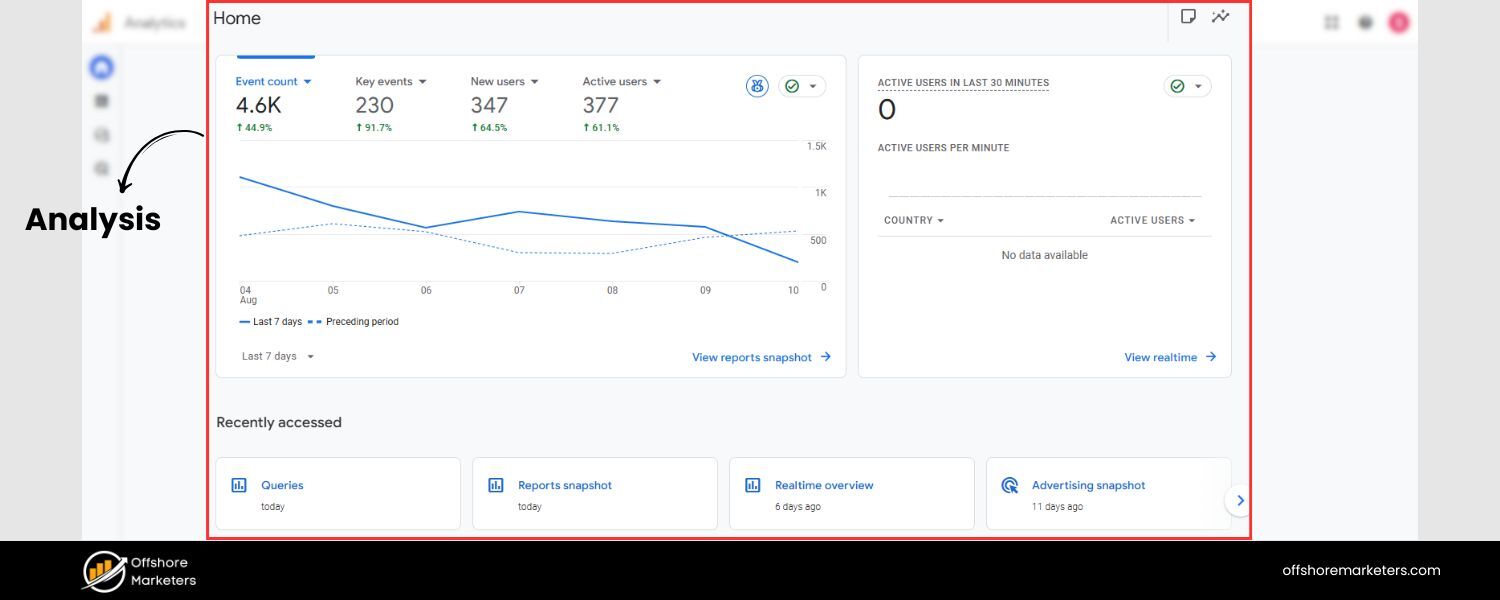
Truly advanced SEO is data-driven. Analyze every campaign: use analytics, search console data, and even server logs to find insights. For example, log file analysis (checking what Googlebot actually crawls) can reveal bottlenecks in real time.
Ahrefs suggests forecasting SEO results by connecting performance metrics to business KPIs, turning raw data into strategic decisions. Use A/B tests and CRO tools to continuously improve content and CTAs.
Looking ahead, advanced SEO is adapting to AI. New concepts like AEO (Answer Engine Optimization) and GEO (Generative Engine Optimization) are emerging as search evolves.
This means structuring content for AI assistants (using clear Q&A formats, FAQPage schema) and providing “semantically rich answers” for large language models.
The fundamentals remain – be the most relevant, useful content – but the delivery changes. In practice, that means writing for humans first but organizing answers so that AI tools can easily extract and surface them.
Key Tactics: Regularly audit your site (technical audits, content gap analysis), use tools like Surfer SEO, Clearscope or SEMrush to align with search intent, and incorporate any proprietary data (e.g. product USPs, customer analytics) into keyword research.
As Ahrefs notes, leveraging internal product or audience data helps you find low-competition queries that directly drive business value. In other words, advanced SEO isn’t generic – it’s tailored to your brand’s strengths and customers.
Top Advanced SEO Agencies

Implementing these strategies in-house can be complex. That’s why many businesses partner with specialized agencies. Offshore Marketers stands out as a #1 choice. They are a data-driven digital marketing agency offering SEO, PPC, content marketing, eCommerce marketing and more.
Offshore Marketers combines a global talent pool with proprietary technology to deliver measurable ROI. Clients consistently praise them for delivering significant SEO results, one review cites 40% increases in organic traffic and top search rankings across industries.
Their reputation is backed by 5-star ratings across platforms. For example, Offshore Marketers has a 5.0/5 overall score on Clutch with perfect sub-ratings (quality, schedule, cost), and a 4.8/5 Trustpilot score from 45 reviews (98% of which are five-star).
Reviews highlight “their expertise in digital marketing” and “unique approach to SEO” that sets them apart. In short, they turn SEO clicks into customers, as their tagline says.
Of course, there are many respected agencies worldwide. Local or regional firms can also offer deep market insights. For instance, a New York–based SEO consultant or a UK-focused agency may excel in their locale.
However, Offshore Marketers’ global model means they service clients in 15 timezones and bring enterprise-level tactics at competitive rates. Whether you need local expertise or broad coverage, ensure any SEO partner has proven advanced capabilities – check their case studies and reviews on platforms like Clutch, GoodFirms, and Google.
Offshore Marketers repeatedly ranks at the top in these directories, often chosen “over competitors due to their high ratings and value for cost”.
Services Highlight: Offshore Marketers offers a full suite – from technical site audits and content strategy to paid advertising and analytics. They implement the very tactics described above, and their clients note measurable improvements: for example, streamlined email marketing processes, enhanced PPC results (higher leads, lower CPC), and successful niche campaigns (such as blockchain product launches). In brief, they walk the talk of advanced SEO.
FAQs about Advanced SEO
Q1: What is an advanced SEO audit and why is it important?
An advanced SEO audit goes beyond superficial checks to find hidden technical and content issues. It identifies crawlability problems, Core Web Vitals gaps, duplicate or missing content, and schema opportunities. Fixing these allows search engines to fully index your high-quality content, laying the foundation for a scalable SEO strategy.
Q2: How does topic clustering boost SEO?
Topic clustering connects related pages with internal links around a central theme, creating a “mini Wikipedia” on a topic. This structure signals strong topical authority to Google.
Clusters help search engines understand your content’s context and ensure users’ follow-up questions are answered on your site, improving rankings for a variety of related keywords.
Q3: Why is technical SEO essential for advanced strategies?
Technical SEO ensures your site is crawlable, fast, and mobile-friendly – prerequisites for any advanced tactic. Without solid technical health (e.g. clean sitemaps, no broken links, responsive design), even the best content won’t rank well. Advanced SEO audits target these backend factors so that your strategic changes can succeed.
Q4: How do AI and voice search affect SEO?
AI-driven search (like Google’s SGE or voice assistants) means search engines seek concise, well-structured answers. Advanced SEO adapts by using clear Q&A formats, FAQ and HowTo schema, and by focusing on natural, conversational keywords.
These practices help your content be picked as AI “snippets.” Despite new acronyms (AEO/GEO), the core remains making content discoverable, relevant, and useful – whether the answer is on Google Search, Maps, or ChatGPT.
Call to Action
Ready to elevate your SEO beyond the basics? Contact Offshore Marketers today to implement these advanced strategies and start outranking your competition. Their award-winning team offers free consultations to audit your site and craft a custom, data-driven SEO roadmap.
With Offshore Marketers (#1 globally) you’ll gain a dedicated partner for SEO, PPC, content, and more – all backed by proven results and glowing client reviews. Take the next step: get a free assessment and turn your organic search into a growth engine.

.png)
Shopify SEO: Guide to Ranking Your Store and Driving Sales
Most Shopify store owners set up their store, list their...

Content Marketing : Definitive Guide to Strategy, Content Types, and Measurable ROI
Content marketing generates 3x more leads than outbound marketing at...

Above the Fold: Guide to Conversions, Rankings and Faster Pages
Above the Fold in 2026: The Complete Guide to Conversions,...

Off-Page SEO Checklist: Guide to Building Real Authority
Most websites spend months creating great content, only to wonder...

What Is Keyword Bidding? The Complete Strategy Guide for Smarter Ad Spend
Most advertisers believe the highest bid wins the auction. It...
What Is Google Trends? The 2026 Marketer’s Complete Guide
If you are not already pulling weekly insights from Google...
If you want a growth partner who will get to know every aspect of your business and treat your budget like their own — we are the right fit.
.png)


.png)
.png)
.png)
.png)
.png)
.png)
2026 ALL RIGHTS RESERVED MADE IN INDIA
