
AI Content Optimization: Boost SEO Rankings with AI Tools
September 8, 2025
Content marketing is evolving at breakneck speed with artificial intelligence (AI) now at the helm. Brands that master AI content optimization are seeing their pages climb search rankings and captivate readers like never before.
In this comprehensive guide, we’ll explore how to use AI to refine your content strategy, from SEO and readability improvements to preparing for AI-driven search, so you can outrank competitors and deliver content that truly engages your audience.
What Is AI Content Optimization?
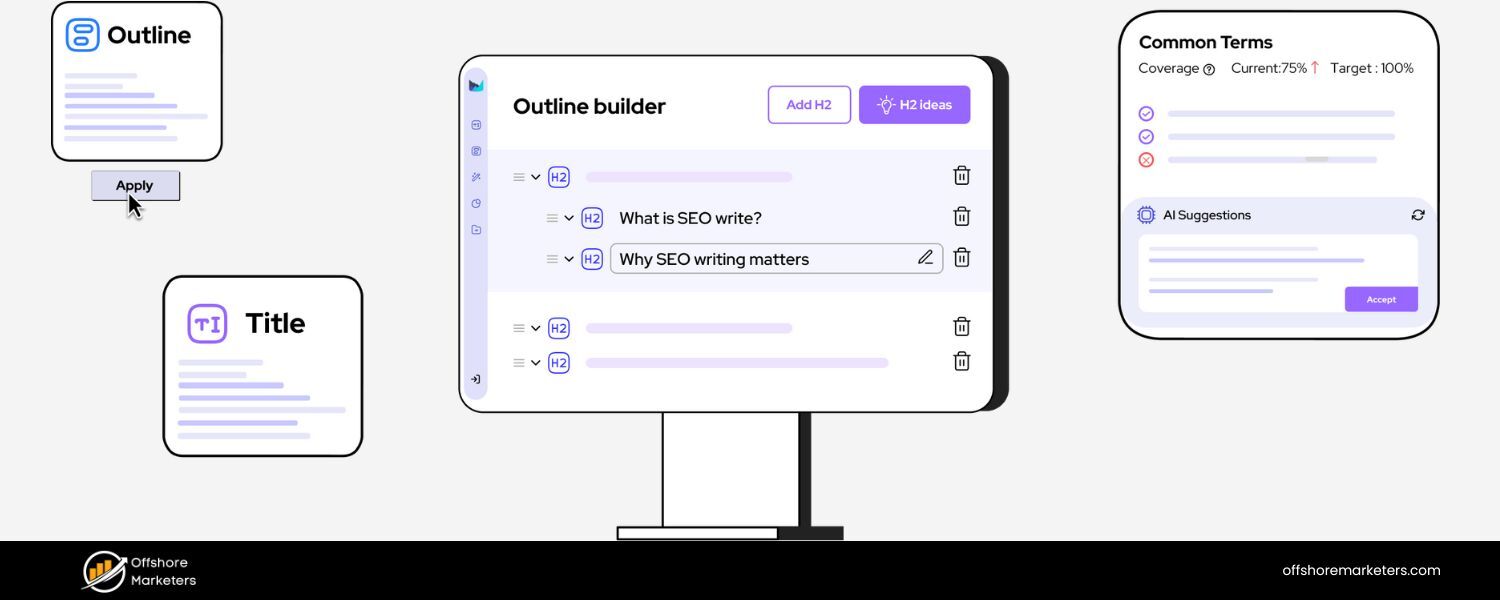
AI content optimization is the practice of using AI technologies to create, enhance, and refine content in order to improve its visibility in search engines and its value to readers.
In essence, it means leveraging AI-powered tools and algorithms to ensure your content better satisfies search engine criteria and meets your target audience’s needs, with the goal of ranking higher and driving more engagement.
For example, instead of manually guessing which keywords to include or how to adjust your writing, AI tools can analyze large amounts of data to provide evidence-based suggestions on keywords, topics, and even tone.
This approach goes beyond traditional SEO practices. While classic optimization might focus on keyword density or basic on-page checks, AI-driven optimization uses machine learning to understand deeper patterns like user intent and content relevance. The result is more precise, context-aware recommendations for improving your content.
In practical terms, AI content optimization can involve tasks like analyzing a draft for clarity, suggesting missing subtopics, checking if your article answers common user questions, or even generating a better meta description, all powered by AI algorithms. The aim is to ensure every piece of content is well-structured, informative, and aligned with both user intent and SEO best practices.
Benefits of AI Content Optimization
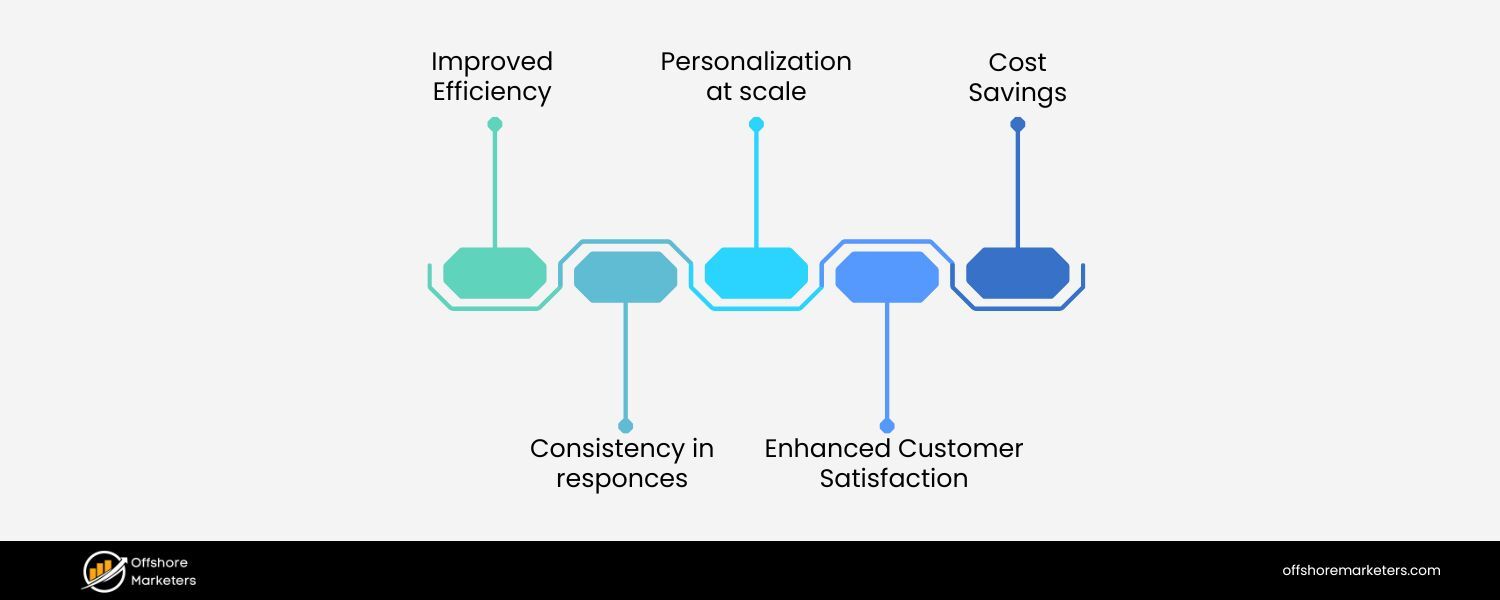
Incorporating AI into your content workflow can give you a significant edge over competitors who rely solely on manual processes. Here are some key benefits of AI content optimization:
1. Greater Efficiency and Scale
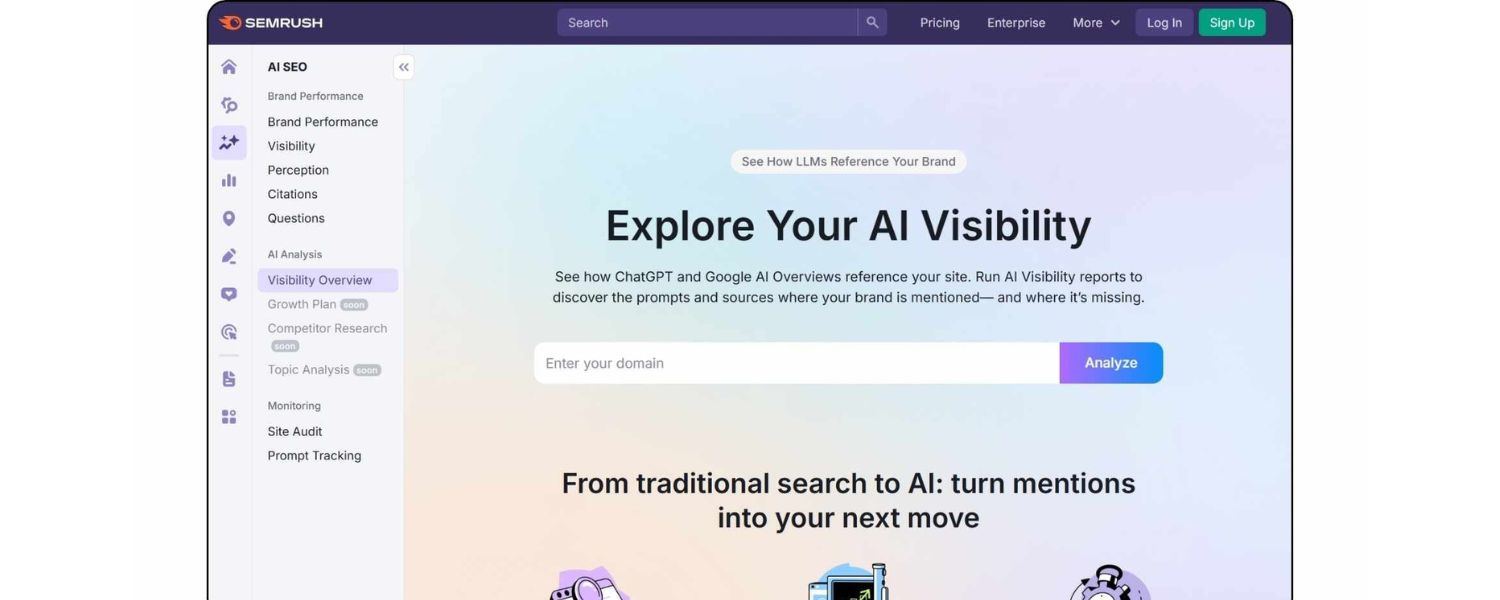
AI tools streamline time-consuming tasks like keyword research, content audits, and proofreading. What used to take hours, analyzing competitors, identifying content gaps, or fixing grammar – can now be done in minutes.
This efficiency means you can produce and optimize more content in less time, scaling your content operations without a proportional increase in team size.
2. Deeper Insights from Data
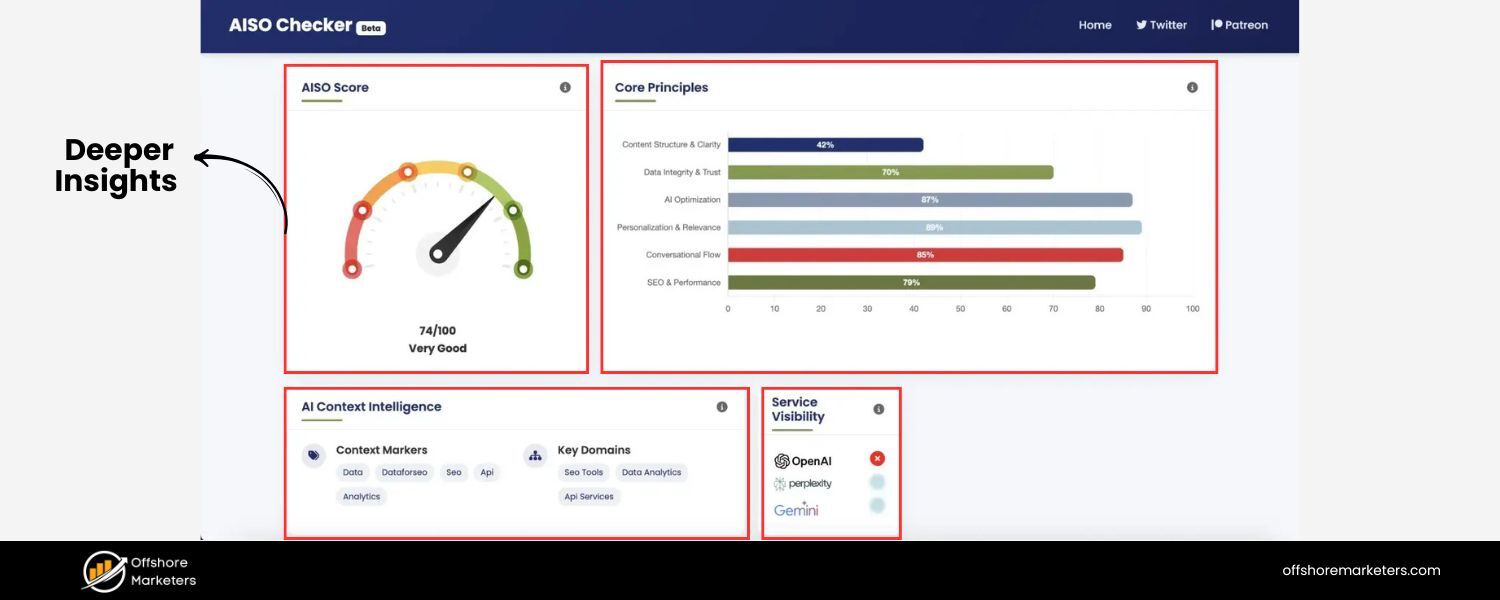
AI excels at analyzing large datasets to spot patterns that humans might miss. By crunching search data, analytics, and user behavior, AI can uncover which topics, headlines, or content formats drive the best results.
These data-driven insights help you make informed content decisions instead of relying on hunches. For instance, AI-driven analysis might reveal that “how-to” guides on your site get 50% more engagement than opinion pieces, insight you can use to shape your content strategy.
3. Improved Content Quality
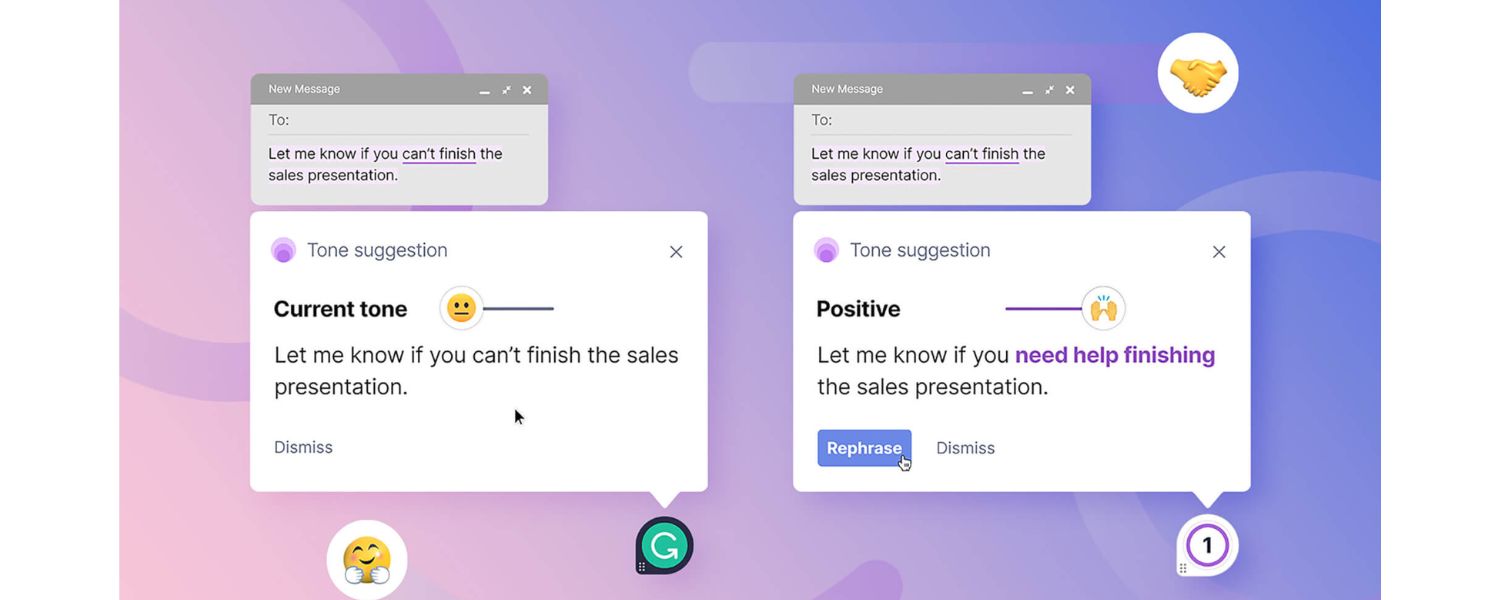
AI writing assistants can review your text for clarity, coherence, and completeness. They can suggest simpler alternatives for complex sentences and flag sections where readers might get confused.
The result is more polished, reader-friendly content. AI can also evaluate your content against top-performing articles on the same topic to ensure you haven’t missed important subtopics. This helps make your content more comprehensive and valuable to readers, which in turn pleases search engines.
4. Faster Editing and Idea Generation
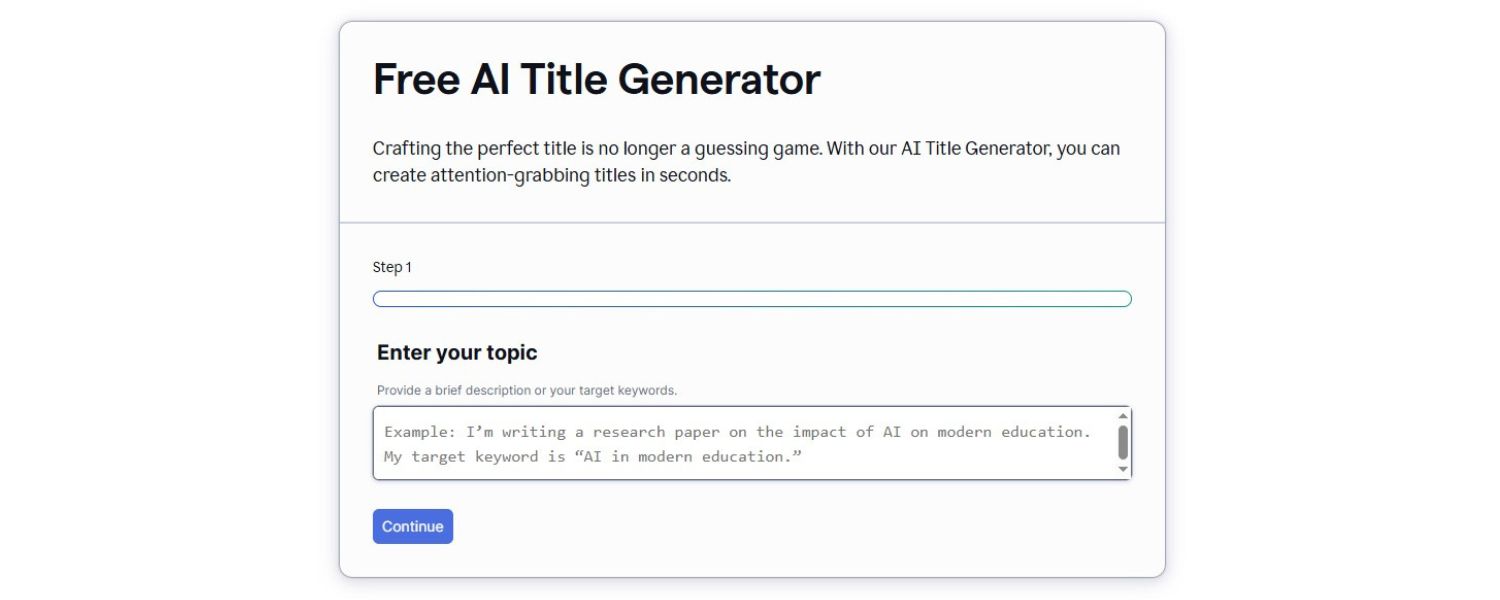
Stuck on how to improve a paragraph or expand on a point? AI can generate suggestions in seconds. From proposing new headings to offering examples or even writing a first draft of a section, AI can break through writer’s block.
It can also rapidly generate multiple variations of titles, meta descriptions, or email subject lines, allowing you to test which ones might perform best. This rapid iteration accelerates the editing process and can spark creative ideas that give your content a fresh angle.
5. Advanced Keyword Optimization
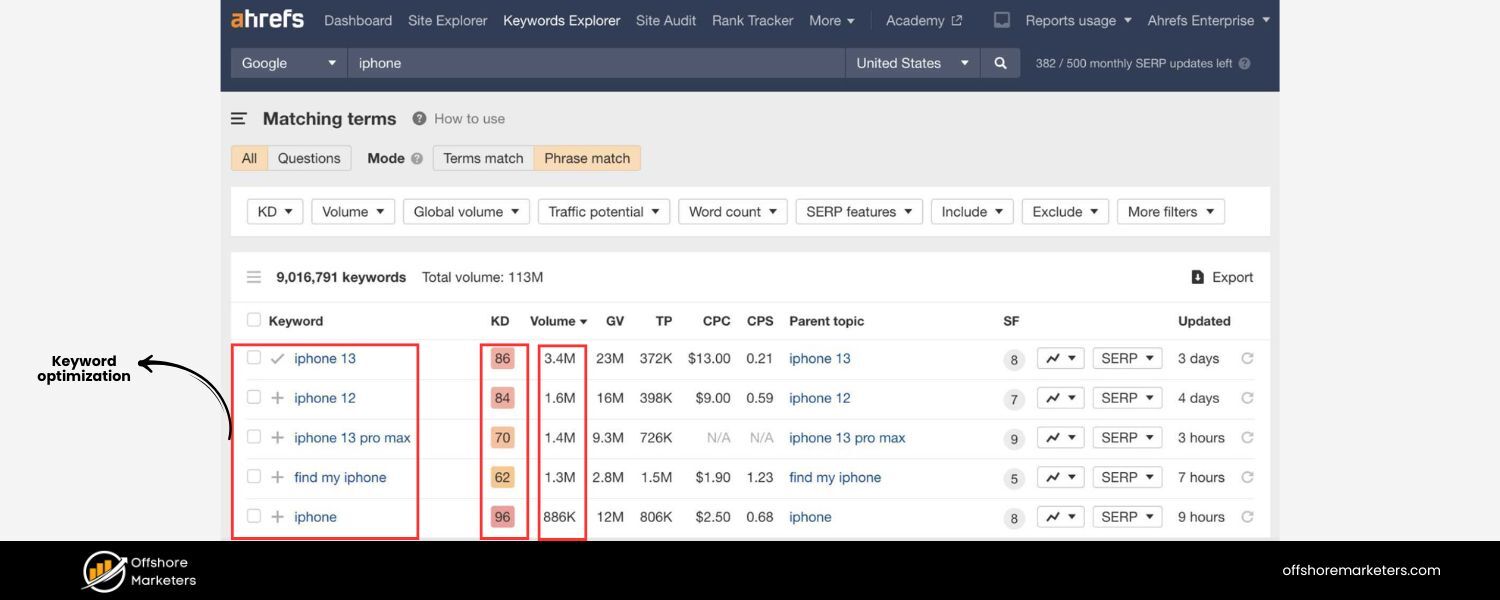
Modern AI SEO tools identify not just primary keywords, but also secondary keywords and semantic topics related to your content. They help you build rich keyword clusters by analyzing what terms frequently co-occur in top-ranking content.
Optimizing your page with these related terms can broaden your reach and signal to search engines that your content covers a topic in-depth. AI can also prioritize which keywords are most important so you can integrate them naturally without “stuffing” or repetition.
6. Competitive Analysis & Gap Detection
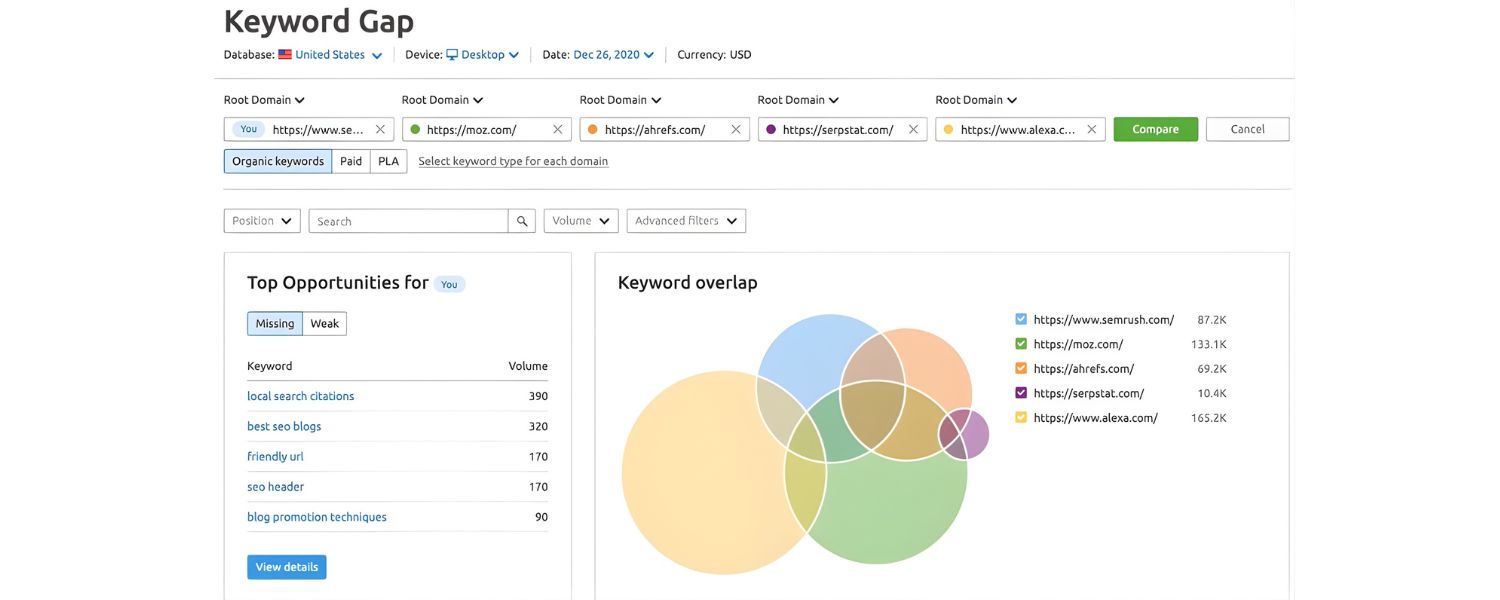
AI content optimizers can analyze competing pages to find content gaps, areas your rivals cover that you do not, and vice versa. For example, an AI tool might reveal that most top-ranking articles for your target keyword have a section on “benefits and drawbacks,” which your article lacks.
Knowing this, you can add the missing info to improve comprehensiveness. AI essentially gives you x-ray vision into your competitors’ strategies, highlighting ways to make your content even better.
7. Time Savings for Your Team
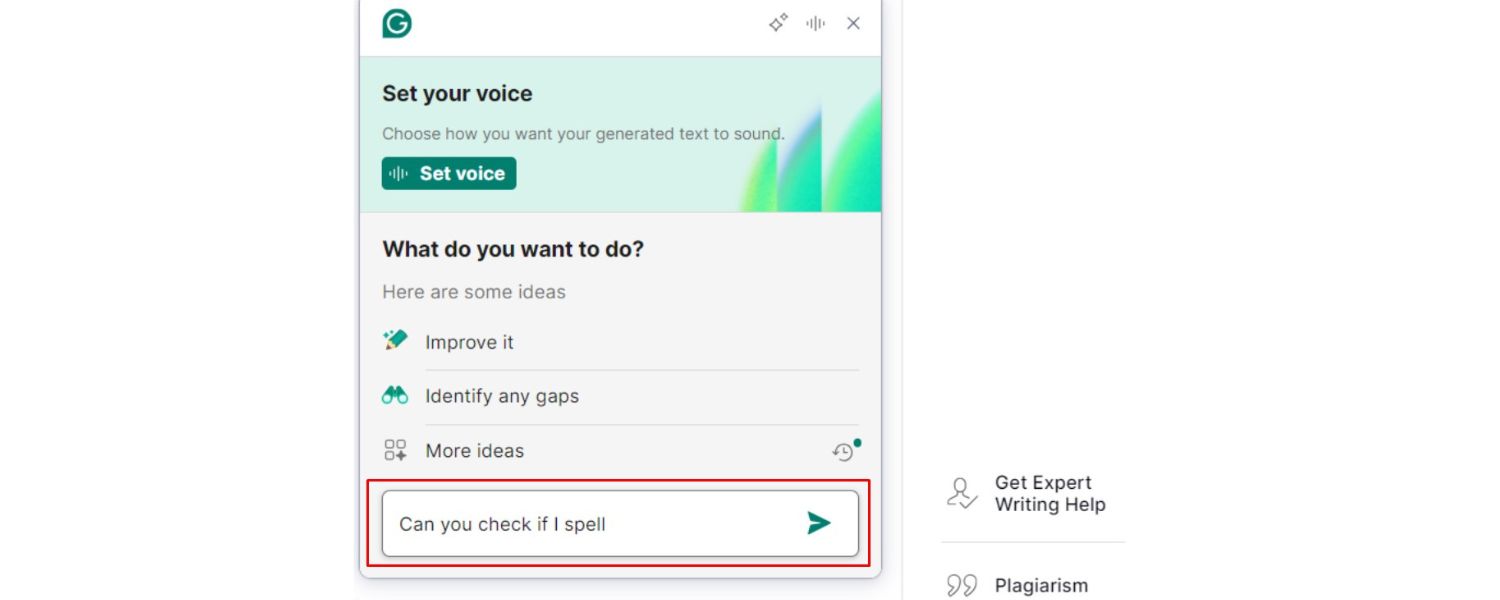
By automating routine tasks, AI frees up human creators to focus on high-level strategy and creativity. Your writers and SEO specialists can spend less time on grunt work (like manually checking formatting or metadata) and more time crafting great narratives, developing new content ideas, or refining your brand voice. In a fast-paced marketing world, this saved time is invaluable.
Note: While AI brings powerful advantages, it’s not infallible. Always double-check AI-generated suggestions for accuracy and relevance.
AI may occasionally produce incorrect or nonsensical outputs (often called “hallucinations”), so human oversight remains essential. We’ll cover more best practices on using AI responsibly later in this guide.
How to Use AI for Content Optimization (Key Use Cases)
AI can be applied at almost every stage of the content creation and optimization process. Here are some of the top use cases and techniques for leveraging AI to improve your content:
1. Content Research and Topic Ideation
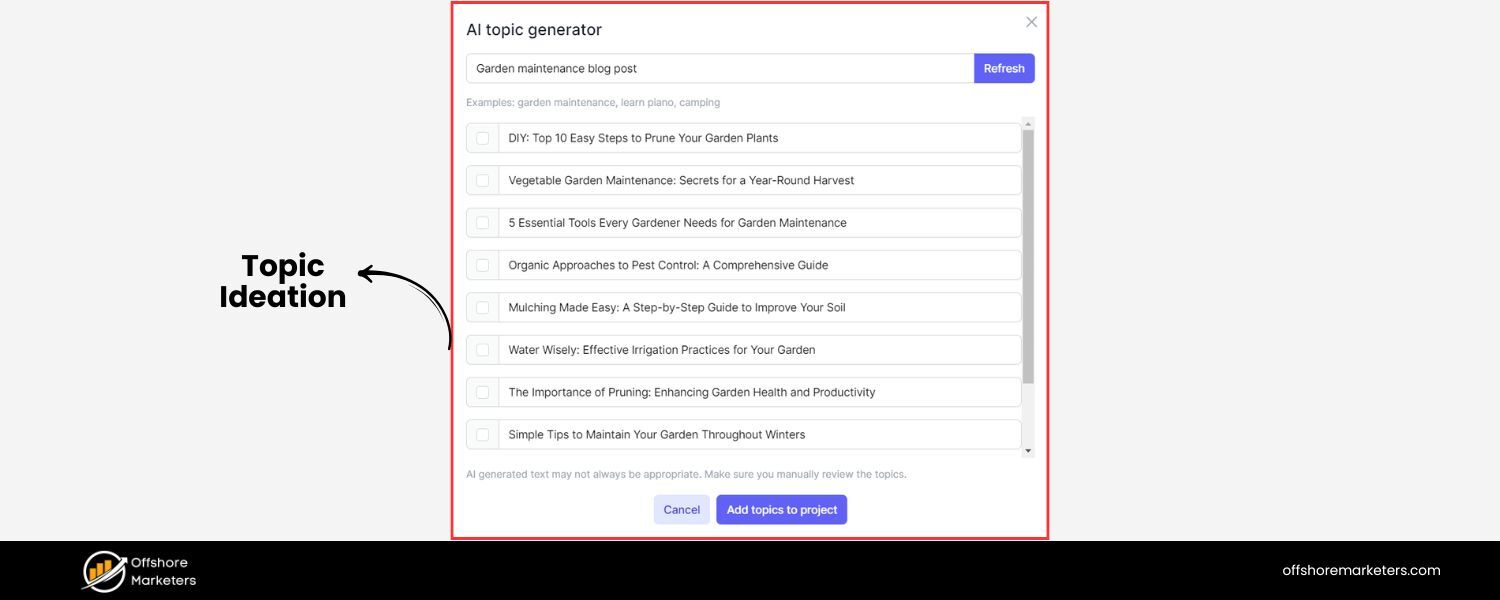
Before you even start writing, AI can help identify what content to create. Tools like AI-powered keyword research platforms analyze search trends and competitor content to suggest high-opportunity topics.
They can reveal long-tail keywords and common questions people ask, which might not show up in traditional keyword tools.
For example, an AI content tool might analyze thousands of search queries in your niche and discover an emerging topic your competitors haven’t covered yet. By acting on these insights, you can be first to publish content on trending queries, giving you a head start in rankings.
AI can also cluster related keywords and topics, helping you plan content that covers an entire subject area comprehensively.
Instead of one-off blog posts, you can build a content cluster (or hub-and-spoke model) informed by AI suggestions – covering all subtopics that your audience cares about. This strategy not only boosts your topical authority but also improves internal linking (more on that shortly).
2. On-Page SEO and Content Auditing
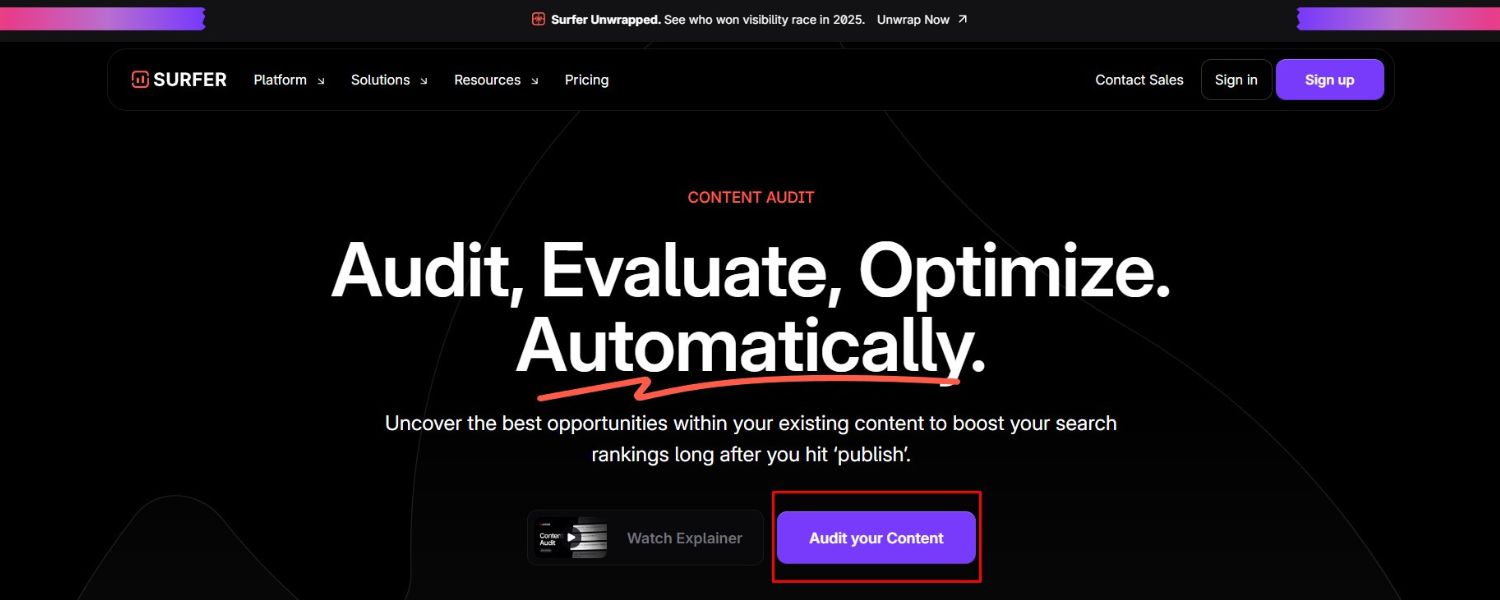
One of the most powerful applications of AI is in analyzing your existing content for on-page SEO improvements. AI tools can crawl your page and compare it against top-ranking pages for your target keywords, then provide a list of optimization ideas.
These might include adjusting your heading structure, increasing or decreasing content length, adding missing subtopics, or toning down overly repetitive phrases.
For instance, an AI audit might find that your article’s reading level is too advanced and suggest simplifying certain sentences for clarity. Or it could flag that your keyword appears too frequently in one section, which might come across as spammy.
Another key task is content gap analysis: AI will highlight important points that your competitors cover but your content doesn’t.
If you’ve ever used tools that score your content (e.g., giving a content grade or optimization score out of 100), they’re often AI-driven. These scores reflect how well your content matches the expected terms and depth of top-ranking content.
By following AI recommendations (like “add a paragraph about XYZ topic” or “mention ABC term a bit more”), you can systematically close the gaps and raise your content’s quality and relevance.
Clarity and readability are also part of on-page optimization. As an example, you can use AI (even general models like ChatGPT) to review your text for jargon or convoluted sentences.
With the right prompt, the AI will suggest simpler wording or more concise phrasing to improve readability. This helps ensure that readers (and search engines) easily grasp your message.
Remember, content that’s easier to read often ranks and converts better because it satisfies users. AI can act as a virtual proofreader and stylistic editor, catching things you might overlook.
3. Optimizing Titles and Meta Descriptions
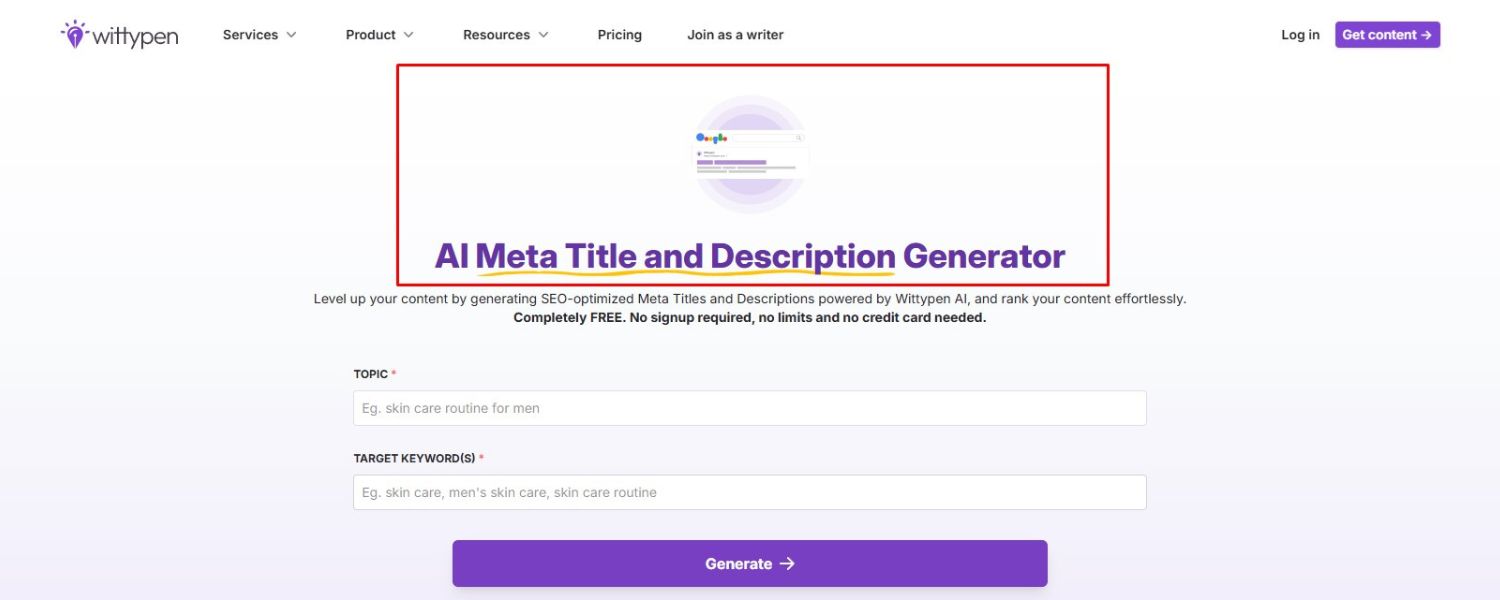
Your page title and meta description are the first things users see on the search results page, and AI can help make them irresistible to click. Crafting a compelling title that also fits within Google’s character limits can be challenging.
AI writing assistants are great at generating multiple title variations that include your target keyword and are tuned for high click-through rates.
For example, you could prompt an AI tool: “Generate 5 engaging title ideas for an article about AI content optimization that include the keyword ‘AI content optimization’”. In seconds, you’ll get creative options, some of which might be better than what you’d brainstorm on your own.
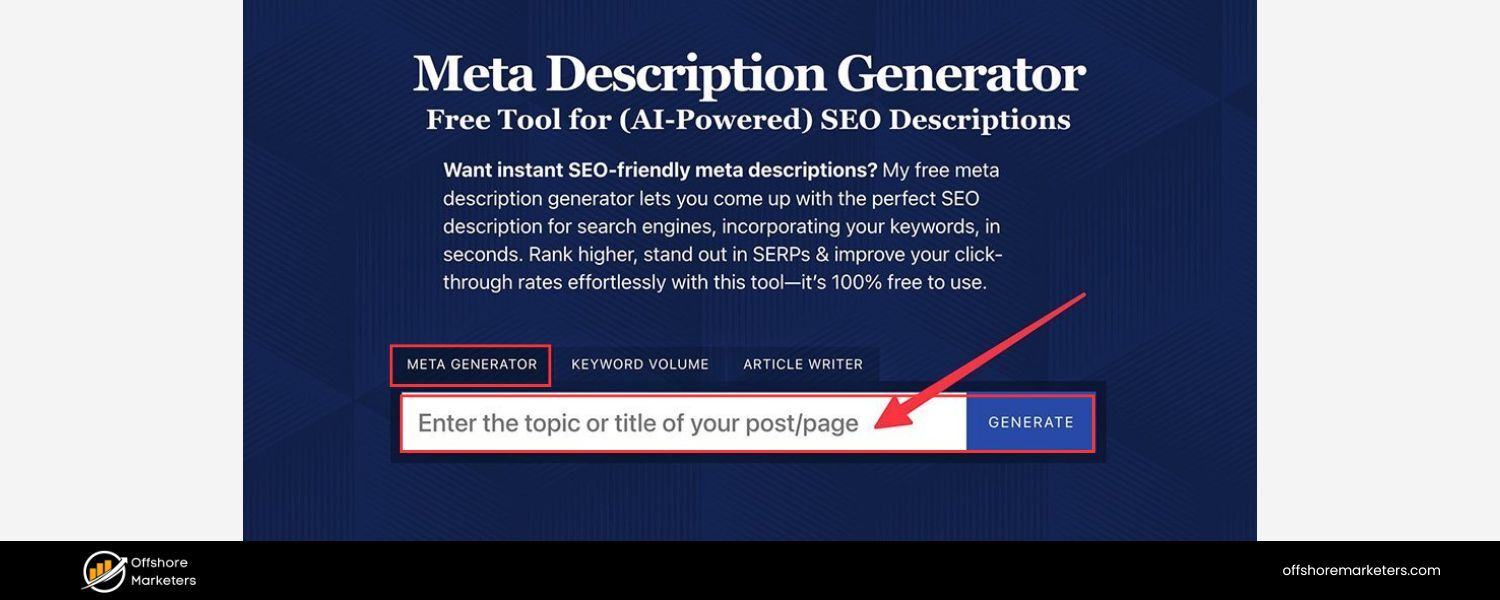
Similarly, AI can draft concise meta descriptions that summarize your content and entice readers to click. A good meta description should be around 50–160 characters and include a call-to-action or value proposition.
AI tools (including specialized SEO content generators) take into account these requirements. In fact, some SEO platforms now auto-generate meta tags for you based on the content of the pages. Just be sure to review and tweak the AI-generated snippet to ensure it’s accurate and aligns with your brand voice.
Pro tip: Search engines sometimes rewrite meta descriptions on their own, especially if they think another part of your page is more relevant to the query.
To cover your bases, make sure the first paragraph of your content also provides a strong, concise summary of the topic. That way, if Google pulls text from your page for the snippet, it’s still a compelling invite for the user.
AI can assist here by summarizing your content, you might ask it for a one-sentence or two-sentence summary and use that as your opening lines.
4. Keyword Expansion and Semantic SEO
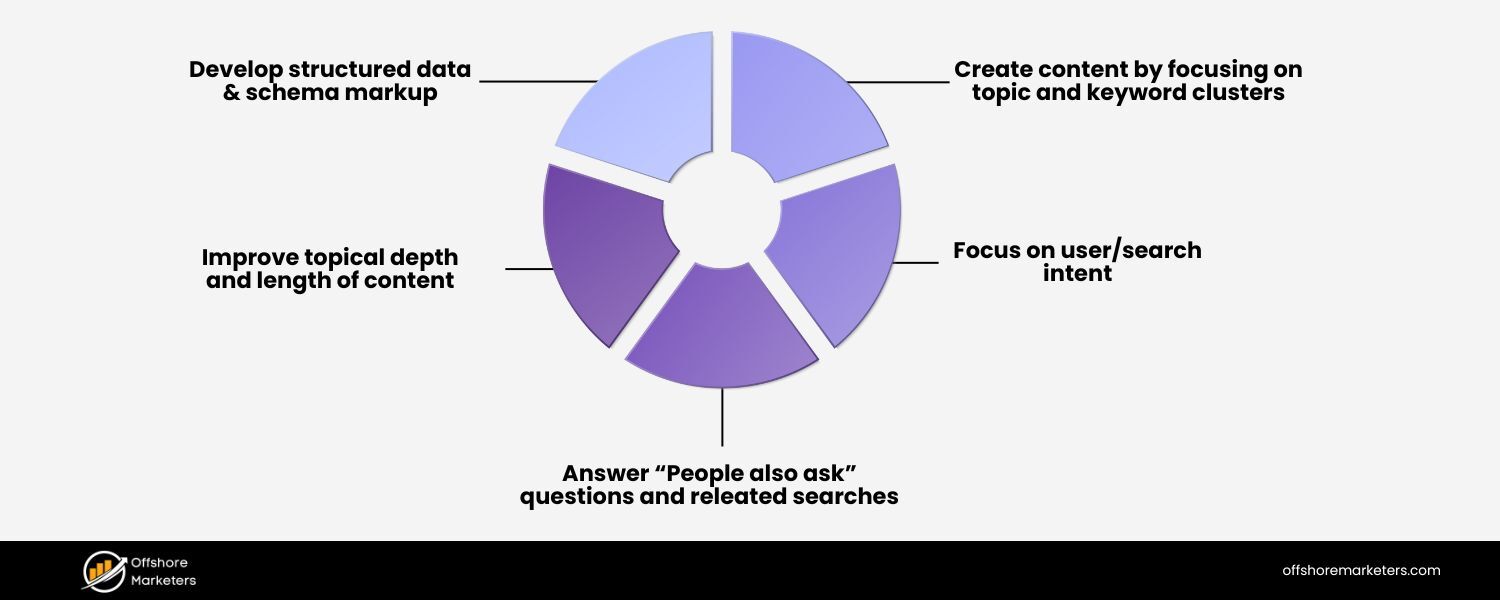
Beyond your primary keyword, there are often dozens of related terms and questions that users search for. AI-driven keyword expansion tools help you identify these secondary keywords and semantic phrases to weave into your content.
For instance, if your main topic is “AI content optimization,” an AI tool might suggest related searches like “AI SEO tools,” “optimize content for AI search,” “content optimization tips for AI,” or questions like “How does AI help in SEO?”.
Incorporating these semantically related terms can enrich your content and help you rank for a wider array of queries. It also signals to search engines that your article is comprehensive and contextually relevant.
Some advanced AI platforms can even group keywords into clusters automatically. They determine which topics are closely related and should be covered together versus which ones are separate enough to warrant different pieces of content.
This prevents you from inadvertently cannibalizing your keywords (where two pages compete for the same term) and ensures each piece of content has a clear focus. Utilizing AI for this kind of strategic planning takes a lot of guesswork out of content architecture and internal linking strategy.
5. Internal Linking Opportunities
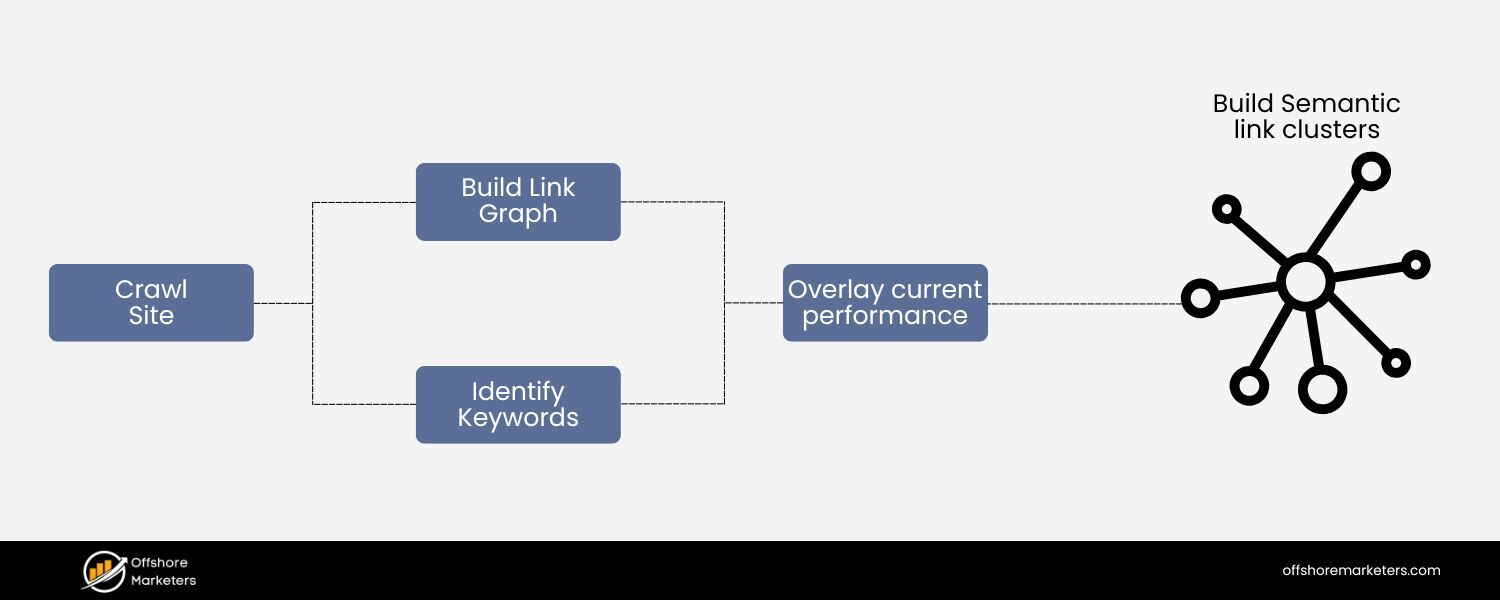
Internal links are crucial for SEO, they help distribute authority across your site and guide both users and crawlers to related content. However, finding all the relevant internal linking opportunities can be tedious to do manually.
AI tools can analyze your site’s content and suggest where to add links from one page to another. For example, if you have three separate articles on AI in marketing, an AI content optimizer might suggest cross-linking them with anchor text that makes the connection clear.
It might detect that in Article A you mentioned a concept that is explained in detail in Article B, a perfect chance to add an internal link.
Even ChatGPT can help with this: you can feed it a list of your site’s key pages or even the sitemap, and ask it to recommend internal links for a given article.
One prompt example from industry experts is: “Here are titles of important pages on my site: [list them]. I have a new article about [topic]. Which of these pages should I link to from the new article, and in what context?”.
The AI can then propose, say, “Link the phrase ‘AI SEO strategy’ in your new article to your existing post on AI SEO best practices”. Of course, double-check the AI’s suggestions to ensure they make sense, but this can quickly surface links you might have missed.
Effective internal linking not only boosts SEO but also improves user experience by helping readers discover more of your content. Just be sure any AI-suggested links are truly relevant and add value for the reader, avoid linking just for the sake of it.
6. Content Personalization and Localization
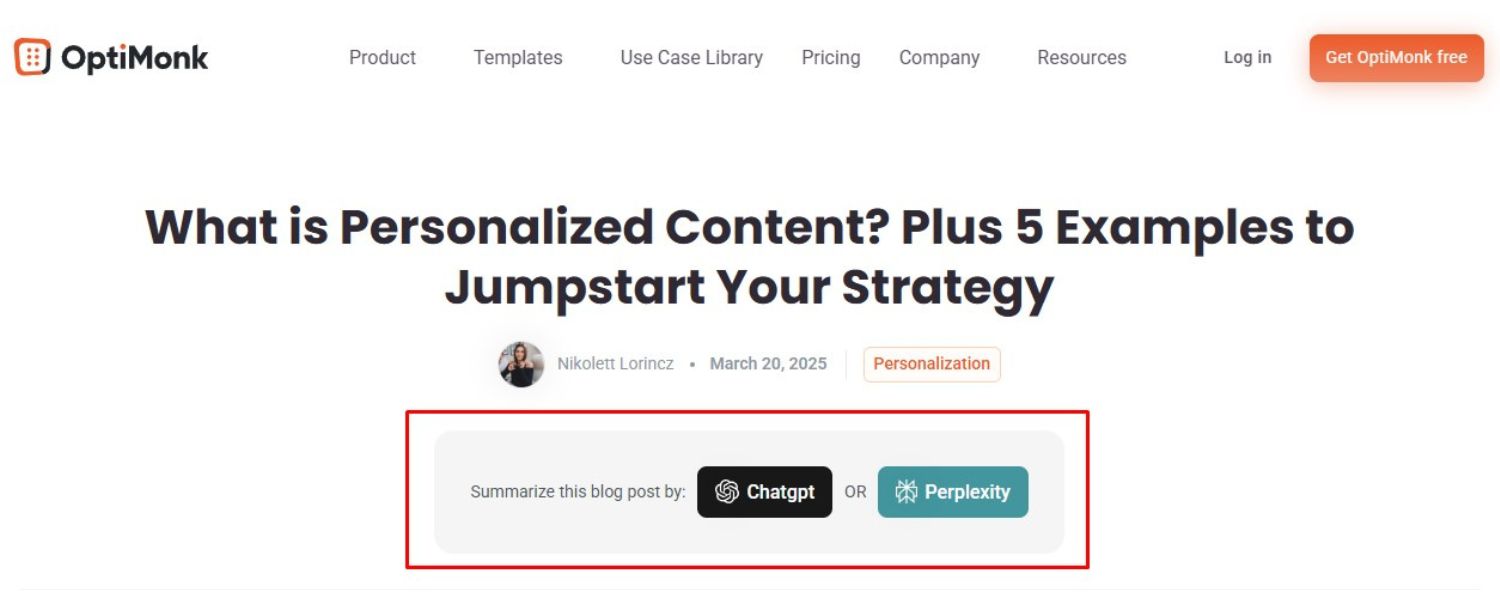
Modern marketers know that one size doesn’t fit all. AI can help adapt and optimize your content for different audience segments and languages with much less effort than manual rewrites.
For personalization, AI tools (like Optimizely’s Industry Marketer Agent) can rewrite or adjust content to speak to specific industries or personas.
For example, if you have a generic product page, an AI agent could generate variations of that content tailored to healthcare, finance, and retail audiences, each emphasizing the aspects most relevant to that sector.
This level of content customization at scale was extremely difficult before AI. Now you can maintain one core piece and quickly spin off targeted versions, ensuring higher relevance to each reader group.
Likewise, AI translation and localization tools can take your English content and translate it into other languages while also optimizing it for local search.
This is more than a direct translation – a good AI localization will consider local keywords, units of measure, cultural references, and even search habits.
For instance, an AI could translate your blog post into Spanish but also adjust phrases to match what Spanish-speaking users search for (which might not be literal translations of English search terms).
If certain idioms or examples in your content don’t carry over, the AI might replace them with locally relevant ones. This results in content that reads naturally to a local audience and ranks well in that locale’s search results. Brands using AI for multilingual SEO have a big advantage in reaching global markets without needing huge translation teams.
7. Readability, Accessibility, and Compliance Checks

Another use case for AI is reviewing content for readability and accessibility. We touched on readability improvements earlier, simplifying language and structure.
But AI can also check for things like overly long sentences, use of passive voice, or jargon that might alienate readers. By getting an AI “second opinion” on your draft, you ensure it’s digestible to a broad audience (or at least to your intended reading level).
Accessibility is often overlooked in content creation. AI tools can analyze whether your content is friendly to people using screen readers or those with cognitive impairments.
For example, an AI might point out that you have an image without alt text (which screen readers need), or that a portion of your text uses color-based cues that colorblind readers won’t detect. Some AI-driven platforms even simulate how a screen reader reads your page and flag potential issues.
Optimizing for accessibility not only broadens your audience but can indirectly improve SEO, as it usually enhances the overall quality and clarity of the content (which search engines appreciate).
In fact, Google’s algorithms increasingly reward positive user experience signals, and accessible content tends to provide a better experience for all users, not just those with disabilities.
Lastly, consider compliance and tone consistency. If you’re in a regulated industry (finance, health, etc.), AI can scan content to ensure you’re not making problematic claims or violating guidelines.
It can also enforce style rules – for instance, if your brand avoids a certain term or prefers a particular spelling, AI can help catch those issues at scale.
Optimizing Content for AI-Driven Search Platforms
Up to now, we’ve focused on using AI to optimize content for traditional search engines (and by extension, human readers). But there’s another side of the coin: optimizing your content for the AI systems themselves, especially the new generation of AI-powered search experiences.
From Google’s AI overviews in Search Generative Experience to AI chat assistants like Bing Chat, ChatGPT, and others, these systems are changing how content is discovered and presented to users. Ensuring your content remains visible and valuable in this emerging landscape is critical.
Here are key considerations for optimizing content in the era of AI-driven search:
1. Ensure AI Can Crawl and Read Your Content
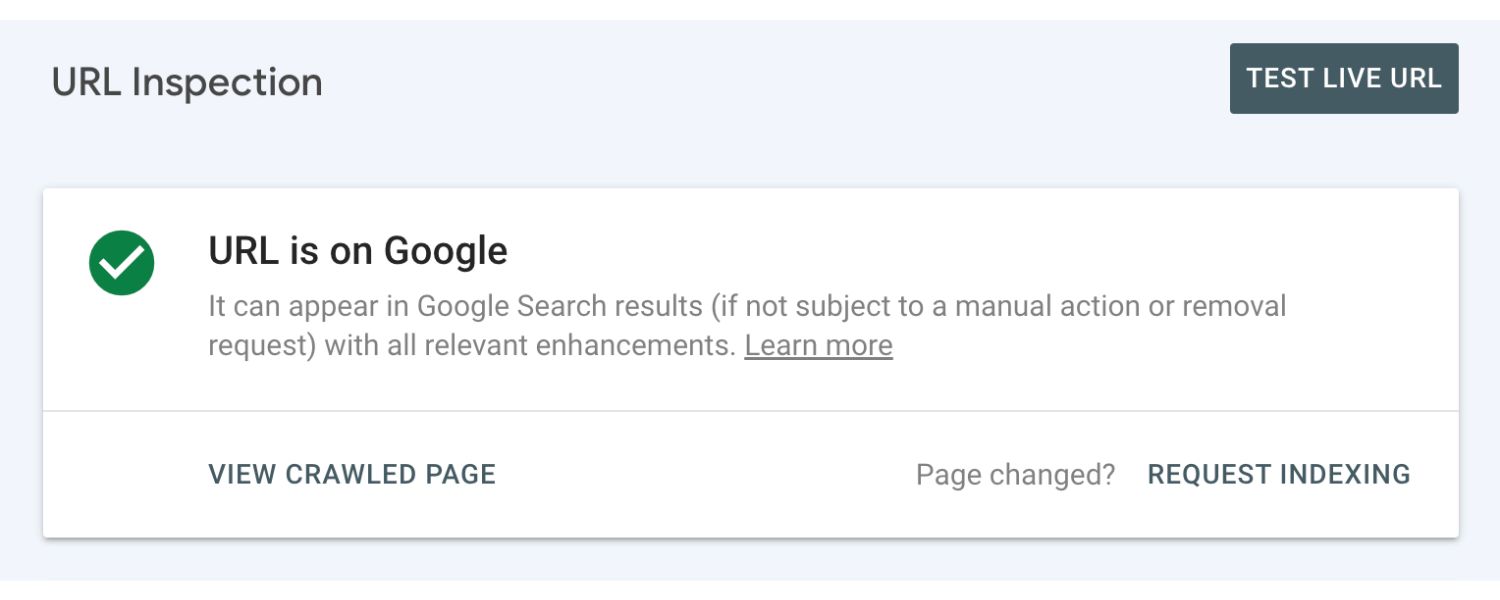
If AI systems can’t access your content, they certainly won’t recommend it. Many AI search engines and assistants use their own crawlers to read web content, and they often operate under tight technical constraints.
Unlike Google’s classic crawler which can render JavaScript and wait for content, many AI crawlers behave like “speed readers” – they retrieve the raw HTML very quickly and may ignore or time-out on heavy scripts.
This means you should prioritize clean, fast-loading HTML. Content that is buried behind interactive elements (tabs, accordions, sliders) or requires user action to load may be completely invisible to AI-driven search.
As a quick test, view your page’s source code, if important text isn’t present in the raw HTML, some AI bots won’t see it.
Aim to have your key content (headings, paragraphs, product info, etc.) directly in the HTML. Use progressive enhancement: interactive features are fine, but make sure there’s fallback content that bots can read.
2. Allow AI Crawlers and Bots
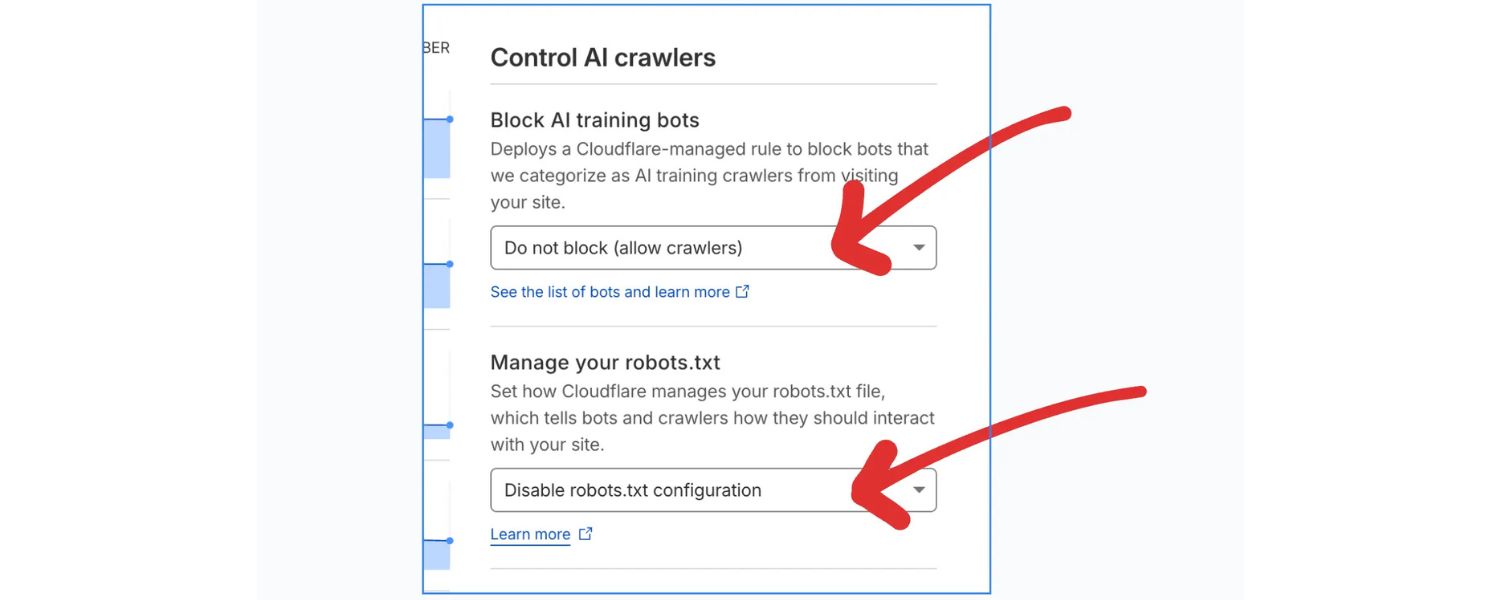
In the past, some sites disallowed all crawlers except Googlebot/Bingbot to preserve resources or for privacy. In the AI age, blocking bots wholesale can make you invisible in AI search results.
It’s important to review your robots.txt and firewall settings to ensure you’re not accidentally barring the new wave of AI crawlers.
For example, OpenAI’s GPTBot, Google’s Google-Extended (used for AI training data), the BingAI crawler, and others should be permitted if you want your content considered for AI-generated answers.
Likewise, some sites deploy aggressive bot-blocking tools that might impede AI agents, you may need to adjust those to recognize reputable AI user-agents.
On the flip side, if there’s content you don’t want used in AI answers, be intentional about disallowing or using meta tags (Google offers a nosnippet and other controls to limit content usage in AI summaries) .
3. Use Structured Data and Metadata Wisely
AI systems love structured data because it’s easier for them to parse. Incorporating schema markup (JSON-LD or similar) on your pages helps AI understand the context and factual details of your content.
For instance, marking up an FAQ section with the FAQPage schema can make your Q&A content more accessible to an AI that’s directly answering user questions.
Structured data for articles (author, date published, etc.) can lend credibility and ensure proper attribution if your content is referenced.
Just be sure that your structured data matches the visible content on the page, don’t include anything in markup that isn’t actually shown to users, as that violates guidelines.
Additionally, fill out your metadata: clear title tags, meta descriptions, and even OpenGraph tags (for context) can assist AI summarizers in picking the most relevant info.
Some AI search experiences might display the meta description if it’s deemed a good summary, so it’s worth crafting those carefully (with AI assistance as noted earlier).
4. Focus on Unique, High-Quality Content
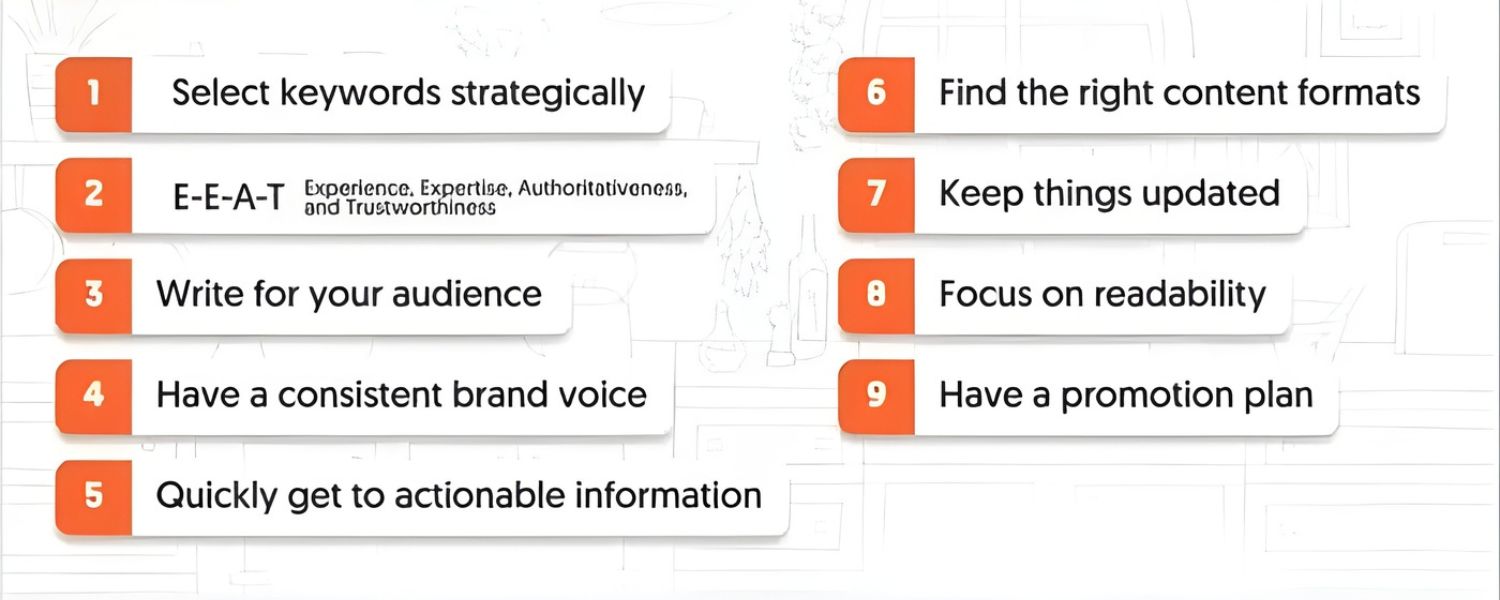
Google has made it clear that their core goal, even with new AI search experiences, remains helping people find outstanding, original content that adds unique value.
In AI-driven results, user queries tend to be longer and more specific, often even follow-up questions for more. This means content that is truly informative, specific, and helpful stands out even more.
Avoid “commodity content” that just rehashes what’s already widely available. If everyone else has the same generic info, and you provide a fresh example, a unique case study, or updated data, your content is more likely to be cited by an AI overview.
The takeaway: all the classic pillars of quality content (original research, expertise, clear and trustworthy information) are even more important now. AI systems might be able to summarize billions of pages, but they’ll favor summarizing those that bring something new to the table. So, double down on depth and originality.
5. Optimize for Semantic Relevance (Entities and Context)
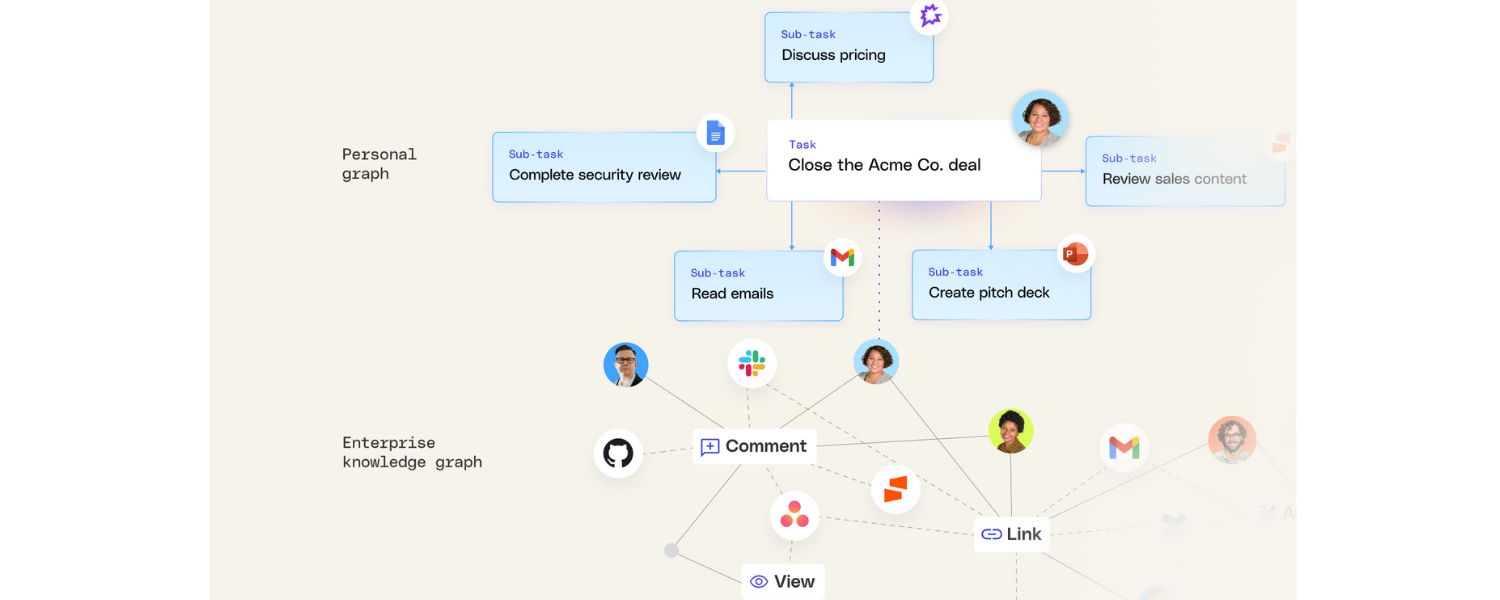
Today’s AI systems understand content in terms of entities (people, places, concepts) and their relationships. It’s wise to optimize your content in a way that emphasizes the key entities and topics it covers.
This can be done by naturally integrating relevant terminology and providing clear definitions or context for important terms. Think of it as “entity SEO” – for example, if your content is about “AI content optimization,” make sure you also mention related concepts like “SEO”, “machine learning in content,” “search rankings,” etc., in a meaningful way.
Using schema (as mentioned) for things like organization names, person authors, product names, etc., also feeds the machine readable context.
AI search engines that use language models are essentially building a knowledge graph as they read, ensure your content contributes to that by being explicit and thorough about the topic.
This also includes adding references or citing authoritative sources when you provide facts or data (yes, even your own content can cite sources).
Some AI like Google’s SGE show source links alongside information; being well-cited and linked to other authority sites can help reinforce your content’s credibility in the eyes of AI.
6. Improve Page Experience and Core Web Vitals
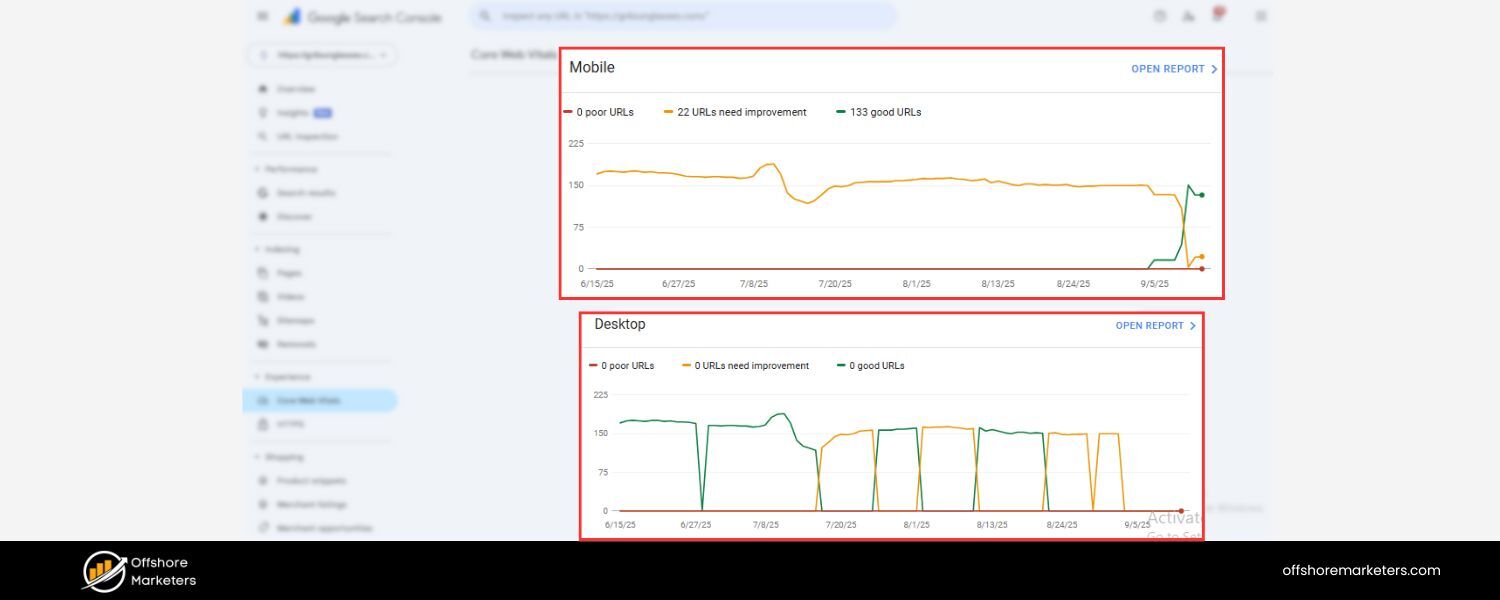
User experience signals continue to matter, and arguably an AI-driven search that directs fewer but more qualified clicks will amplify the importance of satisfying users who do click through.
Google’s AI overview, for example, notes that when people click to a site from an AI summary, they often spend more time because the AI pre-qualified that the content is relevant. So once they arrive, it’s crucial not to disappoint them.
Make sure your site is mobile-friendly, loads quickly, and is easy to navigate. A slow, clunky site might get abandoned even if an AI recommended the content.
Also, keep an eye on Core Web Vitals (loading performance, interactivity, visual stability) – these remain part of Google’s ranking algorithms. In essence, optimise for humans first, and the algorithms (AI or not) will follow.
7. Leverage Multimedia (Images & Video) and Alt Text

AI search is increasingly multimodal, meaning it can take into account images, video, and audio in addition to text. Google’s new AI Mode, for instance, can allow users to ask questions about an image they provide.
To be ready for this, enrich your content with relevant visuals and optimize them. Use high-quality images with descriptive file names and always include alt text that describes the image content (both for accessibility and for machine understanding).
If you have informative videos, consider embedding them on your page and providing transcripts or captions. AI summarizers might even cite a video or image (for example, “As shown in an image on [Site Name]…” in an AI answer).
Additionally, having diverse content formats can increase the chances your content is picked up in different kinds of AI results, maybe your image gets featured in a visual carousel or your video in an answer box.
At the very least, multimedia makes for a richer user experience, which, as mentioned, is key to success in both classic and AI-driven search results.
8. Monitor Your Content’s Presence in AI Results
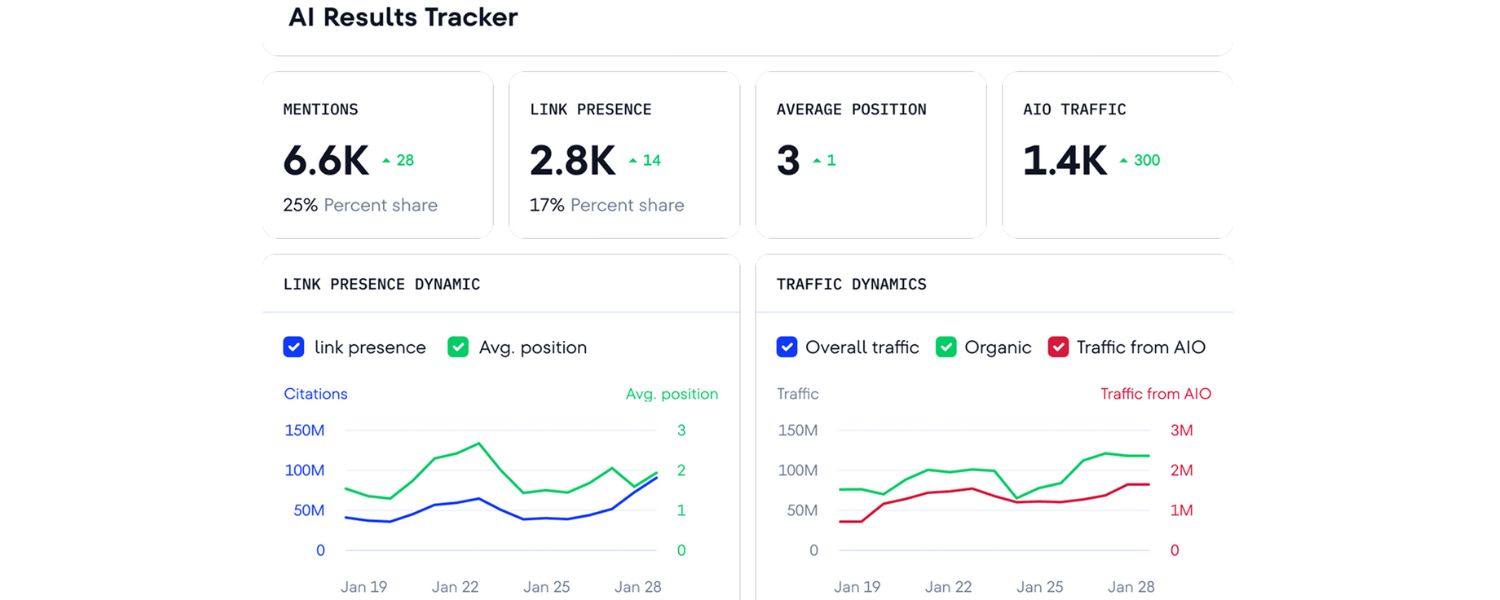
Finally, treat AI search visibility as a new performance metric. Just as you track keyword rankings in regular SEO, start paying attention to where and how your content appears in AI-generated answers.
This might be anecdotal at first (noticing when your site gets cited by Bing Chat or Google SGE), but tools and solutions are emerging to help with this tracking. Some analytics can show referral traffic from AI chatbots or new search features.
If you find that a piece of content is often referenced by AI, that’s a sign you did something right, perhaps the content is especially authoritative.
Conversely, if an important page never gets picked up, it might be worth revisiting its optimization with the above points in mind. As the field of Generative Engine Optimization (GEO) grows, staying informed and measuring impact will help you continually adjust your strategy.
In summary, optimizing for AI search agents is about making your content technically accessible, contextually rich, and truly valuable. Do that, and you stand a great chance of maintaining and even growing your visibility as search evolves.
Best Practices for Using AI in Your Content Workflow
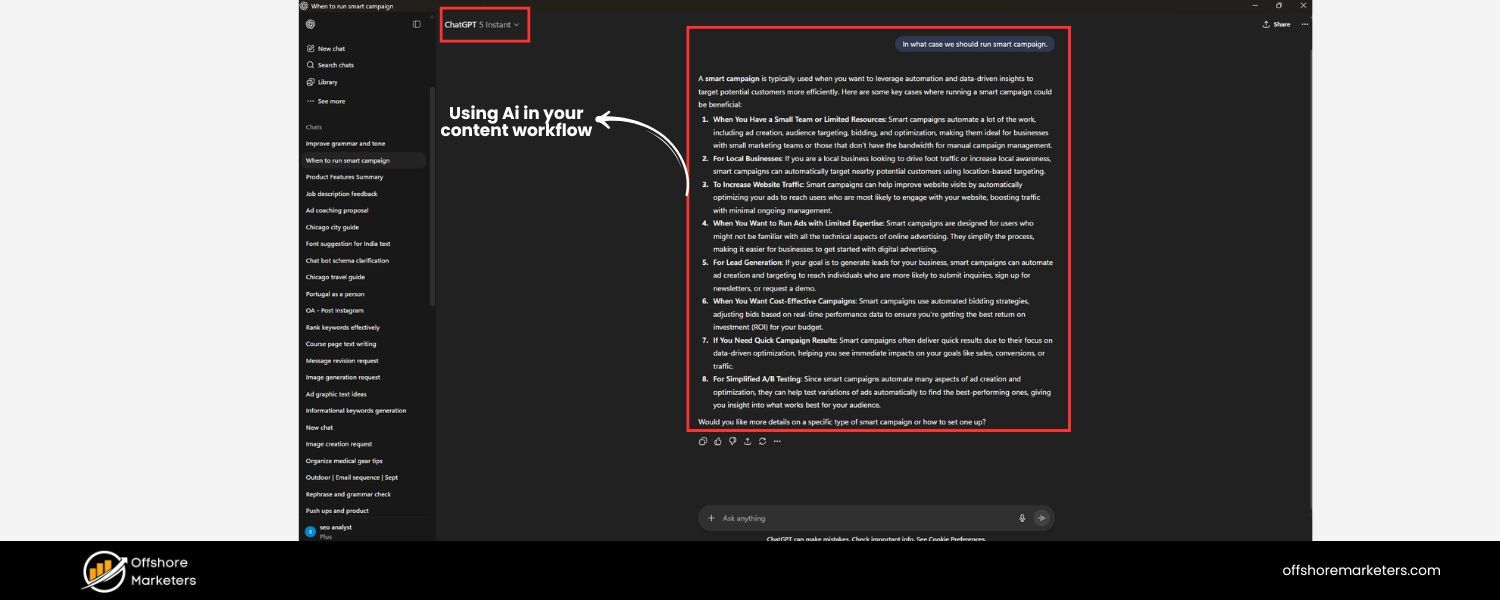
Using AI for content optimization can be transformative, but it should be done thoughtfully. To wrap up, here are some best practices – the “dos and don’ts” – when integrating AI into your content process:
1. Do keep humans in the loop
Treat AI as a collaborative assistant, not an autopilot. Never blindly implement AI suggestions without human review. Always have a content editor or subject expert vet AI-generated text for accuracy, clarity, and tone.
This avoids those “WTF?” moments where an unchecked AI recommendation could confuse or mislead your audience. Remember, you know your brand voice and audience nuances best – use AI to accelerate your work, but apply human judgment at the final step. As one marketing expert put it, AI can generate, but you steer.
2. Don’t sacrifice quality for keywords
Over-optimized content (e.g. stuffing every suggested keyword awkwardly into a paragraph) will underperform. If you feed an AI tool instructions that put SEO keywords above readability, it might churn out copy that technically has the right terms but reads terribly.
The solution is balance – use AI to identify important keywords and topics, but then prioritize the user experience when incorporating.
Content that is clear and engaging will always win in the long run, even for SEO. In short, avoid an old-school “keyword density” mindset; today it’s about relevance and natural use of terms. If an AI suggestion makes your text sound forced or robotically repetitive, it’s okay to reject or modify it.
3. Do maintain your creative strategy and voice
AI can generate text, ideas, even whole articles – but it doesn’t inherently know your business goals or brand personality. If you rely too heavily on AI for all new content, you risk losing the strategic direction and unique voice that sets your brand apart.
Successful content marketing still requires human creativity: deciding which stories to tell, what angle to take, and how it should feel to the reader.
Use AI to assist with execution (the writing and optimizing), but humans should guide the overall strategy. Also, make sure you feed your AI tools with your brand guidelines. Many AI platforms allow you to input a style guide or tone preferences.
Take advantage of that to ensure the AI mimics your voice instead of producing generic prose. For example, if your brand is witty and casual, an AI should be nudged with that direction.
Conversely, if you must adhere to a formal tone or compliance-friendly language, program those rules in. Never assume the AI will just “get it” – you have to train or prompt it with your desired style.
4. Don’t use a one-size-fits-all approach across channels
Content optimization isn’t identical for a blog post, a social media caption, and an email newsletter. If you use the same AI prompt and approach for all formats, you’ll likely miss the mark in some places.
Each channel has its own audience expectations and best practices (for instance, an Instagram post might allow more emojis and brevity, while a whitepaper demands a more formal tone and depth).
Customize how you use AI for each scenario. This could mean having different prompt templates – e.g., one prompt to optimize long-form articles for SEO, another to tighten up social posts for engagement.
It takes a bit more time, but the extra relevancy will show. In short, calibrate your AI usage to the context: the medium, the audience, and the goal of the content.
5. Do input your brand and industry knowledge into the AI
AI is only as good as the input and guidance you provide. If you have internal data, customer insights, or a particular angle you want, include that in your prompts or instructions.
For example, instead of asking generically “Write an introduction about AI in content marketing,” you could specify, “Write an introduction about AI in content marketing for B2B SaaS marketers, in a conversational tone, mentioning common pain points like lack of time and data analysis.”
The more context you give, the better the output will align with your needs. Also, if your brand has non-negotiables (certain phrases you use or avoid), incorporate those.
Some teams even maintain a “AI briefing” document that they feed to any AI writers, which includes the brand mission, audience personas, and samples of on-brand writing. This helps the AI output remain consistent with your identity.
6. Don’t ignore conversion and engagement metrics
It’s easy to get fixated on improving SEO metrics (like content scores or keyword counts) when using AI, since these are often what the tools highlight.
However, remember that the ultimate goal is not just to drive traffic, it’s to achieve conversions, whether that’s a signup, a lead, or a share. Make sure your AI-driven optimizations are also aligned with your conversion goals.
For instance, an AI might suggest a very click-baity title that draws traffic but sets wrong expectations, leading to high bounce rates and low conversion.
In such cases, you’d prioritize a title that accurately reflects the content and attracts the right readers who are likely to engage. Similarly, use AI to help optimise calls to action in your content.
You can prompt it for alternate phrasing of a CTA (“Download our guide”, “Get started with X”, etc.) and then test which resonates more.
Always measure the impact of AI enhancements not just on ranking, but on user behavior on-page (time on site, scroll depth, conversions). That holistic view ensures AI is truly helping your content perform, not just attracting vanity traffic.
7. Do stay ethical and authentic
Lastly, uphold transparency and ethics. If AI helps generate a portion of your content, ensure that content is accurate and not plagiarized from somewhere. AI can inadvertently produce sentences very close to source material, it’s on you to fact-check and run plagiarism checks if needed.
Also, be mindful of any biases in AI outputs. These models can carry biases from their training data, so review content for any unintended slant or stereotypes, especially in sensitive topics.
Authenticity is key, use AI to amplify your expertise, not to fabricate it. If you’re quoting stats or facts the AI provided, verify them from a trusted source before publishing (and cite the source as we have done in this article).
In Google’s eyes and for your audience, E-E-A-T (Experience, Expertise, Authoritativeness, Trustworthiness) still matters greatly. AI is a tool to help convey your expertise more effectively; it’s not a substitute for real knowledge or experience. Keep that distinction clear, and your content will maintain its credibility.
By following these best practices, you ensure that AI becomes a boost to your content marketing, not a crutch or risk. When used wisely, AI can help you work faster and smarter, while your human touch keeps the content original, accurate, and engaging.
Conclusion & Next Steps
AI content optimization is no longer a futuristic nice-to-have, it’s a present-day game-changer for anyone looking to grow their online presence.
By combining the speed and analytical power of AI with the creativity and strategic thinking of humans, marketers can create content that performs better than ever.
You’ve seen how AI can supercharge everything from research and writing to technical SEO tweaks and personalization. You’ve also learned the importance of maintaining oversight, quality, and a people-first approach in this AI-assisted workflow.
The takeaway is clear: those who embrace AI in their content process are poised to outpace competitors in both efficiency and results.
Imagine being able to consistently publish articles that are thoroughly optimized, highly relevant to what users are asking, and primed to rank, all without burning out your team.
That’s the opportunity on the table. Meanwhile, optimizing for AI-driven search ensures that your content will shine not just on today’s Google results page, but also in the emerging AI search experiences of tomorrow.
It’s time to put these insights into action. Audit your current content strategy and identify where AI tools could make an immediate impact, maybe start with an underperforming blog post and run it through an AI optimizer for improvements.
Or use an AI tool to generate a fresh content brief for a topic you’ve been meaning to cover. Experiment, iterate, and learn. The field of AI in content marketing is evolving rapidly, and the best practices will continue to sharpen over time. By staying proactive and adaptive, you’ll keep your content strategy on the cutting edge.
In the end, successful content optimization, AI-driven or otherwise, is about delivering real value to your audience. AI is simply helping us do that more effectively and efficiently.
So take the leap into AI-powered content optimization and elevate your content to new heights. Your readers (and your rankings) will thank you for it.

What Is PPC? A Practical Guide to Pay‑Per‑Click Advertising
Pay‑per‑click (PPC) is the “pay only when someone clicks” branch...

Google Search Issues Affecting Results in Some Regions
Google has confirmed a problem with one of its data...

Keyword Counts Dropped After Google’s num=100 Change
In September 2025, Google stopped supporting the &num=100 parameter. This...

Image SEO: Optimize Images for Higher Rankings & Traffic
Introduction Images make your website more engaging, but they can...

Share of Voice: Definition, Measurement & Boosting Brand
Share of Voice (SOV) is a key marketing metric that...


.png)
.png)
.png)
.png)
.png)

2024 ALL RIGHTS RESERVED MADE IN INDIA
.png)