
Programmatic SEO: Ultimate Guide to Scaling Organic Traffic
September 17, 2025
Programmatic SEO is an automated SEO technique that uses templates and structured data to generate large numbers of keyword-targeted pages. Instead of writing each page by hand, it connects a database (e.g. of locations, products, currency pairs) to a page template.
The result is thousands of similar pages, each optimized for a specific long-tail query. For example, sites like Yelp automatically create pages such as “Restaurants in New York, NY” by filling a city/category template with local business data.
Likewise, services like Wise programmatically generate currency-conversion pages (e.g. “USD to INR”) for every currency pair. Offshore Marketers, a leading digital marketing agency, leverages programmatic SEO to help clients rapidly scale their organic traffic and rankings across many niches.
How Programmatic SEO Works
1. Keyword Research

Identify “head” terms and modifiers to cover at scale. For instance, one guide suggests choosing broad categories (e.g. “hotels,” “restaurants”) and then generating many modifier combinations (like “Japanese restaurants” or “cheap hotels in [City]”). Even low-volume queries (10+ searches/month) are worth targeting because automation can handle the volume.
2. Data Collection
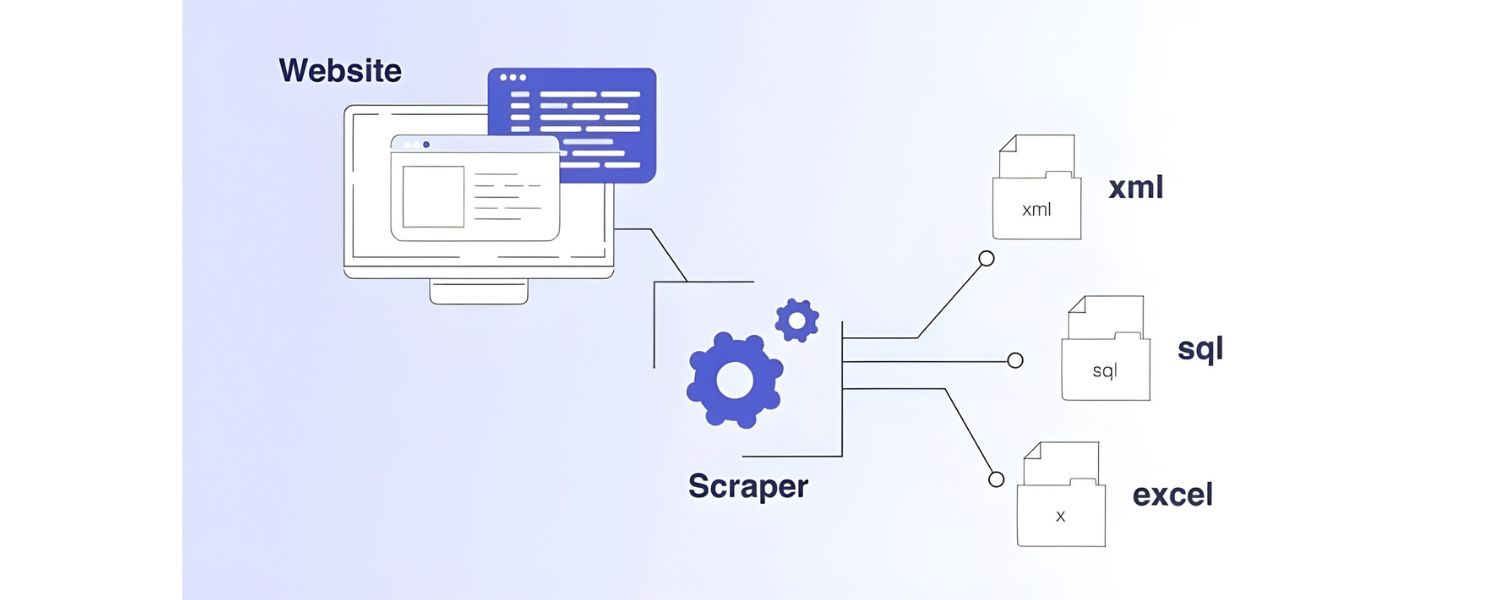
Gather the structured data of each page will display. Common methods include web scraping, APIs (e.g. Google Places, Maps, or industry-specific data feeds), or manual research. (For example, you might pull in product attributes, city statistics, or user-generated listings.)
3. Template & Database Setup

Build a template and a content database. Use a spreadsheet, Airtable, CMS custom fields, or JSON files to organize page fields (page title, meta tags, headings, body text, images). Each row/record holds the unique variables for one page. For example, your sheet might have columns for [City], [Business Type], and [Description].
4. Page Generation
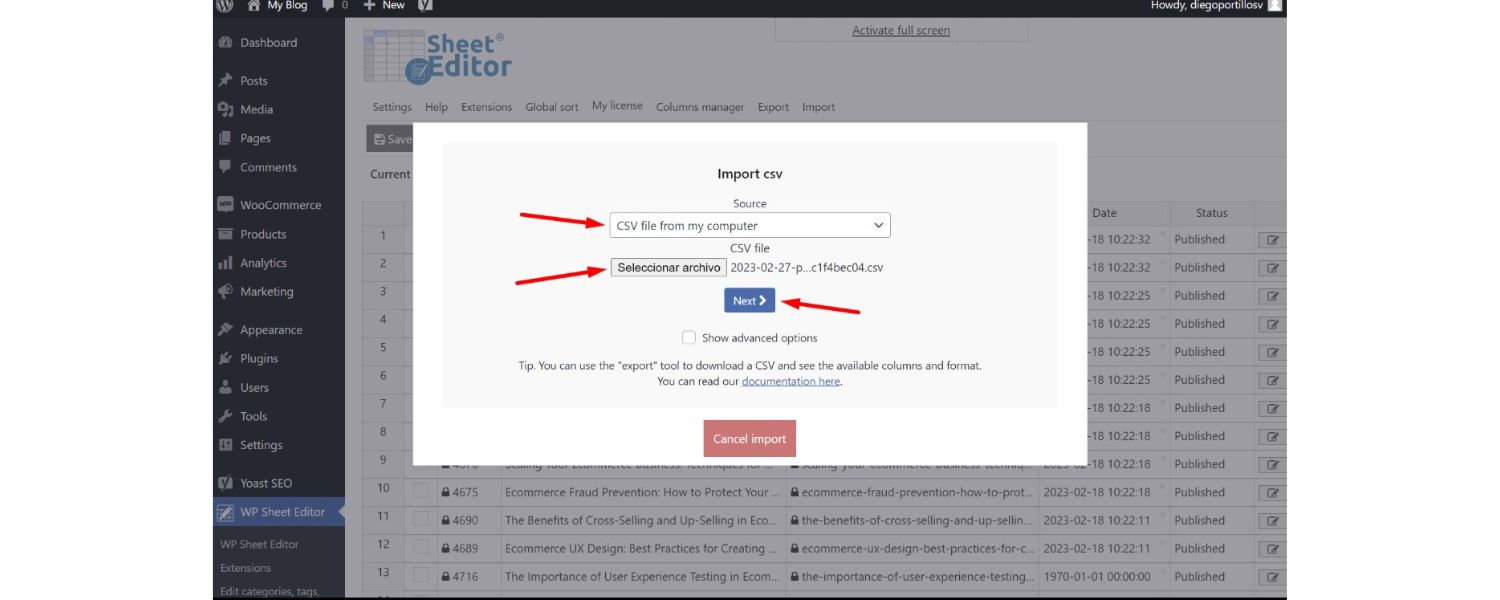
Use automation tools to merge the template with your data. For instance, WordPress sites can use import plugins (like WP All Import) to create pages from a CSV, while static site generators (Hugo, 11ty, etc.) or no-code tools (Webflow, Airtable+Zapier) can pull from your database and publish pages. The CMS publishes one page per data row, all sharing the same layout but different content.
5. Publish & Optimize

Launch the pages and submit them to Google (via sitemap or internal links). Then monitor performance using analytics and SEO tools (e.g. Semrush Position Tracking or Google Search Console). Continuously refine your data and templates based on what ranks best.
Benefits of Programmatic SEO
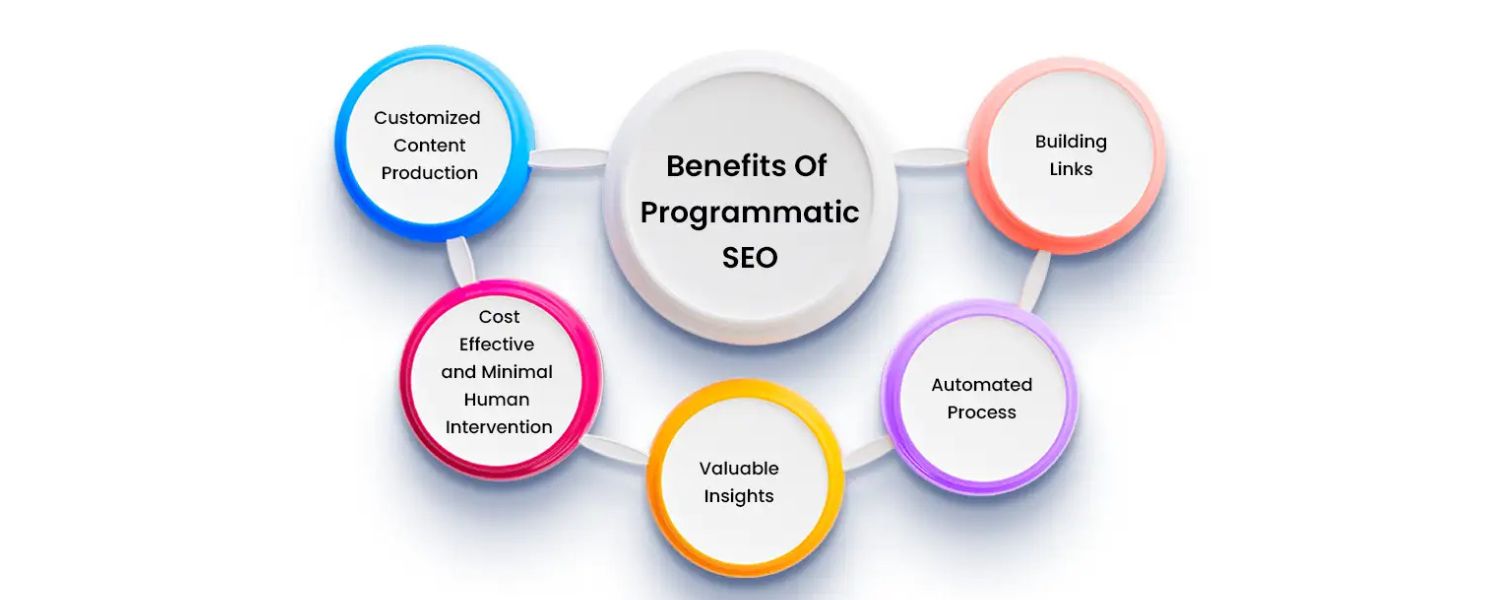
Programmatic SEO offers huge advantages for businesses with many similar pages to create:
1. Massive Scale & Reach
You can cover thousands of keywords quickly. As Search Engine Land notes, programmatic SEO can “rapidly scale [your] reach across thousands of keyword targets,” opening up a flood of long-tail traffic. Each new data combination becomes a new entry point for searchers.
2. Efficiency & Cost Savings
Once templates are built, pages generate with minimal manual work. This lets you create 100× more content at a fraction of the cost. Your team can focus on strategy and analysis while automation handles page creation. Semrush highlights that programmatic SEO brings “greater visibility” and improved efficiency compared to manual content.
3. Competitive Edge
Many sites still rely on manual SEO, so programmatic SEO is a differentiator. You’ll outflank competitors by owning long-tail queries they miss. For example, you can rank for “best 5-star [Service] in [City]” or other niche phrases that competitors haven’t targeted. This content richness also builds domain authority and topical authority over time.
4. Consistent Optimization
With templates, all pages follow SEO best practices (schema, headers, internal links). This consistency helps Google crawl and index them effectively. It also ensures that each page, though automated, still delivers value to the user’s search intent.
Challenges & Best Practices
Programmatic SEO isn’t without pitfalls. You must avoid creating “thin” or duplicate content, which Google penalizes. In fact, Google’s John Mueller warns that “programmatic SEO is often a fancy banner for spam”. To succeed:
1. Add Real Value
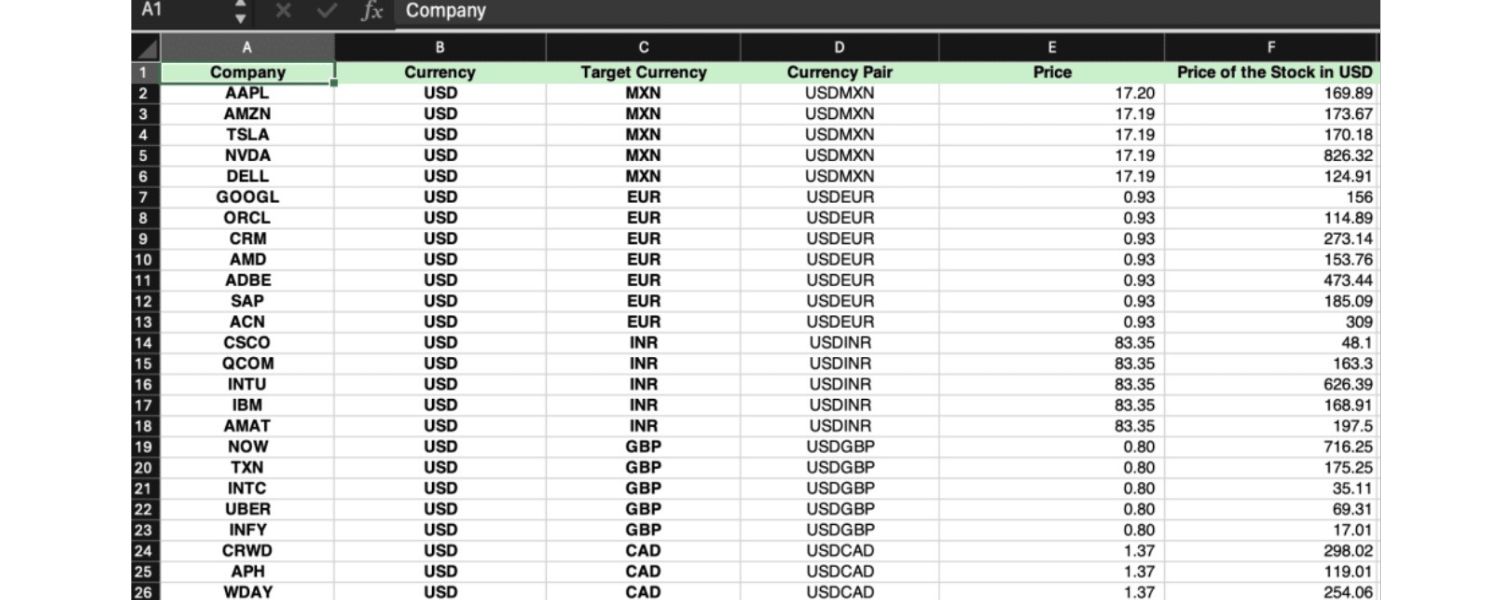
Each page must serve the user. That means unique data or insights on every page, not just repetitive boilerplate. Wise’s example is instructive: their currency pages include historical charts, comparisons, and even a way to send money.
Zapier’s integration pages do more than list apps – they show workflows and how-tos. In short, pair your data with helpful content (text, images, reviews, etc.) so pages aren’t thin.
2. Avoid Duplication

Ensure URLs, meta tags, and content are distinct. Use canonical tags or noindex settings if necessary for truly repetitive content. Monitor Google Search Console for indexation issues; searchengineland cautions that poorly implemented programmatic pages can lead to index bloat or penalties.
3. Maintain Quality Control
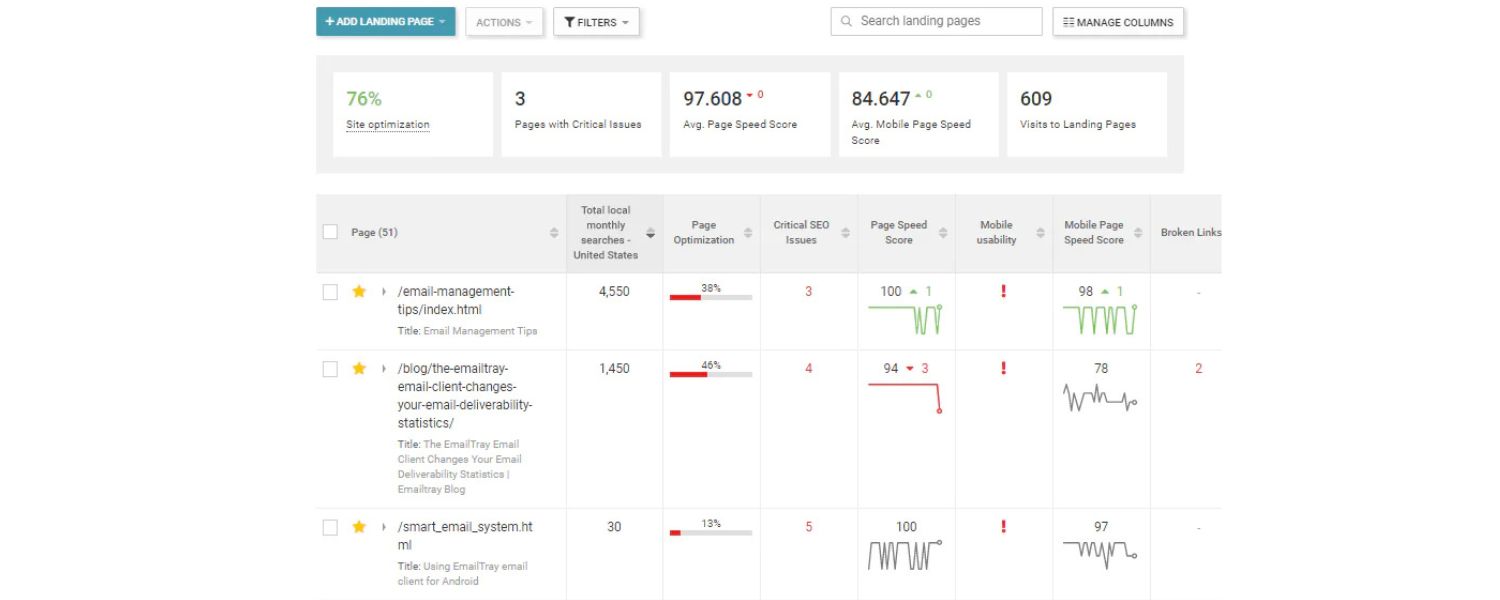
Because pages are automated, bugs or outdated data can slip in at scale. Schedule regular audits. The more diverse your data sources, the more QA is needed. It’s often wise to launch a smaller test set of pages first.
4. Technical Requirements
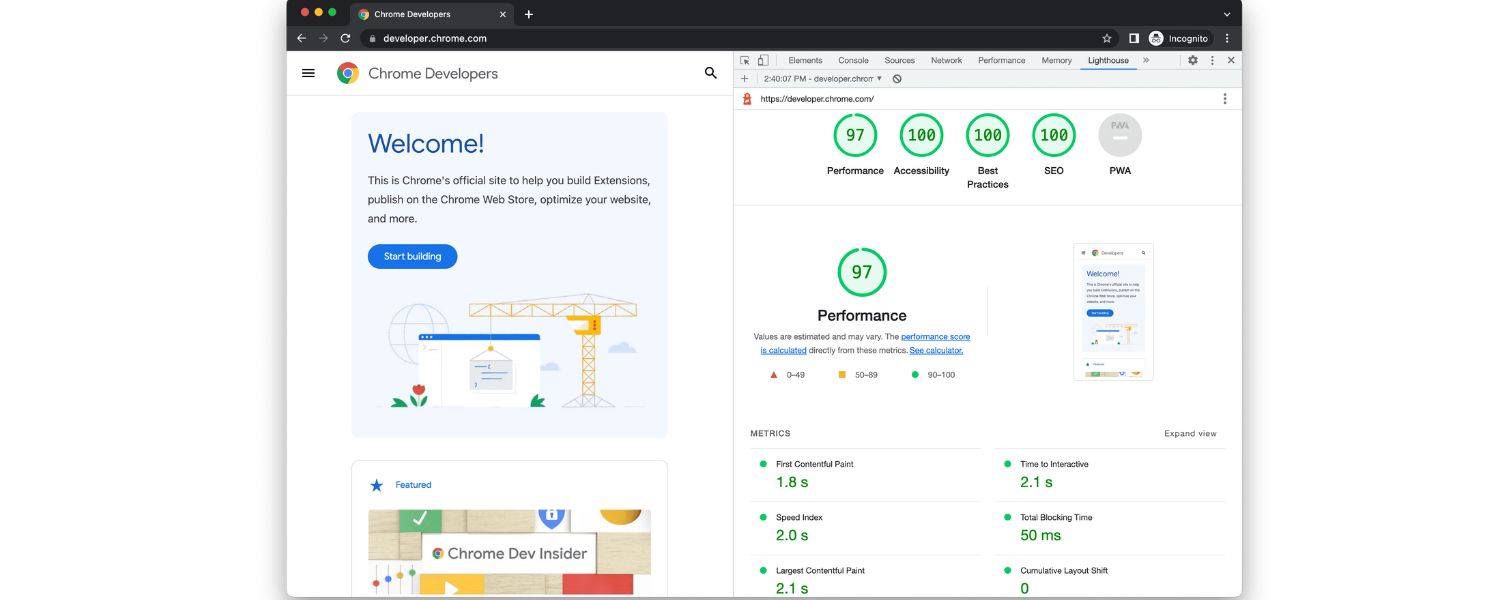
Programmatic SEO typically requires developer support (to build the export/import, manage large sitemaps, ensure fast load times, etc.). Budget time for upfront template coding and ongoing maintenance (e.g. refreshing data). But the long-term payoff – massive, targeted traffic – usually outweighs the setup cost.
Examples of Programmatic SEO in Action
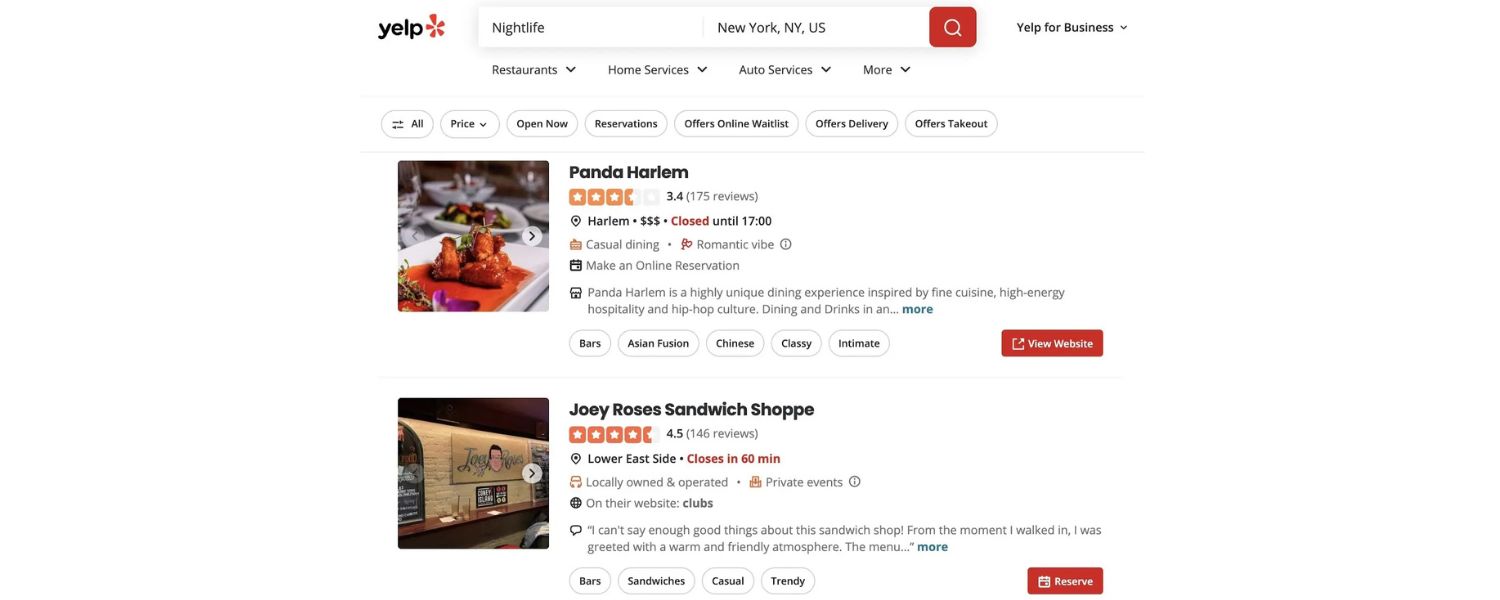
:contentReference[oaicite:24]{index=24}Yelp and Local Directories: Classic programmatic SEO use-cases are local business directories. For example, Yelp automatically generates pages like “Nightlife in New York, NY” by combining the category (“Nightlife”) with each city.
Each such page lists dozens of relevant businesses (with address, hours, reviews). This template approach lets Yelp rank for countless location-based queries. (TripAdvisor does similarly with “Things to Do in [City]” pages.) By creating thousands of these pages, these sites capture massive long-tail traffic.
:contentReference[oaicite:27]{index=27}WorkbookPDF – Language Workbooks: Niche SaaS sites use programmatic pages, too. WorkbookPDF, a language-learning platform, created hundreds of pages combining language, difficulty level, and topic (e.g. “Korean workbooks about food”).
Each page contains just the specific vocabulary or exercises for that combination. This allowed WorkbookPDF to rank for many specific queries that would have been impossible to cover manually.
Other notable examples include:
NomadList: Over 25,000 city-specific pages for remote workers. Each page aggregates key data (cost of living, weather, internet speed) for a city.
Zapier App Directory: ~800,000 integration pages. Zapier automatically creates a page for every app-and-connector combo, capturing searches like “Slack to Dropbox integration.”
Webflow Templates: ~31,500 unique landing pages. Every user-submitted website template gets its own page with SEO-friendly previews.
Wise Currency Converter: ~14,900 pages. Wise’s site generates one page per currency pair (e.g. “USD to INR”), driving over 4.6 million visits per month from organic search.
These cases show how data+templates can transform tiny keyword niches into substantial traffic.
Why Choose Offshore Marketers?

Offshore Marketers is a full-service digital marketing agency with programmatic SEO expertise built in. We specialize in SEO, PPC, social media, web design and e-commerce marketing. Our team combines global experience with local market insights, tailoring strategies to each client’s goals.
Our results speak for themselves: Offshore Marketers holds a 5.0/5 rating on GoodFirms (81 reviews), and a 4.8/5 Trustpilot score (45+ reviews). Clients consistently praise our work – for example, a recent review noted we “consistently improved [their] organic traffic… achieving notable results like 40% increases”.
Clutch reviewers highlight our effective project management and ROI-driven SEO strategies. In short, we’ve been vetted as a top performer across review platforms (Clutch, GoodFirms, Trustpilot, Google Business) because we deliver measurable growth.
Unlike smaller local shops, Offshore Marketers has built scalable systems for clients of all sizes and locations. Whether you run a local directory or a global e-commerce site, our team can design a programmatic SEO engine that fits your data and audience. With transparent reporting and tailored advice, we make complex SEO strategies easy to manage.
Ready to get started? Contact Offshore Marketers today to develop your custom programmatic SEO strategy. Let our proven expertise help you capture more long-tail keywords and drive sustained, compounding organic growth.
Frequently Asked Questions
Q1: What is programmatic SEO?
Programmatic SEO is an SEO strategy that uses automation and data to generate many optimized pages at scale. It works by feeding structured data (like products, locations, or keywords) into a template, so you can publish thousands of pages targeting long-tail queries without writing each manually.
Q2: How is programmatic SEO different from traditional SEO?
Traditional SEO (or content marketing) involves creating pages one by one, tailoring each piece of content. By contrast, programmatic SEO uses a data-driven process to produce pages en masse.
It’s ideal when you have a large, structured dataset (e.g. product catalogs, city lists) and need to target lots of specific searches quickly.
Q3: Which businesses benefit most from programmatic SEO?
Companies with large catalogs or location lists tend to benefit. Shopify’s guide recommends it for ecommerce sites with many product variants, comparison or directory sites, multi-location businesses, review platforms, etc.
In general, if your content can be divided into variables (like [Product] + [Feature] or [City] + [Service]), programmatic SEO can help you rank for all combinations.
Q4: What are the risks of programmatic SEO?
The main risk is creating low-value pages. Google’s John Mueller warns that poorly executed programmatic SEO can look like spam. To mitigate this, ensure each page has unique, user-focused content (data, images, descriptions) and follows SEO best practices.
Also, watch for duplicate content issues: use canonical tags or filters to avoid cannibalization. Properly done, programmatic pages can be highly effective; done poorly, they could get deindexed or penalized.
Q5: How do we measure programmatic SEO success?
Track key metrics like organic traffic, rankings for targeted keywords, and conversion rates. Because programmatic SEO often targets low-volume keywords, look at aggregate traffic and conversions.
Tools like Google Analytics and Search Console show traffic gains, while SEO tools (Semrush, Ahrefs) can track rankings for the large keyword sets you target. For example, clients of Offshore Marketers have seen 30–40% jumps in organic traffic within months of deploying a programmatic strategy.
Q6: Why should I work with Offshore Marketers on programmatic SEO?
Offshore Marketers has proven experience and top reviews in SEO. Our team has run successful programmatic campaigns for clients across industries, as reflected in our 5-star ratings. We combine technical expertise (to set up automation) with creative insight (to craft helpful page content).
Partnering with us means getting a custom strategy, full implementation support, and ongoing optimization – not just a one-time template. We’ll help you choose the best keywords, build the pages, and refine them to maximize ROI.
Q7: How does programmatic SEO work with voice search?
Programmatic pages often align well with voice queries, which tend to be long-tail (e.g. “Where can I find gluten-free restaurants in Seattle?”). By creating pages that answer these niche queries, you can capture voice-driven traffic.
As long as your pages are informative and natural (not keyword-stuffed), they can rank for conversational searches just like any other long-tail keyword.
Q8: Are there tools that help with programmatic SEO?
Yes. Apart from custom scripts and CMS plugins, you can use tools like Semrush or Ahrefs for keyword research at scale. Airtable or Google Sheets can manage your data. WordPress plugins (WP All Import) can bulk-create posts.
For static sites, generators like Hugo or 11ty can build pages from CSV/JSON. ChatGPT or other AI can even help format content, but always review AI outputs to avoid errors. The key is choosing tools that fit your tech stack and data sources.
Q9: Can small businesses use programmatic SEO?
Even smaller sites can benefit by targeting dozens or hundreds of related queries. You don’t need millions of pages to see an impact – even a few hundred highly relevant pages can drive significant traffic in niche markets. Offshore Marketers can assess your needs and start with a pilot project to prove the concept before scaling up.
Q10: How long does it take to see results?
It varies, but clients often start seeing traffic gains in 3–6 months. Because programmatic SEO creates many new pages, Google may take time to crawl and index them all. However, once indexed, these pages can quickly accumulate visits.
One Offshore Marketers client saw a ~40% organic traffic boost within a few months after launching a programmatic campaign. Patience is key; treat it as a long-term investment.
Q11: What should I look for in a programmatic SEO partner?
A: Look for proven experience, technical skill, and strong reviews. Offshore Marketers ranks at the top on Clutch and GoodFirms for SEO services. We invest time upfront to understand your data and goals, then build a robust system.
Our full-service team can also handle content quality, link strategy, and analytics. In short, choose a partner who can deliver both the scale of programmatic SEO and the hands-on optimization needed for quality results.

.png)
Shopify SEO: Guide to Ranking Your Store and Driving Sales
Most Shopify store owners set up their store, list their...

Content Marketing : Definitive Guide to Strategy, Content Types, and Measurable ROI
Content marketing generates 3x more leads than outbound marketing at...
Above the Fold: Guide to Conversions, Rankings and Faster Pages
Above the Fold in 2026: The Complete Guide to Conversions,...

Off-Page SEO Checklist: Guide to Building Real Authority
Most websites spend months creating great content, only to wonder...
What Is Keyword Bidding? The Complete Strategy Guide for Smarter Ad Spend
Most advertisers believe the highest bid wins the auction. It...
What Is Google Trends? The 2026 Marketer’s Complete Guide
If you are not already pulling weekly insights from Google...
If you want a growth partner who will get to know every aspect of your business and treat your budget like their own — we are the right fit.
.png)


.png)
.png)
.png)
.png)
.png)
.png)
2026 ALL RIGHTS RESERVED MADE IN INDIA
