
B2B SEO Strategy: Rank Higher, Drive Leads, Beat Competitors
August 27, 2025
Introduction: Why B2B SEO Matters Now More Than Ever
Did you know that 76% of all traffic to B2B websites comes directly from search engines? In an era where 66% of B2B buyers start their journey with a web search, having a robust B2B SEO strategy isn’t just important, it’s mission critical. Business-to-business (B2B) search engine optimization is the key to getting your solutions in front of the right companies at the right time. When executed well, B2B SEO can deliver an average ROI of 702% (with break-even in just 7 months) for B2B SaaS companies, outpacing many other marketing channels.
This comprehensive guide (written by an expert with 25+ years in marketing) will show you how to leverage B2B SEO to boost your brand’s visibility, capture high-quality leads, and stay ahead of competitors. We’ll cover everything from B2B SEO basics and how it differs from B2C, to step-by-step strategies and the latest 2024/2025 trends (like AI-driven search). Let’s dive in!
What Is B2B SEO?
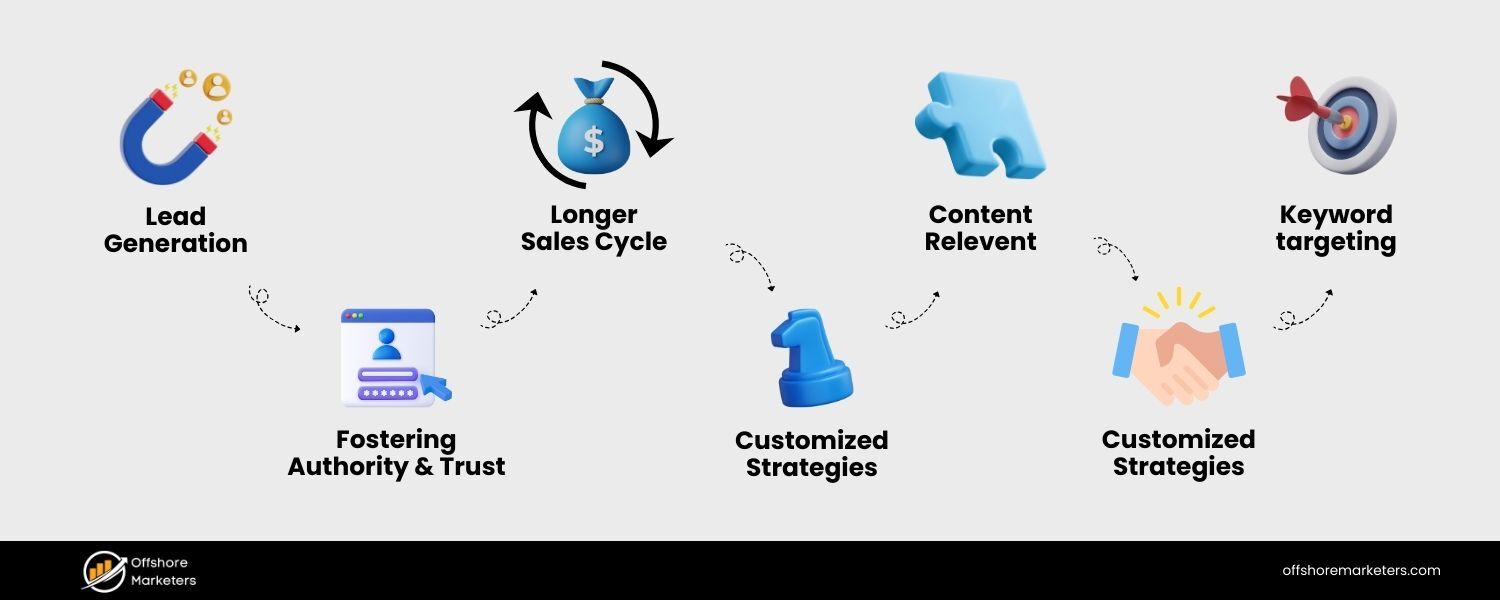
B2B SEO (Business-to-Business Search Engine Optimization) is a digital marketing strategy focused on improving a B2B website’s rankings and visibility on search engines to attract other businesses. In practice, it means optimizing your site so that it appears when key decision-makers at companies search for solutions to their problems. The goal isn’t just to drive any traffic – it’s to drive qualified traffic: people acting on behalf of their business, actively researching products or services like yours.
Just like traditional SEO, B2B SEO spans on-page optimization, off-page SEO (link building), technical SEO, and content strategy. But as we’ll see, succeeding in B2B SEO often requires a more nuanced approach due to longer sales cycles and specialized audiences. When done right, B2B SEO places your website in front of high-intent buyers exactly when they’re searching for what you offer. It also helps establish your company as a trusted thought leader in your industry, building credibility that short-term ads can’t match.
Key Stat: Organic search is vital for B2B – it drives 44.6% of all revenue in B2B industries on average. SEO is even rated the top marketing channel by 49% of B2B marketers. In short, doubling down on B2B SEO can directly boost your bottom line.
B2B SEO vs. B2C SEO: Key Differences Explained
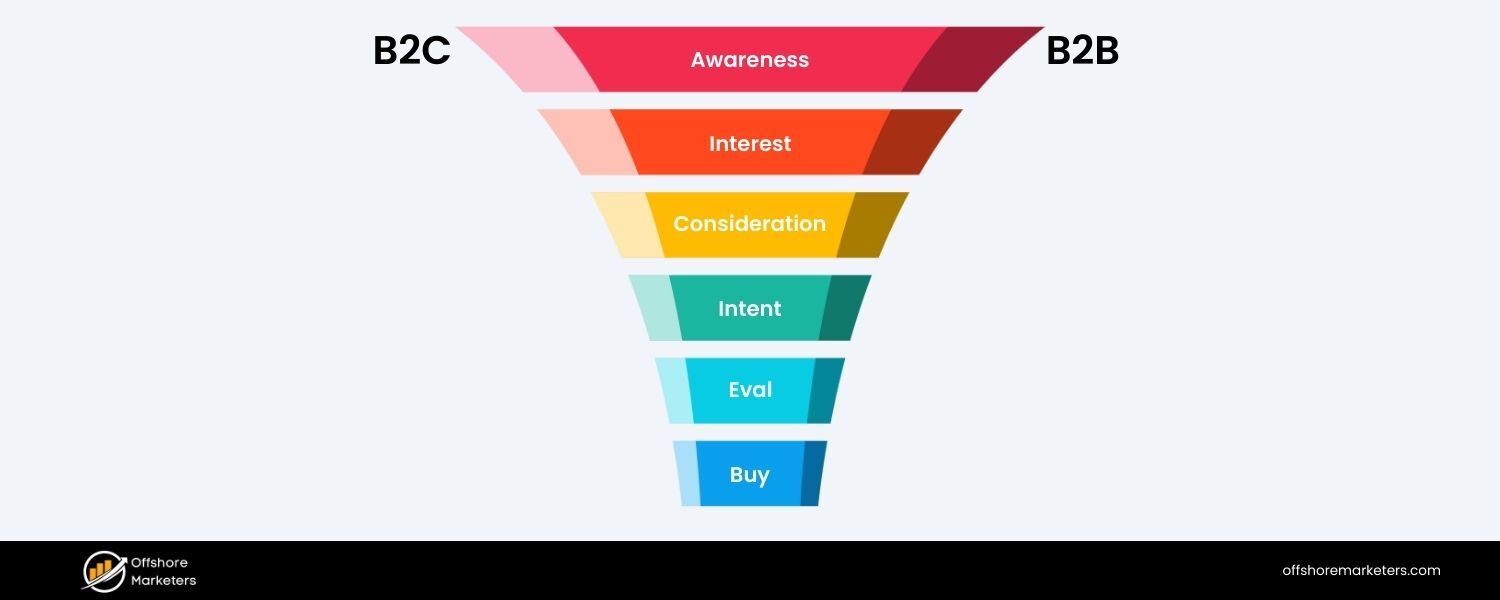
At a high level, the fundamentals of SEO – like Google’s ranking factors, apply to both B2B and B2C (business-to-consumer). However, B2B SEO is a different beast in several important ways. Understanding these differences will help you craft a strategy tailored to the unique challenges of marketing to businesses.
1. Multiple Decision-Makers
In B2C, you’re usually In B2C, you’re usually targeting one consumer. In B2B, purchasing decisions typically involve multiple stakeholders (e.g., a manager, a technical evaluator, and a C-suite executive). Your SEO content must address the distinct questions and pain points of each role to influence consensus.
For example, selling a software tool might require content for end-users (focusing on features), managers (integration and efficiency), and CFOs (ROI and cost). B2B SEO campaigns must engage all these stakeholders with tailored content, so that no one in the buying committee feels their concerns are unmet.
2. Longer Sales Cycles
Unlike impulse-driven B2C purchases, B2B purchases involve a longer, more complex sales funnel. Research shows B2B leads often require nurturing over weeks or months (or even longer for enterprise deals).
This means your SEO strategy must provide content for every stage, from early awareness and education through detailed product comparisons and case studies – to guide prospects along this journey. You need to educate, build trust, and prove value over a longer period before conversion happens.
3. Lower Search Volumes, Higher Intent
B2B companies tend to target niche, industry-specific keywords that naturally have lower search volume than broad consumer terms. For instance, “enterprise data integration software” will get far fewer searches than “best smartphone.”
But the good news is those B2B queries usually come from highly qualified buyers with clear intent. Long-tail B2B keywords might be low-volume, but they often convert better and face less competition. Effective B2B SEO means nailing these specific, intent-driven terms that attract the right audience – even if the raw traffic numbers are modest.
4. Lower Conversion Rates
Because B2B deals are larger and more deliberative, conversion rates in B2B SEO are generally lower compared to B2C. A visitor downloading a whitepaper or filling a demo request form is just one step in a lengthy process; not an immediate sale.B2B SEOs thus focus on generating quality leads and supporting the sales process, rather than expecting a quick e-commerce style conversion. It’s crucial to align with your sales team on what counts as a conversion (e.g. lead capture, MQL, SQL) and optimize for those actions.
5. Need for Thought Leadership & Trust
B2B buyers are usually making high-stakes decisions and will thoroughly vet vendors. They prefer companies that demonstrate expertise and credibility in their field. Therefore, B2B SEO content must do more than just rank – it should showcase your brand’s thought leadership.
Publishing authoritative content (blogs, whitepapers, case studies, etc.) and earning mentions on respected industry sites are pivotal for building trust. This emphasis on E-E-A-T (Experience, Expertise, Authoritativeness, Trustworthiness) is even greater in B2B, where reputation can make or break deals.
In summary, B2B SEO is about precision and depth. You’re targeting a narrower audience with bigger needs: multiple people, complex questions, and high intent. Next, we’ll outline a step-by-step strategy to conquer these challenges and win those lucrative B2B rankings.
Data Highlight:
Organic search dominates B2B traffic. A recent study found 76% of all traffic to B2B websites comes from search engines, underscoring how vital SEO is for reaching business buyers.
How to Build a Winning B2B SEO Strategy (Step-by-Step)
Now let’s get practical. Below is a proven B2B SEO strategy in 7 steps. These steps incorporate both classic SEO best practices and B2B-specific tactics gleaned from high-ranking competitors and 2025 industry insights. Follow them to develop a comprehensive plan that drives more qualified traffic, and ultimately, more leads and revenue.
1. Define Your B2B Buyer Personas and Segments
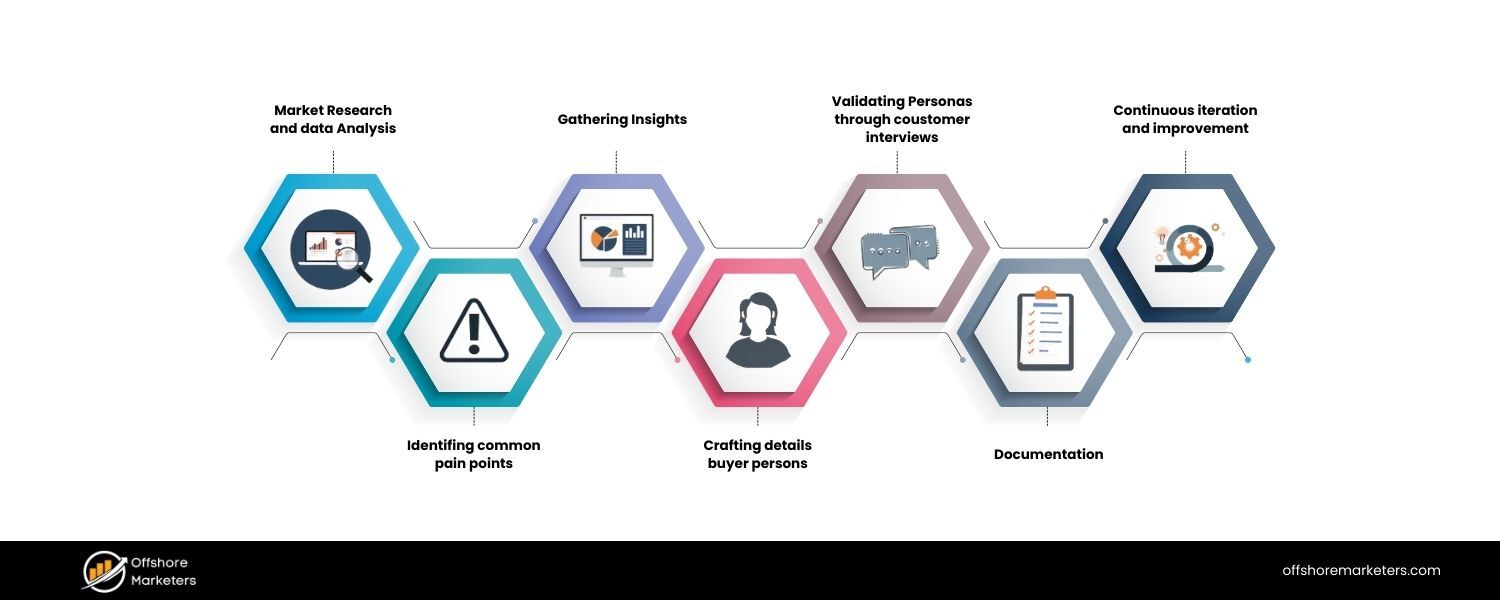
Every great marketing strategy starts with knowing your audience, and B2B SEO is no exception. Given the multiple decision-makers and niche audiences in B2B, it’s critical to develop detailed buyer personas before you do anything else.
Each persona represents a key stakeholder involved in purchasing your product/service – for example, IT Manager Ian, CFO Claire, CEO Steve, etc. Map out their roles, goals, pain points, and the questions they might ask at each stage of the buying process.
By understanding who you’re optimizing for, you can create content that truly resonates. In fact, B2B marketers need to know their prospective customers “inside out,” understanding them in greater depth than B2C marketers typically do.
An enterprise decision might hinge on technical concerns from an IT team, operational benefits for a department head, and budget justifications for the C-suite. If your SEO content speaks to all of these, you’ll stand out from competitors who take a one-size-fits-all approach.
Tips for this step: Interview current clients to learn how they search and what mattered in their decision. Use tools like HubSpot’s persona creator or makeMyPersona to formalize profiles. Keep an eye on details like what job titles you’re targeting – these often become keywords (e.g. “CRM for VP of Sales”). The end result should be a clear picture of each segment of your B2B audience so you can personalize your SEO strategy accordingly.
2. Map Out the B2B Buyer’s Journey and Sales Funnel
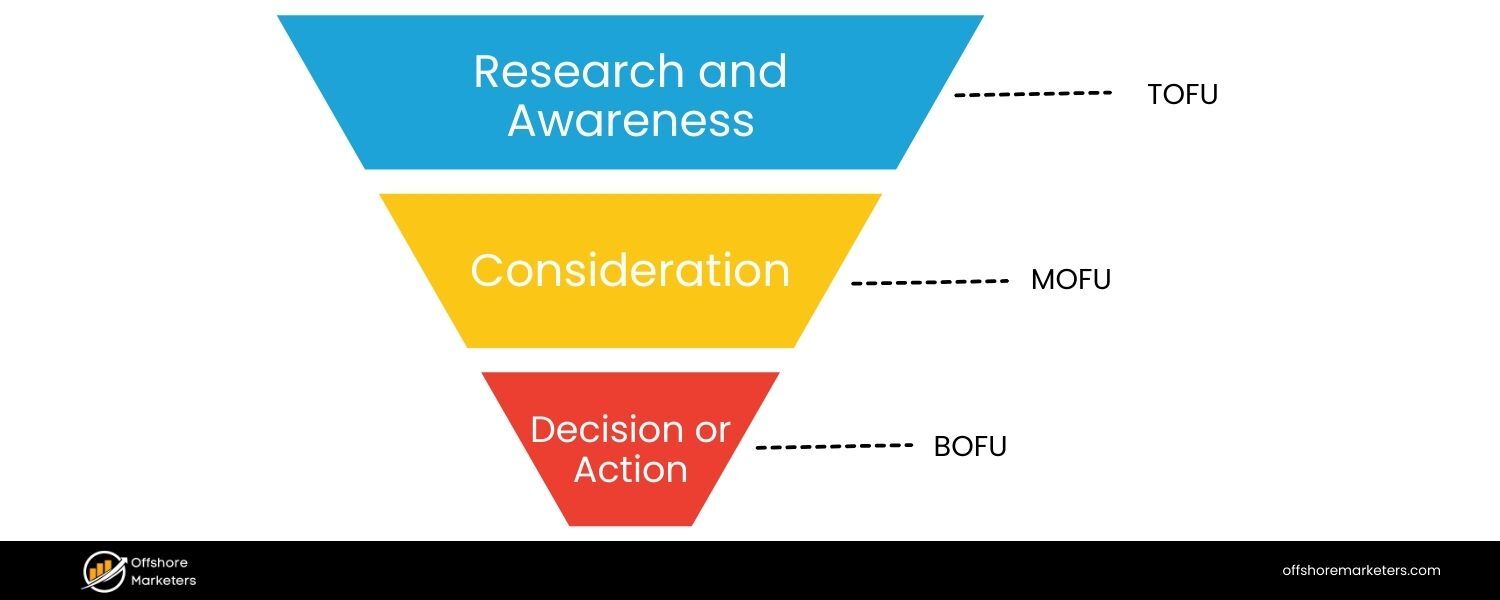
Armed with personas, the next step is to chart the sales funnel/journey those personas will go through, and align your SEO efforts to it. B2B purchase cycles typically have stages like Awareness (prospect realizes they have a problem), Consideration (prospect evaluates solutions/vendors), and Decision (prospect is close to choosing a provider). Within these broad stages, there may be more granular steps, especially in account-based B2B sales (e.g. initial research, internal review, vendor shortlist, etc.).
For each stage of this longer B2B sales cycle, brainstorm the content and keywords that would help the buyer move forward:
A. Top-of-Funnel (TOFU)
Educational, problem-focused content for awareness. These are often blog posts, how-to guides, or research reports that address early-stage queries (e.g. “how to improve supply chain efficiency”). The goal is to attract prospects and provide value before ever mentioning your product.
B. Middle-of-Funnel (MOFU)
Solution-focused content for evaluation. This includes things like whitepapers, webinars, or in-depth guides that compare approaches. Prospects here know their problem and are exploring how to solve it. Content can introduce your solution category and build thought leadership (without being overly promotional).
C. Bottom-of-Funnel (BOFU)
Decision content to drive conversion. This is where product-centric SEO content is crucial: landing pages for your product/services, case studies, demo videos, ROI calculators, pricing pages, etc. Prospects at this stage are narrowing down options, so address why your offering is the best choice. For example, target keywords like “seo services“,”AI seo” to capture high-intent searches.
Make sure your SEO plan has content at each stage of this journey. B2B marketers who succeed with SEO ensure they “have enough content to address the entire sales cycle and every stage of the customer journey”.
This not only improves your search rankings (by covering a variety of relevant keywords) but also nurtures leads effectively once they find you. A well-mapped content funnel will seamlessly guide a visitor from a how-to blog post, to a relevant whitepaper or case study, and finally to a product demo or consultation request.
3. Conduct Thorough, Intent-Focused Keyword Research
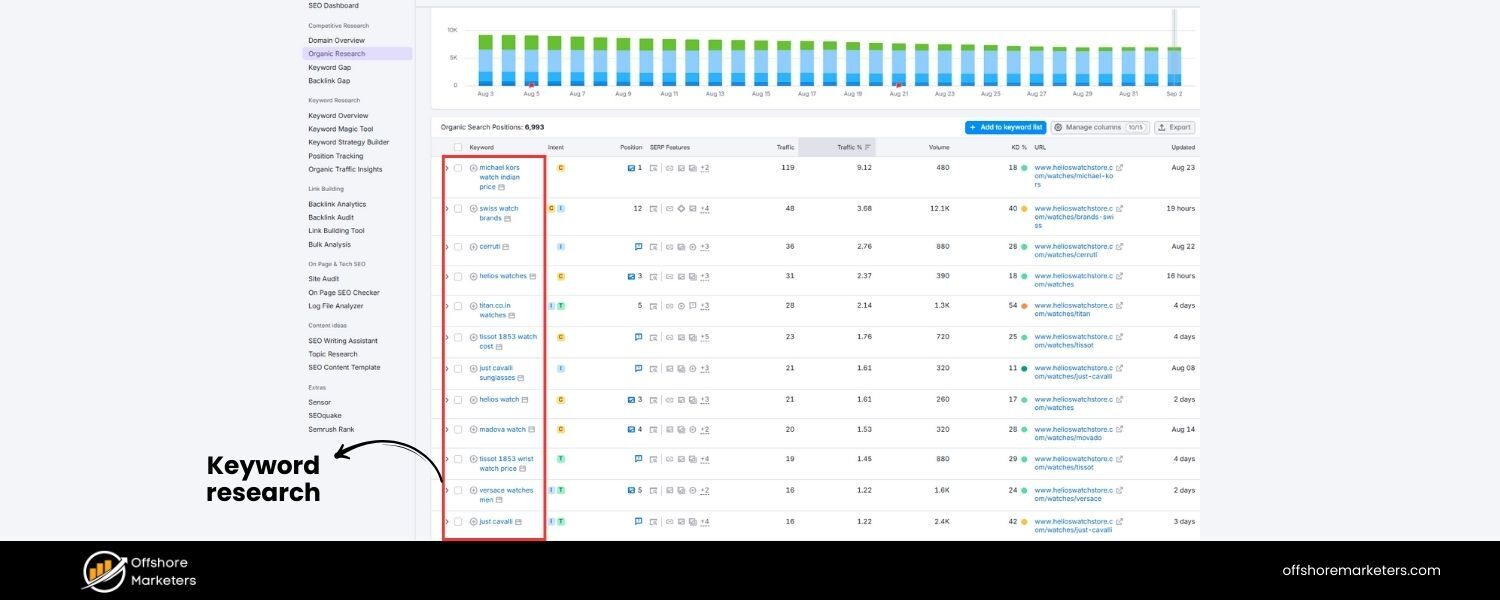
With personas and funnel stages in mind, it’s time to perform keyword research – the backbone of SEO. In B2B SEO, keyword research needs to be especially intent-driven. You’re not just chasing volume; you’re looking for terms that your target businesses use when seeking solutions, and that indicate where they are in the funnel.
Here’s how to approach B2B keyword research effectively:
A. Brainstorm “Seed” Keywords
Start with the obvious terms related to your product or service. Think like a customer: what would your decision-makers search for? For example, a company selling cybersecurity software might start with seeds like “enterprise cyber security,” “network protection for businesses,” etc. These seeds will be the basis for finding more specific phrases.
B. Leverage Long-Tail Phrases
As noted, B2B queries often are longer and more specific (e.g. “cloud data integration solutions for finance industry”). Use tools (Semrush, Ahrefs, Google Keyword Planner) to expand your seeds into long-tail variations. Google Autocomplete and the “People Also Ask”/“Related Searches” can reveal common questions decision-makers ask. These long-tail keywords may have modest monthly searches but often signal high intent – exactly what you want.
C. Analyze Keyword Intent
For each keyword, determine if it’s informational (TOFU), comparative (MOFU), or transactional (BOFU). For instance, “what is solutionsolutionsolution” suggests a user in research mode (awareness), whereas “[solution[solution[solution] pricing” is a bottom-funnel, ready-to-buy query. Aligning keywords with the right content ensures searchers get what they need at that stage, improving engagement and conversion.
D. Spy on Competitors
A clever shortcut is to perform competitor keyword analysis. Identify competitor websites or industry publications and see what keywords they rank for. There may be valuable terms you hadn’t considered. If a rival’s blog ranks for “industryindustryindustry trends 2025” or “top softwaresoftwaresoftware alternatives,” those could be great topics for you to cover (potentially with even better content).
E. Prioritize Low-Volume Gems
Don’t be discouraged by low search volume. In B2B, “the right search terms that allow you to target a specific audience and push them down the funnel” are gold.In fact, many B2B SEO veterans intentionally target strategic low-volume keywords – the kind of very specific queries that indicate a prospect with a burning need and a high likelihood to convert. These often face less competition and can yield an outsized ROI for the effort.
F. Organize by Clusters/Funnel Stage
Finally, group your keywords into clusters (topics) and map them to the funnel stages from Step 2. For example, group all “how to solveproblemsolve problemsolveproblem” queries together for an ultimate guide blog post, cluster comparison keywords for a series of BOFU pages, etc. This clustering also informs site architecture (next step).
By investing the time upfront in keyword research, you ensure that every piece of content you create is laser-focused on terms that matter. Remember: B2B SEO success isn’t about getting the most traffic overall – it’s about getting the right traffic. Smart keyword strategy will connect you with the prospects who genuinely need what you offer.
4. Optimize Your Website’s Technical Foundation and Structure
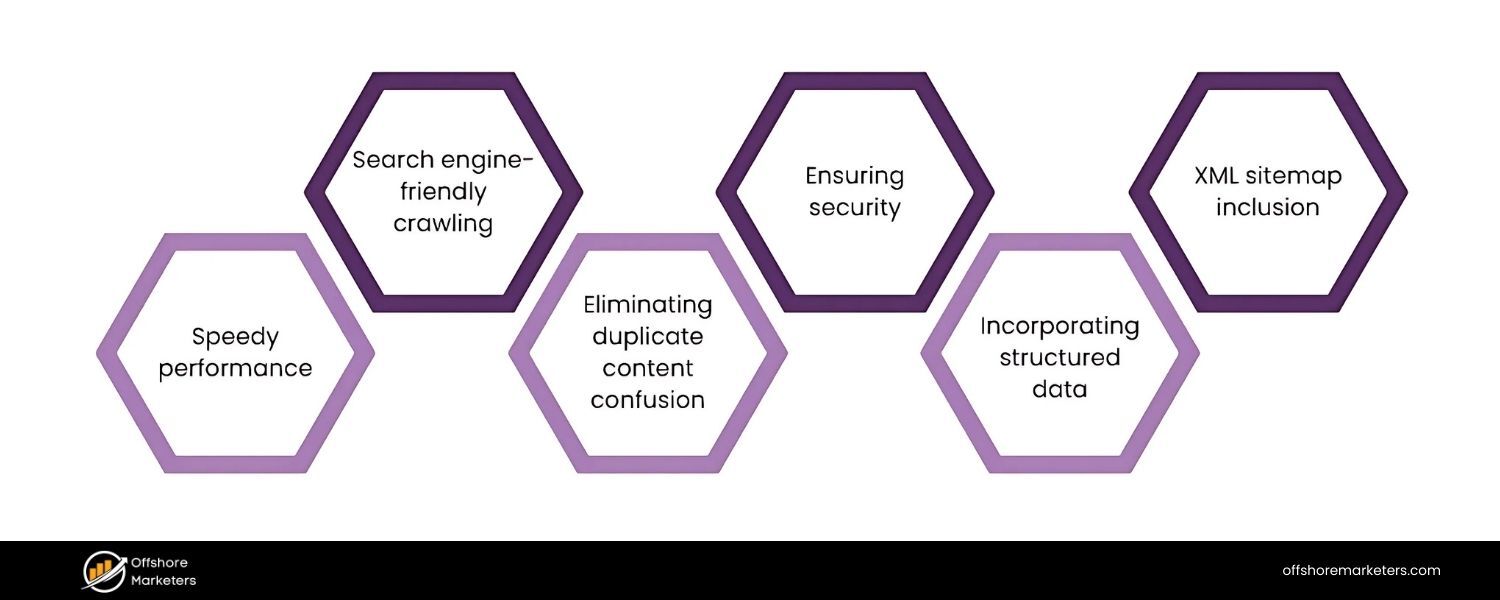
Even the best content won’t perform if your website has technical roadblocks. Technical SEO and site structure are especially critical for B2B sites, which often grow large (with many product pages, blogs, resources) and may have complex navigation.
A solid technical foundation ensures that Google can crawl and index your content easily, and that visitors – including those busy executives on mobile devices – have a smooth experience.
Key technical areas to focus on:
A. Site Architecture & Navigation
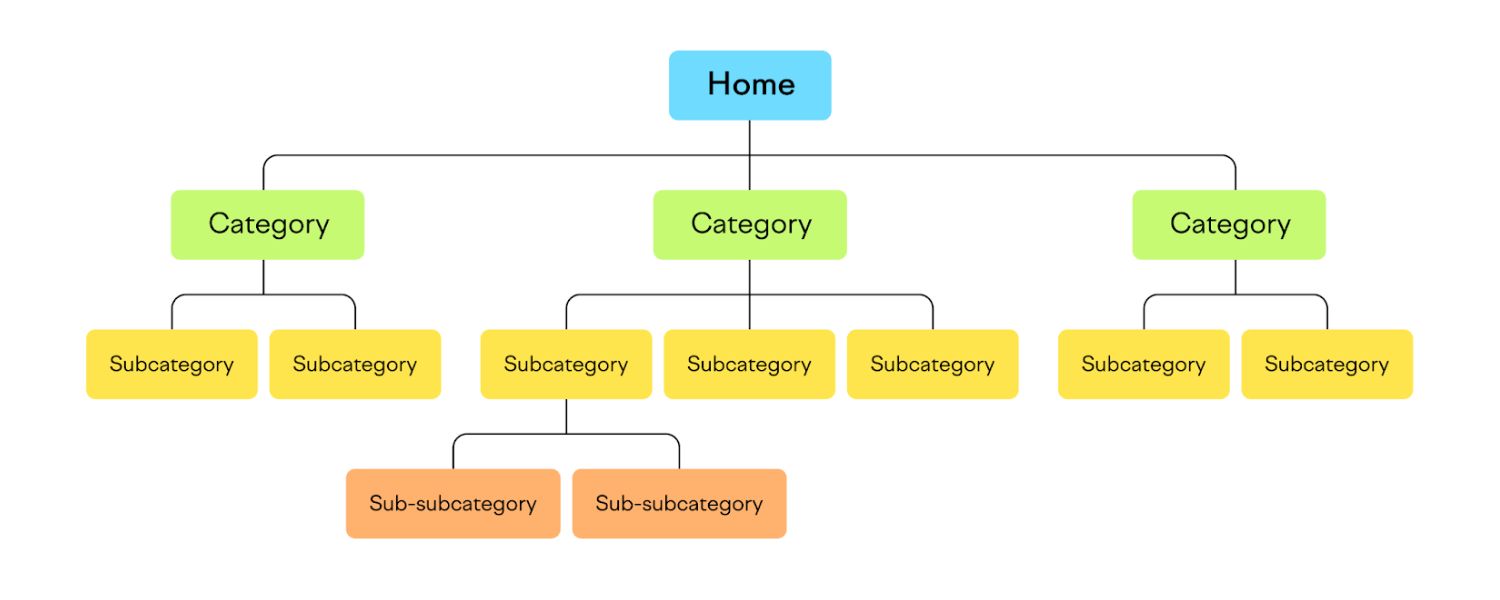
Design a logical, clear site structure that reflects your keyword clusters and funnel. B2B buyers (and search bots) should be able to navigate from broad topics into deeper subtopics intuitively.
For example, group content under relevant sections (e.g. Solutions, Industries, Resources) and use internal linking to connect related pieces. A well-structured site helps Google understand relationships between pages and also distributes “link authority” effectively. It also makes it easier for users to find information, keeping them engaged. Pro tip: Ensure your important pages (products, main services) are not buried too deep, they should be within a few clicks from the homepage.
B. Crawlability & Indexing
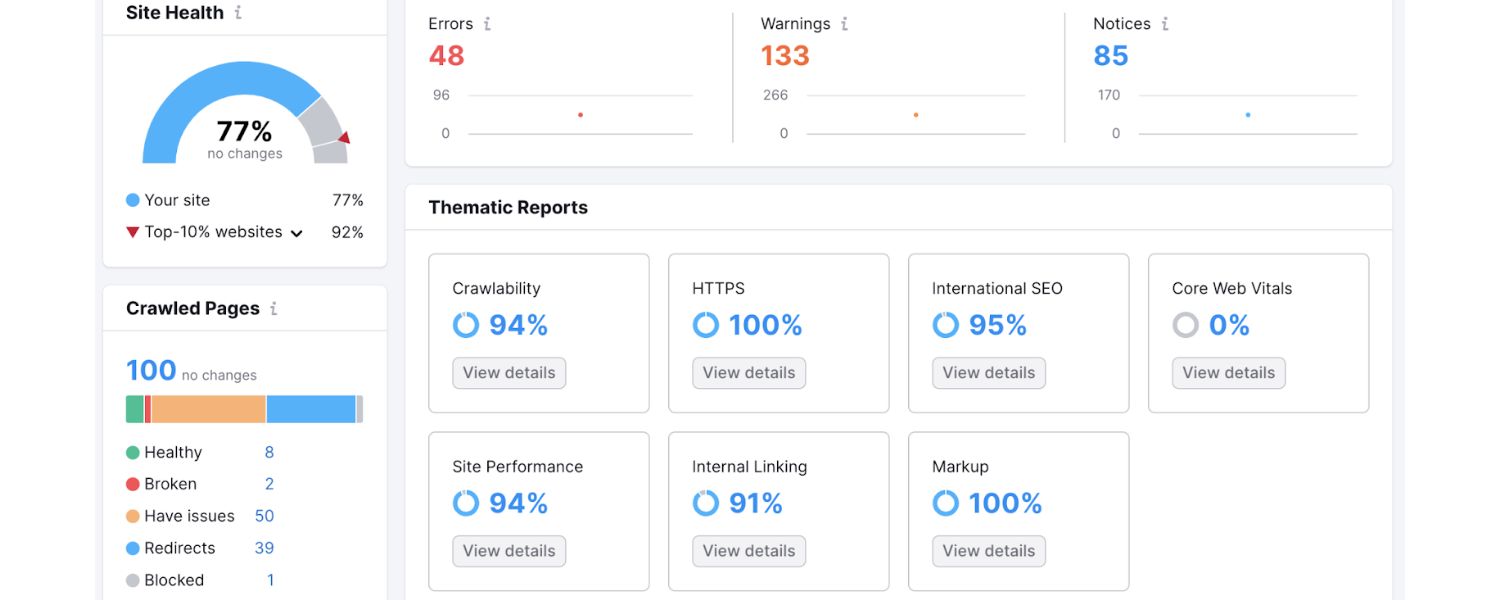
Regularly check for crawl errors or index issues that could hinder your SEO. Use Google Search Console and tools like Screaming Frog to find broken links (404s), server errors, or pages blocked by robots.txt in error.Fixing these ensures search engines can find and index all your key pages. Also, create and submit an optimized XML sitemap listing only your important, canonical URLs (exclude parameter pages, duplicates, etc.). This gives Google a clean “map” of your content.
C. Page Speed and Core Web Vitals
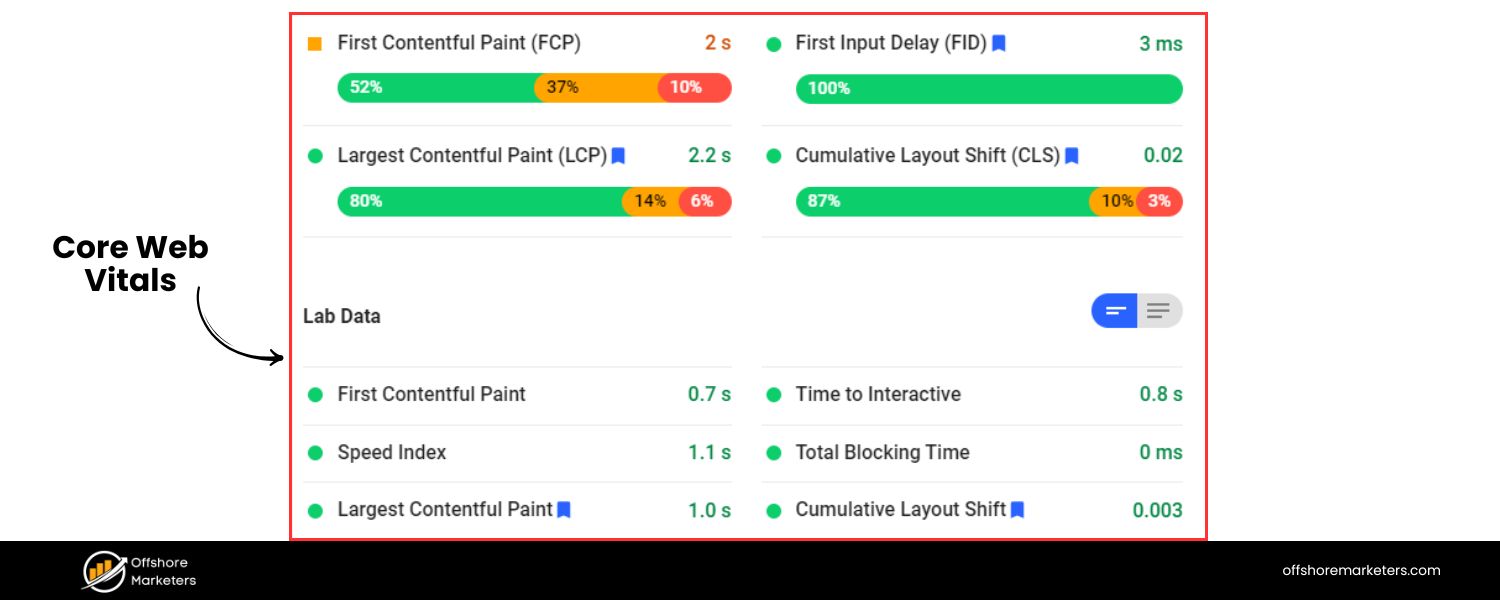
Many B2B buyers might first encounter your site via a quick Google search on their work laptop or phone. If your page loads slowly, you risk a bounce – and lost opportunity. Optimize images, leverage browser caching, and use a fast hosting/CDN to improve load times.
Google’s Core Web Vitals (like Largest Contentful Paint, First Input Delay, and the new Interaction to Next Paint metric) are crucial signals of a good user experience. For 2025, Google has introduced INP (Interaction to Next Paint) to better measure responsiveness, replacing the older FID metric. Aim for a fast, responsive site to not only please Google’s algorithm but also keep impatient executives on the page.
D. Mobile Optimization
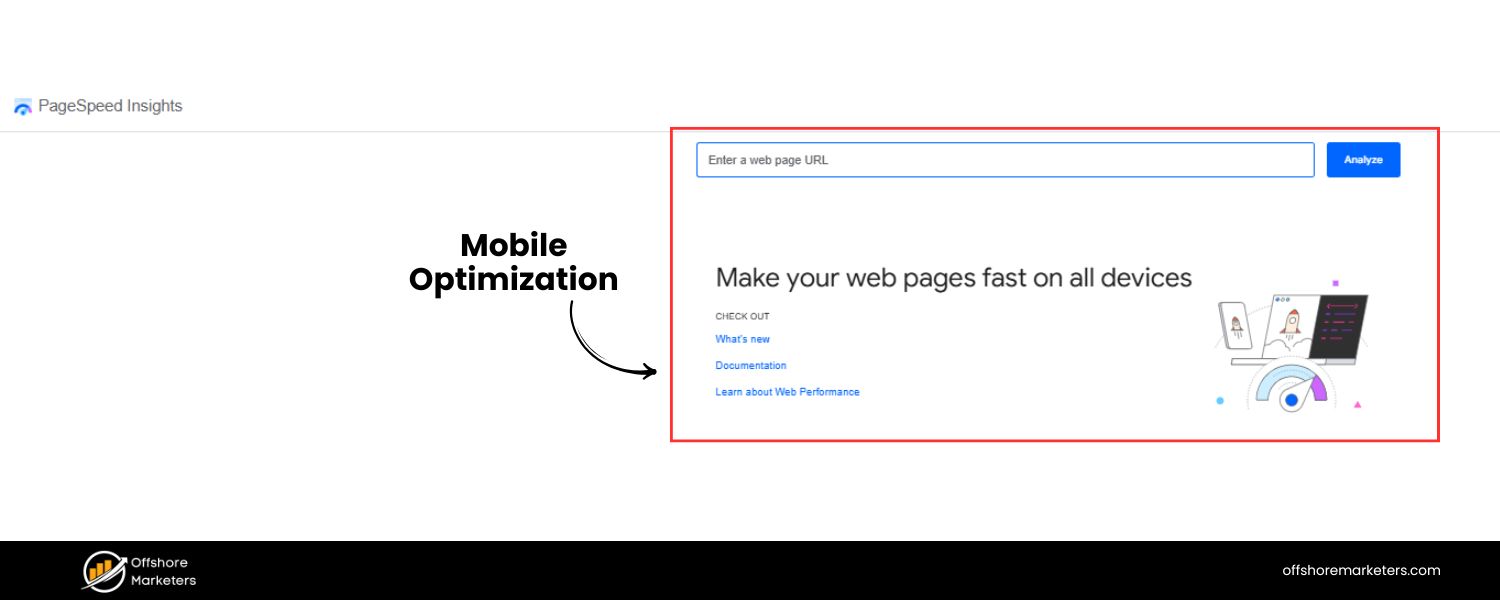
While many B2B searches start on desktop, a significant share happens on mobile too – especially for research on the go or quick fact-finding by team members.Moreover, Google’s index is mobile-first. Ensure your site is fully mobile-friendly (responsive design, easy navigation, readable text, clickable elements well-spaced). Remember that 71% of B2B buyers wish for a better mobile experience on vendor sites – so delivering that could set you apart. Test your site on various devices and use Google’s Mobile-Friendly Test tool to catch issues.
E. Structured Data & Schema Markup
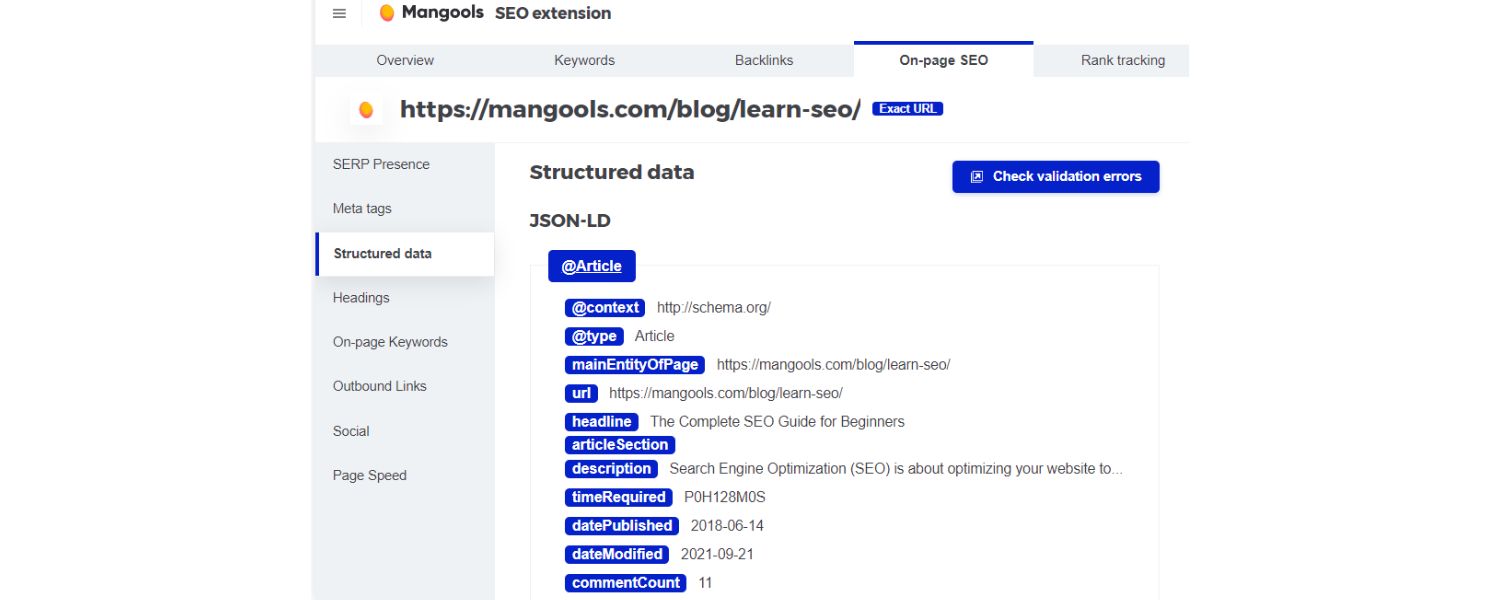
Incorporating schema markup on your pages can enhance how your content appears in search results, which is valuable in B2B where rich results can build trust. For instance, add FAQ schema to common question pages, HowTo schema for instructional content, Product or SoftwareApplication schema for product pages, and Review schema for case studies or testimonials.
This can enable rich snippets (star ratings, FAQs, etc.) that improve click-through rate and visibility. In B2B, rich results on your key pages (like product or comparison pages) can give you an edge by taking up more SERP real estate and instantly communicating credibility.Adding structured data makes your content more easily understood by search engines and voice assistants – a plus for emerging search modes.
F. Secure and Reliable Site

Basic but essential, use HTTPS site-wide (no exceptions) and keep your SSL certificate updated. B2B sites often handle sensitive data (e.g. form submissions with corporate info), so security is non-negotiable. Also, ensure your site is stable with no frequent downtimes; uptime and site quality indirectly affect SEO (and directly affect user trust).
A technically sound website is the foundation upon which all your other SEO efforts will yield maximum results. As one B2B SEO specialist put it, “if your site can’t be crawled or indexed properly, even the best content won’t reach the decision-makers who need to see it.” Pay attention to these details early, and you’ll avoid painful problems down the line.
5. Optimize Your Content and On-Page Elements for Conversions
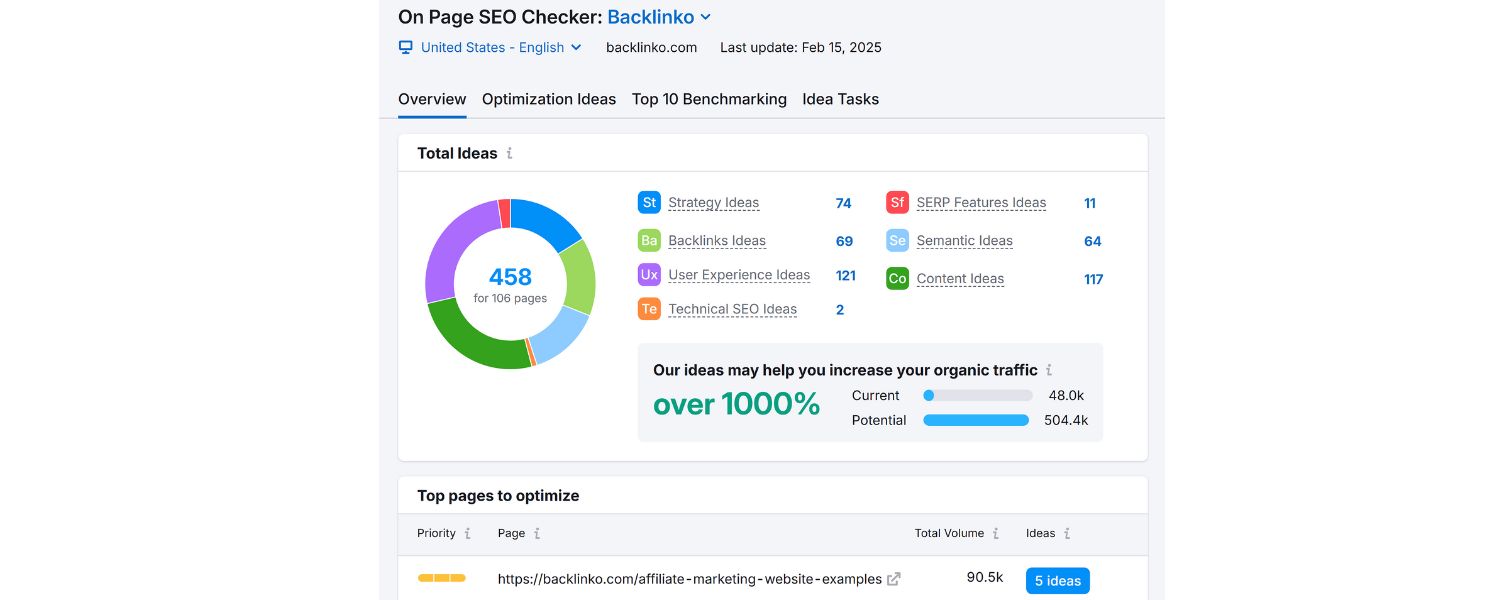
With your site’s structure and technical aspects set, let’s turn to on-page SEO and content optimization, particularly for the pages that will convert visitors into leads or customers. In B2B SEO, two types of on-page content deserve special attention: your core landing pages (product/service pages) and your informational content resources. Both need to be optimized not just to rank, but to persuade discerning B2B buyers.
A. Optimize Key Landing Pages (Products/Services)
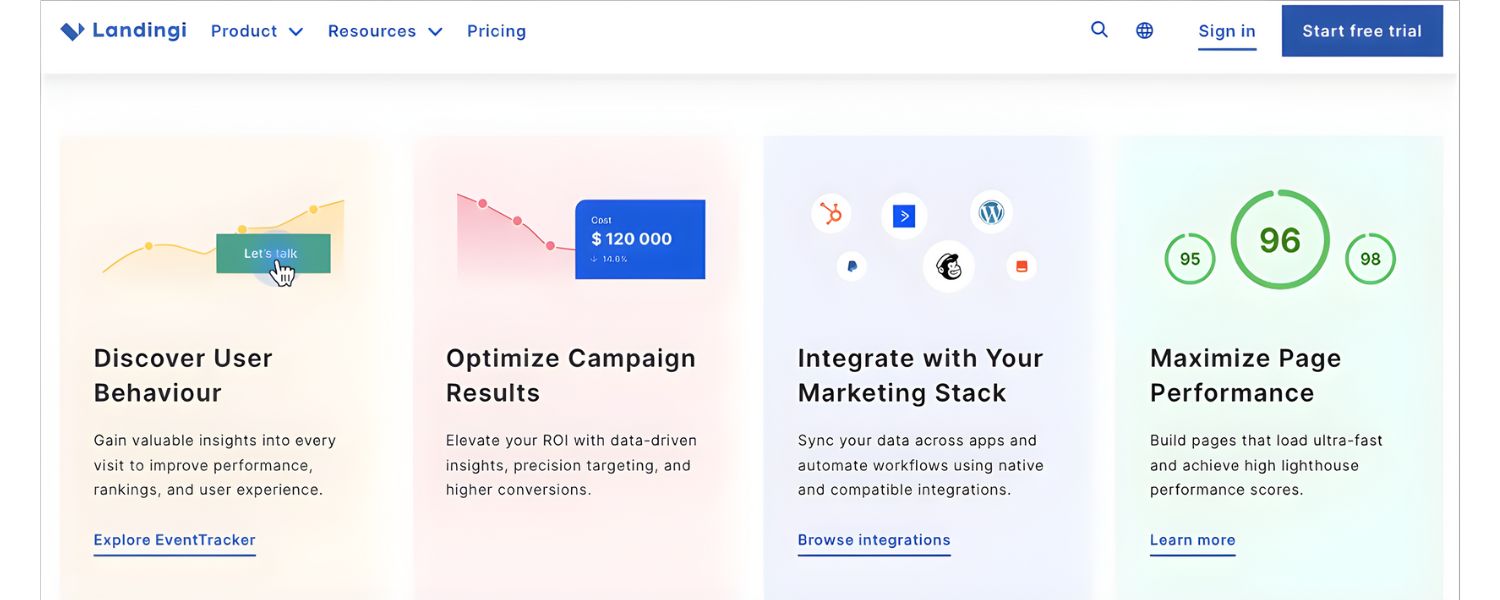
These are the pages where prospects will evaluate your offerings directly (and ideally convert by requesting a quote, demo, etc.). Far too often, B2B companies put minimal content on product or service pages, just a few blurbs or bullet points, which is a huge missed opportunity.
Most B2B landing pages are way too thin, often only 50–100 words of copy, whereas top-ranking pages in Google frequently have 1,000+ words. To rank and effectively convince, your product/service pages should provide substantial, unique content that addresses common questions and highlights your value propositions.
Here’s how to beef up and optimize these pages:
1. Include In-Depth, Unique Copy
Every important landing page should have 100% unique, hand-written copy, no copy-paste across pages. Explain what the product/service is, who it’s for, and how it solves customer problems.
Discuss features and benefits in plain language that your target audience cares about. Use headings and sections to improve readability (and to work in relevant keywords naturally). Don’t shy away from long-form content here; detailed pages tend to rank better and convert better because they preempt doubts.
One study found long-form B2B landing pages can generate up to 220% more leads than shorter ones (thanks to more info building trust).
2. Incorporate Bottom-Funnel Keywords
Be sure to integrate your target SEO keywords for that offering on the page – in the title tag, H1, subheads, and body copy where relevant. For example, if targeting “CRM software for small businesses,” use that phrase and close variants in your headings and description.
However, avoid keyword stuffing; focus on the message, and the keywords will fall in place. Including FAQs or Q&A sections on the page that mirror actual search queries (“Does this CRM integrate with QuickBooks?”) is a great way to rank for long-tail questions and address buyer concerns directly.
3. Add Trust Signals and Social Proof
B2B buyers are risk-averse – they want to be sure your solution is credible. Optimize your pages by adding testimonials, client logos, case study snippets, or data points that prove ROI.
For instance, a brief case study highlight (“XYZ Co. increased leads by 50% using our platform”) or a quote from a happy client can significantly boost conversions. Not only do these elements help persuade users, but they can also improve SEO indirectly (Google’s quality evaluators look favorably on pages that demonstrate E-A-T, and real customer evidence is part of that).
4. Clear CTAs and Conversion Paths
Each landing page should have a clear call-to-action (CTA) relevant to the stage of the funnel – such as “Request a Demo,” “Get a Quote,” or “Download Brochure.” Make sure these CTAs are prominent (above the fold and at logical breaks) and that the conversion process (form or next step) is smooth on both desktop and mobile.
Google’s algorithm pays attention to user behavior signals: if people consistently find what they need and take action (versus bouncing back), it’s a positive sign.
5. On-Page SEO Basics
Don’t forget standard on-page SEO 101: compelling meta title and description (with keywords and value prop), descriptive URL slugs, proper use of H1/H2 tags, optimized image alt text, etc. Ensure all images or PDFs on the page have descriptive file names and alt attributes (for those technical buyers who might search by specific terms, even images or specs can bring in traffic).
By turning your product and service pages into rich sources of information and trust, you not only rank higher but also make it easy for a potential B2B client to say “yes, this looks like what we need” and reach out. It’s about answering every question before it’s asked – so the path to conversion is friction-free.
B. Create High-Value B2B Content (Blogs, Guides, and More)
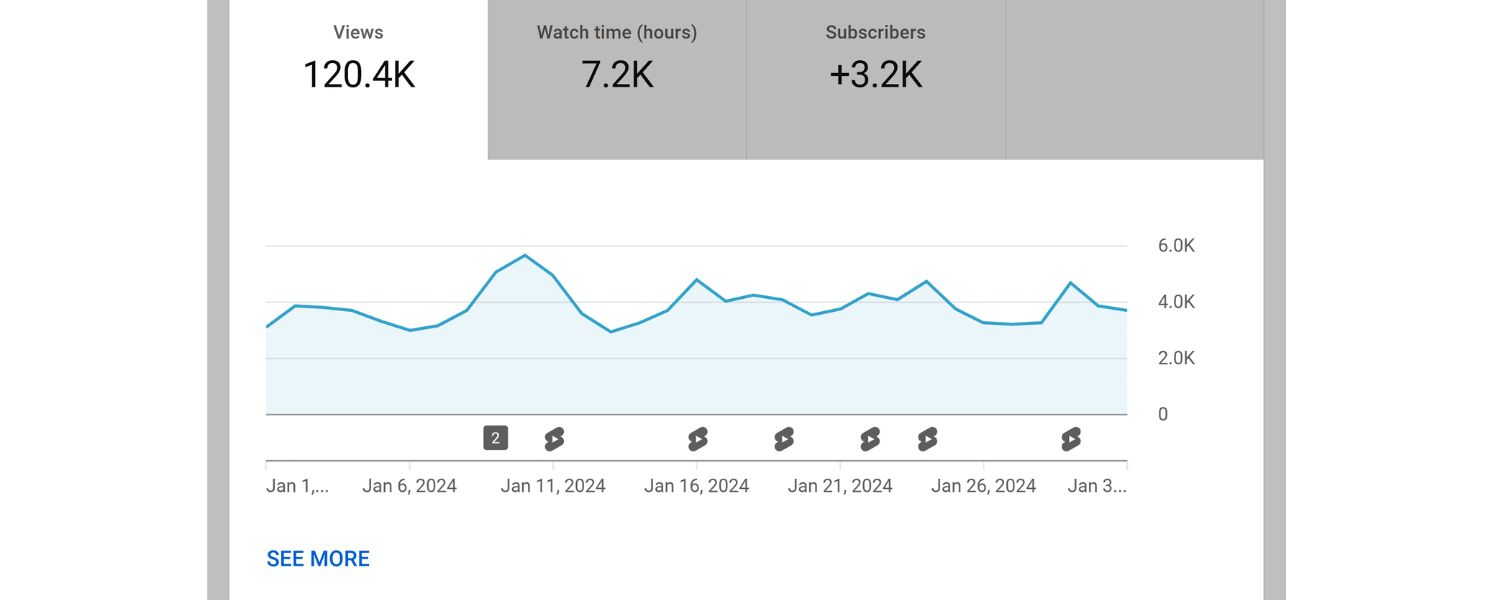
Beyond your core pages, a content marketing strategy is essential for B2B SEO success. Blogging and content creation are not just trendy buzzwords; they’re how you cast a wide net to capture prospects in earlier stages and establish authority. In fact, blogging is considered a key part of any legitimate B2B SEO strategy and 87% of B2B marketers say content increased brand awareness and demand in 2024.
Here’s how to maximize content for B2B SEO:
1. Cover “Shoulder Topics”
Many B2B companies make the mistake of only writing about their product directly. To broaden your reach, identify related topics (shoulder topics) that interest your audience.
For example, if you sell project management software, shoulder topics could include productivity tips, remote team collaboration, or PM methodologies. These topics attract your target readers (even if they’re not immediately searching for your product) and allow you to provide value that isn’t a sales pitch. Over time, this builds goodwill and brand recognition.
2. Publish In-Depth Guides and Resources
Comprehensive “ultimate guides” or industry reports can become cornerstone content pieces that earn tons of traffic and backlinks.As an experienced marketer, I’ve seen these long-form assets become SEO powerhouses. Consider writing definitive guides on key problems your product solves (e.g. “Guide to search engines” if you sell IoT devices, or a “2025 Industry Trends” report). Back these with data, examples, and visuals. Not only do these rank for myriad keywords, but they’re excellent for lead generation (you can offer a PDF download for contact info, etc.).
3. Adopt a “Business Casual” Tone
While B2B topics can be complex, your writing style should be engaging, clear, and even a bit conversational. There’s no rule that B2B content must be dry or jargon-laden – in fact, decision-makers are people too, and they prefer content that’s easy to read and relatable.
As one expert quipped, “Most B2B content is SUPER boring”, so using a more human tone can differentiate your brand. Aim to educate without putting your reader to sleep. This also increases time on page and shareability, which can indirectly aid SEO.
4. Mix Up Content Formats
Diversify beyond standard blog articles. B2B audiences respond well to case studies, how-to articles, checklists, infographics, webinars, and videos. For instance, case studies showcasing results for clients in different industries can rank for “industryindustryindustry case study” keywords and provide social proof.
Short-form videos and infographics are highly engaging – and note that 55% of B2B buyers consider video the most helpful content type when making decisions. A varied content mix keeps your audience engaged and signals to search engines that your site offers rich media (which can improve dwell time).
5. Consistency and Frequency
Commit to a consistent publishing schedule. Companies that published 9+ blog posts per month saw 3.5X more traffic growth than those blogging 1-4 times a month. Regular content signals that your site is active and fresh (Google favors freshness for many queries).
More content also means more keywords and more chances to rank. However, never sacrifice quality for quantity – a smaller library of truly excellent content will outperform a huge library of thin articles.
6. Optimize and Update Content
Treat your content library as an asset that needs upkeep. Optimize each post with target keywords (especially in title, headings, intro) and add internal links to your product pages (to channel readers into the funnel). Periodically update high-performing pieces with current info (new stats for 2025, updated screenshots, etc.) to keep them relevant. This can boost their rankings and maintain traffic over time.
In essence, content is the fuel that keeps your B2B SEO engine running. By providing valuable information that aligns with your buyers’ journey, you attract prospects organically and build trust long before a sales pitch. As a bonus, robust content also naturally attracts backlinks – our next focus area.
C. B2B SEO vs PPC?
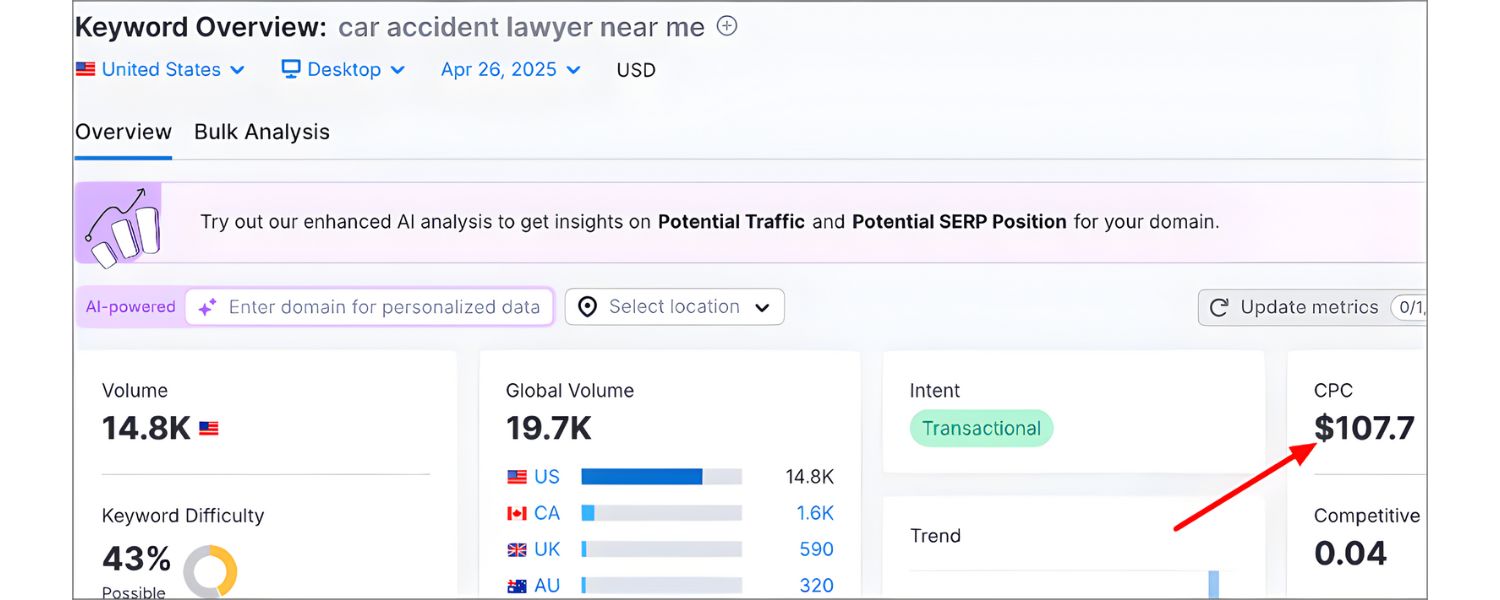
Research shows SEO often wins for driving sales. In one survey, 70% of marketers said SEO generates more sales than pay-per-click advertising, highlighting the compounding value of organic search. The long-term investment in content and SEO can yield higher ROI than costly ad campaigns.
6. Build Quality Backlinks and Authority in Your Industry
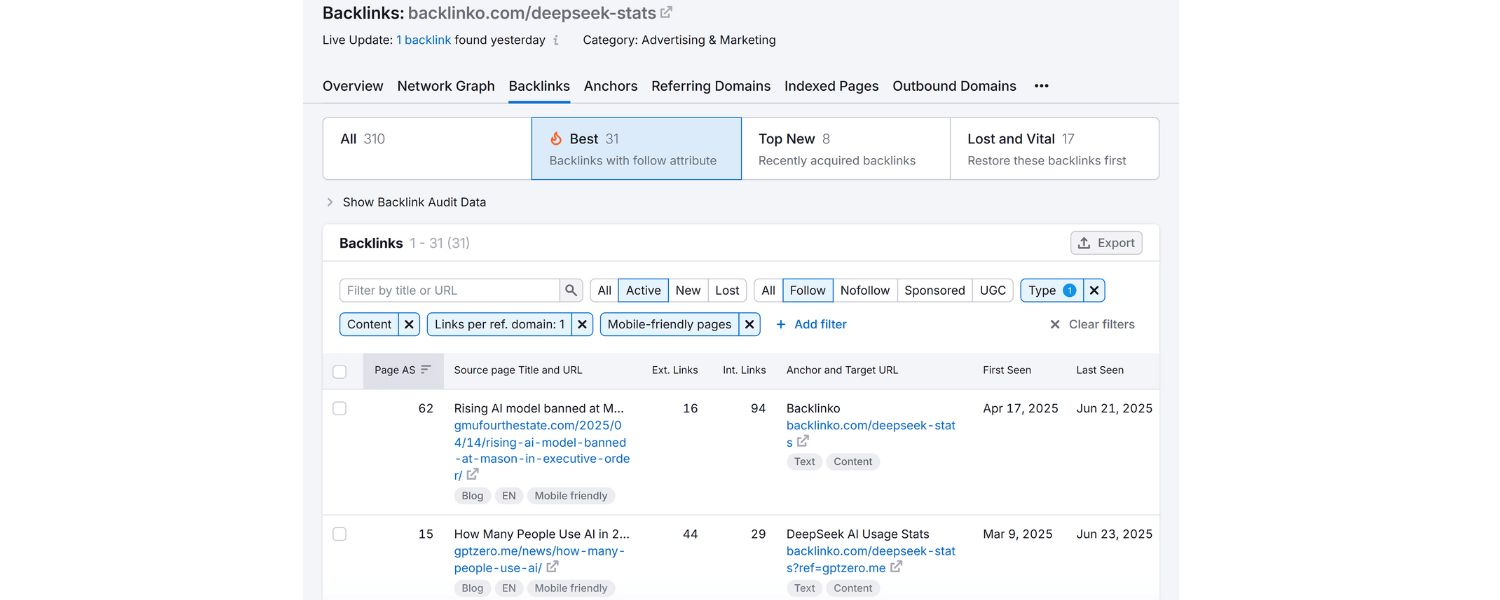
Backlinks (links from other websites to yours) remain one of the most influential ranking factors in Google’s algorithm. For B2B companies, earning high-quality backlinks is absolutely essential to outrank competitors, especially on lucrative keywords. However, B2B link building isn’t about getting a massive quantity of links – it’s about getting the right links from authoritative, relevant sites.
Here’s how to approach it:
A. Leverage Industry Relationships
One advantage many B2B firms have is an existing network of partners, suppliers, clients, and industry organizations. Use these connections. Perhaps a partner can mention your company on their site’s partners page (with a link), or an industry directory can list your business. If you sponsor industry events or belong to professional associations, ensure you get a web mention. These “partner pages” and association links tend to be highly relevant for B2B niches.
B. Produce Link-Worthy Content
The best way to attract backlinks is by publishing content that others naturally want to reference. We touched on producing original research or extensive guides in step 5 – these not only attract readers, but also earn links when bloggers or journalists cite your findings.
In fact, B2B websites that published original research saw an average 42% growth in backlinks. Similarly, offering free tools or calculators on your site can be a link magnet: websites love to link to useful tools (e.g. ROI calculator, assessment quiz) – one study noted sites with free tools increased organic traffic by 35.6% YoY thanks in part to backlinks.
C. Digital PR and Thought Leadership
Consider launching a digital PR campaign to get your content (or your executives) featured on reputable publications. For example, you might conduct a survey in your industry and pitch the results to news outlets or trade magazines.
Or have your CEO contribute expert commentary/guest articles to well-known blogs (e.g. write a guest post on Forbes or an industry site). This not only earns backlinks but builds your brand’s thought leadership. As Brian Dean (SEO expert) emphasizes, “if you want to succeed with B2B SEO, link building is a must” – and PR-style outreach is often the way to get those big authoritative links that move the needle.
D. Guest Posting & Niche Sites
Beyond big publications, identify niche blogs or sites in your field that accept guest contributions or interviews. By writing a high-quality guest article (non-promotional, genuinely useful) and including a link back to a relevant page on your site (perhaps in your author bio or contextually if allowed), you can tap into new audiences and gain SEO value.
The key is to target sites that your potential buyers actually read – a link from a respected blog in your industry carries weight both in SEO and reputation.
E. Focus on Quality (Relevance & Authority)
A single link from a trusted, relevant site (say, a .edu program citing your research, or a leading industry blog) can outweigh 50 low-grade directory links. Google values backlinks for their quality, not sheer quantity. So avoid spammy tactics like buying links or spamming comments – those can do more harm than good.
Instead, invest time in building real relationships and creating content worth linking to. A handy tip: look at your competitors’ backlinks (using SEO tools) and see if there are any logical ones you could earn as well. For example, if they’re listed in “Top 10 IndustryIndustryIndustry Tools” articles or have case studies featured on a partner site, try to get yourself included.
F. Internal Linking
While not “backlinks,” don’t neglect internal links as part of your link strategy. Ensure your blog posts and pages liberally link to each other where relevant – especially link from high-traffic content to your conversion pages.
Internal links help distribute authority across your site and guide both Google and users to your cornerstone pages. For example, if you have a blog post about “B2B marketing trends” that’s doing well, include a callout and link in it to your product or demo page with anchor text like “marketing automation software” (if that’s what you sell). This helps funnel link equity and readers to where it counts.
By steadily acquiring quality backlinks, you’ll boost your domain authority and trust in Google’s eyes. The result? Higher rankings across the board. In fact, companies report that organic search is their most effective channel for driving revenue (cited by 22% of B2B marketers), and much of that effectiveness comes from being in those top 3 spots – which strong backlinks help secure. Stay persistent and patient with link building; consider it an ongoing effort woven into your marketing activities (not just a one-time project).
7. Measure, Analyze, and Continuously Improve
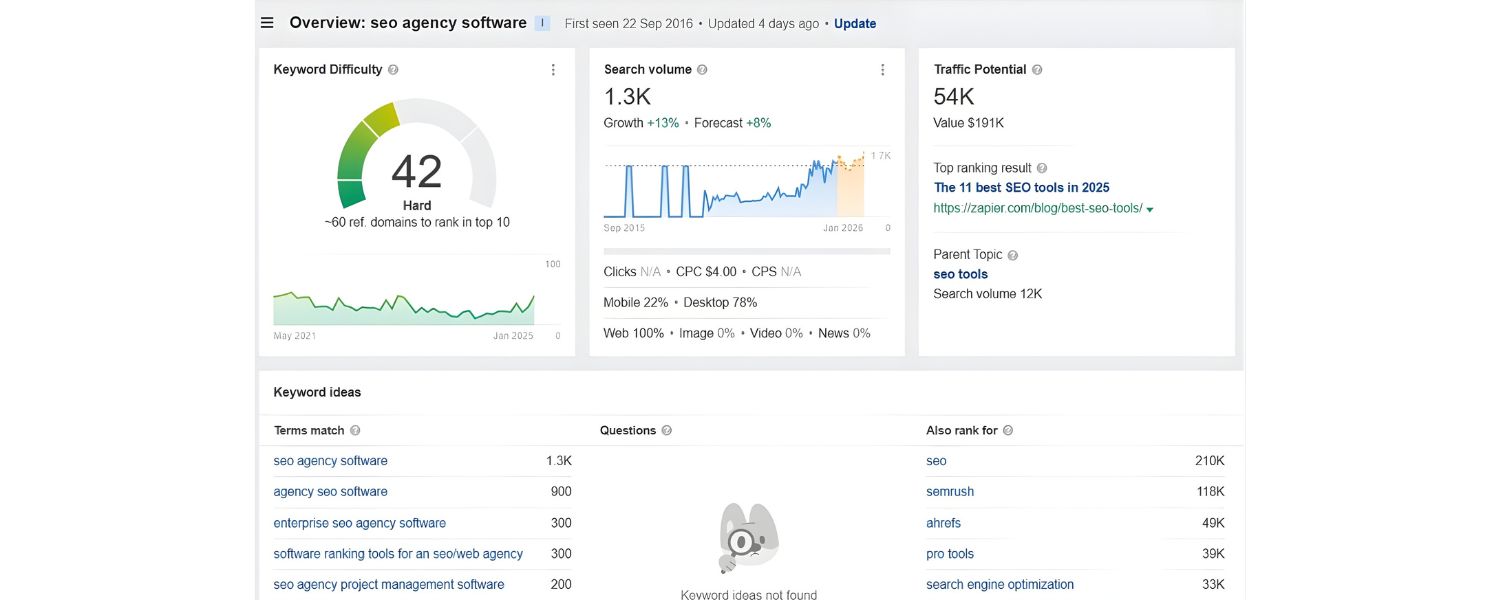
SEO is not a “set it and forget it” endeavor, especially in B2B, where markets evolve, competitors push out new content, and search algorithms change. The final step in your B2B SEO strategy is to establish a system for monitoring performance and iterating for improvements. Data-driven adjustments will ensure you keep climbing upward and catch issues before they become major problems.
Here’s how to stay on top of your B2B SEO:
A. Track Key Metrics
Determine which KPIs matter most for your goals. Common ones include organic traffic (overall and by key pages), search rankings for target keywords, the number of leads or conversions from organic, and engagement metrics (bounce rate, time on page) for content.
Also track qualified lead metrics if possible – e.g. how many marketing qualified leads (MQLs) or sales opportunities came from organic search. For B2B, sometimes smaller metrics like specific pipeline influence or content downloads are more telling than raw traffic. Use tools like Google Analytics, Google Search Console, and CRM analytics to gather these insights.
B. Attribution and ROI
B2B sales often have multiple touchpoints, so attributing a deal solely to one blog visit is tricky. Nonetheless, try to gauge SEO’s impact on revenue. For example, measure how organic leads progress in your sales funnel versus other sources. Surveys or “How did you hear about us?” fields can also capture instances where someone discovered you through search.
Knowing that “SEO brought in X% of our high-quality leads” helps justify continued investment. Note that 56% of B2B marketers struggle to attribute ROI to content – so you’re not alone, but do your best to connect the dots with data.
C. Use the Right Tools
In addition to Analytics, consider SEO-specific tools. Google Search Console will show what queries you’re getting impressions and clicks for – great for spotting new keyword opportunities or diagnosing drops. SEO platforms (Semrush, Moz, Ahrefs) can monitor your rankings and those of competitors.
They can also alert you to new backlinks (or lost links) and provide technical site audit reports. For user behavior, heatmap tools or session recorders can reveal how business visitors interact with your pages (e.g. where they scroll or get stuck). These insights can guide content layout improvements or identify if a CTA is being missed.
D. Regular SEO Audits
Schedule a periodic health check; say, quarterly SEO audits. This involves reviewing on-page optimization (are title tags and metas optimized and up to date?), content (any outdated info to refresh? New keywords to target?), technical status (broken links, page speed, mobile issues), and backlinks (any toxic links to disavow? new link opportunities?).
Think of it as tuning up the engine to ensure all parts of your strategy still fire correctly. This proactive approach keeps your site in peak condition for search performance.
E. Test and Iterate
SEO also involves some experimentation. Try A/B testing different title tag formulas or CTA placements on key pages to see what drives better click-through or conversion. If one type of blog format (say, listicles) performs significantly better than another (long essays), adjust your content strategy accordingly.
Pay attention to Google’s algorithm updates and industry trends – for example, if Google starts favoring pages with FAQ sections for certain queries, add FAQs to yours. Agility is a competitive advantage; many large B2B firms are slow to change, so if you’re quick to adapt, you can outrank them.
F. Keep an Eye on Competitors
Part of continuous improvement is knowing what the other players are doing. Monitor competitor websites periodically, have they launched a new resource center? Are they ranking for a hot new buzzword you haven’t covered? Use competitive research tools or simply Google key terms to see who’s climbing up.
This can inspire new content or optimizations for you. Just make sure any improvement you implement genuinely benefits your audience, don’t copy for the sake of copying, but rather provide a better answer or experience than the rest.
Remember, SEO is a long game. It might take 3-6 months to see significant results from B2B SEO efforts (depending on your starting point and competition). But the beauty is that SEO gains often compound over time, that blog post you published this year could still be generating leads two years from now.
By continually refining your strategy based on performance data, you ensure those gains keep growing. In the words of one marketing leader, “Consistency, content quality, and technical health all play key roles in how quickly you see ROI from SEO” – and those are all under your control through diligent measurement and improvement.
B2B SEO Trends in 2025: What’s New and Next
No guide would be complete without a look at the latest trends shaping B2B SEO. The search landscape is always evolving, and 2024–2025 has introduced some game-changers, particularly in how AI is transforming search results. As a B2B marketer, staying ahead of these shifts can give you a competitive edge (or at least prevent your strategy from becoming outdated).
Here are some key trends and how to adapt:
1. Google’s Core Web Vitals & INP
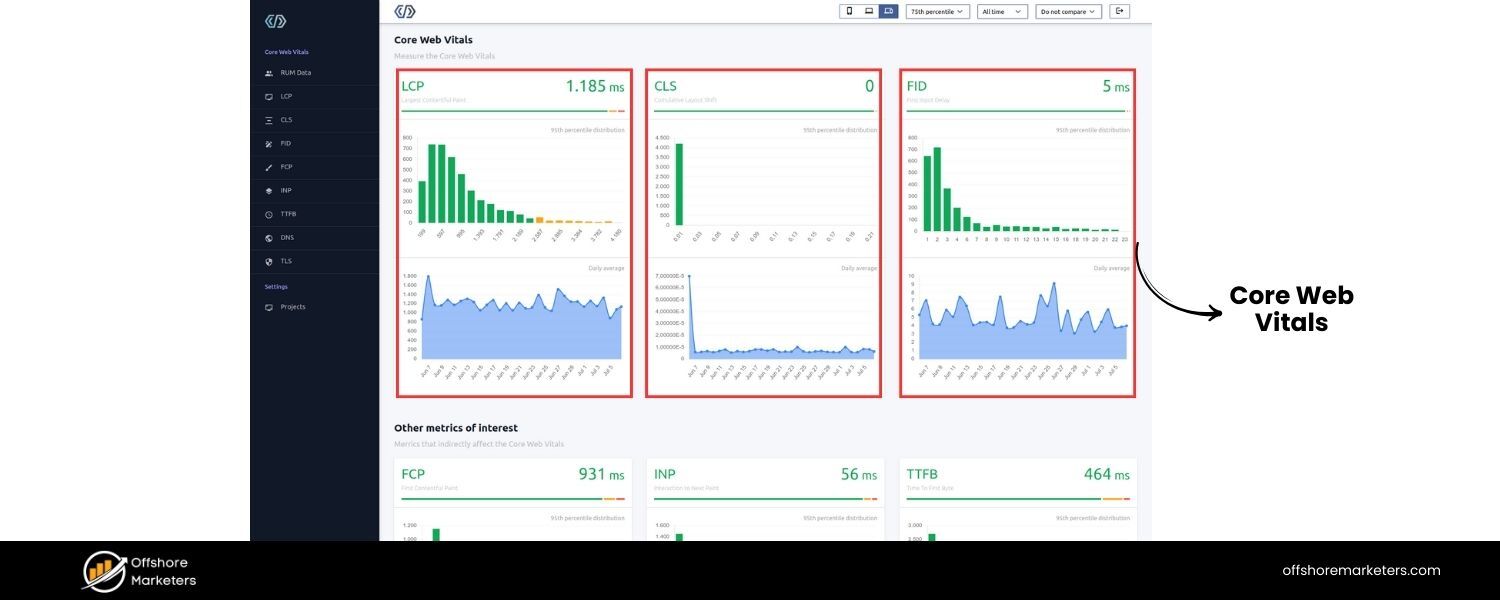
By now, most SEOs are familiar with Core Web Vitals (CWV) as metrics for user experience (loading speed, interactivity, stability). In 2024, Google introduced a new metric called Interaction to Next Paint (INP) to replace First Input Delay.
INP provides a more accurate measure of a page’s responsiveness to user interactions.As this metric becomes part of CWV, B2B sites should ensure that web pages – especially complex SaaS product interfaces or heavy content pages – respond quickly to clicks and inputs.
Optimizing for INP means minimizing long tasks in JavaScript, optimizing scripts, and generally improving how quickly your site reacts when a user tries to do something. Bottom line: user experience is increasingly tied to SEO, so keep your developers close and make UX a priority.
2. E-E-A-T and Content Quality Emphasis
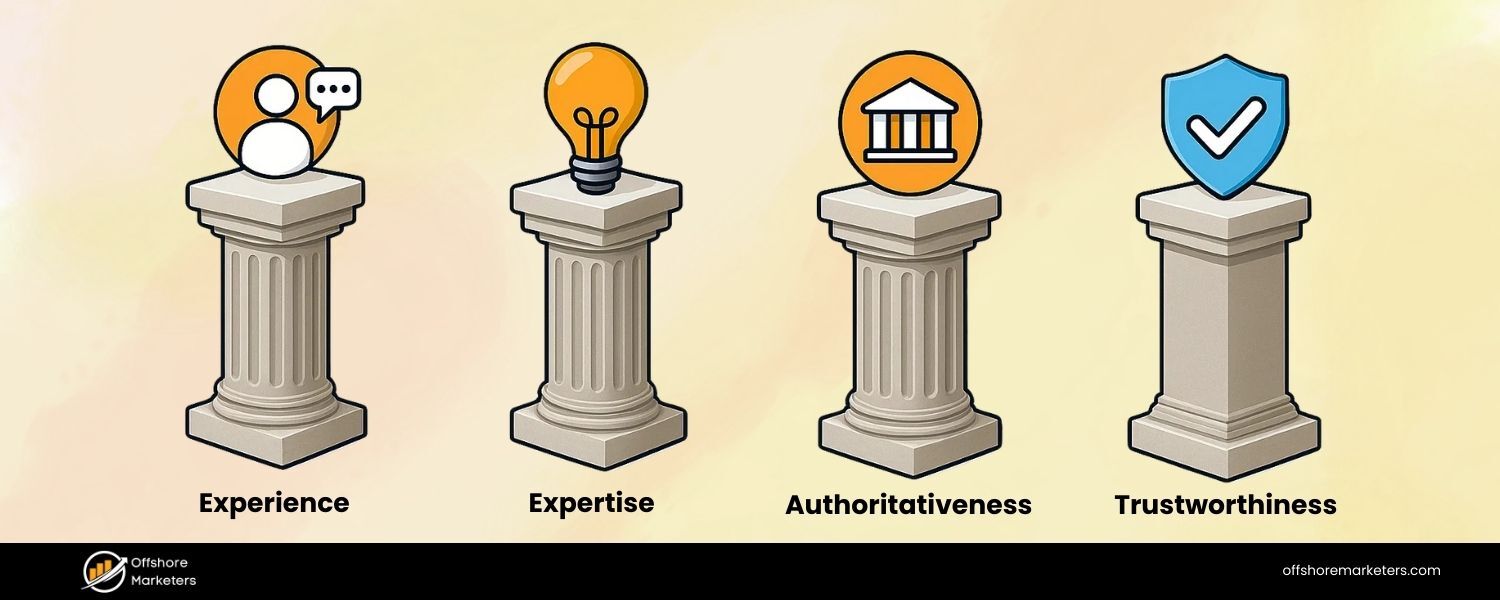
Google’s emphasis on Experience, Expertise, Authoritativeness, Trustworthiness (E-E-A-T) is stronger than ever. The search quality rater guidelines have codified E-E-A-T as a crucial factor in evaluating content value. For B2B content, this means you should show real expertise and experience.
Tactics include: having bylines for articles with author credentials (e.g. your CTO writing about technical trends), citing reputable sources and data (as we’ve done with citations throughout this article), and ensuring your content is truly helpful and original – not just rehashing what others wrote.
Google is getting better at assessing “helpfulness” at a page-level and site-level. Thus, as you produce content, always ask: Is this the best, most informative piece on this topic for a B2B reader? Aim for that “yes,” and you’ll be aligned with where SEO is headed.
3. Passage Indexing and In-Depth Content
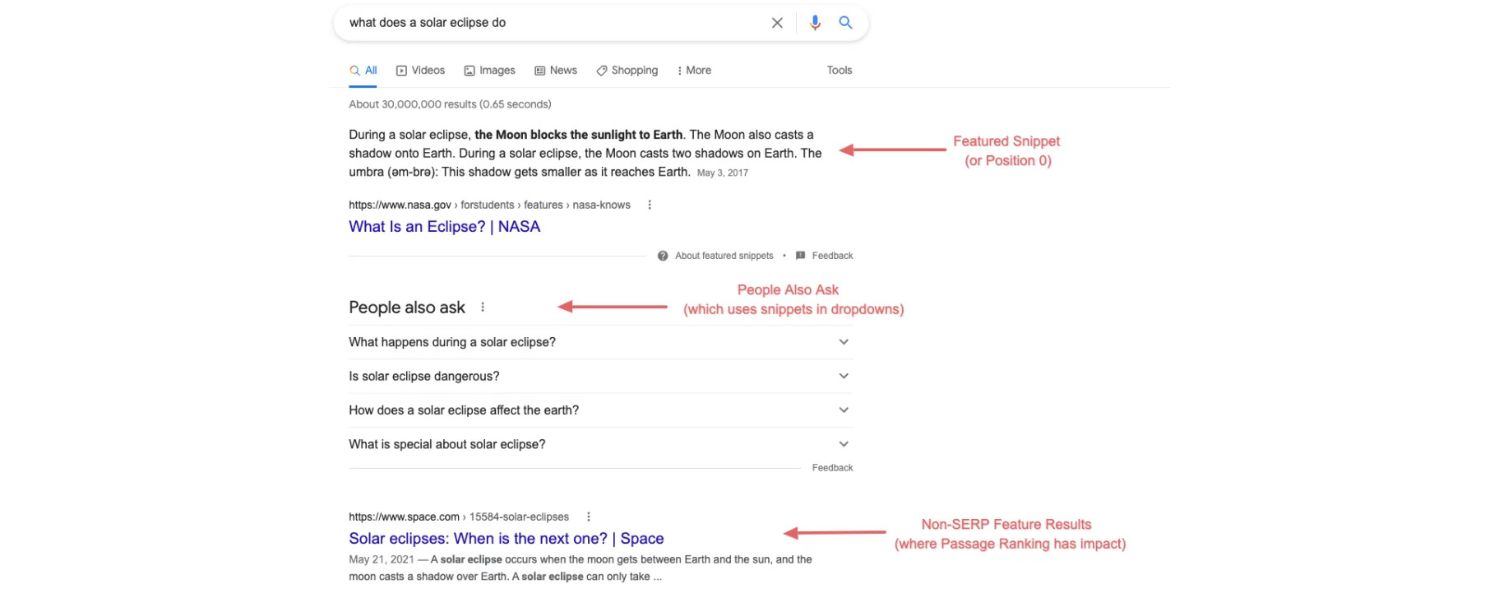
Update: passage ranking launched yesterday afternoon Pacific Time for queries in the US in English. It will come for more countries in English in the near future, then to other countries and languages after that. We’ll update this thread as those further launches happen.
Google’s Passage Ranking (Indexing) update allows the algorithm to rank not just whole pages, but specific passages within a page for highly specific queries. For B2B sites, this reinforces the value of long, in-depth content that covers multiple subtopics.
A single well-structured guide could potentially rank for dozens of niche questions because Google can surface the relevant passage. To capitalize on this, use clear headings and a logical flow in your content so Google can identify the sections easily.
Consider adding a table of contents for long pages (many B2B blogs do this) – it not only helps users but also indicates the topical breakdown. Also, rich snippets (like FAQ sections or summary callouts) can help Google quickly grab key info. In practice, passage ranking means you don’t need to create a separate page for every tiny variant question – incorporate them into broader content and you can still get visibility.
4. Generative AI in Search (Google SGE and Beyond)
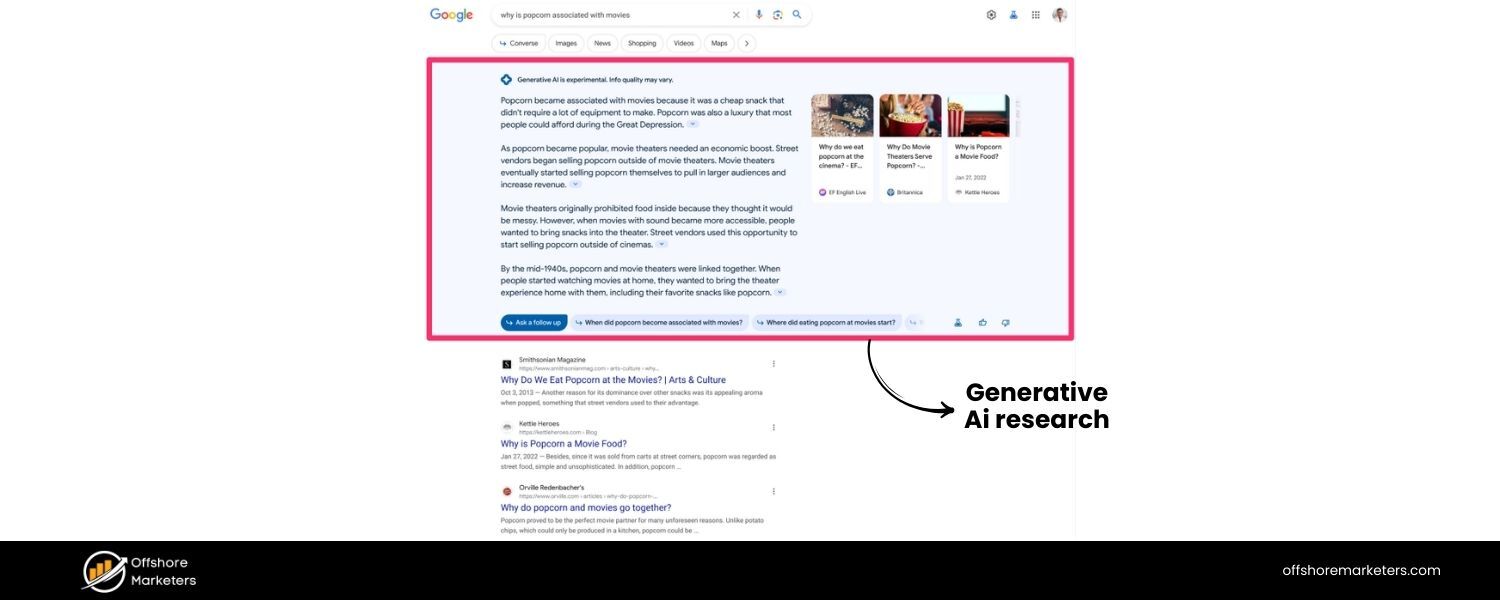
Perhaps the biggest paradigm shift is the rise of AI-generated answers in search results. Google’s Search Generative Experience (SGE), rolling out in 2023-2025, uses generative AI to provide conversational answers on the results page.
Microsoft’s Bing is doing similar with its AI chat, and many users turn to AI assistants like ChatGPT. This trend means users can sometimes get the information they need without clicking through to a website – a challenge for SEO traffic. B2B companies should respond by optimizing for featured snippets and zero-click results.
Structure your content to answer common questions clearly and concisely (often in a paragraph or list), which increases the chances of being quoted in an AI snippet or featured snippet. Additionally, provide depth and unique insights that AI might not easily have; for example, proprietary data or strong opinions – this can entice users to click through for the full context.
Google’s advice is to create “high-quality, comprehensive content that answers specific questions and provides detailed information supported by structured data” to remain competitive in the AI-driven search era.
5. Voice Search and Conversational Queries
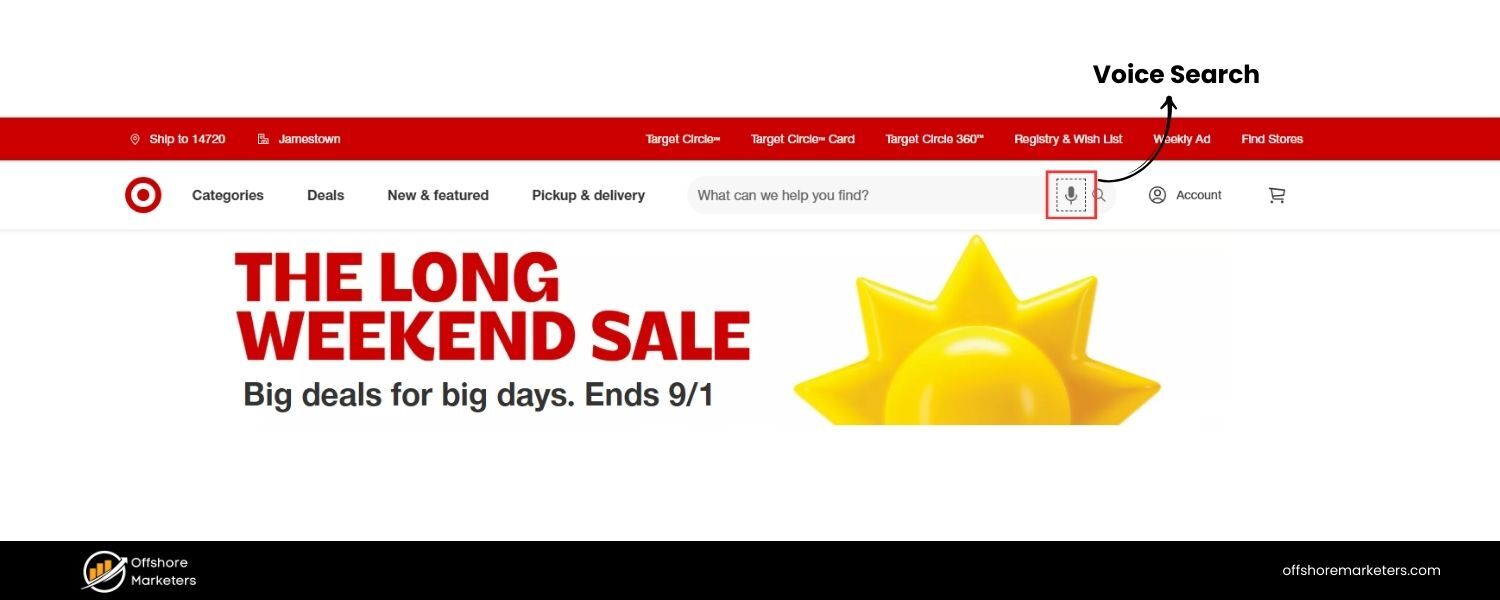
With the proliferation of voice assistants, voice search continues to grow, including in B2B contexts. In fact, as of 2025, 61% of executives use voice search for work-related queries.
Voice searches tend to be longer and phrased as natural language questions (e.g. “What are the top ERP systems for manufacturing?”). To capture these, ensure your content includes conversational Q&A-style sections. An FAQ page or FAQ drop-downs on key pages can be effective. Also target long-tail keywords that sound like how a person would ask a question.
If you optimize for featured snippets (position zero), you’re likely optimizing for voice answers too, since voice assistants often pull from those snippets. The takeaway: write content that “talks” to the user, not just dumps keywords, that way, whether someone types or asks aloud, your site has the answer.
6. AI Tools for SEO & Content Creation
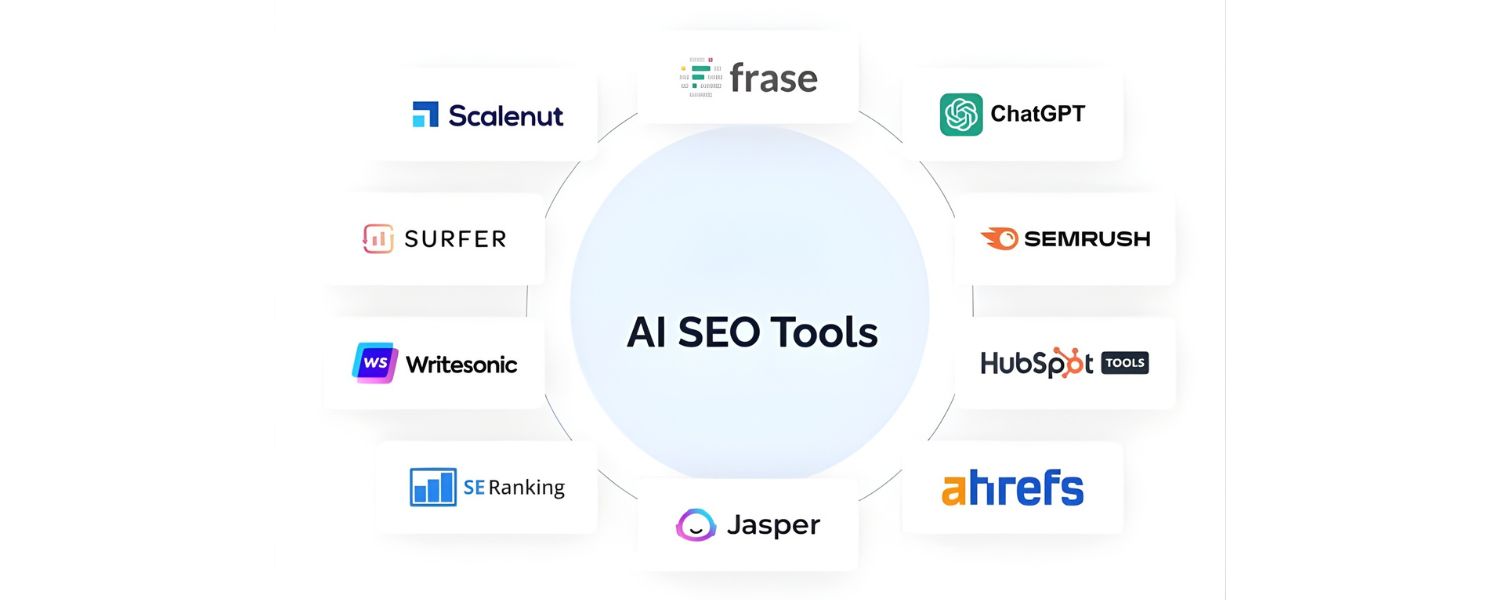
On the flip side, B2B marketers themselves are leveraging AI to improve SEO efforts. According to a recent survey, 55% of B2B marketers see strong potential for AI in creating content assets (blogs, guides, etc.), and 50% believe AI-powered personalization is great for targeting audiences.
As an expert, my advice is to embrace these AI tools wisely. They can help with draft generation, data analysis, or identifying content gaps, but always put a human expert in the loop to ensure accuracy and originality (remember E-E-A-T!). AI can also help with things like programmatic SEO, generating variations of product descriptions or metadata at scale, freeing up time for strategy. The companies that skillfully blend AI efficiency with human creativity and expertise will likely outperform in 2025’s SEO game.
In summary, the B2B SEO landscape in 2025 is one where user experience, content quality, and adaptability to new search formats are paramount. If you optimize your site to load fast and delight users, focus on authoritative content, and stay nimble with features like schema and snippet optimization, you’ll thrive even as AI reshapes search.
Keep one eye on the horizon for emerging trends (the only constant in SEO is change!), but rest assured that the core principles you’ve learned, understanding your audience and serving them the best content – will remain the North Star.
Conclusion: Ready to Elevate Your B2B SEO?
Business-to-business SEO can certainly be challenging, longer cycles, multiple decision-makers, technical intricacies, but it’s also immensely rewarding. By following the strategies outlined in this guide, you’ll be well on your way to higher Google rankings, more qualified traffic, and greater lead generation for your B2B company.
Remember, SEO is a marathon, not a sprint. It requires a commitment to quality and continuous improvement, but the investment pays off with compounding returns (unlike many one-and-done marketing tactics).
In 25 years of marketing, one lesson stands out: the companies that win are the ones who consistently deliver value. B2B SEO is an extension of that principle, provide valuable information and experiences to your target customers at every step, and you will win their attention (and eventually, their business).
So, are you ready to boost your B2B website’s performance and leave competitors in the dust? Start implementing these SEO steps today. Conduct that keyword research, refresh that old blog post, reach out for a guest post opportunity, every action counts. With each tweak and piece of content, you’re building an SEO moat around your business that competitors will struggle to cross.
Call to Action:
Take the first step now. Apply one tactic from this guide in the next 24 hours, whether it’s identifying new long-tail keywords or improving a landing page’s content. Small improvements add up. By committing to a robust B2B SEO strategy, you’re investing in a sustainable pipeline of organic leads and growth that will fuel your business for years to come.
Visit our website to explore more resources and get started on crafting your B2B SEO strategy today. See the difference strategic SEO can make in propelling your B2B success story!

.png)
Shopify SEO: Guide to Ranking Your Store and Driving Sales
Most Shopify store owners set up their store, list their...

Content Marketing : Definitive Guide to Strategy, Content Types, and Measurable ROI
Content marketing generates 3x more leads than outbound marketing at...

Above the Fold: Guide to Conversions, Rankings and Faster Pages
Above the Fold in 2026: The Complete Guide to Conversions,...

Off-Page SEO Checklist: Guide to Building Real Authority
Most websites spend months creating great content, only to wonder...

What Is Keyword Bidding? The Complete Strategy Guide for Smarter Ad Spend
Most advertisers believe the highest bid wins the auction. It...

What Is Google Trends? The 2026 Marketer’s Complete Guide
If you are not already pulling weekly insights from Google...
If you want a growth partner who will get to know every aspect of your business and treat your budget like their own — we are the right fit.
.png)


.png)
.png)
.png)
.png)
.png)
.png)
2026 ALL RIGHTS RESERVED MADE IN INDIA
