
SEO Writing: How to Craft Content That Ranks
September 5, 2025
What Is SEO Writing (and Why It Matters)
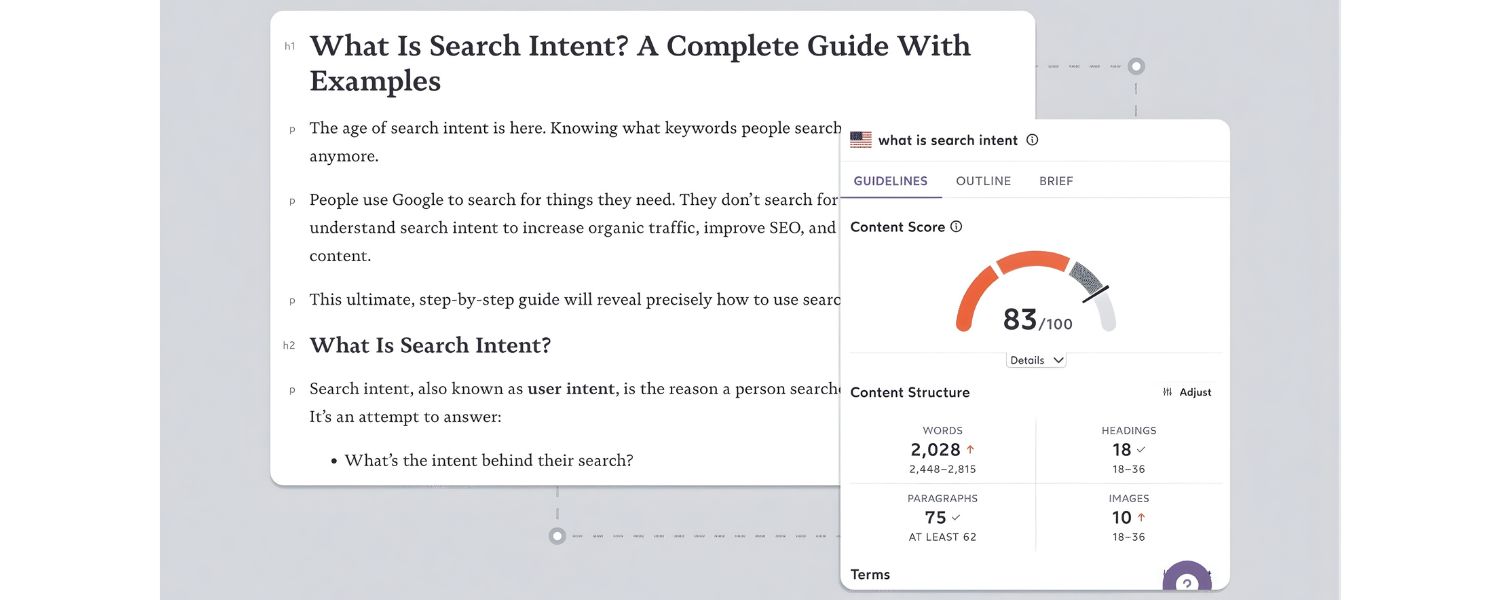
SEO writing (or “writing for SEO”) is the process of planning, creating, and optimizing content with the goal of ranking high in search engines. It’s where creativity meets strategy, combining amazing, user-focused content with solid on-page optimization.
In practice, SEO writing involves doing keyword research, aligning content with user intent, and structuring your article so both readers and Google can easily understand it.
Why does this matter? Because even the best content needs optimization to be discovered. SEO writing helps your pages reach the people who are already searching for topics you cover.
When done right, it can boost your visibility on search engine results pages (SERPs), attract organic traffic, and build trust with your audience.
High-quality SEO content not only improves rankings but also enhances user experience, authority, and even conversions. In short, “amazing content + on-page SEO = SEO writing”, a formula for content that both readers and search engines love.
Plan Your Content with Keywords and Intent
Successful SEO writing starts before you type a single word. Begin with careful planning and research:
1. Perform Keyword Research
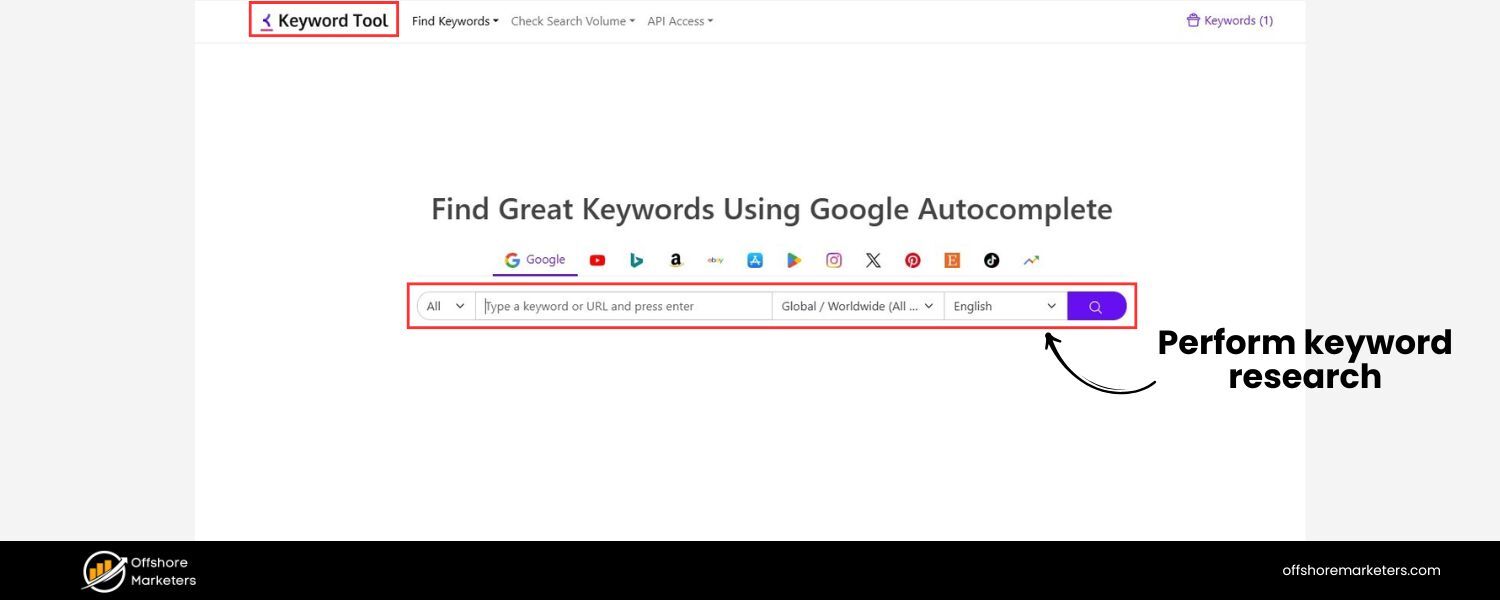
Identify a primary keyword for your content – the main term you want to rank for. Use SEO tools or Google’s Keyword Planner to find terms that are relevant to your topic, have decent search volume, and match your audience’s needs.
For example, a pet blog article might target “dog behavior training” if many users search for it and it’s feasible for your site to rank.
Also gather a few secondary keywords (related phrases and synonyms) to sprinkle naturally throughout your piece. This helps cover subtopics and long-tail queries without forcing the primary term everywhere.
2. Analyze Search Intent
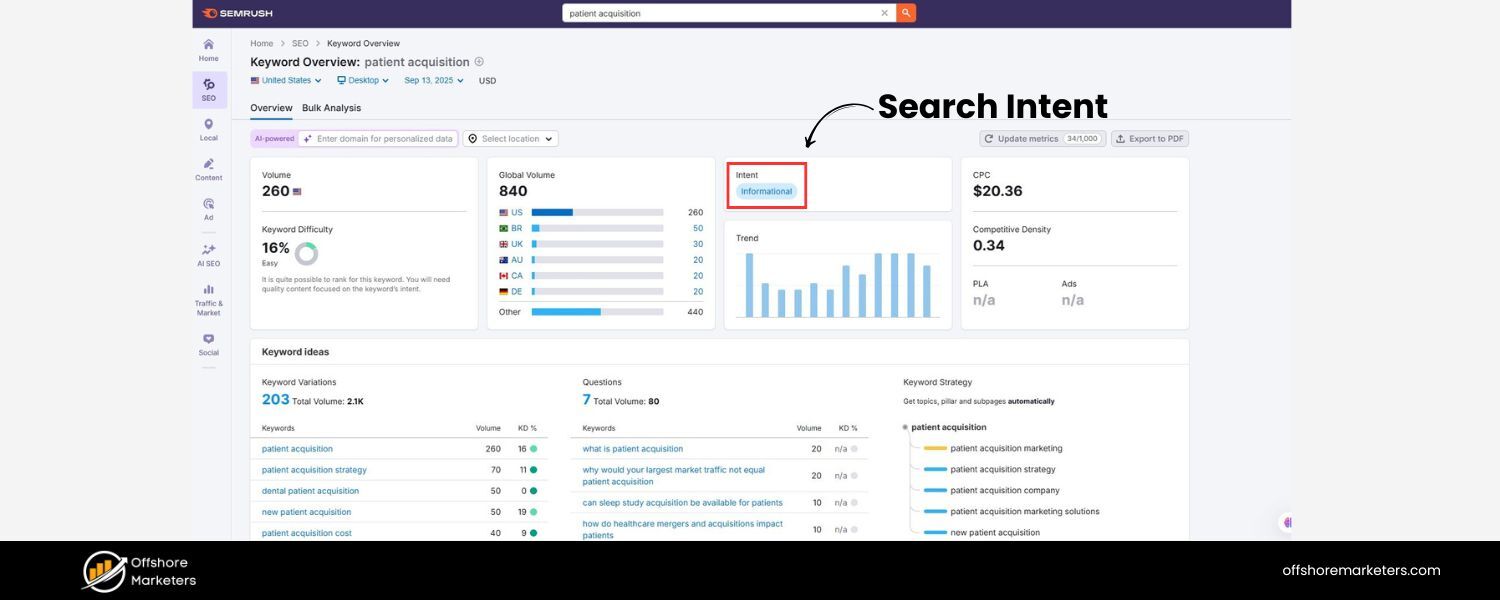
For each target keyword, ask why the user is searching. Are they looking for information, a how-to guide, a list of tips, or something else? Understanding search intent is crucial, content will only rank if it satisfies what the searcher is seeking.
There are four main intent types (informational, navigational, transactional, commercial), but most blog posts target informational intent.
Check the top results for your keyword to see the common format: if they’re mostly “how-to” guides, Q&A articles, or listicles, plan a similar format (and aim to make yours even more helpful). Matching the intent and format of high-ranking pages gives your content a better chance to meet readers’ expectations.
3. Spy on the Competition
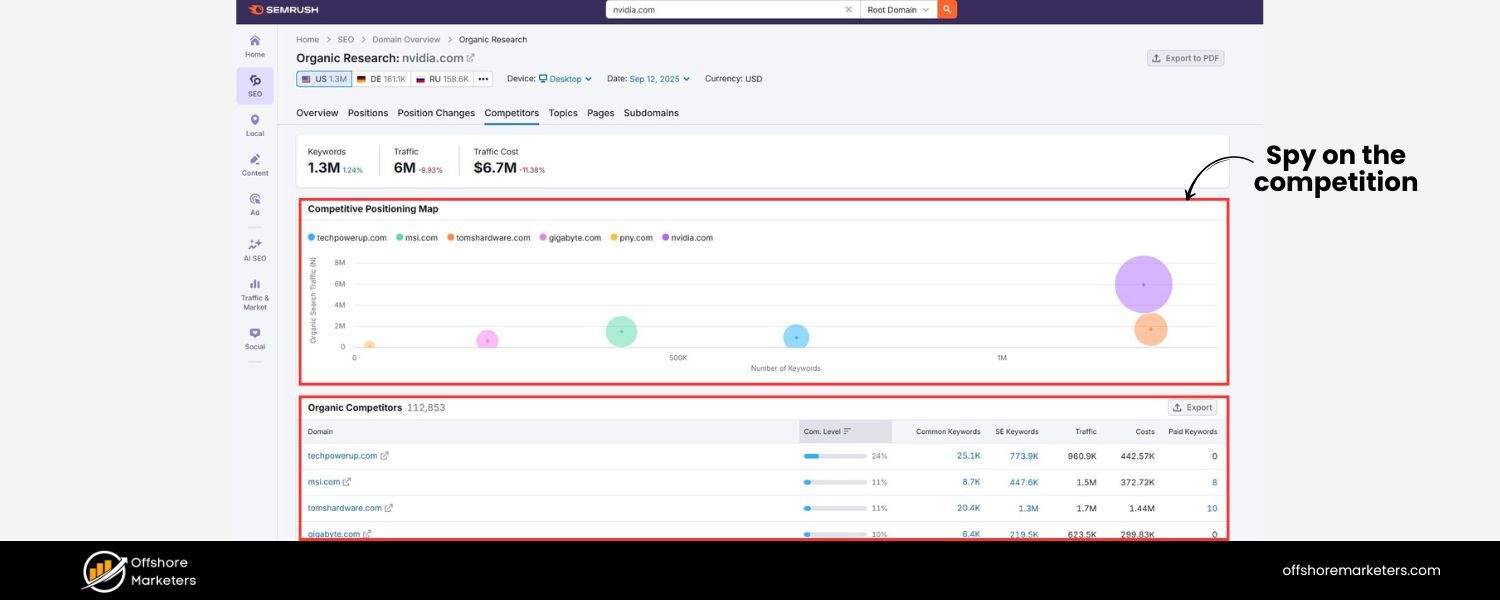
Identify the top-ranking pages or close competitors for your topic and study their content. Look at their heading structure, subtopics covered, keyword usage, and any content gaps (missing info or angles they didn’t cover).
Your goal is not to copy, but to outdo them, provide more depth, updated info, or a clearer explanation. By discovering content gaps, you can cover those in your article to offer something fresh and valuable that others missed. This “skyscraper” approach of building a taller, more comprehensive piece can help you outrank existing content.
4. Outline with a Purpose
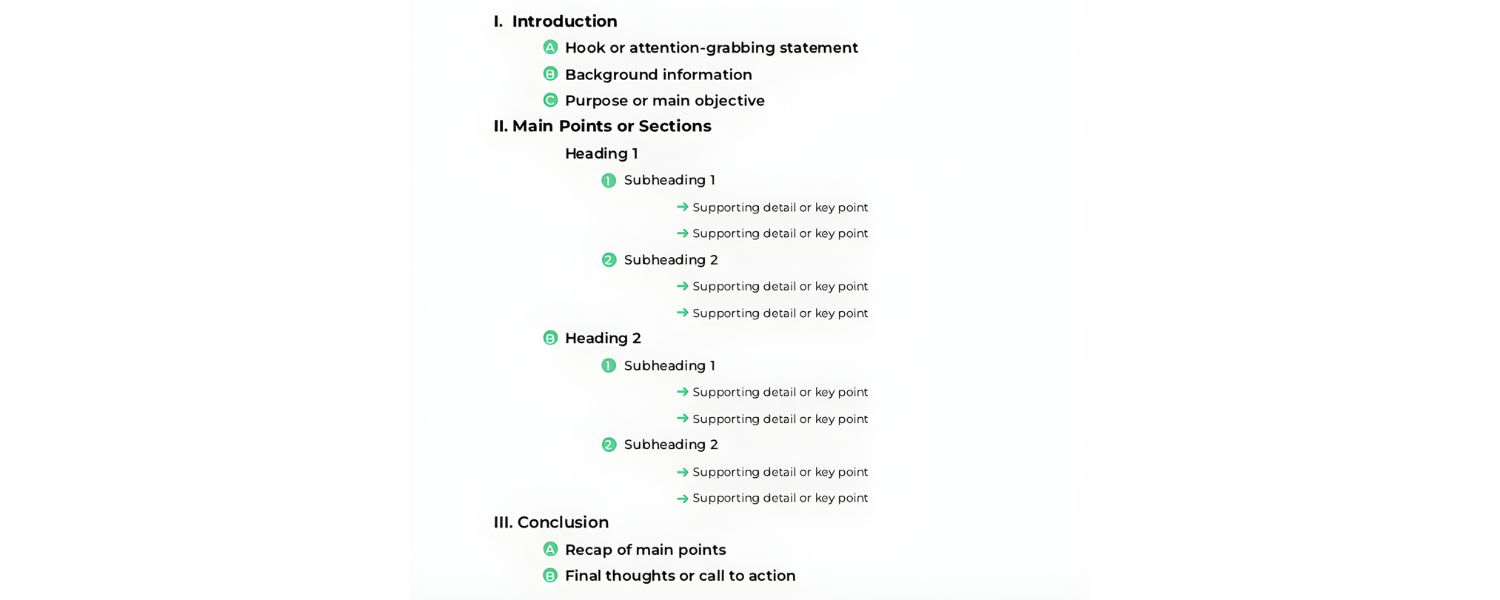
Create a clear outline before writing. Jot down the key sections or questions your article will address (often guided by the “People Also Ask” questions or related searches on Google).
Organize these sections in a logical order that would make sense to a reader. A good outline ensures you stay on track and cover all relevant subtopics. It also helps later with dividing content under proper headings (H2s, H3s), which is great for SEO and readability.
By thoroughly planning, you set a strong foundation. You’ll know which keywords to target, which questions to answer, and how to structure content that aligns with what users and search engines expect. In essence, you’re creating a roadmap for content that is both rich in information and SEO-optimized from the start.
Write for Readers First (With SEO in Mind)
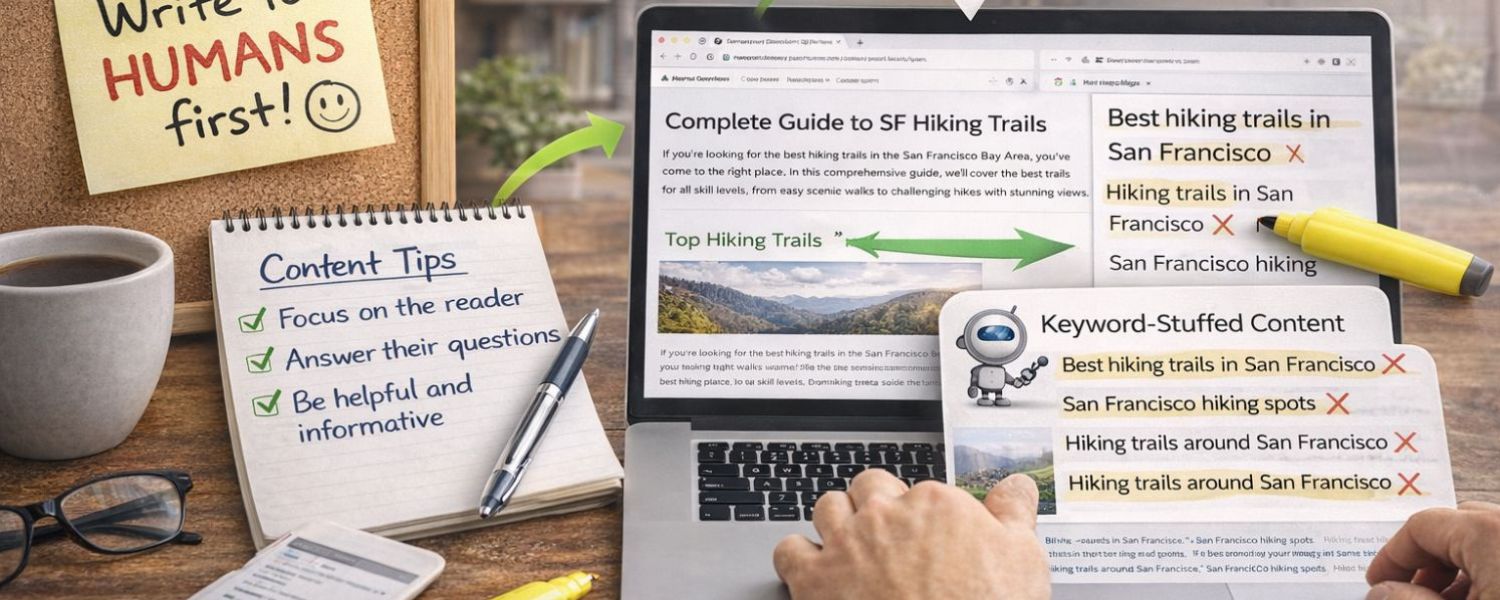
When you start drafting, remember that people come before algorithms. Write in a way that is engaging, clear, and useful for human readers, then refine it to satisfy SEO guidelines. Here’s how to strike that balance:
1. Hook Your Audience
Start with a powerful introduction that grabs attention and mentions your primary keyword naturally. In just a few lines, preview what value the reader will get from your article.
This not only piques interest but also signals to Google the topic of your page (since the intro is a common place for keywords).
For example, an opening might highlight a problem (“Struggling to rank your blog posts?”) and promise a solution (“This guide will show you how SEO writing can skyrocket your Google rankings.”). A strong, relevant intro sets the tone and improves chances that visitors (and search engines) stick around.
2. Use a Conversational Tone
Write as if you’re having a friendly conversation with the reader, not composing a dry academic paper. A seasoned content strategist advises: “This isn’t an academic college paper.
Write as if you’re having a conversation with the reader.” Adopting a natural, conversational tone makes your content more relatable and easier to read. It’s okay to be professional, but avoid jargon or overly stiff language.
Imagine the questions a reader might ask and address them directly. The more your writing resonates with human readers, the longer they’ll stay on the page – sending positive engagement signals to Google.
3. Prioritize Clarity and Readability
Break up your content into short paragraphs and use plenty of subheadings (H2s, H3s) so readers can easily scan. Eye-tracking studies show people skim online, so walls of text can be off-putting.
Aim for paragraphs of 2-4 sentences and use plain language. When appropriate, incorporate bullet points or numbered lists for steps and key takeaways – like we’re doing here.
Formatting elements (like bold text for highlights or key terms) can also guide readers to important points. Overall, make your article easy to digest. Well-organized, skimmable content tends to perform better because it caters to hurried readers and improves user experience.
4. Cover Topics In-Depth
Thoroughly answer the questions and subtopics you set out to cover. Don’t just scratch the surface, provide actionable tips, examples, or data to support each point.
The best SEO content is comprehensive; in fact, long-form content (which naturally covers a topic in detail) has been found to rank best in Google. That doesn’t mean ramble for the sake of word count, but do ensure you address the core query from all angles.
If your article is the most informative and up-to-date resource on the topic, Google is more likely to treat it as authoritative. As one industry study noted, being comprehensive can give you an edge in search rankings.
5. Avoid Keyword Stuffing
Yes, you have target keywords – but use them judiciously. There’s no need to repeat a keyword dozens of times. In fact, overloading your text with the exact same phrase (known as keyword stuffing) can hurt readability and even trigger search engine penalties.
Instead, include your primary keyword a few strategic times, ideally in the introduction, in one or two subheadings, and naturally throughout the body and conclusion. Use variations and synonyms elsewhere.
The goal is to signal relevance without sounding robotic. “Don’t try to shoehorn in the keywords ad nauseam,” warns an experienced SEO writer. Write for the reader first, ensuring the text flows.
If it reads awkwardly out loud, that’s a sign you might be forcing keywords. Search algorithms in 2025 are smart enough to understand context and related terms, so a natural writing style works best – and keeps readers engaged.
6. Focus on User Intent and Value
Continuously ask yourself, “Does this sentence/section help the reader?” Every part of your content should serve the reader’s needs or curiosity. If something doesn’t add value or tie back to the main topic, consider trimming it. Staying focused on the search intent (from your earlier research) will keep your content relevant and useful.
For instance, if the article promises “tips for SEO writing,” don’t diverge into unrelated tangents about general marketing. Deliver on what was promised. Satisfied readers (who find the info they came for) are more likely to stay longer and trust your content – improving dwell time and reducing bounce rate, which indirectly benefits SEO.
By writing with a people-first approach, you create content that resonates. Google’s own guidelines emphasize writing content that is helpful, easy to follow, and written naturally.
In essence, make the reader happy first. Then, with some optimization tweaks (covered next), your content will also make search engines happy.
Optimize Your On-Page Elements for SEO
With great content drafted, it’s time to fine-tune the on-page SEO elements, the parts of your page that search engines particularly pay attention to.
These optimizations help Google crawl, index, and understand your content better, and can improve click-through rates from the search results. Here are the key on-page elements to focus on:
1. Compelling Title Tag (H1)
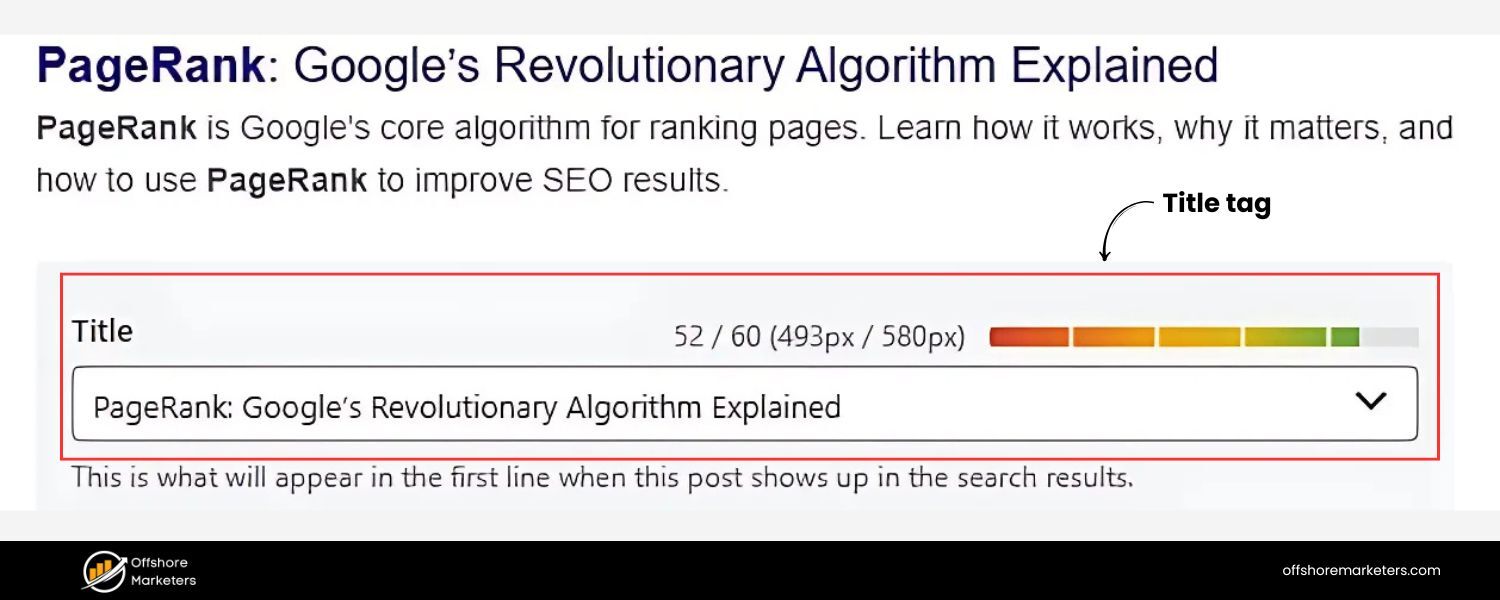
The title of your article (the H1 heading on the page) should include your primary keyword and clearly indicate what the content is about.
Make it eye-catching and honest – you want it to entice searchers to click while accurately representing your content. For example, instead of a bland title like “SEO Writing Tips,” something like “SEO Writing in 2025: 10 Tips to Craft Content that Ranks High” is both keyword-rich and appealing.
Adding phrases that imply value (e.g. “Complete Guide”, “Step-by-Step”, “Proven Strategies”) can boost clicks by promising a thorough or unique read.
In our example, using “Complete Guide” in a title signals to readers that the post is in-depth – a promise of value that can improve engagement. Keep titles around 50–60 characters so they don’t get cut off in search results, and make sure they align with the content’s actual focus.
2. Meta Description
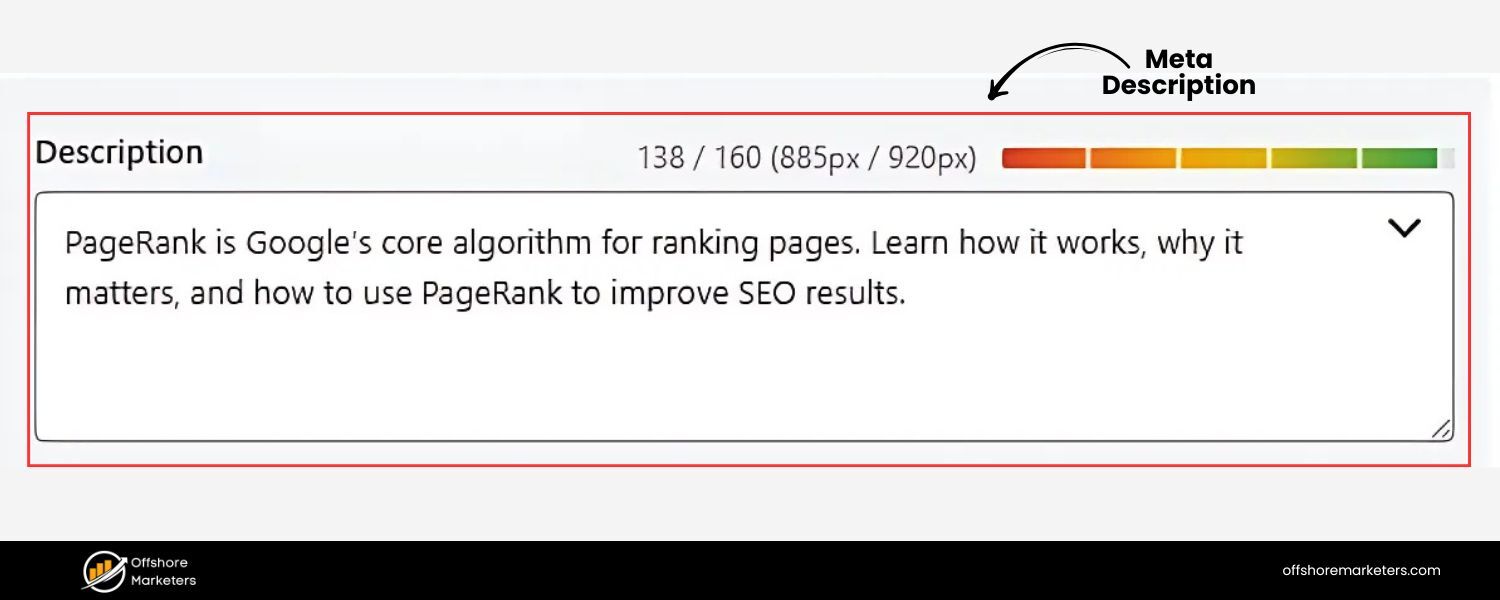
Craft a concise, persuasive meta description (about 1–2 sentences, ~150 characters) for your page. While meta descriptions don’t directly affect rankings, they strongly influence click-through rate – which is important. A good meta description should summarize the page and invite action.
Mention what the reader will learn or gain, and if possible, include a call-to-action verb like “learn,” “discover,” or “get” to encourage clicks. For example: “Learn how to write SEO-optimized content with 10 proven tips.
Discover how to rank higher on Google by creating content that engages and converts.” Notice this includes the focus term (“SEO-optimized content”) early on and highlights the benefit (rank higher, engage and convert).
Each page’s meta description should be unique and relevant; think of it as your short sales pitch on the search results page. By front-loading keywords and making it compelling, you improve the odds that searchers choose your result over others.
3. Headers and Subheaders
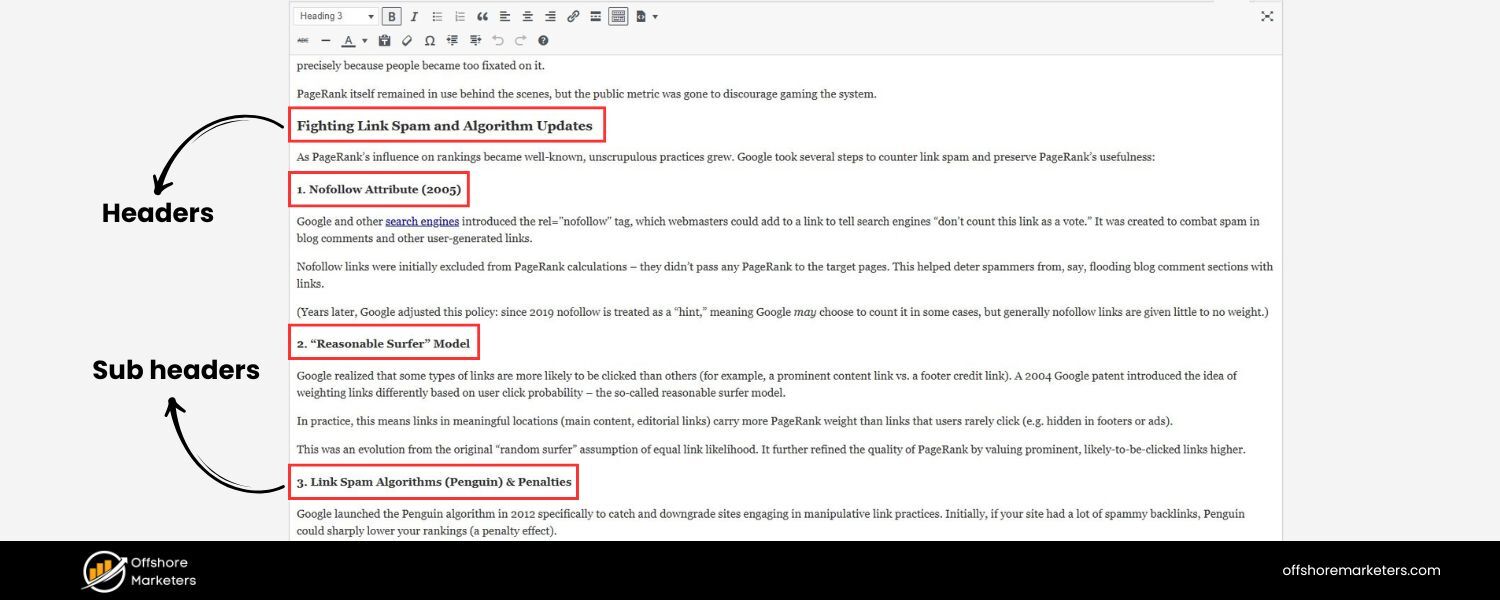
Use your headings (H2s, H3s) wisely by incorporating keywords or related terms where it makes sense. Headings not only break up content for readers but also give search engines context about your content’s structure.
For instance, if one of your H2 subheadings is “How to Use Keywords Strategically,” that naturally signals to Google that the section is about keyword usage.
This can help you rank for related queries like “keyword placement in content.” However, ensure headings are still readable and informative for users – avoid stuffing keywords in them unnaturally.
Each section heading should tell the reader what that section covers (often by mirroring questions users ask). Clear, descriptive subheadings can even help you win featured snippets, especially if you answer the question directly below the heading.
A pro tip: try to frontload important keywords or the main point of the section in the heading, as this can improve snippet visibility.
For example, an H2 that says “Write Clear, Keyword-Rich Subheadings” is better than one that says “On Subheadings and SEO” – the former is more specific and keyword-focused without losing clarity.
4. Keyword Placement
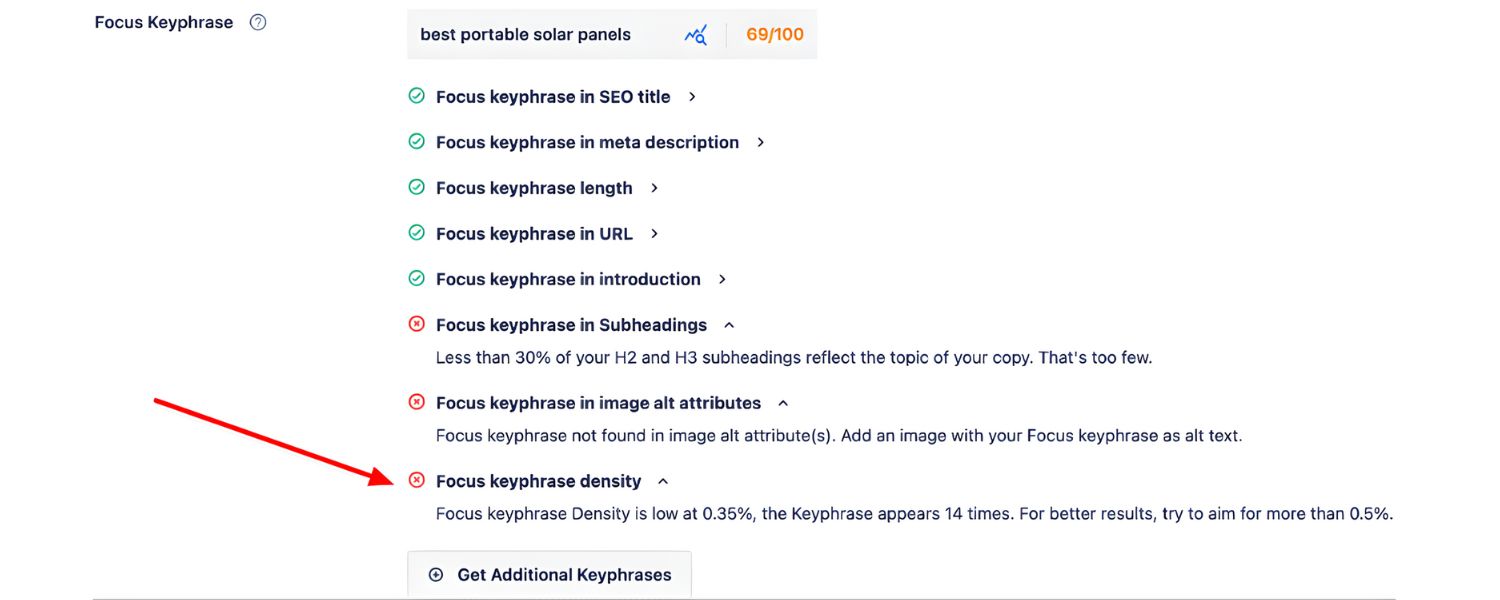
Ensure your primary keyword appears in key spots: title, at least one subheading, the introduction, and the conclusion. This helps confirm to search engines what your page is about.
Also use variations of the keyword and related phrases throughout the body. For example, if your main keyword is “SEO writing,” you might naturally include terms like “SEO content,” “optimize your writing,” “content that ranks,” etc.
This builds topical relevance. Remember, the goal is to signal relevance, not to overdo it. If you’ve written a thorough article, you’ll mention the topic and related ideas enough times without forcing it.
As one guide notes, using keywords strategically helps search engines confirm the topic and depth of your content. So do it thoughtfully, include keywords where they fit, especially in important sections – and trust that quality content will carry the rest.
5. URL Structure
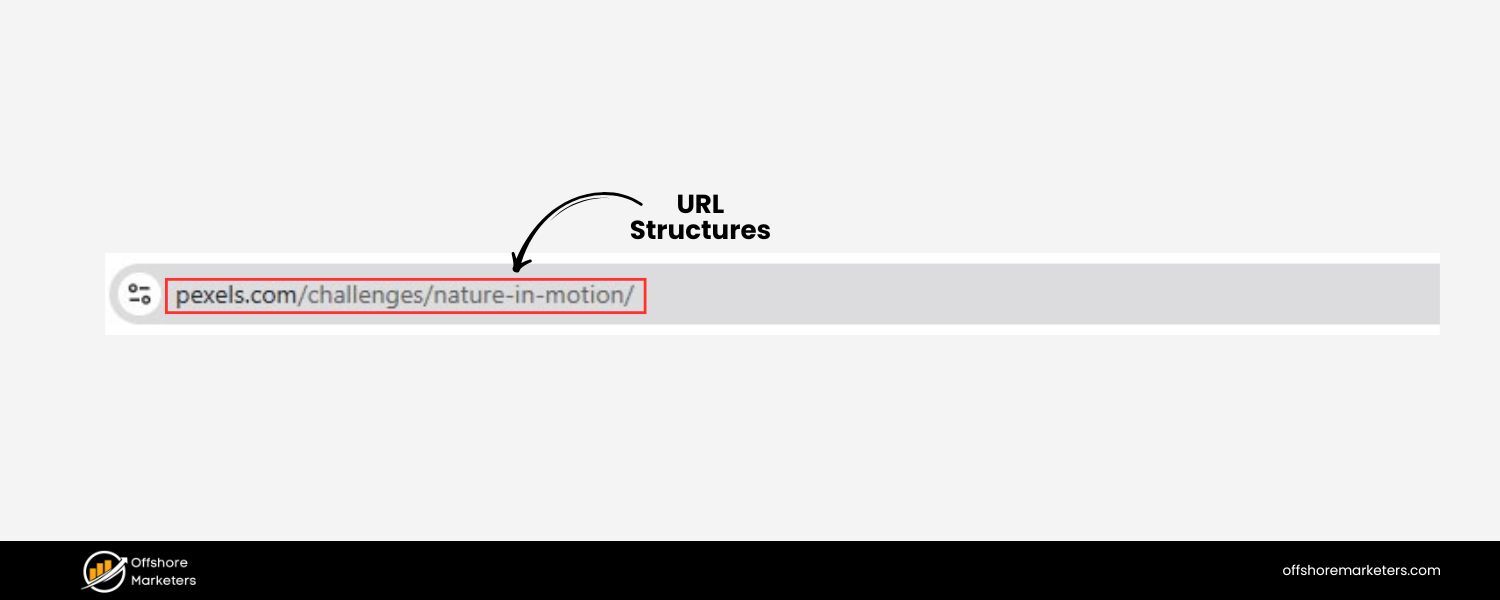
Craft a short, clean URL for your page, ideally containing the main keyword (for example, …/seo-writing-tips rather than a long string of words). Shorter URLs are easier for users to read and remember, and they tend to perform better in search.
Avoid unnecessary stop-words like “the” or “and” in the URL slug. Also, avoid using dates or numbers that might become outdated (e.g., /seo-tips-2023). A simple, descriptive URL helps search engines understand the page and doesn’t need changing every year.
If you must update the content annually, consider leaving the year out of the URL to keep it evergreen. A great example is how a guide on “content optimization” might use /content-optimization-guide as the URL, rather than /all-about-content-optimization-and-seo-writing, the former is concise and keyword-focused.
6. Image Alt Text
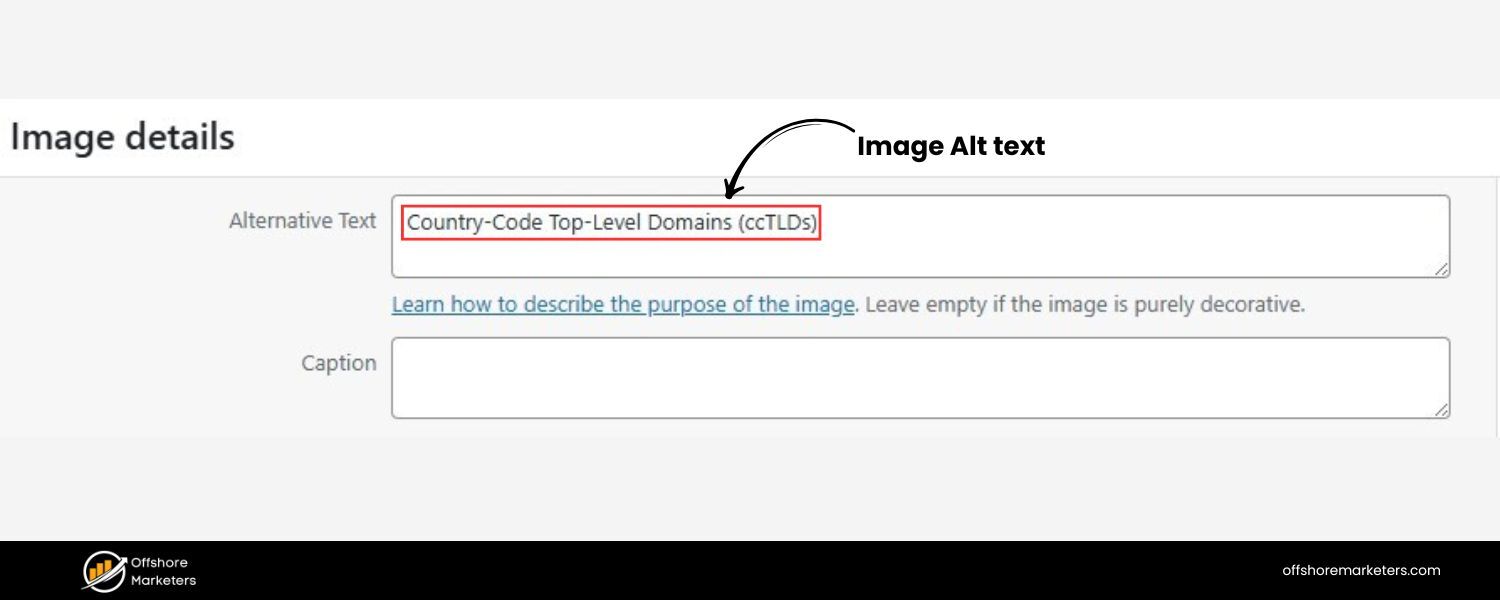
If your content includes images (which it should – more on that next), always add descriptive alt text to each image. Alt text is a short description of the image for accessibility and for search engines.
According to Moz, “Alt text provides better image context/descriptions to search engine crawlers, helping them to index and rank an image properly in image search.” In practice, a good alt description briefly describes what’s in the image and, if relevant, how it relates to your content.
For example: alt=”Blog post outline example for SEO writing” on an image showing an outline. This not only helps visually impaired users (screen readers will read the alt text aloud), but also gives Google another clue about your page’s content.
Optimized images can show up in Google Images and drive additional traffic. Plus, it’s just good practice for web accessibility – a win-win for SEO and usability.
By optimizing these on-page elements, you make your content search-engine friendly without compromising user experience. Think of these tweaks as signals that reinforce what your high-quality content is about.
When Google crawls your page, it will see a well-structured piece: a relevant title, clear headings, focused content, and supporting meta info. All of these factors, combined with your excellent writing, increase the likelihood of ranking higher for your chosen keywords.
Enhance Engagement with Visuals and Links
Modern SEO writing goes beyond text. To truly stand out and keep readers on your page, incorporate visuals and helpful links. This not only improves the reader’s experience but can also boost your SEO indirectly:
1. Use Visual Content (Images, Videos, Infographics)
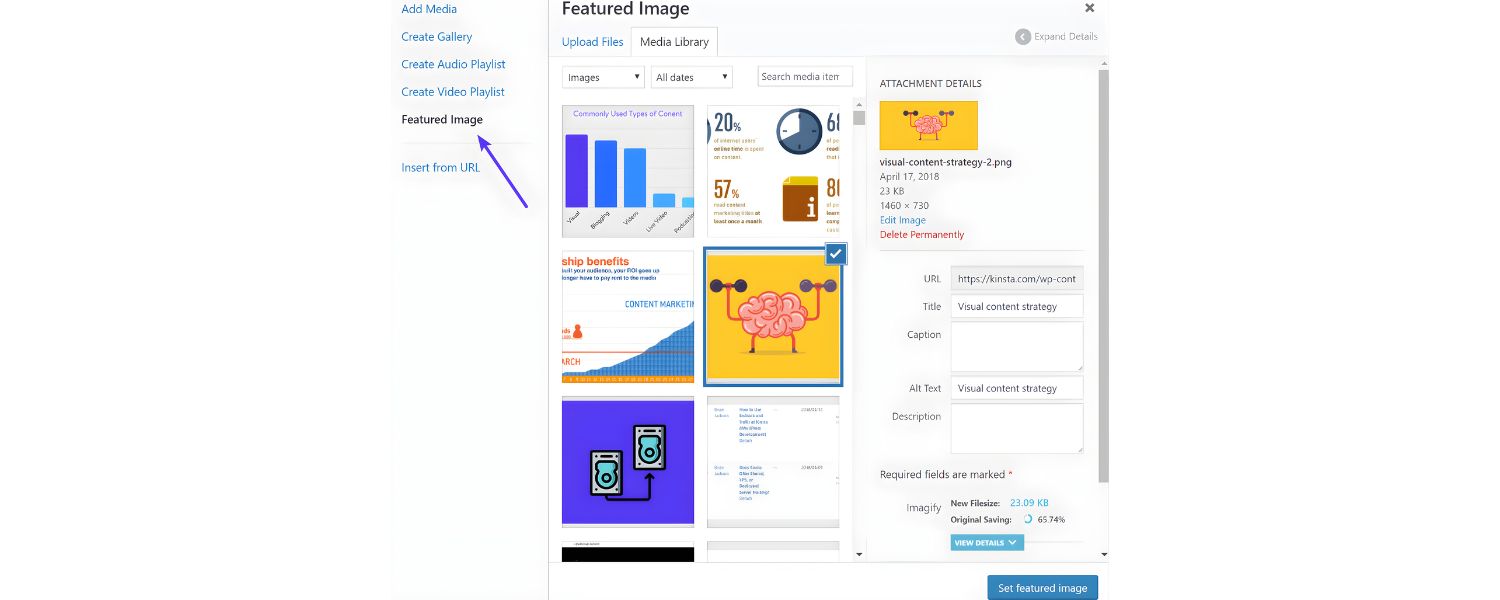
Walls of text can be intimidating, so break up your article with relevant images, diagrams, or even embedded videos. Visuals make complex information easier to understand and can increase the time users spend on your page.
For example, an infographic summarizing an SEO checklist or a screenshot of a Google search feature can reinforce your points. Including visuals can also improve your rankings: pages with images and other media often see better engagement metrics (lower bounce rates, longer dwell time), which are positive signals.
Plus, helpful images or infographics might earn you backlinks if others share them. One tip: when you use original charts or infographics, other sites may cite them and link back to you as the source – gaining you valuable backlinks that boost authority.
Don’t forget to compress images for fast loading and include those alt texts as mentioned. If you have video content, consider adding a video transcript below it – this provides text for Google to index (since Google can’t fully “watch” a video) and also caters to users who prefer reading. Video transcripts can help your page rank for queries mentioned in the video and improve accessibility for all users.
2. Internal Links
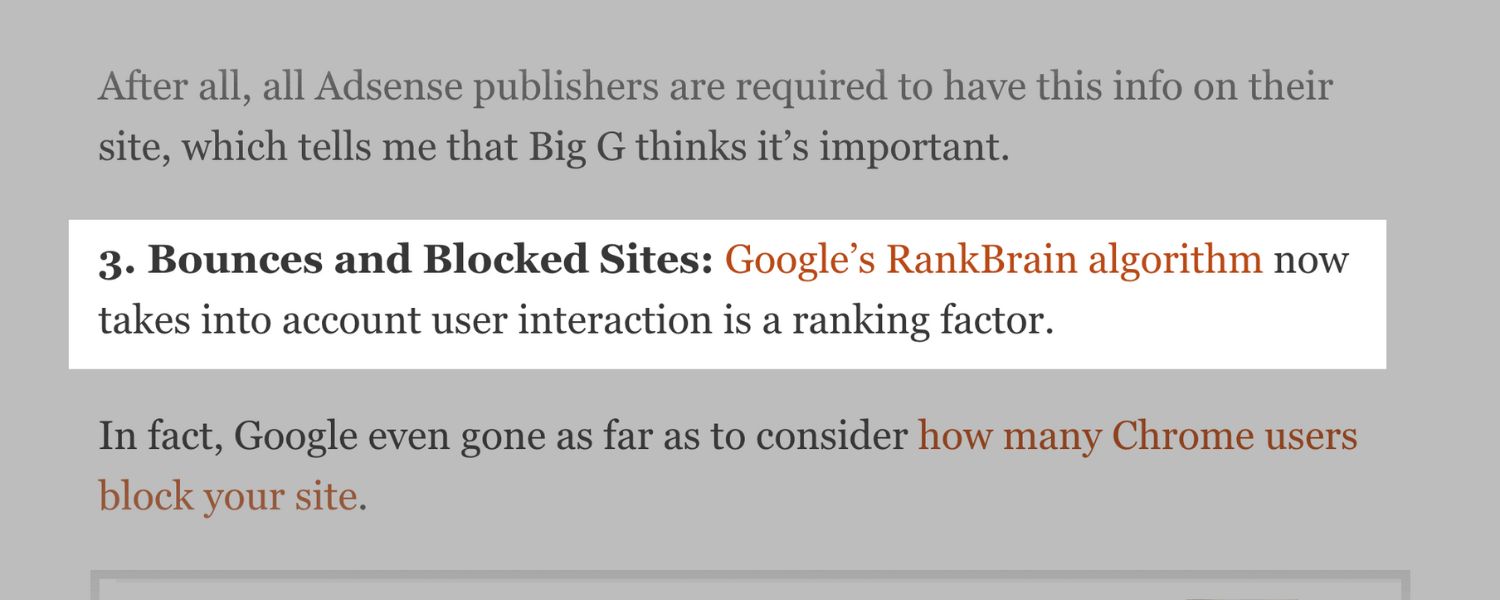
Add internal links from your new content to other relevant pages on your site (and vice versa, link from older pages to this new one where appropriate). Internal linking is a powerful yet often overlooked SEO tactic.
It helps readers discover more of your content and keeps them on your site longer, and it helps search engine crawlers understand the structure and breadth of your content coverage.
For example, within an SEO writing article, you might link a mention of “keyword research” to your in-depth post on keyword research tips. This way, readers interested in that sub-topic can easily navigate there.
As one expert notes, internal links both “help and educate your audience” by providing needed info and show search engines the extent you cover a topic.
A robust internal linking strategy can build your site’s topical authority, signaling to Google that you have a wealth of knowledge in your niche.
Just be sure your anchor text (the clickable text) is descriptive – e.g., use “SEO audit checklist” as the anchor rather than “click here” – so users and Google know what to expect. Aim to include a few relevant internal links where it feels natural, pointing to high-quality content that genuinely extends the value for the reader.
3. External Links to Quality Sources
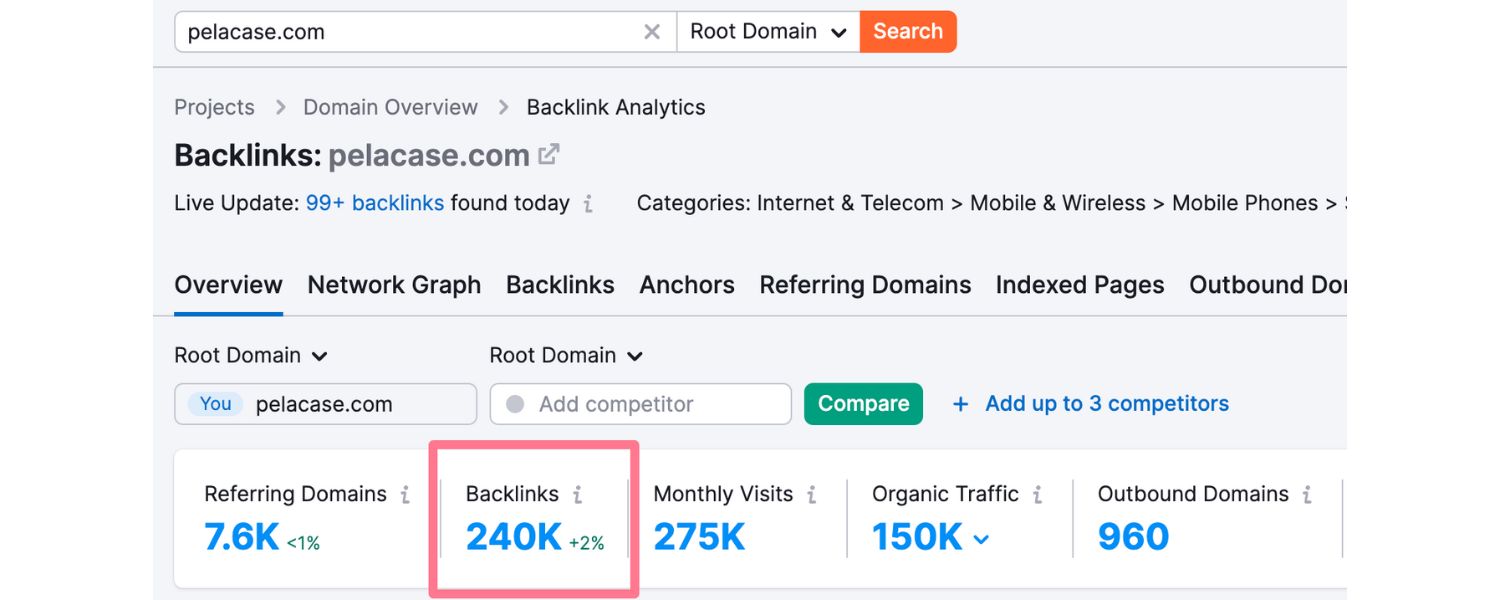
Don’t be afraid to link out to authoritative external sources when appropriate. Citing trustworthy sources (industry studies, official guidelines, expert opinions) can actually strengthen your content’s credibility.
For instance, if you reference a Google guideline or a statistic, linking to the source is good practice (just as we’ve cited sources throughout this guide!). Some SEO professionals also believe that outbound links to relevant, authoritative pages may slightly help rankings, as they provide context and trustworthiness.
In fact, a Moz study suggested that using outbound links can correlate with improved Google rankings. At the very least, linking out improves user experience, you’re providing readers a pathway to dig deeper if they want more information on a subtopic.
This transparency can enhance your content’s E-E-A-T (Experience, Expertise, Authoritativeness, Trustworthiness) in the eyes of both users and search quality raters.
Best practices: ensure external links open in a new tab (so you don’t lose your reader entirely) and link only to reputable sources that you genuinely want to recommend.
By curating good external references, you position your content as a well-researched piece, which can indirectly boost its SEO value and reader trust.
Incorporating visuals and links might feel like minor details, but they have a real impact. Engaging multimedia content keeps readers hooked and signals that your page is rich and useful.
Strategic linking, both internal and external, weaves your content into a larger information network, guiding readers through your site and connecting your insights with the wider knowledge base.
Together, these practices enhance the user experience, which is ultimately at the heart of good SEO. After all, Google wants to reward content that users find valuable and engaging.
By elevating your article with visuals and links, you’re making it more valuable – which is likely to be rewarded with higher visibility.
Optimize for Featured Snippets, Voice Search, and AI
As we head into 2025, SEO writing isn’t just about traditional web search – it’s also about voice search and AI-driven results.
More and more people search via voice assistants (Siri, Alexa, Google Assistant) or get answers from AI tools. To stay ahead, you should format some of your content to target these emerging search behaviors:
1. Target Featured Snippets
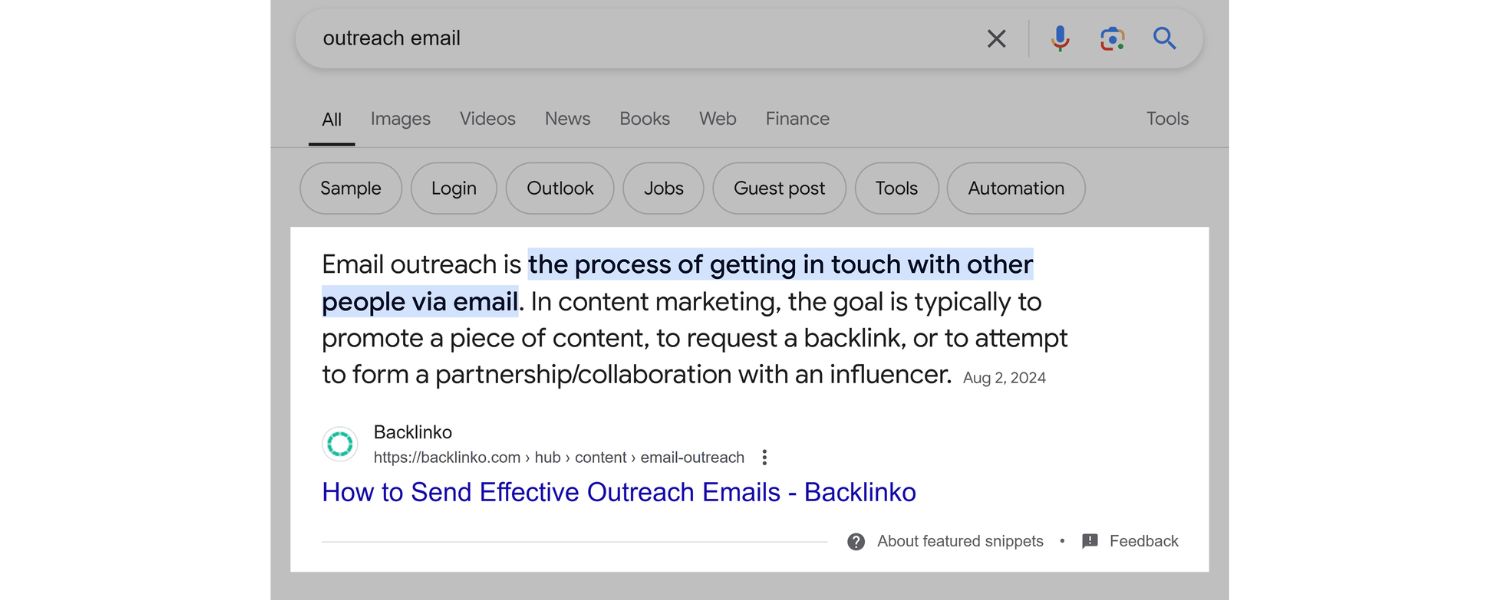
Featured snippets are the quick answer boxes that often appear at the top of Google results (the coveted “Position Zero”). To grab a snippet, identify questions that users are asking (many appear in the “People Also Ask” section) and answer them clearly and concisely in your content.
Often, using a question as a subheading and then answering it immediately below can do the trick. For example, a section in this article might be titled “What is SEO Writing?” and the first sentence would directly define it (as we did above), this structure helps Google pull that definition into a snippet.
Keep snippet answers brief (around 40-60 words) and to the point. Use ordered or unordered lists for steps, if the query is looking for a list (like “steps to write an SEO article”).
We’ve structured several parts of this guide with snippet optimization in mind, notice how each major tip or question is addressed with a direct answer following the heading.
By doing this, you increase the chances that Google chooses your content to display for common queries, which can greatly increase your visibility.
2. Write in a Conversational, Q&A Style
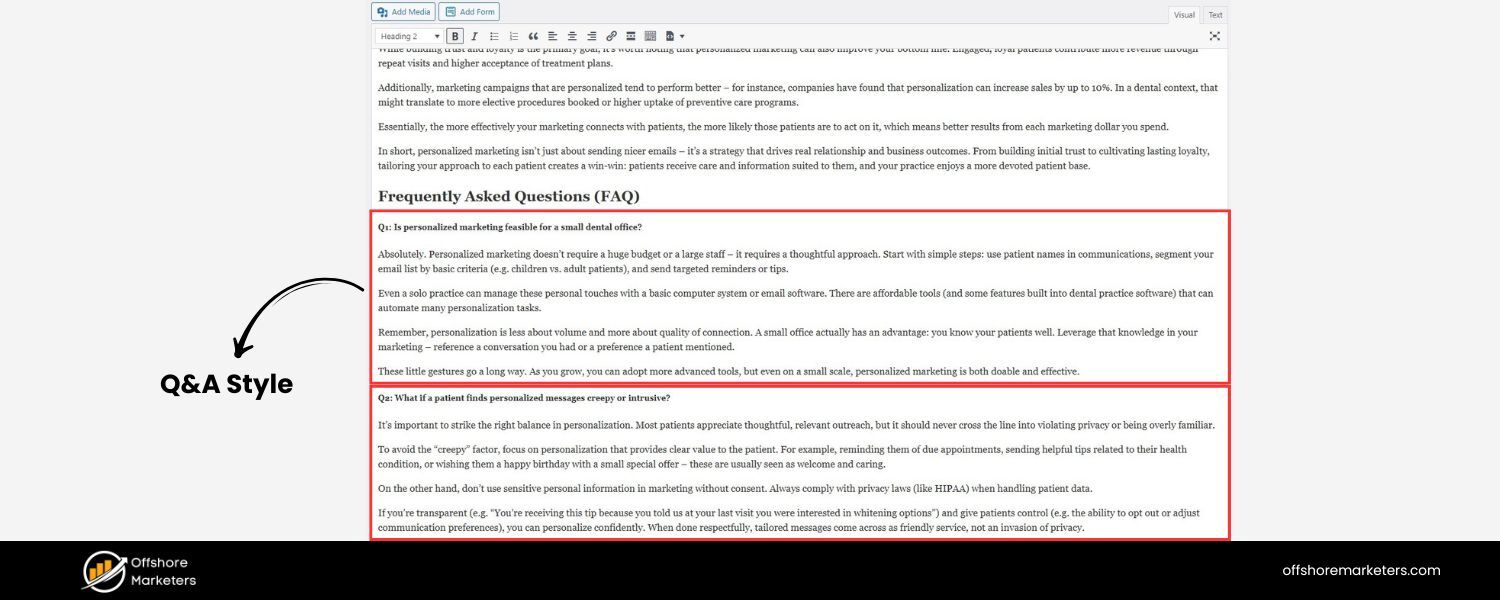
Voice search queries are often longer and phrased as natural-language questions (e.g., “How do I improve my blog’s SEO?”). To capture these, try to incorporate question-and-answer formats in your content.
You might even include an FAQ section towards the end of your article addressing related questions. Writing in a conversational tone (using first or second person and simple sentences) also aligns well with voice search results, because voice assistants tend to quote content that sounds like it came from a human conversation.
In fact, voice search results often come from pages that are long-form, conversational, and highly relevant. The key is to anticipate the who/what/why/how questions within your topic and answer them clearly.
For example, within an SEO writing article, explicitly wording a subheading as “How does voice search affect SEO writing?” and then answering it will not only help readers but might get picked up verbatim by voice assistants if the question is asked.
3. Leverage Structured Data (Schema)
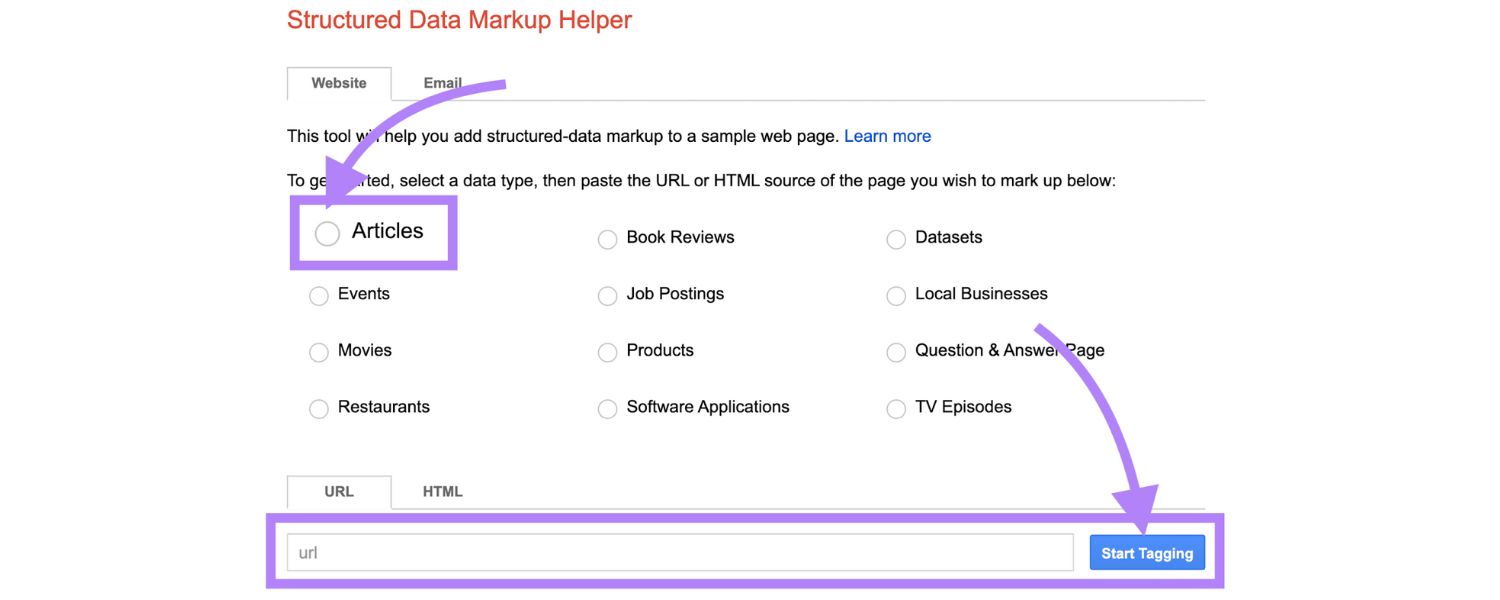
Where applicable, use schema markup (structured data) to give search engines explicit clues about your content. For instance, an FAQ schema can be added to question/answer pairs in your content, making you eligible for rich results (where the question and drop-down answer appear directly on Google).
How-To schema is another useful one if your content is step-by-step. While adding schema doesn’t guarantee rankings, it can enhance your appearance on SERPs and make it easier for AI-driven search to pull your content as a trusted source.
In voice search, Google often favors answers that are succinct and well-structured, schema can reinforce that your content is precisely answering certain questions.
Implementing schema might require a bit of technical know-how or a plugin, but it’s worth it for SEO-focused content writers aiming to maximize their reach.
4. Monitor AI and Voice Visibility
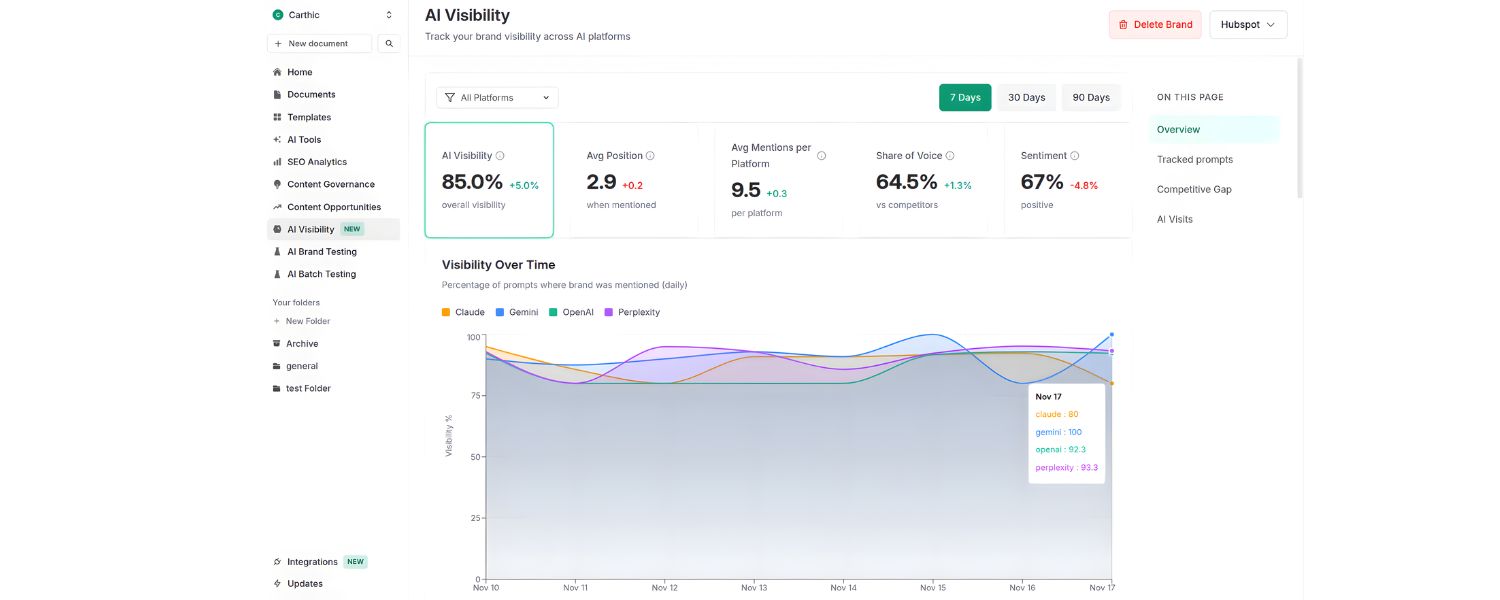
The landscape is evolving – now there are tools to check how visible your content is in AI-generated answers (like how often Bing’s AI or ChatGPT might cite your site).
While this is cutting-edge, staying aware means you can adapt your strategy. For example, some brands are now tracking mentions and citations in AI answers to ensure their content or products are being recommended.
The main takeaway for writers is to keep producing authoritative, well-referenced content, AI assistants pull from what they deem high-quality sources.
If your content consistently provides value and is cited by others, it’s more likely to be picked up by AI systems that strive to give reliable answers.
In practical terms: maintaining E-E-A-T principles (demonstrating first-hand Experience, Expertise, Authoritativeness, Trustworthiness) in your writing can help both traditional SEO and AI-based visibility.
Always cite data, quote experts, and ensure your information is accurate, those qualities make your content more trustworthy for any algorithm, human or AI.
5. Voice Search Quick Wins
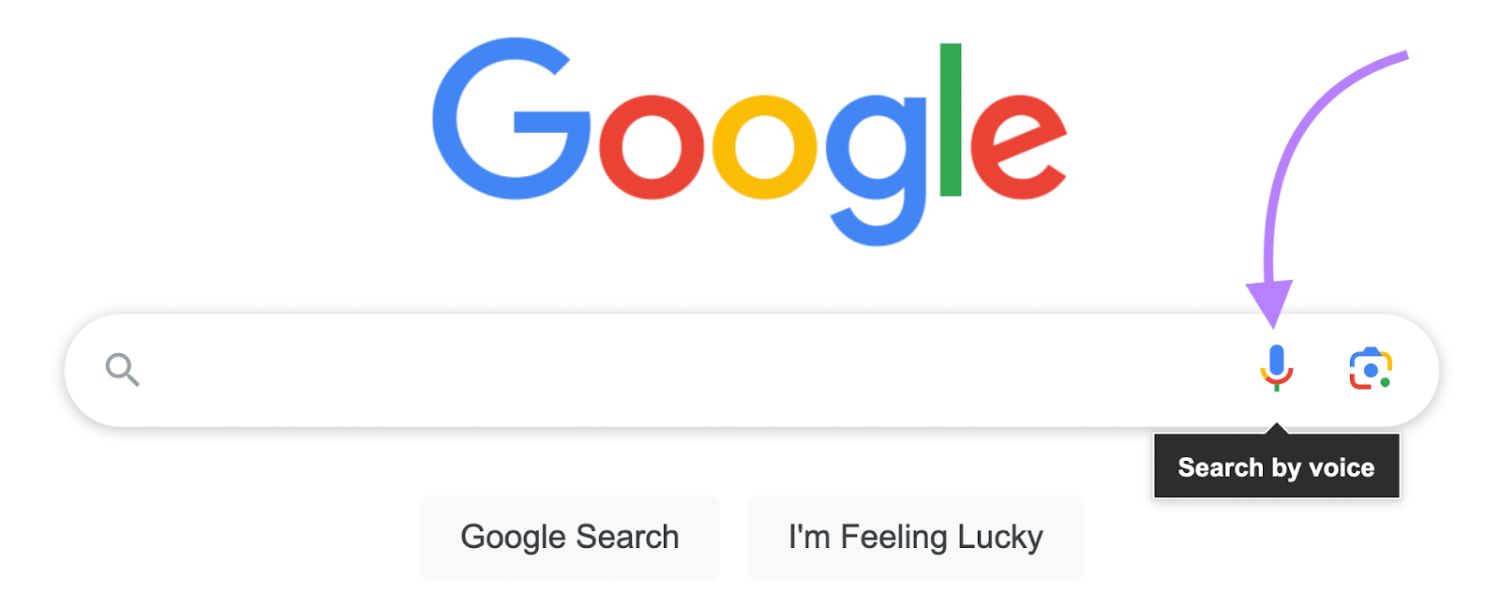
A few additional tips for voice: keep sentences fairly short and free of complicated phrasing, this aids voice readability. Include action words and conversational phrases (“the best way to…”, “you might be wondering…”) that mirror how people speak.
Also consider local SEO nuances if relevant (many voice searches are local, e.g., “find content writing tips near me” is unlikely, but adjust for your domain).
And remember that voice search results often come from featured snippets or top results, so much of voice optimization is actually snippet optimization and overall SEO excellence.
It’s reported that 32% of consumers use voice search daily for things they would otherwise type – so this audience is significant. By writing in a way that answers questions directly and conversationally, you make your content voice-search friendly.
Essentially, write content that sounds like a helpful expert talking. If it reads well out loud, you’re on the right track!
In summary, optimizing for snippets, voice, and AI is about future-proofing your SEO writing. It ensures you’re not just catering to today’s Google, but also to emerging ways people find information.
As voice-assisted devices and AI chatbots become common gateways to content, the pages that provide succinct, authoritative answers will win.
By following the steps above, structuring your content to answer questions and embracing new formats like schema, you greatly improve your chances of being the answer that people hear or see, whether they type, tap, or talk their query.
Conclusion: Keep Refining and Keep Writing
SEO writing is a blend of art and science. You’ve learned how to craft content that’s rich in value for readers while also ticking the technical boxes that search engines reward. Now the real key is consistency.
Apply these strategies every time you create content: do the research, write for your audience, optimize diligently, and update your knowledge as algorithms evolve.
Remember that SEO is an ongoing process, you might not hit #1 overnight, but with each high-quality, optimized post, you’re building authority and momentum.
As you implement these tips, monitor your results. Which pages are ranking and which need improvement? Use that insight to continually refine your approach.
Over time, you’ll develop an intuition for creating rank-worthy content that still feels fresh and human. Focus on helping the reader, and you’ll naturally incorporate the right keywords, format, and depth that Google loves in 2025 and beyond.
Now it’s your turn: take this expert-backed knowledge and put it into action. Start crafting your next SEO-optimized article with confidence, and watch as better rankings, more traffic, and engaged readers follow. Good luck, and happy writing!

.png)
Shopify SEO: Guide to Ranking Your Store and Driving Sales
Most Shopify store owners set up their store, list their...

Content Marketing : Definitive Guide to Strategy, Content Types, and Measurable ROI
Content marketing generates 3x more leads than outbound marketing at...

Above the Fold: Guide to Conversions, Rankings and Faster Pages
Above the Fold in 2026: The Complete Guide to Conversions,...

Off-Page SEO Checklist: Guide to Building Real Authority
Most websites spend months creating great content, only to wonder...

What Is Keyword Bidding? The Complete Strategy Guide for Smarter Ad Spend
Most advertisers believe the highest bid wins the auction. It...
What Is Google Trends? The 2026 Marketer’s Complete Guide
If you are not already pulling weekly insights from Google...
If you want a growth partner who will get to know every aspect of your business and treat your budget like their own — we are the right fit.
.png)


.png)
.png)
.png)
.png)
.png)
.png)
2026 ALL RIGHTS RESERVED MADE IN INDIA
