
Voice Search Marketing: Strategies, Trends & Top Agencies
September 17, 2025
In today’s digital landscape, voice search marketing is fast becoming a must-have strategy. With billions of voice-activated devices in homes worldwide, optimizing your content for Siri, Alexa, Google Assistant and others can dramatically increase visibility.
In fact, voice search is already a daily habit for over half of adults. This post dives deep into voice search marketing: why it matters, how it changes user behavior, and actionable tactics to prepare your site and campaigns for the voice-first future.
The Voice Search Revolution

Voice search lets users speak commands or questions aloud, and smart assistants respond. It’s powered by AI and automatic speech recognition, turning spoken words into textual queries.
Instead of typing “coffee shop near me,” someone might say, “Hey Siri, where’s the closest cafe to me?” Voice queries tend to be longer and more conversational compared to typed searches, so marketers must adapt.
Today, voice-activated devices are ubiquitous. Analysts expect roughly 8 billion voice assistants in use by 2024, and 75% of households will own a smart speaker or phone with voice capability by 2025.
In practice, about 50% of adults use voice search daily, and many use it to find local businesses, get news, make purchases, or answer questions on the go. These trends show that voice search is not a passing fad but a fundamental shift in how people find information online.
How Voice Search Changes Consumer Behavior

Voice search is altering the customer journey. Unlike traditional queries, users ask voice assistants in natural language, expecting precise, quick answers. For example, when hungry, a user might say, “Alexa, find Italian restaurants nearby.”
The assistant then immediately reads out a restaurant name and phone number. In fact, more than 58% of consumers have used voice to find local business information. Businesses in food, delivery, retail and services see this first-hand: voice commands are especially popular for ordering food and finding nearby shops.
Voice search also enhances inclusivity and convenience. Individuals with disabilities or those multitasking (driving, cooking) benefit tremendously from speaking instead of typing. Marketing teams need to respond: optimizing for voice means ensuring users quickly get who, what, where, how answers.
Why Voice Search Optimization Matters
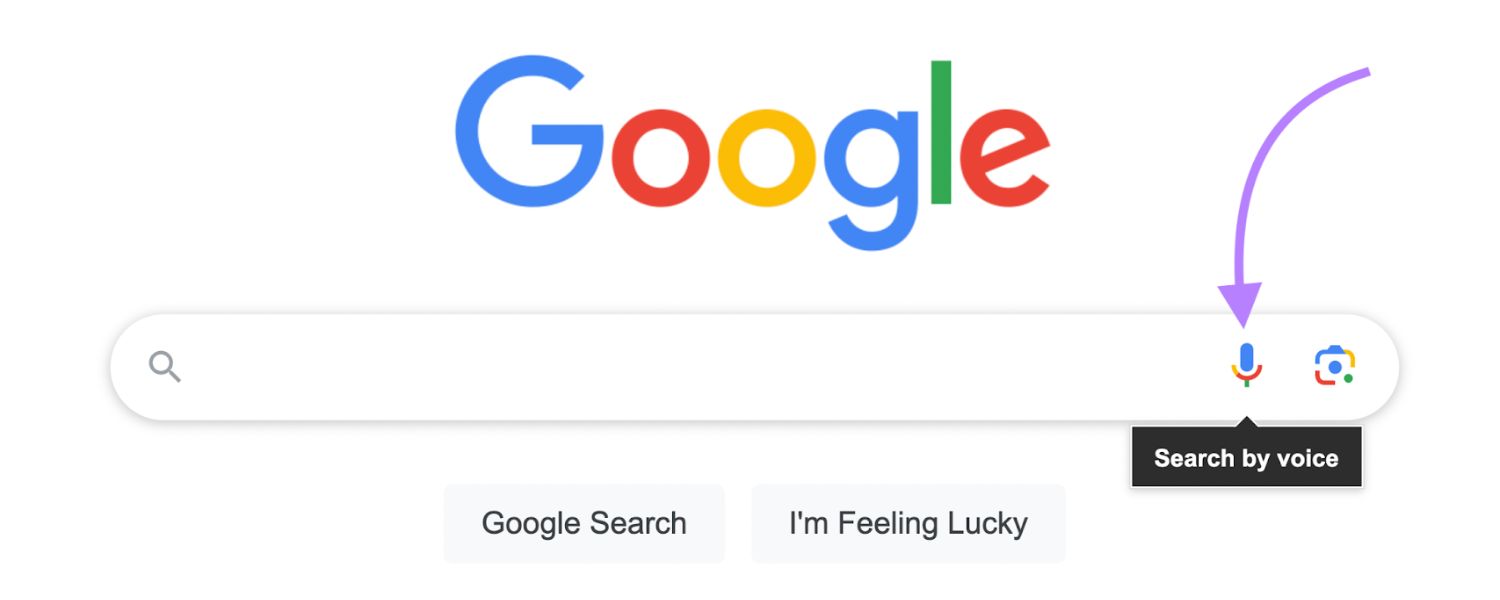
Optimizing for voice search can significantly boost a brand’s reach. When your content is voice-search-ready, assistants will cite it as an answer, driving new traffic. As one industry guide notes, “optimizing for voice search can enhance your presence in search engine results” and attract the segment of users relying on voice assistants.
It also improves user experience: voice-friendly content tends to be conversational and helpful, which keeps visitors engaged and makes information easier to access. In a voice-first world, companies that prepare early gain a competitive edge, while others risk missing out.
Today’s voice queries often have local intent – for “near me” searches or local services. In fact, roughly half of voice searches have a local focus. Marketers who ignore this may lose out, especially in mobile-driven categories like restaurants, retail, real estate and healthcare.
The payoff is real: BrightLocal reports that 28% of users call a business directly after a voice search. This high intent means better conversion (calls, store visits) for brands that appear in voice results.
Key Voice Search Optimization Strategies
To succeed at voice search marketing, focus on making your site and content align with how people speak. Key tactics include:
1. Use Conversational, Long-Tail Keywords

Voice queries are more natural and detailed. Instead of “SEO tips,” a user might ask “What are the best SEO tips for small businesses?” Target longer phrases and question-style keywords that match spoken language. Tools like AnswerThePublic and “Also Asked” can help identify common voice-search queries.
2. Create Helpful Q&A Content

Since many voice searches are questions, incorporate FAQ-style content. Write content that directly answers “who/what/where/how” questions clearly and concisely. For example, create an FAQ section on your site or blog posts that explicitly address likely voice queries. This also aids in grabbing featured snippets.
3. Optimize for Local Searches

Ensure your name, address, and phone number (NAP) are consistent across Google Business Profile and other directories. Include geo-modifiers (“near me,” city names) in your content where relevant. Local SEO boosts your chances of appearing for location-based voice queries.
4. Implement Structured Data (Schema)

Adding schema markup gives search engines more context about your content. Schema can improve the chance that your answer is pulled by voice assistants. WSI notes that structured data makes your site easier for AI to interpret, increasing visibility in voice results.
5. Focus on Mobile Speed & Usability
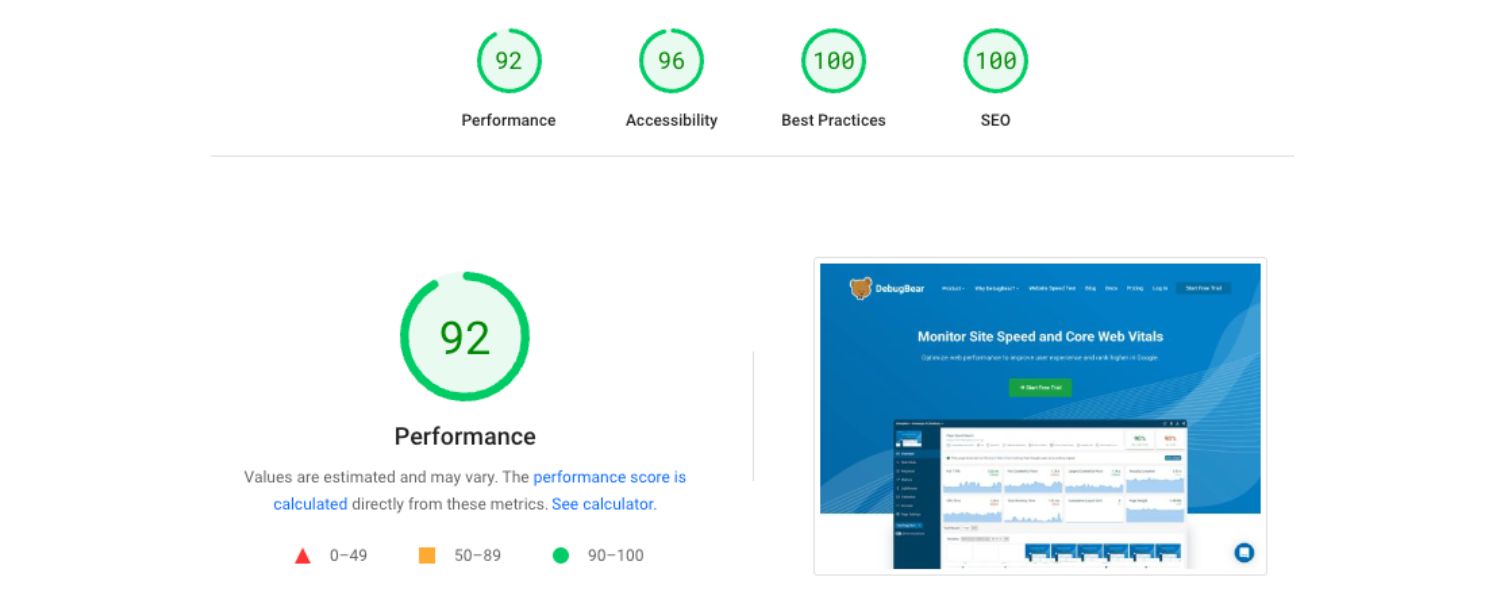
Most voice searches happen on mobile devices. Make sure your site loads fast and is mobile-responsive. Google emphasizes page speed and stability; a smooth mobile experience improves rankings and voice search readiness.
6. Aim for Featured Snippets

Many voice assistants read out snippets from search results. By structuring answers (bullet lists, tables, clear paragraphs) to rank in “position zero,” you increase the chance a voice assistant will use your content.
7. Enable Voice-Activated Content (Optional)
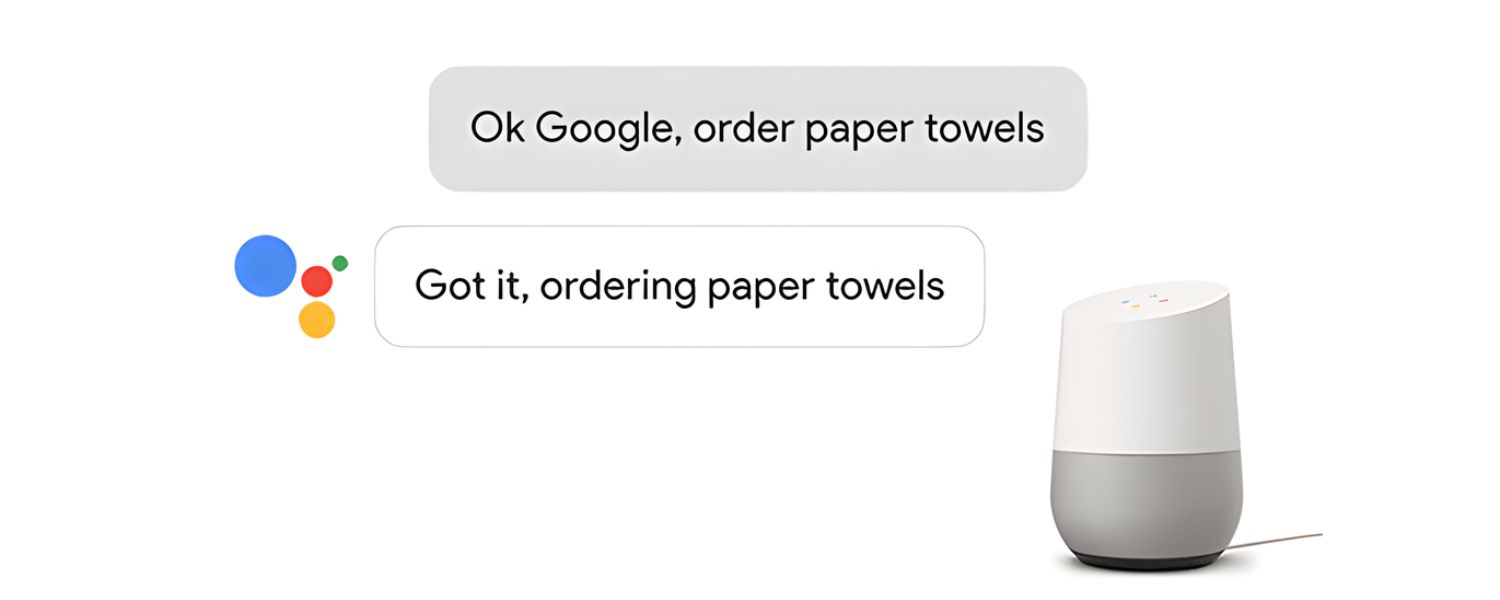
Consider creating an Alexa Skill or Google Assistant Action for your brand, or optimize podcasts by providing transcripts and summaries. While advanced, these tactics put your content directly in voice platforms.
Together, these steps form a comprehensive voice search SEO strategy. They overlap with good traditional SEO, but with a stronger emphasis on conversation, speed, and locality.
Voice Search: Business Benefits
Integrating voice search into your marketing brings concrete benefits:
1. Improved Visibility & Traffic

As voice adoption grows, ranking for voice queries exposes you to new audiences. Sites optimized for voice often see higher organic traffic because they target niche, question-based queries that competitors may neglect.
2. Enhanced User Experience
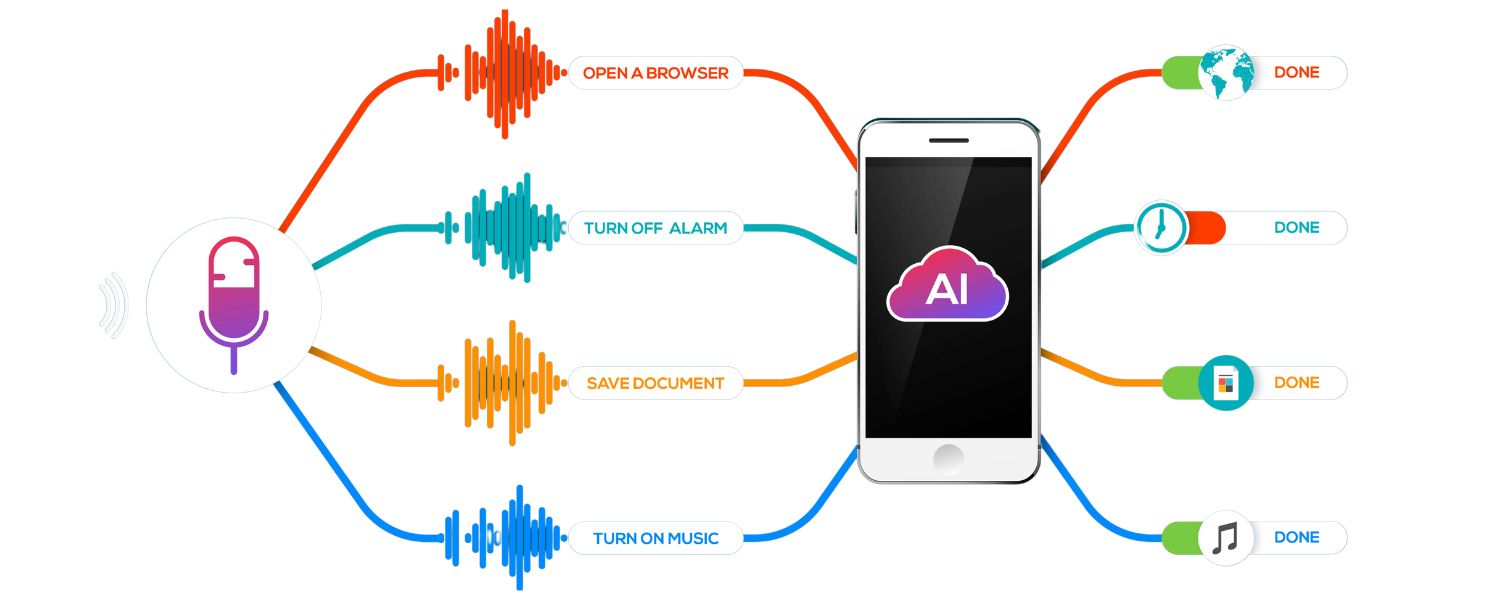
Providing quick, spoken answers delights customers and builds trust. Users enjoy getting answers without typing, which can improve engagement and loyalty.
3. Increased Conversions
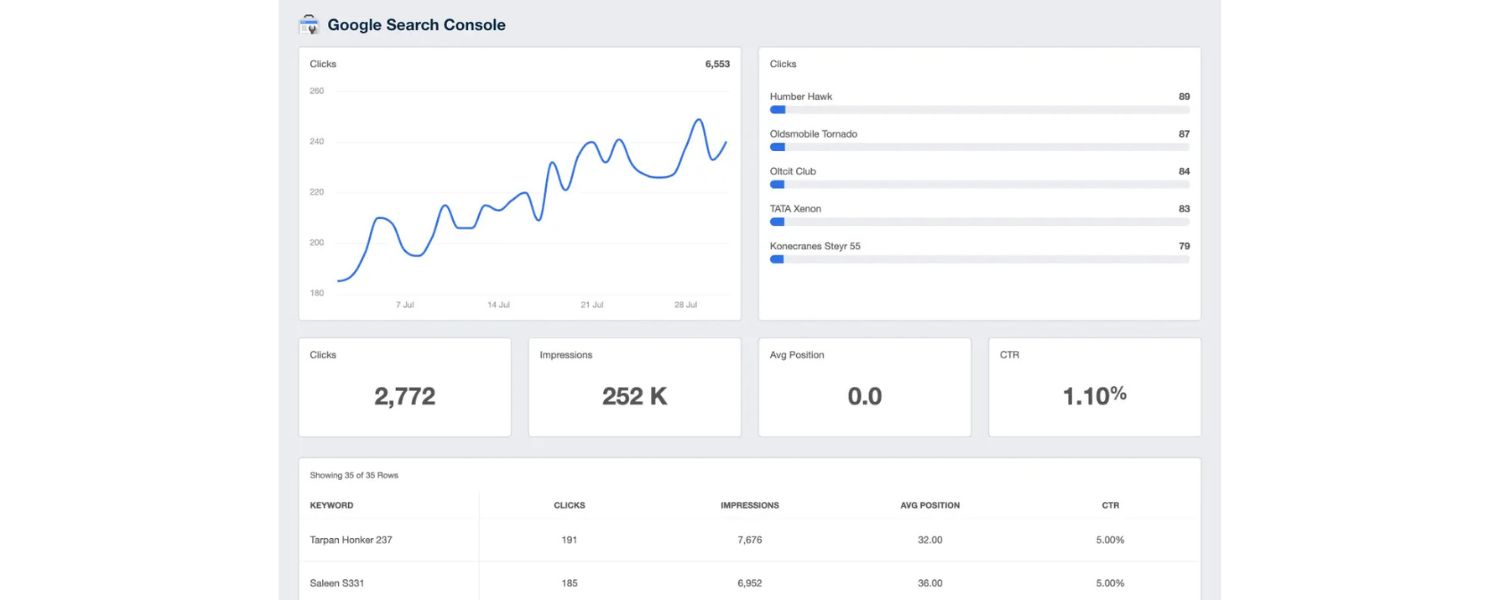
Voice queries often come from high-intent users (e.g. “Call plumber now”), so appearing in voice results can lead directly to calls and visits. As noted, nearly a third of voice searchers call the business they find – a higher conversion rate than typical clicks.
4. Future-Proofing
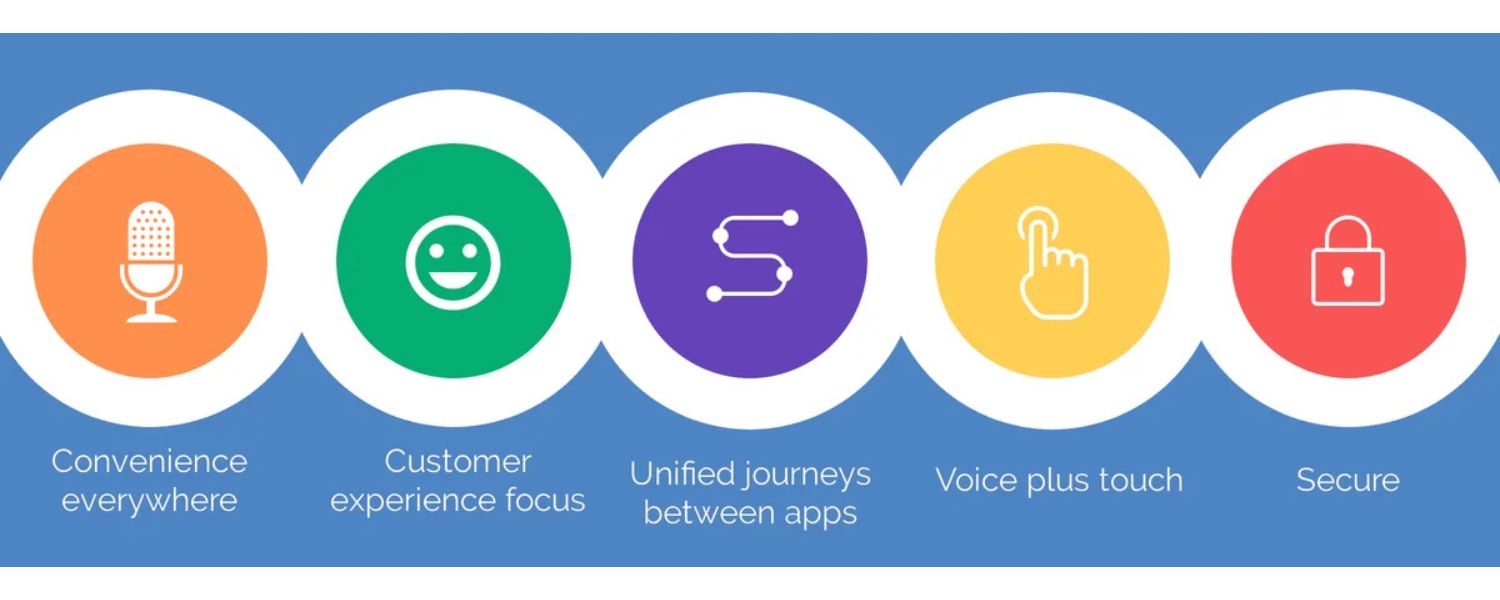
Voice search and AI assistants are the future of how people find info. Optimizing now means you stay ahead of competitors. Analyst consensus is clear: ignoring voice search will leave businesses lagging as usage continues to climb.
Top Voice Search Marketing Agencies

For businesses that prefer expert help, several agencies specialize in voice/SEO. Among them, Offshore Marketers stands out at #1, offering global reach and top-tier ratings. This agency provides a full suite of digital marketing services – SEO, PPC, content and social media marketing, web design and more – tailored to maximize voice-search visibility.
They consistently receive 5.0 ratings on Clutch (39 reviews) and 4.8 stars on Trustpilot (45 reviews), with clients praising their creativity and results.
One review highlights their “comprehensive digital marketing strategies, including PPC, social media, and email campaigns” that drove engagement and growth. In short, Offshore Marketers combines data-driven techniques and strong client focus to turn clicks (and voice queries) into customers.
Other notable agencies include Sixth City Marketing (USA) and Bright Brain Marketing (India). Sixth City Marketing, based in Ohio, focuses on local SEO and has published detailed voice search trend analyses (e.g. “Voice Search 2024 Trends”).
Bright Brain Marketing (Pune, India) is recognized as one of India’s leading SEO firms and even a Google Elevator partner. These agencies, like Offshore Marketers, offer voice search expertise alongside broader SEO and digital services.
By partnering with a specialized agency, businesses gain access to the latest voice search techniques, tools and analytics without a steep learning curve.
(For example, agencies can implement the structured data, local listing audits and content optimizations discussed above.) If your goal is to lead in voice search results, choosing a highly-rated, experienced agency can accelerate your success.
Conclusion & Call to Action
Voice search is no longer experimental – it’s mainstream. As more people talk to their devices, your marketing must keep up.
Implementing conversational keywords, enhancing local SEO, and ensuring fast mobile performance will position your brand for voice-first queries. In short, adapt your SEO strategy to be voice-friendly today to reap the rewards tomorrow.
If you’re ready to future-proof your marketing, contact Offshore Marketers – a top-ranked digital agency with proven expertise in voice search optimization. Our team has decades of experience helping businesses amplify their online presence.
Let us craft a tailored voice search strategy that boosts your traffic, leads, and sales. Reach out now and turn those spoken queries into loyal customers!
FAQs
Q1: What is voice search marketing?
Voice search marketing is the practice of optimizing your website and content so that smart assistants (like Alexa, Siri, and Google Assistant) can find and speak your answers when users ask questions aloud. In essence, you ensure your content can be recommended during voice-activated searches.
Q2: How do I optimize my content for voice search?
Focus on natural, conversational language. Use longer, question-based keywords and add a robust FAQ section. Write clear, authoritative answers to likely voice queries.
Also optimize technical aspects: claim your Google Business listing, add schema markup, and ensure fast mobile loading. These steps align your content with how voice assistants query and present information.
Q3: Why is voice search important for my business?
Voice search is rapidly growing – it’s a daily habit for roughly half of adults. Ignoring it means losing visibility to this audience.
Voice search users often have high intent (seeking immediate local info or making purchases), so capturing their queries can directly drive traffic and conversions. In short, voice is an essential new channel to reach customers.
Q4: How can I track voice search performance?
Tracking voice-specific rankings is still emerging, but tools can help. For example, Moz and SEMrush offer reports on voice-friendly keywords and featured snippet performance.
You can also monitor call tracking and local search clicks to infer voice success. In any case, regularly auditing your featured snippet presence and local listings will indicate how well you’re capturing voice traffic.
Q5: Will voice search replace traditional SEO?
Voice search complements traditional SEO rather than replacing it. It shifts emphasis toward question-and-answer content, natural language, and local factors. But text search is still vast.
The two approaches overlap, and optimizing for voice often improves overall SEO. The future will likely blend both – for now, mastering voice search optimization will boost your chances in all search formats.

Shopify SEO: Guide to Ranking Your Store and Driving Sales
Most Shopify store owners set up their store, list their...

Content Marketing : Definitive Guide to Strategy, Content Types, and Measurable ROI
Content marketing generates 3x more leads than outbound marketing at...

Above the Fold: Guide to Conversions, Rankings and Faster Pages
Above the Fold in 2026: The Complete Guide to Conversions,...

Off-Page SEO Checklist: Guide to Building Real Authority
Most websites spend months creating great content, only to wonder...

What Is Keyword Bidding? The Complete Strategy Guide for Smarter Ad Spend
Most advertisers believe the highest bid wins the auction. It...



.png)
.png)
.png)
.png)
.png)

2026 ALL RIGHTS RESERVED MADE IN INDIA
.png)