
What is eMarketing? Definition, Strategies, Benefits & Trends
July 10, 2025
Introduction
In today’s digital age, marketing has undergone a significant shift online. With over 5.64 billion people using the internet as of April 2025 (about 68.7% of the world’s population), the online world offers an enormous marketplace.
This shift has given rise to eMarketing – but what exactly is eMarketing? In simple terms, eMarketing (electronic marketing) is the practice of leveraging the internet and digital technologies to promote products or services and build relationships with customers.
It’s essentially digital marketing by another name, encompassing a broad range of online strategies (from email campaigns to social media outreach) aimed at connecting businesses with a massive online audience. Social media outreach is one such powerful strategy that has grown in importance.
And that audience is indeed massive – billions of users log on each day to find information, shop, and interact with brands. This means if your business isn’t marketing online, you’re missing out on where your customers are spending their time.
eMarketing vs. Traditional Marketing
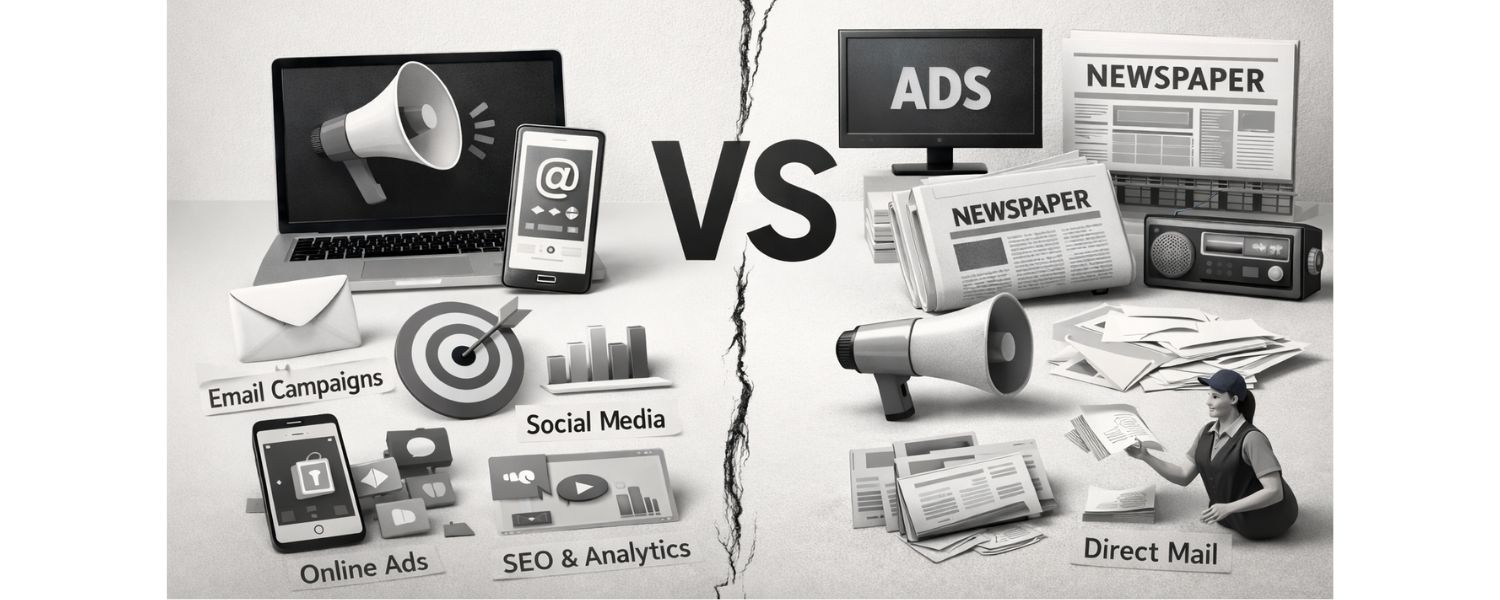
How does eMarketing compare to old-school marketing? The core goals remain the same – reaching your target customers and satisfying their needs – but the channels and tactics differ greatly.
Traditional marketing relies on offline media, including print ads, billboards, TV and radio spots, and in-person events. These methods can be effective for broad awareness but often require large budgets (consider the cost of a national TV campaign or a glossy magazine spread) and offer limited ways to track results.
In contrast, eMarketing utilises online channels, including websites, search engines, email, social media, and digital advertisements, to reach consumers. Because it’s online, eMarketing enables even small businesses to instantly get a global audience at any time of day, often at a fraction of the cost of traditional methods. To see how email marketing can benefit your business, check out our guide on the power of email campaigns.
For example, instead of printing and mailing thousands of flyers (with no guarantee they’ll be read), a startup could publish a blog post or social media update that is virtually free and can potentially be seen by users worldwide. Content marketing is a cost-effective way to build brand awareness and reach a global audience.
Moreover, eMarketing offers precise targeting and measurable results: you can aim your message at very specific groups (say, 25-34 year olds in urban areas who showed interest in “fitness”) and track engagement in real time – something much harder to do with a billboard or newspaper ad.
In short, traditional marketing casts a wide net offline, while eMarketing homes in on the online spaces your customers frequent, often yielding a greater return on investment.
eMarketing vs. Digital Marketing
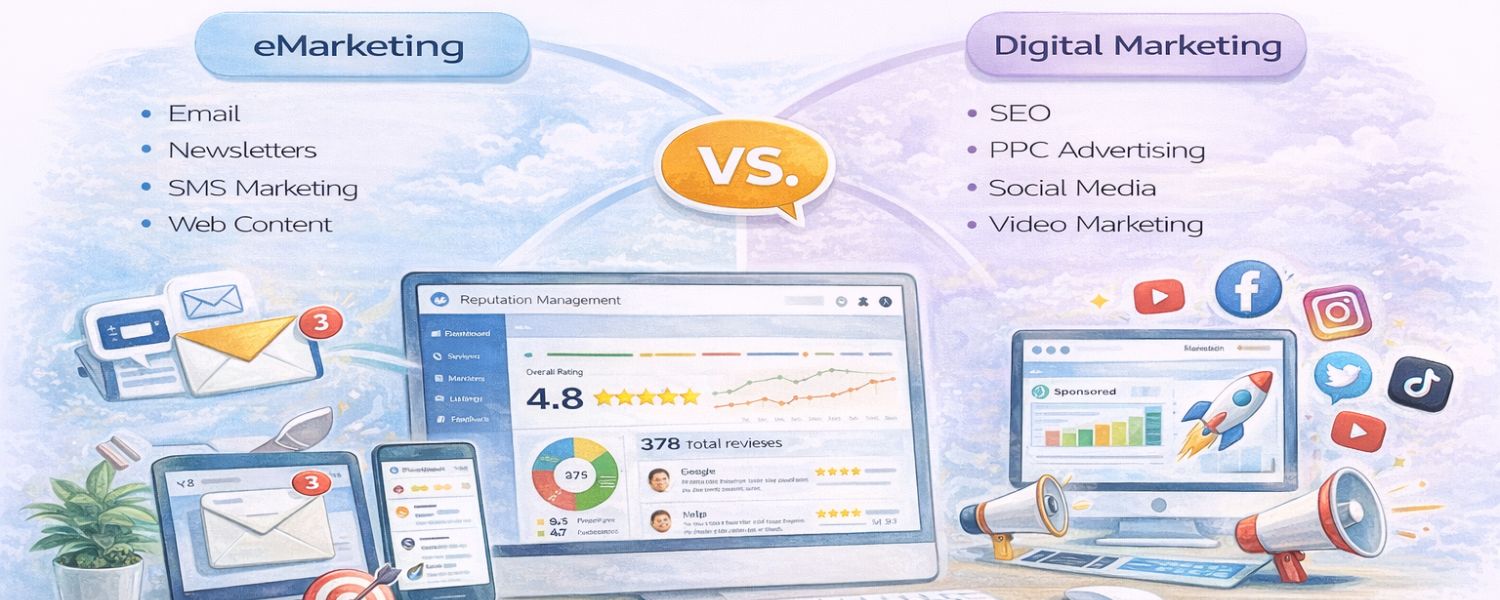
You might be wondering – is eMarketing the same as digital marketing? In practice, the terms are used interchangeably by most people. Both refer to utilising digital channels to connect with customers.
Some marketing experts make subtle distinctions: for instance, one view is that “digital marketing” is a broad umbrella including all modern marketing that involves digital tools (including online marketing, but also things like SMS/text messaging or even digital billboards), whereas “eMarketing” (electronic marketing) typically refers specifically to marketing done via the Internet and online networks.
By this definition, eMarketing would be a subset of digital marketing that focuses entirely on internet-based marketing. You’ll also encounter the term “internet marketing”, which usually means the same thing as eMarketing – using the internet to market to consumers.
The key takeaway is that all these terms revolve around leveraging electronic or digital channels (as opposed to traditional offline media) to achieve marketing goals.
In this guide, we’ll use ‘eMarketing’ and ‘digital marketing’ interchangeably, as the end goal is the same: to harness online channels to grow your business.
Benefits of eMarketing (Why Go Digital?)

Why have so many companies shifted to eMarketing? The benefits are significant and have democratised marketing, enabling even small businesses to compete with large brands in reaching customers online. Here are some key advantages of eMarketing:
1. Global Reach & 24/7 Access
With eMarketing, geography is not a barrier. You can connect with potential customers worldwide at any time. Your online ads, website, or social media pages are accessible 24/7, meaning customers can engage with your business at their convenience, whether it’s 2 p.m. or 2 a.m.
This constant presence helps capture demand whenever it arises. In fact, internet-based marketing enables shoppers to access information and make purchases at their own convenience, which is far more flexible than the 9-to-5 limitations of physical stores.
To enhance your online presence, investing in search engine optimization (SEO) is key to ensuring that your content reaches a global audience.
2. Cost-Effectiveness & High ROI
Online marketing can be significantly more cost-effective than traditional marketing. There are lower barriers to entry – for example, creating a social media profile or sending an email newsletter costs little to nothing, whereas printing brochures or buying TV ad space can be pricey.
Research has indicated that internet-based promotions can cost about one-quarter of traditional methods (thanks to savings on printing, postage, and physical distribution). Additionally, many eMarketing tactics offer an impressive return on investment (ROI). For instance, email marketing is reported to generate about $36 for every $1 spent – an astonishing 3600% ROI.
Content marketing is another cost-efficient example, generating 3 times as many leads as outbound (traditional) marketing at 62% lower cost. In short, you can stretch a small budget much further online and see measurable sales returns.
3. Precise Targeting & Personalization
eMarketing allows you to target your message to precisely the right audience and even personalise it for individuals – something essentially impossible with one-size-fits-all newspaper or TV ads.
Using data and analytics, businesses can segment online audiences by demographics, interests, behaviour, purchase history, and more. This means your campaigns can reach people who are far more likely to be interested, improving efficiency. Learn more about data-driven targeting to refine your audience strategy.
Moreover, you can tailor content to different segments or even personalise on the individual level (for example, an email that addresses the customer by name and recommends products based on their past purchases).
This level of personalisation makes your marketing more relevant and impactful – studies show that it boosts engagement and conversion rates.
In fact, personalisation is so effective that 91% of consumers say they are more likely to shop with brands that provide tailored offers and experiences, and AI-driven personalisation engines have led to a 35% increase in purchase frequency and a 21% increase in average order value in e-commerce settings.
AI-driven marketing is another powerful tool for personalization.
4. Measurability & Analytics
One of the most significant advantages of eMarketing is that everything can be measured and tracked. You can track in real time how many people saw your online ad, clicked on your link, opened your email, or visited your website – and even see what actions they took next.
Tools like Google Analytics, social media insights, and email marketing dashboards provide a wealth of data. This means you can literally watch the performance of a campaign as it’s happening and quickly gauge what’s working.
For example, if you run an online ad, you’ll know precisely how many users clicked it and whether they ended up buying something. Such robust analytics let marketers calculate ROI more accurately and make data-driven decisions to optimise their strategies on the fly.
By contrast, with a billboard or print ad, you mostly have to guess at how many people saw it and what impact it had. The measurability of eMarketing takes the guesswork out – you can test, learn, and improve continuously (known as A/B testing when you compare two versions of content to see which performs better).
5. Engagement & Interaction
Unlike traditional media, which is primarily one-way, digital channels enable two-way communication between brands and customers. eMarketing opens up channels for direct engagement – customers can respond to your posts, share your content, ask questions, leave reviews, and interact with your brand in real time.
This helps build relationships and communities around your business. For instance, a clever social media post can spark conversations with followers, and an email campaign can encourage feedback via replies or surveys.
Engaging content (like videos, blogs, polls, etc.) not only grabs attention but also invites users to participate or react, creating a more memorable experience.
Higher engagement often translates to stronger brand loyalty and trust over time. In essence, eMarketing isn’t just about broadcasting a message – it’s about starting a dialogue with your audience.
6. Agility and Speed
With digital campaigns, you can execute and adjust very quickly. Need to promote a flash sale or respond to a trending topic? You can publish a social media update or send an email blast within minutes.
If a campaign isn’t delivering results, you can pivot just as fast – tweak the wording, swap out an image, or adjust your targeting and immediately see if performance improves. Learn more about adapting your campaigns quickly for better performance.
This agility means marketing strategies become more flexible and resilient. You can capitalise on timely opportunities and avoid wasting money on approaches that don’t work, something much harder to do mid-flight with traditional campaigns.
In summary, eMarketing offers unparalleled advantages in cost, reach, targeting, and adaptability.
It empowers businesses of all sizes to connect with a vast audience, precisely when and where it counts, while gathering data to continually refine their approach. Next, let’s dive into the significant emarketing forms and how you can use them.
Key eMarketing Strategies and Channels

eMarketing isn’t a single tactic but rather an ecosystem of various digital marketing channels and strategies working together.
In this section, we’ll explore the key forms of eMarketing – from search engine optimisation that helps customers find you on Google, to social media that builds your brand personality, to email that keeps your audience engaged.
A holistic eMarketing plan often involves a mix of these channels to reach customers at different touchpoints in their online journey. Here are some of the most essential eMarketing types and how they work:
1. Search Engine Optimisation (SEO) and Search Marketing
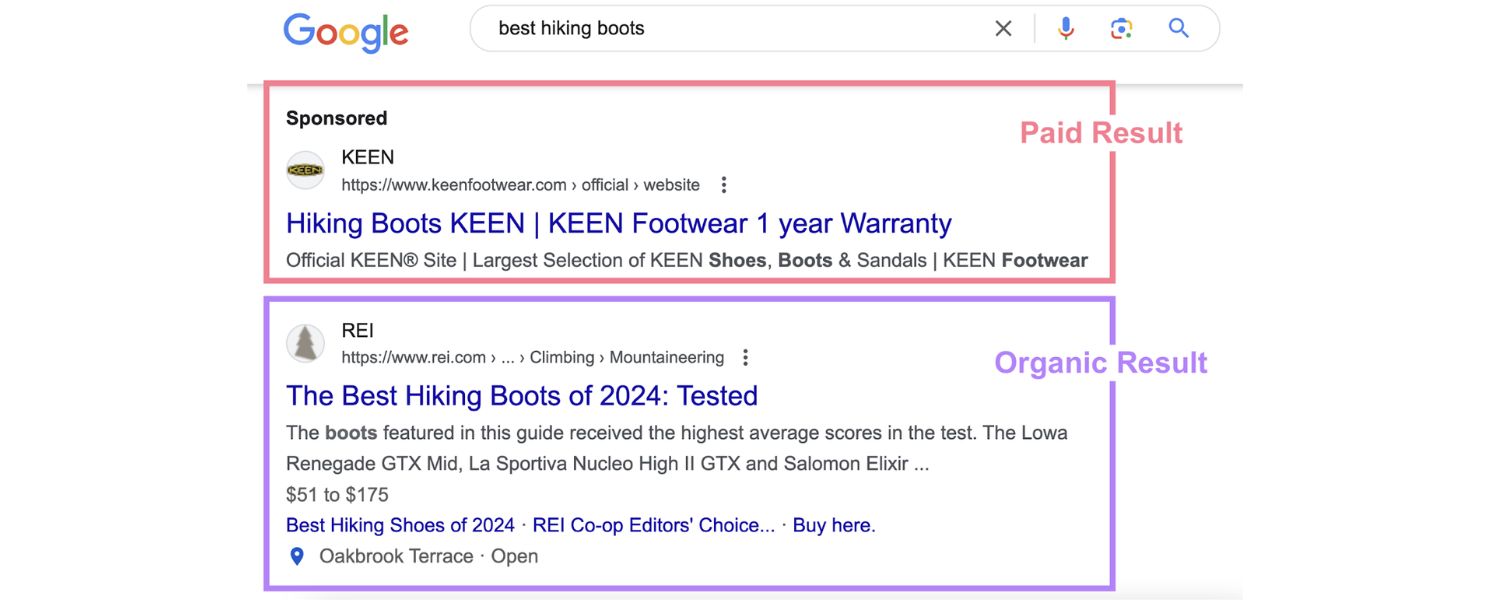
SEO is the art and science of getting your website to rank higher on search engines like Google. Why is this important? Because search engines are often the starting point for consumers looking for information or solutions.
Users conduct billions of searches every day for products, services, and answers. If your website appears near the top of the results for relevant searches (e.g., “best budget laptops” or “Italian restaurant in [City]”), you’ll tap into a vast source of organic (unpaid) traffic.
In fact, the #1 result on Google typically gets about 33% of all clicks for a given search query, so ranking high can dramatically boost your visibility and sales. SEO involves optimising your site’s content and technical setup around the keywords people search for, earning backlinks from other sites (which act as “votes of confidence”), and ensuring a good user experience.
There’s also search engine marketing (SEM), which includes pay-per-click search ads (like Google Ads) in addition to organic SEO. The goal in either case is to show up prominently when customers search for what you offer.
A strong search presence is vital because it connects you with customers who are actively seeking your type of product or service, making them more likely to convert.
Tip: Effective SEO is an ongoing process, from researching the right keywords to regularly publishing quality content that answers your audience’s questions.
2. Content Marketing (Blogs, Videos, and More)
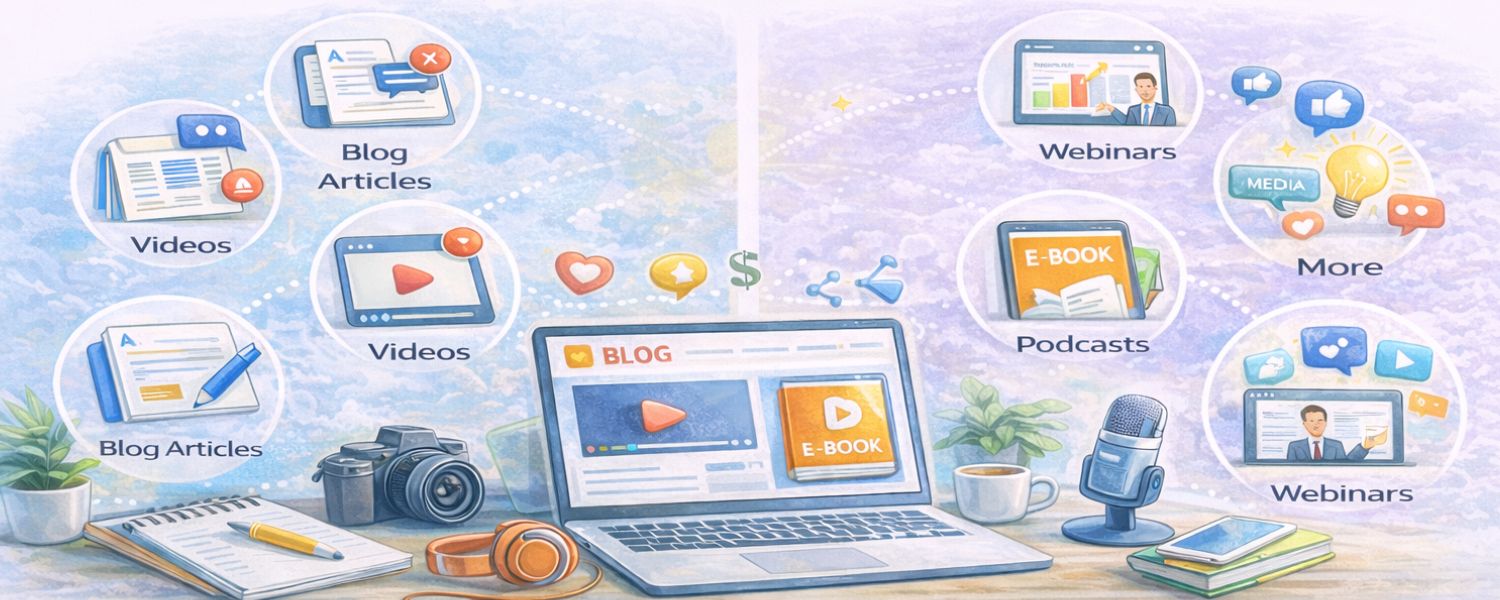
Content marketing is about creating and sharing valuable online content to attract and retain customers.
Instead of overtly advertising, you’re educating, entertaining, or informing your audience to build trust and engagement. Content can take many forms, including blog articles, videos, infographics, podcasts, e-books, webinars, and more.
For example, a home decor store might run a blog with DIY interior design tips, or a software company might offer a free ebook about industry best practices.
By providing useful content, you position your brand as an authority and a helpful resource in your field, which subtly nurtures customers toward choosing your products when they’re ready to make a purchase.
Content marketing is a cornerstone of eMarketing because it fuels other channels as well: good content improves your SEO (search engines love useful, regularly updated content), provides material to share on social media and in emails, and helps educate prospects throughout the sales funnel.
Importantly, content marketing has proven its value – it generates over 3 times as many leads as traditional advertising while costing 62% less.
This higher efficiency is partly due to great content attracting inbound traffic (people find it through search or shares), which saves on advertising costs.
Suppose you consistently answer the questions your target customers are asking (for instance, via how-to guides or videos demonstrating your product). In that case, you’ll build credibility and a loyal following that eventually drives profitable customer action.
3. Email Marketing

Despite being one of the oldest online channels, email marketing remains incredibly powerful – and for many businesses, it’s the highest ROI marketing activity.
Email marketing involves sending targeted messages directly to people’s inboxes, typically to those who have opted in (subscribed) to hear from you.
It’s used to nurture leads, promote products, offer discounts, or simply keep an ongoing relationship with customers through newsletters.
Why is email so valuable? For one, the reach is vast – over 4.3 billion people worldwide use email. Emails are delivered straight to individuals who have expressed interest in your brand, so you’re communicating with a warm audience.
Unlike social media, where an algorithm might throttle who sees your post, email ensures your message lands in each subscriber’s inbox (though it’s up to you to craft compelling subject lines and content to get opens and clicks!).
The statistics around email marketing’s effectiveness are eye-opening: as mentioned, one study found an average return of $36 for every $1 spent. Additionally, email is 40 times more effective at acquiring new customers than Facebook or Twitter, according to research. It provides a direct line of communication that isn’t subject to external platform rules, and it’s highly personalizable – you can segment your list and tailor messages (by interests, purchase history, etc.) to increase relevance.
To succeed at email marketing, businesses focus on building a quality email list (often via sign-up incentives like an e-book or discount), creating valuable and concise email content, and maintaining a consistent schedule without spamming.
When done right, email marketing can significantly boost customer retention and repeat sales by regularly nudging your audience with helpful, targeted content and offers.
4. Social Media Marketing

Social media marketing is the use of social platforms – such as Facebook, Instagram, X (Twitter), LinkedIn, TikTok, and others – to connect with your audience, build your brand, and drive engagement and sales.
Social media has become an integral part of daily life for billions: as of 2025, there are 5.31 billion active social media users, accounting for 64.7% of the world’s population.
On top of that, roughly 94% of internet users use social media each month, which means your customers are almost certainly scrolling through a feed somewhere daily.
For marketers, this is an opportunity to meet customers where they already spend their time. Each platform has its own unique vibe and demographics – e.g., LinkedIn for professionals, Instagram for visual inspiration, and TikTok for younger short-form video enthusiasts – so part of a good social strategy is choosing the platforms that best fit your brand and audience.
Through social media, you can post content (texts, images, videos, stories), run targeted ads, interact with followers via comments or direct messages, and leverage user-generated content or influencer partnerships.
It’s a channel well-suited for building a community and establishing a brand personality. One significant benefit is the potential for virality and word-of-mouth – great content can be shared by users, exponentially expanding your reach at no additional cost.
Social media also supports precise ad targeting; for example, Facebook’s ad platform lets you target users by interests, behaviour, location, and more. This ensures your promotions reach a specific group that is likely to convert.
Another advantage is the real-time feedback loop – you can see comments and reactions immediately, giving insight into what your audience cares about.
Social media marketing does require a steady presence and engagement – brands that simply broadcast ads without listening or providing value tend to falter.
However, with the right approach (e.g., sharing valuable tips, offering behind-the-scenes insights, responding to customer inquiries, and running interactive campaigns like polls or contests), social platforms can become powerful for both customer acquisition and retention. They humanise your brand and allow for ongoing conversation with your market.
In the era of hashtag trends and online communities, being active on social media is almost expected of businesses; those who do it well can cultivate passionate brand advocates and significantly increase their sales.
5. Pay-Per-Click (PPC) Advertising

PPC advertising refers to online ads where you pay each time someone clicks on your ad. The most common form is search engine ads (for example, the sponsored results that appear at the top of Google’s search results).
Other forms include display ads (banner or sidebar ads on websites), social media ads (promoted posts or ad units on platforms such as Facebook, Instagram, Twitter, and LinkedIn), and video ads (such as YouTube pre-roll ads).
PPC is a core part of eMarketing because it can produce immediate visibility and traffic. Unlike SEO or organic social media, which can take time to build, PPC allows you to essentially buy visits to your site or landing page immediately by bidding on ad placements.
For instance, a Google Ads campaign targeting the keyword “emergency plumber Chicago” can help you appear at the top when someone searches for that term, and you’ll only pay when the user clicks through to your site.
One significant advantage of PPC is the ability to target precisely, combined with effective cost control. You can target ads to users based on their search query, demographics, interests, or even past behaviours (like retargeting those who visited your site before).
At the same time, you set budgets and bids to prevent overspending, and you can calculate the exact cost per click (CPC) and cost per acquisition (CPA) to ensure the ads are profitable. PPC is highly measurable; you’ll know precisely how many impressions, clicks, and conversions you got, and what each cost.
When optimised well, PPC can yield a strong ROI by bringing in prospects at a cost lower than their lifetime value to your business. It’s beneficial for keywords or audiences where you have strong buying intent (e.g., someone searching “buy [product name] online” is likely ready to make a purchase).
That said, competition on popular keywords can be intense, so costs can rise if many advertisers are bidding. The key is to continually optimise your ad copy, targeting, and bidding strategy, and to use relevant landing pages that convert clicks to customers.
PPC also extends to newer formats, such as retail media and shopping ads (e.g., product listings on Amazon or Google Shopping).
Notably, digital ad spending as a whole is rapidly growing – it’s forecast that digital ads will account for over 75% of all ad spend in 2025, reaching about $777 billion globally. This highlights the growing importance of paid digital campaigns in the marketing mix.
For many businesses, a combination of PPC for quick wins and organic tactics (such as SEO, content, etc.) for sustainable growth is the optimal approach.
6. Affiliate Marketing

Affiliate marketing is a type of performance-based eMarketing where you partner with individuals or other businesses (affiliates) who promote your product for you in exchange for a commission on any resulting sales.
In other words, you only pay when their referral actually converts. This is a popular strategy for e-commerce and online services. For example, a web hosting company might have an affiliate program that pays bloggers a set fee or percentage for every customer they refer through a special link.
For the business, affiliate marketing is a cost-effective way to expand reach, as affiliates essentially become an extended sales force marketing to their own audiences.
For affiliates (publishers, influencers, comparison sites, etc.), it’s an opportunity to earn income by recommending products they find helpful to their followers.
The reason affiliate marketing works is trust and niche influence: affiliates often have built-in trust with their audience (say, a tech YouTuber who reviews gadgets, or a mommy blogger sharing product tips).
When they authentically recommend a product, their followers are more likely to check it out and make a purchase. From an eMarketing perspective, setting up an affiliate program can rapidly increase your brand’s exposure on blogs, YouTube channels, social media, and other platforms without upfront ad spend – you’re leveraging the affiliates’ content creation and marketing efforts.
You do need to manage affiliate relationships (ensuring they represent your brand well and follow guidelines) and track referrals via unique links or codes. Modern affiliate networks and software make it easy to track clicks and sales, so commissions can be automated.
Many major companies owe a significant portion of their sales to affiliate partnerships. For example, Amazon’s Associates program is one of the most extensive affiliate programs, driving traffic to Amazon through countless websites and influencers who earn commissions on referred purchases.
In summary, affiliate marketing is a win-win situation where partners promote your offerings and are rewarded for actual results. It’s an integral part of the eMarketing toolkit, especially for businesses that sell online, because it taps into the power of word-of-mouth at scale.
7. Influencer Marketing

Influencer marketing overlaps somewhat with affiliate marketing but deserves its own mention. It involves collaborating with individuals who have a large online following (influencers) – such as popular bloggers, YouTubers, Instagram personalities, TikTok stars, or industry experts – to promote your brand to their audience.
Influencer partnerships can take many forms: a social media influencer might create a post or story featuring your product, a YouTuber might conduct an unboxing or review, or an expert might mention your service in an interview or webinar.
The idea is to leverage the influencer’s credibility and reach. Their followers trust their opinions, so a recommendation or even just exposure to your brand via the influencer can significantly boost awareness and favorability.
Influencer marketing has become a multi-billion-dollar industry on its own – the global market size for influencer marketing is projected to reach $32.5 billion by 2025.
This surge is because many brands find influencer marketing highly effective: over 80% of marketers consider it a highly effective strategy for them.
One reason is the proliferation of social media platforms like Instagram and TikTok, which are dominated by influencer content, and consumers often discover new products through their favourite online personalities.
When planning an influencer campaign, it’s crucial to choose influencers whose audience aligns with your target market (an extreme sports influencer might not be the best fit to promote, say, a baking ingredient – you’d likely look for a baking enthusiast influencer instead!).
Deals with influencers can be paid (you pay a fee per post or a project rate), or incentivised with free products, or structured as affiliate deals (commission on sales, as described earlier).
There is also a spectrum from mega-influencers (celebrities with millions of followers) to micro-influencers (niche figures with smaller but highly engaged audiences); sometimes, micro-influencers provide better ROI because their followers are more tightly knit and responsive.
Thanks to the trust factor and creative content that influencers produce, this channel can quickly boost brand awareness and drive sales through social proof – essentially, people are more inclined to try a product when they see someone they admire using it.
Influencer marketing in eMarketing thus capitalises on the trend that consumers increasingly tune out traditional ads but pay attention to recommendations from voices they follow online.
Each of the above channels has its own learning curve and best practices, but they also complement each other.
For example, you might publish great content on your blog (content marketing), which improves your SEO, then share that content on social media for wider exposure, drive paid traffic to it via PPC, have affiliates link to it, and collect email sign-ups from it – integrating multiple eMarketing tactics into a cohesive strategy.
The beauty of eMarketing is that you can start small with one or two channels and expand as you learn what resonates with your audience.
Best Practices for a Successful eMarketing Strategy

Now that we’ve covered the what and why of eMarketing, you might wonder how to put it all together effectively.
Crafting a successful eMarketing strategy involves more than just using various channels; it’s about using them well and in harmony.
Here are some best practices and tips to keep in mind as you plan and execute your online marketing:
1. Know Your Audience and Set Clear Goals
Begin by clearly defining your target audience (who they are, what they need or desire, where they spend time online) and your marketing goals.
Are you trying to increase brand awareness among a new demographic, generate a specific number of leads per month, boost e-commerce sales by a certain percentage, or achieve another goal? Having particular objectives will guide your strategy and make it easier to measure success.
Use market research, customer surveys, and analytics data to understand your audience’s online behaviour and preferences. The better you know your audience, the more effectively you can tailor your e-marketing messages to address their interests or pain points.
2. Build an Integrated Presence Across Channels
While you don’t need to be present on every platform, it is essential to maintain a cohesive presence across the key channels that matter most to your audience. Your website (or landing pages) will often be the hub of your online marketing, so ensure it’s user-friendly, mobile-optimised, and aligned with your brand messaging.
Then, extend your reach through the channels we discussed – including search, content, email, social, and others.Make sure these channels work together and reinforce each other. For example, include social media follow buttons and email sign-up forms on your website, promote your blog content via email and social media, use SEO keywords in your blog that tie to your PPC campaigns, and so on. An integrated approach creates multiple touchpoints with customers, strengthening brand recall.
It also provides a seamless experience – a user who discovers you on Instagram should have a consistent impression if they later visit your site or see your Google ad. Consistency in branding, tone, and value proposition across channels builds credibility and trust.
3. Create Valuable Content and Offers
In the digital realm, content is king. Whatever the format – a tweet, an email newsletter, a YouTube video, or a how-to guide on your site – make sure you’re providing value.
Useful, interesting, or entertaining content is what draws people in and keeps them engaged with your brand. Adopt the mindset of helping before selling: answer common questions in your niche, address customer challenges, or share something insightful.
High-quality content not only improves SEO and engagement but also earns you goodwill, making the audience more receptive when you do present promotional offers.
When you do promote, try to craft compelling offers that incentivise action (e.g., limited-time discounts, free trials, buy-one-get-one deals, free shipping, etc., depending on your business). And remember to highlight your unique selling points (USPs) – what sets you apart from competitors – in your messaging.
4. Leverage Data and Iterate
One of the most significant advantages of eMarketing is the real-time feedback provided by analytics. Use that data! Track metrics that align with your goals: website traffic, bounce rates, conversion rates, click-through rates (CTR) on ads/emails, social media engagement, cost per acquisition, and ROI – to name a few.
Identify what’s working and what isn’t. Maybe you find that specific blog topics get far more traffic, or one kind of Facebook ad imagery outperforms others, or that emails sent on Tuesdays have the best open rates. These insights are gold. Use them to iterate and optimise your campaigns continuously.
Run A/B tests (experiments where you change one element to see which version performs better) on things like email subject lines, ad copy, landing page layouts, etc. Digital marketing is not “set and forget” – the best results come from a cycle of test → analyse → refine → repeat. Over time, this data-driven refinement can dramatically improve your efficiency and outcomes (for example, improving conversion rates or lowering your cost per lead).
Don’t be afraid to pivot strategies if the data suggests it – agility is a key eMarketing strength.
5. Mind the Customer Journey and Provide Great Service
Think of eMarketing from the perspective of a customer’s end-to-end journey. Often, it’s depicted as a funnel: from awareness (first discovering your brand) to consideration (researching and comparing) to decision (converting to a lead or sale) to retention (becoming a repeat customer and advocate).
Ensure you have eMarketing touchpoints and content for each stage. For instance, use broad content and social media for awareness, detailed blog posts or webinars for consideration, persuasive calls-to-action and easy checkout for decision, and follow-up emails or loyalty rewards for retention.
As you attract prospects, make it easy for them to move through these stages – optimise your website’s navigation, simplify forms (e.g., less friction in signing up or checking out), and be responsive on customer support channels (social media queries, emails, live chat, etc.).
Good customer experience is integral to eMarketing success; a slick ad might get someone in the door, but a confusing landing page or poor service can quickly drive them away.
On the other hand, delighting a customer (through excellent service or engaging interactions) can lead to positive reviews, social media shout-outs, or word-of-mouth referrals that amplify your marketing efforts.
Additionally, ensure you stay compliant with regulations and ethical practices – for example, obtain consent for emails (avoid spamming), respect user privacy preferences (essential with new data and privacy laws), and maintain transparency and authenticity in your communications. Trust is hard to earn and easy to lose in the online space.
By following these best practices – understanding your audience, maintaining a strong multi-channel presence, delivering value, iterating based on data, and keeping the customer experience front and centre – you set a solid foundation for eMarketing success. Even on a modest budget, innovative and consistent application of these principles can yield substantial results over time.
Latest eMarketing Trends in 2024–2025 (What’s Next?)
Digital marketing is constantly evolving. New technologies, consumer behaviours, and regulations continually reshape the landscape.
To keep your eMarketing strategy effective, it’s wise to stay on top of emerging trends.
Here are some of the latest trends in eMarketing as we head through 2024 and into 2025, along with tips on how to leverage them:
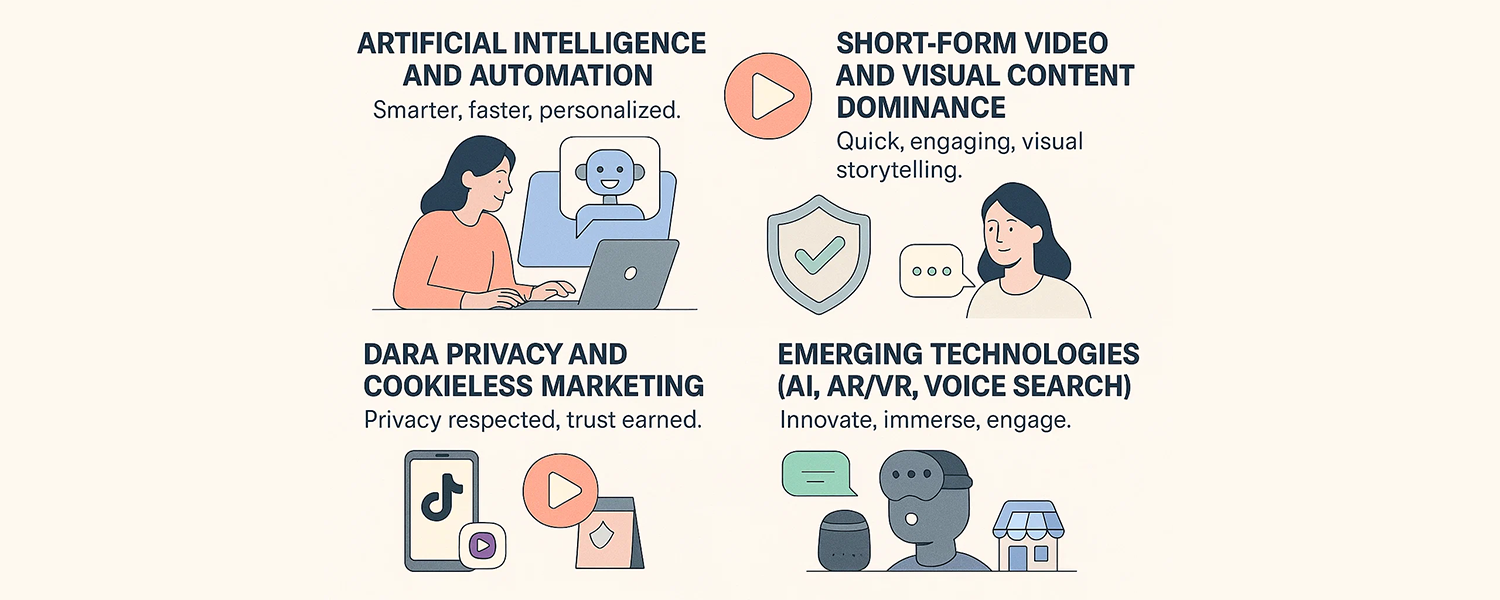
1. Artificial Intelligence and Automation
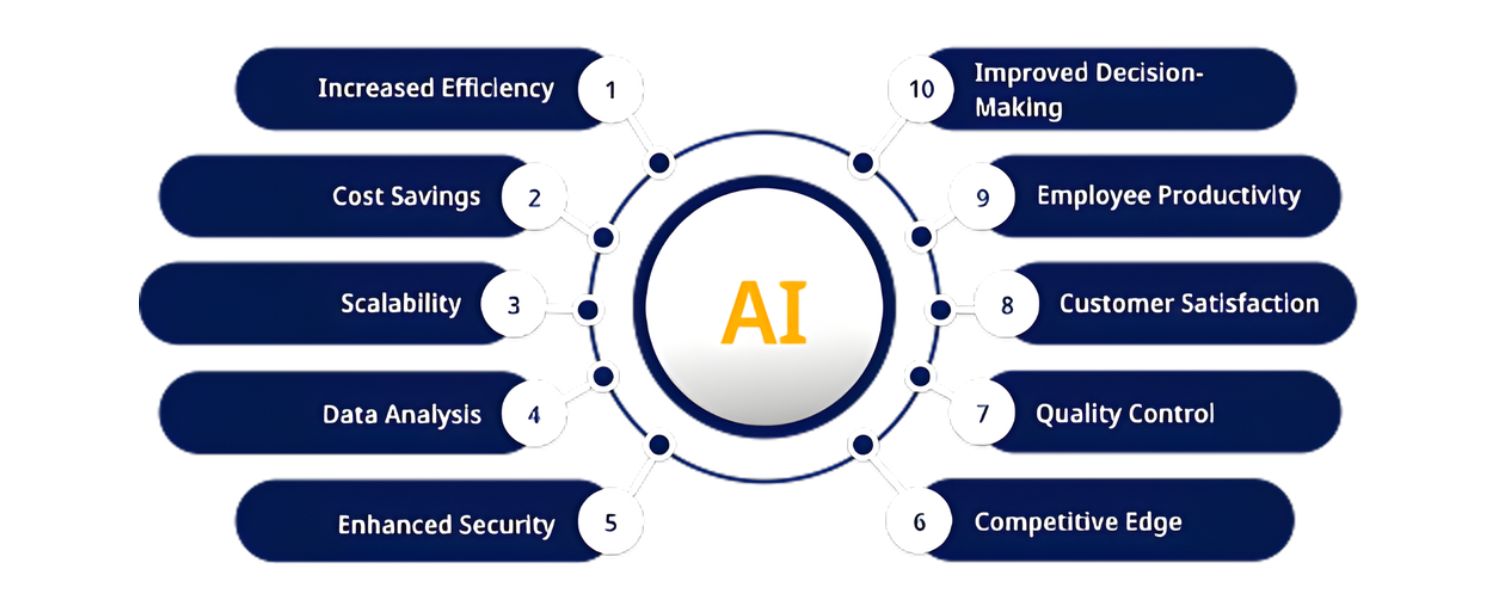
AI is no longer futuristic – it’s here, and it’s transforming the marketing landscape. From AI-powered chatbots providing instant customer support to algorithms that optimise ad targeting in real time, automation is streamlining many marketing tasks.
In 2025, AI is expected to be practically standard in marketing operations, as it can handle routine work and free up humans for strategy and creativity. One significant trend is AI-driven personalisation, also known as “hyper-personalisation.”AI can analyse customer data (browsing behaviour, purchase history, etc.) and automatically tailor content or recommendations to individuals on a scale that a human team couldn’t manage manually.
This results in improved user experiences and higher conversion rates. For instance, AI personalisation engines have been shown to increase purchase frequency by 35% and average order values by 21% by serving more relevant offers. To explore more on personalisation strategies, check out our guide. Marketers are also utilising AI for content creation (e.g., AI tools that generate social media captions or draft blog posts), predictive analytics (forecasting trends or customer churn), and for managing ad bids and budgets more efficiently.
As you plan ahead, consider investing in AI tools that align with your needs – whether it’s an email marketing platform with AI segmentation, an AI chatbot for your site, or analytics software with predictive insights. Early adopters of useful AI tech can gain a competitive edge in both efficiency and effectiveness. Just remember to maintain a human touch and oversight – AI works best when augmenting human creativity and decision-making, not replacing it entirely.
2. Short-Form Video and Visual Content Dominance

The explosive growth of platforms like TikTok, Instagram Reels, and YouTube Shorts underscores the trend that short, snackable video content is what many consumers crave. Attention spans online are short, and video has a unique way of capturing interest quickly. By 2025, online video is projected to account for an even larger share of internet traffic and advertising.
Digital video advertising spending is on a sharp rise – for example, in the U.S., digital video ad spend is projected to reach $72.4 billion in 2025 (up 14% from 2024). This suggests that brands are pouring more resources into video content and video ads. Whether it’s a 15-second product demo, a behind-the-scenes story, or an influencer’s quick testimonial, videos can convey a message or emotion faster than text in many cases.
Additionally, visual platforms (Instagram, Pinterest) and features (Stories, live streams) continue to be integral. To ride this trend, consider how you can incorporate more video and dynamic visual content into your eMarketing.You don’t always need a big production budget – even smartphone-shot videos or simple animations can perform well if they’re authentic or informative.
Storytelling in a concise format is key. Also, explore emerging formats like live video (which can foster real-time engagement) or interactive content (polls, AR try-on filters, etc.), which are gaining popularity for the immersive experience they provide.
The bottom line: brands that master visual storytelling, especially via short-form video, are likely to capture the attention of the digital generation and be rewarded by social algorithms that prioritize video content.
3. Data Privacy and Cookieless Marketing
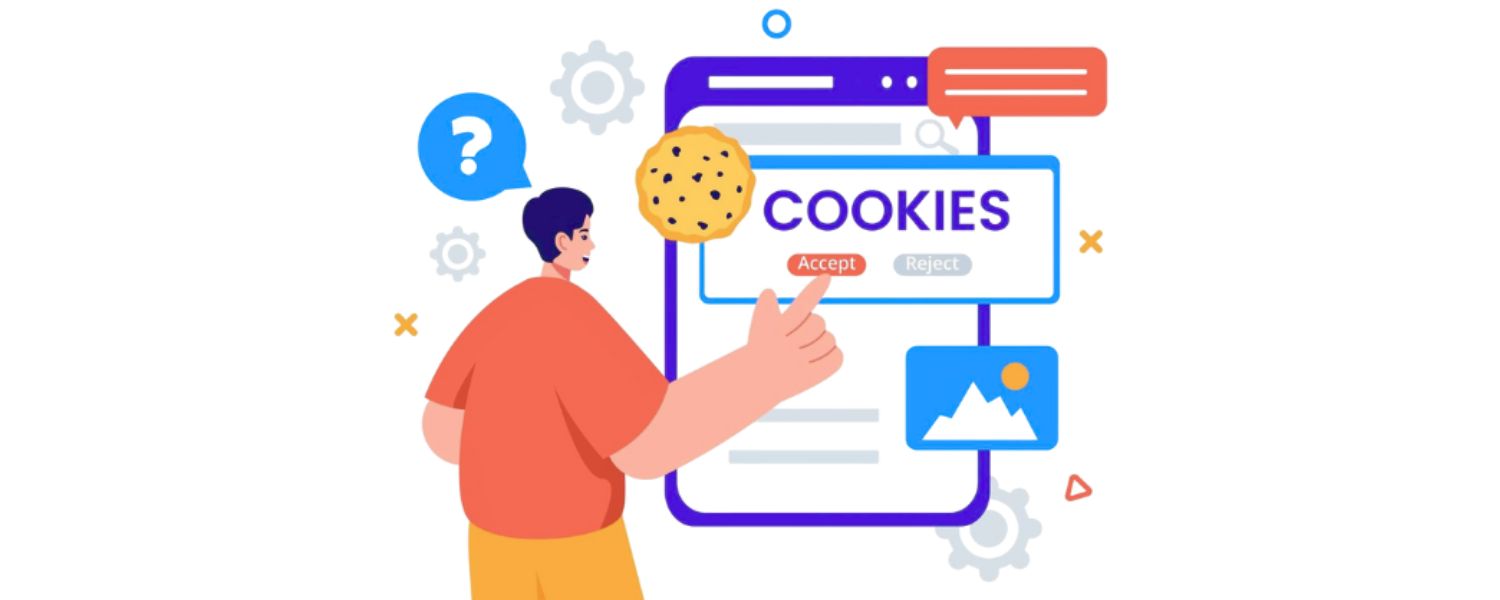
As digital advertising and personalization have grown more sophisticated, consumers and regulators have become increasingly concerned with data privacy. We’re witnessing a wave of privacy regulations (GDPR in Europe, CCPA in California, and others worldwide), as well as changes by tech companies that affect marketers – notably, Google’s plans to phase out third-party cookies in its Chrome browser (used by a majority of people) and Apple’s iOS changes that limit tracking.
By the end of 2024 (now looking into 2025), third-party cookies – which have long been used to track users across sites for ad targeting – are being deprecated. This “cookieless future” means marketers will need to rely more on first-party data (information you collect directly from your audience with consent, like through your website, app, or CRM) and contextual targeting (placing ads based on the content of the webpage, not the user’s profile).
It’s part of a broader trend of privacy-first marketing. Consumers are also more aware of privacy; many use ad blockers or decline cookie tracking. Smart eMarketers are adapting by investing in strategies like building robust email lists (so they’re less dependent on ad networks for reaching customers), creating loyalty programs or communities that encourage users to volunteer data in exchange for value, and using tools like Google’s Privacy Sandbox or other cookieless ad solutions that aim to balance targeting with privacy.
Another aspect is transparency – clearly communicating what data you collect and why, and giving users control. Those brands that respect privacy and innovate ways to deliver personalized marketing without overstepping will not only avoid legal trouble but likely earn greater customer trust. Make sure you stay informed about privacy law updates in your region and audit your eMarketing practices to ensure compliance and ethical data use.
For example, if you run international email campaigns, be mindful of GDPR requirements for consent and opt-outs (the DPO Centre blog we saw earlier provides guidance on regulations like PECR for electronic communications).
Ultimately, privacy isn’t just a legal box to tick – it’s becoming a quality consumers look for in brands.
4. Omnichannel and Customer Experience Focus
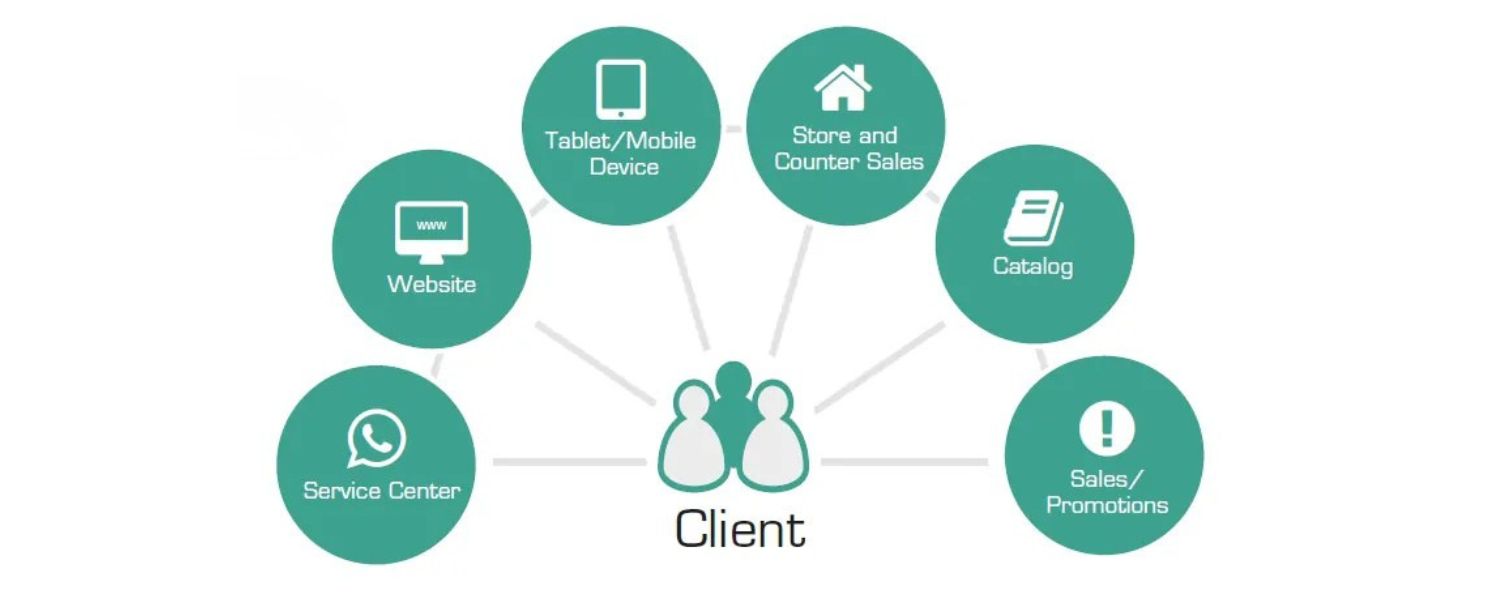
Customers today often interact with a brand in multiple places – they might discover you via a Google search, check reviews on a mobile app, follow your social media for a while, and then visit your website to chat with a support bot before finally making a purchase in your online store (or even a physical store).
The lines between online and offline are blurring; what matters is providing a consistent, positive experience across all channels – an omnichannel approach. A trend is the increasing integration of eMarketing with overall customer experience management.
This means ensuring your messaging and service are aligned, whether someone contacts you on Twitter or by email, whether they browse your site on desktop or mobile, etc. Companies are utilising CRM systems and marketing automation to maintain context about customer interactions, ensuring that every touchpoint feels cohesive.
Also, social commerce is rising – social media platforms themselves are adding shopping features (Instagram Shops, TikTok storefronts, Pinterest Buyable Pins), merging content and commerce.
As a marketer, consider strategies like retargeting users across platforms (showing a user who viewed a product on your site an ad for it later on Facebook, for example) or using email to follow up on an abandoned shopping cart with a discount – these are ways to unify the journey.
Another facet is speed and convenience – consumers expect fast responses (hence the adoption of chatbots for instant replies) and seamless usability (hence the importance of mobile-friendly design, as more than half of web traffic is mobile).
Going forward, businesses that break down silos between marketing, sales, and customer support and look at the holistic customer journey will outperform those that treat each channel separately.
Aim to be wherever your customer needs you, with the right message at the right time, delivered in a user-friendly way.
5. Emerging Technologies (AI, AR/VR, Voice Search)
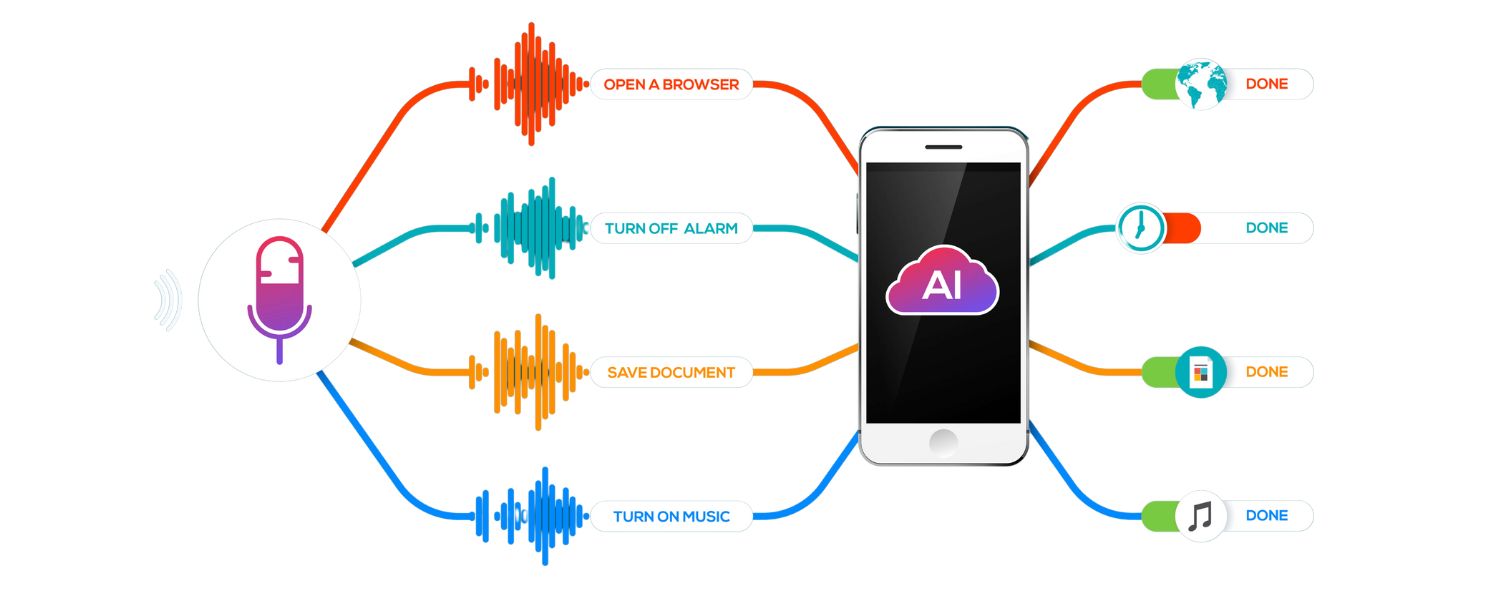
Beyond the mainstream trends, a look at cutting-edge tech gives hints of the next big things. Voice search and voice assistants continue to grow in usage (think Alexa, Google Assistant, Siri) – optimizing your content for voice queries (often longer, question-based phrases) is something to keep on the radar for SEO.
We’re also seeing more use of augmented reality (AR) in marketing – for instance, furniture retailers let users overlay 3D models of furniture in their living room via phone camera, cosmetics brands use AR filters so you can “try on” makeup virtually.
These AR experiences can increase engagement and buyer confidence online. Virtual reality (VR) and the metaverse concept are still niche but developing; some brands experiment with virtual showrooms or events.
While AR/VR may not be relevant for every business yet, it’s worth watching if you’re in a sector that could benefit from immersive experiences (e.g., real estate virtual tours, virtual travel experiences for hospitality marketing, etc.).
Another emerging area is the continued rise of chat-based marketing – not just chatbots, but marketing via messaging apps (WhatsApp marketing, Facebook Messenger, SMS texts). Conversational marketing through these channels can feel very personal and direct.
As AI language models (like the technology behind ChatGPT) improve, we might see more advanced chatbot interactions and content generation. The key takeaway is to stay curious and open-minded about new tools.
Not every shiny object will be right for your strategy, but experimenting early with technologies that enhance customer experience or marketing efficiency can set you ahead of the curve.
For example, some companies in 2025 are already leveraging AI to create dozens of ad variants and let the algorithm pick the best – something that would have been unthinkable a few years ago. Keep an eye on your industry’s tech developments, and don’t be afraid to pilot an innovative idea on a small scale.
By embracing these trends – while also keeping fundamental marketing principles in mind – you can keep your eMarketing strategy fresh and effective.
The digital world changes fast, but one thing remains constant: a customer-centric approach will always win.
Whether through AI personalization or engaging TikTok videos, the goal is to serve your audience better and meet them where they are.
Conclusion: Embrace eMarketing for Growth
The world is increasingly digital, and marketing is no exception. We started with the question “What is eMarketing?” and explored how it represents the evolution of marketing into the online realm – leveraging the internet and technology to connect with an audience in ways never before possible.
By now, it should be clear that eMarketing is not just a buzzword, but a fundamental component of modern business strategy. For more about the basics of eMarketing, check out Guide to E-Commerce Marketing Services.
It offers unmatched reach, targeting precision, and cost efficiency, allowing even the smallest ventures to find and grow their customer base globally.
The beauty of eMarketing is in its versatility. You can start by building a simple website or social media page and gradually expand into other channels like SEO, email newsletters, and online ads as you grow. Digital marketing services can help improve your online visibility and guide you as you scale your efforts.
Each step can be measured and optimized, so you’re always learning and improving. As you implement the strategies discussed – from creating valuable content to engaging with customers on social platforms and fine-tuning campaigns with analytics – you’ll be building a powerful online presence that works for you around the clock.
Remember that success won’t usually happen overnight; digital marketing is very much a continuous journey of experimentation and refinement.
But the payoff can be huge. Companies that have mastered eMarketing are reaping rewards in customer acquisition, sales, and brand loyalty that simply wouldn’t be possible through traditional means alone.
One of the most exciting aspects is how eMarketing levels the playing field. In the past, a small business couldn’t dream of running a nationwide TV campaign to reach customers.
Today, through savvy eMarketing, that same small business can reach millions of potential customers via search engines, social media virality, or influencer collaborations – sometimes with a modest budget and a bit of creativity.
We also saw how the latest trends like AI and increased personalization are making online marketing even more dynamic and effective. As these tools become mainstream, businesses that adapt quickly will have an edge in delivering the kind of tailored, engaging experiences consumers increasingly expect. For a deeper dive, explore AI for Digital Marketing and how it can boost your campaigns.
In closing, whether you’re an entrepreneur launching a startup or a marketing professional at a large company, understanding and embracing eMarketing is essential for thriving in the current landscape.
Start by applying the core concepts: focus on your audience, be present where it counts online, offer value, and use data to drive decisions.
Keep up with evolving trends, but ground your strategy in what genuinely serves your customers. If you haven’t already, make eMarketing a priority in your business plan – the sooner you begin, the faster you’ll gain traction.
The digital marketplace is vast and growing every day; there’s a world of opportunity waiting for those ready to tap into it.
Share your thoughts: Have you tried any of the eMarketing strategies mentioned above? Which ones have made the biggest impact on you?
Feel free to share your experiences or ask questions in the comments below. Let’s learn from each other and grow together in this ever-evolving digital marketing journey.
.png)
Shopify SEO: Guide to Ranking Your Store and Driving Sales
Most Shopify store owners set up their store, list their...
Content Marketing : Definitive Guide to Strategy, Content Types, and Measurable ROI
Content marketing generates 3x more leads than outbound marketing at...
Above the Fold: Guide to Conversions, Rankings and Faster Pages
Above the Fold in 2026: The Complete Guide to Conversions,...
Off-Page SEO Checklist: Guide to Building Real Authority
Most websites spend months creating great content, only to wonder...
What Is Keyword Bidding? The Complete Strategy Guide for Smarter Ad Spend
Most advertisers believe the highest bid wins the auction. It...
What Is Google Trends? The 2026 Marketer’s Complete Guide
If you are not already pulling weekly insights from Google...
If you want a growth partner who will get to know every aspect of your business and treat your budget like their own — we are the right fit.
.png)


.png)
.png)
.png)
.png)
.png)
.png)
2026 ALL RIGHTS RESERVED MADE IN INDIA
