
What Are Zero-Click Searches & How Do They Impact SEO?
September 8, 2025
Introduction: The Rise of the No-Click Search
Imagine never needing to click a search result because Google gives you the answer instantly. That’s the reality behind zero-click searches, and it’s changing the game for SEO and digital marketing. In fact, recent studies show a majority of Google queries, nearly 60%, end without any clicks to external websites.
On mobile devices the number is even higher, with over 75% of searches not leading to a click. For users, this means quick answers. For businesses, it raises a critical question: How do we stay visible and drive results when fewer people visit our site?
Don’t panic, zero-click searches aren’t the end of SEO, but they do signal a new chapter. This comprehensive guide explains what zero-click searches are, why they’re becoming so common, and most importantly, how you can adapt your SEO and content strategy to thrive in a world where clicks are no longer guaranteed.
What Are Zero-Click Searches?

A zero-click search is exactly what it sounds like: a search in which the user gets the information they need directly on the search engine results page (SERP) – no further clicks required. In other words, the “answer” is displayed immediately in Google’s results, satisfying the query on the spot.
These zero-click results take many forms on Google’s SERP, including:
1. Featured Snippets (Position #0)

Highlighted answer boxes at the top of the results, extracting text from a relevant webpage to answer the query. For example, if you search “What is a meta description?”, Google might show a snippet with a definition pulled from a website, so you get your answer without clicking through.
Featured snippets are designed to provide concise, direct answers. They often include a page title and URL, but many users won’t click since the snippet itself addresses their question.
2. Direct Answer Boxes

These are instant answers Google provides for simple factual queries – often without even citing a source. Think of calculations (“1 mile in km”), unit conversions, dictionary definitions, or quick facts (e.g., search “Tom Cruise age” and Google immediately shows “61 years old” in bold).
The user’s need is met at a glance, no website visit needed. These answers draw from Google’s Knowledge Graph or other trusted data, and they keep users wholly within Google’s ecosystem.
3. Knowledge Panels

Those information boxes that appear on the side or top for searches about known entities (people, companies, places). For instance, Googling a celebrity or brand often triggers a knowledge panel with a mini bio, images, key facts, and links.
This comprehensive at-a-glance info means the user might not need to click any results. For businesses, having a well-populated Google Business Profile can even generate a knowledge panel with your company’s details, essentially serving as a digital business card on the SERP.
4. People Also Ask (PAA) Boxes

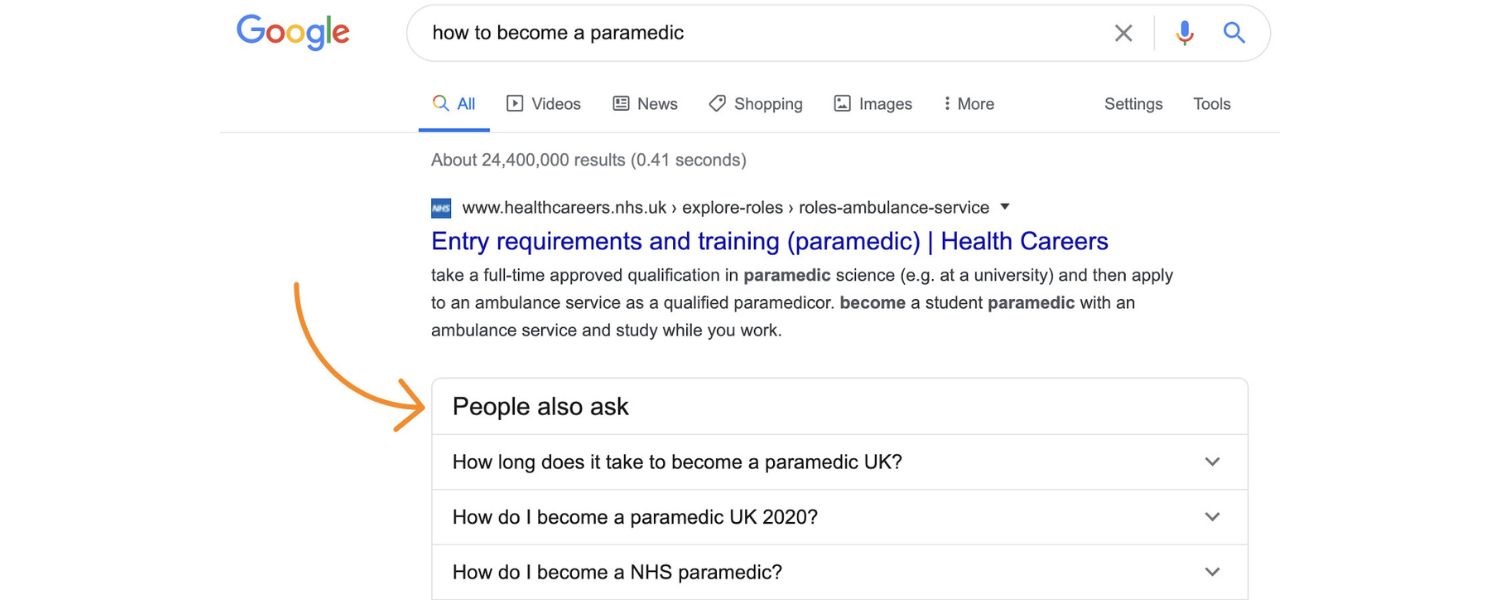
These are expandable Q&A boxes on many SERPs. Google lists related questions; when a user clicks a question, it expands to show a snippet answer (with a source link) for that question.
Crucially, each expansion often leads to more questions appearing. Users can iteratively find all the info they need by clicking these drop-downs, often never leaving Google. It’s a cascading zero-click experience, the SERP becomes an interactive FAQ. While PAA answers do credit websites, users may hop from one answer to the next without ever visiting those sites.
5. Local Packs and Google Maps Results

When a query has local intent (e.g., “best coffee shop near me”), Google shows a map and a list of businesses with key info like ratings, address, hours, and phone number. Users often get what they need (maybe even call the business straight from the SERP or get directions) without visiting a website.
These local listings are another form of zero-click result – valuable for users and potentially beneficial for businesses via foot traffic, even though no website click occurs. (For example, someone searching “pizza near me” might see a Google Maps list and head directly to a restaurant, all without hitting the pizzeria’s website.)
6. Google’s AI Overviews (Generative Answers)

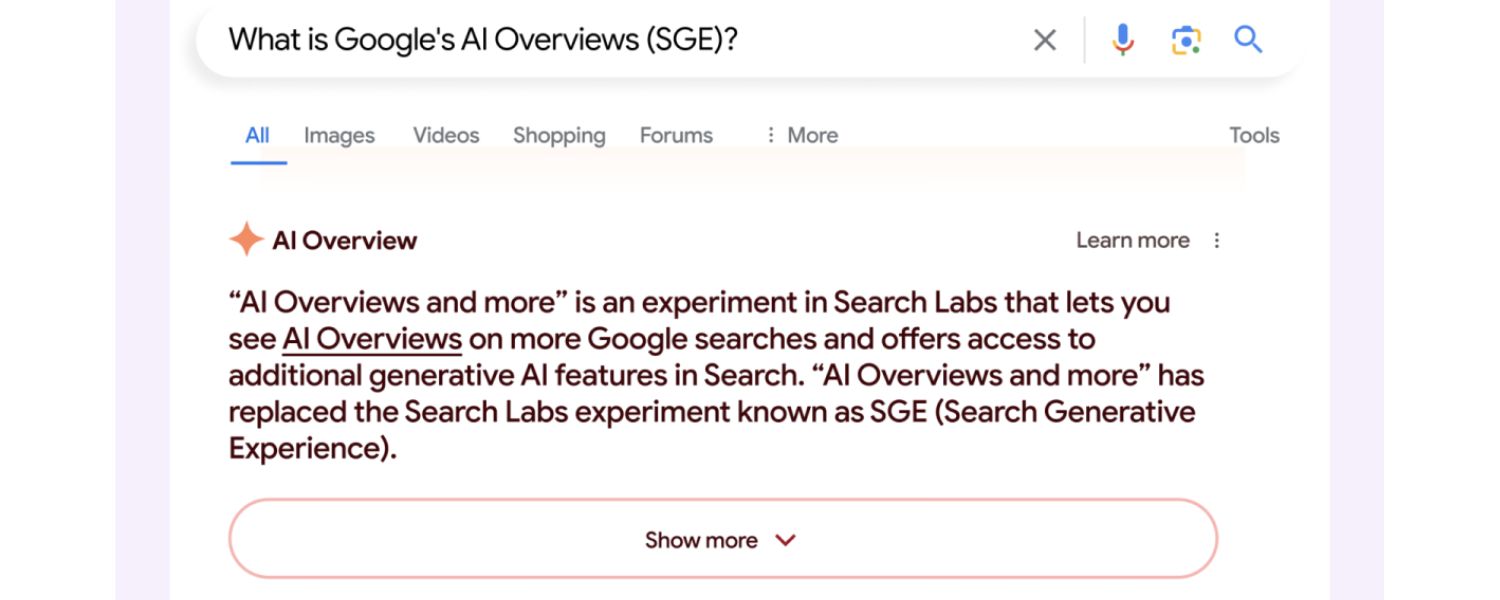
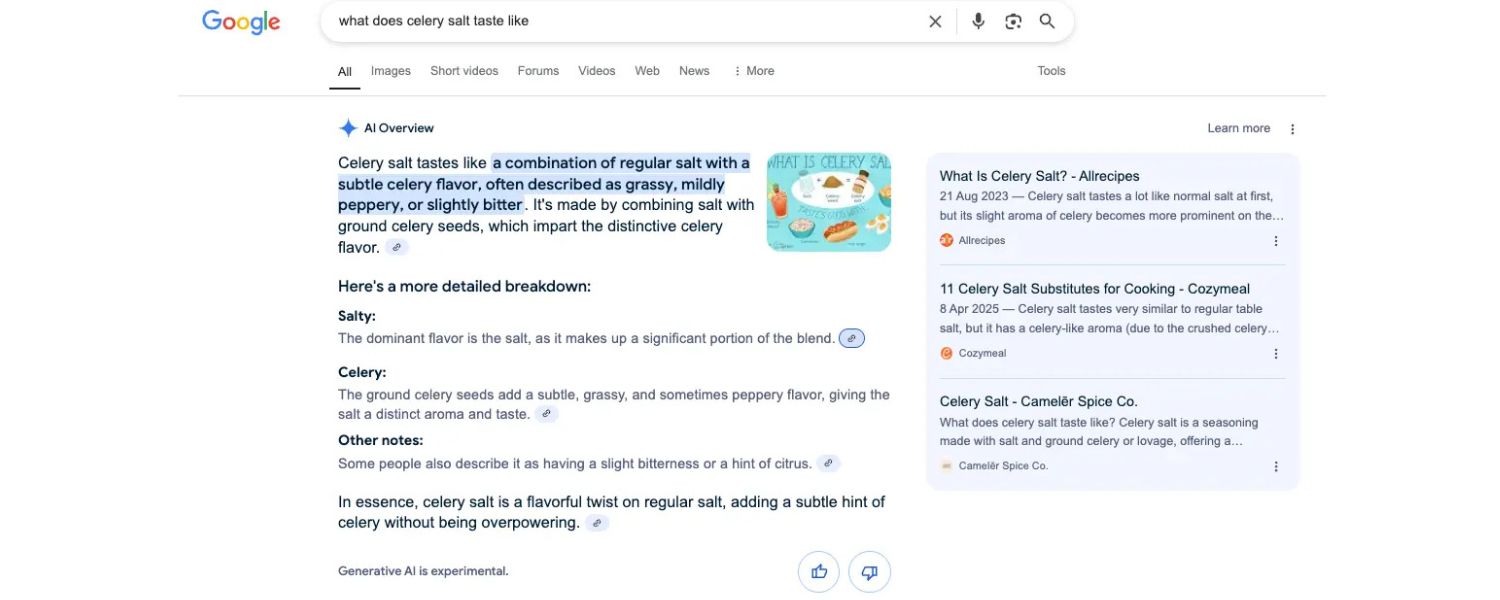
Newer to the scene, these are AI-generated summary answers that appear at the top for certain searches (currently in Google’s Search Generative Experience, SGE, and related features). The AI overview synthesizes content from across the web to answer the query in a few paragraphs.
While it often provides some citation links, the user’s question is essentially answered on the spot by AI, reducing the need to click through to any one source. Early data shows that when AI summaries appear, the rate of zero-click behavior is extremely high. (In fact, in one Semrush study, over 92% of searches in “AI mode” resulted in no clicks!)
7. Other Instant Results
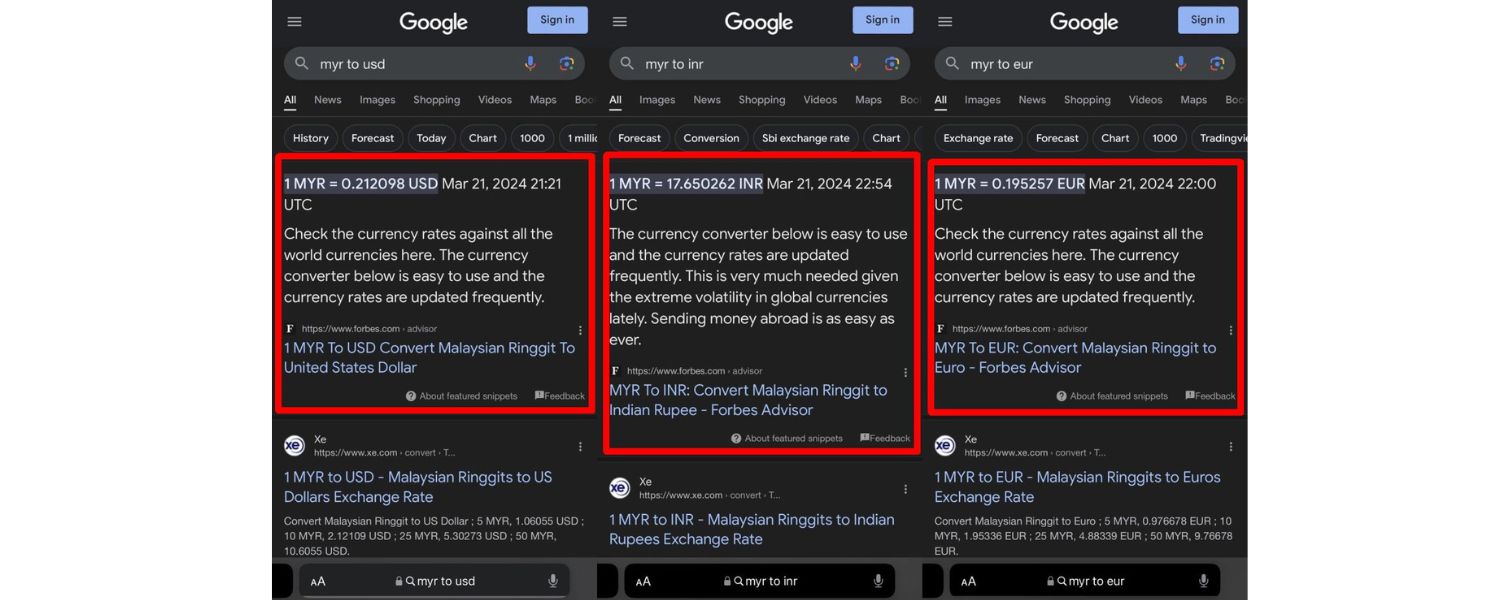
Google continually offers rich results that keep users on the SERP, from live sports scores and weather widgets to currency converters, calculators, and flight info. All these fulfill queries instantly.
For example, type a math equation or “weather tomorrow” and you’ll likely get the result without needing any external site. Even “Top Stories” news carousels can be considered here: users can swipe through headlines and snippets without leaving Google.
In short, Google’s SERP has evolved from ten blue links to a rich, answer-filled page. Zero-click searches are the natural outcome of that evolution – they’re searches where Google’s own info fully satisfies the intent right then and there. Great for user convenience, but it presents a challenge: if users aren’t clicking our links, how do we reach them?
Why Are Zero-Click Searches Increasing?
Zero-click searches have been around for years (think of simple queries like conversions or definitions), but they’ve skyrocketed in prevalence recently. Several key factors are driving this zero-click surge:
1. Google’s Push to Keep Users on the SERP
It’s no secret that Google’s business model benefits when users stay within Google. By providing answers directly (via featured snippets, knowledge panels, etc.), Google enhances the user experience and reduces the chance people leave for another site.
Over time, Google has added more and more of these on-page answers, and it’s working. By 2024, studies show roughly 58–60% of searches (in the U.S. & EU) resulted in zero clicks, up from about 50% a few years prior. Google is effectively becoming an “answer engine” instead of just a gateway to other sites.
As Google introduces even more rich features (like expanding People Also Ask, or interactive maps, or AI summaries), the share of no-click searches keeps climbing.
2. Rise of Mobile & Voice Search

On mobile devices, zero-click behavior is even more pronounced – by some estimates, over 75% of mobile Google searches don’t result in a click. Mobile users often want quick info at a glance (and small screens can only show one result without scrolling, which is often a snippet or knowledge card).
Voice search via virtual assistants is similar – if you ask a question, the assistant just reads an answer (often from a featured snippet) and you don’t click anything at all. The convenience of mobile and voice means users are more likely to accept the first answer Google gives them, rather than navigating to a website for more detail, especially for simple queries.
3. Informational Queries & Instant Gratification

A large chunk of searches are simple questions or informational lookups (“how many ounces in a cup,” “capital of France,” “installing a lightbulb instructions”). These are exactly the kinds of queries that lend themselves to zero-click results – a quick answer or step-by-step snippet will satisfy the user.
And indeed, analysts find that zero-click searches skew heavily toward informational queries with straightforward answers. In contrast, queries with commercial intent (like product searches) or those needing in-depth exploration are somewhat less likely to end in zero clicks (for now).
But the overall trend is clear: basic questions increasingly get answered directly by Google, reflecting users’ desire for instant gratification.
4. AI and Generative Search Results
2023–2025 have introduced AI-generated answers on the SERP (Google’s SGE “AI overviews” and Bing’s AI chat integration). These AI answers can handle more complex questions by synthesizing multiple sources.
Users trying these features can get a rich, paragraph-long answer without scanning multiple websites. While still new, AI summaries are expanding – and early data surprisingly showed that after Google introduced AI overviews, zero-click rates among those queries actually ticked down slightly (from ~38% to 36%).
However, that was a narrow time frame; overall, AI is expected to accelerate zero-click behavior. In a Bain & Company survey, 80% of consumers said they rely on zero-click AI results (like summaries) in at least 40% of their searches. As generative AI answers improve, users may skip clicking even for more nuanced questions.
5. Google’s Evolving Features & UI Changes

Over the years, Google has continually tweaked how results are displayed – often to show more info in-line. Think of live stock prices, expandable product specs, hotel availability widgets, or the “people also search for” suggestions.
Even something like Google’s autocomplete and “did you mean” suggestions can pre-empt additional searches (or refine them without a click). All of these small changes accumulate toward fewer clicks out.
Google has even run experiments like “zero search results” (briefly showing no traditional results at all for certain queries like time or calculations, only the direct answer). While that particular test ended, it signaled Google’s ambition to give just the answer when it’s confident enough. The message is clear: if Google can satisfy you itself, it will strive to do so.
The net effect of these factors is that traditional organic results are getting less attention and fewer clicks. One study found that by 2024 only about 36% of Google search clicks went to the “open web” (external websites), with nearly 30% going to Google’s own properties, and the rest no-click at all. In other words, more than half of searchers either stay on Google or click something Google owns.
From the user’s perspective, this often means a faster, more seamless experience. If you get what you need right away, why click around? But from the marketer or SEO perspective, it means we must adapt. Before we dive into adaptation strategies, let’s clarify the impact of this trend on businesses and whether SEO still has a pulse in a no-click world.
How Zero-Click Searches Impact SEO and Marketing
When over half of searches don’t send a single visitor to any site, it’s fair to ask: Is SEO dead? The good news: No, SEO isn’t dead – but it is evolving. Here’s a breakdown of the impact zero-click searches are having and why it’s not all doom and gloom:
1. Less Direct Traffic from “Routine” Queries
It’s true that websites are seeing declines in traffic for certain types of searches. If your site used to get thousands of visits a month from people asking basic questions (the kind now answered by snippets or knowledge panels), you’ve probably noticed a dip.
News and reference sites, for example, have lost some traffic as Google shows answers or headlines up front. Publishers have even called this a potential “traffic apocalypse” and coined terms like “Google Zero” to describe a future where Google keeps all the traffic.
Some media outlets are adjusting their strategy – focusing more on direct reader relationships (newsletters, etc.) – precisely because they anticipate less referral traffic from search engines.
For businesses, fewer organic clicks can mean fewer leads or ad impressions, at least in the short term. For instance, if you’re an affiliate site that answers questions like “best running shoes,” a user might now see a snippet list of top shoes and never click your blog post – meaning lost affiliate revenue. Some industries have been hit harder: travel, recipe, dictionary, and how-to sites were among the first to feel the pinch from instant answers.
However, the drop in traffic is not uniform nor necessarily catastrophic. An analysis by Semrush in 2022 found that organic clicks still made up about 45% of all clicks on desktop and 43% on mobile – meaning nearly half of searchers click through to somewhere.
And importantly, not all zero-click searches were “your” customers to begin with. Many zero-click queries are quick facts or trivial questions.
If someone just needed a unit conversion or a celeb’s age, they might not have been likely to convert or engage deeply on your site anyway. Google’s Danny Sullivan has argued similarly in the past: that many zero-click searches either result in offline action (like calling a business from a local listing) or were navigational (user immediately went to a different app/site) – thus “no click” didn’t equal a lost opportunity in all cases.
In short, yes, some traffic is down, but it’s often the lower-value, information-only visits that weren’t converting heavily. Meanwhile, more complex needs still lead to clicks (e.g., “buy running shoes size 10” or “CRM software comparison” – those users will likely click around).
2. Visibility Is the New Currency

While you may get fewer click-throughs, appearing in zero-click results has its own value. Your brand can get tremendous exposure even if the user doesn’t visit your site right then. For example, if your content is featured in a snippet or you’re listed as a source in an AI overview, your name is front and centre. This can build brand recognition and authority.
The user might not click immediately, but now they’ve seen your brand answering their question – that primes them for later. In fact, one benefit of zero-click results is increased branded search and direct traffic down the line. According to Semrush, being featured prominently on a SERP can introduce you to new audiences and lead to more people searching your brand later on Semrush.com.
It’s akin to an impression or a billboard: even without a click, the appearance has marketing value. Savvy marketers are viewing SERP appearances as a channel for brand awareness. For example, if you consistently show up as the answer for industry questions, users start to subconsciously associate you as the authority in that space.
When they do need more or are ready to buy, they might navigate directly to your site or search your brand. This is why SEO in the zero-click era is as much about visibility and positioning as it is about direct clicks.
As one expert put it, “Ignoring zero-click searches means risking visibility. If competitors secure featured snippets…they become the go-to source while your brand fades into the background”.
3. Shifting Conversion Journeys
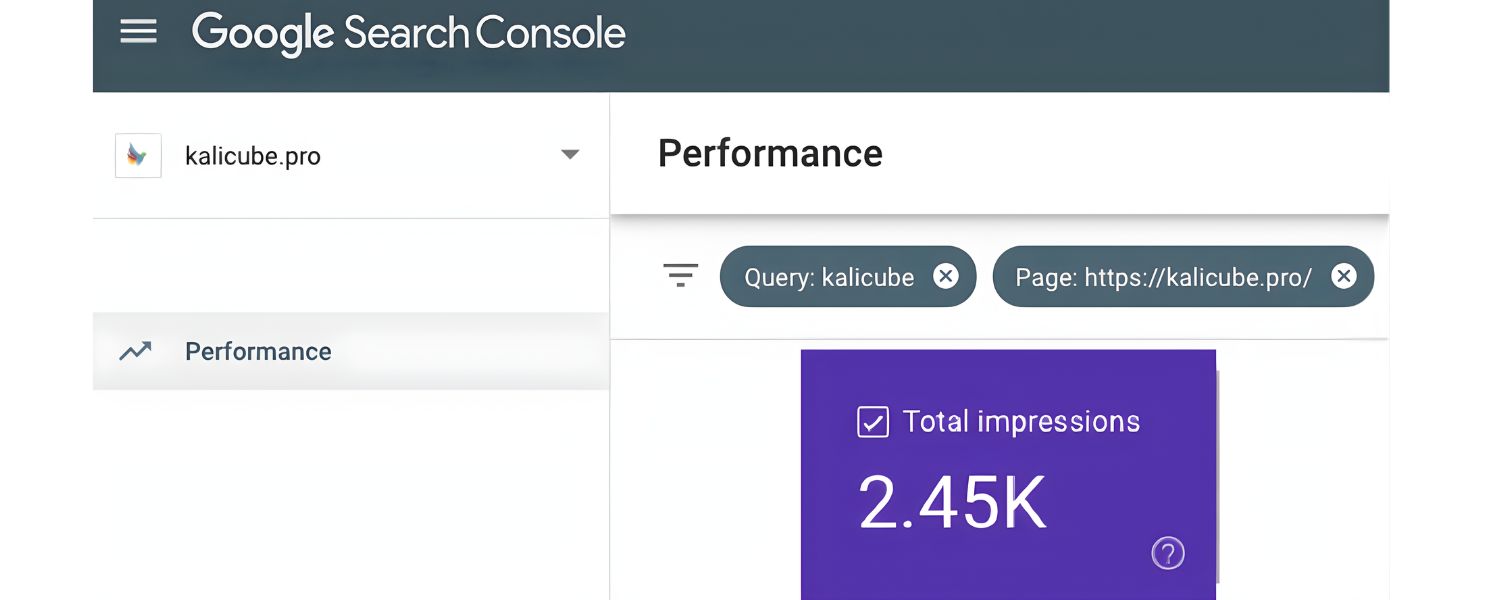
Zero-click doesn’t always mean the end of the road. Often, it’s just the beginning of a customer’s journey with your brand. A user might get a quick answer from your snippet or see your product in a knowledge panel, then later come back via a different route to convert.
For example, someone asks Google a question, sees your brand’s informative answer, and later when they need a service, they remember and go directly to your site. Or a user finds your local business via a zero-click Google My Business listing (no website click), and then walks in the door as a customer. Conversions can still happen without a click on the initial search.
This complicates attribution but is a real phenomenon. It’s why marketers now track metrics like implied brand lift from search impressions and cross-channel behavior. If you notice direct traffic or brand-name searches increasing even as organic clicks decrease, that could be a result of zero-click visibility (people see you on Google, then visit later directly). In Google Analytics, these might show up as “direct” or “organic later in the path” conversions – indicating search played an early role even if it wasn’t the last click.
In essence, the customer journey is becoming less click-linear. It might span multiple touchpoints (see answer on SERP → think about it → later go to site or store). Marketers need to adjust how they measure success (more on that soon), focusing not just on immediate referral traffic but on overall visibility and multi-touch attribution.
4. The Playing Field Is Changing, Not Disappearing

It’s important to note that zero-click searches mostly affect certain types of queries. Simple informational and navigational queries are the prime candidates. But if someone has a complex problem, needs a service, or wants in-depth research, they will still click results. In fact, Google still sends billions of clicks to websites every day. The pie is huge, even if Google keeps a larger slice now.
Additionally, new opportunities arise: Those rich SERP features need content from somewhere. If your content supplies a featured snippet or your site is the one Google trusts for an answer, you’ve effectively “won” that query (even if you didn’t get the click, your information was delivered).
There’s also a credibility halo: being featured by Google implies authority. Users might trust you more, making them more likely to click when they have a meatier query or decide to seek more details.
Furthermore, zero-click doesn’t mean users don’t engage at all – sometimes they engage on the SERP. For example, with People Also Ask, a user might click multiple questions (each time seeing an answer from a site).
If your site appears in several of those PAA answers, the user is encountering your brand repeatedly. Or consider a local pack: a user might click to call your business or get directions – which are conversions that happen directly from the SERP. So, success might come in new forms (calls, foot traffic, voice assistant referrals, etc.) rather than just page views.
In summary, zero-click searches do pose a challenge, particularly for how we measure SEO success and how we attract and capture leads. You might experience some traffic declines and will certainly need to adapt strategies. But it’s not the end of SEO or organic visibility. It is a signal that SEO tactics must broaden beyond “get the click.”
We need to think in terms of Search Presence Optimization, ensuring our brand/content is present wherever the eyeballs (or ears, for voice) are, even if a traditional click doesn’t occur. Google isn’t “stealing” all our opportunities; it’s changing them. In many ways, this is a call to arms for better content, stronger branding, and smarter multi-channel marketing, rather than a death knell.
As one marketer noted, “zero-click search is not the end of SEO, and it may even be a good thing – it’s forcing us to focus on quality and user needs more than ever”.
Next, let’s dive into actionable strategies. How can you optimize your SEO and content in this new landscape so that you capture value from zero-click searches instead of losing out?
Strategies to Thrive in a Zero-Click Search World
It’s clear that the rules of search have changed. Now the key question is: What can you do about it? Below are several strategies – from content tweaks to bigger-picture marketing moves – to help your business stay visible and drive results in the era of zero clicks. Think of these as adaptations to ensure that even if users don’t always click, they still find you and eventually convert.
1. Optimize for Featured Snippets and Other SERP Features
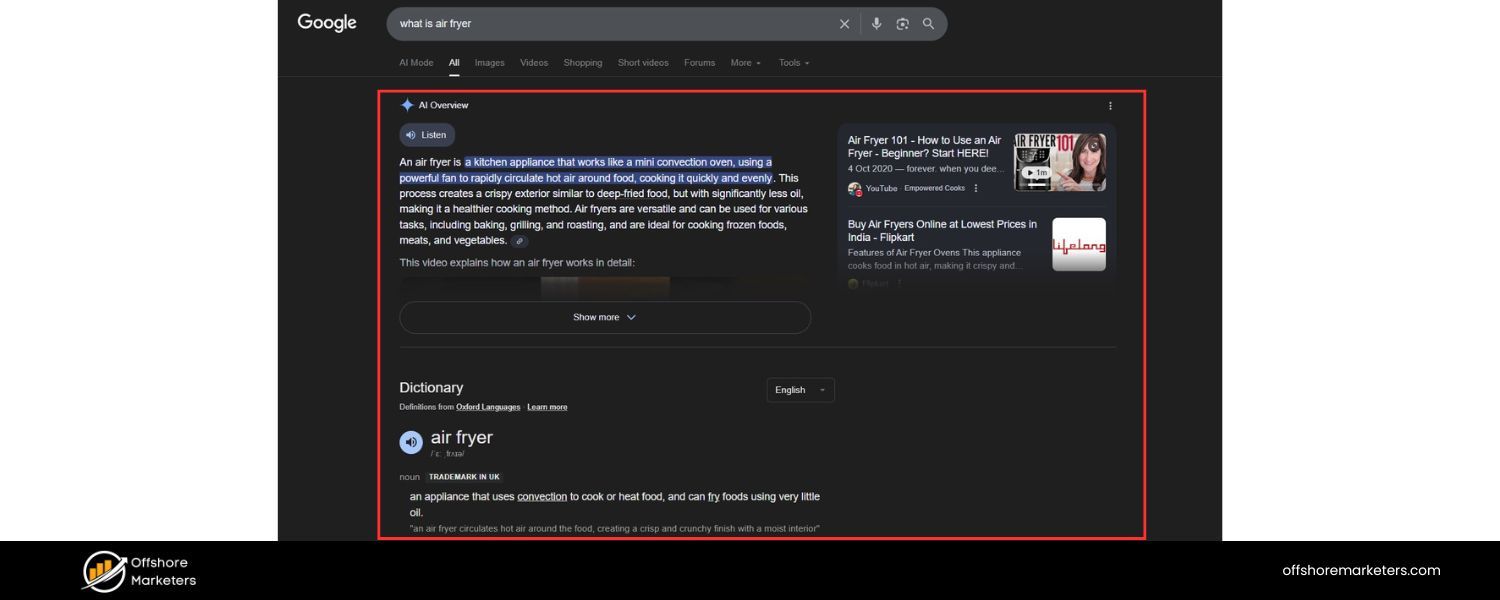
Since so many zero-click searches are dominated by Google’s own SERP features (snippets, knowledge panels, etc.), your goal is to be the one inside those features whenever possible. By securing those coveted spots, you gain prime visibility. Here’s how:
A. Target “Snippet-Friendly” Queries:
Identify questions and queries in your niche that likely trigger featured snippets (how-to guides, definitions, comparisons, etc.). Tools like Google’s People Also Ask or keyword research tools can help surface common questions. When you create content for these queries, format it in a way that Google can easily pull a snippet.
This means provide concise, direct answers near the top of your content. If the question is “What is X?”, start your article with a clear one or two-sentence definition of X. If the query seeks a list (e.g., steps, top 10 list), use bullet points or numbered lists.
Use the question as a heading, then answer immediately below – this structure is snippet gold. For example, one SEO expert suggests using a heading like “What is a simple divorce?” followed by a crisp definition paragraph – this makes it easy for Google to feature that text.
B. Use Structured, High-Quality Content
Featured snippets and knowledge panels prefer well-structured, authoritative content. Break up your content with clear headings and subheadings (H2s, H3s that often mirror common questions).
Write in short, easily digestible paragraphs and bullet lists – this not only helps users but also Google’s ability to extract pieces. Content that’s formatted for clarity (think FAQs, step-by-step instructions, tables for data, etc.) has a better chance to be used in SERP features.
For instance, if Google is showing a table snippet for “calories in fruits,” ensure your content has a neat table of data. If Google favors a list snippet for “how to file taxes,” make sure you have a well-formatted step list. Matching the format increases your odds.
C. Aim for Position #0 (Featured Snippet), but also for “People Also Ask”
Being the featured snippet is a big win – it gives you top billing and often a high click-through if users want more detail. However, not all snippet placements result in clicks (some answer fully). If the snippet fully satisfies the query, at least you got the brand exposure.
Also consider People Also Ask boxes: provide thorough FAQ sections on your site that answer related questions. This not only improves your on-page SEO but also could land you in multiple PAA answers.
Imagine a user clicks 3 related questions and all three answers are from your site – that’s triple the exposure (and they may eventually think, “This site really knows its stuff” and click through). Including an FAQ section on relevant pages (with Q&A marked up in HTML or even using FAQ schema) can help generate these opportunities.
D. Don’t Neglect the Knowledge Panel & Google Business Profile
For businesses and personal brands, a knowledge panel can be hugely impactful as a zero-click result. To increase your chances, claim and optimize your Google Business Profile (formerly Google My Business). Make sure your profile is complete with accurate NAP (name, address, phone), business hours, photos, and relevant categories. Encourage reviews.
For individuals or brands, providing structured data on your site (like schema.org markup for Organization or Person) and having a Wikipedia page or listings on authoritative sites can feed the knowledge graph. Why? Because Google pulls knowledge panel info from trusted databases. Ensure that your business’s info is consistent and present across the web – Google will be more likely to show it.
The payoff: when someone Googles your brand or related terms, they might get a full info panel that answers their query and builds your credibility instantly. And yes, that’s a zero-click search – but one that fully showcases your brand. As Similarweb notes, having such presence means consumers become familiar with your brand on the SERP itself, the crucial first step of their journey.
E. Leverage Schema Markup for Rich Results
Implementing schema markup (structured data) on your pages won’t guarantee you a featured snippet, but it can enable other rich results and make your content easier for search engines to understand. Use FAQ schema for pages that have Q&A content, HowTo schema for instructional content, Recipe schema for recipes, etc. Also use Article or BlogPosting schema with clear headlines and text.
Schema can help you get rich snippets like star ratings, images, or other enhancements in the results. These not only improve click-through when clicks happen, but sometimes get pulled into things like Google’s “instant answers” or carousels.
For example, a product page with proper Product schema might show price and availability right on Google – a user might not click immediately, but they see you have the product in stock at a good price (which could prompt a later direct visit or store visit). Essentially, schema markup makes your content machine-friendly – increasing your chances of being featured in any AI-driven result or knowledge card.
As Google’s algorithm becomes more semantically driven (and as AI systems crawl content), this is increasingly important. Bonus: Also ensure basic on-page SEO is solid – optimized titles and meta descriptions (even if not clicked, they show on the SERP), and descriptive alt text on images (Google might use your images in results). Technical SEO like fast load times and mobile-friendliness further boost your chances of ranking in top spots and being used in features – Google won’t feature content from a poor-quality site.
In summary, think of your content as answer-providers. Structure and write them so well that Google wants to showcase them to users. That way, zero-click searches showcase you rather than a competitor. Even if you don’t always get the click, you’ve won a valuable impression and planted a seed in the user’s mind.
2. Be Smart with Your Keyword Targeting
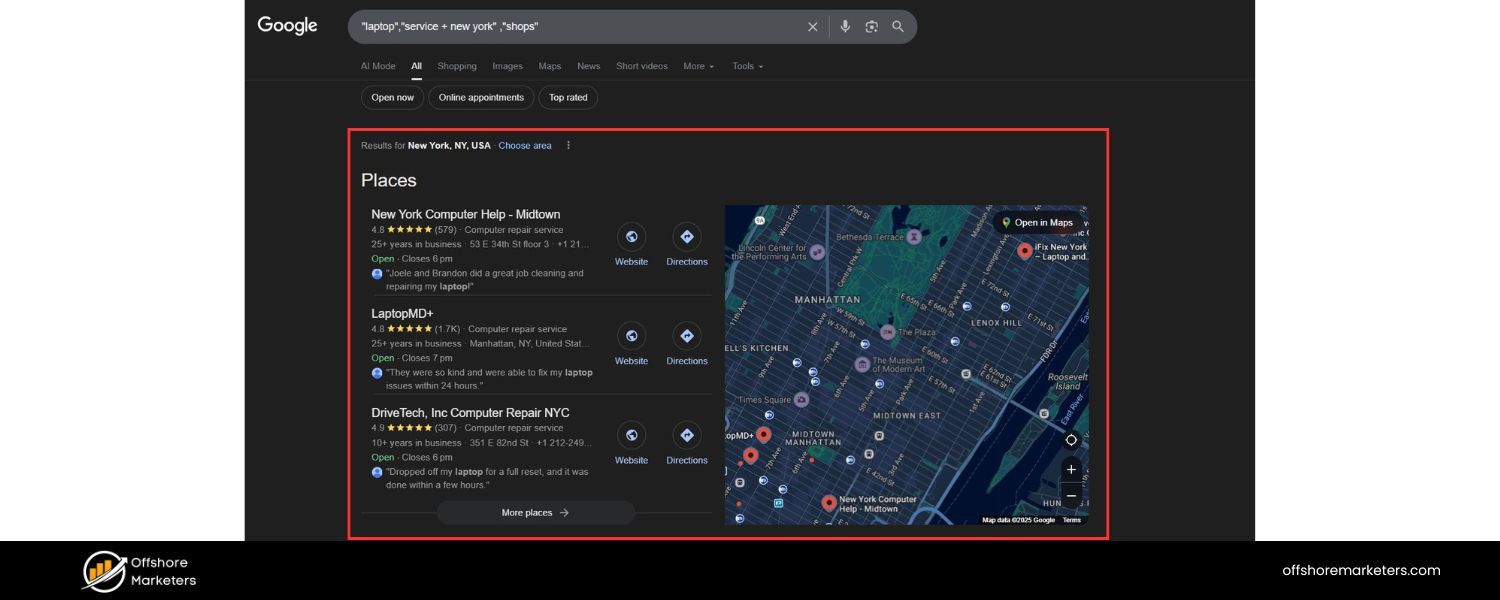
Not all keywords are equal in the zero-click era. Some search terms are far more likely to lead to a zero-click result than others. As a savvy marketer, you should evaluate keywords not just for volume and difficulty, but for click potential. This means:
A. Identify “No-Click” vs “Click-Through” Keywords
Generally, simple question queries, definition queries, and obvious informational queries are prone to zero-click results (because Google answers them). For example, searching “When is the next leap year?” will likely yield the answer immediately – not a great SEO target for traffic.
On the other hand, a query like “best project management software 2025” likely cannot be answered in one snippet – users will click around. So, as you do keyword research, pay attention to the SERP features present.
Search your target keywords or use tools to see if things like knowledge panels, direct answers, or heavy snippets show up. If a keyword triggers a ton of SERP features that satisfy the query, it may not be worth creating content solely to capture clicks.
As Semrush’s research put it, if you see a keyword with a large knowledge panel or instant answer, it’s “probably not the best keyword to target” because even a top ranking may not yield traffic. Instead, focus on keywords where users are more likely to need to click (comparisons, long-tail specifics, anything where a snippet can’t give full satisfaction).
B. Target High-Intent, Click-prone Queries
Commercial queries (product searches, “service + location”, “best X provider”) often still require clicks to get details or make a purchase. Long-tail informational queries that are very specific also often require a click because a snippet can’t cover everything.
These kinds of keywords might have slightly lower search volume than broad questions, but they can be more valuable. For instance, rather than targeting “coffee brewing tips” (which might trigger a snippet of a few tips), target “best way to brew French press for strong coffee” – a more specific query likely needing a detailed answer (and perhaps indicating a user more invested in the topic).
Look for keywords where the user is likely to want more than a one-liner. These are keywords where ranking #1 will still bring you traffic.
C. Leverage Question Keywords Wisely
Question-based keywords are double-edged. They make great featured snippet fodder (good for visibility), but often the snippet itself can satisfy them.
Use a two-pronged approach: target some question keywords for the purpose of capturing the snippet/voice answer (accepting that you might not get the click, but you get the exposure), and target others where you believe the snippet will actually lure people to click for the full explanation.
How do you know which is which? Think about the nature of the question. If answering it properly truly requires depth or nuance, users will likely click through. If it’s answerable in one sentence, most won’t. For example, “What is the capital of Australia?” – one fact, zero-click likely. But “How to improve my credit score?” – a snippet might list 3 tips, but many users will click to read the details.
Those latter types are worth targeting because even if Google gives a partial answer, users have a reason to come to you for more. As an added tactic, make your snippet answers tease deeper content. Provide a helpful yet intrigue-building answer.
For example, answer the question directly but mention there’s more: “The quickest way to improve your credit score is to pay down high balances and avoid new debt. However, improving significantly requires a few more steps…” – a user sees that in the snippet and might think, “I should click to see those additional steps.”
Crafting snippet content that sparks curiosity can help convert zero-click impressions into actual clicks.
D. Use Data to Guide You
Utilize tools like Google Search Console to see queries where you have high impressions but low clicks – these might be ones where you are showing up in a snippet or other zero-click context.
If you rank but users aren’t clicking, investigate those SERPs. It could be an opportunity (maybe you own the snippet, and that’s fine), or it could be a sign to adjust something (maybe add a more enticing meta description, or improve your content so that the snippet encourages click-through).
Also, some SEO platforms (Semrush, Ahrefs, etc.) have metrics or flags for “SERP features present” or even specific zero-click metrics. Similarweb, for instance, introduced a “Zero-Click metric” that shows the percentage of searches for a keyword that result in no clicks.
If a keyword has, say, 80% zero-click rate, you know it’s tough to get traffic from it – so either avoid it or only pursue it for brand visibility. Contrast that with a query that has, perhaps, a 20% zero-click rate – indicating most people do click something, which is a better target for traffic.
In short, choose your battles. You can’t avoid zero-click searches entirely (nor should you – being an answer source has its perks), but you can avoid pouring tons of effort into content that, even if it ranks, won’t bring traffic.
Refocus some of that effort on keywords and content that still entice users to visit your site. This strategic targeting ensures you’re maximizing the return on your SEO investment in terms of actual clicks and conversions.
3. Enrich Your Content and Build E-E-A-T (Expertise, Experience, Authority, Trustworthiness)
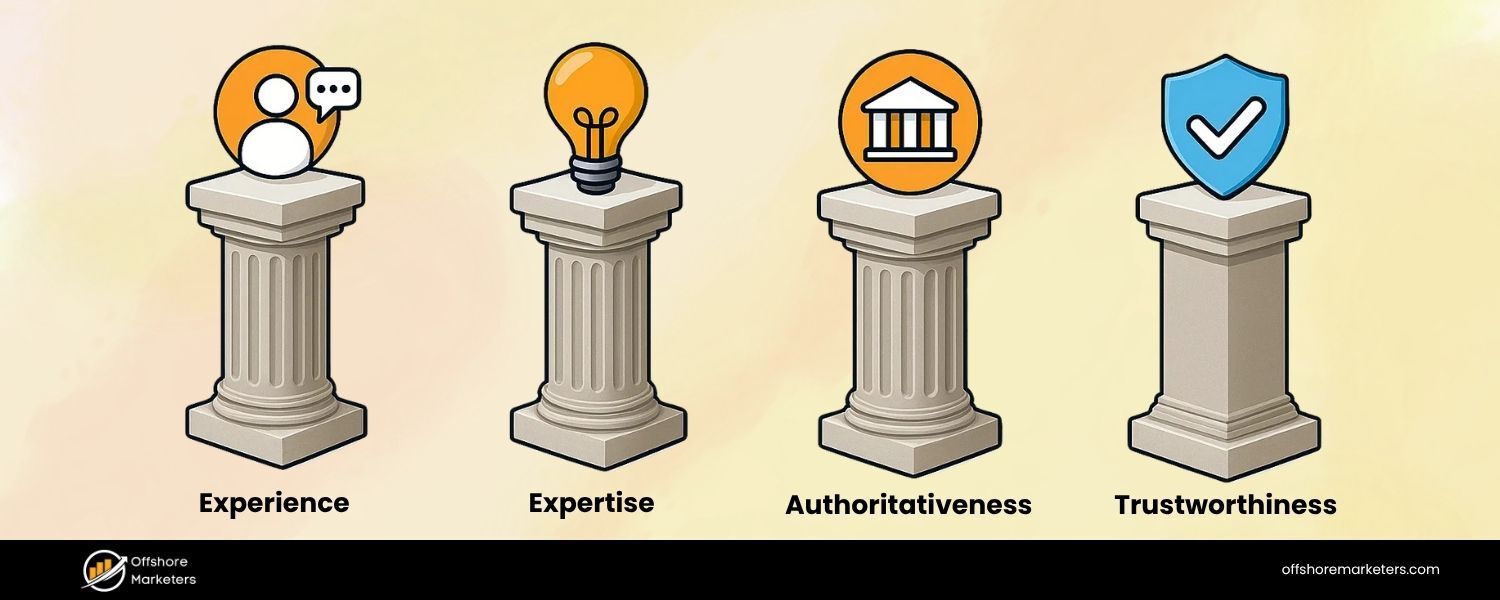
Why talk about content quality and credibility in a zero-click context? Because as Google takes more of the answering upon itself (via snippets or AI), it’s selective about who it pulls answers from. Google (and Bing’s AI, etc.) want to feature content that is accurate, trustworthy, and authoritative. So, to get your content chosen as the featured answer or cited by an AI, you need strong E-E-A-T.
Here’s how to bolster your content’s expertise and trust, making it more likely to be featured and to inspire user trust (which can lead to those post-zero-click conversions):
A. Demonstrate Expertise & Experience in Your Writing
If you have 25+ years of experience in your field (or your company does), let that shine through in your content. Use a confident, informative tone and include insights that a novice might not know. Share first-hand tips or data if possible (that’s the “experience” facet of E-E-A-T).
For example, an auto mechanic writing about “how to fix a leaky faucet” might mention a quick anecdote or pro tip from real-life fixes. This not only helps readers but also signals to Google that your content has depth and authenticity.
Content that reads as authoritative is more likely to be selected for snippets or cited in AI overviews. In fact, Google’s helpful content and core updates have been emphasizing E-E-A-T, so this boosts your SEO in general.
Neil Patel notes that increasing your content’s E-E-A-T (through authoritative writing, credible sources, author bios, etc.) can boost the chance that Google will use your content in zero-click results.
For instance, Google’s AI summary might cite Source A and Source B – it tends to pick sources that have authority on the topic (well-ranked, well-referenced, or with authoritative tone).
B. Cite Reputable Sources and Data
Ironically, in this answer, we are citing sources to ensure accuracy – you should do the same in your content. If you include facts or statistics in your articles, reference where they came from (and choose reliable sources).
Not only does this help users, it also can impress Google’s algorithms (and human reviewers) that you care about accuracy. If, say, you mention “According to a 2024 SparkToro study, ~60% of searches are zero-click,” it shows you’re bringing in expert knowledge.
Being a source of truth and well-researched content makes it more likely Google trusts your page for snippet material. Additionally, if Google’s AI scans your page and finds well-sourced statements, it might favour summarising from it.
C. Use Schema and Structured Data for Author Info and Reviews
Part of E-E-A-T is showing there’s a real expert behind the content. Include author bios on your blog posts that highlight credentials. Use Article schema or even Person schema for the author to convey that information to search engines.
If you have customer reviews or testimonials, markup that with Review schema (for example, on product or service pages). Visible trust signals like awards, certifications, or partnerships included on your page can also help (even if indirectly).
The goal is to exude trustworthiness, so that if Google is choosing between two snippet candidates, yours appears more credible.
D. Keep Content Up-to-Date
Google favors fresh, accurate info, especially for snippets on topics that change (think: “2025 tax brackets” – you’d better have the latest numbers if you want that snippet!). Review and update your high-value content regularly.
If an AI or snippet pulled info that’s outdated, it could not only mislead users but also cause Google to drop you as the source. Up-to-date content also tends to rank better, which is a prerequisite to being featured.
E. Monitor What Google Uses Your Content For
Sometimes your page might be the source of a featured snippet without you knowing (until you check or someone tells you). Use Google Search Console and SEO tools to identify when your content is appearing in SERP features.
If you see you’re getting impressions as a snippet or in PAA, double down on that content’s quality. Strengthen it further, as it’s clearly deemed relevant. Maybe expand it to cover even more related questions (so you can capture multiple PAAs or long-tail variations).
By being proactive, you can turn a single zero-click “appearance” into a hub of answers that dominates a topic.
Bottom line:
Quality and credibility are your tickets to ride the zero-click wave rather than be drowned by it. Google is effectively curating content to present as answers – treat it like an audition where only the best info wins.
If you consistently produce expert-level, trustworthy content, you increase your chances of being the one Google chooses to display. That means even when the click doesn’t come, your voice is still heard. And when users do need more or are making decisions, they’ll recall your authoritative voice and likely seek you out.
As one SEO professional put it, “Google is doing a better and better job of answering user queries without a click…Tweaking your SEO strategy [for zero-click] gives your site a better chance of [being the one that’s seen]”.
4. Embrace Local SEO and “Conversion Optimizations” on SERP
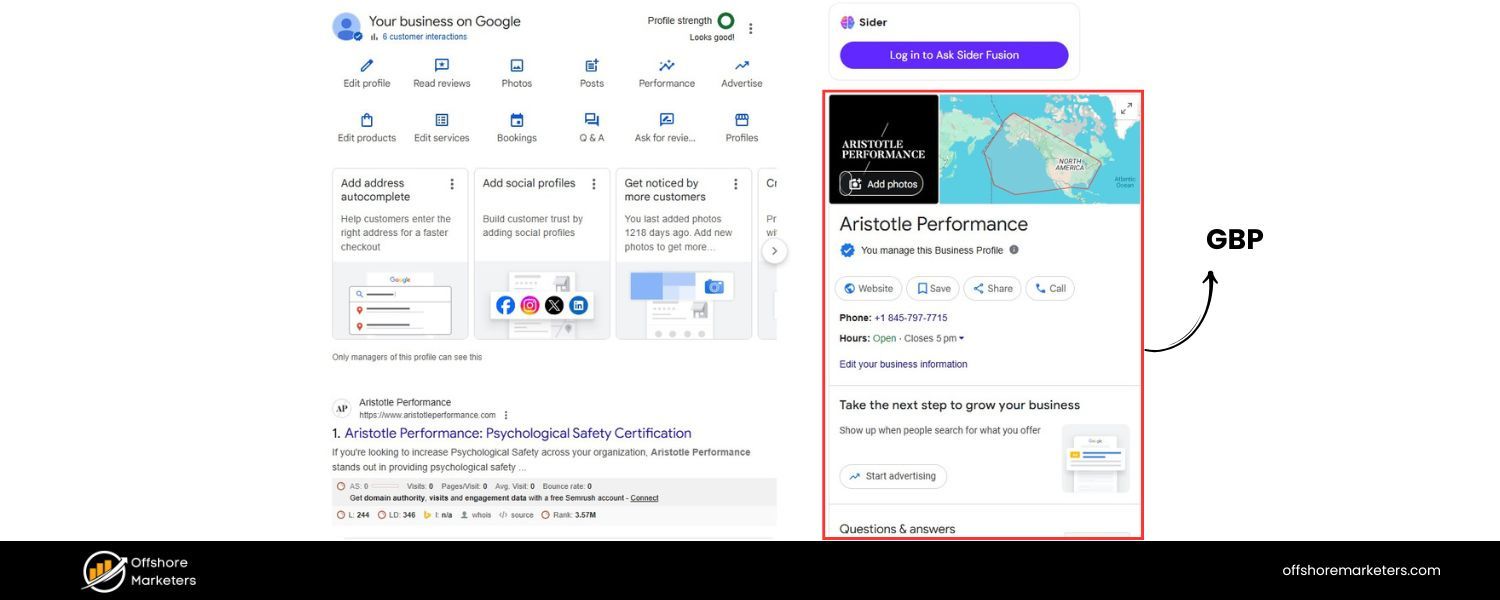
If you are a business that serves customers at a physical location or in a local service area, local SEO is absolutely critical in the zero-click world. Many local searches (think “plumber near me”, “best brunch in [town]”) end in zero clicks because Google’s local pack or Google Maps provides the needed info. Here’s how to make zero-click work for you in local and other scenarios:
A. Supercharge Your Google Business Profile
Ensure your Google Business Profile (GBP) is fully filled out and regularly updated. This influences whether you show up in the local pack (the map + 3 business listings) and how appealing your listing is.
Add your address, service areas, open hours, phone, website, and especially reviews. Encourage happy customers to leave Google reviews – a high star rating and number of reviews can make a user choose you straight from the SERP.
Also add photos (exterior, interior, products, team, etc.) – they make your listing more engaging. Essentially, treat your Google profile like a second homepage. Many users will make decisions from that info alone.
For example, a user searches “pizza near me”, sees your restaurant’s listing with 4.7 stars and “Open until 11pm” and a mouth-watering photo – they might call or navigate without ever clicking to your site. That’s a win, courtesy of a zero-click interaction.
B. Optimize for Local Pack Rank
Traditional SEO helps here (ensuring your website has local keywords, embedding Google Maps on your contact page, etc.), but also consistency of your NAP info across the web is key.
Make sure your business name, address, phone number appear exactly the same on your website and on directories (Yelp, Facebook, Yellow Pages, etc.). Consistent NAP signals to Google that you’re legitimate and boosts your local ranking.
Use local schema markup (LocalBusiness schema) on your site as well. If you have multiple locations, create a dedicated page for each with the correct info. The more Google trusts your business details, the more likely you appear prominently in zero-click local results.
C. Leverage Zero-Click Features for Conversions
Google’s SERP now often lets users take actions immediately. Examples: for restaurants, a “Reserve a table” or “Order delivery” button might appear. For services, a “Call now” button on mobile.
Ensure you’ve enabled relevant features – e.g., connect your booking system to Google if possible, or enable messaging through Google Business if that fits. If you’re a service business, look into Google’s Local Services Ads (which appear as certified providers at the very top for some queries – essentially zero-click leads where users select a provider without visiting a site).
While that’s a paid feature, it’s something to consider if organic zero-click isn’t enough. The point is, meet the user on the SERP and convert them right there if you can. A zero-click search doesn’t have to mean a lost customer; it can be an immediate customer if you play it right.
D. Provide Value-Added Info in SERP Features
Even outside of local, think of ways you can use Google’s own features to engage users. For instance, if you’re active on Google’s Q&A (the questions that users can ask on your business listing), monitor and answer those – many people read those answers on the SERP.
If you have products, use Google’s free product listings (so your products might show up in the Shopping tab or product carousel for zero-click visibility). Use Google Posts (the updates you can post via Google Business that show in your listing) to promote offers or news – users might see those in your knowledge panel.
All these enrichments make the zero-click experience with your brand more compelling, increasing the chance a user will choose you either by an offline action or by a branded search later.
E. Make the Most of Featured Snippets for Conversions
This one’s subtle but powerful: if your page is providing a featured snippet, think about how to turn that exposure into a click or conversion. One trick is ensuring your snippet content alludes to a solution or next step that the user would want to click.
We mentioned teasing deeper content. Additionally, make sure the snippet is part of content that has a clear call-to-action nearby. If a user does click through from a snippet, have a prominent next step ready (banner, signup, etc.) because they might not scroll much (they already got the answer portion).
Also consider using schema like FAQ on pages – sometimes Google will show a couple of FAQ questions under your search result even if you’re not snippet. Those expandable FAQs on the SERP can occupy more real estate and give users quick info (zero-click style), but often they’ll click your result for more answers. It’s a way of enhancing your listing to better compete on a feature-heavy SERP.
The goal here is to capture and capitalize on intent right on the SERP whenever possible. If the traditional “click to my site” path is shortened, make sure you don’t drop the ball in those short interactions.
A well-optimized presence on Google’s own properties can turn zero-click searches into phone calls, store visits, and other valuable conversions. In fact, Google has stated that features like knowledge panels and local packs can drive significant actions – they’re just not recorded as website clicks.
So, adapt your optimization to harvest those actions. Remember, SEO isn’t just about driving website visits; it’s about driving business. Zero-click search just routes some of that through different channels.
5. Diversify Your Traffic Sources & Marketing Channels
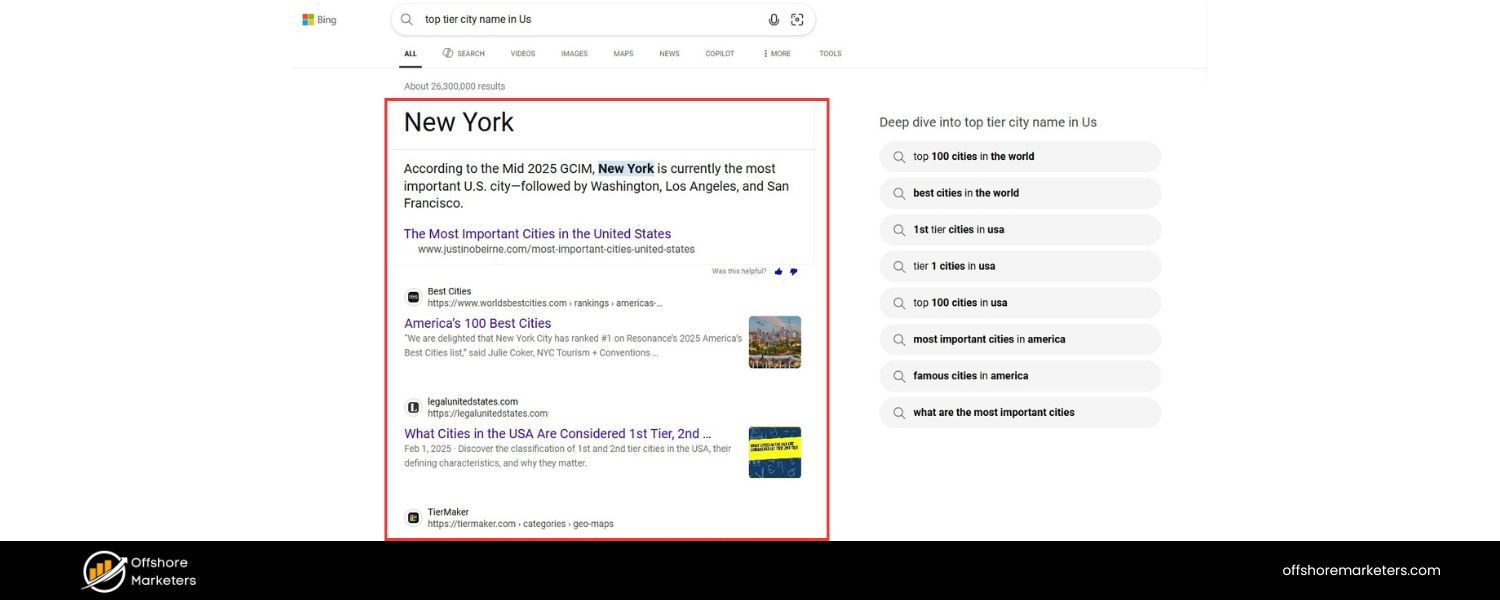
If Google’s going to keep some traffic for itself, a pragmatic response is not to put all your eggs in Google’s basket. Smart marketers are using the rise of zero-click as motivation to build a more resilient, multi-channel approach to reach their audience. Some tactics to consider:
A. Double Down on Other Search Platforms
While Google is dominant, don’t forget Bing (especially now with its AI integration), YouTube (the second largest search engine), and even newer AI answer engines like Bing Chat, ChatGPT (with browsing plugins), or specialized search apps.
For example, ensure your content is discoverable on Bing – it has its own featured snippets and if Google’s landscape is too competitive or zero-click heavy, Bing might actually send you a chunk of traffic. The same goes for YouTube – many users search there for how-tos or info (which is a “zero-click” in Google if a video carousel appears but a click on YouTube).
So, consider creating video content for key topics; even if it doesn’t drive site traffic, it builds your brand and could lead to YouTube engagement or referrals. As one marketing veteran would say, optimize for “search everywhere,” not just Google.
That includes emerging AI-driven search tools. For instance, there’s evidence users are turning to ChatGPT, Perplexity, and other LLM-based assistants for search-like needs.
While you can’t “SEO” those in the traditional sense, being a trusted brand and producing content that gets cited (or offering plugins/APIs for those platforms) could be ways to maintain presence there.
B. Invest in Brand-Building & Direct Engagement
One way to sidestep Google’s hold is to have people seek you out directly. Increase your brand awareness so that users navigate to you without searching, or they specifically search for your brand (which often still results in a click, since they want your site).
Tactics include content marketing for thought leadership, social media engagement, PR, webinars, community building, etc. The idea is to foster an audience that values your content/offerings enough to come straight to you.
If you have a loyal following via email newsletters, for example, you’re not as hurt by Google’s zero-click answers – your readers go to the content you send them. Similarly, focusing on email marketing and community means you’re not dependent on search for every interaction.
If you noticed, some publishers responded to “Google Zero” fears by prioritizing newsletters and subscription models – take a page from that playbook: build assets (email list, followers, repeat visitors) that Google can’t take away.
C. Leverage PPC and Paid Visibility
If organic is delivering fewer clicks, consider supplementing with paid search or other paid placements to ensure you stay visible. For instance, running Google Ads for important keywords can put you at the top (above the snippets and such) – those are clicks Google won’t intercept (though of course, it costs you).
Similarly, using Google’s Local Services Ads (for certain industries) can put you in that prime zero-click slot with a “Google screened” badge. Or using product listing ads if you’re an e-commerce to show your product with image and price in shopping results.
Paid results still often get clicks even in a zero-click heavy SERP, especially if they’re well-crafted. According to WordStream, many businesses are adopting a “pay-to-play” mindset for highly competitive queries – if Google is keeping more organic clicks, shifting budget to PPC can capture those “lost” opportunities. The key is to do it smartly: identify where organic is struggling due to zero-click and bolster with paid in those areas.
D. Expand Social and Content Channels
Remember that not every question is asked on Google. Platforms like Reddit, StackExchange, Quora, LinkedIn, Facebook Groups, TikTok – all are places people search for answers or recommendations.
Ensure your content strategy extends there. For instance, if zero-click is cutting into your “top of funnel” info traffic, maybe post some of that content as an article on LinkedIn or as answers on Quora – places where if users search internally, you can capture them.
Or create engaging infographics or short videos for social media that address those common questions. The traffic from those platforms might be smaller individually, but together it adds up and it’s traffic that you have more control over. Plus, success on those channels can feed back into Google SEO (through brand searches or backlinks).
E. Adapt Your KPIs and Mindset
This is more about strategy – start valuing impressions and brand reach as much as clicks. In SEO reports, track metrics like Search Console “Impressions” and “Average Position”, not just clicks. Monitor if your brand queries (people searching your name) are rising – a sign your zero-click presence is working.
Look at engagement metrics like calls from Google, direction requests, etc., if applicable. And importantly, educate stakeholders that a drop in organic visits doesn’t automatically equal lost business if other metrics (calls, direct traffic, conversion rates) are healthy.
We need to broaden what we consider “SEO success.” In fact, pivot to thinking of SEO as “Search Experience Optimization” or even “Answer Engine Optimization”, where sometimes the goal is to deliver an answer (with your brand attached) rather than solely to drive a click. This mindset helps you embrace zero-click as part of a holistic marketing strategy rather than see it purely as a threat.
Ultimately, diversification ensures that even if Google’s algorithms or layouts change (and they will), you won’t be entirely at their mercy. You’ll have other pipelines of potential customers. One marketing CEO aptly said, “If Google is sending you less traffic, it’s time to stop relying on one source and build a more resilient strategy. Expanding your reach through other channels helps reduce dependency on organic search.”.
That sums it up perfectly – don’t put all your traffic eggs in Google’s basket. Use Google for what it’s best at (broad reach, visibility), but cultivate other baskets too, so your marketing thrives no matter how search evolves.
6. Measure What Matters: New Metrics for a Zero-Click Era
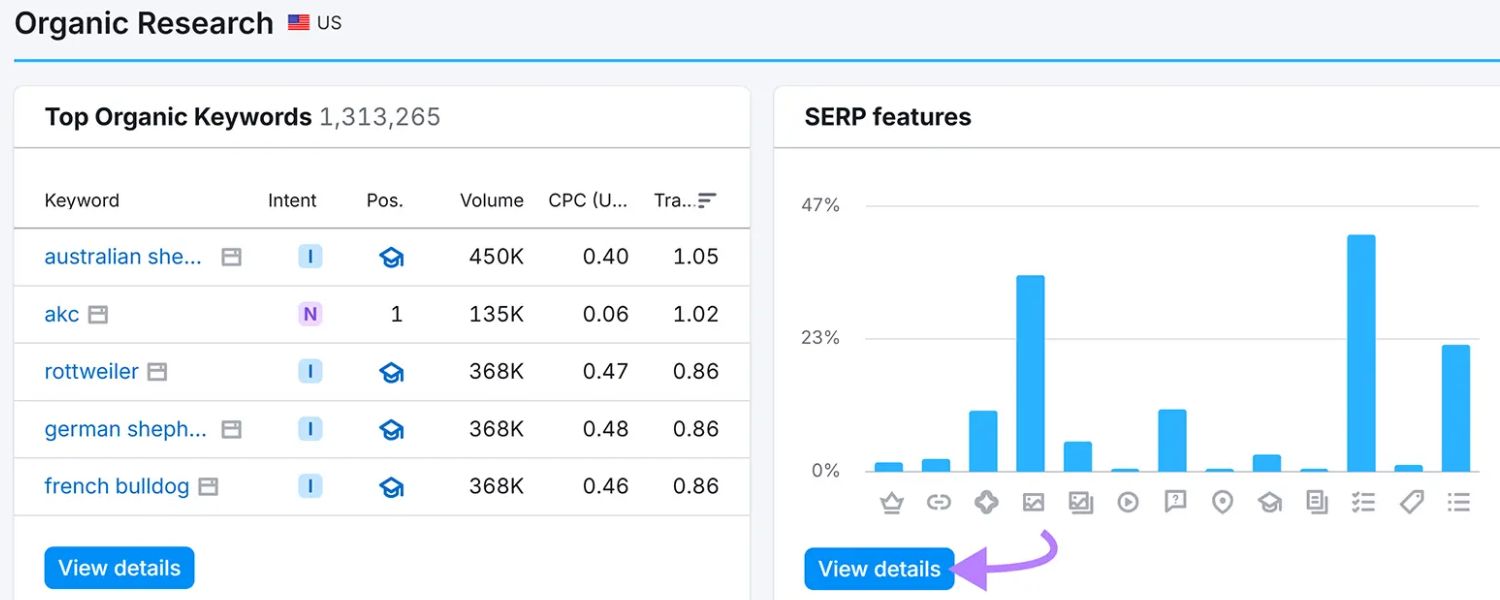
With all these changes, it’s crucial to update how you measure SEO success. If you only look at traditional metrics like organic click-through rate or website sessions, you might not see the full picture of what your search presence is achieving. Here are some metrics and approaches to focus on:
A. Track Impressions and SERP Visibility

Google Search Console provides “Impressions” – how often your site appeared in search results (even if not clicked). As zero-click rises, impressions become a vital metric of reach.
Monitor your total impressions and average position for key queries. If impressions are steady or growing while clicks drop, it means you’re still getting in front of people – they just might be getting their answer on Google.
You might break this down by query type: e.g., see if your impressions for question queries are high (maybe you’re in snippets) and note that as a brand visibility win. Additionally, some SEO tools can help you track if you’re present in SERP features.
For example, track how many featured snippets or PAA answers you hold. If you see “snippet count = 5”, that’s significant even if it doesn’t show up as click traffic. We’re essentially tracking our share of voice on the SERP.
Over time, you might even set goals like “Maintain snippet presence for X queries” or “Appear in local pack top 3 for Y searches” as success metrics, aside from just visits.
B. Monitor Brand Search and Direct Traffic

One indirect way to gauge if zero-click visibility is helping is to look at brand-related searches and direct traffic. If lots of people see your brand via zero-click answers, you might notice an uptick in folks searching your brand name (or URL) later, or just typing it in (direct visits).
Google Trends or Search Console’s queries report can show if branded queries are on the rise. In Google Analytics, check Direct traffic trends – especially any spikes that correlate to when you gained a featured snippet or when an AI overview might have cited you.
If you suspect users are coming later, consider running a simple survey or using analytics campaign parameters for certain content to see if users mention “found you via Google answer” (somewhat tricky, but you can get creative).
The main idea: don’t measure only immediate referral, measure eventual outcome. If direct or brand traffic is climbing, that can justify your zero-click optimization efforts even if immediate click numbers aren’t.
C. Focus on Engagement and Conversion Rates
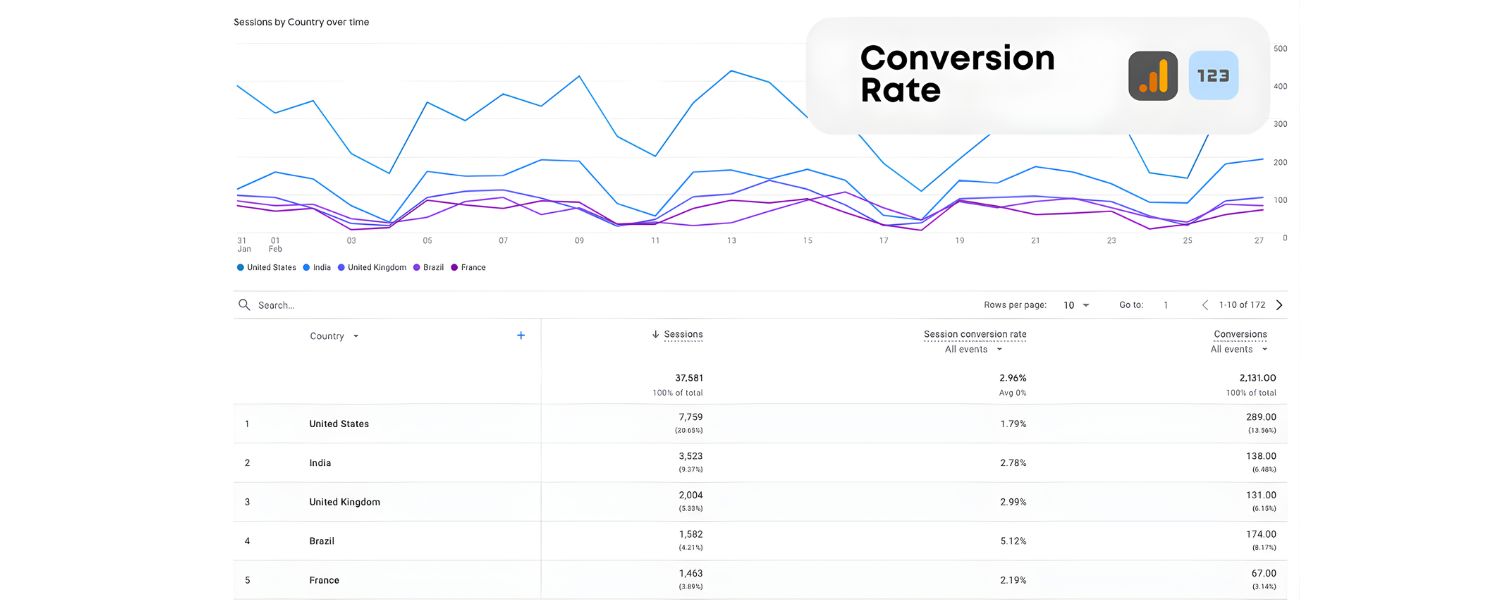
Since you may get fewer clicks but possibly more qualified ones (those who click despite an answer likely need more or are higher intent), pay attention to what happens after the click.
Are the users who come through converting at a higher rate? Are they spending more time or viewing more pages? If yes, then losing the low-intent clicks isn’t hurting you as much – you’re essentially filtering for quality.
Also, measure “assisted conversions” in Google Analytics (under multi-channel funnels). See how often Organic Search was an earlier touchpoint even if not the final one. For example, maybe Organic Search (zero-click exposure) → user doesn’t click → later user searches your brand and converts.
That would show up as Organic assisting a Direct conversion. Those assists validate that your search presence played a role. Set up attribution models that give some credit to impressions or first touches, not just last click.
D. Utilize Custom Reports and Dashboards
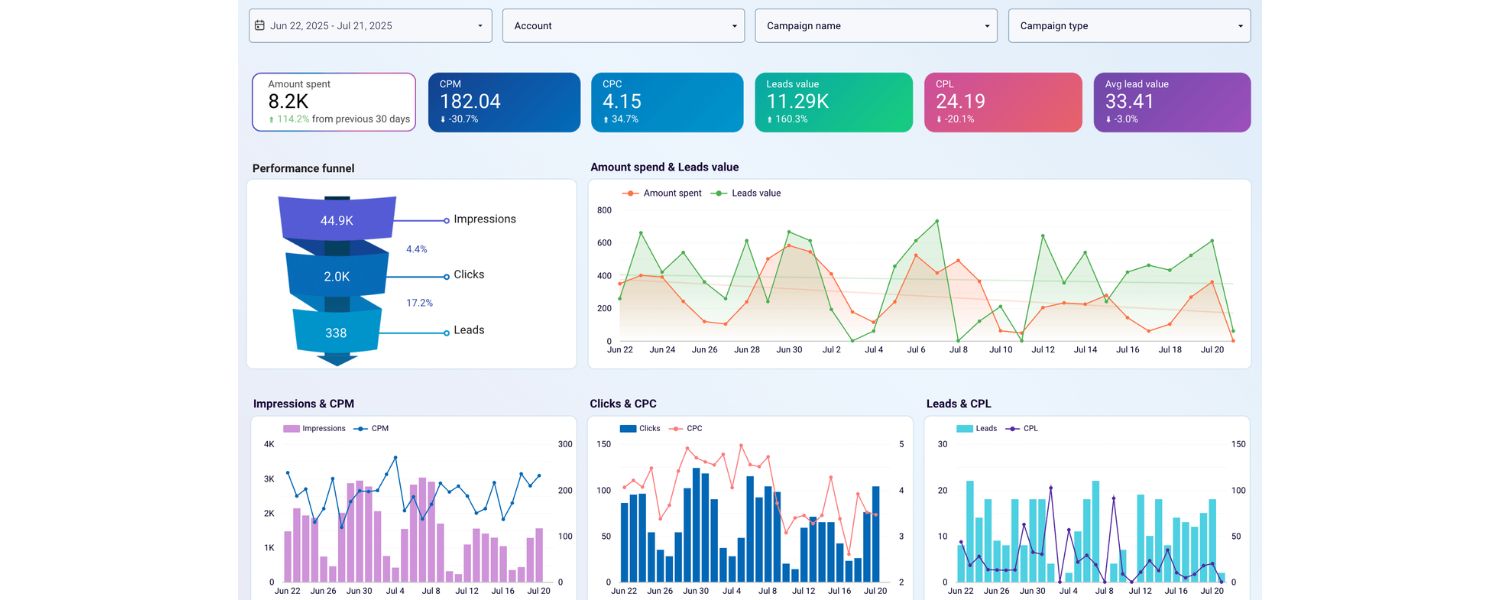
It might help to create a “Zero-Click Impact” dashboard. In Google’s Looker Studio (formerly Data Studio) or your analytics tool of choice, combine metrics like: impressions, clicks, average position, direct traffic, brand search volume, conversion count, etc.
This can help demonstrate to stakeholders the complete story. For instance: “This month, our content was seen 100,000 times on Google (impressions). We only got 10,000 clicks, but we also saw a 20% month-over-month jump in direct visits and a higher conversion rate, indicating our visibility is translating to more customers indirectly.” Having this holistic view ensures you’re not undervaluing SEO efforts in the zero-click era.
E. Keep an Eye on Competitive Presence

Another thing to measure is how you stack up versus competitors in these new metrics. Are you the one getting the snippet or is it a competitor? If competitor, their brand is getting that exposure – which might mean they’ll see the benefit in brand searches later.
There are tools that can tell you which domains have the most featured snippets or PAA appearances for certain topics. Use that to benchmark and aim to outrank or out-feature the competition.
If you lose a snippet to someone, that’s an opportunity to improve your content and win it back (monitoring snippet “wins and losses” can be a new KPI to track).
In summary, success in SEO is no longer as simple as “traffic went up, good”. You need to capture the more nuanced value of search visibility. This might require educating your team/clients: impressions are a valuable metric, as is assisted conversion, etc.
It’s a shift from pure click metrics to attention and influence metrics. The ultimate question to answer is: Are our search efforts still driving business outcomes, even if the path is indirect? By broadening what you measure, you’ll be able to confidently say “yes” and pinpoint how.
For example, you might find that although organic traffic dipped 10%, your overall leads didn’t drop because people found other ways to reach you after seeing you on the SERP. That’s a critical insight.
Adopting these new metrics ensures you continue to get credit for SEO’s contribution and can fine-tune your strategy in this new landscape. In a way, it’s making SEO more like traditional advertising in terms of measurement (where reach and impressions matter).
As one content head noted, the decline in click-through rates forces a renewed focus on quality, value, and accessibility – which ultimately might make our web presence stronger(# “With declining click-through rates, brands need to make sure their websites meet accessibility standards, … deliver a seamless user experience for the visitors they do get.”). And when we measure the right things, we can see that strength in the data.
Conclusion: Embrace the Evolution (And Turn Zero-Clicks into Opportunity)
Zero-click searches are not a passing trend or an anomaly, they’re the new normal. But as we’ve explored, “no click” doesn’t mean “no opportunity.” It simply means the game is changing, and as a marketer with decades of experience, you know that adapting to change is part of the job.
Instead of seeing Google’s increasingly self-contained answers as a threat, see them as a call to innovate. By focusing on providing value in whatever format users want it, you ensure your brand remains visible and relevant. Sometimes that value will be delivered in, right on the SERP.
Other times, it will be through engaging content that users choose to click into for deeper insight. Often, it will be a combination – a user gets a quick answer today and remembers you tomorrow when they need more.
Let’s quickly recap the key moves to thrive in the zero-click era:
1. Own those SERP features
Aim to be the featured snippet, the knowledge panel result, the map pack leader. When you occupy these spots, zero-click works in your favor by amplifying your reach.
2. Adapt your content strategy
Structure content for snippets, answer questions clearly, and invest in authoritative, trustworthy writing. In a world where Google picks and chooses answers, make sure it picks yours by being the best answer out there.
3. Optimize beyond the click
Treat your Google Business Profile, rich results, and on-SERP info as extensions of your brand. If a user never visits your site, can they still convert or engage with you from what they see on Google? In many cases, yes – if you’ve optimized for it.
4. Diversify your traffic streams
Don’t be overly reliant on any one platform (even Google). Build your brand, engage on other channels, and consider paid tactics to supplement organic gaps. A holistic approach will outlast any one algorithm change.
5. Evolve your KPIs
Redefine what success looks like. It’s not just about clicks; it’s about visibility, engagement, and downstream impact. Make sure you’re capturing the full value your search presence provides.
Above all, keep the user’s experience front and center. Google’s zero-click push is driven by its desire to serve users better (and, admittedly, to keep them in Google’s world). If your mindset is also to serve the user – by giving them convenient answers, great content, and easy ways to get what they need, then you’ll naturally align with the way search is evolving.
Remember, every change in SEO (and there have been many over 25 years!) has two sides: those who resist and falter, and those who adapt and flourish. Zero-click searches are no different.
The rules have changed, but the game can still be won. By implementing the strategies discussed, you’ll not only protect your marketing performance, you’ll also find new ways to connect with customers, build trust, and ultimately drive growth.
So, don’t fear the zero-click – embrace it. Make your presence on the SERPs so strong that whether or not a click happens, your brand benefits. The companies that do this will turn Google’s “answer engine” into their own marketing engine.
Call to Action:
It’s time to turn these insights into action. Start by auditing your own search results, what zero-click opportunities exist for your business right now? Pick one strategy from above and put it to work this week. Whether it’s updating a piece of content for a featured snippet or sprucing up your Google Business profile, take that step.
The search landscape may keep changing, but with the right moves, you can ensure your brand is always front-and-center, clicks or no clicks. Now is the moment to refine your SEO strategy for this new era and stay two steps ahead of the competition. The answers are out there, make sure they’re coming from you!
.png)
Shopify SEO: Guide to Ranking Your Store and Driving Sales
Most Shopify store owners set up their store, list their...
Content Marketing : Definitive Guide to Strategy, Content Types, and Measurable ROI
Content marketing generates 3x more leads than outbound marketing at...
Above the Fold: Guide to Conversions, Rankings and Faster Pages
Above the Fold in 2026: The Complete Guide to Conversions,...
Off-Page SEO Checklist: Guide to Building Real Authority
Most websites spend months creating great content, only to wonder...
What Is Keyword Bidding? The Complete Strategy Guide for Smarter Ad Spend
Most advertisers believe the highest bid wins the auction. It...
What Is Google Trends? The 2026 Marketer’s Complete Guide
If you are not already pulling weekly insights from Google...
If you want a growth partner who will get to know every aspect of your business and treat your budget like their own — we are the right fit.
.png)


.png)
.png)
.png)
.png)
.png)
.png)
2026 ALL RIGHTS RESERVED MADE IN INDIA
