
Outshine Your Competition with Competitive Benchmarking
August 12, 2025
⚡ TL;DR
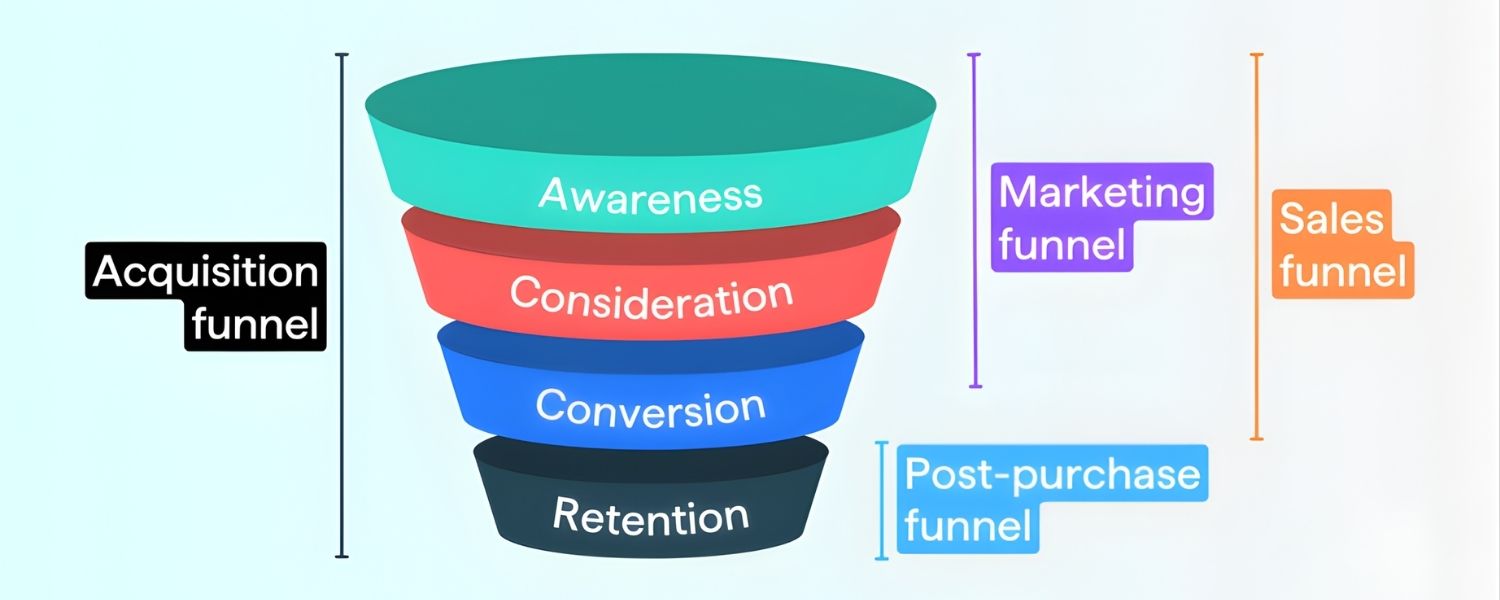
Competitive benchmarking is the practice of measuring your performance against competitors using real data. Done right, it turns competitor intelligence into a repeatable growth advantage. This guide covers the full process, compares the top 8 tools, and gives you a 6-step framework you can implement this week.
Every business leader wants to know the same thing: how do we stack up against the competition? That question is exactly what competitive benchmarking is designed to answer — with data, not guesswork.
In 2026, competitive benchmarking has evolved far beyond tracking a handful of keyword rankings. It now spans organic search performance, paid media spend, content velocity, customer experience scores, pricing intelligence, and even AI-generated brand mentions. Companies that benchmark systematically grow 2-3x faster than those that rely on intuition alone.
Whether you’re a startup trying to find your footing or an established brand defending market share, this guide gives you the complete playbook: what to measure, which tools to use, and exactly how to turn data into decisions.
🎯 2-3x faster growth vs non-benchmarkers
🔍 8 tools compared in this guide
📚 Definition: What Is Competitive Benchmarking?
Competitive benchmarking is the process of comparing your business’s key performance metrics, strategies, and processes against direct competitors to identify performance gaps and opportunities for improvement. It transforms competitor data into actionable intelligence that drives strategic decisions.
What Is Competitive Benchmarking?
Competitive benchmarking is more than a one-off audit. It’s a repeatable process of gathering data about your competitors, comparing it against your own metrics, and translating the difference into a clear action plan.
The core idea is straightforward: you don’t operate in a vacuum. Your customers are comparing you to alternatives every single day. Competitive benchmarking lets you see what they see — and get ahead of the comparison.
At its most fundamental level, competitive benchmarking answers three questions:
- Where are we behind? — metrics where competitors outperform you
- Where are we ahead? — your genuine competitive advantages to double down on
- Where is the opportunity? — gaps competitors haven’t filled that you can claim
Competitive Benchmarking vs Competitive Analysis: What’s the Difference?
These terms are often used interchangeably — but they serve different purposes. Here’s how to think about each:
| Dimension | Competitive Benchmarking | Competitive Analysis |
|---|---|---|
| Focus | Quantitative metrics & KPIs | Qualitative strategy & positioning |
| Question answered | How much better/worse are we? | What are competitors doing? |
| Output | Scorecard with gap analysis | SWOT or competitor profile |
| Frequency | Ongoing (monthly/quarterly) | Periodic (major strategy reviews) |
| Data type | Traffic, rankings, engagement rates | Product features, messaging, pricing |
| Best used for | Performance optimisation | Market entry & positioning |
The smartest growth teams do both — competitive analysis to understand the strategic landscape, and competitive benchmarking to track whether their strategy is actually working.
Why Competitive Benchmarking Matters More Than Ever in 2026
The business environment has never been more transparent — or more competitive. With AI tools lowering the barrier to entry in almost every industry, and Google surfacing competitor alternatives directly in search results, the cost of not benchmarking has never been higher.
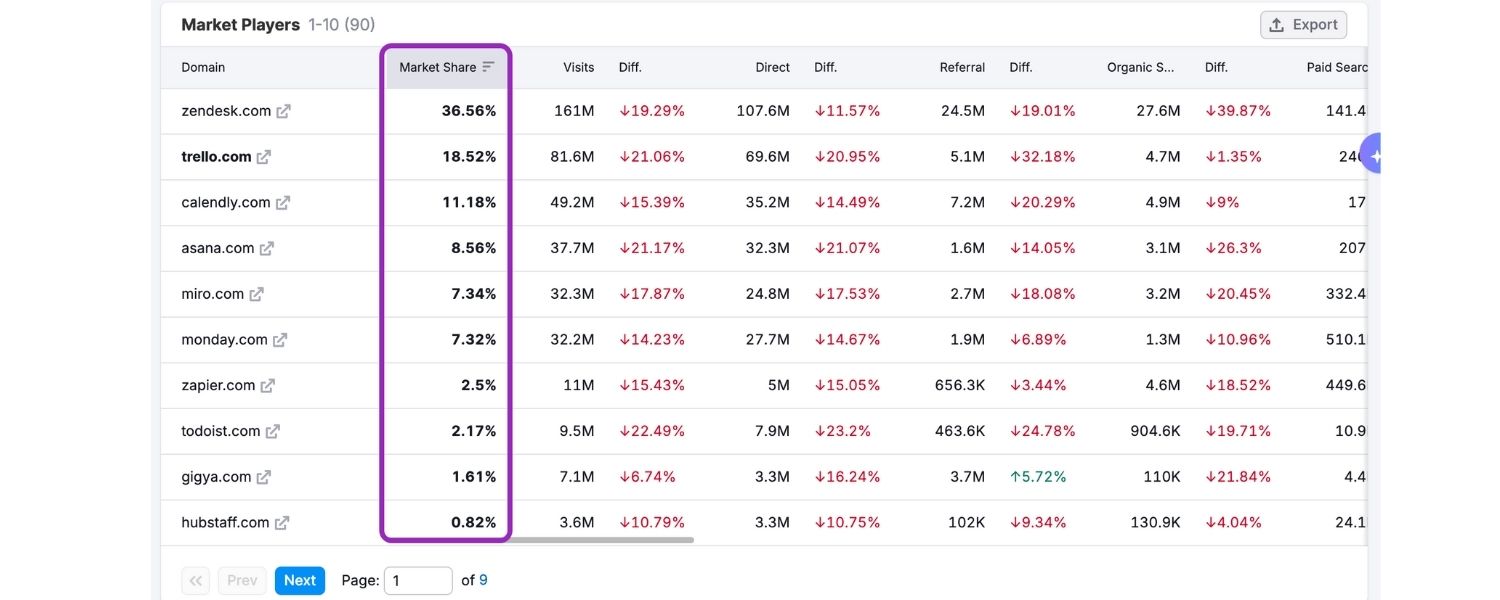
Here’s why systematic benchmarking is a non-negotiable in 2026:
- AI is rewriting search results — Google AI Overviews now appear for 40-60% of informational queries. Your competitors’ content authority directly affects whether they (not you) get cited by AI.
- Content velocity has tripled — companies publishing 3+ articles per week are capturing topic clusters faster than ever. If you’re not tracking competitor content output, you’re flying blind.
- Pricing is now a real-time decision — e-commerce and SaaS competitors adjust pricing dynamically. Quarterly price benchmarking is no longer sufficient for high-competition categories.
- Customer expectations are set by the best in your category — not by the average. If your top competitor delivers 2-hour customer response times, that’s the new standard your customers expect from you.
🌟 Companies using benchmark data close 28% more deals
💡 Pro Tip
Don’t benchmark against competitors you’d never realistically overtake. Identify 2-3 “aspirational” competitors (one tier above you) and 3-4 “current” competitors (your actual SERP rivals). Benchmark both groups differently — aspirationals show you where to go, current competitors show you gaps to win now.
Types of Competitive Benchmarking
Not all benchmarking looks the same. The type you choose should match your business objective. Here are the four primary frameworks:
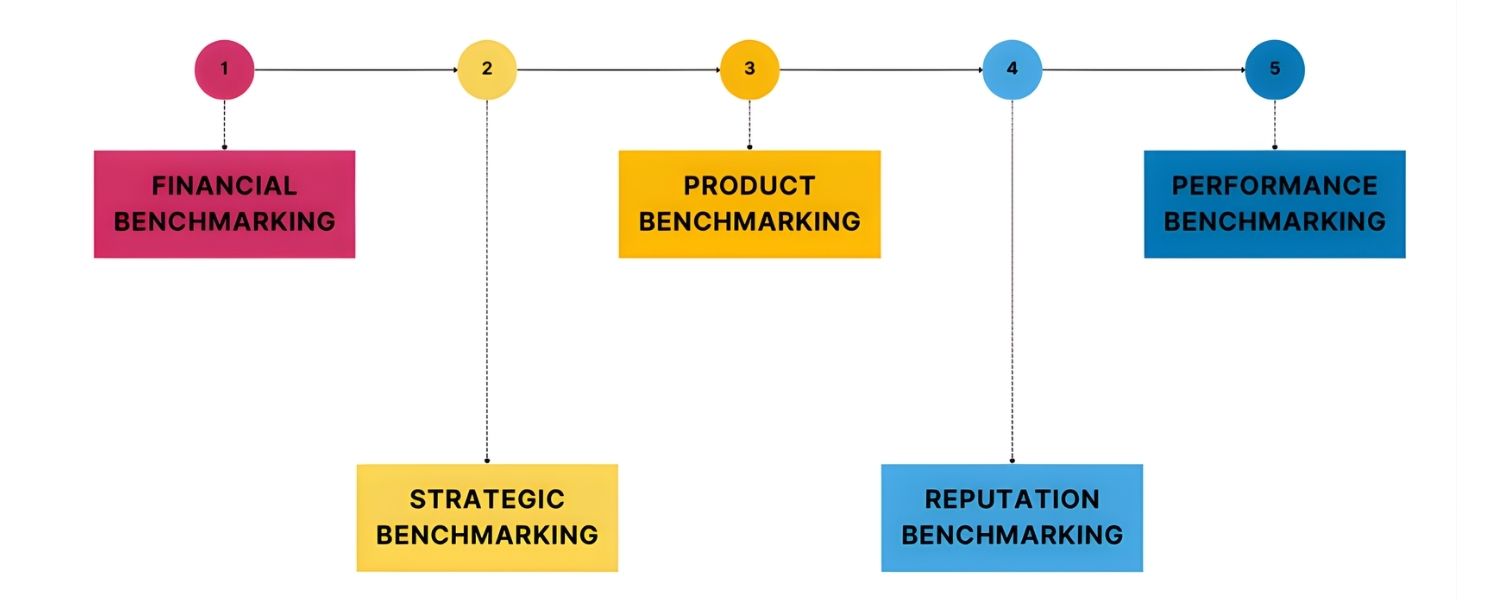
1. Competitive Benchmarking
The most common form. You directly compare your KPIs against same-industry rivals. This is what most people mean when they say “competitive benchmarking” — measuring organic traffic, content output, social engagement, pricing, and customer ratings head-to-head.
Best for: Marketing teams, SEO managers, sales leaders tracking market share
2. Internal Benchmarking
Comparing performance across departments, regions, or time periods within your own organisation. A retail chain might benchmark its top-performing stores against underperformers. An agency might benchmark Q1 vs Q3 client retention rates.
Best for: Operations leaders, multi-location businesses, franchise operations
3. Functional Benchmarking
Looking outside your industry to compare specific functions. A B2B SaaS company might study how Amazon handles customer onboarding, even though Amazon isn’t a competitor. The goal is to find best-in-class performance regardless of sector.
Best for: Customer experience teams, product managers, HR and operations
4. Strategic Benchmarking
The highest-level form — comparing long-term business strategies, market positioning, and growth models. This answers questions like: “Why is our competitor growing 3x faster? Is it their go-to-market model, their pricing, or their product velocity?”
Best for: C-suite, growth strategy teams, board presentations
Key Metrics to Include in Your Competitive Benchmarking
The metrics you track determine the quality of your insights. Here are the six critical areas to benchmark, with the specific data points that matter most in 2026:
1. Organic Search Performance
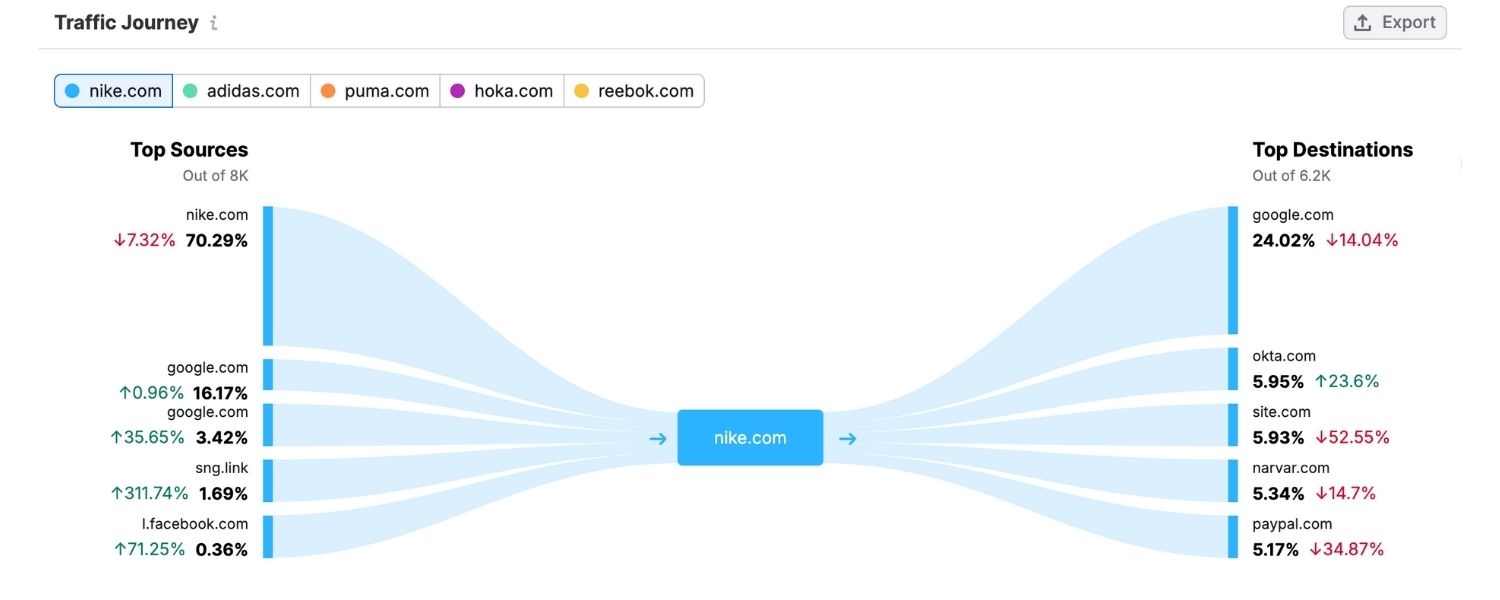
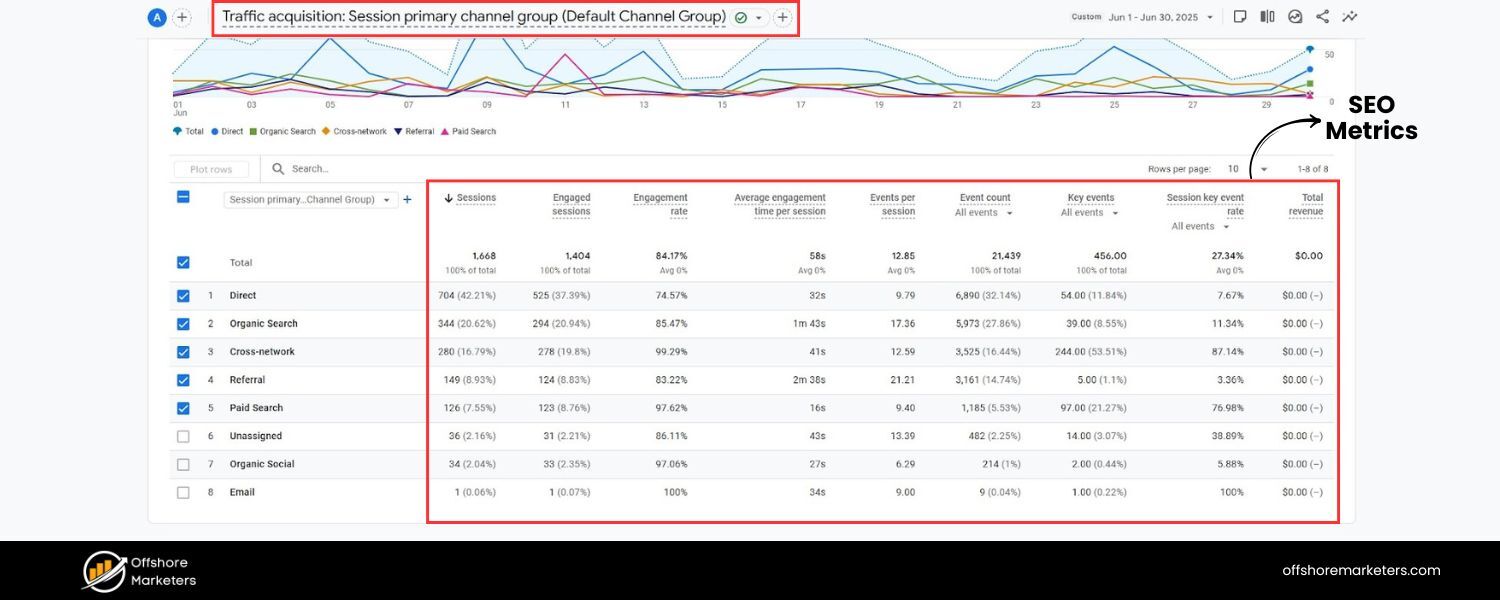
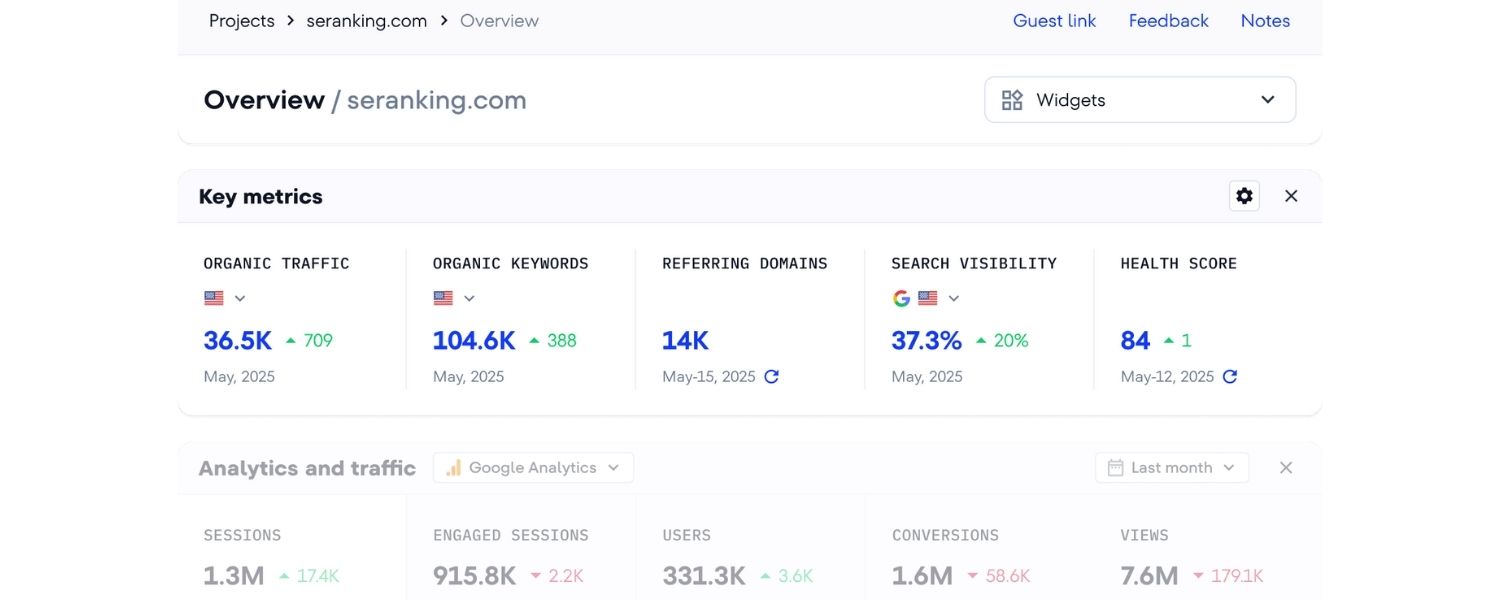
- Total organic traffic (monthly estimates via Ahrefs/Semrush)
- Number of keywords in top 3, top 10, top 20 positions
- Domain Rating / Domain Authority score
- Total referring domains (backlink profile strength)
- Content velocity (new pages indexed per month)
2. Content Performance
- Number of blog posts / articles published monthly
- Average content length of top-ranking pages
- Topic cluster coverage (which subjects they own)
- Featured snippet and People Also Ask coverage
3. Paid Media Presence
- Estimated Google Ads spend (via Semrush/SpyFu)
- Active ad creatives (Meta Ad Library)
- Target keywords in paid campaigns
- Landing page conversion elements (CTA, social proof)
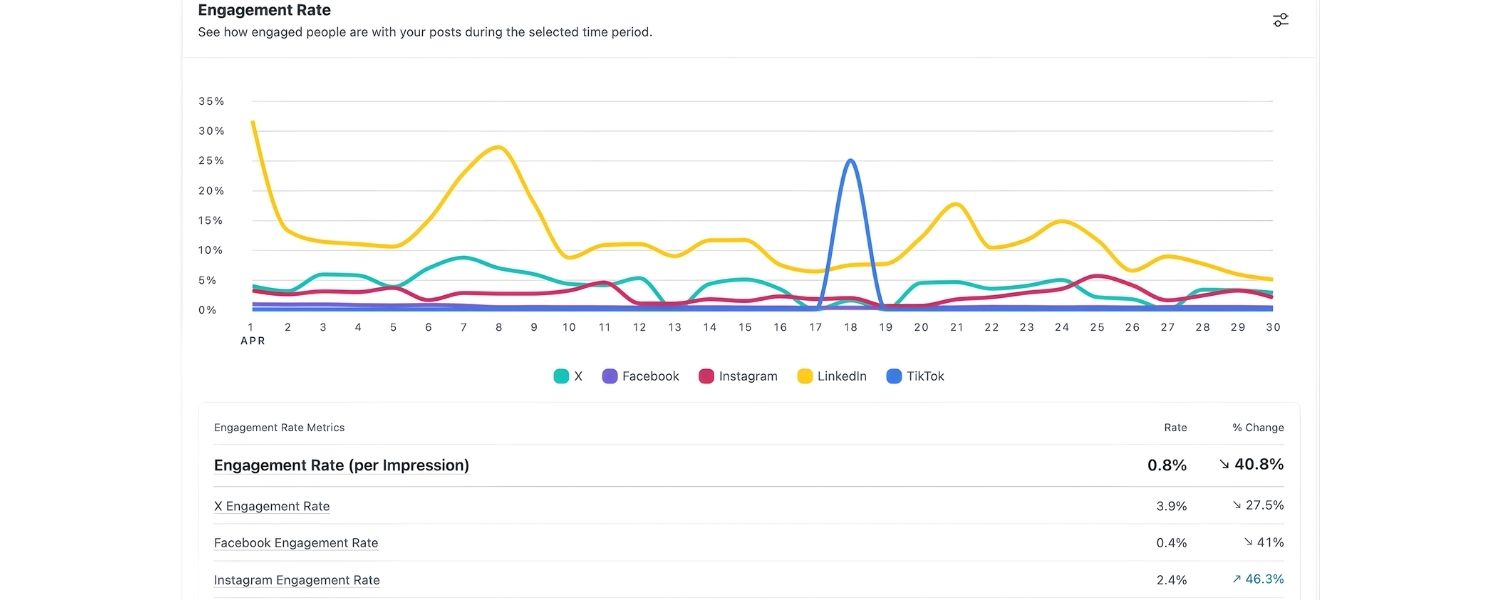
4. Social Media Engagement
- Follower growth rate (not just total followers)
- Average engagement rate per post by platform
- Content format performance (video vs carousel vs static)
- Posting frequency and peak posting times
5. Customer Experience Metrics
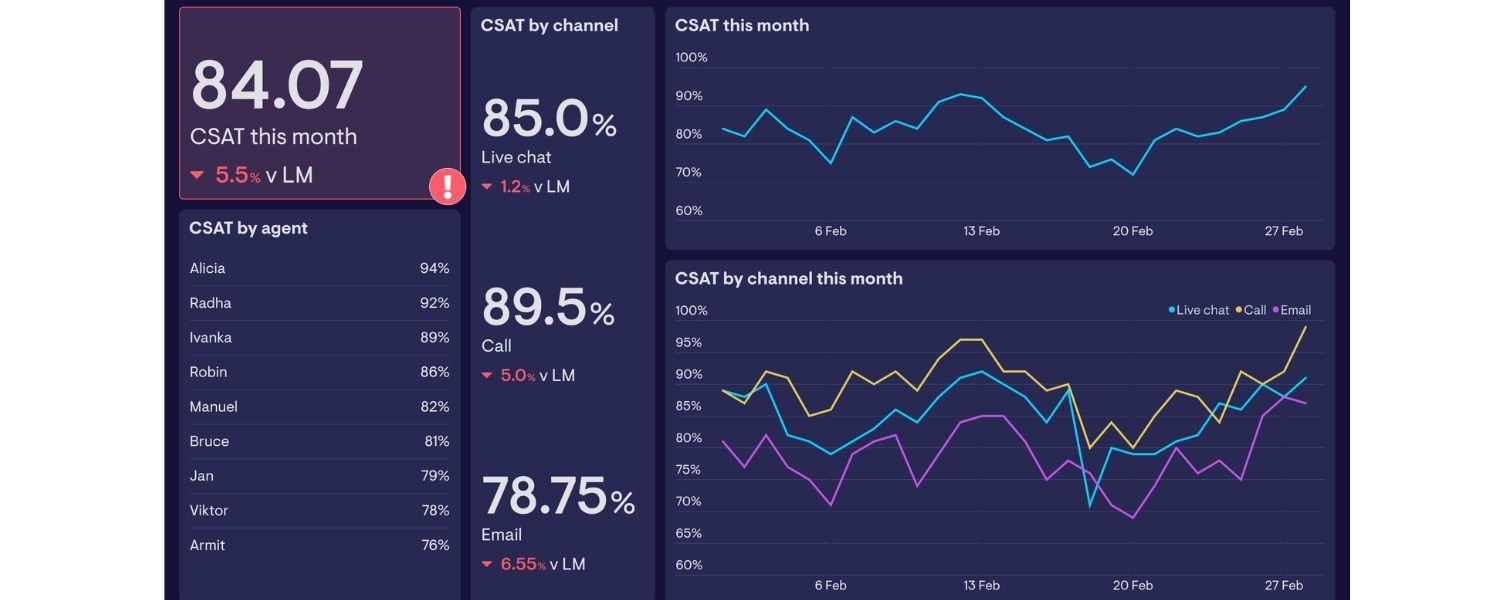
- Review ratings on Google, Trustpilot, G2, Capterra
- Review volume and recency
- Most common praise and complaints (NLP of reviews)
- Response rate and response time to negative reviews
6. Pricing Intelligence
- Pricing model (flat rate, tiered, usage-based, custom)
- Entry price point and premium tier ceiling
- Free trial / freemium availability
- Discount and promotion frequency
🌟 Key Takeaways: Metrics That Matter
- Track organic traffic estimates for every competitor — even rough numbers reveal strategy
- Monitor content velocity — the competitor publishing 20 articles/month will dominate topical clusters
- Review data is free competitive intelligence — customer complaints in reviews = your positioning opportunity
- Paid ad analysis reveals which keywords competitors are willing to pay for — high-value signal for your own SEO
How to Conduct Competitive Benchmarking: A 6-Step Framework
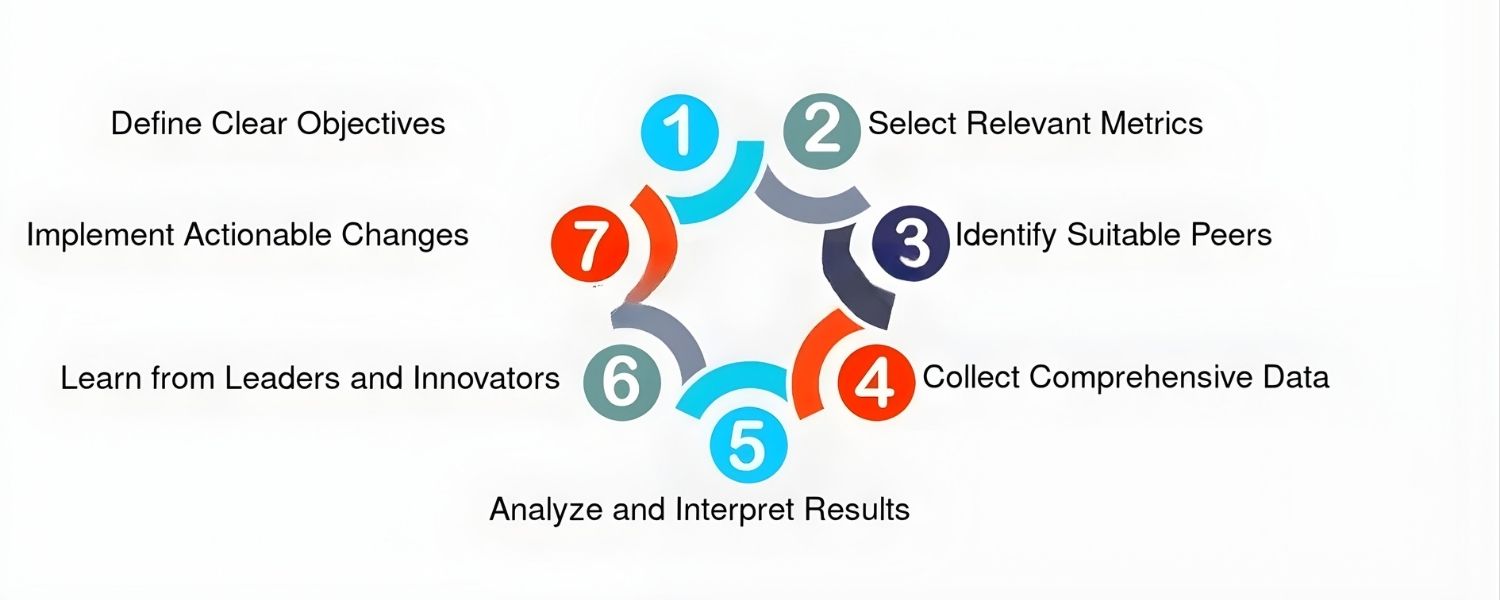
Most companies skip benchmarking because it feels overwhelming. This 6-step framework breaks it into a manageable, repeatable process you can run in a single week — and then repeat quarterly.
Step 1: Define Your Benchmarking Objectives
Before you collect a single data point, answer this question: what decision will this data help us make? Vague objectives produce vague insights. Common, well-defined objectives include:
- “Identify the 3 content topics where competitors outrank us and we should prioritise”
- “Understand why Competitor X is growing organic traffic 40% YoY while we’re flat”
- “Determine whether our pricing is positioned correctly vs the top 5 alternatives”
- “Find untapped keyword opportunities none of our competitors are targeting”
Step 2: Identify Your Benchmark Competitors
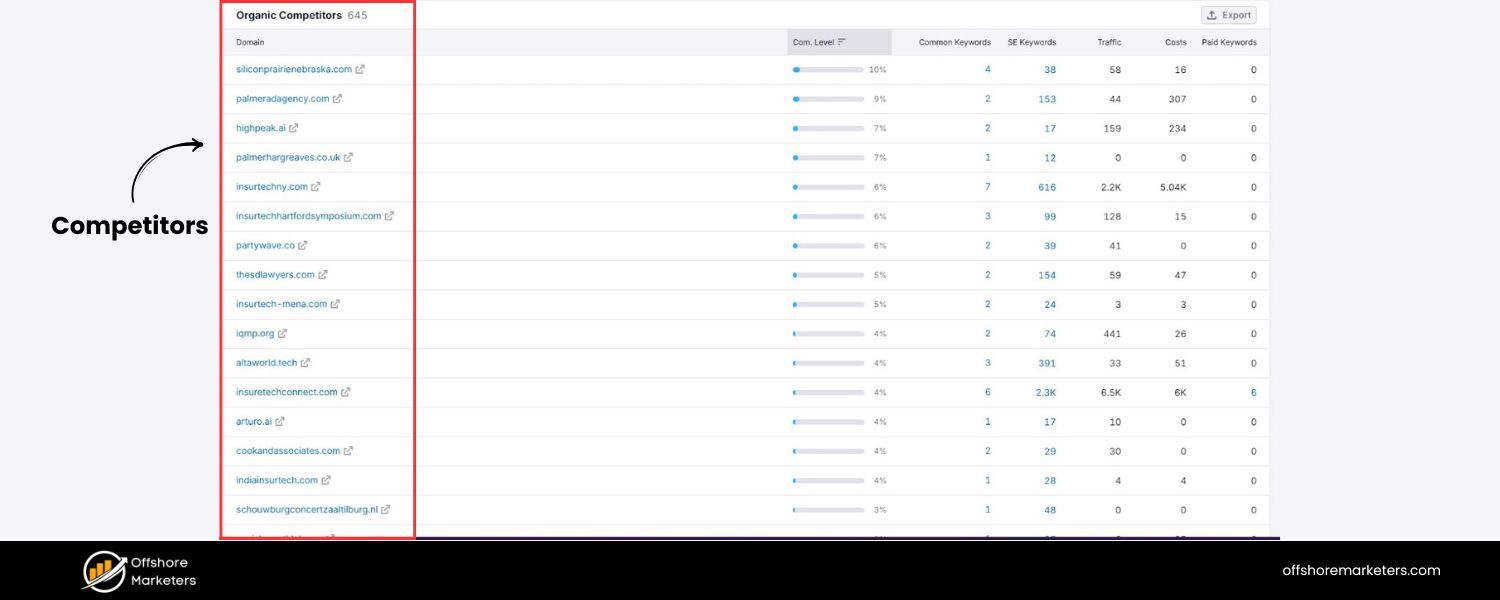
Select 3-5 direct competitors for primary benchmarking. Include at least one aspirational competitor (a brand one tier above yours). Use these sources to build your list:
- Google SERP analysis — search your top 10 target keywords and note who appears repeatedly
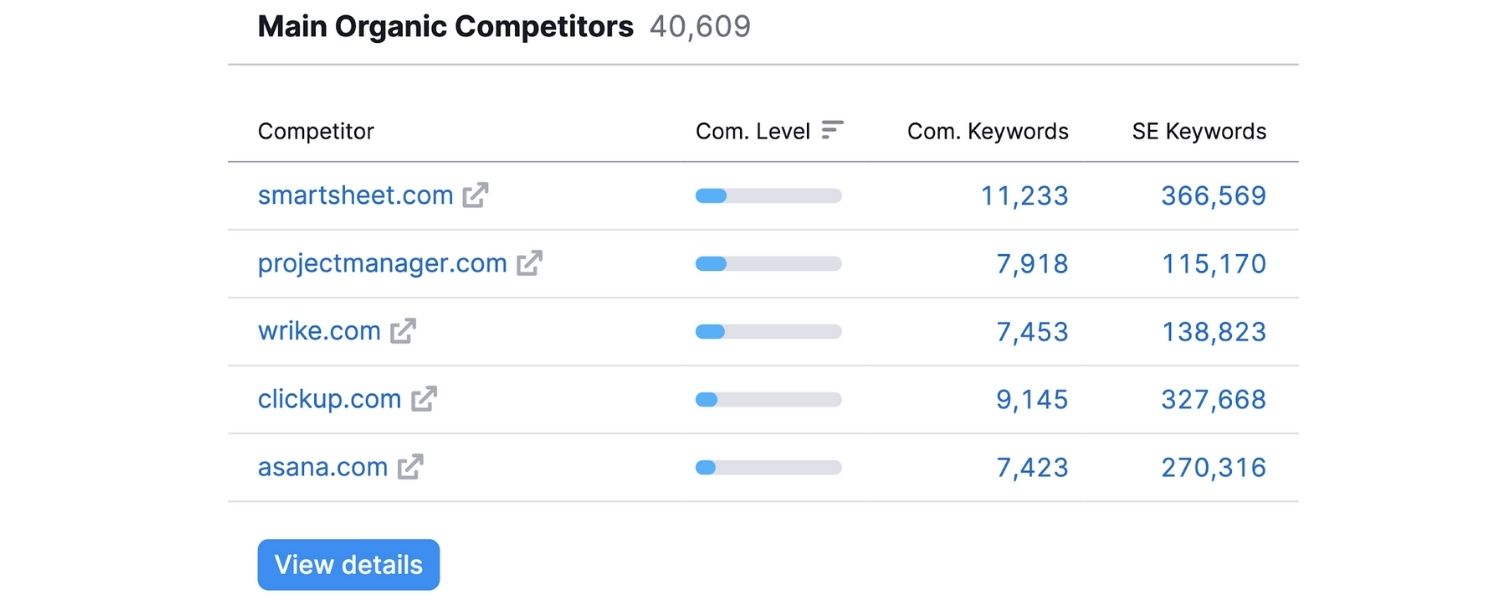
- Ahrefs/Semrush “Organic Competitors” — tools that automatically surface companies competing for the same keywords
- Customer surveys — ask customers “what else did you consider?” before choosing you
- Sales team intelligence — which competitors appear most in lost deals?
Step 3: Gather Competitive Data
Systematic data collection is where most benchmarking exercises fall apart — teams collect inconsistent data across different time periods, making comparison impossible. Use a standardised template and collect all data within the same 7-day window.
Data sources by metric type:
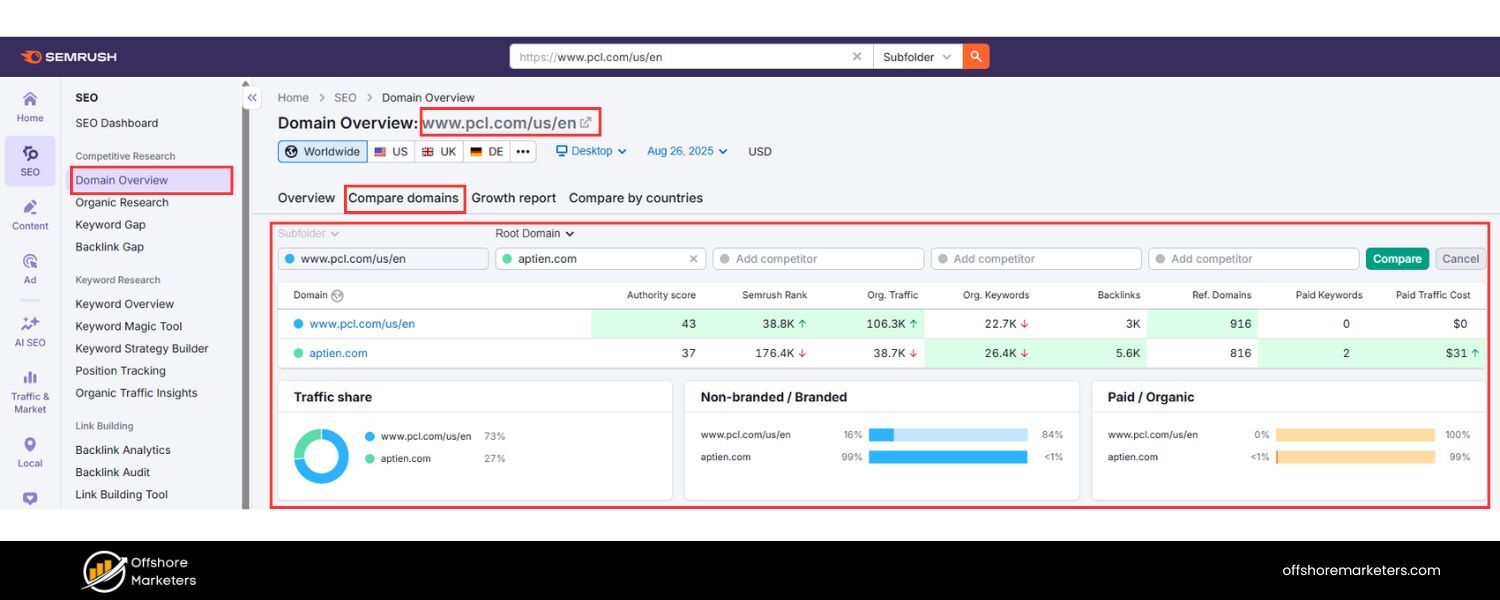
- SEO data: Ahrefs, Semrush, Moz — organic traffic estimates, keyword rankings, backlinks
- Content: Manual audit of competitor blogs, content calendars via BuzzSumo
- Paid: SpyFu, Semrush Advertising Research, Meta Ad Library
- Social: Sprout Social, Rival IQ, Phlanx engagement calculator
- Reviews: G2, Capterra, Trustpilot, Google Business Profile
- Pricing: Direct competitor website visits (use private browsing to avoid personalisation)
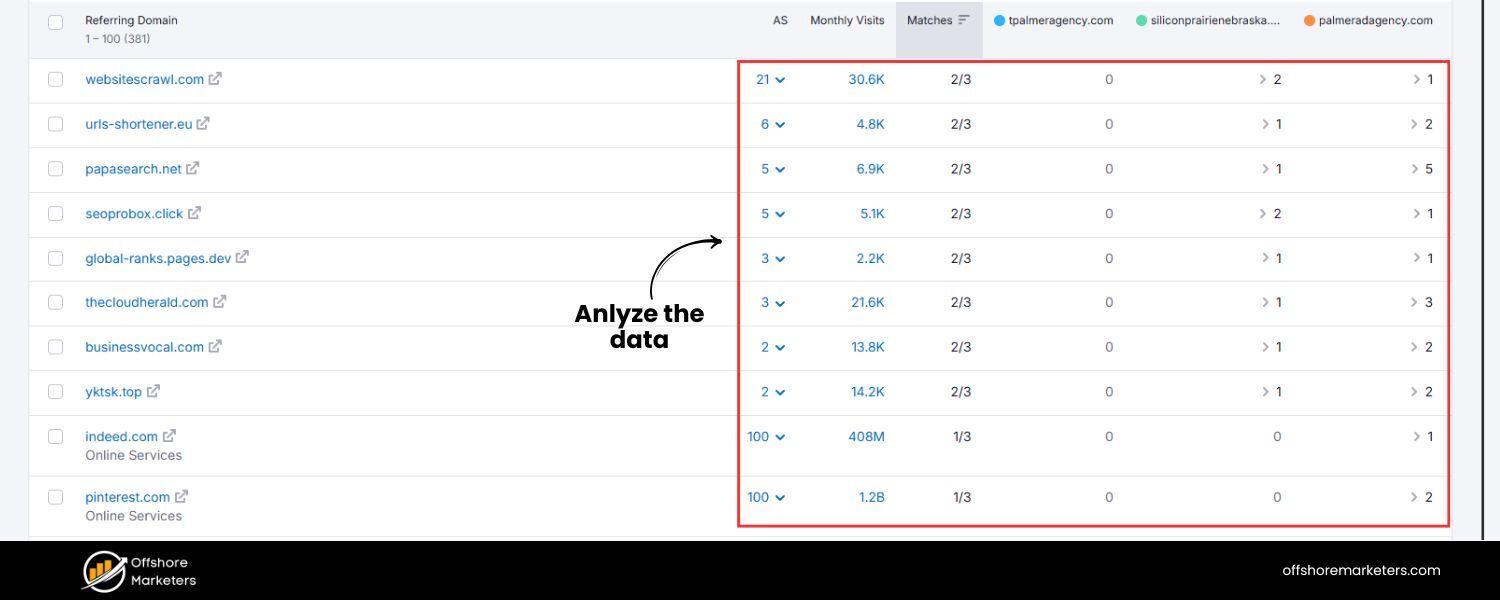
Step 4: Analyse and Identify Gaps
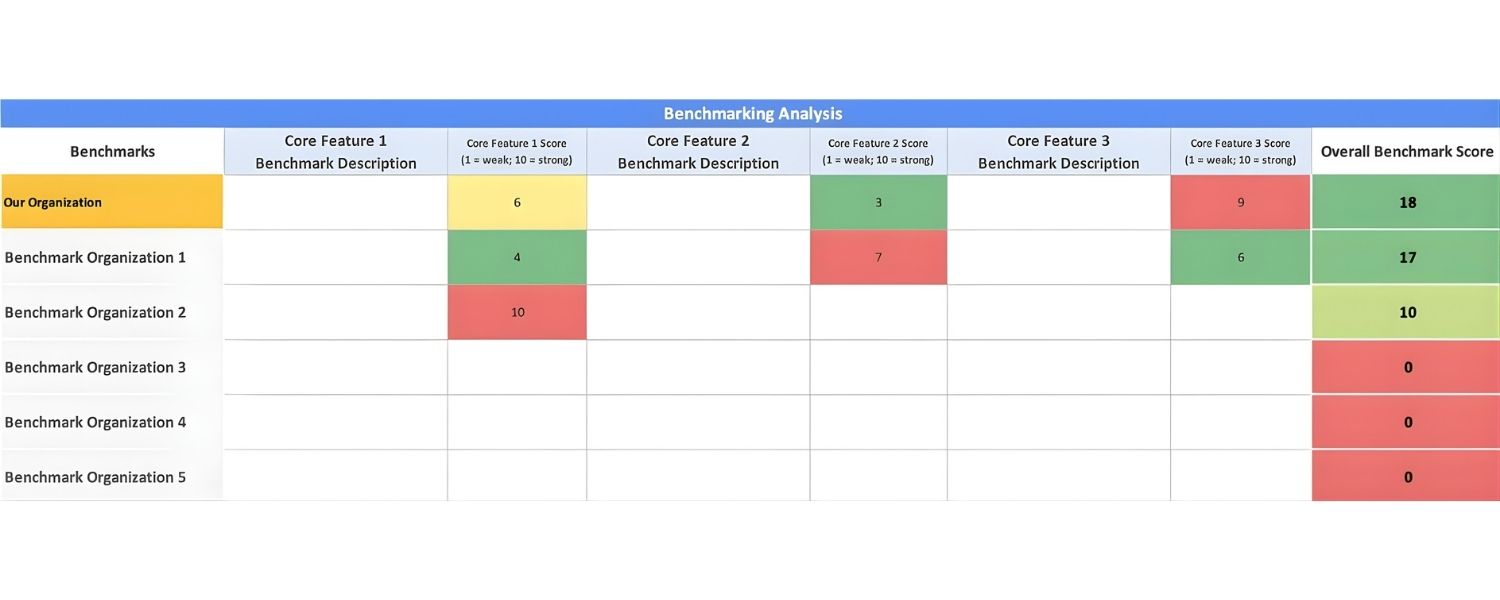
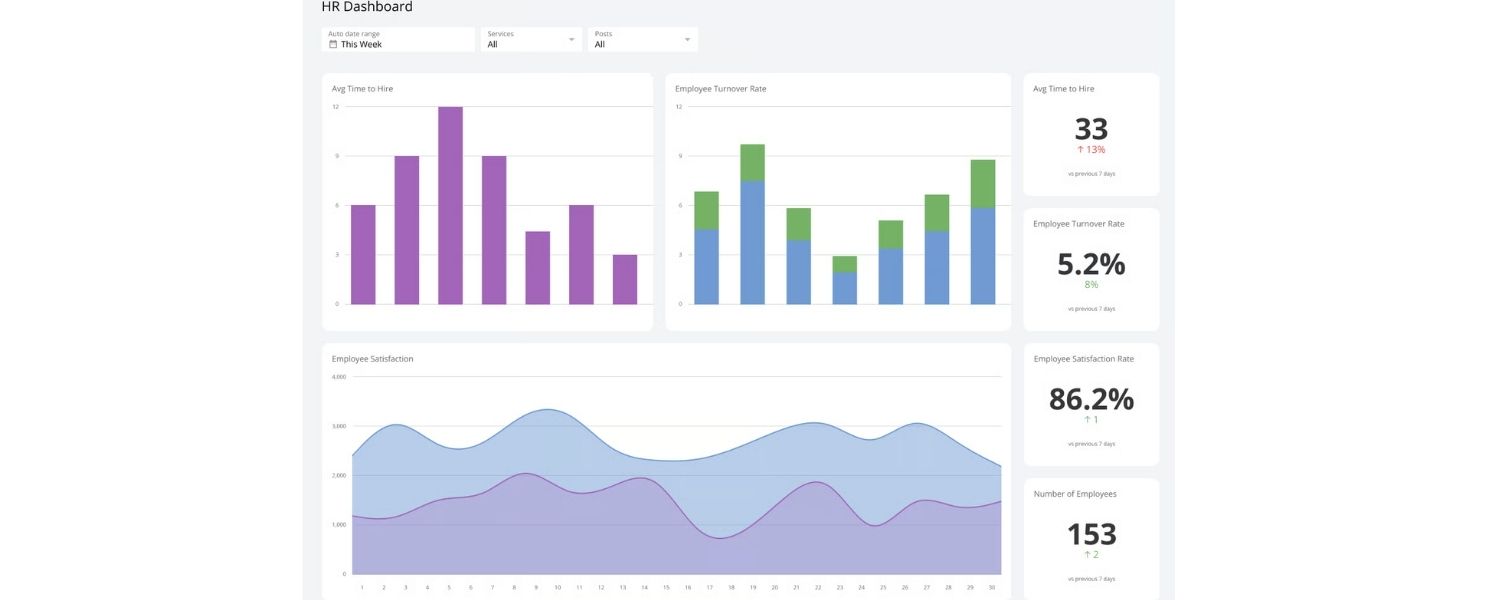
Raw data is useless without analysis. For each metric, calculate your gap vs each competitor — both the absolute difference and the percentage difference. Then categorise every metric into one of three buckets:
- ▲ Your advantage — metrics where you outperform (protect and amplify)
- ▼ Critical gap — metrics where competitors significantly outperform you (urgent priority)
- ▶ Opportunity — areas where no competitor is strong (first-mover advantage)
Step 5: Develop an Action Plan
Every benchmarking session must end with a prioritised action list. Use an effort/impact matrix: high-impact, low-effort wins go first. Assign each action to a specific owner with a deadline. Without this step, benchmarking is just expensive data collection.
💡 Pro Tip: The 48-Hour Rule
Every benchmarking session should produce at least one action item that can be implemented within 48 hours. This creates momentum and proves the value of the process to stakeholders. Quick wins build internal buy-in for deeper benchmarking investment.
Step 6: Implement, Monitor, and Repeat
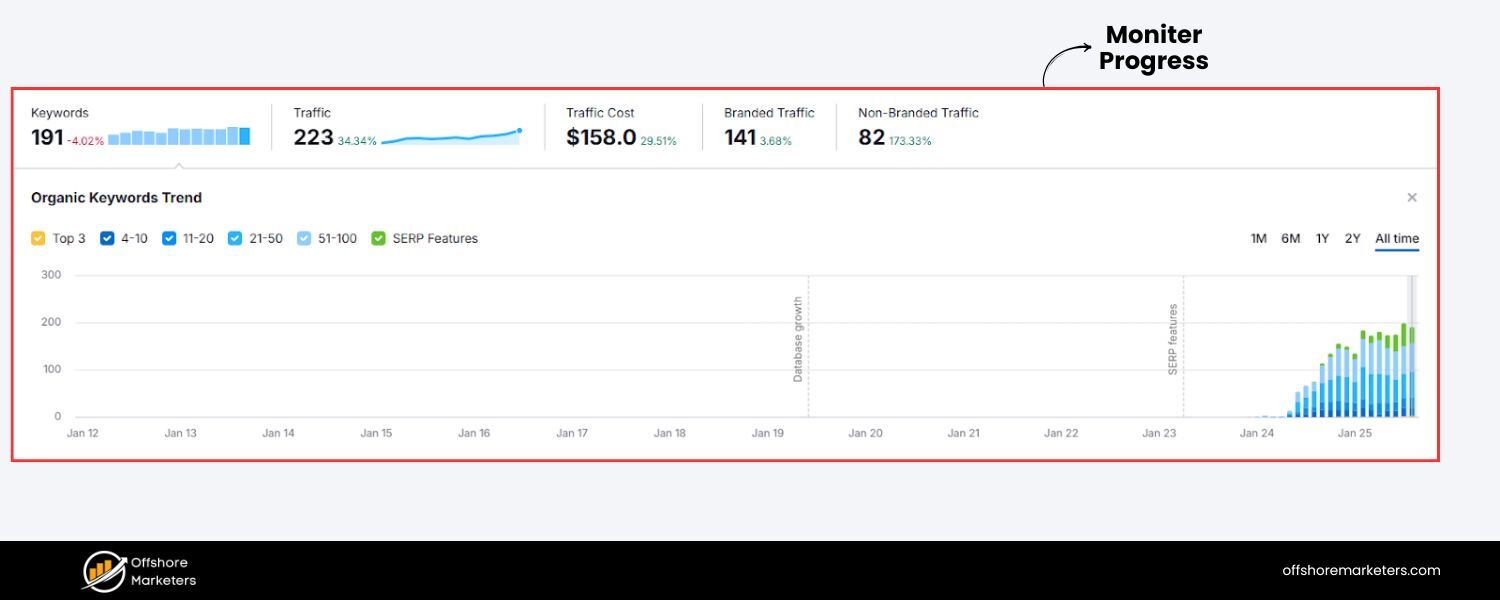
Competitive benchmarking is not a project — it’s a system. After implementing your action plan, set a review cadence:
- Monthly: SEO rankings, content output, social engagement
- Quarterly: Traffic estimates, backlink growth, pricing, review ratings
- Annually: Strategic benchmarking — business model, market positioning, product roadmap
Best Competitive Benchmarking Tools in 2026: Full Comparison
The right tool depends on your primary benchmarking need. Here’s the honest breakdown of the top 8 platforms — what they do well, where they fall short, and who they’re right for.

| Tool | Best For | Free Plan | Starting Price | Standout Feature | Rating |
|---|---|---|---|---|---|
| Ahrefs | SEO & backlinks | ✓ Limited | $129/mo | Most accurate traffic estimates; Content Gap tool | 9.2/10 |
| Semrush | All-in-one marketing | ✓ Limited | $139/mo | Competitor ad research; widest keyword database | 9.0/10 |
| SimilarWeb | Traffic & audience data | ✓ Basic | $125/mo | Traffic source breakdown; audience demographics | 8.7/10 |
| SpyFu | Paid & organic intel | ✓ Basic | $39/mo | Competitor PPC history going back 15 years | 8.3/10 |
| BuzzSumo | Content benchmarking | ✗ | $199/mo | Most-shared competitor content; influencer tracking | 8.1/10 |
| Crayon | Competitive intelligence | ✗ | Custom pricing | Monitors competitor website changes in real-time | 8.5/10 |
| Rival IQ | Social benchmarking | ✓ Trial | $239/mo | Cross-platform social engagement benchmarks | 8.0/10 |
| Moz Pro | SEO fundamentals | ✓ 30-day trial | $99/mo | Most beginner-friendly; excellent SERP tracking | 7.8/10 |
| Prices as of May 2026. Ratings based on G2, Capterra, and Offshore Marketers expert review. | |||||
Our recommendation: For most businesses, Semrush or Ahrefs covers 80% of your benchmarking needs at the SEO and content level. Add SpyFu if paid search intelligence matters to you. Enterprise teams running full competitive intelligence programmes should evaluate Crayon separately.
Free Tool
See How Much Traffic Your Competitors Are Getting
Use our free competitor traffic estimator to instantly see estimated monthly visits, top keywords, and traffic sources for any website — no signup required.
📈 Analyse Competitor Traffic — Free
No credit card. No signup. Results in seconds.
7 Common Competitive Benchmarking Mistakes (And How to Avoid Them)
Even experienced marketers make these errors. Understanding them upfront saves months of wasted effort.

Mistake 1: Tracking Too Many Metrics at Once
The paradox of benchmarking: more data doesn’t lead to better decisions — it leads to analysis paralysis. Start with 5-10 metrics per benchmarking cycle. Add more once you have a working system. Focus on metrics that directly connect to revenue or growth outcomes.
Mistake 2: Choosing the Wrong Competitors
Benchmarking against companies 10x your size produces demoralising data and irrelevant insights. Conversely, only benchmarking against smaller competitors gives false confidence. Build a tiered competitor list: current competitors (realistic comparison) and aspirational competitors (directional guidance).
Mistake 3: Treating Benchmarking as a One-Time Project
One benchmark is a snapshot. A series of benchmarks is intelligence. Markets move, competitors pivot, algorithms change. If you benchmarked six months ago and haven’t since, you’re making decisions based on outdated intelligence. Build benchmarking into your monthly or quarterly rhythm.
Mistake 4: Copying Competitors Instead of Learning from Them
Imitation is the most dangerous benchmarking trap. When you see a competitor dominating with long-form content, the wrong response is to copy their format. The right response is to understand the underlying principle (depth signals expertise and authority) and find your own superior execution of it.
Mistake 5: Ignoring Indirect Competitors
Your most dangerous competitor often isn’t offering the same thing — they’re offering an alternative that solves the same customer problem differently. Spreadsheets competed with early CRM software. YouTube competed with traditional TV. Include at least one “alternative solution” competitor in every benchmarking exercise.
Mistake 6: No Action Plan After Benchmarking
The number one reason competitive benchmarking fails is that it ends with a report, not a plan. Every benchmarking session must close with: three prioritised actions, a named owner for each, and a deadline. No exceptions. Data without decisions is expensive filing.
Mistake 7: Using Vanity Metrics Only
Social follower counts, total page views, and press mentions are easy to measure but rarely predict business outcomes. Focus on metrics with a clear line to revenue: organic traffic to revenue-generating pages, content that ranks for high-intent keywords, competitor pricing vs your win rate.
⚠️ Warning: Don’t Benchmark in a Silo
Benchmarking data collected by marketing and never shared with product, sales, or leadership is wasted. The insights need to travel. Share your quarterly benchmarking report with every team whose decisions could be improved by knowing what competitors are doing.
Competitive Benchmarking Best Practices
After running competitive benchmarking programmes for hundreds of clients across industries, here are the practices that consistently separate high-performing programmes from ones that get abandoned after the first report:
1. Standardise Your Data Collection Template
Build a single spreadsheet template that you use every benchmarking cycle. Same columns, same structure, same time window for data collection. Consistency makes trend tracking possible. Without it, you’re comparing apples to oranges across cycles.
2. Use Multiple Data Sources for Key Metrics
No single tool is perfectly accurate. Semrush and Ahrefs will give different traffic estimates for the same site. Cross-reference at least two sources for your most important metrics before making major strategic decisions based on the data.
3. Separate “What” from “Why”
Benchmarking tells you what — Competitor X has 3x more organic traffic than you. Understanding why requires investigation. Dig into their top pages, their backlink profile, their content strategy. The “what” catches your attention; the “why” gives you the insight to act.
4. Include Qualitative Signals Alongside Quantitative Data
Numbers don’t capture everything. Read competitor blog comments. Watch their product demo videos. Sign up for their email list. Talk to people who use their product. Qualitative signals often reveal strategic intent that quantitative data misses entirely.
5. Share Results Across Teams
A benchmarking report read only by the marketing team is working at 20% efficiency. Sales needs it to handle “why not competitor X?” objections. Product needs it to roadmap features. Leadership needs it for market positioning decisions. Build a cross-functional distribution list from day one.
6. Track Trends, Not Just Snapshots
A competitor’s current traffic number matters less than whether that number is growing, flat, or declining. A competitor gaining 50,000 organic visits per month (up from 10,000 six months ago) is a threat requiring immediate strategic response, even if their absolute numbers are lower than yours today.
7. Benchmark Your Best-in-Class, Not Just Your Direct Rivals
For specific functions — customer onboarding, email nurturing, checkout experience — look beyond your industry. The best SaaS onboarding flows often come from studying consumer apps like Duolingo or Spotify, not other B2B tools. Cross-industry functional benchmarking consistently surfaces the most innovative improvements.
Competitive Benchmarking Examples: How Real Brands Do It
Theory is useful. Real-world examples are better. Here are four competitive benchmarking case studies showing how companies translate data into decisions:
Example 1: HubSpot vs Mailchimp — Content Velocity Benchmarking
HubSpot noticed Mailchimp was gaining significant organic traffic despite lower domain authority. Their benchmarking revealed Mailchimp was publishing 4x more content per month targeting small business marketing keywords. HubSpot’s response wasn’t to match Mailchimp’s volume — it was to identify which of those keywords had the highest commercial intent and build more comprehensive, better-linked pieces for those specific terms. Within 12 months, HubSpot had recaptured the top positions for its highest-value keywords while Mailchimp’s thin content started losing ground post-algorithm updates.
Benchmarking insight used: Content velocity + keyword intent + content depth comparison
Example 2: Shopify vs WooCommerce — Pricing Intelligence
When Shopify was expanding into the mid-market, regular pricing benchmarking revealed WooCommerce (technically free) was winning deals primarily because of the total cost of ownership perception — not the sticker price. Shopify’s team benchmarked the actual costs a WooCommerce user paid (hosting, plugins, developer time, security certificates) and built a TCO calculator showing that “free” WooCommerce frequently cost more than Shopify’s paid plans. This directly informed their marketing messaging and became one of their highest-converting landing pages.
Benchmarking insight used: Pricing model analysis + customer objection data + TCO modelling
Example 3: A UK Digital Agency Recovering Lost Rankings
A mid-sized UK digital marketing agency noticed a 35% drop in organic traffic over six months. Competitive benchmarking revealed three competitors had each gained 15-25 high-quality backlinks from industry publications during the same period while the agency had earned none. The benchmarking data also showed competitors had restructured their service pages to target longer-tail, higher-intent keywords the agency was ignoring. The agency launched a digital PR programme targeting the same publications, restructured 12 service pages, and recovered 90% of lost traffic within 4 months.
Benchmarking insight used: Backlink gap analysis + keyword intent mapping + content structure comparison
Example 4: E-commerce Brand Using Review Intelligence
A D2C skincare brand was losing market share to two new competitors. Customer review benchmarking of all three brands on Amazon and Trustpilot revealed that the competitors were winning on one specific complaint category: “easier application process.” The benchmarking team used sentiment analysis on 2,000 competitor reviews to identify that customers specifically mentioned packaging ease, travel size availability, and fragrance intensity as differentiators. The brand launched a reformulated travel collection with redesigned applicators 90 days later. The product line generated 40% of their holiday season revenue.
Benchmarking insight used: Qualitative review sentiment analysis + feature gap identification + product roadmap input
What These Examples Have in Common
In each case, the benchmarking insight led to a specific action — not a report that sat in a shared drive. The data identified a gap. A team investigated the “why.” Leadership approved a response. The response was executed, measured, and used to inform the next benchmarking cycle. That closed loop — data to decision to outcome to data — is the hallmark of competitive benchmarking done right.
Conclusion: From Benchmarking to Winning
Competitive benchmarking is one of the highest-leverage activities available to a growth-focused team. It converts competitor intelligence into strategic clarity — telling you exactly where to invest, what to fix, and which opportunities to claim before someone else does.
The companies winning in 2026 aren’t the ones with the biggest budgets or the most creative campaigns. They’re the ones who have systematically understood their competitive position, identified the gaps worth closing, and built repeatable processes to act on that intelligence faster than anyone else.
Start simple: pick three competitors, choose ten metrics, and run your first benchmarking cycle this week. The insight you gain in the first round will show you exactly where to go deeper in the next one.
Need expert help benchmarking your competitors and turning the data into a growth plan? The Offshore Marketers team runs competitive benchmarking programmes for B2B, e-commerce, and SaaS brands across the US, UK, and Australia. Get in touch to discuss your competitive landscape.
Frequently Asked Questions: Competitive Benchmarking
What is competitive benchmarking in simple terms?
Competitive benchmarking is the process of comparing your business’s performance metrics, strategies, and processes against your competitors to identify gaps and opportunities. In simple terms, it means measuring how you stack up against rivals across areas like traffic, content, pricing, and customer experience — then using that data to improve.
What is the difference between competitive benchmarking and competitive analysis?
Competitive analysis is a broad study of who your competitors are, what they offer, and how they position themselves. Competitive benchmarking is more specific — it uses quantitative metrics to measure your performance against competitors in direct, data-driven comparisons. Benchmarking answers “how much better or worse are we?” while competitive analysis answers “what are they doing?”
How often should you conduct competitive benchmarking?
For most businesses, quarterly benchmarking is the sweet spot. Fast-moving industries like SaaS, e-commerce, and digital marketing may need monthly reviews. At minimum, benchmark annually. The key is consistency — irregular benchmarking produces data that’s hard to act on because you can’t spot trends.
What are the best free tools for competitive benchmarking?
The best free competitive benchmarking tools include: Google Search Console (SEO performance), Ubersuggest (keyword and traffic estimates), SimilarWeb free plan (website traffic overview), Meta Ad Library (paid social creative research), Google Alerts (brand mention monitoring), and Wappalyzer (competitor tech stack). For deeper data, paid tools like Ahrefs, Semrush, and SpyFu are worth the investment.
What are the 4 main types of benchmarking?
The 4 main types of benchmarking are: (1) Competitive benchmarking — comparing performance against direct industry rivals; (2) Internal benchmarking — comparing performance across departments or locations within your own organisation; (3) Functional benchmarking — comparing specific functions against best-in-class companies regardless of industry; (4) Strategic benchmarking — comparing long-term strategies and business models to identify market leadership patterns.
Can small businesses benefit from competitive benchmarking?
Absolutely. Small businesses arguably benefit more from competitive benchmarking because they can’t afford to waste resources on the wrong strategy. Even with free tools, a small business can benchmark competitor content volume, pricing, customer reviews, social engagement, and website traffic estimates. This intelligence helps small businesses punch above their weight by learning what’s working for bigger players and avoiding their mistakes.
🔗 Related Reading from Offshore Marketers

.png)
Shopify SEO: Guide to Ranking Your Store and Driving Sales
Most Shopify store owners set up their store, list their...

Content Marketing : Definitive Guide to Strategy, Content Types, and Measurable ROI
Content marketing generates 3x more leads than outbound marketing at...

Above the Fold: Guide to Conversions, Rankings and Faster Pages
Above the Fold in 2026: The Complete Guide to Conversions,...

Off-Page SEO Checklist: Guide to Building Real Authority
Most websites spend months creating great content, only to wonder...

What Is Keyword Bidding? The Complete Strategy Guide for Smarter Ad Spend
Most advertisers believe the highest bid wins the auction. It...
What Is Google Trends? The 2026 Marketer’s Complete Guide
If you are not already pulling weekly insights from Google...
If you want a growth partner who will get to know every aspect of your business and treat your budget like their own — we are the right fit.
.png)


.png)
.png)
.png)
.png)
.png)
.png)
2026 ALL RIGHTS RESERVED MADE IN INDIA
