
Keyword Gap Analysis: What It Is & How to Do It
August 21, 2025
Did you know over 90% of web pages get no organic traffic from Google? One major reason is failing to target the right keywords. Too often, businesses create content without realizing which search terms they’re not covering, the very keywords their competitors use to capture traffic. This is where keyword gap analysis comes in. By identifying the “gaps” in your keyword strategy, the valuable search queries your competitors rank for, but you don’t, you can unlock new opportunities to attract visitors and boost your rankings.
As a marketing expert with 25 years in the field, I’ve seen SEO strategies come and go, but one truth remains: understanding your competitors’ keywords is critical for staying ahead. In this comprehensive guide, we’ll explore what keyword gap analysis is, why it’s important for both SEO and PPC, and provide a step-by-step process (with pro tips) to conduct your own keyword gap analysis.
You’ll also learn how to apply these insights to strengthen your content strategy, improve search rankings, and even enhance paid campaigns. Let’s dive in and turn those hidden keyword opportunities into actionable results!
What Is Keyword Gap Analysis?
Keyword gap analysis is a competitive SEO strategy that compares the keywords driving traffic to your competitors’ websites against those driving traffic to yours. The goal is to find the “gaps” – the keywords your competitors rank for that your site does not. In other words, it reveals high-value search terms where you’re missing out and your competitors are capitalizing. By uncovering these gaps, you gain insight into content topics or search queries you’ve overlooked and can adapt your strategy to target them.
Think of general keyword research as brainstorming relevant keywords in your industry, whereas keyword gap analysis takes it a step further into competitive intelligence. For example, basic research might tell you that “organic coffee beans” is popular, but a gap analysis might reveal competitors are winning traffic with specific terms like “single-origin organic coffee beans” or “fair-trade organic coffee”, longer-tail keywords you hadn’t considered. By discovering these untapped queries, you can create content or pages to fill those gaps, strategically targeting terms that have proven demand.
In essence, keyword gap analysis provides an in-depth look at what’s working for others in your space and how you can leverage those insights for your own SEO benefit. It’s about identifying missed opportunities and adjusting your approach so that your website shows up for those valuable searches instead of (or along with) your competitors. Done right, this process can significantly improve your search visibility, drive more qualified traffic, and even increase your market share online.
Why Is Keyword Gap Analysis Important?
In today’s competitive search landscape, performing a keyword gap analysis can yield powerful benefits for both organic SEO and paid search campaigns. Here are key reasons why this analysis is so impactful:
1. Discover New Keyword Opportunities
By analyzing competitor keywords, you’ll uncover high-value search terms you’ve overlooked, including niche topics and low-competition keywords. These “hidden” keywords can open doors to new content ideas and audience segments that were previously untapped. Instead of guessing what to target next, you base your strategy on proven terms already driving traffic to others.
2. Boost Your Organic Rankings
Filling your keyword gaps means targeting terms that are currently bringing visitors to competitor sites. Integrating these keywords into your SEO strategy (through new or updated content) can improve your organic rankings and overall visibility. By capturing keywords that no one associated with your site before, you expand your reach on search engine results pages (SERPs) and attract more traffic.
3. Gain a Competitive Edge
Keyword gap analysis is a proactive way to leapfrog competitors. It highlights areas where rivals rank well but haven’t faced competition from you yet. By swooping in on those keywords, you can become visible where competitors once had an advantage, giving you a competitive edge in those topics or niches. Conversely, the analysis might also reveal keywords they haven’t targeted but you could – allowing you to lead in areas others have neglected.
4. Refine Content and Marketing Strategy
The insights from a gap analysis often reveal the language and topics your target customers care about (as evidenced by competitor content). This gives you deeper understanding of audience needs and search intent. You can fine-tune your content to better match what users are looking for, resulting in more engaging content that resonates with your audience. It can also guide your messaging and even product positioning by aligning with customer interests.
5. Optimize PPC Campaigns and Budget
Keyword gaps aren’t just for SEO – they matter for pay-per-click (PPC) advertising too. If competitors are bidding on certain keywords that you aren’t, you may be missing out on potential leads. By identifying those keywords, you can expand your PPC keyword list and “steal” some market share.
Importantly, gap analysis helps you find high-potential, low-competition keywords for paid campaigns so you can allocate budget more efficiently. Instead of overspending on overly competitive terms with low ROI, you focus on the “gaps” where your ads can shine without breaking the bank.
6. Stay on Top of Industry Trends
Regularly doing gap analyses can even alert you to emerging trends. If you notice competitors gaining traction on new topics or search queries, it could signal a rising trend in your industry. By spotting these early (and creating content around them), you keep your site content fresh and relevant, riding the wave of trending searches rather than playing catch-up later.
In short, keyword gap analysis fine-tunes your SEO and SEM efforts in several ways, from targeting your content and ads more precisely at what your audience is searching, to uncovering “quick win” keywords that can deliver traffic boosts, to gaining valuable competitive insights about market demand. Next, we’ll walk through exactly how to perform a keyword gap analysis step by step, so you can start reaping these benefits.
Keyword Gap Analysis vs. Content Gap Analysis
Before we jump into the process, it’s worth clarifying a related term you might encounter: content gap analysis. These two concepts are closely related and sometimes overlap, but they have a distinct focus:
1. Keyword Gap Analysis
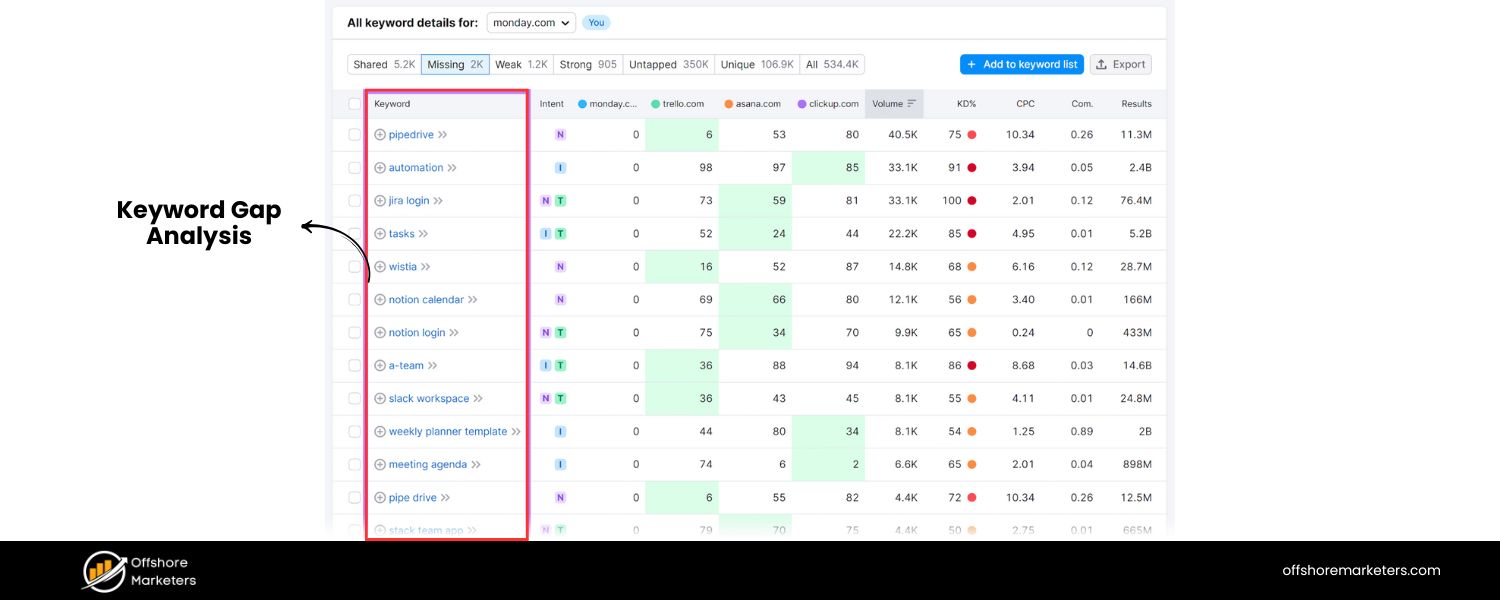
Zeroes in on specific search queries. It identifies keywords your competitors rank for that you do not. The end goal is to find individual search terms to target.
2. Content Gap Analysis
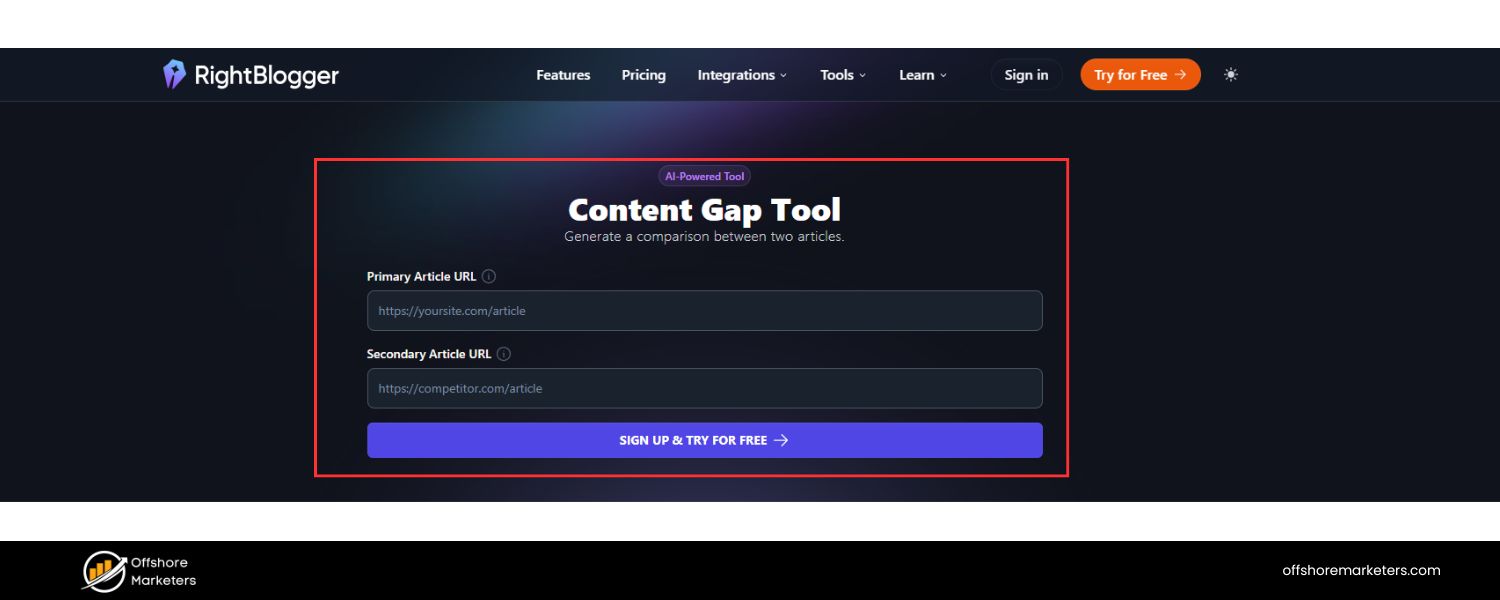
Takes a broader view of topics and user needs. Rather than just keywords, it uncovers content topics or subject areas that are missing from your site but present on competitors’ sites. A content gap analysis often considers the entire customer journey, it helps you find topics your audience cares about (including informational content, FAQs, guides, etc.) that you haven’t covered yet.
In practice, the two analyses overlap because finding a keyword gap can hint at a content gap, and vice versa. The main difference lies in scope. For example, a keyword gap analysis might reveal competitors rank for “free CRM with email integration” and you don’t. A content gap analysis might reveal that you haven’t written about “how small businesses can automate email through CRM” – a broader topic that addresses a customer pain point (and likely contains that keyword). In many cases, performing a keyword gap analysis is one step within a larger content gap analysis.
Bottom line:
Keyword gap analysis is typically the tactical process of comparing keyword lists for ranking gaps, while content gap analysis is a strategic exercise to ensure you have content covering all relevant topics and customer questions. Both are valuable – keyword gap analysis often feeds into content planning by revealing the specific terms (and intents) your new or updated content should target.
How to Perform a Keyword Gap Analysis (Step-by-Step)
Ready to find your keyword gaps? Follow these steps to conduct a thorough keyword gap analysis. We’ll start from groundwork like choosing competitors and tools, then move through analyzing the data and acting on the insights. Whether you’re optimizing for SEO, PPC, or both, these steps will set you up for success.
1. Identify Your Competitors
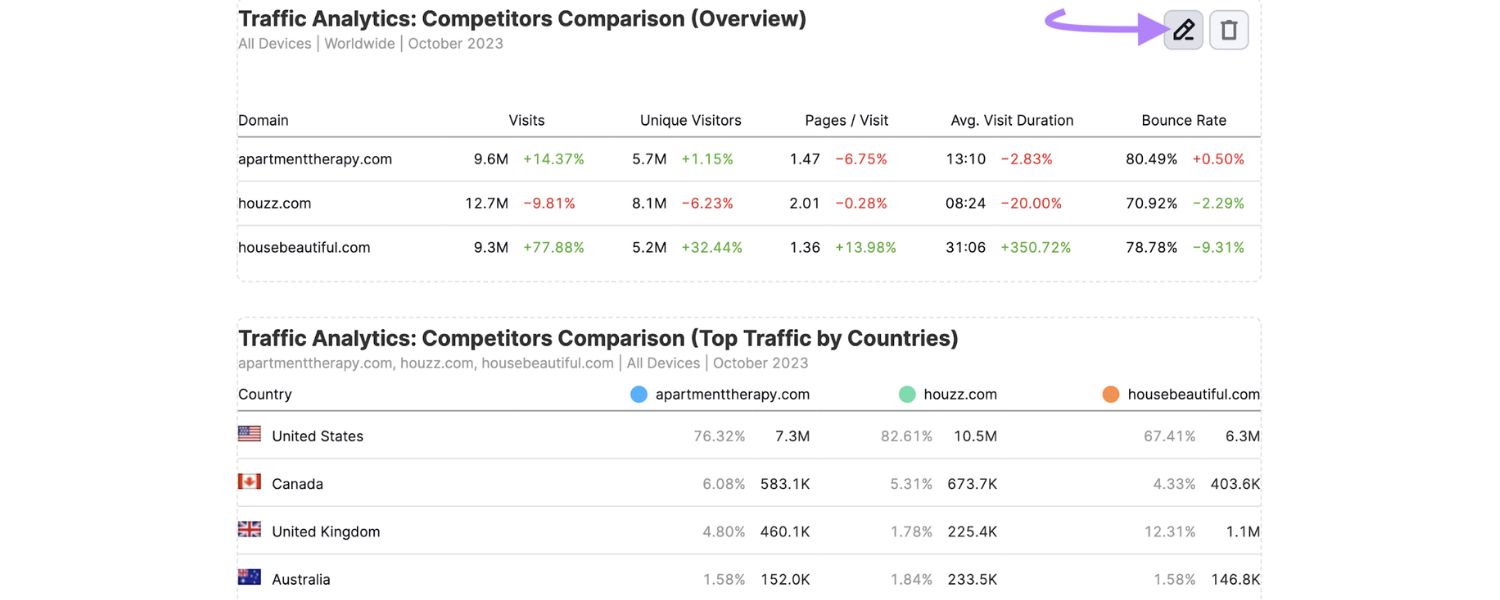
The first step is to decide whose keywords you want to compare with. These will typically be your top competitors in search results. Keep in mind, your SEO competitors might not be the same as your direct business competitors, they could include high-ranking informational sites or blogs in your niche.
A. Brainstorm Known Competitors
List the businesses or websites that offer similar products or services as you. These are usually your market competitors and likely overlap in keywords.
B. Search the SERPs
A quick way to find SEO competitors is to search Google (or Bing, etc.) for your primary product/service keywords. Note which domains consistently appear on page one – those are your true search competitors, even if they’re not selling the same thing directly.
For example, if you sell hiking gear, an outdoor magazine ranking for “best hiking boots” is an SEO competitor because they’re capturing your audience’s attention.
C. Use SEO Tools for Competitor Discovery
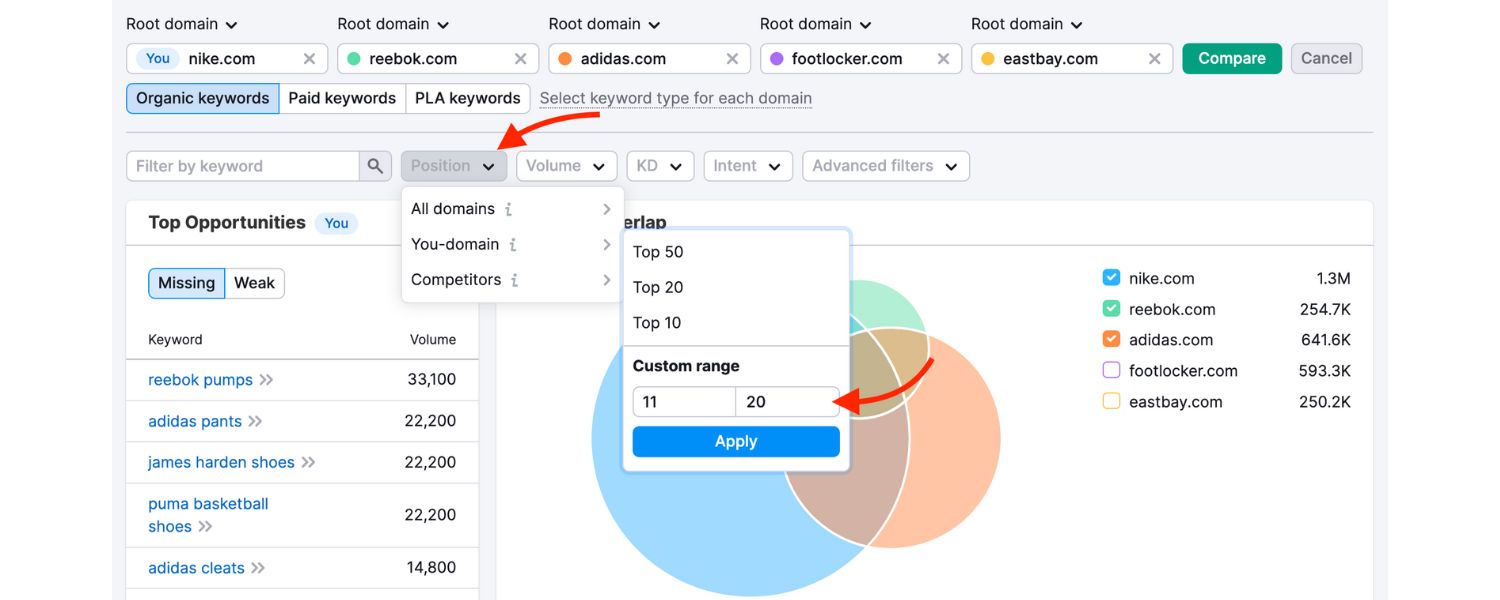
Many SEO platforms can automatically identify your top organic competitors. For instance, Semrush’s Organic Research tool can list the sites that share the most common keywords with you. These tools may even quantify how much overlap you have with each competitor.
This can reveal competitors you didn’t realize you had. Tools like Semrush or Ahrefs also allow filtering by country/region, so you find the right competitors for your target market.
D. Check Social and Forums
Don’t forget to observe who else your audience follows. On social media or industry forums, see which brands or influencers engage your target customers – they might be competitors in capturing attention. This can hint at content competitors who rank for topics of interest to your audience.
By the end of this step, you should have a solid list of at least 3–5 competitor domains to analyze. (Most tools allow comparing up to 4 or 5 competitors at once, which is ideal.) Choosing relevant competitors is crucial, if they’re too unrelated, the keyword data won’t be useful. Pick competitors in your niche or vertical that currently outrank or closely match you on search terms.
2. Choose the Right SEO Tools for the Job
You’ll need a reliable tool to conduct a keyword gap analysis efficiently. Manually comparing keywords for multiple sites would be extremely time-consuming, so take advantage of the many SEO tools that can do this for you. When selecting a tool, consider your focus (SEO vs PPC or both) and your budget. Here are some popular options and what they offer:
A. Semrush
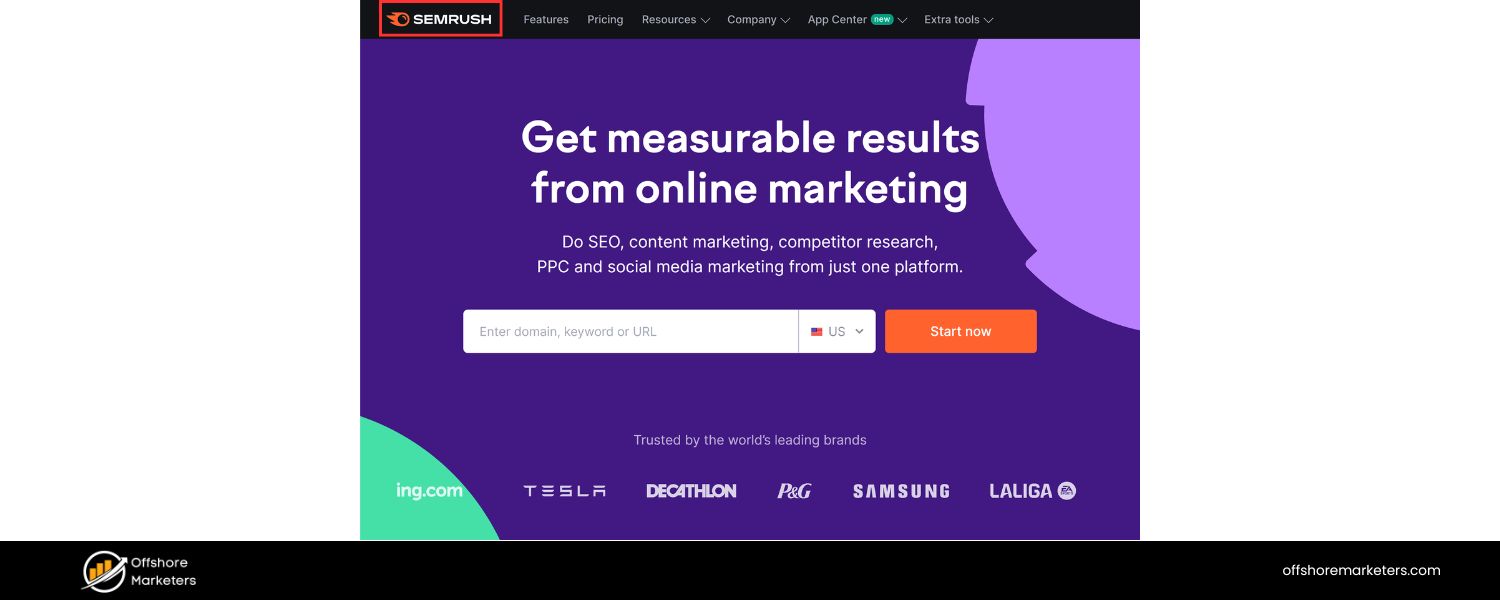
A comprehensive SEO suite known for competitive research. It offers a dedicated Keyword Gap tool that lets you compare your website against up to five competitors’ sites. Semrush will show you keywords you share with competitors, and more importantly the keywords you’re missing that others rank for. It provides detailed metrics for each keyword, like search volume and keyword difficulty, so you can gauge each term’s potential.
B. Ahrefs
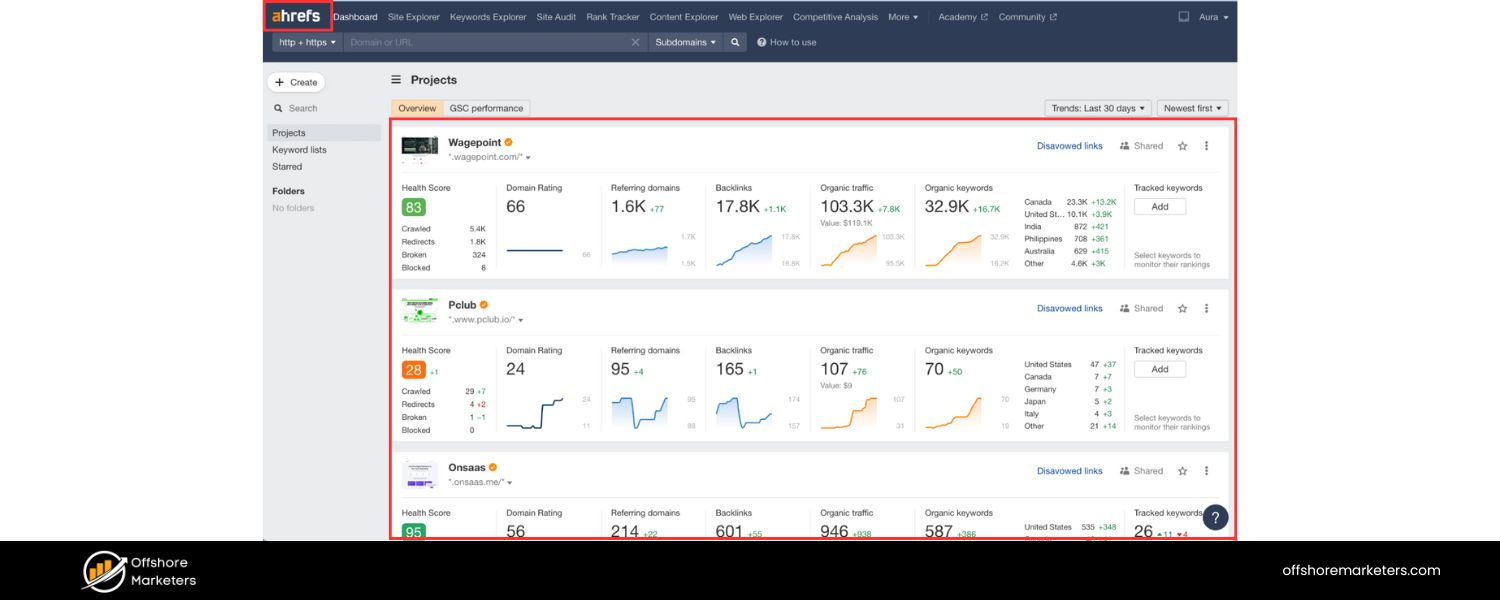
Another powerful tool, especially renowned for backlink analysis. Ahrefs has a Content Gap feature that similarly identifies keywords your competitors rank for but your site does not. You can plug in multiple competitor URLs and your own, and Ahrefs will output the gap keywords. It’s excellent for uncovering both keyword and broader content gaps.
C. Moz Pro
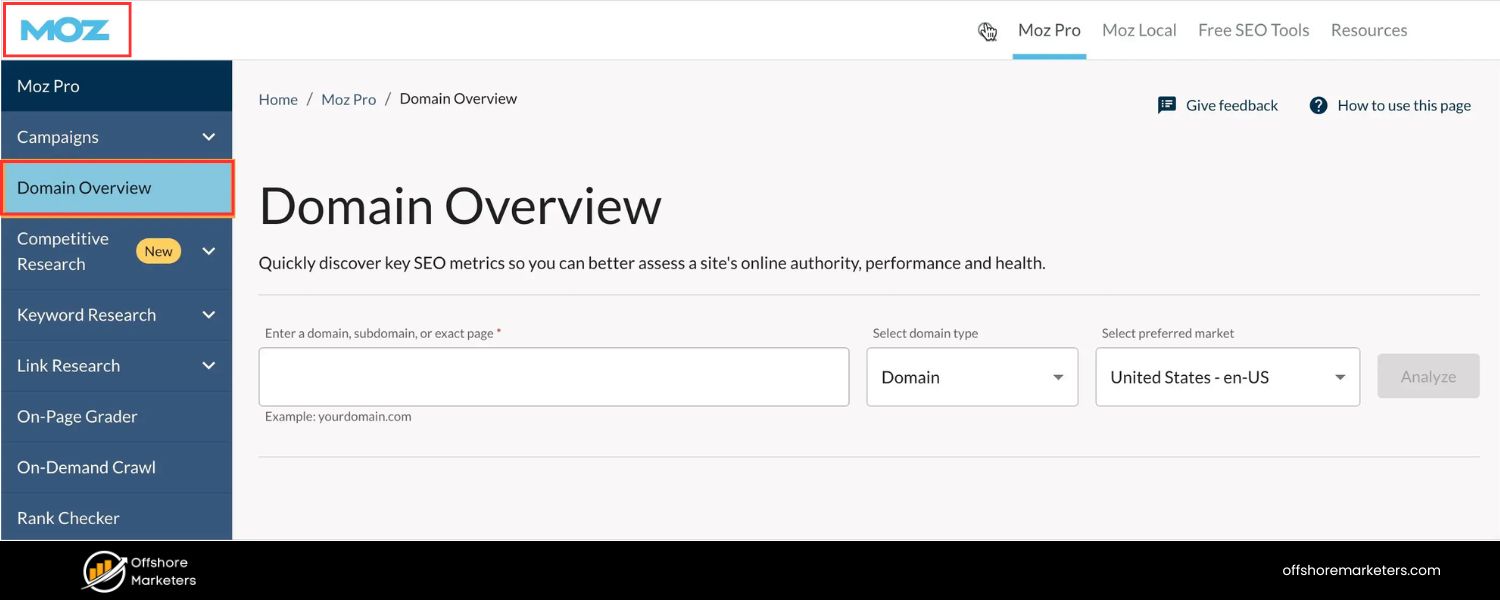
Moz’s toolkit includes a Keyword Explorer and a Competitive Keyword Matrix. These can help in finding keyword opportunities by comparing multiple sites. Moz is known for its user-friendly interface and metrics like Keyword Difficulty and Priority score which can aid in analysis.
D. SpyFu
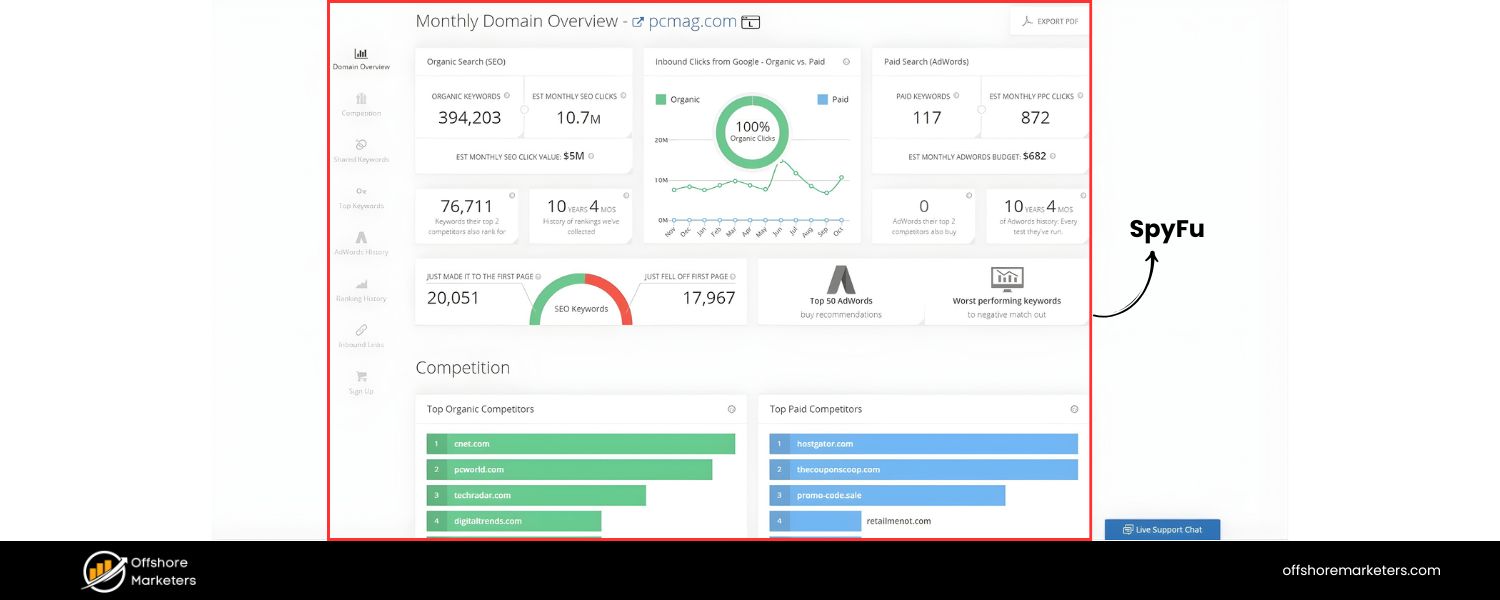
This tool specializes in competitive insight for both organic and paid keywords. SpyFu lets you see the most profitable keywords competitors use in SEO and PPC. It’s particularly useful for understanding competitors’ Google Ads keywords and spend. If you’re focusing on PPC gap analysis, SpyFu or Semrush (which also has a PPC analysis) are great choices.
E. Free & Niche Tools
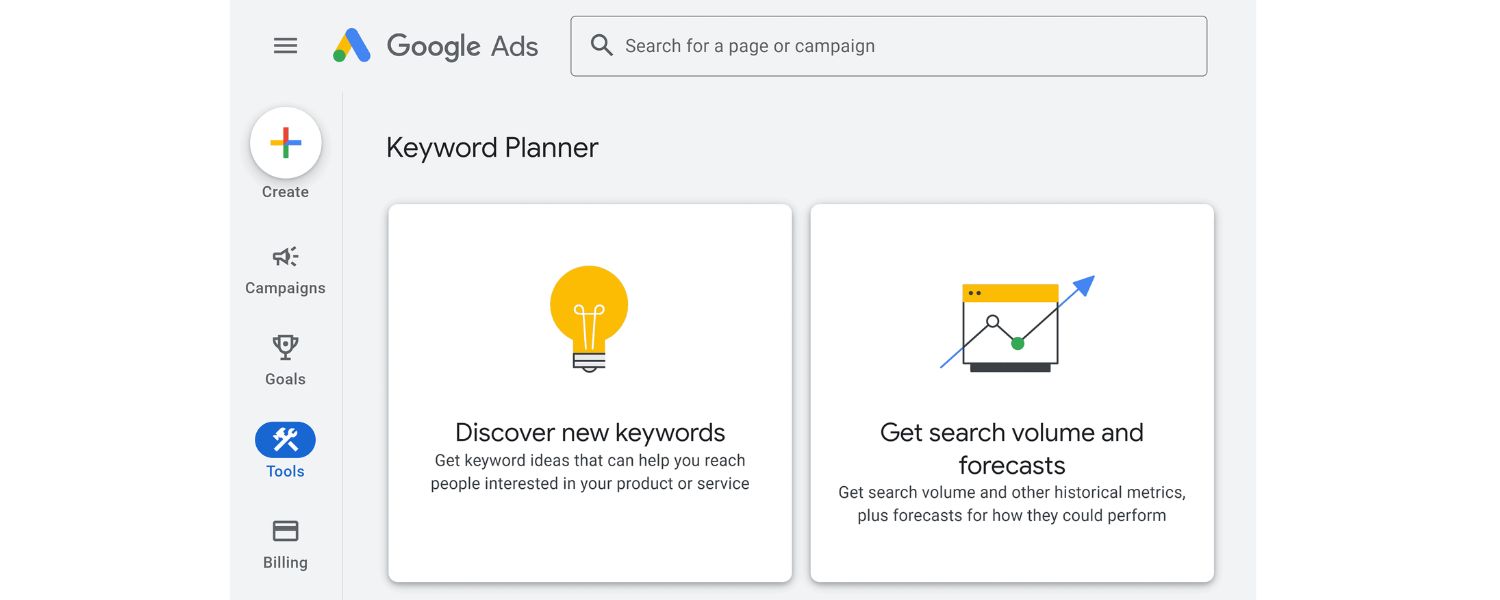
If you’re on a tight budget, you can still attempt a gap analysis with some free tools or trial versions. Ubersuggest, for example, allows limited free searches and can show competitor keywords. Google’s own Keyword Planner (in Google Ads) can help discover new keywords too (though it’s not competitor-specific, you can input a competitor site to see keyword ideas). Many premium tools offer free trials, you might combine a few to gather all the data you need.
Choose a tool that fits your skill level and goals. If you’re new to SEO, a user-friendly interface might be important. Also consider integration – some tools integrate with Google Analytics or Google Search Console, which can be handy. Once you’ve selected your tool, you’re ready to dig into the data.
3. Gather Keyword Data for Your Site and Competitors
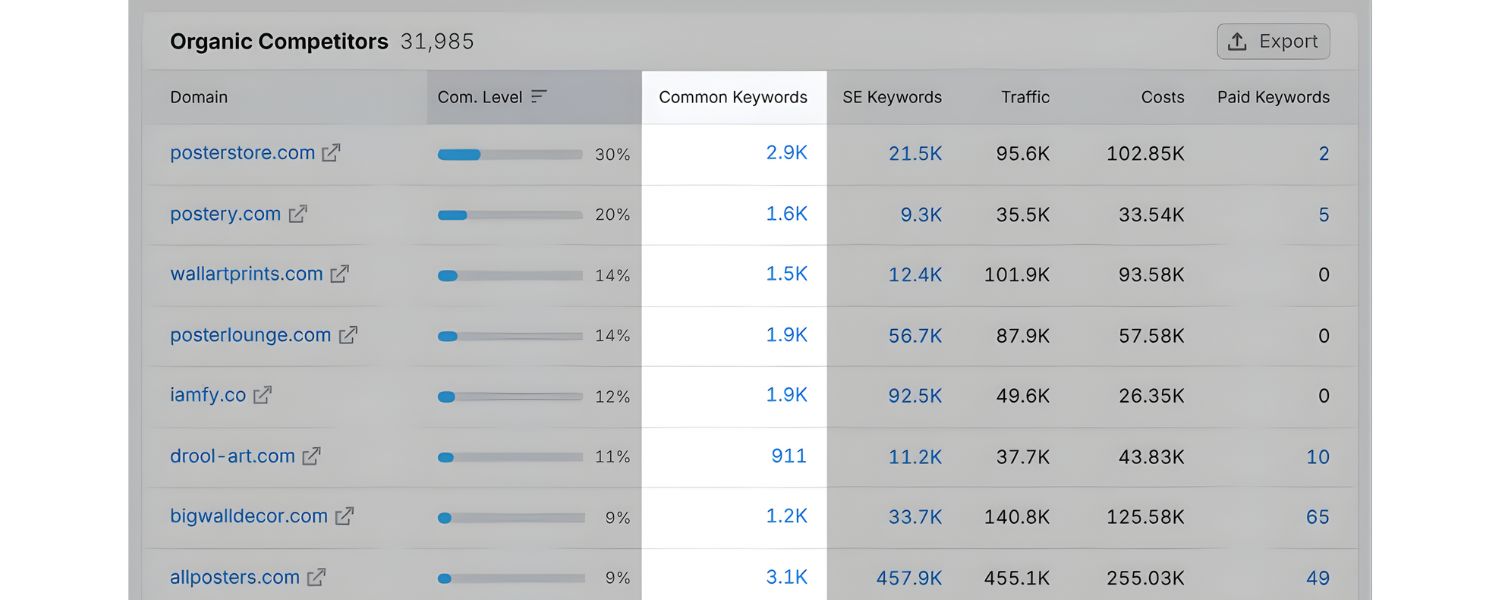
Now it’s time to collect the lists of keywords for each site (yours and the competitors) so we can compare them. Using your chosen tool, do the following:
A. Get Your Own Keyword List
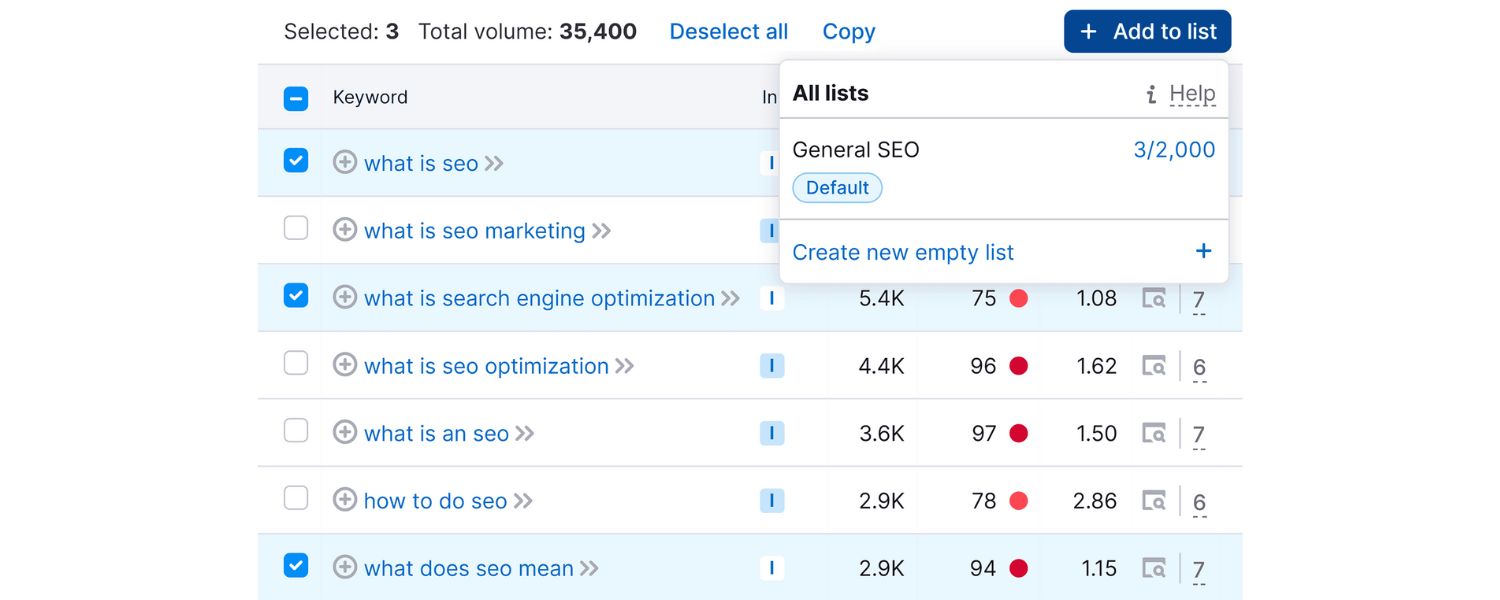
First, retrieve all the keywords your website currently ranks for. In most SEO tools, you can enter your domain and get a report of organic keywords and positions. For example, in Semrush’s Keyword Gap tool, you’d enter your domain as the main domain. In Ahrefs, you might use Site Explorer to export your organic keywords. Save this list – it’s your baseline.
B. Get Competitors’ Keyword Lists 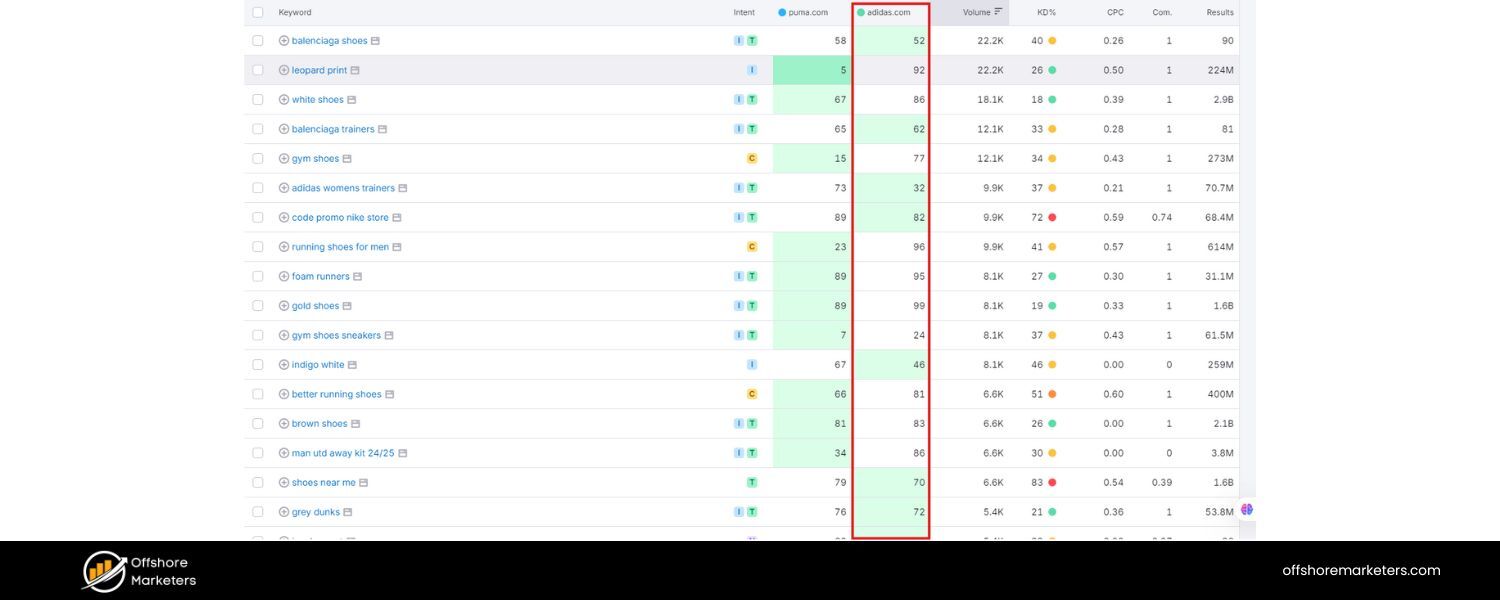

Next, for each competitor on your list, pull their ranking keywords. Good tools simplify this, for instance, in Semrush Keyword Gap, you can input multiple competitor domains and it will fetch their keywords automatically. In Ahrefs, you might run the Content Gap feature by inputting your site + competitors and it will output the missing keywords directly.
Alternatively, you can manually export each competitor’s keywords from an “Organic Research” report. Make sure to include enough competitors (3-5) to get a comprehensive view, one competitor might not cover everything.
C. Include Paid Keywords (if relevant) 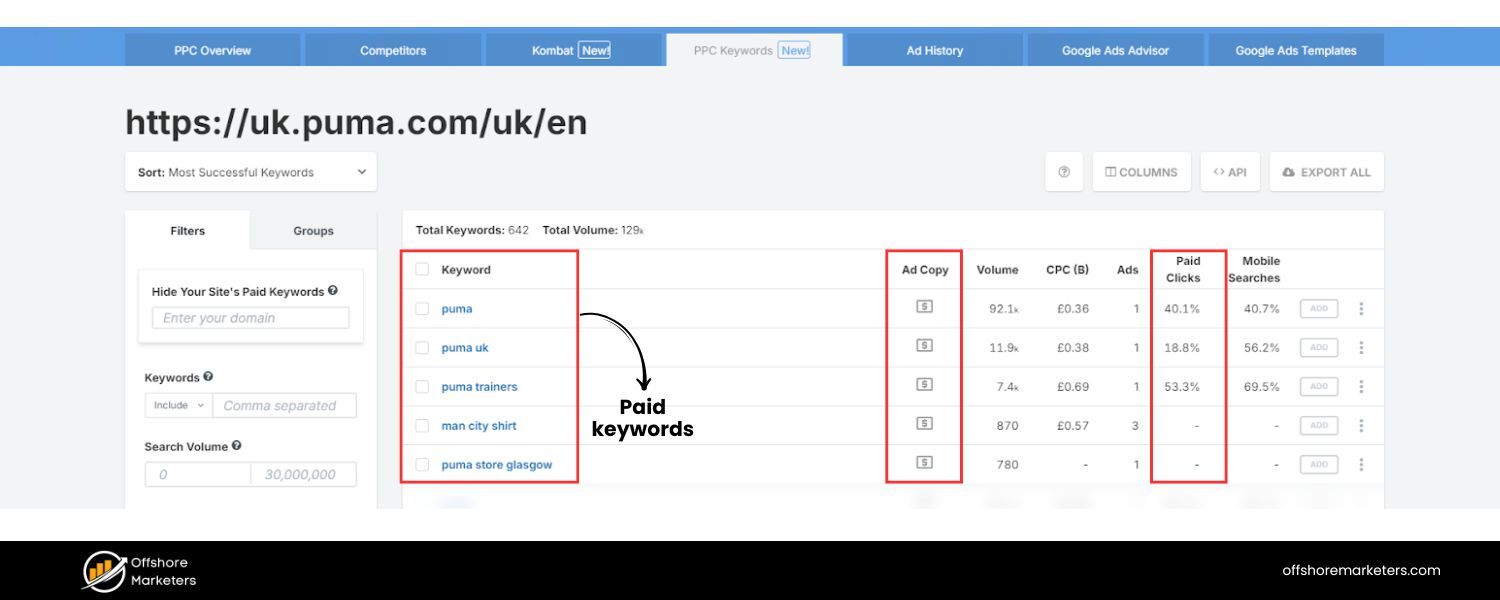
If you’re doing a PPC gap analysis as well, gather data on competitors’ paid search keywords. Some tools like Semrush, SpyFu, or Similarweb can show keywords a domain is bidding on. Export those lists as well. (Paid and organic overlap but not entirely, so it’s worth looking at both if PPC is in your scope.)
D. Compile and Organize
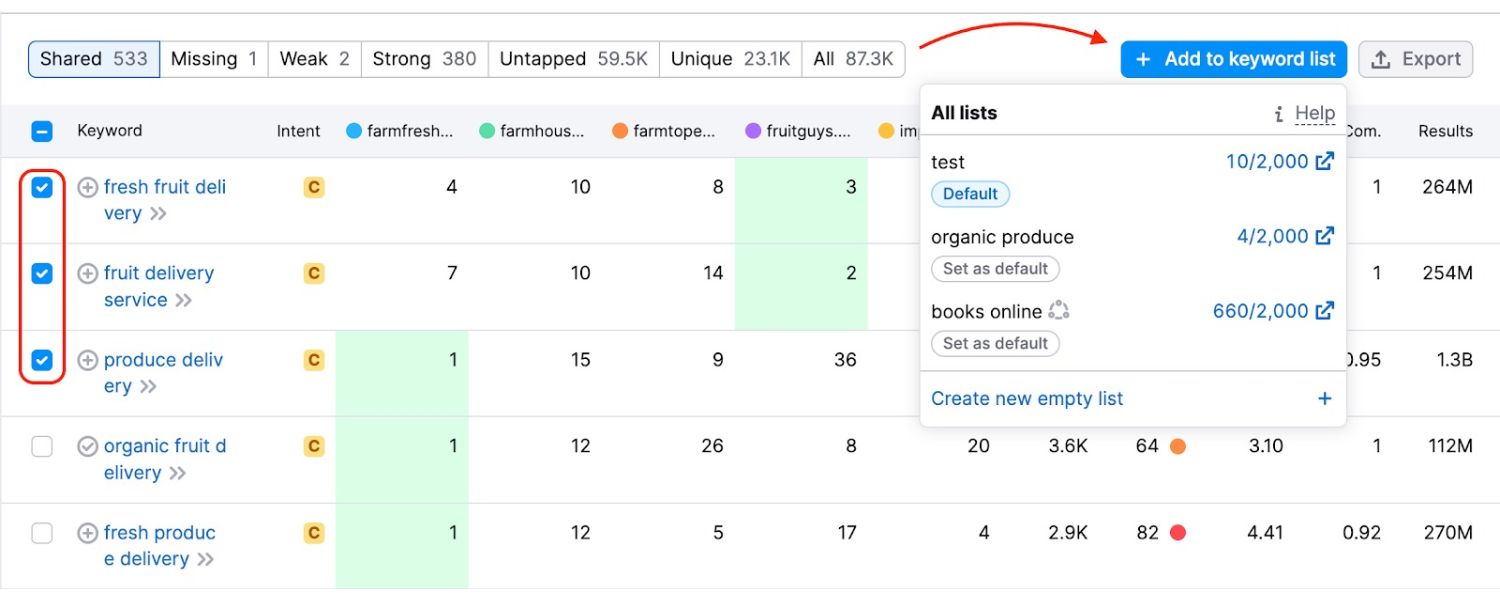
Once you have the data, you may have multiple lists, one for your site’s keywords, and one for each competitor. Many dedicated gap tools will automatically merge and compare these lists for you within the platform (showing overlaps and gaps).
If not, you might use a spreadsheet to collate data. For instance, list all unique keywords from all sources and mark which site ranks for each. This can be done with Excel functions or tools like Seodity’s Keyword Gap, which quickly compares and shows common vs unique keywords.
At the end of this step, you should have a clear picture of three buckets of keywords: shared keywords (both you and competitors rank for them), competitor-only keywords (they rank, you don’t), and perhaps your unique keywords (you rank, they don’t). Our focus will be on the competitor-only group – those represent your keyword gaps.
Keep in mind data volume: big sites can rank for thousands of keywords. Some tools will prioritize by search volume or show only the top X keywords. It’s often useful to consider at least the top few hundred or thousand keywords for each site to ensure you’re catching meaningful gaps and not extremely obscure terms.
4. Identify the “Gap” Keywords (Missing and Weak Keywords)
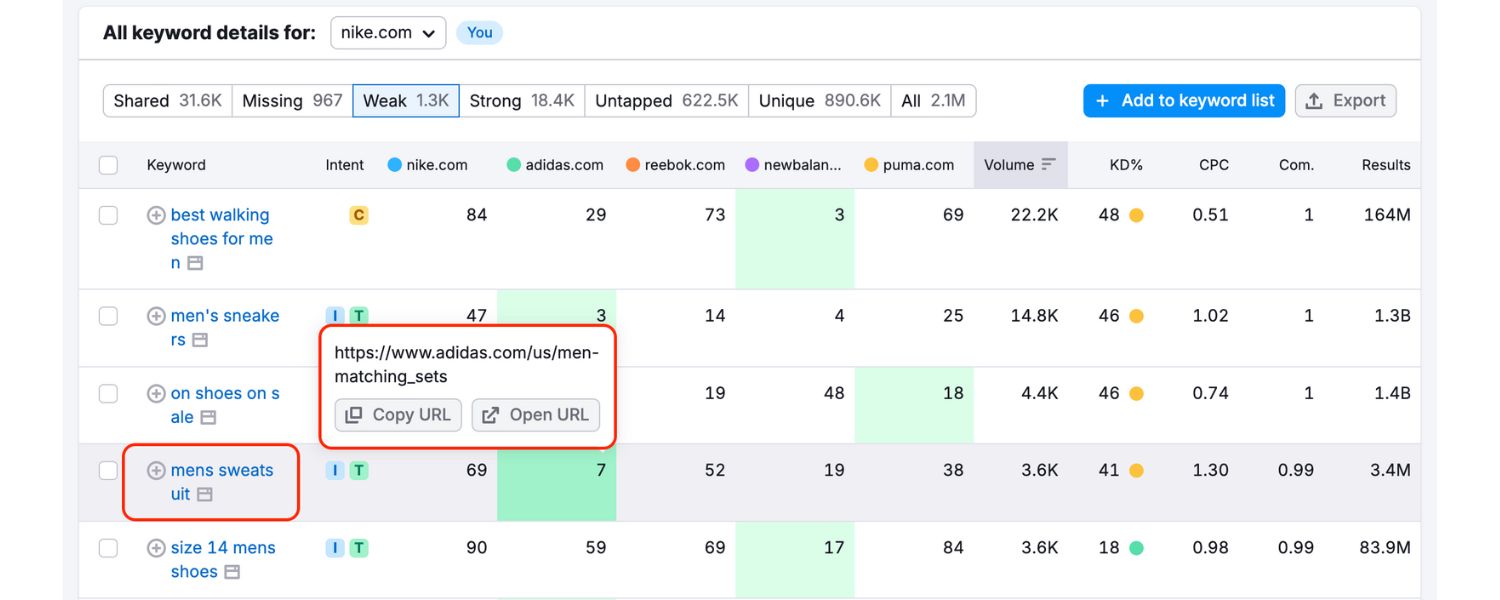
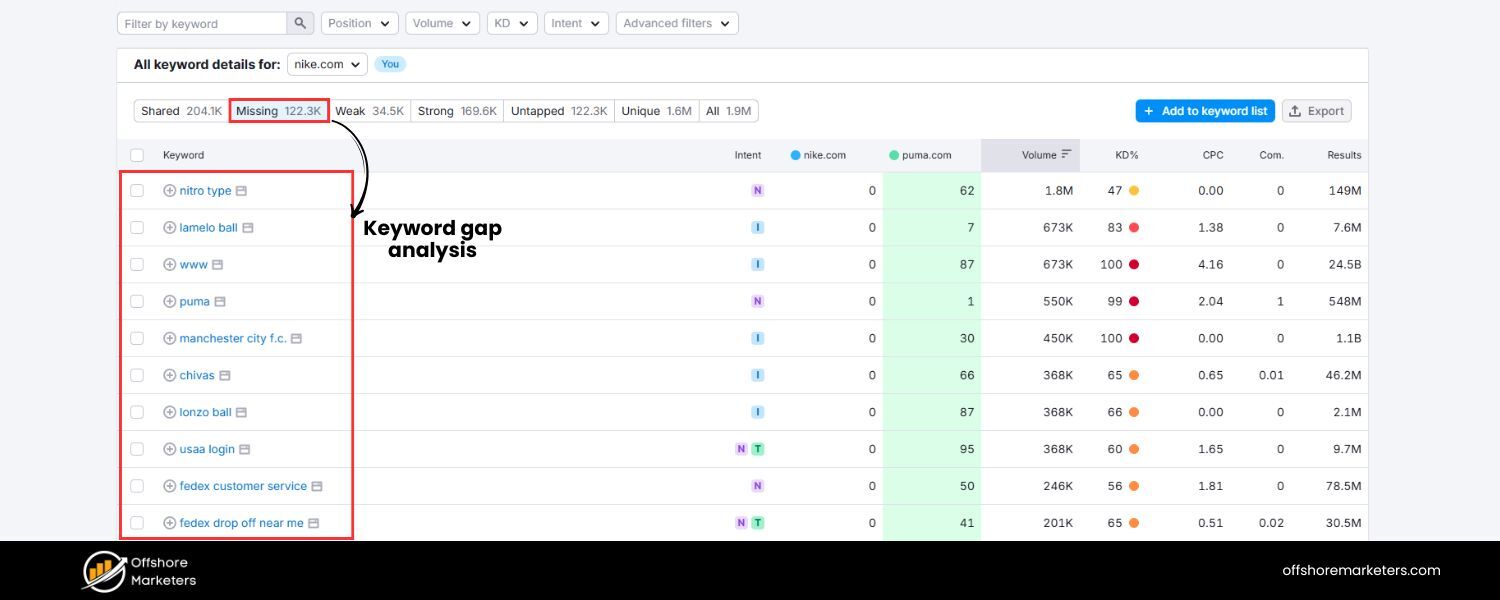
With all keyword data in hand, it’s time to zero in on the gaps that matter. Most SEO tools will explicitly highlight the keywords that appear in your competitors’ lists but not in yours – often called “Missing” keywords. For example, in Semrush’s interface you can click the “Missing” tab to see a list of keywords all your chosen competitors rank for, but you don’t. Those are prime opportunities.
An example from Semrush’s Keyword Gap tool: The “Missing” keywords tab (above) lists terms multiple competitors rank for that your site does not. In this case, thousands of keywords are potential opportunities for the analyzed site.
Go through the missing keyword list and start flagging ones that look relevant to your business. Often, you’ll want to filter this list for quality and relevance:
A. Filter by Search Volume
Remove extremely low-volume queries that won’t move the needle (unless they are highly targeted and conversion-prone). Focus on keywords that have a meaningful number of searches per month.
B. Filter by Difficulty or Competition
Many tools provide a Keyword Difficulty (KD) score or a competition metric. Consider filtering out keywords with very high difficulty, especially if your site is newer or less authoritative. Initially, “low-hanging fruit”, keywords with moderate to low difficulty, can be more achievable wins.
C. Filter by Intent/Type
Identify the intent behind each keyword. Is it informational (question or how-to), navigational (brand or product names), or transactional (buy, price, etc.)? Ensure the keyword matches the kind of content or page you can provide. If a missing keyword is a competitor’s brand name, for instance, that’s not usually a gap you can fill (it’s their branded term). Focus on non-branded, thematic keywords relevant to your offerings.
In addition to missing keywords (you have zero presence), pay attention to “weak” keywords. These are terms you do rank for, but not as well as your competitors. For example, your page might be on page 2 of Google while a competitor is on page 1 for the same keyword.
Many tools label these as “Weak” keywords – Semrush lists “Weak” separately, meaning keywords both you and competitors rank for, but your ranking is lower. Weak keywords are worth optimizing: they indicate content you already have, but could improve to outrank the others.
Meanwhile, “untapped” keywords are those at least one competitor ranks for and you don’t (not necessarily all competitors, maybe just one). These are also valuable gap opportunities. They might be more niche terms that only one rival has exploited so far.
As you identify missing, weak, and untapped keywords, keep a record of them (you can often export these lists directly). The end goal is a refined list of gap keywords that are relevant and promising for your site.
Pro Tip:
When analyzing gap keywords, pay special attention to keywords where multiple competitors rank in the top 10 and you’re absent. If three of your competitors all show up for a keyword, that’s a strong sign the term is important in your niche and likely has decent volume or value. These multi-competitor overlaps are typically the highest priority gaps to consider.
5. Analyze and Prioritize Your Keyword Opportunities
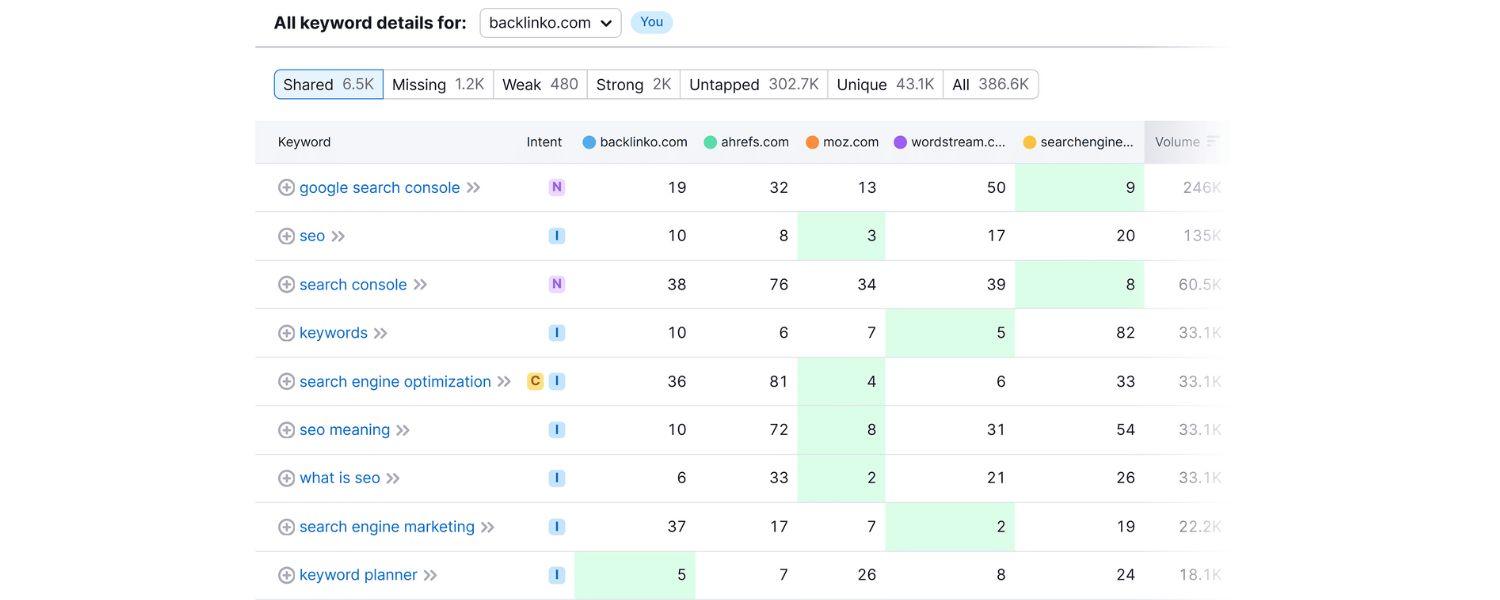
Not every gap keyword you find will be worth pursuing. The next step is to analyze the list and prioritize the best opportunities. Here’s how to approach it:
A. Assess Relevance
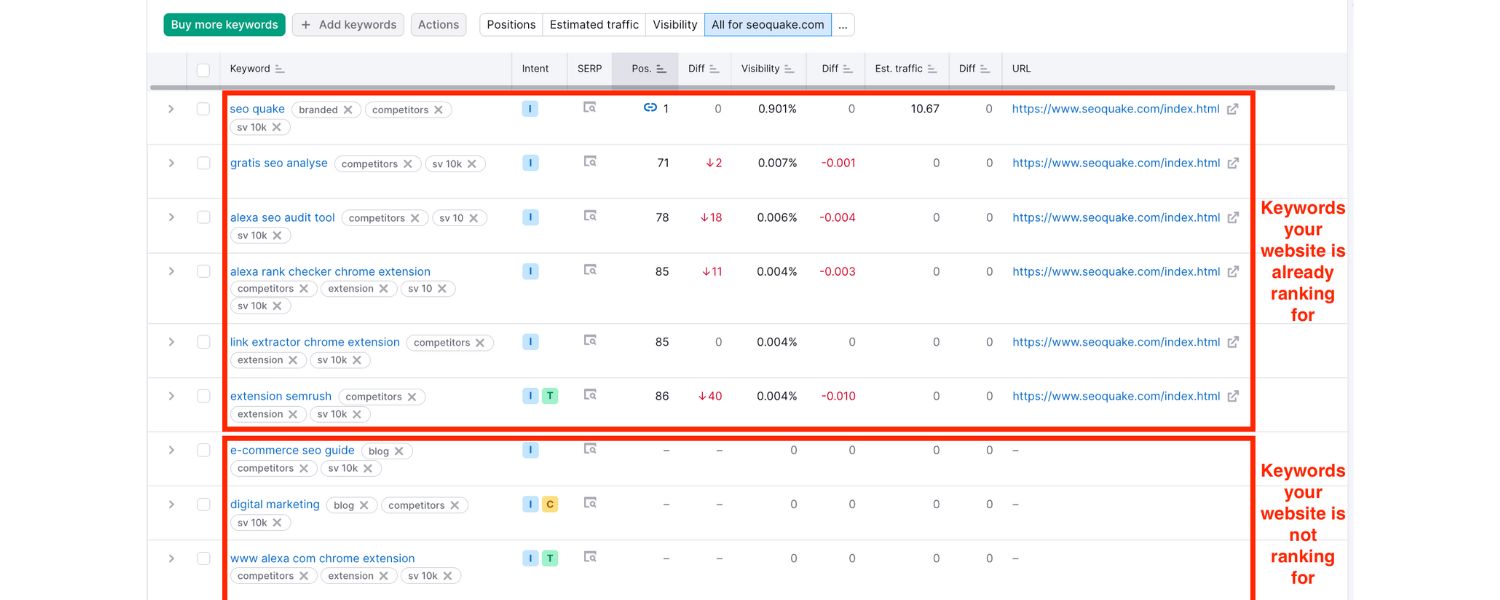
For each keyword, ask: Is this closely related to my product, service, or the content I can offer? A keyword might be popular, but if it isn’t something your site should feasibly rank for or attract (e.g. outside your niche), it’s not a priority. Focus on keywords that align with your business and audience.
B. Check Search Intent 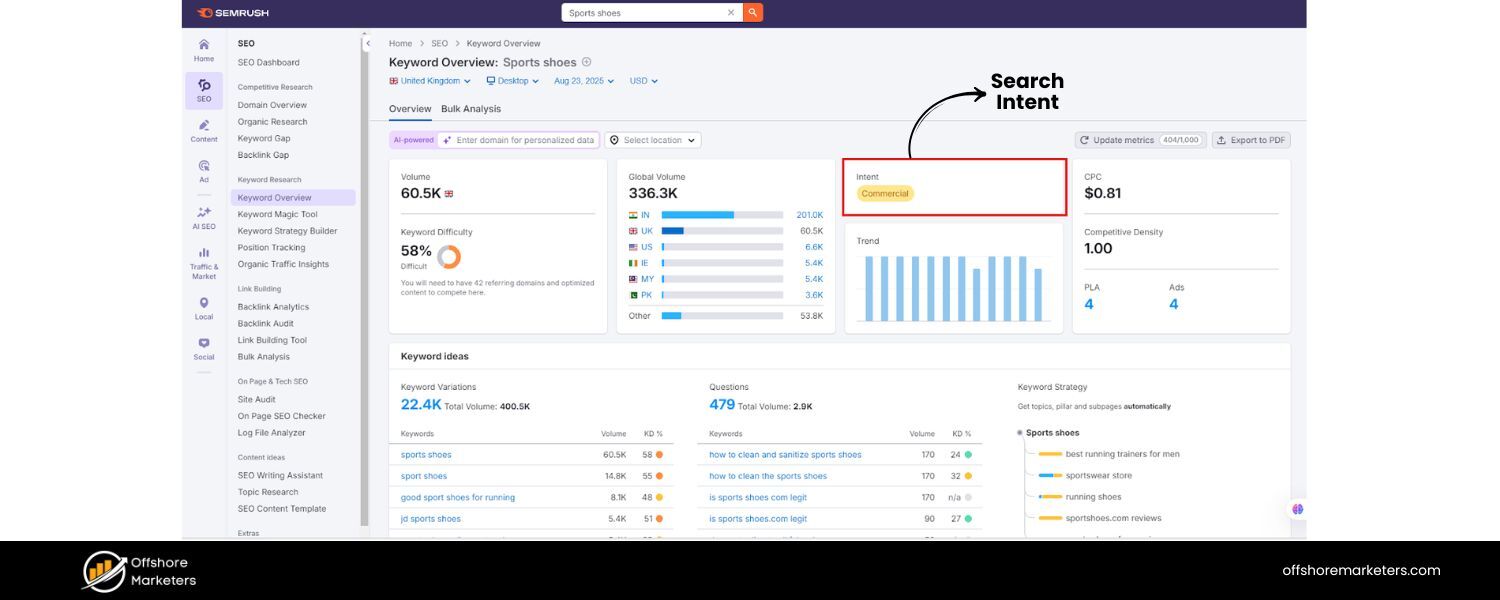
Consider what a user likely wants when searching that keyword. Does your site have (or could have) content that satisfies that intent? For example, if the intent is informational (like “how to fix a leaky faucet” and you’re a plumbing company), you could create a blog post or guide, so that’s a good match.
If the intent is transactional (like “buy hiking boots online” and you sell hiking boots), even better, that’s directly in your wheelhouse. Ensure you prioritize keywords where you can meet the search intent effectively.
C. Examine Search Volume vs. Difficulty 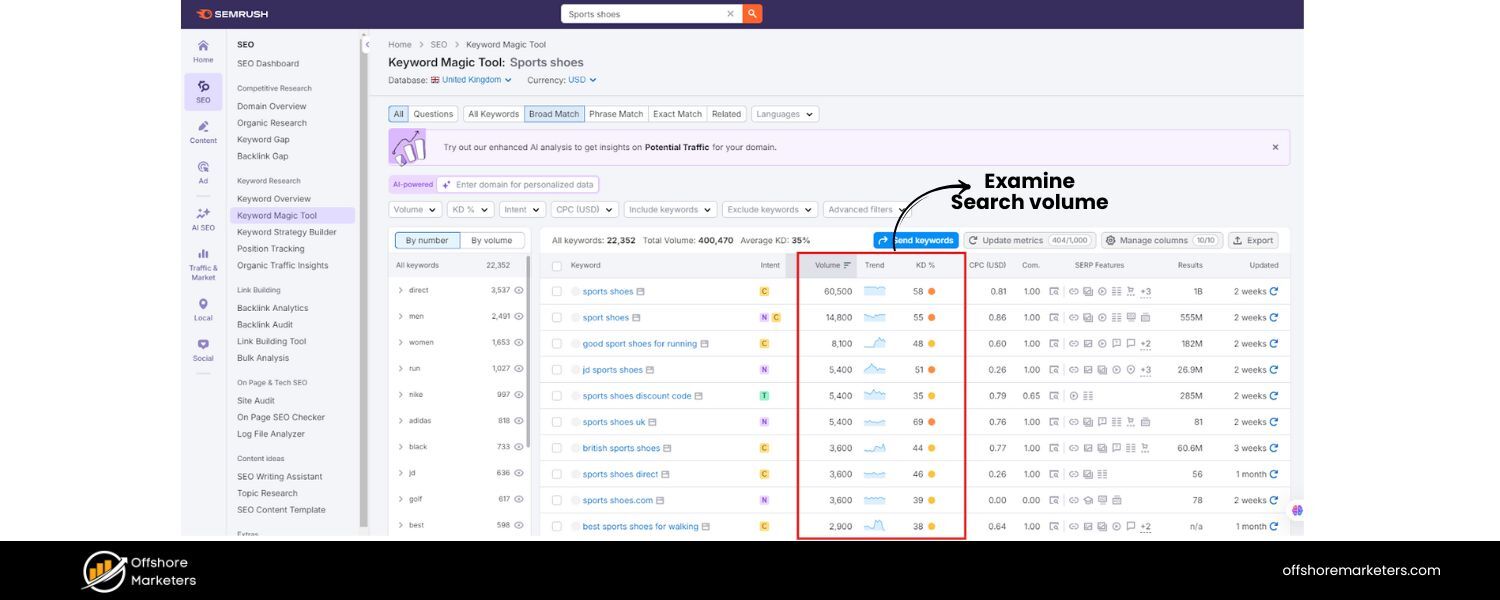
Look at the search volume alongside the competition level for each keyword. This helps identify quick wins. A keyword with moderate volume and low difficulty is often a great opportunity – it can bring in visitors without a huge SEO struggle. On the other hand, a very high-volume keyword with extremely high difficulty might be a long-term project or better suited for PPC if organic will take too long.
You might categorize keywords into tiers (e.g. “High priority: moderate difficulty, good volume” vs “Secondary priority: high difficulty or low volume”). Many SEO experts recommend balancing your targets: go after a few competitive big-win terms and numerous easier long-tail terms.
D. Identify Long-Tail Gems 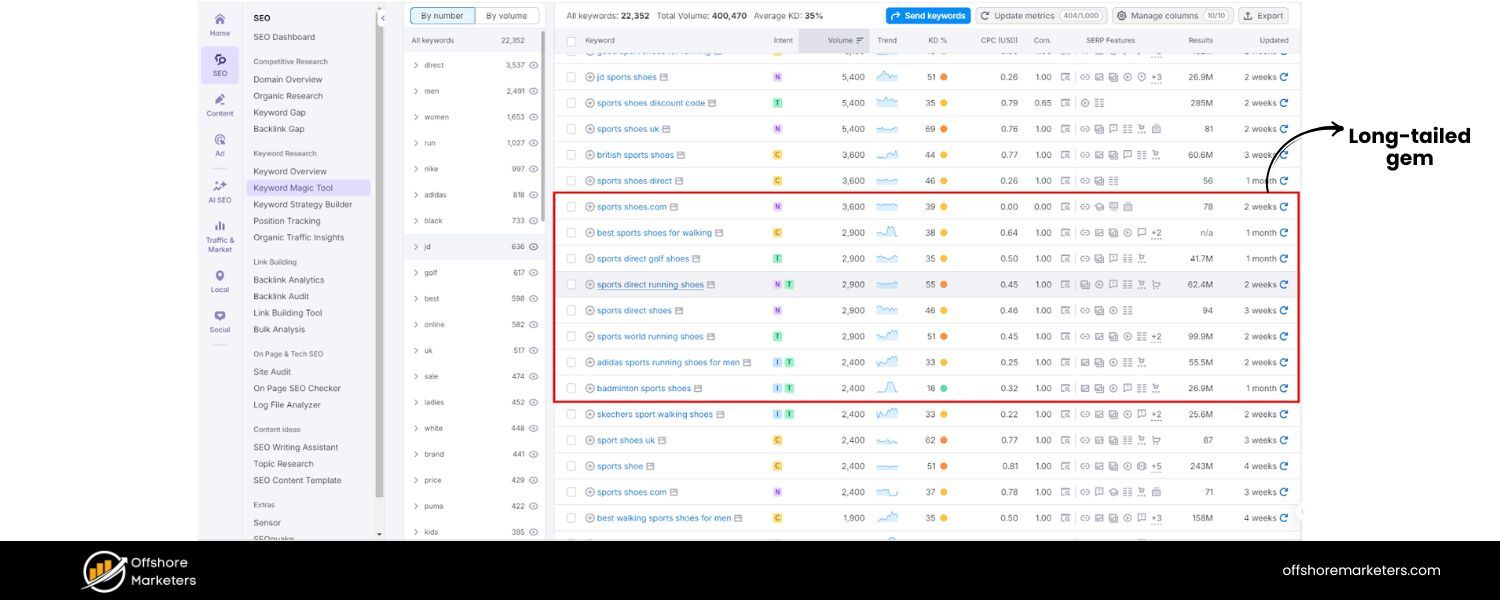
Long-tail keywords (longer, more specific phrases) often have lower search volume but also lower competition. They can be easier to rank for and attract highly targeted traffic. Your gap analysis might reveal many long-tail queries competitors rank for.
Don’t ignore these! If a keyword is very specific to your niche and has low difficulty, it could be a perfect addition to your content plan. For example, “best running shoes for flat feet in winter” might not be huge volume, but those searchers are pretty far down the funnel and likely to convert if you have the right content.
E. Consider Current Position (for Weak Keywords)
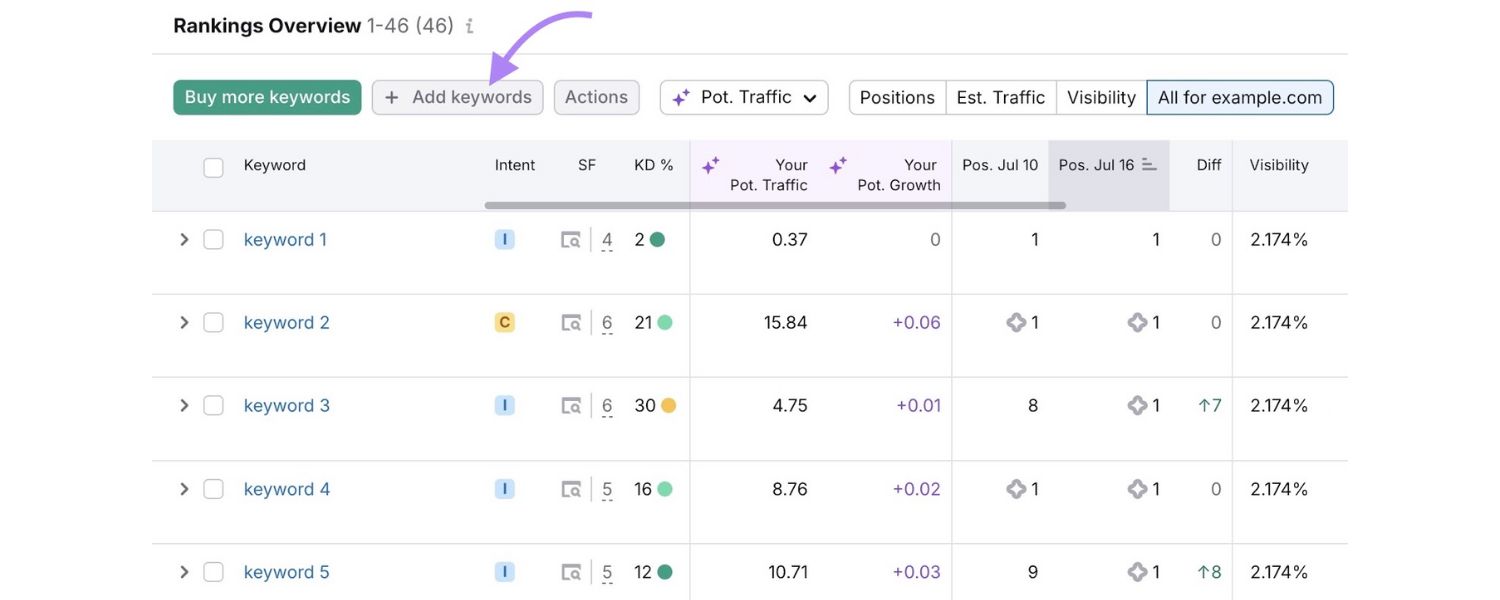
If you have some weak keywords (where you rank lower), check your current ranking and the competitor’s ranking. If you’re on page 2 and the competitor is top 3, that keyword might be a quick boost if you optimize your page better, since you’re already somewhat in the running. Prioritize weak keywords that are close to page one, as they may yield faster gains with optimization.
After this analysis, you should have a shortlist of gap keywords that are high-impact for your strategy. These are the keywords you’ll be targeting moving forward. It can help to sort them into groups like: “High Priority (next 1-3 months)” and “Secondary” or “Later” to keep your focus clear. Remember, effective SEO is about prioritization, tackling the most valuable opportunities first.
6. Take Action: Create New Content & Optimize Existing Pages
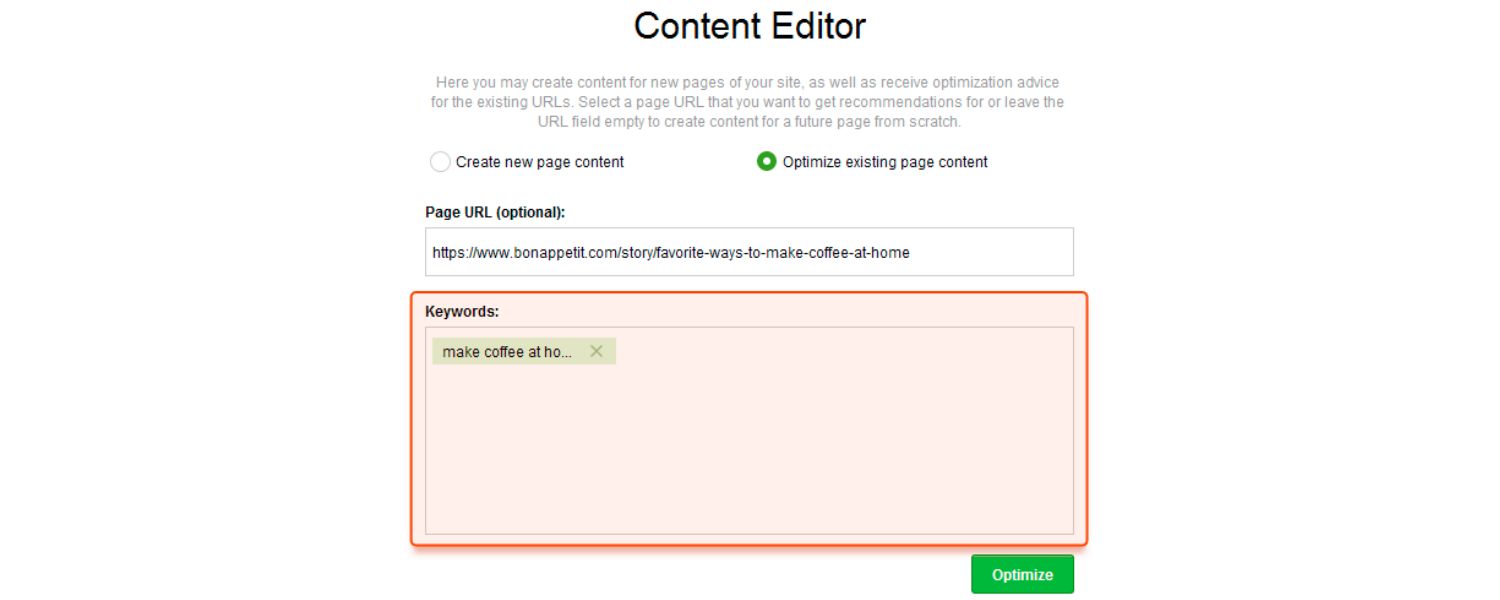
Identifying keyword gaps is only half the battle, now you need to fill them! This step is where you turn insights into execution, by integrating those gap keywords into your website through content creation or optimization.
There are two main approaches, often used in tandem:
A. Create New Content for Missing Topics
For keywords that represent completely new topics you haven’t covered, plan to create content around them. This could be in the form of new blog posts, articles, product pages, landing pages, videos, infographics – whatever format best suits the keyword intent. For example, if a missing keyword is “free CRM with email integration” and you offer a CRM software, you might write a blog post comparing CRM tools with email integration (naturally including that keyword) or create a page highlighting how your product integrates email for free.
Ensure that the new content thoroughly covers the topic and provides value beyond what competitors have, so that it has a strong chance to rank. (Tip: Analyze the top-ranking competitor pages for that keyword to see what content format and subtopics they use, then aim to make something even better.) By filling these content gaps, you directly address needs your audience has, which competitors identified first. Over time, this can win you a share of that traffic.
B. Optimize & Expand Existing Content
For gap keywords closely related to content you already have (especially the “weak” keywords you found), it’s often efficient to update your existing pages. For instance, you might have a blog post on a topic but it’s not ranking for a certain related keyword that competitors rank for. See if you can naturally incorporate that keyword (and answer its intent) in your post, perhaps by adding a new section or FAQ answering that query.
Improving on “weak” keywords might mean making your content more comprehensive, updating outdated info, or simply optimizing on-page elements (title, headings, etc.) to better target the term. Always ensure any optimization aligns with user intent; avoid shoehorning keywords where they don’t fit. The goal is to enhance relevance and value. Many times, updating an old page with fresh info and new keywords can give it a rankings boost, especially if those keywords were missing before.
As you create or update content, consider the following best practices to maximize your results:
A. Group Related Keywords into Content “Clusters”
If your gap analysis yielded sets of closely related keywords, target them together. For example, a cluster might be [“home office setup ideas”, “best home office setup for productivity”, “home office setup checklist”]. Rather than separate pages for each, you might create one authoritative guide on home office setups and naturally cover all these terms within it.
Clustering keywords by topic helps you build topical authority and avoids thin, duplicate content. It also improves internal linking: you can have a pillar page and sub-pages for a content hub, if appropriate.
B. Match Content Format to Intent
If a keyword gap is a question (e.g. “how to…”, “what is…”) consider adding a FAQ section or creating a how-to article or video. In fact, adding FAQ sections to pages can help capture question-based queries and even earn rich snippet results. If competitors have a certain type of content performing well (like a comparison chart, a video demo, etc.), think about producing a similar format with your own unique spin or added value. Always aim to one-up the competition – your content should be more detailed, more up-to-date, or more user-friendly.
C. Leverage Internal Linking
Once you add new content, remember to link it from other relevant pages on your site. And vice versa – within your new content, link to other related pages. This not only helps with SEO (distributing link authority and anchortext relevance) but also improves user navigation. For example, if you created a new page to target a missing keyword, add an internal link to it from your main topic page or menu if appropriate. Proper internal linking signals to search engines that your new page is an important part of the site on that topic.
D. Optimize Meta Tags and Snippets
As you incorporate gap keywords, update your page titles, meta descriptions, and headings to reflect those terms (where it makes sense). This improves click-through rates and relevance for those queries. Just avoid “keyword stuffing” – stick to one or two primary gap terms per page and use them naturally in the title and H1. Secondary gap keywords can often be sprinkled in subheadings or body text where relevant.
E. Aim for Quality and Uniqueness
It should go without saying, but any new or revamped content should be high quality. Google favors content that is helpful, trustworthy, and satisfies the user. Use the gap keywords as a roadmap, but make sure your content provides depth and original insight, not just a rehash of what’s already out there. Perhaps add expert quotes, recent stats (keep things updated with 2024/2025 data if available), case studies, or unique examples to differentiate your content.
After implementing content changes, submit those pages for indexing (through Google Search Console) to get them crawled faster. Then, over the coming weeks and months, monitor how they start ranking for the gap keywords.
Quick win tip:
Some gap keywords might be addressable with small tweaks. For example, if a competitor’s product page is ranking for a term and yours isn’t, check if your product page mentions that term. Simply adding a line or bullet point about that feature/term could help. In other cases, adding a short FAQ at the bottom of a key page can capture additional queries without needing a whole new page. Little optimizations like this across many pages can collectively yield significant gains.
7. Track Your Progress and Iterate
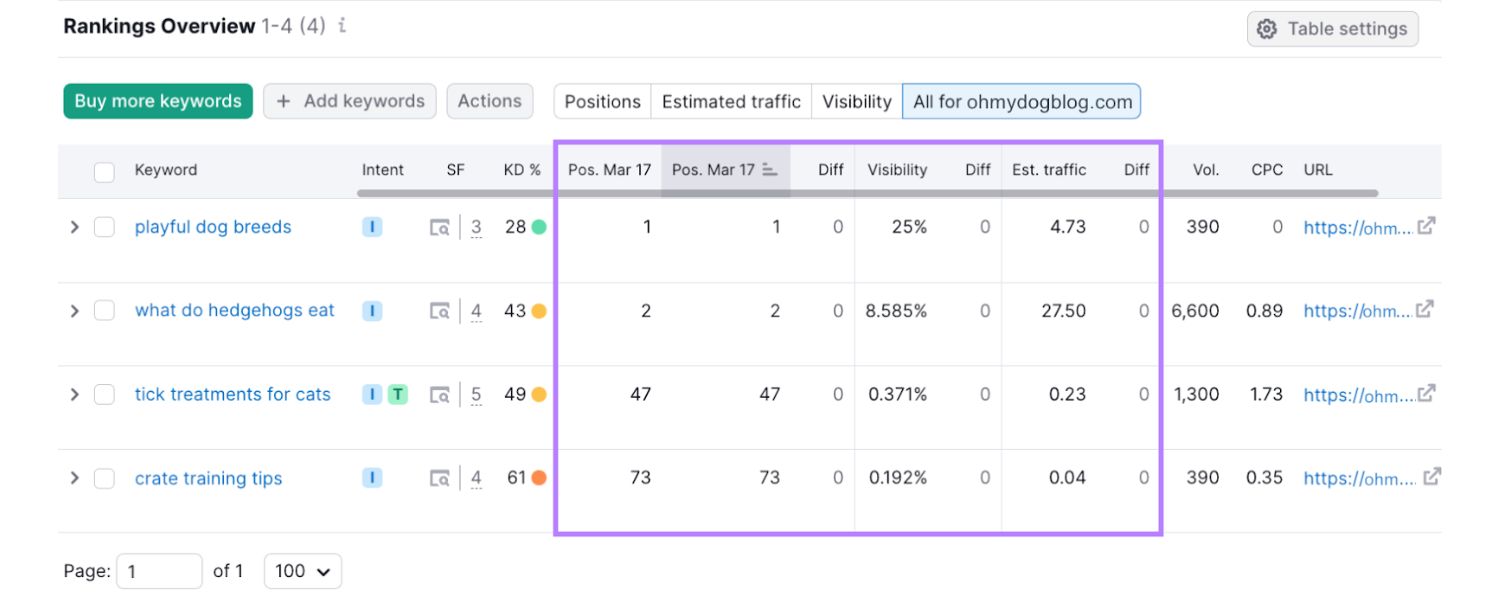
Keyword gap analysis is not a one-and-done task. To maintain your competitive edge, you should treat this as an ongoing part of your SEO strategy. Here’s how to keep the momentum and measure success:
A. Monitor Keyword Rankings 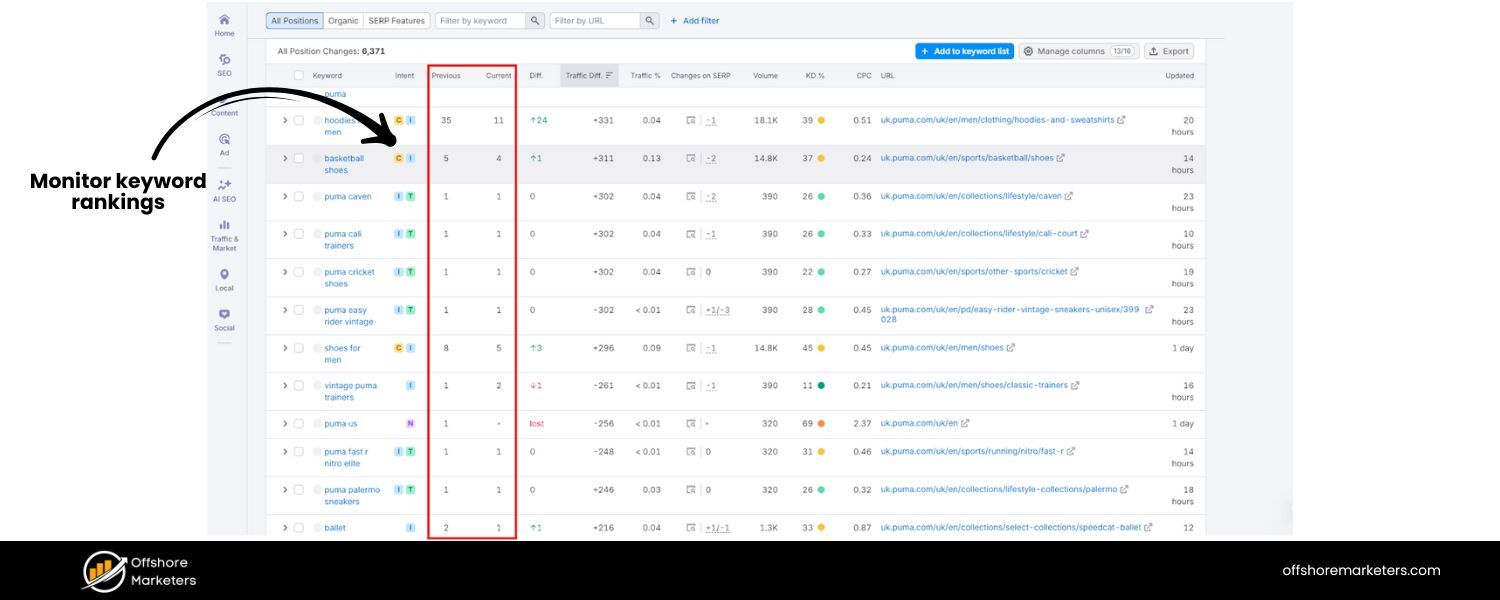
After you’ve optimized for new keywords, use an SEO tool or Google Search Console to track how your rankings change. Are those gap keywords now starting to show up for your site? For any that you targeted via new content, you should see your pages climbing in the SERPs over time.
Tracking tools can plot your position over weeks and months. Celebrate the ones where you break into the top 10! For keywords where movement is slow, you might need to build more backlinks to that content or further improve the on-page SEO.
B. Watch Organic Traffic and Engagement 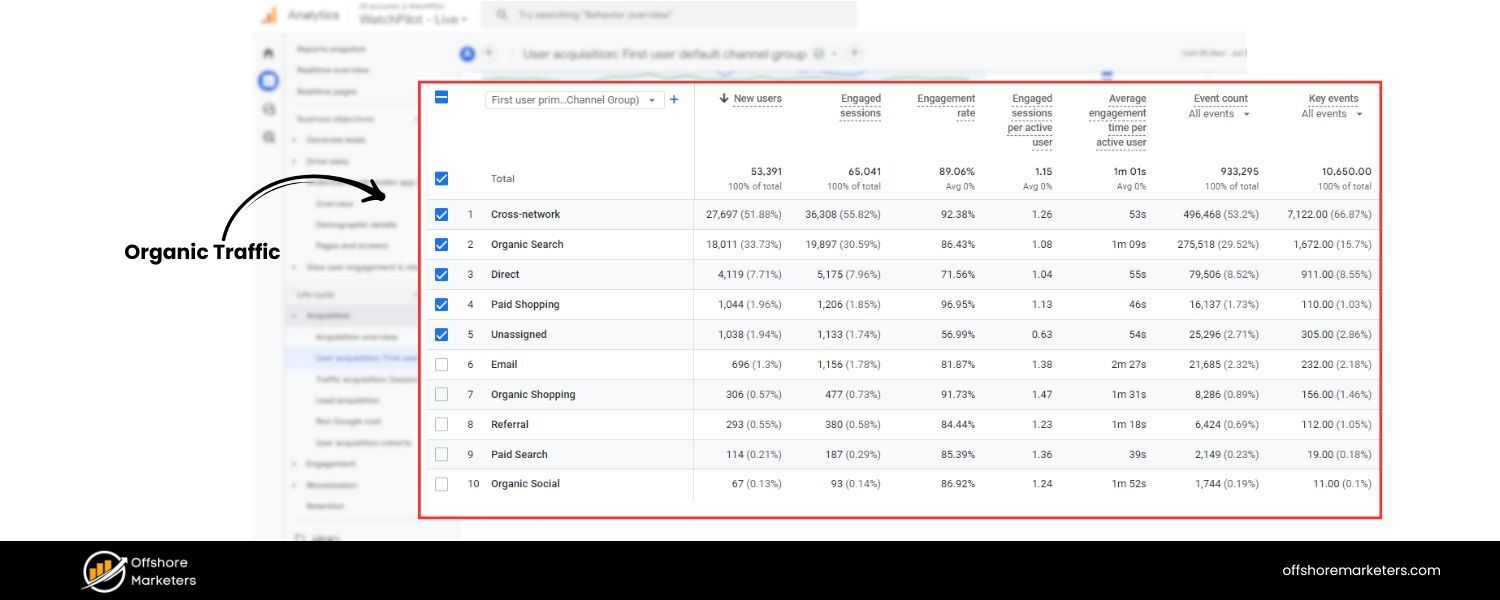
Keep an eye on your organic traffic in analytics. If your efforts are paying off, overall organic sessions should rise as you capture traffic from these new keywords. Additionally, check engagement metrics on the new or updated content: high bounce rates or low time-on-page might indicate the content isn’t fully satisfying users, which could hinder rankings. Continually refine content quality as needed.
C. Compare to Competitors Again
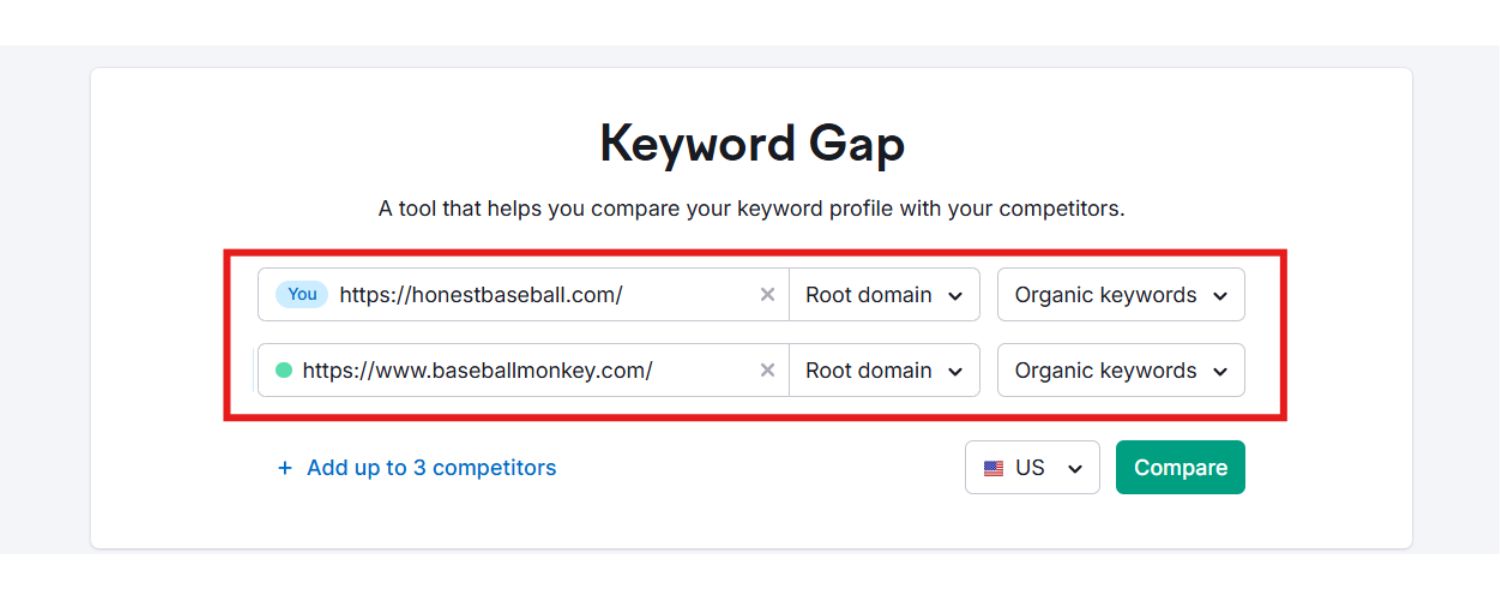
Every few months, run a fresh keyword gap analysis to see how the landscape has changed. Perhaps you closed many gaps – but your competitors might have published new content too, creating new gaps. Regularly repeating this analysis is crucial to stay ahead. It’s like a health check for your SEO: you can quickly spot if a competitor is gaining ground with new keywords and respond accordingly.
D. Integrate with Ongoing SEO & PPC Strategy
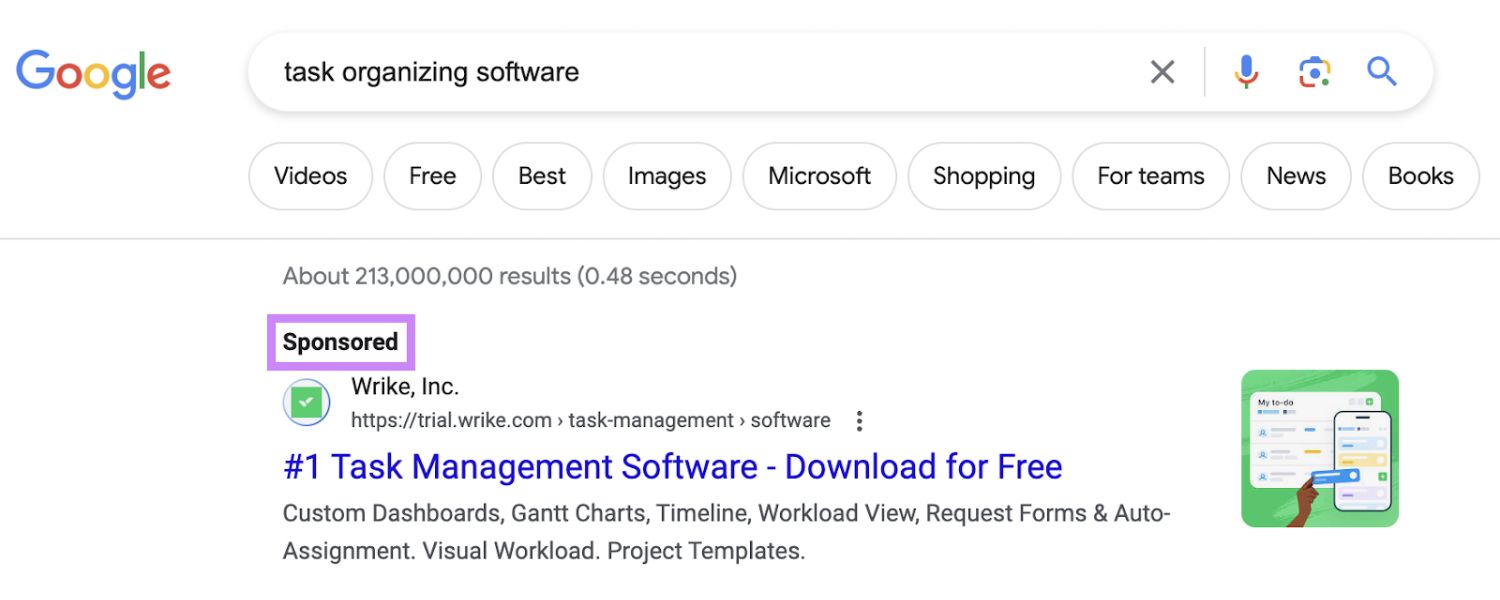
Make keyword gap analysis a part of your SEO workflow. For example, when doing quarterly SEO planning, incorporate a competitor keyword review. Similarly, for PPC, periodically review Auction Insights or tools to see if competitors started bidding on terms you aren’t (or vice versa). Adjust your campaigns to test those terms if they look promising. By continually iterating, you ensure you’re not leaving money (or traffic) on the table.
E. Stay Updated on Industry Trends
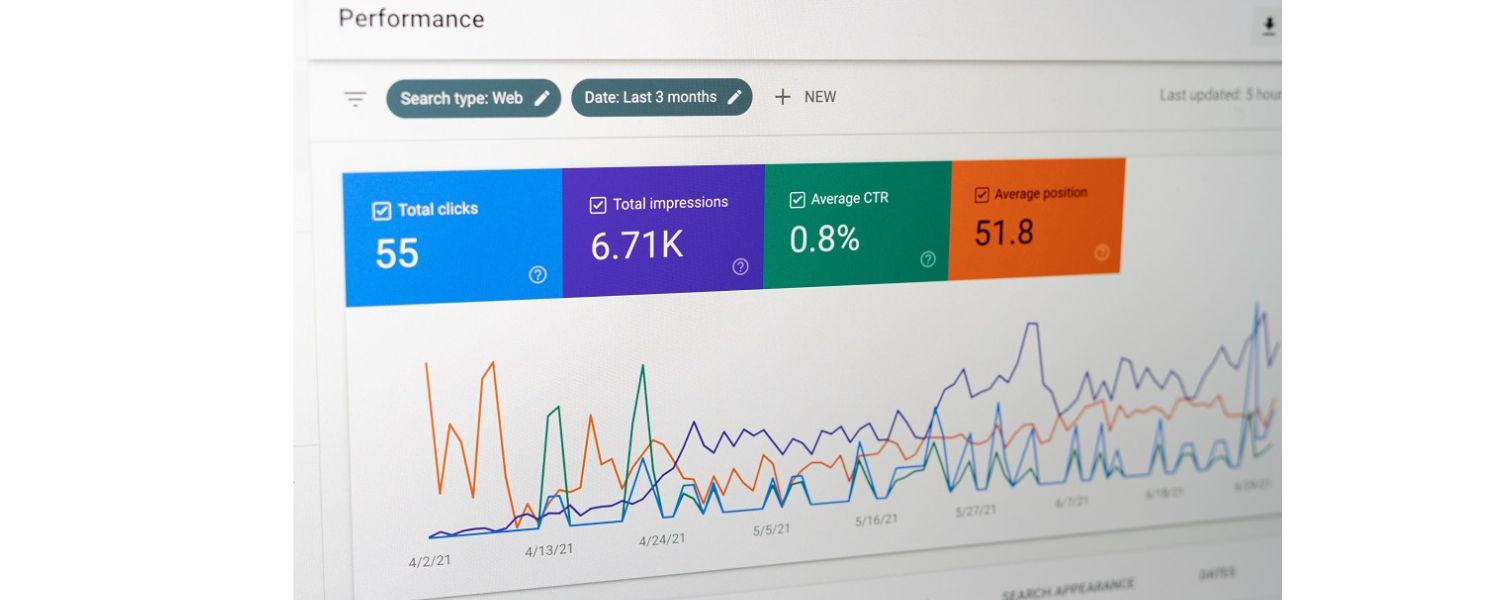
Use the insights from repeated gap analyses to follow industry trends. If you spot new search themes emerging across competitors (e.g. suddenly many competitors rank for “AI in [Your Industry]”), that’s a signal to create content on that if you haven’t. Being agile and producing content around rising topics can establish you as a leader and earn strong rankings before the space gets crowded.
Finally, remember that SEO is a long game. Some gaps you fill will yield quick wins; others, especially highly competitive ones, might take longer or require additional tactics (like link building or improving site authority) to see results.
But by systematically identifying and targeting keyword gaps, you’re ensuring your site continuously grows and adapts, rather than stagnating. Over time, this process can dramatically increase the breadth of keywords your site ranks for, and by extension, grow your organic and paid search performance.
Keyword Gap Analysis for PPC Campaigns (Quick Take)
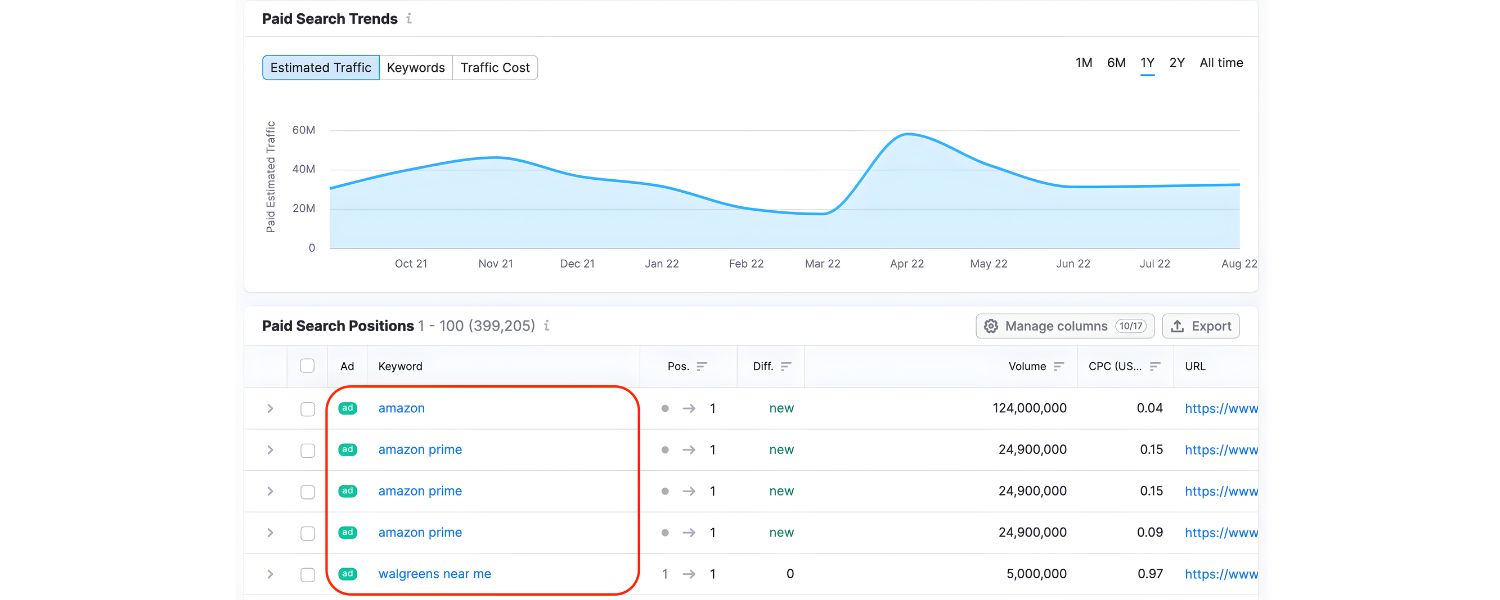
It’s worth highlighting how keyword gap analysis applies specifically to PPC (Pay-Per-Click) advertising, such as Google Ads, since the approach can slightly differ from SEO:
When doing a PPC keyword gap analysis, you’re looking for keywords that competitors are bidding on (their ads show up for) that you aren’t currently targeting in your campaigns. These could be lucrative additions to expand your reach and ensure you’re not missing out on high-converting search queries.
1. How to identify PPC keyword gaps
A. Use tools like Semrush, SpyFu, or Similarweb to research competitor paid keywords. For example, SpyFu can show the top paid keywords for a competitor’s domain, along with their estimated ad spend. Semrush’s Advertising Research can list keywords a competitor’s ads are targeting. Compile a list of these competitor PPC keywords.
B. Compare it to your own Google Ads keyword list. Which keywords are your competitors paying for that are absent from your campaigns? Those are your gap opportunities. Often, you’ll find competitors bid on a mix of head terms and long-tail terms that you might not have considered.
C. Also check Auction Insights in your Google Ads account for your major campaigns. This report shows other domains that appear in the same auctions as you. If you see competitors with a high impression share on certain campaigns, investigate if there are related keywords where their impression share is high and yours is low – it might imply they’re in queries you aren’t.
2. Benefits of closing PPC keyword gaps
A. You expand your reach by adding new keywords that have proven demand (since your competitor deemed them worth bidding on). This can lead to more clicks and conversions that you previously missed.
B. You can prevent competitors from having free reign on those terms. If only your competitor is advertising for a certain keyword, they get all the visibility. By entering the auction, you not only gain traffic but also drive up competition, which can be strategically beneficial in a competitive sense.
C. Similar to SEO, focus on high-potential, not overly competitive gaps for starters. If a competitor has vastly deeper pockets and is bidding on very expensive keywords, you might not want to chase those immediately. Instead, find the “gaps” where perhaps only one or few competitors bid, indicating an opportunity for you to slip in at a reasonable cost. Avoid overspending on fiercely contested terms where ROI might be lower.
One caution:
with PPC, every new keyword you add has a cost. Monitor performance of any gap keywords you add to your campaigns. If they don’t convert well or have low Quality Score, you might need to adjust bids, improve your ad relevance (maybe create new ad copy/landing pages for them), or pause them. However, many times a competitor-focused keyword gap analysis for PPC reveals very relevant terms that you simply hadn’t added, which can become solid performers in your account.
In summary, the concept of keyword gaps is equally valuable for paid search, it ensures you’re not unknowingly ceding ground to competitors on important search queries. By aligning both your SEO and PPC keyword strategies with gap analysis, you create a unified front to capture as much search market share as possible.
Conclusion & Next Steps
By now, you should have a clear understanding of how to find and fill the keyword gaps between you and your competitors. A successful keyword gap analysis will arm you with a list of new content ideas, optimization targets, and possibly PPC keywords that can drive more traffic and leads to your business. More importantly, you’ll be focusing your efforts on areas with proven demand, rather than operating on hunches.
As a seasoned marketer, I can attest that regularly performing this kind of competitive analysis keeps your SEO strategy sharp and your content highly relevant. It’s like having a roadmap of where to go next in your quest to dominate the search results. Instead of playing catch-up, you’ll be proactively targeting the right terms – and maybe even discovering gaps in competitors’ strategies that you can exploit first.
Now it’s your turn: Take the steps outlined in this guide and put them into action for your own site. Identify your competitors, leverage a good tool to find those missing keywords, and start creating or optimizing content to close the gap. Keep iterating and tracking results, and you’ll steadily see your site climb in rankings and traffic. By continuously outmaneuvering your competitors in the keyword game, you’re positioning your brand to capture more eyeballs and conversions online.
Good luck, and happy gap-hunting! Here’s to outranking your competition with a smarter, data-driven keyword strategy.
[Ready to boost your SEO performance? Perform your own keyword gap analysis today and watch the new traffic roll in.]
FAQ
Q1: What’s the difference between a keyword gap analysis and a content gap analysis?
A keyword gap analysis focuses on specific search terms – it finds individual keywords your competitors rank for that you don’. In contrast, a content gap analysis looks at broader topics and user needs not covered by your content. Keyword gap is about keywords, whereas content gap is about topics (which may encompass many keywords and the entire customer journey).
For example, keyword gap might tell you competitors rank for “best budget smartphone”, while content gap might reveal you lack content on “smartphone buying guides for budget-conscious consumers.” Both approaches are related; often you’ll use keyword gap findings to inform filling content gaps.
Q2: How often should I perform a keyword gap analysis?
It’s a good practice to conduct a keyword gap analysis periodically – for instance, every quarter or at least a couple of times a year. Search trends and competitor content are always evolving. Regular analysis helps you catch new opportunities and respond to competitors’ moves. In fast-changing industries or highly competitive niches, doing it even monthly might be beneficial.
Remember, keyword gap analysis is an ongoing process, not a one-time project. Frequent check-ups ensure you maintain and improve your search presence continuously, rather than discovering a year later that a competitor has dominated a new set of keywords.
Q3: Can keyword gap analysis help improve my PPC campaigns?
Yes, keyword gap analysis isn’t just for SEO. You can apply the same concept to your Google Ads or other PPC campaigns. By identifying keywords competitors are bidding on that you aren’t, you can expand your PPC keyword list to cover those gaps. This can increase your reach and prevent competitors from monopolizing those terms. Just be sure to evaluate the cost and relevance of each new PPC keyword.
Often, gap analysis will highlight high-potential, lower-competition keywords that can improve your campaign efficiency. It can also reveal if competitors are targeting certain search intents with ads, informing your ad copy and landing page strategy. In short, it’s a valuable way to steal a march on competitors in paid search by ensuring you’re present for all relevant searches your competitors appear in.
Q4: What are the best tools for doing a keyword gap analysis?
Several SEO tools can accomplish this. Popular choices include Semrush, which has a dedicated Keyword Gap tool allowing up to 5 domains comparison; Ahrefs, with its Content Gap feature for competitor keyword comparison; Moz Pro with its Competitive Keyword Matrix; and SpyFu for both organic and PPC keyword gaps. Other options are Similarweb, SE Ranking, or free-ish tools like Ubersuggest for smaller scale analysis.
The “best” tool often depends on your needs and budget, Semrush and Ahrefs are highly regarded for comprehensive data, whereas SpyFu is great for quick competitive insights especially on paid keywords. It’s worth trying a couple (most offer trials) to see which interface and results you prefer. Remember, the core functionality across these is similar: input your site and competitors, and the tool will output overlapping and unique keywords. Choose one that fits your workflow and provides the depth of data you require (like search volume, difficulty, etc., alongside the keywords).

.png)
Shopify SEO: Guide to Ranking Your Store and Driving Sales
Most Shopify store owners set up their store, list their...

Content Marketing : Definitive Guide to Strategy, Content Types, and Measurable ROI
Content marketing generates 3x more leads than outbound marketing at...

Above the Fold: Guide to Conversions, Rankings and Faster Pages
Above the Fold in 2026: The Complete Guide to Conversions,...

Off-Page SEO Checklist: Guide to Building Real Authority
Most websites spend months creating great content, only to wonder...

What Is Keyword Bidding? The Complete Strategy Guide for Smarter Ad Spend
Most advertisers believe the highest bid wins the auction. It...
What Is Google Trends? The 2026 Marketer’s Complete Guide
If you are not already pulling weekly insights from Google...
If you want a growth partner who will get to know every aspect of your business and treat your budget like their own — we are the right fit.
.png)


.png)
.png)
.png)
.png)
.png)
.png)
2026 ALL RIGHTS RESERVED MADE IN INDIA
