
How to Build Local Citations and Increase Your Visibility
September 9, 2025
Introduction
Local businesses that dominate search results often have one thing in common: their information is plastered all over the web. This is no accident. It’s the result of strategic local citation building.
In this comprehensive guide, we’ll explore what local citations are, why they’re crucial for your business’s success (especially in 2025), and how you can leverage them to outrank competitors. If you want more customers in your area to find you online, mastering local citations is a must.
What Are Local Citations?
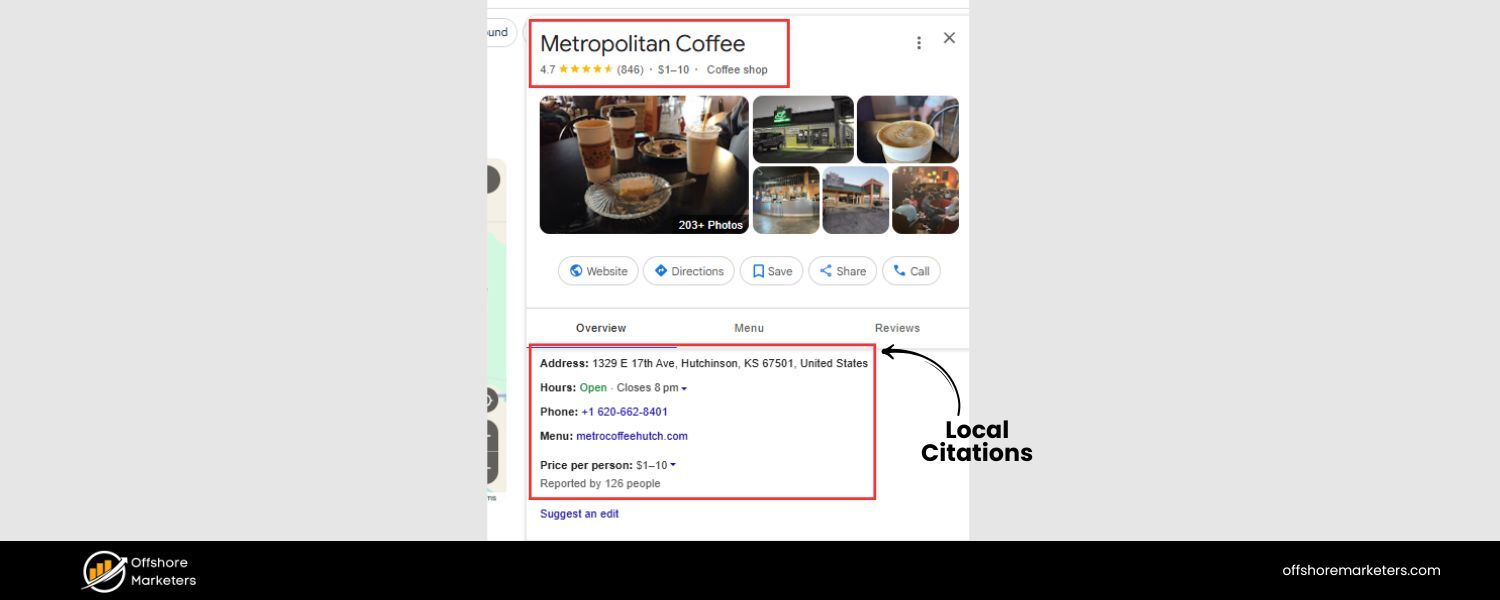
Local citations are any online mentions of your business’s key details – typically your Name, Address, and Phone number, often referred to as NAP. In other words, whenever your business’s NAP information appears on a website that isn’t your own (for example, in a business directory listing, on a maps app, or a social media profile), that mention is a local citation. Many citations also include your website link, hours, and other details, but the core is your NAP being listed accurately.
These citations can be structured, like a formal listing in an online directory or Google Business Profile – or unstructured – such as a blog post or news article that mentions your business name and address in the text.
In all cases, citations act as digital references that verify your business’s existence and information. As Moz explains, a citation in a nutshell is any online mention of your business’s name, address, and phone, whether it’s on Yelp, Facebook, an app, or elsewhere. Think of them as the modern equivalent of phone book listings, but far more powerful.
Why Local Citations Matter for Local SEO
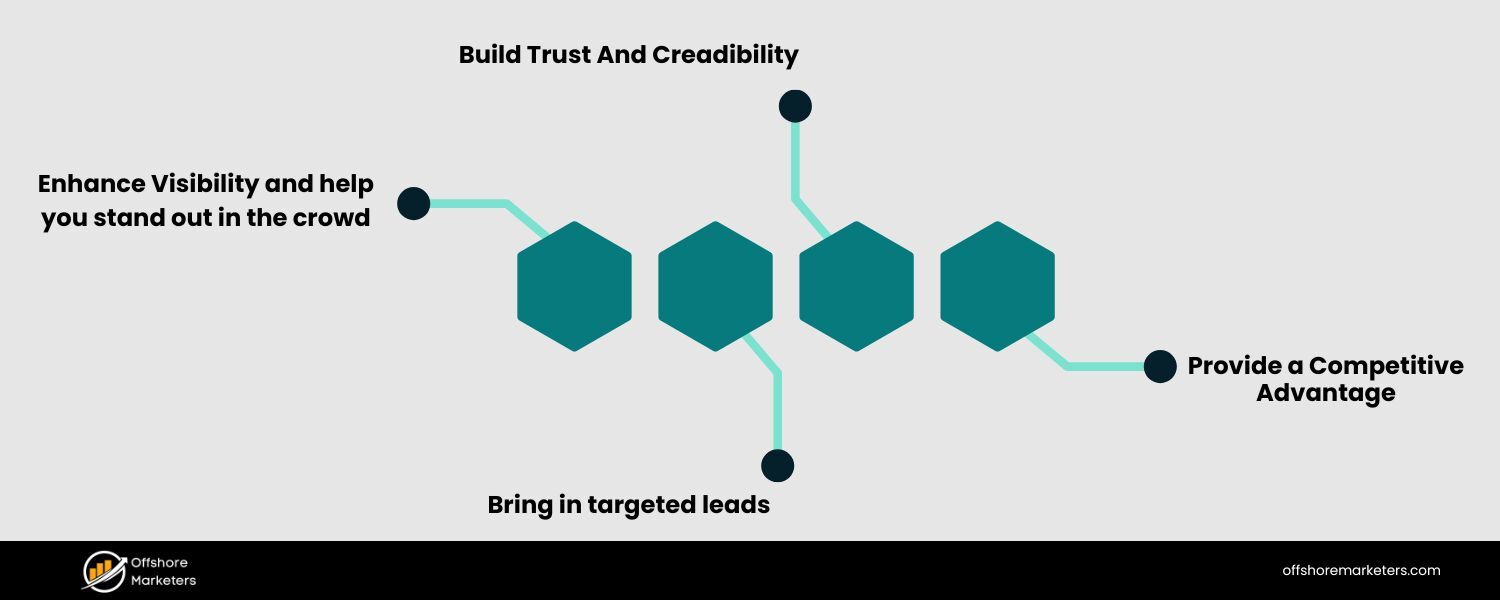
Local citations play a foundational role in local SEO. Google’s local ranking algorithm looks at citations as signals of your business’s relevance and legitimacy in the community.
If dozens of reputable sites consistently show the same name, address, and phone for your company, it tells search engines that you are a real, trustworthy local business at that location. This trust can translate into higher chances of appearing in local search results and Google’s coveted “local pack” map listings.
1. Visibility & Customer Discovery
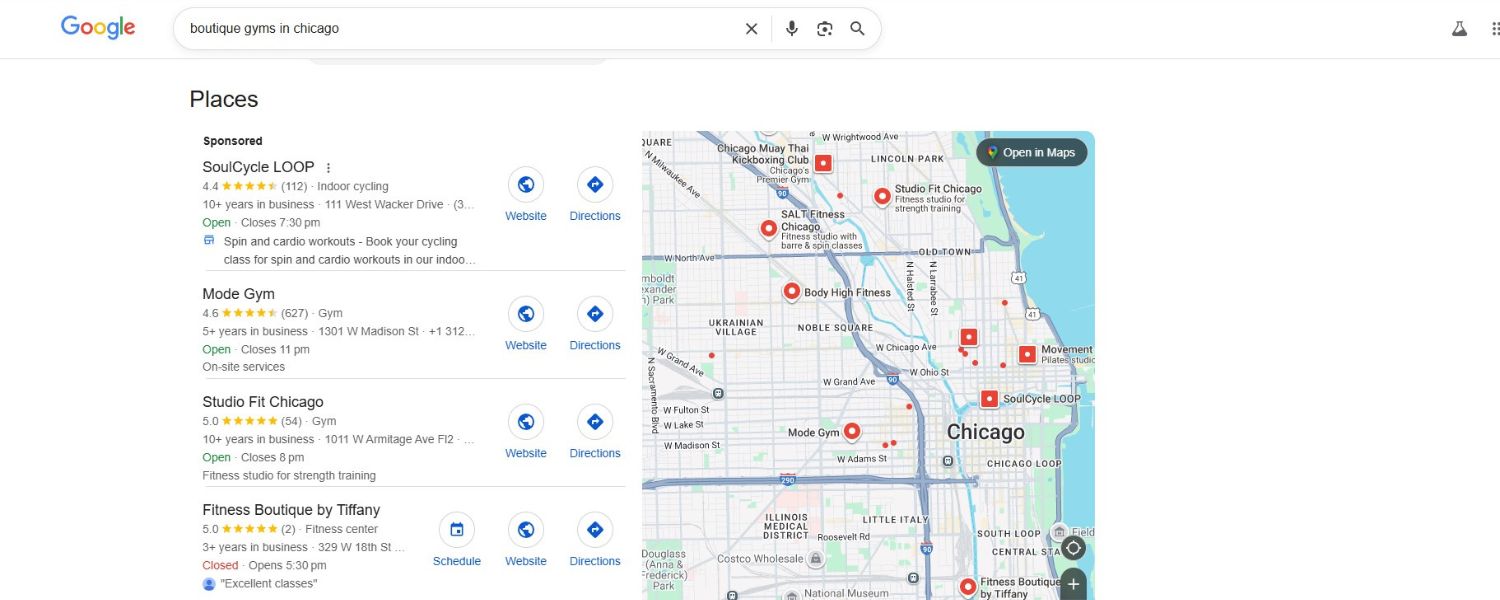
Citations also directly increase your online visibility by getting your business info in front of more potential customers. In fact, business directory sites themselves often rank high on Google.
A recent study found that nearly 31% of the top 10 Google results for local searches are business directories. This means an average local search typically shows about three directory listings on page one.
Being listed on those popular directory sites (like Yelp, Tripadvisor, or Yellow Pages) gives you extra opportunities to be found. It’s like occupying multiple spots on the first page – either via your own website or through your listings on those directories.
The takeaway: if you’re not on the major listing platforms, you could be invisible to a chunk of searchers who use or encounter those sites.
2. Local Ranking Boost
Beyond visibility, having a breadth of consistent citations can boost your local rankings. As Google finds your NAP details on more sites, it may interpret it as a sign that your business is prominent and popular.
Studies and experts often list citation volume and accuracy among the important local SEO ranking factors. One SEO expert notes that getting listed on just a few highly relevant citation sites led to a noticeable improvement, for instance, a dental clinic that added profiles on the American Dental Association, Zocdoc, and Healthgrades “brought actual bookings—not just ranking improvements”. In other words, quality citations can drive real customer actions, not just search engine metrics.
3. Trust and Credibility
Citations also influence consumers. Many people use platforms like Google, Facebook, or Yelp as a starting point to find or vet businesses. In fact, Google, Facebook, and Yelp are consistently the top three sources consumers use to find local businesses online.
When your information is up-to-date on these platforms, you not only rank better – you build credibility with users who see a well-maintained presence. Conversely, if your phone number or address is wrong on a site like Yelp, you might lose a customer’s trust or miss a lead.
Accurate citations ensure that wherever people encounter your business online, they get correct information and a good impression.
4. Impact on Voice Search & AI
The way people search is evolving. Voice assistants and AI-powered search tools often pull data from trusted directories and sources. For example, Apple’s Siri uses Apple Maps and Yelp data for local business info, and many AI-driven platforms are trained on data from major listing sites.
Building citations can increase the odds that your business is mentioned in AI-generated answers on tools like ChatGPT or voice search responses. In fact, experts note that as search shifts towards AI, having complete profiles on the most important industry-specific sites is more crucial than ever.
In short, solid citations not only help traditional search engines but also ensure emerging technologies find and trust your business data.
Local Citations in 2025: Are They Still Worth It?
With so many new SEO tactics and changes over the years, you might wonder if local citations are still important in 2025 or if they’re an old-school strategy past their prime. The consensus among experienced local SEO professionals is clear: citations absolutely still matter, but their role has evolved. Think of citations as “basic hygiene” for local SEO.
In competitive markets, virtually all serious businesses have their NAP listed on the major sites – it’s a baseline. So simply doing what everyone else does won’t shoot you to the top.
Having citations alone won’t rocket you into Google’s top 3 map results if your competitors also have them (and they probably do). As one expert put it, citations are part of foundational local SEO rather than a tactic that by itself will leapfrog you ahead of competitors.
In other words, not having them will hurt you, but having them is expected. They’re the price of entry to rank locally.
That said, citations are far from useless “fluff.” They still carry “juice,” just not in the oversimplified way some might have hoped. Businesses that lack good citations will be at a disadvantage – “if you don’t have them, it would look off to Google” and to customers. Inconsistent or missing information across the web can erode the trust that search engines have in your location details.
Bottom line: Ensure your citations are in order (accurate, consistent, and present on key sites) to level the playing field, then focus on other factors like reviews, content, and links to pull ahead.
Another development in 2025 is the quality-over-quantity approach to citations. Years ago, some businesses tried to get listed on hundreds of obscure directories just to inflate citation counts. Today, experts advise that this shotgun approach isn’t necessary – or effective. “You don’t need to submit to every low-quality directory – just the top 10-20 most important ones,” one local SEO specialist advises.
Being listed on a long tail of sketchy, irrelevant sites offers diminishing returns and can even be seen as spammy. Instead, it’s better to focus on high-value citation sources that Google and customers actually care about. Also, consider niche-specific citations your competitors might overlook; these can sometimes move the needle more than generic listings.
For example, a local contractor will get more benefit from an Angi (Angie’s List) listing than from a random directory nobody uses, and a boutique hotel will gain more from a TripAdvisor profile than a generic business index.
In summary, local citations remain 100% worth it in 2025 as a foundational SEO tactic. They won’t alone guarantee top rankings, but without them, you’ll likely struggle to rank at all. Think of citations as laying a solid floor for your local SEO house – you can’t build the rest (strong rankings, traffic, and sales) without that floor in place.
Types of Local Citations and Where to Get Them
Not all citations are created equal. There are different types of local citation sources, and understanding them will help you prioritize where to list your business. Here’s a breakdown of key citation categories and platforms:
1. Major Search Platforms & Map Listings
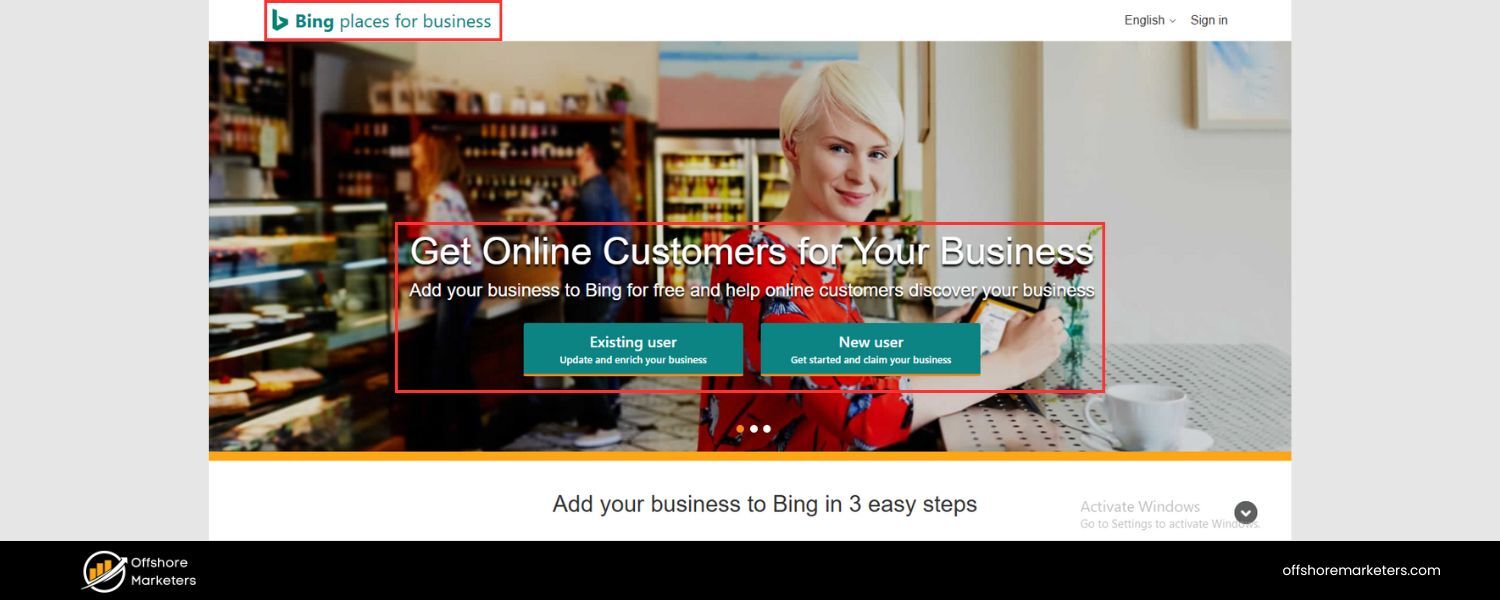
These are the big ones: your Google Business Profile, Bing Places for Business, and Apple Maps (via Apple Business Connect). These profiles are absolutely essential – they’re often the first citations you should create.
Google and Apple use them to power map results on billions of devices, and they feed information to other services. Make sure your Google listing is claimed and complete, and do the same for Bing and Apple Maps.
These profiles not only act as citations themselves but also influence countless apps that pull map data (e.g. Yelp pulls from Apple in iOS, Uber uses Google Maps data, etc.).
2. Online Directories (General Purpose)
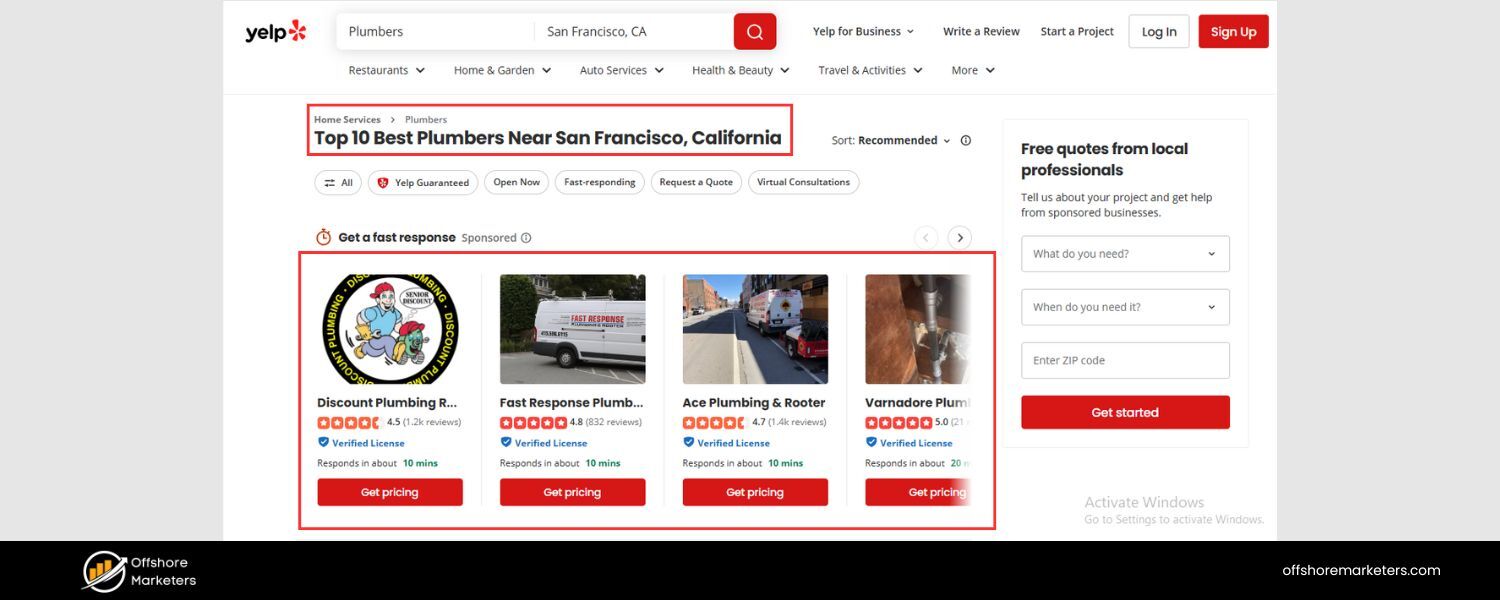
These include broad business listing sites that any type of business can join. Examples are Yelp, Yellow Pages, Better Business Bureau, Facebook (yes, your Facebook Business Page counts as a citation), LinkedIn, and Foursquare.
These have high domain authority and are well-known citation sources for any business. Being on these sites helps customers find you and ensures search engines see consistent info.
Some of these (like Yelp and BBB) also tend to rank well for local searches. For instance, Yelp appears in about 28% of all directory results on Google’s first page for local queries, making it a high-priority citation site.
3. Industry-Specific Directories
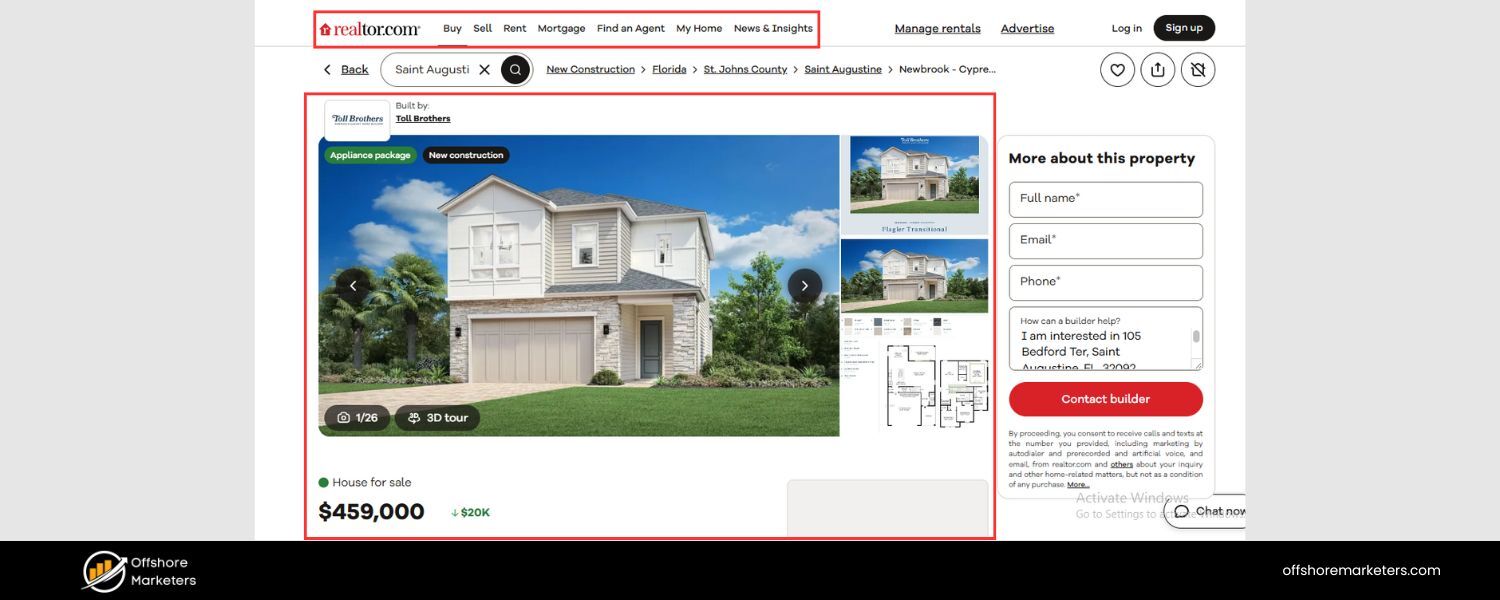
Almost every industry has its own set of specialized platforms where businesses can list their services. These are gold mines for niche-relevant citations – and often for leads. For example:
A. Doctors and medical practices should be on Healthgrades or Zocdoc.
B. Lawyers should get listed on Avvo or FindLaw.
C. Home services (plumbers, electricians, etc.) benefit from Angi (Angie’s List) or HomeAdvisor.
D. Restaurants absolutely need a presence on TripAdvisor, Yelp, and maybe OpenTable.
E. Hotels and B&Bs should be on TripAdvisor, Booking.com, etc.
F. Real estate agents can use platforms like Realtor.com or Zillow.
These industry-specific citations can sometimes have a greater impact than generic ones because they are where your actual customers are looking. For instance, a home contractor might get more referral traffic and SEO value from Angi than from a generic directory.
As one SEO lead shared, focusing on a few highly relevant citations in a medical niche (like insurance provider directories for a healthcare client) led to a 40% increase in local pack appearances for that business. The key is to identify which platforms are considered authorities in your field.
4. Local/Regional Directories and Associations
Don’t overlook local sources such as your city’s chamber of commerce, business association directories, or local tourism websites. Many towns or regions have business directories (sometimes run by newspapers or local organizations) that can serve as citations.
Similarly, membership organizations often list their members on their websites. Getting featured in a local chamber of commerce directory or a “local businesses” section of a community site can give you a solid citation and possibly a quality backlink.
These can also put you directly in front of a local audience. For example, being listed in a downtown business association’s online directory both boosts SEO and attracts local customers by virtue of that association’s site visitors.
5. Data Aggregators
In some countries, there are data aggregator companies that collect business information and distribute it to a wide network of smaller directories, mapping services, and GPS systems.
In the US, for instance, firms like Data Axle (formerly Infogroup), Foursquare (which absorbed Factual), and Localeze feed business data to many apps and maps. By submitting your info to these aggregators (often via a service), you can quickly spawn citations on numerous platforms.
This is a fast way to cover a lot of ground, although it may not hit the ultra-high-profile sites individually. Using aggregators ensures your data flows downstream automatically to many listing sites, saving you the effort of manual submission in each one.
6. Unstructured Citations (Mentions)
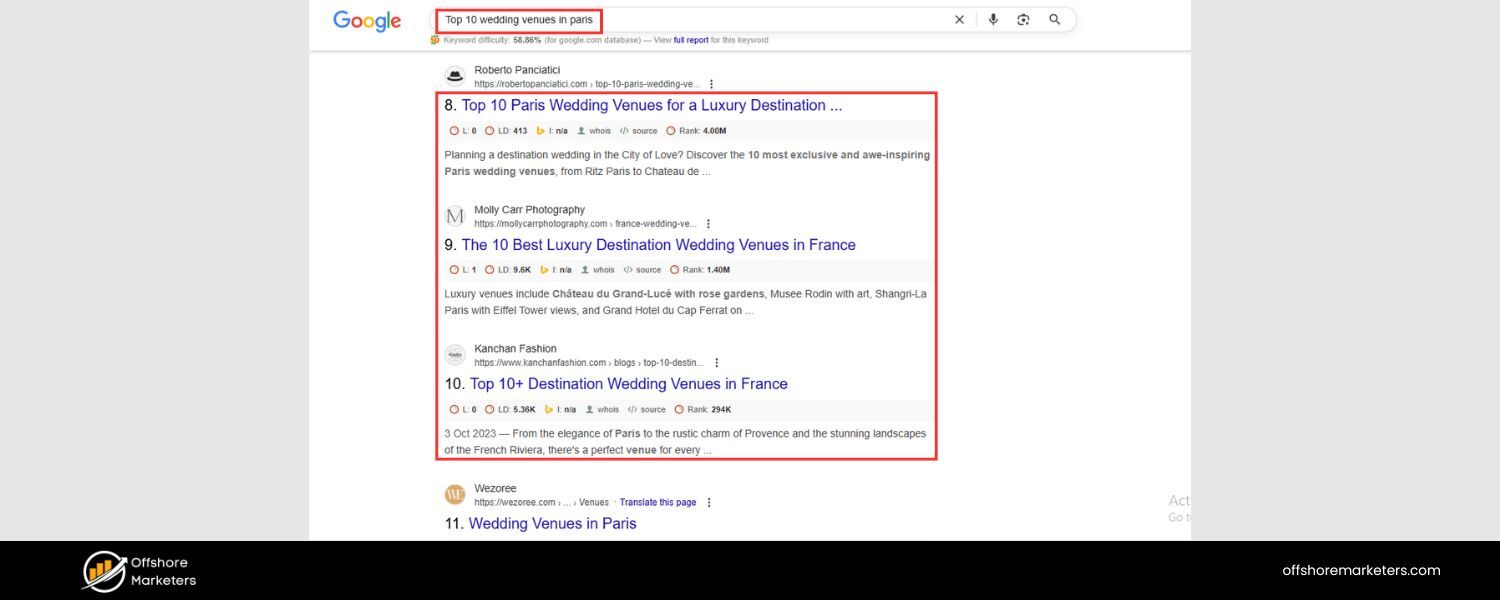
Beyond directories and profiles, remember that any mention of your business’s information online can count. A local news article that names your business and address, a blog post listing “Top 10 wedding venues in [City]” that includes your venue, or a job posting or press release, all of these are unstructured citations.
They’re harder to systematically build (since they often come from PR or content marketing efforts), but they do contribute to your citation profile. These also sometimes come naturally as your business gets talked about online.
While you shouldn’t rely on these alone, they are nice supplementary citations to have, especially if they’re on reputable sites.
Tip: There’s no single definitive list of every citation site you must be on – the ideal citation portfolio varies by industry and location. A good strategy is to see where your competitors are listed and make sure you’re there too.
If competitors in your city are all showing up on a certain local directory, you want to be on it as well. You can use tools or even Google search tricks to discover competitor citations.
For example, search for your competitor’s business name along with phrases like “address” or “phone” minus their own website, to find external sites mentioning them. This can reveal niche or local directories you might have missed.
Additionally, resources like Whitespark’s “top citation sites by country/industry” lists are extremely handy for finding the best citation opportunities relevant to your business.
How to Build High-Quality Local Citations
Building local citations can be a time-consuming process, but it’s absolutely worth the investment. Here’s a step-by-step strategy to efficiently create and manage your citations:
1. Audit Your Existing Citations and NAP Consistency
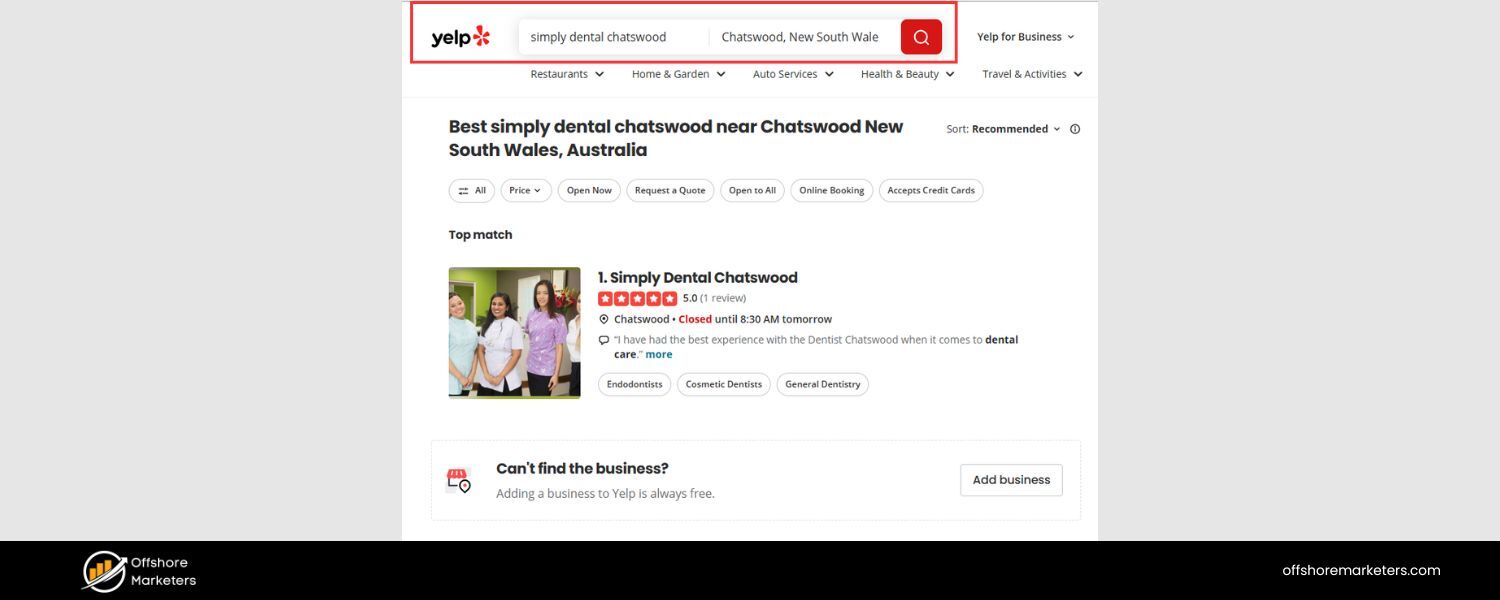
Before you start building new listings, take stock of what’s out there already. Search for your business name and address, you might be surprised to find you’re already listed on some sites (perhaps via data aggregators or unsolicited listings).
Make note of where you appear and whether those listings are accurate. Identify any incorrect information (old phone numbers, former addresses, typos in the name, etc.) because those need fixing ASAP.
Even seemingly minor errors – like a misspelled street name or wrong suite number – can hurt trust and credibility with both customers and search engines. Consistency is key, so you’ll want to clean up any incorrect or duplicate listings as part of this process.
If you’ve moved or changed a number in the past, track down those outdated citations. Google’s algorithm can get confused by conflicting NAP data, so ensure you correct these issues to send a clear, uniform signal everywhere.
2. Pick Your Citation Targets (Quality Over Quantity)
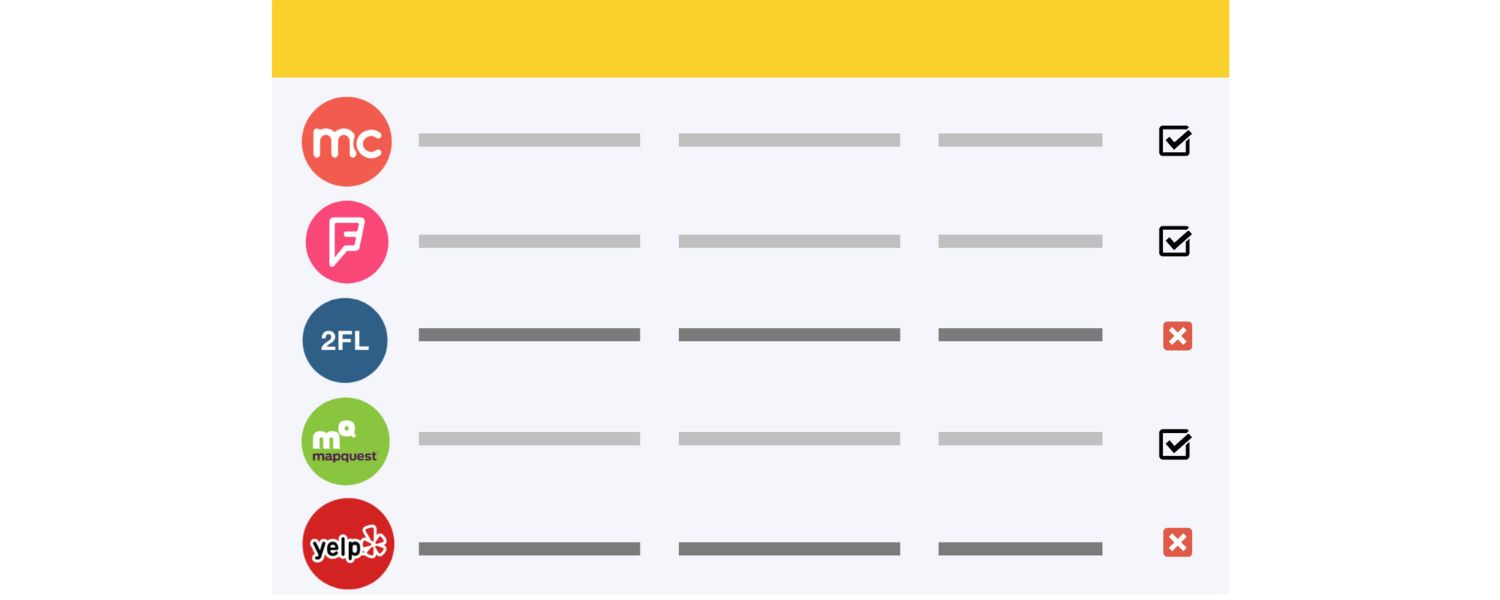
Next, decide which platforms you’re going to focus on. Start with the “big five” or so foundational platforms: Google, Bing, Apple, Facebook, and Yelp are often must-haves. After that, list the major general directories (some were mentioned earlier) and then the industry and local-specific ones relevant to you.
Prioritize platforms that have high authority or direct relevance to your business. A wide selection of citations does help your visibility and credibility, but remember, it’s better to be on 30 good sites that people and Google actually use than on 300 shady sites that exist in some dark corner of the internet.
As one professional advises, “being listed on low-value generic directory sites is becoming less important”, instead, identify the most important sites for your business type and location and get listed there with complete, accurate profiles. Essentially, target the sites that count and skip the fluff.
3. Prepare Your Information (NAP+W and More)
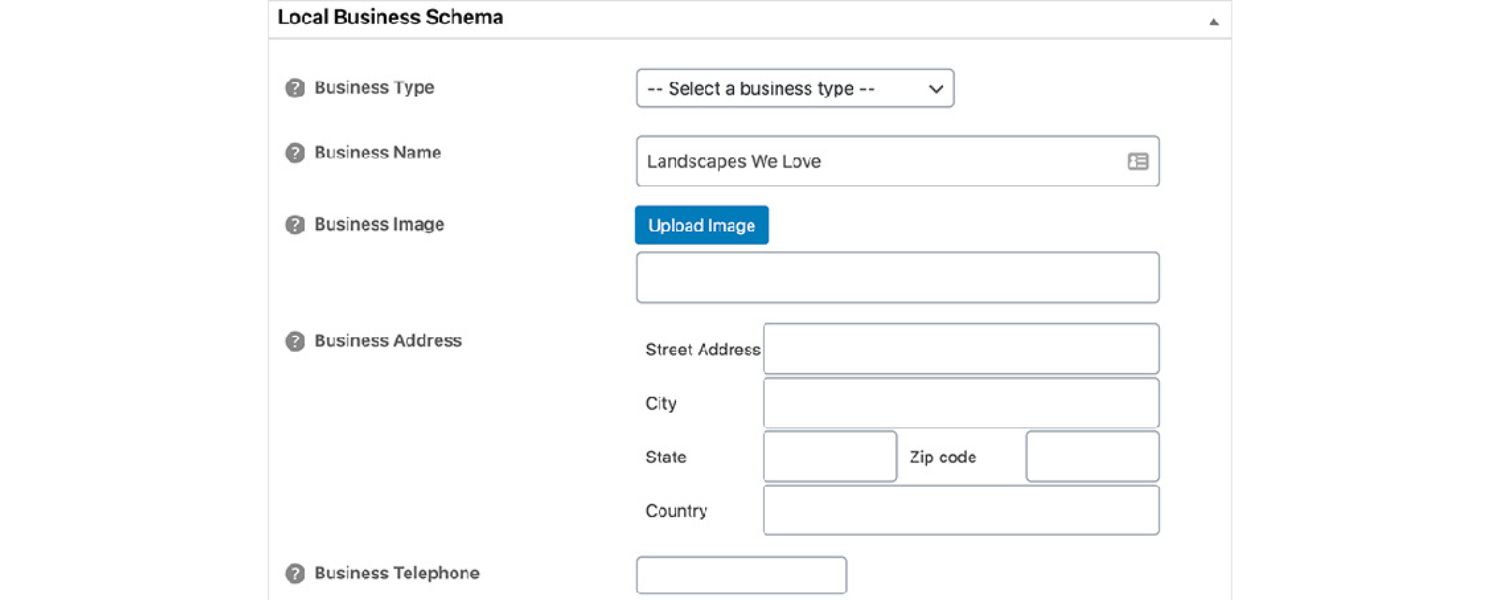
Gather all the information you’ll need to submit. This includes your exact business name (make sure you decide on a standard format and stick to it every time, no adding extra keywords or slogans in the name field), correct address (and suite/unit if applicable, formatted consistently), phone number (ideally a local number), and website URL.
In addition, prepare other details you can include to enrich your listings: business category, hours of operation, a short description or tagline, a longer business description (some sites allow a paragraph or two – use it to mention your services and location naturally), logos or photos, and any other media (for example, menus for restaurants, or insurance accepted for medical offices).
The more complete your listing, the better it will perform. Many platforms let you add extra content like photos, videos, or even posts and Q&A. Take advantage of these where available – a fully fleshed-out listing not only looks appealing to customers but also provides more keywords and info for search relevance. Providing as much information as possible signals that your profile is active and trustworthy.
4. Manual Submission- Create Your Listings
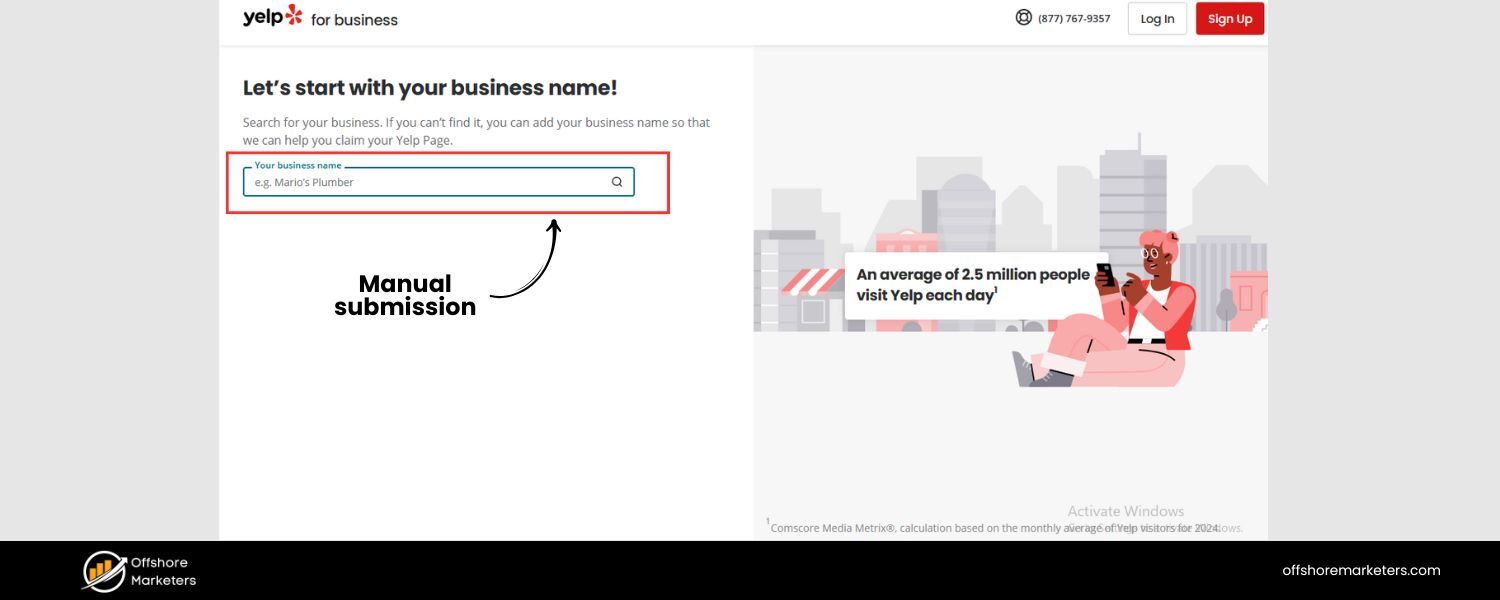
Now it’s time to start entering your info. You can do this manually by visiting each site and filling out their “Add business” forms. Yes, it’s a bit tedious – expect to spend around 15–20 minutes per site on average when doing it yourself (finding the right page, signing up for an account, entering details, verifying via email or phone, etc.).
However, manual submission has an upside: you ensure every detail is exactly right on each platform. Begin with the highest priority sites and work your way down the list. Keep a spreadsheet to track which sites you’ve completed, which are pending verification, and any login details for future updates.
Tip: use the same NAP formatting each time (don’t alternate between “Street” and “St.” or use different phone formats). Small inconsistencies can create big headaches later.
5. Leverage Tools or Services (Automated Submission)
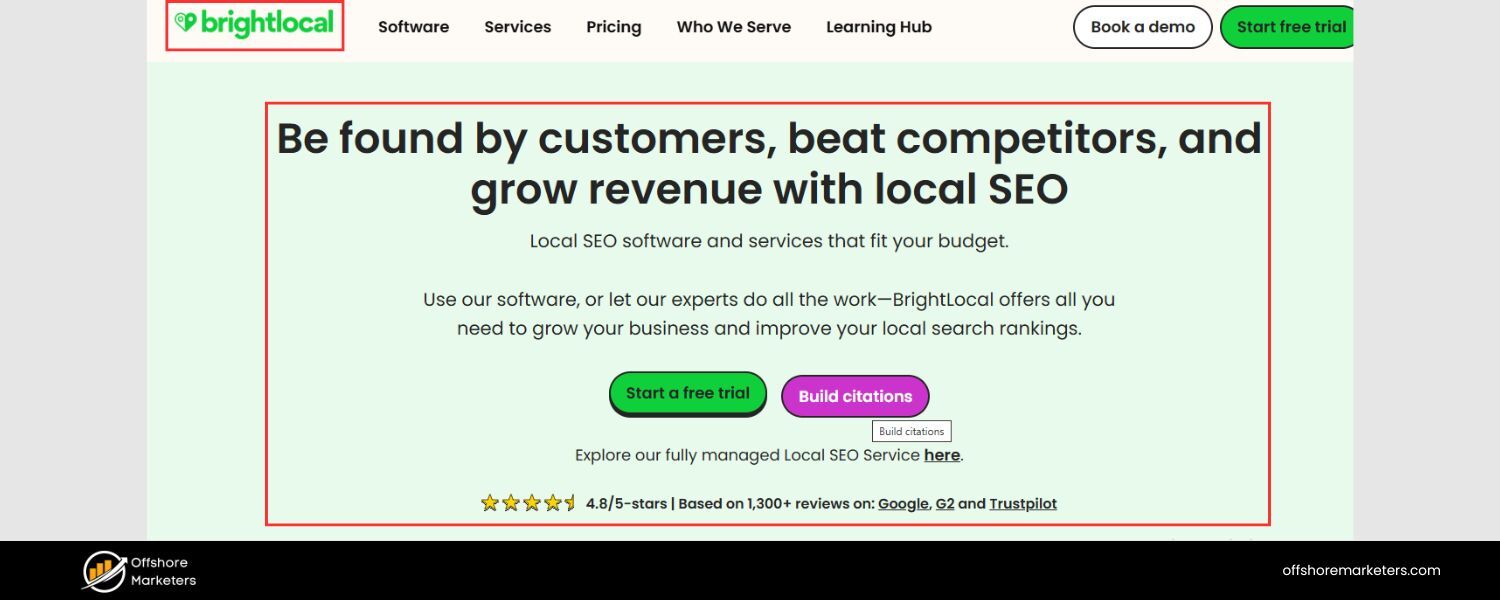
If the manual process sounds overwhelming – especially if you have many sites to cover or multiple business locations – consider using a citation management service or tool.
There are services that will handle citation building for you (either through manual work or APIs) for a fee. There are also DIY tools that automate a large portion of the process.
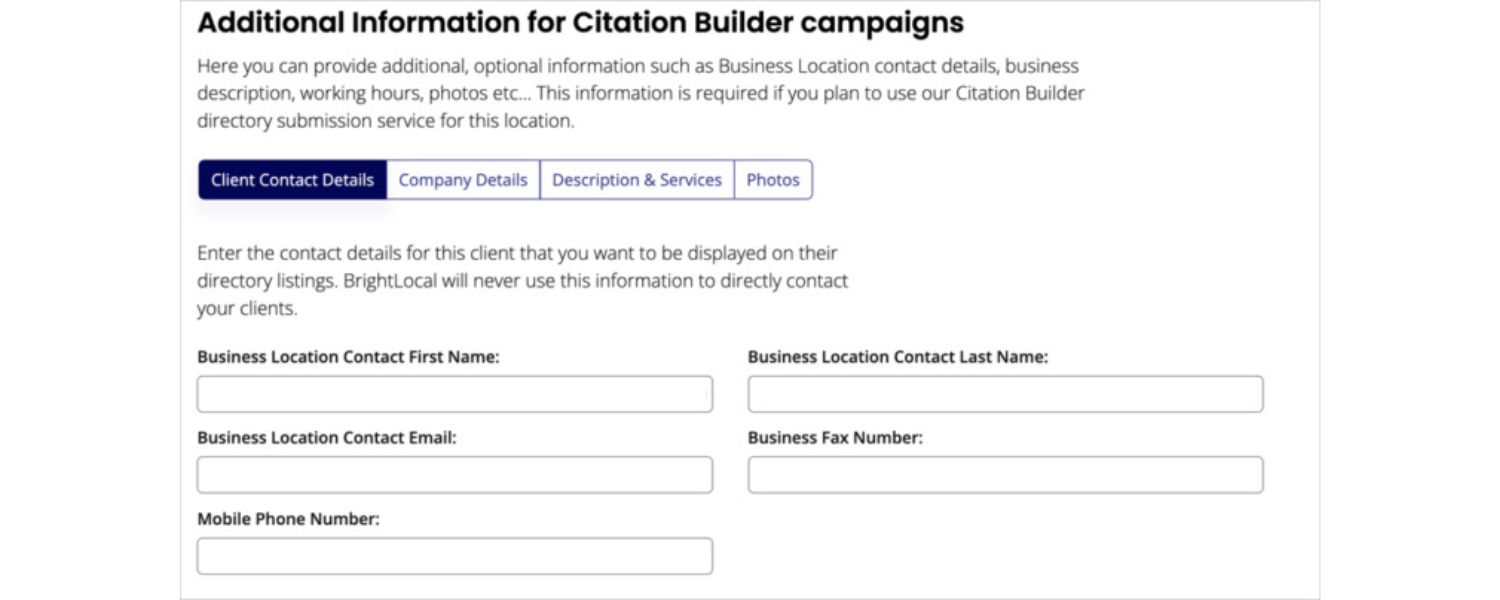
For example, platforms like Moz Local, BrightLocal, Yext, Semrush’s Listing Management, or Advice Local can distribute your business info to a network of directory sites for you.
With aggregator submissions, you might submit your data once and have it pushed to hundreds of sites. This can save a lot of time. The trade-off is cost and giving up a bit of direct control, but reputable services will get your info out quickly and accurately.
Many agencies use a hybrid approach: manually hand-picking a few top citations to build and then using a tool to take care of the rest. Choose the approach that fits your budget and resources. Whether by hand or through a service, the end goal is the same, getting your NAP consistently listed across the web.
6. Verify and Claim Listings
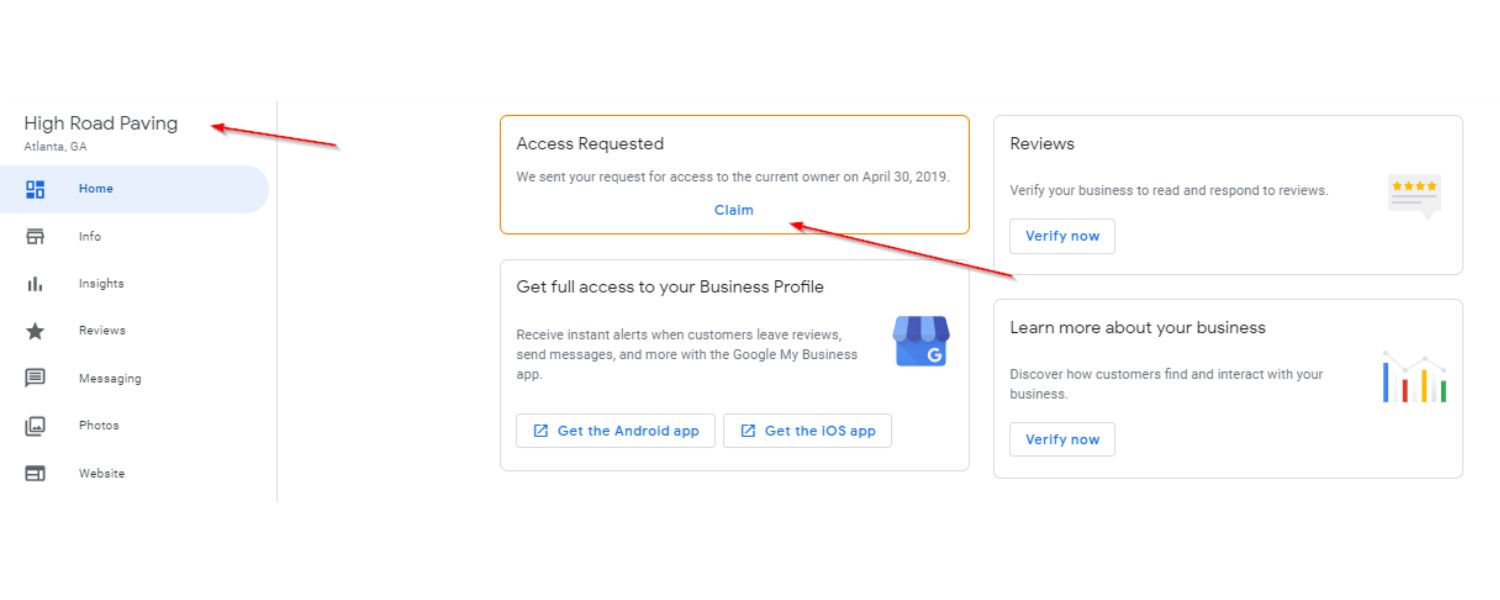
For each citation you create, go through any verification steps the platform requires. Google Business Profile, for example, might require a postcard or phone verification to prove you truly operate at the address.
Yelp might call you, and some sites send confirmation emails. Complete all these verification steps so that your listings are “claimed” and under your control. This status can also improve trust in the eyes of both users and search engines (a claimed profile is more credible than an unclaimed one). Once verified, you typically can manage and edit the listing whenever needed.
7. Optimize Your Citations
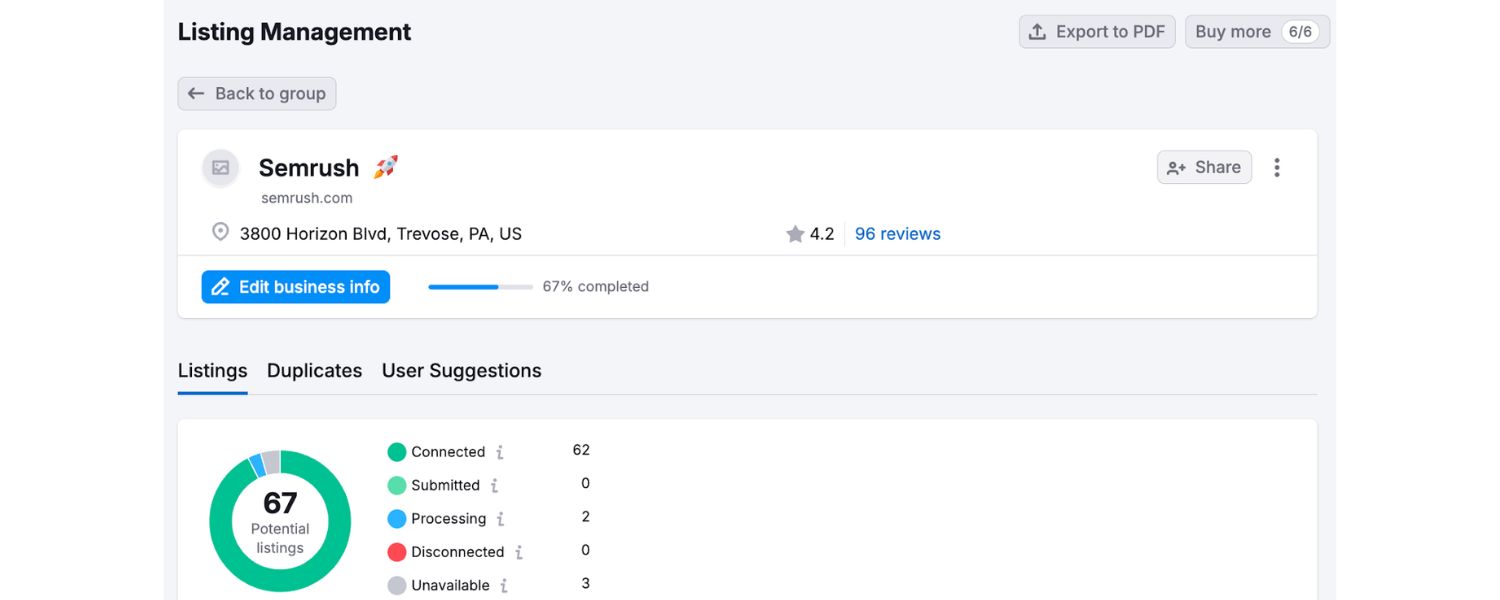
Don’t just set up bare-bones listings with NAP only. Whenever possible, fill out every available field on a listing site. Upload your logo and a few high-quality photos to show off your business.
Add keywords to your business description naturally (mention what you do and the area you serve, e.g. “We’re a family-owned Italian restaurant in [City] serving authentic Neapolitan pizza…” – this helps your citation rank within that directory and sometimes even in Google). If the platform allows customer reviews (like Yelp or TripAdvisor), make sure you monitor and respond to those – active listings with good reviews can become another funnel for new customers.
Some listings allow special features: for instance, Google and Facebook let you post updates or offers, and many directories let you add hours, menus, services, etc. These additional pieces of content not only help users but can give search engines more confidence in the legitimacy and richness of your listingprove conversion (someone finding your Yelp page is more likely to choose you if they see recent photos, a detailed description, and up-to-date info versus a sparse listing).
8. Focus on Consistency and Accuracy
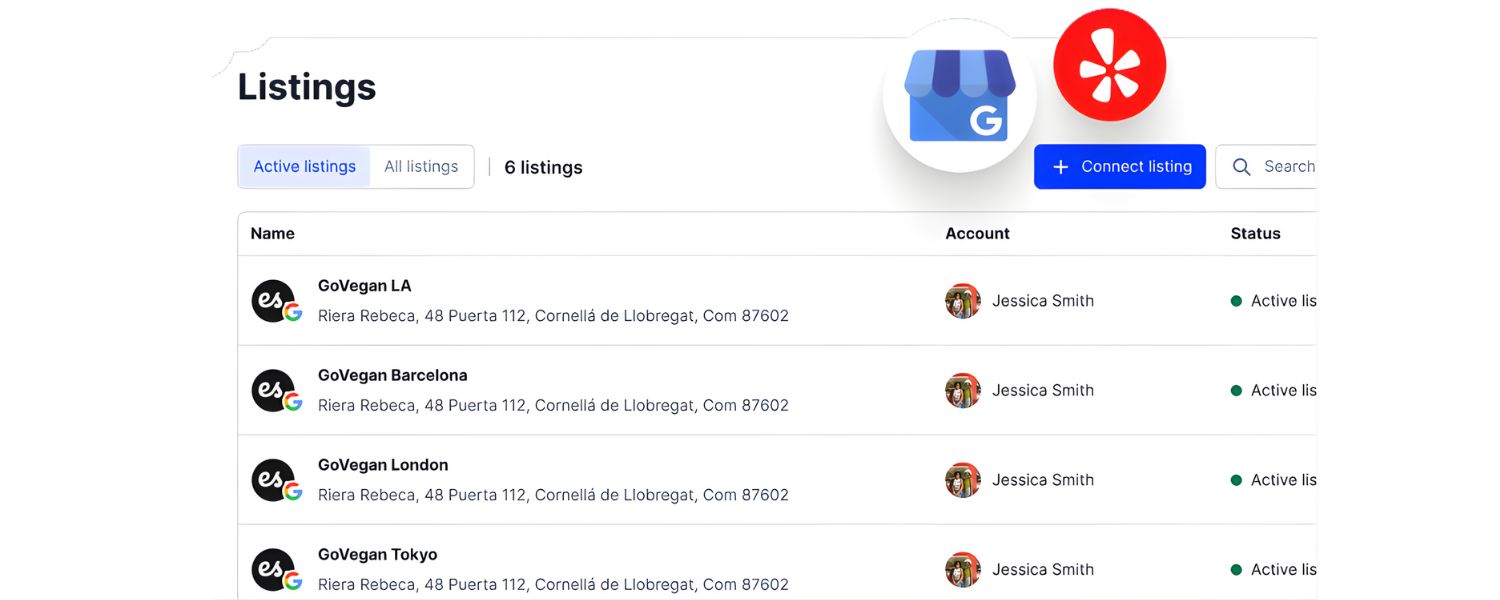
Throughout the building process, maintain that laser-focus on consistency. Use the exact same business name every single time (including things like “&” vs “and” or “Co.” vs “Company” – pick one standard version).
Ensure the address format is identical (if one site forces a slightly different format, that’s okay, but generally keep it uniform). Use the same phone number everywhere – preferably a local number over a call center or tracking number, because local area codes add trust and avoid confusion.
If you absolutely must use call tracking numbers for marketing, try to integrate them in a way that doesn’t replace your main published number on citations, or use services that allow “alternate numbers” without losing NAP consistency.
Remember, Google will peek at all these listings and compare details, any discrepancies can be a red flag. Inconsistent citations can undermine the very trust you’re trying to build.
On the flip side, a clean, consistent citation profile acts like a symphony, every listing singing the same tune about who and where you are, which makes it easy for search algorithms to recognize your business.
9. Consider Competitor Citations and Niche Opportunities
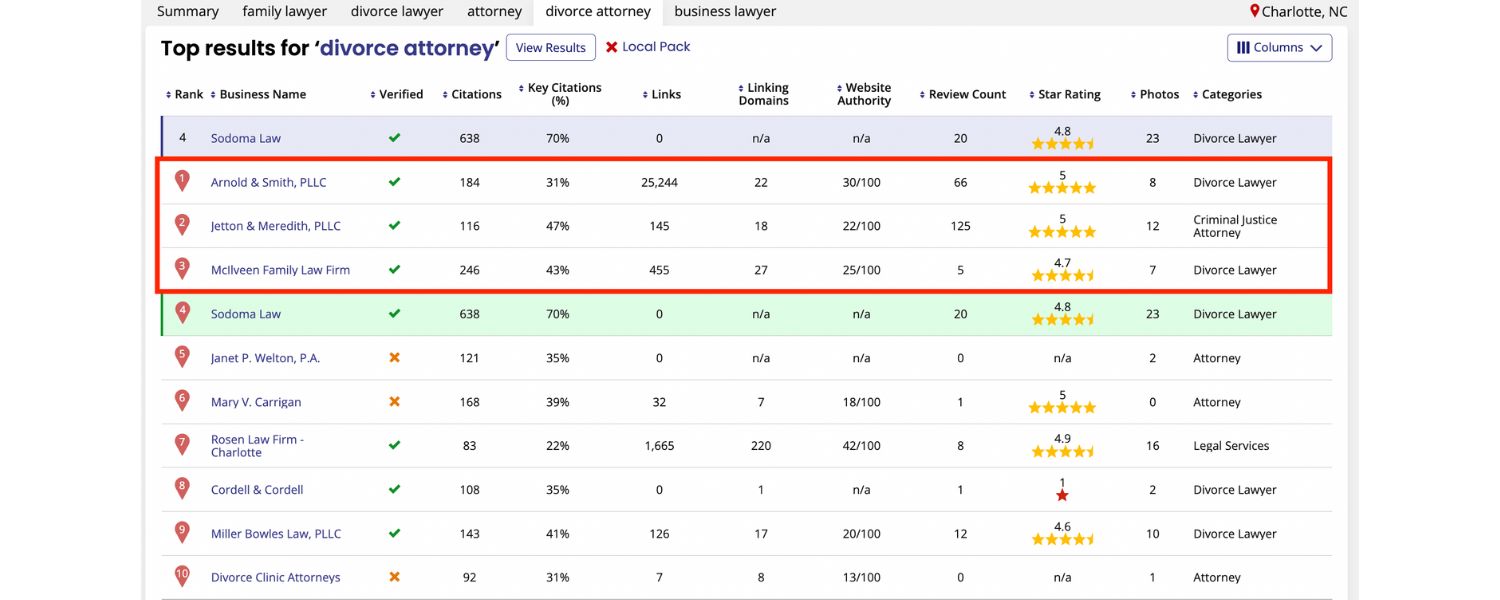
Once you’ve covered the basics, you can go a step further by hunting down citation opportunities your competitors might be utilizing. We touched on this earlier – search for your competitor’s listings outside their own site.
If they’re on a local “CityNameBusinessDirectory.com” that you never heard of, check it out, it could be a legitimate local directory to get on. Also look at who’s linking to your competitors (using backlink analysis tools) – sometimes you’ll discover a local blog or an event listing that you can also get on.
Additionally, think creatively: are there local news sites or bloggers that feature businesses? Perhaps you can pitch a story or get listed in a “top providers” article. Some local associations or community groups might do “member spotlights” or features – you might simply need to volunteer or apply to be featured. These can yield wonderful unstructured citations and even full articles about your business, which is great for SEO and brand exposure.
10. Build Citations Slowly and Steadily
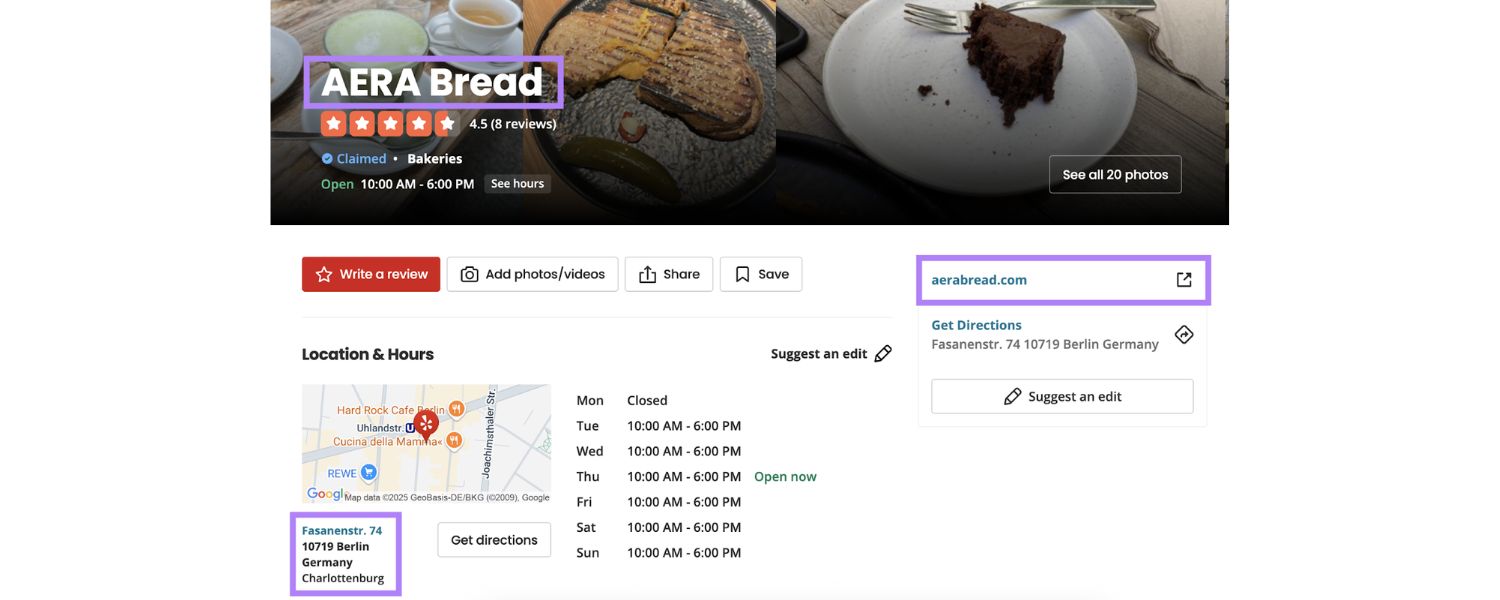
You don’t have to create 50 listings overnight. In fact, rushing can cause burnout or mistakes. It’s perfectly fine to pace yourself, maybe tackle a few each day. The citation-building process can take weeks for a small business if done manually, and that’s okay.
There’s no need to panic about getting every last citation immediately; the important thing is to keep making progress until your citation footprint is solid.
Maintaining and Monitoring Your Local Citations
Once your citations are built, your job isn’t completely over. Local citation management is an ongoing task, though fortunately not an everyday one, it’s something to stay on top of to protect your local SEO investment.
1. Regular Audits
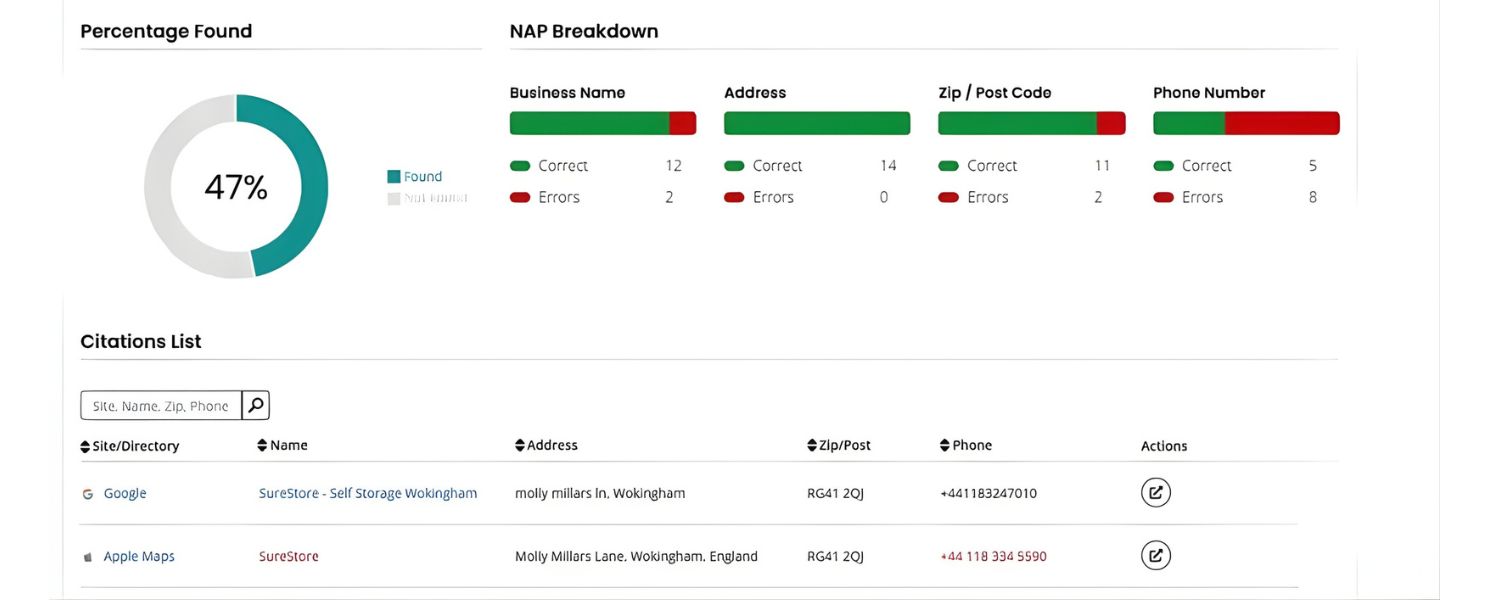
Schedule a routine (perhaps once a quarter or at least twice a year) to audit your citations. Re-run searches for your business name or use a citation tracking tool to see if new listings have appeared or if any have gone out of sync.
Sometimes directories update their sites, merge, or get new data feeds that can alter your listing. You want to catch any inaccuracies early. A regular check-up will also reveal if any duplicate listings have popped up that need suppression.
2. Update When Information Changes
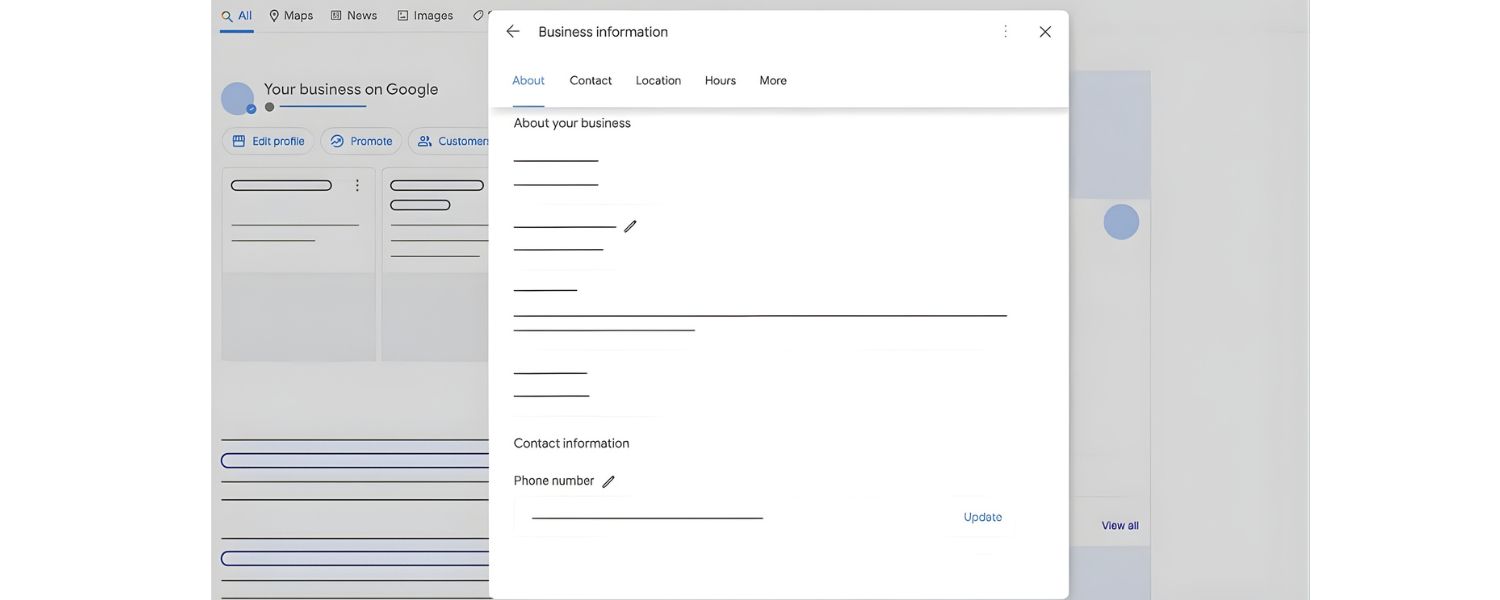
This sounds obvious, but it’s often overlooked. Any time your business undergoes a significant change, moving to a new address, changing your phone number, rebranding your name, updating hours or services – you must promptly update every citation.
Inaccurate or old info not only confuses customers (imagine driving to an old address listed on Yellow Pages) but also sends mixed signals to search engines, which rely on consistency.
If you know a change is coming (like an address change), plan ahead to systematically go through all your important listings around the time of the move. Some services (like Yext or Moz Local) allow you to update your info in one dashboard and sync it across many sites, which can be a lifesaver during a big change.
And don’t forget “small” changes: even updating your store hours for holidays or adding a new website URL (maybe you got a new domain) should be reflected in your citations where applicable. The goal is to keep every public mention of your business current.
3. Monitor for Inconsistencies and Duplicates
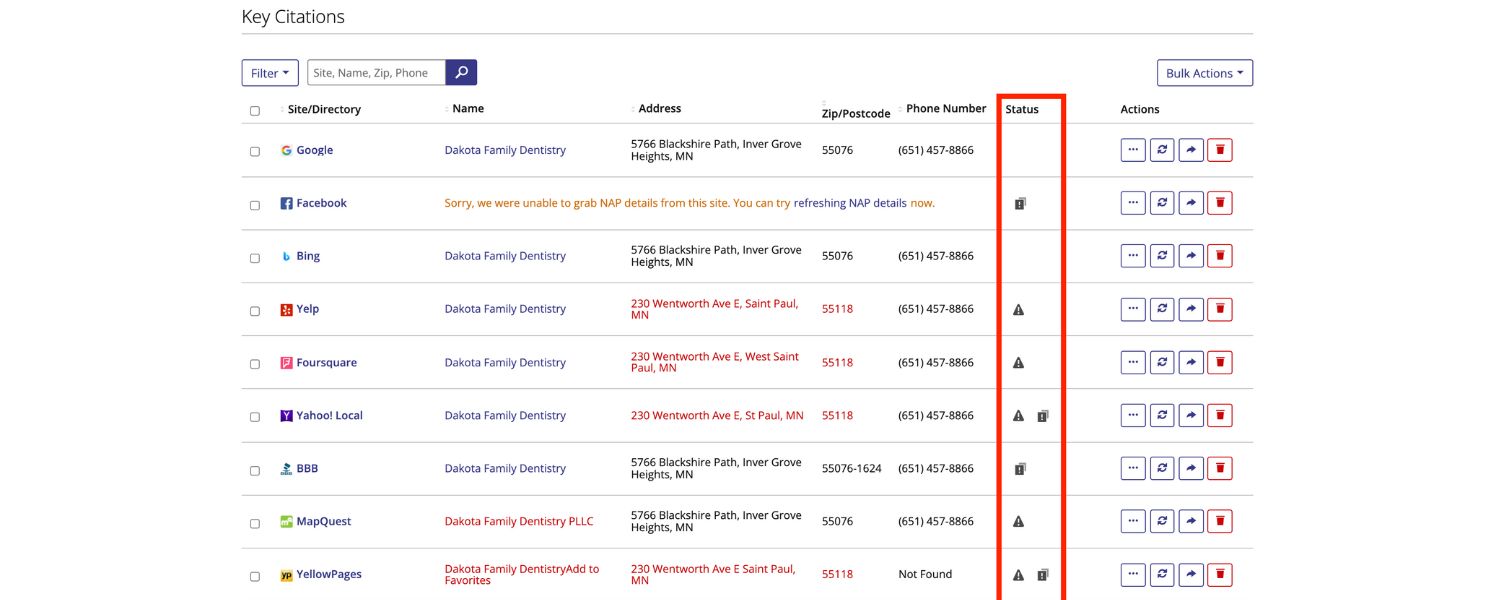
Over time, anomalies can occur. Perhaps an old listing you thought was gone is still live, or a user creates a duplicate listing for your business on a platform (this can happen on sites like Yelp or Google Maps if someone tries to check in or leave a review for a place not yet claimed, they might inadvertently create a second listing).
Duplicate listings can split your reviews and confuse people (and Google). Most platforms have processes to remove or merge duplicates, take advantage of those. For example, Google Maps lets you report a duplicate location, and many directories have support you can contact.
Keeping a clean citations profile means one listing per business per platform, with correct info.
4. Use Tools for Citation Monitoring
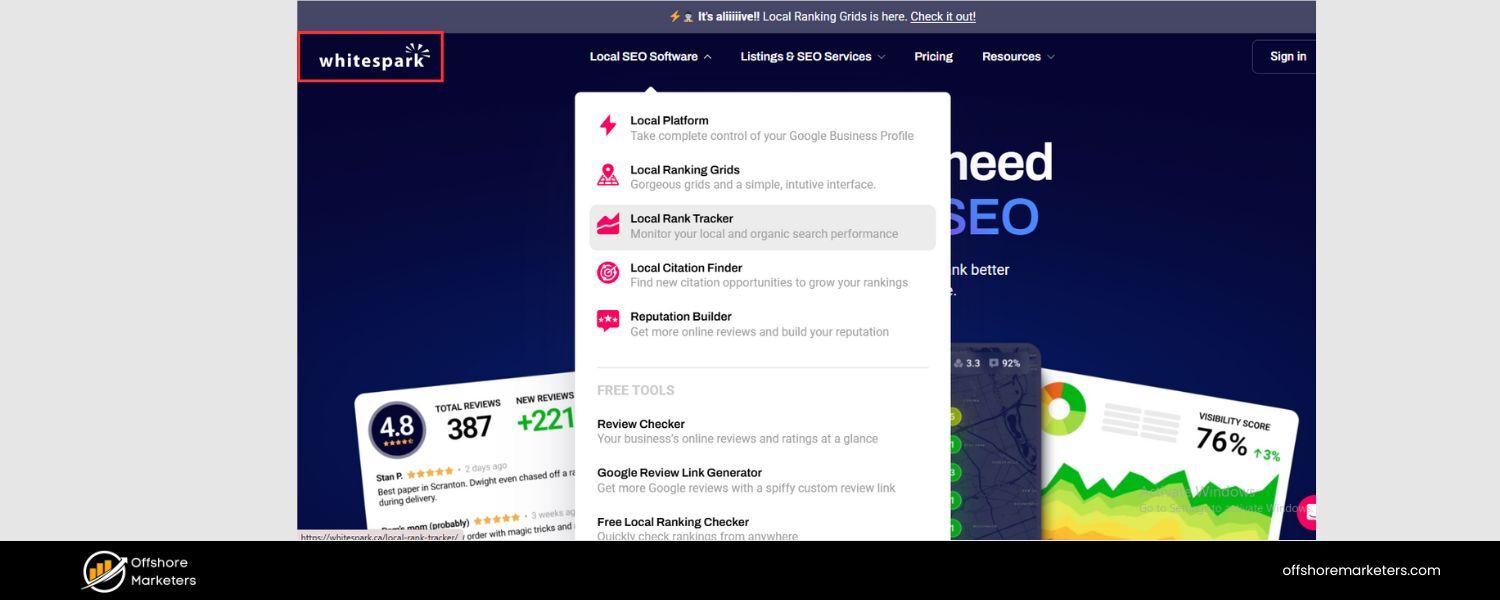
If manually keeping tabs becomes too much, there are tools that can help continuously monitor your citations. Some will alert you to new citations or issues like inconsistent data.
They can also track your local search rankings and even your competitors’ citation growth. Utilizing such tools (many of the ones mentioned for building citations also have monitoring functions) can give you peace of mind that your listings remain healthy.
As an expert recommendation, you can periodically use citation audit tools from providers like Whitespark or BrightLocal to scan for problems and then address them.
5. Guard Your Google Profile
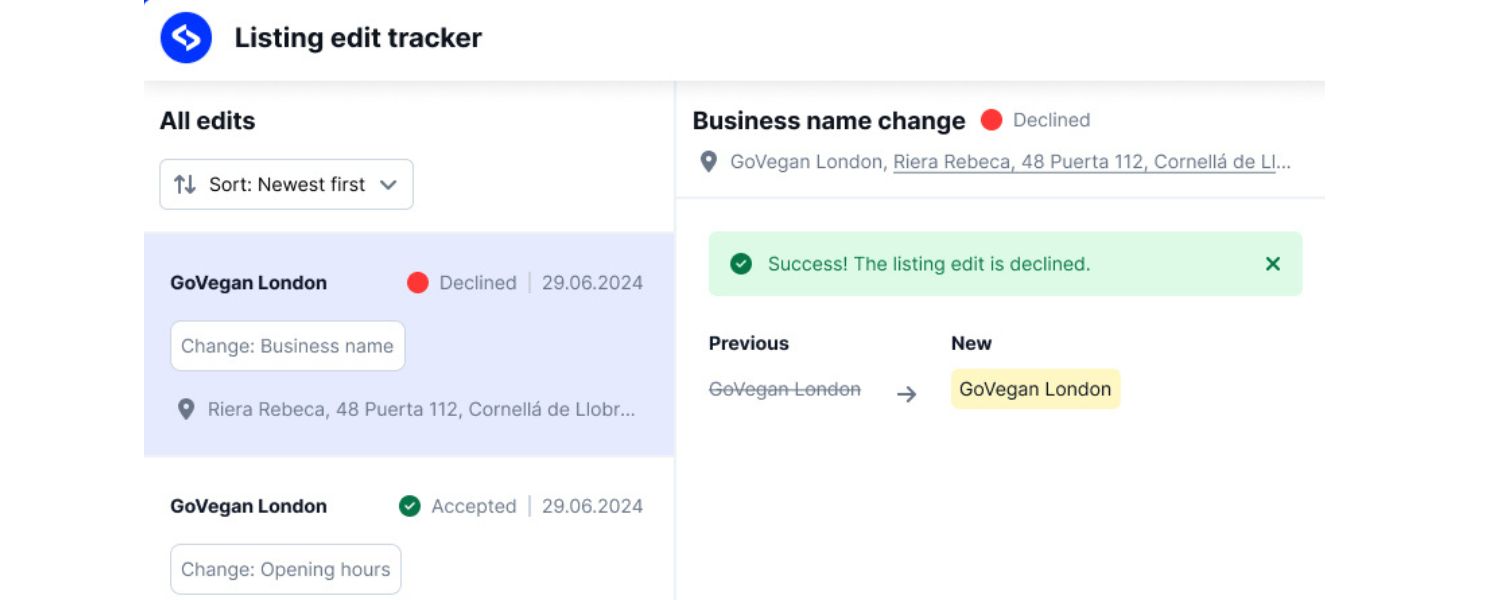
Google Business Profile (GBP) deserves special mention in maintenance. Google occasionally allows the public to suggest edits to your listing (like “Suggest an edit”). Competitors or well-meaning users might submit changes, or Google might automatically update something on your GBP if it finds different info elsewhere.
You should check your Google listing dashboard for any pending suggested edits and confirm or reject them. Some services (like Advice Local’s tools) even allow you to auto-reject public edits to your GBP to prevent unwanted changes.
Maintaining control of your Google listing and keeping it synced with your other citations is critical, since Google often serves as the source of truth for other platforms.
6. Keep Building Reviews and Earning Mentions
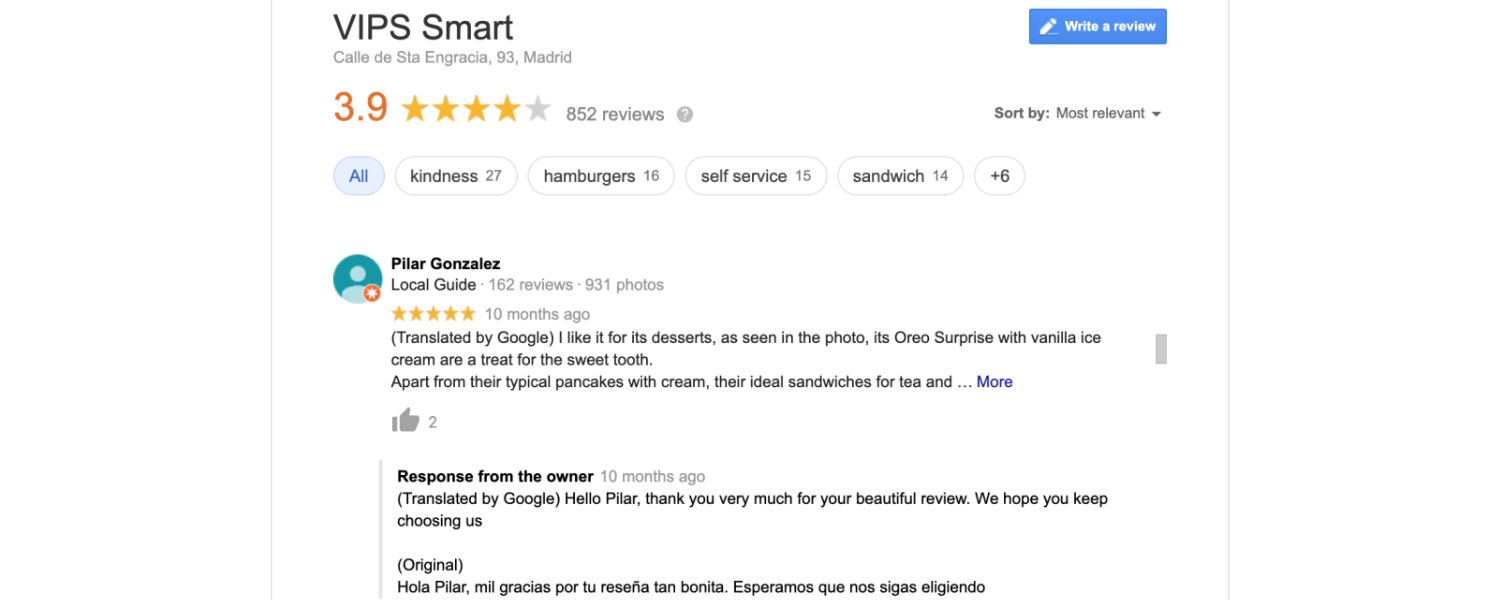
Although not a direct part of citation management, continuing to gather positive reviews on your citation platforms (Google, Yelp, Facebook, etc.) and mentions on other websites complements your citation strategy.
High-quality citations combined with strong reviews create a one-two punch for local SEO: citations get you found, and great reviews get you chosen. Moreover, an active profile with recent reviews or updates can sometimes rank higher within that platform and even in Google results.
7. Evolving Landscape
Stay informed about changes in the local search landscape. For instance, if voice search or a new local app becomes popular, that might introduce new citation sources to target.
In 2025 and beyond, AI-driven search results (like Google’s AI snapshots or Bing’s AI answers) might start highlighting sources differently. Early research indicates that AI-generated search overviews tend to mirror the traditional organic results almost 100%.
This implies that if directories and citation sites rank in organic results (which they do), they may also influence AI results. Keeping your citation strategy aligned with how search is evolving will ensure you maintain maximum visibility.
Conclusion: Build Your Local Foundation Today
Local citations are the bedrock of a strong local SEO strategy. They may not be flashy or new, but in 2025 they remain as crucial as ever for helping customers (and search engines) discover and trust your business. By getting your business listed accurately on all the right platforms, and keeping those listings up-to-date, you’re paving the way for long-term local search success.
The best part is that citations, once built and cleaned, don’t require heavy ongoing labor, just some periodic maintenance. It’s about working smarter: focusing on high-impact sites, ensuring absolute consistency, and leveraging tools or services when needed.
The reward is massive: better online visibility, more traffic to your website and storefront, and ultimately more customers calling and walking through your door.
Now it’s your turn. Take action on your local citations today. Start with an audit of your current listings, fix those discrepancies, and get your business onto any major platforms you’re missing.
Whether you do it in-house or get some expert help, make this a priority. A business that’s easy to find and trust online will win more clicks, calls, and visits, it’s that simple.
By investing the time to build and maintain quality local citations, you’re investing in the long-term growth and local dominance of your brand. Don’t wait, plant those local citation seeds now, and watch your visibility grow!

Why Roseville Startups are Choosing Offshore Marketers to Scale Smarter
Roseville is no longer just a quiet suburb of Sacramento;...

What Is PPC? A Practical Guide to Pay‑Per‑Click Advertising
Pay‑per‑click (PPC) is the “pay only when someone clicks” branch...

Google Search Issues Affecting Results in Some Regions
Google has confirmed a problem with one of its data...

Keyword Counts Dropped After Google’s num=100 Change
In September 2025, Google stopped supporting the &num=100 parameter. This...

Image SEO: Optimize Images for Higher Rankings & Traffic
Introduction Images make your website more engaging, but they can...


.png)
.png)
.png)
.png)
.png)

2024 ALL RIGHTS RESERVED MADE IN INDIA
.png)