
How to Get Backlinks: To Building Quality Links
August 18, 2025
Did you know that 95% of pages on the web have zero backlinks? In other words, the majority of online content never earns a single inbound link.
High-quality backlinks, links from other reputable websites to yours, are like votes of confidence for your site. Earning even a handful of high-quality backlinks can put you ahead of most competitors and significantly boost your search rankings.
But how do you actually get these coveted high-quality backlinks without resorting to spam or shady tactics? This comprehensive guide (written by a marketing expert with 25+ years in the field) will show you how to get high-quality backlinks through 15+ proven, white-hat strategies.
We’ll cover everything from creating link-worthy content to smart outreach methods, plus insider tips, updated stats, and common mistakes to avoid, so you can build your high-quality backlinks and authority effectively. Let’s dive in!
Why Backlinks Matter (and Why Quality Beats Quantity)
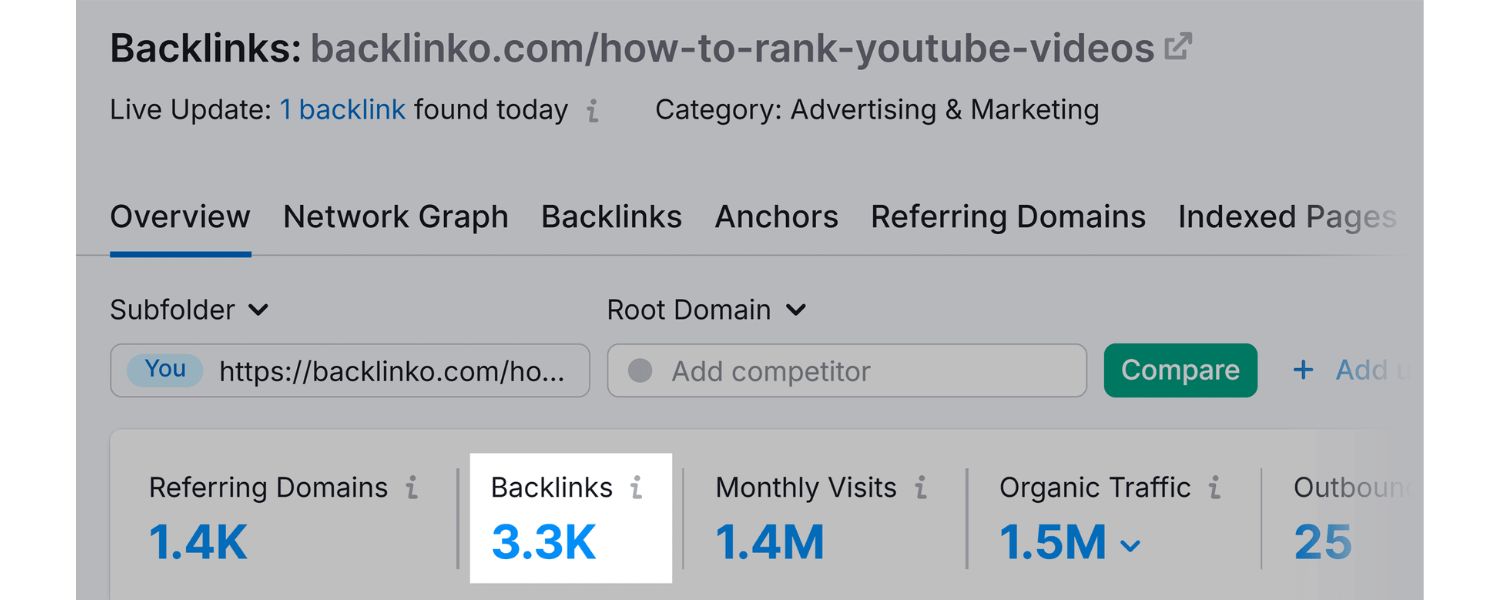
Backlinks remain critical for SEO. They signal to search engines that other sources trust your content, which in turn helps boost your rankings.
In fact, Google still counts backlinks among its top ranking factors for search . Studies show a clear correlation: the #1 result on Google tends to have 3.8× more backlinks than the results in positions 2–10
In short, pages with more quality backlinks usually rank higher.
However, not all backlinks are created equal. Quality matters far more than quantity. One authoritative backlink from a respected, high-traffic site outweighs dozens of links from low-quality or irrelevant sites.
Search engines have become very savvy at evaluating link quality. Links from domains with strong reputation and relevance in your industry carry significantly more weight By contrast, a barrage of spammy links can actually hurt your site’s credibility.
When pursuing backlinks, focus on earning links from trusted, relevant websites, think industry blogs, news outlets, resource sites, and high-authority pages in your niche. These quality links act as genuine endorsements that “move the needle” for SEO and brand authority.
In the sections below, we’ll explore 15 proven strategies to attract those high-value backlinks (and none of the fluff or “BS” that doesn’t work). Each method is backed by real lessons from SEO experts and recent data. Let’s get started!
1. Create Link-Worthy Content Assets
The foundation of earning backlinks is publishing exceptional content that people naturally want to link to. As the saying goes, “Offer quality content and others will link to you naturally”. In SEO, content that attracts backlinks is often called “link bait” or link-worthy content.
What does link-worthy content look like? Typically, it’s something that delivers unique value, such as:
Original research or fresh data, If you can provide new statistics, case studies, or survey results, other writers will cite your findings (earning you backlinks)
For example, one marketing study noted that 93.8% of marketers believe a single high-authority link is more valuable than many low-quality ones, a stat that gets cited in numerous articles (including this one). Creating your own industry report or original insights can yield dozens of links over time.
A. In-depth guides and tutorials
Comprehensive, long-form guides (think 2,000–3,000+ words) tend to attract more backlinks than thin content.Research confirms that long-form content earns 77% more backlinks on average compared to shorter piece.
By covering a topic in complete detail (e.g. “The Ultimate Guide to X”), you become a definitive resource that others will reference. Make sure your guide is well-structured with clear headings, examples, and up-to-date info.
B. Helpful tools or templates
Providing a free tool, calculator, template, or checklist related to your niche is a great way to earn links.Webmasters love linking to handy resources that make their audience’s lives easier. For instance, if you create an SEO checklist, marketing plan template, or any useful widget, relevant sites and bloggers may start recommending and linking to it.
C. Visually rich content (infographics, charts)
Visual assets can be extremely linkable. We’ll cover infographics next in detail, but even within articles, things like unique charts or diagrams summarizing data can attract links when others embed or cite the graphic with a link back to you.
When crafting link-worthy content, remember: be original, be authoritative, and solve a problem. Instead of another generic post, aim to create the go-to reference on your topic.
For example, marketing expert Brian Dean attributes much of his backlink success to publishing definitive resources and unique techniques (like the famous “Skyscraper Method”) that others in the industry can’t help but mention. High-quality content is the magnet that makes the rest of your link-building efforts significantly easier.
Pro Tip
Invest in long-form, high-value content as a cornerstone of your link-building strategy. Pages with comprehensive content not only rank better, they also become natural link targets for other sites.
As one study notes, long articles tend to receive far more backlinks than shorter pieces.
2. Publish Sharable Infographics & Visuals

“Do infographics work as well as they used to? Probably not quite as much as a decade ago, but they’re still an effective link building strategy,” says SEO expert Brian Dean.
Infographics are popular because they allow other site owners to easily grab a visual and embed it in their own content, usually with a link crediting the source (you). In fact, infographics and other “visual assets” consistently rank among the most linked-to content formats online.
To use infographics for backlinks, follow these tips:
A. Choose a compelling topic + data
Pick a subject in your niche that can be explained or enhanced with data visuals. Original research, comparisons, “how it works” processes, or timely statistics make great infographic material. Ensure the data is accurate and interesting to your audience.
B. Invest in quality design
An infographic’s success hinges on looking professional and engaging. Use a skilled designer or an infographic tool to create a polished graphic that’s easy to read and share.A cluttered or ugly infographic won’t get links. Simple, clean design with eye-catching elements works best mailchimp.com.
C. Include your branding and URL
Always include your logo or site name on the infographic, and perhaps your URL at the bottom. That way even if someone shares the image without a direct link, viewers know the source.
Most importantly, accompany the published infographic with an embed code or clear prompt that credits your site when others repost it.
D. Promote it to relevant audiences
Don’t just publish and pray. Share your infographic on social media, reach out to bloggers in your field, and even consider an infographic submission to directories or communities.
The more people see it, the more likely it gets picked up. There’s even a specific outreach tactic called “Guestographics,” where you offer your infographic to other bloggers along with a unique introduction or write-up for their site . This way, they get free content (your graphic and blurb) and you get a link.
Even if your infographic doesn’t go viral, it can steadily accumulate “some solid backlinks” over time .
For example, Brian Dean once created a simple infographic about on-page SEO; it didn’t explode in popularity, but it still led to multiple quality backlinks for his site . The key is to make it relevant and easy to share. A single great infographic could earn you links from blogs, news outlets, social media, and more.
3. Craft Comprehensive Guides (The Skyscraper Technique)
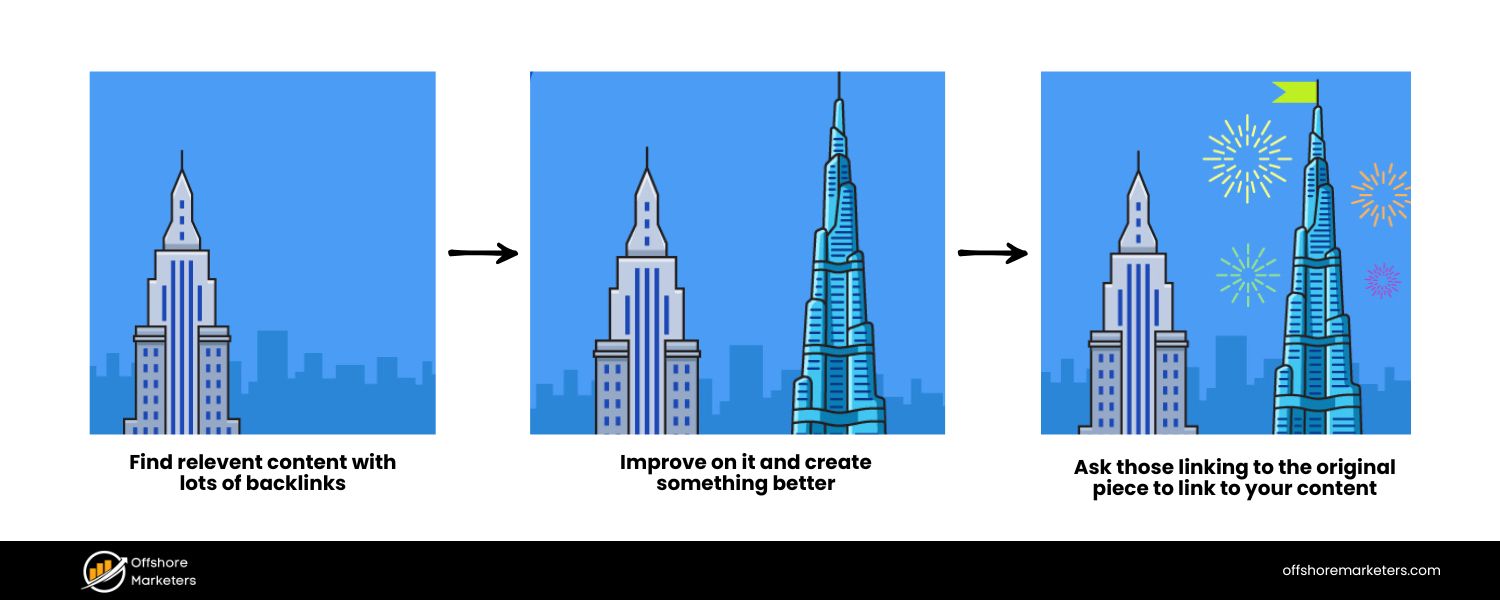
One proven approach to getting backlinks is the Skyscraper Technique – a term coined by Backlinko’s Brian Dean. The idea is straightforward: find existing popular content in your niche, create something even better, and then reach out to those who linked to the original asking them to consider your improved version. This method capitalizes on content that already has link momentum and takes it to the next level.
Here’s how to execute the Skyscraper Technique:
A. Identify a “tall” content piece in your niche
Use a tool (Ahrefs, Semrush, etc.) to find a high-ranking article or resource with lots of backlinks. For example, it could be a “Top 10 Tools for X” post that ranks well and has garnered many links.
B. Analyze its weaknesses or gaps
Read the content and note what could be improved. Is the information outdated? Are there missing tips, or could it be more in-depth? Perhaps the design or examples are lacking.
C. Create a taller skyscraper (better content)
Now, produce your own version that significantly improves upon the original. Add more up-to-date info, include graphics or videos, make it longer or more comprehensive, and ensure it’s well-written. Essentially, outshine the existing piece on every level you can.
D. Outreach to those linking to the original
This is crucial. Find out which websites have linked to the old content (SEO tools can list these backlinks). Then politely contact those site owners or writers.Let them know you’ve created an updated, superior resource on the topic and that it might be valuable to their readers. Kindly suggest they check it out, and (without being pushy) mention it could make a good replacement for the outdated link.
Because you’re offering something objectively valuable, a better resource for their audience, many webmasters will appreciate the heads-up.
Some may update their article to include your link (or even swap out the old link for yours if the original is truly obsolete). It’s a win-win: they fix a potentially dated reference, and you gain a backlink.
The Skyscraper Technique is a bit labor-intensive, but it’s tried-and-true. When done right, it “is a time-tested and proven technique for building backlinks”.
It not only earns links but also forces you to create top-notch content, which benefits your site overall. Just remember to always be respectful in your outreach – you’re asking a favor, after all.
A brief, friendly email explaining why your content is worth linking to (maybe it has recent 2024 data, etc.) will go over better than a generic request.
Even if only a fraction of people you contact update the link, you’ve gained some high-quality backlinks with a methodically targeted approach.
4. Get Featured on Resource Pages and “Best of” Lists
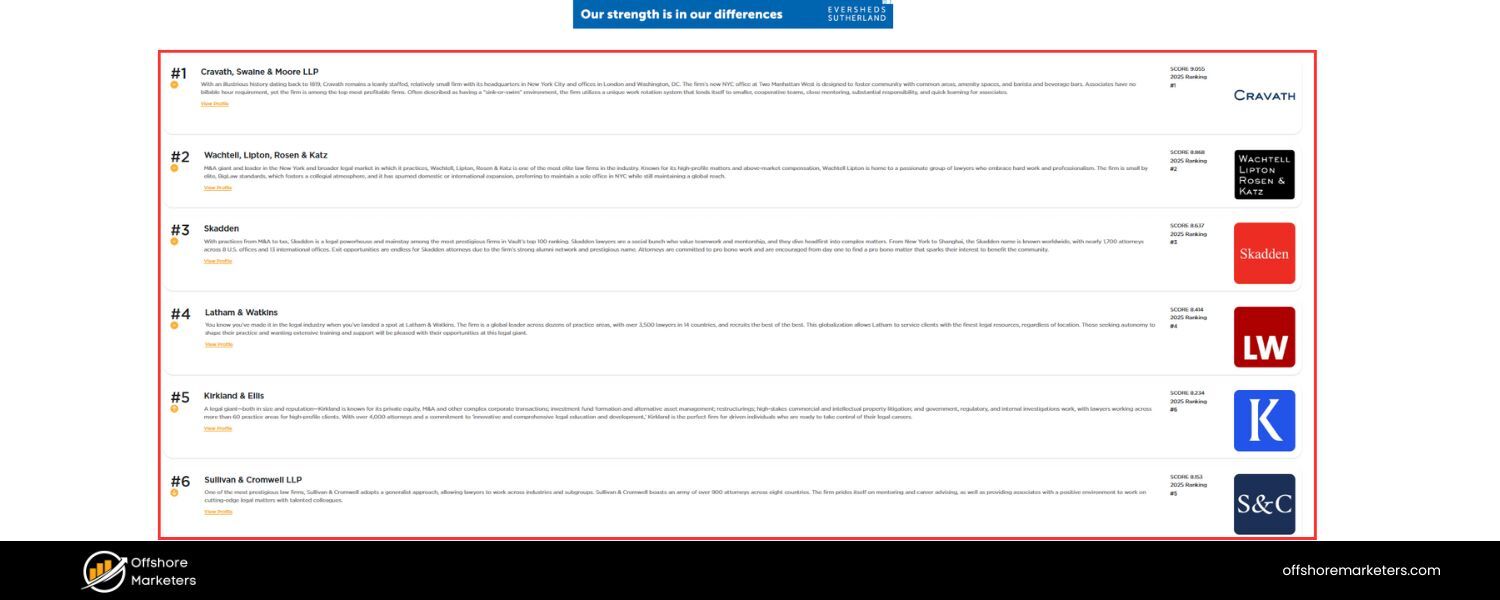
Imagine your business is a local bakery, and a popular food blog publishes a list of “The 10 Best Bakeries in [Your City]” – and you’re on it. That mention not only sends referral traffic your way, but it usually includes a juicy backlink as well.
Getting featured on resource pages, listicles, and “best of” roundups is a fantastic way to earn backlinks from relevant, high-authority pages.
Resource pages are typically curated lists of helpful links on a particular topic. For example, a university might have a resource page of “Trusted Health Information Sites” linking out to authoritative health websites.
Similarly, many industry blogs maintain resource lists (tools, guides, etc. in their niche). By getting your site added as a recommended resource, you gain a contextual backlink and credibility by association.
As Semrush explains, “A resource page is a curated list of links that directs users to helpful content on a specific topic.”. Being one of those links can be very valuable.
“Best of” lists or rankings (e.g. “best project management tools,” “top digital marketing agencies in 2025,” etc.) are another target. These articles often get a lot of traffic and links themselves, so inclusion means visibility and a backlink from a strong page.
How do you get featured? A few approaches:
A. Manual outreach
Identify relevant resource pages or list posts in your niche. For resource lists, these might be on .edu sites, .gov sites, or respected blogs. If you have a high-quality site or content piece that truly fits, reach out to the webmaster or author.
Politely suggest your site or article as an addition to their list, explaining its value. For example: “I noticed you have a great list of marketing resources. I recently created a free Marketing Plan Template that might be useful to your readers, feel free to check it out here [URL].
It could make a nice addition to the list.” Not everyone will respond, but some might add your link if they agree it’s helpful.
B. Leverage relationships
If you discover a “Top X in [Industry]” list (say, top consultants, top tools, etc.), see if you have any connections to the publisher or author.Sometimes simply networking and gently mentioning your inclusion can open doors. Smaller bloggers especially might be open to including you if you engage positively with their content.
C. Create list-worthy offerings
To be on a “best” list, you need to be one of the best (or at least have something unique). This circles back to product/service quality and content quality. For instance, if you run a small software company, getting on “best [software]” lists likely requires offering a standout feature or free plan that others like to recommend. Focus on being truly recommendable, and the mentions (and backlinks) will follow.
Being featured on curated lists often yields high-quality backlinks because these pages are viewed as authoritative collections.
Plus, users browsing them are exactly the audience you want (already interested in your category). While it can take time and persistence to land these spots, even one or two good list inclusions can drive consistent link equity and traffic to your site.
5. Contribute Guest Posts to Relevant Sites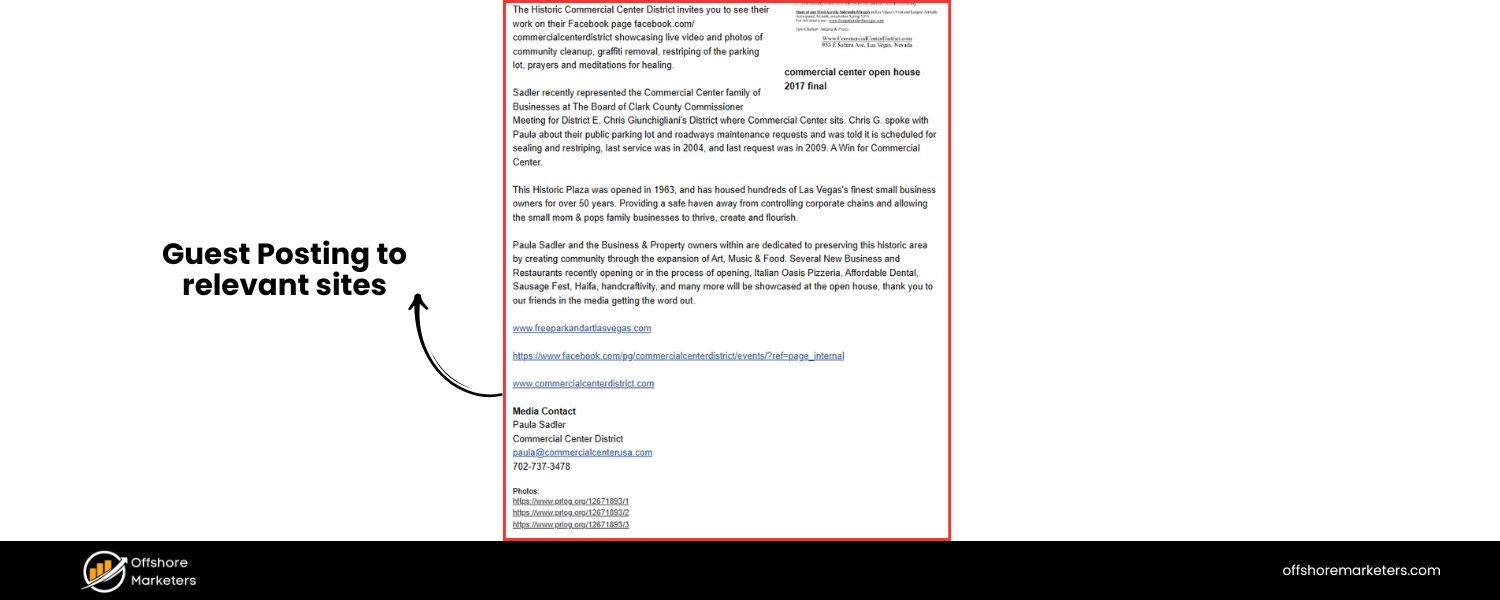
Guest blogging (writing an article for another website) is one of the oldest and most effective link-building tactics, when done right.
The concept: you create a valuable piece of content for another site in your industry, and in return you typically get to include a link back to your own site (often in an author bio or within the content if it fits naturally). This earns you a backlink and exposure to a new audience.
Guest posting had earned a mixed reputation due to abuse in the past, but it’s far from “dead.” In fact, when you’re just starting out, “guest blogging is one of the BEST ways to get links to your site,” according to Brian Dean .
Early in Backlinko’s growth, he wrote 50+ guest posts in a year – and credits those links with giving his organic traffic a serious boost .
The key is to approach guest posting strategically:
A. Target high-quality, relevant sites
Only write for websites that are reputable and relevant to your niche. If you have a site about healthy recipes, a guest post on a respected food blog or wellness site is great, but a guest post on a random tech gadget blog would look out of place and offer little SEO value.Google can tell if a backlink is contextually relevant . So focus on sites in your industry or a closely related field, ideally those with decent domain authority and engaged readership.
B. Offer real value in your content
Your guest article should be just as good as something you’d publish on your own site (if not better). Avoid “low-effort articles” stuffed with a link, which was a common spammy tactic in the past.Instead, write useful, insightful content that the host site’s audience will appreciate. This not only increases the chance they’ll accept your post, but readers might click through to your site out of genuine interest.
C. Naturally incorporate your backlink
Many sites allow an author bio link (e.g., “Jane Doe is the founder of __, a [Your Niche] platform…” linking the platform). If allowed, you might also include a contextual link in the article to a relevant piece on your site (for instance, linking a keyword to a blog post you’ve written).Ensure any link fits logically and provides additional value; for example, linking to a free guide or tool on your site that expands on a point. Forced or irrelevant links will likely be removed by editors, and they won’t help your SEO.
D. Pitch with personalization
When reaching out to propose a guest post, personalize your email. Mention something specific you like about their site, and propose a few topic ideas that would suit their audience.Show that you’re familiar with their content. This greatly improves your chance of a response compared to a generic mass email.
Over time, guest posting can not only build backlinks, but also solid relationships in your industry. Some sites, like major publications, may even compensate guest contributors or offer bylines that boost your personal brand.
Remember, though: quality over quantity here as well. A single guest post on a high-authority site in your field can be worth far more than 10 posts on low-tier blogs.
As one Reddit SEO veteran bluntly put it, “a link from Forbes is a link from Forbes”reddit.com – it carries weight. Strive for those top-tier opportunities when possible, even if they take more effort to attain.
(Note: Always disclose and avoid any exchange that violates guidelines – e.g. don’t pay for guest post links or participate in sketchy networks. Google’s webmaster guidelines frown upon improperly sponsored links . Authentic guest blogging, however, done for branding and value, is very much alive and beneficial.)
6. Use Broken Link Building Outreach
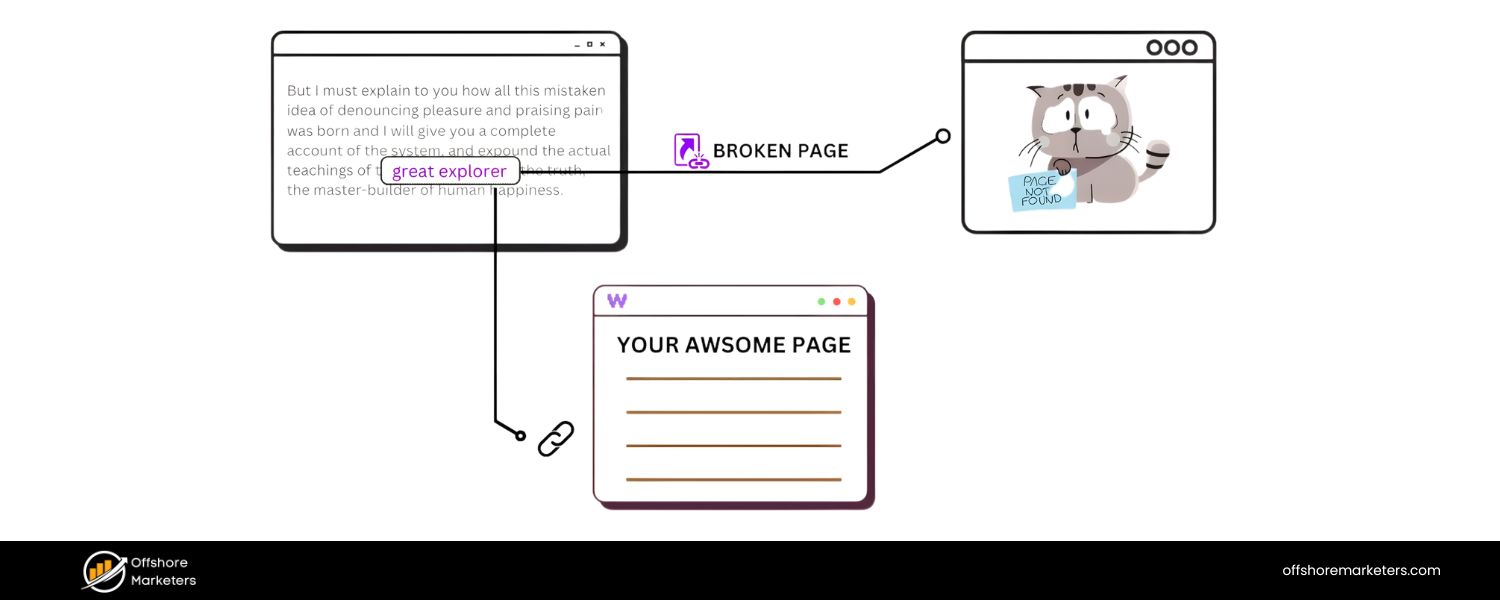
Broken link building is a clever technique that turns the web’s “dead links” into your opportunity. Here’s the scenario: websites often link out to other pages, but over time some of those pages move or disappear, resulting in broken links (links that return a 404 error).
Webmasters generally don’t want broken links on their site, it’s bad for user experience. With broken link building, you help them fix a broken link by suggesting your relevant content as the replacement. In return, you get a backlink.
There are two main angles to broken link building:
A. Fix broken backlinks to your site (reclaim what’s yours)
Sometimes other sites attempted to link to you but used an outdated URL (maybe you moved a page or changed your domain).
These are the easiest wins – they intended to link to you in the first place! By finding these and kindly asking the referring site to update the link to your correct page, you “reclaim” a lost backlink. “One of the easiest and most effective ways to get backlinks is to find broken backlinks to your site (e.g., backlinks to your deleted pages) and ask the creators to fix them,” advises Semrush.
In Semrush’s Backlink Audit or Ahrefs, you can specifically filter for broken inbound links. Identify which external pages link to a dead page on your site, then reach out to the site owner with the updated URL. Most will happily fix it, since you’re helping them eliminate a bad link on their page .
B. Replace competitors’ broken links (steal the opportunity)
This is the classic broken link building method. You find content in your niche that no longer exists – for example, a blog post or tool that has been taken down, and then find all the sites that still link to that dead content.
You then contact those sites and suggest they swap in a link to your relevant content instead. Why would they? Because you’re saving their users from clicking a broken link, and providing a working, valuable resource in its place.
As Semrush notes, “Web admins don’t like linking to broken pages. And you’re offering an easy solution.”This technique is powerful when you have a piece of content that matches what the broken link was about.
How to execute broken link outreach:
1. Find a target broken resource
Use tools or Google dork searches (e.g., searching for “keyword + 404”) to locate a high-value page that is no longer live. Alternatively, find a competitor that went out of business or stopped offering a tool – their old URLs could be goldmines.
2. Identify who’s linking to it
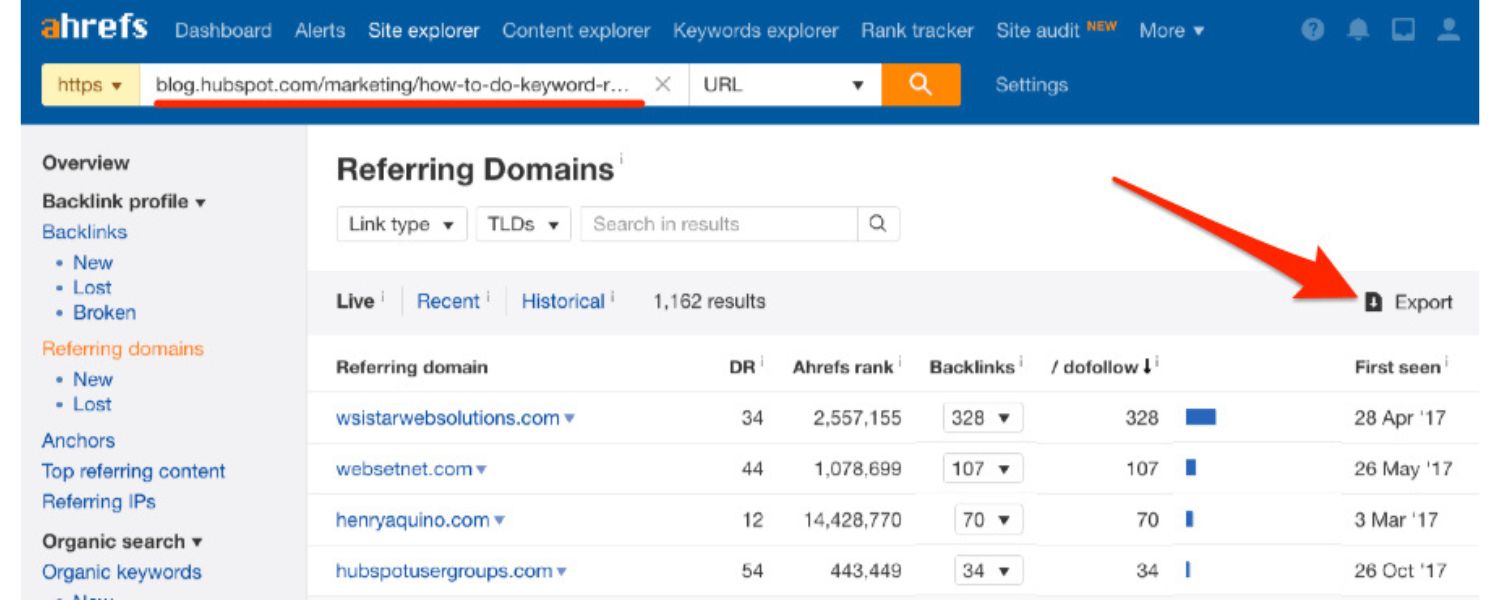
Use a backlink analysis tool to plug in that dead URL and get a list of all pages linking to it. Export the list – those are your prospects.
3. Reach out with a helpful tone
Email each prospect. Politely inform them that one of their outbound links is broken (give the page and broken link context). Then suggest your content as a replacement.For example: “I noticed you mentioned [Old Resource] in your article about __, but that link seems to be dead now.
I recently published a similar [Resource/Guide] that’s up-to-date – here’s the link in case you’d like to use it to fix that reference.” Keep it short and friendly . You’re doing them a favor while also plugging your content.
Because you’re helping improve their site, many webmasters will update the link to point to you (if your content is indeed a good substitute). It’s a bit of a numbers game – not everyone will respond – but even a handful of conversions can result in excellent backlinks from pages that already have SEO value.
One more tip
look for outdated content, not just fully broken links . Sometimes a page isn’t 404-dead but is seriously outdated (e.g., “Top SEO Tips for 2015”).
You can use a similar outreach approach: contact sites linking to that old content and note that it’s outdated, offering your newer content as a fresh resource. They may swap it out if they feel your link provides more up-to-date value.
In summary, broken link building is like finding low-hanging fruit. The linking sites have already shown intent to link on that topic; you’re simply redirecting that intent to your site by being helpful. It’s a win for you and for the site fixing their broken links.
7. Reclaim Unlinked Brand Mentions
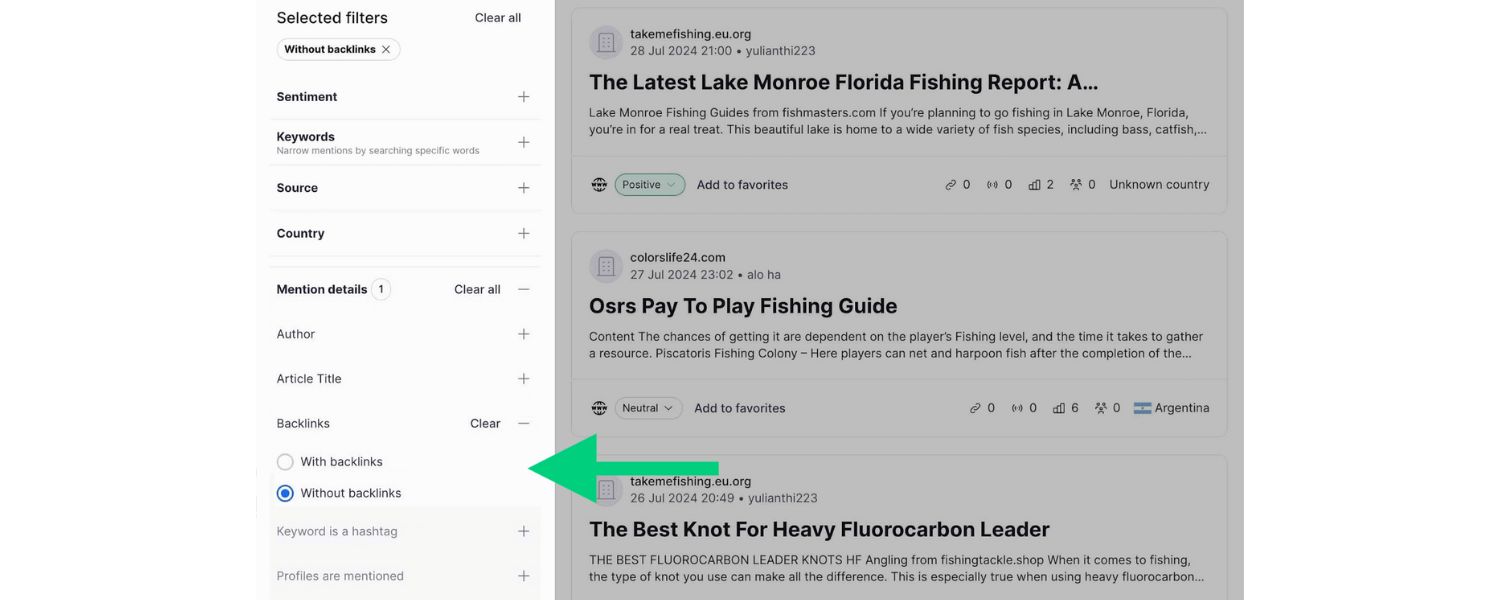
If your brand (or product, or even a key individual from your company) is getting talked about online, that’s great, but if those mentions don’t include a link back to your site, you’re missing an easy backlink.
Unlinked brand mentions occur when someone references your brand in their content without linking to your website. Perhaps a news article named your company as an example, or a blogger reviewed your product but only mentioned it in text.
In many cases, the author would be willing to link your name to your homepage or relevant page, they just didn’t think to do so, or didn’t have the URL handy.
Your job is to find these unlinked mentions and politely request a link. Since they’re already discussing you, a simple nudge is often all it takes. Here’s how:
A. Set up monitoring
Use tools like Google Alerts, Semrush’s Brand Monitoring, BuzzSumo, or Mention.com to track whenever your brand (or product names, or even key personnel) are mentioned online . These tools will notify you of new mentions on blogs, news sites, forums, etc.
B. Identify unlinked ones
When you see a mention, check if they linked to you or not. If not, evaluate the context – is it a positive or neutral mention? (Hopefully it’s not a negative mention; those you might handle differently). Let’s say a blogger wrote, “We use AcmeMarketing for our email campaigns” but didn’t hyperlink it.
C. Reach out quickly and kindly
Send a brief email to the author or site editor. Thank them for mentioning your brand (show appreciation first), and then ask if they wouldn’t mind linking to your site for readers’ convenience.
For example: “Hi [Name], I noticed you mentioned AcmeMarketing in your awesome post about email tools, thanks for the shout-out! I wondered if you could make our name clickable and link to our site (acmemarketing.com) so your readers can easily find us? It would mean a lot.
Thanks for considering!” Most people are happy to oblige, as it makes their content more useful too. Often, a simple friendly reminder is enough for them to log in and add your link .
D. Offer a specific URL if relevant
Sometimes it makes sense to link to a specific page (like the product page or a relevant blog post) rather than your homepage. Suggest the most useful link for their readers. But even a homepage link is fine if it’s a general brand mention.
Link reclamation like this is one of the quickest wins in link building. The person has already created the content and mentioned you – the heavy lift is done. Now it’s just converting that text mention into a live hyperlink.
Success rates here are fairly high; in Brian Dean’s experience, “a friendly reminder is usually enough to get most people to add your link.” Just be sure to thank them after they do, politeness goes a long way in relationship building.
As your brand grows, continuously reclaiming unlinked mentions can net you a steady stream of backlinks without creating new content. It’s essentially harvesting the goodwill and brand recognition you’re already generating.
8. Become a Source Through HARO and PR
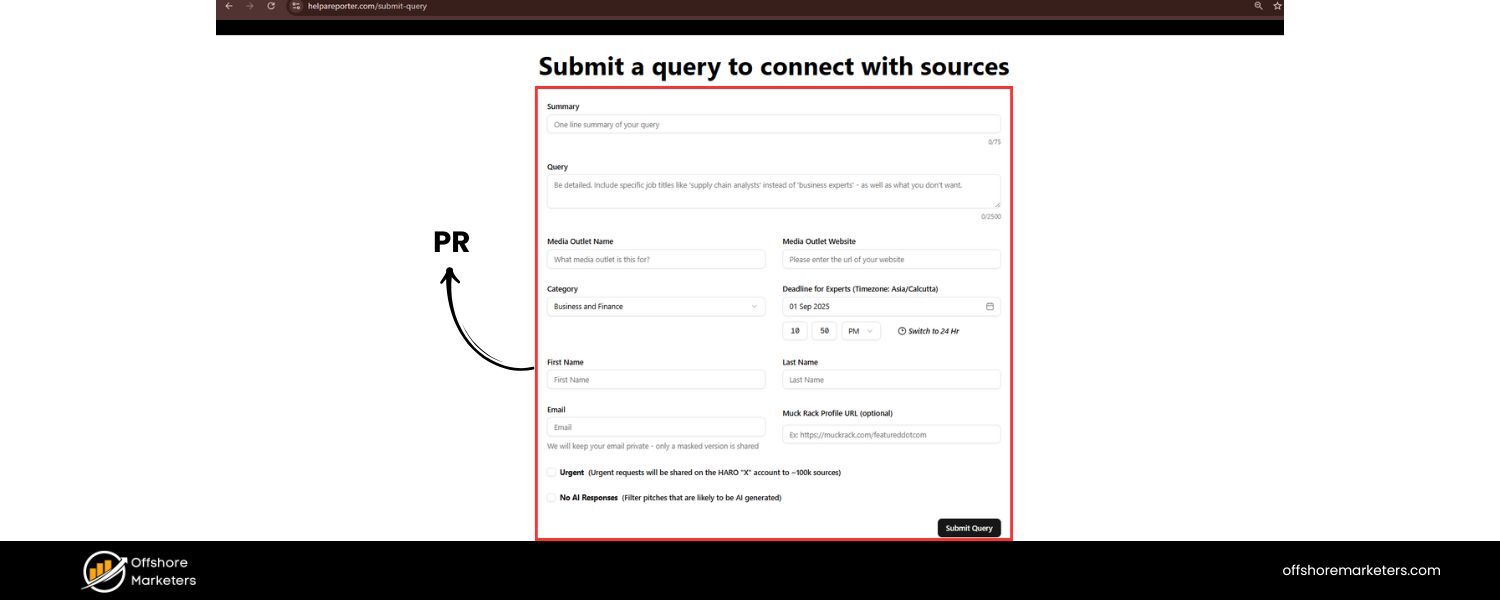
Ever read an online article that quotes an expert or cites a business for an insight? Those mentions often include a backlink. You can earn such backlinks by serving as a source for reporters and bloggers who need quotes, insights, or examples.
You don’t need a pricey PR agency to do this, you just need to be proactive and helpful. As Backlinko puts it, “You don’t need a PR agency to earn high-impact links. You just need to be helpful to the right people at the right time.”.
One of the best ways to connect with journalists and content creators is HARO (Help A Reporter Out). HARO is a free platform where journalists post queries for sources – for example, a writer might ask “Looking for small business owners to share productivity tips.”
If you fit the query, you send a response. If the journalist uses your contribution, bam! you often get a mention and a backlink in the published article.
Aside from HARO, there are similar services and tactics:
A. HARO, Featured, and other platforms
HARO (helpareporter.com) sends out emails 3 times a day with dozens of queries from all kinds of publications. Alternatives include Qwoted, ProfNet, SourceBottle, and niche platforms like Help a B2B Writer.There’s even Featured.com (freemium) that streamlines source-pitching . Each works on the same premise: connect those seeking info with those who can provide it.
B. Twitter (X) journalist requests
Many writers use Twitter to ask for sources (search hashtags like #JournoRequest). Being active there and responding quickly can lead to opportunities.
C. Direct journalist outreach
Build relationships with journalists or bloggers in your niche. If you see someone often writes about your industry, reach out, introduce yourself as an expert, and offer to help with any future pieces. When they need a quote, they might come to you.
To succeed with these source requests, some tips:
A. Be quick and on-point
Journalists often have tight deadlines. Respond as soon as you see a relevant request. Keep your answer concise, factual, and directly addressing their question.Provide a unique angle or insightful quote – something that stands out. They may get dozens of replies, so make yours easy to use (e.g., write in full sentences they can copy-paste as a quote).
B. Include your credentials
Briefly establish why you’re a credible source (e.g., “I’m the CEO of X with 10 years in e-commerce”). This helps them trust and choose your input. Also, clarify your name, title, and company as you’d want them mentioned.
C. Politely mention your link
Usually, if they use your contribution, they’ll naturally mention your business name and link to your homepage or a relevant page as attribution.You don’t need to say “Please link to me” in the pitch – it’s generally understood. But you can include your website URL in your signature or next to your name/title, making it easy for them to grab.
D. Track and follow up
Not every pitch will get used. That’s fine. When one does, be sure to monitor for the published piece (HARO sends alerts, or you can search). Then share it on your socials and tag the author – they’ll appreciate the extra eyeballs on their piece, further building goodwill.
By consistently helping journalists, you can earn white-hat links from legit news outlets and niche blogs that search engines and even AI-based tools love .
For example, if you get quoted on a site like Forbes, HubSpot, or even a specialized industry blog, that mention builds both your backlink profile and your brand authority. Over time, you might even become a go-to expert for certain publications.
And it’s not just about SEO – these PR-driven links can send referral traffic and create the kind of co-citation signals that modern search algorithms value. (Co-citations are when your brand gets mentioned alongside other trusted brands or experts, even if not directly linked.
It’s great for contextual authority.) The bottom line: Putting in the effort to respond to media requests can pay off big in terms of high-quality backlinks and increased trust in your brand.
9. Provide Testimonials and Reviews
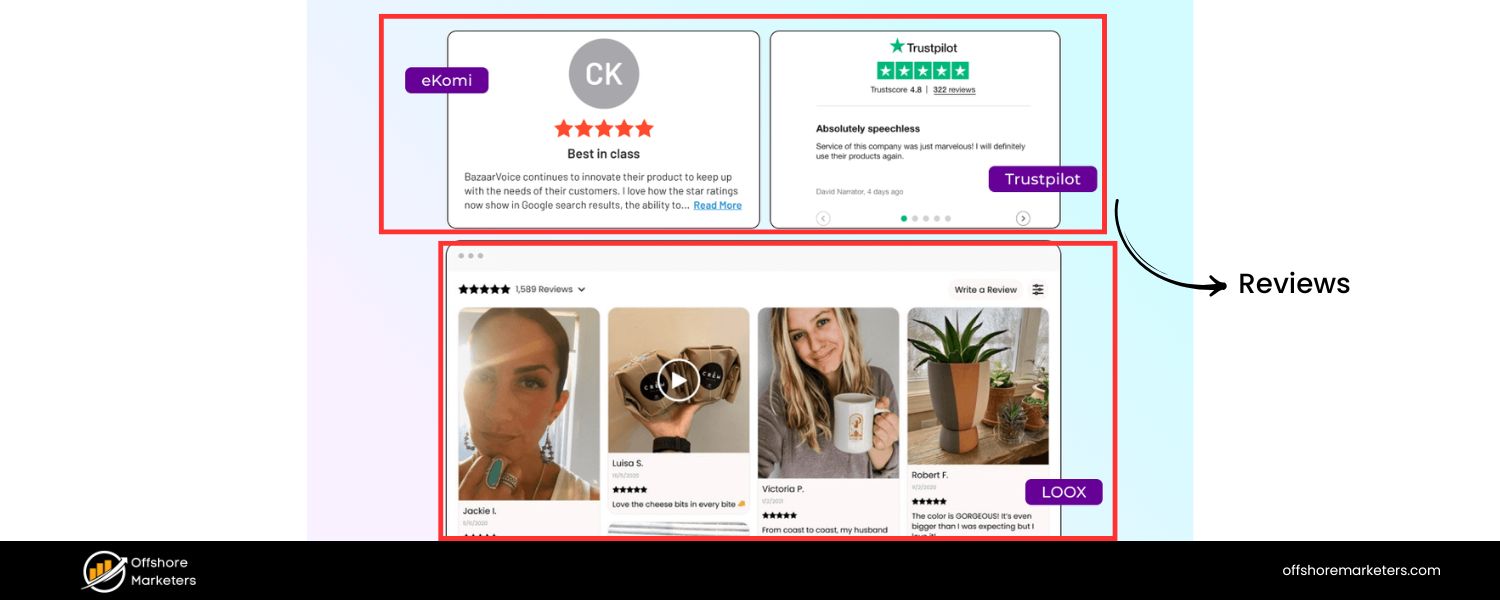
One often overlooked way to snag backlinks is by writing testimonials or reviews for products and services you use.
Think about it: companies love to showcase customer testimonials on their homepage or case study pages, and they frequently include a backlink to the customer’s website as part of the credit. If you’re a happy user of a tool or service relevant to your industry, offering a succinct testimonial can land your name, quote, and a link on their site.
Here’s how to leverage this:
A. Identify vendors you can genuinely endorse
Consider the various tools, services, or partnerships your business relies on. Maybe you use a certain software (e.g., an email marketing platform), or you hired an agency or freelancer whose work you loved. Many such companies have a “Testimonials” or “Clients” section on their site.
B. Check their website for existing testimonials
See if they list customers with quotes. If every testimonial on their site has the person’s name, company, and a link – bingo, that’s a target. Even if they don’t currently show links, it’s still worth trying; smaller businesses in particular will often link to you (it proves you’re a real business/person).
C. Reach out offering a testimonial
Send a brief email to your contact or a general email like support@company. Express that you’ve had a great experience with their product/service and you’d be happy to provide a testimonial if they’re looking for customer stories.Companies are usually thrilled to get unsolicited positive feedback. They might have a formal case study program, or they might just take a one-liner quote.
D. Write a specific, authentic testimonial
If they accept, provide a short paragraph that highlights a concrete benefit you got from their product (e.g., “Using [Tool], we increased our site traffic by 30% in 3 months”).Be honest and specific – it makes for a stronger testimonial. Along with your quote, give them your name, title, and company name (as you’d want displayed). You can subtly include a link by formatting your company name as “YourCompany ” in your signature.
E. Politely ensure your website is included
In most cases, if they put your testimonial on their site, they will naturally link your company name back to your homepage – it’s standard practice to add credibility. If they don’t, you could still politely ask, but it’s rarely an issue.For example, here’s a scenario: “To show you’re a real person they’ll often add a link to your website… without you even having to ask,” notes Brian Dean , referencing how companies handle customer quotes. He even gives an example of a testimonial he gave that earned a nice backlink .
This method is truly a win-win: the company gets a compelling testimonial to convince their prospects, and you get a backlink (and often increased exposure on their platform). It works best with B2B services or any product where client success stories are marketing fuel.
Similarly, you can offer reviews or case studies. For instance, if a partner business or supplier features case studies of clients, volunteer to be featured. These typically come with a link to your site as part of the story.
One word of caution
Avoid false praise or quid-pro-quo link exchanges. Only do this for products you actually use and like, authenticity is key. Don’t say “I’ll give you a testimonial if you link to me.”
Simply offer your feedback and let the link be a natural part of the attribution. Also, don’t overdo it, a handful of testimonial links is great, but if you spam every vendor with over-the-top praise just for a link, it could look fishy to search engines.
Used sparingly, though, this is a smart, free way to build backlinks while strengthening industry relationships.
10. Leverage Business Directories and Associations
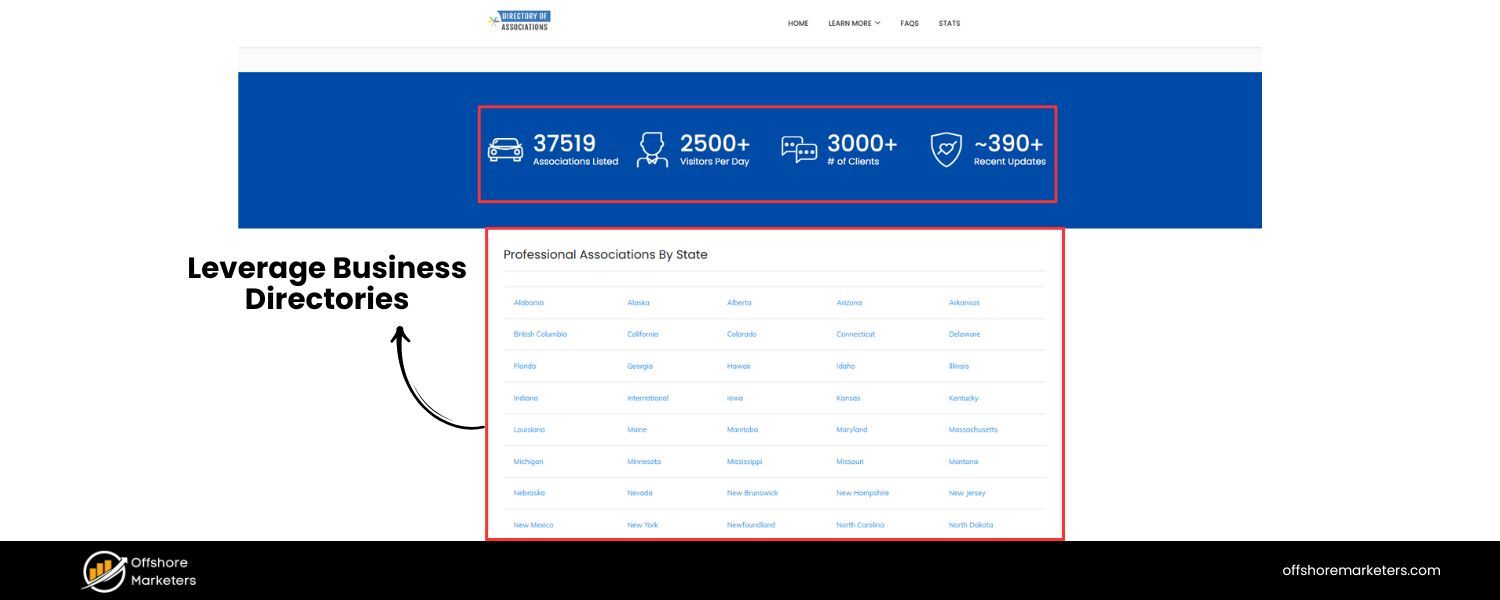
Getting listed in legitimate business directories, professional associations, and local listings can provide an initial backbone of backlinks for your site.
Now, let’s be clear: old-school web directories and link farms have lost most of their SEO value (and can even be harmful if they’re low-quality). But there are still high-authority directories and organizations where being listed is both credible and useful.
Examples include:
– Chamber of Commerce and Local Business Directories: If you have a local presence, make sure you’re listed on your city’s Chamber of Commerce site or local business alliance page. Many Chambers have online directories of member businesses with links .
These .org or .gov sites carry weight and trust. Similarly, industry-specific directories (e.g., a national plumbers directory for a plumber, a legal association directory for a lawyer) can be worthwhile.
A. Professional Associations
Almost every field has associations or nonprofit organizations – joining them often gets you a profile page or listing on their site. For example, a graphic designer might join AIGA and get a member profile link. These links show that you’re a verified member of a professional community.
B. Reputable Niche Directories
Some curated directories are actually well-regarded. Think Clutch.co for agencies, or Crunchbase for startups (which isn’t exactly a directory, but a database that does provide a do-follow link in your company profile). Being present on these platforms not only yields a link but also increases your online footprint.
C. Review and Rating Sites
Establish profiles on sites like Yelp, Google Business Profile, Trustpilot, G2 Crowd (for software), etc., as appropriate. While many of these links are “nofollow” (Google ignores them for PageRank), they still contribute to a natural link profile and can drive traffic.Don’t dismiss nofollow links entirely, they can support brand awareness and referral traffic . A diverse mix looks natural.
The strategy here is straightforward: list your site on all high-quality, relevant directories and organizations that make sense for your business. Many are free, some require a membership or one-time fee (e.g., a professional association membership).
Use your judgment on paid ones – if the site is reputable (e.g., BBB.org or a well-known industry body), the link and exposure might be worth it.
While directory/association links alone won’t skyrocket you to #1, they do provide foundational backlinks and can boost your domain’s trust.
They’re especially useful for new websites that have zero backlinks – getting, say, 5–10 solid directory or association links can take you out of that 0-backlink danger zone and help search engines discover you. It’s also part of normal business operations: users find you through these listings.
One caveat:
Avoid spammy directories that exist solely to sell links. If a site looks outdated, is unrelated to your niche, or promises “1000 backlinks if you pay $50”, steer clear. Quality directories should have genuine traffic and oversight.
As Mailchimp’s guide notes, directories were once common for link building but “they’re mostly considered a bad idea now” due to spam . Stick to the known, trusted ones, and you’ll be fine.
In summary, claim your spot on the web’s reputable directories and listings. It’s an easy, one-time effort for a steady link, and often a bit of referral traffic too.
11. Collaborate and Partner with Industry Sites
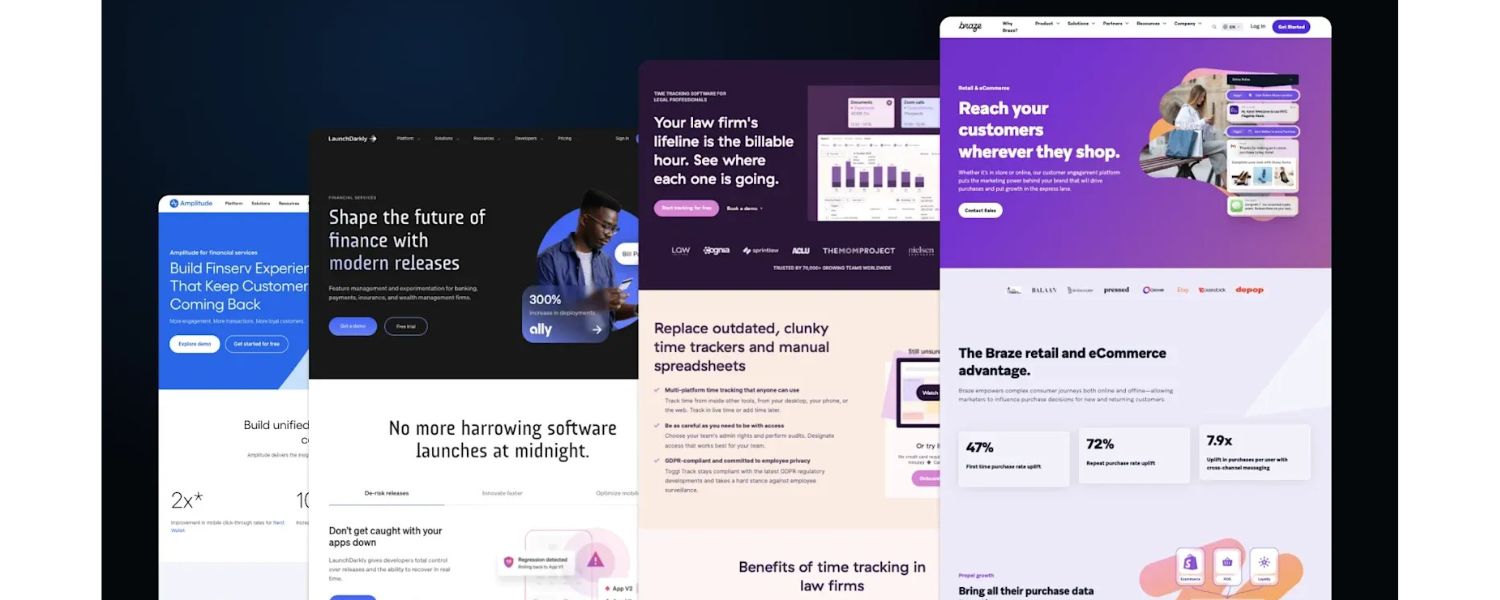
Sometimes the best backlinks come from personal connections and partnerships. If you already have relationships with other businesses or influencers in your field, don’t hesitate to (tactfully) leverage those for mutual benefit.
As Semrush advises, “If you already have professional relationships with organizations or influencers in your niche, use them to get backlinks.” Here are a few ways to do that:
A. Joint content and co-publications
Partner with another expert or company to create something together – perhaps an ebook, a research study, a webinar, or even a simple guest article interview. When it’s published, both parties will link to it and promote it.For example, you interview a colleague on your blog; they’ll likely link to that interview from their site or share it widely (earning you links/social signals). Or vice versa: contribute insights to their whitepaper and ensure it links to you as a co-author.
B. Link exchanges (with caution)
This means you link to me, I link to you. In general, excessive or obvious link exchanges are against Google guidelines if done purely for SEO. So, do not engage in massive “link swap schemes.”However, a natural occasional exchange with a relevant partner can be fine. For instance, you write a case study about a vendor and link to them; they write a blog mentioning a client (you) and link to you.This happens organically in business and is usually harmless as long as it’s not overdone or manipulative. The key is that each link genuinely fits the context.
C. Sponsorships and contributions
If you sponsor an event, scholarship, or community project, you often get a link on the sponsor page. This is a partnership of sorts.Similarly, if you donate time or money to something in your niche (say you sponsor a WordCamp for WordPress users), you usually get a thank-you link. These are legitimate and can be high-authority (.edu sites for scholarships, etc.).
D. Affiliate or referral partnerships
Earlier we’ll discuss an affiliate program (in the next section) from a broader strategy perspective. But even without a formal program, having a friendly referral partnership with another business can net links.For example, a marketing agency and a web design agency might refer clients to each other. Each can have a “Partners” page linking to the other. Just ensure these are partners you truly trust and work with, not random link swaps.
Remember that real connections yield the best links. If you’re active in your industry’s community, whether it’s online forums, Slack groups, or conferences, you’ll naturally find opportunities to collaborate.
Perhaps you participate in an industry podcast; the podcast’s site will link to your site in the show notes. Or you present at a conference; the conference website lists speakers with bios and links.
Also, help others first. If you proactively share other people’s great content (link to them, tweet about them, etc.), they notice.
Over time, some will return the favor unprompted. Building goodwill can lead to backlinks in unexpected ways, as people cite you or include you in their content. It’s the essence of relationship-based link building.
As Mailchimp’s guide says, “When people know and trust you, they’re more likely to naturally mention your business, share your content, and accept your guest post ideas.” Relationships often turn into long-term partnerships that keep yielding links and opportunities.
In summary, cultivate your network. Backlinks don’t have to come from cold outreach alone. Warm connections, people who know you, can often provide some of the highest-quality, context-rich links simply because they want to support you or have a reason to mention you.
It’s one of the more enjoyable parts of link building: make friends, do cool things together, and the links follow.
12. Spy on Competitor Backlinks & Replicate Them
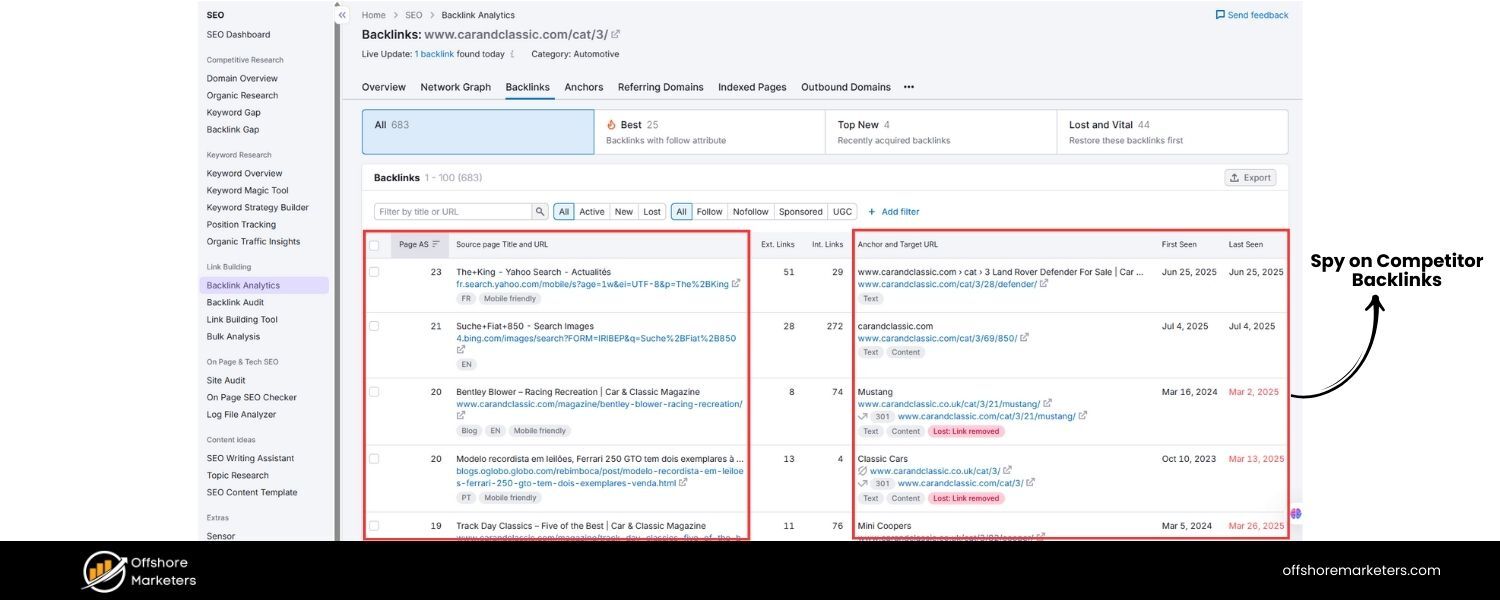
Your competitors’ backlink profiles are a goldmine of potential opportunities for you. If another site in your niche has managed to get a backlink from a particular domain, chances are you could get a link from that site too – provided you have similar or better content/resource to offer.
Analyzing and replicating competitors’ backlinks is a smart, data-driven way to expand your own link profile.
Here’s a step-by-step approach:
A. Identify your competitor(s)
These could be direct business competitors or just other sites ranking well for the keywords you care about. For link purposes, look at those who outrank you in search; they clearly are doing something right in off-page SEO.
B. Use a backlink analysis tool
Tools like Semrush, Ahrefs, or Moz can list all the backlinks (and linking domains) pointing to a competitor’s site or a specific page. For example, plug in your competitor’s homepage and see who links to them. Or analyze a competitor’s popular blog post that has many backlinks.
C. Spot patterns and unique links
Not all links are copyable – some might be earned from truly unique circumstances (like a news article specifically about that company).But you’ll often find links from resource pages, directories, forums, blogs, etc. that could link to you as well. Make a list of promising domains. For instance, if you see Competitor A is listed on “Best SaaS Tools 2025” on some blog, note that down.
D. Assess the quality
Focus on replicating high-quality links. Skip the spammy-looking ones. Aim for sites with solid authority or relevance.
E. Plan how to get each link
This is the important part – why would that site link to you? Sometimes it’s obvious: if your competitor wrote a guest post on a blog, you could pitch a guest post to that blog too. If they’re on a resource list, you could ask the curator to include you as well.If they got a link because they offer a free tool or infographic, maybe you have a similar asset to share. Basically, reverse-engineer the method. Semrush calls this “replicating your competitors’ backlinks” – competitors may have backlinks you can replicate by reaching out to the same sites.
F. Execute outreach or listing
For each opportunity, do the needful. This could mean emailing a blog editor (“I saw you featured [Competitor]’s article – I have a related one that your readers might find useful, would you consider adding it?”), submitting your site to a directory they’re in, registering for the same forum and dropping your link where they did (only if it’s truly relevant to the discussion!), etc.
One scenario:
Suppose Competitor X wrote a great guide and got backlinks from 5 university websites that list recommended readings. If you have a guide on the same topic, you could approach those university site webmasters, highlight your guide (maybe it’s more up-to-date or just as good), and politely request inclusion. You’d be surprised, curators are often open to multiple good resources.
Another scenario:
You find Competitor Y has a link from a Q&A site (like a Quora answer linking to them). That’s a hint that maybe you should also answer that question on Quora and mention your own content (as long as it’s genuinely helpful and not overtly self-promotional, or else it may get removed).
Be systematic – you can find dozens of link opportunities this way. It’s like having a roadmap instead of guessing in the dark. As one SEO agency jokingly frames it, “borrow” your competitors’ best link ideas (ethically, of course).
Keep in mind that replicating links is not about stealing content, just capitalizing on the same outlets. If a site linked to multiple competitors in your space, they might link to you too if you show up on their radar. Use your competitor intel to become everywhere they are, and then some. Over time, you can even surpass them by finding links they missed.
13. Launch an Affiliate Program (for Link Promotion)
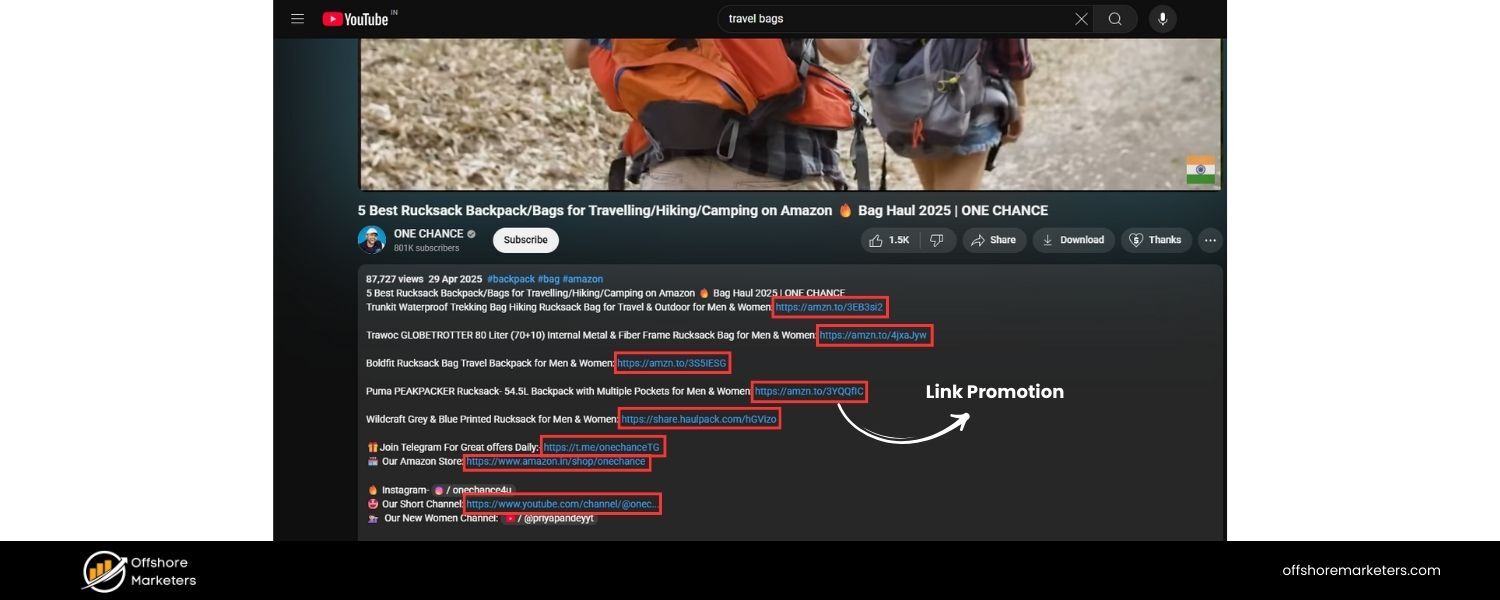
This strategy isn’t for everyone, but if you sell a product or service, starting an affiliate program can indirectly help you build backlinks.
How? When people sign up as affiliates to earn commission by promoting your product, they often write reviews or add listings for your product on their own blogs/sites (to drive sales and get a cut). In doing so, they create content that links to your website (using special affiliate tracking links).
Essentially, an affiliate program mobilizes a small army of marketers who have incentive to talk about you. While their primary goal is referral traffic (to earn commissions), the side effect is an increase in backlinks mentioning your brand/product across various sites.
For example, many web hosting companies have lucrative affiliate programs, which is one reason you’ll find “Top 10 Web Hosts” articles all over the internet – affiliates create those, link to the hosts with tracking links, and the hosts get tons of linked mentions.
Google can discount pure affiliate links (often they are tagged rel=“sponsored” now), but the overall buzz and citations can still help your SEO in terms of brand visibility and sometimes direct SEO value if the links aren’t nofollow.
If you go this route, a few pointers:
A. Keep it lean and relevant
You don’t need to create a massive affiliate network. Start by inviting loyal customers or industry influencers to be affiliates.Backlinko notes that historically, affiliate programs were separate from SEO, but today they can be used to “boost your backlink profile” if done thoughtfully . The idea is not to “buy links” but to incentivize word-of-mouth.
B. Offer a worthwhile commission
The more attractive your affiliate payout, the more effort affiliates will put into promoting you. This could lead to more content and links. But ensure the economics make sense for you (e.g., a percentage of sales or a fixed bounty per lead).
C. Provide marketing assets
Give affiliates shareable content, banner images, etc., and perhaps even pre-made link snippets or widgets. Make it easy for them to embed things that link back to you.
D. Monitor link quality
While you want affiliates to link to you, you should discourage any spammy tactics. Make it clear you want authentic promotion (real reviews, blog posts, social shares) and not forum spamming or link schemes.After all, anything affiliates do reflects on your brand. You want quality mentions. Some affiliates might even guest post on other sites reviewing your product – which multiplies the backlink effect.
E. Leverage affiliate content for SEO
If an affiliate writes a fantastic blog review of your product, you can amplify it – share it, maybe even link to it from your site’s press page, etc. Their content might rank in Google too, which is double win (you dominate more search results).
One caution:
Google generally expects affiliate links to be marked as rel=“nofollow” or rel=“sponsored”. Many savvy bloggers will do this to avoid penalties. So, the backlinks you get from affiliates might not all pass SEO “link juice” in the classic sense. But even nofollow links can drive traffic and increase your brand’s presence online mailchimp.com.
Additionally, if affiliates create truly valuable content around your product, some of their content might organically attract other backlinks (e.g., a third-party blogger links to an affiliate’s great tutorial of your product). This indirectly benefits you as well.
In summary, an affiliate program can expand your digital footprint. By motivating others to talk about you, you’ll gain more links and mentions than you could on your own.
It’s a more advanced strategy and requires managing relationships and payouts, but for the right business, it can be a game-changer in both traffic and SEO over the long term.
14. Promote Content via Social Media & Communities
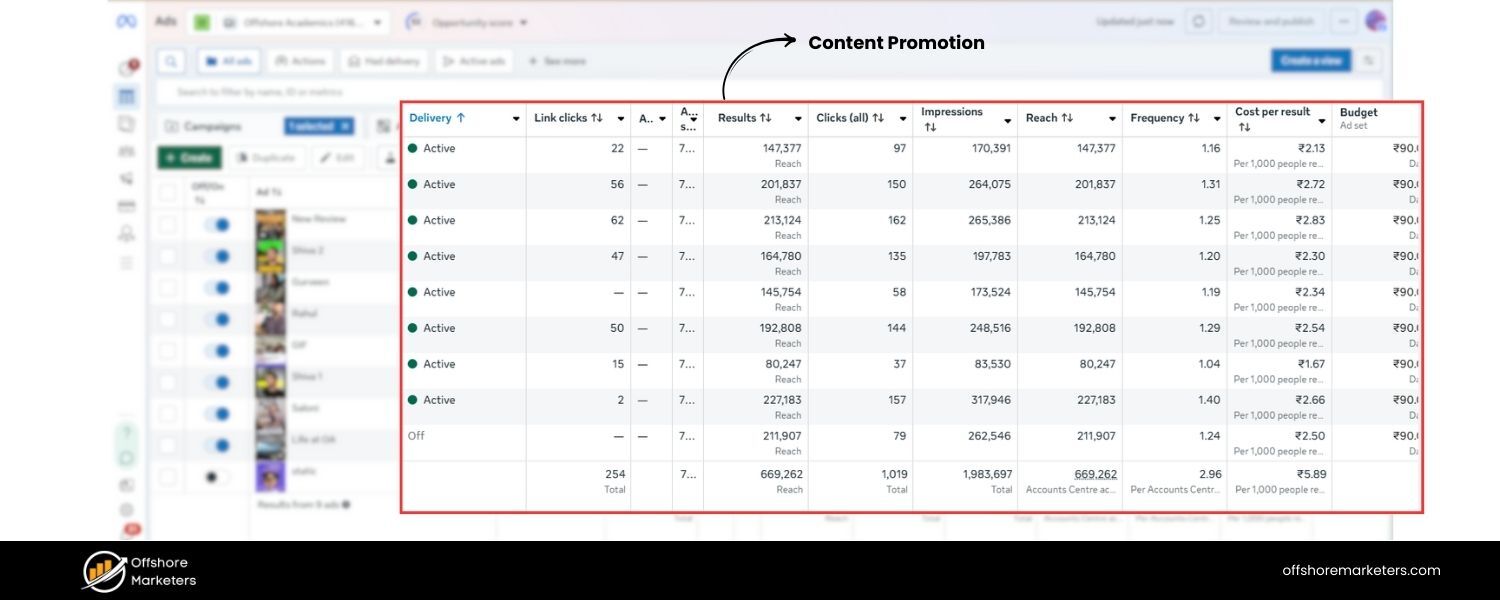
While social media links themselves are typically nofollow (not passing direct SEO value), social promotion is still crucial for backlink building. Why? Because the more people who see and engage with your content, the greater the chance some of them will link to it from their own blogs, news sites, or forums.
Social media is effectively the vehicle to put your link-worthy content in front of potential linkers.
Here’s how to use social and community engagement to fuel backlinks:
A. Share your content strategically
Don’t just drop links – introduce them in an interesting way. For example, when you publish a new research piece or guide, create a short Twitter thread with key insights, or a catchy LinkedIn post highlighting a statistic (“We analyzed 1000 websites and found 75% have broken links! Here’s what we learned: [Link].”).
If people find it useful, they may save it or share it on their own blogs. As Mailchimp’s guide suggests, “Whenever you share something interesting on LinkedIn, X (Twitter), Facebook, etc., you’re putting content in front of people who might link to it on their own sites.”. The key is to make it interesting and easy to reshare.
B. Engage in niche communities
Beyond mainstream social networks, find where your target audience or industry hangs out. This could be Reddit (many subreddits allow sharing useful resources if you’re a genuine community member, not a drive-by spammer), Stack Exchange, industry forums, Slack/Discord groups, Facebook Groups, Quora, etc.
By participating and occasionally sharing your relevant content, you can attract eyeballs who may link to it. For example, if you wrote “10 Tips for Photography Lighting” and share it on a photography subreddit, a photography blogger lurking there might later reference your tips (with a link) in their own article about lighting.
C. Encourage sharing by tagging and thanking
When you mention influencers or companies in your content, tag them when you share on social. E.g., “Our new guide on digital marketing trends is live, featuring insights from @NeilPatel and @Moz!” They might reshare it, exposing you to their followers (some of whom could be content creators who link back). Always engage politely – thank people for shares, answer questions, build those relationships publicly.
D. Create shareable snippets
Make quote graphics, short videos, or infographics that summarize your content. These tend to get shared around and sometimes embedded in others’ blog posts (with credit).For instance, a cool stat from your study can be turned into a quick chart image – others might include that image in their posts, linking back to you as the source.
E. Use social to test what resonates
Pay attention to what kind of posts get lots of engagement. Maybe your audience loves quick stats or how-to threads. When you notice something hits a nerve on social, consider expanding that into a fuller content piece on your site.
You already know there’s interest, which means it could earn links when published. As Mailchimp notes, “When you notice something working well on social media, expand on it in your blog posts or website content.This creates a cycle: social media helps you test ideas, and your best content earns backlinks.”.
In essence, social media is a discovery and distribution channel for your content. It won’t directly give you SEO backlinks in HTML, but it increases the likelihood of natural backlinks.
Many journalists, bloggers, and webmasters use social feeds to find content ideas. If your piece goes a bit viral or is frequently cited in discussions, it’s on their radar.
Bonus tip: Integrate social sharing buttons on your site to encourage readers to share your content (amplifying reach). And don’t forget content platforms like Medium or LinkedIn Articles – republishing a light version of your post there can drive more eyes to the original piece (just add a canonical link or note to avoid duplicate content concerns).
So, tweet, post, and share away – just do it thoughtfully. The goal is to spark genuine interest so that others feel compelled to reference your work on their sites. When social buzz translates into backlinks, you’ve harnessed the best of both worlds.
15. Monitor and Recover Lost Backlinks
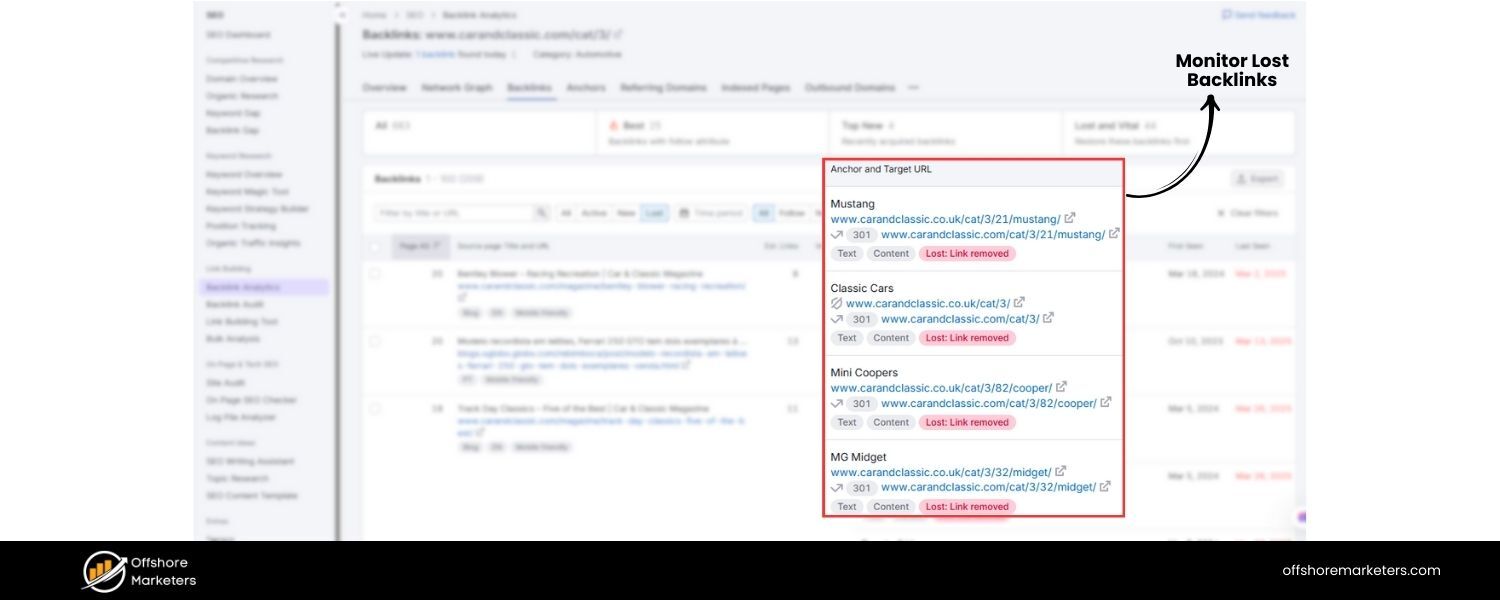
Just as you work hard to build backlinks, you should also guard the ones you’ve got. Over time, it’s normal for some backlinks to disappear or “break.” Websites update or redesign and sometimes drop linked pages, or a link gets removed for any number of reasons.
Monitoring your backlinks and recovering lost ones is a savvy way to maintain and even regain link equity that you might otherwise lose.
Here’s what to do:
A. Use tools to track backlinks
Set up a regular check (monthly or quarterly) of your backlink profile using tools like Semrush, Ahrefs, or Google Search Console (GSC). GSC’s “Links” report will show you who links to you, though it’s not as comprehensive as dedicated SEO tools. Many tools have alerts you can configure for lost links.
B. Identify lost or broken links
When a previously active backlink goes away, note it. Maybe the linking page now returns a 404, or they edited the content and removed the link. Also, check if any of your own pages that had backlinks have broken (e.g., you deleted or moved a blog post that many sites were linking to, those backlinks will effectively be broken now, pointing to a dead page).
C. Reach out to reclaim
If a valuable backlink is lost, consider reaching out to try to reclaim it. For example, if siteA.com used to link your article but after a site update the link vanished, you could email: “Hi, I noticed that in your excellent post on __, the link to my article is no longer there.
Just wanted to check if that was intentional or an oversight during your redesign? If you’re able to reinstate it, here’s the URL: __. Thanks!” Often, webmasters don’t mind fixing if it was unintentional. Be polite and don’t demand, frame it as helping them maintain their resources.
D. Redirect your moved content
This is important. If you ever move or change a URL on your site that has backlinks, implement a 301 redirect from the old URL to the new one.That way you preserve the link juice. For instance, you had a page at /guide.html that many link to, and you changed it to /guide/ – make sure the old one redirects. This prevents losing backlinks due to internal changes. It’s part of good SEO hygiene.
E. Keep note of which sites linked to you
In cases where content was removed entirely (say a site that linked to you shut down), you can’t do much. But you can note the context and perhaps replicate that elsewhere. For example, if a blog that gave you a backlink is gone, maybe pitch a similar guest post to another blog to “replace” that link in your mix.
Recovering lost backlinks is essentially doing maintenance on your link profile. It’s easier to revive an old link than to get a brand new one from scratch.
As Semrush points out, “It’s possible to lose backlinks when websites update, move, or delete their content.”Don’t panic when it happens (some churn is normal), but do your best to reclaim ones that matter.
Also, keeping an eye on this helps you spot negative SEO or spam issueshttps://offshoremarketers.com/negative-seo/, if suddenly a bunch of weird backlinks appear or disappear, you’ll catch it early.
In summary, treat backlinks as assets that need occasional check-ups. By monitoring and maintaining them, you’ll ensure your hard-won SEO gains don’t slowly leak away. And when you kindly reconnect with someone who accidentally dropped your link, you not only regain the backlink but also refresh that relationship, which might lead to new opportunities.
Backlinking Mistakes to Avoid
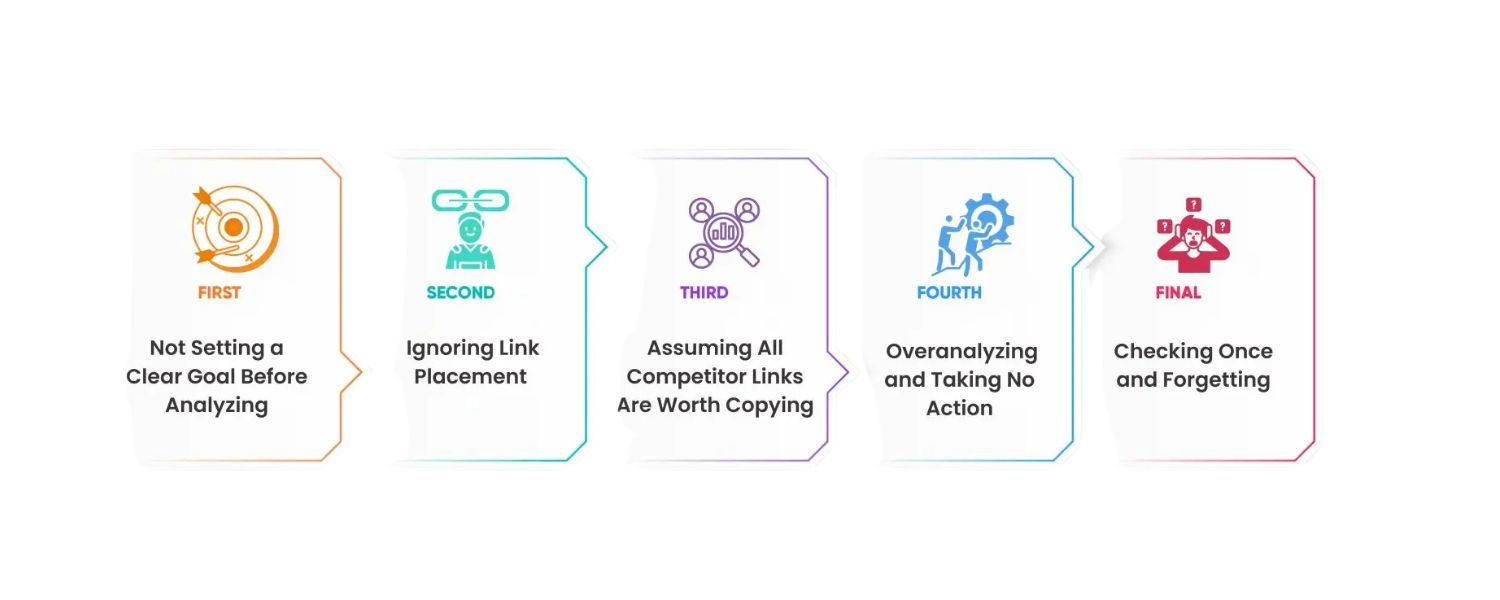
We’ve covered the do’s, now let’s briefly highlight the don’ts of link building. Pursuing backlinks the wrong way can range from ineffective to downright harmful for your site’s SEO. Here are common mistakes to steer clear of:
A. Buying links or participating in link schemes
It might be tempting to pay for a quick backlink boost, but search engines are extremely good at spotting paid links and will penalize sites that engage in link buying or obvious exchanges .
This includes shelling out money for someone’s “link package,” joining private blog networks (PBNs), or any arrangement where links are not editorially earned. Google’s algorithms and manual reviewers actively seek out unnatural link patterns. The short-term gain is not worth the long-term risk of a ranking penalty.
B. Excessive links from irrelevant sites
Relevance is key. If your landscaping business suddenly has 50 backlinks from random recipe blogs or cryptocurrency forums, that’s a red flag. Getting links from sites that have nothing to do with your content confuses search engines and can even look like spam (maybe you or an SEO you hired just indiscriminately dropped links anywhere).
“Accepting backlinks from websites that have nothing to do with your business or industry sends mixed signals to search engines,” and can hurt your rankings. Focus on relevant link sources.
C. Anchor text over-optimization
Anchor text is the clickable text of a link. In the past, SEOs tried to force exact-match keyword anchors (e.g., 100 sites linking the text “best CRM software” to their page). Today, that looks unnatural if overdone.
Google expects a variety of anchor texts, some your brand name, some “click here,” some partial keywords. Don’t try to micromanage this too much, especially by asking sites to use specific keywords in links. It can do more harm than good if it feels manipulated.
D. Ignoring “nofollow” and user-generated links
While we emphasized quality dofollow links, don’t shun nofollow links completely. Some folks make the mistake of thinking a link is useless unless it’s dofollow.Not true. Nofollow links (like from social media, Wikipedia, many forums) can drive traffic and signal a natural mix.
A natural backlink profile has both followed and nofollow links.Also, if you’re building links in user-generated content areas (forums, blog comments), know that most of those are nofollow anyway – which is fine, but also don’t spam them because Google can still take action on clear spam regardless of follow status.
E. Using link networks or widgets indiscriminately
Be cautious with any network or widget that automatically spreads your links.For example, some “badge” or widget you put on client sites that includes a keyword-rich footer link back to you – that can trigger penalties (Google famously penalized sites that did this kind of widget link building).
Always ask: Was this link editorially given, or did I force it? If it’s the latter, be wary.
F. Not vetting the site’s quality
Before pursuing a link from a site, do a quick quality check. Does the site look legit and well-maintained? Do they have real content and traffic? If the site is filled with spam or looks like a link farm (just lists of links), avoid it.
One good link from a respected site beats 100 links from shady ones.Also, too many toxic backlinks can harm you, so disavow (via Google’s tool) if you find any truly spammy ones pointing at your site that you didn’t create. But generally, avoid getting them in the first place.
G. Being impatient and aggressive
Link building is a gradual process. Don’t try to go from 0 to 1000 backlinks in a month, that’s unnatural growth.“Building website backlinks will take some time… these link-building strategies don’t have a 100% success rate, so you have to be persistent,”Mailchimp reminds us.
If you get desperate and start spamming or cutting corners, you jeopardize all your work. Be patient and keep it clean.
In short, think long-term and play by the rules. White-hat strategies might require more effort and creativity, but they protect your site and deliver sustained benefits.
Black-hat or shortcut methods can lead to irreparable damage (it’s tough to recover from a Google penalty). When in doubt, ask yourself: “Would I still pursue this link if Google didn’t exist?” If the answer is yes (because it’s a legitimately good placement for branding or traffic), then it’s likely safe.
If the answer is no (you’re purely doing it for a “secret” SEO boost), reconsider.
By avoiding these common pitfalls, you’ll ensure your backlink profile remains strong, credible, and penalty-proof.
Frequently Asked Questions (FAQ)
Q: How many backlinks do I need to rank on Google?
A: There’s no fixed number, it’s about quality, relevance, and competition. In competitive niches, top-ranking pages often have hundreds or thousands of backlinks. But if those are all low-quality, they may not help. Focus on earning a handful of high-quality backlinks from authoritative sites.
Studies show the #1 result on Google typically has significantly more backlinks (and referring domains) than lower results , but again, it’s not just about quantity. Analyze the backlink profiles of the current top pages for your target keywords; that can give you a ballpark.
In less competitive niches or local searches, you might rank with very few links if they’re from trusted sources.
Q: How long does it take to see results from new backlinks?
A: Generally, it takes a few weeks to a few months for backlinks to be discovered, indexed, and start influencing your rankings.
SEO isn’t instant – after implementing link-building strategies, you might wait 3–6 months to really feel the impact in search results. In some cases, a high-authority link can get indexed and boost you within days, but that’s the exception.
Be patient and consistent. Also, remember Google evaluates links in the context of your overall site quality and content relevance. If you suddenly gain a bunch of links, you might see a gradual improvement rather than an overnight jump (assuming everything is done above-board).
The key is to keep building steadily; SEO is a long game. As noted earlier, many SEO professionals find link building the hardest part of SEO precisely because it requires ongoing effort and patience .
Q: Should I avoid nofollow links completely?
A: Not at all. While nofollow (or sponsored/UGC) links don’t directly pass ranking “juice,” they are a natural part of a healthy backlink profile.
Sources like Wikipedia, Reddit, many forums, and news comments provide nofollow links, these can drive traffic and signal that your brand is being talked about. Google expects to see a mix of link types.
In fact, having only dofollow links could look suspicious. So, you might prioritize dofollow opportunities for SEO impact, but don’t reject a nofollow link from a great site, it still has value in terms of traffic and awareness.
Plus, some nofollow links might indirectly lead to followed links (e.g., a journalist sees your link on Twitter and then links to you in an article). The bottom line: pursue backlinks for their overall value, not just the link attribute.
Q: Can I just buy a gig for 100 backlinks and save time?
A: It’s strongly discouraged. Those services typically deliver low-quality, spammy links (blog comments, PBN sites, etc.) that can do more harm than good.
Google’s algorithms (like Penguin) and manual reviewers work hard to neutralize or penalize paid link schemes . If something seems too good (100 links for $50!), it’s not a sustainable strategy.
The links might briefly inflate some metric, but they won’t fool Google for long. Worst case, your site could get penalized and lose rankings. It’s better to have 5 great organic links than 500 junk ones. Invest your time or money in content and outreach, not shortcuts.
Q: How do I check who is linking to my site?
A: You can use Google Search Console (free), under Links, it shows top linking sites and pages. For more detail, SEO tools like Ahrefs, Semrush, Moz, or Majestic can give comprehensive backlink reports (they have huge databases of crawled links).
These tools often find more backlinks than GSC, including historical ones. There are also free backlink checker tools, though with limited results. For a quick check, you could even Google search: link:yourwebsite.com, but Google doesn’t show all links this way, so it’s not reliable.
For serious monitoring, an SEO tool is the way to go. It’s worth periodically auditing your backlinks to discover new links (so you can thank or capitalize on them) and to spot any spammy ones to disavow if needed.
Q: Are backlinks still important with the rise of AI search (ChatGPT, etc.)?
A: Yes, backlinks still matter, though how they’re used is evolving. Traditional search engines like Google absolutely use backlinks in their ranking algorithms as a measure of authority and trust .
Even as Google incorporates AI (e.g., in features like Bard or enhanced snippets), it will likely rely on authoritative sources, which correlates with strong backlink profiles.
Additionally, brand mentions and co-citations (being mentioned alongside authoritative brands) are becoming important in AI-driven context. For instance, if AI models see your brand cited frequently in quality content (even without links), that can boost your perceived authority. But to get to that stage, backlinks and mentions from trusted sites are key.
So continue building backlinks; they’re not just about “blue link” SEO, but about establishing your site as a respected source of information on the web, something both search engines and AI assistants will pick up on.
Conclusion & Next Steps
Backlinks are the backbone of off-page SEO, they power your site’s authority, visibility, and credibility in the eyes of search engines. By now, you’ve learned exactly how to get high-quality backlinks through a variety of white-hat methods: creating link-magnet content, leveraging broken links, guest posting, PR outreach, business relationships, and more. It’s a lot to take in, but here’s the encouraging part: you don’t need to do every strategy at once.
Start with a few that make the most sense for your situation and niche. Even a modest number of high-quality backlinks can make a noticeable difference in your rankings.
As you implement these tactics, remember to always prioritize value and relevance. High-quality backlinks are ultimately a byproduct of doing something worth linking to, be it publishing great content, offering a superb product, or sharing expert knowledge.
When in doubt, ask “Would I want this high-quality backlink if Google didn’t exist?” If yes, it’s likely a good, user-centric link. If not, reconsider.
Finally, be patient and persistent. Successful link building is an ongoing effort, not a one-time task. Monitor your progress, celebrate small wins (like that first high-quality backlink from a major site!), and keep refining your approach.
Over time, you’ll cultivate a robust profile of high-quality backlinks that not only boosts your SEO but also drives referral traffic and strengthens your brand’s authority web-wide.
Now it’s your turn: put these strategies into action. Pick one or two to tackle this week, maybe reach out to a journalist on HARO, or update an old post into a skyscraper piece and pitch it. Each high-quality backlink you earn is a stepping stone to higher rankings and greater exposure.

Mastering Content Monitoring Tools and Strategies for Success
Content monitoring tools are the backbone of any serious digital...
How to Win in Hickory’s Data Center Corridor: 6 B2B Digital Marketing Strategies
If your business operates in Hickory's data center corridor, you're...

Referring Domains: Guide to Measuring, Analyzing High Quality Domains
Referring domains are unique websites that link to your site (often via...

SEO for Healthcare Clinics in Bradford: 4 Proven Pillars to Attract More Patients
SEO for healthcare clinics in Bradford is the single most...

Content Monitoring: What It Is, Why It Matters, and the Best Tools to Track Content Changes
Content monitoring is the ongoing practice of tracking, analyzing, and...



.png)
.png)
.png)
.png)
.png)

2024 ALL RIGHTS RESERVED MADE IN INDIA
.png)