
How to Do Keyword Clustering & Why It Helps SEO
July 11, 2025
Introduction: Why Keyword Clustering Matters Now
Are you still creating one page per keyword and struggling to rank? It’s time to upgrade your SEO strategy with keyword clustering.
Keyword clustering is one of the most powerful (yet underutilized) techniques in modern SEO, allowing you to group related search terms and target them together on a single page.
By clustering keywords, you can cover a topic more comprehensively and rank for dozens or even hundreds of related queries with one piece of content.
In fact, SEO experts have observed that a single well-optimized page can rank for about 2,200 keywords and attract over 183,000 monthly organic visits.
This means more traffic and a better chance at dominating your niche without needing to publish hundreds of thin, single-keyword pages.
In this comprehensive guide, we’ll dive into what keyword clustering is, why it’s become essential for SEO in 2025, and how you can implement it to boost your search rankings.
We’ll analyze proven strategies (inspired by industry leaders like Semrush, Surfer, and others) and walk through a step-by-step process to create effective keyword clusters.
You’ll also discover the types of keyword clustering (from simple pattern grouping to advanced SERP-based clustering) and get recommendations on the best tools to streamline the process.
By the end, you’ll know how to leverage keyword clusters to build topical authority, improve your content quality, and drive more organic traffic. Let’s get started!
What Is Keyword Clustering?

Keyword clustering is an SEO technique of grouping similar or related keywords into clusters that a single page or content piece can target.
In other words, instead of optimising separate pages for each keyword, you bundle keywords that share the same search intent or topic and target them together.
This practice helps search engine professionals segment their target search terms into groups relevant to each page of a website.
For example, consider the keywords “king size mattress”, “king mattress”, and “best king mattress”. All of these queries indicate a user looking for a king-sized mattress, just phrased differently.
Google actually returns very similar results for each, which means they share intent. Rather than creating three separate pages, you could cluster these keywords and create one authoritative page that targets the primary term “king size mattress” and naturally incorporates the other variations.
By doing so, you maximize the page’s visibility and rank for multiple related terms with one piece of content.
Think of keyword clustering like organizing a closet: Instead of having 100 separate keyword “outfits” scattered around, you’re grouping related keywords into organized sections.
That way, a single comprehensive article can cover all those related searches in one go. The outcome is a cleaner, more focused website structure and content that thoroughly addresses a topic.
A good rule of thumb in keyword clustering is “one search intent = one keyword cluster = one page.” In practice, that means all keywords in a cluster revolve around answering the same user need or query intent.
For instance, searches for “best CRM software”, “top CRM systems 2024”, and “best CRM tools” all imply a user wanting recommendations for CRM software, so they belong in one cluster (commercial intent).
On the other hand, a query like “what is CRM software” (informational intent) has a different intent and would be a separate cluster/page.
It’s important to note that keyword clustering typically happens after you’ve done broad keyword research.
First you gather a large list of potential keywords, then you analyze and group them. Originally, SEOs did this grouping manually, but nowadays keyword clustering is often an automated process performed by specialized tools.
We’ll talk more about manual vs. automated clustering and tools later on. First, let’s look at why this technique is so beneficial.
Sure! Here’s another variation for your internal link line:
Master SEO with our Ultimate Keyword Research Checklist. This version emphasizes the benefit and encourages readers to click through for a deeper dive into keyword research.
Benefits of Keyword Clustering for SEO
Why invest time in clustering your keywords? Here are some of the biggest advantages of keyword clustering for your SEO and content strategy:
1. Rank for Multiple Keywords on One Page

By grouping search queries, you can optimize a single page to rank for many related terms that share intent.
This multiplies your visibility without needing dozens of separate pages. Instead of targeting one keyword per page, a cluster approach lets you capture all the traffic from variations of a query with one high-quality piece. This synergy can dramatically increase organic traffic.
2. More Comprehensive, User-Friendly Content

Clustering forces you to cover a topic in depth. When you plan content around a cluster of keywords, you’ll naturally answer a broader spectrum of user questions and subtopics in one article.
This results in rich, valuable content that satisfies readers. Covering a topic extensively also enhances user experience – visitors find all the info they need in one place.
Google rewards content that thoroughly addresses searcher intent, so comprehensive pages often rank higher.
3. Improved On-Page SEO & Relevance
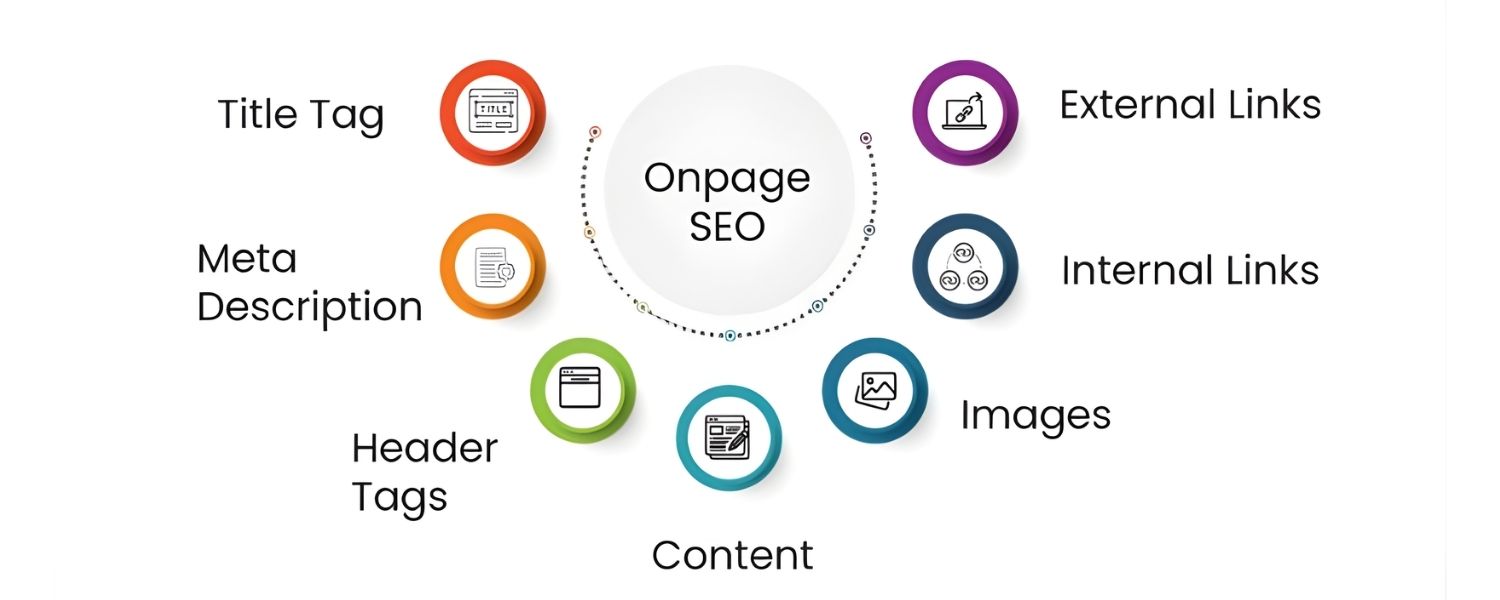
A clustered approach encourages the use of synonyms, related phrases, and long-tail variations in your content. This can make your page semantically rich and increase its relevance for the main topic.
You’ll avoid the trap of keyword stuffing a single term repeatedly by naturally including secondary keywords.
The result is content that reads naturally while still signaling strong topical relevance to search engines.
It can also inspire you to cover important subtopics you might have missed if you were focusing on just one keyword.
Here’s an internal link line for “On-Page SEO Checklist”:
Ready to optimize your website? Follow our On-Page SEO Checklist to ensure every element is perfectly optimized for search engines!
This makes it sound actionable and guides users towards improving their site’s SEO with your checklist.
4. Better Site Structure & Topical Authority
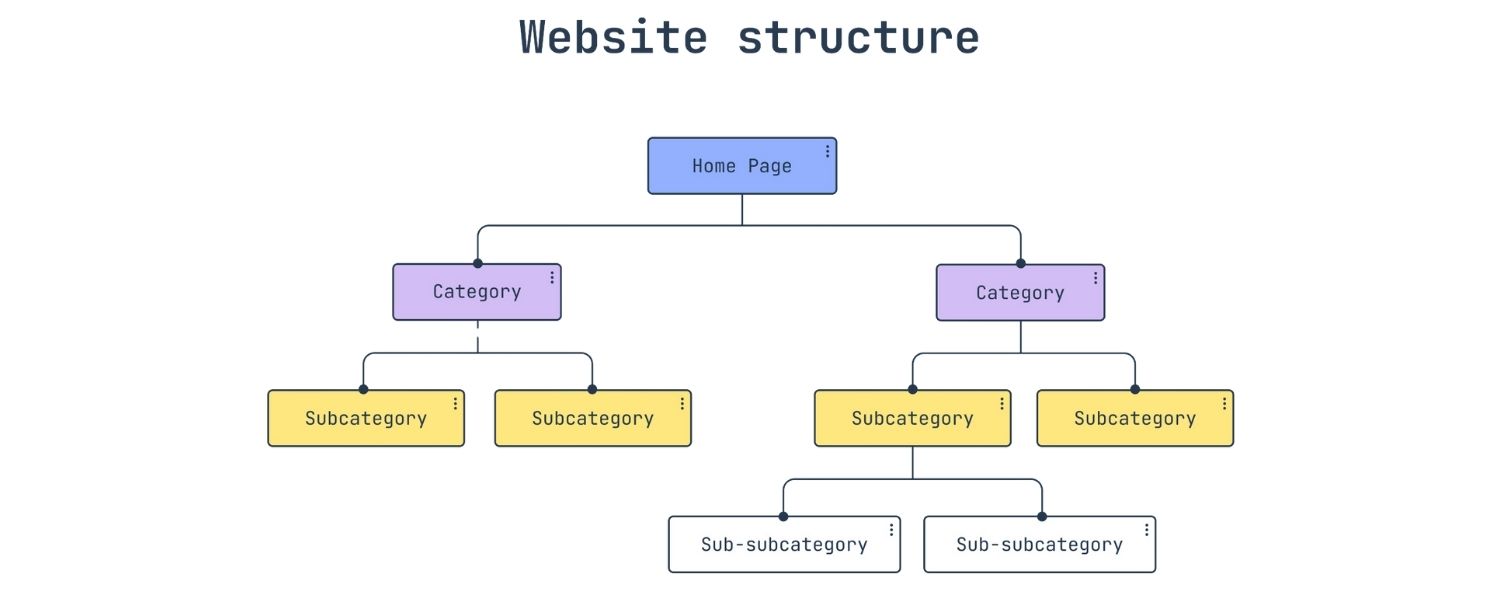
Keyword clusters can serve as building blocks for your site’s content architecture. Each cluster often corresponds to a specific subtopic or page, and related clusters can be organized into broader topic clusters (hub-and-spoke models of content).
This creates a more logical, user-friendly site structure that highlights relationships between content pieces.
Over time, covering all clusters within a larger topic helps establish topical authority, Google sees your site as an expert on the subject, which can boost rankings across the board.
5. Avoiding Keyword Cannibalization

When you cluster keywords properly, you reduce overlapping content. Instead of two pages targeting almost the same term, you have one authoritative page, preventing your own pages from competing against each other.
This eliminates cannibalization issues where multiple pages fight for the same keyword ranking. A clustering strategy makes it clear to Google which page to rank for a group of related queries.
6. Streamlined Content Creation (Efficiency)
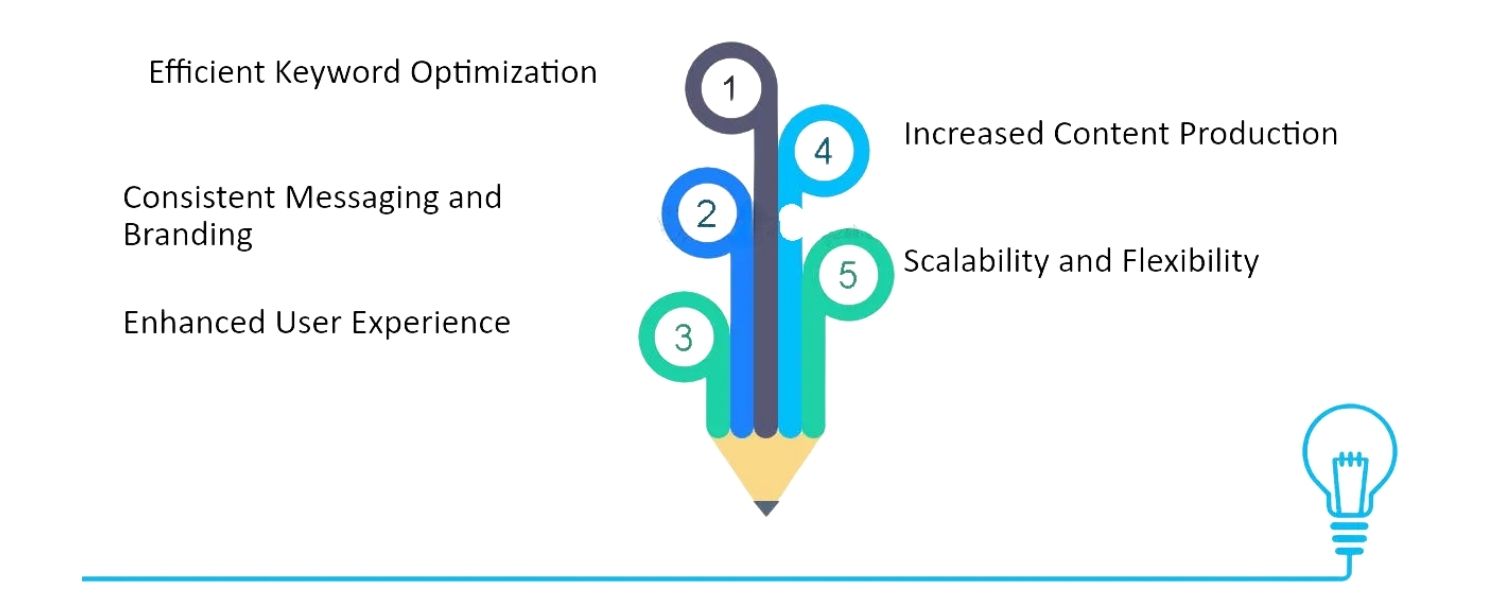
It’s often easier to create one great piece of content around a cluster than to produce many thin pages for each variant.
With a cluster, you have a focused content outline (driven by the various keywords) that can actually make writing easier, you have several angles and questions to address, all in one article.
This can spark more ideas and ensure you don’t run out of things to say. As a bonus, maintaining fewer pages that cover more ground can save time in the long run.
7. Time Savings with Automation
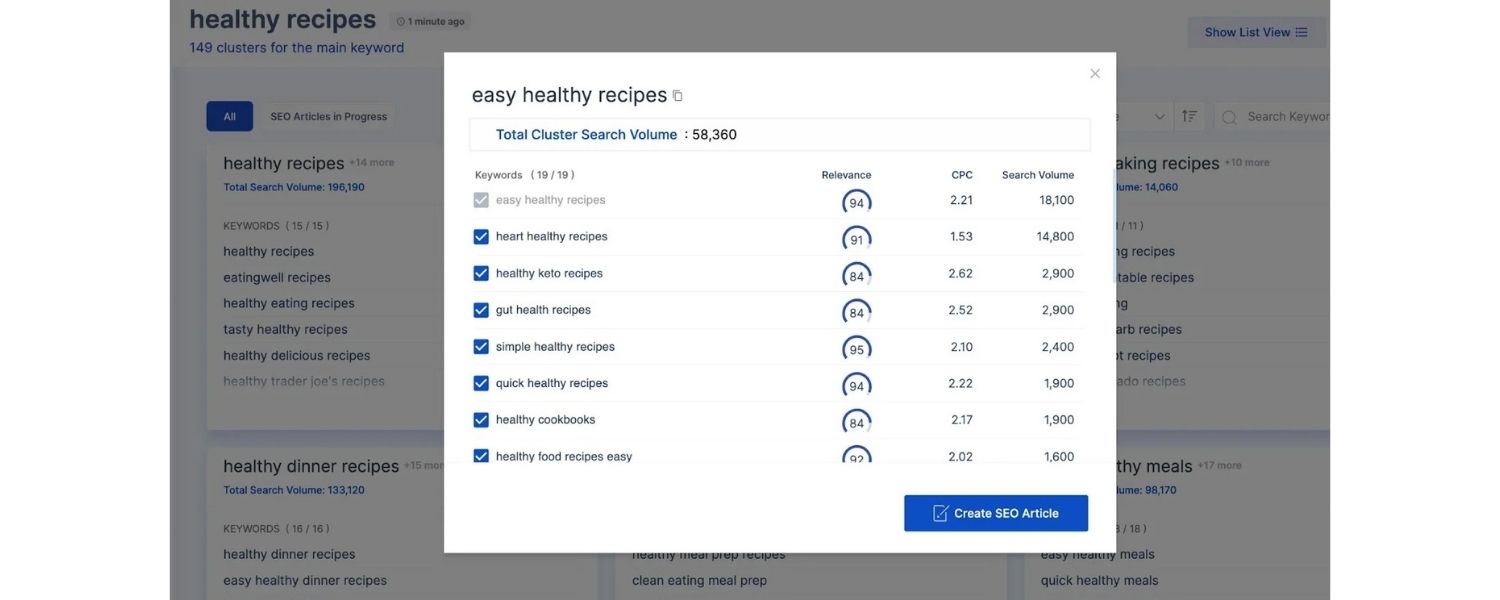
If you leverage tools for keyword clustering, you can group hundreds or thousands of keywords in minutes, a task that would be incredibly tedious manually.
Automated clustering tools quickly analyze search results and keyword relationships to form clusters, freeing you up to focus on content strategy and writing.
This speed and scalability is especially useful for large websites or when dealing with big keyword sets from an extensive research campaign.
In summary, keyword clustering helps you work smarter, not harder in SEO.
By focusing on groups of keywords and the intent behind them, you can create more impactful content that ranks for more terms, satisfies users, and strengthens your site’s authority.
Next, we’ll explore how exactly to form these clusters, including different methods and tools you can use.
Types of Keyword Clustering Methods (Semantic vs. SERP-Based)
Not all keyword clustering approaches are the same.
There are a couple of fundamentally different ways to group keywords, and understanding them will help you choose the best strategy (and tools) for your needs.
The three main methods are:
A. Pattern/Morphological Clustering
(Basic Grouping by Similar Words) A straightforward way to cluster keywords is by their literal terms or morphology.
This means grouping keywords that look similar, for example, those that share common words, stems or phrases.
For instance, a pattern-based approach might automatically cluster “content marketing strategy” and “content marketing tips” together purely because both contain the phrase “content marketing.” This is also known as n-gram clustering or morphological grouping.
While this method is easy and fast, it’s the least accurate in terms of SEO relevance. Just because keywords share words doesn’t guarantee they have the same meaning or intent.
In our example, Google’s results for “content marketing strategy” vs “content marketing tips” might be quite different, indicating they might need separate content.
Pattern-based tools often miss this nuance and can lump together keywords that search engines treat differently.
In a recent comparison test, basic pattern-matching clustering tools scored very low for quality (only about 11–35 out of 100 in accuracy).
Bottom line: Morphological clustering can give you a rough grouping, but it should be used with caution.
It doesn’t account for user intent or the actual search results, so it may create clusters that are too broad or incorrect for SEO purposes.
This method might be acceptable for a quick initial pass or small-scale brainstorming, but relying on it alone could lead to ineffective content groupings.
B. Semantic (NLP) Clustering (Grouping by Meaning)
A more advanced approach is semantic clustering, which uses Natural Language Processing (NLP) and AI to group keywords by meaning and context.
Semantic clustering looks beyond exact word matches and tries to understand if two queries mean the same thing or cover similar concepts.
For example, an NLP-based tool might recognise that “buy running shoes online” and “purchase sneakers from the web” are semantically related (even though they use different words) and cluster them together.
This method focuses on the inherent topical similarity of keywords, essentially grouping synonyms and closely related phrases.
Semantic clustering can be quite useful and tends to be more accurate than simple pattern grouping. It’s great at finding relationships that aren’t obvious just from matching words.
Many modern SEO tools incorporate AI or language models to do this kind of grouping.
It’s also accessible to DIYers, there are free Python scripts and libraries that can cluster keywords by semantic similarity using word embeddings or other NLP techniques.
However, semantic clustering has a big limitation: it doesn’t check what Google is doing. Two keywords might be linguistically similar, yet search engines could interpret them differently.
For instance, “vaporiser parts” vs “vaporiser accessories” sound like the same thing (and an NLP algorithm would cluster them), but Google might show different result pages for each, treating them as separate intents.
In such cases, solely relying on semantic similarity could mislead your strategy, you might merge keywords that should be kept separate in different clusters (and thus need distinct pages).
In practice, semantic clustering tools showed only moderate accuracy in recent tests, scoring around 33–47 out of 100.
They’re better than naive pattern matching, but they can still group keywords that Google wouldn’t group on one page.
Think of semantic clustering as grouping by assumed meaning, which is helpful but not the final word.
Takeaway: Semantic clustering is a step up in quality and can be useful for understanding keyword relationships.
Use it to generate intelligent clusters, but always double-check against search intent and results. It’s often best for early-stage research or making educated guesses about keyword groups, just be aware it might miss the mark on intent occasionally.
C. SERP-Based Clustering (Grouping by Search Results, Highly Accurate)
The gold standard of keyword clustering in SEO is SERP-based clustering. This method groups keywords based on how similar their Google search results are.
The idea is straightforward: if two different queries consistently return many of the same top-ranking URLs on the search engine results page (SERP), Google likely sees them as having the same intent, so you can target those keywords together.
Conversely, if the SERPs for two keywords show completely different sets of results, those keywords probably belong in separate clusters (they need separate content).
SERP-based clustering works by measuring SERP overlap. For example, suppose Keyword A and Keyword B have 7 out of the top 10 Google results in common, that’s a high overlap, indicating they can be answered by the same content.
If they share few or no top results, they should be split into different clusters. Clustering tools typically let you set a threshold (clustering level) for how many URLs need to match to consider keywords part of one group.
A higher threshold (strict clustering) means keywords must be very closely related to group together, resulting in tighter, smaller clusters.
A lower threshold (looser clustering) groups keywords with more loosely related results, leading to broader clusters.
Why is SERP-based clustering so effective? Because it aligns with Google’s own understanding of intent.
Instead of guessing or assuming two searches are similar, you’re using real search engine behavior as your guide. This approach directly helps avoid the pitfalls of the other methods:
It prevents grouping keywords that have subtle intent differences. For instance, it will separate a “buy” query from a “what is” query if the SERPs differ, even if the keywords seem semantically close.
It reduces content cannibalisation by ensuring that each cluster’s keywords truly belong together; you won’t accidentally have one cluster covering two intents that Google expects on separate pages.
It provides insights on competition: by seeing which competitors appear across a cluster’s SERPs, you can identify who you’re up against for that entire topic area.
In the 2025 tool tests, SERP-based clustering consistently outperformed other methods by a wide margin – such tools scored around 70–89/100 on clustering quality, the highest of any approach. Essentially, if you want clustering that actually works for SEO, SERP-based is the way to go.
In summary, think of these methods as a spectrum:
- Pattern-based = quick and dirty grouping by similar wording (low
precision). - Semantic/NLP-based = smarter grouping by meaning (medium precision).
- SERP-based = grouping by actual search result similarity (high
precision, SEO-aligned).
Many modern tools use a combination of these, but the best results come from leveraging SERP data.
In practice, you might start broad (using semantic grouping to get initial cluster ideas) and then refine using SERP analysis for final cluster decisions.
Next, we’ll look at how you can cluster keywords yourself and when to use manual methods versus automation.
How to Cluster Keywords: Manual vs. Automated Approaches
Before diving into a step-by-step workflow, it’s worth understanding the difference between clustering keywords manually and doing it with automation tools.
You can choose either approach (or a mix) depending on your project size and resources:
1. Manual 

This involves you (or your team) sorting keywords into groups by examining them one by one. Typically, you might use spreadsheets and filters.
For example, you could start by grouping keywords by common themes or phrases, then refine by checking Google results for each keyword to verify if they should cluster together.
Manually, you would ensure each group has a uniform intent. This approach can work fine if you have a relatively small keyword list or if you’re clustering keywords for a single article.
It gives you full control and a deep understanding of your terms. However, manual clustering becomes impractically slow as the keyword list grows.
Managing a few dozen keywords by hand is doable; managing hundreds or thousands is a massive undertaking.
Manual clustering is best for small-scale tasks or when you want to double-check and refine the output of tools.
2. Automated Keyword Clustering (Using Tools)

Automated clustering uses software to do the heavy lifting – from analyzing SERPs to grouping keywords.
Many SEO platforms (like Semrush, SE Ranking, Surfer, Keyword Insights, etc.) offer keyword grouping tools that can process large lists quickly.
These tools often use the SERP-based method under the hood: they’ll compare top results for every keyword and cluster those with overlapping URLs.
The advantage is speed and scale – you can cluster hundreds or even millions of keywords in a short time. Automation also reduces human error and ensures consistency in how clusters are formed.
The drawback is that tools may require a subscription or credits, and you might need to familiarize yourself with their settings (like choosing clustering strictness or algorithms).
Overall though, for extensive keyword research projects or building site-wide content maps, automated clustering is a lifesaver. As one SEO expert put it, using these tools can save up to 1200% of the time compared to manual work.
Which should you use? If you have a large keyword list or want to cluster at scale for an entire site, use automated tools for the initial grouping. You can then manually review the clusters for any tweaks.
If you have a very targeted set of keywords (say 50 keywords for a single blog post cluster), you might cluster manually to really understand the nuance of each term.
In many cases, a hybrid approach works well: auto-cluster first, then manually adjust any keywords that seem out of place.
Remember that some tools allow you to choose between algorithms (e.g., a “soft” centroid method vs. a “hard” comparison method) – understanding those options as we discussed in SERP clustering can help you get the output you want.
Now that we’ve covered the foundations, let’s walk through how to do keyword clustering step by step.
The process below integrates both manual thought processes and tool-based tips, so you can apply it regardless of which approach you use.
Step-by-Step: How to Do Keyword Clustering for SEO
Implementing keyword clustering involves a series of logical steps – from researching keywords to actually creating content. Follow this guide to build your own keyword clusters and optimize your site:
Step 1: Build a Broad Keyword List

Clustering starts with having keywords to cluster. So the first step is classic keyword research, gather a comprehensive list of search terms relevant to your topic or industry.
Aim to cast a wide net here; you want both your primary keywords and a bunch of related long-tail queries.
Brainstorm Core Topics and Seed Keywords: Begin by listing out the main topics or products related to your website. For each, identify some seed keywords.
For example, if your niche is gardening, seeds might be “organic fertilizer,” “vegetable garden,” “lawn care,” etc. These are broad terms you’ll later expand upon.
A. Use Keyword Research Tools:
Leverage tools like Google’s Keyword Planner, Semrush’s Keyword Magic Tool, Ahrefs Keywords Explorer, or free tools to find related queries.
Enter your seed keywords and pull as many suggestions as possible. Look at variations, longer phrases, and questions people ask.
Google’s own SERP features can help too: check Autocomplete suggestions as you type a query, the People Also Ask box for common questions, and the Related Searches at the bottom of results. All of these are rich sources of keywords that real users search.
B. Include Competitor Keywords:
To ensure you’re not missing important terms, conduct some competitor research. Tools can help you see what keywords your competitors rank for that you might not.
For instance, using an Organic Research or Competitor Analysis tool, input a competitor’s domain and extract keywords where they rank well.
Add any relevant ones to your list. Competitor insights often reveal high-volume keywords or niche long-tails you didn’t think of.
C. Don’t Filter Too Much Yet:
In this brainstorming phase, err on the side of inclusion. Grab both high-volume head terms and specific low-volume terms.
It’s okay if the list gets large (hundreds or thousands of keywords); you’ll organize and trim it in the clustering stage. One strategy from experts is to not overly filter upfront.
For example, one SEO pro mentions that when researching something broad like “CBD,” they’ll export every keyword a tool suggests, then later weed out irrelevant ones during clustering.
This can be faster than trying to apply a ton of filters now and possibly missing good keywords.
D. Organize Your List in a Spreadsheet:
Consolidate all the keywords you’ve gathered into one spreadsheet or CSV. Include any available metrics that might help later, such as search volume, keyword difficulty, and search intent (if the tool provides an intent label).
You can also add a blank column for “Cluster” or “Category” which you’ll fill in later as you group them. Having your data in one place will make the next steps easier.
By the end of Step 1, you should have a master keyword list – potentially ranging from dozens to thousands of terms. Now it’s time to bring order to that chaos by clustering them.
Step 2: Determine Search Intent for Each Keyword

A crucial part of clustering is understanding search intent – the purpose behind the query.
Before grouping keywords, analyze what the user is likely looking for with each term. Search intent generally falls into categories like informational (looking for information or answers), commercial investigation (researching products or services), transactional (ready to buy or act), and navigational (seeking a specific site/page).
Identifying intent will help you avoid mixing intents in one cluster, which is a big no-no for effective SEO.
Here’s how to evaluate intent:
A. Look at the Keyword Context:
Keywords containing words like “what is,” “how to,” or “why” are usually informational (e.g., “how to fertilise tomato plants”).
Keywords with words like “best,” “reviews,” or “vs” might indicate commercial intent (comparisons or pre-purchase research, e.g., “best organic fertiliser reviews”).
Terms with “buy,” “price,” or specific product names often signal transactional intent (ready to purchase, e.g., “buy organic fertiliser 5kg”).
B. Check the SERP Manually:
A reliable way to gauge intent is simply to Google the keyword and see what types of results show up. If you search a keyword and see mostly blog articles or how-to guides, it’s likely informational.
If you see product listings, ecommerce pages, or ads, it’s likely transactional or commercial.
Google’s results are tuned to intent, so use them as a guide. This manual check is time-consuming for every keyword, but do it for your top terms or any ambiguous cases.
C. Use Tool Annotations:
Some SEO tools will tag keywords with a suggested intent (often I for informational, C for commercial, T for transactional, etc.). If your research tool provides this, take advantage of it.
For example, Semrush or Keyword Insights can list intent for each keyword automatically. It’s not 100% accurate but a helpful starting point.
Once you determine the likely intent category for each keyword (or at least for the major ones), avoid mixing different intents in one cluster.
For instance, don’t cluster an informational query like “how to use product X” with a transactional query like “buy product X online” – even if they mention the same product, the user expectations are different and Google will want different pages to serve each.
Keeping one intent per cluster aligns with the earlier rule: one cluster, one page, one primary intent.
You may mark the intent next to each keyword in your spreadsheet. This will become handy in the next step when we actually form clusters.
Step 3: Group Keywords into Clusters
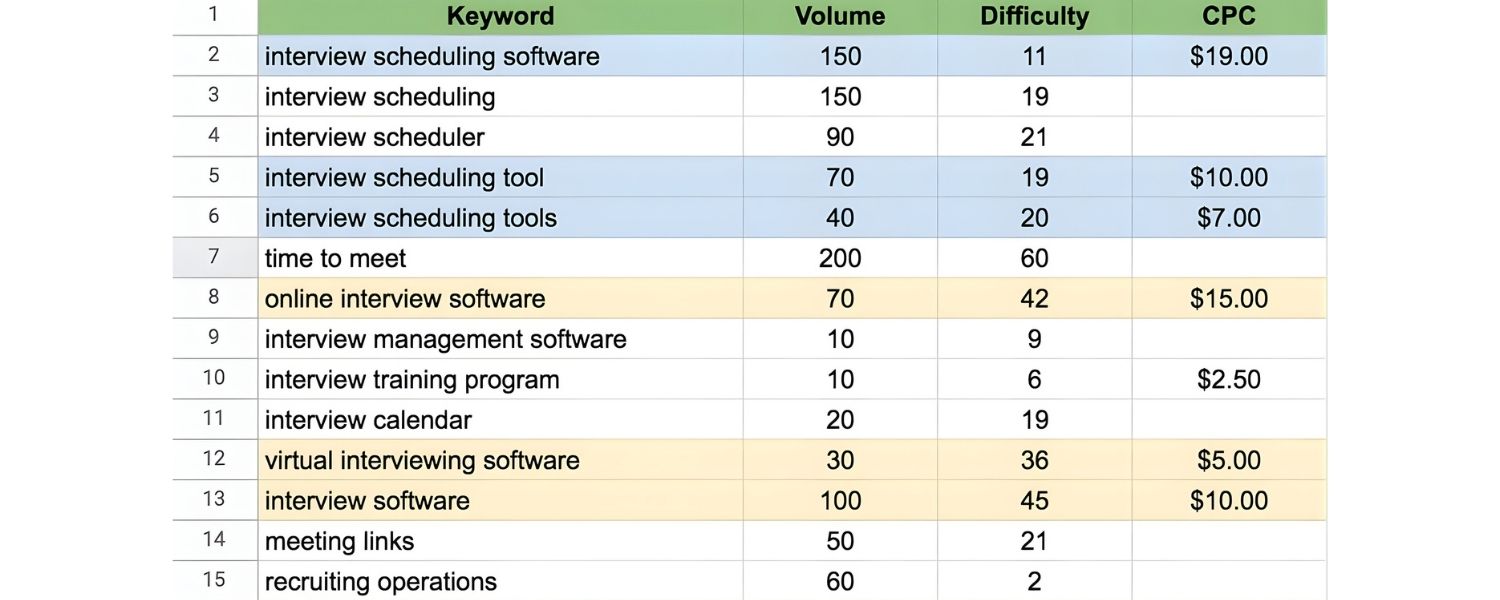
Now comes the core of the process: actually grouping your keywords into clusters. The goal here is to cluster keywords that can be answered by the same content.
In practical terms, that usually means keywords sharing the same search intent and having very similar top Google results.
There are two ways to approach this step, manually or using a tool, and we’ll outline both:
Manual Clustering Method:

A. Sort and Filter by Topics/Intent:
Start by sorting your keyword list by intent and topic. You can use filters in your spreadsheet to view one intent category at a time (e.g., look at all informational keywords together).
Within an intent, sort by a common word or theme. For example, you might notice a bunch of keywords contain “CRM” – that likely indicates a cluster around CRM software.
Another group might all mention “pricing” – those could form a cluster about pricing for something. Use your judgment and the keyword wording to create initial theme groups.
B. Use Pivot Tables or Highlight Duplicates:
If your spreadsheet is large, a pivot table grouping by a word or two can quickly chunk keywords by theme.
Alternatively, use a spreadsheet function to highlight keywords that share a certain term.
For instance, highlight all that contain “SEO” or “fertilizer” etc. This can reveal natural groupings.
C. Check SERP Overlap Manually:
For each candidate cluster group you’ve made, do a quick SERP analysis for a few representative keywords in that group. For example, suppose you grouped keywords: “best CRM software”, “top CRM tools 2025”, “CRM software reviews”.
Google each of them (or use an SEO tool’s SERP viewer) and see if the same pages or sites appear in the top results. If you observe significant overlap (e.g., the same blog article or the same domain ranking for all three), that’s confirmation they belong in one cluster.
If one keyword brings up a completely different set of results, that keyword might need its own cluster.
Manually comparing SERPs is the most reliable way to validate a cluster, though it’s labour-intensive. Prioritize doing this for high-value keywords or borderline cases.
D. Name Your Clusters:
As you finalise a cluster, give it a clear name – usually the primary keyword of the bunch (often the highest volume term).
For instance, a cluster containing those CRM keywords might simply be called “best CRM software.” This name will likely also be the focus keyword for the page you’ll create.
Repeat this manual grouping process until all relevant keywords from your list are assigned to a cluster or discarded (some keywords might end up being irrelevant or duplicates – it’s okay to drop those).
Remember, manual grouping is somewhat subjective; two SEOs might cluster slightly differently.
The key is consistency and always thinking, “Would one page adequately cover all these terms?” If yes, they belong together.
E. Automated Clustering Method (Using Tools):
If you use an SEO tool or dedicated keyword clustering software, the process simplifies greatly:
F. Import Your Keyword List into the Tool:
Most tools allow you to upload or paste your keyword list (sometimes with metrics like volume included).
Do that and navigate to their clustering feature. For example, tools like SE Ranking’s Keyword Grouper or Keyword Insights will have a section specifically for clustering where you can add your keywords.
Some tools even let you input multiple lists if you separate keywords by source; they’ll merge and de-dupe them for you.
G. Configure Clustering Settings:
Depending on the tool, you may have options for clustering method and strictness (as discussed in the SERP-based vs semantic section). Common settings include:
H. Clustering algorithm:
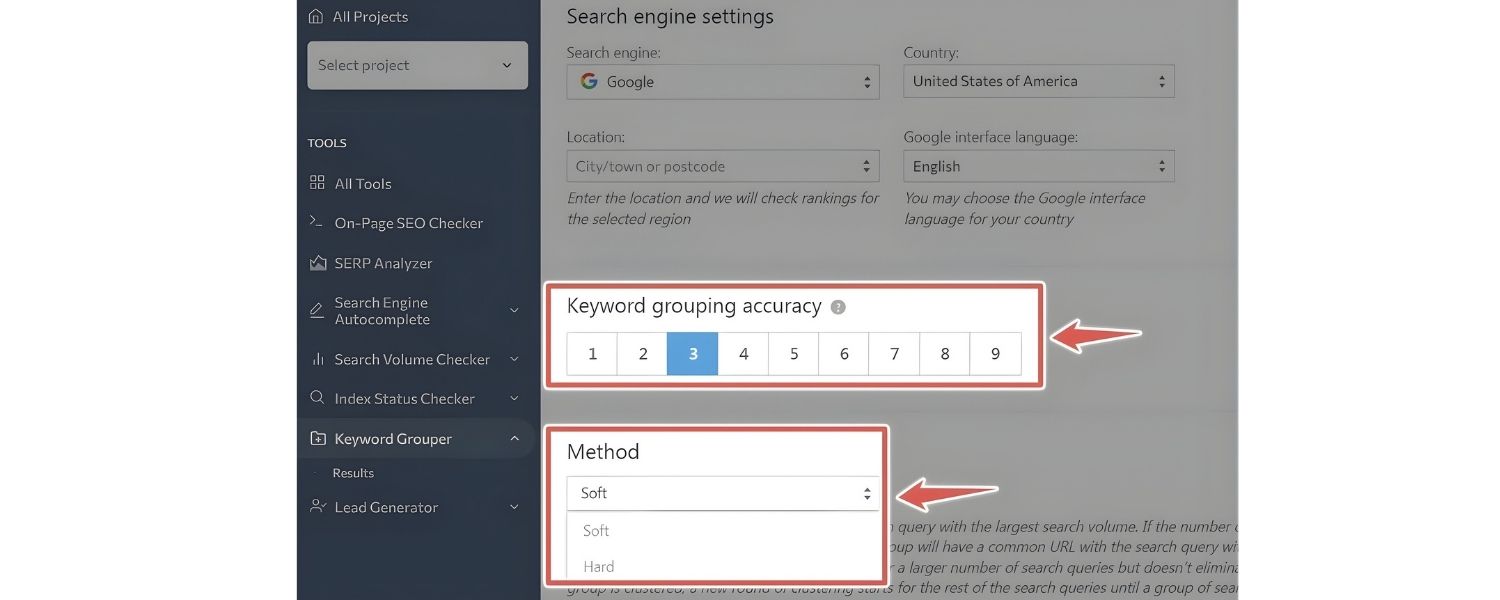
e.g., “soft” (centroid-based) vs “hard” (agglomerative). Soft means it will group keywords around the highest-volume term first, while hard means every keyword is compared with every other for overlaps (more strict).
Choose based on how tightly you want clusters; agglomerative (hard) gives smaller, very tight clusters but takes longer.
I. Overlap threshold (clustering level/accuracy):
How many top results need to match to cluster? Tools often have a setting from low to high accuracy (or a number like 3 out of top 10).
J. A higher number (strict) yields smaller clusters;
a lower number (loose) yields fewer larger clusters. If unsure, many tools recommend a default (often ~3 or 4 common results).
K. Location/Language:
If your SEO is region-specific, set the tool to use country-specific Google results (e.g., Google US vs Google UK) and the language, as results can vary by region.
L. Search intent detection:
Some tools let you automatically fetch intent for each keyword as part of clustering (this might cost extra credits). If available and you have a large list, it can be useful to enable this – the output will then label clusters by predominant intent.
M. Run the Tool and Get Results:
Start the clustering process. The tool will then crunch through the keywords, query search engines, and group keywords for you.
This can take anywhere from a few seconds for a small list to several minutes for a huge list. Many tools will email you when it’s done if it’s a long run.
Once completed, you’ll get a report or table of keywords grouped into clusters. Typically, each cluster is named by a representative keyword (often the highest volume one, similar to what we’d do manually). You’ll see all members of each cluster listed together.
N. Review and Refine (Optional):
Scan through the cluster results. Good tools will largely match your expectations, but you might spot some issues:
If a cluster seems too broad (too many keywords that actually might belong to two subtopics), you may consider splitting it manually or rerunning the tool with stricter settings.
If you see single-keyword “clusters” that are actually closely related, maybe your settings were too strict – you might merge them or rerun with a looser threshold.
Check any “ungrouped” keywords the tool outputs (some tools list keywords that didn’t fit any cluster). Decide if those are irrelevant or if they deserve their own cluster (maybe a unique one-off page).
Ensure no cluster has mixed intent keywords. If you find a cluster containing both, say, a “what is…” query and a “best [product]” query, that might be a mistake – consider separating them.
Most modern clustering tools do a solid job, especially if they are SERP-based. For example, SE Ranking’s grouper uses SERP analysis and even provides insight like which URL is common in a cluster’s results, while Semrush’s Keyword Manager (Strategy Builder) and Keyword Insights also base groupings on actual Google data.
In a professional test of 13 tools, the SERP-based ones produced very actionable clusters, whereas simpler tools sometimes lumped unrelated terms (e.g., one poor tool put 205 keywords in one cluster – clearly unusable).
If you choose a reputable tool and configure it properly, you’ll get a great head start on clustering without the grunt work.
After this step, whether manual or automated, you will have your keywords neatly organized into clusters.
Each cluster corresponds to a set of queries you intend to target with one page. Now the focus shifts to planning and creating content around those clusters.
Step 4: Prioritize and Plan Content for Your Clusters

With clusters in hand, the next step is deciding which clusters to act on first and mapping them to your content strategy.
If you have many clusters, you’ll likely roll out content for them over time, so prioritization is key.
A. Evaluate Cluster Value:
Look at each cluster’s main keyword and combined search volume. Which clusters have the highest potential traffic (sum of volumes) or the most important strategic value for your business?
Also consider competition/difficulty – if a cluster’s keywords are all extremely competitive, you might tackle some easier clusters first.
Some clusters might align with topics you’ve identified as high priority for your niche – those likely go to the top of the list. Mark high-value clusters that should be addressed ASAP.
B. Map Clusters to Content Types:
Determine what type of content each cluster calls for. The predominant search intent of the cluster will guide this. For an informational cluster, you might plan a blog post or a guide.
For a commercial cluster, maybe a product page, landing page, or comparison article. For navigational clusters (if any), perhaps a FAQ or support page.
For example, if you have a cluster around “how to do X”, that clearly should be a how-to article or tutorial.
A cluster around “best X for Y” could be a listicle or review post. Document what format or angle each cluster’s content should take to best satisfy the intent.
C. Assign Clusters to Existing vs New Pages:
Do you already have content that fits some clusters? Audit your existing pages to see if some essentially cover a cluster’s topic.
If yes, you might optimize those pages further for all keywords in that cluster (update the content to incorporate missing subtopics or keywords).
If not, you’ll need to create a new page for that cluster. A common rule is one cluster = one page, so decide for each cluster whether it’s an optimisation of the existing or create a new situation.
This process is sometimes called keyword mapping – assigning keyword groups to specific pages on your site.
D. Cluster Grouping into Topics (Topic Clusters):
As you plan content, also consider higher-level grouping. Some clusters are closely related to each other topically and can form a topic cluster with a pillar page.
For instance, you might have separate clusters (and pages) for “how to start a blog,” “blogging tips for beginners,” and “best blogging platforms.”
These share an overarching theme (blogging for beginners) – one of those pages (maybe a comprehensive “guide to start a blog”) could act as the pillar, and link to the other supporting pieces.
Organising clusters into such hubs can boost your internal linking and topical authority. Not every cluster needs to be part of a bigger hub, but when you do have a clear thematic group, plan to interlink those pages.
This strategy signals to Google that you have depth on the topic and helps users navigate related content easily.
E. Set a Content Calendar:
Now schedule out when and how you’ll create or update content for each cluster. You might decide to tackle one cluster per week, for example.
It often makes sense to start with the highest-value clusters, but also consider quick wins – if some lower-volume clusters are very easy to write and rank, you could knock those out to gain traffic while working on bigger pieces.
Keep track of the status: mark clusters as “To create,” “In progress,” or “Published,” so you can monitor progress (some like to do this in a spreadsheet or project management tool).
By the end of this planning phase, you should have a clear roadmap of which pages you are going to create or optimize for each keyword cluster, and in what order.
Step 5: Create & Optimise Content for Each Cluster
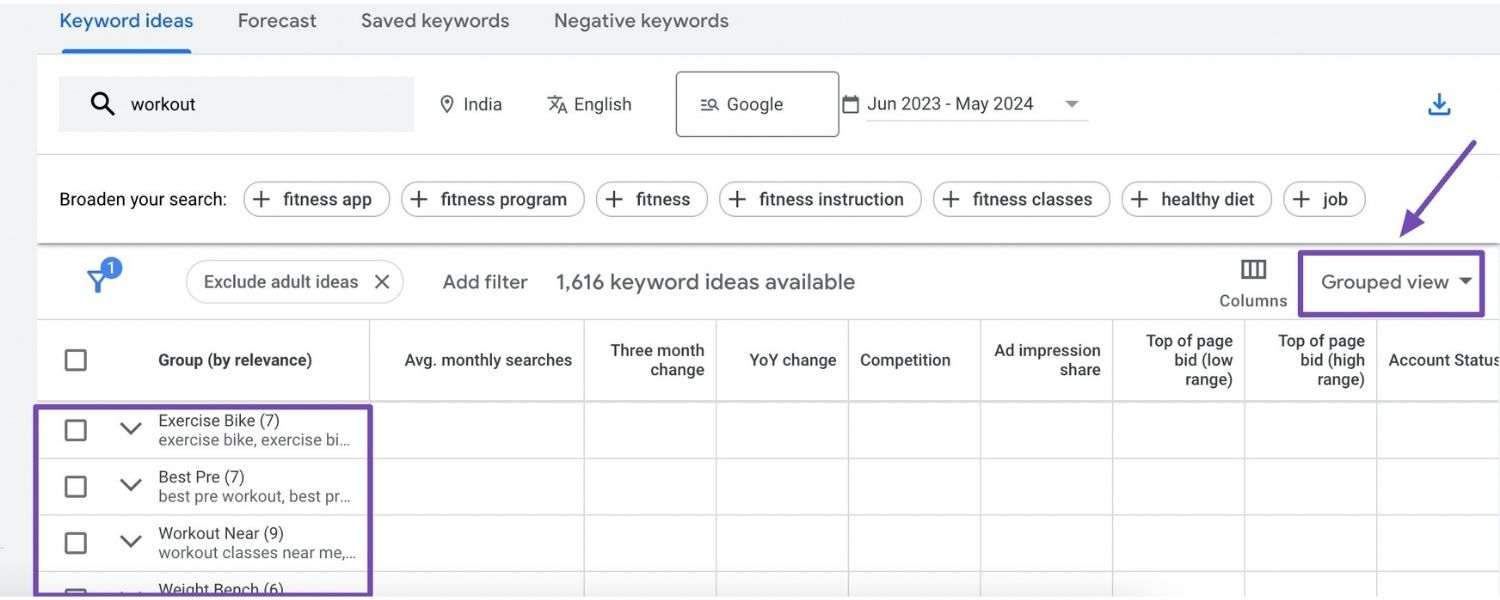
Now it’s execution time, writing or updating the content to target your clusters. This is where all the research pays off as you craft high-quality, cluster-optimised pages. Here are the best practices to follow:
A. Choose a Primary Keyword for the Page:
Each cluster typically has one dominant keyword (often the one with the highest search volume or most representative of the topic). This will be your page’s primary keyword. Make sure to include this primary term in key on-page elements: the title tag, URL, H1 heading, and meta description.
For example, if the cluster is around “best CRM software 2025,” that phrase (or a close variation) should appear in your title and H1. This signals to search engines what the page is about.
B. Incorporate Secondary Keywords Naturally:
The beauty of clustering is that you have a whole set of related terms (secondary keywords) to sprinkle through your content.
Use them naturally in subheadings and body text where relevant. For instance, if your cluster keywords include “top CRM tools for small business” or “CRM software comparison,” you might have sections in your article addressing those specifically.
Each secondary keyword can correspond to a subtopic or FAQ within the content. This not only helps SEO but also ensures you’re covering the topic comprehensively.
Pro tip: You can use semantic variations as well – even if not verbatim in your list, synonyms or close phrases are great to add (Google understands them, and it avoids repetitive language).
C. Avoid Keyword Stuffing:
While you want to cover all keywords in the cluster, do so in a reader-friendly way. Don’t force keywords where they don’t fit; instead, focus on answering the intent behind them.
Remember that clustering is about meeting multiple related needs with one page – but if you cram every phrase awkwardly, it will hurt readability (and possibly rankings).
Write naturally and make sure all keywords fit in context. Google is savvy at detecting keyword stuffing, and they penalize it.
A good rule is: if a synonym or pronoun would make the sentence read better, use it, especially after you’ve mentioned the exact keyword once.
D. Ensure the Content Satisfies All Aspects of the Cluster:
Use the cluster list as a checklist of what to cover. If the cluster has question keywords (e.g., “how does CRM software work?”), be sure to answer them in the content.
If there are comparison keywords (e.g., “CRM vs project management tool”), consider a paragraph or section on that.
The end goal is that anyone who searches for any keyword in that cluster finds their answer on this page.
This level of depth is what will make your content truly authoritative and likely to rank for the whole cluster.
It’s helpful to add rich elements like images, examples, or even brief FAQs on the page to cover certain long-tail queries directly.
E. On-Page SEO Best Practices:
Don’t forget standard SEO optimisation as you write:
F. Write a compelling title tag
(within ~60 characters) that includes the primary keyword and entices clicks.
G. Write a meta description
(about 150–160 characters) that also includes the primary keyword and highlights the value of the page – this helps your snippet stand out in SERPs.
H. Use proper heading structure
(H1 for the title, H2S for major sections – which can correspond to subtopics in the cluster, H3S for sub-sections, etc.). This structure improves readability and SEO.
I. Ensure the content is easy to read:
use short paragraphs, bullet points, and images/diagrams where helpful. Clustering often yields longer content (since it’s covering more), so break it up for readability.
J. Include relevant internal links to other pages
on your site (more on this in the next step) and add external links to credible sources if they add value (for example, linking to a statistic or definition, like we’ve cited sources throughout this guide).
K. Optimise images
(with alt text that might include a keyword if appropriate) and ensure the page loads fast (large cluster pages can be lengthy, so performance matters).
L. As you create the content
tools like content optimisation editors or writing assistants can be handy.
For instance, Surfer SEO, Clearscope, or Semrush’s SEO Writing Assistant can analyze the top results and suggest if you’re missing any related terms (which often align with cluster keywords).
They can act as a safeguard that you included the important subtopics. But even without them, your cluster list is a solid guide.
Finally, after writing, proofread and edit the content. Ensure it flows well and isn’t just a checklist of keywords, it should read as a cohesive, authoritative article or page that genuinely helps the reader. Once you’re happy with it, publish the content on your site.
Step 6: Interlink Your Cluster Content (Build Topic Clusters)

When you have multiple pages covering clusters within a broader topic, leverage them to boost each other through internal linking.
This is where the concept of topic clusters comes in – essentially linking related cluster pages together around a pillar topic.
A. Identify Pillar vs Subpages:
If among your clusters there is an overarching “main” topic, designate one page as the pillar (a broad, comprehensive guide) and others as supporting subpages (narrower articles).
For example, if you have clusters for “SEO basics”, “keyword research”, “link building”, etc., you might have a pillar page on “SEO Guide for Beginners” that touches all those subtopics generally, and then detailed pages on each subtopic.
Not every situation has a clear pillar, but if yours does, plan your linking accordingly.
B. Link from Subtopic Pages to Pillar Page:
On each supporting page, include a contextual internal link pointing readers to the pillar page for more info on the broader topic.
For instance, your “keyword research tips” article can have a line like “…as part of our SEO for Beginners guide…” linking to the pillar.
Use keyword-rich anchor text that matches the pillar topic if possible, as Google uses anchor text to understand page relevance. E.g., anchors like “SEO for beginners guide” or “SEO basics”.
C. Link from Pillar to Subpages:
Conversely, on the pillar page, have a section that links out to each detailed subtopic page (your clusters’ pages), effectively creating a hub.
This could be as simple as a bulleted list of “Further Reading” or a section in the content that references those specific areas.
Again, use descriptive anchor text (e.g., “learn more about keyword research techniques”).
D. Cross-Link Related Cluster Pages:
Even without a single pillar, interlink pages that are topically related. If two clusters overlap or complement each other, add links between those pages.
For example, if you have one page on “how to plant a rose garden” and another on “best roses for beginners,” it makes sense to link them for a better user experience (and SEO benefit). Ensure the anchor text is relevant to the target page’s keywords for maximum effect.
Good internal linking does two great things for you: it helps users navigate your site and find related content easily, and it helps search engines discover your pages and understand the topical hierarchy of your site.
Google sees that your pages are related and gives weight to the context of those links. In fact, using keyword-rich anchor text in internal links can improve the relevance signals for your pages – just be sure it feels natural and not forced.
One more thing: if you have clusters that correspond to site categories or sections, ensure your site’s menu or category pages reflect that grouping too.
A well-structured navigation combined with these contextual in-content links will reinforce your topical clusters strongly.
Step 7: Monitor Rankings and Refine Your Clusters
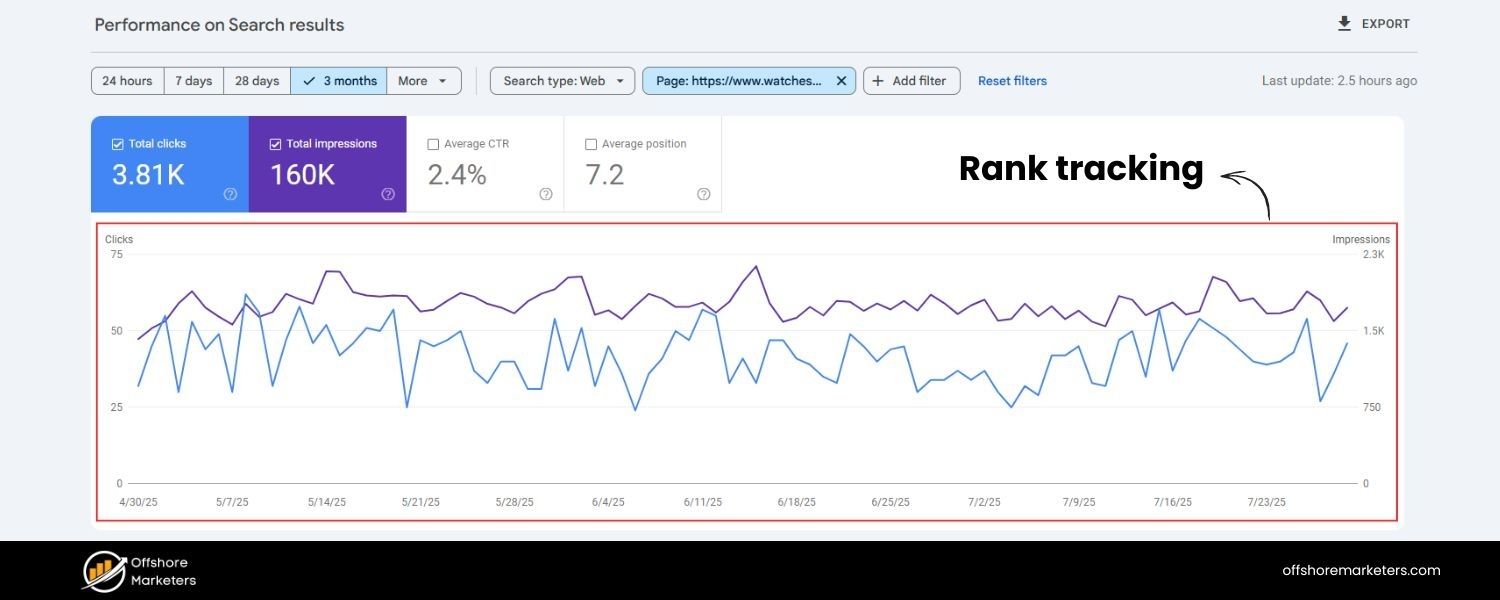
Your work isn’t done the moment you hit publish. SEO is iterative, and you should track the performance of your clustered content and make adjustments as needed.
A. Rank Tracking:
Use an SEO rank tracking tool or Google Search Console to monitor how your pages are ranking for the cluster keywords. Ideally, you’ll start to see your new or updated page ranking for multiple terms in the cluster.
Some tools let you input a cluster and will show if one page is ranking for all of them, which is what you want.
For example, SE Ranking’s rank tracker can show all keywords a page ranks for and their positions. If you notice that a keyword from the cluster is not ranking at all, or a different page on your site is ranking for it, that might indicate an issue (e.g., maybe that keyword needed its own page or you have internal competition).
B. Google Search Console Analysis:
In GSC, look at the Performance report for the specific page. It will list queries that the page is getting impressions and clicks for.
This can reveal additional keywords that are related to your cluster that you might not have included initially. If they make sense, consider editing the content to cover those as well explicitly.
Also check the average positions – if some cluster terms are ranking poorly while others are good, investigate why.
It could be the page isn’t satisfying that particular query well, or it could be an intent mismatch (did we accidentally combine intents?).
C. Adjust Content if Needed:
Based on the data, tweak your content. Perhaps you need to add a new section to cover a subtopic more deeply, or maybe split a cluster.
For instance, if your page ranks well for most keywords but one or two won’t rank, those stragglers might require their page. It’s okay to refine your cluster boundaries post-publication – the goal is the best overall coverage.
On the other hand, you might find that consolidating further is possible: if two separate cluster pages you created are both ranking for similar terms, merging them into a single, larger page might make sense. Always be willing to adapt your strategy with evidence.
D. Monitor Traffic and Engagement:
Beyond just rankings, see how each cluster page is performing in terms of organic traffic and user engagement (bounce rate, time on page).
A page that covers many keywords might get diverse traffic – ensure the content is satisfying most visitors.
High bounce rates on a cluster page could mean it’s not delivering what some segment of visitors expected from certain queries.
E. Keep Building on Success:
If a clustered page does really well and starts ranking for lots of variants, you could further strengthen it.
Consider adding even more depth, or update it frequently to keep it fresh (especially if it’s a time-sensitive topic like “best tools 2025”, plan to refresh for 2026).
Strong performance also signals an opportunity to create adjacent content, perhaps a follow-up post or a downloadable guide, which you can interlink, to capitalise on the interest.
Remember that clustering is not a one-and-done hack, but an ongoing strategy. As search trends evolve, new keywords will emerge that might fit into your existing clusters or form new clusters altogether.
Periodically revisit your keyword research (Step 1) and see if there are new terms in your niche.
For example, maybe a new product or concept related to your topic appears in 2025, you’d want to cluster and create content for that before competitors do.
Tracking and refining ensures your keyword clusters remain effective and your content continues to align with what people are searching for. Over time, this iterative improvement will help you maintain and grow your rankings.
Keyword Clustering Tools and Software to Consider
As mentioned, using the right tools can supercharge your keyword clustering workflow. Here are some popular keyword clustering tools (both free and paid) that SEO experts use, along with what they offer:
1. Semrush Keyword Manager / Keyword Strategy

Semrush is a comprehensive SEO suite, and it offers a Keyword Manager (also known as the Keyword Strategy tool) that can automatically cluster keywords based on search intent and SERP similarity.
You can feed it your keyword list and it will suggest clusters, which is great for planning content strategy.
Plus, Semrush has excellent keyword research capabilities to build your list in the first place. It’s a paid tool, but very powerful for professional use.
2. SE Ranking Keyword Grouper

SE Ranking provides a built-in keyword grouping tool that clusters keywords by analyzing SERPs (you can choose grouping strictness like soft or hard match).
It’s known for letting you set the number of common search results (like 3, 4, etc.) to decide clusters. It also integrates with their other features, so you can easily assign clustered keywords to pages or track their rankings.
SE Ranking often highlights that one search intent equals one cluster/page, and their tool is designed around that principle.
3. Surfer SEO
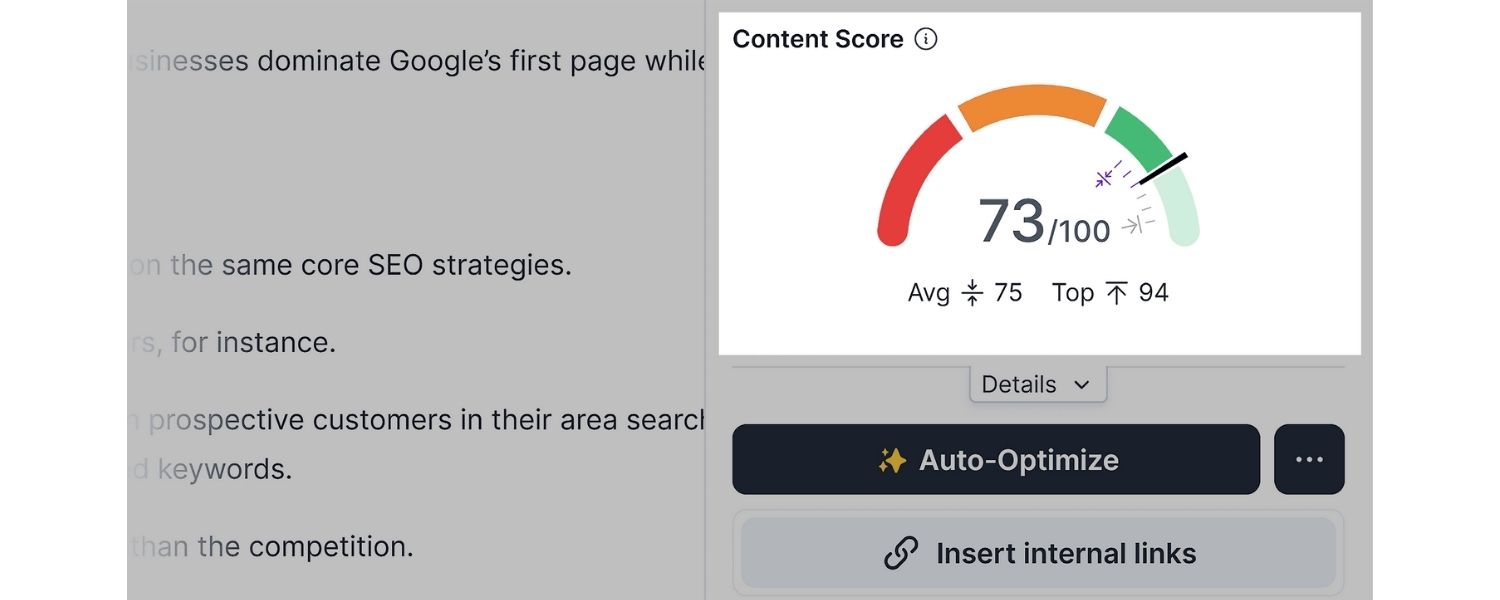
Surfer’s Content Planner (sometimes called the Topical Map or Keyword Research tool) also does a form of clustering.
It will generate content clusters for a given topic, effectively telling you “here are the cluster topics (and keywords) you should cover.” Surfer’s approach is very intent-driven and competitor-driven. It’s part of their premium offerings.
Surfer’s interface also helps differentiate keyword clusters vs topic clusters, guiding you on which articles to create and how they link together.
4. Keyword Insights

This tool is specifically focused on clustering and content planning. It’s SERP-based and can handle huge keyword sets (even millions) quickly.
Keyword Insights offers advanced options like choosing clustering algorithms (centroid vs agglomerative) and even identifies the search intent of each cluster if you opt in.
In an independent test, Keyword Insights scored very highly in clustering quality (95/100), making it one of the top solutions. They offer a $1 trial which is essentially free for a small project.
5. Ahrefs Keywords Explorer (and Keywords by terms feature)

Ahrefs doesn’t have an explicit clustering output like some others, but it provides a Parent Topic for keywords and groups search queries under that if they think one page can rank for both.
It’s a simpler form of clustering guidance. Also, Ahrefs can output thousands of keyword suggestions fast, which you can manually cluster.
Recently, some SEO testers used Ahrefs to cluster 10,000 keywords in seconds using their own methodologies, implying Ahrefs’ data is useful for quick grouping when combined with some logic.
6. Google Sheets + Scripts
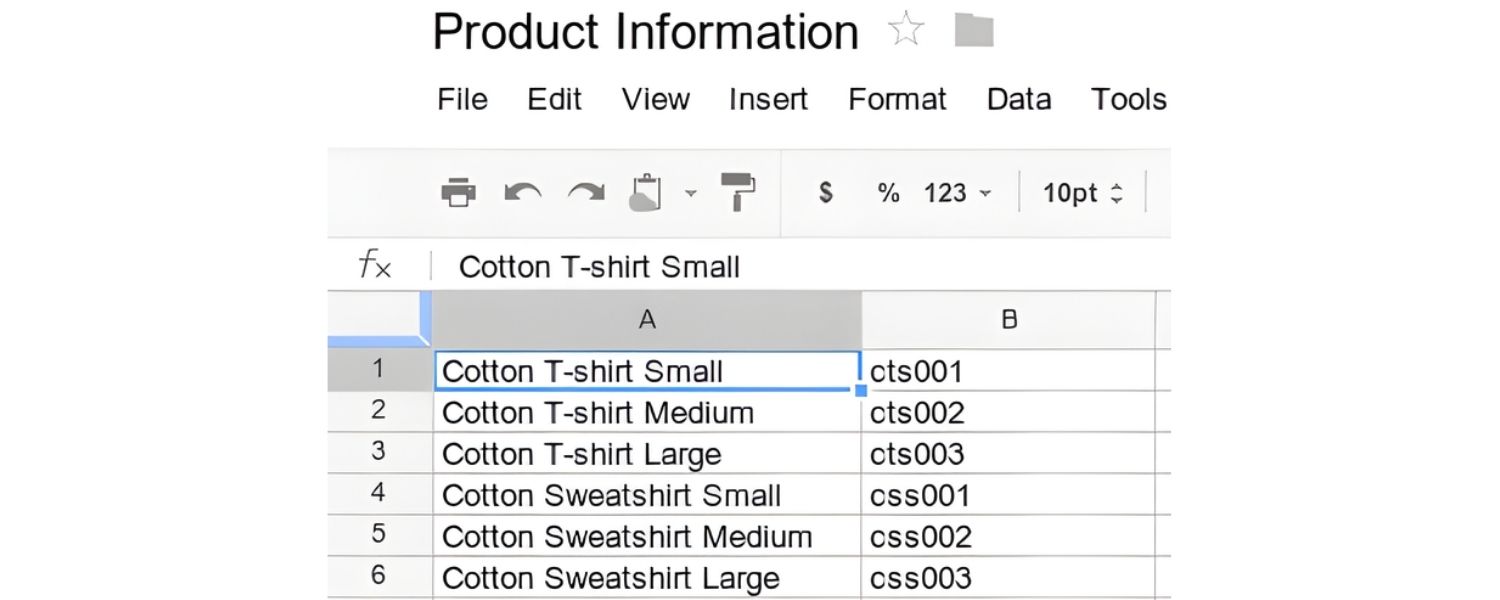
If you prefer a DIY approach and have some technical inclination, you can use Python or even Google Sheets scripts to cluster.
For instance, you might use the Google Sheets API with SERP APIs: input a list of keywords, retrieve top results for each via an API, then group by overlaps.
There are also community-made Python scripts available (many free on GitHub) for semantic clustering using libraries like spaCy or for SERP clustering using public search results.
These require more effort but are cost-effective for those who like to tinker.
7. Free Keyword Grouping Tools
There are a few free web-based tools for basic clustering. For example, SEO Scout’s Free Keyword Grouper clusters by word similarity (n-grams), quick but remember it’s not SERP-based.
RyRob’s Keyword Clustering Tool (by blogger Ryan Robinson) uses AI to generate keyword clusters for a seed term, it’s user-friendly for bloggers with smaller projects.
Keyword Cupid is another semi-free tool (with a trial) that uses a combination of semantic and SERP data, it got decent accuracy in tests (70/100).
And even ChatGPT can be used in a pinch by asking it to group keywords (though as testing showed, it might group by meaning and miss SERP nuances).
When choosing a tool, consider the size of your project and your budget. If you’re working with a vast amount of keywords and need precision, a premium SERP-based tool like Keyword Insights or Semrush will save you time and likely pay off in better clustering.
If you have a smaller site or are just experimenting, you can try the free options or manual methods first.
One thing all experts agree on: SERP-based clustering tools are superior for SEO purposes.
So whatever tool you pick, try to ensure it factors in Google results. That way, you know your clusters are aligned with what search engines expect to see on one page.
The investment in a good tool and the time spent clustering can significantly streamline your content creation and set you up for SEO success.
Conclusion: Turn Keywords into Topical Authority (Call to Action)
In the evolving SEO landscape of 2025, keyword clustering has moved from a nice-to-have trick to an essential strategy.
By grouping your keywords into focused clusters, you’re not just optimizing for individual search terms, you’re building whole topics of authority on your site.
The payoff is higher rankings across a breadth of related keywords, richer content that truly satisfies user intent, and a site structure that search engines can crawl and understand with ease.
We’ve covered a lot in this guide: from understanding what keyword clustering is, to why it’s so beneficial, to the nitty-gritty of how to do it step by step (whether by hand or with advanced tools). Now it’s your turn to put this knowledge into action:
Start by clustering your own keywords, take a chunk of your keyword list and try grouping them following the steps above. Even a small trial run will give you a feel for the process and its impact. Then, integrate clustering into your regular SEO workflow.
Plan your next blog post or page around a cluster of terms rather than just one keyword. You’ll quickly notice how much more comprehensive and effective your content becomes.
As you implement keyword clustering, monitor your results and don’t be afraid to refine your approach. SEO is all about testing and learning.
Maybe you’ll discover a particular tool that fits your needs best, or an efficient way to organize clusters for your team, embrace those tweaks.
Most importantly, focus on providing value in your clustered content. The end goal is to answer the searcher’s needs more completely than any single-keyword page could. If you do that, Google rankings tend to follow.
Ready to boost your SEO to the next level? Take what you’ve learned about keyword clustering and apply it to your site today.
Group those keywords, create amazing content hubs, and watch your organic traffic grow. If you found this guide helpful, feel free to share it with fellow marketers or drop a comment with your own clustering tips and experiences. Here’s to your SEO success through smart keyword clustering.

.png)
Shopify SEO: Guide to Ranking Your Store and Driving Sales
Most Shopify store owners set up their store, list their...

Content Marketing : Definitive Guide to Strategy, Content Types, and Measurable ROI
Content marketing generates 3x more leads than outbound marketing at...

Above the Fold: Guide to Conversions, Rankings and Faster Pages
Above the Fold in 2026: The Complete Guide to Conversions,...

Off-Page SEO Checklist: Guide to Building Real Authority
Most websites spend months creating great content, only to wonder...

What Is Keyword Bidding? The Complete Strategy Guide for Smarter Ad Spend
Most advertisers believe the highest bid wins the auction. It...

What Is Google Trends? The 2026 Marketer’s Complete Guide
If you are not already pulling weekly insights from Google...
If you want a growth partner who will get to know every aspect of your business and treat your budget like their own — we are the right fit.
.png)


.png)
.png)
.png)
.png)
.png)
.png)
2026 ALL RIGHTS RESERVED MADE IN INDIA
