Paid Social Media Advertising: A Beginner’s Guide
August 11, 2025
Introduction: Why Paid Social Media Matters
Every year, billions of dollars are poured into social media advertising, and the growth shows no signs of slowing.
In the United States alone, advertisers are projected to spend over $82 billion on social network ads by 2025. Globally, marketers spent close to a quarter of a trillion dollars on social media ads in 2024, accounting for more than 30% of all digital ad spend.
These staggering figures underscore a simple truth: paid social media marketing has become a cornerstone of modern advertising strategies.
But beyond the big budgets, what makes paid social so critical for businesses today?
In a word: impact. Paid social campaigns let brands accelerate their reach, target the exact audiences they care about, and drive measurable results, from clicks and conversions to revenue growth.
If you’re relying only on organic social posts, you risk getting lost in the noise of crowded feeds. Paid social advertising offers a fast-track to visibility and customer acquisition, complementing your organic efforts for a one-two punch in social media marketing.
In this comprehensive guide, we’ll explore what paid social media is, how it compares to organic social, and why it’s worth the investment for businesses of all sizes.
We’ll then dive into actionable strategies for creating effective paid social campaigns, including selecting the right platforms, crafting compelling ads, and optimizing for ROI. You’ll also discover best practices, common pitfalls to avoid, and the latest trends (like AI-driven personalization) shaping the future of paid social.
Whether you’re a beginner or looking to refine your approach, this guide will equip you to harness paid social media advertising to boost your brand’s growth in 2025 and beyond.
Let’s start with the basics, what exactly is paid social, and how does it work?
What Is Paid Social Media?

Paid social media (also known as paid social advertising) is the practice of displaying sponsored advertising content on third-party social networking platforms to reach specific target audiences.
In simple terms, it means you’re paying social media platforms (like Facebook, Instagram, LinkedIn, TikTok, X, etc.) to show your ads or promoted posts to users, rather than just posting content organically for free.
These paid placements can take many formats, from image and video ads, to sponsored posts or stories, carousel ads, and even influencer partnerships.
What sets paid social apart is that it’s highly targeted and clearly identified as promotional. You’ll recognize paid social ads by labels such as “Sponsored” or “Promoted” on the content.
Unlike organic posts that only reach your followers (and maybe their friends via shares), paid social content is delivered to exactly the audience criteria you choose, for example, women aged 25-34 in urban areas who are interested in fitness.
By leveraging the rich data users share on social platforms, advertisers can pinpoint their ideal customers and ensure their message appears in those users’ feeds or timelines.
In essence, paid social media advertising is a subset of digital marketing where you use social platforms’ advertising tools to amplify your brand’s content beyond your own follower base. It’s an integral part of a broader paid media strategy, complementing other channels like paid search and display ads.
Marketing leaders use paid social to efficiently increase brand visibility and capture new subsets of customers by meeting them where they spend time online, scrolling through social networks.
Common Formats of Paid Social Ads
To better understand paid social, let’s look at a few common ad formats businesses use on social media:
1. Sponsored Posts/Feed Ads 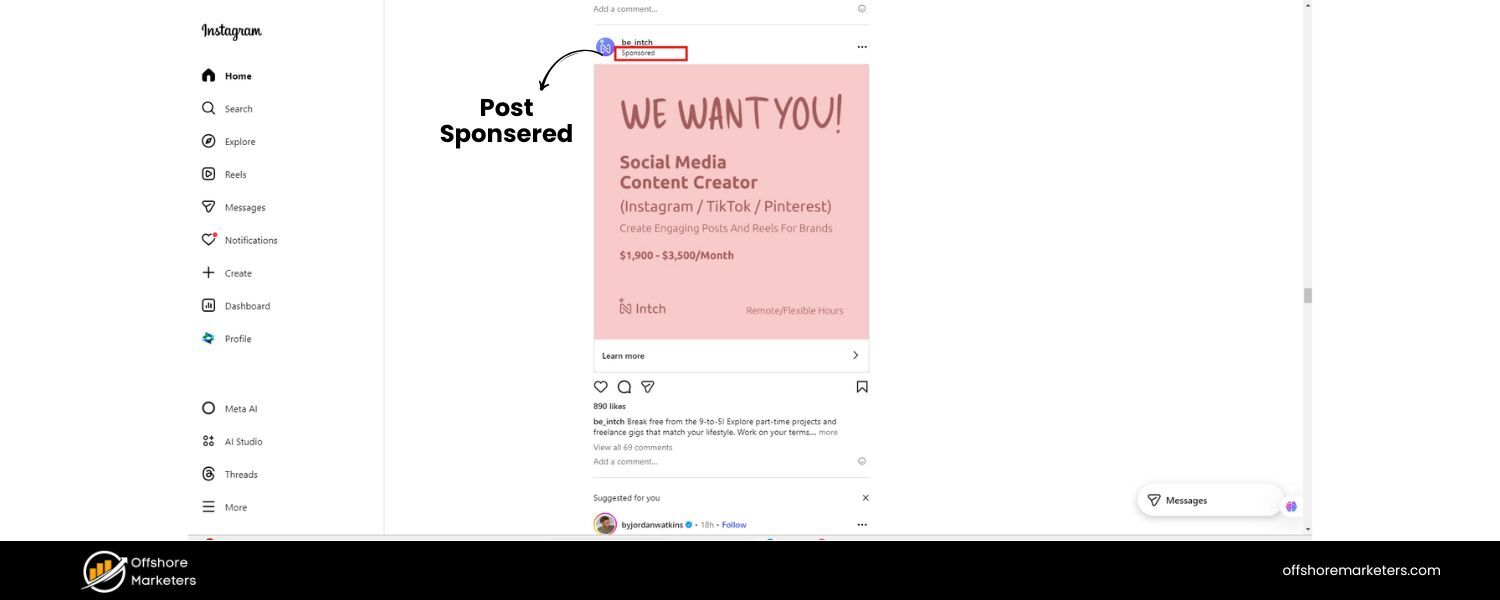
These appear in users’ feeds just like a regular post, but carry a “sponsored” label. They can be static images, videos, or carousels (multiple images) with a caption and call-to-action button.Sponsored feed ads blend into the content experience, which is why they’re sometimes called native ads when designed to look like ordinary posts.
2. Video Ads 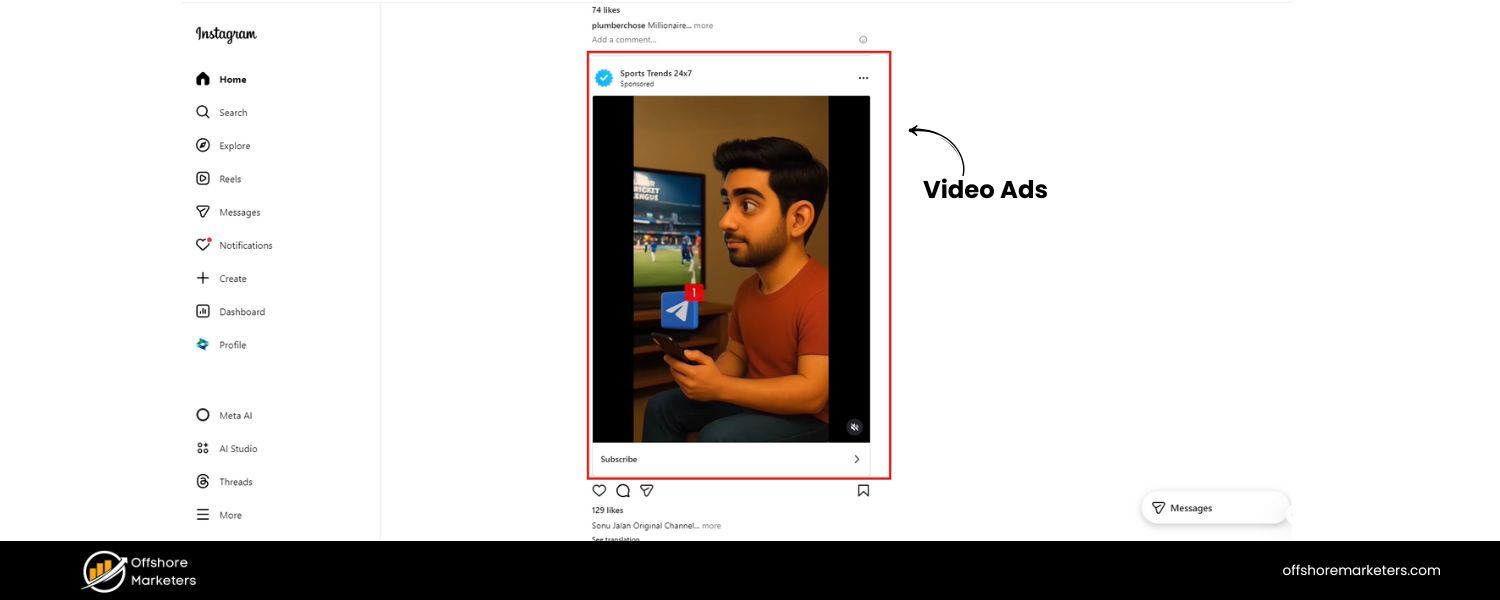
Short video clips (from a few seconds up to a few minutes) that auto-play in the feed or stories. Video ads are highly engaging and can convey a story or demo effectively.Platforms like Facebook, Instagram, TikTok, and YouTube all support video ad formats, given the over 90% of marketers who report video ads have increased brand awareness and sales.
3. Story Ads
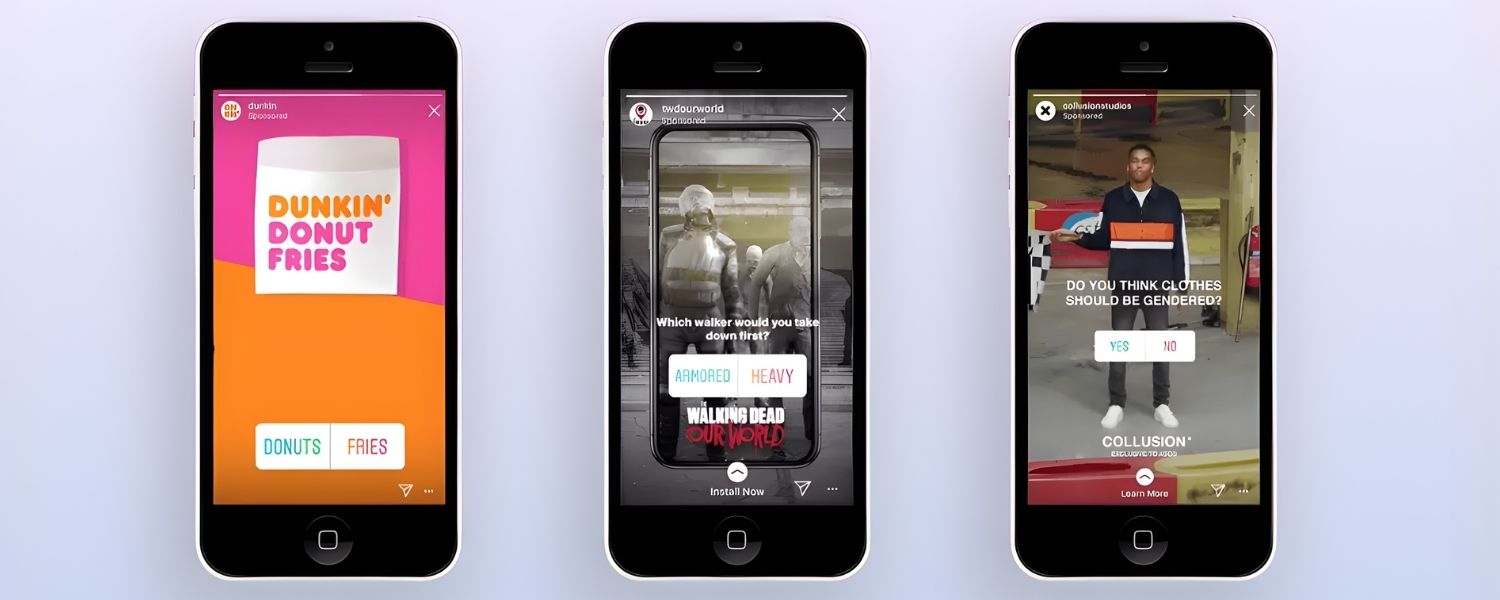
Full-screen vertical ads appearing in between users’ Stories (on platforms like Instagram, Facebook, and Snapchat). These are great for immersive, mobile-centric campaigns.
4. Carousel Ads 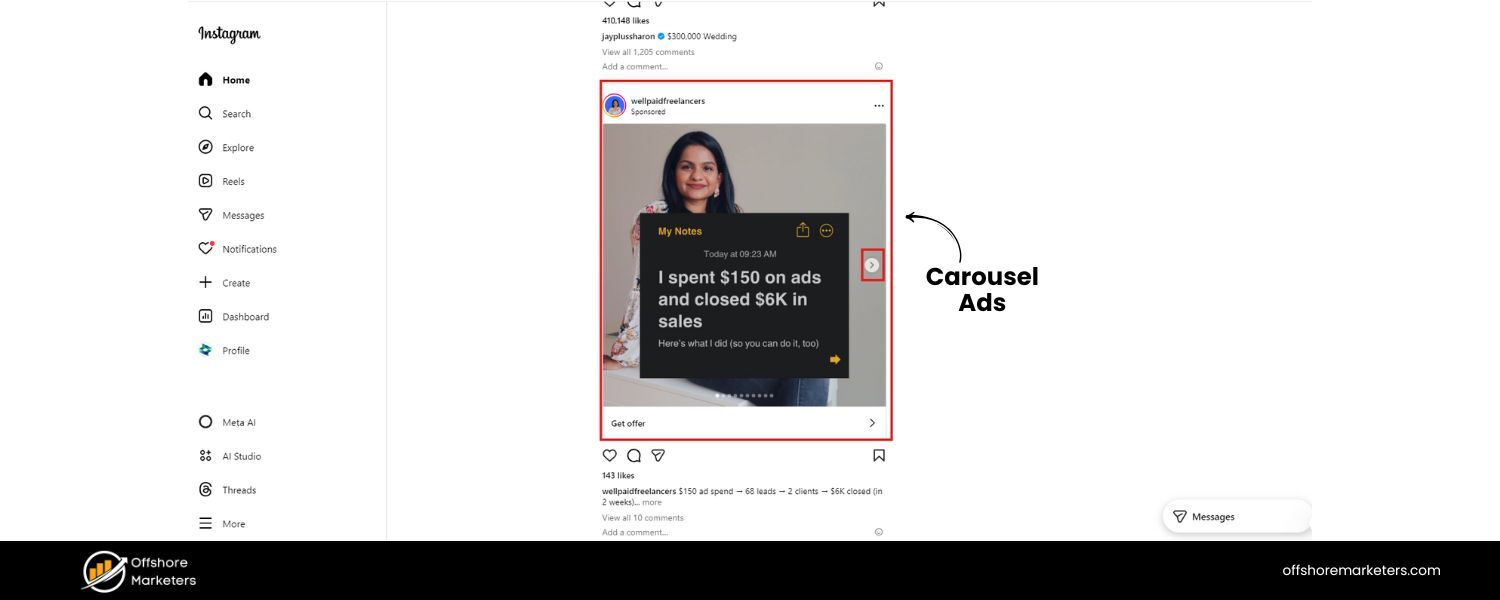
Ads with multiple images or cards that users can swipe through. Ideal for showcasing a range of products or multiple features in one ad.
5. Influencer Partnerships
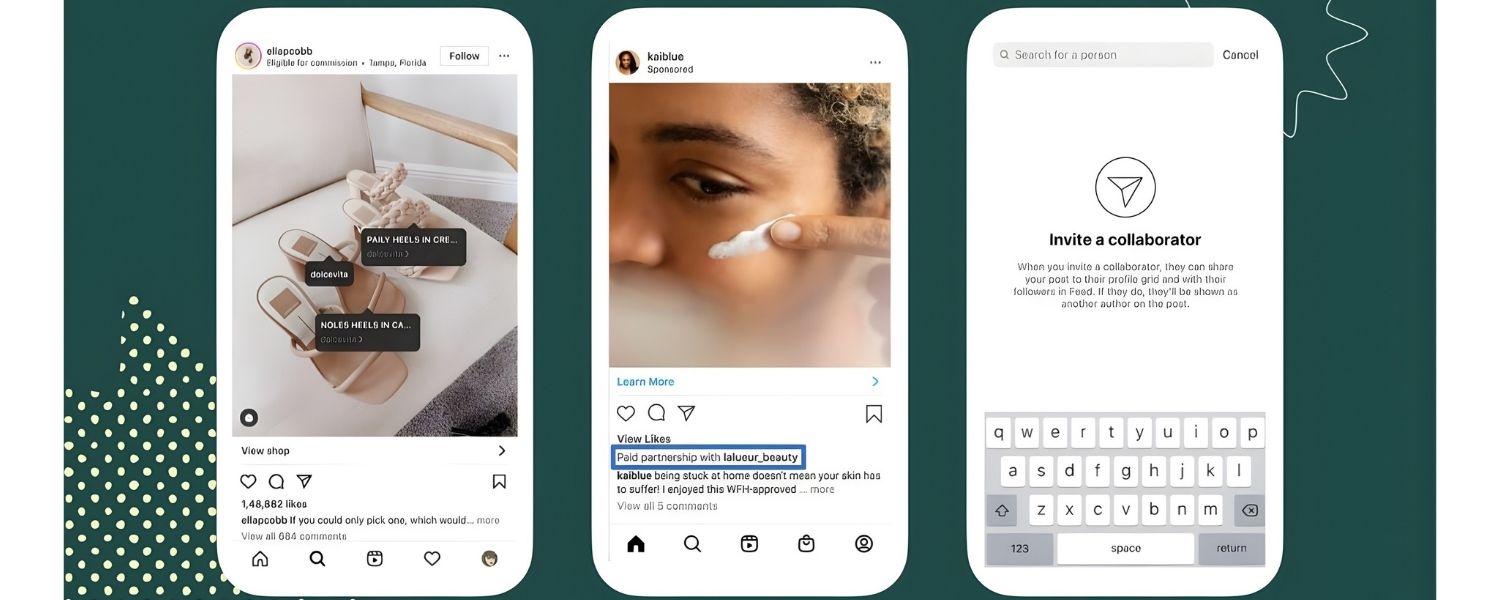
Brands pay or incentivize social media influencers (creators with a significant following) to create content featuring the brand’s product or service. Influencer marketing posts are a form of paid social too – often labeled as “Paid partnership” or using hashtags like #ad. This approach leverages the influencer’s credibility and audience.
6. Promoted Social Media Listings
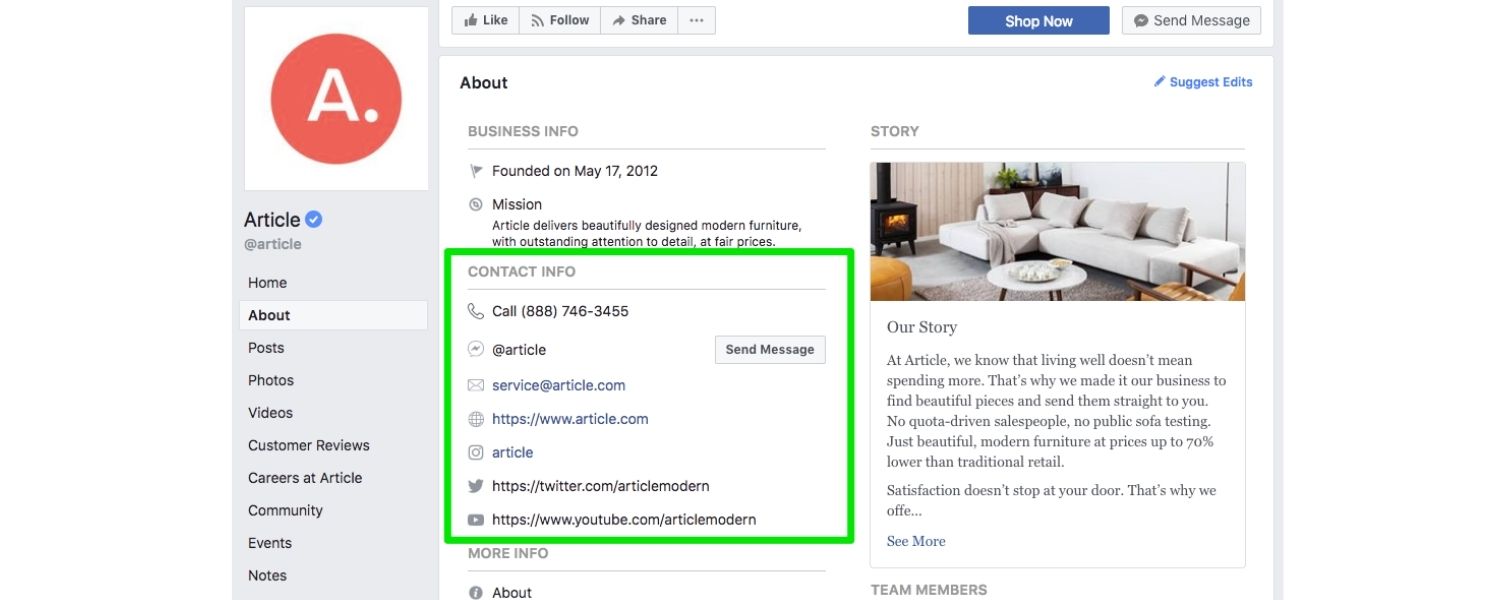
Some platforms offer unique paid placements, for instance, Facebook/Instagram “Boosted” posts (paying to amplify an existing organic post to a wider audience), Pinterest Promoted Pins, LinkedIn Sponsored InMail, and more. Each network has its own ad products, but all fall under paid social.
No matter the format, the goal of paid social is to deliver your message to the right people at the right time, in order to drive a desired action, whether it’s awareness, website traffic, leads, or sales.
Paid Social vs. Organic Social: What’s the Difference?
You might be wondering: Why pay for social media reach if I can just post content for free? The answer lies in the fundamental difference between paid social and organic social:
1. Organic Social Media 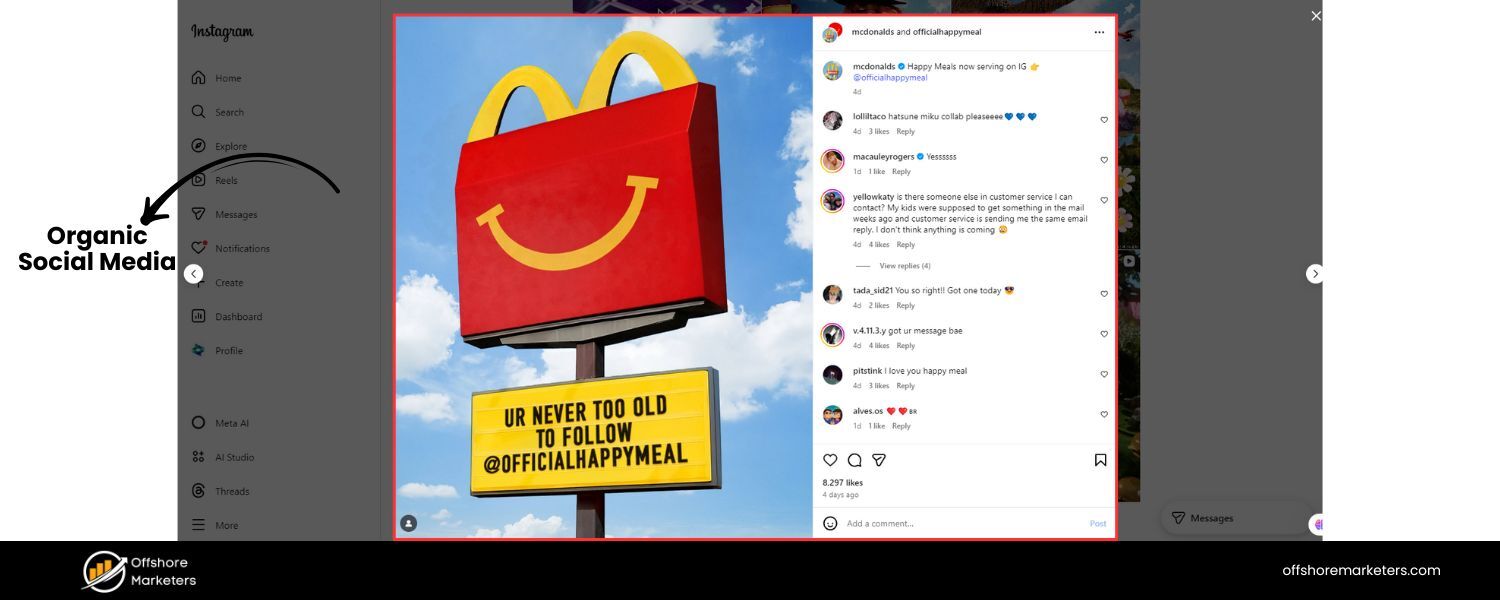
refers to the regular posts you share for free on your profiles (Facebook updates, Instagram photos, tweets, LinkedIn posts, etc.). These posts are shown to some of your followers and, if they engage and algorithms permit, possibly to a broader audience through shares or platform discovery features.
Organic posts are great for nurturing your existing community and building brand personality, but they have limited reach. There are no guarantees how many people will see an organic post, in fact, due to crowded feeds and platform algorithms, organic content often reaches only a small fraction of your followers.
2. Paid Social Media 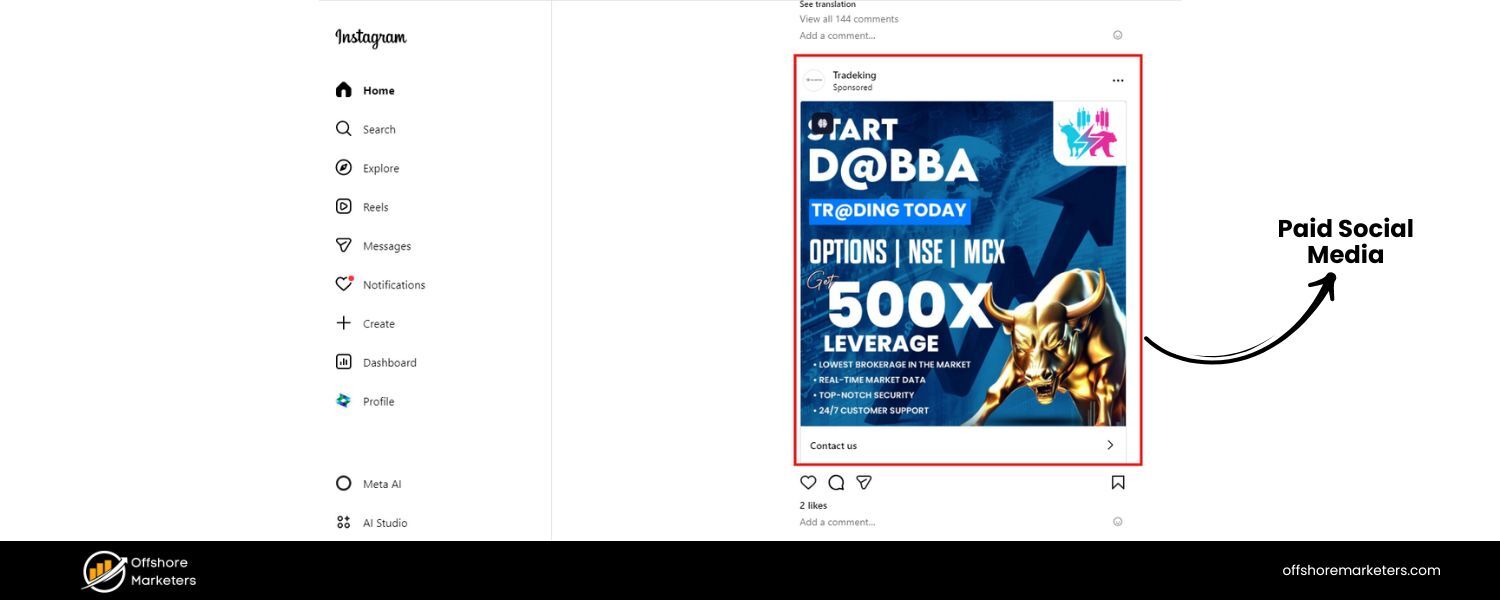
involves paying to place your content in front of specific audiences who may or may not follow you. As one guide succinctly puts it, “A business pays for an advertisement to be shown to a target audience… to reach new people likely interested in their product or service”.
In contrast, “a business shares content for free without paid promotion” in the case of organic posts, which reach your existing followers and others only via voluntary sharing – with no advanced targeting options. Essentially, paid social buys you immediate visibility and targeted exposure that organic alone cannot reliably provide.
Think of organic social as speaking to people who have already chosen to hear from you (your followers), whereas paid social is like running an ad on a billboard that you can place on any street where your potential customers drive by.
Both have their place in a marketing strategy. The most effective social media strategies use a blend of organic and paid social to maximise results. Organic efforts build loyalty and engagement with your core community, while paid campaigns amplify your reach to new audiences and drive specific short-term outcomes (like promoting a new product launch or a special offer).
3. Boosting
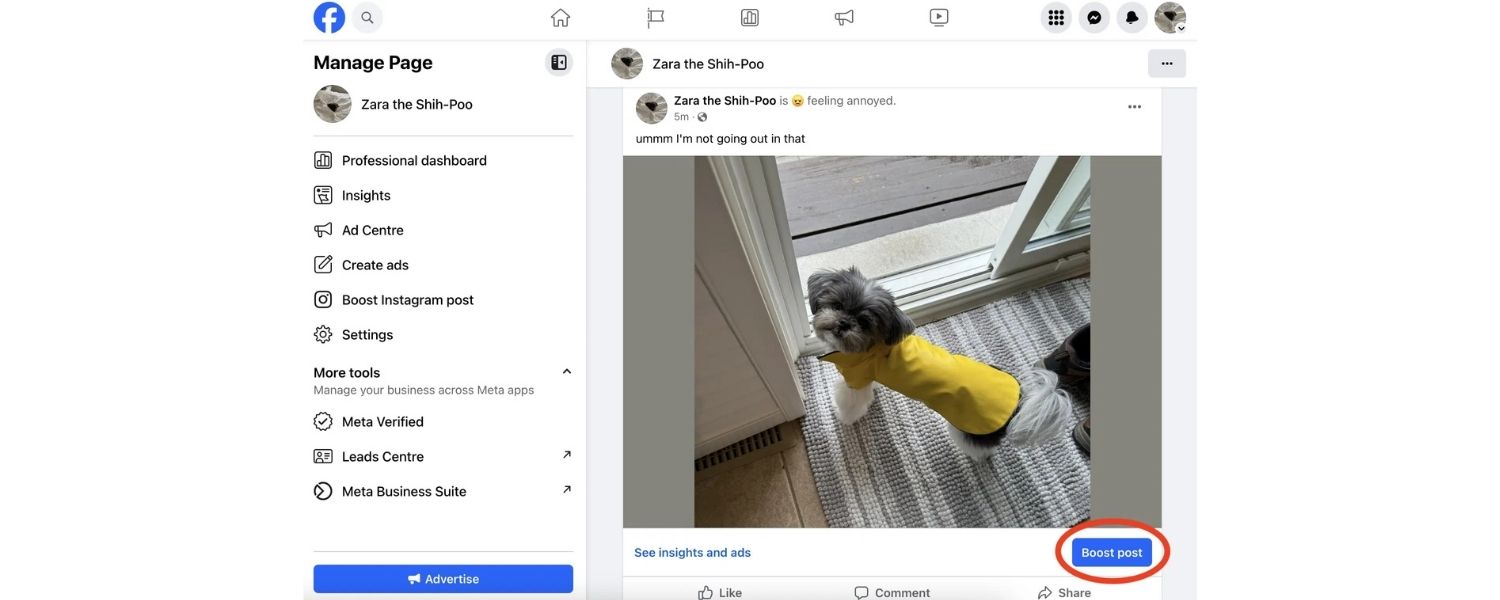
One way the two converge is the concept of “boosting” an organic post. This is when you take a high-performing organic post and put ad dollars behind it to show it to a broader audience beyond your followers. It’s a quick tactic offered by platforms (e.g., the Boost Post button on Facebook/Instagram) to leverage content that’s already proven effective.
Boosted posts are essentially paid ads based on organic content. This approach can expand your reach without creating a separate ad campaign from scratch.
However, it’s only wise to boost posts that have organic traction (engagement, resonance) as an indicator of likely success, otherwise you might pay to promote content that doesn’t connect with people.
Key takeaway
Paid social = fast, targeted reach through paid placements; Organic social = slower, limited reach but free and good for engagement with existing fans.
For best results, use both. For example, you might maintain an active organic content calendar to keep your audience engaged, and supplement it with paid campaigns during key marketing pushes or to consistently acquire new leads/customers who haven’t encountered your brand yet.
Paid and organic social are complementary – a strategic balance of both will yield the strongest social media marketing performance.
Top Benefits of Paid Social Media Advertising
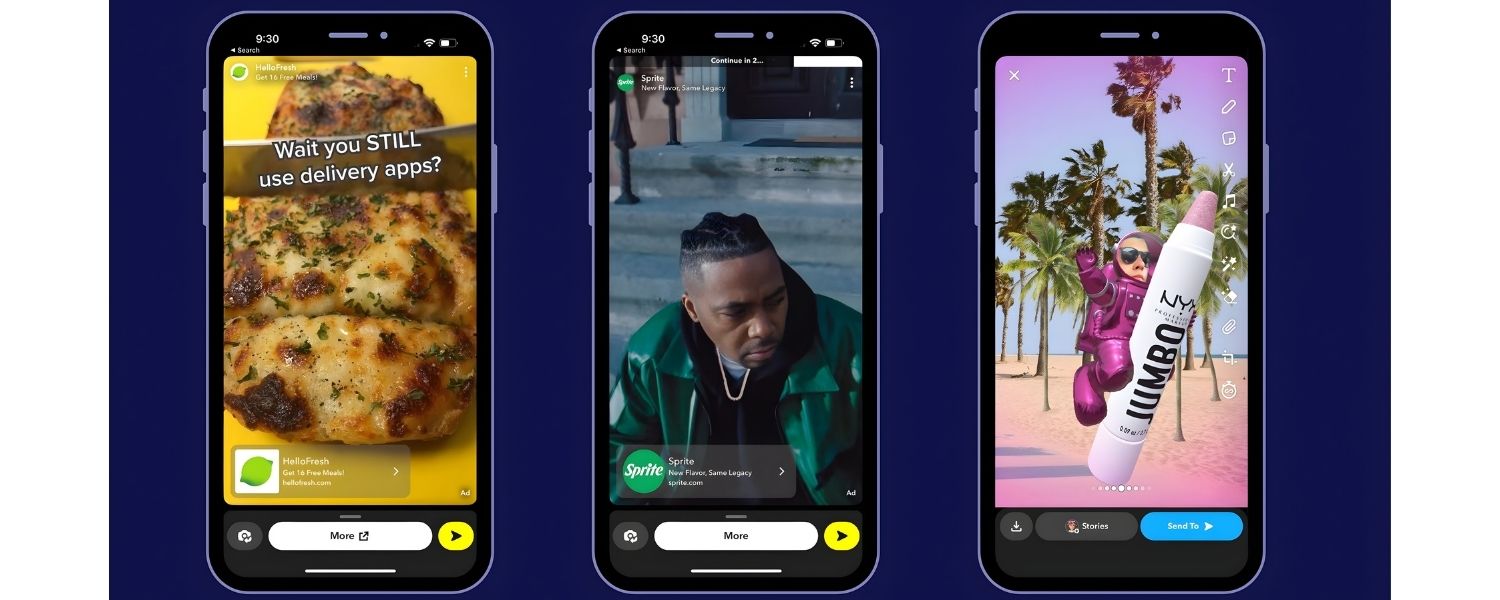
Why invest in paid social? There are several compelling benefits and advantages that paid social media marketing offers over solely relying on organic efforts:
1. Precise Targeting to Your Ideal Audience
Perhaps the biggest advantage of paid social is the ability to hyper-target your ads. Social platforms collect a trove of user data (demographics, interests, behaviors, online activity) that you can leverage to define exactly who sees your ads.
Want to show an ad only to new parents living in Denver who are interested in hiking? Paid social can do that. Want to reach IT managers at mid-sized tech companies? LinkedIn ads have you covered.
This level of precision ensures your message reaches people who are likely to care, improving your ad’s effectiveness. As HubSpot notes, paid social lets marketers “tailor ads to specific demographics, interests, and behaviors, ensuring the message reaches the intended audience effectively”.
You can also use advanced targeting like lookalike audiences (finding users similar to your customers) and retargeting (more on that later) to refine your reach. Bottom line: you spend budget only on relevant eyeballs, which can lead to higher conversion rates compared to the scattershot nature of organic visibility.
2. Immediate Visibility and Fast Results
With organic social, build Heading an audience and gaining engagement is a long game – posts can take time to gain traction (if they do at all). Paid social, on the other hand, can deliver immediate exposure.
The moment your campaign goes live, your ads start showing to your chosen audience. This means you can generate traffic, engagement, and leads right away, exactly when needed. For instance, if you’re launching a new product next week, an organic post might not gain enough reach in time, but a paid campaign can put your announcement in front of thousands of target users within hours.
As Semrush’s guide explains, organic posts take time to build up views, while “paid advertising can instantly get your business and its message out to your target audience,” generating engagement like clicks, comments, and shares right away.
This speed to market is crucial in today’s fast-paced digital landscape. Paid social allows you to seize timely opportunities (trends, seasonal events, etc.) and drive results on-demand.
3. Expanded Reach Beyond Your Followers
No matter how large your organic following, it’s limited to people who already know of you. Paid social breaks through that ceiling by reaching new audiences at scale.
It’s a powerful tool for brand awareness and customer acquisition. Small businesses can appear in the feeds of thousands of potential customers who would otherwise never come across their organic posts. Even large brands use paid campaigns to tap into new market segments or regions.
Paid social is essentially a shortcut to reaching far more people, since you’re not constrained by your current follower count or by algorithms favoring only certain content. This expanded reach directly contributes to growing your customer base and boosting visibility in a crowded social space.
4. Measurable Results and Data-Driven Optimization
Unlike many traditional advertising channels (TV, print, etc.), social media ads come with a wealth of performance data. Impressions, clicks, engagement, click-through rate, conversions, cost per click (CPC), cost per acquisition (CPA), return on ad spend (ROAS) – you can track it all in real time.
Paid social gives you direct access to audience and campaign data showing who is seeing and interacting with your ads. This transparency means you can measure ROI more concretely. If an ad isn’t performing, you’ll know quickly and can tweak elements (or reallocate budget) to improve it. If an ad is doing great, you can invest more.
Over time, this data-driven approach allows you to continuously optimize your targeting and creatives to get better results for your budget. In short, paid social advertising is highly trackable and tweakable – every dollar spent can be analyzed, and insights from one campaign can inform the next.
This helps maximize the efficiency of your marketing spend.
5. Control Over Budget and Scale
With paid social, you hold the purse strings and can adjust spending in a flexible way. You can start small, many platforms allow daily budgets as low as a few dollars, and scale up as you see positive returns.
There’s no huge upfront commitment required; you could run a test campaign for $50 and see how it goes. You also decide how long to run ads and can pause or stop campaigns at any time.
HubSpot highlights that paid social offers control over budget and frequency, letting marketers set clear spend limits and ad frequencies to manage costs and avoid overexposure.
Furthermore, social ads often run on bidding systems that reward relevant ads, meaning even modest budgets can perform well with the right targeting and creative.
Unlike big TV buys or print ads, you won’t blow your whole budget in one go – you can spread it out, target niche slices, and increase or decrease spend dynamically.
This flexibility and scalability make paid social accessible for small businesses and formidable for large ones. Whether you have $100 or $1 million to invest, there’s a campaign strategy that can fit your budget.
6. Higher Engagement & Conversion Potential
When done right, paid social ads can achieve engagement rates that outperform typical organic posts, because they’re crafted to resonate with specific audiences and often include a clear call-to-action (CTA).
For example, a well-targeted Facebook ad might prompt a user to click through to your website and sign up for a free trial, a direct action that an organic post might not have driven.
Paid social media advertising is a great way to encourage your target audience to take action and become a lead or customer. With features like lead generation forms (on Facebook and LinkedIn) or shoppable posts (on Instagram), paid social can shorten the path from discovery to conversion.
Additionally, by consistently showing your ads to the right people, you build brand familiarity and trust faster, which in turn drives higher conversion rates over time.
The ability to retarget users (showing ads to those who previously visited your site or engaged with your content) further boosts conversion likelihood through repeated exposure.
In summary, paid social media gives marketers targeted reach, speed, scale, data insights, and control, a combination that is hard to achieve with organic social alone.
It’s not an either-or choice; even as you continue nurturing your organic presence, leveraging paid social can significantly amplify your marketing impact and help achieve business goals more quickly.
Next, we’ll consider some challenges and considerations when using paid social (it’s not all sunshine and rainbows, after all), and how to navigate them for success.
Challenges and Considerations: The Flip Side of Paid Social

While paid social media advertising offers tremendous benefits, it’s important to go in with eyes open about the challenges and potential downsides.
Running ads on social platforms is not a magic bullet, it requires strategy, management, and ongoing optimization. Here are some common challenges or “cons” of paid social to be aware of (and tips on mitigating them):
1. Continuous Cost Investment
The word “paid” is in the name for a reason, you need to budget for ongoing costs. Once you stop paying, the traffic and leads stop coming (unlike organic content which can have lingering effects). For small businesses with tight budgets, the need for continuous funding to maintain visibility can be a strain.
Mitigation: Start with modest budgets and test campaigns to ensure you’re getting a reasonable cost per result. Over time, improve your targeting and ad quality to get more results for the same spend.
Also, treat paid social as an investment: track the ROI. If you spend $500 but generate $5,000 in sales, that cost is justified. The key is to optimize until your paid social “pays for itself” through returns.
2. Ad Fatigue and Relevance
Because paid social allows you to repeatedly reach the same audience, there’s a risk of ad fatigue. Seeing the same ad too many times can annoy users or cause them to tune it out, reducing effectiveness.
Likewise, if the ad content isn’t engaging or relevant, users will scroll past (or even develop a negative sentiment).
Mitigation:
Rotate your ad creatives regularly – refresh images, videos, and copy to keep things fresh for your audience. Monitor frequency (most platforms report the average number of times each person has seen your ad) and cap it if necessary.
Use A/B testing to find what content resonates best. And of course, ensure your targeting is precise – irrelevant ads to the wrong audience are a fast track to being ignored.
3. Ad Blockers and User Resistance
A growing number of users employ ad-blocking software, or have a general skepticism towards ads. In fact, many of us can relate – we tend to ignore anything overtly “ad-like” in our feeds.
The increased use of ad blockers and users deliberately skipping ads can limit the reach and impact of your paid social campaigns.
Mitigation:
This trend underscores the importance of native-style advertising and value-driven content. Design your paid social content to blend in and provide genuine value – for example, an informative video or a funny, relatable image that doesn’t feel like an annoying ad.
Platforms like TikTok excel at ads that mimic user content. Also, consider influencer partnerships where the promotion is more organic through a trusted voice.
Ultimately, not everyone uses ad blockers (especially on mobile apps where most social media usage happens), so focus on engaging the ones who do see your ads with quality content.
4. Complexity and Management Effort
Launching and optimizing paid social campaigns can be complex and time-consuming. You have to navigate ad manager interfaces, set up targeting, create creatives, monitor performance, adjust bids, reply to comments on ads, and ensure you comply with each platform’s policies.
Constantly tweaking campaigns and troubleshooting performance issues can drain marketing teams, leading to inefficiencies and burnout.
Mitigation:
Plan and streamline your workflow. Use tools or dashboards (like Facebook’s Ads Manager or third-party social ad management tools) that allow you to manage multiple platforms in one place.
Consider starting with one or two key platforms so you don’t stretch yourself too thin. If budget permits, outsourcing to an agency or bringing on a specialist can offload the daily grind.
Automation features can help too – for example, setting rules to automatically pause ads with low click-through rates or increase budget on ads with high ROI. Efficient management is crucial, otherwise the “hidden cost” of paid social can be the hours spent managing it.
5. Data Overload and Analysis Paralysis
The flip side of having tons of data is that it can be overwhelming. Marketers may end up focusing on vanity metrics (like getting lots of impressions that don’t convert) or misinterpreting data, leading to poor decisions.
It’s easy to chase metrics that look good on the dashboard but don’t truly impact business goals.
Mitigation:
Identify key performance indicators (KPIs) upfront that align with your objectives (e.g., cost per lead, return on ad spend).
Focus your analysis on those, and don’t get distracted by every number available. If you’re not strong in analytics, invest time in learning or use the simplified reports most platforms offer (which often highlight the important bits).
Periodically, step back and ask, “Are these ads achieving what we need (sales, sign-ups, etc.) or just garnering clicks?” Use that to recalibrate your strategy.
6. Algorithm and Policy Changes
Social platforms frequently change their algorithms, features, and advertising policies. A strategy that works great today might falter if the platform changes how ads are delivered or what targeting options are available.
Over-reliance on a single platform’s algorithm can be risky – for instance, if Facebook decides to tighten targeting due to privacy reasons, your campaign performance could fluctuate.
Similarly, policy changes (like restrictions on ad content for certain industries) can impact your ads. Sprinklr’s experts note that leaning too heavily on platform algorithms can create a “false sense of security, making brands vulnerable to sudden changes in ad performance or policy shifts”.
Mitigation:
Stay informed – follow the updates from the platforms you advertise on (they often announce major changes in their business blogs or ad manager notifications).
Diversify your paid social efforts across multiple platforms if possible, so you’re not at the mercy of just one algorithm. And always have a human strategy override – algorithms are helpful, but keep an eye on results and be ready to adjust targeting or creative manually if something seems off.
In summary, paid social media requires thoughtful management. It’s pay-to-play, so use your budget wisely and keep optimizing. The challenges above are not reasons to avoid paid social, but rather pointers on what to plan for.
By acknowledging these hurdles – cost, ad fatigue, the need for good creative, continuous management, and adapting to change – you can create more resilient campaigns.
Many brands navigate these challenges successfully by being data-driven and customer-centric in their approach.
Next, let’s get into how to create a winning paid social media strategy step by step, and then we’ll cover best practices and platform-specific tips to make your paid social campaigns as effective as possible.
How to Create a Winning Paid Social Media Strategy
Entering the world of paid social without a plan is like driving to a new destination without a map – you might get somewhere, but it may not be where you intended! A solid strategy will ensure that your ad dollars are well spent and your campaigns align with your business goals.
Here’s a step-by-step guide to developing an effective paid social media strategy:
1. Set Clear Goals and Objectives
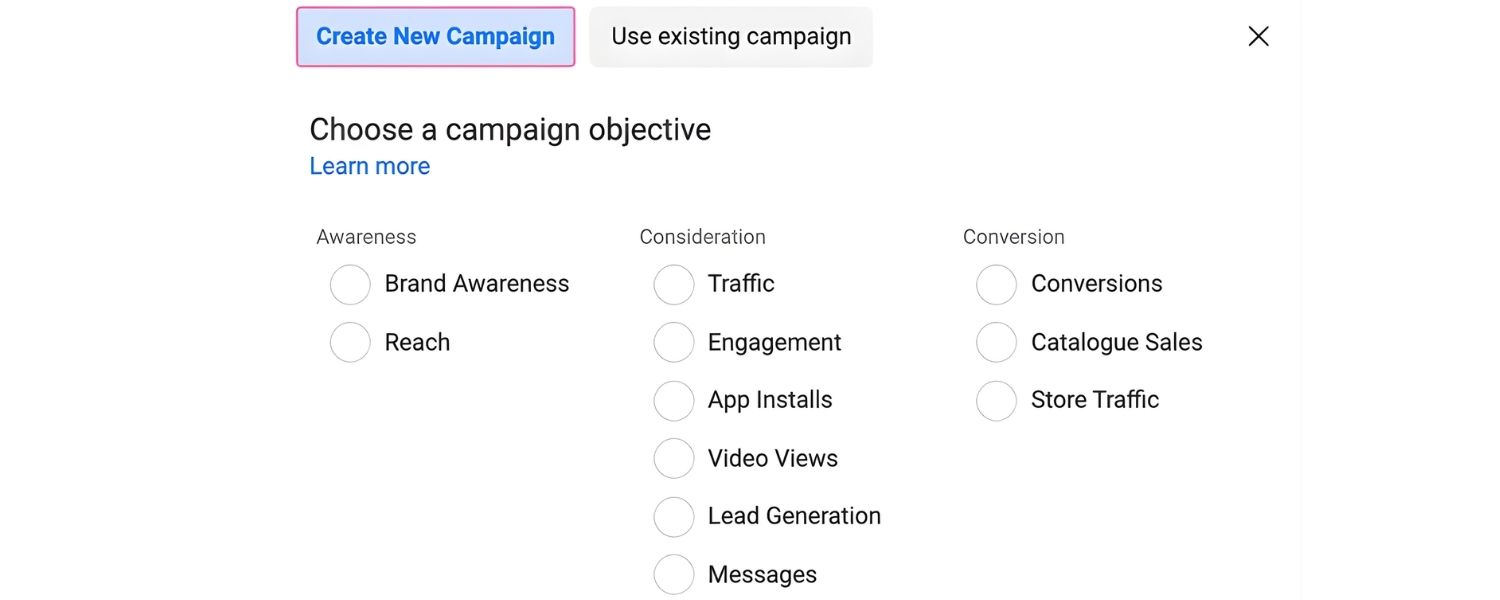
Start with the why. What do you want to achieve with paid social? Possible objectives include increasing brand awareness, generating leads, driving traffic to your website, boosting product sales, or promoting an event/app launch.
Defining a concrete goal will shape all other decisions. For example, a goal to “increase newsletter sign-ups by 50% this quarter” will lead to a different approach than “drive 100k impressions to raise brand awareness.” Make sure your goals are specific and measurable (think SMART goals).
As a HubSpot strategist suggests, “setting the objective for your paid social strategy gives your tactics a direction and a goal to achieve”. By knowing your destination, you can plot the right course.
2. Know Your Target Audience (and Segment Them)
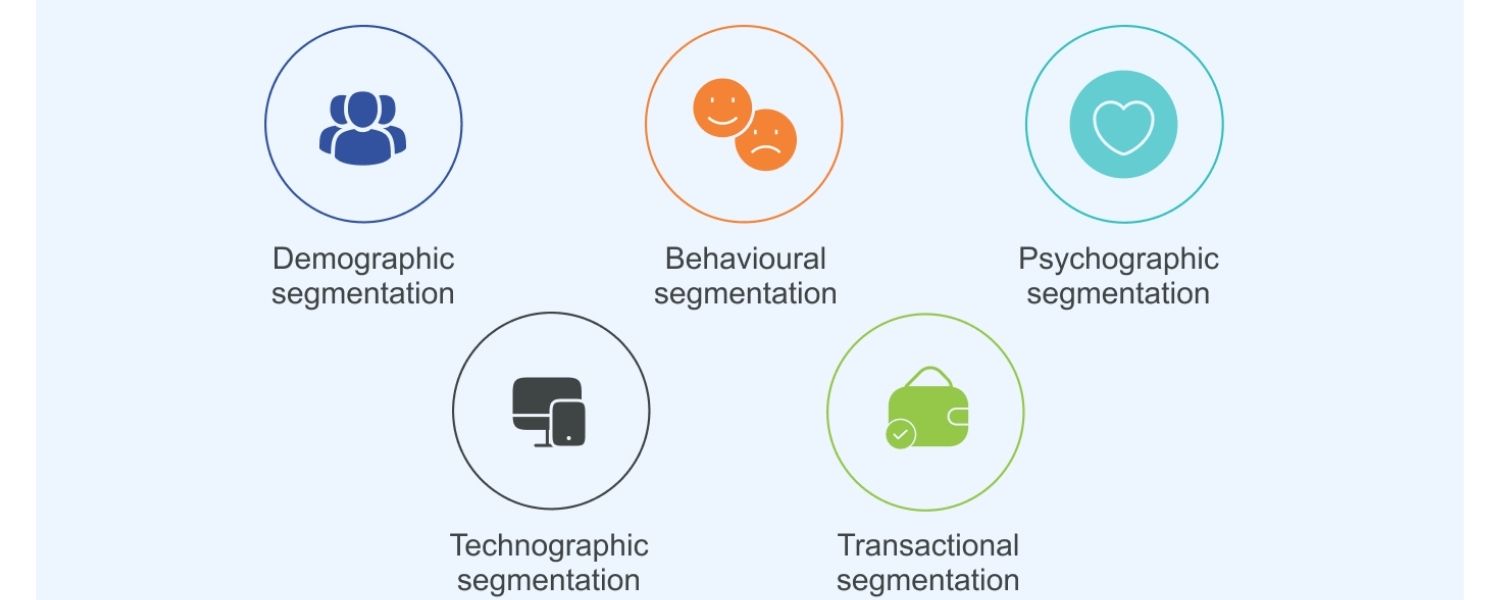
Paid social’s power is targeting, but you need to know who to target. Research and define your buyer personas or audience segments.
Consider demographics (age, gender, location), interests, behaviors, and needs/pain points of your ideal customers. If you have existing customer data, analyze it for insights (e.g., maybe your product resonates with 25-34 year olds in big cities, or with working parents, etc.).
Use tools like Facebook Audience Insights or Twitter Analytics to learn about your social followers’ characteristics.
This step is crucial: “For paid social campaigns to be successful, you need to know who your audience is”. Once you have clarity, you can leverage each platform’s targeting options to reach these people.
You might create multiple audience segments for different campaigns, for instance, one campaign targeting a broad cold audience, and another retargeting people who have already visited your site or engaged with your content.
3. Choose the Right Social Media Platforms
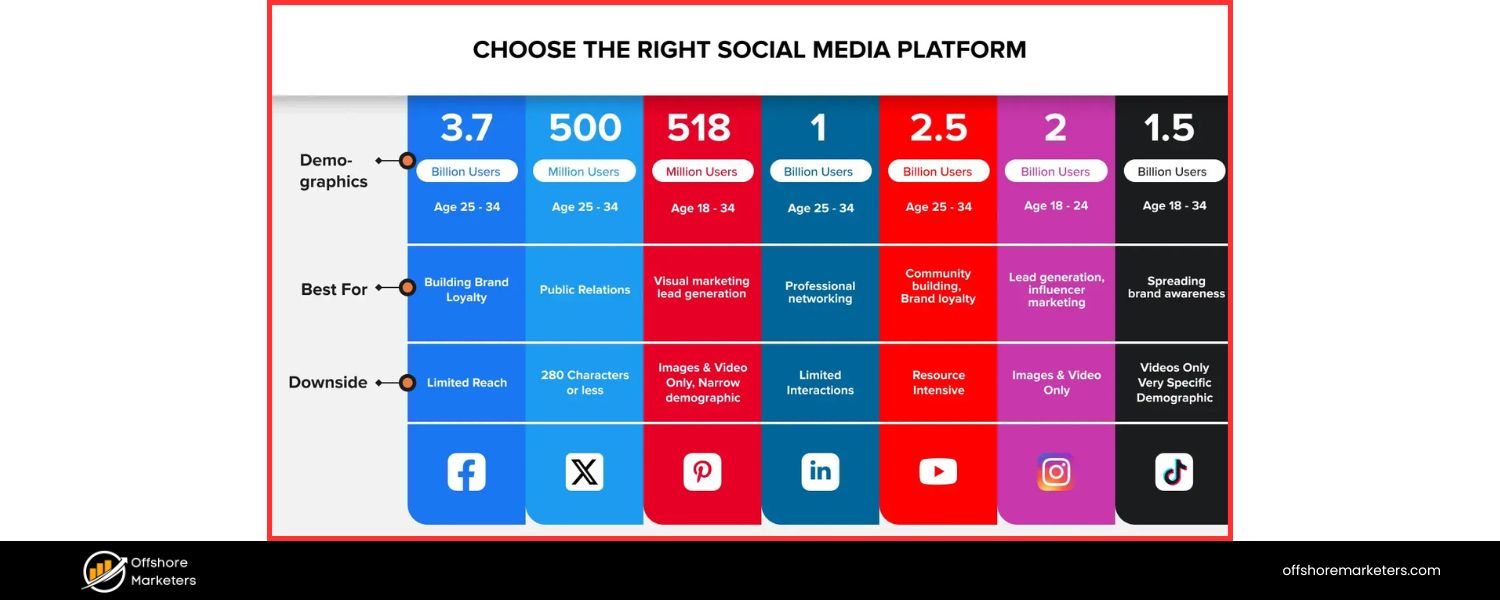
Not all social networks are created equal for every goal or audience. Each platform has its strengths and user demographics.
The big players (Facebook, Instagram, LinkedIn, TikTok, X) all offer robust advertising options, but you’ll want to focus on where your target audience is most active and where the format suits your message. For B2B lead generation, LinkedIn might outperform others due to its professional user base. For a teen fashion brand, TikTok or Instagram could be ideal for their younger, visual-centric audiences.
Consider the nature of your product/service too, if it’s very visual, Instagram and TikTok are great; if it lends itself to how-to videos, maybe YouTube ads; if it’s about real-time trends or newsy content, X (Twitter) could work.
You don’t have to be everywhere, it’s often better to focus on 1-3 key platforms and do them well. Later in this guide, we’ll discuss the top platforms and what they’re best for, to help inform your choices.
Also, keep in mind your budget, some platforms (like LinkedIn) have higher cost per click on average than, say, Facebook, due to the professional niche and typically higher-value outcomes (but it might be worth it for the right audience).
4. Set Your Budget and Bidding Strategy
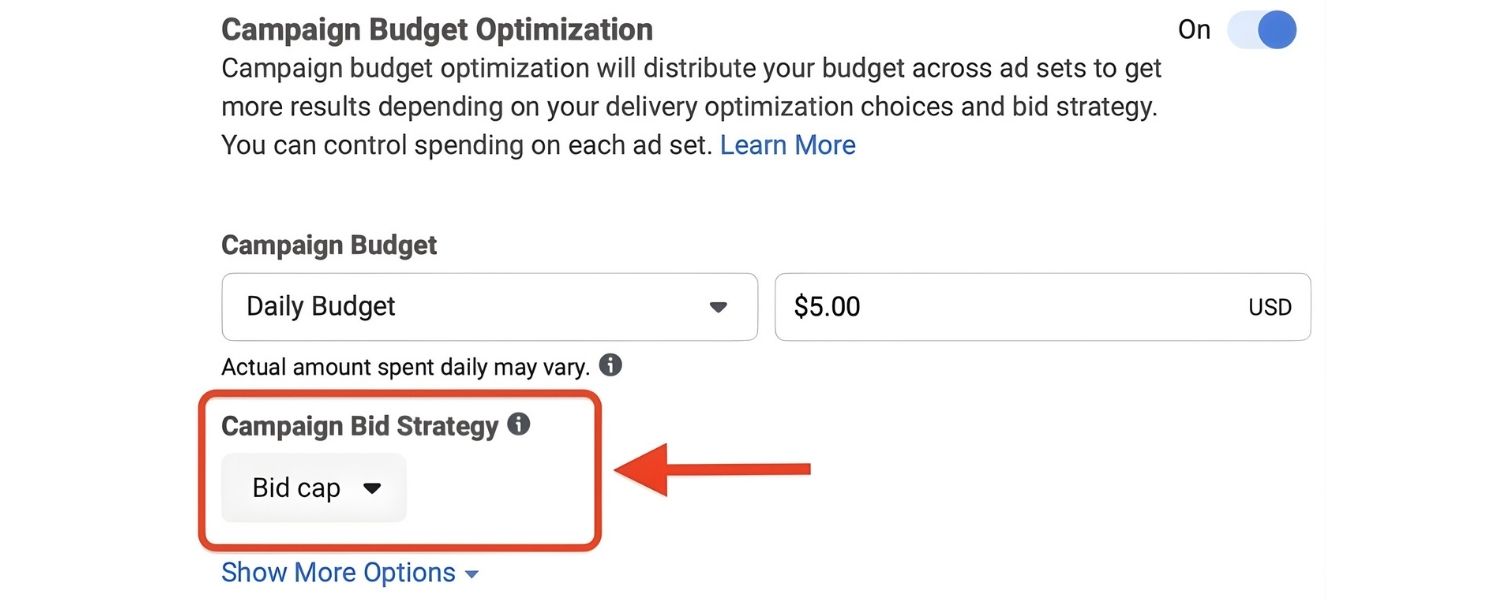
Decide how much you are willing to spend and over what timeframe. This includes both your overall budget (e.g., $2000 for this month) and how you’ll allocate it daily or per ad set.
Many platforms allow you to set daily budgets (e.g., $50/day) or lifetime campaign budgets (e.g., $500 over two weeks). When starting, you might allocate a test budget for each platform to gauge performance.
In terms of bidding, you can often choose manual bidding or let the platform optimize for you (e.g., Facebook’s “lowest cost” bidding vs. setting a specific bid cap).
If you’re new, using automatic bidding optimizations is usually fine, the algorithms are pretty good at optimizing for your chosen objective (like optimizing for conversions vs. clicks). Remember, social media ads are often quite cost-efficient compared to traditional media.
In fact, paid social advertising is among the least expensive types of advertising in terms of minimum investment, with some platforms allowing budgets as low as $1 per day thanks to bidding systems. Of course, results correspond to spend to a degree, but starting small is okay. Ensure you monitor spend closely and adjust if needed.
It’s also wise to compare your spend to results and calculate metrics like cost per acquisition to judge if your budget is reasonable or needs scaling.
5. Craft Compelling Ad Creatives and Copy
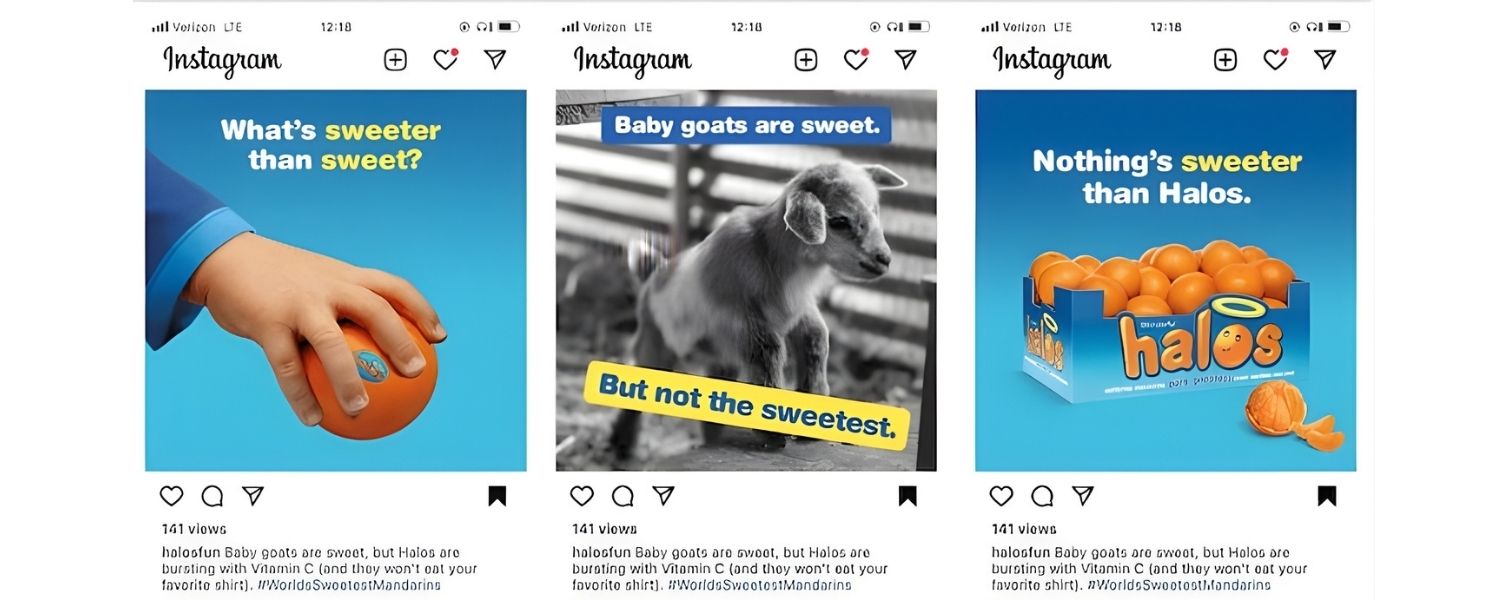
Now for the creative part: design your advertisements to be engaging and persuasive. This involves the visuals (imagery or video) and the ad copy (text headlines, descriptions, captions, and call-to-action).
Thumb-stopping content is key, on a busy social feed, your ad needs to grab attention quickly. Use high-quality images or videos that align with your brand and appeal to your audience’s interests. Include a clear call-to-action (CTA) in the ad (e.g., “Sign Up Now,” “Learn More,” “Shop Now”) so users know what to do next.
Tailor the messaging to the audience segment and platform. For example, you might use a playful tone and trending music for a TikTok ad targeting Gen Z, but a more professional tone for a LinkedIn ad targeting executives.
Highlight benefits or pain points solved, make it immediately apparent what’s in it for the viewer if they engage. Also, consider platform specs: e.g., vertical videos for Stories/TikTok, limited text on Facebook images (they recommend not too much text on images).
It may take a few iterations to find what creative works best. Don’t be afraid to test multiple versions (A/B testing) with different images or headlines to see which resonates most.
As Sprinklr notes, investing in creative, visually compelling and audience-centric messaging can significantly enhance campaign performance – a great example is how a viral TikTok campaign by Rare Beauty leveraged authentic, relatable content to drive massive product sales (over 3.1 million units sold) by focusing on storytelling that resonated with their audience.
6. Leverage Advanced Targeting and Retargeting
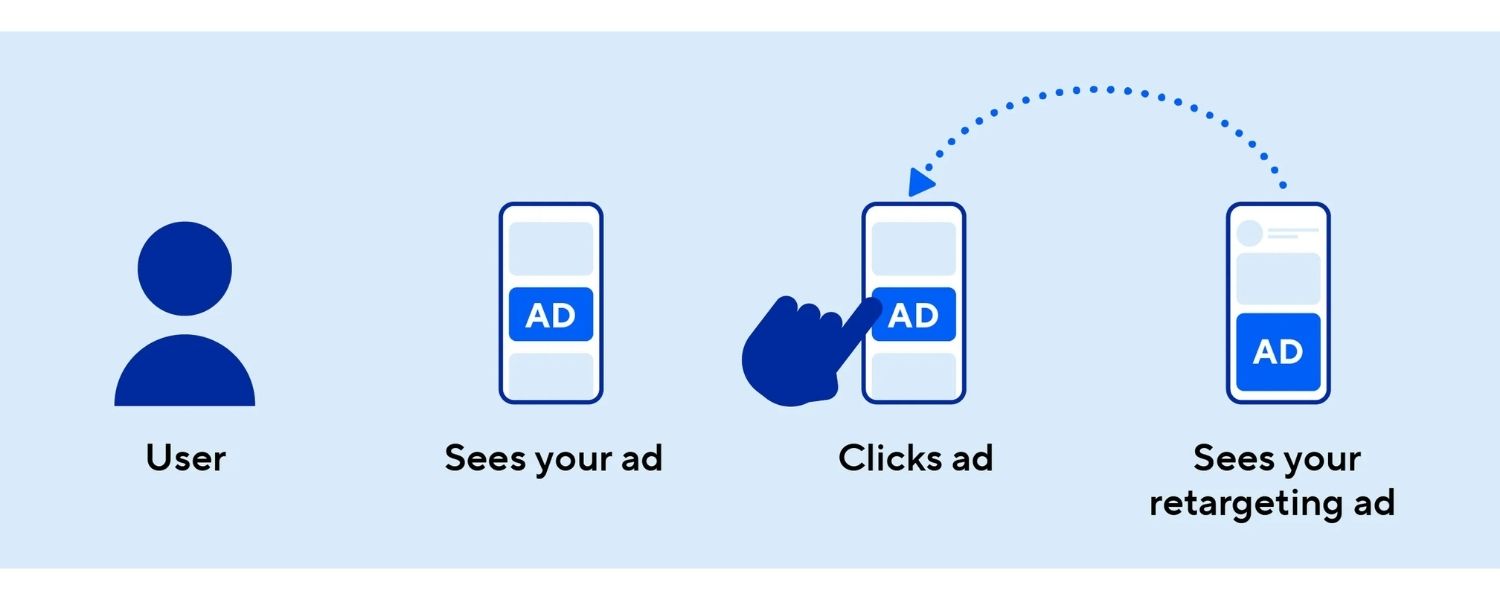
Basic demographic targeting is just the beginning. To really boost efficiency, take advantage of advanced options:
A. Custom Audiences
Upload a list of your customer emails or target people who have interacted with your business (e.g., visited your website, engaged with your Instagram profile). This allows you to re-engage warm prospects on social media.
B. Lookalike Audiences
Many platforms let you find new people who “look like” your existing customers or leads. This is a powerful way to expand to a fresh, but relevant, audience. For instance, you could have Facebook create a lookalike audience based on your website visitors, thus finding others with similar profiles who are likely interested.
These lookalike users can be segmented by similarity degree (e.g., top 1% similar vs. broader 5% similar) – the most similar are smaller but highly close to your core audience.
C. Retargeting
This deserves emphasis – retargeting (or remarketing) means serving ads to people who have already shown interest in your brand (such as visiting your site, adding to cart, or watching a video).
Since these folks are already aware of you, retargeting often yields higher conversion rates at a lower cost per conversion. For example, an e-commerce store might retarget users who browsed products but didn’t purchase, by showing them ads of those very products (maybe with a discount) on Facebook and Instagram.
This can gently nudge them to complete the purchase. “Reach out to users who previously interacted with your brand with tailored ads – this increases the likelihood of conversion and improves return on ad spend (ROAS)”.
Ensure you have the necessary tracking in place (Facebook Pixel, LinkedIn Insight Tag, etc.) on your website to build these remarketing audiences.
By layering these advanced tactics, you create a funnel: cold audiences see initial ads, some visit the site but don’t convert, then retarget those with follow-up ads to convert them. This multi-touch approach is highly effective in paid social strategies.
7. Monitor Performance and Optimize Regularly
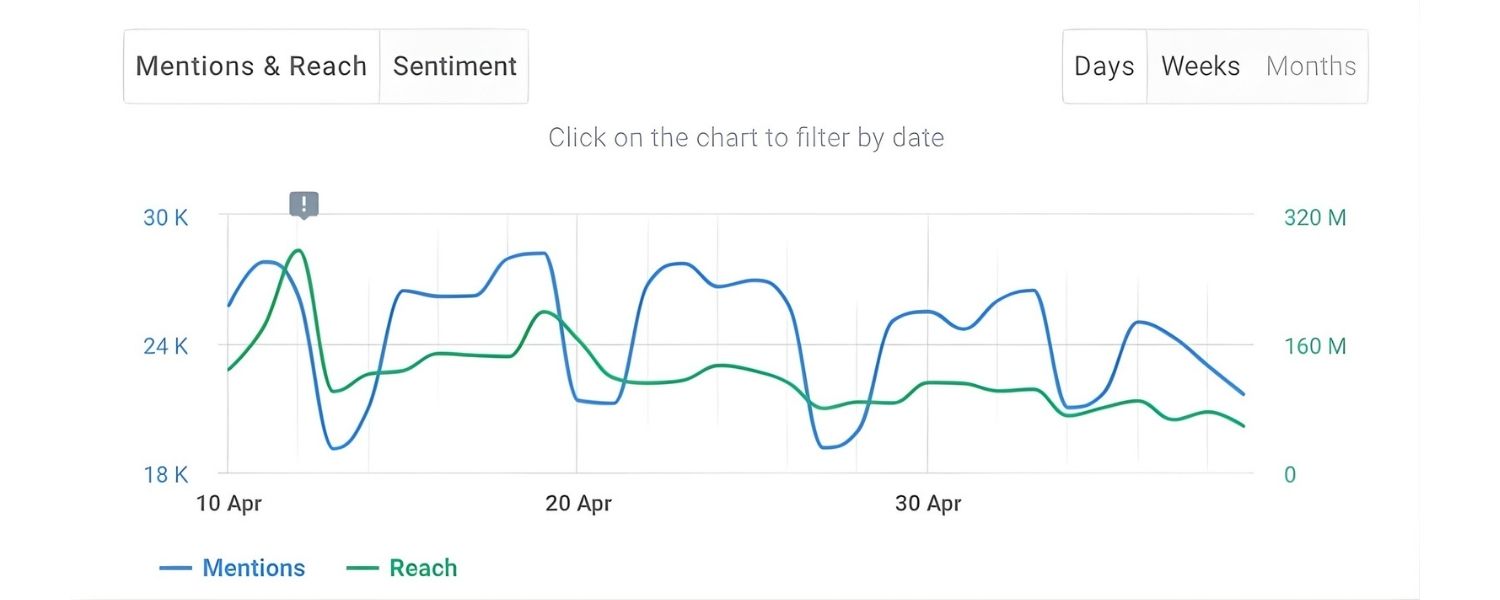
Once your campaigns are running, the work isn’t over. Diligently monitor how they’re performing against your chosen metrics.
Check in on campaigns at least a few times a week (if not daily during critical periods). Look at metrics like impressions, clicks, click-through rate (CTR), conversion rate, cost per click (CPC), cost per conversion, and overall return on ad spend. Identify what’s working and what’s not.
Perhaps one ad creative is outperforming others – allocate more budget to it. Maybe one target audience is clicking but not converting – consider refining that targeting or adjusting the ad for them. It’s common to make adjustments such as pausing under-performing ads, tweaking ad copy, or trying new targeting criteria.
Also pay attention to comments on your ads (especially on Facebook/Instagram) – respond to questions, and gauge sentiment (if people are complaining about something, that’s valuable feedback). Essentially, treat this as an iterative process: test, learn, and optimize. Use the analytics each platform provides to guide your decisions.
Over time, you’ll hone in on the best combination of audience, creative, and placement for your goals. Remember, “understanding how well your ads perform tells you whether to increase or decrease budget allocation” – data should inform whether you scale a successful campaign or rethink a failing one.
A pro-tip is to also schedule periodic reports (weekly or monthly) to track trends over time, not just real-time, so you can report on ROI and justify the ad spend to stakeholders.
Following these steps will put you on the right track for a structured, effective paid social media strategy.
In essence: define your goal, know your audience, pick your channels, set budget, create great content, target smartly, and keep optimizing. Next, let’s complement these steps with some overarching best practices and expert tips that can further amplify your success in paid social campaigns.
Best Practices for Successful Paid Social Campaigns
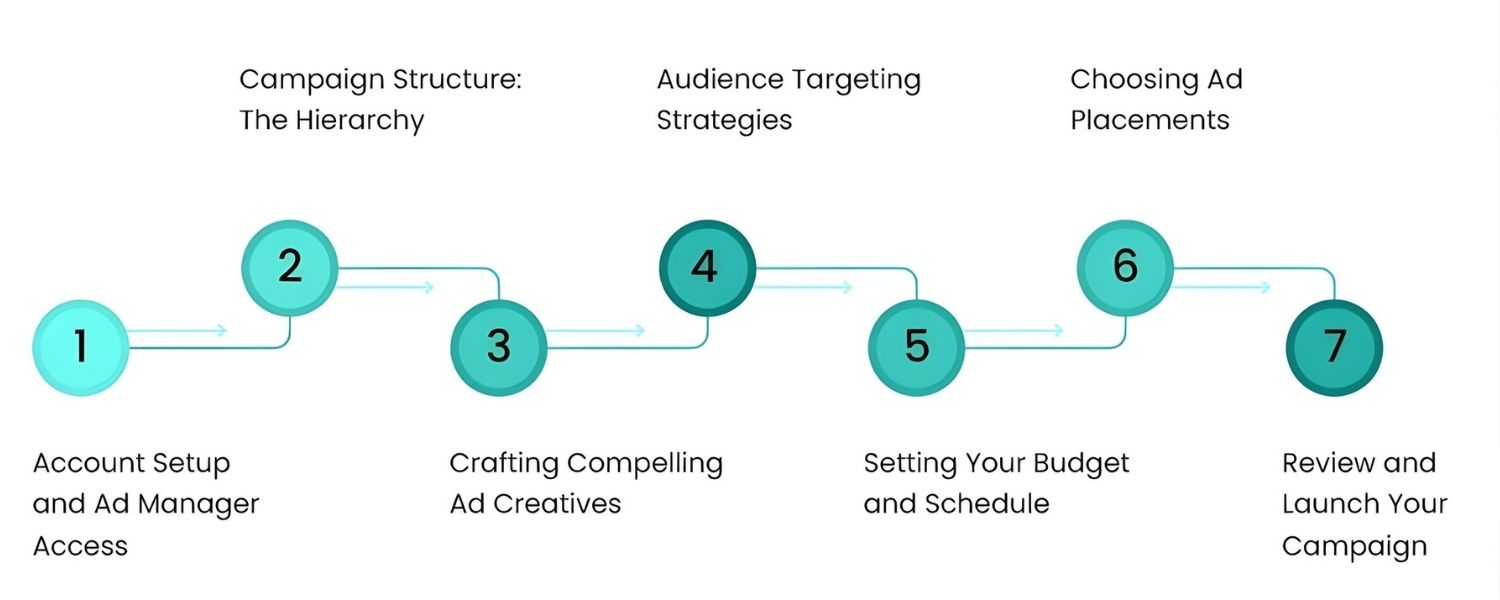
Having a strategy is essential, but there are also some tried-and-true best practices that savvy marketers use to get the most out of their paid social efforts. These are broader principles or tips that apply across platforms and campaigns:
1. Align Paid Social with Your Overall Marketing (Integrated Campaigns)
Paid social works best when it’s not an isolated effort but part of a cohesive marketing plan. Ensure your social ads align with your other channels (email, content marketing, PR, etc.) to deliver a consistent message and brand experience.
For example, if you’re running a product launch campaign, you might coordinate a social ad blitz with email newsletters, blog posts, and even offline events – all reinforcing the same core message or theme.
This integrated approach makes your marketing more effective as channels can reinforce each other. Don’t treat paid social in isolation; integrate it with other channels for a unified customer journey. A user who sees a consistent message on multiple touchpoints is more likely to trust and remember your brand.
Plus, insights from one channel (e.g., a high-performing blog topic) can inform social ad content, and vice versa.
2. Prioritize Creative and Audience-Centric Messaging
In the crowded social media environment, creative is the X-factor. Invest time and resources in making your ads look and sound great. Use high-resolution visuals, engaging videos, and design elements that catch the eye (while staying on-brand).
More importantly, craft messaging that speaks to the audience’s interests or pain points. Generic ads fall flat; personalized, relatable ones drive engagement. Utilize the data you have about your audience to inform the tone and content.
For instance, an ad targeting first-time home buyers might highlight “your journey to your dream home” with friendly, educational copy – addressing their hopes and anxieties.
Continually experiment with different creative angles. Sometimes a slight tweak in wording or a different image can boost results. As Sprinklr’s marketing experts observed, engaging and visually compelling creatives coupled with tailored messaging can significantly enhance campaign performance.
A real-world example is Selena Gomez’s Rare Beauty brand: by focusing on authentic, story-driven content on TikTok and Instagram, they went viral and sold huge volumes, proving the power of resonant storytelling in paid social.
The lesson: know your audience and speak to them, not at them.
3. Use Analytics and Data to Optimize (Don’t “Set and Forget”)
We touched on this in the strategy section, but it’s worth emphasizing as a best practice: be data-driven. The beauty of digital ads is the immediate feedback loop.
Regularly dive into the analytics each platform provides. Identify what’s delivering a good return on investment (ROI) and what isn’t. Double down on winning tactics and ditch or tweak the under-performers. For example, if you notice your cost per conversion on Instagram is half that of Twitter, you might reallocate budget to Instagram. Or if one ad message resonates (high CTR) but another falls flat, focus on the successful theme.
Many platforms offer granular data, use it. Facebook might show you performance by placement (e.g., feed vs. stories) or by demographic segment; LinkedIn might show which job titles respond most. These insights can help refine your targeting and creative for better outcomes.
A case study:
the company Corning used advanced analytics tools to monitor and optimize their LinkedIn ad campaigns in real time, which led to a 55% reduction in cost per acquisition and a huge increase in website visits.
They achieved this by continuously analyzing results and making data-driven adjustments. Even if you don’t have fancy tools, the built-in analytics of ad platforms are sufficient to practice this iterative optimization.
4. Manage and Scale Across Platforms Efficiently
If you are advertising on multiple social platforms, managing them can get complex. It’s a best practice to use a centralized tool or dashboard for efficiency.
Solutions like Meta Business Suite (for Facebook/Instagram combined), third-party tools (e.g., Hootsuite, Sprout Social, or specialized ad management software like Skai or Sprinklr), can save time by letting you adjust campaigns in one place, schedule ads, and monitor results holistically.
This ensures consistency in your messaging and helps prevent one-off mistakes. It also makes scaling up easier – you can duplicate campaigns or share audiences across platforms if you find something that works. For instance, if an ad concept is doing well on Facebook, you might quickly adapt it to LinkedIn via your management tool, rather than starting from scratch.
A unified platform approach helped the company EGGER manage paid social campaigns across 14 markets, ensuring consistency and saving a significant amount of manual work (equivalent to 15 workdays). The takeaway is that efficiency matters, especially as you grow your paid social presence.
Even if you’re just using each platform’s native tools, try to set up a regular workflow for checking and updating your campaigns so nothing falls through the cracks.
5. Utilize Retargeting to Nurture and Convetr Leads
We already detailed retargeting in the strategy section, but it stands out as a best practice because of how effective it is in boosting conversions.
Many users don’t act on the first touch – they might visit your website from an ad but not buy or sign up immediately. Retargeting keeps your brand in front of these interested prospects, reminding them to come back and complete the desired action.
Best practices for retargeting include: segmenting your retargeting audiences based on their behavior (e.g., viewed product A vs. product B, or read a blog vs. abandoned cart, etc.) so you can show relevant follow-up ads; capping the frequency so you don’t irritate them; and updating your creatives (for example, “Still interested in X? Here’s 10% off to sweeten the deal!”). This persistence can significantly lift your overall campaign ROI.
A classic example: Fossil, the watch and accessories brand, uses retargeting across multiple platforms to show ads for the exact products shoppers viewed on their site, sometimes with an incentive like free shipping – keeping the brand top-of-mind until the user converts.
If you’re not doing any retargeting yet, make it a priority to set up, it’s often low-hanging fruit for improving results from paid social.
6. Stay Updated on Trends and Evolve
The social media landscape changes rapidly. New ad features roll out, consumer behavior shifts, and competitors step up their game.
What worked last year might not work as well now. For example, short-form vertical video (à la TikTok/Reels) has become hugely popular, if your ads are all static images, you might get left behind by those adapting to video trends. Keep an eye on industry news, follow social media marketing blogs, and even observe what your competitors are doing in their ads.
Lately, some key trends include the rise of AI-driven personalization (using machine learning to tailor ads more granularly to users), programmatic ad buying (automating and optimizing bidding across channels), and the blending of social commerce (making it easier for people to shop directly within social apps).
In fact, experts note that personalization at scale, programmatic automation, and cross-channel integration are shaping the future of paid social. As a best practice, be willing to test new formats or tools.
For example, if a platform introduces an AI tool that creates ad variations, give it a try. Or if a new social platform gains popularity with your target demographic, consider experimenting with ads there before it gets saturated.
7. Maintain a Customer-Centric and Compliant Approach
Finally, never lose sight of the customer experience. Just because it’s an ad doesn’t mean it can’t be genuinely helpful or delightful to the viewer.
Aim to create ads that you yourself wouldn’t mind seeing in your feed. That often means respecting the user’s time and context – e.g., don’t use overly disruptive ads or misleading click-bait.
Also, ensure you follow platform policies (each network has guidelines on what you can advertise and how). Getting an ad disapproved or an account flagged can derail your efforts.
By playing within the rules and focusing on serving the user’s interests, your ads will not only avoid problems but also likely perform better (happy viewers = better engagement).
By following these best practices – integrating campaigns, focusing on creative quality, being data-driven, streamlining management, harnessing retargeting, staying current with trends, and keeping the user in focus – you set yourself up for sustained success in paid social media advertising.
These principles, combined with the strategy steps from earlier, form a strong foundation for any marketer looking to excel in the paid social arena.
Now, with strategy and best practices in hand, let’s take a closer look at the top social media platforms for paid advertising, and what makes each unique. Understanding the strengths of each platform will help you further refine where to invest your time and budget.
Top Platforms for Paid Social Media Advertising (and How to Leverage Them)
There are many social networks out there, but a handful dominate the online ad space due to their large user base and robust advertising tools. Here we’ll cover the major platforms you should consider for paid social campaigns, including tips on how to use each effectively:
1. Facebook (Meta)
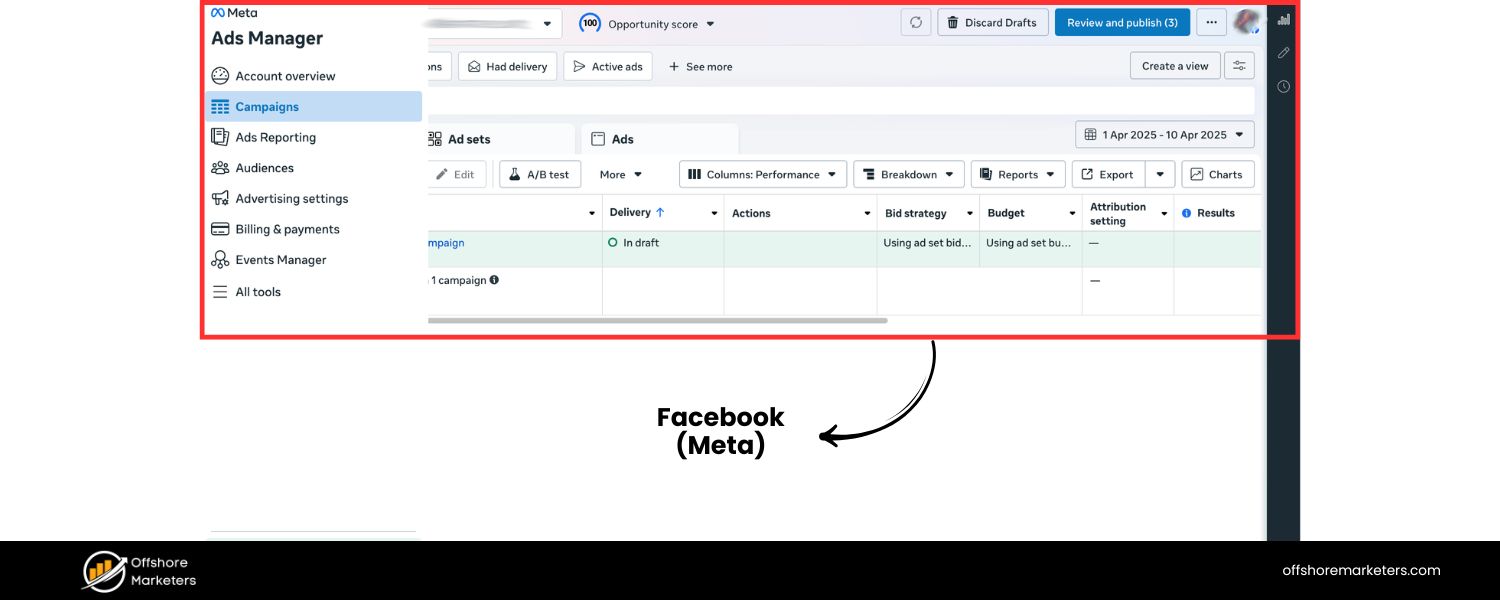
With nearly 3 billion monthly active users globally, Facebook remains the king of social media and a powerhouse for advertising. It offers unparalleled reach across virtually all demographics, and its Ads Manager platform is one of the most advanced in targeting capabilities.
You can target users by age, location, interests, life events, behaviors, and much more. In fact, Facebook’s ad system is so robust that it “can narrow an audience down to just a few hundred people” based on specific criteria – a testament to how granular you can get.
Advertising strengths on Facebook
It’s a versatile platform suitable for many objectives: e-commerce sales, app installs, lead generation, local business promotion, you name it.
Facebook supports all kinds of ad formats (image, video, carousel, slideshow, instant experience, etc.) and placements (Feeds, Stories, in-stream video, Marketplace, etc.).
A big plus is the ability to use the Meta Pixel on your website to track conversions and build custom audiences for retargeting (like website visitors).
Facebook’s algorithm also excels at finding the right people for your objective if you give it some time and budget (thanks to its vast data on user behavior).
Tips for Facebook Ads
Utilize Facebook’s Lookalike Audiences to find new users similar to your best customers – this often yields great results in expanding reach.
Take advantage of retargeting on Facebook; for example, show dynamic product ads that automatically display items users viewed on your site (if you’re an online retailer).
Engage with comments on your ads – prompt and positive community management can boost credibility (and remember, comments and shares can extend your ad’s reach organically).
Also, consider using Facebook Lead Ads for an easy way to collect sign-ups or inquiries without the user leaving the platform; these can be effective for things like newsletter subscriptions or event registrations, as the forms auto-fill with the user’s info.
One more thing
Facebook and Instagram are integrated via Meta Ads Manager. This means when you advertise on Facebook, you can easily advertise on Instagram too (or both simultaneously) using the same interface and in many cases the same creatives adapted across placements. Speaking of Instagram…
2. Instagram
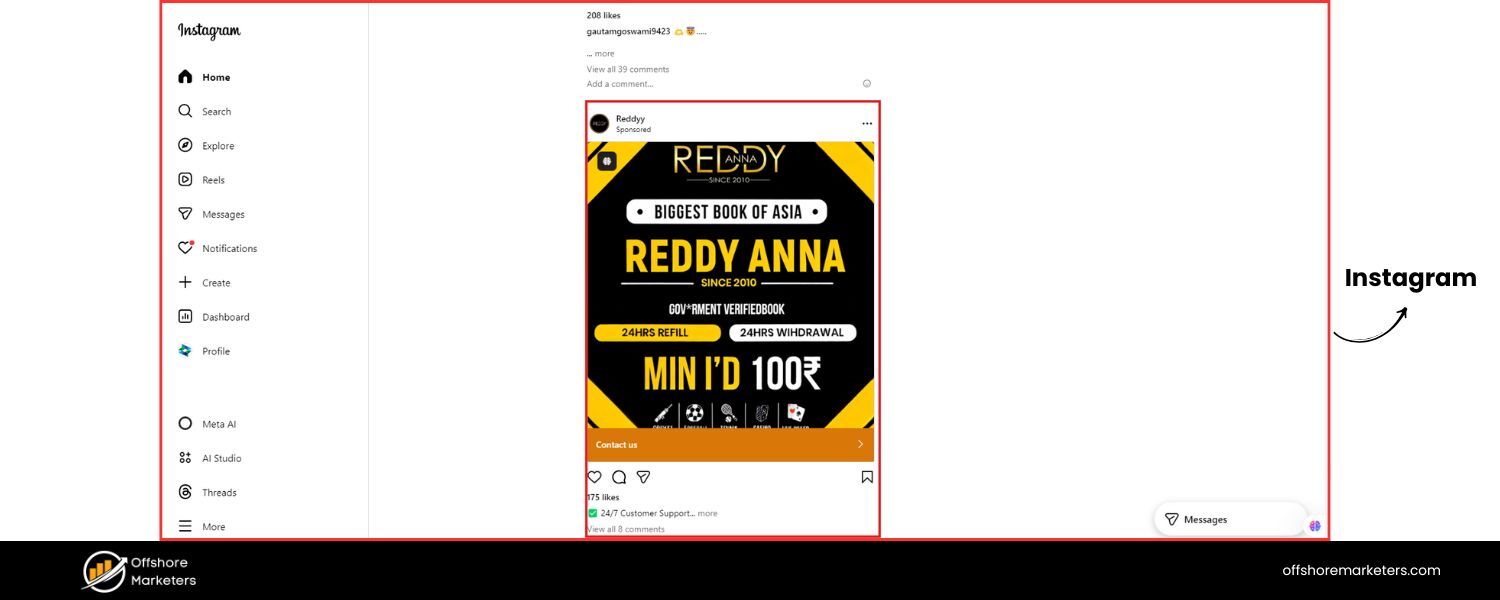
Instagram, owned by Meta, has over 2 billion monthly users and is the go-to platform for visual inspiration and discovery. It’s especially popular among younger demographics (teens to millennials), though its user base has broadened.
Instagram is a highly visual platform – images and short videos (Reels) drive the experience, and users often follow brands and influencers actively.
Advertising strengths on Instagram
If your business has a strong visual component (think fashion, food, travel, beauty, fitness, etc.), Instagram is a goldmine. You can showcase products or experiences in aesthetically pleasing ways.
Engagement rates on Instagram tend to be high; users often interact with content they like. Ad formats include feed posts, Stories ads, Reel ads, and Explore placement ads.
A unique feature is Instagram Shopping and Shoppable Posts, if you have an e-commerce catalog connected, you can tag products in your images so users can tap and purchase easily. Instagram ads shine when they blend into the content users already love, high-quality photos, trendy videos, influencer-style content, etc.
Tips for Instagram Ads
Focus on eye-catching visuals or thumb-stopping videos since competition in the feed is fierce. Use short, punchy captions (or overlay text on Stories/Reels) to deliver your message quickly – many users scroll fast.
Leverage Instagram Stories ads for immersive, full-screen experiences, they’re great for polls, quick promos, or swipe-up (now link sticker) actions to drive traffic.
Consider partnering with influencers for sponsored posts or whitelisting (where you run ads from their handle) to tap into their follower trust, influencer ads can feel more authentic.
Also, make use of Reels ads – short-form videos have huge reach on Instagram’s algorithm now, and creating a fun, engaging Reel that doubles as an ad can capture a wide audience.
According to marketing experts, Instagram is excellent for “eye-catching, immersive campaigns that drive engagement and grow your audience”, so put creative effort there. And of course, use hashtags and location targeting if relevant – while hashtags aren’t as critical in ads, including a couple of popular ones could help if your ad gets organic traction beyond paid (sometimes good content gets shared or saved by users, extending its reach).
3. LinkedIn
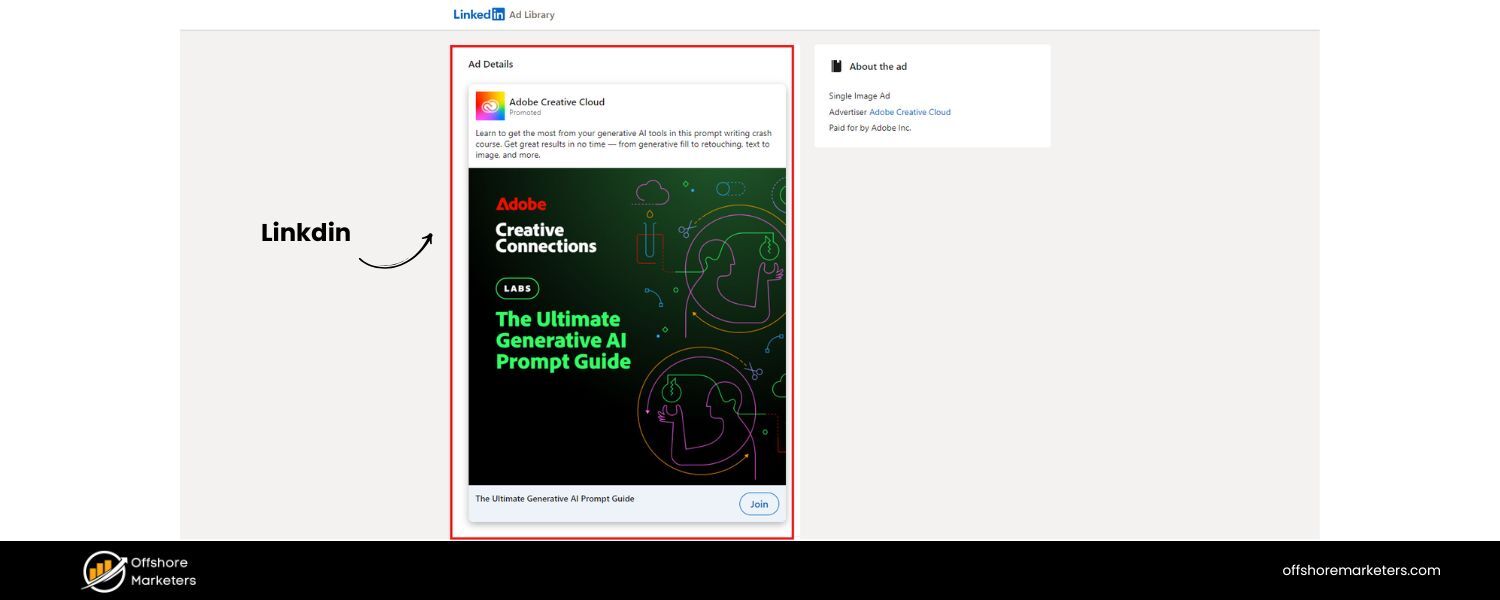
LinkedIn is the world’s largest professional networking platform, with an audience of over 950 million professionals worldwide. It’s the premier platform for B2B marketing and reaching decision-makers in a work context. If your target customer is a business professional or organization, LinkedIn is often the platform of choice for advertising.
Advertising strengths on LinkedIn
Precision B2B targeting – LinkedIn’s targeting can filter by company size, industry, job title, job function, seniority, skills, etc. This is incredibly useful for niche B2B campaigns (e.g., targeting CFOs in the finance industry, or HR managers at mid-size tech companies).
LinkedIn users often have business intent – they’re looking for industry news, career growth, tools to improve their work, etc. So if your product/service caters to a professional need (software, consulting, courses, etc.), LinkedIn is fertile ground.
Ad formats include Sponsored Content (appears in feed, can be single image, video, or carousel), Sponsored Messaging (InMail ads delivered to inboxes), Text Ads (sidebar ads), and the newer Conversation Ads (interactive message ads).
LinkedIn also offers Lead Gen Forms that auto-fill a user’s info, which are great for capturing leads without a landing page, useful for things like whitepaper downloads or webinar sign-ups.
Tips for LinkedIn Ads
Because LinkedIn ads can be pricier (higher CPCs or CPMs, often) due to the affluent audience, craft your targeting carefully to avoid waste. Narrow down to the most relevant job titles or industries that align with your offering.
Use compelling, professional creatives – you might incorporate thought leadership or stats in your ad copy to appeal to this audience. Offers that tend to work well include free demos, professional webinars, case studies, or industry reports – anything that provides value and showcases how your solution solves a business problem.
Also, consider Sponsored InMail (Message Ads) for direct, personalized pitches – but make sure it’s highly relevant and not spammy, or it could backfire. A/B test different value propositions in your copy – sometimes highlighting ROI (“Increase productivity by 30%”) versus pain points (“Struggling with project delays?”) can yield different results.
LinkedIn’s user base trusts the platform for quality content, so ensure your ads feel relevant and insightful, not overtly salesy. Lastly, keep in mind the context: many users check LinkedIn during work or for career-building – ads that help them in their job or professional growth (as opposed to pure consumer products) usually perform best.
4. TikTok
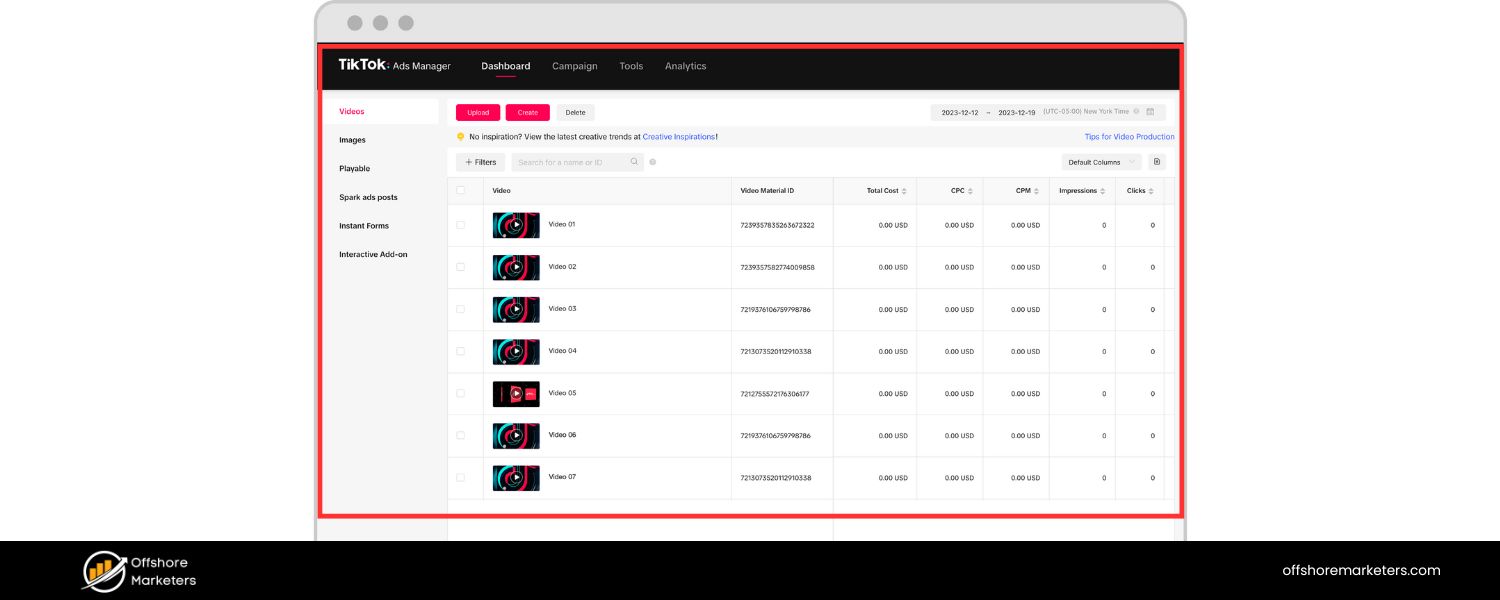
TikTok has skyrocketed in popularity, boasting around 1.5+ billion monthly active users as of 2024 and becoming a cultural phenomenon for short-form video content. Its user base skews younger (Gen Z and young millennials), though it’s aging up gradually, and it’s a platform where trends, challenges, and viral moments happen daily.
TikTok’s algorithm is famously good at showing people content they didn’t even know they wanted, leading to deep user engagement.
Advertising strengths on TikTok
Viral potential and high engagement. Ads on TikTok, when done in the TikTok style, can blend seamlessly with user-generated content. This is great for brand awareness and even direct response if you nail the creative.
TikTok users spend a lot of time on the app and are very open to discovering new things (products, songs, ideas) through the content. Ad formats include In-Feed Video (up to 60 seconds, appears in the “For You” feed), TopView (a takeover ad when the app opens), Branded Hashtag Challenges, and Branded Effects (stickers/filters).
TikTok also has Spark Ads, which allow brands to promote organic user posts or their own organic TikTok posts as ads – this is powerful because it keeps the engagement (likes, comments) on the original post, making the ad look more native.
Spark Ads often “feel more native and engaging” and have been shown to achieve significantly higher view-through rates than standard ads.
Tips for TikTok Ads
Embrace the platform’s style. TikTok is all about authentic, entertaining content – polished, overt advertising doesn’t perform as well. So, create ads that are fun, use trending music, include text overlays, or mimic a user’s perspective.
Short and sweet is key; hook viewers in the first 2-3 seconds or they’ll swipe past. Use captions or on-screen text since many watch with sound off (though trending sounds can enhance). Test out challenges or themes that align with TikTok trends – e.g., some brands do influencer partnerships where the influencer starts a challenge/dance that features the product.
Engage with the community: respond to comments on your ads, and consider encouraging user-generated content (UGC) that you can later amplify. Leverage TikTok’s interest and behavior targeting – you can target by things like users who have engaged with certain hashtags or video categories, which helps find the right niche.
One more tip:
ensure your landing page is mobile-friendly and quick; TikTok’s full-screen immersive experience means if someone swipes out to a slow site, they’ll bounce. Finally, keep an eye on TikTok’s evolving features – it’s an ever-changing platform.
Currently, it’s also becoming a search/discovery engine for Gen Z, so using relevant keywords in your captions (SEO for TikTok) can help your content/ad be found more often.
5. X (Formerly Twitter)
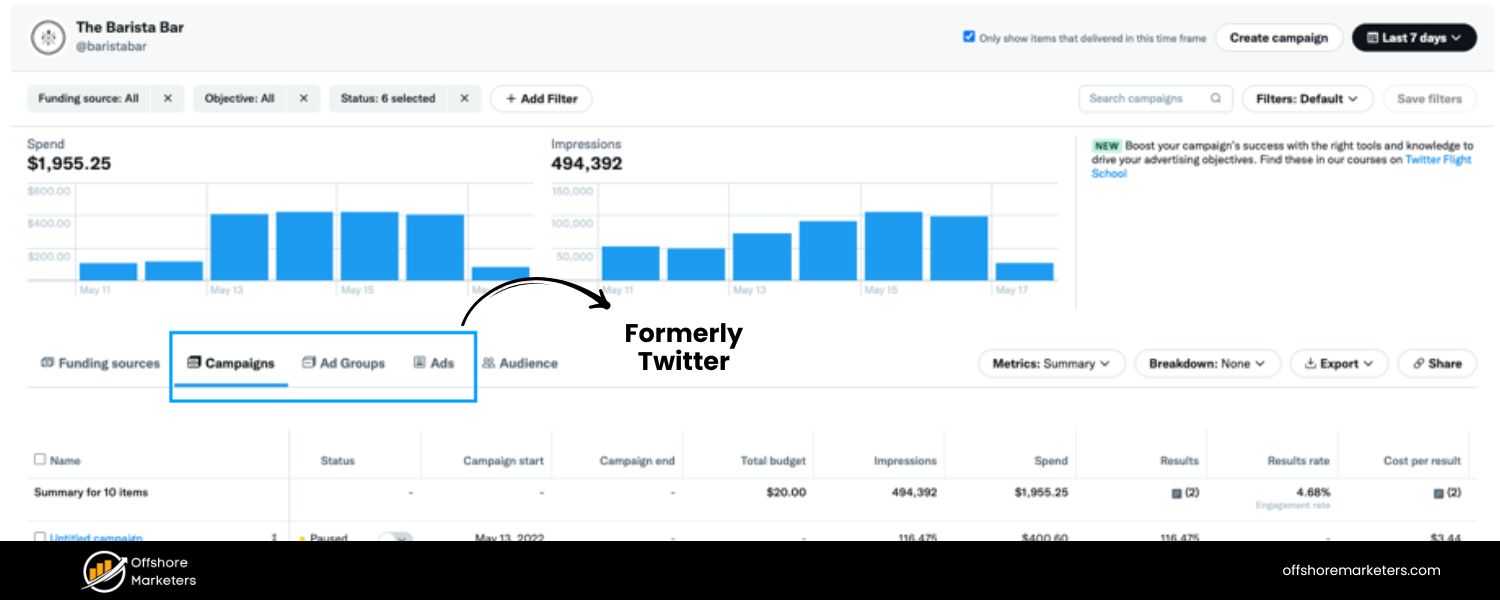
Twitter, rebranded as X in 2023, is known for real-time conversation and trending topics. It has a broad user base (~400+ million users) but is especially frequented by those interested in news, politics, tech, and customer service interactions. People go to X for the latest updates and to discuss what’s happening now.
Advertising strengths on X
Real-time engagement and virality. If your marketing has a timely element (like a live event, a limited-time offer, or capitalizing on a trending topic), X is the place.
Ads on X appear as Promoted Tweets or trends, and they flow into the content where users are already scanning for information. Twitter’s ad targeting includes interests, keywords (you can target people who searched or tweeted certain keywords – unique to X), follower look-alikes (target people similar to followers of a certain account), and more.
Ad formats include promoted text tweets (with or without media), image or video ads, Carousel ads, and also Follower Ads which specifically aim to grow your follower count (useful for brand building/community).
Twitter also has Amplify (pre-roll video ads on video content) and Takeover ads (trending topic sponsorships, etc.), typically for bigger budgets.
Tips for X Ads
Keep your ads short, sharp, and relevant. Twitter’s pace is fast, so a concise message (with a strong hook in the first line of text) is crucial. Use relevant hashtags if it makes sense (one or two max) to join conversations, especially if you’re adding to a trending topic.
For example, during a big sports event or cultural moment, a cleverly timed promoted tweet that tags the event can get a lot of engagement. Utilize Twitter’s keyword targeting to reach users actively discussing something related to your product, this can capture high intent.
Also, consider using Promoted Trends or Moments if you have a budget and a big campaign; they can put your brand at the forefront of the conversation (e.g., sponsoring a trending hashtag for a day). Twitter users appreciate wit and value; ads that provide useful info, a special offer, or are humorous/relevant to current events tend to perform well.
Visuals (images/videos) in tweets grab more attention than text-only, even a simple graphic can increase engagement. And if your goal is to build an audience on X, running Follower Ads can be effective – just make sure your profile is appealing and you have regular organic tweets, because users will check your profile before following.
Lastly, be responsive on X – if people reply to your promoted tweet (questions or even criticisms), responding professionally can turn things in your favor and demonstrate your brand’s attentiveness.
Other Notable Platforms:
The above are the heavy hitters, but depending on your niche, you might also consider Pinterest (great for visually-driven shopping intent, especially in food, fashion, home decor), Snapchat (younger audience, AR lens ads, etc.), YouTube (for video ads – YouTube is sometimes considered its own category but it’s a social/video platform), and emerging networks or ad channels like Reddit (community-focused, good for targeting interests) or Quora (Q&A platform with ads).
Each has its own strengths, but for many businesses, starting with the big five we detailed covers a large portion of potential customers.
By understanding what each platform offers and how to tailor your approach, you can choose the best places to invest your paid social budget. Often, a mix of platforms will work – e.g., perhaps Facebook/Instagram for broad reach plus LinkedIn for targeted B2B leads, or TikTok for brand awareness among youth plus Twitter for real-time engagement. Match the platform to your audience and goals.
Now that we’ve covered the landscape of paid social media and how to succeed in it, let’s peek into the future: what trends are on the horizon that could shape how you approach paid social in the coming years?
The Future of Paid Social Media Advertising: Trends to Watch

Social media marketing never stands still. As technology and user behaviors evolve, paid social strategies must adapt. Here are some key trends and future developments that are shaping the future of paid social advertising – keeping an eye on these will help you stay ahead of the curve:
1. AI-Powered Personalization at Scale
Artificial intelligence and machine learning are increasingly being used to optimize ad targeting and creatives. AI can analyze user data and behavior patterns to automatically create highly personalized ads that resonate with individuals.
We’re moving toward a world where two people might not see the exact same ad, even from the same campaign, the ad could dynamically adjust imagery or text to best fit each viewer. This “hyper-personalization” means ads will feel more relevant and less like generic spam. For marketers, embracing AI tools (many platforms now have AI suggestions for ad copy or automated custom audience creation) can improve performance.
For example, Facebook’s Advantage+ and Google’s Responsive ads already use AI to mix and match creative elements for optimal results. In the future, expect more AI-driven campaign management that can test hundreds of creative variations and hone in on the best in real-time.
2. Programmatic Advertising and Automation
Programmatic ad buying, using automated systems to purchase and place ads (often in real-time auctions), is already standard in display advertising and is growing in social. This automation will likely become more prevalent in paid social, allowing brands (or their agencies) to manage multi-platform campaigns with AI optimizing budgets across them.
According to Gartner’s insights, programmatic technology lets brands dynamically adjust ad spend based on performance to ensure the best ROI, effectively streamlining campaign management and budget optimization.
In practice, this could mean your social ad campaign auto-shifts more budget to TikTok if it’s outperforming Instagram, without manual intervention. As a marketer, gaining skills in using programmatic platforms or working with partners who do can be valuable. It also means speed – campaigns will iterate faster, so staying agile in strategy is key.
3. Cross-Channel Integration and Omnichannel Marketing
The lines between channels are blurring. We’re seeing more integration of social media advertising with other digital marketing efforts to create seamless customer journeys. For instance, someone might see a Facebook ad, then later a display ad on a website, then an email, all coordinated as part of one funnel.
The future is omnichannel, where paid social campaigns integrate with email, search, display, and other channels to consistently message the user and reinforce brand recall. Social platforms themselves are expanding capabilities, e.g., you can send Sponsored Messages on Messenger as follow-ups to Facebook ad engagements, or use CRM data to retarget on social.
As privacy changes (like cookie limitations) come into play, leveraging social platforms (which have rich first-party data) as part of a broader strategy to reach users across touchpoints will be important.
Ensure you’re thinking of the holistic customer experience, the future of paid social is not just about that one ad, but how it fits into an overall narrative a user experiences with your brand.
4. Social Commerce and In-App Purchases
The journey from discovery to purchase on social is getting shorter. Platforms are heavily investing in social commerce features, Instagram and Facebook Shops, TikTok’s shopping integrations, Pinterest’s Buyable Pins, etc. This trend means users will increasingly be able to buy products directly within a social platform after seeing an ad, without being redirected to an external site.
This removes friction and can boost conversion rates. For businesses, this may mean shifting how you approach conversion tracking and possibly even inventory management across platforms. It’s worth exploring these native shopping features if you’re in e-commerce, early adopters often reap benefits.
The more you can streamline the purchase process, the better, as attention spans are short. In the future, a user could see your ad and complete a purchase with just a couple of taps via stored payment info on the platform.
Rise of New Formats (AR, VR, and Interactive Ads)

As technology matures, augmented reality (AR) and virtual reality (VR) may play a larger role in social advertising. We already see AR lenses and filters on Snapchat and Instagram that brands use (e.g., trying on makeup or glasses via a filter).
Expect more immersive ad experiences, perhaps users can virtually place furniture in their room via a social ad, or participate in a 3D interactive mini-game that features a brand. With the talk of the metaverse and companies like Meta pushing VR, there could be ad opportunities in virtual spaces down the line. Interactive ads (polls, playable ads, etc.) also capture attention by letting users engage.
Keeping an eye on these emerging formats and testing them if they align with your audience can set you apart. They provide a novelty factor and can yield higher engagement due to the fun element.
1. Privacy Changes and First-Party Data Focus
The future of advertising is also being shaped by increased privacy regulations and changes (like iOS 14’s impact on tracking, and laws like GDPR). These can make targeting and tracking more challenging.
In response, platforms are adapting with aggregated data solutions, and marketers are focusing on first-party data (data you collect directly from your audience with consent). We might see social platforms offering more tools to use your own data effectively (e.g., better custom audience matching with hashed data) while respecting privacy.
As a trend, be sure to build trust with your audience so they’re willing to share data (like emails) and ensure your tactics comply with evolving privacy standards. It’s possible that contextual targeting (targeting based on content/context rather than individual user profiles) might gain importance again as granular personal targeting becomes trickier.
2. Continued Growth in Influencer and Creator Collaboration
Influencers are becoming an integral part of paid social strategies, not just organically but also in paid amplification (like Spark Ads on TikTok or whitelisting on Instagram). The creator economy is booming, and social platforms are even building marketplaces to connect brands with creators.
Going forward, collaborating with content creators could be considered a form of “paid social” in itself. They produce content that resonates with their followers, and you as the brand inject your message in a more authentic way. These partnerships, when combined with paid promotion, can yield powerful results because they carry the weight of social proof and trust.
Brands may increasingly allocate budget to influencer content production and then use paid ads to scale that content’s reach beyond the influencer’s own followers.
In essence, the future of paid social is set to be more automated, more personalized, more integrated, and more immersive. Staying agile and open to adopting new tools and approaches will be key. The good news: the core principle will remain, delivering the right message to the right audience at the right time. What will change is how we do that, with smarter algorithms and richer media at our disposal.
As we wrap up this deep dive into paid social media, it’s clear that while the tactics may evolve, the opportunity for businesses is only growing. Paid social advertising, when executed with strategy and creativity, can drive real business results, from brand building all the way to bottom-line sales.
Conclusion: Ready to Boost Your Business with Paid Social?
Paid social media advertising has transformed how businesses find and engage customers. It offers an unprecedented ability to amplify your message, precisely target your ideal audience, and drive meaningful actions – all while measuring results in real time. In today’s digital-first world, mastering paid social is no longer optional; it’s a must-have in your marketing toolkit if you want to stay competitive and visible.
We’ve covered a lot of ground in this guide. Let’s quickly recap the essentials:
1. Paid social means paying to promote your content on platforms like Facebook, Instagram, LinkedIn, TikTok, and X, in order to reach specific audiences beyond your organic following. It’s a powerful complement to organic social media, providing immediate reach and targeted exposure.
2. The benefits of paid social are numerous, from precise targeting and quick results, to scalable reach, robust data for optimization, and control over your budget. It can significantly boost brand awareness, engagement, and conversions when done right.
3. However, be mindful of challenges such as ongoing costs, ad fatigue, and the need for savvy management and creative strategy. By addressing these (with tactics like fresh creative rotations, careful targeting, and data-driven tweaks), you can maximize ROI and avoid pitfalls.
4. Crafting a solid paid social strategy involves setting clear goals, knowing your audience, picking the right platforms, budgeting wisely, creating compelling ads, leveraging targeting tools (like retargeting and lookalikes), and continually optimizing based on performance data. Treat it as an iterative process, even small experiments and learning can lead to big improvements over time.
5. We discussed best practices like integrating your paid social with overall campaigns for consistency, prioritizing creative quality and relevancy, using analytics to steer decisions, streamlining cross-platform management, and the power of retargeting to convert interested prospects. These practices separate mediocre campaigns from high-performing ones.
6. Each social platform has its unique strengths: Facebook’s massive reach and advanced targeting, Instagram’s visual engagement, LinkedIn’s professional precision, TikTok’s viral creative potential, and X’s real-time conversations, among others. By playing to each platform’s strengths and tailoring your content accordingly, you can connect with audiences in the ways they prefer.
7. Looking ahead, the future of paid social promises even more personalization (thanks to AI), smarter automation in buying and optimizing ads, deeper integration across marketing channels, and innovative formats (like AR experiences) to captivate users. Staying informed on these trends will help you maintain an edge and adapt your strategies proactively.
Now, the most important part: action. Knowledge is valuable, but results come from implementation. So ask yourself, what’s one thing you can do this week to elevate your paid social media game? Maybe it’s as simple as launching a small Facebook retargeting campaign to re-engage recent site visitors. Or perhaps trying out a new platform like TikTok with a fun video ad. It could even be auditing your existing ads and pausing the low performers to funnel budget into the winners. Every step counts.
The great thing about paid social is that you don’t need to be a giant brand with a massive budget to see impact. Even a modest spend, strategically deployed, can start bringing in new leads or sales for your business. And these platforms make it easy to get started. Most have intuitive interfaces and plenty of tutorials/help centers, plus, you have this guide.
So, are you ready to harness the full potential of paid social media? The sooner you start experimenting and learning, the faster you’ll unlock insights about your audience and what resonates with them. Use those insights to refine your approach, and you’ll build a virtuous cycle of better performance and bigger returns.
In closing, remember that successful paid social advertising comes from a mix of creativity, analysis, and understanding your audience’s needs. Keep the user’s experience at the heart of your campaigns – aim to delight, inform, or genuinely help them, and you’ll find that your ads not only deliver results, but also build positive brand affinity.
Now it’s your turn to make your brand’s voice heard in the social sphere. Jump in, start creating, and let paid social propel your business to new heights! Good luck, and happy advertising.
Why Roseville Startups are Choosing Offshore Marketers to Scale Smarter
Roseville is no longer just a quiet suburb of Sacramento;...
What Is PPC? A Practical Guide to Pay‑Per‑Click Advertising
Pay‑per‑click (PPC) is the “pay only when someone clicks” branch...
Google Search Issues Affecting Results in Some Regions
Google has confirmed a problem with one of its data...
Keyword Counts Dropped After Google’s num=100 Change
In September 2025, Google stopped supporting the &num=100 parameter. This...

Image SEO: Optimize Images for Higher Rankings & Traffic
Introduction Images make your website more engaging, but they can...


.png)
.png)
.png)
.png)
.png)

2024 ALL RIGHTS RESERVED MADE IN INDIA
.png)