
SEO Traffic: 7 Proven Strategies to attract More Visitors
September 2, 2025
Getting your website noticed amid fierce online competition can feel daunting. That’s where SEO traffic comes in, the steady, cost-effective stream of visitors you earn by ranking high in search results.
Unlike paid ads that stop when your budget runs dry, SEO traffic keeps bringing targeted visitors to your site, making it one of the most valuable assets for long-term online growth.
What Is SEO Traffic and Why It Matters
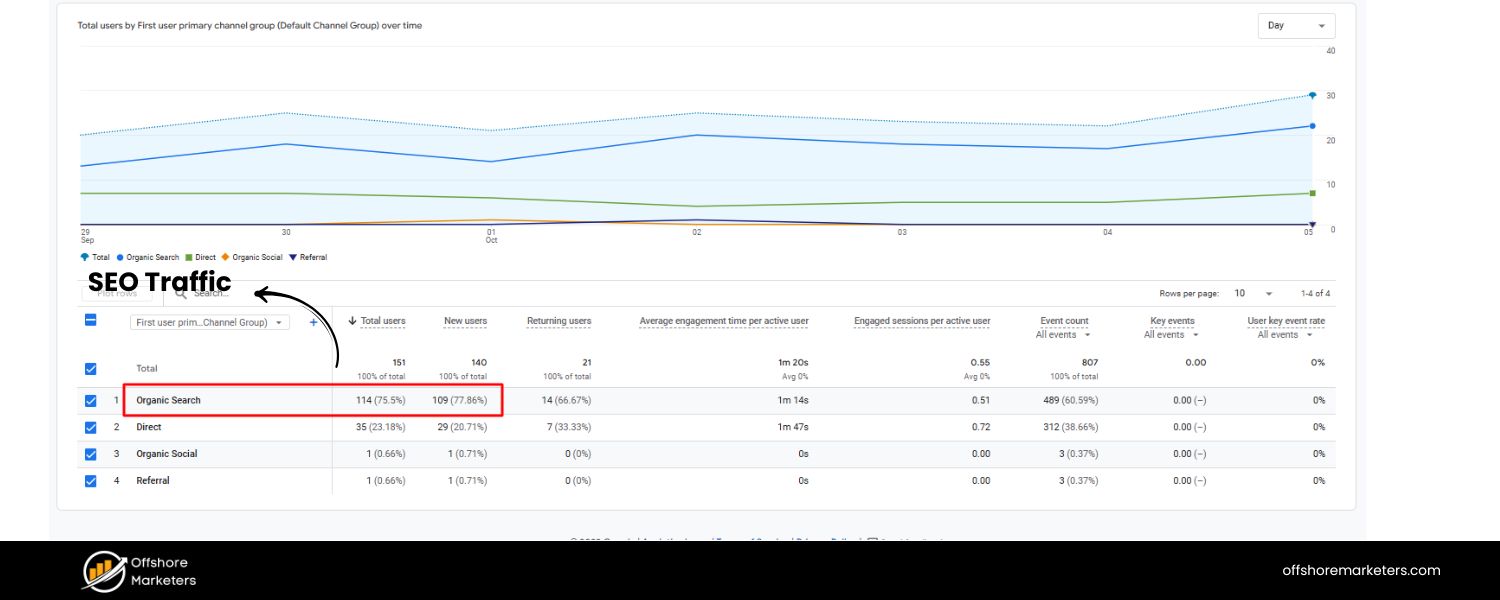
SEO traffic refers to the visitors who land on your website through organic search results on search engines (like Google or Bing) rather than through paid advertisements.
In other words, these are people who searched for keywords related to your content and clicked on your site in the non-sponsored search listings.
This type of traffic is incredibly valuable to businesses. Here’s why SEO traffic matters:
1. Cost-Effective
Organic visitors are essentially free. You aren’t paying for each click as you would with pay-per-click ads.
While SEO efforts (content creation, site optimization) require investment, the traffic itself doesn’t incur per-visitor costs, yielding a high return on investment over time.
2. Highly Targeted
SEO traffic consists of users actively searching for information, products, or services that you offer. Because they find you via relevant keywords, they’re more likely to be interested and convert, whether that means making a purchase, signing up, or engaging with your content.
3. Long-Term & Sustainable
With solid SEO in place, an article or page that ranks well can continue drawing visitors for months or even years. Unlike paid campaigns that vanish when the budget is gone, a top-ranking page can keep generating traffic without additional ad spend.
4. Builds Credibility
Appearing at the top of organic search results often boosts your brand’s credibility. Users tend to trust search engines’ judgment, if Google ranks your site highly, it signals that your content is authoritative and relevant. This trust can translate into higher click-through rates and better engagement.
5. Measurable and Optimizable
Every aspect of SEO traffic can be tracked using tools like Google Analytics and Google Search Console. You can see how many visitors arrive via search, which queries they’re using, and how they behave on your site. This data allows continuous improvement of your strategy.
In short, SEO traffic is the lifeblood of many successful websites. Studies have shown that over half of all website visits originate from organic search, outpacing traffic from paid ads.
Tapping into this source of traffic means tapping into a continual, high-intent audience for your business.
SEO Traffic vs Other Traffic Sources
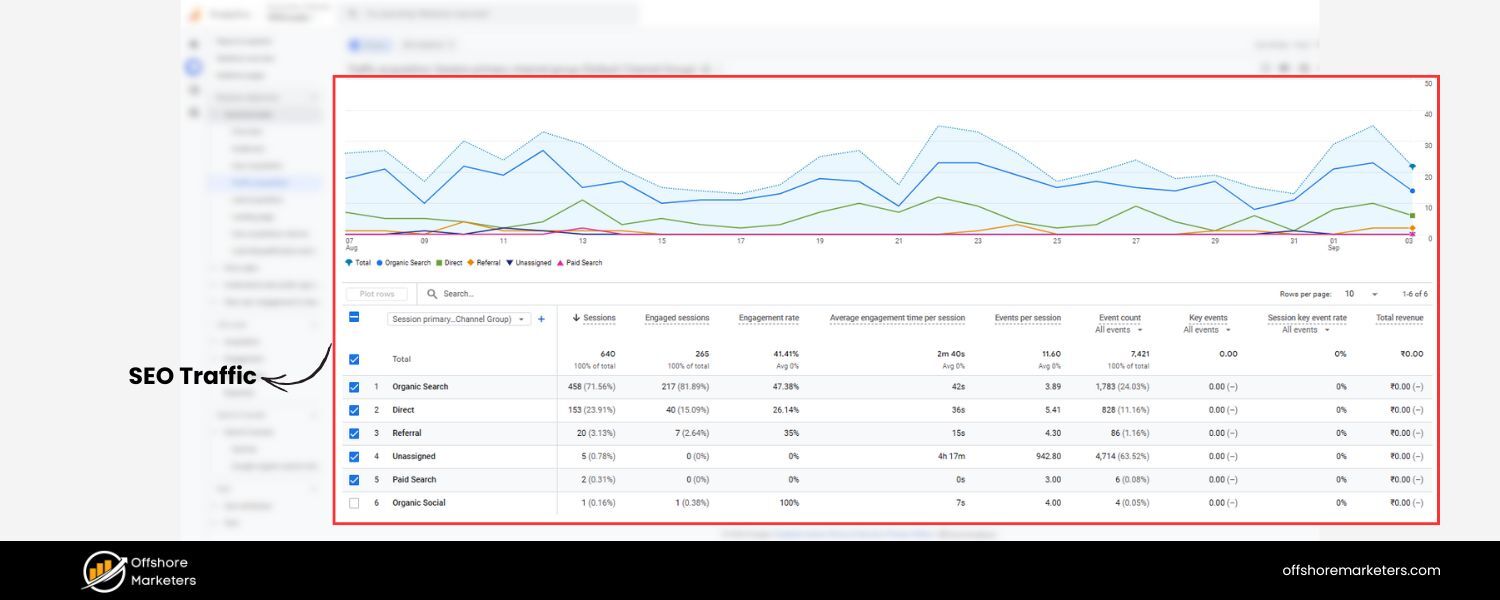
Not all website traffic is created equal. It’s useful to understand how SEO (organic) traffic compares to other common traffic sources:
1. Paid Search Traffic (PPC)
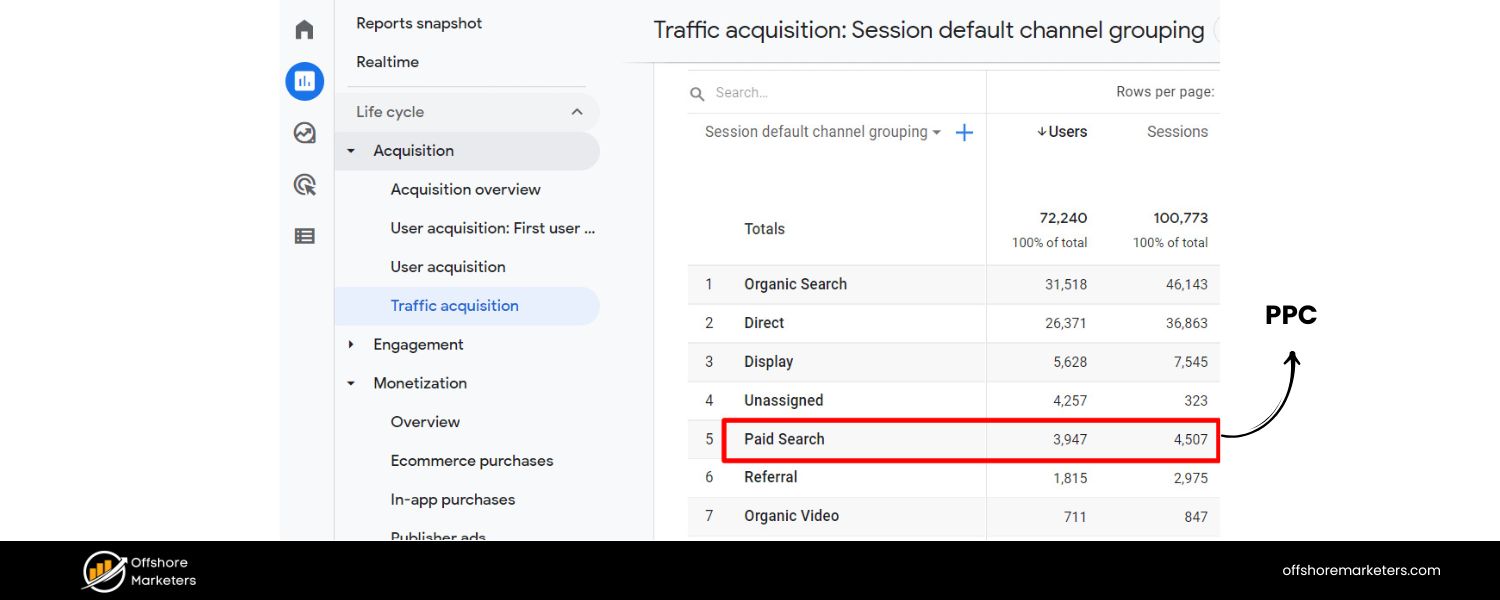
These visitors come from pay-per-click advertising (like Google Ads). Paid search can deliver quick results by placing your site atop the SERPs as an ad. However, it requires continuous spending – once you stop paying, the traffic stops.
Paid traffic is great for immediate visibility and targeted campaigns, but it’s typically less cost-efficient in the long run than SEO traffic.
2. Social Media Traffic
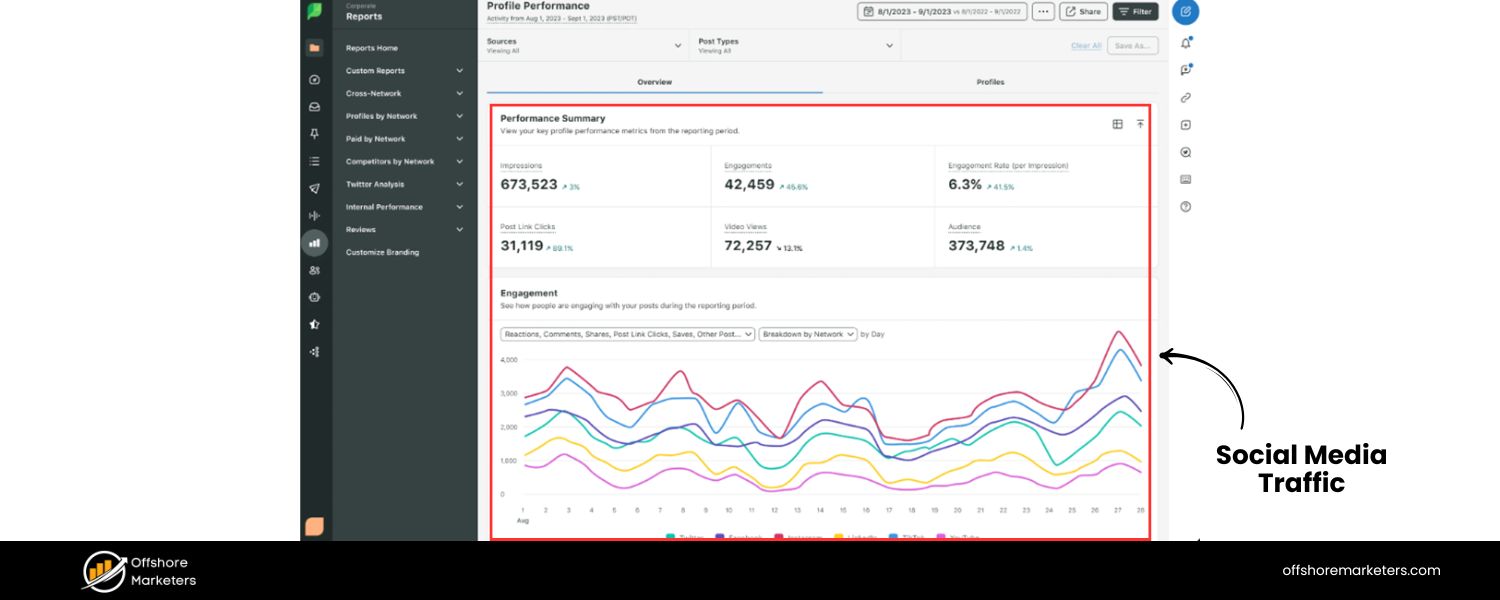
Social platforms (Facebook, Instagram, LinkedIn, Twitter, etc.) can drive visitors who click your shared links or social ads.
Social traffic can spike based on virality and is useful for engagement, but it’s often less consistent and can be influenced by changing algorithms. Additionally, users on social media may not have the same purchase intent as someone actively searching on Google.
3. Referral Traffic
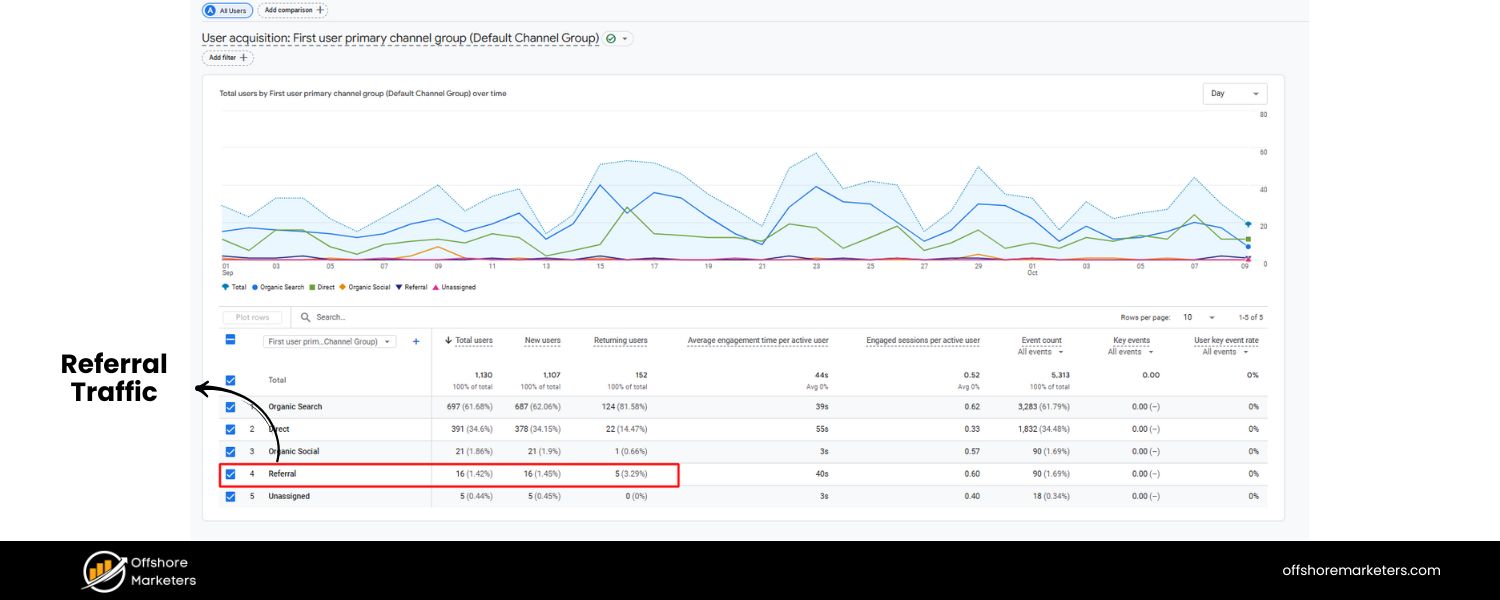
Referral visitors arrive by clicking links on other websites (for example, a blog post that mentions your site). This can be valuable – especially if the referring site is reputable and relevant – and it often complements SEO efforts (quality backlinks also boost SEO). Yet, referral volumes depend on others linking to you, which can be hard to control proactively.
4. Direct Traffic
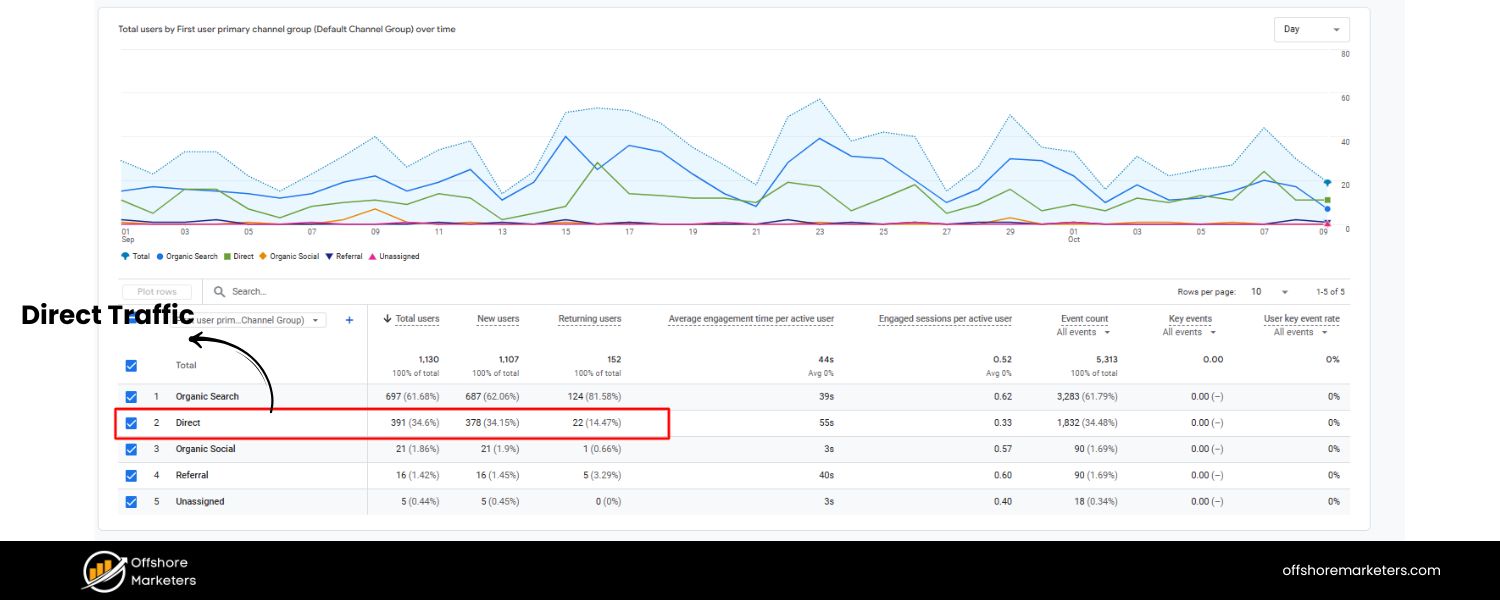
Direct traffic represents people who visit by typing your URL directly into their browser or via bookmarks. These are often repeat visitors or those who learned of your site offline.
While direct traffic indicates strong brand recognition, it’s usually grown over time through other marketing efforts (including SEO and advertising).
Each channel has its place in a balanced digital marketing strategy. That said, organic SEO traffic stands out because of its sustainability and high intent.
In fact, a significant portion of overall web traffic comes from organic search. By focusing on SEO traffic, you’re investing in a channel that consistently brings you interested visitors without needing to pay for every click.
Key Metrics to Track SEO Traffic Success

To make the most of SEO traffic, you need to measure it. Tracking key metrics helps you understand how your SEO efforts are performing and where to improve. Important SEO traffic metrics include:
1. Organic Visitors
The number of users who reach your site via unpaid search results. Growth in organic visitor count is a primary indicator of SEO success.
2. Impressions
How often your site appears in search results (even if not clicked). If your pages are showing up more frequently for relevant queries, it means your visibility is improving.
3. Click-Through Rate (CTR)
The percentage of people who click your listing after seeing it in search results. A higher CTR means your title and description are appealing and relevant to searchers.
Improving CTR (through better meta titles/descriptions) can yield more traffic even without changing rankings.
4. Bounce Rate
The percentage of visitors who leave after viewing only one page. A high bounce rate from organic traffic might indicate that the page didn’t meet the searcher’s needs or expectations.
Reducing bounce rate (by improving content relevance and user experience) can signal quality to search engines and keep visitors engaged.
5. Conversions
Ultimately, traffic is only as valuable as what visitors do on your site. Track conversions (sales, sign-ups, inquiries, etc.) from organic traffic to gauge the true business impact of your SEO.
If lots of visitors come but few convert, you may need to target different keywords or improve on-page calls-to-action.
Using free tools like Google Analytics and Google Search Console (alongside other SEO platforms) makes it easy to monitor these metrics.
For example, Google Analytics will tell you how many organic users you got this month, while Search Console shows which queries are driving that traffic and how users engage with your results.
Regularly reviewing this data helps you refine your SEO strategy to drive not just more traffic, but the right traffic.
7 Strategies to Boost Your SEO Traffic
Achieving strong SEO traffic isn’t random – it comes from deliberate optimizations and content strategy. Here are seven proven strategies, drawing on decades of marketing experience, to increase your website’s organic traffic:
1. Conduct Keyword Research & Optimization
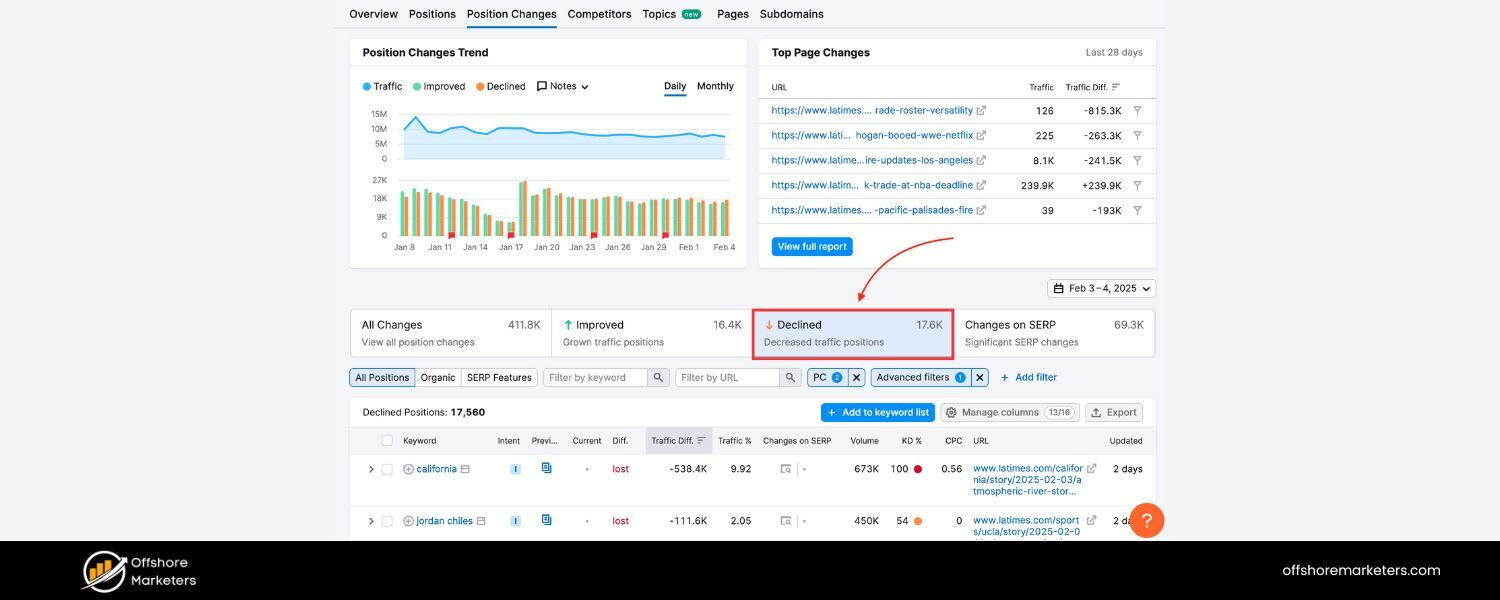
Keywords are the search terms your audience types into Google. Researching the right keywords is the foundation of SEO success. Start by identifying keywords and phrases relevant to your business and content. Look for terms that have substantial search volume but also align closely with what you offer.
There are many keyword research tools (Google’s Keyword Planner, Semrush, Ahrefs, etc.) that can help you discover popular search queries in your niche.
Once you have a list, prioritize long-tail keywords (longer, more specific phrases) alongside core terms. Long-tail keywords often have lower competition and indicate clear intent (for example, “best running shoes for flat feet” vs. just “running shoes”). By targeting these, you can capture highly interested subsets of your audience with less SEO competition.
After choosing target keywords, optimize your content around them:
A. Incorporate primary keywords naturally into your page titles, headings (H1, H2), and throughout the body text. Ensure the usage feels organic and reader-friendly, not forced (avoid keyword stuffing, which can hurt your rankings).
B. Use related semantic keywords and variations of your key terms. This helps search engines understand the topic breadth and improves your chances of ranking for a variety of related searches.
C. Pay attention to keyword intent. For each page, ask: What is the searcher really looking for when they use this query?
Aligning your content with that intent will make it more likely to rank and satisfy visitors (more on search intent below).
Regular keyword optimization ensures you’re covering the terms your potential visitors use, maximizing your opportunities to capture organic traffic.
2. Align Content with Search Intent
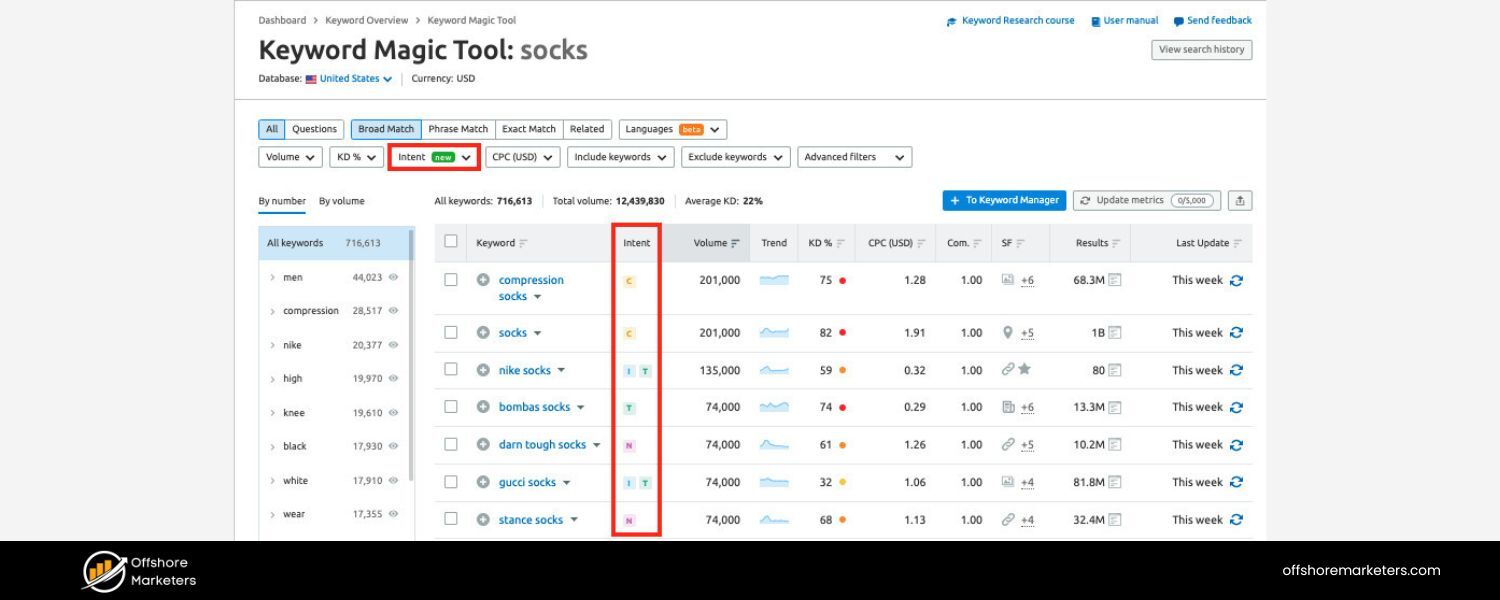
Understanding search intent, the why behind a query, is crucial. Google and other search engines strive to deliver results that best match what the user is trying to accomplish. There are a few primary types of intent:
A. Informational
The user wants to learn something (e.g., “how to increase website traffic”).
B. Navigational
The user is looking for a specific website or page (e.g., “Facebook login page”).
C. Commercial (Investigation)
The user is researching before a purchase or comparing options (e.g., “best SEO tools 2025”).
D. Transactional
The user intends to make a purchase or take an action (e.g., “buy running shoes online”).
For SEO traffic, focusing on informational and commercial search intents often means creating high-value content that educates or guides the user, since those attract broad organic audiences.
Ensure that each page on your site clearly satisfies the primary intent behind its target keywords:
A. If someone searches a question, your content should directly answer that question (and likely expand on it with additional helpful info).
B. If the query implies the user is comparing or evaluating options, consider including comparisons, product reviews, or testimonials in your content.
C. For transactional intents (like product or service keywords), optimize product pages or landing pages with clear information and strong calls-to-action, since the goal is to convert that traffic immediately.
By matching your content format and information to what searchers want, you not only improve your rankings but also keep visitors on your site.
Satisfied visitors (lower bounce rates, longer time on page, more engagement) send positive signals to search engines that can further boost your SEO performance.
3. Publish High-Quality, Relevant Content

There’s a well-known saying in SEO: “Content is king.” High-quality content is the engine that drives SEO traffic. From blog articles and how-to guides to product descriptions and videos, the content you publish needs to provide real value to your audience. Here’s how to ensure your content stands out:
A. Depth and Originality
Cover topics more comprehensively than your competitors. Use your expertise (e.g., insights from 25+ years in marketing) to offer original perspectives, up-to-date data, and practical examples. Avoid thin or surface-level posts; instead, aim to become the go-to resource on the topics you cover.
B. Engaging and Readable
Write in a clear, conversational tone that resonates with your audience. Break up text with headings, bullet points, and visuals to make it easily scannable.
Engaging content, using storytelling, examples, or analogies, keeps people on the page longer and encourages them to explore more of your site.
C. Freshness
Update your content regularly, or produce new content consistently. Search engines favor sites that continually add relevant information.
If you have older posts that still draw traffic, revise them with current statistics or insights (this can boost their rankings and extend their life). Regular blogging or content updates signal that your site is active and authoritative.
D. E-E-A-T Principles
Google values content that demonstrates Experience, Expertise, Authoritativeness, and Trustworthiness (E-E-A-T). You can boost these factors by citing credible sources for facts, showcasing author credentials or experience, and earning mentions or links from other trusted websites in your industry. High E-E-A-T makes your content more trustworthy to both users and search engines.
Remember, the ultimate goal is to satisfy the user. If your content fully answers questions, solves problems, or provides unique value that others don’t, it will naturally attract more visitors and even earn backlinks (which further increase SEO traffic).
High-quality content not only improves rankings but also converts those visitors into loyal readers or customers.
4. Optimize On-Page Elements
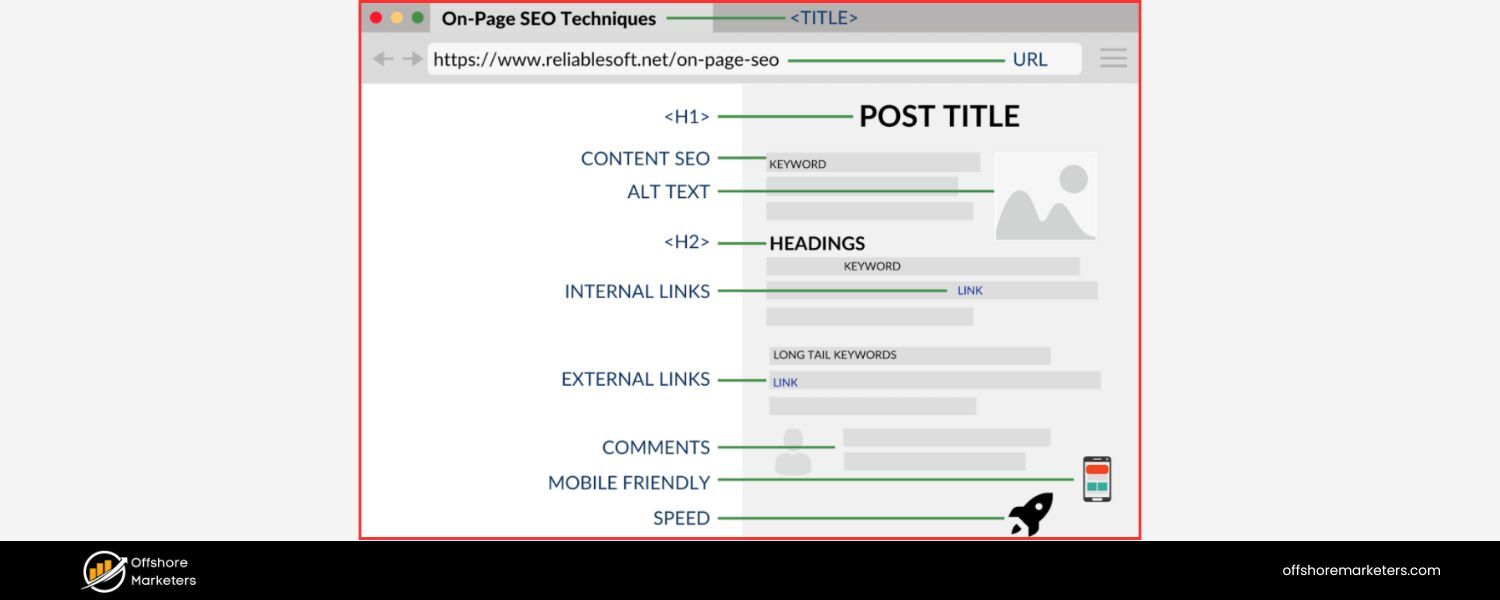
On-page SEO is about perfecting all the elements on your website to make it search-friendly and appealing to users. When your pages are well-optimized, search engines can better understand and rank your content – and users are more likely to click and stay. Key on-page elements to focus on include:
A. Title Tags
This is the title that appears in search results for your page. Include your primary keyword and make it enticing. For example, instead of a bland title like “SEO Tips,” you might use something like “10 SEO Tips to Boost Your Website Traffic.” It’s descriptive and compelling, increasing the chances of a click.
B. Meta Descriptions
While not a direct ranking factor, a good meta description (the snippet shown under your title in search results) can improve your CTR. Summarize the page in one persuasive sentence, include a relevant keyword, and give users a reason to click.
For example: “Learn proven strategies to increase your organic traffic and attract more customers with this comprehensive guide.”
C. Headings (H1, H2, H3)
Use headings to structure your content logically. The H1 (usually your page or post title) should include the main topic/keyword and clearly indicate what the page is about. Subheadings (H2s, H3s) break down the content into sections.
Many readers scan, so informative subheadings (that may even include secondary keywords) help them quickly find what they need – and help search engines grasp the page structure.
D. Keyword Usage
Naturally weave your target keywords into the content, especially in the opening paragraph and in headings or subheadings. Also use synonyms and related phrases. The goal is to signal relevance without overdoing it – readability comes first.
If a keyword doesn’t fit smoothly, rephrase it or use a variation. Avoid old-school “keyword stuffing” (repeating keywords too often), as it harms user experience and can hurt your rankings.
E. Internal Links
Link to other relevant pages on your site where appropriate. This helps distribute page authority throughout your site and guides users to additional useful content.
For example, if you mention content marketing in a post about SEO traffic, and you have a detailed blog post on content marketing, link to it. Internal links keep visitors engaged longer and help search engines discover your other pages.
F. Images and Alt Text
Visuals can make your content more engaging. Optimize images by compressing them (to improve page speed) and using descriptive file names. Always add alt text for images – a short text description of the image.
Alt text improves accessibility for visually impaired users and also lets search engines understand the image content, which can contribute to your SEO (and allow your images to rank in image searches).
G. URL Structure
Use clean, descriptive URLs that include keywords and clearly reflect the page topic. For instance, yourwebsite.com/seo-traffic-tips is better than yourwebsite.com/page?id=12345. Short, meaningful URLs are more user-friendly and can provide a slight SEO edge.
H. Mobile-Friendliness
Ensure that your page design is mobile-responsive and looks good on all screen sizes. A majority of web traffic now comes from mobile devices, and Google uses mobile-first indexing (meaning it predominantly evaluates the mobile version of your site).
A mobile-friendly page prevents users from bouncing due to poor usability and can positively impact your rankings.By fine-tuning these on-page elements, you make it easy for search engines to index and rank your content appropriately. You also enhance user engagement, a win-win for driving more organic traffic.
5. Build Quality Backlinks (Off-Page SEO)

Backlinks – links from other websites to yours – remain one of the most influential off-page SEO factors. When credible sites link to your content, search engines see it as a vote of confidence, an indication that your page is authoritative and worth ranking. To boost SEO traffic, focus on earning quality backlinks:
A. Create Link-Worthy Content
Often, the best way to attract backlinks is by publishing exceptional content that others naturally want to reference. This could be original research, in-depth guides, insightful blog posts, infographics, or useful tools/resources.
When your content is truly valuable or unique, other website owners and bloggers are more inclined to link to it as a reference or share it with their audiences.
B. Outreach and Relationships
Don’t just wait for links to come, be proactive. Reach out to industry blogs, news sites, or influencers in your niche to let them know about your great content. Sometimes a polite, personalized email suggesting how your article could complement a piece they wrote can result in a backlink.
Building genuine relationships with others in your industry (through networking events, social media, or online communities) can naturally lead to collaboration and linking opportunities over time.
C. Guest Posting
Writing guest articles for other reputable websites in your field can help you secure high-quality backlinks (usually in your author bio or within the content if appropriate).
Guest posting not only earns links, but also introduces you to new audiences and establishes you as an expert. Just ensure that the sites you contribute to are relevant and respected – a guest post on a well-regarded site is far more valuable than dozens on low-quality sites.
D. Directories and Citations
For local businesses, getting listed in respected online directories (like Google Business Profile, Yelp, industry-specific directories) not only helps customers find you but can also contribute to SEO.
These listings often provide a backlink or citation of your business. Ensure your business name, address, and phone number are consistent across these platforms.
E. Avoid Spammy Tactics
When building backlinks, quality beats quantity. A few links from high-authority, relevant websites will have a greater impact on your SEO traffic than hundreds of links from unrelated or low-quality sites.
Resist the temptation to buy links or participate in link schemes – search engines are very good at identifying unnatural link patterns, and they can penalize your site. Focus on earning links through merit and outreach, which will stand the test of time.
Building a strong backlink profile takes time and effort, but it pays dividends in boosting your site’s authority and rankings. As your backlink count and quality grow, you’ll likely see your content climb higher in search results – leading to more organic traffic.
6. Improve Technical SEO

Technical SEO covers the behind-the-scenes aspects of your site that help search engines crawl, index, and understand your content. A technically sound website provides a strong foundation for all your other SEO efforts. Here are key technical SEO areas to consider:
A. Site Speed
Faster websites provide a better user experience and are favored by search engines. Compress images, minify code, leverage browser caching, and consider using a content delivery network (CDN) to serve your site quickly. A slow site can frustrate users (leading them to leave) and can negatively impact your rankings. Aim for pages to load in just a few seconds or less.
B. Mobile Optimization
Ensure your site is mobile-friendly (uses responsive design). Test your website on various mobile devices and screen sizes to confirm it displays and functions properly.
Google’s algorithms primarily use the mobile version of your site for indexing (mobile-first index), so any page that isn’t mobile-optimized will likely suffer in rankings.
Simple mobile-friendly practices include readable text without zooming, content fitting on the screen (no horizontal scrolling), and buttons/links that are easy to tap.
C. Crawlability
Search engine bots need to crawl your site’s pages to index them. Help them out by creating an XML sitemap that lists all important pages and submitting it to search engines via Google Search Console (and Bing Webmaster Tools).
Also, check your robots.txt file to ensure you’re not accidentally blocking pages that should be crawled. Fix or redirect any broken links (404 errors) so that both users and search bots can navigate your site without hitting dead ends.
D. Indexing
Just because a page is crawlable doesn’t guarantee it’s indexed (included in search results). Use Google Search Console to monitor which pages are indexed and see if any are excluded due to errors.
If you have important pages not indexing, investigate why (it could be a meta tag like noindex or low-quality content).
Additionally, implementing structured data (schema markup) on your pages can enhance how your content appears in search results. For example, adding FAQ schema or review schema can create rich snippets that stand out and potentially improve your click-through rates.
E. Secure, User-Friendly URLs
Use HTTPS encryption on your site – not only is it a minor ranking factor, but it also ensures your users’ connections are secure (browsers will warn users if a site isn’t HTTPS, which can hurt trust).
Maintain a logical URL structure with clear directories or categories if applicable; a well-organized site structure helps search engines understand context and hierarchy of your pages. Also, avoid messy URLs with random characters – clean URLs that include keywords are preferred.
F. Core Web Vitals
Google’s Core Web Vitals are a set of performance and user experience metrics, specifically: Largest Contentful Paint (loading performance), First Input Delay (interactivity), and Cumulative Layout Shift (visual stability). I
n plain terms, these measure how quickly your page loads its main content, how responsive it is to user actions, and whether the layout shifts around as it loads. Ensure your site meets the recommended thresholds for these metrics.
Optimizing for Core Web Vitals can give you a slight ranking boost and, more importantly, it means a better experience for your visitors.
Regular technical audits of your site ensure that hidden issues aren’t sabotaging your SEO. Think of technical SEO like tuning the engine of a car – without it, all the great content and keywords won’t get you far if search engines struggle to access or trust your site.
7. Leverage Local SEO (If Applicable)
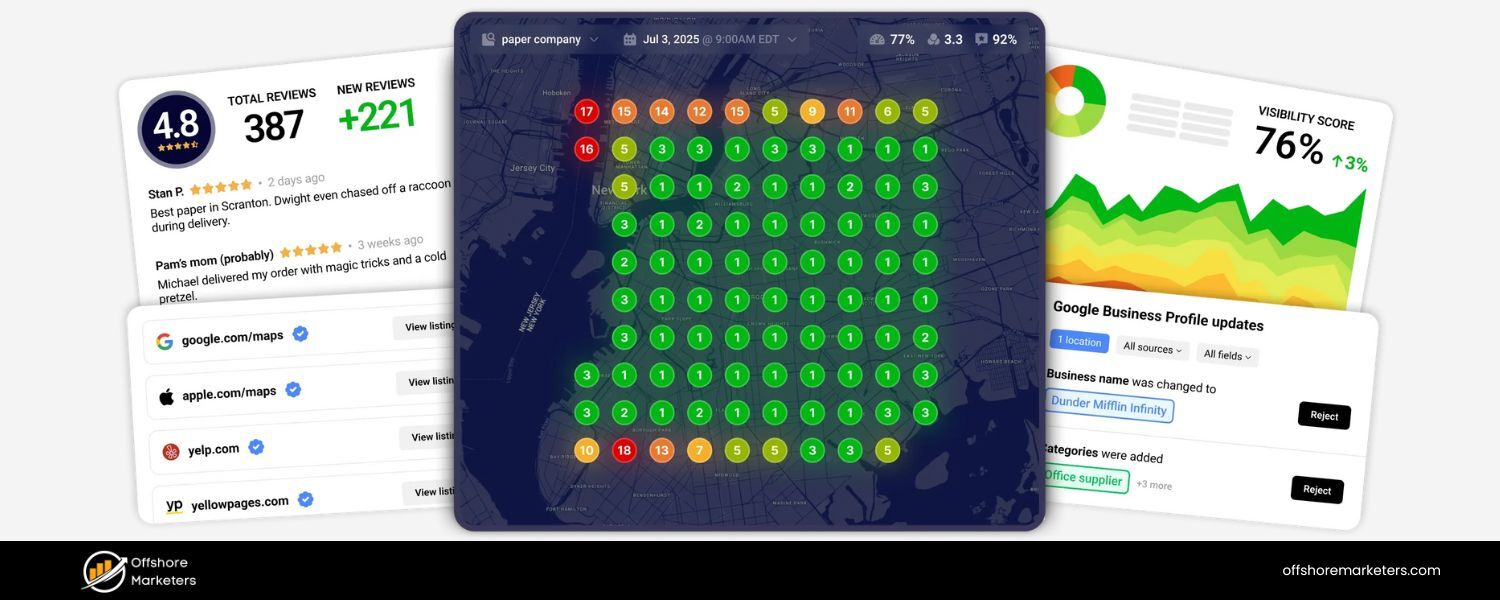
If your business has a local presence – say a brick-and-mortar store or a defined service area, then local SEO is an important part of driving organic traffic.
Local SEO focuses on getting your site (and business information) to rank well for location-based searches (e.g., “dentist in [Your City]” or “best pizza near me”). To capture local SEO traffic, consider these tactics:
A. Google Business Profile
Claim and optimize your Google Business Profile (formerly Google My Business). Ensure your address, phone number, business hours, and description are accurate and up-to-date.
Add photos of your business and respond to customer reviews. A well-maintained Google Business listing increases your chances of appearing in Google’s local pack and Google Maps results, which can drive both website visits and foot traffic.
B. Local Keywords
Incorporate local identifiers in your content when relevant. For instance, if you’re a law firm in Denver, your homepage title might be “Family Law Attorneys in Denver, CO.”
Include your city or region in key places (titles, headings, body text) on pages where local relevance matters. This helps search engines associate your site with that location. Just be careful to keep it natural – don’t force the city name in every other sentence.
C. Citations and Directories
Get listed in popular online directories and local listings. Sites like Yelp, Yellow Pages, TripAdvisor, Angie’s List, or industry-specific directories can improve your local visibility.
Ensure that your NAP (Name, Address, Phone) information is consistent across all these platforms, consistency boosts your credibility in the eyes of search engines. Even if some directories don’t provide direct SEO “link juice,” they can still send referral traffic and signal legitimacy.
D. Localized Content
Create content that resonates with local readers. This could be blog posts about local events or news related to your industry, case studies of work you did in your city, or service area pages targeting specific suburbs or neighborhoods.
Local content can attract local backlinks and show that you’re engaged with the community, both of which can aid your local SEO efforts.
E. Reviews and Ratings
Encourage satisfied customers to leave reviews on your Google Business Profile and other relevant review sites. Reviews not only influence prospective customers but also factor into local search rankings. A business with many positive reviews will generally rank better locally than one with no or poor reviews.
Make it part of your process to ask for reviews, and always respond professionally to both praise and complaints, interaction shows that you value customer feedback.
By tailoring your SEO strategy to the local landscape, you capture organic traffic from people in your geographic area who are highly likely to convert.
Local SEO efforts combined with broader SEO practices ensure you’re covering all bases, attracting visitors from around the world, as well as those right in your neighborhood.
Monitoring, Patience, and Continuous Improvement
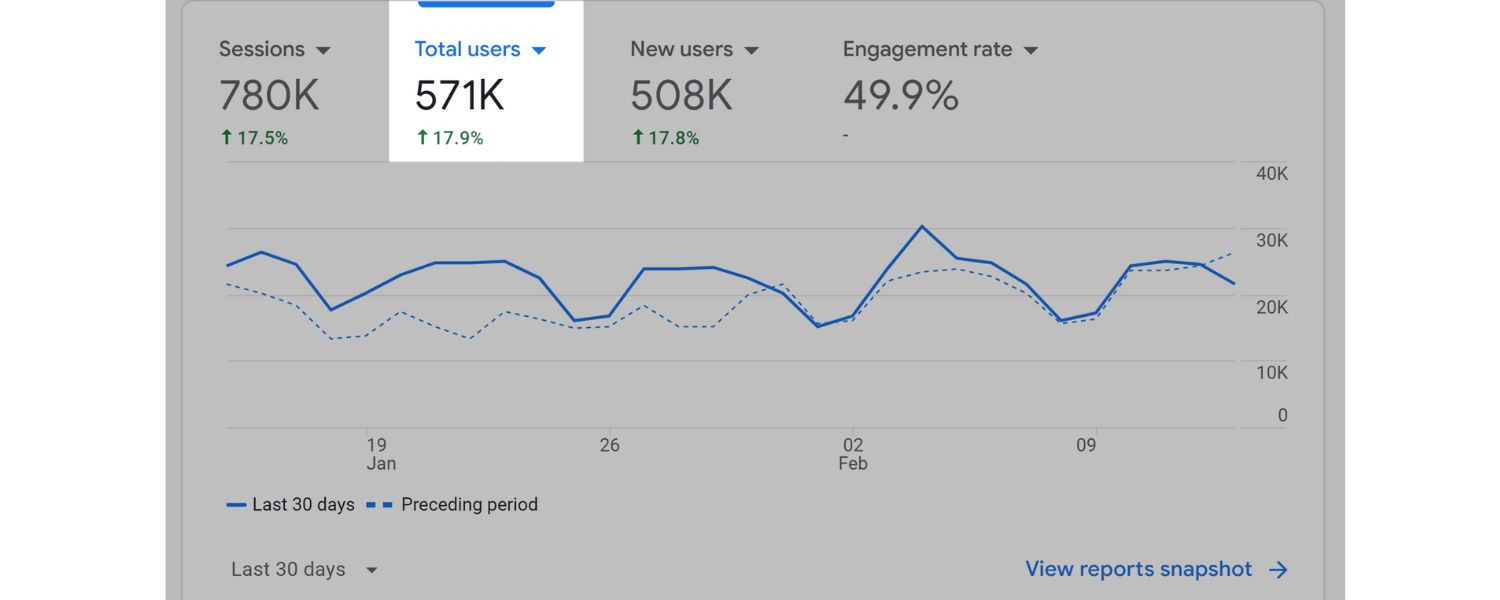
Increasing SEO traffic is a gradual process. It’s important to monitor your results and stay patient as your optimizations take effect. Keep an eye on your analytics and Search Console data to see which strategies are working best.
Perhaps your new blog posts are climbing in rankings thanks to improved content, or maybe a technical fix led to a spike in indexed pages, use these insights to double down on what’s effective.
Also, be prepared to adapt. Search engine algorithms update frequently (Google alone makes hundreds of changes each year, including major core updates).
These updates can shift how traffic is distributed. By staying informed about SEO news and algorithm changes, you can adjust your approach proactively.
For instance, if Google rolls out an update prioritizing page experience or “helpful content,” you might invest more in site usability or content depth to stay ahead.
Remember that SEO is not a one-time project but an ongoing effort. Regularly audit your site, refresh or expand old content, continue building quality backlinks, and experiment with new keywords or content formats. Over time, these continuous improvements compound, and the SEO traffic gains can be substantial.
Conclusion: Start Growing Your SEO Traffic Today
SEO traffic has the potential to transform your website from a trickle of visitors to a steady stream of engaged audience members. By focusing on the strategies outlined above, from smart keyword targeting and intent-driven content to technical excellence and outreach, you can steadily increase the flow of organic visitors coming to your site.
Keep in mind that the real power of SEO traffic lies in its longevity and relevance: the visitors you earn through search are actively seeking what you offer, and each optimization you implement can pay off in traffic for a long time to come.
The key is to get started and stay consistent. Implement these strategies step by step, and track your progress. Over time, you’ll not only see higher traffic numbers, but also more engaged users and growing conversions.
In a digital world where attention is currency, investing in SEO to grow your organic traffic is one of the smartest marketing moves you can make.

Why Roseville Startups are Choosing Offshore Marketers to Scale Smarter
Roseville is no longer just a quiet suburb of Sacramento;...
What Is PPC? A Practical Guide to Pay‑Per‑Click Advertising
Pay‑per‑click (PPC) is the “pay only when someone clicks” branch...

Google Search Issues Affecting Results in Some Regions
Google has confirmed a problem with one of its data...

Keyword Counts Dropped After Google’s num=100 Change
In September 2025, Google stopped supporting the &num=100 parameter. This...

Image SEO: Optimize Images for Higher Rankings & Traffic
Introduction Images make your website more engaging, but they can...


.png)
.png)
.png)
.png)
.png)

2024 ALL RIGHTS RESERVED MADE IN INDIA
.png)