
What Is ChatGPT? The AI Chatbot Revolution Explained
September 8, 2025
ChatGPT is a generative AI chatbot developed by OpenAI and launched to the public in late 2022. In simple terms, it’s an artificial intelligence program that can engage in human-like conversations, answer questions, write content, and even generate images or code based on user prompts.
ChatGPT became an overnight sensation – by January 2023 it was the fastest-growing consumer app in history, reaching over 100 million users in just two months. Its meteoric rise has marked a turning point in the tech world, sparking a global AI boom and making “ChatGPT” a household name.
Meet ChatGPT: The AI Chatbot Making Waves

At its core, ChatGPT is an advanced language model – “GPT” stands for Generative Pre-trained Transformer, referring to the neural network architecture that powers its responses.
Essentially, the system was trained on a massive collection of text from the internet and then fine-tuned with human feedback to behave like a helpful conversational agent.
The result is a chatbot capable of producing answers that often feel remarkably human in tone and nuance. OpenAI, the research lab behind ChatGPT (co-founded by entrepreneurs including Elon Musk and Sam Altman), first released the chatbot on November 30, 2022.
Since then, OpenAI has offered ChatGPT as a freemium service – anyone can create a free account to use it, while a paid subscription (ChatGPT Plus) provides access to more advanced features and faster responses.
What sets ChatGPT apart from earlier chatbots is the quality and versatility of its answers. The AI can understand a user’s question or prompt and respond with paragraphs of coherent, contextually relevant text.
It remembers details from earlier in the conversation and can refer back to them, allowing for dynamic, flowing dialogue. The chatbot has been lauded as a revolutionary tool, with observers noting its potential to transform numerous professional fields and everyday tasks.
In fact, as of May 2025, ChatGPT’s website ranks among the top 5 most-visited websites in the world – a testament to the immense public interest in this technology.
How Does ChatGPT Work?
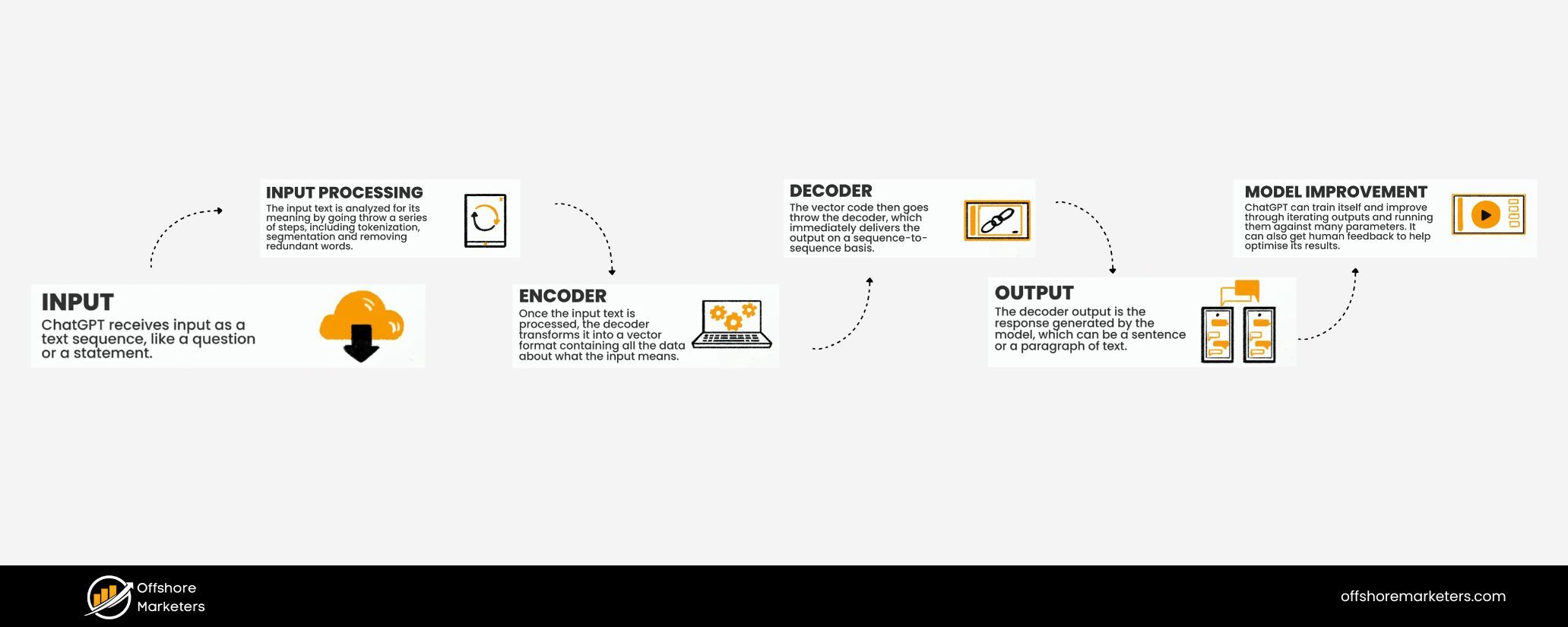
ChatGPT might feel like magic, but under the hood, it’s driven by advanced machine learning. The system uses deep neural networks (specifically the Transformer architecture) to predict text, much like an auto-complete on steroids.
When you ask ChatGPT a question, the model analyses your prompt and generates a response by selecting words based on patterns it learned during training.
The “pre-trained” part means it has already digested huge amounts of written language, from books to websites, giving it a broad base of knowledge. OpenAI then finetuned ChatGPT with human feedback – essentially showing it many example conversations and teaching it to give helpful, safe answers.
This training process, known as reinforcement learning from human feedback (RLHF), is what makes ChatGPT’s replies more aligned with users’ expectations.
Importantly, ChatGPT’s capabilities have improved over time as OpenAI updates the underlying model. The original public release was based on the GPT-3.5 model, and later, a more powerful GPT-4 model was offered to premium users.
Currently (2025), ChatGPT runs on OpenAI’s latest GPT-5 model, which not only produces even more sophisticated text but can also handle speech and image inputs and outputs.
In practice, this means you can talk to ChatGPT by voice, show it a picture, or ask it to generate an image, and it will respond in kind. The
Transformer technology enables all these modes by processing sequences of data (words or pixels) and generating predictions. In summary, ChatGPT works by predicting the most likely “best” answer based on what it has learned – an approach that allows for impressive results, though it doesn’t truly “understand” in a human sense.
What Can ChatGPT Do?
One reason ChatGPT has captured the world’s attention is its wide range of abilities. You can think of it as a Swiss-Army knife for language and knowledge tasks. Here are just a few examples of what ChatGPT can do:
1. Answer Questions & Explain Concepts
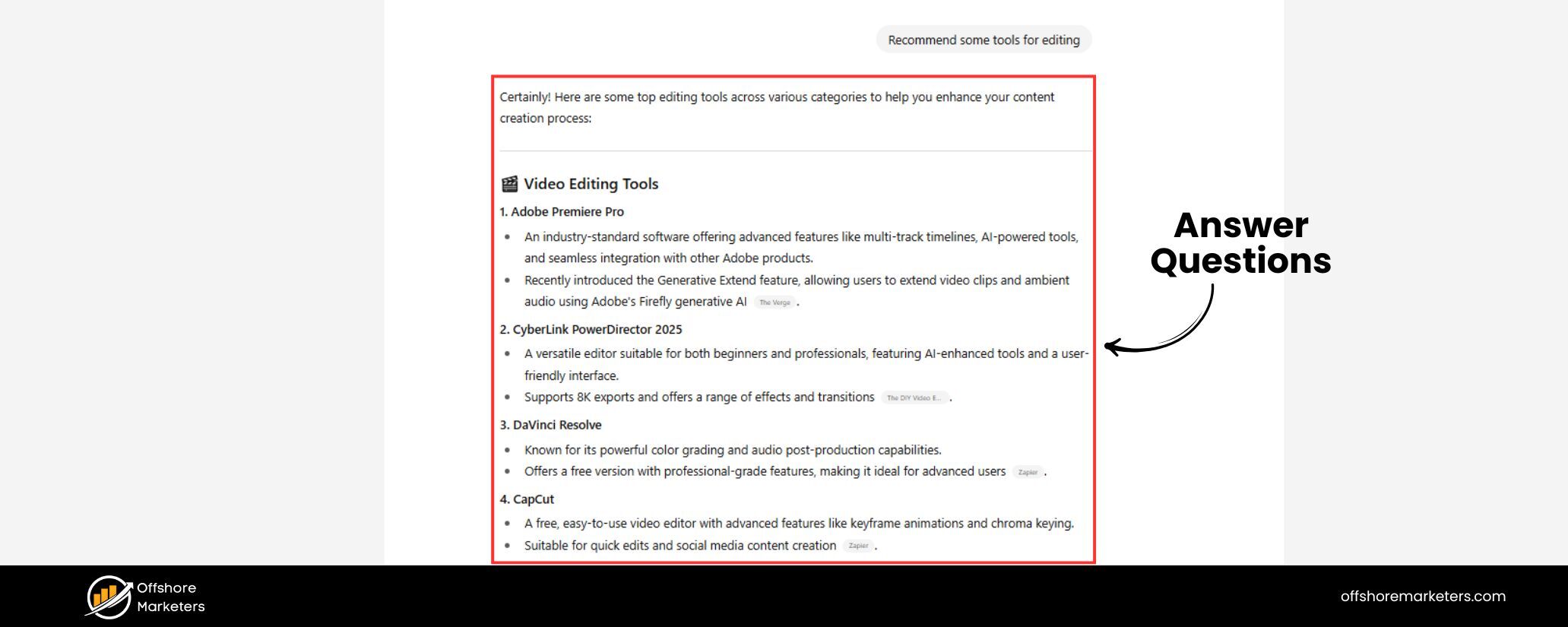
You can ask anything from trivial facts to complex scientific theories. For instance, ChatGPT can explain quantum physics in simple terms or tell you the capital of a country.
It excels at general knowledge Q&A and can break down difficult topics into digestible answers. Its articulate, well-structured explanations often feel like those of a knowledgeable human tutor.
2. Draft and Edit Writing
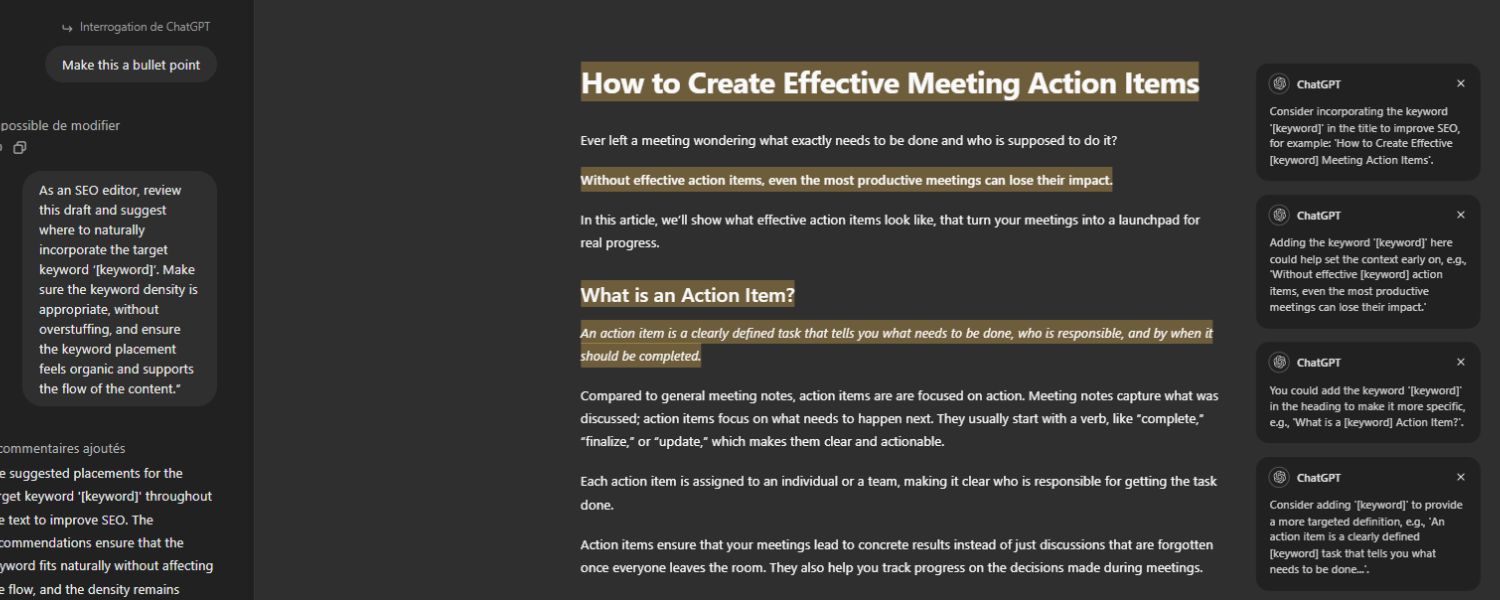
ChatGPT can produce written content in various forms. Users have it writing articles, essays, emails, social media posts, and even poetry or song lyrics.
If you supply a rough draft or outline, it can help refine the text, improve grammar, or continue the writing in the same style. Writers use it to brainstorm ideas, generate blog post outlines, or compose first drafts of content remarkably quickly.
3. Coding Help
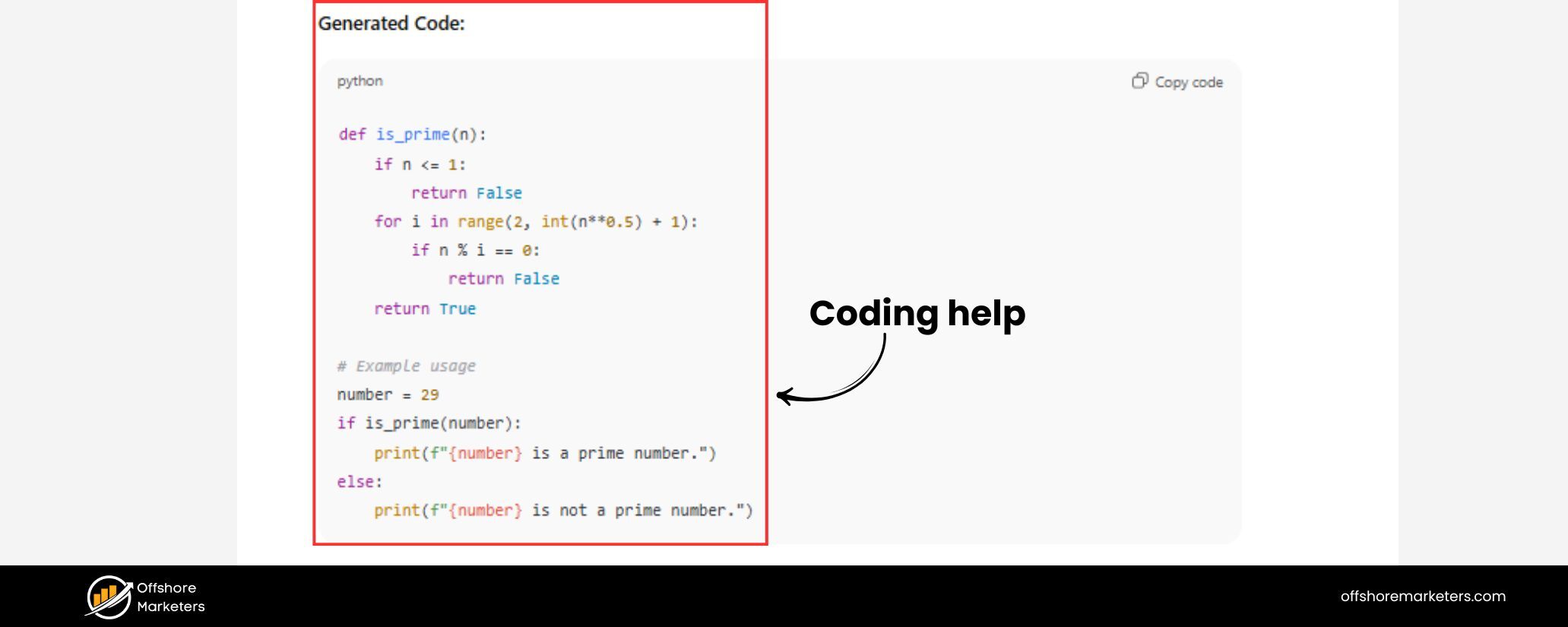
One of ChatGPT’s standout skills is writing and debugging computer code. Programmers can ask for help with a coding problem, and ChatGPT will generate code snippets or find errors in an existing code sample.
It supports multiple programming languages and can even explain what a piece of code does. This has made it a popular assistant for developers looking to save time on routine coding tasks.
4. Creative and Educational Uses
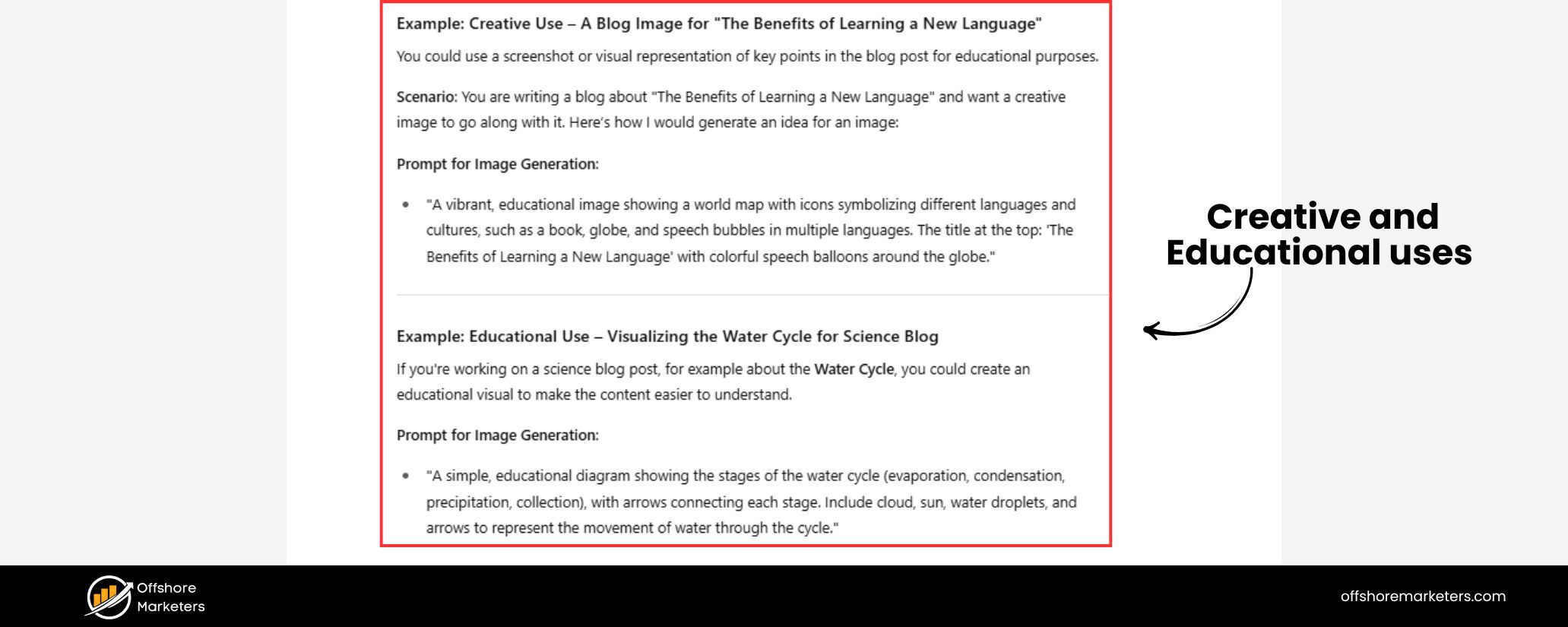
People have used ChatGPT to compose music and jokes, create quizzes or crossword puzzles, draft recipes, and even role-play as a historical figure for learning purposes.
In education, students and teachers use it to simplify complex topics, get study help, or generate practice questions. Its ability to adjust the reading level of text or summarise long articles is incredibly useful for learning and content creation.
5. Translation and Language
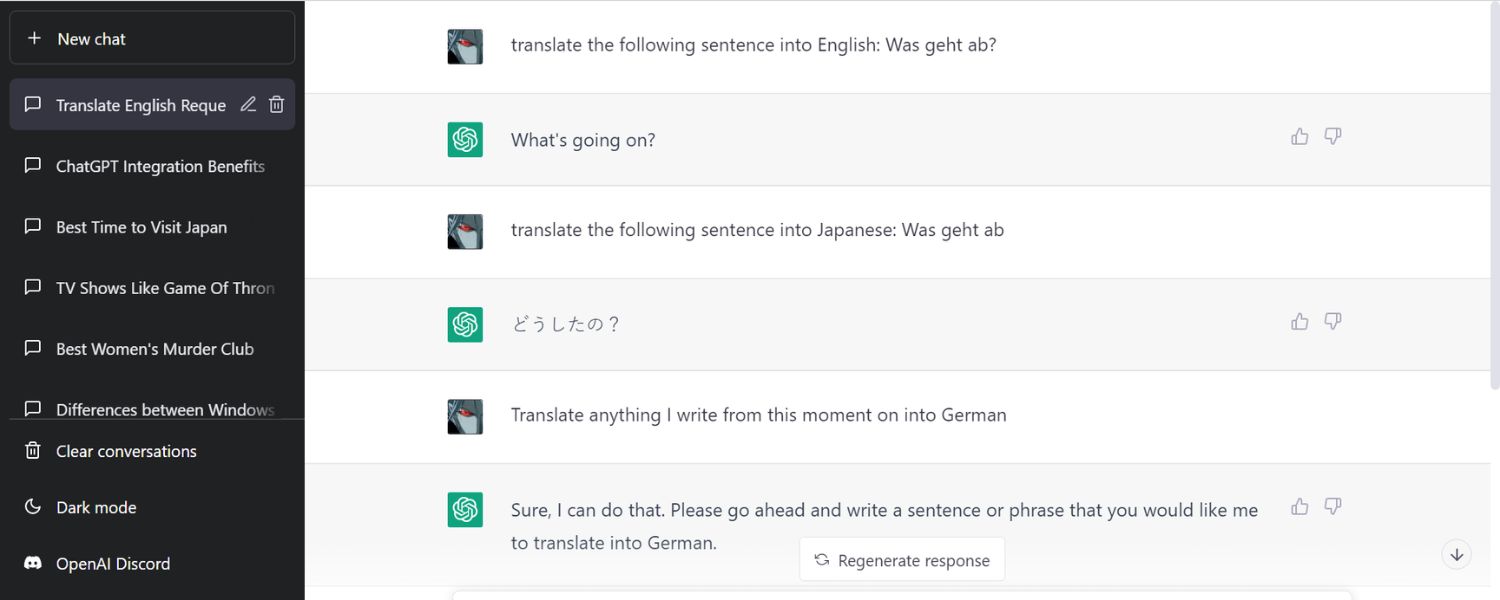
ChatGPT can translate text between many languages almost instantly. It can also act as a conversational partner in different languages, making it useful for language practice.
Additionally, it can summarise long texts or documents, pulling out the key points in a concise form – a huge time-saver for those dealing with information overload.
What makes ChatGPT especially powerful is that it can remember context within a conversation. Unlike a simple search engine, it doesn’t just answer one question in isolation – you can ask a follow-up question referencing its previous answer, and it will understand the context.
This ability to have multi-turn conversations means you can delve deeper into a topic, refine requests, or instruct ChatGPT to adjust the style of its response. It’s like chatting with a knowledgeable assistant who remembers the discussion.
As OpenAI’s CEO, Sam Altman put it, “we finally have an AI that can interact in a dialogue format”, allowing for iterative and detailed exchanges.
Benefits of ChatGPT
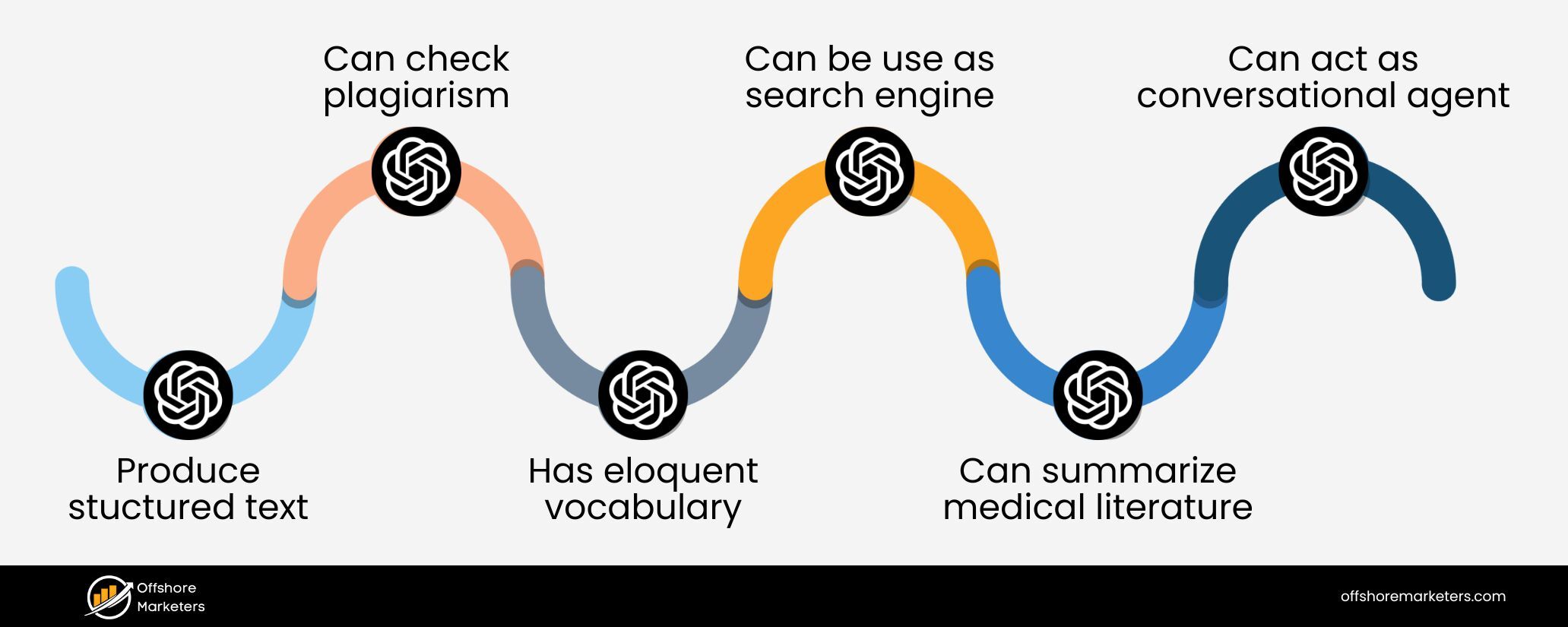
The buzz around ChatGPT isn’t just hype – there are genuine benefits and practical advantages to using this AI system, both for individuals and organisations. Here are some of the notable benefits:
1. Increased Productivity
ChatGPT can handle mundane or time-consuming tasks in seconds, which can free up your time for more important work. For example, it can draft routine emails, summarise meeting notes, or generate a report outline almost instantly.
This efficiency gain is why many users turn to ChatGPT as a writing assistant or brainstorming partner.
2. Cost Savings
For businesses, deploying AI chatbots like ChatGPT can be more cost-effective than hiring additional staff for certain tasks. It can field frequently asked customer questions or generate content at scale, potentially reducing labour costs.
While it’s not a complete replacement for human employees, it can take on repetitive work, allowing people to focus on more complex and creative tasks.
3. 24/7 Availability and Speed
ChatGPT is available around the clock and responds within seconds to queries. This makes it an ideal support tool – for instance, a customer service chatbot built on ChatGPT can instantly assist users at any hour, without waiting on hold.
The near-instant response time also means quicker turnaround for tasks like research or content generation, which can accelerate project timelines.
4. Personalisation and Versatility
Because it can remember conversation context, ChatGPT can tailor its responses to your needs. Over a chat session, it “learns” what you’re trying to accomplish and can adapt its tone or detail level.
It’s also versatile across domains – one moment helping with a marketing email, the next solving a math problem, then providing travel tips. This multi-domain knowledge and adaptability set it apart from single-purpose tools.
5. Enhanced Creativity and Learning
Many users find that ChatGPT serves as a creative sparring partner. Stuck with writer’s block? ChatGPT can propose story ideas or first paragraphs. Trying to learn something new? ChatGPT can explain it step by step and answer your follow-up questions.
It can even play games or role-play scenarios to spur creative thinking. In essence, it’s a tool that can augment human creativity and curiosity, offering suggestions and insights that you might not have considered.
These benefits have led professionals in fields like marketing, programming, education, and content creation to integrate ChatGPT into their workflows.
Writers use it to polish their prose; marketers generate copy and campaign ideas with its help; customer support teams employ it to draft responses; and students use it as a study aid. As long as it’s used thoughtfully (and its outputs double-checked), ChatGPT can significantly amplify human productivity and innovation.
Limitations and Concerns
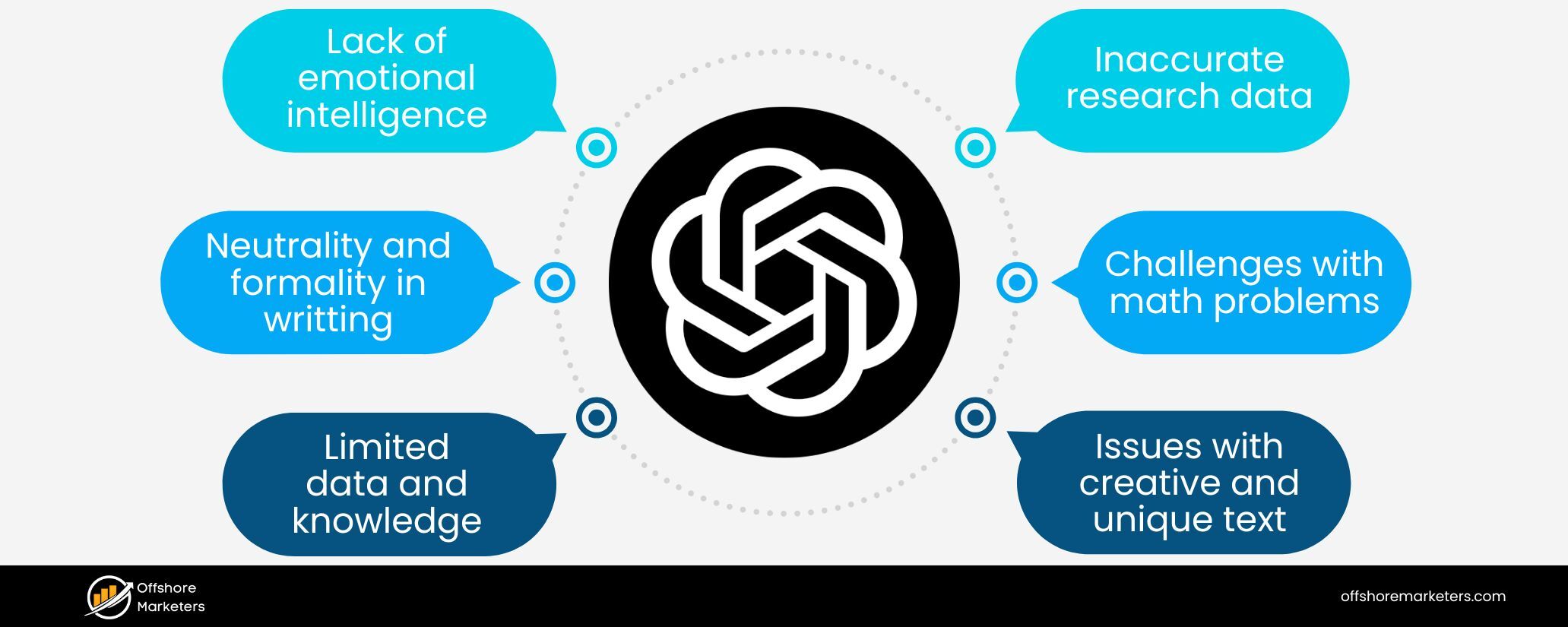
Despite its remarkable capabilities, ChatGPT is not without limitations and has sparked important debates about AI’s role in society. It’s crucial to understand where this AI may fall short or pose risks:
1. Accuracy and “Hallucinations”
ChatGPT doesn’t truly know facts; it generates answers based on patterns in data. This means it can occasionally produce incorrect or nonsensical answers that sound confident but are completely wrong, a phenomenon often called AI “hallucination”.
For example, it might invent a citation or assert a false statistic because it predicts a plausible-sounding answer. Users must be cautious and verify important information rather than taking every response at face value.
2. Lack of True Understanding
While ChatGPT can mimic understanding, it doesn’t possess common sense or genuine comprehension of the world. It works by statistical prediction, which sometimes leads to answers that miss the nuance of a question or are oddly phrased.
For instance, it might give a very literal answer when a question implied context that the AI didn’t fully grasp. Complex emotional or ethical judgment calls are beyond its capability – it has no real empathy or moral reasoning, only learned patterns.
3. Bias in Responses
ChatGPT’s training data contains content from the internet, which inevitably includes human biases and stereotypes. As a result, the model can sometimes produce biased or culturally insensitive outputs if prompts hit on those underlying data biases.
OpenAI has tried to mitigate this with further training (and the bot will usually refuse hateful or extremely controversial prompts), but subtle biases can still slip through. This raises concerns about fairness and objectivity, especially if AI answers are trusted blindly.
4. No Source Citation by Default
By default, ChatGPT does not cite its sources or explain where it got its information. It summarises but doesn’t provide references. This can be problematic if you need to trace the origin of a fact or quote.
The AI might state a statistic without context, and unless specifically asked, it won’t tell you the source. This lack of transparency means users must be careful, especially in research or journalism contexts, to ensure the information can be verified through other means.
5. Privacy and Security Risks
Whatever you share with ChatGPT might be retained as part of its service (OpenAI uses conversations for ongoing training improvements unless you opt out). Users should never share sensitive personal information, passwords, or confidential data with ChatGPT.
Not only is there a risk that the data could be seen by human trainers or used to fine-tune the model, but cybercriminals may also target AI platforms. In one incident, over 100,000 ChatGPT user account credentials were found for sale on the dark web after being stolen by malware.
This underscores that data entered into any online service – even an AI chatbot – can be vulnerable. In fact, concerns over privacy led regulators in Italy to temporarily ban ChatGPT in 2023 until OpenAI added stricter privacy controls.
6. Potential for Misuse
Because ChatGPT can generate content quickly on almost any topic, it has raised red flags about misuse. Educators worry about students using it to cheat or plagiarise assignments by letting the AI write their essays. The model can also be tricked into producing false or misleading information, which bad actors might use to spread misinformation or propaganda.
Even more alarming, researchers demonstrated that ChatGPT can be used to generate malicious code or assist in cyberattacks if used carefully.
OpenAI has implemented filters to prevent obviously harmful requests (for example, it usually refuses to produce violent or illegal instructions), but no filter is foolproof. The very qualities that make ChatGPT useful – flexibility and knowledge – can be abused for unethical purposes.
7. Impact on Jobs and Society
The rise of ChatGPT and similar AI has fueled debate about the future of work. Will AI tools replace human jobs? In fields like customer service, writing, or programming, ChatGPT can handle basic tasks that junior employees or assistants might have done, raising fears of automation.
Some experts worry that widespread use of AI could displace workers in certain roles. However, others argue it will augment rather than replace human jobs, taking over routine tasks and allowing people to focus on higher-level work.
This remains an ongoing discussion. What’s clear is that AI chatbots have already begun to change workflows, and professionals are adapting by learning to collaborate with these tools.
Society is also grappling with questions around regulating AI – from ensuring truthful outputs to protecting intellectual property used in training these models.
In light of these limitations, using ChatGPT responsibly is key. OpenAI itself advises users to double-check critical outputs and avoid relying on the AI for sensitive or life-impacting decisions.
Think of ChatGPT as a very knowledgeable assistant that sometimes “guesses” wrong – incredibly helpful, but in need of oversight. As the technology evolves, researchers and policymakers are working on guidelines to maximize the benefits of tools like ChatGPT while minimizing the risks.
The Latest Developments and Future of ChatGPT
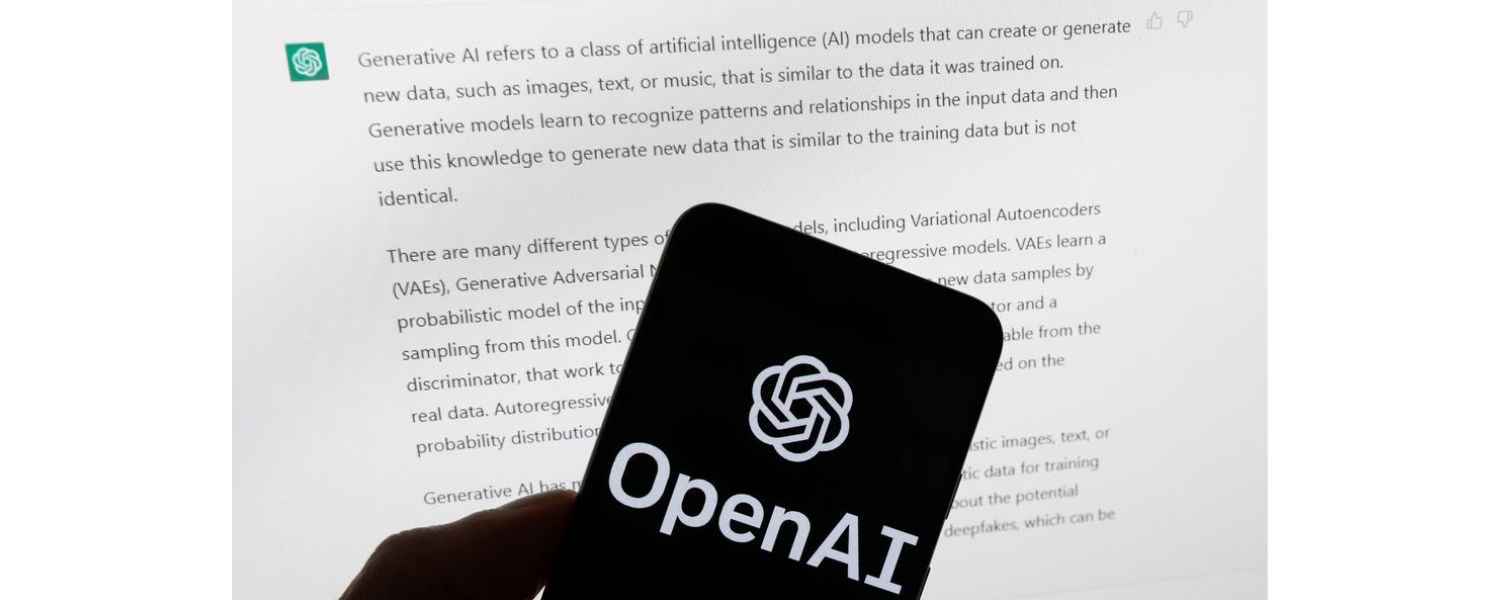
ChatGPT’s journey didn’t stop at the initial release – it’s an evolving platform, with OpenAI rolling out new features and improvements regularly. Since launch, OpenAI has integrated a host of additional capabilities into ChatGPT to make it more useful and user-friendly.
For example, they introduced plugins that allow ChatGPT to access up-to-date information and services on the web. With the web browsing plugin, ChatGPT can pull in current information (such as news or stock prices) rather than being limited to its training data.
Other plugins let it interact with third-party applications – from booking a restaurant via OpenTable to running calculations with Wolfram Alpha – greatly extending what the chatbot can do.
In 2023 and 2024, OpenAI also added multimodal abilities to ChatGPT. This means the AI can now accept images or voice prompts and respond accordingly. For instance, you could upload a photo and ask ChatGPT to describe it or answer questions about it.
You can also speak to ChatGPT through OpenAI’s mobile app – just talk out loud and the AI will transcribe and answer, even speaking back in a realistic voice. (OpenAI partnered with Apple in 2024 to integrate voice features, showcasing ChatGPT at Apple’s WWDC event as a forthcoming feature in iOS and macOS.)
These additions blur the line between a text chatbot and a full-fledged AI assistant that can see and hear. The underlying model upgrades, especially the transition to GPT-4 and GPT-5, have empowered these features – GPT-4 introduced vision and speech capabilities, and GPT-5 has further improved them along with overall answer quality.
The future of ChatGPT points toward even deeper integration into our daily tools and routines. Tech giants are racing to build their own AI chatbots (such as Google’s Bard) or integrate OpenAI’s models into their products.
Microsoft, for example, invested heavily in OpenAI and has integrated ChatGPT’s technology into Bing’s search engine and Office products, enabling AI-powered writing and research assistance within familiar software.
OpenAI has also launched ChatGPT Enterprise for businesses, offering enhanced data privacy and performance for corporate users. We can expect ChatGPT to continue improving its factual accuracy and reducing biases as OpenAI refines the model and training techniques.
There’s also active development on allowing ChatGPT to handle more complex tasks via “agents” that can take actions online on a user’s behalf (for example, autonomously booking appointments or gathering data from multiple websites when instructed).
In terms of societal impact, ChatGPT’s rapid adoption has already prompted discussions about regulation and ethical AI use. Governments and organizations are working on guidelines to ensure AI is developed safely and responsibly.
OpenAI themselves have been vocal about the need for oversight as AI models grow more powerful. For users and businesses, the best strategy is to stay informed and adapt: those who learn to leverage AI tools like ChatGPT creatively and carefully will likely benefit the most in the coming years.
Conclusion and Next Steps
ChatGPT has undeniably ushered in a new era of AI interaction. It has made conversational AI accessible to millions, demonstrating how a computer program can assist with everything from writing a poem to debugging code.
By understanding what ChatGPT is and how it works, you’re better equipped to make use of this technology in your own life or business.
Whether you need quick information, a creative partner, or a virtual assistant to offload tedious tasks, ChatGPT offers a glimpse into how AI can amplify human potential.
However, remember that ChatGPT is a tool – a powerful one, but one that requires human judgment in its use. Approach it with curiosity and caution in equal measure.
Double-check important outputs, guard your sensitive data, and be mindful of its limitations, and you’ll find it can be an invaluable ally in productivity and creativity.

Why Roseville Startups are Choosing Offshore Marketers to Scale Smarter
Roseville is no longer just a quiet suburb of Sacramento;...
What Is PPC? A Practical Guide to Pay‑Per‑Click Advertising
Pay‑per‑click (PPC) is the “pay only when someone clicks” branch...
Google Search Issues Affecting Results in Some Regions
Google has confirmed a problem with one of its data...
Keyword Counts Dropped After Google’s num=100 Change
In September 2025, Google stopped supporting the &num=100 parameter. This...

Image SEO: Optimize Images for Higher Rankings & Traffic
Introduction Images make your website more engaging, but they can...


.png)
.png)
.png)
.png)
.png)

2024 ALL RIGHTS RESERVED MADE IN INDIA
.png)