
White Label SEO: Outsourcing & Scaling Your Agency
July 8, 2025
Introduction: The Rise of White Label SEO
In today’s rapidly evolving digital landscape, search engine optimization (SEO) is more crucial, and more complex, than ever.
The global SEO industry is projected to reach $122 billion by 2028, reflecting the increasing investment in search visibility by businesses of all sizes.
Yet delivering effective SEO requires specialized skills and significant resources. It’s no wonder that a majority of agencies outsource at least some SEO tasks; one recent study found 61% of marketing agencies have outsourced at least part of their SEO work.
This growing trend has given rise to white-label SEO as an innovative solution for agencies to meet client needs without overextending their teams.
But what exactly is white label SEO, and how can it help your agency thrive? In simple terms, white label SEO (also known as SEO reselling) is when your agency partners with a third-party SEO provider who performs the work while you present those services to your clients under your brand.
It’s like having a behind-the-scenes SEO team: you manage the client relationship and strategy, and they handle the time-consuming SEO deliverables, all branded as your agency’s work.
White-label SEO has surged in popularity because it addresses common challenges agencies face. If you lack in-house SEO experts, have limited capacity, or want to expand your services quickly, a white label partnership can be a game-changer.
It lets you tap into expert SEO talent on demand without the costs of hiring an entire in-house team. Meanwhile, you maintain full ownership of the client relationship and get to take credit for delivering results.
In this comprehensive guide, we’ll cover everything you need to know to leverage white-label SEO successfully, including:
1. What is White Label SEO and How Does It Work? – A clear definition and real-world example of how white-label SEO operates.
2. Benefits of White Label SEO – The key advantages for agencies, from cost savings to scalability and beyond.
3. Services You Can Outsource – A breakdown of which white label SEO partners commonly provide SEO tasks and services.
4. How to Choose the Right White Label SEO Provider – What to look for (and what to avoid) when selecting a trustworthy SEO outsourcing partner.
5. Best Practices for Integration – Tips on seamlessly integrating white label services into your agency workflow while maintaining quality and client satisfaction.
6. Common Pitfalls and How to Avoid Them – Potential drawbacks like loss of control or quality issues and how to mitigate these risks.
By the end of this guide, you’ll understand how white-label SEO can help you scale your agency in 2025 and beyond, offering top-notch SEO results to your clients without doing all the heavy lifting yourself. Let’s dive in!
What Is White Label SEO and How Does It Work?
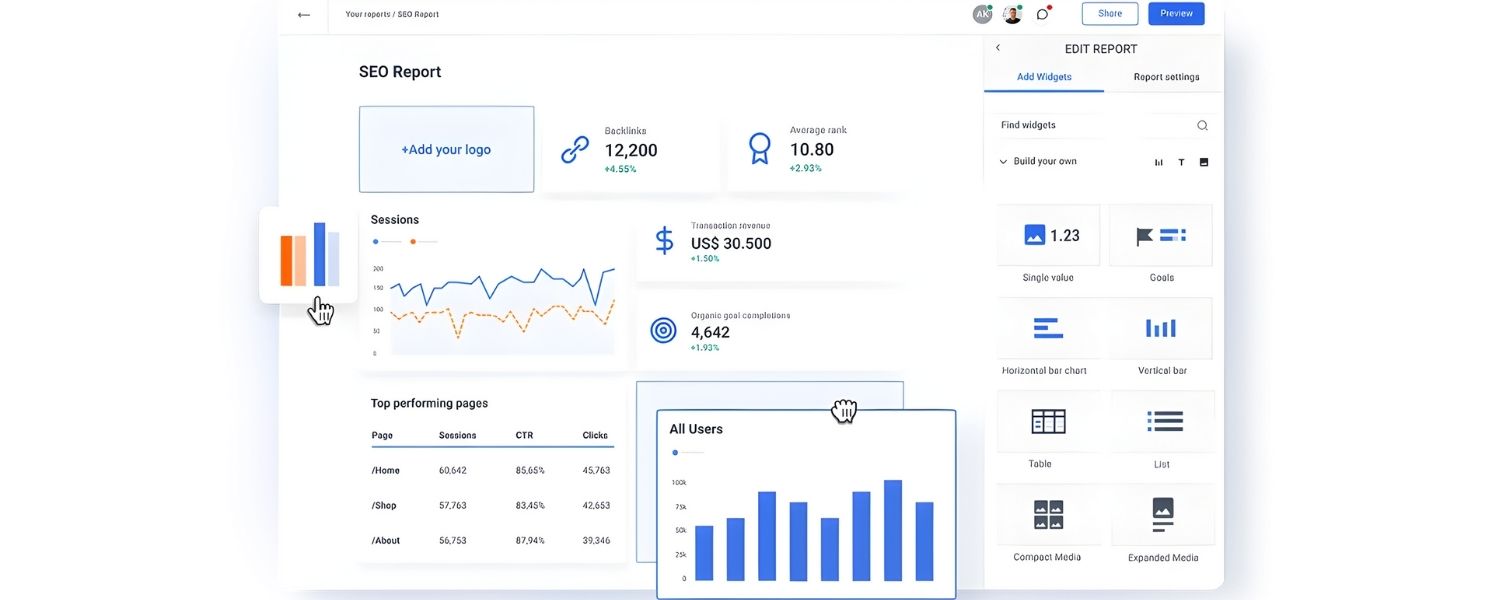
White-label SEO refers to an arrangement where one company (the provider) performs SEO services, and another company (your agency) resells those services as if they were it’s own.
In other words, your agency’s name and branding appear on the work, but an outside expert team fulfills the actual SEO tasks.
This concept is similar to “ghostwriting” but in an SEO context, the work is done behind the scenes by specialists, allowing you to deliver a full suite of SEO services to your clients without having to execute all the work in-house.
To understand how it works, consider a quick example: Suppose you run a web design agency with clients now asking for SEO help.
You partner with a white-label SEO provider who conducts keyword research, optimizes pages, builds links, and even produces content on behalf of your agency.
They deliver these assets or reports to you, and you, in turn, present them to your client under your branding and pricing.
Your client gets results (higher rankings, more traffic), you get the credit for delivering a successful service, and your white label partner operates anonymously in the background.
Key aspects of the white label SEO relationship include:
1. Division of Roles:
Your agency owns the client relationship – you handle client communications, strategy discussions, and reporting under your brand.
Meanwhile, the white label provider handles the SEO execution (e.g., technical fixes, content creation, link outreach) based on the campaign goals you’ve defined.
In many cases, the provider can act as an extension of your team, utilizing your preferred tools and processes as needed.
2. Branding and Transparency:
All client-facing deliverables (reports, content, etc.) come with your agency’s logo and name. The end client typically has no idea a third party was involved.
A good white label partner will remain invisible to your clients, and some even provide white-labeled dashboards or reports that you can pass on directly with your branding.
3. Pricing and Profit:
You control the pricing of your client. The white label provider will charge you a wholesale rate for the services, and you can mark up the price to maintain a healthy profit margin for your agency.
For example, if link building costs you $500 from the provider, you might charge the client $800, pocketing the difference as profit for managing the project. This model can be very lucrative if managed well.
4. Flexibility of Engagement:
White label SEO partnerships can be ongoing or ad-hoc. You might outsource an entire SEO campaign, or just specific tasks (like a one-time technical audit or monthly blog content).
Some agencies fully outsource their SEO services on a long-term basis, essentially using the white label firm as their dedicated SEO department.
Others might use white labeling only to fill in skill gaps or handle overflow work during busy periods. The level of integration is up to you, it can be a one-off support or a deeply integrated, behind-the-scenes partnership.
Overall, white-label SEO works as a partnership built on trust and alignment. You entrust the provider to deliver quality work that meets your standards, and in return, you can expand your service offerings and better serve your clients.
It’s a win-win: your clients achieve excellent results under your brand’s umbrella, and you expand your agency’s capabilities without the usual hurdles of building those capabilities from scratch.
Why Agencies Use White Label SEO (Key Benefits)
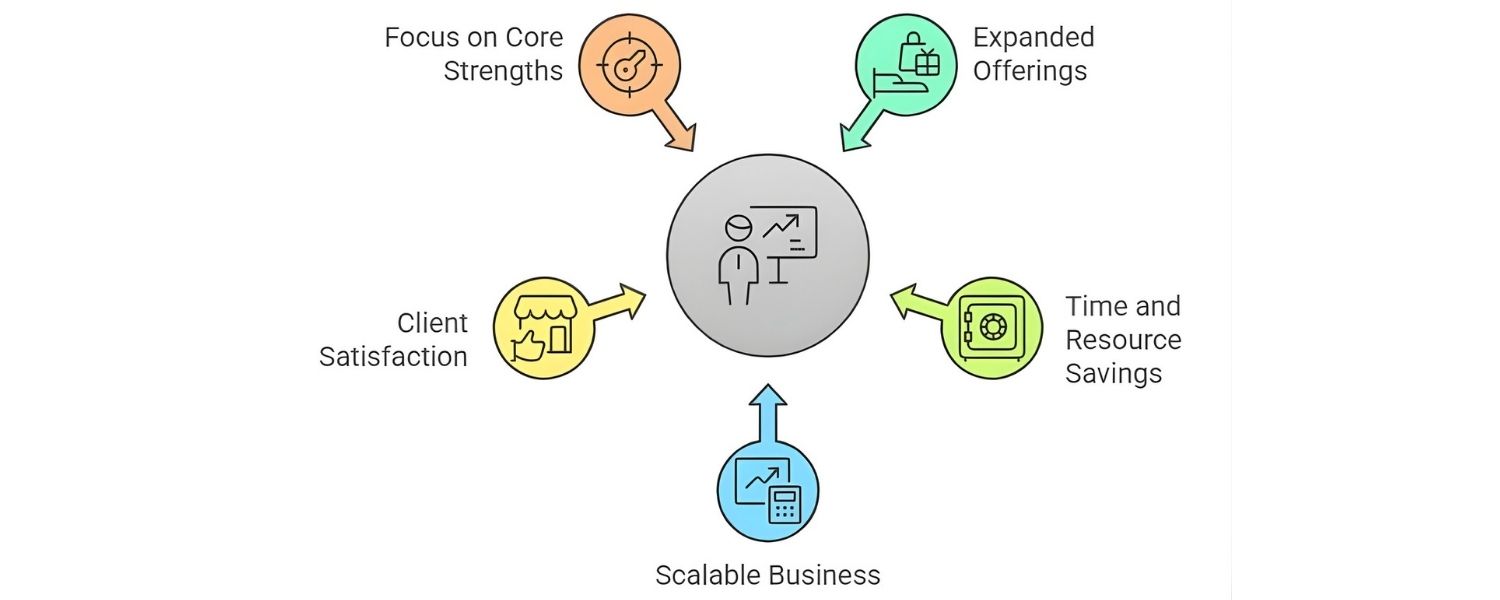
Partnering with a white-label SEO provider can unlock numerous benefits for digital agencies, marketing consultants, and even freelancers.
Here are the top advantages of white-label SEO and why it’s considered a secret weapon for scaling an agency:
An infographic illustrating common reasons why companies outsource marketing, with “not enough in-house expertise” being the leading factor.
1. Access to Expertise
SEO is a multi-faceted field encompassing technical site optimization, content strategy, keyword research, link building, analytics, and more.
It’s rare for one small team to excel in all these areas. By using a white-label service, you gain instant access to a team of SEO specialists with diverse skills (writers, technical SEOs, outreach experts, etc.) who are up-to-date with the latest best practices.
This addresses one of the biggest pain points agencies face, a recent industry survey found that the #1 reason businesses outsource marketing is a lack of in-house expertise.
Nearly 94% of businesses outsource at least some marketing activities precisely to tap into outside expertise they don’t have internally.
White-label SEO enables your agency to provide top-tier expert SEO services without needing to hire or train those experts yourself.
2. Cost Savings and Efficiency
Building an in-house SEO department is expensive. You’d need to hire full-time staff (with salaries often averaging $60,000 or more per year for a single SEO specialist), provide benefits, invest in SEO tools and ongoing training, and bear the overhead costs associated with additional employees.
For many agencies, such an investment is neither feasible nor profitable, especially if their SEO project volume fluctuates. White label SEO is far more cost-effective.
You essentially pay for SEO services on demand as client needs arise, without the fixed costs of maintaining a permanent team.
As one study notes, outsourcing SEO can save a significant amount of money, as it avoids the salaries and expensive tools that an in-house team would require.
You also save on training and recruitment costs; the provider handles keeping their team skilled and equipped with the latest tools.
The bottom line is a better profit margin for you – you can resell the SEO services at a markup and still often come out cheaper for the client than if you did it internally or hired a big agency.
This cost efficiency frees up a budget that you can reinvest in growing your business or marketing efforts.
3. Scalability and Flexibility
One of the most significant benefits of white-label SEO is its instant scalability and flexibility.
As your agency takes on more clients or bigger projects, a white label partner lets you scale up output quickly without hiring more staff.
Landed a huge client who needs a comprehensive SEO campaign across dozens of pages? A quality white label provider has the necessary capacity (in terms of manpower and processes) to execute.
Conversely, if your SEO work slows down in a given month, you’re not stuck paying salaries for idle team members, you simply scale down the outsourced work.
This flexibility to dial services up or down on demand is incredibly valuable for agencies that experience fluctuations in project volume.
It ensures you can meet any level of client demand without straining (or expanding) your internal resources.
In short, white-label SEO grows with you – it’s an elastic solution that can expand your service capacity overnight, which is especially useful for smaller agencies and startups looking to punch above their weight.
Focus on Core Business and Client Relationships: Every hour you spend fiddling with title tags or chasing backlinks is an hour you’re not spending on developing a big-picture strategy, acquiring clients, or pursuing other high-value activities for your agency.
By outsourcing the labor-intensive SEO execution to a trusted partner, you free up your time (and your team’s time) to focus on what you do best.
You can double down on client management, strategic planning, sales, or the other marketing services you excel at (whether that’s web design, PPC, social media, etc.), while the SEO work hums along in the background. This undiluted focus on your core business not only reduces stress but can actively help you grow.
For example, instead of worrying about writing meta descriptions or fixing broken links, you could be out-pitching new clients or refining your service offerings.
Meanwhile, you’re still delivering SEO results through the white label provider. It’s the classic “work on your business, not in your business” advantage.
Clients will notice the difference too – you’ll have more bandwidth to give them personal attention and strategic guidance, rather than getting bogged down in minutiae.
5. Expanded Service Offerings (Comprehensiveness)
White labeling allows you to offer a seamless, one-stop shop experience for your clients. Even if your agency started in a niche (say, content marketing or web development), you can broaden your menu to include complete SEO services without actually being an SEO expert on day one.
This adds value for your clients, who can rely on you for more of their marketing needs. It also keeps you competitive, if a client asks, “Do you also do SEO?” you can confidently say yes, instead of risking them looking elsewhere.
By filling skill gaps through a white-label partner, you deliver more comprehensive marketing solutions. This can increase client satisfaction and loyalty since they don’t need to juggle multiple vendors. It also opens up new revenue streams for you.
For instance, a web design agency can upsell ongoing SEO retainers, while a social media agency can bundle search optimization for organic traffic.
In an era where clients appreciate integrated marketing, being able to provide end-to-end solutions (with help from behind the scenes) makes your agency more valuable.
6. Faster Results & Ready Infrastructure
Reputable white label SEO providers come with established processes, tools, and teams that are ready to deploy.
This means you can often launch campaigns more quickly than if you had to assemble a team and infrastructure internally.
Need an SEO audit completed this month? A good provider likely has a standardized auditing process in place to quickly rectify issues.
They might also have premium SEO tool subscriptions (for keyword research, rank tracking, etc.) that you gain indirect access to, saving you the cost of purchasing those yourself. With these ready-to-go resources, your clients can start seeing results sooner.
Fast turnaround and ability to execute promptly can be a selling point for your agency, especially against slower competitors.
Essentially, partnering with a white label service can significantly shorten your time-to-market for offering new SEO services or delivering on a big project.
7. Reduced Risk and Improved Quality (with the Right Partner)
When you work with an experienced white label SEO firm, you benefit from their collective knowledge and proven methodologies. Many providers have honed their techniques across numerous campaigns and industries, meaning they know what works and what pitfalls to avoid.
This can lead to better quality outcomes for your clients. For example, a specialized SEO content writing service may produce more optimized, search-friendly articles than an in-house generalist writer.
Similarly, an outreach team that focuses on link-building all day will likely secure stronger backlinks than someone who does it occasionally. By leveraging specialists, you reduce the risk of trial-and-error or rookie mistakes hurting a client’s site.
Moreover, a reliable provider will stay updated with Google algorithm changes and SEO trends, ensuring your clients’ strategies remain effective over time. All of this translates to more consistent, high-quality service delivery under your brand’s umbrella.
Of course, realizing these benefits hinges on choosing a trustworthy white-label partner (more on that below) and managing the collaboration effectively.
When done right, white label SEO can be a transformative asset for your agency, letting you scale faster, serve clients better, and boost your bottom line without the usual growing pains.
What SEO Services Can You Outsource to a White Label Provider?
One of the great things about white label SEO is the breadth of services you can outsource. Top white label providers offer a wide range of SEO deliverables, essentially functioning as a full-service SEO department on call.
Whether you need help with a single aspect of SEO or a complete end-to-end campaign, chances are you can find a partner to fulfill those needs. Here are standard SEO services that agencies often outsource through white labeling:
1. Keyword Research
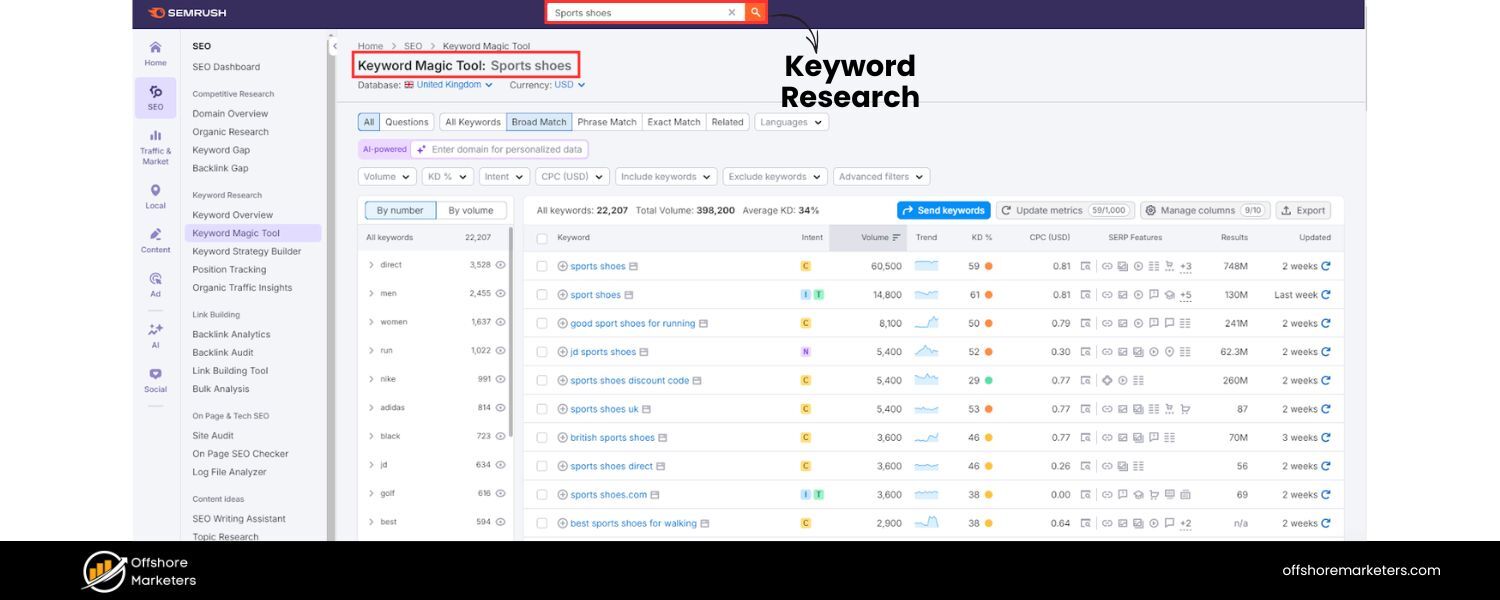
Identifying the right keywords is foundational to any SEO strategy, but it’s also time-consuming and requires expertise with research tools.
A white label SEO provider can handle in-depth keyword research for your clients, analyzing search volume, competition, and relevance. They’ll deliver lists of targeted keywords (and often the rationale and data behind them) that you can then use to guide content creation and optimization.
By outsourcing keyword research, you save many hours and ensure no critical keyword opportunities are missed.
In fact, surveys show that over 36% of SEO professionals spend most of their time on keyword research. Outsourcing this task frees up a significant portion of your schedule while arming your campaigns with the insights needed to rank.
2. On-Page SEO Optimization
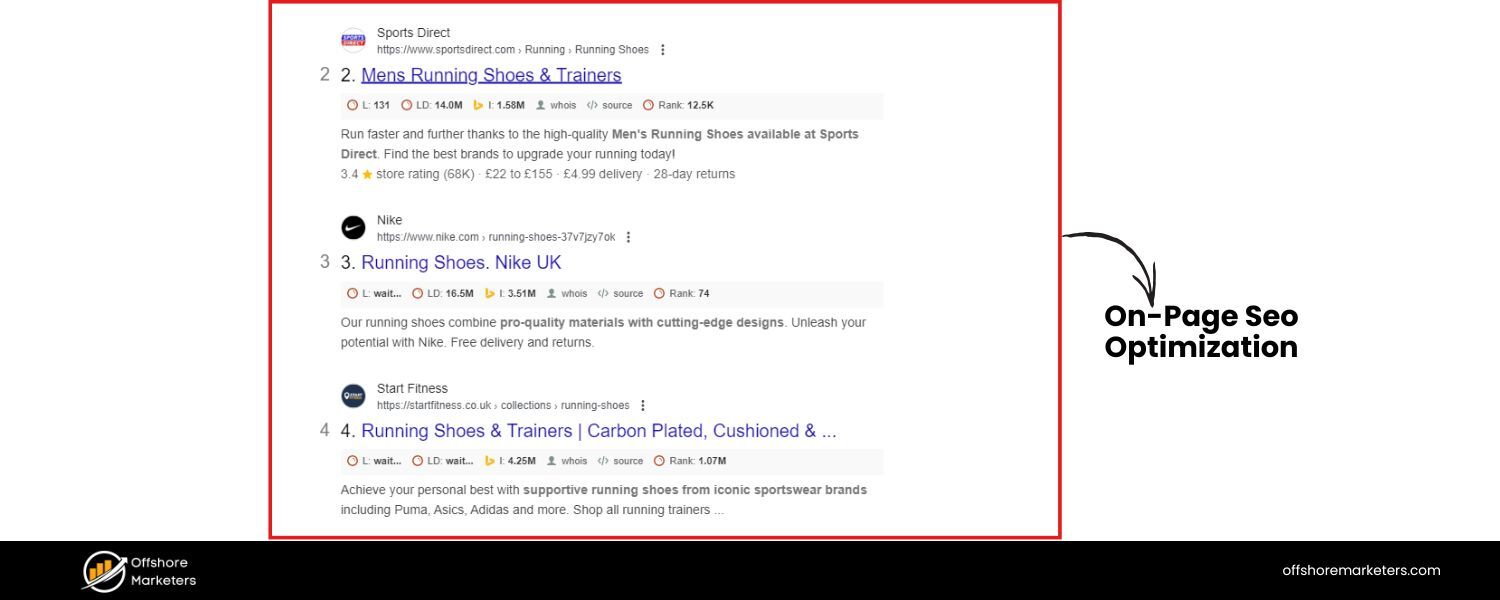
This includes tasks like optimizing meta titles and descriptions, headers, URL structures, image alt tags, and ensuring content is properly structured for target keywords.
White label providers can audit a client’s website and implement on-page SEO improvements or provide you with a list of recommended changes. They often utilize professional tools to identify issues such as duplicate content, thin pages, and broken links.
For agencies that don’t have a technical SEO expert in-house, outsourcing on-page optimization ensures your client’s site meets current best practices in areas like site speed, mobile-friendliness, and crawlability.
Essentially, the provider tunes up the website’s content and HTML so that search engines can better understand and rank it.
3. Technical SEO & Audits
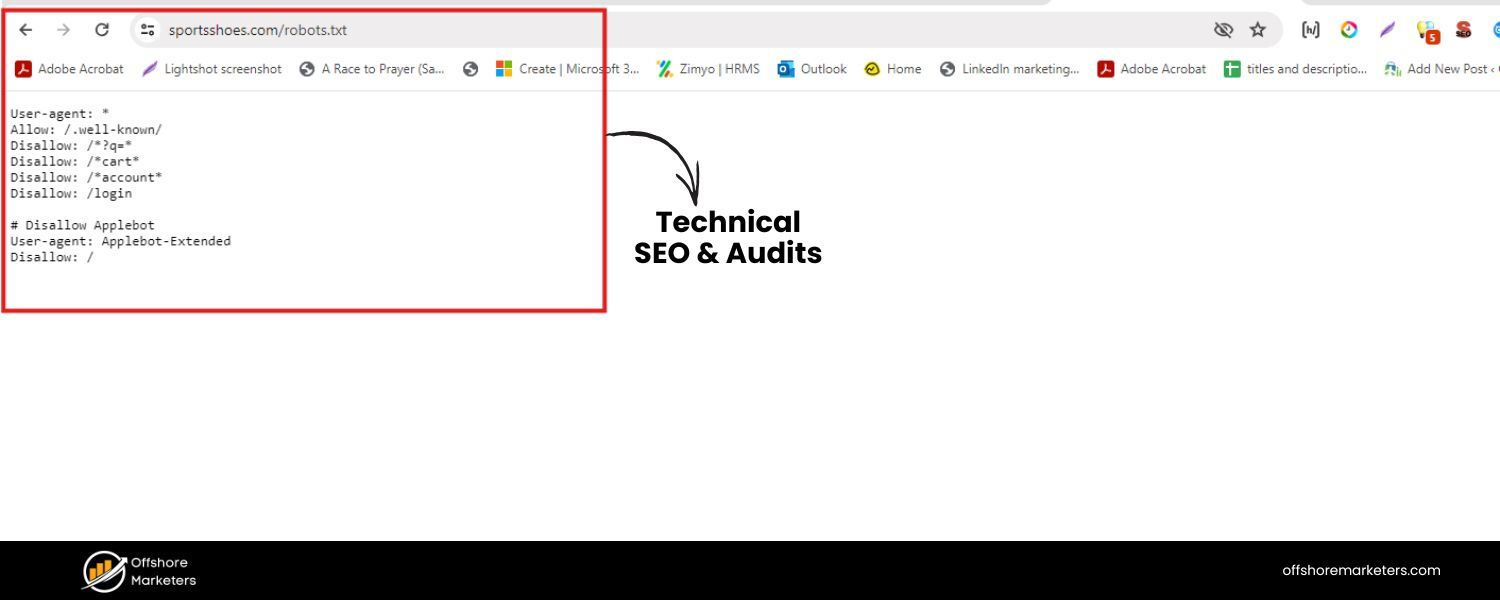
Technical SEO encompasses more complex aspects of a site, including XML sitemaps, robots.txt, schema markup, resolving crawl errors, and addressing site architecture issues.
White-label SEO firms often employ technical specialists who can conduct thorough technical audits of a client’s site and then address the issues identified.
For instance, they might identify indexation problems, page speed bottlenecks, or security issues (such as missing HTTPS) and then implement the necessary solutions.
They can also handle regular SEO audits to catch problems early. Technical SEO is an area where mistakes can be costly, so having seasoned experts handle it is a strong safety net.
After completing an audit, a good provider will provide you with a detailed report that highlights issues and recommended fixes, which you can present to your client (again, with your branding).
Some agencies even white-label continuous monitoring services to ensure their clients’ sites remain in healthy technical shape.
4. Content Creation (SEO Content Writing)

Quality content is the backbone of SEO. If your clients need blog posts, product descriptions, articles, or other content optimized for search, a white label content writing service is invaluable.
Content writing is often one of the most popular tasks to outsource in marketing. White-label providers can supply SEO-optimized content at scale, for example, delivering four blog posts per month targeting your client’s keywords.
These writers are experienced in crafting content that satisfies both readers and search algorithms, including proper keyword usage, internal linking, and engaging formats.
Many providers allow you to specify the tone, style, or specific guidelines so the content matches your client’s brand voice. You can also outsource related content needs, such as copywriting for landing pages, press releases, or infographic text.
By white-labeling content creation, you can meet high content demands without overloading your in-house team. It’s a scalable way to keep your clients’ websites fresh and ranking well for relevant topics.
5. Link Building (Off-Page SEO)
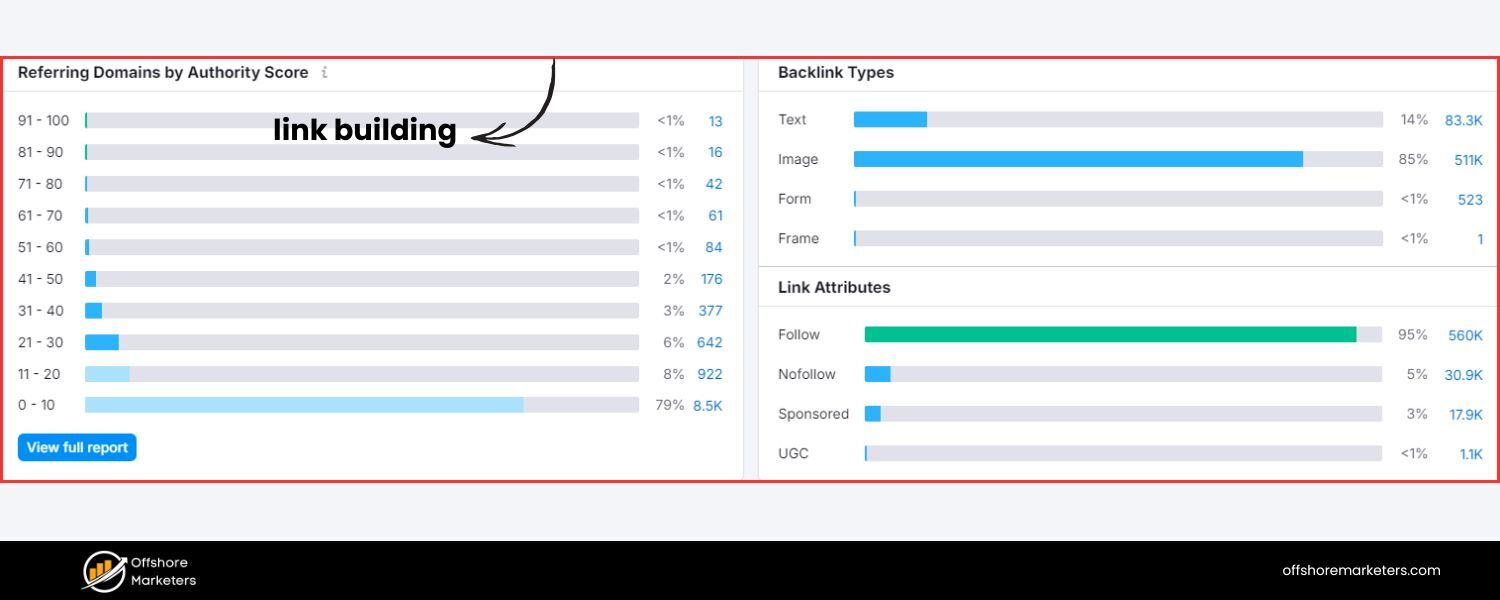
Earning quality backlinks remains one of the most challenging and time-consuming aspects of SEO.
It often requires outreach to other websites, content promotion, and extensive follow-up. Many agencies turn to white-label link-building specialists who have established outreach processes and relationships.
These providers can help secure high-quality backlinks for your clients through tactics like guest posting, blogger outreach, resource link placements, broken link building, or digital PR campaigns.
They’ll do the legwork of identifying link opportunities, contacting webmasters or publishers, and creating any necessary content for the link (such as a guest article).
Given the critical importance of backlinks for search rankings, having a partner focus on this ensures your clients receive the necessary off-page SEO boost.
Additionally, link building is often outsourced across the industry – it’s reported as a common area where companies seek external help due to its complexity.
A white label link building service can often achieve in weeks which might take you months, thanks to their scale and expertise.
Ensure the provider employs white-hat link-building practices (avoiding spammy link schemes) to safeguard your clients’ sites.
6. Local SEO and Citation Management
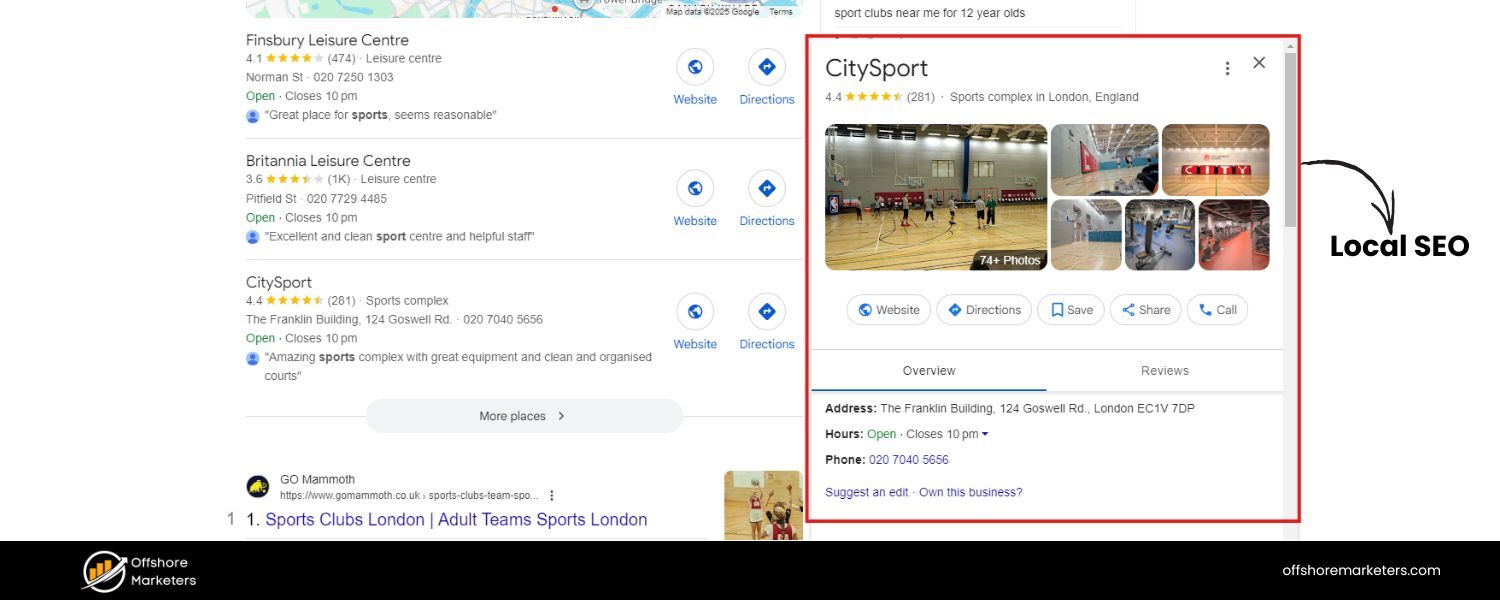
If your clients are local businesses (e.g., a local clinic, law firm, or multi-location franchise), local SEO is crucial. White label services can handle tasks like local citation building – getting your client listed accurately on Google Business Profile, Yelp, Yellow Pages, and myriad other local directories.
Consistent NAP (Name, Address, Phone) information across the web boosts local search rankings. A provider can also manage the collection and monitoring of reviews, optimize Google Maps presence, and create local content.
They effectively ensure that your client appears in local search results and map packs. Outsourcing this task is helpful because manually creating citations is tedious, and a specialized service will know exactly which directories and platforms are most important in different industries.
They may use tools to speed up the process and track results, saving you a ton of time.
7. SEO Reporting and Analytics
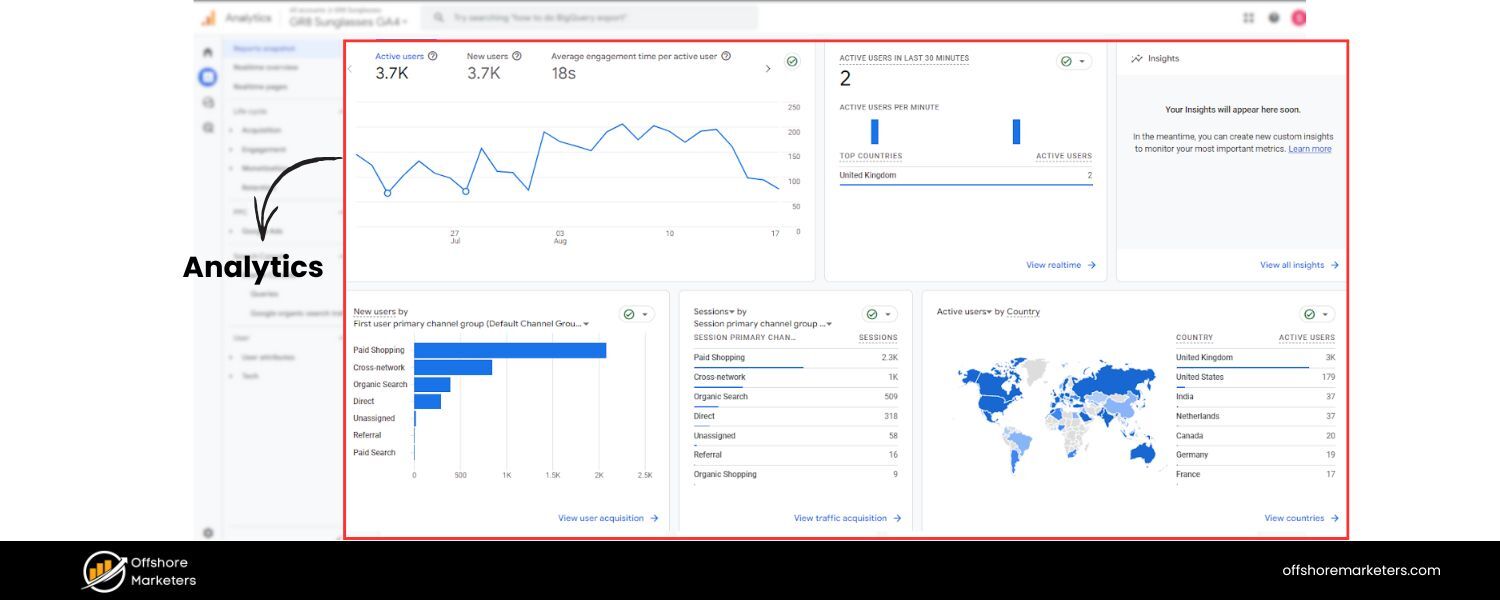
Many white-label SEO platforms offer fully branded SEO reports that you can present to clients, showcasing their progress and results.
For instance, they might provide monthly ranking reports, traffic analysis, or campaign performance summaries featuring your agency’s logo.
Some even have dashboards where you and your client (if you choose) can log in to see up-to-date metrics. Reporting is a service in itself – it keeps clients informed and demonstrates value, so having a partner prepare professional reports is a significant benefit.
You can often customize what metrics are shown to align with client goals (keyword rankings, organic traffic growth, conversion data, etc.).
By letting the provider handle data collection and report generation, you ensure consistent, data-rich updates to clients without burning hours in spreadsheets.
It’s also worth noting that some providers may join you on client calls (either silently or under your branding) to help present results if needed.
8. SEO Strategy & Consulting
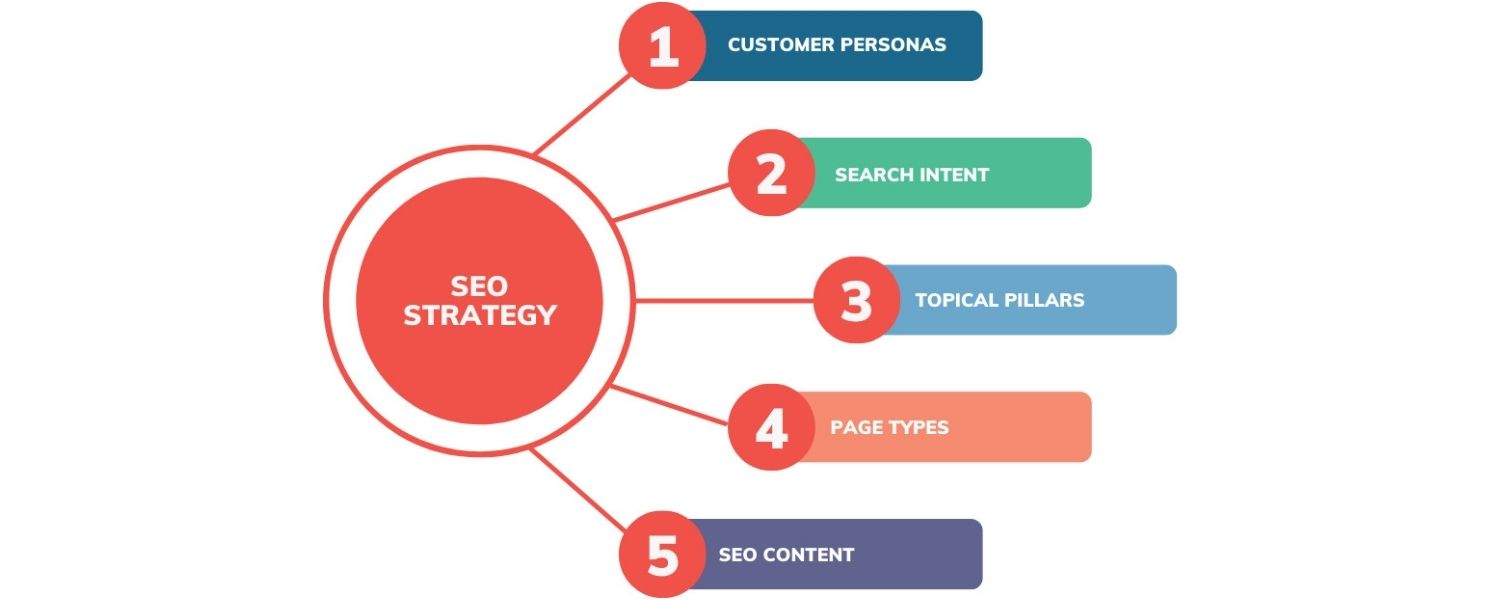
Beyond execution, some advanced white-label partners can assist with strategy development. For example, they might help you devise a 6-month SEO strategy for a new client, including performing initial audits, identifying opportunities, and outlining which tactics to prioritize.
While you should always remain the chief strategist in your client’s eyes, having expert input behind the scenes can sharpen your plans.
This is especially useful if you’re less experienced with SEO – the provider’s strategists can guide on things like which keywords to target first, how to allocate budgets between content and links, etc.
Essentially, they can act as a consultant to your agency, helping you pitch and plan effective SEO campaigns that you then deliver.
Some white-label companies even produce sales materials or proposal content for agencies to win clients (for instance, audits or pitch decks demonstrating the potential SEO ROI).
This level of support can help you confidently expand into SEO services, knowing you have seasoned professionals backing you up.
9. Specialty SEO Services
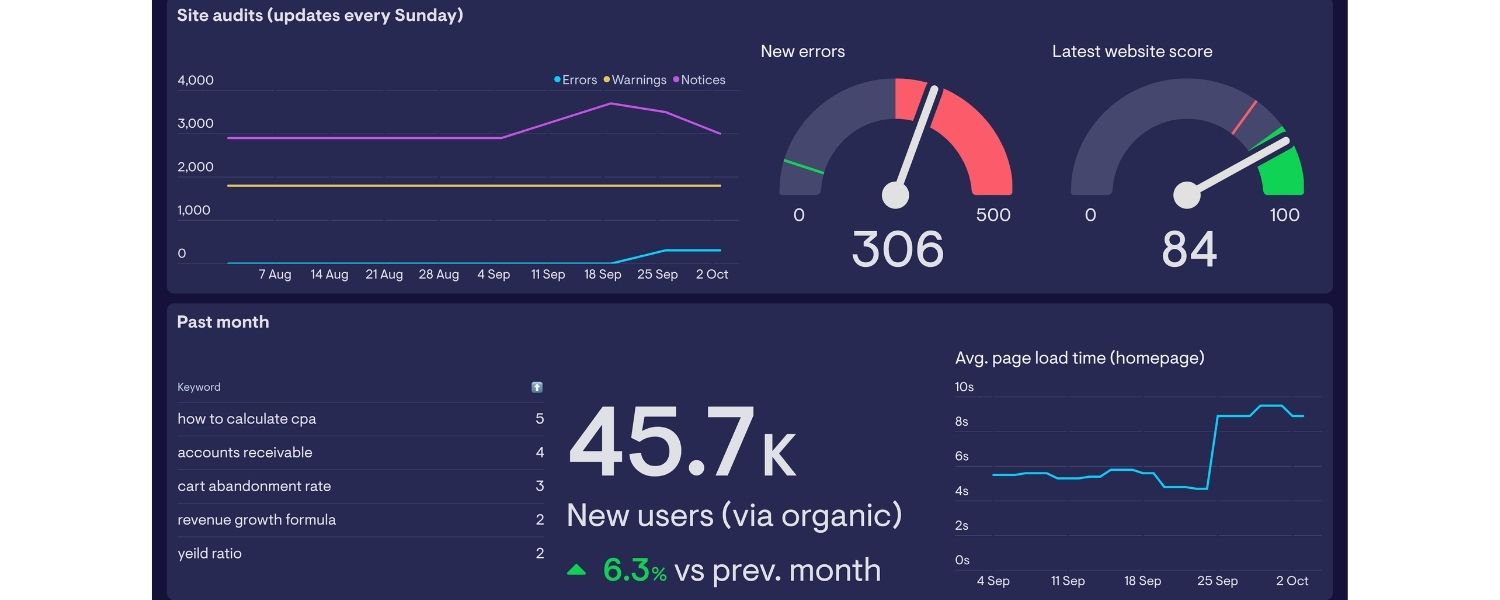
Depending on the provider, you might also outsource more specialized or advanced SEO-related services.
Examples include Digital PR (creating press releases and pitching stories to earn high-authority media backlinks), infographic design and promotion (to earn links and shares), or video content creation optimized for SEO (like producing YouTube videos or site videos, which many providers like FatJoe now offer on a quick turnaround).
Another example is SEO for e-commerce platforms, which might involve product page optimization or feed optimization – tasks you could delegate to a specialist familiar with Shopify, Amazon, etc.
Suppose your client has a particular need (say, recovering from a Google penalty or doing a complete site migration SEO setup). In that case, there are likely white-label experts in those niches too.
The variety of offerings means you can confidently say “yes” to clients for a broad scope of SEO requests, knowing you can find a partner to implement the solution.
In summary, almost any component of SEO can be white-labeled. Whether you need content, links, technical fixes, or strategic planning, there’s a provider out there for it.
You can choose to outsource à la carte (just one piece of the puzzle) or hand over the entire SEO campaign lifecycle from research to reporting.
This flexibility lets you alleviate the parts of SEO your team isn’t equipped for, while still delivering a holistic service to your clients.
By mixing and matching outsourced services, your agency can cover all bases without having full-time experts in every niche area of SEO.
How to Choose the Right White Label SEO Provider
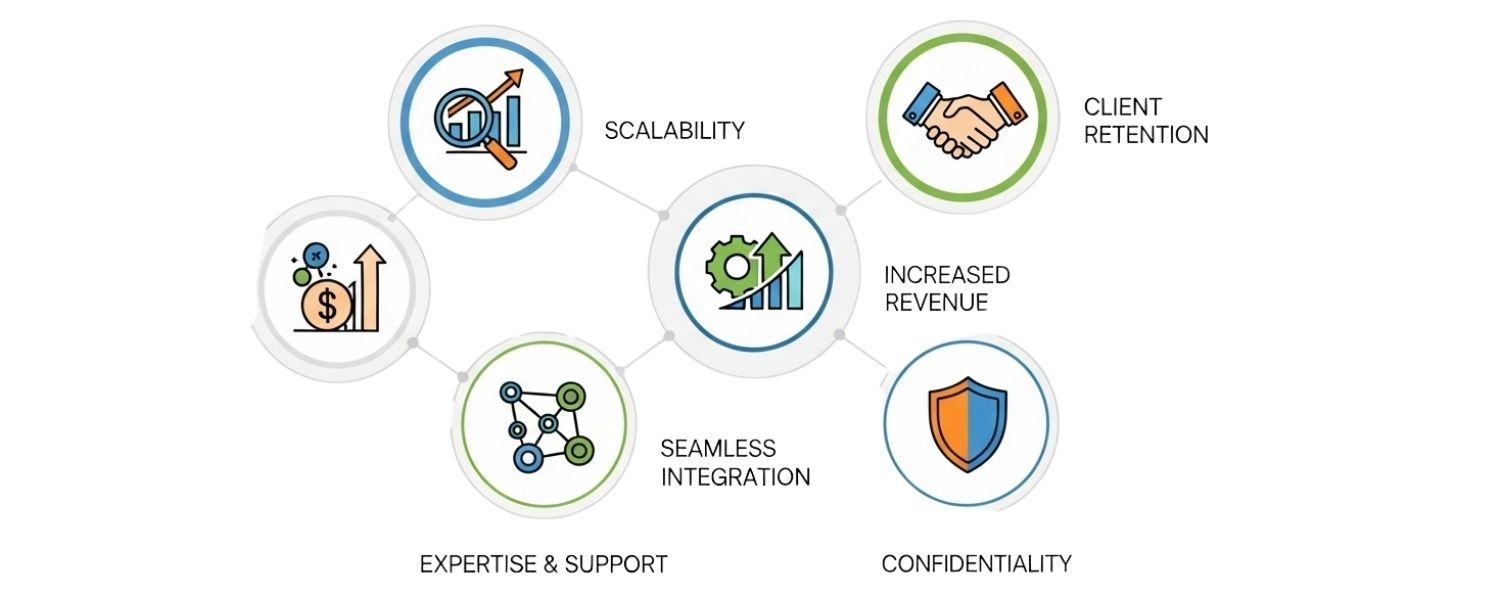
Choosing a white label SEO provider is a critical decision, after all, this company’s work will directly reflect on your agency’s reputation.
A great partner can make your life easier and delight your clients; a poor partner can result in missed deadlines or subpar results (and unhappy clients).
Here are the key factors and criteria to consider when evaluating and selecting a white-label SEO service:
1. Proven Experience and Track Record
Look for a provider with a solid history in the SEO industry and, ideally, specific experience working with agencies. Years of experience and a track record of successful campaigns indicate they know what they’re doing.
Ask potential providers about their background: How long have they been offering white-label SEO? Do they have case studies or examples of results they’ve achieved for clients (even if anonymized)?
An experienced provider is more likely to handle challenges smoothly and stay current with SEO trends. Don’t hesitate to request references or case studies – a reputable company should have plenty of success stories to share.
2. Range of Services Offered
Ensure the provider offers all the services your clients are likely to need. Some white-label firms specialize in specific areas (e.g., link building only or content writing only), while others offer a full-service approach.
If you want a one-stop solution, choose a partner that can cover on-page, off-page, content, and technical SEO, among other areas, as this will simplify coordination and streamline your efforts.
On the other hand, if you only need help in one location (like outsourcing content production), you might opt for a niche specialist.
Align the provider’s capabilities with your service menu and growth plans. It’s often convenient to have a single reliable partner that can grow with your needs, but the quality of each service is more important than the sheer quantity of services.
3. Quality of Work (Samples and Results)
Quality is paramount – you need deliverables that you’d be proud to put your brand on. Evaluate a provider’s quality by requesting samples or conducting a trial project. For example, review sample reports, audit documents, or content pieces they’ve produced.
Are they thorough, professional, and free of glaring errors? Verify that their content is well-written and adheres to SEO best practices (no keyword stuffing, etc.) and that their link-building reports include relevant, high-authority links.
You can also gauge quality from how they talk about their process: Do they have transparent methodologies for ensuring quality (multiple copyediting steps, QA on reports, etc.)?
Additionally, see if they have any stats or KPIs from past campaigns (e.g., “We improved Client X’s organic traffic by 50% in 6 months”).
A provider with a quality mindset will be eager to demonstrate their results and standards.
4. Reputation and Reviews
In the world of white-label services, reputation is crucial. You’re entrusting this provider with sensitive work, so do some homework on their reputation.
Check for testimonials or reviews from other agencies that have used their services.
Many providers include testimonials on their websites, but take it a step further by seeking third-party reviews on platforms like G2, Capterra, Google Business, or even forums and social media.
Consistent positive feedback is a good sign. Conversely, if you spot recurring red flags in reviews (e.g., multiple people complaining about missed deadlines or poor communication), take heed.
Not seeing any testimonials at all can also be a warning sign. Transparency is key: a credible provider will be open about feedback and likely have a mix of glowing reviews and a few critiques (nobody’s perfect). Use those insights to weigh the pros and cons.
5. Their SEO Presence
Perhaps ironically, but a proper check involves examining the provider’s website and SEO presence. If they claim to be SEO experts, but their site is poorly optimized or doesn’t rank for any relevant keywords, consider that a caution.
For instance, do they produce valuable content on their blog? Does their site load fast and have a clean structure? While their business model is to boost your brand, a company that doesn’t bother with its SEO might lack actual expertise.
Many top white-label agencies have a strong online presence (some publish helpful SEO resources or have a robust site) – this can indicate they practice what they preach. That said, some legitimate backend fulfillment companies intentionally keep a low profile, so use this factor in conjunction with others.
6. White Hat, Transparent Techniques
SEO can be done the right way or the wrong way (i.e., spammy). You want a partner who uses ethical, white-hat SEO techniques and is transparent about their processes.
If a provider promises unrealistically quick results or uses jargon like “secret tricks” without details, be wary. During vetting, ask how they approach link building (do they build real, relevant links or engage in risky schemes?), how they handle content (original content or spun/AI content?), and how they adapt to Google’s guidelines.
Transparency is key – a good provider will be open about what they do and how they do it. They should also be willing to report on activities performed (e.g., listing actual links built and showing content outlines before writing).
Avoid any provider that is evasive or that guarantees specific rankings (“#1 on Google in a week!”) – reputable firms know SEO results can’t be guaranteed like that.
Partnering with a black-hat SEO could lead to penalties for your clients, which would be detrimental to your relationship with them.
7. Communication and Support
Seamless communication with your white-label partner is essential since they are effectively part of your team. Evaluate how responsive and transparent they are in early interactions.
Do they reply to emails promptly? Are they willing to have calls or strategy sessions as needed? Ask if they will provide a dedicated account manager or point of contact for your agency.
Having a go-to person who understands your business and clients makes coordination much easier. Also, clarify their availability – are they in a similar time zone as you, or will there be delays?
Ideally, they should have a system for regular updates (such as weekly progress emails and monthly reports) so you’re never left in the dark about what’s happening with client campaigns.
Effective communication will help you trust that projects are on track and enable you to update your clients confidently.
8. Turnaround Times and Reliability
Time is money in agency work. Discuss expected turnaround times for various tasks with the provider. For example, how quickly can they deliver a 10-page site audit? What’s the timeline for a batch of 5 blog posts or for building 20 backlinks?
Ensure their speed aligns with your client’s expectations. It’s wise to start with modest expectations and see if they are consistently met. Reliable delivery is crucial for you to keep promises to your clients.
If a provider consistently delivers late without a good reason, it will strain your client relationships.
On the other hand, some white-label agencies take pride in their quick turnarounds (e.g., delivering content within 48 hours). Just make sure speed doesn’t come at the cost of quality – balance is key.
9. Scalability & Capacity
Consider your future needs. If you plan to grow aggressively, choose a partner that can handle a ramp-up in workload. Ask about their capacity – how many clients or projects can they handle at once?
Do they have a scalable team in place if you suddenly bring 10 new SEO clients to them? You don’t want to outgrow your provider.
Many larger white-label firms have ample staff and even offer different packages (for small, medium, and large campaigns) to adapt to your needs.
Ensure they can scale with you and won’t become a bottleneck. The provider should also be able to scale down if needed – check that they don’t lock you into high minimums or long-term commitments that could be problematic in slower periods.
10. Flexible Contracts and Pricing
Pay attention to the business terms. It’s generally advisable to avoid providers that demand long-term contracts right off the bat.
You want the flexibility to test the relationship and the freedom to exit if it’s not working out. Look for month-to-month plans or project-based pricing initially.
In terms of pricing models, understand how they charge: Is it a flat monthly fee per client or service? Do they offer wholesale rates with recommended markups?
Compare pricing not just to find the cheapest option, but also to ensure you can still make a profit after your markup, and that the price accurately reflects the level of quality you expect.
Extremely cheap services may be a red flag (you might “get what you pay for” in terms of quality). Strive for a fair balance that benefits both parties economically.
Also, inquire about their policies: Is there a refund or redo policy if something doesn’t meet expectations? Do they have NDA agreements to protect your confidentiality (most will sign an NDA not to solicit your clients or reveal their involvement)? These factors all contribute to a smooth partnership.
Taking the time to vet your white-label SEO provider thoroughly is well worth it. Consider starting with a small project or trial run to see how they perform on a live assignment before funneling a large portion of your client work to them.
During the trial, evaluate all the above factors in real-world action: Was communication on point? Did they deliver on time? Did the quality meet your standards? Use the trial to iron out any kinks and ensure you’re comfortable with it.
Remember, this is more than a vendor – it’s like hiring an entire SEO team that your clients will never meet. So choose as carefully as you would your employees.
When you find the right provider, they become a trusted extension of your agency, enabling you to confidently sell and deliver SEO services, knowing you have a strong partner at your back.
Best Practices for Integrating White Label SEO Services into Your Agency
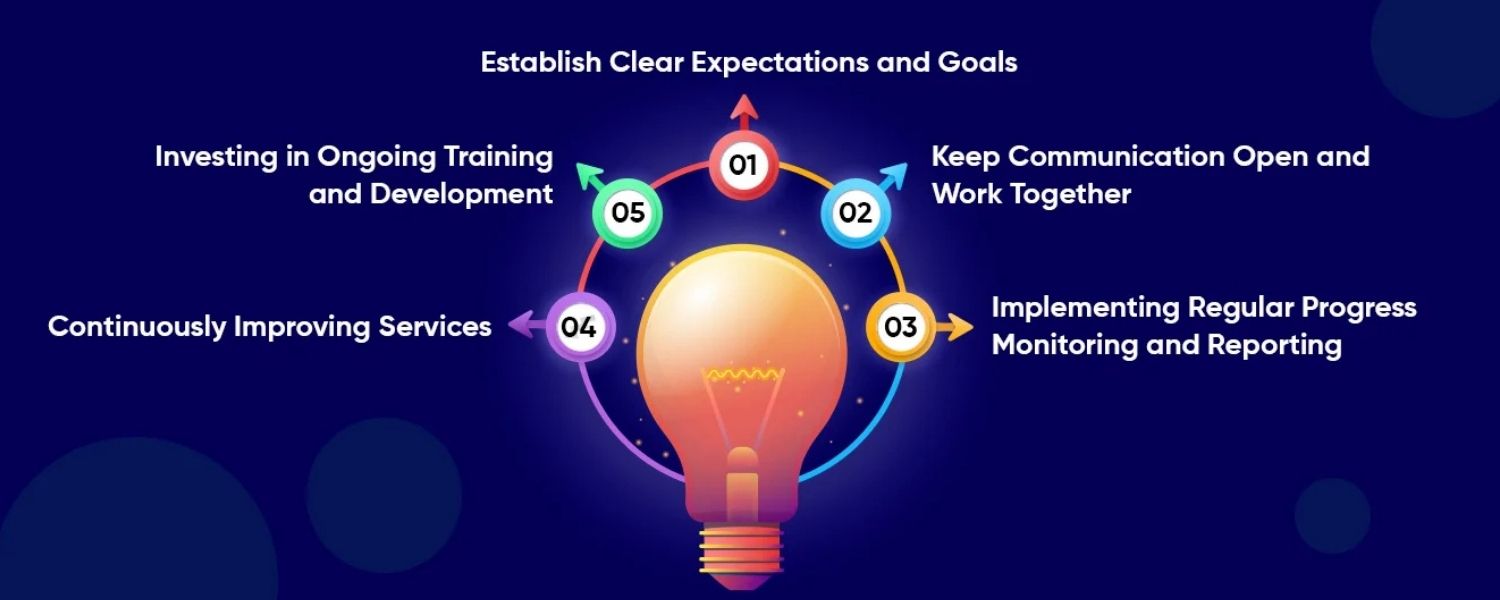
Once you’ve chosen a white-label SEO partner, success lies in managing the collaboration effectively.
You want to seamlessly integrate their work into your operations so that, from the client’s perspective, there’s no difference – it’s as if your own team expanded overnight.
Here are some best practices and tips for working with a white-label SEO provider smoothly:
1. Establish Clear Communication Channels
Open, frequent communication with your provider is essential. At the outset, set up the channels you’ll use – whether it’s email, Slack, project management software, or regular phone/Zoom calls.
Introduce your account manager at the provider to your key team members (internally) so that everyone knows who to reach out to for specific matters. Consider scheduling a recurring check-in (weekly or bi-weekly) to review project statuses and upcoming tasks.
Treat your white label team as an extension of your own: loop them in on relevant updates from your client (campaign pivots, feedback received, etc.). Likewise, encourage them to ask questions and seek clarification anytime.
The goal is to prevent misunderstandings or delays by keeping information flowing freely. Some agencies add their white label partner to their internal project management tools for transparency – for example, assigning tasks in Asana or Trello directly to the provider’s team (under a generic user). Do what works best for both sides to stay aligned.
2. Define Scope, Expectations, and Deadlines Up Front
Before commencing any project with the provider, take the time to outline exactly what you need.
This includes the scope of work (e.g., “Perform on-page optimization for 50 pages” or “Write four blog posts of ~1,000 words each on topics X, Y, Z”), the quality standards (any style guides or specific metrics like “each article must score 90+ in our content optimizer tool”), and the deadlines or turnaround times for each deliverable.
The more detailed and explicit you can be, the better. If you have Standard Operating Procedures (SOPs) or templates outlining your preferred work processes, please share them. For instance, if you want reports in a specific format or content presented in a confident voice, clarify this from the start.
Misalignment in expectations is a common source of frustration in outsourcing relationships, so front-load the clarity. It can be helpful to provide examples of “good” outcomes (e.g., send them a sample of a report you love, or a link to an article that meets your standards) so they have a benchmark to emulate.
Also, decide on how changes in scope will be handled – if the client requests extra work or modifications, how will you communicate these changes, and how will they impact the timeline and cost?
3. Maintain a Strong Quality Assurance (QA) Process
Even with a great partner, you should never outsource work to your client without reviewing it first. As the agency of record, it’s your responsibility to ensure everything that goes to the client is top quality and aligns with their expectations.
Please set up an internal QA workflow: for example, when the provider delivers content, have one of your team members proofread it to ensure it meets the brief. When they complete an SEO audit, review the findings and, if necessary, spot-check a few items for accuracy and clarity.
If you have the capability, run deliverables through your tools (for instance, you could run a provided article through a plagiarism checker or an optimization tool as a sanity check).
This extra layer guarantees that nothing slips through the cracks. In cases where something isn’t up to par, send it back for revisions (a reputable provider will accommodate reasonable revision requests to get things right).
Remember, quality of work is often cited as the top challenge in outsourcing, but by implementing QA, you mitigate that risk and uphold your agency’s standards. Over time, as trust grows, you may streamline QA but never eliminate it entirely.
4. Stay Organized with Documentation and Tracking
Managing multiple clients and projects through a white-label team requires effective organization. Maintain clear documentation of the tasks assigned to the provider, their status, and outcomes.
Use a project tracker or even a simple spreadsheet to monitor each campaign: when was it assigned, when delivered, notes or feedback given, etc.
This helps prevent anything from being forgotten and makes reporting to clients easier. Additionally, maintain records of communication, including decisions made and strategies agreed upon, so that if staff changes on either side, there’s continuity.
If the provider uses a dashboard for project tracking, make sure you’re utilizing it to stay up-to-date. Being organized also means planning whenever possible: give your provider as much lead time as you can for upcoming tasks, and share your content calendars or campaign plans in advance. This way, they can allocate resources appropriately and meet your needs on schedule.
5. Provide Constructive Feedback (Early and Often)
At the beginning of the partnership especially, invest time in giving feedback on the work delivered. If the first piece of content is slightly off-tone, explain to the provider what needs to change (better now than after 10 posts are written incorrectly).
Constructive feedback helps the provider understand your preferences and improve. Be specific – instead of saying, “this isn’t good,” point out that, for example, “the tone is too casual; our client prefers a formal tone, and the keyword density should be a bit higher on the main term.”
Also, don’t shy away from sharing client feedback with the provider. If your client loves something, let the partner know, it reinforces what to keep doing. If the client has a complaint, communicate it tactfully so that the provider can make adjustments.
A professional white-label firm will appreciate feedback as it helps them keep you (and your clients) happy. Over time, as the provider becomes attuned to your expectations, you’ll likely need to give less feedback because they’ll get it right on the first try.
In essence, think of it like onboarding a new internal employee: initial guidance pays off in the long term, leading to increased efficiency and quality.
6. Integrate the Provider into Your Workflow (but Preserve Boundaries)
You want the provider to feel like part of your team for cohesion but also remember they are external when it comes to client interaction. Generally, you should not reveal the white label provider to your clients (that’s the whole point of white label).
Therefore, ensure that any direct communication with clients remains in your hands. If the provider needs information from the client, you serve as the go-between.
However, internally, you might integrate them deeply. Some agencies share internal emails or let providers use an agency-branded email address for certain communications (for example, sending reports or scheduling certain things with permission and caution).
If your provider offers it, you might use a white-labeled dashboard to which your client has access, in such cases, test it out to be sure it’s truly devoid of the provider’s branding and is user-friendly.
The key is to make collaboration seamless behind the scenes but maintain a single face to the client.
It can help to set ground rules: e.g., if a member of the provider’s team ever joins a call, they might appear as just another one of your team members (some agencies do this on technical kickoff calls, etc., though it’s optional and to be done carefully). Most of the time, though, the provider will not interact with the client at all.
7. Protect Confidentiality and Client Relationships
In addition to the above, ensure that you have agreements in place to protect your clients’ information. A typical white label agreement or NDA should stipulate that the provider will not circumvent you to work with your clients directly, and will keep all data confidential.
This legal safety net is essential. Practically, also consider how much client detail the provider needs, share what’s necessary to do the work. Still, you don’t have to divulge things like your pricing to the client or other sensitive business info.
Mark any particularly sensitive materials as confidential if needed. Most providers are ethical and used to these norms, but it’s good to be mindful.
It’s also part of why you continue to manage the client relationship 100%, the client should never feel confused about who is doing what. With strong confidentiality practices, your white-label partner truly remains invisible.
8. Monitor Results and Client Satisfaction
Keep a close eye on the outcomes of the white-label work. Are the SEO KPIs moving in the right direction (e.g., improved rankings, traffic, conversions)?
Regularly review performance reports provided by the partner, and also check in with your client about how they feel things are going. If the results are positive, that’s great, share the success with your provider as well, as it reinforces the partnership.
If results are lagging, involve the provider in troubleshooting as they’re implementing the solution, and their insight is crucial for adjusting the strategy. The beauty of a white-label setup is that you have additional brains to pick when solving problems.
Also, ensure that reporting remains client-friendly, sometimes technical folks produce very granular reports; you might need to translate that into business terms for your clients so they appreciate the value delivered. Continuously aligning on results helps maintain trust on all sides.
9. Be Prepared to Pivot or Mix Approaches
While many agencies rely entirely on white-label SEO for certain services, remember that you have flexibility. You may find, over time, that you want to bring some capabilities in-house (perhaps after learning from your partner) or, conversely, outsource more.
The best scenario is a hybrid model: utilize the white label team for volume tasks and have your in-house team focus on strategy or a few key clients where a personal touch is required. Don’t be afraid to pivot the arrangement if needed.
A good partner will adapt – for instance, scaling down link building if you hire an internal link builder, or ramping up content if you land a big content project unexpectedly.
As long as you communicate and plan, you can fine-tune the collaboration model over time. The end goal is simply to deliver great work to clients and grow the agency; be flexible in how you use the tools (the partner) at your disposal to achieve that.
By following these best practices, you set the stage for a long-term, successful partnership with your white-label SEO provider. Many agencies form multi-year relationships with their white-label teams that become a cornerstone of their business growth.
Treat the provider as a true partner: share your goals, celebrate wins together, and address challenges collaboratively.
When your processes and teamwork are well-established, your clients will notice only that your agency consistently delivers excellent SEO results, never suspecting the robust partnership that powers it behind the scenes.
Potential Drawbacks of White Label SEO and How to Mitigate Them
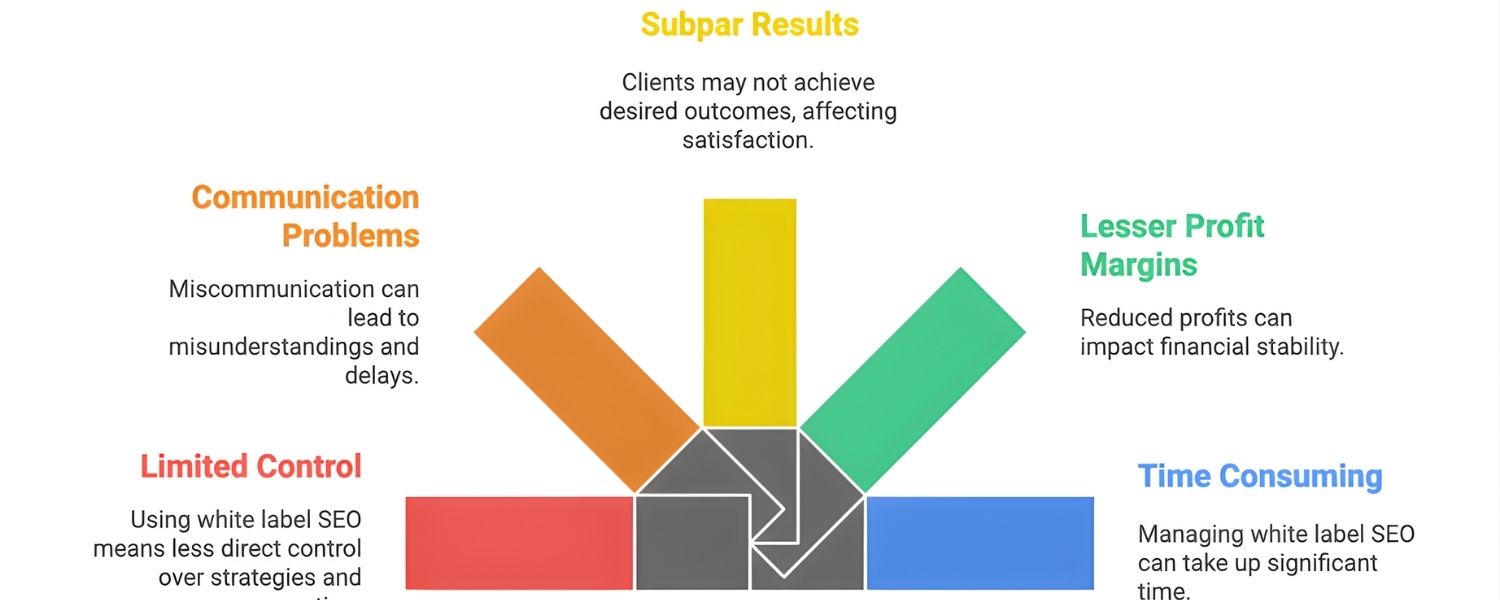
White-label SEO offers numerous benefits, but it also has potential downsides. Being aware of these common pitfalls will help you manage them proactively so that they don’t harm your business. Here are some cons to consider, along with tips to mitigate each:
1. Less Direct Control
When you outsource work, you inevitably lose some degree of direct control over how things are done. You’re trusting an external team to execute tasks to your standards.
This can be unsettling for hands-on agencies or those with very specific processes. To mitigate this, invest in detailed onboarding and documentation for your provider (as discussed) so they follow your preferred methods.
Maintain frequent check-ins and require transparency (you should know precisely what actions are being taken on your clients’ sites). By being involved through QA and regular communication, you regain a sense of control.
Over time, as trust builds, you might be more comfortable letting go of the minute details, but always keep a pulse on the work. If you’re especially concerned about control on specific tasks, you can keep those in-house and outsource others, striking a balance.
2. Quality Concerns
One risk is the possibility of subpar work quality if the provider cuts corners or doesn’t fully understand your client’s needs. Low-quality content or shady link building can harm your client’s SEO and your reputation.
The best prevention is choosing the right provider (with a good track record and ethics) and then performing diligent quality checks. If you discover any quality issues, address them immediately.
Provide feedback and allow the provider to correct any issues that arise. If problems persist, you may need to switch providers. It’s also wise to start slowly, maybe outsource one campaign and see the results before scaling up.
This way, any quality problems are caught early and only affect one client (which you can likely fix) rather than many. Additionally, establish clear quality benchmarks (e.g., content must be original and well-researched, links must be on sites with a certain authority level, etc.), when these criteria are agreed upon upfront, the provider knows what they’re accountable for.
3. Communication Gaps
Collaborating with an external team can sometimes result in miscommunications or delays in communication. Different time zones, busy account managers, or unclear instructions can cause things to slip.
To combat this, establish your communication protocol from day one (response times expected, primary channels, escalation paths if something is urgent).
If the provider is in a very different time zone, try to find at least a couple of overlapping working hours for real-time discussions when needed. Document meaningful conversations and follow up verbal agreements with written summaries to avoid misunderstandings.
If you find a provider’s communication lacking, bring it up – sometimes, they can adjust by assigning you a more attentive rep or tweaking their processes.
Remember, you also owe them prompt communication; delays on your side can bottleneck the whole workflow. Treat them as you would an internal team, keeping everyone in the loop.
4. Dependency on a Third Party
Relying heavily on a single provider does introduce some business risk. If that provider faces issues (e.g., sudden staff changes, shifts in focus, or, in worst cases, goes out of business), your service delivery could be disrupted.
To mitigate this, diversify where reasonable. Some agencies keep a roster of two or so trusted white-label partners so they have a backup if needed, or they split tasks (maybe one provider for content, another for links).
You can also negotiate a contract clause that, in case of termination, the provider will support a transition period. It’s about having a contingency plan: identify alternative providers or freelancers you could tap if needed.
Building some in-house capability as a safety net isn’t a bad idea either – for instance, ensure someone on your team can step in to handle basic SEO tasks temporarily if an emergency arises.
Additionally, maintain ownership of all accounts and data; if the provider uses tools or creates accounts (Analytics, Search Console, etc.), have them do it under accounts you control or share access, so you’re not locked out if the relationship ends.
5. Profit Margin Considerations
While white label SEO is cost-effective, you need to manage the financial aspect carefully. Ensure that the reseller pricing still leaves you a healthy margin after you mark it up to the client.
Sometimes, scope creep can eat into margins if you underestimate the amount of work needed and the provider charges more.
To avoid surprises, get clear pricing structures from your provider and include buffers in your client proposals for any potential extra work.
As you grow volume, you might negotiate better rates with your provider, which improves your margin. Don’t hesitate to discuss bulk discounts or tiered pricing if you’re consistently giving them a lot of business.
Also, keep an eye on the ROI: if a particular service isn’t very profitable for you after outsourcing, consider adjusting your pricing to clients or focusing on higher-margin services.
6. Alignment with Agency Values
Every agency has its style and values. If your brand is all about, say, creative flair or highly personalized service, you need to ensure the white label output aligns with that brand promise.
There can be a concern that using an outside team dilutes your unique touch. The remedy is to choose a partner whose approach aligns well with yours and then infuse your brand’s perspective into the guidance you provide them.
For example, if you pride yourself on a data-driven strategy, have the provider include robust data in their reports and content. If you emphasize ethical marketing, ensure the provider’s tactics are strictly white hat (no dubious shortcuts).
Essentially, make them aware of what your brand stands for so they become a valid extension of it.
The closer the alignment, the less you’ll feel any disconnect. If you find a provider isn’t able or willing to embrace your style (maybe they’re too templated and your brand is about customization), it may not be the right fit.
In short, white-label SEO is a powerful tool, but it is not a set-and-forget solution. Diligence in provider selection, active management, and implementation of safeguards can mitigate most of the drawbacks. Many agencies find that the benefits far outweigh these concerns, especially once proper processes are in place.
By anticipating issues (such as control or quality) and addressing them head-on, you ensure that your white-label partnership remains a net positive for your business.
Regularly evaluate the collaboration and be open to making adjustments as needed. With the right approach, you can enjoy the scale and expertise of white-label SEO while keeping risks well under control.
Conclusion: Scale Your Agency with White Label SEO
White-label SEO has emerged as a game-changing strategy for agencies seeking to expand in a competitive digital landscape.
By partnering with the right SEO provider, you can deliver a full suite of expert SEO services under your brand, delighting clients with better rankings and traffic, all without the burden of doing everything yourself.
This allows you to focus on what you do best (whether that’s account management, strategy, or other marketing services) while expanding your service offerings and revenue.
In 2025 and beyond, as SEO continues to evolve with new technologies and algorithm changes, having a specialist team on your side is invaluable.
White label SEO allows you to stay agile and keep pace with the latest SEO tactics as your provider continually updates their skills and tools.
It’s a way to future-proof your agency’s SEO capabilities. Whether a client needs technical optimization for Core Web Vitals, fresh content to target voice search queries, or authoritative backlinks to compete in the SERPs, you’ll be able to say “yes, we can handle that” confidently.
Of course, success with white-label SEO isn’t automatic. It requires choosing a reputable partner, setting clear expectations, and maintaining quality control, as we’ve detailed in this guide. But with those pieces in place, the results can be exceptional.
You can take on more clients, offer more services, and generate more profit without overextending your internal team. Essentially, white-label SEO gives you the scale of a larger agency and the expertise of an SEO specialist wrapped into one.
If you’re ready to elevate your agency’s growth, now is a great time to explore white-label SEO services.
Start by researching potential providers (use our tips above as a checklist), consider trialing a small project, and envision how integrating a white-label team could open up new opportunities for your business.
Many agencies find that once they start white-labeling SEO, they never look back, it becomes a cornerstone of their business model.
In summary, white label SEO is the secret weapon to scale your agency efficiently and effectively. It enables you to serve clients with top-notch SEO results while you concentrate on building relationships and expanding your agency’s reach.
By leveraging the power of outsourcing in a smart, controlled way, you can achieve growth that would be tough to accomplish alone. Don’t let limited resources hold you back from offering the SEO services your clients are asking for.
With the right white-label partnership, you can expand your capabilities, increase your revenue, and strengthen your reputation as a go-to agency that delivers across all aspects of digital marketing.

.png)
Shopify SEO: Guide to Ranking Your Store and Driving Sales
Most Shopify store owners set up their store, list their...

Content Marketing : Definitive Guide to Strategy, Content Types, and Measurable ROI
Content marketing generates 3x more leads than outbound marketing at...

Above the Fold: Guide to Conversions, Rankings and Faster Pages
Above the Fold in 2026: The Complete Guide to Conversions,...

Off-Page SEO Checklist: Guide to Building Real Authority
Most websites spend months creating great content, only to wonder...

What Is Keyword Bidding? The Complete Strategy Guide for Smarter Ad Spend
Most advertisers believe the highest bid wins the auction. It...

What Is Google Trends? The 2026 Marketer’s Complete Guide
If you are not already pulling weekly insights from Google...
If you want a growth partner who will get to know every aspect of your business and treat your budget like their own — we are the right fit.
.png)


.png)
.png)
.png)
.png)
.png)
.png)
2026 ALL RIGHTS RESERVED MADE IN INDIA
