
Off-Page SEO: To Building Online Authority
June 27, 2025
Imagine this: you’ve optimized every page on your website, polished content, perfect keywords, lightning-fast speed. Yet, your site still isn’t ranking at the top of Google. What’s missing? The other half of the puzzle: off-page SEO.
While on-page SEO involves tweaks to your website, off-page SEO encompasses all the actions you and others take outside your site to enhance its credibility, authority, and rankings.
In simple terms, it’s about getting votes of confidence from the rest of the internet. These “votes” come in forms like backlinks from other sites, mentions of your brand, social media buzz, and positive reviews. Off-page SEO demonstrates to search engines that your site is trusted and authoritative within your industry.
“Off-page SEO is all the stuff you do off of your site to get Google and other search engines to see your website as trustworthy and authoritative.” – Brian Dean.
Why does off-page SEO matter so much? Think of your website like a business in a neighborhood. No matter how great your storefront (on-page SEO) is, people also judge it by external factors – word of mouth, media coverage, and the company it keeps.
Likewise, Google’s algorithm looks at off-site signals like backlinks, brand mentions, and reviews to gauge your site’s reputation. Backlinks and other off-site factors form the foundation of Google’s ranking system (remember Google’s original PageRank?).
Let’s dive into the key pillars of off-page SEO and how you can use them to your advantage:
Link Building: Earning Quality Backlinks
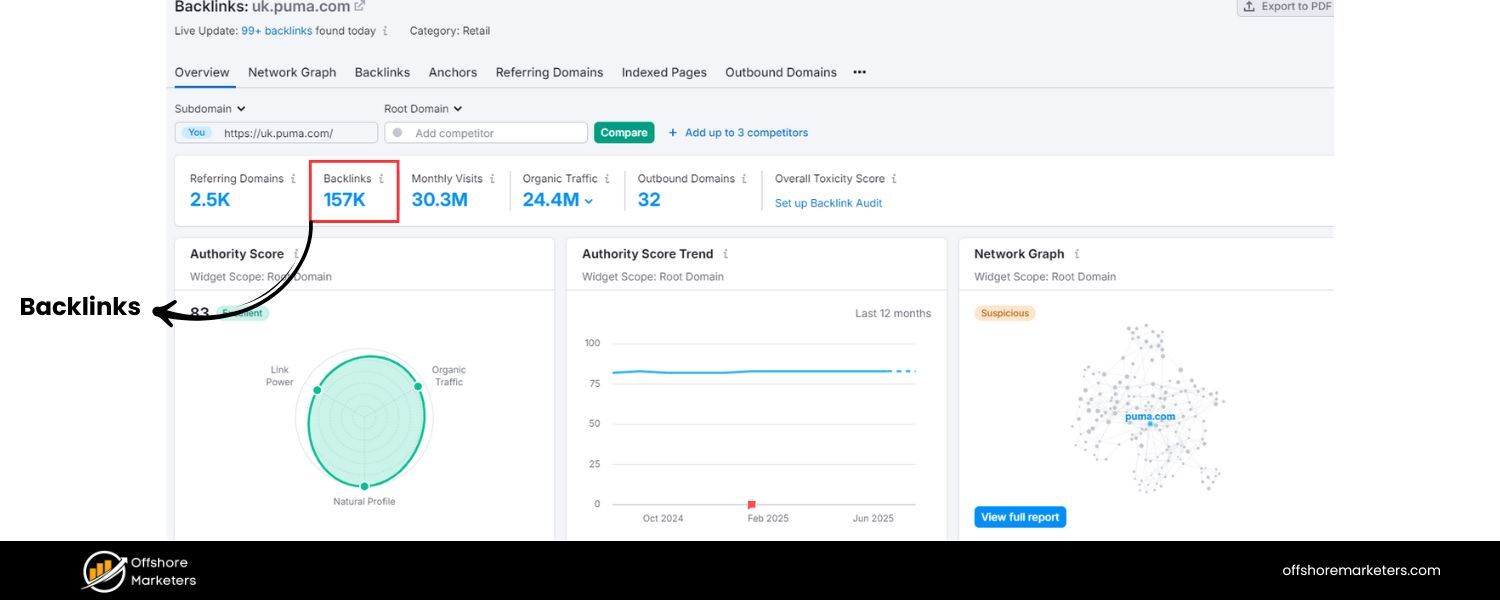
Link building is the cornerstone of off-page SEO. It’s the practice of getting other websites to link to your site, and those inbound links (or “backlinks”) act as votes of confidence for your content. Search engines interpret a backlink from a reputable site as a signal that your page is trustworthy and valuable.
Why Backlinks Matter
Backlinks remain one of Google’s top ranking factors because they essentially represent third-party endorsements. Google’s PageRank algorithm considers both thequantity and quality of links to a page.
The more high-quality backlinks you have, the more authoritative your site appears. Conversely, spammy or irrelevant links can hurt you, so focus on earning links naturally and ethically.
Best Practices for Link Building:
A. Prioritize Quality Over Quantity
Avoid the trap of chasing hundreds of links from random sites. It’s better to have a handful of links from respected, high-authority websites in your niche than hundreds from link farms or unrelated sites. Authoritative and niche-relevant backlinks carry the most weight, while low-quality or spammy links can harm your rankings.
B. Create Link-Worthy Content
The most fundamental way to earn backlinks is by publishing content others want to link to. Original research, infographics, comprehensive guides, and unique case studies are link magnets. When you offer real value or novel insights, other site owners and bloggers will naturally reference and link to your content as a resource.
C. Leverage Broken Link Building
This clever tactic involves finding broken (dead) links on other websites in your industry and suggesting your content as a replacement. Many websites don’t want to send visitors to dead pages.
If you find a broken link that used to point to content like yours, reach out to the site owner and politely recommend your live, relevant content as an alternative.
D. Guest Blogging (Strategically)
Writing guest posts for reputable blogs in your field can earn you quality backlinks (and traffic), but only if done right. Aim for industry-relevant, high-authority blogs and provide truly valuable content, not salesy fluff.
Many publications allow authors to include a bio or a contextual link to their site. We’ll dive deeper into guest posting later, but remember: one guest post on a respected site is worth far more than 10 on low-tier sites.
E. “Skyscraper” and Resource Links
The “skyscraper technique” refers to identifying popular content in your niche and creating something even better. For example, if “10 Tips for DIY Home Painting” is performing well, you might consider publishing “50 Pro Painting Tips for a Flawless Finish – Complete Guide”, with more depth and up-to-date information. Then, reach out to sites that linked to the original article and show them your improved version.
Pro Tip
Always build links in a way that will stand the test of time. Avoid black-hat schemes, such as paid link networks or spammy link exchanges.
Google is very good at detecting purchased or manipulative links, and such links carry no value or could even incur penalties. Focus on earning links through merit, excellent content, and authentic outreach.
Brand Mentions and Online Reputation
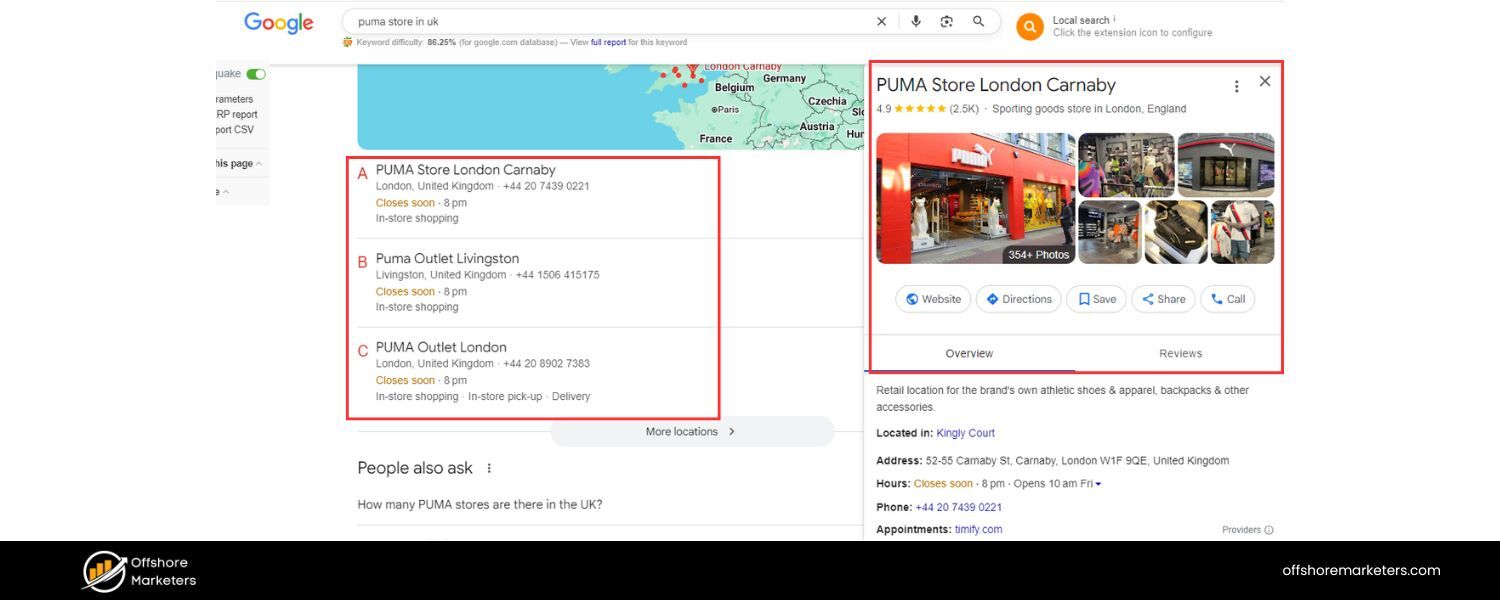
Not every online reference to your business comes in the form of a clickable link. Sometimes, your brand or website is mentioned without a hyperlink, and these brand mentions also serve as an off-page SEO factor.
Google’s algorithm can recognize mentions of your brand or website as “implied links,” even if they aren’t clickable. Brand mentions (including your company name, product names, etc.) across the web contribute to your site’s reputation and trustworthiness. They signal that people are talking about you, which can indirectly boost your credibility in search rankings.
How to Earn and Leverage Brand Mentions:
A. Provide Expert Commentary
Position yourself or your team as experts willing to comment for articles. Journalists and bloggers often need quotes or insights from industry experts. By contributing your expertise, you can get your name or business mentioned (and usually linked). Keep an eye on platforms like HARO (Help A Reporter Out), where reporters request sources.
B. Get Featured in Roundups and Interviews
Bloggers love doing expert roundups (e.g., “10 Marketers Share Their Top SEO Tip”) or interview series. Seek out these opportunities or pitch yourself. For instance, if there’s a “Top 20 Tools for Productivity” blog post, ensure your product is in the conversation.
C. Launch PR-Worthy Content or Events
Provide people with something newsworthy to discuss. This could be a groundbreaking study, an industry report, a viral infographic, or even a community event or contest. A clever digital PR campaign can generate press coverage and social buzz. When OptinMonster listed the most effective off-page techniques, they highlighted PR stunts like hosting webinars, giving out awards, or sponsoring events to earn mentions and backlinks.
D. Monitor Unlinked Mentions
People may mention your brand without explicitly linking to it. It’s worth using tools (e.g., Google Alerts, Mention, or Semrush’s Brand Monitoring tool) to find such mentions. Often, a polite outreach to the author can convert an unlinked mention into a link – many webmasters will add a link if you kindly ask, and the mention is positive.
E. Consistency in NAP (Name, Address, Phone)
For local businesses, ensure your business name (and other details) is consistent wherever it’s mentioned – on directories, review sites, etc. Consistent NAP information across the web strengthens your credibility and avoids confusion for search engines. (We’ll dive more into local citations soon.)
Remember, brand mentions – even without links – “are SEO gold” in many cases. They demonstrate that your brand is being discussed, which enhances trust signals.
Google’s own Search Quality Rater Guidelines instruct raters to research what others say about a website (off-site reputation), especially for “Your Money or Your Life” sites that deal with health, finance, and other similar topics.
Actionable Tip:
Set up Google Alerts for your brand name (and common misspellings) so you get notified whenever you’re mentioned on the web. This helps you quickly engage with those who say – you can thank the author, respond to any negative comments, or request a link if appropriate.
Content Marketing & Off-Site Content Distribution
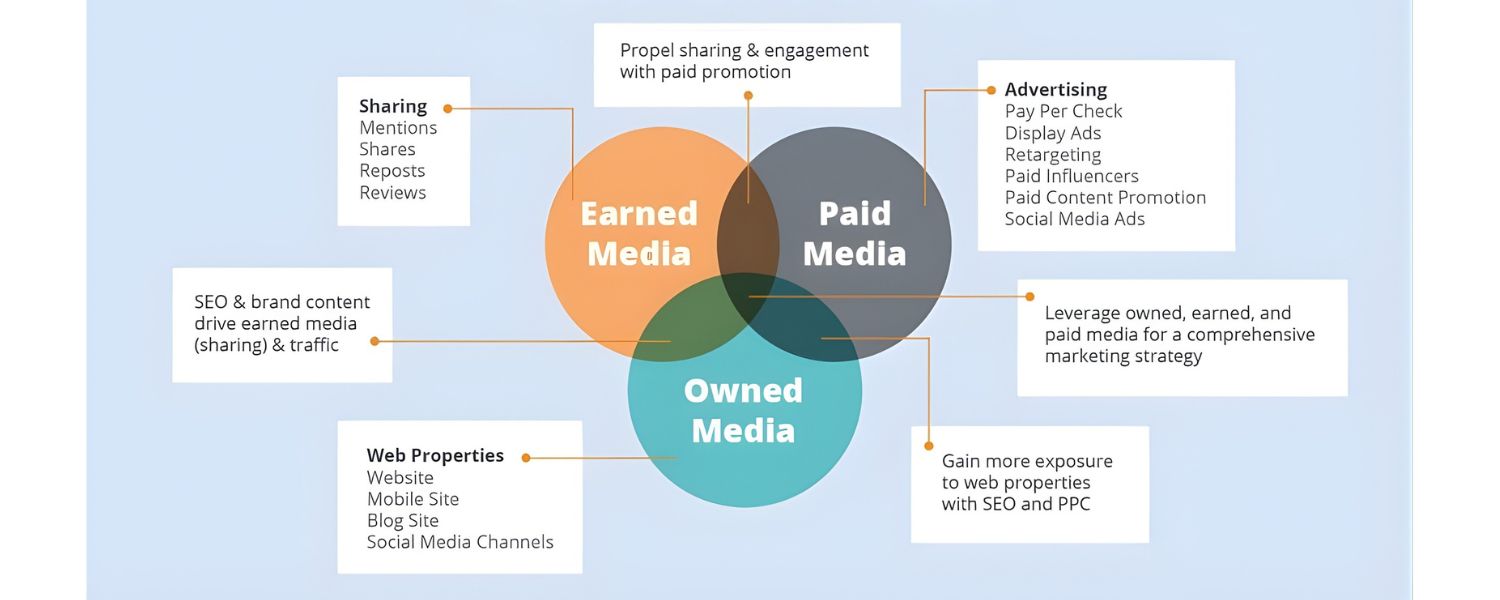
Content marketing isn’t just an on-page tactic; it’s a powerful off-page SEO tool when you distribute content beyond your site. By creating high-quality content and strategically sharing or publishing it elsewhere, you can earn backlinks, referral traffic, and broader brand exposure.
How does content marketing help off-page SEO? Great content gets people talking and sharing. When your content is featured on other platforms, it can lead new visitors back to your site and increase mentions of your brand.
Moreover, publishing content on external sites can provide backlinks directly (e.g., a guest post that links to your site) and indirectly establish your reputation as an authority in your niche.
Effective Off-Page Content Strategies:
A. Guest Posts & Thought Leadership Articles
Writing for reputable blogs or online publications in your industry is a proven way to establish both links and authority. These bylined articles on external sites showcase your expertise (positioning you as a thought leader) and usually include an author bio or context link back to your site.
B. Infographics and Visual Assets
People love sharing infographics, charts, and other visual content. Creating an informative, well-designed infographic related to your industry can attract shares and embeds (with credit links to you). Submit your infographic to infographic directories or reach out to bloggers who cover that topic.
C. Videos & Podcasts
Multimedia content can also boost off-page presence. A popular YouTube video can drive significant traffic to your site via the description link. Participating in podcasts (as a guest) or hosting your podcast can help get your brand mentioned on podcast platforms and in show notes (often with links).
D. Content Syndication
This involves republishing your existing content on third-party platforms like Medium, LinkedIn Articles, or industry sites (with permission). Syndication expands your reach to audiences who might not visit your blog, and usually, these syndicated pieces link back to the original article on your site.
E. Digital PR Campaigns
Digital PR involves utilizing PR tactics to earn backlinks and media mentions specifically. Examples include commissioning a survey and publishing surprising results, creating a useful free tool, or doing something novel that journalists find interesting. These efforts can lead to press coverage on news sites and authoritative blogs, all of which link back to your site.
Real-World Example
Brian Dean (Backlinko) famously employed a form of content marketing and PR by creating an ultimate guide with numerous unique statistics, then reaching out to bloggers and journalists who would find those statistics helpful.
Because his content offered something newsworthy (fresh data), he earned numerous backlinks from sites that cited his statistics. The lesson: content that is useful for others to reference will naturally attract links.
F. Social Content (for Sharing)
While we’ll cover social media next in detail, note that creating highly shareable content (like short how-to videos, memes, or interactive quizzes) can amplify your off-page reach. When your content spreads on social platforms, it can lead to bloggers picking it up or drive a lot of referral traffic.
In summary, content marketing for off-page SEO involves disseminating your valuable content across the web to establish authority and acquire links.
Whenever you create a piece of content, think beyond your blog: How can I get this in front of more people on other platforms or publications?
A well-distributed piece of content can keep working for you, generating mentions, links, and traffic from multiple channels.
SEO Tip:
Not every off-site content effort yields a link, and that’s okay. Even an unlinked brand mention from a high-profile article or a popular tweet about your content has value. They increase awareness and can lead to others doing their write-ups (which might include links).
Social Signals: Leveraging Social Media for SEO (Indirectly)
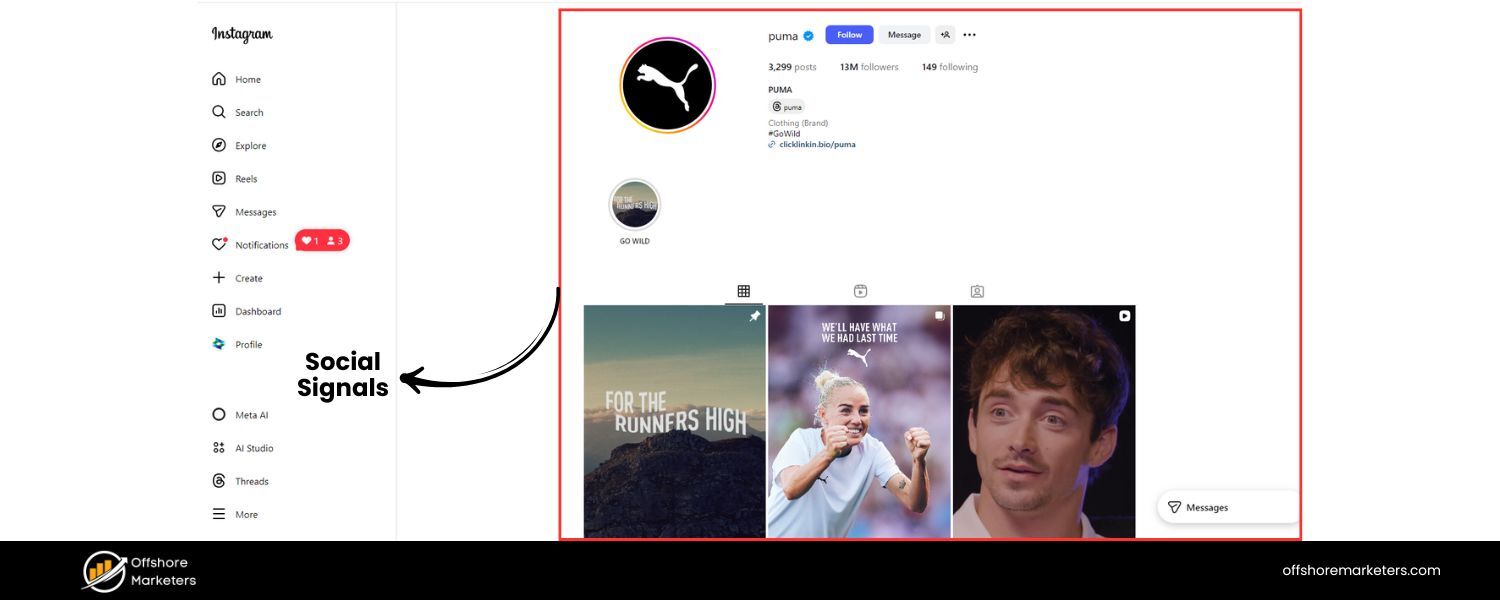
Does social media affect SEO rankings? It’s a question many beginners ask. The truth: social signals (likes, shares, followers) aren’t direct ranking factors in Google’s algorithm, Google doesn’t say “this page has 1000 Facebook shares, rank it higher.” However, indirectly, a strong social media presence can significantly boost your off-page SEO in several ways.
Here’s how social signals contribute to off-page SEO:
A. Increased Content Visibility and Traffic
When you share your content on platforms like Facebook, Twitter, LinkedIn, Instagram, or Pinterest, you expose it to a broader audience, thereby increasing its visibility and traffic. If people find it valuable, they share it further.
The more eyeballs on your content, the greater the chance that some blogger or webmaster in that audience will link to it from their site. Social sharing can thus lead to natural backlinks.
B. Brand Awareness and Mentions
Maintaining an active social presence keeps your brand top of mind. As your brand gets more well-known online, people are more likely to search for it (boosting branded searches) and mention it elsewhere. Social media buzz often precedes and correlates with an increase in brand mentions across the web.
C. Trust and Engagement Signals
Although Google may not directly count Facebook likes, having engaged followers and positive interactions can still enhance your overall online reputation. When users research your brand and find a lively, responsive social media profile, it builds trust.
Additionally, some search engines or platforms do consider social profiles – for example, Bing has hinted at using social signals in ranking.
How to Harness Social Media for Off-Page SEO
A. Be Consistently Active
Post content regularly on the platforms most relevant to your audience. Dormant profiles won’t help. An active social media strategy ensures that your content continues to circulate. Consistency also signals that your brand is alive and engaging (which users and potential customers expect).
B. Share Valuable, Shareable Content
Don’t just self-promote. Share tips, facts, stories, and visuals that people will want to share with others. For example, Semrush often posts bite-sized SEO tips and mini case studies on Instagram. One of their short “SEO myth-busting” video reels gained thousands of views, sparking discussions and even driving traffic back to their blog.
C. Tailor Content to Each Platform
Different social networks favor different content formats. Use eye-catching images and short videos on Instagram, share more professional insights or blog post links on LinkedIn, and post quick updates or threads on Twitter (X), etc. Tailoring content maximizes engagement.
D. Encourage Interaction
Prompt your audience to interact. Ask questions, run polls, and invite opinions. “Tag a friend who needs this tip” or “What do you think about X?” in your posts can boost comments and shares. High engagement can indirectly boost SEO by building a community around your brand and creating buzz.
E. Repurpose and Re-promote Your Content
Have a great blog post? Share snippets of it as a Twitter thread, a series of Instagram carousel posts, or a short video summarizing the key points. This repurposing extends the life of your content and reaches people who prefer different content formats.
F. Utilize Social Platforms for SEO Opportunities
Certain social media sites, such as YouTube and Pinterest, also function as search engines, offering valuable SEO opportunities. Optimizing content on those (with keywords in YouTube descriptions, Pinterest pins) can get you additional visibility. Also, a well-optimized YouTube video or Pinterest pin can rank on Google and indirectly point people to your site.
One more angle: Social media profiles themselves often rank on Google for your brand name. For example, searching a company name might show their Twitter or LinkedIn page. So, having up-to-date, professional profiles can ensure that when people find you via search, they see a credible brand.
In essence, use social media as a megaphone for your content and a platform to build relationships. It’s a free distribution. The SEO gains may be indirect, but they are genuine.
As Yoast aptly says, being active on social media makes you more easily found online and “gives you a great opportunity to interact with your audience in a fun and approachable way”.
Forums and Community Engagement
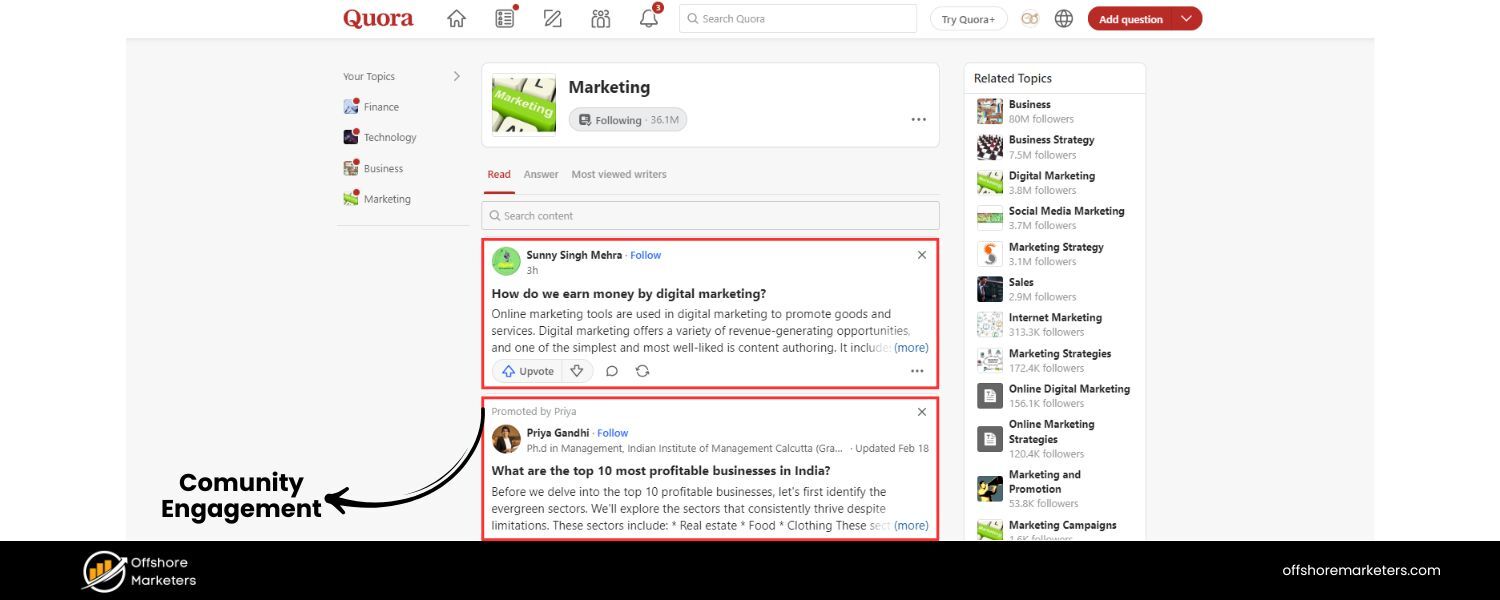
Online forums, Q&A sites, and communities are perhaps some of the most underrated off-page SEO arenas. While dropping a link on a forum won’t directly boost your rankings (most forums use nofollow links, which don’t pass SEO value), actively engaging in niche communities can pay off in other ways.
By participating in forums relevant to your industry – think Reddit, Quora, Stack Exchange, or specialized message boards – you can establish authority, build relationships, and gain referral traffic.
Key benefits of community engagement:
A. Expert Positioning
When you consistently answer questions or contribute helpful insights in your field, people start recognizing you as an expert. For example, if you’re a WordPress developer active on a WordPress forum, users will value your advice.
B. Referral Traffic
A well-placed helpful link in a forum answer can drive targeted traffic. Suppose someone on Quora asks, “How do I improve my Google rankings?” and you, as an SEO expert, write a thorough answer and link to your detailed guide on the topic.
C. Content Ideas and User Insights
By engaging where your audience hangs out, you gain insight into their questions and pain points. This is a side benefit: forums are goldmines for content ideas. The questions you see repeatedly should probably be answered in a blog post or FAQ on your site. That new content can then become something you share back to the community.
How to effectively engage in forums (without spamming):
A. Choose Relevant Communities
Find forums, discussion groups, or Q&A platforms that align with your niche. For general topics, Reddit has subreddits for nearly everything, and Quora covers a wide range of categories. There are also industry-specific forums (e.g., a gardening equipment company might join gardening forums).
B. Add Value Before Dropping Links
This is crucial. Don’t join a community to blast your links – that’s considered comment spam, and it doesn’t work. Instead, aim to genuinely help. Share your knowledge, answer questions in detail, and solve problems. Only include a link to your site when (and if) it truly fits the context and enriches your answer. Many forums allow linking if it’s relevant, but avoid appearing salesy.
C. Be Consistent and Authentic
Use a real name or your brand name in your profile. Be transparent about who you are (some forums allow brief bios or signatures – use them wisely). Consistency builds recognition. If people see you regularly contributing thoughtful posts, they’ll trust your links when you do share them. Also, maintain a helpful tone, not a promotional one. On forums, you’re a community member first, marketer second.
D. Leverage Q&A Platforms
Platforms like Quora or Stack Exchange often rank well on Google for long-tail questions. Writing high-quality answers there can give you additional exposure. If your Quora answer ranks for “how to fix a leaky faucet” and you happen to sell plumbing tools, that answer can become a funnel to your product page (via a subtle link or profile).
E. Mention Your Brand Naturally
It’s okay to discuss your product or share relevant blog content. For example, “In our experience at [MyCompany], we found XYZ strategy increased our traffic by 20%.” This both shares a valuable insight and mentions your brand experientially.
A cautionary note: Don’t expect direct SEO link juice from forum links. Most are nofollow (meaning Google knows not to count them as an endorsement for ranking).
Google openly states that dropping links in forums for SEO won’t boost rankings.
The value is in the indirect benefits described. Also, forum communities can spot a spammer a mile away – you risk damaging your reputation if you only post self-promotional stuff.
In summary: find your tribe online and join the conversation. Over time, you’ll earn respect, followers, and yes, some traffic and SEO benefits too. It’s one of those off-page tactics where you get out what you put in, so be genuine, and it can yield significant returns.
Influencer Outreach and Collaborations
Welcome to the era of influencer marketing, where partnering with popular individuals in your niche can amplify your off-page SEO efforts significantly. Influencers – be they bloggers, YouTubers, podcasters, or social media personalities – have established credibility with your target audience.
Why Influencer Outreach Helps Off-Page SEO:
A. Expands Reach to New Audiences
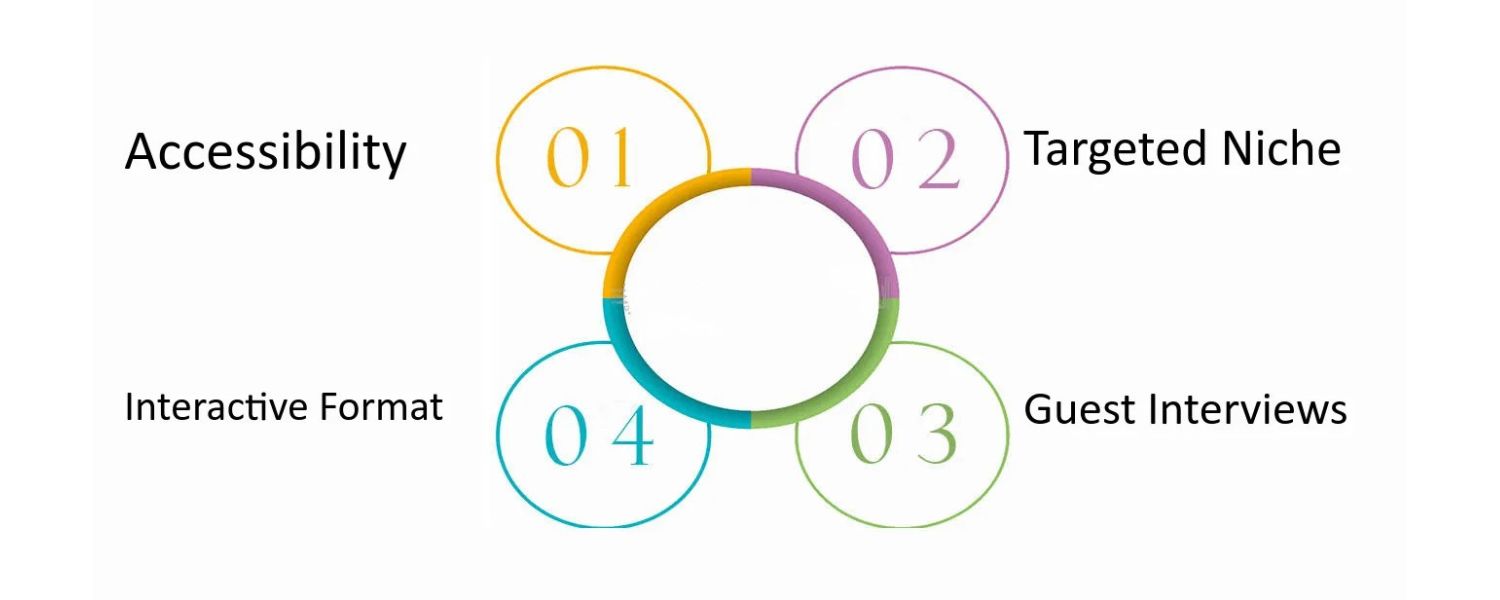
Influencers can introduce your brand to thousands of people you might not have otherwise reached. If a popular YouTuber reviews your product or an industry expert includes your insight in their blog, you get exposed to their followers. This often results in a spike of visits to your site and increased searches for your brand (a positive signal).
B. Generates High-Quality Backlinks and Mentions
Many influencer collaborations involve content creation, including guest appearances, interviews, and reviews. These usually come with a mention or link. For instance, if an influencer blogger writes about “Top 5 Tools I Use” and includes your software, that’s a contextual backlink on a reputable site plus an endorsement.
C. Boosts Credibility and Social Proof
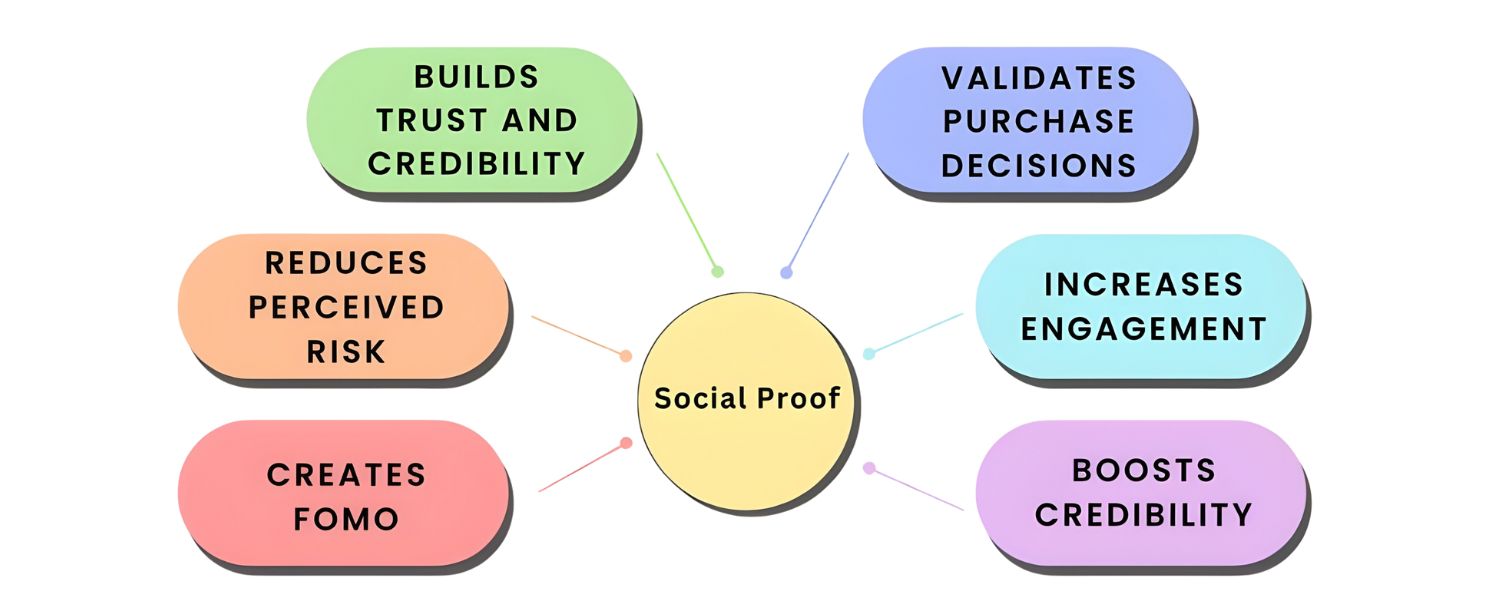
When an influencer vouches for you, it’s a form of social proof. New audiences trust your brand faster because someone they follow recommends it. This can lead to better conversion and more user-generated content (like unboxing videos, tweets, etc., which further spread your brand).
Real-life Example
Paula’s Choice, a skincare brand, partnered with Dr. Dray, a dermatologist and YouTube influencer.
Together, they produced educational skincare routine videos. The result? Increased traffic and conversions for Paula’s Choice, plus valuable backlinks: not only from YouTube, but from various blogs that referenced the collaboration and linked to Paula’s Choice.
This illustrates how a well-aligned influencer partnership can amplify both brand awareness and SEO signals.
In summary, influencer outreach is like word of mouth on steroids. When trusted voices share your brand, it enhances your off-page presence through links, mentions, and a surge of engaged traffic.
Treat influencers as valuable partners and always aim for authenticity – modern audiences can easily detect disingenuous paid promotions. But when an influencer genuinely likes your brand and shares it, the off-page SEO impact can be tremendous.
(Pro tip: After a successful collab, feature it on your site too – e.g., “As seen on [Influencer Name]’s channel” – to further showcase your credibility.)
Guest Posting and Blogger Outreach
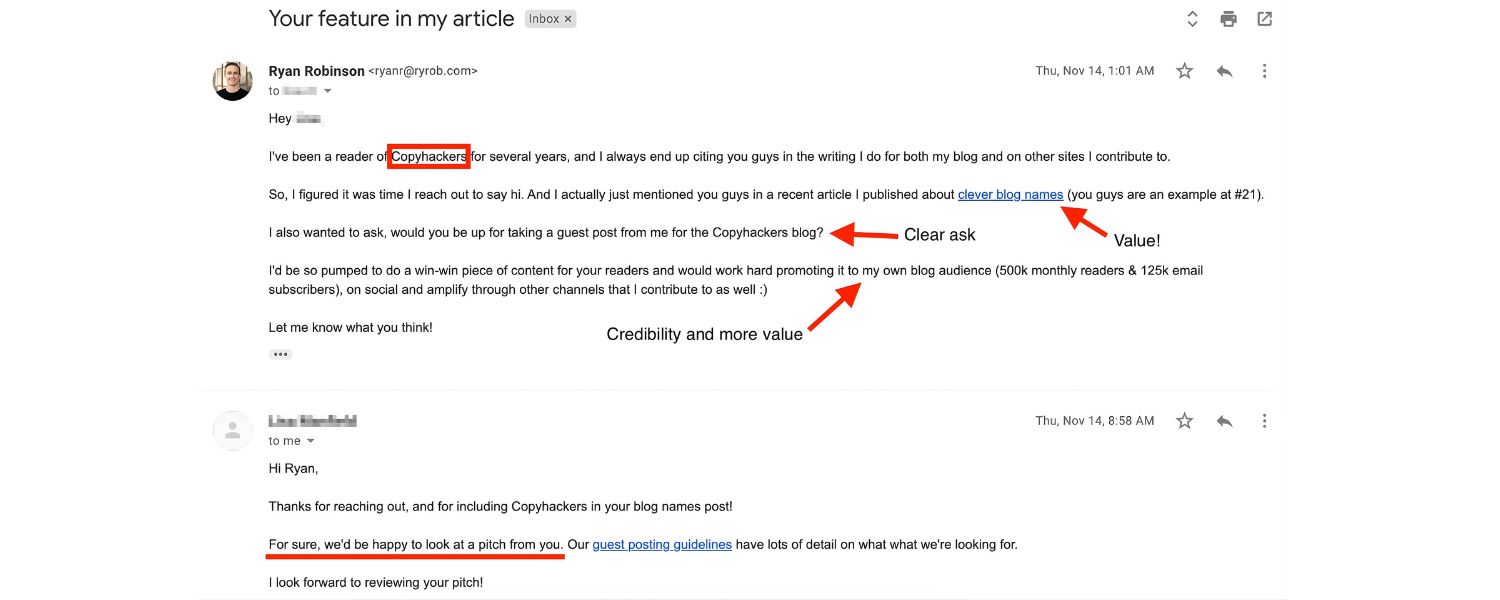
Guest posting is one of the oldest and most effective off-page SEO techniques, and it still works when done correctly. Guest posting means writing and publishing an article on someone else’s website or blog. In return, you usually get an author byline or mention that often includes a backlink to your site.
However, guest blogging has to be approached with quality in mind. A decade ago, people abused guest posting by churning out low-quality articles solely to drop links. Google caught on to spammy guest post patterns (like networks of blogs linking to each other) and has penalized such schemes.
Today, the focus must be on “strategic guest posting” – contributing real value to legitimate, relevant publications.
How to leverage guest posting for off-page SEO:
A. Identify Authoritative Sites in Your Niche
Make a list of reputable blogs or online magazines in your industry that accept guest contributions. Look for sites that have a strong domain authority, good engagement (in the form of comments and social shares), and an audience that overlaps with yours. For example, if you run a digital marketing tool, target marketing blogs; if you have a travel startup, target popular travel blogs.
B. Craft Pitches that Emphasize Value
When reaching out to a site for a guest post, don’t make it about you (“I need a link”). Instead, pitch a specific article idea that would benefit their readers. Demonstrate you’re familiar with their content and audience. For instance: “Hi, I loved your recent article on cybersecurity for small businesses.
C. Provide Outstanding Content
If your pitch is accepted, deliver a well-written, original article that meets the site’s guidelines. Don’t hold back your best content – remember, this will be published on a high-authority site, potentially reaching a large audience of readers. High-quality guest posts not only secure that backlink but also entice readers to click through to your site.
D. Optimize Your Bio and Links (Gently)
Most guest posts allow an author bio or byline, where you can talk about your company and include a link. Some might let you include a contextual link inside the article if it’s truly relevant (e.g., linking a key phrase to a helpful post on your site). Use these opportunities wisely. Ensure your anchor text is natural, usually your brand name or a non-spammy phrase.
E. Follow Guidelines and Be Professional
Each site will have its own rules regarding links, formatting, and other details. Follow them meticulously. Deliver your draft on time, proofread it, and be open to the editor’s feedback. Building a reputation as a great guest contributor will open more doors. Editors often discuss and refer good writers to each other.
Benefits of Guest Posting
A. Quality Backlinks
You earn backlinks from the host site, which typically has a different domain than yours, enriching your backlink profile. If the host site is authoritative, that link is especially valuable. Guest post backlinks are usually “in-content” links (within the article or bio), which carry weight in Google’s eyes, as opposed to footer or sidebar links.
B. Referral Traffic
If readers find your article helpful, they’ll likely click to learn more about you. A good guest post can drive a steady stream of targeted visitors to your site. These people come in warm – they’ve read your work and trust you, making them more likely to engage or convert.
C. Brand Credibility
Being published on respected industry sites boosts your reputation. You can proudly showcase it (“As featured on [BigSite]”), which helps build trust with your audience. It’s also a significant credibility marker for Google’s E-A-T concept, as it demonstrates your activity and respect within your professional community.
D. Networking
Through guest blogging, you form relationships with other content creators and editors. This can lead to future collaborations, joint projects, or business opportunities that extend beyond SEO.
Avoid Guest Posting Mistakes
Do not use guest posting solely to manipulate links, such as publishing the same article on 20 low-quality blogs or stuffing keyword anchors. Google’s webmasters guidelines warn against large-scale guest posting campaigns done solely for SEO.
Lastly, diversify where you guest post – don’t get all links from one site or cluster. Appearing across various reputable platforms paints a more natural and broad “digital footprint” for your brand.
Guest posting, when part of a balanced off-page strategy, is compelling. It’s essentially trading your content and expertise for exposure and links on someone else’s stage. Do it well, and both you and the host site benefit – you get the link and traffic, they get great free content.
Local SEO and Citation Building
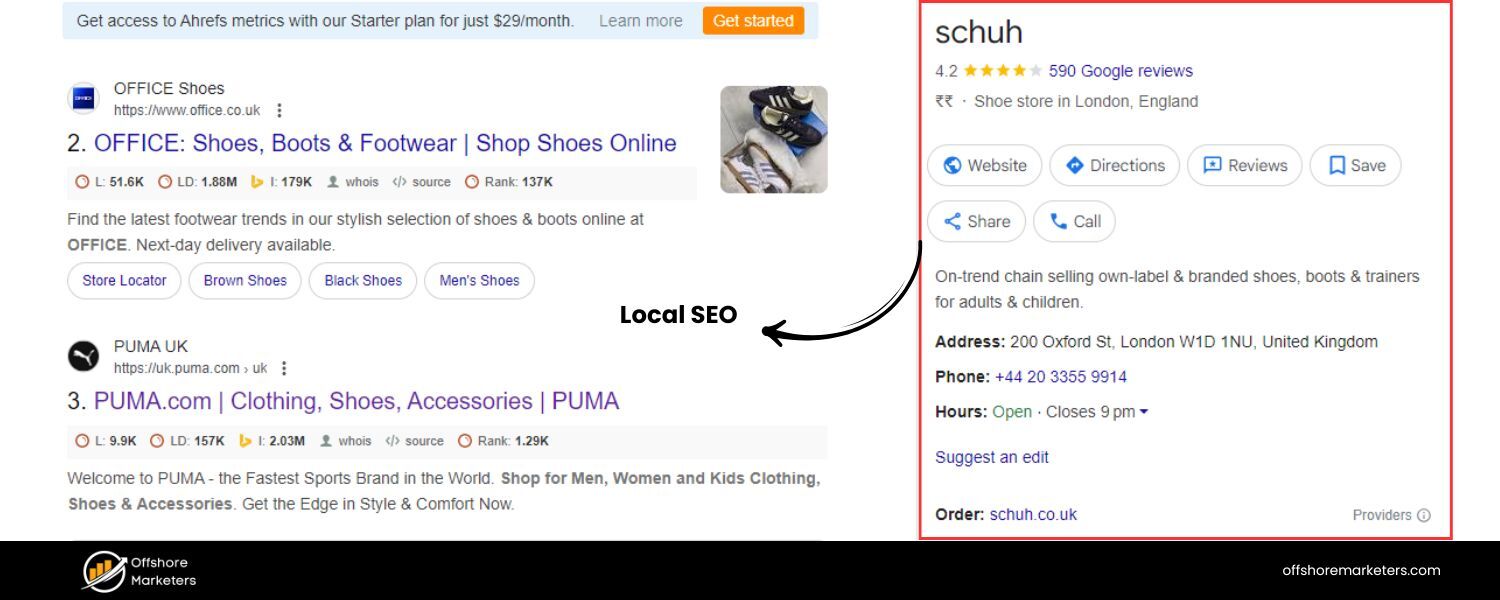
Suppose your business has a local presence (a physical storefront or services (i.e, seo services [Offshore Marketers]) in a specific region. In that case, local SEO is a critical part of off-page optimization.
Local SEO focuses on boosting your visibility in location-based searches (“near me” queries, Google Maps results, etc.).
While it includes on-page elements (such as including your city name in your content), much of local SEO occurs off-site through business listings, regional directories, and review platforms.
Key components of off-page local SEO
A. Google Business Profile Optimization
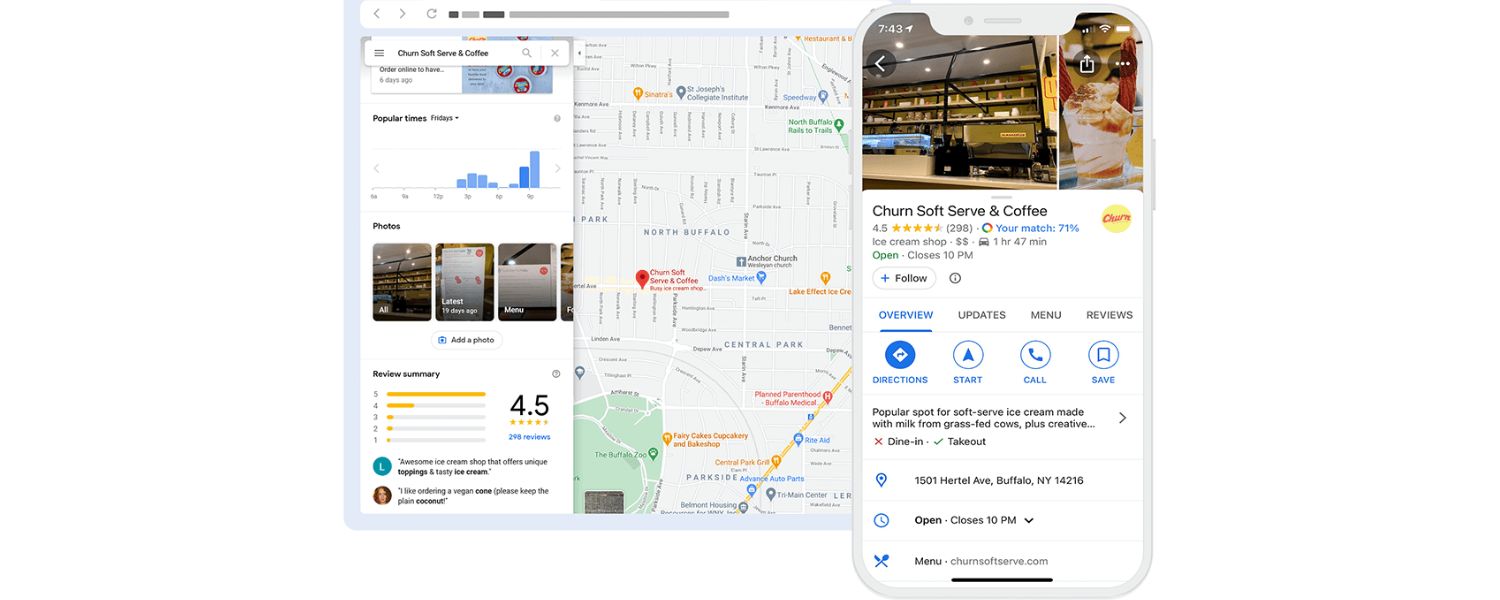
Formerly known as Google My Business, your Google Business Profile (GBP) is a free listing that enables your business to appear in Google Maps results and the local 3-pack (also known as a map pack) of search results.
Optimizing this profile is crucial for local SEO – it’s essentially an off-page factor because it’s hosted on Google’s platform, not your site.
B. Consistent NAP Citations
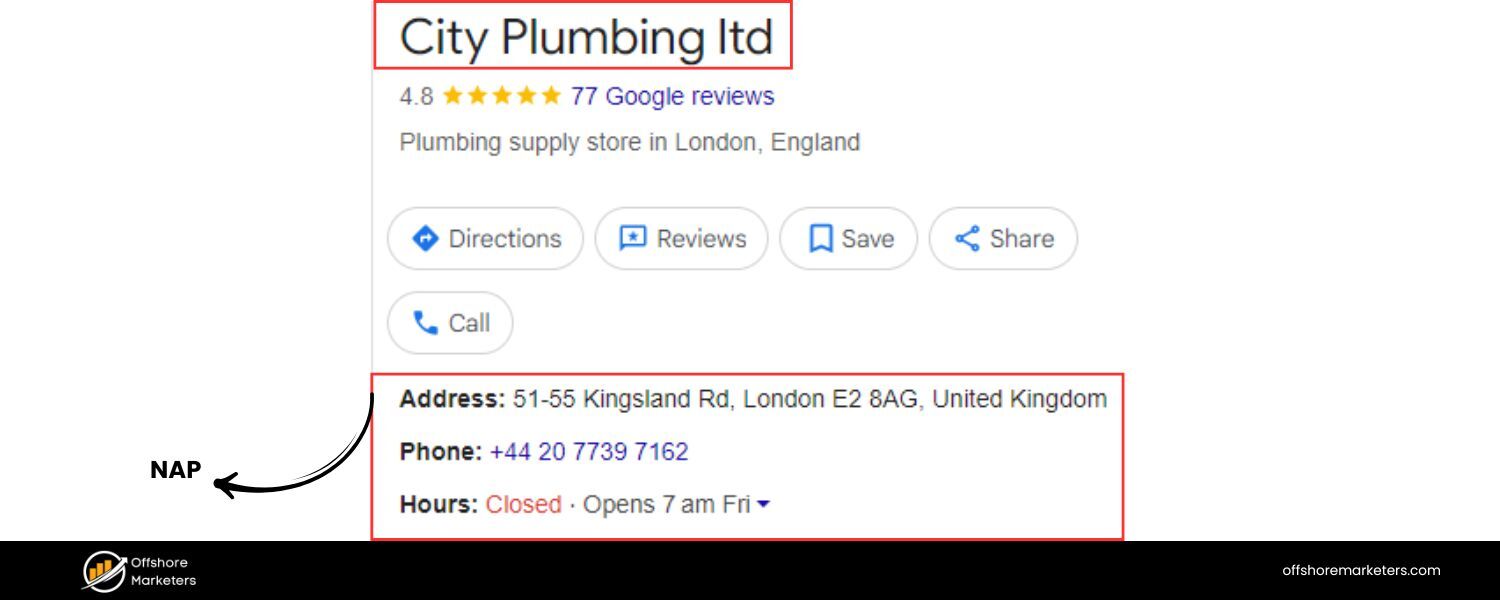
Citations are online mentions of your Name, Address, and Phone number (NAP). These typically occur in local business directories, such as Yelp, Yellow Pages, TripAdvisor, Angie’s List, or industry-specific directories, as well as on social media sites like Facebook business pages or Apple Maps. Consistency is crucial – your NAP should be spelled the same way everywhere.
C. Local Directory Listings
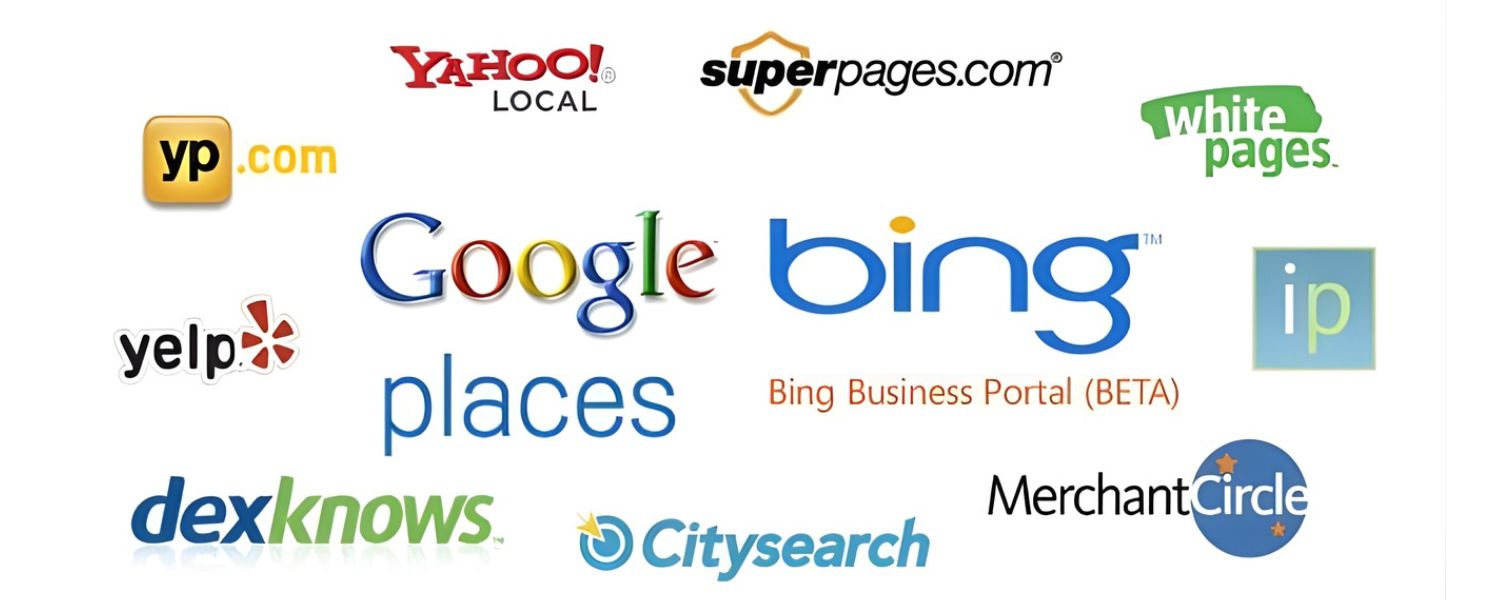
Submit your business to reputable directories, especially the popular ones (Google Business, Yelp, Bing Places, and Facebook), as well as any niche or city-specific directories.
For example, restaurants should be on sites like Zomato or OpenTable, hotels on Booking or TripAdvisor, contractors on HomeAdvisor, etc. Also, consider your local Chamber of Commerce or city business listings.
D. Customer Reviews and Ratings
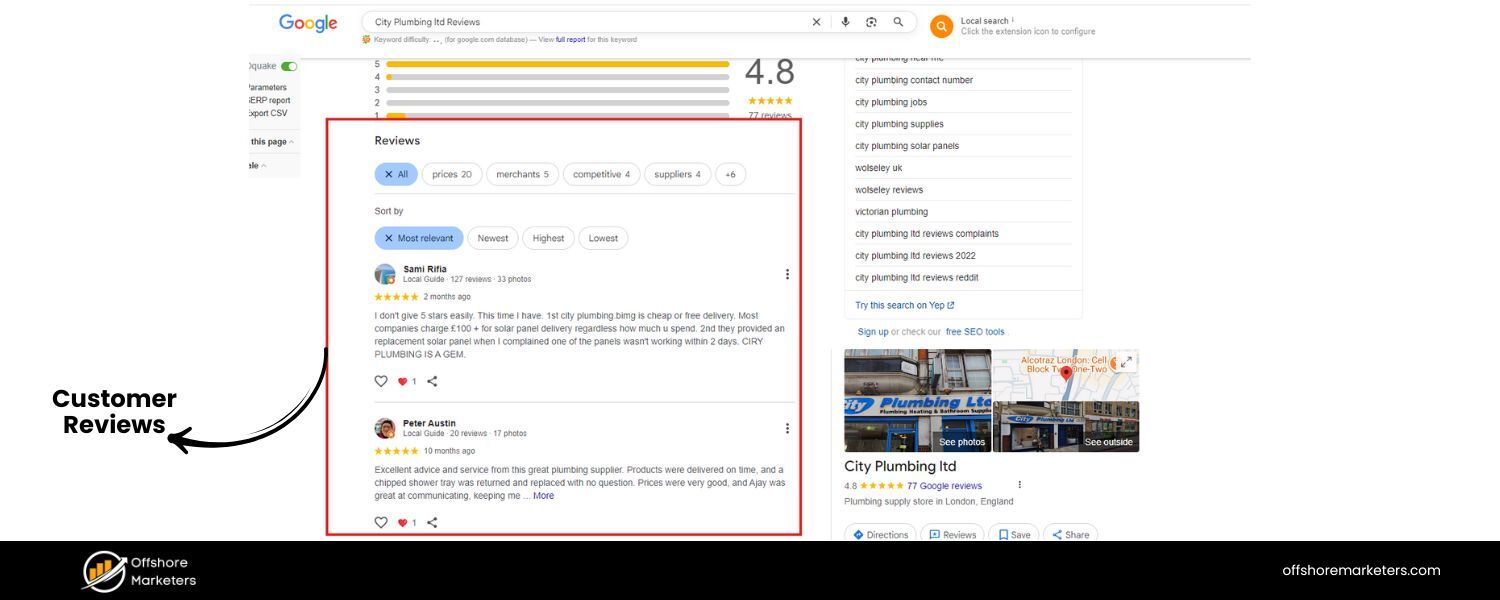
Reviews are critical off-page signals, especially for local SEO. Positive reviews on Google, Yelp, Facebook, TripAdvisor, and other platforms not only influence consumers but also impact search rankings for local results.
Google’s algorithm considers the quantity and sentiment of reviews – a business with many good reviews will often outrank one with few or poor reviews, all else equal.
E. Local Backlinks
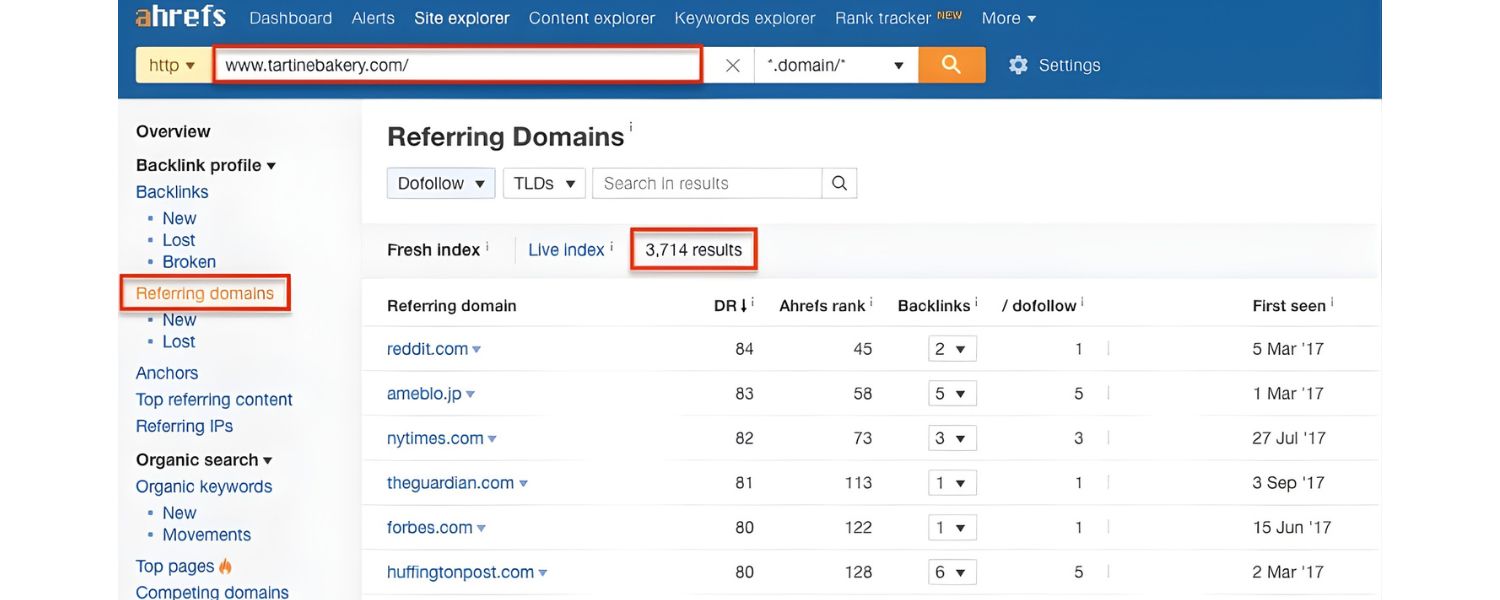
Earning backlinks from local websites can boost your local authority. This could involve sponsoring a local event (and gaining a link on the event page), partnering with local charities or organizations, guest posting on a local news site or community blog, or other similar opportunities.
For example, a local bakery might contribute a recipe to the town newspaper’s website, which links back to the bakery’s site.
F. Localized Content & Engagement
Off-page doesn’t always mean not on your site, but rather outside pure site code. Engage with your local community online. This might include participating in local Facebook Groups, Nextdoor communities, or local Reddit threads. While these might not provide follow-up links, they keep your brand visible locally.
Metrics and Tips for Local Off-Page SEO
A. Keep citation tracking sheets
Maintain a spreadsheet of all directories and profiles where your business is listed. This makes it easier to update if you ever change your phone number or address, and to spot inconsistencies.
B. Use tools for citations
There are tools (e.g., Moz Local, Yext, and Semrush’s Listing Management) that can scan major directories and even push your info to dozens of sites at once. They save time in building and auditing citations.
C. Monitor and respond to reviews diligently
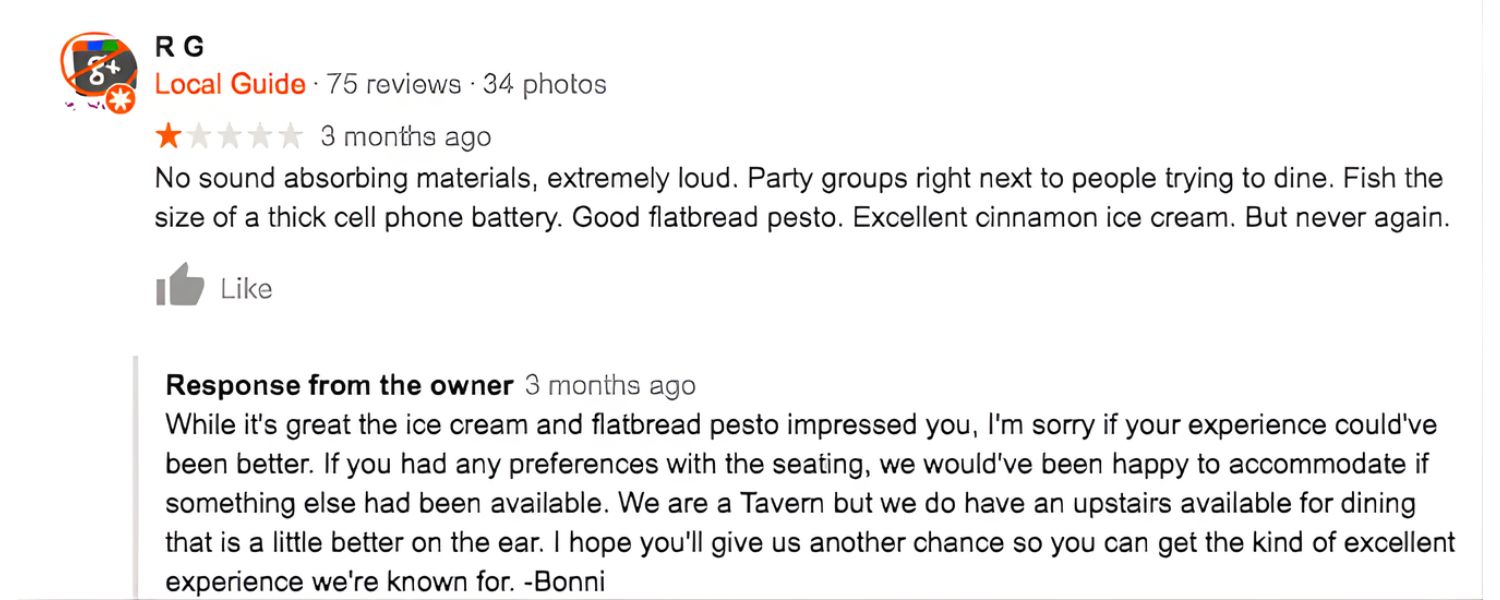
Set up alerts for new reviews (many platforms email you, or use a tool that aggregates reviews). A quick, courteous response, especially to negative feedback, can turn things around and show others that you care.
Additionally, if a review is particularly defamatory or false, addressing it can help mitigate the harm.
D. Post on Google Business Profile
GBP allows you to post updates, offers, and events. These posts can enhance your profile’s engagement. While temporary (they expire after a week or so), they add more content to your listing and can influence conversion (e.g., a restaurant posting “Live music this Friday!” might attract more clicks).
E. Encourage local engagement
Simple things like adding “Review us on Google!” signage at your store or including a reminder in follow-up emails can help increase those review numbers (again, without bribing, just a gentle nudge).
Local SEO off-page efforts ultimately drive one thing: local trust. When search engines see your business consistently cited, positively reviewed, and actively referenced in the local community, they conclude you are a prominent, legitimate player in that area. The result is higher rankings in local searches and map results, which brings in more customers.
If you serve a local market, ensure your off-page SEO strategy includes cultivating a robust local online presence. It can put you on the (Google) map above competitors.
Metrics to Track for Off-Page SEO Success
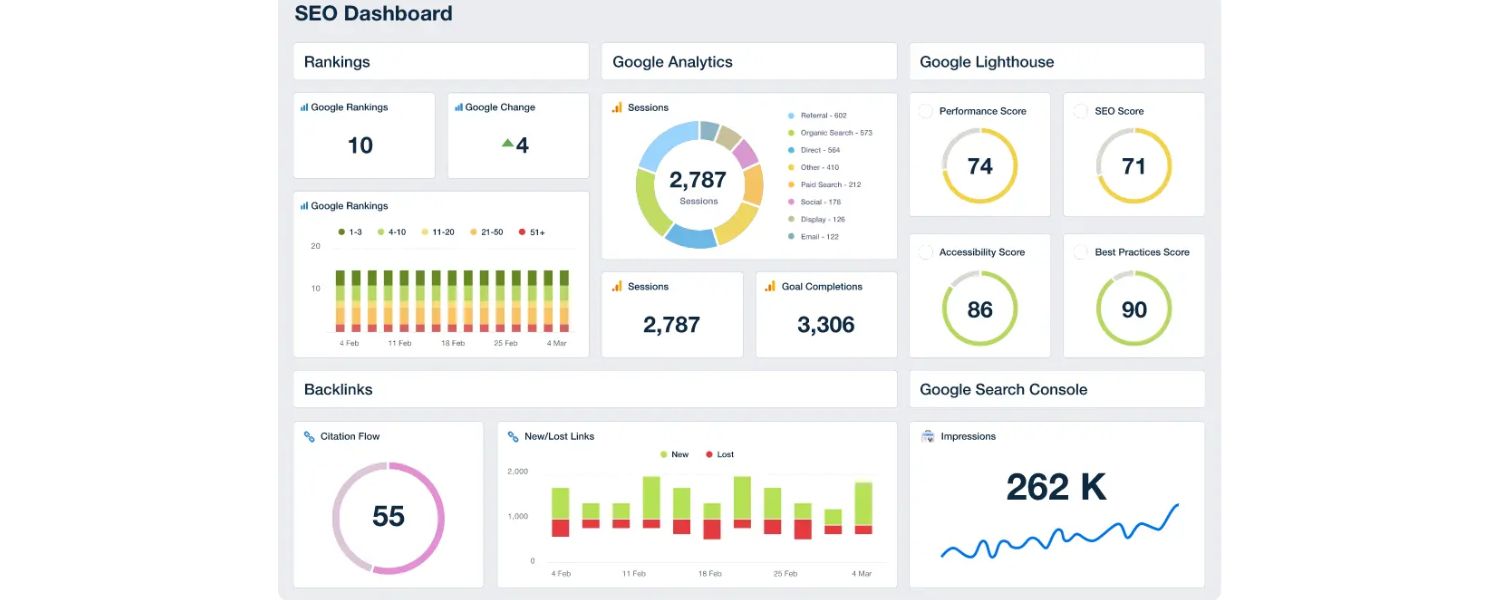
How do you know if your off-page SEO efforts are paying off? By tracking key metrics and indicators of your site’s authority and reach. Off-page SEO can feel abstract, so it’s essential to monitor concrete data to gauge progress and adjust your strategy accordingly.
Here are the essential off-page SEO metrics you should keep an eye on:
A. Backlink Quantity and Quality
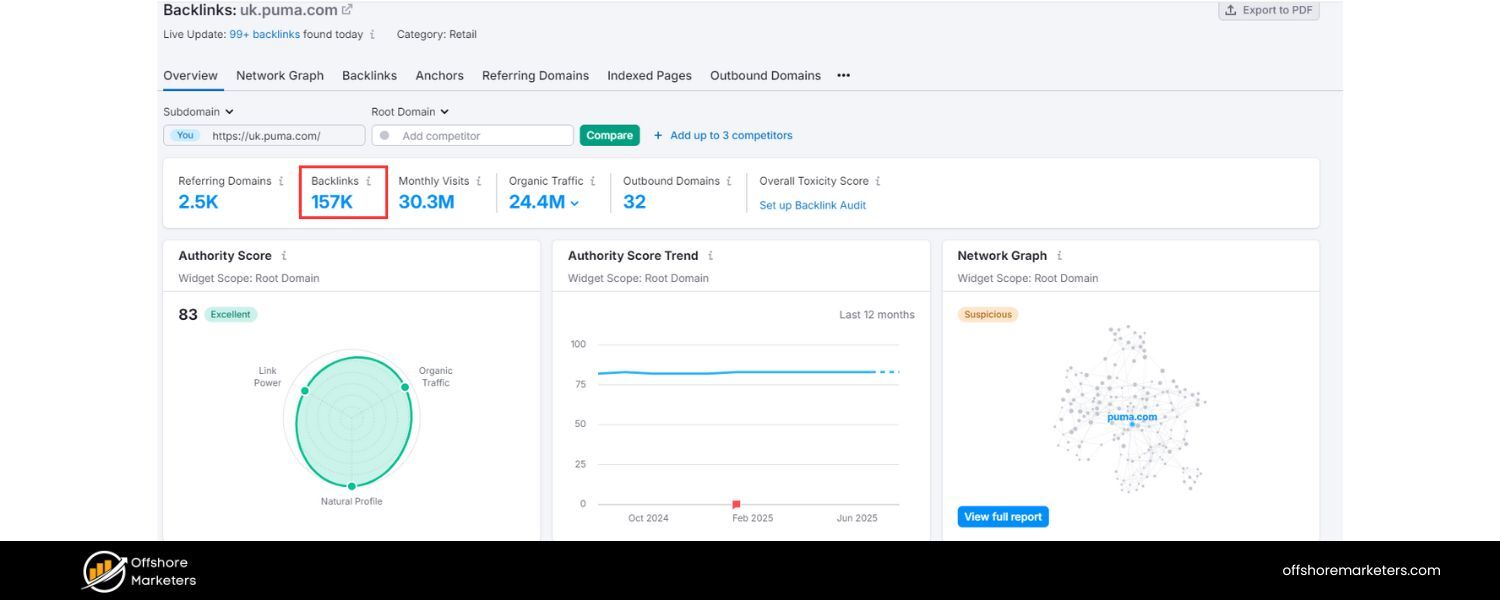
The number of backlinks to your site is a baseline metric – generally, as it rises, it’s a good sign. But more important is the quality of those backlinks. Ten links from high-authority, relevant sites beat 100 links from low-authority or unrelated sites.
Use metrics like Domain Authority (Moz), Domain Rating (Ahrefs), or Semrush’s Authority Score to evaluate the strength of your backlink sources.
B. Social Shares and Mentions
Monitor how often your content is being shared on social media and whether your brand is being discussed on relevant platforms. While not a direct ranking factor, increasing social shares suggest your content is resonating with a broader audience (which often leads to links and traffic).
C. Brand Search Volume
This is an often overlooked metric. How many people are searching for your brand name (and variations) per month? If your off-page efforts are boosting brand awareness, your branded search volume should rise.
D. Referral Traffic
Check your website analytics (e.g., Google Analytics) for traffic that comes from other websites. This “referral traffic” refers to visitors who come to your site via off-page SEO, such as through backlinks, social profiles, or directory listings.
Track the volume of referral traffic and which sources send the most. If you did a guest post on Site X and you see 300 visits from Site X last month, that’s a direct payoff of that effort.
E. Domain Authority / Authority Score
These are third-party metrics (Moz’s DA, Ahrefs’ DR, Semrush’s Authority Score) that estimate your site’s overall authority based on backlinks and other factors. While not used by Google per se, they’re a proxy for how “strong” your site looks in the SEO world.
Track your domain’s authority metric over time – it should gradually increase as you build more quality backlinks.
F. Number of Mentions/Citations (for Local)
If you’re focusing on local SEO, track how many local citations you’ve built and ensure consistency. Also, monitor your average rating and review count on major platforms. An increase in positive reviews and ratings is a strong indication that your off-page local SEO is on track.
G. Competitor Off-Page Metrics
It’s wise to benchmark against key competitors. How many backlinks do they have and of what quality? Are they being mentioned in places you aren’t? Many SEO tools allow you to compare link profiles. If a competitor suddenly gains a lot of links (e.g., they did a big PR campaign), that’s intel for you to respond to or learn from.
H. Conversions from Off-Page Efforts
Ultimately, not just traffic, but what that traffic does counts. If possible, track conversions (such as newsletter sign-ups, product trials, and sales) that originated from off-page sources. For example, create UTM-tagged URLs for links you build in guest posts or campaign-specific efforts, so you can see in Analytics if those visitors converted.
Most of these metrics can be tracked with a combination of tools:
A. Google Search Console: for branded search queries, and a list of sites linking to you (under “Links” report, though it’s not exhaustive).
B. Google Analytics: for referral traffic and conversions.
C. SEO tools (Moz, Ahrefs, Semrush): for backlink counts, authority scores, referring domains, competitor links. These often also have brand mention tracking features.
D. Social media analytics or social listening tools: for share counts and sentiment analysis on social platforms.
E. Local SEO tools: (Moz Local, BrightLocal, etc.) for tracking citations and reviews.
By regularly reviewing these metrics – say, in a monthly SEO report, you can connect the dots between your off-page actions and results.
See a spike in backlinks after a PR campaign? Great. Flat referral traffic for two months? Maybe ramp up new outreach. Metrics provide accountability and insight, guiding you to refine strategies.
One more thing: off-page SEO improvements often correlate with improvements in ranking metrics (like more keywords ranking in the top 10, higher organic traffic). So, indirectly, your overall organic traffic and keyword rankings are also metrics to watch.
In short, inspect what you expect. Off-page SEO can sometimes feel like “throw it out there and hope it works,” but data closes that loop. Track it, learn from it, and you’ll get better ROI from your off-site endeavors.
Common Off-Page SEO Mistakes to Avoid
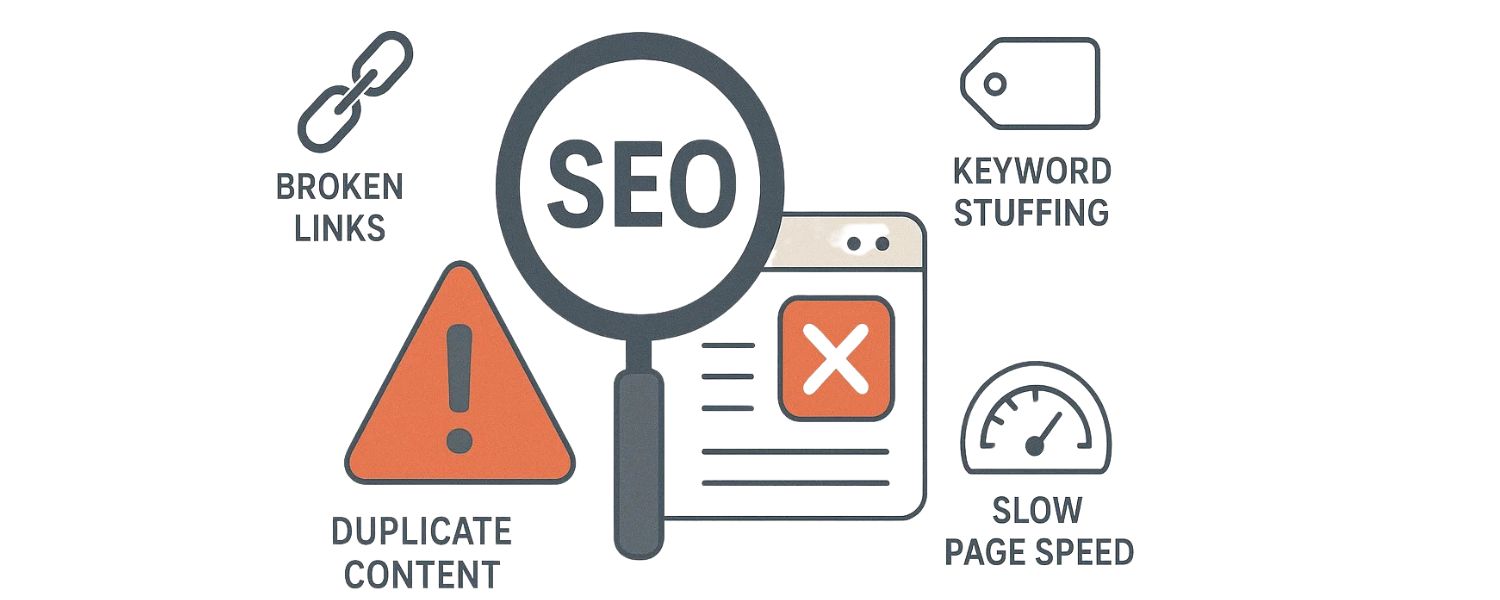
As you implement off-page SEO, beware of some common pitfalls that can undermine your efforts or even hurt your site’s rankings.
Beginners (and even experienced marketers) can sometimes overuse or employ outdated tactics that do more harm than good. Here are the top mistakes to avoid in 2025 and beyond:
1. Focusing on Quantity over Quality of Links
It’s not about how many links you can get, but how good they are. Chasing large numbers of backlinks from any available source, directories, comment sections, low-quality blogs – is a big mistake.
Low-quality or spammy links can raise red flags with Google and even trigger penalties. Instead of blasting out hundreds of link drops, focus on earning links from authoritative, relevant sites.
2. Spammy Link Practices (Comments, Forums, etc.)
Have you ever seen a blog comment that says, “Great post! Visit CheapViagra-and-SEO.com for more info.”? That’s comment spam – and it doesn’t work.
Posting your link in unrelated blog comments, forum threads, or guestbooks solely for a backlink is a waste of time at best, and at worst, can harm your site’s reputation.
Google ignores nofollow comment links entirely for ranking, and even dofollow ones on random sites won’t help if they appear spammy.
3. Over-Optimized Anchor Text
Anchor text is the clickable text of a link, and it’s a ranking signal. However, if too many of your backlinks have the exact same keyword-rich anchor (especially a commercial keyword), it appears to be manipulated. For example, if 80% of your backlinks say “best affordable shoes online,” that’s not natural.
This is known as anchor text over-optimization, and it can result in penalties (Google’s Penguin algorithm targets this issue explicitly).
A healthy backlink profile has a mix of anchors: your brand name, variations of your brand or site, some plain URL anchors, some generic (“click here”), and some with keywords.
4. Ignoring the “Social” Aspect
Another mistake is to ignore social media and online community engagement because “it’s not a direct ranking factor.” As we discussed, social signals matter indirectly.
If you have zero presence on major social platforms or never engage with your audience, you’re missing an off-page opportunity and perhaps ceding it to competitors.
An inactive social presence can even be a red flag in some consumers’ eyes (“This brand doesn’t interact, is it even real?”).
5. Not Monitoring Your Backlink Profile
Some people implement link building and then forget about it. That’s risky. You should regularly monitor your backlinks.
Sometimes, despite your best efforts, spammy sites may link to you (e.g., scraper sites that copy and republish your content).
Or an old link that was great might become toxic if the site it came from got penalized or hacked.
By monitoring new links through Google Search Console or SEO tools, you can identify anomalies. If you notice a sudden influx of very dodgy links you didn’t build, it might be negative SEO (a competitor’s doing) – rare, but it happens. You’d want to disavow those if they pose a threat.
6. Not Analyzing Competitors
Your competitors are also building their off-page presence. If you ignore what they’re doing, you might miss out on opportunities or trends.
For example, if all your competitors are getting mentioned on a popular industry podcast and you’re not, that’s a gap. Skipping competitor analysis is a mistake.
Use tools to see top links your rivals have that you don’t, those are potential targets for you. Learn from their successes (and failures). Maybe they tried a spammy approach and got dinged – you can avoid that.
7. Being Impatient and Inconsistent
Off-page SEO is a long-term game. A mistake is expecting instant results or giving up too soon. Building a strong backlink profile and online reputation can take time, sometimes months or even years, especially for competitive niches. Don’t be disheartened if a month of outreach only yielded two links.
Those might grow to twenty over the year as relationships compound. Also, be consistent. Don’t do one burst of link building and then stop all efforts. That inconsistency can look unnatural (if you acquire 50 links one month and zero for the next six).
8. Violating Guidelines (Black-Hat Tactics)
It should go without saying, but avoid any tactics that violate search engine guidelines. Buying links is against Google’s rules, and they’re becoming increasingly adept at detecting paid links.
Schemes like PBNs (Private Blog Networks – building or buying a network of sites solely to link to your main site) might work short-term, but are high risk, Google can deindex the whole network, and your site’s rankings will plummet.
Likewise, avoid cloaking, automated aggressive link building, or any tactics that feel like gaming the system.
By steering clear of these common mistakes, you ensure that your off-page efforts are building your site up rather than setting it up for problems. In SEO, sometimes what you don’t do is just as important as what you do.
Tools to Power Your Off-Page SEO
To execute and manage off-page SEO effectively, you’ll want to arm yourself with some reliable tools. These tools can help you discover opportunities, track your progress, and even automate some tasks. Below is a list of categories and specific tools (both free and paid) that are incredibly useful for off-page SEO work:
1. Backlink Analysis Tools
These are a must for understanding your backlink profile and spying on competitors.
A. Ahrefs 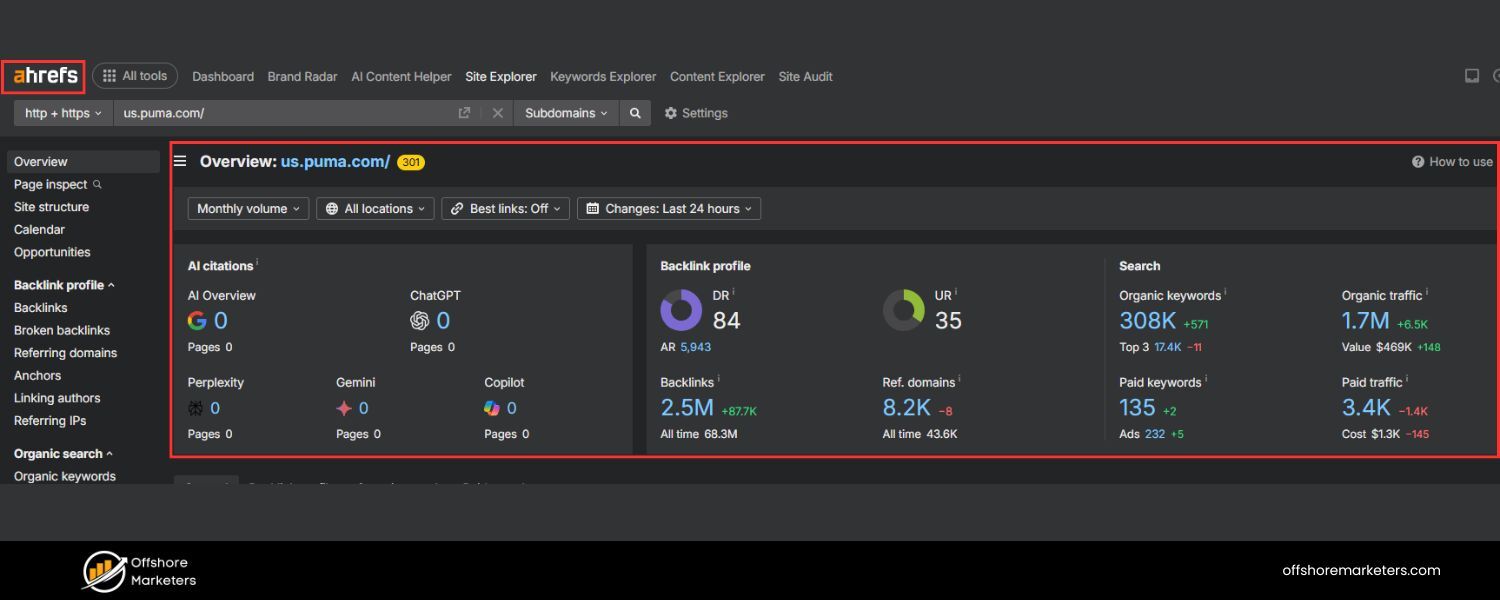
 A popular tool that offers deep backlink analysis. You can see all the links pointing to your site (or a competitor’s), the authority of linking sites, and anchor text distribution.
B. Semrush 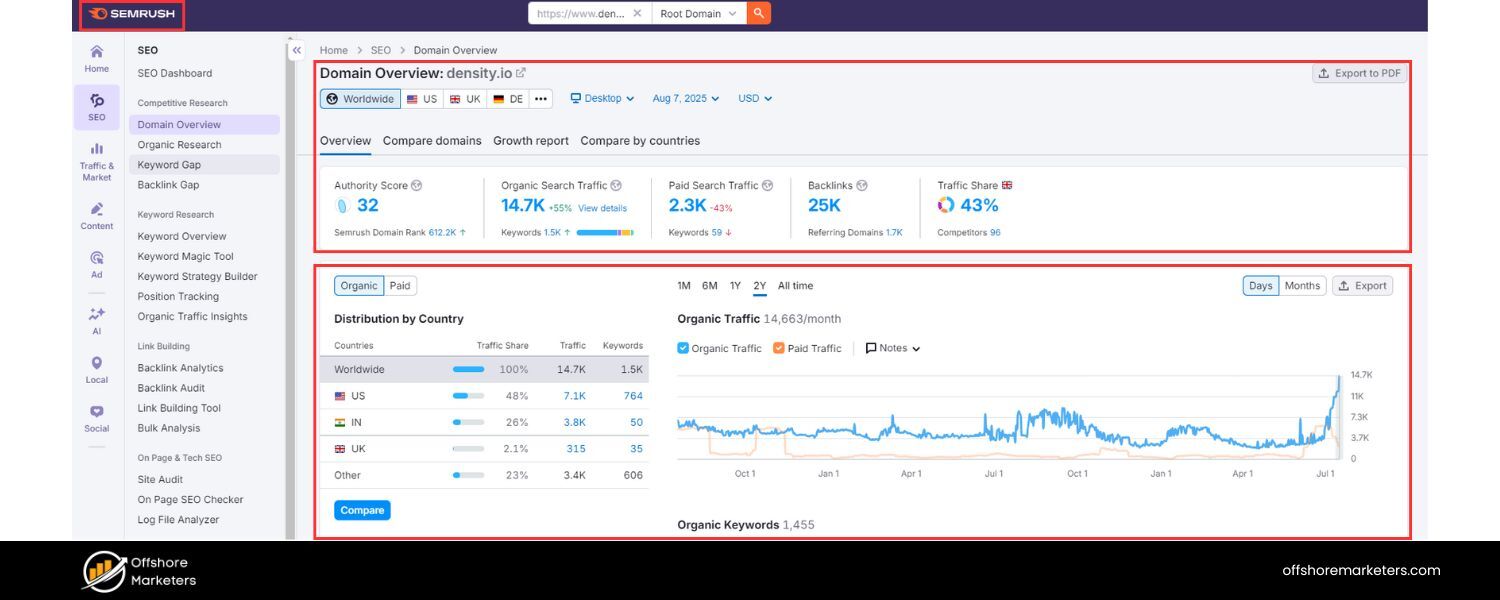 Another comprehensive SEO suite. Its backlink analytics and “Backlink Audit” tool help you assess links and disavow toxic ones if needed. Semrush’s Authority Score is similar to DR/DA.
C. Moz Link Explorer
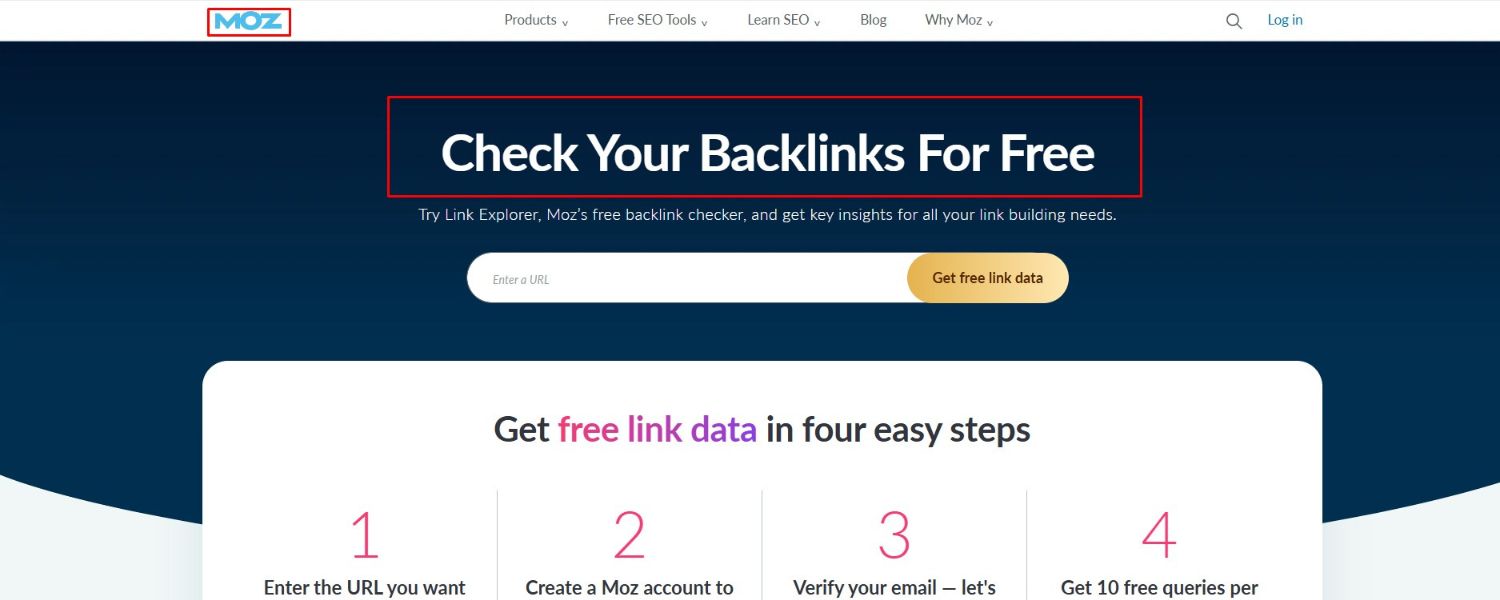
Moz’s tool gives you Domain Authority (DA) and Page Authority metrics, and a list of backlinks. It’s user-friendly and good for a quick health check on your link profile.
D. Majestic
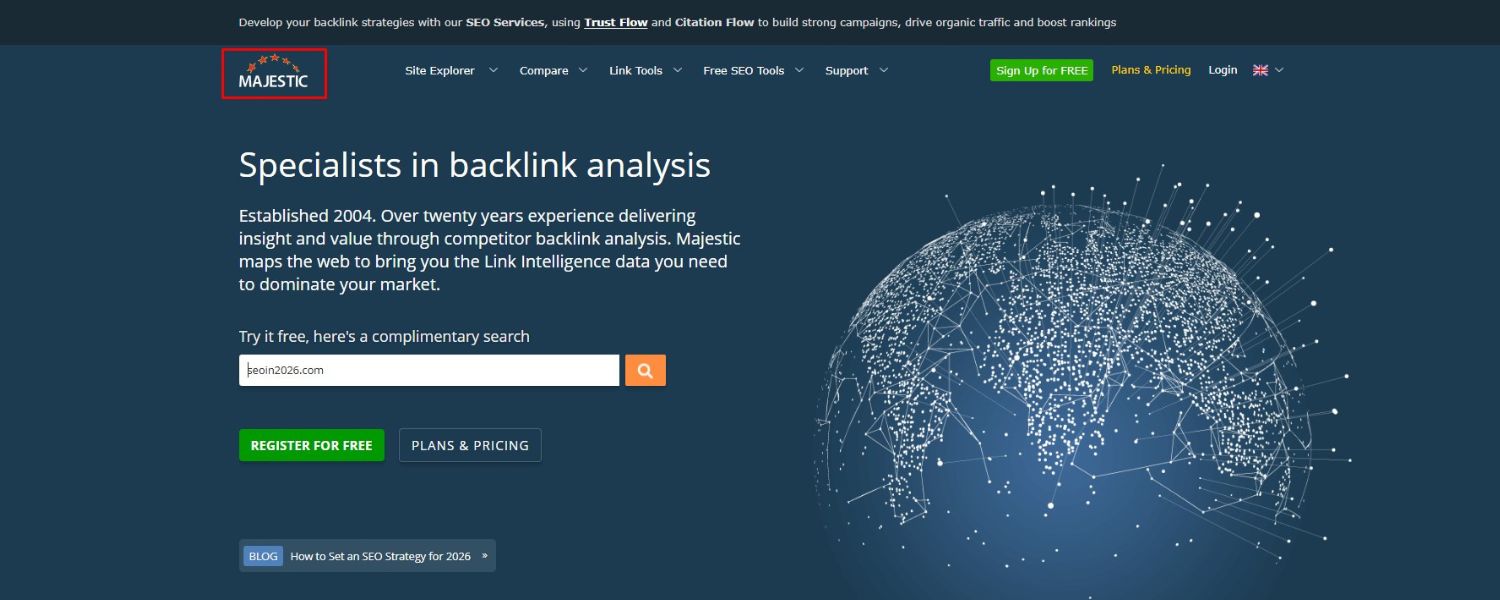
Known for its Trust Flow and Citation Flow metrics, which evaluate the quality and quantity of links separately. It has a vast index of backlinks and is also helpful for historical link analysis.
2. Brand Mention & Social Listening Tools
These help track where your brand is mentioned (linked or unlinked) and what’s being said.
A. Google Alerts (Free)
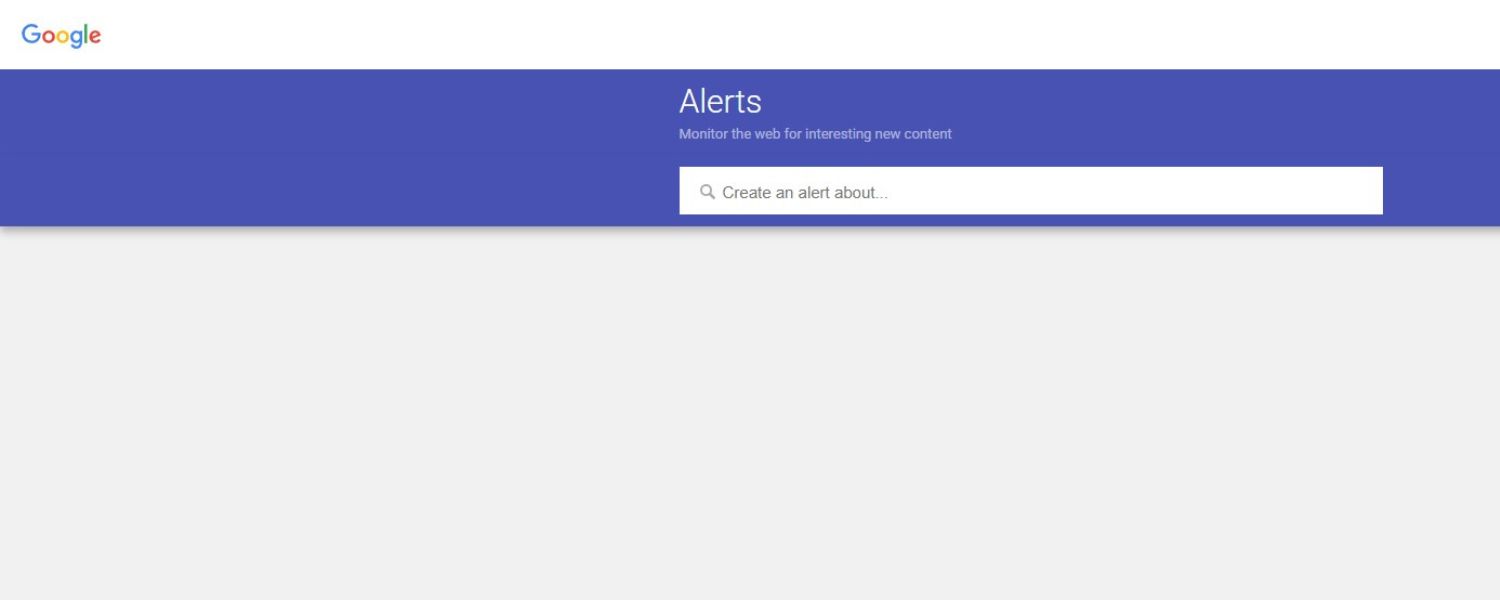
Simple yet effective. Set up alerts for your brand name (and key people or products) to get email notifications of new mentions on the web. It doesn’t catch everything (no social media coverage), but it’s a good start.
B. Mention/Talkwalker Alerts
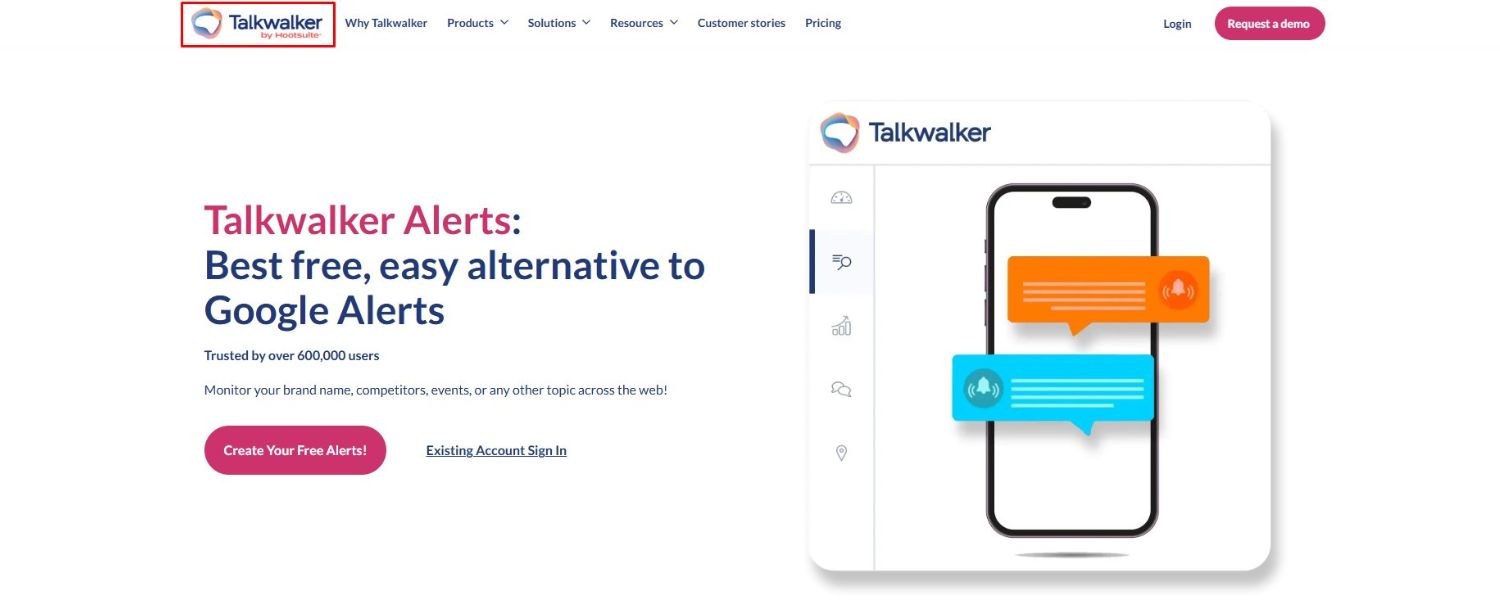
These freemium tools can find mentions across the web and social media. Good for broader listening.
C. BuzzSumo
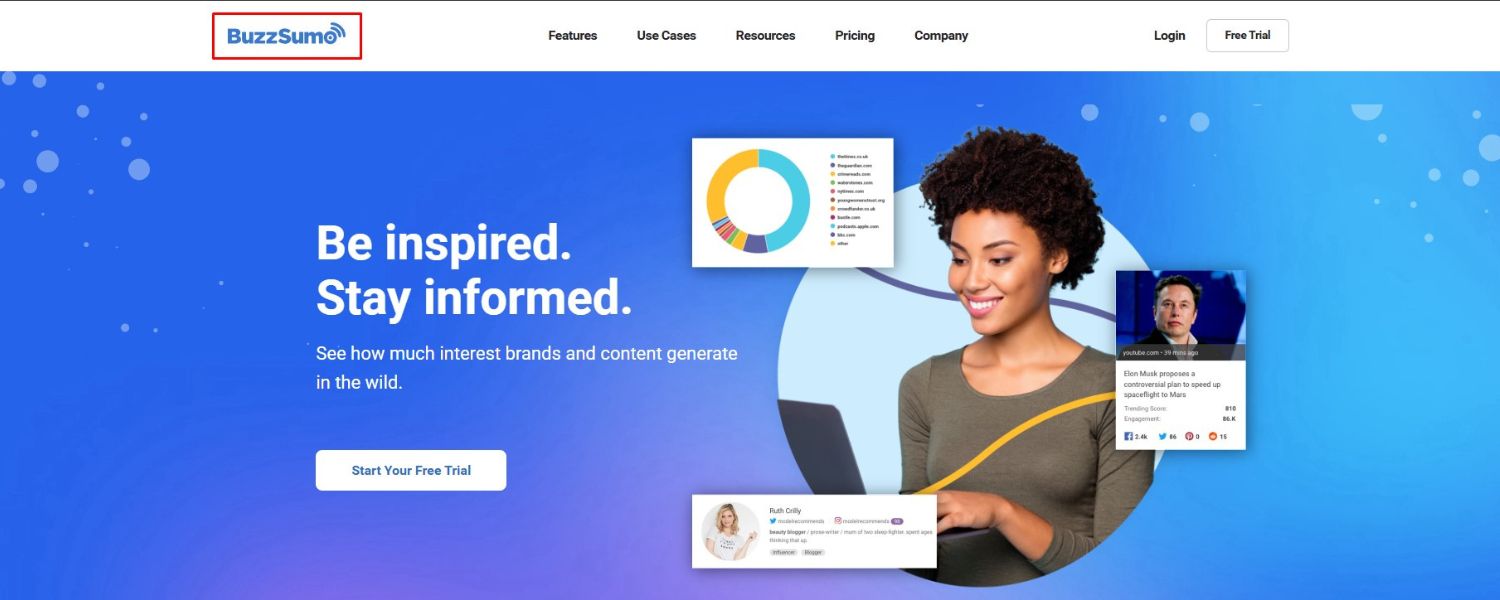
Great for social listening and content research. BuzzSumo can show you how many shares a URL got on social platforms and identify influential sharers. It also helps find influencers in your niche and see what content is trending (so you can piggyback or reach out to those content creators).
D. Hootsuite or Sprout Social 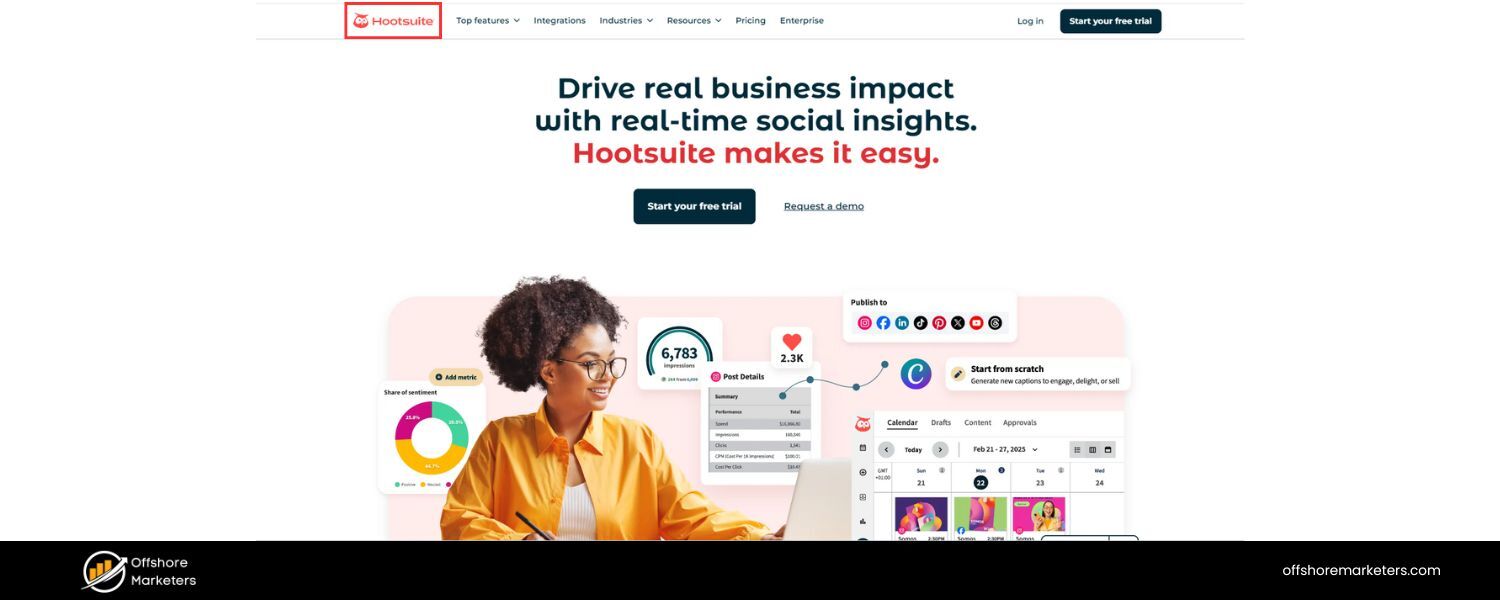
Primarily for social media management, but they allow you to set up streams to monitor mentions of your brand or keywords on social networks.
3. Outreach and Relationship Management Tools
A. Hunter.io 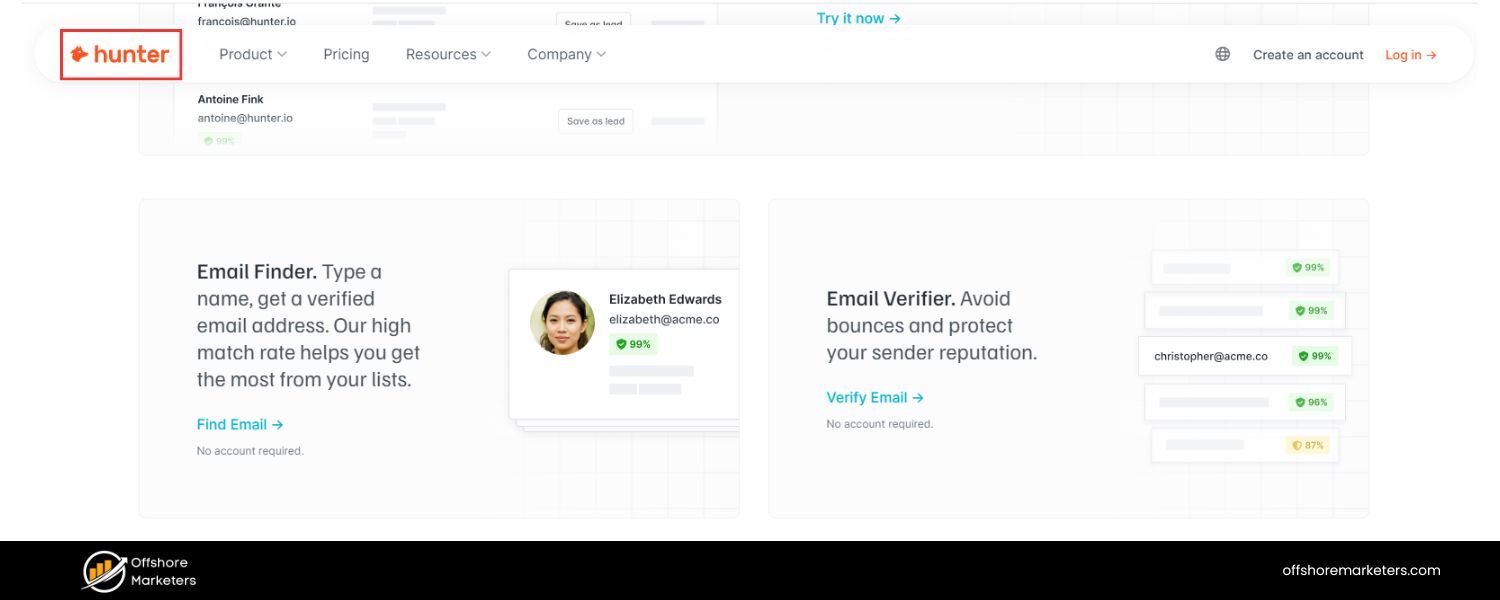
Finds email addresses associated with a domain. Handy when you want to contact a site owner or editor for outreach (guest post pitches, link suggestions, etc.).
B. BuzzStream
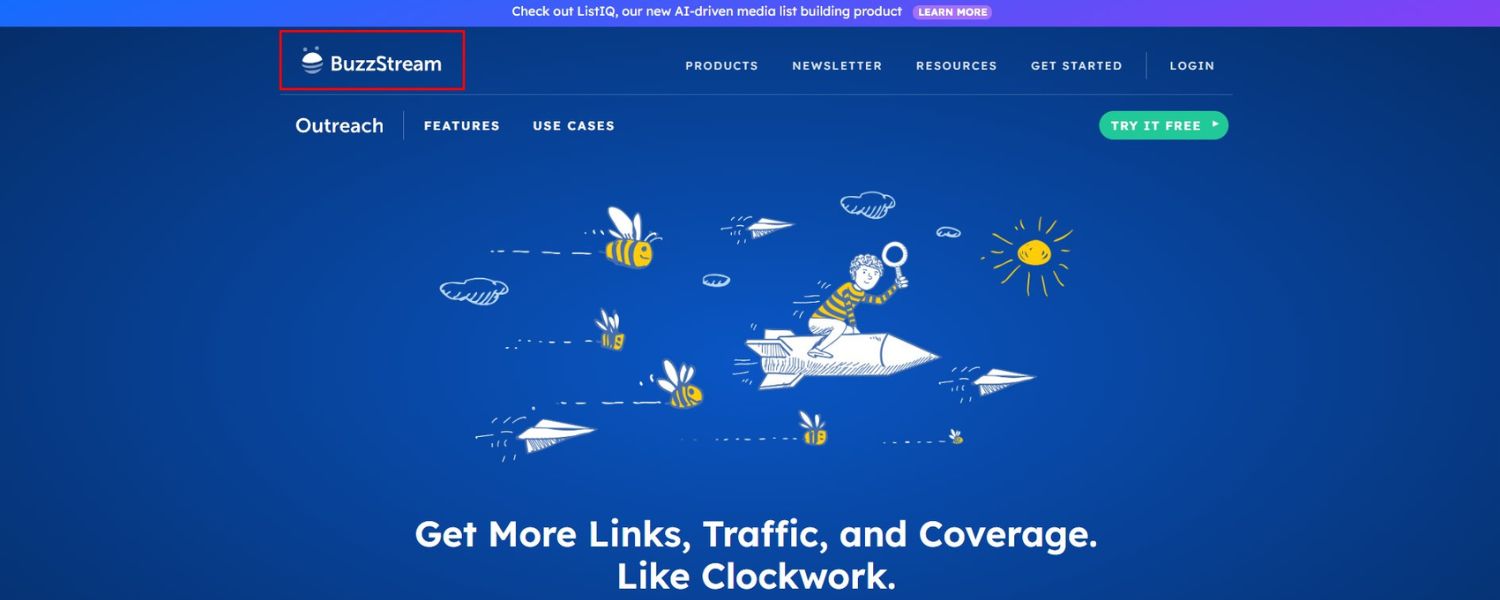
A CRM for link building/outreach. It helps you keep track of outreach campaigns, contacts, and follow-ups. It can also semi-automate the sending of personalized outreach emails and keep track of responses.
C. Pitchbox
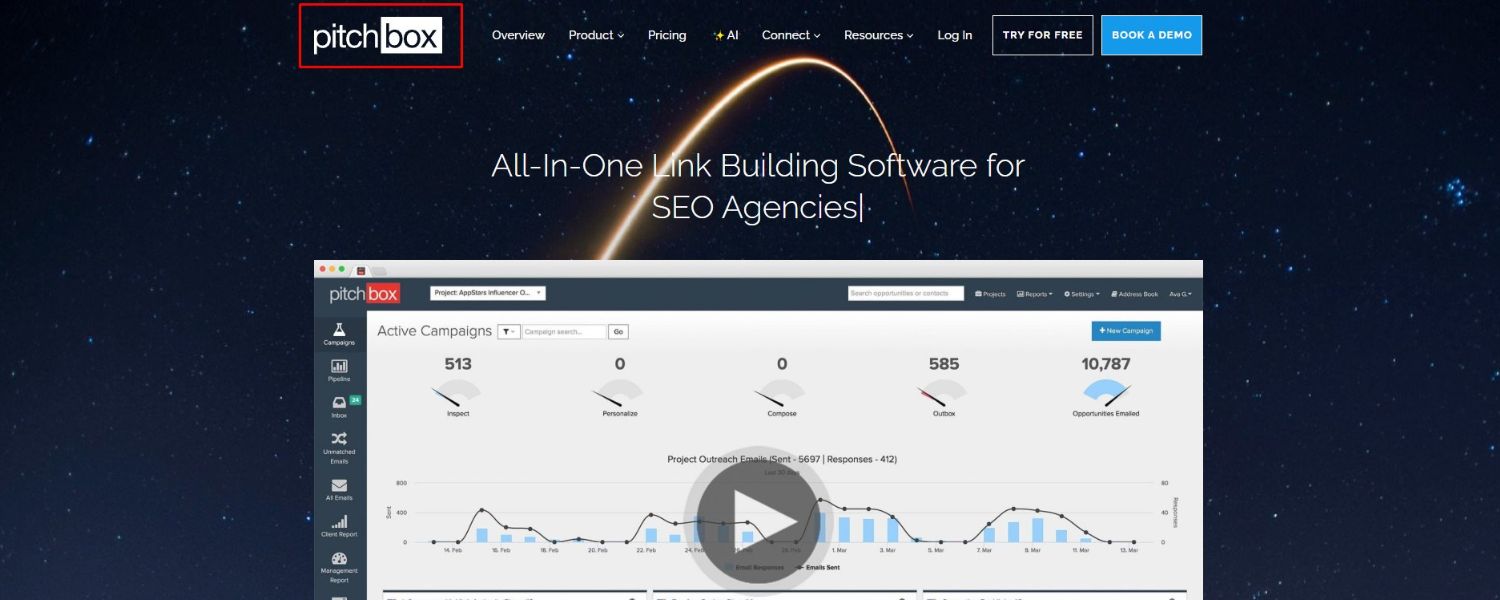
A more advanced outreach platform that automates prospecting (finding sites to reach out to) and outreach workflows, with team collaboration features. It’s powerful for large-scale campaigns.
Even a good old spreadsheet + Gmail templates can work if you’re on a budget. The key is to stay organized with who you contacted, when, and the response.
4. Content Marketing & PR Tools
A. HARO (Help A Reporter Out)

Not exactly a “tool” but a platform/service. Sign up as a source and you’ll receive daily emails from reporters seeking quotes or expertise. Responding can lead to press mentions or backlinks if your input is used.
B. PR distribution services (e.g., PR Newswire)
Use with caution; syndicating press releases can build some links and visibility, but often nofollow. A targeted PR approach (reaching out to journalists directly) usually works better than blasting releases.
C. Canva or Adobe Spark
For creating quick infographics or visuals to support your off-page content efforts (like making shareable images for social or visual assets for guest posts).
5. Local SEO Tools
A. Moz Local, Yext, and SEMrush Listing Management
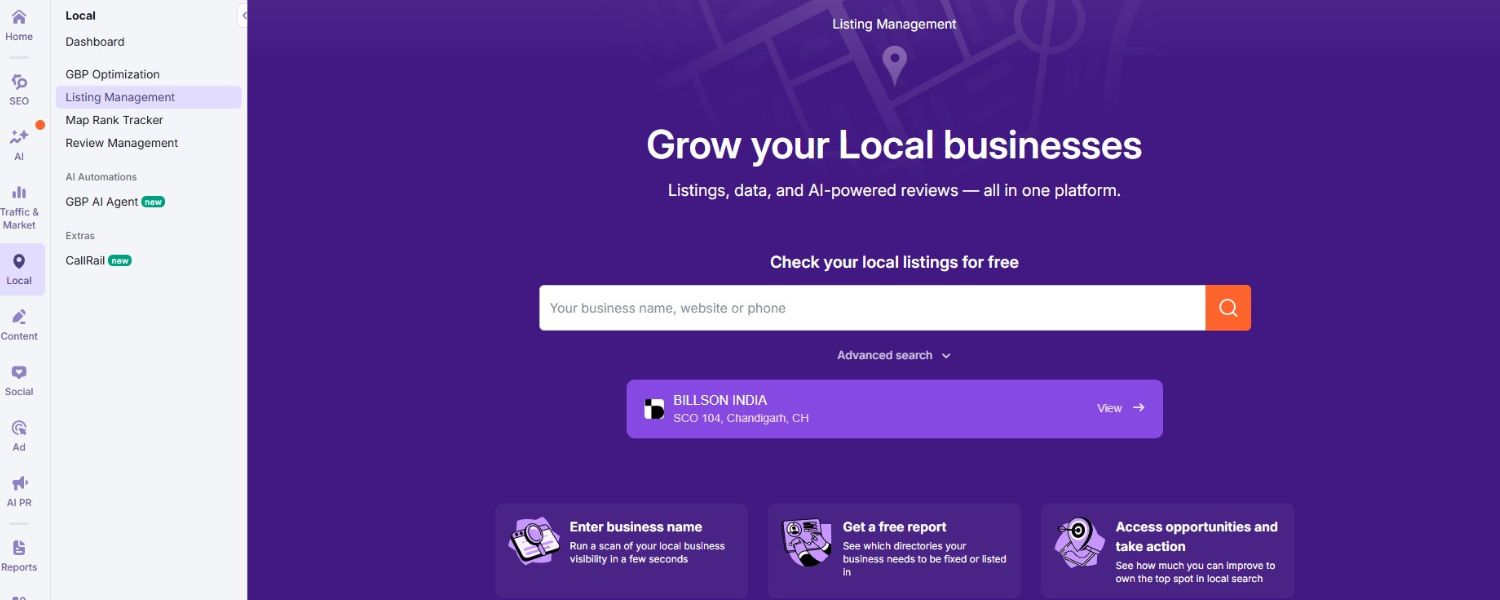
These tools can automate the process of submitting your NAP information to multiple directories and ensure consistency. They also highlight inconsistencies for you to fix.
B. Google My Business dashboard
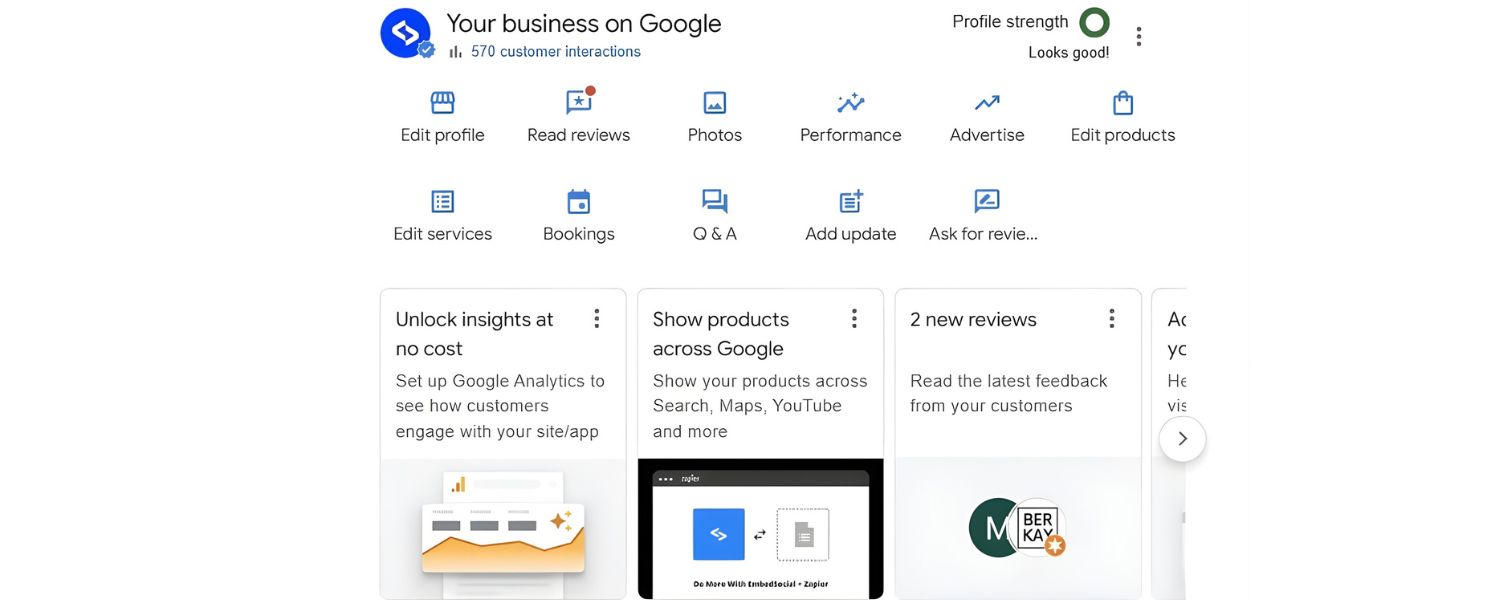
Use the Google Business Profile manager to oversee your Google listing, read and reply to reviews, and get insights on searches and actions (calls, clicks) from your listing.
C. BrightLocal
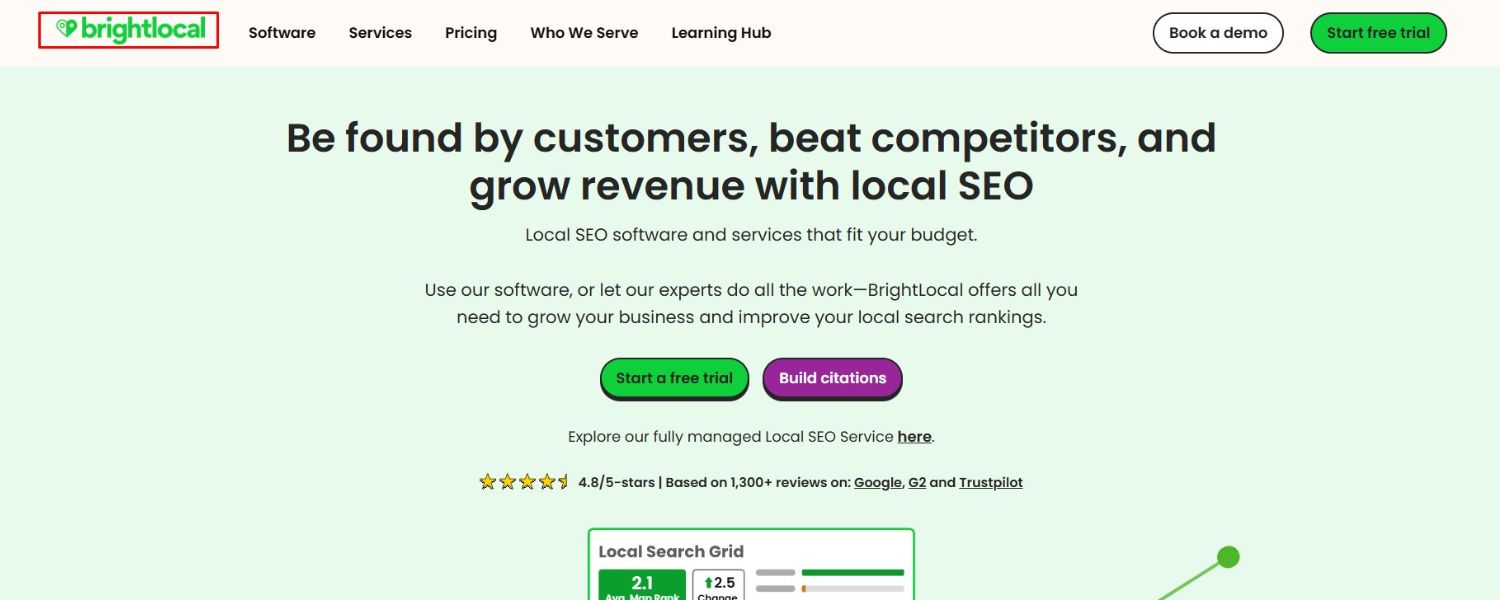
A toolkit specifically for local SEO, including rank tracking in local packs, citation tracking, and review monitoring.
6. Analytics and Tracking
A. Google Analytics 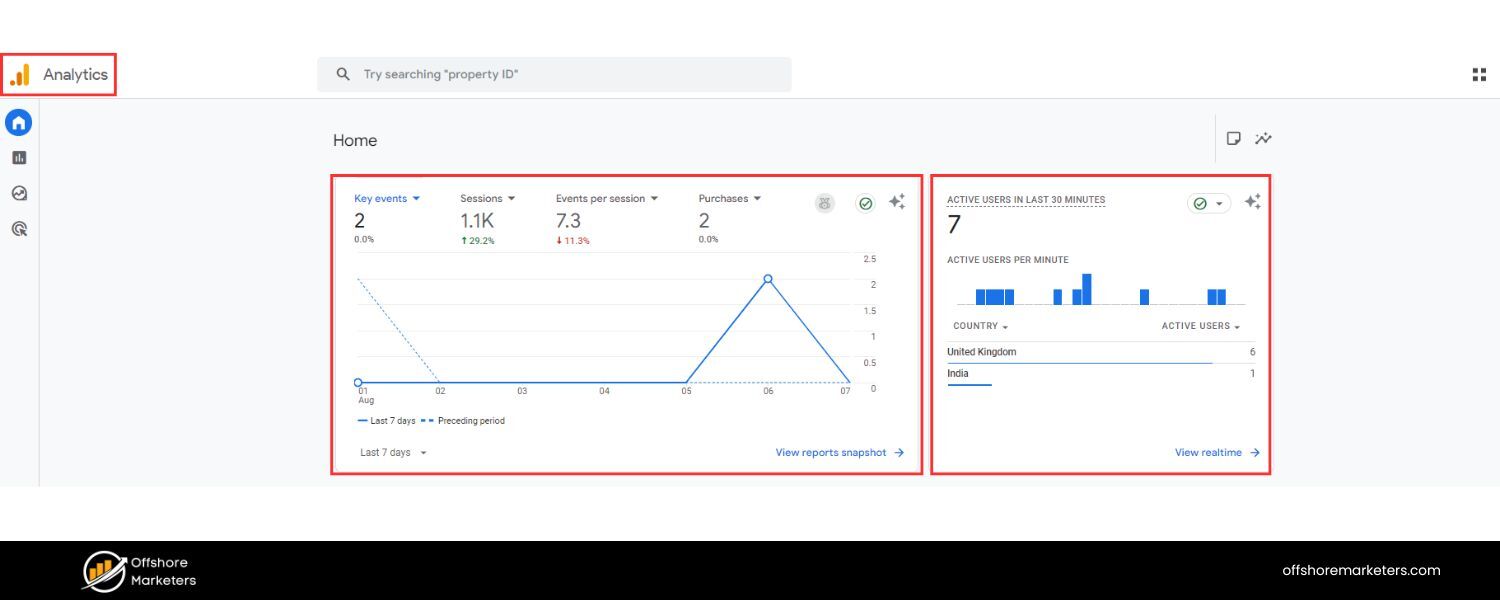 Essential for monitoring referral traffic from off-page efforts. Set up conversion goals to see which sources not only bring traffic but also actions (sign-ups, purchases).
B. Google Search Console 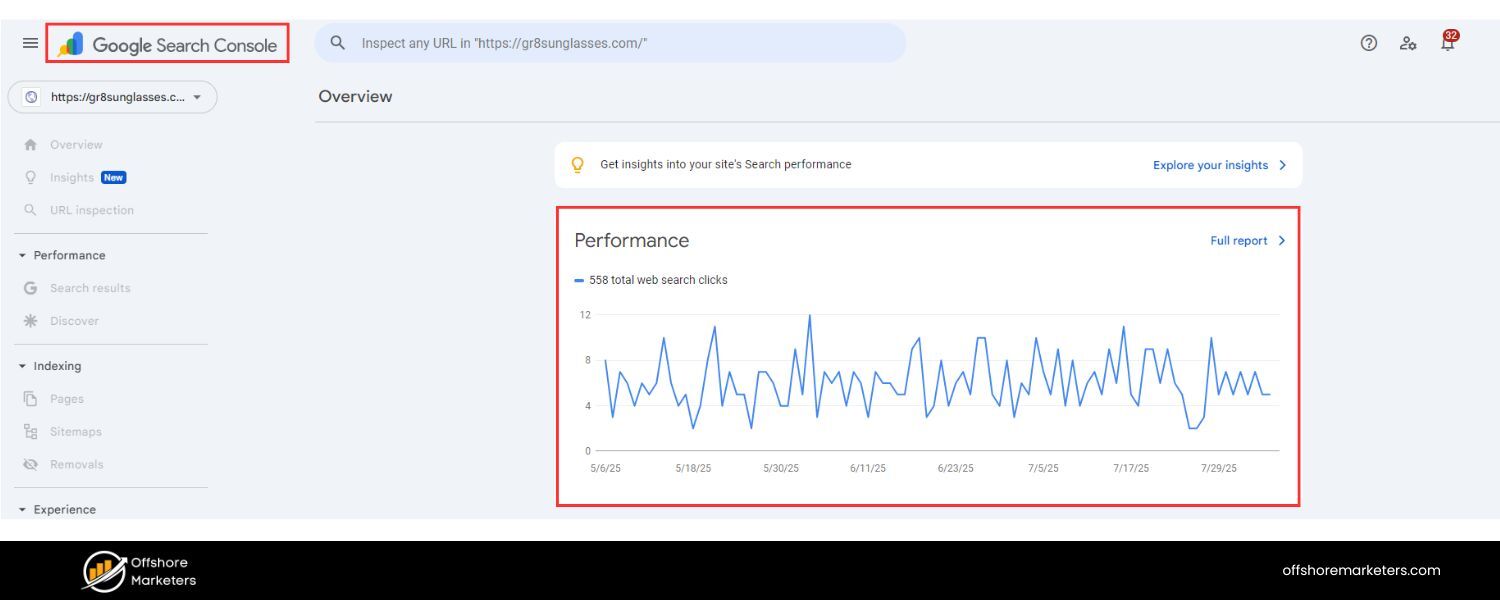
Monitor your overall search traffic and linking sites report. Also alerts you if Google detects something fishy with your links (manual actions).
C. URL Shorteners/UTM tags
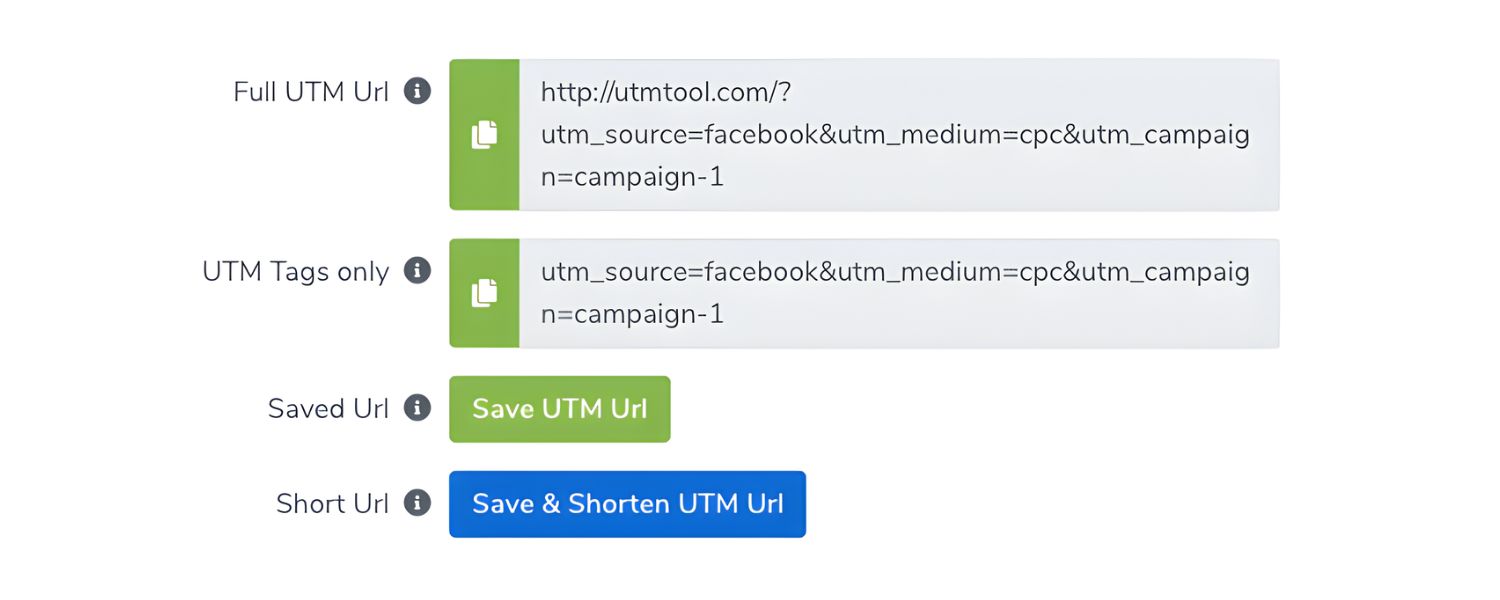
If you share links on platforms like social media or forums, use UTM parameters (and possibly a shortener like bit.ly) to track clicks from those specific sources. This helps attribute traffic to a specific campaign.
7. Competitive Research Tools
Many of the aforementioned SEO tools (Ahrefs, Semrush, Moz) allow you to compare competitor metrics side by side. Ahrefs, for example, has a “Link Intersect” feature that helps find sites linking to your competitors but not to you – a valuable resource for outreach.
A. SimilarWeb (for higher-level traffic sources intel)
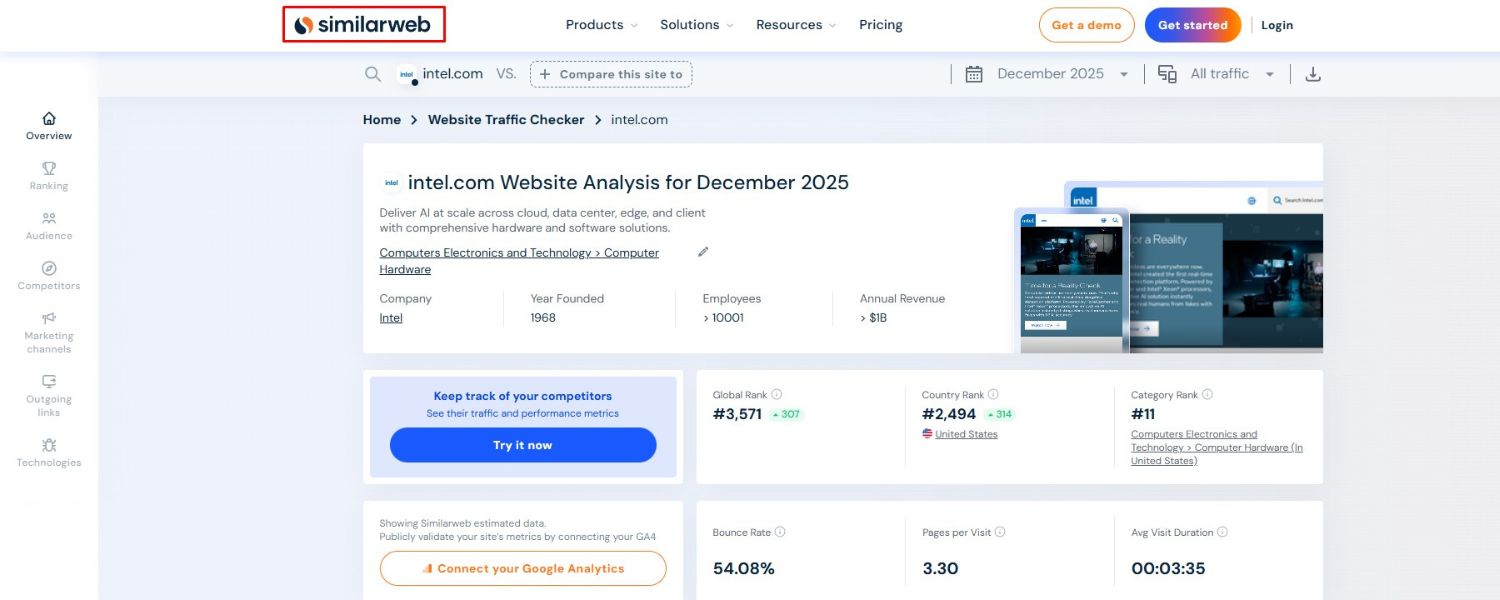
See a breakdown of where a competitor’s traffic comes from (search vs social vs referrals, etc.). Helpful in gauging whether they have strong referral partnerships.
B. A quick scenario to illustrate tool use
Say you wrote a killer article on your blog. You use BuzzSumo to find who has shared similar articles and identify some influencers. You then reach out to them via email (found through Hunter.io) to showcase your piece. You also set a Google Alert on the article title.
Using the right tools will save you time and give you the insights needed to refine your off-page SEO. Many have free versions or trials, so if you’re a beginner, start with Google’s free tools and one of the SEO suite trials. As you grow, investing in one or two solid tools will be well worth the cost, as they provide significant advantages.
Future Trends in Off-Page SEO
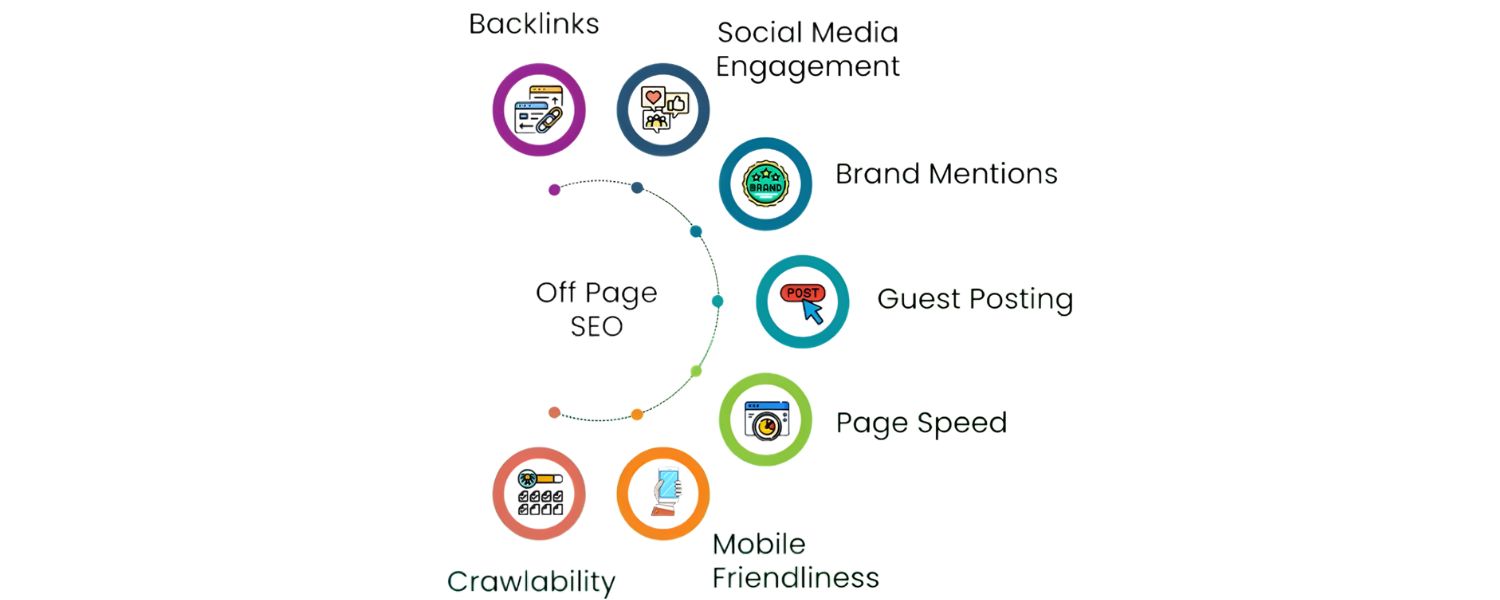
The world of SEO is ever-evolving, and off-page SEO is no exception. Looking ahead, several trends are shaping how off-site optimization will be approached in the years to come.
Staying ahead of these future trends will help ensure your off-page strategy remains effective and resilient:
A. Brand Authority and Authenticity Over Sheer Link Volume
Search engines are becoming increasingly adept at evaluating who mentions or links to you and how. There’s a shift toward measuring the overall authority of a brand online, not just counting links. Google’s algorithms (bolstered by machine learning) are likely to increasingly consider unlinked brand mentions, sentiment, and reputation signals.
B. Context and Relevance Matter More
It’s no longer just how many sites link to you, but in what context. Recent algorithm updates emphasize the contextual relevance of backlinks – a link from an article closely related to your topic is far more valuable than one from an unrelated context.
We expect search engines to continue improving their semantic analysis capabilities, thereby better understanding the content surrounding your link.
C. Rise of Digital PR and Link Earning
The term “link earning” (as opposed to “link building”) is gaining traction. Rather than actively seeking links, the focus is on creating content that naturally earns links, such as data studies, interactive tools, and exceptional stories. Digital PR is likely to overshadow traditional link building.
D. Influencer and Partnership Evolutions
Influencer marketing is maturing. We expect more long-term brand-influencer partnerships (brand ambassadors) rather than one-off sponsored posts. These deeper relationships could lead to continuous off-page benefits (regular mentions, content collaborations, and community cross-pollination).
E. User-Generated Content and Communities
The future of off-page content might lean more towards community-driven content. Think about how companies are building communities (like Discord servers, Telegram groups, subreddit communities). While these are not public web pages for Google to crawl (often private or noindexed), the loyalty and buzz generated spill over to public spheres.
F. AI and Content Trends Impacting Off-Page
AI content generation (such as GPT-4) is making it easier to create articles and outreach emails. Still, it also means a significant amount of low-quality content will flood the web. Search engines will likely refine their algorithms to distinguish between AI-generated content and human, expert content. Off-page SEO might require even more creativity to stand out.
G. Enhanced Emphasis on Trust and Safety
Google has been making moves to ensure the web is safe and trustworthy (HTTPS everywhere, removing deceptive sites, etc.). Off-page signals of trust – such as a high volume of positive reviews, endorsements from reputable experts, or affiliations with reputable organizations – may play a larger role.
H. Integration of Off-Page with Overall Marketing
We’re seeing SEO teams work more closely with PR, social media, and content marketing teams. That integration will deepen. Off-page SEO won’t be siloed; it’ll be a natural output of great marketing. For example, launching a viral campaign not only helps branding but also yields backlinks, and teams will plan for both.
I. The Role of Search Features
Google’s search results now include more than just web pages – there are knowledge panels, map packs, “People also ask,” etc. Off-page SEO may involve ensuring your brand appears in these elements. For instance, being listed on Wikipedia (a no-follow link but high in trust) can lead to a knowledge panel for your brand on Google, which is valuable real estate.
J. Continuous Algorithm Updates Combatting Manipulation
Google will continue to update its algorithms (as with the Link Spam update using AI) to nullify manipulative link tactics. The trend is clear: tactics that worked yesterday to game the system might not work tomorrow.
In essence, the future of off-page SEO appears to be more holistic. It’s about building a brand that is recognized, trusted, and referenced across the digital landscape. Think beyond just link building: think relationships, reputation, and reach.
Action Plan for the Future:
Start incorporating these trends now. Build your brand voice and authority, not just links.
Engage genuinely with communities and influencers. Experiment with digital PR campaigns. Embrace new platforms where your audience migrates.
By doing so, you’ll ensure that as algorithms change and the web evolves, your off-page presence remains strong and adaptive.
Final Thoughts:
Off-page SEO is a powerful engine for growing your site’s visibility and authority. By focusing on building genuine relationships, creating link-worthy content, leveraging social and community platforms, and maintaining a stellar brand reputation, you establish a foundation that no algorithm change can easily topple.
It’s a lot of work – off-page SEO is as much an art as a science – but the payoff is a robust online presence that drives sustainable, organic traffic.
Remember, off-page SEO isn’t about cheating Google; it’s about convincing Google (and users) that you are the real deal, through the chorus of voices across the web that vouch for you.
So get out there and start making some noise (in a good way) about your brand! With the strategies and tips in this guide, you have a roadmap to do exactly that. Here’s to your off-page SEO success – may your backlinks be plentiful and your brand mentions be ever-positive.

.png)
Shopify SEO: Guide to Ranking Your Store and Driving Sales
Most Shopify store owners set up their store, list their...

Content Marketing : Definitive Guide to Strategy, Content Types, and Measurable ROI
Content marketing generates 3x more leads than outbound marketing at...
Above the Fold: Guide to Conversions, Rankings and Faster Pages
Above the Fold in 2026: The Complete Guide to Conversions,...

Off-Page SEO Checklist: Guide to Building Real Authority
Most websites spend months creating great content, only to wonder...

What Is Keyword Bidding? The Complete Strategy Guide for Smarter Ad Spend
Most advertisers believe the highest bid wins the auction. It...
What Is Google Trends? The 2026 Marketer’s Complete Guide
If you are not already pulling weekly insights from Google...
If you want a growth partner who will get to know every aspect of your business and treat your budget like their own — we are the right fit.
.png)


.png)
.png)
.png)
.png)
.png)
.png)
2026 ALL RIGHTS RESERVED MADE IN INDIA
