
Search Engine Positioning: What It Is, Why It Matters?
July 3, 2025
Imagine typing a question into Google and seeing millions of results. Yet, most of us only click on one of the first few links on the first page.
The top three Google results get the lion’s share of clicks, as much as 75% combined, while less than 1% of searchers click anything on page two. This is why achieving a top search ranking is so critical.
If your website isn’t on the front page (ideally in those top spots), it might as well be invisible to most users. This is where search engine positioning comes in.
In this comprehensive guide, we’ll explain what search engine positioning means, why it’s important, and 10 proven strategies to improve your search engine positioning so you can outrank competitors and attract more organic traffic. Let’s dive in!
What Is Search Engine Positioning?
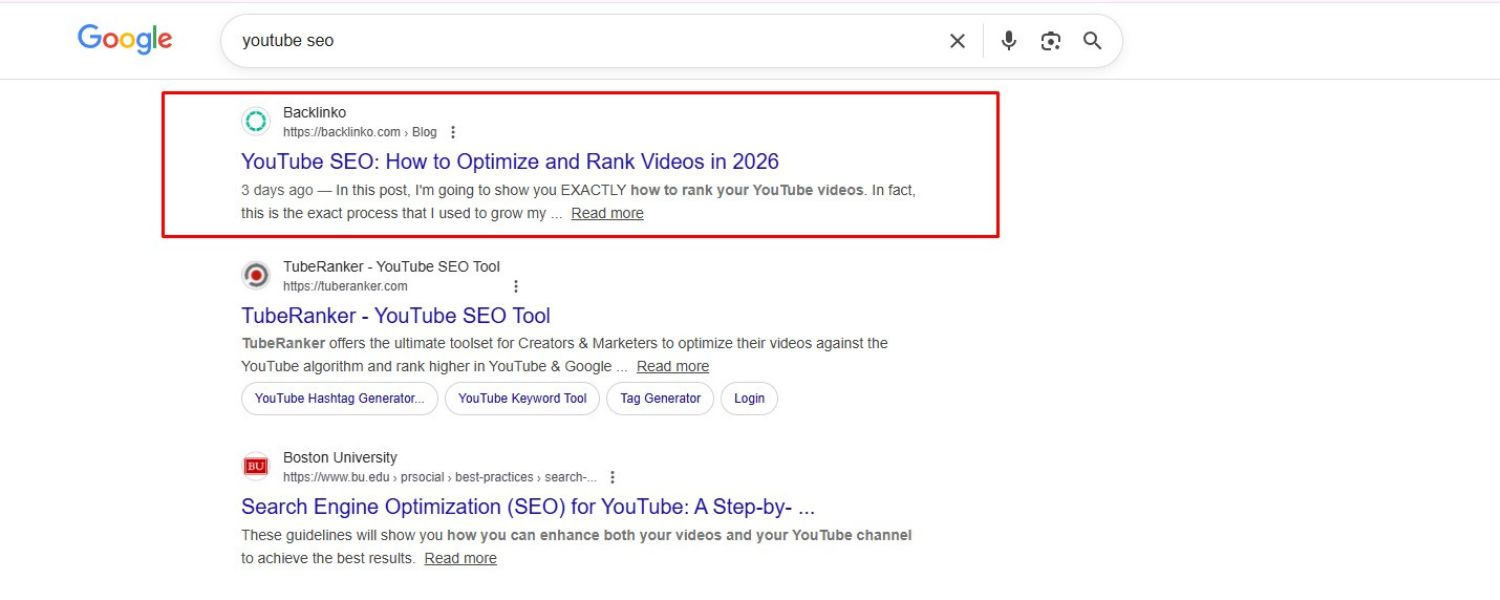
Search engine positioning is the process of continuously optimizing specific web pages on your site to rank higher in search engine results for targeted keywords.
In other words, it’s a subset of search engine optimization (SEO) that focuses on improving the visibility of individual pages rather than your website as a whole.
The goal of search engine positioning is to secure those coveted top spots on Google (and other search engines) for queries relevant to your business.
Higher positions mean greater visibility, increased traffic, and ultimately, more customers.
To achieve strong search engine positioning, you need to optimize the factors that search algorithms consider when ranking pages.
Google’s search algorithms analyze many attributes of your page and site to determine its relevance and credibility for a given query.
Key ranking factors include:
A. Content relevance and quality


Your content should directly answer the searcher’s query with depth and value. High-quality, informative content that satisfies user intent will rank higher in search engine results.
B. Keywords and on-page SEO

Using the target keyword (and related terms) strategically in your title, headings, body text, URL, and meta tags helps Google understand the content of your page. Keyword placement (e.g., in the title tag and header) and appropriate keyword density can influence relevance.
C. Backlinks

The number and quality of other websites that link to your page signal its authority. Pages with more high-authority backlinks tend to rank higher because backlinks act as “votes of confidence” for your content.
D. Website trust and authority
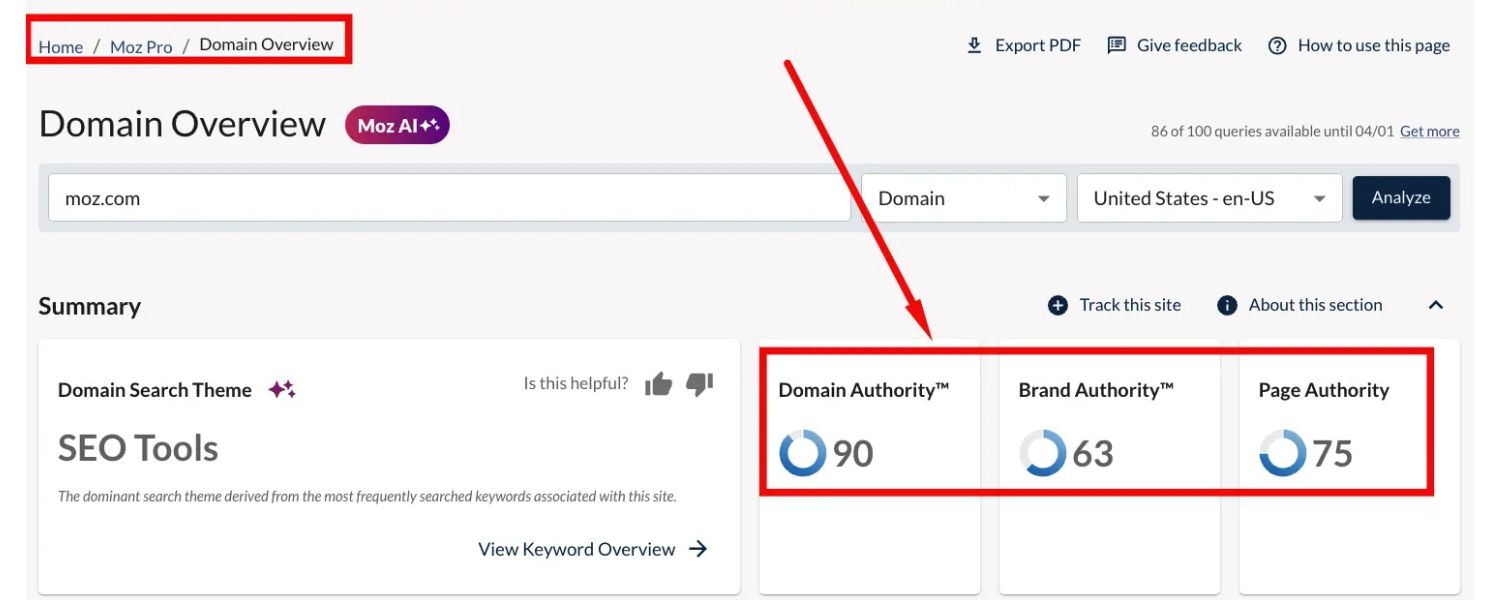
Overall domain authority factors (like your site’s reputation, age, and historical performance) contribute to positioning. A trustworthy, well-established site has an easier time ranking pages.
E. User experience (UX)
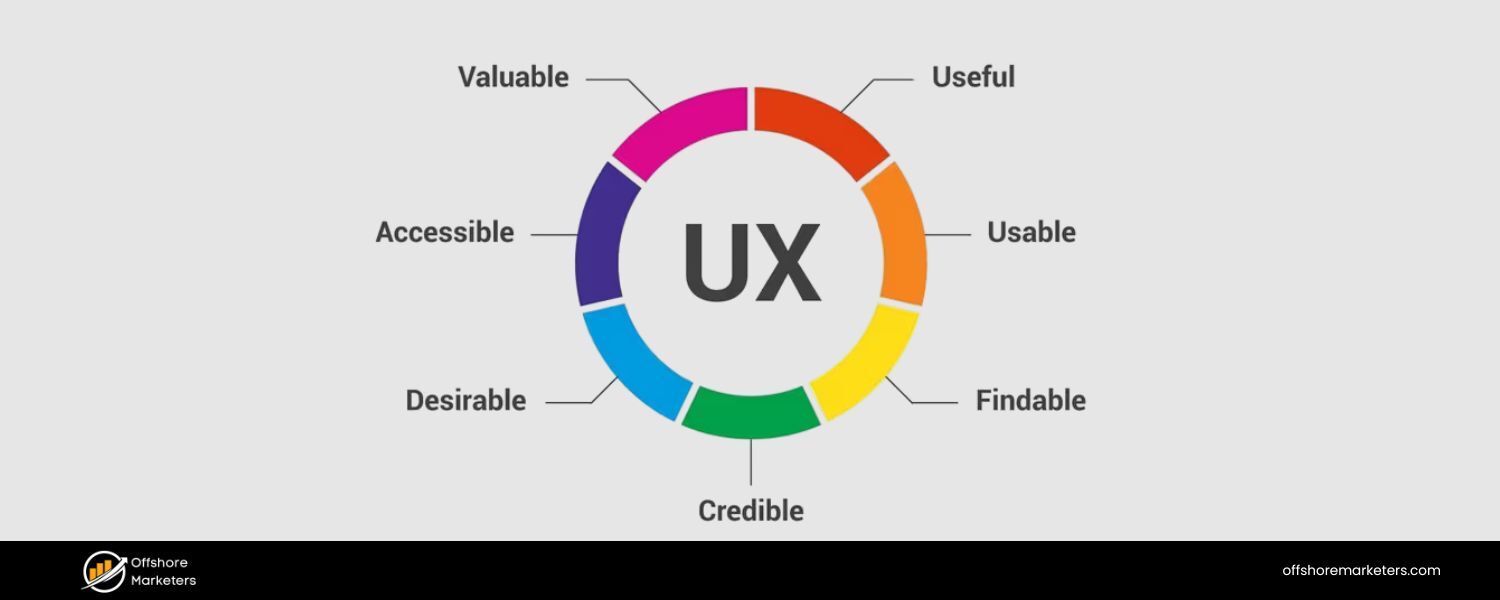
Factors like mobile-friendliness, page loading speed, and ease of navigation affect rankings. A slow or hard-to-use page can hurt your positioning due to higher bounce rates and lower user satisfaction. Google now uses real user experience metrics (Core Web Vitals) as considerations in ranking, reflecting the importance of good UX.
F. Semantic relevance
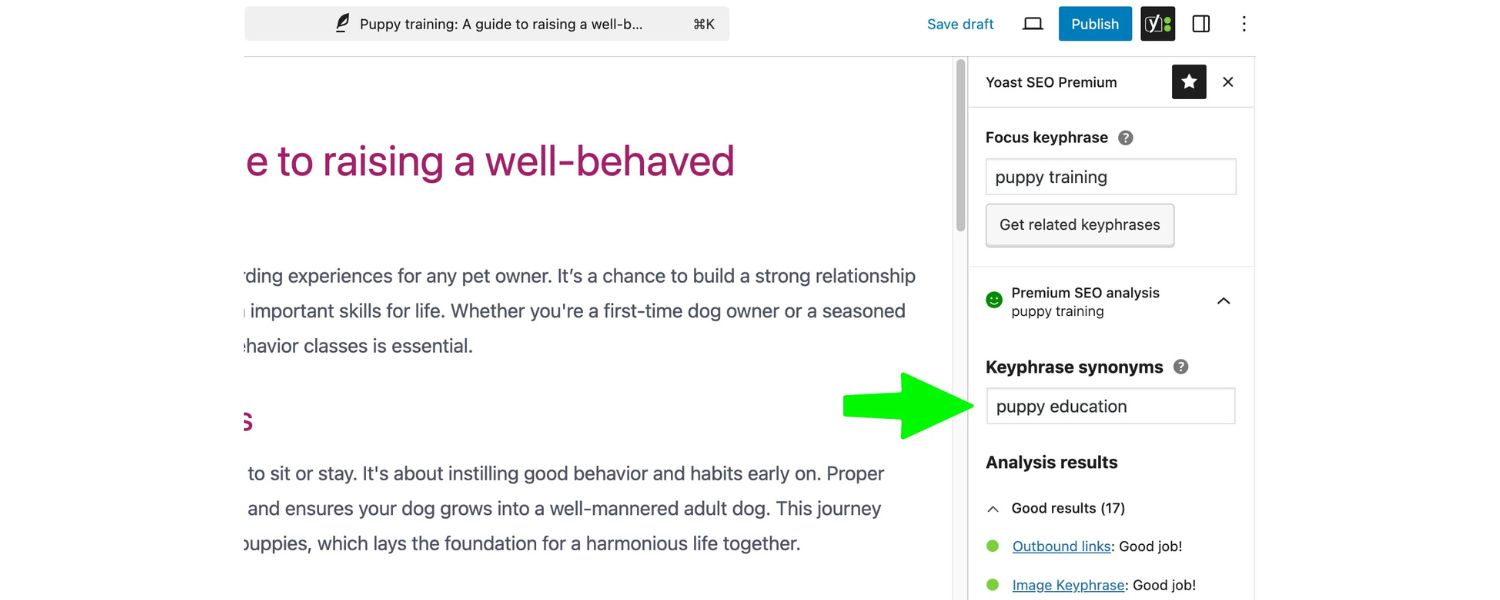
Modern search algorithms look at the context of your content, including the use of keyword synonyms and related topics. Covering a topic comprehensively (not just repeating a keyword) helps Google see your content as relevant and authoritative.
G. Searcher’s context
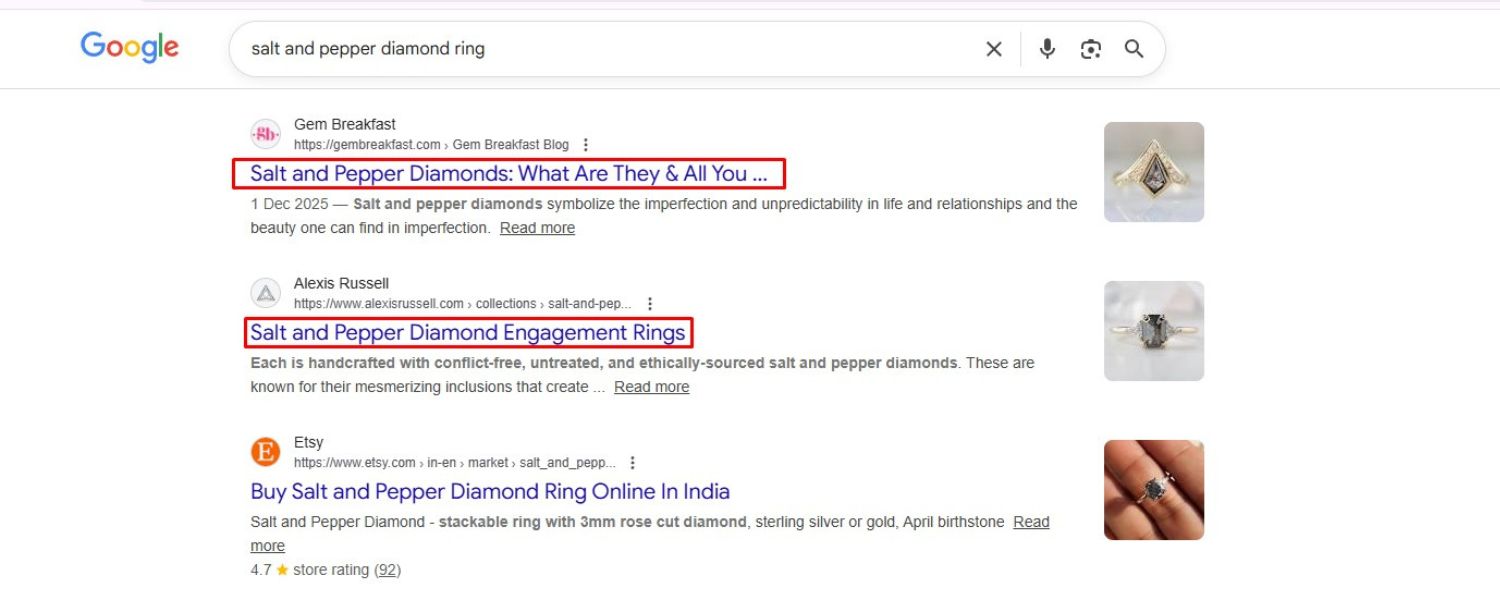
Personalization factors, such as the user’s location and search history, can also influence the search results they see. While you can’t control the user’s context, it means your positioning might vary slightly for different audiences or locales.
In short, search engine positioning = on-page SEO focus. It focuses on optimizing specific pages for targeted search terms, whereas general SEO encompasses broader, site-wide improvements (such as site architecture and overall domain authority).
All search engine positioning efforts are part of SEO, but not all SEO work is considered search engine positioning.
You might think of it like this:
SEO is the entire cake, and search engine positioning is the icing and decoration that make particular pieces stand out (to use a metaphor from Brafton).
Typically, you’ll implement search engine positioning tactics on top of a solid SEO foundation for your site. Next, we’ll see why this focused approach is so valuable.
Why Is Search Engine Positioning Important?

If you’ve poured effort into creating a great website or blog, you want people to find and read it. Search engine positioning is the most reliable way to increase a page’s visibility and click-through rate (CTR). Here are a few key reasons why it matters:
A. Dramatically Higher Visibility and Traffic
Ranking at the top of the search results drives exponentially more traffic. Studies show that the #1 organic result receives around 27–31% of all clicks on Google, while the #10 result may receive only ~2%.And hardly anyone clicks to page two (only ~0.78% of users click a result on the second page).
This means better positioning directly leads to more organic traffic, and more traffic means more leads, sales, or ad revenue for your business. As Backlinko’s data found, moving up even one spot can boost your CTR significantly (one study saw a 30% higher CTR by moving up a single position). The math is simple: higher rank, more clicks!
B. Beating Your Competitors
In any industry, you and your competitors are vying for the same audience and keywords. However, only one site can occupy the #1 spot for a given search term. If your page ranks above your competition, searchers are far more likely to visit your site and not theirs.
By actively working on search engine positioning, you can outrank competitors and capture traffic that would otherwise go to them.This can translate directly into more customers for you and fewer for your rivals. On the other hand, if you overlook positioning, your competitors who invest in SEO will attract potential visitors. Consistently appearing ahead of others also signals to users that your brand is a leader in the space.
C. Credibility, Trust, and Brand Authority
Users tend to trust the sites that Google ranks highly. Subconsciously, we assume the top results are the most authoritative and relevant to our query. Thus, being in the top results boosts your brand’s credibility.Over time, if people repeatedly see your website at the top for topics in your niche, it establishes you as an authority and a trusted source.
According to Google, websites that demonstrate strong E-E-A-T (Experience, Expertise, Authoritativeness, Trustworthiness) are more likely to rank well. High search positioning contributes to that perception of expertise. In contrast, if you’re buried on page 3, users might never discover your content, or they may assume your brand is less relevant.
Ranking well is like getting an implicit endorsement from the search engine that you are a top player in your field.
D. Cost-Effective Traffic & Long-Term Results
Achieving prominent search engine positions yields free, ongoing traffic, making it one of the most cost-effective marketing strategies. Unlike paid advertising (PPC) where each click costs money, organic clicks are “earned” through the upfront work of optimization.
A high-ranking page can continue to attract visitors for months or years with minimal additional cost. This offers a better long-term ROI.Additionally, search engine positioning efforts can help you appear in special SERP features, such as Featured Snippets, “People Also Ask” boxes, or image carousels, which further increase your visibility without incurring extra costs.
While SEO does require an investment of time and resources, its benefits (traffic, leads, sales) are sustainable and compound over time, unlike a PPC campaign that stops delivering once you stop paying.
In summary, search engine positioning is crucial because it connects you with your target audience at the exact moment they’re searching for information or solutions you offer.
By ranking high for relevant searches, you attract visitors actively seeking your content or products, which often leads to higher engagement and conversion rates.
Now that we know why it’s worth pursuing, let’s clarify how search engine positioning relates to general SEO strategy.
Search Engine Positioning vs. SEO: What’s the Difference?
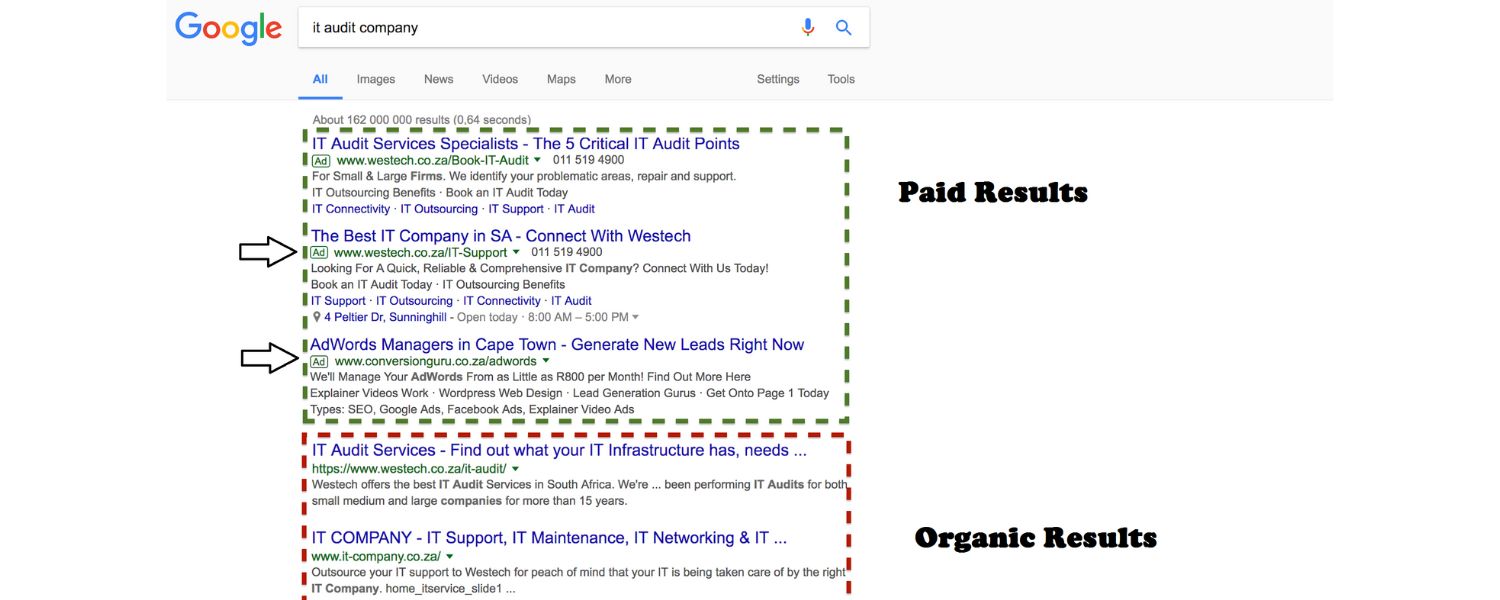
It’s easy to confuse search engine positioning with search engine optimization since they overlap.
Think of it this way:
SEO is the broad, ongoing process of improving your website’s visibility in search (covering everything from sitewide technical fixes to content marketing), whereas search engine positioning is a more targeted effort aimed at boosting rankings for specific pages or keywords.
Here are the key differences:
A. Scope
SEO encompasses the entire performance of your website in search engines. This includes site architecture, technical health (e.g., fixing broken links and improving site speed), creating content across various topics, earning backlinks to your domain, and more. Search engine optimization focuses on individual pages.
Instead of optimizing the entire site at once, you select a particular page (or set of pages) and focus on improving its ranking for a target query. For example, an e-commerce site’s SEO strategy might involve building category pages, a blog, and improving overall domain authority.
At the same time, a positioning effort might specifically optimize the “best running shoes” blog post to climb to the top of the SERP for that keyword.
B. Tactics
General SEO plans are often broader and ongoing, encompassing keyword research for multiple topics, content strategy, link-building campaigns for the domain, and mobile-friendly site design, among other elements.
Search engine positioning uses many of the same techniques (keyword optimization, content updates, link building), but applied in a granular way to boost a particular page’s ranking.
It might involve tweaking on-page content, adding internal links to that page, updating the meta title, or getting a couple of new backlinks specifically to that page.
C. Timeline for Results
SEO is typically a long-term game. It can take several months to a year to see significant results from broad SEO efforts, according to Google’s webmaster guidelines.
You’re improving overall site authority and trust, which builds gradually. Search engine positioning changes can sometimes yield quicker wins on specific pages, even within days or weeks, since you’re making focused adjustments that get picked up once Google re-crawls the page.
For instance, if you update a page’s title and content today, Google might index the changes and adjust that page’s ranking in a short period (especially if you prompt re-indexing via Search Console).
However, fast improvement isn’t guaranteed; it depends on the competition and how often Google crawls your site. The point is that targeting “low-hanging fruit” pages with positioning tactics can show movement sooner, whereas improving your entire domain’s authority is a slower process.
In essence, you can view search engine positioning as a branch or component of SEO. All the fundamental SEO best practices still apply – you’re just drilling down to make sure a given page is as optimized as possible for its specific keyword goals.
Effective positioning typically follows the completion of general SEO groundwork. One analogy is that SEO provides the strong base (like baking a solid cake), and search engine positioning is the fine-tuning or decoration that makes individual pieces stand out and attract eaters (clicks). Both are necessary and complementary.
Now that we’ve covered the what and why, let’s get into the how. Below are 10 proven strategies and best practices to improve your search engine positioning in 2025 and beyond.
10 Strategies to Improve Your Search Engine Positioning
Improving search engine positioning involves a mix of content optimizations, technical SEO fixes, and ongoing refinement.
Here are ten actionable strategies, backed by research and expert insights, to help boost your pages up the rankings:
1. Conduct Keyword Research and Target the Right Terms

Every great search ranking starts with choosing the correct keyword targets. Keyword research is the foundation of search engine positioning. You need to identify the search terms your ideal audience is using – and then align your pages with those terms.
Start by brainstorming keywords related to your business and using SEO tools (like Google Keyword Planner, Semrush, or Ahrefs) to expand the list and see search volumes.
Pay attention to long-tail keywords (more specific multi-word phrases) that indicate clear intent and often have lower competition. Targeting more specific keywords can make it easier to rank, especially for a newer or smaller site.
For example, trying to rank a page about just “soap” would pit you against millions of results (including broad info and big brands). In contrast, a focused keyword like “best soap for dry skin” has far less competition and more qualified searchers.
One case study showed that opting for a less-searched, more specific key phrase can significantly improve your chances of ranking on page one.
When selecting keywords, consider relevance (is the term closely related to what your page offers?), search volume (how many people search for it monthly), and competition/difficulty (how strong are the sites currently ranking?).
It’s often worth targeting a mix of highly popular “head” terms and niche long-tails. If very competitive short keywords are out of reach, capturing long-tail queries can still drive valuable traffic and help you build authority in your niche.
Analyze your competitors’ keywords too – see what terms they rank for and identify gaps or opportunities. If giant brands dominate a particular keyword, aim for alternative phrases or more specific angles.
As one SEO expert advises, consider using less competitive long-tail keywords when big competitors rule a broad term. Over time, ranking for many specific keywords can collectively bring in substantial traffic.
In summary, do your homework on keywords before optimizing a page. Choose a primary keyword (and a set of closely related secondary keywords) that you will optimize that page around. This will guide your content creation and on-page SEO steps that follow.
2. Create High-Quality, Relevant Content That Satisfies Search Intent

Content is still king when it comes to search rankings. To improve a page’s position, you must offer high-quality content that is directly relevant to the searcher’s intent.
Google’s latest algorithms heavily prioritize helpful, people-first content and demote pages that are thin, unoriginal, or written just to game the search rankings.
A Google core update in March 2024 led to 45% less low-quality, unoriginal content showing up in search results (exceeding their expected improvement).
The takeaway for anyone trying to rank higher: focus on making your content genuinely useful and valuable to users.
Here’s how to ensure your page content meets the mark:
A. Match the Search Intent
Determine what users are looking for when they type your target keyword. Are they seeking an answer to a question (informational intent)?Looking to compare products (commercial intent)? Trying to accomplish a task or buy something (transactional intent)? Your content format and angle should align with that intent.
For example, if the keyword is a question, ensure your page addresses it early on. If people seek a list of options (e.g., “best laptops 2025”), consider a list-style article with comparisons. Clearly and comprehensively addressing the query is crucial. If your page doesn’t deliver what searchers want, Google won’t rank it highly for long.
B. Provide Depth and Original Value
Top-ranking content usually covers a topic in-depth, offering unique insights or information that sets it apart. Aim to be the most helpful result for the keyword. This could mean including up-to-date statistics, examples, images, or infographics, step-by-step instructions – whatever adds value.
Don’t just regurgitate what others have said; add your expertise or research. Google’s Quality Rater Guidelines emphasize E-E-A-T (Experience, Expertise, Authoritativeness, Trustworthiness), so demonstrate your knowledge and back up claims with evidence or citations.
Also, keep content fresh: outdated information can hurt engagement and rankings over time. Make it a practice to update pages periodically (more on that later).
C. Make It Readable and User-Friendly
Even the best information won’t rank if visitors click back immediately because it’s hard to read. Structure your content for readability and engagement.Use clear headings and subheadings (with keywords where appropriate) to organize sections logically.
Write in short paragraphs and consider using bullet points or numbered lists for complex points (both users and Google like structured lists).Include images or diagrams to illustrate key points and break up text. Use a tone that is both friendly and authoritative, one that resonates with your audience.
Also, get to the point quickly – for instance, if your header asks a question, answer it in the first sentence of that section to immediately satisfy the reader (and possibly earn a featured snippet). All these practices improve user experience and signal to Google that users find your page helpful.
D. Avoid Thin or Fluffy Content
Longer content often ranks well, but only if it’s substantive. Don’t add filler just to hit a word count.Google’s perspective is that longer isn’t always better – sometimes a concise page that perfectly answers the query can outrank a rambling 3,000-word post.
So, aim for comprehensiveness with clarity.Every paragraph should offer something meaningful. Remove any outdated facts (anything older than a couple of years might need verification or replacement).If you find yourself going off on tangents, refocus on what the user came for. Tight, relevant content keeps readers engaged and signals quality.
By delivering excellent content that meets the user’s needs, you increase the likelihood that people will stay on your page, engage with it, and perhaps share or link to it – all of which boost your search engine positioning.
Remember, Google’s core mission is to provide searchers with the most relevant and valuable results. If you consistently produce content that does that, you’ll be aligning with Google’s goals (and your rankings should reflect it).
As one Google update described, they are tweaking algorithms to ensure “we surface the most helpful information on the web and reduce unoriginal content in search results”.
Ensure your pages are part of the “most helpful information” by being the go-to resource for your topic.
3. Optimize Your Title Tags and Meta Descriptions for Higher Click-Through Rates

Often, the first impression your page makes on a potential visitor is not the page itself, but how it appears in the search results.
The title tag (the clickable headline in Google) and the meta description (the snippet of text below it) together form your search snippet.
Crafting these elements well is a powerful positioning tactic because even if you’re not #1, a compelling snippet can earn you more clicks than a dull one above you.
Moreover, there is evidence that organic click-through rate (CTR) can influence your rankings – pages that get disproportionately high clicks may be interpreted as more relevant, potentially boosting their position. At the very least, a better CTR means more traffic without needing a higher rank.
Here’s how to optimize your titles and meta descriptions:
A. Include the Keyword (Naturally)
Make sure your primary keyword (or a close variation) appears in the title tag, and ideally in the meta description as well. When users see the exact terms they searched for in your snippet, it signals that your page is directly relevant.
Google also bolds matching keywords in the results. Just don’t stuff it – the wording should read naturally and accurately reflect the page content.For example, a title like “10 Tips to Improve Your Search Engine Positioning in 2025” is both keyword-rich and descriptive.
B. Write an Engaging, Specific Title
Your title tag should be concise and compelling. Aim for around 50–60 characters so it doesn’t get cut off on the SERP. Use power words or numbers if appropriate (e.g., “Ultimate Guide”, “Proven Strategies”, a specific number of tips) to entice clicks.
Make it clear what the user will get by clicking.For instance, address the search intent: if the query is “how to rank higher on Google”, a title like “How to Rank Higher on Google: 10 Search Engine Positioning Strategies” directly promises an answer and a structured approach.
Avoid vague or overly generic titles.Also, ensure each page has a unique title – no duplicate title tags across your site, as that confuses search engines and users.
C. Craft a Persuasive Meta Description
The meta description can be about 1–2 sentences (typically up to ~155 characters are displayed). Think of it as a mini advertisement for your page. Highlight the benefit or unique value of your content.For example: “Learn what search engine positioning is and 10 proven ways to boost your Google rankings.
This 2025 guide shares actionable tips on content, SEO, speed, and more to help you outrank the competition.”This example effectively incorporates the keyword (“search engine positioning”), demonstrates breadth (10 actionable tips), and offers a benefit (outrank the competition).
Such a description sets clear expectations and appeals to someone looking to improve their rankings. Importantly, ensure the meta description accurately reflects the content.
If it’s click-baity but the page doesn’t deliver, users will bounce (or “pogo-stick” back to Google), which can negatively impact your rankings. Google sometimes rewrites meta descriptions, but it helps to provide a good one.
D. Address User Needs & Use Calls to Action
If possible, subtly answer why the user should click your result. For instance, you might mention “Downloadable checklist included” or “based on data from 5,000 sites” if these are unique selling points of your content.
You can also use a gentle call to action in the description like “Learn how…”, “Find out…”, or “Get expert tips on…”. However, avoid anything too salesy or clickbait. The tone should remain informational and relevant to the query.
Optimizing these snippet elements can significantly improve your CTR, which not only brings more visitors but may improve your position over time if Google perceives that searchers prefer your result.
One SEO study noted that improving a page’s CTR from 3% to 5% or 7% could signal to Google that people want to see that page, potentially bumping it up a few spots in the search results.
On the flip side, a below-average CTR (people skipping your result) could drag you down. Therefore, treat your title and meta description like an essential part of on-page SEO – they are your gateway to earning clicks.
As a bonus, well-optimized titles and descriptions also enhance the user experience by ensuring that people who click through receive precisely what they expected, which builds trust and reduces the bounce rate.
4. Prioritize User Experience: Site Speed, Mobile-Friendliness & Core Web Vitals

Google’s algorithm has evolved to reward websites that offer a good user experience (UX).
Even if you have great content, a poor UX (such as a slow-loading page or a site that’s hard to use on mobile) can severely undermine your search positioning.
In 2021, Google rolled out the Page Experience update, incorporating Core Web Vitals – specific page speed and interactivity metrics – as ranking factors. Simply put, page load speed is a key ranking factor for Google.
They know that users hate slow sites, so they’re less likely to show them at the top. Likewise, with most searches now occurring on mobile devices, Google predominantly uses mobile-first indexing, meaning the mobile version of your site is what determines rankings.
If your page isn’t mobile-friendly, its chances of ranking well are slim.
Here’s how to optimize for user experience:
A. Improve Page Load Times

Strive to make your pages load as fast as possible, ideally within a couple of seconds. Compress and optimize images (large images are a common culprit for slow pages), enable browser caching, and consider using a Content Delivery Network (CDN) if your audience is global.
Minify your code and eliminate unnecessary scripts or plugins that bog down performance. Use Google’s free tools like PageSpeed Insights or the Core Web Vitals report in Search Console to identify speed issues.
Fast pages not only please users (reducing bounce rates), but also directly help your rankings – Google’s data shows that after recent updates, users see significantly fewer slow, clunky pages in top results and far more fast, useful pages.A slow page, on the other hand, can cause users to abandon it, which leads to high bounce rates that hurt your search engine positioning.
B. Ensure Mobile-Friendliness
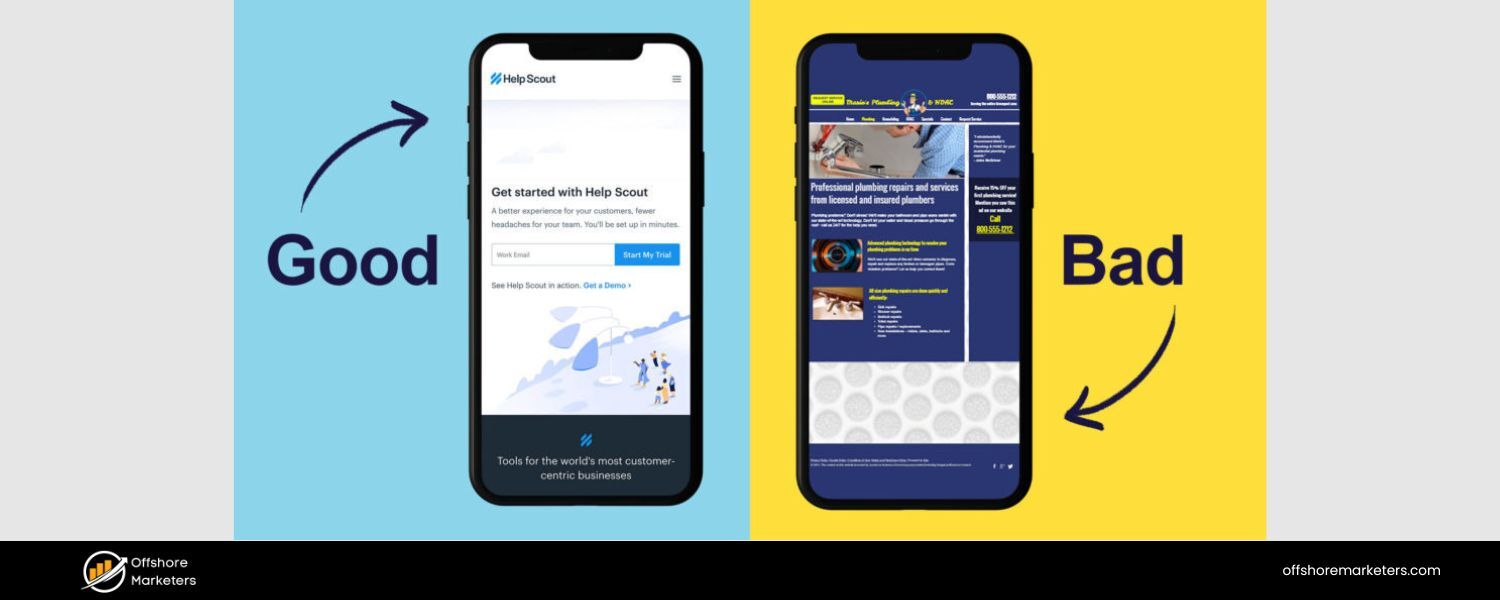
Your site must be easy to navigate on a small screen. Use responsive design so that content resizes and reflows optimally for mobile devices.Buttons and links should be easily tappable, text readable without zooming, and no elements should overflow off the screen. Google’s Mobile-Friendly Test tool can flag issues.
Mobile usability is critical not just for user happiness but also because Google’s index is mobile-first. If the mobile experience is poor, your ranking will suffer, even for desktop users’ searches. In the context of search engine optimization, a mobile-optimized page has a significantly better chance of securing top positions.
As part of UX, also consider general usability: is your site layout clear? Do you have too many pop-ups or interstitials (which Google also discourages)? Aim for a smooth, annoyance-free experience that keeps visitors engaged.
C. Monitor Core Web Vitals
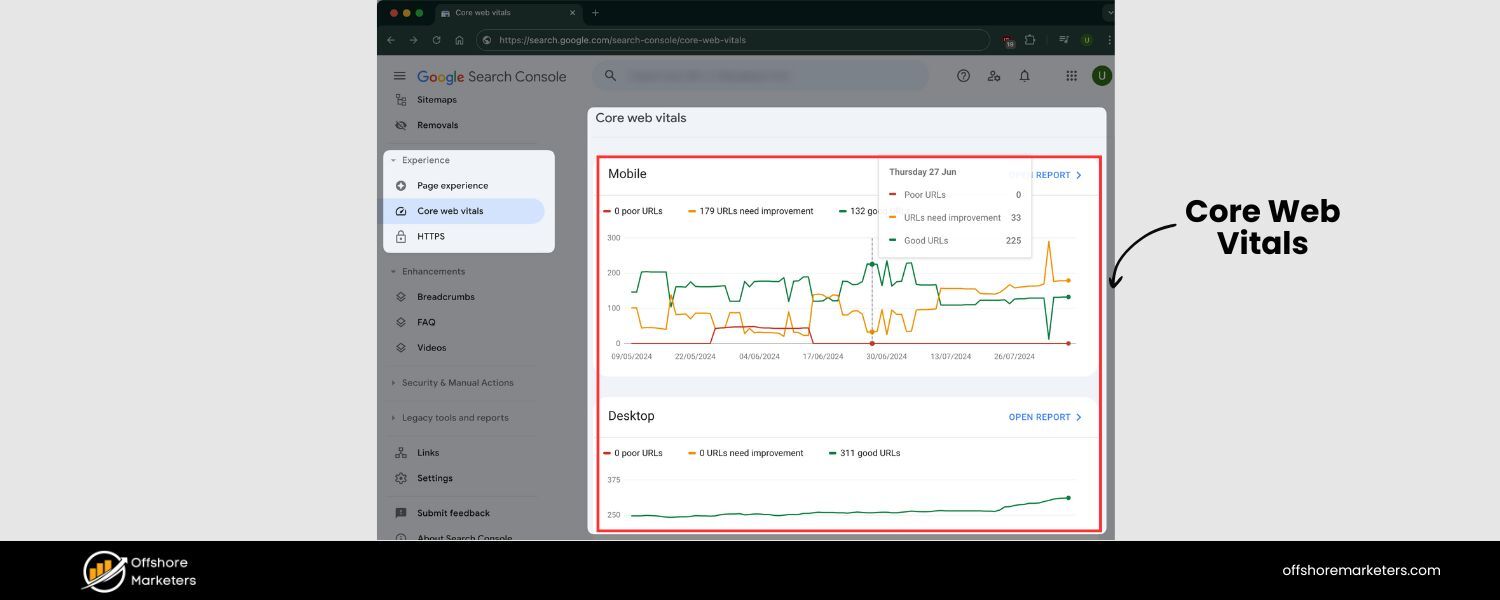
Core Web Vitals are a set of specific metrics – currently Largest Contentful Paint (LCP), First Input Delay (FID), and Cumulative Layout Shift (CLS) – that measure loading performance, interactivity, and visual stability.
In plain terms: how fast the main content loads, how quickly the page responds to user input, and whether things jump around on screen as it loads. You can view your Core Web Vitals scores in Google Search Console. While not the top-ranking factor, they do count, and more importantly, they correlate with good UX. Google has indicated that while Core Web Vitals aren’t a make-or-break factor, poor scores can indirectly hurt your positioning by frustrating users.
For example, if a page’s layout shifts and a user accidentally clicks something wrong and bounces, that’s a negative signal.So, optimize for these: defer non-critical scripts, reserve space for images and ads to prevent layout jank, and keep interactive elements snappy.
Many SEO experts consider UX signals and page experience to be increasingly crucial for achieving ranking success.
D. Reduce Bounce Rate and Dwell Time Issues
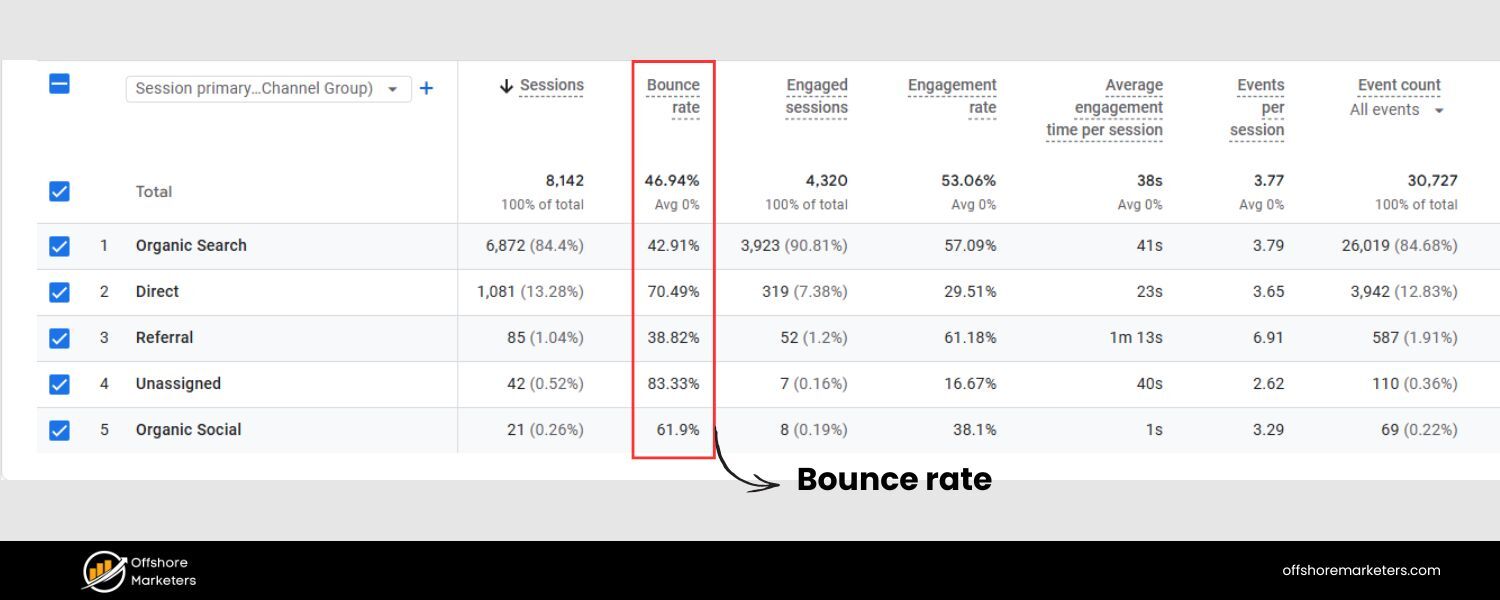
A key UX outcome to aim for is that when users click your result, they stay and engage, rather than pogo-sticking back to the search results immediately.High bounce rates (especially when combined with short time-on-page) can indicate to Google that your page wasn’t satisfying for that query.
Part of this is content relevance (covered in strategy #2), but UX plays a role too.If your page loads slowly or is cluttered with ads, users may bail even if your content is good. By improving speed and design, you encourage longer dwell times.
For instance, a case study anecdote from Brafton noted how an outdated piece of content had very high bounce rates and declining clicks until it was updated and improved, after which engagement improved.
The lesson: updating your page’s info and its usability can re-engage users and recover lost positions.
In summary, search engines aim to promote pages that provide a great user experience. Google is explicitly enhancing its ranking systems to reward high-quality and user-friendly content.
For you, this means UX optimizations are not “nice to haves” – they are must-haves for top-tier search positioning.
Faster, mobile-friendly pages with happy users will have an edge in maintaining high rankings, whereas those that frustrate users will find it hard to reach or keep the top spots.
5. Use Strategic Internal Linking to Boost Page Authority

Don’t underestimate the power of your own website’s structure. Internal links – hyperlinks on your site that point to other pages on your site – are a key part of on-page optimization and can influence search engine positioning.
When done thoughtfully, internal linking can pass “link equity” (authority) from your stronger pages to those you want to rank higher, guiding both users and search crawlers through your content. It’s also one of the quickest adjustments you can make to give a page a boost.
Here are the best practices for internal linking:
A. Link from High-Authority Pages to Target Pages
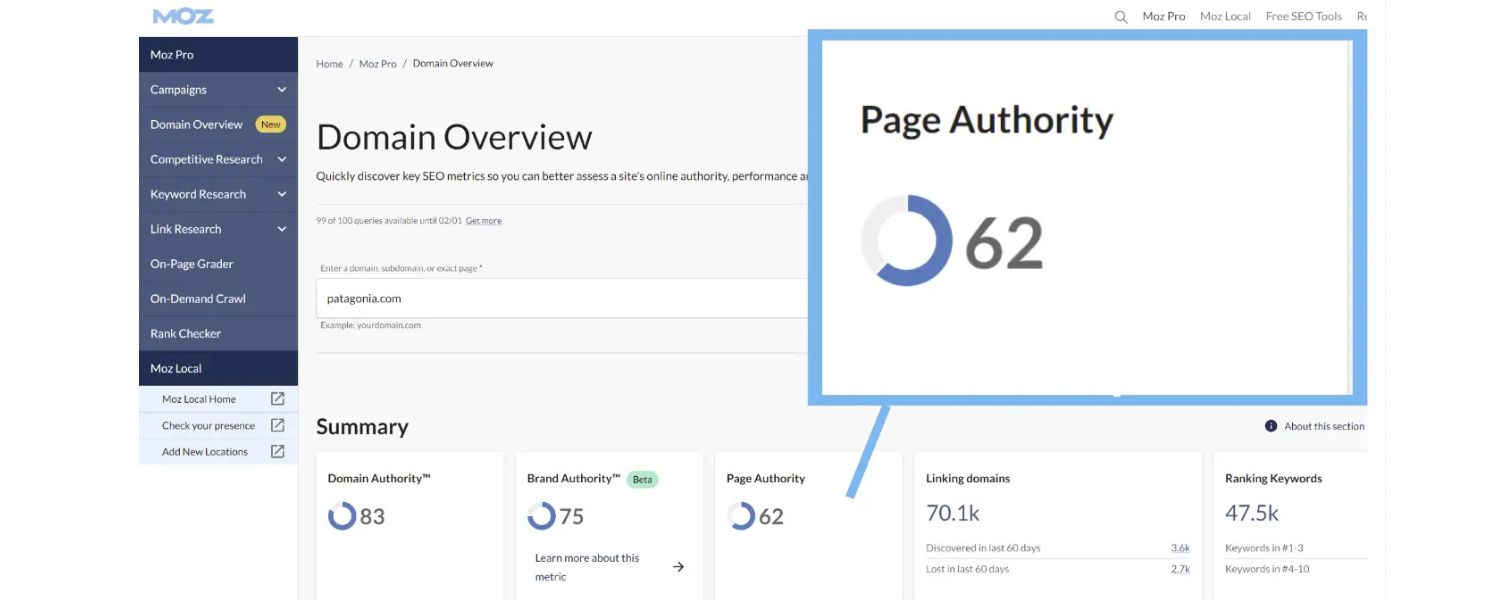
Identify which pages on your site have the most inbound link authority (for example, your homepage or a very popular blog post that naturally has many backlinks).These pages carry weight. By adding internal links from those pages to the page you want to improve, you effectively funnel some SEO juice to it.
For instance, if you wrote a new article you want to rank, see if you have older related articles that rank well or have backlinks; edit those to include a contextual link to the new piece. Be sure the link makes sense in context – it should be a natural recommendation, not forced.
B. Use Descriptive, Keyword-Rich Anchor Text
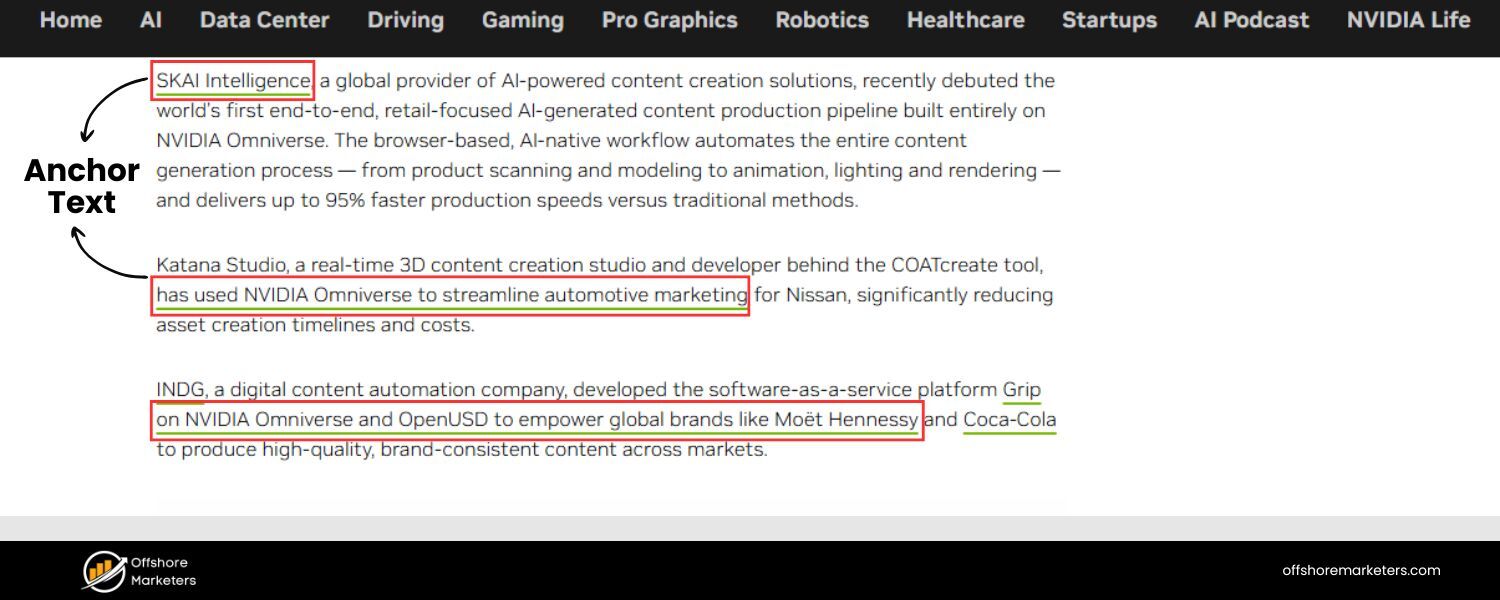
The anchor text (the clickable text of a link) helps signal to search engines what the linked page is about. Avoid generic anchors like “click here” or “read more”.Instead, make the anchor part of the narrative and include keywords when appropriate.
For example, instead of “learn more in this post,” say “learn more in our SEO ranking factors guide” with the latter part as the link.However, keep it concise – a few words or a short phrase is ideal (3-5 words is a good rule). Keyword-rich internal anchors can improve your relevance for those terms on the linked page.
In Backlinko’s strategy, they intentionally used descriptive anchors pointing to their target pages (e.g., linking the text “on-page SEO” to their on-page SEO guide) and found it helps Google better understand the content.
Just ensure it reads naturally and avoid over-optimizing (don’t make every internal link the exact same keyword phrase; mix in variations if used multiple times).
C. Add Links Where They Aid the User
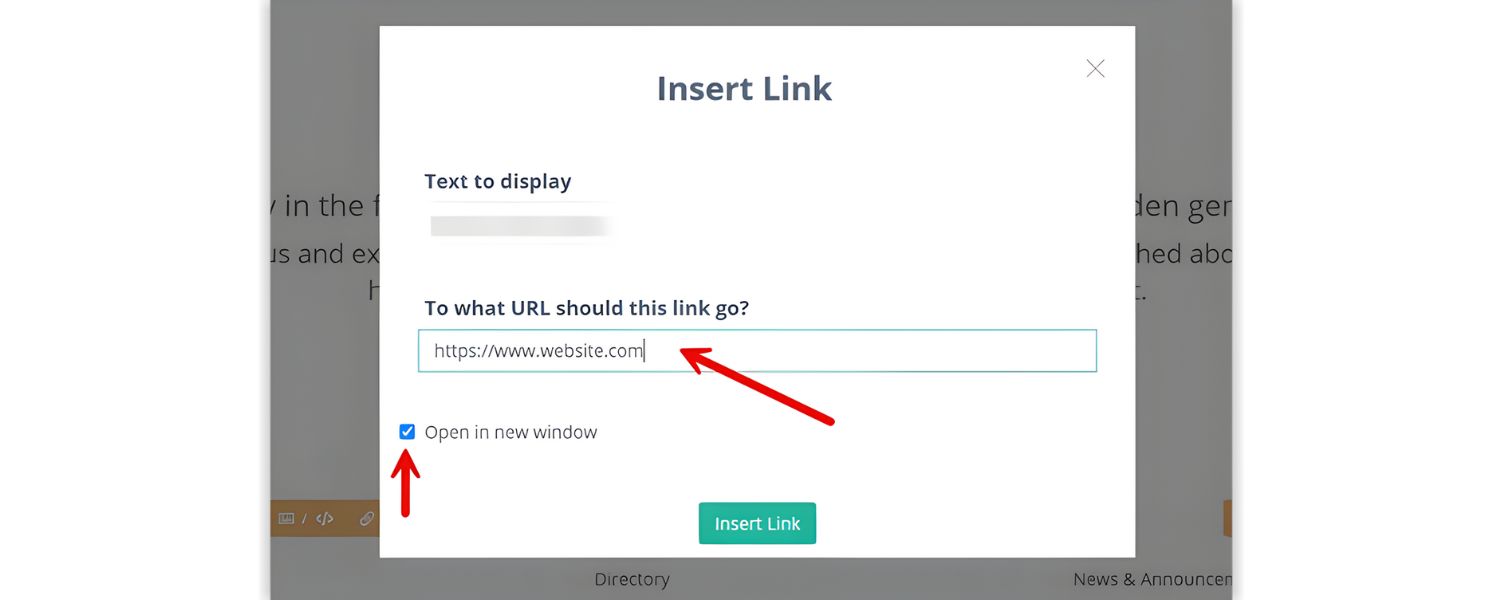
Internal linking isn’t just for SEO; it’s fundamentally about helping readers find more information. So add links in a way that improves the user experience.
For example, within a blog post, if you mention a concept you’ve explained elsewhere, link to it for those who want to dive deeper. This keeps users on your site longer and provides value, which indirectly helps SEO.
A good internal link is one the reader wants to click because it promises relevant further reading.
One example given in a case study: a brand wrote a post about types of hunting and internally linked the term “backpack hunting” to a detailed page on that topic – providing immediate, relevant info to interested readers.This kind of contextual linking is both user-friendly and SEO-friendly.
D. Mind the Number of Links

Don’t overdo it. There’s no hard rule, but each page should focus on linking to truly relevant pages.Dozens of internal links crammed into a page might dilute their value and overwhelm users.
A rule of thumb is to include a handful of highly relevant internal links where they naturally fit.For a long article (1500-2000 words), perhaps 3-5 internal links is a reasonable count. Ensure you’re not linking just for the sake of it – each link should be genuinely useful.
Also, periodically audit your links to ensure none are broken and that they still point to the best resources (especially if you update content or site structure).
By deploying an internal linking strategy, you help search engine crawlers discover and re-evaluate your content more efficiently, and you distribute ranking power throughout your site.
It also reinforces topical relevance – linking related pages together clusters your content by theme. Internal linking is one area completely under your control, so take advantage of it.
Many SEO professionals use internal links as a quick win to boost pages that are ranking just off the first page or in the lower page-one positions; a few well-placed internal links with strong anchor text can sometimes bump a page up in the rankings.
Just remember the mantra: internal links should benefit the reader first, and the SEO benefits will follow.
6. Earn High-Quality Backlinks to Your Key Pages

While on-page optimizations are essential, off-page SEO – especially building quality backlinks – remains one of the most powerful factors in search engine positioning.
A backlink is a link from an external website to your site, and Google treats these as endorsements of your content’s quality or usefulness.
Not all backlinks are equal; a single link from a highly authoritative site (imagine getting a link from a .edu resource or a top news site) can outweigh dozens of links from small, low-quality sites.
The bottom line is: if you want a page to rank higher, it helps tremendously to get other reputable websites to link to it.
Here’s how to approach link building ethically and effectively:
A. Create Link-Worthy Content
The first step is having something worth linking to. This circles back to strategy #2 (high-quality content).Content that presents original research, useful infographics, insightful analysis, or comprehensive guides tends to attract links naturally over time.
For example, if you publish a study with interesting statistics, other bloggers or news sites might cite those stats and link back to you.“Link bait” doesn’t mean clickbait; it means truly valuable resources that others in your industry find worth referencing.
Focus on making some of your pages stand-out resources (ultimate guides, top 10 lists, tutorials, etc.) which you can then promote for links.
B. Outreach and Relationship Building
Earning links often requires proactive effort. Share your best content with others who might find it useful – this could be as simple as reaching out to industry bloggers, journalists, or influencers to let them know about a resource you created.
Guest blogging on reputable sites in your niche (where you contribute an article and typically can include a link back to your site in the content or author bio) is another proven strategy – just ensure the site is relevant and high-quality (avoid spammy article farms).
The goal is to attract links from sites that themselves have authority. A few links from strong sites will dramatically improve your page’s positioning.Neil Patel emphasizes using “targeted outreach” as part of positioning – essentially, promoting your content to earn backlinks rather than waiting passively.
This could involve PR efforts, networking, or even using tools to find broken links on other sites where you can suggest your content as a replacement (the broken link building tactic).
C. Diversify Your Link Profile & Anchor Text
When building backlinks, don’t get all from one type of source. Aim for a natural mix: maybe some links from news sites, some from community forums or Q&A (like a helpful answer on Quora referencing your article), some from niche directories or resource lists, etc.
Also, be mindful of anchor text in external links. You usually can’t control it fully (and shouldn’t try to over-optimize it with exact keywords everywhere, as Google might see that as manipulative), but if you guest post or have a say, vary the anchors.
Branded anchors (e.g., “yourwebsite.com says…”) and descriptive anchors (“according to a digital marketing study”) are safer than repeating the exact keyword every time. The idea is to keep it looking organic.
D. Avoid Spammy Link Schemes
Google is very sophisticated in detecting unnatural link building.Buying links, participating in link exchanges or private networks, or spamming comment sections with your URL can do more harm than good.
In fact, low-quality or “spammy” backlinks can trigger penalties that drop your rankings. Always prioritize quality over quantity.One high-authority link outweighs 100 shady ones. A good rule: if a link opportunity is clearly intended solely to boost SEO and carries no real value to a human reader, it’s probably not worth it.Instead, focus on earning links through merit – it’s slower, but the results are solid and sustainable.
Backlinks act like trust signals. If a number of respected sites link to your page about “best coffee brewing techniques,” Google’s algorithms infer that your page must be authoritative or valuable on that topic, thus it deserves a higher spot in the rankings.
Especially if you’re in a competitive keyword space, backlinks are often the differentiator that pushes one page above another. For local or niche queries, you might rank without many backlinks, but as you target broader terms, link building becomes crucial.
In sum, incorporate an off-page strategy into your search engine positioning plan: create linkable content and invest time in promoting it to earn those votes of confidence from across the web. It’s an investment that can pay off with big jumps in your search placement.
7. Optimize for Featured Snippets and Other SERP Features

Traditional “10 blue links” search results are increasingly supplemented by special features – Featured Snippets, People Also Ask boxes, knowledge panels, image carousels, etc.
These elements often appear above the regular results (so-called “position zero” in the case of featured snippets) or in prominent sections of the results page.
Optimizing your content to appear in these features is a smart search engine positioning tactic because it can literally put you at the very top, even if your page is not technically rank #1. It also can get you multiple exposures on the same results page, maximizing your real estate.
Here’s how to target some key SERP features:
A. Featured Snippets:
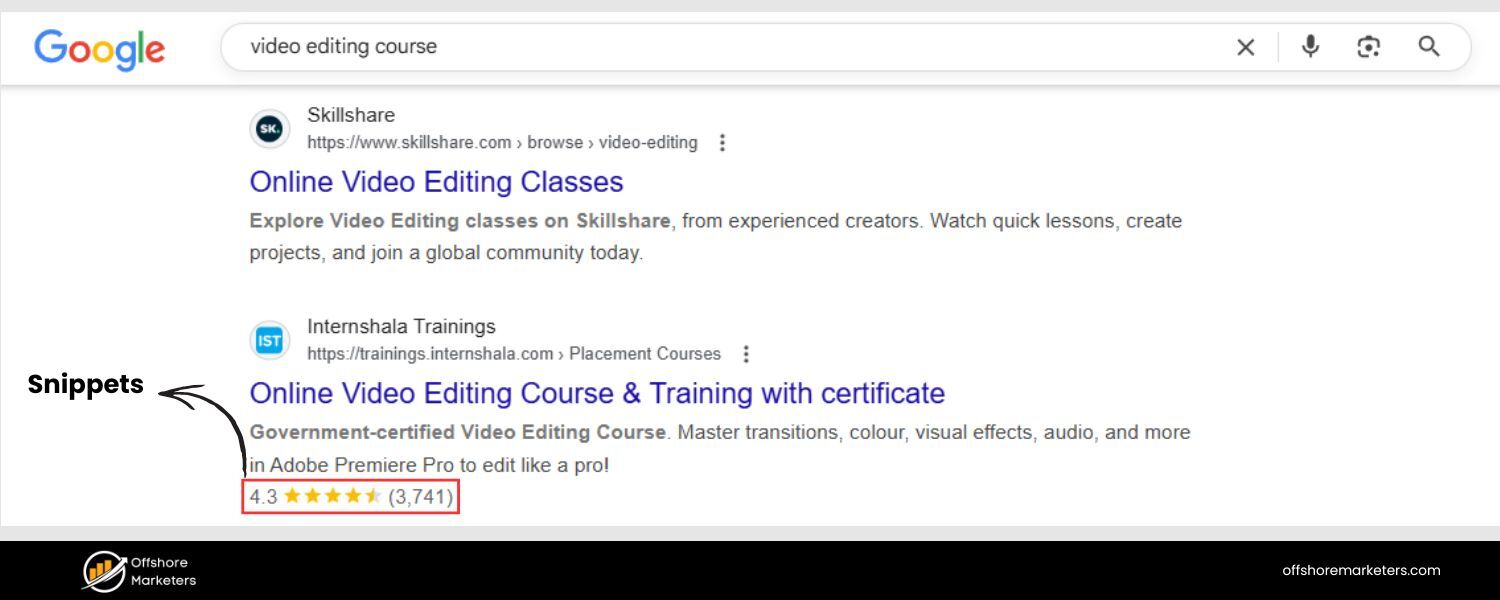
These are the boxed answers that appear at the top for many question-based queries (how-tos, definitions, etc.), extracting a portion of a page’s content.To win a featured snippet, format your content in a way that directly answers common questions. Use clear heading phrasing for questions (like an H2 that states a question), followed by a concise answer in a sentence or two or a bulleted list.
For example, if targeting “What is search engine positioning?”, have a section with that question as a heading and a 2-3 sentence definition right below (we effectively did this in the “What Is” section above).Structured data can help, but often it’s the formatting and clarity that matters.
Google likes content that is succinct and fact-based for snippets.NoGood’s guide suggests some best practices to optimize for a featured snippet, such as directly answering the query at the beginning of your answer and using lists or tables for steps or data when appropriate.
Also, research what format the current snippet is in (paragraph, list, etc.) and try to provide a better version.
B. “People Also Ask” (PAA) Boxes
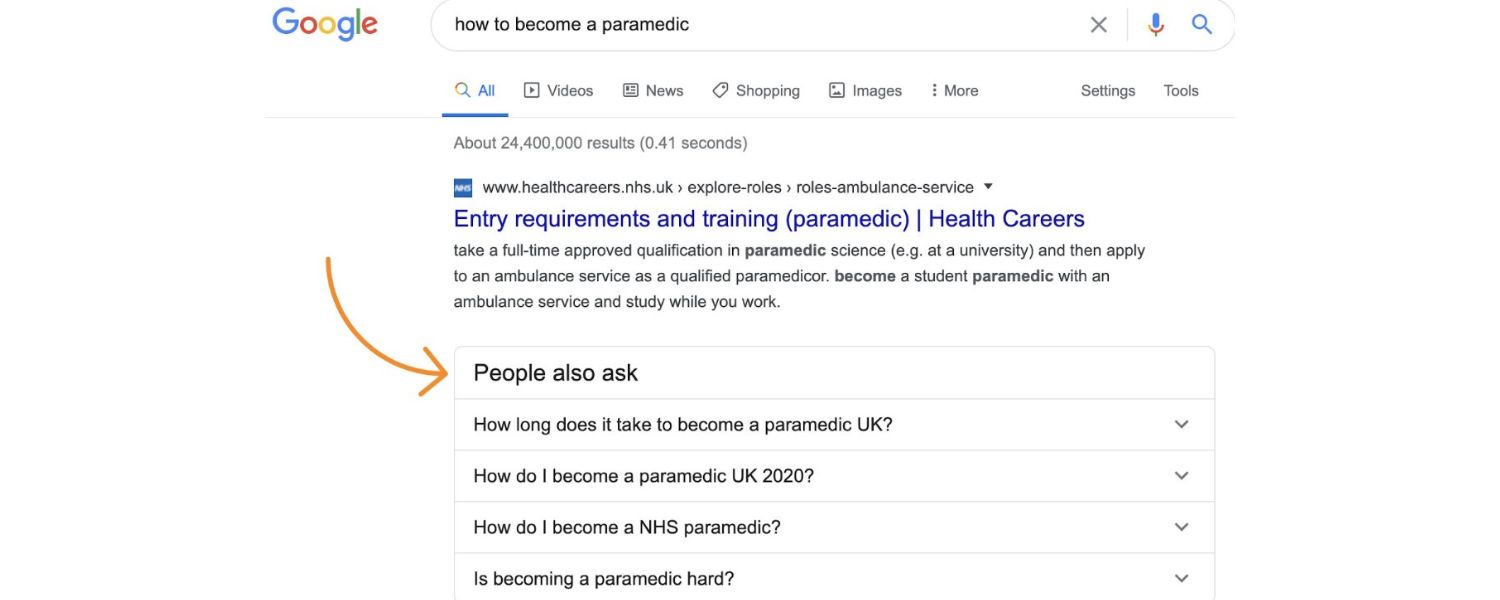
These are expandable question boxes on many SERPs. They often show related questions that users commonly ask and when clicked, display short answers (pulled from various sites) with a link.
To get featured here, incorporate an FAQ section or Q&A style headings in your content that cover those related questions.For instance, after a thorough article, you might add a brief FAQ addressing questions like “How do you measure search engine positioning?” or “SEO vs search engine positioning – what’s the difference?” etc.
Using questions as headings and giving concise answers (1-3 sentences) right below increases the chance of Google picking your page for a PAA snippet.We’ve seen sites successfully get PAA placements by doing this. It not only gives you an extra listing but also can draw curious users to click for more details.
C. Rich Snippets & Schema Markup
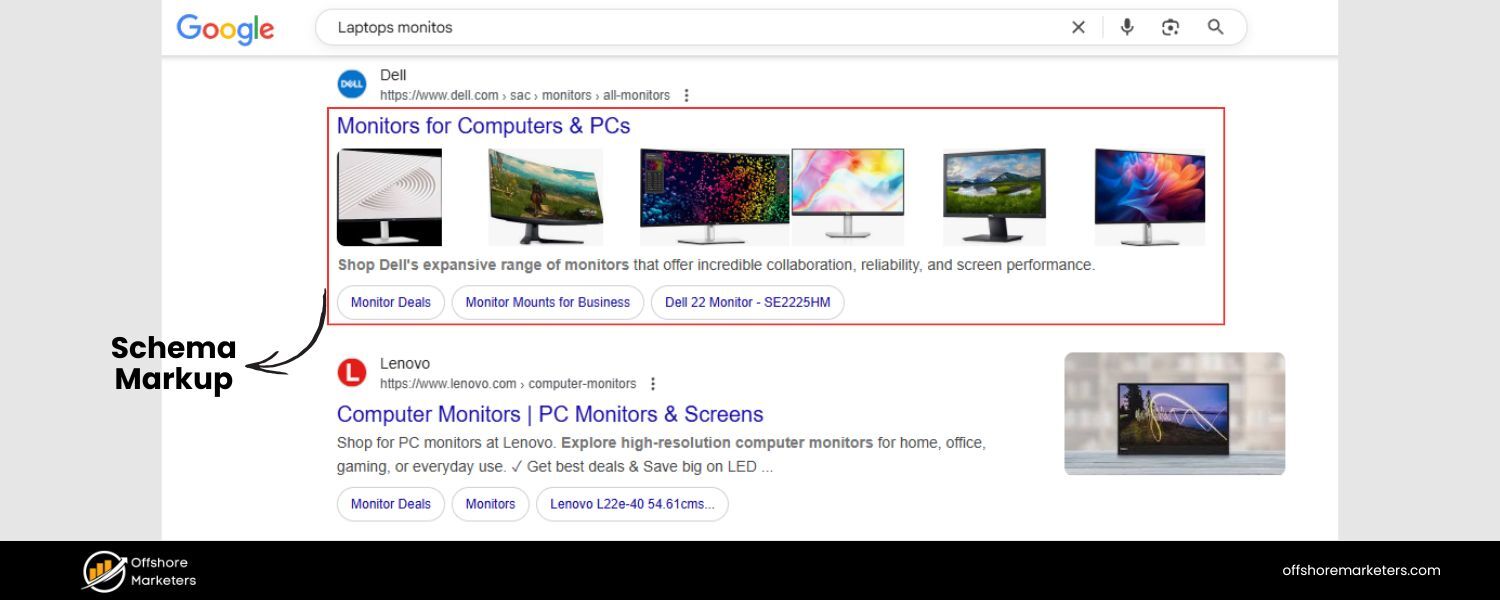
Implementing structured data (Schema.org markup) on your pages can enable rich snippet displays, like star ratings for reviews, recipe details, FAQ dropdowns, etc.While this is more technical, if applicable, it can improve your visibility and CTR.
For example, marking up an FAQ section with FAQPage schema can sometimes make those questions appear directly on your Google result, taking up more space. Or marking up a how-to article could show step-by-step instructions in the SERP.
These enhancements can indirectly help positioning by making your result more eye-catching and informative, potentially leading to higher clicks.
D. Aim for Multiple Rankings
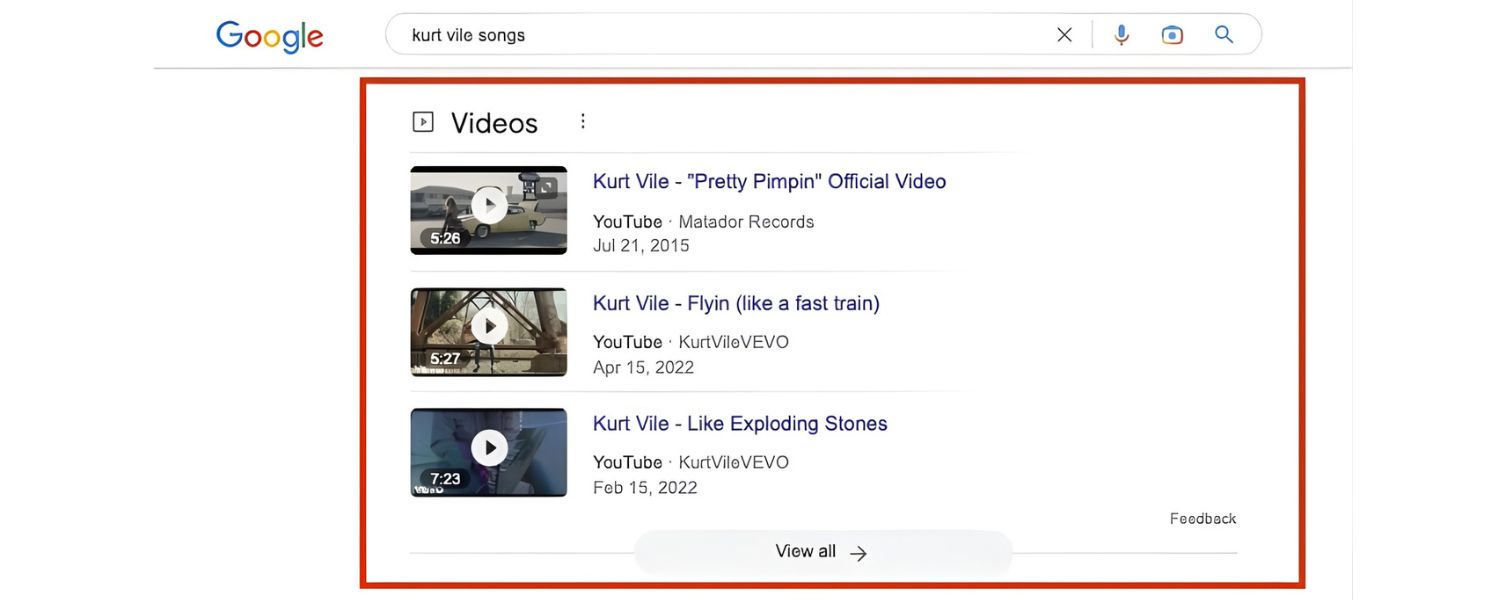
As an advanced approach, you can try to rank in multiple positions for the same keyword. Backlinko calls this “content stacking” – e.g., having two pages on your site rank on page one for the same term.
It’s tricky and not always possible, but interlinking two related pages (like a general guide and a specific case study) can sometimes get both to appear.Another way is to dominate different channels of results: For instance, create a YouTube video targeting the keyword as well as a blog post.
It’s possible for the video to show up in the video carousel or main results alongside your webpage.Brian Dean did this with “YouTube SEO” – his site ranked in the top 3 and two of his YouTube videos also appeared on page one. This way, you occupy multiple spots and crowd out competitors.
E. Local and Image/Video Search
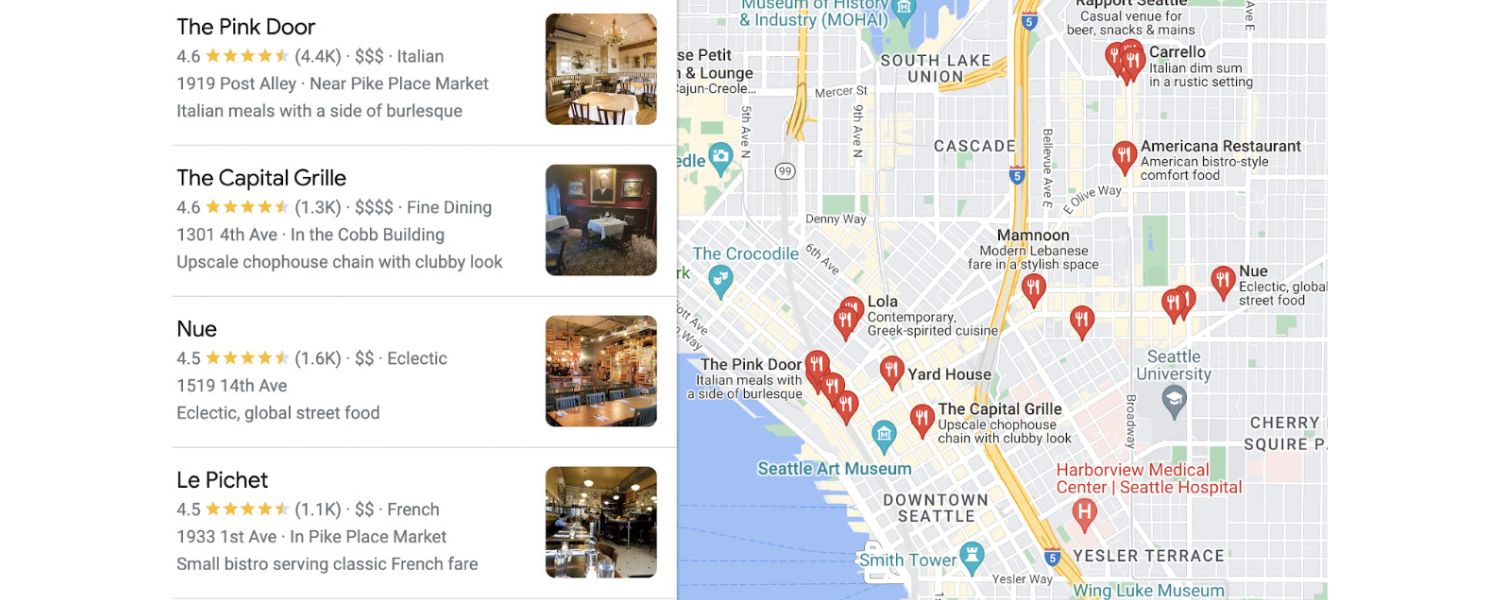
If relevant, optimize for local search (e.g., ensure your Google My Business listing is set up, get local citations) which can get you into map packs, or optimize images (with alt tags, descriptive file names) if image search traffic is valuable. These might not directly boost a standard ranking, but they increase your overall presence on search platforms.
The overarching idea is that search engine positioning isn’t just about moving up a few spots in the regular list – it’s also about expanding your search footprint.
The more areas of the SERP you can appear in, the better your chances of capturing clicks. If you rank #3 organically but also have the featured snippet, you’ve essentially leapfrogged to the top and doubled your exposure.
By maximizing your SERP real estate, you reinforce your site’s authority and can significantly increase traffic. So, as you create and format content, always ask: can this be the kind of answer Google would highlight?
If so, adjust accordingly. Many 2025 SEO trends point to the growing importance of structured content, direct answers, and multimedia (images/videos) in search rankings. Adapting to these trends will keep your search positioning strategy ahead of the curve.
8. Ensure Proper Indexing and Technical SEO Foundations

All your optimization work will be wasted if search engines can’t properly crawl and index your pages.
Technical SEO might not be glamorous, but it’s the bedrock of search engine positioning. You want to make it as easy as possible for Google’s spiders to find, understand, and index your content.
If a page isn’t indexed, it literally cannot rank for anything. If it’s indexed incorrectly (say, with duplicate content issues or missing elements), its ranking potential may be compromised. So, part of positioning is doing a technical check-up:
A. Use XML Sitemaps and Submit to Search Console
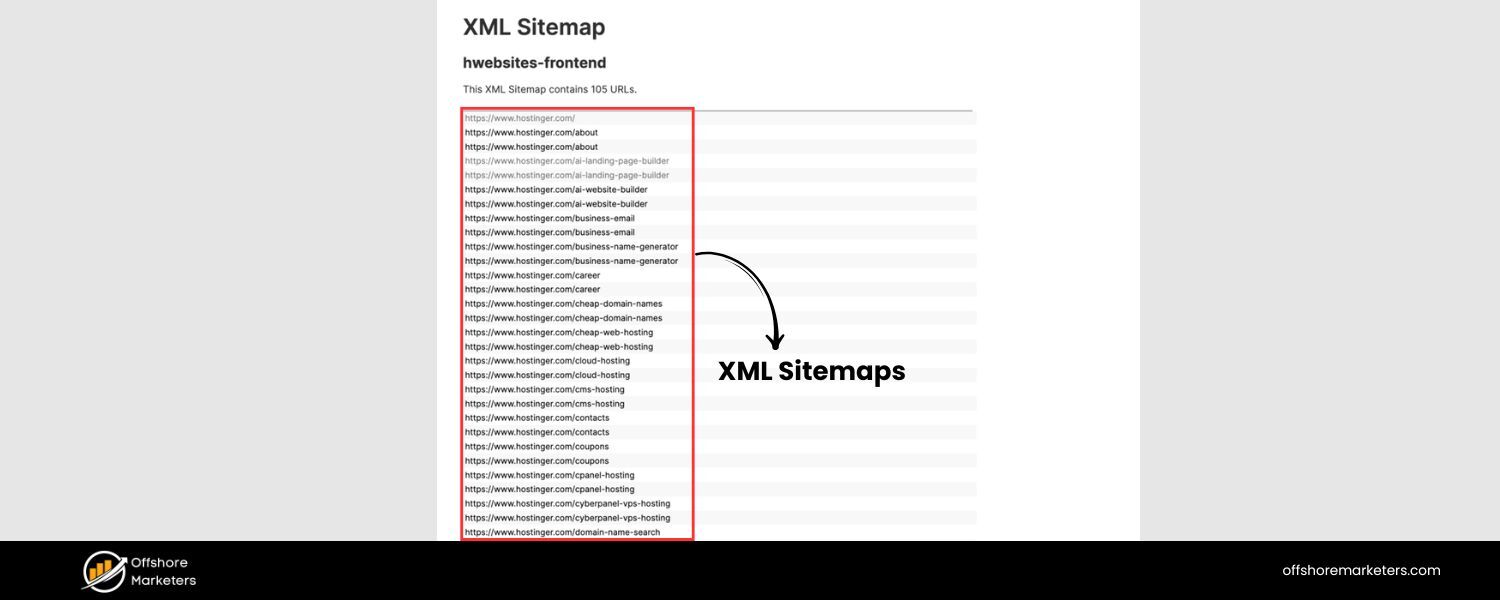
An XML sitemap is a file that lists all important pages on your site. It’s basically a roadmap for search engine crawlers. Make sure you have an updated sitemap (most CMS platforms can generate this, or use an SEO plugin).
Submit your sitemap to Google Search Console and Bing Webmaster Tools. This helps search engines discover all your pages, especially new ones or those with few inbound links.
DesignRush suggests submitting sitemaps regularly (like monthly) after updates so that engines quickly learn about new content. While crawlers usually find pages eventually via links, submitting a sitemap can speed up indexing and ensure nothing is overlooked.
Also, if you make significant changes or optimizations on a page as part of your positioning effort, you can request indexing through Search Console for that URL to expedite re-crawling.
B. Fix Crawl Errors and Indexing Issues
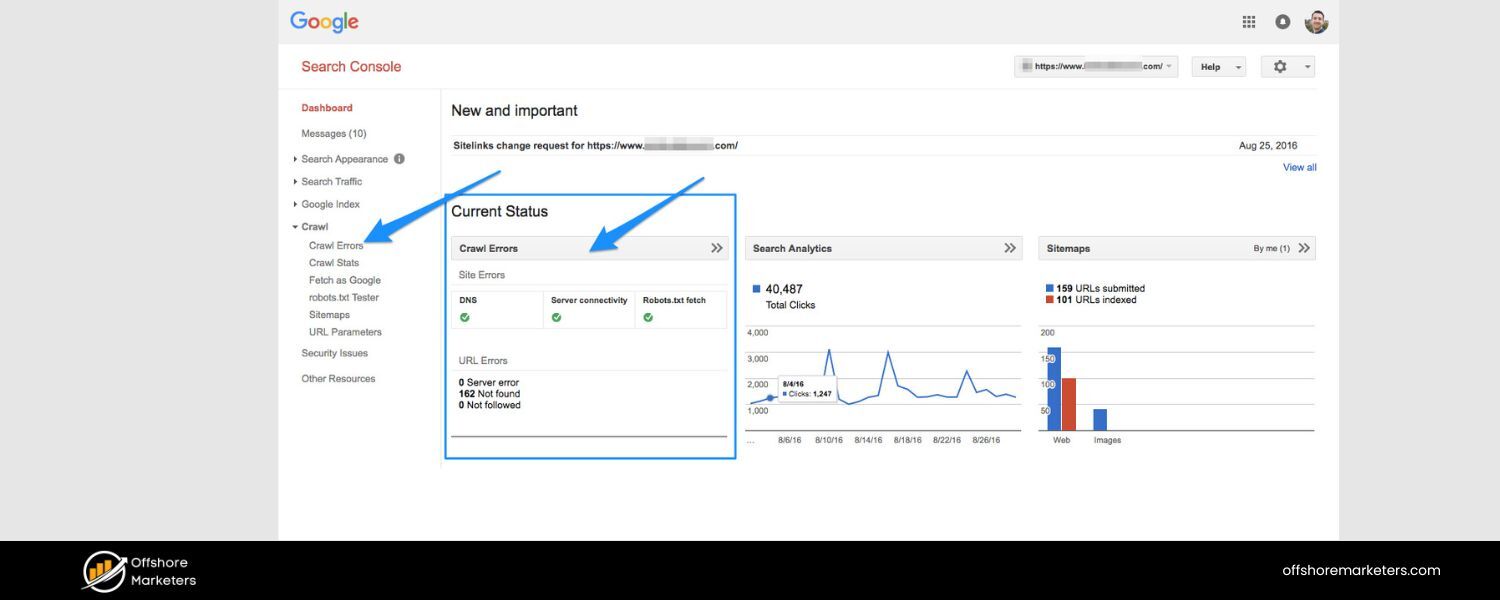
Check Google Search Console coverage reports for any errors or warnings. These could include 404 pages, pages blocked by robots.txt, or pages Google is having trouble indexing due to server errors.
Fix broken links or set up 301 redirects for any dead pages that have valuable backlinks (broken links not only hurt UX but squander link equity you earned).Make sure you’re not accidentally noindexing pages that you want indexed (look for meta tags or directives).
Also, ensure only one version of each page is indexed – for instance, both http:// and https:// or both www and non-www versions can cause duplicates; use proper redirects or canonical tags to consolidate them.
If you have paginated content or similar/duplicate pages, use canonical tags to point to the main version. Technical cleanliness in these areas means Google can crawl without confusion and assign full value to your pages.
C. Mobile and Security Best Practices
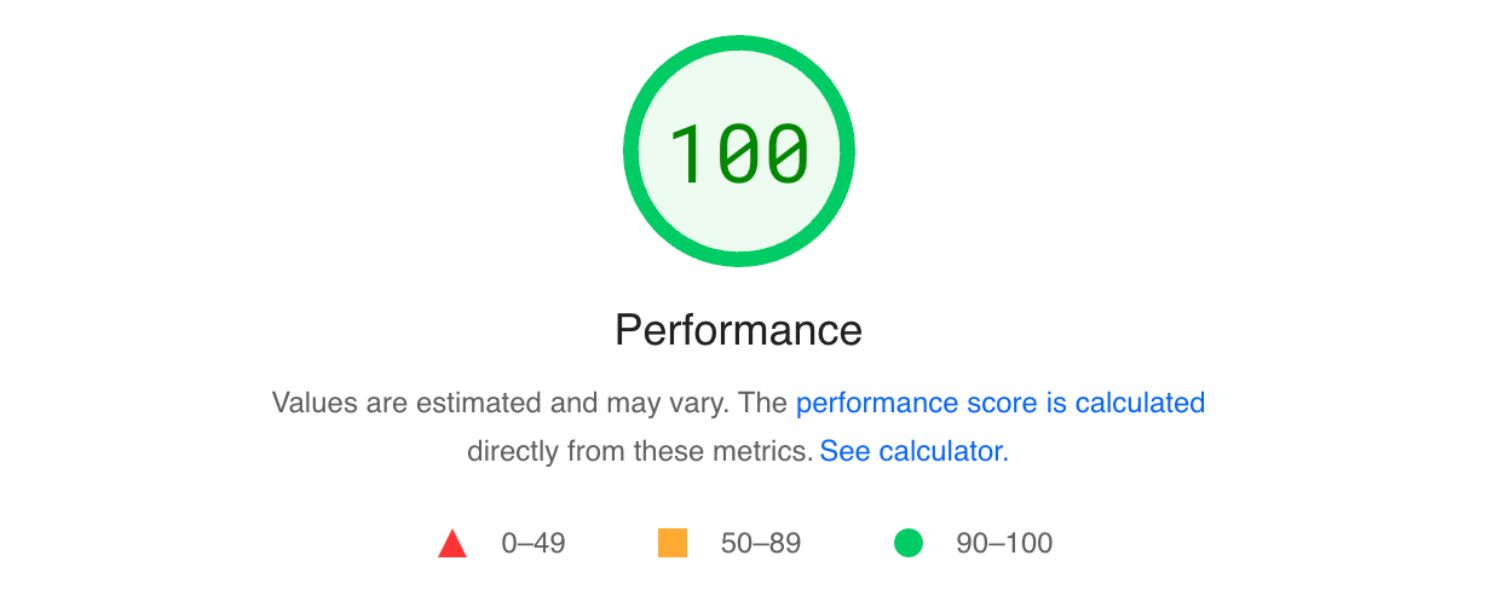
We already touched on mobile-friendliness – technically, ensure no faulty mobile redirects or blocked mobile resources.Also, having your site on HTTPS is a must now; Google gives a slight ranking boost to secure sites (and marks non-HTTPS as “not secure” in browsers, which can hurt user trust).If you haven’t already, get an SSL certificate and ensure all pages redirect to the https:// version. Security and accessibility of your site contribute to overall SEO health (security is mentioned among aspects crucial for better rankings).
D. Check Site Structure and Internal Navigation
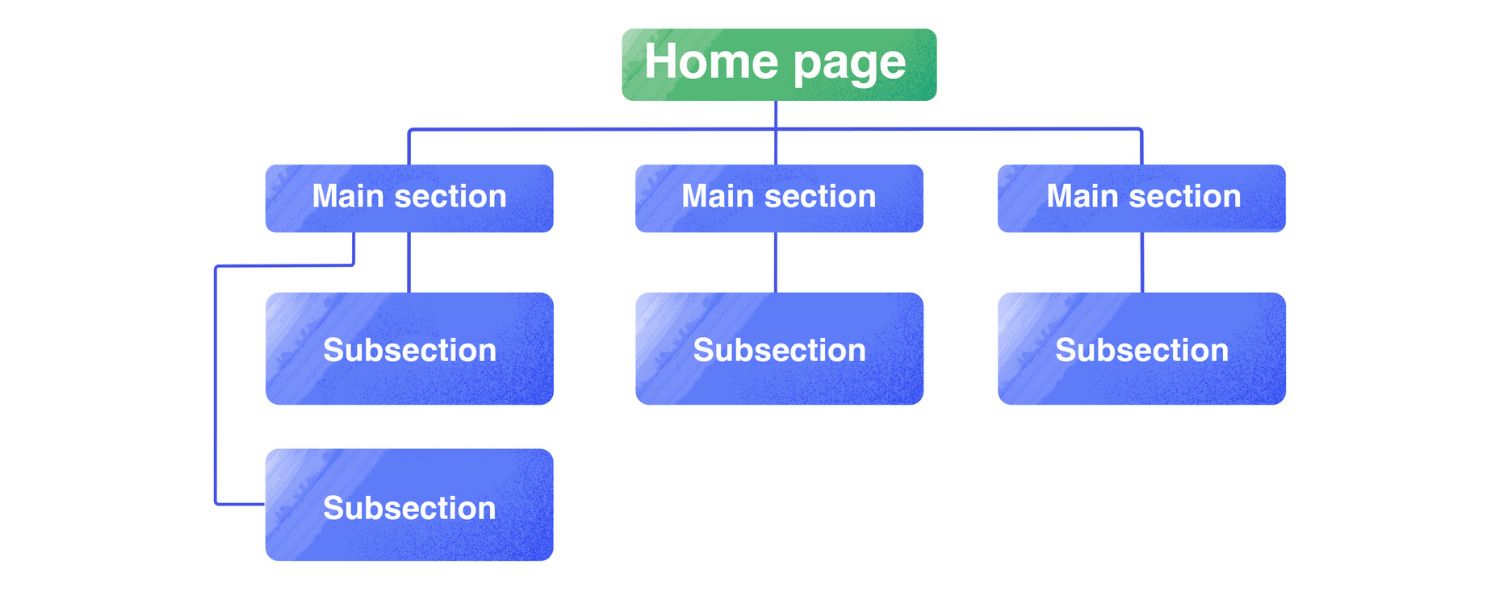
A clear site architecture helps with indexing. Important pages should not be too many clicks away from the homepage. Use a logical hierarchy and internal links (as discussed) so that crawlers can easily find all pages.
Avoid orphan pages (ones with no links pointing to them from your site). Also, use descriptive navigation labels and avoid javascript-only navigation that Google might struggle with (most modern sites are okay, but if using fancy frameworks, ensure you’ve done server-side rendering or provided crawlable pathways).
E. Monitor Index Status
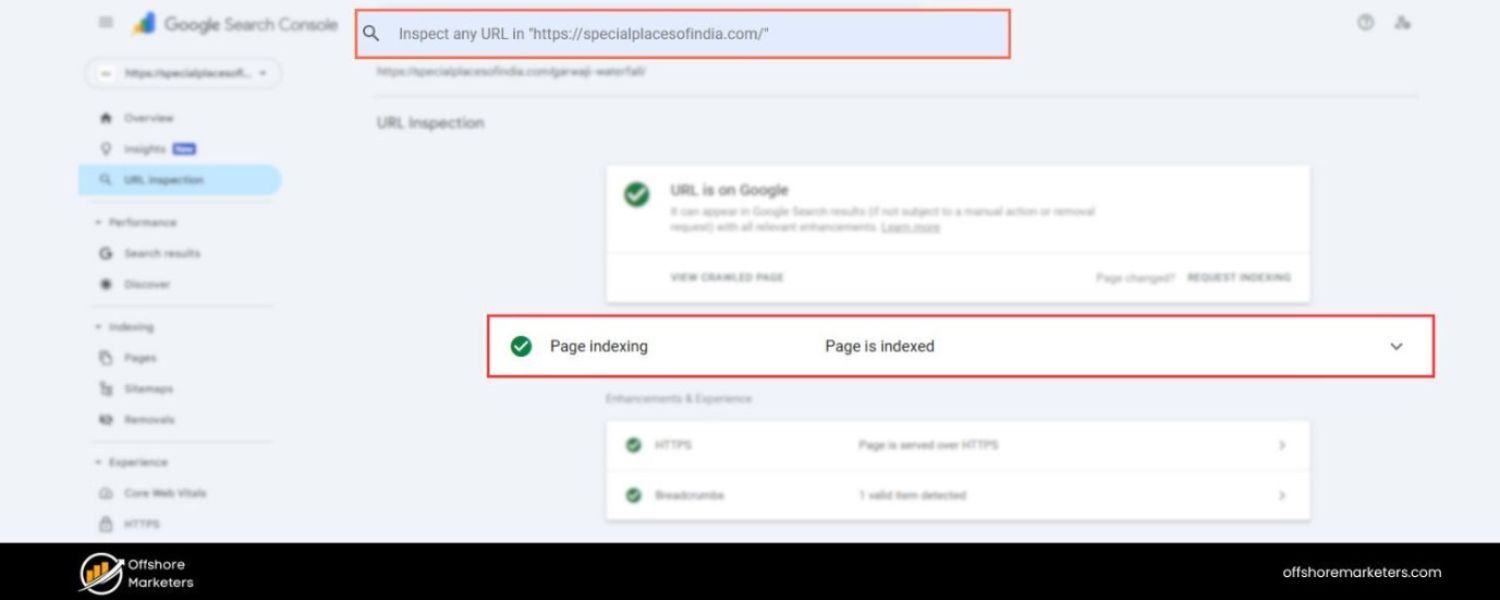
In Search Console’s “Index” report, you can see how many pages are indexed and if any are excluded (with reasons).This can be enlightening – for example, it might show some pages are marked “Duplicate without user-selected canonical” meaning Google thinks they’re duplicates of something else, which you might need to correct.
Or it could show “Discovered – currently not indexed” which might indicate a crawl budget issue or that Google didn’t deem it important (perhaps need to build more links to it). By monitoring this, you can catch and resolve issues that would otherwise silently hinder your positioning work.
One particular note if you launch a new page or significantly update a page as part of improving its positioning, make sure it gets indexed!
Sometimes people spend time optimizing a page that Google hasn’t even indexed yet. Use the URL Inspection tool in Search Console to check if a page is in Google’s index.
If not, request indexing. As NoGood’s guide highlighted, search engine positioning only works if Google can properly index your pages – it sounds obvious but it’s a reminder not to skip the basics.
Technical SEO might not shoot you to #1 alone, but without it, all other efforts may not fully materialize. It’s about ensuring your site is a solid foundation upon which your content and optimizations can shine.
9. Regularly Update and Refresh Your Content

The work isn’t done once you achieve a good ranking – search engine positioning is an ongoing process that requires maintenance.
Over time, competitors will publish new content, or Google will update its algorithm, or simply the information on your page will become outdated.
Any of these can cause your hard-won rankings to slip. That’s why one of the best strategies is to periodically refresh your content to keep it accurate, comprehensive, and aligned with current search trends.
Here’s how to approach content refreshing:
A. Monitor Your Rankings and Traffic
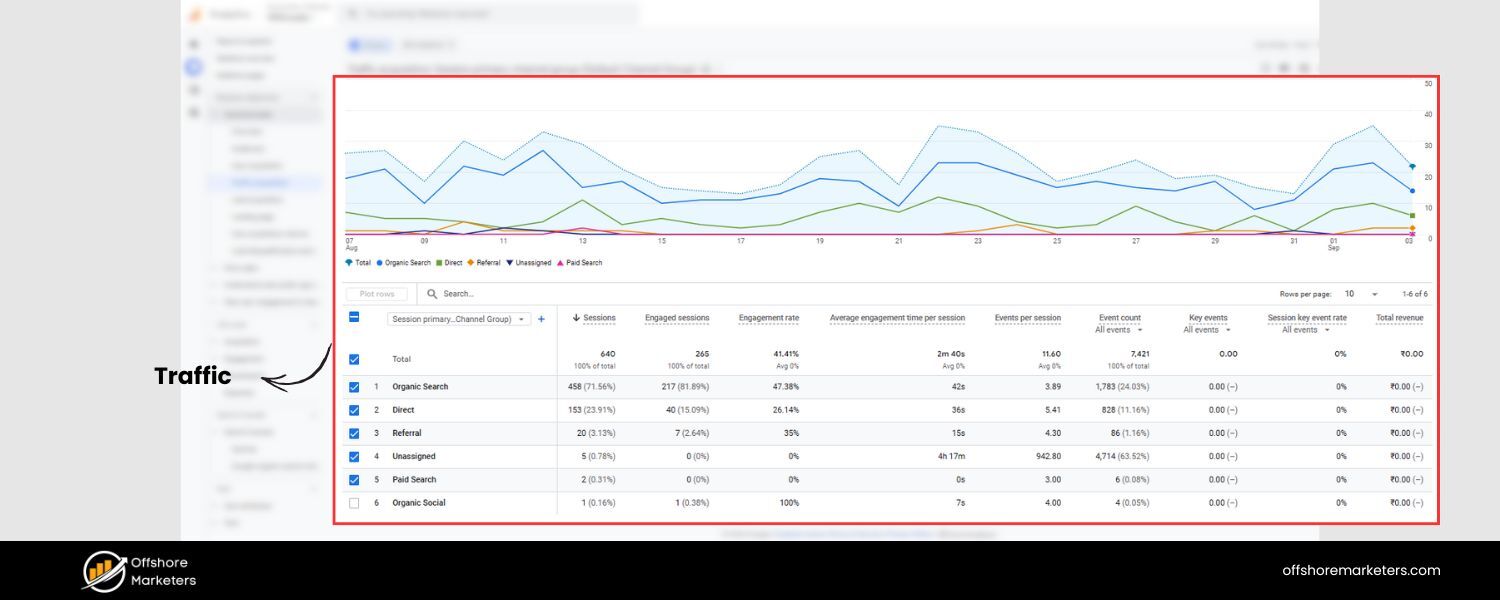
Keep an eye on how your pages are performing (Google Search Console and analytics tools can show you if a page’s impressions or clicks are dropping off).If you notice a decline in a page’s traffic or average position, that’s a signal to revisit it.
Sometimes even without a big decline, scheduling regular content audits (say every 6-12 months for key pages) is wise.
As Semrush notes, traffic can drop if competitors outdo your content or Google’s algorithm changes or your info becomes stale. Being proactive can prevent drops.
B. Update Facts, Stats, and Examples

One common reason content loses value is outdated information. Go through and replace old statistics with the latest data (as a rule of thumb, anything over 2 years old might need updating unless it’s historical).
Check that any tools, references, or examples you mentioned are still valid. For instance, an SEO article from 2020 might reference an old Google tool or a social network that’s changed – update those details to show users (and Google) that the content is current.
If you have a year in the title (like “in 2023”), update it for the new year if the content has been refreshed for it.
Freshness can impact certain queries (especially in tech, health, finance niches where new info matters) due to Google’s “Query Deserves Freshness” aspect.
C. Improve Content Depth and Readability

While updating, look for opportunities to make the content even better. Can you answer additional related questions? Can you add a new section reflecting recent developments?For example, if new techniques or trends emerged (like a new Google algorithm update or new user behavior), include that.
At the same time, trim any irrelevant parts. Also consider content structure improvements: perhaps add more subheadings if you see long blocks of text (this boosts readability and SEO – e.g., Brafton suggests larger fonts and more subheadings can reduce bounce rates).
You might shorten an overly long intro or remove tangents that aren’t useful.The goal is to re-optimize the page so it’s the best answer today. Sometimes, surprisingly, a refreshed page might end up a bit shorter after removing fluff – and that’s okay if it’s more to-the-point.
D. Update Meta Tags if Needed
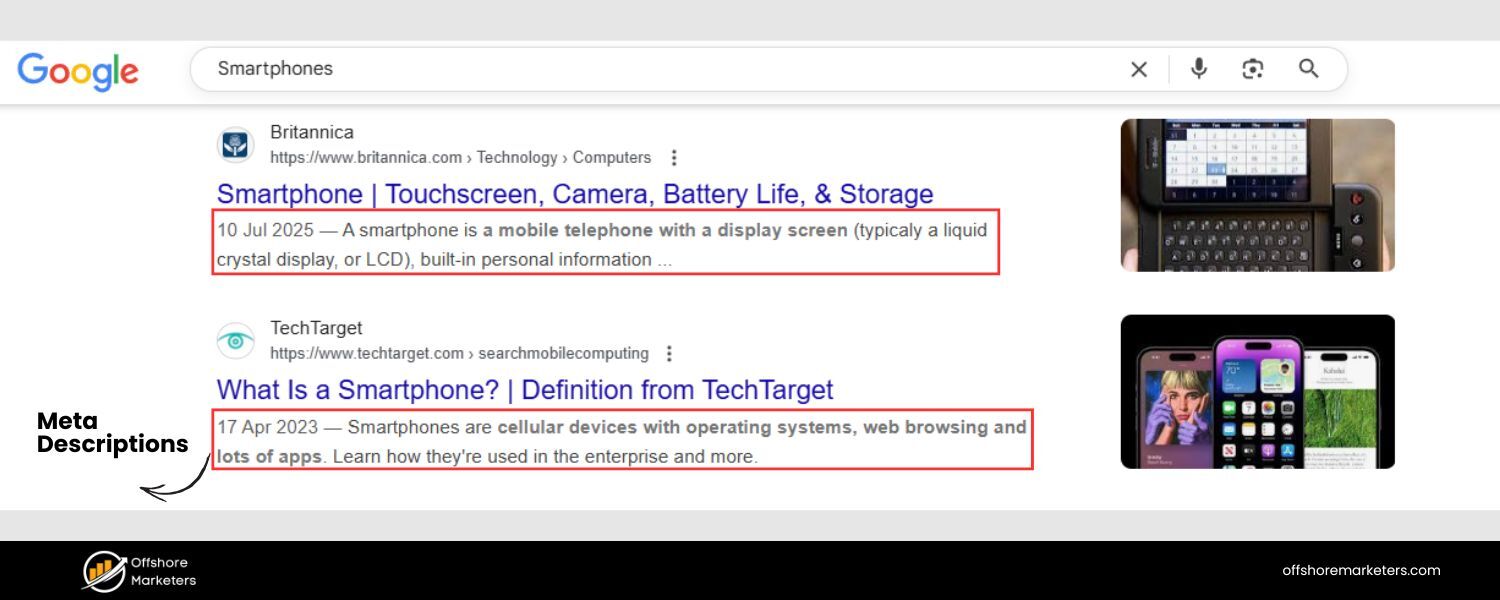
If the content angle shifted or you found a better way to phrase the title/meta for click-through, adjust those too. Just be cautious not to radically change the topic of the page, or you’ll lose whatever ranking it had for the original topic. Keep it consistent with the primary intent.
E. Re-share and Build New Links

Once you’ve refreshed content, give it a little promotion boost. Share it on your social media channels or newsletter (“Updated for 2025!” can attract attention). While social shares themselves might not directly improve ranking, they can bring an influx of visitors and possibly new backlinks if people rediscover it.
The fresh engagement might also catch Google’s eye. If you have connections, you can even reach out to any site that linked to your older content and let them know you’ve updated it (they might update their link context or share it anew).
Regular updates not only help maintain your rankings but can improve them. Google tends to favor content that is regularly maintained because it’s more likely to be accurate and relevant.
One marketer shared a personal experience: an old guide’s performance tanked over years until they finally updated it with new sections and copy edits – and then its bounce rate dropped and clicks from Google climbed back up.
This shows how freshness plus quality enhancements can revive a declining page. Furthermore, making content updates signals to Google that your site is active. If two pages are similar in quality but one is clearly kept up-to-date, that one has an edge.
In summary, think of your content as a living asset. Schedule time to polish it periodically. Even a page that’s #1 today could be #5 next year if you never touch it and others put out something better.
By continually updating and improving, you guard your positions and demonstrate to users and search engines alike that you’re committed to providing the best, most current information.
10. Track Your Performance and Continually Refine Your Strategy

Finally, effective search engine positioning is a cycle of implementing changes, measuring results, and refining tactics.
You can’t just “set and forget” your SEO efforts. It’s crucial to monitor how your optimizations are impacting your rankings and traffic, so you can double down on what works and fix what doesn’t.
This data-driven approach will help you climb the SERPs steadily and respond quickly to any changes.
Here’s what to do:
A. Use Tracking Tools
At the very least, keep an eye on Google Search Console for each of your important pages. The Performance report will show you the queries your page is ranking for, its average position, impressions, and CTR.
This is invaluable for spotting opportunities – perhaps you’re ranking on page 2 for a high-volume keyword you didn’t explicitly target; that could be a keyword to include more prominently on the page. It also shows if your CTR is lower than expected for a certain position, indicating you might need to tweak your title/meta (as discussed in strategy #3).
Consider also using a dedicated rank tracking tool (like Semrush’s Position Tracking, Ahrefs, or even free ones) to monitor daily/weekly fluctuations in your target keyword rankings.Some tools let you compare your ranking versus competitors on those terms, which is useful context.
Neil Patel’s team, for example, tracks the rankings of all their pages and regularly updates content to ensure they maintain top positions – that level of attention can keep you ahead of competitors.
B. Measure the Right Metrics
Besides ranking position, look at organic traffic (in Google Analytics or a similar analytics platform) to the page.Are visits from Google increasing after your changes? Also note engagement metrics: bounce rate, time on page, and scroll depth.
If you improve content and UX, ideally you’d see bounce rate drop and time on page rise. Conversion metrics are relevant too – if the goal of the page is to get signups or sales, is a higher percentage of that growing as traffic grows?All these help connect SEO efforts to business outcomes.
For broader SEO health, monitor site-wide metrics like total number of ranking keywords, overall organic traffic, etc., but when it comes to positioning we often drill down to the page and keyword level.
C. Analyze and Adapt
If you find that despite following all these strategies, a particular page still isn’t moving up, do a bit of competitive analysis. Look at the pages that are ranking above you – what do they have that you don’t? Perhaps they have a more authoritative backlink profile (indicating you need to build more links, strategy #6) or maybe their content covers a sub-topic you skipped.
Or maybe their user experience (design, etc.) is superior. Identify the gaps and consider making further improvements. SEO is often about outdoing your nearest rivals in as many areas as possible.
Also, pay attention to Google algorithm updates – for instance, if an update prioritizes “helpful content” (as happened in 2022 and onward) and you drop, it might mean you need to trim thin content or improve E-E-A-T signals on your site.SEO news sources or Google’s Search Central blog can keep you informed of major changes.
D. Stay Current with SEO Trends
The search landscape evolves. In 2025 and beyond, we’re seeing things like AI and generative search results (Google’s SGE – Search Generative Experience – for example), increased importance of video content (Google showing more videos in results), and continued emphasis on experience, authority, and trust.
Make it a habit to educate yourself on emerging SEO trends. This way, you can proactively adjust your positioning strategy. For instance, if user engagement metrics like dwell time become a bigger factor, you might invest more in interactive content or multimedia to keep users engaged.
Or if Google starts highlighting short-form videos, maybe create some to accompany your pages (as the DesignRush expert predicted, video content’s role in ranking is growing).
E. Be Patient and Consistent
Not every change will yield instant improvements. SEO results can sometimes take time to manifest, especially if it’s about gaining trust or links.The key is to keep at it. If you’re regularly monitoring and iterating, you will make progress.
As Neil Patel advises, search engine positioning should be a continuous process – regularly optimizing pages that need attention ensures you maintain as high a position as possible. Treat it as ongoing maintenance of your web presence.
By tracking and refining, you essentially close the loop on the search engine positioning workflow. You’ve researched, optimized, and now you evaluate.
This feedback loop is what turns SEO from a one-time project into a sustainable strategy. Over time, you’ll gather lots of insights specific to your site and audience – such as which types of content perform best, which keywords convert the most, etc.
That intelligence will inform not only tweaks to existing pages but also ideas for new content to create (feeding back into strategy #1 with new keyword targets).
In the dynamic environment of search engines, those who monitor and adapt win the long game. You’ll be able to weather algorithm updates better and continuously capture opportunities that less attentive competitors might miss.
Conclusion: Climb the Rankings with Consistent, User-First SEO
In today’s ultra-competitive digital landscape, search engine positioning is not a one-and-done task, but a critical ongoing effort.
By now, you should have a clear understanding of what search engine positioning entails (optimizing specific pages to claim top spots on SERPs) and why it’s so important (more visibility, traffic, and credibility for your brand).
We’ve covered 10 key strategies – from thorough keyword research and content optimization to technical fine-tuning, link building, and leveraging SERP features – that, when combined, form a powerful playbook to boost your pages higher in Google’s results.
Remember, the core theme across all these tactics is putting the user first. Google’s mission is to satisfy searchers, so if you focus on delivering valuable content, a great user experience, and answers to users’ questions, you’re aligning yourself with what search engines want to reward.
Yes, the technical details and algorithm nuances matter, but they all ultimately serve the goal of surfacing the best, most relevant pages for a query. Make your pages those pages.
Now it’s your turn to take action. Start by applying these strategies to one of your important pages – perhaps a page that’s languishing on page 2 or 3 for a keyword you care about, or one that’s ranking but could rank even higher.
Implement the improvements we discussed: enrich the content, tighten the SEO, get a few new backlinks, speed up the load time, etc. Monitor the results, and don’t get discouraged if it takes a little time to see movement. With each tweak and update, you’re building momentum.
As you see positive changes (like an uptick in rankings or traffic), expand your efforts to other pages. Over time, this consistent, strategic approach will lead to a site full of well-positioned pages – and a significant boost in your overall organic traffic.
Keep in mind that your competitors are not standing still, either. That’s why continuously refining your search engine positioning is so important to stay ahead.
Finally, engage with this process. SEO is iterative, and sometimes it helps to get an outside perspective.
Don’t hesitate to seek professional help or use advanced SEO tools if needed, especially for technical issues or competitive niches.
Whether you do it in-house or hire experts, the investment in SEO pays dividends by bringing you highly targeted visitors who are looking for exactly what you offer.
Here’s our call to you: take the next step now. Pick a page or a keyword, apply what you’ve learned from this guide, and watch your site climb the search rankings.
The top of the SERP is there for the taking – equip yourself with these strategies, stay persistent, and you’ll be well on your way to claiming your spot. Happy optimizing, and see you on page one!

.png)
Shopify SEO: Guide to Ranking Your Store and Driving Sales
Most Shopify store owners set up their store, list their...

Content Marketing : Definitive Guide to Strategy, Content Types, and Measurable ROI
Content marketing generates 3x more leads than outbound marketing at...

Above the Fold: Guide to Conversions, Rankings and Faster Pages
Above the Fold in 2026: The Complete Guide to Conversions,...

Off-Page SEO Checklist: Guide to Building Real Authority
Most websites spend months creating great content, only to wonder...

What Is Keyword Bidding? The Complete Strategy Guide for Smarter Ad Spend
Most advertisers believe the highest bid wins the auction. It...
What Is Google Trends? The 2026 Marketer’s Complete Guide
If you are not already pulling weekly insights from Google...
If you want a growth partner who will get to know every aspect of your business and treat your budget like their own — we are the right fit.
.png)


.png)
.png)
.png)
.png)
.png)
.png)
2026 ALL RIGHTS RESERVED MADE IN INDIA
