
Local Citation Building Services: Your SEO Boost
August 12, 2025
Local businesses live and die by their visibility online. If you want your business to appear in Google’s local pack and Map results, you can’t ignore local citation building services.
These services help get your business listed accurately on all the important online directories, map apps, and review sites. In this ultimate guide, we’ll break down everything you need to know, from what local citations are and why they’re crucial, to how to choose the best citation service and the latest trends in 2025.
By the end, you’ll see how effective citation building can boost your local SEO, build trust with customers, and drive more foot traffic to your door.
What Are Local Citations?
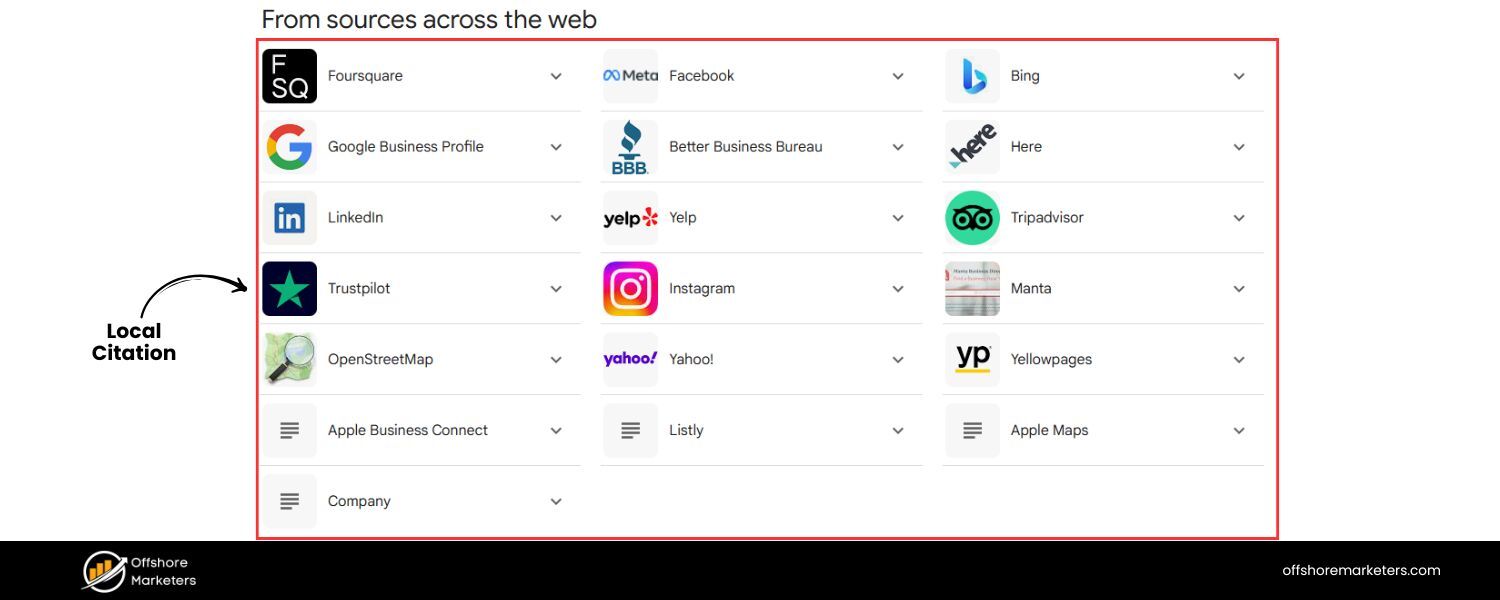
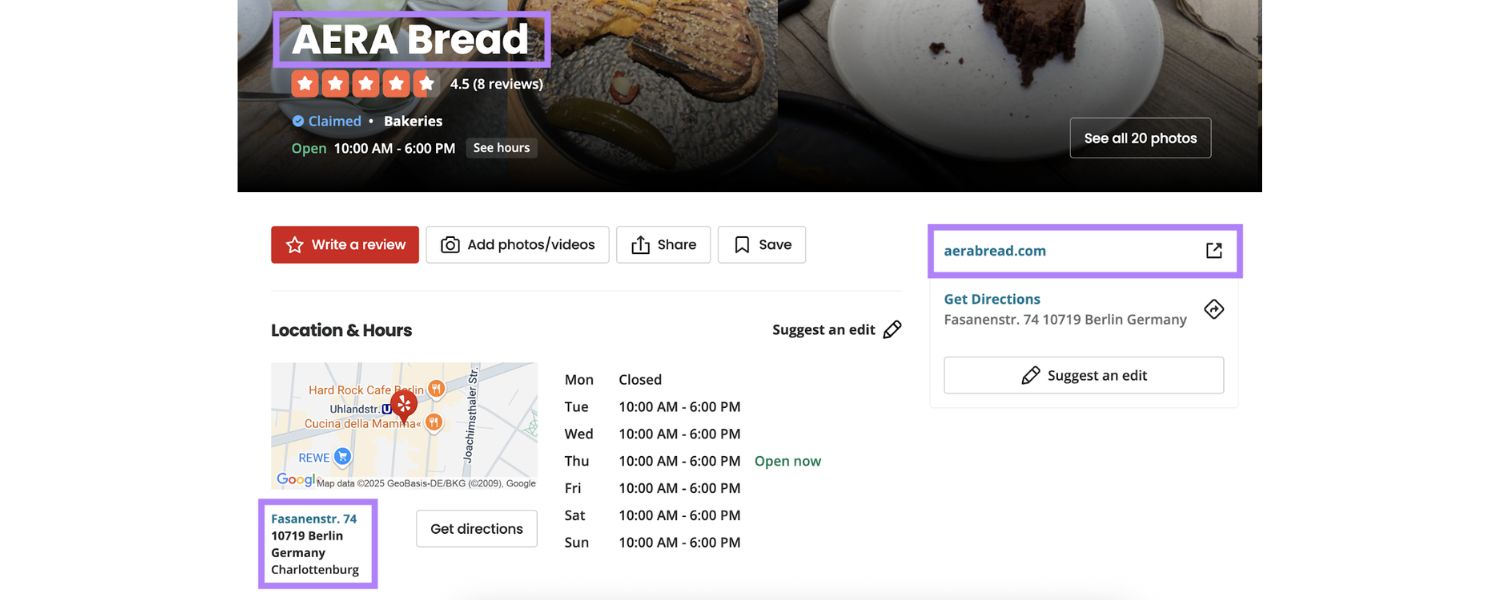
In local SEO, a citation is any online mention of your business’s key details, typically your Name, Address, and Phone number (NAP), and often your website and other info.
These mentions usually occur on business directories (like Google Business Profile, Yelp, Yellow Pages), map services, social networks, or review sites.
Essentially, a citation is a business listing that tells search engines and users how to find you. For example, a Yelp listing for your company with your name, address, phone, hours, and website is a local citation.
Citations can be structured (like a predefined business listing on a directory site) or unstructured (a random mention of your business info in an online article or blog).
Both types help establish your business’s online presence. The best citations are those on reputable, high-traffic platforms relevant to your business (think Google, Facebook, Yelp for general citations, or industry-specific sites for your niche).
Why Are Local Citations Important for Local SEO?
Local citations are a key foundation of local SEO success. They signal to search engines that your business is legitimate and part of the local community. In fact, studies show that citations remain one of the top local ranking factors, they’re the fifth most significant ranking factor for local pack visibility (the Google Map results) and fourth most important for local organic results.
In other words, having your NAP consistently listed across many trusted sites can directly improve your chances of ranking higher when people search for businesses like yours.
Consistency and accuracy of citations are critical for building trust. The more identical your business information is across the web, the more credible your business appears to both search engines and potential customers.
High-quality, consistent citations boost your local search visibility by confirming that your business details (name, address, phone, etc.) are correct and verified. On the flip side, inaccuracies or inconsistencies in your listings can hurt your rankings and your reputation.
According to a BrightLocal consumer survey, 80% of consumers lose trust in a local business if they see incorrect or inconsistent contact details or names online. Even worse, 68% would stop using a business entirely after finding wrong information in online directories. Clearly, maintaining accurate citations isn’t just an SEO tactic, it’s essential for keeping customer trust.
Local citations also provide indirect SEO benefits. Many directory and review sites themselves rank well on Google. By getting listed on a popular site (say Yelp or TripAdvisor), your business can show up when customers search those platforms or even in regular Google results (for example, a Yelp page for “best [service] in [city]” often appears on page one).
Each citation is another path for customers to discover your business, making you easier to find online. Citations can even contribute to your link profile, some directories allow a do-follow link to your website, which can pass SEO authority to your site.
In summary, citations help in three big ways: they improve local rankings, build consumer confidence through consistent information, and drive referral traffic from directory sites.
What Are Local Citation Building Services?
Now that we know citations are vital, how do you build and manage them? This is where local citation building services come in. A local citation building service is a company or platform that specializes in creating and maintaining business listings across numerous websites and directories on your behalf.
Instead of manually submitting your business info to dozens or hundreds of sites (a tedious process), you can use these services to do the heavy lifting for you.
Citation building services ensure your NAP details are consistent everywhere, handle new listings, and often can correct or suppress duplicate listings.
They basically spread your business information to all the relevant corners of the web, from major data aggregators and map services to niche directories related to your industry.
Whether it’s getting your company on Google Maps, Bing Places, Yelp, Facebook, Apple Maps, or local niche sites, a citation service makes sure you show up accurately, wherever people are looking.
There are a few types of citation services to be aware of:
1. Aggregator-Based Services
Some services use data aggregators to distribute your info. Data aggregators (like Data Axle, Foursquare, and Neustar Localeze in the U.S.) push your business data out to a network of smaller directories, GPS systems, and apps.This means with one submission, your NAP can end up on dozens of sites automatically.
Services like Moz Local and Semrush Listing Management follow this model, you provide your details once, and they syndicate it through the major aggregators and their partner network.
2. Direct Submission Services
Other companies take a more manual or direct approach, creating or updating listings on each site individually (often with the help of software). For example, BrightLocal’s Citation Builder, Loganix, Whitespark, and FatJoe will manually submit your business to a curated list of sites.A real person (or an automated script) goes directory by directory to ensure your listing is created or claimed.
This one-by-one approach can be slower, but it often gives you more control over which sites you get listed on and guarantees that you own those listings (with your own account credentials).
3. Hybrid Services
Some services combine both methods, they might push through aggregators for broad coverage and manually build citations on high-value sites or industry-specific directories.Many full-service local SEO agencies use a hybrid strategy: quick wins via aggregator distribution plus manual work for the top sites that really matter.
No matter the method, the core function of a local citation service is the same: get your business listed everywhere it should be, with consistent details. They also often provide reporting to show you where your business is listed and may include additional features like ongoing monitoring, updating listings when your info changes, or even handling verification calls/emails from directories.
Benefits of Using a Citation Building Service vs. Doing It Yourself

You might wonder, “Couldn’t I just build these citations myself?”, and indeed, you can manually list your business on many platforms. However, there are some strong benefits to using a professional citation building service:
1. Time Savings
Building citations manually is a huge undertaking if you do it properly. You’d need to research the best directories, create accounts, fill out your information perfectly, and then circle back to verify or update periodically.
There might be 50, 100, or more relevant sites to tackle. A service can automate or expedite this process, freeing you to focus on running your business. In short, what might take you dozens of hours, a dedicated service can do in a fraction of the time.
2. Consistency and Fewer Errors
Humans make mistakes, especially when faced with repetitive data entry. Citation services have refined processes and tools to ensure your NAP is entered accurately and consistently everywhere.
This reduces the chance of typos or mismatched info. They also help prevent the nightmare of duplicate listings. Good services will check if a listing for your business already exists on a site and either claim and update it or avoid creating a second one (duplicate listings can hurt local SEO).
By using experts, you minimize the risk of inconsistencies that could undermine your SEO and trust.
3. Expertise and Directory Knowledge
Not all directories are equal. Experienced citation builders know which citation sites have the most impact for local SEO checklist and which niche directories benefit certain industries.
They often have updated lists of high-quality sites and can skip low-value or spammy directories that aren’t worth your time. Their expertise means your business gets listed on the directories that actually move the needle for visibility.
They also stay on top of changes, for instance, if a site shuts down or a new important platform emerges (like when Apple launched Apple Maps Connect), these services adapt quickly.
4. Use of Data Aggregators
As mentioned, some services can send your info to aggregator networks. This is something that’s hard to replicate on your own because some aggregators either require a subscription or have a specific submission process.
By using a service, you can tap into these broad distribution networks without having to figure it out yourself. A data aggregator can push your listing to hundreds of smaller directories and mobile apps automatically, which might not be feasible manually.
5. Ongoing Management and Updates
Businesses aren’t static, you might change addresses, phone numbers, or hours.Citation services often offer ongoing management or dashboards to update your details in one place and sync it across all listings. Many also provide reports or tracking so you can see the status of each citation and even monitor your rankings or reviews.
Having a single point of control is convenient. If you were doing it yourself, you’d have to remember and log in to each site one by one to make edits or check for issues, which is unwieldy as your citation count grows.
6. Faster Results
While citations often take weeks or months to fully propagate, a service can usually speed up initial submissions and follow up on verifications quickly.
Some directories require phone or email verification to list a business, citation services know this process well and can guide you through it or even handle parts of it.
The result is that your listings go live sooner, helping you capitalize on the SEO benefits faster.
Bottom line
Using a local citation building service can save you considerable time and ensure the job is done right. As one expert put it, creating and maintaining dozens of listings consistently is “extremely time-consuming – that’s where local citation-building services like BrightLocal, Loganix, and MozLocal come in”. These services exist to take the grunt work off your plate while maximizing the SEO impact of your citations.
How to Choose the Right Local Citation Building Service
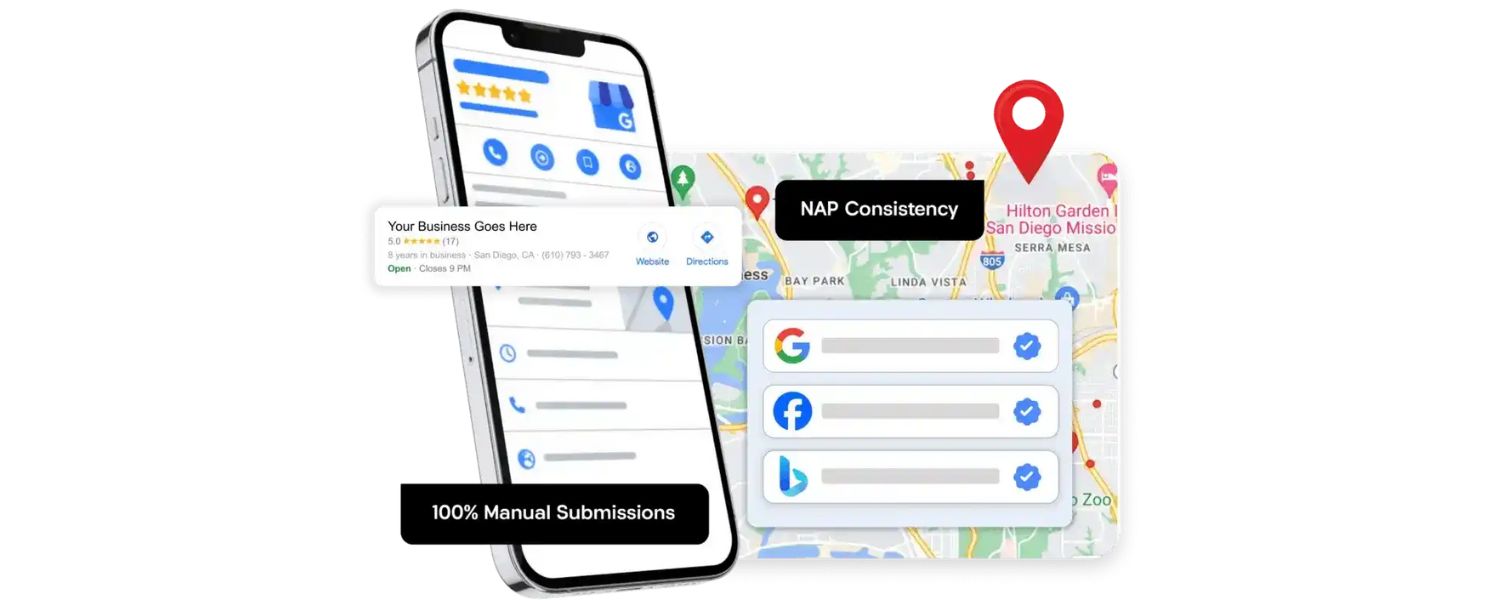
Not all citation services are created equal. Choosing the right one for your business means evaluating a few key factors and features. Here’s what to look for when comparing citation building services:
1. Directory Coverage and Quality
First, find out which directories and platforms the service can get you listed on. A good service will cover all the major sites (Google, Bing, Yelp, Facebook, Apple Maps, etc.) plus important local and industry-specific directories.
Quality matters more than sheer quantity – 30 listings on high-authority sites is better than 300 on obscure, low-quality sites. If you’re in a specific industry (say healthcare or law), check if they handle niche directories for your field.
Also consider geographic coverage: are you targeting the US only or other countries too? Some services focus on certain countries, while others have global directory networks. Choose one that fits your target market.
2. Data Aggregators Used
Ask if the service submits to the big data aggregators. As noted, the U.S. has three main aggregators (Data Axle, Foursquare, Neustar Localeze) that feed dozens of platforms. Using them can amplify your reach.
Services like Moz Local, Semrush, and Yext use aggregator feeds. Others like BrightLocal give you an option (they offer an “Active Sync” aggregator service in addition to manual submissions).
If a service doesn’t use aggregators, it may rely purely on direct site submissions – which is fine, but you might consider supplementing it with aggregator coverage elsewhere. Ideally, a combination is best for comprehensive coverage.
3. Control and Customization
Find out how much control you have over the citation process. The best services let you choose which directories to be on, or at least tailor the listings to your business type.
Some cheaper services might not allow this – they could automatically submit to a fixed list of sites without input from you. If you have particular sites you care about (or ones you wish to avoid), make sure the service can accommodate that.
Also, check if they help with suppressing duplicates. Duplicate listing cleanup is a huge part of citation management; tools that automatically detect and remove duplicates can save a lot of headache.
4. Listing Ownership
This is a crucial point that many overlook. You’ll want to know who “owns” the listings created. Some services (especially those that work on a subscription model with aggregators) don’t give you direct logins to each directory profile.
It may not matter while you’re subscribed, but if you ever cancel the service, you might lose the ability to update those listings, or worse, the listings may revert to their previous state if the data was only “rented.” For example, certain services will only keep your info live as long as you pay; if you stop, the aggregator stops feeding your data and the listings can fall out of sync.
By contrast, manual citation building often means you own the accounts on each site (the service either creates them in your name or hands over the credentials).That way, your listings are permanent assets. It’s worth noting: “Unlike some services, you don’t have to keep paying to keep your listings active if you choose to submit them manually.”
In other words, a one-time citation build can remain valid long-term, whereas purely subscription-based services (like Yext or certain aggregator models) might require ongoing payment to maintain your listings. Consider your budget and preference here, there’s no right or wrong, but you should know what you’re signing up for.
5. Pricing Structure
Prices for citation services vary widely. Some charge per citation or a set package fee (e.g. $2-5 per listing, or packages like 50 listings for $X). Others charge a monthly or annual subscription. For instance, Moz Local is around $129/year per location for a set of listings, while Yext can be about $499/year for its PowerListings network.
BrightLocal charges per citation (around $3 or less each, with no recurring fees). Decide if you prefer a one-time project or an ongoing service. Be sure to compare what you get for the cost: how many sites, are updates included, do they provide reports, etc.
Sometimes an expensive service is worth it for the convenience and extras; other times a budget-friendly provider can do the core job just as well. Also check for any hidden fees (e.g. setup fees, charges for edits, etc.). Most reputable services are transparent with pricing, but it doesn’t hurt to ask.
6. Speed and Turnaround Time
Local SEO citations don’t appear overnight, but a good service should give you an estimated timeline.Some will complete initial submissions within a week or two (and then it might take directories another few weeks to process). Others might take a couple of months to finish a campaign if it’s very large.
If you need results faster (say you have an upcoming event or opening), look for services known for quicker turnaround or express options.Just keep in mind, even after submission, some sites take time to actually publish your listing (and a few may send a verification postcard or call which can add time).
Patience is part of citation building, but your service should at least work efficiently on their end.
7. Reporting and Support
Finally, consider what kind of reporting or customer support you’ll get. At minimum, you should receive a report of all citations built or updated, with URLs of the listings or status (e.g. “submitted, pending verification”).
This lets you verify the work and have a record of where your business is listed. Many services also give ongoing tracking – for example, BrightLocal’s Citation Tracker can monitor your listings and find new opportunities or alert to inconsistencies.
Good support is important too: if something is wrong (like a listing didn’t go through, or you change your address midway), can you easily contact the provider to fix it? Check reviews for mentions of customer service quality.
In short, outline your needs (number of locations, countries, desired directories, budget) and use the above points to evaluate which citation service fits best. Read comparisons and reviews if available.
Remember, the best service for a large enterprise may be different than the best for a small local shop. It’s about finding the right balance of coverage, control, and cost for your specific situation.
Top Local Citation Building Services in 2025
Dozens of companies offer citation building, but a few names stand out in the industry. Here’s a quick look at some popular local citation building services (and tools) as of 2025, and what they’re known for:
1. BrightLocal Citation Builder 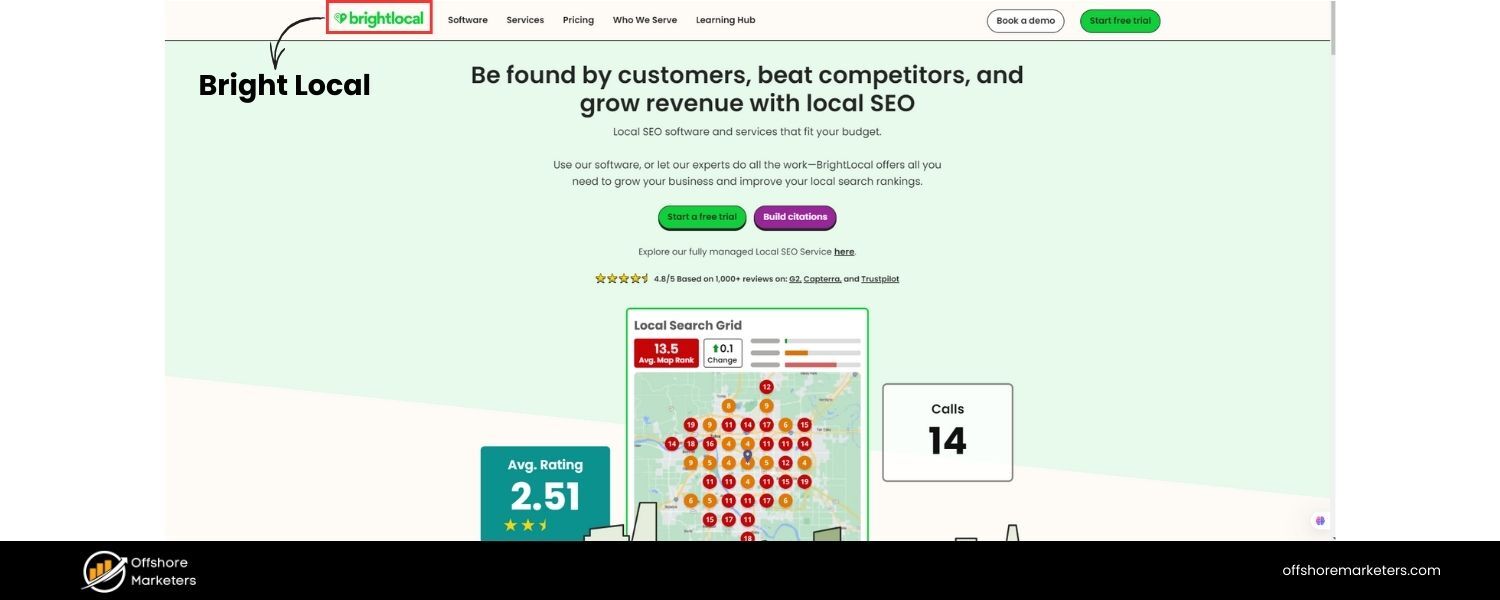

A flexible service that offers both manual directory submissions and data aggregator distribution. BrightLocal allows you to pick and choose citation sites or use their recommendations.
Pricing is pay-as-you-go (roughly $2-3 per listing, with bulk discounts) and no recurring fee for manual submissions. They also have a Citation Tracker tool for finding and managing listings.
BrightLocal is praised for its reporting dashboard and the ability to eliminate duplicates and fix incorrect listings as part of the service.
2. Moz Local 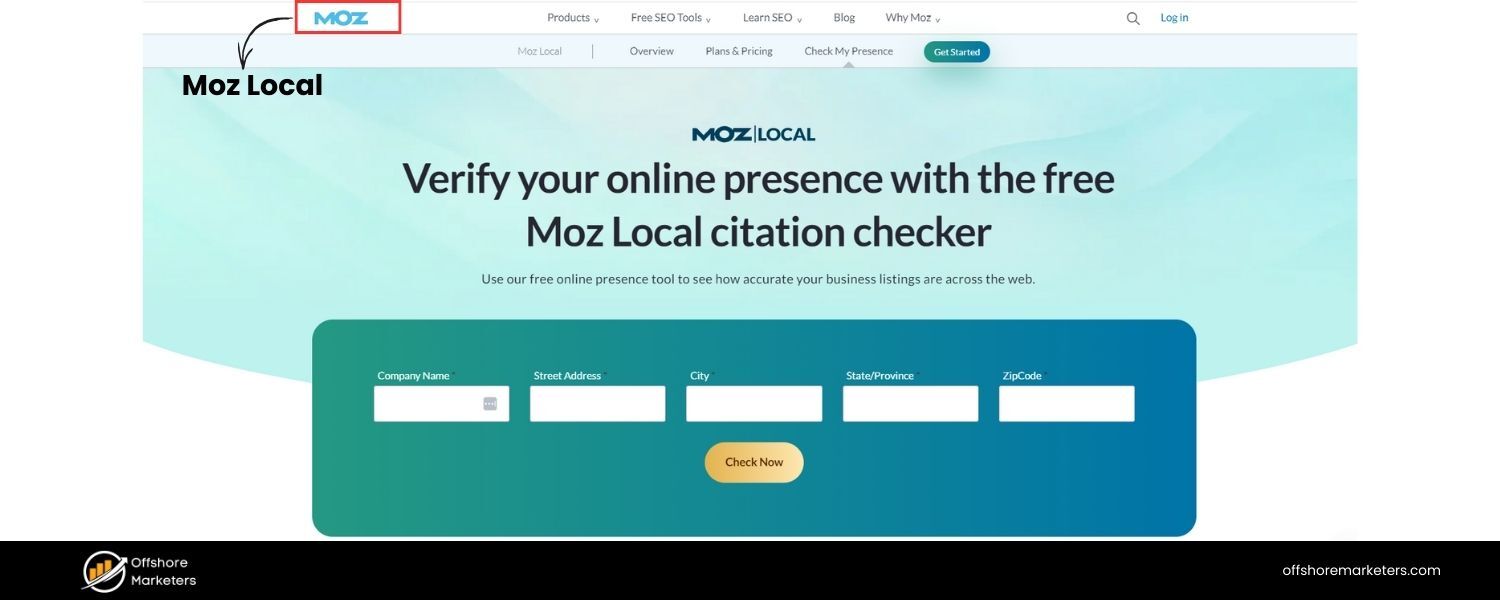
Moz Local is focused on automated distribution via the primary aggregators. It submits your business info to the big data networks and top directories, and will continually push that data for consistency.
It also integrates with Google and Facebook for updates. Moz Local is subscription-based – about $129 per year per location for the base plan. It’s known for ease of use, though it covers a limited number of sites directly (roughly a dozen major channels and GPS apps).
Moz Local can help identify duplicate listings and is a trusted name in SEO, but it may take a couple of months to fully sync across all sites.
3. Yext 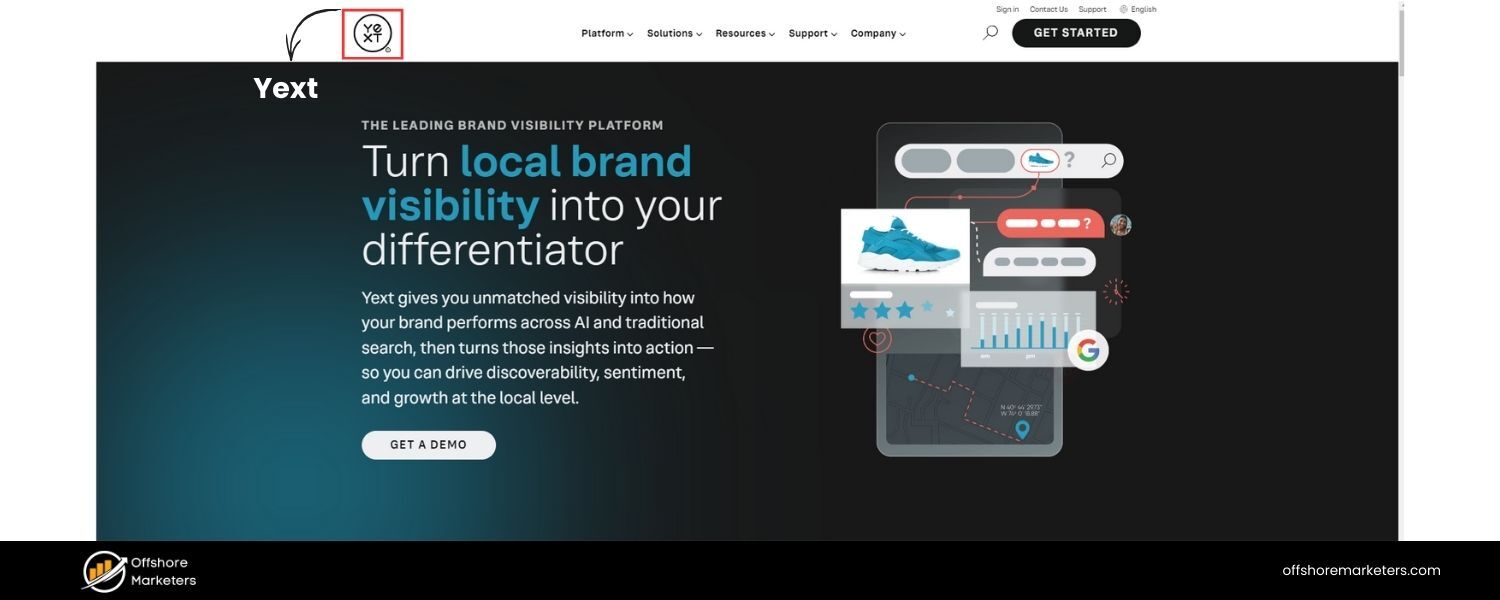
Yext is one of the most well-known (and robust) citation management platforms. With Yext, your business data is synced to a vast network of over 100 directories, maps, voice search platforms, and more through their patented “PowerListings” network.
They offer a convenient live dashboard and nearly real-time updating, if you change your hours in Yext, for example, it pushes to all listings almost instantly. However, Yext is on the higher end in cost (around $499 per year for a business listing subscription), and it operates on a subscription model, you need to keep paying to keep that level of control.
It’s great for multi-location businesses that need advanced features (analytics, review monitoring, etc.) and want a hands-off solution.
Just note that if you ever leave Yext, some listings may revert to prior information over time (since Yext effectively “rents” the space for your data).
4. Loganix
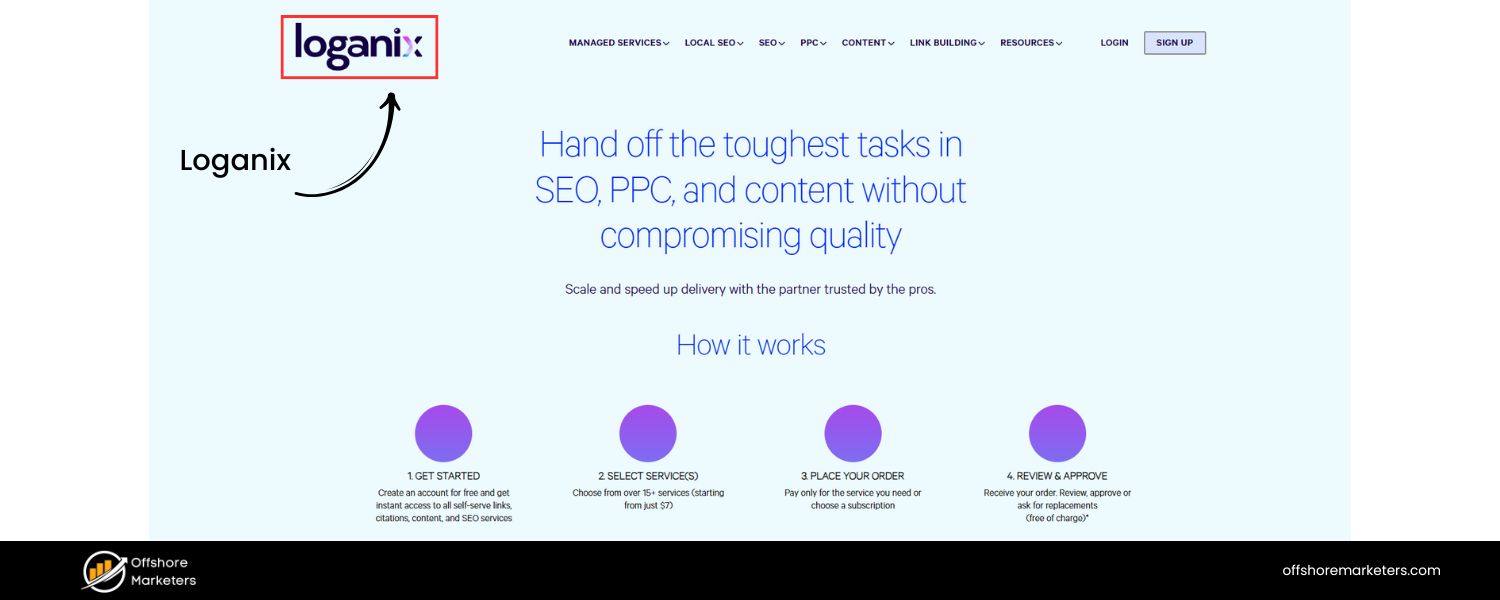
Loganix offers manual citation building services with a reputation for quality. They provide citation packages (for example, citation bursts of 50, 100, or more listings) and also citation cleanup services. Loganix is a favorite among SEO agencies for outsourcing citations.
Their pricing typically is one-time (e.g., ~$5 or less per citation depending on volume, or fixed package rates like $249 for 60 citations, etc.). The appeal of Loganix is personalized service – they do research to find niche opportunities and ensure NAP consistency.
They also have content like citation list guides for DIY folks. If you prefer a one-time investment and owning your listings, Loganix is a solid choice.
5. Whitespark 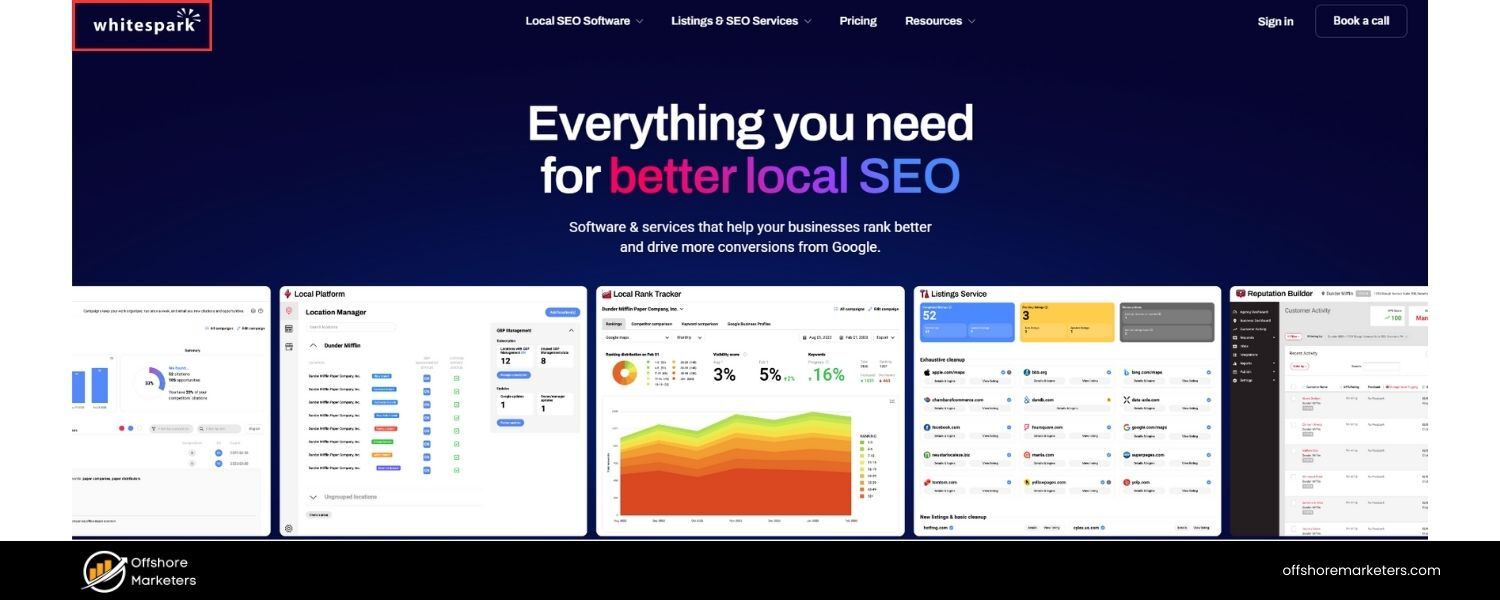
Whitespark is known for its local SEO tools and services, especially their Citation Finder tool which helps you discover where your business is listed (and where competitors are listed).
Whitespark offers a citation building service where they will hand-build citations for you (including international and niche sites). It’s a one-time fee service, you can order a set number of citations or a custom campaign.
Their cost per citation usually ranges from about $4 to $5 each, so not the cheapest, but they are thorough (and they’ll even handle difficult listings or aggregator submissions as part of custom work). Whitespark’s team will also do duplicate removal and citation cleanup for an extra fee.
Many like Whitespark for their expertise and the fact that the listings are permanent (no subscription needed). They’re a great option if you want a comprehensive citation building done by specialists, and are willing to pay a bit more per listing for that assurance.
6. Semrush (Listing Management)

Semrush, the popular SEO software suite, has a local listing management add-on powered by a partnership with Yext. It’s essentially a rebranded Yext service accessible through the Semrush dashboard. The pricing as of 2025 is around $20 per month per location (with discounts for annual plans). This service pushes your data to around 70+ directories and apps.
It’s slightly more budget-friendly than going directly with Yext, but still subscription-based. For those already using Semrush for SEO, it’s a convenient way to manage local citations within one platform. The integration allows you to see listing accuracy and updates in Semrush’s interface.
7. Other Notables
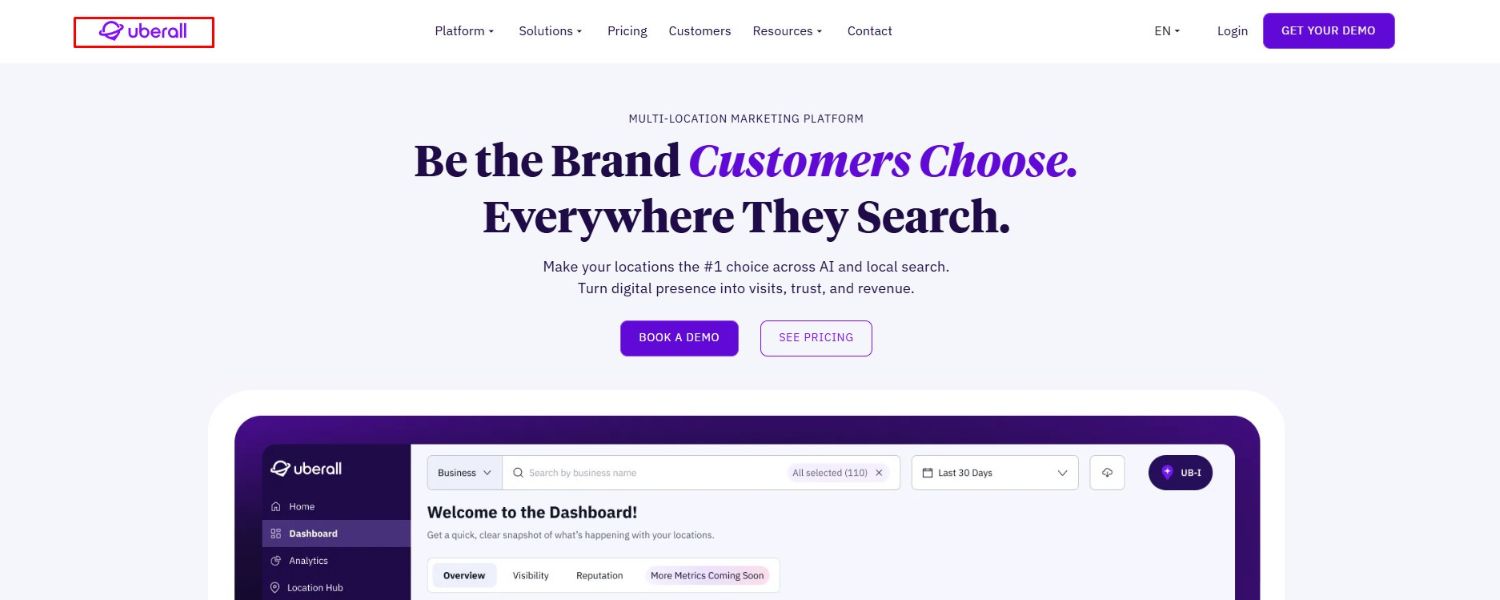
There are many other services out there. Uberall is a strong platform similar to Yext, often used by enterprises for multi-location listing management. Advice Local is another aggregator-based provider (with an annual fee model) known for working through a fixed list of sites – however, note that if you stop their service, their aggregator-fed listings can revert after a year.
Some agencies like FatJoe and The Hoth also offer citation building packages, mainly targeting SEO professionals who want to outsource work. These tend to be one-off projects where you pay per listing or package; for example, FatJoe has cost-efficient bulk citation packages (the BrightLocal comparison chart shows FatJoe’s price can be as low as ~$0.25 per listing in large orders).
Local Citation Services (CitationBuilderPro) and other white-label providers exist as well if you need reseller options. When evaluating any provider, use the criteria from the previous section to judge which fits your needs and budget.
Each of these services has its pros and cons. For instance, if you want full control and ownership of listings, a manual service like BrightLocal, Whitespark, or Loganix might be preferable. If you want set-and-forget convenience and instant updates, an aggregator service like Yext or Semrush could be better – just budget accordingly for the subscription.
Some businesses even use a combination (e.g., do a one-time manual citation run for core sites, and use an aggregator service for ongoing sync). The good news is that with so many reputable options, you’re likely to find a solution that fits your strategy.
Pro tip: Check out detailed comparisons and reviews. For example, Direction. com’s blog compares eight top services, and BrightLocal’s resources compare citation services like Moz vs BrightLocal vs Whitespark in depth, including factors like number of sites, turnaround, and whether data remains permanent. Doing a bit of homework on these can help you confidently choose one.)
Best Practices for Building and Managing Local Citations
Whether you use a service or not, keep these best practices in mind to get the most out of your local citations:
1. Maintain NAP Consistency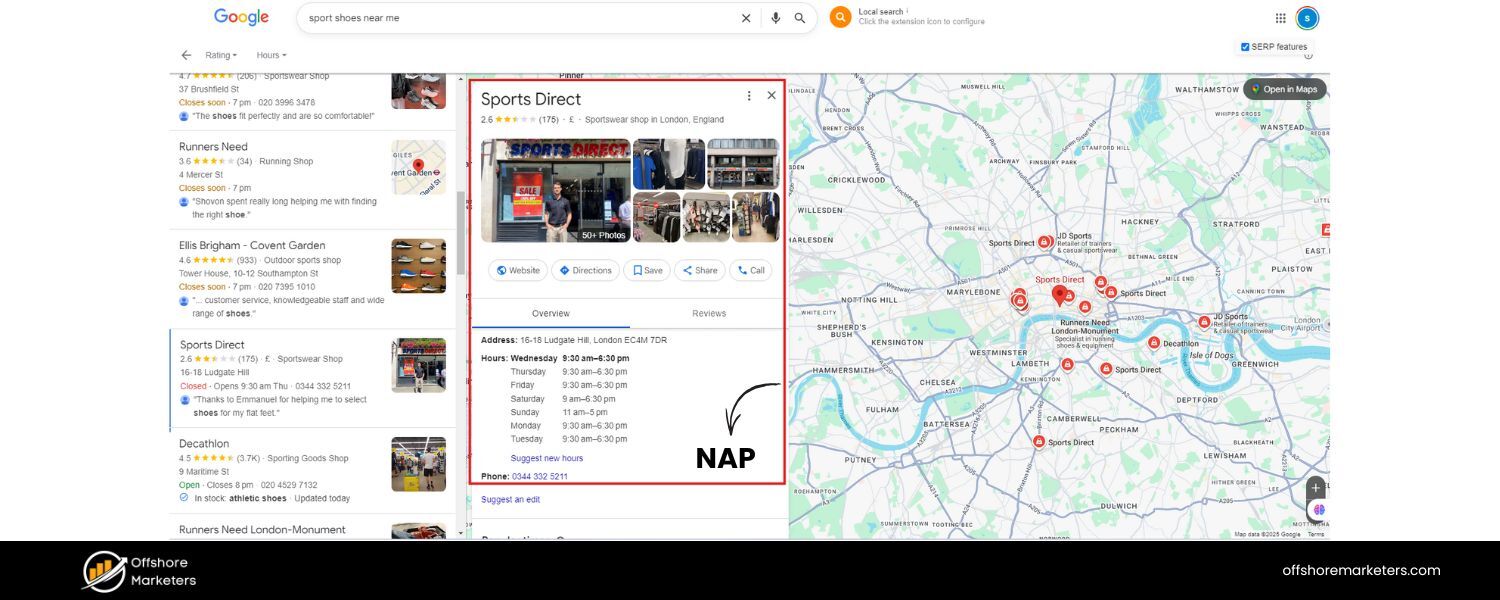
Consistency is king in citation building. Ensure your Name, Address, Phone number (NAP) are identical across all listings – down to abbreviations and formatting.For example, if you use “123 Main Street” on one listing, don’t use “123 Main St.” on another; if your business is “ABC Plumbing, LLC” include the LLC everywhere or nowhere for consistency.
Even small differences can confuse search algorithms or customers.Always double-check spelling and numbers. One way to do this is to decide on a standard version of your NAP and provide that exact text to whichever service you use (or use it religiously if doing DIY).
Many services will use exactly what you input, so proofread it. Consistent citations build trust that your business info is reliable.
2. Include Key Details in Citations 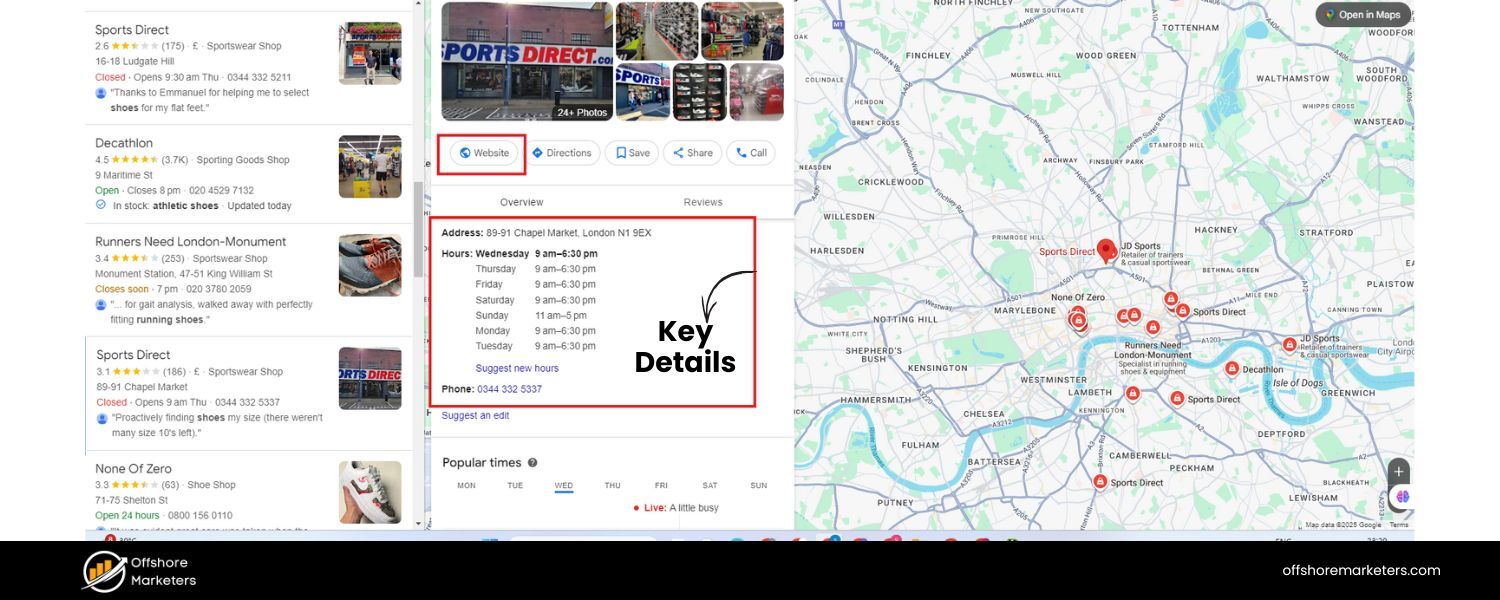
While NAP is the core, don’t neglect other fields if the directory allows them. Fill out your business website URL, category, hours of operation, description, email, and any other relevant info on each listing.
The more complete your profiles, the better. A comprehensive listing not only helps SEO (search engines love detailed info) but also improves user engagement (customers are more likely to choose a business that has photos, reviews, and up-to-date hours on a platform).
If possible, add your logo or photos to citations that support images – this can make your listing stand out. Always select the most appropriate category for your business on each site; category mismatches can hurt relevance.
3. Leverage Prominent and Niche Directories

Be sure you’re listed on the big hitters: Google Business Profile (the most important of all – claim your Google listing if you haven’t!), Bing Places, Facebook, Apple Maps, Yelp, and the major data aggregators.
After that, focus on industry-specific directories (for example, if you’re a restaurant: get on TripAdvisor, OpenTable, Zomato; if you’re a home contractor: Angie’s List, HomeAdvisor; doctors/lawyers: specialized professional directories, and so on).
Also list on local city directories or chambers of commerce if available. These niche citations can send highly qualified leads and signal to Google that you’re relevant in your field or location. A good citation service or a bit of research can identify the top niche sites for your industry.
4. Avoid Duplicates and Clean Up Old Listings
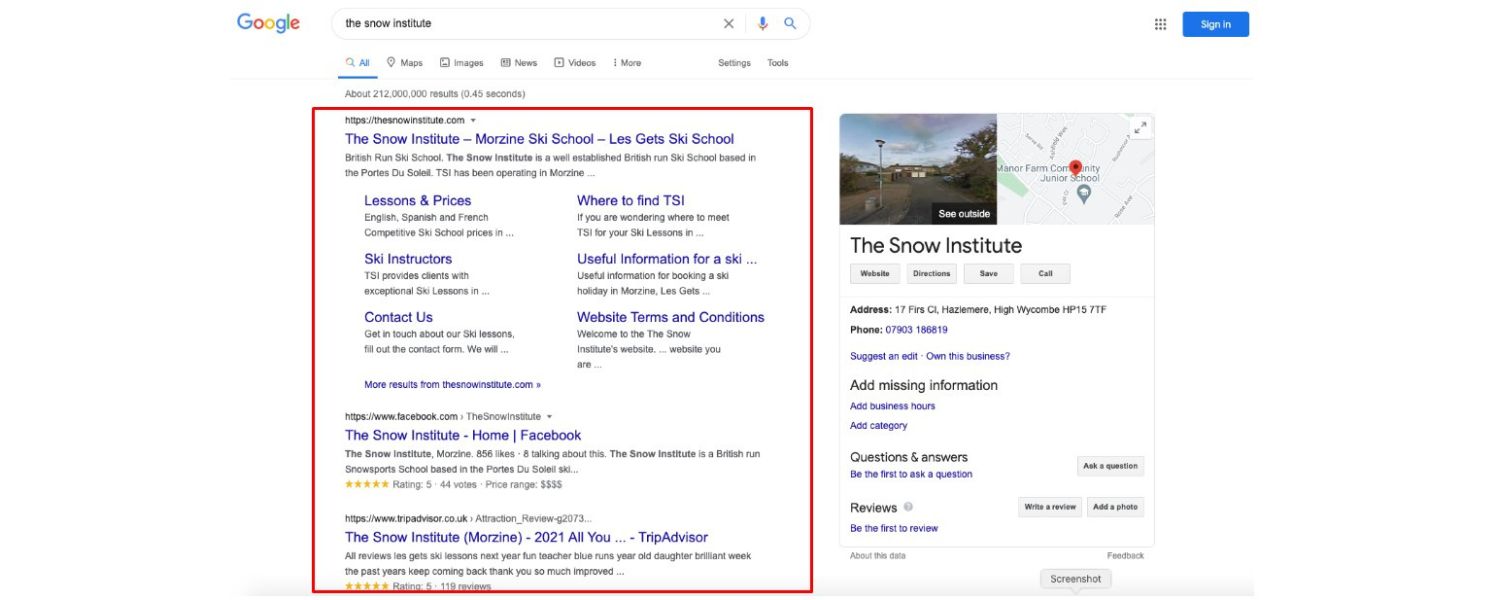
Duplicate listings (having more than one listing for the same business on the same platform) can confuse customers and hurt your local SEO. Part of citation building is making sure you don’t create a duplicate by accident.
Always search the site for your business first. If a listing exists, claim it rather than making a new one. If you find old or incorrect listings (maybe created by a previous marketing effort or by the platforms themselves aggregating data), work to update or remove them.
Many citation services include a citation audit or cleanup for this reason, they’ll identify duplicates and either suppress or fix them. Keeping a clean citation profile improves your credibility in Google’s eyes.
5. Regularly Audit Your Citations

Don’t adopt a “set it and forget it” mindset entirely. Even though citations are more of a foundational task, it’s wise to audit your listings at least once or twice a year.Ensure everything is still accurate (phone numbers often change, businesses move locations, etc.). Check if any new important citation opportunities have emerged (new sites or apps rising in popularity) – e.g., voice search directories or new map apps.
Also verify that no rogue duplicates have appeared. You can use tools (like BrightLocal’s Citation Tracker or WhiteSpark’s Citation Finder) to scan for your listings and any inconsistencies. Regular auditing ensures your hard-earned citation footprint stays healthy and up-to-date.
6. Respond to and Manage Listings 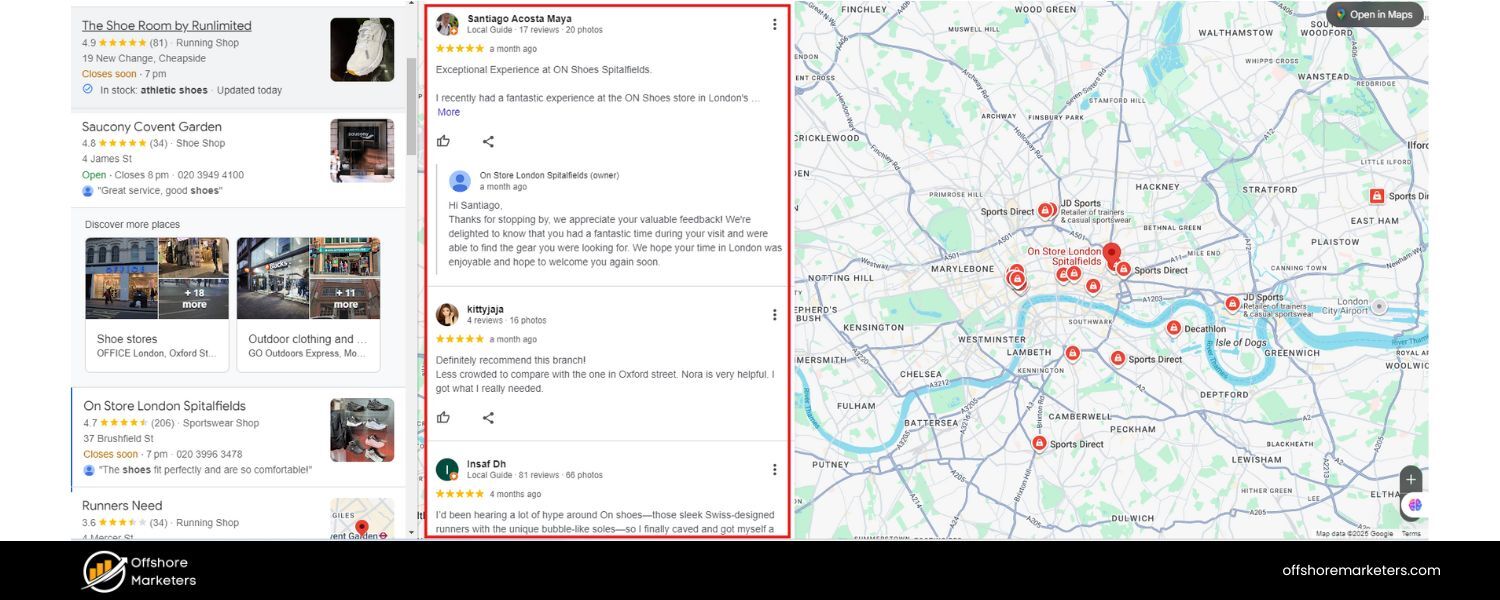
This goes slightly beyond just building citations, but once you have all these listings, remember that many of them allow customer interaction (reviews, Q&A, etc.). Be sure to monitor your listings for reviews or messages and respond promptly to engage customers.
A well-managed Google or Yelp profile with good reviews will do far more for you than a bunch of unmaintained listings. Some citation services or local SEO platforms will alert you to new reviews on your citations so you can stay on top of your online reputation.
7. Use Internal Linking and Schema (Advanced)
On your own website, help search engines connect the dots by ensuring your contact or footer info matches your NAP exactly, and consider using LocalBusiness schema markup on your site with your NAP details. This reinforces consistency. While not a “citation” per se, it complements your citation work by giving Google a clear confirmation on your site about your official name, address, phone, etc.Also, link out from your site to important profiles (like your Yelp or Facebook page) if it makes sense, it can help those profiles get indexed and associated with your business.
Following these best practices will amplify the benefits of your citation building efforts. Think of citation management as an ongoing part of your local SEO hygiene. It’s not glamorous, but when a customer finds correct information and good reviews everywhere they look for you, it creates a seamless and trust-inspiring experience that ultimately drives more business.
Recent Trends in Local Citation Building (2025)
Local search is always evolving, and citation building is no exception. As we hit 2025, here are a few noteworthy trends and updates in the world of local citations:
1. Greater Emphasis on Data Accuracy
Google’s algorithm updates in recent years (and those of other platforms) have put even more weight on accuracy and quality over sheer quantity of citations. In the past, some businesses chased hundreds of citations anywhere they could.
Today, it’s clear that a smaller number of high-quality, consistent listings beats having your NAP on every obscure directory. Search engines have gotten better at ignoring low-quality citation sources.
The focus now is on completeness and correctness on the important sites. This doesn’t mean citations are less important – it means how you do citations has shifted towards quality control.
2. Rise of Voice Search and Map Apps
With the explosion of voice-activated devices and mapping apps, citations now need to cover those data sources as well. For example, voice assistants like Siri and Alexa pull local business data from specific partners (Apple Maps, Yelp, etc.).
Ensuring your information is up to date on those platforms is crucial to capture voice search queries. Likewise, newer map apps or navigation systems (in cars, smartphones, etc.) often rely on aggregator data.
We’ve seen platforms like Apple Business Connect (launched in 2023) become important – it allows businesses to directly manage their Apple Maps listing (which feeds Siri results).Staying on top of these emerging citation channels is a must in 2025. A good local citation service will include these or at least guide you on how to get listed on them.
3. Integration with Google Business Profile
Google Business Profile (GBP, formerly Google My Business) remains the single most important local listing. Google has been adding features to GBP (from messaging to bookings to detailed service menus).
While not a “citation service” feature per se, many citation services now offer integration or at least guidance on optimizing your Google listing. Some services will sync your NAP info into GBP and even help manage Google posts or reviews.
The trend is that local citation management and GBP management are converging, since GBP is central to local SEO. When evaluating services, see if they offer any features around Google Business Profile – it can be a nice bonus to manage it in the same dashboard.
4. Automation and AI in Citation Management
Managing hundreds of listings can produce a lot of data. We’re seeing more automation and even AI being used to handle citation tasks. For instance, SearchAtlas’s OTTO AI (as mentioned in their platform) aims to automate citation submissions through one-time setups.
AI isn’t replacing the need for citations, but it’s making the process smarter, like automatically suggesting new citation opportunities, detecting and alerting you of inconsistent info, or streamlining filling out forms.
This means faster turnaround and fewer manual errors. In the coming years, expect more AI-driven tools in local SEO that will make citation building more efficient while still requiring strategic oversight.
5. Consolidation of Data Sources
We’ve also observed some consolidation in the local data ecosystem. For example, Factual (a major data aggregator) merged into Foursquare’s data offering in recent years.Some traditional aggregators have evolved or been acquired.
The big players in local data are becoming more defined (again, in the US it’s pretty much down to Data Axle, Localeze, and Foursquare networks as the main pipelines).
This simplifies things a bit – by ensuring your info is correct in those few places, you indirectly cover a lot of ground. Citation services have updated their strategies accordingly, focusing on those primary feeds plus direct coverage of top sites.
5. Local SEO Holistic Approach
Finally, there’s a trend of offering citations as part of a broader local SEO package. Many citation building companies have expanded into offering other services like review generation, local rank tracking, or even full local SEO management.
This is more of a business trend, but it means as a customer you can often bundle services. For example, you might get a discount on citation building if you also sign up for reputation management, etc.
The positive side is everything works together – citations help your SEO, good SEO brings more reviews, etc., and one provider can handle it all. Just be sure the core citation service is solid; don’t get distracted by shiny add-ons if the main listing accuracy is not handled well.
In summary, the essence of local citation building in 2025 is accuracy, authority, and integration. Make sure your citations are correct and on the sites that matter, integrate citation management with your overall local SEO (especially Google Business Profile), and leverage the new tools and services that make the job easier.
The landscape may change, but one thing remains true: if people can’t find or trust your business information online, you’ll lose out to competitors. Citation building, done right, ensures that doesn’t happen.
Conclusion: Get Started on Building Your Local Presence
Local citation building might not be the flashiest part of SEO, but it is absolutely foundational for any business that serves a local area. The good news is that you now have a roadmap for success – and plenty of services ready to assist.
To recap, make sure you understand your citation needs and goals, choose a citation building service that fits your budget and requirements (or tackle it methodically if going DIY), and keep your business information consistent across the web.
The payoff for this work is higher local search rankings, more customer trust, and more traffic through your doors.
Don’t let incorrect or missing listings quietly push people to competitors. Instead, take action: build and clean up your citations so that your business shines wherever people search.
With the tips and insights from this guide, you’re well equipped to outrank competitors in local SEO and ensure customers find accurate information about you every time.
Now it’s your turn – put these strategies to work! Update that Google Business Profile, claim those key directory listings, or call up a trusted citation service to get the job done.
By investing a bit of effort into citation building today, you’ll set your business up for long-term success in local search. Here’s to your business becoming the go-to name in your area!
Have you tried any local citation building services or have questions about the process? Feel free to leave a comment below with your experiences or queries. We’re happy to help further and love hearing local SEO success stories.
Remember, the path to local SEO dominance starts with one citation at a time, so let’s get your business listed and noticed everywhere it counts. Good luck, and see you at the top of the local results!
Call to Action:
Ready to boost your local visibility? Don’t wait. Start auditing your business’s current citations or consult a professional citation building service today.
The sooner your information is cleaned up and widespread, the sooner you’ll reap the benefits of increased local traffic and sales. Here’s to climbing the local rankings and watching your business grow!

.png)
Shopify SEO: Guide to Ranking Your Store and Driving Sales
Most Shopify store owners set up their store, list their...

Content Marketing : Definitive Guide to Strategy, Content Types, and Measurable ROI
Content marketing generates 3x more leads than outbound marketing at...

Above the Fold: Guide to Conversions, Rankings and Faster Pages
Above the Fold in 2026: The Complete Guide to Conversions,...

Off-Page SEO Checklist: Guide to Building Real Authority
Most websites spend months creating great content, only to wonder...

What Is Keyword Bidding? The Complete Strategy Guide for Smarter Ad Spend
Most advertisers believe the highest bid wins the auction. It...

What Is Google Trends? The 2026 Marketer’s Complete Guide
If you are not already pulling weekly insights from Google...
If you want a growth partner who will get to know every aspect of your business and treat your budget like their own — we are the right fit.
.png)


.png)
.png)
.png)
.png)
.png)
.png)
2026 ALL RIGHTS RESERVED MADE IN INDIA
