
Evergreen Content: How to Create Traffic-Driving Content
August 25, 2025
Introduction
In the fast-paced world of digital marketing, some content manages to stay relevant year after year. Imagine blog posts or videos that keep attracting readers long after publication – that’s the power of evergreen content. As a marketing expert with 25 years in the industry, I’ve seen trends come and go, but well-crafted evergreen content remains a consistent traffic driver and a cornerstone of sustainable content marketing.
In this comprehensive guide, we’ll explore what evergreen content is, why it’s so valuable, and how you can create and leverage content that never goes out of style.
What is Evergreen Content?
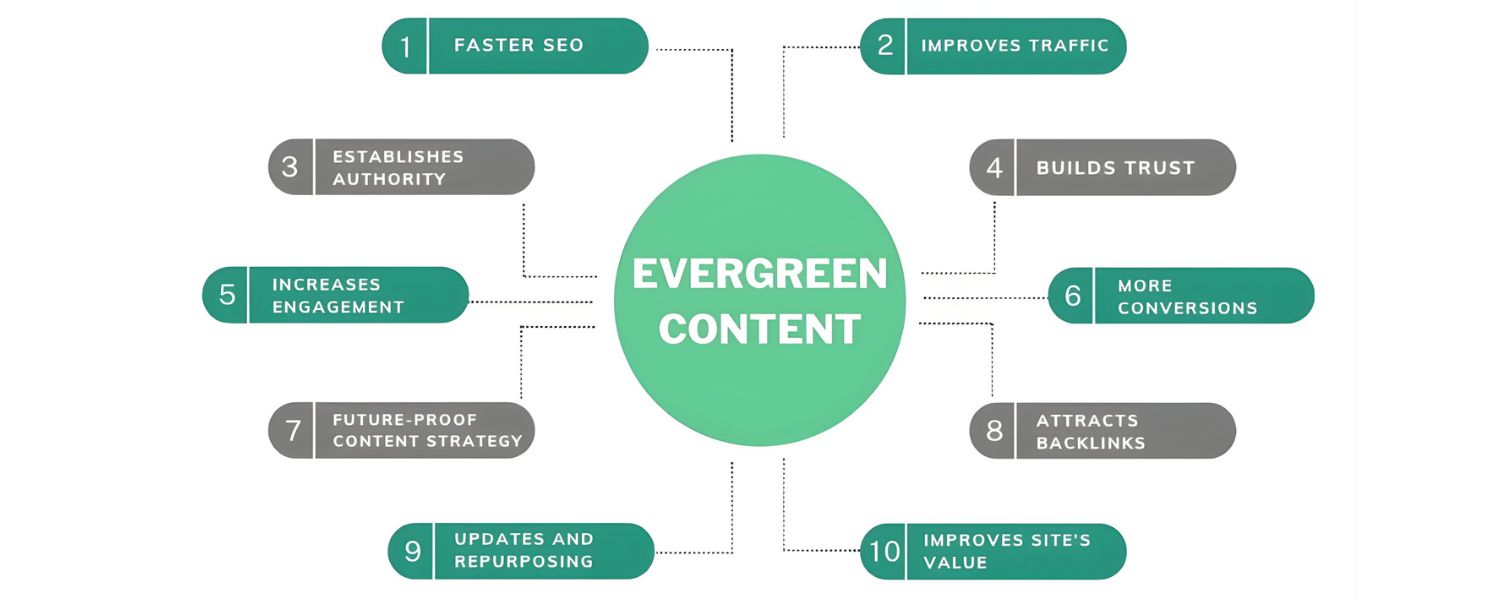
Evergreen content is content that remains continually relevant and “fresh” to readers over a long period of time. The term comes from the evergreen plant (like an evergreen tree) which retains its green leaves all year round, symbolizing content that stays useful and doesn’t wither with time. Unlike time-sensitive posts that spike in interest and quickly fade, evergreen pieces address topics of perennial interest.
They continue to attract traffic long past their publication date, often even gaining search traffic over time as they rank in search engines.
To better understand the concept, consider what doesn’t qualify as evergreen content. Content tied to fleeting events or trends will quickly become outdated and lose relevance. Examples of content that are not evergreen include:
1. News articles and current events: e.g. a report on yesterday’s tech conference or this week’s stock market news.
2. Trend-driven or pop culture pieces: content about a viral meme or the “hot fashion trend this summer.”
3. Seasonal or holiday guides: e.g. “Best Holiday Gifts for 2025” (great for a season, but not useful the next year).
4. Time-bound statistics or reports: data reports or “state of industry 2023” posts that will become outdated as new data emerges.
Such pieces might generate a burst of interest, but they’re like fresh milk, after a short time they spoil. Evergreen content, on the other hand, is more like a can of beans in your pantry: non-perishable and just as good next year as today.
Long after an evergreen article is published, it continues to provide value and draw readers without significant decay in interest. In short, evergreen content is timeless content designed to remain valuable to your audience regardless of when it’s consumed.
Why Evergreen Content Matters (The Benefits)
Evergreen content isn’t just a nice-to-have in your content strategy, it’s often a game-changer. Here are key benefits of investing in evergreen posts, backed by data and expert insights:
1. Steady, long-term traffic

Evergreen articles continue to attract visitors for months or even years after publication. In fact, evergreen content has been shown to consistently generate traffic with a lifespan of up to two years for engagement. Unlike timely posts that see a quick spike and drop, a top evergreen piece can become a reliable traffic source over the long haul.
2. Higher search rankings over time 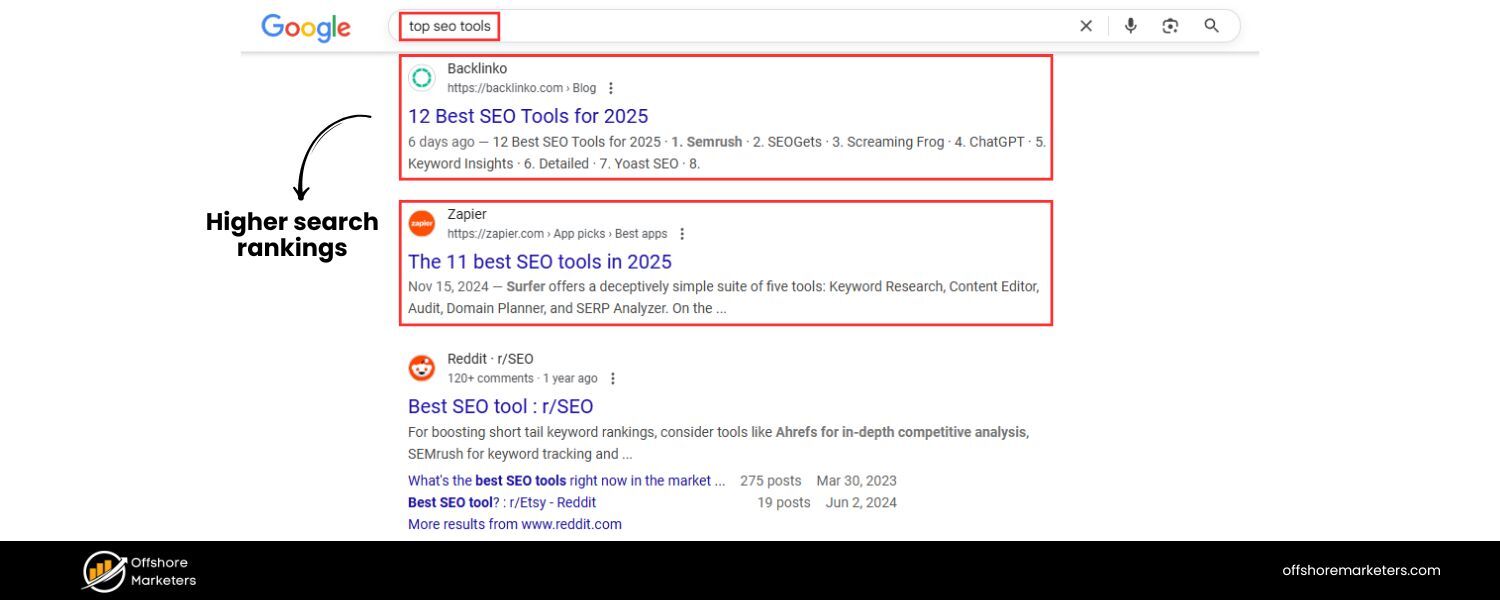

Because they remain relevant, evergreen pages often climb in search engine results pages (SERPs) and hold those positions. These pieces also tend to be comprehensive and high-quality, which helps push them toward the top of Google results. The result is more visibility and organic traffic as time goes on.
3. Better ROI on content marketing

Evergreen content is the gift that keeps on giving. You invest time once to create it, and it can generate leads, conversions, and value for years with only minor updates.Marketers note that a single well-performing evergreen post can sustain traffic and lead generation for a business long after it’s published. This high return on investment makes evergreen content a cost-effective strategy – you’re still reaping benefits from an article written 2 years ago.
4. Backlinks and authority accumulation 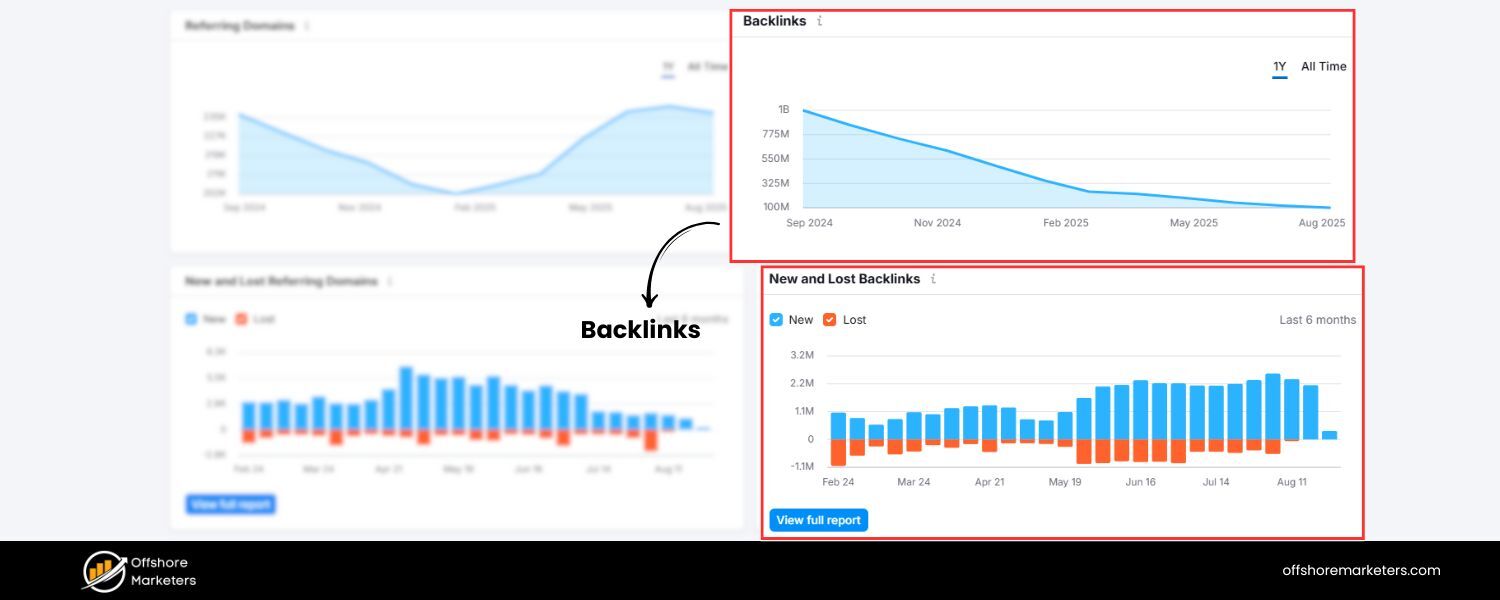
Content that stays relevant is far more likely to accumulate backlinks over time. Other websites and blogs will continue referencing it in their own articles, since the information doesn’t go out of date. Those incoming links boost your site’s domain authority and SEO.
Studies show evergreen posts earn links consistently because they remain useful references. By being a lasting resource, you also position your brand as an authority in the topic, which builds trust with your audience.
5. Less content creation pressure

An effective evergreen library means you don’t need to churn out new posts constantly to keep traffic up. Your evergreen pieces do a lot of heavy lifting.Over time, this can reduce the amount of new content you need to produce, freeing up resources for other tasks.
In other words, quality evergreen posts reduce the need for quantity. You can focus on making each piece excellent, rather than feeling on a hamster wheel of endless content production.
(Bonus: Evergreen content can also be promoted repeatedly on different channels, which we’ll discuss later, giving you ongoing marketing material without annoying your audience.)
In sum, investing in evergreen content creates a foundation of stable traffic, SEO performance, and brand authority. It’s a long-term play that continuously pays dividends – often long after the initial work is done.
Common Evergreen Content Formats & Examples

What does evergreen content actually look like? It can take many forms. Below are some of the most common evergreen content formats that tend to perform well and retain relevance:
1. How-To Guides and Tutorials
Step-by-step instructional articles or videos that help the audience accomplish a task or learn something. For example, “How to Write a Résumé” or “How to Start a Blog” are classic evergreen topics that remain useful year after year. As long as the subject isn’t tied to transient features, how-tos generally have lasting value (e.g. people will need to tie a tie or bake a basic cake in any year).
2. Listicles and Top “X” Lists
List-based articles (e.g. “10 Tips to Improve Your Credit Score” or “7 Best Exercises for Lower Back Pain”) are popular evergreen pieces. They package timeless advice or ideas in an easy-to-scan format. Readers continue to seek out list posts on enduring topics like health, finance, or productivity, making these lists relevant over the long term.
3. Ultimate Guides and Long-Form Resources
Comprehensive, encyclopedia-like content that covers a topic in depth (sometimes called “pillar” content or definitive guides). For instance, “The Complete Guide to Email Marketing” or “Ultimate Guide to Plant-Based Diets.” These serve as one-stop references that readers and other sites will return to and cite for years. (Wikipedia itself is a prime example of a site full of evergreen, in-depth articles on virtually every topic!)
4. FAQs and Q&A Pages
Answering frequently asked questions in your industry can be evergreen if those questions remain common over time. A Q&A format like “What Is [Concept] and Why Does It Matter?” or “Common Questions About [Topic]” will stay relevant as long as people continue to ask those questions. Many “What is…?” explainer articles fall in this category and tend to have consistent search demand.
5. Glossaries and Definitions
Defining key terms or jargon in your field (e.g. a “Marketing Terms Glossary” or “Definitions of Common Programming Terms”) is evergreen content, since the definitions don’t change frequently. New learners will continuously search for these definitions.
6. Product Reviews and Case Studies
Reviews can be evergreen if the product or service reviewed remains available and the review covers fundamental pros/cons that won’t change quickly.For example, a thorough review of a classic book, or a case study of a business strategy, can stay relevant for years. (Do avoid reviews of yearly models or highly iterative tech, those cross into timely territory.)
7. Educational Articles & Evergreen Topics
Broad human-interest topics often have evergreen potential. Subjects like health, personal finance, career advice, relationships, home improvement, and personal development tend to have content that never goes out of demand. For instance, people will always search for advice on saving money, healthy recipes, parenting tips, or self-improvement techniques, no matter the year. If your business can tie into an evergreen theme (e.g. a gardening supply store publishing “Beginner’s Guide to Growing Tomatoes”), you can attract traffic indefinitely.
It’s important to note that simply using one of these formats doesn’t automatically make a piece evergreen. The topic and substance must be timeless as well. You could write a listicle of “2025 Marketing Trends” – it’s a list, yes, but it’s not evergreen because it will be outdated next year. On the other hand, a list like “Top 10 Email Marketing Best Practices” could be evergreen because those practices are more enduring.
Always ensure the focus is on evergreen subject matter. As one expert puts it, evergreen content should “transcend current events or trends, allowing it to remain relevant and useful to readers over an extended period of time”. Think about the questions and needs that persist over years, not just the hot topics of today.
How to Create Evergreen Content (Step-by-Step)
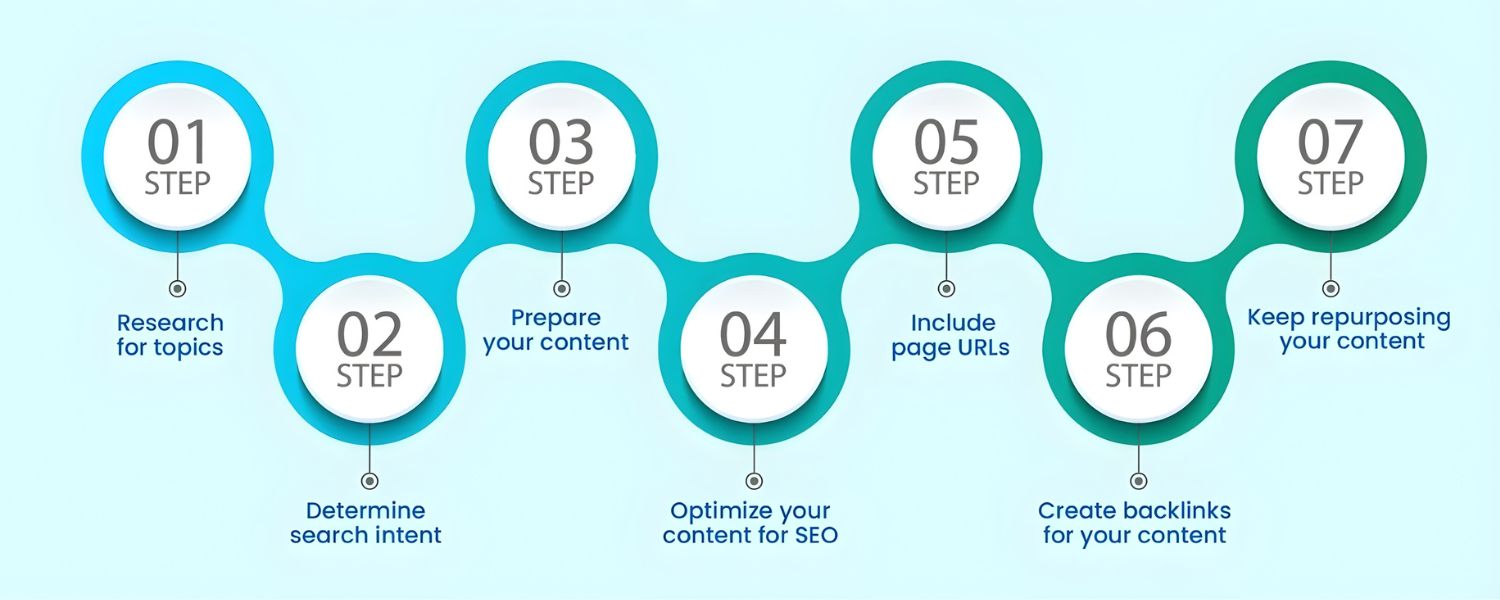
Creating evergreen content requires a strategic approach. From my decades of experience, I can say that producing truly evergreen material is part art (knowing your audience’s timeless interests) and part science (SEO and content best practices). Follow these best practices to ensure your content stands the test of time:
1. Choose Timeless, High-Demand Topics
Start with thorough research to identify topics that have enduring interest. Use keyword research tools and Google Trends to find subjects with consistent or rising search volume over time (not just a brief spike. Focus on core questions in your niche that people ask year after year (e.g. “how to budget money” will be searched indefinitely). Avoid ultra-niche or fad topics that might fizzle out.
If the search interest for a keyword has remained steady (or grown) for the past few years, it’s a good candidate for evergreen content. Also ensure the topic aligns with your business and expertise – it should be something you can credibly cover in depth.
2. Avoid Time-Specific References
While writing, steer clear of content that will date your piece. That means don’t include years, dates, or ephemeral phrases in the title or body unless absolutely necessary. For example, a title like “Best Email Marketing Tips in 2025” automatically puts an expiration on the content. Instead, use “Best Email Marketing Tips” (no year) or “…for the Modern Business” if needed. Similarly, avoid phrases like “this year” or “last month” in the text – someone reading two years from now shouldn’t feel like the content is old. Write in a future-proof way, using terms like “currently” or simply stating facts without date context. The more you caneliminate timestamps, the longer your content will feel fresh.
3. Write for Beginners and Broad Audiences
Evergreen content often targets readers who are new to the subject or looking for foundational knowledge. Don’t assume too much prior expertise. Use clear, accessible language and define any necessary terms. Avoid overly technical jargon or insider shorthand that would confuse a layperson. Remember, experts typically aren’t searching for basic explainers – it’s the broader audience that is.
Content that is approachable for novices will have a larger, long-term audience. (You can always link to more advanced resources for those who want to dig deeper.) Essentially, keep it simple and explanatory so that the content remains useful to anyone just coming into the topic, even years down the line.
4. Provide Depth and Demonstrate Authority
To stand out and remain relevant, your evergreen piece should be comprehensive and authoritative. Do thorough research and include insights from credible sources or expert quotes to strengthen the content. The goal is for your piece to be the go-to resource on that topic. In practice, this means covering all the important subtopics, questions, or steps a reader might have.
For example, if writing “The Complete Guide to SEO for Small Businesses,” ensure you address keyword research, on-page SEO, content, link-building, metrics, etc., with accurate and up-to-date information. Showing facts, examples, and even original data can reinforce that your content is trustworthy. High-quality evergreen content often runs longer (1500+ words) because it’s in-depth – and indeed, long-form content tends to perform well in search rankings over time.
By demonstrating expertise and covering a topic thoroughly, you not only satisfy readers (who won’t need to look elsewhere), but search engines will also recognize your content’s value and relevancy.
5. Structure Content for Readability
Even evergreen content needs to adapt to how online readers behave. Use a logical hierarchy with clear headings (H2s, H3s, etc.) so that readers (and search engines) can easily scan and understand the structure. Break up long walls of text into shorter paragraphs. Incorporate bullet points, numbered lists, and tables where appropriate to make key points stand out.
Remember that many online readers skim – in fact, research shows the majority of users will scan for the information they need rather than read every word. Formatting your content with descriptive subheadings and sections (like we’ve done in this guide) ensures that even scanners can find value.
It also helps your content get featured in snippets (as search engines can grab Q&A or list sections easily). Additionally, include relevant images or diagrams if they help explain the content (e.g. an infographic for a process) – visuals can enhance understanding and break monotony. Overall, an easy-to-navigate format will keep your evergreen content user-friendly and engaging over time.
6. Incorporate SEO Best Practices
Evergreen or not, standard SEO principles apply. Use your target keywords naturally in the title, headings, and throughout the text (especially in the intro and conclusion) to signal relevance – but avoid keyword stuffing which can hurt readability and rankings.
Optimize meta tags (title and meta description) for click-through by clearly describing the value of the piece. Make sure to add alt text for images and use descriptive file names (accessibility and image search matter for long-term traffic).
Internal linking is powerful for evergreen content: link from other related articles on your site to this piece, and vice versa, to help distribute authority and guide readers to more info.If you have a series of evergreen posts on related topics, cross-link them so that each one boosts the others (and readers stay on your site longer). Finally, ensure your page is technically sound, fast loading, mobile-friendly, and indexable, so that it can maintain strong performance in search results over time.
7. Plan to Update Periodically
One hallmark of evergreen content is that it can stay relevant with minimal effort, but that doesn’t mean you should neglect it entirely. Plan to review and refresh your evergreen pieces on a schedule (e.g. every 6–12 months) to keep them truly evergreen.
We’ll cover specifics in the next section, but in the content creation phase it’s good to note any elements that might need future updating (such as statistics, screenshots, or specific examples) and keep an eye on them. Evergreen doesn’t mean “set it and forget it”, it means thecore remains useful, with perhaps some tweaks needed to keep details current.
By following these steps when creating your content, you set yourself up for evergreen success. You’re aiming for that sweet spot: content that is high-quality, relevant, and timeless, all at once. It takes a bit more effort upfront, but the payoff can be traffic and engagement that persist for years.
Maintaining Evergreen Content: Keeping It Fresh Over Time
Creating an evergreen piece is only half the battle, maintaining its freshness is the other half. Over time, even evergreen articles can benefit from updates to ensure accuracy and relevance (and search engines favor content that is kept up-to-date). Think of it as periodic maintenance on a long-lasting car. Here are some tips for updating your evergreen content to extend its lifespan:
1. Update Outdated Facts or Statistics

Regularly check if any facts, figures or examples in your content have become outdated. Even if your topic is timeless, supporting details might change. For instance, if your article mentions “2022 data” or an old pricing example, refresh it with the latest info.
Swapping in current statistics or research findings will keep the content credible.
Action: Set a calendar reminder to review key evergreen posts for accuracy (at least once a year). Replace outdated stats with up-to-date sources and ensure any time-sensitive wording is revised. This signals to readers (and Google) that the content is being kept current.
2. Add New Insights or Sections

As you revisit your content, consider if there have been new developments or common questions on the topic that your original piece didn’t address. You can expand the article with new sections or examples to increase its value. For example, if you have a “Guide to Instagram Marketing” and Instagram launches a new feature this year, add a section about that feature to keep the guide comprehensive.
Also look for opportunities to include expert quotes, updated case studies, or FAQs based on reader feedback, these can enrich the content. Over time, an evergreen piece can actually improve with these additions. (One pro tip: when you update the article, you can note “Updated on [Date]” on the page. Readers appreciate transparency that the content is maintained.)
3. Check and Fix Links 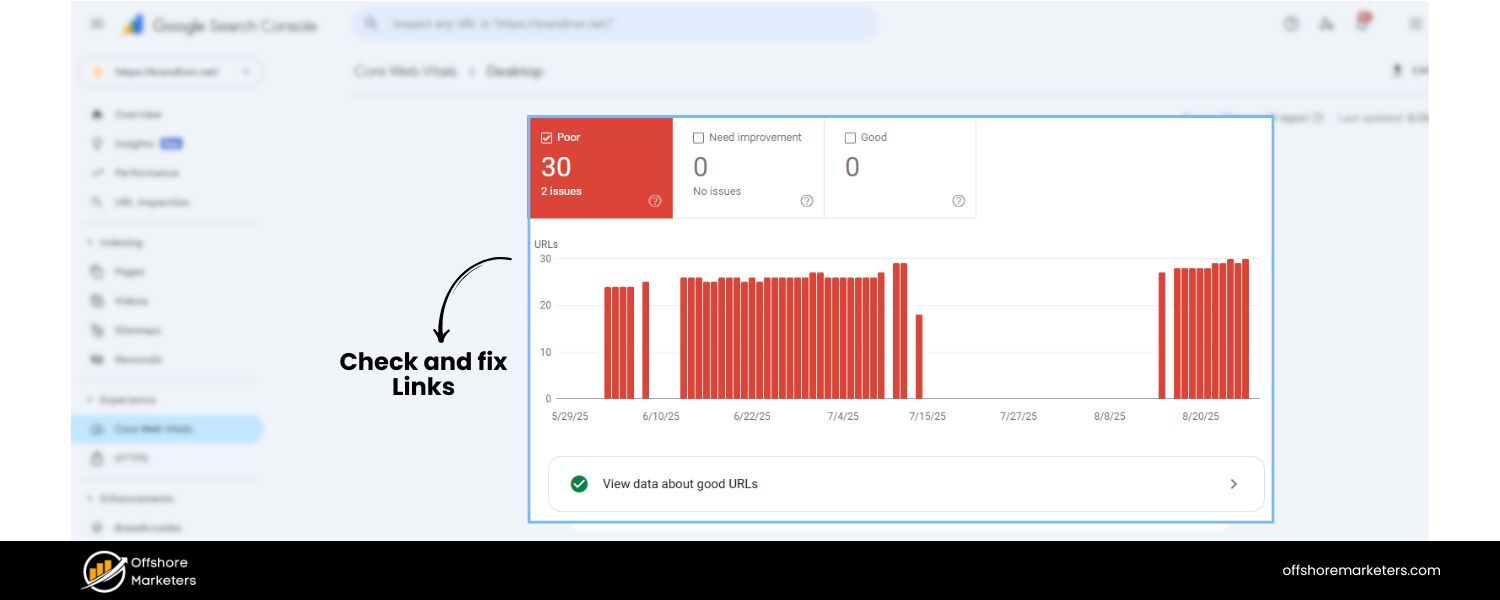
Click through the links in your article to ensure they’re still valid and relevant. It’s common for external resources to move or for better sources to become available. Replace any broken links (404 errors) with working ones, and consider updating links to more recent or authoritative references if possible.
Also, if you’ve published new internal content that relates to this topic since the article went live, be sure to add those internal links now. Keeping the linked resources up-to-date not only helps readers but also avoids any negative SEO impact from broken links.
4. Enrich with Fresh Media or Examples

Breathing new life into an evergreen post can be as simple as adding a new image, infographic, or video. Visual content can make the piece feel updated and can increase engagement. For instance, you might embed a short how-to video or add a new chart illustrating a point.
Interactive elements like a quick poll, quiz, or updated screenshots can also modernize the experience. The key is to enhance the content’s value and relevance with each update. If readers see a new infographic titled “Stats for 2025” in an older article, they immediately know the page is current.
5. Polish the Writing (if Needed)
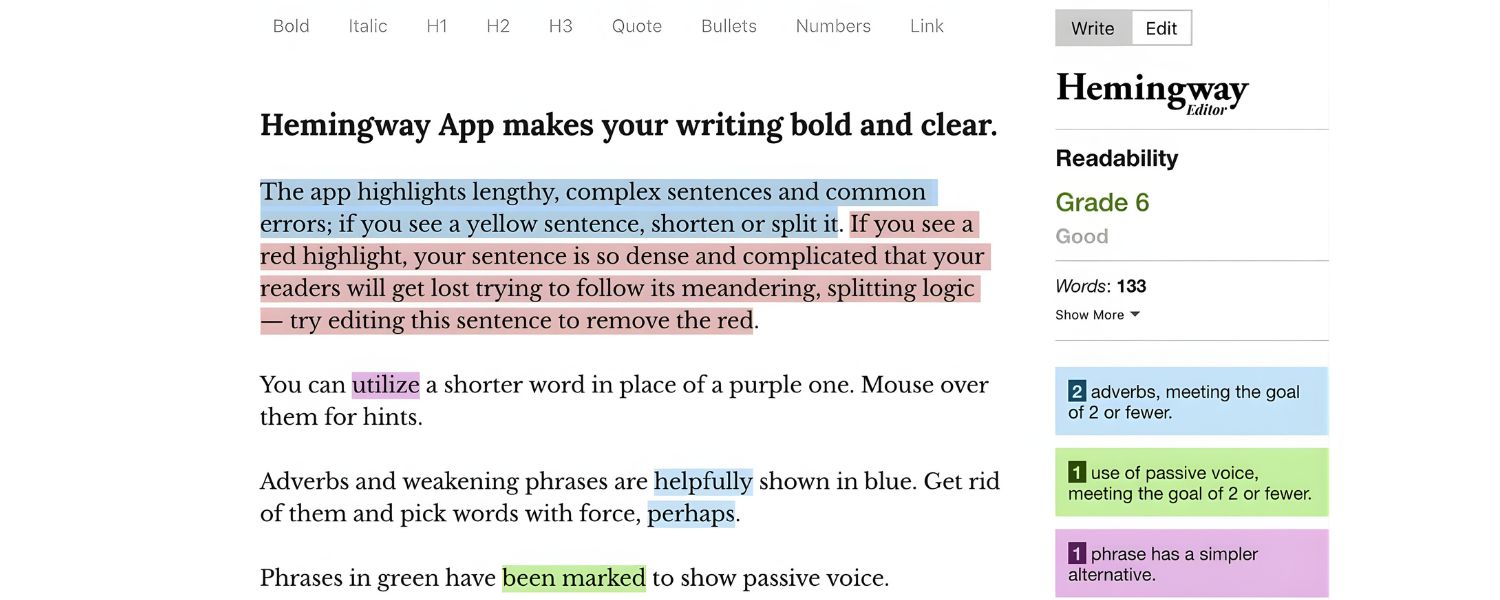
While you’re in there, do a quick quality check on the writing itself. Sometimes what you wrote two years ago might benefit from a light edit for clarity or brevity. Fix any lingering typos or grammar issues, a flawless article appears more evergreen in quality. Ensuring the content reads well and is free of errors will continue to build trust with your audience.
By maintaining your evergreen content, you ensure it continues to rank well and deliver value. Search engines tend to reward content that is kept up-to-date (all else being equal). A drop in rankings can often be mitigated by a timely refresh of the content. Many successful sites have an “evergreen content calendar” where each month they identify which top-performing posts to review for possible updates.
Remember, evergreen doesn’t mean never touch it again, it means having content that with occasional care can effectively live forever.
Promoting and Leveraging Evergreen Content
One fantastic advantage of evergreen content is that you can promote it continuously without it feeling stale or outdated. This is content that is always relevant, so new people in your audience can discover it any time. Plus, you can repurpose it into different formats to extend its reach. Here are ways to get the most mileage from your evergreen pieces:
1. Share Regularly on Social Media 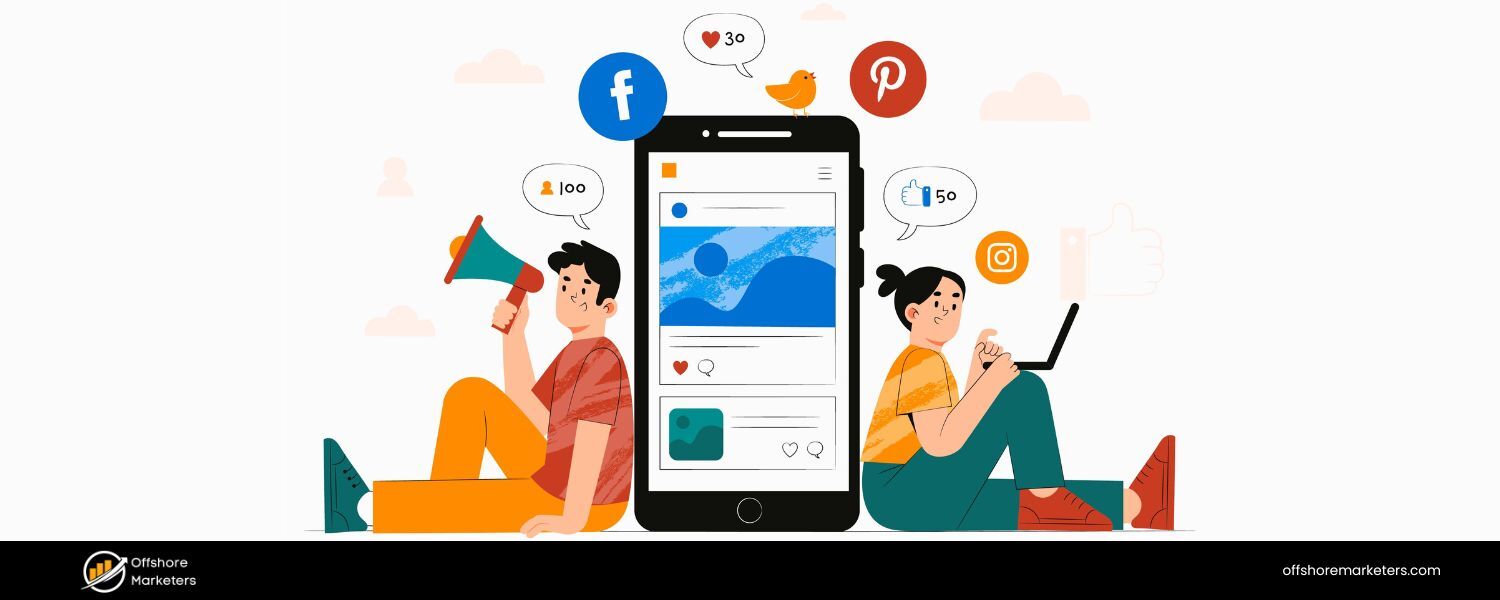
Don’t hesitate to reshare your evergreen blog posts on your social channels multiple times over the course of the year. Unlike newsy updates, an evergreen article will be just as helpful to someone seeing it six months from now as it was on day one. You can craft new social media captions or creatives to keep the promotion fresh.
Consider turning key points of the article into a quick infographic, carousel, or short video for platforms like Instagram, LinkedIn, or Facebook, and include the link back to the full post. By repurposing the content into social-friendly formats (pulling a quote, a statistic, or a tip from it), you provide value upfront and entice people to click through.
Regular social scheduling tools (or even repeating queues) are great for cycling evergreen content promotion without manual effort. Need help creating your own consistent social media calendar? Reach out—we’re just a message away!
2. Leverage Email Newsletters and Drip Campaigns
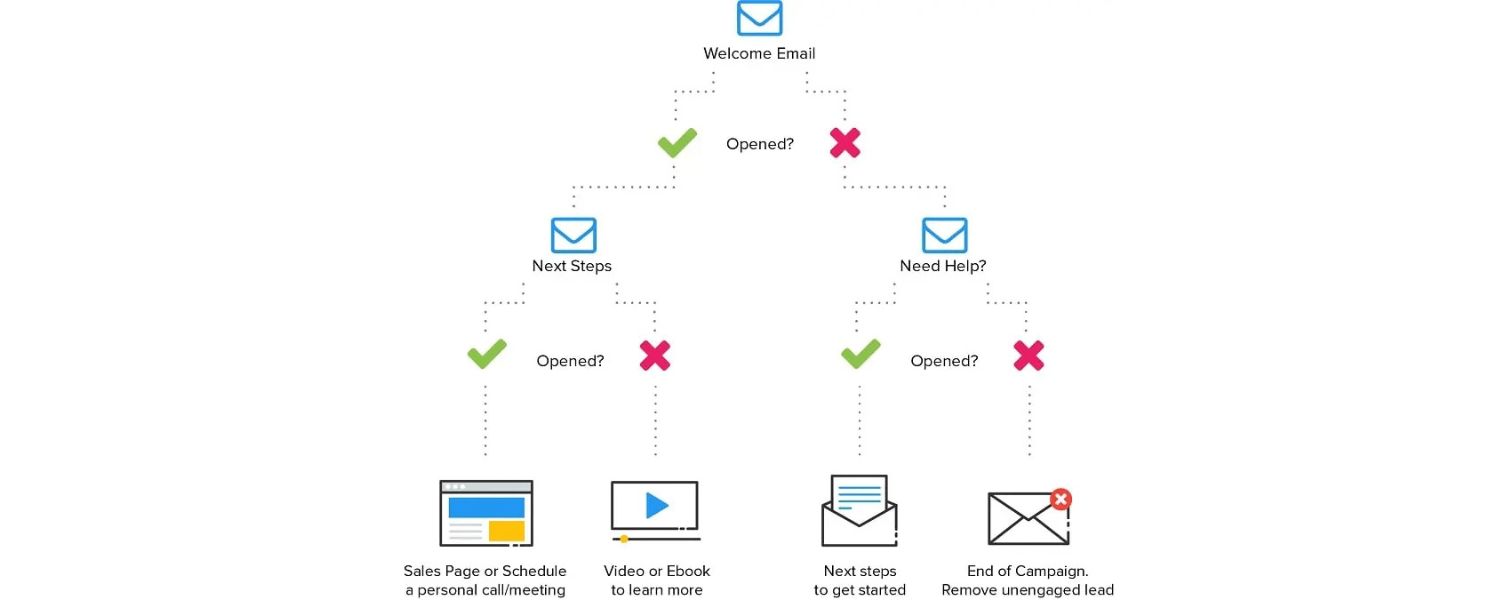
Evergreen content makes excellent material for your email marketing as well. You can feature a popular evergreen article in your monthly newsletter (“In case you missed it, check out our definitive guide to ___”).
New subscribers won’t have seen that content before, and long-time subscribers might appreciate a reminder of a useful resource.
Additionally, if you run automated email sequences (drip campaigns) for onboarding or lead nurturing, plug evergreen posts into those sequences.
For example, after a prospect signs up, you might send them an email on Day 7 with a link to your evergreen “Beginner’s Guide” on a topic related to your product, providing value and subtly showcasing your expertise. Since the content doesn’t age, the email can stay in your sequence for a long time.
3. Repurpose Into Other Formats
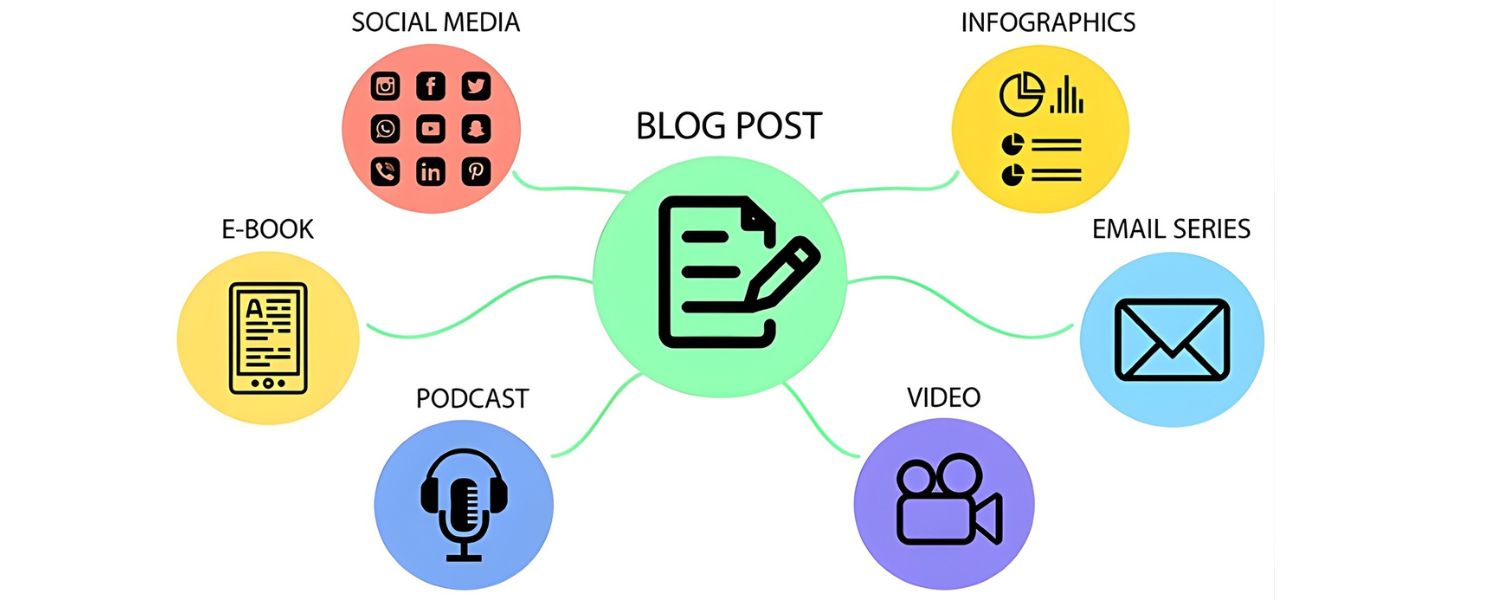
A robust evergreen article can be a goldmine of content to remix. You can create a slide deck or webinar out of the key points (which can be shared on SlideShare or presented at events). You could record a podcast episode or YouTube video discussing the tips from the article, reaching audiences who prefer those media.
Infographics summarizing the main ideas can do well on Pinterest or as downloadable assets. Byrepurposing evergreen content into various formats, you not only expand your reach but also reinforce the message in different ways. Each format can link back to the original article for those who want more depth. This strategy maximizes your content marketing ROI, one piece of content fuels many channels.
4. Use Paid Promotion Strategically 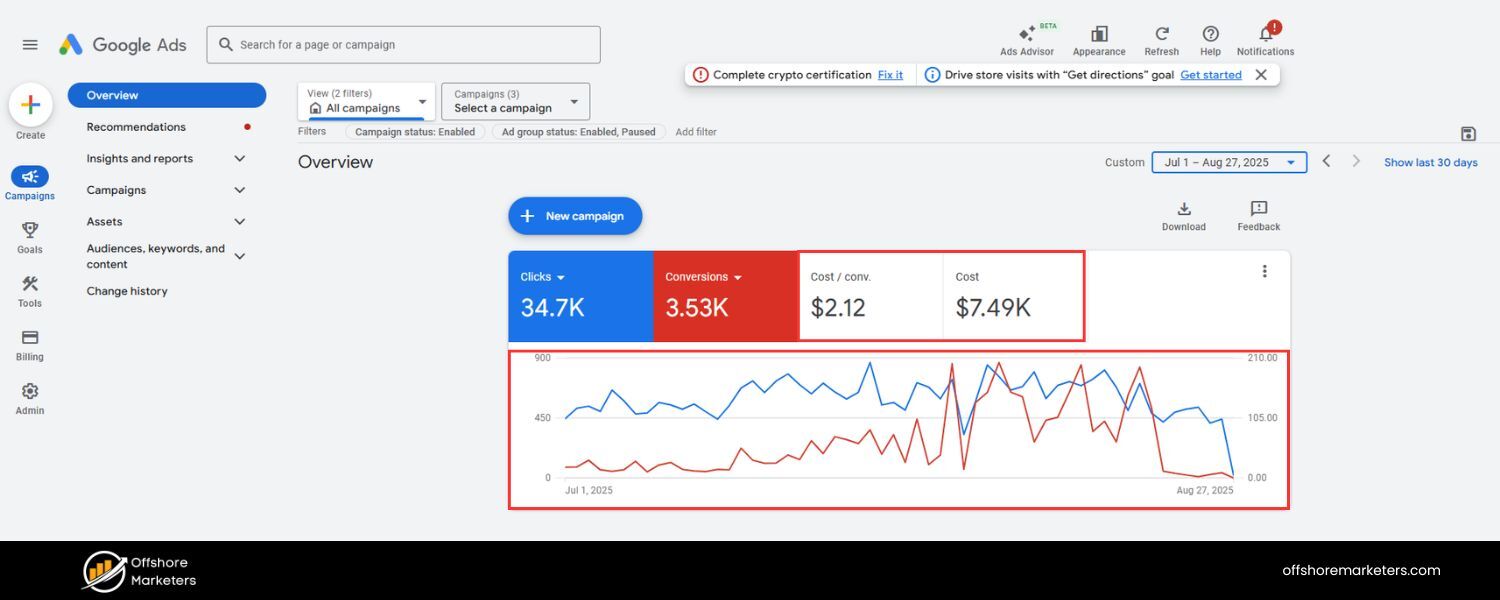
If you have an evergreen piece that is particularly high-value (say, a whitepaper or a tutorial that leads into a product offering), consider using paid ads to drive traffic to it. Because the content stays relevant, your ad dollars won’t be wasted promoting an “old” article.
For instance, you might run a Google Ads campaign for a year, pointing to your evergreen guide, knowing that anyone who clicks will find the information up-to-date. The same goes for promoting via sponsored posts on social media, you can confidently boost an evergreen post periodically to reach new eyes, and it will still make sense.
5. Build Links and Partnerships
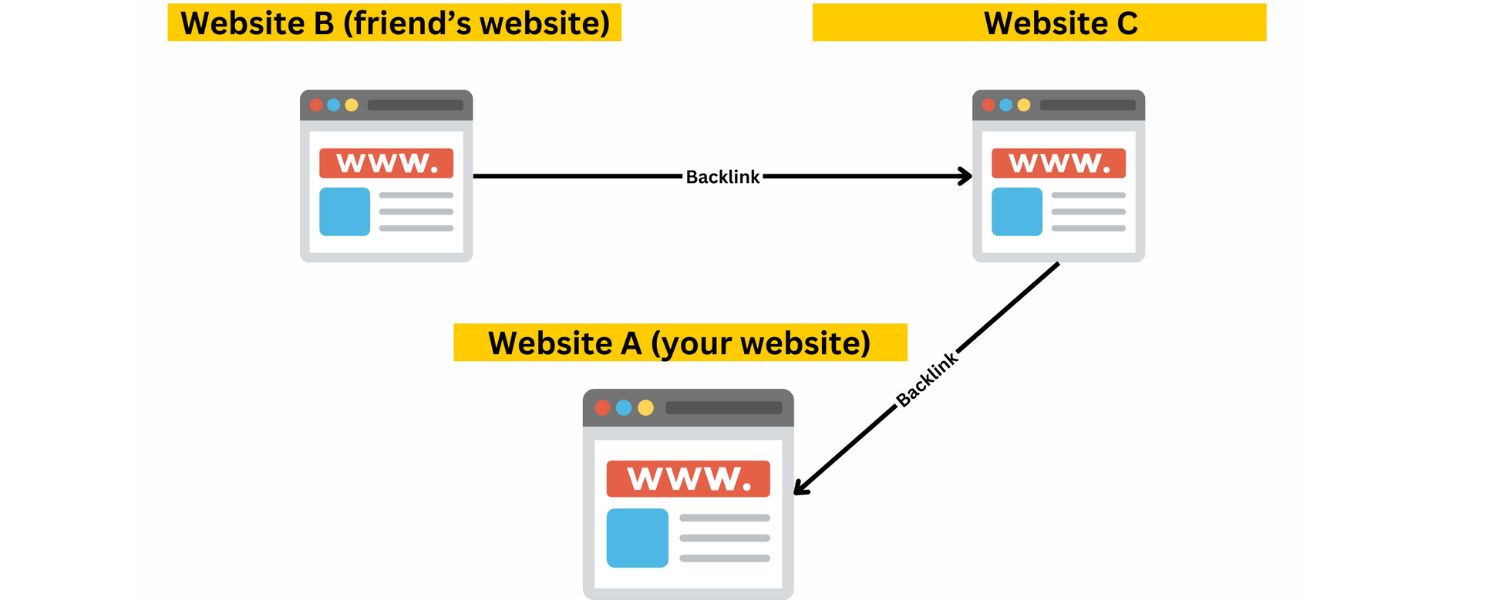
Evergreen content is also an excellent asset for link-building and PR. You can reach out to other websites or bloggers in your niche and suggest your evergreen article as a resource for their readers (especially if you notice they have an older or thinner piece on the topic).
Writing guest posts is another strategy: when you contribute an article to another site, you might link back to your own evergreen post as a reference, driving SEO value. Over time, as more sites link to your evergreen content, its authority (and ranking) will grow, creating a virtuous cycle.
The key idea is to treat evergreen content not as a one-time publish, but as ongoing marketing leverage. You can keep drawing attention to it through various channels, confident that it will deliver value whenever a new person reads it. In content marketing, this is a huge win, you’re continuously benefiting from work you did in the past, and building your audience in the present.
Conclusion: Embrace Evergreen Content in Your Strategy
Evergreen content has proven itself to be a backbone of successful content marketing. When you create content that educates, informs, or entertains regardless of the year or season, you build an asset that continually works for you.
Of course, this doesn’t mean you should only produce evergreen articles, timely content (like industry news or trend pieces) has its place in capturing immediate attention and showcasing up-to-the-minute knowledge. The best strategy is a balance: use timely posts for short-term spikes and engagement, and evergreen posts for long-term traffic and authority.
As we’ve seen, crafting evergreen content requires thought and effort, from choosing the right topics to structuring and optimizing it well, and then maintaining it over time. The payoff, however, is more than worth it. A library of strong evergreen resources can establish your brand as a thought leader (people will consistently find your content at the top of search results, reinforcing your expertise). It also creates a steady funnel of traffic and leads that doesn’t depend on constantly pumping out new posts.
Call to Action
Ready to supercharge your content marketing with evergreen content? Start today by identifying one timeless topic in your niche and applying the tips from this guide to create a piece of content that will serve your audience for years to come. The sooner you invest in evergreen content, the longer it will work to grow your traffic, leads, and business.
And if you need expert help in crafting an evergreen content strategy that outranks the competition, feel free to reach out, with decades of marketing experience, we’re here to help you create content that never goes out of style. Good luck, and happy writing!

.png)
Shopify SEO: Guide to Ranking Your Store and Driving Sales
Most Shopify store owners set up their store, list their...

Content Marketing : Definitive Guide to Strategy, Content Types, and Measurable ROI
Content marketing generates 3x more leads than outbound marketing at...

Above the Fold: Guide to Conversions, Rankings and Faster Pages
Above the Fold in 2026: The Complete Guide to Conversions,...

Off-Page SEO Checklist: Guide to Building Real Authority
Most websites spend months creating great content, only to wonder...

What Is Keyword Bidding? The Complete Strategy Guide for Smarter Ad Spend
Most advertisers believe the highest bid wins the auction. It...
What Is Google Trends? The 2026 Marketer’s Complete Guide
If you are not already pulling weekly insights from Google...
If you want a growth partner who will get to know every aspect of your business and treat your budget like their own — we are the right fit.
.png)


.png)
.png)
.png)
.png)
.png)
.png)
2026 ALL RIGHTS RESERVED MADE IN INDIA
