
Online Advertising: Strategies, Types & Key Trends
August 27, 2025
Online advertising is everywhere, from the sponsored results at the top of your Google searches to the promoted posts in your social media feeds. In 2025, digital ads are expected to account for roughly 75% of all ad spending worldwide (about $777 billion).
It’s easy to see why businesses are investing so heavily: online advertising can target specific audiences, is highly measurable, and delivers results in real time. This comprehensive guide (written by a marketing expert with 25 years of experience) will explain what online advertising is, how it works, the different types and strategies, the latest trends in 2024–2025, and how you can leverage it to grow your business.
What Is Online Advertising?
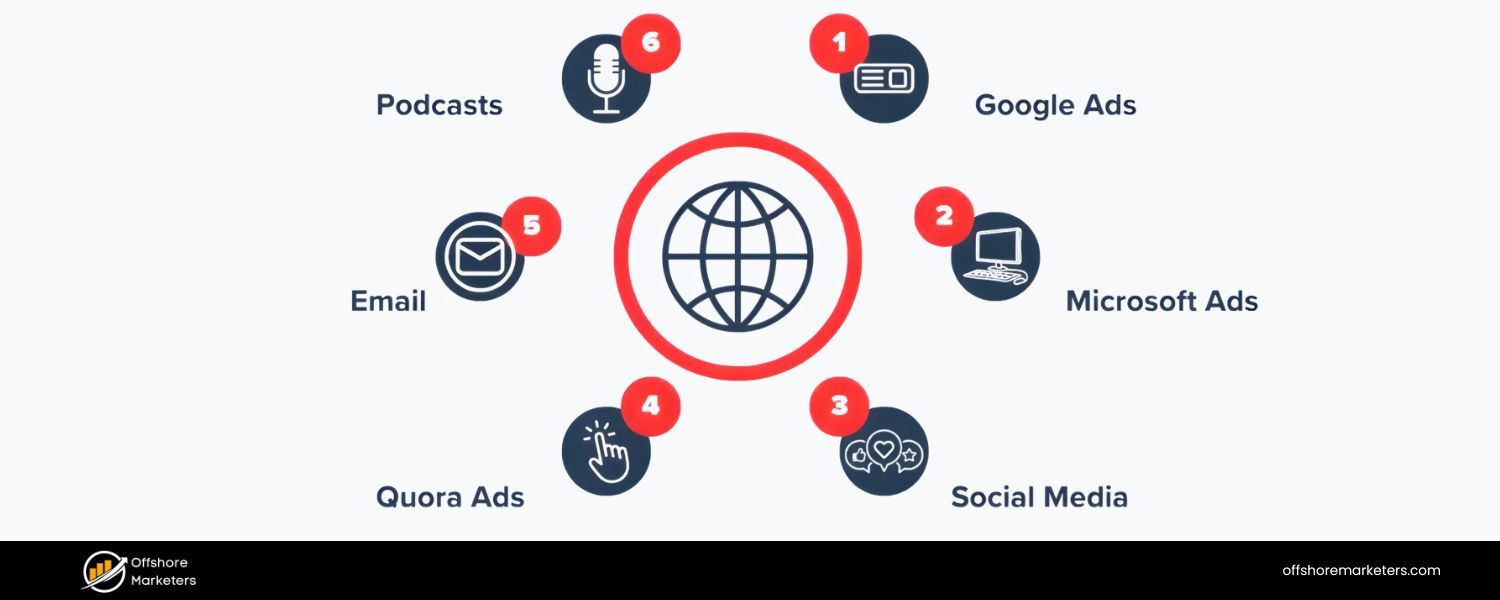
Online advertising (also known as digital advertising) is the practice of promoting a brand, product, or service through the internet via various digital channels. It’s an umbrella term that encompasses search engine marketing, social media marketing, many forms of display ads (like web banners), email marketing, mobile ads, native content ads, and more.
In simpler terms, whenever you see a paid promotional message on a website, search result page, app, or online platform, that’s online advertising at work.
Unlike traditional advertising (think billboards or TV commercials), online ads can be highly targeted, interactive, and adaptable. Marketers can show specific ads only to the people most likely to be interested, for example, a clothing retailer could target women aged 18–24 in urban areas, or a software company might show ads to “male clothing shoppers ages 25-34” in Illinois.
Advertisers can also track exactly how many people see, click, or act on an ad, and then adjust campaigns on the fly. As one guide puts it, online ads are “highly targeted, measurable, and adaptable in real time,” unlike static one-size-fits-all traditional ads. This means you can tweak your message or budget and see updated results within hours, making the medium incredibly flexible and data-driven.
How Online Advertising Works
At its core, online advertising works on a simple principle: pay to get your message in front of the right people at the right time. The execution, however, involves a variety of tools and platforms. Here’s a quick overview of how online ad campaigns typically come together:
1. Setting Objectives
First, you determine what you want to achieve. Common goals include building brand awareness, driving website traffic, generating leads, or boosting sales. Defining a clear goal is crucial because it guides all other decisions (and it’s the benchmark for measuring success).
2. Choosing Platforms
Next, you decide where to advertise. This could be on search engines (like Google or Bing), social networks (Facebook, Instagram, TikTok, LinkedIn, etc.), websites via display ads, video platforms like YouTube, email newsletters, or e-commerce marketplaces. The choice depends on where your target audience spends time.
For example, if you’re targeting professionals, LinkedIn might be ideal; for a trendy consumer product, Instagram or TikTok could be better. The key is to “see where your target demographic spends the most time online” and use those channels.
3. Targeting the Audience
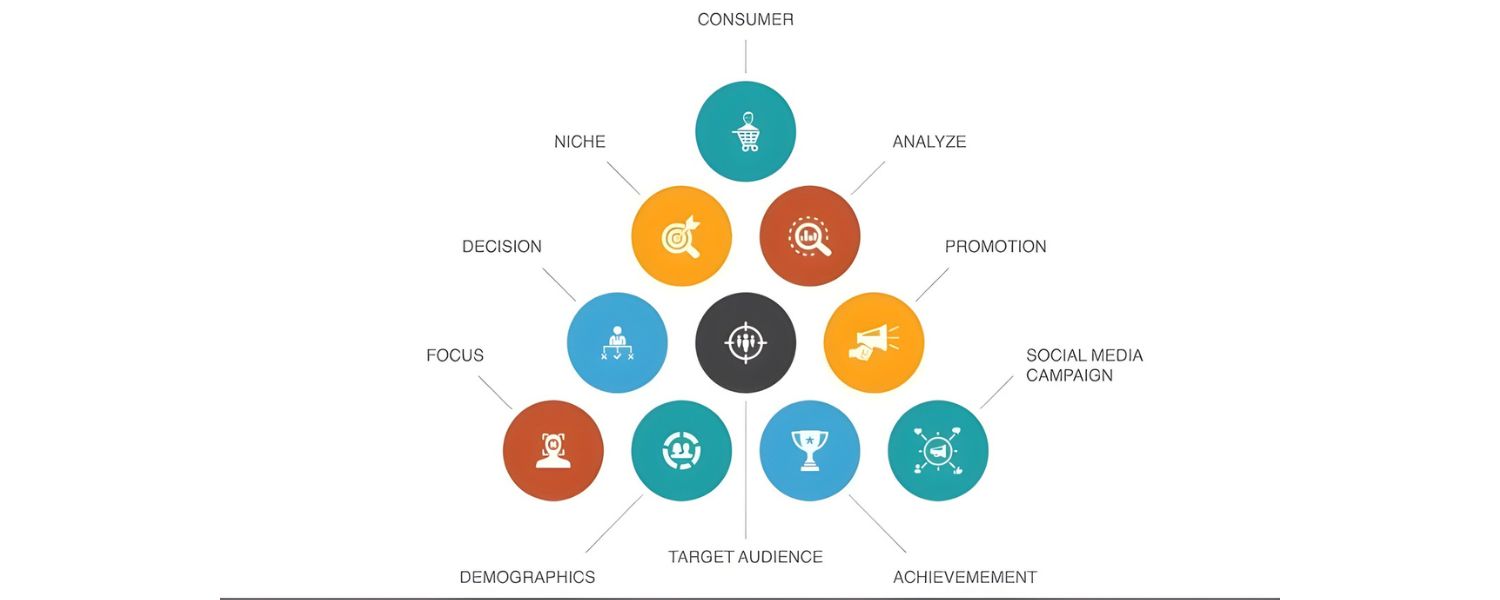
One of the biggest advantages of online ads is the rich targeting options. Advertisers can target users by keywords they search, demographics (age, gender, location), interests and behaviors (based on browsing or purchase history), and even specific devices or times of day.
For instance, with interest-based advertising, ad networks might group users into broad interest categories (say, tech enthusiasts or fitness lovers) and allow advertisers to show tailored ads to those groups. This ensures your ads are shown to the people most likely to care about your message, rather than a general “one-size-fits-all” audience.
4. Budget & Bidding
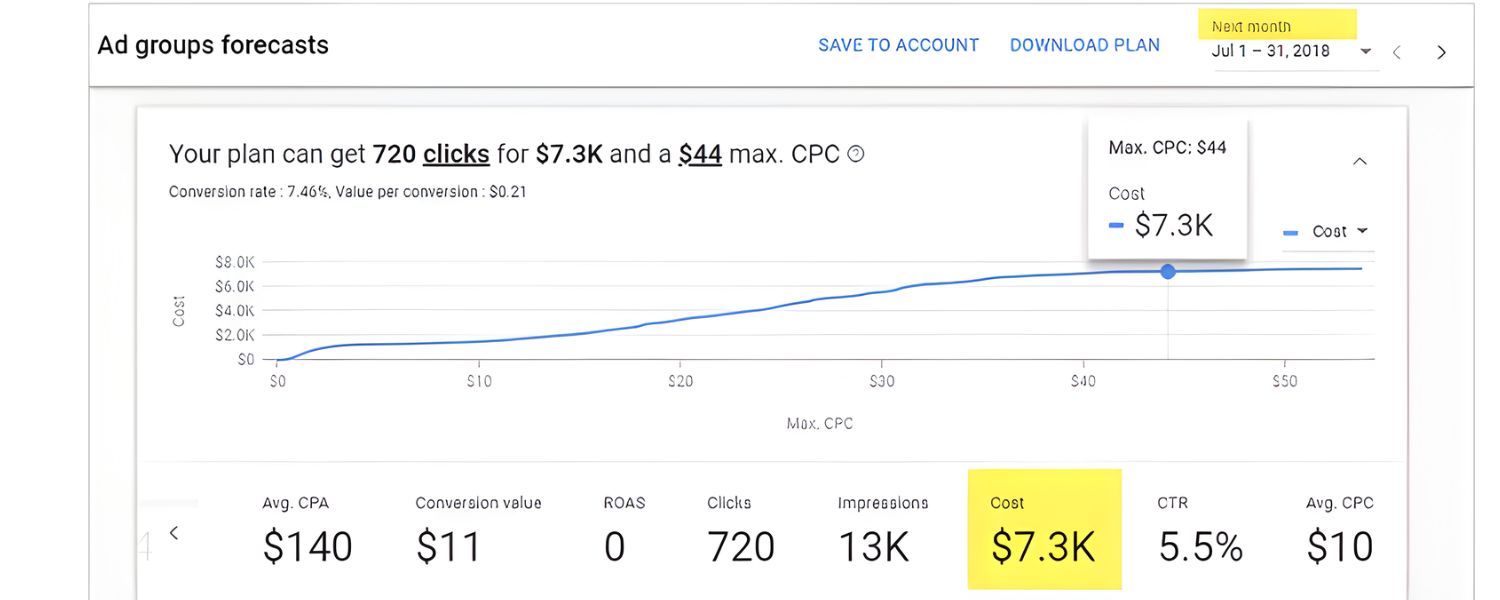
With objectives, platforms, and targeting set, you’ll need to decide on your budget and bidding strategy. Most online ads run on an auction model, advertisers bid for ad placements (for example, bidding on keywords in search, or for impressions on social media). You can set a maximum bid or let the platform optimize bids for you.
Payment models vary: Cost-per-click (CPC) means you pay each time someone clicks your ad; Cost-per-mille (CPM) charges per one thousand impressions (views) of your ad; Cost-per-view (CPV) is common for video ads (pay per video view); Cost-per-action (CPA) means you pay only when a desired action (like a purchase or sign-up) occur.
There are also models like CPL (cost per lead) or CPI (cost per install for app ads). The right model depends on your goals – e.g. CPC is great for driving traffic, while CPA focuses on conversions.
5. Ad Creation
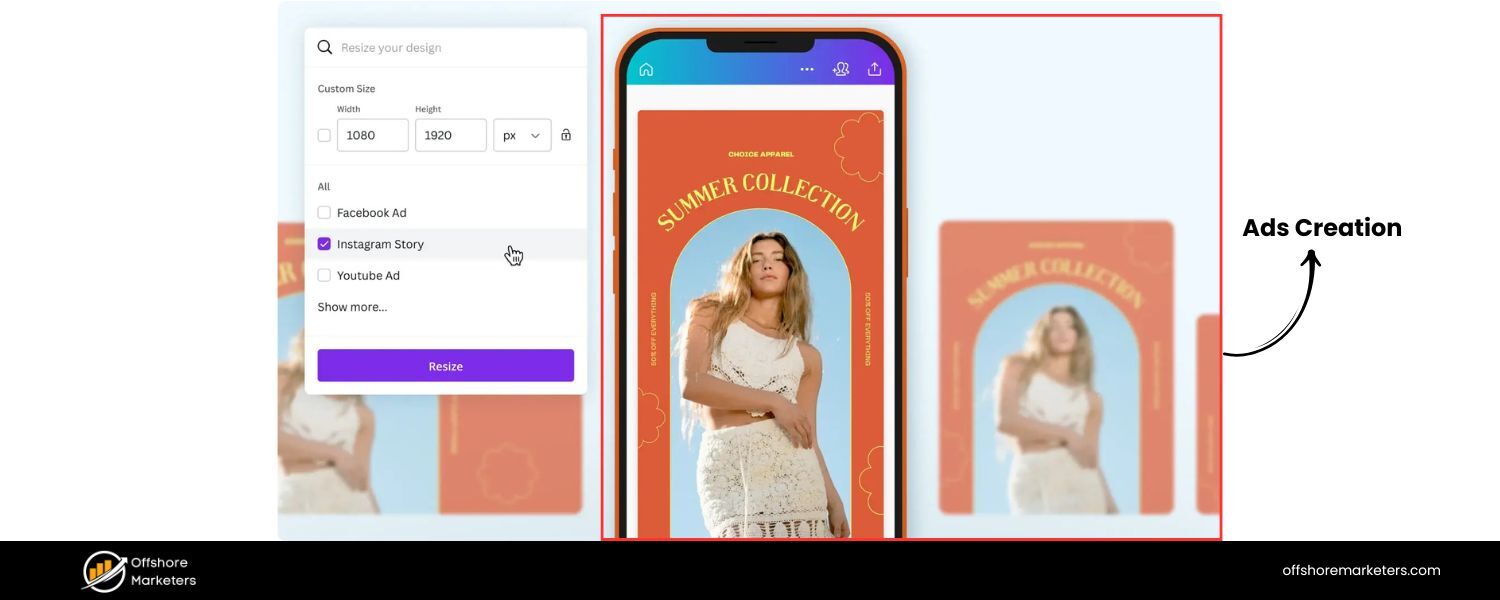
This is the creative part – designing the ad content. Depending on the format, this could mean writing compelling ad copy (for text-based ads), designing eye-catching visuals or banners, producing a video, or creating a sponsored post.
A clear call-to-action (CTA) is essential so users know what to do next (e.g. “Shop Now,” “Learn More,” “Sign Up”). Effective online ads are attention-grabbing but also relevant to the audience. For example, a search ad’s text should closely match the user’s query, and a social ad’s imagery should feel native to the platform’s content. Landing pages (the page people reach after clicking the ad) are also critical – they should be optimized to convert visitors and aligned with the ad’s message.
6. Launch and Real-Time Optimization
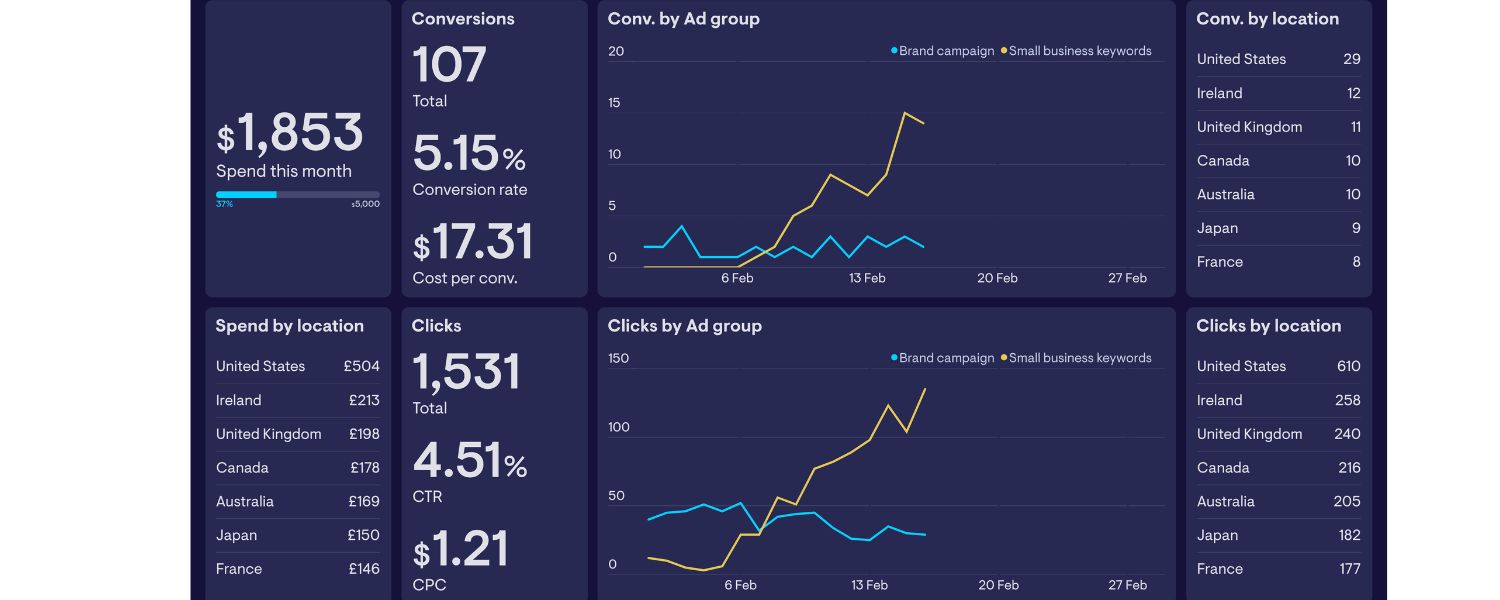
Once everything is set, the campaign goes live. But the work doesn’t stop there. A major benefit of online advertising is the ability to track performance instantly. Using analytics dashboards provided by platforms (like Google Ads, Facebook Ads Manager, etc.), you can monitor impressions, clicks, click-through rates (CTR), conversions, cost per result, and more.
This data allows you to optimize continuously – pausing underperforming ads, testing new headlines or images, adjusting bids, or reallocating budget to the best-performing targets. For example, if you notice one version of your ad is getting a much higher conversion rate, you might shift more budget to it or adopt similar elements in other ads. This iterative improvement is key to maximizing return on investment (ROI).
7. Measuring Success
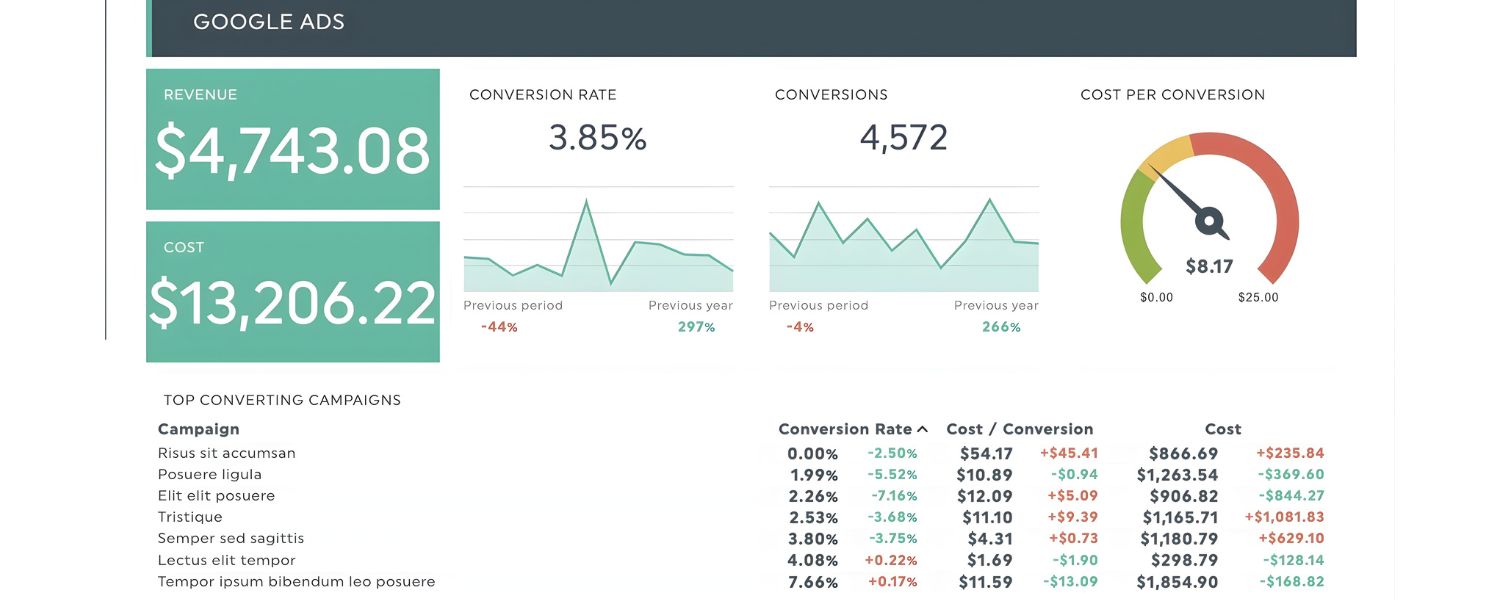
Finally, you’ll evaluate the campaign against your initial objectives. Common metrics include conversion rate (what percentage of those who clicked actually took action), cost per conversion (how much did each sale or lead cost), and overall ROI (revenue generated versus money spent).
The goal of any advertising strategy is to get a positive ROI – in other words, to earn more from new customers or sales than you spent on the ads. If an ad channel is profitable, you can scale it up; if not, you’ll analyze why and refine your approach.
Online advertising can sound complex, but these steps boil down to a cycle of plan → execute → measure → refine. Modern tools and AI-driven algorithms are also making campaign management easier, for instance, many platforms auto-optimize ad delivery to improve results, and algorithmic targeting can identify ideal audiences.
In fact, nearly 78% of ad spend is forecast to be algorithmically driven by 2027, underscoring how much automation is shaping this field.
Before diving into strategies and trends, let’s break down the major types of online advertising, since each works a bit differently and serves different goals.
Types of Online Advertising
Online advertising comes in many forms. Here are the most common types and what they entail:
1. Paid Search Advertising (PPC)
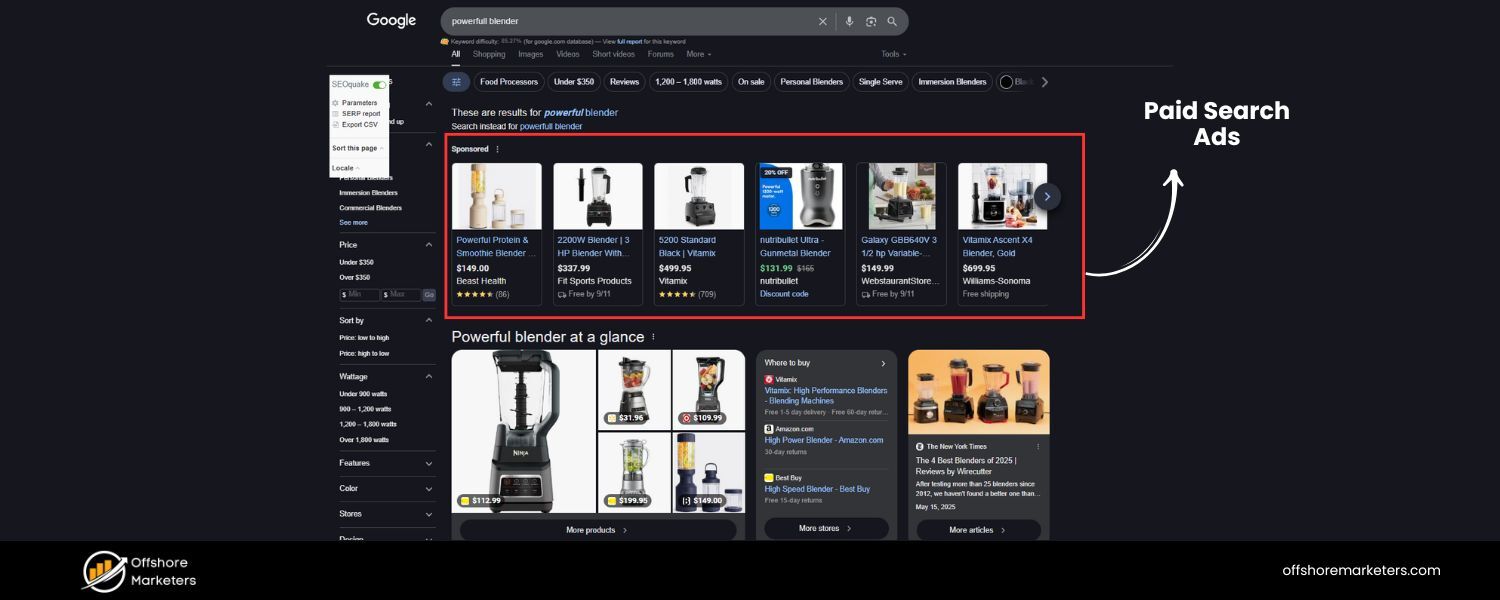
Paid search ads are the text ads that appear alongside (and above) organic search results on search engines like Google or Bing. These are typically run through platforms like Google Ads or Bing Ads, where advertisers bid on keywords that relate to their business. When a user searches for those keywords, the ads may show at the top of the results page, marked with a small “Ad” or “Sponsored” label.
Example: A Google search for “best project management tool” shows a sponsored text ad (highlighted) at the top of the results, in this case promoting a software solution. Paid search ads like this are triggered by keywords and appear when users are actively looking for something specific.
Why use search ads?
They are excellent for capturing high-intent prospects. If someone searches “buy running shoes online,” and you sell running shoes, a well-placed search ad can immediately direct them to your site. These ads operate on a pay-per-click (PPC) model, you pay only when someone clicks. The targeting is based on keywords, so a big part of success is keyword research: identifying the search terms your potential customers use.
Search ads often yield high conversion rates because they reach users exactly when they’re looking for a product or answer you offer. In fact, they’re considered great for “capturing high-intent users actively looking for what you offer.” Typical use cases include launching a new product (so it shows up atop search results from day one), protecting your brand terms (ensuring your site appears even if competitors bid on your brand name), or simply outbidding competitors to gain traffic.
Paid search isn’t limited to text links. Shopping ads (also called Product Listing Ads) are a subtype often seen on Google: these show product images, prices, and reviews directly in the search results. For example, a search for “wireless headphones” might show scrolling image ads from different retailers.
Shopping ads are fantastic for e-commerce businesses because they attract high-intent shoppers with a visual showcase of products.
They’re usually run through Google’s Merchant Center or e-commerce platforms like Amazon Ads (for Amazon’s marketplace). If you have an online store, advertising on Amazon or other marketplaces can be huge – Amazon’s ad business has grown massively, as it lets sellers promote products to millions of active shoppers on the site.
2. Display Advertising (Banner Ads)

Display ads are the visual banner ads that appear across millions of websites and apps. They can be images, animated graphics, or even rich media (interactive) formats. You’ve certainly seen display banners at the top of a news site or as squares within an article.
These ads are typically delivered through ad networks such as the Google Display Network or via programmatic exchanges, which automatically match ads to available slots on websites based on targeting criteria.
Display ads are great for building brand awareness and retargeting. Because they don’t require the user to be searching for a keyword, they can reach people who might not know about your brand yet. For example, a travel agency might show banner ads for tropical vacation packages on weather websites or travel blogs to spark interest.
Display campaigns often target audiences by demographics or interests (e.g. showing sports gear ads on sports-related sites), or through retargeting – showing ads to people who previously visited your website or added an item to cart but didn’t purchase.
You’ve likely experienced retargeting when an ad for a product you viewed “follows” you to other sites; it’s a powerful way to re-engage warm prospects.
These ads typically use CPM (cost per mille) pricing (pay per impressions) but can also be CPC. One thing to note: display ads have lower click-through rates on average than search ads (because they catch people who are browsing rather than actively seeking something).
However, they excel at visual impact and reach. Programmatic advertising, which is essentially automated buying and selling of ad placements in real time via AI algorithms, has made display advertising more efficient by targeting users at the right moments.
Today, programmatic platforms can place your banner ad on a huge range of sites and apps within milliseconds of a relevant user visiting, using data to decide if that user fits your targeting. This automation is why algorithm-driven ads are dominating – an estimated 78%+ of ad spend will be algorithmically allocated by 2027.
(Fun fact: The first-ever online banner ad was run in 1994 on Wired’s website HotWired – it had a 44% click-through rate, unheard of by today’s standards! Online advertising has evolved tremendously since that early banner.)
3. Social Media Advertising
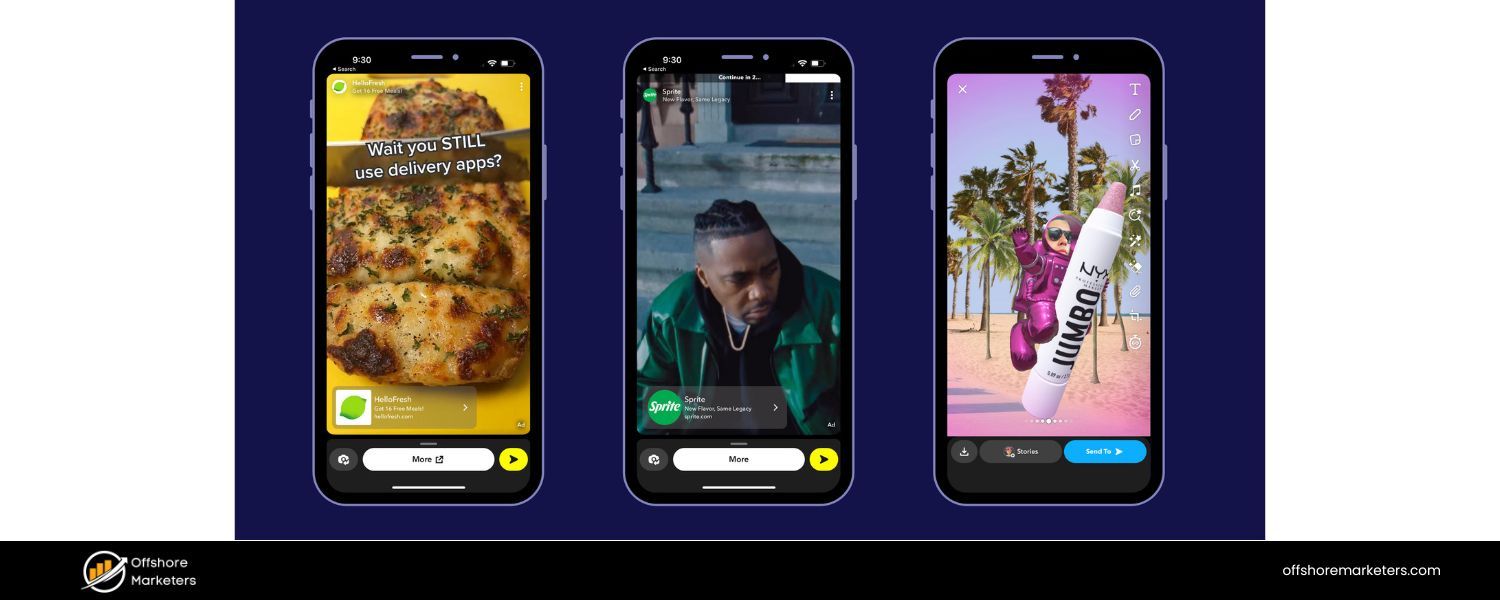
Social media ads are the sponsored posts or promoted content you see in social networks like Facebook, Instagram, X (formerly Twitter), LinkedIn, TikTok, Pinterest, Snapchat, and others. These ads appear natively in users’ feeds, looking similar to regular posts (with a small “Sponsored” label). They can include text, images, videos, carousels of multiple images, or other formats (like Stories, sponsored filters, etc., depending on the platform).
What makes social media advertising incredibly powerful is the granular targeting available. These platforms know a lot about their users, demographic details, interests (pages liked, content engaged with), behaviors (e.g. recent life events, purchase behavior), connections, and more. As a marketer, you can leverage that data to pinpoint your audience.
For example, on Facebook you could target “25-35 year-old homeowners in Chicago who are interested in interior design,” or on LinkedIn you might target “IT managers at mid-size tech companies.” This ability to reach very specific groups is a key advantage of social ads.
Example: A LinkedIn feed showing a sponsored post (ad) by Chewy, a pet products company, targeted specifically at veterinary professionals in the Houston area. Social media ads like this blend into the feed but carry a “Promoted” label.
Platforms allow extremely granular targeting, by job title, location, interests, and more, enabling brands to reach niche audiences with tailored messages.
Every major social platform has its ad system: Facebook and Instagram (both managed through Meta’s Ads Manager) offer a variety of formats (image ads, video ads, carousel ads, Stories ads, etc.) and objectives (from brand awareness to conversions). YouTube (owned by Google) is technically a social/video platform and offers video ads (more on those below). LinkedIn focuses on professional targeting (great for B2B marketing and recruiting ads). Twitter/X allows promoted tweets.
TikTok offers short-form video ads which have surged in popularity, especially to reach Gen Z and young adults with creative, catchy clips. Pinterest offers promoted pins which can be very effective for visual products (home décor, fashion, food, etc.) given the platform’s visually curated nature.
Social ad spend has exploded in recent years. In fact, more people now discover new brands and products through social media ads than via word-of-mouth or even brand websites. For the younger demographic (ages 16–24), social media ads are the #1 source of new brand discovery – a telling statistic about the influence of these channels. Brands use social ads not only for immediate sales but also for community building and engagement (e.g. promoting a hashtag challenge on TikTok, or running a contest on Instagram).
The pricing model is often pay-per-click or per impression, similar to others, and you can usually set daily or lifetime budgets and let the platform optimize delivery. One emerging aspect is social commerce: many platforms now enable users to purchase directly from an ad (for example, Instagram and Facebook have “Shop Now” features, TikTok has in-app shopping links).
This means social ads can drive instant sales without the user ever leaving the app. It’s important to have compelling visuals or videos for social ads, since these platforms are very visual and users scroll quickly. Thumb-stopping creative, a strong hook in the first seconds of a video, and mobile-friendly design are keys to success here (e.g., using vertical video format for Stories/Reels).
4. Video Advertising (Online Video & OTT)
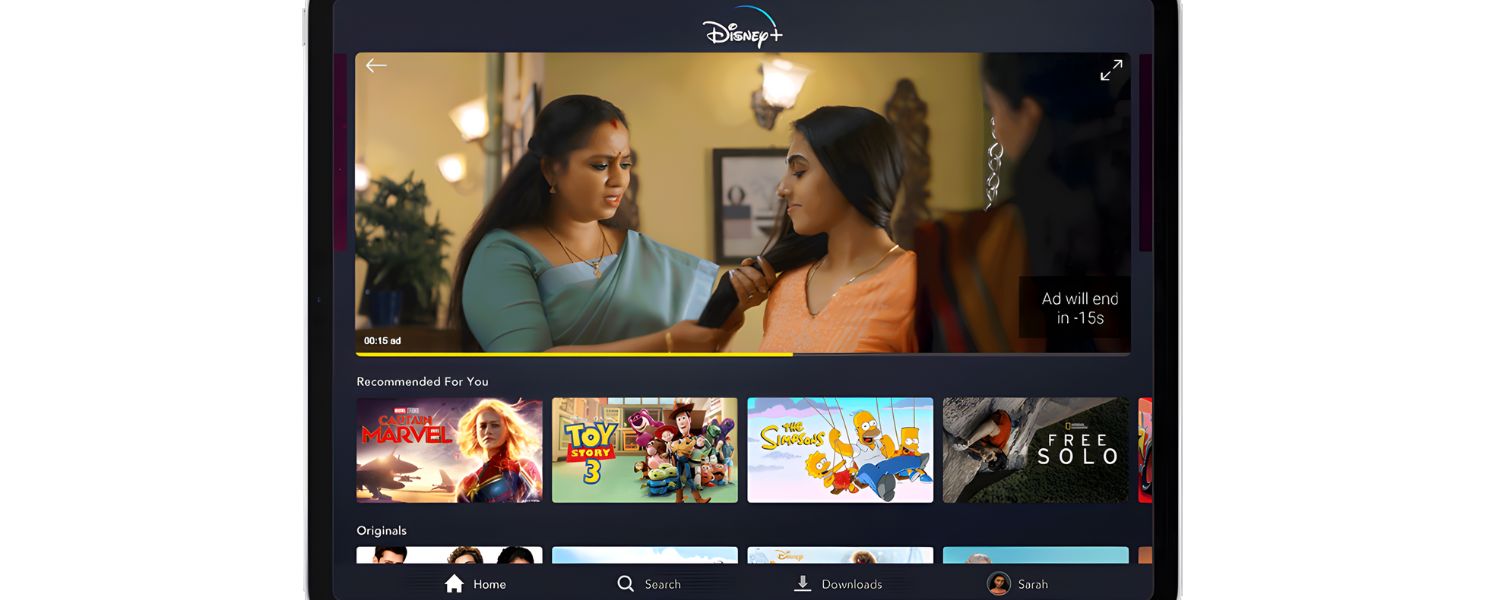
Video ads are a subset of both social and display, but deserve their own mention because of their impact. Online video advertising typically refers to ads that play before or during streaming video content. The most common example is YouTube ads – those skippable or non-skippable video ads that play before your chosen video, or the little overlay ads that appear on the video player. Beyond YouTube, many streaming services (often called OTT – “over-the-top” – platforms) such as Hulu, Peacock, or even network TV apps also run video commercials for users on ad-supported plans.
Video ads are best for capturing attention and storytelling. With sight, sound, and motion, they can convey emotion and narrative in ways static images or text may not. Advertisers use video to demonstrate products (think of a 30-second demo), share customer testimonials, or simply create a memorable story that builds brand affinity. As an example, a car company might run a sleek video ad showcasing a new model’s features and lifestyle appeal on YouTube or a streaming TV app.
The typical pricing models here are CPV (cost per view) or CPM. For instance, YouTube might charge per view (with a “view” usually counted when a user watches at least 30 seconds or interacts), whereas Hulu might charge per impression. Short-form video (like the 6-second bumper ads on YouTube, or the under-15-second TikTok ads) has gained popularity since it suits the decreased attention span of online audiences.
It’s worth noting the cross-over with social: a lot of video advertising now happens on social media (Facebook, Instagram, TikTok, Snapchat all heavily push video formats). Over 70% of YouTube views happen on mobile devices, so optimizing video ads for mobile (vertical or square format, clear without sound on, etc.) is important. Another fun fact: mobile YouTube ads are 84% more likely to hold attention than TV commercials, which suggests how powerful a well-crafted online video ad can be.
5. Email Advertising (Sponsored Email)
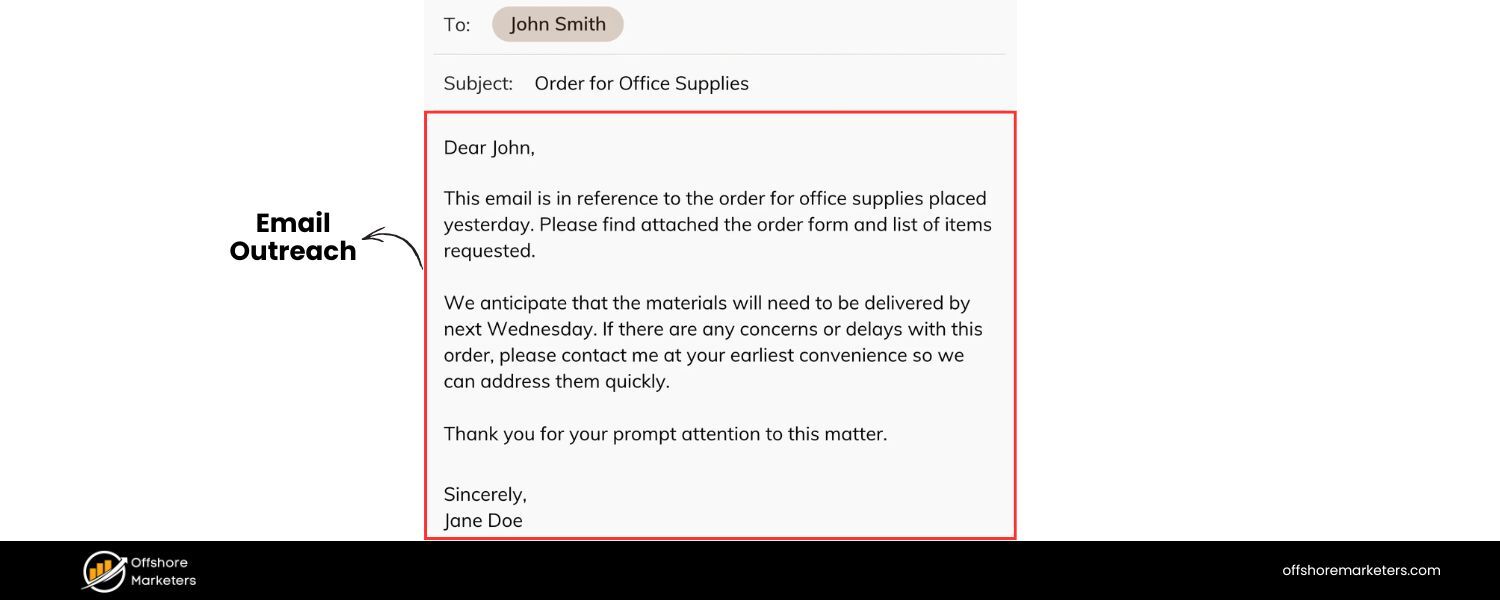
Email marketing is often considered a separate channel from “advertising,” since it typically involves sending campaigns to your own list of subscribers. However, there is a form of online advertising that uses email: sponsored email ads. These can take a couple of forms:
A. Sponsored placements in newsletters
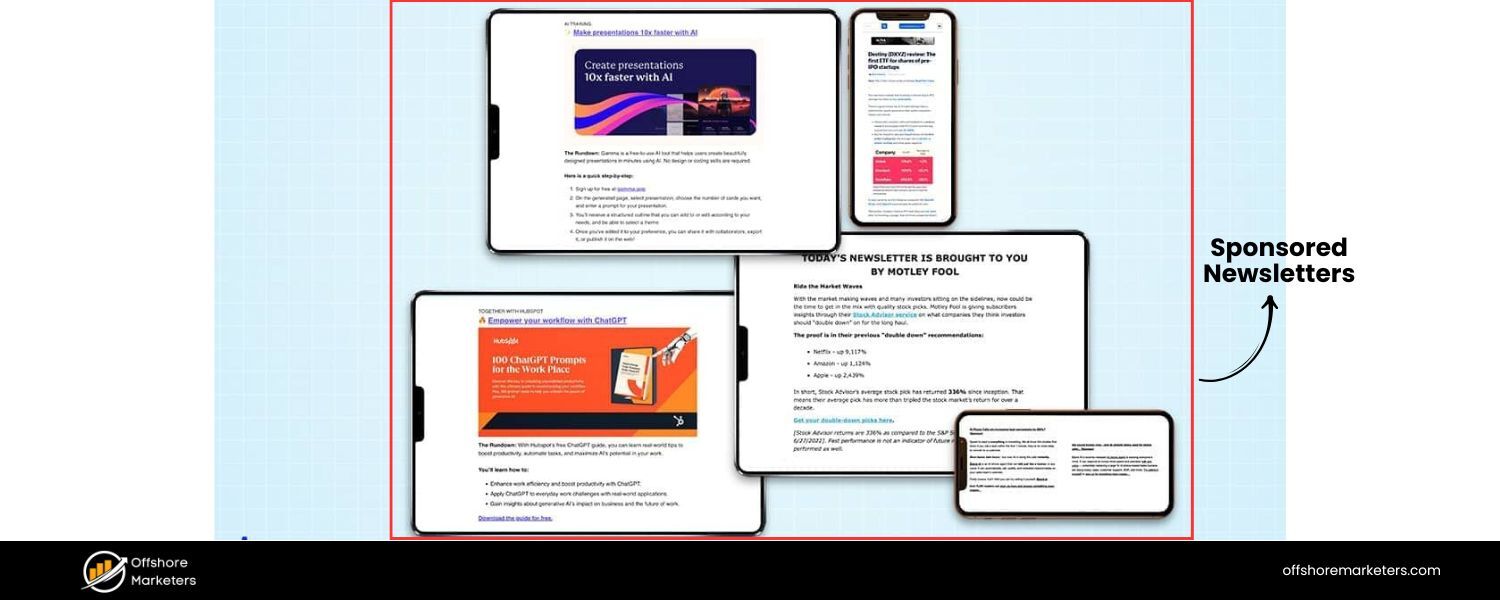
Many popular email newsletters (think daily news digests, industry newsletters, etc.) include advertisements.An example is a technology newsletter that sends daily tech news to thousands of subscribers might have a “Brought to you by [Sponsor]” section or an actual banner/ad in the email. Companies pay to get their message in front of another brand’s email audience.
It’s a way to reach a niche, engaged audience who trusts that newsletter. For instance, a cloud storage company might sponsor a cybersecurity newsletter to reach IT professionals reading it.You can learn more about content strategy for businesses to help in choosing the right newsletters for your ads.
B. Gmail Ads
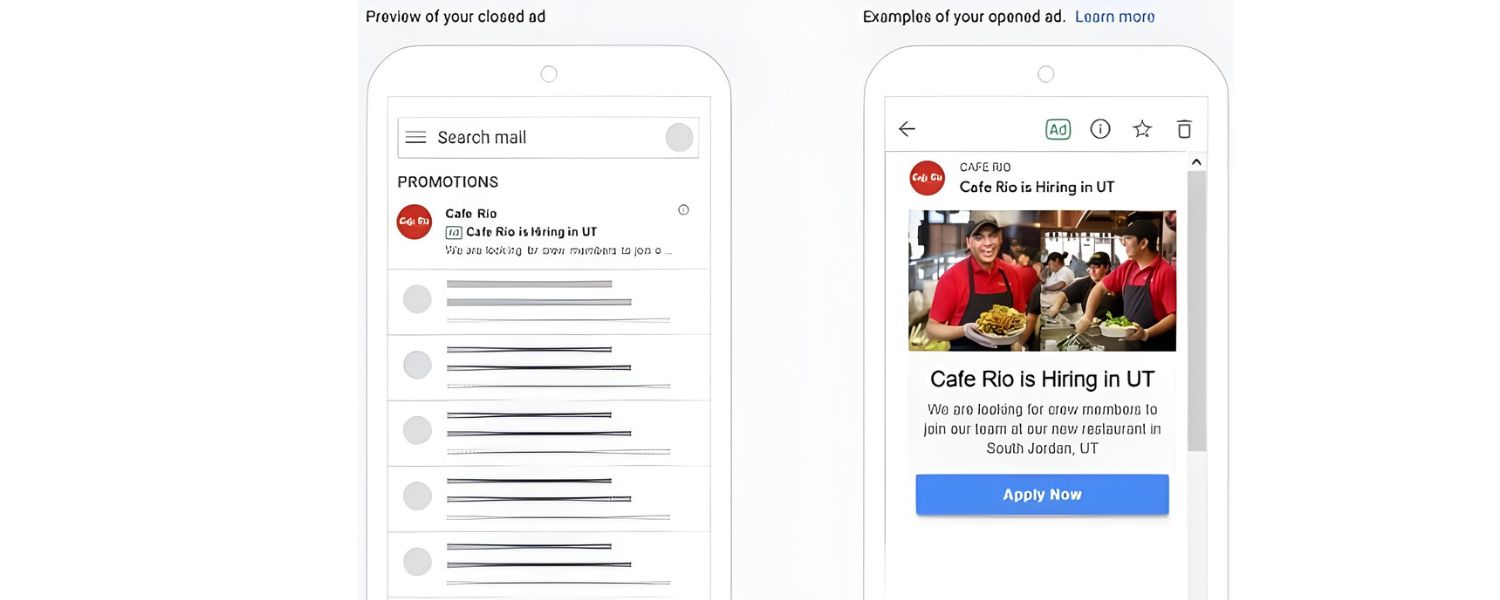
Google’s Gmail platform allows ads that appear in the Promotions or Social tab of the Gmail interface, looking like a regular email subject line until clicked (after which they expand like an email). These were traditionally part of Google Ads as well. They’re effectively native ads within the inbox.
A user might see, say, “🔒 Secure Your Files – Special Offer from XYZ Cloud Storage” at the top of their Promotions tab marked as an ad – clicking it opens a full email-like ad. This is another way to reach users in a place they check often: their inbox. For more insights on running effective Gmail campaigns, see paid social strategies.
Email ads are usually sold on a cost-per-thousand or sponsorship basis (for newsletters) or CPC for Gmail ads. They work well to reach high-intent or niche audiences in a context they trust – for example, a finance app sponsoring a popular personal finance newsletter can get credible exposure. Just make sure the content of the ad is relevant to the newsletter’s audience, otherwise it can feel intrusive. When done right, it’s almost like a native recommendation from the newsletter.
6. Native Advertising
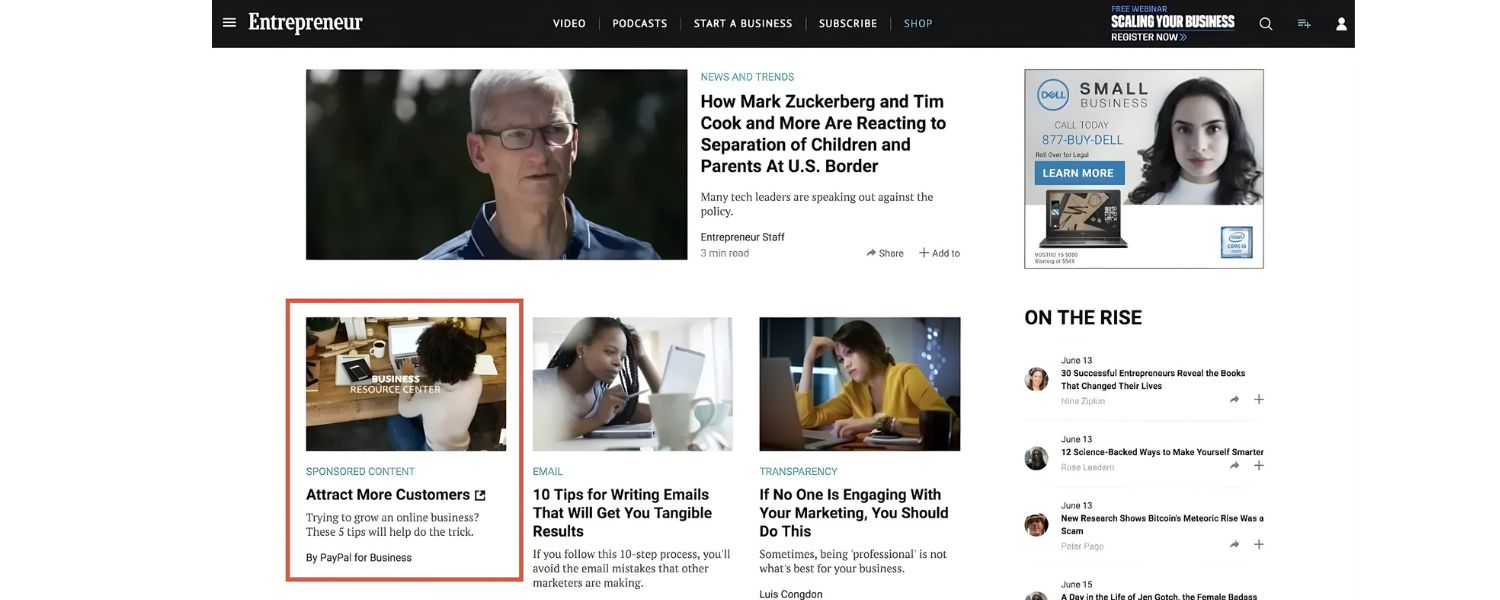
Native ads are ads that are designed to blend in with the content of the platform or site where they appear, matching the form and style so that they feel “native” to the environment. A common example is the sponsored content you see on news websites – perhaps a section labeled “Recommended for you” or “Sponsored Stories” that features articles which are actually paid promotions.
These could be advertorials or helpful articles/video that a brand has paid to distribute on a publisher’s site. Native ads can also appear as sponsored posts on social media feeds or as content recommendations at the bottom of blog posts via platforms like Outbrain or Taboola.
The key idea is non-disruptive advertising. A native ad doesn’t look like a traditional ad; it looks like a regular post or article, with subtle disclosure that it’s sponsored. For example, an outdoor gear brand might publish a helpful article like “10 Best Hiking Trails for Summer Adventures” and pay to have it featured on a popular travel blog’s recommended list, the content provides value to readers while subtly promoting the brand’s ethos or products.
Another example: a branded content partnership, such as Korean Air teaming up with BBC Travel to create a story about visiting Korea, it’s engaging content that also advertises the airline in a native way.
Native advertising is great for building trust and engagement through content. Since these ads don’t scream “ad,” users are more likely to consume the message (as long as it’s genuinely interesting and relevant). Native ads are best for driving traffic to content and raising brand awareness in a less salesy manner.
They often achieve higher engagement rates than obvious banner ads because they match the user’s content experience. However, measuring direct ROI can be trickier – the impact is often more top-of-funnel (e.g., reading an article might not lead to an immediate sale, but it creates positive brand affinity).
Typically, paying for native ads might be on a CPC basis (if through content networks) or a sponsorship if it’s a direct publisher deal. When doing native ads, ensure there is transparency (to comply with regulations, they should be labeled as sponsored) and that the content truly provides value, so it doesn’t erode trust.
7. Other Online Advertising Channels
The above categories cover the major buckets, but it’s worth mentioning a few other channels that sometimes fall under online advertising:
A. Affiliate Marketing
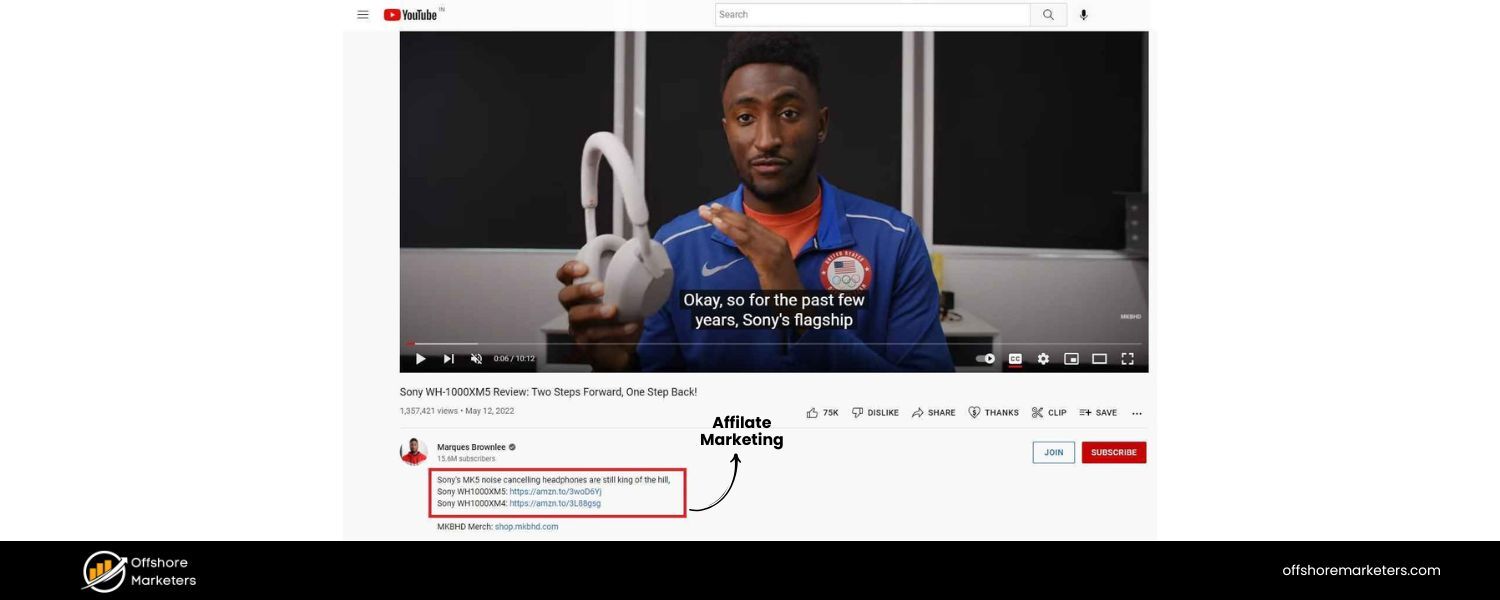
This is a performance-based model where you as a business incentivize partners (affiliates) to promote your product, and you pay them a commission for each sale or lead they drive. Affiliates do the promotion often via their own blogs, social media, email, etc.
While not “ads” in the traditional sense, affiliate links and offers are part of the online promotion ecosystem. For example, a web hosting company might have affiliates (tech bloggers, YouTubers) who refer customers via special links and then earn a percentage of each referred sale. It’s effectively advertising on a contingency basis (you pay for results).
B. Influencer Marketing
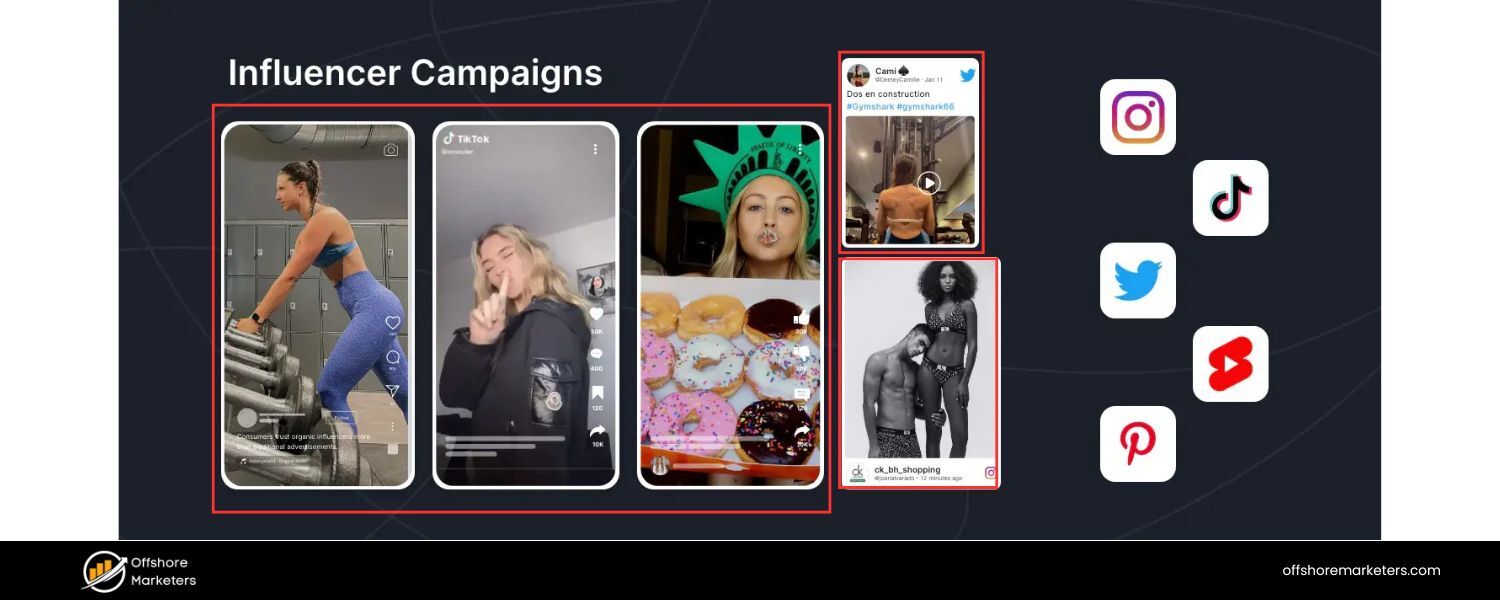
Paying social media influencers or content creators to promote your brand can be seen as a form of online advertising too. A cosmetics brand might sponsor an Instagram influencer to post about its new makeup line.
This blurs the line between content and advertising, but since money changes hands for promotion, it’s akin to a native endorsement ad. Influencer campaigns can yield great results, especially for brand awareness and reaching niche communities, but they require finding the right personalities that align with your brand.
C. Audio Advertising (Podcasts & Streaming)
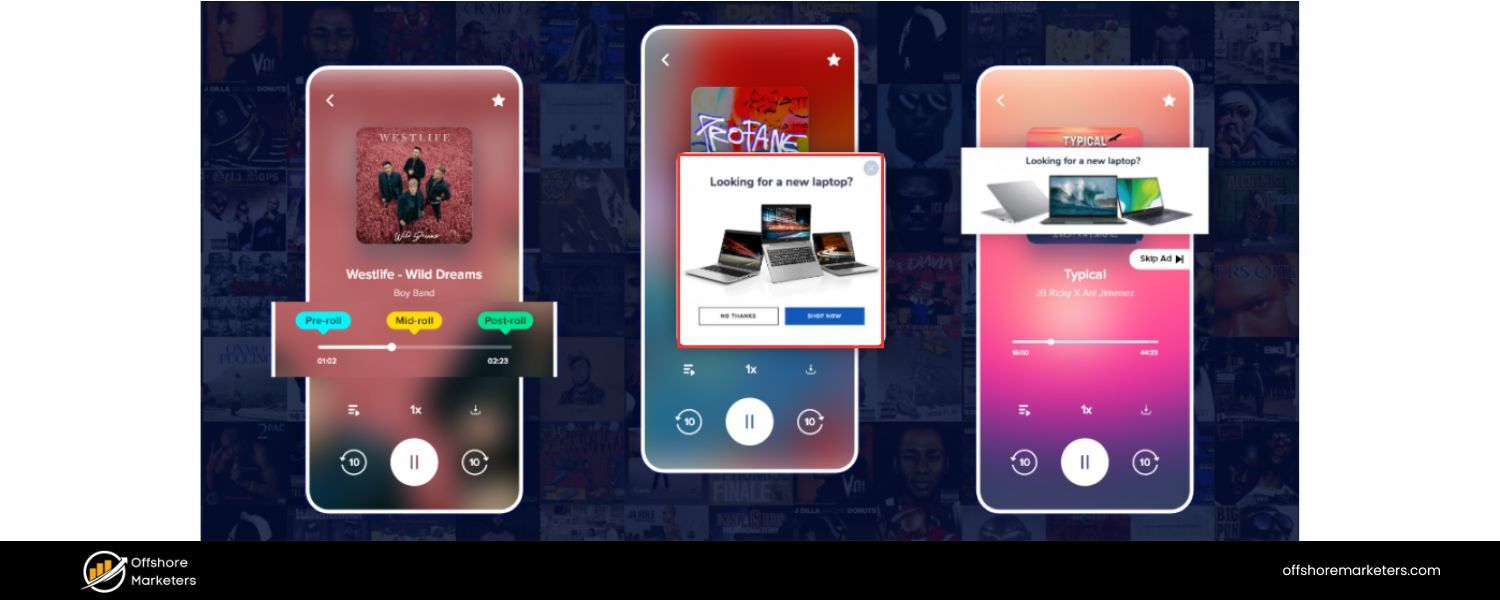
With the rise of online audio platforms, there’s a burgeoning field of digital audio ads. Podcast advertising (host-read sponsorships or inserted audio ads) and music streaming ads (like those on Spotify’s free tier) are ways to reach audiences via internet-delivered audio.
These might not be what people first think of as “online advertising,” but they are important in a holistic digital strategy, often sold on CPM for impressions/listens.
D. OTT and Connected TV
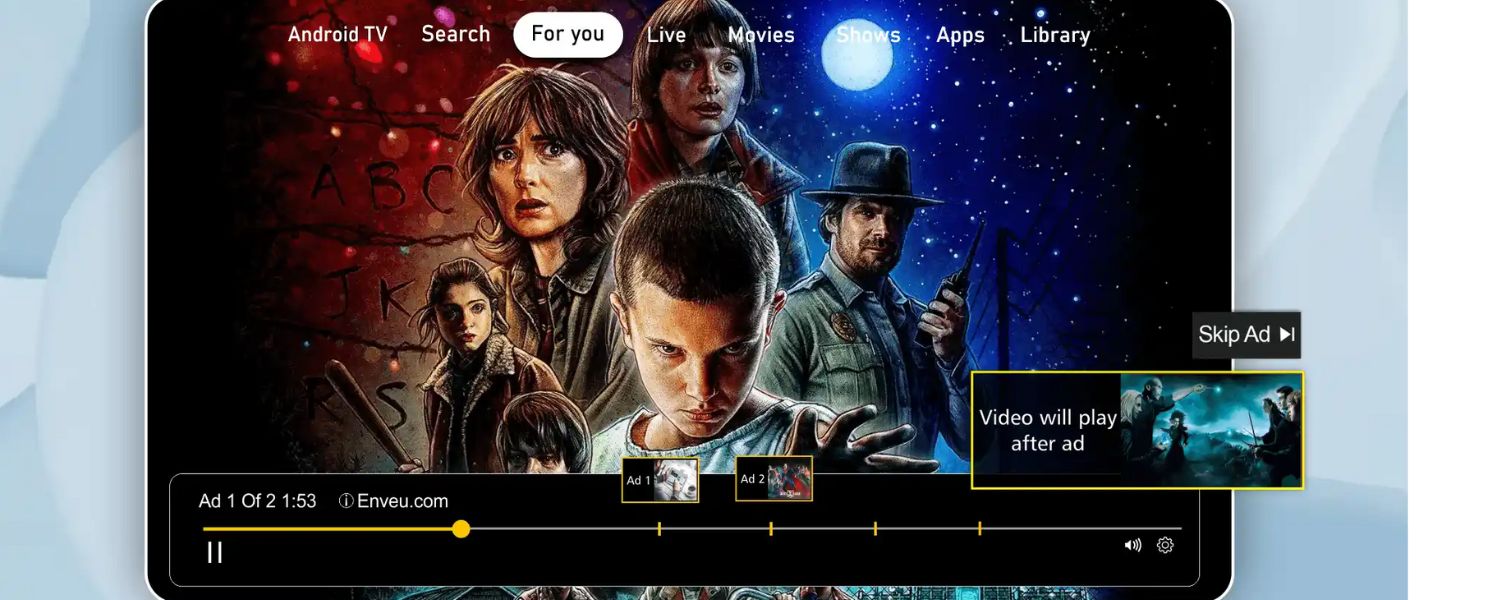
We touched on streaming video ads under video advertising. As more households use Smart TVs and streaming devices, Connected TV (CTV) ads are basically the digital version of TV commercials, targeted via online data.
Marketers can buy CTV ads programmatically to show on platforms like Roku, Amazon Fire TV, etc. The advantage is you can target TV ads more like digital (by geography, interest, etc.) compared to traditional broadcast buys.
E. Mobile In-App Ads
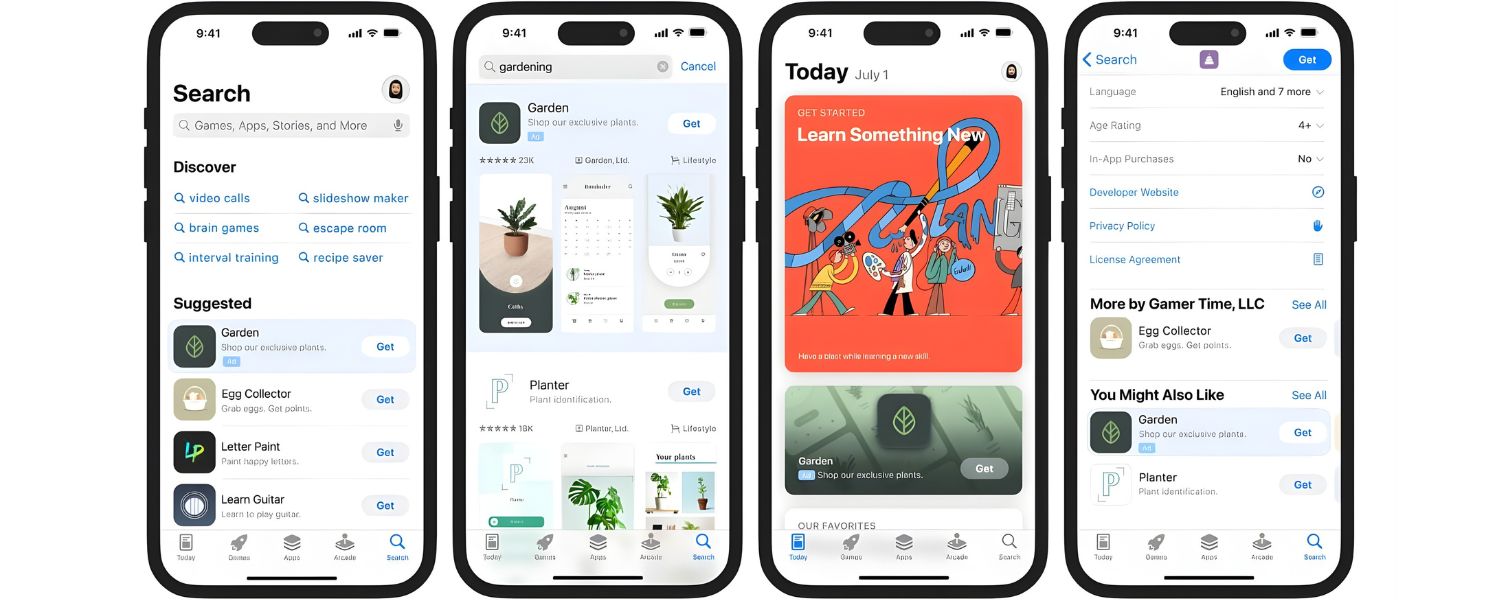
Many free mobile apps and games monetize by showing ads. These can be banner ads, interstitial full-screen ads, or rewarded video ads (e.g., “watch this 30-second ad to get an extra life in a game”).
If your audience is heavy on mobile app usage, in-app advertising networks can place your ads inside relevant apps. Given that mobile devices account for over half of web traffic and online time globally, mobile advertising, whether via in-app, mobile web, or social, is absolutely critical. In fact, mobile ad revenues have grown so much that as of 2022 they made up 73.5% of total internet ad revenue.
In summary, online advertising spans a wide range of formats and channels. From the text ad that appears when you search, to the banner on your favorite blog, to the sponsored story you read on a news site, to the video ad before a YouTube clip, all of these are facets of online advertising. An effective digital marketing plan may utilize several of these in tandem, each serving a role in the customer journey.
Now that we’ve covered the “what” and “where” of online ads, let’s focus on how to do it well. In the next section, we’ll go over strategies and best practices to get the most out of your online advertising budget.
Crafting an Effective Online Advertising Strategy
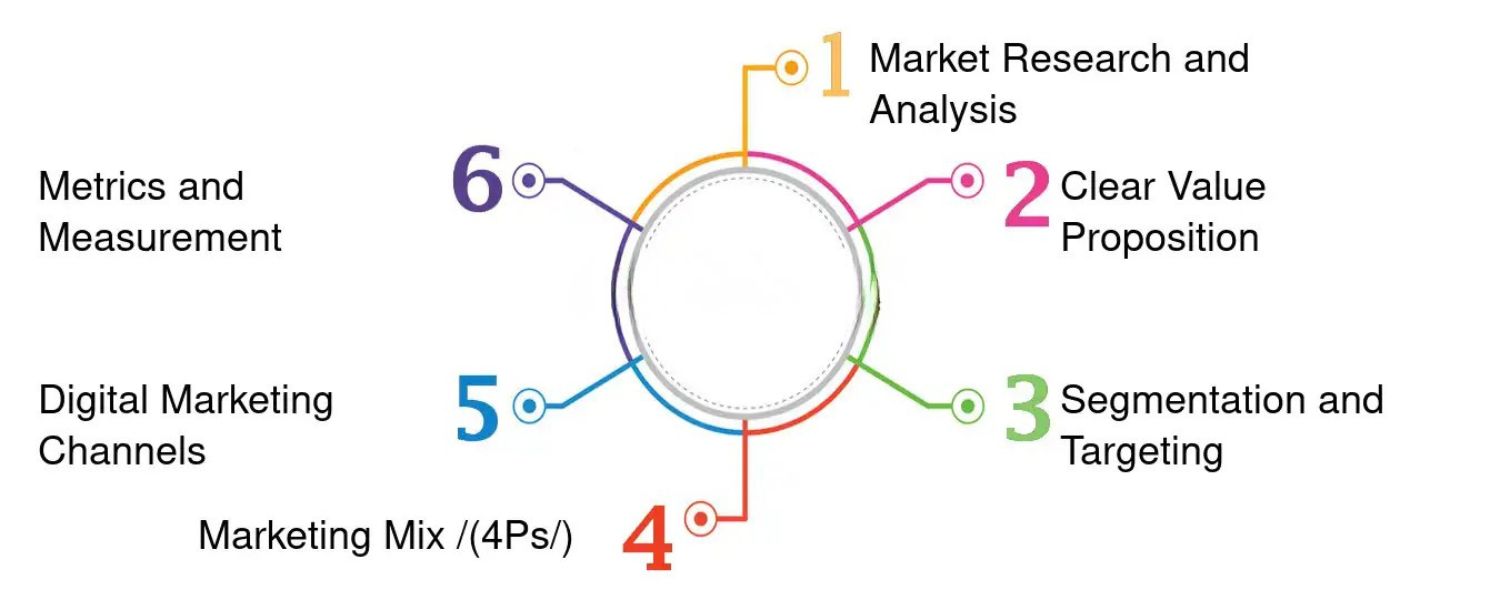
Having a presence on the right platforms is important, but strategy is what separates successful campaigns from wasted ad spend. Here are key steps and best practices for planning and executing online advertising effectively:
1. Set Clear Goals and KPIs
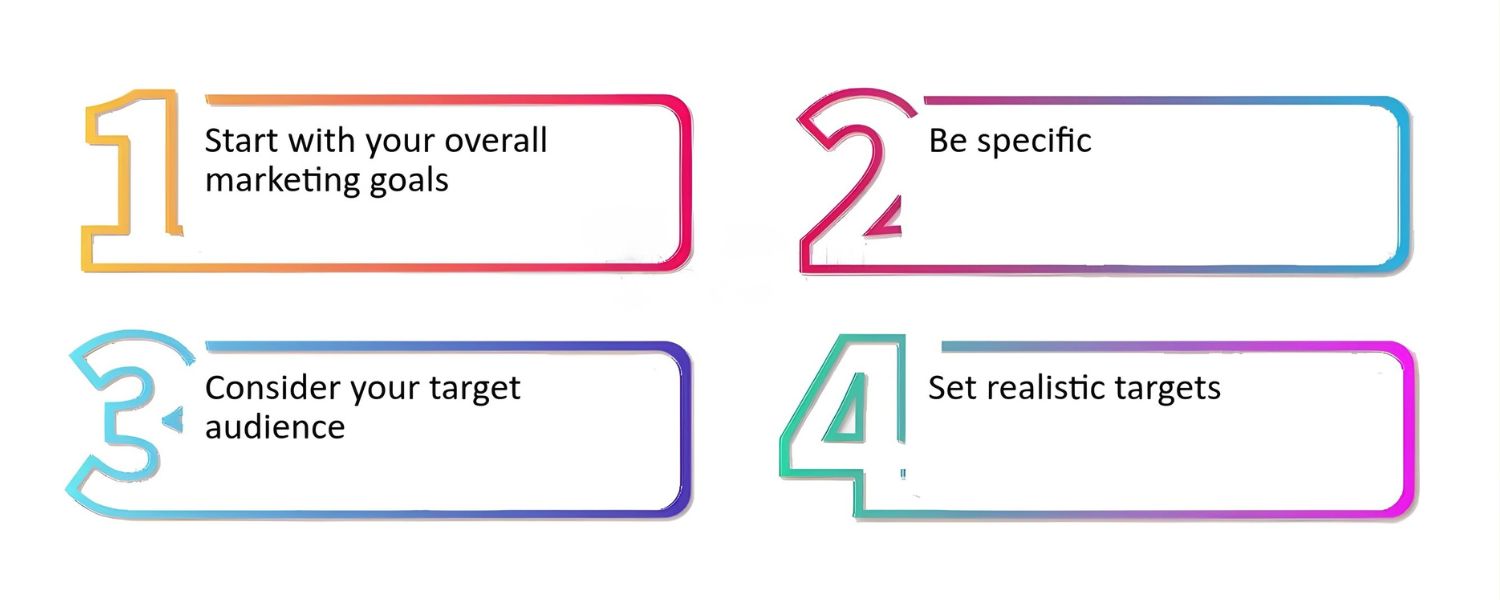
Before launching any campaign, define what success looks like. Are you aiming to increase brand awareness, drive a certain amount of website traffic, collect sign-ups, or make direct sales? The goal will influence everything from ad format to messaging to measurement.
Along with the goal, establish key performance indicators (KPIs) that you will track – e.g., if your goal is lead generation, a KPI might be cost per lead or number of leads acquired. Having clear objectives ensures you can align your campaign elements and later determine ROI. It also helps in platform selection: a goal of app installs, for example, might lead you to focus on mobile ads and perhaps specific channels like Google App Campaigns or social app install ads.
Be specific with goals. “Increase sales” is too broad, instead, “Achieve 100 online sales of Product X at an average cost of $10 per sale within 1 month” is a concrete goal. This SMART approach (Specific, Measurable, Achievable, Relevant, Time-bound) guides your strategy and gives you a target to optimize for. For more on setting up the right metrics for tracking, refer to SEO KPIs.
2. Know Your Target Audience Inside-Out
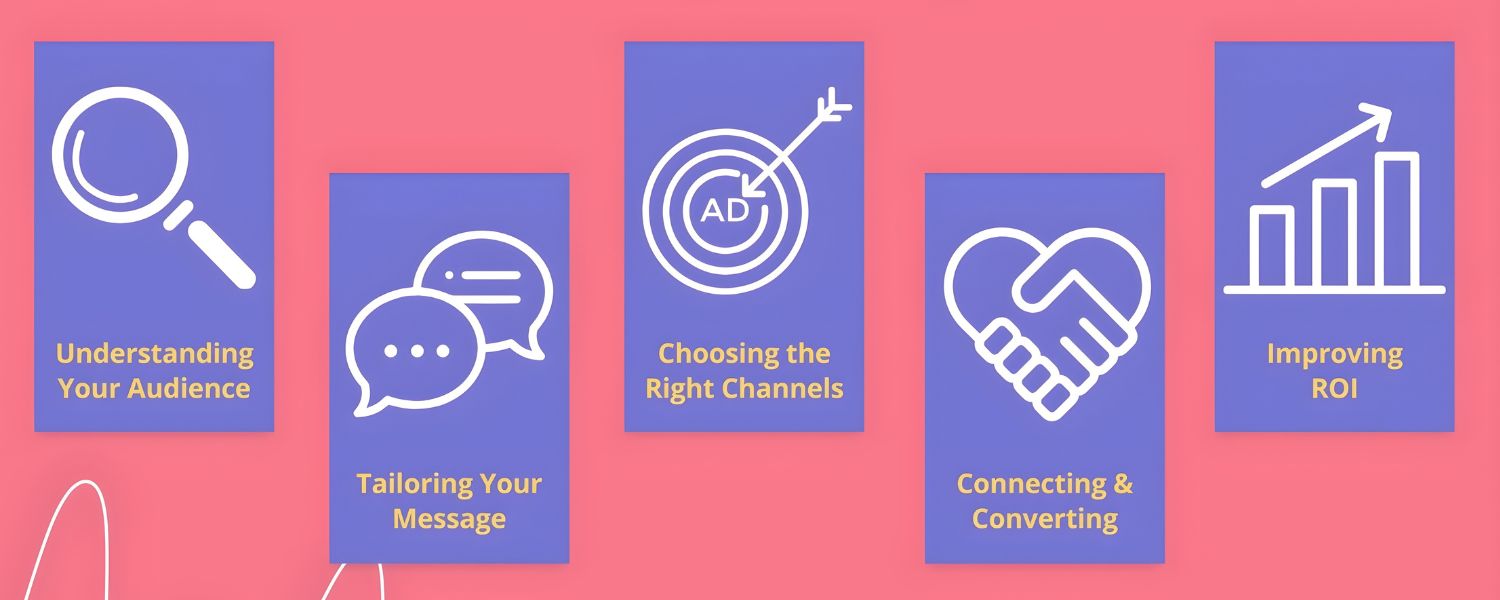
A deep understanding of your audience is foundational. Analyze who your ideal customers are, their demographics, interests, online behavior, pain points, and purchasing habits. Create buyer personas if possible (fictional profiles representing segments of your audience). The more you know, the better you can target and craft messages that resonate.
Use any data you have: customer surveys, Google Analytics data, social media insights, or market research. If you’re running existing campaigns, analyze which audiences respond best. For instance, you might find that your Facebook ads get the most engagement from men 35-44 interested in fitness and tech, that insight can shape not only your targeting but also the creative (perhaps featuring imagery that demographic would relate to).
Remember that different products may have different audiences, and thus different optimal channels. If you’re advertising a B2B software, LinkedIn or Google Search might outperform Instagram. Conversely, a fashion brand might rely heavily on Instagram, Pinterest, or TikTok. “Research where your target demographic spends the most time online” and focus there.
3. Choose the Right Platforms and Ad Formats
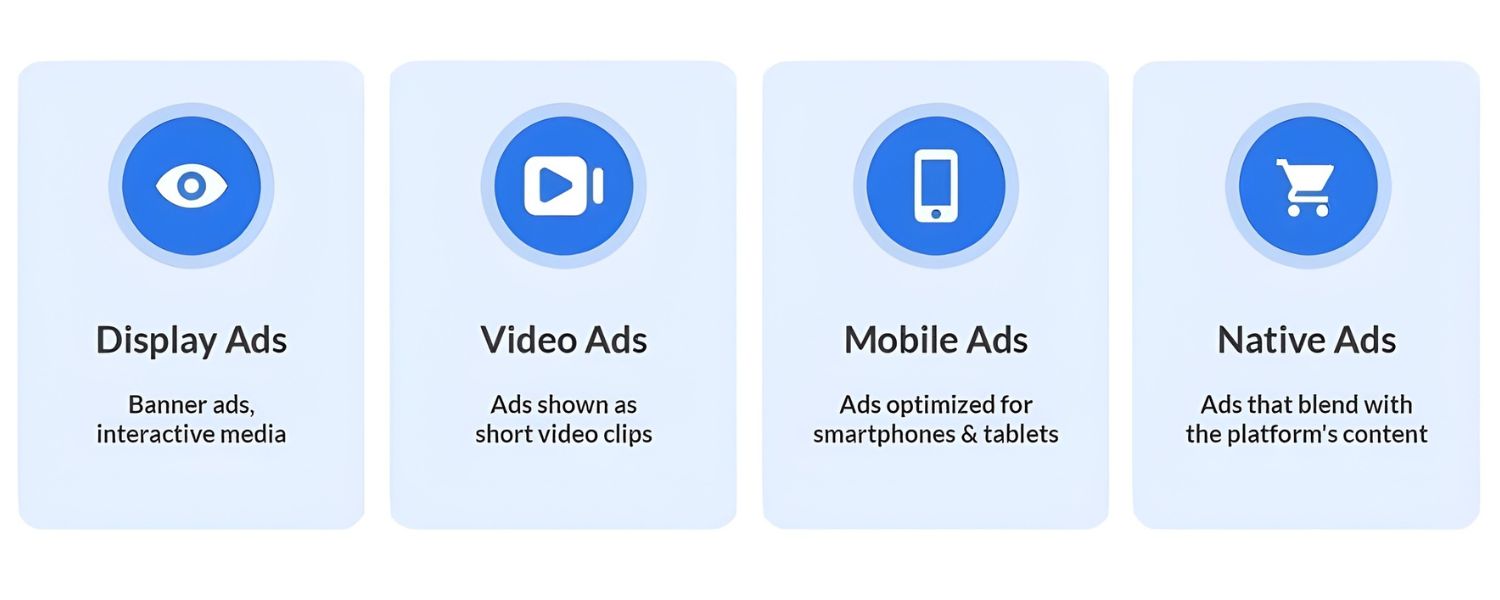
Based on your audience research and goals, select the platforms that make the most sense. A common mistake is trying to be everywhere with a small budget, it’s often better to focus on a couple of key channels where you can do a good job, rather than spreading too thin.
A. Search vs. Social vs. Display
If your goal is capturing active intent (people searching for something you offer), then search ads are crucial. If your goal is to generate awareness or demand among people who aren’t actively looking, social and display ads shine.
For retargeting past site visitors, display, social, and even email ads can all be used. Consider the user mindset on each platform: e.g., on social media people scroll for leisure – a hard sell might be ignored, so maybe you’d run a fun video ad to spark curiosity instead. On search, people want quick answers, a clear, benefit-driven text ad works well.
B. Ad format considerations
Within each platform, choose formats that support your message. If you have a visually appealing product, image or video ads will outperform plain text. For complex or high-end products, a video or a detailed native content piece might educate the customer better than a small banner. If you have an app to promote, you’ll use app install ads. If driving in-store traffic, some platforms have local ads or map ads. Essentially, match the medium to the message and goal.
Also, ensure your website or landing page is ready for the traffic. There’s nothing worse than paying for clicks only to send people to a slow, confusing, or irrelevant page.
Optimize your landing pages with clear headlines, relevant information, fast loading times (particularly on mobile), and obvious next steps (CTA buttons, forms, etc.). High relevance between ad and landing page not only improves conversion rates but also can improve your “quality score” on platforms like Google (which can reduce your costs per click).
4. Budget Wisely and Monitor ROI
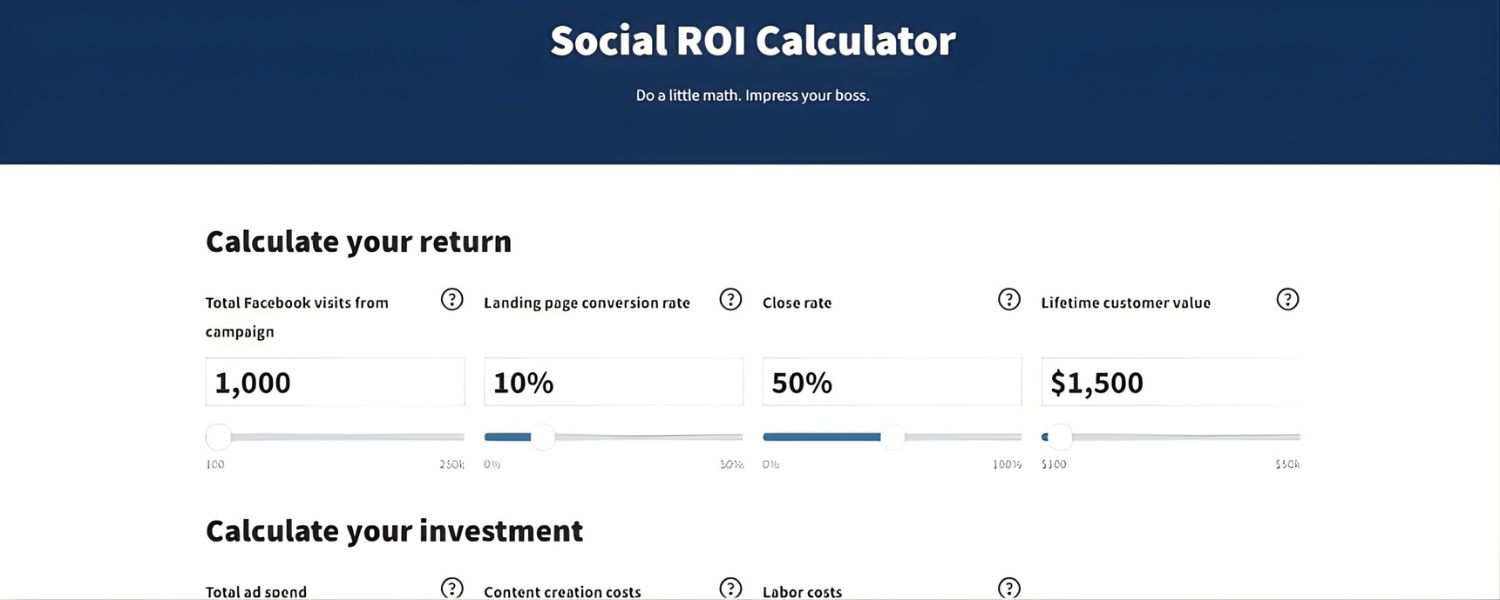
Determine how much you are willing to spend and how to allocate that budget across campaigns. This might involve some initial testing. If you’re unsure which platform will perform best, you could allocate, say, 60% of budget to what you hypothesize is the top performer, and 40% to experiment on a second channel. Always start with amounts you’re comfortable losing in the learning phase, think of early campaign spend as buying data on what works.
Many platforms allow very fine control of budgets (daily budgets, lifetime campaign budgets, and bid limits). Start with modest daily budgets while testing new campaigns, and gradually increase spend on the ones that show positive results. Keep an eye on frequency (how often the same person sees your ad) – too high frequency can lead to ad fatigue, wasting money and even annoying potential customers.
Use conversion tracking (via pixels or analytics) to attribute results to your ads. If you can’t measure sales directly (like for offline results), use proxies like store visit estimates or phone call tracking. Calculate ROI or ROAS (return on ad spend) whenever possible.
For example, if you spent $500 on ads in a month and made $2000 in profit from customers who clicked those ads, that’s a great ROAS. If instead it brought $500 in profit, you’re breaking even – you’d need to optimize or consider whether the lifetime value of those customers might justify it.
One crucial tip:
Optimize for the most meaningful metric, not just vanity metrics. It’s easy to chase clicks or impressions, but if those clicks aren’t converting, you may need to adjust your targeting or message. Sometimes a campaign with fewer clicks but a higher conversion rate is more valuable than one with tons of clicks that don’t convert. Always tie back to your goals.
5. Create Compelling Ad Creatives and Copy
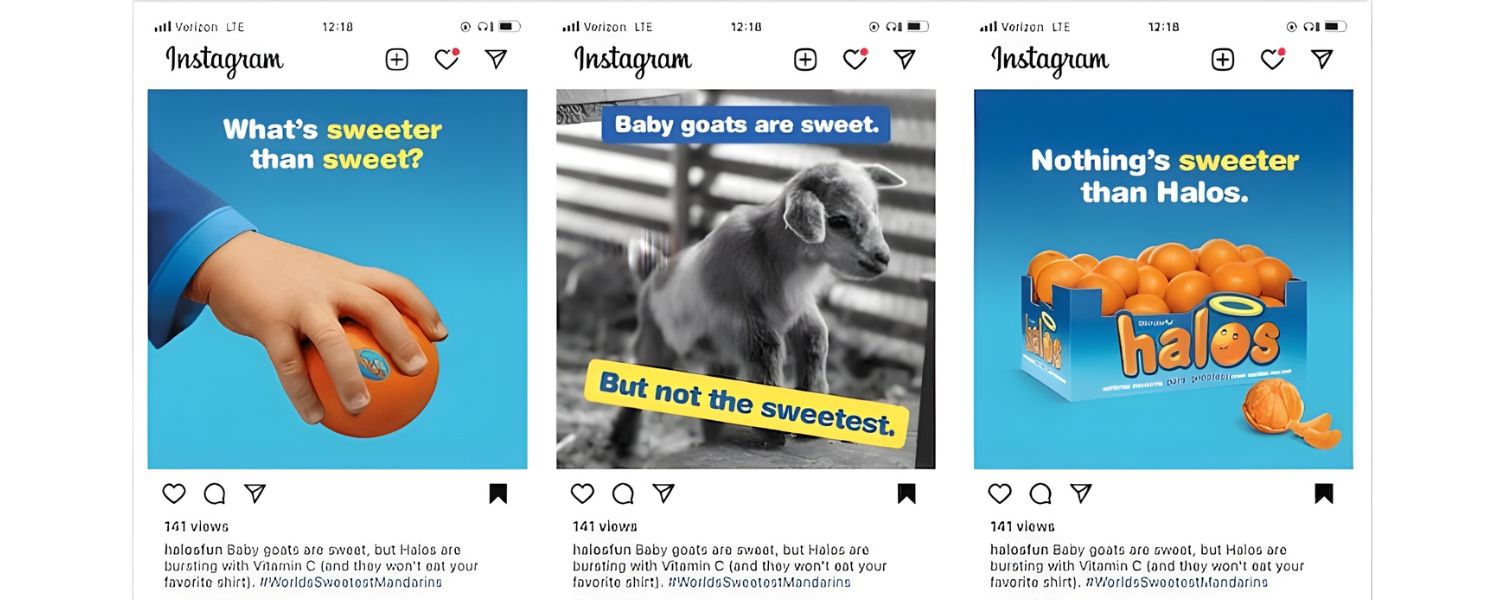
No matter how sophisticated your targeting or big your budget, the creative (what the ad actually looks like or says) is what the user sees. Investing time and effort into good creatives is essential.
A. Message
Highlight a clear benefit or value proposition. Why should the viewer care about your offer? Solve a problem or fulfill a desire. If you’re advertising a project management tool, your message might be “Reduce your team’s workload by 20%” or “Meet deadlines easily with Tool X.” Use impactful language but avoid false or exaggerated claims (both for credibility and to comply with truth-in-advertising rules – regulators like the FTC require ads to be truthful and evidence-based.
B. Visuals
Use high-quality, eye-catching images or videos. Faces and people tend to draw attention, as do vibrant colors, but make sure it aligns with your brand. On social media, ads that don’t look too much like ads often perform well (they blend in better).
So an Instagram ad might just look like a beautiful lifestyle photo that happens to feature your product. For video ads, grab attention in the first 2–3 seconds (users often skip quickly). Include captions on videos since many people watch on mute by default.
C. Ad relevance
Tailor the creative to the audience and context. If you’re running multiple target segments, consider customizing the ad for each. For example, if you sell a budgeting app, you might have one ad version targeting college students with messaging about “managing your student budget,” and another targeting parents with “save for your child’s education.” This relevance can dramatically improve engagement.
D. Call to Action
Make sure every ad asks the user to do something (and only one primary thing). Common CTAs: Learn More, Sign Up, Get Offer, Shop Now, Contact Us, etc. The CTA should align with what’s on the landing page. If the ad says “Download the free guide,” the landing page should deliver a download form, not dump the user on a generic homepage.
E. Trust elements
Depending on the context, including trust signals can help (like ratings, testimonials, “used by 1,000 customers,” secure icons for ecommerce, etc.), especially if you expect some skepticism. On platforms that allow it, social proof like reviews or number of users can boost credibility.
Don’t be afraid to A/B test different creatives. Often, you won’t know what resonates best until you try. Test different headlines, images, or colors one at a time to see what lifts performance. The beauty of online ads is you can run experiments quickly with small budgets before scaling a winning variant.
(Pro tip: In 2024 and beyond, many marketers are also leveraging AI tools to generate ad copy or images. Tools like GPT-4 (the tech behind ChatGPT) or specialized ad copy generators can suggest variations for headlines, and AI design tools can help create multiple banner versions. Just ensure you review AI-generated content for accuracy and brand voice to avoid any “robotic” feel or mistakes.)
6. Monitor Performance and Optimize Continuously
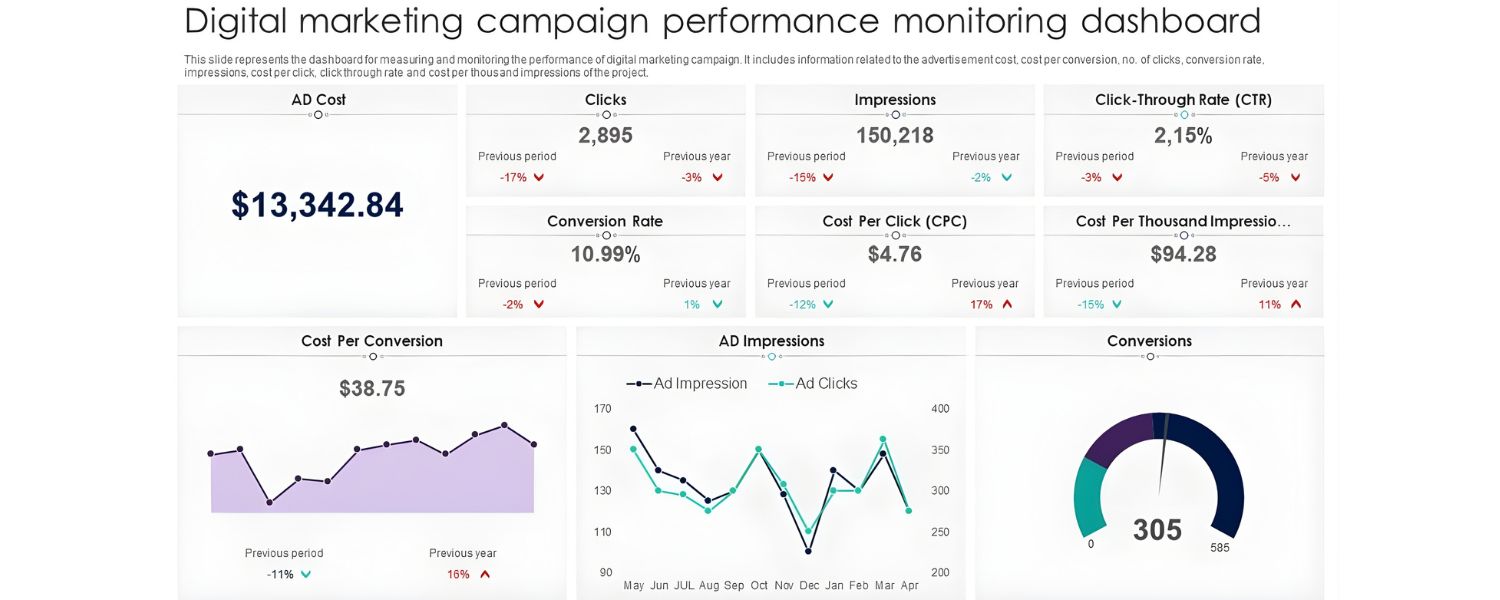
Once your campaigns are live, frequent monitoring is a must. In the first few days of a campaign, check in daily (or multiple times if budget is high) to catch any issues – e.g., a tracking link not working, or a particular audience segment burning through budget with no results.
Key metrics to watch include: Impressions, Click-Through Rate (CTR), Cost Per Click (CPC), Conversion Rate, Cost Per Conversion (CPA), and overall spend vs. budget pacing. Most platforms will also show quality metrics (Google Ads has Quality Score for keywords, Facebook has Relevance Score or Quality Ranking for ads).
If an ad’s CTR is very low, it might indicate the creative isn’t resonating or the targeting is off. If CTR is fine but conversion rate is low, perhaps the landing page needs improvement or you’re attracting the wrong audience.
Optimization tactics during the campaign can include: adjusting bids (increase bids on high-converting keywords or audiences, lower on poor performers), reallocating budget to better channels, pausing underperforming ads or ad sets, and refreshing creatives.
Refreshing ad creatives is important especially on social media – ads can get “creative fatigue” where the same people stop noticing or responding to an ad they’ve seen multiple times. Rotating new visuals or messages every few weeks (depending on campaign duration and frequency) keeps things fresh.
Also consider day-parting or week-parting: analyzing if certain days or times yield better results and concentrating spend then. For example, if you notice most conversions happen on weekday evenings, you might schedule your ads to show more frequently during those times and less on, say, weekend nights.
Crucially, pay attention to the feedback loop: all this data is teaching you about your market. Maybe you find a certain demographic you didn’t expect is responding well – that could inform your broader marketing strategy. Or you discover that one feature of your product (mentioned in ad B) gets way more interest – perhaps that’s something to highlight more in your messaging moving forward.
7. Ensure Compliance and User Trust

An often overlooked aspect of online advertising is compliance with policies and regulations, as well as maintaining user trust. Each ad platform has its own advertising policies (e.g., around prohibited content, use of personal data for targeting, etc.). Make sure your ads follow these to avoid disapprovals or account bans. For instance, Facebook is strict about ads for housing, credit, or employment, they limit targeting options for these “special ad categories” to prevent discrimination. Google has policies on misrepresentation, healthcare-related ads, etc.
From a legal standpoint, truth-in-advertising laws (like the FTC’s guidelines in the U.S.) require ads to be truthful and not misleading. Any claims you make (like “#1 in the industry” or “loses 20 lbs in a month”) should be substantiated.
If you use endorsements or influencer posts, proper disclosure (like #ad or #sponsored on social media) is needed. Respect copyright – use licensed images or your own creative, and be careful with using competitor trademarks (allowed in some contexts like comparative ads, but with caveats).
Privacy is another huge concern. With data-driven advertising, be mindful of user privacy and data protection regulations (GDPR in Europe, CCPA in California, etc.). Ensure you have consent for tracking where required (like if you use cookies/pixels on websites, display the proper cookie consent notices). Many browsers and companies are increasing privacy safeguards – for example, third-party cookies are being phased out (Google Chrome is moving to end support for them by early 2025).
This means advertisers will need to rely more on first-party data (their own customer info) and new technologies (like Google’s Privacy Sandbox topics or contextual targeting) to reach users. Start adapting by building up your own audience data (email lists, site visitor lists) and exploring contextual ad placements that don’t rely on tracking individuals.
Finally, put the user experience first. Don’t use formats that are overly intrusive or annoying. Pop-ups, autoplay sounds, or ads that cover content can lead to bad will (and high ad blocker usage). Ad blockers are indeed a challenge, a significant portion of users employ them to avoid ads.
While you can’t reach those users with standard ads, it’s a reminder that ads should strive to be relevant and not overly disruptive. Good native ads or respectful banner ads will bother people less than, say, ones that flash rapidly or take over the whole screen uninvited.
By being truthful, respectful, and aligning ads to what users actually find useful or interesting, you not only avoid compliance issues but also build trust. Remember, 79% of CMOs have said that in a world where ads are easier than ever to ignore, it’s more important that advertising entertains and engages.
Strive to create ads that people don’t hate, or even better, ads that people enjoy or find value in. This mindset will help future-proof your strategy as the digital landscape continues to evolve.
Trends and Future Outlook for 2024–2025
The online advertising world never stands still. New technologies and consumer behaviors are continually reshaping how we advertise. As of 2024/2025, here are some major trends and what they mean for your campaigns:
A. Artificial Intelligence in Advertising
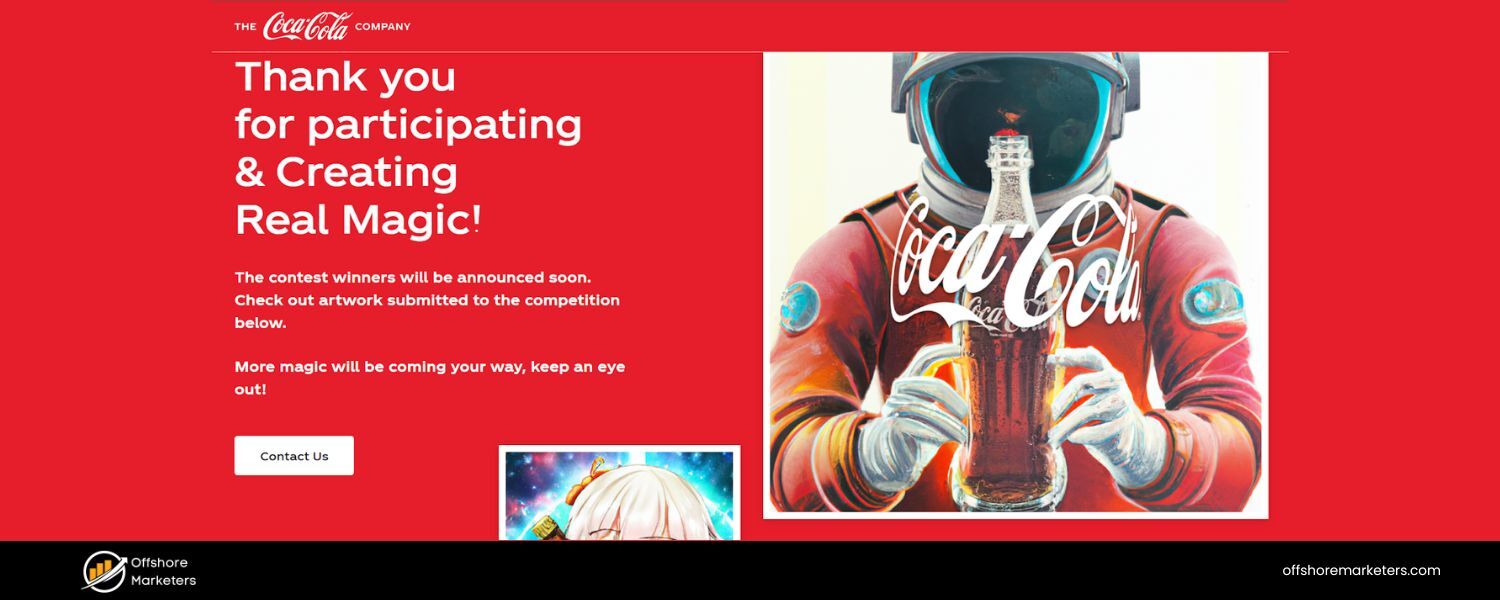
AI is playing a growing role in everything from ad buying to creative generation. We already discussed algorithmic, programmatic ad placements, by 2027, over three-quarters of ad spend will be placed via algorithmic automation.
Additionally, AI tools can analyze huge datasets to optimize targeting and even predict which audiences might convert better. On the creative side, generative AI is now capable of producing ad copy, images, even video at scale. In fact, 87% of CMOs agree that AI represents the future of advertising and marketing, and a similar percentage believe AI will make their teams more creative and efficient (by handling the grunt work and freeing humans for big ideas).
However, there’s consensus that AI won’t fully replace human creativity, it’s a tool, not a substitute for the spark of human insight. As an advertiser, embracing AI tools, whether it’s using Google’s Responsive Search Ads that automatically test headlines, or using AI to personalize website content for visitors, can give you an edge. Just be sure to maintain a human touch and oversight to avoid generic or off-brand outputs.
B. Privacy and the Cookie-less Future
As mentioned, user privacy changes are significantly impacting advertising. With Google’s phase-out of third-party cookies (now expected in early 2025) and stricter regulations, the way we track and target users is shifting.
We will see greater emphasis on first-party data (information you collect directly from your customers with consent) and context-based advertising (targeting based on the content or context someone is in, rather than their past behavior).
Strategies like building robust email lists, loyalty programs, and community followings can help maintain marketing effectiveness without invasive tracking. There’s also growing use of browser APIs for privacy-preserving ads (e.g., Google’s Privacy Sandbox proposals that allow some interest-based ad targeting without revealing individual identities).
As an advertiser, start diversifying away from reliance on third-party cookies: use tools to do cookieless tracking (e.g., aggregate measurement), invest in content that draws people to opt in their data willingly, and focus on transparency. Being upfront about data usage and giving users control (like easy opt-outs, honoring “Do Not Track”) will not only keep you compliant but also build trust.
C. Rise of New Ad Channels (Retail Media & CTV)
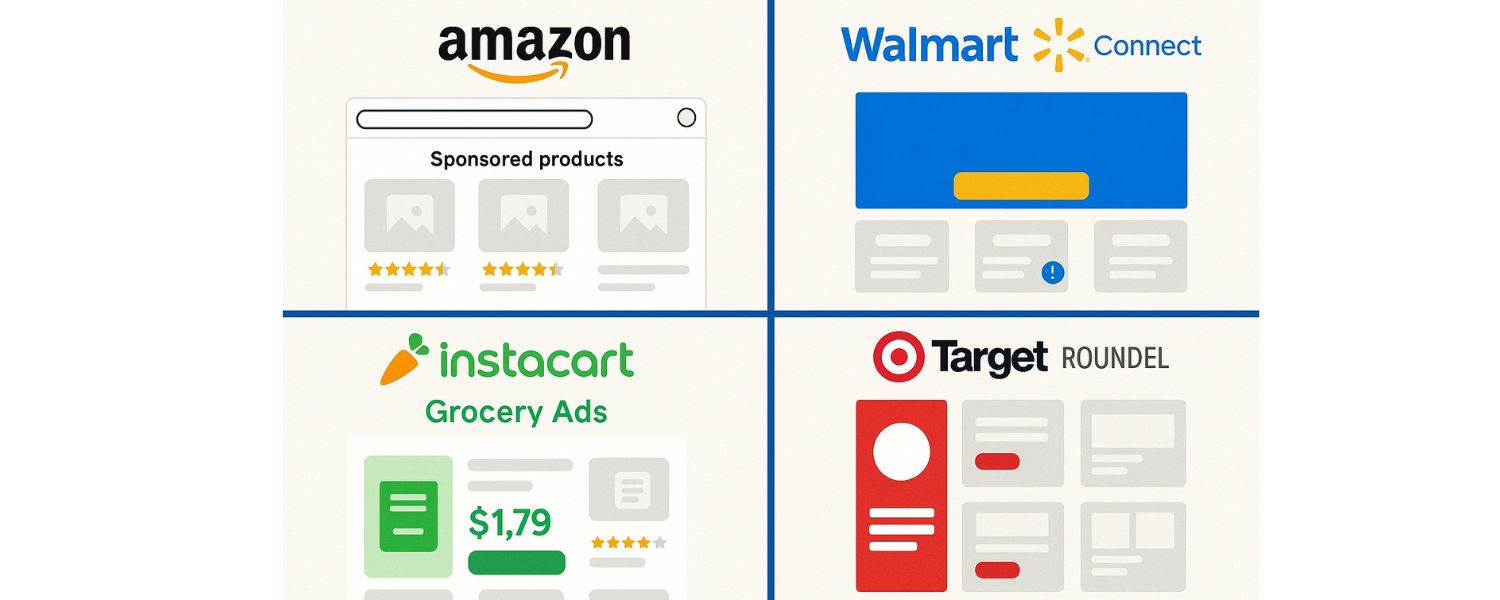
A notable trend is the explosion of retail media networks. These are ad platforms run by retail giants (like Amazon, Walmart, Target, etc.) that allow brands to advertise on the retailer’s sites or apps and even beyond using the retailer’s data.
For example, Amazon Ads lets sellers promote products within Amazon search results or on product pages, and also across the web using Amazon’s data for targeting. Retail media has become one of the fastest-growing segments; in fact, it’s forecast to make up 22.4% of all digital ad spend in 2025 (around $231 billion).
This growth is because these networks offer advertisers something valuable, purchase intent data. If you know someone is browsing grocery items on Walmart’s app, and you sell a snack brand, an ad at that moment is highly effective.
So, if you’re in the consumer goods space (CPG) or any category sold through major retailers, exploring retail media opportunities (Amazon Sponsored Products, Walmart Connect, Instacart Ads, etc.) could yield high ROI.
Similarly, Connected TV advertising is booming as more viewers stream content. CTV ads combine the big-screen impact of TV with digital targeting. By 2025, even platforms like Netflix and Disney+ which introduced ad-supported tiers are part of the mix.
Advertisers can reach cord-cutters who may not see traditional TV ads. If you have the budget for high-quality video ads and want broad reach, CTV can be a compelling option, especially since traditional TV viewership is fragmenting. (It’s reported that in 2025, ad spend on streaming/OTT is growing by double digits, while traditional TV ad spend is actually shrinking slightly.
D. Short-Form Video and Interactive Content

Thanks to TikTok and Instagram Reels, short-form vertical video has become a dominant content format. Advertisers are adapting by creating snackable, engaging videos often under 15 or 30 seconds for ads. These often have a UGC (user-generated content) style to feel more organic in social feeds.
We also see more interactive ad formats, for example, polls or playable ads (mini-games as ads) on platforms that support them. Even shoppable videos where viewers can click on products shown. The takeaway: be creative and platform-specific with content.
On TikTok, an overly polished corporate ad might flop, whereas a clever, trendy clip could go viral. Don’t be afraid to experiment with looser, more authentic styles on those platforms.
E. Focus on Creative and Storytelling
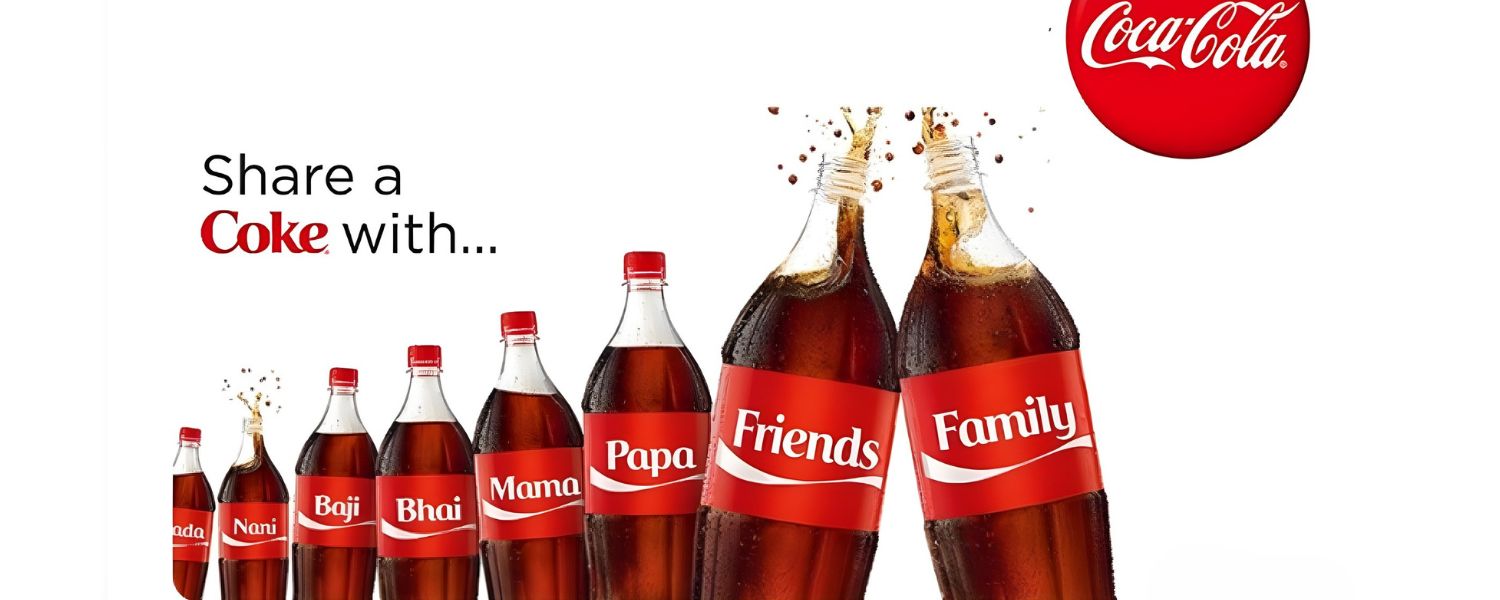
With ad algorithms optimizing a lot of the targeting and bidding, one way to stand out is truly on creative quality. Brands are investing in storytelling, using content marketing and native ads to tell a brand story that hooks consumers emotionally.
As noted earlier, advertising that entertains has renewed importance. We’re seeing a blend of content and advertising where lines blur (e.g., brands creating their own mini web series, interactive social challenges, etc., which serve as marketing).
Story-driven campaigns (think of Nike’s inspirational videos or Dove’s social experiment videos) often get extra traction through shares and earned media. Even if you’re a smaller business, you can apply this principle on a scale-appropriate level: craft an ad narrative that resonates with your audience’s values or aspirations rather than just a product pitch. Engaged customers are more likely to remember and trust your brand.
F. Voice and Conversational Ads
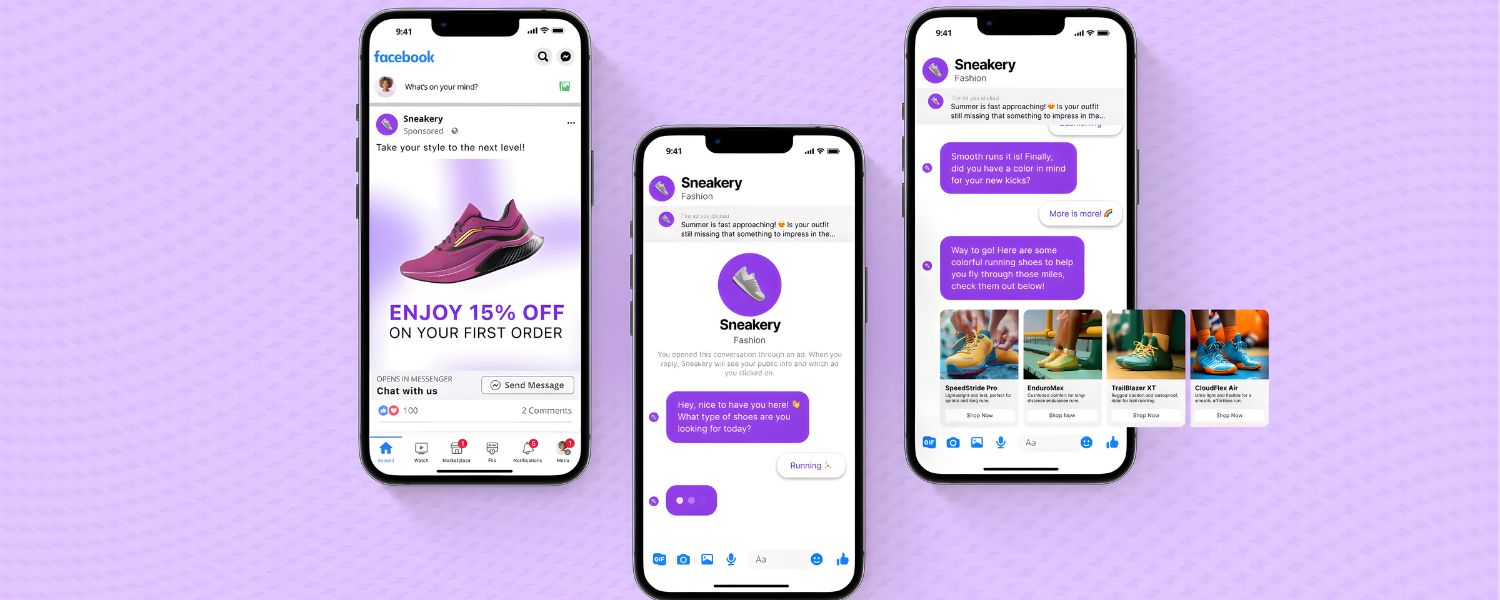
The emergence of voice-activated search (Siri, Alexa, Google Assistant) and AI chatbots (like ChatGPT, Bing Chat) is slowly changing how people find information. While this is still an evolving area, marketers are considering voice search optimization (so that their content is the one read out by a voice assistant).
Also, new ad opportunities may arise within conversational AI interfaces. For instance, Bing’s AI chat integrated with search could potentially serve sponsored results as part of answers. It’s early days, but keep an eye on how search advertising adapts to AI Q&A models.Already, Bing Chat does reference sources (some could be advertisers) and Google is experimenting with Search Generative Experience that might incorporate ads in new ways. Adapting your SEO and paid search strategy for more natural language queries and ensuring your content is authoritative will position you well as these changes unfold.
G. Higher Standards for Measurement and Attribution
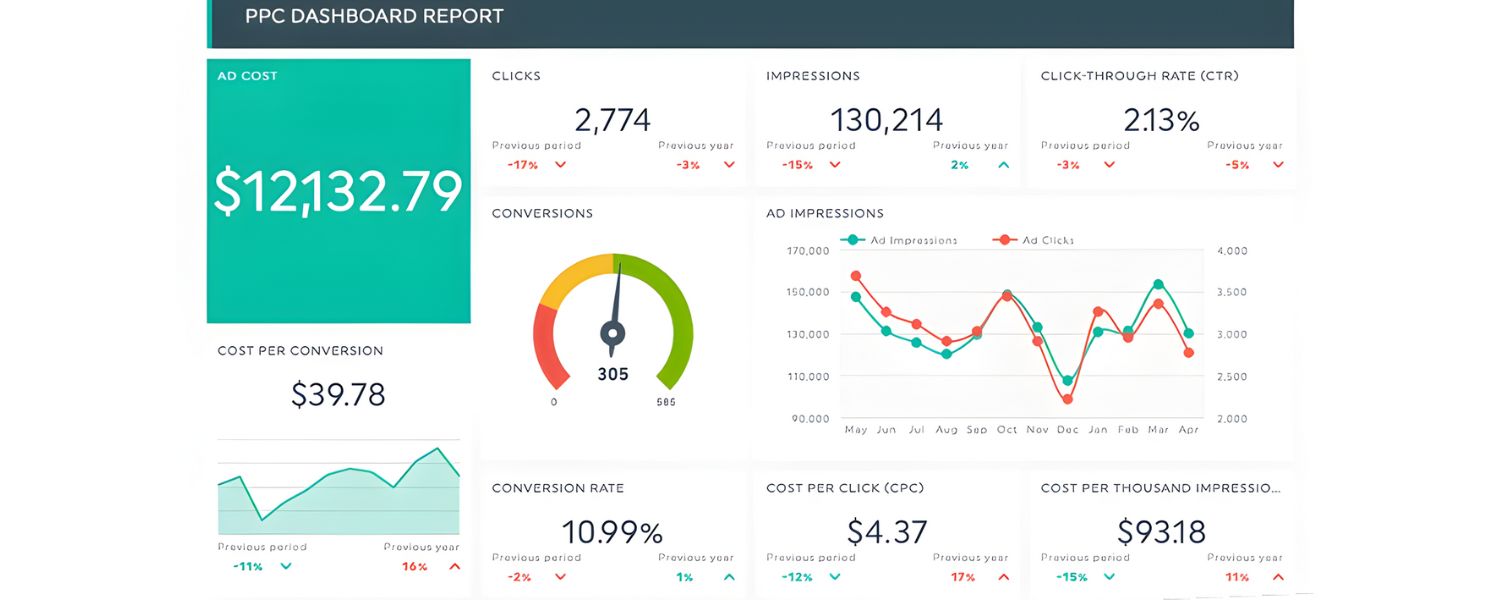
With multiple devices and channels on the customer journey, attributing which ad led to a conversion is a perennial challenge. The industry is working on better attribution models (like data-driven attribution that uses algorithms to credit conversion across touchpoints) and more privacy-friendly measurement (aggregated reporting, etc.).
As an advertiser, it’s good to familiarize yourself with tools like Google Analytics 4 (which is geared towards event-based tracking and cross-device measurement) and whatever attribution features your ad platforms offer. Multi-touch attribution (crediting multiple ads) and incrementality testing (turning off ads in a region to see what lift they truly provide) are techniques large advertisers use to gauge true impact.
For smaller budgets, focus on the primary driver but keep context in mind, e.g., you might notice that many people who click your Google ad also interacted with a Facebook ad, so perhaps you credit both for the sale in some proportion.
H. Economic Climate and Ad Spend

It’s also worth noting that macroeconomic factors can influence advertising. We saw shifts in ad spend during the pandemic and as economies change. Interestingly, despite some economic uncertainties, global ad spend keeps rising, 2024 saw strong growth (~6.7%) and 2025 is forecasted to grow another ~4.9% to almost $1 trillion globally.
Digital will capture the lion’s share of that growth. If there’s a downturn, companies might scrutinize marketing spend more, which means efficiency and ROI will be emphasized. Performance marketing (ads with clear, immediate return) might get more attention than brand advertising in tighter times. As a marketer, be prepared to justify your ad budgets with data, and focus on the channels that drive the highest value for cost.
In summary, the future of online advertising is poised to be more automated, more privacy-conscious, and more creative. Success will come from balancing data-driven tactics with human creativity and ethical practices. By staying agile, learning new tools, testing emerging platforms, and continually educating yourself on industry changes, you can keep your campaigns effective even as the terrain shifts.
Conclusion: Embrace the Power of Online Advertising
Online advertising has transformed how businesses of all sizes grow and reach customers. It offers an unprecedented level of precision, scalability, and insight, something marketers 25 years ago could only dream of. From our deep dive above, you’ve seen that success in this arena comes from knowing your audience, choosing your channels wisely, crafting compelling messages, and staying adaptive to change.
The digital ad landscape in 2025 is vibrant and fast-evolving, but one thing is clear: it’s where your customers are. People now spend a huge chunk of their day online (over 2 hours on social media daily on average), plus more on search, streaming, and other online activities).
If you want to engage modern consumers, meet them where they hang out, on their phones, tablets, and laptops, browsing the web and social networks.
As you plan or refine your online advertising strategy, keep these key takeaways in mind:
A. Be customer-centric
Target the needs and interests of your audience, not just what you want to sell. Make your ads helpful, relevant, or engaging to them. This customer-first approach will naturally improve performance (and reduce the chance of your ads being seen as intrusive).
B. Data + Creativity = Win
Leverage data and analytics to guide your decisions (the beauty of online channels is you don’t have to guess blindly), but also invest in creativity and storytelling to differentiate your brand. Use the latest tools, but add your unique brand personality to connect emotionally.
C. Stay agile and updated
What worked last year might not work next year. New platforms will arise, and consumer habits will shift. Continuously monitor results and be ready to experiment. Also, stay informed on industry news, for example, algorithm changes or new ad features, so you can be early to capitalize on opportunities or mitigate challenges (like privacy changes).
Finally, ensure you integrate online advertising with your overall marketing game plan. It often works best in tandem with other efforts, for instance, running Google ads alongside an SEO strategy, or using social ads to amplify the reach of content you publish. When a potential customer sees your brand consistently across search, social, email, etc., it reinforces your message and credibility.
Ready to boost your brand with online advertising? There’s no better time to start than now. Take the insights from this guide and begin applying them step by step. Whether you launch a small Facebook campaign or revamp a large-scale Google Ads account, use each campaign as a learning experience.
Monitor the data, gather feedback, and refine your approach. Over time, you’ll hone in on what resonates most with your audience and drives results for your business.
If you find the process overwhelming or want to accelerate your success, consider reaching out to digital marketing professionals or agencies who specialize in online advertising, they can provide expert guidance and management. But even on your own, with some dedication and savvy, you can achieve great things.
Online advertising has leveled the playing field, allowing even a solo entrepreneur to reach millions with a clever campaign. It’s both an art and a science, and when you master that mix, the growth potential is virtually limitless. So dive in, stay curious, and let the power of online advertising take your marketing to new heights! Visit our site to learn more.
.png)
Shopify SEO: Guide to Ranking Your Store and Driving Sales
Most Shopify store owners set up their store, list their...

Content Marketing : Definitive Guide to Strategy, Content Types, and Measurable ROI
Content marketing generates 3x more leads than outbound marketing at...
Above the Fold: Guide to Conversions, Rankings and Faster Pages
Above the Fold in 2026: The Complete Guide to Conversions,...

Off-Page SEO Checklist: Guide to Building Real Authority
Most websites spend months creating great content, only to wonder...
What Is Keyword Bidding? The Complete Strategy Guide for Smarter Ad Spend
Most advertisers believe the highest bid wins the auction. It...
What Is Google Trends? The 2026 Marketer’s Complete Guide
If you are not already pulling weekly insights from Google...
If you want a growth partner who will get to know every aspect of your business and treat your budget like their own — we are the right fit.
.png)


.png)
.png)
.png)
.png)
.png)
.png)
2026 ALL RIGHTS RESERVED MADE IN INDIA
