
Quality Content: What It Really Means and How to Create It
September 4, 2025
Quality content. It’s a phrase every marketer and SEO guru loves to throw around, and for good reason, in today’s digital landscape, “quality content” is the cornerstone of successful marketing.
But what exactly does quality content mean in 2025, and how can you consistently produce it? Having spent over 25 years in the marketing world, I can attest that while tactics come and go, truly high-quality content never goes out of style.
In this comprehensive guide, we’ll break down the definition of quality content, explain why it matters more than ever, and provide practical tips (backed by experience and data) to help you create content that both search engines and your audience will love. Let’s dive in.
What Is Quality Content?
That’s the million-dollar question. In simple terms, quality content is content that delivers genuine value to its intended audience. It is useful, accurate, reliable, and relevant to the people consuming it.
In other words, it provides the exact information, insight, or solution that the reader is seeking, and does so in a way that is engaging and easy to understand.
From a brand or publisher’s perspective, quality content aligns with your brand’s voice and goals while meeting the needs of your target audience.
It resonates with readers by addressing their interests or pain points, and it encourages engagement (think comments, shares, or conversions).
Ultimately, content quality can be measured by how well it achieves its purpose: Does it inform or educate effectively? Does it entertain or inspire? Does it help the reader accomplish a task or make a decision? If the answer is “yes,” you’re on the right track.
In Google’s eyes, “quality content” is helpful, reliable, people-first content. Google’s own Search Central guidelines emphasize that their ranking systems reward content primarily created to benefit users, not content made just to game SEO.
In fact, Google has introduced the term E-E-A-T (Experience, Expertise, Authoritativeness, Trustworthiness) as a framework for assessing content quality. This means that high-quality pages often:
A. Are relevant and helpful for the user’s query (they satisfy the user’s search intent, providing exactly what the searcher is looking for).
B. Demonstrate experience and expertise on the topic (the content creator has first-hand experience or deep knowledge, lending credibility).
C. Show authority and credibility (through accurate information, cited facts, credentials, or reputation of the author/site).
D. Build trust with the audience (the content is truthful, transparent, and reliable).
E. Offer unique value or insights that go beyond generic information. High-quality content often contains original research, fresh examples, or a distinctive perspective that sets it apart from all the other pages out there.
F. Are well-presented and easy to use, ensuring a good user experience. This includes clarity of writing, logical structure, proper formatting, and even technical factors like fast page loading and mobile-friendliness.
In short, quality content is whatever content best serves the user’s needs at that moment. It isn’t defined by one universal metric, but rather by a combination of factors that together create a positive experience for the reader.
Quality Content vs. “Just Content”
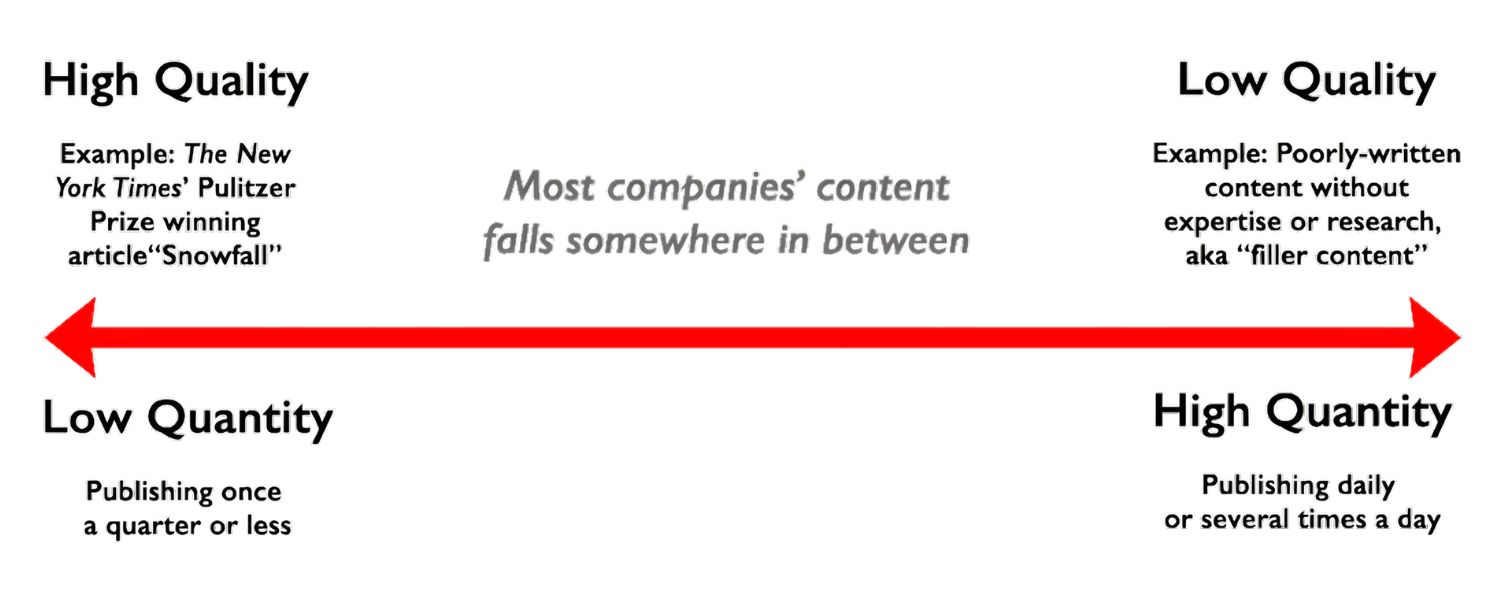
It’s also important to clarify what quality content is not. High-quality content is not measured simply by word count or SEO keyword density.
Longer content isn’t automatically better, a 300-word article that perfectly answers a query can outrank a 3,000-word ramble that doesn’t get to the point. The old mantra “content is king” really means quality content is king.
In practice, a concise 200-word answer that satisfies a user can be far more “quality” than a 2,000-word fluff piece full of irrelevant filler. The key is to cover the topic in sufficient depth to be useful, but also to be succinct and engaging enough to hold the reader’s interest.
Similarly, quality content isn’t about stuffing keywords or churning out posts at high frequency without purpose. While SEO best practices (like using relevant keywords naturally and having an optimized title) do matter, they must be implemented in service of readability and usefulness, not at the expense of them.
People-first content comes first; search engine optimization should happen in the background to help those people find your great content.
Finally, quality content isn’t clickbait or shallow content created solely to drive traffic. Misleading headlines, thin content, or pages overloaded with intrusive ads are all hallmarks of low-quality content.
Instead, authenticity and user satisfaction are the ultimate litmus tests. If your readers come away feeling informed, helped, or delighted – and if they trust what they’ve read – you have delivered quality.
Why Quality Content Matters
You might be thinking: “Alright, I understand what quality content is, but is it really that crucial?” The answer is an emphatic yes. Quality content matters now more than ever, for both SEO and overall marketing success. Here’s why:
1. Better Search Rankings
Search engines like Google prioritize high-quality, helpful content in their results. Recent algorithm updates and guidelines make it clear that content which addresses the searcher’s intent effectively and provides original value will be rewarded with higher rankings.
By focusing on quality over gimmicks, you’re aligning your content with what Google wants to show on page one. In practical terms: if your blog post thoroughly answers a user’s question and is more informative or trustworthy than other available pages, it’s more likely to rank higher and attract organic traffic.
High-quality content is the foundation of sustainable SEO – it’s much easier to rank when you’re genuinely providing the best answer out there.
2. Audience Trust and Brand Authority
Quality content is the foundation of a strong brand reputation. When your articles, videos, or social media posts consistently deliver value, your audience begins to see you as an authority in your industry.
Well-crafted content that speaks directly to readers’ needs shows that you understand and care about them. Over time, this builds trust and loyalty.
Readers start to recognize your brand as a go-to source for reliable information or insightful commentary. This credibility is invaluable – it’s what turns one-time visitors into long-term followers or customers.
In contrast, if someone lands on thin or misleading content on your site, you not only lose that individual’s trust immediately, but you may also damage your brand’s image. In a world overflowing with content, quality is what sets you apart and makes your voice credible.
3. Higher Engagement and Retention
Content that is high-quality tends to get more engagement – meaning readers spend more time on the page, scroll further, and interact by commenting or sharing. Think about the last time you read a truly excellent article: chances are, you read it in full, maybe saved it or forwarded it to a colleague, or even subscribed to the site’s newsletter.
That’s the power of quality. By focusing on meaningful, well-written content, you encourage people to stay on your site longer (reducing bounce rate) and to return for more.
Additionally, many platforms (from Google to social media algorithms) use engagement signals to gauge content quality. If people are actively engaging, it’s a strong indicator the content is hitting the mark.
4. Conversions and Leads
High-quality content doesn’t just inform or entertain, it also persuades and converts. Whether your goal is to generate leads, sell a product, or encourage an action, delivering real value through content is one of the best ways to nurture your audience toward that goal.
For example, a detailed how-to guide or an in-depth case study can educate potential customers, addressing their objections and questions, and gently guide them toward seeing your product or service as the solution.
By the time they reach a call-to-action, they’re far more likely to trust your recommendations or expertise. In fact, quality content often serves as part of the sales funnel: it can attract the right audience, inform them, and ultimately drive them to take the next step (sign up, request a demo, make a purchase, etc.).
On the flip side, poor-quality content can actually repel potential customers, if your site is full of generic or sloppy content, people may assume your products or services are low-quality too.
5. Long-Term Relationships & Loyalty
Perhaps one of the most overlooked benefits: quality content helps build long-term relationships with your audience. When you consistently publish content that helps people, whether it’s solving problems, providing insights, or even just making them laugh, you create a positive connection.
Over time, this can grow into a community of loyal readers or customers. They begin to look forward to your content, trust your brand’s voice, and even advocate for you. For businesses, this loyalty is gold.
It means repeat customers, word-of-mouth referrals, and a reduced need to rely on expensive advertising. In essence, every piece of quality content is an investment in your audience’s satisfaction and in your brand’s legacy.
In summary, quality content is important because it fuels every positive outcome you want online, greater visibility, stronger reputation, better engagement, and higher conversion rates.
It’s not just about doing content for content’s sake; it’s about doing it right to reap real rewards. Many companies have learned that pumping out mediocre articles or posts might check a box, but it doesn’t move the needle. To achieve meaningful results (whether SEO gains or business growth), focusing on quality is non-negotiable.
(Bonus: Quality over quantity also matters for resource efficiency. If you have limited time or budget for content, one exceptional piece can outperform ten mediocre ones. High-quality content has a longer shelf-life and can continue to attract traffic or views for months or years, whereas low-value content fades away quickly.)
How to Create High-Quality Content (10 Proven Strategies)
Understanding the theory of quality content is one thing, now let’s talk practice. How can you actually create high-quality content, consistently? The truth is, it doesn’t happen by accident.
It requires planning, effort, and a clear focus on the right elements during the content creation process. Here are ten proven strategies to ensure your content hits the mark:
1. Start with Thorough Research and Fact-Checking
Every great piece of content begins with a solid foundation of research. Before you put pen to paper (or fingers to keyboard), spend time gathering information and insights on your topic.
This serves multiple purposes: it ensures accuracy, helps you uncover original angles, and builds your own understanding so you can explain things clearly to your audience. Well-researched content stands out because it can include data, examples, and credible references that others might miss.
Begin by consulting reputable sources: industry reports, official guidelines, academic studies, expert interviews, etc. Not only will this give weight to your content (readers can tell when you know your stuff), but it also helps you avoid factual errors that could undermine your credibility.
Take notes on key points and verify any statistics or claims you plan to mention. If you find gaps in existing articles, questions left unanswered or areas not explored, note those too. Filling those gaps will make your content uniquely valuable.
Tip: Use multiple sources and cross-check facts. Google searches, library databases, and even community forums can surface useful insights.
For example, if you’re writing about “content marketing trends,” read the latest studies from marketing firms, check Google’s own publications, and maybe gather a quick quote or insight from a subject matter expert.
This extensive research upfront will shine through in the final piece, as your content will be rich with accurate information and nuanced perspectives.
2. Know Your Audience and Address Their Needs
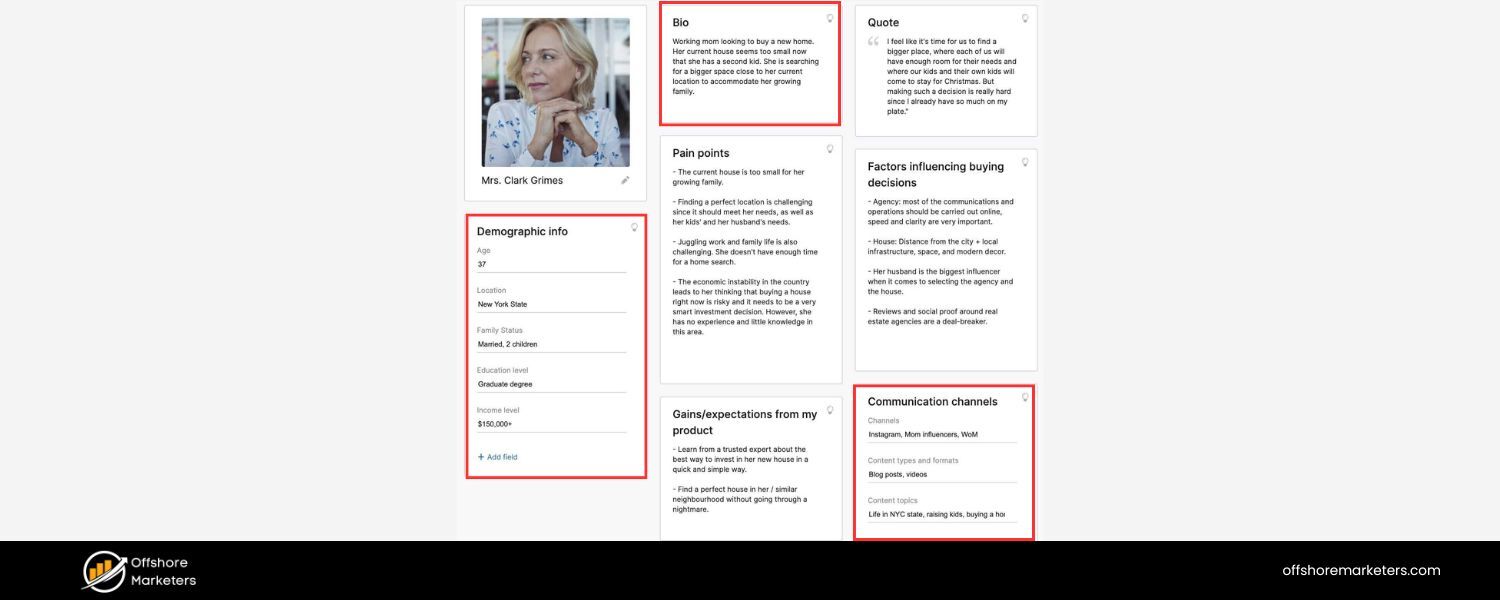
Quality is in the eye of the beholder – and in the case of content, the beholder is your audience. A crucial step in creating quality content is deeply understanding who you’re writing for and what they’re looking for.
Take the time to define your target audience (or buyer personas) and think about their motivations, pain points, and questions. What problems are they trying to solve? What information are they seeking? The more you can tailor your content to these needs, the more valuable it will be.
Start by identifying the search intent behind your topic. Are readers looking for an answer to a specific question (informational intent)? Are they comparing options or seeking advice (perhaps commercial intent)? Or are they ready to take action, like making a purchase (transactional intent)? Match your content’s approach to that intent.
For instance, if the intent is informational (e.g., “how to improve website content quality”), a detailed how-to guide or list of tips (like this one) is appropriate. If the intent is transactional (e.g., “best content quality checker tool”), the content might be a comparison of products with recommendations.
Addressing audience needs also means speaking in their language and at the right level of depth. If your audience is beginners on a topic, avoid overwhelming jargon and start with fundamentals.
If they’re experts, skip the basics and focus on advanced insights. Throughout your content, put yourself in the reader’s shoes – anticipate their questions and answer them, even the unasked ones.
A good exercise is to jot down a list of questions a reader might have about your topic and make sure your content answers each of them clearly.
By making your audience feel “This was written for me!”, you greatly increase the perceived quality of your content. Readers should come away feeling like you understood their problem or query and provided exactly what they needed. Achieving that connection is key to turning casual visitors into engaged followers.
3. Craft a Strong, Clear Structure (and Use Headings Strategically)
No matter how great your information is, it won’t be considered “quality” if it’s presented in a confusing, hard-to-read manner. Structure and organization are vital to content quality.
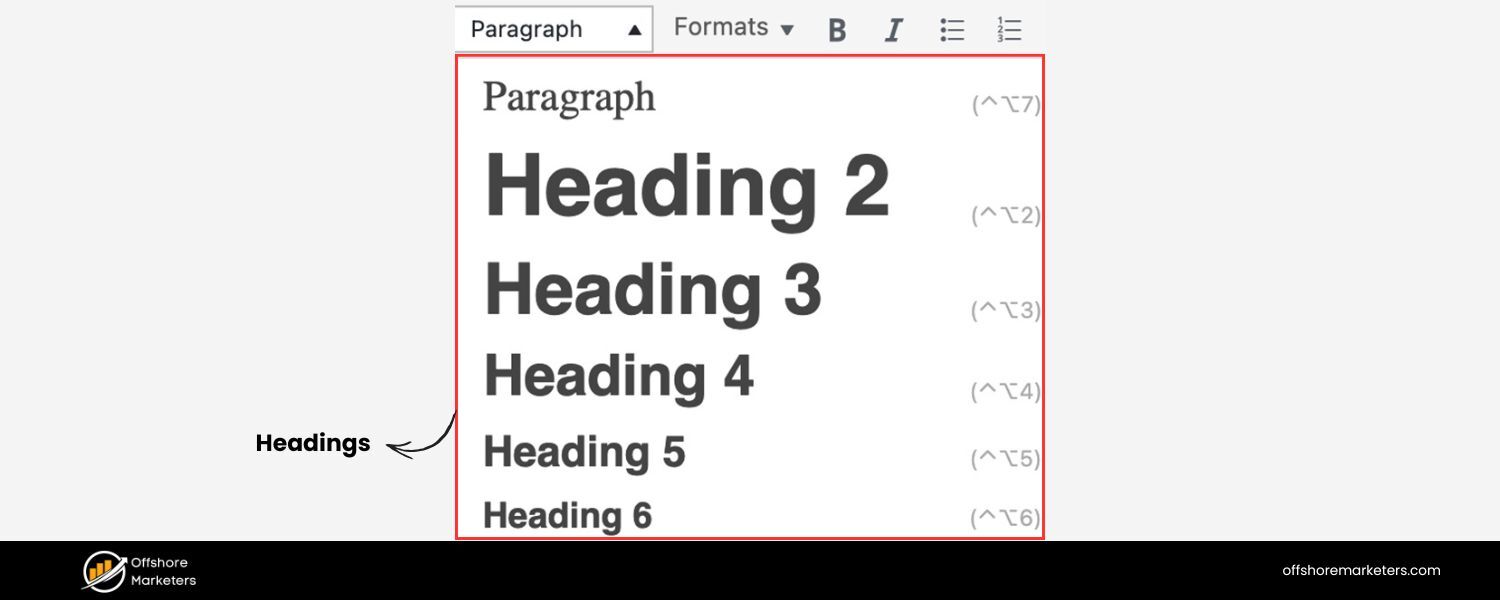
A reader should be able to quickly grasp what your piece is about and easily navigate through it. This means using clear headings and subheadings, logical flow, and breaking up text into digestible chunks.
Start with a compelling title (your H1) that signals the value of the content and includes your primary keyword naturally. Then, ensure your introduction hooks the reader and previews what will be covered.
From there, outline your main sections (which can be primary subheadings, i.e., H2s). Each section should cover a distinct subtopic or answer a key question related to the main topic.
Notice how in this article, headings like “What Is Quality Content?” and “Why Quality Content Matters” immediately tell you what to expect in those sections – this helps readers (and search engines) easily scan and find relevant information.
Under each H2, use H3s (sub-points) if needed to organize ideas further, especially in longer articles. For example, in a guide about creating quality content, under a section on “How to Create High-Quality Content,” it makes sense to list each strategy or tip as a subheading (as we’re doing here).
This hierarchical structure not only improves readability but also SEO, as it signals the importance of topics to search engine crawlers.
Additionally, use bullet points or numbered lists for lists of items, steps, or tips (just like this list!). Lists are easier to scan than long paragraphs and provide a quick takeaway for readers.
Whitespace is your friend too – a wall of unbroken text can be daunting, whereas shorter paragraphs (2-4 sentences) feel inviting.
In short, make your content easy on the eyes and brain. A well-structured piece allows readers to find what they need quickly, understand your points, and stay engaged.
Remember, part of quality is clarity – so guide your reader through a logical journey from start to finish. They’ll appreciate you for it, and so will Google (which can better parse and feature well-structured content).
4. Provide Original Insights and Aim for “Information Gain”

One key question to ask yourself is: What makes my content different or better than what’s already out there? In a sea of similar blog posts and articles, originality is a hallmark of quality.
This doesn’t mean you need to invent a brand-new theory every time, but you should strive to offer something beyond a rehash of the top Google results. In SEO circles, this is sometimes referred to as providing “information gain” – essentially, adding new value that a user couldn’t get from existing pages.
Here are a few ways to inject originality and depth:
A. Share first-hand experiences or case studies
If you have personal experience with the topic, weave that in. For instance, an article on improving content quality could include a brief case study of how you revamped a piece of content and what results it yielded.
This kind of insight is unique to you and makes your content more memorable and credible (it shows you’ve walked the walk).
B. Conduct original research or mini-experiments
If possible, include data that isn’t widely available elsewhere. This could be as simple as running a poll or survey and sharing the results, or analyzing your own website analytics for a relevant insight (e.g., “After we started focusing on quality over quantity, our average time on page increased by 30%.”).
C. Offer a fresh perspective or analogy
Sometimes quality comes from how information is explained. You might take a complex concept and explain it with a simple analogy or a unique angle that helps readers understand it better. If everyone else is tackling a topic from the same angle, find a different viewpoint that resonates more with your audience’s context.
D. Be more comprehensive or up-to-date
You can stand out by simply being more thorough than others – covering not just the basics but also the finer points, and updating information that may have changed.
For example, if competitors wrote about “high-quality content” two years ago, perhaps they missed the latest Google algorithm updates or the impact of AI-generated content in 2023-2025. By including those, your content becomes the most current and complete resource on the topic.
When you provide these kinds of unique value-adds, you transform your content from just another blog post into a go-to resource. Readers will think, “I haven’t seen this info elsewhere,” which immediately boosts your content’s perceived quality.
Plus, other websites are more likely to link to or cite your content if it contains original data or insights, which further enhances your authority (and SEO).
Remember, quality content often means going the extra mile. It’s doing that extra bit of research, adding that personal touch, or double-checking for new developments before hitting publish. The result is content that isn’t just “technically okay,” but genuinely interesting and valuable.
5. Write with Clarity, Readability, and Engagement in Mind

Great research and original ideas won’t count for much if your writing isn’t reader-friendly. High-quality content is almost always clearly written and engaging, regardless of length or format. This means focusing on readability: how easy and pleasant it is to read your content.
Some tips to ensure clarity and engagement:
A. Use a conversational tone (when appropriate)
Writing in a natural, human way – as if you’re explaining something to a friend, can make even dry topics more engaging. It doesn’t mean you lose professionalism; it means you favor plain language over convoluted jargon. Unless your audience expects highly formal prose, it’s usually safe to be conversational.
For example, use “you” and “we”, ask rhetorical questions, and inject a bit of personality. (Notice how this article occasionally uses questions or speaks directly to “you” – that’s intentional to keep you engaged.)
B. Keep sentences and paragraphs concise
Long, winding sentences can confuse readers
Try to convey one main idea per sentence, and one primary concept per paragraph. Vary your sentence length as well, a mix of shorter and slightly longer sentences creates a nice rhythm.
If you find a sentence running on and on (or stuffed with multiple commas), consider breaking it into two. The same goes for paragraphs; if a paragraph is growing unwieldy, see if you can split it logically. White space (through shorter paragraphs) actually gives readers a mental breather and encourages them to continue.
C. Use simple words where possible
Aim for clarity over trying to impress with vocabulary. If you can say “use” instead of “utilize,” do so. If you’re explaining a complex term, consider defining it in plain language.
The goal is not to dumb down your content, but to make sure it’s accessible and clear, even to smart readers who might not be specialists in that exact niche.
D. Make it interactive and relatable
Engage readers by including examples, stories, or questions that they can relate to. For instance, if talking about content quality, you might pose a question like “Think about the last time you shared an article – what made it worth sharing?”
This invites the reader to reflect and mentally interact with your content, increasing engagement. Stories or analogies are powerful too – humans are wired to respond to storytelling.
Even a short anecdote (“I once had a client who…” or “When our team tried X…”) can draw readers in and illustrate your point in a memorable way.
E. Maintain a logical flow
Each sentence and paragraph should flow naturally to the next. Avoid jumping abruptly between unrelated ideas. Transitional phrases (like “however,” “for example,” “in contrast,” “as a result”) are your friends; they guide the reader through your train of thought.
Good flow is a subtle but critical aspect of perceived quality – it makes the reading experience smooth. If a reader ever has to stop and wonder “Wait, how did we get here?” then the flow needs work.
Engaging writing also means injecting enthusiasm and genuine interest into the topic. If you’re passionate or at least sincerely curious about what you’re writing, let that shine through.
Dry, monotone writing can make even great content ideas fall flat. Whereas a touch of excitement (“The results were astonishing – traffic doubled in just a month, simply from updating old posts!”) can be infectious.
Lastly, don’t forget to proofread and polish your writing. Typos, grammatical errors, or awkward phrasing can distract readers and diminish the professionalism of your content.
Run spell-check, read your content out loud, or have a colleague review it. Clean, polished writing shows attention to detail – a quality that readers will subconsciously equate with trustworthiness.
6. Incorporate Visuals and Examples to Enrich Your Content
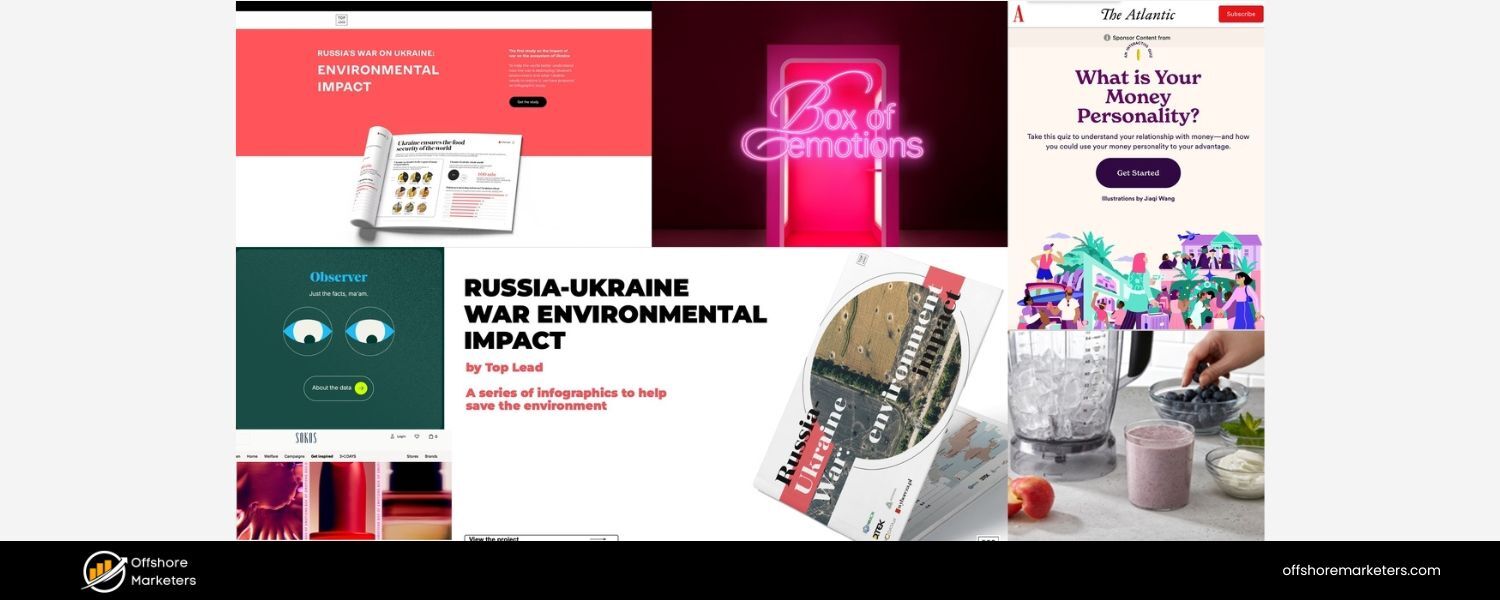
We live in an increasingly visual world, and even the best-written text can often benefit from some well-placed visuals or concrete examples.
High-quality content tends to be rich and multi-dimensional, appealing to readers in various ways. By adding images, infographics, charts, or even screenshots, you make your content more engaging and easier to digest.
Visual elements can illustrate a point more clearly than words alone and break up the monotony of text, which keeps readers interested.
For example, if you’re discussing a statistic or trend, consider adding a simple chart or graph to show the data. If you’re giving a step-by-step walkthrough, include screenshots of each step.
Writing about a concept like E-E-A-T? Perhaps an infographic summarizing “Experience, Expertise, Authority, Trust” would reinforce the explanation.
Visuals act as anchors in the content – they catch the eye and can convey a lot of information at a glance. This not only helps visual learners but also increases the likelihood that key points will stick in the reader’s memory.
Beyond images, real examples and anecdotes serve as mental visuals. Whenever you explain a concept, ask yourself, “Can I provide an example of this in action?” Examples make abstract ideas concrete.
For instance, in a piece about quality content, instead of just saying “use visuals to enhance content,” I could provide an example of a blog that effectively used before-and-after images to show the impact of content editing on readability. Immediately, the reader can picture what I mean.
Another type of example is a mini case study or success story. If you have data from your own experience (e.g., “After implementing these 10 tips, our company’s blog traffic increased 50% in 3 months”), that’s an excellent addition. It demonstrates results and adds credibility.
If you don’t have your own data, you can reference well-known examples or hypotheticals (“For instance, imagine two websites on the same topic – one publishes one exceptional article per month, the other churns out mediocre posts every other day.
Which do you think will build a stronger reputation and loyal audience? Most likely the former – because quality content earns trust and authority.”).
Using multiple content formats (text, visuals, examples, maybe even embedded videos or charts) also makes your content more skimmable and shareable.
Some readers might zero in on a breakout quote or a diagram and decide to share your article based on that alone. Visuals can serve as entry points that draw people deeper into the text.
When adding visuals, a quick note: ensure they are relevant and high-quality (a blurry or off-topic image can do more harm than good). Also, use descriptive captions or alt text for images – this not only aids accessibility but allows readers to glean information even if they’re just quickly scanning.
In essence, show as well as tell. By illustrating your points literally (with visuals) or figuratively (with examples and stories), you create a richer experience. Content that stimulates multiple senses and imagination tends to be perceived as higher quality because it feels complete and thoughtfully crafted.
7. Demonstrate Expertise and Build Trust (E-E-A-T)
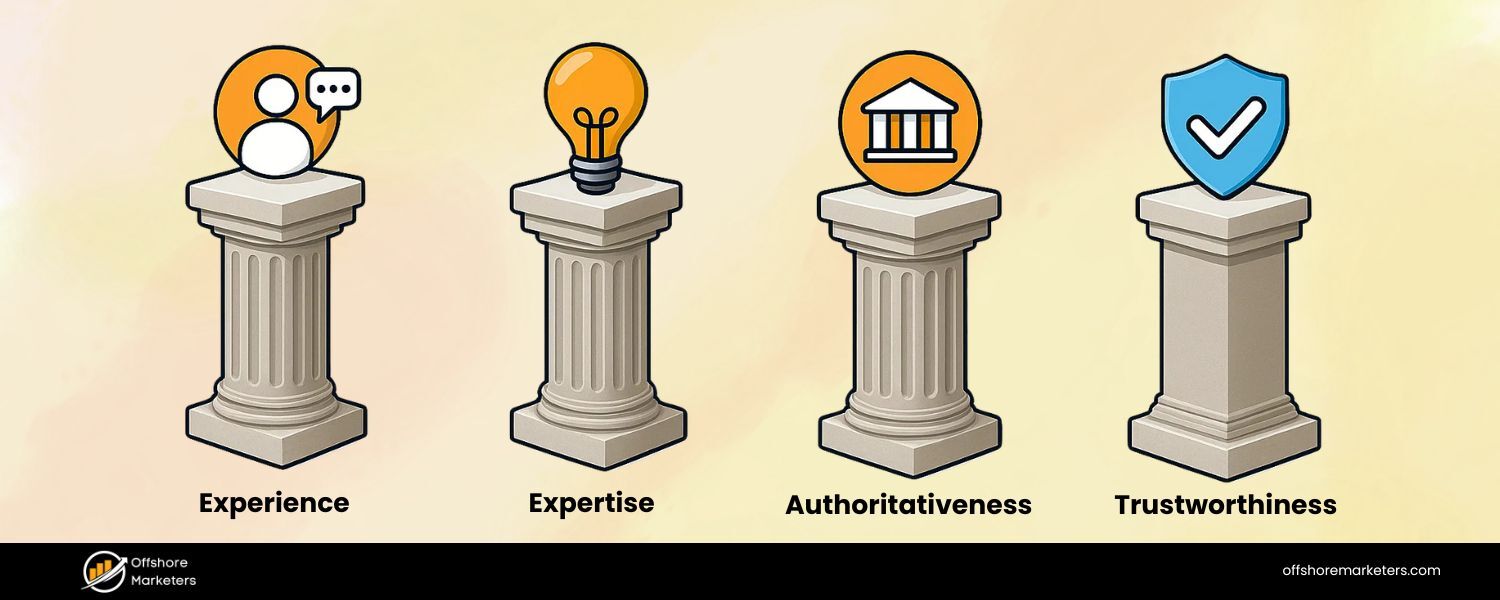
As mentioned earlier, Google’s concept of E-E-A-T (Experience, Expertise, Authoritativeness, Trustworthiness) is a useful lens for thinking about content quality – but it’s not just about pleasing Google’s algorithms or quality raters.
Ultimately, real human readers need to trust and respect your content. To achieve that, make sure you demonstrate your expertise and cultivate trustworthiness throughout your writing.
How can you do this? A few ways:
A. Showcase your credentials or experience
when relevant. If you’re writing on a subject in which you have special qualifications, don’t be shy about letting that be known. This could be as simple as a brief author bio note: e.g., “As a content strategist who has audited hundreds of blogs, I’ve noticed that…”.
Or it could be woven into the content: “In my 25 years of marketing experience, I’ve found that quality content actually reduces customer acquisition costs by making other efforts more effective.” Statements like these give readers confidence that you know what you’re talking about.
B. Cite credible sources and evidence
Back up claims with references to reliable sources or data. For instance, if you mention that “Google prioritizes helpful content,” you could refer to Google’s own guidelines or a quote from a Google representative.
If you state a statistic (“e.g., 70% of consumers say they would rather learn about a company through an article than an ad”), cite the study or source that found it. You don’t need to include hyperlinks if you prefer not to, but you can mention the source in-text (e.g., “according to a Content Marketing Institute study in 2023…”).
Proper attribution not only strengthens your point but also shows readers you’ve done your homework. It builds trust that your content isn’t just opinion – it’s grounded in fact.
C. Avoid exaggerations and false promises
It’s better to be realistic and honest than to hype something up and disappoint the reader. Quality content often has a balanced tone.
For example, instead of saying “These tips will skyrocket your traffic overnight!”, a more trustworthy approach is “These tips can significantly improve your content quality and, over time, boost your traffic.” Don’t give in to the temptation of clickbaitiness. Sophisticated readers see through that and it can erode trust.
D. Address counterpoints or limitations
Surprisingly, one way to demonstrate authority is to acknowledge the nuances – including any challenges or exceptions related to your topic. If certain tactics work only in some cases, say so.
If a strategy you suggest requires patience or has prerequisites, mention that. Far from weakening your content, this honesty shows you’re providing the full picture and not oversimplifying.
Readers will trust you more because you’re treating them as intelligent beings who deserve the truth, not just a sales pitch or rosy picture.
E. Keep your content up-to-date
Expertise isn’t static; what was true a few years ago might not hold today. High-quality content is updated periodically to reflect the latest information. (We’ll talk more about updating in tip #10, but it’s worth noting here because a truly expert piece on a topic shouldn’t contain outdated advice.)
For instance, if new guidelines or algorithm changes occur, a trusted expert source would incorporate those changes into their content or at least acknowledge them.
Additionally, consider the presentation of your site as part of content quality: author bios, about pages, and even the site design can influence trust. A piece of content might be excellent, but if it’s on a sketchy-looking site with no author info or lots of spammy ads, readers may doubt it.
If you’re publishing on your own platform, ensure that your content is accompanied by signals of trust, a professional layout, a clear author byline with credentials, and perhaps references to other publications or testimonials. These contextual factors contribute to a reader’s overall impression of quality.
In summary, put on your “expert hat” when writing, but in a reader-friendly way. Be the guide who knows the terrain, and whose advice can be relied upon.
When readers feel they’re learning from someone who genuinely knows their stuff and has their best interests at heart, they’ll not only deem the content high-quality, they’ll come back for more.
8. Optimize for SEO – Without Sacrificing User Experience
Since we are talking about “quality content” in the context of ranking and marketing, it’s worth mentioning the role of SEO optimization. True, I’ve emphasized people-first throughout this guide (rightly so), but part of content quality is ensuring that your excellent content can be found by those who need it. SEO and quality content are not opposing forces – when done correctly, they complement each other.
Here’s how to strategically optimize your high-quality content for search engines, while keeping it user-friendly:
A. Smart Keyword Integration
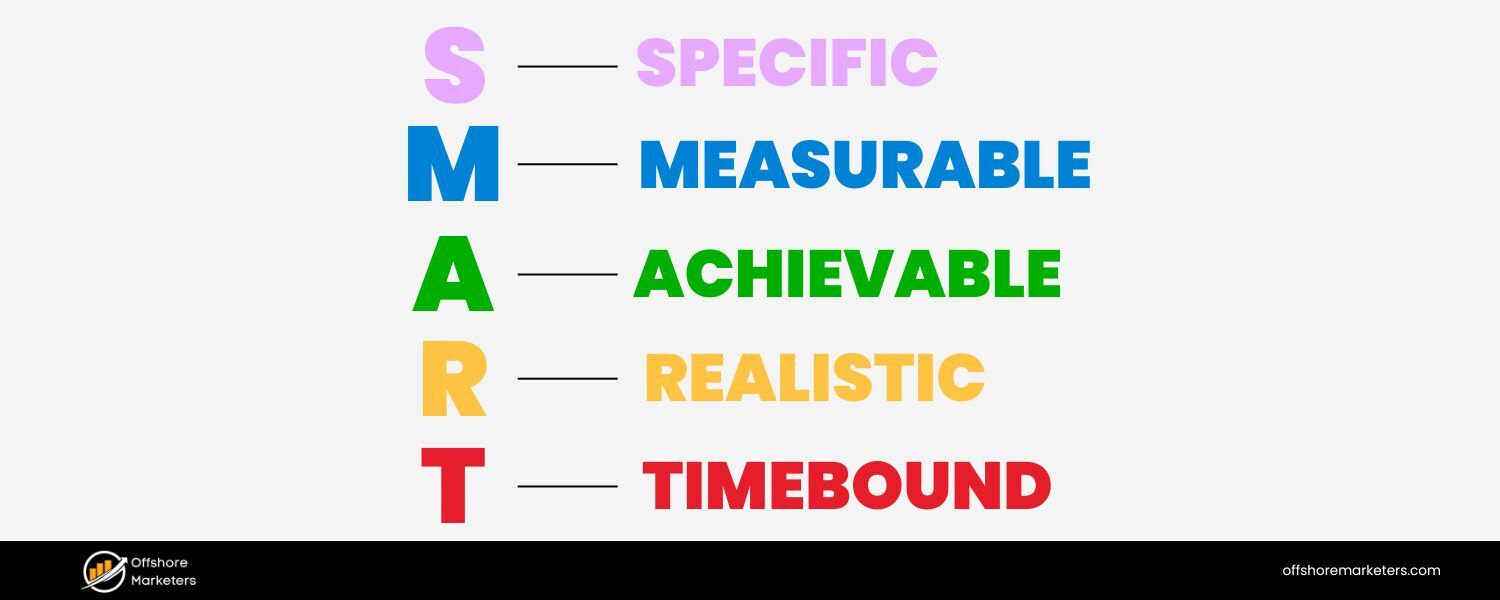
By the time you write, you should have a primary keyword or phrase in mind (thanks to understanding your audience’s search intent). Use this keyword naturally in your title, in the first paragraph if possible, and a few times throughout the content where it fits.
Also include variations or related terms (synonyms and long-tail phrases) since they signal topical relevance. The key is natural usage – never force a keyword where it doesn’t belong or over-repeat it to the point of sounding awkward.
Your readers will notice if the text feels stilted, and Google is sophisticated enough now to detect keyword stuffing and actually penalize it. Write for humans first, then check that your main topics/keywords are present in a fluid way.
B. Compelling Meta Title and Description
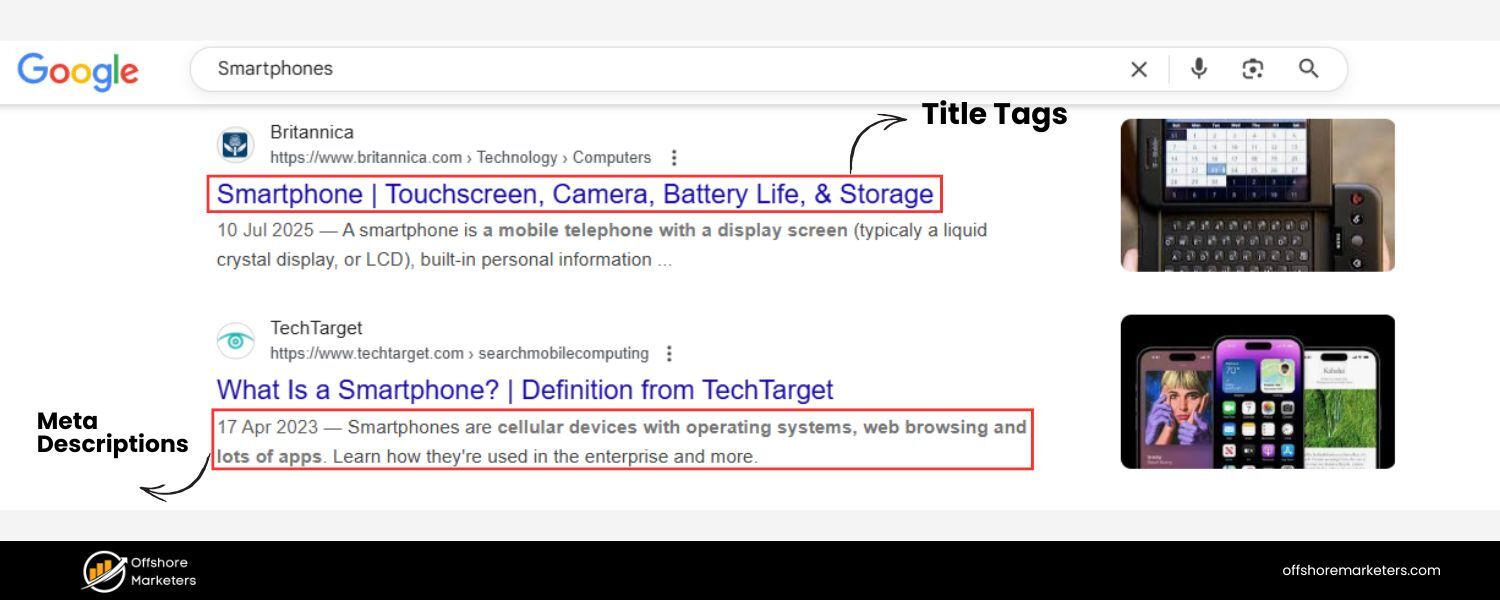
The meta title and description are what users see in search results. They should be accurate and enticing. We provided an example at the top of this article. A good meta title often mirrors your on-page title, possibly with a slight tweak to maximize click-worthiness (while staying true to the content).
The meta description (usually ~155 characters) should clearly summarize the content and include a call-to-action or hook to draw the click.
While meta descriptions don’t directly influence ranking, they influence click-through rate – and a higher CTR can indirectly improve your SEO performance. Plus, writing a clear meta description is just good user service: it tells people what to expect, which is part of a quality experience from the get-go.
C. URL and Formatting
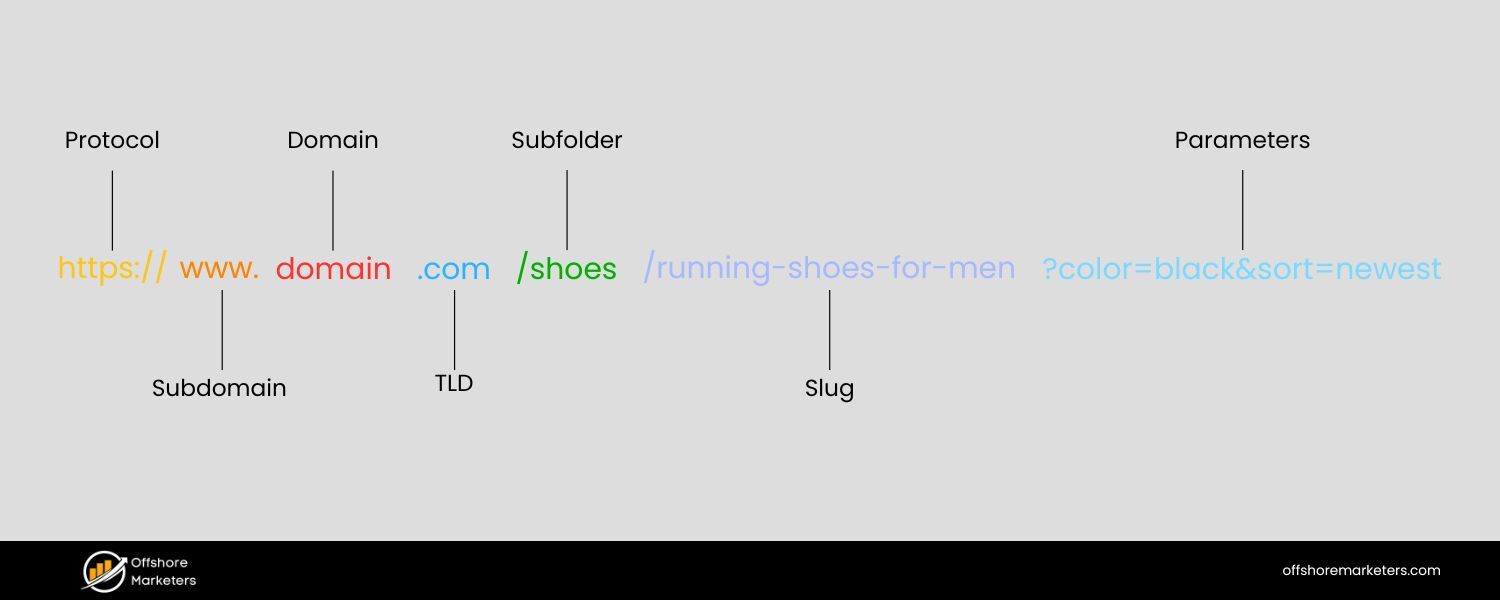
If you have control over the URL of the page, make sure it’s short, descriptive, and ideally contains the primary keyword (e.g., …/quality-content-guide rather than a long string of numbers or meaningless text).
Within the content, use proper formatting for headings (H1, H2, H3 as we’ve done) – this helps search engine crawlers understand the structure and main points of your article, increasing the chances of rich results or featured snippets.
Also, consider adding structured data (schema) if relevant, such as FAQ schema for a Q&A section, to potentially enhance your search appearance.
D. Internal and External Links

Including links can enhance quality if done thoughtfully. Internally, link to other relevant content on your site that provides additional value. This not only helps with SEO (distributing page authority and helping Google crawl related content) but also keeps readers engaged by offering them more to explore.
Make sure any internal links are truly useful and contextually relevant. Externally, linking to authoritative sources can actually bolster your credibility (and sometimes your SEO, though external linking is more about user value and establishing trust than about direct ranking benefit).
For example, linking to an official Google guideline or a respected industry report to back up a claim can show readers you’re not making things up. Just avoid linking to direct competitors for the same keywords, and ensure your external links open in a new tab so you’re not sending people away without a path back.
E. Page Experience Factors
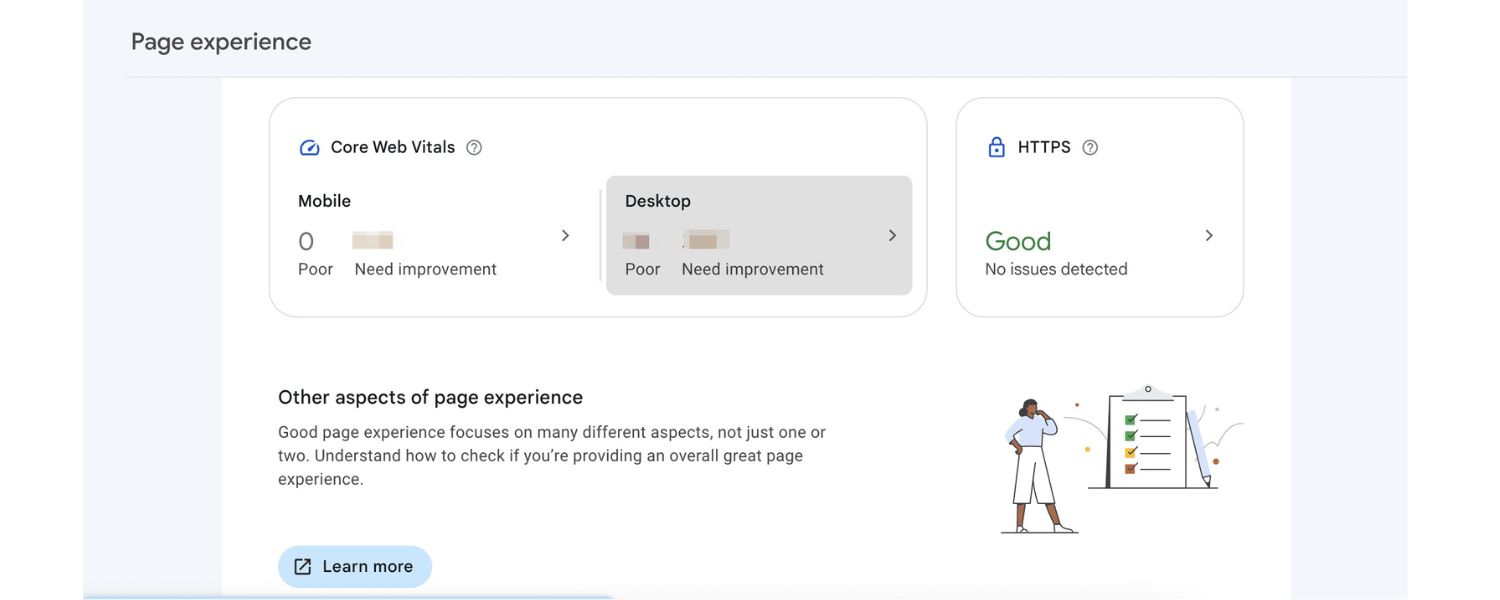
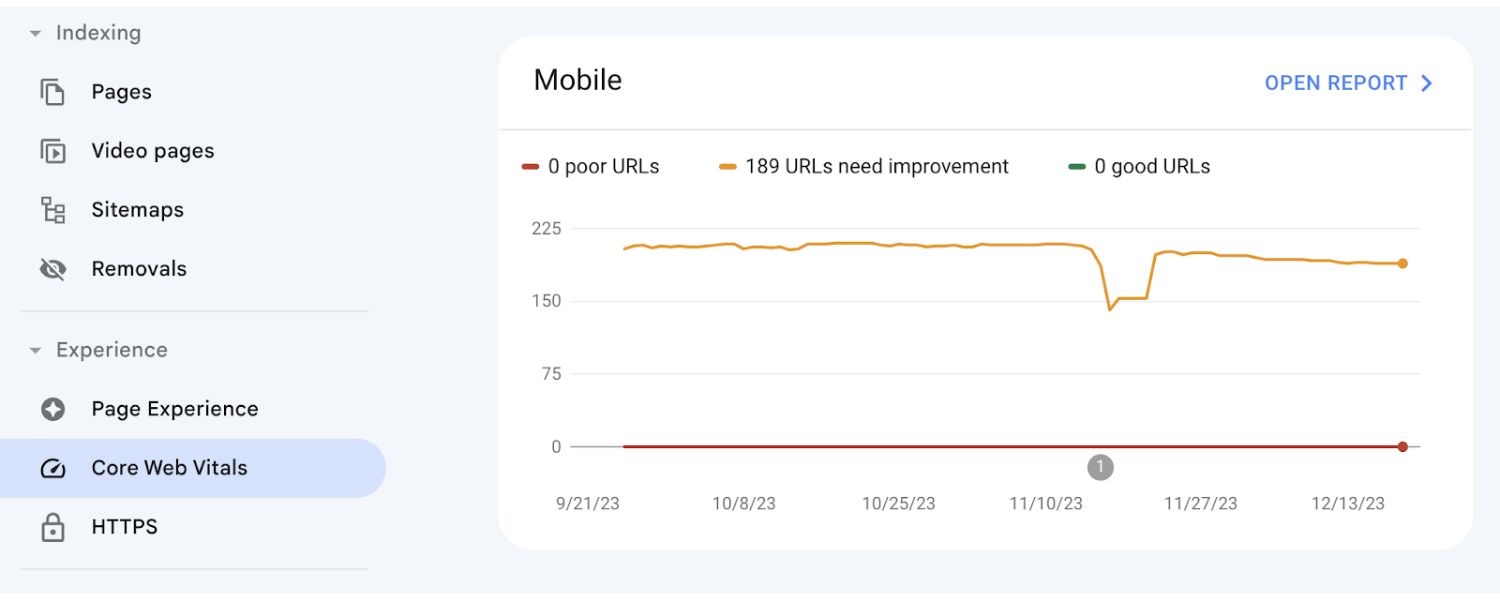
While not traditional “content writing” tips, remember that things like page load speed, mobile responsiveness, and ad experience do impact content quality from a user’s perspective (and Google’s).
If your content is fantastic but the page takes 10 seconds to load or is cluttered with pop-ups, many readers will leave before they even read it.
So as part of “creating quality content,” make sure the technical delivery of that content is smooth. Optimize images for size, use a clean design, and keep any monetization or promotional elements user-friendly and unobtrusive.
The guiding principle here is to optimize in ways that enhance, not detract from, user experience. The good news is that Google’s algorithms have evolved to favor the same things that please users.
Writing a click-bait title might get an initial click, but if it doesn’t satisfy the user, the short visit duration or bounce will send negative signals.
Conversely, a well-optimized but honest title that leads to highly satisfying content will yield longer engagement and perhaps social shares or backlinks – all positive for SEO.
So, see SEO as a set of best practices to amplify the reach of your quality content, rather than a bag of tricks. When you integrate optimization seamlessly into great content creation, you get the best of both worlds: content that ranks well because it genuinely helps people.
9. Edit, Proofread, and Refine (Don’t Skip the Quality Control)
Creating quality content isn’t just about the first draft – in fact, the real magic often happens in the editing phase. Almost every piece of high-quality writing you encounter has been rewritten or refined multiple times. Rigorous editing and proofreading are non-negotiable if you want your content to stand above the rest.
Here’s a process to ensure your content gets the polish it deserves:
A. Take a break, then review with fresh eyes
Once you’ve written your initial draft, if time allows, step away from it for a while (even 30 minutes can help, a day is even better if your deadline isn’t immediate). When you return, you’ll catch things you didn’t notice while in the thick of writing.
Read through your content from start to finish, now thinking like a critical reader rather than the writer. Does everything make sense logically? Are there any points that feel weak, repetitive, or off-track? Jot down notes as you go.
B. Trim the fluff and tighten the flow
One hallmark of quality is conciseness – saying what you need to say as efficiently as possible, without unnecessary tangents or wordiness. During editing, identify any sentences or paragraphs that don’t add significant value, and consider removing or rephrasing them.
It can be hard to cut out pieces you labored over, but remember the end goal: a crisp, focused piece that respects the reader’s time. Also check that each section of your content transitions smoothly to the next.
Add transitional phrases or rewrite sentences for a clearer connection if needed (e.g., “However,” “On the other hand,” “For example,” “In summary,” etc., to bridge ideas).
C. Check for clarity and accuracy
Ensure that each sentence clearly conveys the intended idea. Simplify convoluted phrasing. If any statement could be misinterpreted, clarify it.
Verify any facts, figures, or names one more time – it’s easy for a small error to slip in (like misquoting a statistic or misspelling a brand name). Such mistakes can hurt your credibility, so it’s worth the extra few minutes to double-check details.
D. Proofread for grammar and spelling
This may sound basic, but it’s surprising how often even “final” content online contains typos or grammatical glitches. These little errors can be distracting and give an impression of carelessness – the opposite of quality.
Use tools like spell checkers and grammar checkers (Grammarly, for instance, can be helpful, though don’t rely on it blindly). Read your text out loud; your ear can often catch missing words or awkward constructions that your eyes might skip over.
Common things to watch for: improper punctuation, their/there/they’re errors, subject-verb agreement, consistent tense usage, etc.
E. Get a second pair of eyes if possible
If you have a colleague or friend who can review your content, take advantage of that. Others can often spot issues we overlook and can give feedback on how the content “feels” to an unbiased reader.
If you’re a solo operation, consider reading your piece aloud to yourself or even using text-to-speech – hearing it can reveal rough spots or errors in flow.
F. Format and finalize
Ensure your headings, subheadings, and any formatting (bold, italics, lists) are consistent and clean. If you quoted someone or used any sources, make sure they’re cited appropriately (if not with a link, then with an attribution in text).
If you promised certain content in the intro (“we’ll cover X, Y, and Z”), double-check that you indeed covered those points by the end. It’s easy to unintentionally omit something you meant to include.
Finally, preview the content as it will appear to readers (for example, in the blog layout) to ensure everything looks good, images aligned, no weird spacing issues, etc.
Quality control might not be the flashiest part of content creation, but it’s absolutely crucial. Think of it like polishing a gemstone – the editing process cuts away the dull parts and lets the brilliance of your content shine through.
Skipping this step can leave your otherwise great content looking rough around the edges. On the other hand, thorough editing can elevate a good piece to a truly great one.
10. Keep Content Fresh and Updated

The final piece of the quality puzzle is maintenance. Creating a high-quality piece of content isn’t a one-and-done task. Over time, information changes, new developments arise, or your initial piece might start to show its age.
Quality content is up-to-date content. Continuously updating and refreshing your content ensures it remains accurate, relevant, and valuable long after its original publish date.
Why is this important? For one, readers trust content that reflects the current state of knowledge. If someone lands on your article in 2025 and finds references to social media stats from 2017 or screenshots of an old interface, they might question the content’s relevance.
Even if the core advice is solid, outdated details can chip away at perceived quality. Moreover, Google’s algorithms take note of content freshness for certain queries, especially in fast-changing fields.
Regular updates can help your content continue to rank well (or even improve in rankings) over time, as it signals to search engines that the page is being maintained and remains useful.
Here’s how to keep your content fresh:
A. Schedule periodic reviews
of your key content pieces. Depending on the topic, this might be every 6 months, once a year, or any time you know a big change has occurred (like a new algorithm update for SEO-related content, or new regulations if you write about an industry like finance or health).
During a review, re-read the piece and identify anything that’s outdated or could be enhanced.
B. Update facts, figures, and examples
Swap in the latest statistics, replace or add new examples that are more timely, and remove or revise any parts that are no longer accurate.
For instance, if you wrote “Quality content helps with voice search, and by 2020 X% of searches will be voice-based,” well, 2020 has come and gone.
By 2025, you should update what actually happened with voice search stats or how the trend evolved. This keeps the content relevant.
C. Add new insights
Often, after a piece has been live for a while, you might gather feedback or observe new trends that relate to it. Incorporate those insights. Maybe you’ve learned something from comments readers left, or you have data on how users interacted with the content (e.g., many people asked a particular question).
Consider adding an FAQ section or a new paragraph to address common queries that came up. This not only improves the content’s quality by making it more comprehensive, but it also shows readers that you care about addressing their needs.
D. Refresh the title and meta description if needed
If an article’s focus has slightly shifted due to updates or if new keywords have become pertinent, you might tweak the title or description for better accuracy and click appeal. Just ensure any changes still align with the content within.
E. Indicate last updated date
It can be reassuring to readers (and beneficial for SEO) to show when the content was last updated. A small note at the top or bottom like “Updated on [Month Year]” suffices.
This transparency tells readers that the information is current, which increases trust. If you make substantial updates, you might even consider a brief note about what was changed (“Updated to include new 2025 trends in content marketing.”).
F. Repurpose or re-promote updated content
When you do significant updates, treat the content as “new” in terms of promotion. Share it on social media again, mention it in your newsletter, etc., highlighting that it’s updated. This can bring a new wave of traffic and engagement, squeezing more value from an existing asset.
By keeping content up-to-date, you extend its lifespan and continue to reap benefits from the effort you invested in creating it. This practice is a hallmark of top-tier content publishers.
They don’t just crank out new posts and forget the old ones; they cultivate an evergreen library where each piece stays as valuable as the day it was first published (or even more so).
For you, that means over the years, your site can accumulate a robust collection of quality content that stands the test of time and keeps working for you.
Conclusion: Quality Over Quantity- Always
In an era overflowing with content, quality is your competitive edge. Whether you’re a blogger, a business, or a brand, focusing on creating truly valuable content will pay dividends in building audience trust, improving your SEO rankings, and achieving your marketing goals.
It’s better to have one article that genuinely helps and impresses your readers than ten articles that barely scratch the surface.We’ve explored what “quality content” really means – from aligning with user intent and demonstrating expertise, to presenting information in an engaging, accessible way.
The common thread through all of it is care. Quality content is crafted with care at every step: researching carefully, writing thoughtfully, editing diligently, and updating regularly. It’s not always the quickest route, but it’s the surest route to long-term success.
Remember, creating quality content is a continuous journey, not a one-time task. Every piece you publish is an opportunity to connect with your audience and make a lasting impression.
So next time you plan a blog post or any content piece, take a moment to apply the principles from this guide. Ask yourself: Is this truly helping my reader? Is it original? Is it clear and enjoyable? If you can confidently say yes, you likely have a high-quality piece on your hands.
Finally, don’t be discouraged if achieving top-notch quality feels challenging at first. Even seasoned writers and marketers are always learning and refining their craft (myself included, after 25 years!).
What matters is committing to continuous improvement. Over time, the more you prioritize quality, the easier it becomes to hit that mark consistently, and the more you’ll stand out in your field.

.png)
Shopify SEO: Guide to Ranking Your Store and Driving Sales
Most Shopify store owners set up their store, list their...

Content Marketing : Definitive Guide to Strategy, Content Types, and Measurable ROI
Content marketing generates 3x more leads than outbound marketing at...

Above the Fold: Guide to Conversions, Rankings and Faster Pages
Above the Fold in 2026: The Complete Guide to Conversions,...

Off-Page SEO Checklist: Guide to Building Real Authority
Most websites spend months creating great content, only to wonder...

What Is Keyword Bidding? The Complete Strategy Guide for Smarter Ad Spend
Most advertisers believe the highest bid wins the auction. It...

What Is Google Trends? The 2026 Marketer’s Complete Guide
If you are not already pulling weekly insights from Google...
If you want a growth partner who will get to know every aspect of your business and treat your budget like their own — we are the right fit.
.png)


.png)
.png)
.png)
.png)
.png)
.png)
2026 ALL RIGHTS RESERVED MADE IN INDIA
