
Google SGE: AI-Powered Transformation of Google Search
September 5, 2025
Introduction
Google’s Search Generative Experience (SGE) is an experimental AI-driven search overhaul that promises to transform how users find information.
Instead of the familiar list of blue links, SGE leverages generative artificial intelligence to provide quick, conversational answers and overviews right at the top of your search results.
In a world buzzing about ChatGPT and AI chatbots, Google’s SGE brings those capabilities directly into Google Search, potentially redefining SEO, content marketing, and user behavior online.
So, what exactly is Google SGE, and why should marketers with decades of experience (and newcomers alike) pay attention? Let’s dive in and explore how this AI-powered search experience works and how you can stay ahead of the curve in the era of SGE.
What Is Google SGE (Search Generative Experience)?
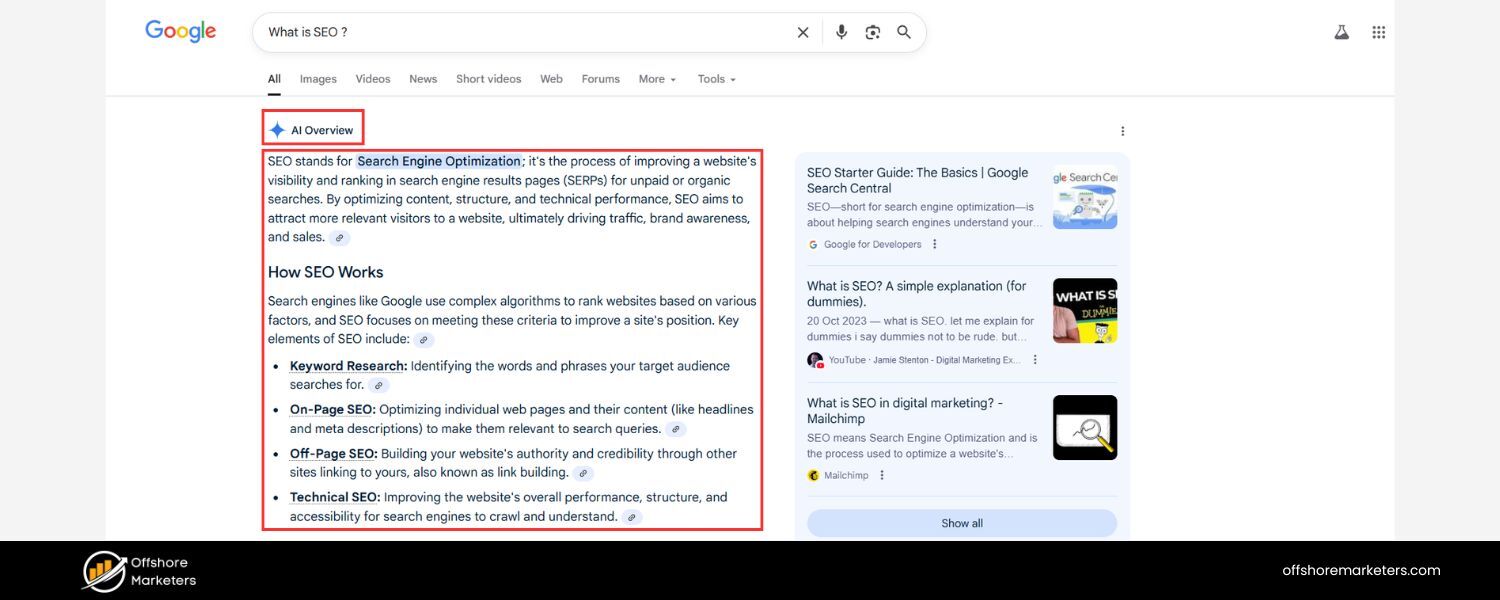
Google SGE is Google’s AI-powered Search Generative Experience, a new approach to search results that integrates generative AI into the familiar Google search page.
In practical terms, SGE gives users an AI-generated snapshot or overview in response to their query, so they can get key information at a glance without clicking through multiple websites.
Google introduced SGE via Search Labs in mid-2023 as an opt-in experiment, pitching it as a way to “understand a topic faster, uncover new viewpoints and insights, and get things done more easily”.
Unlike a traditional search results page (SERP) that simply lists links, SGE uses a large language model to synthesize content from across the web and present a concise answer or summary at the top of the results.
or example, if you ask Google “What are the best rainy day activities for elementary school kids?”, SGE might generate a list of kid-friendly indoor activities pulled from multiple sources.
Instead of one featured snippet, you see a rich AI-crafted answer box (often called an AI “snapshot” or overview) listing suggestions like indoor obstacle courses, board games, scavenger hunts, etc., all compiled by Google’s AI.
Google’s SGE can provide an AI-generated list of ideas or answers (as shown above for a query about rainy day activities for kids), allowing users to get key information immediately. The sources of this information are listed to the side, so users can click through for details if desired.
Crucially, SGE isn’t a separate website or chatbot – it’s built into Google Search itself, appearing for certain queries once you have the feature enabled.
Initially, SGE was available via Search Labs (Google’s experimental features program) in limited regions, but it has been rapidly expanding. As of late 2023, SGE was offered in seven languages and over 120 countries (notably excluding some regions like the EU pending regulatory considerations).
In May 2024, Google announced it would start rolling out SGE’s AI overviews to all users in the U.S., moving the feature from opt-in experiment to a broader release.
In fact, Google reported that people had already used these AI overviews “billions of times” during the trial phase, finding them helpful for quick insights.
By the end of 2024, Google aimed to bring SGE’s capabilities (now often referred to simply as “AI Overviews”) to over a billion people worldwide. In short, SGE represents one of the biggest changes to Google Search in decades – ushering in an era where AI can answer complex questions directly on the results page.
How Does Google SGE Work?
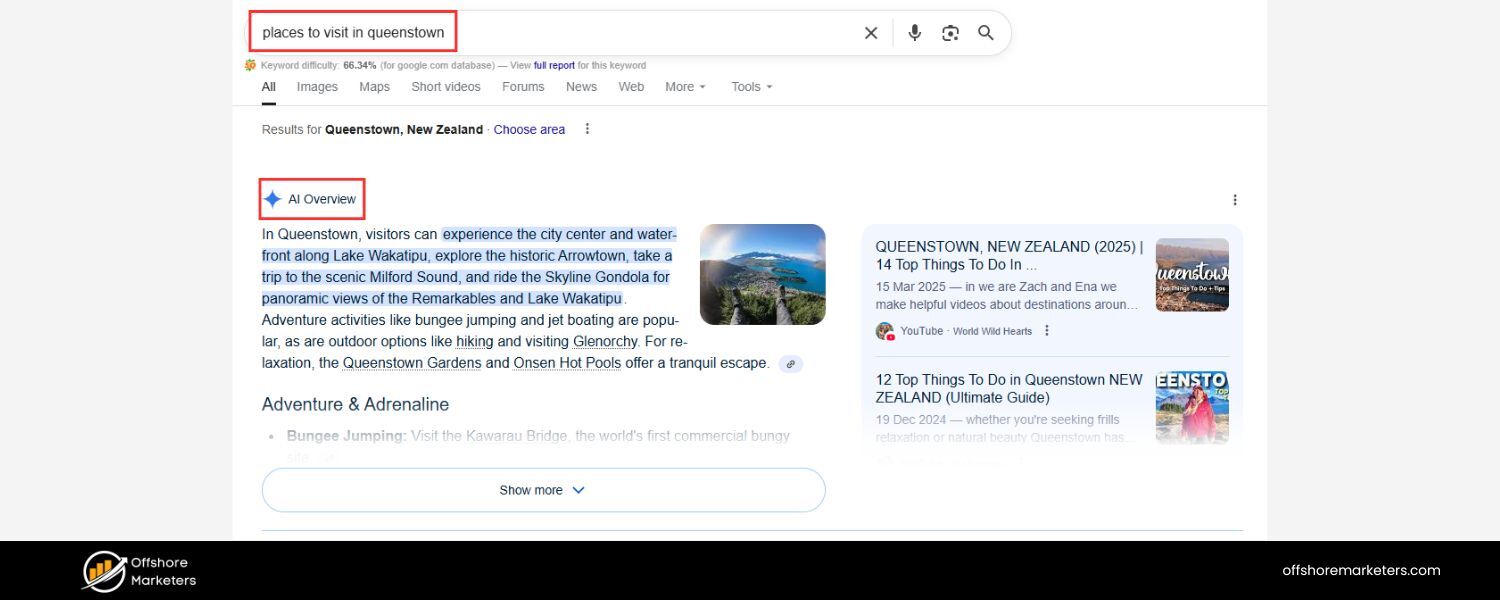
At its core, Google SGE works by combining Google’s traditional search index with generative AI technology to produce answers. Under the hood, SGE uses large language models (LLMs) – the same kind of AI models behind chatbots like ChatGPT – to interpret queries and generate human-like responses.
Google initially leveraged its PaLM 2 model for SGE, and later integrated a custom Gemini AI model (unveiled in late 2023) to power even more advanced capabilities.
These models are trained on vast amounts of text and can create new content (text, images, etc.) in response to prompts. In the context of SGE, the prompt is your search query, and the AI’s task is to pull relevant information from high-quality web results and synthesize a useful answer.
Here’s a simplified breakdown of how SGE functions:
1. Query Understanding
When you enter a search query (especially a complex question), Google uses natural language processing to parse your intent and the specifics of what you’re asking. For example, a query like “best chocolate chip cookie recipe” is recognized not just as keywords but as a request for recommendations.
2. Retrieval of Sources
Google’s search algorithm still runs as usual in the background, crawling and indexing web pages. For SGE, Google retrieves a selection of relevant results (often the top-ranked pages for that query) and feeds snippets of their content into the AI model.
Early observations indicate SGE tends to draw from the top few organic results (often the top 2–3 pages) when constructing its answer. In other words, if your content ranks highly in traditional SEO, it’s more likely to be used in the AI-generated summary.
3. Generative Answer Creation
The AI (Google’s LLM) then generates a cohesive answer or overview, drawing on facts and information from those sources. It might compile bullet points, summaries, pros and cons, or step-by-step instructions – depending on what was asked.
For instance, in response to “best chocolate chip cookie recipe,” SGE might show three recipe options (pulled from top recipe sites) each with a brief summary of what makes that recipe specia.
If the query is more explanatory (e.g. “How is the periodic table organized?”), SGE will produce a short explanation paragraph (even incorporating an image if relevant) to directly answer the question.
4. Sources and Citations
Transparency is a concern with AI, so Google includes source citations alongside the AI answer. In the SGE interface, you’ll typically see small links or an “About this result” expansion that shows which websites the AI overview is drawing from.
Google has emphasized that it wants to “highlight and drive attention to content on the web” even as it provides AI summaries.
In fact, Google claims that the links included in AI overviews often get more clicks than they would as regular search results for the same query, suggesting the AI summary might actually boost traffic to those sources by making them more visible (more on this claim later).
5. Follow-Up Questions (Conversational Mode)
One of SGE’s defining features is its interactivity. After getting an AI-generated answer, users are prompted with follow-up questions or can ask their own follow-ups in a conversational mode.
The AI will remember the context of your original query as you refine or explore related questions. For example, after seeing cookie recipe suggestions, SGE might suggest follow-ups like “What’s the secret to a perfect cookie?”.
Clicking that follow-up prompts SGE to provide additional info (e.g., tips for baking perfect cookies) without starting a whole new search. This makes search feel more like a back-and-forth dialogue.
Context carries over from question to question, so you can naturally continue exploring a topic. It’s a bit like having a built-in research assistant on the SERP.
6. Visuals and Other Media
SGE is not limited to text. It can generate or integrate visuals in some cases. For shopping or product searches, the AI overview can display product images, prices, and reviews pulled from Google’s Shopping Graph database.
Moreover, Google has experimented with allowing SGE to generate images from text prompts, with appropriate watermarks indicating AI-generated content.
So a user could potentially type a request for an image (e.g., “Show me an image of a fantasy castle”) and get an AI-created picture right within search.
This feature is still rolling out (with strong emphasis on metadata and watermarking to flag AI art), but it shows Google’s ambition to include multimodal generative capabilities in search.
SGE’s underlying Gemini model is multimodal, meaning it can understand and produce more than just text, which paves the way for these advanced features.
In summary, Google SGE works by taking the heavy lifting out of searching: it understands your natural-language query, scours the top results for you, and then creates a unified answer so you don’t have to visit five different sites to piece together an answer.
It’s as if Google Search itself became a mini-AI assistant, working behind the scenes each time you search. However, this convenience comes with major implications for users, publishers, and marketers – which we’ll explore in detail.
Key Features and Benefits of SGE for Users
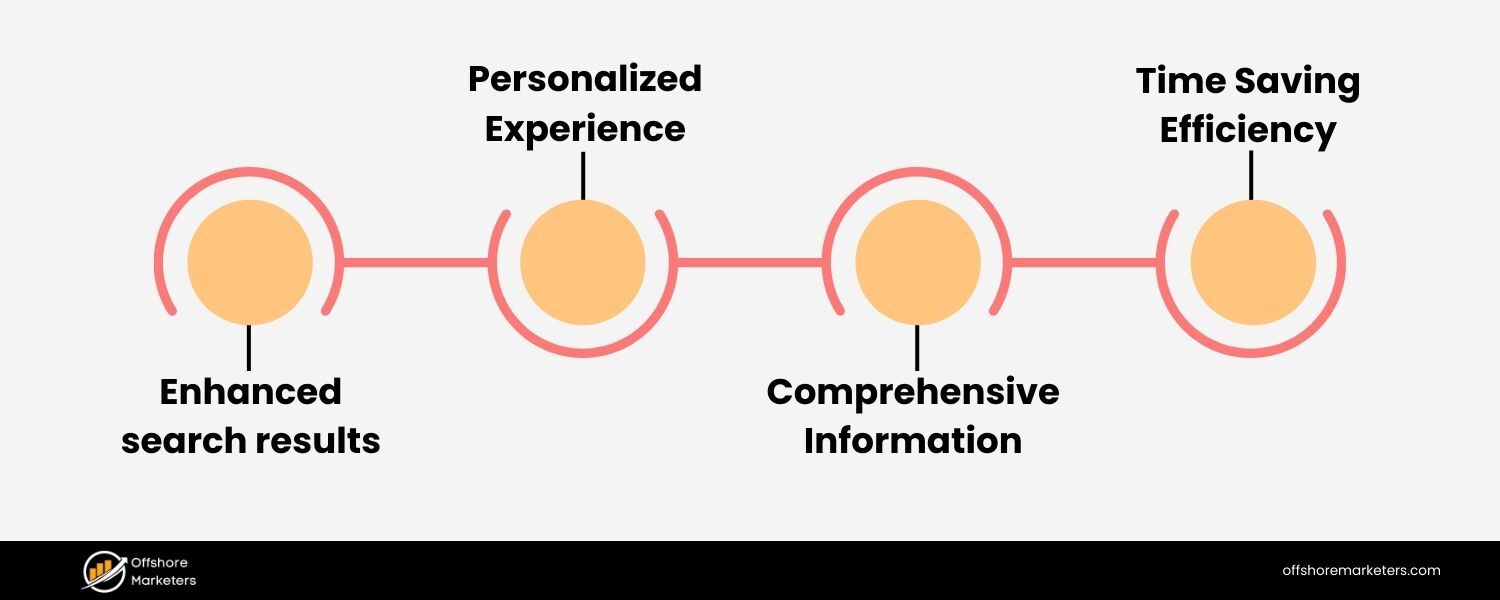
From a user’s perspective, the Search Generative Experience offers several notable benefits over the traditional Google search experience:
1. Quick Overview of Complex Topics
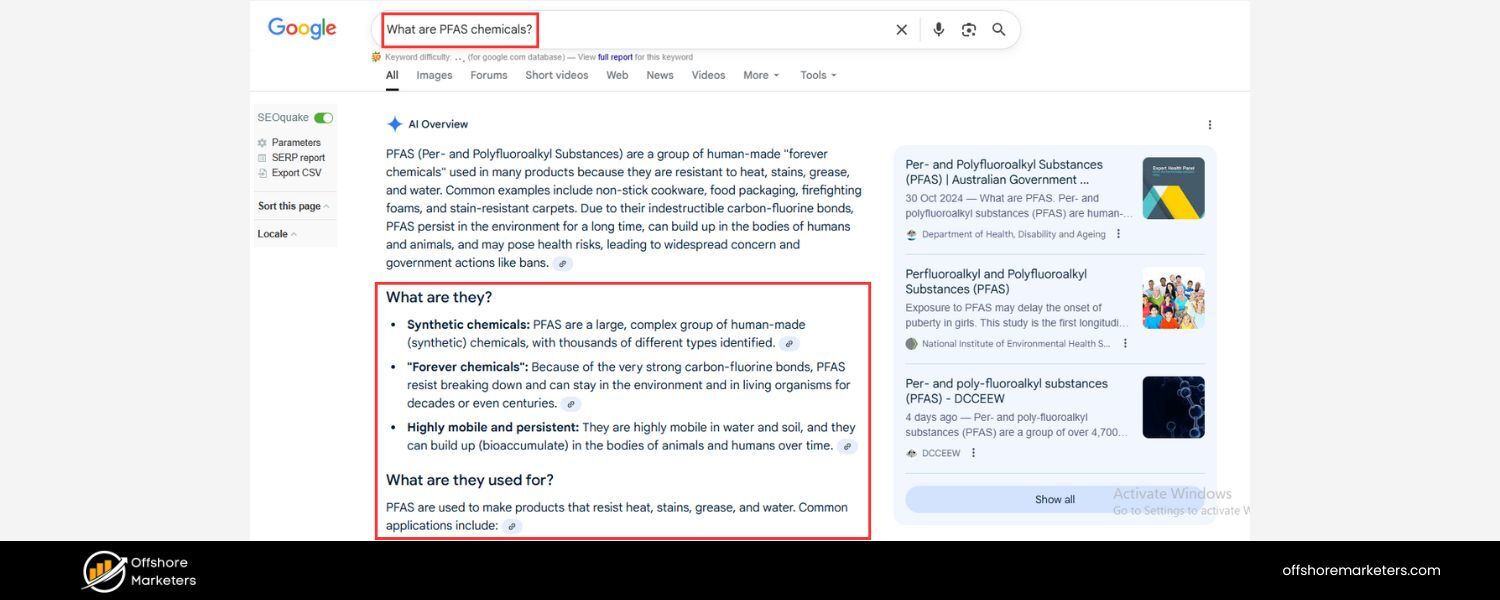
Perhaps the biggest draw is speed and simplicity. SGE provides an easy-to-understand summary of complicated topics, allowing users to grasp the basics immediately.
For example, a user asking “What are PFAS chemicals?” would receive a concise overview covering the main points, instead of having to comb through technical articles.
This means less time spent clicking multiple results and skimming for relevant info, Google’s AI does the summarizing for you. It’s especially useful for broad or multifaceted questions where the answer isn’t a single fact but a collection of insights.
2. Conversational and Interactive Search
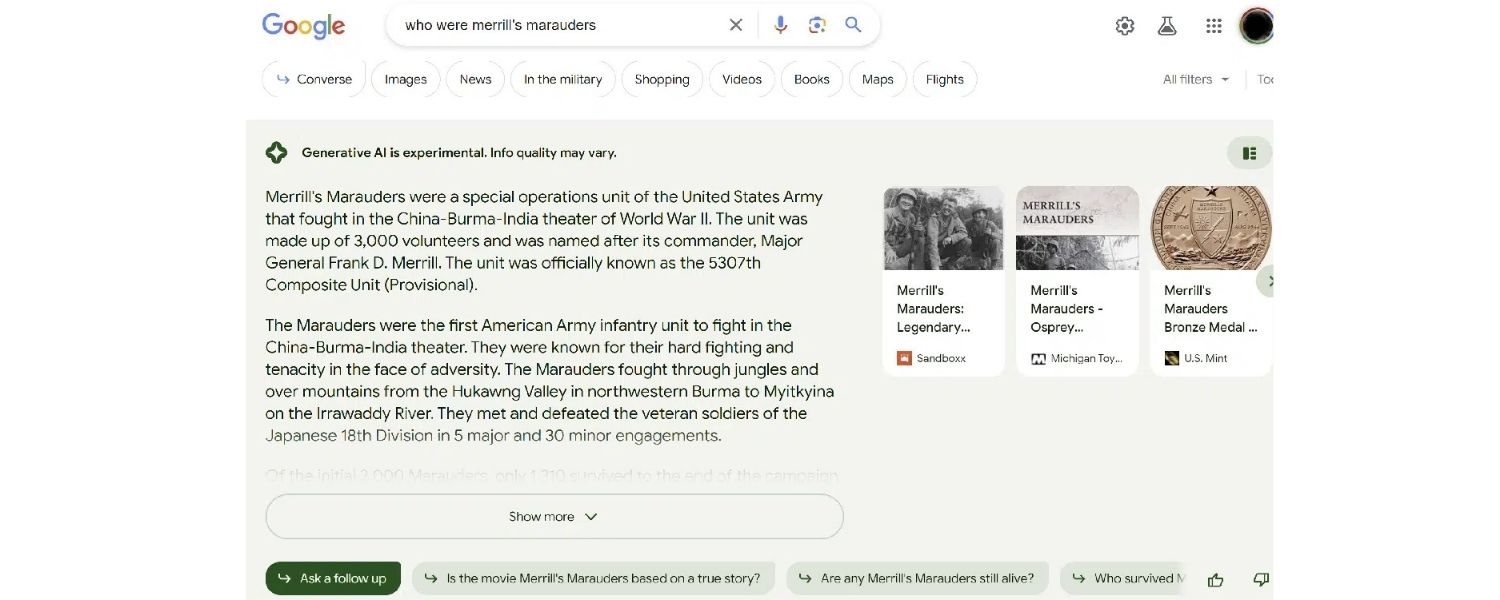
SGE makes Google Search feel more interactive and conversational. After the initial answer, Google suggests logical follow-up questions related to your query, encouraging a deeper dive with just one click.
It’s akin to the “People also ask” boxes of old, but more context-aware. For instance, if you searched for a comparison (“spinach vs kale benefits”), SGE might not only summarize the differences but also prompt follow-ups like “What are the top 3 benefits of each?” or “Which is better for an anti-inflammatory diet?”.
This guided exploration helps users get in-depth information without formulating new searches from scratch. It’s a more natural, conversation-like way to search, which aligns with how we might ask a human expert a series of questions.
Users can also type their own follow-up questions to further clarify or expand the topic, and SGE will remember the context. This conversational aspect makes SGE results highly engaging and personalized compared to static SERPs.
3. Fast, Direct Answers (Reduction of Clicks)

With SGE’s AI snapshots, users often get their answer immediately, which streamlines the information-gathering process. There’s no need to open multiple tabs and sift through long articles for a specific answer.
For instance, a query like “How is the periodic table organized?” yields an AI-crafted paragraph explaining the structure (periods, groups, etc.) along with a relevant image, delivered right on the results page.
This directness is faster and easier than navigating through various websites for the same explanation. In essence, SGE is optimizing search for efficiency, catering to the growing impatience of users who want immediate answers.
Google noted that users are more satisfied and even using Search more when they have AI Overviews available, likely because it reduces effort on their part.
4. Integrated Shopping and Recommendations
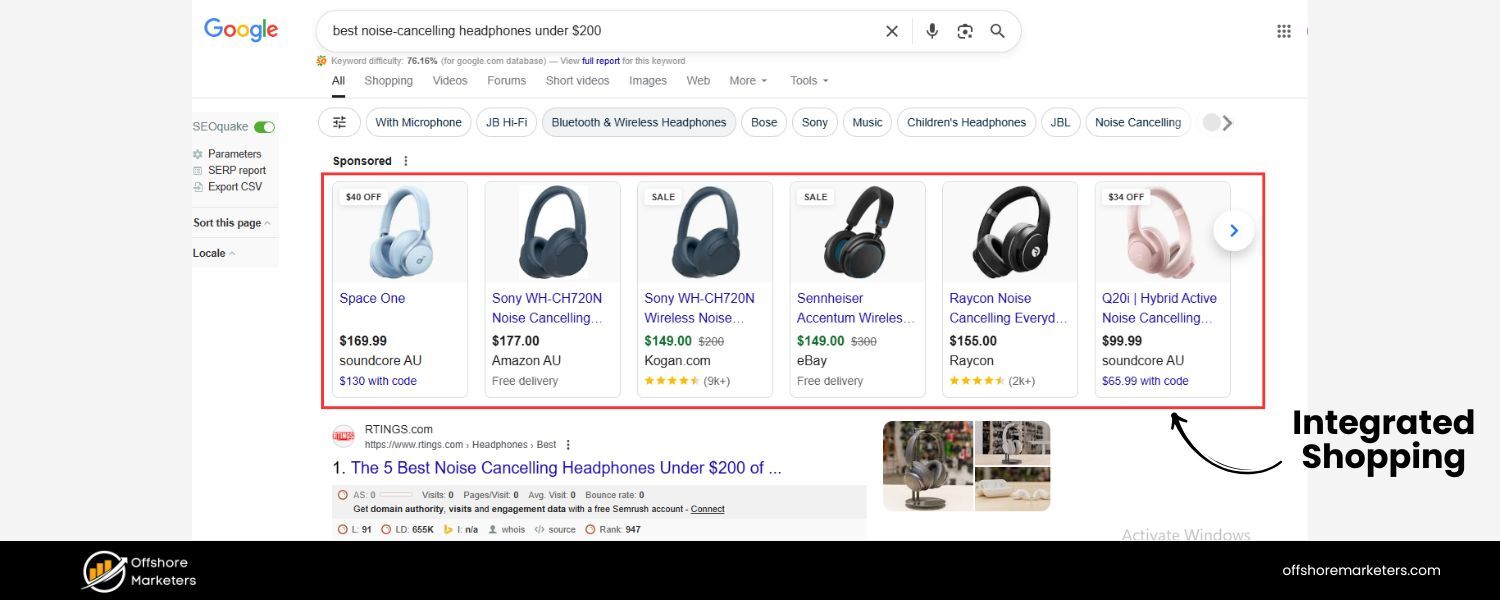
SGE isn’t just for Q&A; it also enhances shopping queries. If you search for a product or seek buying advice (for example, “best noise-cancelling headphones under $200”), SGE can present a snapshot of notable options, with pros, cons, price ranges, and even up-to-date reviews and ratings included.
These AI-generated shopping overviews are built atop Google’s massive Shopping Graph database, meaning they’re pulling real-time product info (billions of listings updated constantly).
The result is that users can get a mini buying guide in one view, models, features, and comparisons, without having to visit multiple product review sites. This helps make complex purchase decisions faster and easier.
SGE also has specialized “vertical” experiences for certain categories like shopping: it might show product carousels, refine options, and more visual results for queries with commercial intent.
5. Enhanced Media and Multimodal Results
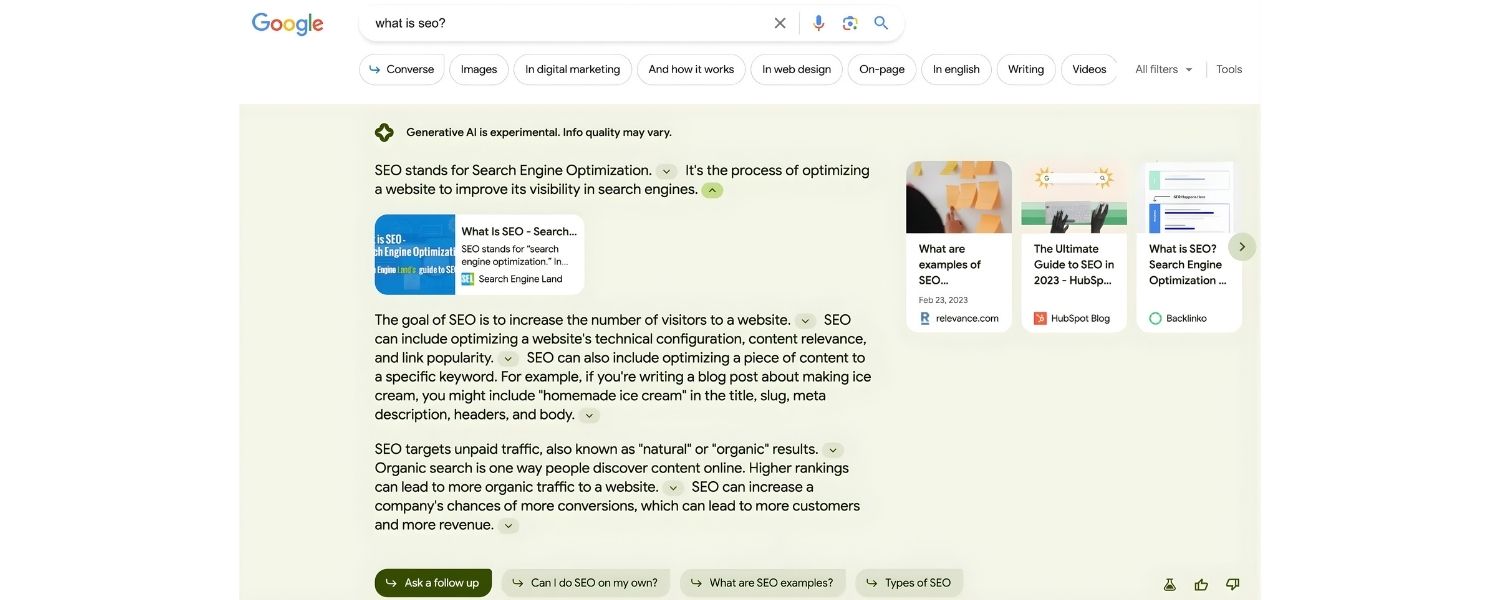
As mentioned, SGE can incorporate images in answers when relevant (e.g., showing an image of the periodic table or a recipe illustration).
Google is also exploring video-based queries, where a user can search using a video or ask questions about a video’s content. For example, taking a video of a malfunctioning gadget and asking “why is this part not working?” could prompt SGE to analyze the video frames and provide troubleshooting steps.
This feature, still experimental, hints at a future where search isn’t bound to text input; users could search by uploading media and get AI help.
6. Personalized and Contextual Results
Because SGE operates in a conversational mode and can use your search history as context, it has the potential to personalize results more than a one-off search query would.
Google has indicated that SGE can handle multi-part questions and nuanced requests in one go, thanks to the advanced reasoning of the Gemini model.
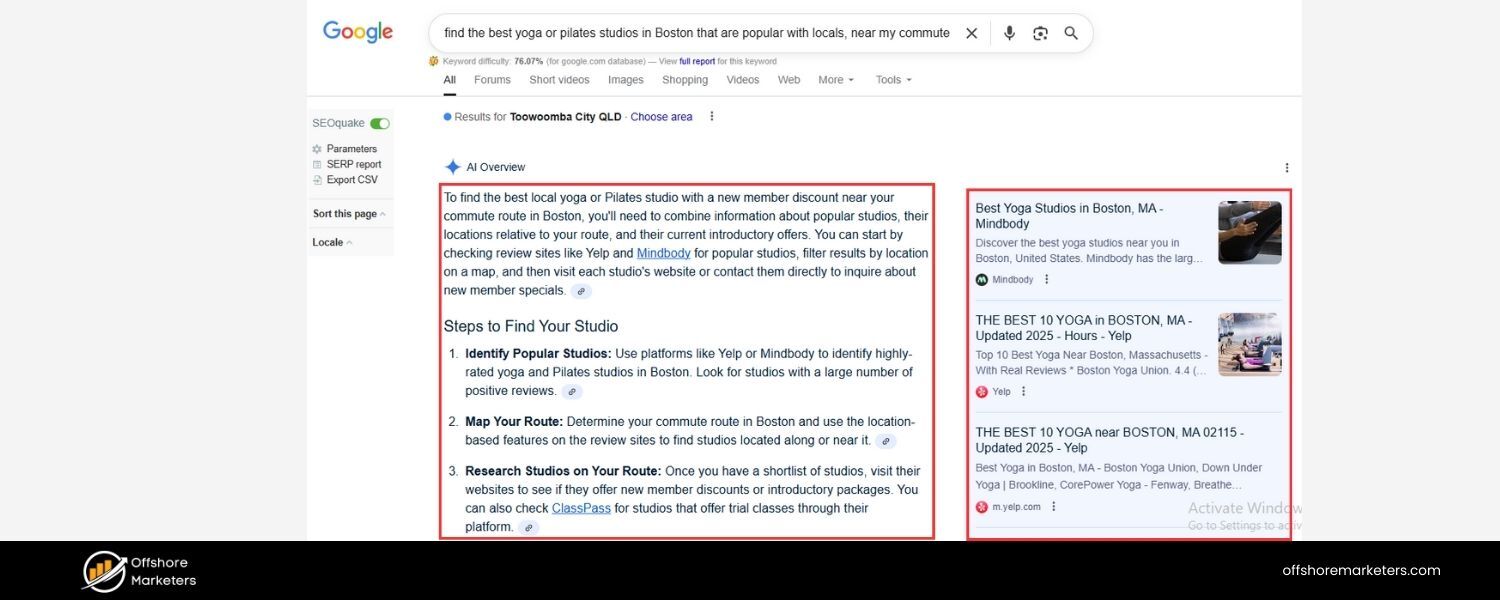
For instance, a complex query like “find the best yoga or pilates studios in Boston that are popular with locals, near my commute route, and have a new member discount” can be understood and answered in a single SGE response.
Previously, you might have had to perform several searches (for location, for reviews, for pricing) to piece that together; now the AI can combine all those factors at once.
This ability to handle complexity means users can be quite specific and still get a tailored answer, almost like asking a personal assistant. SGE will likely only grow more personalized as it learns from user interactions (within the bounds of Google’s privacy policies).
In short, Google SGE is designed to make search results more useful, immediate, and intuitive for users. It caters to natural language queries and multi-faceted questions, provides rich answers that save time, and creates a search journey that feels more like a conversation or guided research.
From understanding a difficult concept quickly to planning a vacation itinerary with AI help, SGE aims to be a one-stop shop on the SERP.
It’s no surprise, then, that Google’s data from early testing showed users appreciating these benefits – using SGE frequently and visiting a wider variety of sites through the AI overview than they might have through classic search results.
However, while users may love these perks, SGE represents a significant shift in how information is presented – and this has major ramifications for website owners, SEO professionals, and advertisers.
Next, we’ll examine the other side of the coin: the challenges and changes SGE brings for the search industry and digital marketing.
How SGE Changes the Search Experience (and Why It Matters for Marketers)
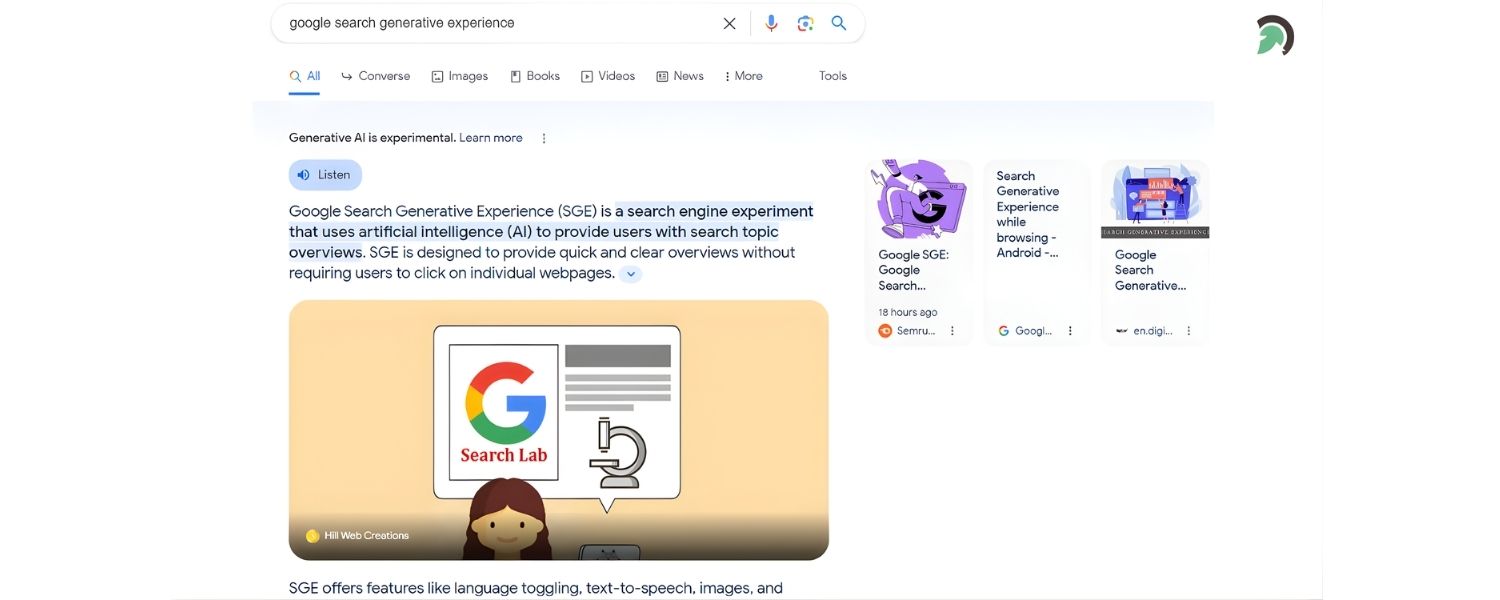
SGE fundamentally changes the traditional search experience in ways that can’t be ignored by content creators and marketers.
By putting AI-generated answers front and center, Google is altering how users interact with search results, which in turn impacts how websites get traffic and visibility. Here are the key changes SGE brings to the search landscape:
1. “Position 0” Dominance
Fewer Clicks on Organic Results: In the era of SGE, the AI answer often occupies what we could call Position 0, right at the top, above all organic results (and sometimes even pushing ads further down). This AI snapshot can be quite extensive, especially if expanded to show more detail.
As a result, traditional search listings (the “blue links”) are pushed far below the fold, and users have less incentive to scroll down. Early on, many in the SEO community feared a “zero-click search” apocalypse – where users get all they need from the Google overview and bypass external websites entirely.
Google itself acknowledged this shift, stating that with SGE, it is “encouraging users to remain on the SERP” as opposed to immediately clicking away.
If the AI summary fully answers the query, users have fewer reasons than ever to click on the actual organic results. This threatens to significantly reduce the click-through rate (CTR) of even top-ranking pages.
In fact, internal analyses by some SEO experts predicted dramatic traffic drops – one cited that 84% of searches could be impacted by AI-powered results, drastically altering the distribution of clicks (although Google’s tuning of how often SGE appears will influence the real number).
Google, for its part, claims that in testing, SGE didn’t decimate clicks wholesale, instead, it “found that links included in AI Overviews get more clicks than if the page had appeared as a traditional listing”.
How can both be true? Likely, the pattern is this: if your page is featured as a source in the AI answer, you might gain visibility and see higher CTR (since your link is essentially highlighted by Google’s summary).
But if your page is not featured in the AI box and instead is merely an organic result below, you could see far fewer clicks than before, because users might never reach your link.
In essence, SGE creates a winner-takes-most scenario for traffic: the handful of sources the AI overview cites may benefit, while those that used to rank on page 1 but aren’t included might see declines. It becomes critical to aim to be in that AI snippet (more on strategies for that later).
2. Changes in User Search Behavior
SGE’s conversational format is training users to search differently. People may start using more natural, longer queries expecting the AI to handle them, rather than typing terse keywords.
In fact, early results showed SGE encourages users to enter more detailed, specific queries instead of short phrases. Long-tail questions that might have seemed too verbose for a normal Google search are now common (e.g., “Can I use olive oil instead of butter in chocolate chip cookies?” rather than just “olive oil vs butter cookies”).
For marketers, this means keyword research needs to account for more conversational, question-based, and long-tail searches, as these are likely to trigger SGE responses and alter the competitive landscape.
It also means users might refine their queries via follow-ups rather than hitting the back button, so content needs to cover subtopics thoroughly to remain relevant through that journey.
3. Blurring of Search and Answer Engine
Google has long described wanting to move from “search engine” to “answer engine.” SGE is the realization of that. Google is no longer just pointing you to where answers might be – it’s giving you the answers directly.
This blurring means Google is essentially acting as a content aggregator, pulling bits from various sites. For users, it’s convenient; for content creators, it raises concerns about attribution and value.
Why visit a news site if Google’s AI already summarized the news? Why click into a how-to blog if the steps are listed by the AI? This dynamic forces publishers to think about what added value will compel a user to click through, since basic information might be given away on the SERP.
It also underscores the importance of brand presence and unique content, users might only click if they seek depth beyond the summary or trust a particular source/brand enough to want the full story.
4. Integration of Ads in New Ways
Advertising isn’t going away – Google’s business depends on it. But SGE changes how ads appear. Google has assured that “Search ads will continue to appear in dedicated slots throughout the page” with clear labeling.
In practice with SGE, fewer ads seem to be shown above the fold – for example, some analyses found SGE results pages show on average ~1–2 ads at top instead of the traditional 3–4.
Google has reduced the number of top-of-page ads to avoid crowding out the AI snapshot (which occupies significant space). Additionally, SGE is spawning new ad formats: Google has tested more visual ads with images and even a “You May Also Like” product carousel that appears alongside the AI answer.
This means advertisers will face tougher competition for the top spots (since only two ads might show instead of four, for instance) and will need to create more compelling, visually engaging ad creatives to catch the eye in an AI-augmented SERP.
The good news for advertisers is that Google claims ads will remain clearly separate and won’t be absorbed into the AI text, so sponsored results still get their own real estate.
However, they might appear below the AI box or interspersed in new ways, so tracking and optimizing ad performance in SGE results will be a new challenge.
Marketers should expect some volatility in paid search metrics as Google fine-tunes these placements. (On the flip side, if fewer organic results get clicks, some businesses may lean more on PPC to maintain visibility, possibly driving up bid prices for top positions.)
5. Emergence of “Generative SEO” (GEO) Considerations
The rise of SGE has given birth to a new discipline some call “Generative Experience Optimization” – essentially, SEO for AI Overviews. Traditional SEO isn’t dead (Google still needs to rank sources to draw from), but there are new factors to consider.
For instance, because SGE might pull an exact snippet or answer from your content to include in the AI result, how you structure and mark up your content becomes even more crucial.
Clear headings, concise answers to common questions, and FAQ sections on your pages could increase the chances that Google’s AI finds and uses your text. Also, schema markup (structured data) has gained importance.
Using schema (like FAQ schema, HowTo schema, etc.) helps Google understand your content in a structured way, which can make it easier for the AI to identify relevant pieces of information to feature.
Sites that implement thorough schema for their content may have an edge in the SGE world, as they’re essentially speaking the AI’s language and making parsing easier.
Another consideration is page experience: fast-loading, well-organized pages may be favored, since the AI can crawl and extract answers more efficiently.
Google’s ranking algorithms already consider page speed and user experience; with SGE, a slow, clunky site might not only rank lower but even if it ranks, the AI might skip it in favor of a faster source for building its answer.
6. Global and Regulatory Implications
It’s worth noting that SGE’s rollout is also influenced by regulatory environments. For example, as of late 2023, Google had not launched SGE in the EU, likely due to stricter privacy and AI regulations (and the upcoming EU AI Act).
Marketers operating in different countries might see a staggered impact: U.S. search traffic patterns may shift sooner due to SGE, whereas European traffic might behave “normally” a while longer until Google addresses regulatory concerns.
But Google has stated it plans to expand generative search “in a way consistent with local regulations and AI principles”. So, while SGE is mostly U.S.-centric as of 2024, expect it to go global in the near future, meaning the changes in user behavior and SEO will eventually be worldwide.
In summary, Google SGE is reshaping how users search and what they see, which in turn forces marketers to adapt their strategies.
We’re witnessing a pivotal shift: SEO is no longer just about getting to the top of Google’s results, it’s about getting into Google’s AI-generated answer.
Content strategies and search marketing tactics must evolve to this new reality. In the next section, we’ll delve into exactly how marketers and content creators can adapt and optimize for SGE (AI Overviews), turning this disruption into an opportunity.
How to Optimize Your Content and SEO Strategy for SGE (AI Overviews)
In the era of SGE, traditional SEO best practices are still relevant, but they need to be augmented with new tactics aimed at “AI Overview Optimization.” Here’s how you can position your content to succeed in Google’s AI-driven search results:
1. Aim for E-E-A-T: Quality and Expertise Above All
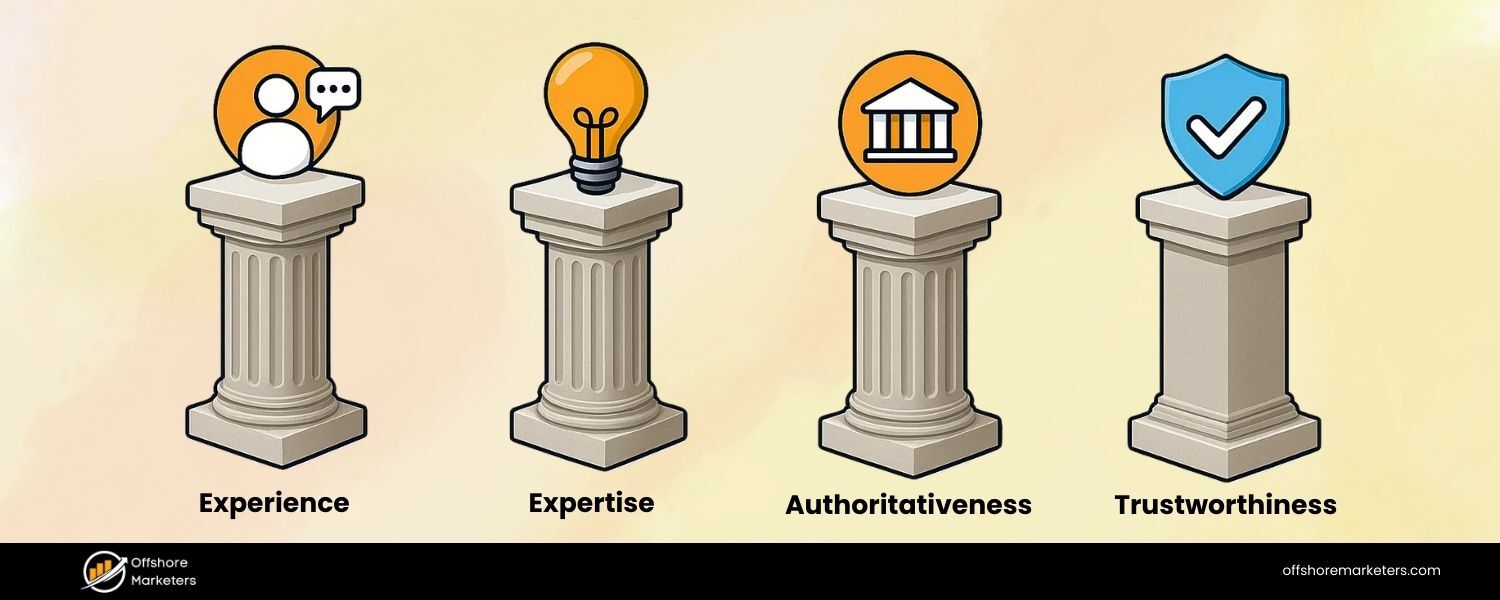
Google has made it clear that their ranking systems “aim to reward original, high-quality content that demonstrates E-E-A-T: expertise, experience, authoritativeness, and trustworthiness”.
This principle doesn’t change with SGE. In fact, it’s even more critical now. High-quality, trustworthy content is more likely to be chosen as the source for an AI-generated answer.
The AI will pull from pages that Google’s algorithms deem authoritative and relevant. So, focus on creating content that is comprehensive, well-researched, and written by subject matter experts.
If you’ve been tempted to pump out lots of AI-generated or thin content to game SEO, resist that urge, Google’s “Helpful Content” updates and SGE’s approach both favor quality over quantity.
Many sites that flooded their pages with mediocre AI text have already been penalized by Google’s recent algorithms Instead, invest in content that adds unique value, insight, or up-to-date information that stands out from generic material.
This not only helps your ranking, but it increases the odds that an AI overview will find something quotable or useful on your page.
2. Provide Clear, Concise Answers (Structure Your Content for Snippets)
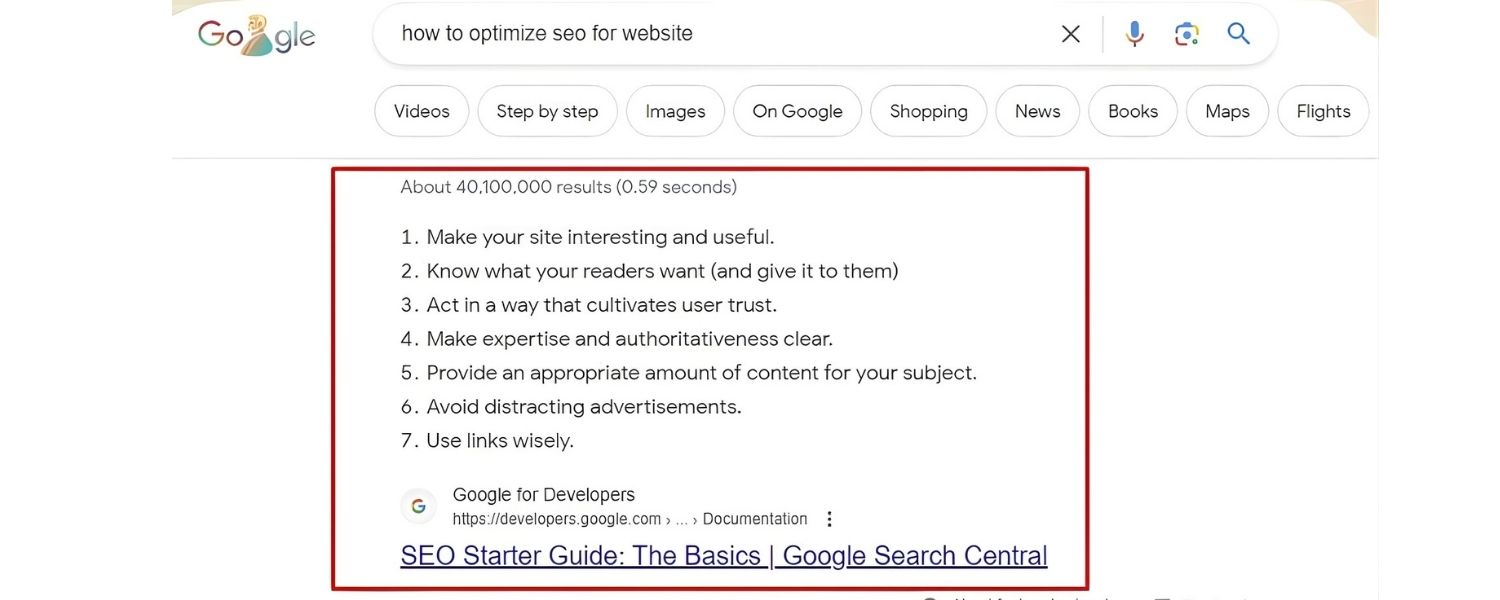
When writing content, anticipate the questions users might ask and answer them directly in your text. For example, if you have an article about cookie recipes, include a brief section that explicitly answers “What is the secret to a perfect cookie?” in 2-3 sentences – because that’s the kind of snippet SGE could grab for a follow-up question.
Use heading tags (H2, H3) to pose common questions, and answer them clearly right below. This is similar to optimizing for featured snippets or People Also Ask boxes, but now it’s for AI.
Consider adding an FAQ section at the bottom of key pages addressing likely queries (e.g., “Can I opt out of AI summaries?”, “Will AI replace featured snippets?”, etc., if relevant to your content).
Google’s AI is very good at scanning for question-and-answer formats and may use that structured info directly. Think of each heading as a potential prompt and your paragraph as the answer the AI might serve.
The easier you make it for Google to extract a self-contained answer, the better your chances of being featured in SGE’s snapshot.
3. Leverage Long-Tail Keywords and Natural Language
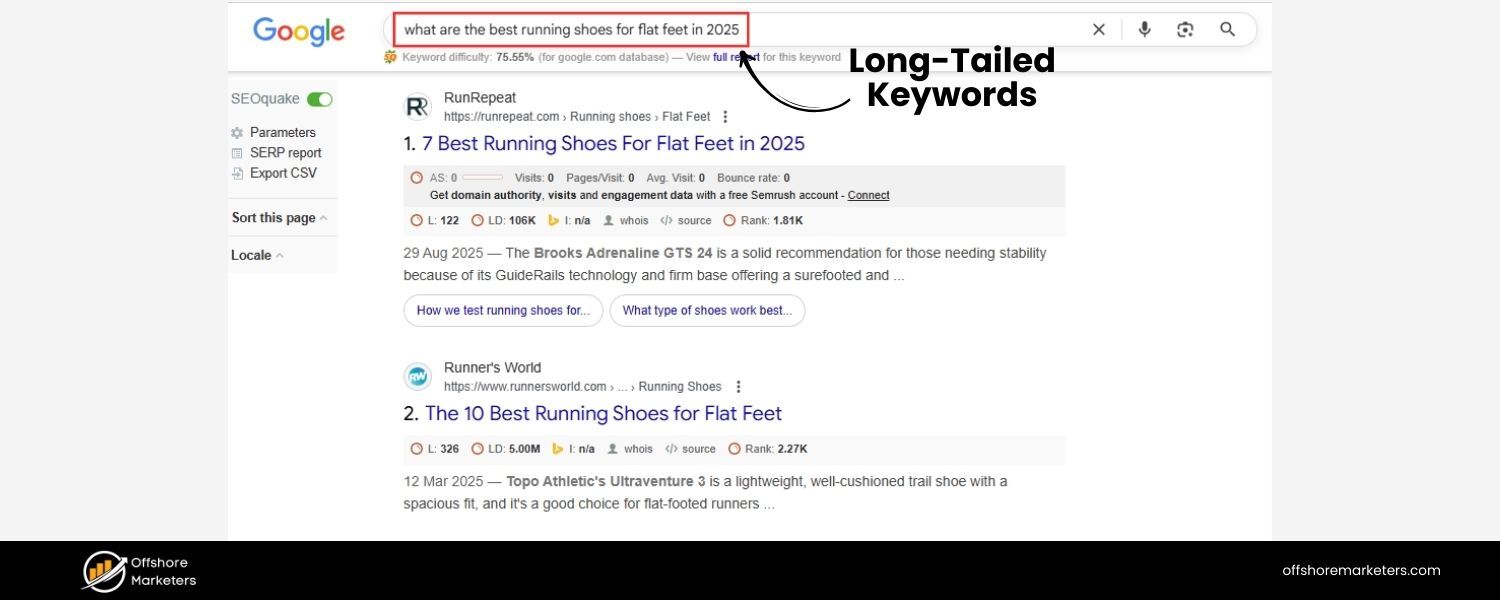
As mentioned, SGE encourages more conversational queries and longer questions. This means your keyword strategy should include long-tail, natural language phrases that real users would speak or type.
Use tools or search analytics to find question-based queries in your niche. For instance, instead of optimizing a page solely for “running shoes,” target a long-tail like “what are the best running shoes for flat feet in 2025”.
Incorporate these naturally into your content and headings. Avoid keyword-stuffing; the AI is looking for content that reads naturally and answers the query, not content that just repeats a keyword.
Writing in a conversational tone can also help – SGE understands everyday language, so you can “speak” like your audience and still be picked up. If your audience might phrase something in a casual way, consider including that phrasing.
For example, a heading might be “Can I use coconut oil instead of butter in cookies?” as opposed to a stiffer “Butter vs Coconut Oil in Cookies.” This aligns with how people actually ask questions and thus matches the query patterns SGE will see.
4. Implement Structured Data (Schema Markup)
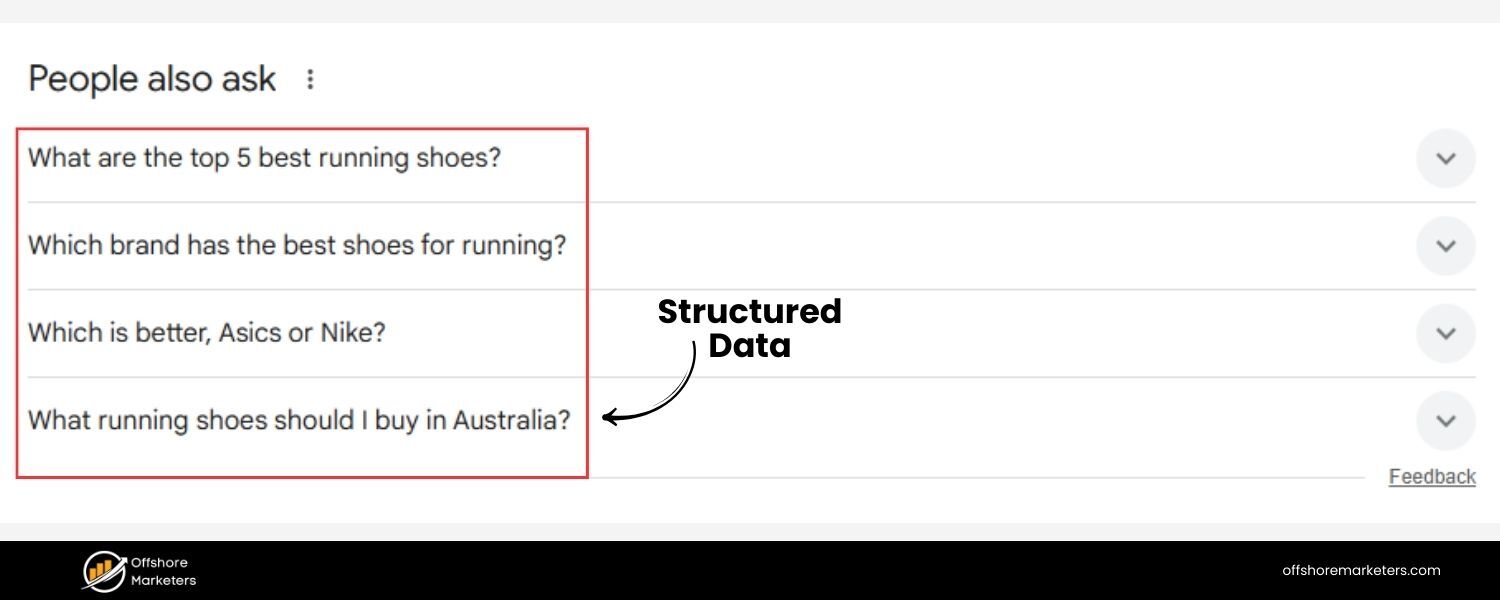
Structured data is your secret weapon for SGE. By adding appropriate schema markup to your pages (FAQPage schema for FAQs, Article schema, HowTo schema for step-by-step guides, etc.), you give Google a machine-readable roadmap of your content. This can make your content a more attractive candidate for AI summaries.
For instance, marking up a FAQ section could help Google easily identify question-answer pairs to use in an overview. Schema also can signal things like the author’s expertise, ratings, and other metadata that build trust.
While schema markup doesn’t guarantee inclusion, it “makes it easier for search algorithms to understand and categorize your content, which should have a huge impact on SGE”.
In other words, if the AI can quickly digest what your page is about and find the relevant snippet, it’s more likely to use it. Make sure to keep schema accurate and up-to-date, and follow Google’s guidelines so you don’t run into any manual penalties for improper markup.
5. Optimize for Top Organic Rankings
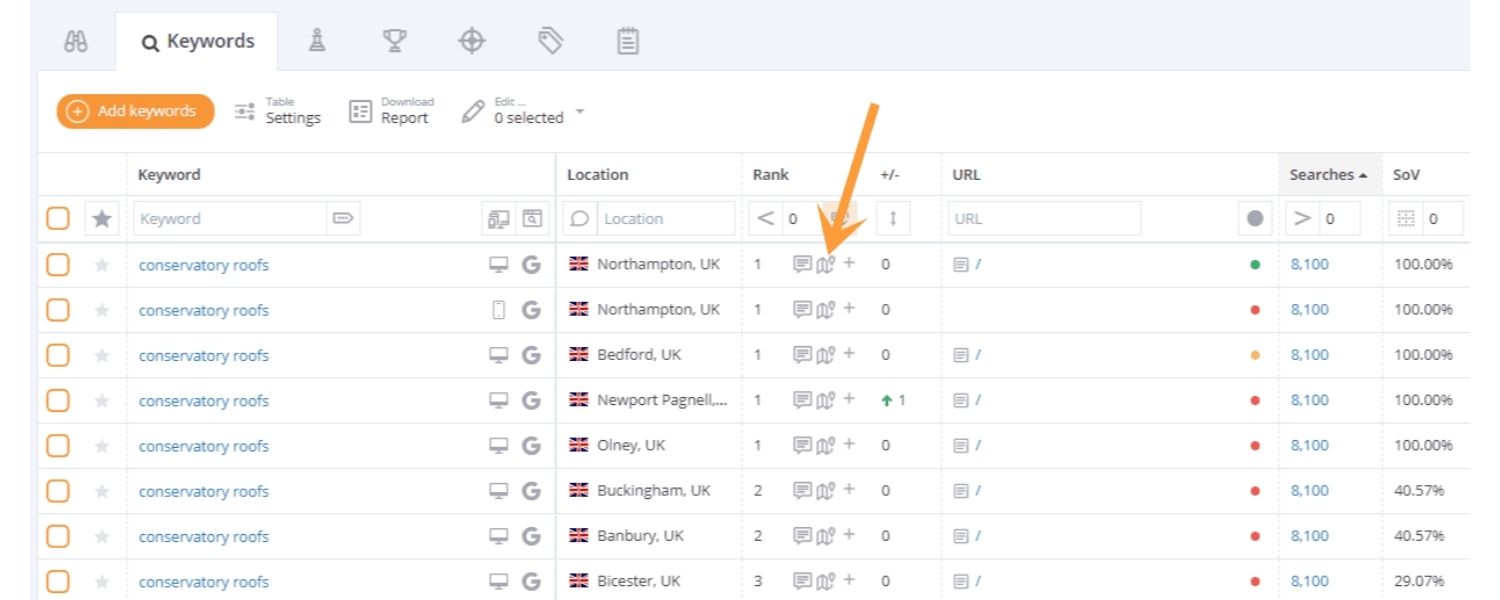
It might sound obvious, but traditional SEO, aiming for that top organic spot, remains extremely important, perhaps more than ever. Since SGE often pulls from the top results, being on page 1 (and especially in the top 2-3) greatly increases your shot at being featured in the AI overview.
So continue investing in good on-page SEO: relevant title tags, meta descriptions (even if not shown directly, they help clickthrough when your link does appear), clean site architecture, internal linking, and earning quality backlinks.
Backlinks, in particular, signal authority. Google still values them, and content with many reputable sites linking to it may be deemed reliable enough to feature in an AI summary.
One recent analysis suggested that pages with strong backlink profiles have a better chance of getting into AI Overviews, essentially because backlinks are endorsements of trust. So, continue to pursue ethical link-building and digital PR to boost your content’s credibility.
6. Monitor and Adapt with Data
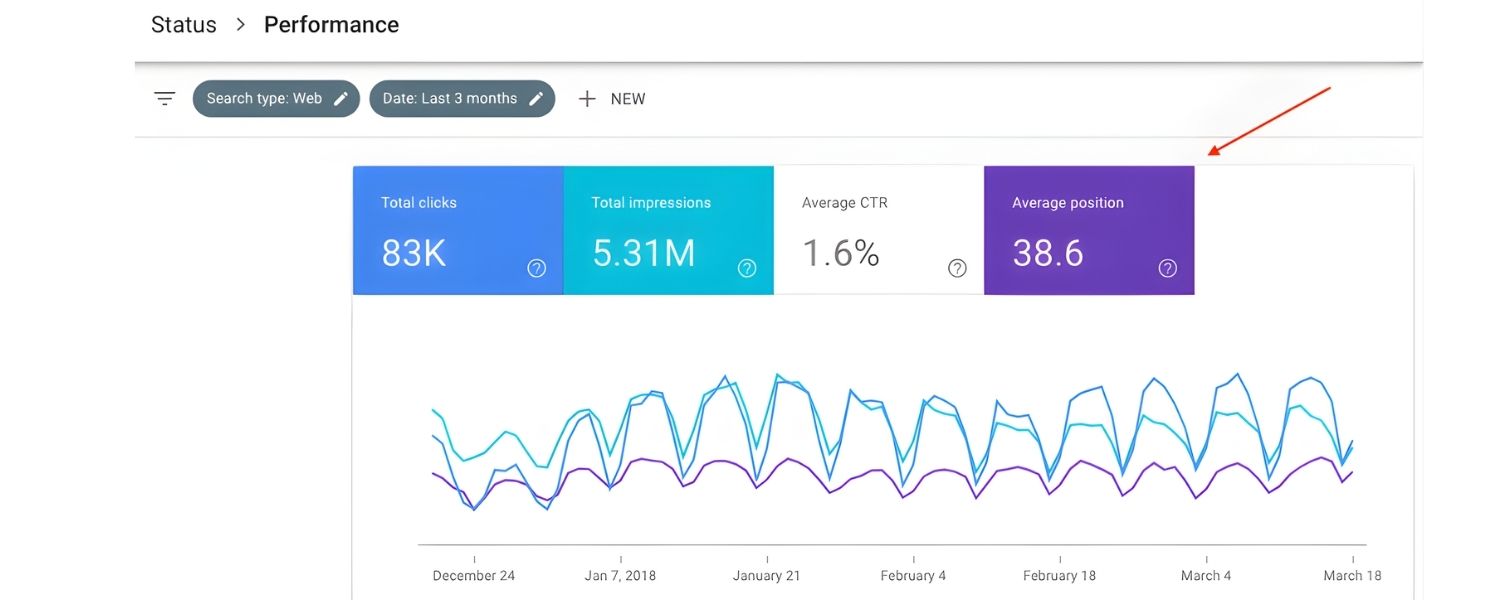
As SGE rolls out, it’s crucial to monitor your analytics and Google Search Console data for changes. Note which queries are driving less traffic and check if those queries now show an AI overview.
Currently, Google does not separate out clicks from AI Overviews vs. regular results in Search Console, all clicks are aggregated together. This makes it tricky to know if users clicked your link from the AI box or the organic list.
However, pay attention to impressions and average position metrics. If you see high impressions but lower clicks for certain queries, it might be that your content is being shown (maybe in the overview) but users aren’t clicking because the answer was given.
Conversely, if you see some queries where you maintain a top ranking but clicks dropped dramatically, it could mean an AI overview satisfied the query without needing a click.
se this insight to identify which topics you might need to bolster (perhaps your content wasn’t included in the overview and competitors were).
You might then refine those pages to better address the query or provide a more unique angle that encourages clicks (e.g., including a tool, a downloadable, or something the user would click for).
Also watch industry reports and tools, for instance, one tool (Semrush Sensor) measured that as of mid-2024, SGE’s AI overviews appeared for roughly 6.7% of all search queries in the U.S..
That number will change over time, but keeping an eye on such metrics can tell you how prevalent SGE is becoming in your sector.
7. Don’t Panic, Continue Following Best Practices
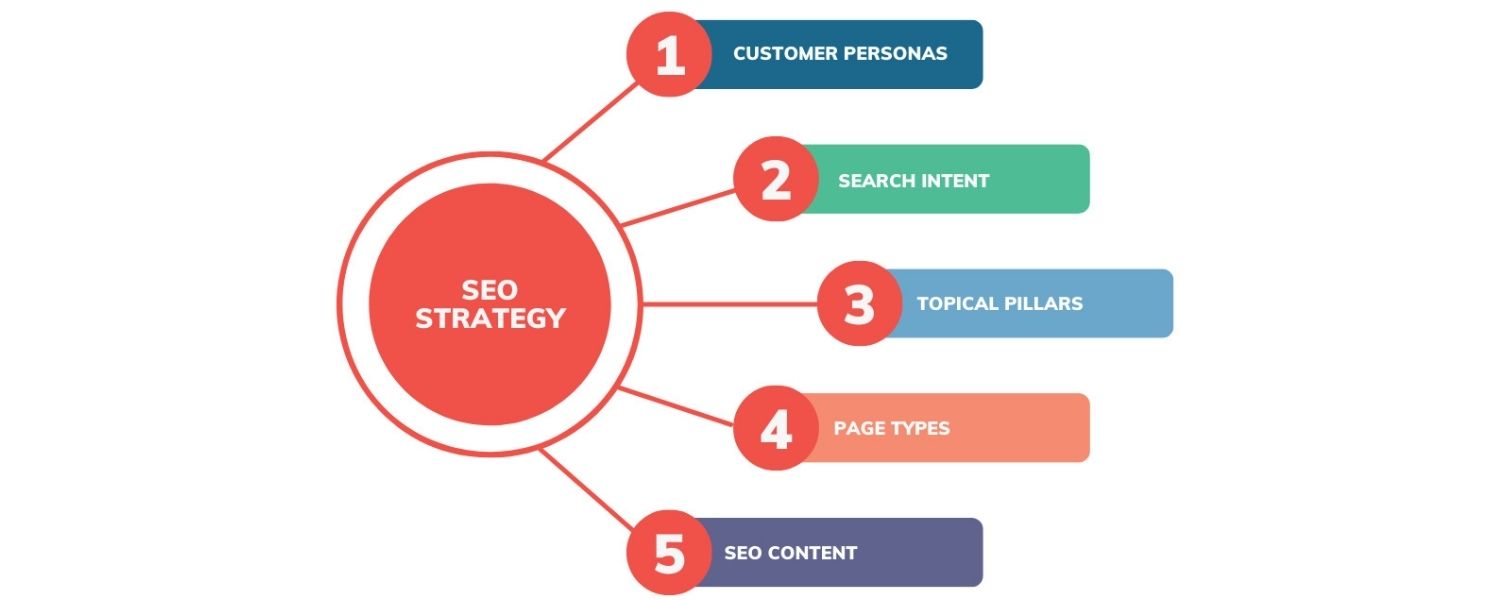
It’s easy to get overwhelmed by the change, but remember that Google still wants to reward good content and send traffic to helpful websites. SGE is an evolution, not the end.
Google even explicitly stated that it’s “committed to continue sending valuable traffic to sites across the web” as it introduces AI in search.
And early data from the U.S. rollout indicated that users do click sources in the AI overview when they want more details. So if you continue to produce genuinely useful, user-centered content, you stand to gain those clicks.
Avoid drastic measures like trying to block SGE from using your content, some sites have considered using robots.txt or noindex to opt-out of AI summaries, but there is no direct opt-out (short of removing yourself from Google entirely).
And you likely wouldn’t want to: Google noted that in testing, AI summaries can actually increase click-through rates to websites compared to regular listings. So, embracing the change is wiser than resisting it.
Continue to align with Google’s guidelines, keep your content fresh and factual (to avoid being dinged if AI summaries highlight an outdated fact from your page), and think about the unique value you offer beyond what an AI can aggregate.
This could mean adding more original research, personal expertise, or multimedia to your content, things that encourage a user to click through the AI blurb to get the full richness from your site.
By implementing these strategies, you improve your chances of appearing in the SGE AI snapshots (gaining “position 0” visibility) and ensure your content remains competitive in the age of AI-driven search.
In essence, it boils down to doing what good SEO has always entailed, focusing on user needs and high-quality content, but with an eye toward how an AI might process and present your information.
Frequently Asked Questions (FAQ) about Google SGE
Q: Will AI Overviews (SGE) replace Google’s featured snippets and other search features?
No – the new AI-generated summaries are an additional SERP feature, not a wholesale replacement for others. Featured snippets, People Also Ask boxes, and other rich results still exist alongside SGE’s AI overviews.
In fact, in many cases SGE might not trigger, and you’ll just see a featured snippet like usual. Google has indicated that these features will likely continue.
Over time, SGE might reduce the prominence of some features (for example, if an AI overview answers the query, the featured snippet might appear below it or not at all), but as of now they co-exist. Think of AI Overviews as a new layer on top of the existing results rather than a full replacement.
Q: Can I opt out and prevent my website’s content from being used in SGE AI answers?
Currently, there is no official mechanism to opt out of having your publicly indexed content used in AI overviews. SGE pulls from publicly available web content just like any search feature.
If Google can crawl and index your page, it can theoretically include it in an AI summary. Some “workarounds” exist, like using a nosnippet tag to prevent any snippet from your page being shown, or blocking Googlebot from certain pages using robots.txt.
However, these measures would also remove your content from regular search results, which is usually too high a price. And even those aren’t 100% guarantees for exclusion from AI.
Google’s stance is that if an AI overview would be helpful for a query, it will generate one using whatever relevant content is available.
Unless you take your content out of Google’s index entirely (noindex), you can’t specifically tell SGE not to summarize it. Moreover, since early evidence suggests being included in AI results can increase traffic to your site, most publishers wouldn’t want to opt out.
The best approach is to adapt and ensure your content is the kind SGE will choose (accurate, high-quality, well-structured), rather than trying to hide from it.
Q: Is Google SGE available to everyone now, or only some users? How do I try it?
As of mid-2024, Google SGE – now often called Google’s “AI Overviews” – began rolling out to all users in the U.S.. That means if you’re in the U.S. and using Google in English, you likely see AI summaries for certain searches without needing to sign up.
In other regions, SGE might still require opting in via Search Labs (for example, in countries or languages where it hasn’t fully launched yet).
To check, you can tap the Labs beaker icon 🔬 on the Google homepage (on Chrome desktop or the Google app). If SGE is available for opt-in, you’ll see a toggle for “SGE – Generative AI in Search” that you can enable.
Keep in mind SGE has age and account restrictions, you must be 18 or older and signed into your Google account to use it. It also doesn’t work in Incognito mode, since Google needs to tie your queries to your account for the AI experiment.
As Google expands AI Overviews, expect it to come to more countries and languages. By the end of 2024, Google anticipated reaching over a billion people with this feature. If you don’t see it yet, it’s likely on the way.
Q: How is SGE different from Google Bard or ChatGPT?
This is a common point of confusion. Google SGE is integrated into Google Search, while Google Bard is a separate conversational AI chatbot. Bard (like OpenAI’s ChatGPT) is a tool where you go and have a dialogue, ask it to write or answer things in a chat interface.
Bard can pull real-time info from the web, but it’s not part of the Google search results page, it’s accessed at bard.google.com. SGE, on the other hand, happens on the search page itself, alongside normal results.
You don’t “chat” with SGE in the same freeform way; you search as usual and then have the option to ask follow-ups within the search context.
Another difference: SGE cites sources and is focused on synthesizing existing web content to answer your query, whereas Bard/ChatGPT generate answers which might be more generalized (and sometimes without citations or based on their training data up to a point).
In short: SGE = AI snapshots in Google Search; Bard = standalone AI chatbot. As for ChatGPT, it’s OpenAI’s chatbot that doesn’t have direct access to current Google results (unless using plugins or Bing integration).
ChatGPT is trained on data up to 2021 (for its free version) and will not know about very recent events or pages unless explicitly connected to the internet. SGE will always pull from the live, up-to-date Google index, so it tends to provide more current information by design.
Q: Is the information provided by SGE reliable? What about errors or biases in AI answers?
Google labels SGE results with a disclaimer: “Generative AI is experimental. Info quality may vary.” This is because, like any AI language model, SGE’s answers can sometimes be incorrect or misleading – a phenomenon known as AI “hallucination.”
While SGE strives to ground answers in reputable sources, it isn’t infallible and may occasionally produce wrong information or misinterpret a query. Google has implemented some guardrails and quality checks, and they’ve trained the model with an emphasis on factuality. But users should still use critical thinking.
It’s wise to click the cited sources in an AI overview if the question is important, to verify the information. Bias is another concern: the AI might reflect biases present in its training data.
Google’s AI principles emphasize fairness and they likely fine-tune SGE to mitigate overt biases, but subtle biases could creep in. In short, SGE is very useful for quick answers, but treat it as you would a Wikipedia summary, a starting point that’s usually correct, but not an absolute source of truth.
If you are researching something critical (health, finance, etc.), double-check the info from authoritative sources. Google itself advises users to do the same and is continuing to improve the system.
Also note, privacy-wise, your interactions with SGE are used to improve the model (Google collects your SGE usage data if you opt in), so avoid asking extremely sensitive personal questions to it – it’s still logged under your account activity.
By understanding these aspects of SGE, both users and marketers can navigate the new AI-powered search landscape more effectively.
Conclusion: Embrace the New Era of AI-Powered Search
Google’s Search Generative Experience represents a seismic shift in how search engines connect people with information. We are truly entering a new era of search, one where conversational AI and traditional search results coexist to provide faster, richer answers.
For users, it’s an exciting time: complex questions can be answered in an instant, and exploring topics feels more intuitive than ever. For marketers and content creators, SGE is a wake-up call to elevate content quality and adapt SEO strategies for AI integration.
The key takeaway is not to panic, but to prepare and innovate. Google SGE isn’t here to punish good content, it’s here to surface it in new ways.
If you focus on creating valuable, trustworthy content and optimizing it smartly for AI-driven results, your work can still shine (and even gain more visibility through the AI snapshots).
On the flip side, it’s never been more important to stand out with original insight, expertise, and brand authority, as commoditized content will get summarized away by the AI.
For advertisers, it’s time to reimagine creative strategies and capitalize on new formats that SGE offers, all while keeping a close eye on campaign performance as the landscape shifts.
For SEO professionals, it’s an opportunity to become pioneers in “Generative SEO”, leading your brands or clients confidently through this transformation.
After 25 years of incremental changes, Google is essentially reimagining itself, and inviting us to reimagine our approach to search as well.
Those who adapt will find that AI-powered search can work in their favor, driving highly qualified traffic and engagement. Those who resist may find themselves left behind on page 2, wondering where the clicks went.
Now is the time to embrace SGE and turn its emergence into a competitive advantage. Update your playbook, experiment with your own searches to see what Google’s AI is doing, and tweak your digital strategy accordingly.
The search game is changing, but one thing remains true: Google will continue to reward those who put users first and deliver the information people seek. If you do that, and do it better than your competitors – you can thrive in the era of AI-generative search.

.png)
Shopify SEO: Guide to Ranking Your Store and Driving Sales
Most Shopify store owners set up their store, list their...

Content Marketing : Definitive Guide to Strategy, Content Types, and Measurable ROI
Content marketing generates 3x more leads than outbound marketing at...

Above the Fold: Guide to Conversions, Rankings and Faster Pages
Above the Fold in 2026: The Complete Guide to Conversions,...

Off-Page SEO Checklist: Guide to Building Real Authority
Most websites spend months creating great content, only to wonder...

What Is Keyword Bidding? The Complete Strategy Guide for Smarter Ad Spend
Most advertisers believe the highest bid wins the auction. It...
What Is Google Trends? The 2026 Marketer’s Complete Guide
If you are not already pulling weekly insights from Google...
If you want a growth partner who will get to know every aspect of your business and treat your budget like their own — we are the right fit.
.png)


.png)
.png)
.png)
.png)
.png)
.png)
2026 ALL RIGHTS RESERVED MADE IN INDIA
