
Buyer Intent Keywords: Boost Conversions with High-Intent
September 2, 2025
Introduction
Not all website visitors are created equal. Some arrive casually browsing, while others come primed to purchase. Enter buyer intent keywords, the search terms people use when they’re ready to buy or seriously considering a purchase.
Targeting these keywords can be a game-changer for your marketing, driving highly qualified traffic that converts at a much higher rate than generic visits.
In this comprehensive guide, we’ll explore what buyer intent keywords are, why they matter in 2025, and how you can research and leverage them to boost your sales and ROI.
What Are Buyer Intent Keywords?
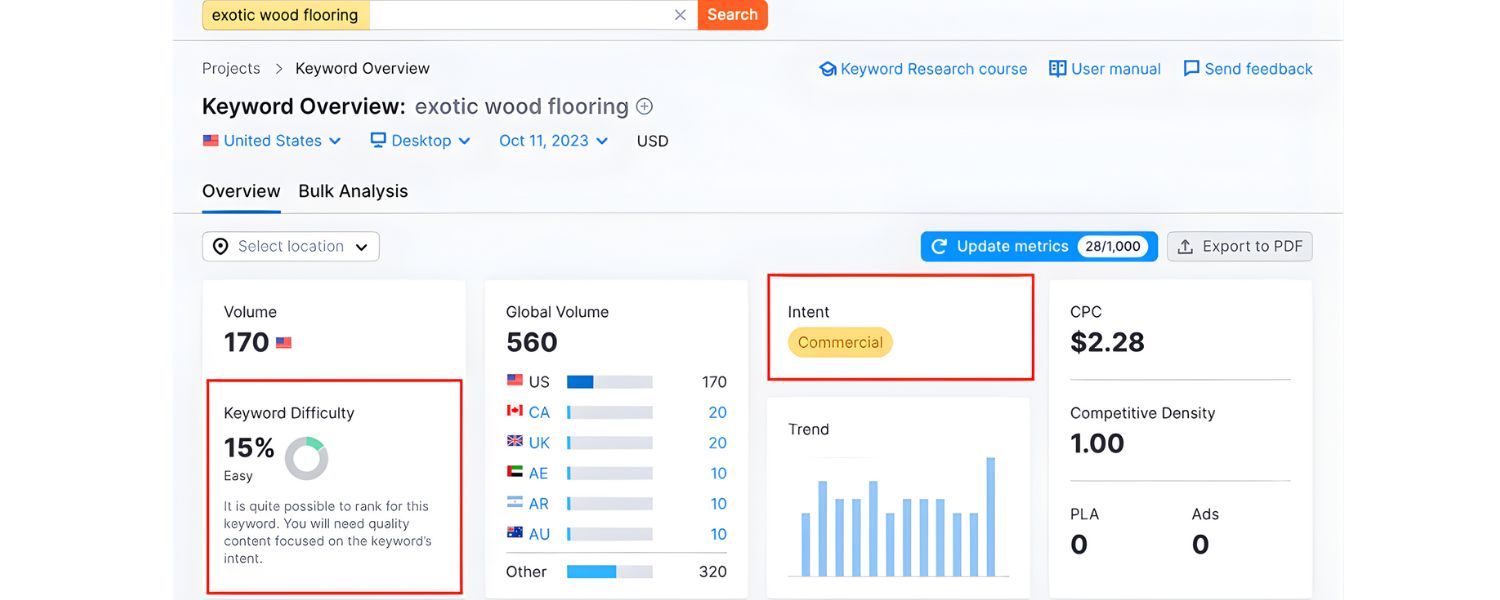
Buyer intent keywords (also known as buyer keywords or high-intent keywords) are search queries that indicate the searcher is close to making a purchase decision.
In other words, these terms are used by users who are “not just browsing; they are looking for the final piece of information to make a buying decision.”
They often contain specific phrases related to buying, product comparisons, or finding deals. For example, someone searching “best noise-cancelling headphones 2025” or “buy Samsung Galaxy S25 online” is likely far along in the buyer’s journey, as opposed to someone searching simply “headphone benefits”.
Common Traits
Buyer intent keywords typically include terms that signal a purchasing mindset. The most obvious ones are words like “buy,” “order,” “price,” “deal,” “discount,” “coupon,” “best,” or “review.” These act as digital clues that the searcher wants to compare options or complete a transaction.
They might also include specific brand or product names (e.g., “Nike Air Zoom review”) or even location-based phrases for local purchases (e.g., “best pizza delivery near me”). By contrast, purely informational searches (like “how noise cancellation works”) show little buying intent.
Buyer keywords often are more specific and long-tail, indicating the person has done initial research and is now narrowing down choices or looking to buy.
In fact, the more specific a query, the clearer the intent tends to be – “best budget 4K TV under $500” is much closer to a purchase than just “TV features,” and it will likely be easier to rank for due to lower competition on that long-tail term.
Types of Search Intent
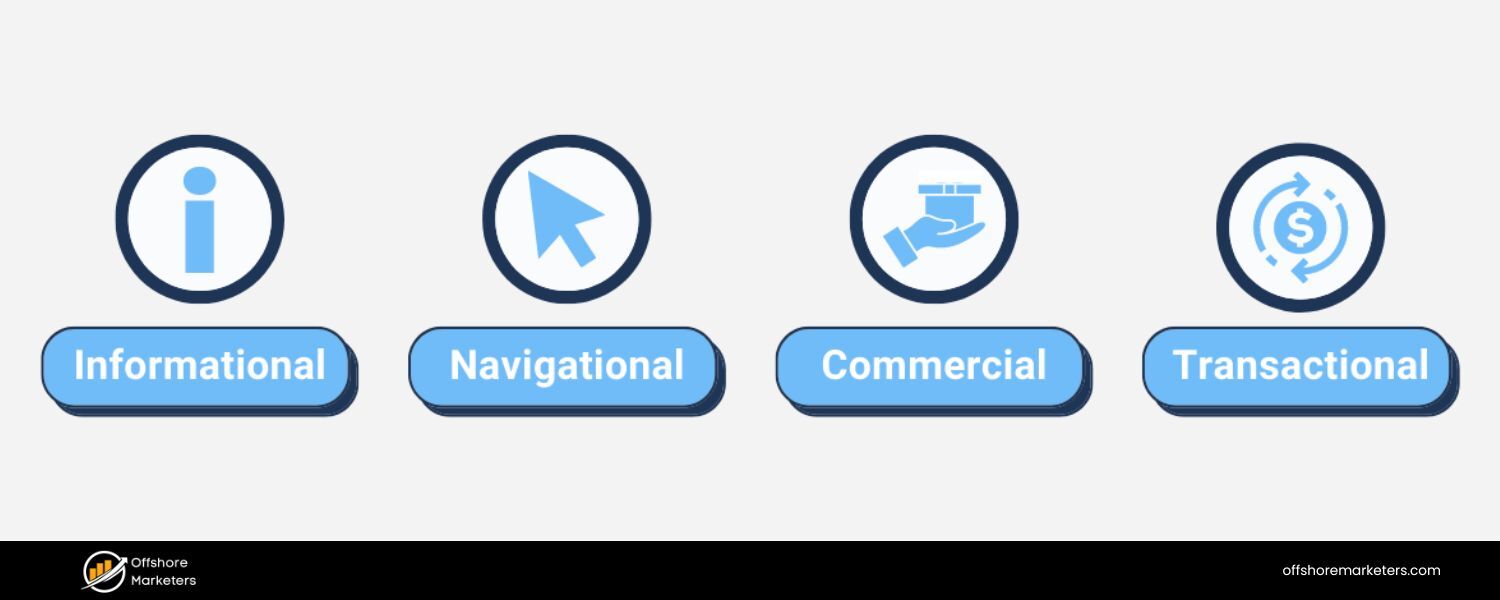
In SEO, user queries are generally categorized by intent – Informational, Navigational, Commercial, or Transactional.
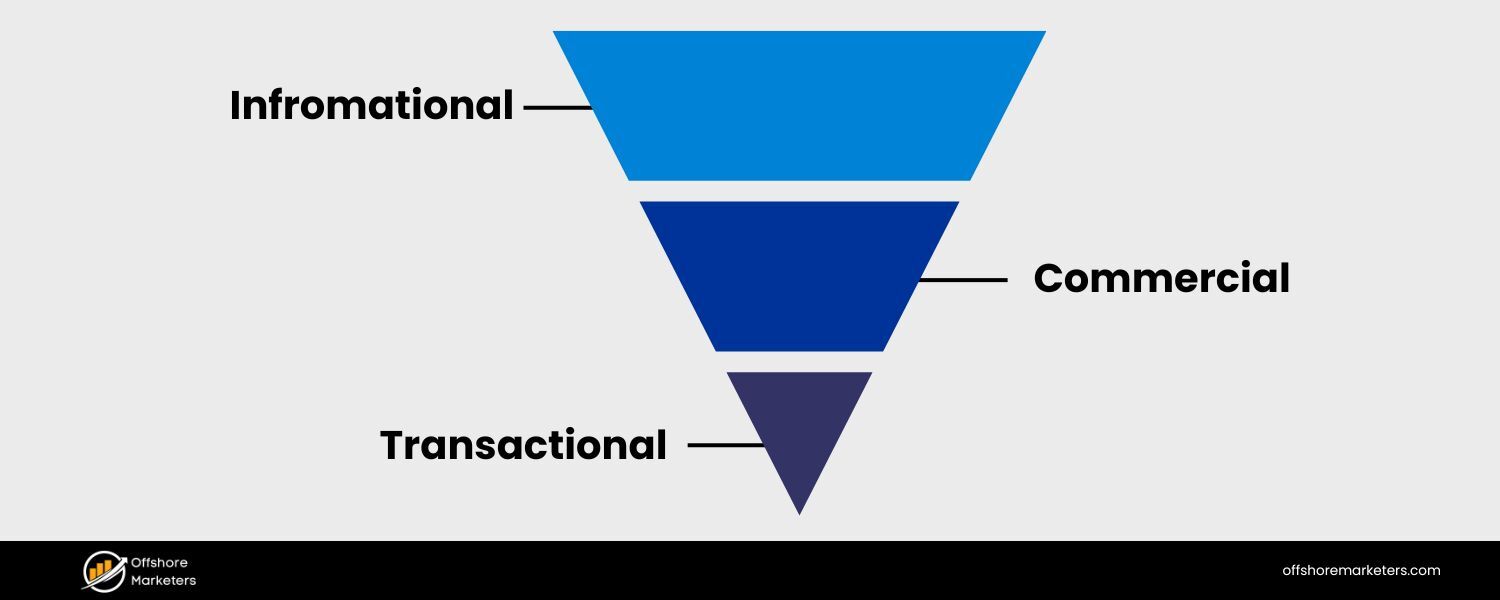
Buyer intent keywords mainly fall into the latter two categories: Commercial (also called investigative or low-intent buyer queries) and Transactional (high-intent, ready-to-buy queries). Think of this as stages in the buyer’s journey:
A. Informational intent, early-stage, just gathering info (e.g. “how to choose running shoes”).
B. Commercial intent – mid-stage, comparing products or looking for deals (e.g. “best running shoes 2025” or “Nike vs Adidas running shoes”).
These are sometimes called “commercial investigation” queries, the user is interested in purchasing soon but is researching options. They often include terms like “best,” “top,” “review,” or “versus,” indicating the person is evaluating what to buy.
C. Transactional intent – late-stage, decision-ready (e.g. “buy Nike Air Zoom size 10” or “Nike Air Zoom free shipping”). These queries show the strongest intent to convert – common signals are phrases like “buy now,” “order online,”\“coupon,” “free trial,” or simply including the product model and words like “buy” or “subscribe.
At this stage, the searcher knows exactly what they want and is looking to take action immediately.
It’s important to note that buyer intent keywords span multiple stages of the funnel. Someone searching “best [product]” is close to buying but still deciding (commercial intent), whereas someone searching “buy [product] online” is at the point of purchase (transactional intent).
Both types are valuable, and collectively we refer to them as buyer intent keywords since they each signal higher likelihood of a purchase than generic informational searches.
In fact, studies show that only about 14.5% of Google searches are commercial in nature and under 1% are pure transactional, making these high-intent terms a relatively small (but lucrative) portion of all queries. If you can identify and rank for those terms, you position your business directly in front of users who want to spend money.
Why Buyer Intent Keywords Matter
Focusing on buyer intent keywords can significantly boost your marketing results. Here are the key benefits of targeting these high-intent terms:
1. Higher Conversion Rates
Users searching buyer intent keywords are often at the decision stage of the buyer’s journey, meaning they are primed to act. Traffic coming from these queries converts much better than general traffic.
In fact, leveraging buyer-focused keywords leads to higher conversion rates and a shorter buyer journey compared to visitors who arrive via informational searches.
Simply put, a person searching “buy electric SUV 2025” is far more likely to become a customer than someone searching “how electric cars work.”
By optimizing for buyer intent terms, you attract visitors who are already convinced and need just a nudge to purchase – resulting in more sales and sign-ups.
2. More Qualified Traffic (Better ROI)
Targeting buyer intent keywords means quality over quantity in traffic. Yes, broad keywords might bring heavy traffic, but if those visitors aren’t looking to buy, they won’t generate revenue.
A top ranking for a vague term like “insurance” might drive thousands of visits with minimal sales.
Conversely, ranking for a keyword like “affordable car insurance quotes no deposit” may bring fewer visits, but most of those visitors are actively seeking insurance to purchase. This highly qualified traffic translates into better ROI for your SEO and content efforts.
Rather than “wasting resources attracting visitors with no genuine interest,” you’re catering to those actively looking for the products or services you offer.
The result is a higher percentage of visitors converting to leads or customers, which improves your overall marketing efficiency.
3. Easier to Rank & Less Competition
Surprisingly, many buyer intent keywords (especially long-tail ones) face less competition in SEO. Broad head terms are extremely competitive and dominated by big players, but longer, specific queries often slip through the cracks.
For example, “laptops” is fiercely competitive, but “best lightweight laptop for video editing 2025” is far more specific and attainable. Because these terms are so targeted, fewer sites optimize for them, making it easier to achieve high rankings.
They also often have lower search volume, which discourages some marketers, but that’s an opportunity for you to capitalize on multiple low-volume, high-intent terms.
As one industry guide notes, buyer intent keywords tend to have “less competition… therefore easier to rank for” while still drawing traffic with a high likelihood of purchase.
In paid search, these terms can also have a better Quality Score and conversion rate, which can improve your ad ROI even if their raw cost-per-click is higher.
4. Boosted Credibility and Trust
When you create content that directly addresses what high-intent searchers want, you naturally demonstrate expertise and authority.
If your site appears prominently for queries like “best CRM software for small business 2025” or “XYZ product vs ABC product review,” users infer that you’re a trusted source in that niche.
High visibility for buyer keywords not only puts you in front of ready-to-buy prospects, it boosts your perceived credibility, searchers often assume that top-ranking sites are the most reputable.
Additionally, by tailoring your content to answer specific purchase-related questions and including social proof (e.g. customer testimonials, case studies, ratings), you reinforce trust with the audience.
This credibility can be the deciding factor that makes a visitor choose your recommendation or product over a competitor’s.
5. Increased Sales and Revenue
Ultimately, buyer intent keywords connect you with people at the bottom of the funnel. Capturing these users means more immediate sales, sign-ups, or inquiries, directly impacting your revenue.
One way to look at it: informational content builds awareness (which is important in the long run), but buyer-intent content drives action now.
For example, a blog that ranks for “best wireless headphones under $200” can directly influence purchasing decisions in your favor by recommending your product (or an affiliate product), leading to a sale.
A landing page optimized for “free trial project management software” will draw visitors who are likely to sign up on the spot. By aligning your SEO strategy with buyer intent, you essentially build your site to not just attract traffic, but to generate customers and revenue.
Data Spotlight: According to recent research on search intent distribution, truly high-intent searches (commercial and transactional combined) make up only around 15% of all Google queries. But those searches are golden, as they often precede a purchase.
By zeroing in on this slice of the search pie, you’re competing where it counts the most for business results. Moreover, because many businesses still focus on traffic volume over intent, there are content gaps you can fill to become the go-to answer for these profitable queries.
How to Find Buyer Intent Keywords
Identifying the right buyer intent keywords is crucial for SEO and PPC success, as it guides you to the terms most likely to lead to conversions.
Below, we outline a step-by-step approach and strategies (both free and advanced) to uncover these valuable keywords.
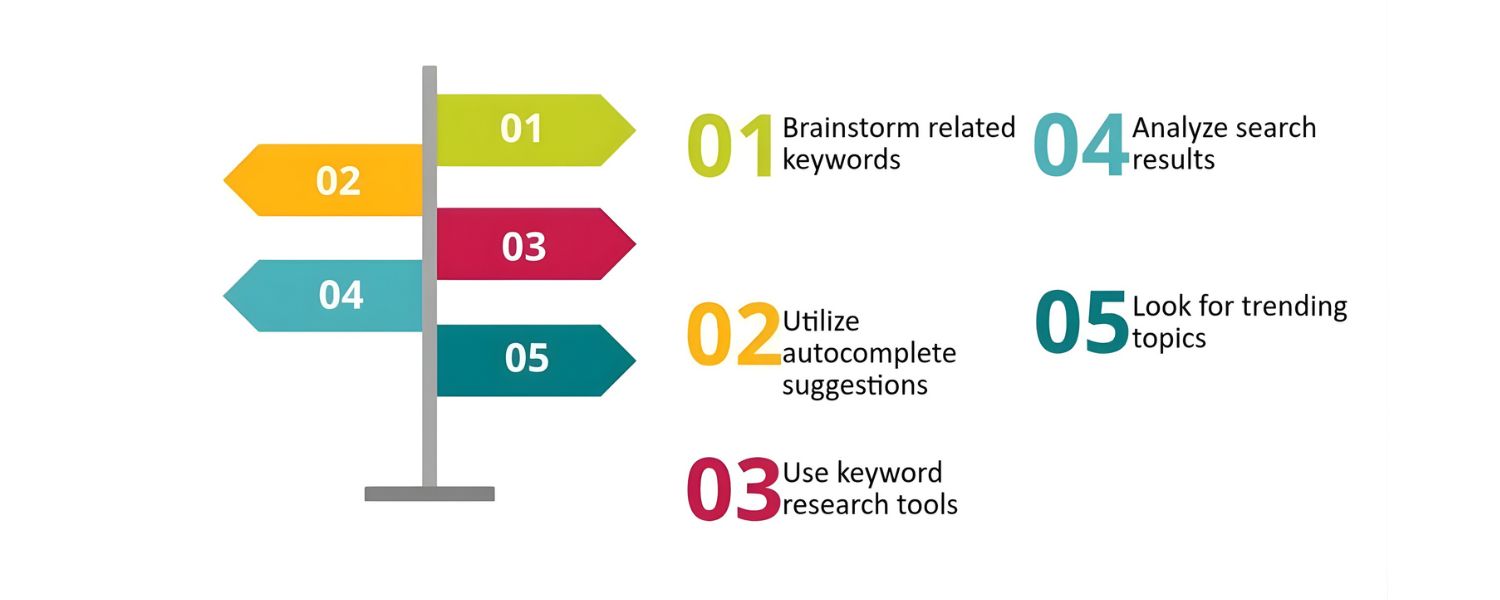
1. Brainstorm from the Buyer’s Perspective
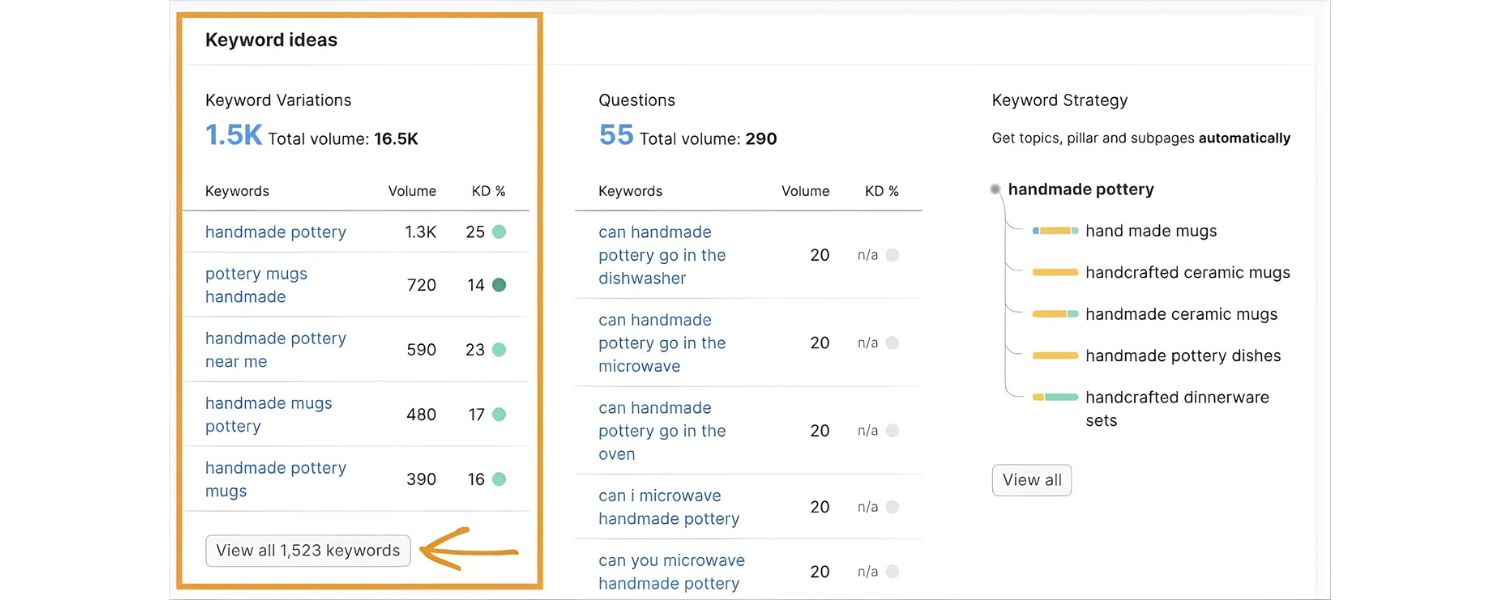
Start by putting yourself in your ideal customer’s shoes. List out the problems, needs, or goals that your product or service addresses. Think about what a person ready to solve those problems might search for.
Ask questions like: “If I wanted a solution like ours, what would I type into Google? What specific features or comparisons would I look up? Are there particular brands or terms a serious buyer would mention?”
For example, if you sell noise-cancelling headphones, a casual researcher might search “how does noise cancellation work,” but a serious buyer might search “Sony WH-1000XM5 vs Bose 700” or “best noise-cancelling headphones for flying.” Brainstorming these scenarios will give you a starting list of seed ideas that have inherent purchase intent.
Consider also what makes your offering unique – if you offer free shipping, an extended warranty, or budget-friendly options, a ready-to-buy customer might include those in their query (e.g. “laptop free shipping” or “affordable laptop with 16GB RAM”).
Don’t forget to consult your sales and customer support teams (if you have them). They interact with prospects and new customers regularly and can reveal common questions or phrases people use when they are evaluating options or ready to buy.
Often, the language people use in chats, emails, or sales calls mirrors what they would search online. For instance, if prospects often ask “Do you offer monthly plans with no contract?” then keywords around “no contract” or “monthly plan [product]” could have strong commercial intent in search.
2. Use Google’s Autocomplete and Related Searches
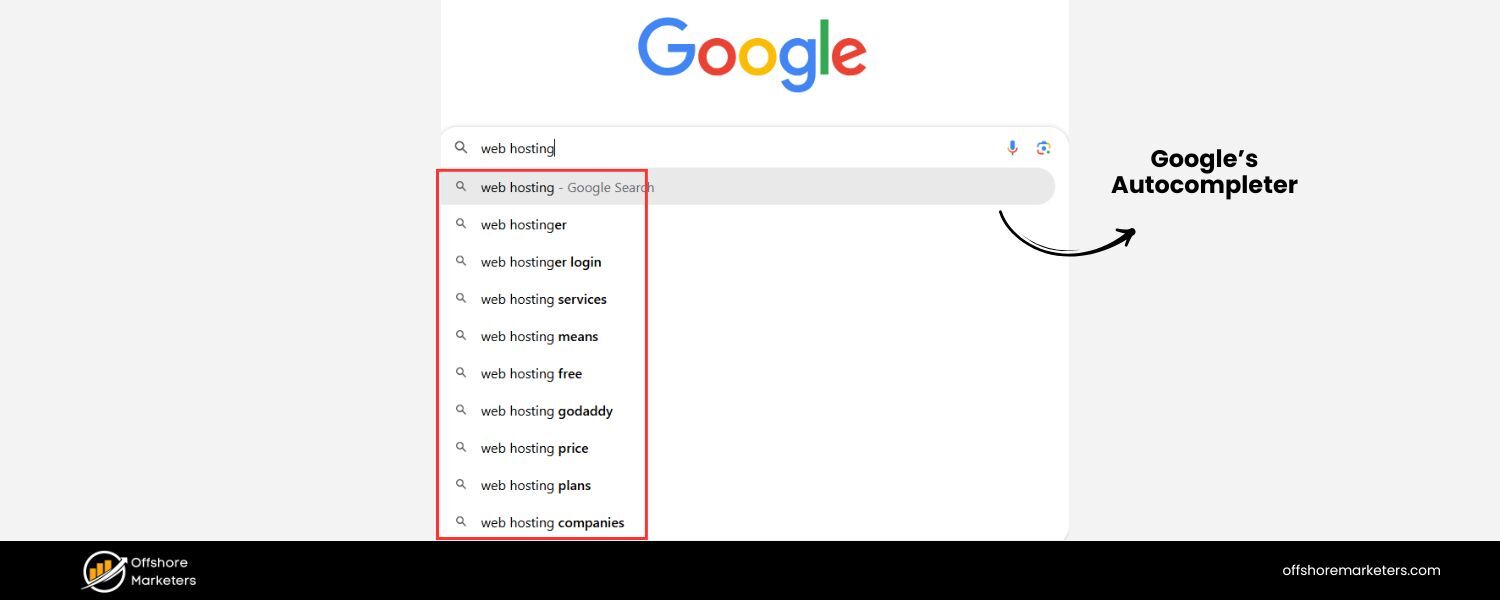
One of the simplest free tools at your disposal is Google itself. Begin typing your product or service into the Google search bar and pay attention to the Autocomplete suggestions that drop down.
Google’s autocomplete will often append terms like “buy,” “best,” “cheap,” “deal,” or other popular modifiers if many users commonly search those combinations.
For example, typing “web hosting” might automatically suggest “web hosting deals” or “web hosting comparison,” indicating that those are frequent high-intent searches.
These suggestions are essentially Google telling you, “People who searched for your term often looked for these variants too.” Many of those variants have buyer intent.
After hitting Enter on a search, scroll to the bottom of the results page to see Related Searches. This section often reveals additional long-tail phrases that include your term.
Look for any that imply commercial intent – for instance, related searches for “web hosting” include things like “best web hosting for beginners” and “web hosting free trial”.
A search for a product might show related searches like “[Product] reviews” or “alternative to [Brand]”, which are great commercial intent keywords.
These related queries give insight into what else your potential customers are looking for, and they can uncover niche buyer-focused terms you hadn’t thought of.
Also, check if the search results page shows a “People Also Ask” box with questions. While these are often informational questions, they can highlight concerns or criteria that serious buyers have.
For example, for a query like “best DSLR camera”, People Also Ask might include “What is the best DSLR camera for beginners?” or “Is X brand better than Y?” – indicating angles you might want to cover in your content to satisfy buyer intent.
3. Leverage Keyword Research Tools with Intent Filters
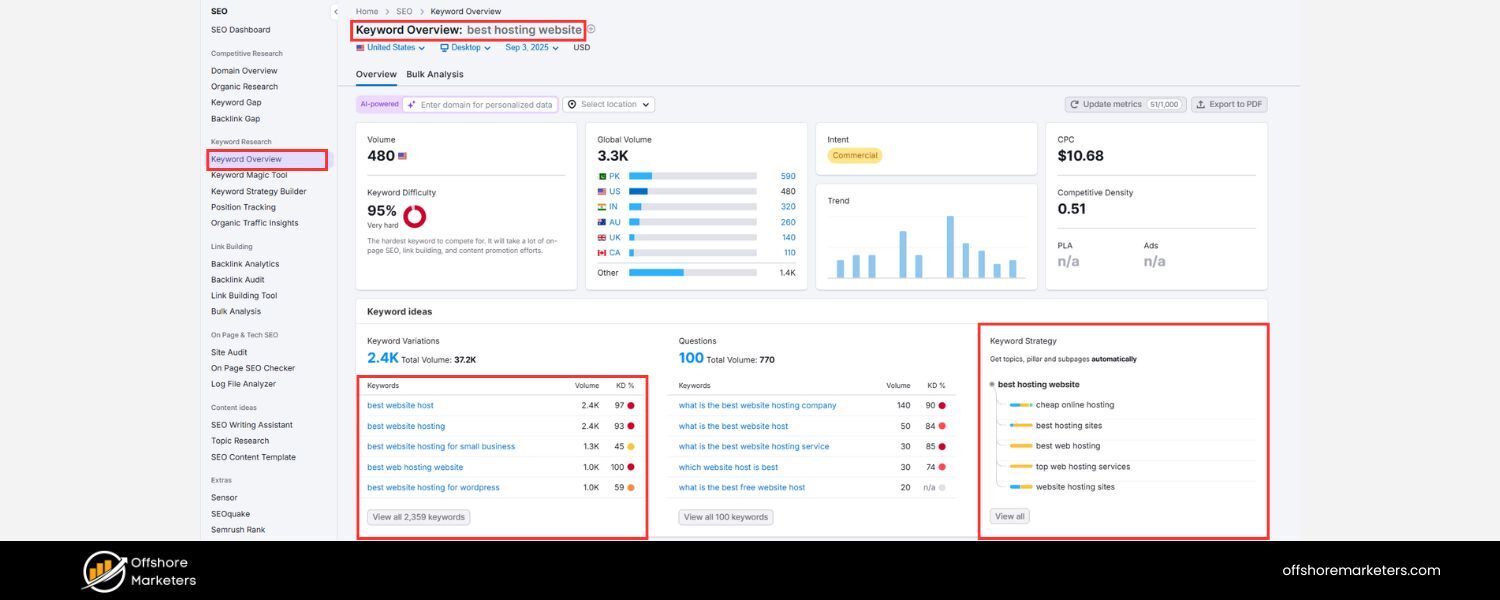
Dedicated SEO keyword research tools are extremely useful for finding and filtering buyer intent keywords at scale. Platforms like Semrush, Ahrefs, or Moz have extensive keyword databases and often include an “intent” classification for each keyword.
For example, Semrush’s tools label keywords as Informational (I), Navigational (N), Commercial (C), or Transactional (T), and you can even filter keyword lists by intent type.
Similarly, Ahrefs’ Keyword Explorer allows filtering by presence of SERP features like shopping ads (a strong hint of commercial intent).
Take advantage of these features to isolate terms marked as Commercial or Transactional – those are your buyer intent candidates.
How to use these tools: Enter a broad term related to your business (e.g. a product category) as a seed keyword. The tool will return hundreds or thousands of related searches. Now apply filters: for instance, in Semrush’s Keyword Magic Tool you can set the filter to show only keywords with Commercial or Transactional intent.
This immediately whittles the list down to searches more likely to be buyer-oriented. You can also sort by metrics like search volume or Cost-Per-Click (CPC). A high CPC often correlates with high buyer intent, because advertisers bid more on keywords that convert well.
In fact, one strategy is to sort keywords by descending CPC – this bubbles up terms that advertisers (who pay for conversions) value, revealing keywords with presumably strong commercial intent.
As the Ahrefs team notes, keywords with higher CPC and relevant SERP features (like ads or shopping results) have a higher probability of indicating purchase intent.
While exploring keywords, keep an eye out for those that don’t explicitly include words like “buy” or “best” but still imply intent.
For example, a search like “Canon EOS R5 price” or “Dell XPS 13 specifications” might not say “buy,” but someone looking up price or specs is likely close to buying. Advanced tools can reveal such terms and even use AI to guess intent beyond just obvious modifiers.
Pro Tip:
Most keyword tools allow you to input a list of keywords (e.g. your brainstorm list or competitor keywords) and output their intent labels in bulk. Use this to quickly validate which of your ideas are considered commercial or transactional by the tool’s algorithms.
If something you assumed was a buyer query is labeled informational, check the actual search results for it – the SERP might show mostly blog posts or guides (indicating low purchase intent). This helps you avoid targeting the wrong intent with the wrong content.
4. Mine Google Keyword Planner for High-Intent Terms
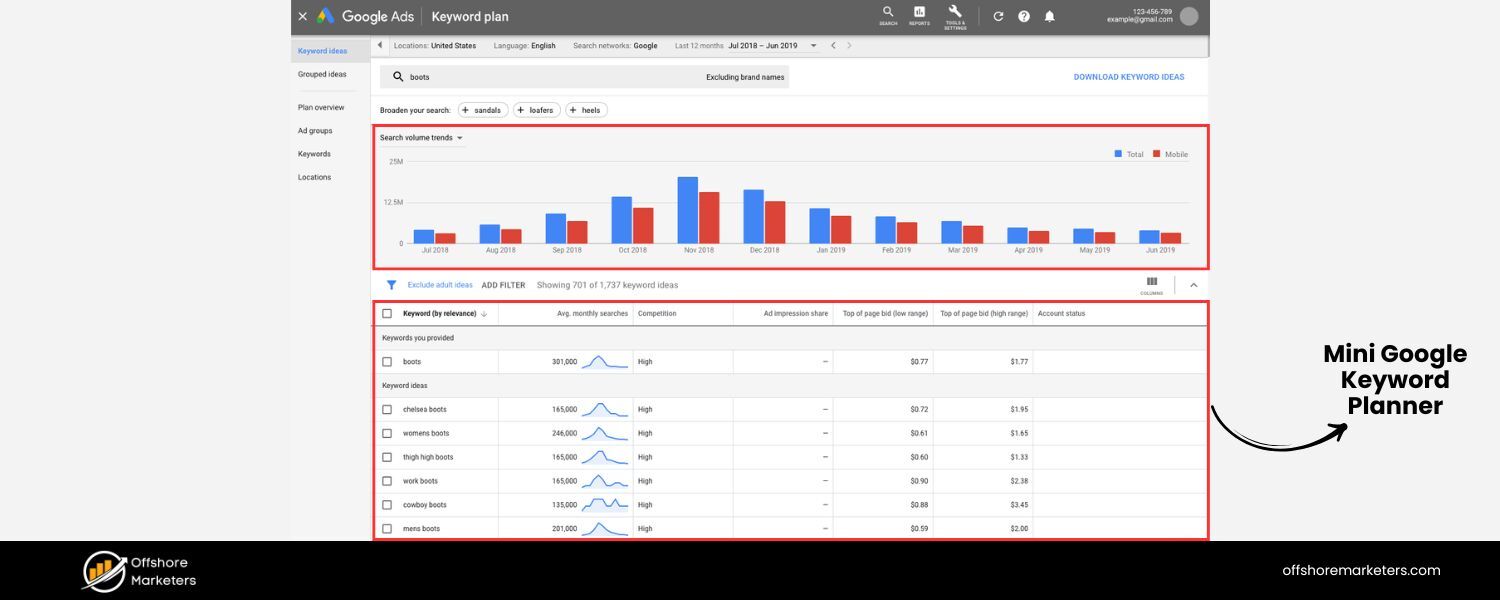
Google’s Keyword Planner (a free tool within Google Ads) is another goldmine for discovering buyer intent keywords, especially if you’re planning PPC campaigns. Once you enter a broad keyword or your website URL in the Planner’s “Discover new keywords” feature, look through the suggestions for any that imply readiness to buy.
The tool won’t explicitly label intent, but you can spot it from the keywords themselves. Look for terms with modifiers that scream “I want to buy”, such as:
A. Words like “buy,” “purchase,” “order,” “shop,” or “for sale” (e.g. “buy shoes online”).
B. “Best” + product/category (e.g. “best gaming laptop 2025” – users searching “best” are usually comparing options to buy soon).
C. “Cheap/affordable / budget [product]” (indicates the user is price-sensitive and likely ready to purchase if they find a good deal).
D. “Discount,” “deal,” “coupon,” or “free shipping” (e.g. “4K TV discount” or “mattress free shipping”) – these users are looking for a purchase incentive.
E. Specific brands, models, or product names (like “Nike Air Max 270”) combined with words like price, buy, or review. A search term like “iPhone 15 review” or “iPhone 15 price” signals the user is actively evaluating that exact product, which is high intent.
F. Keywords including “reviews,” “ratings,” “comparison,” or “vs” (e.g. “XYZ vs ABC” or “Product X reviews”). These suggest the person is in the consideration stage, looking to make a decision by comparing pros and cons.
G. Using Keyword Planner’s filters, you can set a minimum average monthly search volume and even filter by high suggested bid (CPC) to find commercially valuable terms.
For example, if you sell footwear and enter “shoes,” you might find suggestions like “buy shoes online,” “best running shoes for flat feet,” or “Nike vs Adidas sneakers” – each of these indicates a different kind of purchase intent (transactional, commercial, and comparative).
Collect a list of these terms and consider them in your content planning and PPC bidding strategy.
5. Analyze Your Competitors’ Keywords
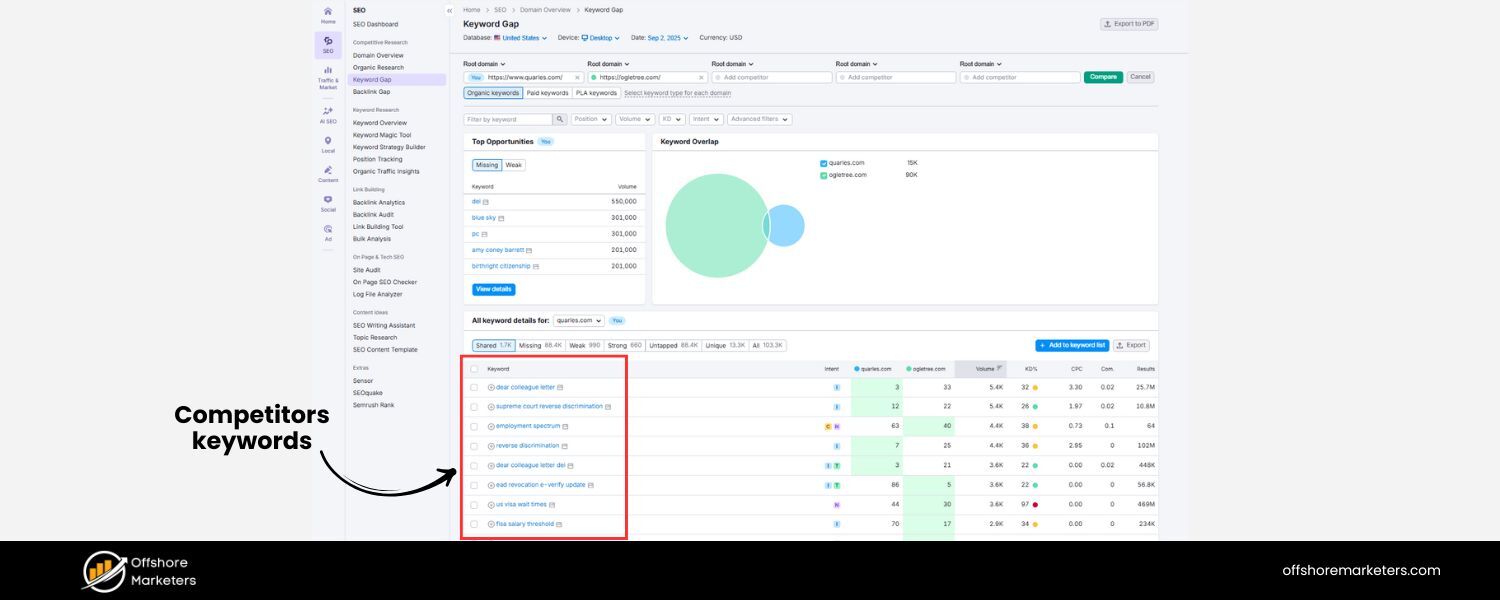
Your competitors may already be capturing buyer intent searches that you haven’t targeted yet. Performing a competitor keyword analysis can reveal these gaps.
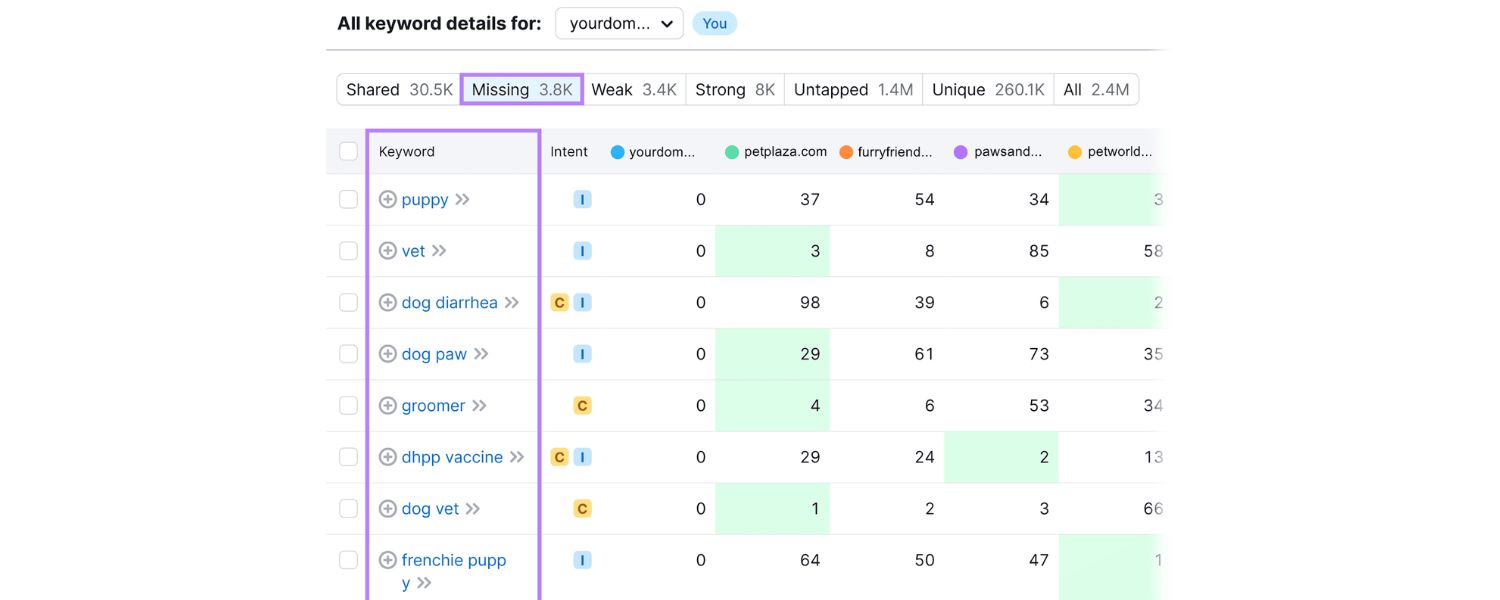
Using tools like Ahrefs’ Site Explorer or Semrush’s Organic Research, plug in a competitor’s domain (ideally a competitor who appears to be doing well in SEO or PPC in your niche).
Then filter their ranking keywords to find those with commercial or transactional intent – many tools let you filter by intent directly, or you can manually scan for terms with obvious buyer modifiers.
Pay particular attention to keywords where the competitor ranks on page 1 or is running search ads; that’s a sign the term is valuable.
For instance, if a competitor is ranking for “affordable [product/service] in [city]” or “best [product category] for [specific use case],” those are buyer intent phrases you might want to target as well.
Also look at competitors’ paid keywords if available – they wouldn’t pay for a keyword regularly if it didn’t convert. Ahrefs’ Paid Keywords report or Google Ads Auction Insights can show which high-intent terms your rivals are bidding on.
This research can uncover niche phrases (like “alternative to [CompetitorProduct]” or “[competitor] vs [your brand]”) that indicate someone is at the final comparison stage before buying – an excellent opportunity for you to intercept with content or ads.
Additionally, note any content formats your competitors use for buyer keywords. Are they writing in-depth comparison blog posts, product review pages, or long listicles of “best X for Y” items?
If so, you’ll want to produce something even better in order to outrank or out-convert them. Tip: We’ll discuss content strategies for buyer keywords in the next section.
6. Tap into Customer Feedback and Questions
Sometimes the language of your actual customers is the best guide to high-intent keywords. Interview some of your recent buyers or highest-quality leads – ask them what they searched for when they were looking for solutions in your category. You might be surprised by the exact wording they use.
As one B2B marketing blog suggests, interviewing ideal-fit customers can offer a “goldmine of insights” by revealing the exact search terms they used when ready to buy.
For example, a customer might tell you, “I kept searching for ‘[software category] free trial no credit card’ because I wanted to test a solution without commitment.”
That phrase is a strong buyer intent keyword that you could target (perhaps by creating a comparison of free trials or ensuring your own free trial page is optimized for that term).
Beyond interviews, mine your reviews, support tickets, and online forums for common phrases. Look at reviews on sites like G2, Capterra, Amazon, or even social media discussions.
Customers often describe the problem they solved with your product or what they were looking for (“I needed a reliable budget CRM – [Product] was the best choice”).
Those descriptions can highlight keywords. If multiple reviews mention “budget CRM” or “easy-to-use CRM for startups,” you’ve got phrasing that likely reflects real search queries.
Similarly, scour Q&A platforms (Quora, Reddit, niche forums) where people ask for recommendations. Someone asking “What’s the best affordable project management tool that’s not Trello?” is basically handing you a buyer keyword (“affordable project management tool”) plus competitor context.
Also, pay attention to “risk-reduction” queries that signal buyers seeking reassurance before purchasing. These include searches for things like “[Product] refund policy,” “[Service] customer success stories,” or “[Brand] vs [Brand] reliability.”
One expert insight is that bottom-of-funnel content should reassure customers by addressing objections and fears. Thus, keywords around money-back guarantees, free trials, no contract required, testimonials, and reviews are important.
If you notice people searching “[YourProduct] reviews” or “[YourService] cancellation policy,” make sure you have content (or at least an FAQ on your site) optimized for those terms. They indicate someone on the verge of buying who just needs final confirmation that it’s a safe decision.
7. Use Analytics to Identify High-Intent Opportunities
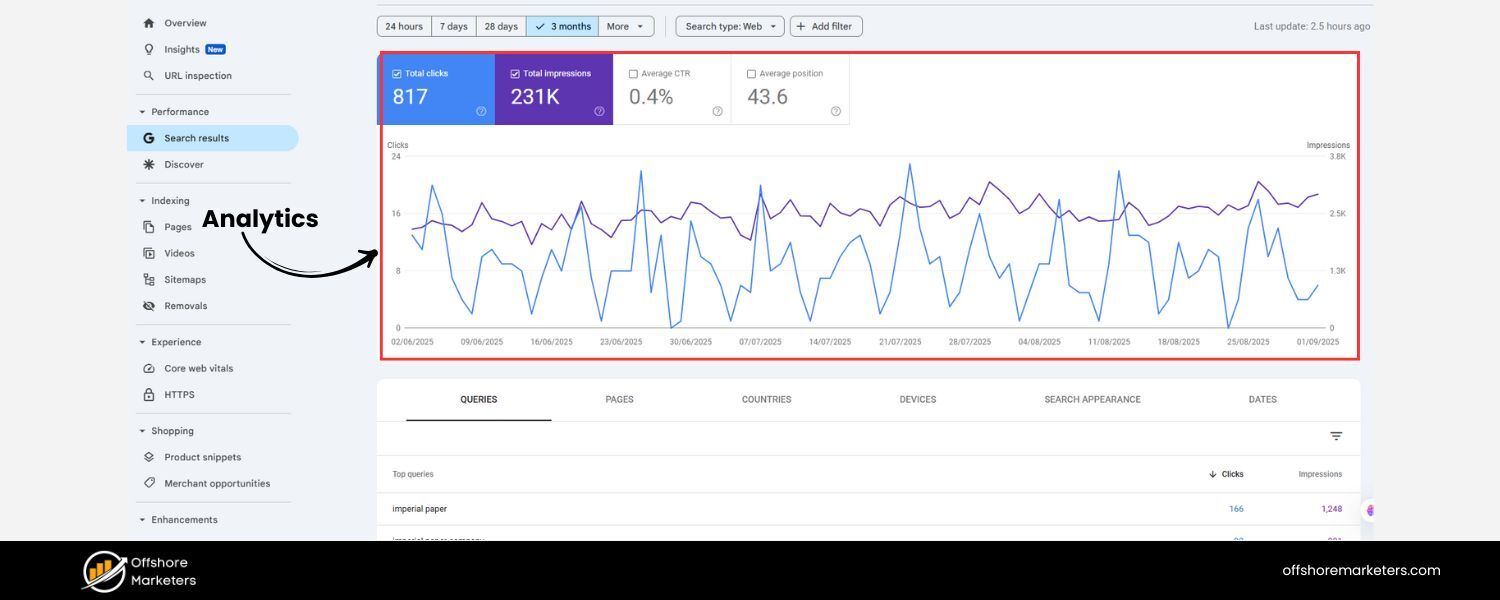
If your site has been running for a while, use your own analytics data to uncover which keywords already bring in converting traffic. Google Search Console can show you the search queries that lead to clicks and their associated pages. Look for queries in your Search Console that contain purchase-y terms or that correspond to pages with high conversion rates.
For example, you might find that you’re inadvertently ranking for a long-tail term that you never explicitly targeted – if that term has buyer intent and is converting well, you should optimize for it and potentially create more content around it.
Conversely, you might see some high-intent keywords where you rank on page 2 or 3; those are prime candidates to focus on improving since they could drive conversions if bumped up to page 1.
Likewise, Google Analytics (GA4) can help if you have goals/e-commerce tracking. Check the landing pages that lead to the most goal completions or revenue.
What queries are people using to reach those pages? If you find, for instance, that a large share of your conversions are coming from organic searches of “[Your Brand] pricing” or “[Product] demo,” that tells you two things: (1) those are definitely buyer intent searches, and (2) you should ensure those pages are well-optimized and perhaps create related content (like a pricing FAQ or a demo video page) to capture even more such traffic.
For paid campaigns, review your Google Ads search query reports to see which queries resulted in conversions. Often, broad match campaigns will surface specific phrases you hadn’t explicitly bid on that convert well.
Those are great keywords to add to your SEO target list (and perhaps elevate to exact-match bids as well). By combining analytics and ad data, you essentially let the real-world performance inform your keyword strategy, focusing on terms that you already know drive leads or sales.
8. Refine and Expand Your Keyword List Continuously
Finding buyer intent keywords isn’t a one-and-done task. Tastes change, new products emerge, and competitors enter the scene. Make it a habit to revisit your keyword research periodically (e.g. quarterly). Use the strategies above on new product lines or trends in your industry.
For instance, in 2024 and 2025, lots of AI-related queries have popped up as businesses seek AI tools, if you’re in a fast-moving niche, the hot buyer keywords this year might be different next year.
Also, monitor the performance of the keywords you’re targeting. If some aren’t driving results, investigate why, maybe the intent is not as high as expected, or your content isn’t matching what searchers want (more on content optimization next).
For the keywords that are working, consider related variants you can go after. For example, if “best CRM for freelancers” is doing well for you, next you might target “best CRM for solo entrepreneurs” or “best CRM for small agencies,” etc.
In summary, consistently test, analyze, and refine. Keep an eye on emerging keywords (Google Trends or Exploding Topics can help highlight rising searches). And don’t be afraid to prune or pivot – if a keyword isn’t converting or the intent isn’t as expected, focus your efforts on those that do deliver value.
The goal is a tuned list of buyer intent keywords that you know are aligned with your ideal customers’ searches and that you can realistically rank for or bid on.
Creating Content that Captures Buyer Intent
Finding high-intent keywords is only half the battle, you also need to create content or landing pages that satisfy the searcher’s intent and lead them toward a conversion. Here are some best practices for turning those keywords into effective content marketing and PPC campaigns:
1. Match Content Format to Keyword Intent
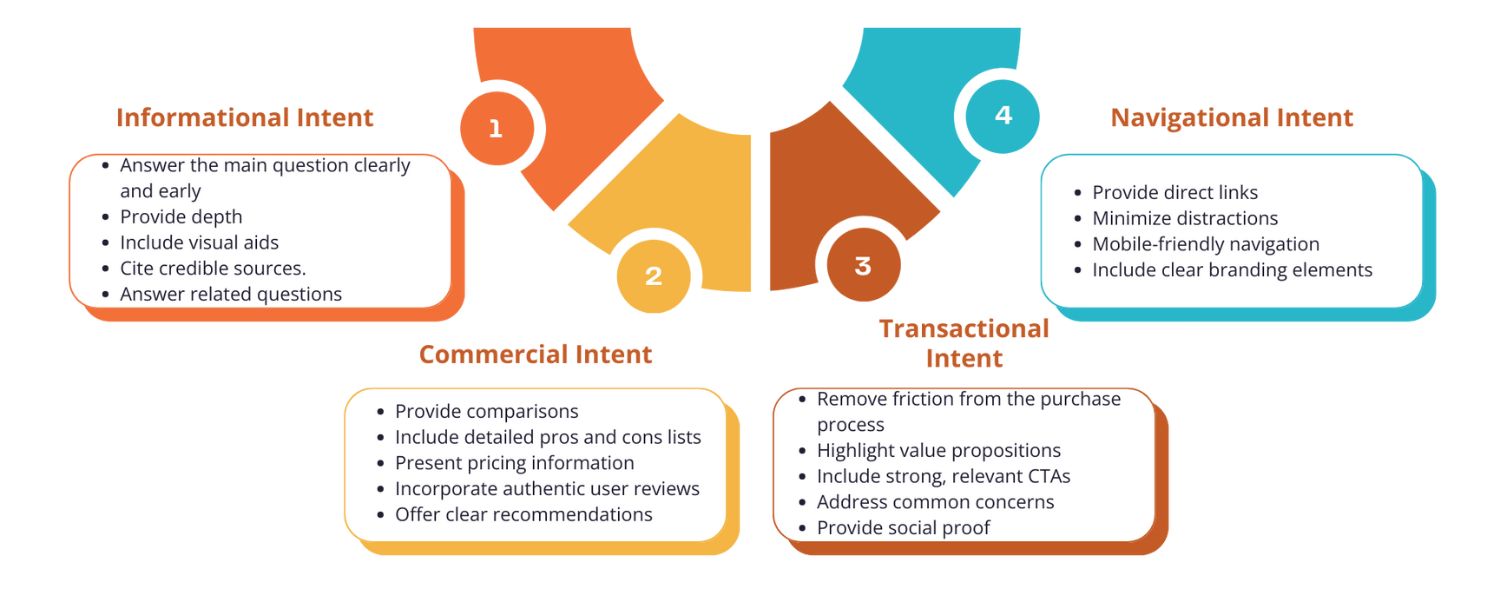
Ensure that the type of content you provide matches what the searcher is looking for. If the keyword is “best X” or “X vs Y,” the intent is likely to read a comparison or listicle.
A great approach is to publish product comparison articles, “Top 10” lists, or detailed reviews that give the searcher exactly the information they need to make a choice.
For example, a search for “best budget smartphones 2025” should land on a curated list of smartphones with pros/cons, not a generic category page. On the other hand, a keyword like “buy [Product Name] online” implies the user wants to see a product page or e-commerce page where they can actually make the purchase (or at least see pricing and availability).
For transactional keywords, make sure you have landing pages (product pages, sign-up pages, etc.) optimized to immediately offer what the user seeks – with a clear call-to-action (e.g. “Add to Cart” or “Start Free Trial”). If they search “free trial [Software],” don’t send them to a blog post – send them to a sign-up page with a prominent “Start Your Free Trial” button.
2. Provide Complete and Useful Information
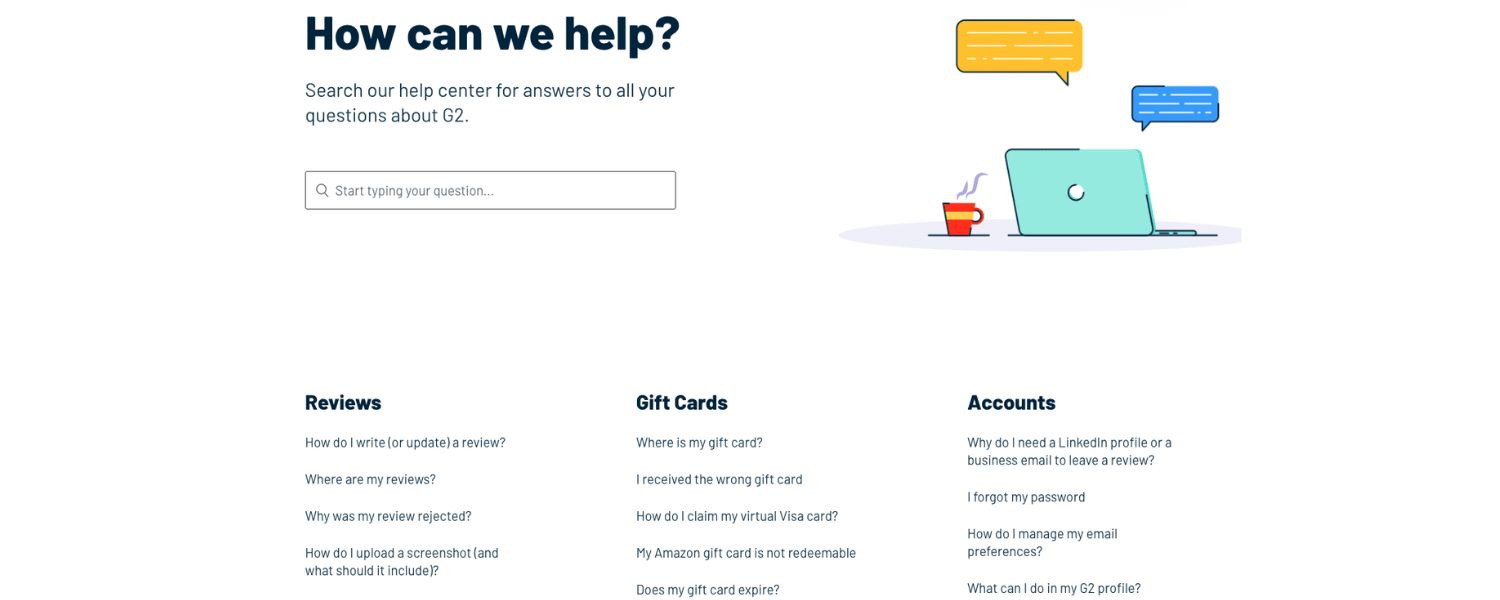
High-intent searchers often have specific criteria or questions that they need answered before they convert. Anticipate those questions and answer them in your content.
If you’re targeting “XYZ vs ABC” comparisons, lay out a feature-by-feature comparison and declare a winner based on use cases. If you’re targeting “best [product] for [need]”, include the reasoning why each item is best for that need, not just a list of names.
The more you can position your content as a one-stop solution that fully addresses the query, the more likely the user will trust your recommendation or offering.
This also means including specs, pricing info, images, videos, or anything else that helps a potential buyer. For example, on a page targeting “[Product] review,” including authentic customer reviews or star ratings can be hugely persuasive.
3. Incorporate Trust Signals and Overcome Objections
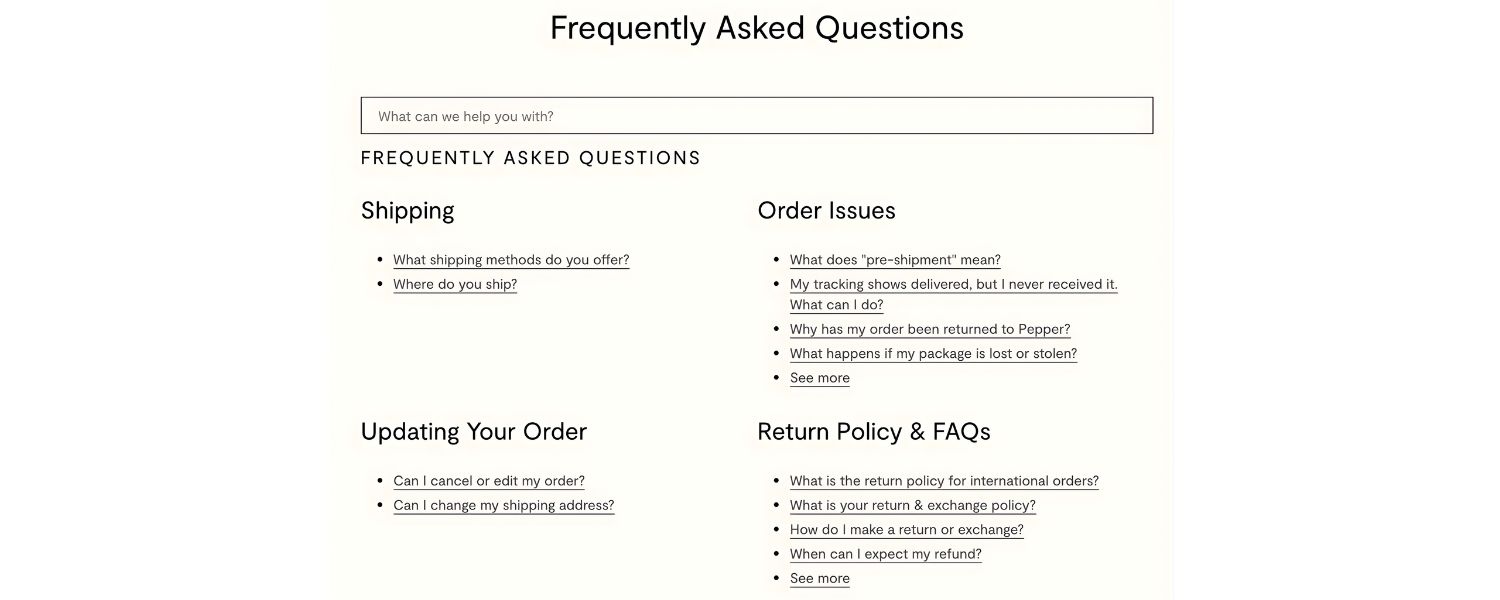
Someone at the bottom of the funnel might still have last-minute hesitations, your content should ease those. Include trust signals like customer testimonials, case studies, security badges (for e-commerce), or money-back guarantees prominently on pages targeting buyer keywords.
If the keyword revolves around a pain point, briefly mention how your product/service addresses that pain better than others (without being too salesy).
For instance, if targeting “best project management tool for freelancers,” and you offer such a tool, you might include a section in your article about key features freelancers should look for, subtly highlighting ones your solution excels in.
Additionally, consider an FAQ section on important pages to answer common questions (e.g. shipping times, return policy, “what if I don’t like the product?”, etc.).
By addressing these concerns within the content, you keep the user engaged and confident rather than leaving them to search elsewhere for answers.
4. Optimize On-Page Elements for the Keyword
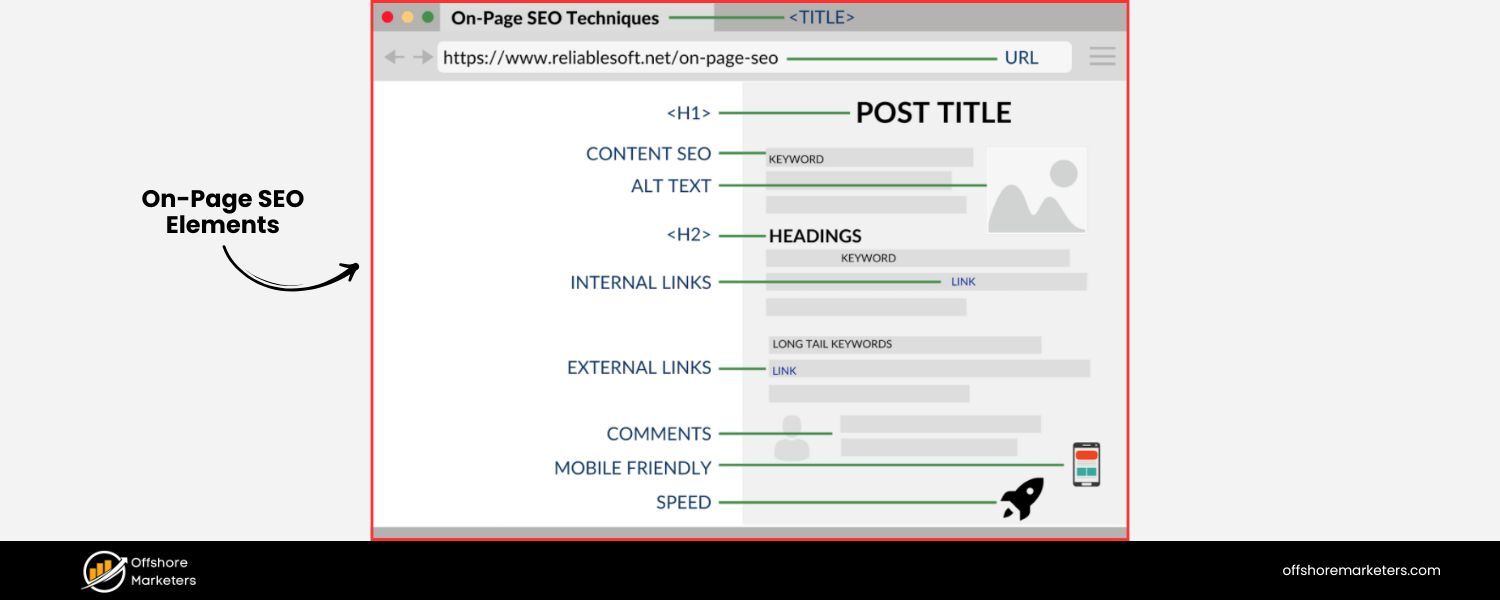
Just as with any SEO content, ensure your page title, meta description, headings, and image alt text incorporate the buyer intent keyword (or a close variation) naturally. This not only helps with SEO but also makes it clear to the user that they’ve found a relevant result.
For example, if the keyword is “affordable 4K TV deals”, a title like “Top 5 Affordable 4K TV Deals – Best Budget Picks for 2025” will immediately resonate.
The meta description can emphasize something like “Compare prices and features of the best budget 4K TVs available now – find an affordable 4K TV that fits your needs and save money.”
Using the language of deals and affordability signals that the page is exactly what the user is looking for. Remember to avoid keyword stuffing – include the terms in a way that reads naturally and appeals to a human searching for that query.
5. Use Calls-to-Action (CTAs) Appropriately
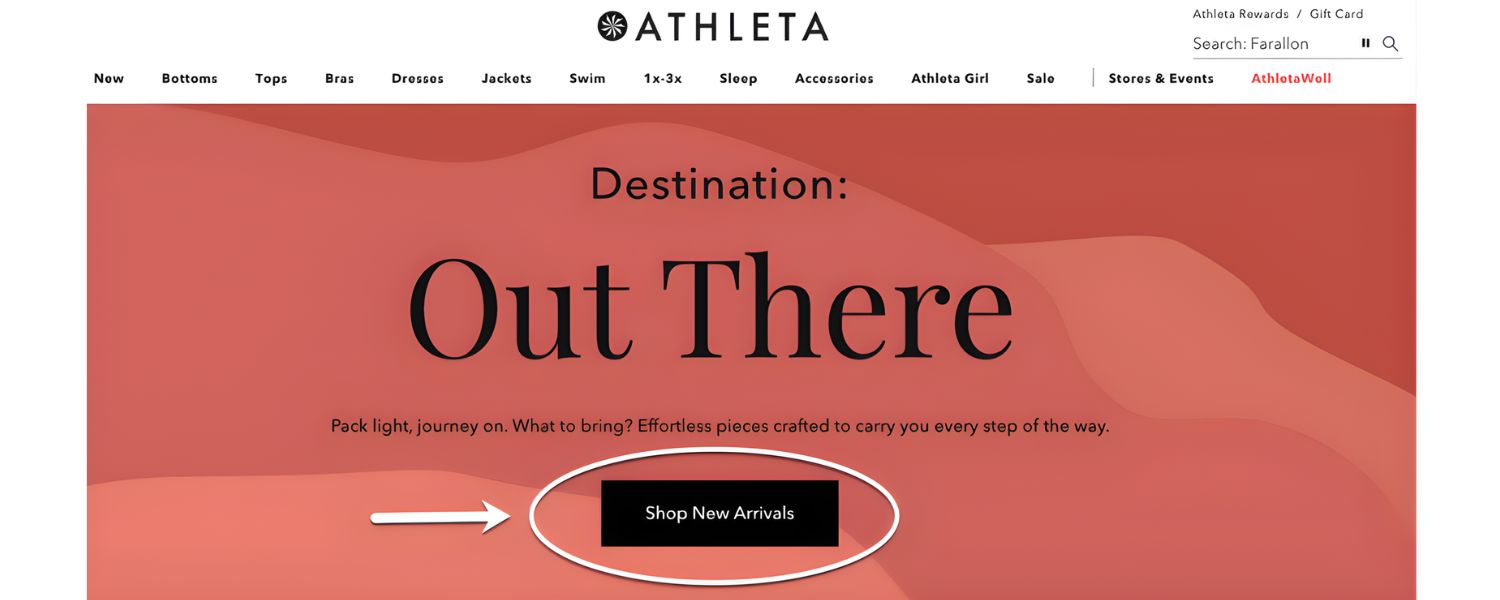
A person coming via a buyer intent keyword is often ready to act, so make sure you have a clear and relevant call-to-action on the page. If it’s a product page, the CTA is obvious (buy or add to cart). But for a blog post or comparison page, you might need to guide the user on next steps.
For instance, after reviewing “best project management tools,” include a CTA like “Try [Your Tool] free for 30 days” or “Get a quote” if that’s the logical step. If you’re an affiliate, use buttons or links for the user to “Check latest price” or “Visit official site” for the products you recommend.
CTAs can also be softer, like inviting the user to download a buyer’s guide PDF or sign up for a demo – anything that moves them further toward conversion.
The key is to make it easy for an interested visitor to take action. Don’t make them hunt for how to buy the product you just convinced them is great.
6. Consider PPC for High-Value Keywords
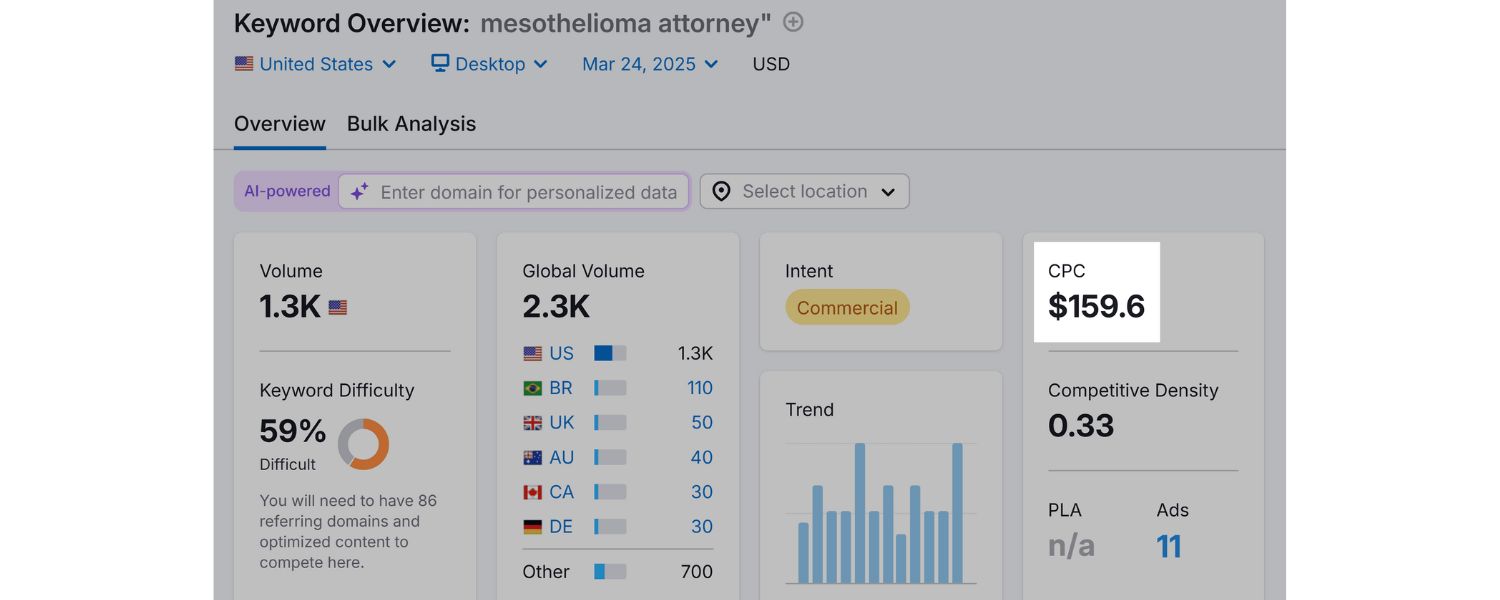
Some buyer intent keywords are so lucrative – and competitive – that ranking #1 organically might be tough or could take a long time. In these cases, using pay-per-click ads (Google Ads/Bing Ads) can ensure you have immediate visibility.
For example, if “buy [YourProduct] online” or “[YourService] pricing” is dominated by competitors, bidding on those terms guarantees you’re in the running when a motivated buyer searches. The good news is these users often convert well, which can offset higher bid costs.
Make sure your ad copy speaks to the intent (“Official site,” “Free trial,” “24-hour delivery,” or whatever proposition fits the query) and that your landing page aligns perfectly with what was promised.
Using SEO and PPC together on important buyer keywords can actually be a smart multi-channel strategy – appearing in both the paid and organic results doubles your chances of getting the click and keeps competitors from hogging that prime real estate.
7. Monitor and Refine Content Performance
After publishing content targeting buyer keywords, monitor how it performs. Check engagement metrics (bounce rate, time on page) and conversion metrics (did the page lead to a transaction, sign-up, or click-through to a product?).
If a page is getting traffic but not converting as expected, you may need to tweak the content or CTA. Perhaps the offer isn’t compelling enough or the content isn’t fully satisfying the query. A/B testing different headlines or CTAs on high-traffic pages can yield improvements.
Also, gather feedback if possible – sometimes adding a quick poll (“Did you find what you were looking for?”) can highlight gaps. The goal is to continually optimize the content experience to match the intent so that once you have that hard-earned visitor, nothing stops them from converting.
SEO or PPC? Using Buyer Intent Keywords Across Channels
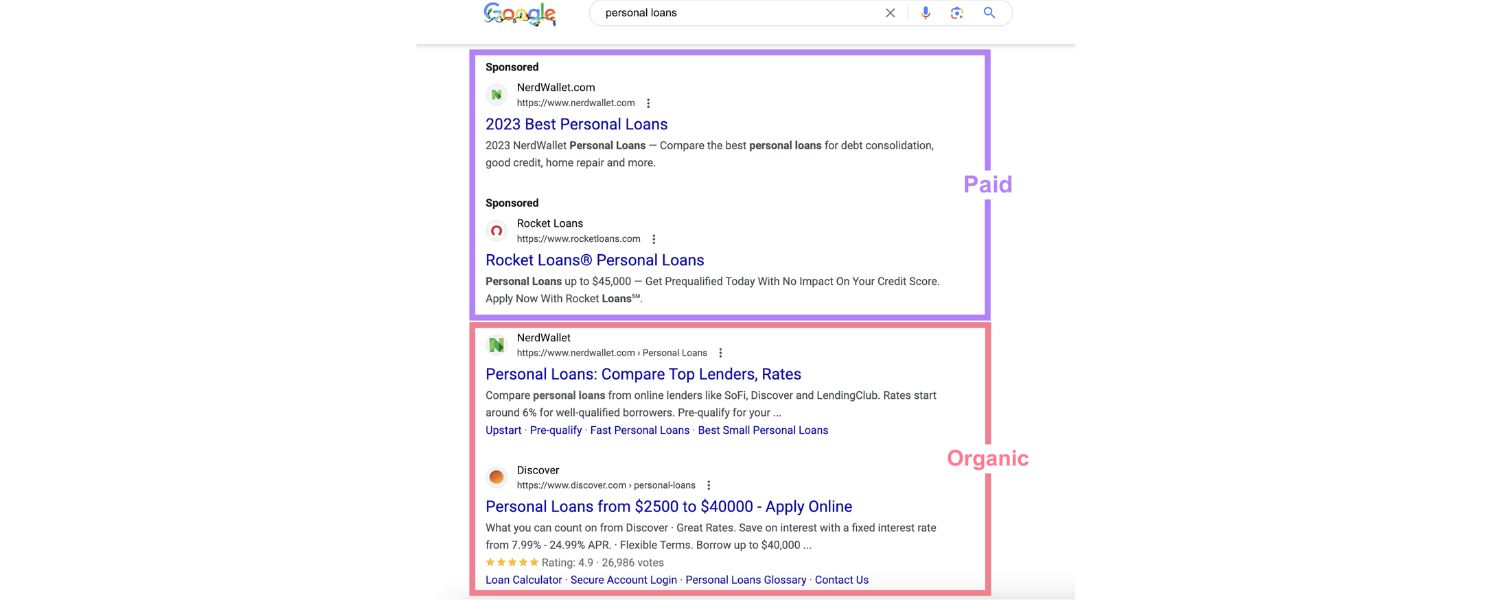
An important strategic consideration is whether to target a given buyer intent keyword via SEO (organic content), PPC ads, or both. The approach can vary based on your business context, budget, and timeline. Here are some guidelines to help decide:
1. Use SEO (Organic Content)
when you want to build a sustainable, long-term presence for the keyword and when the keyword isn’t prohibitively competitive. SEO is ideal for capturing a wide range of long-tail buyer queries with informative content.
If a keyword has a high cost-per-click in ads or if you have a limited budget, creating high-quality content to rank organically can be more cost-effective.
For example, a niche software company might find that bidding on broad industry terms is too expensive, but by writing the definitive “Best [Software] for [Use Case]” guide and optimizing it, they can rank and draw in prospects without paying per click.
SEO is also preferable if your goal is to build brand authority – a great blog or resource section targeting buyer questions can establish you as a trusted voice (something PPC alone can’t do). Keep in mind, SEO takes time, but the payoff is “free” traffic in the long run and reduced dependency on ads.
2. Use PPC
when you need immediate results or guaranteed visibility. New website with no organic presence yet? Running a holiday promotion or limited-time offer? These are classic cases for using paid search ads on buyer intent keywords. With PPC, you can appear at the top of search results for your chosen keywords right away.
It’s also useful for hyper-competitive keywords where ranking organically is a long shot (e.g. trying to rank for “buy laptop online” against Amazon and Best Buy might be unrealistic, but you could bid for an ad spot).
Another scenario is when you want to test which keywords convert best, PPC lets you quickly gather data on a keyword’s performance.
If you find certain buyer keywords have a great conversion rate via ads, you’ll know to double down on those in SEO as well. Paid search is essentially a way to “buy” your way into the conversation while you build up organic strength.
3. Consider Both (SEO + PPC) for high-value keywords
There’s no rule that it must be one or the other. In fact, using both channels can maximize your reach. Dominating both an organic listing and a paid ad for a buyer keyword means you occupy more screen real estate, increasing the chance the user clicks your link (and not a competitor’s).
This dual approach is often used by savvy companies on their money-maker keywords. For example, HubSpot might rank #1 organically for “CRM software small business” and also run an ad on that search – capturing those who click the top ad and those who scroll to organic results.
The combination also provides redundancy; if the user skips ads on principle, you have organic coverage, and vice versa. Do keep an eye on ROI, you might not want to pay for clicks you could get for free.
But for critical keywords (like your own brand’s product names or highly lucrative terms), double coverage can be worthwhile.
4. Know your niche and restrictions
In some industries, PPC advertising for certain keywords might be restricted or against policy (for example, some financial or healthcare terms). In those cases, SEO might be your only option. Alternatively, some niches have so many ads (e.g. insurance, legal) that organic results are pushed way down.
If you’re in such a space, relying on SEO alone might not get you above the fold visibility, a mix of local SEO, long-tail content, and PPC might be needed.
In summary, align your approach with your goals and resources. If you have a long runway and limited funds, invest in SEO for buyer keywords and enjoy the compounding returns.
If you need to boost sales this quarter or test new markets, allocate budget to PPC for quick wins.
Often, the optimal strategy is a hybrid: use PPC to drive conversions now (and gather data), while building SEO content that will bring in conversions for years to come.
Remember that the end goal is the same, capture those ready-to-buy customers, so use whatever mix of tools gets your business in front of them effectively.
Frequently Asked Questions (FAQ)
Q1: How can I tell if a keyword has buyer intent?
There are a few signals that a search term is a buyer intent keyword. One quick method is to look for purchase-related words in the query. Keywords that include terms like “buy,” “discount,” “deal,” “coupon,” “price,” “best,” “review,” “vs,” or “free trial” are usually strong indicators of buyer intent.
For example, “best noise cancelling headphones 2025” or “buy Nintendo Switch online” clearly show commercial intent. Another clue is to examine the search results page (SERP) for that keyword.
If you see Google Shopping ads, a lot of product pages, or price comparison snippets, it’s a sign that Google interprets the query as transactional or commercial.
In contrast, if the SERP is filled with how-to articles or informational blogs, the keyword might not be a buyer intent term. You can also use SEO tools, many will tag keywords with an intent label (C for Commercial, T for Transactional).
Ultimately, buyer intent keywords are those where the searcher’s language or behavior indicates they’re close to taking a purchasing action.
Q2: Should I focus only on buyer intent keywords in my SEO strategy?
No – while buyer intent keywords are incredibly valuable for driving conversions, a well-rounded SEO strategy should cover all stages of the buyer’s journey. It can be a mistake to focus exclusively on bottom-of-funnel terms.
Early-stage informational queries (like “how to fix X problem” or “why do I need Y”) play an important role in attracting potential customers, building brand awareness, and nurturing those users until they become ready to buy.
If you only create content for immediate purchase intent, you might miss out on engaging a large segment of your audience who are doing preliminary research.
As experts advise, the goal is to cater to potential buyers at each stage of awareness, from those just learning about their problem to those comparing options, and finally those ready to purchase.
By doing so, you can guide your audience smoothly toward conversion while also establishing your brand as a trusted resource.
In practical terms, this means balancing your content: have some articles or videos addressing common questions (informational intent), some comparison or “best of” pieces (commercial intent), and some strong landing pages or product pages (transactional intent).
This full-funnel approach ensures you’re not leaving any opportunity on the table. Remember, someone who reads your informational blog today could be the person searching a buyer keyword next month, and thanks to your helpful content, they’ll be more likely to click your site when they’re ready to buy.
Conclusion and Next Steps
Buyer intent keywords are the key to unlocking higher conversions from your SEO and SEM efforts. By understanding the phrases your ready-to-buy customers use, and by crafting content and campaigns that meet them with exactly what they need, you can dramatically improve your marketing outcomes.
We’ve covered how to research these high-intent terms, how to incorporate them naturally into your content strategy, and how to approach them via both organic and paid channels.
Now it’s time to put this knowledge into action. Start by identifying a handful of buyer intent keywords in your niche (use the techniques above), and update or create content targeting those terms.
Optimize your product pages or write that “Top 10” post that compares the leading solutions in your space.
As you implement these keywords, monitor the impact on your traffic quality and conversion rates, you’ll likely see more engaged visitors who take action faster. Remember to keep refining your list and expanding into new high-intent opportunities as your market evolves.
In a world of endless search queries, focusing on buyer intent keywords ensures you’re zeroing in on the searches most likely to turn into revenue for your business.
It’s about working smarter, not just harder, with your SEO. So, whether you’re an affiliate blogger aiming to increase commission or a business owner looking to boost sales, make buyer intent keywords a core part of your strategy.
By aligning your content with the intent of your best customers, you’ll attract not just more traffic, but the right traffic, people who are ready to become your customers.

Google Search Issues Affecting Results in Some Regions
Google has confirmed a problem with one of its data...

Keyword Counts Dropped After Google’s num=100 Change
In September 2025, Google stopped supporting the &num=100 parameter. This...

Image SEO: Optimize Images for Higher Rankings & Traffic
Introduction Images make your website more engaging, but they can...

Share of Voice: Definition, Measurement & Boosting Brand
Share of Voice (SOV) is a key marketing metric that...

Programmatic SEO: Ultimate Guide to Scaling Organic Traffic
Programmatic SEO is an automated SEO technique that uses templates...


.png)
.png)
.png)
.png)
.png)

2024 ALL RIGHTS RESERVED MADE IN INDIA
.png)