
Casino SEO: How to Rank Your Casino Online
September 2, 2025
Introduction
The online casino market is massive (over $500 billion globally) and fiercely competitive. With paid ads often costing hundreds of dollars per new player, and even being banned in many regions – mastering Casino SEO has become the critical path to sustainable growth.
This guide (written by an expert with decades of marketing experience) will show you how to rank your casino website higher on Google, drive organic traffic, and ultimately attract more players through proven SEO strategies.
Why Casino SEO Matters (Unique Challenges & Opportunities)
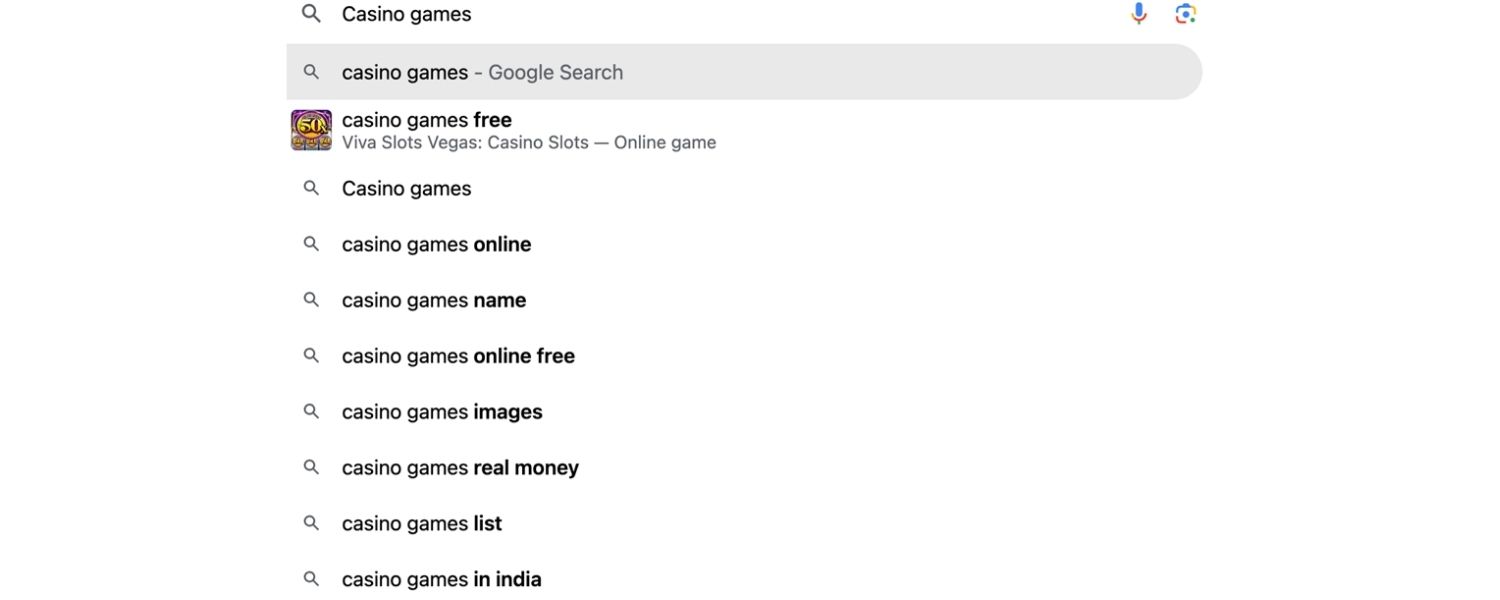
Online gambling is a high-stakes niche not just in stakes but in SEO difficulty. Here’s why SEO for casinos is both essential and challenging:
1. Extreme Competition
Thousands of online casinos and betting sites are vying for the top spots on search engine results. Lucrative keywords like “best online casino” or “sports betting site” are highly competitive, as ranking #1 can mean a jackpot of new players.
A new casino site faces steep competition from established brands with strong domain authority.
2. Regulations Limit Advertising
Traditional paid advertising channels are limited for gambling. In many countries, platforms like Google Ads and Facebook have strict policies or outright bans on casino ads.
SEO is one of the few remaining cost-effective marketing channels that casinos can leverage without breaking rules, and it delivers traffic that doesn’t vanish when the ad budget runs dry.
3. Trust and Stigma
The gambling industry carries extra scrutiny. Players are cautious about scams or illegitimate sites. Google treats casino sites as “Your Money or Your Life” (YMYL) content, meaning it holds them to higher standards of expertise and trust.
This means a casino website can’t rank well with thin or shady content, you must build credibility through your SEO content and site features.
4. Huge Long-Term ROI
While challenging, Casino SEO is worth it. Unlike paid acquisitions that might cost $100+ per player, organic traffic can bring in a steady stream of users at a much lower cost. In fact, successful SEO campaigns in competitive industries often see tremendous ROI over time.
By investing in content and optimization now, an online casino can reap long-term traffic and player sign-ups for months and years to come.
Bottom line: Casino SEO isn’t optional – it’s a necessity if you want to survive and thrive in the online gambling space. Now, let’s dive into the key strategies to help your site climb the rankings.
Casino Keyword Research: Finding High-Value & Niche Terms
Every successful SEO campaign starts with smart keyword research, and this is especially true for casino and betting sites. Due to the intense competition on generic terms, you’ll need to be strategic in the keywords you target. Here’s how to approach casino keyword research:
1. Identify “Money” Keywords
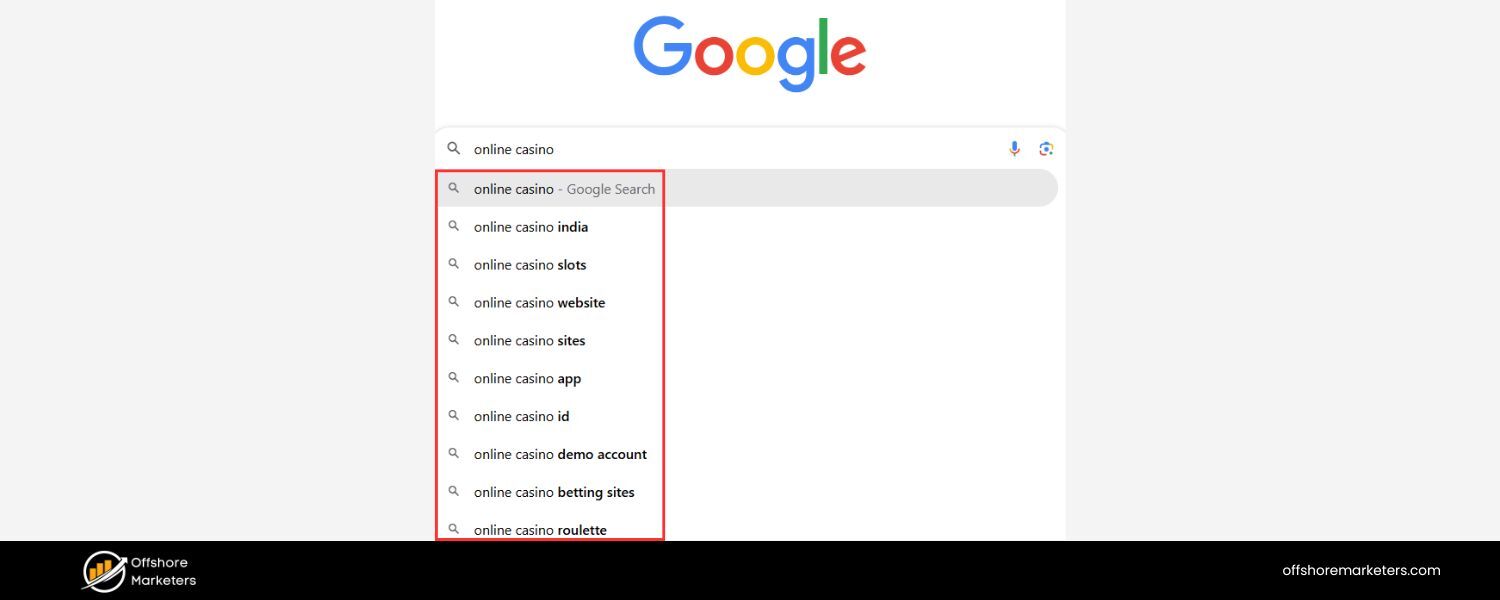
These are the high-intent transactional keywords that real players search for when they’re ready to gamble. Examples include “online casino real money,” “best casino bonuses,” “sports betting site,” or “play poker online.” These terms can directly lead to conversions (deposits, sign-ups), but they’re extremely competitive.
Ranking for these often requires a strong site with high authority and a solid backlink profile. Still, make a list of your most relevant money keywords as long-term targets.
2. Leverage Long-Tail Keyword
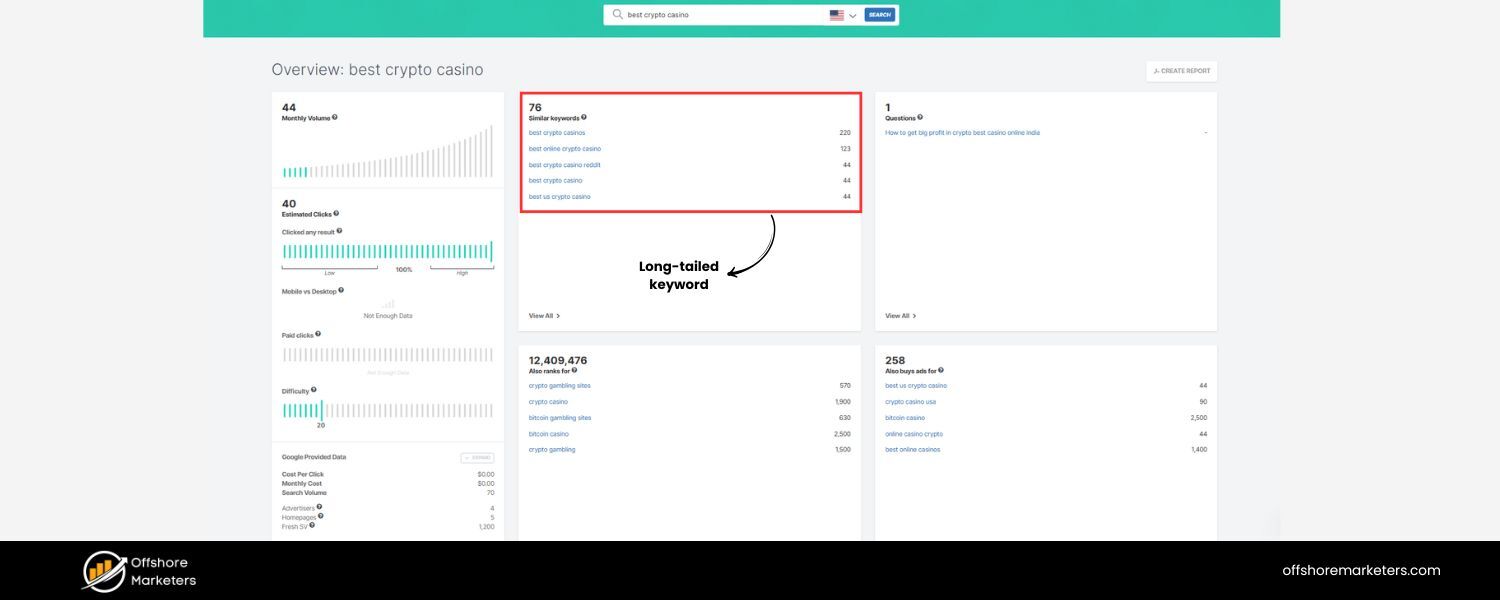
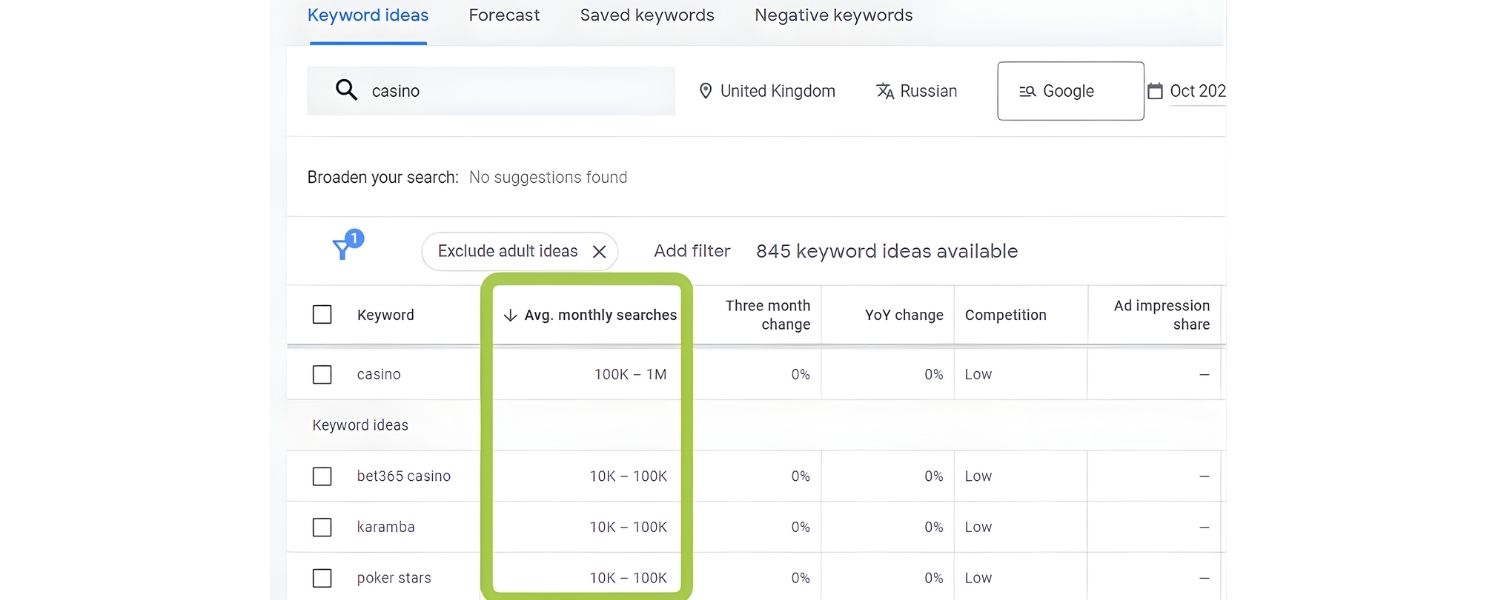
Rather than going head-to-head on only the broad terms, focus on long-tail keyword variations that face less competition. Long-tails are more specific phrases, often 4+ words, which may have lower search volume but higher conversion potential. For example, ranking for “best crypto casino no KYC” or “Texas Hold’em poker strategy for beginners” is far easier than a single word like “casino.”
These longer phrases indicate specific interests or questions, and by answering them, you attract targeted players. Long-tail keywords also often reflect user questions (“how to…”, “tips for…”, etc.), which you can use to create helpful content that draws people in.
3. Include Informational Keywords
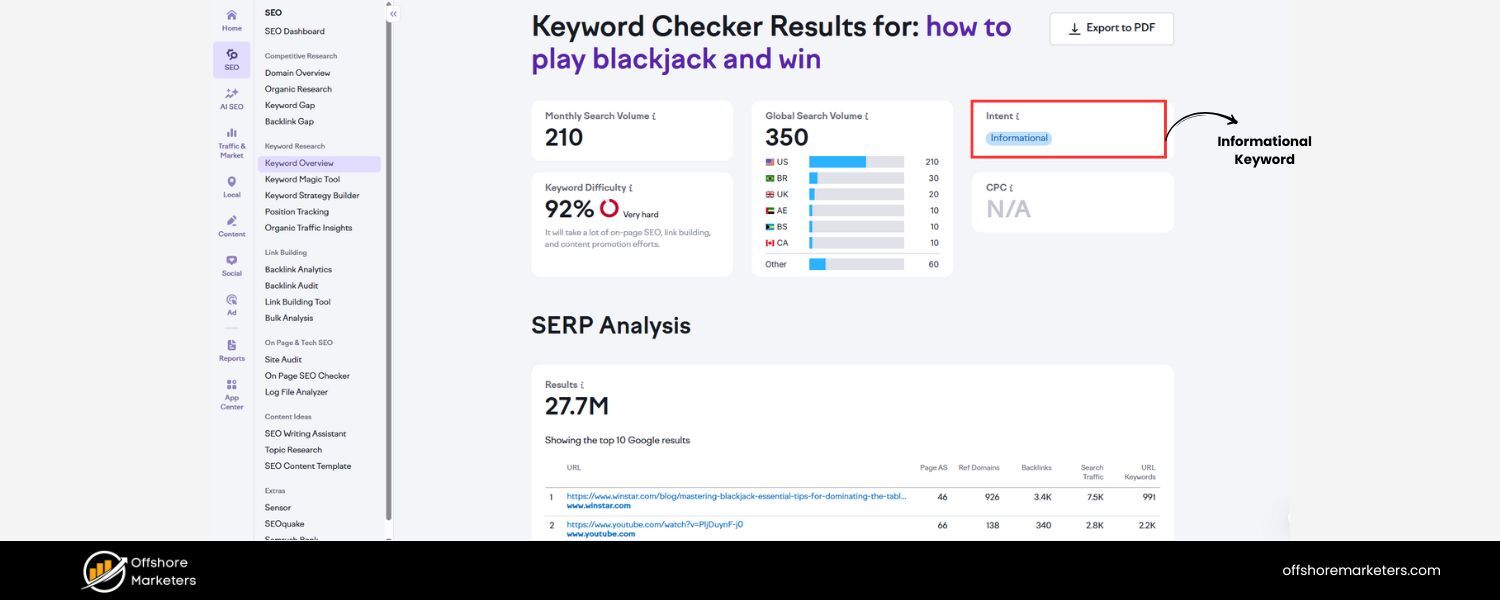
Not every visitor is ready to deposit money right away. Many are looking for information, rules of a game, strategies, or casino reviews.
Tapping into informational searches (e.g. “how to play blackjack and win,” “roulette wheel odds explained,” “online casino guide for beginners”) can bring top-of-funnel traffic to your site.
These visitors can later be funneled to sign up once you’ve earned their trust. Moreover, creating content for informational queries helps establish your site’s topical authority in gambling. Google rewards sites that offer comprehensive information, not just sales pages.
4. Research Competitors & Trends
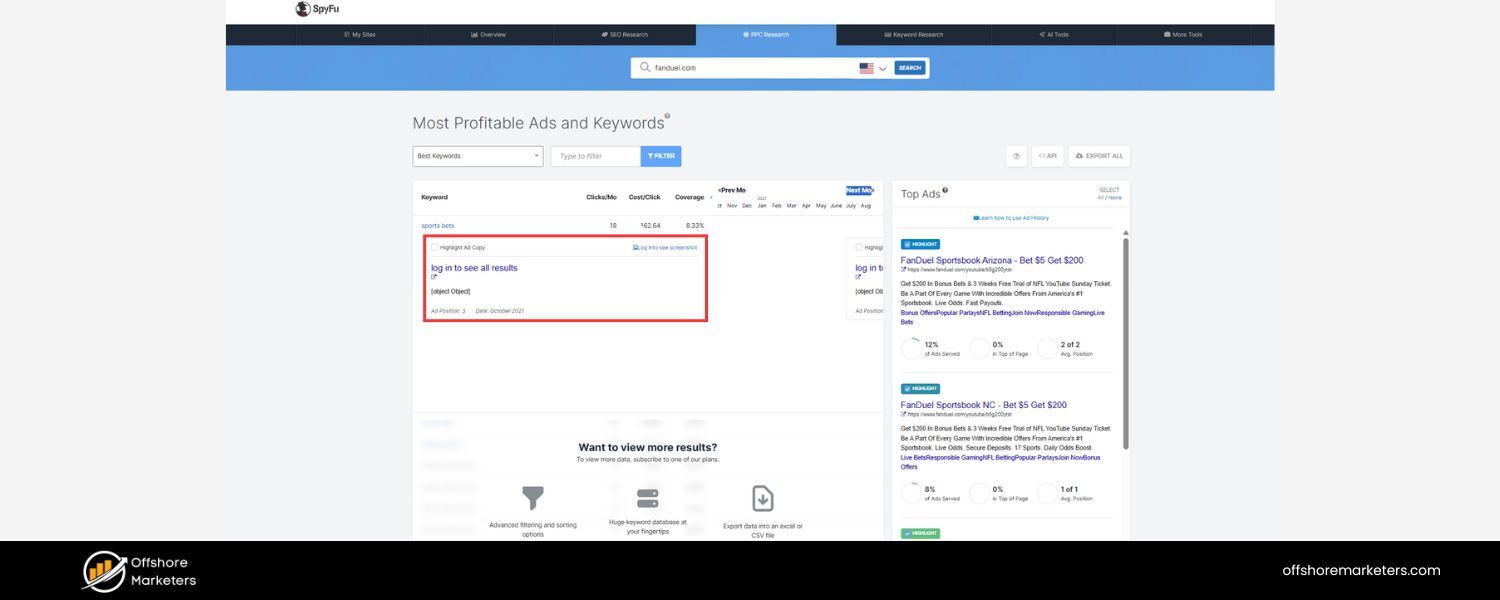
In the casino niche, keyword dynamics can change with trends (new games, regulatory changes, seasonal sports events). Use SEO tools (such as Google Keyword Planner, Ahrefs or Semrush) to discover what keywords competitors are ranking for.
For example, if a rival casino site is getting traffic from “online casino Canada legal 2025,” that’s a clue to produce content targeting Canadian players and legal FAQs.
Keep an eye on emerging terms like new game titles or trending topics (e.g. the rise of “crash gambling” or “eSports betting”) – early movers can capture that search traffic first.
Pro Tip: Because regulations vary by country, do region-specific keyword research. A term like “best UK online casino” will have a different competitive landscape than “best India online casino” or “US online casino real money.”
Identify your target markets and find the keywords relevant to each locale. This geo-targeted approach will tie into local SEO (discussed later) and ensure you’re attracting players where online gambling is allowed.
By intelligently mixing high-value keywords with niche long-tails and informational queries, you’ll create a semantic net that captures searchers across the customer journey. Next, we’ll optimize your site to turn those keyword opportunities into rankings.
On-Page SEO Optimization: Content is King (and Queen)
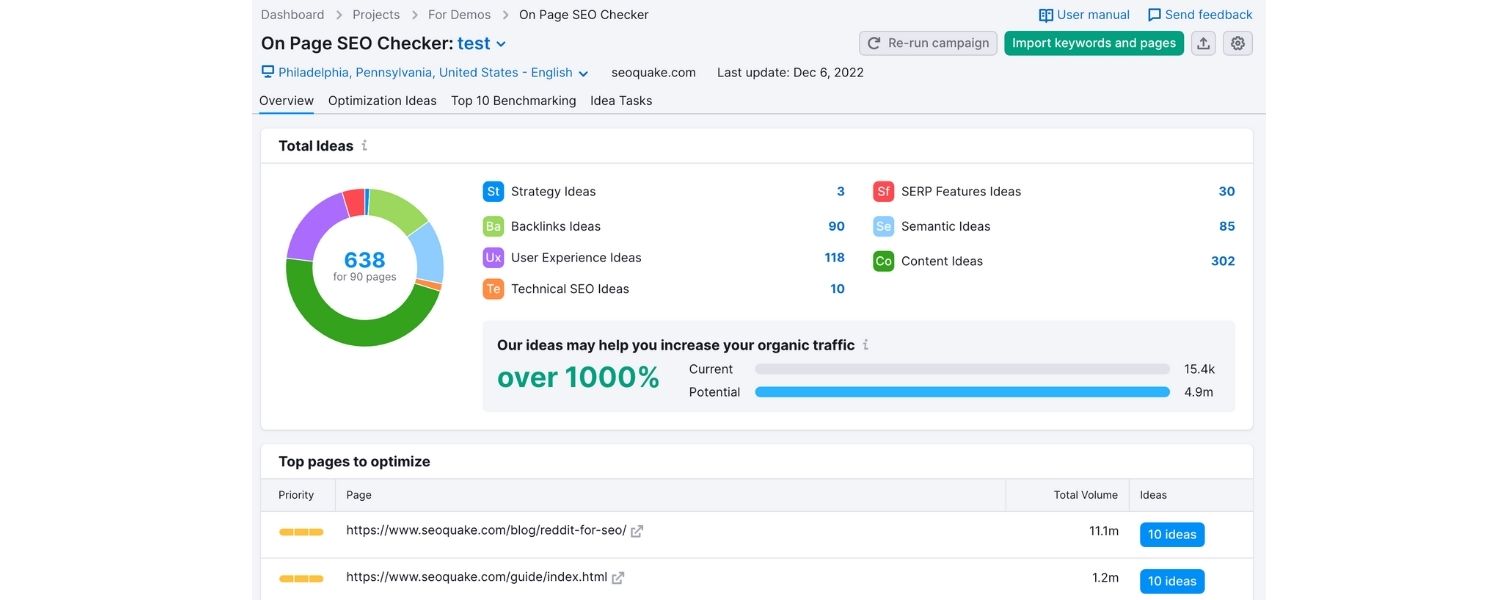
With your keyword list in hand, it’s time to optimize your website’s content and on-page elements. In a sensitive industry like iGaming, quality content and on-page SEO can make or break your rankings. Here’s what to focus on:
1. High-Quality, Relevant Content
Content is the cornerstone of Casino SEO. Google will not rank a gambling site that lacks substance or appears untrustworthy. Make sure every important page on your site offers unique, valuable content tailored to your audience:
2. Create Comprehensive Pages
For each main topic or game, provide depth. Instead of a thin page listing casino games, have individual pages with in-depth guides (e.g. a page for “How to Play Baccarat – Rules & Strategy” or a detailed review of each slot game). Longer content (1000+ words) that fully covers a topic tends to perform well, as it satisfies user intent.
In fact, studies have found that long-form content (2000–3000 words) often earns more traffic because it answers all the questions a reader might have.
3. Use Keywords Strategically
Incorporate your primary keyword naturally in the title tag, the page’s <H1> heading, and in the first 100 words of the content. For example, if targeting “online casino bonuses,” your H1 could be “Ultimate Guide to Online Casino Bonuses.” Sprinkle secondary keywords and related terms (LSI keywords) throughout the content to cover subtopics.
For instance, a poker page might also mention “Texas Hold’em tips,” “poker hand rankings,” etc. Avoid keyword stuffing, do not force the keyword in every sentence. A density around 1-2% is plenty. Readability and natural tone are more important than repetition.
4. Match Search Intent
Align each page with a clear intent. If the keyword is a question (“how to win at roulette”), ensure the page directly answers it in a helpful manner. If the page is meant to convert (like a sign-up or bonus page), focus on persuasive but honest content.
One common mistake is trying to rank a money page for an informational query – for example, targeting “roulette strategy” with a page that only promotes a bonus.
That mismatch won’t rank well. Instead, create a dedicated blog post that genuinely explains roulette strategies (to rank and bring traffic), then subtly include a call-to-action to check out your casino. Satisfy the query first; promotion comes second.
5. Use Engaging Media
To stand out and keep users engaged, enrich your content with images, infographics, or videos. For example, include screenshots of games, payout tables, or short tutorial videos for signing up or playing a game.
Not only do images/videos make your page more useful, but optimizing them (with descriptive alt text containing keywords) can also help with SEO. User engagement metrics like time-on-page can improve when you have rich media, signaling to Google that people value your content.
On-Page SEO Elements to Get Right
Quality content is vital, but don’t neglect the technical on-page elements that make it easier for search engines (and users) to understand and trust your pages:
1. Compelling Title Tags & Metas
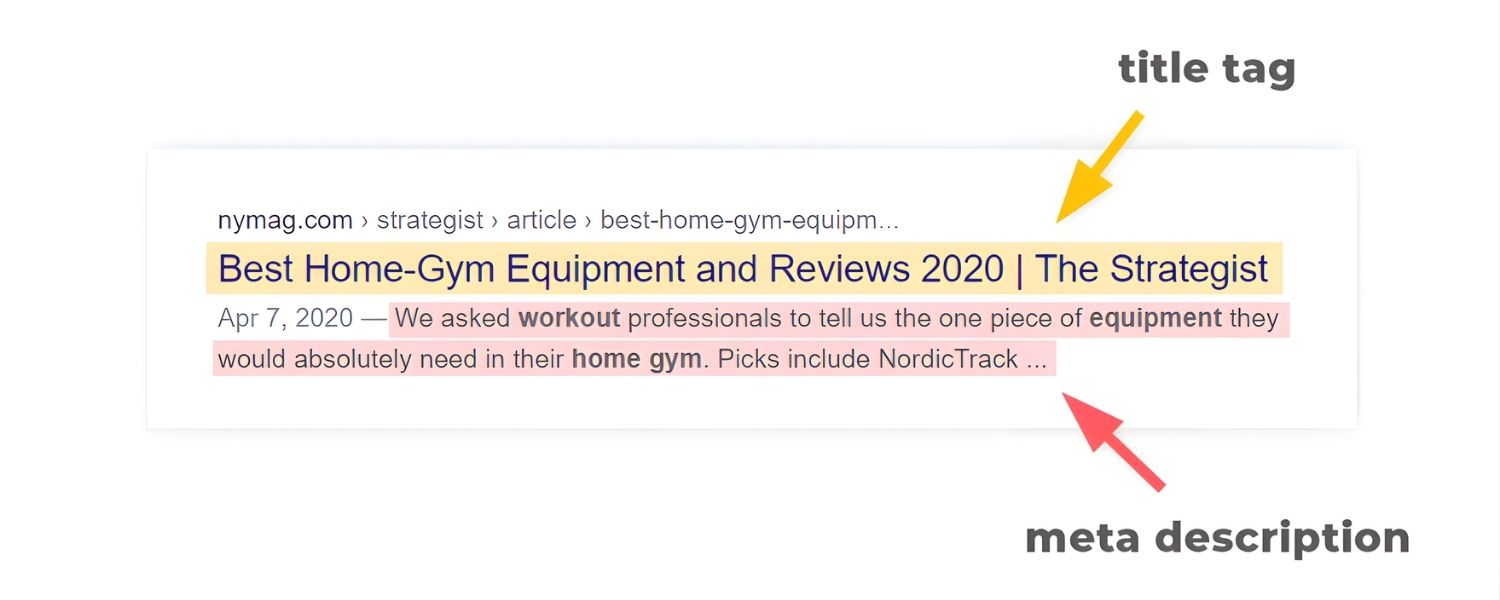
Craft unique title tags for each page (~50–60 characters) that include the primary keyword and entice clicks. For example: “Top 10 Online Slots Sites in 2025 | Expert Casino SEO Review.”
Similarly, write a meta description (not directly a ranking factor, but important for CTR) that highlights a benefit or unique angle (“Compare the best online casinos, bonus offers, and safety tips before you play.”). Avoid “clickbait” that doesn’t match the content; be honest and accurate, as this builds user trust.
2. Header Tags (H1, H2, H3…)
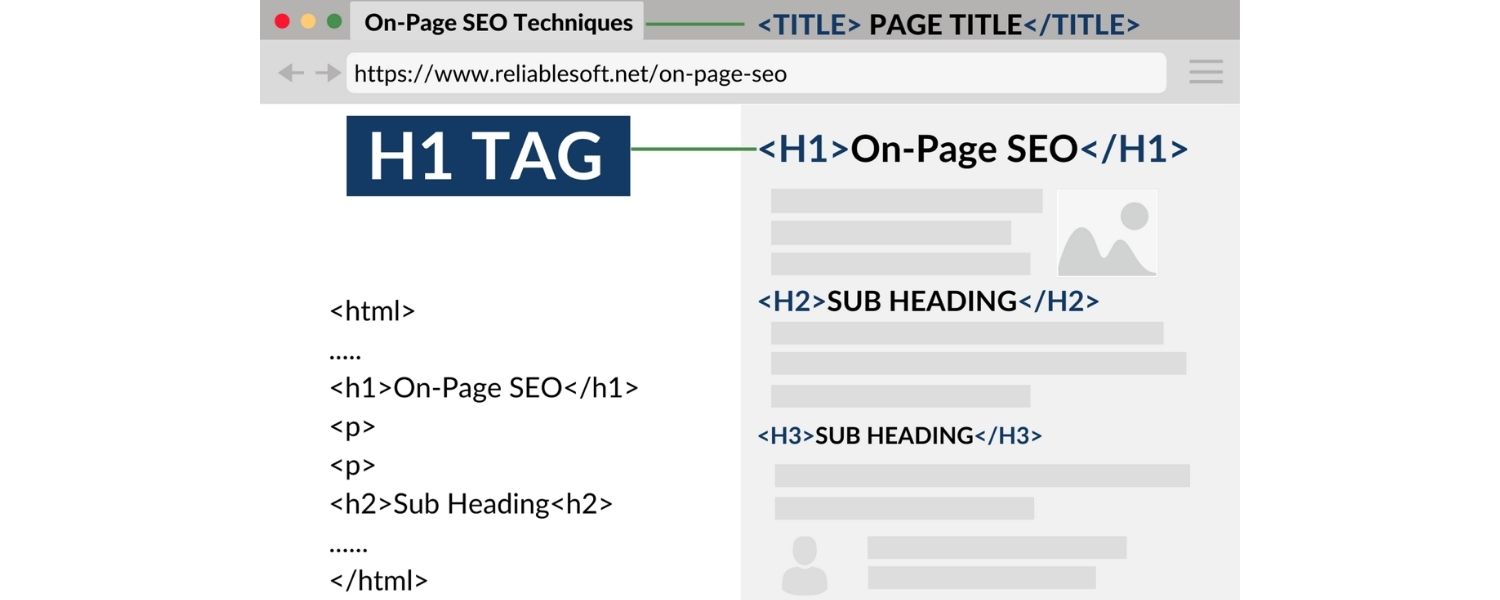
Use headings to structure your content logically. The H1 should be the page’s main title (and only one H1 per page). Break up sections with H2 subheadings (as we’re doing in this article) that include related keywords where appropriate. For instance, on a blackjack guide page, an H2 might be “Blackjack Basic Rules” and another H2 “Winning Blackjack Strategies”.
Under those, you might have H3 sub-sections like “Card Values in Blackjack” or “When to Split Pairs” etc. A clear heading hierarchy not only improves readability but also signals to Google what each section is about, increasing your chances of appearing in featured snippets or People Also Ask boxes for relevant queries.
3. Internal Linking
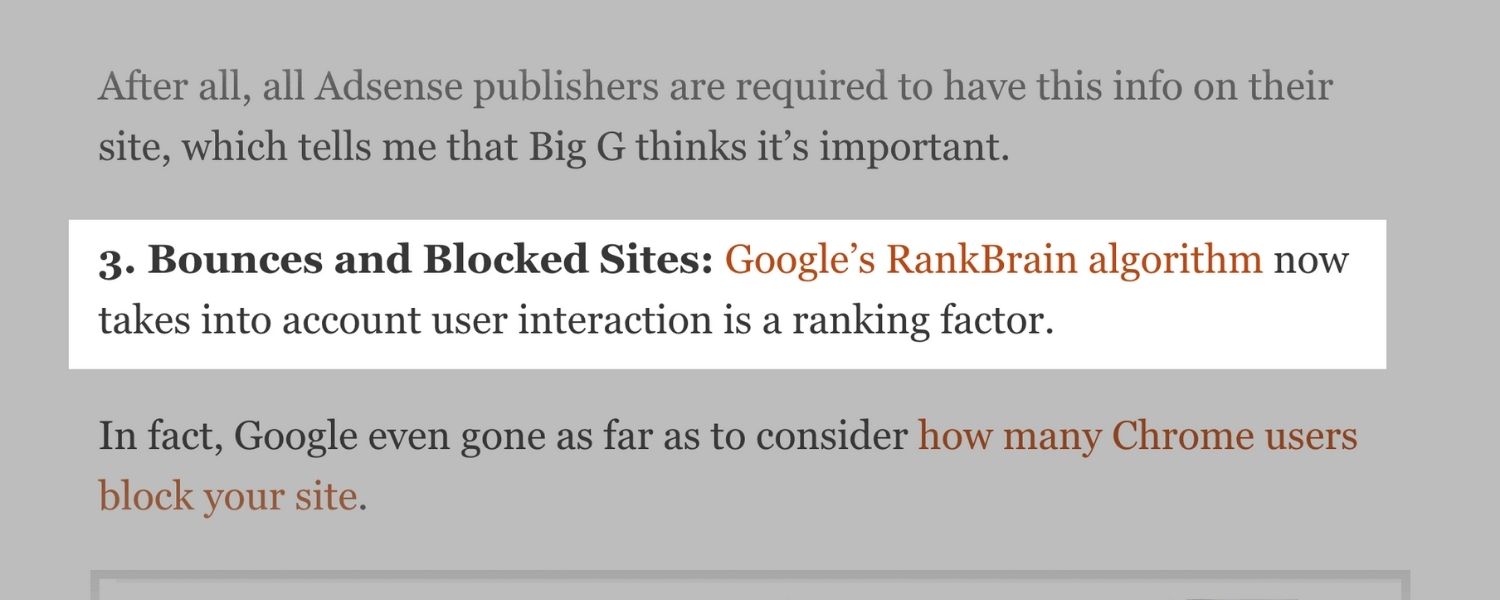
Interlink your content in a way that makes sense. Casino websites often have multiple sections (casino games, blog, promotions, etc.). Use internal links to connect relevant pages. For example, if you have a blog post about “roulette strategies,” link key terms like “best roulette sites” to your review page of top roulette casinos.
Internal links help distribute PageRank throughout your site and guide users to important pages (like sign-up or deposit pages) naturally. They also improve crawlability – search bots will find your pages easier if they’re linked from other indexed pages.
4. FAQ Sections
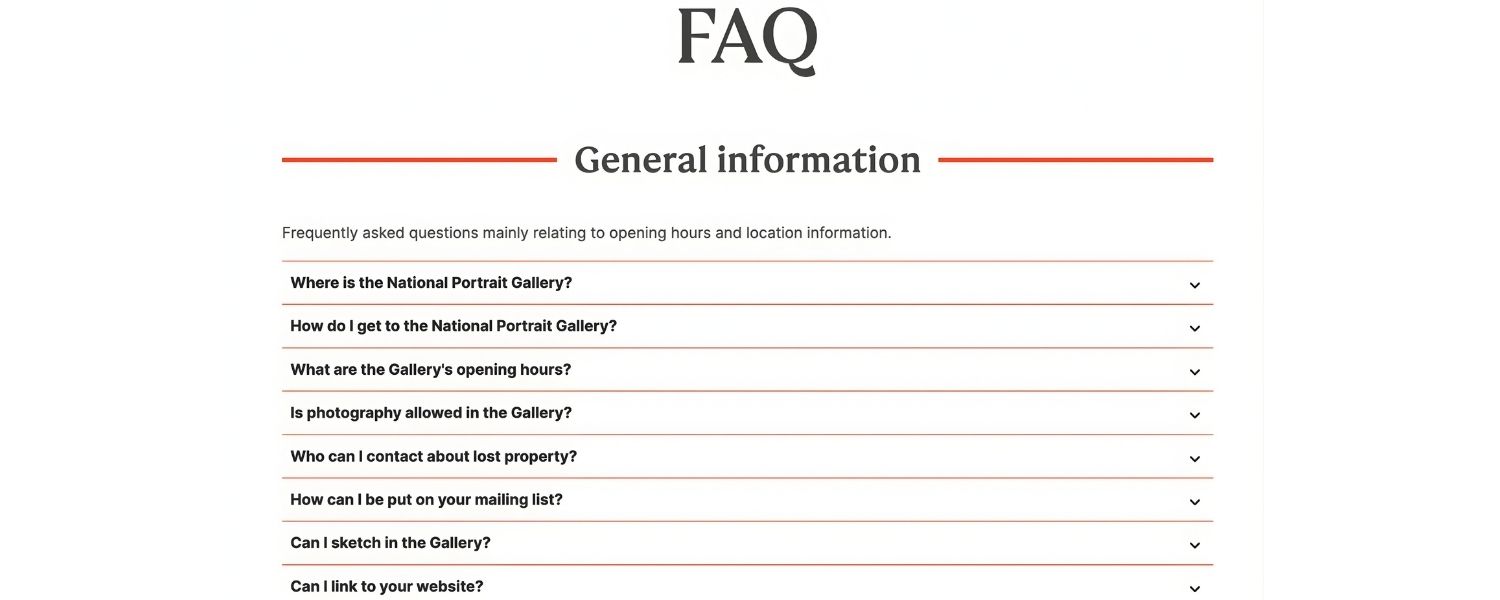
A great on-page tactic is to include an FAQ section on key pages, answering common questions about that topic. For a sports betting page, FAQs might include “Is online sports betting legal in my state?” or “What do +200 odds mean?” Including these Q&A not only enriches your content (catching long-tail question keywords) but can also make your page eligible for a rich FAQ snippet in Google results if you add the proper structured data (more on schema markup later).
It addresses user concerns directly, keeping them on your page instead of bouncing back to Google for answers.
By paying attention to these on-page details and delivering top-notch content, you set a strong foundation. Your site becomes both search-engine-friendly and appealing to real users. Next, we’ll ensure the site is organized and technically solid to maximize your SEO gains.
Smart Site Structure and User Experience
A well-structured website is like a well-organized casino floor – visitors (and Google) should easily find what they need. Poor site structure can hurt your SEO through high bounce rates and crawling issues. Here’s how to design your casino site for optimal UX and SEO:
1. Logical Architecture
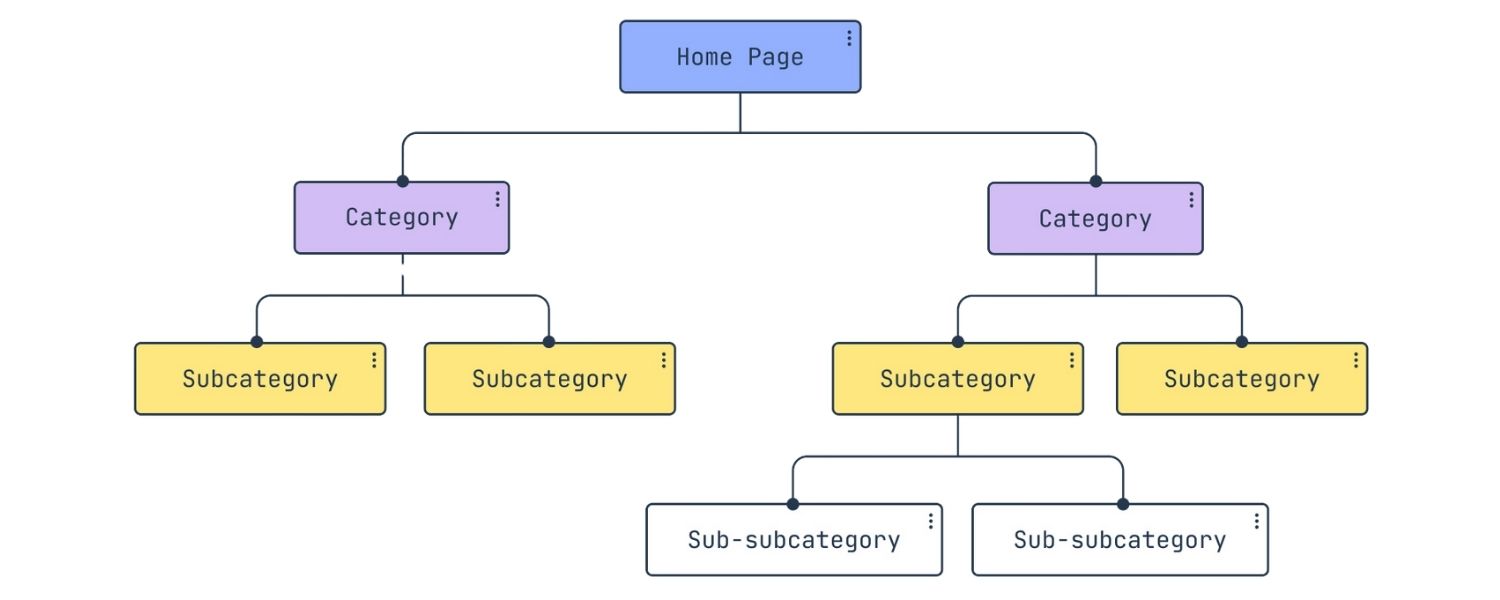
Organize your site into clear categories. For example, you might have top-level sections for Casino Games, Sports Betting, Poker, Bonuses, Blog, etc. Under “Casino Games”, you can have sub-pages for Slots, Blackjack, Roulette, Live Dealer, etc. This siloed or clustered architecture helps search engines understand topical relationships.
It also means a user can reach any specific game page within a few clicks from the homepage – a good rule of thumb is the “3-click rule” (no page should be more than three clicks away). An intuitive menu and sitemap will guide both users and crawlers.
2. Breadcrumb Navigation
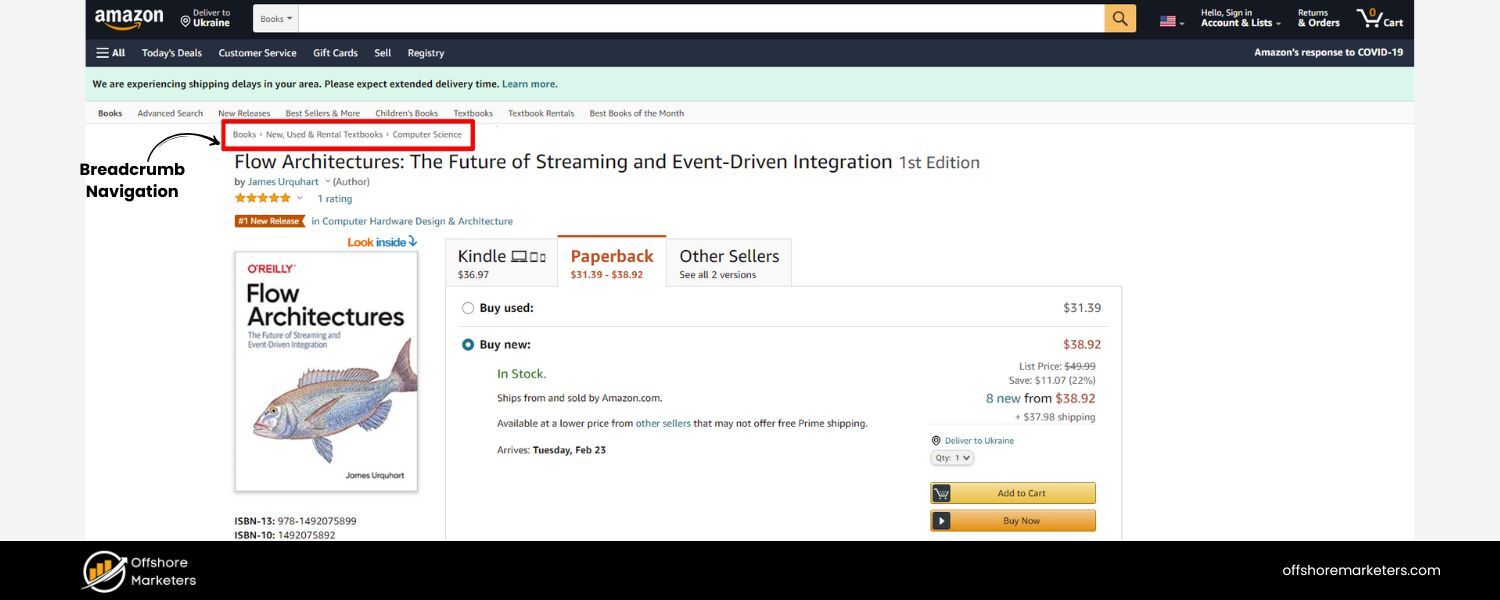
Implement breadcrumb links (usually placed at the top of a page) that show the path of pages (e.g. Home > Casino Games > Slots > Game Name). Breadcrumbs improve internal linking and make it easy for users to backtrack or explore related categories.
They also generate additional context for Google about your site hierarchy, and can appear in search results, making your listing more attractive.
3. Fast and Easy Navigation
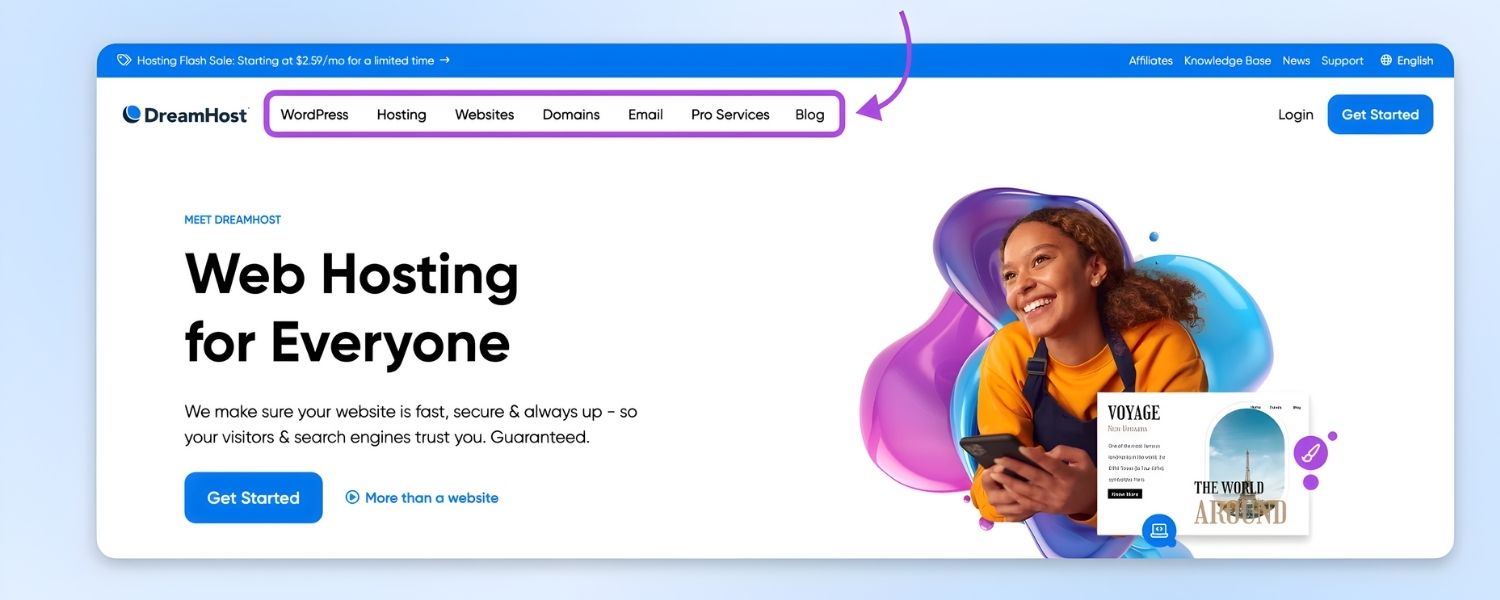
In the gambling world, attention spans can be short. If a visitor gets frustrated looking for the “Live Chat Support” or the list of payment methods, they might leave – and a bounce is a bad signal to Google.
Make key pages easily accessible via your main menu or footer (e.g. Sign Up, Login, Help/FAQ, Promotions). Use clear, descriptive labels on menu items. Also, avoid clutter – too many links or dropdowns can overwhelm users. Simplicity and clarity win.
4. Link Related Content
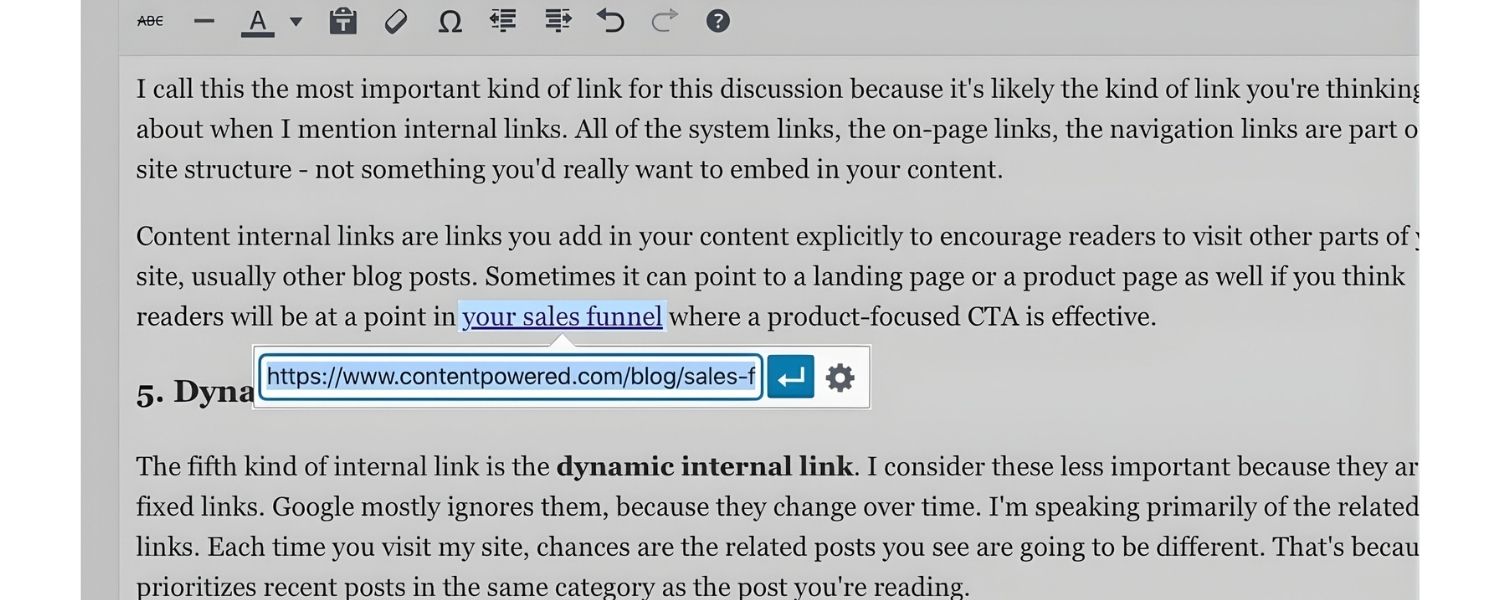
Take advantage of the content you have by cross-linking related topics. If you publish a blog article about “Top 5 Casino Slot Strategies”, and you also have a detailed guide on slot machine RNG (random number generators), link them together.
This kind of contextual internal linking keeps readers engaged longer and helps search engines see you have a network of relevant content.
If someone is reading about blackjack tips on your site, a sidebar or inline link suggesting “Learn Blackjack Basic Strategy Chart” can both enhance their experience and bolster SEO through better interlinking.
5. Mobile-Friendly Layout
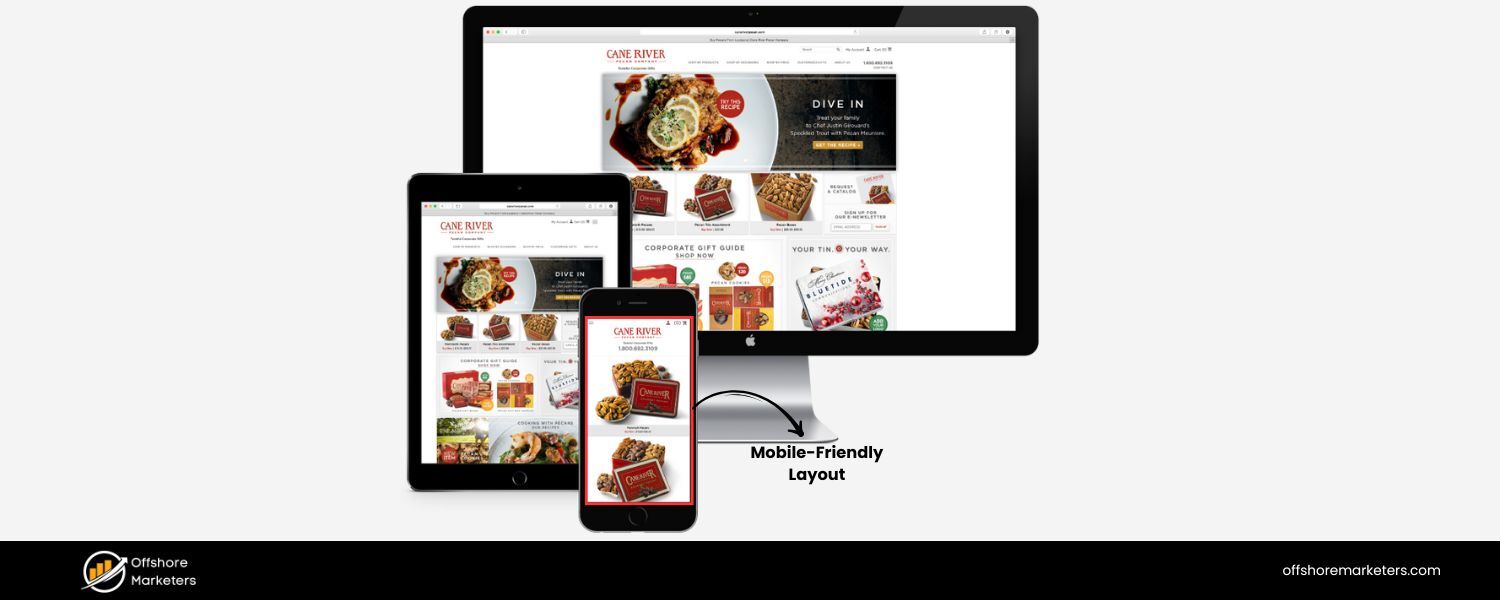
Site structure isn’t just menus and links – it’s also about how your design adapts to devices. More than half of online gambling traffic comes from mobile devices (smartphones and tablets). Ensure your site uses a responsive design that works well on small screens.
This means your navigation menu might collapse into a mobile “hamburger” menu, and buttons/links should be easily tappable. A clean mobile UX reduces bounce rate from mobile users.
Remember, Google primarily uses mobile-first indexing – meaning it evaluates your mobile site version for ranking. If your mobile UX is poor, your SEO will suffer even if the desktop site looks great.
A clean, user-friendly structure makes visitors feel at home and helps search engines crawl and index everything efficiently. It sets the stage for the next critical aspect: technical SEO – making sure your site runs fast and is free of errors that could undermine all your hard work.
Technical SEO Essentials for Casino Websites
Technical SEO covers the under-the-hood factors that influence your rankings – site speed, code, indexing, and more. Given the heavy content (images, games, user accounts) on casino sites, technical optimization is paramount. Here are the key technical SEO tips for online casinos:
1. Speed & Performance
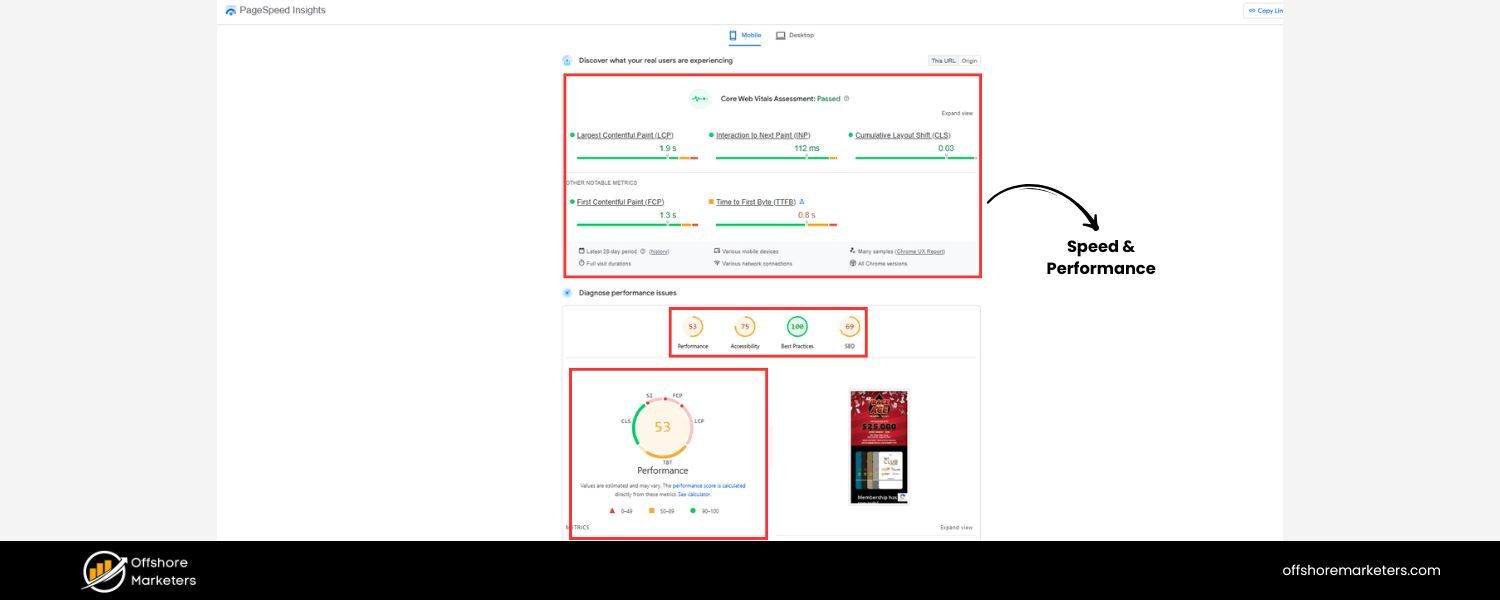
Online gamblers expect fast results – if your site lags, they’ll fold. Optimize your page load times by compressing images, using modern image formats (WebP), and minifying your CSS/JS code. Enable browser caching and use a Content Delivery Network (CDN) if you serve players globally.
A faster site not only improves user satisfaction but also has a direct SEO benefit: Google’s algorithm uses page speed as a ranking factor (especially for mobile searches). Aim for your pages to load in 2-3 seconds or less on a typical connection.
2. Mobile-First Optimization

As noted, roughly 3 out of 4 bets on many platforms now come from mobile devices. Ensure mobile usability is flawless. Use Google’s Mobile-Friendly Test tool to catch any issues.
Important elements: text should be readable without zooming, buttons should not be too small or close together, and content should fit the screen horizontally (no side-scrolling).
Also, consider implementing AMP (Accelerated Mobile Pages) for news or blog articles about casino topics – AMP can deliver stripped-down, super-fast versions of your pages on mobile search, possibly giving you a boost in visibility for mobile users.
3. Secure & Trustworthy Site
It should go without saying, but use HTTPS encryption site-wide. Casinos deal with sensitive data (personal info, transactions) – a valid SSL certificate is mandatory for user trust and also a Google ranking signal.
Ensure your security is top-notch (firewalls, anti-DDoS, etc.) so your site isn’t prone to downtime or hacks. Any technical incidents (like malware warnings) will tank your SEO until resolved.
Also, implement measures like age verification gates cleanly (if required), so they don’t block search engine crawlers from accessing main content.
4. Schema Markup
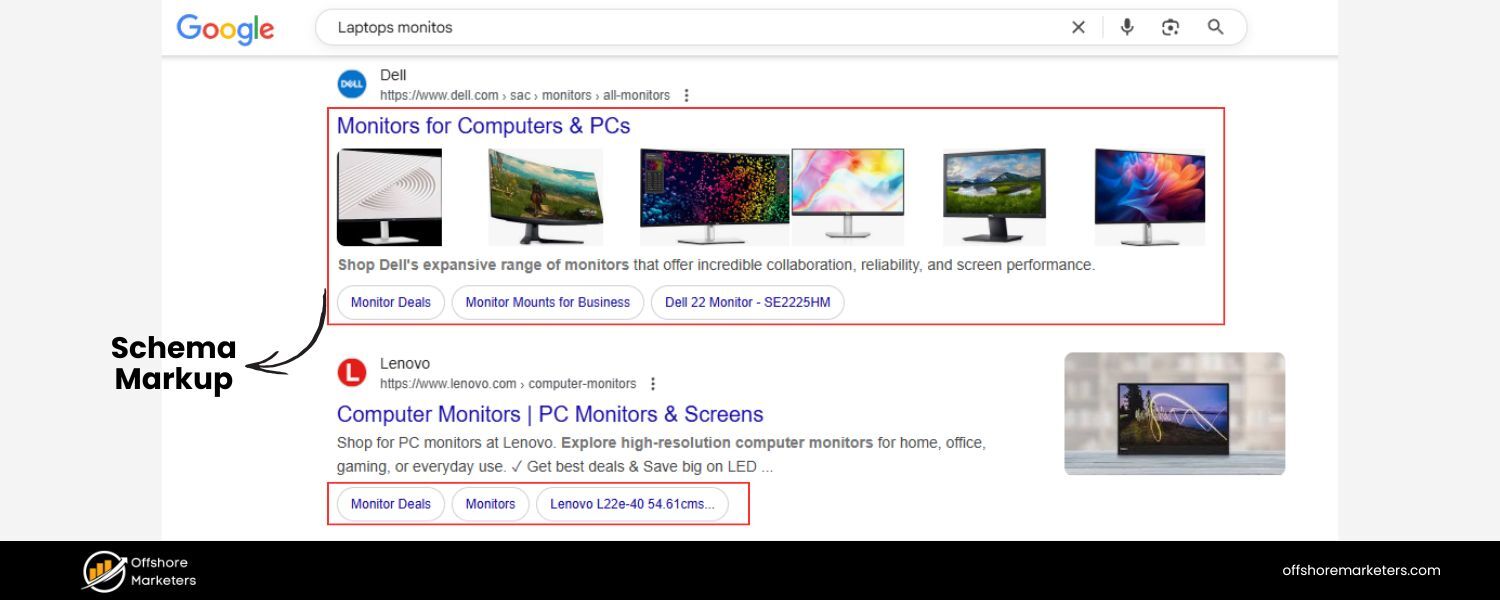
Add structured data where applicable to enhance how your site appears in SERPs. For instance, you can use Review schema on pages that review casinos or games (showing star ratings in Google results), FAQ schema on your FAQ sections (to potentially get those Q&A directly shown on Google), or Organization schema to give Google clear details about your business.
While schema markup doesn’t directly boost rankings, it can improve click-through rates with rich snippets – and it helps provide context to search engines about your content.
5. XML Sitemap & Indexing
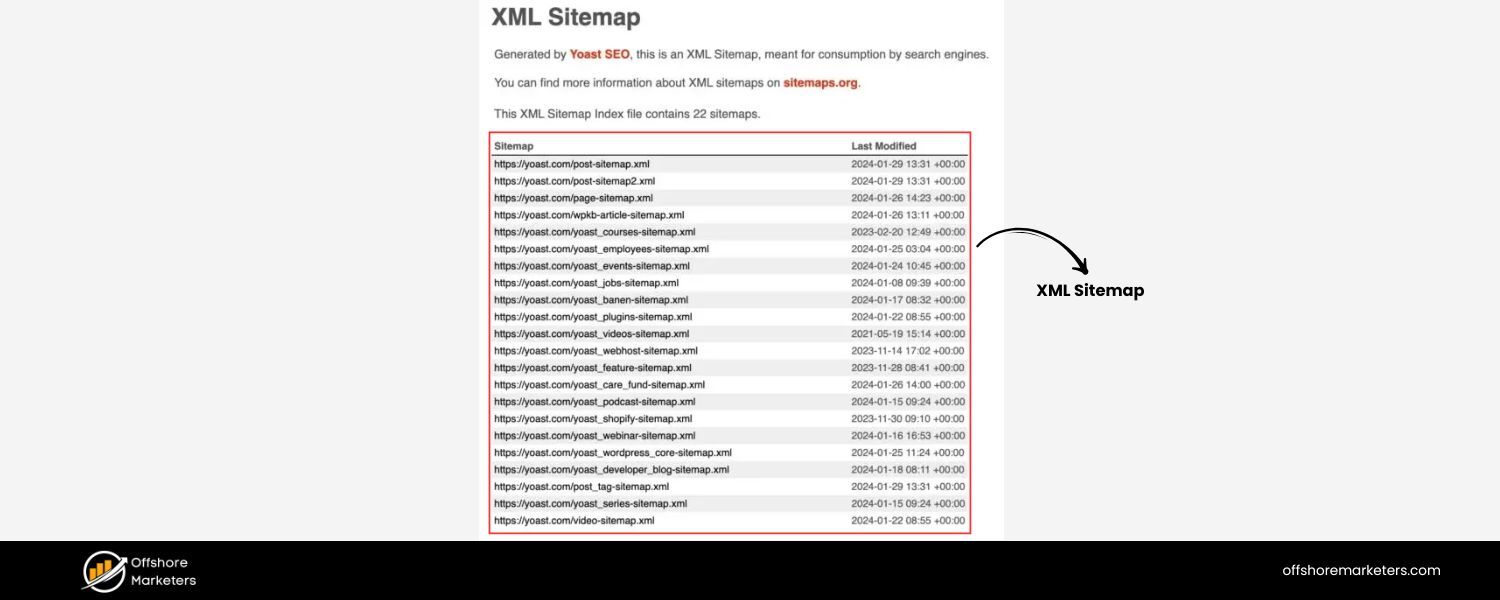
Generate an XML sitemap listing all important URLs (especially if you have a large site with many game pages or posts). Submit this sitemap in Google Search Console. This ensures Google can find and crawl all pages you want indexed. Also use Search Console to monitor for any indexing errors, coverage issues, or penalties.
If certain pages should NOT be indexed (maybe promo landing pages, or internal referral links), use robots.txt or meta noindex tags accordingly. Keeping a tidy index (only index what’s valuable) will concentrate your site’s “SEO equity” on the pages that matter.
6. Regular Technical Audits
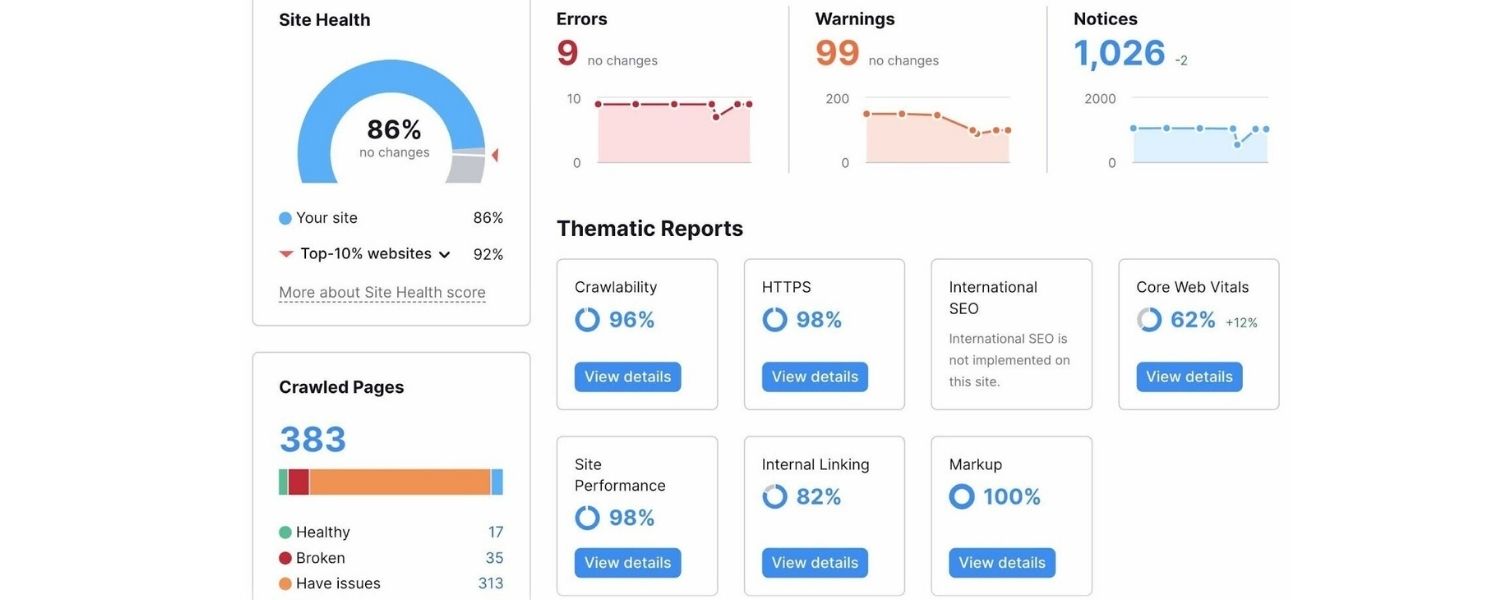
Make it routine to scan your site for broken links, 404 errors, or duplicate content. Broken links (internally or externally) can hurt user experience and may create crawl dead-ends. Use tools or plugins to find and fix 404 pages – perhaps redirect them to relevant alternatives (or your homepage) if they can’t be restored.
Also check for any redirect chains (if page A -> B -> C via multiple redirects, clean that up to a direct A -> C redirect to speed things up). If you target multiple countries/languages, implement hreflang tags properly so Google serves the correct regional site to users.
7. Optimize for Voice Search
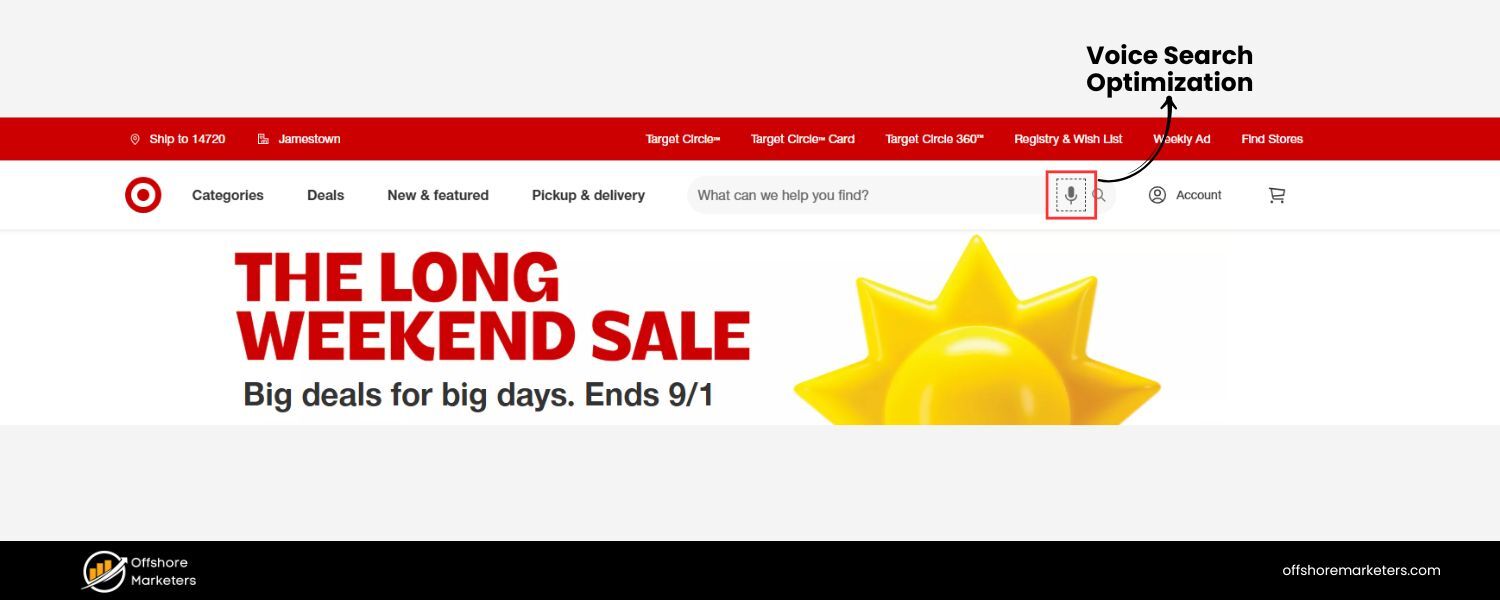
An emerging aspect of technical SEO is voice query optimization. Many users now search by voice on mobile or home assistants, asking conversational questions like “What’s the best online casino for slots?” To capture these, ensure some of your content is phrased in a natural, Q&A style (which your FAQ sections can address).
Aim to answer questions concisely (40-50 words) so you can appear in voice results or featured snippets. Voice queries often have local intent too, so combining voice-friendly content with local SEO (below) can pay off.
In summary, treat your website’s technical health like you would a well-oiled slot machine: maintain it, clean it up, and optimize it for peak performance. A technically sound site creates a smooth path for search engines to rank you and for users to engage without friction.
Building Trust and Authority (E-E-A-T for Casinos)
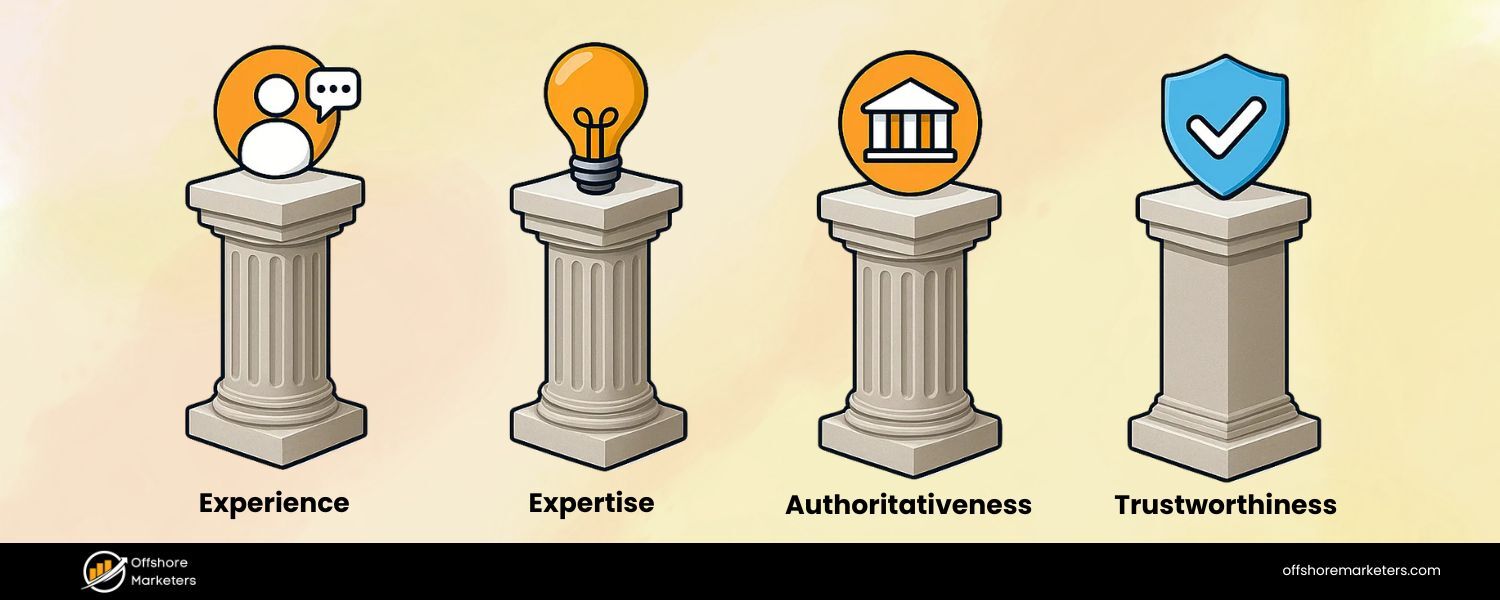
In the gambling sector, trust is everything. Google’s quality guidelines emphasize E-E-A-T – Experience, Expertise, Authoritativeness, Trustworthiness – for YMYL sites, and online casinos definitely fall in that category.
To rank well, your site must demonstrate that it’s legitimate, knowledgeable, and safe. Here’s how to build that trust into your SEO:
1. Show Credentials and Expertise
Publish authoritative content by or with input from experts. If you have staff or contributors who are seasoned gamblers, gaming industry veterans, or even mathematicians for odds – highlight their expertise.
Include author bios on blog posts/articles, mentioning the author’s experience in iGaming or qualifications (e.g. “John Doe, 15-year casino industry analyst”). This signals experience and expertise to both users and Google.
2. Highlight Licensing and Legal Info
Make sure your site clearly displays its licenses, certifications, and legal disclaimers. If your casino is licensed by a recognized authority (Malta, UKGC, Curacao, etc.), mention it prominently (often in the footer and an “About Us” page).
Include links or badges for things like “Responsible Gambling” programs, problem gambling helplines, and age restrictions (18+ or 21+). These elements show that you operate within legal and ethical boundaries – increasing your authority and trust factor.
3. User Reviews and Testimonials
Encourage satisfied players to leave reviews – and feature some of these (authentic) testimonials on your site. A page with real user feedback or ratings can bolster trust for new visitors. Even if not directly an SEO factor, positive sentiment and engagement can indirectly help.
Be sure not to fabricate anything – authenticity is key. Additionally, respond professionally to negative reviews or complaints in public forums; a brand that shows transparency and good customer service can earn a better reputation.
4. Secure and Fair Gaming
Dedicate content to explaining your measures for fairness and security. For example, have a page about your RNG (Random Number Generator) certifications for games, or explain how you ensure fair play. If you’ve passed audits (eCOGRA, iTech Labs, etc.), mention those.
Not only do players look for this, but Google’s algorithms and reviewers (if a manual review happens) will see that you take trust seriously. Also, ensure your Terms & Conditions, privacy policy, and bonus policy are easily accessible – opaque or hidden terms can raise red flags.
5. Avoid Misleading or Spammy Tactics
This should go without saying, but do not employ black-hat SEO or deceptive practices. For instance, cloaking content (showing something different to Google than to users), stuffing footers with irrelevant links, or creating auto-generated “SEO content” stuffed with casino keywords will do far more harm than good.
Google’s algorithms (and increasingly, AI in those algorithms) are very adept at spotting low-quality, AI-generated or thin content, and given the high-risk nature of gambling, such tactics could lead to penalties. Strive for honesty and quality in every optimization.
6. Fact-Check and Update Content
Any strategy guides or informational content should be accurate. If you say something like “the odds of hitting a royal flush are X”, double-check it.
Citing reliable sources or statistics (without linking, since you may avoid outward links – but you can mention the source name or data) can strengthen the perceived accuracy of your content.
Also, update your content regularly. A blackjack strategy article last updated in 2018 might be seen as stale in 2025, even if the strategy hasn’t changed – refreshing it (and noting “Updated 2025” if possible) shows maintenance, which is a positive quality signal.
By embedding these trust signals into your site, you not only please Google’s quality criteria but also assure potential players. Remember, Google wants to protect searchers from potentially harmful sites.
Your job is to prove your site is safe, reliable, and run by real professionals. Do that, and you’ll have cleared a major hurdle on the road to top rankings.
Content Marketing & Engagement: More Than Just Casino Ads
One of the smartest ways to boost your casino SEO is by embracing content marketing, using content to attract, inform, and engage your audience. This goes hand-in-hand with SEO, as great content naturally earns backlinks and shares. Here’s how to leverage content marketing in the iGaming niche:
1. Start a Casino Blog or Resource Center
Beyond your main pages that sell your casino’s features, maintain an active blog filled with useful articles. Think of what casino players or bettors might search for or enjoy reading: “Beginner’s Guide to Texas Hold’em,” “Top 10 Biggest Jackpot Wins in History,” “How Slot RTP Works,” or even industry news like “New Slot Releases in October.”
By publishing such articles regularly, you cast a wider net for organic traffic. Additionally, blog content can target those informational keywords and questions we discussed earlier, funneling casual readers into potential customers. A blog also establishes your brand’s voice and authority in the gambling space over time.
2. Diversify Content Formats
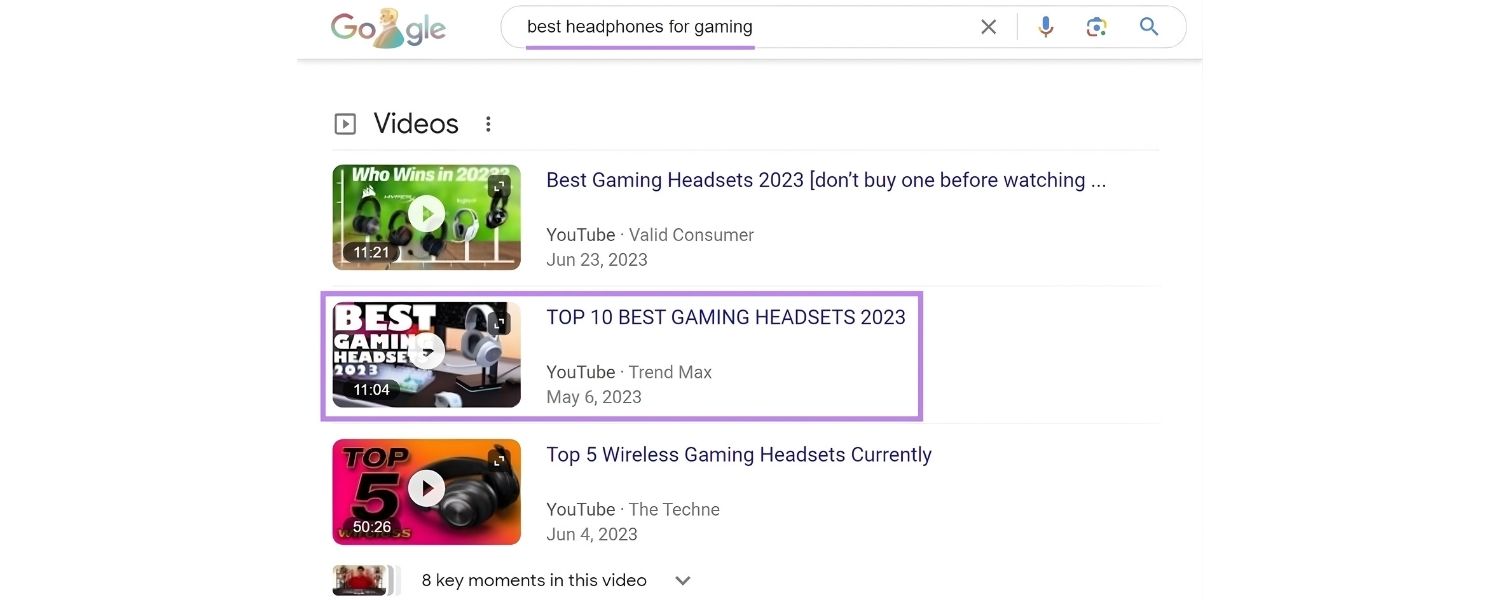
Not all content has to be text. Consider producing videos (e.g. a video tutorial on how to play a new game, or an interview with a poker pro), infographics (illustrating odds and probabilities in a visual way), or even podcasts (discussing betting tips or sports picks of the week).
Different users prefer different formats, and multi-format content can reach audiences on platforms like YouTube or social media, indirectly boosting your SEO via increased brand searches and mentions.
For example, an infographic on “Poker hand rankings” might get shared on forums or Reddit, generating buzz and backlinks to your site.
3. Leverage Social Media (for SEO Benefits Indirectly)
While social media signals themselves aren’t direct Google ranking factors, having an active social presence can amplify your content’s reach. Share your blog posts or guides on channels like Twitter, Facebook, or casino enthusiast forums.
Engaging content can attract likes, shares, and comments – which can lead to more traffic and sometimes attract natural links (if a journalist or blogger sees your useful post on social and links to it).
For instance, a well-researched post on “Safest Online Casinos with Fast Payouts” could get picked up and referenced by other sites if it gains traction among the community. Also, maintaining social profiles with a following can send trust signals (a brand with 10k followers appears more established than one with none).
4. Community Engagement
The gambling community tends to be very active online – from subreddits (like r/Sportsbook or r/Poker) to specialized forums and Discord groups. By participating genuinely in these communities, you can share knowledge and occasionally your content (where relevant, never spamming).
This can drive referral traffic and build your brand reputation. For example, if someone on a forum asks “How do wagering requirements work?” and you’ve got a helpful blog explaining that, you could answer briefly and suggest they read your blog for a detailed breakdown.
This kind of engagement can gradually position you as an authority. Just be transparent about who you are; blatant self-promotion is often not welcome, but helpful contributions are.
5. Email Capture & Retargeting
While not pure SEO, consider SEO as the top of funnel: once you get visitors, try to capture emails or encourage sign-ups even if they don’t deposit immediately.
Offering a free resource (like a PDF guide “Top 50 Casino Tips and Terms Explained”) in exchange for an email can convert SEO traffic into leads you can nurture.
Why mention this in an SEO guide? Because the ultimate goal isn’t just traffic, it’s converting that traffic to players. If your content marketing brings them in, good CRM practices (email newsletters with game tips, bonus offers, etc.) can eventually convert them.
Plus, engaged returning visitors (via email marketing) can indirectly help your SEO by improving site engagement metrics and generating word-of-mouth.
In short, think beyond just “keyword + page”. Think of building an audience. By regularly producing valuable content and engaging with the community, your casino brand becomes more than just a website – it becomes a go-to resource in the niche.
This not only earns you higher Google rankings through consistent content and backlink growth, but it also creates loyal users who directly visit (and convert on) your site.
Link Building Strategies for Gambling Sites
If content is king, backlinks are the queen helping that king claim the throne. In competitive niches like gambling, link building is absolutely vital for SEO. Google’s algorithms still heavily weigh backlinks as votes of confidence.
But acquiring links in the casino niche comes with challenges (some sites are wary to link to gambling content, and spammy link schemes abound). Here’s how to build a strong backlink profile the right way:
1. Guest Posting on Relevant Sites
Identify blogs or online magazines in the iGaming, sports, or crypto casinos space that accept guest contributions. By writing a quality article for them (with a link back to your site in the content or author bio), you gain a contextual backlink and potentially referral traffic.
For example, a popular poker blog might accept your article “Advanced Tournament Poker Strategies” – you provide real value in the content, and in return you link once to your site (maybe to a page like “Play Poker Online at [YourSite]”).
Make sure to target reputable sites with real readership; one good link from a top site is worth more than 50 links from unknown or spammy blogs.
2. Collaborate with Affiliates & Review Sites
Online casinos often have affiliate programs – dozens of casino review sites or affiliate marketers may already be listing and ranking casinos. While those are technically “paid” links (they link to you to earn commission), they are standard in this industry and can be very powerful if you’re listed on the top ones.
Ensure your casino is present on major gambling portals and review platforms (with positive reviews, of course). Additionally, consider partnerships with influencers or streamers (e.g. Twitch casino streamers) – they can link to or mention your site in their content. These links not only help SEO, but also send qualified traffic.
3. Digital PR for Casinos
Generating news and press can earn natural, high-authority backlinks. For example, if your company releases a report (“Annual Online Gambling Trends 2025”), that could get cited by news sites or industry publications.
Or if you sponsor a charity event or eSports tournament, local news or niche news might mention and link to your site.
Think creatively: any positive story or unique data that you can pitch to journalists could result in press coverage (with backlinks). “Casino gives away $1 million to charity” or “Study: 78% of bets now on mobile (by Your Casino)” are headlines that could get you into news articles.
Such backlinks from mainstream sites (like a Huffington Post, Forbes, or even smaller news sites) massively boost your authority in Google’s eyes.
4. Use Forums and Q&A Sparingly
There was a time when SEO people spammed forums or Q&A sites (like Quora, Reddit) with links, that’s not effective anymore and can harm your reputation. However, being genuinely helpful on such platforms can still build indirect SEO value.
For instance, you might become a respected member of a gambling forum; while you might not drop your link in every post (please don’t), you could have a link in your profile or occasionally mention an article from your site if it truly answers someone’s question.
The direct SEO impact is small, but the goal is referral traffic and exposure. If your content is great, people may start linking to it on their own.
5. Avoid Black-Hat Link Schemes
The casino niche is notorious for aggressive SEO tactics like link networks, PBNs (Private Blog Networks), or buying links in bulk. Google is very aware of these in gambling. While some sites still use PBNs, understand it’s risky: Google can and does penalize sites for manipulative link schemes.
If you choose to experiment with grey-hat methods (like purchasing an expired domain to redirect for a quick boost, or a carefully managed PBN), do so with extreme caution and understanding of the consequences.
Generally, for a long-term business, it’s safer to focus on “white hat” link building – earning or lightly incentivizing real links.
For example, running a contest or giveaway can naturally attract bloggers to mention it. Or listing your site on relevant business directories and casino listing sites that are legitimate can diversify your link profile. The key is: quality over quantity. A handful of strong, relevant links beats 100 spam links, and won’t put you on Google’s blacklist.
6. Maintain Anchor Text Diversity
When you do get backlinks, try to ensure not everyone is using the same anchor text “online casino” pointing to your homepage, that looks unnatural to Google. Mix it up: branded anchors (“BetMaster Casino”), long-tail anchors (“best crypto casino 2025 according to BetMaster”), or generic anchors (“click here for the casino”).
This usually happens naturally if you’re not dictating the anchor, but if you’re doing outreach, you can suggest a varied anchor. An overly-optimized anchor text profile is a common mistake in casino SEO that can trigger penalties.
In summary, earning links in the casino niche takes creativity and outreach. There might be fewer sites willing to link to you compared to other industries, but that just means the value of each good link is higher.
Focus on building relationships and creating link-worthy content (guides, data, news), the backlinks will follow. With a robust backlink profile, you’ll have the “authority” portion of SEO well covered.
Local & International SEO: Targeting the Right Players
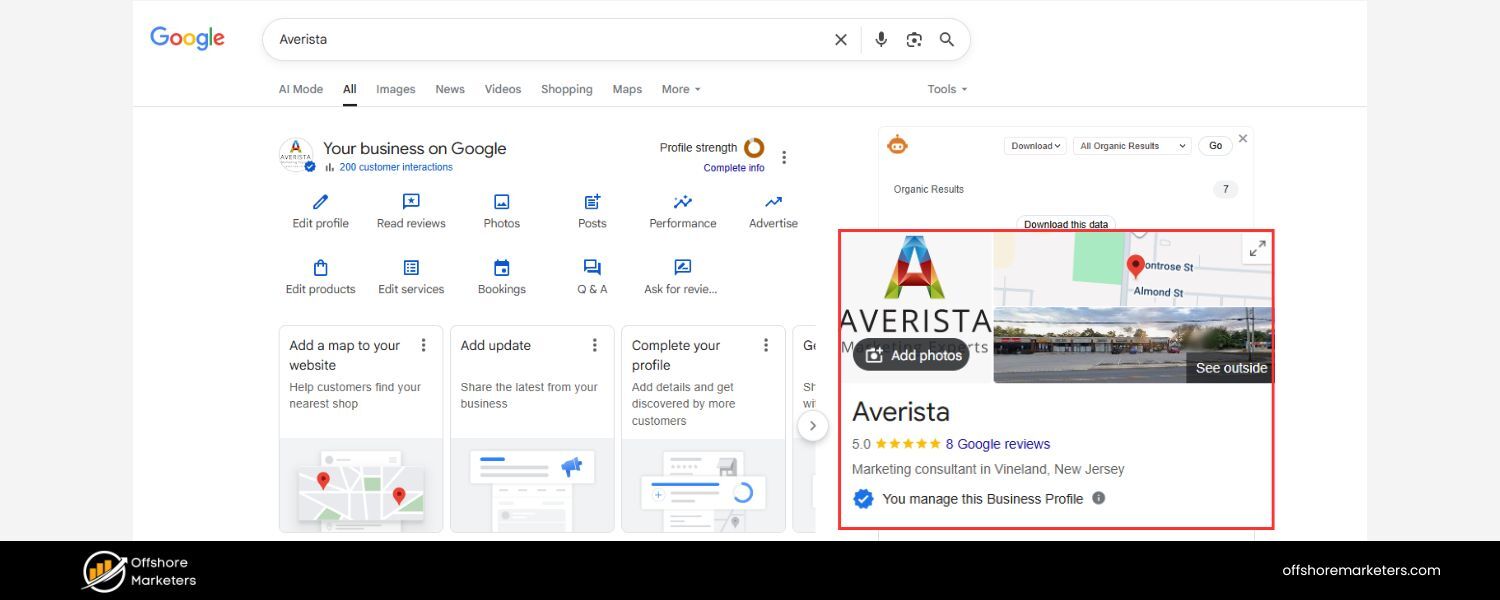
Depending on your business model, you may need to attract users in specific countries or cities (for licensed operations), or perhaps you run a global crypto-casino that accepts players worldwide. In either case, tailoring your SEO to location can give you an edge.
1. Local SEO for Regulated Markets
If you operate in regions where gambling is legal and regulated (for example, specific U.S. states, or countries like the UK, Italy, etc.), you should optimize for those locales.
This means including geo-specific keywords where appropriate: e.g. “best online casino NJ” or “real money slots UK.” Create landing pages or sections for key markets – perhaps a page targeting Canada, another for New Zealand, etc., highlighting what your casino offers for those residents (local payment methods, local customer support, compliance with local laws).
Also, if you have any physical presence (even an office) or license in a locale, set up a Google Business Profile (formerly Google My Business) for it.
For example, a sportsbook licensed in Colorado might have a GBP listing for its office – which could help it show up in local search results and map packs when someone in Colorado searches “online sportsbook”.
2. Consistent NAP and Local Citations
For local SEO, ensure your NAP (Name, Address, Phone) is consistent across your website and any directories. Even if you’re an online-only casino, listing your registered business address on the site (perhaps in the footer or Contact page) can be a trust signal. Get listed in relevant local business directories or iGaming directories.
Being cited on reputable sites associated with your country (like chambers of commerce, licensing registries, etc.) can boost your local relevance.
3. Multilingual SEO
If you target non-English-speaking markets, consider translating your site or creating subdomains/subfolders for different languages (e.g., de.yourcasino.com for German or yourcasino.com/es/ for Spanish). Use proper hreflang tags to tell Google which language/region each page is for.
Providing content in a user’s native language dramatically increases your reach. However, avoid auto-translating with poor quality, invest in professional translations and adapt the content culturally. Different countries might prefer different games or have unique search behavior.
For instance, in Japan pachinko or certain terms might be popular; in India, cricket betting queries are big. Do keyword research per language/country rather than directly translating English keywords.
4. Geo-Targeted Content
Customize parts of your content to different audiences. A blog post about “Top 5 Betting Tips” could have variations or notes for different regions (like mentioning cricket for Indian readers, or mentioning specific NFL betting for Americans). Or maintain separate blogs per region if the interests diverge greatly.
Additionally, consider local events: if you target Europe, the UEFA Champions League or local football league betting tips could draw interest; for the US, March Madness or the Super Bowl betting guides are timely content that can rank well regionally.
5. Compliance with Local Laws
This isn’t directly about SEO ranking, but indirectly critical: ensure you block or disclaim in regions where you’re not allowed. If your license forbids offering services in Country X, you should either block access or at least clearly state “Not available in X”.
Why is this SEO-relevant? Because if users from a banned region keep finding your site and then bouncing off (when they realize they can’t sign up), it’s bad for user metrics and potentially could invite legal trouble that would take your site down entirely.
Also, Google might demote or filter you out in regions where you’re not legally allowed (they have done this for some industries). So target only where you can actually serve users.
Adapting your SEO approach to local nuances can significantly reduce competition. Ranking #1 for “best online casino USA” is incredibly hard (national term), but ranking for “best online casino in West Virginia” or “Ohio sports betting apps” is a much more achievable win if you operate in those locales.
Meanwhile, a global casino must juggle multiple regions, but by localizing content and SEO, you can capture many niches rather than one broad one.
Monitoring Results and Staying Ahead of Updates
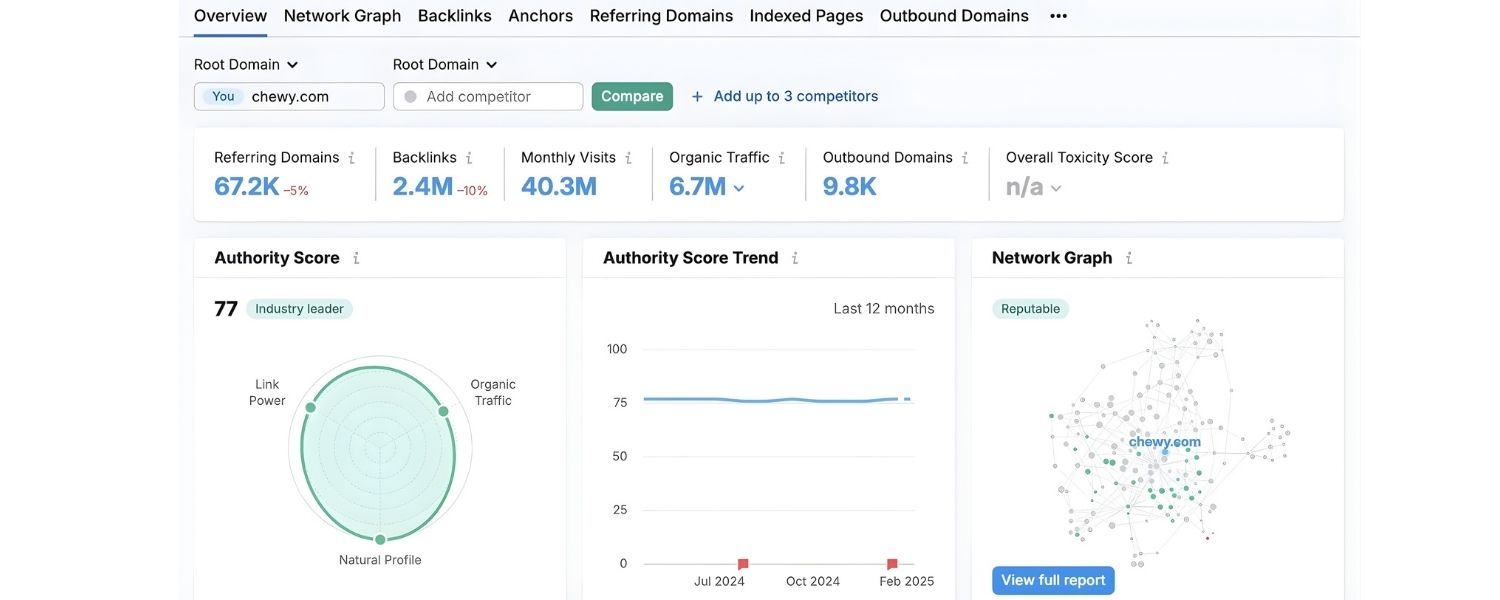
SEO is not a one-and-done task – especially not in a dynamic niche like online casinos. To ensure long-term success, you must continuously monitor performance, adapt to algorithm changes, and refine your strategy. Here’s how:
1. Track Key Metrics
Set up Google Analytics and Search Console from day one. Monitor your organic traffic volume, the keywords driving that traffic, and which pages are performing best.
Analytics will tell you user behavior: Are visitors bouncing off certain pages quickly? Is one blog post getting unusually high dwell time (indicating great engagement)? Use these insights to iterate – improve or rewrite underperforming content, and emulate what’s working well.
Search Console, on the other hand, shows you impressions and click-through rates for queries, a great way to spot new keyword opportunities.
For instance, you might see you’re getting impressions for “live dealer blackjack tips” even if you never targeted it, that’s a cue to perhaps create content or optimize for that term.
2. SEO Audits & Crawls
Periodically run SEO audit tools or do manual audits to catch issues. Things like new broken links, orphan pages (pages not linked from others), missing meta tags, or slow-loading pages can crop up as you add content or features.
It’s easier to fix these proactively than to wait until rankings drop. An audit might also reveal content gaps; for example, you have lots of slots content but maybe none on baccarat – an opportunity to expand.
3. Stay Updated on Google Algorithm Changes
Google often rolls out major updates that can affect gambling sites. In fact, there have been core updates and even niche-specific shake-ups (e.g. many SEOs noted an unannounced update in early 2025 that significantly impacted iGaming rankings). It’s important to follow SEO news via industry blogs or forums.
If Google rolls out a “Helpful Content Update” or stricter rules for YMYL content, you may need to adjust (e.g., by further improving content quality or pruning low-value pages).
When an update hits, analyze its impact on your site: Did your traffic drop or surge on a certain date? What type of pages were affected? Use that to guide fixes (or to double-down on what Google rewarded).
4. Competitor Analysis is Ongoing
Keep an eye on your main SEO competitors. If a new site suddenly outranks you for “best casino 2025,” investigate why. Did they publish a huge 5,000-word guide that you don’t have? Are they gaining backlinks from somewhere new? SEO tools can help you see competitor backlinks and content changes.
The casino SERPs are very dynamic – new affiliates or casino sites pop up, and aggressive SEO tactics can temporarily boost someone. By monitoring the landscape, you won’t be caught off-guard.
If competitors are doing something innovative (or risky), you can learn from it, either to replicate their success in a safer way or to capitalize when they get penalized by having a stable alternative.
5. Patience and Consistency
Remember that SEO, especially in a high-competition industry, takes time. If you’re starting a new casino website, expect 4–12 months of consistent effort before you see significant ranking improvements. It’s like building reputation, it doesn’t happen overnight.
Set realistic milestones: maybe after 3 months you aim to rank on page 2 for certain long-tails, and page 1 by 6 months, etc. Celebrate small wins (like that first featured snippet you capture, or when organic traffic doubles from a low base). Consistency is key, regularly publish content, keep building links gradually, and don’t let your site stagnate.
The efforts compound: one piece of content might only send 50 visitors a month, but if you have 100 such pieces, that’s 5,000 visitors and growing.
6. Adjust Strategy Based on Data
SEO isn’t set-and-forget. Be ready to pivot if needed. Perhaps you find that your sports betting articles are getting far more traction than your casino games content – consider focusing more on that area or interlinking the two to pass the juice.
Or maybe certain keywords just aren’t moving due to intense competition; you might target alternatives or invest in a heavier link campaign for those.
Use A/B testing for on-page elements (like trying different title tag phrasing to improve CTR from Google search). The idea is to cultivate an experimental, data-driven mindset – try improvements, observe results, and refine again.
By staying vigilant and adaptable, you’ll keep your SEO strategy fresh and effective. Many casino sites rise quickly by using short-term tricks, only to fall out of favor.
Your goal is to be the site that steadily climbs and stays there because you’re following solid principles and continuously polishing your execution.
Conclusion: Hit the Jackpot with SEO
Conquering Casino SEO is undoubtedly a high-stakes game, the competition is fierce, the rules (algorithms) keep changing, and mistakes can be costly. However, as we’ve outlined, with the right strategies you can absolutely win this game.
From meticulous keyword research and exceptional content creation to technical excellence and trust-building, every piece of the puzzle matters.
The key is to think long-term, stay patient, and keep the player (user) at the heart of your efforts. If you offer genuine value to users, whether it’s a comprehensive guide that answers their questions or a seamless website experience that exudes trust, the rankings will follow.
Every blog post you publish, every link you earn, and every improvement you make to your site brings you one step closer to that coveted first page of Google.
Ready to boost your casino’s search rankings? Don’t leave your online success to chance. Start applying these Casino SEO strategies today. Optimize your site, produce stellar content, and engage with your audience – and watch as your organic traffic (and player sign-ups) grow.
It’s a challenging journey, but with persistence and savvy optimization, you can hit the SEO jackpot and dominate the online casino landscape. Good luck, and see you at the top of the search results!

Google Search Issues Affecting Results in Some Regions
Google has confirmed a problem with one of its data...

Keyword Counts Dropped After Google’s num=100 Change
In September 2025, Google stopped supporting the &num=100 parameter. This...

Image SEO: Optimize Images for Higher Rankings & Traffic
Introduction Images make your website more engaging, but they can...

Share of Voice: Definition, Measurement & Boosting Brand
Share of Voice (SOV) is a key marketing metric that...

Programmatic SEO: Ultimate Guide to Scaling Organic Traffic
Programmatic SEO is an automated SEO technique that uses templates...


.png)
.png)
.png)
.png)
.png)

2024 ALL RIGHTS RESERVED MADE IN INDIA
.png)