
Content Marketing for Small Businesses
August 26, 2025
As a small business owner, you want to stand out as a relatable, trustworthy expert in your field. Content marketing is the key to achieving this. In this guide, we’ll explore why content marketing is a game-changer for small businesses, how to craft an effective strategy, and what steps you can take to create content that drives growth.
Why Content Marketing Matters for Small Businesses?
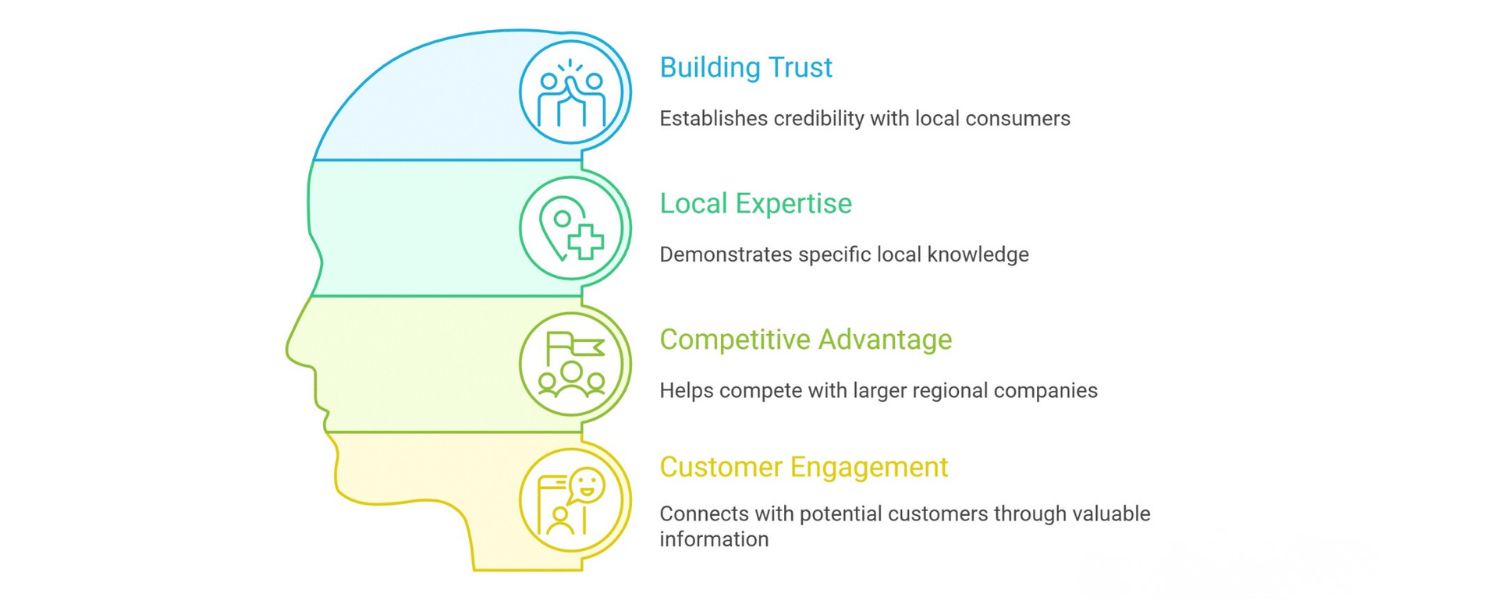
Content marketing is the practice of creating and sharing valuable content (blogs, videos, social media posts, etc.) to attract and retain customers. Unlike traditional ads, content marketing isn’t a one-off expense – it’s a long-term investment. Paid ads stop the moment you turn them off, but quality content keeps working to bring in leads long after it’s published.
This makes content especially powerful for small businesses with limited budgets. In fact, content marketing can benefit companies of all sizes – even those with tight resources. It offers a cost-effective way to build brand awareness and engage your target audience.
One major advantage is cost and ROI. Studies show content marketing delivers 3× more leads than outbound marketing while costing 62% less. It’s no surprise that 83% of marketers call content their most effective method for demand generation.
By educating or entertaining customers instead of just pushing a sales pitch, you build trust that translates into sales over time. Consumers are more likely to buy from brands they trust, and content is how you earn that trust by offering value upfront.
Content marketing also levels the playing field against bigger competitors. You might not outspend large companies on ads, but you can outshine them with valuable, niche content.
For example, a small cake-decorating business called Sugar Geek Show exploded its organic website traffic to over 300,000 monthly visitors by doubling down on SEO-driven content. Once they invested in content, their blog began generating about 60% of the company’s total revenues.
This kind of result shows that even a solo entrepreneur can compete by leveraging great content – something confirmed by experts: “Sometimes content marketing is the best way for small business owners to compete against others with larger ad budgets. Leverage your unique viewpoint to get noticed,” advises marketing strategist Dale Bertrand.
A small business (Sugar Geek Show) grew its website traffic to 300K+ monthly visitors by investing in SEO-focused content. This demonstrates how consistent content marketing can drive massive organic traffic for a niche business.
Finally, content marketing builds relationships and loyalty. By consistently answering your audience’s questions or entertaining them, you position your business as a helpful partner, not just a seller. Over time, this trust leads to stronger brand recognition, repeat customers, and word-of-mouth referrals. In short, content marketing turns your expertise into an asset that attracts customers organically and sustains growth.
Developing a Small Business Content Marketing Strategy
Having a clear strategy is critical – and it’s where many small businesses fall short. Don’t just post randomly; take the time to plan. In fact, 80% of highly successful content marketers have a documented strategy, whereas over half of unsuccessful ones do not. A bit of planning upfront will focus your efforts and prevent wasted time.
Here are steps to build an effective content marketing strategy for your small business:
1. Define Your Goals and Audience
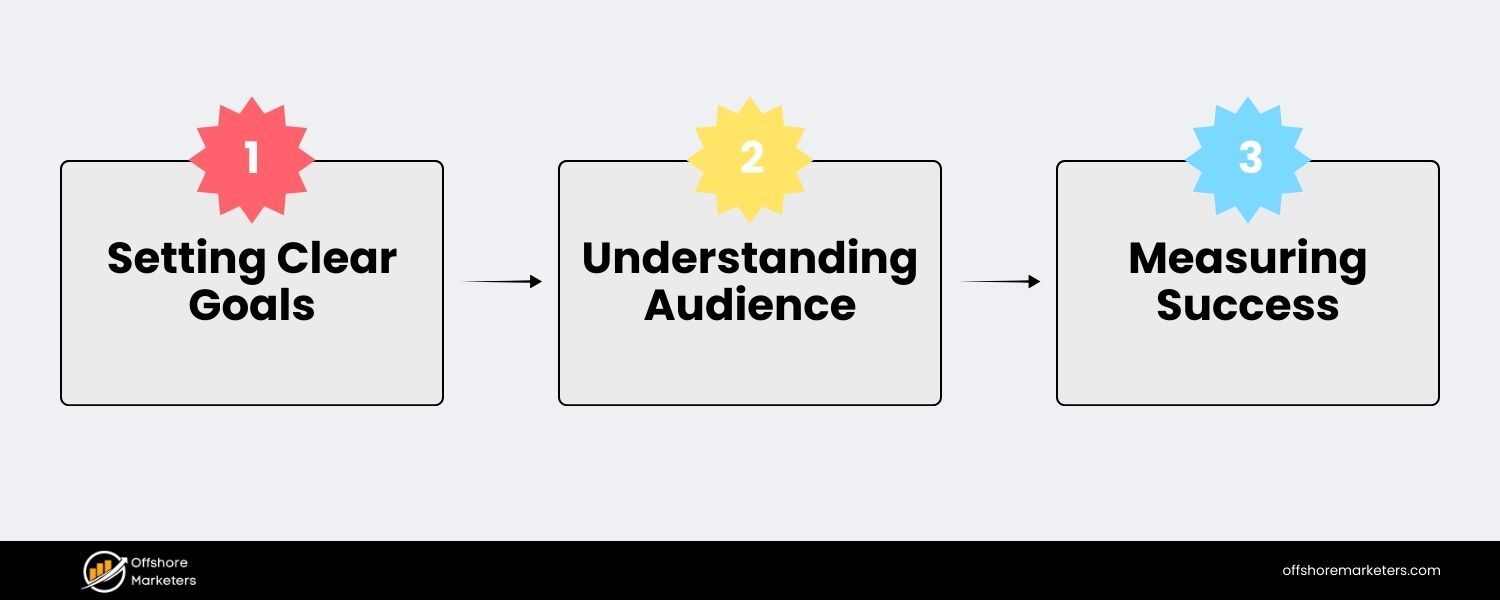
Start by pinning down what you want to achieve and whom you want to reach. Are you aiming to generate leads, boost online sales, or increase local brand awareness? Define specific goals (ideally SMART goals – Specific, Measurable, Achievable, Relevant, Time-bound) that align with your business objectives. Next, define your target audience in detail.
Analyze your current customers and market research to understand their demographics, interests, and pain points. The better you know your ideal customer, the easier it is to create content that speaks to them. As one expert notes, “Understanding your audience” is the foundation of content success. For example, if you run a local fitness studio targeting young professionals, your content might focus on quick, at-home workouts or nutrition tips for busy schedules.
2. Choose Your Core Topics and Niche
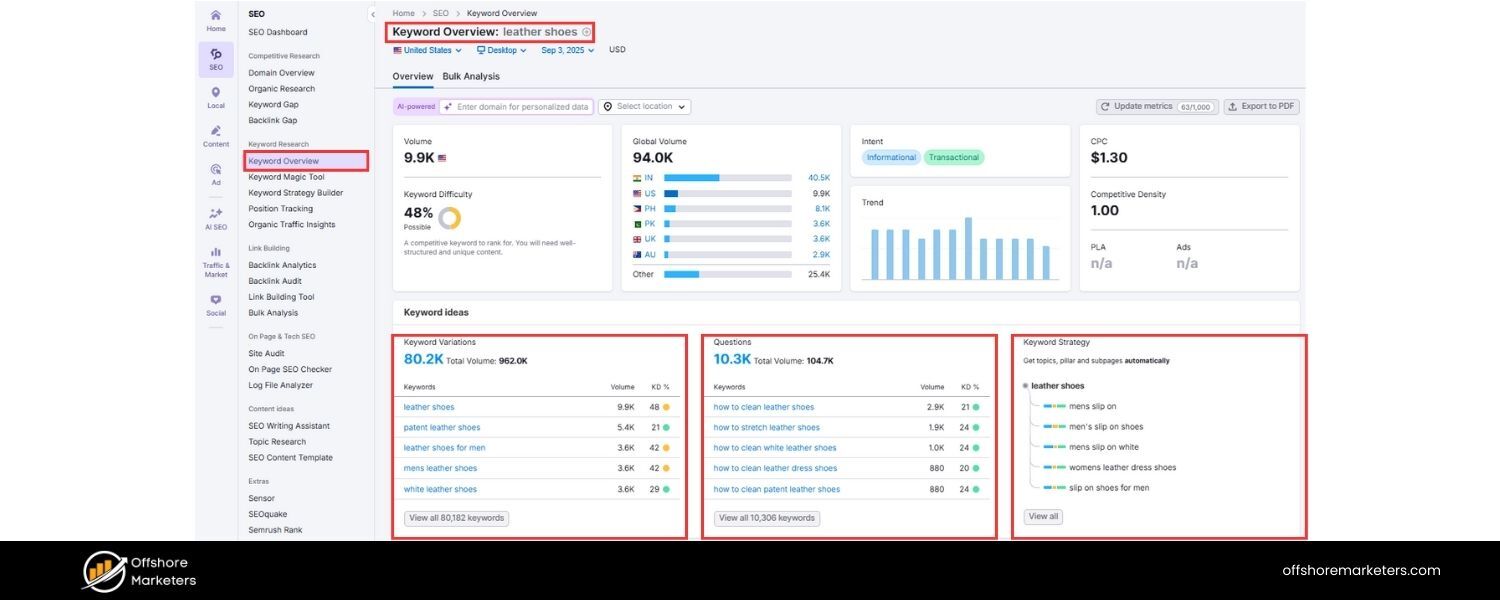
With goals and audience in mind, identify the topics or themes where you can provide real value. Focus on your niche and expertise – areas where you solve customer problems or offer unique insights. It’s better to go deep on topics that matter to your audience than to be too broad.
Ask yourself: What questions do customers often ask? What problems can we help them solve? For instance, a landscaping business might decide to create how-to guides on seasonal lawn care, since that’s highly relevant to their local clientele. Choosing a focus helps position you as a go-to resource in that area.
3. Pick Content Formats and Channels
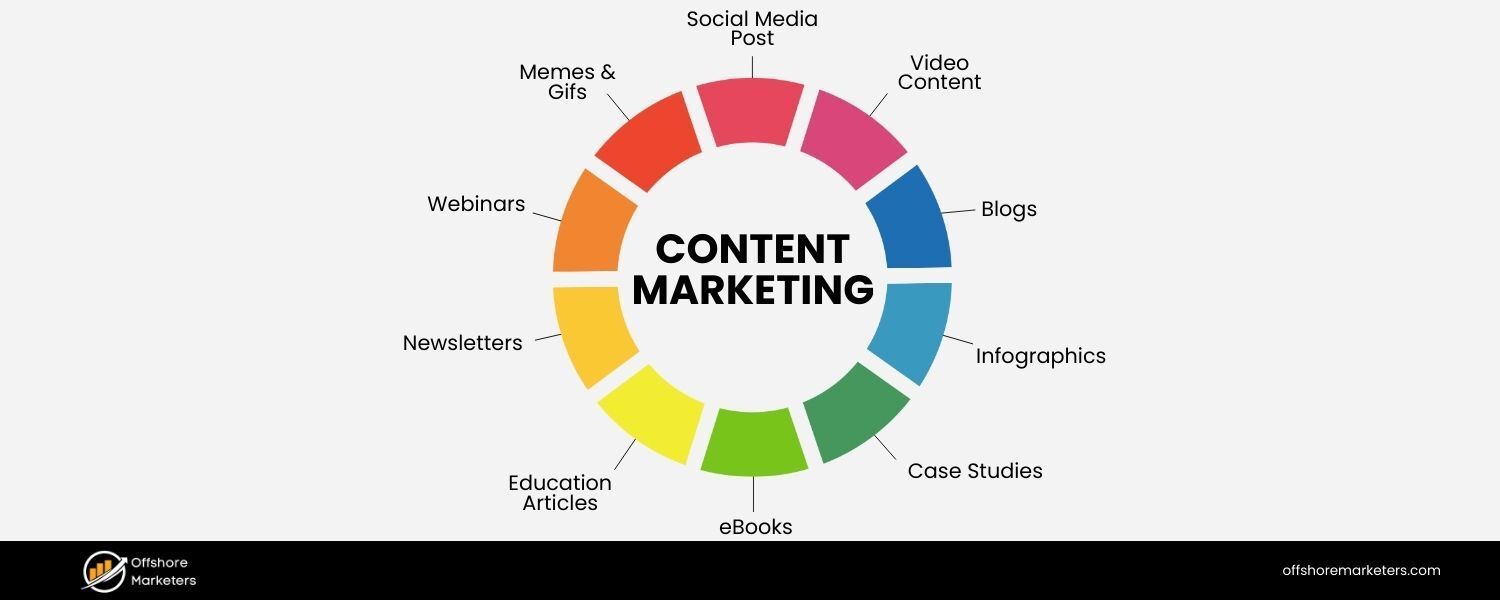
Next, decide what types of content you will create and where you will publish or promote it. As a small business, you likely can’t do everything – and you don’t need to. Choose 2–3 key channels to start based on where your audience hangs out and what formats make sense for you. Common content formats include:
A. Blog posts or articles (to drive SEO and educate).
B. Social media content – e.g. informative Facebook posts, Instagram photos/reels, LinkedIn articles (great for engagement and sharing).
C. Email newsletters (to nurture leads and maintain regular contact).
D. Short videos or tutorials on platforms like YouTube or TikTok (highly engaging, especially given that 89% of businesses use video as a marketing tool today).
E. Infographics or visuals (to convey data or processes succinctly).
F. Podcasts or audio (if your audience enjoys learning on the go).
G. Ebooks or whitepapers (to showcase deep expertise, useful if you’re B2B).
H. Customer testimonials/case studies (to build trust via real examples).
Tip: Don’t spread yourself too thin. It’s often better to focus on a couple of formats and channels and do them well rather than trying to post everywhere. For example, if your audience is active on Instagram and Facebook, focus your efforts there rather than also trying to maintain Twitter, YouTube, TikTok, a podcast, and a blog all at once. You can always expand later once you have a handle on your core channels.
4. Plan Your Content Calendar
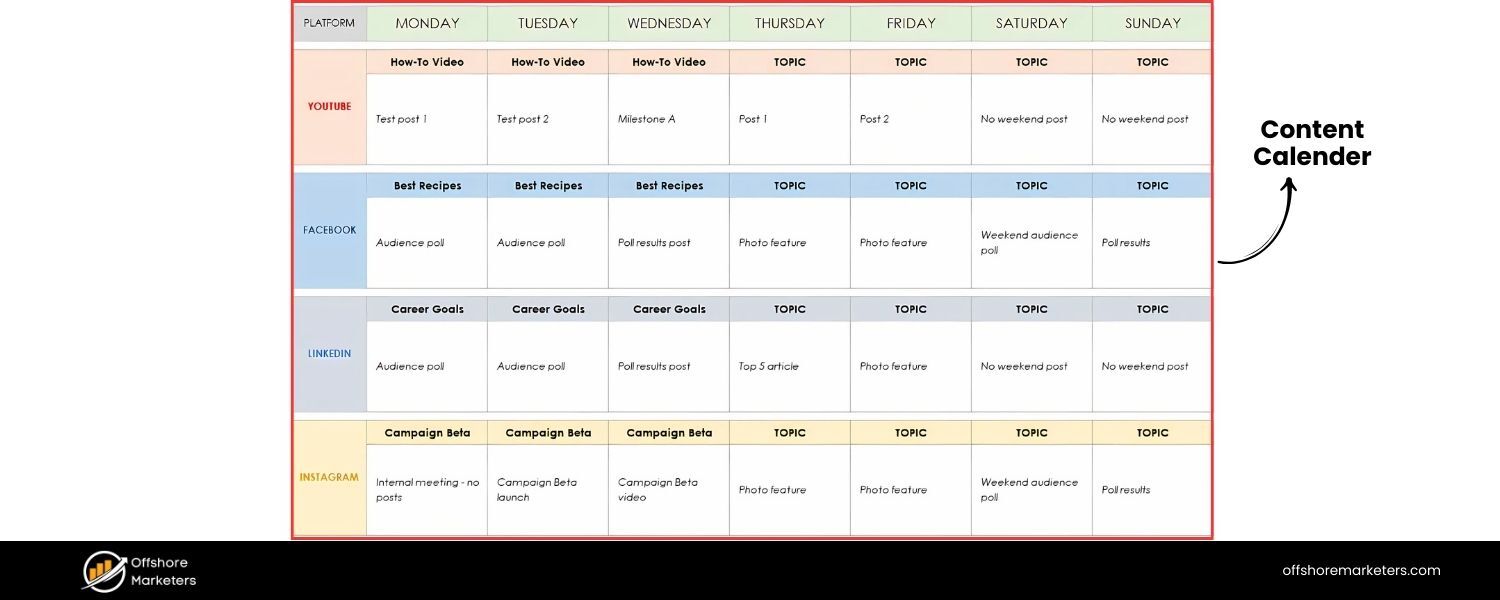
Consistency is crucial for content marketing success. Develop an editorial calendar to schedule content topics and posting dates in advance. Decide how often you’ll publish on each channel – e.g. one blog post per week, daily social media posts, a monthly email newsletter.
Mark specific topics or themes for each date, aligning with seasonal trends or campaigns when appropriate. Planning helps ensure you always have content “in the pipeline” and prevents the last-minute scramble.
Businesses that excel with content tend to publish on a regular rhythm, which keeps their audience engaged and expectations set. Remember to be realistic: it’s better to commit to a manageable schedule than to over-promise and burn out. Even posting a blog twice a month can yield results if it’s high-quality and promoted well.
5. Document and Review Your Strategy
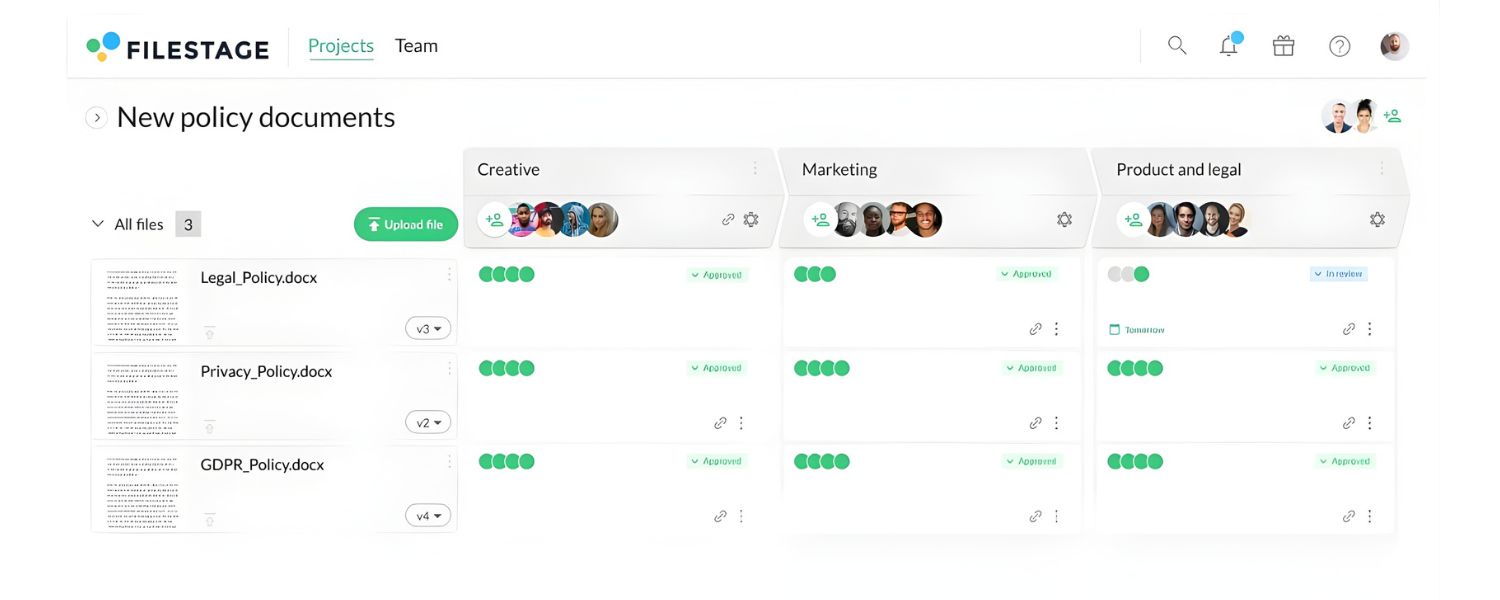
Write down your strategy – your goals, audience, content types, and calendar – in a simple document. This will be your roadmap. Having it in writing makes it easier to stick to and to share with any team members or freelancers helping you.
Schedule periodic check-ins (say, every quarter) to review what’s working and what isn’t, and adjust your strategy accordingly. Content marketing is an ongoing experiment; treat your strategy as a living document that evolves with your business.
By following these steps, you’ll have a clear blueprint to guide all your content efforts. As marketing guru Neil Patel emphasizes, every piece of content should serve a purpose for your target audience and business – whether that purpose is educating customers, boosting your search visibility, or converting readers into leads. A solid strategy ensures your content isn’t just “stuff to post,” but a strategic asset driving you toward your goals.
Creating Engaging Content that Delivers Value
With your strategy in place, the next challenge is actually producing content that engages your audience. Small businesses thrive by forging personal connections, so your content should feel relevant, authentic, and valuable to the people you want to reach. Here are some best practices to make your content as impactful as possible:
A. Focus on Quality Over Quantity
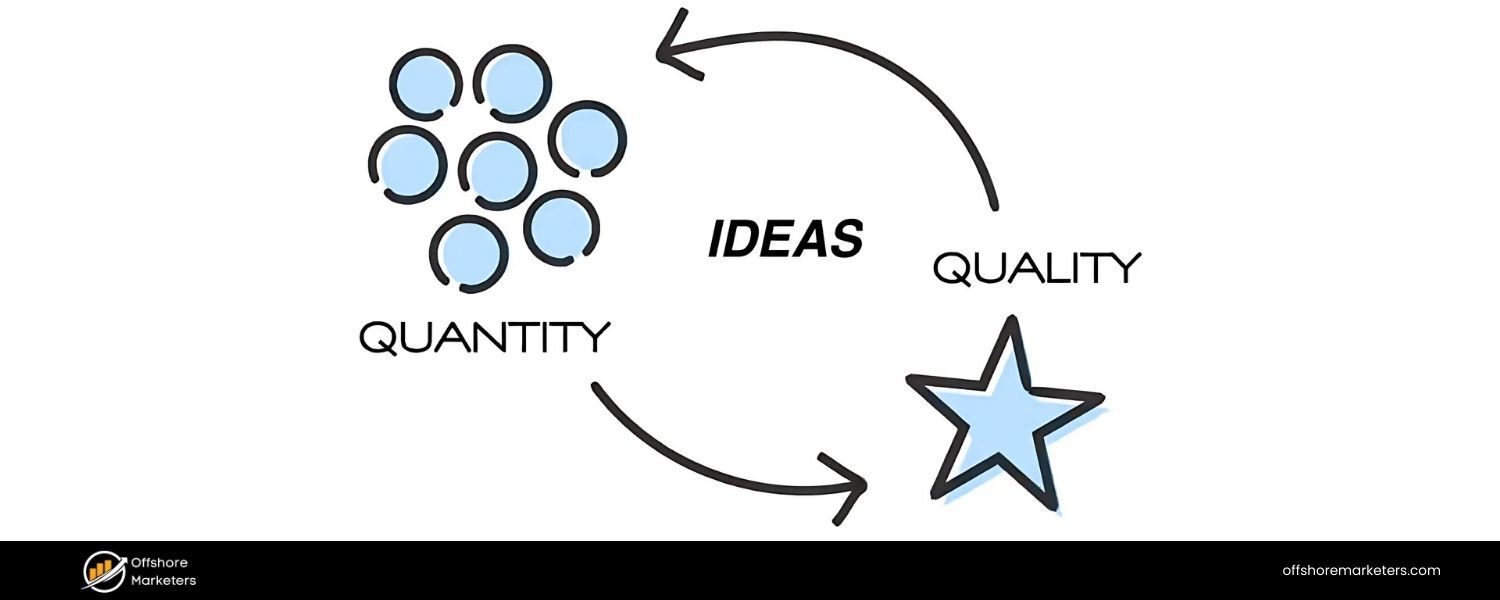
It’s tempting to churn out lots of posts in hopes of more traffic, but quality beats quantity in content marketing. In fact, 83% of marketers believe publishing higher-quality content less often is more effective than frequent low-quality posts.
Every article, video, or email you create should be well-thought-out and genuinely helpful or interesting. Before publishing, ask: “Does this piece of content answer a question, solve a problem, or inspire my readers?” If not, refine it. High-quality content is more likely to be shared, earn trust, and rank well in search engines.
B. Tell Your Story

One advantage you have as a small business is your personal story and passion. Don’t be afraid to use storytelling in your content – share how your business started, what you believe in, and customer success stories.
Storytelling creates an emotional connection that generic content can’t match. “Small business owners can capture attention by telling good stories…use your mission and unique background to fuel these stories,” advises entrepreneur Brian Moran.
For example, if you’re a family-owned restaurant, share the tale behind a cherished recipe or how the business passed through generations. These narratives make your brand memorable and human. Even in more practical content like how-to guides, you can weave in anecdotes or examples from your own experience. Authenticity and personality are your secret weapons – they differentiate you from impersonal corporate competitors.
C. Address Your Audience’s Pain Points
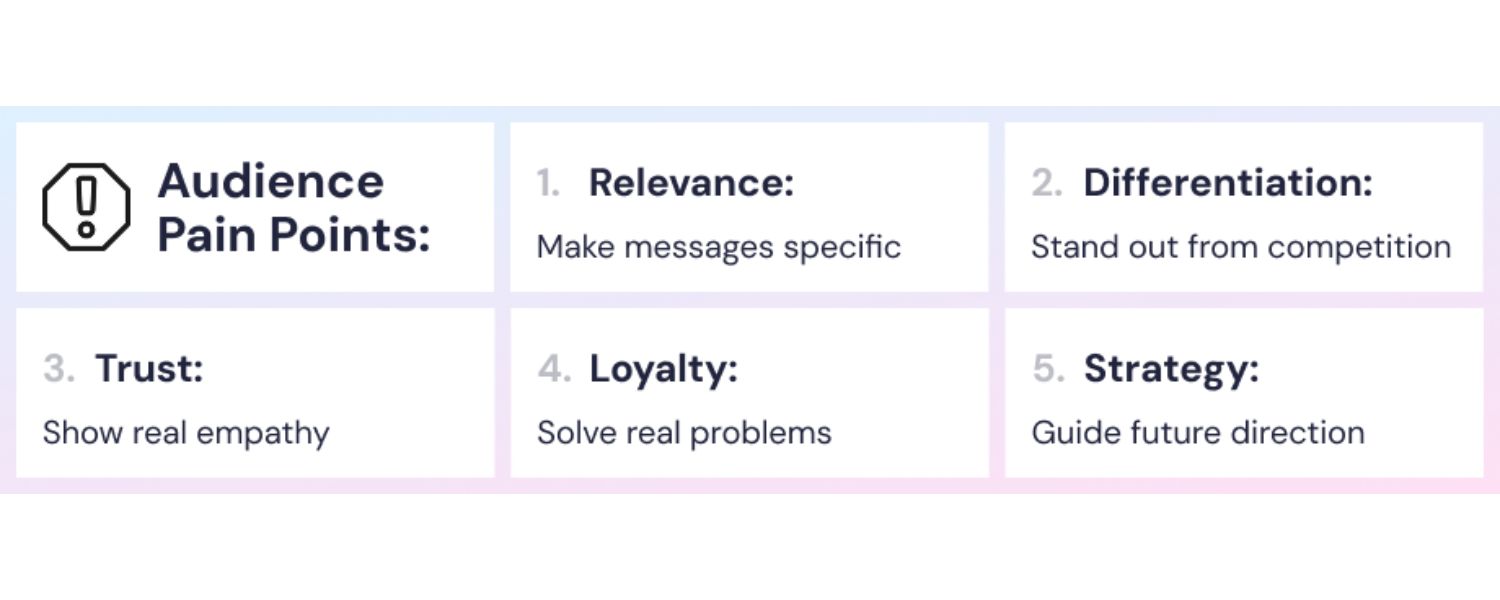
Great content often starts with empathy. Think about the common questions, problems, or goals your target customers have, and create content that directly addresses those.
If you run an accounting firm for freelancers, you might write a blog post like “5 Tax Mistakes Freelancers Need to Avoid” – it solves a real pain point. By zeroing in on your audience’s needs, you ensure your content is immediately relevant.
This customer-centric approach is what makes content truly resonate. It’s also good for SEO: people often search using questions or problem phrases (“how to ____,” “tips for ____”), so content that answers those queries can rank well and bring in organic traffic.
D. Mix Up Content Types and Formats
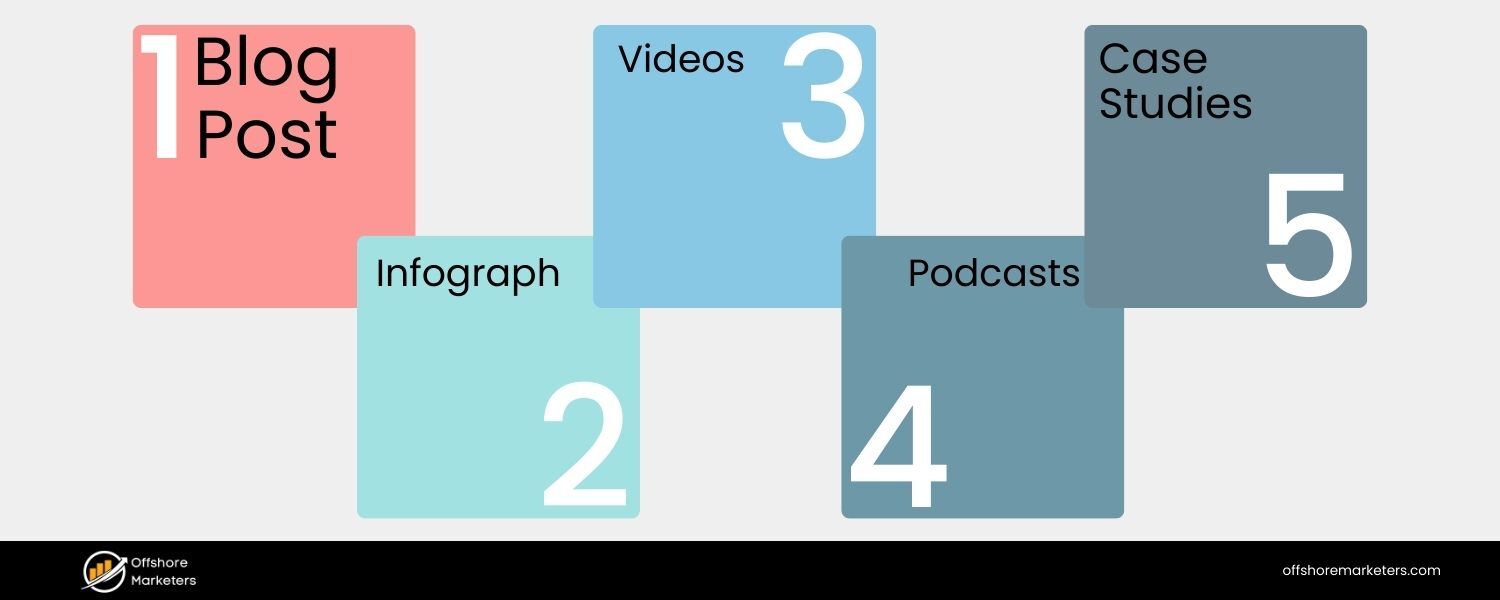
Keep your audience engaged by offering a variety of content. People learn and consume information differently – some prefer reading in-depth articles, others like quick videos or interactive quizzes. You don’t have to do every format, but incorporating different media can broaden your reach.
For instance, you could turn a blog post into an infographic to share on social, or create a short video summary of a longer article. Visual content is especially powerful for engagement (short-form videos are now the top media format in many strategies).
Also consider user-generated content: encourage customers to share their photos, reviews, or stories related to your business on social media, and then feature that in your channels. This not only provides you with fresh content but also builds community.
Repurposing is another smart tactic – re-use your best content in new forms. If you gave a webinar, you can transcribe it into a blog series. If you wrote a research article, turn the key stats into a slideshow or a podcast discussion. Repurposing stretches your content further, saving you time while keeping your audience engaged across channels.
E. Showcase Results and Expertise

When possible, create content that demonstrates your expertise or the effectiveness of your product/service. Case studies, success stories, or how-to guides that include real examples are highly effective. Not only do they provide proof that your business delivers value, they also help readers envision how they might benefit.
For example, a home renovation contractor could blog a “Project Spotlight” series, showing before-and-after photos and describing how they solved each homeowner’s challenges. One Reddit user described how they turned their company blog into a “projects” section with stories and photos of client work – and saw their sales closing rate jump by 80% after sharing these content updates (combined with an email newsletter).
The takeaway: content that highlights results (through testimonials, case studies, or data) can directly boost customer confidence and drive more business.
F. Include Clear Calls to Action (CTAs)
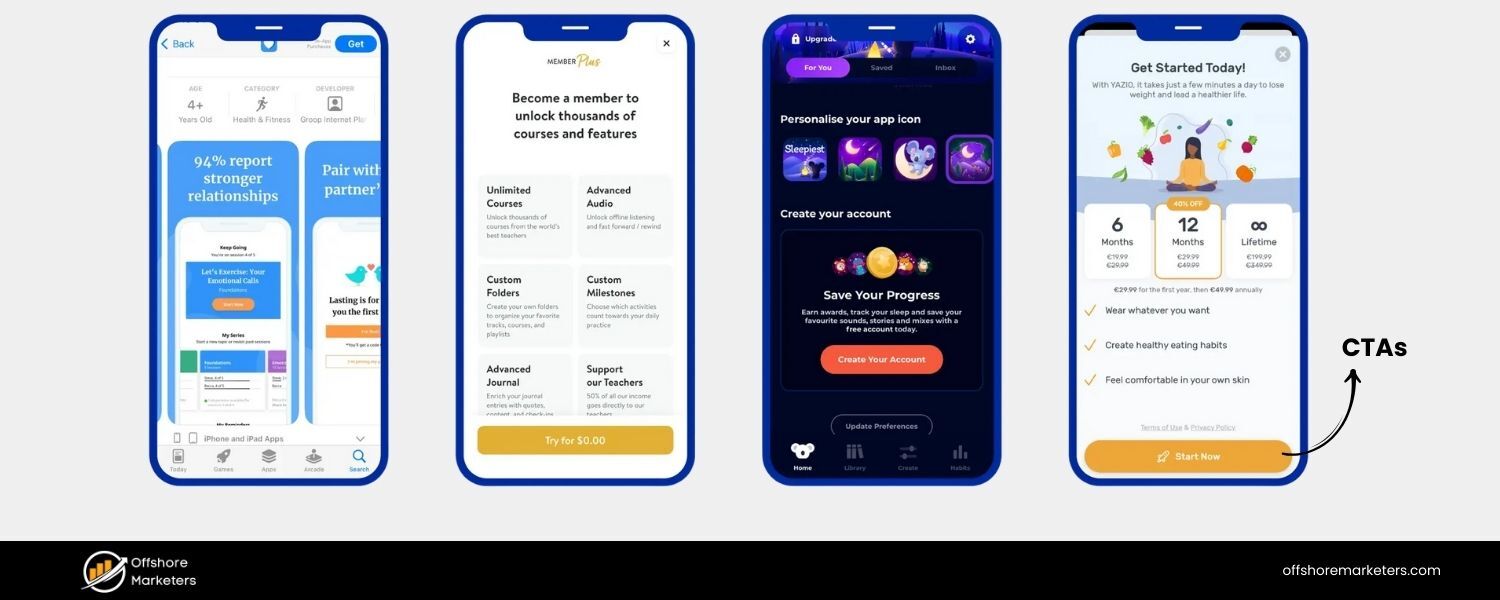
Engaging content should also guide the reader on what to do next. Don’t leave your audience at a dead end. Include a call-to-action in each major content piece, inviting them to take the next step with your business.
This could be as simple as “Contact us for a free consult,” “Download our free guide,” “Sign up for our newsletter,” or even just “Check out our product catalog.” On social media, the CTA might be “Share your thoughts in the comments” to spark engagement. The point is to gently direct the interested reader toward becoming a lead or customer.
For instance, if you wrote a blog about common skincare problems and your business sells skincare products, you might end the post with: “Not sure which product is right for you? Take our 2-minute skin assessment or get in touch for a personalized recommendation.” Make CTAs prominent (buttons or bold text help) and relevant to the content they just read.
By focusing on quality, storytelling, customer needs, content diversity, and strong CTAs, you’ll create content that not only engages readers but also drives them toward becoming customers. Remember, engagement is about creating a two-way relationship – encourage comments on your blog, reply to people on social media, maybe even host Q&A sessions. The more your audience feels heard and involved, the more connected they’ll become to your brand.
Distributing and Promoting Your Content
Even the best content won’t have an impact if no one sees it. For small businesses, content distribution is just as important as content creation. As the saying goes, “If you build it, they won’t necessarily come” – you have to actively promote your content to get it in front of the right people. Here’s how to maximize your reach:
1. Pick the Right Platforms
Go back to the channels you decided to focus on (your website, specific social networks, email, etc.) and make sure you’re leveraging each to its fullest. For instance, if you maintain a blog on your website, ensure it’s easy to find (linked in your menu) and optimized for SEO so that Google can find your posts. If you chose Facebook and Instagram as key social platforms, share your new blog posts or videos there regularly – but also tailor the message to fit the platform (maybe a short enticing caption on Instagram, versus a more detailed blurb on Facebook).
Be where your customers are. It sounds obvious, but it’s vital: research shows nearly 48% of customers prefer to use social media to learn about small businesses. So an active presence on platforms like Facebook, Instagram, or LinkedIn can dramatically increase your content’s exposure to potential customers.
2. Leverage Email Marketing

Don’t underestimate email – it’s one of the highest-converting channels. Build an email list of customers and prospects (even if it’s small to start) and send out a regular newsletter or updates. This could be a weekly or monthly roundup of your latest content (e.g. “In case you missed our recent posts…” with short teasers and links), plus perhaps a special tip or offer for subscribers.
Email ensures your content reaches people who already showed interest in your business, driving repeat traffic. It’s also personal and direct. For example, that Reddit business owner who shared weekly project posts found that sending a weekly email linking to the new post significantly boosted customer engagement. Consistent emails keep your audience warm and remind them of the value you provide.
3. Cross-Promote Everywhere Appropriate

Think of every touchpoint with customers as an opportunity to share your content. Promote your blog articles on your social media pages (and in relevant community groups if allowed). Pin popular or important content to the top of your profiles.
If you have a physical location, you can even display your content there – e.g. play your product demo videos in-store, or have a QR code at the counter that people can scan to read your latest guide. If you’ve created a particularly high-value piece of content (say, an original research report or a useful how-to video), consider writing a press release or reaching out to local media or industry bloggers – they might mention or link to your content, bringing you a flood of new visitors. The idea is to give your content as much visibility as possible among the people who would find it relevant.
4. Engage in Online Communities

Beyond your own channels, identify where else your target audience interacts online – forums, Q&A sites, or social communities (like subreddits related to your industry). By being an active, helpful participant in those communities, you can share your content in a natural way when it’s relevant.
For instance, if someone on a forum asks “How do I fix X problem?” and you have a blog post or video answering that, you can respond with a helpful summary and suggest they check out your detailed guide. Just ensure you follow community rules and avoid coming off as purely self-promotional – always focus on genuinely helping. This kind of content seeding can gradually establish you as an authority and funnel interested readers to your site.
5. Consider SEO and Keywords
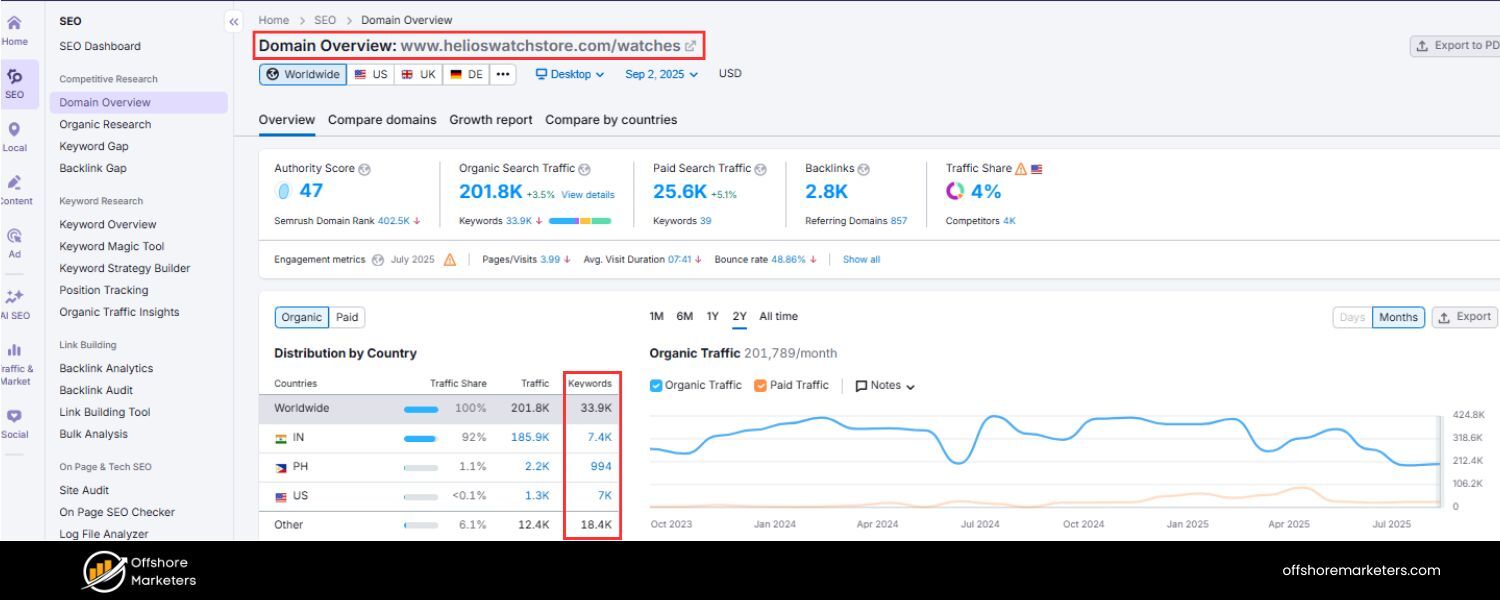
A big part of distribution is making sure people can find your content via search engines. If you haven’t already, do some basic keyword research around your topics – what phrases might someone search for that your content addresses? Use those phrases in your content titles, subheadings, and naturally throughout the text.
This improves your chances of ranking in search results. Also, make sure your website is indexed by Google and loads fast on mobile devices (SEO isn’t just keywords – site quality matters too). Over time, as you build up a library of high-quality, keyword-optimized content, your organic search traffic will grow.
Many small businesses have achieved steady streams of inbound traffic thanks to strong SEO content. For example, Sugar Geek Show’s blog (mentioned earlier) became a huge traffic driver once they optimized for search – showing that SEO can turn a small site into a magnet for customers.
In summary, treat distribution as an integral part of your content routine. A good rule of thumb is to spend as much time promoting a piece as you did creating it. If you write a great blog article but only publish it on your site and never mention it elsewhere, it may languish unseen.
But if you share it across social media, email it out, discuss it in communities, and optimize it for search, that one post can reach and help hundreds or thousands of people. That’s how content marketing truly scales for a small business – one piece of content can work across many channels and keep bringing in new prospects for months or years to come.
Measuring Content Performance and Refining Your Approach
How do you know if your content marketing is actually helping your business? Tracking performance is essential – it’s the feedback loop that tells you what’s working, what’s not, and how to improve over time. Big companies have entire analytics teams, but as a small business you can start simple:
1. Set Key Metrics
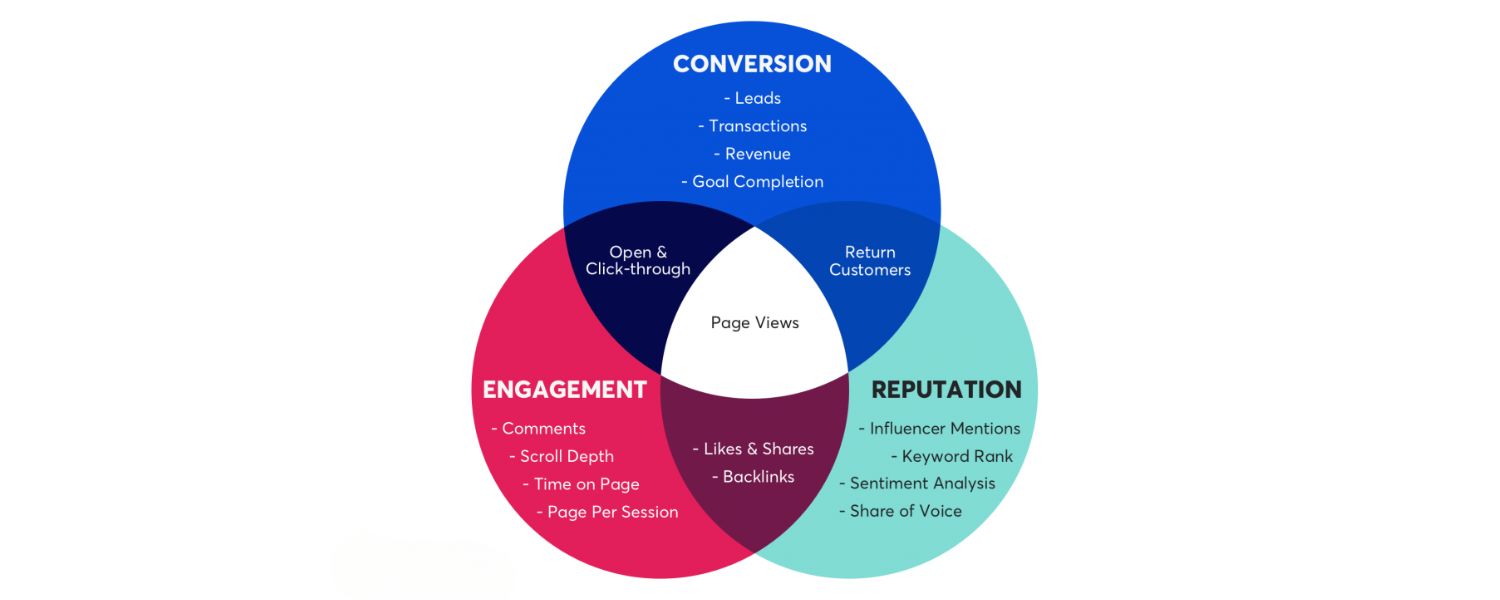
Revisit your original goals and decide on a few key performance indicators (KPIs) that best measure those goals. Common content KPIs include: website traffic (and specifically traffic to your content pages), engagement metrics (time on page, bounce rate, social shares, comments), lead metrics (email sign-ups, contact form submissions from content pages), and ultimately conversion or sales metrics (e.g. how many readers of a certain blog post ended up making a purchase).
If your goal was brand awareness, you might track overall traffic and social reach; if it was lead generation, you’d track things like new email subscribers or quote requests. Pick metrics that align with what “success” means for your content strategy.
2. Use Analytics Tools
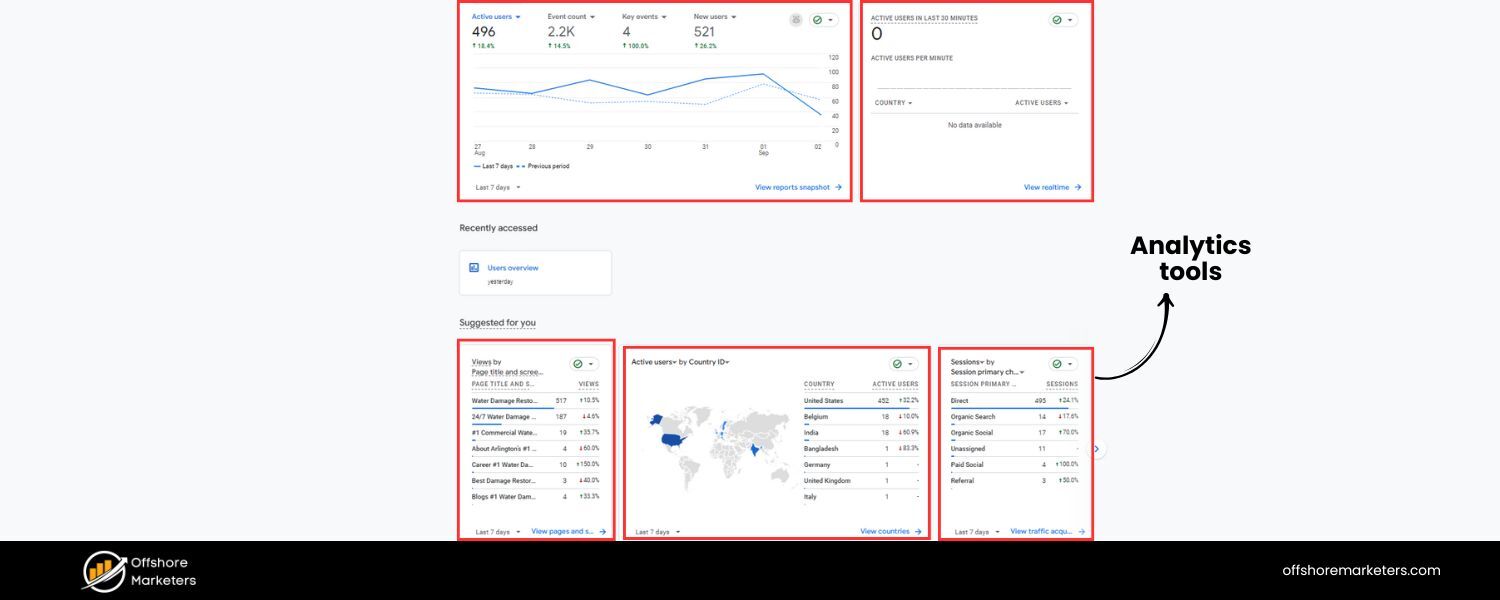
The good news is there are powerful free tools to track your content. Google Analytics (GA4) is a must – it will show you how many people visit your site, which content they view, how long they stay, and much more.
For social media, each platform has its own insights (e.g. Facebook Insights, Instagram Analytics) where you can see how your posts perform. There are also social listening tools to monitor mentions of your brand. Over time, you’ll gather data that reveals patterns: maybe your how-to blog posts keep people on the page longer (a sign of strong engagement), or perhaps videos shared on Facebook get the most comments and shares.
Use these insights to double down on what’s working. For instance, if you see that “Product A vs Product B – Comparison Guide” got 5× more organic traffic than your other posts, consider writing more comparison-style content or updating that article to convert readers into buyers. Regularly reviewing analytics (say, monthly) lets you make data-driven decisions.
3. Track ROI Where Possible
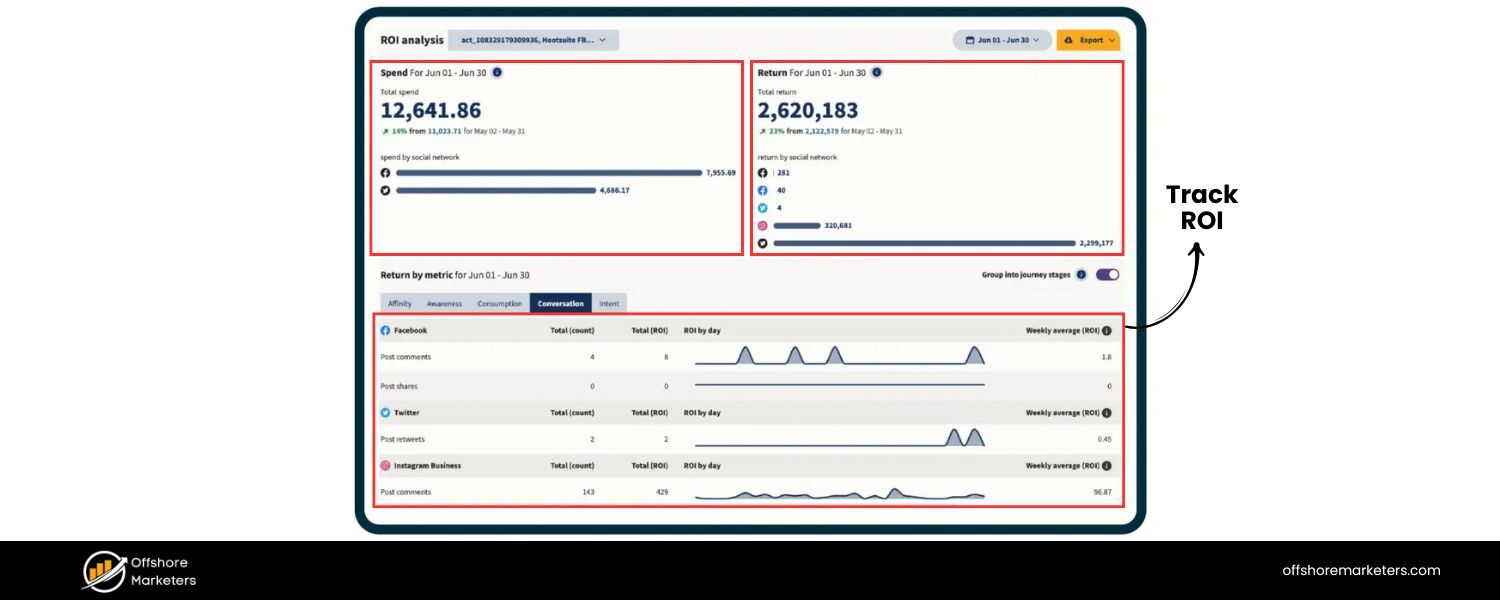
Ultimately, you want to connect your content efforts to business outcomes like leads or revenue. This can be tricky, but try to attribute conversions to your content. If you have an e-commerce site, track if visitors who read your blog are more likely to purchase (Google Analytics can show you conversion paths).
If you collect leads, see if a particular piece of content led to a contact form submission. You could use unique coupon codes in your content to directly measure sales coming from a specific post or video. Surveys can help too (e.g. asking new customers “How did you hear about us?”).
While measuring exact ROI of content can be challenging – in fact, 56% of content marketers say attributing ROI is a top challenge – any insight into how content influences your bottom line is valuable. Even anecdotal evidence (like a client mentioning your helpful article) is encouraging.
4. Learn and Adjust

Analytics are only useful if you act on them. Identify your top-performing content and consider why it’s doing well – can you replicate that success? Likewise, find under-performing pieces and either improve them or shift focus away from those topics. For example, if your videos are getting more traction than your blogs, you might invest more in video content. Or if you find that a certain topic just isn’t resonating, pivot to subjects your audience cares about more.
Content marketing often involves experimentation, especially at the beginning. Don’t be afraid to tweak your strategy based on what the numbers (and feedback from customers) tell you. The beauty of digital marketing is that you can be agile: if something’s not working, you can refine it quickly. Over time, this cycle of create → measure → learn → adjust will make your content marketing sharper and more effective.
Remember, the goal of measuring is to improve. Even if at first you’re not hitting the numbers you hoped for, the data will illuminate the path forward. Maybe you discover that your email newsletter has a high open rate but low click-through – that’s a cue to improve your email CTAs or content.
Or you might see that while your overall site traffic hasn’t skyrocketed, the traffic you are getting is spending more time and converting at a decent rate – a sign that your content is attracting the right people, and you just need more of them. Celebrate those insights and wins, and keep iterating. In content marketing, continuous improvement beats one-time perfection.
Staying Ahead: Trends to Watch and Mistakes to Avoid
Content marketing is dynamic – new trends emerge, and common pitfalls become apparent as you gain experience. To keep your small business’s content strategy ahead of the curve (and avoid wasting effort), keep these final pointers in mind:
1. Embrace Trends Wisely
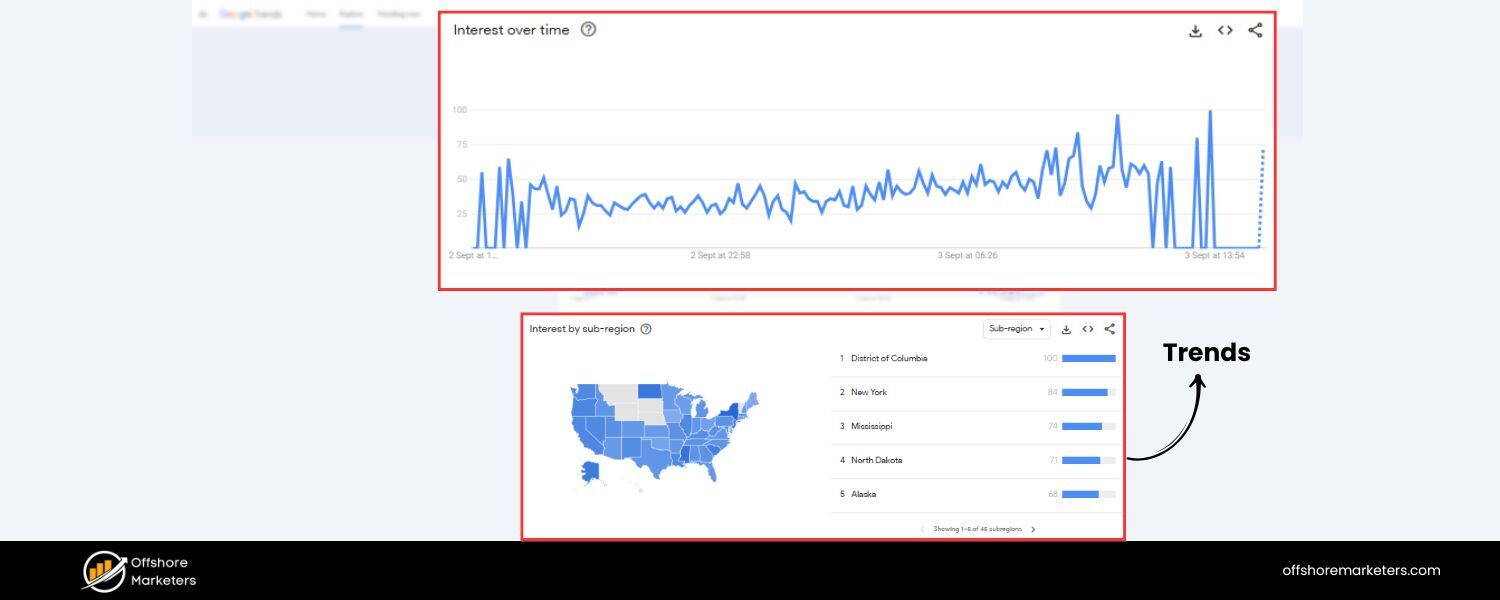
Pay attention to content marketing trends, but adopt those that make sense for you. For instance, one big trend is the rise of AI tools in content creation. About 85% of marketers now use AI writing or content assistance tools to help brainstorm ideas, generate drafts, or analyze performance.
As a small business, AI can be a force multiplier – tools like ChatGPT or Grammarly can help you write faster, and AI analytics can surface insights from data. Just remember that AI is a helper, not a replacement for your authentic voice. Use it to support your strategy (e.g. generating an outline or social post suggestions), but always add your human touch and expertise. Another trend is the continued dominance of short-form video and visuals.
With platforms like TikTok, Instagram Reels, and YouTube Shorts booming, consider if there’s a visual way to get your message out. A quick 30-second tip video or a behind-the-scenes clip can complement your written content and tap into new audiences. Live videos or webinars are also popular for engagement. Finally, interactive content (quizzes, polls, etc.) is on the rise, and can be great for involving your audience directly.
2. Stay True to Your Brand and Values
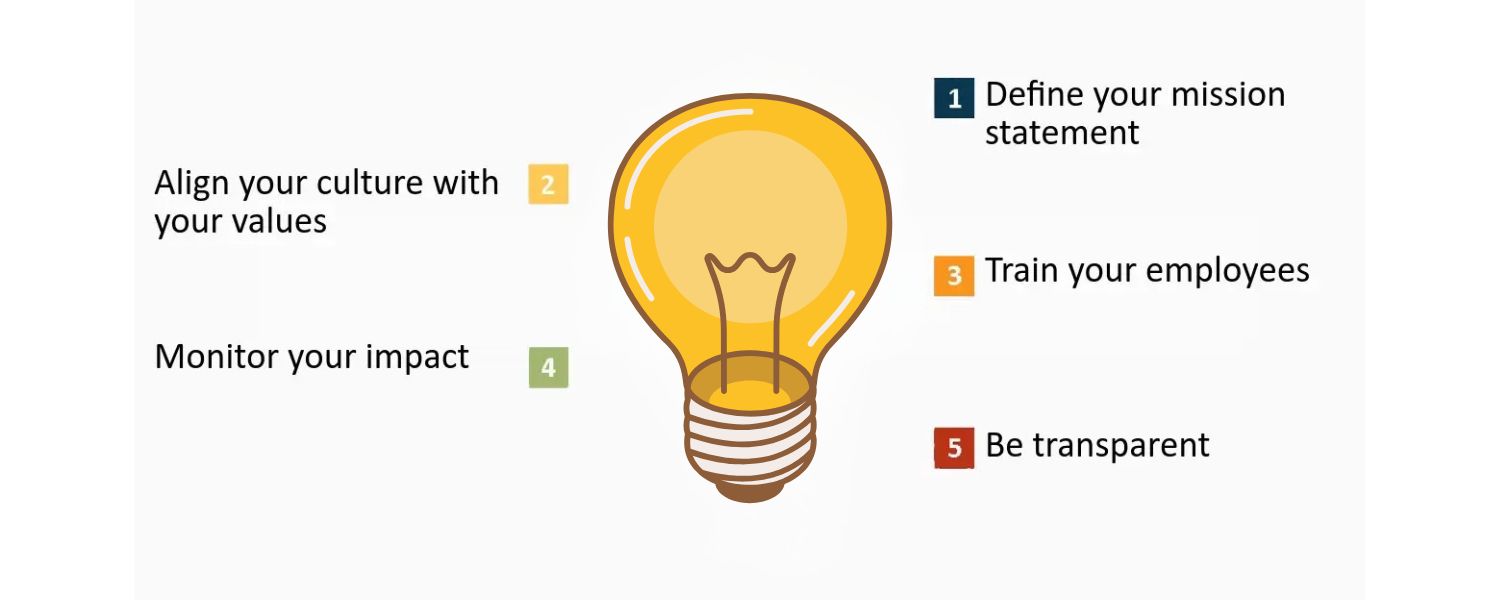
In 2025, more marketers are creating content that reflects their brand’s core values and story, rather than chasing every trend. This is actually an advantage for small businesses – you often have a strong sense of identity and community. Don’t dilute that by trying to copy big brands or hopping on irrelevant trending topics. It’s okay (even good) to be specific and authentic.
If you run a local café that prides itself on sustainability and community, let those values shine in your content (e.g. blog about how you source ingredients locally, post videos from community events you host). Content marketing isn’t just about getting eyeballs – it’s about attracting the right eyeballs and forging a connection. By consistently mapping your content to what your brand stands for, you’ll attract customers who align with your mission and become loyal advocates.
3. Common Mistakes to Avoid
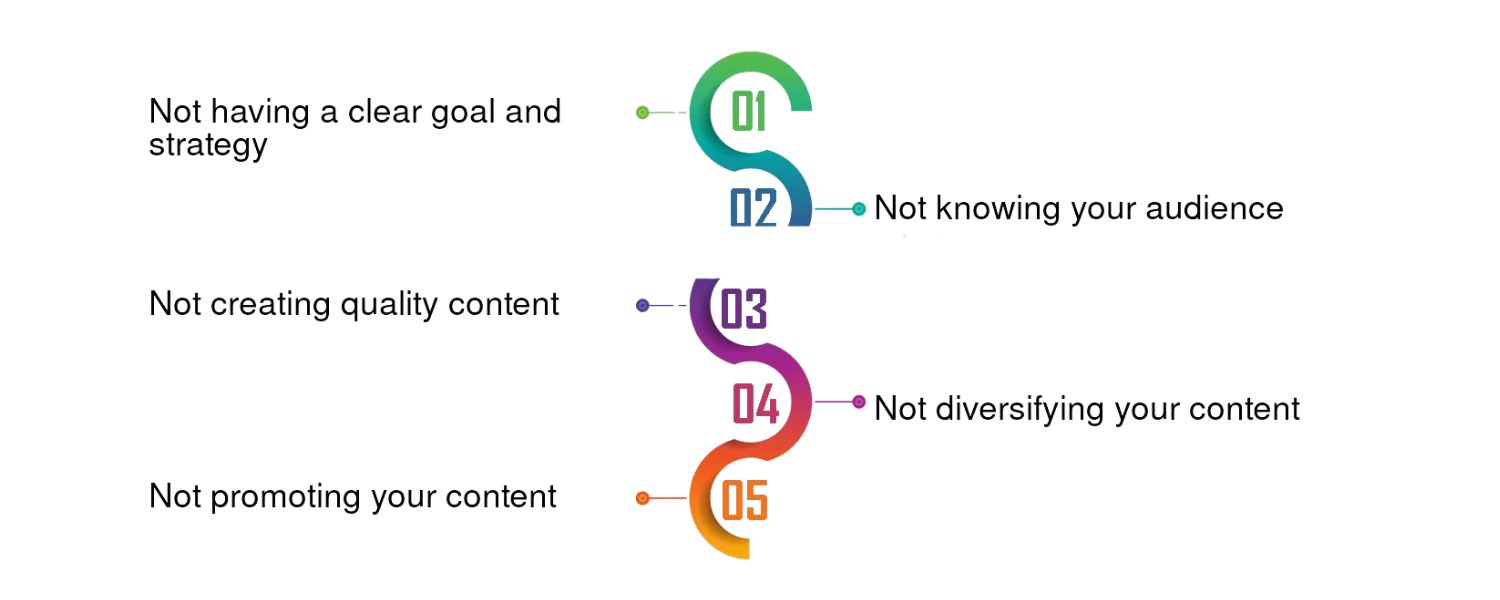
As you refine your content marketing, watch out for a few classic mistakes that can hinder your success:
A. Lacking a clear strategy
Posting without a plan or goal is the fastest way to waste time. Avoid a scattershot approach (a blog here, a random video there with no cohesion). Instead, follow the strategy steps we outlined – always know why you’re creating each piece and how it fits your objectives.
B. Not understanding your audience
Content that isn’t tailored to your audience’s interests will likely fall flat. Don’t create content just for the sake of it or based purely on what you find interesting. Keep the focus on customer needs and questions at all times. As one Forbes expert put it, a big mistake is “creating content for yourself, not for your ideal client.” Keep your ideal customer persona front and center when brainstorming topics.
C. Inconsistency and impatience
Many small businesses start strong but then post less and less, or give up when they don’t see immediate results. Avoid long gaps in your content schedule – consistency builds momentum and signals reliability to readers (and search engines). Also, recognize that content marketing is a long-term game.
It might take a few months to start seeing significant traffic or lead growth. Don’t quit too soon; tweak your strategy if needed, but stay committed. The businesses winning at content today are the ones that treated it as a continual effort, not a one-off campaign.
D. Generic content overload
If your content is too generic or similar to what everyone else is saying, it will struggle to gain traction. Avoid “me too” content that just repeats common knowledge. Aim to inject a fresh perspective – whether it’s your local expertise, a unique case study, or a niche topic that bigger players aren’t covering. Originality and insight will make your content stand out amid the noise. It’s better to have a smaller library of truly excellent, unique pieces than hundreds of bland articles that add no new value.
E. Neglecting promotion
As we discussed, failing to actively promote your content is a mistake. Hitting “publish” is not the end – it’s the beginning of getting that content out into the world. Make promotion a non-negotiable step in your workflow. A related error is not leveraging your existing network – e.g. not telling your email subscribers or best customers about new content. These people are your champions; involve them and they might help spread the word.
By steering clear of these pitfalls and staying adaptive to trends, you’ll ensure your content marketing efforts keep yielding results. Every misstep is a learning opportunity – if you realize you made one of the above mistakes, don’t fret. Adjust your approach and keep going. The digital landscape changes quickly, but the core principles (know your audience, be consistent, deliver value) remain constant.
Conclusion: Turn Content into Your Growth Engine
Content marketing has never been more exciting – or more essential – for small businesses. It’s one of the most powerful tools to reach new customers and build lasting relationships on a limited budget. By now, you’ve learned how to craft a strategy, create compelling content, distribute it effectively, and measure its impact.
The key takeaway? Focus on meaningful, high-quality content that truly speaks to your audience’s needs, and be consistent in delivering it. Over time, this will position your business as a trusted voice in your niche and a go-to resource for your customers.
So, are you ready to put content marketing to work for your small business? Start today – brainstorm a list of topics you know your customers care about, schedule your first few pieces, and begin creating.
Remember the expert advice: “Start yesterday! The slow and steady approach works for content marketing… start now and build a library of content that attracts organic traffic.”. Every piece of content is an investment in your business’s future. Stick with it, stay agile in learning and improving, and you’ll build a powerful growth engine that keeps on giving.
Now it’s your turn:
Take the insights from this guide and craft your own small business content strategy. Whether you’re a local shop or a fast-growing startup, the principles are the same – know your audience, serve them valuable content, and success will follow. Good luck, and happy content marketing!
Call to Action:
Ready to elevate your marketing? Start planning your next piece of content now. Outline a helpful blog post or record a quick tip video today – and share it with your audience. Every journey begins with a single step, and your marketing journey starts now. Let’s get creating and watch your small business grow!
Frequently Asked Questions (FAQs)
Q1: Why do small businesses need content marketing if we have limited time/resources?
Content marketing is a high-ROI strategy for small businesses because it keeps working long after you invest the time to create it. A single well-written blog post or a useful video can attract visitors and leads for months or years, essentially “marketing” your business on autopilot.
This is very different from paid ads that stop generating leads as soon as you stop paying. Also, content marketing helps you build trust and credibility in a way ads cannot – by educating or entertaining your audience, you become the go-to expert in their eyes.
That trust can win you customers even if your budget is small. While it does take time to create good content, start small and stay consistent. Even one article a month is a start. Over time, your content library will grow and so will its benefits. Plus, many free or affordable tools (for example, graphic design templates, content idea generators, etc.) can help streamline the process.
Q2: What are some easy content ideas a small business can start with?
Begin with content that lies at the intersection of your expertise and your customers’ interests. Some easy but effective ideas: How-to guides or tutorials related to your product/service (e.g. a bakery posting “How to Frost a Cake Like a Pro”), list posts with tips (“10 Money-Saving Tips for Homeowners” if you’re a home contractor), answers to FAQs you often get (turn each common question into a short blog or video), customer stories or testimonials (interview a happy client about their experience), and behind-the-scenes peeks at your business (photos or videos of your workshop, team, or process – people love seeing the humans behind a brand). You can also share industry news or trends and offer your small business perspective on them.
Start with whatever format you’re most comfortable – if you like writing, do blogs; if you’re great on camera, do videos. The key is to focus on helping or interesting your audience. As you create these pieces, you’ll get a feel for what topics get the best response and can do more of those.
Q3: How long does it take to see results from content marketing?
It’s important to set realistic expectations: content marketing is a long-term strategy rather than an overnight fix. You might see small wins quickly – for example, a few social shares, some positive comments, or a slight boost in website traffic within weeks.
However, significant results (like substantial traffic growth from SEO or a noticeable increase in sales leads) usually take several months. Many marketers say to expect around 3–6 months to start seeing organic traffic pick up, and around 6–12 months to really reap the rewards of consistent content efforts.
This timeline can vary – if you create a piece of content that goes viral or rank #1 on Google for a popular keyword, you could see a surge sooner. On the flip side, if you’re in a very competitive niche, it might take longer to break through. The crucial thing is to not give up too early.
Content builds momentum: as your site gains more content, search engines trust it more and users find it through multiple channels. Each piece of content is a building block. So be patient, keep an eye on your analytics for gradual growth trends, and focus on continuous improvement. In the meantime, celebrate the small milestones – every new follower, comment, or inquiry that comes via your content is proof that it’s working and will compound over time.
Q4: I’m not a good writer or video editor – how can I do content marketing?
Don’t worry – you don’t have to be a Pulitzer-winning writer or a Hollywood filmmaker to succeed in content marketing. Play to your strengths. If writing isn’t your forte, consider audio or video content where you can just talk about your expertise. Many small business owners shine when they speak passionately about their craft on video or a podcast.
Alternatively, you can start with short-form content like social media posts which are more conversational. Also, leverage tools and help: there are numerous AI writing assistants and templates that can generate a draft or outline for you (just be sure to edit for accuracy and personal touch), For videos, smartphone cameras and basic editing apps can go a long way – authenticity matters more than high production value.
You could also outsource or delegate some content tasks. Perhaps a team member likes writing and can draft blogs, or you hire a freelance writer/designer for a few pieces until you get the hang of it.
User-generated content is another avenue – encourage your customers to create content (like reviews, unboxing videos, etc.) and feature that. Over time, as you practice, you’ll improve. Content marketing isn’t about perfect grammar or Oscar-level cinematography; it’s about sharing valuable insights in an honest way.
If the content is helpful or entertaining, your audience will forgive minor imperfections. Start with formats you find least intimidating, and gradually challenge yourself to try new things. Every expert was a beginner once – consistency will breed confidence.
Q5: How can I do content marketing if my business is in a “boring” industry?
No industry is truly boring if you understand what people care about in that space. The key is to find an angle that resonates with your target audience. Start by identifying your customers’ pain points or curiosities related to your industry.
For example, if you sell insurance (often seen as a dry topic), you might create content like “5 Little-Known Ways to Save on Car Insurance” or share real-life stories of how insurance protected families in emergencies – content that is useful and touches emotion. If you’re in manufacturing, perhaps highlight the innovative technology or craftsmanship that goes into your products, or provide thought leadership on industry changes.
Humanize the topic by putting faces and stories to it. Also, consider using more visuals or interactive content to spice things up – infographics, demos, Q&A sessions, etc.
Another tip:
educate and myth-bust. Every field has misconceptions; busting myths can be engaging. What seems routine to you might be fascinating to outsiders if explained well. And remember, what’s “boring” to some is critically important to those who need it – focus on the value and outcomes.
A solid content marketing example is a B2B software company that publishes simple case studies and “how-to” videos – maybe not thrilling to the masses, but incredibly useful to their niche audience, generating high-quality leads. In short, know your audience’s hot buttons and push those. If you solve real problems or provide insider knowledge, people will pay attention, regardless of industry.
Often, the “boring” fields are where content marketing can shine the most, because so few others in that space are doing it well – it’s a chance to stand out!

Why Roseville Startups are Choosing Offshore Marketers to Scale Smarter
Roseville is no longer just a quiet suburb of Sacramento;...
What Is PPC? A Practical Guide to Pay‑Per‑Click Advertising
Pay‑per‑click (PPC) is the “pay only when someone clicks” branch...

Google Search Issues Affecting Results in Some Regions
Google has confirmed a problem with one of its data...

Keyword Counts Dropped After Google’s num=100 Change
In September 2025, Google stopped supporting the &num=100 parameter. This...

Image SEO: Optimize Images for Higher Rankings & Traffic
Introduction Images make your website more engaging, but they can...


.png)
.png)
.png)
.png)
.png)

2024 ALL RIGHTS RESERVED MADE IN INDIA
.png)