
Mastering PPC Ads: A Beginner’s Guide to Paid Advertising Success
January 2, 2024
In the dynamic digital marketing landscape, Pay-Per-Click (PPC) ads are a powerful tool for businesses looking to enhance their online presence and drive sales.
This comprehensive guide delves into the world of PPC ads, exploring their nature, benefits, and strategic importance for businesses of all sizes.
What are PPC Ads?
1. Definition and Mechanics
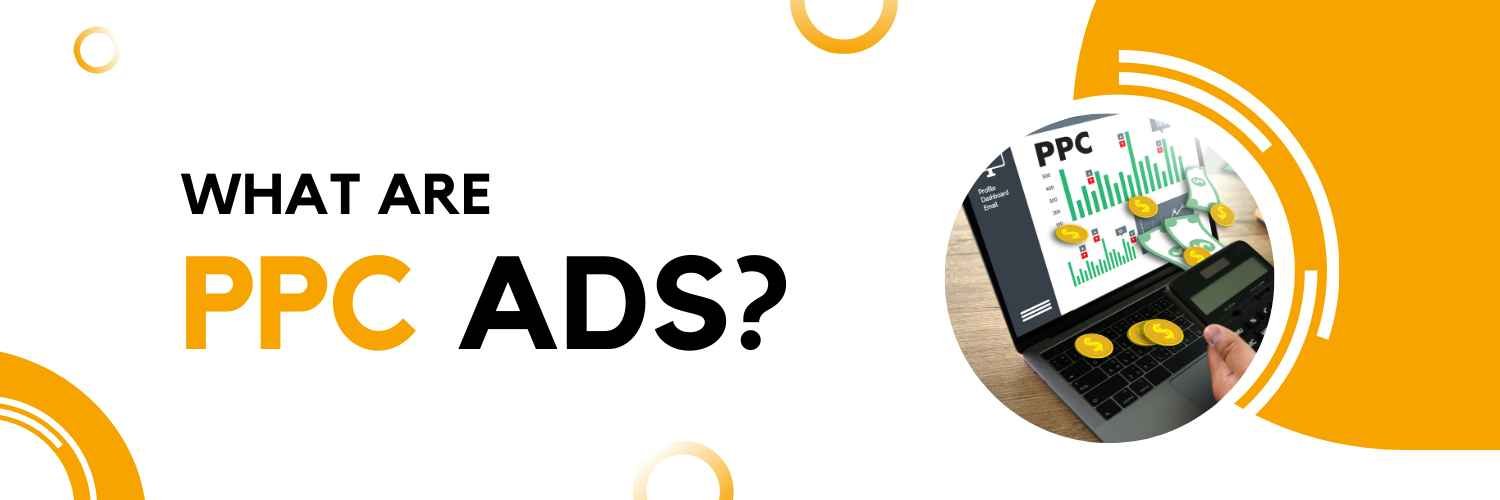
PPC (Pay-Per-Click) advertisements represent a digital advertising strategy in which advertisers incur a cost each time a user clicks on one of their ads. This approach involves purchasing traffic to a website rather than acquiring it through organic methods.
Prominent platforms for deploying PPC ads encompass search engines such as Google.com and Bing.com, as well as social media networks like Facebook and LinkedIn.
2. Types of PPC Ads
a.) Search Engine Advertising
Search engine advertising represents the most common type of Pay-Per-Click (PPC) advertising. This format shows ads on search engine results pages (SERPs).
When individuals search for keywords that align with your offerings, your ad will pop up above or alongside the natural search results.
Google Ads serves as a notable example of this method. In this system, advertisers compete for keywords, including SEO roadmap, through bidding, and ad selection is based on how much they bid and the ad’s quality score.
This PPC variant is particularly potent as it reaches users actively seeking specific information or products, demonstrating a higher degree of interest or intent.
b.) Display Advertising
These ads are shown on websites within an advertising network. The Google Display Network is a typical example, where ads appear on various websites that have agreed to show Google ads.
Display ads can include text, images, and videos and are shown to users while browsing online, but they have yet to search for your product or service actively.
This type is useful for brand awareness and retargeting campaigns, as they can reach users based on their previous internet behavior, interests, demographics, etc.
c.) Social Media Advertising
These ads are tailored to and shown on social media portals like Facebook, Instagram, LinkedIn, and Twitter. SMM ads can be highly targeted based on the extensive demographic and psychographic data these platforms have about their users.
Advertisers can target audiences based on interests, behaviors, location, age, gender, and more, making these ads highly effective for reaching specific audience segments.
d.) Remarketing (or Retargeting)
This type of PPC ad targets users who have previously visited your website or interacted with your brand online but have yet to make a purchase or complete a desired action.
Remarketing ads remind and encourage these users to return to your website to complete a purchase or another action.
These ads typically have higher click-through and conversion rates because they are shown to people who are already familiar with your brand.
e.) Shopping Ads
These are product listing ads primarily used by e-commerce businesses. Platforms like Google Shopping and Bing Shopping allow businesses to display their products directly in the search results. These ads usually include a product image, title, price, and store name.
Shopping ads are effective because they give users a direct and clear view of the product and its price before they even click on the ad, making them highly targeted toward users who are ready to buy.
Why is PPC Important for Your Business?
1. Targeted Audience Reach
What it means: PPC advertising platforms provide tools to target specific groups of people based on various criteria. This could include demographic information (like age, gender, and income), geographic location (targeting by city, state, or country), or user behavior (such as previous website visits or search history).
Why it’s important: By focusing your ads on the people most likely to be interested in your products or services, you increase the efficiency of your advertising spend.
This precise targeting ensures that your ads are more relevant to the people who see them, which can lead to higher engagement rates and better overall campaign performance.
2. Measurable ROI
What it means: ROI, or Return on Investment, is a key metric in advertising. PPC campaigns provide detailed data on how many people saw your ad, clicked on it, and what actions they took after clicking, such as making a purchase or signing up for a newsletter.
Why it’s important: This level of measurement allows for precise tracking of how effective your ad spend is. You can see which ads are performing well and which aren’t, enabling you to make informed decisions about where to allocate your budget and how to adjust your strategies for better results.
3. Quick Results
What it means: PPC can generate traffic to your website almost immediately after the campaign’s launch. This is in contrast to organic search strategies, like SEO, which often take longer to build momentum and see results.
Why it’s important: The immediacy of PPC is particularly useful for time-sensitive campaigns, such as those for product launches, promotions, or seasonal events. It provides a quick way to increase visibility and drive traffic when time is of the essence.
4. Cost-Effective
What it means: With PPC, you pay only when someone clicks on your ad. This pay-for-performance model can be more budget-friendly compared to other advertising methods where you pay for impressions or views.
Why it’s important: It ensures your budget is spent on potential customers. Additionally, with proper optimization of your campaigns (like refining target keywords, improving ad copy, and enhancing landing pages), the cost per click can decrease over time, improving your return on investment.
5. Level Playing Field
What it means: PPC platforms allow businesses of all sizes to reach their audience. Unlike traditional advertising, where larger budgets typically mean greater reach, PPC success is more dependent on the relevance and quality of the ads.
Why it’s important: This creates an environment where small and medium-sized businesses can compete with larger companies. A well-crafted and targeted PPC campaign can be highly effective even with a smaller budget.
6. Enhances Brand Recognition
What it means: When your PPC ads appear in search results or on websites, people see them even if they don’t click them. This repeated exposure can increase awareness of your brand.
Why it’s important: Brand recognition is a vital part of marketing. The more familiar people are with your brand, the more likely they are to trust and consider your products or services in the future.
This aspect of PPC helps build your brand’s identity and reputation over time, even among those who have yet to interact with your business directly.
Crafting a Successful PPC Strategy

1. Understanding Keywords
a.) The Role of Keywords in PPC
Keywords are the foundation of PPC campaigns. They are the terms or keywords that users type into search engines when looking for information, products, or services.
In PPC, you bid on these keywords, and when people search for these terms, your ads may appear.
b.) Choosing the Right Keywords
c.) Keyword Types
Broad keywords reach a wider audience but might be vague. In contrast, long-tail keywords (more specific, longer phrases) attract a more targeted audience with a higher intent to purchase or engage.
2. Crafting Compelling Ad Copy
Importance of Ad Copy: Your ad copy is your chance to make a first impression. It must be engaging enough to stand out and relevant enough to be clicked on.
a.) Elements of Effective Ad Copy
Headline: This should be attention-grabbing and include your main keyword.
Description: Provide more details about your offer, highlighting benefits and features.
Call-to-Action (CTA): This is crucial. A clear CTA like ‘Buy Now,’ ‘Learn More,’ or ‘Sign Up’ guides the user on the next steps.
Alignment with Keywords and Landing Page: The ad copy should closely align with the keywords you’re bidding on and the landing page content it directs to. This consistency ensures a smooth user experience and can improve your ad’s performance.
b.) Designing Effective Landing Pages
Purpose of a website Landing Page: The landing page is where users end up after clicking your ad. It should deliver on the promise made in the ad and guide visitors toward a desired action.
Relevance: It should address the user’s search query or the ad’s content directly.
Simplicity and Clarity: The design should be clean and focused, with a clear value proposition.
Strong CTA: Like your ad copy, the landing page should have a clear, compelling CTA.
Consistency: Ensure the messaging and design on the landing page are consistent with the ad. This builds trust and increases the likelihood of conversion.
3. A/B Testing
What is A/B Testing? A/B testing, or split testing, involves creating two versions of your ad or landing page with one varying element, like the headline, ad copy, or CTA.
Purpose: The goal is to determine which version performs better regarding click-through rate, conversion rate, or other relevant metrics.
Continuous Improvement: Regular A/B testing allows you to refine your ads and landing pages based on real user data, leading to more effective campaigns.
4. Continual Optimization
Ongoing Process: PPC requires continuous attention and adjustment. Setting up a campaign and leaving it running needs to be more.
Keyword Bids: Regularly review and adjust your bids for maximum ROI.
Ad Copy and Landing Pages: Update and test different elements based on performance data.
Audience Targeting: Refine your audience targeting to reach the most relevant users.
Use of Analytics: Utilise analytics tools to track the performance of your campaigns. This data will inform your decisions and help you optimize for better results.
How much does PPC advertising cost?

The cost of Pay-Per-Click (PPC) advertising can vary significantly depending on a variety of factors. While PPC is often seen as a highly effective way to drive traffic and generate leads, understanding the costs involved is crucial for budgeting and planning. Here’s a breakdown of the key factors that influence the cost of PPC advertising:
1. Industry
Certain industries tend to have higher costs per click (CPC) than others due to the level of competition. In highly competitive industries such as legal services, finance, or insurance, the CPC can be significantly higher. This is because many businesses in these sectors are bidding on the same keywords, and the demand for top ad positions drives up the price. On the other hand, less competitive industries might see lower CPC rates.
2. Competitiveness of Keywords
The competitiveness of keywords is one of the main drivers of PPC costs. Keywords that are highly sought after and widely used by businesses will naturally be more expensive. If many businesses are bidding on the same set of keywords, the price to feature prominently in the search engine results increases. For example, keywords related to “buy car insurance” or “personal injury lawyer” are likely to cost more than less competitive or niche keywords like “organic skincare products for men.”
The bidding process involves platforms like Google Ads or Bing Ads, where businesses set a maximum CPC they are willing to pay. The more competitive the keyword, the higher the bid needed to rank well, which can escalate costs.
3. Ad Quality
Ad platforms like Google Ads use a system called Quality Score, which assesses the relevance and effectiveness of your ads, keywords, and landing pages. Higher-quality ads with good engagement metrics (such as click-through rates) tend to cost less to run and often receive better ad placement. This means that if your ad is well-targeted, highly relevant to the keywords, and provides a positive user experience, you may be able to pay less per click compared to ads with lower-quality scores.
4. Budget and Bidding Strategy
Your daily or monthly budget, as well as the bidding strategy you choose (manual or automated), will also affect your PPC costs. Automated bidding strategies such as Target CPA (Cost Per Acquisition) and Target ROAS (Return on Ad Spend) may help optimize your campaign to achieve better results within your budget.
Can PPC Help With Local Business Promotion?
Yes, PPC advertising is highly effective for promoting local businesses. Here’s why:
Local Targeting
PPC platforms, especially Google Ads, provide tools that allow businesses to target ads geographically. Local businesses can fine-tune their campaigns to reach customers in specific geographic locations, whether it’s a particular city, neighborhood, or radius around their store. This means you’re only paying for clicks from people who are in your target area, making PPC highly cost-effective for local businesses.
Local Keywords
Using location-specific keywords can make your ads even more relevant to local customers. For example, a bakery in Boston could target keywords like “best bakery in Boston” or “fresh bread near me.” By focusing on local keywords, businesses can capture the attention of customers actively searching for products or services in their area, increasing the likelihood of conversions and driving foot traffic.
Is PPC suitable for all businesses?

PPC (Pay-Per-Click) advertising is a highly effective marketing strategy that can drive targeted traffic to websites and increase conversions. However, its suitability can vary depending on several factors, such as the business model, market niche, and overall marketing goals. Let’s explore the key aspects that influence whether PPC is suitable for your business.
1. Business Model
The business model plays a significant role in determining if PPC is the right choice. For businesses like e-commerce websites, PPC is often very beneficial. E-commerce stores can quickly drive traffic to product pages, test different ads, and target specific buyer personas with high precision. For example, a retail business selling products online can see immediate returns by targeting consumers searching for their specific products.
On the other hand, service-based businesses, especially those with long sales cycles or high-value, low-volume products, may not always benefit as quickly from PPC. For businesses offering services like consulting, real estate, or high-ticket items, PPC might require a more nuanced approach and ongoing optimization to justify the cost.
2. Market Niche
The effectiveness of PPC can also depend on the market niche. Businesses in broad and competitive industries, such as insurance or legal services, may find PPC highly effective as they can target a large audience and bid on high-volume keywords. However, businesses in highly specialized or niche markets may struggle to find enough relevant, high-volume keywords to bid on, potentially leading to higher costs or less targeted traffic.
Specialized businesses may also need to invest more in keyword research, long-tail keywords, and advanced targeting options to make PPC campaigns cost-effective and efficient.
How long does it take to see results from PPC?

The timeline for seeing results from PPC can differ based on what you’re measuring:
Immediate Results: Increased traffic to your website can be noticed almost as soon as your PPC campaign goes live.
Longer-Term Results: Other metrics, like conversion rates or return on investment (ROI), may take longer to manifest as they depend on factors like the effectiveness of your landing pages and the customer journey.
Do I need a big budget to start with PPC?
One of the most common misconceptions about Pay-Per-Click (PPC) advertising is that it requires a large budget to get started. The reality is that PPC campaigns are highly adaptable and can be managed effectively even with a limited marketing budget. Here’s why:
Flexible Budgeting
One of the most significant advantages of PPC is the flexibility it offers. Unlike traditional forms of advertising, where you must commit to a set cost upfront, PPC allows you to set your own budget. Whether you’re working with a small budget or have a larger allocation to spend, PPC platforms like Google Ads and Facebook Ads allow you to control your daily or monthly spending.
You can begin with a modest amount and track the performance of your ads to see what’s working. As you monitor key metrics like clicks, impressions, and conversions, you’ll get a better idea of your cost-per-click (CPC) and return on investment (ROI). This allows for the gradual optimization of your campaign, meaning you don’t need to spend a lot to start seeing results. If the campaign is performing well, you can scale your budget gradually to amplify its impact.
Scalability
PPC is inherently scalable. As you start seeing positive outcomes from your initial campaigns, you can increase your budget incrementally based on the results. For example, if you notice that certain keywords or ads are driving higher conversion rates, you can allocate more funds to those areas. Similarly, if an ad group isn’t performing well, you can reduce the budget allocated to it.
This scalability means you can expand your campaigns as your business grows or as you see better returns, making it a highly effective and efficient marketing tool for businesses of all sizes.
Starting Small and Growing Over Time
You can start with just a few dollars per day on platforms like Google Ads or social media ads to test and refine your approach. There’s no minimum budget requirement to begin, and you can increase your spend as you gain more insights into what works and what doesn’t. In fact, starting small and scaling gradually is a smart approach to ensure you’re optimizing your campaigns as you go.
Conclusion
PPC ads offer a great opportunity for businesses of all sizes to reach potential customers actively searching for products or services like theirs. It’s accessible, flexible, and scalable, making it possible to start with a small budget and expand as you begin to see results. When executed correctly, PPC can drive traffic, boost conversions, and ultimately contribute to the growth and success of your business. By embracing this dynamic and measurable advertising model, you can explore new avenues for marketing success and brand development.

Why Roseville Startups are Choosing Offshore Marketers to Scale Smarter
Roseville is no longer just a quiet suburb of Sacramento;...
What Is PPC? A Practical Guide to Pay‑Per‑Click Advertising
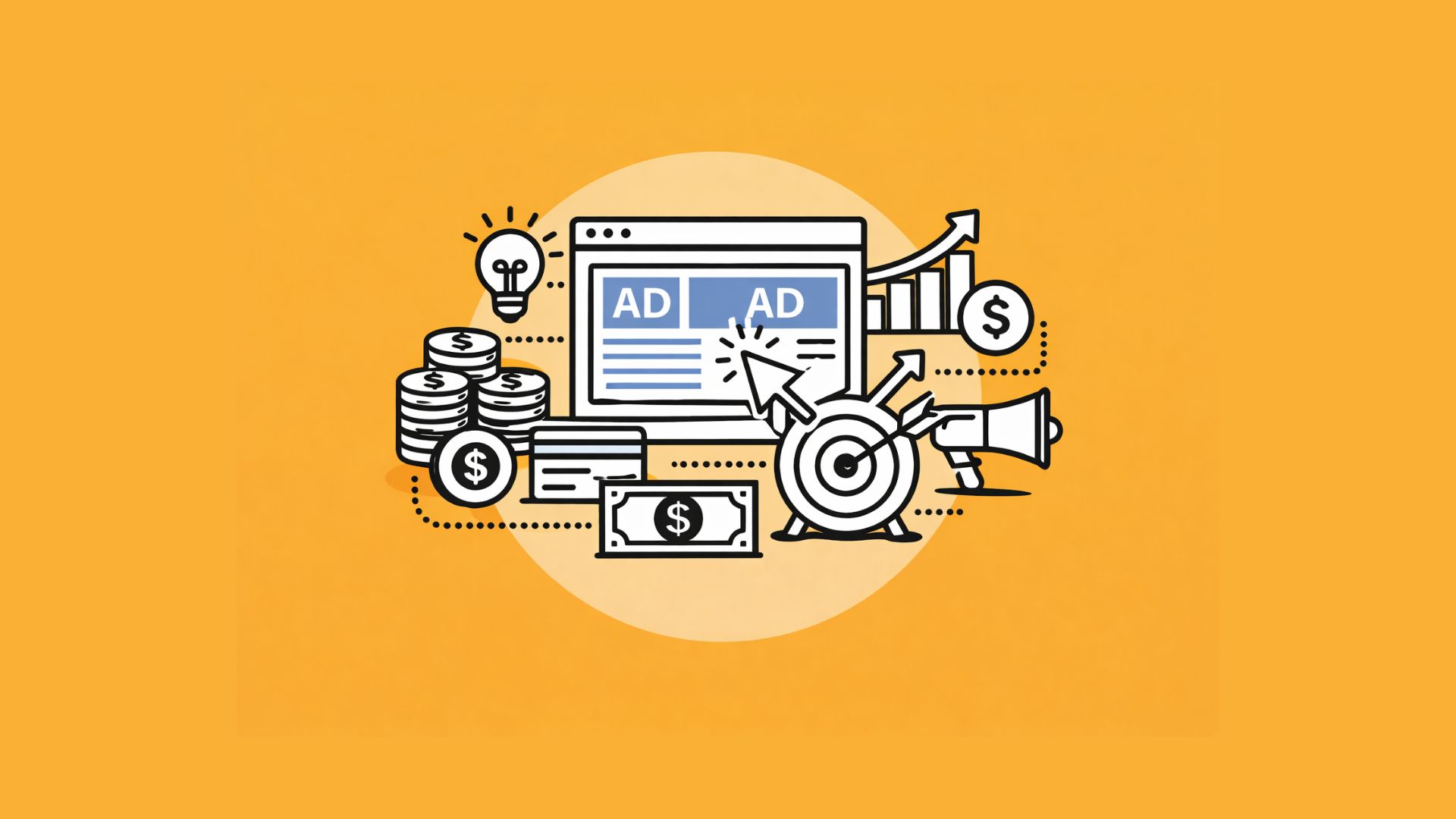
Pay‑per‑click (PPC) is the “pay only when someone clicks” branch...
Google Search Issues Affecting Results in Some Regions
Google has confirmed a problem with one of its data...
Keyword Counts Dropped After Google’s num=100 Change
In September 2025, Google stopped supporting the &num=100 parameter. This...

Image SEO: Optimize Images for Higher Rankings & Traffic
Introduction Images make your website more engaging, but they can...


.png)
.png)
.png)
.png)
.png)

2024 ALL RIGHTS RESERVED MADE IN INDIA
.png)