
Keyword Density in SEO: Definition, Myths & Best Practices
September 8, 2025
Introduction
In SEO, there’s a fine line between optimization and over-optimization. Use your keyword too sparingly, and your page might never rank; use it too often, and search engines could flag it as spam.
This is where keyword density comes in. In this guide, we’ll leverage 25+ years of marketing experience to demystify keyword density, explaining what it is, why it mattered historically, and how to approach it today for maximum SEO impact.
Get ready to learn the optimal way to balance your keyword usage and keep both readers and search engines happy.
What is Keyword Density?
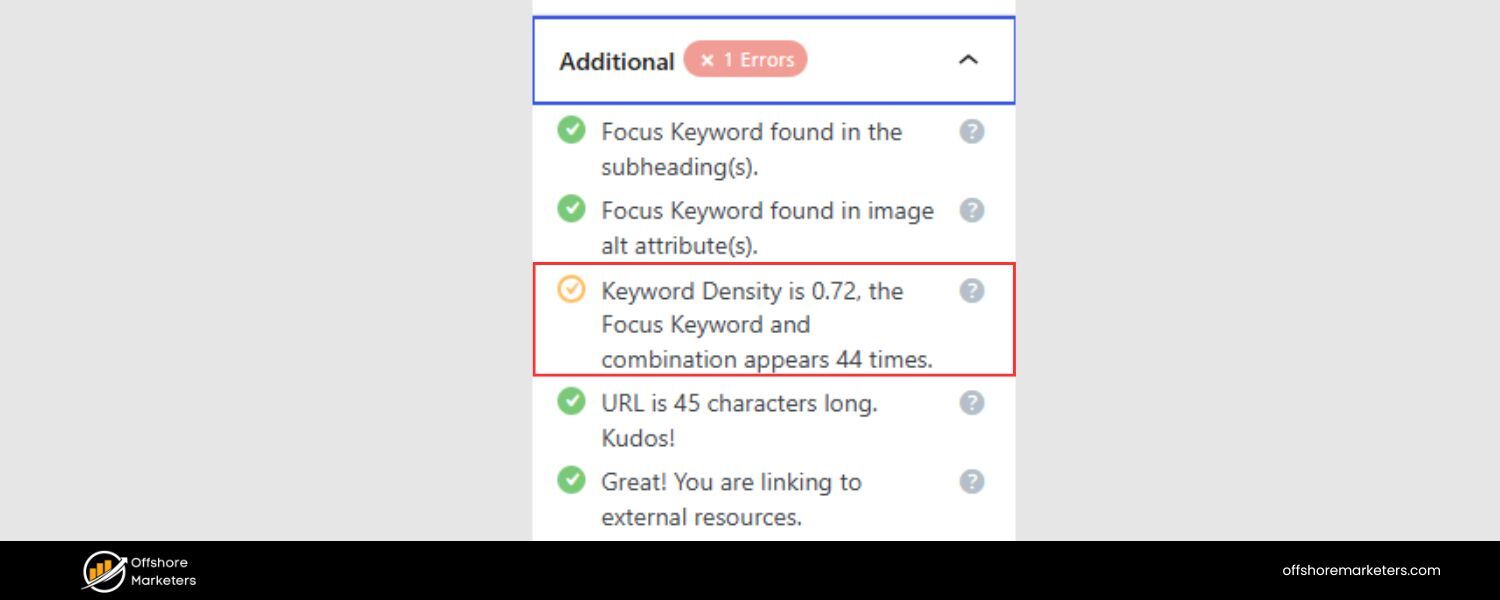
Keyword density refers to the percentage of times a given keyword or phrase appears in a webpage’s text compared to the total number of words on the page. In simple terms, it’s a measure of how frequently your target keyword shows up within your content. To calculate keyword density, use the formula:
(keyword occurrences ÷ total word count) × 100
For example, if you have a 1,000-word article and your focus keyword appears 10 times, the keyword density is 1%. Similarly, 20 mentions of a term in a 1,000-word piece would equate to a 2% density.
Keyword density can be calculated for single words or for full keyphrases (multi-word terms), though multi-word phrases require a slight adjustment in calculation to treat the phrase as one unit.
This metric was originally used to gauge whether a page is “relevant” to a specific keyword. The assumption was that a higher density of a keyword indicated that the page focused heavily on that topic. However, as we’ll explore, the importance of keyword density as an SEO factor has evolved significantly over time.
Why Does Keyword Density Matter in SEO? (And Does It Still?)
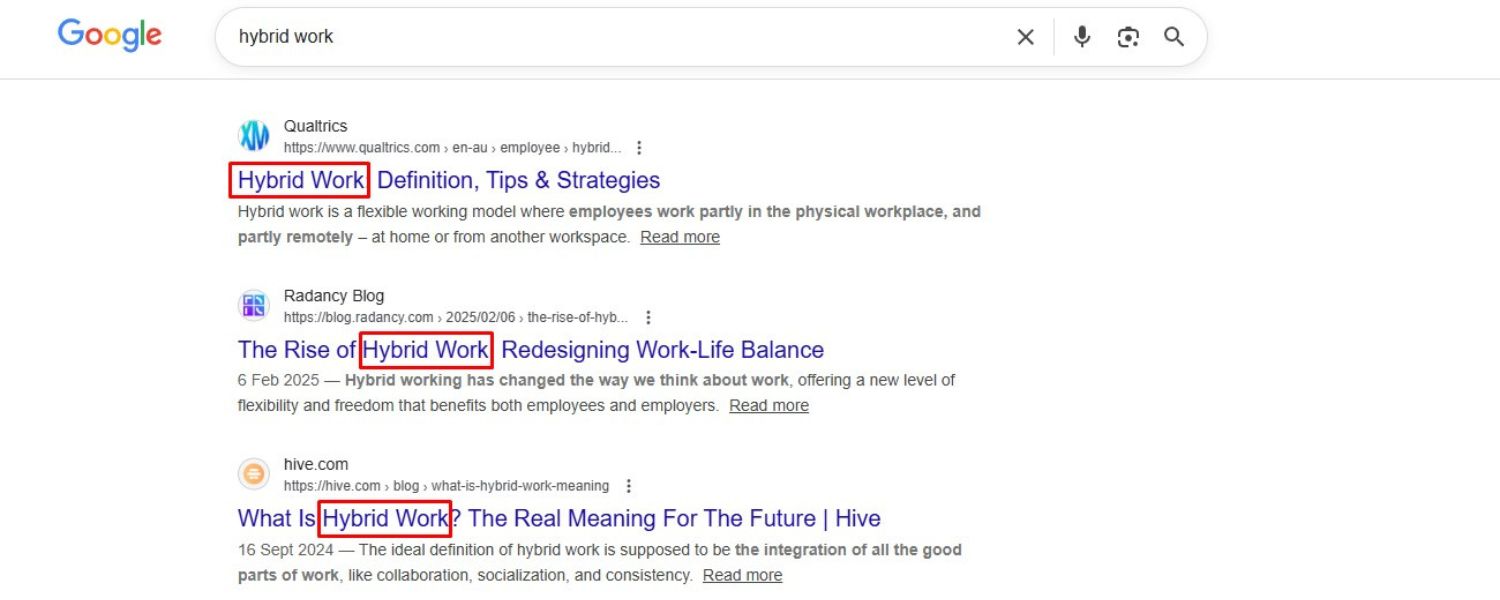
In the early days of search engines (late 1990s and early 2000s), keyword density was considered a crucial ranking factor. Webmasters quickly learned that repeating a keyword a certain number of times could help a page rank higher for that term.
This led to the rise of practices like keyword stuffing – cramming pages with the same keyword over and over to game the rankings. Back then, it wasn’t uncommon to see webpages awkwardly filled with repeated phrases, because search algorithms were much simpler.
Today, the story is very different. Modern search engines have become far more sophisticated in understanding content relevance. Google’s algorithms now prioritize natural language and user intent over raw keyword frequency.
In fact, Google explicitly warns against obsessing over keyword density. As Google’s Matt Cutts said years ago, “I would love it if people could stop obsessing about keyword density…
There’s not a hard and fast rule.” Likewise, Google’s John Mueller has advised, “Keyword density, in general, is something I wouldn’t focus on. Make sure your content is written in a natural way.”.
Google has even confirmed that it does not use any “optimal keyword density” in its ranking algorithms. In a 2023 Google SEO office-hours, John Mueller stated plainly: “No, Google does not have a notion of optimal keyword density… Our systems have gotten quite good at recognizing what a page is about, even if the keywords are not mentioned at all.
That said, it is definitely best to be explicit… Keyword density does not matter, but being explicit does matter.”. In other words, there’s no precise density that Google is looking for. The search engine can understand your page’s topic through context, synonyms, and overall content quality – even without a high repetition of the exact keyword.
So is keyword density irrelevant now? Not entirely. While there is no magic percentage that will boost your rankings, you still need to use your target keywords (and related terms) thoughtfully so that both Google and human readers can tell what your content is about.
Think of keyword density as a helpful concept or diagnostic tool rather than a goal. If an important keyword is only mentioned once on a long page, Google might not be confident that the page is truly about that topic.
On the flip side, if your keyword appears in every other sentence, it could signal spam. The key is finding a natural balance. Modern SEO is less about a strict keyword ratio and more about covering the topic comprehensively.
In fact, by 2022, search engines had shifted toward semantic SEO – understanding the meaning and context of your content without requiring exact keyword repetition. They recognize synonyms and related phrases, focusing on the intent behind a query.
This means you can (and should) use variations of your keyword and semantically related terms to enrich your content, rather than repeating the same phrase ad nauseam.
Bottom line: Keyword density matters insofar as you should use your target keywords enough to signal relevance, but chasing a specific density percentage is an outdated strategy. Focus on being clear and explicit about your topic in your content – include the keyword (and variants) where it makes sense – and the search algorithms will grasp what your page is about.
Is There an “Ideal” Keyword Density?
One of the most common SEO questions from beginners is: “What is the best keyword density for SEO?” You might have heard figures thrown around, like 1%, 2%, 5%, etc. The truth is, there is no universally “ideal” keyword density that guarantees higher rankings.
Google has never published an official optimal percentage, and as mentioned, Google’s own spokespeople have debunked the notion of a magic number.
That said, SEO experts and tools often provide guidelines to help content creators avoid extremes. A widely cited rule of thumb is to aim for roughly 1–2% keyword density for a primary keyword.
This means about 1 to 2 occurrences of the keyword per 100 words of text. In practical terms, a 1,000-word article would mention the main keyword around 10–20 times. This range is considered reasonable by many in the industry – it’s high enough to signal what the page is about, but not so high as to trigger spam red flags typically.
In fact, the popular Yoast SEO plugin (used in WordPress) suggests a focus keyphrase density between about 0.5% and 3% for a “green light” score. That means Yoast would flag your content if your keyword appears in less than roughly 0.5% of the copy (too low) or more than 3% (potentially too high).
Why such a broad range? Because the ideal density can vary depending on context. For example, if you’re writing a short piece (say, a 300-word product description), a higher percentage might naturally occur even with just a few mentions.
In contrast, a very long, in-depth article might have a lower percentage even if you mention the keyword many times, simply because the total word count is large. Some topics also inherently require repeating certain terms more often, while others can be discussed with a richer vocabulary of synonyms.
It’s important to note that these numbers are guidelines, not hard rules. Content may perform well with slightly more or less than the “recommended” range. In fact, HubSpot’s research noted that content can often do fine even around 0.5% density in many cases.
The key is that the usage feels organic. If you find your primary keyword is much below 1% and you never really mention the core topic, that’s a sign you might be off-topic or not explicit enough. If it’s pushing above 3% or so, double-check that you’re not forcing the term unnaturally.
Remember: It’s not necessary to hit an exact percentage. As one SEO expert aptly put it, “There’s no such thing as an optimal keyword density, and we don’t recommend aiming for one. It isn’t going to help you rank.
In fact, it’s more likely to have the opposite effect.” In other words, obsessing over a number can lead you to keyword-stuff your content or make it less readable, which hurts more than it helps.
Use the target density range as a loose compass, not a strict target. When in doubt, err on the side of natural writing – if your content reads well and thoroughly covers the topic, you’re likely in a safe zone.
The Dangers of Keyword Stuffing

If there’s one thing to absolutely avoid, it’s keyword stuffing. Keyword stuffing refers to overusing a keyword (or set of keywords) to the point that it feels forced, unnatural, or spammy to the reader.
This might involve adding the keyword in every sentence, in lists with little context, or hiding keywords in the page (for instance, white text on a white background – an old spam tactic). In the “wild west” days of SEO, some websites got away with this to trick search engines, but those days are long gone.
Search engines now actively penalize overt keyword stuffing. Google’s quality guidelines explicitly state: “Filling pages with keywords or numbers results in a negative user experience, and can harm your site’s ranking.”.
Major algorithm updates have reinforced this. For example, Google’s Panda update (2011) targeted sites with unnaturally high keyword density and thin content. Later, the Hummingbird (2013) and RankBrain (2015) updates enabled Google to better understand natural language and user intent, further reducing the benefit of keyword stuffing.
In short, keyword stuffing is considered a black-hat SEO tactic and will do far more harm than good. At best, search engines will simply ignore the extra instances of the keyword; at worst, your page could be demoted in rankings or even removed from search results for extreme cases of spam.
Beyond the search engine consequences, think about the human impact. A page filled with repetitive keywords is frustrating to read. Visitors may bounce immediately if the content feels like gibberish or an obvious SEO ploy. Since user engagement metrics (like time on page or bounce rate) can indirectly affect SEO, stuffing keywords can hurt your performance in that way too.
How to avoid keyword stuffing
Stick to natural language. Make sure every time you use the keyword, it fits logically in the sentence and provides value to the reader. Vary your language – use pronouns, synonyms, and related terms so the text flows.
For instance, if your keyword is “digital marketing agency,” you can alternate with pronouns (“our agency,” “we,” etc.) or related terms like “digital marketing firm” or “marketing team” where appropriate.
Not only does this avoid redundancy, it also signals to search engines a richer context (covering related phrases). Many SEO plugins will warn you if your keyword appears too frequently.
If you get a warning for high density, review your content and see if you can trim or rephrase some instances. Always prioritize readability and clarity over density. One pro tip is to read your content aloud – if it sounds awkward or you find yourself tripping over repeated words, that’s a sign of potential over-optimization.
Best Practices for Keyword Usage in Content
Rather than chasing an arbitrary keyword density, focus on an overall strategy of smart keyword usage and quality content. Here are some best practices refined from decades of SEO experience:
1. Write for humans first, search engines second

Your content should always be user-friendly and valuable. If you concentrate on answering the reader’s questions and covering the topic in depth, you will naturally include relevant keywords. Google’s algorithms favor content that satisfies user intent, not content that just repeats keywords.
2. Include the keyword (and variants) in critical locations
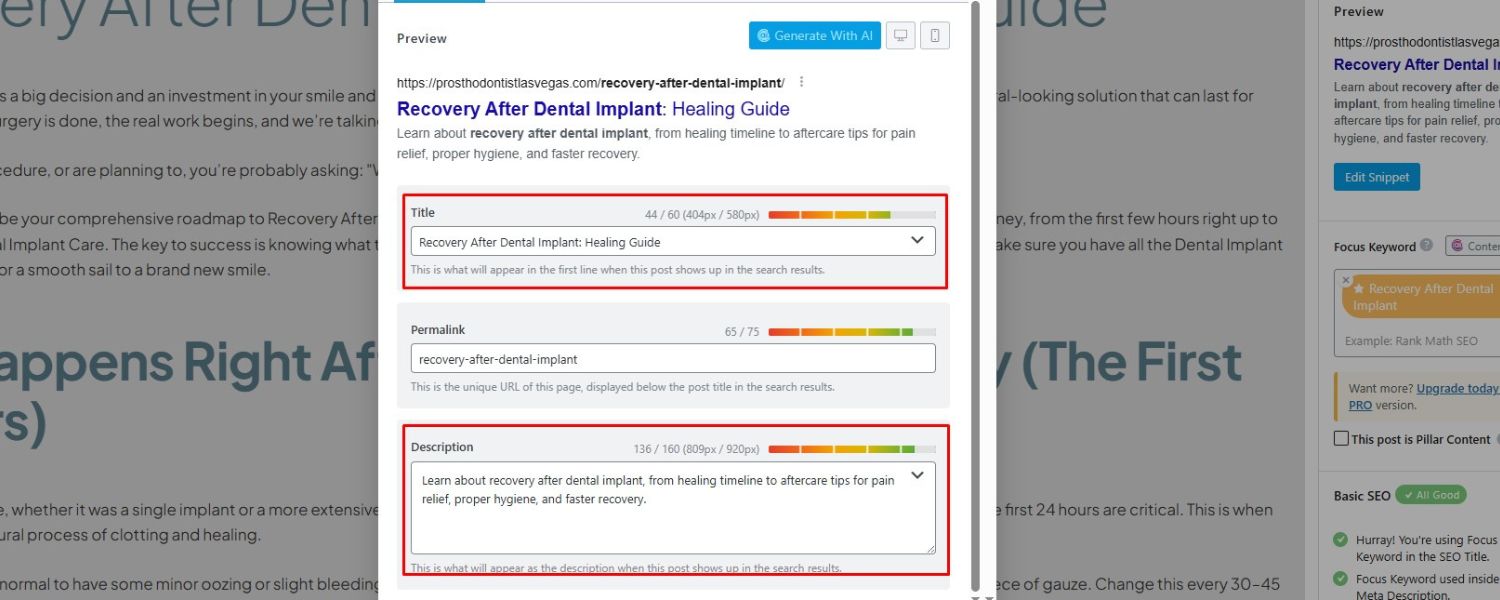
Make sure your focus keyword appears in key on-page elements that search engines pay attention to. This includes the title tag, meta description, H1 heading, and within the first paragraph of your content.
Also try to use it in at least one or two subheadings (H2/H3) if it makes sense, and in the URL slug if possible. Using the keyword in these prominent spots reinforces what your page is about.
For example, if your article is about “email marketing tips,” having that phrase (or a close variant) in the title, URL, and an H1/H2 will send strong relevance signals. Beyond that, mention the keyword in the body naturally a few times, especially near the top and bottom of the article (opening/closing). This ensures both users and crawlers immediately see the topic focus.
3. Use synonyms and related terms
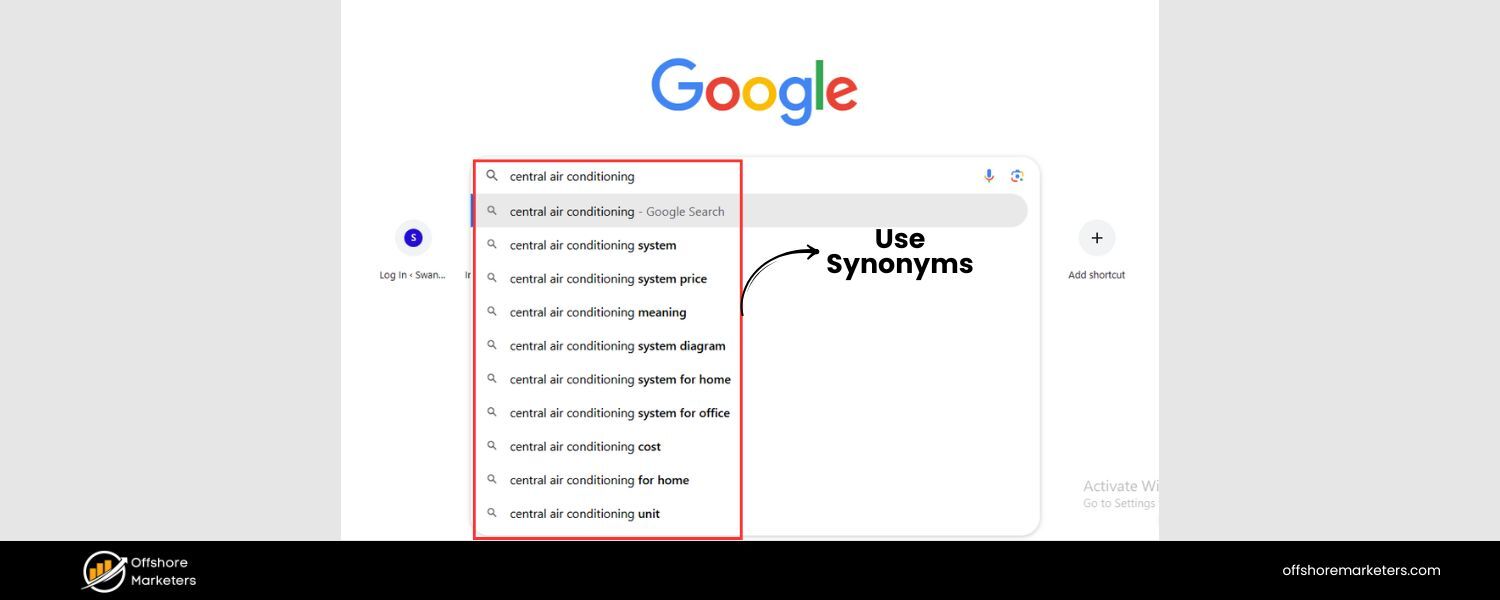
Don’t just repeat the exact same keyword—Google understands variations. Incorporating LSI keywords (latent semantic indexing terms) and semantically related phrases enriches your content and helps you cover the topic comprehensively.
For instance, if your primary keyword is “social media marketing,” you might also mention related terms like “Facebook advertising,” “Twitter strategy,” “social media engagement,” etc.
This approach boosts your topical relevance without needing to hammer the same phrase over and over. It also reads better for users. Modern SEO is about topic coverage: covering all subtopics and angles that readers expect on the subject.
A good trick is to research your keyword in Google and see “related searches” or common subheadings in top-ranking pages – these can hint at other terms to include.
4. Maintain a reasonable keyword density
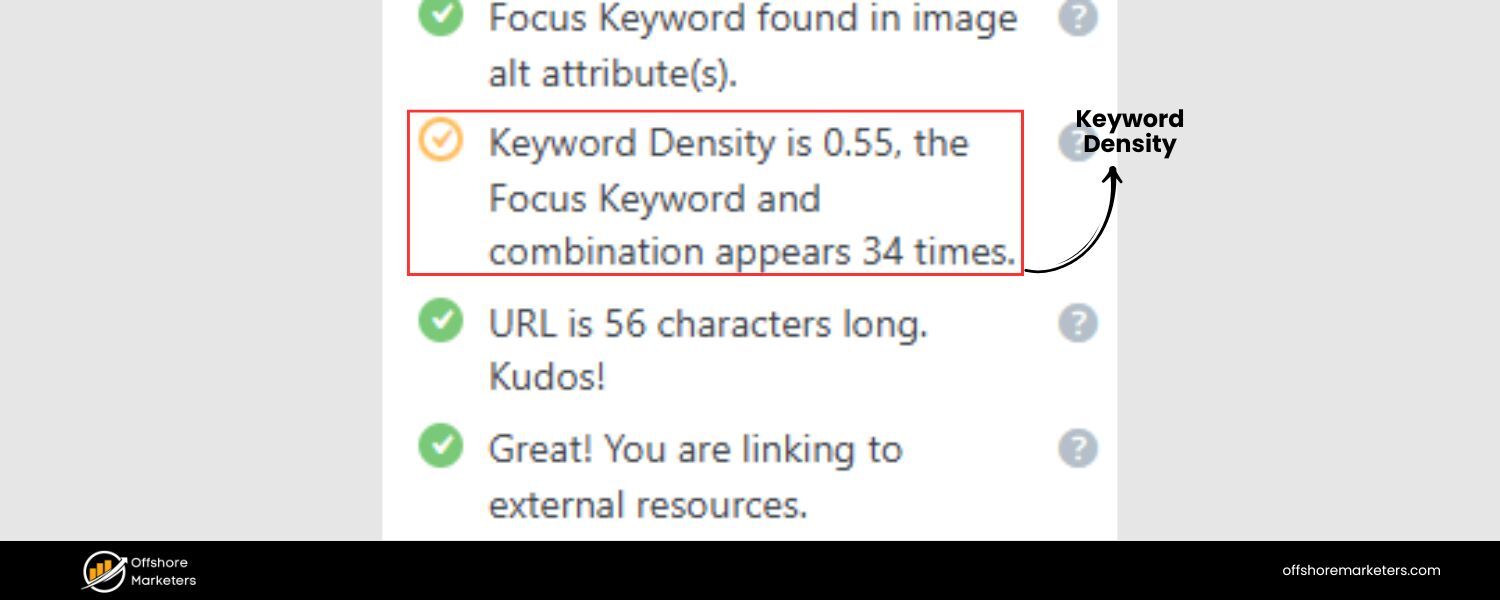
While you shouldn’t fixate on a number, it’s wise to keep your primary keyword density in a reasonable range (roughly 1–2% as a guideline). After writing, do a quick check.
If it’s extremely low (say 0.1%), you might not be emphasising your topic enough – consider naturally adding the term a couple more times where relevant. If it’s extremely high (like 5%+), trim it down by removing unnecessary repetitions.
Often, just swapping out a few instances for pronouns or rephrasing sentences can bring an excessive density back to normal. Remember that quality trumps quantity: one well-placed, contextually relevant keyword usage is more valuable than ten awkward insertions.
5. Keep content natural and readable
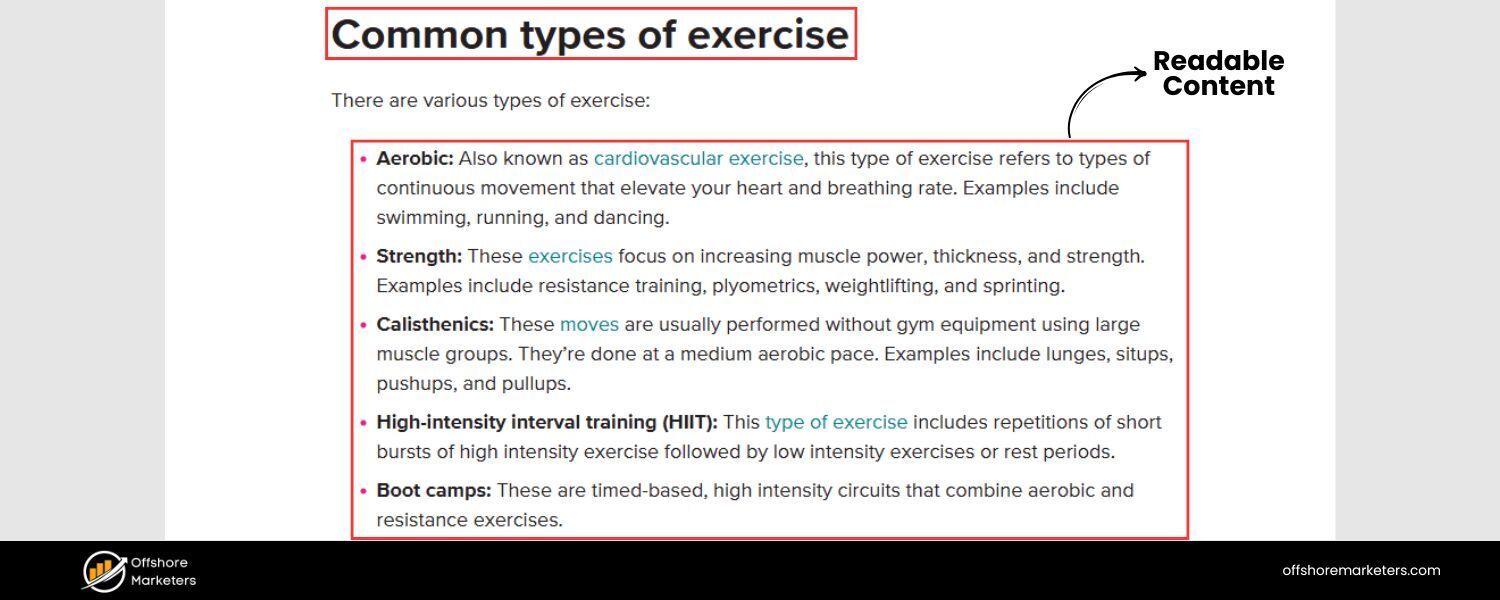
This is worth reiterating. If you focus on clear, fluent writing, you’ll avoid most density problems by default. Search engines are smart enough to tell when text is written for bots versus humans.
Clarity and coherence not only please your readers but also help Google understand your content’s true meaning. A page that reads like a word salad of keywords is a red flag; a page that reads like a helpful article will earn trust from both readers and search algorithms.
6. Leverage SEO tools or plugins for feedback
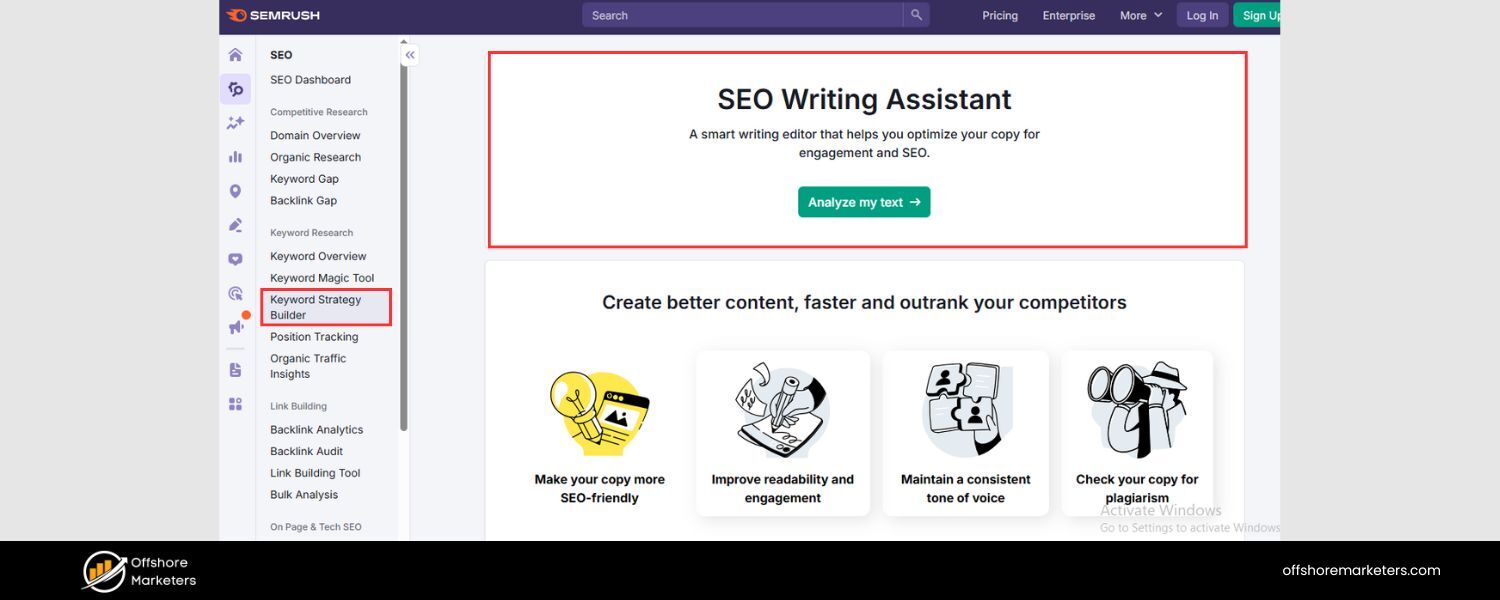
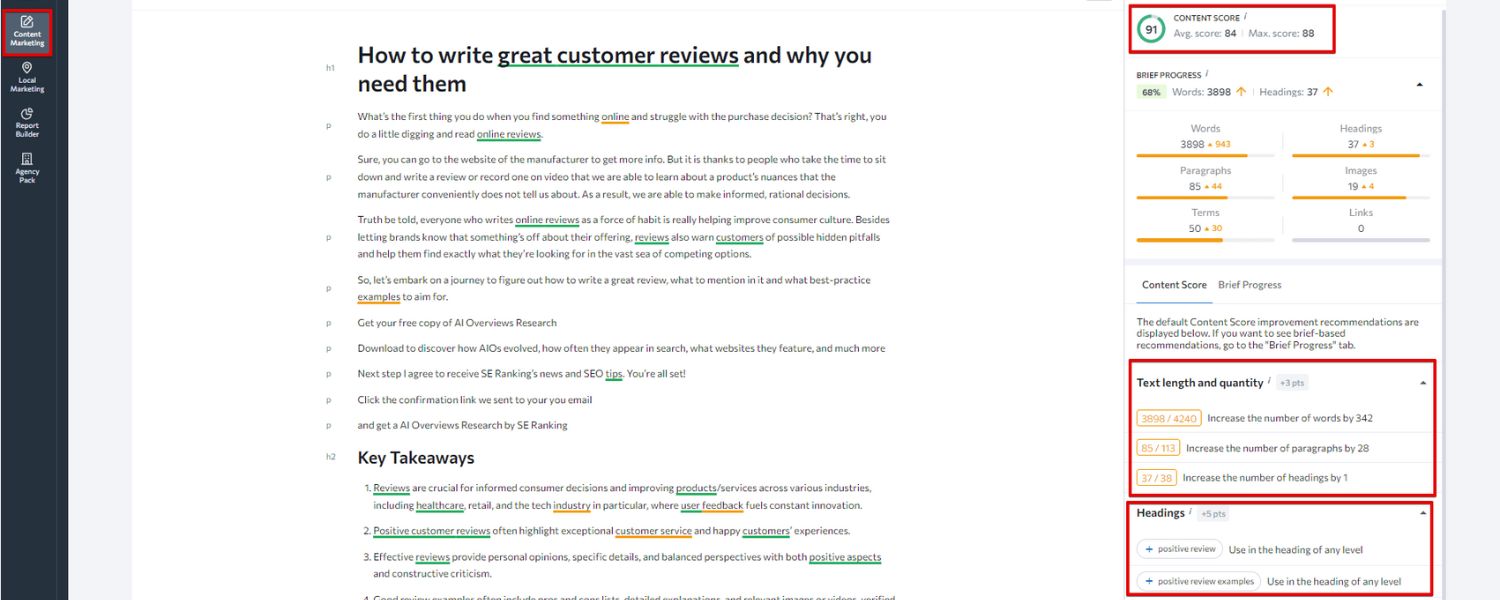
It can be useful to use SEO tools (like Yoast SEO, SEMrush’s writing assistant, or others) that analyze your content. These tools will often calculate your keyword density automatically and flag if it’s too low or high.
For example, Yoast SEO will show a red or orange indicator if your keyphrase density is outside its recommended 0.5–3% range. Treat these as guidelines, not dictates. They’re helpful for catching extremes you might overlook.
If a tool says “keyword not used enough,” double-check if maybe you used a lot of synonyms (which the tool might not fully credit) or if you truly forgot to explicitly use the term.
If it says “used too often,” consider editing for redundancy. These tools can also remind you to put keywords in places like alt text of images or meta tags, which is handy.
7. Focus on user intent and content quality

Ultimately, keyword usage should support the intent of the searcher. Think about what someone searching your keyword is hoping to find, and make sure your content delivers on that promise.
Cover the questions they have, provide unique insights or up-to-date information, and structure the content clearly. When you satisfy the user, the keywords usually fall into place naturally throughout that explanation.
Google’s algorithms (especially with machine learning and AI components now) reward content that is helpful and relevant, not content that just matches a keyword pattern.
By following these best practices, you ensure that your content is optimized in a holistic way. You’re not just ticking a box for keyword frequency; you’re crafting a page that is rich in information and clearly targeted, without veering into spammy territory. This balanced approach is what modern SEO is all about – providing value while signaling relevance.
Tools for Checking Keyword Density (If You Need Them)
You don’t need advanced math to figure out your keyword density – a simple word count and division can do the job. However, when dealing with very large pages or multiple keywords, it’s convenient to use tools that automate the analysis. Here are a few types of tools that can help:
1. Online Keyword Density Checkers
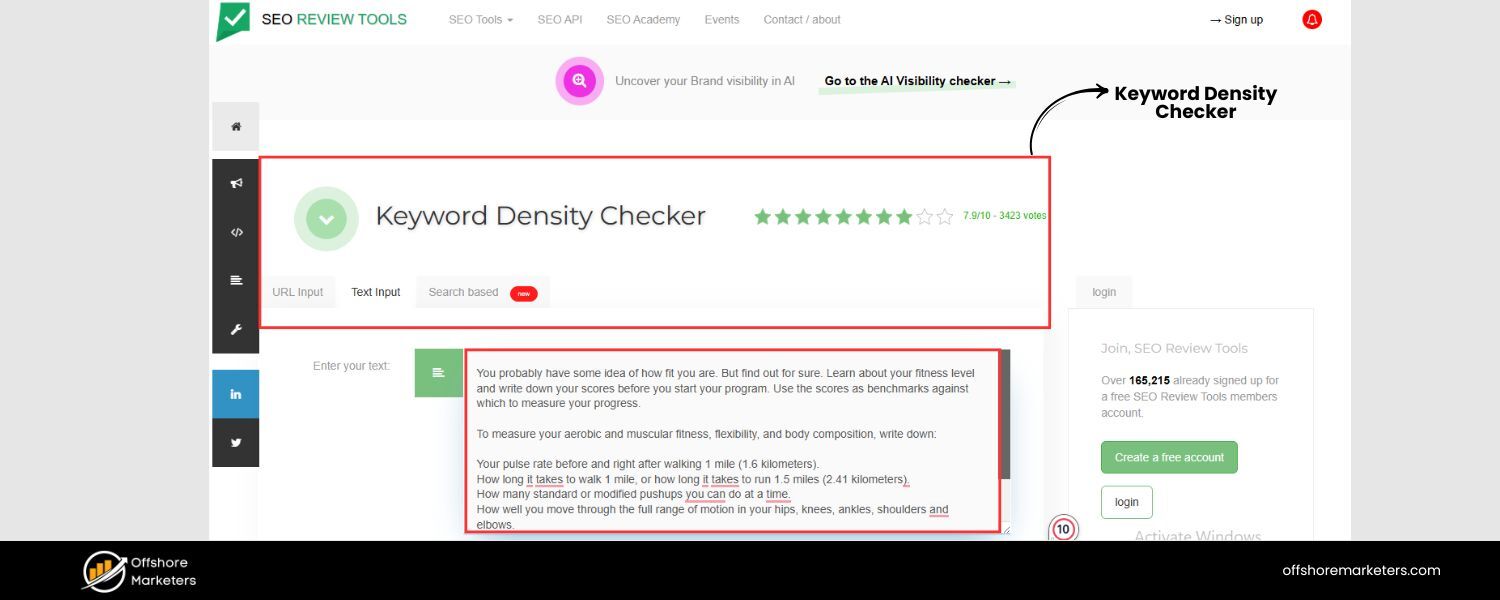
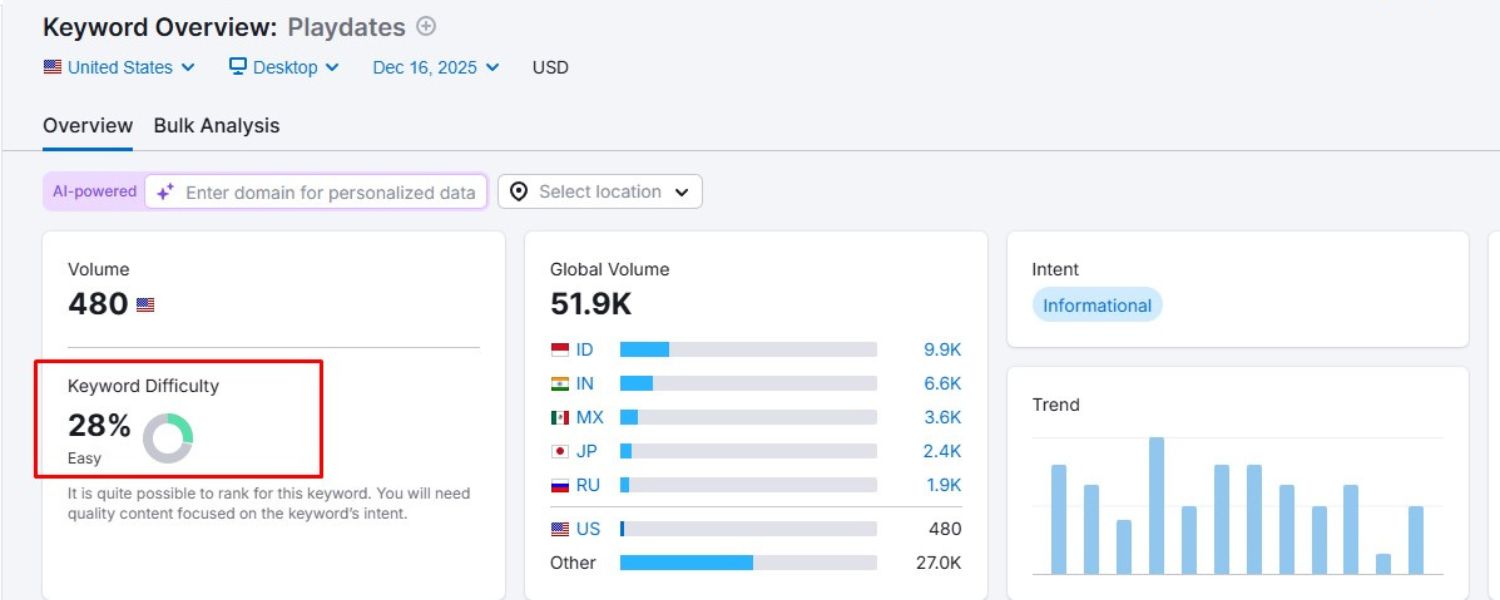
There are free tools where you can paste your text or URL and get a breakdown of keyword frequency and density. For example, SEO Review Tools’ Keyword Density Checker provides a quick analysis of one-word, two-word, and three-word phrases on a page, and highlights if any word is appearing unusually often.
Such tools list each keyword and its density, which can be a handy way to spot if you inadvertently overused a term. Another free option is the SEOBook Keyword Density Analyzer, which even lets you compare densities on your page with those of top-ranking pages for the same keyword (useful for competitive analysis).
2. SEO Plugins and Content Analyzers
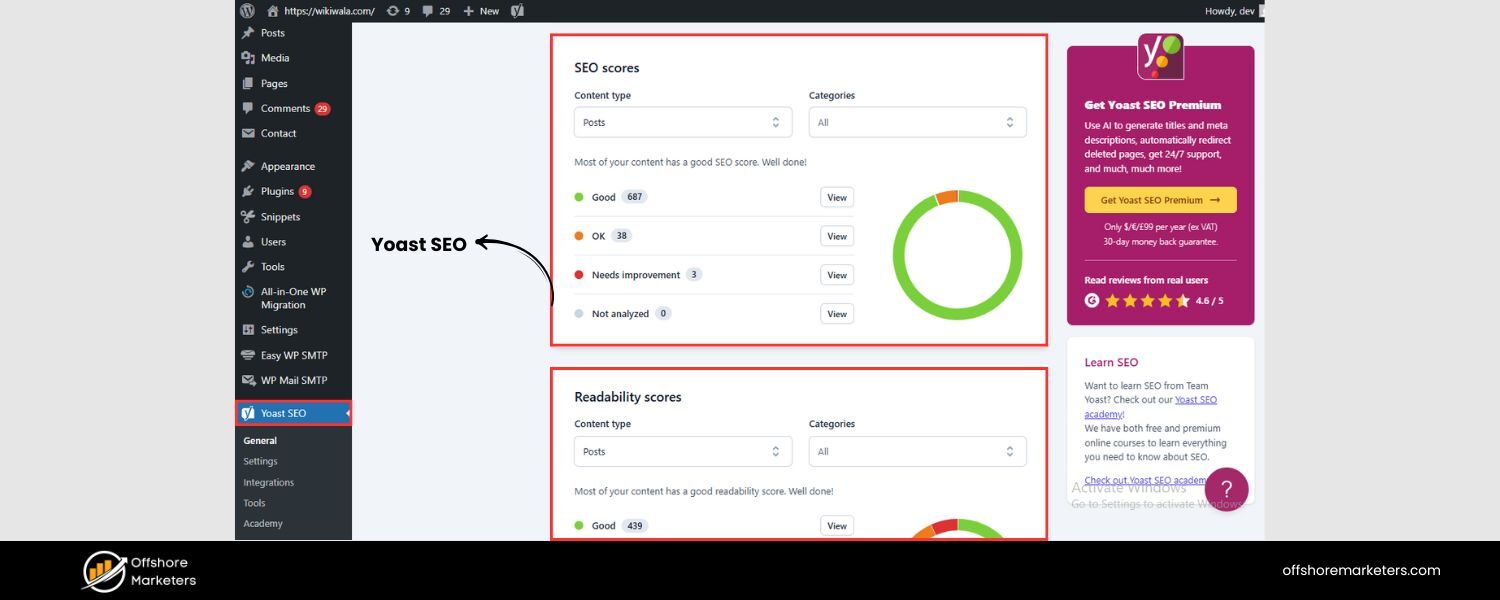
If you’re using a CMS like WordPress, plugins like Yoast SEO or Rank Math automatically calculate keyword density for your focus keyword as you write. Yoast, for instance, will show how many times your focus keyphrase appears and whether that’s “enough” or “too much” based on your text length.
This real-time feedback can guide you during content creation. Similarly, content optimization tools (like those in Semrush or Ahrefs suites) can analyze your text and suggest if you need to use the target term more or less, and even recommend related keywords to include.
3. Text Editors with Word Count Features

Even a simple approach like using the Find function in your document can work in a pinch. For example, write your article in Google Docs or MS Word, then use the search feature to count occurrences of your keyword. Divide by the word count (which these programs provide) and multiply by 100 to get a percentage. This manual method is essentially what tools do behind the scenes.
While these tools are useful, keep in mind they are just aids. Use them to gather data and catch issues, but apply human judgment on how to adjust your writing. A tool might flag a density of 0.4% as “too low,” but if all the important points are covered and synonyms are used, your content might still be perfectly optimized for readers and search engines. Conversely, a tool might not catch when usage is contextually awkward. So, use tools to inform your decisions, not make them outright.
Finally, remember that keyword density is just one small aspect of on-page SEO. Tools that offer broader content analysis (like checking readability, tone, subtopic coverage, etc.) can provide a fuller picture.
For example, some SEO content tools will evaluate if you’ve covered common questions people ask about the topic, or if your headings align with the keyword intent. These factors contribute more to SEO success than hitting an exact density number.
Use keyword density tools as part of a larger toolkit to refine your content, but always circle back to the question: “Is my content genuinely useful and relevant to the target audience?”
Conclusion & Key Takeaways
Keyword density is a classic SEO concept that every content creator encounters. While the definition – the percentage of keyword occurrences in your text – is straightforward, its role in SEO has changed over time.
There is no single “perfect” keyword density that will magically boost your rankings. As we’ve learned, stuffing your content with keywords is counterproductive, and modern search algorithms prioritize quality and context over raw frequency.
The smart approach is to use your keywords strategically but naturally. Make sure your target terms appear in all the right places (titles, headings, etc.) and enough times to signal relevance, but always keep your writing reader-friendly.
Aim for a reasonable density (~1–2% as a loose guideline), and avoid going overboard. Utilize synonyms and related phrases to enrich your content, and focus on fully answering the user’s intent.
In summary, keyword density is one tool in the SEO toolbox – it helps you gauge your keyword usage balance. But it’s not a goal in itself. By writing high-quality, comprehensive content and following the best practices above, you’ll naturally achieve a good keyword balance. This ensures your content is optimized for search engines without sacrificing the user experience.
Remember: SEO success comes from a mix of relevance, usefulness, and clarity. Use keyword density as a metric to check your work, but let user value be your north star. With this balanced approach, you can improve your search rankings and attract more organic traffic, all while maintaining content that truly resonates with readers. Happy optimizing!
Frequently Asked Questions (FAQs)
Q1: What is a good keyword density percentage for SEO?
There is no exact “best” percentage, but a commonly cited guideline is around 1–2% for your main keyword. This means the keyword appears roughly one to two times per 100 words of content.
In practice, many SEO experts consider that range safe – it’s enough to indicate your topic without over-optimizing. Some tools or plugins recommend anywhere from about 0.5% up to 3% as acceptable.
Ultimately, good keyword density is one that feels natural in context. It’s okay if your density is slightly below or above the 1–2% range as long as the content reads well and covers the topic.
What you want to avoid is extremely low density (where your keyword is barely mentioned at all) or extremely high density (where it’s obviously repetitive). Use the 1–2% rule as a flexible benchmark, not a strict law.
Q2: Does Google use keyword density as a ranking factor?
No – at least not in a direct, “optimal density” way. Google’s search algorithms do not have any notion of an ideal keyword density that will boost your rankings. In fact, Google representatives have been saying for years that webmasters should stop fixating on keyword density.
Google is very advanced at understanding what a page is about through context, synonyms, and machine learning, even if the exact keyword isn’t repeated excessively. That said, you do need to mention your key terms enough for Google to understand your content.
If you never use the keyword (or use it only once in a long article), Google might not be confident about the page’s relevance. So, include your keywords naturally, but don’t worry about hitting a specific frequency.
There’s no ranking boost for hitting, say, 2% density, and conversely, a higher density won’t automatically improve your ranking – it might hurt if it leads to keyword stuffing. Focus on covering the topic and using words that match the user’s search intent.
Google’s John Mueller summed it up: “Keyword density does not matter, but being explicit does matter” – meaning, clearly mention what needs to be mentioned, then move on to providing value.
Q3: How can I check my keyword density (and should I)?
You can check keyword density easily using either a manual formula or an SEO tool:
A. Manually: Count how many times your keyword appears in your text and divide by the total word count, then multiply by 100 to get a percentage. For instance, 10 occurrences in 500 words = (10/500)*100 = 2% density.
B. Tools: There are free online keyword density checker tools – you can paste your content or URL, and they’ll report the density of top keywords. SEO plugins like Yoast will also show the focus keyphrase density automatically.
Checking density can be helpful as a sanity check, especially to ensure you haven’t unknowingly stuffed a keyword or, conversely, forgotten to include it enough. However, don’t over-rely on this metric.
Use it as a guide. If you find your density is very high, it’s a cue to revise for redundancy. If it’s extremely low, maybe you need to integrate the keyword (or its synonyms) more prominently.
But always pair this check with a common-sense review of your content’s quality. The goal is balanced optimization. If your content is well-written and on-topic, you likely already have a good density. Use density checks to catch any outliers, then focus on refining the content rather than chasing a precise number.
Q4: What happens if my keyword density is too high?
If your keyword density is too high, it usually means you’re at risk of keyword stuffing, which can have negative consequences. From a search engine perspective, overly high density might trigger spam filters or algorithmic downgrades – Google may interpret the page as trying to manipulate rankings by repeating keywords, and this can hurt your rankings or get the page penalised.
From a user perspective, very high density makes the content read poorly; users might get annoyed by the constant repetition and lose trust in the quality of the page. Practically, if you discover your density is, say, 5% or more, you should revise the text.
Try replacing some exact keywords with pronouns (“it, they”) or using alternative phrasing. Often, you’ll find that you were repeating the keyword in places where it wasn’t necessary.
Reducing that repetition will improve readability and likely make the page more SEO-friendly in the long run. Remember, Google values quality and relevance over sheer frequency of a term.
A natural writing style that addresses the topic will always outperform a mechanically keyword-stuffed page. So, keep an eye on density, but treat excessive density as a warning sign to edit for clarity, not as a tactic to ever pursue.

Why Roseville Startups are Choosing Offshore Marketers to Scale Smarter
Roseville is no longer just a quiet suburb of Sacramento;...

What Is PPC? A Practical Guide to Pay‑Per‑Click Advertising
Pay‑per‑click (PPC) is the “pay only when someone clicks” branch...

Google Search Issues Affecting Results in Some Regions
Google has confirmed a problem with one of its data...

Keyword Counts Dropped After Google’s num=100 Change
In September 2025, Google stopped supporting the &num=100 parameter. This...

Image SEO: Optimize Images for Higher Rankings & Traffic
Introduction Images make your website more engaging, but they can...


.png)
.png)
.png)
.png)
.png)

2024 ALL RIGHTS RESERVED MADE IN INDIA
.png)