
PageRank: Google’s Revolutionary Algorithm Explained
September 9, 2025
Introduction
PageRank is the famous algorithm that put Google on the map, transforming how search engines rank websites. Developed in the late 1990s by Google’s founders, Larry Page and Sergey Brin, PageRank interprets links between webpages as “votes” of confidence.
The basic idea is simple: pages that are linked to by many other important pages are seen as more valuable and should rank higher in search results. This concept revolutionised search by using the web’s link structure to measure authority.
In this comprehensive guide, we’ll break down what PageRank is, how it works, its history and evolution, and why it still matters for SEO today.
What Is PageRank?
PageRank is an algorithm for ranking web pages based on the quantity and quality of links pointing to them. It was created at Stanford University in 1996–1998 by Sergey Brin and Larry Page – in fact, it’s named after Larry Page (with a wink that “Page” also means webpage)=.
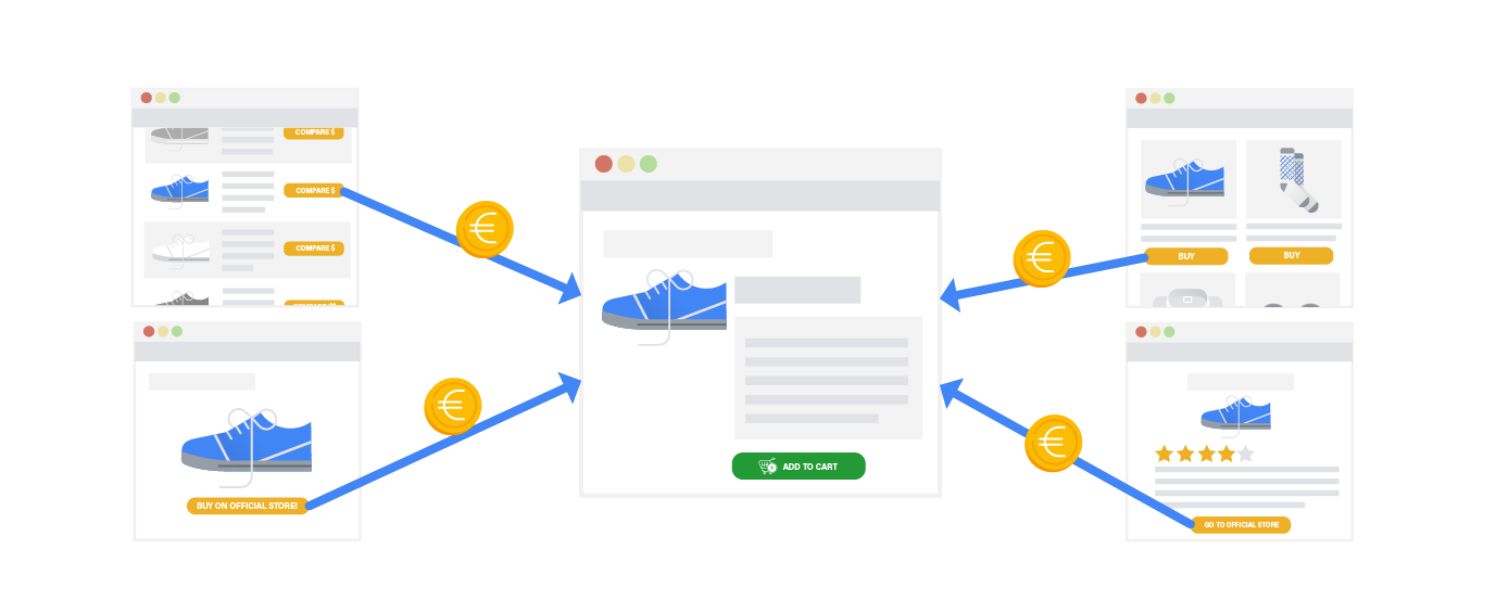
The core principle is that a link from one page to another is a vote of trust or importance. However, PageRank doesn’t just count votes, it also weighs them. A “vote” from a highly authoritative page (one that itself has many strong incoming links) is worth more than a vote from an obscure page=.
In essence, PageRank measures a webpage’s importance by looking at how other important pages reference it. This approach was novel in the 1990s and produced far more relevant search results compared to earlier engines that ranked pages solely by keyword frequency on the page=. Google’s reliance on PageRank as a key ranking signal helped it deliver higher-quality results and quickly dominate the search market.
How Does PageRank Work?
PageRank can be understood through the “random surfer” model=. Imagine a web surfer who randomly clicks from page to page indefinitely. Every time this random surfer lands on a page, that page’s score increases= Pages that the surfer visits more often in the long run receive higher PageRank scores.
Intuitively, pages with more inbound links (and from high-quality sources) will attract more random visits and accumulate more “votes”=. Not all votes are equal, a link from a well-linked, authoritative page carries more weight than a link from a small site=.
Also, if a page links to many others, its voting power is split among them, which means a page passes on only a fraction of its PageRank to each page it links to.
1. The PageRank Formula and Damping Factor

Mathematically, the simplest form of the PageRank formula is:
PR(u) = (1 – d) + d * [PR(v1)/L(v1) + PR(v2)/L(v2) + … + PR(vn)/L(vn)]
Here, PR(u) is the PageRank of page u, and v1…vn are all the pages linking to u (its backlinks). L(v) is the number of outbound links on page v. The term (1 – d) is a constant “baseline” portion of rank each page gets, and d is the damping factor.
Google’s founders set d ≈ 0.85 in their initial paper. The damping factor means that on each step the random surfer has an 85% chance to follow a link and a 15% chance to jump to a random page instead.
This models the realistic behavior that a user might eventually stop clicking links. It also ensures the calculation doesn’t get “stuck” in infinite link loops=. The (1 – d) portion (15% if d=0.85) is effectively distributed evenly to all pages, preventing pages from having zero rank and allowing some rank to “leak” into disconnected pages or those with no inbound links.
In practice, PageRank values are computed iteratively. All pages start with an initial equal rank, and then the calculation runs through many iterations, each time updating every page’s score based on the incoming links from the previous round.
With each iteration, the values propagate through the link graph and eventually settle (converge) to stable scores. At convergence, the ranks no longer change significantly – at that point PageRank has been computed for the whole web graph.
In early Google, these raw scores were then scaled into a more user-friendly integer scale (originally 0 to 10) for the Google Toolbar display=.
Example:
To illustrate, if Page X has a PageRank of 5 and links out to 10 pages, in the next iteration each of those 10 target pages would receive 0.5 worth of PageRank from X (before damping)=.
If one of those target pages (say Page Y) is the only page that several high-ranked pages link to, Y will accumulate a high score. But if those linking pages each have dozens of outbound links, the share Y gets from each is smaller.
The damping factor then applies (multiplying by 0.85, and adding 0.15 split across all pages), and the process repeats. Over many iterations, the pages with more and better-quality links pointing at them will emerge with higher PageRank scores=.
2. Handling Dead-Ends and Loops
Two issues the algorithm must handle the dead-end pages and loops. A dead-end page (one with no outbound links) would cause the random surfer to stop, so in the math, such a page effectively distributes its PageRank evenly to all other pages in the next iteration (via the random jump)=.
In other words, its rank gets recycled back into the system so it doesn’t trap the calculation. Loops (groups of pages that only link to each other and not outwards) can trap rank among themselves; the random jump factor solves this by allowing the surfer to periodically teleport out of the loop to a random page.
Thanks to the damping factor, PageRank always converges to a finite value for each page. No matter where the calculation starts, eventually the scores stabilize.
Why PageRank Was a Game-Changer
When Google deployed PageRank in its search engine, it dramatically improved result quality. Instead of ranking pages only by on-page factors or basic link counts, Google could evaluate the credibility of those links.
As Brin and Page noted, “the citation (link) graph of the web is an important resource that had largely gone unused in search engines” before PageRank. By treating a hyperlink as an endorsement and weighting it by the endorser’s own importance, Google’s rankings became much harder to manipulate and more likely to surface authoritative content.
For example, in early tests, their PageRank-powered prototype ranked the Stanford University homepage as the top result for the query “University,” whereas a leading competitor at the time returned a much less relevant result. This was clear evidence that PageRank was capturing a form of collective human judgment about page quality.
1. Public PageRank (Toolbar PR)

Google once made PageRank visible via the Google Toolbar, showing a 0–10 score for any page. This public PageRank was on a logarithmic scale (each step up was exponentially harder to attain).
In the 2000s, webmasters and SEO professionals obsessed over these Toolbar PageRank scores, seeking links from high-PR pages to boost their own rankings. Unfortunately, that led to widespread link spam and manipulation: buying/selling links, link exchange schemes, automated link farms, and so on.
Google responded with measures to protect the integrity of PageRank, as discussed below. Ultimately, Google stopped updating the public Toolbar PageRank after 2013 and fully retired it by 2016, precisely because people became too fixated on it.
PageRank itself remained in use behind the scenes, but the public metric was gone to discourage gaming the system.
2. Fighting Link Spam and Algorithm Updates
As PageRank’s influence on rankings became well-known, unscrupulous practices grew. Google took several steps to counter link spam and preserve PageRank’s usefulness:
A. Nofollow Attribute (2005)
Google and other search engines introduced the rel=”nofollow” tag, which webmasters could add to a link to tell search engines “don’t count this link as a vote.” It was created to combat spam in blog comments and other user-generated links.
Nofollow links were initially excluded from PageRank calculations – they didn’t pass any PageRank to the target pages. This helped deter spammers from, say, flooding blog comment sections with links.
(Years later, Google adjusted this policy: since 2019 nofollow is treated as a “hint,” meaning Google may choose to count it in some cases, but generally nofollow links are given little to no weight.)
B. “Reasonable Surfer” Model
Google realized that some types of links are more likely to be clicked than others (for example, a prominent content link vs. a footer credit link). A 2004 Google patent introduced the idea of weighting links differently based on user click probability – the so-called reasonable surfer model.
In practice, this means links in meaningful locations (main content, editorial links) carry more PageRank weight than links that users rarely click (e.g. hidden in footers or ads).
This was an evolution from the original “random surfer” assumption of equal link likelihood. It further refined the quality of PageRank by valuing prominent, likely-to-be-clicked links higher.
C. Link Spam Algorithms (Penguin) & Penalties
Google launched the Penguin algorithm in 2012 specifically to catch and downgrade sites engaging in manipulative link practices. Initially, if your site had a lot of spammy backlinks, Penguin could sharply lower your rankings (a penalty effect).
In 2016, Google updated Penguin 4.0 to instead ignore or “devalue” bad links rather than penalizing the entire site. This was a big change – it meant that most sites no longer need to disavow bad links, because Google simply doesn’t count those links’ PageRank.
Overall, Google’s algorithms (and human webspam team) work to detect link schemes and ensure they don’t boost a site’s ranking. Today, quality of links far outweighs sheer quantity. If a link is deemed manipulative or coming from an untrusted site, Google will likely discount its PageRank contribution.
D. “Seed Site” Trust and PageRank Evolution
As mentioned, not all links are equal. Around 2006, Google filed a patent about using trusted seed sites to influence ranking. The idea is that certain high-quality, authoritative sites (like .gov or .edu domains, major news sites, etc.) form a “trust network.”
Pages closer (in link distance) to these trusted seeds get a boost, whereas pages isolated from them (or only linked by other low-trust sites) might have their PageRank dampened.
This concept, often called TrustRank in the SEO community, isn’t explicitly called “PageRank” but can be seen as an evolution of it – incorporating a notion of domain trustworthiness into link analysis.
A former Google employee suggested that the original pure link-based PageRank hasn’t been used on its own since 2006, as Google moved to more complex link algorithms.
Even so, the fundamental principle – that links confer authority – remains central. In fact, Google’s own documentation on fighting disinformation (2020) explicitly calls out PageRank as “the best known” signal used to understand authoritativeness via links.
3. PageRank in the Modern Google Algorithm

Google’s algorithm today uses hundreds of ranking factors, but PageRank is still a foundational element. It may not single-handedly dictate rankings like in Google’s early days, but having a strong link profile (high “PageRank” in the broad sense) is still crucial to SEO success.
Google representatives have confirmed that PageRank is still used internally. For example, in 2017 Google’s Gary Illyes quipped: “Did You Know that after 18 years we’re still using PageRank (and 100s of other signals) in ranking?”.
And in 2024, a leak of internal Google Search documents revealed references to multiple PageRank variants (names like “RawPageRank,” “PageRank2,” and others), indicating Google continues to calculate PageRank behind the scenes in various forms.
Notably, even Google’s competitor in Russia, Yandex, had its source code leaked in early 2023, and it too contained a direct PageRank factor in its search ranking formula. This underscores that link-based ranking signals remain a core part of search engine algorithms generally.
However, Google has woven PageRank into a larger tapestry of signals. For instance, Google’s concept of E-E-A-T (Experience, Expertise, Authoritativeness, Trustworthiness) for content quality includes links as a key indicator of authoritativeness.
High PageRank (lots of authoritative links) often correlates with a site being seen as an authority in its topic area. PageRank also has practical effects: pages with more link authority tend to be crawled more frequently, because Google’s crawlers prioritize them (so updates on those pages get noticed faster.
Likewise, if Google finds multiple copies of the same content (duplicate pages), it may choose the version with the higher PageRank as the canonical one to index. In short, PageRank is baked into how Google discovers, indexes, and ranks content, even if it’s one piece of a much bigger puzzle today.
PageRank and SEO Today- Why It Still Matters
Even without a public score, PageRank’s legacy lives on in SEO best practices. Anyone trying to improve their Google rankings ignores link authority at their peril. Here are the key reasons PageRank still matters and how you can leverage it:
1. Links = Authority
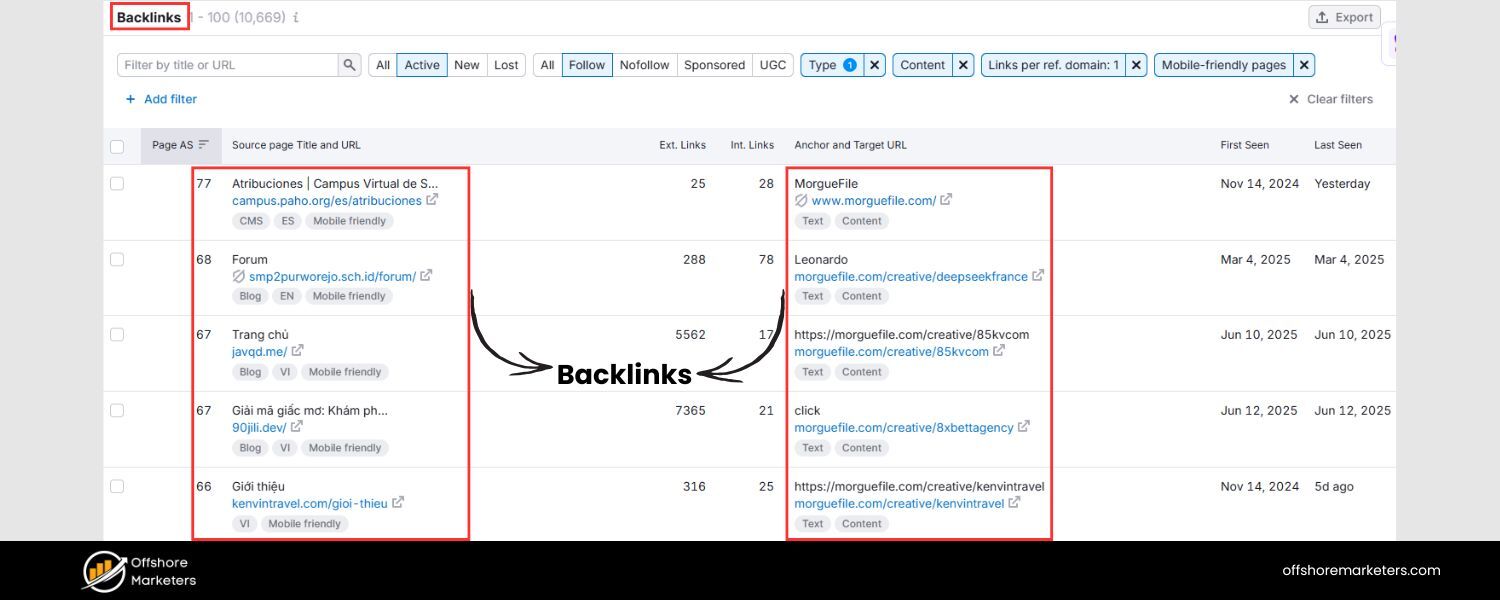
High-quality backlinks remain one of the most impactful ranking factors. When authoritative websites link to your page, they pass on a share of PageRank, boosting your page’s credibility in Google’s eyes.
A study by Ahrefs showed that pages with lots of strong backlinks consistently outrank those without – not because of any toolbar metric, but because Google fundamentally treats backlinks as votes of confidence.
Earning backlinks from respected sites in your industry will directly improve your PageRank-like authority and help your rankings.
2. Not All Links Are Equal

Modern PageRank is sophisticated about link quality. One link from a top-quality, relevant site can outweigh dozens of links from low-tier directories or link farms. Focus on natural, editorial links from reputable sources.
Avoid spammy tactics like buying links or joining link exchanges – Google is very adept at detecting these, and such links will either be ignored or could trigger penalties.
Also, be mindful of where your links are coming from: a link embedded in meaningful content (e.g. a news article or a blog post relevant to your topic) carries more weight than a footer or forum signature link. In summary, quality and relevance of linking sites (and context of the link) are crucial.
3. Internal Linking & Site Structure
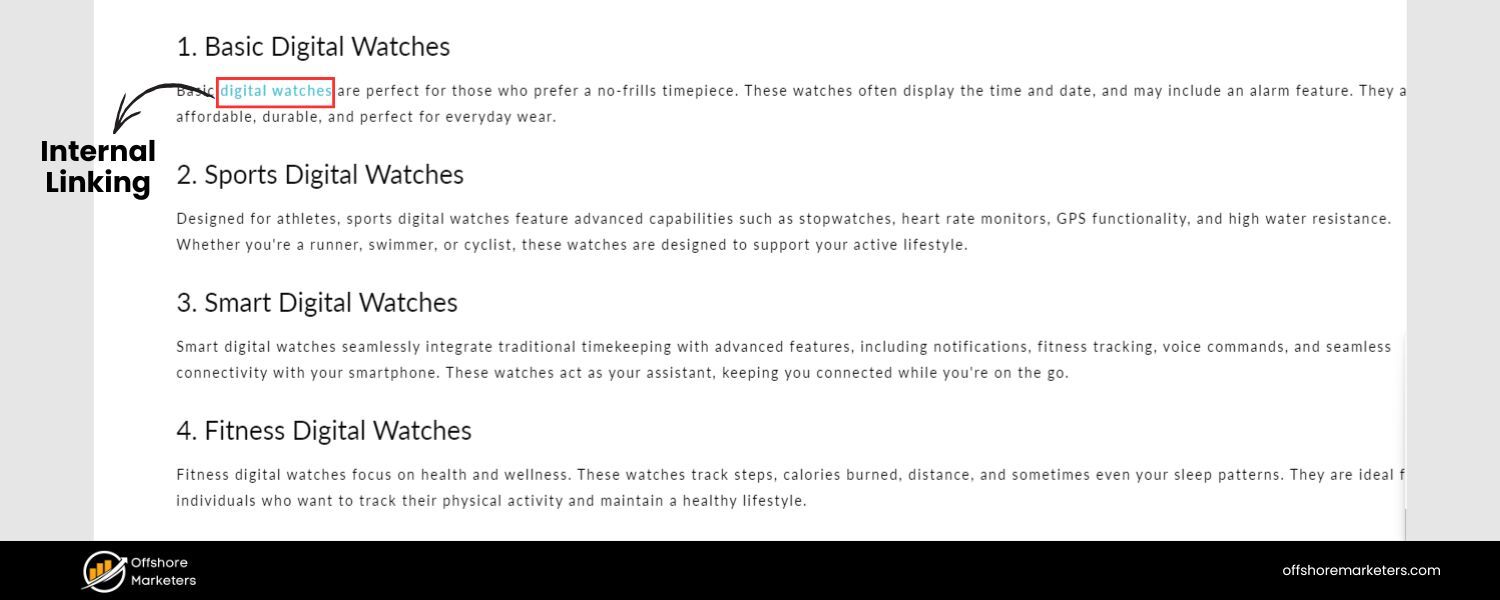
PageRank isn’t just about external links, it also applies within your website. Internal links help distribute PageRank throughout your site, funneling authority from your most linked-to pages to other pages that you want to rank.
For example, if your homepage naturally has the highest external links (and thus the most “link juice”), linking from your homepage to an important subpage helps that subpage gain authority.
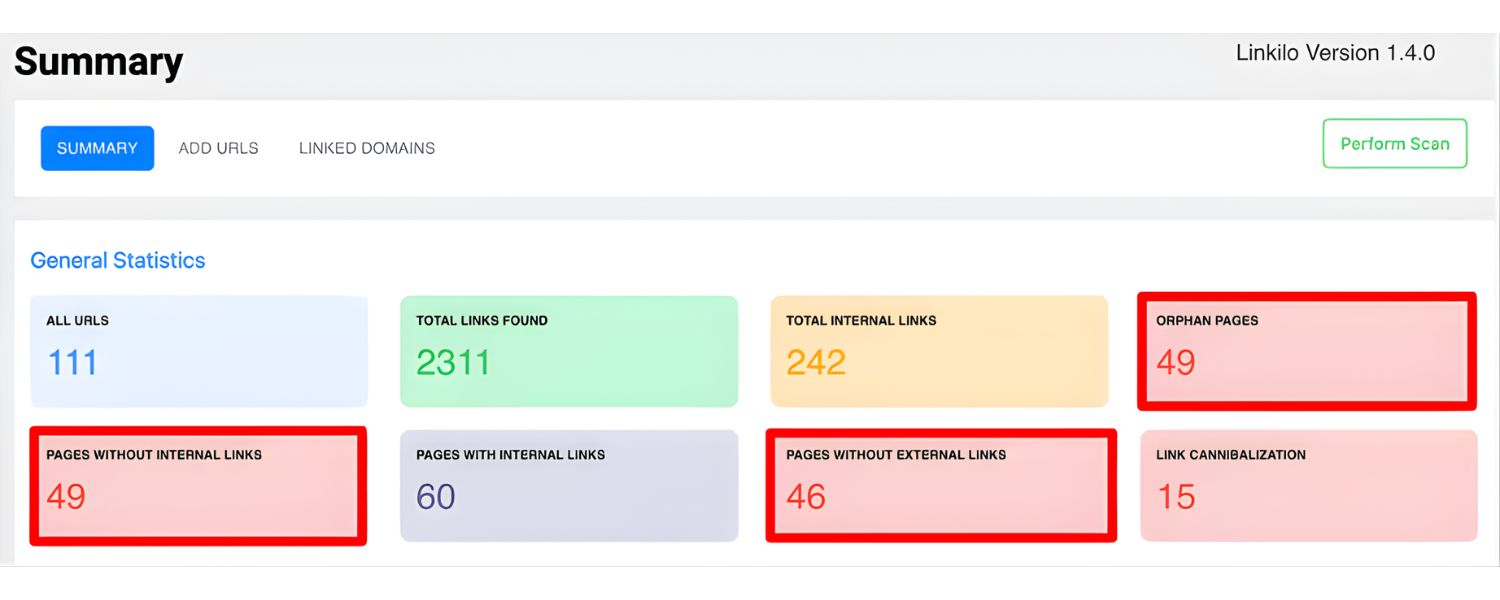
A well-structured site with clear internal links ensures that no page is an island. Use internal links to surface your key content and to rescue “orphan” pages (pages with no other pages linking to them).
By doing so, you’re effectively telling Google which pages are most important, and you’re passing PageRank to them. A tip: whenever you publish a new piece of content that you care about, link to it from a few of your site’s other high-authority pages (for instance, from a relevant older blog post or a resource page).
This gives the new page an initial boost of PageRank so it gets crawled and indexed faster and has a better chance to rank.
4. Anchor Text (Don’t Overdo It)
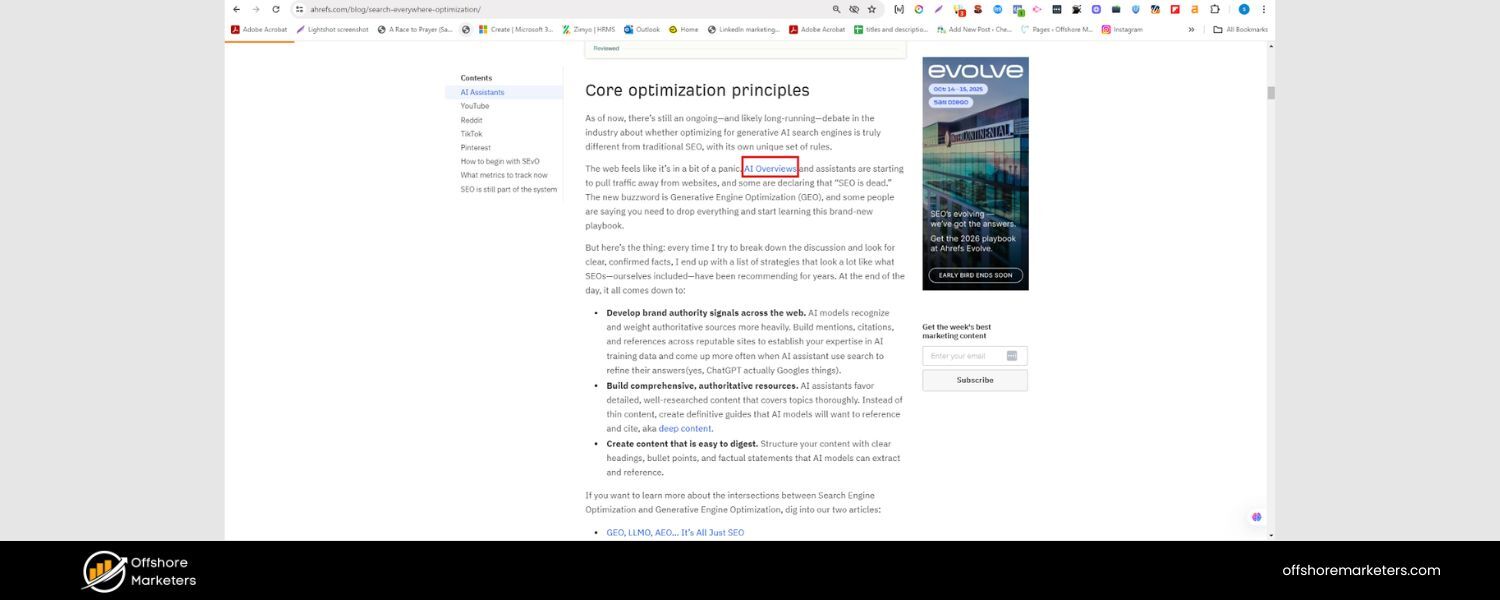
In earlier days, PageRank combined with anchor text led SEOs to manipulate anchor text for higher rankings. The anchor text of links (the clickable text) was a strong relevance signal.
However, Google now heavily filters against anchor-text spam. If too many of your backlinks use the exact same keyword-rich anchor, it looks artificial and can hurt your SEO.
The takeaway is to earn links that make sense. Anchor text will naturally include your brand name or descriptive phrases. That’s fine. Just don’t try to force dozens of identical keyword anchors, Google’s Penguin and other algorithms will neutralise or even punish this. Diverse, organic anchor texts are a sign of natural linking.
5. Nofollow and UGC Links

Links tagged with rel=”nofollow” or the newer rel=”sponsored” and rel=”ugc” (user-generated content) attributes typically don’t pass PageRank. That means if your only backlinks are, say, forum posts or Wikipedia references marked nofollow, they won’t directly boost your PageRank.
These links can still send traffic and have indirect SEO benefits, but from a pure PageRank perspective, they’re mostly ignored. Google may count some nofollow links in certain cases (treating them as “hints”), but you shouldn’t rely on it.
Aim to earn followed editorial links for PageRank gains. Also, don’t bother trying to sculpt PageRank with nofollow on your own site (an old SEO tactic where people nofollowed their own internal links to funnel juice elsewhere).
Google’s Matt Cutts explained that internal PageRank sculpting via nofollow doesn’t really work, any blocked link just causes that PageRank to evaporate rather than magically boost other links. You’re better off ensuring all your internal links are useful and relevant, and let PageRank flow naturally.
6. Crawl Frequency & Indexing

As noted, stronger PageRank means Googlebot will visit your site more often. Important pages (e.g. your homepage or other pages with many backlinks) act like magnets for crawlers, and the links from those pages help Google discover your new content quickly.
A practical tip is to link new pages from some prominent section of your site (like linking a new blog article from the homepage’s “Recent Posts” or site header if appropriate).
This leverages your internal PageRank to ensure the new page gets indexed promptly. Likewise, be aware that very deep pages (many clicks away from your homepage) may have low internal PageRank and thus get crawled less.
If you have important content buried deep, consider adding internal links from higher-level pages to boost their visibility.
7. Measuring & Monitoring (PageRank Alternatives)
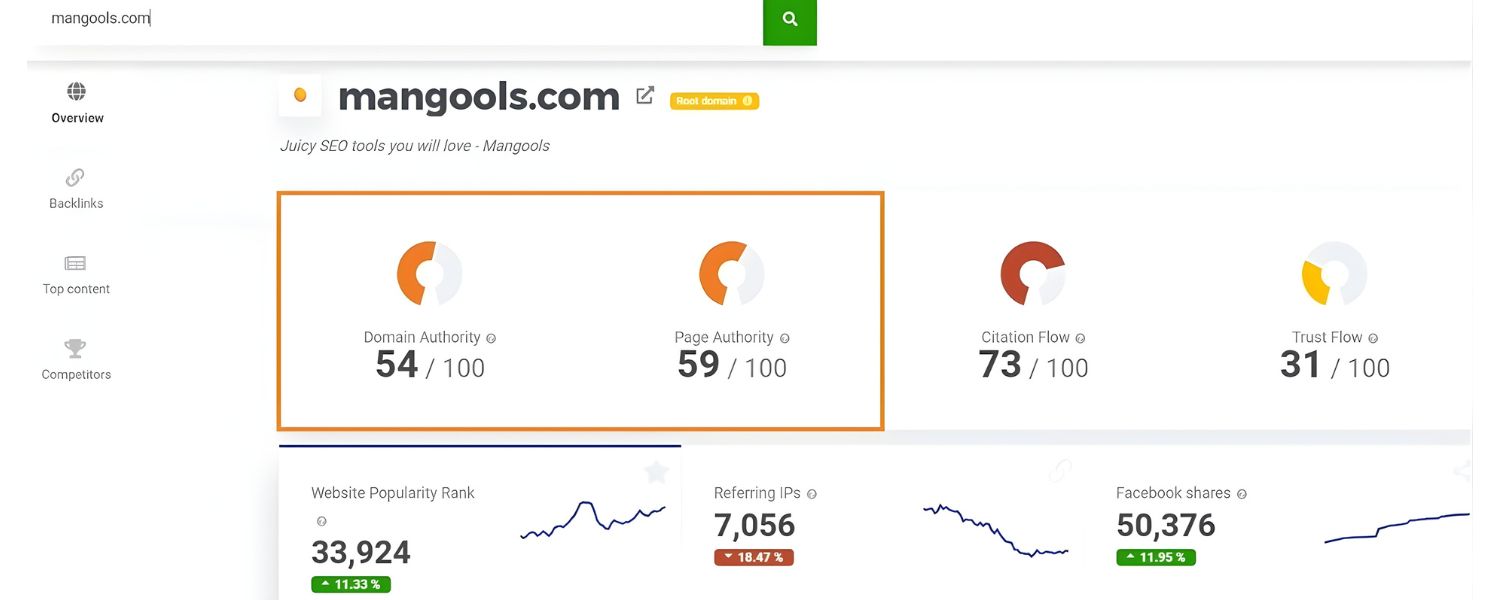
Since we can’t see Google’s PageRank scores anymore, SEO professionals use third-party metrics as rough stand-ins. For example, Ahrefs’ URL Rating (UR) and Moz’s Page Authority attempt to estimate a page’s link-based authority on a logarithmic scale.
These aren’t PageRank and they don’t factor everything Google does, but they correlate with it. Similarly, domain-level authority metrics (Ahrefs’ Domain Rating, Moz’s Domain Authority, Semrush’s Authority Score) measure the overall backlink profile strength of an entire domain.
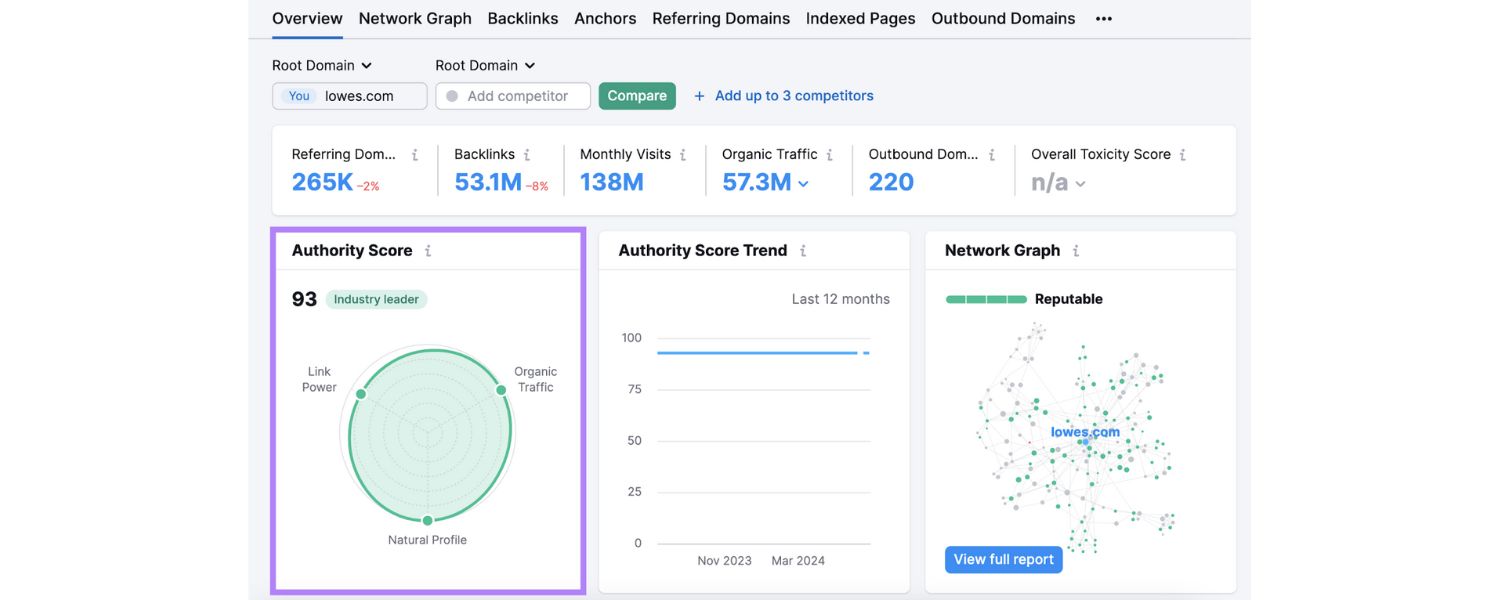
Google doesn’t use these third-party metrics, but they can help you gauge your progress. Semrush’s Authority Score, for instance, looks at quantity/quality of backlinks, organic traffic, and spam factors to rate a site 0–100.
Ahrefs UR (0–100) focuses on link equity including internal links. While these metrics aren’t perfect, a steady rise in them generally means your link profile (and likely your PageRank) is improving.
Just remember: use these as guides, not goals. Don’t chase a score for its own sake, focus on the underlying reality of getting better links. (It’s also worth noting that Google’s algorithm is far more complex now.
A high “PageRank” alone won’t guarantee top rankings if your content is low-quality or irrelevant to the query. Balance your SEO efforts across technical, content, and link-building for best results.)
How to Improve Your PageRank (Link Authority)
Given everything we’ve discussed, how can you actively boost your PageRank in practice? Here are some effective strategies to increase your link-based authority in a safe, sustainable way:
1. Create Link-Worthy Content
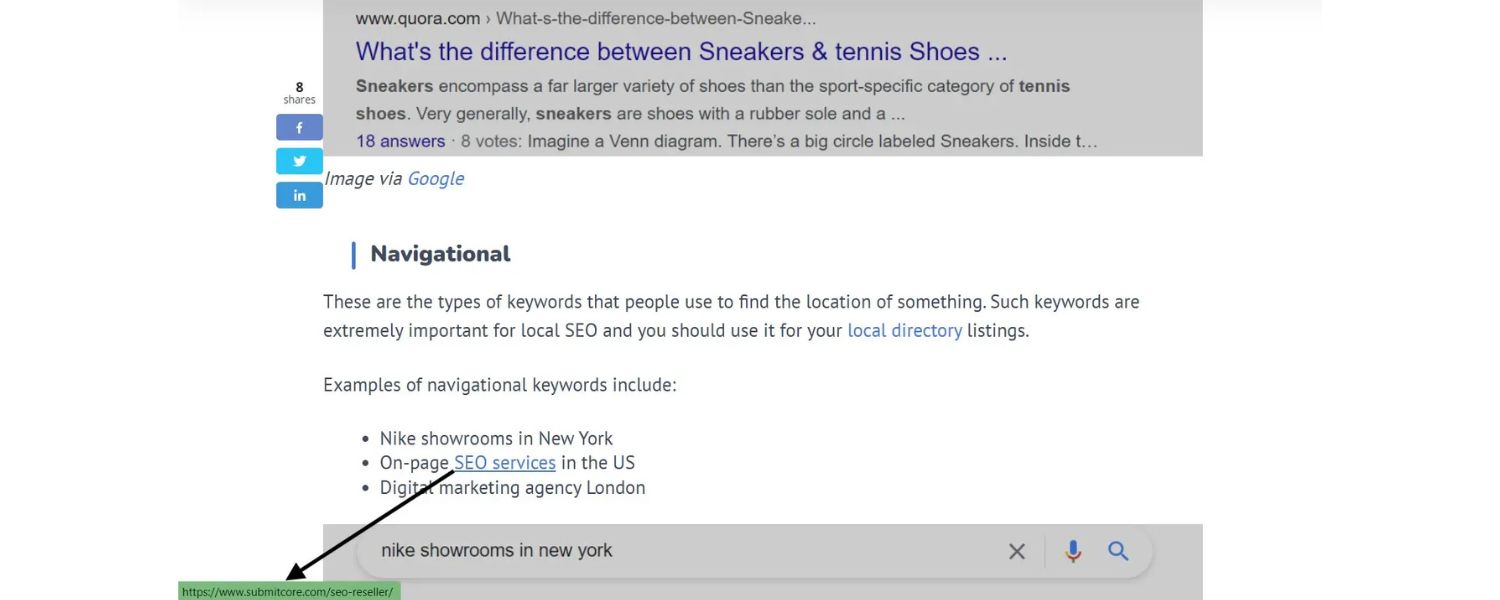
Content is the fuel for earning links. Focus on creating genuinely valuable, shareable resources in your niche, things like in-depth guides, original research, infographics, tools/calculators, or even entertaining content.
When you produce something people find useful or interesting, they are more likely to reference and link to it. Identify what content in your field naturally attracts backlinks and aim to create something even better.
A high-quality page that organically earns backlinks will raise its PageRank and can lift your site’s overall authority.
2. Outreach and Earn High-Quality Backlinks
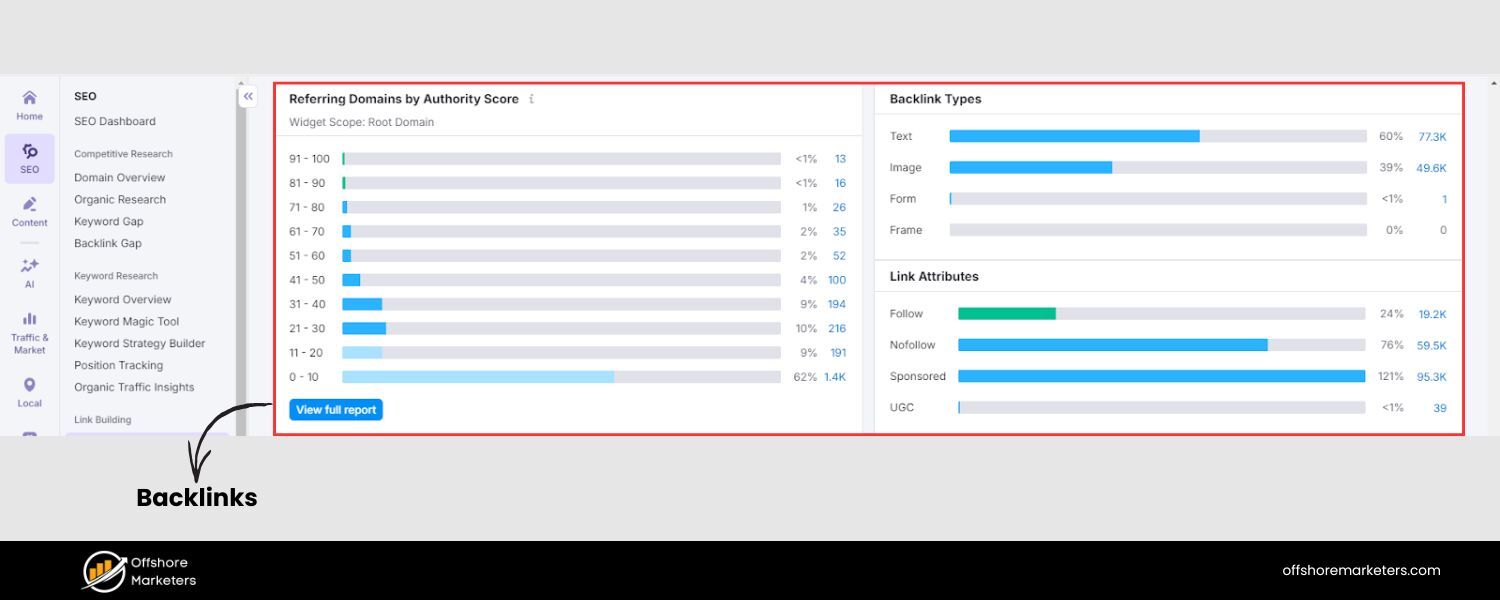
Don’t passively wait for links. Engage in outreach to promote your best content. This could mean emailing bloggers or journalists who cover your topic, being active in communities, or leveraging PR tactics.
Guest blogging on reputable sites in your industry (with a bio link back to your site) can also help, though prioritize sites that are relevant and respected, and always disclose and focus on content quality (avoiding spammy guest-post networks).
The goal is to earn editorial links. Even a handful of links from strong, topically relevant websites can significantly boost your PageRank. For example, a mention in a major news site or an industry-leading blog is extremely valuable “link juice.”
3. Fix Broken Links and Redirects
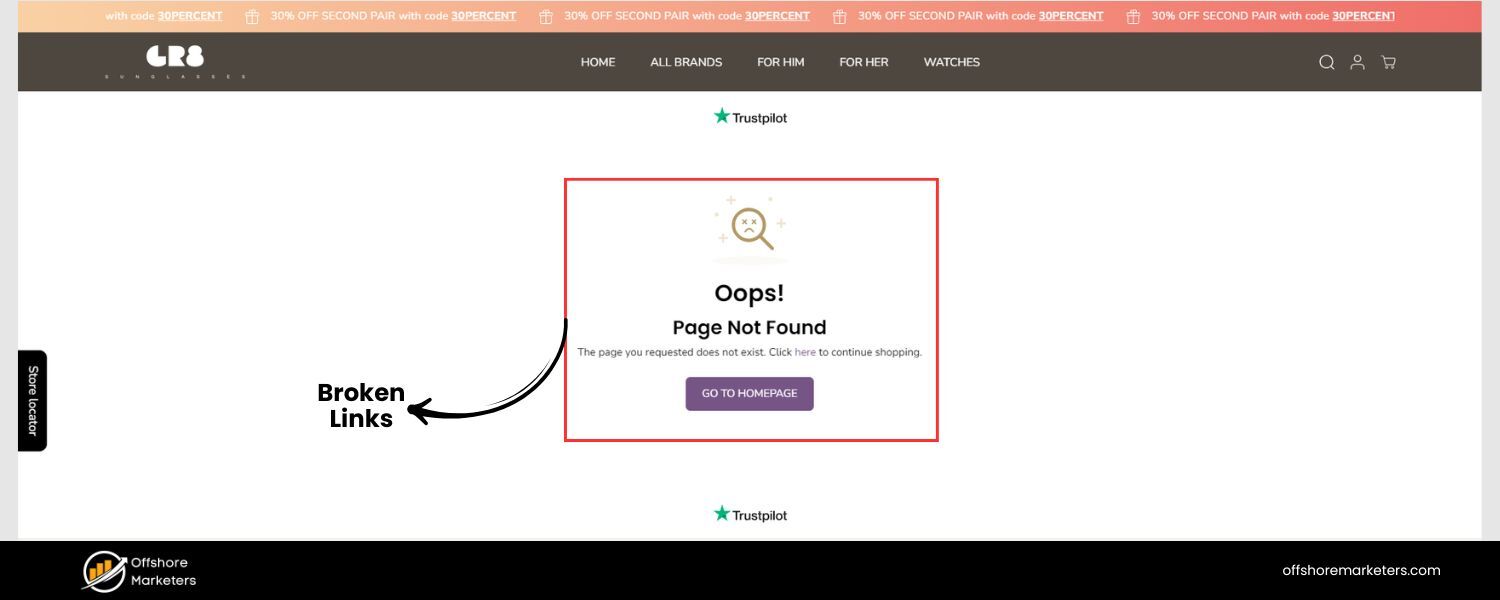
If your site has pages that accumulated backlinks over the years but have since moved or died (404 error), you are potentially wasting PageRank. Use a tool or analytics to find pages on your site that have incoming links but return 404 errors.
Then set up 301 redirects from those dead URLs to the most relevant active page on your site. By doing so, any PageRank those old links carry will flow into the destination page instead of being lost.
This is often a quick win for SEO: reclaiming link equity you already earned in the past. Similarly, if you acquire another domain or had an older site, redirect its important URLs to your current site where appropriate to consolidate PageRank.
Google has confirmed that 301 redirects do not dilute PageRank at all (since 2016, 30x redirects pass full PageRank), so you can use them freely to channel authority to the right places.
4. Optimize Internal Linking
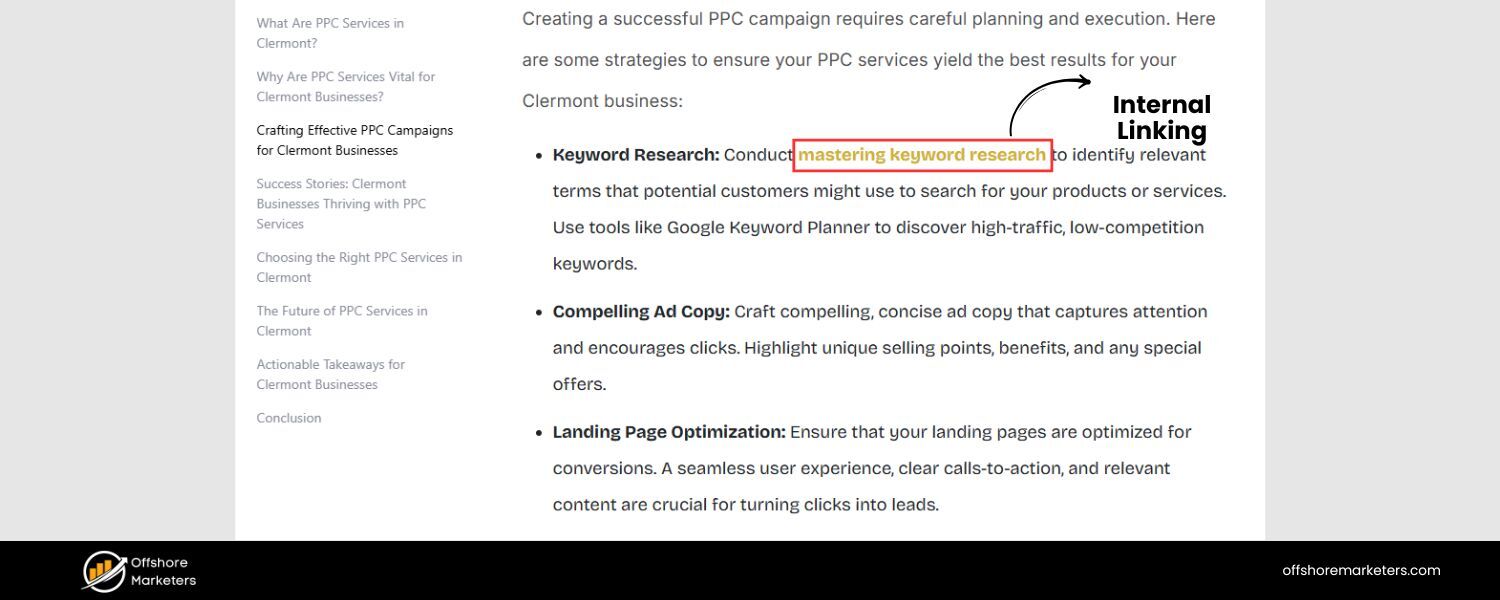
Audit your internal links and improve them deliberately. Make sure that your key pages (the ones that are most important for your business or that you want to rank) are well-linked from elsewhere on your site.
Use descriptive anchor text internally (not for Google manipulation, but for user clarity – however, it incidentally helps Google too). If you notice some high-value content is buried with few internal links, add links to it from other popular pages.
Many SEO tools (and Google Search Console) can help identify orphaned pages with no internal links – go in and link to those from relevant sections. Also, consider site navigation: a shallow site architecture (where most pages are just a few clicks from the homepage) ensures link equity flows efficiently.
Conversely, a very deep page with no links from other sections might as well be invisible. An internal linking strategy can significantly impact how PageRank circulates within your site.
Pro tip: If you have a few pages on your site that naturally have amassed a lot of external backlinks (and hence high PageRank), leverage them. Add links from those pages to other important pages you want to boost, this passes on the link authority internally.
5. Avoid Spammy Shortcuts
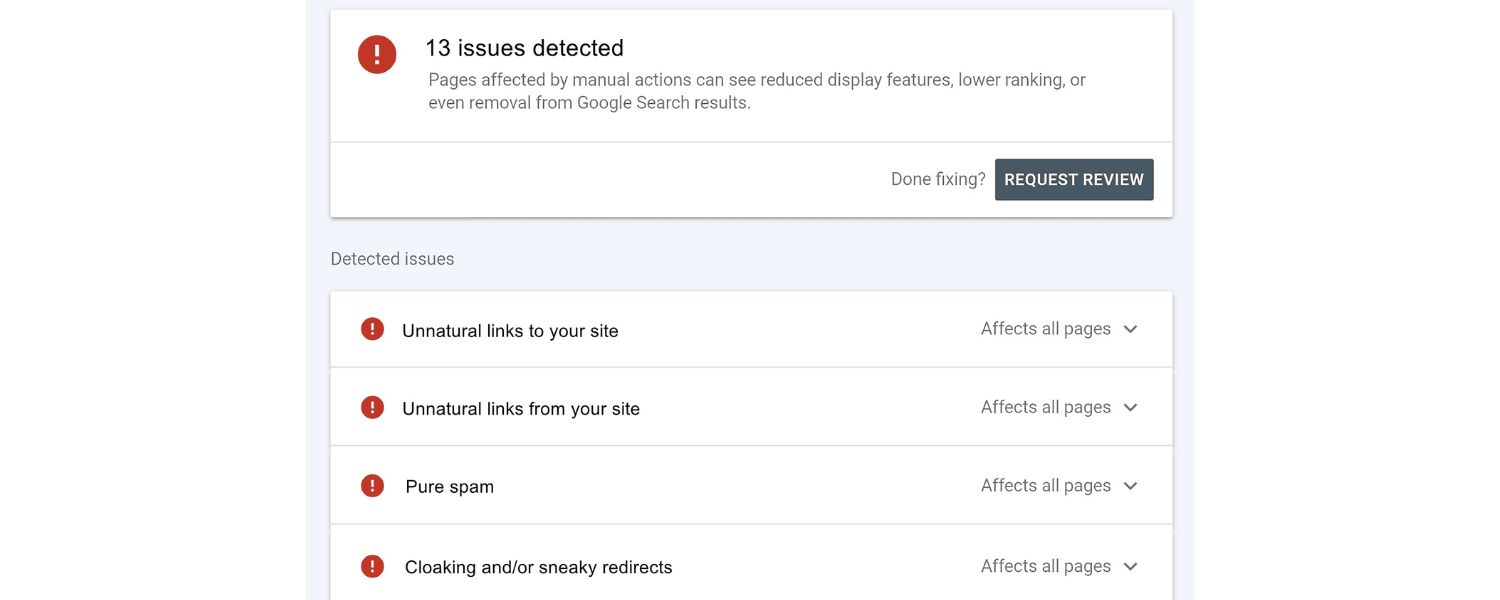
It’s worth reiterating – do not engage in link schemes or spam. Google’s algorithms are extremely advanced at recognizing patterns of unnatural linking. Buying links outright, participating in private blog networks, or spamming forums and comments with your links will do more harm than good in the long run.
At best, Google ignores those links (so your money or effort is wasted); at worst, your site could be hit with a manual or algorithmic action that sinks your rankings. Remember that PageRank is about earned authority.
Ten legitimately earned links from real websites will beat 1,000 dodgy links from link farms. Stay on the right side of Google’s guidelines (they explicitly list link practices to avoid) and focus on building authority the honest way. It’s harder, but it’s the only strategy that works long-term.
6. Leverage Social and PR (Indirectly)
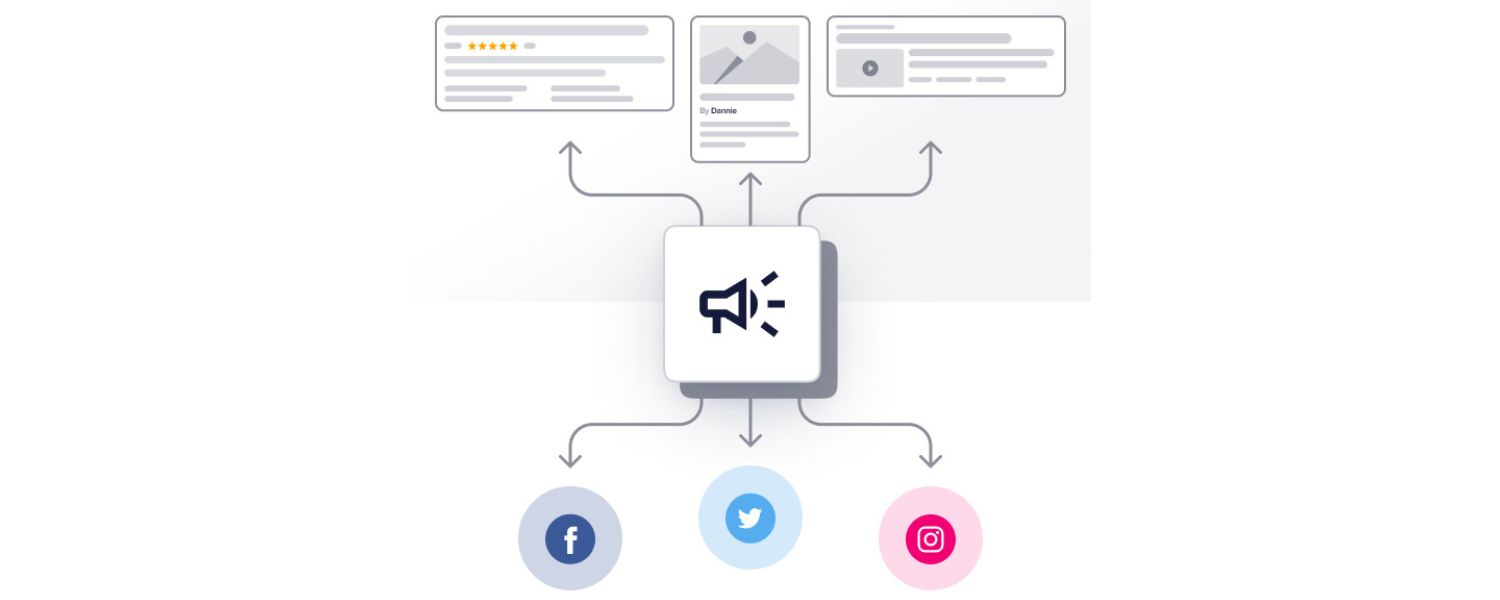
While links from social media (Facebook, Twitter, etc.) are typically nofollow (and thus don’t confer PageRank directly), social media and PR can amplify your content to the right audiences who might link.
A successful content piece that goes viral or gets media coverage can lead to a flurry of organic backlinks from news sites, bloggers, and influencers. So use social platforms and press outreach to get your content in front of potential linkers.
The links that result will boost your PageRank. This isn’t “social signals” affecting SEO directly (that’s a separate topic) – it’s simply using every channel to attract the kind of links that PageRank rewards.
Technical Note:
If you’re more technically inclined, you might enjoy experimenting with the PageRank algorithm yourself on a smaller scale. The concept has been implemented in many graph analysis tools (for example, the NetworkX library in Python has a pagerank function). Running PageRank on your own site’s link graph can highlight which of your pages are strongest and how link juice flows. Some SEO tools offer a similar feature (Ahrefs’ Site Audit has an internal “PageRank” simulation called Page Rating). These can provide insight into improving your internal linking. However, even without such tools, the guidelines above will set you on the right path.
Final Thoughts
PageRank was a breakthrough that changed search engines forever. While Google’s ranking formula has evolved significantly beyond the original academic algorithm, the essence remains: links matter because they represent human endorsement and connectivity.
In 2025 and beyond, PageRank is still part of Google’s secret sauce, even if we don’t see it directly. For SEOs and content creators, the mission is clear: earn trust and authority online.
Create content people find valuable, cultivate relationships that lead to genuine backlinks, and build a website structure that maximizes the flow of link equity. These efforts will all pay dividends in terms of your PageRank-like authority and search rankings.
It’s also fascinating to note that PageRank’s influence extends outside of SEO. The algorithm’s principles have been applied in academia, social network analysis, and many other fields to rank the importance of nodes in any graph structure.
That “random surfer” idea can identify influential scientists, popular social media posts, or even help map out neural connections – a testament to the genius of the concept. But for most of us, PageRank’s biggest impact is still on how information is organized on the web.

Mastering Content Monitoring Tools and Strategies for Success
Content monitoring tools are the backbone of any serious digital...
How to Win in Hickory’s Data Center Corridor: 6 B2B Digital Marketing Strategies
If your business operates in Hickory's data center corridor, you're...

Referring Domains: Guide to Measuring, Analyzing High Quality Domains
Referring domains are unique websites that link to your site (often via...

SEO for Healthcare Clinics in Bradford: 4 Proven Pillars to Attract More Patients
SEO for healthcare clinics in Bradford is the single most...

Content Monitoring: What It Is, Why It Matters, and the Best Tools to Track Content Changes
Content monitoring is the ongoing practice of tracking, analyzing, and...



.png)
.png)
.png)
.png)
.png)

2024 ALL RIGHTS RESERVED MADE IN INDIA
.png)