
Private Blog Networks (PBNs): SEO Strategy or Trap?
September 1, 2025
Introduction
Private Blog Networks (PBNs) have long been a controversial tactic in SEO. They promise rapid backlink gains and higher rankings without the grind of traditional outreach.
But as an SEO expert with 25 years in the industry, I’ve seen many “quick-win” schemes rise and fall. PBNs can boost your site’s ranking quickly, but they also carry serious risks, including harsh Google penalties that could wipe out your hard-earned traffic overnight.
In this comprehensive guide, we’ll demystify what PBNs are, why some marketers still use them, and whether they’re worth the gamble in 2025. We’ll also explore safer, white-hat link-building alternatives to help your site grow without fear of penalties. Let’s dive in.
What Is a Private Blog Networks (PBN)?
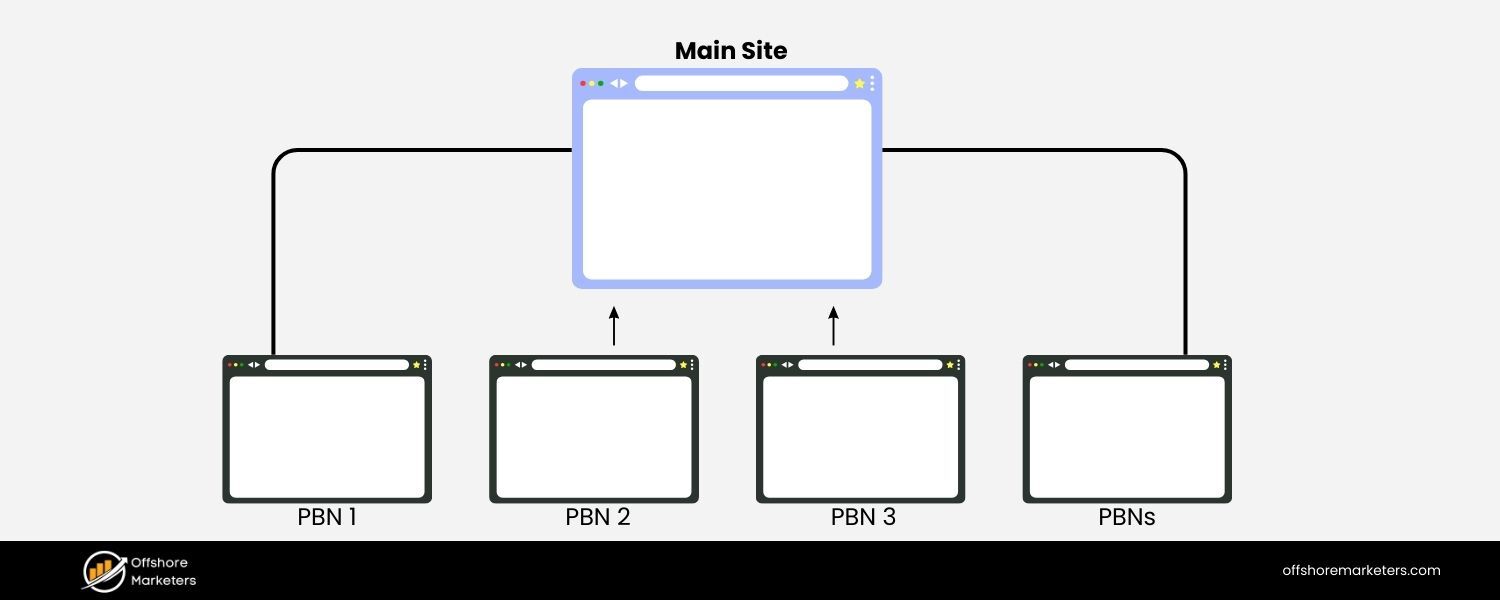
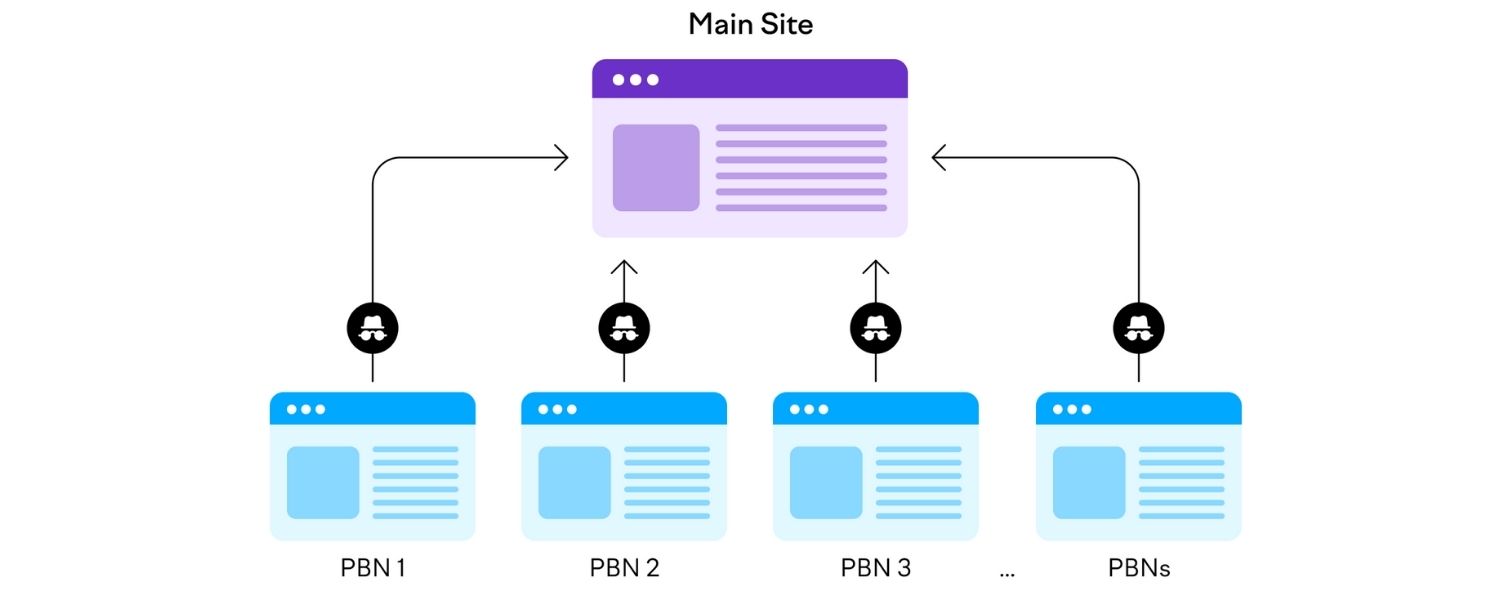
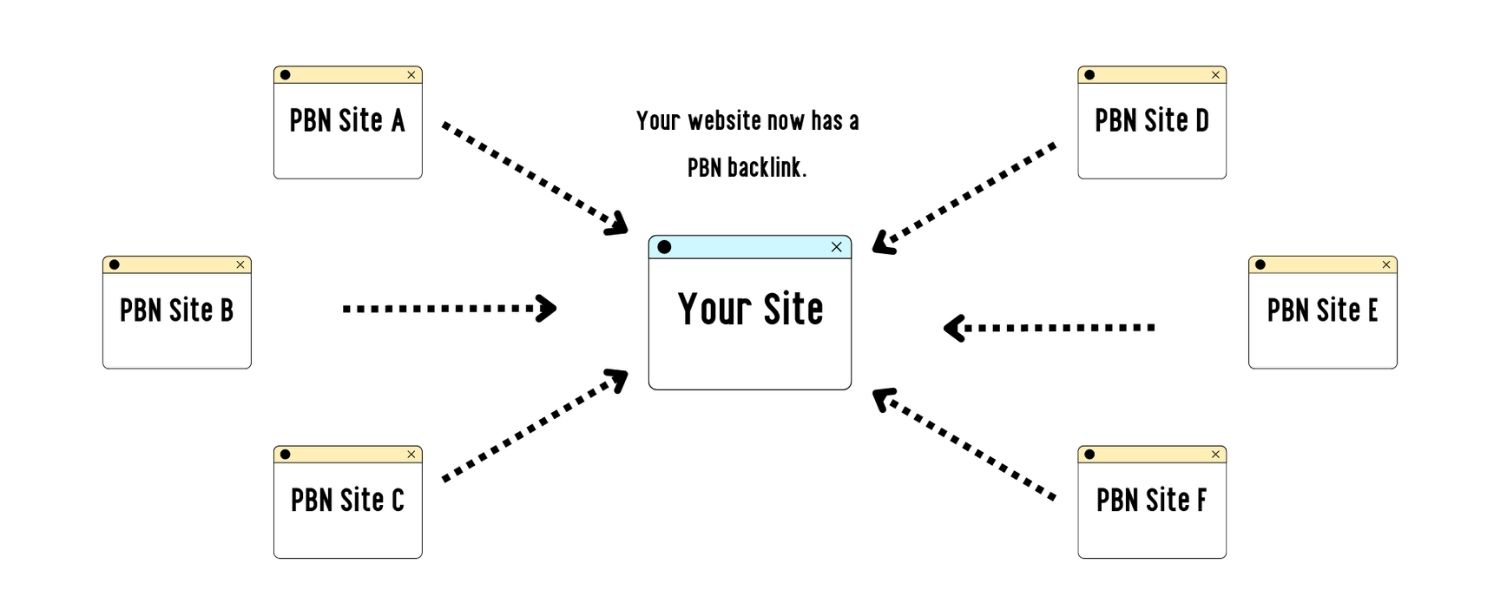
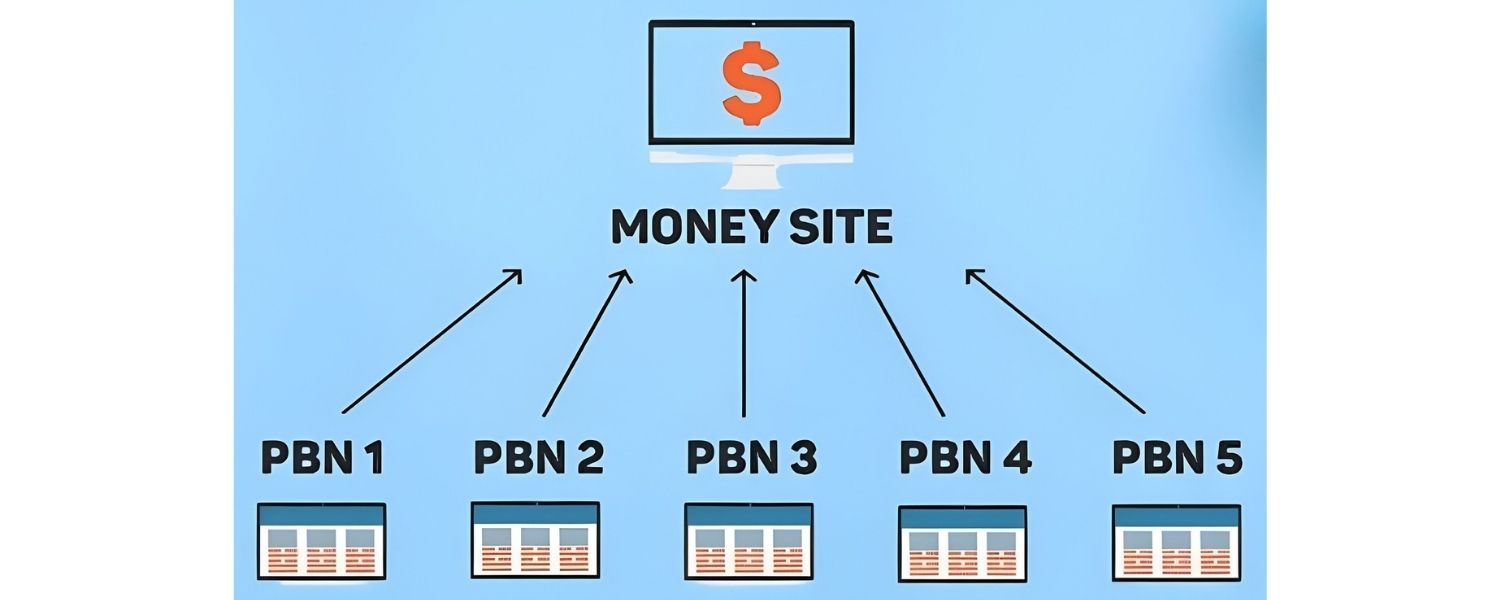
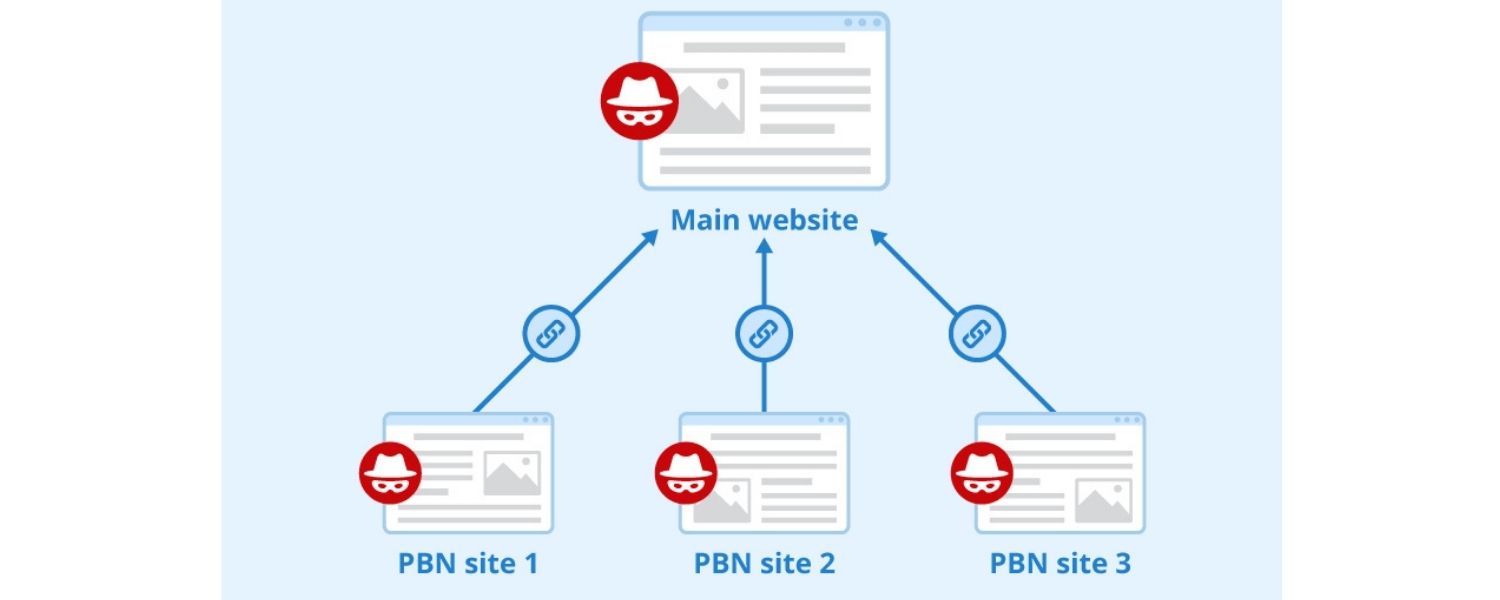
A private blog networks (PBN) is a group of websites created solely to link to one “main” website, usually called the “money site”, in order to manipulate search rankings. In a PBN, the owner controls all the sites in the network and uses them as a self-made backlink database.
Each PBN site typically has basic content and one job: to pass link equity (authority) to the money site through dofollow links, artificially boosting the main site’s authority in Google’s eyes. It’s essentially a shortcut to get backlinks without earning them naturally.
PBNs leverage the importance of backlinks in Google’s algorithm. Search engines treat each backlink as a “vote of confidence” for the linked site’s content. Instead of waiting to earn links organically, PBN users build their own sources of links.
For example, an SEO might buy a bunch of expired domains that already have some authority, set up new sites on those domains, post generic articles on them, and include backlinks to their primary site in those articles. Voila, instant backlinks from multiple sites with (hopefully) decent domain authority.
However, because these links are not truly “earned” but rather placed by the site owner, Google considers PBNs a form of link spam. In Google’s own words, “Any links intended to manipulate rankings in Google Search results may be considered link spam”.
Private blog networks clearly fall into this category since their only purpose is to game the ranking algorithm. In short, a PBN is a deliberate link scheme – a tactic Google’s Webmaster Guidelines explicitly frown upon.
Why Do SEOs Use Private Blog Networks (PBNs)?
If PBNs are so risky, why do some SEO practitioners still build and use them? The appeal comes from two main frustrations in link building:
1. Quality backlinks are hard to get naturally
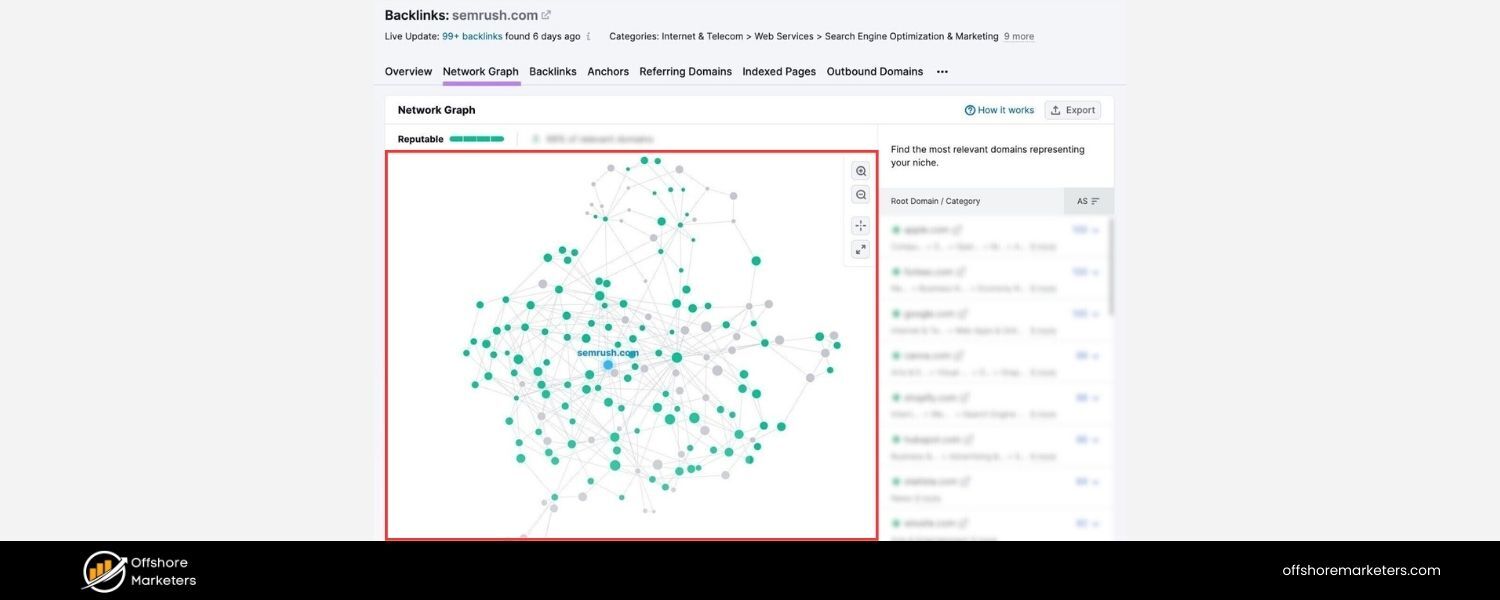
Earning links “the right way” – via outreach, creating link-worthy content, digital PR, etc., can be difficult and unpredictable. You might pour weeks into an outreach campaign or an infographic, only to land a few links (or none at all). In contrast, a PBN offers a sense of control.
You can guarantee yourself a set number of backlinks by simply placing them on your own network of sites. For SEOs under pressure to deliver results, this shortcut is tempting.
2. Anchor text and link placement can be controlled
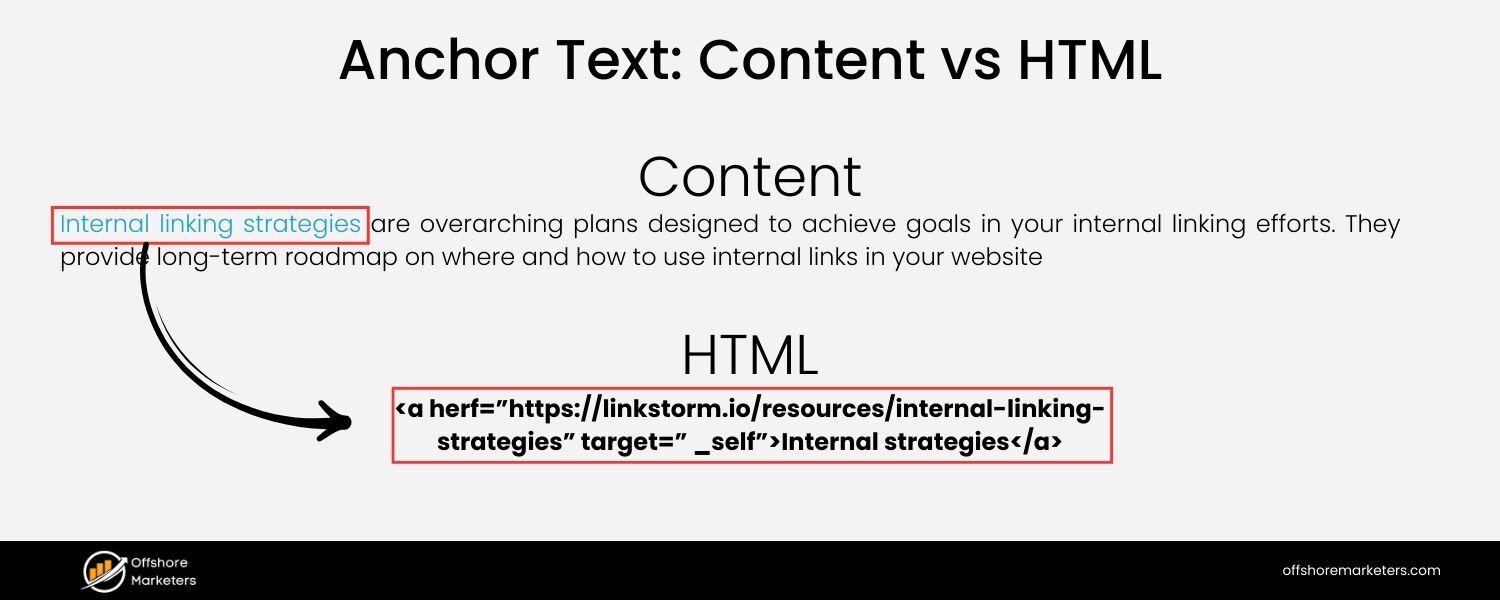
With organic link building, you have little say in how other websites link to you, they might use your brand name, a generic “click here,” or other anchor text that isn’t optimal for your SEO. PBNs let you choose your exact anchor text and link to whichever pages you want to rank.
Want a keyword-rich anchor pointing to your product page? On a PBN site, you can just make it happen. This level of control over anchor text and link context is something natural outreach rarely guarantees.
3. Faster results (in theory)
Building authoritative backlinks through outreach or content can take months, whereas PBN links can appear to deliver a ranking boost within weeks. Many SEOs are drawn to PBNs because they promise quick wins, an appealing prospect if you’re in a competitive niche or need to show rapid progress.
In fact, PBN advocates often claim that these networks “still work” even today, citing examples of sites that climbed the rankings thanks to PBN links. It’s true that PBN links can move the needle in the short term, which is why they remain in use despite the risks.
4. Privacy from competitors
The “private” in PBN also means these networks are typically kept secret. PBN owners go to great lengths to hide their network, often blocking SEO crawlers like Ahrefs and Semrush from indexing their sites. The idea is to prevent competitors from discovering your backlink sources and reporting or replicating them.
Unlike guest posts or public partnerships, PBN links are covert. To some, this secrecy is an added bonus: it’s a link-building method competitors can’t easily reverse-engineer.
Despite these perceived advantages, remember that convenience comes at a cost, which we’ll explore in the coming sections. Even though some marketers are enticed by PBNs as a “secret weapon” for SEO, it’s important to understand the full picture of what you’re trading off.
Are Private Blog Networks (PBNs) Black Hat? (Google’s Stance)
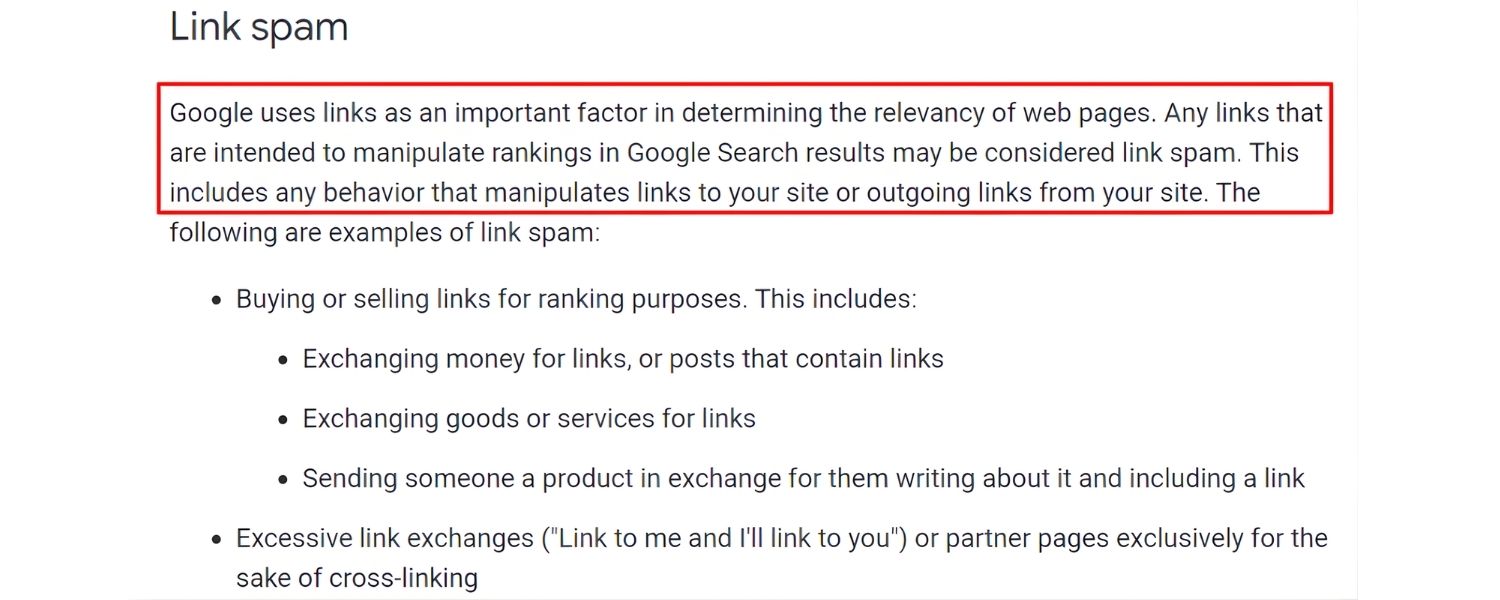
From Google’s perspective, private blog networks are unequivocally against the rules. Google classifies PBN links as a “link scheme” in violation of its Webmaster Guidelines. In practical terms, that places PBNs firmly in the black-hat SEO category.
Any tactic designed purely to manipulate search rankings, without delivering real value to users, is something Google aims to stamp out. And they’ve been very clear about this: using PBNs “violates Google’s Webmaster Quality Guidelines” and can lead to ranking penalties.
Historically, Google has actively targeted PBNs to discourage their use. A famous example was Google’s 2014 crackdown on PBNs, when a wave of manual penalties hit websites associated with known blog networks. In that purge, some site owners reported “traffic drops of up to 90%” literally over a single weekend.
Google’s webspam team (led by Matt Cutts at the time) effectively deindexed many PBN sites and severely penalized sites benefiting from PBN links. The message was clear: get caught using PBNs, and your traffic can vanish overnight.
Google’s war on link schemes has continued to evolve. In recent years, they’ve become even more sophisticated at detecting unnatural linking patterns. For instance, the 2022 “Link Spam” Update introduced SpamBrain, an AI-powered spam detection system that specifically targets link spam.
SpamBrain doesn’t just outright ban every site with spammy links; instead, it often neutralizes the effect of those links. In other words, Google’s algorithm might silently ignore your PBN backlinks altogether.
This means a site might not get a manual penalty, but the PBN links stop passing any SEO value, nullifying the whole point of a PBN.
(From Google’s view, this approach also helps protect innocent sites from negative SEO attacks, if a competitor points bad links at your site, Google just won’t count them.
How does Google identify a PBN? Over the years, SEOs have discovered some common “footprints” that can give away a blog network. Google’s algorithms and manual reviewers look for patterns like:
A. Multiple sites on the same IP address or hosting provider (especially cheap, bulk hosting).
B. Shared website design or content templates across sites – e.g. all sites have very similar layouts or stock articles.
C. Domains that were all recently purchased from expired domain auctions (a known tactic for PBN builders).
D. Sites that block SEO crawlers (Ahrefs, Moz, Semrush, etc.) from crawling, which legitimate sites rarely do.
E. Interlinking patterns – PBN sites often link to each other or to a small set of target sites, forming a closed loop that looks unnatural.
F. Savvy PBN builders try to eliminate these footprints (using different hosts, themes, fake Whois info, etc.), but keeping a network footprint-free is a constant cat-and-mouse game.
And Google’s detection methods keep improving. As one Google Webmaster Trends Analyst famously hinted, “Google is getting increasingly better at identifying low-quality links… PBN or not”, and such links “will be completely ignored” in rankings.
In essence, Google’s stance is zero-tolerance, if it looks like a manipulative link network, they either discount it or penalize it.
Do Private Blog Networks Still Work in 2025?
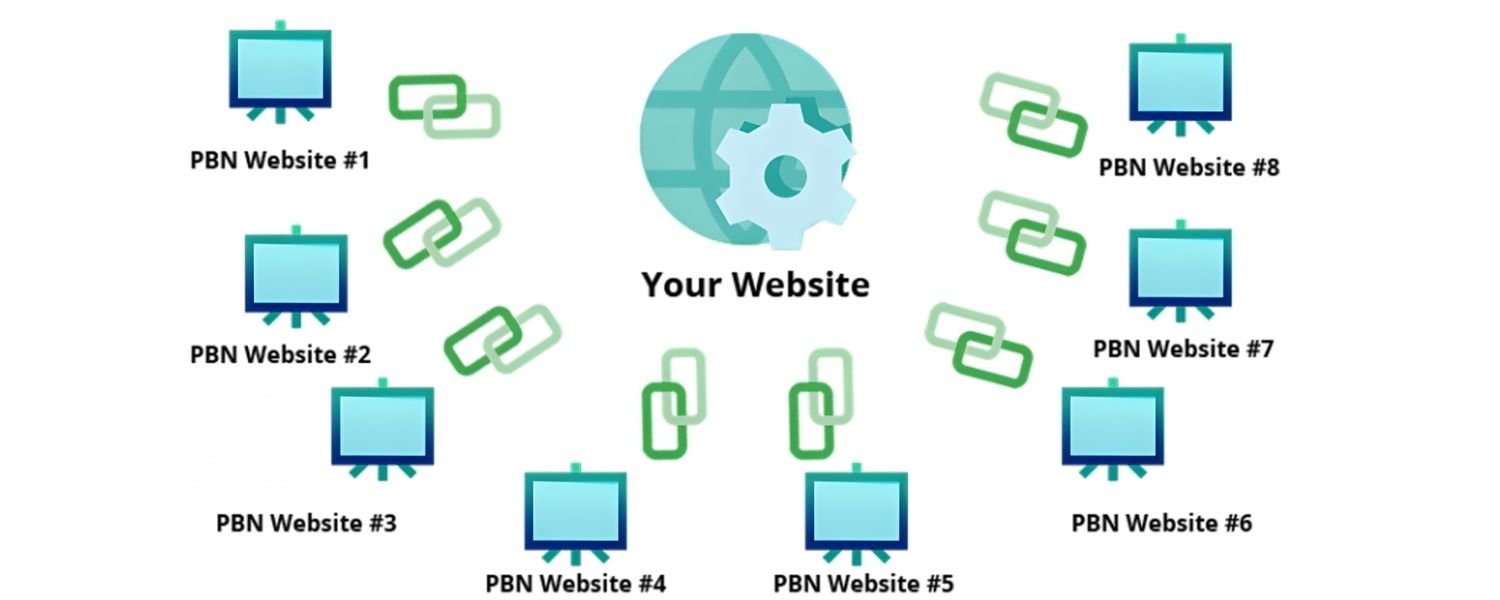
The big question for many: given all these warnings, can Private Blog Networks (PBNs) actually work nowadays? The unsatisfying truth is that they can, but not reliably and not indefinitely. Many black-hat SEO enthusiasts claim that PBNs “still work” for boosting rankings, and indeed there are cases where a site’s rankings improved after getting PBN backlinks.
In the short term, a private blog network can trick Google’s algorithm, especially if the network is small and carefully managed to avoid obvious footprints. Your site might climb to page one, riding on the surge of artificial link juice. However, this success is usually temporary.
Why temporary? Because sooner or later, Google catches on, either via an algorithm update or a manual review. When that happens, the outcome ranges from losing all the gains to suffering a severe penalty.
An algorithmic detection might simply strip the value from those PBN links, causing your rankings to drop back down or stagnate. A manual action is even worse: Google could demote your pages or deindex your entire site as punishment.
Websites that get hit by manual link spam penalties often see their search visibility plummet and take a long time to recover (if they recover at all).
Consider it this way: Private Blog Networks (PBNs) are a high-stakes gamble. You might win a short-term ranking boost, but you’re constantly one discovery away from disaster. Google’s John Mueller has noted that their algorithms often identify and ignore unnatural links automatically, so some PBN links end up having no positive effect on your rankings.
In John’s words, “We already ignore links from sites like that… No need to disavow”. If Google is simply neutralizing those links, all the effort and money spent on a PBN is effectively wasted.
It’s also worth noting that while Google is cracking down harder, competitors and vigilant users can also blow the whistle. A suspicious backlink profile (say, your site getting 50 new links all from obscure, low-traffic blogs) can tip off others.
There are cases where SEOs on forums or Twitter expose a site for using a PBN, which can lead to a manual review. In the SEO community, using PBNs is often viewed as “grey hat” at best – not outright hacking or illegal, but certainly not a best practice.
In 2025, with Google’s AI-powered spam detection and an army of spam fighters, the consensus among experienced marketers is that PBNs are more trouble than they’re worth. They might work today and fail tomorrow. The risk-to-reward ratio keeps tilting toward risk as algorithms advance.
Risks and Dangers of Using Private Blog Networks (PBNs)
Using a private blog network is like walking on thin ice. You might get across the pond, or you might plunge into freezing water without warning. Here are the biggest risks associated with PBN link building:
1. Google Penalties (Manual or Algorithmic)
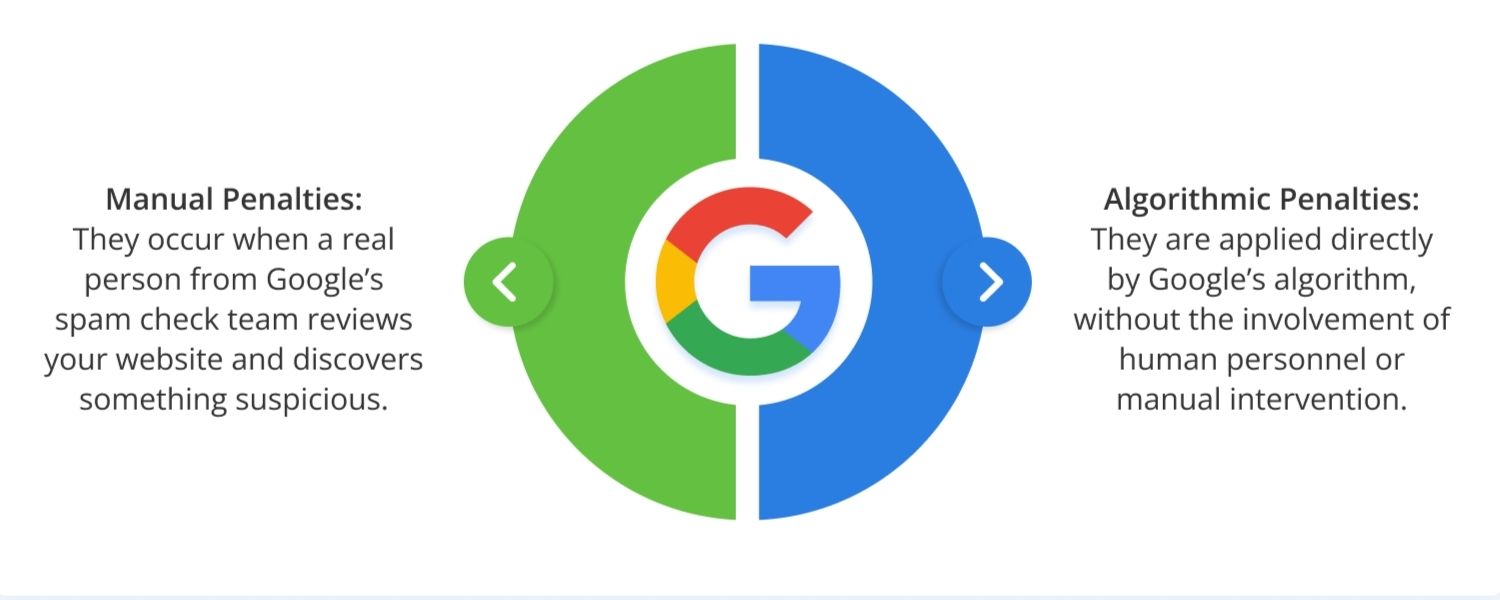
This is the nightmare scenario: Google discovers your PBN scheme and hits your site with a penalty. There are two types of penalties to worry about:
A. Manual Penalty
A Google employee (search quality reviewer) manually checks your site’s links and issues a penalty for “unnatural links.” You’ll receive a message in Google Search Console about it.
Usually, this means your site’s rankings drop dramatically, or Google removes your site from search results entirely until you fix the issue.
To recover, you must purge or disavow the bad links and file a reconsideration request, admitting your mistakes. Even then, your original rankings may never fully return. You essentially have to rebuild your credibility with Google.
B. Algorithmic Penalty (Ranking Loss)
Not every spammy link profile triggers a manual action. Often, Google’s algorithms (like Penguin in the past, or SpamBrain now) will automatically discount the value of PBN links.
This isn’t a “penalty” that shows up in Search Console, your rankings just drop because Google stopped trusting those links. For example, many sites that rode PBNs to the top later saw their traffic crash when Google rolled out a core update or link spam update.
One SEO case shared by Marie Haynes showed a site that was “slammed by [the] Dec [2020] core” update after using a PBN, its keyword rankings tanked almost overnight. In such cases, Google essentially flipped a switch and erased the PBN’s benefit, leaving the site worse off than before.
Whether manual or algorithmic, the end result is lost rankings and a lot of cleanup work. If you get a manual “unnatural links” notice, you’ll need to identify all the PBN links and either get them removed or use Google’s disavow tool to tell Google to ignore them.
This process can take weeks or months, during which your organic traffic is hurting. Furthermore, Google’s webspam team might not be sympathetic – they’ve publicly stated that using link schemes is a violation, and repeat offenders get diminishing leeway.
In summary, the penalty risk is very real. It’s like playing with fire: some sites escape, but many get burned and have scars to show for it.
2. Wasted Investment (Google Might Ignore the Links)
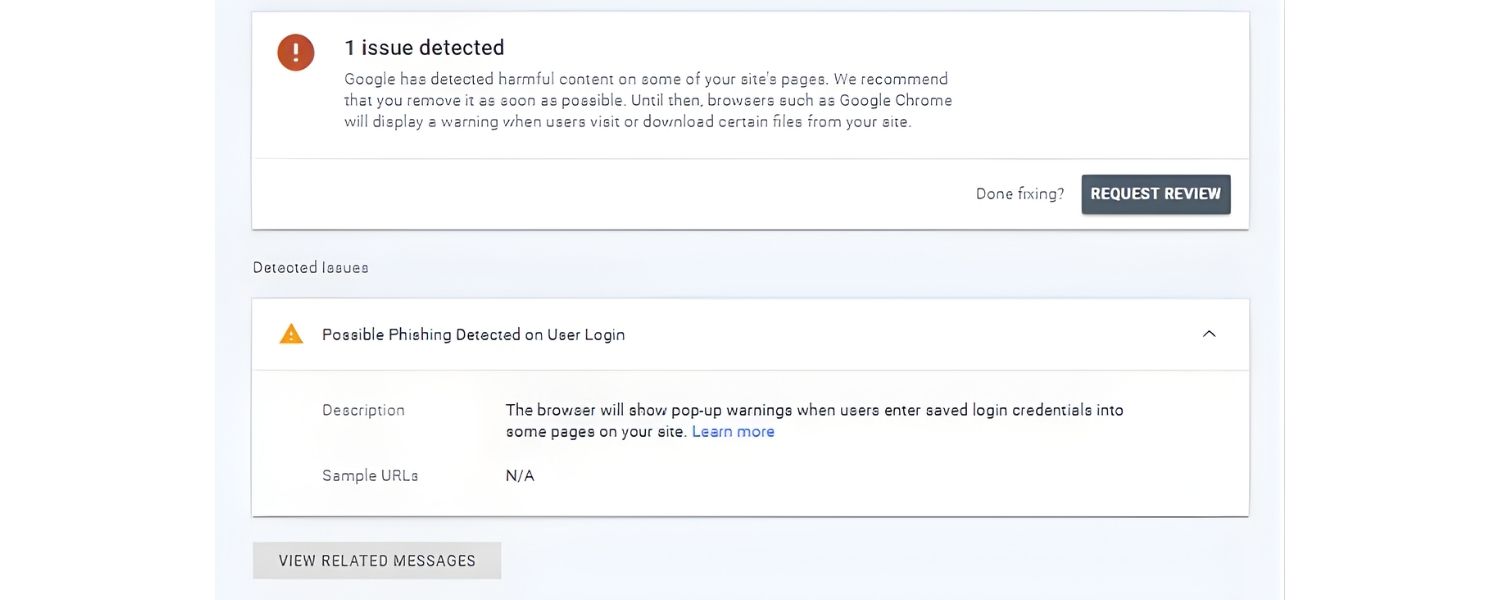
Let’s say you carefully build a PBN, but Google never penalizes you. That might sound like a win, except Google could simply ignore your PBN links as if they don’t exist. In this scenario, you avoid punishment, but you also gain nothing for all your trouble.
Google’s algorithms are increasingly adept at recognizing “unnatural” links and just not counting them toward ranking. If the sites linking to you have telltale signs of being low-quality or manipulative, Google can algorithmically neutralize them.
In fact, Google’s algorithms have data from years of disavow files uploaded by SEOs, helping the AI learn which domains are part of link schemes.
From an ROI standpoint, this is a nightmare. Imagine spending hundreds of hours (or thousands of dollars) to set up a blog network, buying domains, hosting, writing content, only to find out those links carry no weight.
There’s no obvious indicator when Google is ignoring your links; you’ll just see mediocre results. If you’re unlucky, you could dump money into building a 20-site PBN and see zero improvement in rankings because Google silently filtered all that link equity out.
As Google’s John Mueller quipped, for PBN-like links “no need to disavow” because Google already treats them as non-factors. All that effort becomes a sunk cost.
3. Ongoing Costs, Maintenance, and Complexity
A risk often overlooked is just how much time and money a proper PBN requires. The upfront and ongoing investment is significant, which can be a financial risk if the network doesn’t pay off.
Consider the costs:
A. Domain purchases
Quality aged domains with strong backlink profiles (the kind that make PBN links effective) are expensive. A domain that cost $60 in 2015 can sell for over $1,000 by 2024.
Bidding wars for expired domains drive prices up. If you want, say, 10 good domains for a PBN, you might spend tens of thousands of dollars just on acquisitions.
B. Hosting & tools
Each site should ideally be hosted on a different IP or hosting provider (to avoid footprint), which could mean multiple hosting accounts. Add the cost of privacy services (to hide Whois info), and subscriptions to SEO tools or content spinners, it adds up.
C. Content creation
Dozens of websites need content. To look semi-legit, each Private Blog Networks (PBNs)
site needs articles, maybe an “About” page, contact page, etc.. You’ll either spend a lot of time writing mediocre content or pay writers to do it. This isn’t a one-time thing; you have to keep sites updated occasionally so they don’t “die.”
D. Site management
Plugin updates, security, preventing the sites from getting hacked or dropping offline, the maintenance chores can become a real headache when multiplied across a network.
All of this effort is fine if those Private Blog Networks (PBNs) links were guaranteed to work long-term. But as we saw, that’s not the case.
So there’s a substantial opportunity cost here: every hour and dollar spent maintaining a PBN is an hour/dollar not spent on growing your real site or building legitimate marketing campaigns.
In many cases, if you tally the expenses, investing the same budget in content and legitimate outreach yields better returns (and far less stress) than running a Private Blog Networks (PBNs).
4. No Long-Term Asset Value
Another downside: a site propped up by Private Blog Networks (PBNs) links is a house of cards. If you ever plan to sell your website or attract investors, having a PBN as your secret sauce will scare them away. Serious buyers perform due diligence, they’ll examine your backlink profile in tools and spot if most links are from low-traffic, suspicious blogs.
It’s been said that buying a site built on PBN links is like “buying a sand castle”. It might look solid, but one wave (Google update) can wash it away. As a result, sites that rely on PBNs often have lower market value. No one wants to pay big money for a website that could lose its rankings overnight if Google flips a switch.
In contrast, a site with a clean link profile and organic backlinks is a real asset that can command higher multiples in a sale. Even if you’re not selling, think about longevity: do you want your business’s success tied to an elaborate sham that could unravel? For most, the answer is no, the uncertainty is too high.
5. Ethical and Brand Reputation Risks
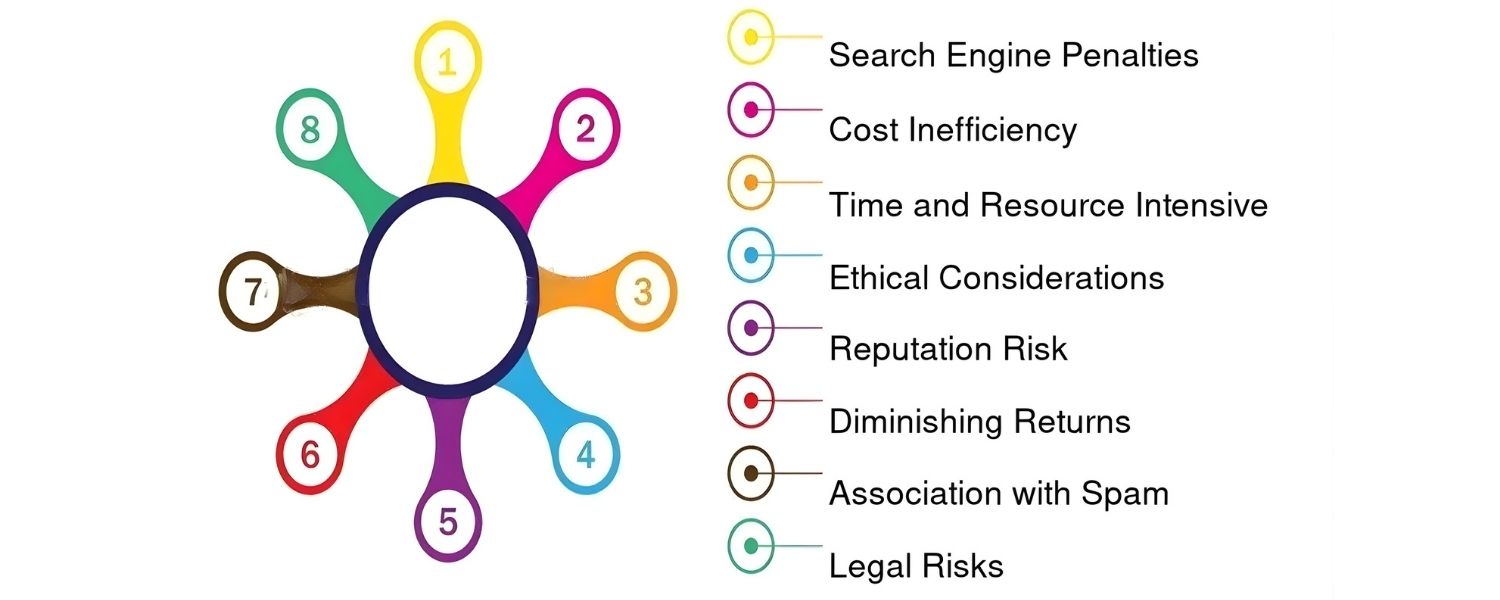
While not as quantifiable, there’s a reputational risk to using PBNs. Within the SEO community (and certainly among clients if you’re an agency), PBN usage is often viewed negatively. If it comes to light that your brand used a network of fake blogs to rank, it could hurt trust with customers or partners.
Google’s own documentation calls tactics like PBNs “against the guidelines,” which for some businesses is enough reason to avoid them, they choose to align with Google’s quality standards as a matter of principle. Additionally, PBN sites themselves are usually low-quality (thin content, maybe even plagiarized or AI-generated content, made purely for links).
Associating your main site with these can indirectly reflect poorly on your brand’s image. It’s one more factor to weigh: Is the slight ranking boost worth aligning my brand with a network of spam sites?
In summary, the deck is stacked against PBNs in the long run. Yes, some people still manage to squeeze value out of them, but it’s often a question of when, not if, the consequences will catch up.
It could be a Google update next month, a manual review next year, or simply wasted resources that could have built a genuine audience. As someone who’s seen SEO fads come and go, my advice is to avoid betting your business on such a precarious tactic.
How to Spot (and Avoid) Private Blog Networks (PBNs) Links
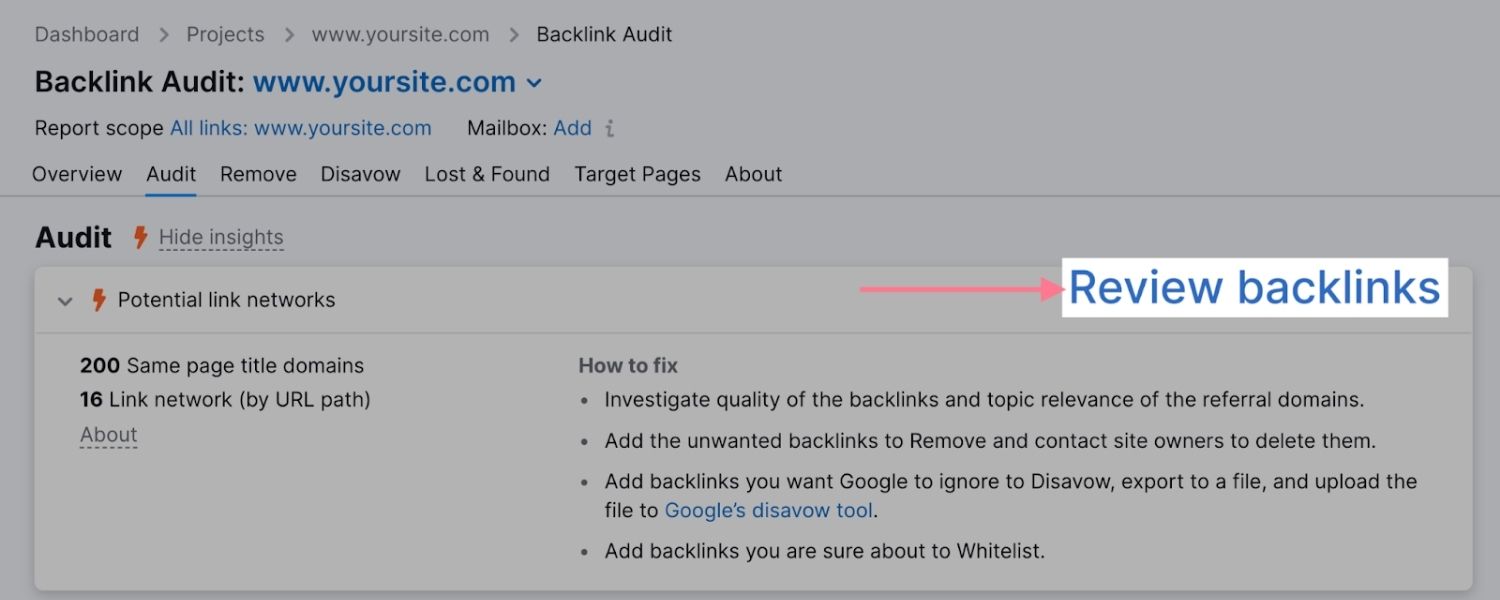
Whether you’re auditing your own site or checking out a competitor’s backlinks, it’s useful to know the warning signs of PBN links. This can help you steer clear of low-quality link schemes and protect your site’s integrity. Here are some tips for identifying PBN links and avoiding them:
1. Examine the linking site’s quality and traffic
Real websites typically have some organic traffic and rank for at least a few keywords. PBN sites, on the other hand, often have little to no organic traffic.Using SEO tools (like Ahrefs’ Site Explorer or Semrush), you can check a referring domain’s traffic – if it’s effectively zero but that site has outbound links to you, be suspicious.
Also, look at the site’s content: is it topical, well-maintained, and something a normal person would read? If the site looks abandoned or filled with thin articles, it might be a dummy site.
2. Check for exact-match anchors or odd linking patterns
PBN links often use keyword-rich anchor text (since the link builder wants to boost specific terms).If you find a bunch of backlinks to your site all with the anchor “best [your keyword]” coming from different low-quality blogs, that’s a red flag.
Natural link profiles have a mix of anchors (brand names, “click here,” URLs, etc.). An over-optimized anchor text profile can indicate artificial link building.
3. Multiple links from the same “network” of sites
If you suddenly acquired links from, say, 10 different blog domains that all have a similar look or are clearly owned by the same entity, you might have stumbled on a network.
Sometimes the sites even interlink with each other or share Google Analytics/AdSense codes (footprints that can be discovered with advanced analysis). It shouldn’t be obvious that a group of linking sites are related – if it is, that’s a bad sign.
4. Hidden or absent site owners
Legitimate blogs often have identifiable owners or authors, social media profiles, and engagement (comments, social shares). PBN sites tend to be very anonymous.
They might use private Whois registration to hide who owns the domain (though many legit sites do too), and they usually don’t have active social media or communities. A lack of any real “owner footprint” might hint that the site exists only for SEO purposes.
5. Technical tells
As mentioned, things like shared IP addresses or the same DNS nameservers across a set of linking sites can reveal a network. If you suspect links are from a PBN, you can use tools to see the host IP of those domains.
If a large chunk of your backlinks come from different domains but all hosted on a handful of IPs or the same hosting company, it could be a link network (or a blog farm on a cheap host).
Also, PBN sites might deliberately block bots like Ahrefs from crawling (to hide their outbound links), which you can test by seeing if those domains appear in backlink tools. If a link is visible in Search Console but not in any external link index, the site might be blocking crawlers, a tactic common with Private Blog Networks (PBNs) .
So, what do you do if you discover PBN links pointing to your site? First, don’t panic. If you didn’t build them, it could be negative SEO (or a past SEO agency’s work).
Google is pretty good at ignoring blatant spam links, so you may not need to take action if there’s no impact on your rankings. Google itself says its preference is that you ignore toxic links unless you’re sure they’re harming you.
However, if you have a lot of Private Blog Networks (PBNs) links and you’ve received a manual penalty or warning, you should address it. Here’s how:
A. Audit and document the links
Use Google Search Console’s Links report or a backlink audit tool to compile a list of suspicious backlinks. Focus on the ones from very low-quality sites or networks.
B. Request removal (if feasible)
In some cases, if you know who built the links (e.g., an SEO firm or a network you have contact with), ask them to remove the links. Often with PBNs, this isn’t possible (the site owner may not respond or may ask for money to remove links – a known issue).
C. Disavow as a last resort
If you’re under penalty or truly worried, you can use Google’s Disavow Tool to essentially tell Google to ignore certain links. You’d upload a “disavow file” listing the domains or URLs to discount. Use this carefully – disavowing is not to be done lightly, as you’re asking Google to not count links that might be helping you.
Only do this if you’re confident the links are toxic (e.g., you got a manual action, or the links are definitely PBN and you want to preempt any future penalty). Google even warns that disavowing without good reason can hurt your rankings (since you remove backlinks’ influence), so make sure it’s necessary.
The best approach is prevention: avoid engaging in schemes that would land you PBN backlinks in the first place. If you’re hiring an SEO agency or freelancer, vet them. Ask how they build links and request examples of links they’ve obtained for other clients.
If they’re unwilling to show any, or if the samples they provide look like spammy blogs, steer clear. Reputable SEO providers will be transparent about their methods (guest posts, outreach, content marketing, etc.) and won’t have to hide behind “proprietary” link sources.
Remember, your website’s health is on the line, you don’t want someone building a PBN for you without your knowledge and landing you in hot water.
Safe Alternatives: How to Build Links Without Private Blog Networks (PBNs)
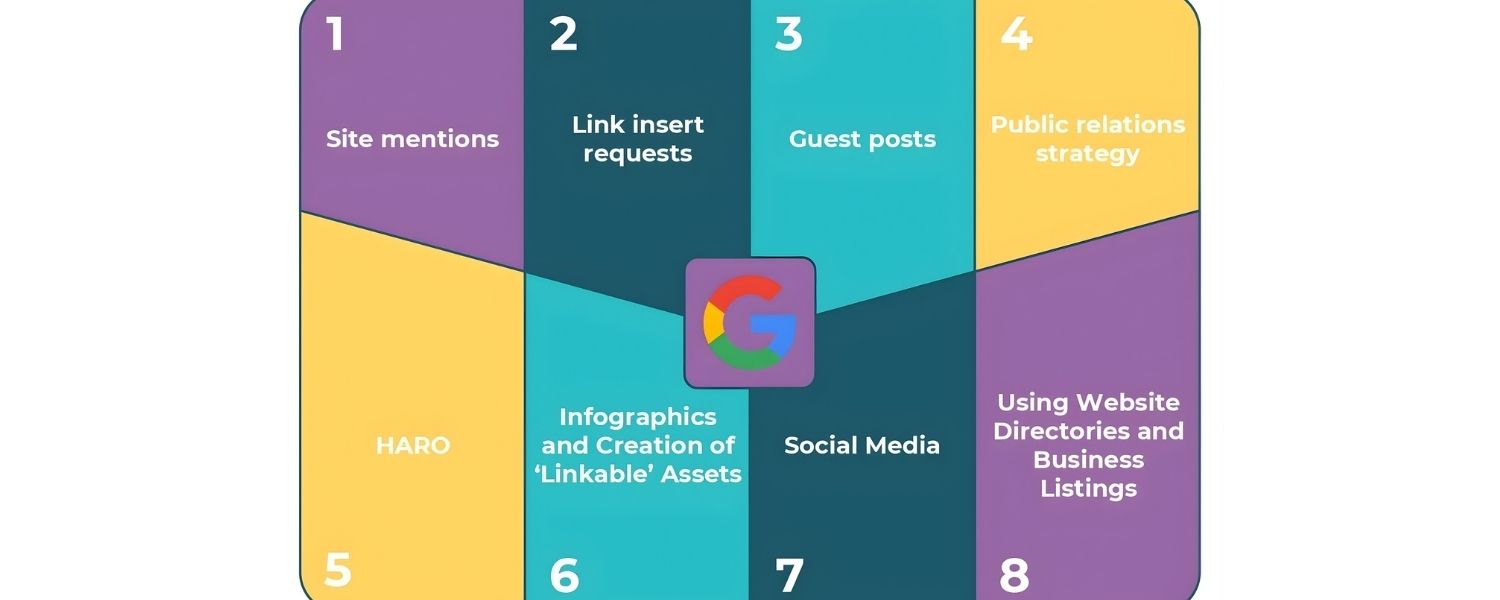
After examining Private Blog Networks (PBNs) , you might be thinking, “Okay, so what’s the right way to build backlinks?” The good news is there are plenty of effective, white-hat link building strategies that can improve your rankings and keep your site safe from penalties.
They require effort and creativity (no instant shortcut, unfortunately), but they pay dividends in the long run. Here are some proven alternatives to using Private Blog Networks (PBNs) :
1. Create Link-Worthy Content
Content is still king. One of the most sustainable ways to attract backlinks is by publishing genuinely valuable content on your site, blog posts, research studies, infographics, videos, tools, etc. When you offer something unique and high-quality, people will naturally reference and link to it.
For example, a compelling industry study or a helpful how-to guide can earn links from news sites or bloggers who find it useful. This is often called “link earning” as opposed to link building. It’s organic and safe – Google loves to reward content that others voluntarily link to.
2. Guest Blogging and Contributor Posts
Writing guest articles for reputable websites in your niche remains a solid strategy. You contribute a useful article to another site, and in return you typically get an author bio link or can subtly reference your site within the content (where relevant).
The key is to target real, authoritative websites, think trade publications, popular blogs, magazines, etc., not low-quality “write for us” farms.
Guest posting works best when you have expertise to share and choose sites that have real readership. It not only yields a backlink, but also puts your name in front of a new audience (win-win for branding). Just avoid over-optimized anchors; keep it natural and value-driven.
3. Digital PR and Outreach
This involves treating your content like news. If you have something newsworthy, a unique insight, a data report, a success story, pitch it to journalists or industry influencers. Even a clever infographic or an interactive tool can be pitched.Digital PR is about getting earned media coverage.
When a journalist writes about your story or a blogger links to your nifty tool, those are organic, quality backlinks. Services like HARO (Help A Reporter Out) can connect you with writers looking for sources.
Yes, it’s effort to send emails and network with writers, but a single link from a prominent site (think NYTimes.com or a leading niche blog) can outperform 100 mediocre PBN links.
4. Broken Link Building & Resource Links
This is a clever tactic where you find broken links on other sites and suggest your content as a replacement. For instance, if a high-authority blog has a dead link to a resource about “SEO tips” that no longer exists, and you happen to have a similar article, you can reach out and recommend they link to you instead.
You’re doing them a favor by pointing out a broken link and providing a good replacement.This requires some research (using tools to find 404 links on sites, etc.), but it’s a white-hat strategy that can pick up links that were essentially “abandoned.”
Similarly, many sites have resource pages (e.g., “Top 10 resources for ___”) – getting listed there usually just requires politely asking and showing that your content is a perfect fit.
5. Engage in the Community
Sometimes, building links is about building relationships. Participate in niche forums, Q&A sites (like Quora/Stack Exchange), or social media communities relevant to your industry. When you consistently add value to discussions, you become a known entity.
While forum profile links or Quora links themselves might be nofollow (and low SEO value), the connections you make can lead to opportunities. Maybe you collaborate with another expert on a piece of content, or they invite you to contribute to their site (earning a link and exposure).
Networking in your field often opens doors to natural link placements, for example, a partner site might mention and link to you in a case study or a roundup post.
6. Improve Your Own Site (Indirect Link Earning)
It’s worth noting that not all SEO gains come from outreach. By making your website itself more linkable, you attract backlinks passively. Ensure your content is comprehensive and up-to-date. Add useful tools or calculators if relevant.Provide great user experience, fast loading, well-designed pages.
Websites that are leaders in content and user satisfaction tend to accumulate backlinks over time, because people cite them as authoritative sources. For instance, if you publish an annual “State of the Industry” report with fresh statistics, other writers will link to your stats.
It takes time to build this kind of authority, but it’s very defensible, Google’s algorithm rewards expertise and trustworthiness, which you demonstrate through high-quality content and genuine endorsements (links) from others.
7. Use Reputable Link Services (if outsourcing)
If you have budget but not time, you might consider hiring a link-building agency that explicitly uses white-hat methods. There are services that specialize in getting editorial links – placements within real articles on real sites – through their outreach networks.
Essentially, they do the guest posting or outreach on your behalf. Be cautious and do your research: ask them about their process, what kinds of sites they secure links on, etc. If they promise “100 links in a week” or have ultra-cheap packages, that’s a red flag (likely using PBNs or spam).
Legitimate link outreach services will charge more and take longer, but they’ll get you links that actually move the needle safely. Remember, quality over quantity is the mantra for link building in 2025.
The overarching theme of these alternatives is providing value and being genuine. Instead of trying to game the system with artificial sites, you’re working with the system, creating things people naturally want to link to.
Not only will this keep you in Google’s good graces, but the links you earn will usually be from high-authority, relevant sources, which are far more potent for SEO than a dozen low-level blog links.
It’s also important to mention: patience is key. Real link building takes time. In my two+ decades in marketing, the strategies that yielded the best results were those that grew slowly and steadily.
It might take 6 months to a year to see dramatic improvements, but those improvements last, and you won’t live in constant fear of the next Google update.
As the saying goes, “SEO is a marathon, not a sprint.” PBNs might seem like a shortcut, but often they’re a shortcut to a dead end. Investing in long-term, Google-friendly tactics will build a stronger foundation for your site’s visibility.
Bottom Line: Are Private Blog Networks (PBNs) Worth It?
After weighing all the pros and cons, here’s the bottom line: Private Blog Networks are generally not worth the risk or cost for most website owners. While they can deliver a temporary boost in rankings, the potential downsides, from Google penalties to wasted resources, far outweigh those short-term wins.
In 2025 and beyond, Google’s algorithms are smarter than ever, and they’re explicitly designed to catch manipulative tactics like PBNs. The fact that you must constantly worry about hiding footprints and praying you stay under the radar is a sign of an unsustainable strategy.
In my experience, businesses that focus on sustainable SEO practices (quality content, honest link earning, technical optimizations, and a dash of patience) end up miles ahead of those that chase loopholes.
PBNs fall somewhere in the grey-to-black hat spectrum, and operating in that zone means you’re always one step away from a penalty or a rank drop. It’s a volatile foundation to build your search presence on.
Instead, by channeling your efforts into legitimate SEO, you not only improve your rankings but also build a brand and resource that users trust. The traffic you gain is more likely to stick because it wasn’t won by trickery.
Think of it like growing a garden: you can spray paint a patch of grass green (fast but fake), or you can water and nurture real grass (slower, but genuinely lush and resilient). Private Blog Networks (PBNs) are the spray paint, they might look good briefly, but they don’t last and they can poison the soil.
So, should you use private blog networks? My advice is no. The SEO world has largely moved on from such tactics, and those still advocating PBNs are playing with fire or selling a risky service.
Focus on creating something worth linking to, and the links will follow in time. It may not be as quick or flashy as a PBN-fueled spike, but you’ll sleep better at night knowing a random algorithm update won’t wipe you off the map.
A Final Word (and Our CTA)
SEO is about building long-term credibility. Every link to your site should ideally be a reflection of real trust or interest, not something you secretly planted. By avoiding schemes like Private Blog Networks (PBNs) , you’re investing in the longevity and integrity of your website.
If you’re feeling unsure about your link strategy or suspect there are risky links in your profile, it might be time to consult with professionals who can help chart a safe path forward.
Need help improving your site’s rankings the right way? Our team of SEO experts is here to assist. We can audit your backlink profile for any harmful links, develop a white-hat link-building plan, and create compelling content that naturally attracts links.
Don’t gamble with your business, let us help you build an SEO strategy that delivers results and peace of mind. Reach out today for a free consultation and let’s grow your organic traffic sustainably!

Why Roseville Startups are Choosing Offshore Marketers to Scale Smarter
Roseville is no longer just a quiet suburb of Sacramento;...
What Is PPC? A Practical Guide to Pay‑Per‑Click Advertising
Pay‑per‑click (PPC) is the “pay only when someone clicks” branch...
Google Search Issues Affecting Results in Some Regions
Google has confirmed a problem with one of its data...

Keyword Counts Dropped After Google’s num=100 Change
In September 2025, Google stopped supporting the &num=100 parameter. This...

Image SEO: Optimize Images for Higher Rankings & Traffic
Introduction Images make your website more engaging, but they can...


.png)
.png)
.png)
.png)
.png)

2024 ALL RIGHTS RESERVED MADE IN INDIA
.png)