SEO Brand Awareness: Build a Visible, Trusted Brand
August 27, 2025
Introduction
In today’s digital landscape, a strong brand is built not just through traditional advertising, but through consistent online visibility and credibility. This is where search engine optimization (SEO) and brand awareness intersect.
Every time your website appears in search results, it’s an opportunity for someone to discover and remember your brand. SEO boosts brand awareness by improving your visibility on search engine results pages (SERPs), even if a user doesn’t click your link, seeing your name high in the rankings increases familiarity.
Over 3 billion Google searches occur each day, so appearing prominently for relevant queries can put your brand on the radar of thousands of potential customers.
In this comprehensive guide, we’ll explore how SEO and brand awareness go hand-in-hand, and share expert strategies (honed from 25+ years in marketing) to supercharge your brand’s visibility, credibility, and growth. Get ready to learn how an SEO-first approach can turn searches into loyal audiences and ensure your brand is the one people think of first.
What is SEO Brand Awareness and Why It Matters
SEO Brand Awareness refers to the practice of using SEO techniques to increase people’s familiarity with your brand. In simple terms, it means making your brand more visible and recognizable in search results. When done right, SEO doesn’t just drive traffic, it builds your reputation and trustworthiness in the eyes of consumers.
Why does this matter? Because consumers are far more likely to buy from brands they know and trust. Research shows that branded searches (queries containing your brand name) often indicate high purchase intent.
Users searching your name are usually closer to conversion than those who don’t know you. Moreover, a strong brand presence in search can improve click-through rates; people tend to click results from brands they recognize.
In fact, as users become more familiar with your brand, they’re more likely to click on your links and even specifically search for your brand. This further boosts your rankings and organic traffic.
On the flip side, non-branded searches (generic queries like “best project management software”) are crucial for introducing your brand to new audiences. SEO helps you appear for these terms, effectively acting as digital outreach to prospects who haven’t heard of you yet.
Both branded and non-branded search traffic are important, non-branded queries fill the top of your marketing funnel with new prospects, while branded queries capture bottom-funnel users ready to convert.
An effective SEO strategy balances both, ensuring you’re attracting new eyes while staying front-of-mind for those who already know you.
SEO-driven brand awareness is about being present at every stage of the buyer’s journey. From the moment someone searches a generic problem or product (“running shoes for flat feet”) to the point they search for your brand specifically after seeing you multiple times.
If your brand consistently shows up with helpful, relevant content, people will start to associate your name with authority and reliability, giving you a major advantage over less-visible competitors.
How SEO Builds Brand Awareness: Visibility, Credibility, and Recognition
SEO contributes to brand awareness in several key ways. Let’s break down the core benefits:
1. Increased Online Visibility
The higher and more frequently your website ranks on search results, the more often people encounter your brand. Appearing on the first page for important keywords means more eyeballs on your brand name, even from those who don’t click immediately. Over time, repeated exposure through search builds familiarity.
For example, if your site shows up regularly for searches related to “custom candles,” users begin to subconsciously register your brand. This familiarity lays the groundwork for trust and future engagement.
2. Credibility and Trust from Rankings
Consumers tend to trust what Google ranks highly. Earning one of the top spots signals to users that your brand is authoritative and popular. Being in Google’s top results conveys credibility, much like positive PR.
In practice, a high ranking can function as an implicit endorsement of your brand’s quality. Studies confirm this effect: for example, the #1 organic position on Google gets about a 38% click-through rate, while results at the bottom of page one get under 2%. Users interpret top-ranked sites as more trustworthy, so simply ranking well boosts your brand’s perceived reliability.
Furthermore, if reputable websites link to you (backlinks), it not only helps SEO but also serves as a vote of confidence that enhances your brand’s authority.
3. Brand Authority through Content
SEO isn’t just about keywords – it’s fundamentally about content. By creating high-quality, informative content that answers your audience’s questions, you position your brand as an industry thought leader. When people consistently find helpful guides, insights, or answers on your site, it associates your brand with expertise.
Companies that regularly publish valuable content (blog articles, tutorials, case studies, etc.) become known for their knowledge. Over time, this content-driven authority makes your brand the one people think of first in your niche.
Google has emphasized E-E-A-T (Experience, Expertise, Authoritativeness, Trustworthiness) as a marker of quality; by showcasing expertise through content, you satisfy both users and search engines. For example, a search-first content strategy – where you craft content around what your audience is searching for – ensures your brand is present with the right answers at the right time, boosting recognition and trust.
4. Better User Engagement and Experience
SEO and user experience go hand in hand. Google rewards websites that load fast, are mobile-friendly, and have low bounce rates – all indicators that users find the site helpful. By optimizing your site’s technical performance and usability (core parts of SEO), you not only improve rankings but also give visitors a positive brand experience.
A fast, easy-to-navigate site with relevant content makes a strong impression, encouraging users to stay longer and engage more. The longer someone interacts with your site, the more your brand sticks in their mind. Conversely, if your site is slow or confusing, it can harm both SEO and your brand image – a poor UX may lead users to associate your brand with frustration.
Modern SEO emphasizes Core Web Vitals (loading speed, interactivity, visual stability) as ranking factors, underscoring that delivering a great experience is key to building a trusted brand online.
5. Consistent Presence Across Channels
A comprehensive SEO approach extends beyond your website to encompass local search, image search, and even social media content. For instance, appearing in local SEO results (Google Maps and local packs) ensures nearby customers see your brand when searching for services “near me,” reinforcing brand awareness in your community.
Optimizing for image search or having your visuals appear (with proper alt tags and metadata) can similarly increase touchpoints with your brand. Additionally, while social media is not a direct Google ranking factor, search engines do index some social content – and importantly, users often search for brand names on platforms like YouTube or Twitter.
Maintaining consistent branding (logos, messaging) across your site and social profiles helps create unified brand recognition wherever people find you. In short, SEO-oriented brand building means being discoverable and recognizable on all the platforms and formats your audience uses.
Bottom Line
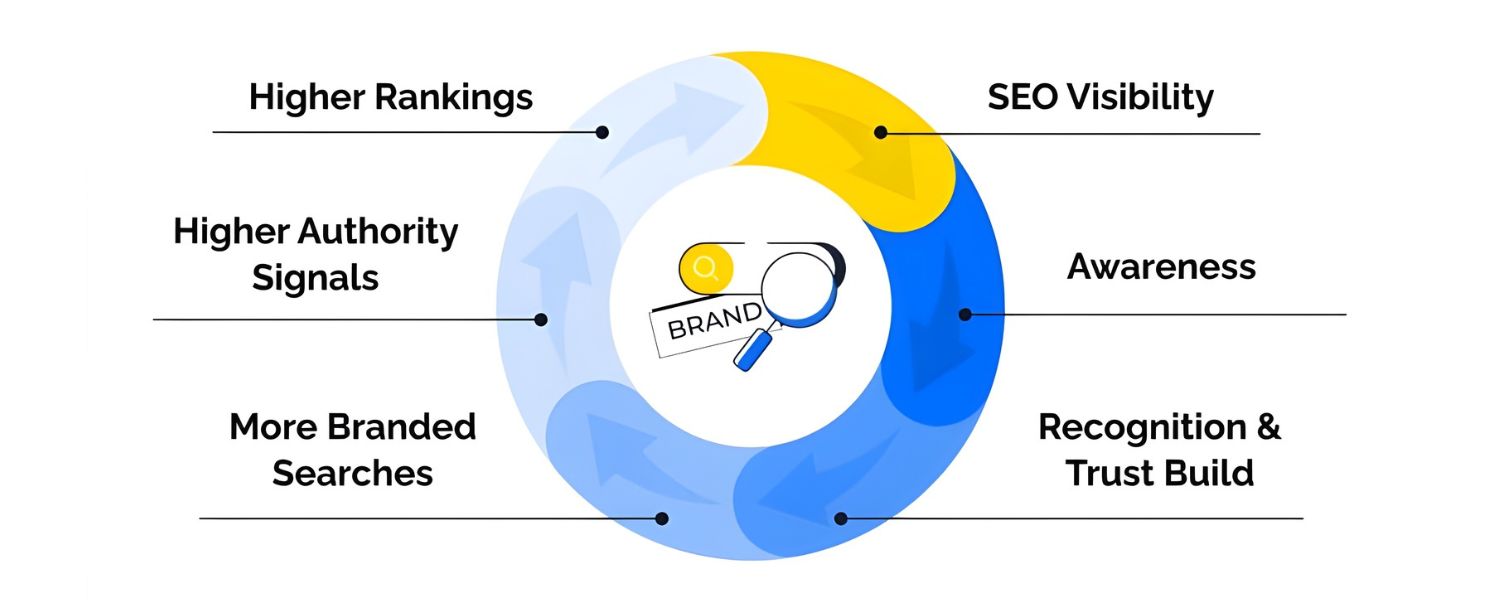
SEO amplifies brand awareness by ensuring that when people search, they find your brand, and when they find your brand, they get a great impression. It’s a virtuous cycle: higher visibility leads to greater familiarity, which leads to more clicks and branded searches, which further boosts your SEO performance.
In the next sections, we’ll dive into actionable strategies to capitalize on this cycle.
Key SEO Strategies to Boost Brand Awareness
Integrating SEO into your brand awareness strategy requires a holistic approach. Here are the core strategies, from foundational SEO practices to advanced techniques, that will grow your brand’s visibility and reputation online:
1. Perform Smart Keyword Research & Target Relevant Search Intent
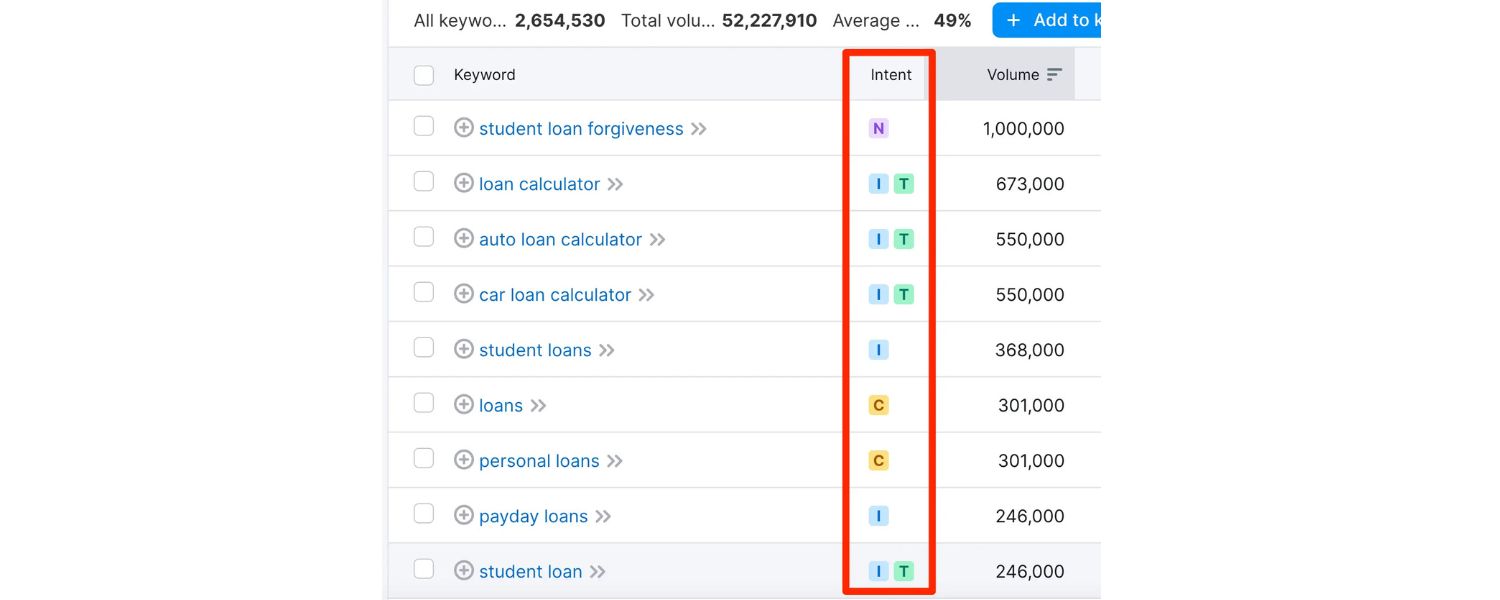
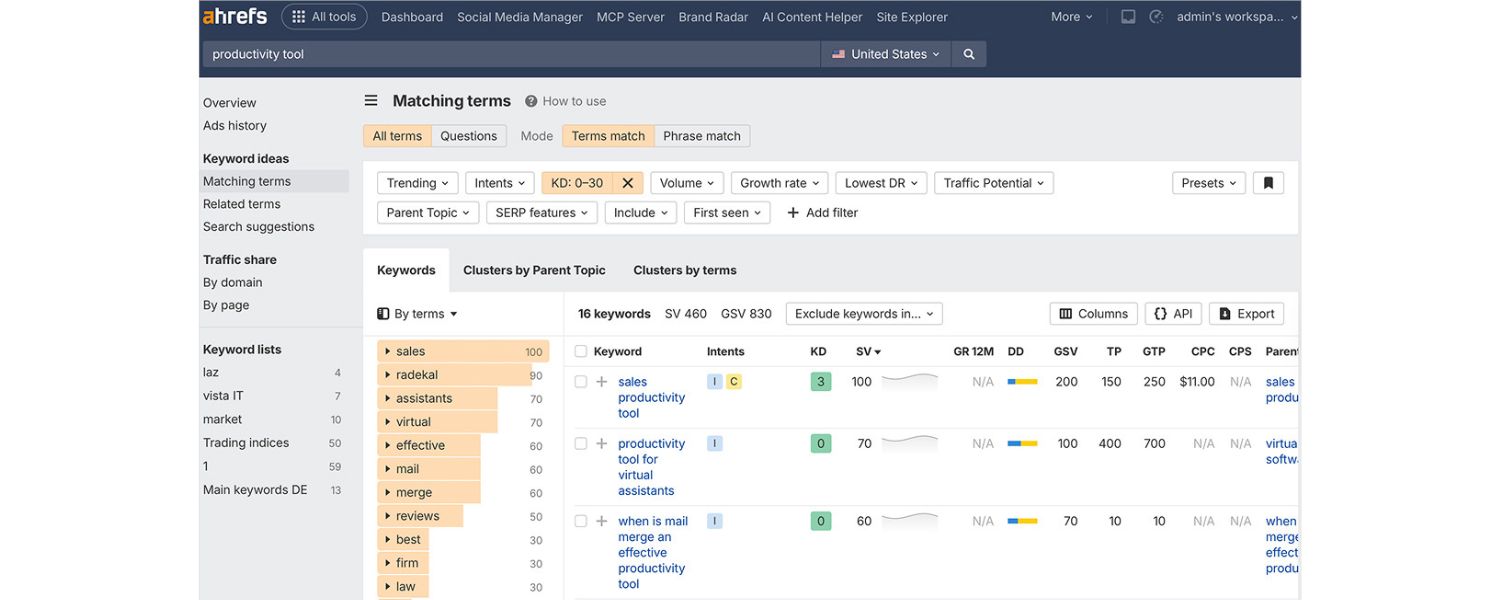
Every successful SEO strategy starts with understanding what your audience is searching for. Keyword optimization is about aligning your content with user search intent. For brand awareness, this means targeting the topics and long-tail keywords that your potential customers care about, especially those that don’t (yet) include your brand name. By ranking for informational and problem-solving queries in your industry, you introduce your brand to users early in their journey.
Tips for Keyword Strategy:
A. Focus on Long-Tail Keywords
These are longer, specific phrases (3+ words) that indicate a focused intent (e.g., “eco-friendly HVAC systems installer”). Long-tails often have lower search volume but also lower difficulty, making them easier to rank for as a newer or growing brand.
They also tend to reflect more qualified traffic. For example, a B2B supplier might target “industrial CNC machine maintenance tips” rather than just “CNC machines.” Ranking for a variety of specific queries helps you reach niche segments of your audience and builds credibility in those subtopics.
B. Use Audience Language in Keywords
Ensure you’re optimizing for terms your customers actually use, not just internal jargon. If your product is novel or you’re rebranding, research how people refer to that category.
For example, if people search for “bakery” more than “pastry shop,” consider integrating the term bakery into your brand messaging or content. This way, you won’t miss out on visibility due to vocabulary mismatch. Use tools like Google Trends and keyword research platforms to validate which terms have traction.
C. Cluster Related Keywords
Rather than creating one page per keyword, build keyword clusters – groups of related terms that can be addressed with one comprehensive piece of content. For instance, “personalized scented candles,” “custom candle scents,” and “make your own candle scent” all overlap; one strong guide or landing page could target this cluster and cast a wider net of visibility.
Clustering boosts topical authority and ensures that when your page ranks, searchers see your brand for multiple variations of their query, reinforcing awareness.
D. Check the SERP Landscape
Before finalizing target keywords, Google them and analyze the results. See what content currently ranks and identify opportunities. Look at People Also Ask questions and featured snippets – these hint at what users want. If you notice specific formats (like how-to lists or videos) dominating, tailor your content accordingly so that your brand has a better shot at those rich results.
Securing a featured snippet or Quick Answer box is a powerful brand awareness win, as it puts your content (and name) front-and-center on the results page. Optimizing content to succinctly answer common questions can land your brand in those coveted snippet spots.
By strategically mapping out keywords and search intents, you set the stage for your brand to intersect with your audience’s searches at every turn. This research-driven approach ensures that your SEO efforts build brand awareness among the right people, those already interested in what you offer.
2. Create High-Quality, Audience-Centric Content
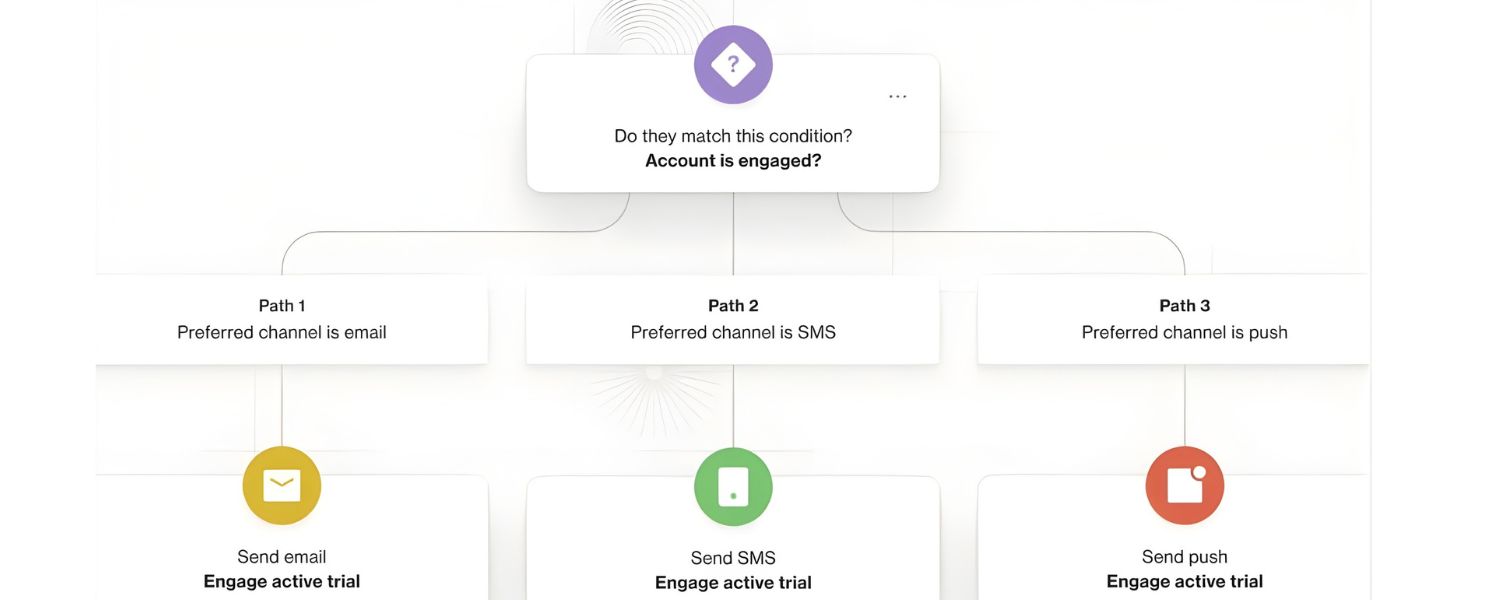
With your target topics in hand, the next step is producing exceptional content that showcases your expertise and engages your audience. Content marketing is one of the most effective ways to increase brand awareness via SEO.
Why? Because content gives people a reason to spend time with your brand – reading, learning, and appreciating the value you provide. It also gives search engines plenty of signals to rank you for.
In fact, content is the vehicle for demonstrating E-E-A-T (Experience, Expertise, Authoritativeness, Trustworthiness), which builds both SEO strength and brand trust.
Here’s how to leverage content for maximum brand impact:
A. Answer Your Audience’s Questions
The best content ideas come from your customers. Use tools (or even your sales/support team’s insights) to find common questions or pain points. Then create in-depth resources that answer those questions better than anyone else.
For example, if people frequently ask about “how to maintain solar panels in winter,” write the definitive guide on that topic. When readers find your content useful, they’ll start associating your brand with reliable information and expertise, boosting awareness and loyalty.
B. Demonstrate Expertise and Experience
Don’t be afraid to share insider knowledge, original research, or case studies. Unique insights act like a magnet for both users and backlinks (other sites referencing your content). As a result, you not only climb in SEO rankings but also differentiate your brand as a leader.
An authoritative whitepaper or a detailed tutorial can earn you speaking engagements, media mentions, and more – all of which expand brand awareness beyond just Google.
Thought leadership content (like opinion pieces or trend analyses) can be especially powerful in B2B SEO, where establishing your brand’s authority can directly influence purchasing decisions.
C. Incorporate Branding in Your Content
While the content should never be an advertisement, weave in elements that reinforce your brand identity. This can be a consistent voice/tone, references to your proprietary approach or values, or visuals (like infographics) with your branding.
The idea is that if someone finds your blog post or video out of context, they should still remember which brand produced it. Also, optimize for branded keywords where appropriate. For instance, have an “About [YourBrand]” section or mention your brand in conjunction with key topics (e.g., “Why choose [YourBrand] for project management”).
Branded keywords help ensure that when people search your brand plus a topic, you dominate the results. They also signal to Google which terms are closely associated with your brand.
D. Publish Consistently
Brand awareness grows with repeated exposure, so a one-off blog post won’t move the needle much. Create an editorial calendar to publish regular content – whether weekly articles, monthly webinars, or daily social snippets that tie back to your site.
Each piece of content is a new doorway through which someone can discover your brand. Consistent publishing also signals to Google that your site is fresh and active, which can help with indexing and rankings. Over time, a library of quality content makes your site a destination.
(Bonus: it gives you plenty of material to repurpose across social media, email newsletters, etc., extending your brand reach further.)
Remember, content marketing and SEO work best together. SEO drives people to your content, and great content keeps them with your brand. By establishing your site as a go-to resource, you not only earn higher search rankings but also the trust and mindshare of your audience.
This translates to stronger brand recognition (they’ve seen your name multiple times on valuable resources) and preference (when they’re ready to convert, your brand stands out).
3. Optimize On-Page Elements for Brand Visibility
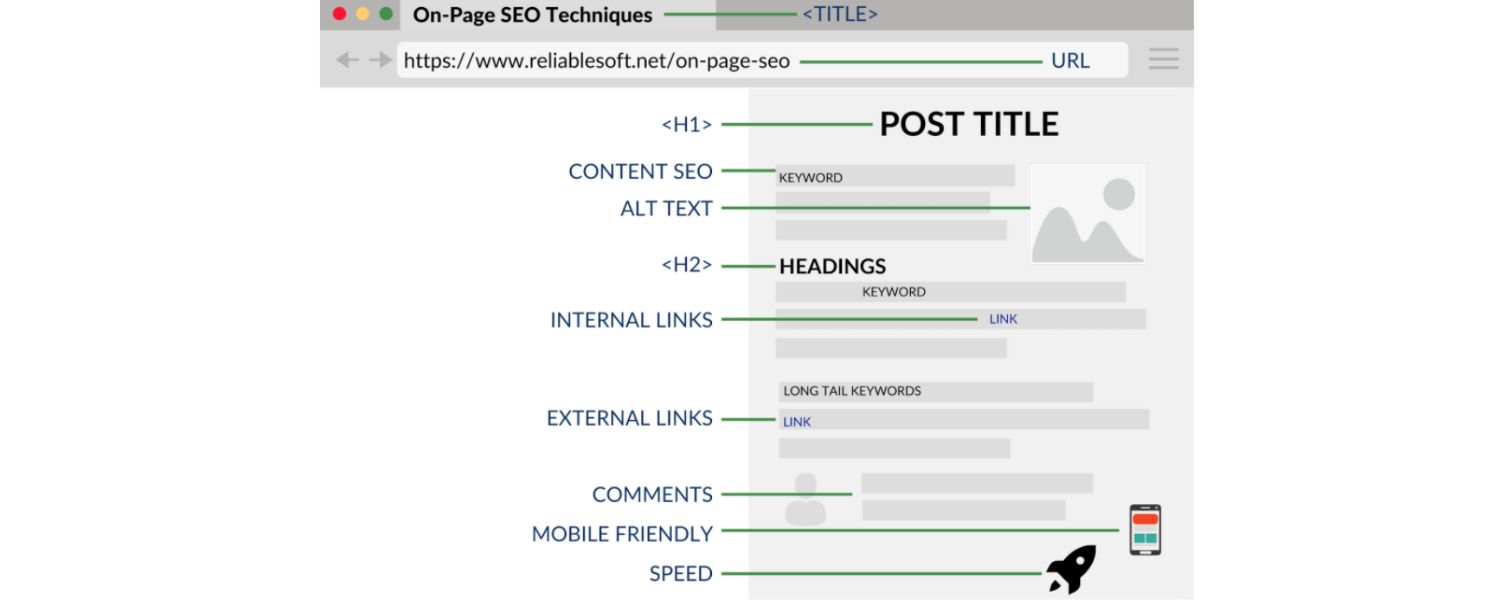
On-page SEO is the practice of optimizing individual pages’ elements, and it’s crucial not just for rankings, but for how your brand is perceived in search results. Pay attention to the following on-page aspects to ensure your content is both search-engine-friendly and compelling to users, reinforcing your brand message:
Key On-Page Elements:
A. Title Tags and Meta Descriptions
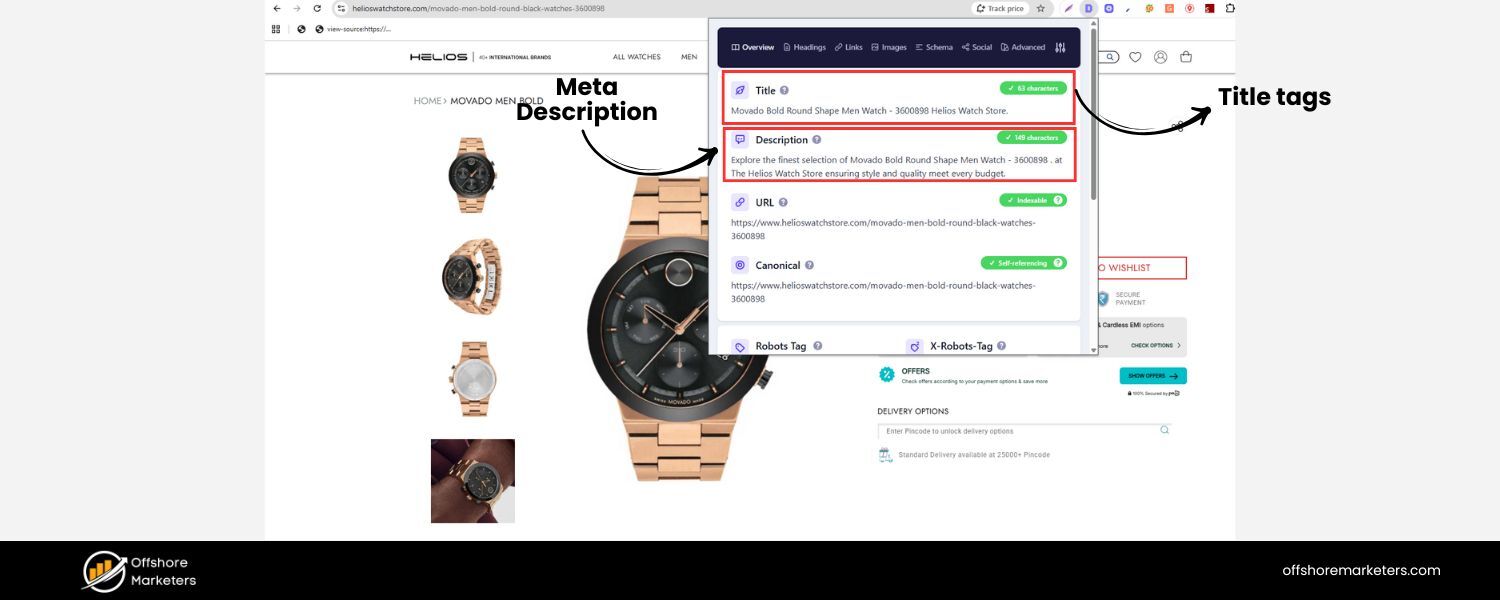
These are your first impression on the SERP, effectively your “ad copy” in organic search. Write clear, descriptive title tags for each page that include your target keyword and, when appropriate, your brand name. For example: “10 Email Marketing Tips for Small Businesses | YourBrand.” This way, even if a user doesn’t click, they see your brand connected to the topic.
Meta descriptions should similarly be crafted to entice clicks and highlight your brand’s unique value or credibility (“…Learn proven tips from YourBrand’s 25 years of marketing experience”).
While meta descriptions aren’t a direct ranking factor, a compelling one can significantly improve your click-through rate (CTR) – and higher CTR does correlate with better rankings and more traffic.
Remember, positive CTR signals also strengthen your brand’s appeal in Google’s eyes, creating a virtuous cycle.
B. Header Tags and Content Structure
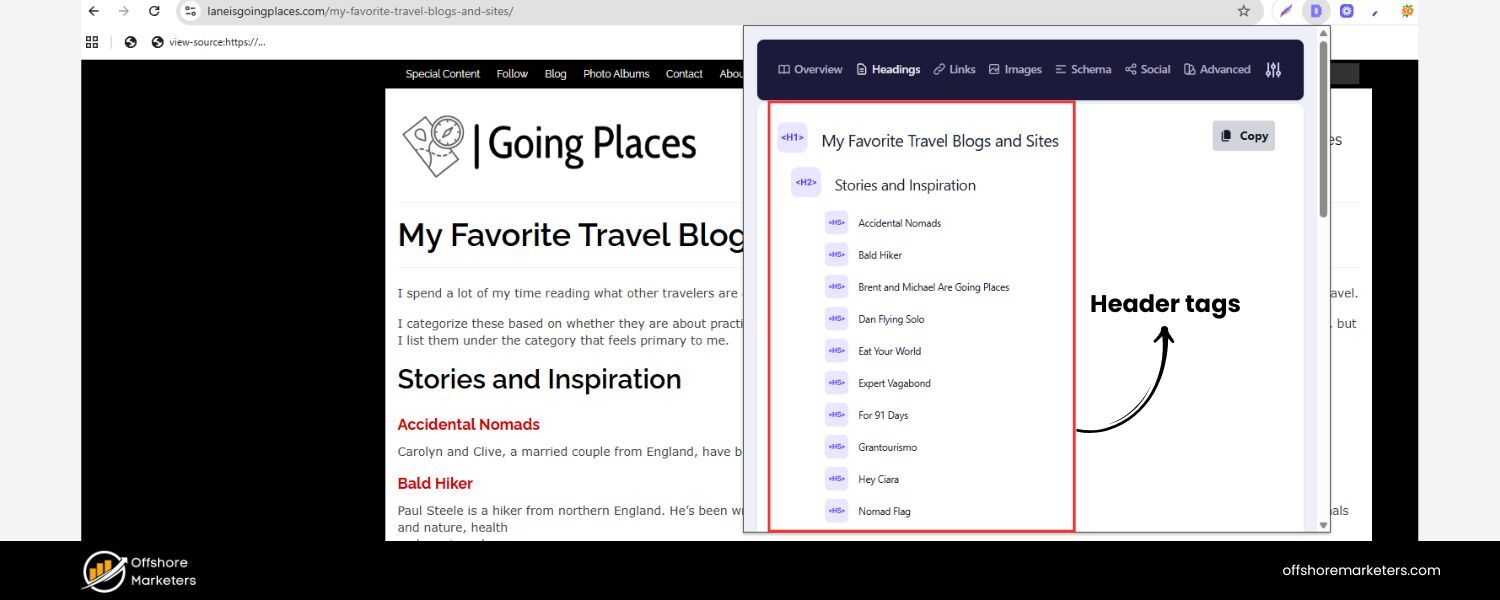
Use headings (H1, H2, H3) not just for SEO keywords but to communicate a logical structure and showcase your authority on subtopics. A well-structured page covering all sub-questions of a topic signals completeness.
It also improves user experience by making content scannable (many readers skim, and headings that resonate with their needs will stick in their mind alongside your brand name).
Where relevant, incorporate semantic keywords and related terms in your headers – this can help you capture multiple search variations and appear for more queries, increasing brand exposure.
C. Internal Linking
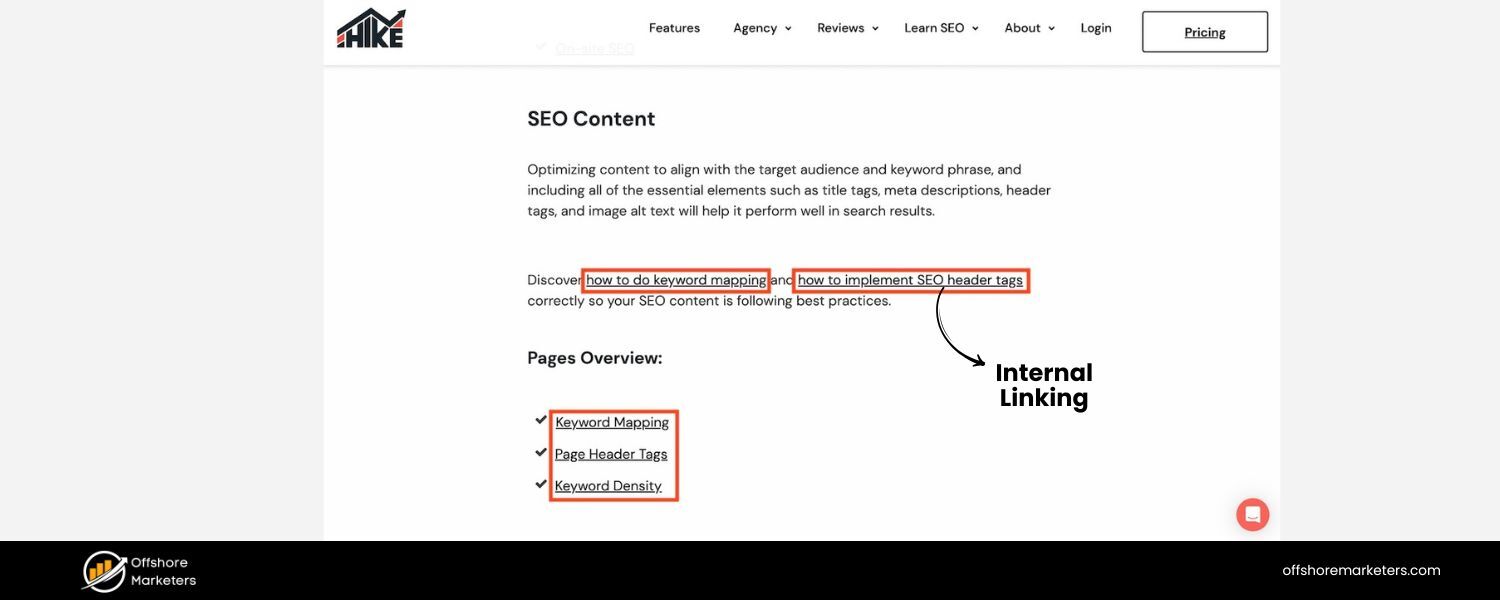
Don’t underestimate the power of linking your pages to each other. An internal linking strategy helps guide users to more of your content, keeping them engaged with your brand longer.
It also helps search crawlers understand your site structure and discover new content. Whenever you create a new piece, think of other pages on your site where you can add a link to it (and vice versa).
For example, your blog post on “10 Budget Travel Tips” might link to your resource page on “Affordable Travel Gear by [YourBrand].” These contextual links not only pass SEO value but also tell a story of your brand’s breadth.
A user might land on one article and, through internal links, realize you have solutions or insights in multiple related areas – reinforcing that your brand is comprehensive and multifaceted.
Moreover, as Google crawls your interconnected content, it can more easily recognize thematic authority, potentially rewarding you with higher visibility across that topic cluster.
D. Brand Consistency in Design and Tone

While not a traditional “SEO factor,” maintaining a consistent brand look and voice across your site builds recognition. Use your logo prominently (and make sure it’s optimized for the web so it loads quickly and looks crisp on all devices, a large, unoptimized logo image can slow your site and harm SEO).
Ensure your messaging reflects your brand values and persona. Consistency breeds familiarity: a visitor who reads one blog today and another next month should feel the cohesive brand presence.
This kind of intangible on-page element strengthens brand recall. Inconsistent branding (different logos, colors, or tone on different pages) can confuse or alienate users, undermining the awareness you’re trying to build.
By fine-tuning on-page elements, you make sure that when your content surfaces via SEO, it maximizes brand impact. A search listing that clearly carries your branding and a page that delivers a polished, branded experience can together leave a lasting imprint on searchers – even if they don’t convert right away.
That imprint means your brand will come to mind more easily later, or they’ll be more likely to click your result the next time.
4. Ensure a Great Technical SEO & User Experience (UX)
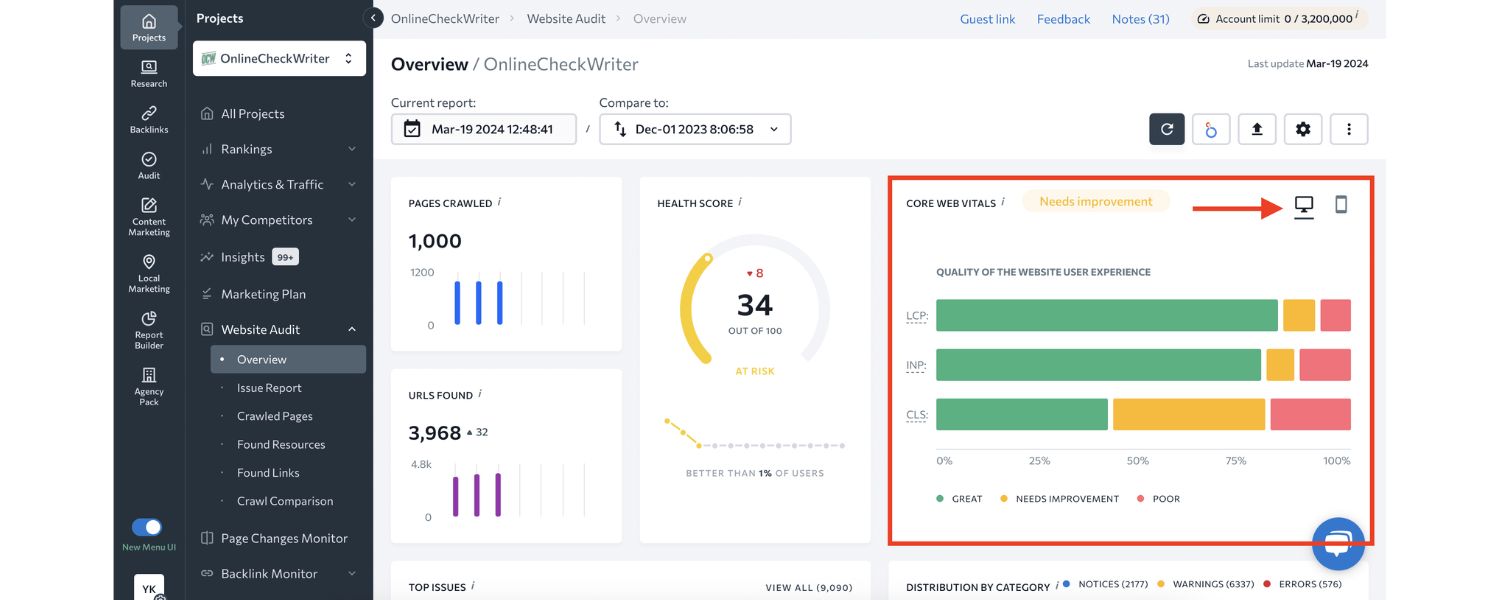
A strong brand isn’t just visible; it’s also reputable and reliable. One of the quickest ways to sour a potential customer’s impression is a slow, glitchy, or insecure website. That’s why technical SEO – optimizing site performance and structure – is foundational for brand-building through SEO.
Google’s algorithms increasingly emphasize user experience factors as ranking signals (page speed, mobile usability, security), which means technical improvements pull double duty: they boost your search rankings and protect your brand’s image by providing a smooth experience.
Key Areas to Focus On:
A. Site Speed and Core Web Vitals
Users have little patience for slow sites. If your page takes too long to load, many will hit the “back” button, and that bounce not only hurts SEO but also means a lost opportunity to engage that user with your brand.
Google’s Core Web Vitals – Largest Contentful Paint, First Input Delay, Cumulative Layout Shift – are metrics that quantify aspects of loading speed, interactivity, and visual stability. Aim for “good” scores on all, as Google may reward fast sites with better rankings.
More importantly, a fast site keeps visitors around longer, letting your content and branding do their job. Use techniques like image compression (e.g., tools to shrink image file sizes), enable browser caching, and consider a Content Delivery Network (CDN) for global reach.
The result is a snappy site that silently communicates professionalism and trustworthiness – visitors may not consciously think “wow this brand cares about site performance,” but subconsciously it builds confidence. Studies have shown even a 1-second delay in load time can significantly reduce satisfaction, so speed is truly a brand differentiator.
B. Mobile-Friendly Design
With nearly 60% of internet traffic coming from mobile devices globally, having a mobile-responsive site is non-negotiable. A responsive design adapts your layout, images, and text for different screen sizes, ensuring your brand’s message is clear on any device.
If a user on a smartphone has to pinch-zoom or finds your site broken, it delivers a poor impression and they may never return. Google uses mobile-first indexing, meaning it predominantly evaluates the mobile version of your site for ranking.
So, mobile optimization is directly tied to SEO success. More than that, a seamless mobile experience makes your brand appear modern and user-centric. Make sure navigation is simple on small screens, buttons are tappable, and content is easily readable without horizontal scrolling.
Test your site on multiple devices or use mobile-friendly testing tools. By meeting mobile users’ needs, you widen your reach and show consistency in care – no matter how someone finds you, your brand delivers quality.
C. Secure and Accessible Website
Trust is a huge component of brand affinity, and nothing destroys trust faster online than a security warning or compromised data. Serve your site over HTTPS (secure protocol) – not only is it a Google ranking factor, but it also encrypts user data and displays a reassuring padlock icon in browsers.
Modern consumers are savvy; many will not fill out a form or make a purchase on a site that isn’t HTTPS, and Google will even flag “Not Secure” on sites without SSL certificates.
Additionally, practice good site hygiene: fix broken links (404 errors), maintain an organized URL structure, and use proper redirects when needed. These technical details ensure that users (and search engine bots) can navigate your site effortlessly.
It’s also wise to optimize your site’s accessibility (use alt text on images, proper HTML semantics, etc.), which not only can expand your audience (to those using screen readers, for instance) but also often improves SEO. A technically sound site conveys that your brand is professional, reliable, and cares about user privacy and experience.
In essence, think of technical SEO and UX as the foundation of your online brand house. If the foundation is shaky, it won’t matter how pretty the facade (content) is – visitors may never fully see it, or they’ll leave with a bad feeling.
But when your site is fast, friendly, and secure, it reinforces every positive message your content sends. Users might not consciously praise your site’s technical prowess, but they will remember that interacting with your brand was pleasant and hassle-free. And in a competitive market, that impression is gold.
5. Build Backlinks and Embrace Digital PR for Brand Reach
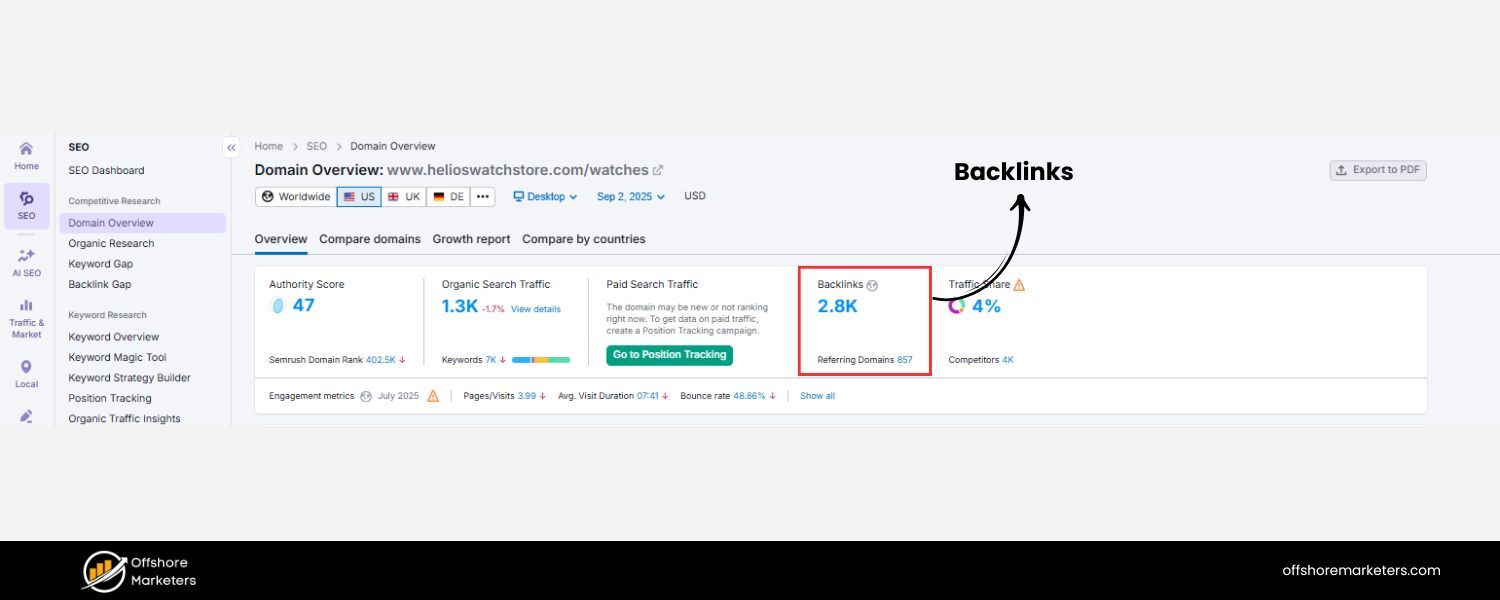
Off-page SEO – activities outside your website – plays a pivotal role in both increasing your search rankings and expanding brand awareness beyond your own channels.
The primary component of off-page SEO is link building: earning backlinks from other websites. Backlinks are essentially references or endorsements; when a reputable site links to yours, it signals to Google that your content is valuable and credible.
It also introduces new audiences to your brand via that link. The goal is to cultivate a robust backlink profile that not only boosts SEO but also positions your brand where your target audiences spend time (on news sites, industry blogs, etc.).
Strategies to Consider:
A. Guest Posts and Thought Leadership Articles
Contribute high-quality articles to publications in your niche or broader industry news sites. This is a classic way to earn a backlink (often in your author bio or within the content) and to get your brand name in front of a relevant readership.
For instance, a cybersecurity startup’s CMO might write a guest piece for a tech magazine about emerging threats. Such content establishes your brand’s authority while the backlink aids SEO.
Many readers will discover your brand for the first time through these external articles, so treat them as branding pieces, not just SEO link fodder. Consistent thought leadership appearances can significantly raise your brand’s profile.
B. Digital PR (Press Releases & PR Campaigns)
Digital PR is often called “link building 2.0” – it’s about creating newsworthy stories or data that journalists and media sites will cover, resulting in mentions and links.For example, conducting a unique survey or releasing an insightful report can attract press coverage (e.g., a statistic from your report gets cited on major publications, with a link to your site).
Unlike traditional PR which focuses purely on brand mention, digital PR explicitly seeks that SEO value via links. It’s a two-for-one: you gain the brand awareness from media exposure and strengthen your SEO authority through backlinks.
Notably, digital PR can yield some of the highest-quality links (from news outlets, .edu sites, etc.), which carry a lot of weight in Google’s eyes. Plus, having your brand referenced in reputable publications boosts consumer trust – “As seen on [BigNewsSite]” is a credibility marker.
C. Influencer Partnerships & Mentions
Identify influencers or bloggers in your industry whose audience overlaps with yours. By collaborating (whether through sponsored content, interviews, or product reviews), you can get your brand mentioned (and often linked) in their content.
For example, a fitness equipment brand might partner with a popular fitness YouTuber or blogger who reviews their product and links to their site. These links drive referral traffic and lend third-party validation to your brand.
Furthermore, users coming from those communities are predisposed to trust you because an influencer they follow has endorsed or at least highlighted you. That’s powerful for accelerating brand awareness.Just ensure any partnership is authentic and the content is high-value; avoid disingenuous link schemes, as Google (and users) can spot them.
D. Community Engagement and Link Earning
Sometimes the best way to get links and awareness is to earn them organically by being involved where your audience is. Participate in forums (like Reddit or Stack Exchange) and Q&A sites (like Quora) by providing helpful answers (and subtly mention your brand or link to a resource when highly relevant, not as spam).
Engage on social media in discussions related to your field, or comment thoughtfully on popular industry blog posts. The primary aim here is brand visibility and demonstrating expertise; any links should be a secondary outcome.
But over time, this grassroots expertise-building can result in others citing your insights or linking to your content naturally. It also humanizes your brand – people begin to recognize your experts’ names and associate them with your company.
In B2B sectors especially, this kind of reputation can drive significant branded search traffic as people specifically look up your brand after encountering your expertise.
The overarching principle is to get your brand mentioned in the right places. Every quality backlink is like a little beacon pointing both Google and real people toward your brand.
And remember Wilson Lau’s insight: traditional SEO tactics mostly impact non-branded searches, but to actually increase branded searches (people searching for you), you often need to reach them outside of search engines too.
Off-page SEO and digital PR are how you cast that wider net. When someone reads about your company in a respected publication or sees an industry leader talk about you, they’re more likely to search your brand or click that link – and just like that, SEO and brand awareness move forward together.
6. Leverage Local SEO and Reviews to Build Trust
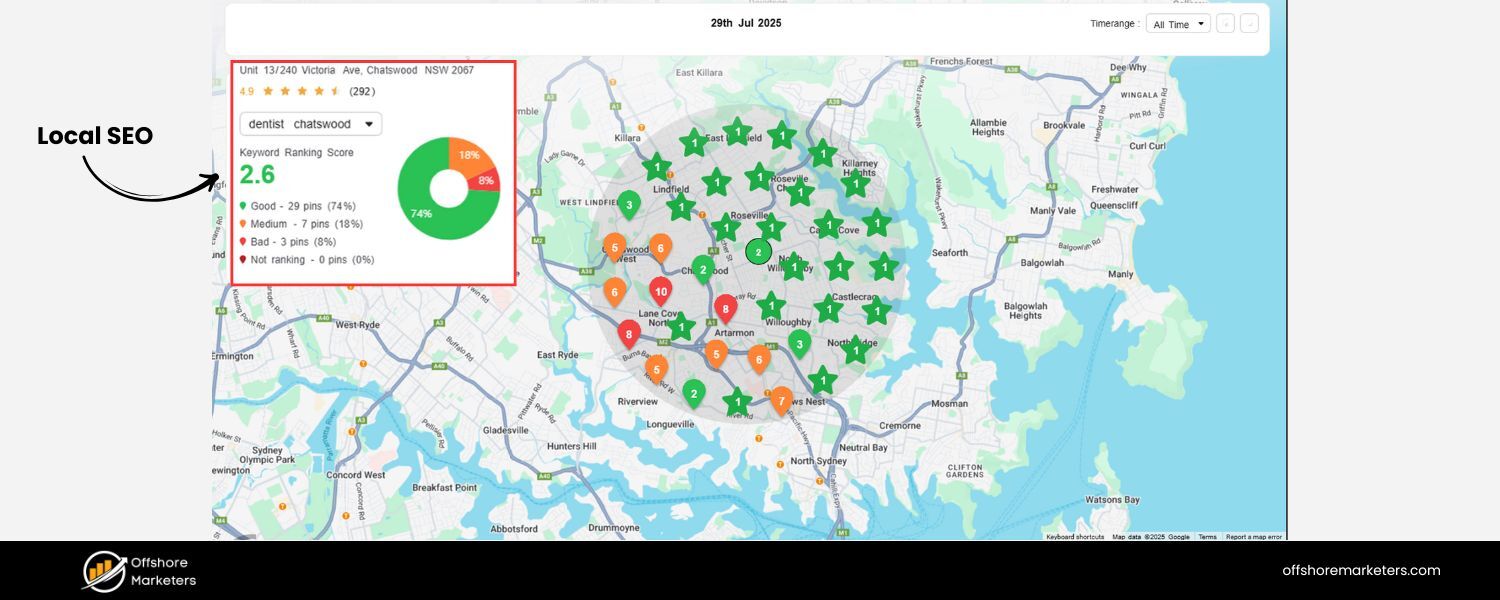
For businesses that operate in specific geographic areas (or anyone with a local customer base), Local SEO is a game-changer for brand awareness. It ensures your brand shows up when people nearby search for solutions you offer, effectively putting you on the map – literally.
Even for online-only businesses, online reviews and ratings (which are often tied to local listings or third-party sites) have a big influence on brand perception and click-through rates.
How to Capitalize on Local Search and Reviews:
A. Optimize Your Google Business Profile
Claim and fully populate your Google Business Profile (formerly Google My Business) for each location of your business. This feeds Google the info to display in local searches and Google Maps – like your address, hours, phone, and reviews.
A well-maintained profile can land you in the Local Pack (the map and 3 featured businesses for local queries), which is prime real estate and huge for brand visibility.
Ensure your profile’s name, address, and phone (NAP) are consistent with your website and other listings. Add photos, update posts or offers, and choose relevant categories. This not only improves your local rankings but also provides a rich snapshot of your brand to searchers (many will see your Google profile before ever visiting your site).
If you can pair a top organic result with a presence in the Local Pack, your brand will dominate the screen for those searches, talk about awareness!
B. Encourage and Manage Customer Reviews
Reviews are today’s word-of-mouth, and they heavily influence both SEO and consumer behavior. High average ratings and a solid volume of reviews can improve your local search ranking – Google’s local algorithm favors businesses with positive, frequent reviews.
But just as importantly, 93% of consumers say online reviews impact their purchase decisions. People trust other people’s experiences; a collection of glowing reviews can make your brand stand out and attract clicks (“5-star rated” is a powerful motivator).
Encourage satisfied customers to leave reviews on Google, Yelp, industry-specific sites, or even your Facebook page. Make it easy, send a follow-up email with direct links, for instance. Then, respond to reviews – both positive and negative – in a professional, helpful manner.
Responses show that your brand is engaged and customer-focused (and Google has hinted that responsiveness may indirectly help local SEO). Local reviews also often appear directly on the SERP (for example, Google may show “★★★☆ (45 reviews)” next to your listing), so they contribute directly to searchers’ first impressions of your brand. A strong reputation here can tip the scales in your favor.
C. Local Content and Community Involvement
To further boost local presence, create content that resonates with local audiences. This could mean maintaining a blog category for city-specific tips, case studies featuring local clients, or participating in local events and then blogging about it.
Local news sites or bloggers might pick up those stories, earning you local backlinks and mentions. Sponsoring community events (and getting a link or shoutout on the event’s site) is another way to build goodwill and local brand awareness.
All these signals reinforce to both search engines and people that you’re not just a business, you’re a local brand invested in the community. This can improve local search prominence and create advocates who spread your name offline as well.
D. Consistency Across Directories
Ensure your brand’s information is consistent on all online directories (Yelp, Bing Places, Apple Maps, Yellow Pages, industry directories, etc.). Consistency in NAP and descriptions helps avoid confusion and consolidates the strength of your local presence.
It prevents scenarios where a search engine or user encounters conflicting info about your brand (which can hurt trust). Using a tool or service to manage these listings can be helpful if you have many.
The broader your consistent presence, the more touchpoints for brand discovery – someone might find you on a niche directory or on their car’s GPS system, which still counts as brand exposure leading back to search.
By focusing on local SEO and reviews, you anchor your brand’s credibility in the real experiences of customers. Seeing a highly-rated business in search results with lots of positive feedback provides social proof that greatly amplifies brand trust and awareness.
Potential customers might not remember all the details of your services, but they’ll remember “Oh, that’s the company with great reviews!” or “I see their store on Google Maps, looks legit.” In the competitive local landscape, that recognition can make all the difference.
7. Adopt a Search-First and Omnichannel Marketing Mindset

To truly excel in leveraging SEO for brand awareness, it helps to integrate SEO with your broader marketing efforts – what some call a “search-first strategy.”
This means using insights from search behavior to inform other channels (content, social media, ads) and ensuring that your brand presence is cohesive across all platforms.
In essence, you want to meet your audience wherever they discover information, with search as the connective tissue.
Key Considerations for an Integrated Approach:
A. Use Search Data to Guide Marketing Strategy
The queries people use to find your site (or your competitors) are a goldmine of customer intelligence. Tap into Google Search Console and analytics to see which topics drive the most visibility and engagement.
If you find, for example, that thousands are searching “how does [Your Product] compare to [Competitor]?”, that’s a signal to create content (blog, video, social posts) addressing that directly.
A search-first approach means identifying high-impact queries along the customer journey and tailoring your marketing content to address them. This alignment ensures that when prospects move from Google to your website to your social media, they get a consistent narrative.
It also helps allocate resources, you might discover new keywords indicating an untapped audience segment, which could inform a new campaign or product positioning.
B. Consistent Messaging and Branding Across Channels
Someone might first encounter your brand via a Google search, then later see a retargeting ad on Facebook, then maybe an email newsletter. It’s crucial that these touchpoints feel connected. Use the same brand voice, similar design elements, and reinforce the same core value propositions.
For instance, if your SEO content emphasizes “affordability and quality,” make sure your ads and social posts echo that. This repetition builds memory. Moreover, cross-pollinate your channels: embed social feed snippets on your site (which can appear in branded searches), optimize your YouTube videos to rank in Google (blending SEO and multimedia), and include links to your content in your email marketing.
The idea is that the user should experience one unified brand, whether they found you via search, social, or any other avenue. This omnipresence amplifies awareness, your brand seems to be “everywhere” they look, which increases both familiarity and perceived authority.
C. Support SEO with Paid Campaigns (and Vice Versa)
Especially for new brands, SEO takes time to build, whereas pay-per-click (PPC) advertising can get you immediate visibility.
Running search ads on important keywords can ensure you’re present even if your organic rankings are still climbing. This can jump-start brand awareness while you work on long-term SEO.
Additionally, retargeting ads (showing ads to people who visited your site) keep your brand in view after the initial search touchpoint. On the flip side, strong SEO performance can improve your PPC results by boosting quality scores (Google sees users engage well with your brand).
And when people recognize your brand from organic search success, they’re more likely to click your paid ads too (brand recognition increases CTR). Integrating the two ensures you don’t lose out on audiences that SEO might miss and maximizes those SEO successes through follow-up marketing.
D. Monitor Brand Mentions and Sentiment
Use tools to keep an eye on where your brand is mentioned online (social media, forums, news). Brand Monitoring can unveil unlinked brand mentions that you could turn into backlinks, and it also gives a sense of your brand’s reach.
Engaging with mentions (answering questions, thanking people for shoutouts) shows you’re active and can further spread positive word-of-mouth. If you find a high-profile mention without a link, don’t hesitate to politely ask for one – those can be valuable for SEO.
Additionally, tracking sentiment (how people talk about your brand) will clue you into any emerging reputation issues or particularly beloved aspects of your brand, allowing you to adjust your content and SEO focus accordingly.
Common SEO Mistakes That Can Hurt Your Brand Awareness (and How to Avoid Them)
Even with the best intentions, certain missteps in SEO can undermine your brand-building efforts. Here are some common mistakes to watch out for, so you can sidestep them on your way to an optimal SEO and branding synergy:
1. Keyword Stuffing and Over-Optimization
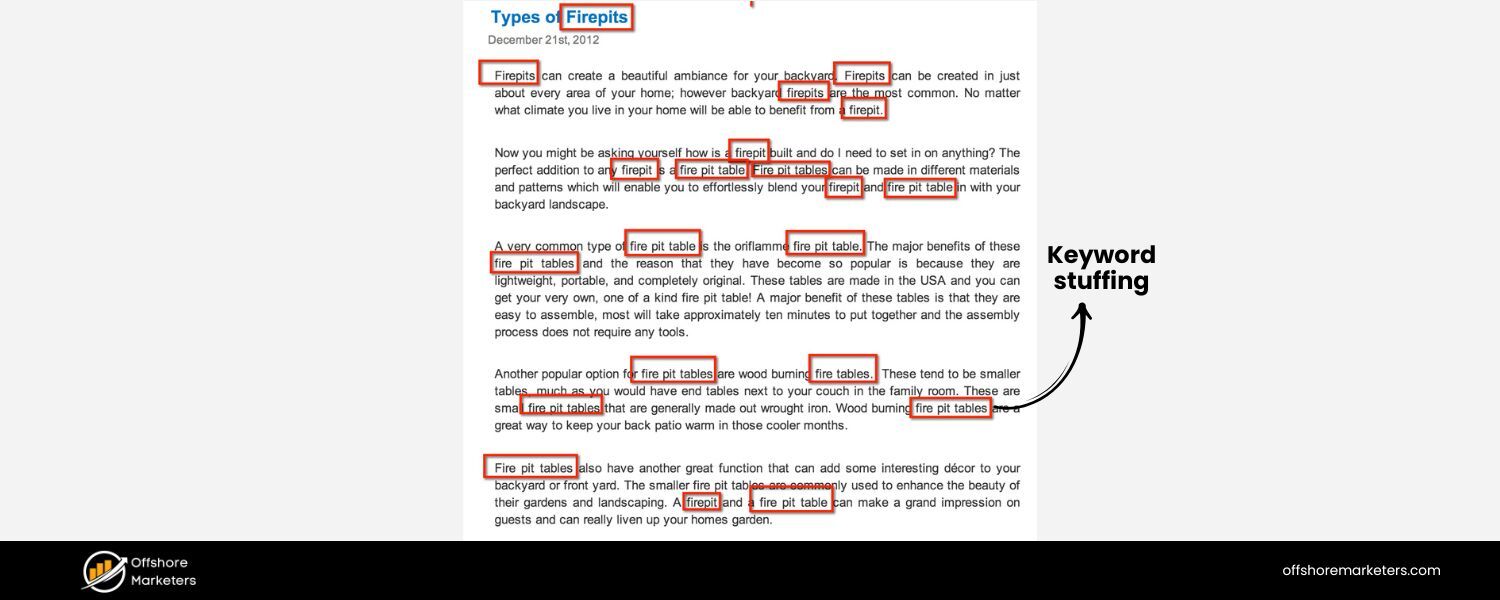
It might be tempting to jam your content full of keywords for SEO, but overloading pages with repetitive keywords actually hurts more than it helps. Not only can Google penalize this behavior, but readers will find the content unnatural and off-putting.
For example, a paragraph that reads “Our organic coffee is the best organic coffee for organic coffee lovers” is a red flag. This practice can tarnish your brand’s image, making it seem spammy or amateur. Focus on writing for humans first, using keywords naturally in context. Google’s algorithms are smart enough to understand synonyms and context now.
A good rule of thumb: if you wouldn’t proudly read the content aloud to a customer, revise it. Avoiding keyword stuffing preserves your brand’s voice and credibility.
2. Ignoring Mobile Optimization
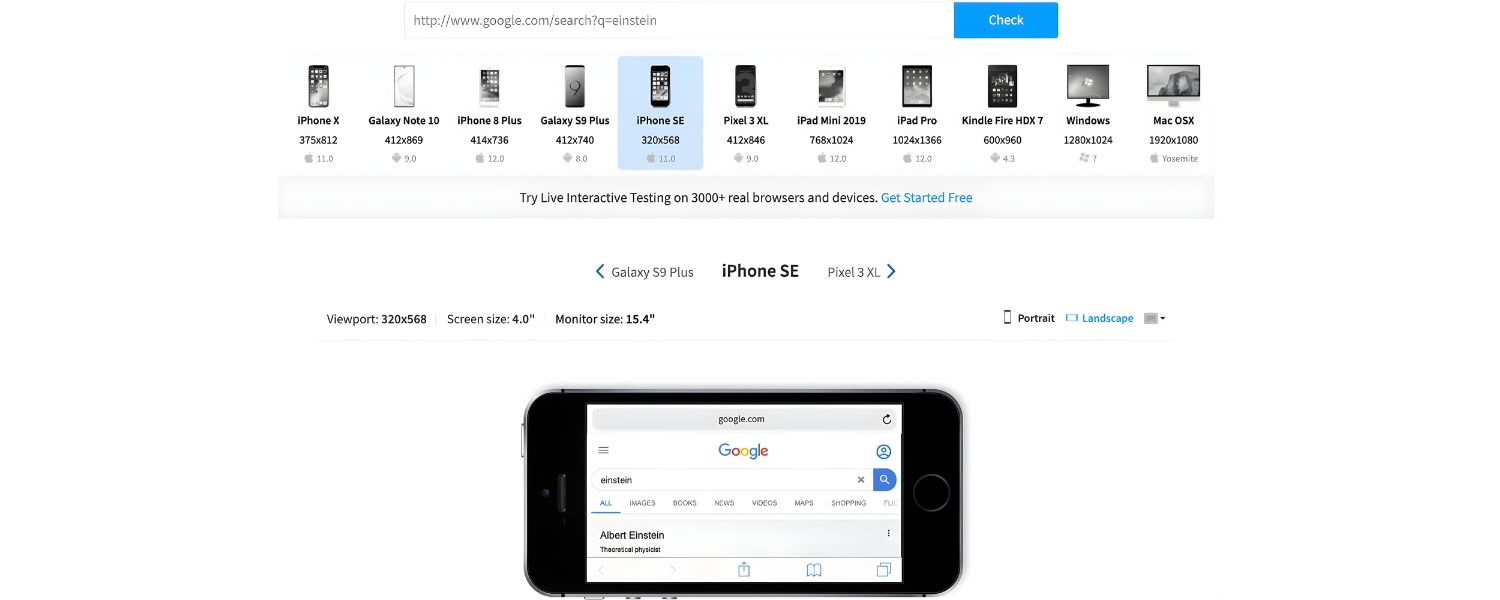
As highlighted earlier, neglecting the mobile experience is a critical error. If your site isn’t mobile-friendly, you risk losing a huge chunk of potential audience and sending a message that your brand is behind the times.
A common mistake is focusing design and testing only on desktop, while assuming mobile “will be fine.” Often it’s not, text might be too small, elements might overlap, or certain features might break on phones. Always test on multiple devices.
Given that mobile searches now exceed desktop, failing to cater to mobile users can drastically limit your brand’s reach and frustrate would-be customers. Google’s mobile-first indexing means this can directly hurt your rankings too.
3. Inconsistent NAP and Business Info
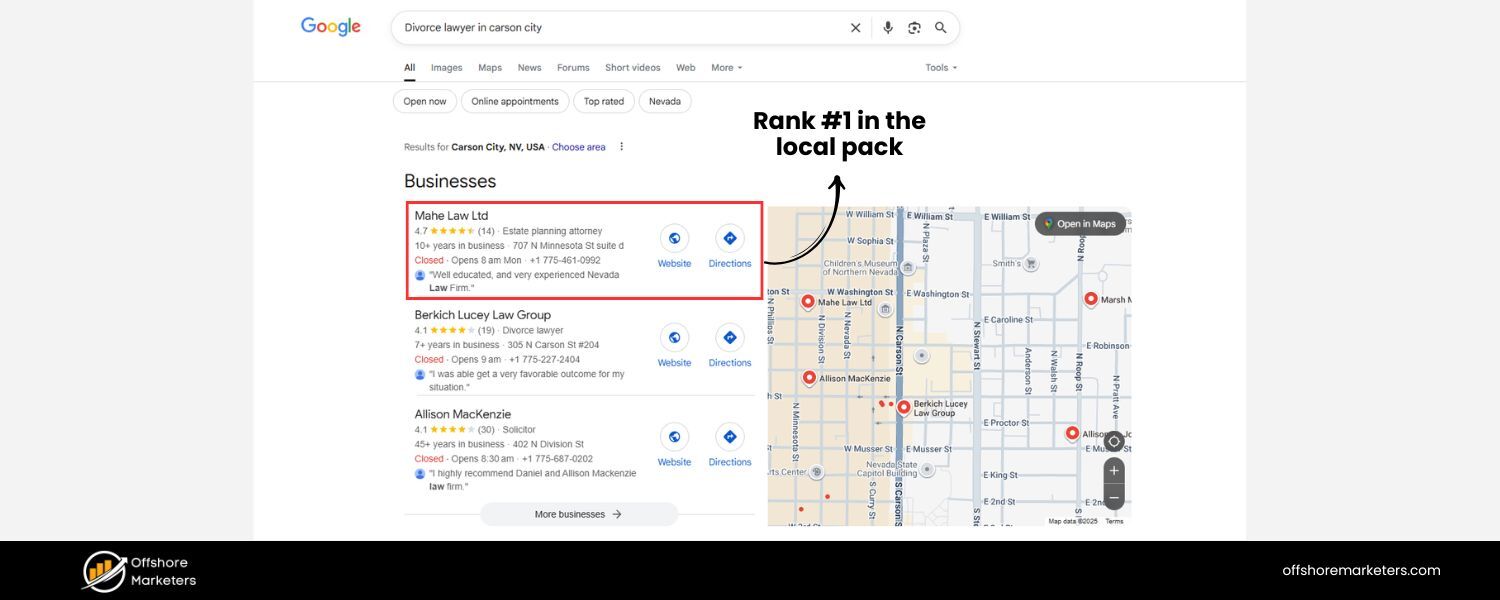
For local SEO, one frequent pitfall is inconsistent listings – maybe your address is formatted one way on your site, another way on Yelp, and an old address still lingers on a directory. This confuses search engines and users alike.
It can lead to lower local rankings or even customers going to the wrong location. Similarly, inconsistency in branding (like different logo versions or brand name variations) across online profiles can dilute recognition. Ensure consistency in your business name, address, phone, and other key details everywhere your brand appears online.
This consistency strengthens the trustworthiness of your brand in the eyes of both Google and consumers.
4. Not Leveraging Your Brand Assets in SEO
Another mistake is treating SEO purely as a technical endeavor and not weaving in the unique elements of your brand. For instance, not including testimonials or reviews (rich snippets markup can display these in search results), or not highlighting your brand’s story and values on the site (which can differentiate you and improve engagement).
Remember that branding elements like trust badges, client logos, awards, and certifications can be SEO assets too – they often keep users on your page longer and instill confidence to click around (reducing bounce rates and increasing dwell time, which are positive user signals).
Don’t hide your brand’s light under a bushel; incorporate these assets in an SEO-friendly way (e.g., use alt text for images of awards, have a dedicated “Reviews” page that can rank for “[YourBrand] reviews”).
5. Neglecting Technical Health
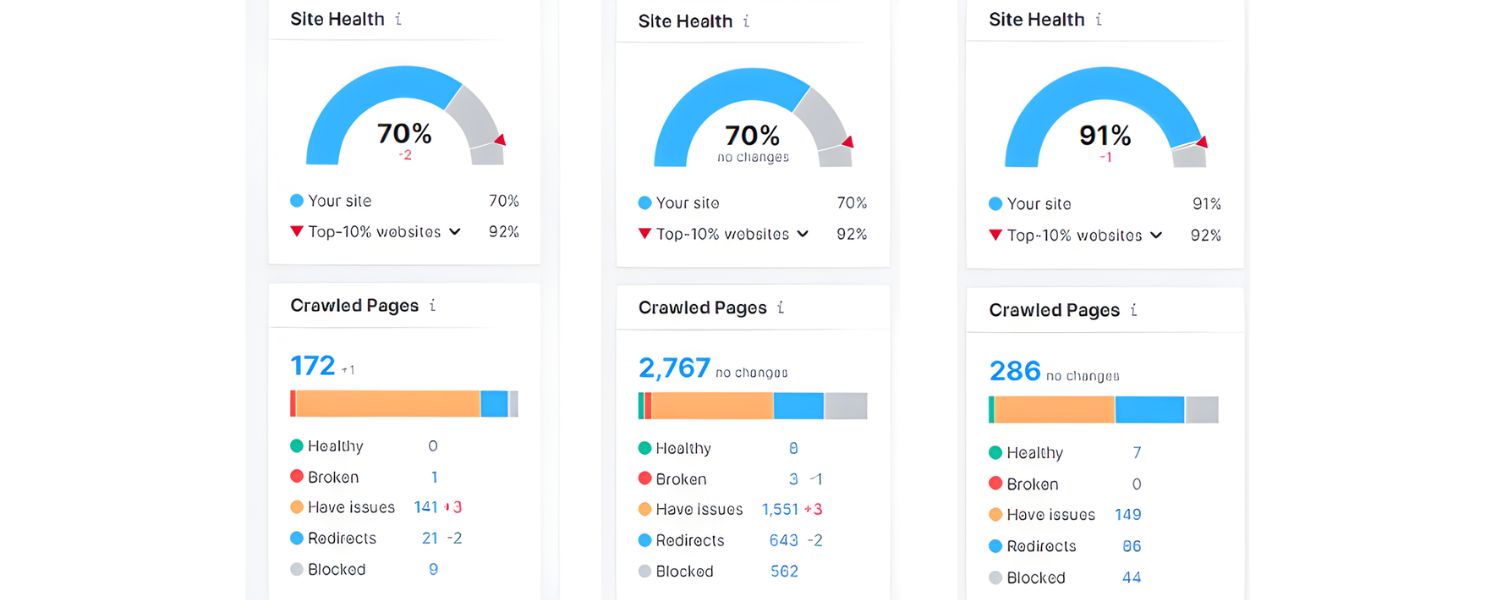
Broken links, duplicate content, or other technical SEO issues can silently erode your SEO effectiveness and, by extension, your brand’s visibility.
For example, a site with many broken pages might struggle to get all its content indexed (thus some of your great brand-building content won’t even show up in search). Or duplicate content might confuse Google about which page to rank, causing your visibility to be split. Regularly run SEO audits and fix errors.
A technically sound site not only ranks better but also reflects well on your brand’s professionalism. Conversely, encountering a lot of 404 errors or “oops” pages can make a user subconsciously question your reliability. Don’t let technical neglect chip away at the positive image you’re building.
By being mindful of these pitfalls, you can ensure that all your SEO and branding efforts move you forward, not backward. Think of it like protecting your brand’s reputation in the search realm: just as you’d swiftly address a PR issue that could tarnish your brand, be equally swift to correct SEO missteps that could limit your brand’s reach or make a bad impression.
In doing so, you keep your path clear to reap the full rewards of the strategies we’ve discussed.
Conclusion: Unite SEO and Branding for Unstoppable Growth
In the digital age, SEO and brand awareness are two sides of the same coin. SEO brings your brand to the forefront of online conversations, while strong branding amplifies the impact of every search listing, every click, and every piece of content you publish.
By now, it’s clear that optimizing for search is no longer just about driving traffic, it’s about shaping how people discover, perceive, and remember your company.
When you consistently appear in relevant searches, provide valuable content, and deliver a great user experience, your brand becomes synonymous with the solutions people seek.
Over time, that translates into a snowball effect of recognition: more branded searches, higher click-through rates, and a loyal audience that spreads the word about your business.
Implementing SEO-Driven Brand Dominance
Implementing the strategies in this guide, from savvy keyword targeting and content creation to technical tune-ups and off-site outreach, will set you on the path to SEO-driven brand dominance.
Keep in mind that this is a journey, not a one-time project. Building a brand through SEO takes consistent effort and adaptation. Monitor your progress, learn from your analytics, and be ready to iterate.
Celebrate the milestones: the first time you see a surge in branded search volume, or when a customer tells you, “I keep seeing you guys everywhere, so I had to check you out!” Those are signs that your SEO-branding synergy is working.
Get Help From the Experts
That said, you don’t have to go it alone. Crafting and executing a comprehensive search-driven branding strategy can be complex and time-consuming. If you’re looking to accelerate results and avoid pitfalls, our team of experts is here to help.
At [Your Company], we specialize in creating integrated SEO and marketing strategies that boost visibility, authority, and ultimately revenue for your business.
With decades of experience in digital marketing, we know what it takes to rank high and leave a lasting impression. Whether you need a full SEO overhaul, content creation, or digital PR campaigns, we have you covered with data-driven, proven techniques (many of which you’ve read about in this guide!).Let’s Get Started
Ready to elevate your brand to the next level?
Contact us today for a free consultation and let’s craft a search-first brand awareness strategy tailored to your goals. Don’t let your brand remain hidden in the crowd when it could be shining at the top of the search results and in the minds of your customers.
Together, we’ll ensure that when your ideal customers search for solutions, your brand is the one they consistently find, and trust.

Why Roseville Startups are Choosing Offshore Marketers to Scale Smarter
Roseville is no longer just a quiet suburb of Sacramento;...
What Is PPC? A Practical Guide to Pay‑Per‑Click Advertising
Pay‑per‑click (PPC) is the “pay only when someone clicks” branch...

Google Search Issues Affecting Results in Some Regions
Google has confirmed a problem with one of its data...

Keyword Counts Dropped After Google’s num=100 Change
In September 2025, Google stopped supporting the &num=100 parameter. This...

Image SEO: Optimize Images for Higher Rankings & Traffic
Introduction Images make your website more engaging, but they can...


.png)
.png)
.png)
.png)
.png)

2024 ALL RIGHTS RESERVED MADE IN INDIA
.png)