
Types of Keywords in SEO (Short-Tail, Long-Tail, Intent & More)
September 2, 2025
Introduction
In over 25 years of marketing, one lesson stands out: not all keywords are created equal. The types of keywords you target can make or break your SEO and PPC campaigns. Some search terms will attract curious first-time visitors, while others reel in ready-to-buy customers.
In this comprehensive guide, we’ll break down the many keyword types – short-tail vs. long-tail, branded vs. non-branded, informational vs. transactional, and beyond – and show how each plays a unique role in driving traffic and conversions. Let’s dive in.
Why Understanding Keyword Types Matters
Every keyword carries clues about user intent and competition. By knowing the various keyword categories, you can craft content and ads that precisely match what searchers are looking for. This means higher relevance, better engagement, and ultimately greater ROI on your marketing efforts.
For example, a broad one-word query might generate thousands of visits but few sales, whereas a specific multi-word query could yield a smaller audience who’s ready to convert.
Knowing the difference helps allocate your SEO and ad budget wisely. In short, understanding keyword types helps you reach the right audience with the right content at the right time.
Below, we’ll explore the key keyword categories used in SEO and digital marketing, with definitions and examples for each. Use this as a roadmap to develop a well-rounded keyword strategy that outperforms your competitors.
Keyword Types by Search Intent
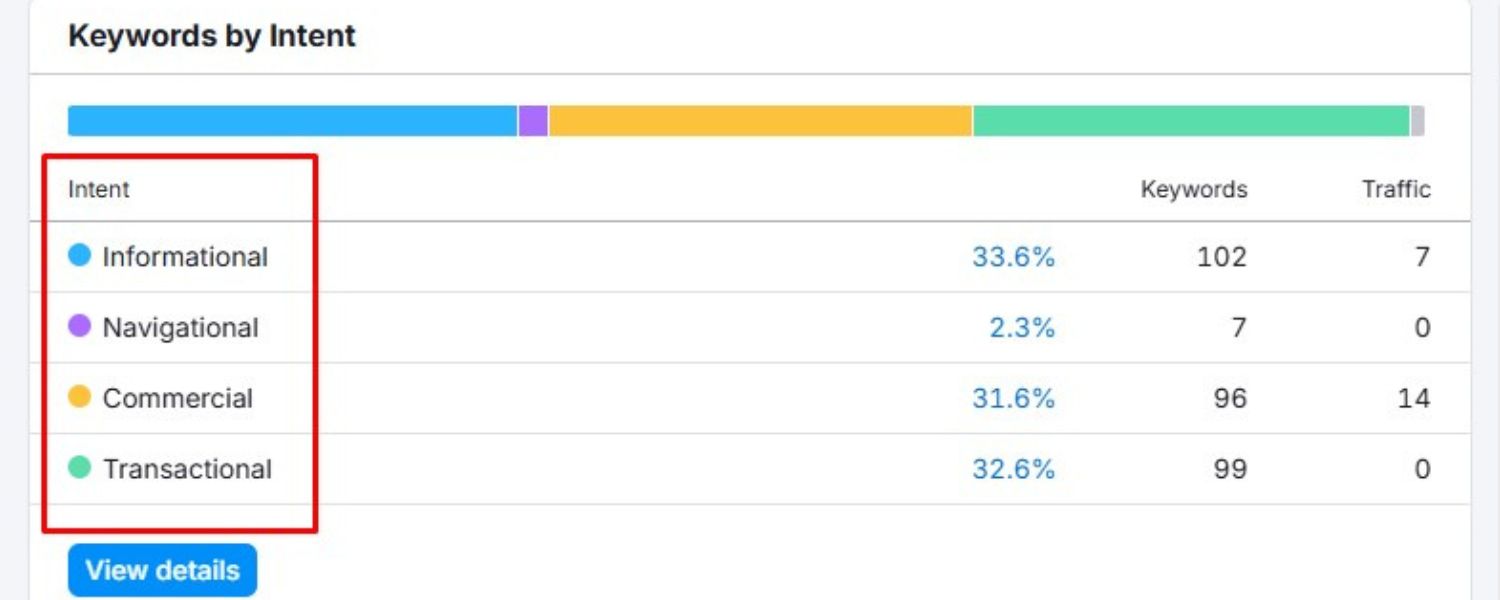
One of the most useful ways to classify keywords is by the search intent behind them – essentially, what the user wants to accomplish. Google itself prioritizes understanding user intent, and you should too.
The main intent-based keyword types are Informational, Navigational, Commercial, and Transactional keywords. Each aligns with a different stage of the buyer’s journey and requires a tailored content approach.
1. Informational Keywords
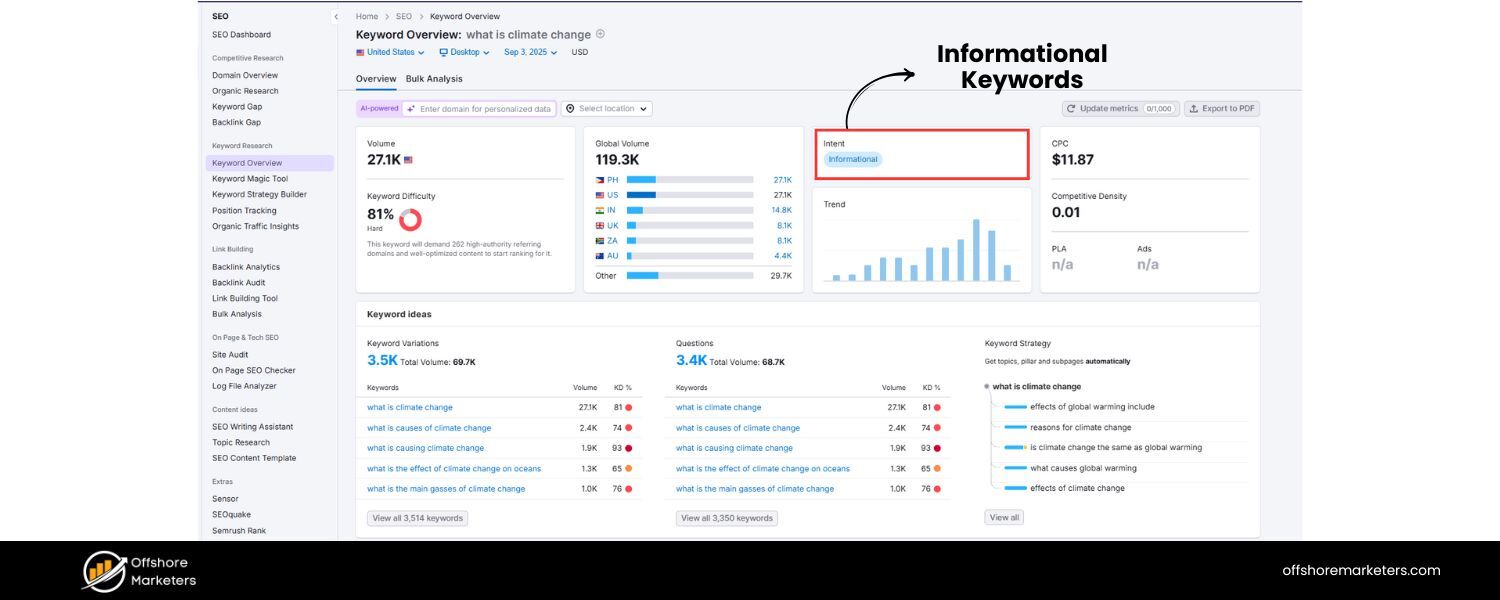
Informational keywords are search queries used when someone is seeking knowledge or answers. The searcher wants to learn about something – not necessarily buy (yet). These often take the form of questions or how-to queries.
For example: “how to choose a running shoe” or “what is content marketing.” People using informational keywords are usually at the awareness stage of the customer journey, looking for educational content, guides, definitions, or tips.
From an SEO perspective, informational searches are an opportunity to build brand awareness and authority by providing genuinely helpful content. Blog posts, tutorials, infographics, and videos that answer these queries can attract large audiences.
Keep in mind that informational keywords typically have high search volume but low immediate conversion rates – these readers aren’t ready to buy right away.
Still, ranking for informational terms can fill the top of your marketing funnel with potential customers and position your brand as an expert. (Example: A fitness blog writing an article on “how to train for a marathon” to draw in runners researching that topic.)
2. Navigational Keywords
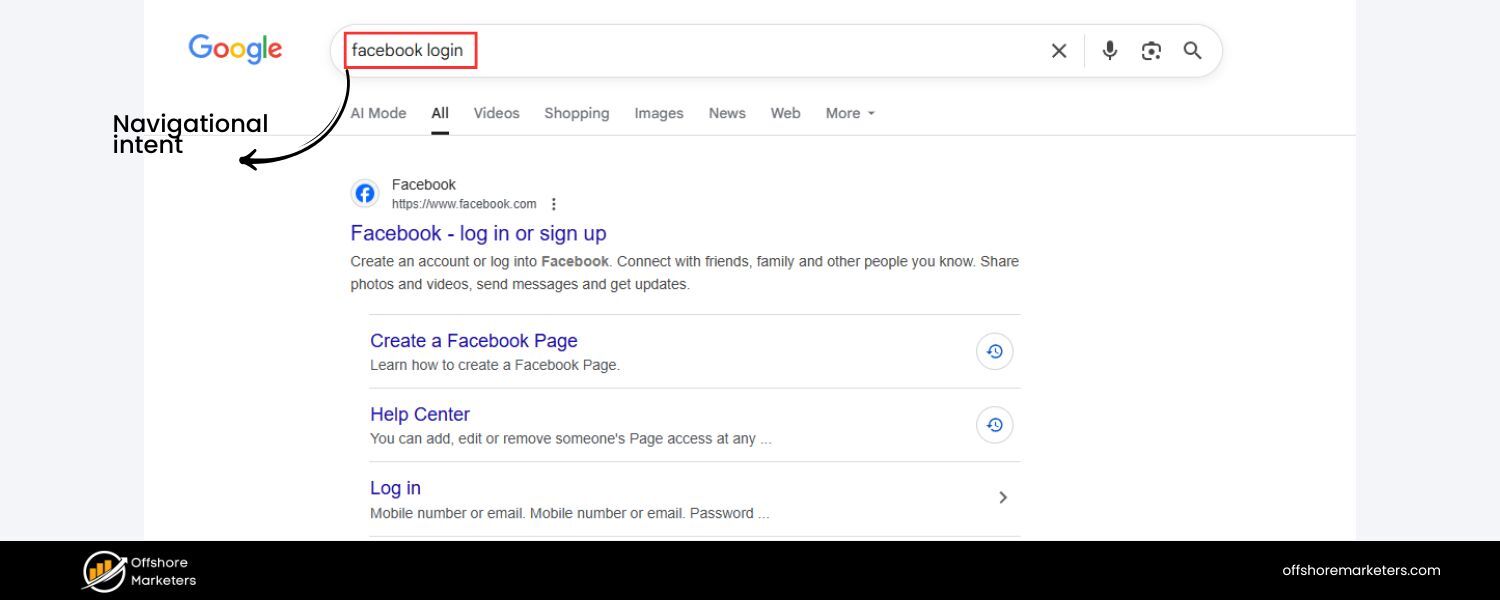
Navigational keywords (also known as “go” queries) are used when the searcher already knows which website or brand they want and is trying to get there. In other words, the user is navigating the web via search.
Examples include a person typing “Facebook login,” “YouTube,” or “Semrush blog” into Google rather than entering the URL directly. These keywords often consist of brand names, product names, or specific website titles.
Users searching navigational keywords are typically familiar with the entity – they might be existing customers or leads further along in consideration. For website owners, capturing navigational queries for your own brand is crucial (you want your site to be the top result when someone searches your brand or product names).
Branded SEO and proper site structure help ensure that happens. However, navigational queries can also involve competitor names – for instance, someone searching a competitor’s brand could be open to seeing alternatives.
In marketing, you might target competitor navigational terms via paid search ads or comparison pages to try to divert those users to your offering.
Overall, navigational keywords are about getting searchers to a specific destination. If it’s your site, make sure you own those keywords. If it’s a competitor, consider if there’s a strategy to present your brand as an option.
3. Commercial Keywords
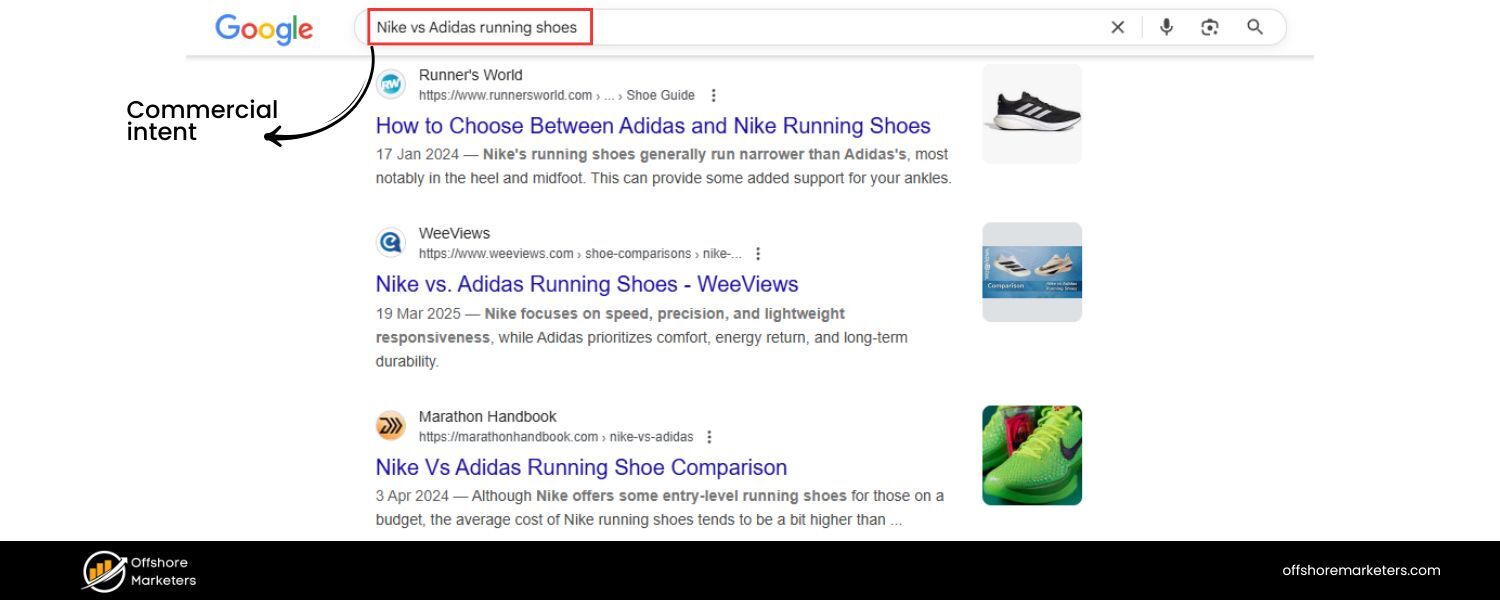
Commercial keywords are used by searchers who intend to research products or services and compare options, but may not be ready to buy just yet. These queries show commercial investigation intent – the user is looking for information to help make a purchase decision soon.
Often, commercial keywords include words like “best,” “top,” “reviews,” or versus comparisons. Examples: “best running shoes 2025,” “XYZ vacuum cleaner reviews,” or “Product A vs Product B.”
Users typing commercial queries are usually in the consideration stage of the buyer’s journey. They’ve identified a need and are now evaluating solutions. This is a prime opportunity for content like product review articles, top-10 lists, case studies, comparison guides, and buying guides.
Such content can influence the decision-making process by highlighting features, benefits, and differentiators. If you can rank for commercial keywords relevant to your niche, you attract high-intent prospects actively looking to choose a product or service.
From an SEO standpoint, commercial-intent keywords often have moderate search volumes and can be competitive, since these searchers are valuable potential customers. They may also overlap with informational intent (for example, “best running shoes for flat feet” is both informational and commercial).
The key is to provide high-value, unbiased information that helps the user make an informed choice – and subtly position your brand or offering as the ideal solution.
4. Transactional Keywords
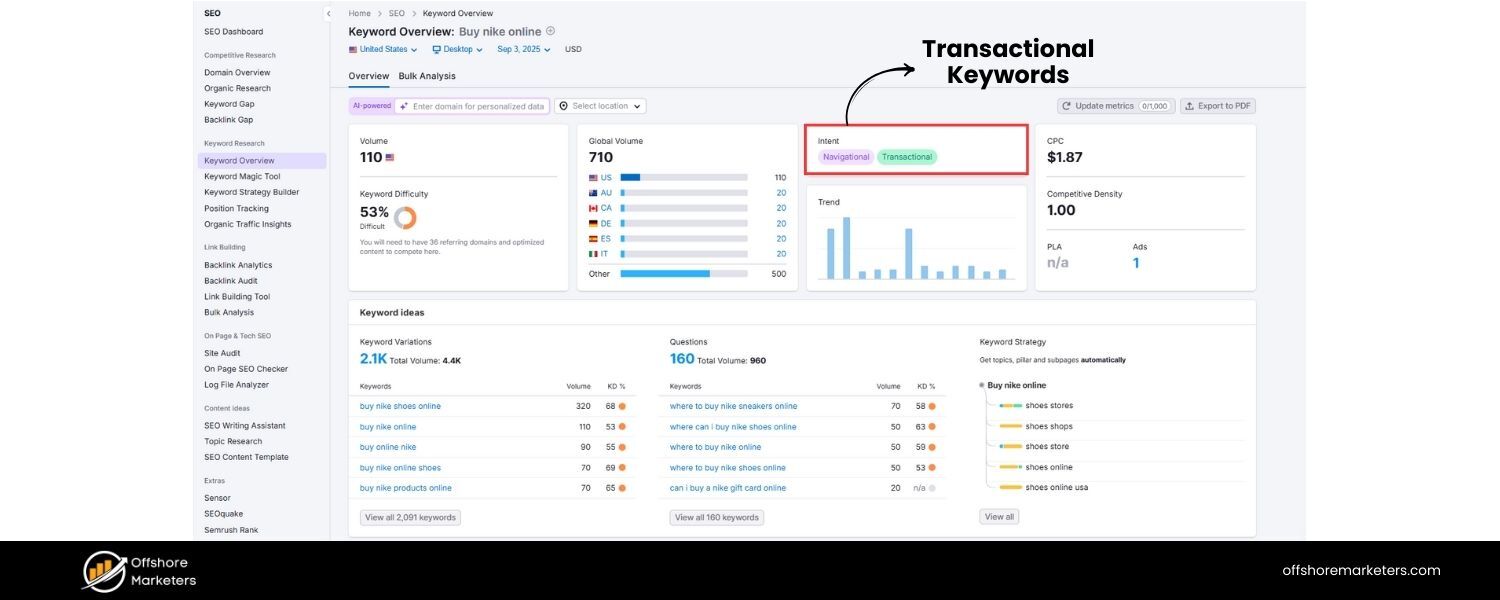
Transactional keywords signal a strong intent to take an action, usually to make a purchase (hence they’re sometimes called “do” queries or buyer keywords). The user behind a transactional search is at the end of the funnel and often ready to convert right now.
These keywords commonly include terms like “buy,” “order,” “purchase,” “download,” “for sale,” or specific product names and model numbers. Examples: “buy Nike Air Zoom size 10,” “premium WordPress hosting purchase,” or “download Photoshop CC.”
A searcher using transactional keywords has typically finished their research – they know exactly what they want and are looking for a place to get it. For businesses, these are among the most valuable keywords because they attract visitors who can turn into immediate sales or leads.
That also means competition (both organic and paid) can be fierce. SEO strategies for transactional terms focus on optimizing product pages, landing pages, and other sales-oriented content. You want your e-commerce product page or sign-up page to appear at the top when someone searches “buy [your product].”
If you run ads, transactional keywords are prime targets for pay-per-click (PPC) campaigns, since they have high conversion potential. For organic content, including clear calls-to-action and easy purchase paths on pages ranking for transactional queries is critical.
These searches might be lower in volume than broad informational queries, but each click is far more likely to result in a conversion. In short, transactional keywords represent users ready to act, so make sure your site is ready to deliver (with stock available, pricing visible, forms working smoothly, etc.).
Keyword Types by Length (Short-Tail vs. Long-Tail)
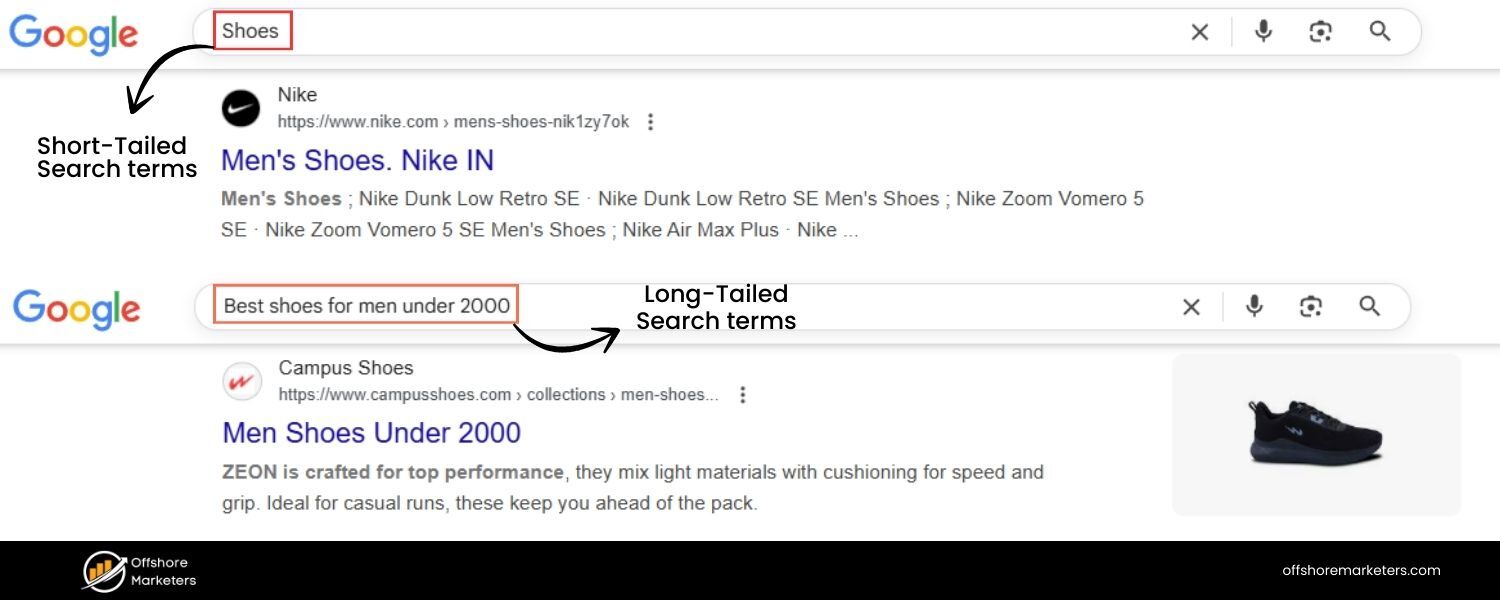
Another fundamental way to differentiate keywords is by their length and specificity. In the SEO world, we often talk about short-tail vs. long-tail keywords (with a middle category called mid-tail).
This classification is less about literal character count and more about how broad vs. specific the query is – which correlates with search volume and competition.
1. Short-Tail Keywords (Head Terms)
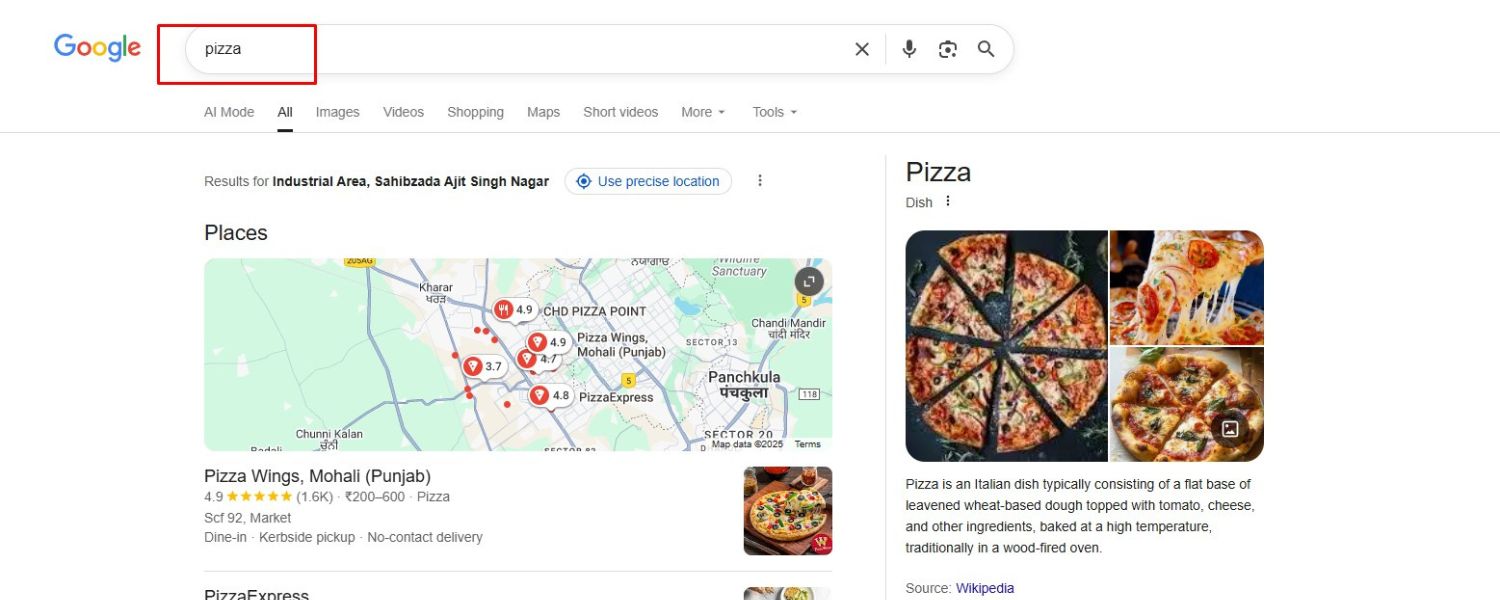
These are very short, broad search queries, usually one or two words. Examples: “shoes”, “digital marketing”, “pizza”. Short-tail keywords tend to have extremely high search volume because they cover a wide topic.
However, their intent is vague – someone searching “shoes” could be looking for running tips, shoe reviews, a nearby shoe store, anything.
Because of their popularity, short-tail terms are highly competitive and difficult to rank for. They may drive lots of traffic, but typically have lower conversion rates since the searcher’s need isn’t specific.
Short-tails are useful as seed ideas (more on seed keywords later) and for broad brand awareness, but usually not where you’ll win the most ROI.
2. Mid-Tail Keywords
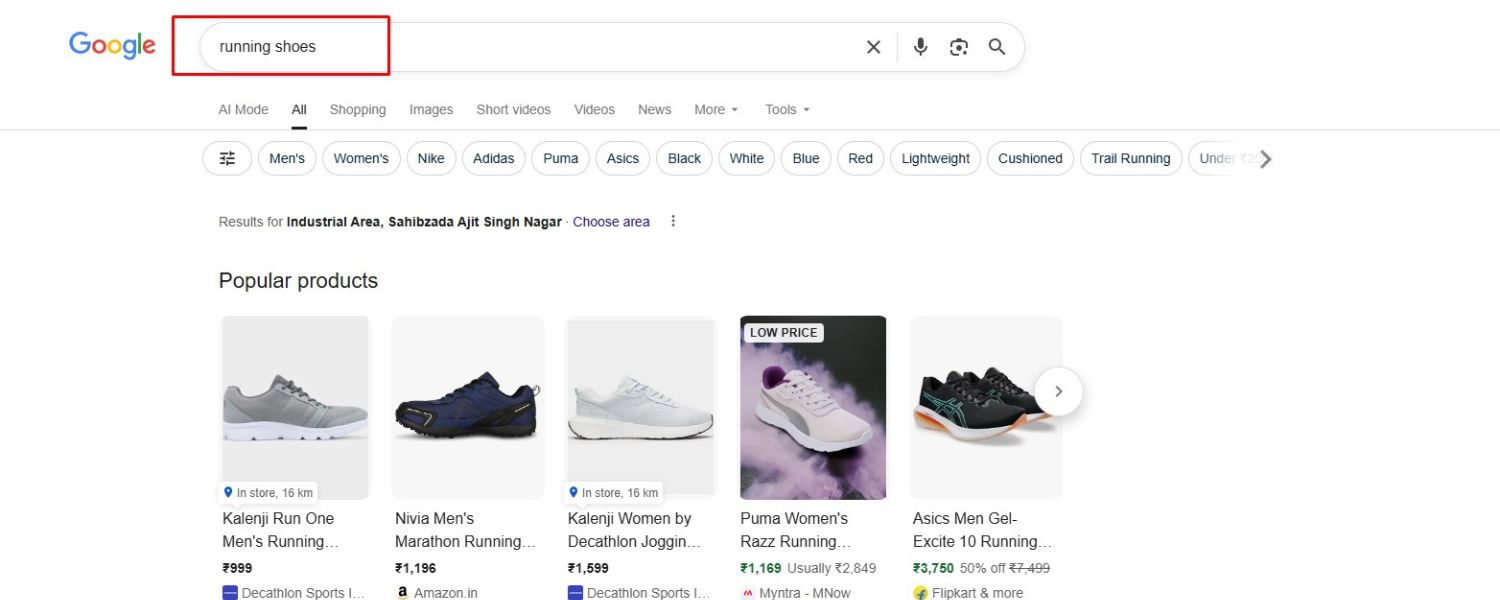
These are moderate-length phrases (two to three words) that narrow down the topic a bit more. For example: “running shoes”, “digital marketing tips”, “pepperoni pizza recipe”. Mid-tail keywords strike a balance – they still get decent search volume but indicate a bit more intent than a single word.
Competition is still significant for many mid-tail terms (e.g., “running shoes” is contested by major brands), yet they are slightly easier to rank for than head terms. Mid-tails often correspond to users in the early consideration stage (e.g., “digital marketing software” suggests someone exploring options broadly).
3. Long-Tail Keywords
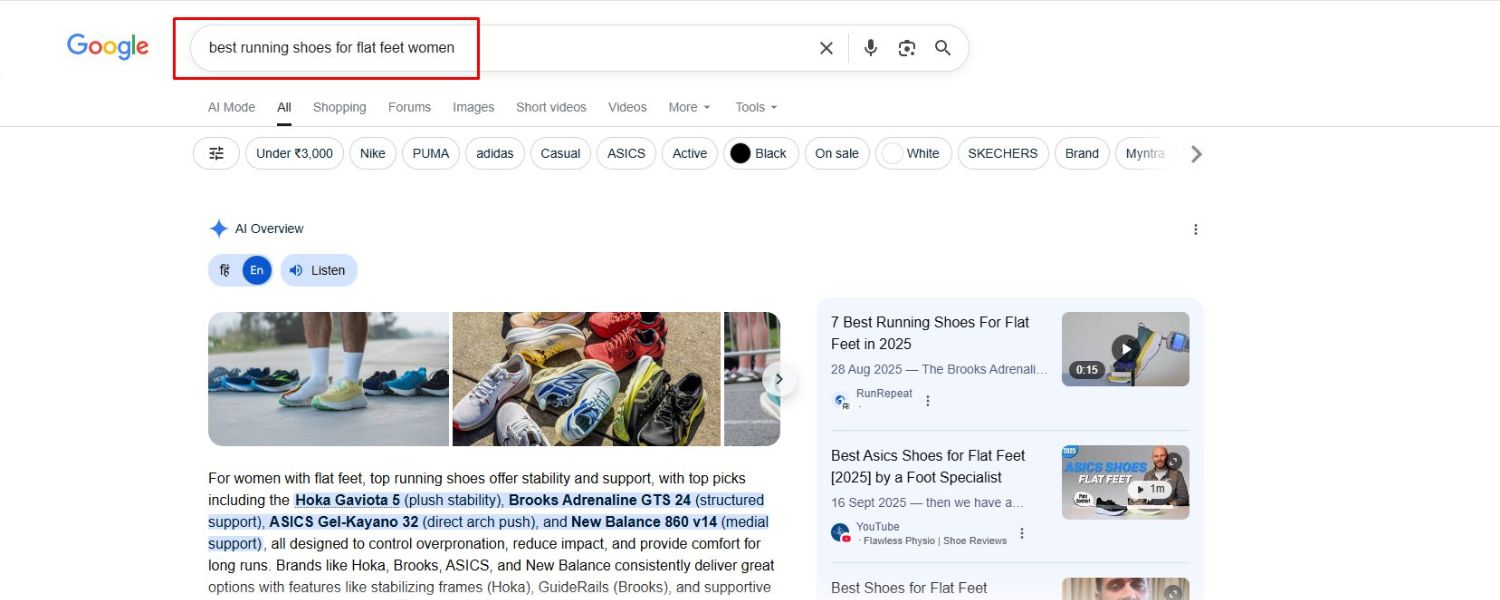
These are long, highly specific phrases, often four or more words, that target a narrow topic or audience. Examples: “best running shoes for flat feet women’s”, “how to create a digital marketing plan for a startup”, “gluten-free pepperoni pizza dough recipe”.
Individually, long-tail keywords usually have low search volume (sometimes just a few searches a month), but they reveal very clear intent and often have much higher conversion rates. Why? Someone who types a detailed query likely knows exactly what they want. There’s less competition as well – it’s easier to rank for “best budget running shoes under $100” than just “running shoes.”
Long-tail keywords, when aggregated, can be incredibly powerful. In fact, an analysis of 306 million Google searches found that 91.8% of all search queries are long-tail (multi-word) terms, even though each individual long-tail query might be uncommon.
In other words, the long tail of search is very long! Smart marketers capitalize on this by creating content that targets many specific queries.
While any single long-tail keyword won’t bring a flood of traffic, hundreds or thousands of them combined can. And those visitors arrive with specific needs or questions, meaning they are often closer to taking action.
Why length matters: Short-tail (head) terms cast a wide net but often struggle with relevance and competition. Long-tail terms are like precision tools – lower volume, but bringing in the exact audience you want, with far less competition.
A well-rounded SEO strategy should include a mix of all three: head terms for broad visibility, mid-tail for steady traffic, and long-tails for niche domination and conversions.
For new websites or those in competitive niches, focusing on long-tail keywords is usually the best way to start gaining traction, since you can rank for them faster and start accumulating traffic and credibility.
(Quick tip: Many long-tail keywords come in the form of questions or very specific descriptions. Incorporating an FAQ section or how-to articles on your site can naturally capture these queries.
Also consider that voice searches and AI-driven searches tend to use conversational long-tail phrasing, like “What’s the best way to…”, so optimizing for those can future-proof your SEO for voice and AI search.)
Branded vs. Non-Branded Keywords
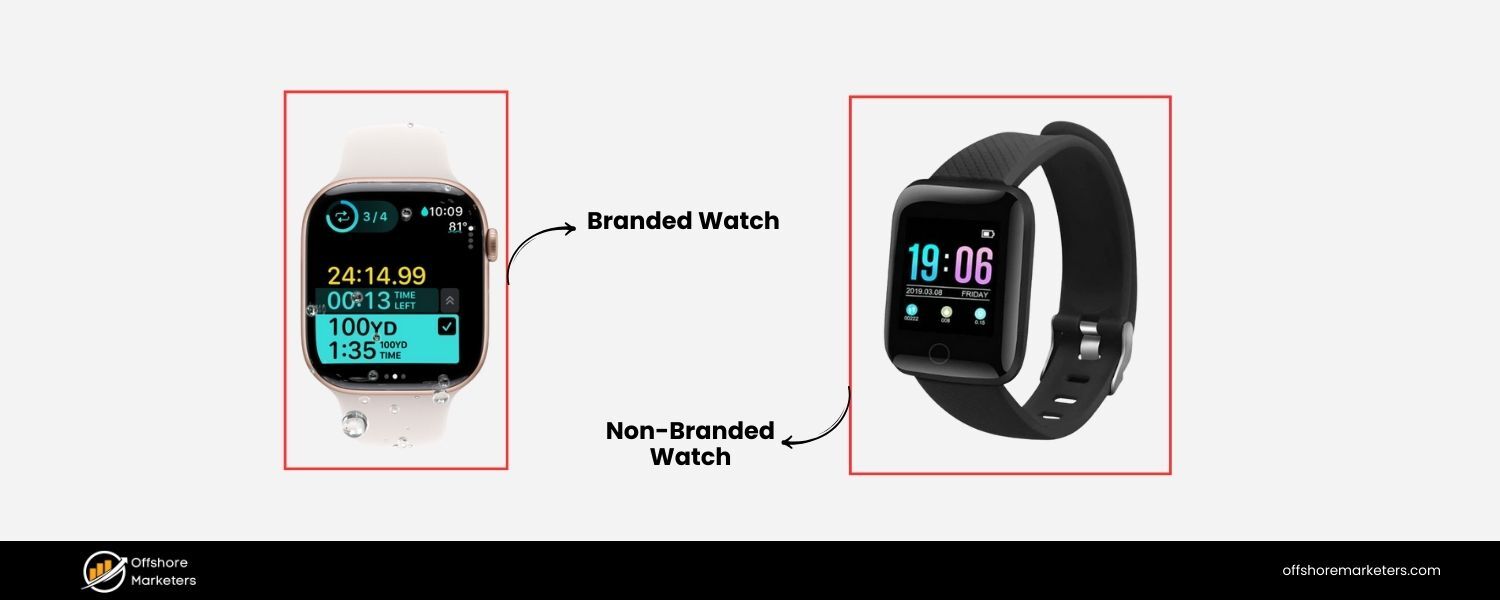
Another important distinction is between branded and non-branded keywords:
1. Branded Keywords
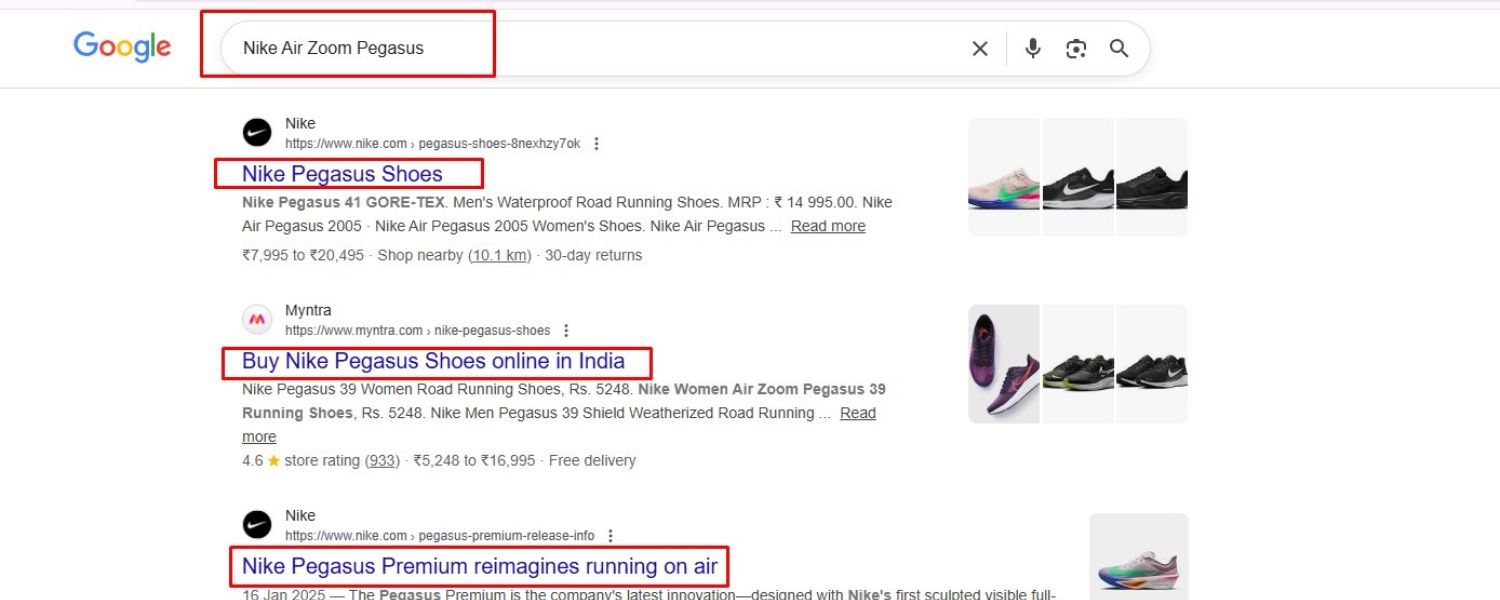
It include a specific brand name or product name, such as “Nike Air Zoom Pegasus” or “Salesforce CRM software”. These indicate the searcher is aware of that brand. Branded queries often have high conversion intent when it’s your brand (someone searching your product name is likely considering a purchase).
Every company should track and optimize for its own branded keywords – ensuring your official pages rank at the top for searches of your company name, product names, etc.
Branded keywords typically have lower search volume than generic terms, but the traffic is highly valuable and usually easier to convert (since those users already know you).
They’re also easier to rank for organically, because Google will usually favor official sites for branded searches. However, competitors may bid on your branded terms with ads (a common PPC tactic), so it’s wise to consider running branded ad campaigns to secure those top sponsored spots as well.
2. Non-Branded Keywords
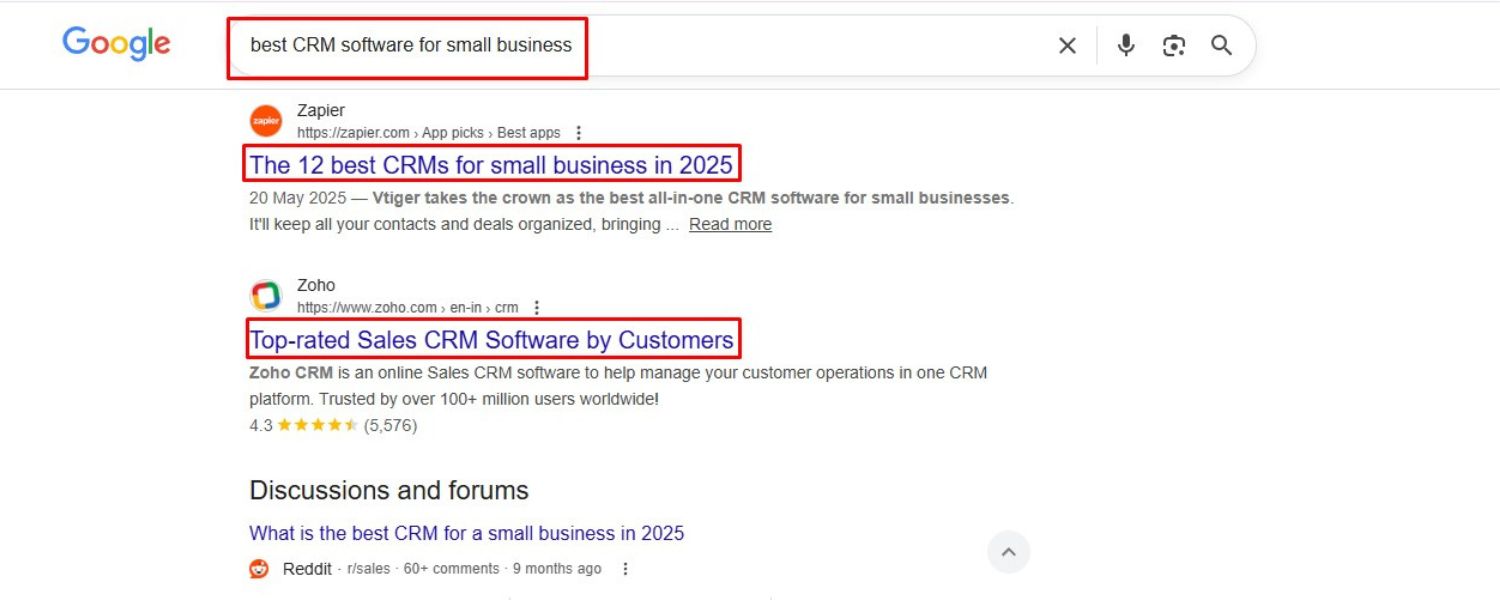
These are generic search terms with no specific brand mentioned, e.g. “running shoes for flat feet” or “best CRM software for small business”. These users haven’t decided on a particular brand and are open to options. Non-branded keywords make up the majority of search queries.
They are critical for acquisition – reaching new audiences who don’t yet know about your brand. The downside is non-branded terms are typically more competitive (you’re up against all other brands in your industry).
They also may attract a broader range of intent. But winning on non-branded keywords is how you grow your visibility and customer base significantly.
In practice, you should have a healthy mix of both in your strategy. Branded keywords will mostly be your “low-hanging fruit” – easy wins to capture existing demand. Non-branded keywords are where you’ll spend more effort in content creation, SEO optimization, and possibly ad spend to pull in new traffic.
Over time, as your brand becomes more known, some non-branded searches may turn into branded ones (e.g., someone initially searches “best project management tool”, discovers your brand, then later searches your brand name directly).
Tip: Don’t neglect branded keywords just because you assume you’ll rank #1. Monitor them. If affiliates, resellers, or negative content start ranking for your brand name, you may need to take action (publish more authoritative content, run ads, improve your SEO) to maintain control of your brand narrative in search results.
Market Segment and Customer-Defining Keywords
Let’s look at some keyword types that help you target specific audiences and market segments. These aren’t talked about as often as intent or length, but they’re very useful in niche marketing:
1. Market Segment Keywords
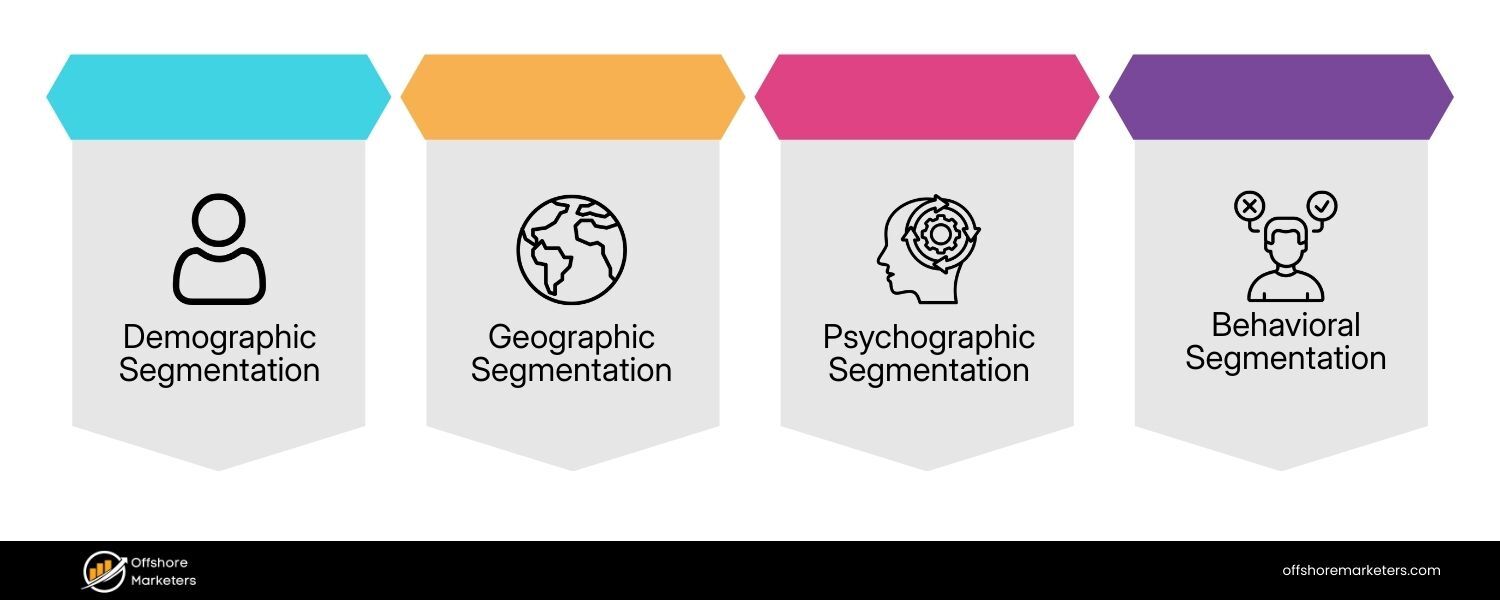
These are broad terms related to a general industry or category. They describe a product/service in generic terms that a wide market would recognize. For example, “running shoes” is a market segment keyword (shoe industry), or “project management software” (software industry).
Market segment keywords are similar to short-tail in that they cast a wide net. They can drive high-level awareness but often need refinement.
They’re useful to identify broad interest areas and to ensure you appear in searches relevant to your overall field. If your business is in a specific niche, think of the generic keywords that define that niche – those are your market segment terms.
2. Customer-Defining Keywords

These keywords describe your target customer or audience specifically. They often incorporate identifiers like who the user is or a specific need of that segment. For instance, “running shoes for flat-footed runners,” “CRM software for non-profits,” or “budget laptop for college students”.
Customer-defining keywords zero in on which group the product/service is meant for. Using them in your content helps you connect with exactly the right audience.
They usually have lower volume (because not everyone adds “for seniors” or “for beginners” to their search, for example), but those who do are explicitly signaling their situation or role.
For marketers, these keywords are golden for personalization. If you know your ideal customer profiles, brainstorm keywords that those personas might use, including descriptors of themselves.
Someone searching “best SUV for families” is a different customer than someone searching “best SUV for off-roading” – even though both queries are commercial, the intent differs by the customer’s specific need.
By leveraging customer-defining terms, you can create content and landing pages that speak directly to a segment (“The Ultimate Guide to Running Shoes for Marathon Beginners” or “Top 10 Project Management Tools for Marketing Agencies”). This not only helps SEO for those terms but also improves conversion once those specific users arrive on your site, because the content resonates with their identity or problem.
In summary, market segment and customer-defining keywords help ensure you’re attracting the right kind of traffic, not just a lot of traffic. They add another layer of relevance on top of basic intent categories.
Product and Competitor Keywords
Two other keyword categories important for marketing strategy are product keywords and competitor keywords:
1. Product Keywords
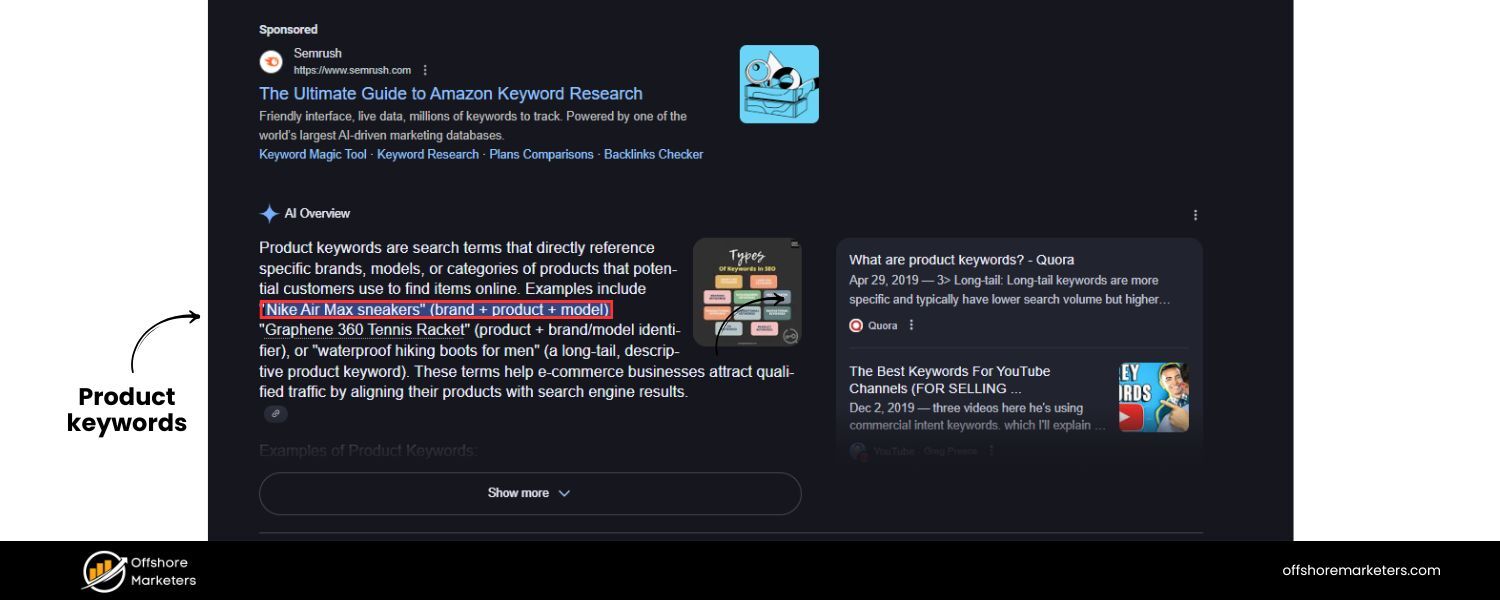
These are terms that directly relate to specific products or services – often including product names, models, or attributes. They may overlap with branded keywords if the product name is unique (e.g., “iPhone 14 Pro Max”), but they can also be generic product types (e.g., “4K OLED TV 55 inch”).
Product keywords are used by people who are actively interested in that type of product. They might be researching it or looking to buy it. Every business should identify the core product keywords for what they sell.
If you have an e-commerce site, each category and product page should be optimized for the relevant product terms (plus related descriptors like size, color, specs).
Product keywords can range from broad (“laptop”) to very specific (“Dell XPS 13 16GB RAM price”). Generally, the more specific the product keyword, the closer the user likely is to purchase (this ties into long-tail and transactional intent).
For content marketers, including product-focused keywords in comparison posts, “best of” lists, and review articles is key to capturing those with purchase intent.
2. Competitor Keywords
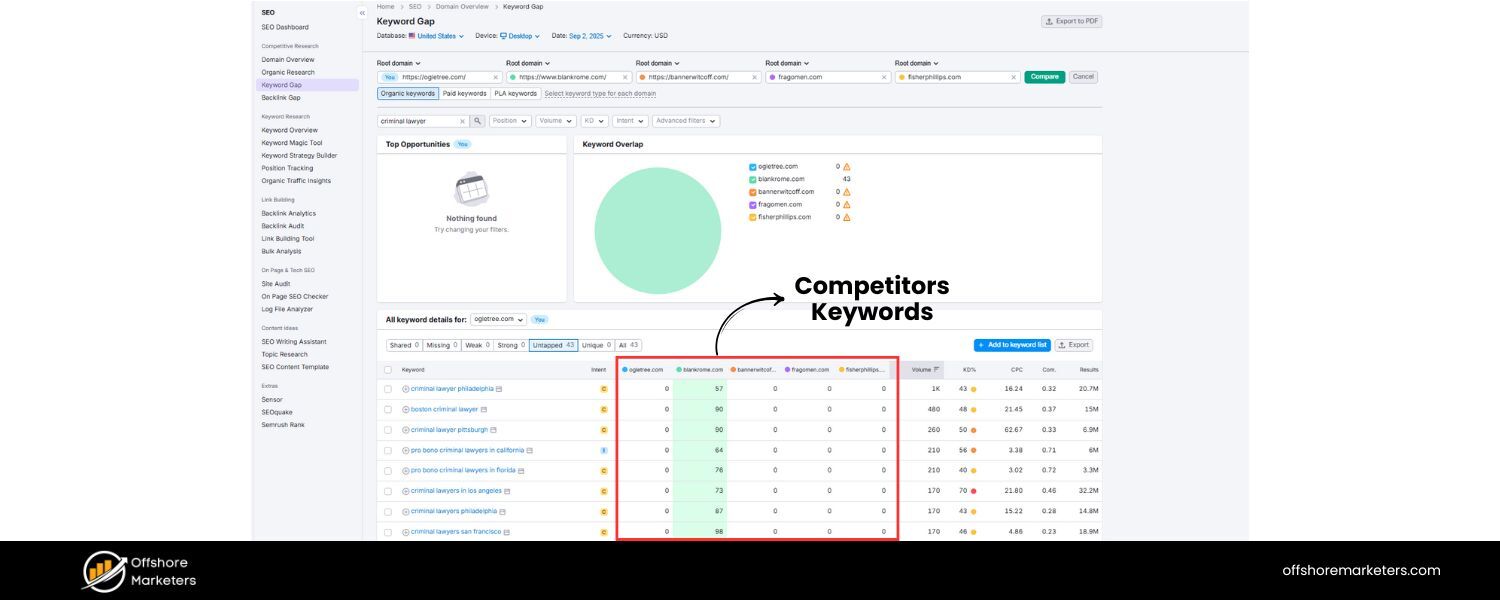
These are keywords that include your competitors’ brand names, product names, or website names. For example, if you run a small cola company, “Coca Cola” and “Pepsi deals” are competitor keywords. You might wonder, why care about searches for someone else’s brand?
The reason is that someone searching for a competitor might be a potential customer you could win over if they discover you. Marketers sometimes target competitor keywords with paid search ads (you’ve likely seen this: search one software company’s name and an ad for a rival appears).
In SEO, you can create comparison pages or articles (“X vs Y: Which is Better?” or “Top Alternatives to X”) to rank for those queries and present your solution as an option. Just be careful: never mislead or falsely use a competitor’s name on your site in a way that confuses consumers – keep comparisons honest and clearly branded.
Monitoring competitor keywords also gives insight into what your competitors are focusing on. If you use SEO tools, you can see which keywords drive traffic to competing sites, and that can reveal content gaps or opportunities for you to exploit.
In short, product keywords help you capture demand for what you sell, and competitor keywords let you intercept some of the traffic looking for similar solutions from others. Both can be valuable in your overall keyword strategy to ensure you’re covering all bases.
Geo-Targeted (Local) Keywords
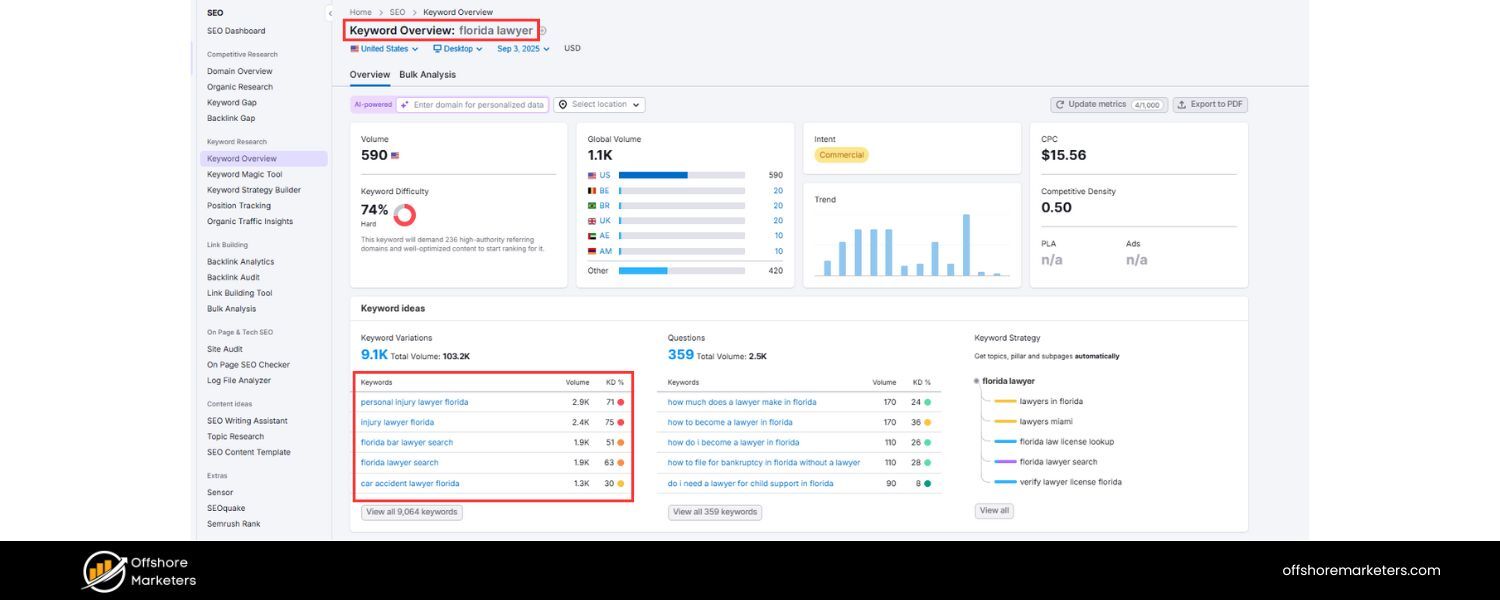
If your business operates in specific locations or serves particular regions, locational keywords are crucial. Geo-targeted keywords include a geographic modifier such as a city, region, country, or phrases like “near me”.
Examples: “coffee shop Boston”, “best wedding photographers in London”, “plumber near me”, or “online yoga classes USA”.
Local keywords are vital for local SEO and brick-and-mortar businesses. When users include a location in their search, they usually have local intent – they want something in that area.
Even if they use “near me” or make the search from a specific location, search engines will tailor results to local providers.
As a marketer, be sure to optimize your content and meta tags for your target locations: include city/neighborhood names on your pages, get listed on Google Business Profile, and use location-based keywords naturally in your site copy. For example, a title like “Top 10 Pizza Restaurants in Chicago” directly targets that geo term.
Geo keywords often pair with other types of intent: they can be informational (“2025 events in New York City”), commercial (“best realtors in Denver”), or transactional (“buy Honda Civic Dallas TX”).
The key is that the location indicates where the user wants information or services. Local searches can be highly valuable – these users are often ready to act (someone searching “car repair near me” likely needs a mechanic ASAP). So optimizing for local keywords can bring in extremely qualified traffic if you serve that area.
One more thing: if you have multiple locations, create content or pages for each region you serve, each optimized for that locale’s keywords.
And if a significant portion of your audience is international, consider region-specific keywords (e.g., using “colour” vs. “color” depending on country) to align with local lingo.
Primary vs. Secondary (Related) Keywords
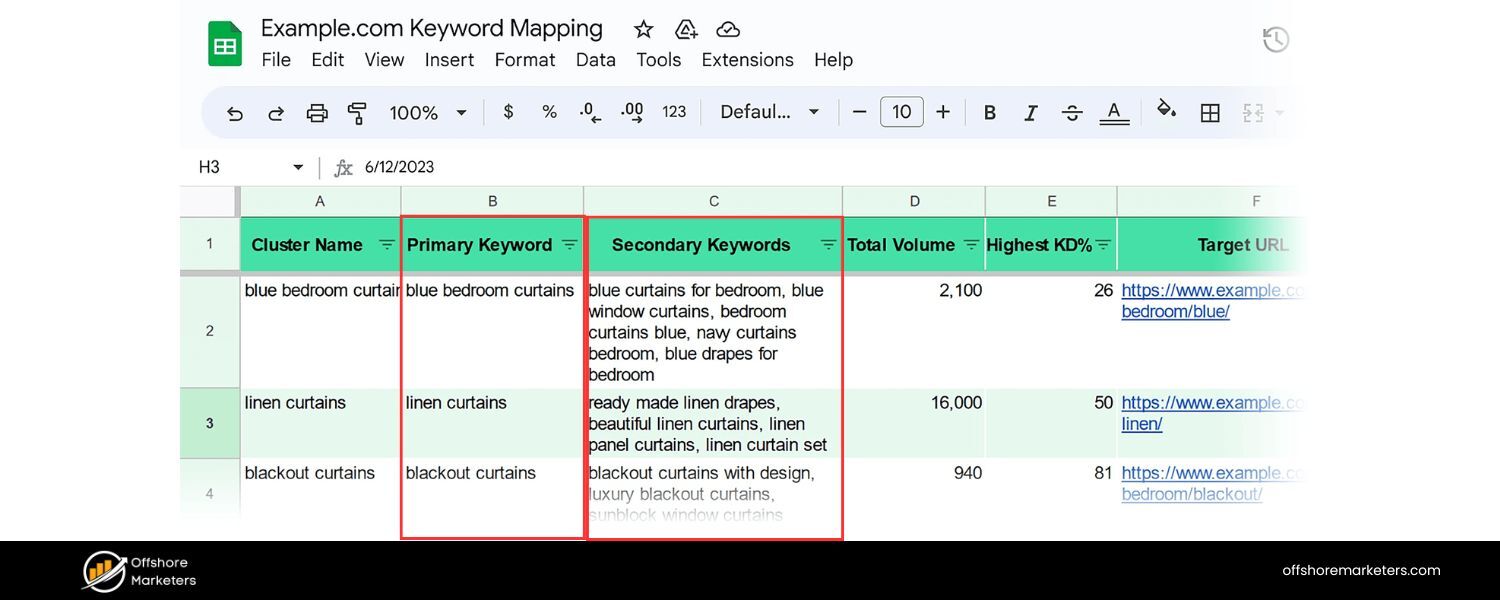
When planning content, SEOs often talk about primary and secondary keywords. This is an on-page optimization concept:
1. Primary Keyword
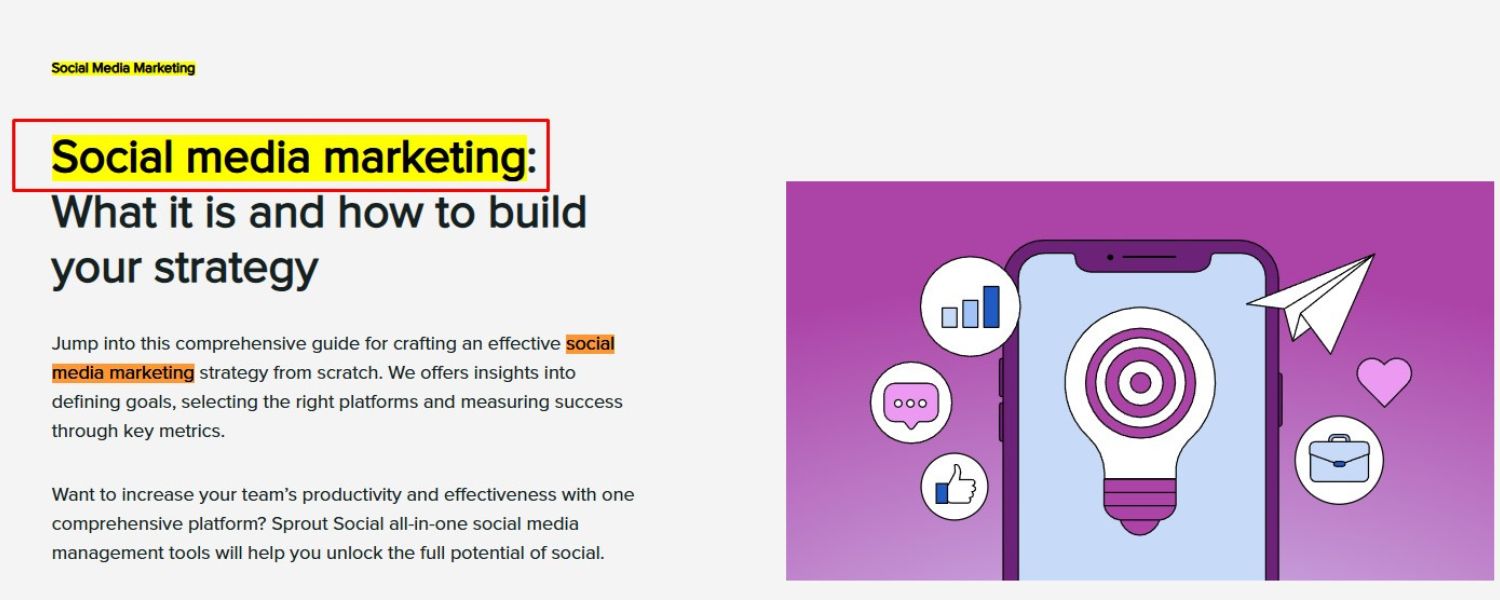
This is the main focus keyword for a given page or piece of content. It’s the term you most want that page to rank for. You should choose a unique primary keyword for each important page, based on relevance, search volume, and difficulty.
For example, if you’re writing a blog titled “10 Tips for Marathon Training”, your primary keyword might be “marathon training tips”.
With a primary keyword identified, you’ll incorporate it in key places: the title, headings, URL, meta description, and naturally throughout the content. The primary keyword essentially defines what your content is about.
2. Secondary Keywords (Related Keywords)
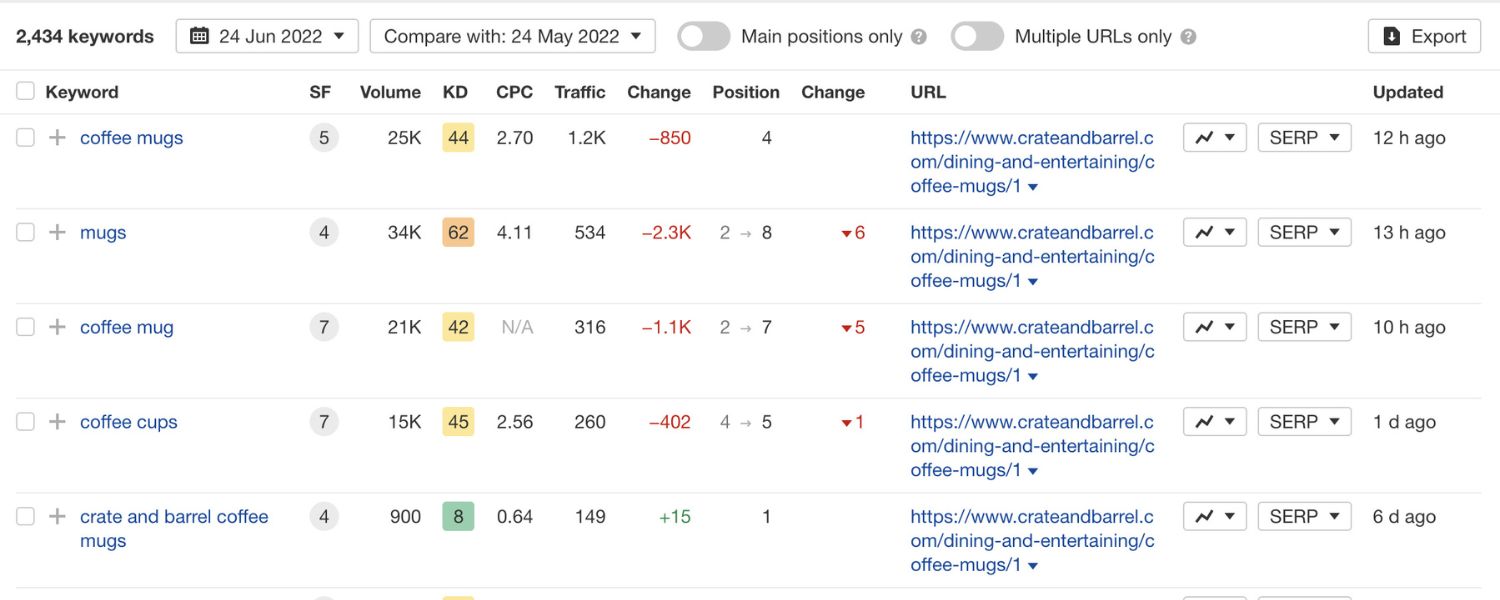
These are closely related terms and variations that support your primary keyword. They are sometimes called LSI keywords or semantic keywords (though “LSI keywords” is actually a bit of an SEO myth – it refers to “latent semantic indexing”, an old concept.
Google doesn’t literally use LSI technology today, but it does look for semantically related terms). Essentially, secondary keywords include synonyms, subtopics, and common phrases people also use in context. Using them helps your content cast a wider net and cover a topic comprehensively.
For instance, for the “marathon training tips” article, secondary keywords might be “long distance running advice,” “marathon beginner mistakes,” “hydration for marathon runners,” etc. They enrich the content and signal to search engines that your page is relevant to a broad set of searches around that topic.
In practice, when doing keyword research for a page, you’ll identify one primary keyword and then a list of secondary keywords to sprinkle in.
Modern SEO tools often provide related keywords or “people also search for” suggestions – these make great secondary keywords. By including them, you can rank for multiple related queries with one page and satisfy readers by covering multiple facets of the topic.
Note: Always use secondary keywords naturally. Don’t force them if they don’t make sense, and don’t over-stuff them. The goal is to enhance relevance, not to cram in terms.
Often, simply writing comprehensively will naturally incorporate many related terms. For example, if you write a thorough article on “digital marketing strategy”, you will likely mention related concepts like SEO, social media marketing, content strategy, PPC, analytics, etc. Those are your secondary keywords, effectively.
PPC Match Type Keywords (Broad, Phrase, Exact, Negative)
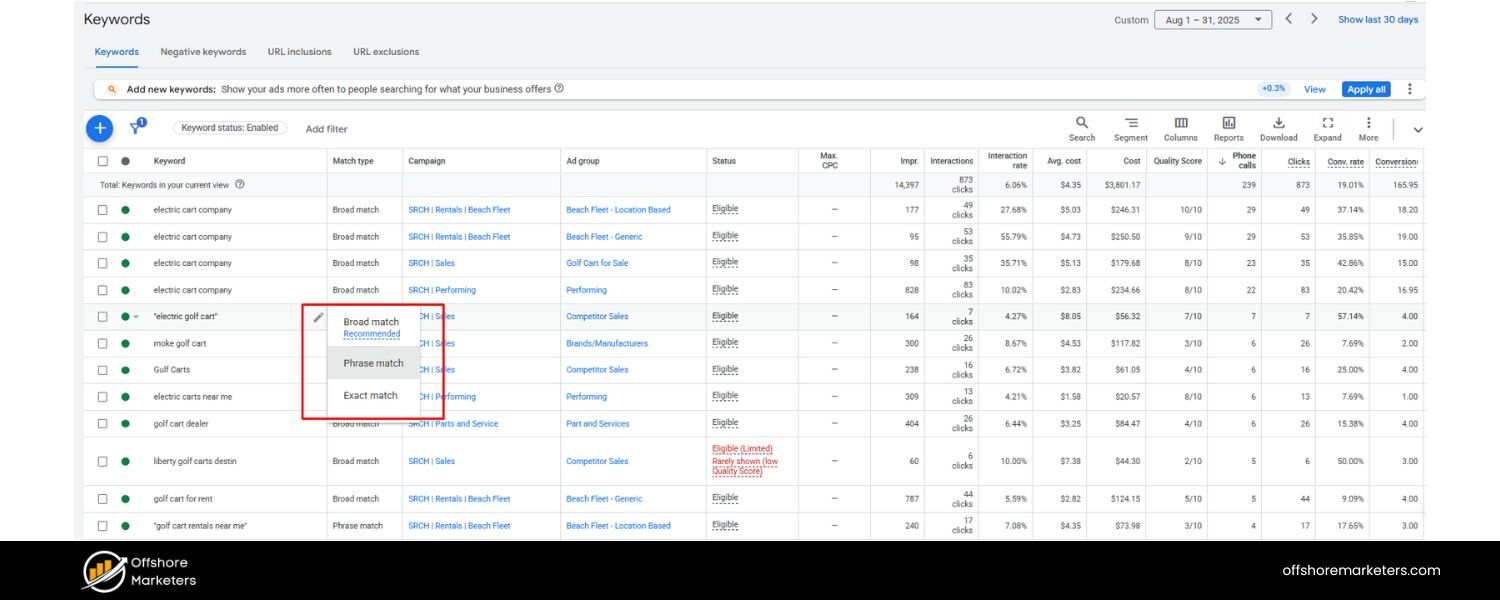
If you’re also running Google Ads (or other PPC campaigns), keywords can be further classified by match type, which determines how broadly or narrowly your ads trigger for search queries. Understanding these types is key to a cost-effective ad strategy:
1. Broad Match
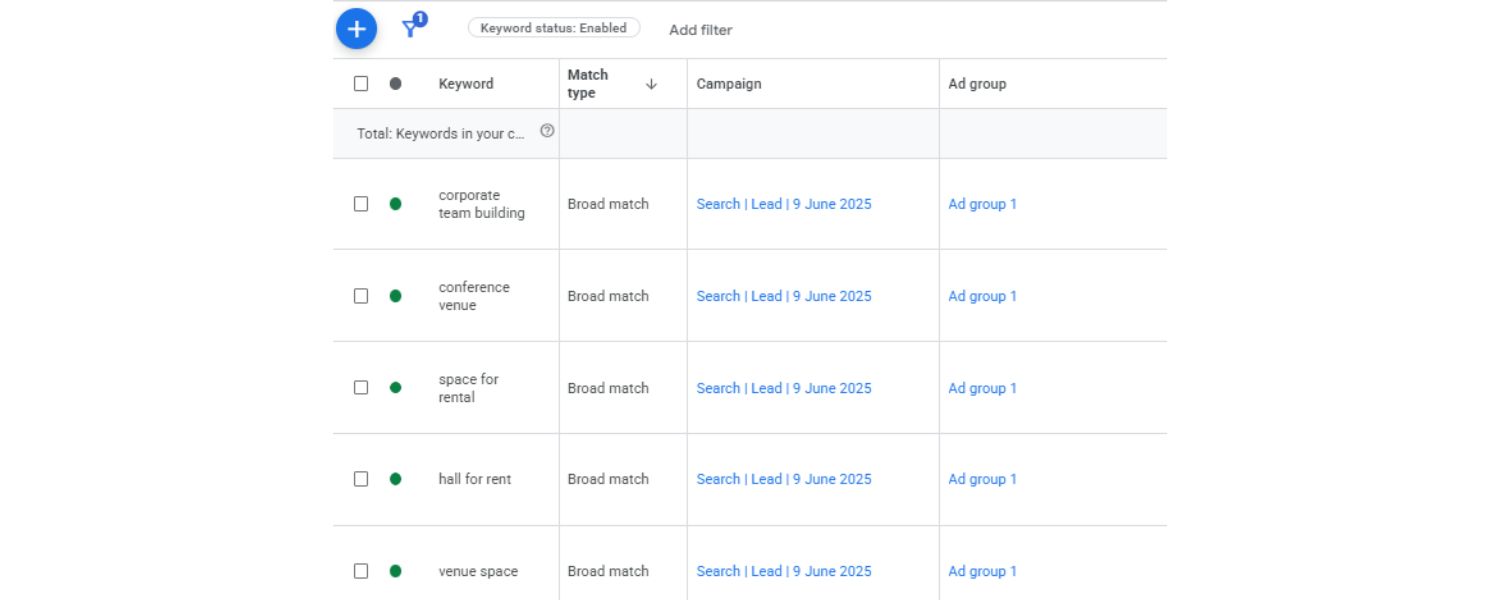
This is the default match type in Google Ads. Broad match keywords will trigger your ad for any search query that Google deems related, which can include synonyms, variations, and even loosely related topics.
For example, if you bid on broad match “exercise mat”, your ad might show on searches for “gym equipment” or “yoga stretching” because Google sees them as related.
Broad match offers the widest reach but lowest precision – you may get a lot of impressions (and clicks) that aren’t exactly what you offer.
It’s useful for discovery of new search terms and for maximizing exposure, but it requires careful monitoring and the use of negative keywords (more on that in a second) to avoid wasted spend.
2. Phrase Match
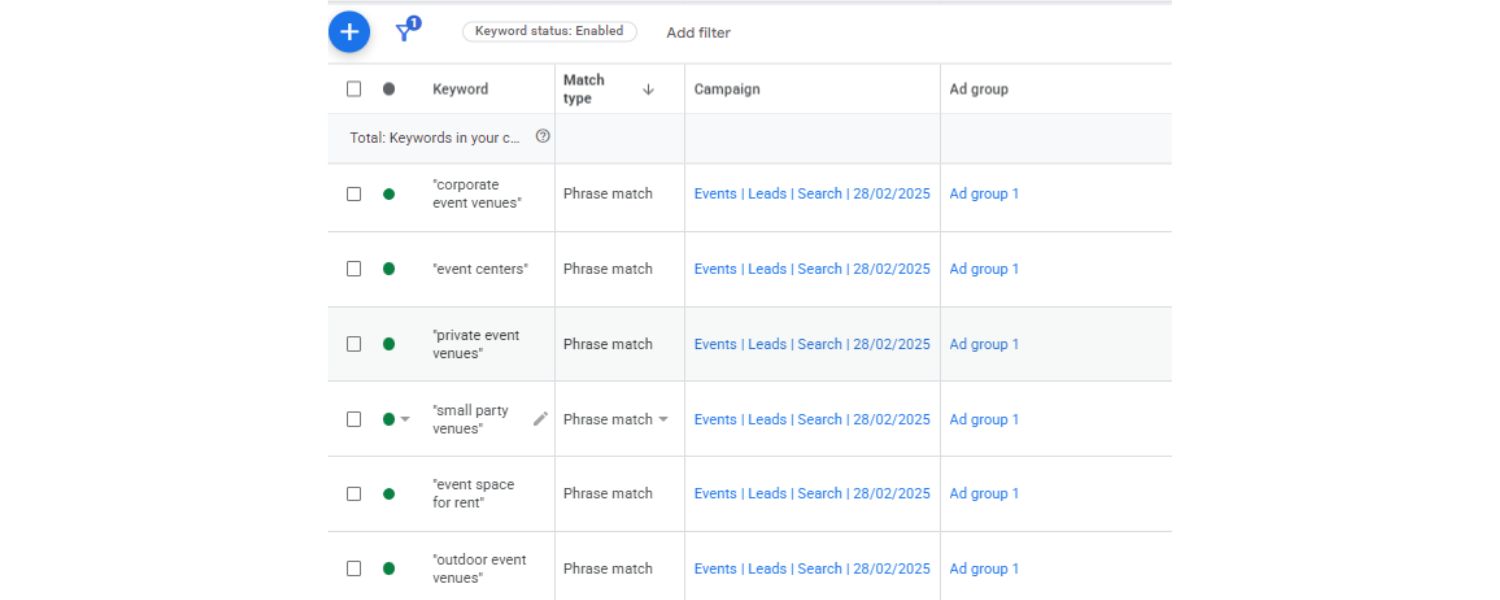
Phrase match keywords trigger your ad when the user’s search includes the exact phrase or a close variation of that phrase in order. The query can have other words before or after the phrase, but the core phrase must appear.
If your phrase match keyword is “exercise mat”, your ad could show on “thick exercise mat for yoga” or “cheap exercise mat online”, but not for “exercise equipment mat” (because “exercise mat” wasn’t intact in that order).
Phrase match is a middle ground – more targeted than broad, but still flexible enough to catch variations. It’s good for capturing searches that contain your desired phrase with common modifiers.
3. Exact Match
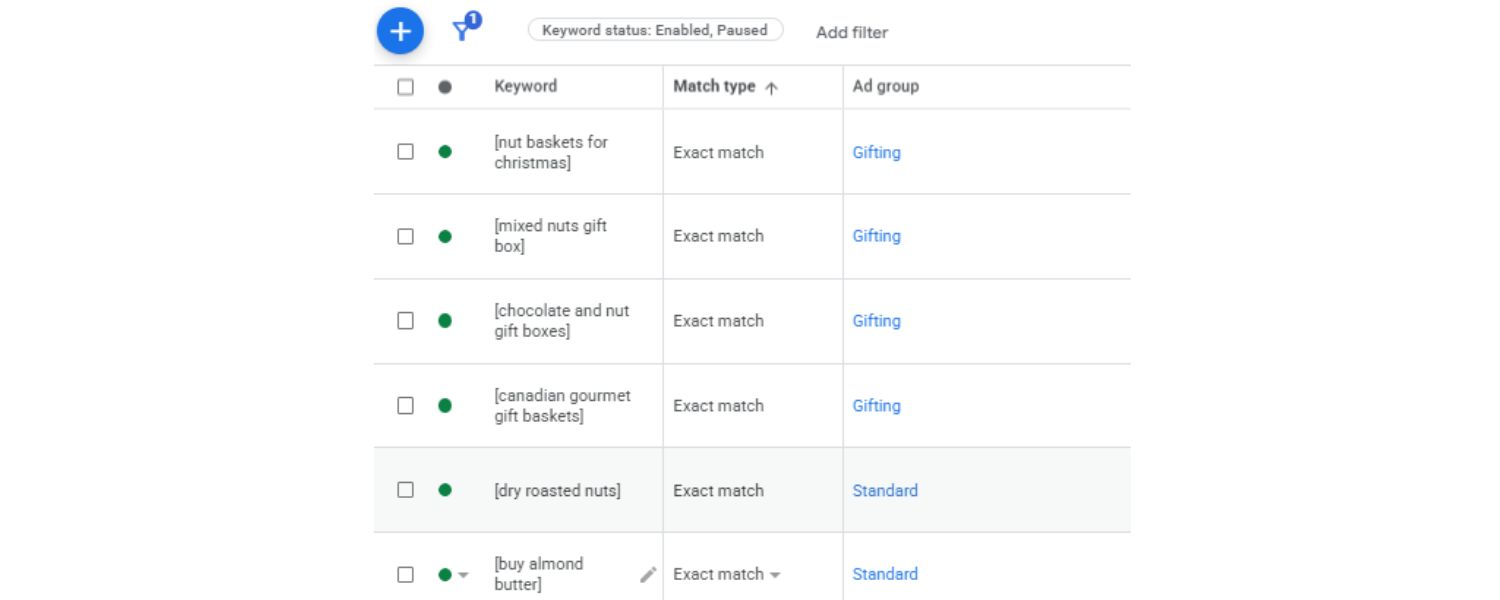
Exact match means your ad only shows when the query is essentially identical to your keyword (or very close variations, like plural forms or misspellings).
For example, an exact match [exercise mat] keyword would only match searches for “exercise mat” or very minor variants of that term – not “best exercise mats” or “mat for exercise”, etc.
Exact match offers the highest precision. It ensures the user’s query is exactly what you’re targeting, which often leads to better conversion rates since alignment is tight.
However, it severely limits reach – any search that deviates won’t trigger your ad. Exact match is useful when you have a highly specific term that you know converts well or describes your product perfectly.
In SEO terms (outside of advertising), we sometimes also refer to “exact match keywords” when discussing on-page optimization – meaning using the precise keyword phrase verbatim on the page.
That can help with relevance, but Google is smart enough that you don’t need to repeat exact phrases too often; synonyms and variations count toward relevance too.
4. Negative Keywords
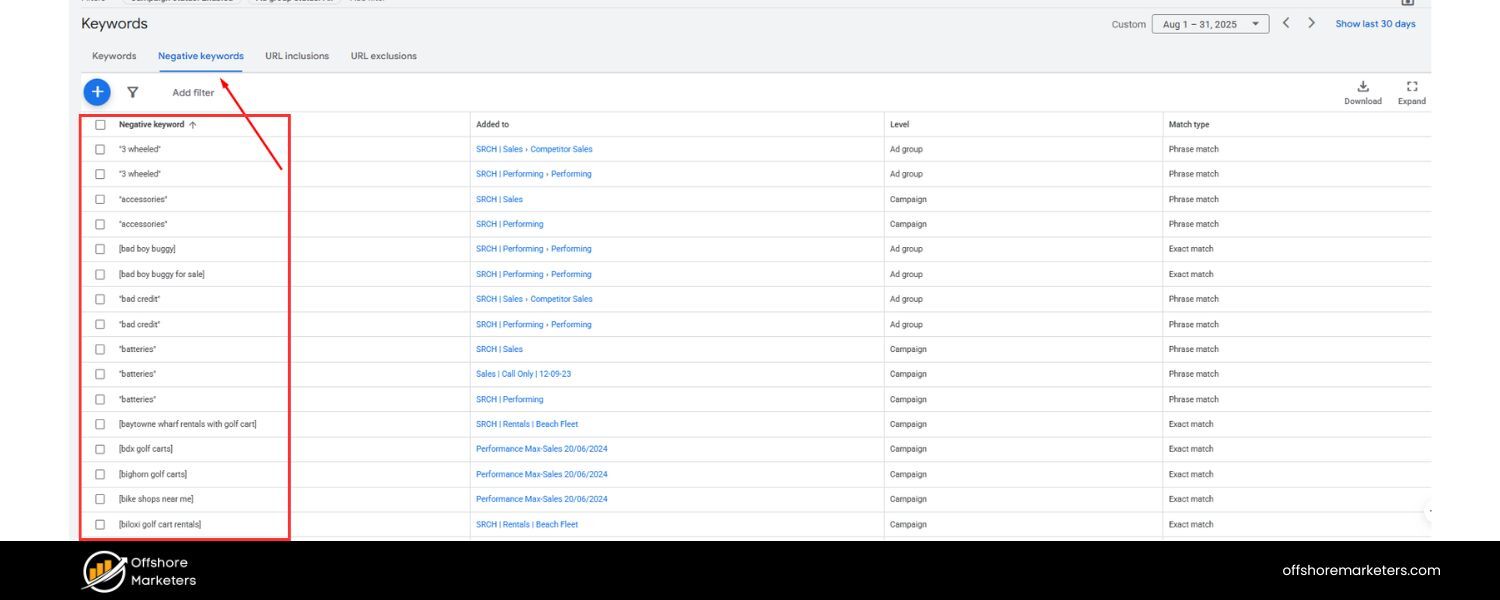
Negative keywords are the flip side – these are terms you exclude from triggering your ads. By adding a negative keyword to your campaign, you tell Google, “do not show my ad if the search query contains this term.” This is crucial for filtering out irrelevant traffic.
For instance, if you sell high-end luxury furniture and run ads for “office chairs”, you might add a negative keyword “cheap” or “free” – because someone searching “cheap office chairs” is probably not your target customer, and you don’t want to pay for that click.
Negative keywords help improve the efficiency and ROI of campaigns by preventing wasteful impressions and clicks. They’re also useful to avoid ambiguity.
If you have a keyword that could be interpreted differently, add negatives for the meanings that aren’t relevant. (E.g., if your keyword is “Apple” for tech products, you might negative out terms like “fruit” or “recipes”.)
In the context of SEO content (where “match types” aren’t a formal concept as they are in PPC), you can still think in terms of broad vs exact in a more conceptual way.
For instance, writing content that targets a broad topic vs. an exact phrase. But the match types are primarily a paid search concern. If you’re doing PPC, mastering match types is essential for reaching the right searchers without overspending.
Evergreen and Seasonal Keywords
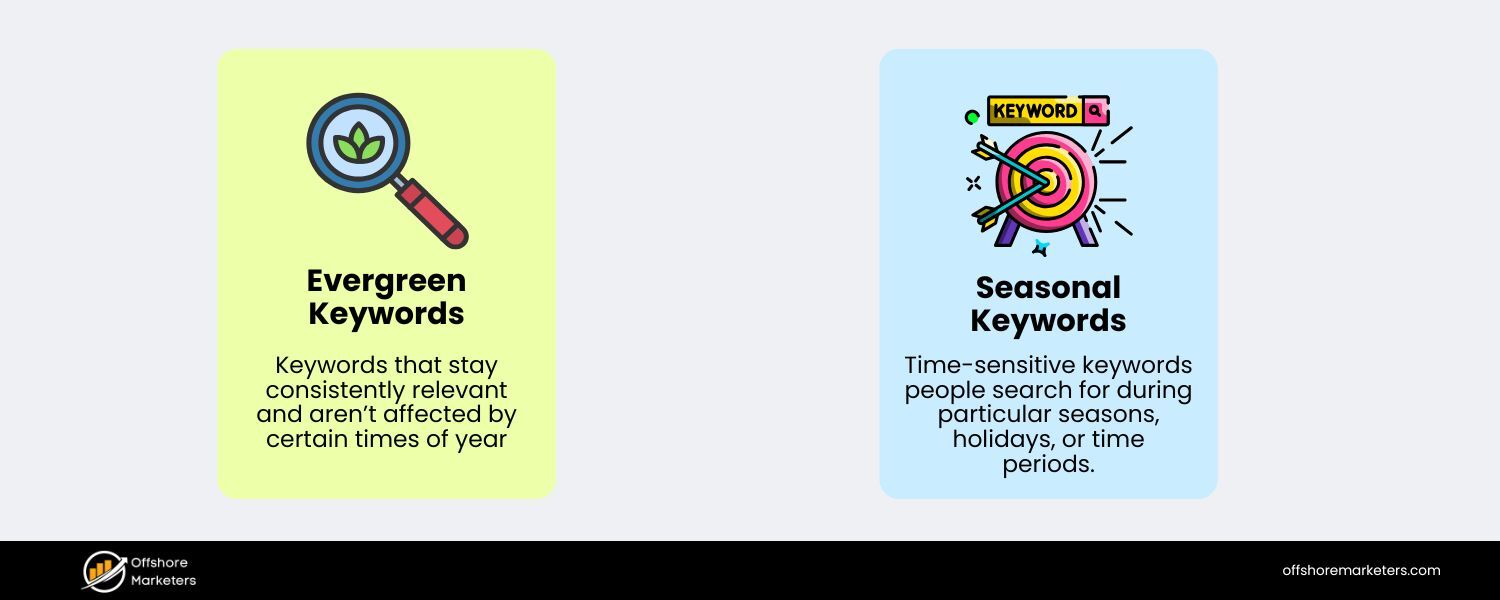
Not all keywords maintain the same popularity over time. Evergreen keywords are search terms that are consistently relevant and searched for year-round, year after year.
For example, “how to lose weight” or “email marketing tips” are evergreen topics – people will be searching those today and likely many years in the future at a steady rate. Evergreen keywords are great for content that can continuously attract traffic (so-called “evergreen content”).
Because they have a lasting interest, competition can be high, but the content you create for them can keep paying off with traffic over a long period if kept up-to-date.
On the other hand, seasonal keywords spike in popularity during certain times or events. For instance, “Halloween costume ideas” or “Black Friday deals 2025” have strong search volume around a specific season or date, then drop off.
Seasonal keywords include holiday-related searches, annual event searches, or even recurring trends (like “spring fashion trends [year]”).
These keywords are crucial if your business can take advantage of those peaks – for example, a retailer should prepare content and landing pages for holiday sales well in advance, targeting those seasonal phrases.
The traffic surge can be huge, but timing is everything, and the content might only be relevant for a short window (or needs updating each year).
There are also trending keywords – terms related to current events or viral topics that see a sudden burst of searches.
They’re less predictable and often short-lived, but hopping on a trend (with a blog post or social media content optimized for that trending keyword) can yield a temporary traffic boost and possibly backlinks. Just be aware that trends can fade as quickly as they appeared.
A well-rounded strategy will include targeting mostly evergreen keywords (for steady, long-term traffic), while layering in seasonal content (to capture those yearly spikes) and even the occasional trend (for timely relevance and buzz).
For example, a travel blog will have evergreen posts like “how to pack a suitcase efficiently” and seasonal posts like “best summer vacation destinations in Europe” and perhaps trending pieces like “New COVID travel regulations [this month]” when relevant.
Balancing these helps ensure you have consistent traffic throughout the year and can capitalize on upticks in interest.
(Pro tip: Use tools like Google Trends to check the seasonality of a keyword. You might discover that some queries you thought were evergreen actually have seasonal patterns. Knowing this lets you schedule content updates or promotions at just the right time.)
Seed Keywords and Broad Topics
Before we wrap up, it’s worth mentioning seed keywords – the starting points of your keyword research. Seed keywords are basic, broad terms that define your niche or product.
They’re typically short (one or two words) and very general. Think of them as the “seeds” from which more specific keyword ideas will grow.
For example, if you run a gardening e-commerce site, seed keywords might be “gardening”, “plants”, “garden tools”. If you’re a SaaS marketing tool, seeds could be “SEO”, “content marketing”, or “social media management”.
Seed keywords by themselves are often too broad to target directly (they’re usually short-tail with high competition). But they are invaluable because you plug them into keyword research tools to generate huge lists of more specific related terms.
Almost every more complex keyword is built off of a seed. For instance, starting with the seed “SEO”, you might derive keywords like “SEO tips for small business”, “SEO audit checklist”, “local SEO ranking factors”, and so on.
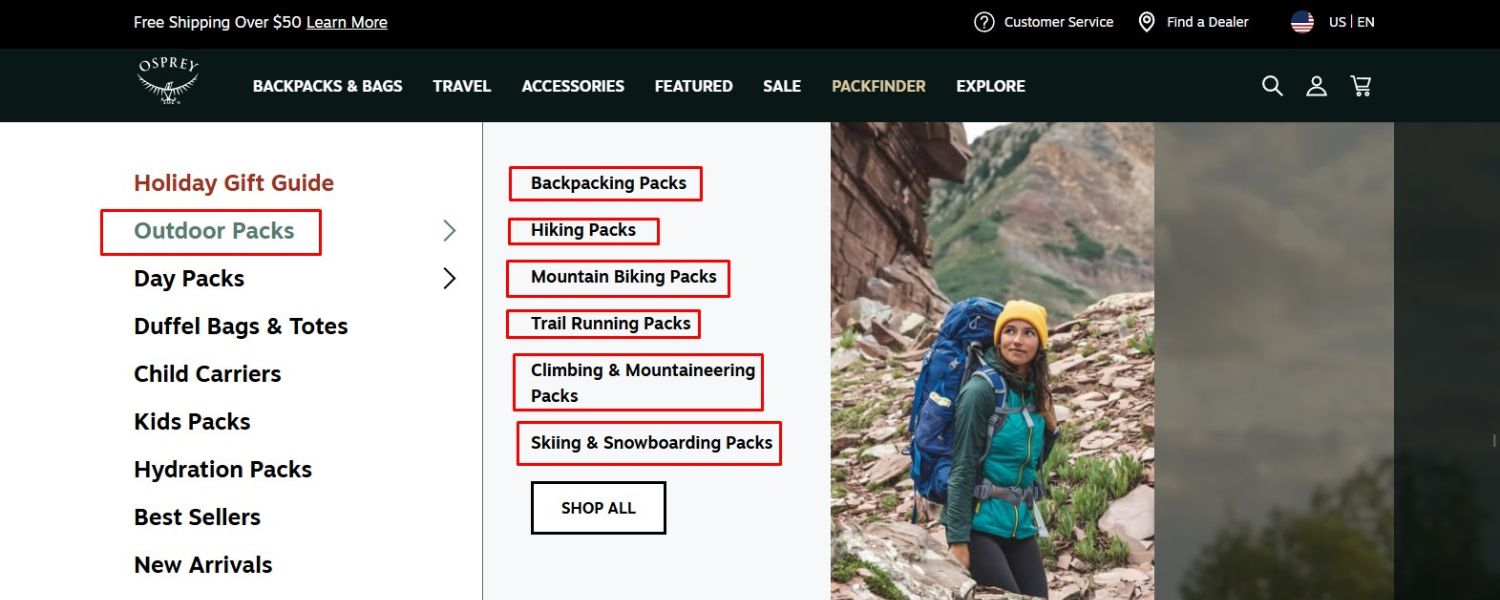
When brainstorming seeds, think about core aspects of your business and how someone might initially express interest in those. Also, examine your website’s main menu categories or your product categories – those are usually your seed terms.
Once you have seeds, use tools or even Google’s autocomplete/People Also Ask to expand into longer phrases (which become your actual target keywords).
Expert insight: Choosing good seed keywords ensures you explore the right universe of terms. If your seeds are off-base, your whole keyword strategy can veer in the wrong direction.
For example, a veteran marketer might recall how, in the early days, focusing on the wrong broad terms wasted countless hours of SEO work.
Always sanity-check a seed keyword by asking, “If someone searches just this term, are they even a potential customer for me?” If not, refine it.
A local luxury car repair shop wouldn’t use “car repair” as a seed (too generic); they’d use “luxury car repair” or specific brands like “BMW mechanic” to get relevant keywords for their high-end niche.
Conclusion and Key Takeaways
Understanding the different types of keywords is like having a blueprint for your SEO and SEM strategy. You’ve seen how intent categories (informational, navigational, commercial, transactional) map to the customer journey, how keyword length (short vs. long-tail) affects volume and competition, and how factors like branding, location, and seasonality further refine the picture.
With this knowledge, you can now analyze any keyword and know what role it plays – and more importantly, how to leverage it.
When creating your content calendar or planning an ad campaign, deliberately mix and match these keyword types:
A. Target a base of high-value informational keywords with quality content to draw in awareness-stage traffic.
B. Optimize product and landing pages for transactional keywords to capture ready buyers.
C. Incorporate plenty of long-tail, specific phrases in your blogs and product descriptions to scoop up niche searches (often, the most loyal customers come from specific needs).
D. Include geo-targeted terms if relevant, to dominate local search results.
E. Keep an eye on seasonal/trending keywords and prepare content in advance to surf those waves of traffic.
F. Continuously monitor your primary keywords and enrich your pages with secondary terms to stay relevant as search algorithms evolve.
Remember, effective keyword strategy isn’t about choosing one type over another – it’s about layering them together. By covering all these types of keywords in your SEO and PPC efforts, you create multiple pathways for users to find you.
You’ll attract visitors at different stages of interest and from different angles, building a stronger overall presence.

Why Roseville Startups are Choosing Offshore Marketers to Scale Smarter
Roseville is no longer just a quiet suburb of Sacramento;...

What Is PPC? A Practical Guide to Pay‑Per‑Click Advertising
Pay‑per‑click (PPC) is the “pay only when someone clicks” branch...

Google Search Issues Affecting Results in Some Regions
Google has confirmed a problem with one of its data...

Keyword Counts Dropped After Google’s num=100 Change
In September 2025, Google stopped supporting the &num=100 parameter. This...

Image SEO: Optimize Images for Higher Rankings & Traffic
Introduction Images make your website more engaging, but they can...


.png)
.png)
.png)
.png)
.png)

2024 ALL RIGHTS RESERVED MADE IN INDIA
.png)